Why Organic Search Rankings Matter for HVAC Companies
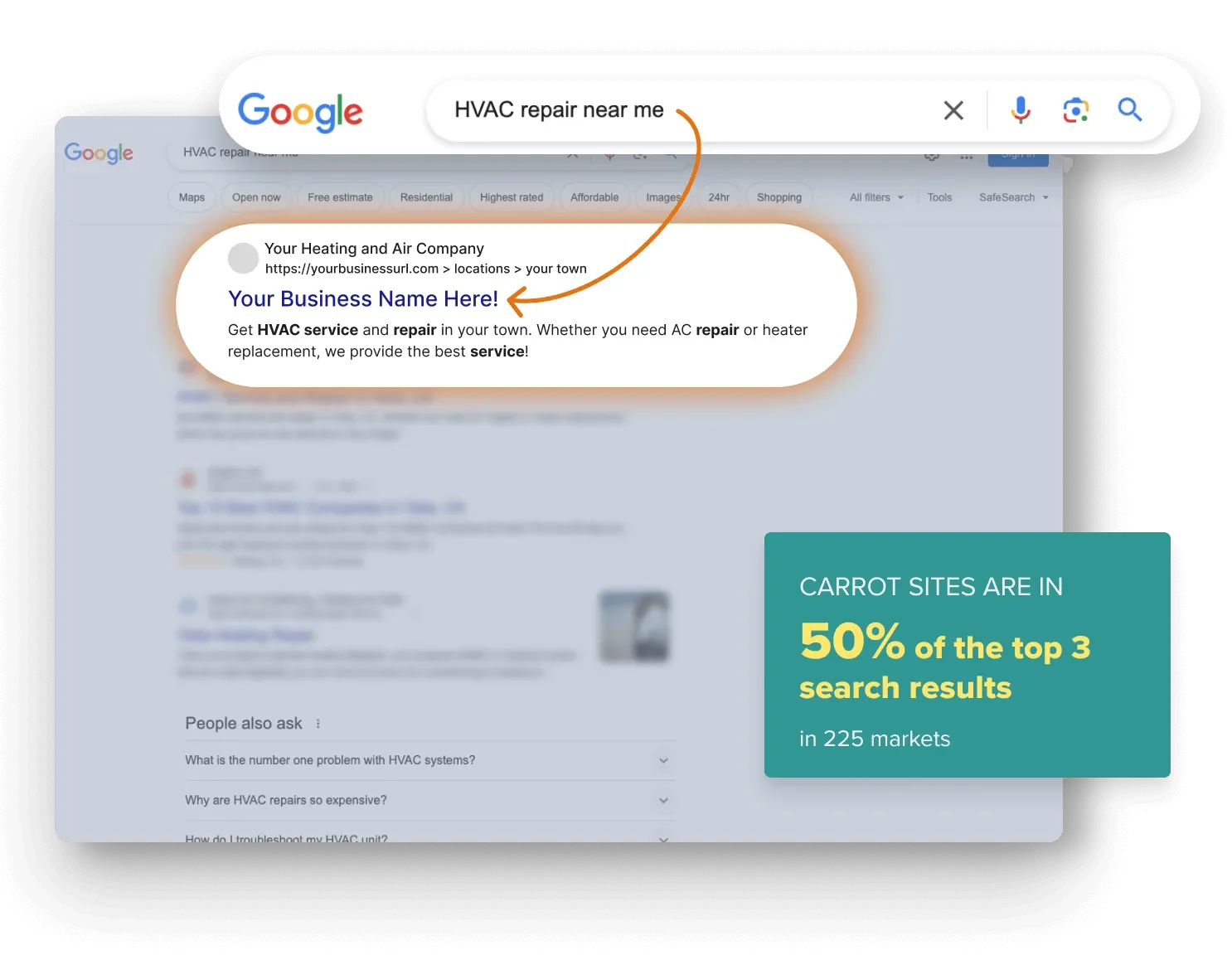
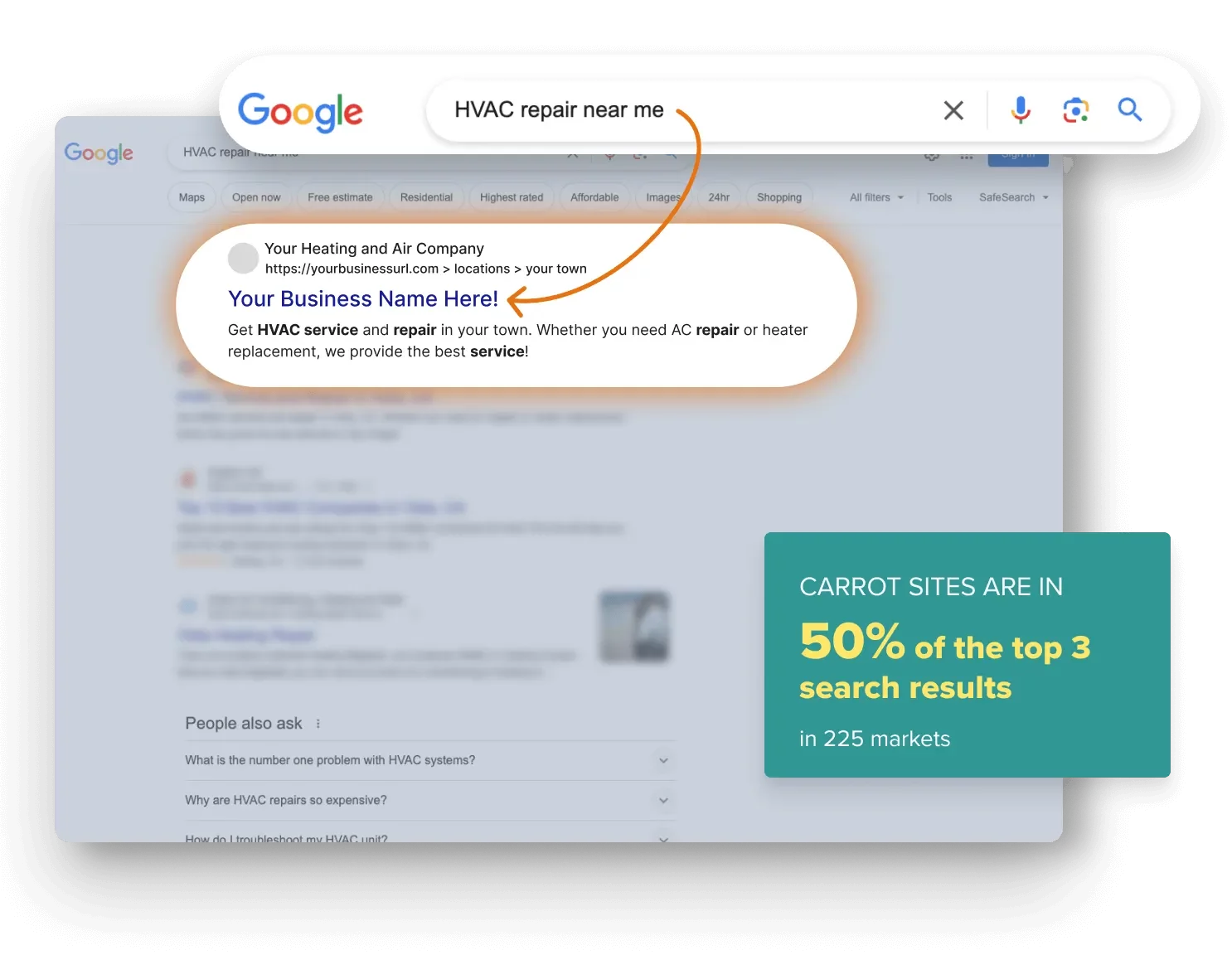
Imagine a homeowner in the middle of a sweltering summer whose air conditioning suddenly fails. What’s their first move? They likely pull out their smartphone and search for “HVAC repair near me.”
The companies at the top of the search results will most likely get the call. This underscores the critical importance of high organic search rankings for HVAC contractors. If your HVAC business isn’t showing up on the first page of search results, you’re missing out on potential leads and revenue. Organic search rankings are not just about visibility; they are a powerful driver of business growth.
SEO is no longer optional for HVAC companies; it’s a necessity. With thousands of potential customers searching for HVAC services online daily, standing out in the crowded market is crucial. SEO for HVAC ensures your services are prominently displayed when customers search, leading to increased website traffic, leads, and conversion rates. This guide provides actionable strategies for HVAC contractors to enhance their SEO, helping you tap into the vast online marketplace.
In this guide, you’ll learn the ins and outs of SEO tailored specifically for HVAC companies. We will cover everything from keyword research and on-page optimization to technical SEO and link-building strategies. By the end of this post, you’ll have a clear roadmap to improve your website’s organic search rankings.
Whether new to SEO or looking to refine your strategies, this guide will equip you with the tools and knowledge to increase your online visibility and grow your HVAC business.
Does your website check these 9 critical boxes? Use our free HVAC Website Checklist to find out!
Table of Contents
- Understanding the Basics of SEO for HVAC
- Keyword Research for HVAC Services
- On-Page SEO Strategies for HVAC Websites
- Local SEO and Google Business Profile
- Technical SEO for HVAC Websites
- Link Building Strategies for HVAC Companies
- 100 Best SEO Keywords for HVAC Companies

Understanding the Basics of SEO for HVAC
What is SEO?
SEO, or Search Engine Optimization, is the process of enhancing your website’s visibility on search engines like Google. For HVAC businesses, SEO is essential because it directly impacts how easily potential customers can find you online. By optimizing your HVAC website for search engines, you increase the chances of appearing at the top of search results when users look for HVAC services.
This visibility translates into more traffic, leads, and, ultimately, more business. Effective SEO for HVAC companies means leveraging your digital presence to attract customers who need your services.
Key Components of SEO
To maximize your HVAC company’s online visibility, it’s crucial to understand the three main components of SEO: on-page, off-page, and technical SEO.
- On-Page SEO:
- Content Quality: High-quality, relevant content is king. Ensure your content addresses common customer queries and incorporates HVAC keywords naturally, such as “HVAC repair” or “AC installation.”
To help you get started, use our Carrot Keyword Research + On-Page Optimization Worksheet. - Keyword Optimization: Use tools like Google Keyword Planner to find and integrate keywords your potential customers are searching for.
- Meta Tags: Optimize your title tags and meta descriptions to be concise and keyword-rich. For instance, your homepage might have a title tag like “Professional HVAC Services – [Your City] | Expert Repair & Installation.”
- Headers and Subheaders: Utilize H1, H2, and H3 tags to organize your content. This not only improves readability but also helps search engines understand the structure of your content.
- Content Quality: High-quality, relevant content is king. Ensure your content addresses common customer queries and incorporates HVAC keywords naturally, such as “HVAC repair” or “AC installation.”
- Off-Page SEO:
- Backlinks: Build a network of quality backlinks from reputable websites. This could include local business directories, industry associations, or satisfied customers.
- Social Media Presence: Engage with your audience on platforms like Facebook and LinkedIn. While social signals aren’t direct ranking factors, they contribute to your online visibility and brand authority.
- Customer Reviews: Encourage satisfied clients to leave positive reviews on platforms like Google My Business and Yelp. Reviews enhance your credibility and influence your rankings in local search results.
- Technical SEO:
- Page Speed: Ensure your website loads quickly. A slow site can deter visitors and negatively impact your search engine rankings.
- Mobile-Friendliness: With more searches conducted on mobile devices, a responsive design is essential. Google prioritizes mobile-friendly websites in its search results.
- Secure and Accessible Website: Make sure your site is secure (HTTPS) and easy for search engines to crawl and index. Tools like Google Search Console can help you monitor and resolve any issues.
By focusing on these key SEO components, HVAC contractors can increase their online visibility, attract more qualified leads, and grow their business.
Keyword Research for HVAC Services
Identifying Keywords
Effective keyword research is the backbone of a successful SEO strategy, especially for HVAC services. The right keywords ensure your content reaches the audience most likely to need your services. Here are some tips on identifying the best keywords for your HVAC business:
- Start Broad: Begin with general terms related to your services, such as “HVAC repair,” “air conditioning installation,” or “furnace maintenance.”
- Consider User Intent: Consider what potential customers are searching for at each journey stage. Are they looking for information or ready to schedule a service?
- Incorporate Location: Since HVAC services are localized, include region-specific terms like “HVAC repair in ” or “air conditioning installation in .” This helps target users searching for services in their area.
Tools for Keyword Research
Several powerful tools can help HVAC contractors uncover the most effective keywords to target:
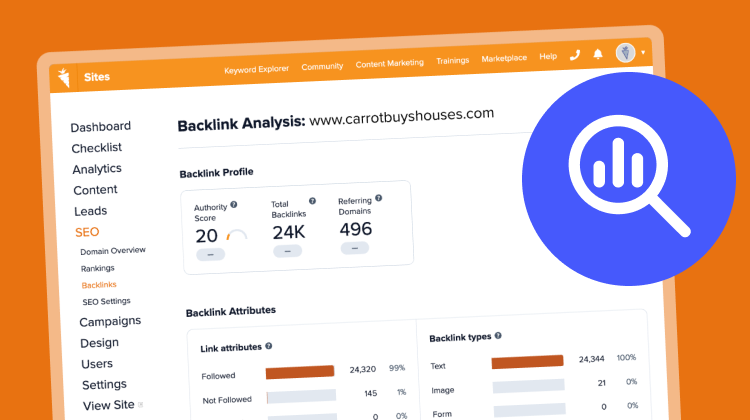
- Carrot’s Keyword Explorer: This powerful tool helps you analyze your website & the competition’s website to find the right next keyword to target in your SEO strategy
- Google Keyword Planner: This free tool is a great starting point for discovering new keywords and seeing their search volume and competition level.
- SEMrush: A comprehensive tool that helps with keyword research and provides insights into your competitors’ keywords and strategies.
- Ahrefs: Offers a robust keyword explorer that can show you keyword difficulty, related keywords, and potential traffic estimations.
By utilizing these tools, you can refine your list of keywords to focus on those most relevant to your services and likely to drive traffic to your site.
Long-Tail Keywords
Long-tail keywords are longer, more specific keyword phrases that visitors are more likely to use when they’re closer to purchasing or booking a service. Here’s why they’re important for HVAC contractors:
- Higher Conversion Rates: Because they are more specific, long-tail keywords often increase conversion rates. For example, “emergency furnace repair in ” targets a specific need, likely leading to a quicker conversion.
- Less Competition: Long-tail keywords tend to have less competition, making ranking higher in search results easier.
- Better Targeting: These keywords help attract users looking for exactly what you offer, increasing the likelihood of turning visitors into customers.
Incorporating long-tail keywords into your SEO strategy can significantly boost your visibility for specific searches, drawing in more qualified leads ready to engage with your services.
On-Page SEO Strategies for HVAC Websites
Effective on-page SEO is crucial for HVAC websites looking to improve their search engine rankings and attract more organic traffic. Here are some key strategies for optimizing your HVAC website and enhancing its online visibility.
Title Tags and Meta Descriptions
Title tags and meta descriptions are the first elements potential customers see in search engine results, making them vital for driving clicks and engagement.
- Crafting Title Tags: Your title tags should be concise and descriptive and include your primary keyword, such as “SEO for HVAC.” Keep them under 60 characters to ensure they are fully displayed in search results. For example, “Expert HVAC Services—Reliable Repair & Installation in .”
- Writing Meta Descriptions: Meta descriptions should briefly summarize the page’s content and encourage users to click through. Aim for 150-160 characters, incorporating relevant keywords and a compelling call to action. For instance, “Need reliable HVAC services in ? Our experts offer fast and efficient repairs. Contact us today!”
Content Optimization
High-quality, relevant content is the cornerstone of successful SEO. It helps search engines understand your site’s relevance and engages your audience.
- Keyword Integration: Naturally incorporate your primary and secondary keywords throughout the content. For example, if discussing HVAC maintenance, phrases like “cooling services” or “air conditioning repair in ” should be seamlessly included.
- Readability: Break up the text with short paragraphs, bullet points, and subheadings. This makes the content easier for visitors to read and digest.
- Value-Driven Content: Address common questions and concerns of your audience, providing clear, actionable advice or solutions.
Image Optimization
Images enhance your website’s visual appeal and help convey your work’s quality. Optimizing them for SEO ensures they contribute to your site’s performance.
- Alt Tags: Use descriptive alt tags for all images, incorporating relevant keywords. For instance, “HVAC technician installing a new furnace in .”
- File Names: Rename image files to be descriptive and keyword-rich, like “hvac-installation-.jpg” instead of “IMG1234.jpg.”
- Compression: Compress images to reduce file size and ensure faster load times, which improves user experience and boosts SEO.
Internal Linking
Internal linking helps distribute page authority and assists search engines in understanding your site’s structure. It also enhances user navigation, encouraging visitors to explore more of your site.
- Link to Relevant Pages: Within your content, link to other relevant service pages or blog posts. For example, when mentioning AC repair, link to your dedicated air conditioning repair service page.
- Use Descriptive Anchor Text: The clickable text of your link should accurately describe the linked page’s content, making it clear to users and search engines what they can expect.
By implementing these on-page SEO strategies, HVAC contractors can improve their website’s search engine rankings, increase their visibility, and attract more potential customers.
Local SEO for HVAC and Google Business Profile
Local SEO is a critical component of any HVAC contractor’s digital strategy. It ensures your business is visible to potential customers in your geographic area. Leveraging tools like Google Business Profile and maintaining consistent local citations can significantly boost your online presence. Here’s how to optimize your local SEO for HVAC services.
Claiming and Optimizing Google Business Profile
Google Business Profile is a free tool to manage your business’s appearance on Google Search and Maps. Here’s a step-by-step guide to setting up and optimizing your GBP listing:
- Claim Your Listing: Visit the Google Business Profile website and sign in with your Google account. Search for your business and claim it if it already exists. If not, create a new listing.
- Provide Accurate Information: Fill out all relevant business details, including your business name, address, phone number, and website URL.
- Choose Relevant Categories: Select the most appropriate categories for your business. For HVAC contractors, options might include “HVAC contractor,” “Air conditioning repair service,” or “Furnace repair service.”
- Add High-Quality Photos: Upload images of your team, equipment, and completed projects. High-quality photos make your listing more appealing and trustworthy.
- Encourage Customer Reviews: Ask satisfied customers to leave reviews on your GMB listing. Positive reviews improve your local search ranking and build trust with potential customers.
- Regularly Update Your Listing: Update your business hours, services, and contact information. Post updates about new services, promotions, or company news.
Local Citations and Reviews
Local citations mention your business’s name, address, and phone number on other websites and directories. They play a crucial role in local SEO.
- Ensure Accurate Listings: Consistent and accurate listings on local directories (like Yelp, Yellow Pages, and local chamber of commerce websites) help improve your local search rankings.
- Monitor and Respond to Reviews: Monitor reviews on platforms like Google, Yelp, and Facebook. Responding to positive and negative reviews shows you value customer feedback and are committed to excellent service.
- Encourage Positive Reviews: Implement strategies to encourage customer reviews, such as follow-up emails after service or incentives for leaving feedback.
NAP Consistency
NAP stands for Name, Address, and Phone number. Consistency in your NAP information across all platforms is vital for local SEO.
- Audit Your Listings: Regularly check your business listings on various online directories to ensure your NAP information is consistent.
- Update Incorrect Information: Correct any discrepancies in your business name, address, or phone number immediately to maintain consistency.
- Use a Standard Format: Adopt a standard format for your NAP information and use it across all listings and citations.
By focusing on local SEO and effectively utilizing Google My Business, HVAC contractors can enhance their visibility in local searches, attract more qualified leads, and build a strong reputation in their community.
Technical SEO for HVAC Websites
Technical SEO is the foundation that supports all other aspects of search engine optimization. Ensuring your HVAC website is technically sound will enhance user experience and improve search engine rankings. Here’s how to optimize your HVAC website from a technical standpoint.
Website Speed and Mobile-Friendliness
In today’s fast-paced digital world, users expect websites to load quickly and display correctly on all devices. Here’s why website speed and mobile-friendliness are crucial:
- Importance of Page Speed: A slow-loading website can frustrate users and increase bounce rates, negatively affecting your SEO. Use tools like Google PageSpeed Insights to assess and improve your website’s load time.
- Optimization Tips: Compress images, minimize CSS and JavaScript files, and leverage browser caching to enhance your site’s speed.
- Mobile Responsiveness: With most searches now conducted on mobile devices, having a mobile-responsive website is essential. Google favors mobile-friendly sites in search rankings.
- Responsive Design: Ensure your website adapts seamlessly to different screen sizes and devices. Test your site’s mobile responsiveness using Google’s Mobile-Friendly Test tool.
Structured Data and Schema Markup
Structured data helps search engines understand your website’s content better, which can enhance how your listings appear in search results.
- Schema Markup for HVAC Services: Implementing schema markup specific to HVAC services can provide search engines with detailed information about your services, location, and customer reviews.
- How to Implement: Use schema markup for local businesses, service offerings, and customer reviews to enhance search result snippets. Tools like Google’s Structured Data Markup Helper can assist in this process.
- Benefits: Proper schema markup can lead to rich snippets, which provide more information to users at a glance and can improve click-through rates.
Site Architecture
A well-structured site architecture is crucial for both user experience and SEO. It helps search engines crawl and index your site more efficiently.
- Intuitive Navigation: Design your site with a clear and intuitive navigation structure. Users should be able to find what they’re looking for within a few clicks.
- Navigation Tips: Organize your pages into logical categories and use descriptive labels for menu items. Implement a breadcrumb trail to help users understand their location within your site.
- Crawlable Structure: Ensure your site is easily crawlable by search engine bots. A clean and straightforward URL structure and an updated XML sitemap can aid in this process.
- XML Sitemaps: Create and submit an XML sitemap to search engines to help them discover your pages. Regularly update the sitemap to reflect any changes in your site’s structure.
By focusing on these technical SEO aspects, HVAC contractors can provide a seamless user experience and ensure their websites are well-positioned in search engine rankings.
Link Building Strategies for HVAC Companies
Link building is a crucial aspect of SEO, significantly influencing your website’s authority and search engine rankings. By securing quality backlinks, HVAC companies can improve their visibility and credibility online. Here’s how to build a robust link profile for your HVAC business.
Importance of Backlinks
Backlinks, or inbound links, are links from other websites that direct users to your site. They are a key factor in how search engines determine the authority and relevance of your site.
- Impact on SEO: High-quality backlinks from reputable sites signal to search engines that your content is valuable and trustworthy, which can boost your rankings. Conversely, low-quality or spammy backlinks can harm your SEO efforts.
- Quality Over Quantity: Focus on earning backlinks from high-authority domains within your industry. A few high-quality links are more beneficial than numerous low-quality ones.
Local Partnerships and Directories
Leveraging local business partnerships and online directories can provide valuable backlinks and enhance your local SEO.
- Local Business Partnerships: Collaborate with local businesses and industry partners to exchange backlinks. For example, you could write a guest post for a local hardware store’s blog, including a link back to your site.
- Online Directories: Ensure your HVAC business is listed on reputable online directories such as Yelp, Angie’s List, and the Better Business Bureau. These listings often include a link back to your site and can improve your local search visibility.
- Community Involvement: Participate in local events and sponsorships, and ensure these activities are mentioned on their respective websites with a link back to your business.
Guest Blogging
Guest blogging is an effective way to build backlinks while positioning yourself as an industry expert.
- Identify Opportunities: Look for industry-related websites, blogs, or online publications that accept guest contributions. Sites focused on home improvement, energy efficiency, or local business news are great places to start.
- Create Valuable Content: Write informative and engaging articles that provide real value to the readers. Incorporate your expertise and include a relevant link back to your HVAC website.
- Maintain Relationships: Build relationships with the site owners or editors. A good rapport can lead to more guest blogging opportunities and additional backlinks in the future.
By implementing these link-building strategies, HVAC contractors can enhance their online authority, improve their search engine rankings, and attract more customers.
The 100 Best SEO Keywords for HVAC Companies
Before we dive into keywords you could target, let’s explore an important concept to choosing the right keywords: The Customer Journey.
What is a customer journey? A customer journey is the process a potential customer goes through when looking for a business, service, or solution. In the marketing and SEO world, this journey is broken down into three key stages: Awareness, Consideration, and Decision. You should target keywords at each of these stages to attract leads at different points in their journey and lead them “down the funnel” or through the purchasing journey.
- Awareness Stage: At this initial stage, potential customers recognize a need or problem but are unaware of specific solutions. For HVAC services, this could mean a homeowner noticing their air conditioner isn’t cooling as effectively as it used to or an office manager realizing the heating system isn’t keeping the space warm enough.
- Consideration Stage: Here, the customer has clearly defined their problem or need and is actively researching and evaluating different options. In the context of HVAC services, this might involve looking into various types of HVAC systems, reading reviews, comparing service providers, and seeking information on costs and benefits.
- Decision Stage: At the final stage, the customer is ready to make a purchase or hire a service. They have narrowed down their options and are deciding which HVAC company to choose or which specific system or service to invest in.
Importance of Tailored Keywords:
Different keywords are essential at each customer journey stage to effectively guide potential customers toward your services. Here’s why:
- Awareness Stage Keywords: Customers seek general information and solutions to their problems during this stage. Keywords should focus on educating and informing, addressing common issues and questions. For example, keywords like “why is my AC not working” or “benefits of HVAC systems” help capture the attention of those just beginning their search.
- Consideration Stage Keywords: At this point, customers are comparing different solutions and providers. Keywords should be more specific and include detailed information about services, features, and comparisons. Keywords such as “best HVAC systems 2024,” “AC repair services,” and “HVAC installation cost” are crucial for attracting customers who are evaluating their options.
- Decision Stage Keywords: Customers are ready to take action, so keywords should be transactional and geared toward conversion. Keywords like “book HVAC service online,” “emergency HVAC repair near me,” and “same-day HVAC installation” are designed to capture customers who are ready to make a purchase or schedule a service.
By tailoring your keywords to each stage of the customer journey, you can ensure that your content meets the needs of potential customers at every point in their decision-making process. This strategic approach enhances your SEO efforts and increases the likelihood of converting visitors into loyal customers.
Awareness Stage Keywords
In the Awareness Stage, potential customers are just beginning to identify their needs and are seeking general information to understand and define their problems. They might not yet know the specifics of what they need, but they are starting to look for answers to basic questions and general advice. This is where your content can significantly impact by providing valuable information and establishing your HVAC company as a trusted resource.
Keyword Categories:
- Informational Keywords: These keywords target users looking for general knowledge and educational content about HVAC systems. They aim to answer broad questions and provide foundational information.
- “HVAC basics”: Content focusing on the fundamental aspects of HVAC systems, explaining what they are, how they work, and their components.
- “What is HVAC?”: Articles and resources that define HVAC, breaking down the acronym and explaining the purpose and function of these systems.
- “Benefits of HVAC systems”: Posts that highlight the advantages of having a well-functioning HVAC system, such as improved indoor air quality, energy efficiency, and comfort.
- Problem Identification Keywords: These keywords help users diagnose issues they are experiencing with their HVAC systems. By addressing common problems and symptoms, your content can help them understand their needs.
- “Why is my AC not working?”: Guides and troubleshooting tips that help users identify potential reasons for their air conditioning issues.
- “Signs your furnace needs repair”: Articles outlining the common signs that indicate a furnace might require professional attention, such as unusual noises, inconsistent heating, or increased energy bills.
- “Common HVAC problems”: Comprehensive lists and explanations of typical HVAC issues that homeowners and businesses might encounter, helping them to recognize when it’s time to seek professional help.
- Local Informational Keywords: These keywords are geared toward users looking for information about HVAC services in their specific area. They help you attract local customers who are searching for nearby solutions.
- “HVAC services near me”: Content that highlights your company’s proximity and availability, making it easy for local customers to find and contact you.
- “Best HVAC company in ”: Posts that position your business as a top choice in the local market, including customer reviews, awards, and testimonials to build credibility.
- “Local HVAC experts”: Articles and pages that emphasize your expertise and experience in providing HVAC services to the local community, showcasing your knowledge of regional climate and common issues.
By strategically incorporating these awareness stage HVAC keywords into your content, you can attract potential customers who are just starting their search. Providing them with the information they need at this early stage builds trust and positions your HVAC company as the go-to source for reliable and helpful advice. This approach sets the foundation for guiding them through the subsequent stages of their customer journey.
Awareness Stage HVAC Keywords
- HVAC basics
- What is HVAC?
- Benefits of HVAC systems
- Why is my AC not working?
- Signs your furnace needs repair
- Common HVAC problems
- HVAC services near me
- Best HVAC company in
- Local HVAC experts
- How HVAC systems work
- Types of HVAC systems
- HVAC maintenance tips
- Importance of regular HVAC servicing
- Energy-efficient HVAC systems
- HVAC system installation guide
- HVAC troubleshooting tips
- How to choose an HVAC system
- HVAC system lifespan
- HVAC safety tips
- Benefits of HVAC zoning
Consideration Stage Keywords
In the Consideration Stage, potential customers have clearly identified their needs or problems and are now actively researching and comparing various HVAC solutions. They seek more detailed information about specific services, products, and providers. This is the stage where your content can help them make informed decisions by offering comprehensive insights and comparisons.
Keyword Categories:
- Service-Specific Keywords: These keywords are focused on the specific HVAC services that customers might be considering. They help potential clients find detailed information about your company’s services.
- “AC repair services”: Content that explains the process, benefits, and typical issues addressed by professional AC repair services, highlighting your expertise and customer satisfaction.
- “Furnace installation cost”: Articles that break down the costs associated with furnace installation, including factors that affect pricing and the benefits of professional installation.
- “Duct cleaning services”: Informative posts detailing the importance of duct cleaning, the process involved, and how it contributes to improved indoor air quality and system efficiency.
- Comparative Keywords: These keywords cater to customers who are comparing different HVAC systems, brands, or types of services. They provide side-by-side evaluations to help customers choose the best option for their needs.
- “Best HVAC systems 2024”: Guides and reviews of the top HVAC systems available in the current year, comparing features, efficiency, and customer feedback to help customers make an informed decision.
- “Top-rated HVAC companies”: Articles that list and compare the highest-rated HVAC companies based on customer reviews, industry awards, and service quality.
- “HVAC vs. central air”: Comparative posts that outline the differences, pros, and cons of HVAC systems versus central air conditioning, helping customers decide which is better suited for their needs.
- Cost and Pricing Keywords: At this stage, customers are also keenly interested in understanding the financial aspects of their potential investment. Keywords focused on cost and pricing help them budget and plan accordingly.
- “HVAC service cost”: Comprehensive guides that provide average costs for various HVAC services, explaining what factors influence pricing and offering tips on getting the best value for money.
- “How much does HVAC installation cost?”: Detailed breakdowns of installation costs for different types of HVAC systems, including labor, equipment, and any additional fees.
- “Affordable HVAC services”: Posts that highlight budget-friendly HVAC service options, including promotions, financing plans, and tips for saving money without compromising on quality.
By integrating these consideration stage HVAC keywords into your content, you can effectively capture the interest of potential customers who are comparing their options and seeking detailed information. This approach enhances your visibility in search results and positions your HVAC company as a trusted source of valuable and comprehensive information, ultimately guiding customers closer to making a decision in your favor.
Consideration Stage HVAC Keywords
- AC repair services
- Furnace installation cost
- Duct cleaning services
- Best HVAC systems 2024
- Top-rated HVAC companies
- HVAC vs. central air
- HVAC service cost
- How much does HVAC installation cost?
- Affordable HVAC services
- Air conditioner maintenance
- Furnace replacement options
- Central air conditioning systems
- HVAC financing options
- HVAC brands comparison
- HVAC reviews and ratings
- HVAC system efficiency
- Benefits of professional HVAC installation
- HVAC system warranties
- Smart thermostats for HVAC systems
- HVAC filter replacement
- Commercial HVAC services
- Residential HVAC systems
- Geothermal HVAC systems
- Heat pump installation
- AC unit replacement
- Energy-efficient air conditioners
- HVAC system upgrades
- HVAC maintenance contracts
- Best HVAC contractors
- HVAC rebates and incentives
Decision Stage Keywords
In the Decision Stage, potential customers are ready to make a purchase or schedule a service. They have done their research, compared options, and now need specific information to finalize their choice. This stage is crucial for converting leads into actual clients, and using the right keywords can make all the difference. Transactional and brand-specific keywords play a significant role in ensuring your business is easily found and chosen by these ready-to-act customers.
Keyword Categories:
- Transactional Keywords: These keywords target users who are ready to take action. They focus on facilitating quick and easy access to services, driving immediate engagement and conversions.
- “Book HVAC service online”: Content that provides a simple and streamlined process for booking services directly through your website, highlighting the convenience and efficiency of online scheduling.
- “HVAC repair near me”: Pages optimized for local searches, ensuring that your business appears prominently when customers search for nearby HVAC repair services, emphasizing your proximity and quick response times.
- “Schedule AC installation”: Clear calls to action and detailed information on how to schedule AC installation services, showcasing the benefits of professional installation and the ease of booking with your company.
- Brand-Specific Keywords: These keywords target customers who prefer certain HVAC brands or are looking for services related to specific brands. Highlighting your expertise with these brands can be a significant selling point.
- “Trane HVAC systems”: Articles and landing pages that emphasize your experience and qualifications in installing, repairing, and maintaining Trane HVAC systems, along with customer testimonials and case studies.
- “Carrier AC installation”: Content that showcases your proficiency with Carrier air conditioning systems, including the advantages of choosing Carrier and the benefits of your professional installation services.
- “Lennox furnace repair”: Pages that detail your expertise in repairing Lennox furnaces, including common issues, repair processes, and customer satisfaction stories to build trust and confidence.
- Local Transactional Keywords: These keywords focus on immediate, local services, targeting customers who need urgent or same-day assistance. They highlight your availability and readiness to meet customer needs quickly.
- “24/7 HVAC repair ”: Content that promotes your round-the-clock availability for HVAC repairs, emphasizing your ability to respond to emergencies at any time, day or night.
- “Emergency HVAC services ”: Pages dedicated to emergency services, detailing your rapid response times, the urgency of your services, and how to contact you in an emergency situation.
- “Same-day HVAC installation”: Posts and landing pages that highlight your ability to provide same-day installation services, focusing on the convenience and efficiency of getting a new HVAC system installed quickly.
By strategically incorporating these decision stage HVAC keywords into your content, you can effectively capture the attention of customers who are ready to commit. This approach enhances your visibility in search results and ensures that potential clients find exactly what they need at the critical moment of decision-making. This, in turn, boosts your conversion rates and helps establish your HVAC company as the go-to choice for reliable and prompt services.
Decision Stage HVAC Keywords
- Book HVAC service online
- HVAC repair near me
- Schedule AC installation
- Trane HVAC systems
- Carrier AC installation
- Lennox furnace repair
- 24/7 HVAC repair
- Emergency HVAC services
- Same-day HVAC installation
- HVAC tune-up
- HVAC inspection services
- Install HVAC system
- Replace HVAC unit
- HVAC duct repair
- HVAC installation near me
- AC tune-up services
- Furnace repair services
- HVAC cleaning service
- HVAC repair cost
- Emergency AC repair
- Air conditioning installation cost
- Furnace installation near me
- HVAC maintenance near me
- HVAC contractors near me
- Best HVAC repair
Long-Tail HVAC Keywords for SEO
Long-tail keywords are highly specific, multi-word phrases that cater to niche audiences and detailed queries. While they typically have lower search volumes compared to broader keywords, they offer significant value in capturing precise user intent and improving conversion rates.
Long-tail keywords often reflect the detailed, specific questions or needs of potential customers, making them more likely to convert when they find exactly what they are looking for. By targeting these keywords, HVAC companies can attract highly motivated prospects and provide tailored content that addresses their specific needs.
Examples of Long-Tail Keywords:
- “How to choose the best HVAC system for a small apartment”
- Content Focus: Create detailed guides and articles that help apartment dwellers choose the most suitable HVAC system for their limited space. Discuss factors such as space efficiency, noise levels, energy consumption, and ease of installation. Include comparisons of different types of HVAC systems (e.g., ductless mini-splits, portable AC units) and provide recommendations based on apartment size and layout.
- Why It Works: This keyword targets a specific audience with a particular need, leading to higher engagement and conversion rates. By addressing the unique concerns of apartment residents, you can position your company as a knowledgeable and reliable source for HVAC solutions in small living spaces.
- “DIY HVAC maintenance tips”
- Content Focus: Offer step-by-step guides, checklists, and video tutorials on performing basic HVAC maintenance tasks. Topics can include cleaning filters, checking thermostat settings, inspecting ductwork for leaks, and ensuring proper ventilation. Highlight the importance of regular maintenance in extending the lifespan of HVAC systems and improving energy efficiency.
- Why It Works: This keyword appeals to cost-conscious customers and DIY enthusiasts who prefer to handle minor maintenance tasks themselves. Providing useful, actionable advice builds trust and positions your company as a helpful resource, increasing the likelihood that these customers will turn to you for more complex repairs or services.
- “Energy-efficient HVAC systems for commercial buildings”
- Content Focus: Develop comprehensive articles and case studies on the latest energy-efficient HVAC technologies for commercial properties. Discuss the benefits of energy-efficient systems, such as reduced operating costs, improved environmental impact, and potential tax incentives. Include comparisons of different energy-efficient models, as well as tips for retrofitting existing systems to enhance efficiency.
- Why It Works: This keyword targets a professional audience concerned with operational costs and sustainability. By providing in-depth information on energy-efficient solutions, you can attract business owners and property managers who are looking to upgrade their HVAC systems. Demonstrating expertise in commercial HVAC solutions helps establish your company as a trusted partner for large-scale projects.
By incorporating these long-tail keywords into your content strategy, you can attract highly specific and motivated audiences. This approach improves your search engine rankings for niche queries and enhances your conversion rates by addressing potential customers’ precise needs and concerns. Providing detailed, valuable content tailored to these specific queries helps establish your HVAC company as a knowledgeable and reliable authority in the industry.
Additional HVAC Keywords
- How to size an HVAC system
- Best HVAC system for new construction
- HVAC maintenance frequency
- Benefits of programmable thermostats
- HVAC system performance
- How to clean HVAC coils
- HVAC installation process
- HVAC system replacement timeline
- How to prevent HVAC breakdowns
- Best HVAC system for large homes
- HVAC system energy ratings
- HVAC safety inspections
- Benefits of regular HVAC inspections
- How to choose an HVAC contractor
- HVAC installation best practices
- HVAC system repair tips
- HVAC energy audit
- HVAC system upgrade benefits
- How to choose the right HVAC filter
- HVAC system troubleshooting tips
- How to improve indoor air quality with HVAC
- HVAC system efficiency tips
- Common HVAC installation mistakes
- HVAC installation cost factors
- HVAC repair service reviews
Tips for Effective Keyword Implementation
Implementing SEO keywords effectively can significantly enhance your HVAC company’s online presence and search engine rankings. Here are some key strategies for content optimization, local SEO best practices, and useful keyword research tools.
Content Optimization:
To naturally incorporate keywords into your content, follow these best practices:
- Write for Humans First, Search Engines Second: While it’s essential to include keywords, your primary goal should be creating high-quality, engaging content that provides value to your readers. Natural, readable content will also perform better in search engine rankings.
- Use Keywords in Key Places: Ensure your primary keywords are included in strategic locations:
- Title Tags: Incorporate the main keyword naturally into the title.
- Meta Descriptions: Write a compelling meta description that includes the keyword and encourages clicks.
- Headings and Subheadings: Use keywords in H1, H2, and H3 tags to structure your content.
- Introduction and Conclusion: Mention the keyword early in your content and in the concluding section.
- Body Content: Spread keywords naturally throughout the text, aiming for a keyword density of around 1-2%.
- Use Synonyms and Related Phrases: To avoid keyword stuffing and enhance readability, use synonyms and related terms. This approach also helps your content rank for a broader range of related searches.
- Create Comprehensive Content: Long-form content that covers a topic in-depth tends to rank better. Aim to provide thorough, valuable information that answers common questions and addresses the needs of your audience.
Local SEO Best Practices:
Local SEO is crucial for HVAC companies, as most customers search for nearby services. Here are some tips to optimize for local search:
- Claim and Optimize Your Google Busines Profile (GBP) Listing: Ensure your GBP listing contains accurate business information, including address, phone number, and operating hours. Add high-quality photos and encourage satisfied customers to leave reviews.
- Use Local Keywords: Incorporate local keywords into your content, such as “HVAC repair in ” or “Best HVAC service in [Neighborhood].” This helps your business appear in local search results and Google’s local pack.
- Create Location-Specific Pages: If your business serves multiple locations, create separate landing pages for each area. Customize the content to highlight services relevant to each location and include local keywords.
- Get Listed in Local Directories: Ensure your business is listed in local online directories such as Yelp, Angie’s List, and the Better Business Bureau. Consistent listings across various platforms can boost your local SEO efforts.
Implementing these tips for effective keyword usage, optimizing for local search, and utilizing top-notch keyword research tools can significantly enhance your HVAC company’s online visibility. This approach will help you attract more targeted traffic, improve your search engine rankings, and ultimately drive more conversions for your business.
Unlock More SEO Potential with Carrot’s Keyword Explorer
While this list of the 100 best SEO keywords for HVAC companies is a great starting point, imagine having the power to uncover even more high-intent keywords tailored specifically to your business. That’s where Carrot’s Keyword Explorer comes in.
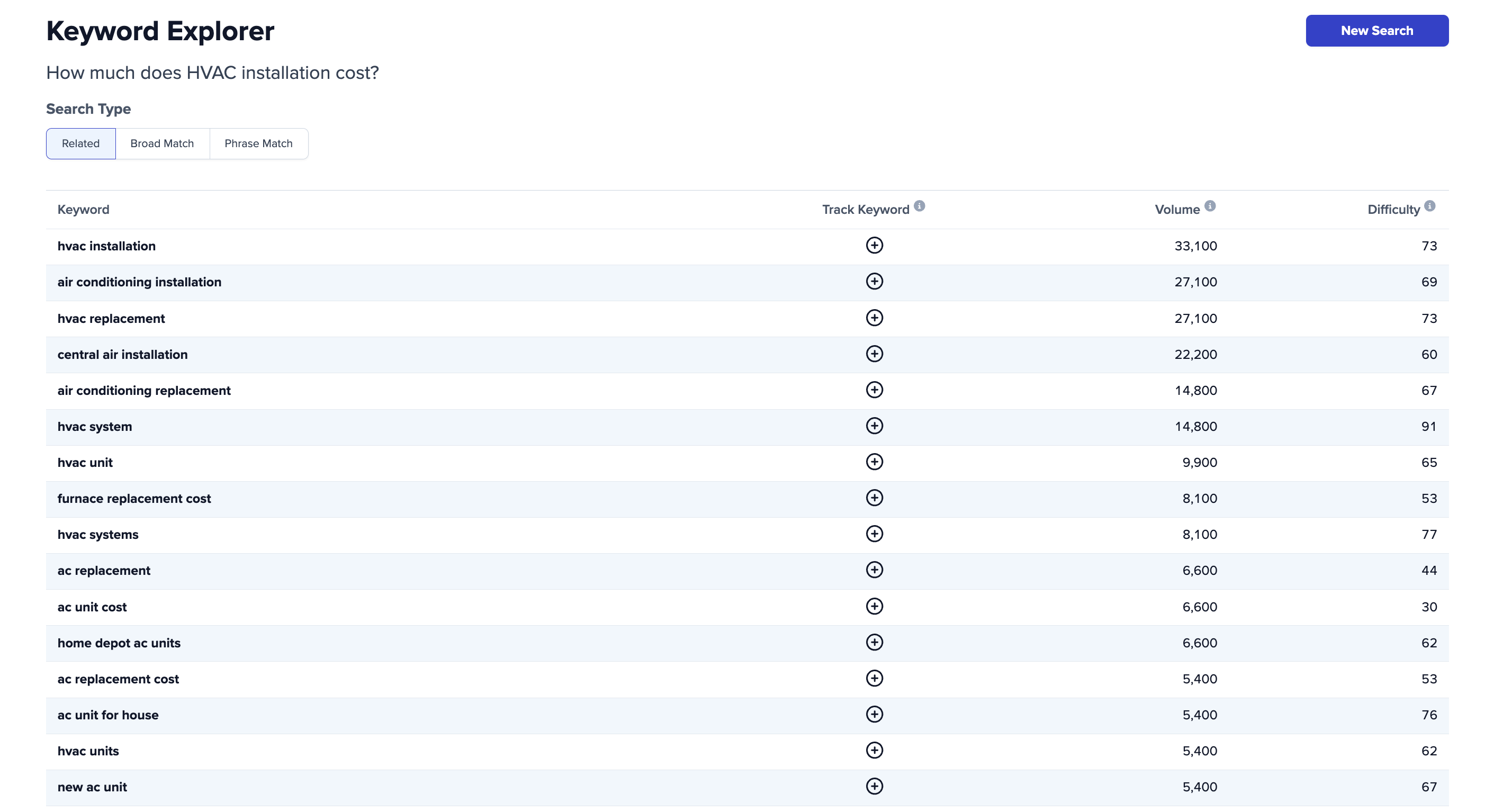
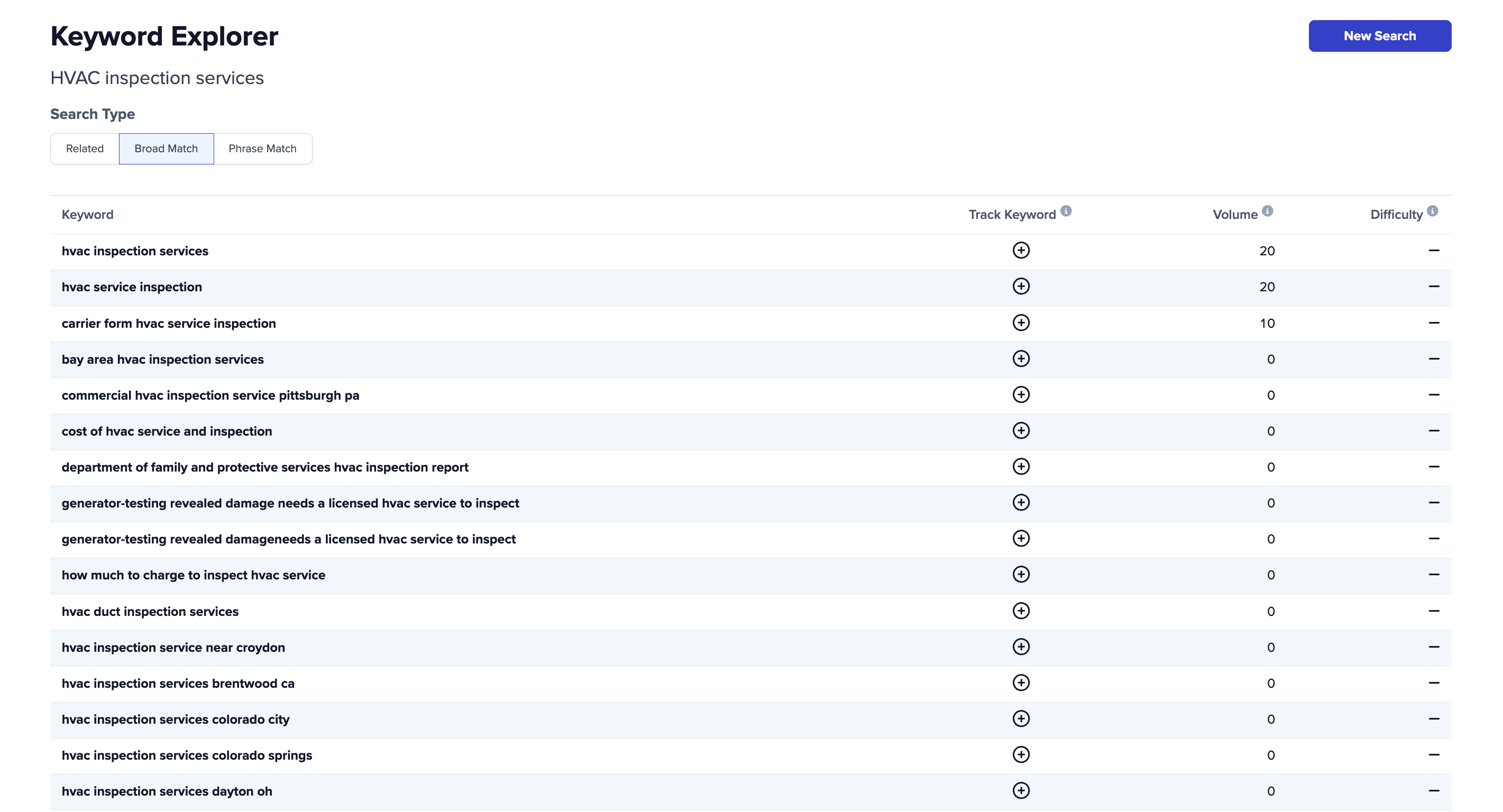
With the Carrot Keyword Explorer, you can dive deep into what people are searching for both nationally and in your specific market. This tool empowers you to discover additional keywords that can help you dominate your local SEO, outrank competitors, and attract more qualified leads.
By integrating this powerful feature directly into your Carrot website interface, you can continuously refine your evergreen SEO strategy and stay ahead in the competitive HVAC industry. Join Carrot.com today and give your business the edge it needs to stand out online.




![[Case Study] From Teacher to $80k/Month Wholesaling Real Estate w/ Brian Rockwell](https://i.ytimg.com/vi/sMap9jMAUtw/sddefault.jpg)