One of the things I have seen investors and agents struggle with the most is finding ways to stand out and differentiate themselves from the competition. Many people are under the impression that they just need to go out there and get leads when in reality, it takes much more than that.
If you want to stand out in your market, you’ll need to tap into the psyche of your customers, find out how you can help them, and build value from that foundation. You have to learn how to truly understand your customer’s pain and lead them to the solution.
When you are able to convey the message that you are the one who is uniquely qualified to help them, marketing becomes easy!
Learn how Nate utilizes 3 content marketing pillars to help businesses stand out and how you can implement these same concepts into your own business!
Read the Full Show Notes Below…
Use These Simple Content Marketing Hacks To Stand Out From Your Competition w/ Nate Kennedy
Nate calls himself the builder of Funnels, Master of Ads, King of Conversions, and The Doctor of Marketing, all with good reason. Since starting his business, he’s helped people to generate hundreds of thousands of leads, maybe even millions!
I’ve known Nate for over 10 years now and have seen first-hand the results he has been able to deliver his clients. Nate’s involvement industry encompasses more than just marketing.
He has owned a mortgage company, wholesaled properties, worked on rehabs, and even built houses himself. When he discovered online marketing in 2007, he went all in and hasn’t looked back since. Today he works with many top leaders and trainers in the real estate space, as well as local agents and buyers.
Over the last few years, Nate and his team have focused heavily on real estate investors. With so many people saying the same things and offering the same services, how do you stand out from the rest?
You can say you pay cash and close quickly, but that doesn’t make your business any different from all the other homebuyers in the area. The investors who are really seeing success are the ones building authority and credibility. When someone has a problem an authoritative business is the first one thought of.
To achieve this, Nate utilizes three pillars when working with his clients. He helps them to understand their client’s pain, deliver a message that stands out, and capitalize on the valuable content they are creating.
Pillar 1 – Creating An Online Presence
Many people think they can just put up a page and the leads will begin to roll in, however, it takes much more than that to be successful with your online marketing. As the leader of your business, it’s important that you understand the psychology of your marketing so you can move people from their pain to a solution.
Our online presence will need to be different from your competition, letting your customers and clients know exactly how you are uniquely able to help them solve their problems.
Getting Great Testimonials
One of the first things Nate asks his clients to do is to provide testimonials from happy clients. It is one thing when you go out and try to sell your services, it is quite another when you have a 3rd party doing it for you.
If possible, get video testimonials that you can utilize in all sorts of ways on your site. When setting up online ads, you can have them point right to your testimonials page so potential clients can immediately see how others feel about you and your business.
Pillar 2 – Developing A Content Plan
Together with his clients, Nate will develop a strategic marketing plan, making a list of the content they would like to create. The content plan should always focus on caring, helping potential clients understand that your goal is to help them with their problems and needs. With so many people in the real estate space, it’s important to show that you are really solving problems and not just another company.
Video Content
As I’ve said repeatedly, content and credibility are key to help investors and agents stand out from the pack. One of the best ways to do this is through video content.
Video helps to quickly get your message out and will help people to feel like they actually know you. Your video content can then be transcribed and used on a blog and social media. A few examples of great video content include:
Interview with prominent real estate figures, community leaders, or related professionals in your area
Video testimonials that shed light on exactly what the problem was and how you were able to solve it
If you go to a property, take your phone out and take a quick 3-minute video showing people what you are looking for in a house
The beauty of video content is that you can get your message out there quickly and easily. All you need is a phone.
Pillar 3 – Amplifying The Valuable Content You Create
The great thing about testimonials and video content is that it gets all eyes onto your website. A video shot for Facebook can be added to a Youtube playlist. If can go up on your website and be turned into a blog using our quick and easy transcription service.
Segmenting Your Audience
A prominent tool for Nate and his team is Facebook Marketing. With Facebook ads, you are able to strategically target, and retarget potential customers to convey the message you want to get across.
For example, you can run a video ad for one week, then run a second ad only to the people who watched 25% of ad #1 in the past seven days. You can tweak this in all sorts of ways, segmenting by interest, major life events, and previous interest in your product.
Becoming A Celebrity
Using Facebook ads and other marketing channels, you can effectively become a celebrity in your industry and market. When you are able to get the right content to the right people on Facebook, then hitting them again on Youtube, and again with Google Ads, your face and business will pop up where ever they go online.
When you are consistently adding fresh content, you will keep people interested and prove to any skeptics that you are in fact real.
Finding The Who To Do The How
Marketing isn’t for everyone. People don’t always get excited by data and analytics. The good news is that you don’t have to do it all yourself. As Nate puts it… find the who to do the how.
If you don’t want to do the work yourself, find someone who does and is good at it. As an entrepreneur, you must understand how it all works and what needs to be done, but that doesn’t mean you have to do it all on your own.
We surveyed over 7,000 of our members to pinpoint the primary real estate investor websites and services that investors depend on in their day-to-day operations.
Demo Carrot: How many deals are you losing to your competitor’s website?
Investors use a variety of websites, tools, and services to gather information and generate leads.
In this article, we will analyze the top 10 real estate investor service websites in-depth. We show why these real estate investor websites are indispensable resources for individuals currently engaged in real estate investing and those contemplating entering this field.
On average, 7x higher lead to deal conversion AND $13,930.15 in EXTRA profit per deal.
Leads generated through Carrot real estate investor websites experience a remarkable 7x higher conversion rate and yield 2.5x greater profitability than leads from non-Carrot sources (discover more about this here).
We wholeheartedly embrace our core values, and when it comes to our members’ success, we take “Adapt, Evolve, & Always Improve” and “Add Humanity To Business” very seriously.
Our commitment extends to staying ahead of factors that impact lead generation. This includes developing new lead generation templates, staying abreast of Google’s algorithm updates, and relentless testing. Our goal is to continually uncover fresh and inventive methods to enhance the performance of our members’ websites.
Carrot continues to be an excellent option for real estate investors in 2024 for several compelling reasons:
High-Quality Real Estate Investor Websites: Carrot provides investors with the tools to create professional and high-converting real estate websites. These websites are designed to attract motivated sellers, cash buyers, and other potential leads. The platform offers a range of customizable templates to suit various investment strategies.
SEO Optimization:Search engine optimization (SEO) is crucial for online visibility. Carrot websites are SEO-optimized, helping investors rank higher on search engine results pages (SERPs) and attract organic traffic. This can significantly reduce marketing costs and increase quality lead generation.
Content Marketing: Carrot offers content marketing features that enable investors to publish valuable, relevant, and engaging content on their websites. This content helps establish credibility, build trust with potential leads, and position investors as industry experts.
Lead Generation Tools: The platform provides lead generation tools and lead capture forms that prompt visitors to take action. Investors can capture contact information and other relevant details from potential sellers and buyers, allowing for personalized follow-up.
Conversion Optimization: Carrot is known for its focus on conversion rate optimization (CRO). The platform employs best practices and A/B testing to improve website conversion rates continually. This means more leads and potential deals for investors.
Mobile Responsiveness: With an increasing number of users accessing websites via mobile devices, Carrot ensures that its websites are mobile-responsive. This enhances the user experience and ensures investors don’t miss out on mobile traffic.
Educational Resources: Carrot provides investors with a wealth of educational resources, including blog posts, webinars, and guides. These resources help investors stay informed about industry trends, marketing strategies, and best practices.
Community and Support: Carrot has an active community of real estate investors who share insights, tips, and success stories. The platform offers customer support to assist users with technical or platform-related issues.
Integrated CRM: Carrot offers an in-house CRM for real estate, making it easy for investors to manage and follow up with their leads effectively. Carrot also integrates with other CRMs.
Performance Tracking: Carrot provides analytics and tracking tools that allow investors to monitor website performance, lead generation, and conversion metrics. This data-driven approach helps investors make informed decisions and refine their marketing strategies.
Customization Options: Carrot allows for extensive customization of websites, ensuring that they align with an investor’s unique brand and message. Investors can tailor their websites to specific niches and markets.
Competitive Pricing: Carrot offers pricing plans suitable for investors with various budgets, from beginners to seasoned professionals. Investors can choose plans that match their needs and scale as their business grows.
Carrot is a top choice for real estate investors due to its user-friendly website builder, SEO capabilities, content marketing tools, and commitment to conversion optimization.
The platform’s emphasis on education, community support, and mobile responsiveness makes it valuable for investors looking to establish a strong online presence and generate motivated seller leads in a competitive real estate market.
Roofstock is a compelling option for investors with real estate investor websites, especially those interested in single-family rental properties, due to its unique features and investor-focused approach. Here are some reasons why Roofstock is a good option:
Exclusive Marketplace for Single-Family Rental Properties: Roofstock offers single-family rental properties in various markets across the United States. Investors can browse various properties in different locations and find opportunities aligning with their investment goals.
Certified Pre-Owned Homes: Roofstock’s properties are “certified pre-owned,” meaning they have undergone a thorough inspection and evaluation process to ensure they are in good condition and rent-ready. Knowing they are investing in well-maintained properties gives investors peace of mind.
Tenant-Occupied Properties: One of the significant advantages of Roofstock is that many of its properties are already tenant-occupied. This allows investors to start earning rental income from residential properties from day one without the need to find and screen tenants themselves.
Transparent Property Information: Roofstock provides detailed property information, including financial projections, rental history, property reports, and inspection details. Investors can access all the essential data they need to make informed investment decisions.
Property Management Services: For investors who prefer a hands-off approach, Roofstock offers property management services through its network of vetted property managers. This service helps investors efficiently manage their rental properties and optimize rental income.
In-Depth Neighborhood Data: Roofstock provides extensive neighborhood data, including crime rates, school ratings, and other essential statistics. This information helps investors assess the desirability and potential for rental demand in specific locations.
Mashvisor is a fantastic option for real estate investors for several reasons:
Comprehensive Property Analytics: Mashvisor provides in-depth property analytics and data for traditional and Airbnb investment properties. Investors can access key metrics such as rental income, occupancy rates, cash flow, cap rate, and more, helping them make informed decisions about potential investments.
AI-Powered Investment Tools: The platform utilizes artificial intelligence to offer predictive analytics and investment insights. Mashvisor’s algorithms analyze vast amounts of real estate data to identify lucrative investment opportunities and forecast property performance.
Property Search and Analysis: Investors can easily search for properties that match their investment criteria using Mashvisor’s intuitive interface. The platform streamlines property analysis, saving investors time and effort in finding the best investment deals.
Neighborhood Analysis: Mashvisor provides comprehensive neighborhood analysis, including data on property prices, rental demand, and investment potential. This information helps investors identify high-growth areas and pinpoint locations that align with their investment goals.
Heatmap Feature: The platform’s feature allows investors to visualize the potential rental income and Airbnb occupancy rates across different neighborhoods. This visual representation aids in comparing and selecting the most lucrative locations for investment.
Investment Property Financing: Mashvisor offers tools to estimate mortgage payments and financing options for investment properties. This feature helps investors assess the financial feasibility of their investments accurately.
Property Management Insights: Investors can access data on property management fees, enabling them to factor in these costs while calculating potential returns. This information is particularly useful for investors considering hiring property management services.
Historical and Forecasted Data: Mashvisor provides historical and forecasted data on property performance, giving investors a long-term perspective on their investments’ potential appreciation and cash flow.
Property Comparisons: The platform allows investors to compare multiple investment properties side by side, facilitating quick and effective decision-making based on data-driven insights.
Investment Strategies: The platform caters to different investment strategies, including traditional rentals, Airbnb rentals, and short-term rentals. Investors can tailor their searches and analyses based on their preferred investment approach.
Stessa is an excellent option for real estate investors due to its comprehensive tools and features designed specifically for property management and real estate portfolio tracking. Here are some reasons why Stessa is a valuable platform for investors:
Portfolio Management Made Easy: Stessa simplifies the management of real estate portfolios by providing a centralized platform to track and monitor all properties in one place. Investors can easily view the performance of their entire portfolio at a glance, making it convenient to assess overall financial health.
Automated Income and Expense Tracking: Stessa automates the process of tracking income and expenses for each property. The platform integrates with bank accounts and property management software, automatically categorizing transactions and generating detailed financial reports. This feature saves investors significant time and effort on manual bookkeeping.
Property Performance Analytics: Stessa offers each property’s in-depth analytics and performance insights. Investors can access metrics such as cash flow, net operating income (NOI), cap rate, and return on investment (ROI), enabling them to make data-driven decisions to optimize their portfolio’s profitability.
Document Management: Stessa provides secure cloud storage for all property-related documents, including leases, vendor contracts, and property photos. This organized document management system ensures essential paperwork is readily accessible when needed.
Tax Reporting Made Simple: With Stessa’s accurate income and expense tracking, tax reporting becomes seamless for real estate investors. The platform generates detailed tax-ready reports, simplifying tax preparation and potentially reducing accounting costs.
Property Insights and Alerts: Stessa’s platform includes AI-powered insights and alerts that notify investors about potential issues or opportunities within their portfolios. These proactive alerts help investors stay on top of maintenance needs, rent collection, lease expirations, and more.
Integration with Other Tools: Stessa seamlessly integrates with various popular property management and accounting software, allowing users to connect their existing tools and consolidate data for a more holistic portfolio view.
BatchLeads remains a strong option for real estate investors in 2024 due to its robust lead generation capabilities, customization options, and integrated marketing and lead management tools. Its focus on data accuracy and off-market opportunities makes it a valuable asset for investors seeking to identify and capitalize on motivated seller leads in a competitive real estate market.
High-Quality Leads: BatchLeads provides access to a vast database of high-quality real estate leads. Investors can target motivated sellers, distressed properties, vacant homes, and more. The platform’s extensive data coverage ensures investors have a wide range of lead options.
Customized List Building: Investors can create customized marketing lists tailored to their investment criteria. This customization allows for precise targeting, enabling investors to focus on properties that align with their strategies.
Off-Market Opportunities: BatchLeads offers access to off-market leads, properties not actively listed on the MLS. This gives investors a competitive advantage, as they can identify opportunities before they become widely available to other buyers.
Skip Tracing: The platform includes skip tracing services, helping investors locate and contact property owners efficiently. Skip tracing can be valuable for contacting motivated sellers and negotiating deals.
Integrated CRM: BatchLeads has a built-in Customer Relationship Management (CRM) system. Investors can manage their leads, track interactions, and streamline communication, improving efficiency in lead management.
Direct Mail and Marketing Tools: The platform offers integrated direct mail and marketing features, allowing investors to create and send targeted marketing campaigns. This feature simplifies reaching out to potential sellers and engaging with leads.
Property Details and Analytics: BatchLeads provides comprehensive property details, ownership history, transaction history, and more. Investors can access valuable property insights to make informed investment decisions.
Data Accuracy: Data accuracy is crucial in real estate investing. BatchLeads strongly emphasizes data quality, helping investors avoid wasting time and resources on inaccurate or outdated information.
Integration Capabilities: The platform may offer integrations with other real estate software and tools, enhancing its functionality and compatibility with an investor’s existing toolkit.
DealMachine is a valuable tool and platform that can greatly benefit real estate investors for several reasons:
Driving for Dollars Technology: DealMachine’s unique “Driving for Dollars” technology enables investors to find distressed or off-market properties by driving around neighborhoods. The app uses the phone’s GPS to identify properties and provides immediate access to property owner information for follow-up.
Direct Mail Marketing: DealMachine specializes in direct mail marketing for real estate investors. The platform allows investors to easily create and send personalized postcards to property owners in targeted areas. This direct mail approach can effectively generate leads and identify potential investment opportunities.
Lead Generation and Acquisition: With DealMachine, investors can use the platform’s built-in property research tools to find properties with investment potential. The app’s features, such as property information, owner contact details, and property history, help investors assess the viability of each lead and make informed decisions.
CRM Integration: DealMachine seamlessly integrates with popular customer relationship management (CRM) systems, allowing investors to manage leads, track progress, and streamline their workflow efficiently.
In-App Communication: The platform offers a built-in messaging system that enables investors to connect directly with property owners through text messaging or direct mail. This direct communication feature can help establish a rapport with potential sellers and increase the chances of successful negotiations.
Lead Scoring and Tracking: DealMachine provides lead-scoring tools to prioritize potential deals based on specified criteria. This feature helps investors focus on the most promising opportunities and manage their time effectively.
Property Analysis: DealMachine offers property analysis tools to help investors evaluate potential deals. By accessing property details and historical data, investors can make informed decisions and assess a property’s potential return on investment.
Mobile Accessibility: As a mobile app, DealMachine provides the flexibility and convenience for investors to manage their real estate activities on the go. Whether driving for dollars, analyzing properties, or communicating with owners, investors can access the platform from their smartphones or tablets.
BiggerPockets is a highly regarded and valuable resource for real estate investors for the following reasons:
Knowledge Hub: BiggerPockets is a vast knowledge hub for real estate investors at all levels of experience. The platform offers a wide range of educational content, including articles, blog posts, podcasts, videos, and forums, covering various aspects of the real estate investing journey.
Community and Networking: BiggerPockets boasts one of the largest and most active real estate investing communities. Investors can connect with like-minded individuals, network with experienced professionals, and participate in discussions to gain insights and valuable advice.
Forums and Q&A: The platform’s forums and Q&A sections allow investors to ask questions and seek guidance on specific real estate investment topics. Users can receive input from experienced investors, mentors, and industry experts.
Real Estate Calculators: BiggerPockets offers a suite of real estate investment calculators, enabling investors to perform in-depth financial analysis on potential properties. These calculators help users evaluate market data, cash flow, return on investment, and other crucial metrics.
Marketplace: The BiggerPockets Marketplace provides a platform for buying, selling, and finding investment properties. Investors can access a wide range of real estate deals, including off-market properties and opportunities from other community members.
Supportive Community Culture: The platform fosters a positive and supportive community culture, encouraging investors to share their successes, failures, and lessons learned, creating a space for continuous learning and growth.
SparkRental is a good option for real estate investors for several reasons:
Tenant Screening Services: SparkRental provides comprehensive tenant screening services, allowing investors to make informed decisions when selecting tenants for their rental properties. This feature helps minimize the risk of rental income loss and potential property damage.
Rent Collection and Payment Services: The platform offers rent collection and payment services, streamlining the rental management process for landlords. This feature ensures timely and hassle-free rent payments for both landlords and tenants.
Rental Property Analysis Tools: SparkRental provides advanced rental property analysis tools that help investors assess the potential profitability of prospective investments. These tools include cash flow calculators, cap rate calculators, and investment property analysis reports.
Landlord Forms and Documents: The website offers a collection of landlord forms and documents, such as lease agreements and rental applications, saving investors valuable time and effort in creating these documents from scratch.
Focus on Passive Income: The platform emphasizes passive income strategies, guiding investors on how to build a portfolio that generates reliable and consistent rental income over time.
Personal Finance Tools: Besides real estate-specific tools, SparkRental offers personal finance resources and budgeting tools, allowing investors to manage their finances more effectively and make informed investment decisions.
PropStream empowers investors to rapidly create precise leads and marketing lists by leveraging over 120 property search filters and statuses. Whether you prefer customizing your filters or opting for pre-defined quick lists, our platform is your gateway to identifying motivated sellers, whether their properties are currently on the market or off-market.
PropStream remains a great choice for real estate investors in 2024 due to several key reasons:
Motivated Seller Leads: PropStream provides access to both on-market and off-market property listings. This is particularly valuable for investors seeking motivated sellers who might not actively advertise their properties. Access to off-market listings can give investors a competitive edge in finding lucrative deals.
Comprehensive Property Details: PropStream provides comprehensive property details, including ownership history, transaction history, tax information, and more. This wealth of information equips investors with the knowledge to negotiate favorable deals.
Integration Capabilities: It offers integration options with various real estate tools and software, enhancing its versatility and compatibility with an investor’s existing toolkit.
Extensive Data: PropStream offers access to an extensive database of real estate information. With over 120 property search filters, investors can narrow their leads to target specific properties matching their investment criteria. This wealth of data enables investors to make well-informed decisions.
Customization: The platform allows users to set their filters and criteria, tailoring their searches to their unique investment strategies. Whether you’re looking for distressed properties, foreclosures, or specific property types, PropStream can be customized to meet your needs.
Market Insights: PropStream offers valuable market insights and analytics. Investors can analyze property trends, neighborhood data, and market statistics to identify emerging opportunities and make informed decisions.
Time and Cost Efficiency: By streamlining the lead generation process, PropStream helps investors save time and resources. It eliminates manual research and allows investors to focus on deal analysis and negotiation.
RealtyMogul is an excellent real estate investor website option due to its innovative approach to crowdfunding and investment opportunities. Here are several reasons why RealtyMogul.com is a standout choice for investors:
Diverse Investment Opportunities: RealtyMogul offers many investment opportunities, including commercial properties, residential assets, and specialized real estate projects. Investors can choose from various deals, allowing them to tailor their portfolio to their specific investment preferences.
Access to Institutional-Quality Deals: The platform curates investment opportunities from reputable real estate sponsors and partners. These projects undergo rigorous due diligence, providing investors with high-quality deals typically with institutional-grade investments.
Passive Real Estate Investing: RealtyMogul enables investors to participate in real estate deals passively. Investors can co-invest with experienced real estate professionals, leaving the day-to-day management and operational responsibilities to the experts.
Investor Protection: RealtyMogul places a strong emphasis on investor protection. The platform conducts thorough underwriting and risk assessment for each deal, aiming to align investor interests with the success of the projects.
Low Minimum Investments: RealtyMogul offers relatively low minimum investment amounts, making it accessible to a broader range of investors. This feature allows individuals to diversify their investments across multiple projects, even with a modest initial capital.
Streamlined Investment Process: RealtyMogul simplifies the investment process, making it convenient for investors to participate in projects that align with their investment goals. The platform handles administrative tasks, allowing investors to focus on building their portfolios.
Real Estate Investment Trusts (REITs): In addition to individual property investments, RealtyMogul offers access to Real Estate Investment Trusts (REITs). REITs allow investors to pool their funds with others to invest in a diverse portfolio of real estate assets, providing further diversification and liquidity.
Exploring the extensive landscape of real estate investor websites can be overwhelming. Some websites focus on educating investors about the real estate industry and fostering peer connections.
With these cutting-edge technology-driven platforms, you take charge of your investment choices, determining where your funds are allocated and the depth of your financial involvement. Some platforms prioritize lead generation, while others excel in market analysis, property selection, and simplifying the investment journey.
We’re interested in hearing about the tools you rely on, too. Feel free to share your thoughts in the comments below; we’re eager to learn about your preferences and experiences.
What if you lost one lead this year because your website wasn’t optimized for conversion?
No biggie, right?
Well, no biggie so long as that lead wasn’t going to turn into a deal… if it was, then that’s $10,000, $20,000, or even $30,000 straight down the drain.
And, as my real estate agent says, “It only takes one – the right one.”
Sadly, for most unoptimized websites, the truth is much more depressing than a single lost lead per year. A website that loses one lead from your target market, after all, is going to lose all similar leads.
This is why preparing your real estate website to convert its visitors is absolutely vital… before you drive traffic to it (paid and organic). How, though, do you know if your website is or isn’t optimized for conversion?
Well, at Carrot, we’ve generated millions of real estate leads for our thousands of members, and these are four tell-tale signs that your website is losing you money.
4 Signs that your website isn’t generating the online real estate leads as it should
1. Your Website Isn’t Mobile-friendly
For our thousands of Carrot members, 64% of all leads come through a mobile device. Not through a desktop or laptop, but through a thumb-clicking phone.
And that’s happening all over the online world, not just at Carrot. 52% of all global online traffic is generated from smartphones, according to Shane Barker.
This means, if you’re going to convert over half of your website visitors, you can’t create a bad mobile experience. Google is taking this so seriously that they recently rolled out mobile-first indexing – which basically means that they prioritize the performance of the mobile version of your website over the desktop version. And they’re not the only ones who take mobile website performance seriously…
So do your website visitors.
In fact, 61% of buyers form more positive opinions about brands that offer a remarkable mobile experience, according to Crazyegg.
That’s why, at Carrot, every single one of our website designs is crafted to convert visitors regardless of the device they’re using to browse.
Here are some signs that your website isn’t mobile friendly…
You can scroll side-to-side and the screen doesn’t adjust to the size of the device.
The words become so small they’re unreadable on a mobile device.
The buttons are difficult to click with a normal-sized thumb on mobile.
If any of those are true of your website, then you’re definitely losing mobile phone leads – and switching to a mobile-friendly real estate website design like Carrot could outright double your lead generation.
2. You’re Not Making It Easy For Visitors To Give You Their Information
At the top, there’s a title, then there’s a menu and heading. And there’s maybe some sort of vague CTA – in this case, the “Learn More” button.
As you scroll down, you’ll see pictures of the real estate agent (or investor), maybe some testimonials, some notes about their services, and then finally a decent CTA.
This is at the very bottom of their website.
Now, that probably doesn’t seem like a big deal…
Do people really care all that much if they have to scroll to find your CTA?
To answer that question, let’s look at a quick study done by Bryan Harris – an email list building guru. He took his “right-side up” homepage and flipped it so that the CTA was front-and-center when someone arrived on his website.
Immediately, he saw a 35% increase in his number of subscribers.
Remember, people who’re looking to buy or sell their home are looking for a solution to their problem. The faster you solve that with a relevant CTA, the more likely they are to opt-in.
But you might be wondering what an upside-down homepage actually looks like.
At Carrot, we exclusively use the high-converting upside-down homepage model – putting the contact form and phone number right at the top of your website (on mobile and desktop) to guarantee that visitors to your website aren’t lost because they have to scroll more than they’d like.
Here’s a quick testimonial from a Carrot member, Adam Mitchell, who spent $1000s on the wrong marketing and an under-performing website. He now does multiple deals per month in a competitive market.
3. The Sales Copy Isn’t Scientific
What do I mean when I say that your homepage copy should be scientific?
I mean that there should be a clear and obvious reason that each phrase and word is in its place. And if you’re wondering whether you wrote your homepage scientifically or not – with the psychology of your visitor’s in mind – then you definitely didn’t.
Because scientific sales copy has to be intentional from the very beginning.
Here’s a typical example of sales copy that misses the scientific mark.
A lot of people try to make their sales copy creative and cute…
But that isn’t what you need. What you need is sales copy that appeals to people’s problems and then promises a remarkable solution.
And the headline is the most important element, with 80% of people only reading the headline and 20% reading the rest. In other words, you need to strike the right chords in the right order, quickly.
You need to be scientific.
Here are a few examples of psychological rules in sales copy.
The word “because” with a reason after increases conversion by 60% to 94% – it doesn’t even matter what the reason is, it just matters that you have a reason for what you’re selling, how much it costs, and why you’re the one selling it.
Similarly, social proof – such as testimonials and credibility bars – can significantly increase the conversion rate of your website. For one website, social proof increased the conversion rate by 20%.
But, those are just a few examples.
For your formulaic sales copy pattern, follow these three steps, in this order:
Empathetic description of pain – First and foremost, your prospect needs to know that you know exactly what they’re going through. After all, how could you possibly help them if you don’t understand their current position?
Agitate that pain – Then, the prospects needs to be reminded of how terrible of a situation they are really in. Your goal is to empathetically remind them of how difficult their predicament is so that they’re ready to get out of it.
Promise a solution that’ll take that pain away – Finally, in swoops Super Man. Your solution. Guarantee them with all the tools you have in your arsenal that your service (whether agent or investor) is going to remove their pain, then tell them how it’s going to do that.
Consider our very own sales copy as an example of this. It’s only a few sentences, but it hits every note.
4. Your Website Has Slow Load Times
The slower your website loads, the more people who won’t stick around to see what you have to offer.
Higher bounce rate. Fewer conversions.
Period.
As Neil Patel explains on his blog, for instance, 53% of people will leave a mobile site if it takes more than three seconds to load. And 47% of online users expect a website to load in just two seconds or less.
As the nail strikes the coffin, a one-second delay in page response time often results in a 7% reduction in conversions.
If you have a slow website, how many thousands of dollars might you be losing for each second? Here’s some quick math.
Imagine that you get 2,000 visits to your website every month at a 10% conversion rate. That’s 200 conversions. Then imagine that you close 1 in 20 of those. That’s 10 deals per month.
Now let’s assume that you make $10,000 per deal.
At a 7% reduction in conversion rate for every one-second loss of load speed, just a two-second delay would lose you upwards of $10,000 or more every single month.
This is why, at Carrot, we don’t mess around with slow load speeds. In this tech-stack study of 150,000 websites, Carrot outperformed Wix, Squarespace, and WordPress. In fact, Carrot was second to Google’s own website.
Conclusion
Maybe in the 90’s, just having a website was enough. Just having a place where people could go online and learn about your business would do the lead-generation trick. But now we’re down the road…
And we know what converts visitors… and what doesn’t.
Still, many websites haven’t caught up with the times and optimized their websites for conversion. This is unfortunate, considering the significant impact that conversion optimization can have on business success.
So, a quick recap.
Avoid these four real estate website pitfalls that can kill your lead generation…
It’s not mobile-friendly.
The homepage isn’t easy asking for their information.
Once you figure it out and repeat the process just a few times a year, real estate becomes a very lucrative and profitable business, with very little overhead.
– Carter Crowley
How Credibility and the Right Partnership Led to 38 Transactions in 2020 w/ Carter Crowley
The importance of the agent and investor relationship is something we’ve been talking about for a while now here at Carrot. We’ve often said that in the future, agents will need to invest, and investors should be licensed in order to better serve their leads.
Well, the future is now.
Now, more than ever, people are looking for ways to sell their homes. With the rise of iBuyers, people are looking to other sources when they are thinking about putting their home on the market. The agent or investor who is able to offer multiple solutions, is going to be able to complete more actions and help more people.
Here’s how Carter Crawley is doing it.
Read the Full Show Notes Below…
Carter Crawley is a Carrot client who is mastering the agent-hybrid model. His business has a healthy mix of deals, and his volume is double that of other investors or agents who try to fit everyone in the same box.
His versatility and ability to offer more than one solution have allowed him to serve more people.
Building That Credibility
Carter Crawley is generating a lot of leads from his Carrot site. His marketing is working amazingly well because he isn’t afraid to put himself out there and let people know what they are all about.
They are currently using Google Ads, Facebook, and a little bit of YouTube for retargeting purposes. They are also running cold calling campaigns and setting up mailers. However, video surrounds the brand.
Their website is laid out very well, with videos explaining exactly who they are and what they do. The website conveys trust and lets them know that Carter and his team can solve their problem.
With his videos, Carter is building rapport and credibility with his clients before he ever meets them.
The Power of 3
There is something about the number 3 that leads to higher conversions. Giving your customers 3 options will often lead to more sales. One option leaves your client with the ability only to answer yes or no. Having two options can make one seem expensive, while the other seeming cheap.
But having 3 options really makes people think. The highest price offering has all of the bells and whistles. The lowest-priced offering is just bare-bones service. While the middle option is the best value and the best service. Everybody wins.
As a hybrid investor agent, Carter can offer several options to his client. He can list the property. He can buy it outright for a lower price. Or he can present it to his network of buyers, allowing his client to sell fast while still receiving competitive offers. Again… everybody wins.
Don’t Be Afraid of Having a Partner
For Carter and his business today, his perfect partner is his dad. They can balance each other out and pick up where the other leaves off. Dad handles the contracts, service providers, and business management, while Carter goes on appointments, handles the financing, and gets the deals locked down.
That said, your partner doesn’t need to be your family member. It needs to be someone you trust who is just as motivated as you are to close deals and help others. Many people avoid finding a partner because they are worried about giving away half of their profits.
When you work with the right partner, your volume will go up, they will handle the aspects of the business that you don’t like, and your volume will go up exponentially.
You will be able to spend your time on the things that give you energy, which will lead to better service, happier clients, and more closed deals.
Loving What You Do
For anyone watching or listening to this podcast, it is evident that Carter is passionate about his work. You can see how every aspect of real estate excites him, especially when he is able to find solutions that truly help people.
Carter and his team aren’t just after the money, they are a true helping hand for people when they need it most.
In early 2021, the Apple iOS 14 update and Facebook Ads changes are coming.
As usual, the update improves things like speed, ease of use, and app management for iPhone users.
But this update introduces a new feature that has marketers, advertisers, and even social media platforms concerned.
Put simply, the update requires developers to attain permission from iOS users before tracking the person’s information.
Here’s how Apple explains it on their update page…
“Developers will be required to get your permission before tracking you. See which apps you have given permission to track in Settings so you can change your preferences.”
So how does that impact advertising efforts on sites like Facebook?
Let’s talk about that.
The iOS 14 Update: What Is It?
Apple will begin requiring that all apps from their app store provide a proactive prompt that allows users to either opt-in or out of data collection.
This is an evolution in marketing and technology and will no doubt have an impact on the marketing world. If you look back in the relatively short history of digital marketing big changes like this are actually fairly common.
For example, Google updates its search algorithm often – and when it does you will usually hear a few people losing their minds that “SEO IS DEAD” but if you look for the level heads, you will find practical ways to adapt and optimize.
In the mid-2000’s when Pop Up Blockers were created, many people thought digital ads were done for, and even Facebook themselves have implemented multiple changes to their algorithm and policies that have impacted advertisers.
The sky is not falling — and for level-headed, consistent marketers this could well be an excellent opportunity to leave lazy and one-trick pony competitors in the dust. The principles of good marketing remain unchanged – the right message to the right people at the right time
There are impacts to advertisers that use SDK for App downloads – not included in these notes.
What Will Be Changing?
Apple is rolling out a new privatized click measurement protocol – “Private Click Measurement” (PCM)
This does not support app to web conversion measurement (IE Instagram to Website) This also does not support cross-domain measurement – for example, if you redirect from .com to a .de or .uk
Facebook is implementing their own solution as a counter measure which will support app to web but still cannot support cross domain measurement.
Facebook campaigns can only optimize on up to 8 events. Any campaigns optimizing on more than 8 events will be paused. -This limitation is not per pixel but per domain ( so if a domain has multiple pixels on it, any events would cant towards all pixels)
Subdomains are subject to this limitation
If a user opts-in to data collection then you can use the 8 events. If they opt-out, you can only have 1 event which is why prioritization is so important. FB can only report on one event.
The standard conversion window will also change to 7-day click and NO view through. In the past, the standard was 7-day click and 1-day view-through. For real estate investors where not a lot of events are occurring (by Facebook standards) sometimes a 28-day click window would be used. Those will no longer be available to use. So while the same amount of events might still be happening, your ability to track them will decrease. -We will see a decrease in website customer audience sizes and an increase in overlap of audiences. -Advertisers using more complex pixel-based audiences will feel this more -breakdowns by demographic will no longer be available for conversion events
You will see less ad reach on the Facebok Ad Network (ads outside of Facebook)
Here’s What You Can Do To Your Facebook Ads To Be Ready For the Change
Verify your domain
Prioritize and configure your top 8 events (you must prioritize these so Facebook knows which events to focus on reporting)
Anticipate changes in attribution windows – conversions will happen outside of that, but will not be reported (audiences rules will change)
Reestablish baselines of performance.
After changing one of our 8 events or reprioritizing – wait about 3 days before running ads again)
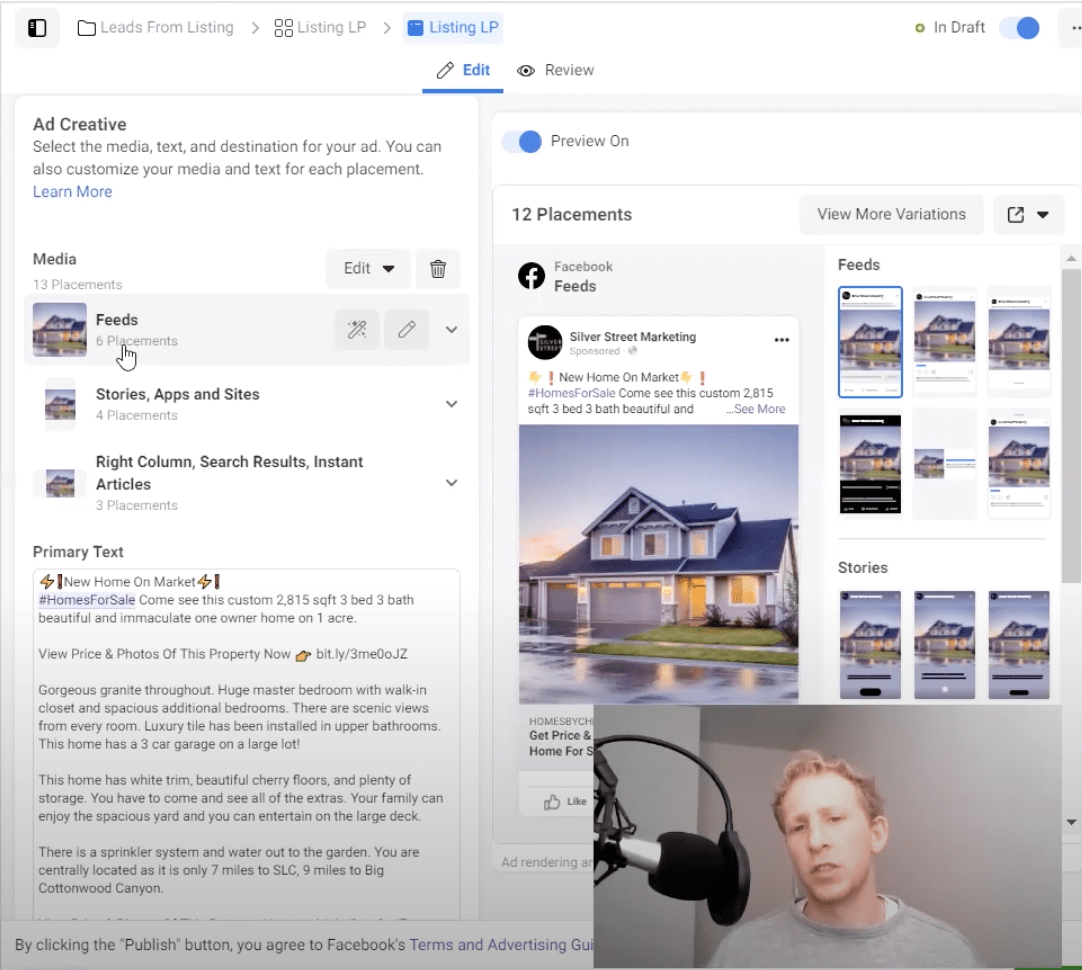
Watch this video to make sure your your Facebook pixel has been updated so it does not cause problems when the new IOS update is released…
Are You Fumbling Your Way Through FB Ads? Or, Simply What to Get Started?
Let the expertise of Silver Street do the leg work for you. They will create an account as if it was their own.
Is it the content of the ad? The sales copy? The image?
Well, partly. But even if you have phenomenal sales copy and an eye-catching image, you’re not going to be able to consistently generate leads if you’re targeting the wrong people.
Advertising platforms have always prided themselves on being able to provide businesses with extremely specific and personalized market information.
On Facebook, for instance, businesses have always been able to target people who are interested in a certain topic, of a certain demographic.
That’s what makes these platforms so darn effective.
You’re not targeting everyone, you’re targeting the right people.
That drives down advertising costs and you get more bang for your buck.
But this new update requires developers to acquire permission from iOS users in order to track personal information.
This means, for instance, that people can opt-out of giving Facebook their information. If that happens en masse, then businesses are going to see more expensive advertising costs.
“Apple’s proposed changes will limit your ability to effectively reach, understand and engage people on mobile devices and across the web. They will impact your ability to understand performance, control who sees your ads and make informed decisions about your advertising budgets. As these changes take effect, over time you may see an overall decrease in ad performance and personalization and an increase in cost per action.”
This problem becomes a little more real when you realize that over 50% of mobile sessions on Carrot member sites were from Apple products in 2020.
Apple Mobile Device Sessions on Carrot Member Websites in 2020
Additionally, mobile devices made up over 54% of all real estate sessions in 2020.
Carrot Member Website Sessions Per Device in 2020
It’s difficult to know just how big of a problem this will be for businesses that depend on Facebook and other similar platforms for their ads and lead-gen.
But it’s certainly changing the game.
In fact, there are two things that this indicates.
The first is that Facebook advertising is going to likely become less profitable as time goes on. This won’t happen immediately, but it’s something that every business owner should be aware of.
And second, it’s a pretty strong indication that this is the way the future is going.
As consumers become increasingly concerned about giving their personal information to advertisers, to compete, phone and desktop companies (like Apple) are going to start giving users the ability to opt-out of being tracked.
“Nearly 80% of U.S. adults are “somewhat” or “very” concerned about how companies use their personal digital data, the Pew Research Center said on Friday, proving a suspicion that already existed. Additionally, 81% of adults feel they have little or no control over the data companies collect.”
In other words, this dilemma isn’t going away anytime soon.
The question then is, as a business owner, how should you prepare for what the future holds?
As with all major marketing companies, Facebook will eventually figure out a way around this change. But, now is a great time for you to future-proof your business so that marketing and generating leads doesn’t become a bottleneck?
That’s where evergreen marketing comes in.
Evergreen Marketing is Becoming More Important Than Ever
To avoid prepare your business for the future, you need to understand the difference between evergreen marketing and interruption marketing.
Interruption marketing is what most business owners are familiar with — you interupt the prospects when they’re doing something unrelated to what you’re offering and try to grab their attention.
This is how Facebook ads, direct mail, billboards, bandit signs, and cold calling all work.
If you’re targeting the right people, this can be pretty effective. But it’s the targeting that the iOS update — and likely future iterations — are making more difficult.
Of course, we’re not telling you to completely eliminate interruption marketing from your advertising strategy. So long as it’s helping you close profitable deals, you should keep doing it.
But it’s also important that you work to build a more long-term lead-gen machine.
After all, interuption marketing tactics are short term.
You might get a spike of leads when you run the ad or send the mailer, but if you stop advertising, then the leads stop flowing.
Is there an alternative?
Yes! And it’s called evergreen marketing.
The Oxford definition for “evergreen” is helpful for understanding what we’re talking about…
“relating to or denoting a plant that retains green leaves throughout the year.”
The general idea behind evergreen marketing is that it keeps on giving. It doesn’t stop generating leads when you take a break… it’s sustainable.
For a marketing campaign to be evergreen, there is one main criterion: It must act as a marketing asset and that asset keeps generating leads long after you stop putting time and money into it.
Interuption marketing is like hunting for your leads… and evergreen marketing is like farming for your leads.
And since evergreen marketing benefits the consumer as well as the business (because it doesn’t feel like an invasion of privacy), it’s unlikely to be impacted by upcoming security policies like iOS 14.
The crown jewel of evergreen marketing is SEO — ranking your website in Google to drive traffic and generate leads.
Ranking In Google
Getting your website ranked organically in Google is one of the most effective evergreen marketing strategies known to business owners.
Imagine that you’re a real estate investor in San Antonio.
Well, with a bit of research, we find that “Sell my house fast in San Antonio” gets a whopping 1,600 searches every single month in Google.
Think about it: that’s 1,600 people every single month who are searching for someone who can help them sell their house fast.
If you’re an investor in San Antonio, those people are your target market.
Now imagine that you were able to get your website ranking near the top of page 1 for that keyword phrase.
Assuming that your website is built to convert visitors into leads as seamlessly as possible (that’s what we specialize in helping agents and investors with at Carrot!), then a lot of people are going to click and a lot of people are going to convert.
That means more lead and deals for your business without more work or marketing dollars.
The first organic result on search phrases in Google recieve 34% of the clicks and traffic. The second position receives 17%, and the third receives 11.4%. So on and so forth.
But the farther you are from the top of page 1, the less clicks you’re going to get.
In fact, if you’re on page two, then you’re practically invisible.
So there are a few questions we have to answer.
How do you get your website to page one?
How do you do that for not just onehigh-value phrase, but for multiple… so that you’re driving traffic on autopilot?
How do you make sure that you website is optimized to convert that traffic into leads?
Here’s a brief overview of how each of those pieces works (and some practical advice for what you can do to improve your rankings).
How Do You Improve Your Website’s Rankings?
The content that Google chooses to rank for a given search is based on their extremely complex algorithm.
But the good news is that the most important factors in this algorithm are mostly known.
Because while there are a lot of different factors inside of Google’s algorithm, not all of those factors are equal.
Here are some of the most important SEO for real estate factors to consider…
Site Speed — Google wants page 1 results to load fast for its users. So it’s important to have a fast website. This mostly depends on your website hosting. All Carrot websites have lightning-fast hosting included.
Keyword Optimization — Google uses the words on your website’s pages to determine what phrases to rank it for. If you want to rank for “sell my house fast”, then you need to include that phrase in your title tag, meta description, URL, and the content of your page as well.
Mobile Optimization — Most internet traffic is now mobile. And Google knows that, so your website needs to be optimized for mobile traffic if it’s going to rank. All Carrot sites are automatically mobile friendly!
How Do You Rank For Multiple High-value Phrases In Google?
The key to ranking for multiple high-value keyword phrases in Google (sell my house fast, how to deal with probate, sell my house for cash, etc) is to create various pages that target those keywords.
You definitely don’t want to try and rank the same page for multiple keywords that are all very different.
By doing that, you’ll probably end up ranking for nothing.
The easiest ways to do this are by (1) publishing new content on your blog consistently — Carrot provides Content Pro and Advanced Marketer members with monthly blog posts! — and (2) creating new sales pages that target different keywords — you can also do this easily with Carrot!
Think of each new page or blog post as a doorway.
It’s another thing that can rank in Google and potentially drive traffic to your website. The more doorways you have, the more traffic you’ll drive!
How Do You Optimize Your Website To Convert SEO Traffic Into Leads?
Here’s the reality.
Website traffic that comes through evergreen marketing tactics like SEO isn’t very valuable if it’s not turning into leads for your business consistently.
So you need to make sure that you website is optimized to convert.
How?
Well, there’s an entire science to this.
And at Carrot, we’ve spent years studying, testing, and iterating to make all of our agent and investor websites convert as consistently as possible.
Many of our members get 10% – 30% conversion rates!
If you want to join the club and get a headstart on your SEO and evergreen marketing, you can try Carrot risk-free for 30 days!
One day, you’re on page one of Google for your target keyword phrases, and then, one day, you’re not. Maybe it starts by noticing that you’re not getting as many leads as usual. When you check to see what’s going on, you find that a few of your primary real estate SEO rankings are suffering — the ones that drive passive organic traffic to your real estate website.
Featured Resource: The Ultimate SEO Keywords Guide
No SEO or content marketer can accurately predict what any future Google algorithm update will look like.
But it would help if you thought about it like this: Search engines are built with the intention to serve people.
“Core” algorithm updates typically happen a few times a year, as Google tries to continuously to improve the quality of its search results.
The latest core update started rolling out on August 15, 2024:
Google likes to reiterate that there is often nothing to fix on your site after core updates…
“We know those with sites that experience drops will be looking for a fix, and we want to ensure they don’t try to fix the wrong things. Moreover, there might not be anything to fix at all.” … “There’s nothing wrong with pages that may perform less well in a core update.”
Although, smaller core updates tend to happen every few months. Google has said:
“We’re constantly making updates to our search algorithms, including smaller core updates.”
So Google may have made updates to previous core updates, but they’ve also said:
“We don’t announce all of these because they’re generally not widely noticeable.”
But Google has acknowledged, when released, they can cause content to recover if improvements warrant.”
Don’t get stuck thinking… “What can I do?” There are plenty of best practices you can optimize for. Focus on offering the best content you can. Algorithms seek to reward informative content.
Does your content provide original information, reporting, or research?
Does your content provide a complete or comprehensive description of the topic?
Does your content provide insightful analysis or interesting information that is beyond obvious?
Does your provide substantial value and originality?
Is your headline and/or page title descriptive, and does it provide a helpful content summary?
Is your content worthy of sharing or being recommended?
Does your content show expertise?
Is your content trustworthy and shows that you are the authority on the subject?
Does your content showcase the author’s expertise or have links to an “About” page?
Is your content free of factual errors and spelling or stylistic issues?
Does your content display well on mobile devices?
Is your content genuine, or was it created for the sole purpose of rankings?
Over the past few years, E-E-A-T, or Experience, Expertise, Authoritativeness and Trustworthiness, has been considered a strong SEO guideline. Check out Google’s own guidance on creating helpful, reliable, people-first content to learn more about E-E-A-T and the impact it can make on your rankings.
Now you have some information that you can point to from Google about how to move forward if your website was impacted negatively after a Google core update.
Maybe you’ve been tracking your keyword rankings using Carrot’s Keyword Rank Tracker, and you’ve noticed some keyword phrases just starting to dip (going from position 1 or 2 to position 7 or 8), or maybe you’ve fallen back to Page 2 of the search results.
Let’s dive in a little deeper and show you what we tell our members…
Why are your real estate SEO rankings suffering, and what can you do to fix it?
It all starts with determining whyyour SEO rankings are slipping.
Step 1. Determine Why Your Real Estate SEO Rankings Are Slipping
Before you try to fix suffering rankings, we need to determine why your rankings are slipping in the first place.
Which of your posts or pages are getting the most traffic
Where your visitors are coming from
What pages are converting your visitors into leads
How many other websites are linking back to yours
You’ll want to analyze your website data and try to determine if the drop in traffic or rankings actually has anything to do with a Google algorithm update, or maybe it’s due to other factors entirely.
For example, many businesses experience seasonal dips or spikes in traffic during certain times of year, like summer or the December holidays.
There are quite a few other possibilities. Among the most common reasons are…
Is a Competitor is Beating You? — This is the most common reason that a ranking will start to dip. If you’ve only gone down the search results page a few spots, then it’s likely that Google is trying to make space for a competitor who it perceives as having rank-worthy content for the specified keyword phrase. Check out Step 2 to figure out how to address this problem.
HasGoogle Penalized Your Site? — In rare cases, it’s possible that Google has penalized your site for one reason or another. If you’ve been paying for backlinks, using PBNs, or using other black-hat SEO tactics, it’s possible that Google has penalized your site. If this is the case, then your site will probably have completely disappeared, not just have dipped a bit. Check out Step 10 to learn more about how to fix this.
Did You Publish Lots of Templated Content Without Making It Unique? — Tools like Carrot’s Automated Content Library and Niche Authority Builder provide pre-written blog posts and pages to make content creation quicker, but you’ll always want to add your own insights and expertise to each post to make them your own. We suggest adding at least 30-50% of your own unique content in order to stand out among competitor sites and keep Google from viewing your content as duplicate.
Did You Trim Your Content On Your Home Page Or City Pages? — If you’ve recently made changes to your content, those changes might take time to bounce back in the rankings.
Are You Even Tracking Your Rankings? — You can’t fix an issue without data. Carrot’s Keyword Rank Tracker lets you easily grab back data to see what day things might have changed.
Is Your Page Load Speed is Too Slow? — Google has explicitly said, over and over again, that how fast your website loads (or even a specific page) is a direct indicator of how well you rank. The faster it loads, the better. Carrot prides ourselves on incredibly fast loading websites (they load nearly 70% faster than standard WordPress websites), but if you don’t have a Carrot site, check out Step 6 for ways to fix this.
Is Your Website is NOT Mobile Optimized? — Carrot websites are optimized for all viewing devices (including desktop, smartphone and tablets), but if your non-Carrot website isn’t optimized for mobile, then you’ll have trouble ranking for any keyword phrase. Google prioritizes the mobile version of your website over the desktop version, so this is an absolute must. Check out Step 8 to learn more about this.
Once you know what the problem is, you should have a much easier time fixing the problem with the below steps. If your page completely disappeared, then you probably got penalized by Google.
If your page slipped just a few positions, then a competitor is probably beating you (the most likely reason). And if you slipped big — say, to page 5 — then it may be because Google updated its algorithm and your page no longer fits the bill.
Whatever the case, you can use the below steps to fix your problem and then measure progress toward improving your SEO rankings.
Remember: SEO and evergreen marketing is an ongoing process. We recommend looking at trends over longer time periods, like month over month and quarter over quarter, rather than focusing on changes in traffic or keyword rankings on a daily or weekly basis.
Step 2. Update & Enhance Your Content
Assuming that your page hasn’t been penalized by Google and that you only slipped a few positions, this is the very first thing you should think to do.
Because a lot of times, your real estate SEO rankings slip simply because someone else (a competitor, usually) created a better page than you and Google is trying to make space for them. This is an opportunity for you to pull out the big guns and beat them at their own game.
When a page starts to slip by a few positions, here’s what you should do…
Look At What The Other Page-One Rankings Are Doing — The first thing you should do is examine what other pages are ranking on the first page for the given keyword and make some guesses as to why those pages are beating you. What are they doing that you’re not doing? How can you do something better than them? Could you write a longer piece of content or create a video to enhance the post? Answer questions that people are asking about the topic? Could you offer your audience more details?
Write Additional Unique Content — If possible, add a couple of hundred extra words to the page. Not just babble, of course, but valuable content. Ensure you include your target keyword phrase a few times within this extra content. Learn more about writing unique content and see examples of a “Good/Better/Best” blog post.
Add Some Images & Alt Text — Google loves images just as much as readers. It breaks up the content and makes the page easier to digest. So add a few relevant images to the page. If you do, make sure also to add relevant alt text to describe what is seen in the image. Learn more about optimizing images.
Create A Video To Enhance The Post — Leveraging video can be a great way to enhance the trust and credibility for your business along with boosting your traffic. Creating video posts is highly beneficial for website SEO because they can engage visitors more effectively than static written content, keeping them on the page longer, which signals to search engines that your website’s content is valuable. If you have a post or page with helpful content, consider creating a YouTube video about the same topic and embedding it into your page.
If you have old blog posts or pages that haven’t been properly personalized AND those posts or pages receive very little or no traffic, you may want to simply remove those pages. This is especially true if the topics of those pages aren’t particularly important to your business objectives.
With more and more content being published every day, Google simply doesn’t have the resources to index everything that’s published on the Internet. So it’s important to focus on quality and relevance to your ideal customer or client rather than just pumping out a ton of content.
Google doesn’t like broken links — that is, links from your page that go to a page that no longer exists.
If links on your page have gone bad (maybe because the place you were linking deleted their page), remove them and/or consider linking elsewhere. Just test out each link on your page to make sure it’s working correctly.
Too many broken links tell Google that you’re not paying much attention to updating your content consistently, and the almighty algorithm doesn’t like that.
Quick Methods to Find Broken Links using Online Checkers Here are some quick and easy tools you can use to find broken links. All you need to do is enter your URL into the search boxes, and they will provide you with a list of broken links:
How to Fix Broken Links Once you’ve found the links that are broken, your next step is to fix them. You want to make your content easy for the user to read and navigate.
You have two options when it comes to fixing broken links. You can update the link to point to a different page, or create a 301 redirect to have the old link forwarded to a related or relevant page.
Look For Internal Linking Opportunities
As you review the content on your website, look for opportunities to link up related posts or pages within your site. Internal links between related pages and posts on your own website helps Google crawl your website more easily.
Many people don’t realize that it’s possible to have too much SEO-based content or at least too much disorganized content.
Keyword cannibalization, for example, is when you destroy (or cannibalize) your rankings because you have too many pages that are targeting the same keyword phrase or very similar phrases.
Google likes it most when you have one page per specific topic or keyword phrase — that is, each page on your website only targets one keyword phrase, and there’s no overlap.
If you created several other pages targeting a similar phrase to the page you’re watching suffer, then it’s probably because you have too much-disorganized content for Google’s liking. Keep it simple and go back to having only one page per keyword phrase.
Write a main “niche topic page” for a broad core topic keyword relevant to your business. For example: “how to sell your house”
Then write a handful of other shorter supporting blog posts that are related to the main topic but dive deeper into sub-topics
Finally, create internal links between your niche topic page and the supporting blog posts to create a “topic cluster”:
You can follow this process manually, or you can also use our Niche Authority Builder tool to execute this blog content strategy more quickly.
Step 5. Get Your Citations in Order
You’ve probably heard that building backlinks are one of the best ways to improve your SEO rankings. And that’s true — but it’s also pretty difficult to consistently build high-quality backlinks.
Fortunately, getting your citations in order can have a similar impact.
What are citations?
Typically, they are third-party listing websites (like your Google Business Profile) that have your business info and a link back to your website. There are a few things you want to do with these citations.
First, make sure that you have at least 50 or 60 citations on different websites — that will help your rankings quite a lot.
Second, make sure that the information on all of those citations is the same across the board and up-to-date.
It’s just a matter of adding your listing to these various sites — which can be tedious but is great for your rankings. If you don’t know how to do this or would rather have someone else do it for you, we have a citation building service. Check it out, and let us know if you need help!
Or, if you want to build citations on your own, learn more:
The faster your website loads, the better. Regarding Google rankings, there’s no such thing as too fast.
Not only is page speed an important factor within Google’s ranking algorithm, but it also decreases the bounce rate, increases the time-on-page, and even helps your conversion rate.
That’s why, at Carrot, we take website load speed so darn seriously. We’re constantly making optimizations to keep our member’s sites moving wicked-fast. During one of our most recent tests, our sites received a 94/100 on their speed.
You can test your website’s speed over here to see how it’s performing.
If you have a Carrot site, you shouldn’t need to worry about this, as our high-performing websites are built with speed in mind. (But feel free to reach out to our team if your website isn’t loading as you expect it to.)
If you don’t have a Carrot site, you’ll want to do the following…
Compress Image Files — This is one of the primary ways to improve your website load speed. If you have a lot of high-quality images on your page, then that can hurt your page’s agility. By compressing those images, you make the files smaller and easier to load (which means faster).
Optimize CSS, JavaScript, & HTML — Clunky code is bad for load speed. Make sure that your CSS, JavaScript, & HTML is optimized to load quickly and that you don’t have any unused scripts running.
Reduce Redirects — The more times that a page has to redirect, the longer it’s going to take to load. Consider removing redirects entirely for the page you’re trying to fix.
Carrot websites have image compression and page speed performance already built-in. So if this all seems too complicated, you can get yourself a high-speed Carrot site and never have to worry about this again. ;-)
Step 7. Get SSL Certification
Within the last few years, Google has strengthed the authority of websites that have SSL and weakened those that don’t. SSL certification is a basic way to secure your website from prying eyes. You can tell whether you have SSL certification or not by going to your website and checking to see if your URL is “HTTP” or “HTTPS” — if it’s “HTTPS”, then it has SSL certification already.
If you don’t have a Carrot website, you’ll have to do the process manually and pay about $50.
This isn’t a total game-changer for your rankings, but it might be just the boost you need to beat pesky competitors.
Step 8. Optimize Your Real Estate Website for Mobile
If your website isn’t mobile-optimized, you should look into getting a different website builder that automatically adjusts for different devices. (Carrot websites are optimized for all viewing devices, including mobile.)
If your website isn’t mobile-friendly, then it’s unlikely you’ll get many rankings at all — Google now prioritizes indexing the mobile version of sites over the desktop version, so this is an absolute must if you’re serious about ranking in search engines.
You can test your site to see if it’s mobile-friendly using our mobile-friendly tool.
1. Get a Real Estate website that is “mobile-friendly” + responsive.
2. Design for the touch, not the click Notice The Important “tap” Elements On This Carrot Site In The Green Zone
3. Make it easy for visitors to engage with you (both opt-in and phone) 4. Get to the call to action quickly
5. Don’t use too many form fields.
6. Sandwich your call to action areas. One on top and one on the bottom. Optimize your page by adding a phone number and a second form to the bottom of the page.
7. Don’t rely on video as the primary call to action.
Step 9. Improve Your Keyword Density
People who are new to SEO make a few common mistakes when it comes to keyword density. Either they don’t include their keyword phrase in the copy, they include it way too much (which Google counts as spammy), or they try to rank for 10 different keyword phrases with a single page.
So… if any of those sound like you… here are a few guidelines to stick to…
Aim For 1 Keyword Phrase Per Page — No more. No less. And if some keyword phrases are super similar, then put those on there as well. Just don’t try to rank for totally different keyword phrases on the same page… you’ll probably end up ranking for nothing.
Aim For 1% Keyword Density — As for the exact match of your keyword phrase, try for 1% keyword density. This means that for every 100 words, your keyword should be mentioned once. Less than this and Google might not know what your page is about, but more than this and Google might count it as keyword stuffing (which is a bad thing).
Need help finding the right keywords? Carrot’s Keyword Explorer lets you spy on competitor’s rankings and find new keyword ideas for your content marketing strategy.
Step 10. Avoid Black-Hat SEO
Google isn’t afraid to penalize websites that’ve been using shady tactics to help their rankings. So we recommend avoiding black-hat SEO tactics, such as paying for backlinks or using Private Blog Networks (PBN’s).
If you don’t know what that means, good, you’re probably not doing it. But if you have used those tactics and you think Google might be penalizing you, then you can check to see over on Google Search Console.
To fix a penalty, stop any black-hat SEO tactics, produce high-quality content, and keep working on your SEO efforts. Over time, Google will learn to trust you again.
Conclusion
There you have it! Now you know what to do if your real estate SEO rankings are slipping.
A Beginner’s Guide to SEO for Real Estate Investor Websites
If you’re a real estate agent or investor looking to work with more clients, it’s time to start investing in SEO for real estate. By optimizing your website and content for search engines, you can attract more qualified leads, improve your online visibility, and ultimately grow your business.
SEO for real estate ensures that your website ranks higher when potential clients search for homes or investment properties, giving you an edge over the competition and helping you connect with more motivated buyers and sellers.
According to Google’s Keyword Planner, there were 12,000 monthly searches for “sell my house fast,” 1,900 for “realtors in my area,” and 27,100 for “how to buy a house.” That’s a lot of potential clients searching for solutions to their problems.
By spending a little time per week creating and optimizing content and using keywords wisely, real estate professionals can rank themselves highly enough without additional paid marketing efforts!
That means they’ll be able to do 2-3 deals MORE deals per month while, eventually, only doing half as much work.
How much additional revenue would that mean for your business?
If you average $5,000 to $10,000 per deal, 2-3 extra deals mean $10,000 and $30,000 monthly!
SEO has a 6% conversion rate and drives over 13,000 leads monthly…
Real estate SEO is perhaps the most powerful (and underrated) marketing strategy to drive traffic to your real estate website. Thousands of Carrot members use Search Engine Optimization to generate passive traffic to their websites (i.e., free traffic) — and not just any traffic. SEO traffic is almost always higher quality than paid traffic.
We believe every real estate website needs SEO to maximize success.
Tyler Ford — a real estate investor and agent in Tucson, Arizona — made $200,000 just four months after joining Carrot, focusing on SEO (before that, his business was $20,000 in the hole).
Talking about the quality of leads from organic search traffic, he told us:
“For the most part, they’re all motivated. 80% of the leads that come in are motivated sellers. You send out direct mail, and you’re dealing with 90% of those who are unmotivated. SEO is the exact opposite. They’re chasing you; you’re not chasing them.”
And that illustrates why SEO is so powerful for real estate. It doesn’t just drive traffic to your website consistently; it drives high-quality traffic.
What is SEO & Why is it Important for Real Estate Investors?
SEO for real estate investors is the process of increasing your website rankings by improving on-page and off-page factors such as keyword content, page speed, descriptive URLs, and backlinks. SEO is inbound marketing, meaning your target market finds you rather than you finding them.
How amazing would it be if YOUR TARGET LEADS consistently visit your website, give you their contact information, and ask you to contact them? All without you spending a penny on paid ads?
Amazing, huh?
That dream is a reality for real estate investors and agents who focus on building their website’s SEO — they attract motivated leads and close more deals than their competitors.
SEO is a surefire way to beat the competition, grow your business, and create predictable income and lead generation.
SEO for real estate involves earning targeted website traffic from a search engine’s organic rankings. This involves creating high-value content, optimizing content for specific keywords, and building backlinks.
SEO is about improving your website’s rankings in the organic section of the search results.
Whether buying multi-family units or looking for traditional sellers, cash buyers, private lenders, or note sellers, you need to understand search engine optimization and how it can improve your business.
Why Is SEO Crucial for Generating Real Estate Leads?
The first 10 search engine results get the clicks. 75% of searchers never scroll past the first page!
According to recent data, 93% of home buyers use Google as their primary source of information during the home-buying process. Furthermore, a study by the National Association of Realtors (NAR) found that 44% of new home buyers begin their search online.
These statistics highlight SEO’s crucial role in generating real estate leads. By optimizing your websites for, you can increase their visibility and reach more potential buyers, leading to more successful lead generation and sales.
You lose tens of thousands of dollars if you’re not on page one.
Few people click “next page” when searching… they never even see Page 2, never mind pages 4-9.
How Search Engines Work
Search engines are like libraries. They store web pages instead of filling shelves with books.
When you type a query into a search engine, the engine looks through all the pages in its index and tries to return the most relevant results for you. To do this, they use an algorithm. Algorithms are a black box, but Google gives clues.
“These ranking systems are made up of not one, but a whole series of algorithms. To give you the most helpful information, Search algorithms look at many factors, including the words of your query, relevance, the usability of pages, sources’ expertise, and location and settings.
The weight applied to each factor varies depending on the nature of your query. For example, the freshness of the content plays a bigger role in answering queries about current news topics than it does about dictionary definitions.”
Google is the most used search engine, at least for web searches. But there are many other search engines worth pursuing, like Bing.
Don’t let that intimidate you. You don’t need to master all 200 plus to be successful. You’re better off learning the small ranking factors that impact most significantly. With just a little SEO knowledge, anyone can start building their rankings.
Of course, if you want to become a market leader, you’ll either need to learn how search engines work, and the factors they’re looking for when ranking content is critical when creating content that ranks for your real estate business or hire an expert with this knowledge.
Search engine algorithms change constantly, so there is no guarantee that what is important now will still be important in the future.
Factors like backlinks, mobile-friendliness, and matching search intent have been critical for many years, but E-E-A-T and technical SEO are becoming more important than ever.
If you want to maintain your rankings after earning them in the first place, staying up to date with the latest best practices is essential.
Chapter 2:
Choosing a Domain Name
Your domain name serves as your website’s digital address and a crucial first impression. While it can influence SEO to some extent, it’s not the sole factor. Here’s a breakdown of key considerations for choosing a domain name:
Personally Branded Site
Brand Identity: Prioritize a domain name that reflects your brand identity and resonates with your target audience. It should be memorable, easy to spell and pronounce, and ideally tell users something about your business or niche.
SEO Benefits: While exact-match keyword domains aren’t essential for high ranking anymore, consider incorporating relevant keywords strategically within your domain name. However, prioritize readability over keyword stuffing.
User Experience: Keep your domain name concise, ideally under 15 characters. Opt for clarity and avoid hyphens or underscores, which can be difficult to remember and type.
Local vs. Global Reach: Consider your target market. If you plan to operate solely within a specific location, using a location keyword in your domain name can be beneficial. However, a more generic domain name might be preferable if you have broader ambitions.
Availability and Extensions: Check for domain name availability across popular extensions like .com, .org, and potentially relevant industry-specific extensions (e.g., .realestate for real estate businesses).
Moving Beyond the “Yes or No” on Domain Names and SEO
When ranking websites, search engines consider various factors beyond exact-match keywords in domain names. High-quality content, strong backlink profile, and user experience all play a significant role.
Here are some additional SEO best practices to consider alongside your domain name selection:
Content Strategy: Focus on creating valuable, informative content that naturally addresses user search intent and incorporates relevant keywords.
Technical SEO: Ensure your website has a clean and mobile-friendly structure, focusing on fast loading times.
Backlinks: Build high-quality backlinks from reputable websites to your domain, which is a strong SEO signal.
Remember: The best domain name effectively balances brand identity, user experience, and SEO considerations. By following these guidelines, you can choose a domain name that serves you well in the long run.
When we talk about SEO, we’ll often mention “real estate keywords” a lot. You can’t talk about SEO without mentioning keywords.
Keywords are a fundamental part of your SEO strategy. If you don’t target a specific keyword phrase with each page you want to rank in Google, you’re probably not going to rank.
The fact is, you have to tell Google what keyword phrase you’re trying to rank for. The clearer you are about it, the better your chance of reaching page one.
But what exactly is a keyword? And why are they essential for optimizing your website for search engines, driving passive traffic, and generating high-quality leads?
Let’s talk.
What Are Keywords?
Simply put, a keyword is a word or phrase that defines the content on your page or post best. It’s the search term you want to rank for with that specific content.
In SEO, keywords are “keyword phrases” or “search queries.” It can be helpful to think of them this way because keywords are rarely a single word.
When people search for that keyword in Google (or other search engines), they should find that page on your website.
Long-tail keywords are search queries that are very specific and have a relatively low search volume. These keyword phrases usually contain 4-5 words or more.
Although fewer people are searching for long-tail keyword phrases, these keywords are often less competitive and can be easier and quicker to rank for. They tend to attract more qualified traffic that is more likely to convert into leads.
For example, an excellent keyword for real estate agents could be “best time to buy a house.”
Then, write an article with that keyword worked into the title and strategically placed spots within the content.
Why is Keyword Research Important?
Organic traffic! Keywords are essential because they are the core connection between what people are searching for and the content you provide to fill that need.
Your goal is to drive organic traffic (non-paid) to your website from the SERPs. The keywords you choose to target with your content will determine the type of traffic you get.
Keywords should be as much about your audience as your content. You might describe what you buy or sell slightly differently than a buyer or seller will ask for it. To create content that ranks high organically and drives visitors to your website, you need to understand the needs of your audience.
How do they talk? What phrases will they use, and what information will they seek? You can communicate with your customers, frequent Facebook forums, visit local community groups, and do keyword research.
How to Find Keyword Ideas for Your Real Estate Website
Keyword research is discovering words and phrases (aka “keywords”) people use in their search.
Keyword research impacts every other SEO task, including finding content topics, on-page SEO, social media, and content promotion.
That’s why keyword research is usually the first part of any SEO campaign.
Put another way, Keywords are like a compass for your SEO campaigns: they tell you where to go and whether you’re progressing.
As a bonus, researching keywords helps you better understand your target audience. That’s because keyword research gives you insight into what customers are searching for… and the exact words and phrases they use. In other words, keyword research is market research for the 21st century.
Guiding Principles
Do’s …
Look at both longtail and short keywords.
Be mindful of intent — use the same language as your leads.
Pay attention to volume and difficulty.
Be mindful of keyphrase groups.
Incorporate local keywords
Don’ts …
Simply go for the highest volume.
Spread too thin. One high-quality page for a keyphrase family is better than ten shorter pages.
Don’t go too narrow or too broad.
Mix intent – someone searching to sell for divorce is not likely looking specific to a city.
Research primary, secondary, and long-tail real estate keywords
First, you need to perform targeted keyword research. You need to look for high-intent, local keywords.
Focus on Search Intent Don’t just target keywords with high search volume. Prioritize keywords that accurately reflect the intent of your target audience. What are they searching for? What questions do they have?
Incorporate Local SEO If you have a local business, target keywords that include your location to attract nearby customers. Carrot’s Auto Location Pages makes this simple, fast and easy to maintain. You simply tell us the state, county and city pages you want to set up and we create them automagically. Each location page is connected to your home page so every time you make changes to it your location pages will reflect the same.
Don’t forget about long-tail keywords. Long-tail keywords are phrases that contain at least three words. However, we like to see four or five.
They are a great way to target your niche location rather than trying to rank for a more generic term. In other words, they are more specific and often have less competition.
Long-tail keywords will allow you to rank higher in search results for popular niche topics fairly quickly, while you might be trying to rank for harder terms, such as “we buy houses in [market city]. They tend to attract more qualified traffic that is more likely to convert into leads.
Use Google Suggest to Find Keywords
Take advantage of Google Suggestions to find quality real estate terms.
To use Google Suggest, start by typing your primary keyword into the Google search box and see what variations Google suggests:
If phrases turn up in a Google suggestion, you know it is a phrase people are searching for. Some tips might not fit your goal, but they can inspire other search terms you can use in your content.
More Tools to Find Keywords
You can use many tools to help you find the best real estate keywords for SEO. You can use these tools to gather search volume, ranking difficulty, keyword value (if you’re using the keyword for paid traffic), and competition, to name a few.
Here are some of our favorite tools to get you started.
Carrot’s Integrated Keyword Explorer lets you enter a common keyword like “sell my house fast,” then shows you related keywords, their traffic estimates, and the estimated difficulty of ranking for the keyword. This saves you time and money because it eliminates the need for multiple third-party tools.
Ubersuggest is a very easy-to-follow keyword tool. You can see suggestions, volume, estimated paid competition, and estimated competition in organic traffic.
Ahrefs is a complete platform full of keyword research, content, and SEO+PPC tools.
Google Ads Keyword Planner (you’ll need a Google Ads account) lets you gather monthly local search volumes for keywords, competition levels, and the estimated cost per click.
SEMrush provides keyword data. You can use their free tool for a trial period, but beyond, this is a paid tool with many other SEO and PPC research features.
Or, we’ve done the leg work for you. Download our free Real Estate Keyword Bibles…
On-page SEO refers to the measure taken directly within your website to improve its search engine rankings.
On-page SEO for real estate is the best starting place for a new SEO strategy. It focuses on elements you can directly control, making it faster and more effective. Optimizing on-page SEO ranking factors on your website first makes other off-page strategies worthless.
You must start by focusing on your website.
Here are the factors you should pay attention to on each page of your website that you’d like to rank in Google. This is a high-level view of each factor with some action items to wrap up each step.
Why is On-Page Important?
On-page SEO tells Google who you are and gives them the proper information to explain why you should be at the top of the SERPs when your keywords are entered.
Without on-page SEO, your website could be left out. Why leave it to chance?
Giving Google’s algorithm as much information as possible about your real estate website is critical.
However, you don’t want to focus too much on keywords, or you’ll lose some of your user experience. You must optimize your content for bots, but it must also be readable and valuable for your audience.
One way Google knows about what is on your page is by the URL of that particular page.
Guiding Principles
Do’s …
Be mindful that your page is for two audiences: Google and your site visitor. High-quality content works better than keyword stuffing.
Google is looking for the most relevant answer to the searcher’s question.
Don’ts …
Keyword stuff and not answer your site visitors’ questions.
Overlook details of meta content/image content.
Try to rank your site. Google ranks pages.
Google’s EEAT Principle For Content
You might wonder if there’s a clear-cut methodology for creating content that ranks well on Google. Well, we could give you a LOT of advice.
Here are some practical ways to improve those your EEAT qualities…
Build backlinks & citations
Keep content accurate & up-to-date
Collect reviews
Hire experts to contribute content
Share your credentials
Share your contact information
Including these components in your content means Google is more likely to rank you high because it shows authoritativeness and trustworthiness.
Having high-quality content on your site also keeps visitors around longer, which increases engagement — another high-value signal Google looks for when evaluating a site. Here’s how to create content that keeps readers (and Google) hooked:
Prioritize Quality Over Quantity: Focus on creating in-depth, informative content that provides real value to your audience.
Address User Intent: Go beyond simply including keywords. Identify your target audience’s questions and needs and craft content providing valuable answers and solutions.
Structure for Readability: Break up large blocks of text with subheadings, bullet points, and clear formatting. Use shorter paragraphs for easier skimming.
Integrate Multimedia: Strategically incorporate videos, infographics, images, and even podcasts alongside written content to cater to different learning styles and preferences.
Optimize for Mobile: Ensure your website and content render flawlessly on mobile devices, as many users access information this way.
Leverage Internal Linking: Link to relevant content within your website to keep users engaged and exploring.
Embrace Interactive Elements: Consider incorporating quizzes, polls, or interactive calculators to boost user engagement.
By implementing these tactics, you’ll create content that not only captivates readers but also sends positive signals to search engines about your website’s relevance and authority.
Remember these tips whenever you’re creating content. They’ll help you rank higher on Google and drive more traffic to your website.
Craft Compelling Title Tags for Maximum Impact
While the exact character limit can fluctuate slightly, Google generally displays around 60 characters of your title tag in search results. Here’s how to optimize your title tags for the current landscape:
Prioritize Conciseness and Clarity: Strive to keep your title tags under 60 characters while still conveying the essence of your content.
Focus on User Intent: Craft titles that accurately reflect your content’s value and entice users to click.
Include Relevant Keywords: Incorporate target keywords naturally within the title tag, but avoid keyword stuffing.
Consider Branding: Where appropriate, integrate your brand name to establish recognition.
Test and Refine: A/B testing different title tag variations can help you identify what resonates best with your audience.
We have a handy tool built into Carrot websites that helps you create your page or blog post’s title tag.
By following these guidelines, you can create compelling title tags that improve click-through rates and provide search engines with valuable context about your content.
Focus on User Intent, Not Keyword Placement
While including relevant keywords throughout your content remains important, the emphasis has shifted from strict keyword placement to user intent. Here’s what you should prioritize:
Address User Needs: The first 100 words of your content should immediately grab the reader’s attention and address their specific needs or questions.
Demonstrate Value Proposition: Communicate what your content offers and how it will benefit the reader.
Integrate Keywords Naturally: Incorporate relevant keywords within the first 100 words, but prioritize readability and avoid keyword stuffing.
By focusing on user intent and value proposition at the beginning of your content, you’ll engage readers, keep them coming back for more, and establish yourself as a credible source. Search engines will also recognize the relevance of your content to user queries.
Craft Clear and Descriptive URLs
While URL length isn’t a direct ranking factor, clear and concise URLs can enhance user experience and potentially improve SEO:
Prioritize Clarity: Strive for URLs that accurately reflect the page’s content and are easy for users to understand.
Balance Keywords and Readability: Incorporate relevant keywords naturally within the URL, but avoid keyword stuffing that can appear clunky.
Keep it Concise: Aim for shorter URLs, but prioritize clarity over extreme brevity.
Use Hyphens for Separation: Separate words within your URL using hyphens (-) to improve readability.
Remember, search engines also consider user behavior when ranking websites. Clear URLs can lead to higher click-through rates, which can indirectly signal value and relevance to search engines.
Leverage the Power of Images for SEO and Engagement
Images are no longer just visual breaks; they’re strategic SEO tools. Here’s how to optimize your website’s imagery:
Enhance User Experience: Integrate high-quality, relevant images throughout your content to improve visual appeal, break up text, and guide readers through your content.
Optimize Image File Size: Large image files can slow your website’s loading speed. Use tools to compress images without sacrificing quality.
Prioritize Image Relevance: Don’t just stuff images for the sake of it. Ensure they directly relate to your content and enhance user understanding.
Craft Compelling Captions: Include descriptive captions with relevant keywords to improve accessibility and provide context for search engines.
Alt Text Matters: Always include alt text for your images. This provides an alternative description for users with visual impairments and is crucial for search engine image indexing.
By implementing these strategies, you’ll leverage the power of images to keep users engaged and send valuable signals to search engines about your content’s relevance and value.
Anchor Text Optimization: Focus on Relevance, Not Repetition
While including relevant keywords in your anchor text can be beneficial, Google now prioritizes natural language and user intent over keyword density. Here’s what you should focus on:
Clarity and Context: Your anchor text should clearly describe the linked page’s content and entice users to click.
Natural Language: Use phrases and sentences instead of forcefully inserting keywords.
Variety: Incorporate a mix of branded anchor text (your website name), generic terms (like “click here”), and relevant keywords throughout your website.
Avoid Keyword Stuffing: Overstuffing keywords in anchor text can appear unnatural and potentially harm your SEO.
Remember, the goal is to create a user-friendly experience while providing relevant signals to search engines.
Chapter 5:
Off-Page SEO
What is Off-Page SEO?
Off-page SEO tactics are actions you can take outside your website to help you rank better in search engine results.
Although we don’t know Google’s full algorithm, off-page SEO factors like backlinks and reviews are believed to carry up to 50% of the ranking factor weight. Algorithms and ranking factors constantly change, but currently, these are significant factors.
Guiding Principles
Do’s …
Quality vs. quantity of backlinks and citations.
Create content outside of your website and link back from YouTube.
Create citations and social profiles.
Increase your brand presence.
Publish your reviews outside your website (give a link back)
Think of all media types – books, podcasts.
Test and verify efforts.
Don’ts …
Buybacklinks from unverified websites.
Spam forum or blog comment sections.
Just follow what others are doing. Make a plan and verify quality.
What Are Backlinks?
Backlinks, also known as “inbound links,” link from one website to a page on another website. Links are like votes of credibility in the digital world. Earning high-quality backlinks from reputable websites remains a cornerstone of SEO success.
Pages with high-quality backlinks tend to rank higher in organic search engine results.
Why is Backlink Building Important for Your Real Estate Website?
First, backlinks are a significant piece of the puzzle of SEO (search engine optimization).
They go together like peanut butter and jelly. You need one to make the other better.
High-level, here are four quick reasons why it’s essential to have a good backlink building strategy:
Backlinks are how Google finds your pages.
Backlinks are a way to show Google that you have a solid reputation. Trustworthy websites rank better.
Relevant backlinks can boost your authority.
Backlinks drive more traffic to your website.
Here’s an example. When someone types “sell my house in [market city]” or “real estate agent in [market city]” into Google, you want your website to come up on the first page.
If it doesn’t, you’re missing out on much website traffic, leads, and, more importantly, deals.
93% of internet experiences start with a search engine… which includes the real estate industry. When people — your target market — seek help, they go to Google.
And if you show up on the first page, that’s good for business.
Two of the most potent factors for ranking in Google are website traffic and backlink portfolio.
In other words, the more traffic and backlinks a page on your website receives, the better that page will rank for your target keyword phrases.
Here is another example of a Carrot website. This member has 272 backlinks:
Backlinks have helped it rank to #1 for the target keyword: “we buy houses in Pittsburgh.”
Unfortunately, getting traffic and backlinks are a few of the most challenging things. So here are some effective link-building strategies:
Craft High-Value Content: The foundation of any link-building strategy is creating exceptional content that people naturally want to reference and link to. Focus on in-depth, informative pieces that address your target audience’s needs and provide unique value.
Guest Blogging on Relevant Sites: Identify high-authority websites within your niche and contact their editors with guest blogging pitches. Offer to contribute valuable content that complements their existing audience.
Broken Link Building: Find broken links on relevant websites within your niche and create content that can be a better, more up-to-date replacement. Contact the website owner and suggest your content as a replacement link.
HARO (Help A Reporter Out):HARO connects journalists with sources for their stories. Sign up as a source in your area of expertise and respond to relevant queries. If your expertise is featured in an article, you’ll often earn a valuable backlink.
Testimonials and Reviews: Build relationships with businesses you use and admire. Offer to provide testimonials or reviews in exchange for a link to your website.
Unnatural Link-Building Practices? Avoid Them: Be wary of tactics like link buying or link exchanges, as search engines penalize websites that engage in manipulative link-building schemes.
We have a built-in backlinks tool that gives you detailed information about all of your backlinks, including the source of the backlink, the authority score, what type of backlink, pertinent dates, and more.
Remember: Link building is a long-term strategy. Focus on creating high-quality content, building genuine relationships within your niche, and earning backlinks organically.
Technical SEO involves optimizing your website’s technical setup to be easily crawled, indexed and understood. It’s a vital part of any SEO strategy and should be done before you start working on other aspects of SEO, such as keyword research and link building.
7 Technical SEO Optimizations To Consider
Technical SEO is vital because your other SEO efforts will be pointless without the right tech stack.
It’s the foundation.
And here are seven essential optimizations your site needs if it’s going to rank above the competition. Learn more about technical SEO for real estate websites.
1. Page Experience
Google periodically updates its page experience signals. Core Web Vitals combined with existing search signals, including mobile-friendliness, safe browsing, HTTPS security, and intrusive interstitial guidelines.
2. Load Speed
Load speed is important for SEO because if your website is slow, people will leave before they can see your content. Search engines will rank your website lower if your site loads slowly.
You can improve your website’s load speed by optimizing your images, using a caching plugin, and minifying your scripts and CSS.
3. Responsiveness
Responsiveness is important for SEO because more and more people use their mobile devices to search the web. Over 60% of all Google searches are now done on mobile devices.
You can make your website more mobile-friendly by using a responsive design, optimizing images, and suitable font size.
4. Site Security
Site security is important for SEO because it helps protect your website from hackers. If your site is hacked, it could be entirely removed from Google’s index.
The easiest ways to secure your website are getting SSL certification and using a secure web hosting service.
5. Indexability
If search engines can’t crawl your content, you won’t have any chance of ranking. If your site isn’t indexable, you cannot rank it.
You can improve your website’s indexability by using a sitemap, optimizing your robots.txt file, and using the “no index” tag where appropriate.
6. Google Search Console
Google Search Console is a free tool that allows you to see how Google sees your website. It also allows you to submit your website to Google for indexing and gives you information about any crawl errors that Google encounters when trying to index your site.
You can use Google Search Console to improve your website’s technical SEO by fixing any crawl errors and submitting your sitemap to Google.
7. Broken Links
Broken links are bad for SEO because they prevent search engines from crawling your content. If you have a lot of them on your website, it will hurt your chances of ranking.
You can fix these by deleting them or pointing them to the correct page.
How do Carrot Sites Stack Up?
That all makes sense.
But you might wonder how Carrot’s websites stack up to these requirements.
In short, it went very well.
Because we care about your site’s performance. :)
Our sites are responsive, have record-setting load speeds (see the image below), and come with SSL certification.
We’re constantly improving our website’s tech stack to give our members better results. Try us risk-free for 30 days by clicking here!
Technical SEO may seem daunting, but it’s essential for any real estate website that wants to rank well.
Chapter 7:
Video SEO – Optimizing YouTube for Real Estate
What is Video SEO?
Video SEO is… well, search engine optimization for your YouTube videos rather than written content or images.
But how do you optimize your video content, especially considering that search engine bots can’t watch your video to learn what it’s about (they can only read text)?
Why should you care about video SEO for your real estate website?
Why Should You Incorporate YouTube Videos into the Marketing Mix?
Usually, search engine optimization involves writing articles on your website’s blog that target specific keyword phrases or adjusting your homepage copy to target a specific keyword phrase.
And that illustrates the first benefit of video SEO — it takes much less time than written content.
Would you rather spend several hours trying to write the perfect blog article or record a 10-minute video on your phone? Yeah, it’s way easier.
But video SEO isn’t just more manageable. In some regards, it’s also more exciting and attractive to your target market. Consider that:
54% of consumers want more video content from the brands they love.
88% of video marketers are satisfied with their ROI on social media.
76% of marketers say that video helped them improve website traffic.
80% of marketers say that video has increased people’s time on their websites.
People love videos. It allows them to connect with your brand in a way that written content doesn’t and is easy to consume.
With video SEO, you can consistently drive traffic to your website, generate leads, do more deals, and build a more authentic relationship with your target market.
How To Optimize Your Real Estate YouTube Videos
1. Use Video Transcription
As we’ve discussed, search engine crawlers (the robots that search engines use to determine what content is about) can’t read videos.
It means that if you record and post a video without a title, description, or transcription, that video isn’t going to rank (it might not even get indexed) because there are no words for the robots to read.
That’s why transcription is an absolute must — without it, your videos have a much lower chance of ranking. With it, Google can read the words, attribute them to the video, and rank that page and/or video for your target keyword phrase.
The only problem is that you don’t want to spend several hours writing a transcription for each of your videos…
That’s why, at Carrot, we created VideoPost, which allows Carrot members to upload a video and then create a transcription with the click of a button. Here’s what that looks like…
Action Item: Add a transcription below your videos. You can do this by becoming a Carrot member and using VideoPost.
2. Create an Engaging Thumbnail
Thumbnails are one of the most important elements for getting more clicks and engagement (which, in turn, means better rankings — the more people click, the more that Google wants to show your content).
The thumbnail is the image that shows before the video is played.
When people see it, it helps them determine whether they’ll watch your video. If your thumbnail is attractive and enticing, more people will click — and when more people click, Google increases your rankings.
Here are a few examples of great video thumbnails…
Real estate expert, Max Maxwell, is particularly good at publishing eye-catching thumbnails.
Action Item: Spend a little more time on your video thumbnails. Ask yourself, “What will catch my target market’s attention and make clicking irresistible?”
3. Pay Special Attention To Your Video Title
As with all content — blog posts, podcasts, and videos — the title matters twice as much as everything else.
People might look at your thumbnail because it’s visual and exciting, but they’ll look at your title next to determine what your video is about and, more importantly, if it interests them.
So, develop a title to entice your target market to click and watch. Remember, the more engagement your video gets, the better it will rank.
Here are a few practical tips for writing enticing headlines
Be specific.
Ex: 10 Tips For Selling Your House During Probate
Focus on attracting your target market.
Ex: How to Sell Your House in Just 2 Weeks!
Don’t be afraid of a bit of controversy.
Ex:Why You Should Skip The Real Estate Agent
Create urgency.
Ex: Watch THIS Before Choosing a Real Estate Agent!
Offer a certain number of tips, tactics, or strategies.
Ex: 10 Hacks For Getting Top-Dollar On Your Home
Action Item: Create an irresistible headline using the tips above. When more people watch your video, your rankings increase.
4. Optimize Your Video’s Description
Your video description is one of the primary places that search engine bots look when determining what your video is about, so make sure to include your target keyword phrase a couple of times.
If you created a video titled “Sell My House Fast Pittsburgh PA,” you might have a video description that looks like this (notice that I include the target keyword phrase near the beginning of the description.
“Wondering “how to sell my house fast for cash?” We are local HOME BUYERS with cash in Pittsburgh.”
Action Item: Include your target keyword phrase within your video description at least once and no more than twice.
5. Optimize Alt Text On Images
When you transcribe your video into a long-form blog post, you might want to space that content with images or screenshots from your video.
We do this in a lot of our whiteboard video posts!
Action Item: Add alt text to your images and use your target keyword phrase within that alt-text when possible!
Chapter 8:
SEO Keyword Tracking Tools: Optimize Your Real Estate Website Rankings
There’s no point in producing content and hoping that it works. You need data to give you feedback and help you improve over time.
You can make more educated decisions about your SEO campaign by tracking your keywords and making strategic changes to your content based on the data you receive from keyword ranking tools.
Carrot Member Keyword Rank Tracker Dashboard
What is Rank Tracking?
Keyword trackers check the rank positions of your content in Google’s SERPs. These keywords include the following types:
Keywords that are used on your website.
Other keyword terms you haven’t optimized.
Keywords that your competition ranks for.
Keyword tracking is about analyzing the organic positions of keywords over time. It’s based on current rankings and historical data so that you can analyze your organic traffic’s progress and impact.
The Importance of Tracking Your Keyword Rankings
Keyword tracking is an essential part of the real estate SEO workflow. Tracking will give you information to take actionable steps to improve your website traffic and increase lead generation. Keyword rankings remain one of the most important KPIs in SEO.
But don’t focus only on the positions. You must understand how the keyword positions influence your overall organic traffic potential. Not all keywords have the same traffic volume. It’s a good idea to include long-tail keywords and try to rank for more competitive terms.
You can also find “low hanging fruit”:
Keywords ranking on page two
Competition keywords
Keywords ranking 4-10
Look to see if you’re ranking on page two for any keywords. Then, add some content, internal linking, and optimize the existing content to boost page one.
Also, track your competition. Keep an eye on the keywords your competition is using when you’re tracking keywords. Stay ahead of them by producing strong content that sets yours apart from theirs.
Your keyword ranking answers will lie using some of the tools mentioned below. They can make keyword tracking dead simple.
So here are four SEO keyword ranking tools you will want to use.
Tools to Check Your Keyword Rankings
1) SEMrush (Limited Free Plan. Paid for Full Service)
SEMRush calls its keyword tracking “Position Tracking.” Their tool allows you to track your website’s ranking for target keywords in Google’s top 100 organic and paid results. You can receive daily updated data showing how your optimization efforts help your keyword rankings progress over time.
You can also track your competitors’ keyword rankings using a side-by-side comparison of your rankings versus others and highlighting the keywords you need to focus on.
Ahrefs is more than just a keyword ranking tool. But, if that’s all you need, its keyword rank checker tool allows you to see your keyword rankings and any website of your competitors. They also break down desktop and mobile rankings for your target keywords.
If you’re looking for a “simple” way to track your real estate keyword rankings, SmallSEOTools rank checker might be for you. As you can see from the image above, you can check your rankings based on the keywords of your choice. You can toggle between desktop, tablet, and mobile devices and download your rankings in spreadsheet format.
Imagine that you’re writing content every week, publishing it, and optimizing it to rank for some seriously high-value keyword phrases.
Then imagine you start seeing organic traffic to your website — Woo-hoo!
But imagine that you don’t know where that traffic is coming from because you cannot track your rankings. You don’t know which pages are ranking or what phrases they’re ranking for, and because of that, you can’t replicate your results.
It would be self-defeating, huh?
That’s why we created the SEO keyword ranking tracker at Carrot. All you have to do is enter the keyword phrases you’re trying to rank for, and we’ll automatically track your results for you; check your dashboard when you’re wondering how your SEO for real estate efforts are paying off.
Keyword Tracking Best Practices
To get the most out of keyword rankings, you must understand that ranking #1 for each keyword should not be your only priority.
If you obsessively track your keyword rankings, you’ll lose time that can be invested in actually improving your positions.
Keyword tracking aims to check the overall progress of keyword positions and their impact on your organic traffic.
Sometimes, your keywords ranking in the highest positions will bring less quality organic traffic than the other five keywords for which the website ranks towards the middle of the first page. Conversely, a drop in one of your most important keywords can be more critical than a significant increase in other keywords.
To know this, you must keep records of your changes and picture the potential traffic. Using one of the tools above allows you to keep clear records. Or, create your spreadsheet and keep track of your movements.
Chapter 9:
High-Level SEO Strategy for Real Estate Websites
You’ve made it this far, so let’s recap. But before we dive in… Here’s a quick example of the results you can achieve by having a solid SEO for a real estate strategy…
This Carrot member has followed the plan.
They’ve risen through the SEO ranking and now rank #2 (at times #1) for two competitive search terms
And therefore, they have 1000’s organic leads in their Carrot dashboard
When SEO is taken seriously, you can see that you can be successful with a good plan!
1. Choose a Website Builder That’ll Get The Tech Stack Right
The first thing you need is a real estate website builder that isn’t going to sabotage your SEO efforts down the road. If you use a website builder (or website hosting, for that matter) that has slow load times, a clunky experience, or isn’t mobile-friendly, that choice can hurt your rankings.
Regardless of how hard you work to rank for keyword phrases, you need a website that supports you.
These are important for Google, which means they are important for your SEO rankings.
Our websites are fast. In a study of 150,000 websites, Carrot’s tech stack outperformed Wix, Squarespace, WordPress, plus many others. Only Google’s platform beat us.
The website builder you choose must be ready to support your SEO efforts with speed, mobile-friendliness, and a clean user experience. Otherwise, you’ll be fighting an uphill battle.
2. Optimize For Conversions
What is the point of getting people to visit your website if you don’t generate any or very few leads?
That’s why, before diving too far into optimizing your website to rank for traffic-driving keyword phrases, you should make sure that your website will convert at least 5% of visitors into leads and ideally 10% or more.
But how do you know if your website converts as many leads as possible?
The long way around is creating a website, driving paid traffic, and tracking conversions. Are you getting at least 10% of people to give you their contact information?
Or (the easier method) is to get yourself a Carrot site that’s pre-tested and proven to convert higher than any other website template in the industry.
We’ve got your back with support and free content whenever you need it, and you’re guaranteed to start with a site that converts.
3. Create a Google Business Profile
Local real estate SEO is much easier to tackle than nationwide SEO.
At Carrot, for example, we must compete for really saturated keyword phrases like “real estate website builder” or “how to build a real estate website.”
Lots of software companies around the nation are trying to rank for those keywords, which makes our job even harder.
(But that’s okay — we’re up for it)
The good news is that unless you’re managing a nationwide real estate business (which you’re probably not), you don’t have to compete for those crazy keywords.
The keywords you want to compete for will be localized to your specific city or state.
Do you know the easiest and fastest way to jump to the top of the SERP for phrases like “home buyers in ” in your market?
This is free and will allow your business to be listed and found under highly relevant search phrases.
Here’s what that looks like in action…
That’s a lot of visibility!
But how do you snag a top spot with your Google Business account like that? Here are some best practices to keep in mind.
Complete Every Section
Some sections that Google wants you to fill out when listing your business might not feel important or relevant, but filling out as many as possible is essential.
Google will treat your listing better if you’re thorough.
So make sure you fill out the following:
Name
Address
Phone
Website
Hours
Category and Attributes
Products and services
From the business
Questions and answers (Owner-generated queries)
And keep these as updated and current as possible:
Posts
Reviews
Questions and answers (Consumer-generated)
Be Consistent
To ensure your business listing is legit, Google will crawl other websites to see if your information is consistent across all sources.
So make sure your name, address, phone number, and other information are identical across all the websites where your business is listed.
Optimize the “From The Business” Section
In the “From The Business” section of your Google Business listing, take the time to talk about your business and what it does.
Sell your business to readers. Use all 750 characters, repurpose some content from your About page, and use keywords your audience will use when searching in Google.
Collect Reviews
The more positive reviews you have on Google, the higher that Google will rank you.
So collect Google reviews whenever possible from friends and family, past clients, and happy clients you’re currently working with.
4. Choose 3-5 Keyword High-Value Keywords
Once you’ve got a site with an SEO-friendly tech stack and a high conversion rate, it’s time to get to work.
But don’t overwhelm yourself — start with just 3-5 keywords or phrases that are high value. If you operate in multiple markets, you could target the phrase, “Sell my house fast in [MARKET CITY],” and create a separate page for each market where you operate.
If you operate in one market, then definitely still create a page that’s gunning for “Sell my house fast in [MARKET CITY],” but you might also try to target phrases like “How to sell my house for cash in [MARKET CITY].”
If you’re a real estate agent, then consider targeting phrases like “Best real estate agent in [MARKET CITY]” or “Real estate agents in [MARKET CITY].”
Don’t choose more than 5 keywords for now, though, because you’ll have to create content for each search phrase, and you want to start simple. This is your SEO foundation.
5. Create Optimized Content For Each Of Your Chosen Keywords
It’s time to create a separate page or content for each keyword phrase you’ve chosen.
Include your target keyword phrase within your page’s title, meta description, and URL slug. You can use the Carrot’s on-page SEO analysis tool to determine whether you’ve optimized the page.
This will be the most time-consuming part of the process, but this is where the magic happens, so make sure you check off as many of the SEO to-dos as possible.
6. Monitor the Results
Once you’ve created pages for your target keyword phrases, monitoring your results is critical.
But how do you do that?
The easiest way is to sign up for our SEO and Content Tools, which will provide you with a high-converting website and the ability to track your choice of keyword phrases (plus tons of other goodies).
Just go to your dashboard, click “Rankings” on the left side of the page, and add a new keyword. We’ll automatically provide you with any updates in your website’s rankings regarding that keyword phrase.
Easy as pie.
7. Build Links If Necessary
Unless you KNOW that the keywords you’re targeting are highly competitive and you won’t be able to rank without link-building, I will wait to see how each new page performs before spending time or money to earn backlinks.
Give your new pages at least a month before building links to see where each lands in the SERP.
Are you on Page 1 already? Great! Then there’s probably no need to build backlinks (unless you want to crawl further up the page). Are you on Pages 2, 3, or 4 after a month? Then, you might want to consider building some backlinks to the page.
8. Rinse and Repeat
There’s your high-level plan!
Ultimately, the goal is to find high-value keywords, create pages or content for each phrase, watch results, and then make changes as necessary.
But remember, time is one of the most significant factors. The more time a page exists, the better its chance of ranking in Google. So be patient and give each new page at least a month to see where it settles before spending more time and money to re-work or re-optimize it.
As you invest in SEO, you’ll learn what works, what doesn’t, and what keyword phrases are the most valuable for your business.
What To Do If You’re Not Ranking Like You Thought You Would
You do the work but still can’t reach page 1, where all the traffic happens. What gives?
Here are some questions worth asking (and the actions you should take) if you’re not getting results.
Is your tech stack optimized? Typically, this means having a site that loads within 3 seconds or less and having a website with clean code. All Carrot sites are automatically optimized to rank.
Are the keywords too competitive? If your website is brand new and you’re trying to rank for high-competition keywords, you will struggle to get results. Try to focus on long-tail keyword phrases to begin with. The less competitive, the faster you will see results.
Is your content the best it could be? Are there any questions you don’t address that other page 1 results do? Is your content longer or shorter than the page 1 results? How can you make the content more helpful and unique and make Google want to rank it higher?
What other actions could you take to rank the page? If everything else is done excellently, but you’re still not getting rankings, chances are you need to earn some backlinks.
Now you know the high-level SEO for real estate process for ranking your website from A to Z. Get your website’s technical SEO dialed, choose keywords, create content, monitor results, and adapt as needed.
Then give it time!
Want To Build a Bigger, More Sustainable Real Estate Business?
You got into the real estate business so you wouldn’t have to work for “the man,” so you could work where you want, when you want, and spend more time doing the things that matter.
Building a successful long-term business without consistent and predictable lead flow and income is almost impossible. You must know you will make monthly money to support yourself and your family. You need to count on your business, not just hope that deals or transactions come in.
Real estate SEO is your ticket to building a more significant, sustainable business.
Feeling overwhelmed? Let Carrot handle your SEO for you!
Carrot offers agency-style SEO services that set you up for success following the foundations laid out in this guide, then keeps you optimized month-to-month with additional improvements.
SEO for real estate agents is the process of increasing website rankings by improving on and off-page factors such as content, keywords, page speed, URLs, and backlinks.
Choosing a good domain name
Does a domain name matter for SEO? Well, yes and no.
A better question might be how you want to brand your agent website?
You can either brand your website with a name or a location. The location will restrict your ability to market outside of your initial target market. For some investors that is not a problem.
We published more information about branding considerations here.
As for having a keyword rich domain name we also have some thoughts.
The short answer is, not all real estate agents will have the opportunity to grab a keyword-rich URL so don’t worry too much about it.
Carrot Personally Branded Real Estate Agent Site
Pick the keywords that you want to use for organic rankings
Keywords are one of the most important aspects of SEO. A keyword is what word you are placing the most importance on for Google to know what the page is generally about.
If you have never done keyword research, not to worry, it’s really easy.
If you want to know which keywords we have identified as the best keywords to target on your website, grab our SEO Bible.
Write engaging content that connects with your visitors
Google’s algorithm analyzes how engaging your content is.
It tracks this a few ways,
How long a visitor stays on your page
How many pages they view
How fast your website can load pages
In order to engage your readers, try to answer a question you know they will have. If you’re not sure where to start, you can by typing in phrases using Google. Then use the keywords that you find have good search volume and also answer important questions. Such as, how to buy my first house.
Also, mix your content up between written words, video, and visuals when it makes sense.
Keep your title tag under 60 characters
Years ago Google search results would limit title tag length based on the number of characters.
Now they do it a bit different. They use pixels (the current limit is 512 pixels).
No one should count pixels, we recommend you just count characters. And we’ve found that staying under 60 characters will keep you under the pixel limit most of the time.
We have a handy tool built into Carrot websites that help you create your page or blog post’s title tag
Place your keyword in the first 100 words
It’s still important and common practice to include your keyword within the first 100 words.
Having it near the top will allow visitors to connect with the topic that they have searched for. They’ll know that they are in the correct place.
For example, this Carrot member out-ranks Zillow for long-tail keyword “North Umpqua River Homes” and you can see it with the very top of the content.
Use shorter URLs
Short URLs can help a searcher understand what the page is about before clicking on it.
It can also make it easier for them to remember if they ever need to return.
A study performed by Backlinko.com analyzed 1 million Google search results and the study revealed that shorter URLs performed better in Google than long URLs.
Although long-tail keyword URL’s most likely won’t have a significant negative impact on your SEO, from a searcher’s point of view, easily remembered URLs are the way to go.
Use images
An image can do a lot for your real estate website. It can add amazing location images to look at, break up your text, and give the search engines a better idea of what’s on the page.
Keeping your readers engaged with your content helps Google know that the content is worthwhile and to keep it ranking high for search terms.
Google pays attention to user experience signals. So, anything you can do to keep visitors on your page is a big win.
Here is an example of using images to break up text within a blog post.
Must haves: Privacy policy and terms page
Having a privacy policy and terms page most likely won’t give your real estate website a huge boost in the search ranking but don’t forget about these pages.
First, you have the opportunity to include your company name which helps, especially since it will be linked on every page of your website’s footer.
Another reason to have these pages is that it helps Google and Bing visitors see that you are a legitimate business. You have the opportunity to create content about what you do and who you are.
Carrot websites include these pages in the footer by default.
Don’t over-optimize anchor text
It’s recommended to put your keyword in your anchor tag, the text in your links, some of the time. But not all of the time.
It’s been a while but during Google’s Penguin update websites started being penalized for over optimizing anchor text with keywords.
Create link text that helps your visitors understand what they are clicking. You don’t need to worry about stuffing keywords to help rankings. Make your content flow with real terms.
New to link building? Try writing a simple resource page
A resources page can be a simple, quick, and easy way to get a bunch of links on a page that are really helpful to a website visitor.
Find a few resources that a website visitor might look for. Include them on the page and then email the person who you link to and ask them to check out the resource you included them on.
Google will give you some suggestions on what other keywords are related to your search.
Just use Google search to find some keywords you think leads are typing in and at the bottom of the search results you will see what Google is relating that search to.
Spy on competitors’ keywords with SEMRush
SEMRush is a great keyword research tool that offers a lot of features to help your real estate website’s SEO.
Maybe, what it’s best at is helping you find what keywords your competition are ranking for.
Simply add a keyword or competitor domain and see what comes up. You’ll find the keywords in their title tag and meta description. Then you can try and optimize those for yourself.
Make sure your website is mobile-friendly
Carrot members get a lot of traffic from mobile devices.
You should always make sure your website is mobile-friendly. Not sure how to do that? Use our free tool here.
Make sure your real estate agent website server is fast
Why do you want your website to load fast?
Google wants to send users to pages with quick load times because no one wants to wait to find answers.
Hosting is important and you get what you pay for. If you have some who built your website, ask them to look at your website’s speeds.
Carrot sites are built and hosted on highly secure and fast servers. And, we are constantly improving the website speed for our members.
Use video post transcriptions
Using a video post transcription for your videos is a great idea to make your website more accessible for all visitors, especially those who use screen readers, and, having text to create more SEO opportunities.
Google can’t crawl a video. Adding a transcript gives Google the information it needs to decide what the video is about.
You can see an example of a video post one of our members did…
If the video is a YouTube video, these embeds will boost views (and therefore rankings).
Either way, embedded videos can significantly improve your bounce rate and dwell time numbers.
Here’s an example of an embedded video:
Include your keyword within your video’s filename, title and description
Google needs help in figuring out what your video is about.
Include your target keyword (at least once) in your video’s filename, title, and description. That way you’ll be helping Google and YouTube understand your video’s topic.
Use keywords within your YouTube playlist
Why put in the effort?
Well your playlist can actually help rank in YouTube’s search results.
Second, again, it’s helping Google and YouTube know which videos and playlists to suggest.
Keyword-rich URLs
Google still pays attention to the keywords that appear in your URL. A URL provide a strong indicator of what your page is all about.
Use keywords in subheadings and make content easy to read
Visitors will spend more time on your site when content easy to read.
Avoid a lot of paragraphs bunched together. Space your walls of text into skimmable content with bullets and subheadings:
Use brackets in your title tags
Brackets have been shown to boost CTR. Why? Brackets call attention to your idea and allow your content to stand out from the clutter.
Use your keyword in your meta description
You want to optimize your meta description to attach clicks. Write a very clear and compelling for why someone should click on your content.
Also be sure to include you keywords within your meta description.
Use keywords in H1 and H2 tags
It’s recommended that you use your exact keyword in the page’s H1 and H2 tags. But you don’t want to over-optimize or over-use your keyword, so replace the exact keyword with a synonym instead as you create more H2 tags.
So if your target keyword was “Garden Valley Homes for Sale” you could use a term like “Homes For Sale In Garden Valley” in an H2 tag.
Make social sharing buttons easy to find
If a visitor wants to share your content, don’t make it hard for them to do it. Each one of your posts and pages should have a social sharing button easily visible.
And, don’t forget to see how it looks on mobile devices.
Social shares equals in-demand content.
Optimize your homepage for both your brand and conversions
Your homepage carries the most authority.
But they can also be hard to rank. Homepages that are light on content or in highly competitive areas may have more difficulty. That’s one reason Carrot homepages oave have more content. We believe in evergreen content.
As a real estate agent, you should focus on both branding and conversions because a lot of your internal pages link to the home page and there is a good chance if someone comes to your site from a blog post or location page they will also check out your homepage.
Publish long-form content
Content studies have found a correlation between long-form content and higher search rankings. But, that doesn’t mean that simply writing longer content will push you to the top of page one. But publishing 1000+ word content helps increase your odds.
Use internal linking
Internal linking is a good way to tell Google what other pages on your website are useful and related to the topic.
Here’s how it could work. Link from a ranked page to pages you want to rank.
It’s pretty simple and it works.
Here is an example from one of our Carrot members location pages linking to other content on their website.
Write content that completely covers a topic
Again, Backlinko’s research shows search engine ranking factors found that highly informative content significantly outperformed shallow, low-level content.
Write image alt text
Google can’t see what’s in an image so you need to tell them. Use image metadata, like the image filename and alt text to communicate what the image is.
It’s a good idea to use a keyword in with the image when it makes sense but avoid simply stuffing keywords.
Create a checklist or glossery of terms post
Creating a checklist or terms blog post can take some time, but it can be worth the effort to provide useful information to your visitors.
Basically, create a checklist of an important topic or simply a list of industry-related terms that visitors might not know. Think about all the questions a potential lead might have and start crafting your list.
For example, a checklist homeowners can use to sell their house.
Create an XML and HTML Sitemap
Sitemaps help Google find (and index) real estate website’s pages.
Make sure to create an XML and HTML sitemap of your site and submit them to Google via the Google Search Console.
If you are a Carrot member the sitemap is already created for you. Read our site map tutorial.
Hey, this is JT with Silver Street Marketing, and, we will be going over how to generate real estate buyer leads and seller leads from advertising your listing on Facebook. We’re going to be going through how to do that, the conversion-based strategy, and to just give you an overview.
For today’s example, we’re going to use Carrot to set up the landing page, as well as setting up a Facebook campaign and creating the actual ad.
Always remember there is nothing wrong with exploring your options, but the most important thing is to be consistent. The reason why I say this is because there are so many ways to advertise your listing online.
You’re going to hear all these different strategies, and this one, in particular, is one that I’ve used to manage for my clients and I’ve seen amazing results out of.
Just only a few days of marketing a listing at $5 a day for one of my clients and we came in with 24 leads at $2 apiece. All for one listing that they had obtained. This is what I’m going to be teaching you guys today because I think there is a lot of value in getting actual emails, phone numbers, and names of people who are looking at buying a new home.
Now, a lot of those will have an existing home, especially depending on the price range of home that you’re advertising that they need to sell. Being focused on providing value is going to help us as we try to convert these leads.
There’s going to be other ways to do this, obviously, but this is the way that I’ve seen success, and it’s a lead-based strategy so we can actually get some phone numbers, and emails, and names that we could be contacting and setting up follow-up processes for so that we can have people coming through our pipeline.
Create a Strategy to Generate Real Estate Buyer Leads and Seller Leads
The first thing that we need to talk about is creating our strategy. First off, to lay down the kind of base layer so we know in what way that we’re moving, is first, we always need to be focused on bringing value.
In this case, the value that we’re bringing is information on this property.
We’re thinking about all the things that somebody who’s looking at buying a new home or interested in selling their house and getting another one in the market because the rates are low, or for whatever reason that they’re going through at that moment.
We need to be able to bring value to that situation, and that doesn’t only apply to our ad. This applies to every little piece of follow-up, any engagement with this person, whether it’s through our digital marketing, through our physical talking, or any other piece of follow-up that we send them, we need to bring value.
By doing that, you’re going to be able to really become the agent that works with this person.
Number two, there must be a clear path to conversion. We need to make sure we have a website or a lead form in place that’s very simple and easy, is a very straightforward way to collect and disperse information so that we have everything set up correctly and we make sure that we are providing that value that we’ve been talking about that we’re going to be using in our ad.
Then lastly, success is always in the follow-up. Do not give up on these leads because they don’t respond to your first email or your first phone call.
Most deals are not closed until between the ninth and the 12th interaction. Keep that in mind, success is always in the follow-up.
Laying Out How to Move the Lead Through the Process
All right. This is really where we’re going to lay out how we’re going to move this lead.
First, we need to get access. We need to say, “Let’s get access to the property,” so we’re going to use that as our hook.
We’re going to say, “Hey, do you want access to a specific property that’s for sale?” We’ll go into this script a little bit later, but that’s going to be our first piece. That’s going to be kind of our hook that gets somebody interested.
Next, we need to have a clear path, and that path is going to be driving them to the landing page. Now, we’re going to be using a Carrot landing page. I’ll be showing you how to create that Carrot landing page and how to use that as a conversion tool.
Lastly, our goal is going to be filling out the lead form. That’s kind of our path for this lead and what we’ll be doing.
How to Create Your Landing Page to Generate Real Estate Buyer Leads and Seller Leads
Now, that we have everything kind of a base layer set up, let’s jump in and actually build out the Carrot page.
Now, I like this first image squeeze page.
This is the one that I usually go with. Now, I’ve tested other ones as well, but this one is a really good one to be advertising your listing. Now, we’re going to give it a quick title.
We’re going to do a Listing Landing Page or Listing LP. Next, be sure to select an opt-in form. Now, if you haven’t created an opt-in form specifically for this landing page, then we’re going to show you how to do that.
Usually, the easiest way for me to go through this is I just pull up one, and then I hit Edit Form, and then we go in, and we are going to go to Forms, and then we’re going to pick the one that we want to duplicate.
Usually, what I like to do is I like to use this, “What do you have to lose? Get started now.” It’s usually the one that fits the best for this landing page, so we’re going to go ahead.
We duplicated it, and we’re going to go ahead and edit it, and we’re going to put, “Get Instant Access To This Property,” and we’re going to hit Update, and we’re going to be asking for the name, the phone number, and the email address.
All right. That’s perfect. Now, we’re going to go into the Form settings. You can put a little note here like, you could always if you’re going to send them more properties in the future, you can put, “We will send more properties similar to the property you’re interested in in the future,” or whatever you’d like. That’s up to you on this form, but we’re going to go ahead and we’re going to change the button to Get Instant Access.
Okay. We’re going to update that. Now, we’re going to go back to the landing page and we’re going to refresh that real quick, so that way, we can use that form that we just selected, so, “Get Instant Access To This Property,” and we’re going to come down here and we’re going to make sure that we choose the image that we want on here.
Now, I personally have found that the background image that usually works best for me is actually changing the size of the image, so when I upload it, I like to upload an image that has like a website template size, which is like 1,300 by 1,200 pixels. That usually works best.
You can do that inside of Canva. If you go to canva.com, you can actually create that yourself, and it works really well. Once you have that uploaded, you’re going to go ahead and click Select. I always like to make sure to preview it beforehand. You can always publish it and change it later, but just make sure it looks nice and be able to use that.
There are some things you want to make sure that we take note of. Before we publish, I’m going to hide the header. You can leave the header if you want. I personally don’t like it, so I am going to take that away. That way, it just seems a little bit more seamless. It just is a little bit more strictly a landing page.
You can see we’ve got an easy, little landing page here, “Get Instant Access To This Property.” This is going to be the image of the home that we are going to be sending the listing or the traffic from, so just make sure that this is the listing picture.
Again, you can change those dimensions in canva.com. Then, just switch it over to the website, and then download it back onto your computer, and it will look nice and it won’t be all pixelated, and it just will be a little bit more seamless. That’s what I like to do here.
Now that we have the Carrot page ready, we just need to get the thank you page ready.
This is the landing page.
We’re going to come back to Carrot, and we are going to duplicate one of our thank you pages. I usually like to use either one of like our Contact Us or something similar just because it’s very simple and already has a structure set to it that we can edit, and then add all those pictures to it real fast.
I am going to go ahead in here, and I’m going to say, “Thank You Listing LP,” and I’m going to put, “Thank You For Connecting With Us!” I’m going to start filling out the information of the listing.
We’re going to do, “Thank You For Connecting With Us!,” and I’m going to put the address of the listing, so ABC Silver Street Listing, and for the price, $500,000, and then we’re going to put some info on the property.
We could do a little paragraph here, and we could do 2,500 square feet, three bed, three bath, et cetera.
This will be up to you to fill out, and then we make sure to had our pictures. We’re going to go ahead and do gallery, and then you go ahead and upload those pictures here, and so this is going to be kind of our instant access page.
Then, I like to have this contact info here, but I also like to switch the bottom form to “Find more info about this property.” or “Contact us to learn more about this property,” Whatever you’d like, but I always like to have a form down here just in case if somebody has questions about the property that they want to see it, or they want to reach out to us about it. That way, they can do it from this Carrot page.
I prefer to change this form to the thank you page for the actual listing.
How to Create Your Listing Facebook Campaign to Generate Real Estate Buyer Leads and Seller Leads
Now that we have a Carrot landing page ready to go and we want to go in and start advertising that page to get people to start clicking through.
Starting with the Facebook ads manager. This is where all the fun really begins. To create this campaign, we’ll be using a conversions campaign.
You just have to, this little, button, and then you’ll hit Conversions, and then we’ll start making this together.
Now, I already have my structure set up, but I’m going to walk you through it still the same.
First thing’s first, is we have to name the campaign. I did leads from listing, and then we have to turn on the special ad category and turn on housing. If you don’t do this, your ad account will be shut down, so make sure you do it.
Then, you’ll make sure that you’re selected on conversions, and that is it for this page.
What conversions mean is we are driving traffic in the hopes of converting a lead on our landing page. The page that we created is what we’rere basically telling Facebook, “Hey, when we sent traffic here, we expect the person to fill out these forms and click this button.”
Now, in order to be able to have this optimized with Facebook, you do need to have your Facebook Pixel installed, so you need to make sure that you have your normal pixel installed on the entirety of your website and your lead pixel or whatever you’re using to optimize the event, needs to be on your thank you page, so whatever thank you page you’re doing, you need to make sure that your tracking code is installed there.
Now let’s dive into the ad set. Now, I’ve just named this Listing Landing Page, and we have to select our conversion events. Whatever event you’re optimizing for, I prefer to optimize for lead, so I’m going to go ahead and select Lead, and then I am going to come down here. I’m going to select my budget.
For this particular … What we did for this past client is I used about $5 a day. I would suggest and arrange between five to $10 a day is a decent budget you can be used for this.
If you expect your listing to go faster, I would say put more money towards it because then, you’ll generate more leads more quickly, and then that way, you have some leads to go off of.
Maybe you can dual represent, or you’re going to have leads that you’re going to be able to get back to that are interested in the property before it’s under contract to help bump up that price. Next, we’re going to select Manual Placements, and deselect these bottom two.
We don’t want them in the rewarded videos or the in-stream videos, so we’re going to take away the in-stream, and under the Apps and Sites, the rewarded and the in-stream videos.
Now into the ad, which is the fun part. Make sure you select your page, and I suggest getting a photo of the listing and putting it here. We’re just going to use a single image, and it’s going to automatically … If you place it, I would suggest using a square image for this because the square image will automatically adjust the formatting for all of the formats on Facebook, so if you have a square image like a 500 by 500 or 600 by 600, that will work best here.
We’re going to come down to the copy. Now, if you want this copy for free, feel free to use the same structure.
You can also just comment on the bottom, your email, and we would love to send you a little booklet of sample copy that you can use in your ads to generate motivated seller leads or buyer leads, as well as advertising listings, and kind of the template that we used to do that. Here, I like to use a couple of emojis in the beginning just to kind of capture some attention, and then I use a hashtag, and then I kind of put in just the info of the property.
Right below that first immediate description, I put view price and photos of this property now, and I put a Bitly link. I use a direct link that goes … You can use it, either use the direct link for your website, or you can create it into a Bitly link with some custom URL parameters if you want to track where those leads are coming from, but I go ahead and I put that in a copy so people can click immediately to go straight to that listing. I do a little bit more of the description of the listing.
Usually, I take that as my description I’m using on the MLS, and then lastly, I do another direct link there, “View Price & Photos of This Property Now.” If you remember, this was kind of our like main value and hook proposition, be able to get them on the path to going to our website for the goal to fill out the lead form.
I’ve used a headline, “Get Price & Photos Of This Home For Sale Instantly,” and we’ve got a website, and then we’ve put in our URL. Also, make sure our Facebook Pixel is selected, and use the Learn More button.
You can see multiple variations of this ad, so you can see them in different placements just by clicking and checking out the different placements, so you’ll be free to be able to see what it’s going to look like in different parts of Facebook.
Now, click Publish, and your ads will start going live, and they will be driving to that landing page. Make sure you’ve got everything, your lead form, your landing page, your thank you page, all put together with the information of the listing on your thank you page, and you will be good to go.
Now, I know that’s a lot of information. There are other ways to be able to do this, but I have found that this has driven a lot of leads for my clients. If you are interested in learning more, you can always go to our YouTube channel.
You can always reach out to us, silverstreetmarketing.com. We do have account build-outs, where we create the account for you, or we have accounts where we will actually manage it for you and be in there every single day to make sure to bring you more leads, more deals, and more value.



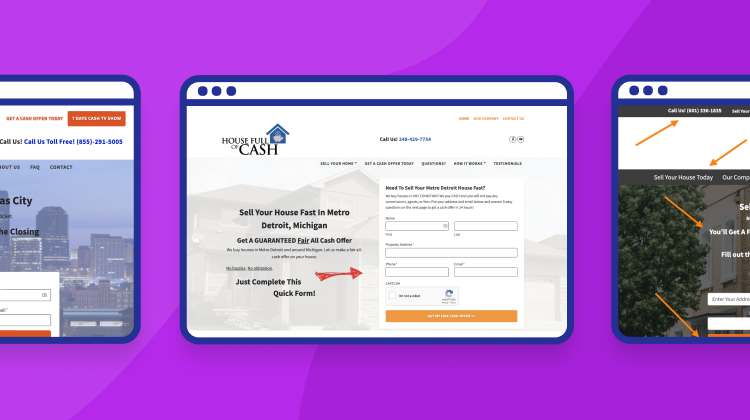
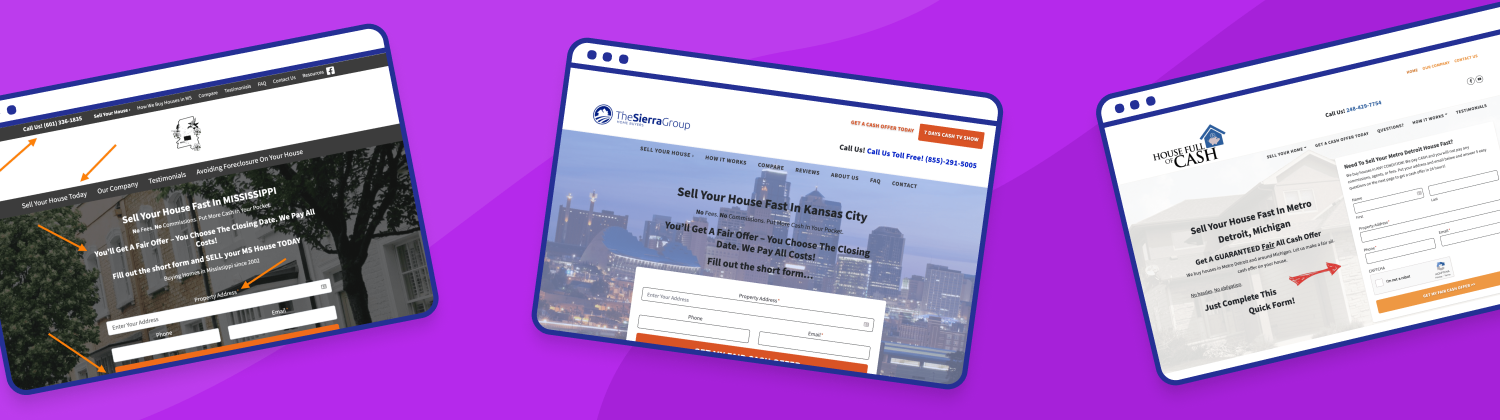
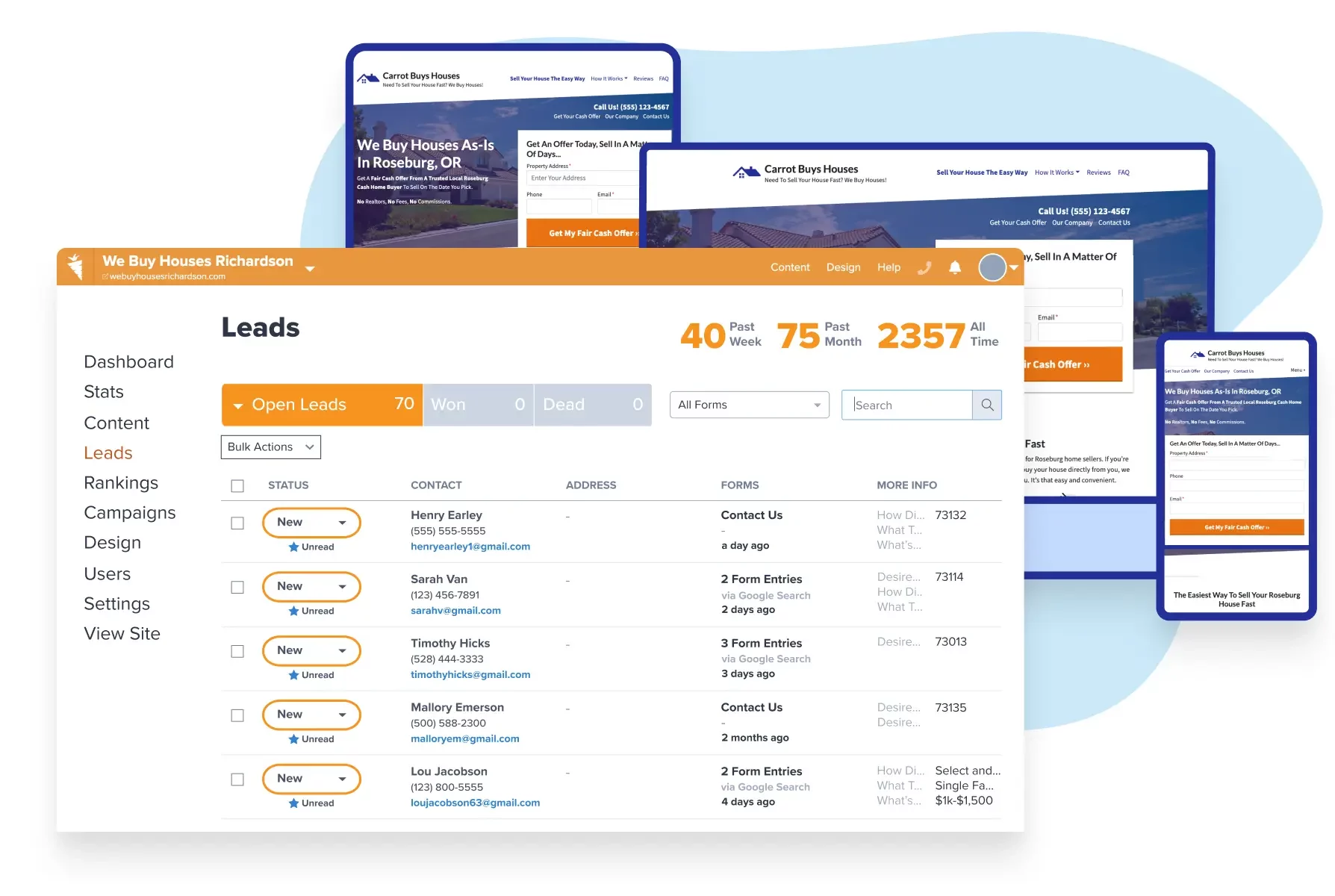

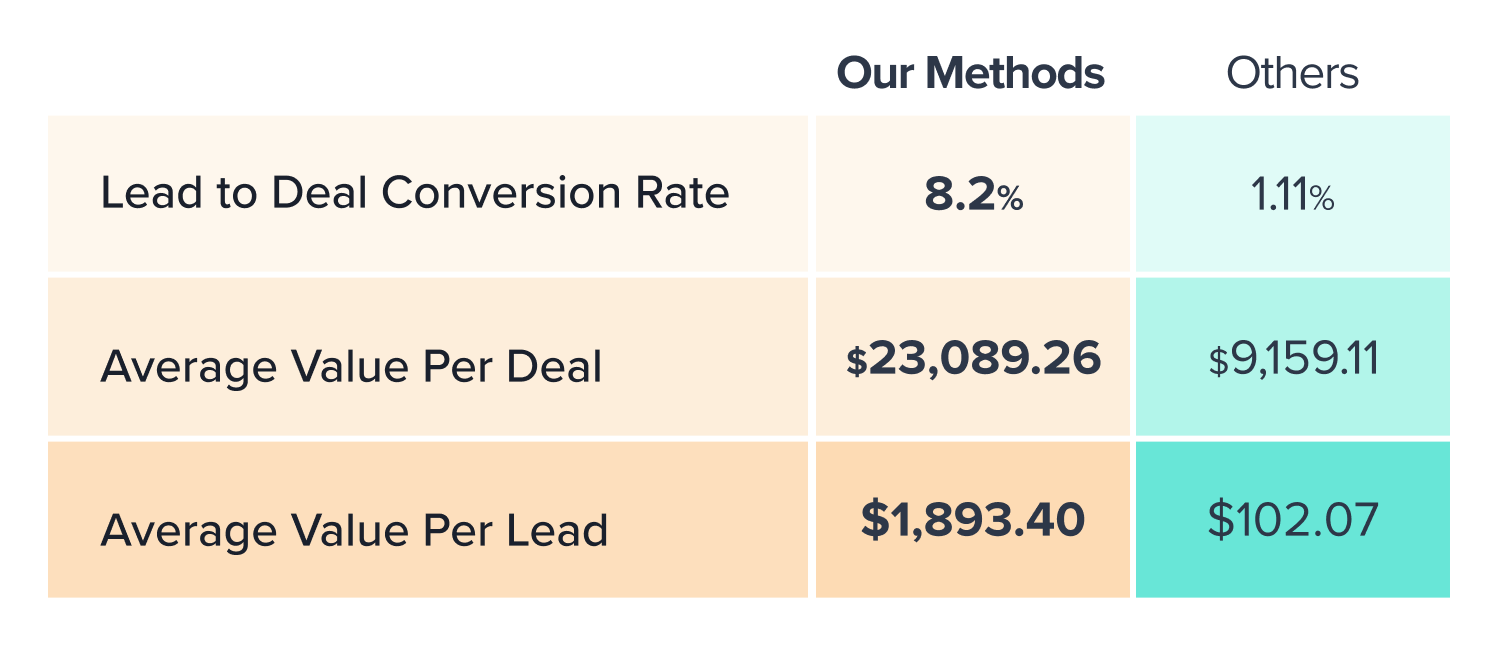
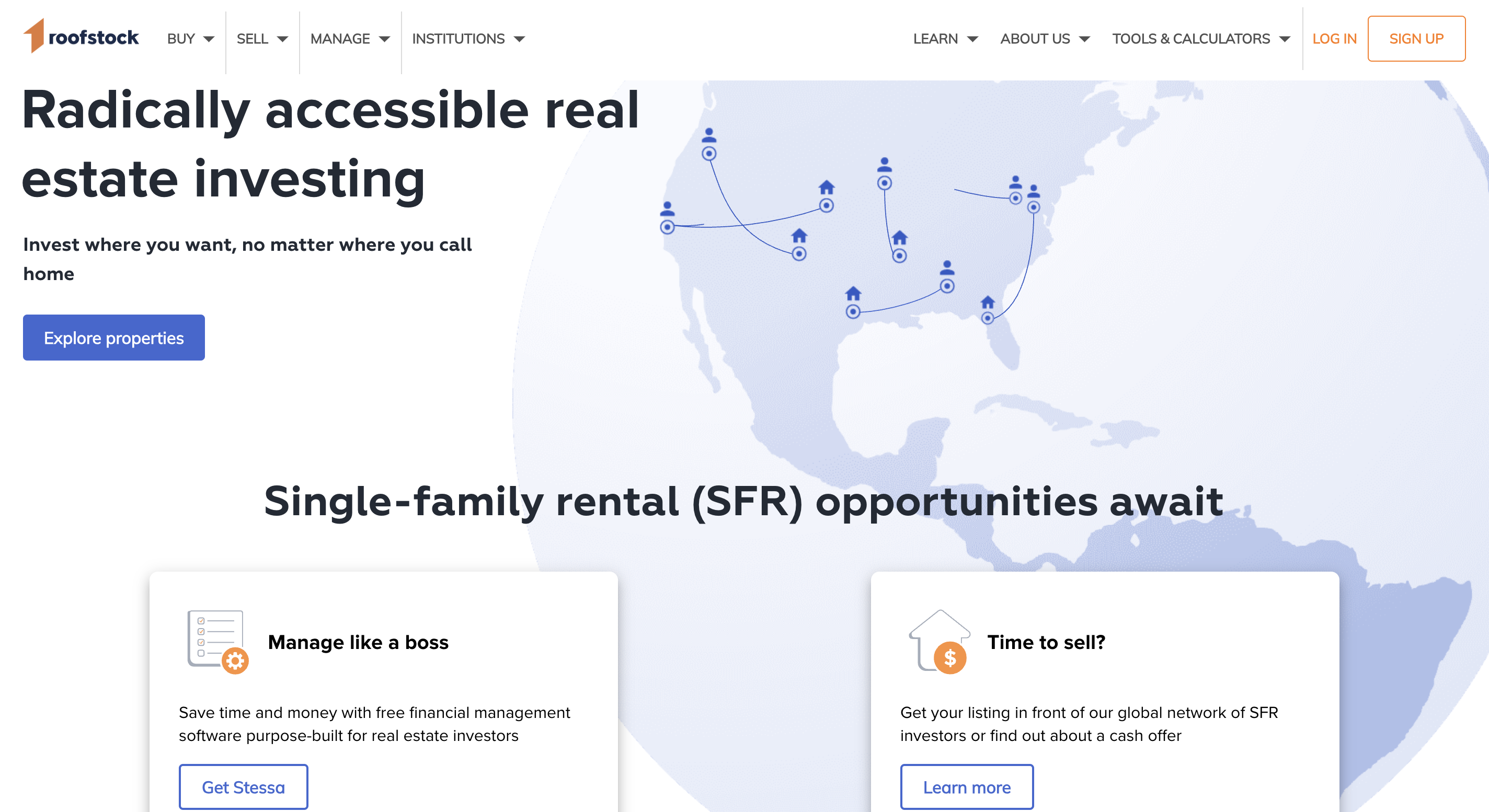
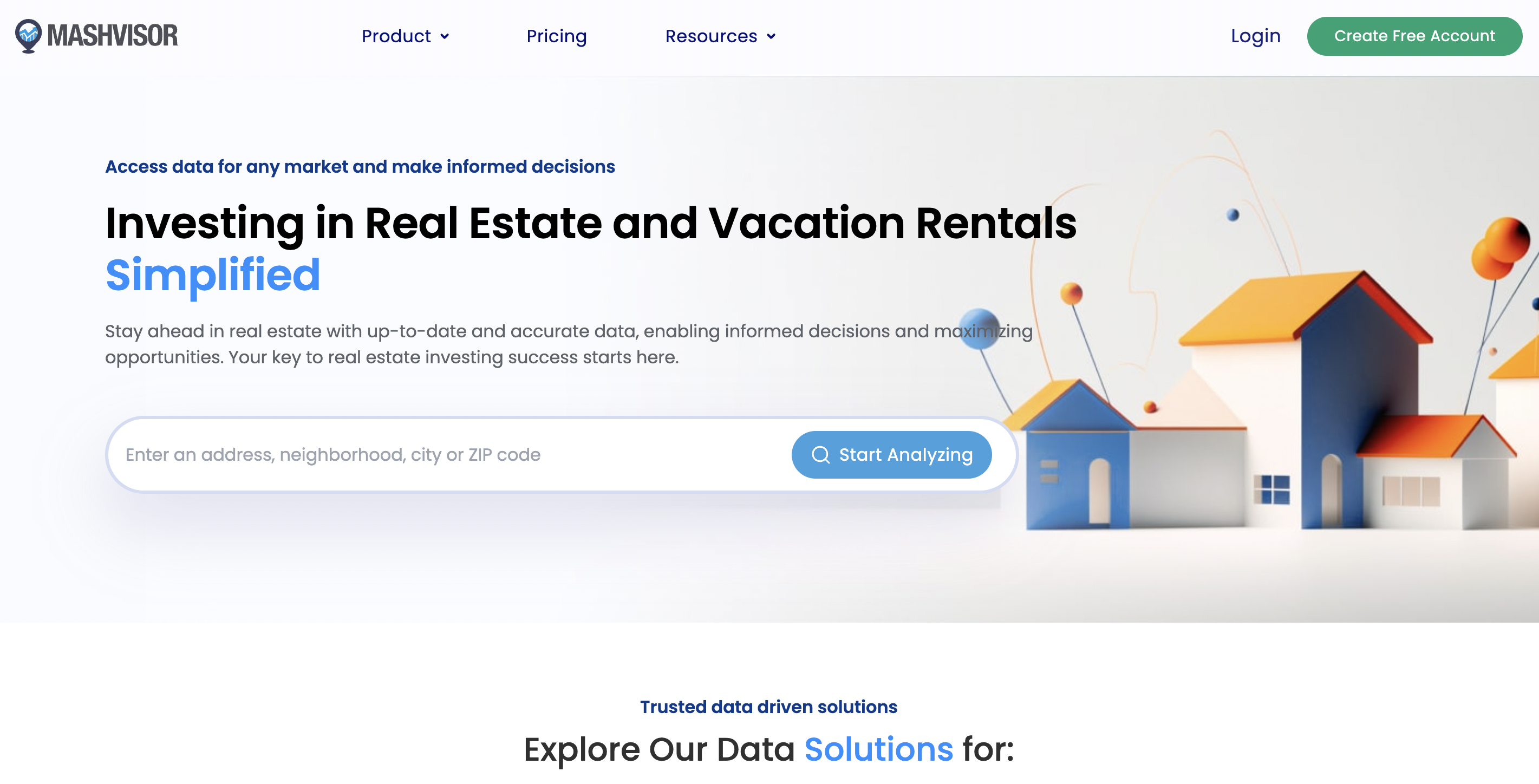
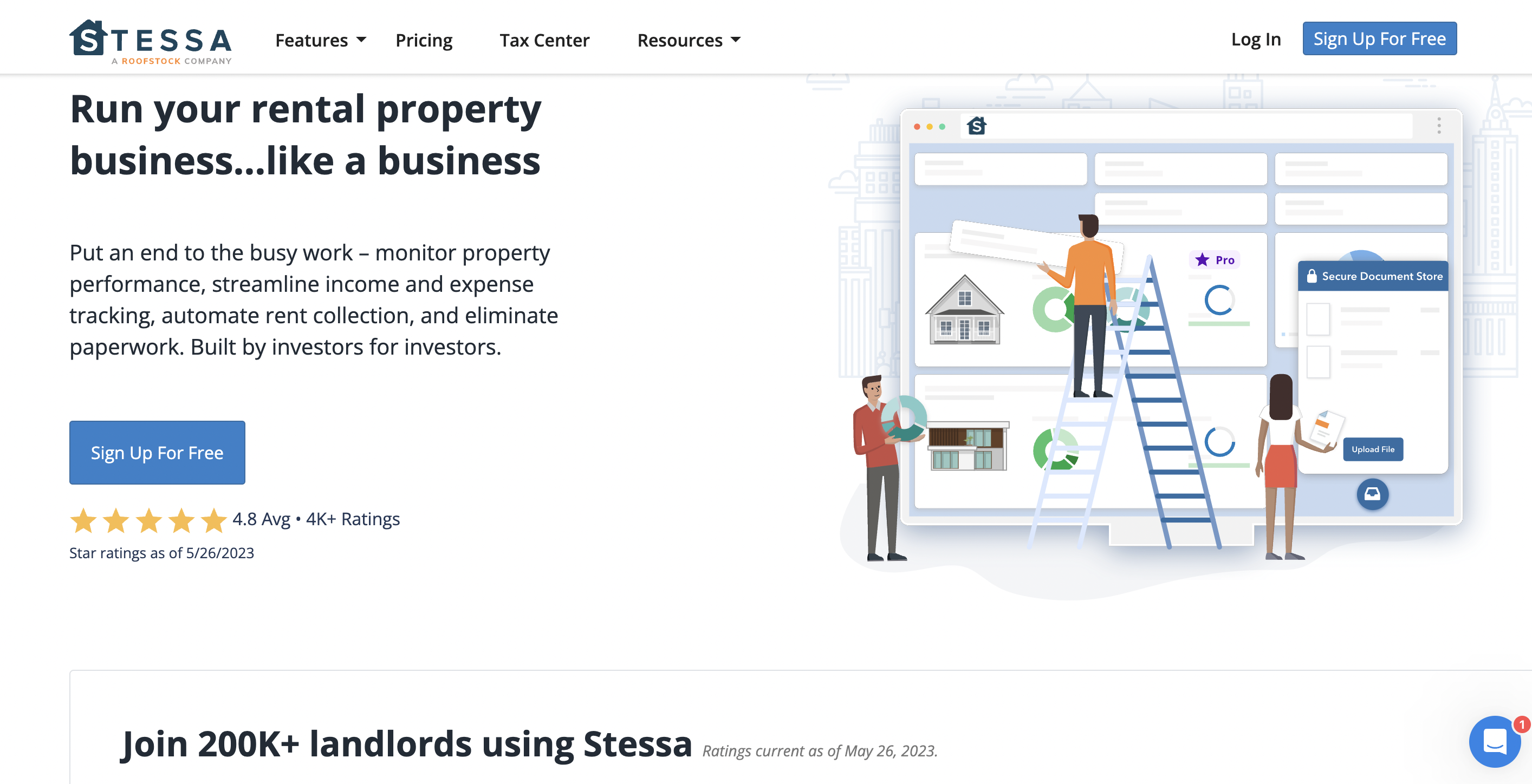
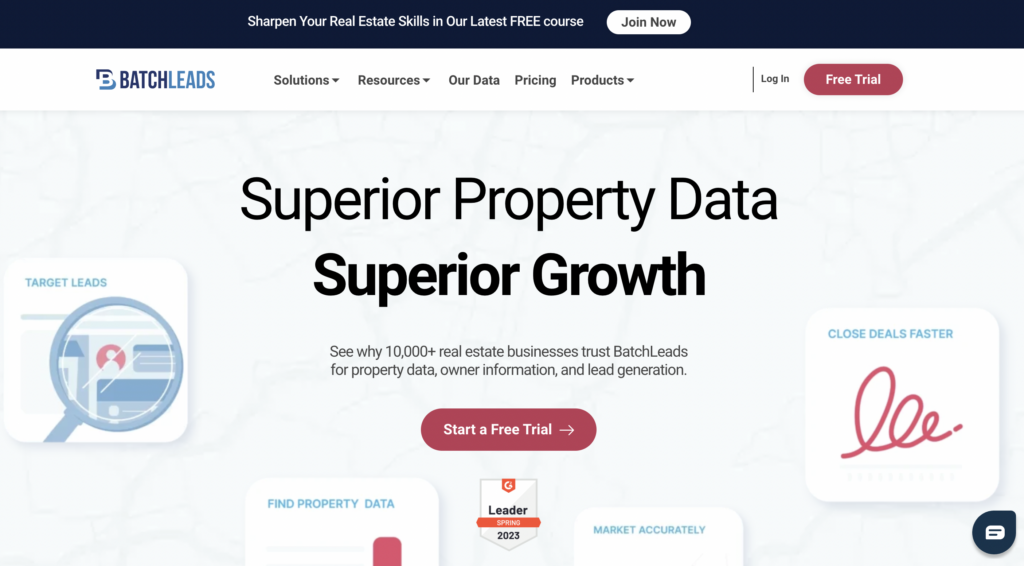
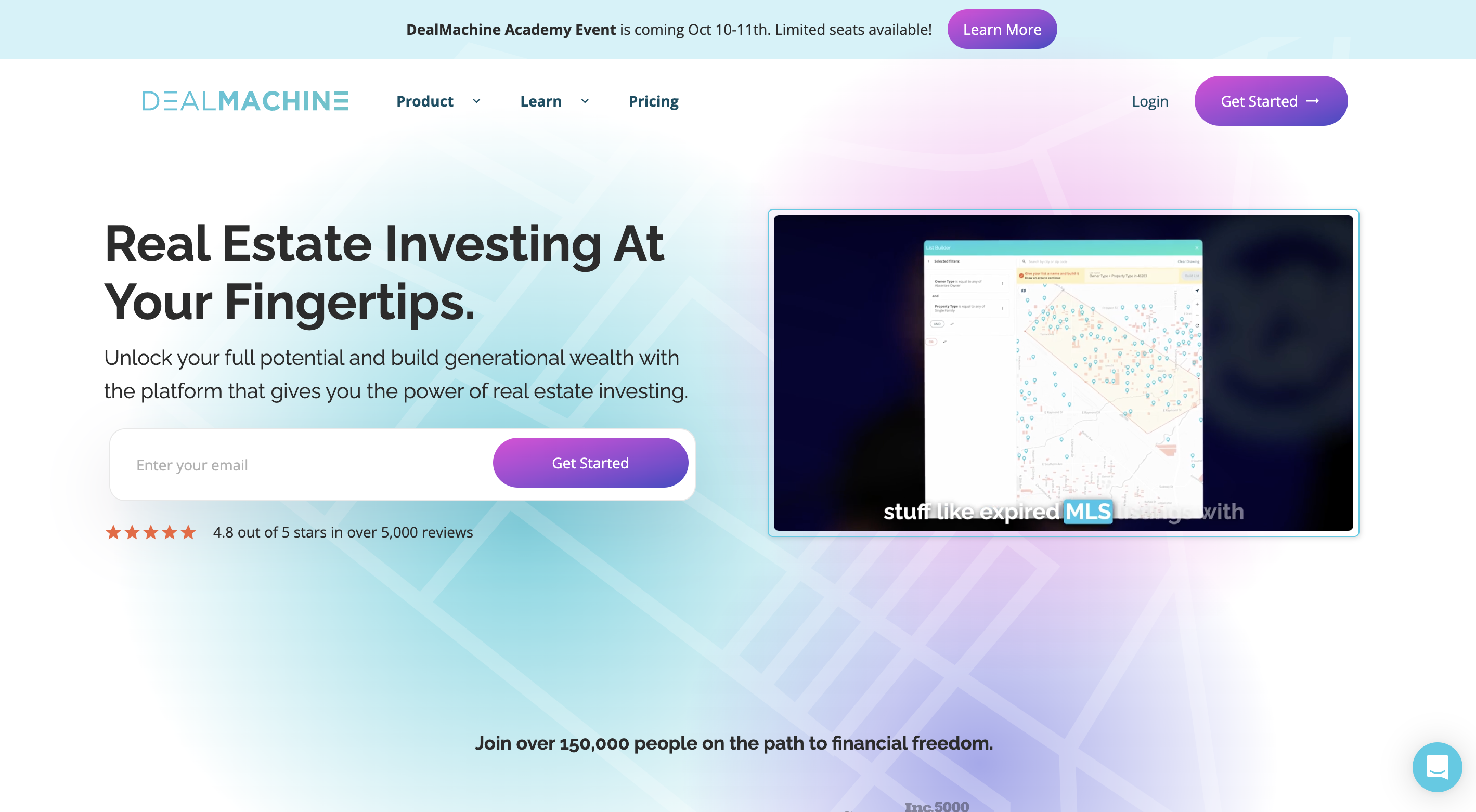
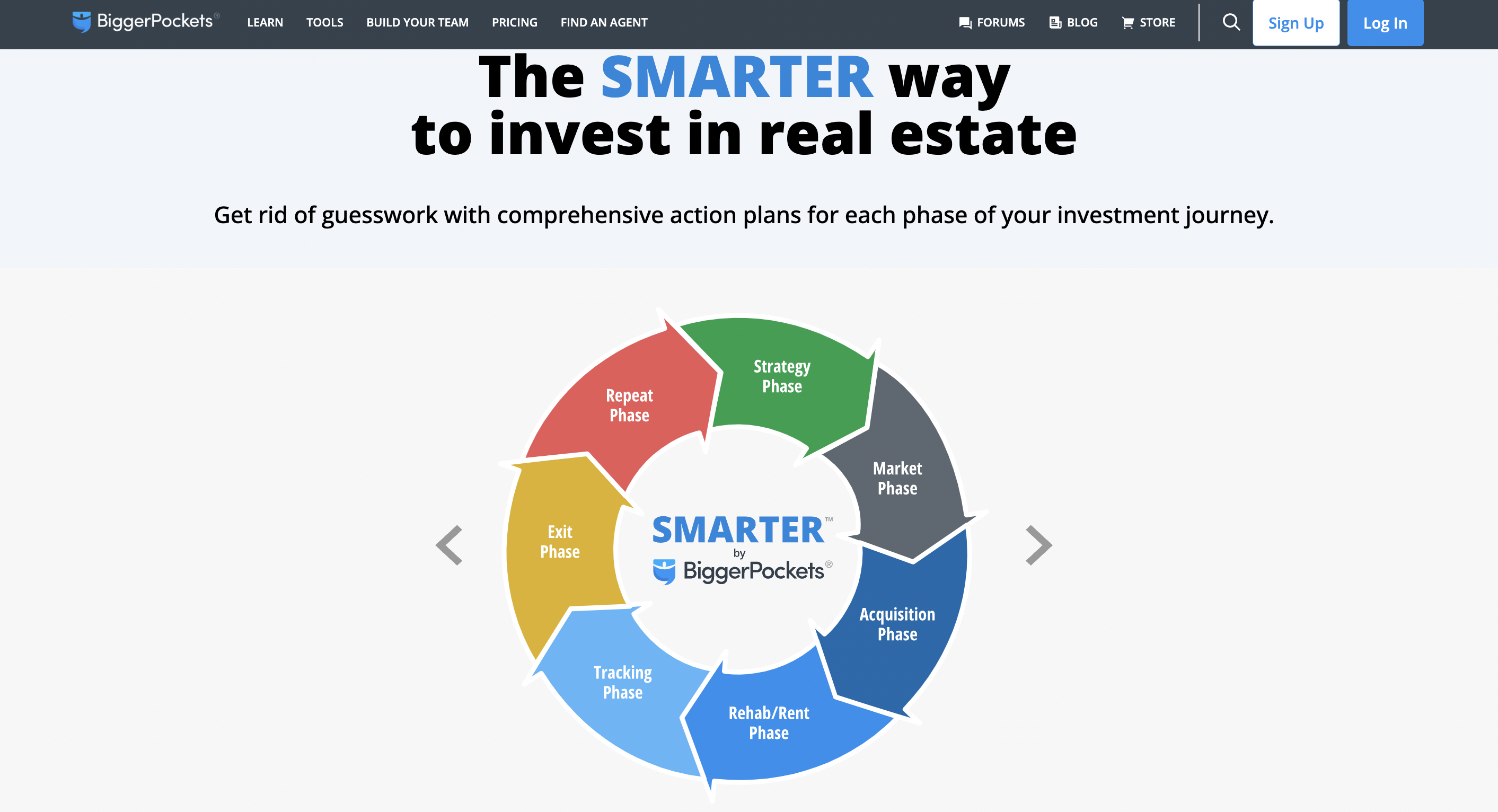
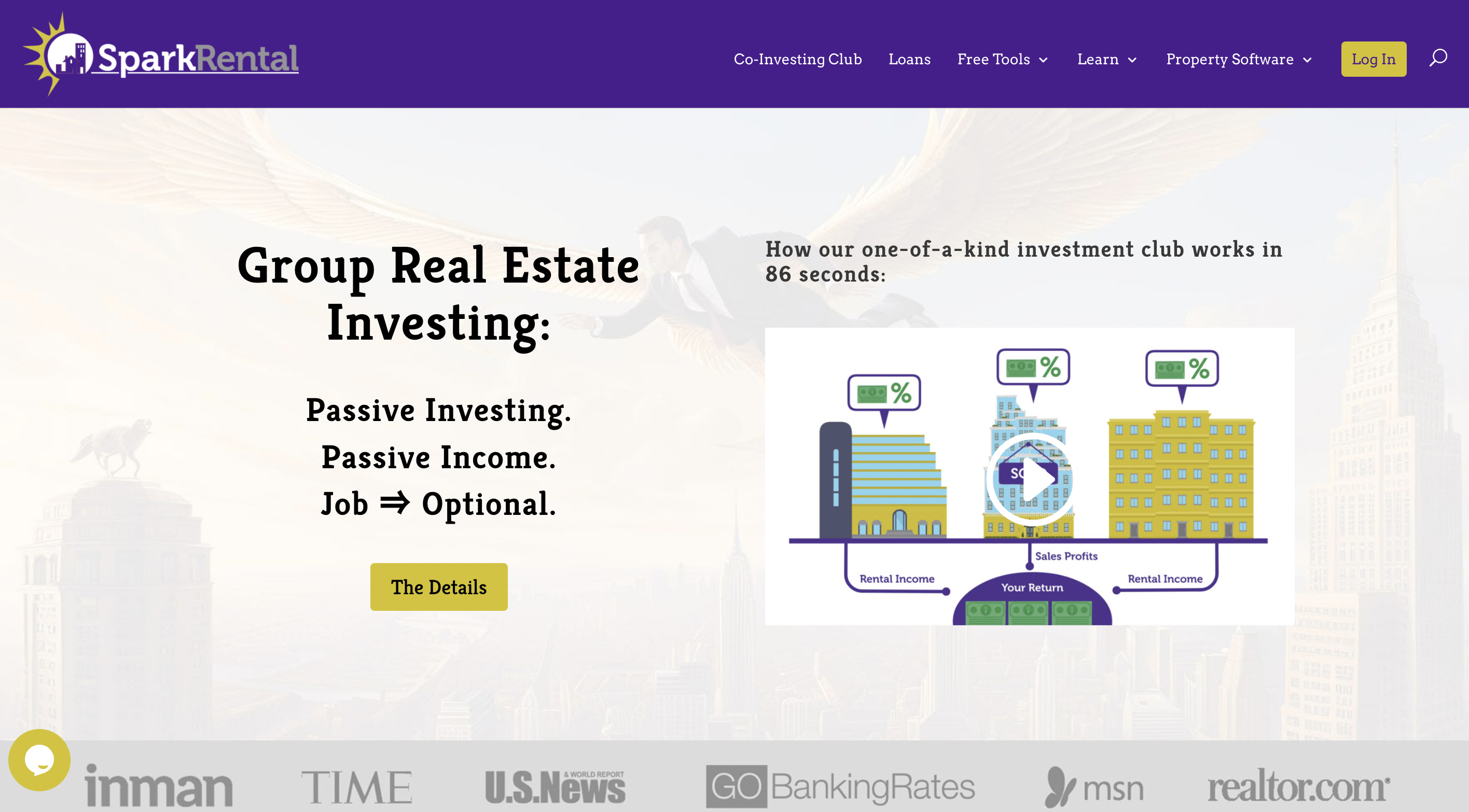


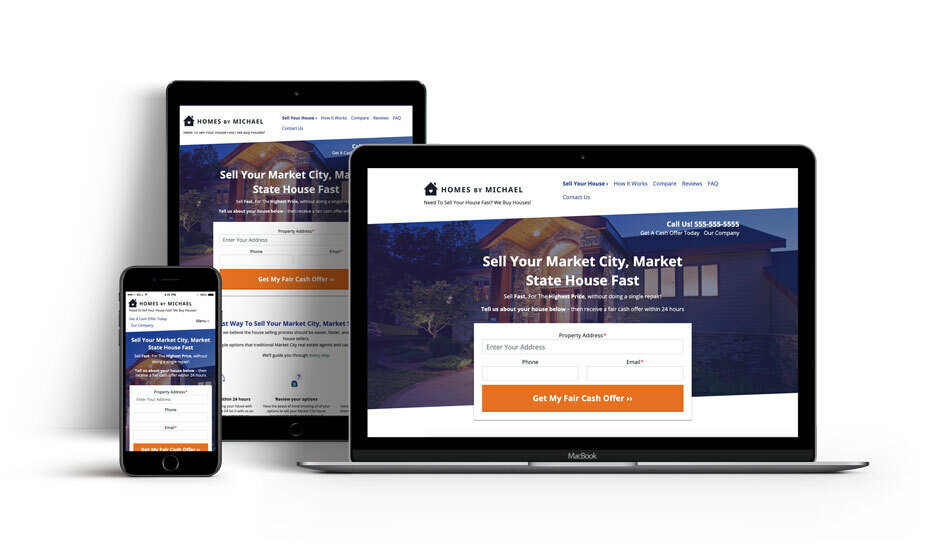


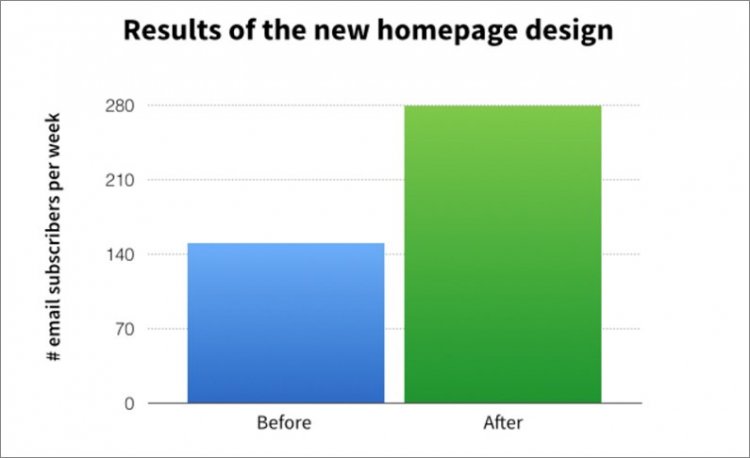
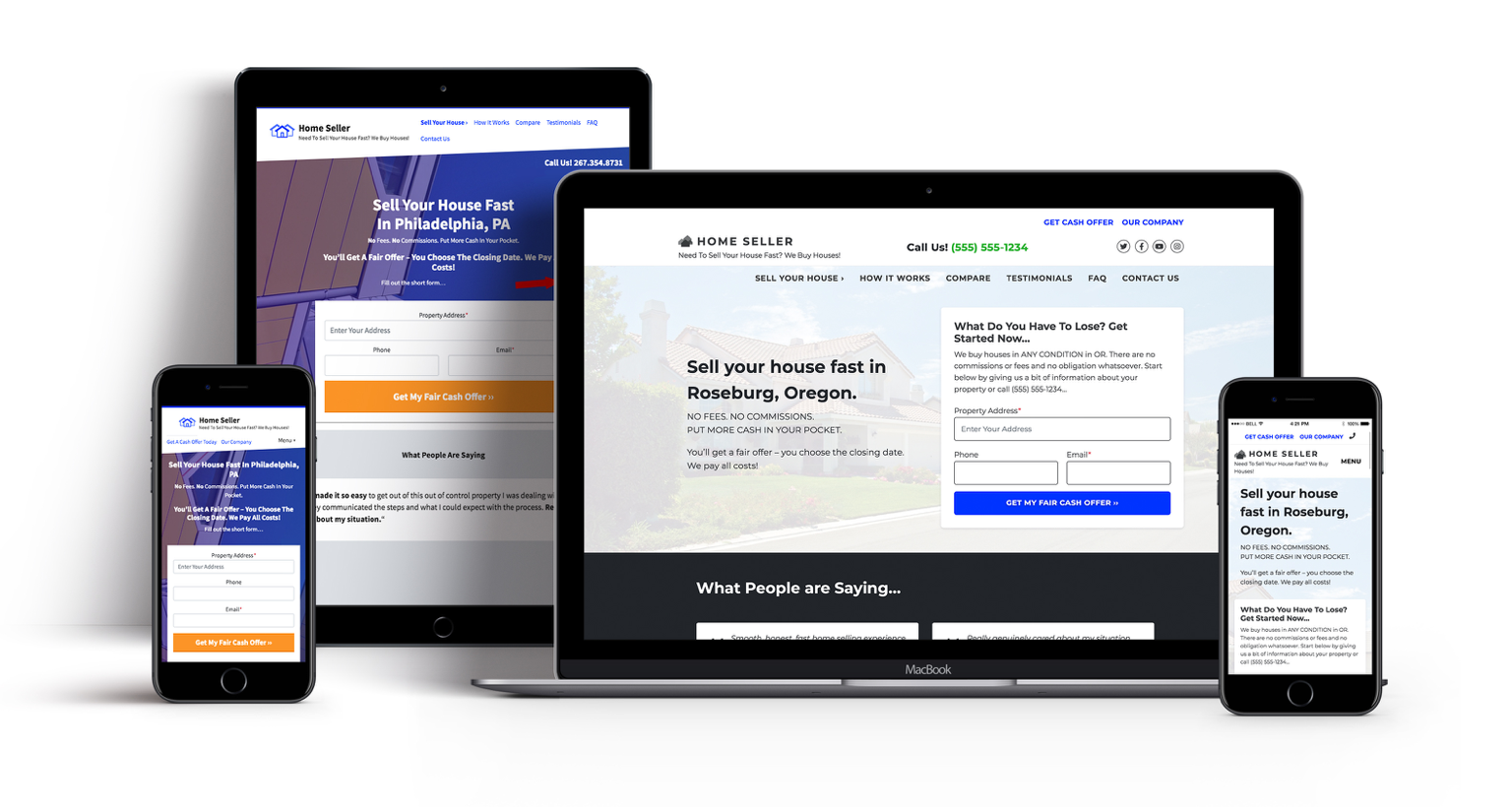



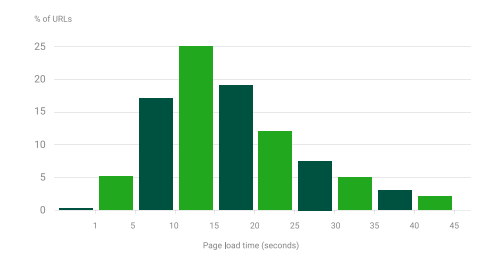
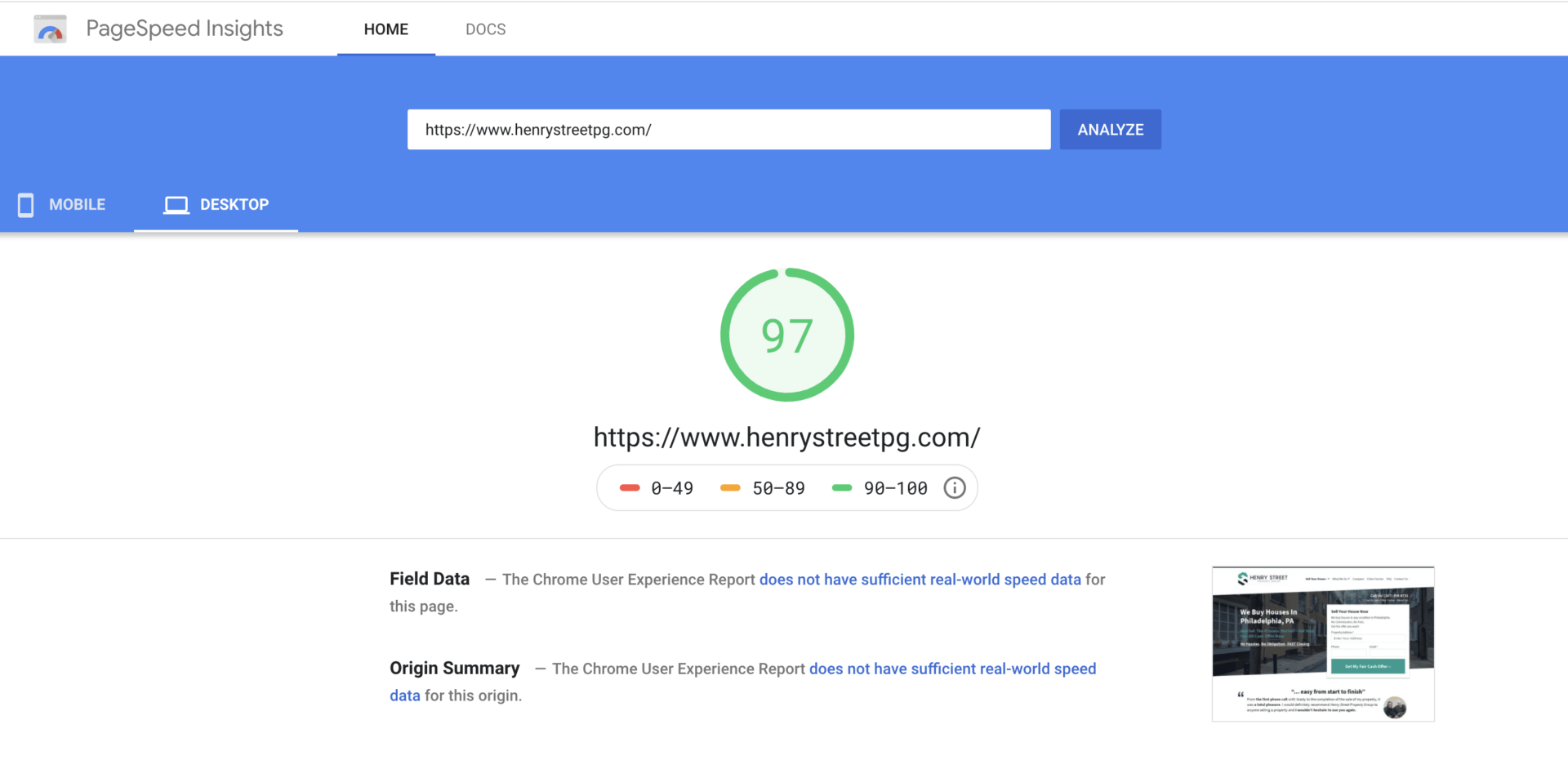

![[ALERT] iOS 14 Update: How It’s Going to Affect Real Estate Facebook Ads and What You Can Do to Prepare](https://image-cdn.carrot.com/uploads/iOS-14-Update_-How-Its-Going-to-Affect-Facebook-Ads-and-What-You-Should-Do-Now-Featured.png)



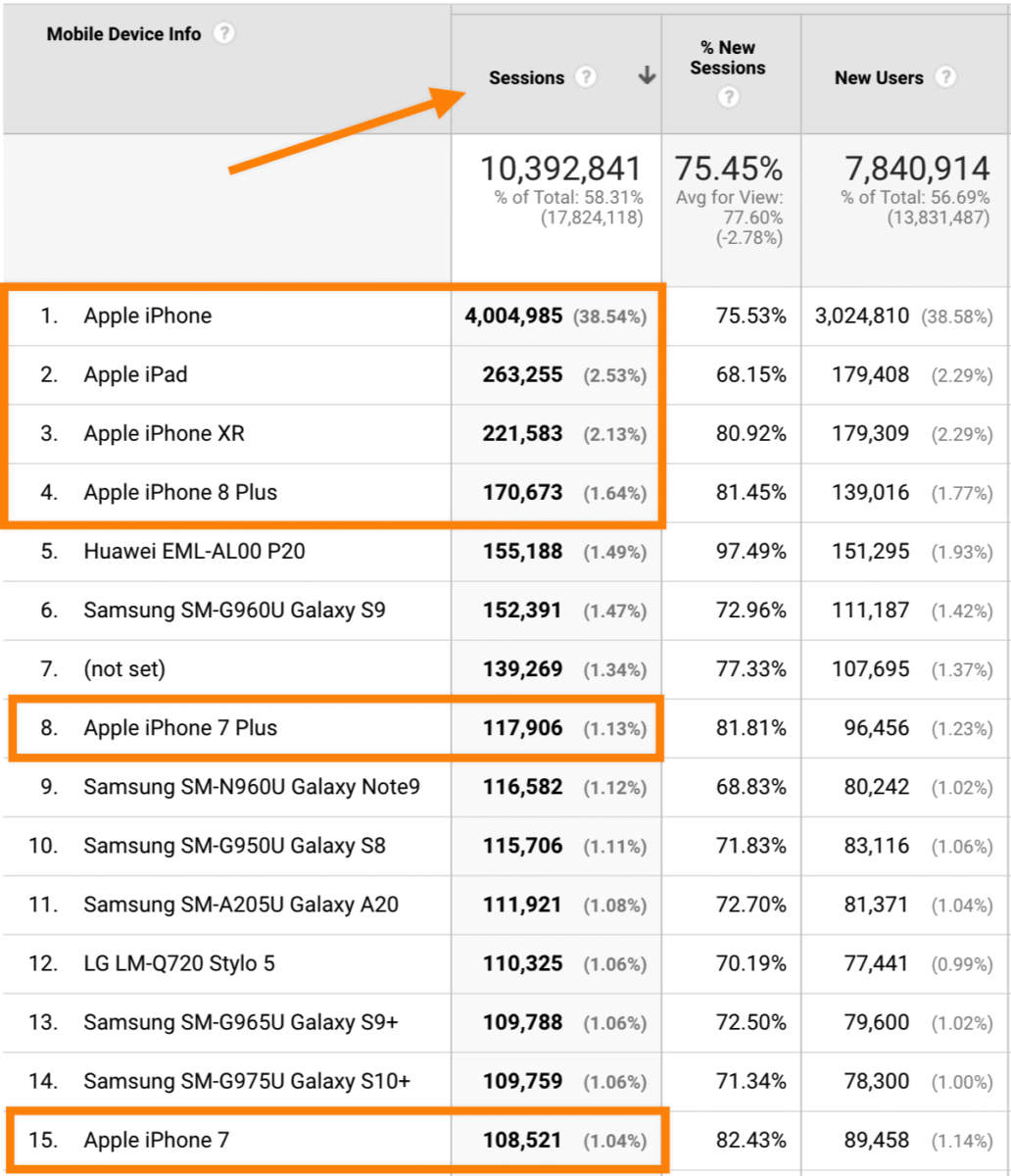
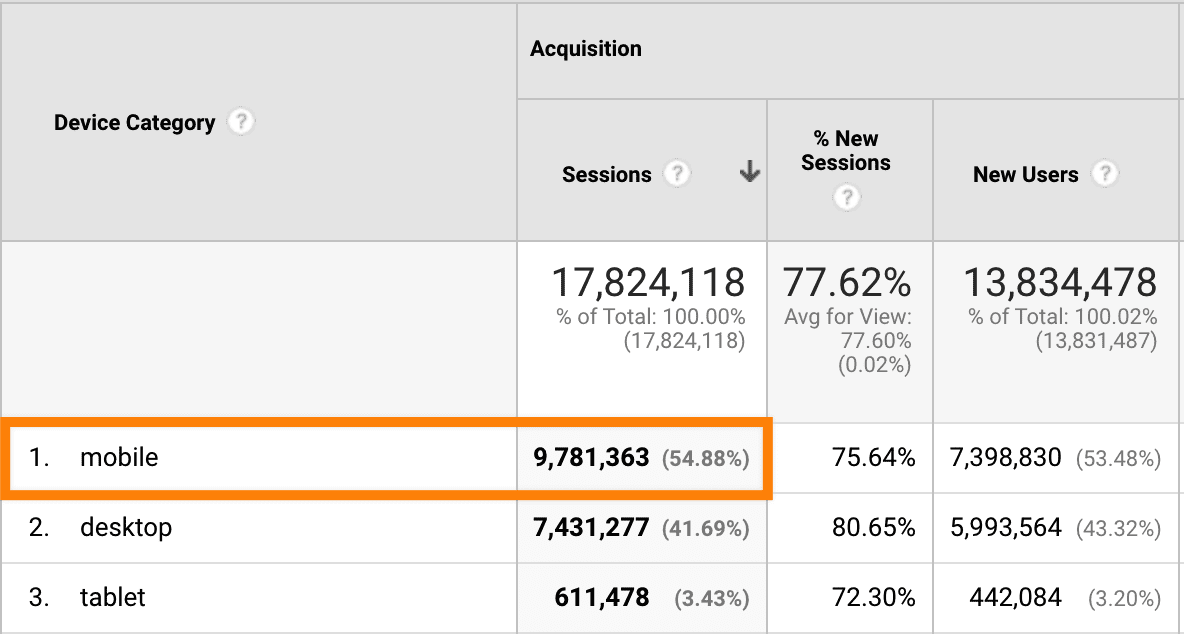
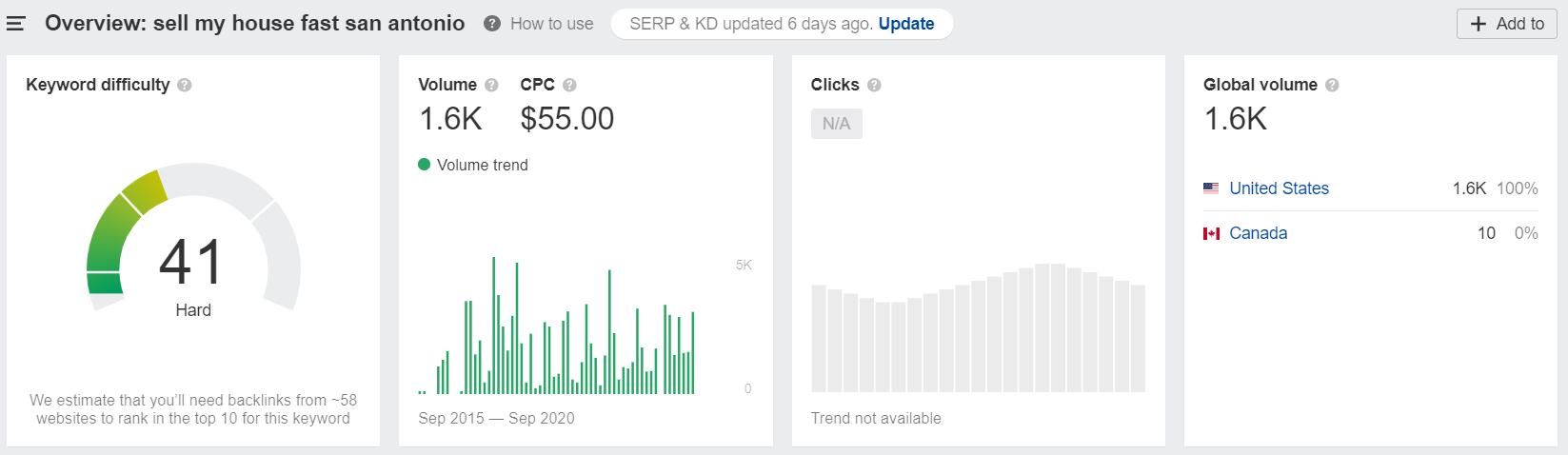
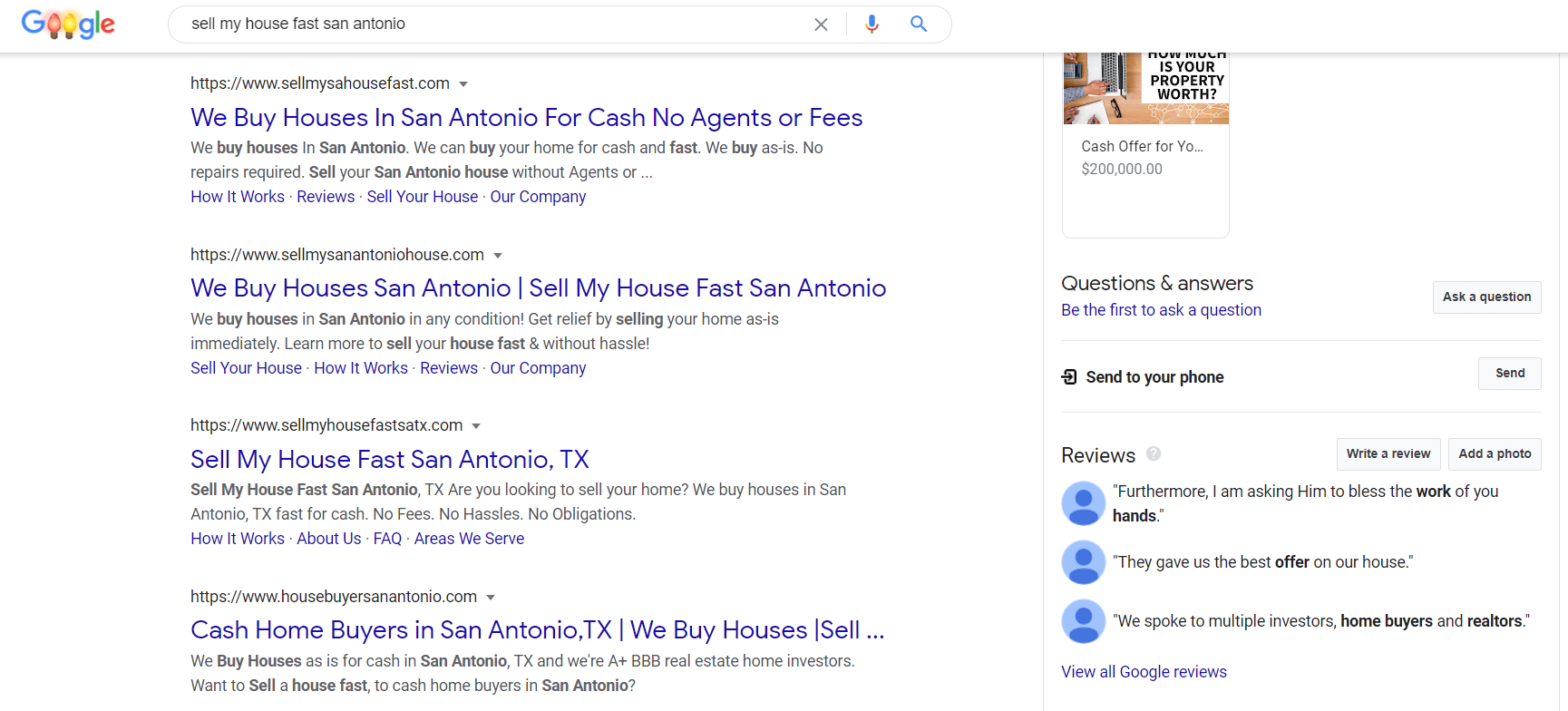
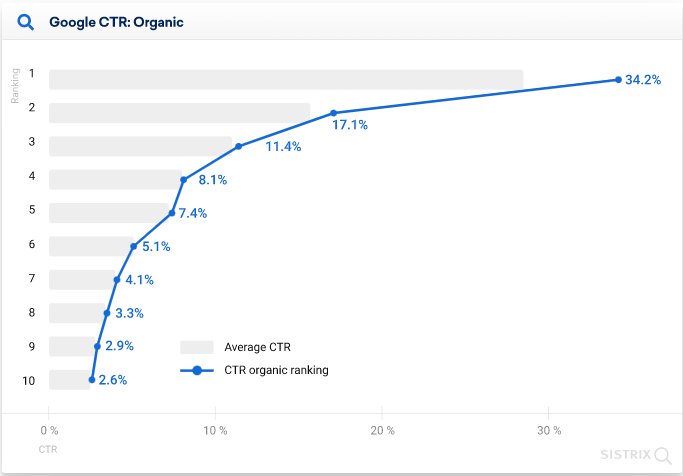


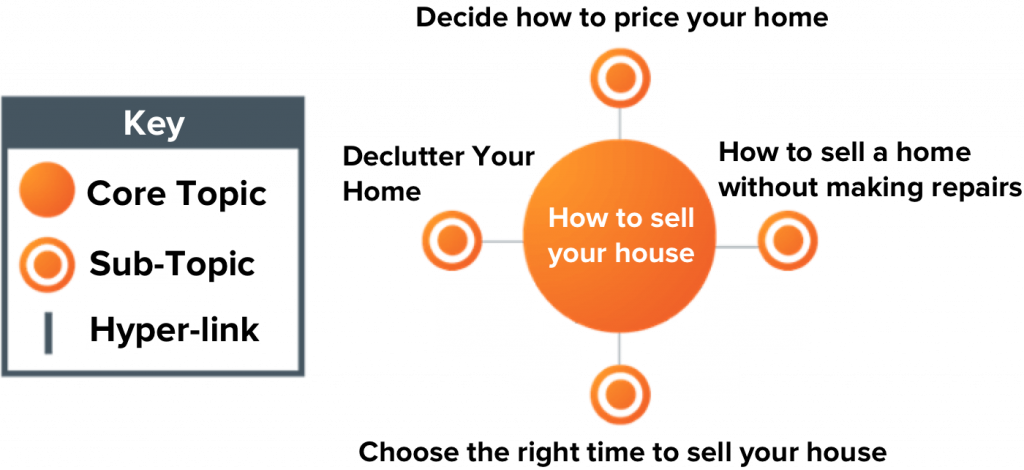
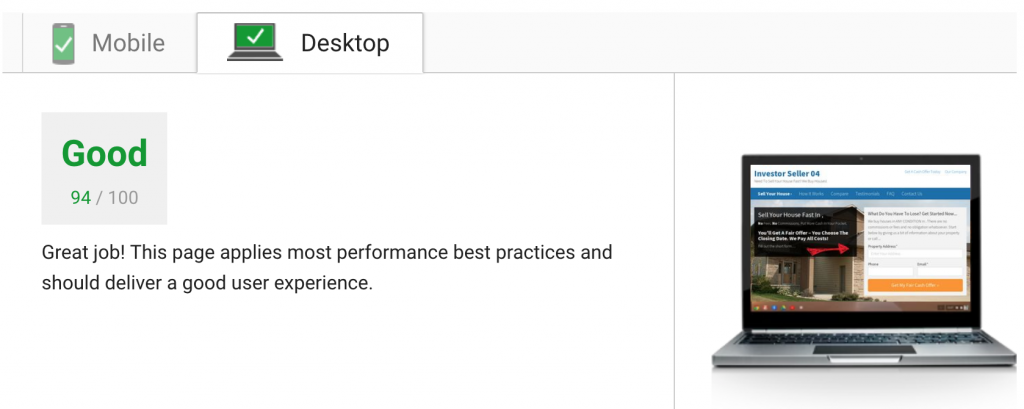
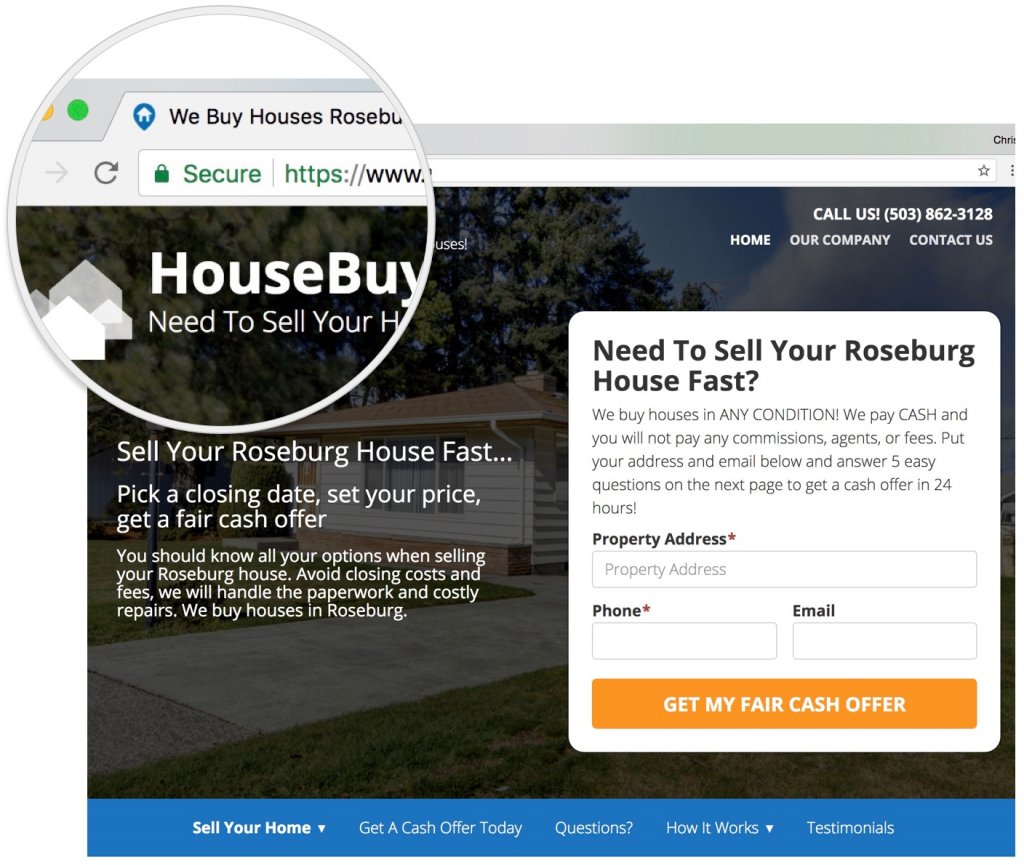
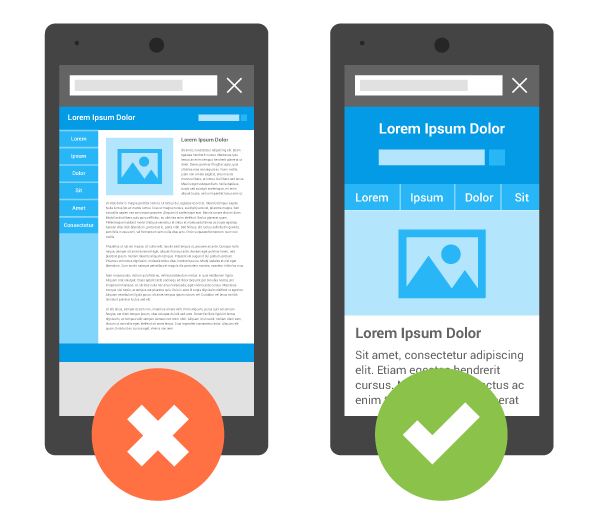
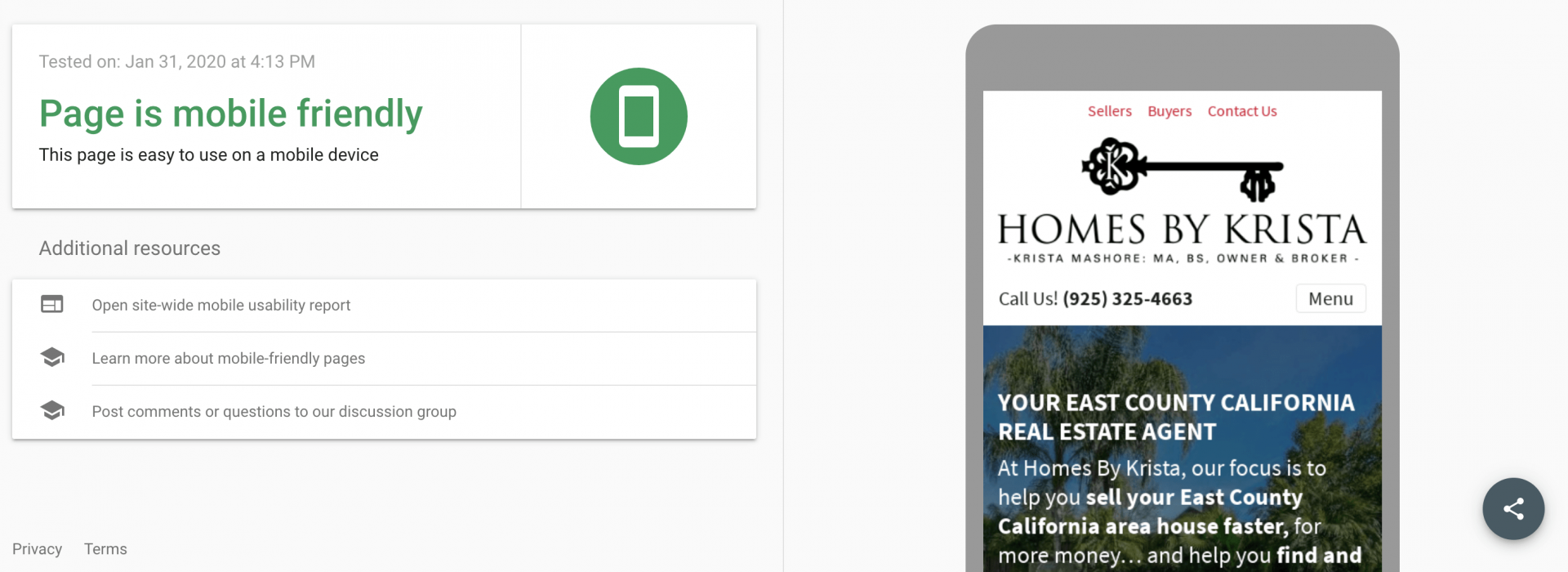
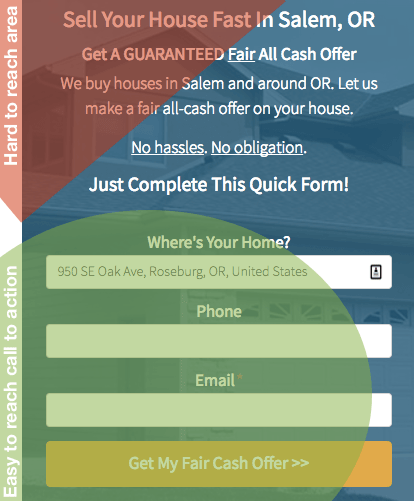
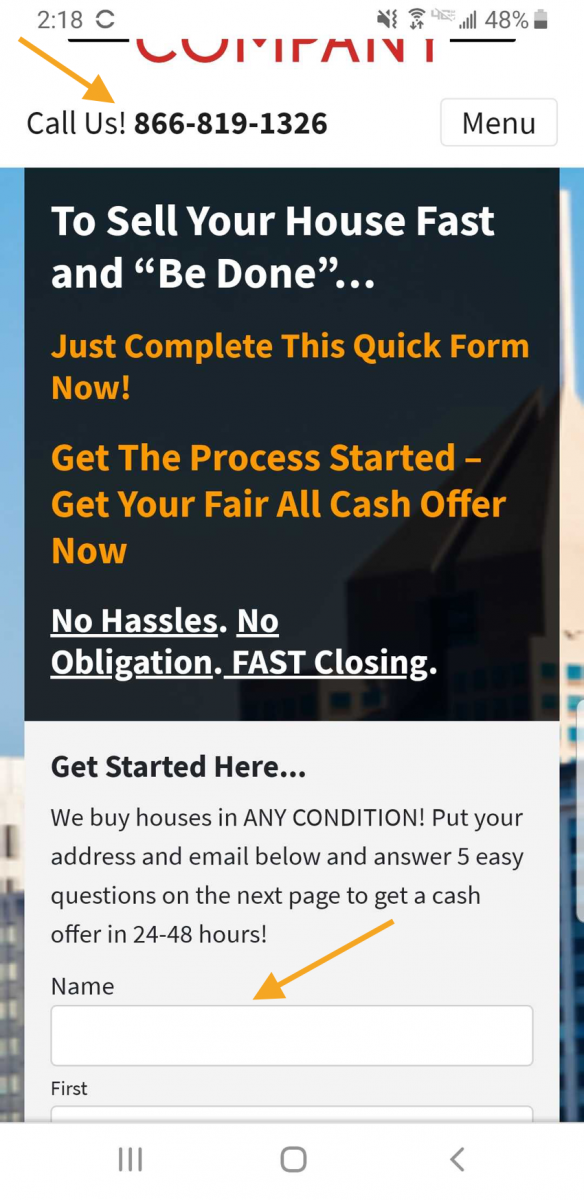
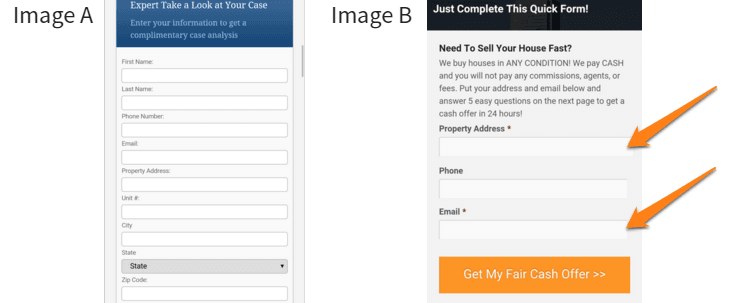
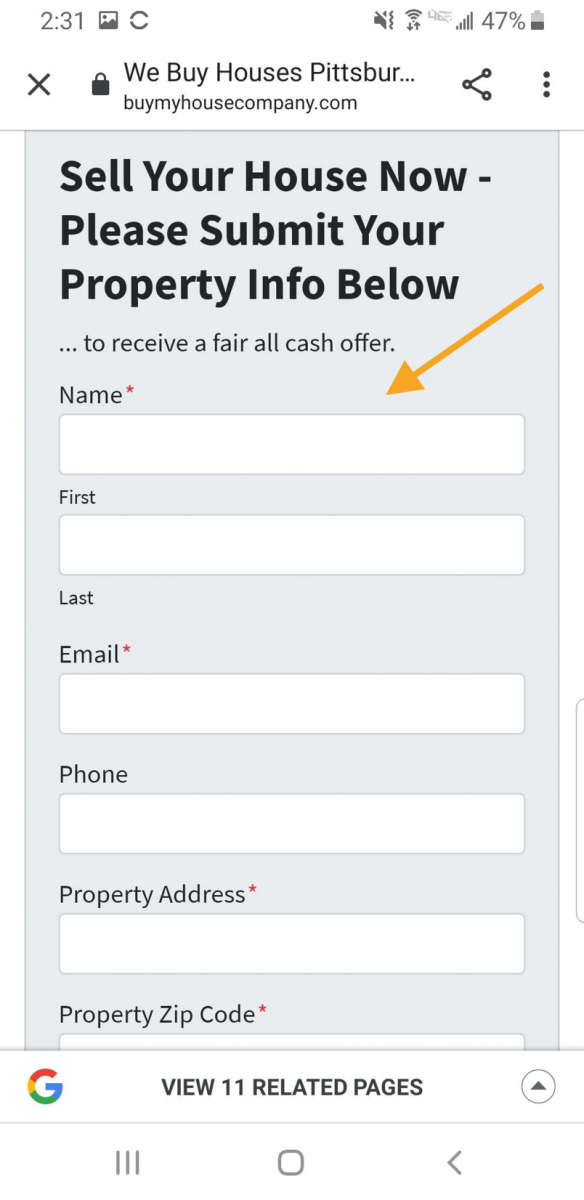
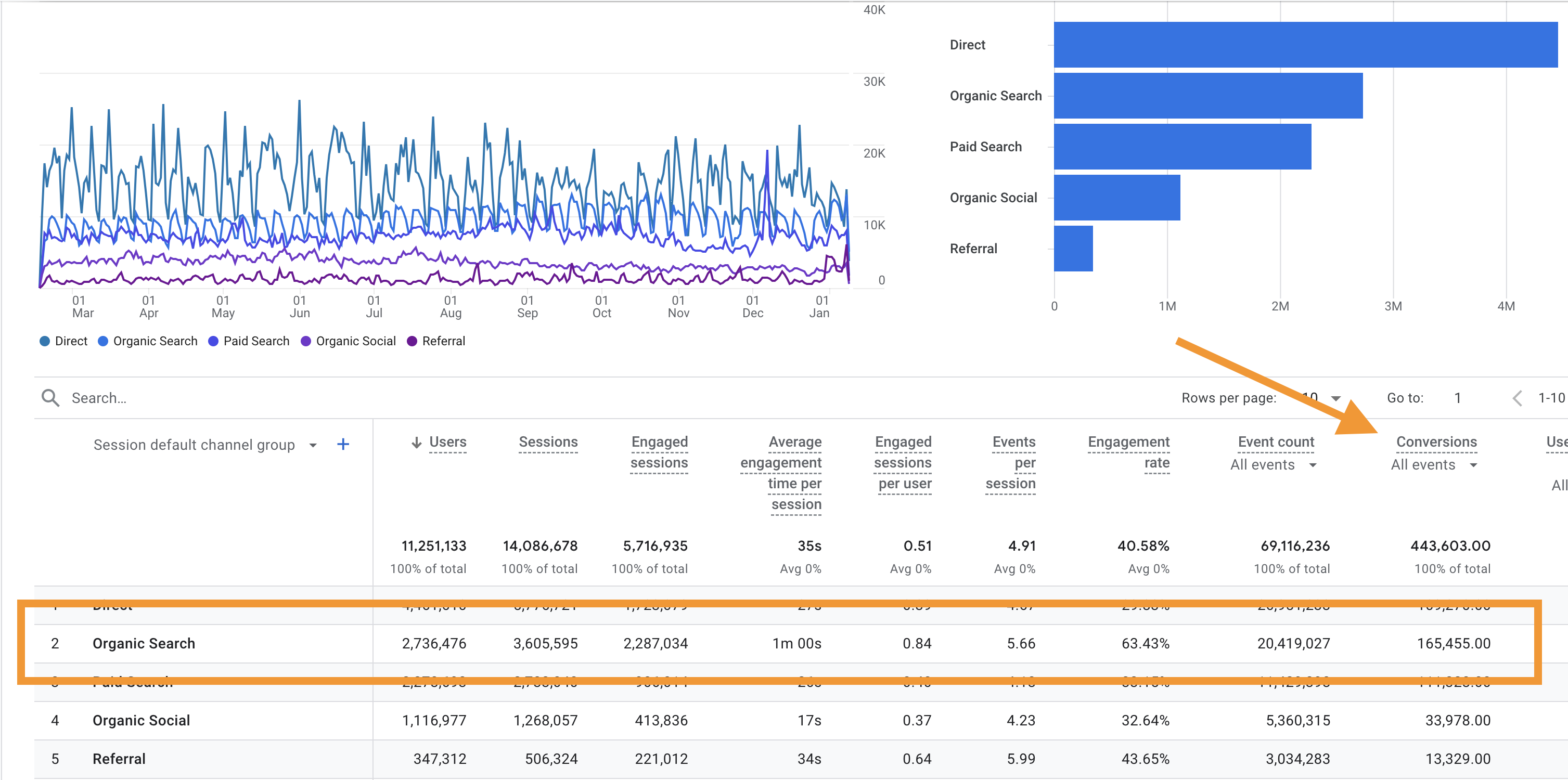


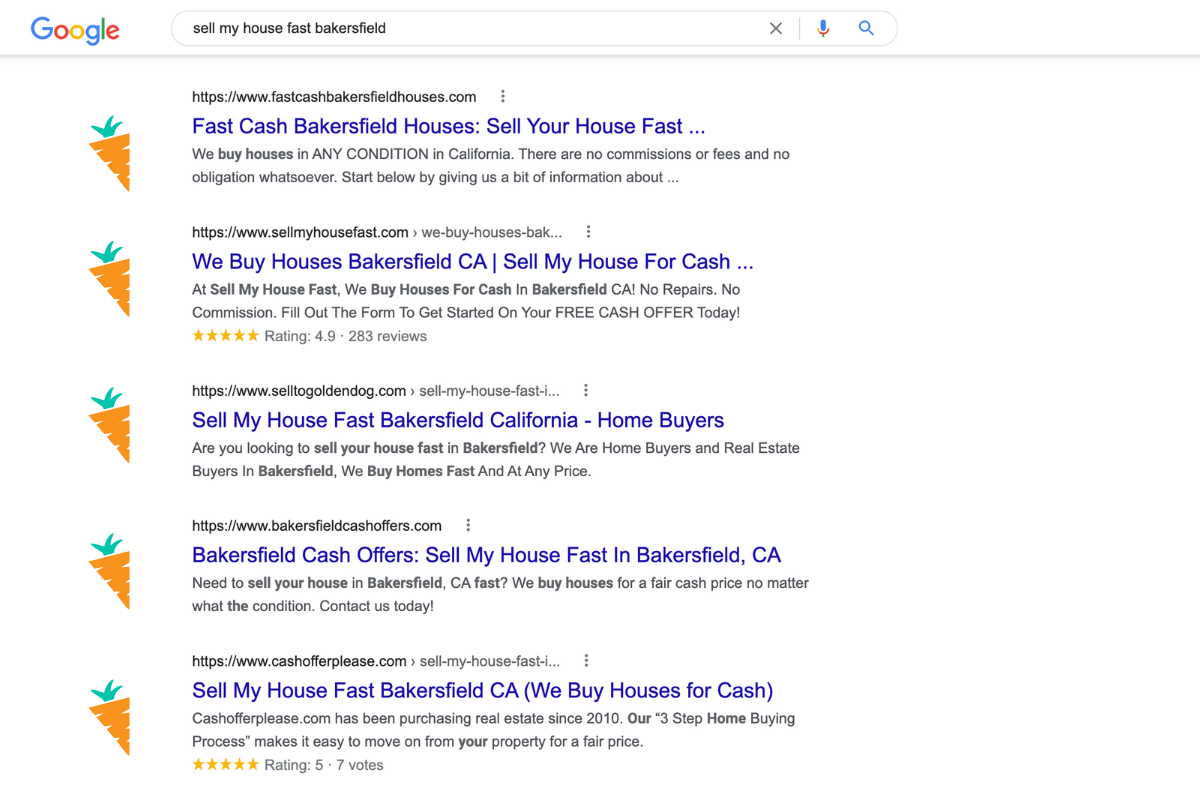
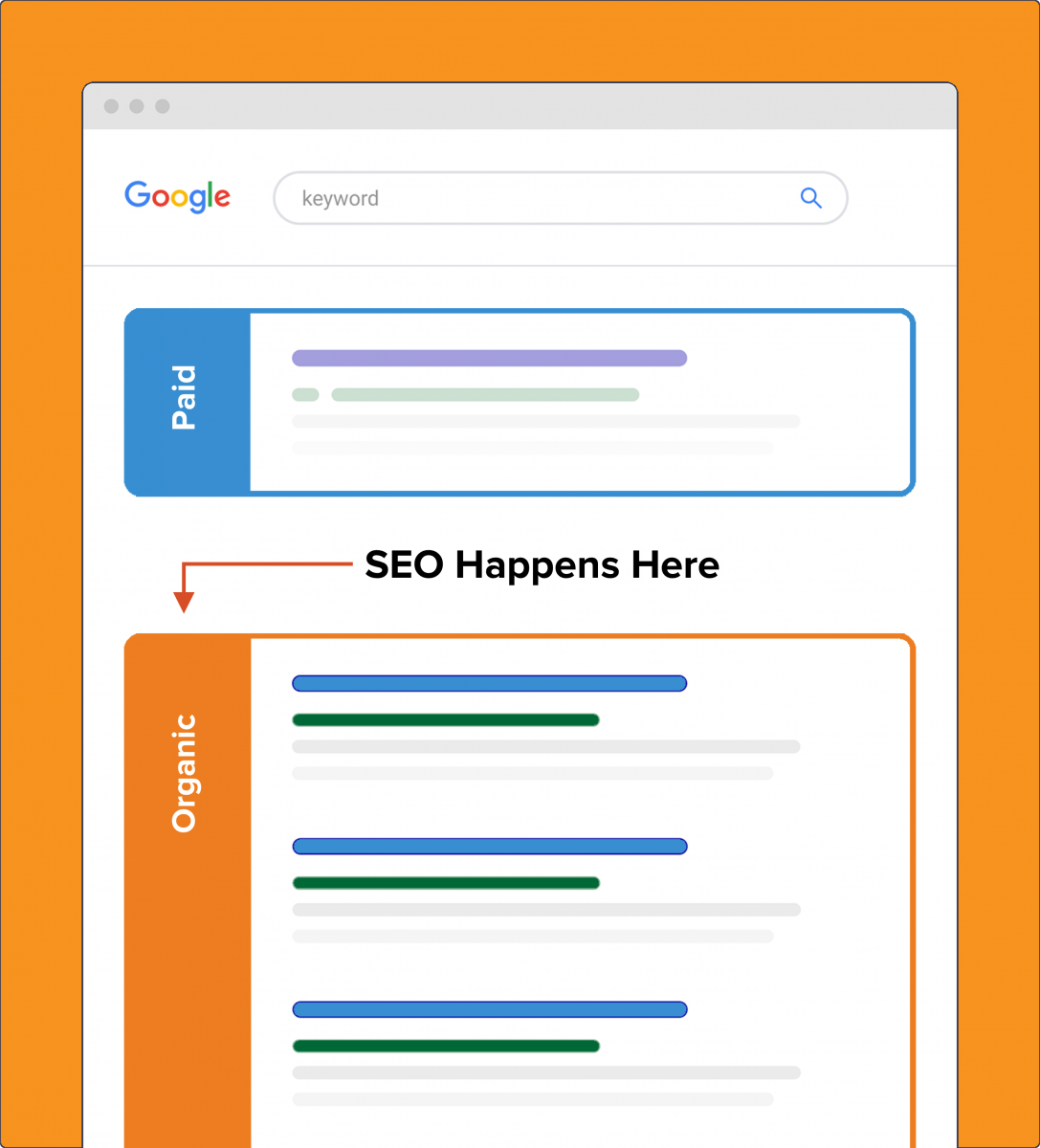
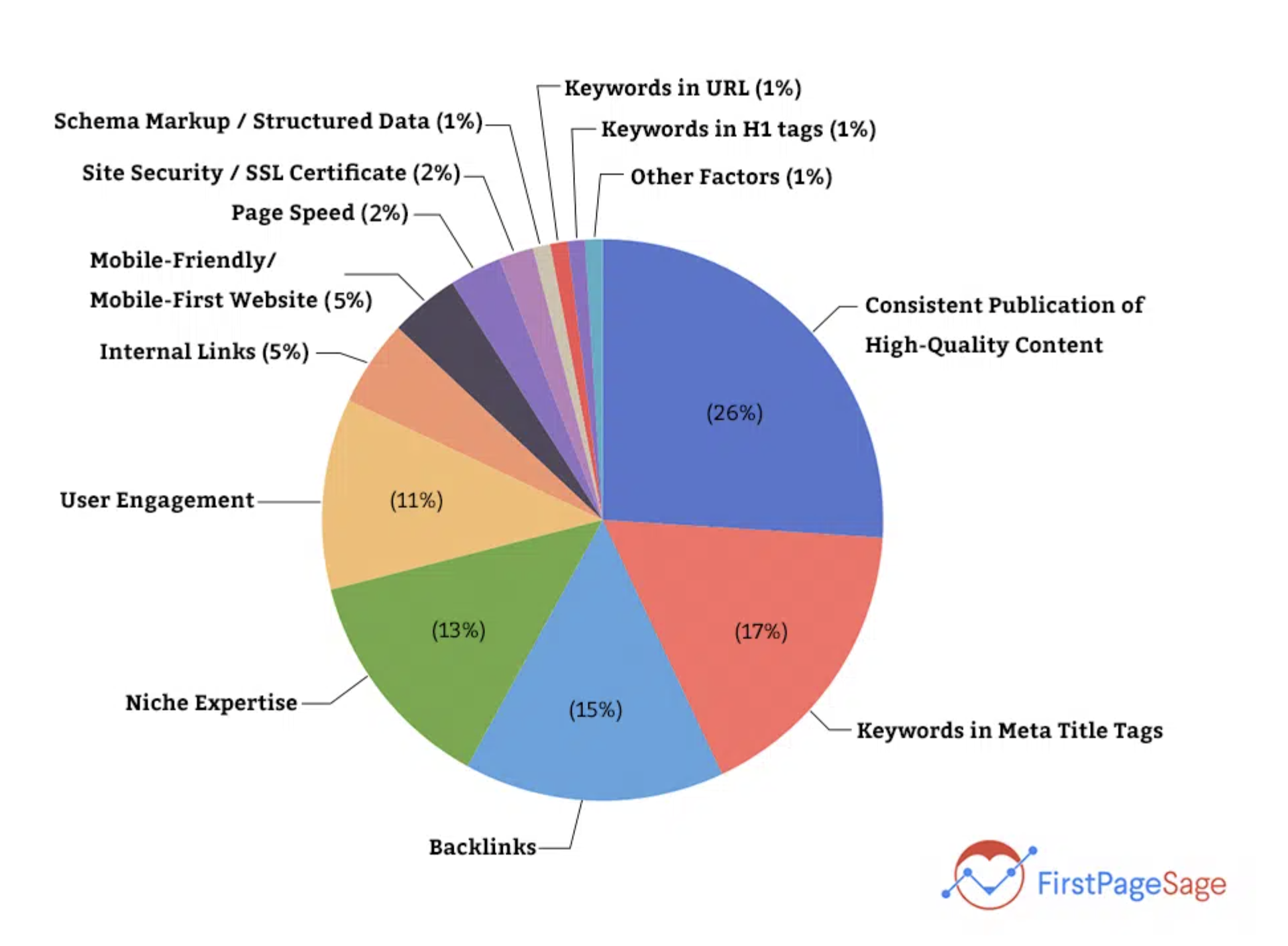
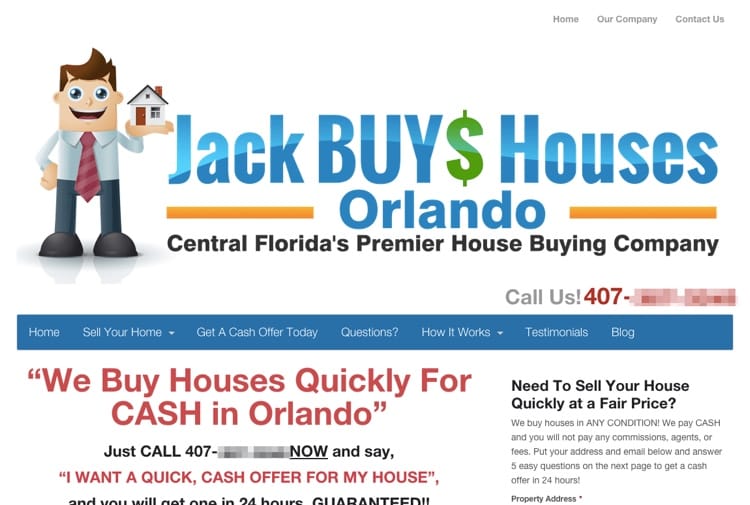
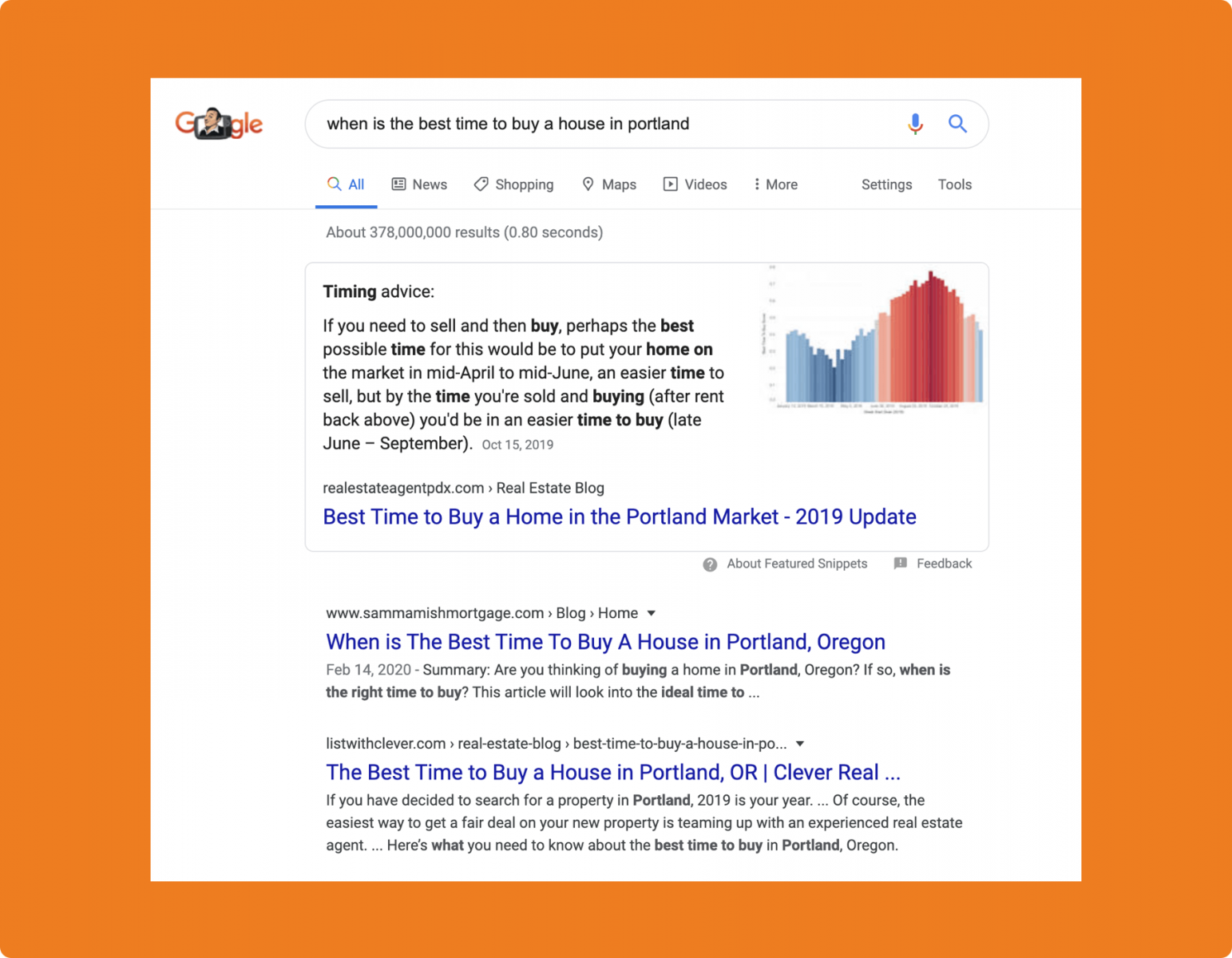
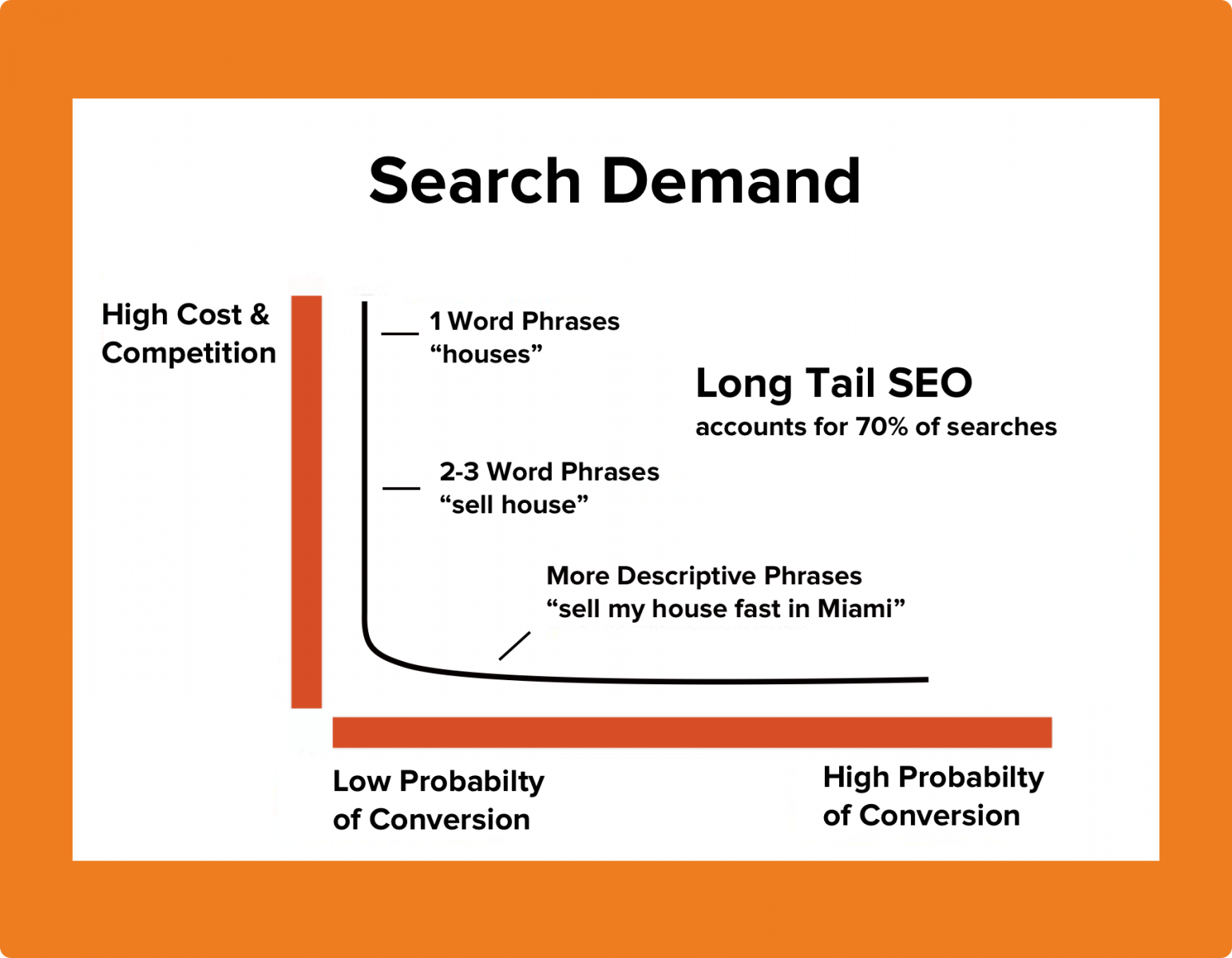
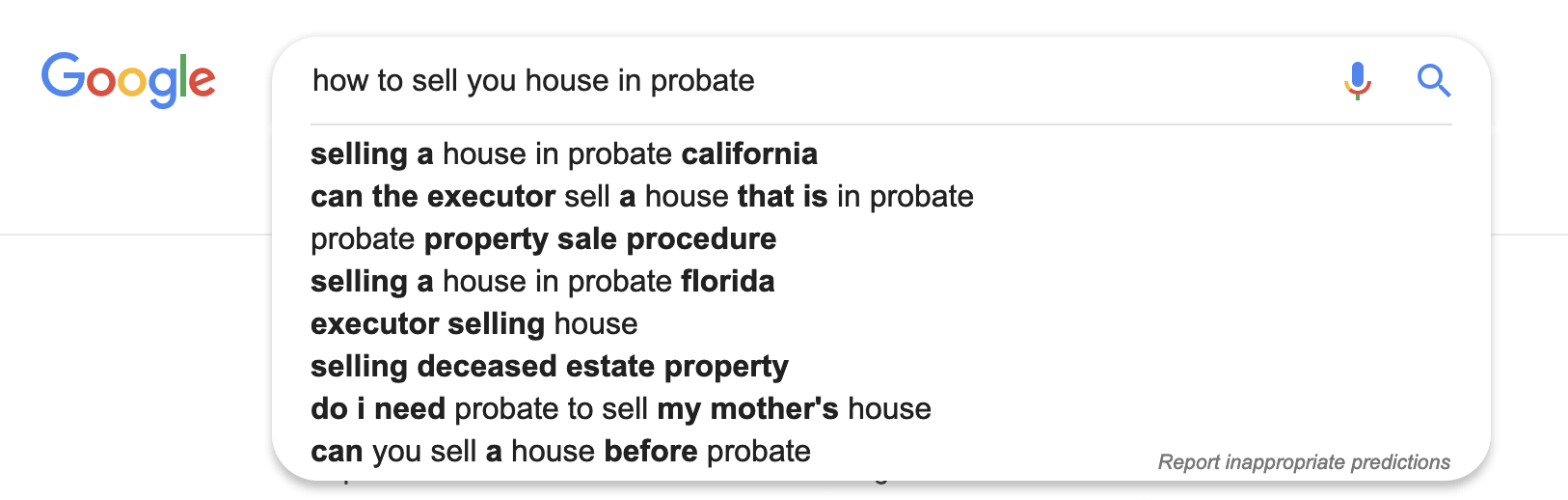
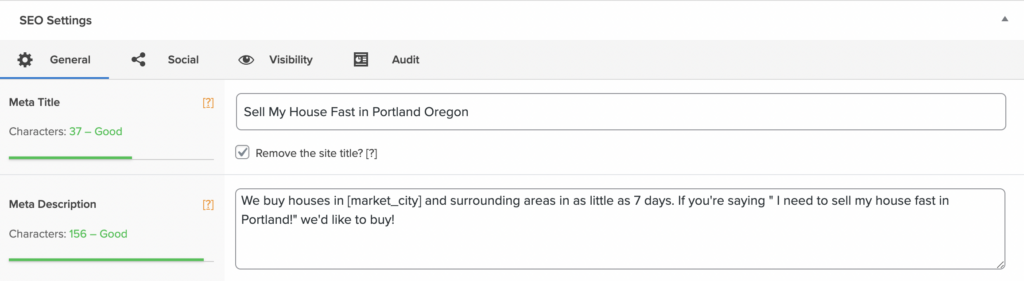
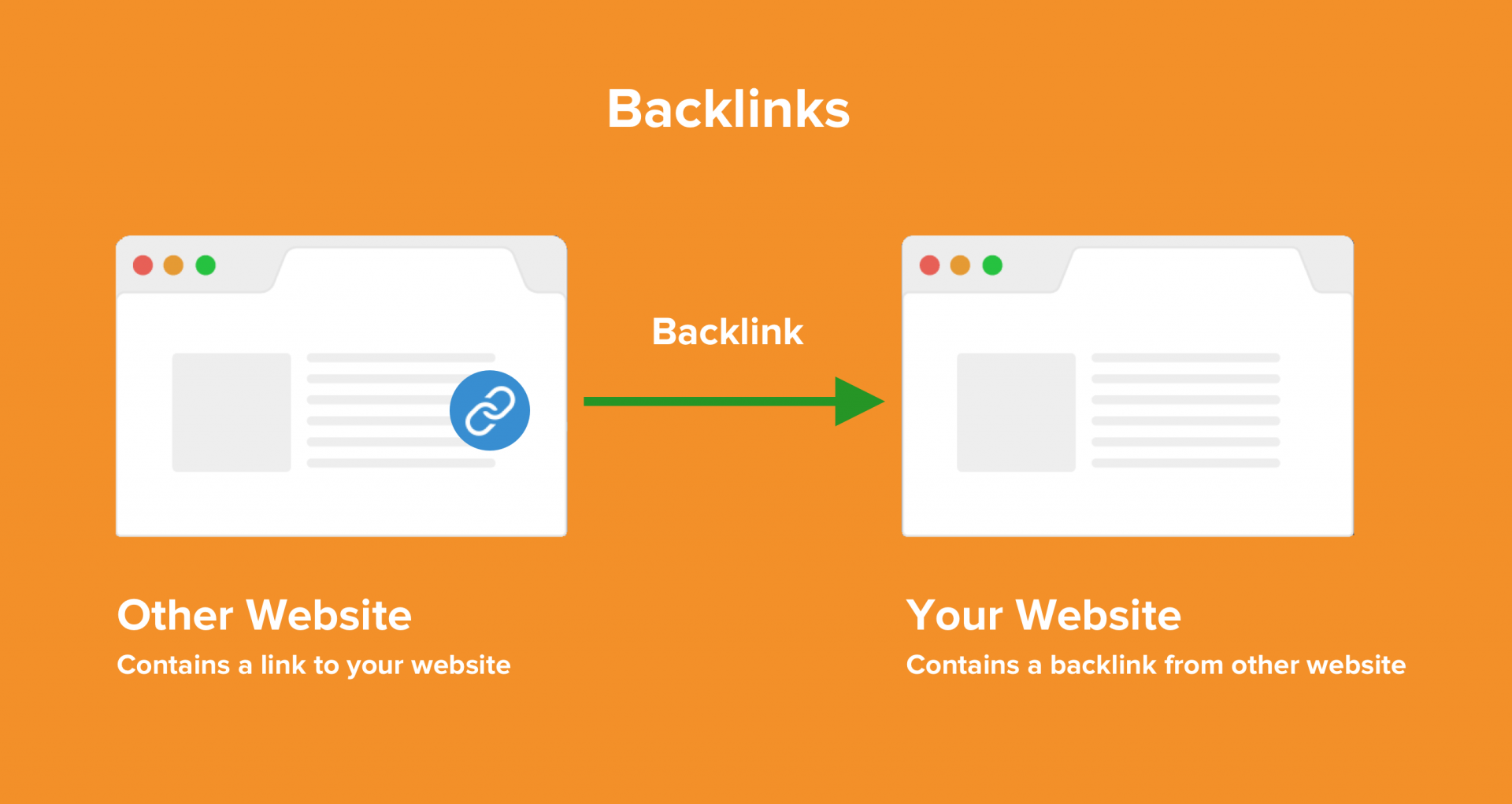
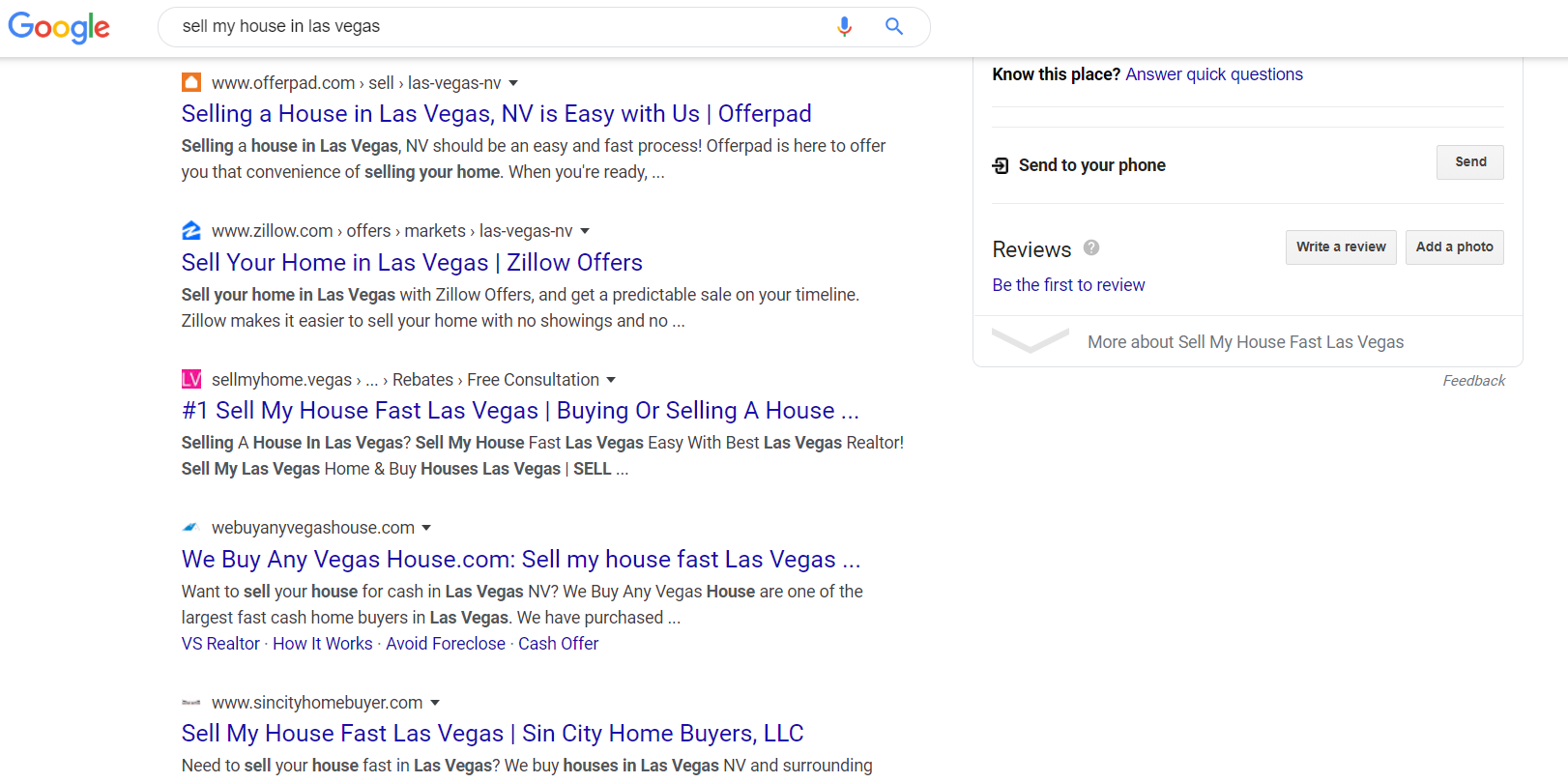
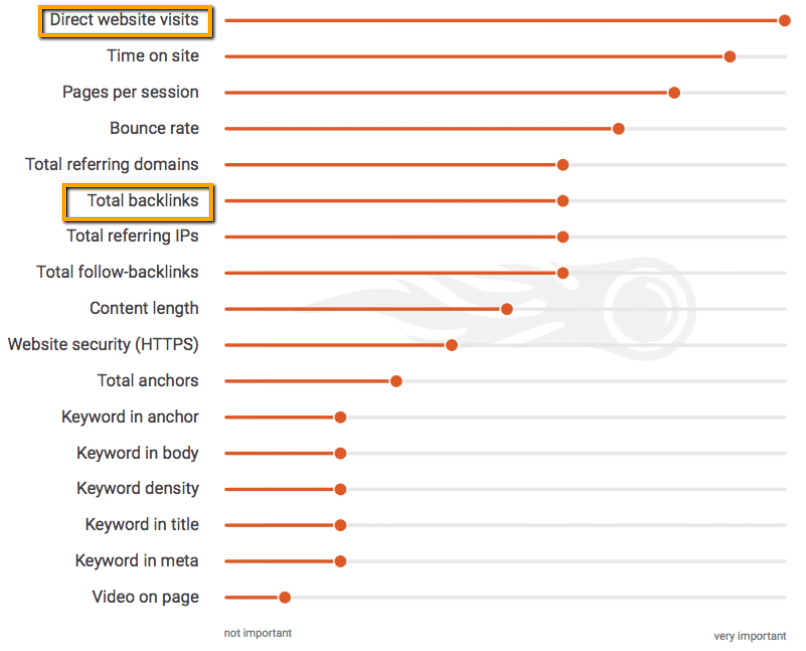
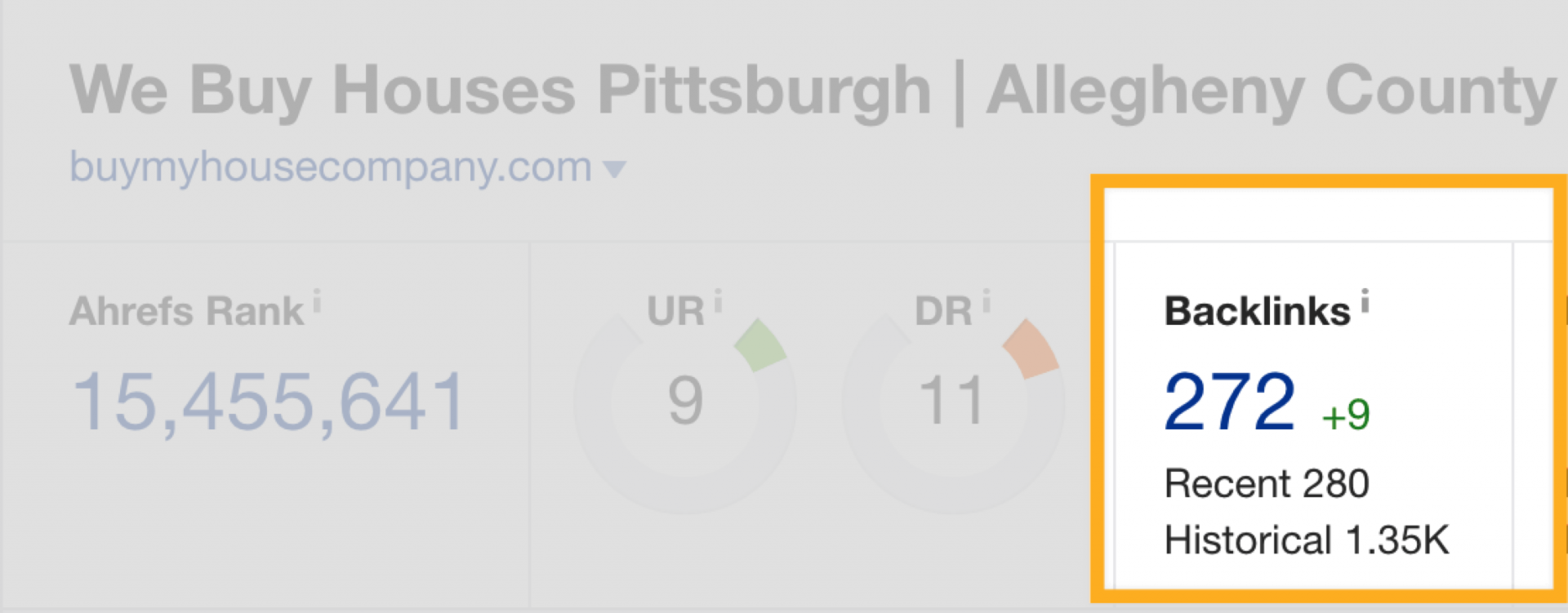
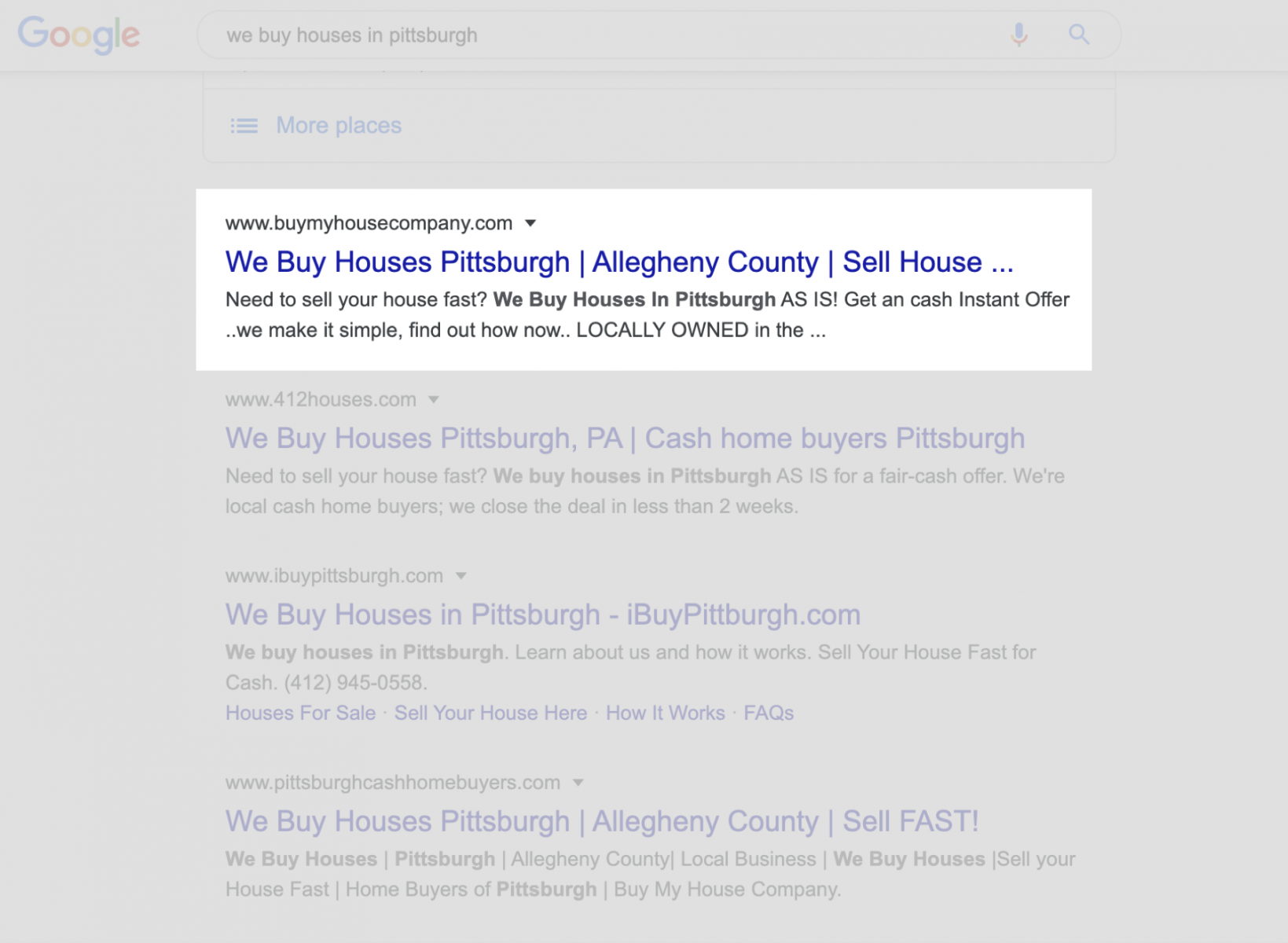
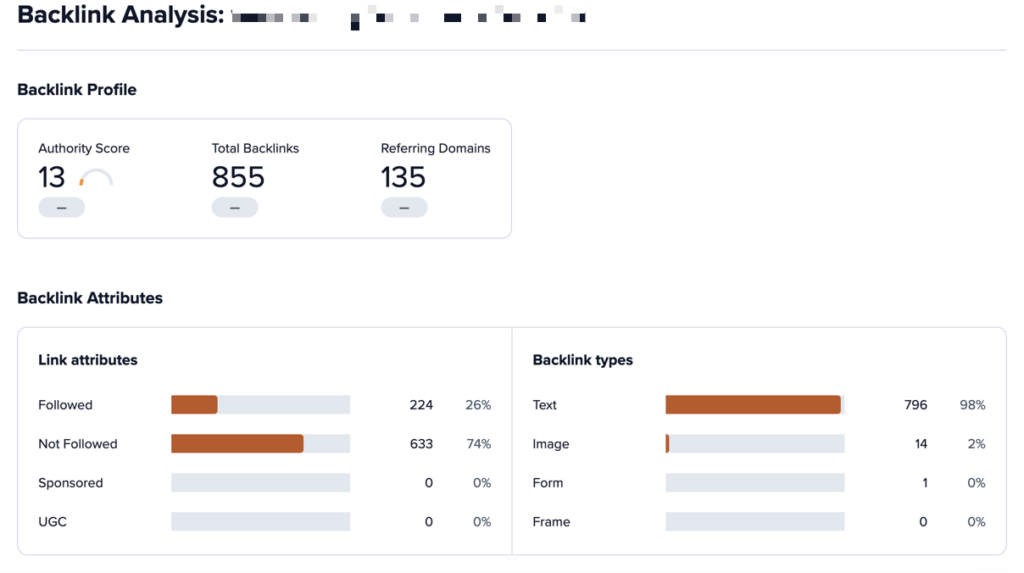
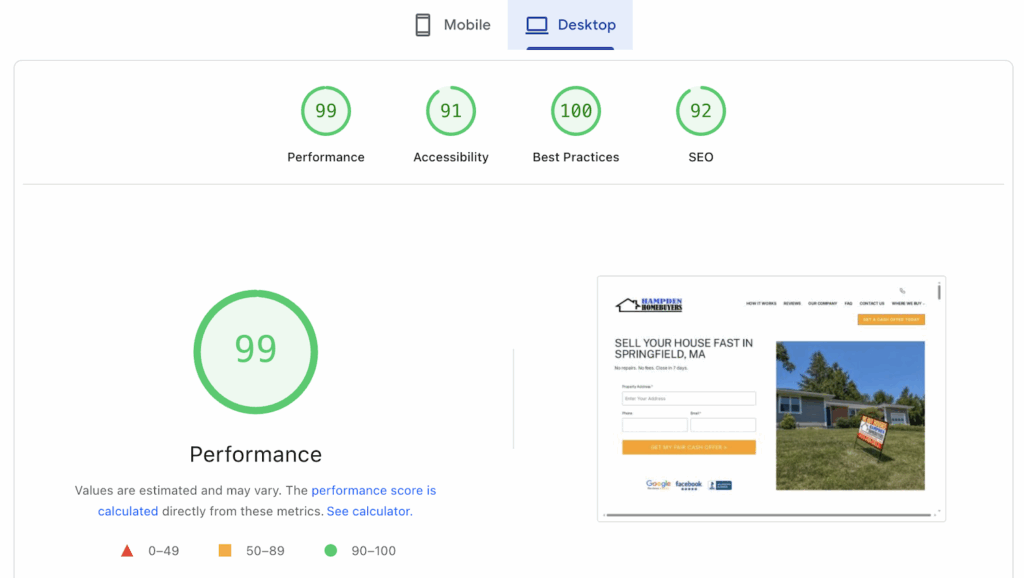
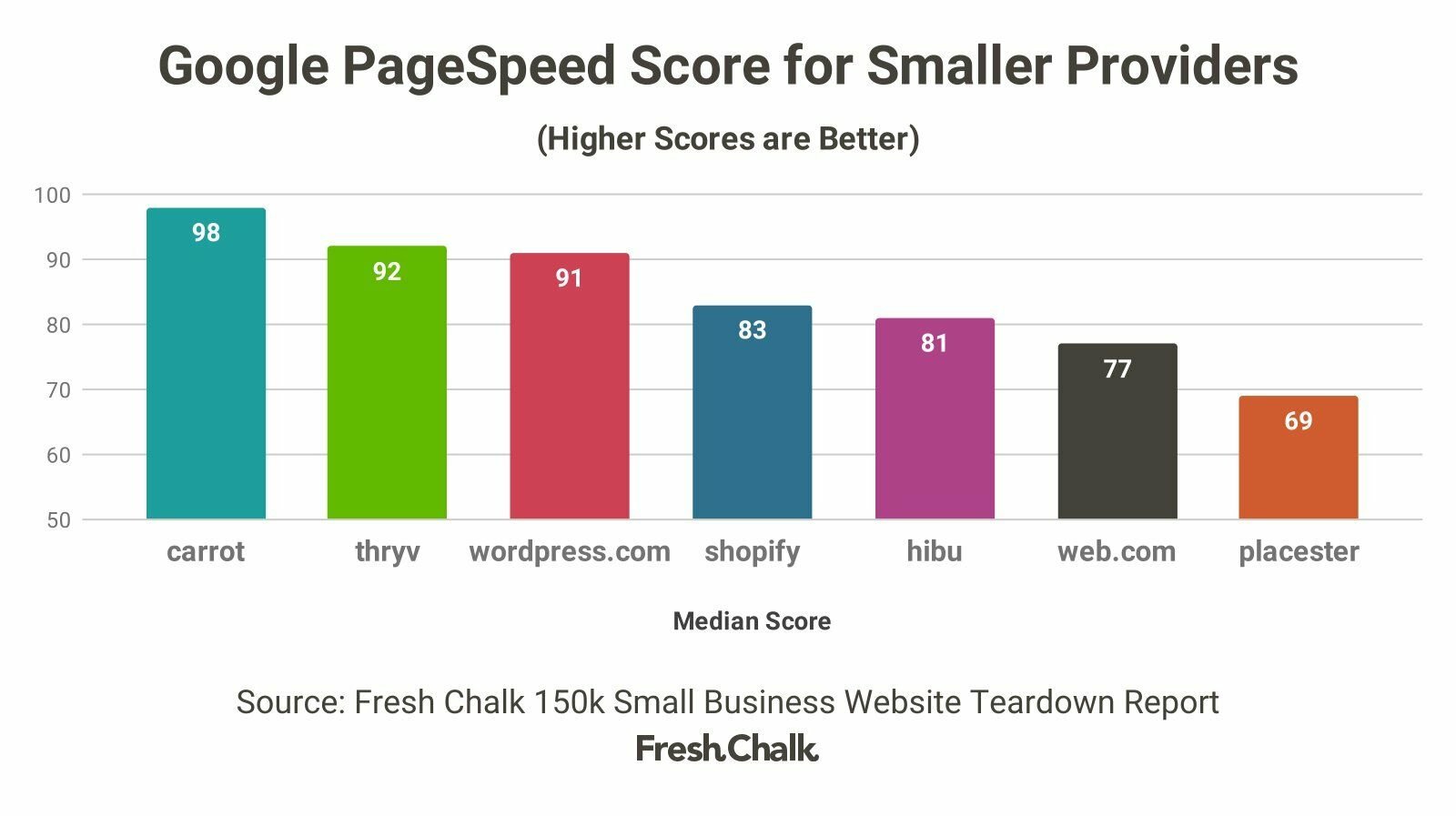
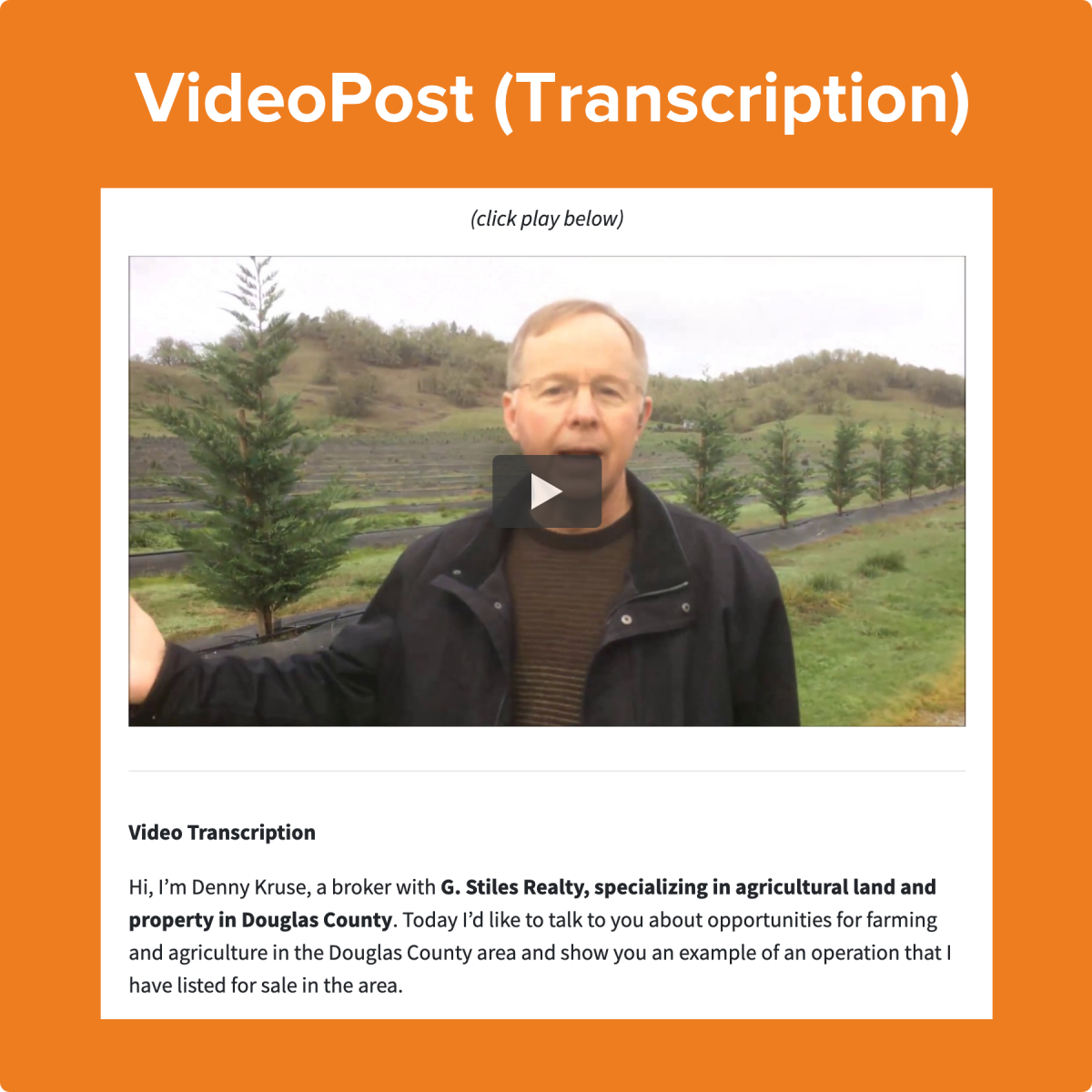


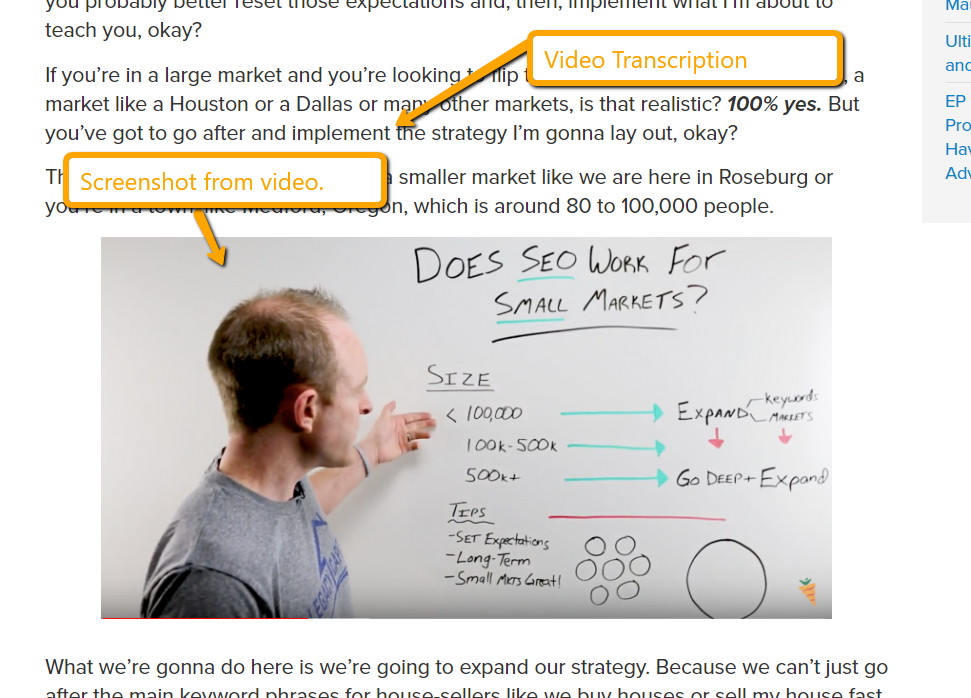
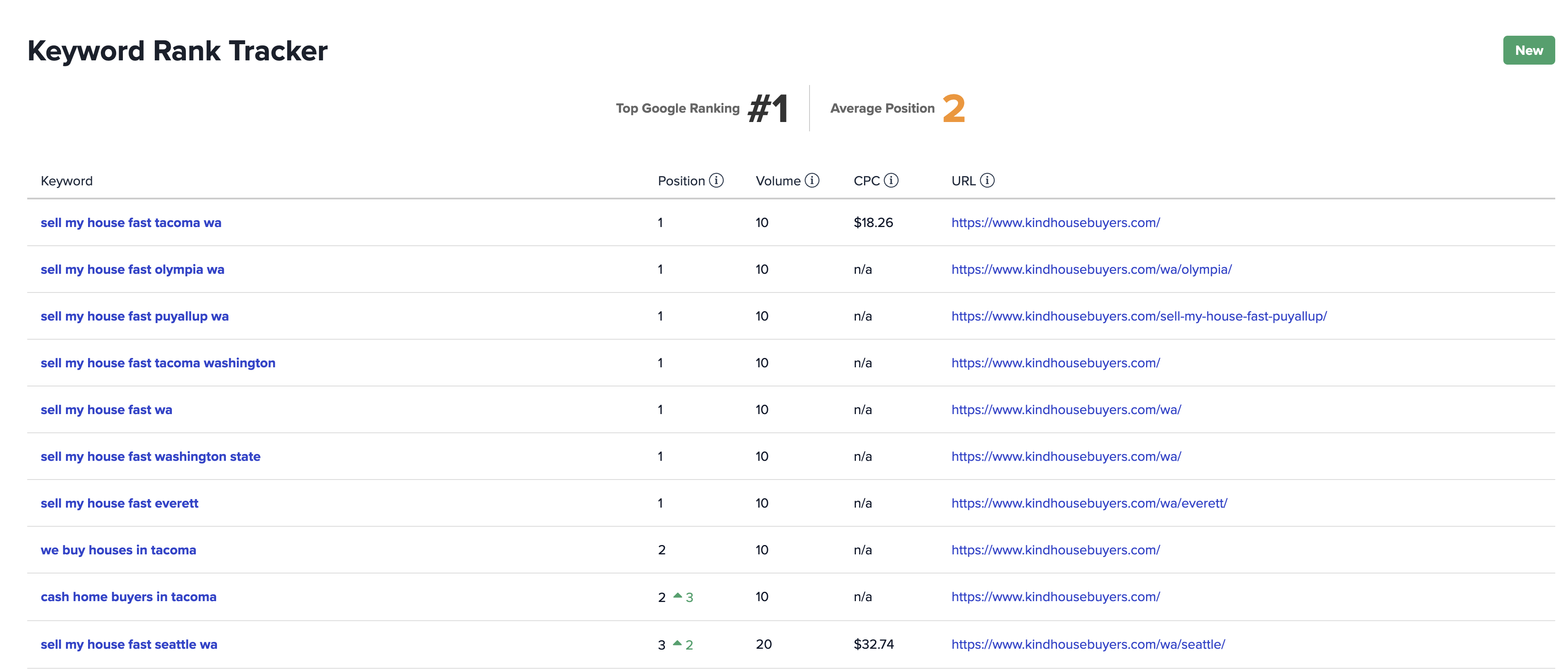
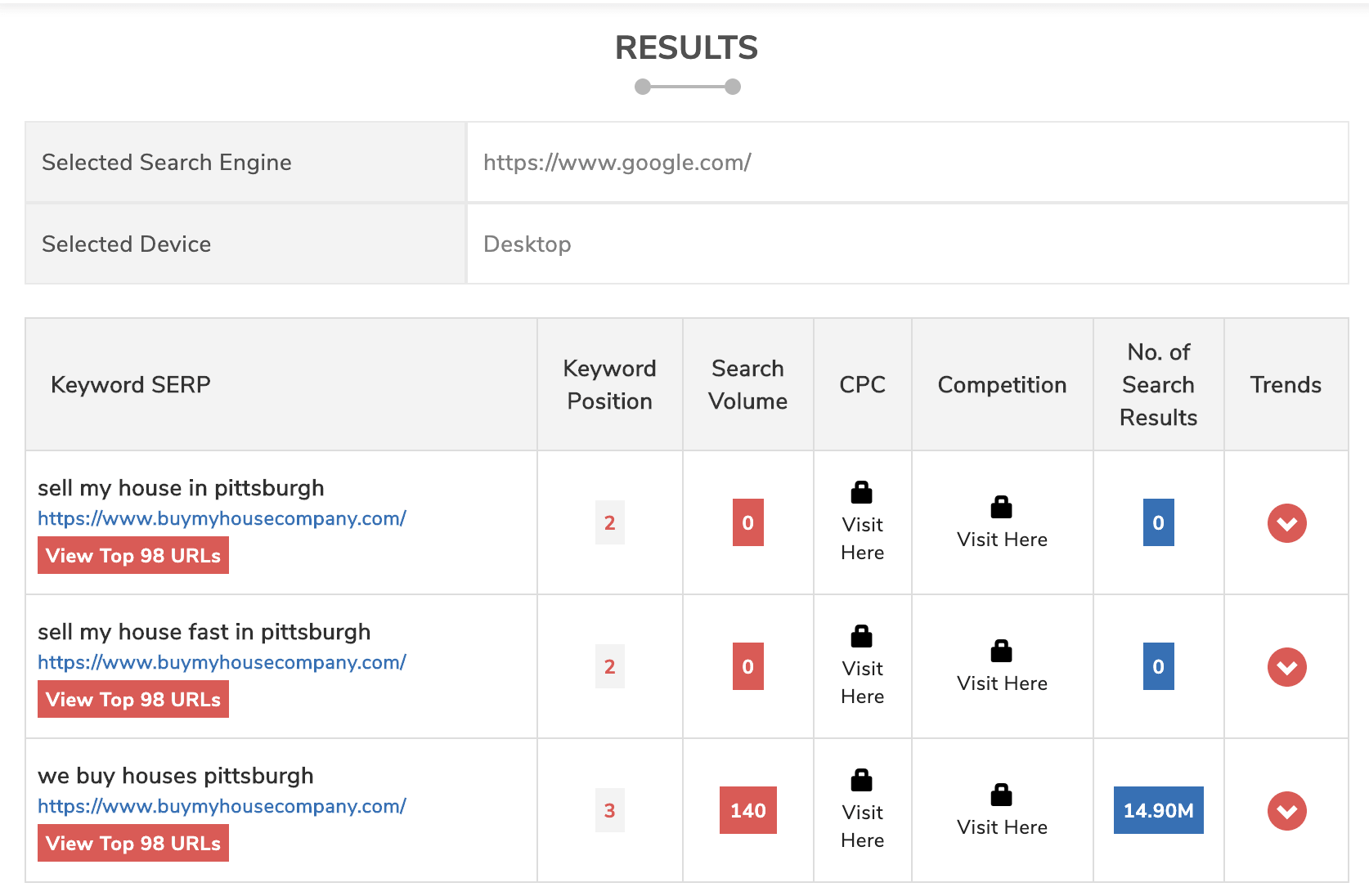
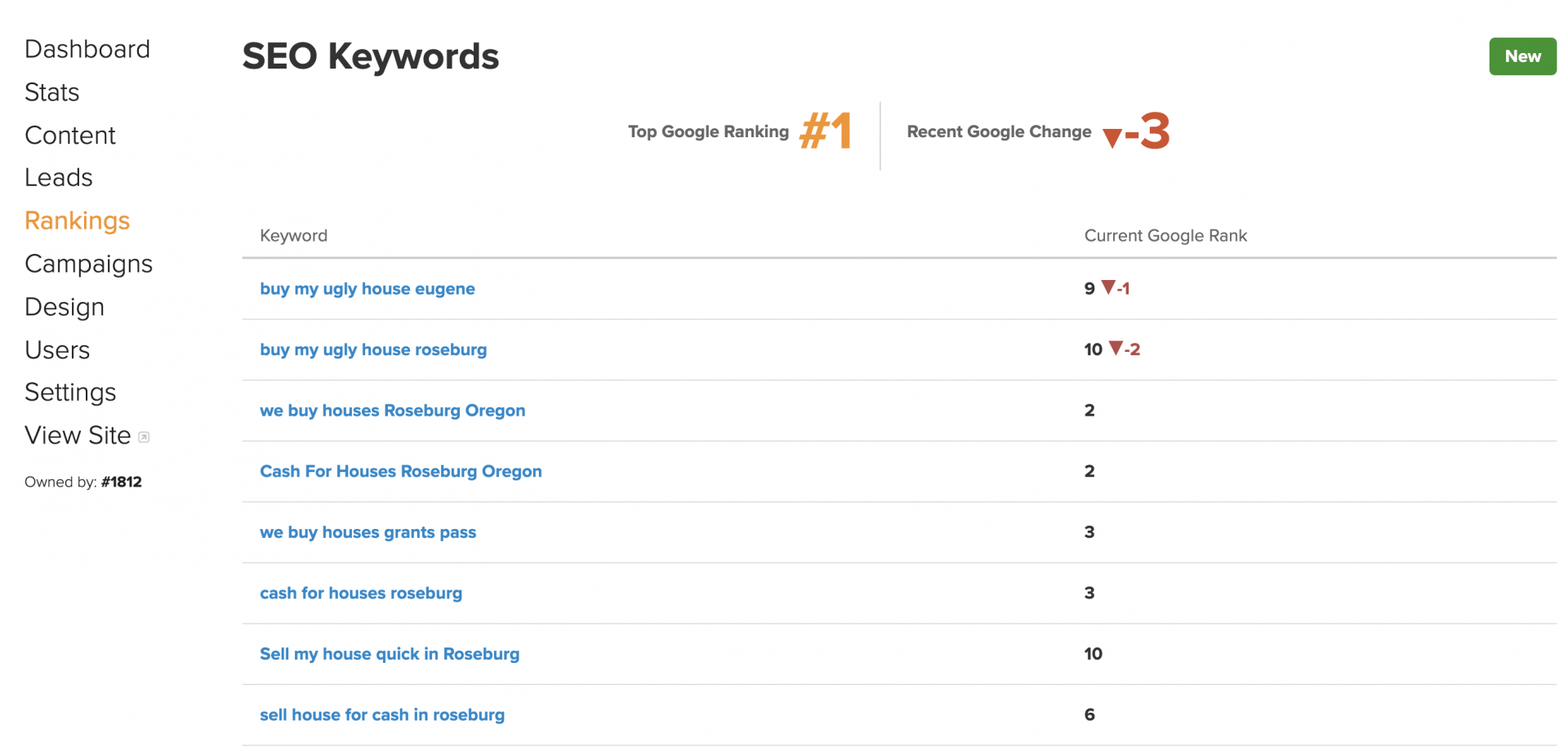
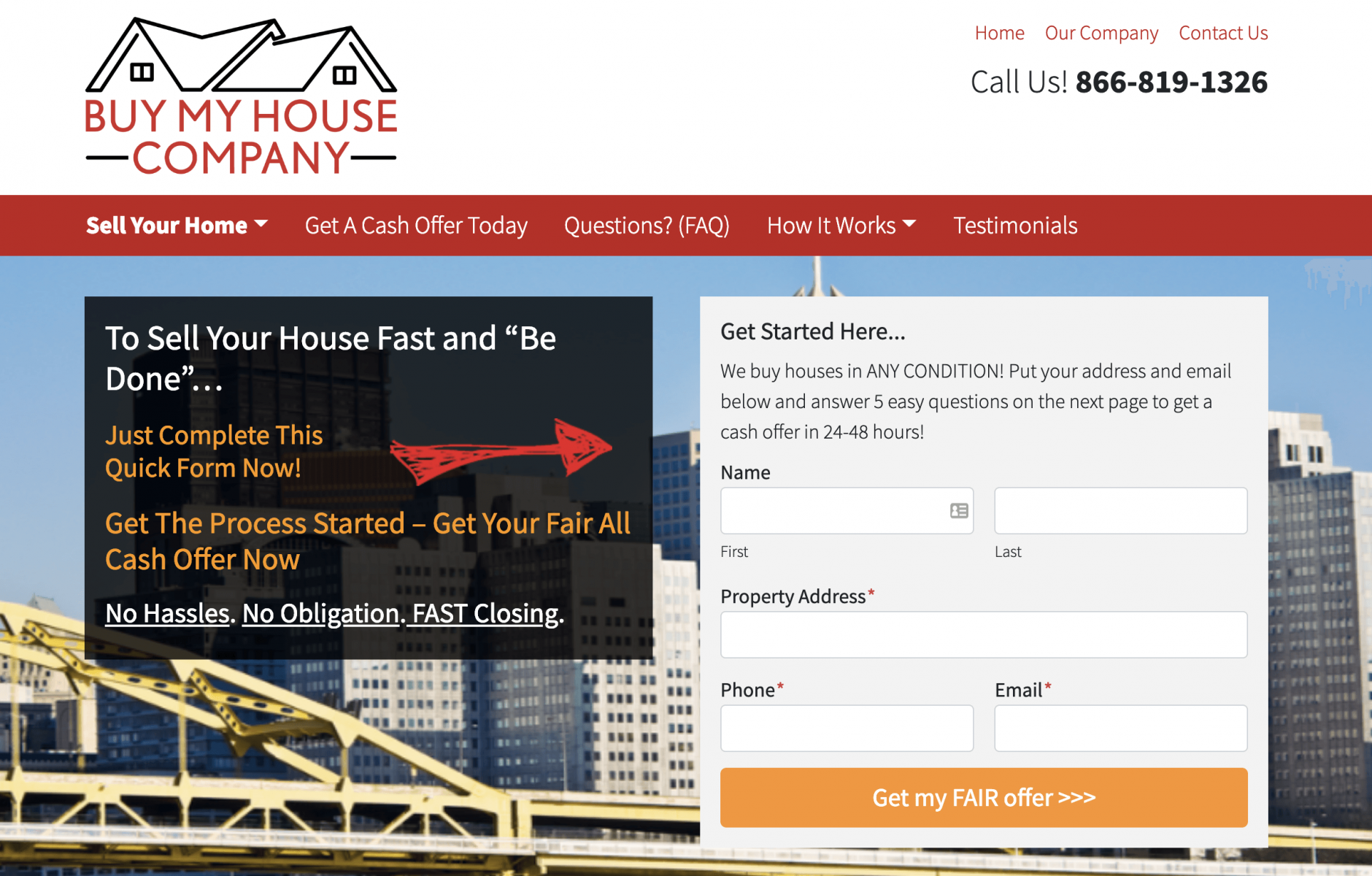
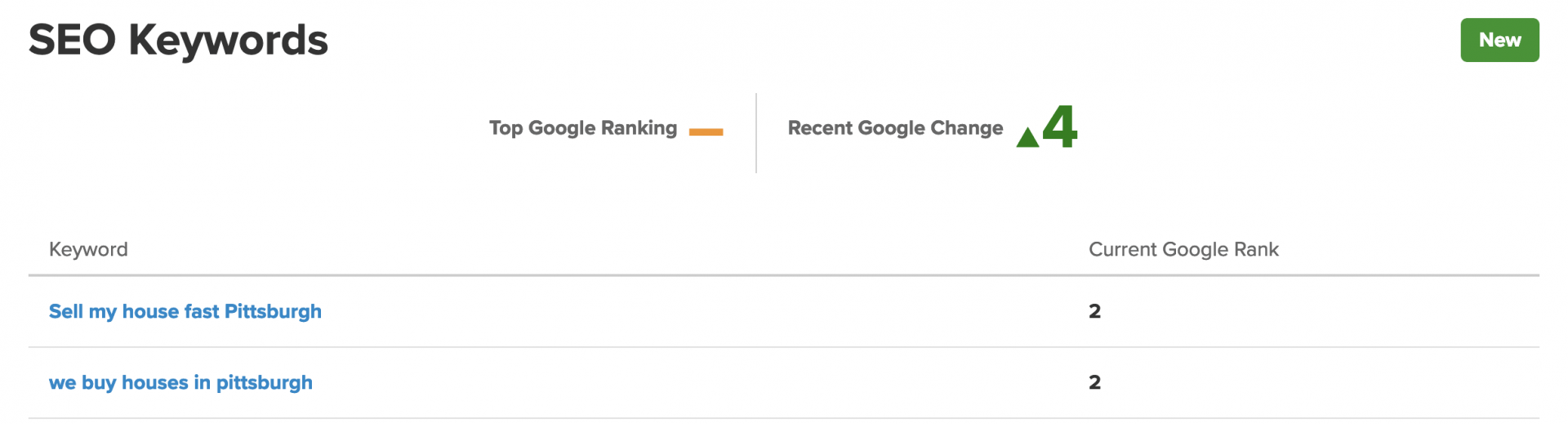
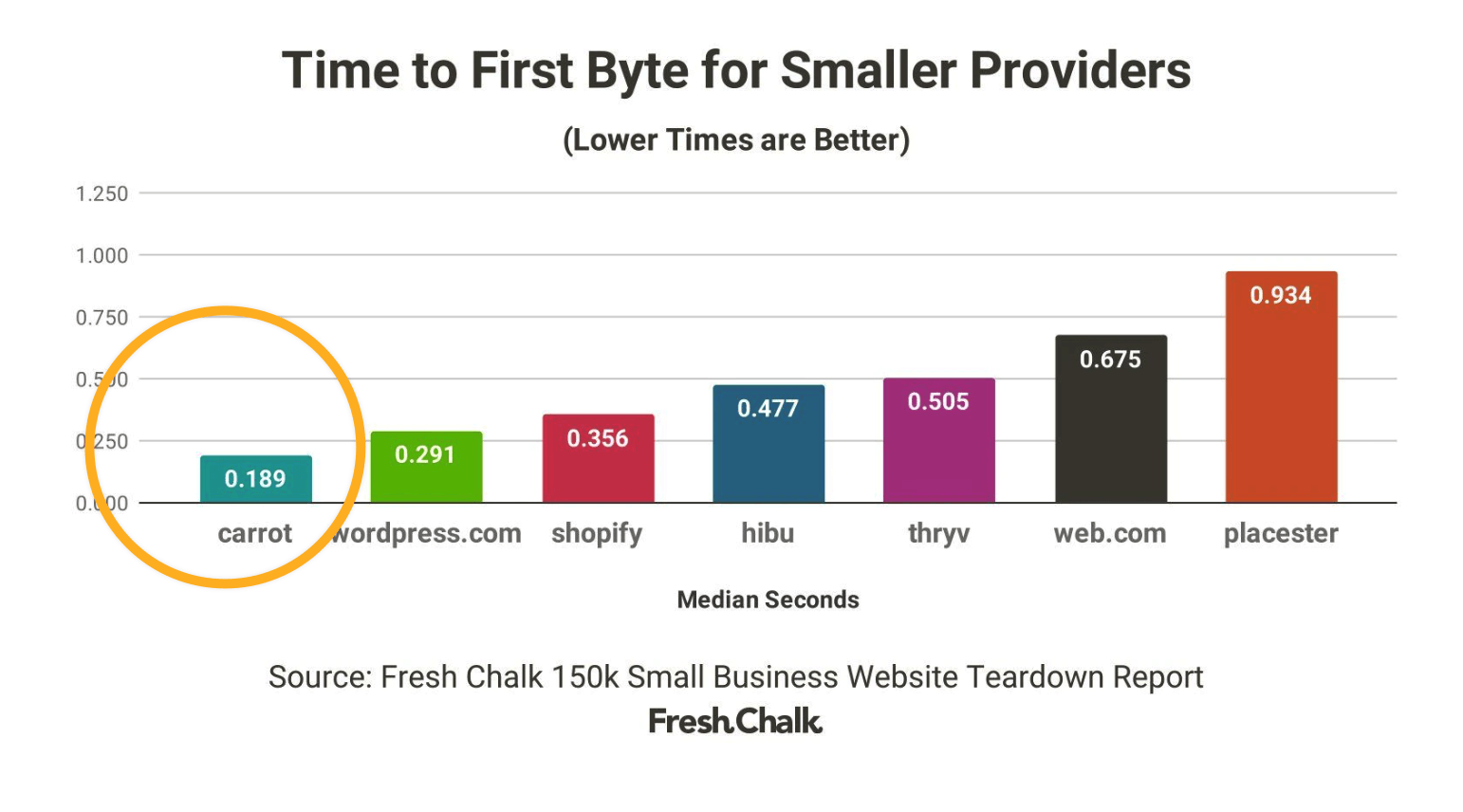
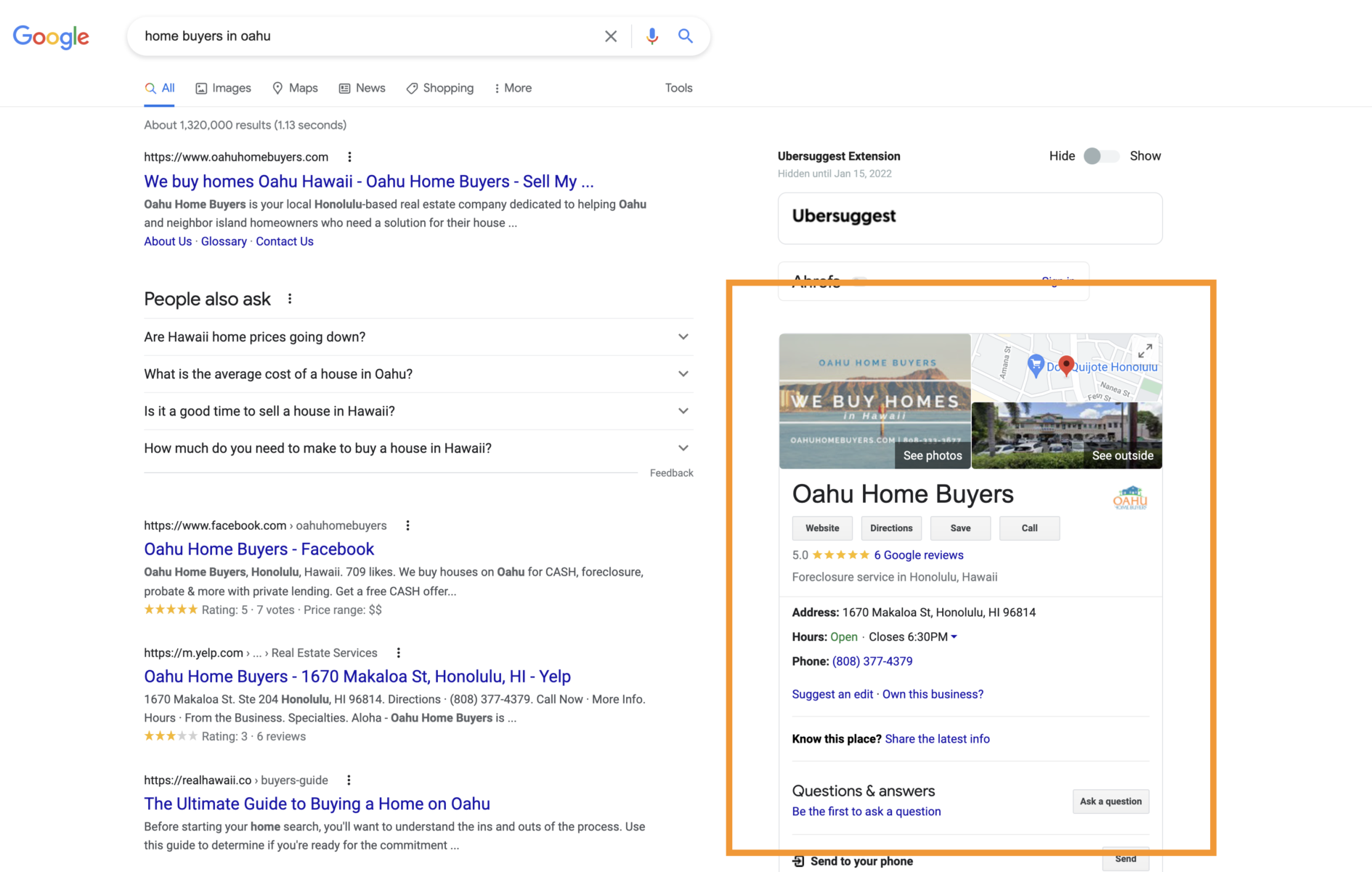
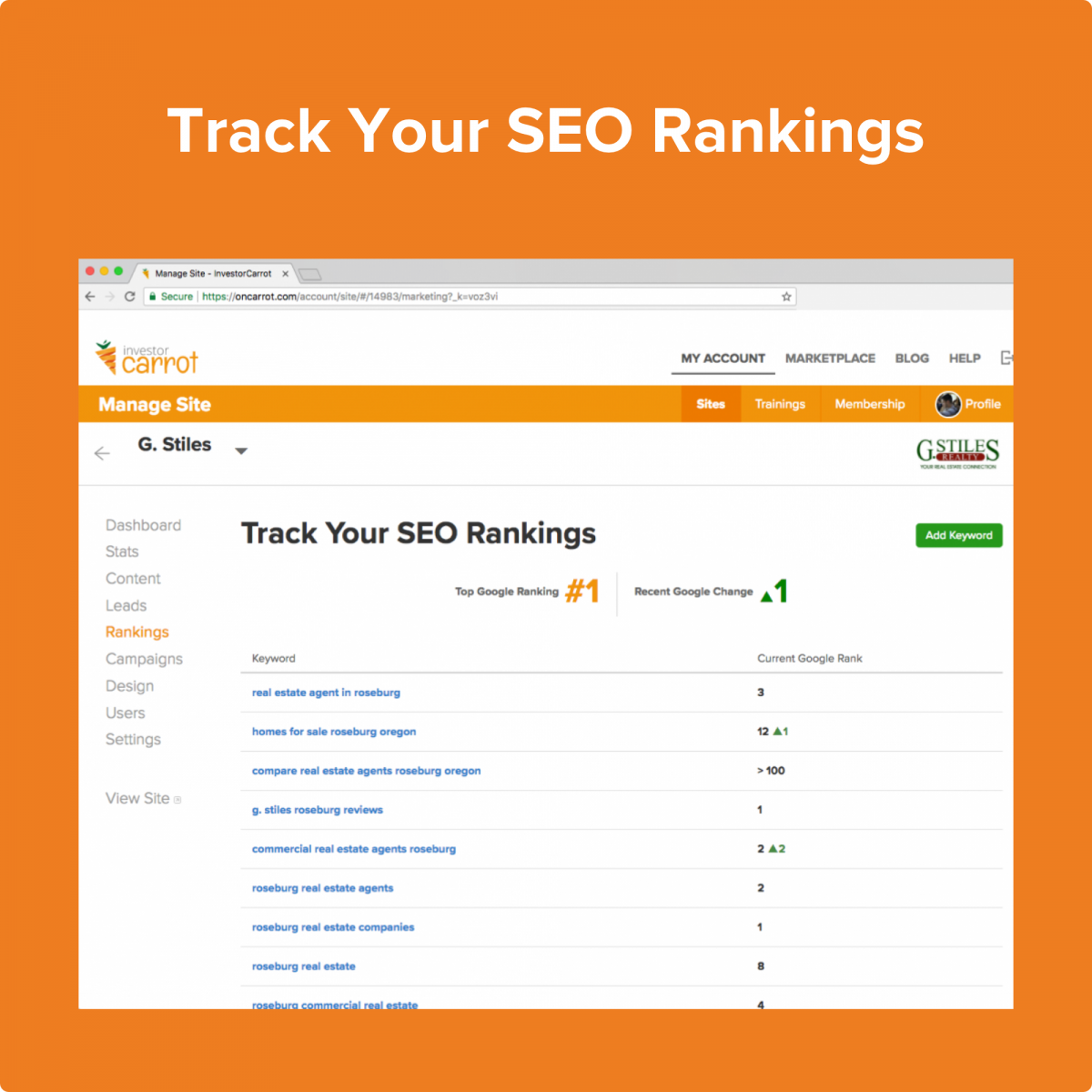
![SEO For Real Estate Agents [30+ Highly Effective Tips]](https://image-cdn.carrot.com/uploads/seo-for-real-estate-agents-featured.png)