Listen to the CarrotCast Podcast and Subscribe Below!
I dont’ do well if I set small achievable goals. That to me does not excite me. I need to have the large goal because in my mind, I can see what I need to do to achieve the large goal. RJ Bates
I’m pumped about this podcast today. One thing that I love to do and also I hear this feedback from guys all the time in iTunes reviews and the reviews everywhere else and emails and Facebook messages I get from everybody, that they love case studies. You guys love case studies. You love to hear someone else’s journey, their successes, their failures, the things that they went through, the trials, the tribulations and what got them to where they are.
So I’m bringing on another one of our amazing clients, RJ Bates with Titanium Investments, today. And RJ is one of the top investors in Dallas, Texas, but also he’s branched out into multiple markets. He’s in the Hawaii market, he’s in the Anchorage, Alaska market now, and one back Midwest. And we discuss his journey here and his journey, it’s one that was really interesting. I found it fascinating because he’s a guy who kind of found himself falling into house flipping and wholesaling.
He didn’t set out to do that. He actually was a roofing contractor, hustling, selling roofs. And then one of his clients said, “Hey, can you also fix this rehab house?” And he’s like, “Man, I think that’s a good business opportunity.” Before you know it, he’s running a $2 million plus a year wholesaling and house flipping company based in Dallas, Texas, but in four different markets. You’re going to hear his journey, you’re going to hear his trials. You’re going to hear the things that he failed on early on. You’re going to hear why he has a business partner and how they work together.
And you’re also going to hear what works best for him for his marketing mix. He uses online a lot. He uses Facebook a lot. He’s going to talk about that, but he also breaks down the other things that are working insanely well in this cluttered market for him, even when he enters into new markets. Last, how does he enter into new markets? Because he’s just one guy with a business partner in Dallas there. How is that he’s entering into these new markets? Well, he talks about how he’s finding his boots on the ground people, business partners in those markets and how he structures it.
Without further adieu, welcome in RJ Bates from Titanium Investments into this podcast.
How RJ Will Do $2M+ Flipping Houses In 2018 In 4 Different States!
2:15 – Who is RJ Bates and what locations he’s currently investing in. Two of which aren’t the typical locations. 4:50 – What his company looks like right now: Team and deal volume. 10:30 – From Pizza Hut delivery driver to Roofing Contractor. RJ’s amazing journey into real estate investing. 16:15 – He went all-in into wholesaling in 2014. All-in close enough to have $11 before closing his first deal. 17:30 – How RJ stumbled upon InvestorCarrot (Carrot) and Trevor’s backstory about building Carrot sites in 2014. 19:45 – RJ’s vision as an entrepreneur and how that has changed over time. 20:45 – Creating a passive income goal of $100k per month. Why that is his “magic” number and why he focuses on large goals instead of small achievable ones. 29:00 – Changing the mindset around having employees. Scaling business by hiring the right team. 31:15 – Some of the limiting beliefs RJ had to deal with when starting out and struggling a bit. 34:20 – KEY things that must be in place before RJ expanding into a new market. 38:30 – What type of marketing platforms are working right now in specific markets. 40:35 – Breaking down RJ’s cost per deal within certain markets. 43:15 – MINDSET SHIFT: Finding your monthly budget by calculating your max cost per lead. 46:05 – How having a Carrot website has helped drive RJ’s offline marketing. 51:10 – Unpacking what ads are working on Facebook right now. 56:30 – What RJ’s marketing budget looks like and how he’s able to do so much and stay within this mark. 58:15 – What he’s seeing since Facebook has started stripping away some features.
LINKS TO ADDITIONAL RESOURCES FROM THIS EPISODE
#1 PPC Metrics: You Need To Build Into Your Real Estate Marketing Strategy w/ Adrian Nez: CarrotCast
Most real estate investors have a “love-hate” relationship with Craigslist.
We hear it all the time:
“Craigslist doesn’t work for the real estate industry anymore.” “Ever since they killed the ability to post HTML-enhanced ads… my leads have dried up.” “Sure it’s great for ‘for sale by owner,’ but it’s impossible to scale.” “All I ever get is spam.”
And I get it – when something isn’t working, it’s discouraging. It’s frustrating. Above all, it makes you want to quit and find a better place to invest your money.
Before you give up, though, consider the kinds of results Cyndy Dumire – a real estate investor and Craigslist ad-writing pro – gets on a regular basis. Every week, Cyndy generates around 80 buyer leads, 30 seller leads, and 10 foreclosure leads. Even more impressive, in the last six months, she’s closed no less than 30 deals from leads that all originated from Craigslist ads alone.
Effective Craigslist Ads With Cyndy Dumire
The reasons most investors give up on Craigslist is twofold.
Their ads don’t attract attention because they’re not offering their target audience a solution to a real and pressing problem (i.e., a market-driven need or desire).
Their ads don’t inspire trust.
We’ve ran hundreds of tests on our real estate websites and if there’s one thing we’ve learned, it’s that building trust with the people who arrive on your website impacts ROI and lead generation more than any other element.
And that’s not just true on your website – it’s true on Craigslist.
Of course, if you’re going to use Craigslist and actually get results like Cyndy, then you’re going to need to know more than, “Build credibility!”
And that’s exactly where this post comes in.
Today, I’m going to pull back the curtain and walk through 8 tips to find all the motivated sellers and buyers on Craigslist you want.
Craigslist Motivated Seller Tip #1: Know your ideal customer
To paraphrase the great Warren Buffett: never sell heavy-metal music lovers tickets to a jazz show.
If you’re trying to market to buyers or sellers, you’ve gotta start thinking like them.
Why do they want to sell their house? How stressful is their situation? How can you help them?
When determining your ideal customer as a real estate investor, there’re two questions you must answer:
What kind of buyer or seller they are?
What influences them in a personal capacity?
Answering the first question is pretty easy. But don’t be misled by its simplicity. One of the first mistakes most Craigslist ad marketers make is casting their net too wide. Unfortunately, targeting too broad of an audience – like “local home buyers” or “local home sellers” – won’t work.
Craigslist is too crowded for bland targets. Instead, you have to get specific about the kind of buyer or seller you’re focusing on and the needs that drive them.
For instance, your perfect customer might be…
An out-of-state investor who needs to know cash flow numbers.
A house flipper who needs a clear assessment of how much work is required to turn the property around.
A rent-to-own tenant buyer who needs to know that you’ll work with them on their unique financing situation.
In other words, be as detailed as possible when it comes to defining the kind of customer you’re aiming at.
Answering the second question – your customer’s influences – takes a bit more work.
To help, here’s a quick breakdown of the four major factors that influence home buyers specifically:
Understanding your perfect customer’s influences does not demand addressing each and every element noted above. But you also can’t create the best real estate listing without knowing what is going to sway your customer.
Again, this is all the more true on Craigslist. There are so many ads already vying for their attention, and that is why you need to make yours stand out.
How do you make your listing stand out?
Consider the following template as a starting point from our Posts 2 Profits Craigslist Marketing Course.
[cta offer=”craigslist”]
Notice how this ad communicates directly to the agent’s ideal customer and – especially through the power of questions – draws them in toward a preliminary solution. The “Free Book” offer – rather than an overt invitation to call them – is based directly on their ideal customer’s legitimate need.
Of course, in a sense, all businesses are about people. But real estate is especially personal because the commodity it deals in is emotionally charged.
After all, according to Maslow’s Hierarchy of Needs, safety is one of the most primal human needs and comes in second only to our need for food and water (i.e., “Physiological” needs).
Our homes give us safety. And – just like Maslow’s very next need identifies – they make us feel like we have a place to be “loved” and “belong.”
Even more powerful is the realization that our homes are where our memories are created. Not to be cliche, but home really is where the heart is.
So, listing a home or a property is a big deal. And trust is at a premium.
People need to trust you with what is quite honestly their biggest asset.
Keep your target audience – their needs, not yours; their dreams, not yours – at the forefront of your mind when you compile listings.
Craft personal, trustworthy ads with these tips:
Use your name in the ad, not just your company’s.
Write the way you talk and read your ad out loud to make sure it’s conversational.
Press on the pain of the person whose problem you’re trying to solve, then offer your holistic solution.
Don’t be afraid to let your personality and passion shine through.
Above all, tell a story. Paint a picture of how living in the home would feel using sensory language.
A well-written home description paints a vivid story.
Craigslist Motivated Seller Tip #3: Include a Call to Action
The entire point of any online marketing campaign – including listings on Craigslist – is to get the people who see it, to do something.
Normally, this means getting them to contact you via text, email, or phone. It could also mean getting them to visit your agency’s website.
Simply put: your Call to Action needs to get your reader to actually take action.
That’s why, in your listing, it’s essential to add a clear and enticing CTA, and to give your reader options. For example, the following CTA invites the reader to choose the next step that’s most comfortable for them and repeats the CTA no less than five times.
Action also means you need to always include a direct email link so they can respond immediately to the ad if they’re interested. Oh, and don’t be afraid to call attention to that by inviting them to email you.
Craigslist Motivated Seller Tip #4: Watch your words
We all know how essential good imagery is to real estate. In fact, we’re going to cover imagery and graphics in the very next point.
However, many investors fail because they underestimate the power of words. As Hamza Yusuf put it, “Don’t ever diminish the power of words. Words move hearts and hearts move limbs.”
On Craigslist, watching your words comes down to two elements:
Your keywords
Your headlines
The right keywords matter because it’s your keywords that will determine whether or not the right people find your ad. This is true both through Craigslist’s own search engine as well as outside search engines like Google.
“Profitable keywords imply an action. San Diego real estate implies nothing. It is just a thing. San Diego real estate for sale implies an action. People want something that is for sale, presumably so they can buy it.”
In addition, Geek Estate also adds a second keyword characteristic: laser focus.
In contrast to something like “Rancho Santa Fe homes for sale,” use “individual neighborhoods within Rancho Santa Fe”: e.g., “Fairbanks Ranch homes for sale, The Bridges homes for sale, or Rancho Santa Fe Covenant homes for sale.”
Why? Because “people that type keywords like these into the search engines know exactly what they are looking for.”
Lastly, as vital as keywords are, do not “stuff” your real estate listing with keywords for the sake of keywords. This creates an inhuman feel to your ads and violates our previous tip: “Get Personal.”
The second element to watch is your ad’s headline.
The title of your Craigslist ad is where the real attention-grabbing oomph resides, and you need to spend some time developing and testing titles that captivate. Whatever you do, don’t follow the crowd… unless of course, the ad has been proven to work, like the ones we provide in our Posts 2 Profits Craigslist Marketing Course.
The ad I already called attention to in tip one is an excellent example of a headline that stands out:
Craigslist Motivated Seller Tip #5: Be relevant with your graphics
There’s no doubt about it: not adding images to your ads is a Craigslist killer. However, the mere presence of images doesn’t automatically translate into success.
The right graphics dramatically increase the number of people who will take action and get in touch with you. So too … the wrong graphics dramatically reduce that number.
As a golden rule, be sure to use images that are eye-catching, relevant … and high quality. That’s true across the board. But how do you decide what images and graphics to include?
Go back to your ideal customer. The image you choose should be based on the type of buyer or seller you’re looking for:
Turnkey investors want to see images that show off how nice the house is, that it’s been well kept and that it’s in a neighborhood that’ll attract the type of tenant they want. That last characteristic means you should always include both pictures of the property itself as well as its surrounding area.
Cash buyers or flippers want to see a house that needs TLC in comparison to other houses in the neighborhood. With these types, you’d be smart to show the flaws of the property, exactly what kind of work will be required, but end by displaying its underlying high-points and long-term value.
If your ideal customer is a homeowner or retail buyer — if they will be living in the property themselves — then staged images that show off the house as a home are essential. Just be careful what you include in those staged photos:
If your ideal customer is an investor, then glamorous, well-staged pictures of the property itself won’t be nearly as compelling as adding numbers to those pictures. In this case, you could try using a multi-property image for investors interested in purchasing multiple properties.
Craigslist Motivated Seller Tip #6: Post often and from different “angles”
Alongside the previous pitfalls we’ve covered, I’d be willing to argue that the number one real-estate-ad-killer on Craigslist isn’t the words, the images, or even the calls to action.
It’s recency.
The way that Craigslist works is the most recent postings land at the top of the page and the past ones get pushed down. Some people search Craigslist based on the search box (so make sure to include keywords that your best clients are likely to search in your listings), but most people just scroll down the listings a few scrolls to see “what’s new”.
So with that said, to get in front of your prospects the most… make sure you have ads online and active at the times of the day that your prospects are likely looking at Craigslist.
We’ve even seen with today’s Craigslist algorithm some of the most successful accounts post between 3-15 times per day.
Here’s how…
Day 1-3: Launch a Craigslist account and start posting just 3 times per day. Once in the morning, around lunch, and evening – around 7 or 8 pm. These tend to be the times of the day people will look at Craigslist. Think about when you look at your email, Facebook, or Craigslist… it tends to be during that “slack time” during your day. Posting your ads just before these “slack times” helps put your ads near the top of the feed when your best prospects hop on to browse.
On those ads, don’t post the same ad every time. You’ll want to tackle it from different angles. If you’re looking for motivated house sellers or cash buyers, what are different reasons a house seller could want to sell? Create an ad for each. What motivations could cash buyers have? Create an ad for each.
This way you’re keeping things interesting and hitting on multiple hooks. One might grab someone better than another.
Day 4-8: Add in another ad to your mix. Now posting 2 ads 3 times per day (for a total of 6 ads that day). Again, don’t post the same ad every time and mix up your hooks. Also, mix up where you’re posting your ads – don’t put them all in the same spot.
What we’re doing here is “seasoning” the account in a natural way so you’re not launching a new account and posting 20 ads the first day. That’s a great way to get your account banned and you’ll have to start over.
Day 9-20: Keep renewing your ads every 48 hours as Craigslist lets you and bump up your ad posting frequency so you’re posting 3 ads 3 times per day (for 9 ads total per day).
Same thing, keep your ads interesting, high value, and hitting on different hooks – things that your top prospects are thinking about, worrying about, or need help with.
Day 21-20: I’d cap it at about 12 ads per day on that one account. I’ve seen some accounts get ghosted or banned at even that amount if the ads aren’t high value and really helping people. So in this phase, add on a 4th ad 3 times per day… capping it at that 12 ads per day for that Craigslist account.
Just a note: if you post more than 15 ads a day, you’ll get “Craigslist slapped” and your ads will stop showing up.
The lifespan of Craigslist ads can vary depending on the number of competing posts in different geographic locations. In large metropolitan cities, ads may only be visible for 5 days, while in smaller towns they may show up for 50 days.
Why all this focus on recency and renewing? Because generating real estate leads on Craigslist is an attention game, so the more you’re at the top of the Craigslist listing when your best prospects are searching… the more likely your ads will get seen and the prospects will come your way.
If you want to cross that gray line on the Craigslist Terms of Service to ramp it up… we’ve seen it be crazy effective having a few Craigslist accounts. Yes, this is against the Craigslist TOS so it’s your choice and you risk getting your accounts banned. However, if you’re marketing different websites with different phone numbers (i.e. – a cash buyer site and a motivated house seller site) the chances of it being seen as a duplicate account are very small.
It all boils down to value. If you’re adding value to the Craigslist ecosystem vs. just spamming it… then you’re good.
Craigslist Motivated Seller Tip #7: Create a system
By now, you might feel a bit overwhelmed. Keeping track of all those ads can be hard work.
Unfortunately, Craigslist doesn’t provide any analytics or tracking data, so it’s up to you to track each of your ads and monitor your calls as a part of your overall real estate marketing plan so you can see what’s working.
At a minimum, keep a spreadsheet of your Craigslist ads and a method to monitor them.
Not only does creating a system of tracking give you concrete proof of what’s working and what’s not, but getting organized with a system gives you more time to do other more important things.
We recommend you send traffic to a specific URL on your site.
This has a couple advantages.
You can track them using Google Analytics
You can retarget users that you know have come from Craigslist
Here are a few tips to consider when creating a special page for Craigslist traffic.
Name the URL something short and descriptive. An example http://yourdomainname.com/sell-fast-cl
Realize that this site might rank in search so you will need to look at that traffic in your Analytics account
You should have content on that page that specifically address the type of lead and ad copy that they are coming from.
If they clicked on the ad and are coming to your site, you know what questions they have, make sure the answer is easily found.
Track which pages are converting the most traffic and make changes as necessary.
At the end of the day, any data is better than no data.
So, create a page, or have your developer help you. Then just send traffic to that specific page.
I mentioned in the introduction to this post that trust is at a premium on Craigslist. In fact, trust is absolutely crucial to all your real estate marketing efforts.
I’ve touched on this theme a number of times already. But in case you missed it, trust is so vital that it deserves its very own tip.
It’s like the old joke: “It’s all about sincerity. Once you can fake that … you’ve got it made.”
In all seriousness, however, the last question you should ask yourself before you hit “Post” is, “Does this ad build trust?”
A lot of factors go into trust, so let’s just look at the two most prominent.
(1) Be Attractive
It may sound shallow, but persuasion expert Robert Cialdini’s very first step in the famous know “trust chain” is to be “attractive.”
This doesn’t mean you should feature glamor shots of yourself in your Craigslist ads.
But it does mean the images you use must be high quality. It also means providing plenty of attractive “white space” in yours ads. Short sentences and short paragraphs don’t just look good, they’re easy to scan.
Being attractive also means covering your bases when it comes to grammar and proofreading. Nothing kills trust more than an agent who can’t spell correctly.
“Make your address and phone number visible at all times. Include it in the footer (a must), but depending on your site also in the header (especially if your business depends on incoming calls) and on the sidebar, in the microcopy.”
“Make it very easy to contact you.”
How does this apply to Craigslist? Easy. Simply including your contact information once isn’t enough. Take a look at another of our proven templates and see if you can count how many contact opportunities there are:
All told, I counted nine. Even if it feels redundant … your ads should do the same.
Real estate works on Craigslist… you just have to know how to work it.
We’ve covered a lot of ground.
Eight tips on how to find all the motivated sellers and buyers on Craigslist you want:
Know your ideal customer
Get personal
Include a Call to Action
Watch your words
Be relevant with your graphics
Re-post real estate listings … often
Create a system
Build trust
Good luck out there, and let us know if we missed your own favorite tip in the comments.
Listen to the CarrotCast Podcast and Subscribe Below!
Ride the wave that is given to you right now. Brad Chandler
On this episode of the CarrotCast, we welcome back Brad Chandler from Express Homebuyers.
Brad and I met about 3 years ago and he recently joined us for CarrotCamp 2018 Spring Edition.
We dive into the 3 Key Pivots he has made to go nationwide, ramp up to 25+ deals per month and doing more of what he loves.
These weren’t small moves. They required a switch in their model from heavier stress, fix and flip model, to the fairly chaos free wholesaling model they currently have.
Listen to some of the insights Brad has about both sides of the industry and why shifting to a predominant real estate wholesaling business is where they’ve found the sweet spot.
The KEY Pivots Brad Made To Take His Real Estate Wholesaling Business Nationwide, Ramp To 25+ Deals A Month, and Do More Of What He Loves
2:10 – What Brad’s real estate wholesaling business model looks like right now and how it’s evolved away from fix and flip. 5:20 – What his major stressors were during the fix and flip period ($34 million out on renovations). 7:10 – How much more work and time it is to go from 5 to 10 full-blown renovations. 9:50 – Why it’s so important to build your business model around you and your market. 12:00 – The main point about having CAPITOL. You need to have enough capital to renovate, have lenders, and be ready for liabilities. 13:05 – What type of offline marketing Express Homebuyers is currently doing. 14:05 – How long it took to get SEO rankings while expanding Nationally. 18:30 – What they do for backlink building and who they quickly build up content. 21:35 – What other platforms are they using to stack their lead sources. 24:10 – GENIUS tip Brad provided during CarrotCamp. 26:40 – How to gain an edge in a competitive market. 30:40 – The point when Brad decided to hire a CEO and take a step back to focus on other passions. 34:50 – Brad’s expectations from his coaching company and what has been working for his members. 44:15 – Upleveling and growing yourself, your mission, and your business.
LINKS & PAST CARROTCAST’S FROM THIS EPISODE
He’s Bought 2,000+ Houses. How? Brad Chandler with Express Homebuyers Unveils His Journey: CarrotCast
What’s Your Credibility Score? The Top 5% Of Earners Are Doing These “Simple” Things To Build More Credibility In A Cluttered Market:CarrotCast
How I 10x’d My Income And Found My Purpose With This 15 Minutes Per Quarter “Energy Audit”:CarrotCast
If you’re not getting many motivated seller leads to your real estate investing website, it’s for one of two reasons. Here, we’ll help you diagnose your “no leads” issue…
This post is going to help YOU break down the patterns that lead to success in real estate investment — with a special focus on online lead generation.
We’ve focused on what investors are doing right, so it only seemed fair to focus on what’s going wrong.
A few times a week the same thing happens, we get emails from non-Carrot members that look something like this:
“Help! I’m not getting many motivated house seller leads from my website and I don’t know why!”
It always stinks to hear that, but the good news is that most real estate investing websites struggle to generate leads for a few basic reasons.
So let’s dive in to get to the crux of the problem.
Getting leads online really equates to only two simple things. Traffic and Conversion. But before you get started, take a few minutes and watch…
It All Comes Down To Traffic and Conversion
Traffic – Are you getting traffic to your website? (ranking well for keywords that actually get enough searches to matter?)
Conversion – Does your website convert enough of those visitors to leads?
So, when someone emails in and asks for advice to get leads… it always comes down to those two things.
Traffic and conversion.
This post is mainly about the Traffic part since we already know the Carrot system converts (Conversion Examples:Here , Here , and Here ).
So first we look at the traffic… because if there isn’t any traffic going to your website… conversion doesn’t matter.
If your website is converting motivated seller leads at 15% (15 of every 100 visitors sends you their info, which is solid)… and you’re only getting 25 people to your website each month… that’s only about 4 leads per month.
Not much to build a business off of right?
So… here’s what we do.
We start problem-solving by asking the same questions. If you’re banking on SEO is a part of your traffic generation strategy… we’ll ask you this question first:
How much search volume is happening in your market?
In simple terms… are there enough people in the areas you’re targeting searching for the keywords in Google that your pages are ranking for?
Unfortunately, most of the time we get a “huh?” in response.
Then we explain:
Even if you’re ranking at the top of a search, no one is going to click your link if no one is searching.
Then a lot of times we’ll dive in and do a little bit of research, only to discover what we already know… that there’s little to no search volume in their market for the keywords they’re ranking for.
It’s like putting a great billboard on a dark back alley street that no one sees.
But put that same awesome billboard on a busy street… then it produces GREAT results.
[cta offer=”seobible color=”blue”]
Here are Some Examples For You
For a quick illustration of what I’m talking about, let’s look at some US cities and check out the search volume (using the keyword planner tool in Google’s Adwords) for a common search term in each market, “we buy houses [insert your city]”.
This term tends to be a popular search phrase across most cities in the US so it’s usually a great barometer in any market for the volume of “highly motivated sellers” in that market:
The Good – Below are numbers for average monthly searches for those terms in Google. You can note that some cities get MANY more searches than others… showing the potential SEO demand for that keyword.
Our barometer is anything over 30 per month is worth making a page for on your website with our SEO Grader tool to help you rank for that term.
The Bad – Below are numbers in a few cities we grabbed out of thin air. One of the cities below is a city that a client of ours is ranked well for but emailed us saying he hadn’t been getting leads to his website.
Why? “we buy houses fair oaks” isn’t getting much search action. The Fair Oaks market may not be a great city to focus on for all of your online lead generation efforts.
Now, it’s important to realize a couple of things about that data:
Each of those is the average number of monthly searches over the last 12 months. It’s really common to see big spikes in search volume one month, followed by a major drop in traffic in the next if an economic event happened in that city causing more motivated sellers (a huge job layoff in the city, etc.).
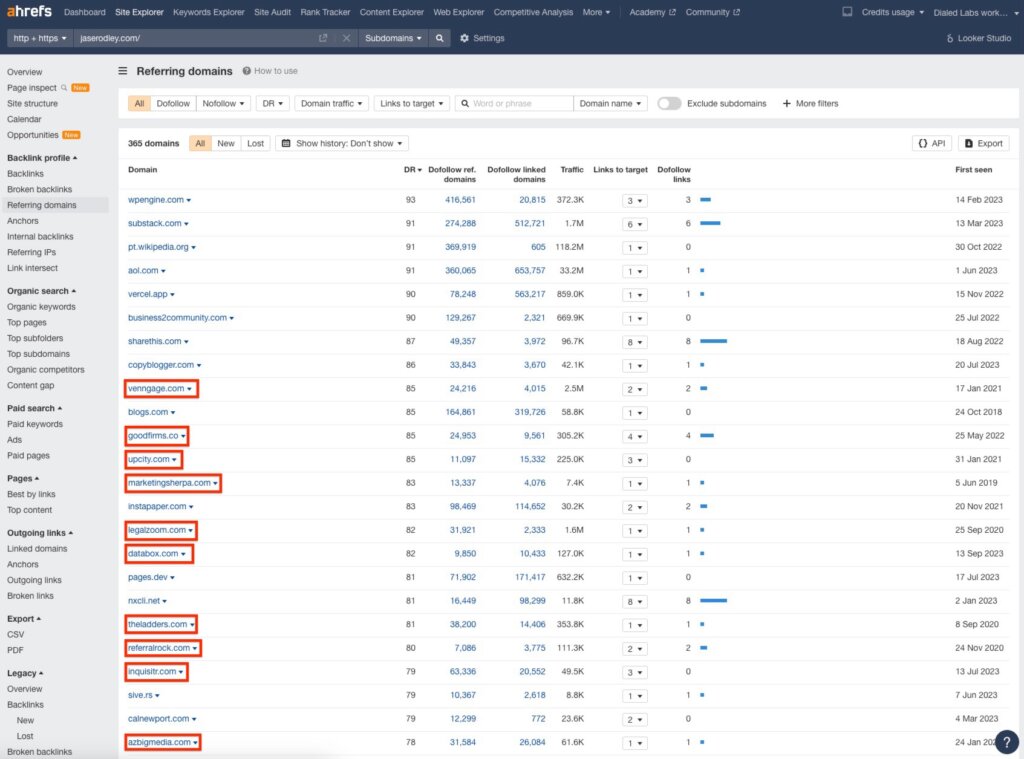
Notice that the most populated city has the least amount of searches: In this example, Philly was searched 24x more often than NYC, although it has only 18% of the population.
Searches like these are often motivated by external factors
We originally wrote this post in 2014 when we did a Google search for “Philadelphia layoffs,” and at that time there were almost 4,000 teachers were laid off in June of 2013. The point is, when lots of people lose their jobs at once, it’s easy to imagine panicked sales taking place if folks can’t pay their bills.
These searches for the “we buy houses [insert your city]” and “sell my house fast [insert your city]” terms happen when people need fast answers (and you want to be in front of them when they search for those fast answers, like our client David Brown has been able to do).
They’ll often do a quick search, and if they find what they’re looking for, they’ll put in their information into a form and become a “lead”. If they don’t see what they want, they’ll keep moving until they find it.
But if SEO is your main marketing strategy, you won’t get any leads if there aren’t many searches for the specific phrases you’re ranking for.
Search Engine Optimization for Real Estate Investors Only Works When Enough People Are Searching The Phrases You’re Ranking For
Too many SEO services out there just focus on getting you rankings… because rankings are sexy right?
But those rankings don’t matter much if they’re for terms that only a handful of people are searching each month.
So what happens if you’re in one of those markets that aren’t getting many searches for the popular terms like “we buy houses [your city]” or “sell house fast [your city]”?
Does This Mean That You Should Abandon SEO When Searches Are Low?
Not at all!
In fact, it’s a really good time to build your business and get creative.
Remember, SEO is a long-term strategy. It’s not a short-term one.
And if you’re really wanting to generate consistent leads and dominate your local market online… you can still do that!
I just closed a deal from you guys, it was all because of your site and the credibility built in and all that. Going to be a really profitable deal, and I’m going to reinvest that going forward. You guys rock and I love the sites and everything you all do! – Joseph Sauter, Quick Cash Sale For You
While yes, there are some markets where there just aren’t a lot of motivated sellers searching online… but it doesn’t mean the sellers aren’t out there searching.
You just need to broaden out your keywords that you focus on your website so rather than banking all of your traffic on just the “we buy houses ” or “sell house fast ” keywords… add in others.
Not Getting SEO Leads? Here’s Your Plan Of Action…
Create some pages on your motivated seller website for “Focus Keywords” (use our SEO Grader tool to help you optimize these pages for those phrases very easily) like…
sell your house fast [insert city]
how to sell house fast in [insert city]
how can I sell my house fast [insert city]
sell my house for cash [insert city]
how to rent your house in [insert city] (many people who need to sell, just quit and settle for renting. Write an article on your blog!)
tips on selling your [insert city] house
… you get the idea.
If rather than trying to bank your lead generation on 1 term that only gets 30 searches a month… why not create some more pages on your website (InvestorCarrot makes that crazy easy) that are focused on other keywords ALSO in your market… so you have 15 pages ranking for search phrases that get 30 searches a month each.
Make sense?
If NOT, hit us with questions below and we’ll dive in and clarify for you… we’ll even get specific and help you figure it out for your own market through the comments section below.
Even if you’re in an area that doesn’t currently get a lot of search data… it’s worth it to rank well there.
When something happens in your market (like layoffs) that create a lot of demand for fast, cash buyers, you want to be first in line to capture those leads. Working on SEO now is critical to rank high when searches do pick up.
If you’re like most investors you’re deeply focused on your local market and what’s happening today. You’re only working to make deals happen soon, not years or months down the road.
That might be a mistake.
Too many investors are only thinking about short-term results… even though the best investment advice is always focused on long-term wealth-building, not scattered attempts to get rich fast.
If you’ve got the bigger picture in mind, there are a few ways you can grow your business:
Get inventory in other ways. Go old-school and start knocking on doors. Network. Partner up with companies who provide services to homeowners under financial distress. Put up signs. Advertise – good pay-per-click can be really helpful to capture the few searches that do exist. Since the leads are fewer, you’ll have to pay more to get them. That’s supply and demand.
Focus on growing a different list. If you’ve been trying to capture seller leads, shift your focus to building a list of cash buyers. Ditto on rent-to-own tenants. When inventory is tight there are lots of people looking for deals, so set up another site to grab those leads. If you hustle, you can find ways to profit from those lists, even when inventory is low.
Branch out to surrounding markets too. Too often people get stuck thinking that they need to work where they are, instead of going to find the place where they can add the most value. Start with other cities around you and see if there is more search volume in those cities. I know investors who have switched their focus away from the major metro areas and are focusing on smaller, blue-collar areas where there’s less competition from other investors. Once you’re really good at building lists, generating leads and doing deals, you don’t have to be geographically limited at all. With the right local partners, you can work anywhere.
Adjust your strategy. Too many investors and entrepreneurs get stuck on a particular path, and they lose their perspective on the big picture. They forget that they are subject to the whims of the market and that the market is entirely outside of their control. When there’s not a high rate of foreclosures, wholesaling and flipping get tougher. More competition + fewer deals = Lower profit margins.
Does that mean that wholesaling and flipping are bad strategies?
No, not at all – just that you’ve gotta pay attention to the conditions in your local market without forgetting the bigger picture.
Know Your Market And The Trends (Or we’ll help keep you up to date :-)
To illustrate, let’s do a quick Google Trends search in the US for “we buy houses” just to see how the graph moves around:
As you can see, there were a lot more folks searching for “we buy houses” back in the fall.
Overall in the US economy, we seem to be exiting a period of high fluctuation and returning to a slow, stable growth pattern.
And while trends in our market change… so do the things that sellers and cash buyers type into Google.
Just do your research (or follow us here on this blog and we’ll do it for you) and adapt on your website to focus on the keywords your market is typing into Google.
For now…
“we buy houses” and “sell house fast” (and related terms) are still some of the most popular for the ultra-motivated sellers
“investment properties in ” is a search term growing in popularity right now big time (GROW THAT BUYERS LIST!)
If your market doesn’t have many searches for those terms… consider going after other keyword terms like the ones I mentioned in this article… OR, branch out into other surrounding cities to capture search rankings in those ones too so you can do deals there too to increase your lead flow.
Sound like a plan?
Hit us with your questions about your market below… or questions about how to take this knowledge and use it on your own websites to get more traffic and leads this year.
Don’t Have Time To Focus On SEO But See The Value?
Think about this. If you’re investing in markets that get at least 30 searches a month for “we buy houses [insert your city]”… and don’t have the time or energy to focus on worrying about the SEO yourself… we can help.
If you’re interested in a long-term SEO strategy for your business, you should check out our SEO services… we’ll let you know if your local market has the search volume to make SEO worth the investment based on what we uncover.
Don’t have a website or want a system that works great to generate traffic and convert the leads?
Creating content takes too long. You spend time, money, and energy on each piece, hoping – praying – that it offers a return. And far too often, in the beginning, the return is negligible.
So you quit producing.
Fortunately, content is one of the best marketing methods – conversion rates are six times higher for content marketing adopters than non-adopters. Unfortunately, it’s also one of the most time-consuming methods.
As if building a significant content repertoire doesn’t require enough energy, ensuring that repertoire is full of valuable information is even more daunting. Because of that lofty commitment, few real estate investors and agents do it at all.
What you need is audience-tested content that takes very little time to create.
The answer? Q&A.
You already spend time answering client’s questions. Turning your answers into valuable pieces of content is the next obvious step.
But what type of content should you use (written, video, audio)? And what’s a good system for creating this curiosity-based value?
5 Time-Saving Ways to Create Real Estate Q&A Content
1. FAQ Web Page
The most obvious application of Q&A content that’s worth discussing is the FAQ web page. A Frequently Asked Question’s page is a must for any serious real estate business. Give your visitors a place to find answers and they’ll spend less time calling you with low-commitment inquiries.
Of course, you want them to call you. But questions about what a mortgage broker is, how someone determines the value of their home, and what kind of credit score is needed to purchase a house are questions better answered online.
In fact, many people won’t be comfortable calling you until they have a general understanding of how the process works. No one wants to look stupid. Your FAQ page is where prospects get educated so that they are comfortable calling you.
Ultimately, FAQ is a sales page.
Which means that you need a CTA at the bottom.
For example:
And to give investors an idea of what questions your FAQ page should answer, here’s what the same site has on theirs:
Will you be listing my house on the MLS or actually buying it?
Do you pay fair prices for properties?
How do you determine the price to offer on my house?
Are there any fees or commissions to work with you?
How are you different from a real estate agent?
Is there any obligation when I submit my info?
As a real estate agent, here are questions to consider, taken from Kyle Hiscock’s extensive list of house-buyer questions.
Should I buy or continue to rent?
Do I really need a Realtor when buying a home?
Who pays the Realtor fees when buying a home?
How long does the seller have to respond to my offer?
What if my offer is rejected?
FAQ will increase how much visitors trust you. And they’ll start calling you with higher-commitment questions:
How do I start working with you? Can we meet and talk about selling my home? I think I’d like to buy/sell. What should I do?
2. Single Answer Content
Once your FAQ page is live, use it as the foundation for more content. For most investors and agents, the curiosity-based content ends at the FAQ page. But all those questions can easily be turned into audience-tested blog posts.
In other words, since you know what questions prospective clients are asking, then it’s safe to assume they are googling them as well. Why not create a single blog post around each question so that you can rank for exactly the kind of questions that prospects are asking?
Real estate agents, for example, could write a full blog post – between 500 and 1,000 words – pitting real estate agents against for-sale-by-owner. Much like this piece by Michael Alan, where he discusses the pros of using an agent and the risks of doing it alone.
Real estate investors could write an FAQ style post on how house buyers are different than real estate agents or on how a fair price is determined.
Also consider this video we made here at Carrot, showing our clients how to make testimonials that build trust and credibility.
We anticipated the kind of questions our clients ask, and then we created a video to help them accomplish their goals. You can do the same. Once you determine what your audience is asking, answer those questions with individual blog posts and you’ll be more likely to rank in Google.
Social Media Video
This is the pinnacle of Q&A content. Videos are personal, intriguing, and statistically, more likely to be viewed than written content. Animoto reports that
“Four times as many consumers would rather watch a video about a product than read about it.”
These videos won’t just help you continue to build a following on Social Media, if you transcribe the content and put it on your blog, they’ll even help you rank in search engines. Carrot customers can use VideoPost to quickly transcribe their videos.
There are three ways you can approach videos.
The first is for the camera-shy.
The second for the brave.
And, the third for those of us who fall somewhere in the middle.
3. Traditional Content Marketing for Real Estate
Traditional videos are the record-edit-and-then-publish type.
The benefit to using traditional video is if you make a mistake, you can delete and re-record. If you’re uncomfortable with the camera, this option is for you. It will place an editing barrier between you and the audience.
Hit record, do your best, watch it, and redo if needed.
At the very least, this will help you get comfortable with that digital eye.
Real estate content marketing champion, Judy Weiniger, uses her youtube channel to answer questions with traditional videos:
What is a pre-home inspection?
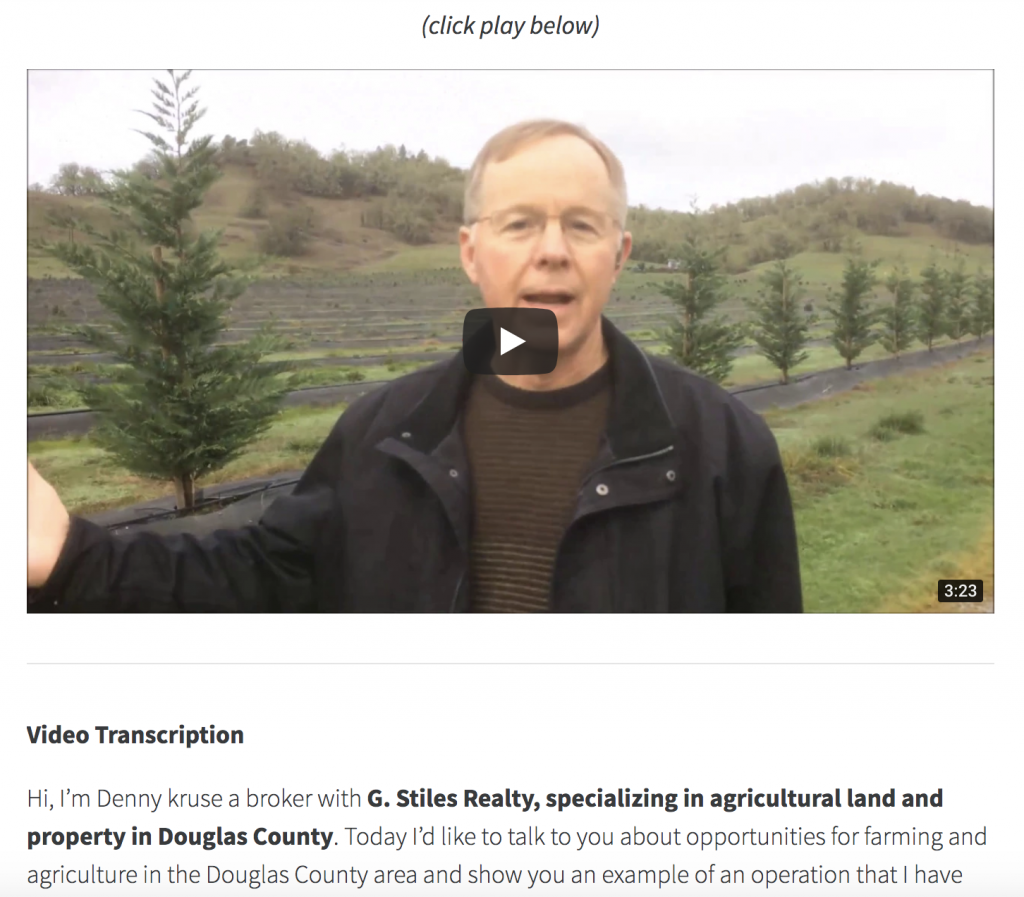
Denny Kruse from G. Stiles Realty, a local Douglas County real estate company, spent years in farming. Therefore, he can answer questions and share his insights with people who are looking to purchase farm or agricultural land.
These real estate videos are for the camera-bold. When you go live, mistakes will be noticed and if you run out of things to say, you’d better be prepared.
The confident person might jump onto a Facebook Live video at the scheduled time without any notes, trusting for people to type questions as they record. The obvious risk is that no one will ask any questions and they’ll be left without anything to say.
Thus, we recommend doing this type of free-flow live video only if you have a significant following and they are likely to interact.
As an example and bold as ever, real estate investor, Colin Kirk, posted a Live Q&A session on Facebook in April.
“Facebook live videos are watched three times longer than normal videos.”
This stat can partly be explained by Facebook’s notifications that are sent out when someone goes live, but more so because of the authenticity that live video promises. The person being recorded can’t fake it.
If you want to reap those benefits, but you don’t want to risk being left without questions to answer, here’s what you should do.
Go to your FAQ page. Write down 5 questions that you could easily answer on a video. Then go live on Facebook, telling people that you’re going to answer some questions, so if they have any, they can feel free to throw them in the comments.
Start by answering one of the questions you wrote down. And if you don’t get any more in the comments, simply continue answering your prep questions. If you do receive inquiries (which you likely will), answer them.
This allows you to go live with all of the added benefits, but with a safety net in tow.
Since you’re already spending a huge portion of your time answering questions, the best thing you can do is turn those questions into content that can rank in Google as part of your real estate SEO campaign. Combined with some linkbuilding like HARO outreach, your website will gain authority, win more rankings, and most importantly, generate more leads!
By creating an FAQ page, and then, one-by-one, turning each question into a complete blog post and/or video, you’ll generate truly useful content and spend little time doing it.
But you also need to schedule house visits, drive homebuyers to potential houses, meet with house sellers, solidify contracts, and do a whole lot more.
When the heck are you going to find the time to (1) come up with content marketing ideas for real estate agents and (2) create the content?
Well, that’s exactly what we’re talking about today: Real examples from real agents who’re using content marketing to catapult themselves to the head of the pack. Because potential customers aren’t just looking online… they’re making decisions based on what they find.
Content marketing is how you dominate search results, build trust, and attract new clients all before they even meet you.
Why? Because your strategy has to be built on your strengths … and loves:
This post digs into the details with two top-to-bottom examples of exactly how to execute your content marketing master plan and a host of supplemental examples along the way.
So, let me introduce you to our content marketing test case …
Judy Weiniger runs the Weiniger Group, a seven-person real estate agency in central New Jersey. She’s active on various platforms, including social media, Youtube, and her website.
But, Weiniger doesn’t do content marketing just about selling houses; she makes it about what someone buying a house in the area would need and want to know. In other words, the content she provides is not one promotion, listing, or sales pitch after another. It is useful information that helps her audience.
That is the pinnacle of great content.
7 Content Marketing Ideas for Real Estate Agents
1. Real Estate Content Marketing Ideas All Start With The Right Agent Website
Let’s start by looking at her website. To begin, it’s gorgeous. You should click through to see the video background in the hero section; the following screenshots don’t do it justice.
Visitors are greeted with a friendly hello message — “Welcome to our neighborhood!” — followed by two CTAs directing them exactly where to go next.
While this isn’t connected to content marketing, notice that in the top right there’s a prominent “Let’s Talk” button for anyone wanting to connect directly.
As you scroll down, you’ll see the type of content she’s releasing, and it’s just what home buyers want to see.
First, there are the featured listings.
If the prospective homebuyer is there to look at houses, this section lets them do that … immediately.
Homes By Krista (a Carrot customer) takes a similar approach. It opens with a beautiful hero image and simple problem-solving message: “Sell your house faster and for more money” and “Find and buy the perfect home with less hassle.”
To find out more about getting your conversion-optimized Agent website, go here!
In Weiniger’s case, after taking care of the low-hanging-lead-fruit, she turns her full attention to content.
2. Real Estate Agent Blogging Ideas That Are Way More than Just Listings
Rather than just featuring houses and soliciting sellers, Weiniger caters her blog to people who either don’t know if they want to move to central New Jersey yet or are looking to explore the area.
Want proof?
Scroll further down the homepage, and this is what you’ll see.
Weiniger doesn’t just play the part of a real estate agent — a home-finder and home-seller — she plays the part of friendly food citric, supermarket expert, school advisor, and more.
And they deliver. Two of Weiniger’s most popular posts at first appears to have nothing to do with real estate at all: The ULTIMATE Guide to Farmers Markets & Farm Stands in Central New Jersey and 11 Favorite Yoga (& Pilates!) Studios In & Around Warren.
But that “appearance” is exactly the point. Both articles answer the kinds of questions someone relocating or settling in would naturally have. When they take to the internet to find answers … guess who they find:
Weiniger occupies the second organic search result on page one of Google (the only result that beats them is an actual yoga studio and they even outrank Yelp). Plus, the posts are more than just words. They include embedded YouTube videos, direct links to all the mentioned resources, and interactive maps.
At the end of each post is Weiniger herself, her contact information, and a CTA to “Schedule Now”:
Naturally, once a visitor reaches the end of a post, Weiniger has positioned herself as an advisor. She’s helped them. She’s generated trust. And really… that’s the point.
Feel like that sort of design and technological integration is beyond you? It’s not because all those slick elements aren’t necessary.
Cranford & Westfield New Jersey Real Estate’s blog follows a similar topic pattern, without all the visual bells and whistles. And yet, this post — Grilled Cheese Shoppe Opening Celebration TODAY in Westfield, NJ — has generated nearly 2k shares on social media and ranks on the first page of Google:
The point is: that every real estate agent can do this with their blog content. After all, real estate agents know the area they live in better than almost anyone else. Why not utilize this knowledge of your town like Weiniger has?
3. Real Estate Video Marketing Ideas Where You Aren’t The Star
If you didn’t notice on their homepage, Weiniger also has a box linked to her YouTube page. One of the reasons you might have missed it is because it’s not titled, “Real Estate Videos.” Instead, it’s enticing: “Explore NJ Community Videos.”
On her YouTube channel, Judy educates viewers about everything from New Jersey’s local pharmacy to great pizza, pasta, and seafood in the area.
She does this with short video clips introducing each industry.
Sight is our most engaging sense, and using video to leverage that fact is a great way to engage potential clients. 51% of marketers name video as the type of content with the best return on investment.
But rest assured, these don’t need to be cinematic masterpieces. All these videos have in common: they’re about serving their audience… not serving the agent.
And as a Carrot member, you can even turn your video content in long-form blog content with the click of a button using what we call VideoPost.
But what should you talk about in these videos? What kind of advice should you offer? Here are a few ideas…
Advice For First-Time Homebuyers — Show new homebuyers how to secure a low-interest loan, how to negotiate with sellers, what to look for when seeing a home for the first time, and tons more.
Advice For People Trying to Sell Their Home — Show home sellers how they can get top-dollar for their house, how they can stage their property on a budget, or what kind of renovations they should make before selling.
Testimonial Video For Your Business — Do you have a client who is exceptionally happy with your services? Ask them if you can record a short video of them giving you a recommendation. That will make for some great social media street-cred.
Community Videos — As a real estate agent, you know your community better than most people. Record a video showing potential buyers all of the great things about your city, where to eat, what to do, and the best places to live.
4. Real Estate Lead-generation Guides Worth Signing Up For
Also, on her homepage, Weiniger links to a piece of content that is real estate lead generation gold: a guide. In her case, it’s the “40 Top Tips For Selling Your Home!”
Because this guide goes above and beyond the typical blog post, it’s “gated,” meaning you have to signup for access:
This is precisely what you should do with your free guides — make it so people have to give you their contact information to receive the resource. That way, you’re simultaneously providing free value to your audience and generating leads for your business.
Bend’s Station takes the same approach, though they dedicate considerable online real estate to their guide on their homepage:
Inside is a beautiful and picturesque overview of the entire Bend area. And it ends with two opportunities to go deeper with Bend Station: (1) an email signup box and (2) a full form to “Get in Touch”:
Both guides major on the needs and wants of either prospective sellers or prospective buyers. They’re helpful and provide genuinely valuable content you can replicate for your local area (seeing a trend yet?).
5. Real Estate Agent Infographics Should Make Sense Of The Numbers
Speaking of beautiful and picturesque, also on Weiniger’s blog, you’ll find a series of Warren NJ Market Reports. Each one contains easy-to-understand (and easy-to-create) graphics summarizing the previous month’s real-estate financials:
Each time they culminate is a powerful, one-two content punch: (1) access to a digital copy of the report and (2) a CTA to “Chat with Judy!”
Keeping Current Matters follows a similar path with their simple, but wildly popular infographic that has been shared nearly 10k times:
Likewise, 1850 Realty supplies local market trends in a visual form both on their blog and across their social media:
Raleigh Reality takes a good versus bad approach with their companion infographics:
6. Genuinely “Social” Content Marketing On Your Real Estate Social Media
Not surprisingly, Weiniger’s real estate content is all over social media. So we’ll take each one in turn.
Twitter
To start, she uses her Twitter account to do much the same thing she does with her blog and Youtube videos, but with less defined reason.
Her reason for creating the content I’m going to show you seem to be because she realizes that creating helpful content for everyone in central New Jersey is a great way to build rapport.
Plus, the more rapport you build, the more clients you’ll receive through word-of-mouth advertising; which no one needs to tell you is the most powerful form of advertising.
This Twitter post that leads to her blog is particularly engaging.
You might think that when you click on the link, it’s going to be featured houses for sale that she’s trying to trick you into purchasing with some well-placed click bait, but that’s not the case.
Click through, and you’ll see a very legitimate list of weekend activities for the everyday New Jersey family.
Or…
She also uses Twitter to direct traffic to her blog cleverly:
“I wanted to always lead with value and lead with trust. A better way for me to do that was providing content that really mattered. Valuable content that people couldn’t find elsewhere. As a local expert in my community, I was the perfect person to be able to create it and then distribute it.”
These agents prove that not all your content must be a sales pitch. Content that is not a sales pitch is attractive to everyone… including those you want to sell to.
Facebook
Weiniger’s Facebook account reveals how every realtor should use social media. One obvious application is posting pictures of houses that are for sale.
Because while you don’t want to be overbearing, you also don’t want to avoid talking about houses totally. People know you’re a realtor and they want to see what you have to offer. Pictures are a great way to do that.
Heck, even people who aren’t looking for a house might reconsider if they see some incredible pictures of an affordable home.
She also uses a Facebook page rather than a personal account which conveniently allows clients to review her.
Weiniger also posts fun, personable, and interesting videos of local restaurants. This video content benefits the local diner, people moving to the area looking for somewhere to eat, and — ultimately — your business.
You can even take inspiration from a real estate agent, Jim Walberg, and post quick tips for people living in the area. Because, if we’re being honest, real estate is nothing without a healthy dose of city and state pride.
Saddle up for a deeper look at Facebook Ads for Real Estate
Instagram is great for real estate agent content marketing because it’s a highly visual platform and, well… real estate is a highly visual product (house buyers love to look at pictures of houses).
Here’s a great example of a real estate agent’s post on Instagram…
Like this post, be sure to include your phone number and email address in every post so people can get ahold of you if they’re interested. Also, don’t forget to include relevant hashtags since that’s one of the best ways to get found out on Instagram (#housesforsale, for example).
I’d recommend using at least 10 hashtags on everything you post.
TikTok
TikTok is a new social media platform where users can view and share short video clips of just about anything — funny, serious, motivational… whatever!
And the platform is growing like a weed. It already has 500 million users, 41% of whom are aged between 16 and 24. Still, quite a few home-buying millennials and even some older folk visit the platform regularly.
You might be even more surprised to find out that many local businesses are finding great attention-grabbing, lead-gen success on Tik Tok — doctor’s offices, dentists, and even real estate agents are using the platform to spread brand awareness in their local area.
Here’s a great step-by-step video from a real estate agent talking about how you can use Tik Tok to generate leads for your real estate business.
7. Podcasting For Brand Awareness & Leads
Maybe you’ve never thought about creating a podcast before.
It’s probably not the first thing that came to mind when you considered creating a content marketing strategy for your real estate business.
But why not? There are plenty of buyers, sellers, and other agents who’d like to learn from an expert like yourself — why not be the one to teach them? Especially since doing so could result in tons of referrals and leads.
After all, when your committed podcast listeners here about someone who needs help buying or selling a home, who will they recommend?
That’s right, YOU!
And the best part is that creating a real estate podcast is as easy as pie in today’s world. You just need a decent mic (audio is one of the most important elements of any podcast) and some great content ideas.
Then, you can start recording your podcasts for free over at Buzzsprout — after some time, you’ll have to pay for hosting, but you can get started for no cost.
And for coming up with great content ideas for your first few episodes, consider…
Doing a few history lessons about the town where you operate. This can work to create interest in your local market and establish you as the go-to expert.
Tips and tricks for selling or buying a home. You know way more than most people about how to sell a home for top dollar or how to buy a home at a discount. Why not share what you’ve learned and by so doing, increase people’s perception of your expertise.
Real estate education. If you’ve ever thought about coaching other real estate investors or agents on how to build their own successful businesses, a podcast is a perfect place to do just that. Share what you’ve learned and, eventually, you might even get paid to consult up-and-coming agents or investors.
Weekly updates. People read the newspaper and look on social media to find out what’s going on in their local community… how about they listen to your podcast instead? Every week, you could give updates about scheduled events, political developments, and other items of local interest.
One thing’s for sure — your podcast won’t start itself! So grab a mic and get recording. You might be surprised at how much you enjoy doing it.
Content Marketing for Real Estate Agents: What You Can (And Should) Use
Content isn’t truly content unless it gives. At its heart, content is a mode of creation that offers something to someone else before expecting anything in return. It really comes down to one question: Does it add value?
Have fun. Look for inspiration anywhere and everywhere, even in industries that aren’t about real estate — like technology, B2B, SaaS (software as service), and ecommerce content marketing. Sometimes, that’s where you’ll the best and untapped ideas.
Write about a local pizza shop that is making a killing. Do a video interview with your community college about its success. Create an infographic discussing how safe the local public schools are.
Whether it’s a guide for PPC or a list of popular local restaurants, your content strategy needs to revolve around the homebuyer and home seller, not around your monetary gain.
Realtor’s who’ve found the balance between when to make a sales pitch and when to produce purely helpful content are the most successful realtors.
In other words, your real estate content marketing strategy shouldn’t focus on selling yourself, but on buyers and sellers themselves, the people behind the money.
Listen to the CarrotCast Podcast and Subscribe Below!
One thing that a lot of people miss with their websites on their cell phones is the conversion elements aren’t where they need to be on the cell phone. The buttons and the forms aren’t the size that they should be or the placement based on people using thumbs to type things in and those are things that we really dial in and make sure the mobile experience, what are those things we need to serve up to someone when they’re in the moment of looking to buy or sell. Trevor Mauch
If you guys go back to the episode that I recorded that is called Planting Seeds, that’s something that I’m always doing.
That’s one of the biggest things I can attribute any success I’ve had is to planting seeds with people. You know I see a lot of opportunities, a lot of potential in someone or working with someone and even if I think it’s completely out of reach for that person to work with me or for them to change what they’re doing, or I just have no clue how we’re going to work together but I know that there’s a quality person that wants to. I plant seeds in a very specific way.
It’s turned into business partnerships, it’s turned into amazing things. Now we’re nearing episode 100 and I’m crazy about that milestone. Of hitting 100 podcasts because when we launched the CarrotCast, I didn’t know what it was going to be. I didn’t know if it was going to be, you know, 20 episodes, 25 episodes or if we were going to stop at 50, 100, 1000, I don’t know. And I still don’t know when and where this podcast is going to go specifically.
But what I do know is we’re going to continue to deliver things that inspire you. Continue to do, deliver things to help you be a better entrepreneur. To help you get more freedom, flexibility, grow your finances so you can have more impact in this world. And, today’s podcast episode is a recording actually from one of our clients, but also an amazing investor and agent Connor Steinbrook from his podcast.
I’ve been on Connor’s podcast a couple times and the first time it was on the investing side of things and this time it was on the agent side of things. He’s growing a really, really, really fast agency right now with EXP Reality and it’s just amazing what he’s doing in his business, it’s amazing that so many of our other clients are doing on the agent side in addition to the investment side.
So he interviews me about how agents can leverage Carrot, and how agents can leverage content on the web to grow their businesses better. So hopefully you pick up a couple tips here if you are an agent and you have your license.
We have some really cool case studies coming up with other clients that are crushing on the investor side of things as well as crushing on the agent side of things. So keep an eye out for those as. Have an amazing time listening to this episode if you are an agent!
Listen to the CarrotCast Podcast
[podcast-subscribe]
[cta offer=”seoagents” color=”red”]
Listen to this episode of the CarrotCast with Investor Army’s Connor Steinbrook to Learn About Carrot’s Optimized Websites for Real Estate Agents
1:30 – Brief history of AgentCarrot, optimized websites for Real Estate Agents. 3:20 – How AgentCarrot is different from InvestorCarrot websites. 8:35 – The mindset of how people look at pricing and what the current pricing structure looks like for AgentCarrot. 13:00 – Why building credibility and having a real estate agent website can help control the psychology of a motivated seller. 14:30 – What Carrot’s mobile (phone) search data is currently showing for lead generation. 16:55 – What integrations are currently available for agents using AgentCarrot. 20:45 – Baking in Carrot’s conversion framework into AgentCarrot websites and the different site styles available. 23:30 – Some interesting things that happened with AgentCarrot Beta clients for SEO. 28:30 – Three changes that Carrot has notices within how Google is ranking websites. 34:30 – How to drill down your targeting into certain area locations, such as neighborhoods, using the Carrot system. 38:00 – What tools you can use besides Google Keyword Planner to find content and cut through the clutter. 43:00 – 3 of the biggest mistakes Investors and Agents make with their online marketing. 48:45 – How Carrot is build to help real estate professionals succeed.
Over the past 4 years, we’ve grown Carrot from a fledgling “real estate investor website” software into the most effective tool for generating leads online for real estate investors. Bringing in more online leads than any other platform, climbing well into the millions of leads across thousands of active Carrot clients all across the U.S., Canada, the UK, and even some successful clients as far off as South Africa.
While our main clients are house flippers/wholesalers, land investors, and other investors looking for motivated sellers, cash buyers, and tenant leads… we’ve found the clients who consistently get an edge in this competitive market are the ones who are also real estate agents.
Why? Well for a few reasons.
Listing on the market is a viable solution for more sellers in up markets. Agent/Investors can turn more leads into income vs. discarding great leads that don’t perfectly fit just that one box.
Giving house sellers multiple options (list with us or sell to us) helps improve the close ratio and build trust with sellers.
Agents have access to data and tools that non-agents don’t.
In competitive markets that are cluttered with competition, you’ve got to do everything you can to avoid being caught up in the clutter of options.
Does Your Real Estate Agent Website Leave You Lost In The Clutter?
When you look at most real estate agents websites most of them tend to do the same things.
They have…
A pretty picture of you somewhere on the site
Local MLS listings
Fancy calculators and tools
… and a bunch of generic content for buyers and sellers not unique to your expertise as an agent
When buyers and sellers are looking at their options, if every agent they look at all has only the usual things on their websites (those things above) it’s the agents that build trust, authority, and credibility with content that win out in a competitive market.
Are you standing out with your website and content online or just becoming part of the clutter?
One lost listing per year from an underperforming website can cost you what? $3,000? $5,000? $20,000?
How AgentCarrot Can Help You Stand Out From The Clutter
Introducing Carrot real estate agent websites.
For years the way Carrot clients began to dominate their markets online started with a highly optimized website (for SEO and lead conversion) then amplified with our content marketing tools and training. We’ve been in the beta phase with Carrot for the past year and now we’re rolling it out of beta with a crazy exciting vision on how we’ll continue to improve how real estate agents and investors grow your business leveraging the web.
Now we’re bringing that same technology and strategy to real estate agents to dominate the online conversation in your own market. To leverage your own unique expertise to stand out from the clutter so you’re the best viable option for your ideal client in your market.
How does AgentCarrot help you do that? Let’s dive in and check out some of the ways AgentCarrot will help you save time and stand out from other agents in your market who are all doing the “same ol’ things”.
Beautiful High Converting Website Designs + Optional IDX
Nearly 60% of the 10s of thousands of leads our clients pull in each month are on mobile devices. So we’ve taken a mobile-first design approach… ensuring that your website not only looks beautiful and converts well on the desktop… but especially on mobile devices.
Beautiful Featured Property Listings
With AgentCarrot you can create Featured Property Listings to really showcase your best listings with any content you want to add. You’re never limited to what the MLS shows on a property when you create a Featured Property inside of AgentCarrot.
List MLS Properties With Our Optional IDX Add-On
Want to show local MLS listings on your site so buyers and sellers can discover what’s on the market? Excellent! Simply add-on IDX inside of your Carrot account starting at just $50/mo for most agents. All MLS listing content is housed on your website URL not on 3rd party URLs, which helps with SEO for those properties in Google.
Build Confidence In Your House Sellers
House sellers want just 3 things.
To sell for the highest possible price
With as little hassle as quickly as possible
To trust the agent they’re working with can represent them better than anyone else
The content you have on your website is key to building that expertise and trust. A robust “About” page, educational content (videos are best!), and a simple way for a seller to engage with you is critical. Just dive in and customize your content easily then leverage our content tools (below) to really stand out.
Stand Out With Content With VideoPost & Our Content Marketing System
The #1 way to stand out in a competitive market when almost every agent offers a similar core service (we can list or sell a house, here are our fees, etc.) is with content that builds your expertise and introduces your personality and core values to your clients.
If you’re struggling to win listings or buyers outside of your direct network of friends, family, and referrals it’s likely because you’re not standing out from other agents.
When your buyers and sellers are researching online you have a HUGE opportunity to get in front of them and build your expertise with content on your website optimized to rank well in Google.
Next time you’re out at a property or driving around with a client, pull out your cell phone and record a 3 to 5-minute video. Upload that to YouTube then simply paste the video URL into VideoPost in your AgentCarrot account. Then VideoPost will turn it into a written piece of content for your website.
Automate Weekly Content With Our Content Marketing System
Google LOVES robust written content and your buyers and sellers are searching online every day looking for answers to their questions before they make those big housing decisions. But writing content can take time and sometimes it’s hard to come up with ideas on what to write about.
The AgentCarrot Content Marketing System was the first automated blogging feature to launch in the real estate market in early 2014 and we’ve built that out for agents as well.
Simply select from our professionally written content each month, schedule it, and publish it. Now when buyers and sellers visit your website there will always be content written to educate and convert site visitors into leads.
Manage Your Leads
Carrot has always focused on being the best in the world at helping real estate professionals attract and convert more visitors into leads. But this past year we’ve started adding resources to help our clients better manage their leads inside of Carrot. Our simple Lead Manager will help you keep track of your leads and where they are in the process.
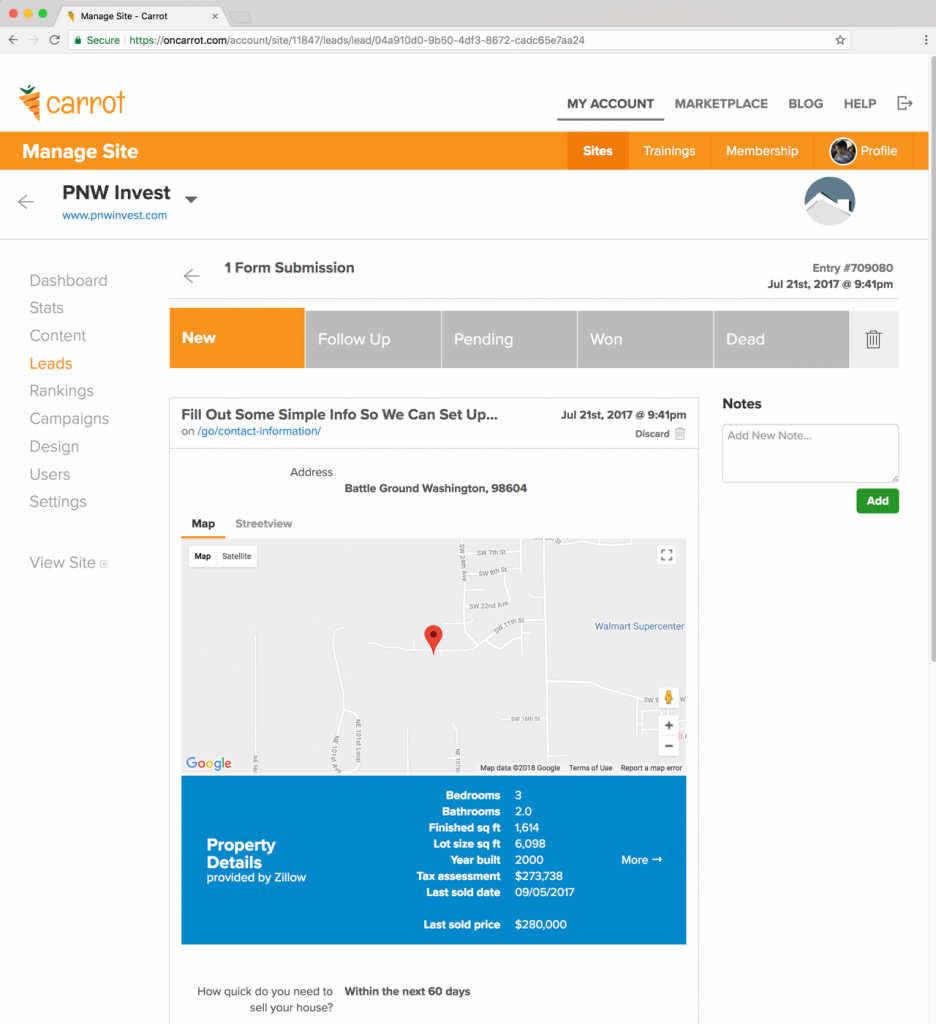
You can add notes, bring in your team members to collaborate, and see important property info such as where it is on Google Maps and Streetview plus the latest sale information from Zillow for quick reference.
Or integrate with dozens of systems through Zapier so AgentCarrot can help you capture more leads and you can use your current systems to manage those leads if you wish.
We have major updates we’re already working on for 2018 to make the Lead Manager more and more robust.
Track Your Progress
As you drive traffic to your website you can leverage our built-in stats or if you want to, can integrate with Google Analytics.
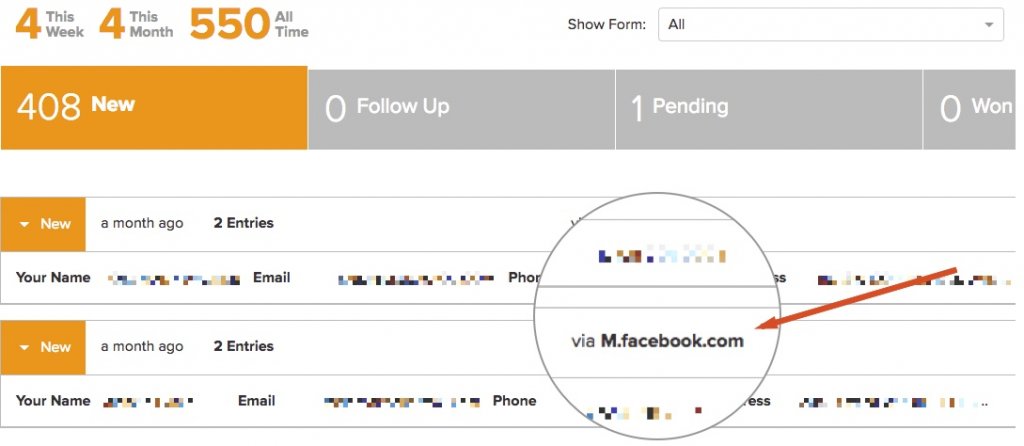
Then see where every lead came from with our LeadSource tracking. To take it even further and drill down on what’s working with your paid marketing with our Campaign Tracking Links tool.
Leverage Our Expertise
As you dive in and leverage our tools to build a beautiful real estate agent website and stand out with content, you can turn to our training and team to guide you through to success. From our weekly LIVE Coaching Calls every Tuesday (included in all AgentCarrot memberships) to our online training programs, and our amazing support team you’ll never be left hanging.
Our weekly Coaching Calls can help you stay on course and always have a plan that you or your team can execute.
What’s Next For Carrot Real Estate Agent Websites
While real estate agent websites is a new product here at Carrot, we’re not new to helping high-achieving real estate professionals cut through the online clutter and generate more leads online. Millions of seller, buyer, and tenant leads have passed through our system and we only plan for that to get even better for our InvestorCarrot and AgentCarrot clients.
But we’re excited as heck about our vision for Carrot over the coming 12-24 months.
We’re going to…
Further build out the functionality of our lead manager and follow-up systems
Innovate more content marketing tools to help you stand out from the crowd
Build out training specific for real estate agents that put you at the cutting edge of online marketing
Test and hone our designs and Lead Conversion Process for our websites
Test and innovate how you and your clients use Carrot mobile devices
… to help you save time and cut through that clutter in your market as a real estate agent.
Here at Carrot, we feel every high-achieving real estate agent should be an investor and every high-achieving investor should also be an agent (or align with one). So we’ll continue our focus on helping you earn an amazing living in real estate with less time and create a business of purpose along the way.
Last but not least, we want your feedback.
We understand we have a long way to go and are nowhere near our ultimate vision for AgentCarrot. If you see anything we can improve or a wishlist, or simply want to give us feedback… please don’t hesitate to send it our way.
If you’ve ever run a successful SEO campaign before, you’ll know that building high-quality backlinks to your site is critical. If you want to win organic search traffic via SEO, you need to be sure that all 3 pillars of your campaign—technical SEO, content marketing, and backlinks—are executed on correctly.
It’s easy to use an off the shelf platform like Carrot to ensure your site is technically sound, and it’s relatively simple to write and publish high value content to your site. The biggest challenge most people have involves link building.
While many methods are highly complex, and others feel uncomfortable or unethical, one stands out as a clear winner.
You can earn backlinks from some of the highest authority websites without having to write long articles, building an extensive network of industry influencers, or speaking on endless numbers of podcasts.
In my experience, this single strategy wins out against the rest, bringing the highest ROI of all link building methods, landing links in key media outlets and major publications such as Forbes, New York Times, Wall Street Journal and Yahoo Finance.
In this article, I’ll explain the HARO link building process, and how you can use HARO for your real estate SEO campaign.
Introduction to Help a Reporter Out
Help A Reporter Out, or HARO for short, is a simple platform that connects journalists and content producers that with expert sources, to give their content more credibility, and deeper insights.
Every day, hundreds of HARO queries are sent out from journalists, asking experts to provide input into their content. Most of this input is in the form of a quote, but it can also involve TV or radio interviews as well.
Help a Reporter Out (HARO) was founded by Peter Shankman as a service for journalists to connect with people who could be relevant sources for their reporting. HARO was later acquired and is currently part of Connectively. In 2024, Peter Shankman launched Source of Sources, based on the original HARO model. Qwoted is another popular tool for connecting journalists with subject matter experts. You can follow the guidance below to connect with journalists via the platform of your choice.
Why You Should Use HARO for Link Building
Building links with HARO outreach involves finding journalists looking for relevant sources for their articles. Unlike other forms of outreach (like guest posting), these journalists need a source, and they want to hear from you.
In exchange for your valuable quote, they will credit you, typically with a dofollow or nofollow backlink to your site.
Yes, that’s right. SEOs like yourself can use HARO pitches to secure backlinks from websites with tons of link equity, for free!
Your quotes are often syndicated in other publications across the internet, shared on social media, and included in other related press mentions, all of which can boost the power of your links further.
It also helps with improved brand visibility as both your personal and business name become cited sources. This adds trust when potential clients or sellers look to find an agent, agency or investor to work with.
The end result is, you get hard-to-get links from credible news sources, bringing traffic from the journalist’s article, a high-quality backlink to your website, better search engine rankings to your content, and most importantly, more leads for your business.
Other Benefits of Using Help a Reporter Out
As I mentioned above, backlinks are just one of the many benefits. Many people think of this practise as “HARO SEO”, but the benefits really don’t end there.
While I’ve had my fair share of success through SEO, I’ll be the first to admit that the industry can have a limited view of things at times.
Many of the articles you’ll be mentioned in includes multiple experts from your industry, meaning you get to “rub elbows” with respected experts from the property, or finance industry.
This gives the added benefits of:
boosting your personal credibility,
improving your brand’s reputation,
getting exposure your LinkedIn or X profile,
giving you an icebreaker to introduce yourself to experts in your field…
“Hey Brian, I noticed we were both quoted in this article. I like what you had to say about the impact of rising interest rates. Want to hop on a call to talk this over at some point?”
developing another traffic source for your website—referrals—clicks from people that read the article you’re mentioned in, who later click through to your site
How To Register With HARO
Getting your first backlink starts by dropping what you’re doing right now and jumping over to HARO. Select “I’m a Source.”
Scroll down and click the “Subscribe Now” button.
Once you fill out the form with your company’s information, you’ll be registered to receive three emails a day with a list of authors looking for contributions to their articles. It’s that easy!
How To Get Your First Backlink With HARO
Great! You’re getting the daily HARO emails, but what now?
To begin with, you need to start filtering. You’re going to get a lot of queries that simply aren’t a good fit for your business, or your own personal experiences.
Focus on Relevancy
The trick is to focus on topics that directly relate to your area of expertise, like real estate, mortgages, investing, personal finance, or possibly something relating to your personal business experience.
By focusing on opportunities that request real estate agents, you have an unfair advantage against those who do not have this experience.
This narrowed focus will give you the highest chance of being published and receiving a backlink.
Below is an example of the kind of pitch requests you should look for. After checking out the website, you’d see that it is a credible site for homeowners and potential home buyers that is run by a mortgage brokerage.
This means that the site has content that would be relevant to your brand and website. The requirements for the person making a pitch is that they are a real estate professional–a perfect match for your situation.
Sample HARO Query
Researching the Query
You may well have the knowledge to write a response immediately, but in many cases you might need to get some supporting info first.
Even if you can answer the query based on your past knowledge, there’s still some other info that you need.
Consider:
who is the target audience of this content?
what sort of article does the journalist typically write?
what sort of style and tone does this publication like to publish?
what length of response do these types of queries typically require?
Just because you’re a subject matter expert, doesn’t mean you’ll automatically be included. If you want to earn HARO links, the best way to succeed is by giving the journalist exactly what they want–a “copy/paste” response.
Write a Valuable, but Readable Pitch
Once you have your shortlist of queries and your research completed, it’s time to write your pitch for each query.
Reporters receive hundreds of responses to each query that they send out, and often they have multiple articles on the go. That’s a lot of emails, and every response will be judged swiftly.
Make sure your response stands out!
A quick, catchy title is a great way to make your pitch stand out in the author’s inbox.
Take the time to write concisely, using easy to read language and proper grammar—this will show respect for their time (and avoid confusion).
When putting together your pitch, make sure that it is short and to the point. These authors receive a ton of pitches and don’t have the time to read through every one. They’re typically looking for short, bite-sized pieces of information that they can quote in the form of a paragraph.
Get Personal
Remember, you’re a human, and the journalist is as well. Don’t just copy and paste in the same response to similar queries, be sure to tailor your pitch to their needs.
Where possible, speak from a past experience that you had, and if relevant, speak to one of your qualifications, or achievements. The more of an expert you are, the more like you are to be mentioned.
If they ask for responses under 100 words, give it to them! Similarly, don’t make it hard for them to credit you! Usually that means making sure your personal name, title/role within your company, company name, URL and any social media profiles are listed in your email.
In your pitch, make it as easy for the author to give you a backlink. In your signature, include a bio, a link to your website, a link to your logo, and a link to your headshot.
Be aware that HARO removes any email attachments like logos or headshot must be included as a downloadable link.
How To Get the Best Results From HARO
In order to truly contribute to the growth of your business, your efforts on media platforms like HARO can’t be a one-time thing. And if you’re going to sustain this effort month in month out, you’ll want to see results.
In addition to everything I’ve listed above, you’ll also want to:
Respond quickly: many reporters have tight deadlines. If you can give them the answer they need quickly, you’ll get featured. But even if they do have a few extra days, remember that they’ll receive hundreds, or even thousands of responses. You don’t want to be on the bottom of the list.
Provide evidence: if you’re referencing a specific statistic or trend, try to reference the data, survey or report in your response via a link. This shows that you’re not making it up but you’ve actually done the research to back up your claims, which is hugely beneficial to the journalist’s work.
Use a spell checker: it goes without saying that your response should be error free. Simple tools like Grammarly can help with both grammar and spelling issues. While most queries will come from USA, from time to time journalists will be seeking comments for Australian, British, or Canadian publications as well, so you’ll want to check your responses against their local spelling as well.
How Will I Know When My Pitch is Used?
Some authors are kind enough to notify you when the article has been published, but most publish and then quickly move on to the next article.
It’s worth seting up Google Alerts to track whenever your name or your brand name has been mentioned.
If you have the budget, then there are additional paid services like Ahrefs Alerts and Brand Mentions that also monitor publications for mentions of your brand.
A Real World Case Study
There’s a lot of smoke and mirrors among marketers, so I encourage you to take guidance from people that actually walk the walk.
Organic search traffic from Google, or “SEO” has been a key traffic source for each of my businesses to date, as well as my personal website. Below you can see different HARO backlinks highlighted in red.
These are some seriously high-authority links that are difficult to get using any other method.
Through “domain authority” and “domain rating” aren’t perfect metrics, they do give a good idea of the power that these links bring.
When I, or my team work to earn these links we typically exclude any sites below DR40, unless it’s highly relevant to the business we’re representing. You can imagine the type of impact using HARO can have on your Google rankings, and organic traffic.
Not only do you get high-quality links, but these are in-content, editorial links from real websites that get a heap of Google search traffic themselves—just what Google wants to see in your site’s backlink portfolio.
How much work does this take?
Like any link building strategy worth pursuing, building quality backlinks through HARO requires effort and consistency. This used to be an unspoken secret, where wins were easy, but it’s not the case anymore.
It’s no surprise that I run an SEO agency, Dialed Labs, which runs HARO SEO campaigns for multiple clients month in, month out. Yes, we offer a link building service, but given the nature of this strategy, it’s more of an online PR campaign.
It’s amazing where some of these responses end up sometimes (even in printed newspapers or magazines)!
The sheer volume that we deal with allows us to collect a large amount of data on this strategy.
In a typical year we’ll help send around 20,000 responses on behalf of our clients through media platforms such as:
Featured
HaB2BW
HARO
Profnet
SourceBottle
Based on our latest data, we expect to convert 14.27% of these responses into published links. That is, 2,854 links.
14.27% might sound like a low success rate, but it’s actually typical among even the best HARO link building service providers.
If you’ve been using SEO for some time, you’ve probably discovered the value (or cost) of a high authority backlink that also brings referral traffic.
I genuinely believe this is one of the best value methods of link building for one of the highest ROI forms of digital marketing (SEO).
Let’s Recap!
If you want the greatest success through this method:
Respond quickly: Those that respond within the first hour have the best chance at being used as a source.
Build your credibility: If you have a special certification, degree, or license that makes you stand out among your peers make sure you put it in your bio. This additional credibility could be the deciding factor of whether or not a reporter decides to use your pitch.
Be creative: Think outside the box. Reporters are looking for pitches that make their content stand out.
Use a catchy title: Don’t just use a generic subject line like “HARO Response” when sending in your pitch. Make yourself stand out in their inbox with a subject line they can’t help but click on.
Be patient: It can take weeks or even months for an article to be published.
Don’t give up: Just because you haven’t heard a response doesn’t mean that your pitches are being ignored. Most authors don’t reach out until the article has been published, which can take weeks or even months.
Now get out there and give it a go—and good luck on the backlink battlefield.






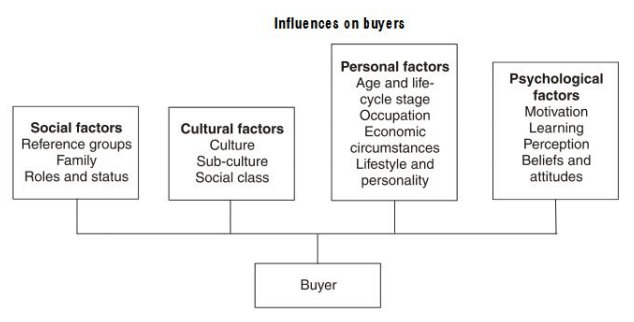
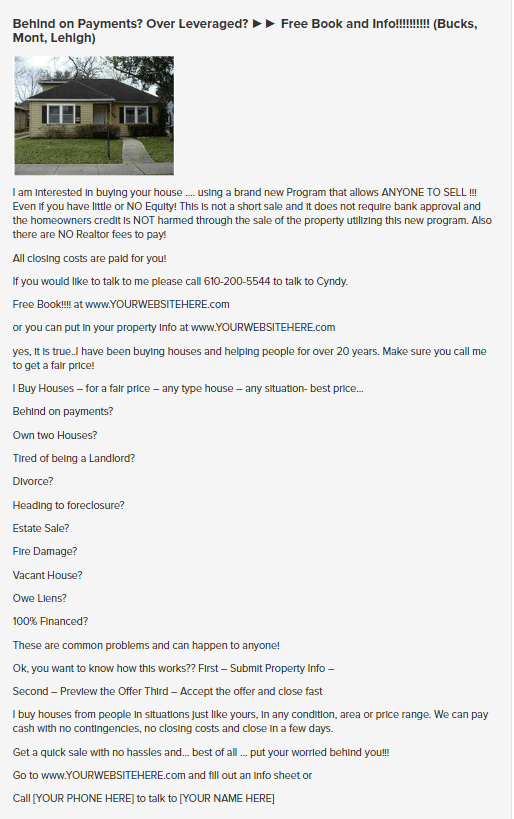
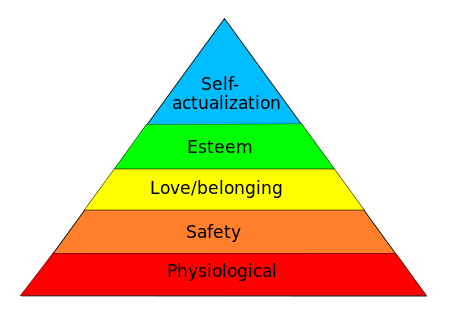
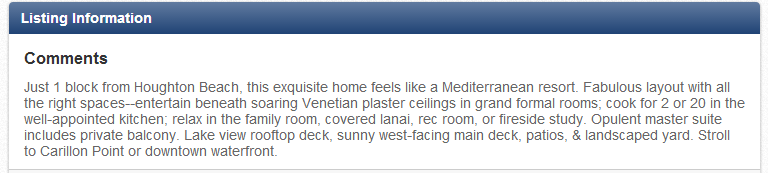
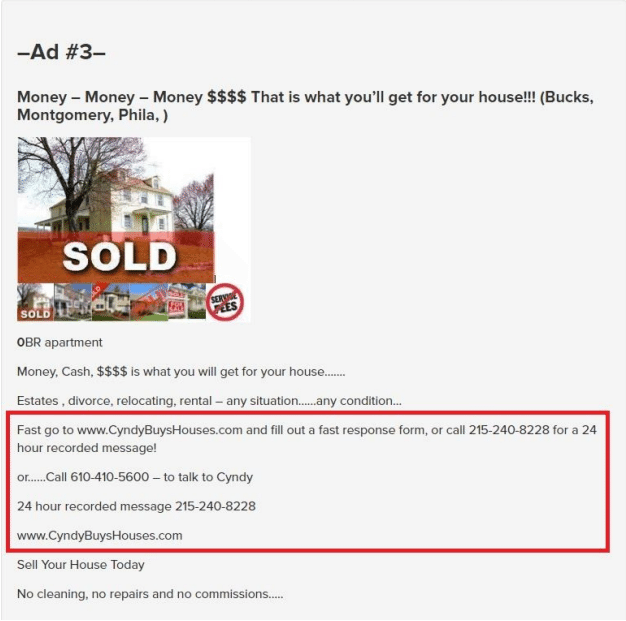
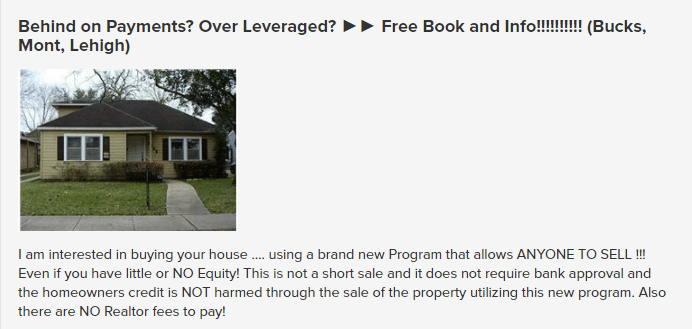
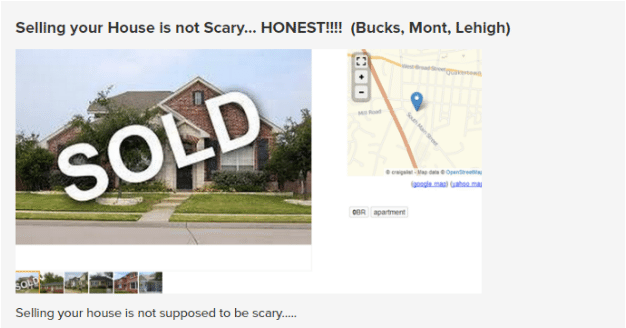


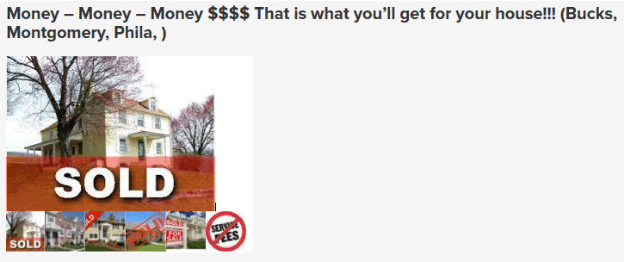
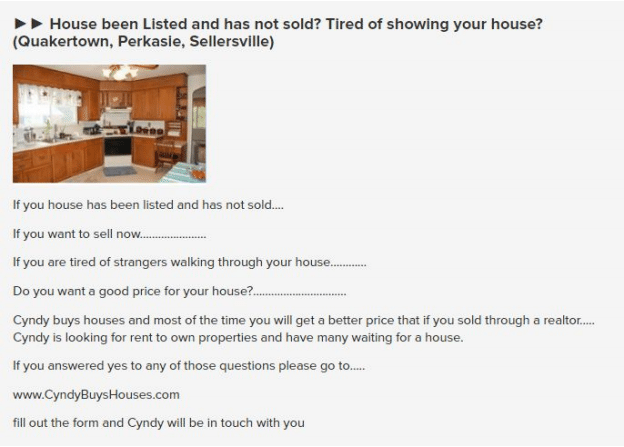
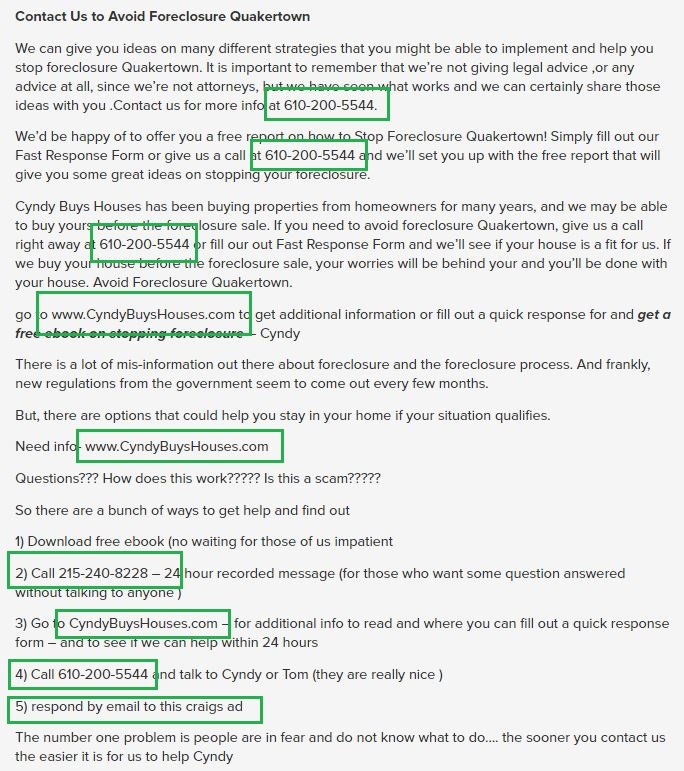




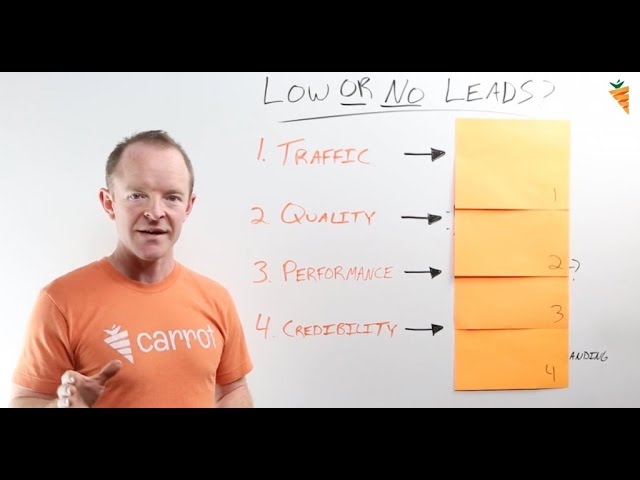
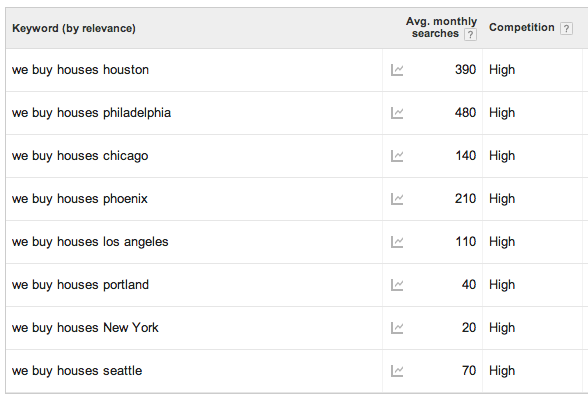
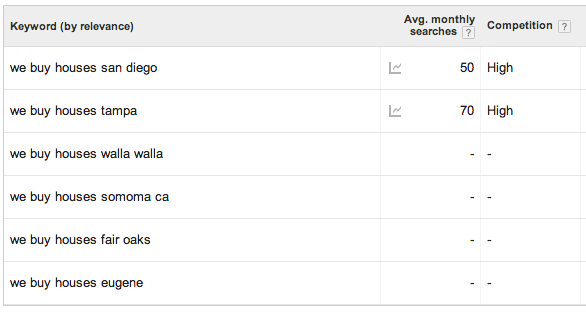






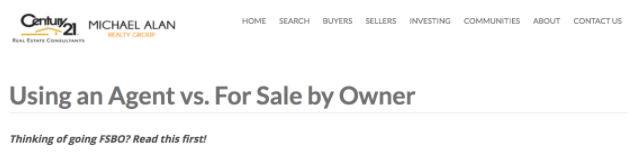





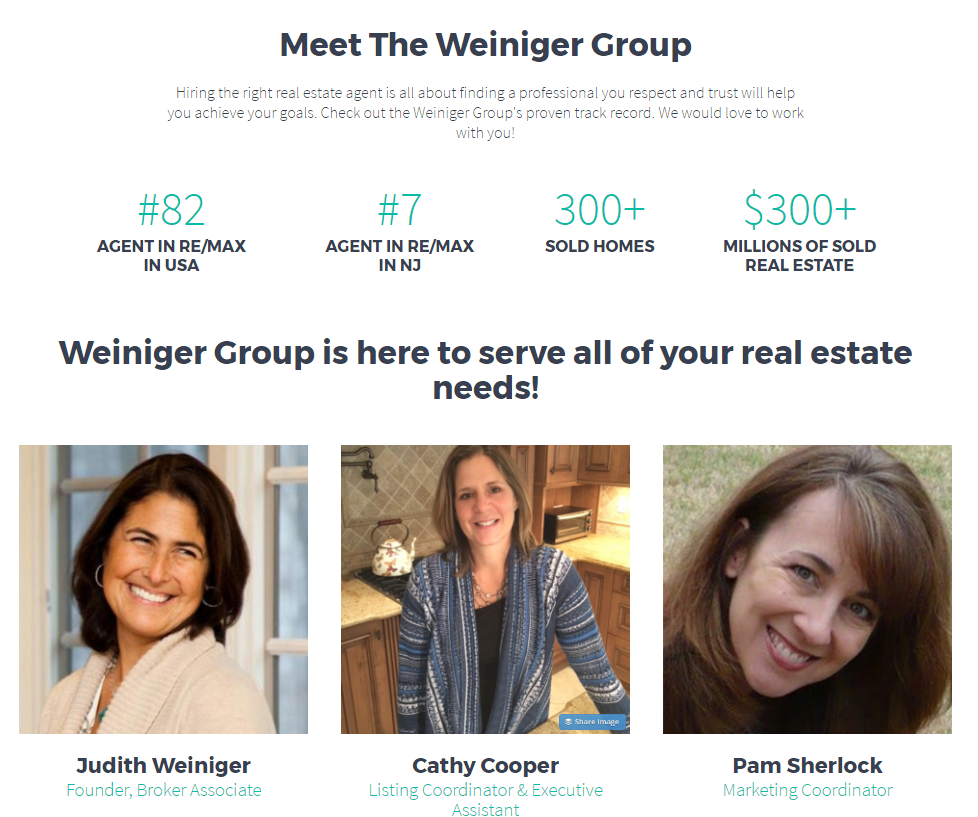
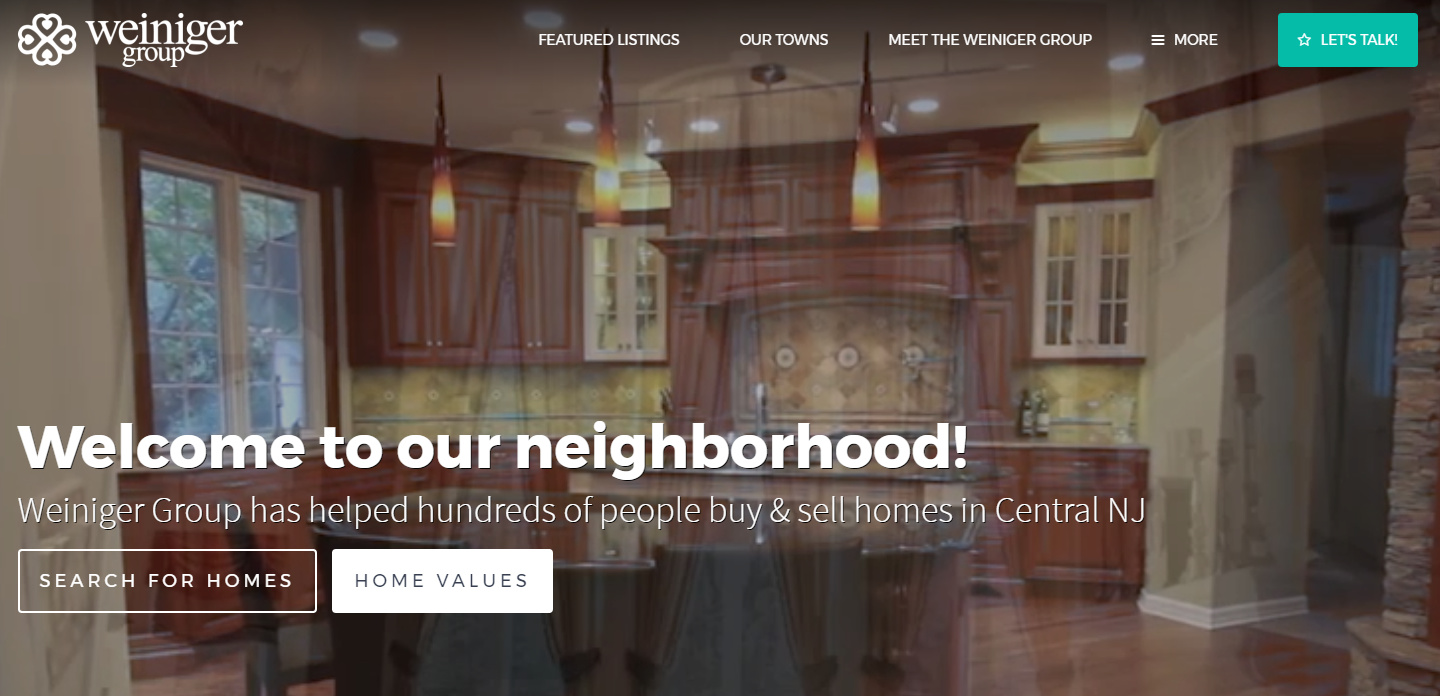
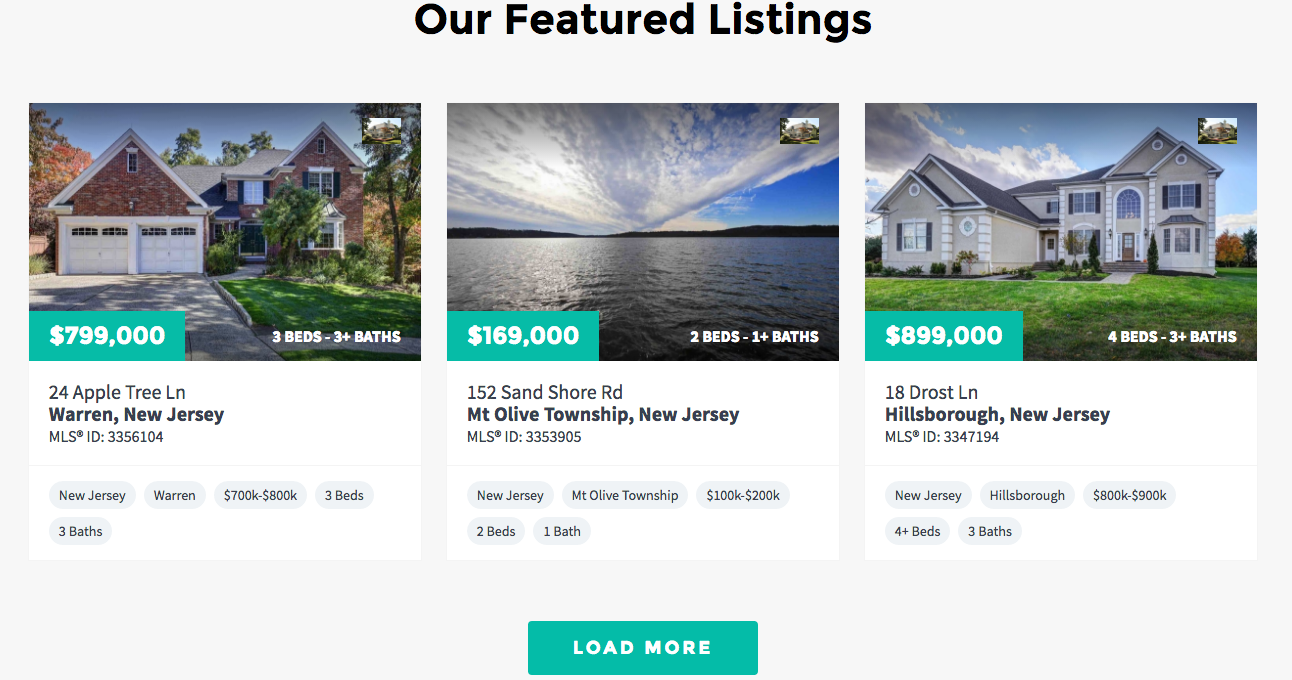
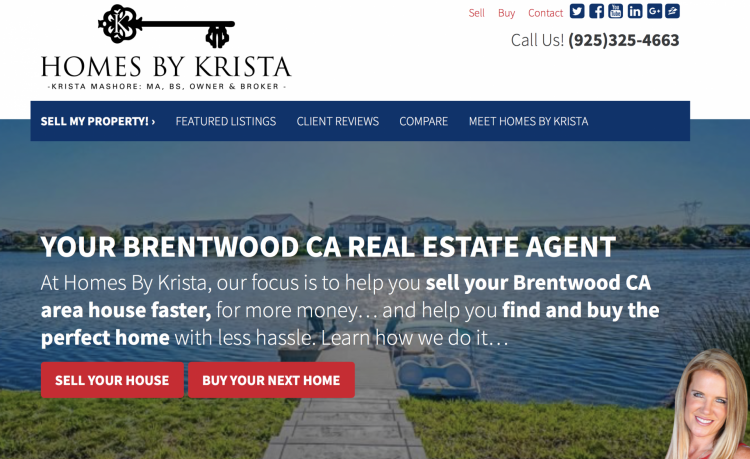
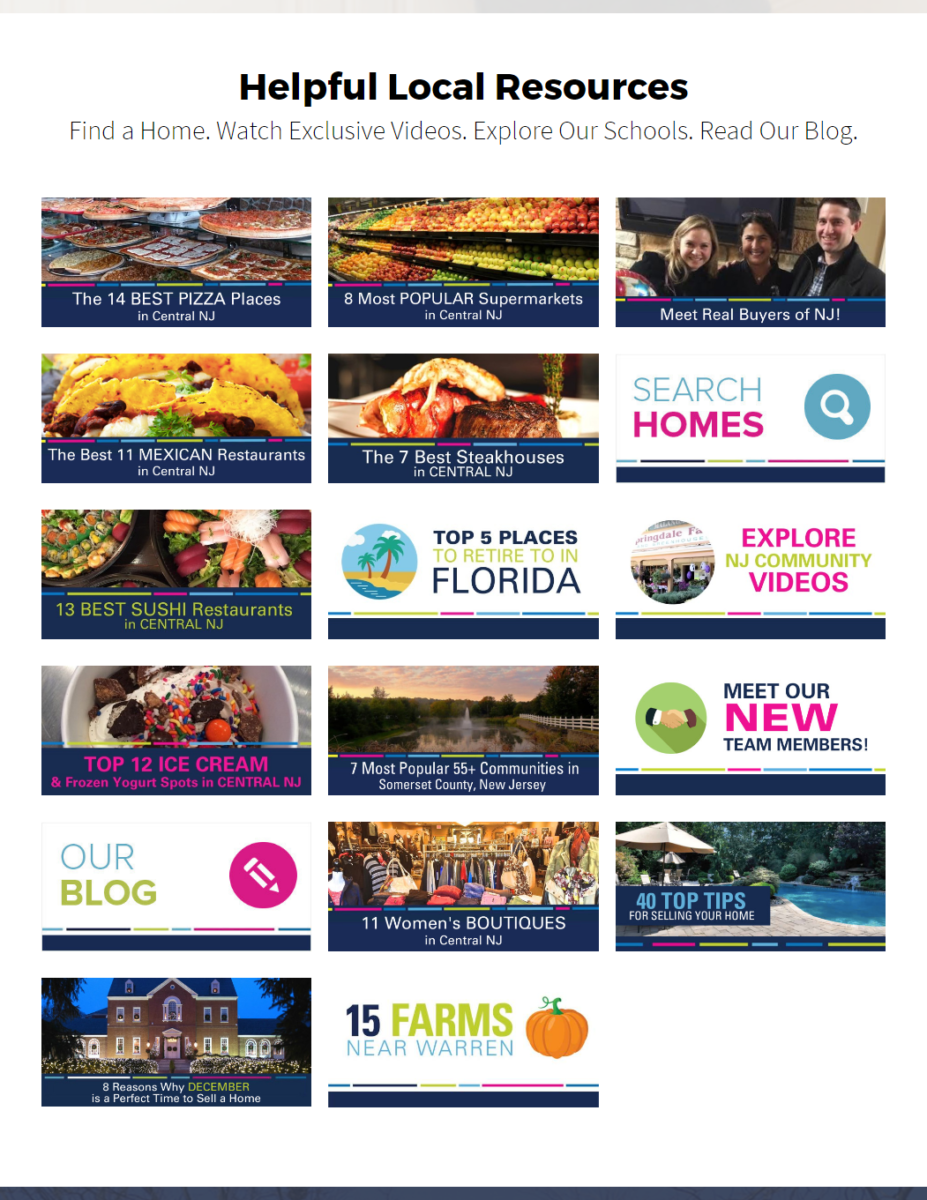
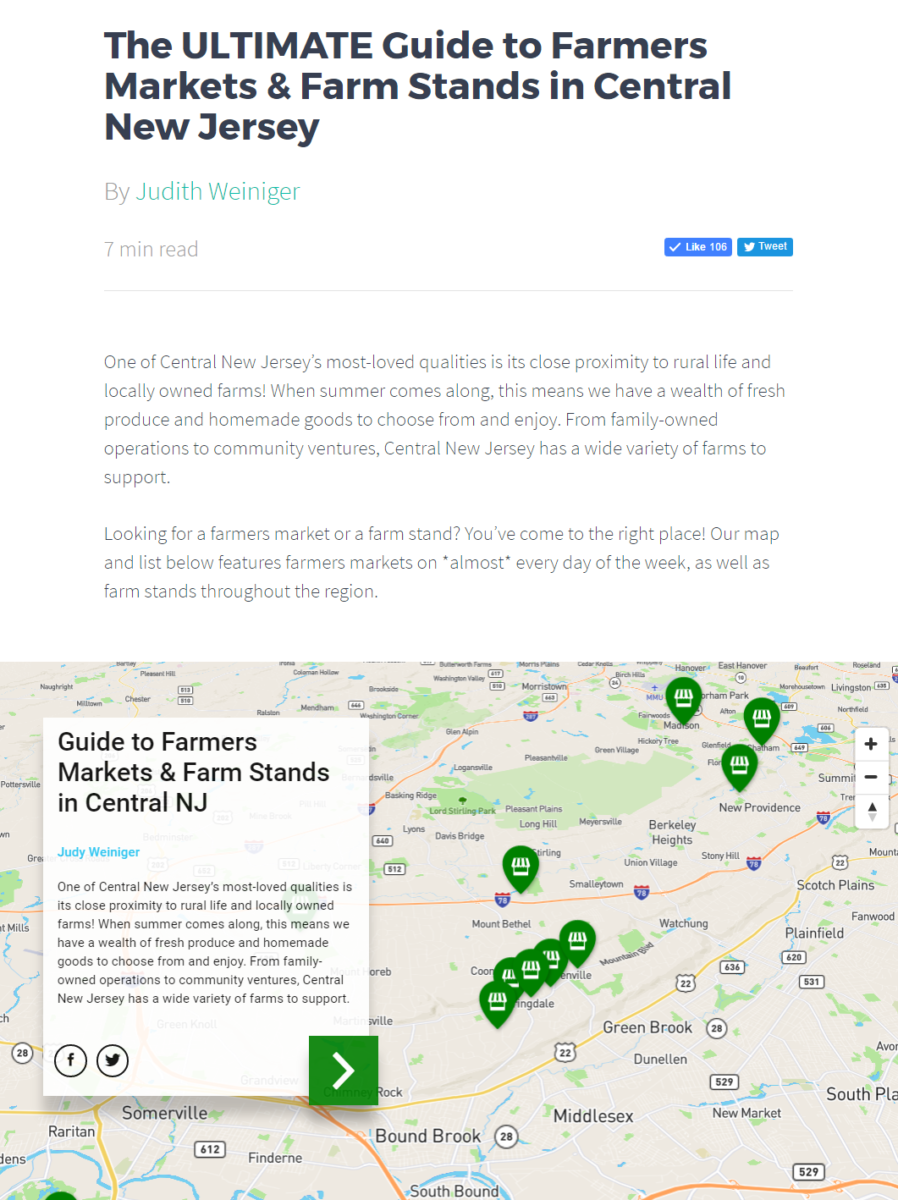
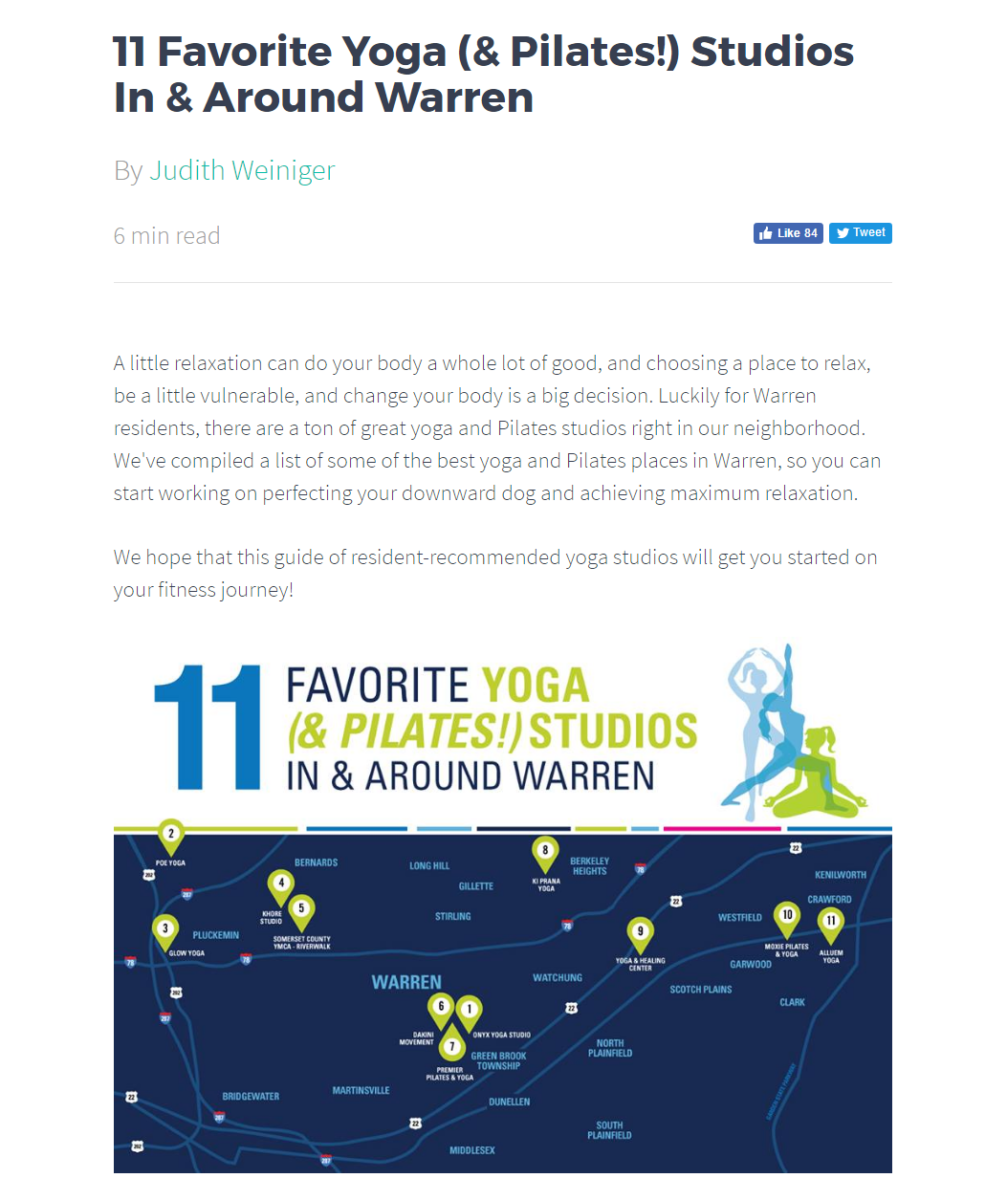
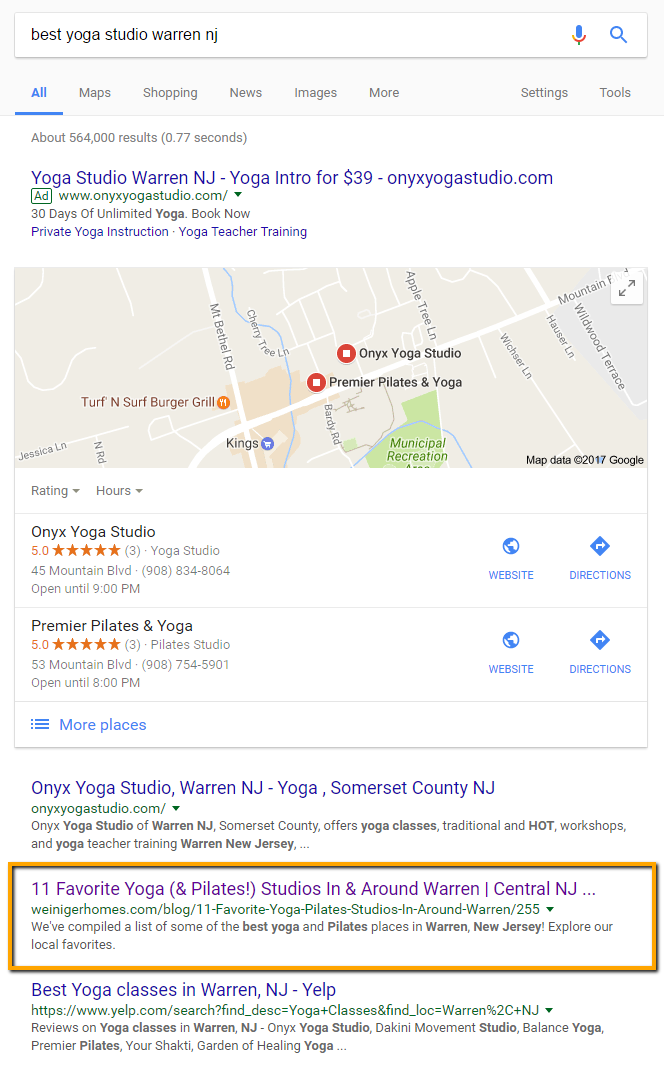
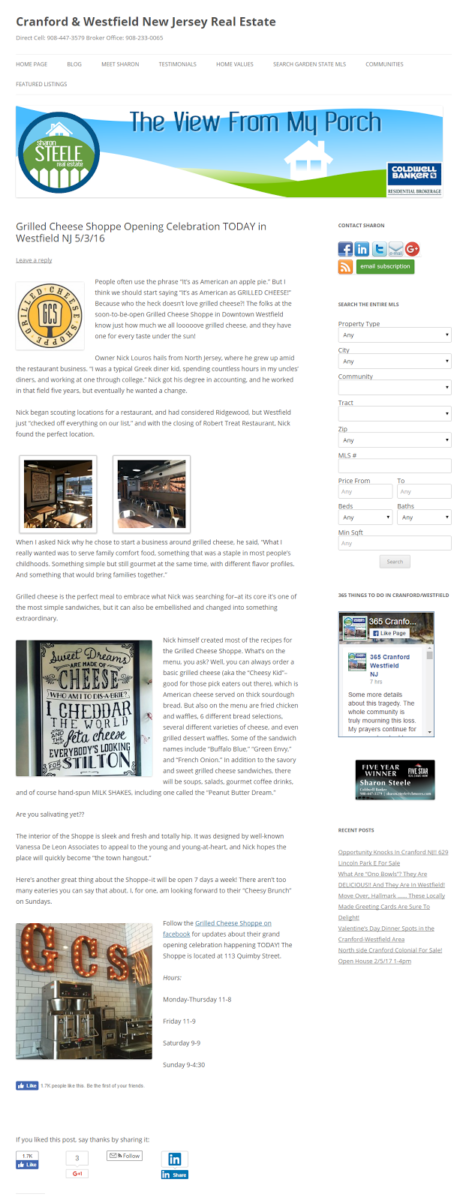

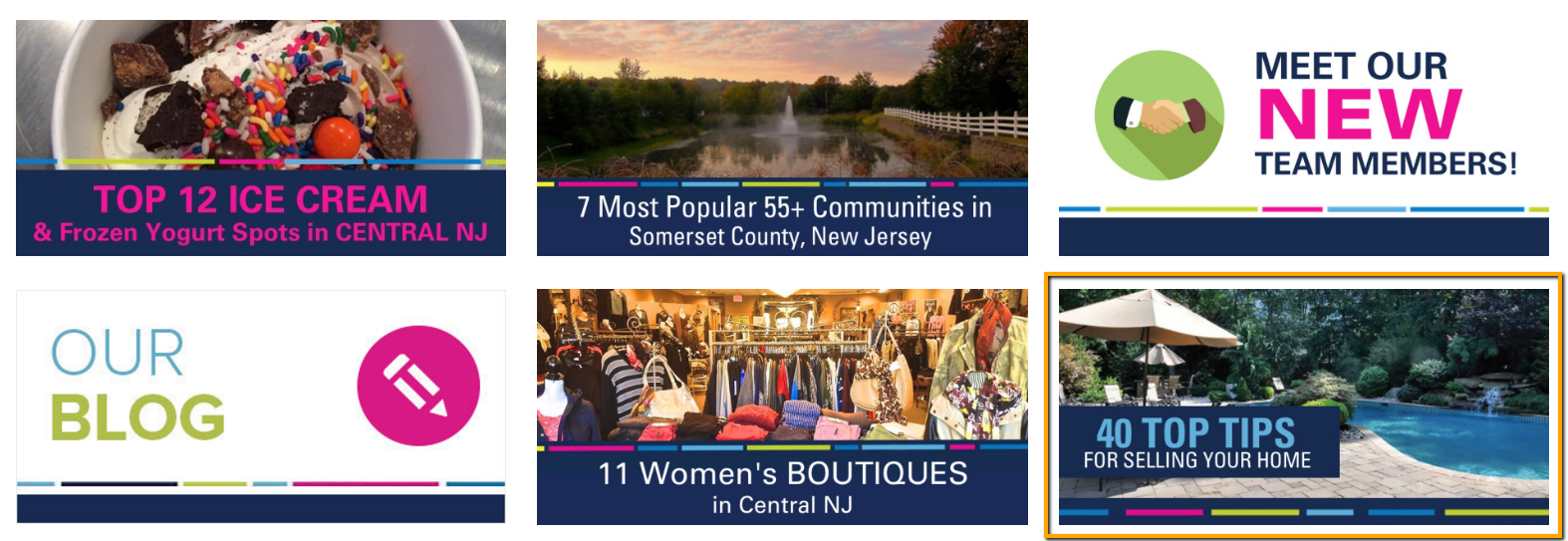

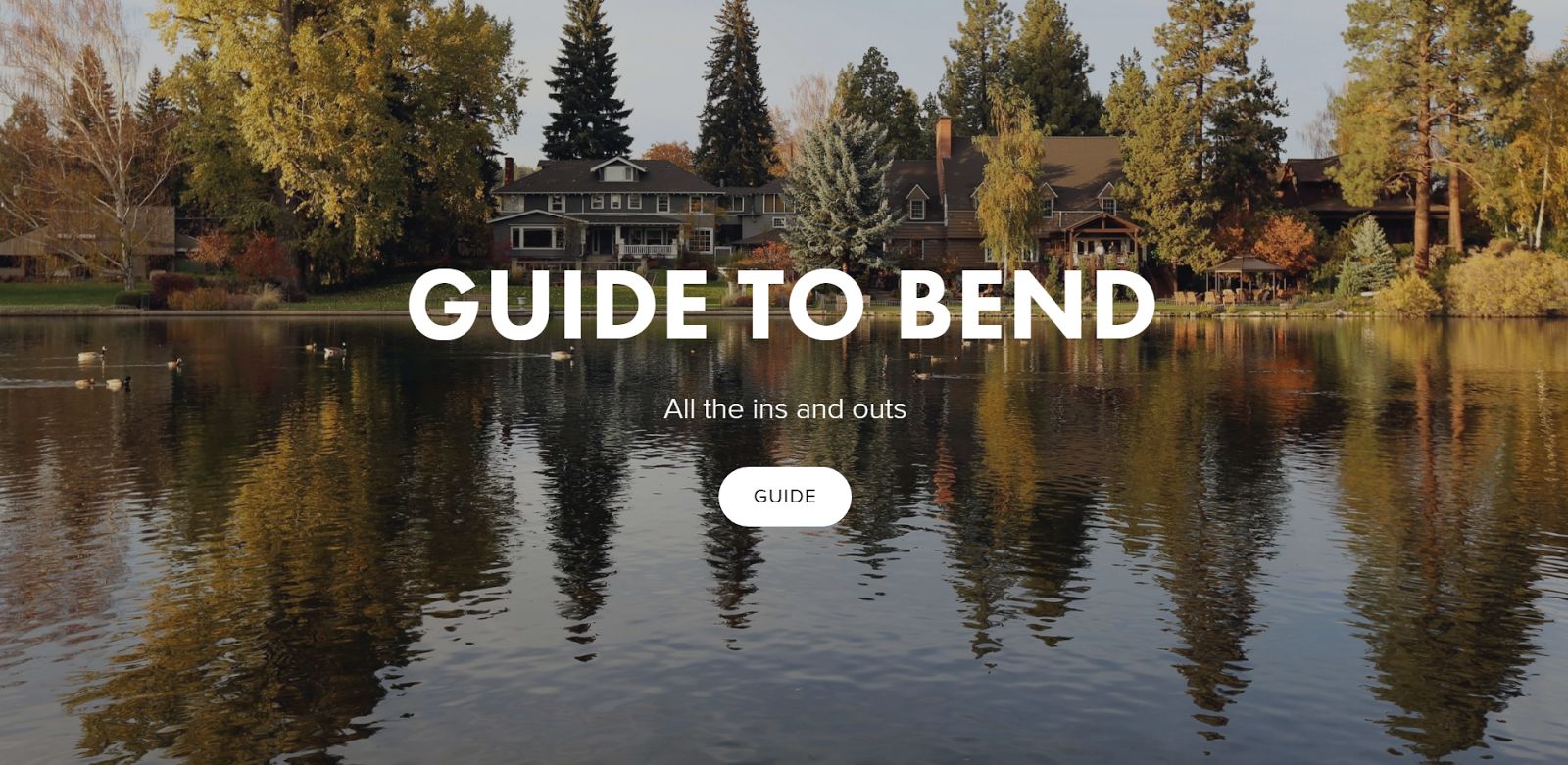

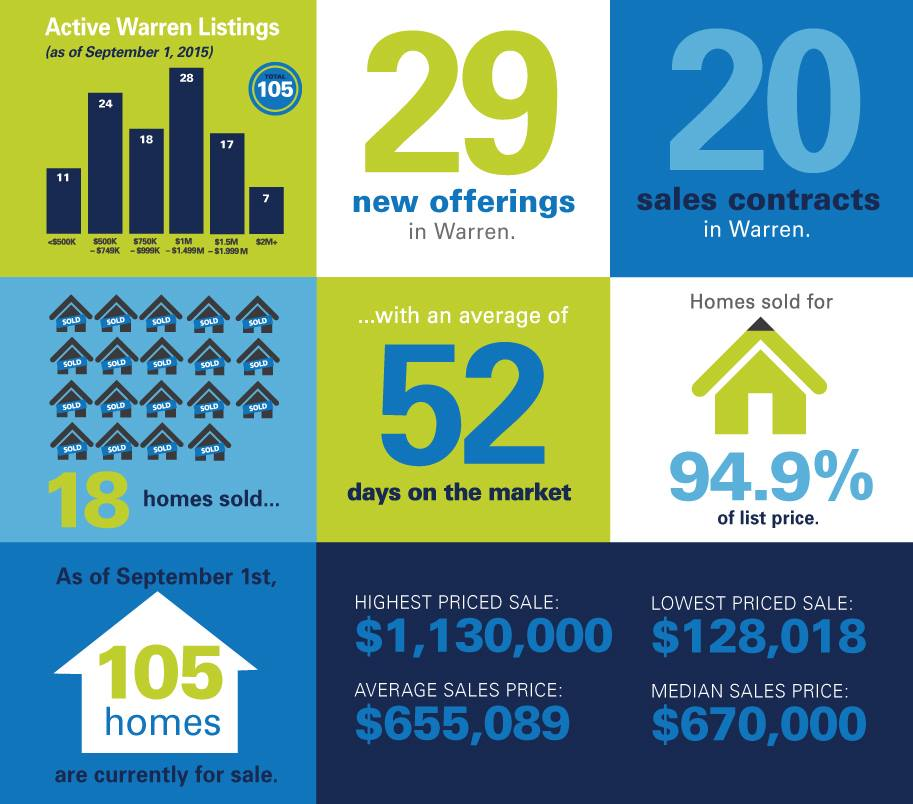

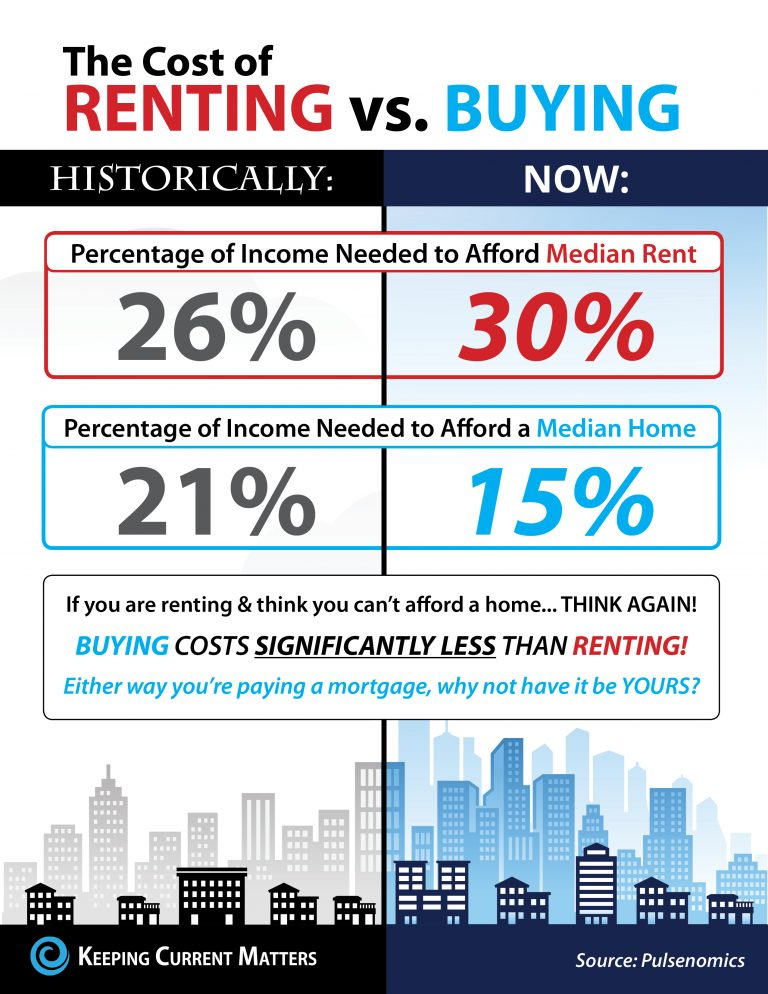
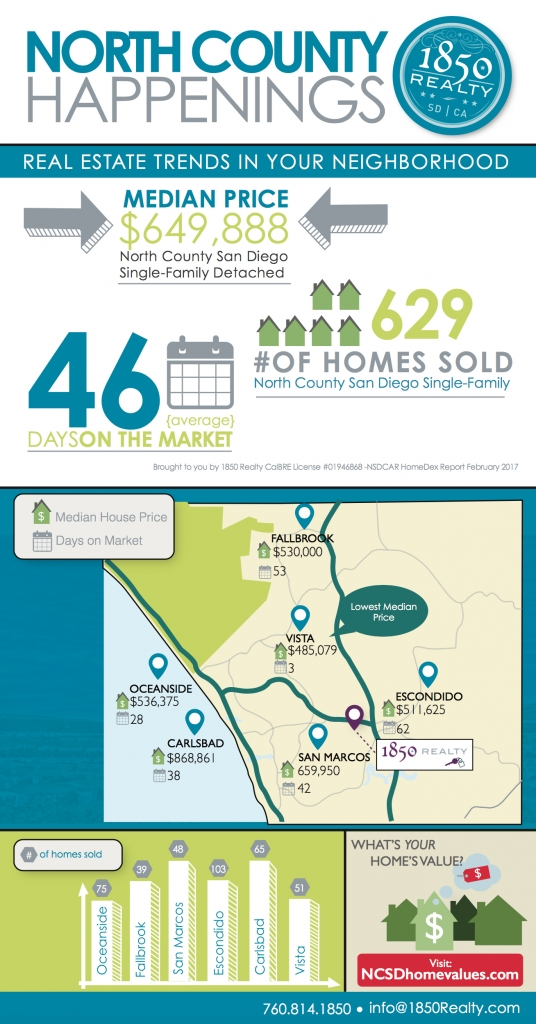
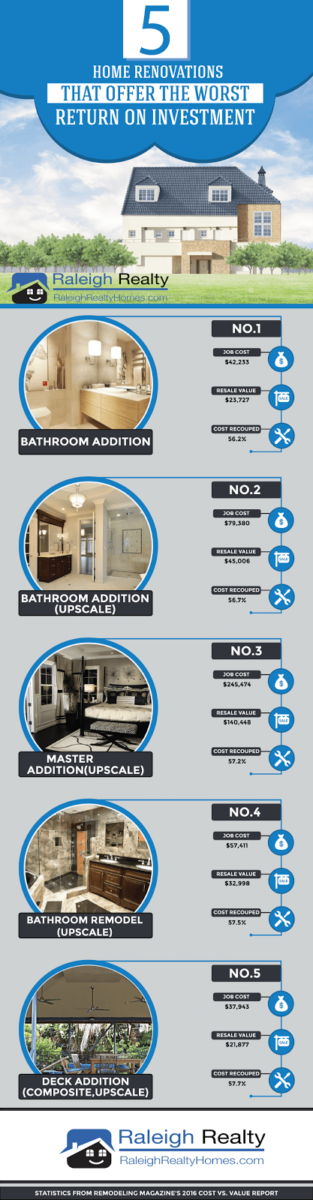



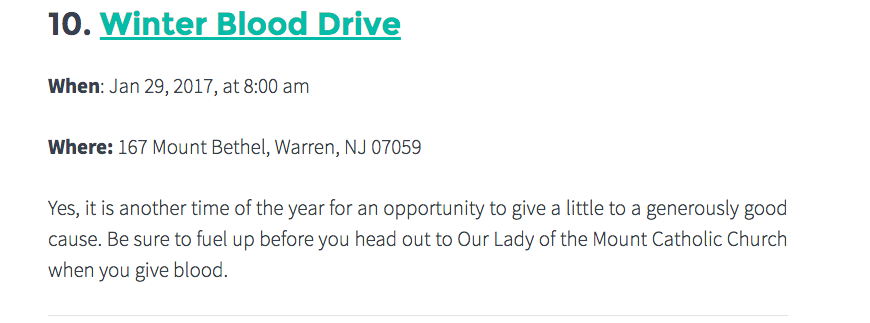
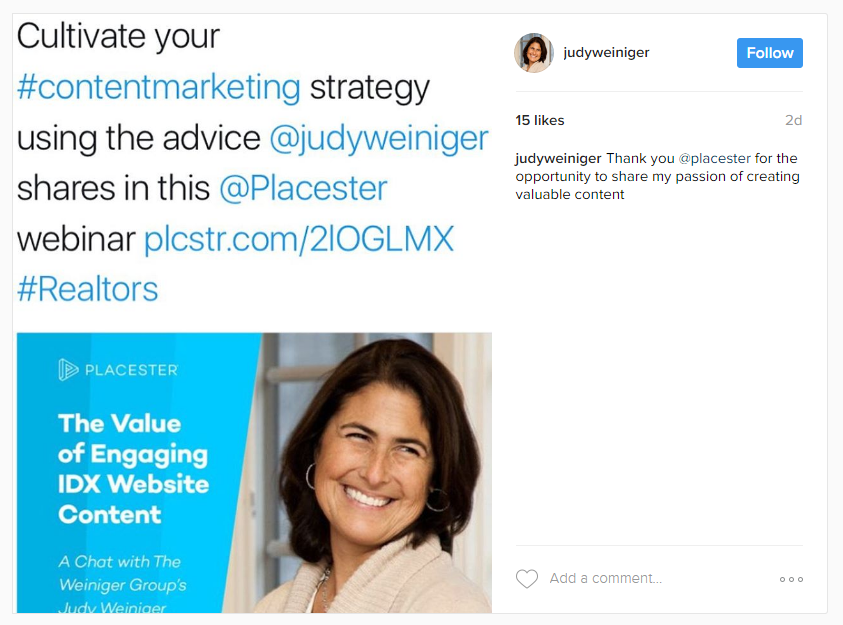
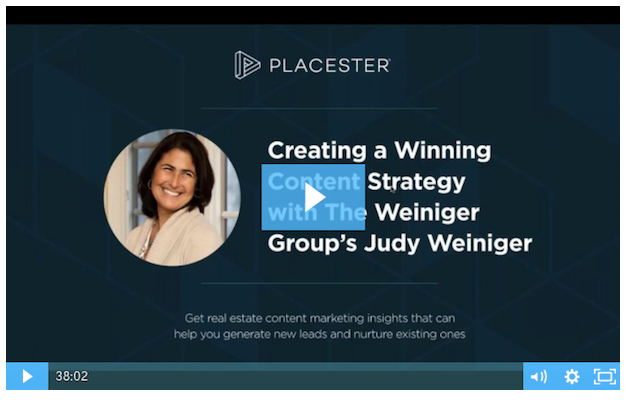

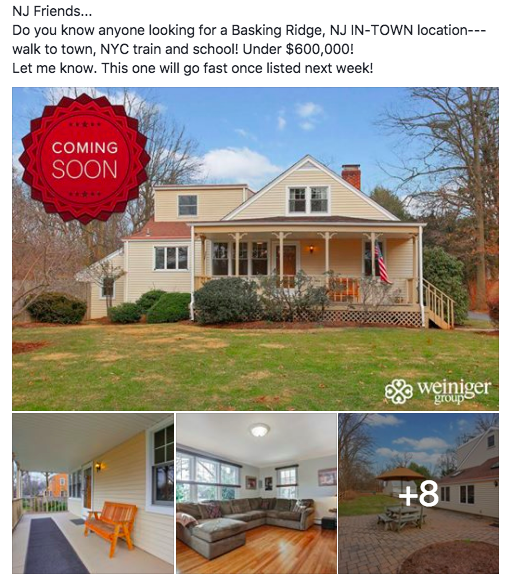

![🔴 How to use TikTok for Real Estate Agents [ Step by Step TUTORIAL + Marketing Strategy ]](https://i.ytimg.com/vi/ggNl1mx8LS4/maxresdefault.jpg)