

Author: Mike Blankenship

  • Real Estate Video Marketing: The Ultimate Guide For Agents

    Real Estate Video Marketing: The Ultimate Guide For Agents

    real estate video marketing guide

    Video has completely taken over the internet. According to MechDope, there are 3.25 billion hours of video watched on YouTube each month.

    Video content is the most engaging and easily consumable form of content and can be very beneficial for building your credibility and brand within your market when used correctly. 
    In a world with smartphones, Facebook Live, GIF-, Vine-, and Boomerang-creation tools, the territory belongs to anyone who will claim it.

    And that includes real estate agents.

    As Hubspot reports, “90% of users say that product videos are helpful in the decision process.”

    And real estate is all about helping people make BIG decisions.

    As part of your agent content strategy, we’re going to cover 12 real estate video marketing ideas that you can easily replicate, no matter where you stand in your real estate journey.

    The examples we provide are far from mediocre, but don’t let their quality of them discourage you.

    You simply need to have videos that are high-quality for the stage you are currently at.

    The worst thing you can do is allow perfectionism to get in the way of producing content. Rather than use the examples as a standard by which to measure yourself, use them as a guide for inspiration, allowing technique, idea, and cadence to inform your own videos.
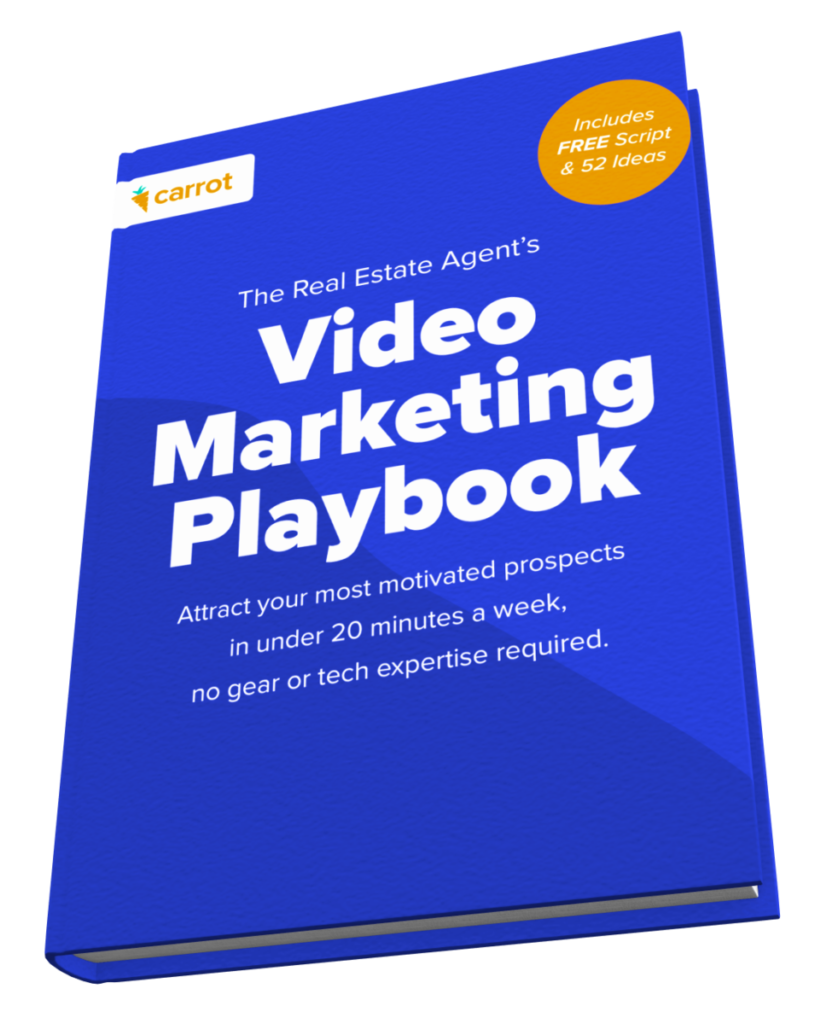

    The Real Estate Agent’s Video Marketing Playbook

    Attract your most motivated prospects in under 20 minutes a week, no gear or tech expertise is required.

    Includes Free Scripts & 52 Ideas


    What is Real Estate Video Marketing?

    In real estate, video marketing is the process of creating video content for the purpose of building brand awareness, generating leads, getting listings, and helping homebuyers.

    Video is currently the most popular form of content on the internet — and by executing a consistent video content marketing plan, real estate agents can rise head and shoulders above their competitors.

    How to Create a Real Estate Video Marketing Plan

    Soon we’ll give you 12 ideas for creating video content (with examples).

    But before we get into that, let’s talk about how you can create and execute a video marketing plan that works.

    Follow these five steps and you’ll be on your way to building more authority in you market.

    Step 1. Choose Your Platform

    There are a lot of different video content platforms.

    YouTube is the most popular, but video content runs rampant on TikTok, Facebook, and Instagram.

    And while you might publish your videos to all of those platforms, it’s still best to focus on just one.

    Which platform will be your main platform?

    It doesn’t matter which one you choose. But once you make a decision, you’ll want to optimize your content for that platform. If you’re doing TikTok videos, make them short and sweet. If you’re doing YouTube videos, create longer-form content that is still valuable but also entertaining.

    Step 2. Create Your Calendar

    Creating videos can be time-consuming. And if you’re not careful, it can quickly become overwhelming.

    That’s why it’s important to have a content calendar. This will help you batch your content creation so that you’re not trying to film, edit, and publish a video daily.

    Your calendar doesn’t have to be fancy. A simple Google Calendar will work just fine.

    Make sure you stick to the calendar you create. But if you miss a day, don’t try to make up for it by filming two videos the next day. This will only lead to burnout.

    Set aside days for creating lots of content and then schedule that content to publish periodically throughout the following weeks.

    Step 3. Document Your Journey

    Later we’re going to give you 12 ideas for video content.

    But here’s the best way to create content: simply document what you do on a daily basis.

    Did someone just sell their house? Pull out your phone and shoot a quick video to talk about it.

    Do you have a new listing? Drive by and shoot a quick video tour.

    Attend an interesting real estate event? Shoot some B-roll and get interviews with the attendees.

    The key here is to be consistent. If you can document your journey and share it with your audience on a regular basis, you’ll quickly become the go-to expert in your market.

    Step 4. Track Engagement

    Once you start publishing your videos, it’s important to track the engagement and leads they generate.

    There are a number of different ways to do this.

    If you’re using YouTube, make sure you have Google Analytics installed so you can track the traffic your videos generate.

    If you’re using TikTok, track the number of views and likes your videos get.

    If you’re using Facebook, track the reach and engagement of your videos.

    The key here is to track your progress so you can see what’s working and what’s not. This will help you adjust your strategy as you go.

    Step 5. Repurpose Your Video Content

    One of the best things about video content is that it can be repurposed into other types of content.

    For example, you can take a video you filmed of a listing and turn it into a blog post.

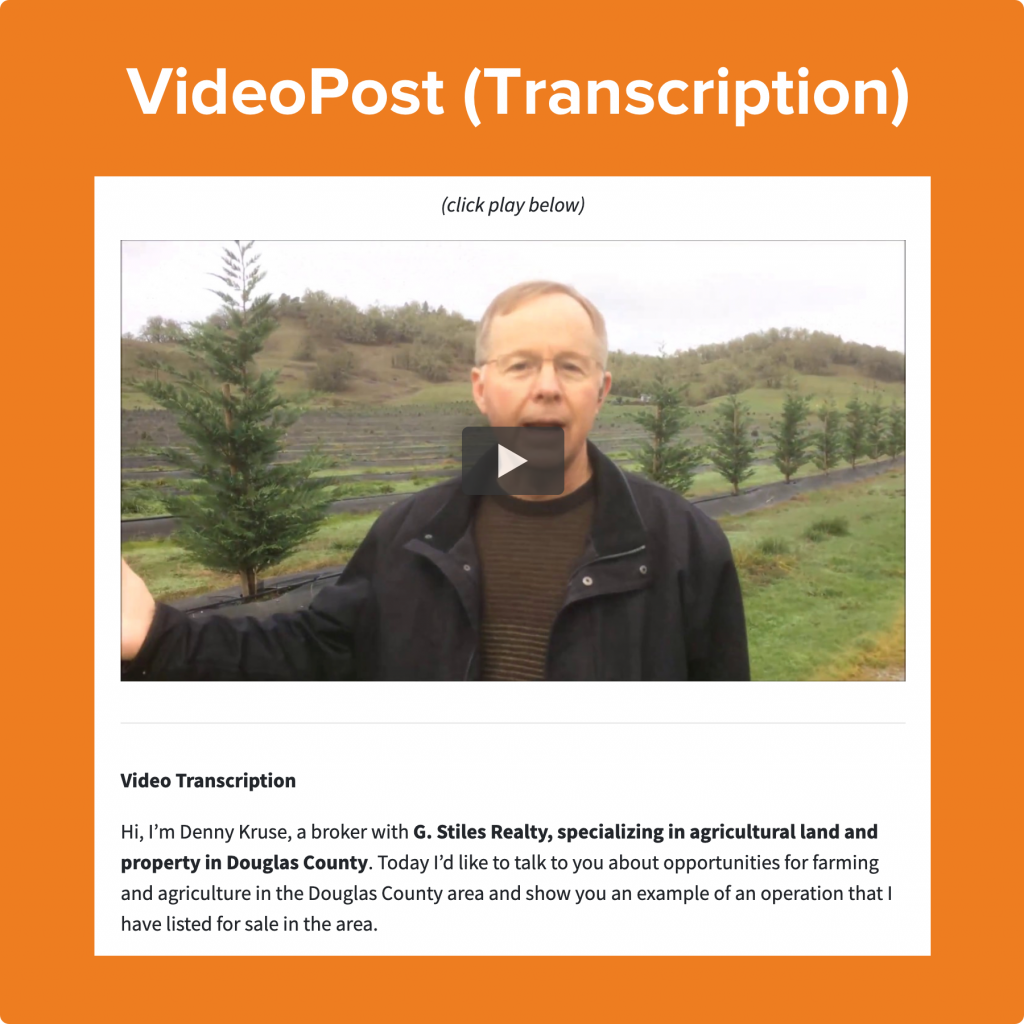
    (In fact, we have a super cool tool called VideoPost here at Carrot that will help you do that!)

    Or you could take an interview you did with someone in your market and turn it into a podcast episode.

    The key here is to get creative. There are endless possibilities for repurposing your video content. So don’t be afraid to experiment.

    Best Real Estate Video Marketing Gear

    If you’re just getting started, don’t overthink it.

    Use your smartphone to record video and upload it.

    But if you decide that you want to take your video content to the next level, here’s the gear we recommend getting.

    Microphone — Blue Yeti USB Microphone

    This microphone is affordable, easy to use, and great for beginners. It has omnidirectional sound settings so you can adjust from which direction the microphone picks up audio. Just plug it into your computer and get started!

    Here are some more details from Amazon:

    • Custom three-capsule array: This professional USB mic produces clear, powerful, broadcast-quality sound for YouTube videos, Twitch game streaming, podcasting, Zoom meetings, music recording and more
    • Blue VOICE software: Elevate your streamings and recordings with clear broadcast vocal sound and entertain your audience with enhanced effects, advanced modulation and HD audio samples
    • Four pickup patterns: Flexible cardioid, omni, bidirectional, and stereo pickup patterns allow you to record in ways that would normally require multiple mics, for vocals, instruments and podcasts
    • Onboard audio controls: Headphone volume, pattern selection, instant mute, and mic gain put you in charge of every level of the audio recording and streaming process
    • Positionable design: Pivot the mic in relation to the sound source to optimize your sound quality thanks to the adjustable desktop stand and track your voice in real time with no-latency monitoring
    • Plug ‘n Play: Set up the computer microphone in seconds with the included desktop stand or connect directly to a mic stand or boom arm and instantly start recording and streaming on Mac or PC

    Blue Yeti USB Microphone

    Camera — Canon PowerShot Digital Camera

    This camera is easy to use and great for shooting YouTube or other video content. Here are some details from Amazon:

    • The advanced video capabilities of the PowerShot G7 X Mark II camera can capture moments in the quality they deserve
    • Features a large 1.0 inch, 20.1 Megapixel CMOS sensor that helps capture high quality images and videos with a wide dynamic range. Autofocus system features tile autofocus and manual focus. Operating temperature is 0 to 40 degrees Celsius. Note charging time varies considerably depending on the remaining battery power
    • An aperture value of f/1.8 at the wide angle and f/2.8 when fully zoomed to a factor of 4.2x (24-100 millimeter), this lens equipped to capture a variety of situations with precision
    • High resolution, 3.0 inches LCD monitor that tilts up 180 degrees and down 45 degrees is ideal for self portraits and capturing pictures at high and low angles with ease
    • Built in WiFi for on the go convenience and the ability to easily post your images to select social networking and media sites
    • With the ability to shoot continuously at up to 8 fps, it can help you capture incredible images with nearly no time wasted
    • ADJUSTABLE, PACKABLE HOOD | Attached, adjustable hood can be rolled into collar when not in use

     Canon PowerShot Digital Camera

    Lighting — 10” Ring Light with 50” Extendable Tripod Stand

    Lighting makes a big difference in video quality. And this ring light will take your video quality to the next level.

    Here are some more details from Amazon:

    • Sensyne selfie ring light features a high sensitivity touch panel design that has a longer life than traditional mechanical buttons. It provides full control to easily adjust the 3 color modes (cool white, warm yellow and daylight) and 10 brightness levels to meet your different needs. Perfect for Photographers, YouTubers, Vloggers, TikTokers, etc.
    • The USB-powered control helps protect your safety while improving the ring light’s brightness. The phone holder is spring-loaded and extends up to 5.3″ wide, it is compatible with almost ALL smartphones with or without a case.
    • Extending from 15.7 inches to 50 inches, our tripod can be adjusted to any height within seconds as needed, short enough to stand on tabletop, tall enough to fit your height. This compact circle light set comes handy when you do makeup, artworks, beauty & fashion live streaming, video calls and more.
    • The pocket-sized Bluetooth remote allows you to take selfies or group photos easily from a distance up to 30 feet. Compatible with most Apple/Android smart phones like iPhone 8/7/6 Series, Samsung Galaxy Series, etc. No app download necessary.
    • We will provide you with a high quality after-sales, 12 months After-sale service. Please contact us anytime if any question.

    10'' Ring Light with 50'' Extendable Tripod Stand

    Video Editing Software — Shotcut

    Shotcut is free and easy-to-use video editing software that works on all different types of operating software.

    Shotcut video editing

    12 Real Estate Video Marketing Ideas

    What should your videos be about? Here are 12 ideas (with examples)!

    Real Estate Video Marketing Idea #1: Home Buyer Advice Videos

    The house buying process is not a simple one. At least, not for the inexperienced home buyer.

    While most homebuyers have some idea of what they want in a house, they don’t know the potential dangers they face, the kind of things that improve a house’s value, or the sort of timeline they should expect when purchasing a home. But… they would like to know those things.

    Short, informal videos offering advice to the homebuyer are not only helpful, but establish your brand as the expert to answer your prospect’s questions and, eventually, sell their house.

    Here’s an example of some on-the-job content from Andrew Lamb Real Estate Experts.


    Real Estate Video Marketing Idea #2: Home Seller Advice Videos

    House sellers want to know the best way to present their house in online photos. Of course, that’s only one example of what house sellers want or need to know before moving forward.

    Luckily, you have all (or most of) the answers.

    By providing valuable advice and information to homeowners, you can build rapport and nab more listings.

    In Beth Day’s video below, for instance, she uses her knowledge of what sells and what doesn’t to build a successful relationship with her potential clients.


    Real Estate Video Marketing Idea #3: Real Estate Whiteboard Videos

    The whiteboard video is for the coach, the person who enjoys illustrating ideas with a dry-erase marker in hand. At Carrot, whiteboard videos are one of our closest companions. Trevor Mauch, our CEO, puts these together, teaching on topics that range from optimizing your marketing budget to website design.

    The idea is the same as the previous one: you teach buyers or sellers something while illustrating it on a whiteboard.

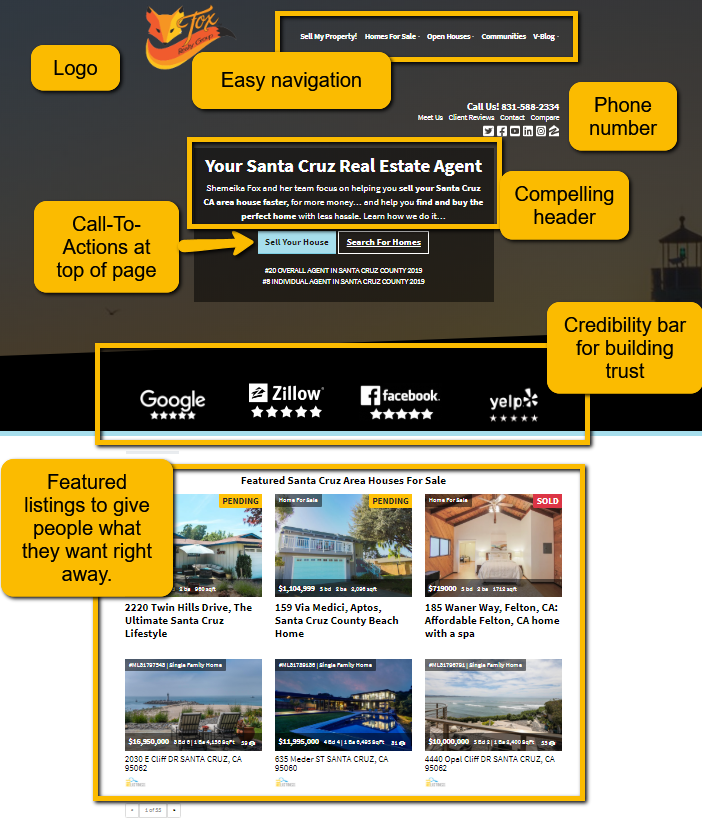
    As an example to inspire your own, though, this is one of our favorites: Anatomy of a High Converting Real Estate Homepage.

    Anatomy of a High Converting Real Estate Homepage

    Real Estate Video Marketing Idea #4: Client Testimonial Videos

    Most of you are probably utilizing real estate testimonials on your website, but video testimonials pack an even stronger punch. Like any well-placed and reliable endorsement, the video version offers social proof — that sense of “this worked for someone else, so it will work for me too” — to combat the prospect’s doubts.

    Basically, a video testimonial is a shorter and less thorough version of a case study. But they’re just as powerful.

    From real estate agent, Beverly Barnett, this video testimonial offers a relatable, authentic, and reassuring foundation upon which new clients can stand. Yours should do the same.

    Here’s another testimonial example from Home By Krista.

    Todd Gives Us a 5 Star Review

    Real Estate Video Marketing Idea #5: Case Study Videos

    Everyone loves a good story.

    Not only are they powerful, but they’re also educational (and when they’re both, it’s lead generation gold). From the moment humans discovered fire, stories have inspired, evoked emotion, and driven decisions.

    As a real estate agent, case studies are just that: stories of clients who have fallen in love with your passion for helping, your drive for excellent service, and the solution that you offer. A case study is simply an overflow of the customer’s excitement about who you are and what you do. Much like a fire, it’s a spark to start more fires.

    Here’s an excellent example from REDX Real Estate Prospecting Solutions.


    Real Estate Video Marketing Idea #6: Neighborhood Videos

    From best parks to the top places to eat, what we’ve deemed Neighborhood Videos puts your city knowledge on the treadmill. As you well know, selling your city is just as important, if not more, than selling a house. If people don’t love your city, they won’t buy a house in your city.

    Neighborhood videos are your way of helping prospects fall in love with wherever it is you buy and sell houses.

    In StellarRealty NW’s video, Kaira West talks about bike paths, food pods, and taverns. Let this neighborhood overview video guide your own.


    Real Estate Video Marketing Idea #7: Community Videos

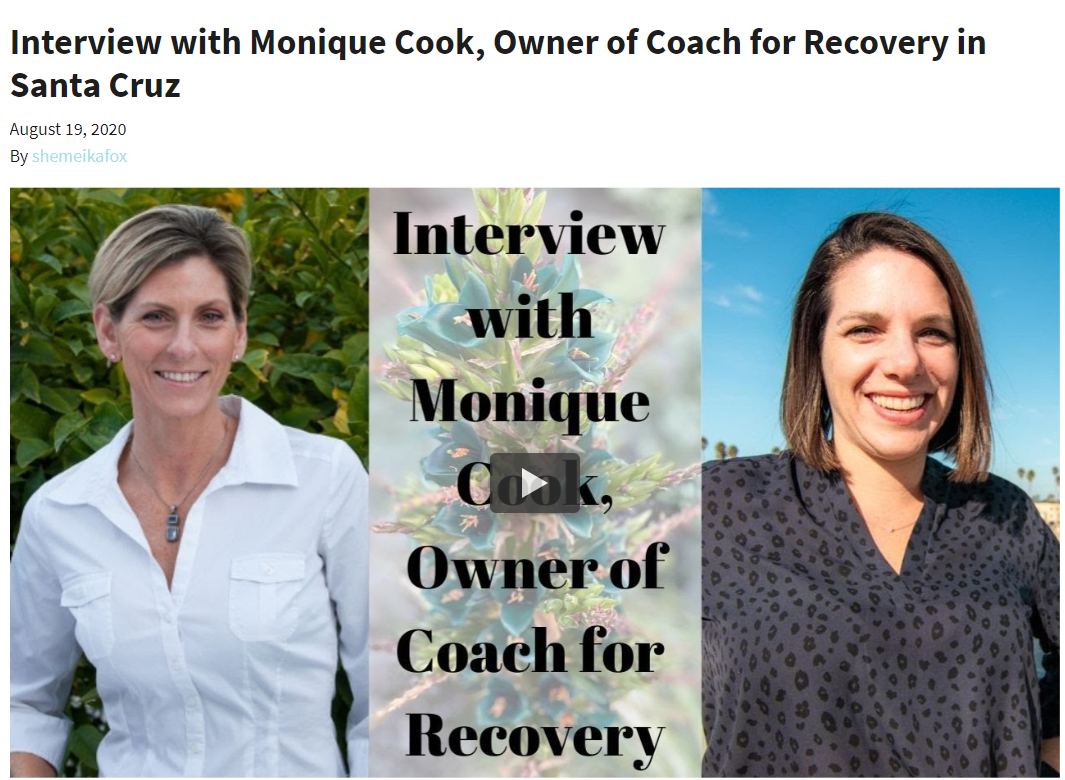
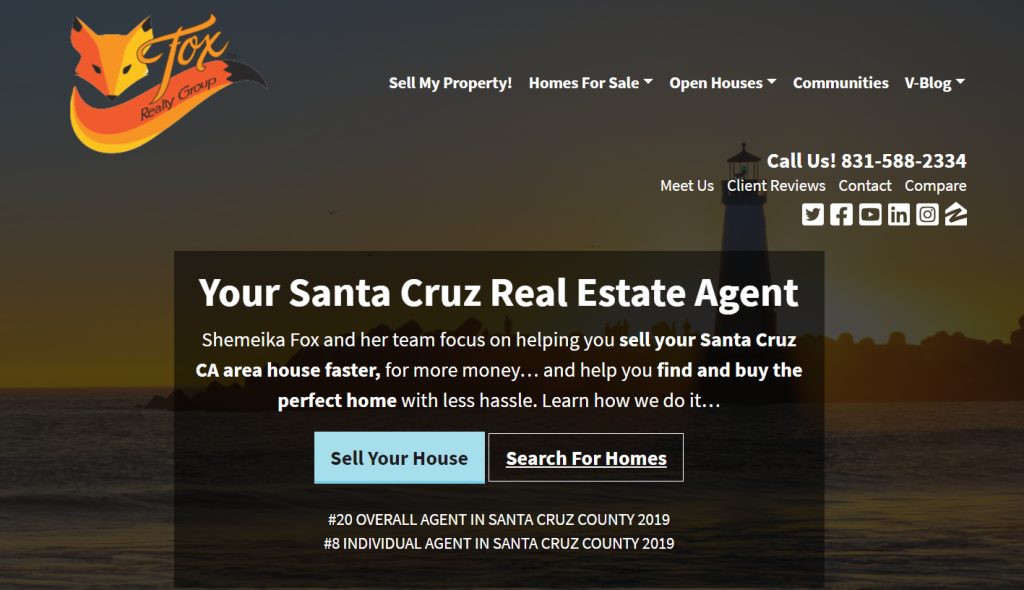
    Shemeika Fox of Fox Realty Group in Santa Cruz California does an amazing job with calling out her community by interviewing other local business owners. Use these videos to establish yourself as a friendly, interested, and involved real estate agent. Here’s one of Shemeika’s interviews with Sandy Novembre; Owner of Monarch Pilates in Santa Cruz.

    Interview with Sandy; Owner of Monarch Pilates in Santa Cruz

    One of the beautiful parts about video content is that it builds relationships.

    And while all types of content can be used as a friendly get-together, year-end review videos, in particular, are an opportunity to have some fun, be transparent about the local market’s health, and put your brand’s stamp on the coming year’s sales.

    In this example, notice how RISE Realty in Utah uses its video to strengthen their brand’s voice as a friendly and knowledgeable realtor.


    Related Content: How to Beat Zillow in Google Rankings Using Video [Case Study]


    Real Estate Video Marketing Idea #8: Market Update Videos

    When buying or selling a home, your clients want to follow the current local real estate market, but they don’t want to put in the work.

    Do your clients a favor, roll up your sleeves, and produce video updates of the housing market. Keep your presentation concise and easy-to-understand. Upload this content to your website monthly (or whenever you feature a new update) and keep an archive on your YouTube channel.

    As an example, we love the personability and knowledge that McDonald Residential presents in the video below.
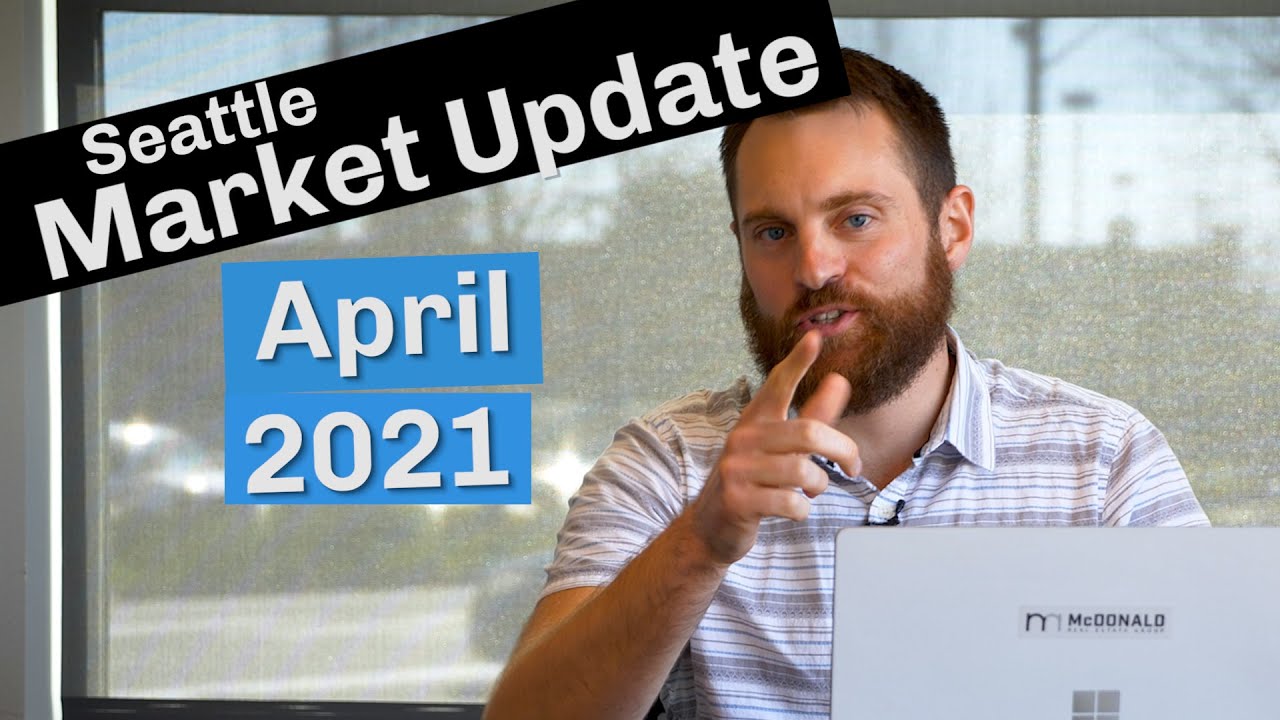
    Seattle Real Estate Market Update | April 2021

    Real Estate Video Marketing Idea #9: Tips and Tricks Videos

    Tips and tricks videos can not only educate your audience but also boost your credibility within your market. Give your audience nuggets of wisdom each week or month and they’ll surely tune in for more.

    Tips & Tricks: Negotiation

    Real Estate Video Marketing Idea #10: Listing Videos

    You’re a real estate agent. No reason to hide it.

    Into your content, sprinkle an appropriate dose of house listing videos, beautifully displaying what you currently have for sale.

    This example from Pienovi Properties is of high quality. But don’t let that intimidate you. It’s okay to work with what you have.

    Invest in some basic editing apps, such as Filmora or iMovie. And check out Paradym visual tour. With these tools, you’ll be able to start creating your own house listing videos.

    Remember, just do the best you can.


    Real Estate Video Marketing Idea #11: “About Me” Videos

    Especially for smaller real estate businesses, this video should replace the Company Brand Promotional Video as the front and center introductory clip to your business.

    The most important thing to remember when recording your “about me” tape is that you’re not trying to sell anything… other than you. You’re not selling houses or an easy process or low rates. You’re selling a relationship. And that’s it.

    People want to know who they’re working with — the real person behind the curtain of business talk. This video is your way to show them.

    As inspiration, consider this professional, yet casual video made by Koki Adasi.


    Related Content: 43 Real Estate Lead Generation Ideas That Will Change The Way You Do Business


    Real Estate Video Marketing Idea #12: Promotional Agency Videos

    If you have peanut butter, you need jelly. And if you have a real estate business, you need a promotional video.

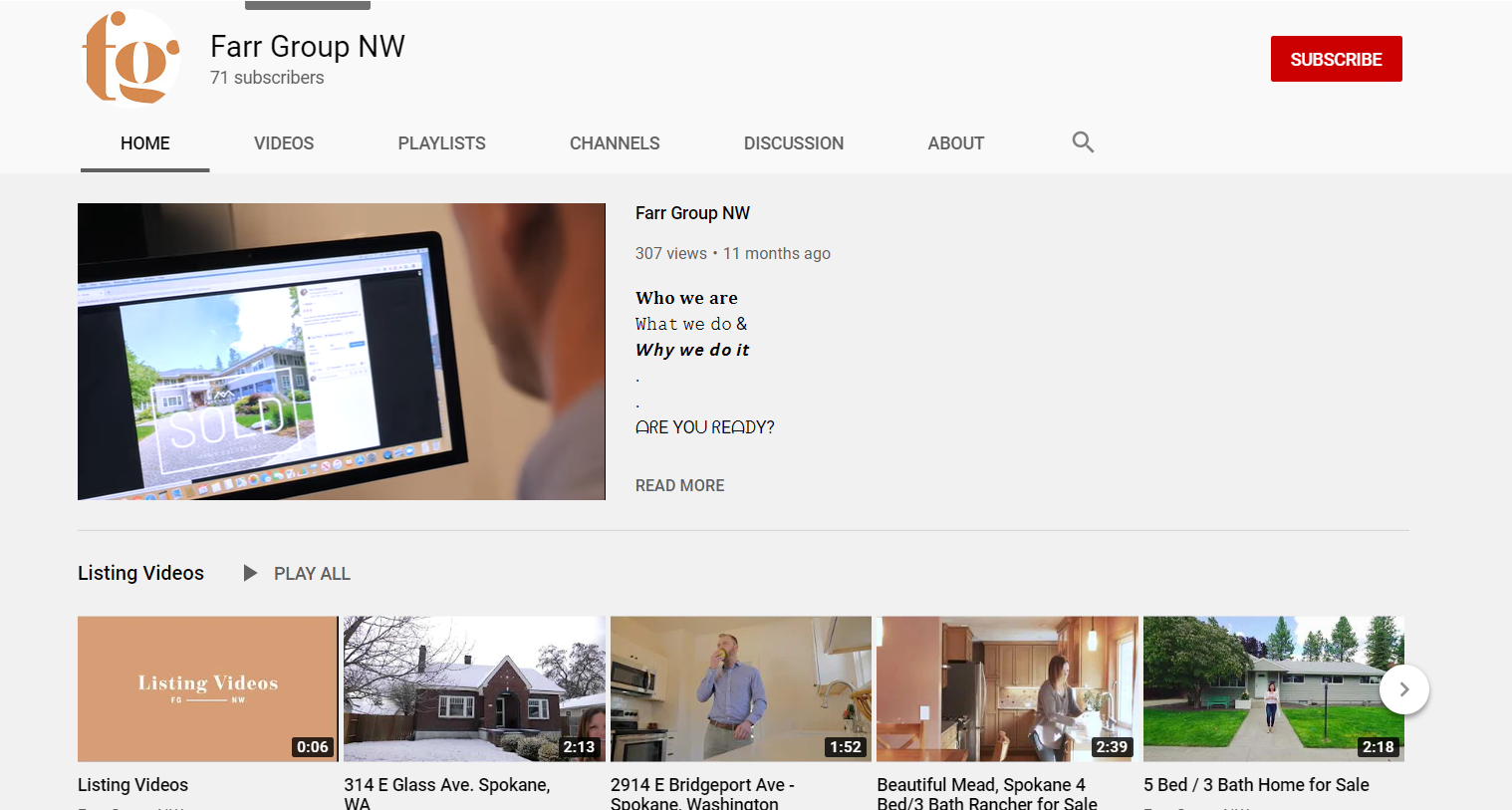
    On YouTube, this is your front and center introduction video. It’s the one that teaches prospects about what you do, who you are, and how you do it.

    The example we provide is a little formal, but don’t be afraid to de-formalize your promotional clip. Formality has its benefits, for sure, but so does casual speak. Depending on the brand image you want to create, your video could fall either way. Overall, make sure that you are consistent with the voice you’re using and the message that the tone is sending.

    Here’s the promotional video from NAN & Co. Properties where they articulate what they can offer and why anyone watching should choose them.

    Your Videos Don’t Have to Be Perfect

    With all these real estate video marketing examples, there are ways they could be improved. And with some of the above examples, there are LOTS of ways the video could be improved.

    But we can’t forget one important thing.

    Within that imperfection and lack of polish is something more sacred than any Steven Spielberg or Woody Allen blockbuster could ever produce.

    Authenticity.

    The wonderful thing about video in real estate marketing is that it offers a medium to cultivate relationships. It shows more of you than any other type of content. More of the genuine you.

    Videos allow people who are sitting at home a look into your life, your work, and, most importantly, you. The true, authentic, unedited you.

    Because, when all’s said and done, that’s really what you’re selling: the best version of yourself that you can possibly muster.


  • 9 Real Estate Business Models To Consider with Rising Interest Rates or When Inventories Are Low

    9 Real Estate Business Models To Consider with Rising Interest Rates or When Inventories Are Low

    real estate business models for 2021

    It’s often said that more millionaires are made through real estate than any other type of business. But what real estate business models do they use?

    While it’s difficult to measure the validity of that claim, one thing’s for sure: there’s a lot of money to be made in real estate.

    Questions often raise about whether you should become a wholesaler, a flipper, an agent or broker, or even a hybrid agent/investor. As the real estate market changes and fluctuates (like it has in recent years), how do you make sure you choose the right investment specialty?

    But one thing’s for sure: People will always buy or sell houses.

    And investors who put their money into real estate — buying assets rather than liabilities — can create a lucrative future for themselves and their families.

    So the question is, how should you get into real estate?

    Here are nine popular real estate business models to consider.

    Table of Contents

    1. The Diversity of Real Estate Business Models
    2. The Main Challenge of These Real Estate Business Models
    3. Real Estate Agents
    4. Wholesaling
    5. Wholetailing
    6. Buy-And-Hold Investing
    7. House Flipping
    8. Remote Investing
    9. Listing Service For FSBO
    10. BRRRR
    11. More real estate investment business models (& a free planning template!)

    The Diversity of Real Estate Business Models

    There used to be just a few different real estate business models.

    If you had access to a lot of capital, you could place big bets with the fix-and-flip system and hope the market didn’t dip at the wrong time. You could also buy-and-hold real estate, steadily expanding your portfolio and net worth.

    You could become a real estate agent or broker without big money, netting 3% to 6% per transaction.

    Those were the options.

    Now things are much more diverse.

    Here are the real estate business models we will cover in this article…

    The good news is… there’s a real estate business model that works with any budget. So long as you have the discipline to get started and keep going, you can win at real estate.

    The Main Challenge of These Real Estate Business Models

    While the business models below present a ton of opportunity for entrepreneurs — we’ve seen many agents and investors build thriving businesses in just about every market — they’re not free of challenges.

    These challenges include hiring the right people, mathematically approaching every transaction, and building trust with buyers and sellers.

    But one challenge stands above all the rest: consistently generating leads.

    For agents and investors, having a consistent flow of leads makes your monthly income more predictable and allows you to grow your business more quickly.

    How do you do that?

    At Carrot, we specialize in helping investors and agents create simple, effective websites that rank in Google (and thus drive traffic) and systematically convert visitors into leads.

    We’ve generated over 2.5 million leads for thousands of investors and agents nationwide. Take a Carrot demo to see how it works!

    1. Real Estate Agents

    When someone thinks about getting into real estate, being a real estate agent or broker is usually the first business model they consider.

    Real estate agents make money by helping people buy and sell homes, usually pulling in between 3% and 6% of the sales price. A $250,000 home would net between $7,500 and $15,000.

    To become a licensed realtor, you’ll need to research the requirements and processes in your local market — typically, this will include taking some courses and passing a test. You might also need to get sponsored by a real estate brokerage.

    Pros

    • Low barrier to entry. Anyone with enough time, determination, and sales savvy can become a real estate agent.
    • Good profits on high-ticket homes.

    Cons

    • Requires expertise in sales.
    • It takes time to build a name for yourself.
    • The average transaction takes about 3 months to complete.

    2. Wholesaling

    Wholesaling is a real estate investing business model that’s cropped up over the last decade or so.

    As a wholesaler, rather than flipping real estate or buying and holding your properties, you work as a sort of “deal finder” for other cash buyers. Your job is to find good deals (motivated sellers) and get them under contract for a price you and your cash buyer can afford. When you pass the deal onto the cash buyer, you’ll typically make a $5,000 to $20,000 assignment fee.

    The most significant benefit to wholesaling real estate is that you don’t need a massive amount of money to get started — just a few thousand dollars to find and secure your first deal.

    Pros

    • May not require a license (check the state you’re wholesaling in).
    • Requires just a few thousand dollars in startup capital.
    • Good opportunity in most markets. (See the wholesaling opportunity in your market!)
    • Can make up to $20,000 or more per deal.

    Cons

    • Wholesaling has become highly competitive in many markets.
    • New regulations are being introduced in many states to regulate wholesaling.

    “Six wholesale deals this month if all goes through. $124k… 4 ppc, 1 organic, 1 Facebook retargeting. One has closed, the other 5 are under contract with a buyer and the last one is waiting on a buyer. Carrot system is still rockin!”

    – Brian Rockwell

    3. Wholetailing

    The word “wholetail” is a combination of “wholesale” and “retail.” In a wholetail deal, the investor buys a house for a low-ball price, makes just enough repairs so that it’s capable of selling on the MLS, and then sells it to a traditional buyer.

    It’s not unusual to make $50,000 to $100,000 on a wholetail deal, but without nearly as much work as flipping takes.

    We recommend wholetailing real estate when you’ve found a house that needs very few repairs, you can get it for a price that’s significantly under market value, and you have the cash (your own money or someone else’s) to purchase the home and make small updates.

    Pros

    • Wholetailing requires less work than a full flip, but has a big payoff.

    Cons

    • Wholetail deals are hard to come by.
    • Wholetailing works better as a supplemental investing strategy than it does a primary business model.
    • Requires access to large amounts of cash.

    4. Buy-And-Hold Investing

    Buy-and-hold investing is probably the best business model for increasing long-term wealth and net worth. In the buy-and-hold strategy, the investor buys properties (ideally ones that are a good deal), fills them with tenants to create cash flow, and holds.

    Buy-and-hold investing aims to collect as many properties as possible and build as big of a portfolio as possible.

    The hardest part of this business model is securing the cash to purchase properties consistently. We recommend seeking out private money or hard money to fund your deals.

    Pros

    • Great way to increase net worth.
    • Creates a ton of passive cash flow.

    Cons

    • Need to manage properties and deal with tenants.
    • Need access to a lot of capital to maintain momentum.

    5. House Flipping

    House flipping is the HGTV method of real estate investing and perhaps the most popularized way to make it big.

    What these TV shows don’t talk about, though, is how house flipping is also one of the riskier real estate business models. During the time between when you buy a house and when you sell it (often 6 months or so), you’re just crossing your fingers that the market doesn’t take a hit.

    Still, house flipping is a great real estate business model to add to your repertoire. It has higher risk, but also a higher payoff — often upwards of $100,000 for a single deal.

    Pros

    • Bigger cash payoff than any other investing model.

    Cons

    • Requires a lot of fixer-upper work.
    • Has a higher risk.
    • Requires a lot of upfront cash.

    6. Remote Investing

    Remote real estate investing has only become possible for the everyday investor in the last decade.

    Technology has advanced so that investors can generate leads, find deals, inspect homes, purchase properties, and more… all without even being in the same state as the property they’re purchasing.

    Check out our guide to learn more about virtual real estate investing.

    This is a great option for people who don’t want their businesses tied down to a single location.

    Pros

    • You can operate anywhere in the U.S., accessing the most profitable markets.
    • Gives you more time and freedom.

    Cons

    • It requires a lot of research before entering into a new market.
    • Requires you to buy properties site unseen.
    • You must build a business with clear-cut systems and hire trustworthy people you can depend on.

    7. Listing Service For FSBO

    What’s great about this business model is that once it’s set up, it can be almost entirely passive. Just hire a VA to manage some basic tasks and keep up with customer requests.

    Here’s how it works: you get your real estate license, set up a website attracting for sale by owner (FSBO) sellers who want to list their house on the MLS, and offer to do it for a flat fee.

    You can charge upwards of $250 per listing, for instance.

    And as mentioned above, you can train a VA to do a lot of the heavy lifting. So once you’ve built the website and found ways to drive traffic (paid ads and/or SEO), this will run almost entirely on autopilot.

    Pros

    • Easy to set up and easy to manage.
    • Decent money maker with very little work.

    Cons

    • Need a real estate license.
    • Will be competing with other FSBO listers.
    • Requires a good chunk of upfront work to get everything set up.
    • Need to find ways to drive traffic consistently.

    8. BRRRR

    The BRRRR method (Buy, Rehab, Rent, Refinance, Repeat) is a modified version of the buy-and-hold business model.

    BRRRR is an ongoing process by which real estate investors can purchase multiple properties with very little capital relative to the growth of their portfolios. First, the investor finds a good deal and buys the property using cash, private money, or hard money. Then they rehab the property and fill it with tenants to start the cash flow.

    After a seasoning period of 12-24 months, the investor does a cash-out refinance on the home — this is where a financial institution provides a new loan on the property and returns the cash that they used to purchase the property in the first place.

    Then the investor repeats that process with their original funds. If the investor plays their card right, they can purchase many properties with the same funds.

    Pros

    • Allows for faster portfolio growth.

    Cons

    • Requires the investor to secure upfront funding.
    • Requires very accurate math.

    9. Hybrid Real Estate Model

    The hybrid real estate model is a strategy where an agent is also an investor. As a hybrid agent/investor, you can offer sellers different options based on their need and your evaluation of the property.

    For instance, you can offer:

    If they’re looking to sell fast for speed and convenience and are willing to take a bit of a shave in equity, offer to buy the property yourself with a cash offer.

    Or, if they want top dollar, you can be their seller’s agent and list the property for a traditional sale.

    When you act as both the agent and investor, you can save yourself agent fees and avoid splitting your profits with an agent or investor partner.

    “I’ve always worked with wholesalers and investors from the sales side. I decided to start generating those leads myself since I already had the network.”

    – Mark St. Peter, a hybird agent/investor
    Learn how Mark generated $75K+ in deals on a shoe string budget

    Pros

    • Flexibility to work with different types of sellers.
    • Easier to adapt to market shifts.

    Cons

    • Requires agents to be open to learning more about investing.

    Carrot member, Anthony Beckham, is a hybrid agent/investor. His average profit per deal as an investor is around $20,000 to $30,000. His average agent commission is around the $7000 to $12,000 range.

    More real estate investment business models (& a free planning template!)

    There you have it! Nine of the most popular real estate business models.

    If you don’t have much starting budget, wholesaling or becoming a real estate agent are wonderful options. If you have more capital, then you might consider flipping or BRRRR.

    But they’re far from the only ones. With real estate investing, you can get as niche as you want. Other popular investment options are:

    Whatever you decide, there’s plenty of opportunity in each business model. Before jumping in, be sure to research any local regulations (especially with wholesaling or short-term rentals) and the overall competition in your market so you understand what you’re up against.

    When you’re ready to take the next step, snag the real estate business planning template to help you sort out your thoughts and set your business up for success.

    Good luck!

    Not a Carrot member yet? Take a free interactive tour now!

  • [ALERT] iOS 14 Update: How It’s Going to Affect Real Estate Facebook Ads and What You Can Do to Prepare

    [ALERT] iOS 14 Update: How It’s Going to Affect Real Estate Facebook Ads and What You Can Do to Prepare

    In early 2021, the Apple iOS 14 update and Facebook Ads changes are coming.

    As usual, the update improves things like speed, ease of use, and app management for iPhone users.

    But this update introduces a new feature that has marketers, advertisers, and even social media platforms concerned.

    Put simply, the update requires developers to attain permission from iOS users before tracking the person’s information.

    Here’s how Apple explains it on their update page…

    “Developers will be required to get your permission before tracking you. See which apps you have given permission to track in Settings so you can change your preferences.”

    So how does that impact advertising efforts on sites like Facebook?

    Let’s talk about that.

    The iOS 14 Update: What Is It?

    Apple will begin requiring that all apps from their app store provide a proactive prompt that allows users to either opt-in or out of data collection.

    This is an evolution in marketing and technology and will no doubt have an impact on the marketing world. If you look back in the relatively short history of digital marketing big changes like this are actually fairly common.

    For example, Google updates its search algorithm often – and when it does you will usually hear a few people losing their minds that “SEO IS DEAD” but if you look for the level heads, you will find practical ways to adapt and optimize.

    In the mid-2000’s when Pop Up Blockers were created, many people thought digital ads were done for, and even Facebook themselves have implemented multiple changes to their algorithm and policies that have impacted advertisers.

    The sky is not falling — and for level-headed, consistent marketers this could well be an excellent opportunity to leave lazy and one-trick pony competitors in the dust. The principles of good marketing remain unchanged – the right message to the right people at the right time

    There are impacts to advertisers that use SDK for App downloads – not included in these notes.

    What Will Be Changing?

    Apple is rolling out a new privatized click measurement protocol – “Private Click Measurement” (PCM)

    This does not support app to web conversion measurement (IE Instagram to Website)
    This also does not support cross-domain measurement – for example, if you redirect from .com to a .de or .uk

    Facebook is implementing their own solution as a counter measure which will support app to web but still cannot support cross domain measurement.

    • Facebook campaigns can only optimize on up to 8 events. Any campaigns optimizing on more than 8 events will be paused.
      -This limitation is not per pixel but per domain ( so if a domain has multiple pixels on it, any events would cant towards all pixels)
    • Subdomains are subject to this limitation
    • If a user opts-in to data collection then you can use the 8 events. If they opt-out, you can only have 1 event which is why prioritization is so important. FB can only report on one event.
    • The standard conversion window will also change to 7-day click and NO view through. In the past, the standard was 7-day click and 1-day view-through. For real estate investors where not a lot of events are occurring (by Facebook standards) sometimes a 28-day click window would be used. Those will no longer be available to use. So while the same amount of events might still be happening, your ability to track them will decrease.
      -We will see a decrease in website customer audience sizes and an increase in overlap of audiences.
      -Advertisers using more complex pixel-based audiences will feel this more
      -breakdowns by demographic will no longer be available for conversion events
    • You will see less ad reach on the Facebok Ad Network (ads outside of Facebook)

    Here’s What You Can Do To Your Facebook Ads To Be Ready For the Change

    • Verify your domain
    • Prioritize and configure your top 8 events (you must prioritize these so Facebook knows which events to focus on reporting)
    • Anticipate changes in attribution windows – conversions will happen outside of that, but will not be reported (audiences rules will change)
    • Reestablish baselines of performance.
    • After changing one of our 8 events or reprioritizing – wait about 3 days before running ads again)

    Watch this video to make sure your your Facebook pixel has been updated so it does not cause problems when the new IOS update is released…

    How To Verify Your Facebook Pixel For Real Estate Investors & Agents

    Are You Fumbling Your Way Through FB Ads? Or, Simply What to Get Started?

    Let the expertise of Silver Street do the leg work for you. They will create an account as if it was their own.

    How The iOS 14 Update Impacts Advertising Results

    What makes an advertising campaign effective?

    Is it the content of the ad? The sales copy? The image?

    Well, partly. But even if you have phenomenal sales copy and an eye-catching image, you’re not going to be able to consistently generate leads if you’re targeting the wrong people.

    Advertising platforms have always prided themselves on being able to provide businesses with extremely specific and personalized market information.

    On Facebook, for instance, businesses have always been able to target people who are interested in a certain topic, of a certain demographic.

    That’s what makes these platforms so darn effective.

    You’re not targeting everyone, you’re targeting the right people.

    That drives down advertising costs and you get more bang for your buck.

    But this new update requires developers to acquire permission from iOS users in order to track personal information.

    This means, for instance, that people can opt-out of giving Facebook their information. If that happens en masse, then businesses are going to see more expensive advertising costs.

    Even Facebook is admitting to this problem

    “Apple’s proposed changes will limit your ability to effectively reach, understand and engage people on mobile devices and across the web. They will impact your ability to understand performance, control who sees your ads and make informed decisions about your advertising budgets. As these changes take effect, over time you may see an overall decrease in ad performance and personalization and an increase in cost per action.”

    This problem becomes a little more real when you realize that over 50% of mobile sessions on Carrot member sites were from Apple products in 2020.

    real estate sessions on apple mobile devices in 2020
    Apple Mobile Device Sessions on Carrot Member Websites in 2020

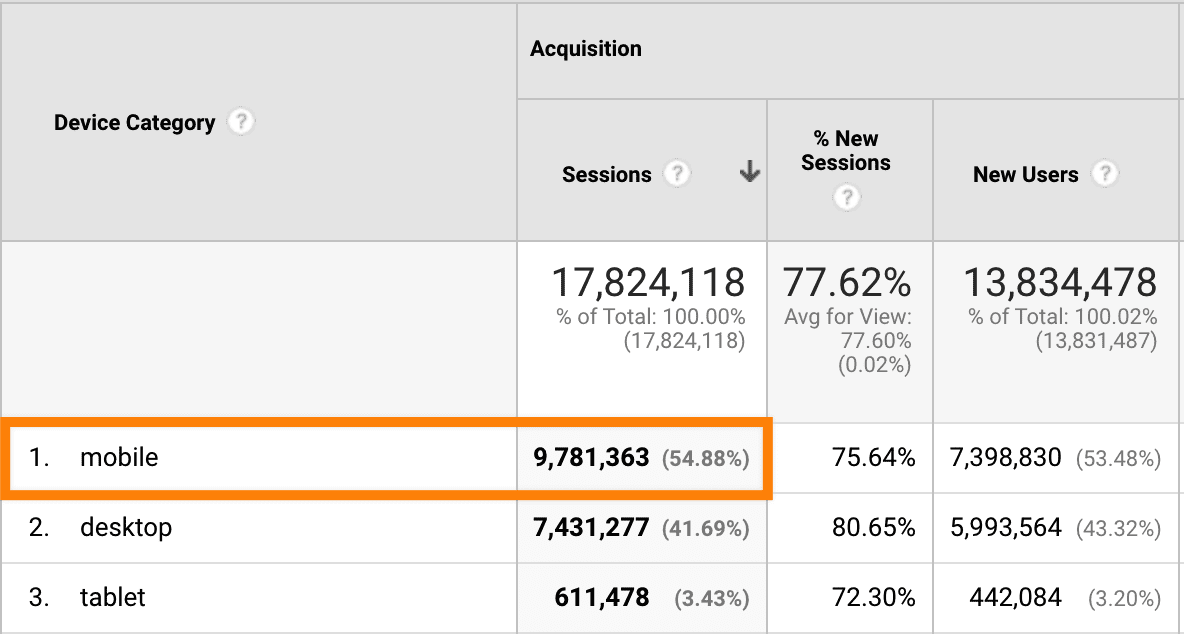
    Additionally, mobile devices made up over 54% of all real estate sessions in 2020.

    sessions per device type in 2020
    Carrot Member Website Sessions Per Device in 2020

    It’s difficult to know just how big of a problem this will be for businesses that depend on Facebook and other similar platforms for their ads and lead-gen.

    But it’s certainly changing the game.

    In fact, there are two things that this indicates.

    The first is that Facebook advertising is going to likely become less profitable as time goes on. This won’t happen immediately, but it’s something that every business owner should be aware of.

    And second, it’s a pretty strong indication that this is the way the future is going.

    As consumers become increasingly concerned about giving their personal information to advertisers, to compete, phone and desktop companies (like Apple) are going to start giving users the ability to opt-out of being tracked.

    Consider that, as Fortune reports

    “Nearly 80% of U.S. adults are “somewhat” or “very” concerned about how companies use their personal digital data, the Pew Research Center said on Friday, proving a suspicion that already existed. Additionally, 81% of adults feel they have little or no control over the data companies collect.”

    In other words, this dilemma isn’t going away anytime soon.

    The question then is, as a business owner, how should you prepare for what the future holds?

    As with all major marketing companies, Facebook will eventually figure out a way around this change. But, now is a great time for you to future-proof your business so that marketing and generating leads doesn’t become a bottleneck?

    That’s where evergreen marketing comes in.

    Evergreen Marketing is Becoming More Important Than Ever

    To avoid prepare your business for the future, you need to understand the difference between evergreen marketing and interruption marketing.

    Interruption marketing is what most business owners are familiar with — you interupt the prospects when they’re doing something unrelated to what you’re offering and try to grab their attention.

    This is how Facebook ads, direct mail, billboards, bandit signs, and cold calling all work.

    If you’re targeting the right people, this can be pretty effective. But it’s the targeting that the iOS update — and likely future iterations — are making more difficult.

    Of course, we’re not telling you to completely eliminate interruption marketing from your advertising strategy. So long as it’s helping you close profitable deals, you should keep doing it.

    But it’s also important that you work to build a more long-term lead-gen machine.

    After all, interuption marketing tactics are short term.

    You might get a spike of leads when you run the ad or send the mailer, but if you stop advertising, then the leads stop flowing.

    Is there an alternative?

    Yes! And it’s called evergreen marketing.

    The Oxford definition for “evergreen” is helpful for understanding what we’re talking about…

    “relating to or denoting a plant that retains green leaves throughout the year.”

    The general idea behind evergreen marketing is that it keeps on giving. It doesn’t stop generating leads when you take a break… it’s sustainable.

    For a marketing campaign to be evergreen, there is one main criterion: It must act as a marketing asset and that asset keeps generating leads long after you stop putting time and money into it.

    Interuption marketing is like hunting for your leads… and evergreen marketing is like farming for your leads.

    And since evergreen marketing benefits the consumer as well as the business (because it doesn’t feel like an invasion of privacy), it’s unlikely to be impacted by upcoming security policies like iOS 14.

    The crown jewel of evergreen marketing is SEO — ranking your website in Google to drive traffic and generate leads.

    Ranking In Google

    Getting your website ranked organically in Google is one of the most effective evergreen marketing strategies known to business owners.

    That’s why, this year, businesses have spent around $80 billion on SEO (Search Engine Optimization) services.

    Why is SEO so valuable?

    Let’s look at an example.

    Imagine that you’re a real estate investor in San Antonio.

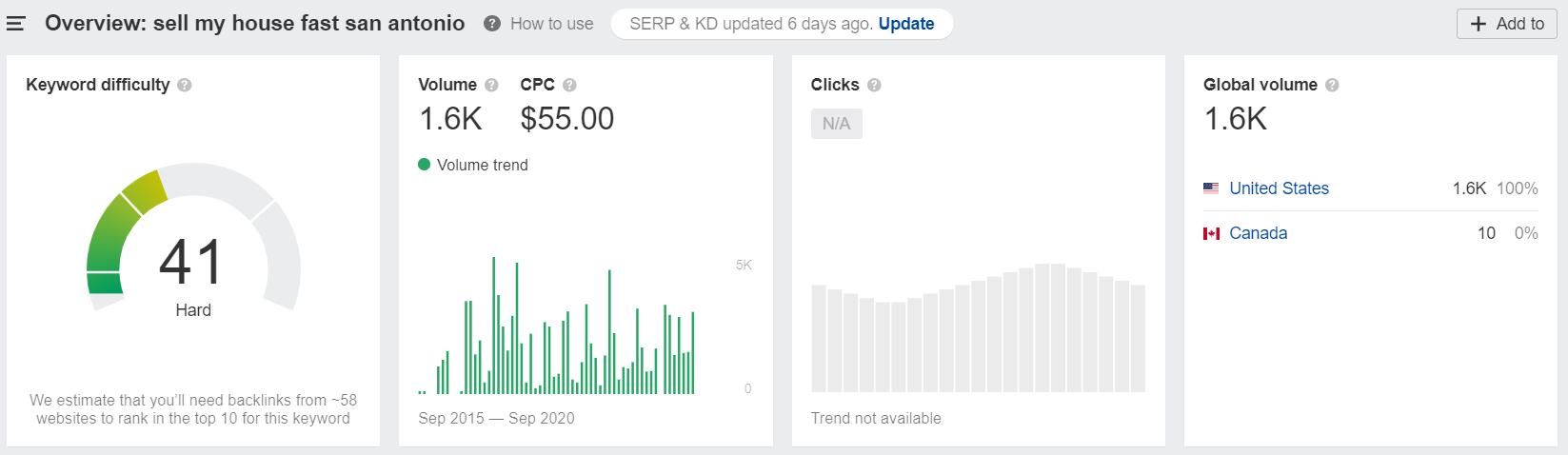
    Well, with a bit of research, we find that “Sell my house fast in San Antonio” gets a whopping 1,600 searches every single month in Google.

    Google Search Volume for real estate terms

    Think about it: that’s 1,600 people every single month who are searching for someone who can help them sell their house fast.

    If you’re an investor in San Antonio, those people are your target market.

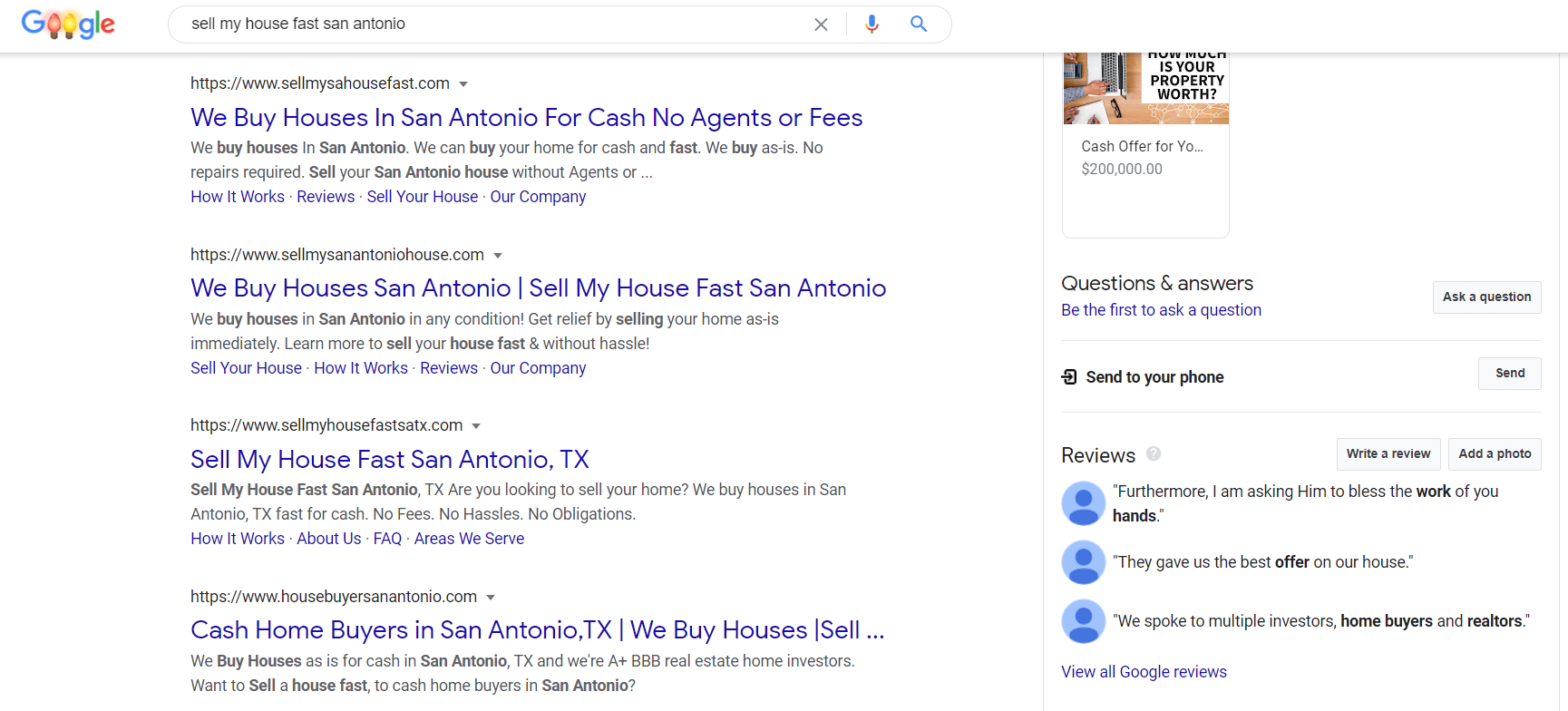
    Now imagine that you were able to get your website ranking near the top of page 1 for that keyword phrase.

    Google search results for sell my house fast san antonio

    Assuming that your website is built to convert visitors into leads as seamlessly as possible (that’s what we specialize in helping agents and investors with at Carrot!), then a lot of people are going to click and a lot of people are going to convert.

    That means more lead and deals for your business without more work or marketing dollars.

    And that’s what we see when we look at the data.

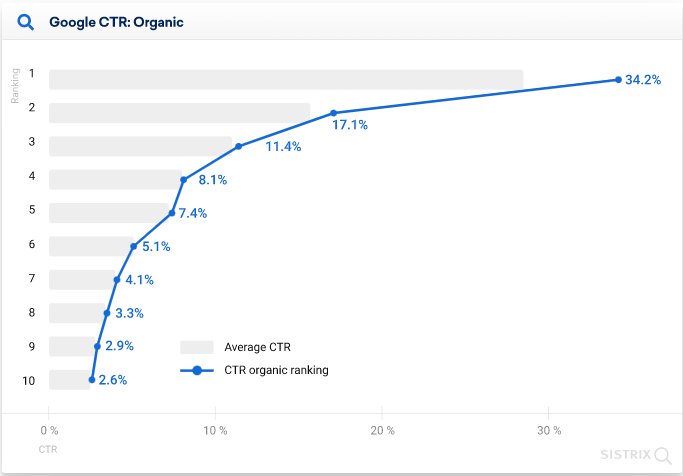
    The first organic result on search phrases in Google recieve 34% of the clicks and traffic. The second position receives 17%, and the third receives 11.4%. So on and so forth.

    But the farther you are from the top of page 1, the less clicks you’re going to get.

    In fact, if you’re on page two, then you’re practically invisible.

    So there are a few questions we have to answer.

    1. How do you get your website to page one?
    2. How do you do that for not just one high-value phrase, but for multiple… so that you’re driving traffic on autopilot?
    3. How do you make sure that you website is optimized to convert that traffic into leads?

    Here’s a brief overview of how each of those pieces works (and some practical advice for what you can do to improve your rankings).

    How Do You Improve Your Website’s Rankings?

    The content that Google chooses to rank for a given search is based on their extremely complex algorithm.

    But the good news is that the most important factors in this algorithm are mostly known.

    Because while there are a lot of different factors inside of Google’s algorithm, not all of those factors are equal.

    Here are some of the most important SEO for real estate factors to consider…

    • Site Speed — Google wants page 1 results to load fast for its users. So it’s important to have a fast website. This mostly depends on your website hosting. All Carrot websites have lightning-fast hosting included.
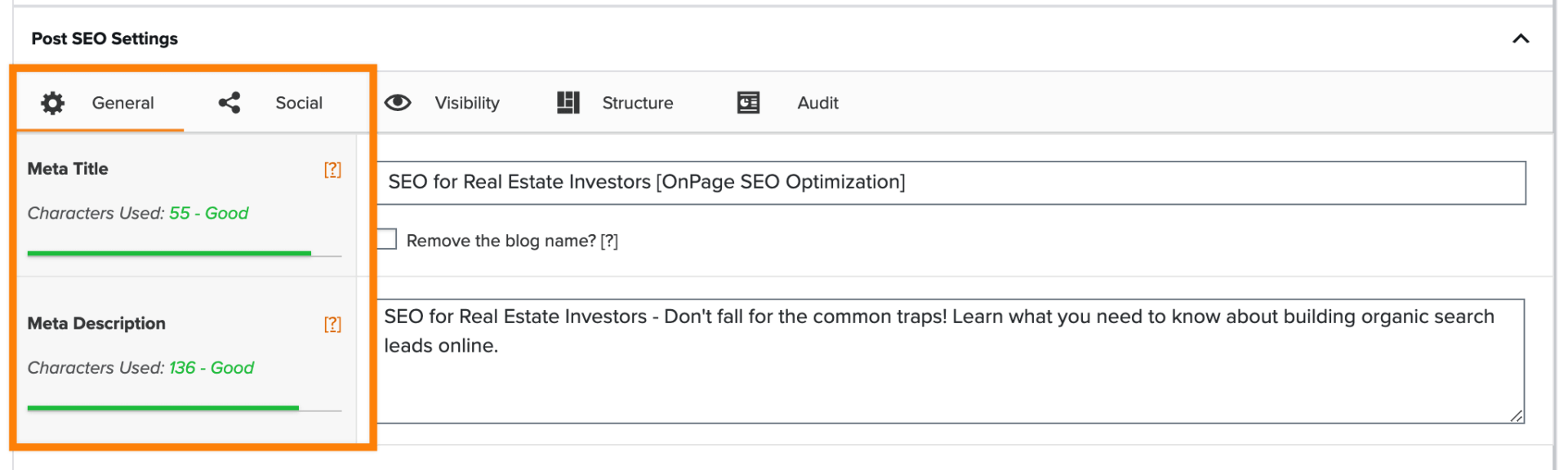
    • Keyword Optimization — Google uses the words on your website’s pages to determine what phrases to rank it for. If you want to rank for “sell my house fast”, then you need to include that phrase in your title tag, meta description, URL, and the content of your page as well.
    • Mobile Optimization — Most internet traffic is now mobile. And Google knows that, so your website needs to be optimized for mobile traffic if it’s going to rank. All Carrot sites are automatically mobile friendly!

    Learn How Carrot Can Help Your Website Rankings Improve [FREE TRAINING]

    How Do You Rank For Multiple High-value Phrases In Google?

    The key to ranking for multiple high-value keyword phrases in Google (sell my house fast, how to deal with probate, sell my house for cash, etc) is to create various pages that target those keywords.

    You definitely don’t want to try and rank the same page for multiple keywords that are all very different.

    By doing that, you’ll probably end up ranking for nothing.

    The easiest ways to do this are by (1) publishing new content on your blog consistently — Carrot provides Content Pro and Advanced Marketer members with monthly blog posts! — and (2) creating new sales pages that target different keywords — you can also do this easily with Carrot!

    Think of each new page or blog post as a doorway.

    It’s another thing that can rank in Google and potentially drive traffic to your website. The more doorways you have, the more traffic you’ll drive!

    How Do You Optimize Your Website To Convert SEO Traffic Into Leads?

    Here’s the reality.

    Website traffic that comes through evergreen marketing tactics like SEO isn’t very valuable if it’s not turning into leads for your business consistently.

    So you need to make sure that you website is optimized to convert.

    How?

    Well, there’s an entire science to this.

    And at Carrot, we’ve spent years studying, testing, and iterating to make all of our agent and investor websites convert as consistently as possible.

    Many of our members get 10% – 30% conversion rates!

    If you want to join the club and get a headstart on your SEO and evergreen marketing, you can try Carrot risk-free for 30 days!

    Learn How Carrot Can Help Your Website Rankings Improve [FREE TRAINING]

    Conclusion

    The iOS 14 update is going to make advertising on platforms like Facebook a little uncertain for a while.

    More than anything, this decision is a sign of things to come.

    Consumers don’t like their data being taken so this trend isn’t going to stop anytime soon.

    The answer, though, is to transition over to evergreen marketing.

    And you can use the above tactics to get started!

  • Why (And How) Giving More Will Make You Rich | The Go-Giver Book

    Why (And How) Giving More Will Make You Rich | The Go-Giver Book

    2020. A year of uncertainty, fear, stress, and hostility. But, many kind and incredible things happened too. People are cooler and kinder than we sometimes give them credit for. A few years ago I read a book that really fits what is happening right now. Maybe it will impact you in the positive way it impacted me.

    the go-giver book

    This book, The Go-Giver, changed me not just in some artificial and horribly intangible ways.

    No. But, as is the case with very few books I’ve read, I’m seeing legitimate results.

    I’m receiving opportunities I never thought were possible. And I’m even enjoying life and work more than ever before.

    I know. I’m starting to sound a little bit sales-y. I don’t mean to. I just really love this book and want you to trust me when I say that it can change your life if you let it.

    And letting it is far easier than you might think. Most books promise results… but only if you commit to their 12 intricate steps. This book isn’t like that. This book talks about a single thing: GIVING.

    That’s the secret to growing your business and enjoying your life. But before I start sounding cliché (I already do, don’t I?), let me explain exactly what I mean and how the book describes it.

    Five laws that this book teaches you:

    1) The Law Of Value

    Many businesses take more than they give. They try to overcharge for their services, refuse pay raises when employees deserve it, and question employee suggestions.

    But all of that selfish nay-saying does a lot of damage. In fact, it doesn’t just do damage, it completely destroys your reputation and wrecks your future business. The alternative delivers far more positive results. Namely, giving more than you take increases your business’s worth and your self-worth.

    Don’t believe me?

    Think of the people you look up to. I’m willing to bet that they’re people who give more than they take — they give away free products and offer free advice to budding entrepreneurs. They meet for coffee to encourage a friend and they put aside work to spend time with family.

    Why do you look up to this person? Because they are generous. And that generosity increases their value in your eyes.

    The Go-Giver Quote:

    “Your true worth is determined by how much more you give in value than you take in payment.”

    2) The Law Of Compensation

    What if you could determine your own income? What if you, and no one else, made that decision?

    Would you be excited? If you’re anything like me, the prospect of determining your income is akin to living in Hawaii, working remote and living most days surfing and meandering with the locals.

    Well, you do determine your income. In fact, determining your income is remarkably simple. There are only two levers that have the power to increase or decrease your profitability.

    The first is how much value you provide. Provide more value and your income increases. Provide less and it plummets.

    The second is how many people you provide that value for. More people means a higher income. Less means a lower income.

    It really is that simple.

    If you don’t believe me, start testing it out for yourself. Provide more value to more people and see what happens.

    The Go-Giver Quote:

    “Your income is determined by how many people you serve and how well you serve them.”

    3) The Law Of Influence

    Have you ever wanted to have a larger influence in other people’s lives?

    Who am I kidding? Of course, you have.

    We all want to have a greater influence and make a greater impact. But many people who’re trying to make an impact end up floundering aimlessly in the sea indecisions and indirection. They post content, talk to people, and even try to encourage other at every opportunity.

    But to no avail.

    People still don’t seem to care about what they have to say. Why?

    Well, it’s probably because they’re more focused on gaining influence than they are on caring about other people. In other words, they care more about themselves than they do other people.

    Sadly, the path the influence is paved with selflessness. And those who try to get there any other way will never arrive. Or if they do, it will only be an artificial reality that won’t last long.

    The Go-Giver Quote:

    “Your influence is determined by how abundantly you place other people’s interests first.”

    4) The Law Of Authenticity

    Many people in our world are only focussed on rising to the top. That might be the top of their industry, the top of their individual business, or the top of their immediate community.

    Whatever the case, they want to surpass their peers. Because of this, they fake it. They behave in certain ways that they wouldn’t normally behave simply to impress their boss or coworker.

    The problem, though, is that you can exchange the most value with other people when what you offer them is yourself. In other words, you are your best asset. That sounds cheesy and cliché, but it’s true.

    People like Gary Vaynerchuk and Grant Cardone and even our CEO, Trevor Mauch, are wildly successful, simply because they are authentic.

    They’re okay with who they are and they recognize that they are the most valuable product they have to offer. Since everyone is faking it, people crave authenticity. And that authenticity will win.

    The Go-Giver Quote:

    “The most valuable gift you have to offer is yourself.”

    5) The Law Of Receptivity

    Now all of these tricks to giving are only any good if you’re willing to receive from other people.

    I don’t mean to sound too Buddhist, but the reality of how life works is that the more you give, the more you will receive.

    And if you’re doing a lot of giving but remain unwill to receive what other people offer you, all of that giving gets you nowhere practically. In other words, don’t get so caught up in giving that you forget to allow other people the chance to give back.

    When someone offers, don’t be afraid to receive.

    The Go-Giver Quote:

    “The key to effective giving is to stay open to receiving.”

    Give like crazy and just see what happens

    You want to be more successful. You want a bigger paycheck, a bigger influence, and a more impactful business. But those things only come if you’re willing and able to initiate the cycle of giving. If you are, there are few things in this world that could stop your success.

    If you aren’t, then the world would be a better place without your business. Whatever the case, choose one of these laws to apply every day for a week and see if it changes your life.

    It did mine. Now go read The Go-Giver book for yourself.

  • 75 Best Real Estate Blogs You Need to Bookmark

    75 Best Real Estate Blogs You Need to Bookmark

    75 Best Real Estate Blogs You Need to Bookmark in 2024

    There are a lot of real estate blogs out there on the internet. It’s easy to get lost. To help, we compiled this list of 75 of the best real estate blogs you should pay attention to.

    Of course, you don’t have to pay attention to all of them. Pick and choose ones that catch your eye, subscribe, and pay attention to the advice they’re sharing.

    We’ve broken this list down into 3 different categories…

    And as a little bonus, we’ve included a list of 101 topic ideas for your blog!

    So, without further ado, let’s dive right in!

    Best Real Estate Blogs For Investors

    If you’re a real estate investor — wholesaler, flipper, or buy-and-hold-er — here are the blogs we recommend keeping an eye on!

    1. Carrot Blog

    We know it’s a little tacky to recommend our blog in this list, but we do try our best to provide investors and agents with valuable and practical advice. Primarily, we focus on topics around real estate marketing — how to find deals through SEO and advertising. But one of our most shared articles was a simple list of high-volume real estate investors who regularly share their secrets on social media. Check it out below!

    Must Read Posts

    2. BiggerPockets

    When it comes to real estate investing, BiggerPockets is the place to learn what you need to know — it’s for beginners and experts. Many of our most successful members — people who own 7-figure real estate investing businesses — started their education on the BiggerPockets blog. They cover pretty much everything… if it’s an investing-related question, it’s probably on their blog.

    Must Read Posts

    3. Fundrise

    Fundrise is one of the most popular REITs around right now. And their blog offers tons of helpful information, primarily for new investors. They talk about the basics of real estate investing, the differences between REITs and rental properties, how to understand cap rates, and tons more.

    Must Read Posts

    4. Tools 4 REI

    This is a relatively new blog, but it’s great. They provide deep-dive reviews on tools and software in the real estate investing space (even Carrot!). Before you sign up for your next CRM, data manager, or driving-for-dollar software, we highly recommend you check out what they have to say about it.

    Must Read Posts

    5. FortuneBuilders

    FortuneBuilders is a website dedicated entirely to teaching people how to become successful real estate investors. Some of their most popular content discusses the importance of curb appeal, how to start and grow a real estate portfolio correctly, and profitable home-improvement projects. Both are just a few examples.

    Must Read Posts

    6. REALTY MOGUL

    REALTY MOGUL is a popular REIT that focuses on commercial real estate investing. Their blog teaches new investors how to build passive income, manage rentals, and lots more. They also share much practical advice about reviewing quarterly reports and “The Definition of Like-Kind Property in a 1031 Exchange”.

    Must Read Posts

    6. Landlordology

    Rather than just being a blog about real estate investing, Landlordology takes us one niche deeper. They teach landlords how to make the most of their property investments. Some of their most popular blog articles talk about the top 10 amenities that renters can’t resist, how to maximize rental income, and how to create a fair and reasonable lease agreement.

    Must Read Posts

    7. InvestFourMore

    Mark Ferguson is a big author in the real estate world. He’s written books about how to build a rental property empire, fix and flip your way to financial freedom, and even negotiate real estate deals (plus lots more). His blog over at InvestfourMore offers great advice for free. He has sections of his blog dedicated to BRRR, wholesaling, finding deals, house hacking, financing, tax advantages, and even advice for agents.

    Must Read Posts

    8. Real Estate Skills

    Real Estate Skills offers educational blog articles for aspiring & active real estate investors. Their blog covers various topics, such as driving for dollars, how to fix and flip, contracts, hard money lending, and much more!

    Must Read Posts

    9. REtipster

    Retipster is a website that offers, according to its homepage, “real-world guidance for real estate investors. Their blog will show you how to write killer ads for your investing business, where to post your real estate listings and lots more. This is a site worth paying attention to.

    Must Read Posts

    10. Flipping Junkie

    Danny Johnson fix-and-flipped his way to financial freedom. And on his blog, Flipping Junkie, he documents his journey and shows readers how to do the same. Some of his most popular articles discuss how to dominate a wholesaling market, 27 tips for a successful house flip, why many wholesalers aren’t appreciated, and more.

    Must Read Posts

    11. The College Investor

    The College Investor is a large blog that offers advice to college students and millennials on how to get out of debt and build passive income. Their most popular content focuses on

    Must Read Posts

    12. CleverInvestor

    CleverInvestor is a content-heavy website that helps people “crush real estate investing.” Some of their content focuses on practical investing advice. Still, a good chunk of it discusses how to muster a successful mindset — from getting rid of perfectionism to learning to be creative and becoming a better leader.

    Must Read Posts

    13. The Real Estate Guys

    Robert Helms and Russell Gray have shared real estate investing advice since 1997. Their podcast, The Real Estate Guys Radio Show, is one of the most downloaded podcasts on iTunes under the investing category. Their blog is great, too. They talk about how investors can keep afloat during disasters, the differences between Bitcoin and real estate, and lots more. Their advice is practical, real-world, and seasoned with experience.

    Must Read Posts

    14. RealWealth

    RealWealth is a large website with tons of helpful content. Their blog covers topics ranging from how to grow a real estate investing business during COVID-19 to financing options, bookkeeping, and property management. They also host webinars, live events, tours, and strategy sessions. If you’re a real estate investor — or an aspiring one — RealWealth can help.

    Must Read Posts

    15. Ryan Dossey

    Ryan Dossey is a young and successful real estate investor. He owns more than 145 properties at a valuation of $8.8 million. He’s teaching people how he did it through his blog and YouTube channel. He even has a free e-book showing how he added 150 units and $9 million worth of assets to his portfolio using the BRRRR method. Go check it out!

    Must Read Posts

    16. Just Ask Ben Why

    Ben Leybovich found massive success as a real estate investor after he and his family moved to the U.S. from Russia. He’s been featured on Grant Cardone’s podcast, BiggerPockets, and Huffington Post. His advice is honest, practical, and easy to implement.

    Must Read Posts

    17. Joe Crump

    Joe Crump has been an active real estate investor since 1986. His blog teaches people how to flip properties, build portfolios, and systematize their business. That last point is one of his strongest, and we enjoy his content, which discusses the processes and tools for automating an investing business.

    Must Read Posts

    18. Call Porter

    Call Porter is a service dedicated entirely to answering the phone for real estate investors — primarily to speak with motivated sellers. Their blog provides lots of free advice about how to grow your investing business to support your lifestyle, not just financially but also time-wise. Some of their most popular posts talk about how to build a long-distance investing business and what successful investors do differently than everyone else.

    Must Read Posts

    19. 1-2-3 Flip

    1-2-3 Flip is a site that provides real estate investors with tons of free value. More specifically, they focus on helping aspiring house flippers to start living the fix-and-flip financial dream. Their blog primarily provides real-time updates on their investing journey, with no shortage of practical lessons for the newbie investor. But they have tons of other resources on their site besides the blog. Go explore!

    Must Read Posts

    20. The Broker List

    The Broker List is a website geared toward commercial real estate investors. Their blog explains how net operating income (NOI works, different reasons for hiring a commercial real estate professional, and even content creation tips. If you operate in commercial real estate investing, this blog is where you’ll want to spend a little time.

    Must Read Posts

    21. REItips

    REItips is a site that offers exactly what it sounds like: real estate investing tips! Their content has a unique, slightly playful tone, but once you get into it, there’s a lot of meat on the bones. Some of REItips most popular articles talk about how to quickly find cash buyers and how to find money lenders to fund your next deal.

    Must Read Posts

    22. Real Estate In Your Twenties

    Brandon Turner became a successful real estate investor in his twenties, which totally changed his life. His blog aims to educate young people about how to start investing in real estate, build financial freedom, and craft an empowering mindset. He tells many stories from his own experiences, which makes his blog all the more engaging.

    Must Read Posts

    23. Mobile Home Investing

    Mobile Home Investing is exactly what it sounds like. This site helps people who want to build a business around investing in mobile homes. The advantage of this method is that it’s usually a lot cheaper than investing in full-sized homes (although you sometimes have to sell them to a cash buyer). Some of this site’s most popular articles talk about how to buy mobile homes when the land is included, how to navigate COVID-19, and even how to deal with the effect of freezing weather on your properties.

    Must Read Posts

    24. BawldGuy Investing

    BawldGuy Investing is a great site for learning about creating retirement income, notes, and cash flow. The website says: “At BawldGuy Investing, we’re not about hoarding knowledge for ourselves. We want you to be as well-informed as you want to be about the real estate investing world. Plus, we love sharing our favorite tips and best practices that we’ve gathered from decades of experience in the financial industry.” Some of their most popular articles discuss note income, debt elimination, and creating income streams for retirement.

    Must Read Posts

    25. Black Belt Investors

    This site was founded and is managed by Sensei Gilliland, a title he intentionally selected to illustrate that discipline of the mind is critical for successful real estate investing. The site’s most popular articles discuss how to profit from real estate, thrive in the new economy, and turn every lead into a deal. Those are big promises, but Sensei Gilliland’s advice is undeniably helpful.

    Must Read Posts

    Best Real Estate Blogs For Agents

    If you’re a real estate agent trying to grow your business, check the following blogs.

    1. Carrot Blog

    We know it’s a little tacky to recommend our blog in this list, but we do try our best to provide investors and agents with valuable and practical advice. Primarily, we focus on topics around real estate marketing — how to find deals through SEO and advertising. But one of our most shared articles was a simple list of high-volume real estate investors who regularly share their secrets on social media. Check it out below!

    Must Read Posts

    2. Forbes Real Estate

    Forbes covers just about every business and entrepreneurship topic under the sun. Real estate is no exception. Forbes has an entire section of its blog dedicated to reporting on critical industry news, nationwide real estate market shifts, and pertinent advice from real experts about building a business in different types of markets.

    Must Read Posts

    3. McKissock

    McKissock is a website dedicated entirely to real estate learning. They teach people how to get their real estate license, inspect homes professionally, survey land, engineer properties, and even manage banking loans and licenses. Their blog has a lot of content that offers free value for real estate agents. See some examples below!

    Must Read Posts

    4. Housing Wire

    Housing Wire is a massive online publication that provides real estate agents and investors with updates and advice on the current real estate market. They are particularly adept at providing their readers with real-time relevant news, such as how Coronavirus will affect FHA lending, why specific housing markets favor buyers, and how Bank of America now allows borrowers to pause their mortgage payments.

    Must Read Posts

    5. Inman

    Inman is one of the leading voices regarding real estate market updates, advice, and education. And for a good reason. They consistently provide valuable content for natural estate agents and investors alike. Their most popular content tends to revolve around recent shifts in the real estate market.

    Must Read Posts

    6. Redfin

    Redfin is a massive online website that offers advice to homebuyers, home sellers, and agents. They provide real-time market updates and tips on buying or selling a home for the best deal. Agents, investors, homebuyers, and sellers will find value in the Redfin blog. Check out some of their most popular articles below!

    Must Read Posts

    7. The New York Times | Real Estate

    The New York Times has an entire website section dedicated to real estate news, advice, and stories. Much of their content updates thriving or struggling markets in and out of the U.S. They also tell the stories of agents and investors who’ve found massive success in a particular area or with a particular type of transaction. It’s worth subscribing so you get notified when they publish new content.

    Must Read Posts

    8. Realest Blog

    We love the Realest Blog because it offers practical advice to real estate agents and investors about how to run their businesses, make profitable investments, negotiate, optimize home value, and more. Their advice is helpful, to the point, and clearly provided by people who know what they’re talking about.

    Must Read Posts

    9. The Close

    The Close is another gem that every real estate agent should check out. Some of their most popular articles will help you generate more leads with your open houses, give you ideas for what content to share on social media, what hashtags to use on Instagram and Twitter, and tons more. The Close’s content is wicked practical, and every article goes above and beyond to give the reader real value. You don’t want to miss this one.

    Must Read Posts

    10. Jason Fox

    Jason Fox has been serving in the real estate industry for 15 years. He’s even helped hundreds of real estate agents and investors personally with their online marketing. And he shares his expertise on his blog for free. Mostly, his blog talks about how to market your business as a real estate agent — how to name your business, how to use SEO for lead-gen, and how to create a logo, for example). If you want some help with your online marketing, this blog is a great place to browse.

    Must Read Posts

    11. Cornerstone Home Lending Blog

    Cornerstone Home Lending’s blog is an excellent resource for real estate agents. They talk about the benefits of buying rather than renting, how to win bidding wars in a hot market, and how to make the most of today’s market. Their content is always practical and concise. Check out some of their most popular articles below.

    Must Read Posts

    12. Sotheby’s International Realty

    Sotheby’s International Realty blog can undoubtedly offer some inspiration and roundabout advice for real estate agents who focus on helping clients sell and buy luxury homes. Primarily, this blog offers stories and examples of luxury homes that are currently on the market or have recently sold. It’s a great place to stay updated about what’s happening in the luxury real estate market and get ideas about how to grow your business.

    Must Read Posts

    13. Geek Estate Blog

    The Geek Estate Blog is a simple low-key website that offers a fresh perspective on the current real estate market, new and upcoming tools, and and how popular culture is impacting real estate agents and investors. They answer common questions that agents and investors face: “Should landlords include internet service as an amenity?” — and they offer advice about how to navigate different types of markets.

    Must Read Posts

    14. Realty Biz News

    Realty Biz News is a real estate news-focused website that offers consistent value to agents and investors who want to keep pace with the times. For example, they’ve recently written about how Amazon wants to work with property managers, how to pick the best lighting control system for a smart home, and why renters prefer virtual tours. Check out their most popular articles below!

    Must Read Posts

    15. Keeping Current Matters

    Keeping Current Matters is a real estate blog that discusses precisely what its title suggests: current events and how they impact the real estate market. Some of their most recent articles discuss how low inventory may impact the housing market this coming fall, for instance, and why the surging real estate market continues to climb. Check out some of their most popular articles below!

    Must Read Posts

    16. Notorious Rob

    Experienced real estate agents and veterans will find particular value in Notorious Rob’s blog. On it, Rob Hahn, the Managing Partner of 7DS Associates, shares his unique perspective on current events and how he expects they’ll impact the real estate market. He also shares advice about growing in all types of markets. And the best part is, you know, the advice comes from someone who’s done that. Check out his most popular posts below!

    Must Read Posts

    17. Commercial Property Executive

    Commercial Property Executive is a significant online media source for real estate investors and agents. They cover current events impacting the worldwide and nationwide economy, tell the stories of real estate professionals doing remarkable things, and provide advice on how agents and investors can navigate growing a business in uncertain times. Check out their most popular articles below!

    Must Read Posts

    18. The Spark

    The Spark is the name of AgentFire’s blog, where they discuss everything related to real estate marketing. That includes Instagram marketing, resources for running Facebook ads, top online real estate schools, brand positioning, and lots more. Each of their blog posts offers honest advice about a very specific topic. Check out some of their top content below!

    Must Read Posts

    19. The Real Deal

    The Real Deal is a significant and often-updated publication that discusses the current events surrounding real estate in New York. Much of their content revolves around different celebrity investments (Trump and Kushner, for instance) or drama, but — especially if you live in New York — it can be a helpful resource for keeping your fingers on the pulse of the real estate market.

    Must Read Posts

    20. Market Watch: Real Estate

    The real estate section on Market Watch is flooded with updates on the economy, big-business transactions, and wise investments. They’re discussing how buyers and sellers deal with record-low mortgage rates and how other global events impact the real estate market. This is an excellent resource for staying updated on what’s going on in the nationwide economy.

    Must Read Posts

    21. Homelight

    Homelight is a massive online website that helps buyers, sellers, agents, and investors. You can check out some of their most popular articles below. As for resources that help real estate agents, recent Homelight content lists tools for top agents offers advice on pre-qualifying sellers, and shows agents how to deal with buyer and seller objections. We believe Homelight has one of the best real estate blogs on the internet.

    Must Read Posts

    22. The World Property Journal

    The World Property Journal is a large media outlet that publishes world, residential, commercial, and vacation news. In other words, they discuss everything from how to do good real estate deals and grow a business to the current state of the U.S. economy. This is an excellent resource for staying updated on real estate in the U.S., your state, and even overseas.

    Must Read Posts

    23. RISMedia

    RISMedia is an online publication that offers a fresh perspective on tips and tricks for real estate agents, buyers, sellers, and investors. Their most recent article, for example, discusses acting advice that can help sell homes. Their content is fresh, practical, and entertaining all at the same time. Check out some of the best articles below!

    Must Read Posts

    24. Miller Samuel Inc.

    There’s a big difference between a real estate blog written by a novice and one written by a true expert and veteran. The Miller Samuel Inc. blog falls into the latter category. With content that dives into more detail about real estate than any other blog on the internet, this is a true gem and one we highly recommend subscribing to. Miller Samuel Inc. talks about the current state of the nation’s biggest markets, the agent and investor mindset, and how to build a successful real estate business. Check out some of their most popular articles below!

    Must Read Posts

    25. Eye On Housing

    Eye On Housing is arguably one of the best places for real estate agents to get nationwide real estate data. They primarily publish original data and reports about topics like the average amount of time it takes to build a single-family home, refinancing gains, the percentage of homes that are concrete framed, and tons more. While it might not be the most exciting content in the world, it can be helpful when trying to get an idea of the bigger picture. Check out some of their most popular articles below!

    Must Read Posts

    Best Real Estate Lifestyle Blogs

    Interested in learning more about the lifestyle of building a successful real estate business? Want to change your mindset? Want to build better habits? Want to be more grateful? These blogs can help!

    1. Afford Anything

    On Afford Anything, Paula Plant shares her real estate investing journey, offering her opinion and expertise on the investor mindset, the math behind the madness, and specific controversial topics (such as “Renting is Throwing Money Away… Right?). She specifically focuses on teaching people how to use real estate investing to escape the 9-5 grind that all entrepreneurs fear.

    Must Read Posts

    2. Lighter Side of Real Estate

    The Lighter Side of Real Estate is exactly what it sounds like; it’s a media outlet that’s focused chiefly on producing entertaining content for real estate professionals as well as homeowners, buyers, and sellers. But their content is pretty entertaining. If nothing else, it’s a great place to get ideas for what to post on your blog or social media profiles. Check out some of their most popular articles below!

    Must Read Posts

    3. The Penny Hoarder

    The Penny Hoarder site is dedicated to helping people make more and save more. Not only do they discuss easy and simple ways for people to improve their financial situation, but they also have quite a few articles that discuss real estate investing (since it’s one of the best ways to make money!). And the best part is that their content is super practical. We recommend subscribing to this site so you get updated when they publish new content. Check out some of their most popular articles below!

    Must Read Posts

    4. Stefan Aarnio

    Stefan Aarnio is regarded as one of the nation’s best, most successful real estate investors. And his website is dedicated to helping other investors build successful businesses. Stefan’s blog offers practical real estate investing advice and mindset-shifting content. Check out some of his most popular articles below!

    Must Read Posts

    5. Fox Realty Group

    Fox Realty is an agency that helps people buy and sell homes in Santa Cruz, California. Their blog offers real estate advice to buyers, sellers, agents, and investors. Their blog is unique in how they interview other business owners in the Santa Cruz area. Check out some of their most popular articles below!

    Must Read Posts

    6. Tom Ferry

    Tom Ferry is one of the leading voices in the real estate industry. He consistently posts blog content on topics such as… how to prepare for an economic downturn, habits of successful agents, and even lessons he learned after turning 50. His blog offers a wealth of knowledge that agents and investors should consider. Check out some of his most popular articles below!

    Must Read Posts

    7. Katie Lance

    Katie Lance is a speaker, writer, and coach who’s been in the marketing industry for over 20 years. But to narrow down, she now primarily offers her expertise to real estate agents and investors trying to improve their social media marketing game. And that’s exactly what she talks about on her blog. Check out some of her most popular articles below!

    Must Read Posts

    8. YesMasters

    Kevin Ward is the founder of YesMasters, a self-proclaimed “NO B.S. REAL ESTATE SUCCESS COACH.” His blog lives up to that promise. He offers advice on how long people should practice scripts before prospecting, what you need to succeed in real estate, how to make money in a market crash, and lots more. Check out some of his most popular articles below!

    Must Read Posts

    9. Grant Cardone

    Grant Cardone is a famous real estate investor, speaker, and coach. He teaches people how to “10x” their income and their life. He’s trying to help people live more exciting and remarkable lives. His blog is dedicated to discussing topics such as… how to stay positive in negative times, the real value of money, how to create a healthy company culture and lots more. We recommend following his blog!

    Must Read Posts

    10. Dottie Herman

    Dottie Herman is a well-respected real estate professional, leader, and coach. On her blog, she’s notorious for discussing lifestyle topics such as how kindness is contagious, why gratitude is powerful, and how to create lasting momentum. If you need some positive vibes mixed with practical real estate advice, then look at Dottie Herman’s blog. You can check out some of her most popular articles below!

    Must Read Posts

    11. Realtor Mag

    The Realtor Magazine covers real estate advice, trends, news, tips, and various related content.

    Must Read Posts

    12. Fancy Pants Homes

    Fancy Pants Homes is a large real estate blog that primarily focuses on displaying and discussing celebrity homes, providing real estate news, and offering tips for homeowners, buyers, and sellers. It has the vibe of a real estate lifestyle blog… as its most popular content revolves around frivolous topics (like the state of Edward Cullen’s house). Still, Fancy Pants Homes is undoubtedly a place where investors and agents can get inspiration, learn new things about the real estate market, and maybe even have a good laugh.

    Must Read Posts

    13. Funky Junk Interiors

    Funky Junk Interiors is a unique blog with a clear mission: teaching people how to furnish, landscape, and fix their homes using nothing but salvaged junk. And believe me… it’s incredible the things that Donna (the owner of the blog) is building with other people’s trash. If you want creative ideas for decorating or furnishing your home… or even if you just want to learn how to edge a flowerbed or build a walkway from scratch, you’ve got to check out this blog!

    Must Read Posts

    14. RentCafe

    RentCafe is a blog that helps tenants with all sorts of problems — from keeping your dog from barking to finding an apartment during the pandemic. Some of their most popular articles talk about apartment building trends, top financial centers, and how world events impact the housing market. Check out those articles below!

    Must Read Posts

    15. Curbed

    Curbed is a massive media site covering business, news, finances, food, and much more. But they also have a real estate section. They discuss astounding home renovations, investment news, international real estate updates, and more. You can see some of their most popular articles below.

    Must Read Posts

    16. AppFolio

    Unlike most blogs we’ve discussed, AppFolio creates content for property managers. They talk about insightful topics such as apartment living in 2080, what investors should expect from Gen Z, and educational content such as how AI and Covid-19 impact property management. If you’re a property manager (or you have property managers), this blog is worth keeping tabs on! Check out some of their most popular content below.

    Must Read Posts

    17. Lab Coat Agents

    Lab Coat Agents is a site “exploring the science of real estate.” But the best part is that they share that science with their readers. Primarily, they create content geared toward real estate agents. Their blog posts teach agents things such as creating a sense of urgency in the listing appointment, creating dynamic content on Instagram (for lead-gen), and getting 5-10 listings on a limited budget. Check out some of those posts for yourself below!

    Must Read Posts

    18. Inhabit

    Inhabit is a website that covers real estate news from the most lucrative markets in the country. They report news from South Florida, New York City, Scottsdale, San Diego, and more. This is a great blog if you’re operating in one of those markets. Check out some of their most popular articles below!

    Must Read Posts

    19. BombBomb

    BombBomb offers software that allows businesses (especially real estate businesses) to communicate with their leads and clients. In their own words, they are “building relationships through video to create more opportunities in email, text, and social media.” Some of the most popular articles on their blog talk about choosing video equipment for your real estate business, Facebook and Instagram real estate social media influencers, and open house ideas for growing your business. Check them out below!

    Must Read Posts

    20. C4D Crew

    The C4D Crew is a site passionate about helping people purchase homes in non-traditional ways. They specifically help people in Minessota, but much of the advice on their blog applies to real estate investors and agents in other markets. Some of their most popular articles discuss home maintenance tips, curb appeal upgrades, and how a landlord can take care of pipes and plumbing. Check them out below!

    Must Read Posts

    21. Lighter Side of Real Estate

    The Lighter Side of Real Estate blog discusses deceptively helpful topics conversationally and excitingly. Sprinkled between listicles with funny memes are practical articles about how to stage a home and install a shower. That’s what makes this blog great. All at once, it’s entertaining, fun, engaging, and genuinely helpful. check out some of their most popular articles below!

    Must Read Posts

    22. Ideal REI

    Ideal REI is a site for real estate investors that offers how-to content on the management of out-of-state rentals, raising cash for property investments, improving the value of a rental property, and more. They also offer a free 5-step system for investing in real estate. Supposedly, it’s the same system that the owner of Ideal REI used to acquire 480 units. Check out some of their most popular articles below!

    Must Read Posts

    23. BoomTown!

    BoomTown! is a site with tons of resources for real estate agents. They’ll teach you how to promote open houses on Facebook and Instagram, use Google to drive traffic to your website, and much more. Check out their blog if you’re a real estate agent trying to generate leads through social media!

    Must Read Posts

    24. REAL Trends

    Here’s how REAL Trends describes itself: “We are a privately-held publishing, consulting, and communications company based in Castle Rock, Colorado. Residential real estate leaders look to us for timely and trusted information and analysis through our monthly newsletter, news updates, conferences, and publications.”

    More specifically, the REAL Trends blog talks about how to negotiate property prices, find fixer-uppers, and create a nature-friendly home design. Their best content reports new data and interesting research about buyer and seller tendencies. Check out some of their most popular content below!

    Must Read Posts

    Conclusion

    So which blogs are you going to follow?

    There is a ton of advice about how to grow your real estate business, whether you’re an investor or a wholesaler.

    But all of that information can quickly get overwhelming.

    We recommend choosing a couple of different experts to pay attention to and follow them religiously.

    Subscribe to their email list, put their advice into action, and even consider buying their educational products.

    That way, you’re not getting mixed signals from different places.

    Well, whatever blogs you follow, one thing’s for sure: you’ll never regret learning.

    And we hope this guide has given you plenty of real estate blogs to learn from. For more resources and real estate marketing materials, click on the link!

  • Instagram for Real Estate Agents [Step-By-Step Guide]

    Instagram for Real Estate Agents [Step-By-Step Guide]

    Instagram for real estate agents is a proven content marketing platform. It has one billion active monthly users!

    The platform, which is owned by Facebook, has become a mainstream social media giant with a focus on visual content — from fashion and food to scenery and even real estate.

    So it’s understandable if, as a real estate agent, you’re considering joining the fray.

    Our Agent members have success on Instagram.

    Most don’t run any ads on the platform but they regularly post content. And not only has that content garnered them thousands of followers… but they also regularly generate leads through Instagram.

    Pretty cool, huh?

    But if you’re a total beginner and know next to nothing about Instagram, don’t worry.

    We’re going to teach you everything a real estate agent needs to know about creating and optimizing their Instagram account.

    So let’s get started.

    Unlock Your Instagram Marketing Knowledge

    Learn everything that Real Estate Agents need to know to get started with Instagram marketing.

    Do Real Estate Agents Need Instagram?

    Do Real Estate Agents Need an Instagram Account?

    This is probably your first question.

    Do you need an Instagram account?

    The simple answer is no; you don’t.

    There are many different ways to generate leads for your business — you can send direct mail, run Facebook ads, work on your real estate website’s SEO, and network with other local professionals.

    Instagram is not a necessary part of your marketing strategy.

    Having said that, Instagram can effectively build brand awareness and generate leads. Just because it’s not necessary doesn’t mean you should ignore it.

    Especially if you enjoy engaging with people on social media… then Instagram is certainly a good idea for your business.

    I mean, most of us spend several hours scrolling through social media daily, anyway.

    Why not use that time to create content and grow your real estate Instagram business page?

    Instagram Stats

    Instagram Stats For Real Estate

    Okay — so I’ve claimed that Instagram can help you grow your real estate business, and I’ve even provided you with an example (The Farr Group) of real estate agents doing just that.

    But here’s some more statistical evidence…

    • 90% of Instagram users follow at least one business.
    • Only 14% of realtors are on Instagram, but 83% of all homebuyers reported wanting to see more pictures of properties online.
    • One-third of the most viewed Instagram stories are from businesses.
    • Instagram’s potential advertising reach is 850 million users.

    In other words… not only is Instagram a great marketing platform for businesses… it’s great for real estate agents.

    More specifically, it’s ideal for posting pictures of homes you’ve listed for sale, and it’s great for sharing your buying and selling expertise with your audience.

    If you’re still not convinced, that’s okay.

    The only real way to figure out if Instagram can help you grow your real estate business is to try it and see what happens.

    So let’s talk about that.

    How to Create Your Instagram for Real Estate Account

    The first step is to create an Instagram real estate account for your business.

    As with most social media platforms, this is pretty easy.

    Just go here and enter your information to sign up (you can just log in with Facebook if that’s easier).

    How to Create Your Real Estate Focussed Instagram Account

    It’s worth noting, however, that Instagram is far easier to use on mobile devices than on laptops or desktops.

    You’ll want to get the app on your phone. That’s where you’ll share content, engage with comments, and even update your account.

    Here’s a link to the iPhone Instagram app.

    Also, you’ll want to transform your Instagram account into a business account.

    Here are instructions on how to do that straight from Facebook itself

    1. “Go to your profile and tap the menu icon on the top right corner.
    2. Tap Settings.
    3. Tap Account.
    4. Tap Switch to Business Account.
    5. We recommend that you connect your business account to a Facebook page associated with your business. This will make it easier to use all of the features available for businesses. Only one Facebook Page can be connected to your Instagram account.
    6. Add details, like your business category and contact information.
    7. Tap Done.”

    There are a few advantages to switching from a personal to a business account.

    With a business account, you can access analytics about your followers and their engagement with your content.

    You also gain the ability to promote your Instagram posts as advertisements and add links to your Instagram stories.

    Additionally, when I asked Krista Farr whether real estate agents should have a personal or business account on Instagram, she said, “Only have a business account.”

    She explained that this provides you with more flexibility, and people who love your content won’t have the choice between following your account or your business account — in which case they would almost always opt to follow your account.

    Instead, your audience is forced to follow your business account, which… is good for business.

    Once you’ve created your account, you’ll need to add a profile picture and a bio (which should include a link to your website).

    Instagram real estate profile

    This doesn’t need to be super fancy — prioritize clarity over cleverness.

    Your profile picture can be your company’s logo, and your bio should describe what you do and where you do it.

    If you can create a little bit of credibility here, then do it!

    (In The Farr Group’s bio, it mentions that they’re in the top 1% of Spokane realtors, for example)

    Add your website link — you can shorten it over here — and viola!

    You’re up and running.

    Unlock Your Instagram Marketing Knowledge

    Learn everything that Real Estate Agents need to know to get started with Instagram marketing.

    Turning Instagram Into a Real Estate Lead Generation Machine

    Having an Instagram account is one thing.

    And if that were the end goal, this would be a short article.

    But it’s not.

    The real goal of marketing your business on Instagram is to build authority and generate leads.

    So how do you make that happen?

    The obvious way is to create great content, create it consistently, and grow your Instagram following.

    And we’re going to talk about all of that here shortly.

    But that is not the starting place.

    Because let me ask you this.

    What happens when someone loves your content on Instagram so much that they want to learn more about your business and maybe even hire you as a real estate agent?

    (That’s the goal, after all)

    Where do they go?

    What do they do?

    Most importantly, how easy is it for them to become a lead?

    The easier it is, the more leads you’re going to generate.

    Take The Farr Group as an example. When you click on the link in their Instagram account, it takes you to their current, most desirable house listing.

    instagram real estate listings

    Why?

    Because that’s precisely where they want you!

    People who are motivated enough to click on that link in their profile want to help them dream about what it’d be like to purchase a new home with them.

    And what better way to do that than by sending them to your most popular house listing?

    Even more brilliantly, the “Call Us” CTA sits right at the top of the page, and the Property Search section on the right allows people to browse listings easily.

    No wonder The Farr Group generates so many leads through Instagram!

    The best part is that all of those features are baked right into our websites, which are built to convert visitors into leads right out of the box.

    You can get your high-converting realtor website risk-free for 30 days by clicking here!

    One thing’s for sure…

    Even if your Instagram account is driving traffic to your website… that won’t do any good if your website isn’t set up to generate leads.

    So this is your starting point.

    Now we can talk about the specifics of growing your Instagram following.

    How Often Should Real Estate Agents Post On Instagram?

    How Often To Post On Social Media: 2020 Success Guide

    This is one of the first questions people ask when they’re starting to market on a new social media platform.

    How often do you need to create content on Instagram to be effective?

    The honest answer to that question is the same as for every site: the more content you create, the better.

    It’s very hard (if not impossible) to create too much content.

    The algorithms on social media platforms that decide which content to show users is built to not overwhelm your audience with your content… so there’s almost no chance of annoying your followers.

    But if you create too little content, there’s a very real risk of your followers not seeing the content you create.

    So the rule of thumb: more is better.

    Still, I know you don’t want to spend all your free time creating content for Instagram. So what’s the minimum amount of content you should post to be effective?

    Well, major brands post an average of 1.5 times daily on Instagram.

    So one to three times per day is a good goal.

    If you can do more, do more.

    If that sounds like too much, start smaller and build.

    Now, you’re probably wondering what the heck you should actually post about… that’s what we’re talking about next.

    10 Real Estate Instagram Content Ideas

    Not sure what to share on your Instagram account?

    Or maybe you’ve run out of ideas?

    Here are 10 content ideas for real estate agents to share on Instagram.

    Enjoy!

    1. House Listings

    instagram house listings

    When creating content on Instagram, this is probably your lowest-hanging fruit.

    Sharing your new house listings with your followers is quick and easy… and it’s probably one of the best ways actually to generate leads.

    2. Expert Advice

    You know more about real estate than the vast majority of your followers.

    So why not share some of your expertise with them?

    They’ll appreciate it, and it’ll help establish you as an expert in your field (and thus the person to go to when someone needs to buy or sell a home!).

    P.S. Don’t be afraid to make your expert advice fun and personable like the example above.

    3. “Sold!” Updates

    Maybe it sounds counterintuitive — why would you want to tell people about a home that’s already sold?

    Isn’t the goal, after all, to promote homes that haven’t sold yet?

    Well, yes…

    And as we talked about in the first point, you should do that.

    But you also should share about when you’ve sold a house — don’t pass up the opportunity to prove to people that you’re an effective real estate agent that knows how to sell people’s homes for top-dollar.

    That goes a long way toward building trust and authority for your business in the eyes of your followers.

    4. Event Announcements

    Announcing and promoting local events is another great content idea for real estate agents.

    You can promote local meetups, upcoming events in your city, or even your open houses.

    There’s always something going on, which means there’s always something to talk about… and something to post about.

    And you’ll get bonus points if you’re going actually to attend the event that you’re promoting… that way, your followers can meet you in person!

    5. Creative Pictures

    There are no two ways about it — Instagram users love creative pictures.

    Sometimes, this will mean posting stylish photos of a home you’ve listed or sharing photos of your recent family vacation.

    If it’s a unique and cool photo, your audience will love it.

    6. Behind-The-Scenes Content

    People don’t just want to see the external results your business is producing; they also want to see how you do it.

    Sharing behind-the-scenes content — posts of you and your team working on buying and selling homes — is a great way to show your audience how hardworking you are for your clients.

    It’s also a great way to humanize you and make you more approachable, which helps get the phone ringing.

    7. Local Business Promotions

    As a realtor, you’re deeply connected to the inner workings of local markets. It’s appropriate — even expected — then for you to show support for other local businesses.

    Aaron and Krista give away $100 gift cards to their favorite local restaurants.

    That way, they’re helping local businesses and their audience simultaneously.

    8. Testimonials/Case Studies

    When you use your customer testimonials on Instagram, they can provide a social proof boost and give your visitors and followers a solid reason to trust your real estate business.

    9. Real Life Stuff

    Your Instagram audience doesn’t just want to see things about your work… they want to get to know you as a person.

    Fortunately, that’s also good for business — most people choose a real estate agent based on who they feel connected with.

    So post some pictures of your recent vacation, or when you were in engaging in a hobby like hiking or golf, or after you just came out of the movie theater.

    It’s not immediately obvious, but if you share your life with your audience, they’ll be more likely to work with you in the future… because they feel connected to you.

    10. Market Data

    You’re an expert at real estate.

    Most people aren’t.

    So why not share some of your knowledge of the current market with your audience and break it down so they can understand?

    At the very least, it’ll build your authority. And at best, good market conditions might convince people to sell their homes with you!

    Unlock Your Instagram Marketing Knowledge

    Learn everything that Real Estate Agents need to know to get started with Instagram marketing.

    Do Real Estate Agents Need To Pay For Ads On Instagram?

    This is a really important question.

    Only posting organic content to a business on Facebook is a surefire way to never grow your following. That’s because Facebook’s algorithm makes it mind-blowingly difficult to reach your audience (even those following you) unless you pay for it.

    Is the same true for Instagram?

    Nope.

    Even though Facebook and Instagram are owned by the same people, their algorithms are vastly different.

    Where it’s difficult to reach your audience on Facebook, it’s seamless on Instagram.

    One study found that brands “see a median engagement rate of 0.09% per Facebook post, in comparison to a 1.60% median engagement rate per post on Instagram.”

    Post and engagement counts for Facebook, Instagram, and Twitter

    Instagram is much kinder to businesses than Facebook is.

    So do you need to pay for Instagram ads?

    Well, the answer is no. Even Aaron and Krista, who get hundreds of likes and comments on their content, don’t run any ads.

    But they swear that Instagram is generating tons of leads for their business — that’s why they keep doing it.

    There’s certainly nothing wrong with running ads on Instagram.

    It might be worth at least a test or two.

    You create and manage your Instagram ads right inside of Facebook’s ad manager. Here’s a guide on how to do it.

    4 Best Practices For Creating Real Estate Agent Content On Instagram

    To get as much engagement as possible from the content you post on Instagram, here are some simple best practices to keep in mind.

    1. Instagram Hashtags for Real Estate

    Real estate hashtags are the not-so-secret sauce to growing your Instagram following.

    Users can (and do) search hashtags that they’re interested in. Instagram then shows them the content with that hashtag.

    So hashtags serve two purposes.

    First, they organize your content so that Instagram knows when and where to show your posts. Second, and more importantly, they catch the eyes of people looking for that specific hashtag.

    You’ll notice that Shemeika Fox put quite a few relevant hashtags at the bottom of every Instagram post.

    This makes content more searchable.

    The max amount of hashtags that you can put on a post is 30 (and 10 for Instagram stories), and we recommend using all of those slots.

    However, you shouldn’t copy and paste the same hashtags into your post every time, as that signals to Instagram that you’re being a bit spammy.

    This can be a little tedious, but the results are worth it. If you need help, here’s an Instagram hashtag generator that could help.

    2. Be Consistent

    How often should you post on Instagram? | Rashidawan

    As with all social media platforms, consistency is critical on Instagram.

    If you post a lot of content in one week but none for the next month, your audience will quickly forget about you.

    So you’ve not only got to be consistent, but you’ve got to be consistent for the long-term.

    The longer that you’re consistent about posting content, the bigger following you’re going to build — in some ways, it is that simple.

    Create a schedule that has you posting at least a few times a week (ideally once per day) and then stick to it for years rather than weeks or months.

    3. Create Visual Consistency

    Instagram is a highly visual platform. That is, people do a lot more looking than reading.

    And one of the keys to growing on Instagram is to become quickly recognizable. Without people even looking at your profile picture, they should be able to identify your content because of the style, the colors, and other elements.

    If you browse around top Instagram accounts, you’ll notice that all of their posts have similar styles — it’s almost like they’re all using the same filter.

    That’s intentional.

    Doing so helps create a sense of consistency for your audiences so they know what to expect.

    And people like when they feel like they know what to expect from you — they like it even more when you fulfill those expectations day-in and day-out.

    So use the same logos, the same colors, the same fonts, and the same filters on your posts.

    4. Focus On Your Specific Market

    As a realtor, it’s not all that important to generate leads from all over the U.S. Really; you just want to attract people in your market.

    That gives you an advantage- an angle that nationwide Instagram pages can’t play off of.

    By posting about things specific to your market, local businesses, state parks, and even the weather, you can appeal to people differently and more meaningfully.

    Plus, people want to hire someone who’s an expert in the area, anyways… so why not show them that you are?

    Are You Ready To Generate Real Estate Agent Leads On Instagram?

    Hopefully, by now, you feel that you can approach Instagram with confidence.

    It’s a relatively simple platform to get the hang of but a difficult one to master. And this beginner guide has given you everything you need to get started, grow your following, and even turn those followers into leads for your real estate business.

    But enough from us.

    What has your experience with Instagram been?

    Are you using it to grow your real estate business?

    Or do you have additional questions about how to make that happen?

    Let us know in the comments!

  • How To Get Real Estate Clients [14 Effective Strategies]

    How To Get Real Estate Clients [14 Effective Strategies]

    How To Get Real Estate Clients [14 Strategies]

    So, how to get real estate clients? If you’re asking this question, you’ve come to the right place.

    At Carrot, we work with thousands of agents and investors — pros and newbies — who are working to grow their businesses.

    And here’s the good news: there is a clear path to growing your business.

    In fact, doing so is really just a matter of following some tried-and-proven methods…

    …things that other agents have done with great success.

    And from our experience, the below 14 strategies are effective… pretty much every single time.

    Here they are!

    How To Get Real Estate Clients | 14 Tried-and-true Strategies

    1. Get a High Converting Website

    Your website is the most important part of your online marketing efforts.

    And without a website that actually converts traffic into leads, you’re probably going to struggle.

    To be fair, many real estate agents focus on offline marketing tactics… and they do well for themselves.

    In fact, we’re going to discuss some of the most effective offline marketing strategies in this article.

    But here’s the thing: online marketing is still the best way to find clients and grow your business in today’s world.

    Just consider some of this cold hard data…

    The Real Estate Digital Marketing: A Complete Guide

    But before you start driving traffic to your website, you need to optimize your website to actually convert that traffic.

    That way, the phone is ringing and you’re collecting clients left and right.

    Well, that’s what we specialize in at Carrot.

    We’ve created (and tested) real estate agent website templates that convert like crazy. Here’s a little preview of what they look like…

    real estate agent websites

    There are a few things we do that most websites don’t.

    And these differences are critical.

    First, we put your phone number in the upper right corner, so that visitors are encouraged to pick up the phone and call.

    Second, we shamlessly prompt people to give you their contact information whenever they click on the “Search Properties” button…

    high converting real estate website forms

    That way, even if they don’t call you, you can follow up with them.

    We even provide text message notifications so that you get immediately notified when your website receives a new lead.

    That’s just a quick overview of why Carrot websites convert better than any other websites in the industry.

    (We have a ton of other included features to help your business grow!)

    If you want to try us out risk-free for 30 days, go here to start building your high-converting website!

    2. Optimize Your Website For Search Engines

    Search engine optimization — commonly known as SEO — is one of the best ways to collect leads and find clients over the long term.

    You probably won’t find clients overnight using this strategy.

    But after weeks, months, and years, SEO is one common factor of real estate businesses that stand the test of time.

    Why?

    To explain what we mean, you first have to understand how SEO works…

    92% of all home buyers use the internet at some point in their home search. And the websites that they find help to determine the house that they buy and, more importantly, the realtor that they work with.

    This is also true of home sellers when they type things like “realtors in my city” into Google when looking for a real estate agent to work with.

    real estate agent website SEO

    The goal of SEO is to get these people — your target market — to find your website.

    Because if they find your website, then they might call you and they might become a client.

    In fact, most of our members claim that SEO leads are far higher quality than leads they get from paid advertisements.

    The best part is that once you’re ranking on page one for a high-value keyword phrase, you’ll start generating leads on autopilot, without any additional marketing.

    And websites that make it to page one usually stay there for quite a while.

    Which is why SEO is such a great long-term marketing strategy.

    So… how do you optimize your website to rank in Google?

    You can check out our full guide over here.

    But the basics are…

    1. Research and find high-value keyword phrases.
    2. Create content to rank for those phrases.
    3. Track your results.

    Our Carrot sites are built to help you tackle this process.

    We provide all of our AgentCarrot members with monthly optimized content for their blog, tools for tracking rankings, and more.

    Click the link to learn more.

    3. Real Estate Facebook Ads

    Facebook ads are great because you can turn them on to generate leads and find clients whenever you want… but turn them off when you already have plenty of work coming in.

    Our most successful members use SEO for their longterm lead generation, but paid advertisements and mailers (which we’ll talk about next) for faster results.

    Especially if you’re just getting started, Facebook ads are a great way to find clients.

    Even simple advertisements of your listings, like the below example, can do really well…

    Real Estate Facebook Advertising

    4. Send Mailers

    Direct mail is one of the most powerful client-finding tools for real estate agents.

    It feels more personal than email, you can send a lot of it at once, and if you do it correctly, it’ll almost always get the phone ringing.

    But naturally, you don’t want to waste money.

    And direct mail can certainly be a little expensive.

    So how can you ensure that your mailers are going to get responses before you send them?

    Here’s some advice…

    Know Who You’re Targeting — What are the demographics of your mailing list? Are you sending to homeowner who might be interested in selling? Or are you sending to renters who might be interested in buying? Your mailers should speak directly to the people you’re targeting.

    how to format direct mail for real estate

    Make It Personal — When people choose a real estate agent, it’s primarily an emotional decision. That is, they have to like the person that they’re going to work with. And making your mailers a little more personal with photos can go a long way toward helping them make a favorable decision.

    how for format mail for real estate

    Be Friendly — Most people will choose to work with you because they like you and they trust you. And creating direct mail that feels friendly is a great way to build credibility and increase your response rate. This can be as simple as sending “Merry Christmas!” mailers during the holidays.

    friendly real estate direct mail

    Send Enough Mailers — Direct mail is mostly a numbers game. So long as your mail is friendly and appealing to your recipients, getting a response is simply a matter of sending enough mail. According to most stats, the average response rate for real estate direct mail is between 2% and 4%. So you should be sending several hundred mailers at a time.

    Learn more about how to send effective real estate direct mail.

    5. Social Media Marketing for Real Estate Agents

    There’s no question: social media is a very powerful marketing platform for darn-near every industry… your real estate business is no exception.

    How quickly you find new clients through social media will largely depend on how much of a following you already have and how much people in the community trust you.

    So if you’re new to social media, don’t expect overnight success.

    Building trust on Facebook, Instagram, and other platforms isn’t something that should be sporadic — it works best if you create a content schedule and then stick to it… posting at least a few times per weepk.

    The Farr Group — a husband-and-wife owned real estate company — is great at using Instagram to build brand awareness and even generate leads.

    social media marketing for real estate

    And when we spoke with Aaron and Krista Farr, one interesting things that they mentioned was how engagement on social media only means so much when it comes to actual lead generation.

    They said they’ve met a lot of people who knew them from social media or who even became clients because of their Instagram profile, but who never actually commented on or “liked” their content.

    In other words, your content is probably reaching more people than you think.

    Don’t take your engagement metrics at face value.

    Be consistent, follow the process, and you might be surprised at how social media helps you to grow a thriving business.

    Check out our full interview with Aaron and Krista over here!

    6. Find FSBO Sellers On Craigslist

    It might not be the first method you choose for finding new clients, but looking through for-sale-by-owner listings on Craigslist — especially ones that have been around for a while — can be a helpful strategy.

    Just go to Craigslist and click on “real estate for sale”.

    craigslist for real estate leads

    Then, you can filter the listings as for sale by owner…

    for sale by owner listings on craigslist

    Browse through the listings and look for indications that the seller is having trouble closing on the home — a long time has passed since it was originally listed, for example, or the sellers sound desperate in their description.

    These might not make the best clients in the world… and some people will probably get mad at you for calling them and offering your services.

    But you might just stumble across someone who’s glad you called.

    And it’s the victories you have to fight for that are often the sweetest, anyways.

    So why not give it a shot? You’ve got nothing to lose!

    7. Network, Network, Network

    When it comes to finding your first clients, building trust in your community, and growing your business organically, there’s nothing quite as powerful as networking.

    And we’re talking about networking with other business owners, local politicians, and anyone else with sway in the community.

    The fact is, everyone needs a home to live in… so there’s really no one who you shouldn’t network with.

    Everyone probably knows someone who wants to buy or sell a home in the near future and so networking is always a benefit to your business.

    Real estate is one of those industries where just getting to know people can grow your business.

    And the more people you get to know — more importantly, the more people who get to know you — the more clients you’re going to get through friendly referrals.

    So go to business meetups, attend community celebrations, and join in on charitable events.

    Meetup.com is a great place to find local groups of people with different interests.

    With enough time, you’ll become an icon of the community and people will start to automatically think of you when they think of buying or selling a home.

    And that’s exactly what you want.

    8. Door Knocking

    It’s not the prettiest or flashiest (or even the most time effective) way to find clients for your real estate business, but door knocking can certainly help!

    Here’s something to keep in mind: when you’re just getting started as a real estate agent, you’ll have to work harder to find clients.

    You’re just starting to build trust and become an icon in the community… but that takes time.

    And a simple stroll through the neighborhood where you knock on a few doors and introduce yourself can go a long way toward building meaningful relationships.

    It can even help you generate leads and referrals.

    You might be surprised at how willing people are to help when you ask nicely.

    This is something you can even do on your daily walk around the neighborhood — just commit to knocking on 5 new doors every day and see what happens!

    Two FREE Real Estate Scripts for Door Knocking

    Script 1

    Hey!

    Sorry to bother you. My name is [name] and I just had a quick question. Do you know of anyone who is thinking of selling their home in the area?

    I’m new to the area and I’m just trying to get my real estate business off the ground, so I’m looking for some folks who need help selling their home or buying their next home.


    [Wait for response]

    That sounds great. I really appreciate the help… just thought I’d knock on a few doors as I’m going for my evening stroll.

    Here’s my business card, by the way.

    Feel free to contact me at any time if you or someone you know wants help with a real estate transaction.

    Have a great day!

    Script 2

    Hey there,

    My name is [name] and I’m a new real estate agent in the area. Are you or someone you know trying to buy or sell a home?

    I’m just trying to get my real estate business off the ground.

    [Wait for response]

    Great! I appreciate your help.

    Here’s my business card — feel free to contact me anytime to chat about all things real estate.

    Have a great day!

    9. Brochures & Posters

    How many people visit your local coffee shop every single day?

    What about your local bakery or your local gym?

    In many communities (especially smaller ones), local businesses want to support other local businesses.

    And one great way to leverage that fact is by getting to know local business owners and asking them if you can put up a poster in their window or lay some free brochures on their counter.

    Many of them will be more than happy to help.

    As for what your poster or brochure should look like, just think of it as a compelling piece of direct mail — people you’ve never met before are going to see it and, in an instant, they’re going to decide whether to call you or not.

    So put your best foot forward.

    Here’s a great example…

    Real Estate Agent Poster Template - PSD | Publisher | Illustrator ...

    10. Get Some Local Press

    You might not know it, but your local newspapers, magazines, and other media outlets are constantly looking for interesting stories to tell.

    How about they tell a story about your new business?

    Just give the editors a call and tell them about what you have going on — if you have a particularly interesting angle, then be sure to mention that as well.

    Alternatively, you could pitch a letter-to-the-editor article that updates people on the local real estate market, further establishing your expertise.

    Here’s a general idea of what you might say (via email or phone call)…

    Hey there!

    My name is Mike and I just started my real estate business in the area.

    This is a big undertaking for me but I’m very excited about it.

    If you’re up for it, I’d love to talk with you about what it takes to start a new business in the community and how amazing our city really is — maybe we could even include some other local businesses owners in the project?

    Maybe I’m wrong… but it seems like we could create a great article on that topic!

    Let me know if this catches your interest :)

    Mike

    You might be suprised at how people respond!

    Shemeika Fox, one of our awesome members, actually flips the script. Instead of seeking out press, she creates the press. She interviews local business owners, publishes their stories on her website and asks them to share it on social media.

    This generates additional traffic to her website and builds her local authority — not a bad idea!

    getting local press for real estate agents

    11. YouTube for Real Estate Agents

    In terms of marketing, real estate is highly visual.

    People want to see the homes that you’re trying to sell, they want to get to know you as a person, and they want to learn about how you can help them.

    YouTube is a wonderful platform for accomplishing those goals.

    You can easily upload house-showing videos…

    557 Marksbury Road Pickering Open House Video Tour

    And you can upload educational videos…

    5 Tips To Sell A House Fast For Top Dollar  | Roseburg Oregon Real Estate

    Posting content like this will help you build credibility and generate leads for your business.

    But how do you get people to see your content once it’s live?

    The first step is to share your video on all of your social channels and email it out to your subscribers — take advantage of the audience you already have.

    Then you might also consider trying to get your video ranking in YouTube for a high-value keyword phrase.

    And if you’re a Carrot member, then you can transcribe your video with a single click using our VideoPost feature, turning it into a long-form blog post that can also rank in Google.

    VideoPost Real Estate Blog Content

    12. Drip Marketing

    Whenever you collect leads, you should put those people on an email list.

    This allows you to contact those leads all at once in a semi-personal manner. Over time, your email list will become one of your most valuable assets.

    Because the more that you provide those people with free value, the more that they’re going to trust you and the more likely it is that they’ll reach out to when they’re trying to buy or sell a home.

    For your email marketing, you can use a tool like Mailchimp or Active Campaign.

    But what should you email your leads?

    Well, the first thing you’ll want to do is set-up an automatic 5- to 7-email drip sequence that sends to everyone after they subscribe.

    This sequence should build your credibility and work to drive them toward taking the action you want them to take.

    How to Create Drip Email Campaigns — 9 Examples Included | by Mór ...

    But it doesn’t need to be super complicated.

    Here’s an idea for topics you can focus on with each email…

    • Day 1 – Get To Know Eachother — Tell the new lead about yourself and ask them to do the same by replying to your email and telling them a little bit about why they joined your email list.
    • Day 2 – Testimonial/Case Study — Talk about a past experience where you helped a buyer or seller to accomplish their goals. Use this to build credibility.
    • Day 3 – Why Are You a Realtor? — Tell people why you decided to become a realtor in the first place. This gives them an idea of who you are and what makes you tick, which helps them to build a meaningful relationship with you.
    • Day 4 – Free Value — Provide some sort of free value for the lead. Teach them something new or point them toward a blog post that you recently wrote or a video that you recently recorded.
    • Day 5 – Ask — Tell them you’re going to start emailing them just once a week, but that if they ever want to sell their home or buy a new home, you’re ready to roll.

    Setting this drip sequence up will do a lot for making the most of the leads that you’re already generating.

    Plus, once it’s set up, you don’t need to think about it again for a while because it’ll run on autopilot.

    13. Open Houses

    If you’re looking for homebuyers, then running open houses is certainly a great way to find leads.

    Just make sure to announce your upcoming open house to as many people in the community as possible.

    The more people who know about it, the better turnout you’re going to have.

    But here’s the other opportunity that many real estate agents don’t think about… all of the people who come to your open house are also probably thinking of selling their home. This is a great chance to not just get to know people in the community and generate buyer leads, but also to find some sellers you can work with.

    Don’t be pushy, of course.

    But do collect contact information, hand out business cards, and gently converse with anyone who attends.

    14. Get Real Estate Referrals

    Especially when you’re starting out, referrals are one of the quickest and easiest ways to find clients.

    If you’re still trying to find your very first client, then reach out to friends and family and ask them for referrals.

    If you have a few happy clients under your belt, reach out and ask them for referrals.

    You will probably be surprised at how many people are willing to help you out.

    Just take a look at the stats…

    Real Estate Agents: Ready To Find Your First Clients?

    You now have everything you need to find your first clients… and to find clients well into the future.

    These strategies are simple, straight-forward, and relatively easy to execute. But they are also very effective.

    It might take time for you to build momentum and grow your business to where you want it, but stay the course, trust the process, and keep going.

    The real estate agents who win are the ones who keep going even when the going gets tough.

    The above 14 strategies work for other agents and they’ll work for you, too.

    Let us know how it goes!

  • 19 Lead Generation Tools for Real Estate Agents [Your Guide for 2023]

    19 Lead Generation Tools for Real Estate Agents [Your Guide for 2023]

    20+ Lead Generation Tools for Real Estate Agents

    Most real estate agents can’t afford to miss out on leads and deals. They don’t know it but having the proper lead generation tools for real estate agents is the holy grail of their business growth.

    You probably became a real estate agent because you’re a bit of a “people person”… because you’re great at sales and know how to talk to clients.

    But if there aren’t leads to convert into clients, your business can’t grow.

    No matter how good you are at sales — no matter how convincing, charismatic, or persuasive — none of that matters if you’re not consistently generating leads for your business.

    Consistent, high-quality, and high-volume real estate lead generation is the secret to dominating your market and building the business of your entrepreneurial dreams.

    More leads mean more closings, which means a more successful business.

    Of course, that’s easier said than done.

    So how do you get leads in real estate consistently?

    19 Lead Generation Tools for Real Estate Agents

    Here are 19 of the best lead generation tools for real estate agents to help!

    1. Carrot Website

    Many real estate agents start out by joining a larger real estate group or franchise. Their face gets added to the company website, and they receive a particular share of the leads.

    But it doesn’t take long to realize that if you want to grow your own business, you’re going to need your own website.

    Unfortunately, most agents think their website only exists to represent their business — as a sort of digital business card.

    The most successful agents, though, know that isn’t true.

    Your website is probably your company’s biggest lead-gen asset.

    There are two ways that you can use your website to predictably generate high-quality leads for your business.

    The first is paid traffic. Running ads on Facebook or Google is a great way to drive traffic to your website. But here’s the thing: that paid traffic isn’t worth a lick if your website doesn’t consistently convert that traffic into leads for your business.

    (In fact, driving traffic to a low-converting website is expensive and usually a waste of money)

    And our Carrot websites are built to convert and drive leads right out of the box therefore, can be one of the most productive lead generation tools for real estate agents.

    We start with a compelling homepage header, which transitions into two separate CTAs for buyers and sellers. And we always include the agent’s phone number in the upper right corner for people who want to take action right away.

    Take a look: the entire format is crafted to make taking action as easy as possible for visitors.

    The trick to building a high-converting website is to give visitors exactly what they want, as quickly as possible… and to build trust along the way.

    That’s exactly what Carrot sites do.

    But that’s not all they do.

    While paid ads are a great way to drive traffic to your website, SEO (Search Engine Optimization) is just as powerful. SEO is working to rank in search engines (like Google and Bing) for keyword phrases that your target market types into Google. That way, those people click on your website and become leads.

    And SEO leads are usually even higher quality and more consistent than paid leads.

    SEO is a bit complicated but can be one of the best long-term lead generation tools for real estate agents.

    This is why our Carrot sites make search engine ranking as simple as possible. Check out some of our best lead-generation features in the second point.

    2. Carrot Features

    AgentCarrot Features

    Our Carrot sites convert better than any other websites in the industry.

    We’ve generated more than 2 million leads for our members with conversion rates between 10% and 20% (most real estate websites convert at 2%)!

    That means more leads and more closings for your business.

    And you can sign up for Carrot risk-free for 30 days over here.

    But what else do you get by signing up?

    Here are some of our coolest real estate lead generation tools

    • Carrot Lead Manager — When you get a Carrot site and start generating leads, you need a way to keep track of those leads and organize them all. That’s why all Carrot members have access to our Lead Manager, where you can view mission-critical information, categorize prospects, and see how many leads you’ve got in the pipeline.
    Carrot's lead manager
    • Campaign Tracking Links — When you run advertisements or post on social media, it’s nice to know how much traffic that content is driving to your website. With our Campaign Tracking Links, you can create a custom link with a single click, and we’ll track clicks and conversions from that link. This is super easy and a great way to test the effectiveness of your advertisements.
    • Visual Editor — All AgentCarrot sites are built to convert right out of the box. But you can still customize the site however you like, adding your logo, brand colors, and images and changing the copy to fit your business. Our visual editor makes this process super easy. It’s the best of both worlds: lead generation and website customization.
    Carrot's real estate website visual editor
    • SEO Ranking Tracker — Want to know how your SEO rankings are performing? Just tell us what keyword phrases you want us to track for you, and we’ll give you regular updates on how your website is performing. That way, you can celebrate once you break through to page 1!
    Carrot SEO rank tracking
    • VideoPost — One of the most challenging parts of getting your website ranking in search engines is consistently creating content or blog posts. Because the more content your website has, the more keyword phrases you’ll be able to rank for. And with VideoPost, you can record a quick video and then, with just a few clicks, transcribe that into a long-form blog post that can rank on Google. SEO doesn’t get easier than that!
    Carrot videopost tool
    • Carrot SEO Tool — There are a lot of rules to creating a new page or post for SEO. You should include the target keyword phrase a very specific number of times, you should have a certain amount of links, and you should use a certain number of images… all depending on the length of your content. It’s hard to remember everything, which is why we give all of our members’ access to our Carrot SEO Tool, which acts as an SEO checklist every time you create a new page or post. Just keep at it until the light turns green, and then you’re good to go!
    Carrot SEO tool
    • Carrot IDX — IDX is useful because it allows real estate agents to automatically upload MLS listings to their websites. This saves a lot of time. And Carrot IDX allows you to upload listings and then customize those listings however you like.
    Real-estate-agent-website-idx

    Check Out Our FREE AgentCarrot Demo Now!

    3. Silver Street Marketing

    Running Google and Facebook ads is much more complex than it probably sounds… especially if you’ve never done it before.

    If you have tried your hand at paid ads, then you know exactly what I’m talking about.

    You choose the targeting and craft the copy as carefully as possible, then hit launch with your fingers crossed.

    But those ads end up far less effective than had hoped.

    The truth is, it can take years to learn how to craft high-converting advertisements.

    This is why we highly recommend delegating that part of your business to the marketing experts over at Silver Street Marketing if you have the budget for it.

    They will manage every aspect of your PPC and Facebook marketing strategy so you can focus on closing clients and growing your business.

    4. Citation Building Service

    If you want to start building your SEO and website rankings to drive traffic passively to your website, then citations are a great place to start.

    What are citations?

    Well, first, you have to understand backlinks. Backlinks are the term used when another website links to your website, and they’re a critical indication to Google that your website is trustworthy. The more high-quality backlinks you have, the more that Google will trust your website (which means better rankings).

    And citations are a type of backlink that’s easy to get.

    You just go to sites like Google, Yahoo, Bing, etc., and list your business information. Doing this on 40 or more sites will typically give you an SEO advantage over your competitors.

    But it can take a while.

    With our Citation Building Service, we’ll go build 40 citations for you so you can keep your attention on more important business matters.

    5. Ballpoint Marketing

    Direct mail is one of the most common lead generation tools for real estate agents.

    Any real estate agents in your market who are trying to grow their business are probably sending direct mail.

    That’s for good reason — direct mail is a great way to build brand awareness and generate leads.

    The problem is, everyone is doing it.

    Which makes it difficult to craft mailers that stand out from your competitor’s mailers. Because of that, many mailers end up in the trash before even getting looked at.

    But Ballpoint Marketing is solving that.

    They offer robot-written mailers that look hand-written (the ink even smudges and indents the paper).

    And these mailers get an exceptional response rate.

    It creates a personal touch that feels authentic and is difficult for people to ignore.

    Why not give it a try?

    6. Mailchimp

    lead generation tools for real estate agents email campaigns

    Your email list should be the backbone of your marketing strategy.

    By consistently growing your email list and interacting with those prospects on a weekly basis, you expand your reach, build brand awareness, and nurture leads.

    It’s like this: your ads and SEO leads to your website, which leads to your email list, which leads to follow-up and eventually closing clients.

    It might not always be a straight line, but that’s the general flow.

    And perhaps the easiest tool for building your email list is Mailchimp, which won’t cost you a dime until you’ve reached more than 1,000 subscribers.

    Plus, Carrot easily integrates with your Mailchimp account!

    7. DocuSign

    docusign

    The real estate business includes a lot of reviewing and signing documents.

    Fortunately, DocuSign allows you to upload, edit, and send documents for review and even digital signing.

    Carrot members love to use DocuSign for contract signing because it’s so much easier and faster than trying to coordinate in-person meetings.

    You might also consider HelloSign, which is a similar service.

    8. Canva

    canva

    Marketing requires a lot of design work.

    Whether you’re creating a logo, designing your website, or posting on social media, graphics are an important element.

    They draw the eye better than text and consistent colors, fonts, and graphics create a sense of continuity, making your brand easier to identify.

    But being able to design graphics is an uncommon skill for real estate agents.

    Well, Canva is changing that.

    With Canva, even real estate agents with no past design skills can create eye-catching graphics. And it’s free to try out.

    Our member love using Canva to spice up their social media posts and create grahpics for their website.

    9. Realvolve

    realvolve

    The bigger that your business gets, the more cluttered internal processes becomes.

    It’s a natural part of hte process. Promising leads slide under the radar and important tasks don’t get finished… all because your business is growing.

    Remember the old saying: what go you here won’t get you there.

    And when your business gets to new heights, you’ll probably find that you need software to help organize and coordinate your leads, workflows, and other internal processes.

    Many of members love using Realvolve for that. You can schedule a demo on their homepage to check it out for yourself.

    10. HARO

    What if you could easily get your business and website mentioned on local publications?

    With HARO — which stands for “Help a Reporter Out” — you can.

    And the benefits are twofold. First, local and even nationwide publications will mention you as an expert at real estate. This will grant you credibility and even give you the chance to put a trust-building bar like this on your website…

    Just add the logos of the places that you’ve been mentioned and voila! You’ll build immediate trust with your website visitors.

    The second benefit is in regards to search engine optimization, which drives traffic to your website when people type certain keywords into Google.

    One of the biggest factors of SEO is how many reputable backlinks your website has — a backlink is when another website links to your website.

    And when other sites quote you as an expert, they’ll almost always link to your website.

    Win, win.

    So how does HARO work, and how do you get leads in real estate from their services?

    Well, you can sign up for free as an expert source for journalists. Then every day, you’ll receive an email with potential articles you can contribute to. Just follow the intstructions and you’ll start getting mentioned in no time.

    HARO is most effective when you consistently and quickly respond to prompts over a long period of time.

    Even dedicating 10 minutes per day to can help to win HARO backlinks, improve your domain authority, and enhance your brand’s visibility.

    11. Craigslist

    Craigslist? How do you get real estate leads on Craigslist?

    Craigslist probably isn’t the first site you think of when you’re working to generate leads for your real estate business.

    But it can certainly help… especially if you’re trying to generate leads in a new market for the first time.

    You can look under the housing category for people who’ve listed as for-sale-by-owner and send them a message like the following…

    Hey,

    I saw your house listing and I was wondering how much interest you’ve got in your home?

    I know the market can be a little tough right now and I’m a new real estate agent in the area who’s looking for people I can help.

    Would you have time for a five-minute chat about the home and how we might be able to work together?

    Mike

    Or something similar… (adjust it to fit your style!)

    Similarly, you can message people who are looking to purchase a home with something like this…

    Hey,

    I saw that you’re looking to buy a home… is this your first home?

    I’m a real estate agent in the area and I’d be interested in learning more about what kind of home you’re looking to purchase.

    Would you have time for a five-minute chat?

    Mike

    Once your business is off the ground, this probably isn’t a strategy you’re going to keep using… but it can definitely help to get things moving.

    12. Aircall

    Answering the phone is one of the biggest, most unexpected challenges of growing your real estate agent business.

    If you don’t answer the phone when it rings, then your chances of losing the lead skyrocket. At the same time, you obviously can’t spend all your time on the phone… between negotiating contracts, house showings, and client meetings, you’re busy enough.

    So what do you do?

    Well, one thing you can do is hire a salesperson to answer the phone for you and make follow-up appointments.

    Once they’re trained, you can use a service like Aircall to create multiple phone numbers, ensure that the phone gets answered when it rings, record conversations, and even assign different leads to different salespeople.

    You probably don’t need this service when you’re just getting started, but it’s something you might want to consider when your team grows and the phone won’t stop ringing (’cause that’s a good thing, after all).

    13. CRM

    warm market sales follow up stats - Tanya Aliza | Business Success ...

    Following up with leads is an extremely important part of running a real estate business.

    Not just so that you can do more closings, but so that you make the most of each lead.

    The fact is, most closings happen during the follow up… people don’t decide to work with you after the first call or even the second call… but after the 5th call.

    And while that might sound discouraging, it really just requires a little restructuring to be able to follow up consistently and effortlessly.

    Really, it takes an effective CRM.

    A CRM helps you organize your contacts, your leads, and your touch-points with them. You can keep track of how many times you’ve contacted each lead, when you contacted them, and tons of other person-specific details that make having a CRM one of the best real estate lead generation tools out there.

    The first choice for most of our member is Realvolve.

    Check it out!

    14. YouTube

    10 Youtube Statistics That You Need to Know [Updated May]

    Like other social media sites, YouTube is a great platform for growing your real estate audience, building brand awareness, and even generating leads.

    But you know what really sets YouTube apart from other platforms?

    Video.

    More than any other media type, people love video content. It’s easier to consume and more entertaining than written content.

    In fact, 54% of people want to see more video content from brands and businesses that they follow.

    10 Video Marketing Statistics for 2020 [May 2020]

    And by creating consistent video content on YouTube, you can establish yourself as a real estate expert in your market and encourage people to reach out to you when buying or selling a home.

    But what kind of content should you create?

    For inspiration, check out the Farr Group’s YouTube channel. They create videos about their listings, their business purpose, and they even offer educational advice.

    Building your YouTube channel isn’t going to change your business or your life overnight, but it can make a big impact over the long-term.

    The main key to building a following on any platform like this is to be consistent with your content creation schedule (publish at least once per week).

    The more often that people see your videos, the more that they’ll view you as a real estate expert.

    But YouTube isn’t just great for generating attention organically… you can also run YouTube ads.

    And one of the greatest parts about YouTube ads is that your competitors are probably not using the platform at all (they’re probably just running Facebook ads). Additionally, you can target people based on location.

    Which means that you can create a “YouTube commercial” that only targets people in your market.

    Why not give it a try and see how it impacts your lead generation?

    15. IDX

    IDX stands for Internet Data Exchange and it’s the tool real estate agents use to bring listings from the MLS to their own website.

    This is really important for a few reasons.

    First of all, if people see house listing that they like on your website… they’re going to call you and maybe work with you.

    (Especially if you have a high-converting Carrot site!)

    If they see that same listing on Zillow instead… then who knows who they’re going to call for help? It’s just a roll of the dice.

    And second, putting listings directly on your website gives you an excuse to drive people to your website, building brand awareness and generating leads.

    Every you add a new listing, you can post on social media and email your list about it… just like the Farr Group does.

    Having IDX on your real estate website allows you to build a real estate business disassociated from big corporations and their listings.

    That way, people will call you when they find a house that they like.

    16. Facebook

    Facebook is one of the most popular places for real estate agents to do their online advertising… and for good reason.

    It’s an extremely powerful platform with billions of people and remarkable targeting.

    With just a few clicks, you can create an advertisement that targets first-time homebuyers, people interested in selling their home, or pretty much any other demographic that you can dream up.

    And not only are Facebook’s advertising options versatile, but it’s also relatively inexpensive, costing between $1 and $3 per click.

    Facebook Stats Every Marketer Should Know in 2020 | Sprout Social

    Of course, before you run Facebook ads, you’ll want to make sure that your website is ready to convert that paid traffic.

    Carrot sites are built to convert, but you’ll still want to make some minor customizations.

    The best way to find out whether your site is converting as you want it to is to do a test run.

    Use this calculator to determine what your budget should be in order to get a single closing, set that money aside, and run some advertisements.

    If you’re getting closings while staying within your budget, then you have a winning system. If not, then tweak your ads and/or your site until you’re in the green.

    It might take some time to get profitable with your Facebook ads, but stick with it and, eventually, you’ll figure it out.

    17. Instagram

    You might be suprised at just how effective Instagram can be for growing your business and doing more closings.

    At first, it seems like just another social media platform that’s easy to get distracted by, but it’s more than that.

    Since Instagram is so visual and so full of images, it’s a great place to show your listings and to encourage buyers to buy and sellers to sell… through you.

    In fact, that’s exactly what Krista and Aaron of the Farr Group have done.

    Their organic Instagram posts are so booming that they don’t even use Facebook or Google ads for their business.

    (Here’s their Instagram account so you can look for yourself)

    As you can see below, their Instagram posts aren’t all that complicated, but they are quite effective lead generation tools for real estate.

    They share new house listings, cool photos, and buying and selling advice.

    And it’s working really well.

    When I asked them about this, they even mentioned that some of their posts don’t get a ton of engagement, but then people will mention those posts as the reason that they reached out.

    So your social media posts build brand awareness and might be having a bigger impact than you think.

    And Instagram is a great place to get started.

    18. 99designs

    We already talked about Canva, which is a great place to go design your own graphics.

    But since you’re a real estate agent — and not a graphic designer — it might be safe to say that… well, you just don’t want to design your own graphics.

    In that case, 99designs is a great website for hiring a high-quality designer.

    Your first option is just to post a job, check applications and reviews, and then hire someone who you think fits the bill.

    But another great option is to “host a contest”, which allows multiple designers to compete for the job. Each designer creates a graphic for the project, you review them, and then choose which one you like the most.

    Pretty cool, huh?

    That means you can see the designers work before you pay for it.

    19. Planoly

    Social media is an extremely powerful tool for building brand awareness and marketing your business.

    Unfortunately, it can easily turn into a time-sucking machine.

    Posting turns into scrolling and scrolling turns into wasted time.

    Why not avoid social media altogether — but still get all of the business benefits — by using a tool like Planoly to schedule your social media posts on Instagram, Facebook, Pinterest, and Twitter.

    This ensures that you won’t get distracted by social media when you’re trying to work.

    And plus, it also allows you to create and schedule all of your posts at one time, so you don’t have to return to social media throughout the week.

    Good for your business… good for your productivity.

    Which of these lead generation tools for real estate agents is right for your business?

    Hopefully, you now know of several lead-gen tools that you’ve never considered using before.

    And more hopefully, you’ll give some of them a try.

    Which ones do you think will be the most helpful for your business? Which ones are you going to use right away?

    Which ones are you still considering? And which one do you think is the best lead generation tool for real estate?

    Let us know in the comments!

  • Dominate Your Local Market: Guide to Content Marketing for Real Estate

    Dominate Your Local Market: Guide to Content Marketing for Real Estate

    Feeling overwhelmed by online competition from Zillow, Realtor, Redfin, and Trulia? You’re not alone. But fret no more!

    This guide will equip you with powerful content marketing strategies to cut through the clutter and establish yourself as your local market’s go-to real estate expert.

    Content Pillars: Establishing Your Brand Identity

    1. Define Your Mission and Values:

    This goes beyond simply stating, “I want to help people buy and sell homes.” Here’s how to dig deeper:

    • Identify Your “Why”: What drives you in real estate? Is it the satisfaction of helping families achieve their dream of homeownership? Or the challenge of navigating a complex market for successful sales? Understanding your core motivation will resonate with clients who share similar values.
    • Benefits Over Buzzwords: Avoid generic terms like “excellent customer service.” Instead, define what that means in your practice. Do you offer personalized market reports? Extensive buyer education workshops? Highlight the unique benefits you provide.
    • Target Audience Connection: How do your values align with your ideal client? Are you passionate about sustainability? Focus on green building initiatives and energy-efficient homes. Do you prioritize community involvement? Showcase your participation in local events and organizations.

    2. Showcase Your Expertise: Leverage Video Content Strategically

    While video is a powerful tool, creating generic content won’t make you stand out. Here’s how to elevate your video strategy:

    • High-Quality Production: Invest in good lighting, audio equipment, and basic editing software. Aim for polished videos that project professionalism.
    • Series Approach: Create a series of videos around specific themes. This could be “First-Time Homebuyer Tips” or “Selling Your Home in a Competitive Market.” Consistency builds anticipation and encourages viewers to subscribe.
    • Go Beyond Talking Heads: Don’t just stand in front of a camera talking. Incorporate visuals! Take viewers on virtual tours, showcase local amenities, or interview industry experts.
    • Optimize for Search: Include relevant keywords in your video titles, descriptions, and tags to improve search engine ranking on YouTube and other platforms.

      Download this free guide: The Real Estate Video Marketing Playbook

    3. Social Media Engagement: Building a Community

    Social media isn’t just about posting videos and hoping for the best. Here’s how to create a thriving online community:

    • Post Consistently: Maintain a regular posting schedule across your chosen platforms (Facebook, Instagram, etc.).
    • Interactive Content: Don’t just broadcast information. Ask questions, run polls, and host live Q&A sessions.
    • Respond to Comments and Messages: Actively engage with your audience and respond promptly to comments, questions, and messages. This builds trust and establishes you as an approachable resource.
    • Collaborations: Partner with local businesses or influencers to cross-promote content and reach a wider audience.

    Remember: Building a robust brand identity takes time and consistent effort. You’ll attract clients who resonate with your values and expertise by implementing these strategies and tailoring them to your unique personality and niche.

    Content Marketing Niche: Dominating a Defined Market Segment

    1. Identifying Your Niche: Laser Focus for Maximum Impact

    Going beyond the basics of location or property type, here’s how to truly identify a niche that allows you to become a hyper-local expert:

    • Market Research and Data Analysis: Delve deeper than surface trends. Utilize local market reports, demographic data, and social media listening tools to identify underserved segments or emerging niche markets.
    • Competitor Landscape: Analyze your competitors’ content and marketing strategies. Are there gaps you can exploit? Can you offer a more specialized service or cater to a specific buyer persona they’re neglecting?
    • Personal Interests and Expertise: Don’t underestimate the power of passion. Do you have a deep knowledge of historic homes or a love for waterfront properties? Leverage your personal interests to carve a niche where you can genuinely connect with clients.

    2. Building Niche Authority: Content that Converts

    Once you’ve identified your niche, it’s time to craft content that positions you as the go-to authority:

    • Content Tailored to Buyer Personas: Develop in-depth buyer personas for your niche audience. What are their pain points? Aspirations? Tailor your content to address their specific needs and challenges throughout the buying or selling journey.
    • Hyper-Local Expertise: Showcase your intimate knowledge of the niche market’s location. Create community guides, highlight hidden gems, and partner with local businesses to offer exclusive benefits to your audience.
    • Data-Driven Insights: Don’t just rely on anecdotal evidence. Back up your claims with local market data, trends, and statistics relevant to your niche.
    • Case Studies and Testimonials: Showcase your success stories! Feature satisfied clients from your niche market and share their experiences.

    3. Content Diversification: Reaching Your Audience Where They Are

    The key is to go beyond generic blog posts. Here’s how to diversify your content and cater to different learning styles within your niche:

    • Visual Storytelling: Utilize infographics, explainer videos, and virtual tours to break down complex information in an engaging way.
    • Interactive Content: Host webinars or workshops specifically targeting your niche’s challenges.
    • Downloadable Resources: Create niche-specific guides, checklists, and market reports that your audience can download in exchange for their contact information.
    • Social Media Advocacy: Partner with niche-relevant social media influencers to promote your content and reach a wider audience within your target market.

    By following these steps, you’ll transform from a general real estate agent to a trusted advisor who deeply understands the nuances of your chosen niche. This targeted approach will attract more qualified leads and convert them into loyal clients who appreciate your specialized expertise.

    Location-Based Content: Hyper-Local Strategies for Maximum Visibility

    1. Expanding Your Reach: Targeting Beyond Your City Limits

    While establishing yourself in your core city is crucial, don’t miss out on surrounding areas with potential clients. Here’s how to expand your location-based content strategy:

    • Identify Growth Corridors: Research areas experiencing population booms or development projects. These areas likely have a high influx of potential buyers.
    • Target Micro-Locations: Consider creating content focused on specific neighborhoods or communities within your city. This allows you to cater to unique demographics and local market nuances.
    • Seasonal Content: Highlight the seasonal appeal of different locations. For instance, promote lakefront properties during summer or cozy cabins near ski resorts in winter.

    2. Local SEO Mastery: Attract Organic Traffic

    Landing pages aren’t enough. Here’s how to optimize them for local search and attract organic traffic:

    • Keyword Research: Conduct in-depth keyword research specific to each targeted location and niche. Utilize long-tail keywords that potential buyers in those areas might use (e.g., “best schools near downtown [town name]”).
    • On-Page Optimization: Optimize your landing pages with relevant keywords throughout the title tags, meta descriptions, headers, and body content.
    • Location Schema Markup: Implement schema markup to clearly signal to search engines the location focus of your landing pages.
    • Local Listings Management: Ensure your business information is consistent and accurate across all major online directories (Google My Business, Yelp, Bing Places, etc.).

    3. Content that Captures Local Flair: Showcasing the Unique Vibe

    Go beyond generic property descriptions. Here’s how to create location-based content that resonates with potential buyers:

    • Community Video Tours: Create engaging video tours that showcase houses and surrounding neighborhoods. Highlight local shops, restaurants, parks, and amenities.
    • Partner with Local Businesses: Collaborate with local businesses relevant to your target audience. Offer exclusive discounts or host joint events to generate excitement and reach a wider local network.
    • Hyper-Local Blog Posts: Create blog posts that explore each location’s unique lifestyle benefits. Highlight hidden gems, local events, and community initiatives.
    • Social Media Advocacy: Partner with local social media influencers who showcase the best aspects of your targeted locations.

    Remember: Location-based content is all about storytelling. By weaving together the unique features of each property with the surrounding community, you’ll paint a picture that compels potential buyers to see themselves living in that specific location. This increases your visibility and attracts clients who are a perfect fit for the neighborhoods you represent.

    Content Cadence: Building Momentum with a Strategic Schedule

    1. Content Calendar Mastery: Planning for Success

    Creating high-quality content consistently is key. Here’s how to develop a strategic content calendar that keeps you on track:

    • Mapping Your Content Pillars: Break down your weekly and monthly content pillars into specific, actionable tasks. For example, a “Weekly Q&A Video” pillar might involve brainstorming questions, scheduling filming, and outlining editing steps.
    • Batch Content Creation: Schedule dedicated “content creation days” to film multiple videos, write several blog posts, or capture a series of photos. This batching approach maximizes efficiency and avoids daily distractions.
    • Content Repurposing: Don’t reinvent the wheel! Repurpose existing content across different platforms. Turn a blog post into an infographic, create social media snippets from a video, or expand on an Instagram caption for a longer blog article.
    • Content Management Tools: Use project management tools like Trello or Asana to manage your content calendar, assign deadlines, and collaborate with team members (if applicable).

    2. Weekly Content Pillars: Building Trust and Staying Relevant

    Here’s how to strategically plan your weekly content to nurture leads and establish yourself as a local expert:

    • “Market Minute” Videos: Start your week with a concise video update on local real estate trends, mortgage rates, or upcoming events. This positions you as a knowledgeable resource.
    • “Buyer/Seller Tip Tuesday”: Offer actionable tips for buyers or sellers on specific challenges they face. This establishes you as a trusted guide throughout the real estate journey.
    • “Local Spotlight Friday”: End the week by showcasing a unique neighborhood, local business, or upcoming community event. This builds a connection to the local area and highlights your hyper-local expertise.

    3. Monthly Content Pillars: Deep Dives and Establishing Authority

    Monthly content allows for a deeper dive into specific topics. Here’s how to strategically plan your monthly content to attract high-quality leads:

    • “Market Trends Report”: Create a data-driven report analyzing your market niche or targeted location. Highlight key trends, challenges, and opportunities for buyers and sellers.
    • “Live Q&A Sessions”: Host a live Q&A session on a relevant topic, such as “First-Time Homebuying in [Your City]” or “Selling Your Home in a Competitive Market.” This allows real-time interaction and establishes you as an approachable expert.
    • “Client Success Stories”: Feature a client testimonial video or blog post showcasing a successful buying or selling experience. This builds trust and social proof for potential clients.

    Remember: Consistency is key! Adhering to a well-defined content calendar will create a steady stream of valuable content that keeps you top-of-mind with your audience, establishes your expertise, and ultimately drives qualified leads. Don’t be afraid to experiment with different content formats and track your results to refine your strategy over time.

    Weekly Content Pillars (On-the-Job Content): Engagement Strategies for Consistent Value

    1. Answer Common Questions: Become the Go-To Resource

    Don’t settle for generic Q&A videos. Here’s how to elevate your content and establish yourself as the ultimate resource for your niche:

    • Identify Knowledge Gaps: Actively seek out questions your target audience has. Utilize social media polls, client consultations, and online forums to identify common pain points and knowledge gaps.
    • Targeted Response Videos: Create concise, informative videos specifically addressing these questions. Aim for a conversational tone, but ensure your answer is well-researched and provides actionable insights.
    • Series Approach: Group related questions into themed series. For example, a “First-Time Homebuyer Q&A” series could cover topics like pre-approval, down payment options, and the inspection process.
    • Call to Action: End your videos with a clear call to action. Encourage viewers to subscribe for more content, download a helpful resource, or contact you for a personalized consultation.

    2. Showcase Interesting Properties: Virtual Tours with Storytelling

    Go beyond static property photos. Here’s how to create captivating video tours that generate leads:

    • Highlight Unique Features: Don’t just showcase every room. Focus on the property’s most distinctive features that resonate with your target audience. For a luxury condo, highlight the breathtaking city views. For a family home, emphasize the spacious backyard and play area.
    • Emotional Connection: Use storytelling techniques to create an emotional connection with viewers. Imagine a young family exploring the potential of their future home or a retiree picturing themselves enjoying their sunset years on a waterfront property.
    • Targeted Social Media Promotion: Promote your property tour videos on platforms frequented by your target demographic. For instance, showcase family-friendly homes on Facebook groups that are relevant to parents in your area.
    • Consider Live Tours: Experiment with hosting live video tours, allowing viewers to ask questions and explore the property virtually in real-time.

    3. Offer Valuable Insights: Become a Local Market Authority

    Don’t just list properties; analyze the market. Here’s how to provide valuable insights that position you as a trusted advisor:

    • Data-Driven Content: Support your insights with local market data, trends, and statistics. Use tools like local MLS reports, demographic data analysis, and economic forecasts relevant to your niche.
    • Hyper-Local Focus: Don’t just talk generalities. Tailor your insights to the specific nuances of your target location. Discuss upcoming developments in a specific neighborhood or analyze the impact of school district ratings on property values.
    • Informative Blog Posts: Expand on your video insights with in-depth blog posts. Include relevant visuals like charts and graphs to break down complex information for easy understanding. Understanding the different types of graphs can help you choose the best way to present your data, making your content more engaging and easier for your audience to digest.
    • Partner with Local Experts: Collaborate with local mortgage brokers, attorneys, or home inspectors to create informative co-branded content that offers your audience a comprehensive view of the real estate process.

    Implementing these tactics and training tips will transform your weekly content creation from basic tasks to strategic engagement opportunities. Remember, consistency is key! Regularly providing valuable content positions you as a trusted advisor, attracts high-quality leads and ultimately converts viewers into engaged clients.

    Monthly Content Pillars (Reports): In-Depth Analysis and Community Engagement

    1. Market Updates: Go Beyond the Headlines – Data-Driven Insights for Informed Decisions

    Monthly market updates offer valuable opportunities to showcase your expertise and establish yourself as a trusted advisor. However, simply regurgitating national headlines won’t cut it. Here’s how to create in-depth, data-driven market updates that resonate with your target audience:

    • Local Market Focus: While national trends hold some weight, prioritize analyzing your specific niche market and targeted location. Utilize local MLS data to discuss average selling prices, days on the market, and inventory levels.
    • Comparative Analysis: Don’t just present isolated numbers. Compare current data with previous months or years to highlight trends and potential buying/selling opportunities.
    • Explain the “Why”: Don’t just report the data; explain the reasons behind the trends. Discuss factors like local economic conditions, interest rate fluctuations, or upcoming development projects that might impact the market.
    • Targeted Actionable Tips: Conclude your reports with actionable tips tailored to buyers or sellers in the current market climate. For buyers in a competitive market, offer strategies for crafting strong offers. For sellers, discuss strategies for maximizing their property’s value.

    2. Community Events: Building Relationships Beyond Transactions

    While promoting properties is essential, fostering a connection with the local community is crucial for long-term success. Here’s how to leverage community events in your monthly content strategy:

    • Identify Relevant Events: Don’t just list every local event. Focus on events that resonate with your target audience. For a niche focused on young families, highlight family-friendly activities, educational workshops, or park openings.
    • Curated Event Calendar: Create a curated monthly event calendar on your website or social media platforms. Include brief descriptions and website links and encourage audience participation.
    • Partner with Event Organizers: Collaborate with local event organizers for cross-promotion. Offer to create a video spotlight on the event or provide a discount to your audience in exchange for promoting your real estate services to their attendees.
    • Volunteer and Network: Don’t just promote events; actively participate! Volunteer your time at relevant events, network with attendees, and establish yourself as a genuine part of the community.

    Bonus Tip: Consider incorporating interactive elements into your monthly reports. Utilize polls and surveys to gauge audience sentiment on current market conditions or preferred property features. This audience engagement increases interaction and provides valuable insights to refine your future content strategy.

    By implementing these in-depth tactics and training, you’ll transform your monthly content pillars from generic reports to valuable resources that establish you as a local market authority and a true community partner. Remember, consistency and audience engagement are key! Regularly providing insightful updates and fostering community connections positions you for long-term success in your local market.

    Conclusion: Building a Content Marketing Powerhouse for Local Real Estate Domination

    By implementing these comprehensive content marketing strategies, you’ll transform yourself from a local agent to a hyper-local market authority. Here’s how consistent content creation will propel you toward success:

    • Trust and Authority: Regularly providing valuable content positions you as a trusted advisor, not just a salesperson. Clients will be drawn to your expertise and insights, fostering long-term relationships.
    • Lead Generation: Targeted content attracts qualified leads who are actively searching for your niche or location. Educational content positions you as a solution provider, converting viewers into engaged clients.
    • Brand Recognition: Consistent content creation across multiple platforms increases your online visibility and brand recognition within your local market. Potential clients will see you everywhere they look, solidifying your presence.

    Remember: Consistency is key! Aim for a minimum of 2-3 hours per week dedicated to content creation. Here’s a quick recap to jumpstart your content marketing journey:

    • Planning and Strategy: Before diving in, define your brand identity, identify your niche market, and establish a content calendar to ensure consistent output.
    • Content Creation Powerhouse: Leverage video as a primary format, but don’t neglect blog posts, infographics, downloadable resources, and social media engagement.
    • Data-Driven Approach: Back up your insights with local market data, trends, and statistics to provide valuable, actionable information to your audience.
    • Hyper-Local Focus: Become the go-to expert for your niche and targeted location. Highlight local amenities and community events and showcase your in-depth knowledge of the area.
    • Multi-Platform Distribution: Maximize your reach by uploading content to YouTube, Facebook, Instagram, and your website. Use location tags and relevant hashtags to target your content to reach the right audience.

    Bonus Tip: Content Repurposing Magic

    Don’t reinvent the wheel! Repurpose your content across different platforms to maximize its reach:

    • Turn blog posts into video scripts or social media captions.
    • Extract data and soundbites from videos to create infographics or social media snippets.
    • Expand on social media posts to create in-depth blog articles.

    You’ll establish yourself as a local market leader by consistently creating high-quality content that resonates with your target audience. Remember, this is a marathon, not a sprint. Be patient, track your results, adapt your strategy as needed, and most importantly, have fun with the content creation process!

    This journey will solidify your brand, generate leads, and allow you to connect with your community on a deeper level, fostering trust and long-term success in your local real estate market.