
Search results for: “ppc”

  • How Long Does it Take a Real Estate Website to Show Up on The First Page of Google?

    How Long Does it Take a Real Estate Website to Show Up on The First Page of Google?

    Real Estate Websites How Long Does it Take a to Show Up on the First Page of Google

    You want to rank your real estate website on the first page of Google.

    And you’re no SEO rookie — you understand that ranking on the first page for your target keyword phrase is going to take some time, it’s going to take some work, and it’s going to take some content creation.

    But just how long is it going to take you to rank on Google? When can you expect rankings and passive traffic to pay you back for all your hard work?

    That’s the question I intend to answer for you in this article.

    But first… just how powerful is the first page of Google anyways?

    The Power Of Google’s First Page…

    What is the primary reason that anyone — real estate investors and agents included — want to rank their website in Google?

    The answer is simple. Passive traffic. High-quality leads. And less money spent on advertising. With that, you can build a bigger business and establish yourself as the go-to real estate expert in your market. Financial predictability and businesses growth — that’s what high rankings promise your business.

    But here’s the thing… ranking in Google isn’t enough.

    Most online tools will consider your website as ranking if it’s within the first 100 results for your given keyword phrase. Answer me this, though: when has anyone ever clicked through 100 results after searching for something in Google?

    Yeah… never.

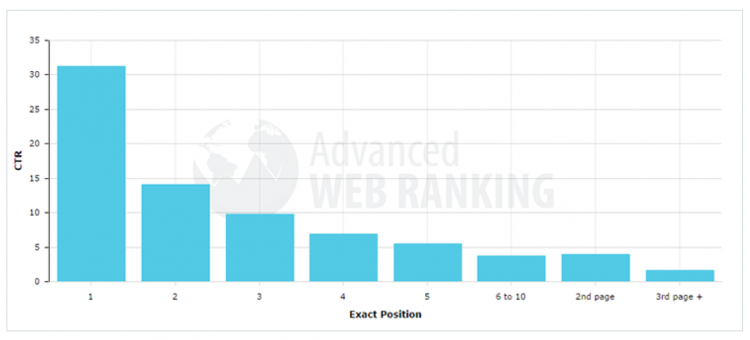
    Which is exactly why the first page of Google is the only place with significant click-through rates (1st position takes 35% of the clicks).

    (Image Source)

    If your result gets to page 2, 3, 4, or 5, the click-through rate is negligible. In other words, if you want to live the passive-traffic and high lead-gen dream that SEO promises, you must be on the first page. Nothing else will get you the results you’re looking for.

    Once you pull off getting your website on the first page of Google’s rankings, though, click-through rate isn’t the only benefit — the lead quality is typically much higher than those from paid advertising, meaning a high close-rate for pennies on the dollar.

    Here’s what Tyler Ford (a real estate agent and investor) has to say about this.

    Get Your Carrot Website Today and Start Generating Leads in No Time!
    How Long Will It Take You To Get To The First Page?

    Okay — so you know how valuable the first page of Google is. You understand that the lead quality is typically much higher, the leads are much cheaper, and they take much less work to generate (over the long term, of course).

    Note: This isn’t to say that you should ignore paid advertising altogether. Many Carrot members use PPC and direct mail to get leads immediately but then invest in SEO for their long-term business sustainability and financial predictability.

    But how long is it going to take you to rank on the first page of Google?

    Unfortunately, I can’t answer that question with a simple number of months. Generally speaking, though, you should expect to see some type of positive movement with your rankings within 3-12 months, depending on a few different factors.

    Here are the 4 biggest factors I’m referring to. Taking these into consideration, your website should take between 3-12 months to get near the first page of Google for your target keyword phrase, moving up and down that spectrum depending on…

    The 4 Biggest Ranking Considerations

    1. Keyword Competition

    The more real estate investors or agents that you have to compete with for page one of your target keyword phrase, the longer it’ll take to see the results you’re looking for.

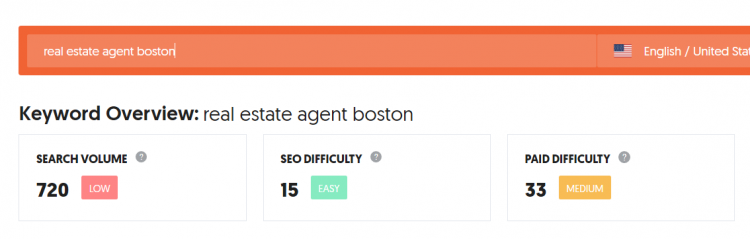
    Of course, different keyword phrases will have different levels of competition. You can use Ubersuggest to check the competitiveness of various keyword phrases. While less competitive phrases usually also mean less monthly search volume (meaning less passive traffic), it is often easier to get your website ranking on the first page for those phrases.

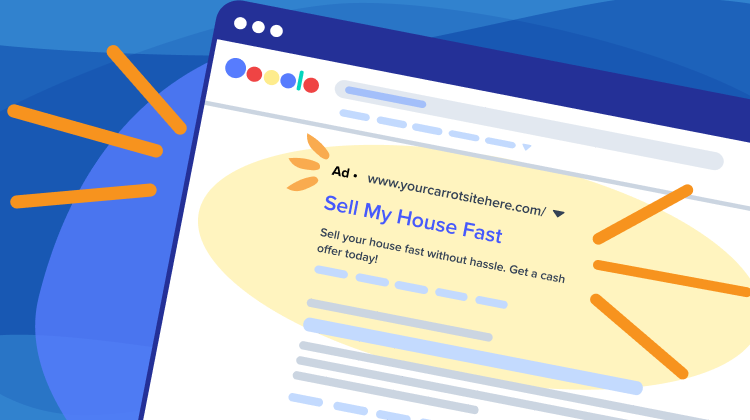
    So, if you want a few first-page rankings under your belt faster, then try targeting some longtail keyword phrases with lower search volume and minimal competition. Over time, you should still focus attention on highly competitive phrases (such as “sell my house fast “) since those generally have a high payoff once you’ve reached the first page, but don’t be afraid to start with the lower-hanging fruit.

    real estate agent keyword competition

    (Image Source)

    Learn More: How To Find High-Intent Real Estate Keywords and Dominate Your Market’s SEO Rankings

    2. Content Creation Consistency

    create consistent content

    (Image Source)

    With more content comes more opportunities to rank in Google. Think of it this way: every page on your website get crawled by Google’s bot and has a chance to rank in search results. It logically follows, then, that with more content optimized for search engines on your website come more opportunity to rank for a variety of high-intent keywords.

    Often times, the real estate agents and investors who claim the first page of Google are the same ones who consistently publish new content… on their website, blog, and social media channels.

    The more stuff you create and put out there, the more that Google likes your website. And so long as the content you create is optimized for search engines, every single page is another chance for you to beat your competitors. The more content you create and the more consistently you create it, the faster you’ll reach the first page.

    Learn More: 4 Real Estate Content Marketing Strategies You Can Actually Use to Grow Your Business

    3. Backlinks

    What’s a backlink?

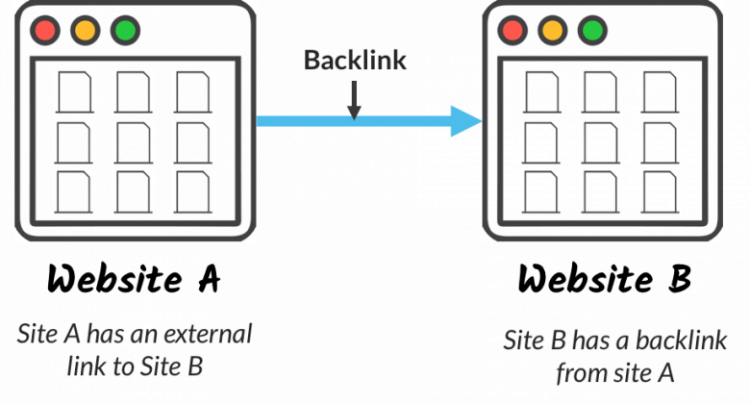
    A backlink is simply when another website links to a page of your website as shown in the diagram below.

    what is a backlink for real estate

    (Image Source)

    So long as the website that provided you with the backlink (Website A) is trustworthy in the eyes of Google (see the dangers of black-hat link building over here), that link will lend your rankings some additional gusto. The more quality backlinks your website has, the faster your pages will crawl their way to the top of Google’s rankings.

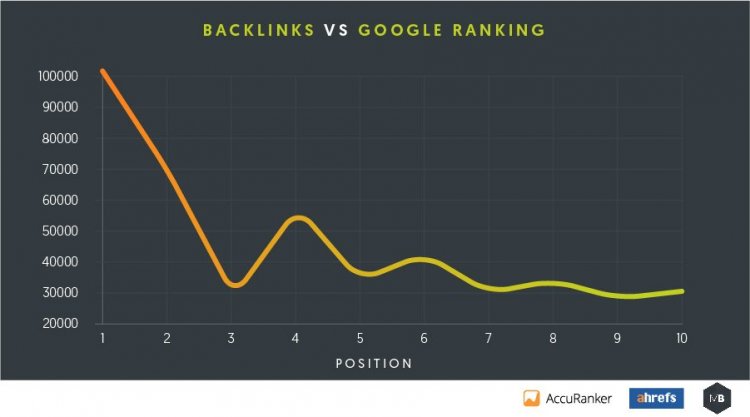
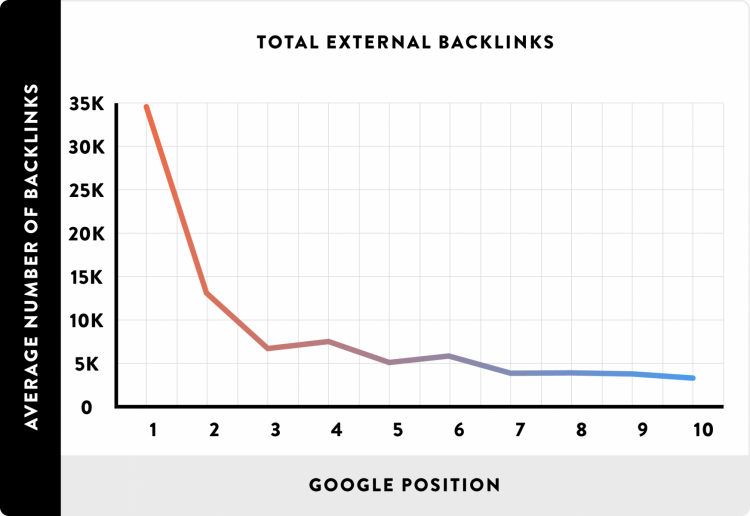
    In fact, there’s a direct correlation between the number of backlinks and ranking position.

    backlinks and google position

    (Image Source)

    That’s not to say, though, that you need 35,000 backlinks to see significant results from your SEO efforts — trying to rank for real estate keywords in your specific market is far less competitive than the demands of most online marketers.

    Sure, backlinks will increase how fast you rank your website, but they aren’t totally necessary for a beginning SEO strategy (citations are more important, actually — learn more over here).

    Learn More: How Many Backlinks Does it Take To Start Ranking Your Real Estate Website in Google

    4. Time

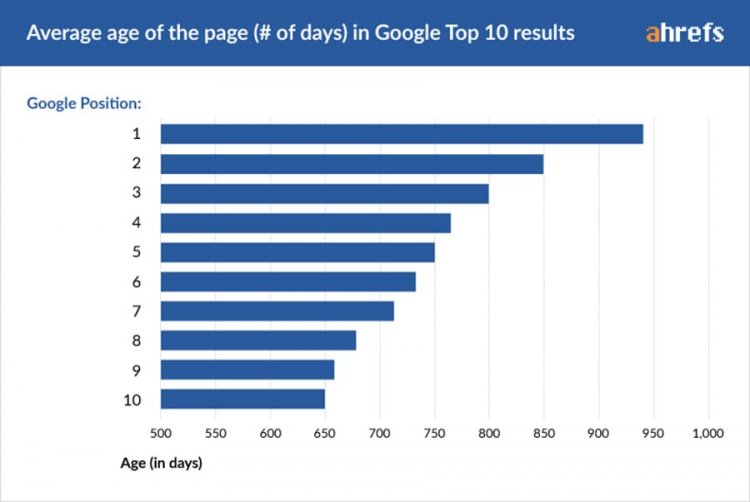
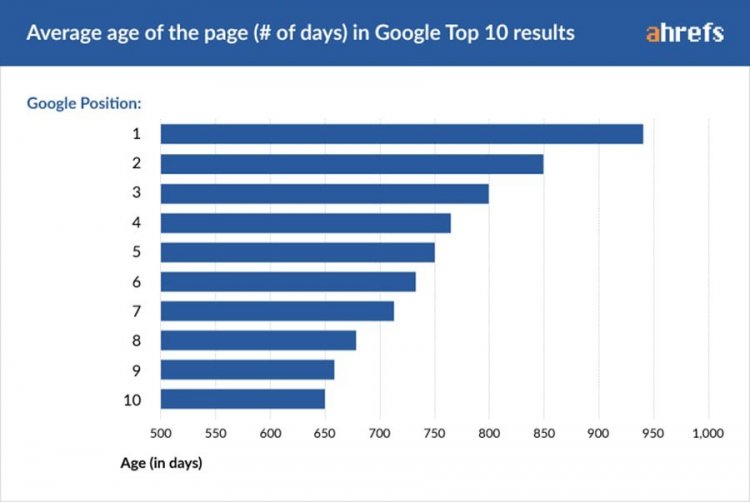
    At this point, this last consideration probably goes without saying… but I’m going to say it anyways: the longer that a page exists, the more authority it gains. Period. There’s a direct correlation between how old a page is and how high it ranks in Google. The average age, for instance, of a position 1 ranking is almost 950 days.

    average number of days before ranking in the top 10 on Google

    In other words, and if you take anything else away from this article, understand that SEO takes times — there’s simply no way to get around it. When you’re trying to get a page on the first page of Google, the reality is that Google has already chosen 10 results for that first page and you have to beat those results — that takes time.

    Related Video Content. Watch: “SEO for Real Estate Investors | How Long Does It Take to See SEO Results?

    It can be done, to be certain, and you will do it if you stick with it, but it’s important to know really what you’re up against. And the 4 above considerations should help give you a better idea of how long you should expect your website to take to get to the first page of Google.

    As always, though, if you have any additional questions, hit us in the comments!

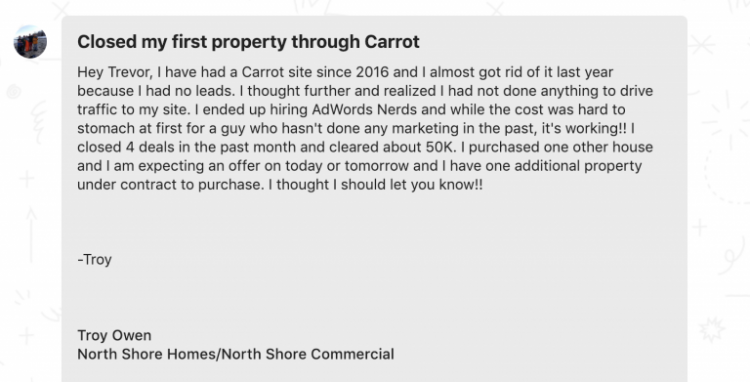
  • How This Real Estate Investor Went From Almost Canceling His Carrot Site to Clearing $50k Per Month

    How This Real Estate Investor Went From Almost Canceling His Carrot Site to Clearing $50k Per Month

    Almost Cancelling His Carrot Site to Clearing $50k Per Month

    “I’m not getting any leads through my Carrot website. I’m just going to cancel it.”

    That’s what Troy told himself one day as he drove to work. He almost did it, too. Thankfully, he gave it another shot.

    And he couldn’t be happier…

    Watch Troy’s Case Study

    From No Leads to $50k in Deals  - What I Almost Missed Out On by Leaving Carrot

    Meet Troy

    Troy is a real estate investor out of Milwaukee. He’s no rookie – with over ten years of experience and plenty of closed deals, it’s clear that he knows his stuff.

    Troy had a good thing going. He was spending his time buying and selling income properties to other investors and making a healthy profit.

    One day, Troy decided to take things to the next level. He found out about Carrot and got his hands on one of our high-converting websites — powerful, lightweight sites that are made to dominate Google rankings and convert visitors into leads.

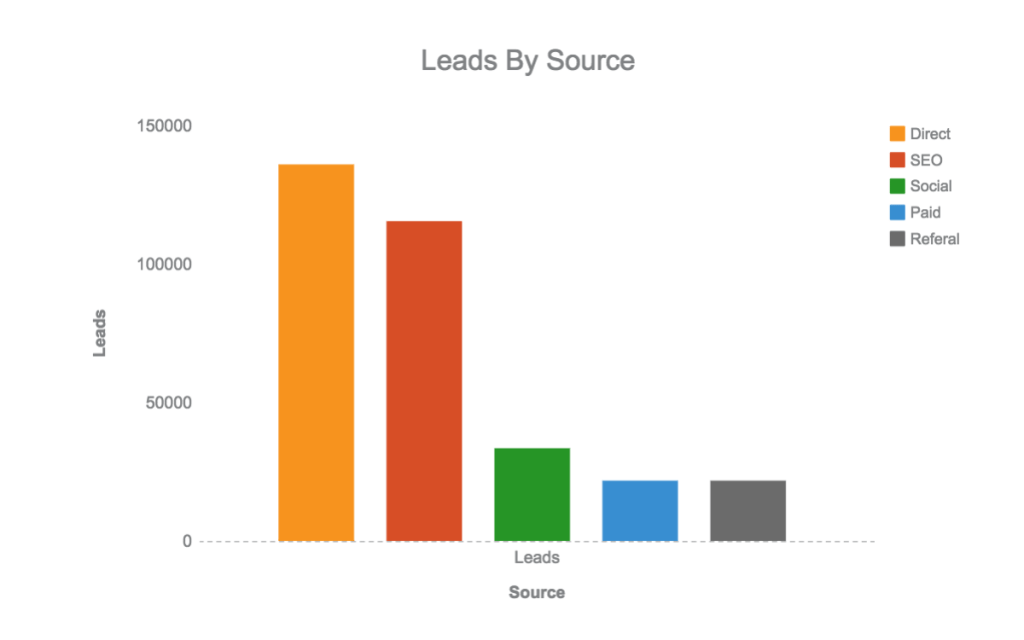
    leads by source

    (Image Source)

    They’re made just for real estate investors like Troy, so once he set up his own site, he was hoping to get a lot of new leads…

    But leads started drying up…

    Some time passed, and he didn’t do much with the site beyond a bit of customization. He wasn’t actively trying to drive traffic to it with PPC or SEO, so it really just sat there.

    That wasn’t a big deal until the market started shifting and Troy found that leads were getting harder and harder to come by. The other lead sources he used had all but dried up, and his Carrot website didn’t seem to be doing much for him.

    “Sources that were giving me enough leads and deals these last years just weren’t enough to keep me busy. A lot of those have dried up… I had to find something else.”

    That’s when he decided he could save some money every month If he got rid of his Carrot site. After all, what good is a high-converting website if no one ever sees it? It doesn’t matter how optimized it is if it’s just sitting there collecting dust. So he started researching how to cancel his Carrot subscription.

    But then he thought, Quitting is the easy way out… maybe one more shot.

    And he decided that he wasn’t ready to quit just yet. He realized that he hadn’t been doing as much as he could to drive traffic to the website, so he wanted to give it another go.

    “I knew if I took the DIY route it wouldn’t have gotten done the way it needs to get done… so, I hired out and the leads that came in were more than enough to pay for it. So, it’s totally worth it — and it happened faster than I expected.”

    How Troy made it work…

    The second time around, Troy took it a lot more seriously. He found some great AdWords marketers and hired them to help him with PPC. It was a hard cost to stomach, especially while his leads were buckling, but once the PPC started bringing in traffic, he realized how powerful his website was.

    “It was a bigger upfront cost, but it only takes one deal to pay for it, so it would be crazy not to give it a try.”

    Steady leads have been flowing in ever since.

    For Troy, the high cost of marketing and PPC quickly paid for itself. All it takes is closing one solid lead in a month. Troy closed four. He brought in $50,000.

    Better yet, he started working on SEO, and now that more organic traffic is flowing in, his PPC is cheaper than it used to be, and he’s pulling in even more leads.

    “Early on, the cost per lead was hitting $3,000…but now that I’m starting to get SEO leads that’s helping quite a bit.”

    This gave him the freedom to focus on improving other aspects of how he does deals.

    He experimented with different follow-up methods to see which worked best, and now that he adopted a more aggressive follow-up method, his leads per deal ratio is up from 10:1 to 5:1. He’s always experimenting with direct mail.

    Troy realized that paying for his Carrot website and the AdWords marketers that he hired wasn’t a necessary evil – it was a sound investment. If he left his website without trying to make it work, he wouldn’t have saved money. He would have lost it…

    What Troy learned…

    (Image Source)

    “I knew the cost would be significantly higher in the first few months, but it didn’t take all that long. Now more deals are coming in, I’ve had some bigger deals come through, and that cost per lead is dropping down.”

    Troy paid for services that ramped up his business. If he left Carrot and decided that the AdWords marketers were too expensive, he would have lost $50,000 in opportunity costs. That’s a type of cost that people don’t usually factor in, but it’s essential if you want to be a successful real estate investor.

    Troy says it best:

    “Commit to finding a way to drive traffic to your website. Whether it’s you or you hire out, you have to do it. The site converts, it’s proven…but you have to get traffic to your website before you experience any kind of return.”

    An underperforming website or a lack of marketing can cost you. On the other hand, putting down money for services that can boost your income in the long term is a solid investment.

    If you’re using Carrot and PPC marketers like Troy did then you can rest assured that you’ll get a lot more eyes on your website while maintaining a high ROI.

    These services can pay for themselves many times over. Here at Carrot, giving our clients a good return on their investment is one of our biggest goals.

    That’s why we equip them with the best tools out there, crafted with real estate investors in mind. From our high-converting websites to our Content Pro and Advanced Marketer Plans, you’ll have everything you need to generate leads and close deals.

  • What Is Real Estate SEO? Learn the Basics of Search Engine Optimization (SEO)

    What Is Real Estate SEO? Learn the Basics of Search Engine Optimization (SEO)

    What is real estate SEO? By definition, it is “creating relevant content with keyword focus to improve website visibility in the organic search results for real estate professionals. The process includes building landing pages, updating metadata, content modifications, and analyzing keywords.”

    Whether you’re doing apartments, looking for motivated sellers, cash buyers, private lenders, or note sellers — even if you’re a real estate agent — the whole thing is you need to understand search engine optimization and how it can change your business for the better.

    What is Real Estate SEO?

    So, what is real estate SEO? To break it down simply, by giving Google and other search engines what they want, Google will reward you with higher rankings.

    You see, each search engine — Google, Yahoo, Bing, etc. — has an algorithm that crawls online web pages to determine which results to show people when they search for any given keyword phrase (i.e., the words they type into the search engine).

    By “optimizing” your real estate web page(s) for a search engine’s algorithm (usually Google since it’s the biggest), you can rank for high-value phrases and drive passive traffic to your website.

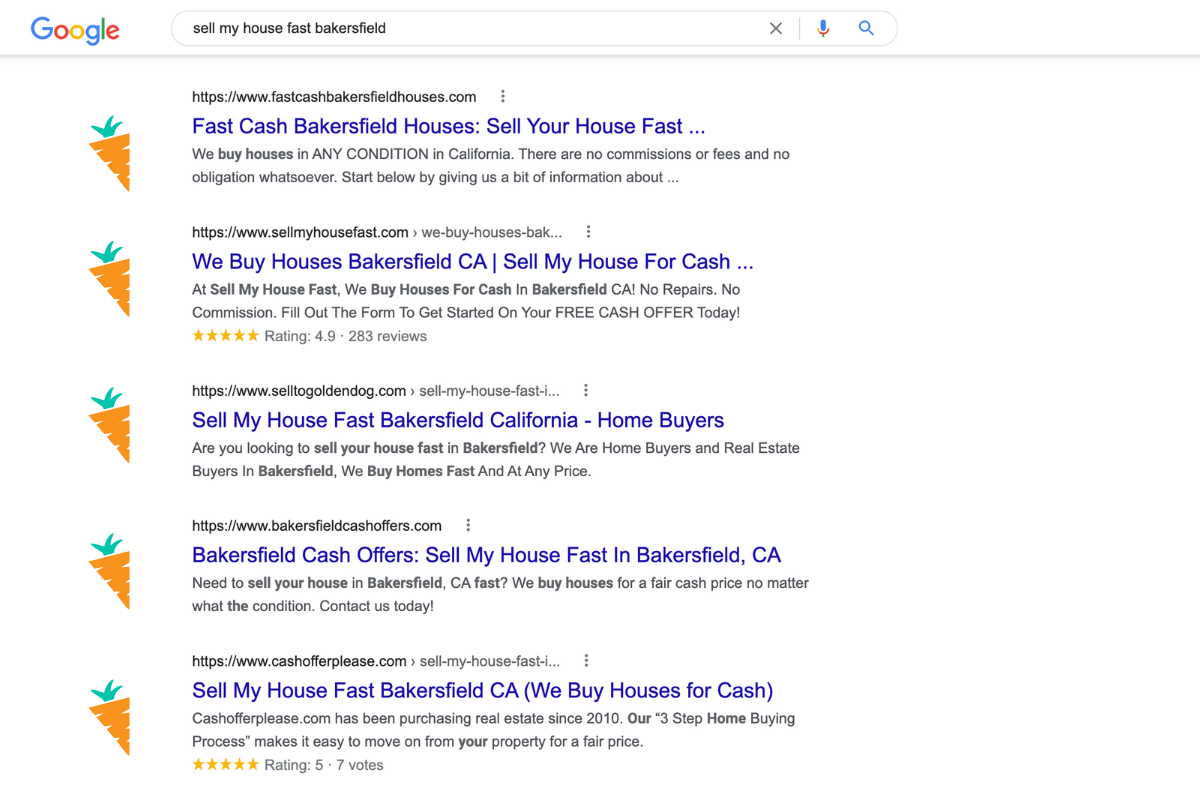
    Carrot members, for instance, often rank for market-specific phrases.

    Carrot website rankings for "sell my house fast bakersfield"

    Here’s the best part: that algorithm determines where you and every other website ranks in Google — experts already know what factors that algorithm considers.

    Partly, they know because of testing and experimentation. And partly, they know because Google consistently releases updates about how their algorithm interacts with websites and online content.

    NoteI’ve transitioned from talking about search engines in general to talking about Google specifically. This is because Google accounts for about 93% of the search engine traffic online. It’s the heaviest-hitting player in the search engine world and the one whose algorithm you should most seriously consider when crafting your SEO strategy.

    Which means you can too.

    But it’s important to note the difference between working to please the search engines… and trying to trick them.

    One will get you rankings. The other will get you banned.

    Black Hat SEO VS. White Hat SEO

    Black hat SEO and white hat SEO, are basically just search engine marketing jargon for a bad way to build rankings and a good way to build rankings.

    Black hat is gaming the system. It’s trying to trick Google’s algorithm into giving you higher rankings. While this will sometimes work over the short run, it is likely to get your website into trouble when Google finds out what you’re doing.

    You can learn more about black hat SEO no-nos over here.

    White Hat SEO Strategy – Maintaining Your Integrity.

    White hat SEO strategies, on the other hand, build rankings the way that Google wants you to.

    That’s the way that we work at Carrot. That’s how we’re going to train you, is on white hat strategies.

    With white hat SEO, there’s less risk and more opportunity.

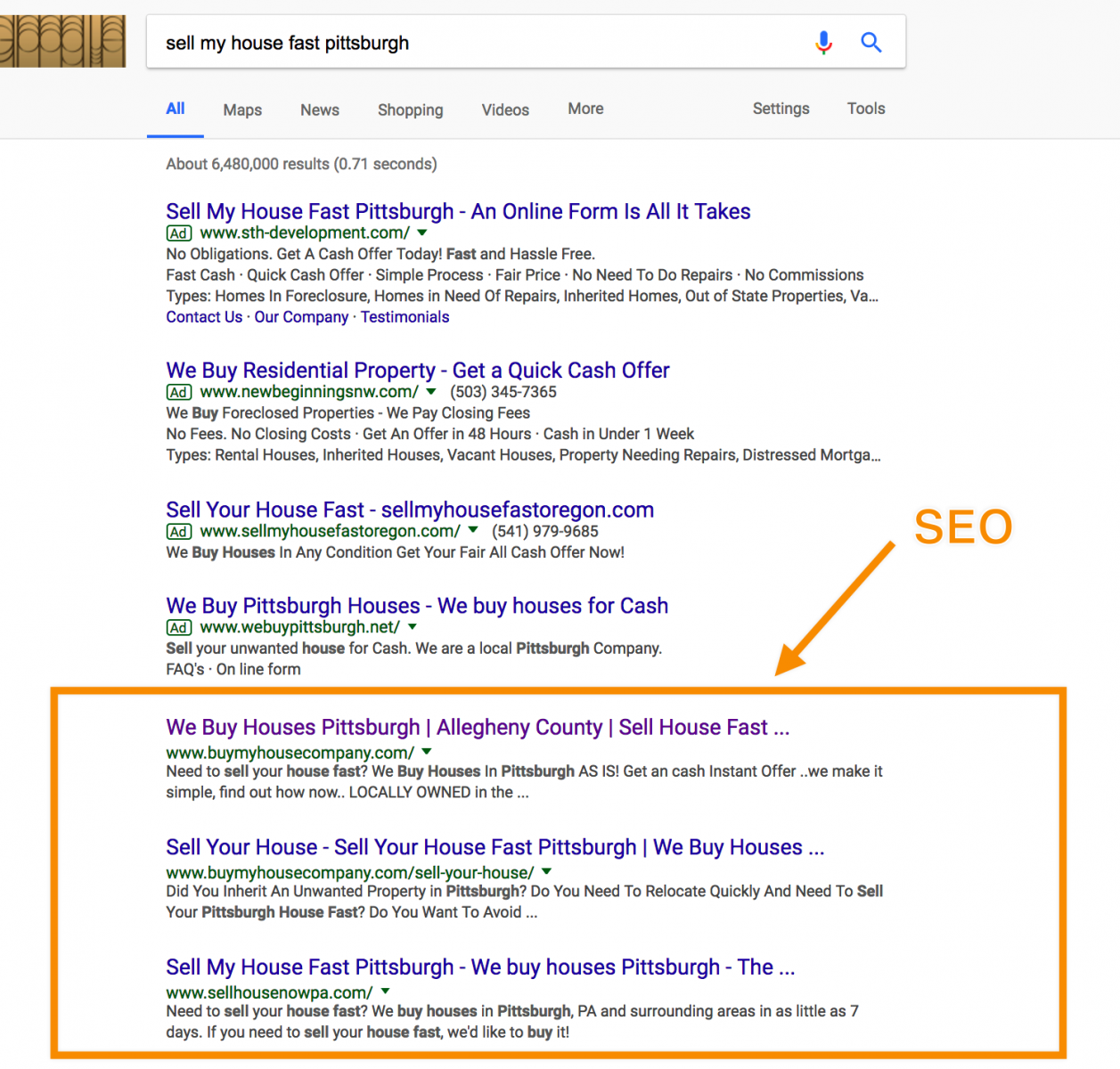
    As an example, if you go to Google and type up phrases like “Sell my house fast Pittsburgh,” “Sell my house fast Baltimore,” or “Sell my house fast Birmingham,” or “We buy houses Bakersfield,” or hundreds of other phrases.

    Or, on the cash buyer side, “Investment properties in Baltimore, Baltimore wholesale properties.” Or maybe “real estate agent in Boston.”

    You’ll see Carrot members popping up very high on the search rankings, leveraging their training and our search engine optimization tools, and getting more leads.

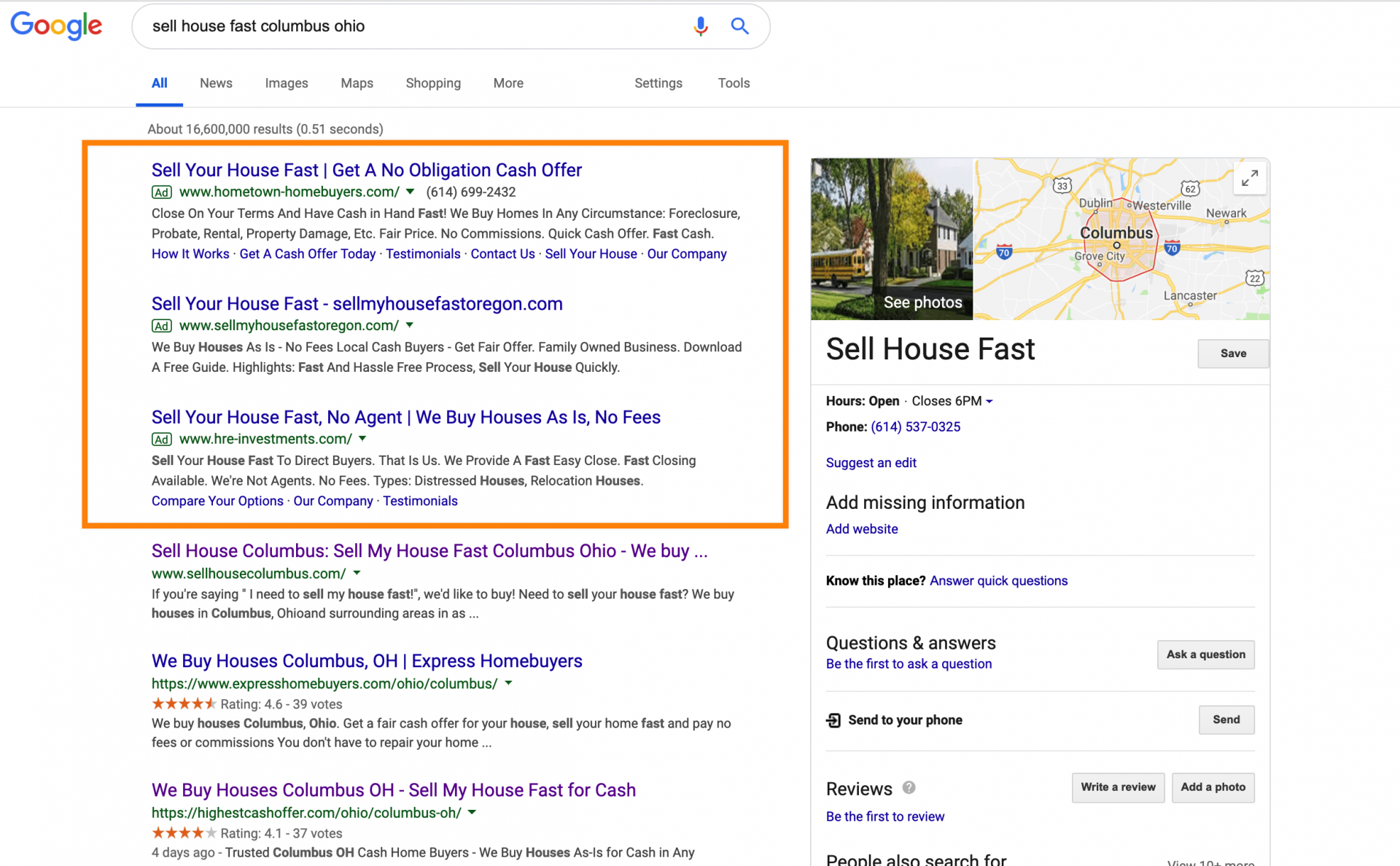
    For SEO search engine optimization, we’re focusing on the section in the Google search results and Bing search results, and Yahoo search results. But mainly Google. We’re focusing on the area that’s above the orange box, you can see the parts where it says, “Ad.” Those are ads that people paid to be there.

    seo ranking factors for real estate page one rankings

    The part in the orange box is called the organic search listings. That’s where, with search engine optimization, tweaking some things, and following Carrot training, you’re going to be able to get there in your market when you follow our training and our system.

    Inbound Marketing for Real Estate – Draw Clients to You.

    One of the reasons that we love search engine optimization is inbound real estate marketing. Inbound marketing is essentially when people go online, go to Google, type up questions, or they type up problems. They’re typing up something that they want to be solved, and then they land on your website.

    They land on a website that is ranked high on Google. There was a study done by HubSpot that found that 28% of searches for something nearby (local SEO) resulted in a purchase. Also, 78% of local mobile searches result in offline purchases. So, local SEO is very powerful.

    Direct traffic is people who already know about your website. They already knew your website name. Maybe they got it through your business card; maybe they got it off of a billboard, direct mail, or something like that. Direct traffic also performs very well because they’re already familiar with you. They already know about you. Then down the line you’ve got paid search, Google Ads, they go through PPC, and it’s all still insanely effective.

    The reason we love search engine optimization so much is that with this higher lead to customer close-ratio, you have a higher quality lead. You tend to close more leads per the leads you’re getting than outbound marketing or things like that.

    For example, here are the lead volume numbers accumulated by Carrot members (not counting phone calls.) 31.71% of the leads that came into our Carrot member websites were from Google organic search traffic. This drives home the importance of good SEO.

    Why SEO for Real Estate is So Important for Lead Generation

    organic real estate leads
    101,000 Leads Coming From Organic in 2018!

    Why Real Estate SEO Matters

    If you’re closing one out of every 40 leads into a deal or a listing, from your radio ads, with SEO, you might close one out of every 10, one out of every 15. You don’t have to get as many leads to close the same amount of deals, which is why we love SEO.

    Every day people are raising their hands for help by going to Google and other search engines, and they’re searching for solutions to their problems.

    What search engine optimization and inbound online marketing do is the equivalent of a seller or a buyer or a private lender or a note seller going and knocking on your door and they’re asking you for help. Rather than the other way around, rather than you going to their door and knocking on it and saying, “Hey, do you need to sell your house,” or, “Hey, are you looking for properties?” interrupting their thought process.

    Inbound marketing joins them in their thought process. They’re coming to you.

    They’re reaching out and asking you for help, putting you in a position of power. Inbound marketing, specifically with search engine optimization, is the most remarkable form of marketing ever created because the people are coming to you, and it puts the prospect in a whole different mindset when they are the ones who reached out to you rather than the other way around.

    Does Real Estate SEO Work?

    A common question is, “Does SEO work, can it close deals, what’s the ROI of search engine optimization?”

    Of course, it does! We have so many Carrot members generating SEO leads and closing SEO deals.

    Here’s one of those stories…

    60 Leads Per Month. All from SEO & Carrot w/ Andy Kolodgie.

    Currently, Carrot members are pulling in a little over 60,000 leads per month. That doesn’t include phone call leads, people, landing on your websites, and calling on their phones.

    The system’s effective and exciting, seeing you jumping into SEO and learning what you can do to increase your rankings in any city you’re in.

    Baltimore, DC, Birmingham, Bakersfield, Houston, Oahu, Salt Lake, and even smaller cities. In smaller cities, it’s easier to rank well with SEO. But in bigger cities, we have members all across the country ranking very well, very high for SEO, with their Carrot websites, using our SEO training you’re going through right now.

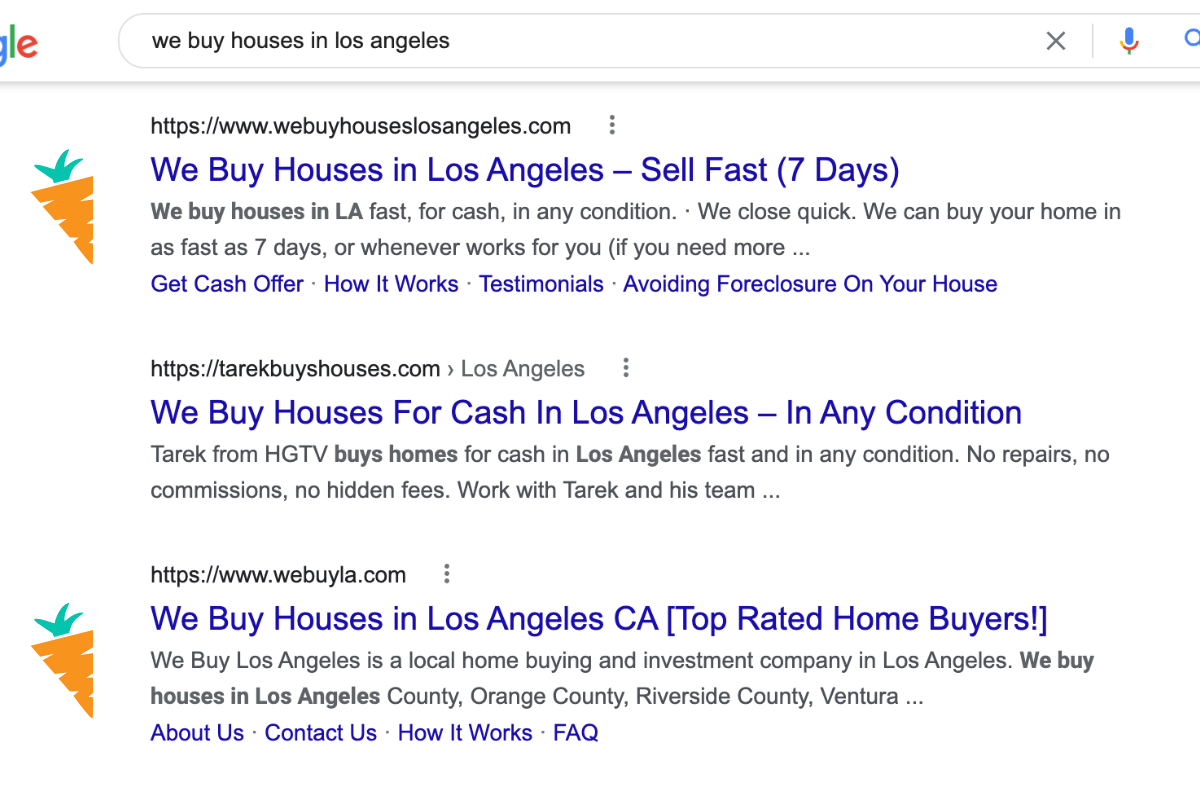
    For example, for the search phrase “we buy houses in Los Angeles” Carrot members rank #1 and #3 in organic results.

    we buy houses in Los Angeles

    If you find another member in your market who is already ranking on page one, don’t panic. We have markets where there are four or five Carrot members on page one, all getting better results than they would be without Carrot, and they’re sitting there battling it out, but they would never have even gotten those results without SEO training and our system.

    This works in any market, no matter how large or small.

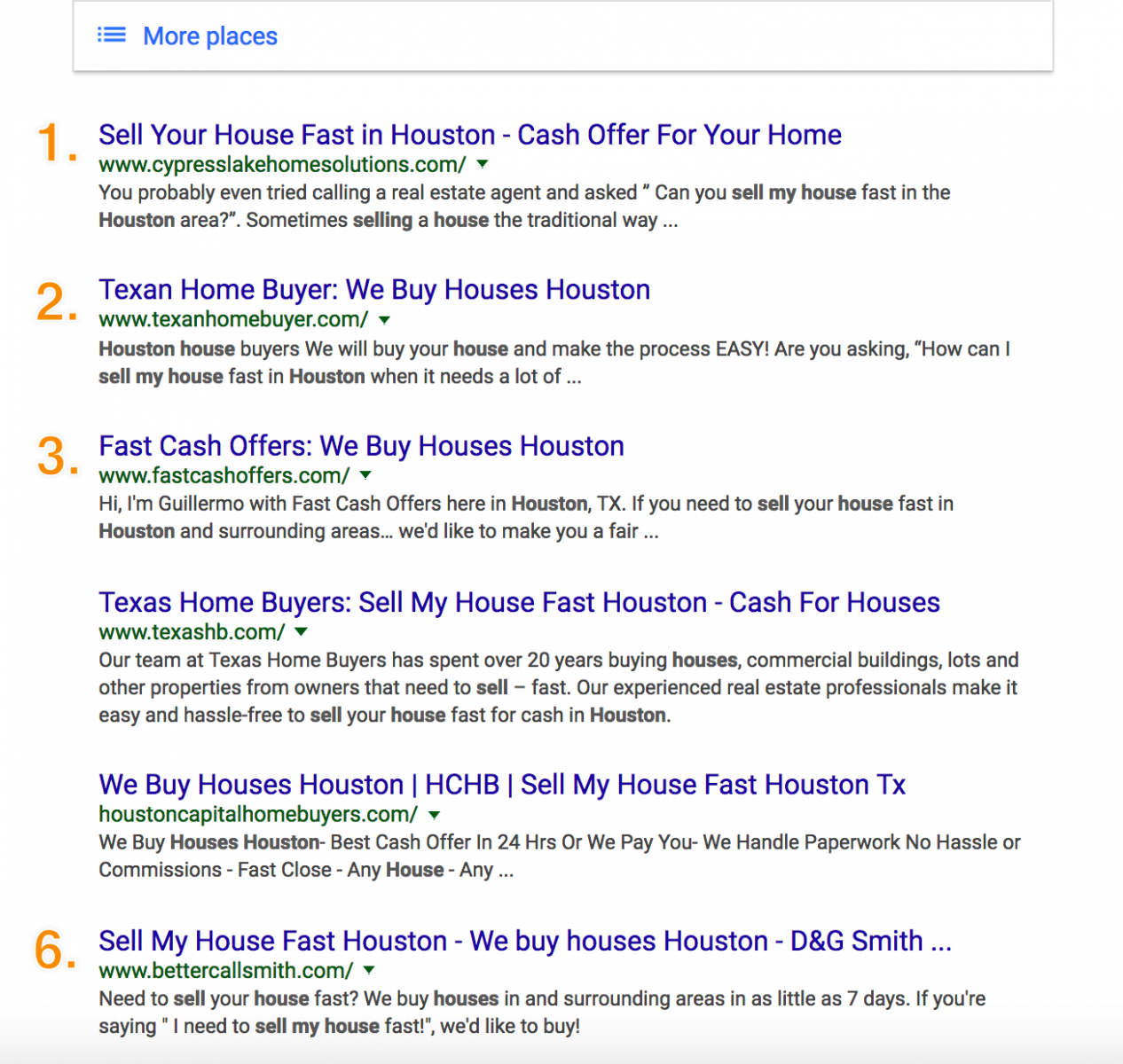
    sell my house in houston search results

    As we mentioned, Carrot members currently hold more page one rankings and top five rankings on search phrases that matter more than any other website platform for real estate.

    That’s an empowering thing for you reading the post or watching the SEO training video because it shows you that you have a powerful tool at your fingertips, and we’re here to help you get there and get the same results as other people in those markets if you implement the system and work it. Let’s get you there, too.

    We break it down and make it simple and achievable in the rest of the beginner SEO training series, the 3 Lead Per Day training for our members, and our SEO 101 course

    Whether you’re someone who’s diving into SEO for the first time or even whether you’re advanced, we have you covered.

    We’ll also give you the strategies that are making it work well for us.

    We’ll give you specific action steps, so you don’t need to be an SEO expert or a techie to get great results with search engine optimization.

    You just need to follow the steps, stick with the plan, leverage our process and reach out to us when you need help.


  • EP 142: He’s Flipped 4,000 Pieces of Land… Why It’s An Amazing Time To Start w/ Jack Bosch

    EP 142: He’s Flipped 4,000 Pieces of Land… Why It’s An Amazing Time To Start w/ Jack Bosch

    EP 142: He's Flipped 4,000 Pieces of Land... Why It's An Amazing Time To Start w/ Jack Bosch

    It’s crucial to say what you do and do what you say… your personal reputation is too important.

    Jack Bosch

    Jack Bosch is the expert when it comes to land. In 17 years of flipping land, he has successfully flipped over 4,000 lots, and plans to flip about 15 deals PER MONTH this year!

    2019 has been his best year ever and he’s going to share why now is an amazing time to start and how you can break into the market with a few tips and tricks.

    Learn how to create cash flow that provides generational wealth and get the knowledge, capability, confidence, and courage to succeed.

    Listen to the CarrotCast Podcast:

    [podcast-subscribe]

    The Conversation

    4:03 – Jack’s background in Real Estate – His main game is land flipping, but his team also deals in multi-family and other markets.

    8:46 – Creating cash: Using the wheel of wealth to reduce expenses and invest it into assets.

    23:21 – The 3 types of land Jack goes after and exactly how to find land buyers and sellers that turn into the best deals.

    27:46 – Jack Bosch’s top tips on how to start buying and selling land.

    35:30 – Breaking down the math behind Jack’s investments. How much revenue are his deals generating?

    42:30 – Jack’s marketing mix for finding buyers and sellers. How direct mail and online are working together.

    47:27 – Top resources for where to find buyers for land. Carrot.com with PPC and, LandWatch, Lands of America, LandFlip, Facebook Marketplace, Craigslist, RedFin, and Zillow. Start with free resources and amplify them with paid marketing.

    RESOURCES FOR YOU

    ADDITIONAL CARROTCAST EPISODES

    • EP 57: You Can Achieve Financial Freedom and Build True Wealth w/ Jack Bosch: CarrotCast
    • EP 47: Flipping Vacant Land: How Gary Horton Pivoted His Wholesaling Business In A Tough Market To Be On Track To Flip 100 Pieces Of Bare Land In 2017: CarrotCast
    • EP 36: What’s Your Credibility Score? The Top 5% Of Earners Are Doing These “Simple” Things To Build More Credibility In A Cluttered Market w/ Trevor Mauch: CarrotCast

    We want to hear your thoughts on the podcast! Drop them in the comments section below or hit us up on Facebook or Instagram

    [podcast-subscribe]

  • EP 140: From No Leads to $50k in Deals – What I Almost Missed Out On by Leaving Carrot

    EP 140: From No Leads to $50k in Deals – What I Almost Missed Out On by Leaving Carrot

    From No Leads to $50k in Deals  - What I Almost Missed Out On by Leaving Carrot

    Listen to the CarrotCast Podcast and Subscribe Below!

    Focus on progress, not perfection.

    Trevor Mauch, CEO of Carrot

    Meet Troy. Troy is a 10-year real estate investor, so he kind of knows his stuff. One day while driving to work, Troy thought

    “I’m not getting any leads through my Carrot website, I think I’m just going to cancel.” But Troy’s not a quitter, so he decided “Ya know what, I actually like making money. Maybe I’ll give it another shot.”

    So Troy started ramping up his marketing through PPC and got some help from the Carrot folks. It turns out his work paid off… Troy made over $50k last month by closing 4 deals he got through his site.

    Now Troy is getting results. Now Troy is ramping up his business. Now Troy is happy! Here’s how he did it…

    [podcast-subscribe]


    The Conversation

    2:29 – Troy’s started out 10 years ago as a real estate investor and house flipper in Milwaukee, Wisconsin. Right now, he’s averaging about 8-10k per PPC deal and closing roughly every 1 in 5-10 leads. Get in touch with the PPC experts he used HERE.

    8:41 – What one thing is costing you the most money? Lack of follow-up with your leads. Consistent follow up is key to closing your deals. Sometimes we think we’re bugging people by calling, texting, and emailing him. Without his persistence through 8-10 phone calls, Troy would’ve missed out on $30k from someone who wanted to sell their house.

    13:12 – How he plans to ramp up his marketing this next year. Doubling down in online, optimizing his website, and committing to larger direct mail campaigns.

    17:32 – How much can you afford to spend per deal? Figure out your max cost per lead and max cost per deal by watching this video: https://carrot.com/blog/max-cost-per-lead/

    18:16 – When something is not working, make a mindset shift and ask yourself “Have I truly given this a real chance?” Troy knew his time could be better spent on getting deals done so instead of going the DIY route with his website and marketing, he outsourced it and hired experts, and switched to Carrot’s advanced marketer plan.

    21:15 -Suggestions for success from a Carrot customer. Commit to finding a way to drive traffic to your website. There’s a reason why we repeat ourselves at Carrot… the model works! Implement and educate, implement and educate.

    RESOURCES FOR YOU

    ADDITIONAL CARROTCAST EPISODES

    • The Secret To True Happiness For Ambitious Entrepreneurs w/ Seth Buechley: CarrotCast
    • My Struggles And 8 Success Lessons Learned… From Paying Taxes With My Credit Card To Multi-Million Dollar Businesses: CarrotCast
    • What’s Your Credibility Score? The Top 5% Of Earners Are Doing These “Simple” Things To Build More Credibility In A Cluttered Market w/ Trevor Mauch: CarrotCast

    We want to hear how we can make our products better and what we can do to help you! Drop them in the comments section below or hit us up on Facebook or Instagram

    [podcast-subscribe]

  • EP 124: Max Maxwell + Tony Robinson Unplugged: The Struggles, Lessons, Failures, and Keys That Led to a Multi-million Dollar Real Estate Business w/ Trevor Mauch

    EP 124: Max Maxwell + Tony Robinson Unplugged: The Struggles, Lessons, Failures, and Keys That Led to a Multi-million Dollar Real Estate Business w/ Trevor Mauch

    Max Maxwell + Tony Robinson: Lessons and Keys To A Multi-Million Dollar Real Estate Business

    Listen to the CarrotCast Podcast and Subscribe Below!

    We had no advantages. We had ups and downs just like everybody else. I think that’s what you know a lot of people in this real estate game don’t show that other side of the downside and we stuggle everyday. I mean it’s not easy. Max Maxwell

    What’s up CarrotCast community. It is the end of a week right now as at the time I record this. I’m actually getting ready to head out to North Carolina and Tampa on Sunday for my last, last, last trips of the year for business.

    It’s been … It’s definitely been cramming a lot of stuff in this past month and a half, it’s been all amazing stuff. Just meeting a lot of amazing people. I’ve talked about it in recent episodes of the CarrotCast and different masterminds and high level. I’ve been in boardrooms with two multi-billion dollar companies, their CEOs, different masterminds with just amazing, amazing people.

    Speaking of North Carolina, the guests I’ve gotten today’s episode of the CarrotCast, they were actually out here from their home in North Carolina. They were here at CarrotCamp and it’s actually Max Maxwell and Tony Robinson. Max and Tony had been friends for … Shoot for decades and are going way, way, way back.

    I think everyone in the industry knows that Max has been kind of taking the industry by storm with his YouTube channels, podcasts, his Instagram following. He’s just building a big, big, big movement. And it’s cool. I love seeing what he’s doing because he’s just sharing what he’s doing as an investor. And originally the whole aim was hey, how can I get from $20K a month to $100,000 a month? And he passed that, and here at CarrotCamp, he’s talking about doing some amazing, amazing things. They’re already doing crazy, crazy great things.

    Anyway, we had a chance to kind of, hole away at CarrotCamp in my office, I pulled them to the side and I said, guys, everybody knows Max’s journey from the past two years. Everybody knows how he was broke and how he dove in and started tackling real estate investing and really nailed cold calling and really nailed PPC with Carrot and is doing great. Everyone knows that story.

    But, one thing that hasn’t been told is the backstory before that, what happened 10 years, 20 years prior. What happened with their relationship? How did they get to know each other? And how did they support each other through the ups, through the downs?

    So we sat down for this candid interview going all the way back to when they were 12 years old and they met, and through the struggles, through a jail stint, through both of them going broke at times, but opposite times through Tony making millions and then losing it all and going to jail.

    It’s just crazy, crazy things during the story, but the cool thing I want you to guys to notice is what made these guys who they are today.

    People see the success of the past two years as instant, just overnight success, but it wasn’t. It was success decades in the making and I’m insanely proud to sit down with these guys, they’re making an impact, so proud to call them a Carrot customer, Carrot member, Carrot client, and I’m just pumped to be able to see them again and see the impact they’re going to make on more people.

    So listen in to this candid conversation with myself, Max Maxwell and Tony Robinson, his business partner, as they discuss their journey and their path that led them to a multi-million dollar real estate business.

    Also, please give us a rating on iTunes and listen to other episodes of the CarrotCast!


    Listen to the CarrotCast Podcast


    [podcast-subscribe]


    The Struggles, Lessons, Failures, and Keys That Led to a Multi-million Dollar Real Estate Business

    1:55 – Tony and Max’s backstory. How they came together and their relationship.
    3:15 – Their high school years and how those years impacted their success.
    6:00 – Trevor’s brief backstory about a period in his life when he was introverted.
    7:40 –  Where Tony and Max ended up after high school. One to the NFL and the other to the Military. How they helped each other during this time and how it ties into their real estate business now.
    16:40 – Failed businesses and following the entrepreneurial spirit. Their route to real estate.
    21:15 – The ups and downs of 2016 and starting the wholesaling business.
    25:00 – Stop trying to duplicate what “gurus” are doing.
    26:35 – How Max started creating a YouTube and Instagram following and starting their first meet up.
    28:50 – How their business is shaping out to be in 2018.
    30:10 – How they get over the fear of having a partnership while being best friends.

    LINKS TO ADDITIONAL RESOURCES FROM THIS EPISODE

    • $15M++ Revenue in 5 Years… How Raul Bolufe Has Built the Momentum to Crush Wholesaling in a Very Competitive Market: CarrotCast
    • Closing 25% of His Leads: How Max Maxwell Leverages Online Marketing and Inspirational Storytelling to Close 1 in 4 Leads: CarrotCast
    • Need Inspiration? Jason Is Almost Single-Handedly Renovating His Small Ohio Town by Investing… One Building at a Time w/ Jason Duff: CarrotCast

    FREE RESOURCES FOR YOU!

    We want to hear how we can make our products better and what we can do to help you! Drop them in the comments section below or hit us up on Facebook.

    [podcast-subscribe]

  • The 6 Rules of High-converting Real Estate Landing Pages

    The 6 Rules of High-converting Real Estate Landing Pages

    Real Estate Landing Pages Optimization

    Your real estate landing pages could be costing you $10,000, $20,000, $50,000. That’s only one lost deal.

    Relative to other popular 21st century industries (e-commerce, info product selling, affiliate marketing, etc) real estate is unforgiving. In many of those other industries, one lost deal might amount to $10 or $1,000 lost. But in real estate, players tackle each other on the pavement…

    Without knee pads…

    Or helmets…

    Or teeth guards…

    You get the point – one lost deal hurts. And it hurts bad.

    But, that also means that one gained deal has an equally massive impact. And the fewer deals you lose to savvy market competitors, the more deals you gain.

    In other words, you can turn that lost-deal dilemma into massive cash flow by transforming your real estate landing pages from an underperforming duds into a visitor-converting machine.

    This is exactly why I’m going to show you how to optimize your real estate landing pages for conversion.

    Follow these rules in your own market.

    But first, a quick note about why your website isn’t converting as you want it to (the answer is simpler than you think).

    What are Real Estate Landing Pages?

    A real estate landing page is a standalone page, created specifically for a marketing campaign. It’s where a buyer, seller, or partner “lands” after they click on a link in ads, emails, or possibly organic SEO rankings.

    The anatomy of a real estate landing page is pretty simple.  You might be thinking:

    • Is there a specific design that always works the best?
    • How can we tell if a landing page is really working well?
    • What do I use to build my own real estate lead pages?

    First, no, there isn’t a specific design that always works the best.  What works really well for your real estate business and your market may not work as well as another design (or message) on another real estate website.  But, there are elements that usually work well.

    1. A clear and concise headline at the top of the page
    2. A short description of what they’re about to get in exchange for their email address
    3. A few bullet points listing out benefits of what they’ll get when they “opt-in”
    4. An opt-in (a box where people can put their information in and submit it to you)

    Really, those are the only elements that are extremely important and pretty much are needed on any landing page. Yes, you can use pictures and videos. Definitely test the video versus just the text with no video because you might find the one with just the text converts works better.

    Are Your Real Estate Landing Pages Missing the Mark?

    Someone arrives on your website…

    Let’s imagine that they’re your ideal client.

    They need the service you offer, they’re motivated, and they’re just looking for the right person to work with. After all, selling or buying a home is a big decision and they don’t want to make a mistake.

    So they’re browsing around your website.

    One of two things will happen in the end.

    1. They’ll leave your website and find someone else to work with.
    2. They’ll work with you.

    Those are the only two options.

    Assuming that this person needs your service, they’re going to work with someone.

    Only one question remains to be answered, then…

    Will that someone be you?

    Or will it be your competitor?

    How will that person make a decision?

    Well, someone who needs your service – a motivated buyer or seller – is going to ask only a single question:

    Why should I work with you?

    That is the same question that builds empires…

    And topples monopolies…

    For instance, as Forbes reports

    “45% [of consumers] said they have found something in an online search that made them decide not to do business with the person.”

    If your business never gains trust, it’ll never get off the ground. If your business gains trust and then loses it, it’ll die a swift death.

    But if your business gains trust and keeps it, the competition won’t stand a chance.

    Not only will word-of-mouth springboard your business into next-level revenue, but online case studies and testimonials will create the same buzzing effect online – where growth potential is multiplied many times over.

    So why aren’t people working with you?

    If you’re getting website traffic (whether paid or through SEO) and those visitors rarely convert, then this is going to hurt…

    People don’t trust you.

    Sure – there’s a small chance that you’re attracting the wrong audience – that you’re not attracting your target market. If that’s the case, then check out our article about real estate marketing and how you can drive the right traffic.

    More than likely, though, you’re having a different problem.

    Namely, website visitors don’t trust you. They spend time browsing around your website and decide internally, “I’m not convinced.”

    The good news, though, is you’re not doomed to repeat that trust-killing mistake over and over again.

    There are tried-and-proven ways to build more trust, faster on any landing page.

    6 ways, to be exact…

    The 6 Rules of High-converting Real Estate Landing Pages

    Rule Number 1 – Write an “I Have to Read More” Headline

    Copyblogger reports,

    “On average, 8 out of 10 people will read headline copy, but only 2 out of 10 will read the rest.”

    If you’re going to convince someone to work with you, then you have got to start with a compelling headline. It’s the first thing website visitors read and it might be the last thing they read (especially if it sucks).

    But, what constitutes a “good” headline?

    Well, of course, a headline that makes people read more – that makes them feel like they have to read more.

    To do that, your headline needs two elements.

    1. Ambitious problem-solving offer.
    2. Believable enough that your offer doesn’t sound too good to be true.

    Strike those qualifying chords and visitors will keep reading.

    Consider, as an example, this headline on Dave Brown’s website a top-performing Carrot member. Learn more about Dave’s Carrot success… “Getting More Motivated House Seller Leads Online – David Brown Case Study

    carrot real estate website form

    Phrases like “You choose the closing date” and “Get a guaranteed ‘AS IS’ fair cash offer today” keep the headline ambitious and problem-solving enough to maintain the visitor’s interest, while phrases like “We buy houses in New York and throughout the Tri-state area” and “Hundreds of New York Tri-state area homeowners have sold the easy way with Sell Now Homebuyers” keeps it believable enough that the person will continue reading (or opt-in immediately).

    It keeps interest and avoids the too-good-to-be-true curse of many other landing pages.

    We do the same thing on our website.

    Ambitious problem-solving: “Stop losing leads” and “Our real estate investor websites drive more qualified leads than any other platform.”

    Believability: “Our members generated 60,088 real estate leads last month”

    Don’t breeze by your headline without thinking much about it.

    This is the most important part of your entire landing page. So make sure you include these two critical elements: ambitious problem-solving and believability.

    Rule Number 2 – An Iconic Local Video or Image

    Put yourself in the shoes of your target market for a moment.

    Imagine that you type into Google, “Sell my house fast in Western Oregon.”

    You click the first result and browse through the landing page. But something odd catches your eye…

    There are pictures of palm trees…

    And you know – being from Oregon – that there aren’t many palm trees here.

    Is this person even from Oregon? you think to yourself.

    Trust. Dead.

    Well, the same thing can happen on your website, even if it’s not as big a mistake as putting palm tree pictures on an Oregon-based real estate website.

    Something as simple as pictures that are irrelevant or unfamiliar to your target market can kill trust. This is why, for every city, you operate in, set up a new landing page with market-specific sales copy, images, and videos.

    This is exactly what Dave Brown does on his website…

    real estate investor website body content

    Or, here’s and real estate listing example. They use an image of the actual property as the background…

    Even if you don’t live in the area, you operate in it.

    And when people arrive on your website, they want to know that you’re familiar with the local market and capable of helping them in their specific situation.

    City-specific images, videos, and landing page copy build far more trust than their vague or outright irrelevant counterparts.

    Rule Number 3 – Sales Copy that Won’t Let the Reader Stop Reading

    Your headline isn’t the only line that should make your visitor keep reading.

    All of your sales copy should be like a slippery slope that people feel they have to keep sliding down. Each line leads to the next like meal cuisine at an Italian restaurant.

    You just keep wanting more.

    Here’s what this looks like on Home Downsizing Solution’s (another Carrot member) website:

    Each phrase leaves the reader with a question… which naturally guides them into the following sentence… which then does the same thing. So on and so forth.

    Before the reader knows it, they’ve read all of your sales copy and they’re convinced to work with you.

    If you’re writing the words on your landing page and you start to get bored, so will your reader.

    Change it up – use a surprising word or phrase, use a funny metaphor, or ask a compelling question.

    Whatever you do, don’t let the website visitor lose interest.

    Rule Number 4 – Big-promise Bullet Points

    Everyone loves bullet points. In fact, a website’s visitors’ eyes tend to spring right to these helpful nuggets the moment they’re on screen.

    (Image Source)

    Why?

    Because, traditionally, bullet points tell us exactly what we’re going to get and that’s really what we all want to know when we’re going to open our wallets for something…

    Okay okay… but what am I going to get?

    Well, your target market is wondering the same thing.

    This is why bullet points like this are so darn effective…

    And this…

    These easy-to-add (but crazy effective) black dots and blue checkmarks build massive credibility and make ambitious promises.

    Remember, people, visit your website because they need a problem solved. And a bulleted list is one of the best ways to tell them how you’re going to solve their problem and why they should work with you.

    Rule Number 5 – Proof of Concept

    With a bulleted list, a compelling headline, and some unstoppable sales copy, you’ve made some big promises. Promises that – so thinks your target market – won’t be easy to keep.

    Which is where proof of concept comes in.

    You need to prove to your website visitors that the way you work, the promises you make, and the business you’ve created are all worthy of trust.

    How do you do that?

    Well, the best way is by using a past customer testimonial (video is best, but writing will do).

    Consider, as an example, Dave Brown’s case study video… (WATCH)

    Sell Now Homebuyers Review — Cheryl Valentine | Inherited House Middletown NY

    Skip this step at your own risk.

    The truth is… you can make all the ambitious promises in the world, but if you don’t back up those claims with cold, hard facts, people won’t believe you.

    People are bombarded by more than 4,000 ads per day, which puts your target market’s trust for marketers at an all-time low. Everyone is making big promises and few people are keeping those promises.

    Put another way, proof of concept is likely the most vital part of every single landing page you’ll ever create (in conjunction with a great headline).

    Don’t skip this step.

    Rule Number 6 – Include a Clear and Low-risk CTA

    According to Protocol 80, Inc, 90% of people who read your headline also read your CTA (call-to-action)…

    Because here’s the thing: after people know what you’re offering, they want to know what to do.

    How do they take action? If they want what you have, how do they dive right in?

    And a low, or no, risk CTA is exactly what they’re looking for. They don’t want to spend hundreds of dollars. They want to get started without pulling out their wallets and probably without even giving you a call…

    Baby steps…

    That’s why, at Carrot, we recommend a CTA that is something like this…

    Real Estate Landing Pages Hero Section

    When someone fills this out, our system will send a lead notification via SMS text message straight to your phone. Then you can call the person and close the deal.

    But you won’t be able to close much of anything if people land on your website, learn to trust you, and don’t opt-in because there isn’t a clear and risk-free CTA.

    You can gain people’s trust all day long…

    But that trust isn’t gonna make you any money until you ask those committed prospects to take action in your favor.

    Conclusion

    One, two, three lost deals…

    It all hurts in the same way that gambling away $50,000 hurts…

    Except you’re not gambling – you’re running a business.

    And fortunately, running a business is far more predictable than visiting the casino. At least, it should be.

    Remember, selling is science. And all you have to do to give your website a selling boost is add these 6 trust-building elements to each landing page, whether you’re a Carrot member or not…

    But if you’re not…

    We can get you moving in the right direction by giving you a high-converting website right now…

  • Exciting Google Ads Update: Google Is Expanding Search Ads Again! What You Need to Know

    Exciting Google Ads Update: Google Is Expanding Search Ads Again! What You Need to Know

    It’s already been two years (2016) since Google first released Expanded Text Ads. Ads expanded by 50% and the possibilities for new ad copy generated excitement.

    But, as with most things, the newness has subsided. As well as search patterns and the devices we use to search with. More people are using mobile devices with larger displays. A trend that will continue into 2021.

    That is why Google Ads (previously Google AdWords) is once again improving your expanded text ads by giving you the opportunity to add more ad copy. You now have an option of an extra headline and an extra description (of 90 characters now) to all your expanded text ads! Here is what you need to know for your real estate campaigns.

    What Options are Now Available in Your Ads

    The improvements to your expanded text ads give you more character space and, importantly, the OPPORTUNITY to cut through the clutter and stand out from your competition. You now can have three 30-character headlines. Compared to two headlines previously.

    Also! Google is adding a second description line and increasing BOTH descriptions to contain 90 characters! Compared to just one 80 character description. Ads now give you the opportunity to be nearly twice as large, giving you up to 300 total characters.

    You Might Be Thinking “Are My Old Ads Going to Go Away?”

    No. At least not in the immediate future. The ads you are running today will not go away or stop showing.

    But! As more of the competition starts to adopt the new ad format, the old, smaller, ad formats could be holding you back. So now is the time to start updating your ads.

    What Does This Really Mean to You

    1. We can safely assume that Google has found these larger ads to attract more clicks than the previous ad formats. I don’t think Google would release a feature if it wasn’t in the interest of higher click-through rates.
    2. The migration to the new ad format can be time-consuming. Yes, the new additions are great, but they also might not flow with your current ad copy. So, there might be a need to create a fresh batch of ads. Even if this is not the case, adding in an extra headline and description will take time. You can save some by using the Google Ads Editor.
    3. You need to text. Just because there is extra space, doesn’t necessarily mean your real estate ads are going to perform better. Start by testing out batches of “old” vs. “new” ad copy in select ad groups and move on from there.

    You Might Also Be Thinking “Will My New Expanded Text Ads Always Show All 3 Headlines and 2 Descriptions?”

    Nope. There is not enough space for a 300-character ad on small screens, so your ad may not show the third headline or second description area. But, your ad will shot the first and second headlines and first description just like they do now.

    IMPORTANT: With that in mind, be sure to craft your ads with two compelling headlines and one compelling description. Create the mindset that you can now use the third headline and second description to reinforce your messaging.

    Wondering What These New Ads Might Look Like?

    You’ll receive more ad copy on mobile. Check out the example highlighted in ORANGE.

    Example of a real estate investing Google Ads ad on a mobile device using the latest expanded text ad format.

    On desktop devices, you’ll be at the mercy of how Google Ads will display your ad.

    Example of a real estate investing Google Ads ad on a desktop device using the latest expanded text ad format.


    This news might be an exciting opportunity, it also may be a daunting task to some. Have fun with this opportunity to create different offers and call-to-actions. Just be sure to will always follow general ad best practices.

    With expanded test ads remember to include your keyword in your ad text. According to Google, including your keyword in a headline increases CTR by 15%.

    Also, continue to take advantage of ad extensions with your new ads. If you are not using extensions, you need to start. Expanded text ads take up more space on the search engine page. You can stake a claim to even more real estate using the combination of ad extensions and the extra copy.

    Expanded text ads offer a great opportunity for more visibility and increased click-through-rate. But, they don’t guarantee an improvement. So, keep testing and tweaking your ads and take a cautious approach with the new features.

    [cta offer=”ppcreport” color=”dark”]

  • EP 109: How RJ Will Do $2M+ Flipping Houses In 2018 In 4 Different States

    EP 109: How RJ Will Do $2M+ Flipping Houses In 2018 In 4 Different States

    How RJ Will Do $2M+ Flipping Houses In 2018 In 4 Different States

    Listen to the CarrotCast Podcast and Subscribe Below!

    I dont’ do well if I set small achievable goals. That to me does not excite me. I need to have the large goal because in my mind, I can see what I need to do to achieve the large goal. RJ Bates

    I’m pumped about this podcast today. One thing that I love to do and also I hear this feedback from guys all the time in iTunes reviews and the reviews everywhere else and emails and Facebook messages I get from everybody, that they love case studies. You guys love case studies. You love to hear someone else’s journey, their successes, their failures, the things that they went through, the trials, the tribulations and what got them to where they are.

    So I’m bringing on another one of our amazing clients, RJ Bates with Titanium Investments, today. And RJ is one of the top investors in Dallas, Texas, but also he’s branched out into multiple markets. He’s in the Hawaii market, he’s in the Anchorage, Alaska market now, and one back Midwest. And we discuss his journey here and his journey, it’s one that was really interesting. I found it fascinating because he’s a guy who kind of found himself falling into house flipping and wholesaling.

    He didn’t set out to do that. He actually was a roofing contractor, hustling, selling roofs. And then one of his clients said, “Hey, can you also fix this rehab house?” And he’s like, “Man, I think that’s a good business opportunity.” Before you know it, he’s running a $2 million plus a year wholesaling and house flipping company based in Dallas, Texas, but in four different markets. You’re going to hear his journey, you’re going to hear his trials. You’re going to hear the things that he failed on early on. You’re going to hear why he has a business partner and how they work together.

    And you’re also going to hear what works best for him for his marketing mix. He uses online a lot. He uses Facebook a lot. He’s going to talk about that, but he also breaks down the other things that are working insanely well in this cluttered market for him, even when he enters into new markets. Last, how does he enter into new markets? Because he’s just one guy with a business partner in Dallas there. How is that he’s entering into these new markets? Well, he talks about how he’s finding his boots on the ground people, business partners in those markets and how he structures it.

    Without further adieu, welcome in RJ Bates from Titanium Investments into this podcast.

    Check out past episodes of the CarrotCast.


    Listen to the CarrotCast Podcast


    [podcast-subscribe]


    How RJ Will Do $2M+ Flipping Houses In 2018 In 4 Different States!

    2:15 –  Who is RJ Bates and what locations he’s currently investing in. Two of which aren’t the typical locations.
    4:50 –  What his company looks like right now: Team and deal volume.
    10:30 –  From Pizza Hut delivery driver to Roofing Contractor. RJ’s amazing journey into real estate investing.
    16:15 –  He went all-in into wholesaling in 2014. All-in close enough to have $11 before closing his first deal.
    17:30 – How RJ stumbled upon InvestorCarrot (Carrot) and Trevor’s backstory about building Carrot sites in 2014.
    19:45 – RJ’s vision as an entrepreneur and how that has changed over time.
    20:45 – Creating a passive income goal of $100k per month. Why that is his “magic” number and why he focuses on large goals instead of small achievable ones.
    29:00 – Changing the mindset around having employees. Scaling business by hiring the right team.
    31:15 – Some of the limiting beliefs RJ had to deal with when starting out and struggling a bit.
    34:20 – KEY things that must be in place before RJ expanding into a new market. 
    38:30 – What type of marketing platforms are working right now in specific markets.
    40:35 – Breaking down RJ’s cost per deal within certain markets.
    43:15 – MINDSET SHIFT: Finding your monthly budget by calculating your max cost per lead.
    46:05 – How having a Carrot website has helped drive RJ’s offline marketing.
    51:10 – Unpacking what ads are working on Facebook right now.
    56:30 – What RJ’s marketing budget looks like and how he’s able to do so much and stay within this mark.
    58:15 – What he’s seeing since Facebook has started stripping away some features.

    LINKS TO ADDITIONAL RESOURCES FROM THIS EPISODE

    FREE RESOURCES FOR YOU!

    We want to hear how we can make our products better and what we can do to help you! Drop them in the comments section below or hit us up on Facebook.

    [podcast-subscribe]