And while it’s difficult to measure the validity of that claim, one thing’s for sure: there’s a lot of money to be made in real estate.
Questions are often raised about whether you should become a wholesaler, a flipper, an agent or broker, or even a hybrid agent/investor.
These questions are common in market events, as we have experienced in recent years…
Housing prices are up
Housing sales are up
Mortgage rates are up
Housing inventory numbers are down
The number of days on the market is down
Affordability is down
Even in low inventory / high-value markets, one thing is sure: people will always buy or sell houses.
Our Carrot member data shows a Q4 quarterly increase of 6.24% in leads over Q3.
And people who put their money into real estate — buying assets rather than liabilities — ensure a lucrative future for themselves and their families.
So the question is, how should you get into real estate?
Here are nine real estate business models to consider. Prepare yourself for low inventory and changing interest rates.
The Diversity of Real Estate Business Models
There used to be just a few different real estate business models.
If you had access to a lot of capital, you could place big bets with the fix-and-flip system and hope the market didn’t dip at the wrong time. You could also buy-and-hold real estate, steadily expanding your portfolio and net worth.
You could become a real estate agent or broker without big money, netting 3% to 6% per transaction.
Those were the options.
Now things are much more diverse.
Here are the real estate business models we will cover in this article…
Real estate agents
Wholesaling
Wholetailing
Buy and hold investing
House flipping
Remote investing
Listing service for FSBO
BRRRR
Hybrid agent/investor
The good news is… there’s a real estate business model that will work with any budget. So long as you have the discipline to get started and keep going, you can win at real estate.
The Main Challenge of These Real Estate Business Models
While the business models below present a ton of opportunity for entrepreneurs — indeed, at Carrot, we’ve seen many agents and investors build thriving businesses in just about every market — they’re not free of challenges.
These challenges include hiring the right people, being mathematical in approaching every transaction, and building trust with buyers and sellers.
But one challenge stands above all the rest: consistently generating leads.
For agents and investors, having a consistent flow of leads makes your monthly income more predictable and allows you to grow your business more quickly.
How do you do that?
At Carrot, we specialize in helping investors and agents create simple, effective websites that rank in Google (and thus drive traffic) and systematically convert visitors into leads.
We’ve generated over 2.5 million leads for thousands of investors and agents nationwide.
When someone thinks about getting into real estate, this is usually the first business model they consider — that of a real estate agent or broker.
Real estate agents make money by helping people buy and sell homes, usually pulling in between 3% and 6% of the sales price. A $250,000 home would net between $7,500 and $15,000.
To become a licensed realtor, you’ll need to research the requirements and processes in your local market — typically, this will include taking some courses and passing a test.
If you reside in New York, consider enrolling in NYREI, a leading real estate school in New York. Their highly reputed programs will equip you with the knowledge and skills necessary to navigate the dynamic real estate market successfully. You might also need to get sponsored by a real estate brokerage.
Pros
Low barrier to entry. Anyone with enough time, determination, and sales savvy can become a real estate agent.
Good profits on high-ticket homes.
Cons
Requires expertise in sales.
It takes time to build a name for yourself.
The average transaction takes about 3 months to complete.
As a wholesaler, rather than flipping real estate or buying and holding your properties, you work as a sort of “deal finder” for other cash buyers. Your job is to find good deals (motivated sellers) and get them under contract for a price you and your cash buyer can afford. When you pass the deal onto the cash buyer, you’ll typically make a $5,000 to $20,000 assignment fee.
The most significant benefit to wholesaling real estate is that you don’t need a massive amount of money to get started — just a few thousand dollars to send out your first mailers and secure your first deal.
Pros
No license is required (although that is steadily changing in some states)
Requires just a few thousand dollars in startup capital.
Tons of opportunities in most markets.
Can make up to $20,000 or more per deal.
Cons
Wholesaling has become highly competitive in most markets.
New regulations are being introduced in many states to regulate wholesaling.
“6 wholesale deals this month if all goes through. $124k… 4 ppc, 1 organic, 1 Facebook retargeting. 1 have closed the other 5 are under contract with a buyer and the last one waiting on a buyer. Carrot system is still rockin”
– Brian Rockwell
3. Wholetailing
The word “wholetail” is a combination of “wholesale” and “retail”. In a wholetail deal, the investor buys a house for a low-ball price, makes just enough repairs so that it’s capable of selling on the MLS, and then sells it to a traditional buyer.
It’s not unusual to make $50,000 to $100,000 on a wholetail deal, but without nearly as much work as flipping takes.
We recommend wholetailing real estate when you’ve found a house that needs very few repairs, you can get it for a price that’s significantly under market value, and you have the cash to purchase the home (your own money or someone else’s).
Pros
Wholetailing requires very little work but has a big payoff.
Cons
Wholetail deals are hard to come by.
Wholetailing works better as a supplemental investing strategy than it does a primary business model.
Requires access to large amounts of cash.
4. Buy-And-Hold Investing
Buy-and-hold investing is probably the best business model for increasing long-term wealth and net worth. In the buy-and-hold strategy, the investor buys properties (ideally ones that are a good deal), fills them with tenants to create cash flow, and holds.
Buy-and-hold investing aims to collect as many properties as possible and build as big of a portfolio as possible.
The hardest part of this business model is securing the cash to purchase properties consistently — we recommend seeking out private money or hard money to fund your deals.
Pros
Great way to increase net worth.
Creates a ton of passive cash flow.
Cons
Need to manage properties and deal with tenants.
Need access to a lot of capital to maintain momentum.
5. House Flipping
House flipping is the HGTV method of real estate investing- perhaps the most popularized way to make it big.
What these TV shows don’t talk about, though, is how house flipping is also one of the riskier real estate business models — because during the time between when you buy a house and when you sell it (often 6 months or so), you’re just crossing your fingers that the market doesn’t take a hit.
Still, house flipping is a great real estate business model to add to your repertoire — it has higher risk but also a higher payoff, often upwards of $100,000 for a single deal.
Pros
Bigger cash payoff than any other investing model.
Technology has advanced so that investors can generate leads, find deals, inspect homes, purchase properties, and more… all without even being in the same state as the property they’re purchasing.
This is a great option for people who don’t want their businesses tied down to a single location.
Pros
You can operate anywhere in the U.S., accessing the most profitable markets.
Gives you more time and freedom.
Cons
It requires a lot of research before entering into a new market.
Requires you to buy properties site unseen.
You must build a business with clear-cut systems and hire trustworthy people you can depend on.
7. Listing Service For FSBO
What’s great about this business model is that once it’s set up, it can be almost entirely passive — you’ll need to hire a VA to manage some basic tasks and keep up with customer requests.
Here’s how it works: you get your real estate license, set up a website attracting FSBO sellers who want to list their house on the MLS, and offer to do it for a flat fee.
You can charge upwards of $250 per listing, for instance.
And as mentioned above, you can train a VA to do a lot of the heavy lifting. So once you’ve built the website and found ways to drive traffic (paid ads and/or SEO), this will run almost entirely on autopilot.
Pros
Easy to set up and easy to manage.
Decent money maker with very little work.
Cons
Will need a real estate license.
Will be competing with other FSBO listers.
Will require a good chunk of upfront work to get everything set up.
Will need to find ways to drive traffic consistently.
8. BRRRR
The BRRRR method (Buy, Rehab, Rent, Refinance, Repeat) is a modified version of the buy-and-hold business model.
BRRRR is an ongoing process by which real estate investors can purchase multiple properties with very little capital relative to the growth of their portfolios. First, the investor finds a good deal and buys the property using cash, private money, or hard money. Then they rehab the property and fill it with tenants to start the cash flow.
After a seasoning period of 12-24 months, the investor does a cash-out refinance on the home — this is where a financial institution provides a new loan on the property and returns the cash that they used to purchase the property in the first place.
Then the investor repeats that process with their original funds. If the investor plays their card right, they can purchase many properties with the same funds.
Pros
Allows for faster portfolio growth.
Cons
Requires the investor to secure upfront funding.
Requires very accurate math.
9. Hybrid Real Estate Model
The hybrid real estate model is a strategy where an agent is also an investor. So, you are essentially serving sellers up with multiple different offers.
It’s a cash offer. Hey, if you’re looking for speed and convenience and are willing to take a bit of a shave in equity, here’s this.
Or, if they want top dollar, here’s what we can list for them in the market.
That’s all that it is.
Pros
Flexibility to work with different types of sellers.
Easier to adapt to market shifts.
Cons
Requires agents to be open to learning more about investing.
Carrot member, Anthony Beckham, is a hybrid agent/investor. He always says his average profit per deal as an investor is around $20,000 to $30,000. His average agent commission is around the $7000 to $12,000 range.
Final Thoughts
There you have it!
Those are nine real estate business models- something for everyone.
If you don’t have much starting budget, wholesaling or becoming a real estate agent are wonderful options. If you have more capital, then you might consider flipping or BRRRR.
Whatever you decide, there’s plenty of opportunity in each business model.
In today’s competitive market, the impact of underperforming real estate investor websites cannot be underestimated. The consequences of such websites can result in substantial financial losses, potentially costing you thousands of dollars in missed investment opportunities.
This is precisely why using a high-performing real estate investor websitetemplate is crucial and demands immediate attention. With so much at stake, there has never been a more pressing time to prioritize the effectiveness of your online presence.
A high-performance website gives your business more visibility, authority, and credibility to persuade people to work with you.
If you’re like the majority, most of your marketing has been offline – bandit signs, direct mail, cold calling, driving-for-dollars, and maybe even door-knocking.
Demo Carrot: How many deals are you losing to your competitor’s website?
But now you’re considering getting a real estate investor website because other investors are seeing excellent lead generation results on their website, and you want a piece of the pie.
However, there’s much to consider when building your websites to find investment properties online.
Conversion optimization, SEO, content and messaging, and backend coding are just a few things to consider.
With all these factors in mind, you must start your real estate investor website journey with the right partner that will set you up with the tools and expertise for success.
Why Real Estate Investor Website Templates Can Impact Your Business – Especially in Today’s Real Estate Market
Don’t get me wrong – offline real estate marketing methods are still powerful today. Direct mail, bandit signs, and cold calling can work wonders in the right hands and market.
But. that doesn’t mean you should limit your marketing strategies exclusively to offline tactics.
In particular, here are some reasons all real estate investors need a website.
1 –Online marketing will save you time and money during the lead-generation process.
2 – SEO leads (Search Engine Optimization) tend to be higher quality because they’re inbound leads – which is a cute way of saying that prospects come looking for you rather than you looking for them.
Our data show organic leads convert 2x-3x better…
3 – Online and offline marketing strategies work best together. Our highest-performing Carrot members use both in harmony rather than in exclusion.
Those are great options, and your mind is on the right track! It all depends on your goals, your budget, and how much flexibility you want with your real estate investing website.
Your site type – Your investor strategy focus and the type of leads you want to attract (motivated sellers, cash buyers, etc.).
Your template – Your website’s structure and design (images, videos, testimonials, etc.)
You might be worried that you will look the same as everyone else by having a site focused primarily on conversion performance and design secondary. Yet the truth is that by focusing on conversion, your site will end up standing apart from the rest, unique to your brand. Conversion and design go hand in hand.
Real estate website templates are great because you can still customize your website, but the back-end design is already done for you.
Often, templates come with your hosting accounts. The first website I built for my real estate business was from a basic template from our host company.
You can now find templates or WordPress themes that give you a look and feel to start with your website. You can buy these from the price of “free” (free is all relative – read below for my thoughts on that) to a couple of hundred dollars.
A template gets you a jumpstart, but you’ll need to dive in and build the site content, structure, lead generation pieces, and SEO and conversion testing from scratch.
These are great for someone who:
have zero to little (under $20) money to invest in their website,
have more time than they do money,
who has some technical knowledge (or is willing to learn basic HTML and image editing and learn the ins and outs of basicsearch engine optimization)?
If you buy a website template, it’s just a template. Here are the pros and cons.
Pros:
Cheap. You can get into a real estate investing website template pretty cheap regarding out-of-pocket expenses, under $100 usually.
If you are a technical person or are willing to invest time in learning how to build a website, this can be a great place to start.
Cons:
After you get a “template” or WordPress theme… you have to invest time into building the content, structuring the site, and hiring a web and graphics guy to help you finish things. Then you must maintain the site and files on your server each month to ensure it’s up-to-date and secure from hackers.
“Cheap” doesn’t always mean low cost. Whenever we go into a new project, we always ask questions… “How much money does this cost? And how much time and effort will it cost us to get it where we need it?” Too many people only consider how much money they’re paying and forget to value their time. Often these template routes cost you more than hiring it out or using a service that does it for you.
The most significant part of determining an effective real estate investing website isn’t necessarily how it looks. It’s how it’s structured, the words on the site, and the strategy behind search engines optimizing the site for your keywords. Many templates look pretty but don’t deliver when it comes to results.
Option 2: Create a Website From Scratch
Ok, there’s always the option of hiring a web designer and having them design a website for your real estate business from scratch. To design the prototype, they can use the mockup generator they prefer and seek your approval for the final result.
This is an option that many big players in the real estate game choose (by big players, I mean companies that do multiple million-dollar transactions per year… up to institutional investors). Is this the best route for you?
If you want 100% control over every detail of your website from start to finish and want custom elements that you can’t find in pre-made websites… then you’ll want to go the custom real estate investor website route.
However, you’ll need a consistent budget for hiring a developer and designer to upload new content, make relevant changes, and consistently A/B test your conversion rate. Naturally, that’s going to be a big budget.
Real estate investors split test data.
Pros:
You get everything you want, exactly as you want it (so long as you can find a solid web designer who knows what they’re doing.)
Custom means custom… you build it from the ground up with your web guy.
You can have custom elements or functionality that most real estate investor website templates don’t offer.
Your site will look 100% unique. i.e., no one else will have a site exactly like yours.
Cons:
Hiring a web designer who knows what they’re doing can be expensive. You probably won’t get a quality custom design that will be search engine optimized, look good, and be designed to convert your visitors to leads for under $5k.
If you don’t accurately communicate precisely what you want to the quality web designer, you can have a vast bill to continually tweak and fix the site until it’s what you want.
You’ll have to pay more as technology improves to redo your website to get it up “in the times.”
We did this for our own business because we couldn’t find anything on the market that would do what we wanted — look clean, crisp, professional, and work to generate leads. So we paid a web developer about $7k to build it from scratch for over 18 months.
Option 3: Real Estate Investor Website Platforms & Services
This option is a hybrid between a template and a custom-designed website. There are a handful of credible options in the market — all have different pros and cons — many are not so good, but a few are solid, and they can be an excellent way to get your real estate investor website up.
And they aren’t just great because you get your website started, but because these services continue to support your website with SEO, security, conversion testing, and support.
So long as your website exists, these services will give you the support and resources you need to succeed.
As I mentioned above, a website template is where you buy just the HTML files (or WordPress theme), then you’re left to fend for yourself, putting them on your server, doing the updates and customization yourself, etc.
Suppose you don’t want to do all that work but don’t have the budget for a custom website design. In that case, you’ll want to sign up for a service with pre-built websites for real estate investors and other fancy features, and you’ll pay either an upfront fee and hosting or just a monthly fee to access the service.
Take Carrot’s Visual Editor as an example. After picking your site type and template, you can customize everything to your liking using our simple and intuitive drag-and-drop editing capabilities.
Not the most creative type? Then maybe checking out our Concierge Setup services would be the best route for you. Here you’ll work with our highly capable Professional Services team build-out.
Carrot Visual Editor
For many of you, this option will make the most sense. It’s relatively inexpensive and has most of the benefits of a custom-designed website and template.
Here are all the pros and cons.
Pros:
Depending on the service you sign up for, you can get websites that look custom and let you customize many of the site elements easily. Just make sure you look for a service that gives you 100% control over how the site looks and your content quickly.
It may include other features that would cost you thousands to build yourself. Like email marketing systems, squeeze pages, search engine optimized pages (this one is tricky, our real estate investor website system does get excellent search engine results… many systems say they’re SEO’d… but rarely show up in search rankings for their customers. Do your research)
The service usually maintains the websites on their servers, saving you money and time and putting the technical stuff in the hands of the techie guys and gals who like that stuff (and are good at it). This helps you, so you don’t have to worry about hackers, your site code going out of date, etc.)
You can usually set up your websites quickly… the same day or within a couple of days for most services.
Website services also allow you to gather traffic data from sources such as Google Analytics or custom dashboards to make more informed changes to your website.
Full-service website builders can also offer custom blog posts, CRMs, training courses, strategy calls, and multiple design templates and are constantly testing and innovating their products.
You won’t need to worry about adding plug-ins and potentially messing up your site. Most real estate website providers use custom plug-ins that add value to your website and eliminate the risk of “breaking” your site.
They can also offer templates such as cash buyer websites to list and sell properties faster, rent-to-own tenants websites to fill your rent-to-own / lease-purchase houses faster, land buyer or land seller sites, plus many more options.
Social media integrations. Most services make it easy to post a blog post to Facebook with a simple button click.
Websites are mobile-friendly. Sites don’t just look good on mobile. They consistently need to drive more leads and conversions. This is extremely important. Over 64% of Carrot member leads come from mobile devices.
Cons:
A monthly (or annual) fee is usually associated with services like this. They can range from $25/mo – $200/mo+ depending on the number of websites and features. But, you need to decide whether the time it saves you, its features, etc., will help you save enough time to offset the cost… or do enough extra deals to pay for the service. Usually, one deal can pay for the service for a lifetime.
Most services that offer real estate investor websites were built 5+ years ago, look like a 10-year-old made them in his basement, and won’t let you customize your website’s look and feel… or content very easily. Make sure you research to see how easily you can customize your websites and how much you can customize (without paying extra) before diving in.
On average, 7x higher lead to deal conversion AND $13,930.15 in EXTRA profit per deal.
Leads that come through a Carrot site convert 7x better and are 2.5x more profitable than non-Carrot leads (learn why over here).
Our tech stack outperformed WordPress, GoDaddy, Wix, Weebly, and Squarespace in a third-party test.
We live all of our core values. When it comes to the success of our members… Adapt, Evolve, & Always Improve and Add Humanity To Business… are never taken lightly.
We’re constantly staying ahead of influences impacting lead generation, from creating new lead generation templates to staying ahead of Google’s algorithm updates to testing, testing, testing. We’re always finding new and innovative ways to increase the performance of our members’ websites.
Carrot Websites Hero Test Results = Increased Conversion Rates on Mobile Devices
If you want to compare Carrot to some of the other options, check out our guide here or keep reading.
Features
Here are some of the main features that a Standard Carrot Subscription comes with:
High-Converting Website
Carrot Lead Manager
3 Campaign Tracking Links // to help you track how well your marketing channels are doing
3 Keywords to track // to help you track how well your target search terms are performing
Basic website analytics
Visual Editor and Landing Page Builder
Chat and Email Support
The SEO Tools add-on will help you research, plan, and executive effective SEO and SEM:
Keyword Rank Tracker // track 25 keywords in your Carrot dashboard
SEO Dashboard // the most important SEO data at your fingertips to help you might the right adjustments to your strategy
On-page SEO recommendations // to help you make faster, better decisions in SEO
The Content Toolsadd-on will unleash AI and Automation to save you time when scaling your content marketing.
Automated Content Library // to help you Build Authority in your market through content
VideoPost // transcribe your videos into Authority-Building content
AI Rewrite Tool // rewrite your content to help you create content faster and stand out in your market
Niche Authority Builder // launch multiple Authority-Building blogs on a single niche per month
25 Auto-Location pages // scale your SEO lead gen by creating location pages for your surrounding markets
Pricing
Here are the website builder’s pricing options…
Standard Website Subscription: $89/mo
Add-ons range from $29 to $69 per month
Example
Here’s a brief look at some of our member sites. They’re a testament that not “all Carrot sites look the same.”
These are only a fraction of the 7000+ members we have at Carrot. Learn more by taking a free demo.
2. Squarespace
Website Description
You can choose from a set of “best-in-class” website templates—customizable designs to fit personal style and needs. Every Squarespace website has integrated features and useful guides that help maximize prominence among search results.
Features
Here are some of the main features that this website builder offer…
Websites
Marketing Features
Analytics
Templates
Pricing
Here are the website builder’s pricing options…
Personal – $14 Per Month
Business – $23 Per Month
Commerce – $27 Per Month
Advanced – $49 Per Month
Example
Here’s an example of the website builder’s templates…
3. Duda
Website Description
With Duda, you can quickly create sites without compromising creativity. Keep your brand front and center with your prospects by applying your logo, colors, and style to our platform. Flexible drag & drop templates and sections, with full access to JavaScript, HTML, and CSS if needed.
Features
Here are some of the main features that this website builder offer…
Design Control
Site Widgets
Widget Builder
Templates and Sections
Website Personalization
Content Library
Blog
SEO
Dynamic Pages
Pricing
Here are the website builder’s pricing options…
Basic – $14 Per Month
Team – $22 Per Month
Agency – $44 Per Month
Example
Here’s an example of the website builder’s templates…
4. Wix
Website Description
Wix offers an all-in-one website builder. Just pick a template and customize it. Or, you can answer a few questions and get a free website designed just for you, plus a personalized SEO plan.
Features
Here are some of the main features that this website builder offer…
Templates
Design Freedom
SEO Tools
Mobile-Optimized
Unlimited Fonts
Pricing
Here are the website builder’s pricing options…
Combo – $14 Per Month
Unlimited – $18 Per Month
Pro – $23 Per Month
VIP – $39 Per Month
Example
Although most Wix real estate templates are agent-focused, we’ve known investors use this service. Here’s an example of the website builder’s templates…
5. GoDaddy
Website Description
Like some “cookie-cutter” website builders, GoDaddy offers many site designs. It’s an all-in-one builder designed to help you grow your business.
Features
Here are some of the main features that this website builder offer…
Email and social media marketing
SSL certificate to keep your site secure
24/7 customer support
Branded content creation with GoDaddy Studio
Pricing
Here are the website builder’s pricing options…
Basic – $6.99 Per Month
Standard – $10.49 Per Month
Premium – $13.99 Per Month
Commerce – $14.99 Per Month
Example
Like Wix, GoDaddy offers many real estate templates geared toward agents. Real estate investors will need to adjust the content to fit the industry. Here’s an example of the website builder’s templates…
6. WordPress
Website Description
The world’s most popular website builder. 43% of the web is built on WordPress. More bloggers, small businesses, and Fortune 500 companies use WordPress, a low code platform, than all other options combined. It offers thousands of easy‑to‑install add‑ons. Collect leads, create contact forms, automatically backup your site, and more.
Features
Here are some of the main features that this website builder offer…
Themes
Mobile-Friendly
Plugins
Everything You Need to Build a Website
Pricing
Here are the website builder’s pricing options…
Personal – $4 Per Month
Premium – $8 Per Month
Business – $25 Per Month
eCommerce – $45 Per Month
Example
Here’s an example of the website builder’s templates…
7. REI Blackbook
Website Description
REI Blackbook offers many tools to grow your real estate investing business. You can build a sales system with their all-in-one marketing and sales tool kit.
Their CRM is built to work with your front-end marketing and sales tools, so leads won’t slip through the cracks.
Features
Here are some of the main features that this website builder offer…
Websites
Phone System
Property Pipeline
Marketing Automation
Property Marketing
Pricing
Here are the website builder’s pricing options…
Solopreneur – $97 Per Month
Small Business – $197 Per Month
Accelerator – $297 Per Month
Example
Here’s an example of the website builder’s templates…
8. InvestorPro
Website Description
InvestorPro websites are designed for investors, specifically for the creative real estate business. Their websites are “foolproof,” so anyone can use them.
You can create a professional-looking site to attract motivated sellers in no time.
Features
Here are some of the main features that this website builder offer…
Professionally designed and maintained website
Fast and Easy Setup
Personalized Email Address
Leads from highly motivated sellers are sent right to your E-mail box
Autoresponder
Search Engine Submission
Social Media Property Listings
“Ask an Expert” pages
Pages for attracting money partners
Earn Extra Cash page
List your properties on your website
RSS Feed
Advertising Pages
Your Own Domain
Pricing
Here are the website builder’s pricing options…
Bronze – $39 Per Month
Silver – $49 Per Month
Gold – $59 Per Month
Example
Here’s an example of the website builder’s templates…
9. LeadPropeller
Website Description
LeadPropeller has been a staple in the industry for many years.
If you have more time than money, a LeadPropeller website can be for you.
Features
Here are some of the main features that this website builder offer…
Free website domain with Whois protection (you own it).
Free unlimited custom email addresses.
Lightning-fast web hosting.
Several beautiful, high-converting templates to choose from.
A streamlined process so you can have your site live in minutes.
Click and change the website editor so you can make edits yourself.
Customize the form questions with our form editor.
Text notifications when the seller submits a form.
Customized text autoresponder.
Pricing
Here are the website builder’s pricing options…
Starter – $49 Per Month
Professional – $79 Per Month
Franchisor – $299 Per Month
Example
Here’s an example of the website builder’s templates…
10. REI Leadz
Website Description
A newer service in the investor space, REI Leadz claims to “Get A High-Converting Real Estate Investor Website – 100% Done-For-You.
Features
Here are some of the main features that this website builder offer…
No Monthly Fees
Email Notifications
SEO Tool
Lead Storage
Complete Control
Suite of Integrations
Pricing
Here are the website builder’s pricing options…
Pro Package – $197 one-time
Custom Build – $500+
Example
Here’s an example of the website builder’s templates…
11. Weebly
Website Description
You can build a free website that grows with your business. Access customizable webpage designs and useful tools to build your website and grow your business. It’s easy to build a free website to help you get discovered and grow your customer base.
Features
Here are some of the main features that this website builder offer…
Builder
E-commerce
Mobile Apps
Photos
Templates
App Center
Domain Names
SEO
Pricing
Here are the website builder’s pricing options…
Free – $0 Per Month
Personal – $6 Per Month
Professional – $12 Per Month
Performance – $26 Per Month
Example
Weebly directly doesn’t offer “real estate” templates, but they do have numerous “business” templates to choose from. Here’s an example of the website builder’s templates…
12. Minute Pages
Website Description
Minute Pages is a recent inbound real estate lead generation platform.
The main focus of Minute Pages is to provide a lead generation website in “minutes.” It does that by breaking the process down into actionable steps.
Features
1 site for the basic plan
Visual editor
Automated blog library
SSL certificate
Free hosting
Live chat
Keyword tracking
Pricing
Pro Plan – $49 (1 website)
Additional websites can be added for 10-25% discounts the more you need
Example
Here’s an example of the website builder’s templates…
At Carrot, we’ve researched and tested to determine what website design converts best for real estate investors.
And the easiest way to show you what we’ve found is to show you what our high-converting templates look like. Our templates include the phone number on the front page, simple navigation, and the opt-in CTA as the primary header.
All those elements working together get more conversions than any other layout we’ve tested (and we’ve tested a lot of different layouts).
Here’s another example…
All of those websites are Carrot sites.
Notice how different they look, but they all have the same fundamental high-converting elements.
That’s our goal. To give each of our members a fresh look that makes their brand feel unique while also providing a website that converts traffic into leads.
Things to Keep in Mind When Searching for a Real Estate Investor Website Template
Regardless of which option to build your real estate investor website, you should keep these six primary things in mind.
1. Budget
How much money do you have in your budget?
This will have a big impact on which option you choose. If, for instance, you only want to spend between $500 and $1,000, then a well-designed custom site is probably out of the picture (unless you have a friend who’ll do it for less than usual).
A custom website might be your best bet if you are willing to spend $5,000 to $10,000 and have a consistent relationship with your web developer (or your tech team).
When it comes to the budget, you must also consider how much time the option you choose will save you. Don’t just consider how much it’ll cost you…
Consider how much time it’ll save you…
Find a ratio where the money spent, results received, and time saved work in your favor.
2. Conversion Optimization
You could find a WordPress website, pay minimal money, and have your website up and running in the next 5 minutes.
But you know as well as I that that isn’t what you’re looking for.
You want a website that drives traffic and generates leads passively. WordPress will give you a website, but they won’t promise much more than that… because they won’t give you much more than that.
Having a website doesn’t equal being a great online marketer.
Yes, you want a website that converts visitors and drives results. And you want a website that falls within your budget.
But… it’d be nice to have a website that looks pretty, too…
Or at least a website that appropriately expresses that you’re a professional who knows what you’re doing, not some scammer looking for innocents to exploit.
A WordPress website might get you a nice-looking one, but itwon’t be optimized for conversion or SEO. And a custom-built website is just so darn expensive and challenging to maintain.
4. Load Speed
The faster your website loads, the better the chance people will stick around to see what you offer. With a slow website, though, people will leave before you shout, “Give me a chance!”
40% of people will leave your website if it doesn’t load in 3 seconds.
That’s a big chunk of your visitors – almost half!
How do you know if the website you choose loads fast?
Well, the easiest way is to go to PageSpeed Insights and test it for free. Or you can get yourself a Carrot website and guarantee fast load speeds. :-)
5. Search Engine Optimization
Nothing is as powerful as search engine optimization when driving traffic to your website. This SEO for real estate is the practice of optimizing your website to drive passive traffic through search engine queries (Google, Bing, Yahoo, etc.).
And it can be a business-changing strategy for your real estate investor website. By optimizing your website for search engines, you don’t just set yourself up to drive traffic today (like with paid ads), but well into the future.
So long as you rank in Google, you’ll drive traffic.
A big part of driving passive traffic to your real estate investor website via SEO is the backend coding of your website and the keyword placement. Most website companies will give you… well, a website.
At Carrot, though, we give you a primed website that is primed to rank in search engines. This means passive traffic for your website and more revenue for your business.
6. Features
What do you want to be able to do with your website? Do you need specific integrations that fit your email service provider or direct mail service?
Make sure you pick a website builder with all the features you want in a few months.
With Carrot, for instance, you can do tons of cool stuff. You can add a credibility bar to your website with a few clicks.
You can change the style of your homepage opt-in form between three different styles, quickly upload your logo and custom brand images, and customize your sales copy as much as you like.
If you sign up for the Grow plan, we will even provide you with monthly blog content for your website. That means you get more chances to rank in Google (and possibly drive free traffic to your website), which means your website will feel more active to visitors.
So, Get Out There and Get Your Real Estate Investor Website Template Rolling!
All right, now that you know the best options for websites for real estate investors and the things you should consider, it’s time for you to do some research on your own to see what’s right for you.
Here’s a quick little guide to help you make that decision.
Pick the one that fits you best.
1. Technical (can do graphics and some HTML or PHP), have a lot of spare time and have a very low budget (under $100 total). A Template may be a great route for you to go. Google search “real estate investor website templates” to see your options.
2. Have a hunk of cash (at least $3k – $7k), know exactly what you want and can relay that in detail to a sharp web developer, have found or can find a sharp web designer who has experience (and can show you samples and client testimonials) on website conversion and search engine optimization. If this is you, you may consider building your site from scratch by a web designer.
3. Want custom features but don’t want to pay thousands, want the ability to customize your site so it can look unique, don’t want to learn the ins and outs of SEO or web design, and would instead piggyback on those who have created systems that do it already.
They would rather have someone else do the heavy technical work so you can focus on doing deals… you may want to look at website services like Carrot.
In full disclosure, you’re on the Carrot blog… and we are a company (started by real estate investors) that created a website system because we felt the options out there didn’t meet the needs of real estate investors. But, with that said, we don’t want to “trick” people into going with our service… because we know that our service isn’t suitable for everyone, and frankly, we don’t want to work with everyone.
We Believe in total transparency – It’s one of our core values.
So, do your research… find the best solution if it’s Carrot… awesome! If it’s not, fantastic! All we care about is that you find the solution that fits your needs for your real estate investing business.
Want to rank higher on Google EASILY and attract more motivated house seller leads? Today, we delve into the secrets of optimizing your Google Business Profile for real estate investors (FKA Google My Business!)
Demo Carrot: How many deals are you losing to your competitor’s website?
In this video post, we’re diving into the treasure trove of knowledge shared during an exclusive, previously live-recorded session at Carrot Summit. Join Keith Sant of SEO Meets REI and Brady Winder of Carrot.com as they unveil the secrets to optimizing your Google My Business profile.
Google Business Profile for Real Estate Investors
Unlocking the Power of Google My Business (0:00)
Picture this: You could swiftly ascend the Google rankings and easily attract motivated house sellers. Keith’s insightful session began with the crucial significance of optimizing your Google Business Profile. This optimization, Keith emphasized, is a direct route to achieving top rankings.
Use Tracking Links (0:30)
One of the first optimizations you should do is add a UTM link. With UTMs, you can see how effectively your GBP brings traffic to your website! If you are a Carrot Member, you can use your Campaign Tracking Links to track your conversions by getting the number of clicks and leads from your Google Business Profile.
As Keith mentions in the video, “… this Make Appointment button was getting a lot of leads vs. the website button because I was tracking both of them. Tracking using Carrot’s campaign links is super important and very valuable.”
Carrot members get unlimited Campaign Tracking Links, so don’t be shy about using them to your advantage!
Consistent N.A.P. (1:39)
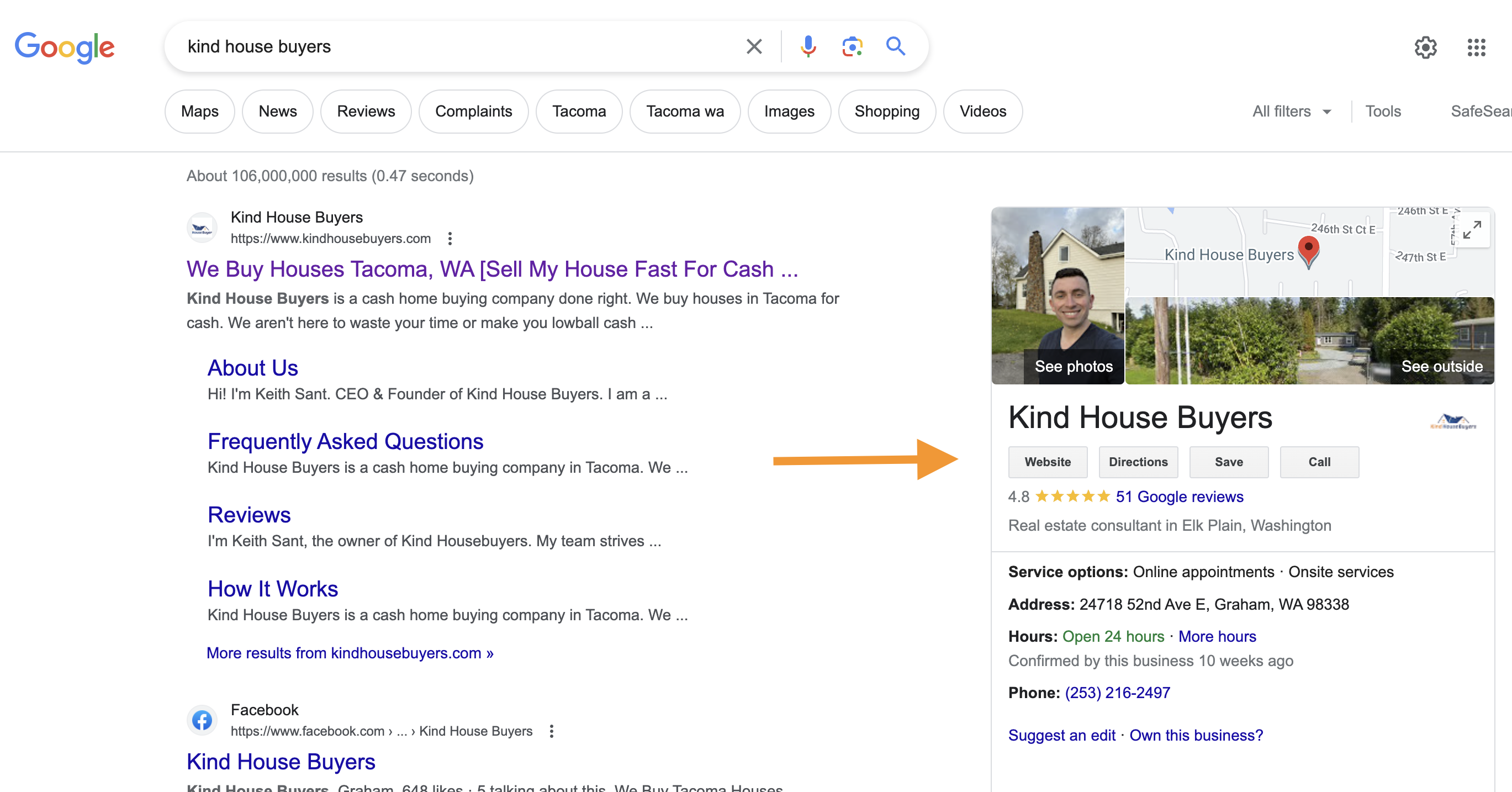
Consistency is the cornerstone of credibility. Keith advocates maintaining a consistent Name, Address, and Phone number (NAP.) across all online platforms. Why? Because trust begins with uniformity in your brand. Your potential customers and search engines are likelier to perceive you as a reliable and legitimate entity.
Many real estate investors make the mistake of adding keywords to their Google Business Profile name like “XYZ Company – Cash Home Buyers,” but this is a significant mistake. Don’t do that! Your business name is the first and most crucial part of your NAP. So, it needs to be the same everywhere online.
Physical Locations – A Real Address, A Real Advantage (2:20)
The allure of a physical address is undeniable. Keith revealed the magic behind having an authentic address rather than relying on a P.O. box or UPS box. A physical address enhances your visibility on Google Maps and elevates your position in local searches.
TIP: Having an address in a more densely populated area tends to perform better than a town with a lower population, according to Keith Sant.
What should you do if you are new to real estate investing or working at home? You could use Service Areas instead of a physical address, or you could rent an office in a co-working space – just be sure that your office or suite number is added to your address.
While Service Areas prevent using NAP, they can still be successful without a physical address.
County Vs. City – Mastering Your Service Areas (4:47)
Expanding your service areas? Keith’s got you covered. His expert recommendation is to opt for counties over individual cities. This tactical decision broadens your reach, making you a relevant choice for a broader spectrum of potential searches.
How does this work? It’s all about incorporated vs. unincorporated addresses. An unincorporated address falls just outside of city limits. So, one way of telling Google that you buy those unincorporated houses is to use counties as your service areas.
“24/7 Open Hours – Your Gateway to Round-the-Clock Success (7:00)
Want to supercharge your leads and interactions? Keith introduced an unconventional yet powerful strategy: set your business hours 24/7. Doing so signals your unwavering commitment to serving your clients, resulting in increased engagement and leads.
Even if you don’t answer the phone after 5 pm, you can still accept form submissions for leads! If you put yourself in your prospect’s shoes, who would you pick to contact if you were reading about selling your house in probate at 7:45 pm on a Sunday? The company that’s closed until tomorrow or the guy that’s open 24/7?
Posts = Views – Igniting Engagement Through Updates (10:06)
Do you know the secret to higher impressions and views? After getting a steady supply of reviews, it’s consistent updates. Regularly fuel your Google Business Profile by posting once a week. Each update isn’t just an announcement; it’s a spark that ignites engagement and propels your search ranking upwards.
You can use very low-cost tools, like Publer, to schedule these posts weeks in advance. You could also outsource the task to your team!
Optimize “About Us” – Crafting a Compelling Narrative (11:22)
Your “About Us” section is more than a placeholder. Keith’s advice: seize the opportunity. Fill the full 750 characters with impactful content and relevant keywords. This optimization transforms your narrative into a search engine-friendly beacon.
But be careful here; changes to your Google Business Profile need to be approved before they are public, and we have seen several examples of investors who try to stuff too many keywords into their “About Us” section, only to get the edit denied by Google.
Visuals can speak louder than words, especially in local searches. Keith introduced a simple yet potent strategy: geotag your images using this free tool. This geo-infusion aligns your visuals with local relevance, capturing the attention of potential customers near you.
TIP: This tactic doesn’t work for your website images because WordPress strips away geo data from the images, but it does work for GBP posts!
Reviews! – The Pillars of Trust and Credibility (15:00)
Rave reviews aren’t just testimonials; they’re your stairway to success. Keith accentuated the immense value of garnering reviews and striving for a minimum of 10. With reviews in your arsenal, you elevate your search ranking and construct pillars of trust and credibility.
If you’re having difficulty generating reviews, try incentivizing people to leave you honest, detailed reviews by mailing them a pre-paid gift card. Trevor suggested that Keith email his clients requesting a review of his Google Business Profile and a mailing address to send the gift card. To Keith’s surprise, most people who left reviews never sent him a mailing address!
A recent case study by Joy Hawkins and her team suggests that hitting ten reviews on your local listing will result in a ranking boost in Google local results. However, getting more than ten reviews does not help you rank better in Google Maps or the Google Local pack.
Joy said, “There does appear to be a ranking boost once a listing has ten reviews. So, it is important for a listing to get a minimum of ten reviews. However, continuing to get more reviews does not yield the same ranking boost.” But reviews are still critical as they build trust and help with conversions, Joy explained.
The fact that there is a specific number of any kind, such as 10, is very un-Google-like.
TIP: Be sure to respond to EVERY review your GBP receives promptly – especially negative reviews.
Enable Messaging – Conversations and Google’s Grace (17:59)
A final gem was unveiled as the session ended: enable messaging and chat features on your Google Business Profile for real estate. Keith’s wisdom was clear – embracing this engagement channel opens the door to more interactions and even some love from Google.
While these strategies are helpful, their effectiveness can vary based on individual circumstances and market dynamics.
Get Started with Google Business Profile for Real Estate Investors Today
The secrets are out! Carrot Summit unveils the path to Google prominence with exclusive insights from Keith Sant and Carrot’s Brady Winder. Their combined expertise offers you theories and a concrete roadmap to success.
By implementing these strategies today, you’ll be well-positioned to seize new opportunities, connect with motivated sellers, and dominate the Google Business Profile landscape for Real Estate Investors.
There is a lot of chatter about early signs of a Google Core Update in the SEO community today. There hasn’t been an official confirmation from Google, but we haven’t had a major update since April (so we are definitely overdue for one).
Here are some of the early indicators:
Our Sales Site has had 718 keywords jump in ranking by 10+ positions
We have also seen 806 keyword drop in rank by 10+ positions
I’ve seen my personal website jump by 266 new keyword in the past week
SEO volatility trackers are going off the charts
While nothing is 100% certain, there is something going with the SERPs and has been for at least the past few days. Big swings in ranking like this usually points to a Core Update, but we can’t know for sure until Google confirms it. By some reports, the volatility has been high since July 14th!
Once the update has finished rolling out, we will update this post with aggregate data from our 7,600+ member sites on how this Core Update affected the real estate investor industry specifically! Stay tuned.
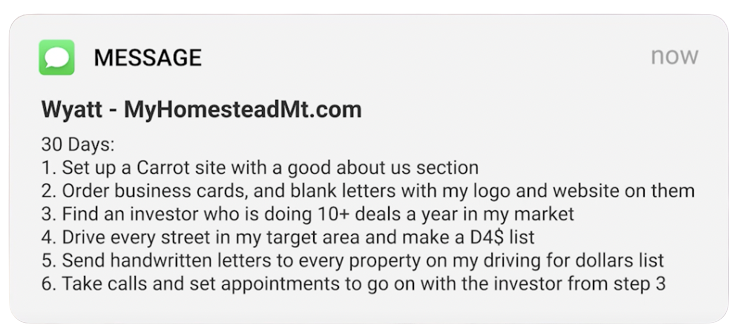
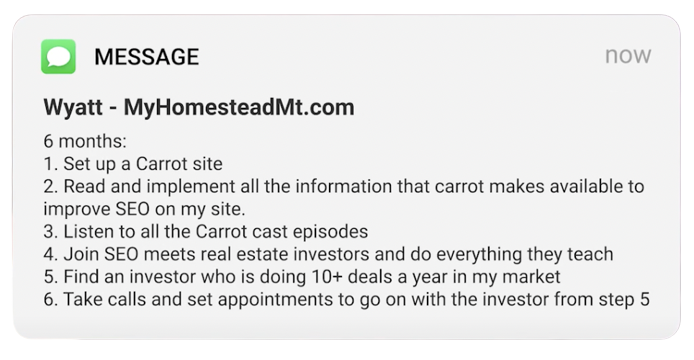
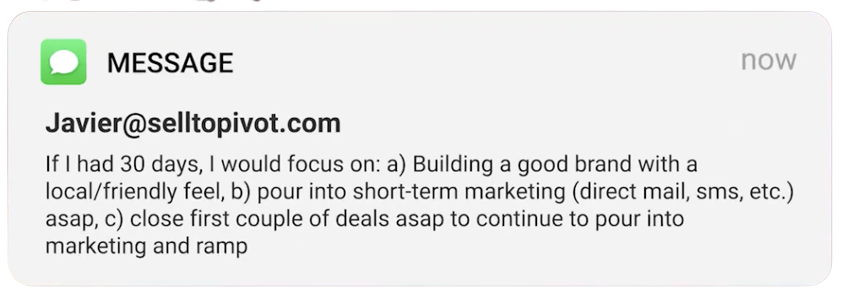
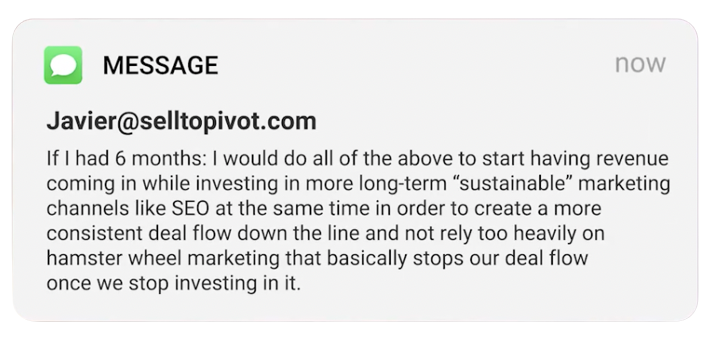
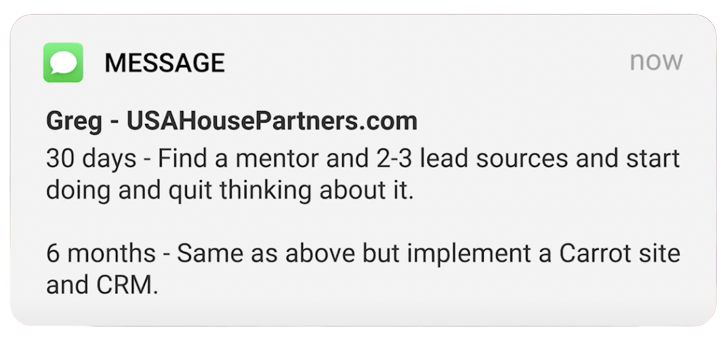
We recently asked a select group of seasoned, successful wholesalers (out of 7,000 investors we work with) what steps they would take to build their business in 30 days versus 6 months.
Here’s what they had to say.
The questions we asked:
What are the 5 most important software/apps you use for wholesaling?
What was the biggest mindset shift that helped you find success?
What steps would you take if you had just 30 days to build a wholesaling business And… What steps would you take if you had 6 months to build a wholesaling business?
1. Favorite Apps and Tools for Wholesalers – What are the 5 most important software/apps you use for wholesaling?
In the fast-paced world of real estate wholesaling, having the right tools can make all the difference.
Our survey revealed a list of favorite apps and tools highly endorsed by successful wholesalers.
From Carrot and Mojo Dialer to Google, and Excel, these tools streamline lead generation and boost productivity.
Additionally, Canva, Propstream, ClickFunnels, Airtable, CRM Podio, Constant Contact, Facebook, and DealMachine were among the top picks to optimize efficiency and maximize results.
2. The Biggest Mindset Shifts for Wholesalers – What was the biggest mindset shift that helped you find success?
The answer I resonated with the most was, “My biggest mindset shift that helped me find success was when I stopped trying to get a deal and started trying to help people.”
Next… “I’m not stealing people’s houses; I am really helping them.”
Regarding the concern some members have expressed about our business model, it’s crucial to carefully assess how we approach closing deals and ensure that we genuinely serve homeowners’ best interests. We must ask ourselves if we are truly providing value and assistance.
If we can confidently say that we are sincerely helping homeowners and addressing their needs, we should find peace in knowing that our actions are not about taking advantage of people. Instead, we are solving their problems in a way that no one else can.
3. Responses: Building a Wholesale Business – 30 Days vs. 6 Months
Here are some of the survey responses to these two questions:
What steps would you take if you could do it all over again and had 30 days to build a wholesaling business (not 60 days to close a deal)?
What if you had six months? What things would you focus on each month from a lead generation perspective?
Big Takeaways – Mentorship and Long-Term Strategies
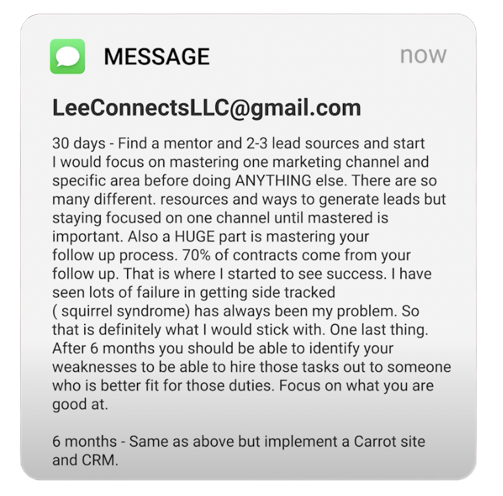
Several responders emphasized the importance of mastering a single marketing channel and area before expanding to others. A strong emphasis was also placed on mastering the follow-up process, which accounts for many successful contracts. Delegation and building a team should be considered after six months, as weaknesses become apparent, freeing up time to focus on core strengths.
Moreover, some respondents highlighted the value of seeking a mentor right from the start, as mentors can offer guidance and resources and help avoid pitfalls. In a longer timeframe, building a strong online presence was seen as a powerful lead generation avenue when done correctly.
The consensus among these responses is to take focused, strategic steps, seek mentorship, and progressively expand and improve marketing efforts for a successful wholesaling business.
How to Generate SEO Leads in 6 Months with Carrot
Here are some basic steps you can take to get started generating SEO leads with Carrot:
Customize all conversion pages with unique content and make them locally relevant.
Set the location of my homepage to the State that you are operating in.
Build 20-30 local citations either by hand or using a service.
Create or optimize your Google Business Profile.
Sponsor local charity events in exchange for local backlinks to your city landing pages. Try to create at least one link per month.
Pitch journalists through a platform like HARO to win backlinks for your site.
Conclusion
Building a successful wholesaling business is within your reach, especially with the guidance of seasoned investors.
By leveraging their favorite apps and tools, embracing the right mindset, and following their time-tested strategies, you can achieve consistent leads, close deals confidently, and create a thriving real estate wholesaling venture. If you have any questions or thoughts, feel free to drop them below – we’re here to support your journey to success!
Having a strong online presence is paramount for the success of any business, and real estate investors are no exception. As the competition in the home services market continues to grow, leveraging Search Engine Optimization (SEO) has become a crucial aspect of any investor’s marketing strategy. SEO is optimizing a website or online content to rank higher in search engine results, attracting more organic traffic and potential clients.
SEO offers a unique opportunity to reach a targeted audience and gain a competitive edge in their local markets. With prospective buyers, sellers, and homeowners actively searching for services online, appearing on the first page of search engine results has never been more important.
Purpose of this blog post – How to leverage NAP for better search engine rankings and online visibility
The primary purpose of this blog post is to equip you with the knowledge and tools needed to harness NAP’s full potential to improve its search engine rankings and online visibility. We will delve into the importance of NAP consistency across various platforms, such as their website, Google My Business, online directories, and other crucial marketing channels.
Throughout the post, we will explore the strategic implementation of NAP in local SEO, focusing on essential practices and techniques to ensure accurate and consistent NAP data across the web. Following the guidelines and tips, you can strengthen your digital presence, enhance your local relevance, and ultimately attract more leads and clients in your target markets.
The following sections will provide a comprehensive guide on mastering SEO for home services businesses, including real estate investors using NAP. This guide will empower you to take charge of your online visibility and rise above the competition in the ever-evolving landscape.
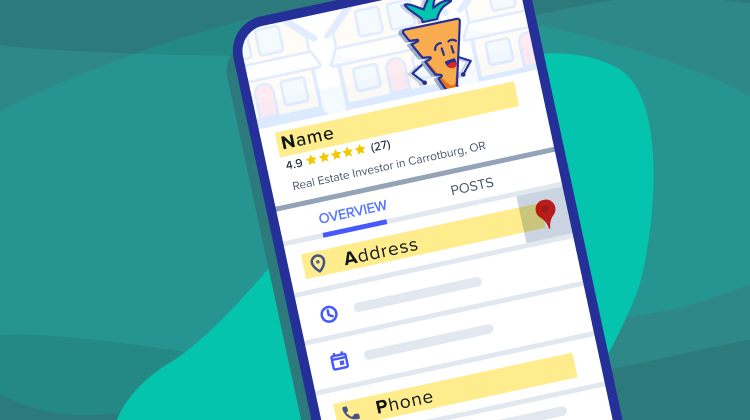
NAP, an acronym for Name, Address, and Phone Number, is fundamental in online marketing and local search engine optimization (SEO). Understanding NAP and its components is crucial to building a strong and consistent online presence.
Name: The name represents the official title of your business. It is the primary identifier sellers and search engines use to recognize and distinguish your brand from others. When providing your business name, it’s essential to consistently use the same spelling and formatting across all online platforms and directories.
Address: The address refers to the physical location of your business. This could be your main office address or the address of a specific property you are marketing. Accurate and up-to-date addresses are essential for clients who may want to visit your office or property, and they play a significant role in local SEO.
Phone Number: The phone number is the contact number sellers can use to reach you for inquiries, appointments, or consultations. As a home services business, having a direct and reliable phone number helps establish trust and accessibility for potential clients.
The Significance of Accurate and Consistent NAP Across Platforms
Maintaining accurate and consistent NAP across online platforms and directories is important. Here’s why:
Trust and Credibility: Consistent NAP instills trust in potential clients, demonstrating that your business is legitimate, reliable, and committed to providing professional services. Inconsistencies in NAP, such as variations in spelling or address details, can lead to confusion and erode trust.
Search Engine Rankings: Search engines, particularly Google, use NAP data as a critical ranking factor in local search results. When search engines encounter consistent NAP information across multiple platforms, it enhances the credibility of your business, leading to improved local search rankings.
Local Relevance: Targeting specific geographic locations and consistent NAP is essential for local relevance. When your NAP details align with local search queries, search engines are more likely to display your business in relevant local search results, increasing your visibility to potential clients in the area.
Accurate Directory Listings: Many online directories and platforms require businesses to provide NAP information to create accurate listings. Consistency in NAP ensures that your business is accurately represented in these directories, making it easier for clients to find you.
How Search Engines Use NAP Data to Determine Local Search Rankings
Search engines, especially Google, place a significant emphasis on local search results for location-specific queries. When users search for opportunities or services in a particular area, search engines use NAP data to verify the legitimacy and relevance of local businesses.
By cross-referencing NAP details from various online sources, search engines can confirm the existence and consistency of your business. Accurate NAP information strengthens your local SEO strategy, as search engines consider your business a reliable and trustworthy choice for users seeking services in the targeted location.
Understanding NAP and its components is crucial for businesses looking to establish a strong online presence and improve their local search rankings. Consistency and accuracy in NAP across platforms play a pivotal role in gaining the trust of potential clients and increasing online visibility in the competitive market. Embracing NAP optimization as part of your overall SEO strategy will help you attract more leads and grow your real estate business effectively.
Local Competition and the Need to Stand Out in Search Results
As a home services business owner, you know the fierce competition within your local market. Whether buying residential properties, commercial spaces, or managing rental properties, standing out from competitors is essential. Local SEO empowers you to do just that by positioning your business at the top of local search results.
When potential clients search for services in your area, search engines use various factors, including NAP consistency, to determine which businesses are most relevant to display. If your business is not optimized for local SEO, you may lose valuable leads to competitors who have implemented these strategies effectively.
Investing in local SEO and ensuring your NAP information is consistent across platforms can help you outperform competitors and attract more clients to your business.
Leveraging NAP to Target Local Keywords and Capture Local Leads
One key component of successful local SEO is leveraging NAP to effectively target local keywords. Local keywords are search terms that include specific location-based phrases, such as “real estate investor in [your city]” or “companies that buy houses fast in [your city].”
When you maintain consistent NAP across your website, Google Business Profile, and various online directories, search engines recognize your business as a relevant result for local search queries. This, in turn, boosts your rankings for relevant local keywords and ensures that your business appears prominently when potential clients are looking for services in your area.
Furthermore, providing accurate NAP information makes contacting your business easier for local leads. Whether they find your phone number on your website, Google Business Profile, or an online directory, having consistent NAP ensures that they can reach you without any confusion, ultimately increasing the likelihood of converting them into satisfied clients.
By optimizing your online presence for local searches, you can target a specific audience, outperform competitors, and capture more local leads. As the market evolves, incorporating local SEO strategies into your marketing efforts will pave the way for sustained growth and success in your local market.
Ensuring Accuracy in Business Name, Address, and Phone Number
Implementing NAP effectively starts with ensuring the accuracy of your business name, address, and phone number. Inconsistent or incorrect NAP information can confuse potential clients and search engines, negatively impacting local SEO efforts. Here are some key steps to ensure accuracy:
Double-Check Data: Verify that your business name, address, and phone number are correct and up-to-date. Ensure that there are no typos, misspellings, or outdated information.
Consistency Across Platforms: Ensure that your NAP details are consistent across your website, Google My Business, online directories, social media profiles, and any other online platforms where your business is listed.
Local Formatting: Use the local formatting style for your address, including the city, state, and postal code. This helps search engines associate your business with specific geographic areas.
The Role of a Website in Displaying Consistent NAP
Your website is a lead generation system for conveying essential information to customers and search engines. Consistently displaying your NAP on your website reinforces its legitimacy and reliability. Here’s how to implement NAP on your website effectively:
Contact Page: Create a dedicated “Contact” page on your website, prominently displaying your business name, address, and phone number. This page should also include other relevant contact details, such as email addresses and office hours.
Footer Section: Add your NAP in the footer section of your website. This ensures that the information is easily accessible to visitors across all pages.
Schema Markup: Implement schema markup for your NAP. Schema markup is a structured data format that provides search engines with specific information about your business. It helps improve the display of search results and may lead to rich snippets, making your listing more attractive to users.
NAP on Contact Us Page
NAP in the website footer
Optimizing Google Business Profiles for Maximum Impact
Google Business Profile (formerly Google My Business) is a powerful tool for local SEO and online visibility. It plays a significant role in enhancing your NAP’s impact and reaching a broader audience. Here’s how to optimize your profile listing effectively:
Step-by-Step Guide to Claiming and Verifying the GBP Listing
Log in to your Google account and navigate to Google Business Profile.
Click “Manage Now” and follow the prompts to claim your business.
Google may verify your business through a postcard, phone call, or email. Complete the verification process to gain full control of your profile listing.
Importance of Adding NAP to GBP and Other Relevant Details
Ensure that your business name, address, and phone number match exactly with the information you provided on your website and other platforms.
Add relevant details, such as business hours, website URL, and services offered, to provide a comprehensive overview of your business.
Responding to Reviews and Managing Customer Interactions on GBP
Regularly monitor and respond to customer reviews on your GBP listing. Engaging with customer feedback shows that you value their opinions and helps build trust with potential clients.
Use the messaging feature on GBP to interact with customers and address inquiries promptly. Timely responses demonstrate your commitment to excellent customer service.
By effectively implementing NAP, ensuring consistency across your website and GMB, and optimizing your GBP listing, you can bolster your local SEO efforts and strengthen your business’s online presence.
Identifying Authoritative and Relevant Online Directories
Creating citations and listings on authoritative and relevant online directories is a crucial aspect of local SEO. Citations are instances where your business name, address, and phone number are mentioned on external websites.
Search engines use these citations to validate and verify the accuracy of your NAP information, contributing to higher local search rankings. Here’s how to identify the right directories:
Local Business Directories: Look for popular local business directories specific to your area. These may include Yelp, Yellow Pages, Local.com, and Chamber of Commerce directories.
Niche Directories: Find directories focusing on home services. These niche directories attract a targeted audience interested in transactions.
Industry-Specific Platforms: Consider directories catering to specific aspects of the industry, such as commercial or rental properties.
Location-Based Platforms: Explore directories that target your specific location or region. These platforms can increase your visibility among local clients searching for services in your area.
Consistency in NAP Across Citations to Boost Local Rankings
Consistency in NAP information across citations is critical for enhancing local search rankings and reinforcing your business’s credibility. Search engines reward businesses with accurate and uniform NAP data. Here’s how to achieve consistency:
Audit Existing Citations: Audit your existing citations to identify discrepancies or outdated information. Update all inaccurate citations to reflect your current NAP details.
Use a Standard Format: Maintain a standardized format for your NAP across all directories and listings. Consistency in punctuation, abbreviations, and spacing is essential.
Verify Accuracy Regularly: Regularly check your NAP information on all platforms and directories to ensure accuracy. Changes in contact details or office locations should be promptly updated to maintain consistency.
Avoid Duplicate Listings: Duplicate listings can confuse search engines and potential clients. Monitor and merge duplicate citations to prevent any negative impact on local SEO.
Popular Directories and Platforms to Consider
While numerous directories are available, focusing on the most popular and reputable ones can yield the best results. Here are some popular directories and platforms to consider:
By strategically choosing authoritative directories, ensuring NAP consistency, and leveraging popular platforms, you can boost your online visibility, attract targeted leads, and establish a strong presence in your local market.
As you build and maintain citations, remember that accuracy and relevance are key factors in optimizing your local SEO efforts.
Regular Audits of NAP Information on Various Platforms
Once you have implemented NAP across different platforms and directories, the journey doesn’t end there. To ensure continued success in local SEO, monitoring and maintaining NAP consistency is essential.
Regular audits of your NAP information on various platforms help identify any discrepancies or inaccuracies that may have arisen over time. Here’s how to conduct effective NAP audits:
Set a Schedule: Establish a regular schedule for conducting NAP audits. Depending on the size of your business and the number of platforms you’re listed on, audits can be performed monthly, quarterly, or biannually.
Check Major Directories: Focus on popular and authoritative directories where your business is listed. This includes Google Business Profile, Yelp, possibly Zillow, and other industry-specific platforms.
Verify Accuracy: Ensure that your business name, address, and phone number are correct and consistent across all platforms. Look out for typos, outdated information, or duplicate listings.
Update Changes: If your business undergoes any changes, such as a new office location or phone number, immediately update the NAP information on all platforms.
Tools and Techniques to Track NAP Citations and Performance
Tracking NAP citations and performance is crucial for understanding the impact of your local SEO efforts and identifying areas that may require improvement. Fortunately, several tools and techniques can assist you in monitoring NAP consistency:
Local SEO Software: Various local SEO tools are available that allow you to manage and track NAP information across multiple platforms from a single dashboard. Examples include Moz Local, BrightLocal, and Yext.
Google Analytics: Use Google Analytics to track website traffic and understand which directories or platforms drive the most visitors to your site.
Google Search Console: Google Search Console provides insights into your website’s performance in terms of Google’s search results. It can help identify issues with NAP consistency or indexing problems.
Manual Searches: Conduct regular manual searches using your business name, address, and phone number to see how your NAP information is displayed in search results. This can help you spot any discrepancies that may need attention.
Addressing and Correcting NAP Inconsistencies and Errors
During NAP audits or through monitoring tools, you may discover inconsistencies or errors in your NAP information. Addressing and correcting these issues promptly is crucial to maintaining a strong online presence. Here’s how to handle NAP inconsistencies:
Update Directories: For directories or platforms where your NAP information is inaccurate, log in to the platform and update your details to reflect the correct information.
Contact Webmasters: If you encounter discrepancies on third-party websites or directories that you cannot edit directly, contact the webmasters or site administrators to request corrections.
Merge Duplicate Listings: If your business has duplicate listings on certain platforms, merge them to avoid confusion and improve NAP consistency.
Monitor Changes: Monitor your NAP information regularly to ensure that any future changes are promptly updated across all platforms.
By performing regular NAP audits, leveraging tracking tools, and promptly addressing inconsistencies, you can maintain the accuracy and consistency of your NAP information.
Staying Up-to-Date with NAP Changes During Relocations or Office Moves
As a home services business, you may experience changes over time, such as relocating to a new office or opening additional branches. During such transitions, staying proactive in updating your NAP information across all online platforms is crucial. Here are some best practices for managing NAP changes effectively:
Update Website: If you have a website, ensure the new address and contact details are promptly reflected on the “Contact” page and in the website footer.
Google Business Profile: If you have a verified Profile listing, update the address and contact information through the GBP dashboard. Remember also to verify the new location to maintain your credibility with Google.
Online Directories: Access relevant online directories and update your NAP details. Pay attention to popular directories and platforms where your business is listed.
Outreach to Webmasters: If you can’t directly update NAP information on certain third-party websites, contact the webmasters or administrators to request updates.
By staying vigilant during relocations or office moves, you can ensure that your NAP remains accurate and consistent across the web, preserving your local SEO efforts and maintaining customer trust.
Leveraging Customer Reviews and Testimonials for NAP Credibility
Customer reviews and testimonials play a significant role in establishing your business’s credibility and reliability. Leveraging these reviews to reinforce your NAP information can boost your local SEO efforts. Here’s how to do it effectively:
Encourage Reviews: Request reviews from satisfied clients and direct them to leave reviews on your Google My Business listing and other relevant directories.
Respond Promptly: Engage with customer reviews by responding promptly and professionally. Express gratitude for positive feedback and address any concerns raised in negative reviews.
Include NAP in Responses: When responding to reviews, include your business name, address, and phone number in the response. This adds a layer of credibility to your business.
Showcase Testimonials: Feature positive customer testimonials on your website and social media channels. Ensure that these testimonials include NAP information to enhance their authenticity.
By incorporating customer reviews and testimonials that mention your NAP, you will reinforce the consistency of your business information and build trust with potential clients seeking services in your area.
Combining NAP Optimization with Other Local SEO Strategies
NAP optimization is fundamental to local SEO, but it’s most effective when combined with other strategies. Here are some additional local SEO practices to complement your NAP efforts:
Local Content: Create valuable, location-specific content on your website, such as market reports, neighborhood guides, and local news. This enhances your local relevance and attracts a targeted audience.
Local Keywords: Incorporate local keywords throughout your website, content, and meta tags. This helps search engines understand your focus on a specific area.
Backlinks: Obtain high-quality backlinks from local businesses, chambers of commerce, and associations. Local backlinks boost your authority and visibility in local search results.
Social Media Engagement: Engage with your local community through social media platforms. Interact with followers, share local news, and showcase your local market expertise.
By combining NAP optimization with other local SEO strategies, you create a comprehensive approach that strengthens your online presence, improves search engine rankings, and establishes your business as a local industry leader.
Final Thoughts on Building a Strong Online Presence with NAP Consistency
Maintaining a consistent NAP is not just about complying with search engine algorithms; it is a strategic approach to building a robust online presence and reinforcing your brand identity. Presenting accurate and reliable NAP information to potential clients establishes trust and credibility, which is vital in competitive markets.
NAP consistency extends beyond your website and Google Business Profile listing; it encompasses all online platforms where your business is listed. Whether local directories, social media, or online portals, ensuring uniform NAP details across the board contributes to a unified and recognizable brand identity.
As we conclude this blog post, we encourage you to embrace NAP optimization as an integral part of their local SEO strategy. Consistent and accurate NAP data will improve your search engine rankings and enhance your reputation, customer trust, and online visibility.
You can position your business as a trustworthy and reputable local industry leader by staying vigilant during office moves, leveraging customer reviews, and combining NAP optimization with other local SEO practices. Embracing NAP strategies will attract more targeted leads and create a solid foundation for sustainable success in your local market.
Remember, mastering SEO with NAP is an ongoing process. Continuously monitor and maintain your NAP information, adapt to changes, and keep your online presence fresh and engaging. By incorporating NAP best practices into your marketing efforts, you will remain competitive, relevant, and visible in the ever-evolving world of home services marketing.
This blog post will delve into the significance of a well-defined business vision and how it can drive you toward your goals.
We will also address the common challenges investors face when their vision is unclear and the advantages and benefits accompanying a clear business vision.
Recently, Trevor conducted this exercise with the investors in our EPIC program, and the feedback has been incredibly positive. I wanted to share the insights with you as well.
The blog post will follow a structured approach: First, we’ll discuss the struggles you may encounter without a clear vision. Next, we’ll explore the numerous benefits of having a well-defined vision. Finally, we’ll provide the key principles for creating a compelling vision for your business.
How Clear Are You on the Vision of Your Business 3 Years Out?
Before we dive into the impact of a clear business vision, let’s take a moment to assess your current understanding of your business’s direction. How well-defined is your vision for the next three years?
Do you have a clear roadmap that outlines your goals, strategies, and desired outcomes?
Having a strong vision provides a sense of purpose and direction, which is essential in the fast-paced world of real estate investing.
Problems You Face If Your Vision Is Not Clear
In the fast-paced and dynamic world of real estate investing, having a clear vision for your business is akin to a compass that guides you toward success. However, when that vision is hazy or undefined, real estate investors encounter many challenges that can impede progress and hinder growth.
In this section, we will explore the common problems faced by investors when their business vision lacks clarity. From slowing momentum and distractions to second-guessing and misalignment, understanding these obstacles will underscore the importance of crafting a well-defined business vision for lasting success.
Momentum Slows:
Without a clear business vision, momentum can grind to a halt. Your team may lose focus, and decision-making becomes more challenging. A lack of clarity can lead to inefficiencies and lost opportunities, hindering your progress and growth.
Distracted:
In the real estate investing landscape, distractions abound. A vague vision can make it difficult to prioritize opportunities and initiatives, causing you to chase multiple paths without making significant progress on any.
Second Guessing:
Uncertainty in your business vision can result in constant second-guessing. You may question your choices and strategies, leading to hesitation and missed chances to capitalize on lucrative deals.
Misalignment:
As your real estate investment business expands, misalignment among team members can become prevalent. A lack of a cohesive vision may lead to conflicting objectives and differing priorities, hampering teamwork and productivity.
Bottlenecked Business Decisions:
As the visionary behind your real estate investment business, you may find yourself becoming a bottleneck for crucial decisions. A vague vision makes it challenging to delegate effectively and empower your team to act autonomously.
The Power of a Strong Business Vision
A clear vision is the North Star that illuminates the path to success for real estate investors. When your business vision is well-defined, it becomes a powerful catalyst for positive organizational transformations.
This section unveils what awaits real estate investors who craft a crystal-clear vision for their ventures. With clarity and confidence, you will regain control of your business, eliminating bottlenecks and empowering your team to take charge.
Moreover, better focus, more time, and boundless energy will be at your disposal as you set your sights on achieving your long-term goals. Let’s delve into the remarkable rewards that await those who embrace the power of a well-crafted business vision.
Clarity and Confidence:
A well-defined business vision is essential in the complex world of real estate investment. It provides unparalleled clarity, blueprinting for the future, and guiding you toward long-term goals. With clarity, you can make informed choices, accurately assess risks, and remain resilient in facing challenges.
Having a clear business vision instills confidence in decision-making, serving as a guiding light through the unpredictable real estate landscape. This confidence is infectious and inspires trust and faith in partners, investors, and stakeholders.
Remove Yourself as a Bottleneck:
A clear business vision allows you to delegate with trust, freeing yourself from becoming a bottleneck. This empowers your team to take ownership and drive the business forward while you focus on strategic growth.
When you and your team share a common understanding of the ultimate objective, evaluating opportunities, assessing potential risks, and making strategic choices aligned with your vision become easier.
Empowering Your Team to Lead:
A shared vision aligns your team members with the company’s goals, empowering them to take initiative and lead. This fosters a cohesive, goal-oriented workforce, enhancing overall productivity and success.
A clear business vision empowers your team members with a shared sense of purpose and direction. When they understand how their contributions align with the bigger picture, they become more engaged, motivated, and proactive in driving the company forward. An inspired and cohesive team becomes a formidable force, propelling your investment ventures to new heights. Hot tip: if your team is remote, use a messaging app like Slack or Microsoft Teams integrations to improve collaboration and streamline communication.
Better Focus, More Time, and More Energy:
A crystal-clear vision helps you prioritize essential tasks and avoid distractions. With a well-defined path, you can allocate your time and energy more effectively, leading to increased efficiency and better results.
A well-crafted business vision reignites that sense of purpose, reminding you of the greater impact you strive to create. It fuels your passion, invigorates your determination, and keeps you connected to the reason you chose this path in the first place.
Business Vision Tactics
The most effective way to learn about business visions is through intensive coaching and hands-on implementation, similar to what our EPIC members are currently experiencing. Click the image below if you are interested in learning more about our EPIC program!
Business Vision Key Principles
The key principles outlined below are Trevor’s own. He shared these insights during one of Carrot’s EPIC strategy meetings, and they are written in the first person.
Here is an example of a Business Vision Template
Key Principle 1: Planning 3 Years Out
It’s crucial to dedicate the right amount of time to crafting a vision that both excites you and stands the test of time. While the market does undergo changes, a three-year timeframe allows for a solid strategy without anticipating drastic shifts.
This period offers enough space to achieve significant milestones and make substantial progress. Simultaneously, it isn’t so long that you feel trapped in the same approach for an extended period. The three-year interval provides the opportunity to refresh and adapt your vision every three years, ensuring it remains relevant and aligned with your evolving goals.
Key Principle 2: Defining Your Why
Define your “why” – Why do you want to do business? What is your company’s mission, and why does your company exist?
At Carrot, we have significantly emphasized defining our “why.” Our mission is to help you build businesses of freedom and impact, enabling you to lead a life of freedom and make a meaningful difference.
This principle extends beyond just our customers; it also applies to our employees. We believe that simply striving to be the best in a particular industry won’t resonate with you or your customers on a deeper level.
That’s precisely why we launched our EPIC program. We created this program because we identified a gap in our business model. While we excel at helping people secure consistent and predictable leads, we realized we could do more to support them in building businesses that embody freedom and impact.
Identifying your “why” gives you the energy and purpose to align your values with your business objectives. It goes beyond merely seeking success and focuses on creating a positive and meaningful impact.
Key Principle 3: Key Priorities
I prefer to focus on three key priorities, which could be termed priorities or strategies. Over three years, we set clear revenue targets, establish three to five core values defining our business, and craft a concise mission statement explaining our company’s existence and significance.
Then, we determine the three most critical actions we should undertake to achieve those objectives over the next three years. For instance, one of these strategies could involve adding multi-family properties to our portfolio, especially if we haven’t ventured into that segment before and want to transition from hamster wheel income to evergreen income.
Another strategy might revolve around building a strong team to bolster our capabilities. Alternatively, we could focus on expanding into multiple markets, transforming our company into a multi-market entity.
Every year, as we plan for the upcoming year (2024 and 2025 in this case), we refer back to our business vision with the three key strategies in mind. This helps us prioritize our actions for the year and determine what’s most important to accomplish.
Key Principle 4: Key Strategies
I will select what I refer to as key strategies. You can choose 10, 12, or even just one or two. However, I prefer four to five as they represent the most important strategies that form the foundation of the business’s overall health.
The business vision should not be cluttered with 20 different strategies. Instead, I prefer to focus on what we call the four P’s:
People: This involves considering the team and the talent that will drive the business forward.
Process: Refers to efficient and effective workflows and systems contributing to the business’s success.
Product: This relates to the specific offerings the business provides. For example, if you’re a wholesaler or house flipper, that’s your product. If you’re involved in multi-family rentals, that’s also a product. It’s essential to be clear about the products the business will pursue.
Profits: This aspect pertains to the financial side of the business. It involves understanding how the money flows, revenue generation, and overall profitability.
By addressing these four key areas (People, Process, Product, and Profits) in the business vision, we can lay a strong foundation for future success.
Key Principle 5: Communication
The last and arguably the most crucial aspect of your business vision is communication. Without active communication and integration into your company’s operations, the business vision becomes merely a document with interesting content, but the team doesn’t understand its purpose or significance.
An integral part of fostering effective communication within your real estate investment endeavors involves implementing robust contact center software. The latter facilitates seamless interaction with stakeholders, clients, and team members, streamlining communication channels for optimal efficiency.
Creating this document is not enough; it cannot just sit there without active engagement. To make the vision truly impactful, it needs to be prominently displayed on the walls of your office and discussed regularly.
It should be a central topic during team meetings, including Monday and Friday calls. It should be woven into your overall business strategy and annual plan. Without active communication and integration into your company’s operations, the business vision becomes merely a document with interesting content, but the team doesn’t understand its purpose or significance. To truly have a business vision, it must be communicated effectively and consistently throughout the organization.
A well-defined business vision instills confidence and clarity in entrepreneurs and their teams. This clear direction facilitates decision-making and renews a sense of purpose.
Conclusion
In conclusion, a well-defined business vision is the catalyst for success and growth in the world of real estate investment.
Instilling confidence, clarity, and purpose empowers you and your team to navigate the industry’s complexities with confidence and determination. With a shared vision, your team is united, enthusiastic, and dedicated to achieving your long-term objectives.
As you continue your journey as high-level real estate investors, remember that a clear business vision is a compass that will lead you to unparalleled heights of success and fulfillment.
Brian was a direct-mail-only guy until he noticed other investors in his area were closing deals from online leads that had a more significant spread. So, he went all in on SEO. Now, he’s closing deals consistently while having a stable and fast-growing inventing business.
We talk about what he learned going from a day job to investing full-time — hiring a virtual assistant, getting help with acquisitions, becoming a better marketer, and learning multiple exit strategies. The best part about his story is that it’s not overcomplicated, yet inspiring.
Listen to learn how to build a valuable business, even amidst thick competition.
Details: 16 Speakers. 10+ Hours of Mastermind-level Content. 100% Free
2023 Theme: “Innovating Real Estate Through Lead Generation & Leadership”
Innovating Real Estate Through Lead Generation & Leadership
This one-of-a-kind Summit promises a day filled with groundbreaking insights, game-changing leadership strategies, and invaluable lead generation tactics that will reshape your approach to doing business.
At this highly anticipated event, you’ll have the exciting opportunity to select your focus and delve deep into the topics most relevant to you.
Get ready to collaborate with Carrot’s internal experts, including Bryan Sekine (SEO) and Jen Delamotte (delegation & personal assistants) as well as other industry powerhouses.
Together, they will guide you through a series of tactical breakout sessions, where you’ll gain invaluable insights, practical strategies, and exclusive insider secrets that will fuel your real estate aspirations. Prepare for an experience that will equip you with the tools and knowledge needed to thrive in the industry.
The ever-changing business landscape is experiencing rapid transformation due to technological advancements. A.I., with powerful tools like ChatGPT, is playing an increasingly significant role in marketing.
However, the question arises: how can we effectively harness the potential of these technologies? Rest assured; we have the answers you need.
Join us as Brent Moreno and Matt Kamp take the “stage” to discuss practical use cases of A.I. and ChatGPT for lead generation and SEO. They will provide valuable insights and strategies to help you leverage these technologies effectively.
With Google search evolving at an unprecedented pace, it becomes crucial for us to find ways to stand out in an already saturated industry.
Furthermore, regulatory changes impact various aspects of real estate, from wholesaling to SMS texting. We need to adapt and discover innovative solutions in the face of these challenges.
Amidst these considerations, the aspect that requires the most evolution is our leadership. How can we build a profitable and impactful business without neglecting our family, team, and community?
This is your opportunity to gain invaluable insights into generating leads consistently and predictably while transforming into the leader you aspire to be. It’s time to step up, rejuvenate your mindset, and revitalize your business and yourself.
The question remains: Are you ready to embark on this transformative journey?
Join us at the Carrot Summit and be a part of this incredible experience.
Key Topics and Speakers
Our carefully curated lineup of breakout sessions hosted by industry experts will address the topics that matter most to your success.
Internal Experts + Industry Powerhouses for These Tactical Breakout Sessions
Build a Business That No Longer Drains You
• Delegation & Personal Assistants: The Right Way to Buy Back Time
• How to Structure & Scale Your Team in an Investing Business
• “Dirty Fuel”: How to Avoid Being Burned By Your Own Ambition
Build Consistent and Predictable Lead Flow
• A.I. & ChatGPT Use Cases for Lead Generation & SEO
• SEO Tactics for Lead Generation: A Deep Dive for ’23
• Optimizing a Google Business Profile for Hot Leads: Step-by-Step
The Carrot Summit brings together some of the nation’s top real estate professionals, providing access to their wisdom and expertise. From seasoned veterans to rising stars, our speakers are committed to leaving no stone unturned as they guide you toward lasting success.
Our expert speakers, including Brent Daniels, David Lecko, and Ryan Dossey… and many more, are eager to share their strategies and tactics for innovating real estate through lead generation and leadership.
Here’s What People Said About Other Summits…
Make the Most of this Opportunity
Typically, tickets to an event of this magnitude cost anywhere from $300 to $500 or more.
However, we have decided to make it free to attend. Don’t miss this opportunity to take your business to unprecedented heights.
Secure Your Spot Today
Join uson July 12, 2023, from 7 am-6 pm Pacific!
Click the button below to register for the Carrot Summit today and secure your spot among industry leaders, forward-thinkers, and game-changers.
Embark on a journey that will redefine your business and position you for success in the ever-changing real estate market.




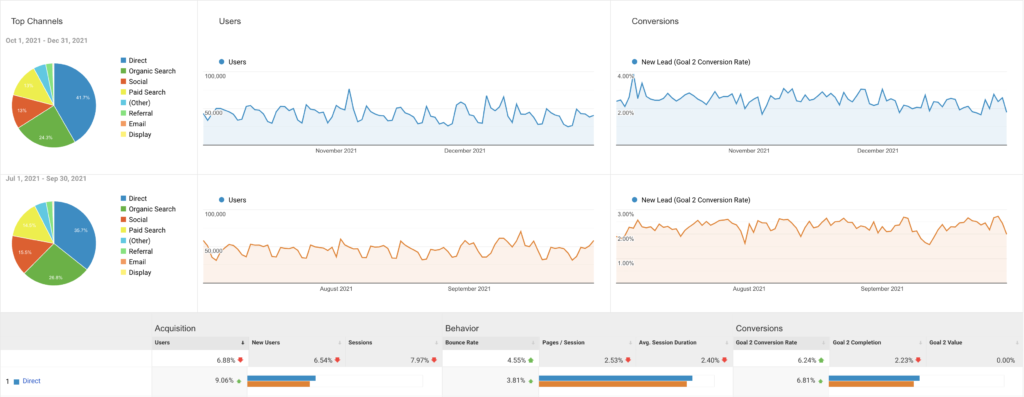


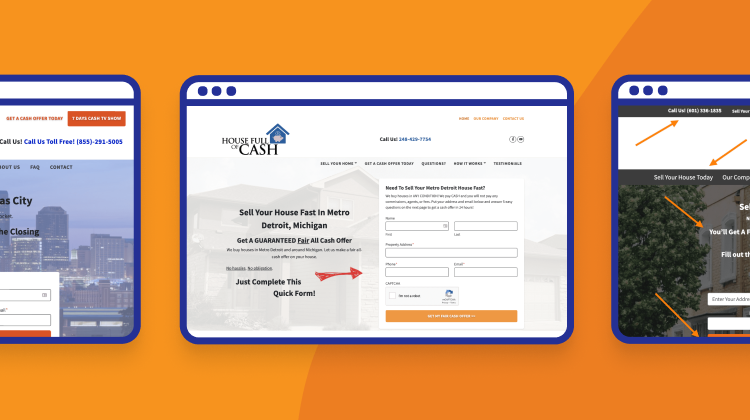
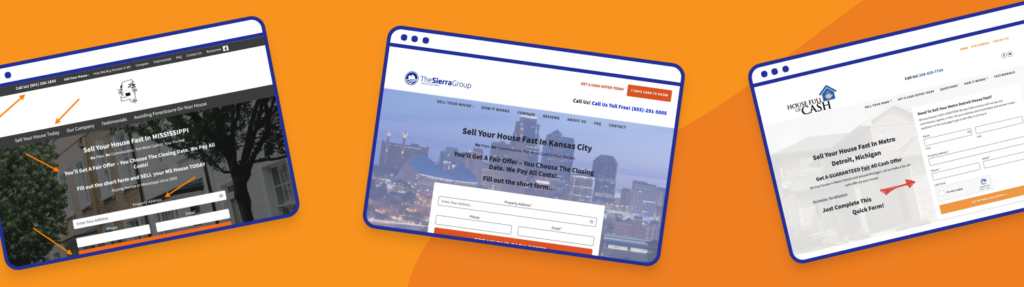
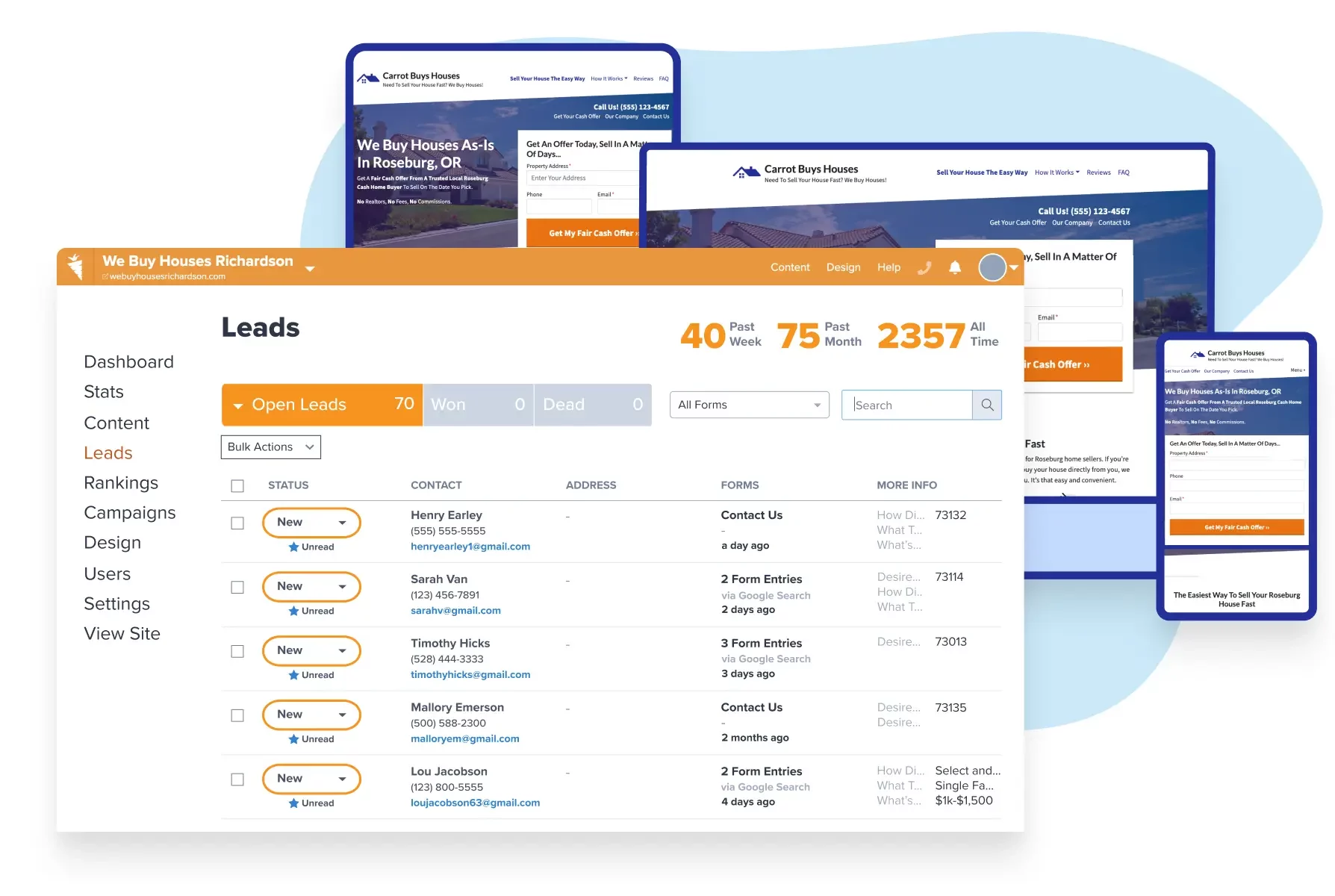
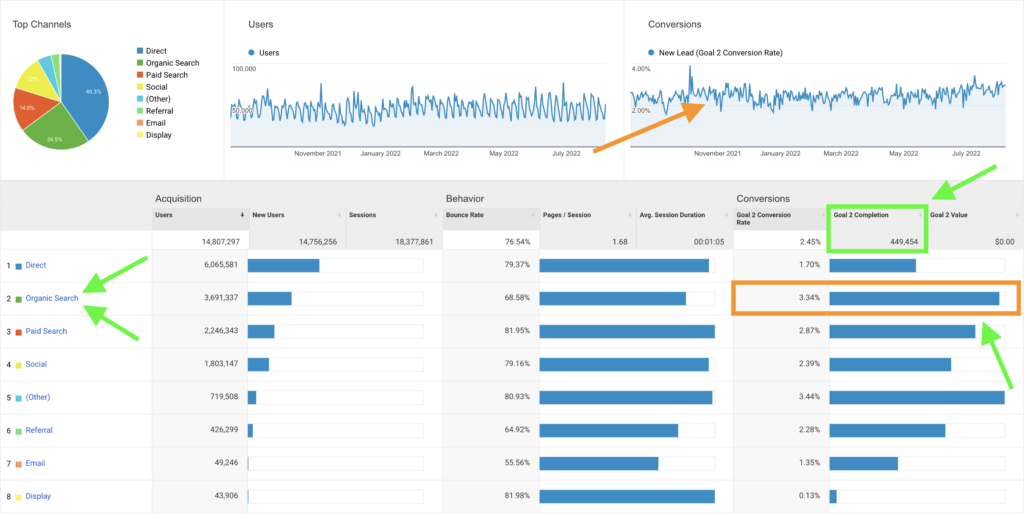


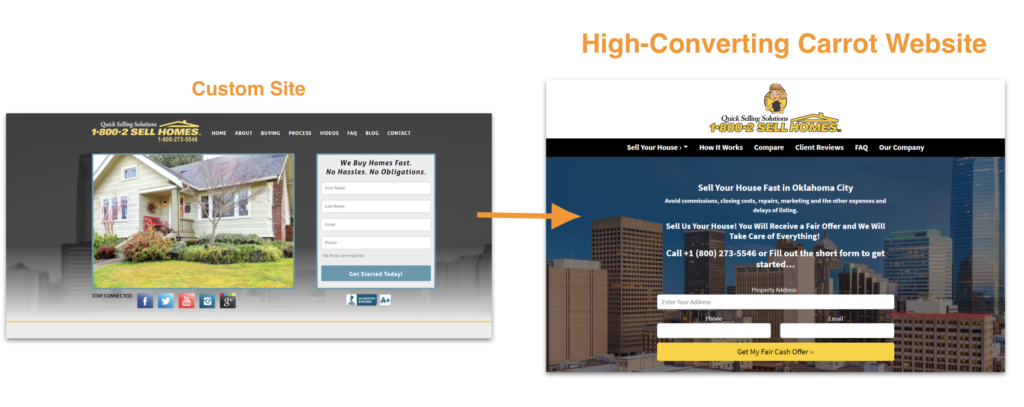
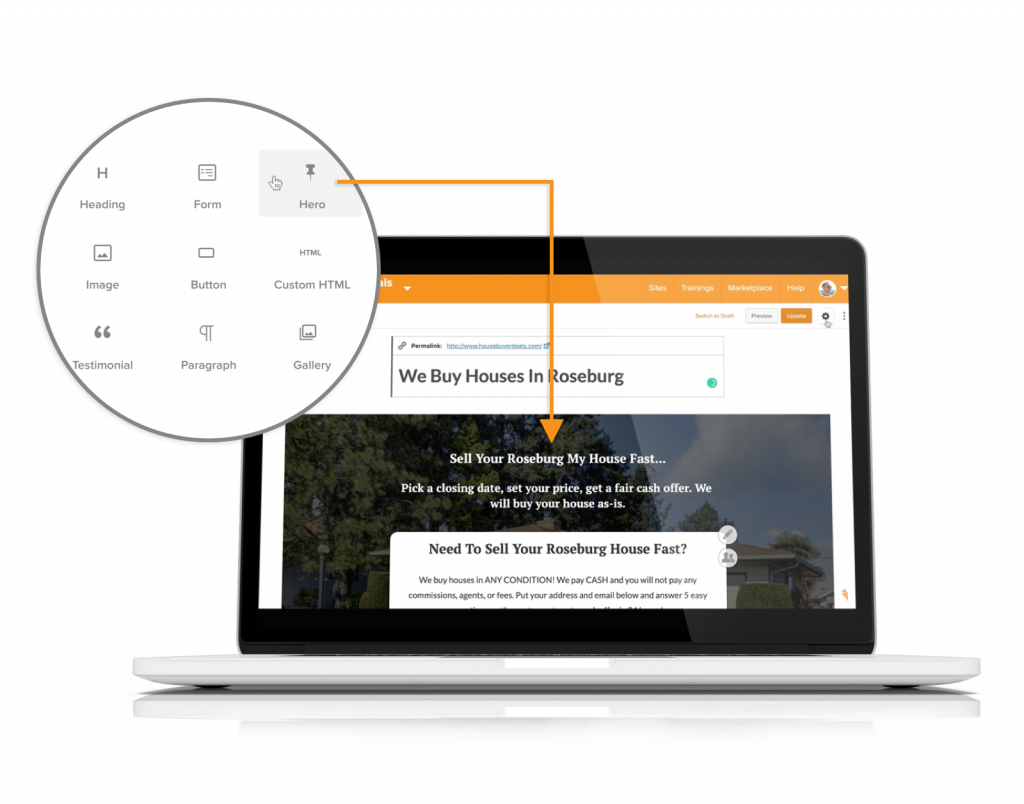
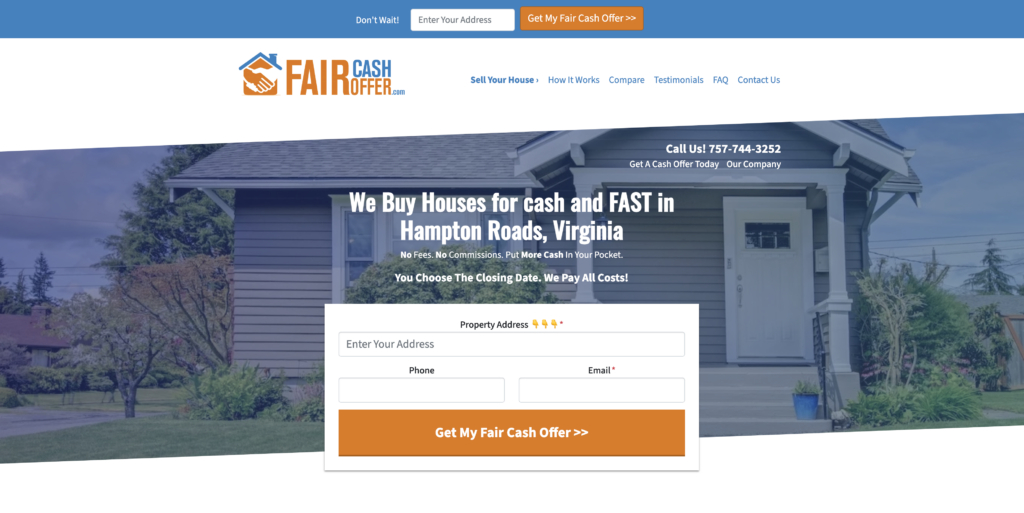
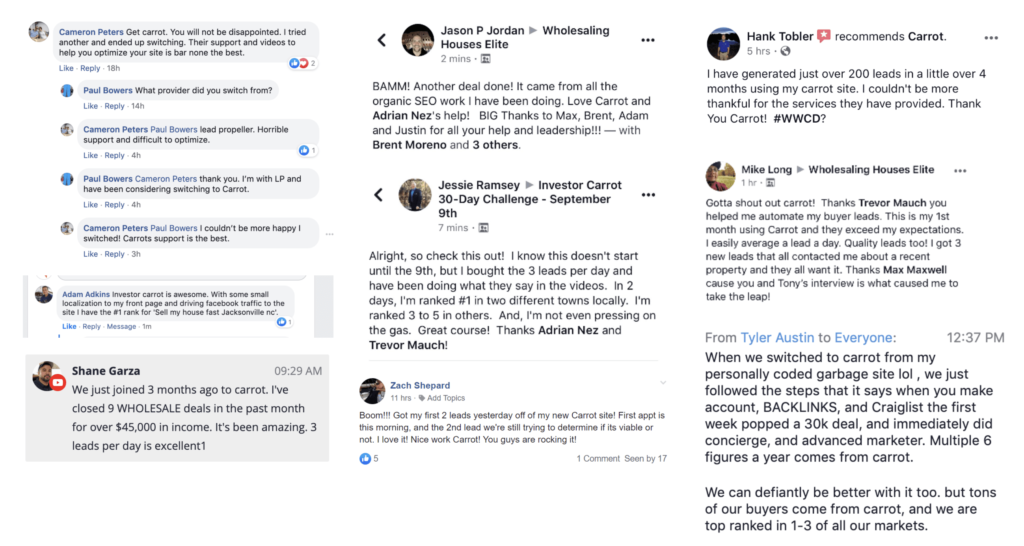
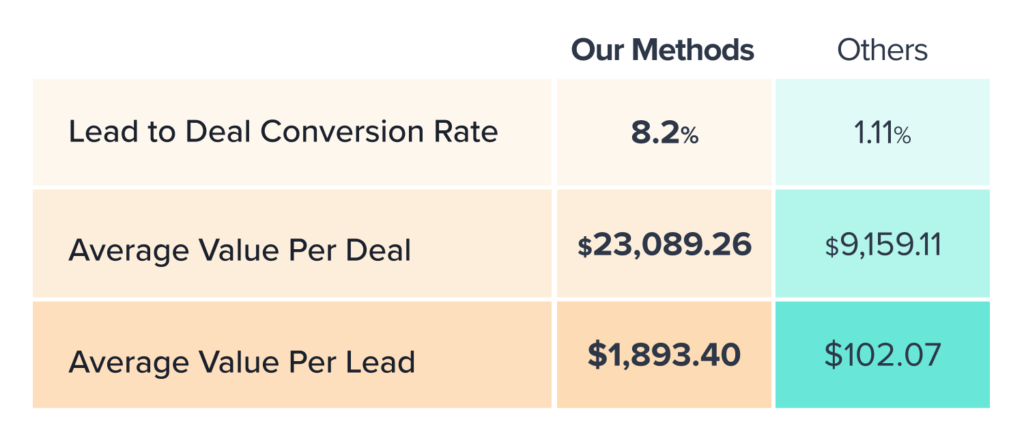
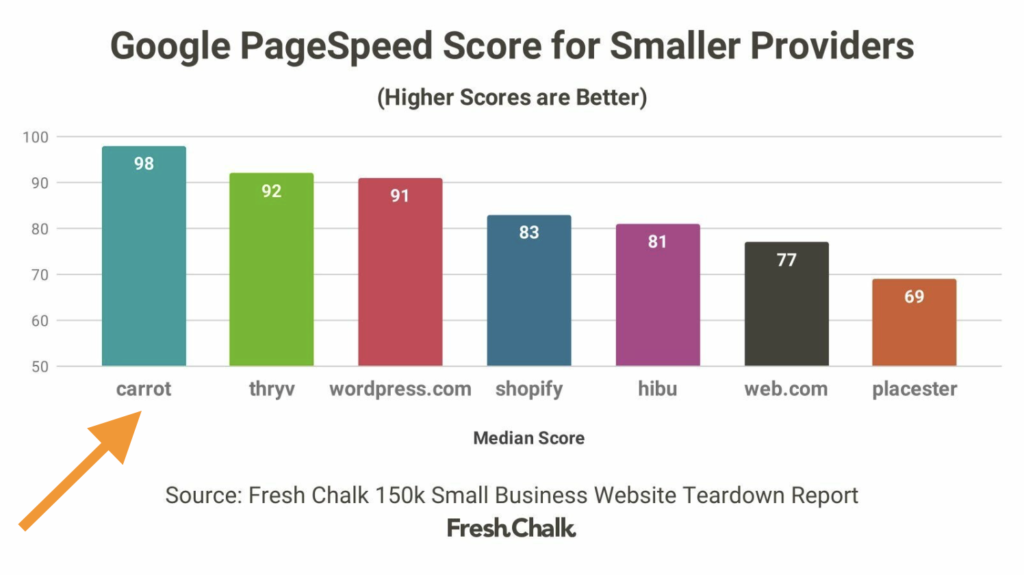
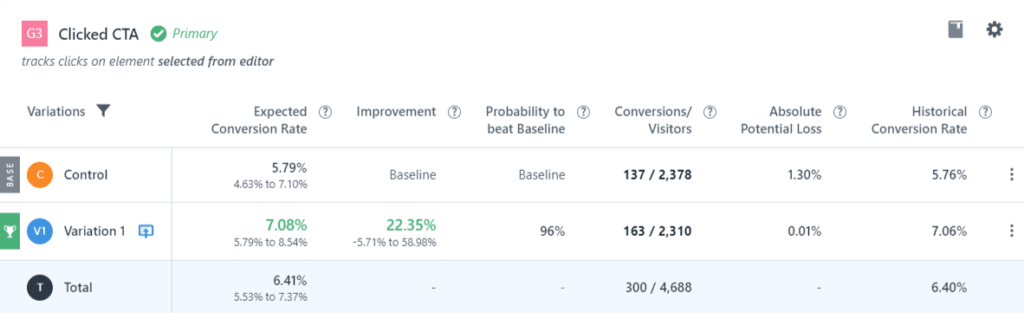


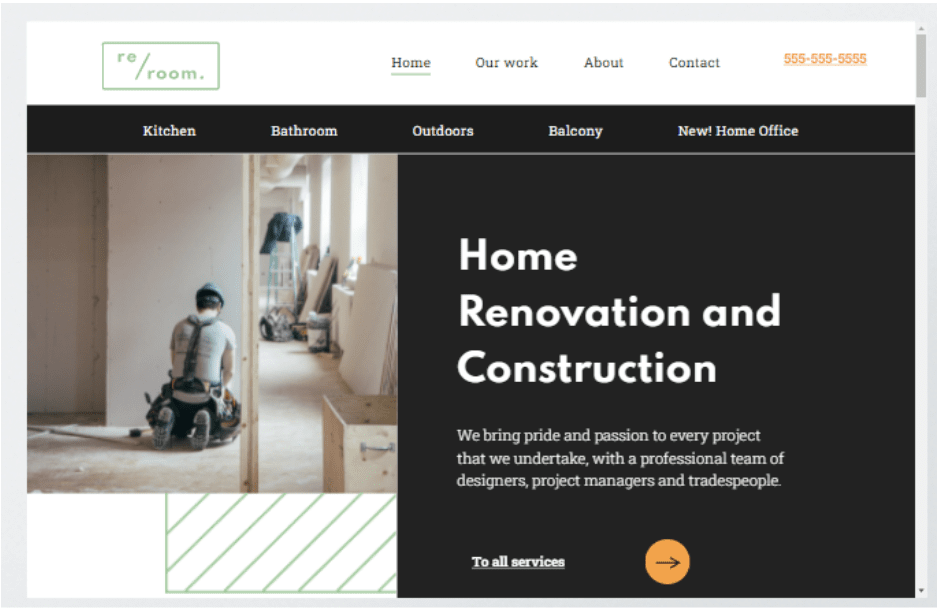
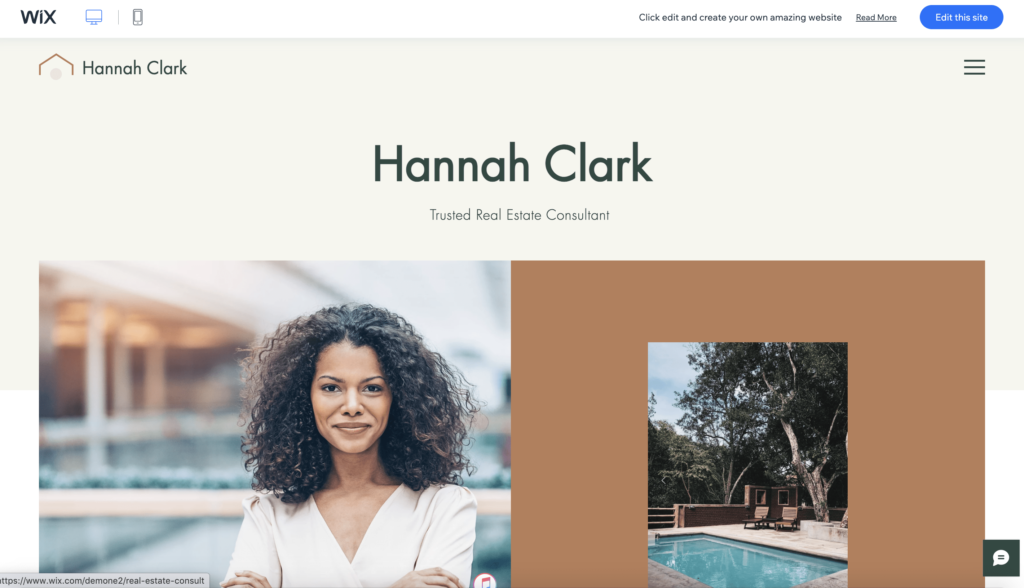

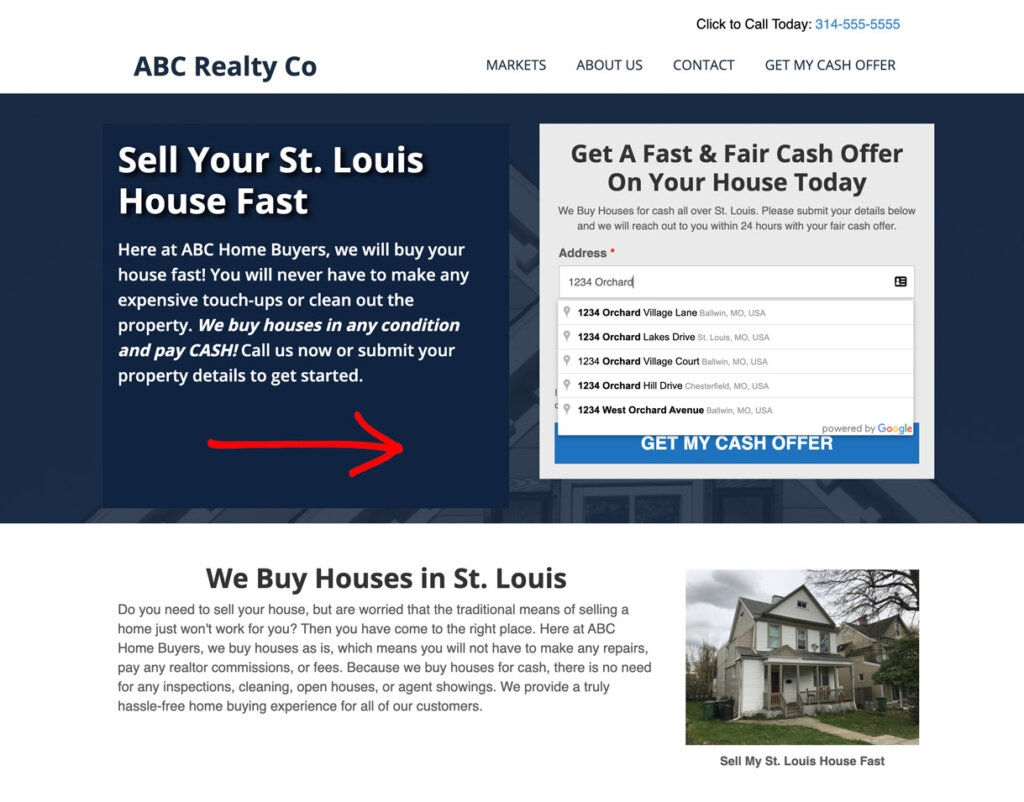
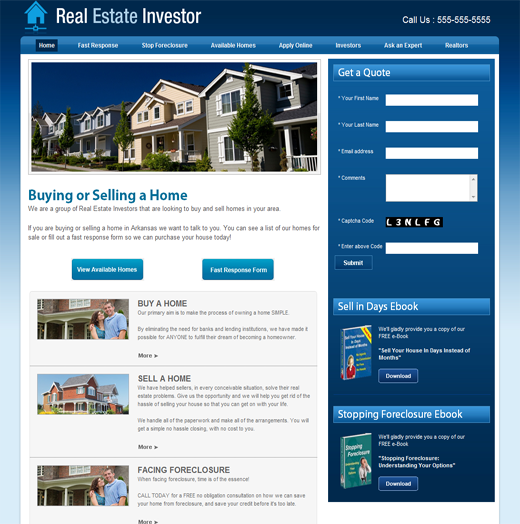
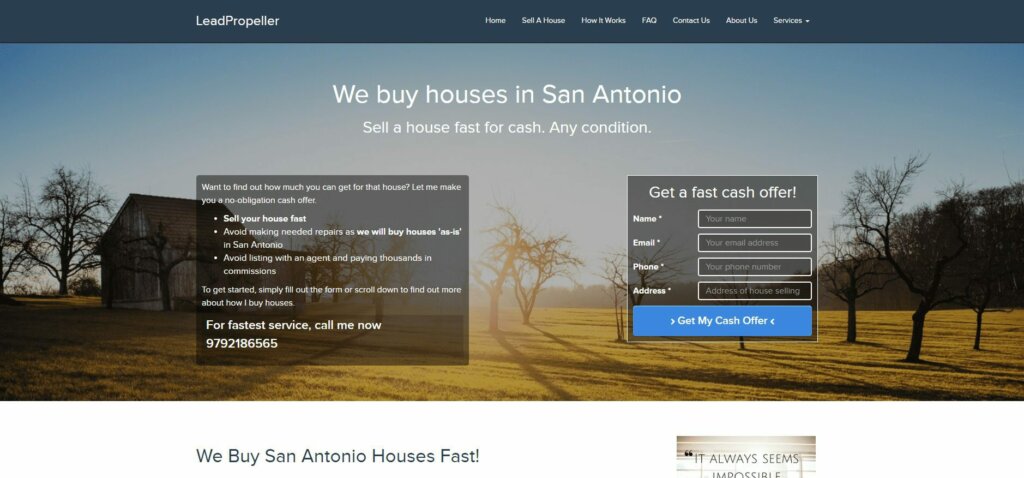
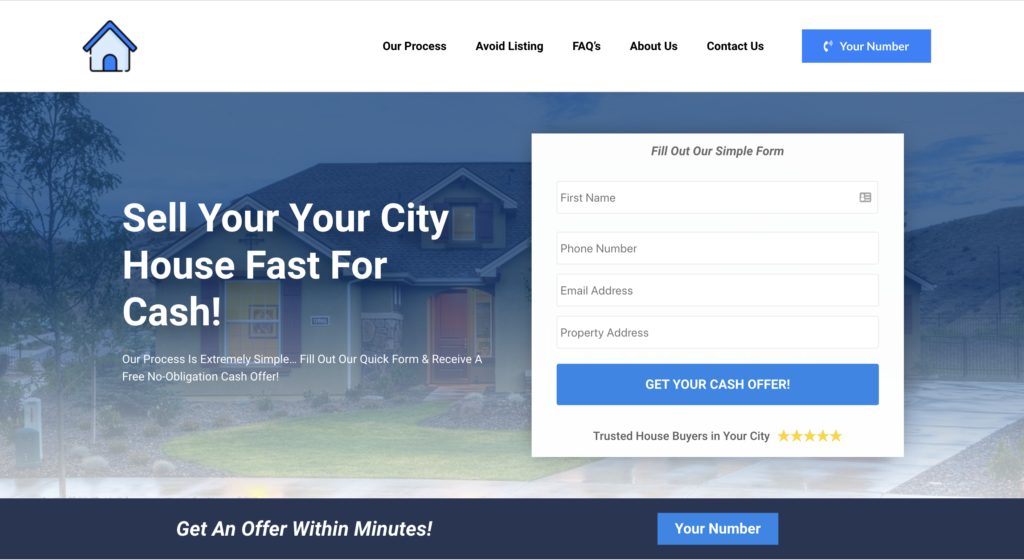
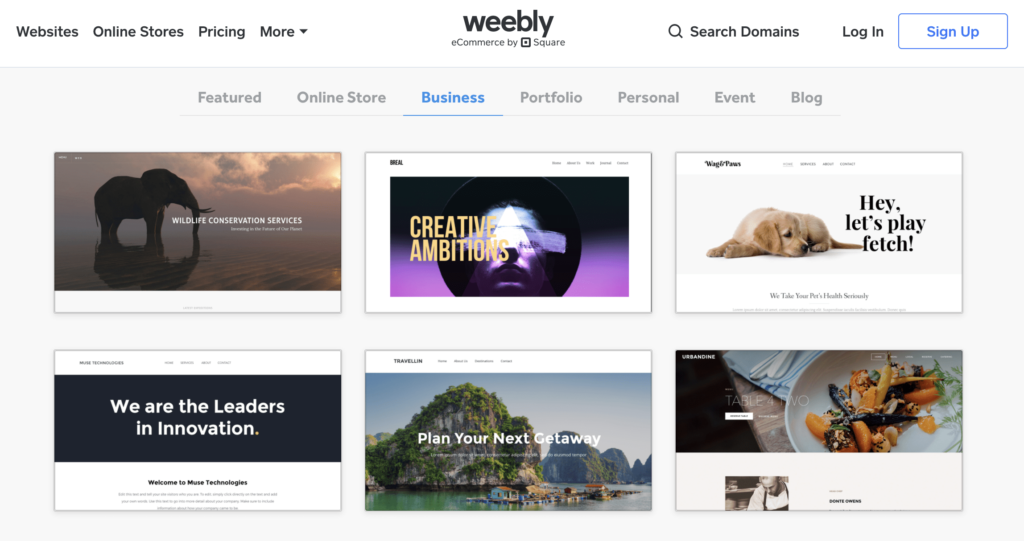
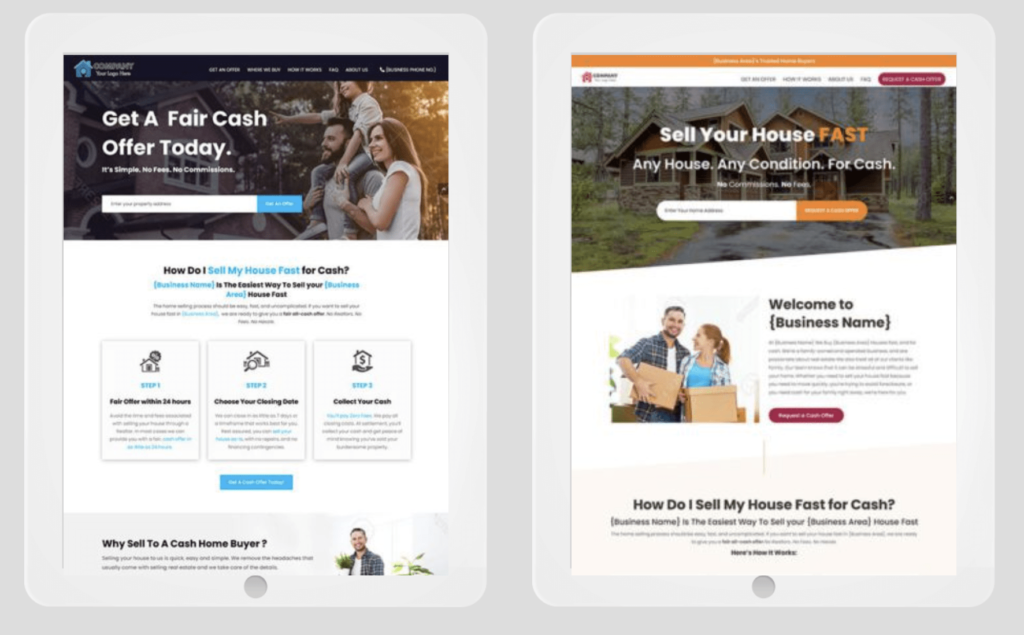
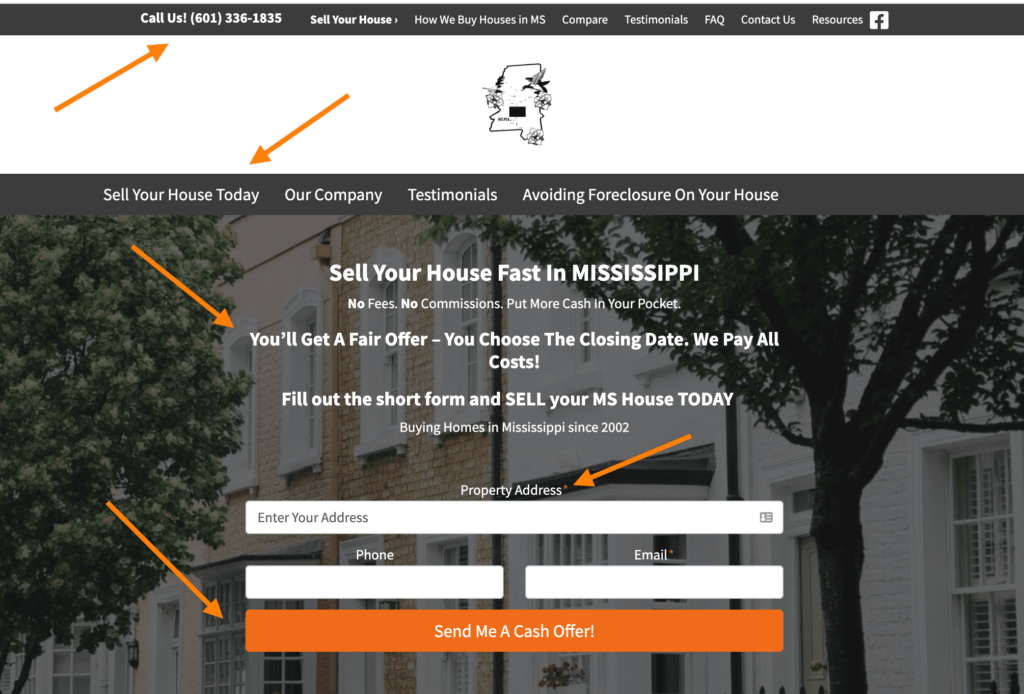
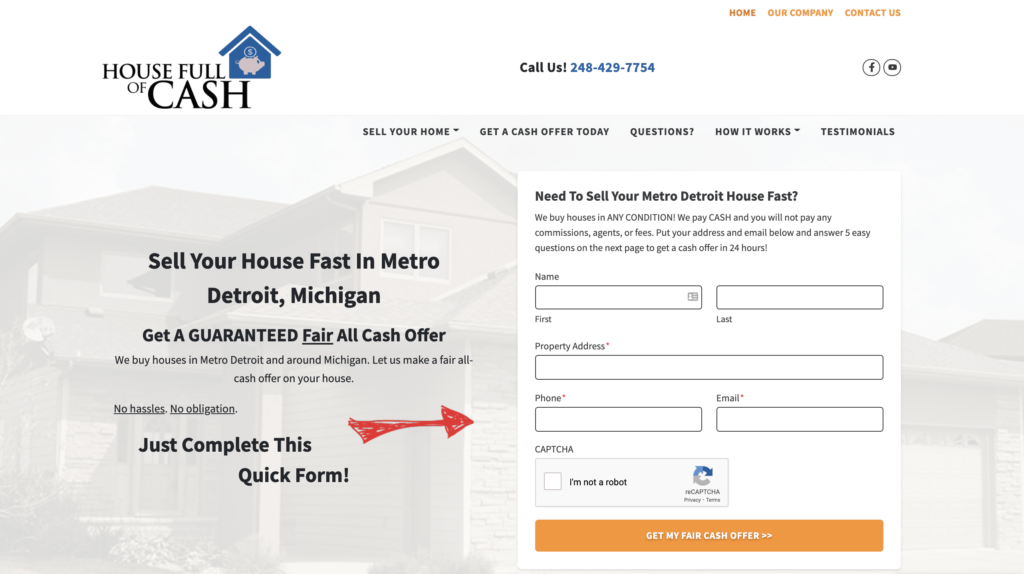

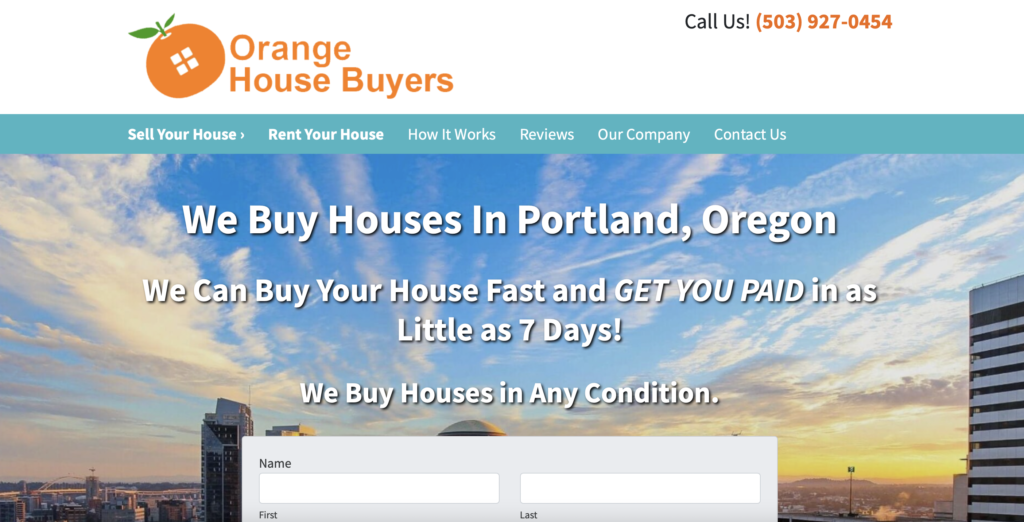
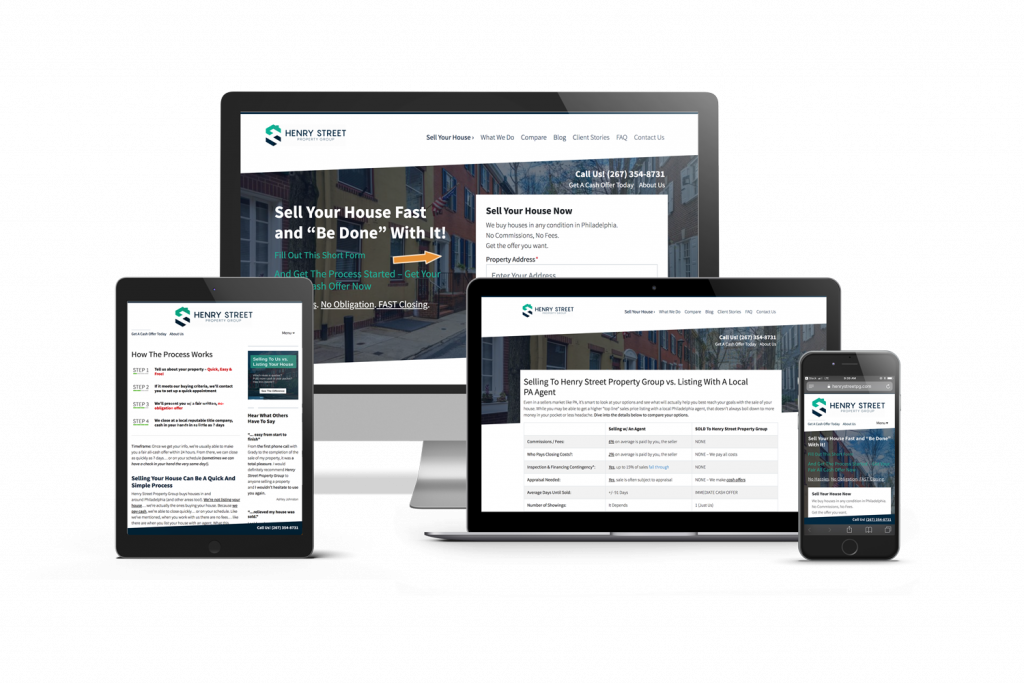
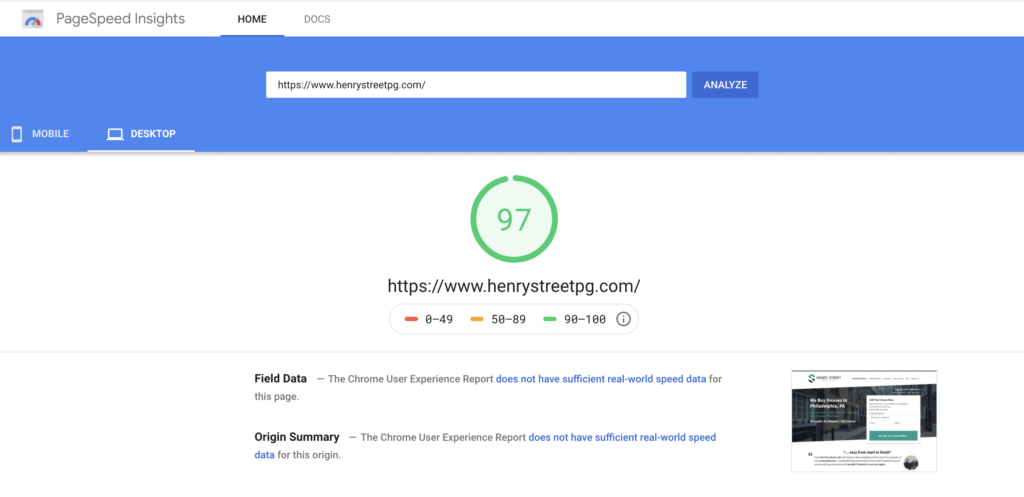
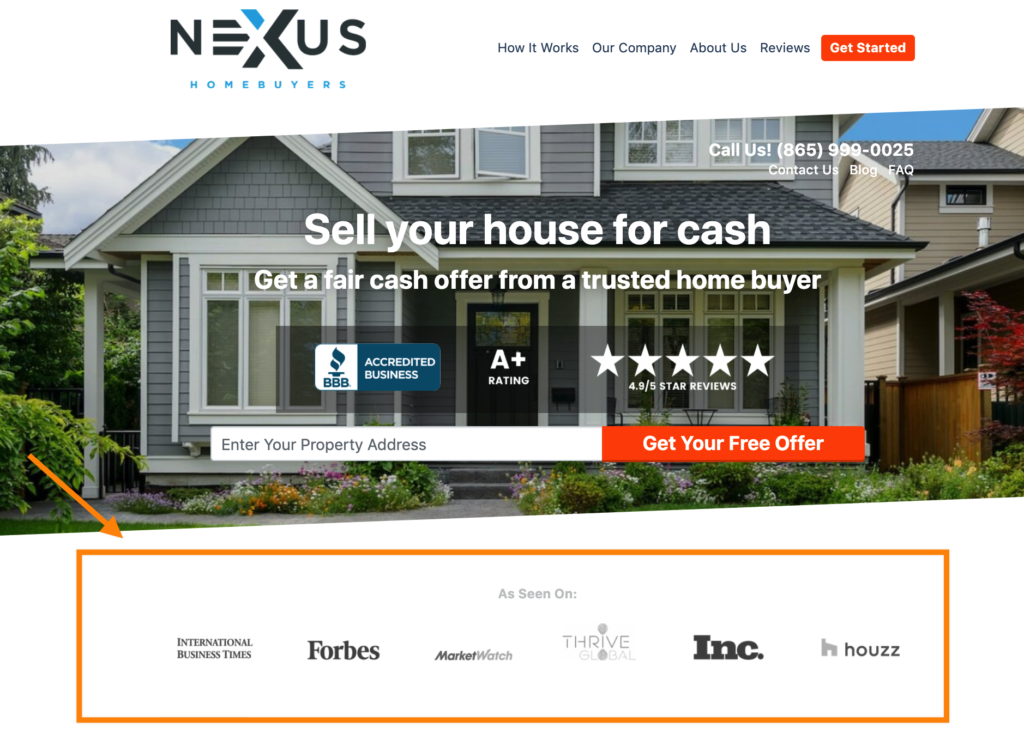


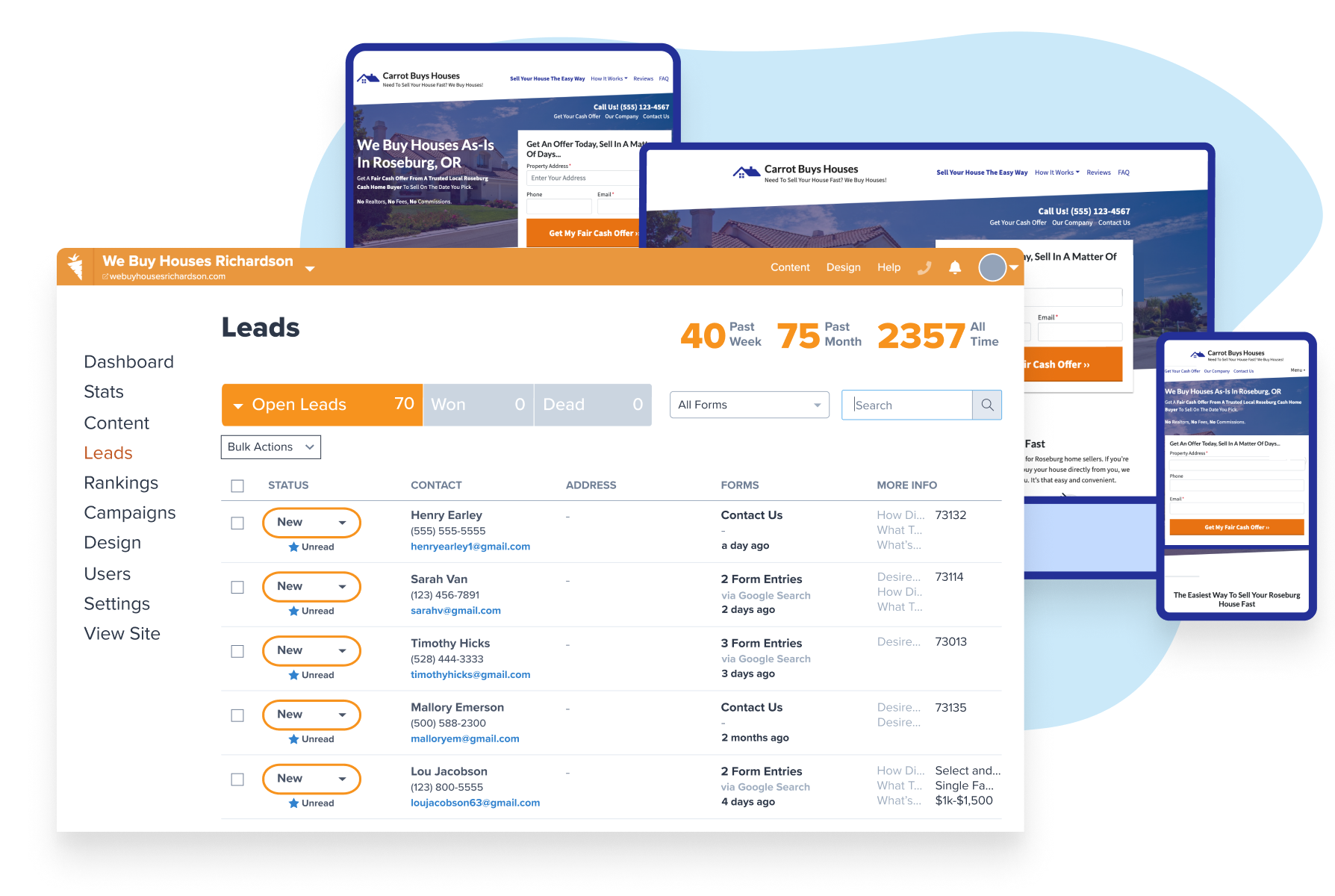
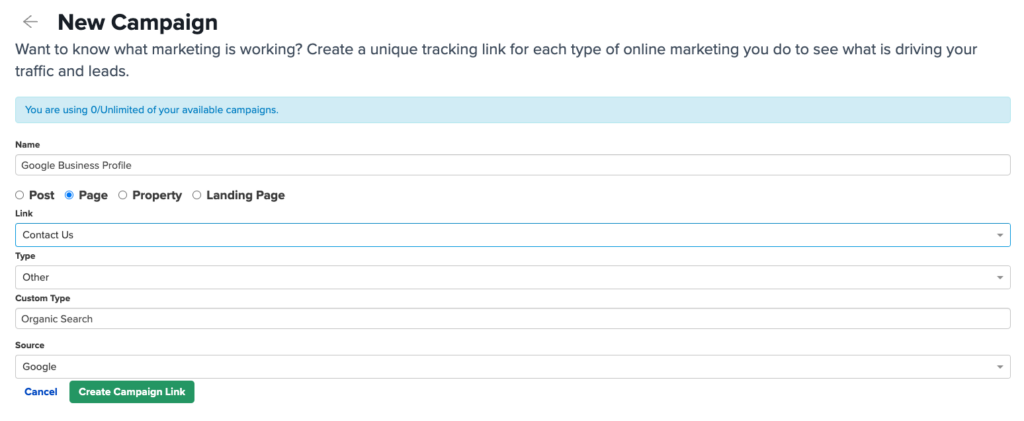
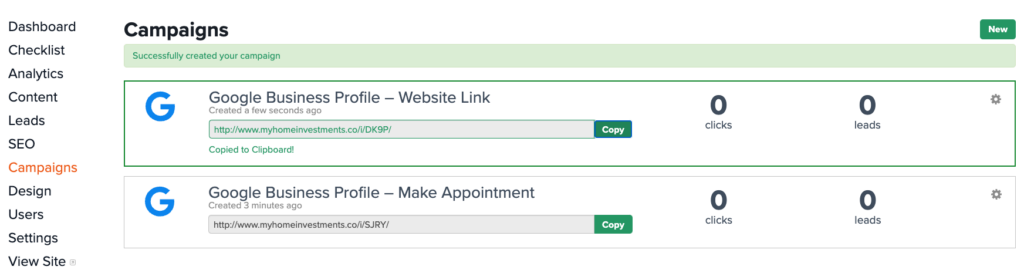
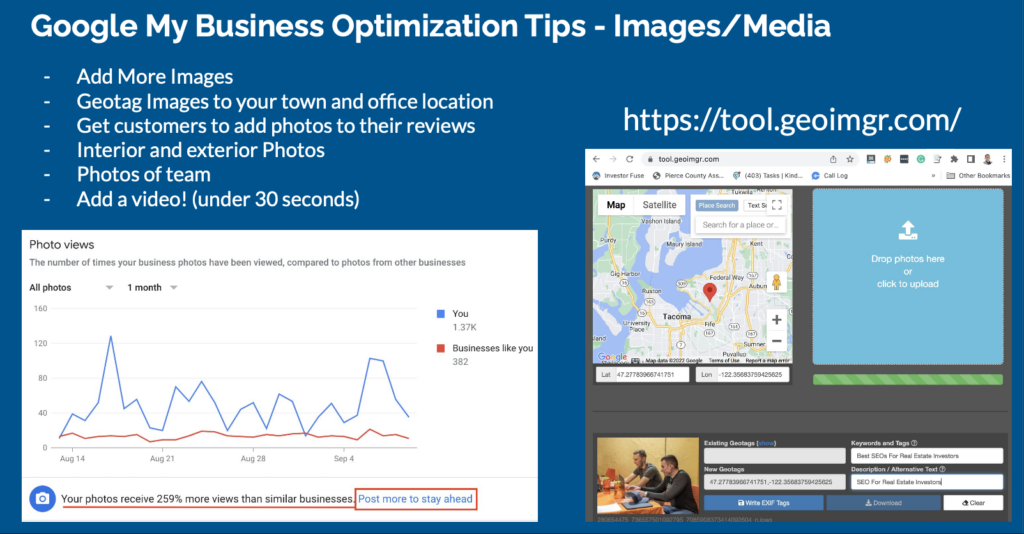


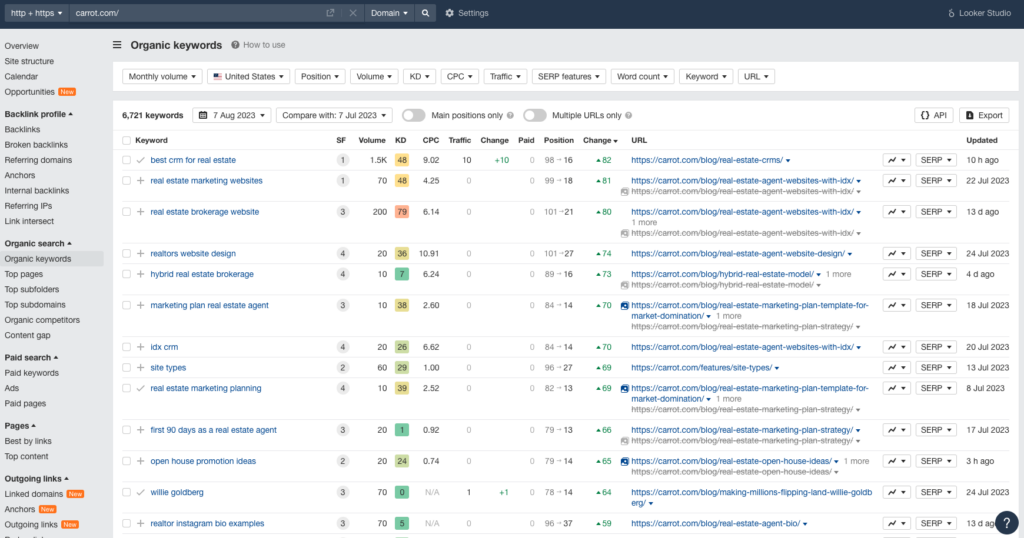
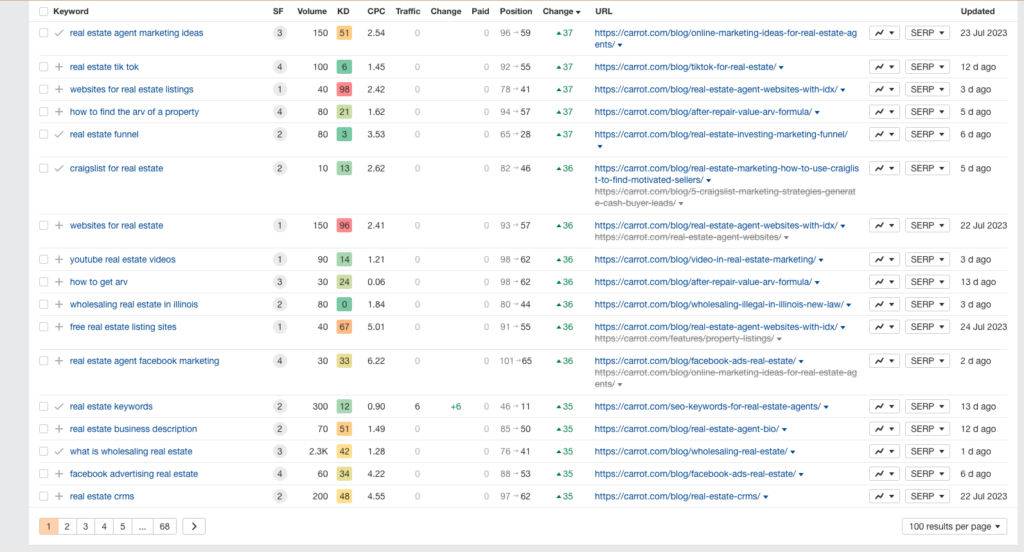
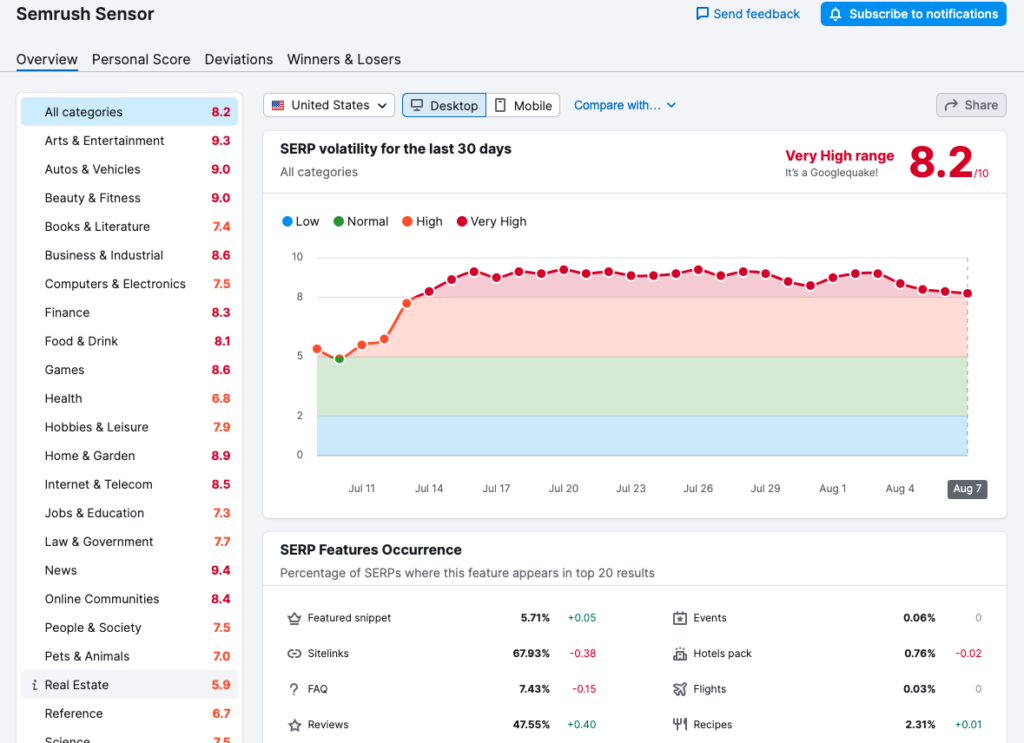
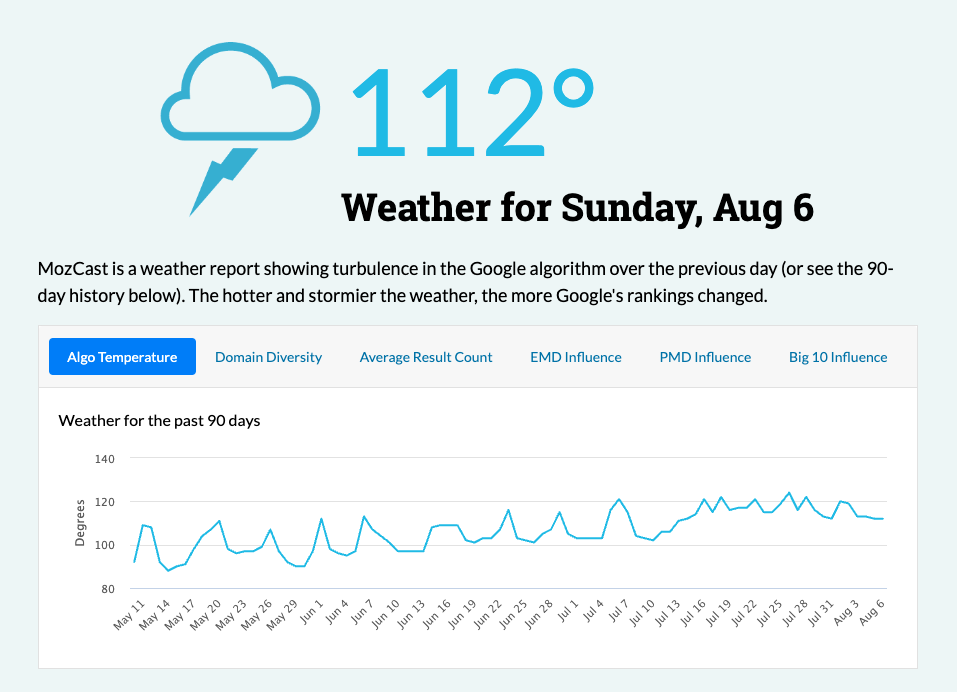
![How to Build a Wholesale Real Estate Business in 30 Days vs 6 Months [Survey Results]](https://image-cdn.carrot.com/uploads/wholesale-30-days_thumbnail.png)
![How to Build a Wholesale Real Estate Business in 30 Days VS 6 Months [Survey results]](https://i.ytimg.com/vi/tx7CybCLO8U/maxresdefault.jpg)