Category: Real Estate Agent Marketing

  • 19 Lead Generation Tools for Real Estate Agents [Your Guide for 2023]

    19 Lead Generation Tools for Real Estate Agents [Your Guide for 2023]

    20+ Lead Generation Tools for Real Estate Agents

    Most real estate agents can’t afford to miss out on leads and deals. They don’t know it but having the proper lead generation tools for real estate agents is the holy grail of their business growth.

    You probably became a real estate agent because you’re a bit of a “people person”… because you’re great at sales and know how to talk to clients.

    But if there aren’t leads to convert into clients, your business can’t grow.

    No matter how good you are at sales — no matter how convincing, charismatic, or persuasive — none of that matters if you’re not consistently generating leads for your business.

    Consistent, high-quality, and high-volume real estate lead generation is the secret to dominating your market and building the business of your entrepreneurial dreams.

    More leads mean more closings, which means a more successful business.

    Of course, that’s easier said than done.

    So how do you get leads in real estate consistently?

    19 Lead Generation Tools for Real Estate Agents

    Here are 19 of the best lead generation tools for real estate agents to help!

    1. Carrot Website
    Many real estate agents start out by joining a larger real estate group or franchise. Their face gets added to the company website, and they receive a particular share of the leads.

    But it doesn’t take long to realize that if you want to grow your own business, you’re going to need your own website.

    Unfortunately, most agents think their website only exists to represent their business — as a sort of digital business card.

    The most successful agents, though, know that isn’t true.

    Your website is probably your company’s biggest lead-gen asset.

    There are two ways that you can use your website to predictably generate high-quality leads for your business.

    The first is paid traffic. Running ads on Facebook or Google is a great way to drive traffic to your website. But here’s the thing: that paid traffic isn’t worth a lick if your website doesn’t consistently convert that traffic into leads for your business.

    (In fact, driving traffic to a low-converting website is expensive and usually a waste of money)

    And our Carrot websites are built to convert and drive leads right out of the box therefore, can be one of the most productive lead generation tools for real estate agents.

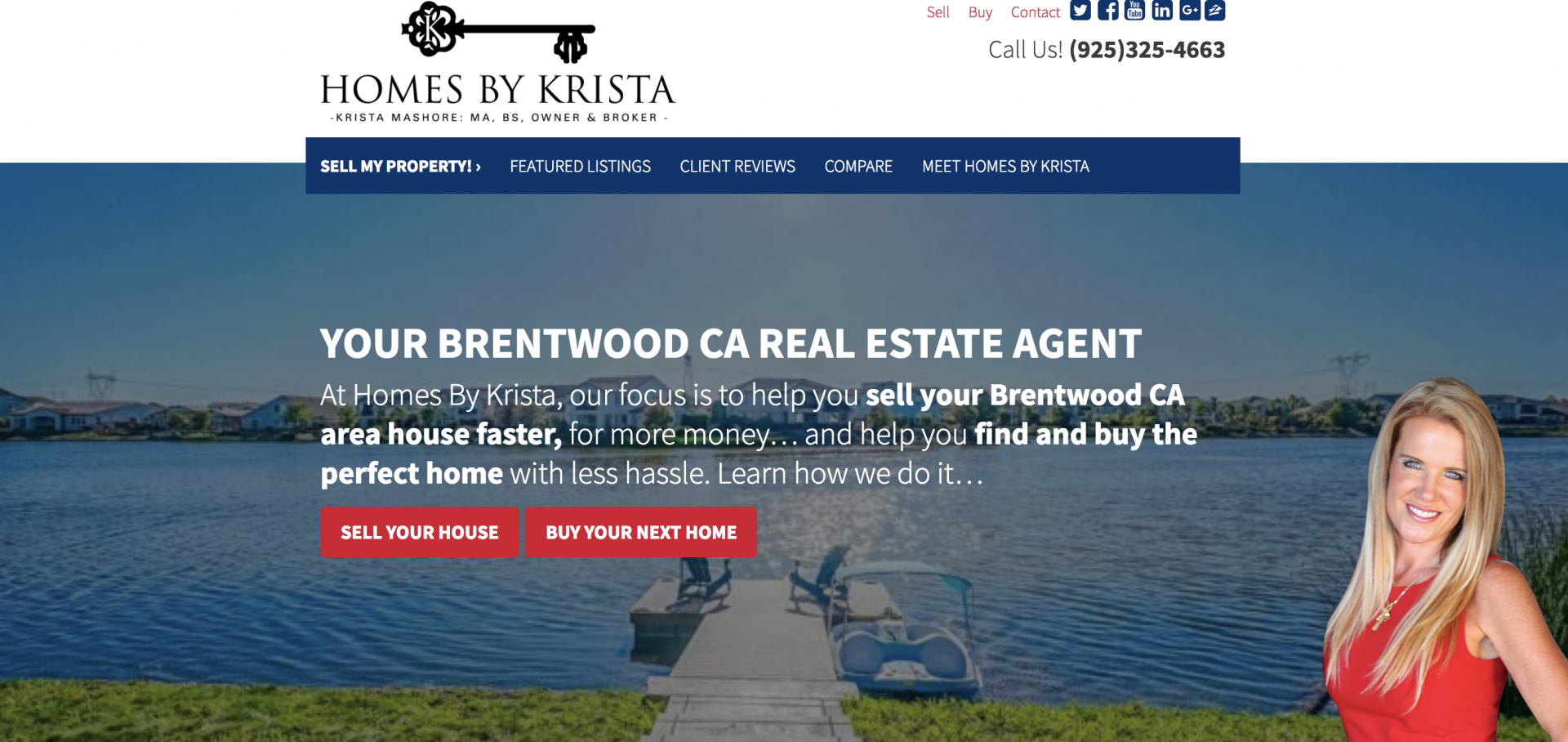
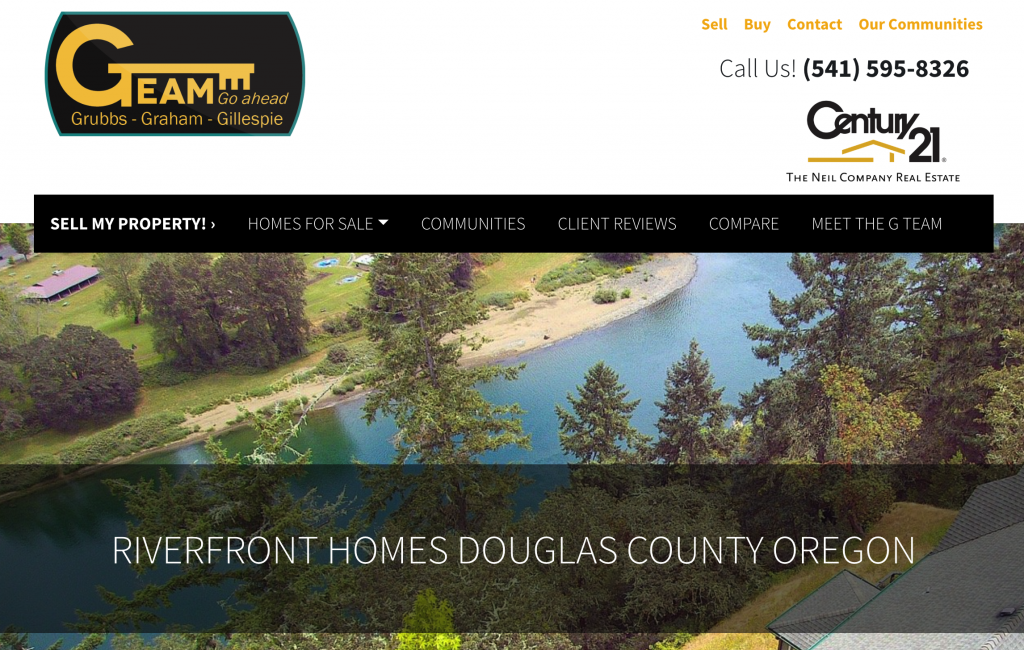
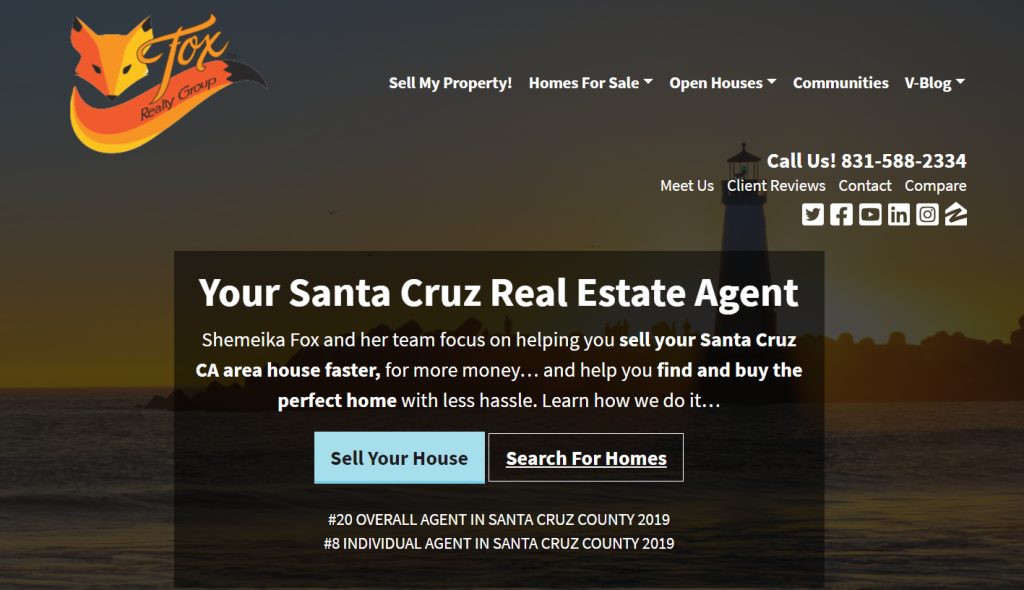
    We start with a compelling homepage header, which transitions into two separate CTAs for buyers and sellers. And we always include the agent’s phone number in the upper right corner for people who want to take action right away.

    Take a look: the entire format is crafted to make taking action as easy as possible for visitors.
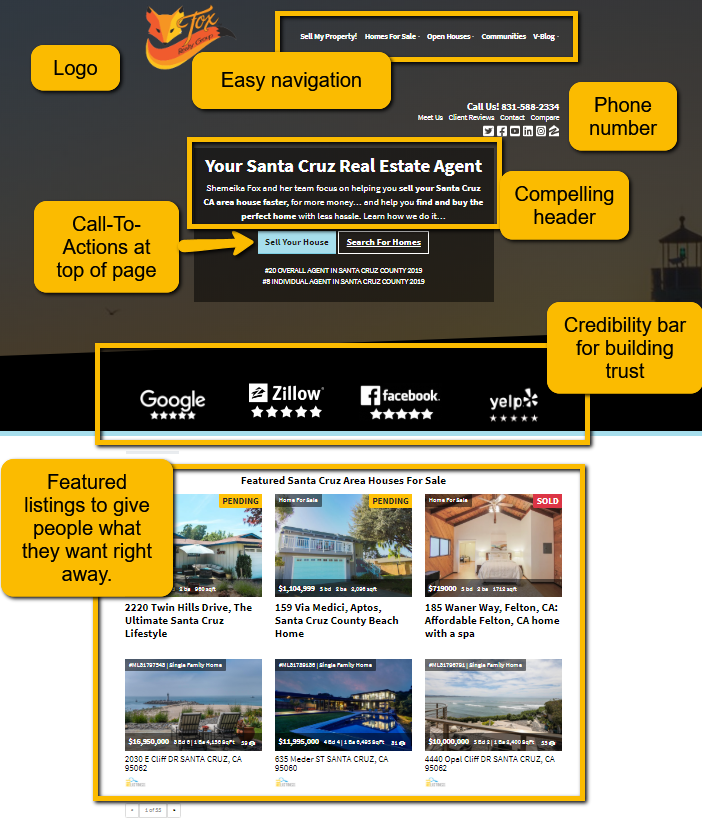
    The trick to building a high-converting website is to give visitors exactly what they want, as quickly as possible… and to build trust along the way.

    That’s exactly what Carrot sites do.

    But that’s not all they do.

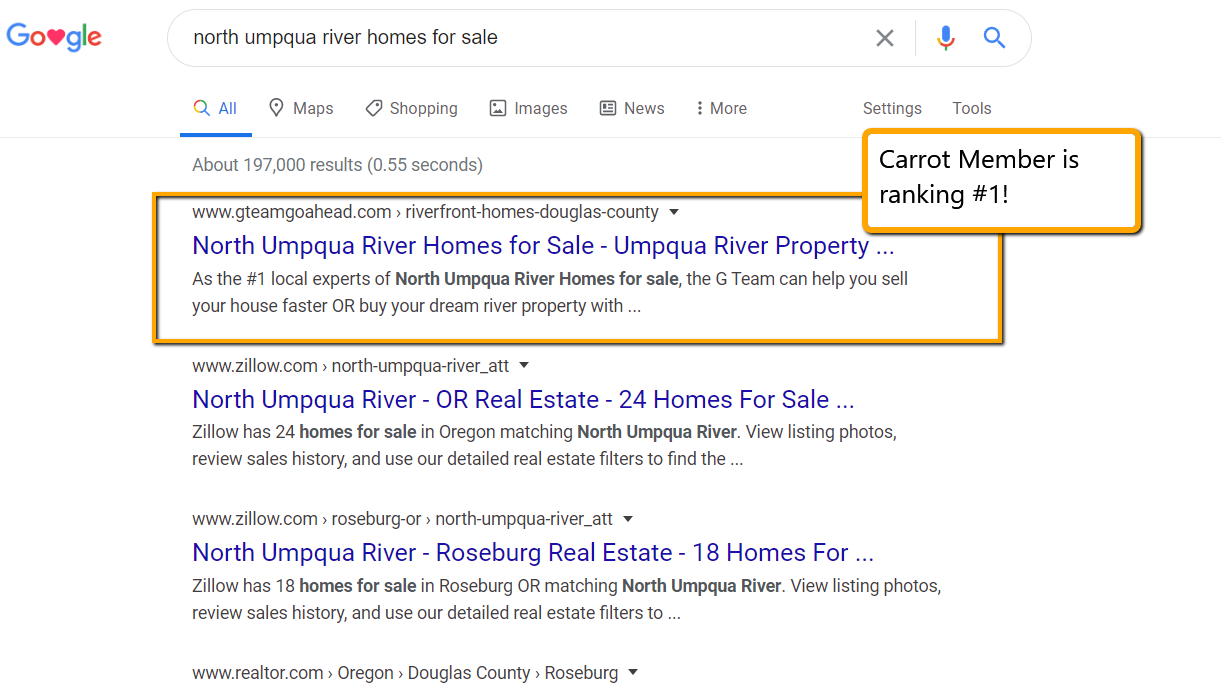
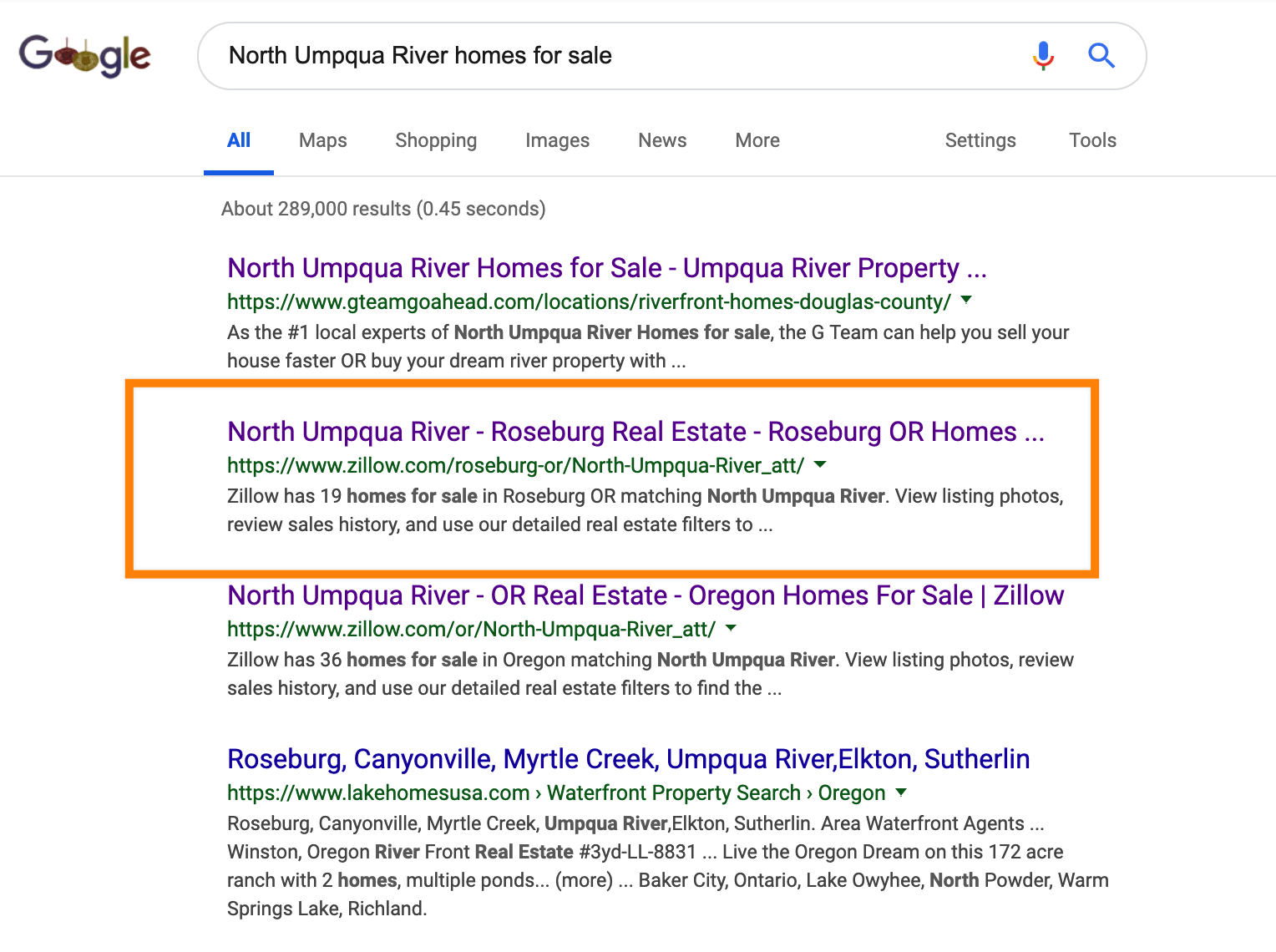
    While paid ads are a great way to drive traffic to your website, SEO (Search Engine Optimization) is just as powerful. SEO is working to rank in search engines (like Google and Bing) for keyword phrases that your target market types into Google. That way, those people click on your website and become leads.

    And SEO leads are usually even higher quality and more consistent than paid leads.

    SEO is a bit complicated but can be one of the best long-term lead generation tools for real estate agents.

    This is why our Carrot sites make search engine ranking as simple as possible. Check out some of our best lead-generation features in the second point.

    2. Carrot Features

    AgentCarrot Features

    Our Carrot sites convert better than any other websites in the industry.

    We’ve generated more than 2 million leads for our members with conversion rates between 10% and 20% (most real estate websites convert at 2%)!

    That means more leads and more closings for your business.

    And you can sign up for Carrot risk-free for 30 days over here.

    But what else do you get by signing up?

    Here are some of our coolest real estate lead generation tools

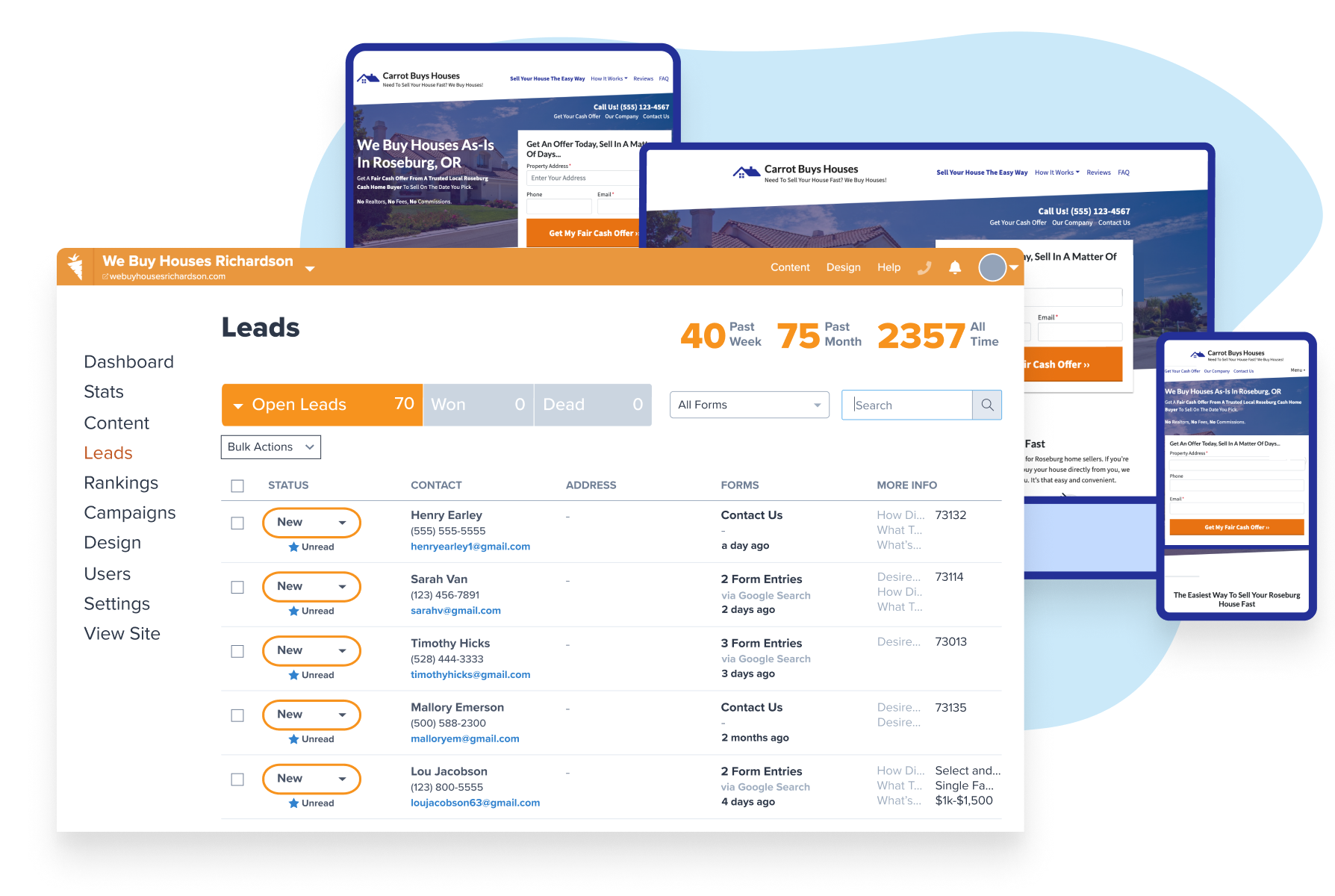
    • Carrot Lead Manager — When you get a Carrot site and start generating leads, you need a way to keep track of those leads and organize them all. That’s why all Carrot members have access to our Lead Manager, where you can view mission-critical information, categorize prospects, and see how many leads you’ve got in the pipeline.
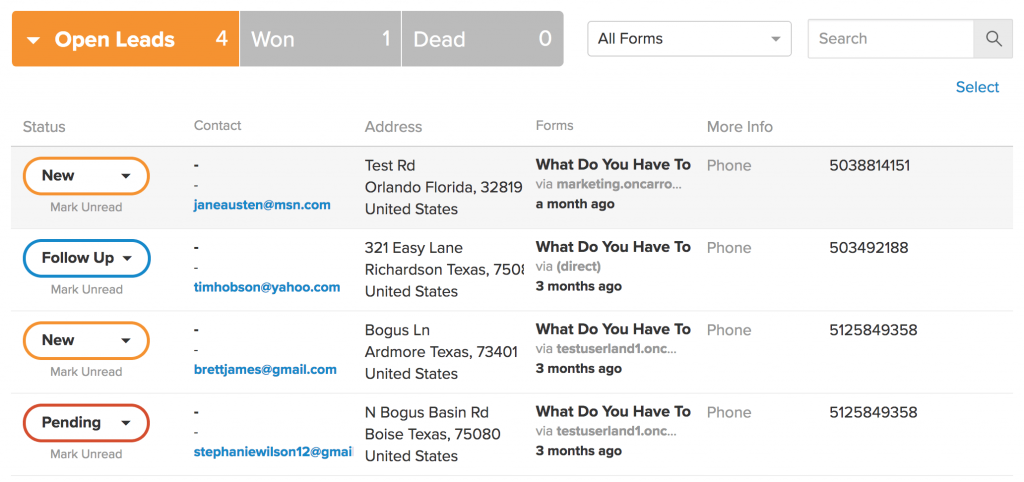
    Carrot's lead manager
    • Campaign Tracking Links — When you run advertisements or post on social media, it’s nice to know how much traffic that content is driving to your website. With our Campaign Tracking Links, you can create a custom link with a single click, and we’ll track clicks and conversions from that link. This is super easy and a great way to test the effectiveness of your advertisements.
    • Visual Editor — All AgentCarrot sites are built to convert right out of the box. But you can still customize the site however you like, adding your logo, brand colors, and images and changing the copy to fit your business. Our visual editor makes this process super easy. It’s the best of both worlds: lead generation and website customization.
    Carrot's real estate website visual editor
    • SEO Ranking Tracker — Want to know how your SEO rankings are performing? Just tell us what keyword phrases you want us to track for you, and we’ll give you regular updates on how your website is performing. That way, you can celebrate once you break through to page 1!
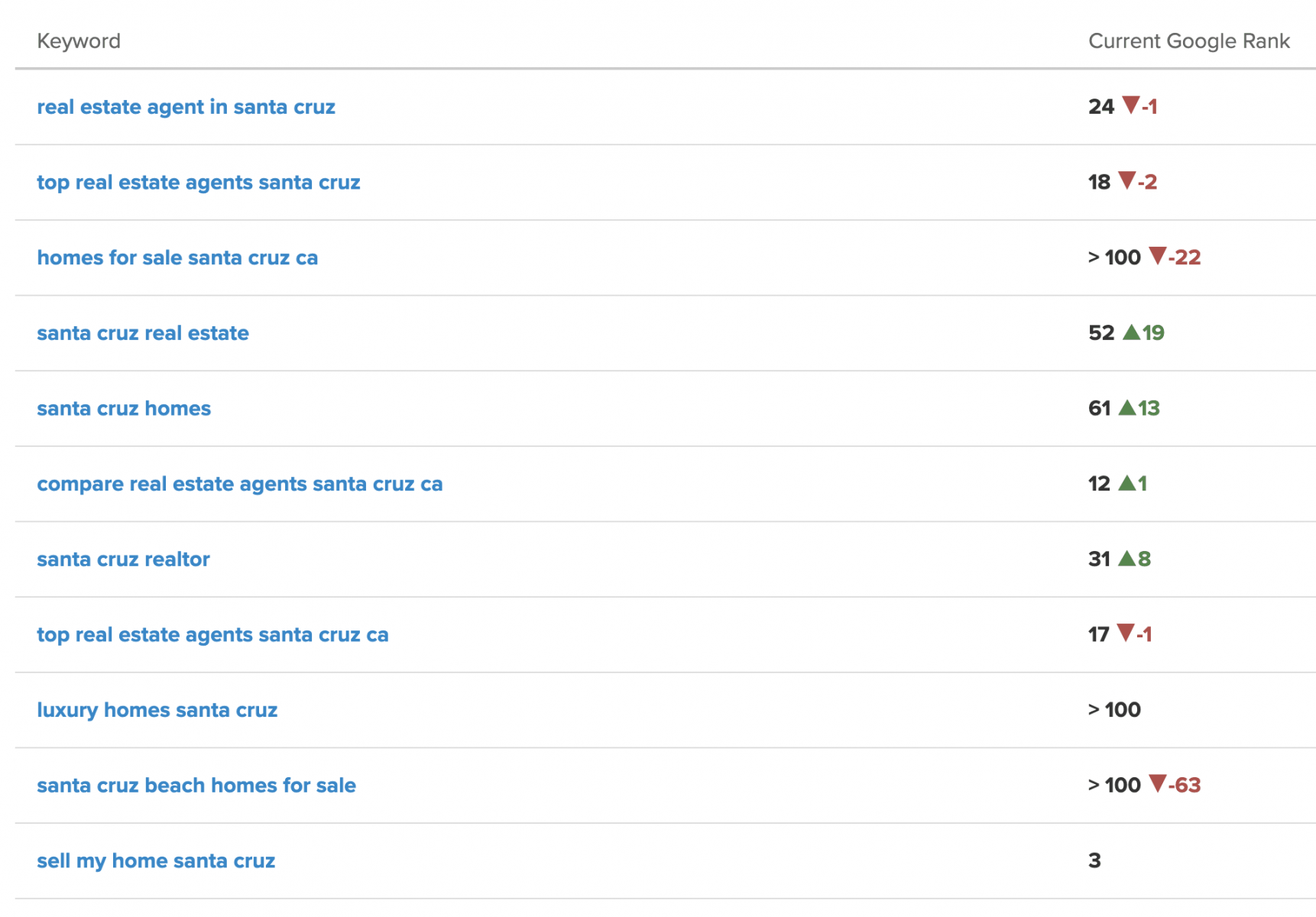
    Carrot SEO rank tracking
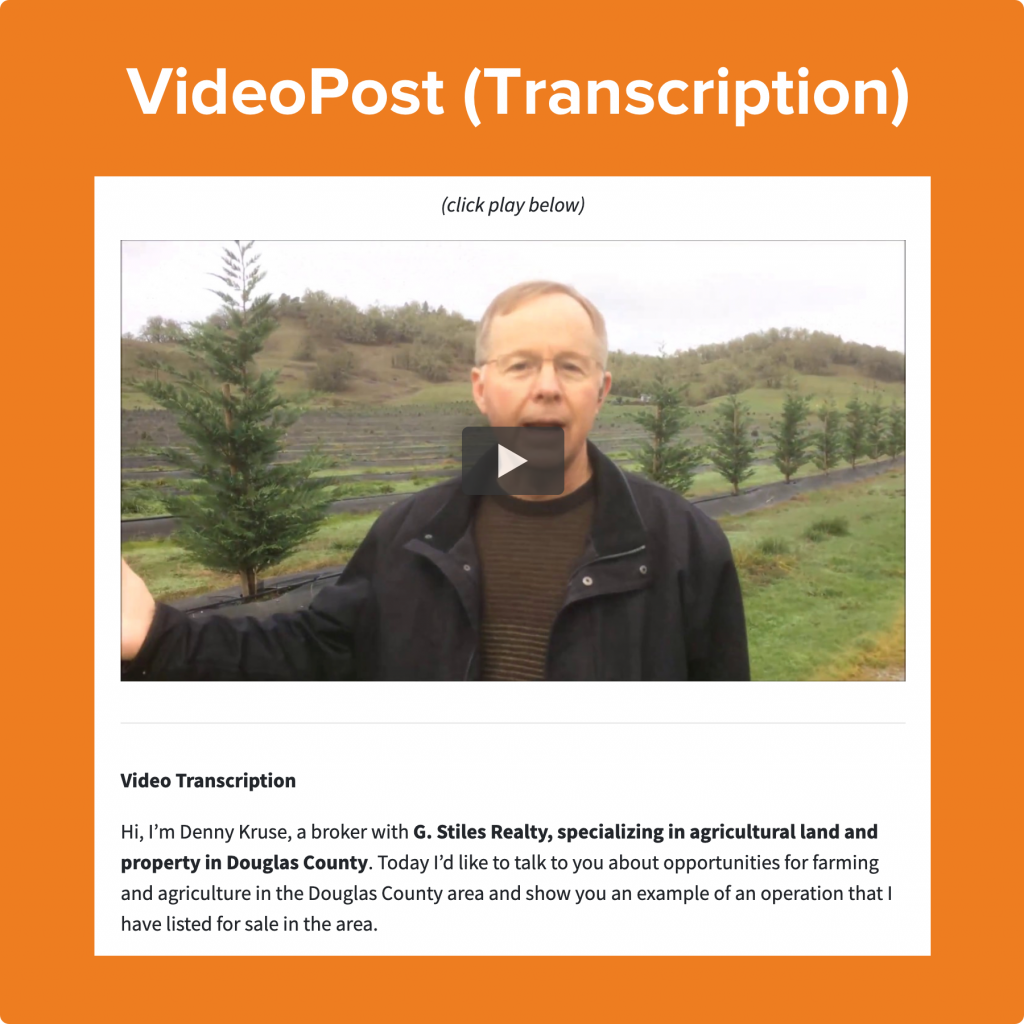
    • VideoPost — One of the most challenging parts of getting your website ranking in search engines is consistently creating content or blog posts. Because the more content your website has, the more keyword phrases you’ll be able to rank for. And with VideoPost, you can record a quick video and then, with just a few clicks, transcribe that into a long-form blog post that can rank on Google. SEO doesn’t get easier than that!
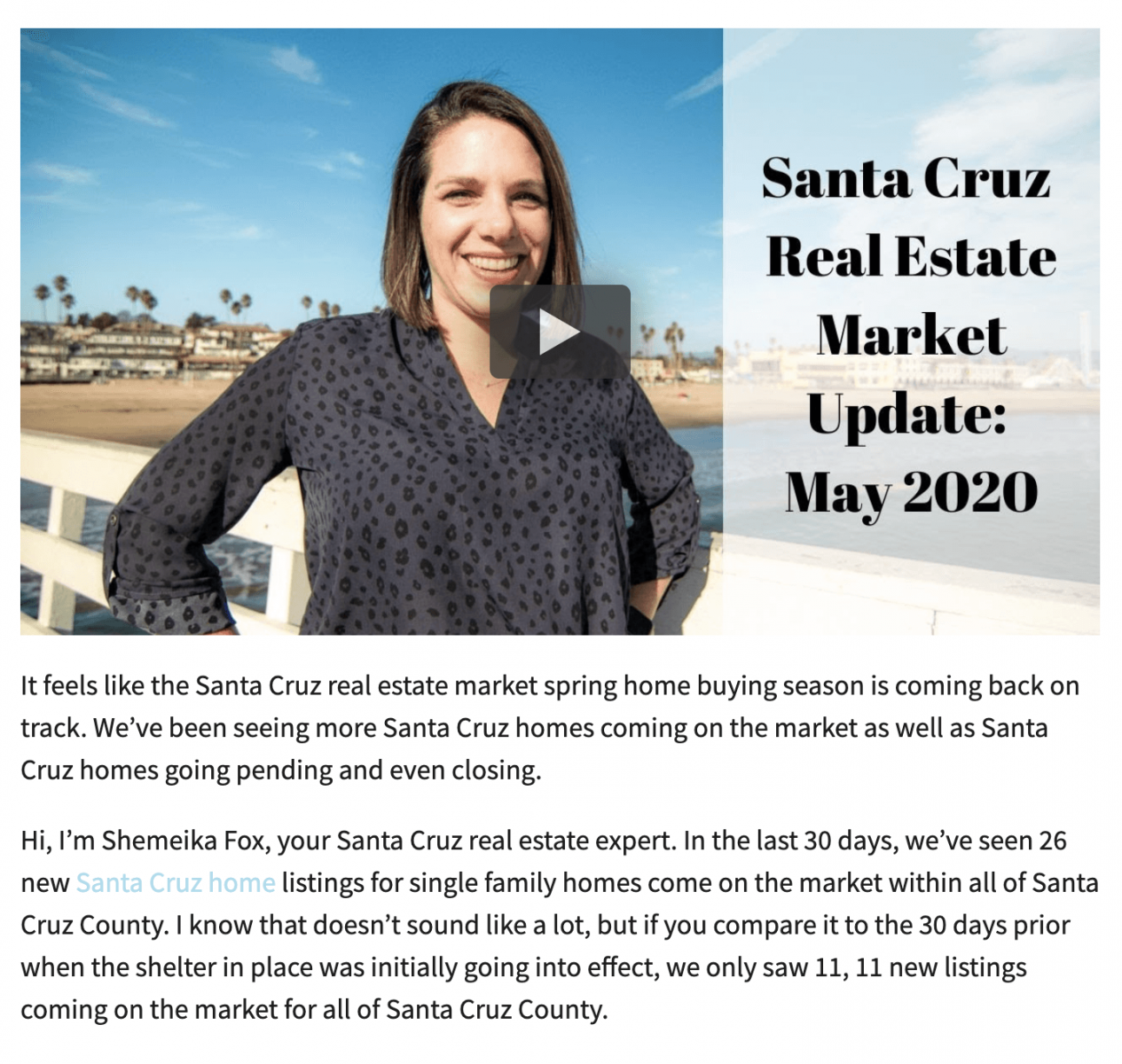
    Carrot videopost tool
    • Carrot SEO Tool — There are a lot of rules to creating a new page or post for SEO. You should include the target keyword phrase a very specific number of times, you should have a certain amount of links, and you should use a certain number of images… all depending on the length of your content. It’s hard to remember everything, which is why we give all of our members’ access to our Carrot SEO Tool, which acts as an SEO checklist every time you create a new page or post. Just keep at it until the light turns green, and then you’re good to go!
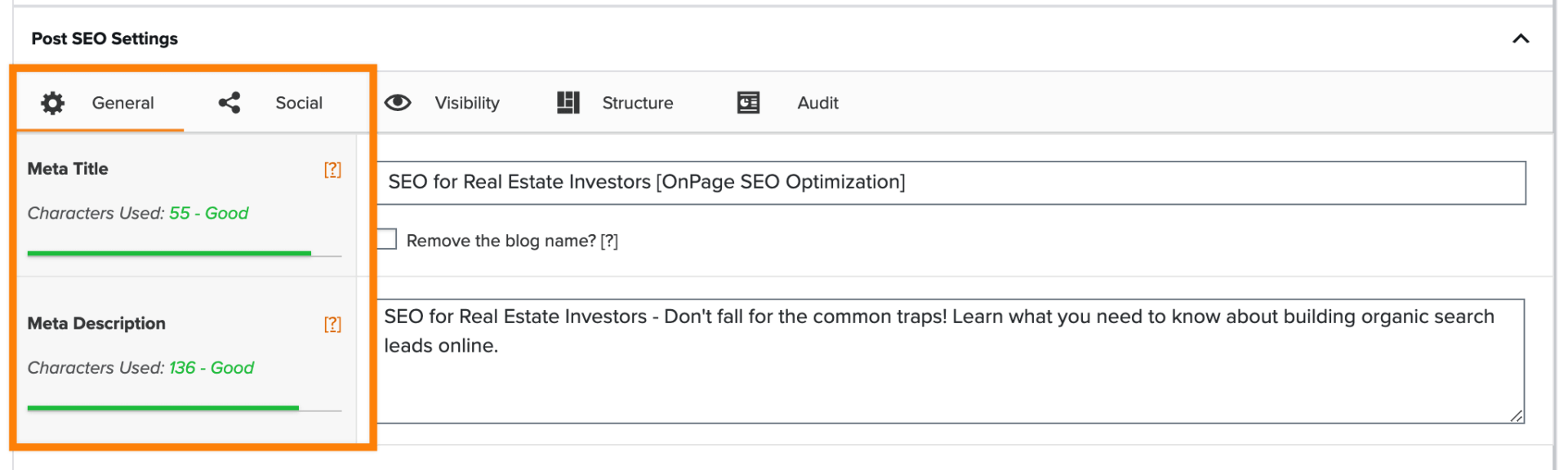
    Carrot SEO tool
    • Carrot IDX — IDX is useful because it allows real estate agents to automatically upload MLS listings to their websites. This saves a lot of time. And Carrot IDX allows you to upload listings and then customize those listings however you like.
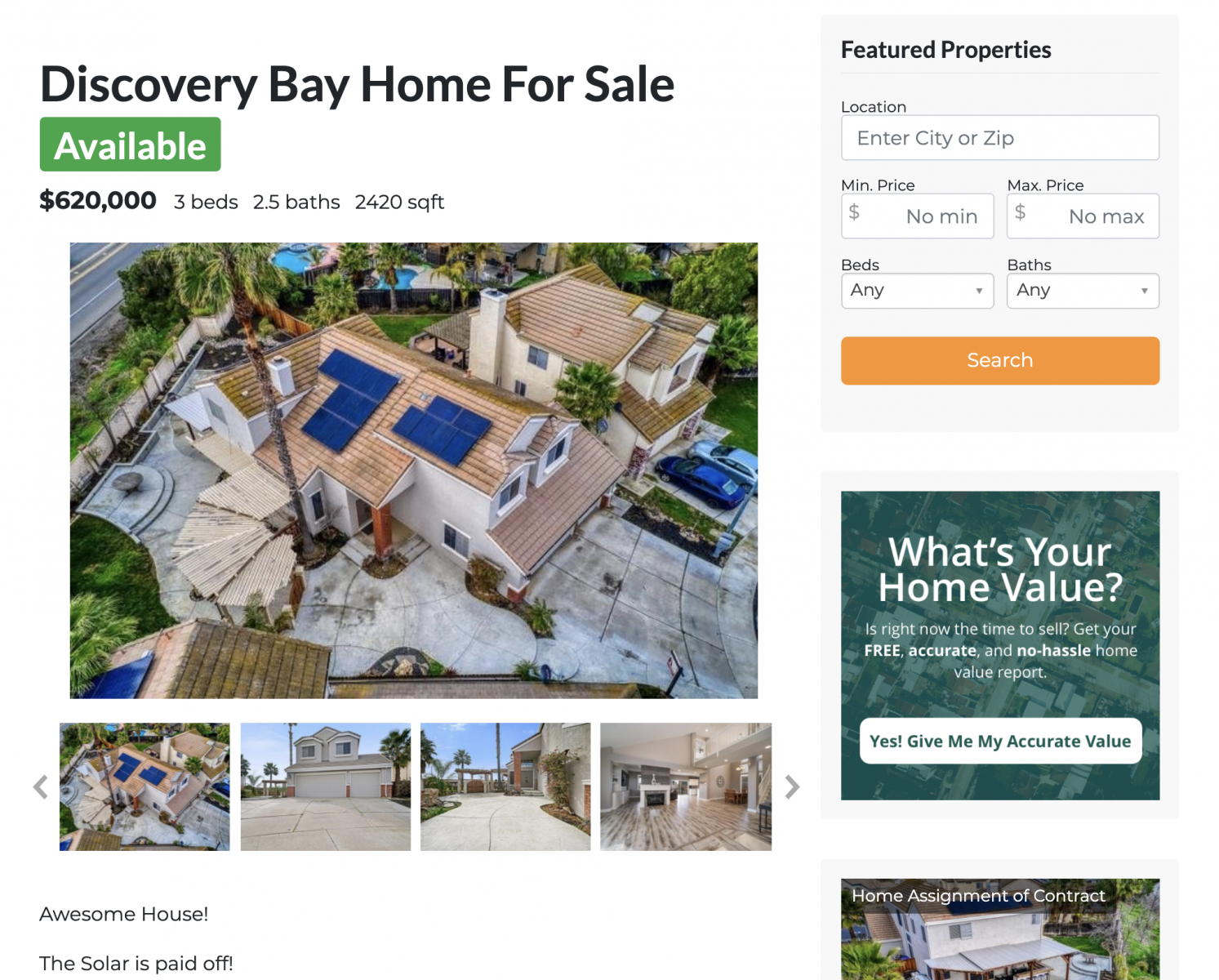
    Real-estate-agent-website-idx

    Check Out Our FREE AgentCarrot Demo Now!

    3. Silver Street Marketing

    Running Google and Facebook ads is much more complex than it probably sounds… especially if you’ve never done it before.

    If you have tried your hand at paid ads, then you know exactly what I’m talking about.

    You choose the targeting and craft the copy as carefully as possible, then hit launch with your fingers crossed.

    But those ads end up far less effective than had hoped.

    The truth is, it can take years to learn how to craft high-converting advertisements.

    This is why we highly recommend delegating that part of your business to the marketing experts over at Silver Street Marketing if you have the budget for it.

    They will manage every aspect of your PPC and Facebook marketing strategy so you can focus on closing clients and growing your business.

    4. Citation Building Service
    If you want to start building your SEO and website rankings to drive traffic passively to your website, then citations are a great place to start.

    What are citations?

    Well, first, you have to understand backlinks. Backlinks are the term used when another website links to your website, and they’re a critical indication to Google that your website is trustworthy. The more high-quality backlinks you have, the more that Google will trust your website (which means better rankings).

    And citations are a type of backlink that’s easy to get.

    You just go to sites like Google, Yahoo, Bing, etc., and list your business information. Doing this on 40 or more sites will typically give you an SEO advantage over your competitors.

    But it can take a while.

    With our Citation Building Service, we’ll go build 40 citations for you so you can keep your attention on more important business matters.

    5. Ballpoint Marketing

    Direct mail is one of the most common lead generation tools for real estate agents.

    Any real estate agents in your market who are trying to grow their business are probably sending direct mail.

    That’s for good reason — direct mail is a great way to build brand awareness and generate leads.

    The problem is, everyone is doing it.

    Which makes it difficult to craft mailers that stand out from your competitor’s mailers. Because of that, many mailers end up in the trash before even getting looked at.

    But Ballpoint Marketing is solving that.

    They offer robot-written mailers that look hand-written (the ink even smudges and indents the paper).

    And these mailers get an exceptional response rate.

    It creates a personal touch that feels authentic and is difficult for people to ignore.

    Why not give it a try?

    6. Mailchimp
    lead generation tools for real estate agents email campaigns

    Your email list should be the backbone of your marketing strategy.

    By consistently growing your email list and interacting with those prospects on a weekly basis, you expand your reach, build brand awareness, and nurture leads.

    It’s like this: your ads and SEO leads to your website, which leads to your email list, which leads to follow-up and eventually closing clients.

    It might not always be a straight line, but that’s the general flow.

    And perhaps the easiest tool for building your email list is Mailchimp, which won’t cost you a dime until you’ve reached more than 1,000 subscribers.

    Plus, Carrot easily integrates with your Mailchimp account!

    7. DocuSign
    docusign

    The real estate business includes a lot of reviewing and signing documents.

    Fortunately, DocuSign allows you to upload, edit, and send documents for review and even digital signing.

    Carrot members love to use DocuSign for contract signing because it’s so much easier and faster than trying to coordinate in-person meetings.

    You might also consider HelloSign, which is a similar service.

    8. Canva
    canva

    Marketing requires a lot of design work.

    Whether you’re creating a logo, designing your website, or posting on social media, graphics are an important element.

    They draw the eye better than text and consistent colors, fonts, and graphics create a sense of continuity, making your brand easier to identify.

    But being able to design graphics is an uncommon skill for real estate agents.

    Well, Canva is changing that.

    With Canva, even real estate agents with no past design skills can create eye-catching graphics. And it’s free to try out.

    Our member love using Canva to spice up their social media posts and create grahpics for their website.

    9. Realvolve
    realvolve

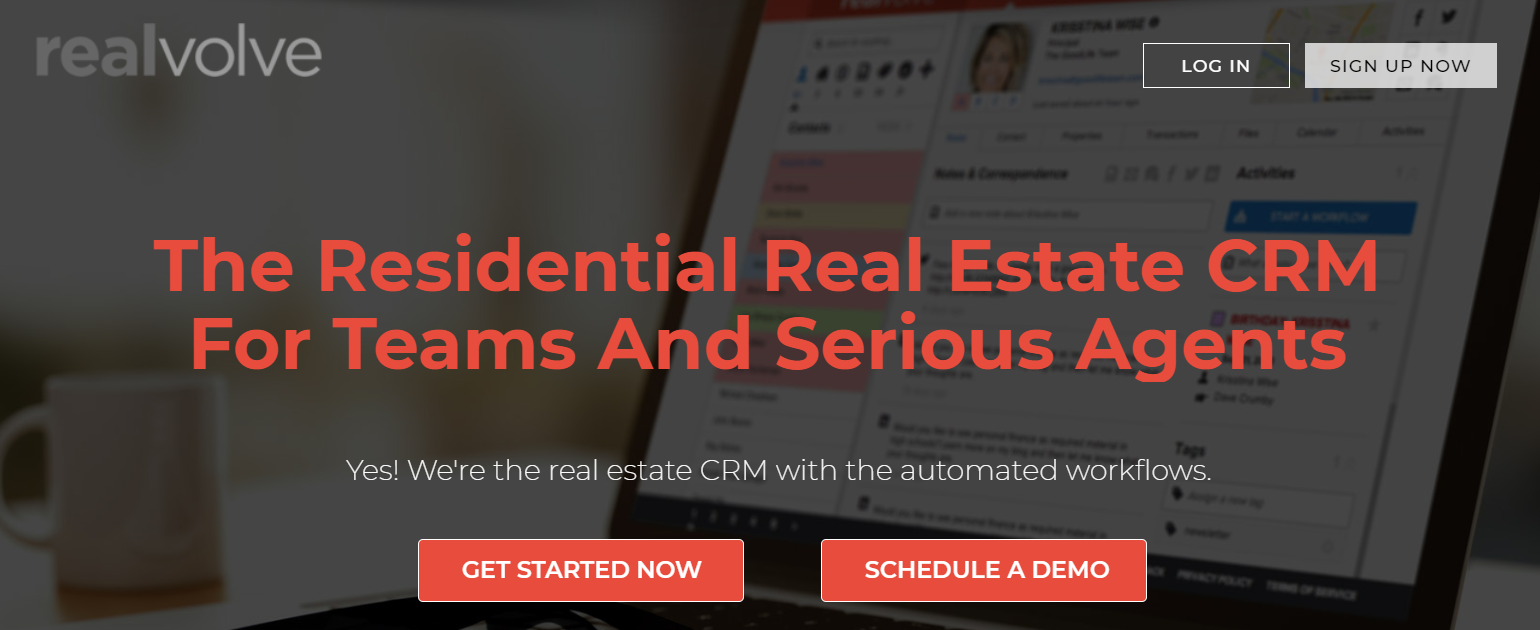
    The bigger that your business gets, the more cluttered internal processes becomes.

    It’s a natural part of hte process. Promising leads slide under the radar and important tasks don’t get finished… all because your business is growing.

    Remember the old saying: what go you here won’t get you there.

    And when your business gets to new heights, you’ll probably find that you need software to help organize and coordinate your leads, workflows, and other internal processes.

    Many of members love using Realvolve for that. You can schedule a demo on their homepage to check it out for yourself.

    10. HARO

    What if you could easily get your business and website mentioned on local publications?

    With HARO — which stands for “Help a Reporter Out” — you can.

    And the benefits are twofold. First, local and even nationwide publications will mention you as an expert at real estate. This will grant you credibility and even give you the chance to put a trust-building bar like this on your website…

    Just add the logos of the places that you’ve been mentioned and voila! You’ll build immediate trust with your website visitors.

    The second benefit is in regards to search engine optimization, which drives traffic to your website when people type certain keywords into Google.

    One of the biggest factors of SEO is how many reputable backlinks your website has — a backlink is when another website links to your website.

    And when other sites quote you as an expert, they’ll almost always link to your website.

    Win, win.

    So how does HARO work, and how do you get leads in real estate from their services?

    Well, you can sign up for free as an expert source for journalists. Then every day, you’ll receive an email with potential articles you can contribute to. Just follow the intstructions and you’ll start getting mentioned in no time.

    HARO is most effective when you consistently and quickly respond to prompts over a long period of time.

    Even dedicating 10 minutes per day to can help to win HARO backlinks, improve your domain authority, and enhance your brand’s visibility.

    11. Craigslist
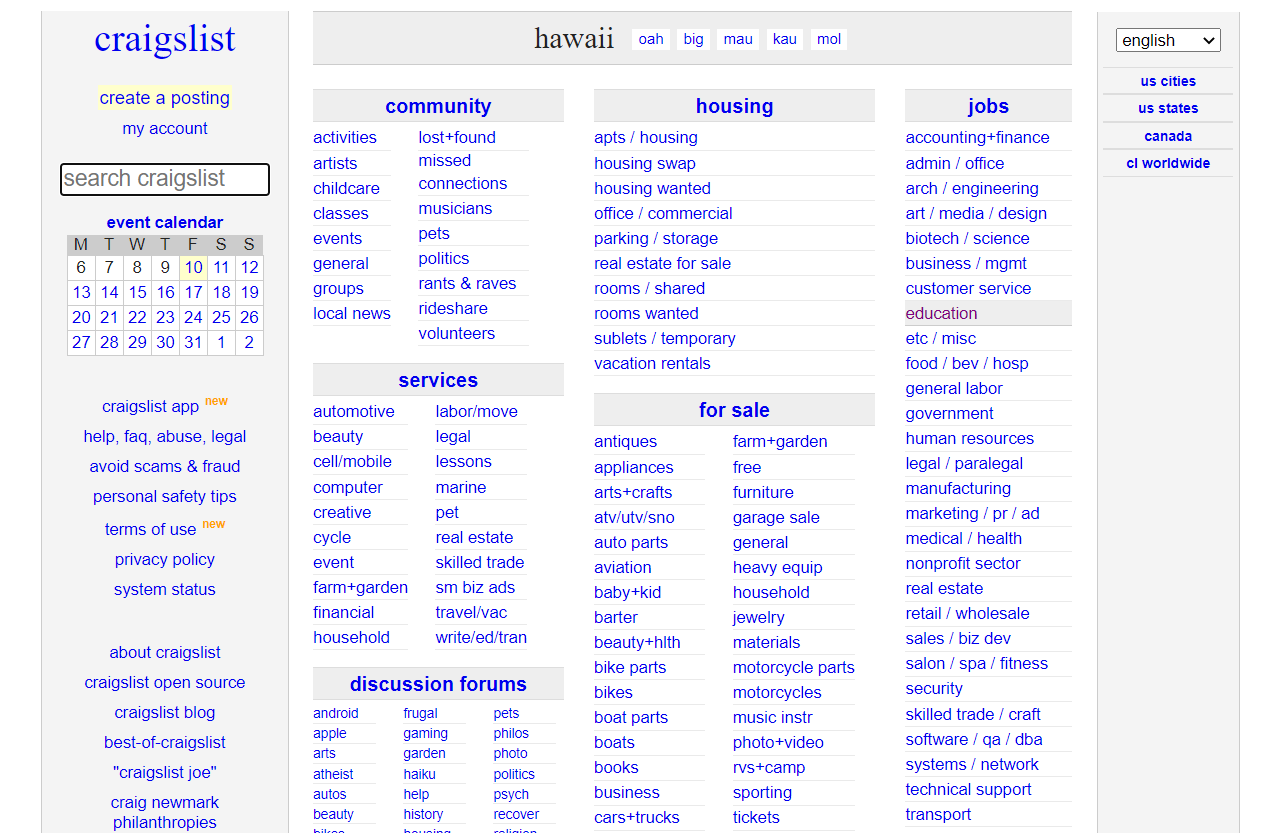
    Craigslist? How do you get real estate leads on Craigslist?

    Craigslist probably isn’t the first site you think of when you’re working to generate leads for your real estate business.

    But it can certainly help… especially if you’re trying to generate leads in a new market for the first time.

    You can look under the housing category for people who’ve listed as for-sale-by-owner and send them a message like the following…

    Hey,

    I saw your house listing and I was wondering how much interest you’ve got in your home?

    I know the market can be a little tough right now and I’m a new real estate agent in the area who’s looking for people I can help.

    Would you have time for a five-minute chat about the home and how we might be able to work together?

    Mike

    Or something similar… (adjust it to fit your style!)

    Similarly, you can message people who are looking to purchase a home with something like this…

    Hey,

    I saw that you’re looking to buy a home… is this your first home?

    I’m a real estate agent in the area and I’d be interested in learning more about what kind of home you’re looking to purchase.

    Would you have time for a five-minute chat?

    Mike

    Once your business is off the ground, this probably isn’t a strategy you’re going to keep using… but it can definitely help to get things moving.

    12. Aircall
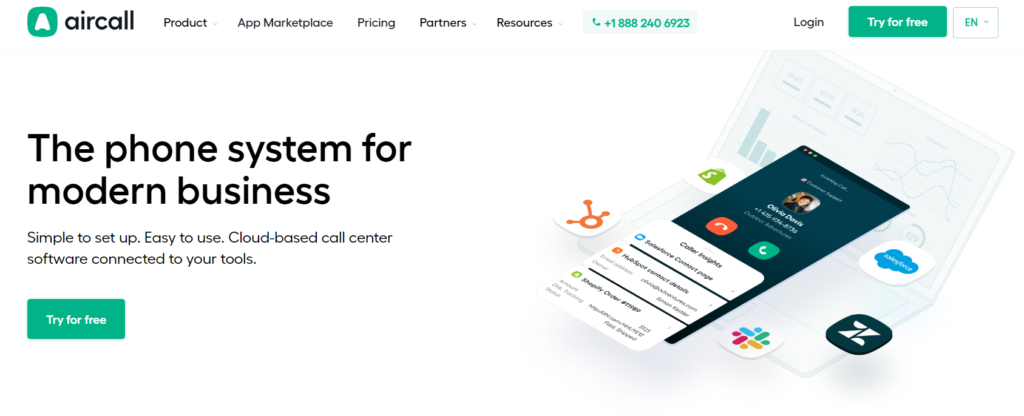
    Answering the phone is one of the biggest, most unexpected challenges of growing your real estate agent business.

    If you don’t answer the phone when it rings, then your chances of losing the lead skyrocket. At the same time, you obviously can’t spend all your time on the phone… between negotiating contracts, house showings, and client meetings, you’re busy enough.

    So what do you do?

    Well, one thing you can do is hire a salesperson to answer the phone for you and make follow-up appointments.

    Once they’re trained, you can use a service like Aircall to create multiple phone numbers, ensure that the phone gets answered when it rings, record conversations, and even assign different leads to different salespeople.

    You probably don’t need this service when you’re just getting started, but it’s something you might want to consider when your team grows and the phone won’t stop ringing (’cause that’s a good thing, after all).

    13. CRM
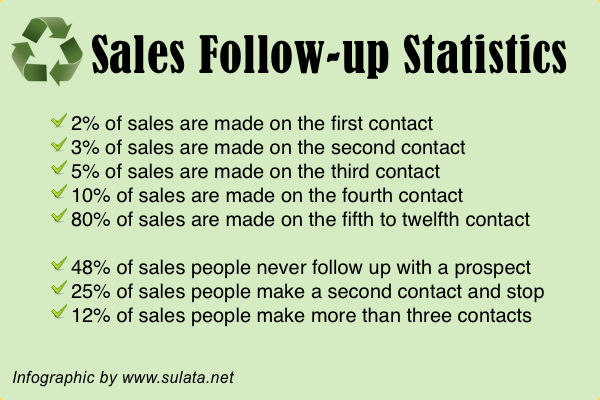
    warm market sales follow up stats - Tanya Aliza | Business Success ...

    Following up with leads is an extremely important part of running a real estate business.

    Not just so that you can do more closings, but so that you make the most of each lead.

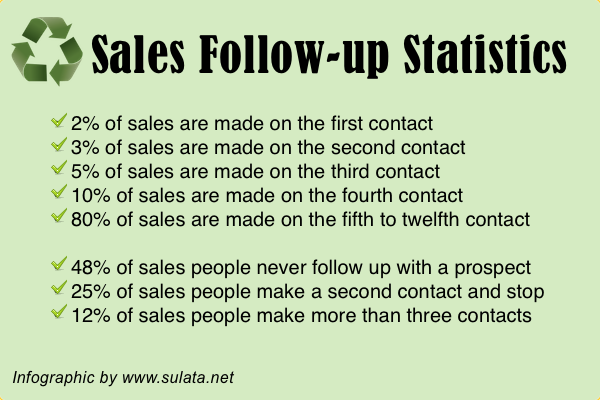
    The fact is, most closings happen during the follow up… people don’t decide to work with you after the first call or even the second call… but after the 5th call.

    And while that might sound discouraging, it really just requires a little restructuring to be able to follow up consistently and effortlessly.

    Really, it takes an effective CRM.

    A CRM helps you organize your contacts, your leads, and your touch-points with them. You can keep track of how many times you’ve contacted each lead, when you contacted them, and tons of other person-specific details that make having a CRM one of the best real estate lead generation tools out there.

    The first choice for most of our member is Realvolve.

    Check it out!

    14. YouTube

    10 Youtube Statistics That You Need to Know [Updated May]

    Like other social media sites, YouTube is a great platform for growing your real estate audience, building brand awareness, and even generating leads.

    But you know what really sets YouTube apart from other platforms?

    Video.

    More than any other media type, people love video content. It’s easier to consume and more entertaining than written content.

    In fact, 54% of people want to see more video content from brands and businesses that they follow.

    10 Video Marketing Statistics for 2020 [May 2020]

    And by creating consistent video content on YouTube, you can establish yourself as a real estate expert in your market and encourage people to reach out to you when buying or selling a home.

    But what kind of content should you create?

    For inspiration, check out the Farr Group’s YouTube channel. They create videos about their listings, their business purpose, and they even offer educational advice.
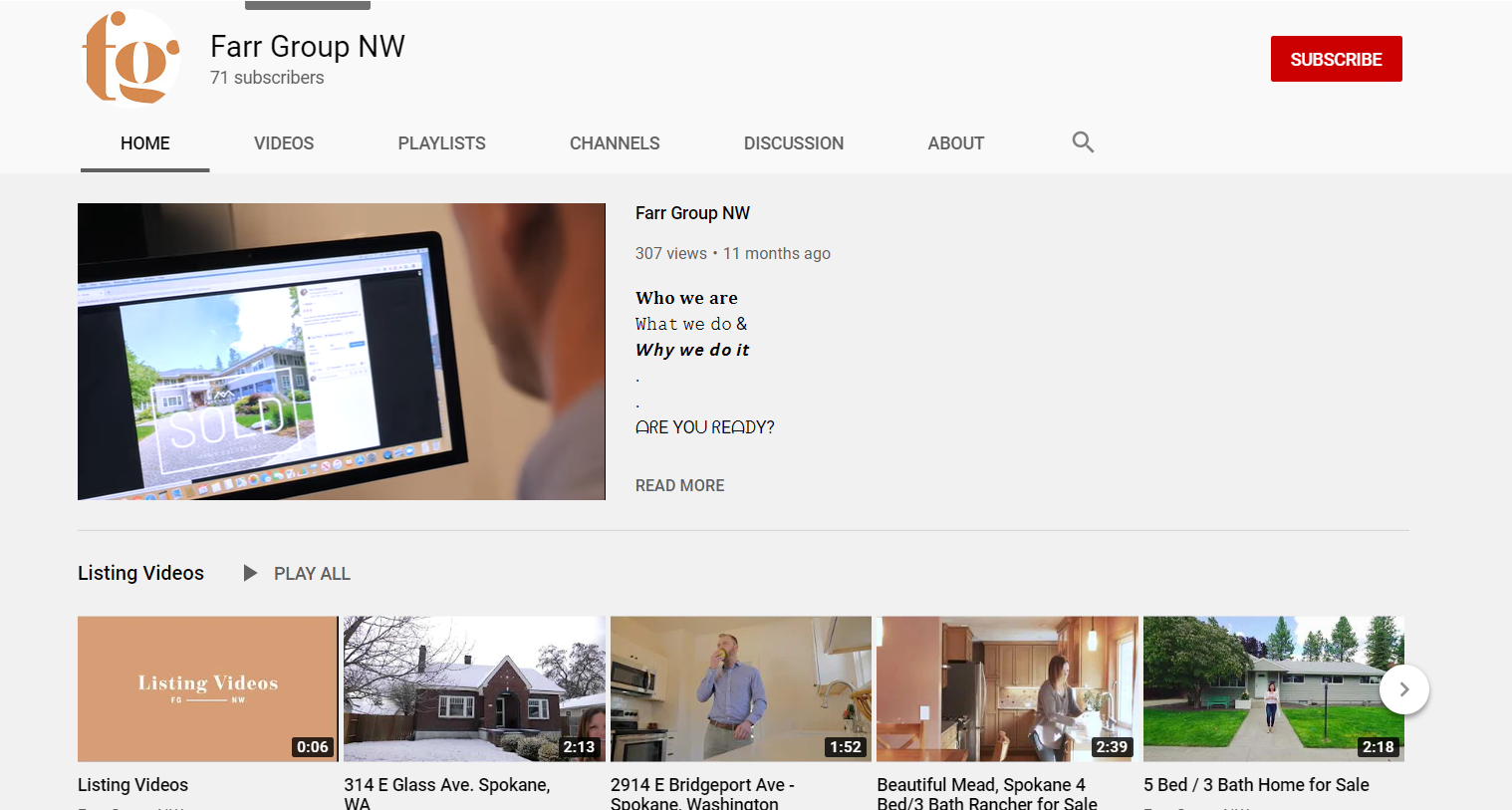
    Building your YouTube channel isn’t going to change your business or your life overnight, but it can make a big impact over the long-term.

    The main key to building a following on any platform like this is to be consistent with your content creation schedule (publish at least once per week).

    The more often that people see your videos, the more that they’ll view you as a real estate expert.

    But YouTube isn’t just great for generating attention organically… you can also run YouTube ads.

    And one of the greatest parts about YouTube ads is that your competitors are probably not using the platform at all (they’re probably just running Facebook ads). Additionally, you can target people based on location.

    Which means that you can create a “YouTube commercial” that only targets people in your market.

    Why not give it a try and see how it impacts your lead generation?

    15. IDX

    IDX stands for Internet Data Exchange and it’s the tool real estate agents use to bring listings from the MLS to their own website.

    This is really important for a few reasons.

    First of all, if people see house listing that they like on your website… they’re going to call you and maybe work with you.

    (Especially if you have a high-converting Carrot site!)

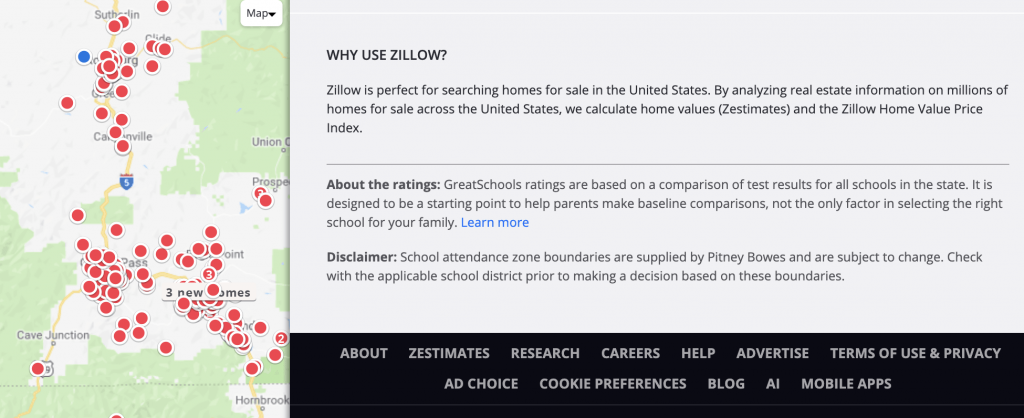
    If they see that same listing on Zillow instead… then who knows who they’re going to call for help? It’s just a roll of the dice.

    And second, putting listings directly on your website gives you an excuse to drive people to your website, building brand awareness and generating leads.

    Every you add a new listing, you can post on social media and email your list about it… just like the Farr Group does.

    Having IDX on your real estate website allows you to build a real estate business disassociated from big corporations and their listings.

    That way, people will call you when they find a house that they like.

    16. Facebook

    Facebook is one of the most popular places for real estate agents to do their online advertising… and for good reason.

    It’s an extremely powerful platform with billions of people and remarkable targeting.

    With just a few clicks, you can create an advertisement that targets first-time homebuyers, people interested in selling their home, or pretty much any other demographic that you can dream up.

    And not only are Facebook’s advertising options versatile, but it’s also relatively inexpensive, costing between $1 and $3 per click.

    Facebook Stats Every Marketer Should Know in 2020 | Sprout Social

    Of course, before you run Facebook ads, you’ll want to make sure that your website is ready to convert that paid traffic.

    Carrot sites are built to convert, but you’ll still want to make some minor customizations.

    The best way to find out whether your site is converting as you want it to is to do a test run.

    Use this calculator to determine what your budget should be in order to get a single closing, set that money aside, and run some advertisements.

    If you’re getting closings while staying within your budget, then you have a winning system. If not, then tweak your ads and/or your site until you’re in the green.

    It might take some time to get profitable with your Facebook ads, but stick with it and, eventually, you’ll figure it out.

    17. Instagram

    You might be suprised at just how effective Instagram can be for growing your business and doing more closings.

    At first, it seems like just another social media platform that’s easy to get distracted by, but it’s more than that.

    Since Instagram is so visual and so full of images, it’s a great place to show your listings and to encourage buyers to buy and sellers to sell… through you.

    In fact, that’s exactly what Krista and Aaron of the Farr Group have done.
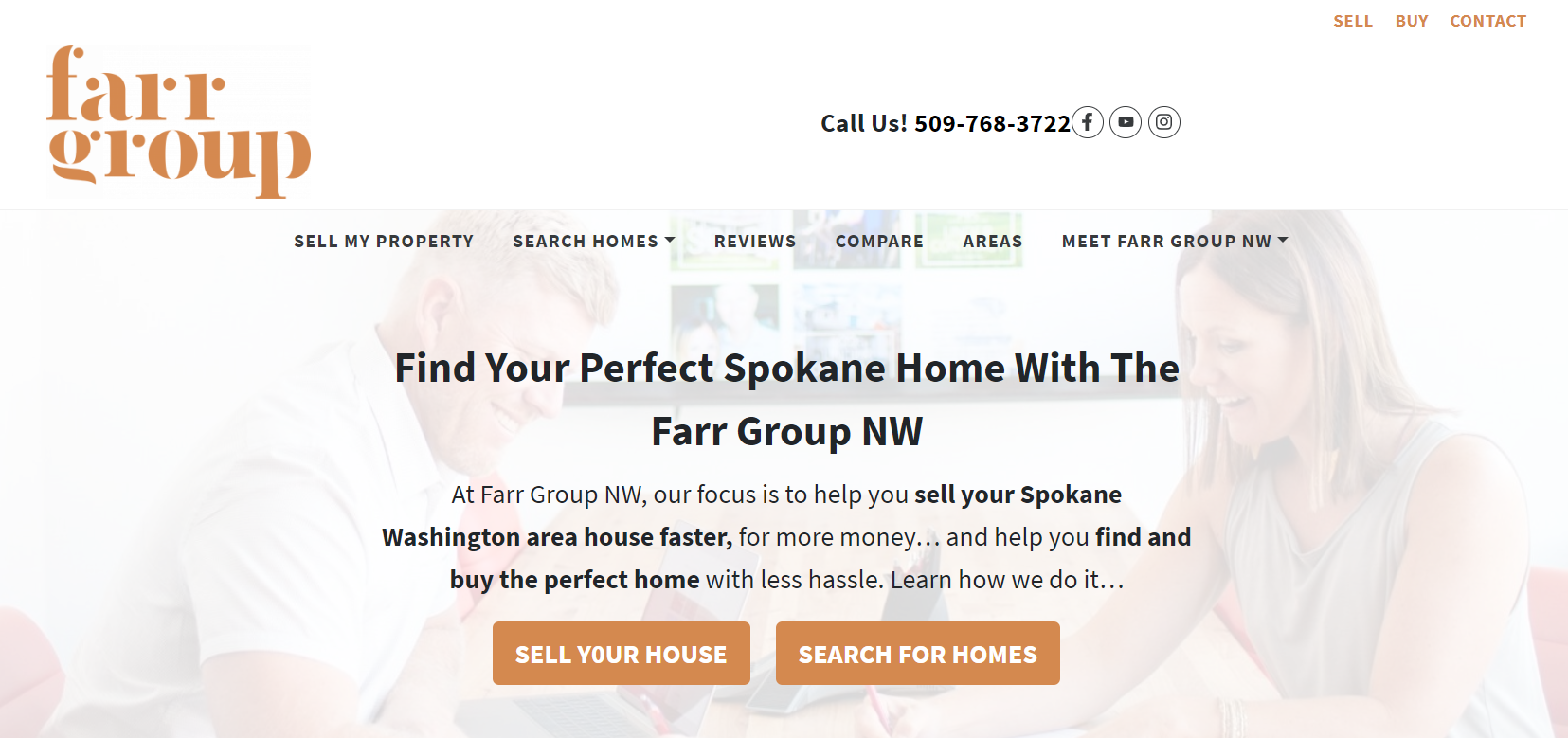
    Their organic Instagram posts are so booming that they don’t even use Facebook or Google ads for their business.

    (Here’s their Instagram account so you can look for yourself)

    As you can see below, their Instagram posts aren’t all that complicated, but they are quite effective lead generation tools for real estate.

    They share new house listings, cool photos, and buying and selling advice.

    And it’s working really well.

    When I asked them about this, they even mentioned that some of their posts don’t get a ton of engagement, but then people will mention those posts as the reason that they reached out.

    So your social media posts build brand awareness and might be having a bigger impact than you think.

    And Instagram is a great place to get started.

    18. 99designs

    We already talked about Canva, which is a great place to go design your own graphics.

    But since you’re a real estate agent — and not a graphic designer — it might be safe to say that… well, you just don’t want to design your own graphics.

    In that case, 99designs is a great website for hiring a high-quality designer.

    Your first option is just to post a job, check applications and reviews, and then hire someone who you think fits the bill.

    But another great option is to “host a contest”, which allows multiple designers to compete for the job. Each designer creates a graphic for the project, you review them, and then choose which one you like the most.

    Pretty cool, huh?

    That means you can see the designers work before you pay for it.

    19. Planoly

    Social media is an extremely powerful tool for building brand awareness and marketing your business.

    Unfortunately, it can easily turn into a time-sucking machine.

    Posting turns into scrolling and scrolling turns into wasted time.

    Why not avoid social media altogether — but still get all of the business benefits — by using a tool like Planoly to schedule your social media posts on Instagram, Facebook, Pinterest, and Twitter.

    This ensures that you won’t get distracted by social media when you’re trying to work.

    And plus, it also allows you to create and schedule all of your posts at one time, so you don’t have to return to social media throughout the week.

    Good for your business… good for your productivity.

    Which of these lead generation tools for real estate agents is right for your business?

    Hopefully, you now know of several lead-gen tools that you’ve never considered using before.

    And more hopefully, you’ll give some of them a try.

    Which ones do you think will be the most helpful for your business? Which ones are you going to use right away?

    Which ones are you still considering? And which one do you think is the best lead generation tool for real estate?

    Let us know in the comments!

  • Dominate Your Local Market: Guide to Content Marketing for Real Estate

    Dominate Your Local Market: Guide to Content Marketing for Real Estate

    Feeling overwhelmed by online competition from Zillow, Realtor, Redfin, and Trulia? You’re not alone. But fret no more!

    This guide will equip you with powerful content marketing strategies to cut through the clutter and establish yourself as your local market’s go-to real estate expert.

    Content Pillars: Establishing Your Brand Identity

    1. Define Your Mission and Values:

    This goes beyond simply stating, “I want to help people buy and sell homes.” Here’s how to dig deeper:

    • Identify Your “Why”: What drives you in real estate? Is it the satisfaction of helping families achieve their dream of homeownership? Or the challenge of navigating a complex market for successful sales? Understanding your core motivation will resonate with clients who share similar values.
    • Benefits Over Buzzwords: Avoid generic terms like “excellent customer service.” Instead, define what that means in your practice. Do you offer personalized market reports? Extensive buyer education workshops? Highlight the unique benefits you provide.
    • Target Audience Connection: How do your values align with your ideal client? Are you passionate about sustainability? Focus on green building initiatives and energy-efficient homes. Do you prioritize community involvement? Showcase your participation in local events and organizations.

    2. Showcase Your Expertise: Leverage Video Content Strategically

    While video is a powerful tool, creating generic content won’t make you stand out. Here’s how to elevate your video strategy:

    • High-Quality Production: Invest in good lighting, audio equipment, and basic editing software. Aim for polished videos that project professionalism.
    • Series Approach: Create a series of videos around specific themes. This could be “First-Time Homebuyer Tips” or “Selling Your Home in a Competitive Market.” Consistency builds anticipation and encourages viewers to subscribe.
    • Go Beyond Talking Heads: Don’t just stand in front of a camera talking. Incorporate visuals! Take viewers on virtual tours, showcase local amenities, or interview industry experts.
    • Optimize for Search: Include relevant keywords in your video titles, descriptions, and tags to improve search engine ranking on YouTube and other platforms.

      Download this free guide: The Real Estate Video Marketing Playbook

    3. Social Media Engagement: Building a Community

    Social media isn’t just about posting videos and hoping for the best. Here’s how to create a thriving online community:

    • Post Consistently: Maintain a regular posting schedule across your chosen platforms (Facebook, Instagram, etc.).
    • Interactive Content: Don’t just broadcast information. Ask questions, run polls, and host live Q&A sessions.
    • Respond to Comments and Messages: Actively engage with your audience and respond promptly to comments, questions, and messages. This builds trust and establishes you as an approachable resource.
    • Collaborations: Partner with local businesses or influencers to cross-promote content and reach a wider audience.

    Remember: Building a robust brand identity takes time and consistent effort. You’ll attract clients who resonate with your values and expertise by implementing these strategies and tailoring them to your unique personality and niche.

    Content Marketing Niche: Dominating a Defined Market Segment

    1. Identifying Your Niche: Laser Focus for Maximum Impact

    Going beyond the basics of location or property type, here’s how to truly identify a niche that allows you to become a hyper-local expert:

    • Market Research and Data Analysis: Delve deeper than surface trends. Utilize local market reports, demographic data, and social media listening tools to identify underserved segments or emerging niche markets.
    • Competitor Landscape: Analyze your competitors’ content and marketing strategies. Are there gaps you can exploit? Can you offer a more specialized service or cater to a specific buyer persona they’re neglecting?
    • Personal Interests and Expertise: Don’t underestimate the power of passion. Do you have a deep knowledge of historic homes or a love for waterfront properties? Leverage your personal interests to carve a niche where you can genuinely connect with clients.

    2. Building Niche Authority: Content that Converts

    Once you’ve identified your niche, it’s time to craft content that positions you as the go-to authority:

    • Content Tailored to Buyer Personas: Develop in-depth buyer personas for your niche audience. What are their pain points? Aspirations? Tailor your content to address their specific needs and challenges throughout the buying or selling journey.
    • Hyper-Local Expertise: Showcase your intimate knowledge of the niche market’s location. Create community guides, highlight hidden gems, and partner with local businesses to offer exclusive benefits to your audience.
    • Data-Driven Insights: Don’t just rely on anecdotal evidence. Back up your claims with local market data, trends, and statistics relevant to your niche.
    • Case Studies and Testimonials: Showcase your success stories! Feature satisfied clients from your niche market and share their experiences.

    3. Content Diversification: Reaching Your Audience Where They Are

    The key is to go beyond generic blog posts. Here’s how to diversify your content and cater to different learning styles within your niche:

    • Visual Storytelling: Utilize infographics, explainer videos, and virtual tours to break down complex information in an engaging way.
    • Interactive Content: Host webinars or workshops specifically targeting your niche’s challenges.
    • Downloadable Resources: Create niche-specific guides, checklists, and market reports that your audience can download in exchange for their contact information.
    • Social Media Advocacy: Partner with niche-relevant social media influencers to promote your content and reach a wider audience within your target market.

    By following these steps, you’ll transform from a general real estate agent to a trusted advisor who deeply understands the nuances of your chosen niche. This targeted approach will attract more qualified leads and convert them into loyal clients who appreciate your specialized expertise.

    Location-Based Content: Hyper-Local Strategies for Maximum Visibility

    1. Expanding Your Reach: Targeting Beyond Your City Limits

    While establishing yourself in your core city is crucial, don’t miss out on surrounding areas with potential clients. Here’s how to expand your location-based content strategy:

    • Identify Growth Corridors: Research areas experiencing population booms or development projects. These areas likely have a high influx of potential buyers.
    • Target Micro-Locations: Consider creating content focused on specific neighborhoods or communities within your city. This allows you to cater to unique demographics and local market nuances.
    • Seasonal Content: Highlight the seasonal appeal of different locations. For instance, promote lakefront properties during summer or cozy cabins near ski resorts in winter.

    2. Local SEO Mastery: Attract Organic Traffic

    Landing pages aren’t enough. Here’s how to optimize them for local search and attract organic traffic:

    • Keyword Research: Conduct in-depth keyword research specific to each targeted location and niche. Utilize long-tail keywords that potential buyers in those areas might use (e.g., “best schools near downtown [town name]”).
    • On-Page Optimization: Optimize your landing pages with relevant keywords throughout the title tags, meta descriptions, headers, and body content.
    • Location Schema Markup: Implement schema markup to clearly signal to search engines the location focus of your landing pages.
    • Local Listings Management: Ensure your business information is consistent and accurate across all major online directories (Google My Business, Yelp, Bing Places, etc.).

    3. Content that Captures Local Flair: Showcasing the Unique Vibe

    Go beyond generic property descriptions. Here’s how to create location-based content that resonates with potential buyers:

    • Community Video Tours: Create engaging video tours that showcase houses and surrounding neighborhoods. Highlight local shops, restaurants, parks, and amenities.
    • Partner with Local Businesses: Collaborate with local businesses relevant to your target audience. Offer exclusive discounts or host joint events to generate excitement and reach a wider local network.
    • Hyper-Local Blog Posts: Create blog posts that explore each location’s unique lifestyle benefits. Highlight hidden gems, local events, and community initiatives.
    • Social Media Advocacy: Partner with local social media influencers who showcase the best aspects of your targeted locations.

    Remember: Location-based content is all about storytelling. By weaving together the unique features of each property with the surrounding community, you’ll paint a picture that compels potential buyers to see themselves living in that specific location. This increases your visibility and attracts clients who are a perfect fit for the neighborhoods you represent.

    Content Cadence: Building Momentum with a Strategic Schedule

    1. Content Calendar Mastery: Planning for Success

    Creating high-quality content consistently is key. Here’s how to develop a strategic content calendar that keeps you on track:

    • Mapping Your Content Pillars: Break down your weekly and monthly content pillars into specific, actionable tasks. For example, a “Weekly Q&A Video” pillar might involve brainstorming questions, scheduling filming, and outlining editing steps.
    • Batch Content Creation: Schedule dedicated “content creation days” to film multiple videos, write several blog posts, or capture a series of photos. This batching approach maximizes efficiency and avoids daily distractions.
    • Content Repurposing: Don’t reinvent the wheel! Repurpose existing content across different platforms. Turn a blog post into an infographic, create social media snippets from a video, or expand on an Instagram caption for a longer blog article.
    • Content Management Tools: Use project management tools like Trello or Asana to manage your content calendar, assign deadlines, and collaborate with team members (if applicable).

    2. Weekly Content Pillars: Building Trust and Staying Relevant

    Here’s how to strategically plan your weekly content to nurture leads and establish yourself as a local expert:

    • “Market Minute” Videos: Start your week with a concise video update on local real estate trends, mortgage rates, or upcoming events. This positions you as a knowledgeable resource.
    • “Buyer/Seller Tip Tuesday”: Offer actionable tips for buyers or sellers on specific challenges they face. This establishes you as a trusted guide throughout the real estate journey.
    • “Local Spotlight Friday”: End the week by showcasing a unique neighborhood, local business, or upcoming community event. This builds a connection to the local area and highlights your hyper-local expertise.

    3. Monthly Content Pillars: Deep Dives and Establishing Authority

    Monthly content allows for a deeper dive into specific topics. Here’s how to strategically plan your monthly content to attract high-quality leads:

    • “Market Trends Report”: Create a data-driven report analyzing your market niche or targeted location. Highlight key trends, challenges, and opportunities for buyers and sellers.
    • “Live Q&A Sessions”: Host a live Q&A session on a relevant topic, such as “First-Time Homebuying in [Your City]” or “Selling Your Home in a Competitive Market.” This allows real-time interaction and establishes you as an approachable expert.
    • “Client Success Stories”: Feature a client testimonial video or blog post showcasing a successful buying or selling experience. This builds trust and social proof for potential clients.

    Remember: Consistency is key! Adhering to a well-defined content calendar will create a steady stream of valuable content that keeps you top-of-mind with your audience, establishes your expertise, and ultimately drives qualified leads. Don’t be afraid to experiment with different content formats and track your results to refine your strategy over time.

    Weekly Content Pillars (On-the-Job Content): Engagement Strategies for Consistent Value

    1. Answer Common Questions: Become the Go-To Resource

    Don’t settle for generic Q&A videos. Here’s how to elevate your content and establish yourself as the ultimate resource for your niche:

    • Identify Knowledge Gaps: Actively seek out questions your target audience has. Utilize social media polls, client consultations, and online forums to identify common pain points and knowledge gaps.
    • Targeted Response Videos: Create concise, informative videos specifically addressing these questions. Aim for a conversational tone, but ensure your answer is well-researched and provides actionable insights.
    • Series Approach: Group related questions into themed series. For example, a “First-Time Homebuyer Q&A” series could cover topics like pre-approval, down payment options, and the inspection process.
    • Call to Action: End your videos with a clear call to action. Encourage viewers to subscribe for more content, download a helpful resource, or contact you for a personalized consultation.

    2. Showcase Interesting Properties: Virtual Tours with Storytelling

    Go beyond static property photos. Here’s how to create captivating video tours that generate leads:

    • Highlight Unique Features: Don’t just showcase every room. Focus on the property’s most distinctive features that resonate with your target audience. For a luxury condo, highlight the breathtaking city views. For a family home, emphasize the spacious backyard and play area.
    • Emotional Connection: Use storytelling techniques to create an emotional connection with viewers. Imagine a young family exploring the potential of their future home or a retiree picturing themselves enjoying their sunset years on a waterfront property.
    • Targeted Social Media Promotion: Promote your property tour videos on platforms frequented by your target demographic. For instance, showcase family-friendly homes on Facebook groups that are relevant to parents in your area.
    • Consider Live Tours: Experiment with hosting live video tours, allowing viewers to ask questions and explore the property virtually in real-time.

    3. Offer Valuable Insights: Become a Local Market Authority

    Don’t just list properties; analyze the market. Here’s how to provide valuable insights that position you as a trusted advisor:

    • Data-Driven Content: Support your insights with local market data, trends, and statistics. Use tools like local MLS reports, demographic data analysis, and economic forecasts relevant to your niche.
    • Hyper-Local Focus: Don’t just talk generalities. Tailor your insights to the specific nuances of your target location. Discuss upcoming developments in a specific neighborhood or analyze the impact of school district ratings on property values.
    • Informative Blog Posts: Expand on your video insights with in-depth blog posts. Include relevant visuals like charts and graphs to break down complex information for easy understanding. Understanding the different types of graphs can help you choose the best way to present your data, making your content more engaging and easier for your audience to digest.
    • Partner with Local Experts: Collaborate with local mortgage brokers, attorneys, or home inspectors to create informative co-branded content that offers your audience a comprehensive view of the real estate process.

    Implementing these tactics and training tips will transform your weekly content creation from basic tasks to strategic engagement opportunities. Remember, consistency is key! Regularly providing valuable content positions you as a trusted advisor, attracts high-quality leads and ultimately converts viewers into engaged clients.

    Monthly Content Pillars (Reports): In-Depth Analysis and Community Engagement

    1. Market Updates: Go Beyond the Headlines – Data-Driven Insights for Informed Decisions

    Monthly market updates offer valuable opportunities to showcase your expertise and establish yourself as a trusted advisor. However, simply regurgitating national headlines won’t cut it. Here’s how to create in-depth, data-driven market updates that resonate with your target audience:

    • Local Market Focus: While national trends hold some weight, prioritize analyzing your specific niche market and targeted location. Utilize local MLS data to discuss average selling prices, days on the market, and inventory levels.
    • Comparative Analysis: Don’t just present isolated numbers. Compare current data with previous months or years to highlight trends and potential buying/selling opportunities.
    • Explain the “Why”: Don’t just report the data; explain the reasons behind the trends. Discuss factors like local economic conditions, interest rate fluctuations, or upcoming development projects that might impact the market.
    • Targeted Actionable Tips: Conclude your reports with actionable tips tailored to buyers or sellers in the current market climate. For buyers in a competitive market, offer strategies for crafting strong offers. For sellers, discuss strategies for maximizing their property’s value.

    2. Community Events: Building Relationships Beyond Transactions

    While promoting properties is essential, fostering a connection with the local community is crucial for long-term success. Here’s how to leverage community events in your monthly content strategy:

    • Identify Relevant Events: Don’t just list every local event. Focus on events that resonate with your target audience. For a niche focused on young families, highlight family-friendly activities, educational workshops, or park openings.
    • Curated Event Calendar: Create a curated monthly event calendar on your website or social media platforms. Include brief descriptions and website links and encourage audience participation.
    • Partner with Event Organizers: Collaborate with local event organizers for cross-promotion. Offer to create a video spotlight on the event or provide a discount to your audience in exchange for promoting your real estate services to their attendees.
    • Volunteer and Network: Don’t just promote events; actively participate! Volunteer your time at relevant events, network with attendees, and establish yourself as a genuine part of the community.

    Bonus Tip: Consider incorporating interactive elements into your monthly reports. Utilize polls and surveys to gauge audience sentiment on current market conditions or preferred property features. This audience engagement increases interaction and provides valuable insights to refine your future content strategy.

    By implementing these in-depth tactics and training, you’ll transform your monthly content pillars from generic reports to valuable resources that establish you as a local market authority and a true community partner. Remember, consistency and audience engagement are key! Regularly providing insightful updates and fostering community connections positions you for long-term success in your local market.

    Conclusion: Building a Content Marketing Powerhouse for Local Real Estate Domination

    By implementing these comprehensive content marketing strategies, you’ll transform yourself from a local agent to a hyper-local market authority. Here’s how consistent content creation will propel you toward success:

    • Trust and Authority: Regularly providing valuable content positions you as a trusted advisor, not just a salesperson. Clients will be drawn to your expertise and insights, fostering long-term relationships.
    • Lead Generation: Targeted content attracts qualified leads who are actively searching for your niche or location. Educational content positions you as a solution provider, converting viewers into engaged clients.
    • Brand Recognition: Consistent content creation across multiple platforms increases your online visibility and brand recognition within your local market. Potential clients will see you everywhere they look, solidifying your presence.

    Remember: Consistency is key! Aim for a minimum of 2-3 hours per week dedicated to content creation. Here’s a quick recap to jumpstart your content marketing journey:

    • Planning and Strategy: Before diving in, define your brand identity, identify your niche market, and establish a content calendar to ensure consistent output.
    • Content Creation Powerhouse: Leverage video as a primary format, but don’t neglect blog posts, infographics, downloadable resources, and social media engagement.
    • Data-Driven Approach: Back up your insights with local market data, trends, and statistics to provide valuable, actionable information to your audience.
    • Hyper-Local Focus: Become the go-to expert for your niche and targeted location. Highlight local amenities and community events and showcase your in-depth knowledge of the area.
    • Multi-Platform Distribution: Maximize your reach by uploading content to YouTube, Facebook, Instagram, and your website. Use location tags and relevant hashtags to target your content to reach the right audience.

    Bonus Tip: Content Repurposing Magic

    Don’t reinvent the wheel! Repurpose your content across different platforms to maximize its reach:

    • Turn blog posts into video scripts or social media captions.
    • Extract data and soundbites from videos to create infographics or social media snippets.
    • Expand on social media posts to create in-depth blog articles.

    You’ll establish yourself as a local market leader by consistently creating high-quality content that resonates with your target audience. Remember, this is a marathon, not a sprint. Be patient, track your results, adapt your strategy as needed, and most importantly, have fun with the content creation process!

    This journey will solidify your brand, generate leads, and allow you to connect with your community on a deeper level, fostering trust and long-term success in your local real estate market.

  • 12 Proven Lead Generation Ideas For Real Estate Agents

    12 Proven Lead Generation Ideas For Real Estate Agents

    It’s hard building a thriving and successful real estate agent business.

    But, of course, there are some things that will make it a little easier.

    You’ve got tons of competition (other real estate agents) to deal with. You have to make good hires as your business expands, utilize the right tools, and budget your finances effectively.

    You’ve also got to consistently generates leads and make transactions.

    That’s the real crux of the issue, isn’t it?

    Because if you’re not consistently making transactions, then your business isn’t going to grow. If you are, on the other hand, then everything else will sort of fall into place.

    So we put together this article to give you some additional ideas for generating leads for your business, in good times and bad.

    Here are the 12 best lead generation ideas for real estate agents in a rapidly evolving industry to give you the tools to keep the buyers and sellers coming in:

    1. Change to a High-Converting Website
    2. Get Rankings For Long-Tail Keywords
    3. Use Incentivized Opt-In Forms
    4. Ask For Referrals
    5. Master Content Marketing
    6. Use Direct Mail
    7. Sponsor Housewarming Parties
    8. Brand Your Clothing
    9. Partner With Other Experts
    10. Attend Networking Events
    11. Run Paid Ads Consistently
    12. Advertise At Local Businesses

    1. Change to a High-Converting Website

    Here’s the hard truth about most website builders: they are great for… well, building a website… but they aren’t great for getting conversions necessarily.

    Most website builders (like WordPress and Wix, for instance) provide you with a suite of tools to create any kind of website that you like, but they don’t provide you with guidance as to what will actually work best in your industry.

    Because when someone visits your website, they are considering working with you. And it’s your job to build trust and get their contact information as quickly as possible.

    At Carrot, we’ve run hundreds of split tests to determine what type of website converts the most visitors. And the best part is, all of our AgentCarrot Members get a high-converting website out of the box — just customize the copy, images, and logos however you like and you’ve got yourself an online lead generation machine for real estate agents.

    Krista Mashore AgentCarrot Website

    2. Get Rankings For Long-Tail Keywords

    At Carrot, we spend a lot of time discussing SEO and Google rankings… that’s because we know the power of Google rankings first hand for our business and we’ve seen the impact on our member’s businesses.

    If you rank on page 1 for high-value keyword phrases in your market, then most of your business’ lead gen will take care of itself.

    Sure — you’ll still want to run paid ads and network within your community, but ranking in Google will give you an undeniable step up on the competition.

    Here’s what we’re talking about…

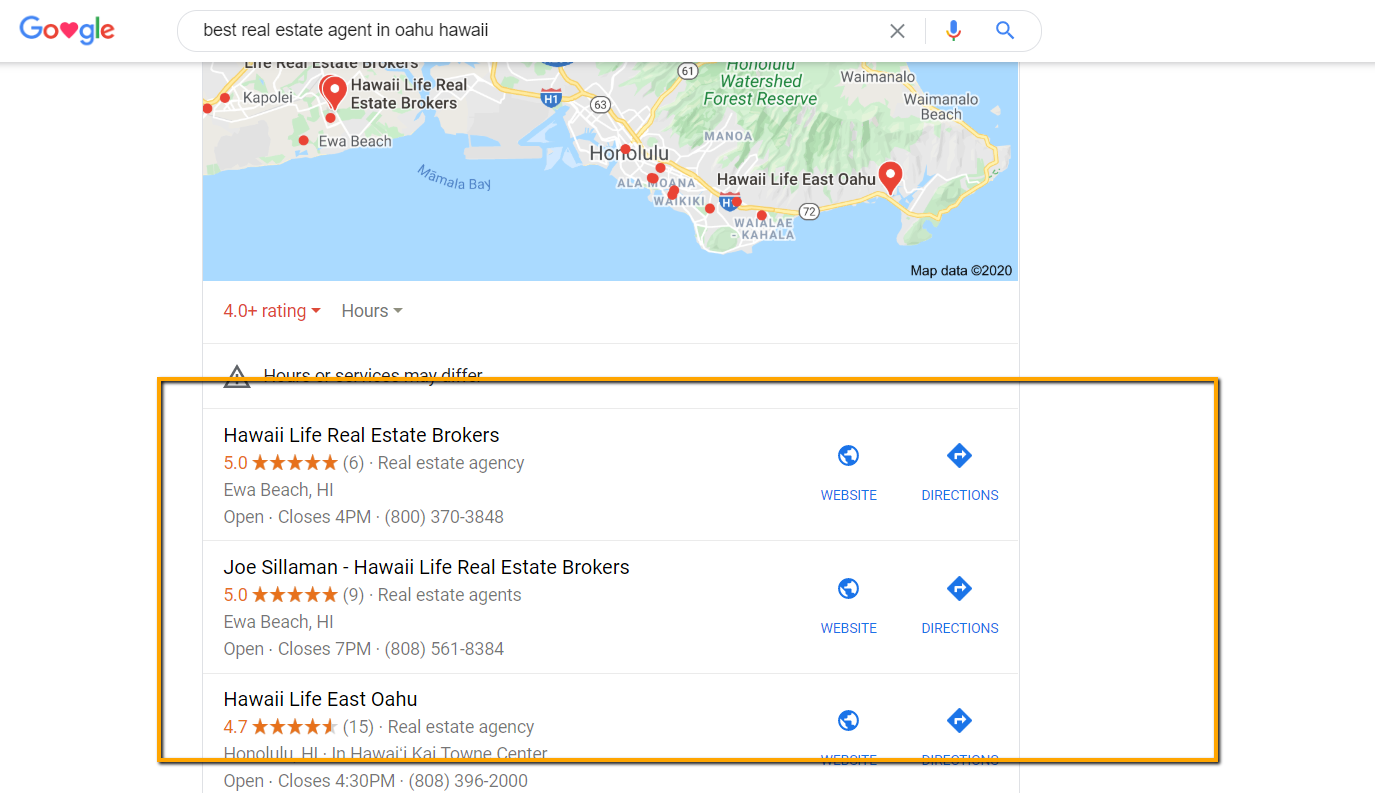
    When someone searches for a pertinent phrase specific to your market — “Best real estate agent in [MARKETY CITY]” or “[MARKET CITY] real estate agent”, for example — if you’re on the first page, then you have a fair chance of that person visiting your website and becoming a lead.

    The higher up you are on the first page, the better your chances.

    But how do you get your website to the top of the rankings?

    First, you have to choose a keyword phrase with the right intent and with not too much competition.

    Here are a few examples of great starter keywords for most markets…

    • Best real estate agents in [MARKETY CITY]
    • Real estate agent in [MARKET CITY]
    • Buy a home in [MARKETY CITY]
    • Sell my home in [MARKETY CITY]

    If you want to get ranking even faster, then you might target longer-tail keyword phrases based on your niche or preferred market…

    • Sell my riverside home in [MARKET CITY]
    • Get best price on my home in [MARKETY CITY]
    • Want to downsize in [MARKETY CITY]

    The list could go on… but you get the idea.

    The next step is to create a page on your website that’s dedicated specifically to the keyword phrase that you’ve chosen.

    This means that the exact phrase you chose should be in the title, meta description, and URL of your page — this will give you a better chance of ranking.

    Then watch what your rankings do (you can use our Keyword Ranking Tracker if you’re a Carrot member) and adapt your strategy as needed.

    If you aren’t ranking as you expected, then look at what other page-1 results are doing and try to mimic their strategy (without stealing). If you get to the first page seamlessly, then move onto other keywords and keep the momentum going!

    Do this with enough keywords and, over time, your website will start pulling in traffic and leads… passively.

    3. Use Incentivized Opt-In Forms

    One of the most common mistakes that real estate agents make when designing their website is that they don’t have an incentivized opt-in form at the front and center of their primary pages (homepage, about page, listing pages, etc).

    If you’re going to collect leads through your website, then you need an incentivized opt-in form.

    What is an incentivized opt-in form?

    Well first, it’s a form that’s easy for your target market to fill out. Usually, it just requires name and contact information (the fewer fields you require, the higher your conversion rate will be, usually).

    The second piece is just as important, though: this form is incentivized, which means that when someone fills it out, you give them exactly what they want.

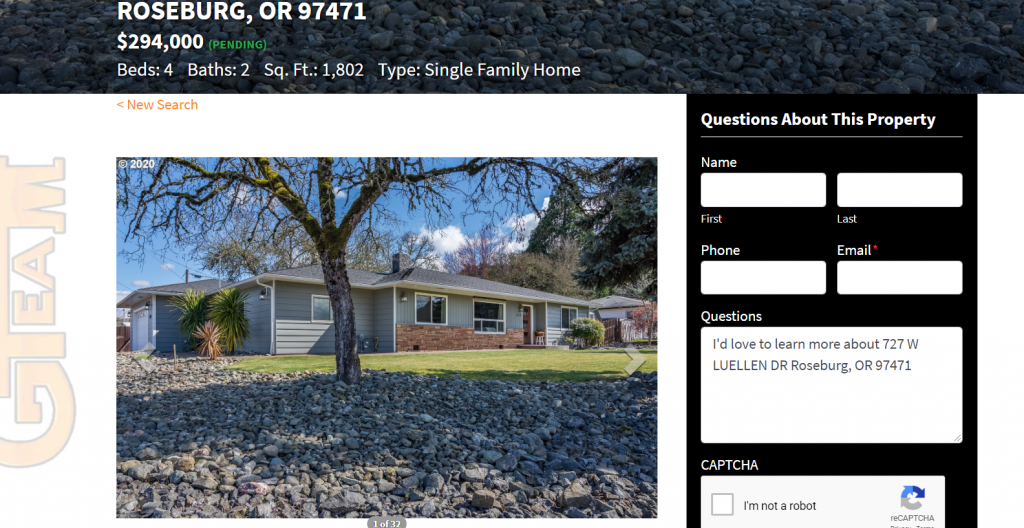
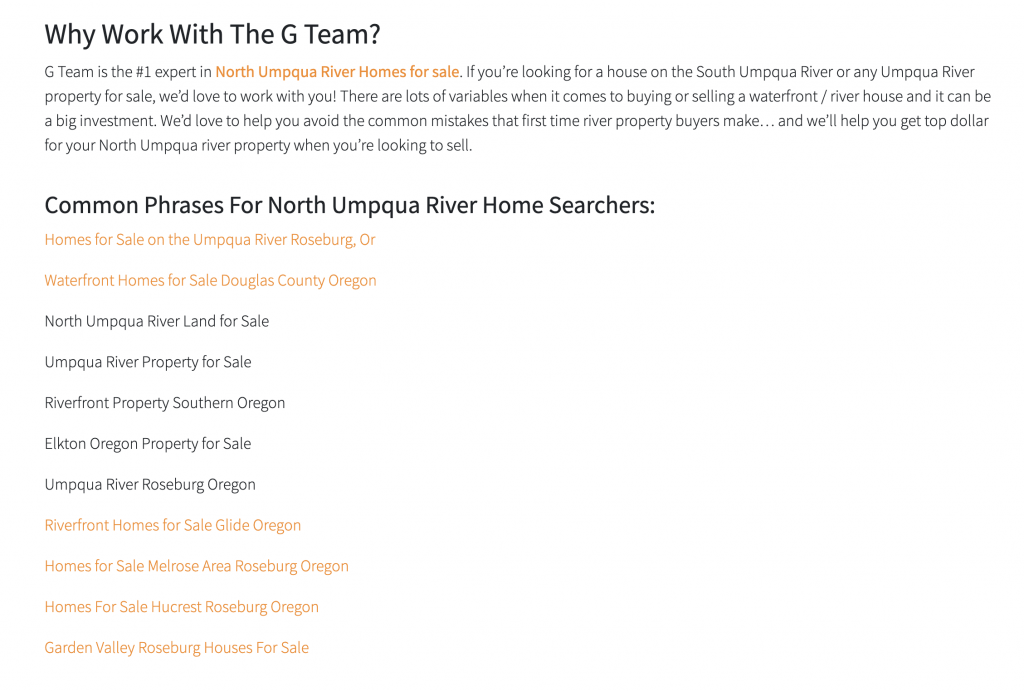
    The G Team, for example, a real estate company in Roseburg Oregon, has an incentivized opt-in form on all of their property listing pages.

    You could also put an opt-in form on your homepage that requires visitors to give you their email address before viewing your listings.

    There are a lot of different options here, but the important thing is to make sure that your website is set up to collect leads.

    Oh — and all Carrot websites come with an incentivized opt-in form baked right in. ;)

    4. Ask For Referrals

    Creating a consistent referral process with your past clients can be a great way to generate more leads and grow your business.

    You might be surprised by how many people are willing to offer referrals once you’ve helped them and built a relationship with them.

    And the best part is, leads that are referred to you have a super high close-rate of 70%.

    How important are sales referrals?

    So why not call some of your past clients, catch up, and ask them if they know anyone who might require your services?

    Most people won’t mind you asking and many people will probably give you a referral if they know of someone who’s trying to buy or sell their home.

    Worth a shot!

    5. Master Content Marketing

    Content marketing is an extremely powerful tool for real estate agents. Unfortunately, though, not many real estate agents consistently use content in their marketing strategy.

    But that’s good news for you… if your competitors aren’t content marketing, then that’s a gap you might be able to fill!

    Okay… but what is content marketing?

    Well, it’s basically just creating content (video, podcast, social media posts, blog posts, etc) that attract your target market… usually by providing free value.

    Let me give you an example.

    At Carrot, we offer monthly blog content packages as a part of our Content Pro and Advanced Marketer member plans.

    And this is what one of member’s blogs looks like just from the content they’ve received through their Carrot plan.

    The coolest part, though, is that those blog posts can generate leads for your business!

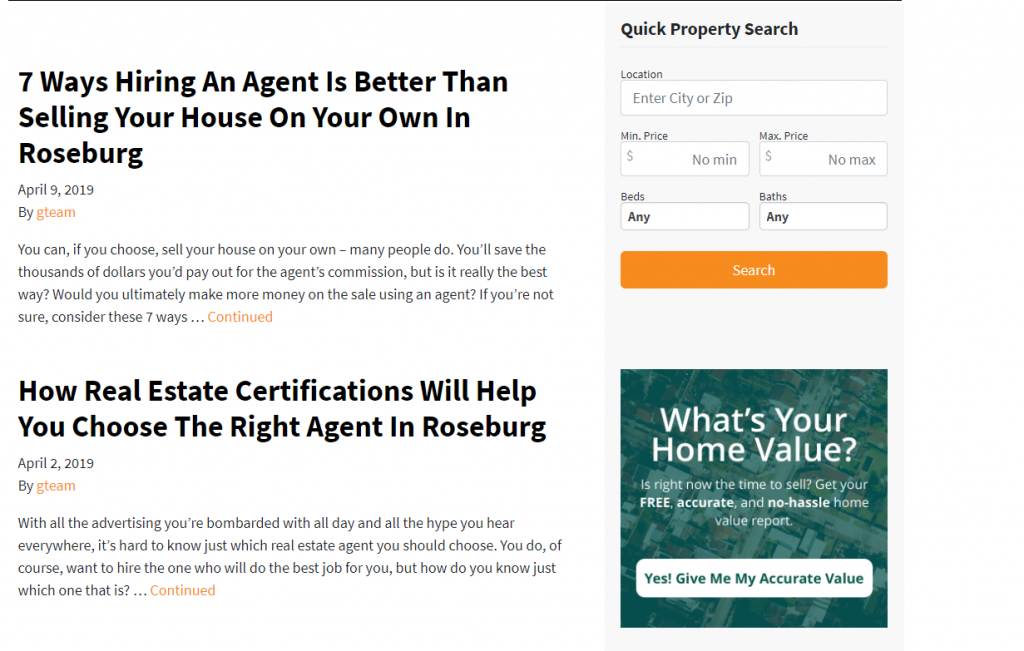
    You can share them on social media to attract attention and they can even rank in Google for certain phrases and pull traffic passively.

    The other option is to create your own blog content. And while that can be time-consuming, at Carrot, we’ve also created a simple solution for that.

    With VideoPost, you can transcribe a video you’ve recorded into a long-form blog post with the click of a button!

    VideoPost Real Estate Blog Content

    Here is a PERFECT example of the power of content marketing + VideoPosts.

    “In this post, we’ll walk through real case studies that show you how to beat Zillow, Trulia, and Realtor.com in Google in your local market and scoop up traffic and leads for FREE away from the tech giants.”

    —>>> How To Beat Zillow in Google With Your Real Estate Agent Website – Case Study + Guide

    However you decide to do it, creating and marketing content is a great way to grow your business and generate leads over the long-term.

    6. Use Direct Mail

    Even though we talk a lot about digital marketing at Carrot, we can’t forget the ol’ tried-and-true direct mail marketing.

    This is a great way to generate leads consistently for your business.

    In fact, many of our members use digital marketing tactics and direct mail to grow their businesses.

    The question is: when should you send direct mail and how often?

    Most experts recommend sending direct mail consistently every single month so that you can keep lead-flow momentum.

    But if you’re going to send direct mail every month… what exactly are you going to put on those mailers?

    Here are some ideas.

    You could do something as simple as this…

    You can also send out mailers about an upcoming open house…

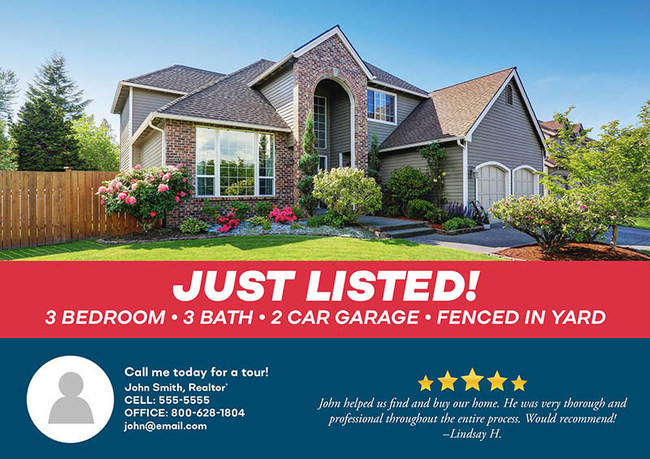
    You could send “Just Listed!” announcements…

    You could mail out to people who are currently renting a home…

    Or you could send flyers that provide people with a look into your market’s current housing conditions.

    Broker Judy Weiniger on Creating a Dynamite Mailer

    Clearly, you have a lot of options when it comes to your direct mail campaigns. And what you send will depend largely on how creative you’re willing to get.

    At the very least, we would recommend sending holiday postcards.

    But a really successful direct mail strategy will depend on consistently sending mailers to connect with your community and generate leads.

    One overlooked way to impress your clients, build brand awareness, and even generate leads is to sponsor a housewarming party for your clients who just purchased a new home.

    Obviously you don’t want to make it too much about you, but just hosting the party will speak volumes about you and your business to the people who attend.

    Plus, you can meet lots of new people in the community that you’ve never met before and maybe even get a referral or two out of it.

    Just ask the new homeowners to invite anyone they like and tell them that you’ll be handling the refreshments.

    At the very least, you’re going to surprise and delight your existing clients!

    8. Brand Your Clothing

    It might seem silly, but branding your clothing can be a great way to build awareness for your business and get people asking questions.

    Heck, we even do this at Carrot with the dolls that we create for our members!

    Why?

    Well, partly because it’s fun. ;)

    But also because we know that when someone asks one of our members why they have a Carrot doll, that’s going to launch into a discussion about the service that we offer.

    You can use the same tactic by either branding your own clothing with your business name and logo and/or giving a free t-shirt or hat to people who’ve worked with you in the past.

    There are lots of different websites that allow you to create custom clothing. Printful is one of the most well-known.

    9. Partner With Other Experts

    Let’s think for a minute.

    Who else probably talks with a lot of people who are wanting to buy or sell their home?

    Appraisers? Local handymen? Coffee shop workers? Real estate investors?

    Anyone else you can think of?

    If you could build a relationship with those people and create a two-way lead-gen street (you give them referrals and they give you referrals), that can be a really beneficial thing for your business.

    So make a list of everyone you can think of who is already speaking with your target market, give ’em a call, and tell ’em what you have in mind.

    You might be surprised by how many people are willing to help you out.

    10. Attend Networking Events

    Most communities have recurring meetups or networking events for entrepreneurs and small business owners.

    These can be a great place to build relationships with other entrepreneurs in your community and create mutually beneficial partnerships.

    (If there isn’t one in your community, then you might consider starting one!)

    Meeting the right person to aid you with your next phase of business can really help to unlock its potential.

    You never know who you’re going to meet, what opportunities will be placed on your lap, or what you’ll learn all because you attended a certain meet-up.

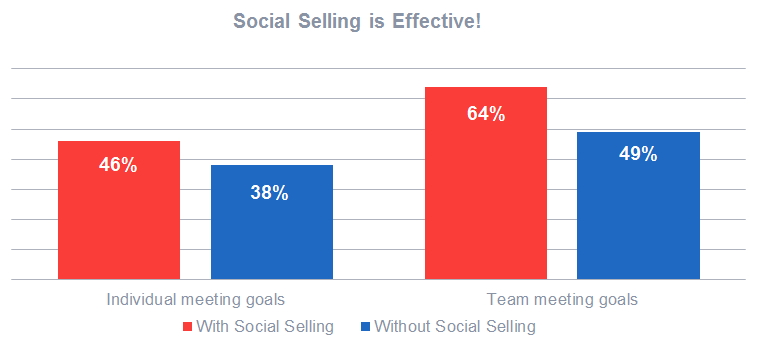
    Plus, marketers and salespeople who spend time on social selling (building important relationships) tend to be more successful than their counterparts.

    11. Run Paid Ads Consistently

    At Carrot, we talk a lot about organic marketing strategies like SEO and content marketing.

    And those are super important for growing your business over the long-term!

    But that doesn’t mean you should ignore the power of paid advertising.

    In fact, most of our members consistently use paid ads to generate leads for their businesses and they build up organic strategies over time to decrease overhead.

    The best part about paid ads is that they generate leads right now… not later.

    But the question is… how much money should you spend on your paid advertisements and how can you make sure that you’re going to collect a healthy ROI?

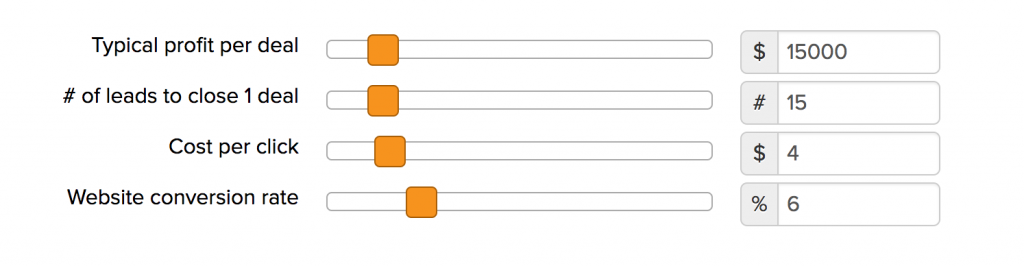
    Well, we created this totally free ROI calculator so that you can enter your know-able metrics and determine your budget.

    We originally created this calculator for investors but it works just as well for agents.

    For example, if you typically profit $5,000 per transaction, close one transaction for every 5 leads, average $4 per click, and have a website conversion rate of 6%… then you should be willing to pay a minimum of $333 to get one deal and a maximum of $433.

    This part of marketing is mostly science. Just update your ads regularly, make sure you’re targeting the right audiences, set your budget, and keep to the process.

    The more consistent you are with running paid ads, the faster and more predictably your business will grow.

    We’ve talked a lot about collaborating with other business owners in your community.

    And that’s because, for real estate agents, that’s a really powerful strategy.

    But if you want to skip the relationship-building and networking piece, you might just consider asking some local businesses if you can advertise with them.

    You could pay for a spot on the local radio. You could put up flyers at local coffee shops. You could provide free mints at restaurants with a sign that says “Courtesy of [BUSINESS NAME].”

    Your imagination and creativity is the limit.

    The more people who see your face in the community, the more leads you’re going to naturally generate.

    Ready To Get More Leads & Close Your Next Listing?
    Join the Agent 30-Day Challenge

    Agent 30 Day Challenge Success

    This 30-day challenge is designed to dramatically improve your site by focusing on one highly significant task per day so you can achieve success in just minutes a day!

    Conclusion

    The question is, how are you going to consistently generate leads as a real estate agent?

    Because if you can consistently generate leads, then you can consistently do transactions and build a predictably profitable business.

    And above are 12 different answers to that question.

    We hope this article helps you build the business of your dreams!

  • 12 Real Estate Open House Ideas For Getting More Attendees And Leads

    12 Real Estate Open House Ideas For Getting More Attendees And Leads

    10 Open House Ideas For Getting  More Attendees And Leads

    How often have you heard a co-worker say, “my open house show-up rate is low. What are some effective real estate open house ideas?

    You probably hear something similar often if you’re innovative and hungry for the next sale.

    Open houses are particularly popular among first-time home-buyers who want to tour properties before they make a decision; the laid-back nature of the open house environment is a perfect introduction.

    Still, some naysayers argue that open houses don’t work or are not as effective at finding buyers as some less time-intensive strategies.

    In fact, according to a HomeLight Top Agent Insights Survey, most responders rated open houses a 3 on a scale of 10 based on effectiveness. That was due to how open houses are used to generate leads rather than serious buyers.

    Why Should You Hold a Real Estate Open House?

    Here’s what we can’t forget: so long as you collect each visitor’s contact information, an open house isn’t a waste. You may not have found the perfect buyer for this property, but you’ve generated tons of leads for future properties.

    In other words, the benefit of running an open house is two-fold…

    First, you might find a buyer for the property you’re advertising.

    And second, if you get many attendees and collect their contact information, you can add all those leads to your list of prospects.

    But how will you get attendees to your next open house and collect their contact information? Here are 12 effective real estate open house ideas for getting more attendees and leads.


    12 Real Estate Open House Ideas That Will Change Your Business

    1. Hold The Open House On Sunday

    real estate open house ideas

    It’s no secret that the weekend is the best time to host an open house.

    But which day is best — Saturday or Sunday?

    Well, there’s probably not a lot of difference between the two, but according to Homelight, 75% of real estate agents claim that Sunday is the best day to hold an open house.

    That makes sense if you think about it. On Saturday, most people are relaxing at home after a week of working or using it to take day trips (especially during the summer). They go to the lake, go shopping, hang out with family, fish, hunt, or kayak.

    On Sunday, many people are getting ready for the workweek again. Some people go to church, and many spend their Sunday afternoons on productive activities — catching up on house cleaning or yard work, for instance. It’s this time — during the afternoon on Sunday — when many people are likely to attend an open house.

    Of course, the best time of day for an open house will be a bit different for every neighborhood and every property. So try different days and times and see what works best for your market.

    2. Personally Invite Neighbors

    Personally invite the neighbors on the street or surrounding neighborhood to the open house. Knock on their door and/or leave a flyer. Invite them to a special “neighbor only” hour. So if the open house is 1-4, invite them from noon-1 to see their neighbor’s home.

    Consider doing a separate twilight open house with the same “neighbors only” concept.

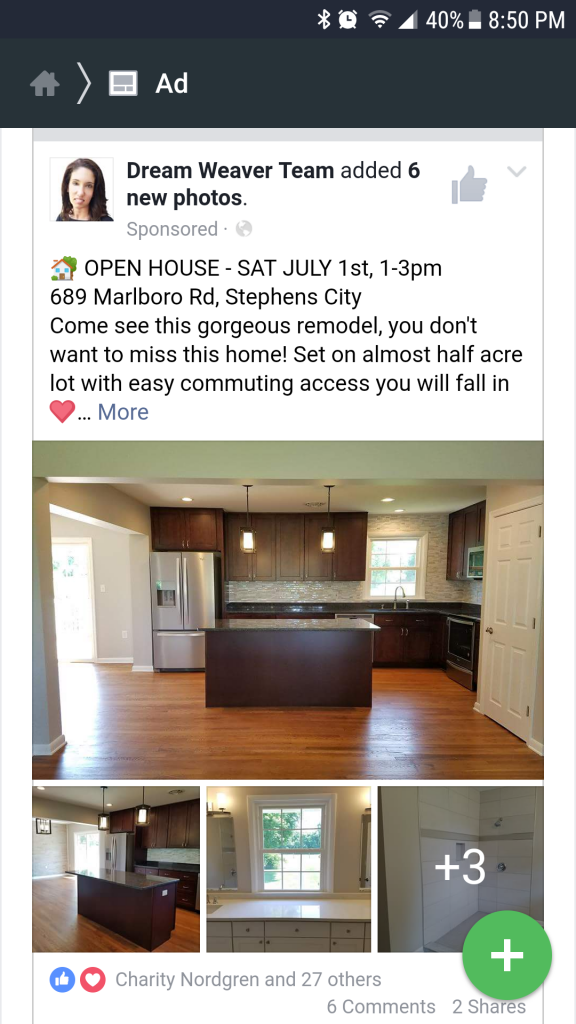
    3. Use Facebook Ads & Facebook Marketplace

    open house ideas facebook ads
    (Image Source)

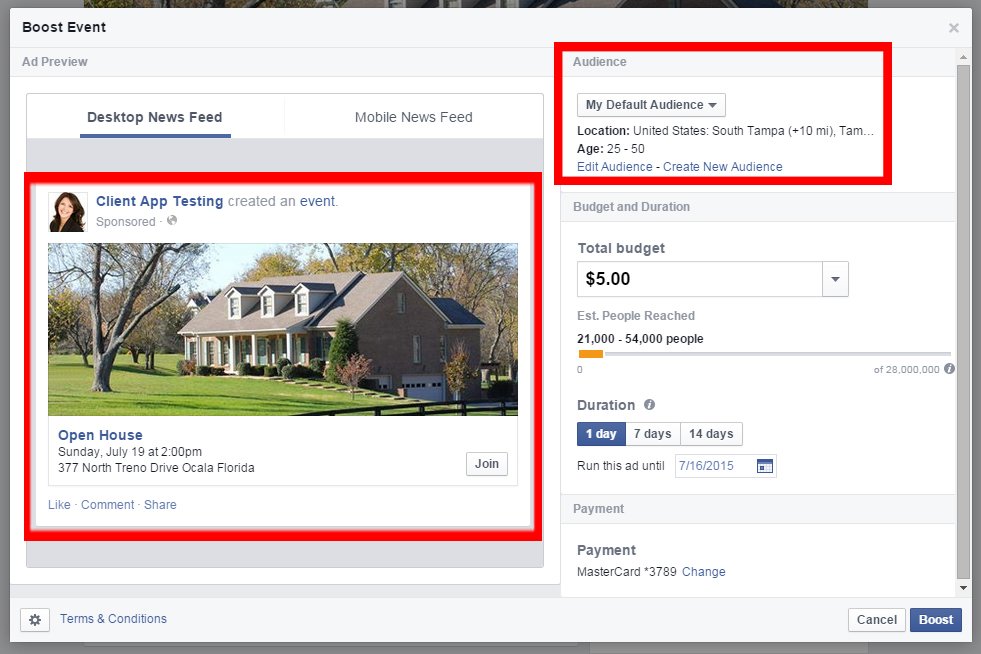
    It might seem like a waste of money to run Facebook ads for an open house. But here’s what you have to keep in mind: you’re not just trying to find a buyer for this property; you’re trying to generate as many leads for your business as possible.

    This means that the more people attend your open house, the better. When you view it that way, running Facebook ads might not be a bad idea, especially if you have a visually irresistible property with high-quality photos.

    Heck — you might even be able to cover the cost of Facebook ads by pitching it to the seller as an additional service with an additional fee.

    However, if you don’t want to spend money on Facebook ads, then at least post about the open house in the Facebook Marketplace — that should get you a little bit of extra attention for free.

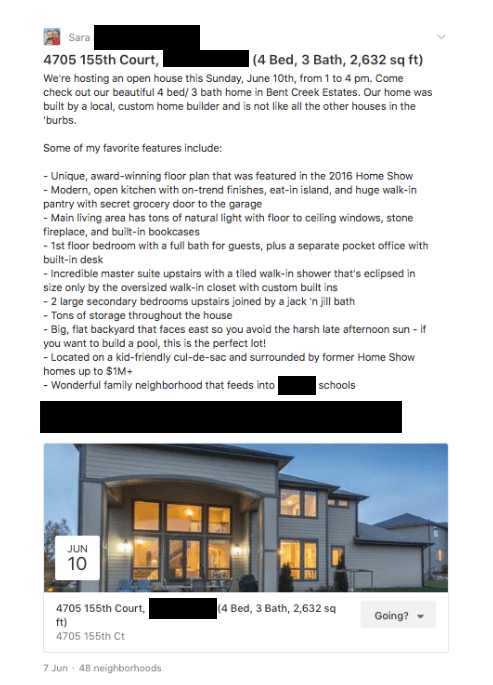
    4. Create a Facebook Event

    Open house Facebook event
    (Image Source)

    This is an easy tip, so I’m not going to spend too much time on it.

    Facebook events are a great way to get attention for your upcoming open house, increase the number of attendees, and even gauge how many people you should expect (people you invite can mark “not going,” “maybe,” or “going”).

    You can even run Facebook ads directly to the event you created to give your open house a broader reach.

    Create a Facebook event for your next open house and invite as many people as possible.

    Here are the steps to create a Facebook Event:

    1. From your News Feed, click Events in the left menu.
    2. Click + Create Event on the left side.
    3. Click Create Public Event. Anyone can see your event and search for it, even if you aren’t friends. Once you’ve created a public event, you won’t be able to change it to private later.
    4. Fill in the event name, location, date, time, and description.
    5. Type and select keywords about your public event so it can be recommended to people interested in that topic (for example, open houses).
    6. Choose who can edit and post in your event and then click Create. You’ll be taken to your event, where you can invite guests, upload photos, add a cover photo or video, share posts, and edit event details.

    5. Create Content Every Day Leading Up To The Open House

    open house content ideas
    (Image Source)

    The more people you get to your open house, the better. With more attendees, you’ll generate more leads, more attention to your business, and a higher chance of finding “the one” for the house you’re selling.

    Because of that (and because running an open house is time-intensive), you’ll want to give yourself at least a week-long runway for getting people’s attention about the open house.

    Try posting once per day on social media about the open house for the entire week before its scheduled date. You should also consider running some ads on those posts.

    You might even think about writing an entire blog post on your real estate agent website which details the home and the open house is for (the home’s history, perks, neighborhood, special features, etc.)

    The more hype you build on social media, the more attention you generate and the better the open house will perform for your business.

    Don’t have time to write a blog post? Take advantage of VideoPosts!

    It’s SUPER Simple:

    • First, shoot a video.
    • Second, transcribe it.
    • Third, upload it to your website.

    That’s IT! You now have a blog post to rank in Google and/or use as social media posts.

    Need an example? Take a look at this VideoPost example from a Carrot member: Sell My Chalco Neighborhood House

    6. Put Out Physical Signs During Open House

    open house signs

    You might be surprised at how many half-committed home buyers drive around on Sundays looking for yard sales, events, and, yes, even open houses.

    I know I used to!

    These last-minute decision-makers might not be the ideal buyer for the house you’re currently selling, but they make for great future leads that help build momentum for your business.

    Plus, you never know where a house buyer is going to come from — might as well do everything you can to get people to your open house!

    Putting out signs for your open house within a few block radius is dead simple and, in collaboration with the other strategies in this article, will help you top off an already popular event.

    It works for yard sales — why not for your open house?

    Here are seven different types of open house signs you can choose from:

    1. A-frame signs
    2. Directional signs
    3. Flags or feather flags
    4. Balloons
    5. Riders
    6. Magnets
    7. Interior signs

    Don’t forget to…

    • Strategically place your signs
    • Brand your sign
    • Be sure to share it in a Facebook post
    • Check neighborhood rules

    7. Put Up Fliers In Public Places

    open house ideas fliers
    (Image Source)

    A lot of real estate agents will hand out fliers to nearby neighbors and current leads. But if you spent time creating a nifty flier, why not take that one step further?

    Most coffee shops, coworking spaces, cafes, and bakeries won’t mind if you set out some free fliers on their counter or near the newspapers.

    And you never know how many attendees this is going to generate for your open house — it could get 1 person or it could get 10 people. But it doesn’t take much effort to create fliers and disperse them throughout your community — so why not give it a shot?

    Just make sure that you have high-quality photos on your fliers (hire a photographer if you need to — it’s almost always worth it), the date and time of the open house, and your contact information. The last thing you’d want to do is hand out fliers lacking the necessary information (or, God forbid, with the wrong information).

    Here are a couple of other tips for creating attractive and effective real estate open-house fliers:

    As you begin to craft your open house flyers, you’ll want to catch the eye of interested buyers. Follow these few rules:

    • Use a professional photo of the home.
    • Use a short, bullet-point list of the highlights of the house.
    • Include event details. Date, times, your name, a headshot, and contact information.

    8. Hold an Open House Contest Or Raffle

    Hold an Open House Contest

    People love having something fun to do on the weekends.

    And while it might not be the first thing that comes to mind, running a giveaway or creating a contest can be a great way to get attendees for your open house and generate leads for your business.

    To participate in your contest and have a chance at winning whatever it is you choose to giveaway (it could be a monetary prize or it could be an item like a TV or stereo), people should, at the very least, have to attend your open house and submit their contact information.

    You might also require that they share your open house Facebook event and giveaway on social media with their friends, which will automatically improve attendance.

    If you decide to spend the extra money and run a giveaway, just make sure that you promote it adequately so that your money doesn’t go to waste.

    9. Do a Facebook Live Video During Or After The Open House

    Facebook LIVE Open House | Episode #1

    Here’s the great news — even if your open house doesn’t have great attendance, you can still shoot a Facebook Live video and reach people who wanted to go to your open house but didn’t for whatever reason.

    Once the open house is over, just pull out your smartphone, turn on the selfie camera, and talk about the property while you walk around and show it to your viewers. This way, even people sitting at home can check out the house you have for sale.

    Also, in the video description, you can encourage people to contact you if they have any questions or want to schedule a time to see the house themselves.

    It wouldn’t surprise me if more and more open houses start happening on Facebook Live vs. in-person over the years to come — it’s a quick and easy way to reach more people and advertise your inventory.

    This is also a great option when you don’t have the time to do a full open house for a property and want to do something a little less time-intensive.

    Here are the steps to use Facebook Live:

    1. Select the Live Video button.
    2. Give Facebook access to your camera and microphone when prompted.
    3. Switch to “Live” on the bottom of your camera screen.
    4. Choose your privacy and posting settings.
    5. Write a compelling description.
    6. Tag friends, choose your location or add an activity.
    7. Set your camera’s orientation.
    8. Add lenses, filters, or writing and drawing to your video.
    9. Click the “Start Live Video” button to start broadcasting.
    10. Interact with viewers.
    11. Click “Finish” to end the broadcast.
    12. Post your reply and save the video to your camera roll.

    10. Make Providing Contact Information Feel Mandatory

    When someone walks into your open house, maybe you won’t require people to sign in; maybe you will. Whatever the case, signing in should feel as though it’s mandatory.

    You don’t have to hunt down people who didn’t sign in, but people should feel as though they’re supposed to when they enter the open house.

    Consider, for instance, putting your contact sheet near the entrance with a sign that says, “Please sign in.” Most people won’t mind doing that. Most people will expect that they’re supposed to.

    You just don’t want to miss out on generating leads because signing in felt too much like an option, and people easily skipped over it or missed it.

    Generating leads for your business is at least half of the goal of any open house, so make sure that singing in and providing contact information feels mandatory to anyone who attends.

    And if you’re running a giveaway, as we mentioned in idea #7, then make clear that signing in is a mandatory part of entering the giveaway or contest.

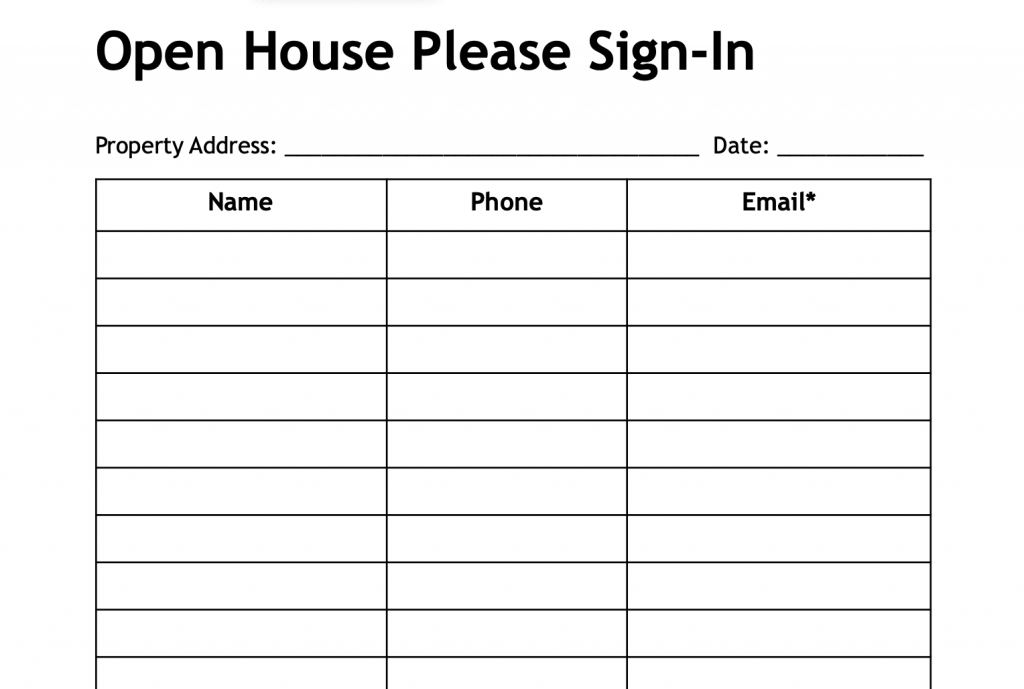
    Free download: Open House Sign-In sheet

    Please Sign In Open House Sheet

    11. Follow Up With Attendees

    follow up with open house attendees
    (Image Source)

    You ran an open house and had great success. People attended, you got their contact information, and maybe you even found a few promising buyers.

    Great!

    What’s next?

    Buying real estate is a big decision that takes time and consideration. For that reason, most sales magic happens during the follow-up stage.

    So don’t let all of that contact information go to waste. Add those leads to your CRM or whatever list builder you use, and keep in touch with them. You can add them to a weekly emailing list, for instance, or you can add them to your list of people to call every few months.

    However you do it, ensure you follow up with all those shiny new leads.

    BONUS… Here’s an open house follow-up email template to get you started. Change the content to make it fit your style:

    Hi (Name),


    I’m just touching base to let you know it was very nice to chat with you yesterday at (open house address).

    Through our conversation, it was clear you’re hunting for the perfect home, so I’d love to continue our chat and see what I can do to help you find that dream home.

    Even though this home might not be a fit, I wanted to thank you for coming to my open house at (open house address) and let you know I have other homes currently available in my portfolio that I would like to show you.

    I specialize in dealing with homes in competitive markets and pride myself on being able to offer clients the chance to get into properties before they are listed.

    If this is of interest to you, let’s schedule a time that suits you and we can talk more about what you’re looking for in a new home and get you settled in!

    Best regards,

    (your name)

    12. Parnter with a Lender

    Partner with a lender who will be on site, providing some of the signs needed, and reposting social posts.

    Conclusion

    There’s no denying it: open houses are more time-intensive than other marketing strategies.

    You have to sit at the seller’s house for at least a few hours and cross your fingers that potential buyers show up. Beyond that, you have to advertise the open house and ensure people know it’s happening.

    So if you’re going to run an open house, you might as well do it right. If you do, you can get attendees and generate lots of leads for your business.

    And you can use the above 12 real estate open house ideas to get the most bang for your buck.

    But enough from us — what strategies do you use to ensure your open house is a winner? Let us know in the comments!
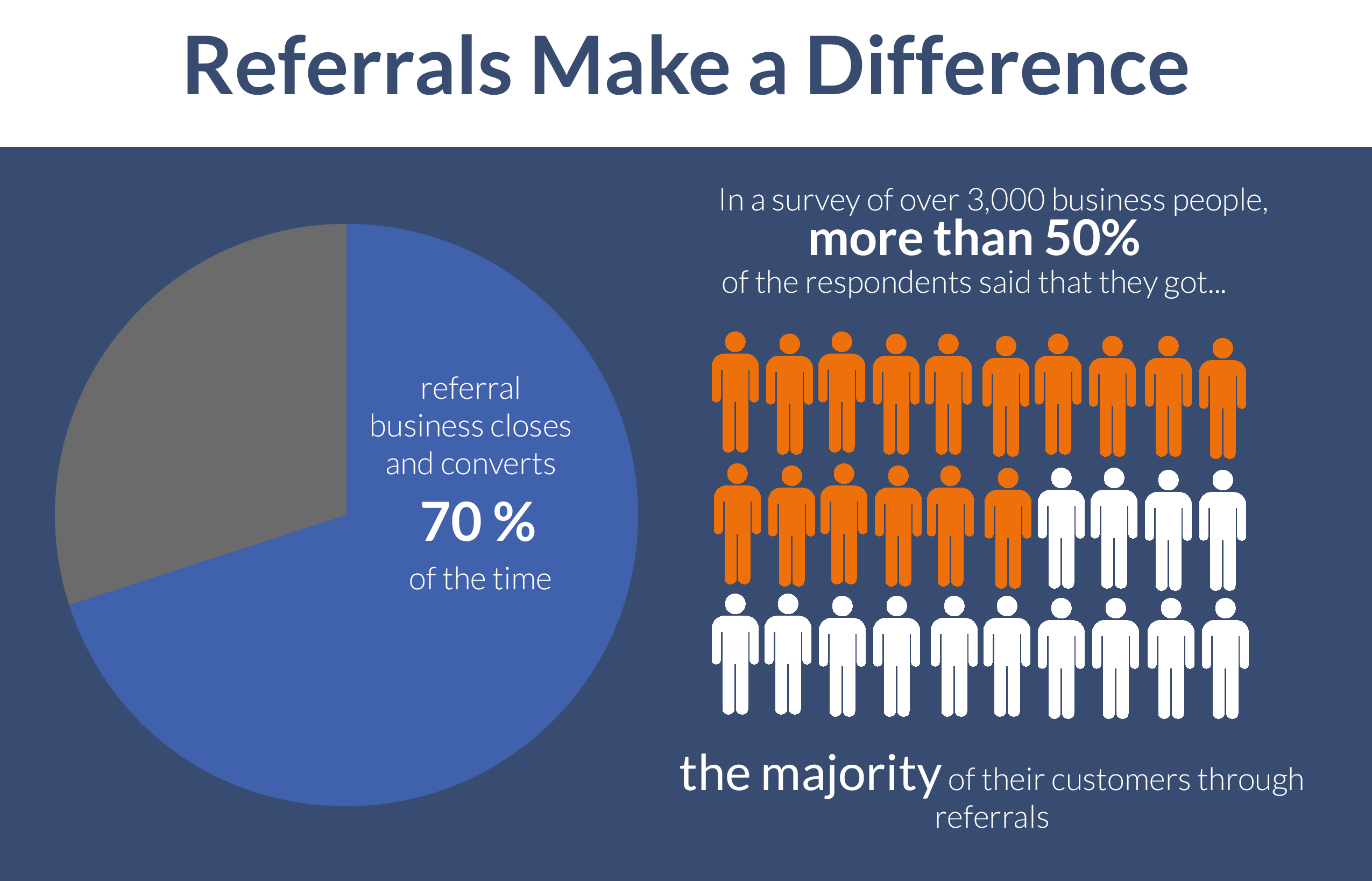
  • How To Beat Zillow in Google With Your Real Estate Agent Website – Case Study + Guide

    How To Beat Zillow in Google With Your Real Estate Agent Website – Case Study + Guide

    Zillow dominated the real estate industry through 1 primary strategy. Ranking high in Google and controlling the conversation online.

    In this post, we’ll walk through real case studies that show you how to beat Zillow, Trulia, and Realtor.com in Google in your local market and scoop up traffic and leads for FREE away from the tech giants.

    (Dive into the video snippet from a recent AskCarrot episode below!)

    How to Beat Zillow in SEO

    The video above was a short snippet from a live show we recently did, so we’ve typed out a high-level summary of the steps below and are providing the full video transcription below along with enhanced graphics and action items as well.

    Each well-done Location Page will likely take you between 30-60 mins. But it’s well worth the time investment for the long-term momentum building results you can get.

    The basic steps to beat Zillow in Google are:

    1. Do things Zillow, Trulia, and Realtor.com can’t or won’t do. They can’t replicate you, they likely won’t build out as much valuable content as you could on the niches you’re an expert on, and they won’t try to be the authority on that niche like you can be. Build value, be an authority, and stand out.

    2. Determine your niches that you want to dive deep into and become an authority in. I get pushback all the time from agents who say “But I don’t want to niche down. It’ll limit me!”.

    But that’s exactly the opposite of what will happen.

    When you choose to focus on becoming an expert and authority on a specific topic or niches, it’ll attract more people your way because you stand out as a clear expert. If you don’t niche, you’ll just be a part of the crowd.

    3. CRITICAL DETAILS: Build out Location Pages in your Carrot site with our “Beat Zillow” framework (infographic below).

    We deconstructed Zillows strategy, tested it and tested it until we’ve repeatedly been able to outrank Zillow in Google.

    Start with your primary cities (those will be hard to outrank Zillow for since they’re so competitive) but then focus on the niches within the markets.

    Example… your primary market may be “Brentwood California homes for sale”… that will be hard to outrank Zillow for.

    Create a location page for that since it’s your primary city… but then focus your ranking efforts on the niches within Brentwood. Like neighborhoods, types of houses, etc.

    Here are some great examples of real local searches in Google that could make great niche location pages you could create in your Carrot account, then aim to outrank Zillow with.

    Google suggested searches for a location page

    4. Track the SEO ranking of your new location pages. As a Carrot member, you can use our Ranking Tracker tool to track where your pages rank in Google and get smart feedback on how to improve the ranking.

    Content marketing and SEO is a long-term momentum building strategy and patience is key. The page mentioned in that video took about 2-3 months to get the #1 ranking after we made the right optimization changes.

    But this site has been around for years and was already starting to pop up in other rankings as well. If your website is brand new it may take a bit longer.

    The more location pages you create, the more momentum you’ll build over time. This is the exact same way Zillow took over the market. It wasn’t overnight, but a strategic long-term strategy.

    5. Rinse and repeat. I’d focus on creating Location Pages on your real estate agent website (we hope you use Carrot :-) every quarter.

    Each quarter, target the cities or niches you want to focus on, then build out the pages or have our Carrot Services Team help you do it.

    As you add more high content pages to your site, over time it’ll get easier and easier to get great Google rankings more quickly. Remember, it’s all about momentum.


    Related Content: Your Location Page Not Ranking? Here’s How To Optimize A Location Page


    Carrot Features You’ll Use During This Process:

    Not a Carrot member yet?  

    Our members control more top 5 Google rankings than any other website system in the nation and it was recently rated as faster than any other website builder in a recent study.

    If you want to separate yourself from other agents, stop paying Zillow for leads that you can get for FREE in Google, and add consistency and predictability to your online leads, take a Demo of AgentCarrot and learn more about how top agents all around the country are becoming their local authority by controlling the conversation online with our content marketing tools.

    Either way, dive into the full details from my video below and we can’t wait to hear from you as you put this “beat Zillow” strategy to work!


    How to Beat Zillow in Google [Infographic]

    Full Video Transcript And More Details

    So, a lot of people say, hey, how do you beat Zillow, or how do you beat the big guys? How do you beat Express Homebuyers? How do you beat We Buy Houses? How do you beat those companies at SEO?

    What I did about a month and a half ago, I had people telling me that they can’t beat Zillow on SEO. Yeah, it’s gonna be really hard to beat them for some phrases, I get it.

    But I’m pretty confident they can beat in SEO for phrases that matter.

    A local real estate agent here in Roseburg, the G Team, one of their niches, what we always tell people to do, especially in this market environment, is you need to pick something to specialize in. It could be multiple somethings.

    If you’re a real estate agent, can you specialize in a part of town? Can you specialize in a type of a seller or a buyer? First-time homebuyer? Someone’s looking at downsizing? Small families? Families that are looking to create a family home?

    Whatever it is, specialize in something so you can speak to people in the language that’s gonna match them.

    And so, then, their niches are North Umpqua River Homes, that’s an amazing river in town. They’ve sold probably more homes to people on the river than anyone else.


    Related Content: 4 Steps for Real Estate Agents to Cut Through Online Clutter and Dominate the Market


    Another niche of theirs is high-level, upscale homes. It’s the same client, right? That client wants to live on the mountain, this other one wants to live by the river.

    Another one is rental property owners. Again, the same client. We said, okay, let’s create a page and let’s see if we can’t go after one of the niches to get it right.

    Beating Zillow at SEO

    So you can see right here…Zillow’s number two, number three, number four. Realtor.com, Trulia, all these other national sites. Then you see this little old gteamgoahead.com website at number one.

    How did it get this page to number one? I will deconstruct how to do it, and why I made it that way. Exactly how we were able to beat Zillow at their own game.

    Basically, this website’s probably been up for five or six years. The URL has been, they switched over to Carrot about a year ago, and we said, okay, what are people looking for if they make that search, “North Umpqua River homes for sale.”

    Finding Search Phrases

    First of all, we went to Google and started typing up phrases to see what would actually pop up, right? So “North Umpqua River homes for sale,” that ended up being a Google-suggested search.

    Then I scroll to the bottom to find other phrases that people are typing in:

    “Waterfront home for sale Douglas County.”
    “Umpqua River property for sale.”
    “Riverfront property Southern Oregon.”
    “Homes for sale.”

    So Google is telling us that these are related to the phrases I searched. Google’s telling us that these phrases are related to the phrase, “North Umpqua River homes for sale.”

    So what that means, is that we want to find ways to work those phrases into our content. Google’s telling us the roadmap. Google’s telling us exactly what to put on the page.

    *This particular Carrot member went through our concierge program. It’s our high-level program, where we dial the content in for you.

    Reach out to us if you’re a high-level agent, a high-level investor, with a budget, that doesn’t want to do as much of the setup work, we can do the setup work and dial in your website for you.

    Then we created content. When I was going through looking at these rankings, the first thing I like to do if I’m trying to get a ranking, is I click every single page on page one to see what they have on them. ‘I want to deconstruct how they’re winning so we can beat them at their own game.

    So I click at the Zillow one to see what’s on this page. Number one, of course, Zillow is a massive website, it’s got a huge, huge, huge domain authority.

    That’s not something we can compete with. We can’t compete against the domain authority here. So we can do as good as we can possibly do, and then have some backlinks and other pieces of the SEO strategy.

    Then we ask ourselves, can we compete with site structure and content, and make the content better?

    So out of the gates, they have a bunch of property listings. Scroll down the pages and we find, “Zillow helps find the newest Roseburg “real estate listings.”

    That paragraph has a bunch of links to specific pages set up just in Roseburg. This is Roseburg apartments. There is bank-owned properties in Roseburg. Also Roseburg facts and some information about the Roseburg market.

    This is how Zillow is winning the SEO game.

    Number one, their title text is North Umpqua River. Then it says Roseburg real estate homes for sale. They also have a bunch of pages that are also in Roseburg.

    Niche down pages that they’re linking to from the main page. They have some information about the market. So what I did, is I found all the written content and studied how many words are in them.

    How many words are in here that’s specific to Roseburg stuff? So I took this, figured out how many words they have on the page and found it was about 300 words, including the title tagging content.

    Now, if I can create a page with, probably, 500 to 800 words, make it more robust, make it more content, make it better, include some good images, make sure that my title tag is really good and drilled down to the exact phrase I’m trying to rank for.

    If I’m going to beat Zillow, I’ve gotta be drilled down exactly with my title tag, and some other things in the phrase I’m looking to go for.

    So you can see I titled it, “North Umpqua River homes for sale in Roseburg, Oregon.” That’s exactly what I’m trying to rank for.

    Hopefully, it also ranks for other phrases related to it.

    The next thing is, add a good title. “Looking for North Umpqua River homes for sale?” You can see I use it kinda similar. Then I use a bunch of different phrases that are similar. You can see a waterfront property in Roseburg?

    Where did we get that? We got that from Google. Google was telling us that people are searching for “waterfront.”

    The word waterfront is bolded. So I want to make sure that I’m talking about waterfront homes. It also said “river homes in Douglas County,” and the word “Douglas County” is important to Google, because it says it’s related. So I start to work those phrases in there that Google’s telling me. I put about 500 words on this page.

    Put a nice image. Put the property listings there through our IDX system.

    Then I did exactly what Zillow did. You see “Why use Zillow,” you see a bunch of facts about the area, and then you see some links to some other pages. So we’re like, all right, let’s just go ahead and do what they’re doing.

    So I created some “Why Work with the G Team” content. I also put our keyword in there, and then I went and grabbed other common phrases, and I linked them up to their other pages. This one’s linked up to the Garden Valley page. This one’s linked up to the Hucrest page.

    real estate website internal linking to city pages

    Then we put a call to action at the bottom that’s specific to the River homes list. This one took about two months to beat Zillow on Google.

    Just creating about 700 words on here, good quality content, deconstructing what Zillow had done with their page format, but adding more content and making it better.

    Making sure my title tag was really drilled in, and it beat it, and it’s getting leads right now, really, really targeted leads. That’s how you beat Zillow.

    We’re gonna keep on doing it with them, and keep on putting out pieces of training to show you guys how to do it. All things equal, it’s going to be really hard for us to beat Zillow with a bad tech stack.

    The tech stack is basically, what is the website built on? Ours is really fast. It’s smooth, and it’s clean, and it keeps on getting better.

    We were stuck at position four for about three weeks, and then it went to position three, and one of the Zillow rankings was below us. I believe that if we had a tech stack that was slower, things like that, that it wouldn’t have bumped up there.

    We talked about how to get your clickthrough rate higher. So when people click the rankings in Google, the ones at the higher click through rates is actually a factor to get it ranked better.

    Using Title Tags for SEO

    The last tip is the title tags.

    Look at the other titles and see if you can just come up with one that still has the keywords in it, but is more compelling. So this one here, North Umpqua River dash Roseburg Real Estate dash Roseburg Homes, is kinda lifeless.

    How to create title tags that get clicks

    Depending on the day that you’re searching, or whatever, this actually says, on my cellphone when I do it, it actually shows it this way, the title tag is North Umpqua River homes for sale, Umpqua River property.

    So I added in the words “updated daily,” because it shows, oh, this is cool, I can see an updated list. It looks different than the other ones down there.

    Try to put things in there that grab their attention, that makes them wanna click the thing in the first place.

    Have questions or comments? Be sure to hit us up in the comments section below or hit us up on Facebook.

  • 5 Steps to Create a Real Estate Lead Nurturing Sequence

    5 Steps to Create a Real Estate Lead Nurturing Sequence

    Real estate lead nurturing is one of the most important things you can focus on. No matter the size of your real estate business, this proven strategy will help increase your sales.

    Any sales 101 course will tell you to follow up often, consistently, and without hesitation. But still…

    …you hesitate.

    After all, you don’t have time to send hundreds of emails or make hundreds of phone calls every day. Sure, it would be good for your business, your conversion rate, and your revenue generation… but it’s just not realistic.

    You’re plenty busy doing house showings, managing open houses, meeting with buyers and sellers, and clarifying contractual agreements.

    The last thing you need is another tedious task to add to your high-piled plate.

    Fortunately, you can reap the benefits of following up without actually following up.

    Let me explain.

    Real Estate Lead Nurturing: What is an Automated Sequence?

    Real Estate Lead Nurturing email sequence

    A real estate lead nurturing sequence sometimes called a “drip sequence”, is a series of emails which send over a period of time to new subscribers on your email list. The goal is to stay in touch with your new leads and build an ongoing relationship with them where they learn to trust your expertise and advice.

    Typically, the longer that you stay in touch with your leads, the more free value you provide, and the more that they trust you, the better chance that they’re going to work with you sometime down the road (maybe not today, but one year from now? Two years from now?

    Across the board, nurture sequences are wicked powerful. Here are some stats to get your mind whirring.

    • Lead nurturing emails get at least 4 times the response rate of mass email broadcasts.
    • The open rate for drip sequences is 80% higher than for single campaigns.
    • The click-through rate for drip sequences is 3 times higher than for single broadcasts.

    You will, of course, need an ESP, Email Service Provider, like Mailchimp, for example, to collect email subscribers and schedule your nurture sequence. But many ESPs have a free version or are relatively inexpensive depending on the number of subscribers you have.

    In our opinion, with the potential conversion power of a nurture sequence, paying for an ESP is definitely worth your money.

    Mailchimp is one of our personal favorites.

    Note: You can also create a text message nurture sequence instead of or in addition to your email sequence. Consider a tool like SimpleTexting to create an automated text-message nurture sequence.

    How To Create a High-Converting Nurture Sequence

    You now know why a nurture sequence is so great for your business — it follows up with your leads automatically — but how do you build a high-converting sequence… even if you’re not all that great of a sales copywriter?

    Here are the 5 steps.

    Step #1: Consider Segmenting Your List

    Having one nurture sequence is far better than having no nurture sequence. But having multiple nurture sequences that deliver situation-specific or interest-based content to each of your leads is even more effective.

    For that reason, you might consider segmenting your email list based on different situations…

    • First-time homebuyers
    • Home sellers
    • Big-budget buyers

    Those are just a few examples. The segmentations you choose should be dependent on the answer to two simple questions.

    First, what kind of buyers or sellers need to be nurtured differently? For example, buyers with a $10mm budget will probably need to be nurtured very differently than low-budget first-time home buyers.

    And second, can you easily collect that information with a secondary sign-up form? You can’t, for example, segment your email list based on whether people are dog-lovers or not because that data would be difficult to collect on your website.

    But you could probably ask questions about budget, whether this is the person’s first home or not, and even what kind of home specifically, the lead is looking for (river-side, suburbs, apartment, etc).

    So long as the groupings you’ve decided on, need to be treated differently and the corresponding data is easy to collect, you can create segmentations.

    If you’re a Carrot member, you can easily connect your website’s opt-in form and data collection to your ESP. Then, you just need to specify which website form answers will be placed in which segmentation.

    Step #2: Decide On Your Sending Cadence

    How long are you going to send emails? And how often are you going to send emails?

    The answer to those questions depends, to start, on your preference and what you think is the best for your business and, in the long run, what you find works best. The more emails you send and the longer you use a drip sequence, the more you’re going to learn what works well and what falls flat.

    But! We do have some recommendations to get you off the ground. ;-)

    We recommend sending one email every day for the first three days, then one email every week for the remainder of the first and second month, then one email every other week for the third month to the end of the sixth month. Once the sequence ends, you’ll stay in touch via your monthly newsletter (see Step #5).

    All in all, that’s 15 emails for each sequence you create (assuming that you have multiple segmentations). If that’s too much work, then just start with 7 or 8 emails and slowly build up.

    Remember, having some sort of nurture sequence is better than having no nurture sequence at all.

    Note: If you’re creating multiple nurture sequences for different segmentations, remember that there will probably be some overlap between the sequences. That is, you probably don’t have to write a brand new sequence for each segmentation — keep what still fits for the specific segmentation and adjust the rest.

    Step #3: Set Expectations

    The first email in each of your drip sequences should do two things. It should welcome the lead to your email list and set realistic expectations for what they can expect you to send them.

    Something simple like this will do the trick…

    “Hey again! Since you’re looking to buy your first house, I wanted to add you to my email list for first time home buyers! I’ll be sending you updates every so often on the market for first time home buyers. Get in touch with me if you have any questions!”

    Just let them know that you’re going to be sending them some emails and providing them with some free value. This will ensure they’re not caught off guard when you start emailing them and it will build some anticipation, encouraging them to actually look at your future emails.

    Step #4: Decide What To Say In Your Emails

    You’re probably thinking… But what am I going to say in all of these emails?

    That’s a great question.

    There are 3 types of emails that you should add to your nurture sequence.

    1. The Value-Add — The free value email should make up the bulk of your nurture sequence. Teach buyers how to negotiate a better price, teach sellers how to sell faster and for more money, and teach buyers and sellers about what they should look for in a real estate agent. The more value you provide, the more people will perceive you as an expert, and the higher the chance they’ll work with you down the road.
    2. The Story-Teller — People love a good story. If you can’t think of any practical advice to offer, then tell a funny, inspiring, or meaningful story about your experience as a real estate agent. This is a great way to build long-lasting relationships with your leads and make yourself seem more approachable.
    3. The 9-Word Email — Every 90 days, we recommend sending a 9-word email that says something to the effect of “Are you still looking to buy your first home?”, adapted, of course, for whichever segmentation you’re sending to. Here’s an article describing the amazing impact of the 9-word email.

    At the end of each email in your sequence, put a “P.S.” that says something like, “Are you still interested in buying your dream home? Give me a call!”

    Oh, and one more thing. If you hate writing and prefer making videos, great! Send videos to your list instead of written content — it might even perform better.
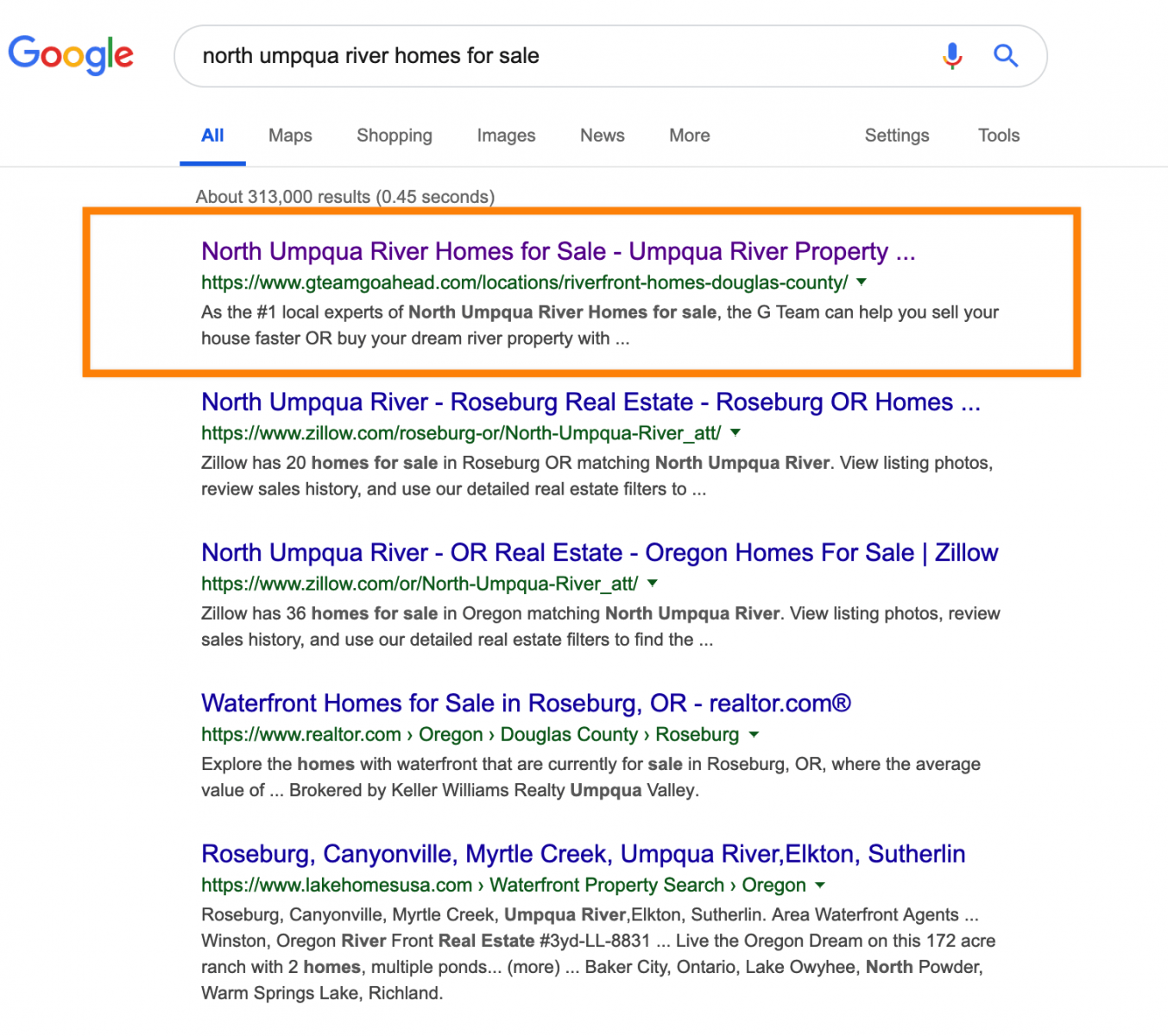
    Step #5: Maintain a Monthly Newsletter

    And lastly, maintain a monthly newsletter where you send out market updates and general advice to your entire list — the people who are currently in a nurture sequence and the ones who aren’t.

    This will allow you to stay in monthly contact with people who have finished your nurture sequence.

    Which is good — you never know where your next referral is going to come from.

    Conclusion

    You need to follow up with your leads to fulfill your business’ potential…

    …but you’re busy enough as it is.

    Fortunately, you can build a nurture sequence using the steps outlined above to close more transactions, forge stronger community relationships, and establish your market expertise… all without lifting a finger (once your nurture sequence is finished).

    So get to it. And hit us in the comments if you have any questions.

    Looking for more tools and tips on nurturing your leads? Here are some additional resources:

  • 33 Real Estate Statistics that’ll Change your 2019 Strategy

    33 Real Estate Statistics that’ll Change your 2019 Strategy

    33 Real Estate Statistics That'll Change your 2018 Strategy

    Wonder what 2019 is going to look like for the real estate market? Or, even more importantly, how you and your real estate business should prepare for the future?

    Of course, you are. Because you’re an entrepreneur and you want to grow a consistent and predictable source of income.

    Fortunately, this year looks good overall, with an expected 1% increase in sales, a 3.1% increase in median home price. It will likely be a softer, less intensely thriving market than 2018 or 2017, but a healthy one nonetheless.

    But that optimism won’t keep the market from changing. In the words of real estate Yoda, “Change, the real estate market will so change with it, you must” (Disclaimer: I made that up).

    Yoda aside, I dug around and found some relevant real estate stats for your 2019 marketing strategy. Here’s what I learned and some main takeaways for each set of stats.

    33 Real Estate Statistics that’ll Change your 2019 Strategy

    General Real Estate Statistics

    1. In 2018, 5.5 million existing homes were sold in the U.S. (Source)
    2. In 2017, 612,000 newly built homes were sold in the U.S. (Source)
    3. There are approximately two million active real estate licenses in the U.S. (Source)
    4. Redfin’s Housing Demand Index went from 124 in May of 2018 to 131 in September of 2019 (Source)
    5. By 2020, the real estate industry will account for 22% of commercial drone use.
    6. House listings that have aerial photographs sell 68% faster than properties with standard images. (Source)
    7. There are almost 44 million renter-occupied houses and 75 million owner-occupied houses in the U.S. (Source)
    8. From 2016 to 2017, apartment construction climbed by 21%, putting apartment supply at a 20-year high. (Source)
    9. The U.S. economy grew by 2.6% in 2018. (Source)
    10. House ownership is falling and renting is on the rise, with a 2.3% increase in U.S. renters in 2016. (Source)
    11. Zillow’s Zestimate feature is typically erroneous by $14,000. (Source)
    12. On real estate websites, the “About Us” page is the third most-viewed page. (Source)
    13. Home prices rose by 4.8% in Q3 of 2018 (Source)
    14. Interest rates increased to 2.27% in 2018 (Source)
    15. The number of online real estate leads is increasing (up 65% from 2016 to 2017), but the conversion rate is taking a dip (down 10% from 2016 to 2017). (Source)

    Main Takeaways

    1. Consider getting into the rental market — As demand for rentals increases, consider getting in front of this trend, buying and holding rentals as a passive income stream.
    2. Start using drones for house photography — If you want to sell houses faster (which you do), then you might want to consider investing in a drone to take aerial photographs. These house listing images don’t just look pretty — they make the property sell about 68% faster.
    3. Buy and rent out apartments — The market loves apartments right now. Consider getting some of your own and using them for passive income.
    4. Give your “About Us” page a little more love — While this page is the third-most important page on your website, it’s also probably the most neglected. Stop neglecting it. Set it up to build trust with website visitors so you’re not losing leads to a shoddy “About Us” page.

    House Buyer Real Estate Statistics

    1. In 2018, first-time homebuyers made up 34% of all homebuyers. (Source)
    2. 65% of homebuyers 37 years and younger were first-time homebuyers in 2018. (Source)
    3. In 2017, Millennials accounted for 33% of homebuyers. (Source)
    4. In 2017, 56% of homebuyers 36 years old and younger found their homes on the internet and 50% of buyers between the age of 37 and 51 found their homes online. Older buyers over the age of 51 years old were the only group that sought out an agent first. (Source)
    5. Across all generations, half of all homebuyers use the internet to find a home and 93% of buyers who are 36 years old or younger frequently use the internet during a house search. (Source)
    6. The typical homebuyer searches for 10 weeks and looks at 10 properties before choosing a house. (Source)
    7. In 2016, there were 5% more homes built than in 2015 (from 1.108 million to 1.163 million). (Source)
    8. In 2017, 52% of homebuyers were first-timers while 48% were repeat buyers. (Source)
    9. 44% of all homebuyers end up buying a home that they found on the internet.
    10. Over half (51%) of home shoppers claim that YouTube is their favorite video research platform. (Source)
    11. Almost 90% of home-buying Millennials, Gen X’ers, and young Boomers bought a home with the help of an agent in 2016. (Source)
    12. 84% of homebuyers found online information to be a crucial part of their house search. (Source)
    13. By 2025, Millennials are expected to form 20 million new households in the U.S. (Source)

    Main Takeaways

    1. Pay attention to Millennials — Now, millennials are between the age of 22 and 37 years old. Which makes them fall within the average home-buying age of 31. They’re tech-savvy and they like the internet (I know because I am one :D), so make sure that your website is fast and user-friendly.
    2. Get your website’s SEO dialed in — Since so many people are using the internet to find a home, real estate investor, or real estate agent, you need to be visible online. That, of course, is easier said than done. Write consistent content, target the right keywords, and your rankings will start to rise. You can find a more thorough real estate SEO strategy here.
    3. Post consistent videos on YouTube — YouTube is the second most-used online search engine right behind Google. To drive traffic and find leads on the platform, make videos and build your YouTube following. You can find out more about doing that here.
    4. Make sure your website converts as best it can — The last thing you want is to drive traffic to your website and still land zero deals from that traffic — believe me… it happens. If people don’t trust your website or it’s unclear what you want them to do, they’ll leave faster than they arrived. To make sure your website is set up to convert visitors, consider this conversion optimization checklist.

    House Seller Real Estate Statistics

    1. By July 2021, the total median home price reached $390,500.
    2. On average, sellers receive 98% of the listed price. (Source)
    3. Staged homes spend half the time on the market compared to non-staged homes and they regularly sell for about 6% above the listed price. (Source)
    4. In southern states, home sales are expected to grow by 6% in 2018 rather than 2.5% (the national average). (Source)
    5. 70% of homeowners prefer to list with a real estate agent who uses video marketing to advertise their home. (Source)

    Main Takeaways

    1. Consider hiring a professional house stager — Heck, why wouldn’t you do it if the house will spend less time on the market and the seller will get 6% above the listed price? Seems like a good investment for you and the seller.
    2. Use video marketing — The more options that you offer for advertising someone’s house, the more house sellers who’ll want to work with you. A video is one of those above-and-beyond kinds of marketing options. It takes just a little more work on your part but really flatters the house sellers. You can find out more about real estate video marketing here.

    Conclusion

    For real estate professionals who adapt to the changing industry, 2019 holds loads of potential. And for those who refuse to change, 2019 is going to present a problem… a big problem.

    Drones, Millennial buyers, third-party listing websites, and virtual tours make it increasingly difficult for stubborn agents and investors to increase revenue. If you want to make 2018 one of your best years yet — which you do — then you need to change with the times.

    And the times are increasingly online. 

    Which means you need to have your own website that drives traffic and converts visitors. Then, you need to market yourself correctly.

    At Carrot, we’ve driven over one million leads for thousands of real estate professionals by building websites, educating our audience, and helping them implement the most recent marketing strategies.

    Want to get onboard?

    You can check out our plans page — and let us know if you have any questions in the comments.

    Either way, make 2019 a year that you’ll want to repeat by the end of it. :-)

    [cta offer=”recontent” color=”red”]

  • Content Marketing for Real Estate Agents | Picking Your Marketing Niche [Agent Whiteboard Series]

    Content Marketing for Real Estate Agents | Picking Your Marketing Niche [Agent Whiteboard Series]

    Content Marketing for Real Estate Agents | How to Pick Your Marketing Niche

    Video Transcription

    Trevor here again, coming at you with another video to help you break down your content marketing strategy as a real estate agent.

    Now, one of the best ways that you can really crack through the clutter is to niche down. And we’ve done the same thing here at Carrot as well with our software company.

    It’s in universal principle that whenever you’re able to narrow down the focus of who you serve, and you can narrow down your messaging, it’s going to resonate more and more and more with the person you’re looking after. On the flip side of it, the more generic your message, the harder it is to have someone kind of raise their hand and go, yeah, that’s me, I resonate with that.

    So we’re going to help you niche down in this video. So, earlier in a separate video, I laid out our entire content marketing framework with this pyramid, so go check out that video. It’s probably linked up somewhere.

    This video is specifically on the niche part of it.

    Content Marketing for Real Estate Agents: What Are Niches?

    So what are niches?

    I was talking with a real estate agent the other day, a brand new agent and, not really a brand new one, but she’d done several transactions. I said, “Hey, what are your niches?” And she said, “Well, I don’t really have any,” and then we sort of walked through the process of how to discover a niche.

    On the flip side, I talked to another real estate agent, a brand new one, hadn’t done a transaction yet in California in a really competitive market and I said the same thing. I said, “Who is it that you can really serve and who is it that you can niche down in your messaging to really serve?” He said, “Man, I don’t know.” I said, “Well, who would you want to focus on?”

    He said, “Anyone who wants to buy a house in x city in Carmel, California.” I said, “That’s amazing, but that’s not a niche. That’s something that every single one of the agents in your market is also going after that.”

    So I asked him a couple of questions, and they’re all based around who are the people that you can serve, what locations might they live in, and are there certain situations that you can better help serve people than others.

    On the people side of it, in this example with that gentlemen, I said, “Okay, what is it that you like, How old are you, what’s your life look like?” And he said, “I have two kids, in mid-thirties.” And he started to talk about things he really loves to do. He loves cars and all kinds of cool things like that. I said, “Cool.”

    So one thing that you could really do a niche down on, is helping families in Carmel, California, find the home of their dreams to fit their family and their lifestyle. So that’s the same thing that you probably would have been doing before you niche down anyway, but now we’re at least niching down some of our messaging.

    So write that one down. Helping families in Carmel, California, helping young families in Carmel, California, find the homes to fit their lifestyle. That’s a niche because then every time you’re communicating, or you’re doing a video, you’re doing it from that framework.“Hey, this is Mark here in Carmel. I’m actually at a soccer match with my kids…” whatever it is. So then you’re talking about things that other people in that market might be talking about.

    Locations

    Locations. One of the agents here locally in Roseburg, Oregon, the G-team, the number one or at least top, one of the top Century 21 teams, the whole northwest. They’re amazing in a few things. They are really, really good at river homes of this one particular river called the North Umpqua River here in town.

    They’re really good at high-end kind of lifestyle homes, really nice homes that maybe aren’t on the river, but they’ve got a great view and they’re also good to income properties.

    So when I was talking through with Ricky, about what their niches would be, he never thought about it before, but he listed those three things off because I’m not really sure if I should put the income property thing down like rental properties because it’s kind of unrelated. I said it’s actually not. It’s actually the same prospect because if I’m looking for a luxury home on the North Umpqua River or a lifestyle home up on a mountain with a great view, I probably have some sort of discretionary income that I want to invest in rental properties.

    Therefore I’d want to also work with you to buy those rental properties. So there, he’s serving the same person just in different situations.

    Write down the different types of people that you would want to work with and the way that I like to do that is, who is the “most fun to work with?” Which transactions do you make the most money that really helps you reach the goals that you’re looking for?

    Scenarios and Situations

    Start to write down those scenarios and those situations, and you’ll start to hone in who you want to work with the most.

    If you’re a brand new real estate agent, a lot of real estate agents kind of tend to go for a first time home buyer because that first time home buyer’s kind of like you, you’re new and it’s all new to you, but I would also challenge you. I would challenge you to focus on something else.

    If you’ve been a nurse and you’re leaving the nursing profession to come over and be a real estate agent. Awesome. That’s a niche right there waiting, waiting for you to grab is, helping medical professionals find amazing homes that them and their families can live and thrive in, in your area.

    Then you can start to use that messaging. You start to put up videos and updates to the medical community. You can start to find homes that are perfect for that. You can start to find medical practices that are recruiting medical professionals and talk to them and help show them around.

    Find Niches

    So find niches, hone your message down, start to record videos of those niches, and then start. Just like we teach here, you’re going to record seven to 10 videos as your base initial content in that niche, showing you as the expert. Those videos will go on Facebook, YouTube, and your website. Then, you’re going to really build that amazing stockpile of content that’s going to resonate with your market.

    On a weekly basis or whenever you’re out there, find opportunities to take out your cell phone and record some quick content. Three to five minutes in that niche, in those locations, showing your expertise.

    Share the information out there and go deep on your niche.

    Let us know if you have any questions in the comments section below or hit us up on Facebook.

    What to Learn More about Content Marketing for Real Estate Agents?

    Watch these other videos in this four-part “Content Marketing for Real Estate Agents” series.

    5 Steps for Real Estate Agents to Cut Through Online Clutter and Dominate the Market

    Content Marketing for Real Estate Agents | How to Pick Your Niche Locations

    Content Marketing for Real Estate Agents: Crafting a Niche Report

    Or… Check out the Carrot Real Estate Training Playlist.


  • Content Marketing for Real Estate Agents | How to Pick Your Niche Locations [Agent Whiteboard Series]

    Content Marketing for Real Estate Agents | How to Pick Your Niche Locations [Agent Whiteboard Series]

    Content Marketing for Real Estate Agents | Picking Niche Locations

    Video Transcription

    Hey, Trevor here with Carrot again, coming at you with video number three in this series, to walk you through how to go through our content marketing pyramid so you can finally crack through that clutter and really gain a competitive advantage in your market.

    We’re going to be talking about locations now. So by this time you’ve already discovered what your core values are. Why are you in business? You’ve written those down. You’ve done a simple video about why you’re in business and why you love to work with buyers and sellers. That’s going to help people resonate.

    Next.

    You’ve also picked between one and three niches. Things that you can really drill down on where you can tailor your message and your videos and your content, the way that you speak to people.

    First, you can tailor your audience to that message, because now you’re going to resonate with those people that are in those niches. It’s going to help you target your marketing down the same way we’ve grown here at Carrot.

    That’s because we have a solution that’s universal. We could sell our solution to plumbers, and to real estate agents, and real estate investors and financial planners. The solution solves all of it. But when we can niche our product and niche marketing down, we can better serve you and better make sure our content resonates with you so you notice it.

    Real Estate Niche Location

    The next step is locations. A lot of people think locations are just cities, towns, things like that. But what I would like to challenge you on is that locations are any particular spot or type of property that you can really focus a certain message on.

    Here are some examples. It could be towns. It could be a here in Roseburg, Oregon. Roseburg could be a location. You create a page for that, that has the Roseburg properties for sale on there from your IDX listings from Carrot.

    Then Sutherland, and then Winston and Reedsport and all those are different towns around Roseburg. We would definitely want all of those towns that have a page on the website with a title that’s something like a Homes for Sale In (insert city). Then probably a video.

    I’m really going out there with something that my competition can’t, they can’t put a video of me on their website. So put a video of yourself on your website explaining that location. Then put your IDX property listings after maybe a few paragraphs of content.

    Now other types of locations can be neighborhoods. So if you’re in a bigger city or even small town like Roseburg, there are certain neighborhoods that people really, really want to buy and sell houses in. Hucrest is one, even in the town of 30,000 people. If you go to Google and start to type up homes for sale in Roseburg, you’re also going to see other suggested searches after that for neighborhoods in there, which is kinda cool.

    Hucrest is a neighborhood, Melrose is a neighborhood that is pretty sought after in here. If people are searching for them, I want to create a locations page that ranks well in Google for those. I also want to create that video and get it up into YouTube and get on Facebook too. So I could turn those into ads if I want it to.

    There are other types of things that are property types. So if you’re a specialist, if one of your niches is river homes in a particular river or a country club or whatever it is, and that’s one of your niches, then you should create a locations page for that niche.

    Here’s an example, G Team, they’re a Century 21 brokerage here in Roseburg. They’ve done amazingly well, and they focus in on a few niches. On North Umpqua River homes, on lifestyle properties with great views, and income properties. They all happen to be about the same type of Avatar. The same type of person who probably has some income, looking to get an amazing house and also looking to grow their income with rental properties. So you can also create a page for property types like river homes.

    So here on Carrot we launched a page. It’s homes for sale on the North Umpqua, Roseburg, Oregon.

    location niche real estate agent website page

    Image Source: G Team Real Estate

    Then we create a video talking about homes for sale in North Umpqua River, and how they can help you. How they actually own a home in the river, and her parents own a home on the river, and they’ve sold tons of homes on the river. All in a short little video. You can do the same thing.

    Then below the video, we’ve actually put up a custom search through the IDX that only shows river homes for sale in that area. We’ve drawn a little boundary around there and it’s river homes for sale, so now they can drive people to a page that’s specifically for North Umpqua River homes for sale in the Roseburg area. They can drive traffic from Facebook, or from YouTube or when they’re talking with someone locally, they can say, “Hey, go to Xyz.com, forward slash river, and you can see all the updated properties.”

    Attracting New Prospects Via Niched Down Content

    When you’re going through and doing this, leverage our tutorials here at Carrot to walk you through how to do those page, or we do have services that can do it for you. If you’re not a Carrot customer, no big deal. It’s just going to be a little bit harder for you to set them up yourself to get them ranked well and Google on a different platform. But you can still launch locations pages for all these locations you do business in and don’t forget creating neighborhood ones or niche down property types if those are within your niche.

    Those are going to help you get better rankings in Google, attract new prospects, get people on your retargeting list for Facebook and it’s going to give you more content you can continually drive people back to in your content. Here’s one idea for you.

    Let’s say you’ve got your niches down and you’ve got your locations down and you’re taking out your cell phone and doing a piece of content on a river home today. Take it out and give your three to five-minute talk about a tip or something like that about river homes and then you can give a call to action to drive to this page for them or landing page.

    You could say, “Hey, just go to Xyz.com forward slash river to get an updated list of all of the North Umpqua River property homes for sale in this area, and you’re gonna be the first one to get notified of them. Go check it out. Xyz Dot com, forward slash river.”

    You can say that inside of your videos. It’s going to continually drive leads, build you up as the expert for that type of property, and you’re going to cut through that clutter and really, really grow your business. You’re not going to be stuck with whatever Zillow is going to be giving you. You’re not even going to care if there are a million other agents in the market because you’re the only one claiming the space for that niche.

    Watch Other Videos in the Agent Niche Series:

    Watch the next three videos in this four-part “Content Marketing for Real Estate Agents” series.

    5 Steps for Real Estate Agents to Cut Through Online Clutter and Dominate the Market

    Content Marketing for Real Estate Agents: Pinpoint Your Marketing Niche

    Content Marketing for Real Estate Agents: Crafting a Niche Report

    Or… Check out the Carrot Real Estate Training Playlist.