Master Your Evergreen Marketing: Next-Level Lead Generation Through SEO & Content Creation
The real estate landscape is in flux. AI, tech advancements, Google algorithm updates, and evolving regulations demand a new approach. But fear not. The Carrot Summit will equip you with the tools and knowledge to thrive in this dynamic environment.
This isn’t your average event. Over two action-packed days, you’ll gain groundbreaking insights, business-changing leadership strategies, and invaluable lead-generation tactics to reshape your business.
Tailored Learning & Expert Guidance
The Summit offers a unique opportunity to personalize your experience. Select your focus area and delve deep into the most relevant topics alongside industry leaders like Mallory Whitfield and Trevor Mauch.
Carrot’s internal experts and renowned guest speakers will lead you through a series of tactical breakout sessions. Gain invaluable insights, practical strategies, and exclusive insider secrets to fuel your real estate aspirations.
Mastering Lead Generation in 2024
Are you feeling overwhelmed by juggling lead follow-up, closing deals, and personal time? You’re not alone. But building a successful business starts with mastering your marketing.
Learn proven lead-generation tactics and strategies, including leveraging AI for content creation & SEO with Brent Moreno, Keith Sant, and Nathan Gotch from Gotch SEO Academy.
Industry veterans Nick Perry and Carlos Zamora will share their expertise on maximizing inbound leads and effective follow-up.
Building a Fulfilling Business
Success isn’t just about the bottom line. The Summit goes beyond the transaction, helping you build a profitable and impactful business while nurturing your family, team, and community.
Are you ready to:
Gain personalized insights from industry experts?
Master lead-generation strategies for 2024?
Develop the leadership skills to build a fulfilling business?
The Carrot Summit brings together some of the nation’s top real estate professionals, providing access to their wisdom and expertise. From seasoned veterans to rising stars, our speakers are committed to leaving no stone unturned as they guide you toward lasting success.
Our expert speakers, including Jamil Damji, Liz Faircloth, Ryan Dossey… and many more, are eager to share their strategies and tactics for mastering Evergreen marketing, lead generation, SEO, and more!
Internal Experts + Industry Powerhouses for These Tactical Breakout Sessions
Day 1 Featured Sessions
• How to Thrive in Highly Competitive Markets
• The Secret Lead Method That Investor is Ignoring
• “Top Real Estate Industry Shifts for 2024 and Beyond
Day 2 Featured Sessions
• Build Your SEO Machine: An SEO Expert’s Proven Process to Rank #1
• Deal Negotiation Mastery with Real Estate’s Top Closers
• Scaling From Active to Passive Income By Building a Rockstar Team
Details: 16 Speakers. 10+ Hours of Mastermind-level Content. 100% Free
2023 Theme: “Innovating Real Estate Through Lead Generation & Leadership”
Innovating Real Estate Through Lead Generation & Leadership
This one-of-a-kind Summit promises a day filled with groundbreaking insights, game-changing leadership strategies, and invaluable lead generation tactics that will reshape your approach to doing business.
At this highly anticipated event, you’ll have the exciting opportunity to select your focus and delve deep into the topics most relevant to you.
Get ready to collaborate with Carrot’s internal experts, including Bryan Sekine (SEO) and Jen Delamotte (delegation & personal assistants) as well as other industry powerhouses.
Together, they will guide you through a series of tactical breakout sessions, where you’ll gain invaluable insights, practical strategies, and exclusive insider secrets that will fuel your real estate aspirations. Prepare for an experience that will equip you with the tools and knowledge needed to thrive in the industry.
The ever-changing business landscape is experiencing rapid transformation due to technological advancements. A.I., with powerful tools like ChatGPT, is playing an increasingly significant role in marketing.
However, the question arises: how can we effectively harness the potential of these technologies? Rest assured; we have the answers you need.
Join us as Brent Moreno and Matt Kamp take the “stage” to discuss practical use cases of A.I. and ChatGPT for lead generation and SEO. They will provide valuable insights and strategies to help you leverage these technologies effectively.
With Google search evolving at an unprecedented pace, it becomes crucial for us to find ways to stand out in an already saturated industry.
Furthermore, regulatory changes impact various aspects of real estate, from wholesaling to SMS texting. We need to adapt and discover innovative solutions in the face of these challenges.
Amidst these considerations, the aspect that requires the most evolution is our leadership. How can we build a profitable and impactful business without neglecting our family, team, and community?
This is your opportunity to gain invaluable insights into generating leads consistently and predictably while transforming into the leader you aspire to be. It’s time to step up, rejuvenate your mindset, and revitalize your business and yourself.
The question remains: Are you ready to embark on this transformative journey?
Join us at the Carrot Summit and be a part of this incredible experience.
Key Topics and Speakers
Our carefully curated lineup of breakout sessions hosted by industry experts will address the topics that matter most to your success.
Internal Experts + Industry Powerhouses for These Tactical Breakout Sessions
Build a Business That No Longer Drains You
• Delegation & Personal Assistants: The Right Way to Buy Back Time
• How to Structure & Scale Your Team in an Investing Business
• “Dirty Fuel”: How to Avoid Being Burned By Your Own Ambition
Build Consistent and Predictable Lead Flow
• A.I. & ChatGPT Use Cases for Lead Generation & SEO
• SEO Tactics for Lead Generation: A Deep Dive for ’23
• Optimizing a Google Business Profile for Hot Leads: Step-by-Step
The Carrot Summit brings together some of the nation’s top real estate professionals, providing access to their wisdom and expertise. From seasoned veterans to rising stars, our speakers are committed to leaving no stone unturned as they guide you toward lasting success.
Our expert speakers, including Brent Daniels, David Lecko, and Ryan Dossey… and many more, are eager to share their strategies and tactics for innovating real estate through lead generation and leadership.
Here’s What People Said About Other Summits…
Make the Most of this Opportunity
Typically, tickets to an event of this magnitude cost anywhere from $300 to $500 or more.
However, we have decided to make it free to attend. Don’t miss this opportunity to take your business to unprecedented heights.
Secure Your Spot Today
Join uson July 12, 2023, from 7 am-6 pm Pacific!
Click the button below to register for the Carrot Summit today and secure your spot among industry leaders, forward-thinkers, and game-changers.
Embark on a journey that will redefine your business and position you for success in the ever-changing real estate market.
Are you ready to step into the ring and take on the world of real estate with NO money down, NO experience, and NO traditional financing?! That’s right, folks—if you’ve been sitting on the sidelines, dreaming of making it big in real estate, NOW is your moment! And I’m here to show you how to dominate the game with one of the most powerful strategies in real estate: wholesaling!
Demo Carrot: How many deals are you losing to your competitor’s website?
Wholesaling is like body-slamming your way into the real estate market. You find deeply discounted properties, lock them down with a contract, and then tag in your cash buyer to close the deal—without ever owning the property yourself! You’re the ultimate middleman, connecting motivated sellers with hungry cash buyers and raking in the profits. No heavy lifting, just smart moves and fast wins.
This is the best entry point for beginners who are ready to crush it. You don’t need a mountain of cash, years of experience, or a bank begging you to borrow. What you need is hustle, heart, and a great strategy. And the best part? Wholesaling sharpens your skills in negotiating, deal analysis, marketing, and building a buyer’s list—all while keeping your risk low and your potential high.
In this step-by-step guide, I’ll break it all down for you. From finding motivated sellers to analyzing deals, securing contracts, and building a cash buyer’s list, this is your ultimate playbook to score your first wholesale deal in 2025.
Are you ready to step into the spotlight and make your real estate debut? Let’s get to work and get you on the path to your first wholesale victory! The time is now!
The key, of course, is finding a good deal.
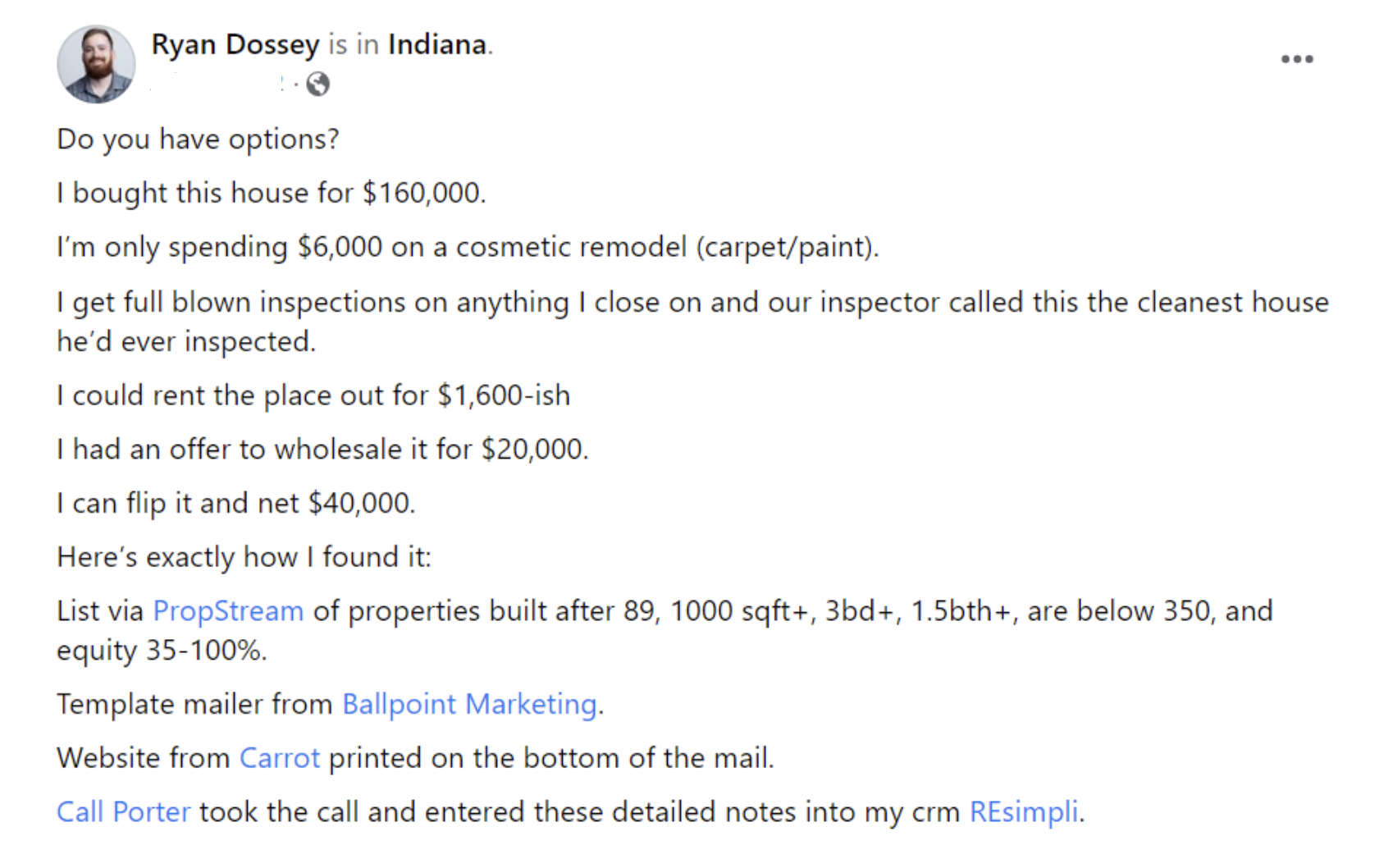
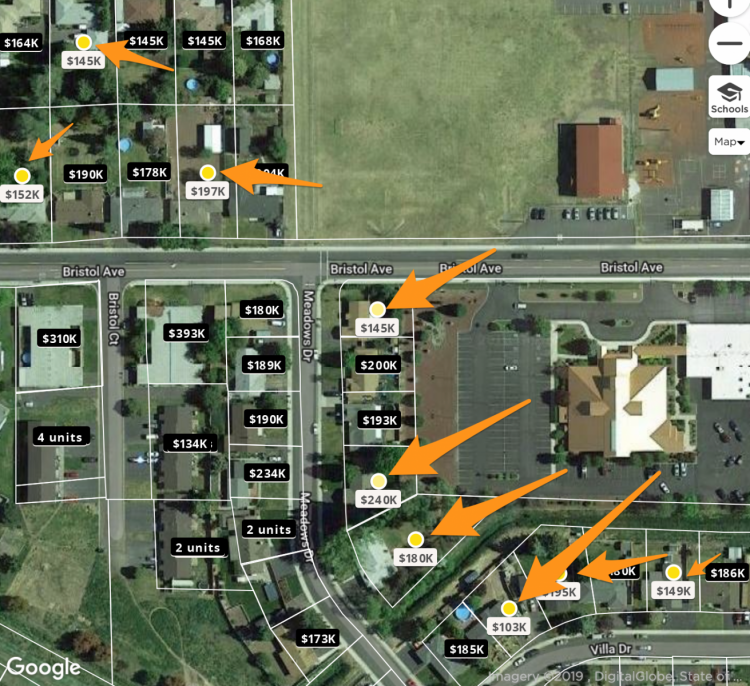
Here’s an example of how Ryan Dossey — a real estate investor in Indiana — found just one of his great deals…
Wholesaling real estate is one of the simplest and most accessible strategies for getting started in real estate investing. At its core, wholesaling is about finding distressed or discounted properties, putting them under contract, and then assigning that contract to a buyer for a profit. Unlike traditional real estate investing, where you actually purchase and hold the property, in wholesaling, you’re simply acting as a middleman between motivated sellers and cash buyers. The goal is to profit from the spread between the price you negotiate with the seller and the price your buyer is willing to pay.
The key to wholesaling lies in assigning contracts for profit. When you find a property that’s deeply discounted, you sign a contract with the seller agreeing to purchase the property. Instead of closing on the property yourself, you assign that contract to a buyer—usually an investor—who pays you an assignment fee. This way, you can make money without ever taking ownership of the property or needing large amounts of cash to close the deal.
How Wholesaling Differs from Traditional Real Estate Investing
In traditional real estate investing, you typically buy a property, make improvements (if necessary), and either rent it out or sell it for a profit. This requires capital, the ability to get financing, and often a longer time commitment. With wholesaling, however, you’re not buying the property—you’re securing it with a contract and selling that contract to someone else. It’s a much faster process and typically requires far less money upfront.
Benefits of Wholesaling Real Estate
Low Capital Requirements: Since you’re not buying the property outright, you don’t need large sums of money or traditional bank loans. In many cases, all you need is an earnest money deposit, which can be as little as a few hundred dollars.
Quick Deals: Wholesale transactions typically happen in a matter of weeks, not months. Once you have the property under contract, it’s all about finding a buyer and assigning the contract, which can lead to fast payouts.
No Need for Property Ownership: You never actually own the property in a wholesale deal, which means you avoid the headaches that can come with owning real estate—like repairs, maintenance, and tenant issues.
Wholesaling is the ultimate strategy for beginners because it offers quick, low-risk entry into real estate investing. By focusing on finding motivated sellers and building a solid buyers list, you can generate profits without the complexity and capital demands of other investment strategies. Let’s move forward and dive deeper into how to execute your first wholesale deal.
Understanding the Wholesaling Process
Wholesaling real estate is all about following a repeatable process. Once you understand the flow, you can rinse and repeat, building a profitable business from scratch. Here’s a simple breakdown of the wholesaling process:
1. Finding Motivated Sellers
The first step in wholesaling is finding motivated sellers—people who need to sell quickly and are willing to accept a discounted price in exchange for speed and convenience. These sellers are often in distress, facing situations like foreclosure, divorce, inherited properties, or simply owning a property in poor condition they don’t want to fix.
To find these sellers, you can use a variety of strategies:
Driving for Dollars: Physically driving through neighborhoods to spot distressed properties.
Direct Mail Campaigns: Sending postcards or letters to absentee owners or homeowners in foreclosure.
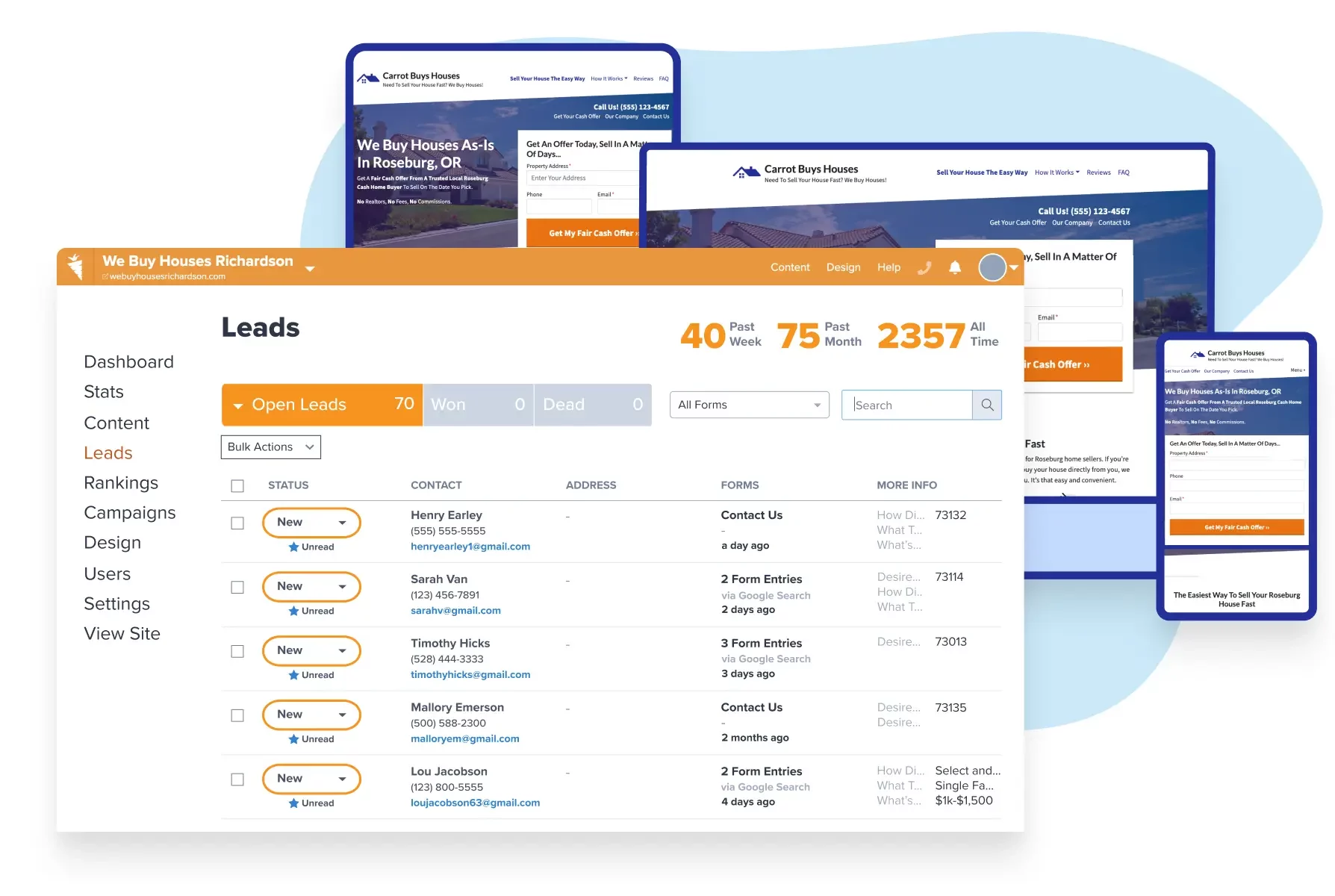
Online Marketing: Building a Carrot website to capture inbound leads.
Cold Calling & Texting: Reaching out to potential sellers directly with targeted lists.
Finding motivated sellers is the foundation of wholesaling success. Without motivated sellers, you won’t find deals worth wholesaling.
2. Getting the Property Under Contract
Once you’ve identified a motivated seller, the next step is to negotiate a purchase price and get the property under contract. The contract is the tool that gives you control over the property, allowing you to assign that contract to another buyer.
In this step:
Negotiate the deal: Focus on solving the seller’s problem. Many motivated sellers are more concerned with speed and convenience than getting top dollar.
Use a solid contract: Make sure the contract includes key terms like the purchase price, closing date, and assignment clause, which allows you to assign the contract to another buyer.
The goal is to get the property under contract at a price low enough to leave room for your end buyer (an investor) to make a profit while still allowing you to make your fee.
3. Assigning the Contract to an End Buyer
Once you have the property under contract, the next step is finding an end buyer—usually a cash investor—who’s willing to buy the contract. This is where your cash buyer list comes in. By building strong relationships with investors, you’ll have a network of buyers ready to close quickly on properties you bring them.
To assign the contract:
Present the deal to your buyers: Share details about the property, including price, potential ARV (After Repair Value), and any necessary repairs.
Negotiate your assignment fee: The assignment fee is the amount you’ll make from the transaction. This could range from $5,000 to $20,000 or more, depending on the deal.
The buyer steps into your place on the contract, and they’ll close on the property directly with the seller.
4. Collecting Your Assignment Fee
The final step is collecting your assignment fee. Once the end buyer closes on the property, you’ll receive your fee at closing. This fee is the difference between the price you contracted with the seller and the price your buyer is willing to pay.
For example:
You get the property under contract for $100,000.
You assign the contract to a cash buyer for $110,000.
You collect a $10,000 assignment fee at closing.
That’s it—you’ve successfully wholesaled a property without needing to buy, fix, or finance anything.
Building Your Wholesaling Business Foundation
To succeed in real estate wholesaling, you need to treat it like a business from day one. Many beginners make the mistake of seeing wholesaling as a side hustle, but if you want long-term success and consistent income, you must approach it with the right mindset and structure. Let’s break down how to build a strong foundation for your wholesaling business.
Developing a Business Mindset: Treat It Like a Business from Day One
Wholesaling isn’t just a way to make quick cash—it’s a real business. From the moment you decide to wholesale, you need to think like a business owner. This means:
Setting clear goals: How many deals do you want to close in your first year? What kind of revenue do you want to generate? Having clear goals helps you stay focused and measure your success.
Being consistent: Consistent action is key in wholesaling. Whether it’s marketing, following up with leads, or networking with buyers, daily efforts compound over time.
Tracking your results: Start tracking everything from day one—leads, calls, offers made, and deals closed. This data helps you see what’s working and where you need to improve.
A solid business mindset also means understanding that you’ll face challenges but being prepared to push through them and stay committed to the process.
Setting Up an LLC for Legal Protection and Credibility
One of the first steps in building your foundation is setting up a Limited Liability Company (LLC). Wholesaling is a business; just like any other business, you want to protect yourself from legal risks. An LLC separates your personal assets from your business liabilities, which is crucial if something goes wrong in a deal.
Here’s why setting up an LLC is important:
Legal protection: If a deal goes south or you face a lawsuit, your personal assets (home, savings, etc.) are protected because the LLC is the legal entity, not you personally.
Credibility: Operating as an LLC also makes you look more professional to motivated sellers and cash buyers. It shows that you’re serious about your business, which builds trust and increases your chances of closing deals.
Tax benefits: An LLC can also offer tax advantages, such as write-offs for business expenses like marketing, travel, and software tools.
Setting up an LLC is easy and affordable, and it gives you the peace of mind and credibility you need to operate your wholesaling business confidently.
Tools and Software You Need (CRM, Marketing Platforms, etc.)
Running a successful wholesaling business requires more than just hustle—you need the right tools to stay organized, automate tasks, and scale your efforts. Here are the essential tools and software you should consider:
CRM (Customer Relationship Management): A CRM helps you manage your leads, track communication, and follow up with sellers and buyers. In wholesaling, follow-up is key, and a CRM ensures that no lead falls through the cracks. Popular CRMs for wholesalers include InvestorFuse and Podio.
Marketing Platforms: You’ll need marketing tools to generate leads and find motivated sellers. Here are a few essential platforms:
Direct Mail Services: Use platforms like Ballpoint Marketing or Yellow Letters HQ to send direct mail to targeted sellers.
Carrot Website: A Carrot site can be one of your most powerful tools for generating inbound leads online. By optimizing your website for SEO and running paid ads, you can attract motivated sellers who are ready to take action.
SMS and Cold Calling Tools: Services like Batch Leads or Launch Control make it easy to reach out to potential sellers via text or phone calls.
Deal Analysis Tools: To evaluate deals, you’ll need tools to run comps and calculate the ARV (After Repair Value). Platforms like PropStream or Batch Leads allow you to pull property data, analyze deals, and determine the right price to offer.
Transaction Management: Once you have a property under contract, you’ll need a system to track the closing process. Platforms like Dotloop or DocuSign allow you to manage documents, contracts, and signatures online.
By investing in the right tools and setting up systems from the start, you’ll be able to operate more efficiently, scale your business, and focus on the highest-value tasks—finding deals and closing them.
In short, building your wholesaling business foundation means treating it like a real business, protecting yourself with an LLC, and using the right tools to streamline your process. This solid foundation will set you up for long-term success. Let’s move on to finding motivated sellers and getting deals under contract!
Finding Motivated Sellers
In wholesaling, finding motivated sellers is the foundation of your success. A motivated seller is someone who needs to sell quickly, usually because of financial distress, personal reasons, or because they simply don’t want to deal with the property anymore. These sellers are willing to accept a lower offer for the convenience and speed that a cash sale provides. As a wholesaler, it’s your job to find these people, offer a solution, and turn their property into a profit.
Motivated sellers are key because they create opportunity. The deeper the discount you can negotiate with a motivated seller, the larger your potential profit when you assign that contract to a buyer. Without motivated sellers, your deals won’t have enough margin for you or your investors to make money.
Here’s how you can find motivated sellers using tried-and-true strategies.
Strategies for Finding Motivated Sellers
1. Online Marketing: Using Carrot Websites to Attract Leads
Your Carrot website is a powerful tool for attracting inbound leads—people who are actively searching online to sell their homes fast. Sellers who visit your site and fill out a form are often highly motivated and ready to take action. By creating content optimized for SEO (Search Engine Optimization), you can rank your website on Google for key terms like “sell my house fast ” or “cash home buyers in .”
Here’s how to make the most of your Carrot website for lead generation:
Create hyper-local content: Write blog posts or pages targeting specific cities and neighborhoods where you’re looking for deals.
Run paid ads: Google Ads and Facebook Ads can drive immediate traffic to your site, generating leads even faster.
Optimize for conversions: Make sure your website is easy to navigate, with clear calls-to-action (CTAs) that encourage visitors to contact you for an offer.
A well-optimized Carrot website can automatically produce motivated seller leads, helping you scale your business while you sleep.
2. Direct Mail Campaigns: Targeting Absentee Owners, Pre-Foreclosures, and More
Direct mail remains one of the most reliable ways to generate leads from motivated sellers, especially when you target specific groups like:
Absentee owners: People who own properties but don’t live in them, often landlords or investors who may be tired of managing rentals.
Pre-foreclosures: Homeowners facing foreclosure are often highly motivated to sell before they lose their home.
Probate properties: People who inherit properties may want to sell quickly to avoid dealing with maintenance or taxes.
To run a successful direct mail campaign, you’ll need a targeted list of homeowners. You can get these lists through services like PropStream, ListSource, or Batch Leads. Craft a compelling postcard or letter offering a fast, hassle-free cash sale, and send it out consistently. Many wholesalers close their first deals through this strategy.
3. Driving for Dollars: Spotting Distressed Properties
Driving for Dollars is one of the most direct ways to find properties that may belong to motivated sellers. This involves physically driving through neighborhoods and looking for distressed properties that are showing signs of neglect, such as:
Overgrown lawns
Boarded-up windows
Peeling paint or damaged roofs
Notices on the door
Once you spot a potential distressed property, write down the address and do some research to find the owner. You can then reach out to them directly to see if they’re intereste
4. Cold Calling & SMS Marketing: Scripts and Tools for Outreach
Cold calling and SMS marketing are direct, proactive approaches to reaching potential sellers. With the right list and tools, you can contact homeowners and start the conversation about buying their property. This method can be especially effective when targeting lists like absentee owners or pre-foreclosures.
Here’s how to get started:
Cold Calling: Use a dialer like Batch Dialer or Mojo Dialer to quickly make calls to your targeted list. When cold calling, it’s important to have a script that introduces you, explains your interest in buying their home, and offers a solution. Keep it short and to the point:
“Hi, I’m [Your Name], a local investor, and I’m looking to buy a few more houses in your area. Would you be interested in a cash offer for your property?”
SMS Marketing: Texting is less invasive and often gets higher response rates than cold calls. Tools like Batch Leads or Lead Sherpa allow you to send bulk messages to your target list. Keep your message short and clear, like:
“Hi, this is [Your Name], I’m a local buyer interested in purchasing properties in . Would you consider selling your home for cash?”
These outreach methods are all about volume—the more people you reach out to, the more opportunities you’ll have to find motivated sellers.
By using these strategies—online marketing through Carrot, driving for dollars, direct mail, and cold calling/SMS marketing—you can consistently find motivated sellers and build a steady pipeline of deals. The key is staying consistent and persistent, even when you don’t get immediate results. Now, let’s talk about how to get the property under contract once you’ve found a motivated seller.
Analyzing and Making Offers
Once you’ve found a motivated seller, the next step is to analyze the deal and make an offer. Knowing how to correctly evaluate a property and make a competitive offer is essential for your success in wholesaling. Here, we’ll break down the key components of analyzing deals: running comps, estimating repair costs, and using the 70% Rule to determine your Maximum Allowable Offer (MAO).
How to Run Comps: Determining the Property’s After Repair Value (ARV)
The After Repair Value (ARV) is the estimated value of a property after all necessary repairs and updates are made. This is crucial because it helps you determine how much the property can sell for once it’s fixed up. The ARV guides your entire offer-making process, so getting it right is key.
Here’s how to run comps:
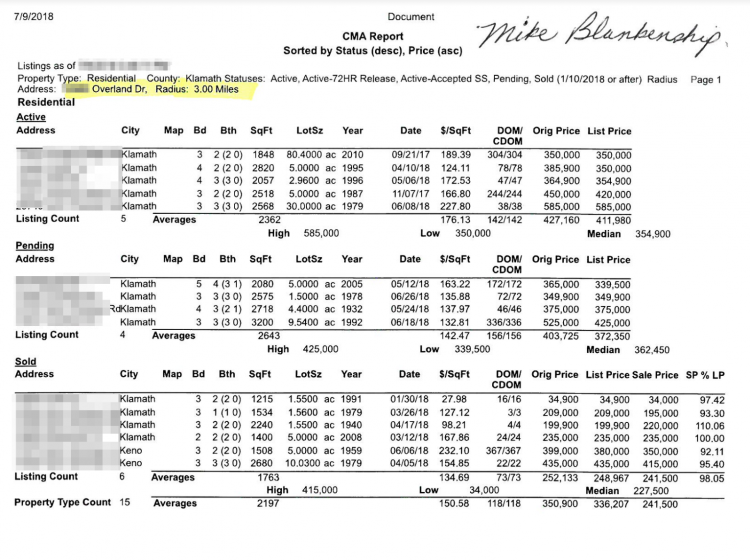
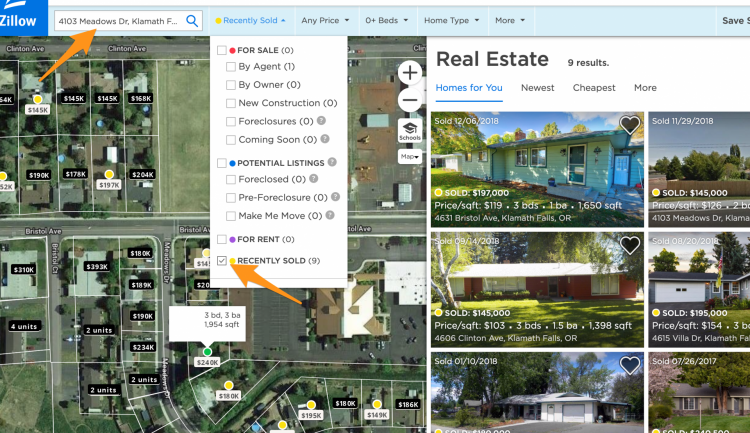
Use MLS data or online tools: If you don’t have access to the MLS (Multiple Listing Service), you can use tools like PropStream or Zillow to pull comps—comparable sales of similar properties in the same area.
Select recent sales: Focus on properties that have sold within the last 3-6 months to get an accurate picture of the current market.
Look for similar properties: The best comps are properties that are similar in square footage, bedroom/bathroom count, and property type. Stay within a 1-mile radius of the property you’re evaluating.
Adjust for condition: Compare the condition of your target property to the comps. If the comp is fully renovated and your property needs a lot of work, you’ll need to adjust the value downward.
Once you have your comps, average the sale prices to determine the ARV. For example, if similar properties in the area have sold for $250,000, then that’s likely your property’s ARV.
Estimating Repair Costs: Knowing What to Offer Based on Repairs
Understanding repair costs is another critical component of making the right offer. You don’t need to be a contractor, but having a rough idea of how much repairs will cost allows you to calculate your offer and leave enough margin for profit accurately.
Here’s how to estimate repair costs:
Conduct a walk-through: If possible, visit the property or ask the seller for recent photos. Look for major repairs like roof issues, HVAC systems, electrical problems, plumbing, or structural damage.
Use a repair cost guide: You can use general repair cost guidelines to estimate expenses. For example, cosmetic repairs (paint, flooring, minor kitchen updates) may cost around $10,000-$15,000, while major renovations (roof replacement, foundation repairs) could range from $20,000-$40,000 or more.
Get contractor quotes: If you’re unsure, consider having a contractor give you a rough estimate. Over time, you’ll get better at estimating repairs yourself based on experience.
The key is to avoid underestimating repair costs—this is where many wholesalers lose deals. Once you’ve determined the repair costs, subtract this from the ARV to get a clearer picture of the property’s value in its current condition.
The 70% Rule: How to Use It to Formulate a Maximum Allowable Offer (MAO)
The 70% Rule is a simple formula that helps you determine how much you should offer on a property to ensure there’s enough profit for both you and the end buyer (typically a flipper or cash investor). It’s one of the most widely used rules in wholesaling because it balances risk with profitability.
Here’s how the 70% Rule works:
Take the ARV of the property and multiply it by 70%. This accounts for the buyer’s profit margin (typically 30% of the ARV).
Subtract the estimated repair costs from this number to determine your Maximum Allowable Offer (MAO).
Here’s an example:
ARV: $250,000
70% of ARV: $250,000 × 0.7 = $175,000
Estimated repair costs: $30,000
MAO: $175,000 – $30,000 = $145,000
In this case, your MAO is $145,000. This is the maximum you should offer the seller to ensure there’s enough profit for both you and your end buyer.
Remember, your goal is to get the property under contract at a price lower than your MAO. This gives you room to assign the contract to an investor and collect an assignment fee, which is your profit.
By running comps, accurately estimating repair costs, and applying the 70% Rule, you can confidently make offers that leave enough margin for you, your buyer, and the seller to walk away happy. Let’s move on to the next step—getting that property under contract and finding a buyer!
Negotiating and Securing the Contract
Now that you’ve analyzed the deal and determined your offer, it’s time to negotiate with the seller and secure the property under contract. This is one of the most critical steps in wholesaling—if you don’t get the contract right, you risk losing the deal or even facing legal issues down the road.
Let’s walk through how to negotiate with sellers, the key clauses your contract should include, and how to explain the contract in a way that makes the seller feel confident in moving forward.
Tips for Negotiating with Sellers
Negotiation is where many new wholesalers struggle, but remember—your goal is to solve the seller’s problem, not just get the lowest price. If you approach the conversation with empathy and a solution-oriented mindset, you’re more likely to win the deal. Here are some tips to help you negotiate effectively:
Build Rapport: Sellers need to trust you before they agree to sell their property at a discounted price. Spend time understanding their situation and genuinely listen to their needs. People are more likely to do business with someone they like and trust.
Solve Their Problem: Focus on the seller’s pain points and offer a solution. For example, if they need to move quickly, emphasize how you can close fast with a cash offer. If they’re facing foreclosure, explain how you can help them avoid the damage to their credit.
Be Transparent: Let the seller know that you’re an investor and that you’ll likely be working with other buyers. Be upfront about your intentions so they feel comfortable. Transparency builds trust and can prevent misunderstandings later on.
Use the Seller’s Number First: Always ask the seller what they’re hoping to get for the property before you make an offer. This gives you a starting point and allows you to see how motivated they are. You might be surprised—they may name a price lower than you expected!
Know Your Numbers: Confidence in negotiation comes from knowing your numbers. You’ve already run comps and estimated repair costs, so stick to your Maximum Allowable Offer (MAO). If the seller’s price is too high, politely explain why and offer them a fair price based on the property’s condition and the local market.
The Importance of a Solid Contract: Key Clauses for Wholesaling
Once the seller agrees to your offer, it’s time to lock the deal in with a purchase and sale agreement. This contract is what legally gives you the right to assign the property to an end buyer and collect your assignment fee. A solid contract is essential to protecting yourself, the seller, and the buyer throughout the transaction.
Here are some key clauses your wholesaling contract should include:
Assignment Clause: This is the most important part of a wholesaling contract. It gives you the right to assign the contract to another buyer. Without this clause, you won’t be able to wholesale the deal. The clause should clearly state that you (the buyer) have the right to assign the contract to a third party.
Contingency Clause: Include a contingency clause that allows you to back out of the deal if you can’t find a buyer or if unforeseen issues arise during the inspection period. Common contingencies include financing, inspection, or approval by a business partner. This protects you from losing your earnest money if the deal doesn’t go through.
Earnest Money Deposit (EMD): The earnest money deposit shows the seller that you’re serious about buying the property. It’s typically a small percentage of the purchase price. You can often negotiate a lower EMD for wholesale deals, especially if the seller is motivated.
Closing Date: Make sure your contract specifies a reasonable closing date. If you’re wholesaling the property, the closing date should give you enough time to find a buyer. A typical closing timeline is 30-45 days, but you can negotiate this based on the seller’s needs.
Access to the Property: You’ll need access to the property for inspections and to show it to potential buyers. Make sure the contract gives you (or your buyers) the right to access the property during the closing period.
How to Get a Property Under Contract (Explaining the Contract to the Seller)
Getting a property under contract can be intimidating for beginners, but it’s simply a matter of walking the seller through the agreement and addressing any concerns. Here’s how to handle the conversation smoothly:
Explain the Agreement: Go through the contract with the seller line by line, explaining each section in plain language. Let them know that this contract protects both parties and outlines the terms of the sale. Highlight key points like the purchase price, closing date, and any contingencies.
Address Concerns: Sellers may have questions about the assignment clause or contingencies. Be ready to explain that you work with partners or investors and that the assignment clause allows you to find the right buyer quickly. Reassure them that you’re committed to closing the deal, and that contingencies are standard in real estate contracts.
Be Patient and Professional: Some sellers may need time to think or consult with someone before signing. That’s okay. Give them the time they need, and don’t pressure them into making a decision. Maintaining professionalism and patience goes a long way in building trust.
Sign and Seal the Deal: Once the seller is comfortable with the terms, have them sign the contract. Make sure you have all the necessary signatures, including both the seller’s and yours as the buyer. Provide a copy of the signed agreement to the seller and keep one for your records.
By following these steps and ensuring you have a solid contract in place, you can confidently move forward with the deal. With the property under contract, the next phase is finding your end buyer and getting ready to collect your assignment fee! Let’s talk about how to do that next.
Building a Cash Buyers List
One of the most critical aspects of wholesaling real estate is having a solid list of cash buyers ready to take the deals you secure under contract. Without cash buyers, even the best wholesale deals can fall apart. A strong buyer’s list ensures you have people ready to close quickly, so you can make your profit and move on to the next deal.
What is a Cash Buyer and Why They’re Crucial to Your Success?
A cash buyer is an investor or individual who can purchase a property outright, without needing traditional financing. This means no waiting around for mortgage approvals or bank inspections. Cash buyers are typically investors looking to fix and flip properties or add them to their rental portfolios.
Having a reliable list of cash buyers is crucial because:
Fast Closings: Cash buyers can close deals quickly, sometimes within a week, which is important when working with motivated sellers who need a fast solution.
Minimize Risk: By having buyers lined up, you reduce the risk of a deal falling through at the last minute, which can cost you both time and money.
Repeat Business: Once you build relationships with active cash buyers, you’ll find that they often buy multiple properties from you, creating a steady income stream.
Now, let’s break down how to build and maintain a cash buyers list.
How to Build a List of Cash Buyers
A solid cash buyers list doesn’t appear overnight, but with consistent effort, you can build one that supports your wholesaling business for years to come. Here are some proven methods for finding cash buyers:
1. Networking: Attending Local REIAs and Using Social Media Groups
Networking is key in the real estate world, and one of the best places to meet cash buyers is at your local Real Estate Investor Association (REIA) meetings. These groups are full of experienced investors looking for deals, and as a wholesaler, that’s exactly what you can offer them.
Here’s how to maximize networking:
Attend REIA meetings regularly: Get to know the local investors, share your deals, and exchange contact information. Focus on building relationships—buyers are more likely to work with wholesalers they know and trust.
Use social media: Join real estate investment groups on platforms like Facebook and LinkedIn. Many local investor groups exist where people post deals and connect with cash buyers. When you have a property under contract, share it in these groups to gauge interest.
Go to local meetups: Even outside of REIAs, real estate investment meetups, seminars, and conferences are great places to find buyers who are actively seeking deals.
2. Public Records: Finding Buyers from Recent Transactions
Another method for finding cash buyers is digging into public records. Whenever someone buys a property, it’s recorded in public county records, including whether it was a cash transaction.
Here’s how to find them:
Search recent transactions: Check the local county records for recent property purchases. Look for cash transactions and record the buyer’s information. These buyers are often investors who are likely looking for more properties.
Work with a title company: Many title companies have access to property transaction data and may be willing to share lists of cash buyers who have closed deals in your area recently.
3. Online Platforms: Using Carrot’s Cash Buyer Leads Feature
If you want to streamline the process of finding cash buyers, platforms like Carrot make it easy. Carrot’s websites have a built-in Cash Buyer leads feature designed specifically for real estate investors like you.
Here’s how it works:
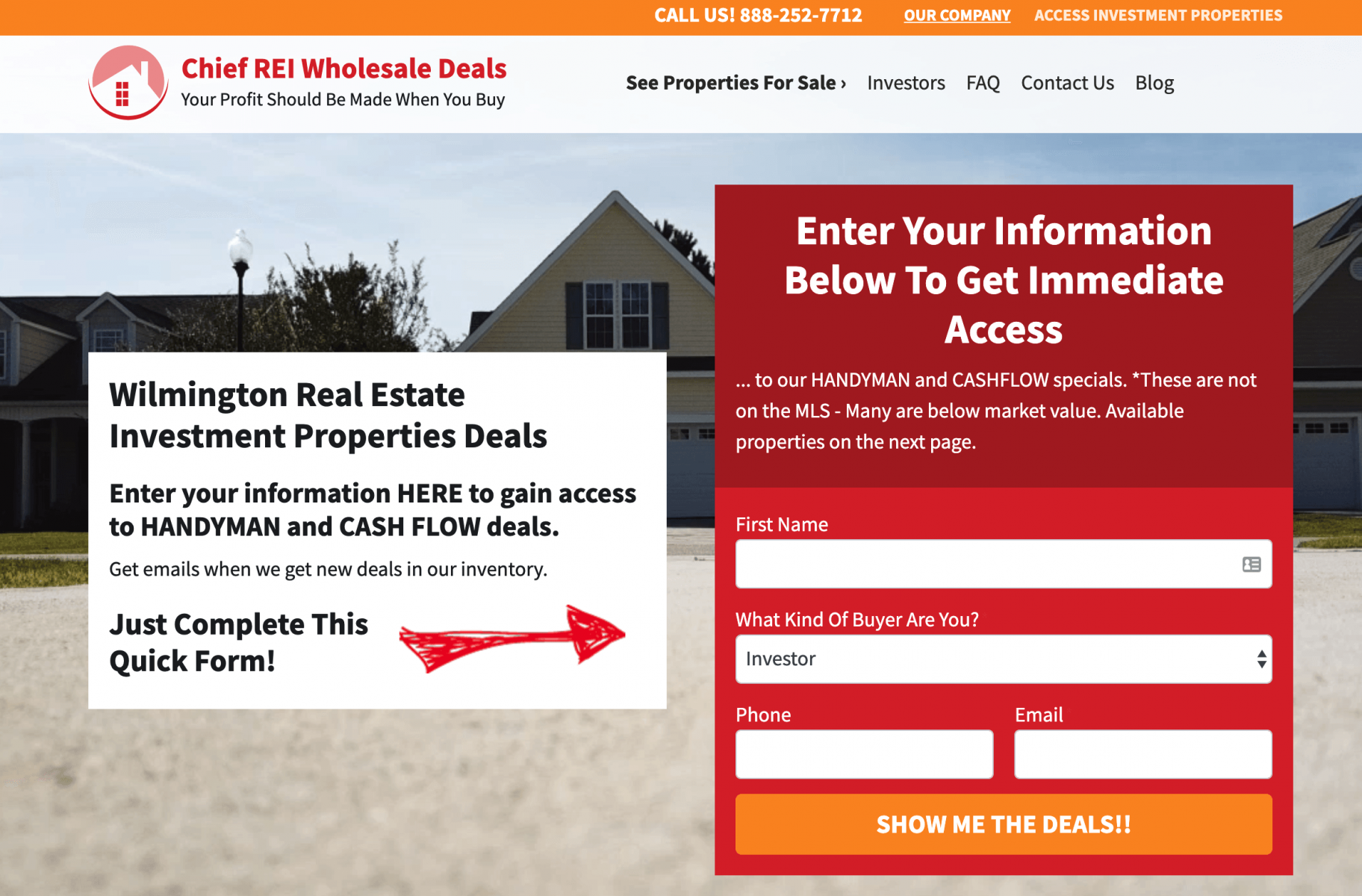
Create a landing page: Set up a simple landing page using your Carrot website that offers potential cash buyers an opportunity to join your list. Make the page easy to navigate and include a form where buyers can submit their information.
Drive traffic to the page: Share your landing page in your local REIA groups, social media, or even in your email marketing campaigns. Once buyers sign up, you’ll start collecting valuable leads you can nurture for future deals.
This automated approach can quickly grow your buyers list, allowing you to focus more on finding deals and less on manually building your list.
Communicating Effectively with Cash Buyers
Once you’ve built your buyers list, effective communication is crucial to maintain strong relationships and ensure quick closings. Cash buyers need to trust that you’ll bring them high-quality deals, and you need to ensure they can close fast.
Here’s how to communicate with your cash buyers:
Provide detailed information: When presenting a deal to your buyers, include all relevant details—ARV, repair estimates, and your asking price. Cash buyers want to know the numbers right away so they can make an informed decision.
Be honest and transparent: If there’s something wrong with the property (e.g., major repairs needed), let your buyers know upfront. They’ll appreciate your transparency and are more likely to work with you long term.
Stay in touch: Even when you don’t have deals, stay in contact with your buyers. Send out periodic updates, check in on their investment goals, and ask if they’re looking for anything specific. Building a relationship keeps you top-of-mind when they’re ready for their next purchase.
By following these strategies, you’ll build a strong, reliable cash buyers list that will allow you to confidently secure contracts, knowing you have the buyers ready to close. With a solid buyers list in place, your wholesaling business will run much smoother, and you’ll be well-positioned for consistent success. Next, let’s dive into closing the deal and collecting your assignment fee!
Assigning the Contract
Once you’ve secured a property under contract and built a strong list of cash buyers, the next step in the wholesaling process is assigning the contract. This is the moment where you make your profit, so understanding how the assignment process works is crucial for a smooth deal.
How the Assignment Process Works: From Contract to Closing
The assignment process is what makes wholesaling unique. Instead of purchasing the property yourself, you’re essentially selling the rights to your contract to a cash buyer. Here’s a breakdown of how it works:
Get the Property Under Contract: After negotiating with the seller, you’ll sign a purchase and sale agreement that gives you the right to buy the property at an agreed price. This contract is the key to wholesaling.
Assign the Contract: Instead of closing on the property yourself, you’ll assign the contract to one of your cash buyers for a higher price. This is known as the assignment fee—your profit for finding the deal.
Use an Assignment of Contract Form: To complete the process, you’ll need an Assignment of Contract document. This form officially transfers your rights in the original purchase agreement to the cash buyer. The buyer takes over the contract and closes on the property directly with the seller.
Close the Deal: The cash buyer will close the deal with the seller, and you’ll collect your assignment fee at closing, typically through the title company handling the transaction.
The beauty of this process is that you never need to own the property or come up with the funds to close. Your role is simply to connect motivated sellers with eager cash buyers.
Assignment vs. Double Closing
In wholesaling, there are two primary methods for closing deals: assignment of contract and double closing. It’s important to understand the difference so you can choose the best approach for each deal.
Assignment of Contract: This is the most common method. You assign the original contract to a buyer, and they complete the transaction. It’s fast, simple, and involves lower costs because you don’t have to purchase the property yourself.
Double Closing: In a double closing, you actually buy the property from the seller and immediately sell it to your buyer in two back-to-back closings. This method is useful when you want to keep your assignment fee private or if the profit margin is particularly large. However, it can be more expensive since you’ll need to cover closing costs twice.
In most cases, assignment is the preferred method for beginners because it’s straightforward, and you don’t need any of your own money to complete the deal.
How to Present Deals to Buyers and Collect Your Fee
Now that you’ve secured a contract, you need to present it to your cash buyers in a way that excites them and makes them eager to close quickly. Here’s how to do it:
Package the Deal: Present the deal in a clear, professional manner. Include all the necessary details like the property address, the purchase price, ARV (After Repair Value), estimated repair costs, and your asking price (which includes your assignment fee).
Create Urgency: Good deals won’t last long, and you want your buyers to act fast. Let them know that you’re offering the deal to multiple buyers and it’s first-come, first-served. The more urgency you create, the faster you’ll get offers.
Be Transparent About Your Fee: When assigning the contract, be upfront about your assignment fee. Most experienced cash buyers expect wholesalers to make a profit, so there’s no need to hide it. Transparency builds trust and long-term relationships with your buyers.
Use a Title Company or Real Estate Attorney: A reliable title company or real estate attorney will handle the closing process and ensure everything is legal and above board. They’ll facilitate the transfer of the contract from you to your buyer, and they’ll also handle the payment of your assignment fee.
Get Paid at Closing: Once the deal is ready to close, your assignment fee will be paid out through the title company or attorney. You’ll receive your profit without ever having to come up with the funds to purchase the property.
Mastering the assignment process is the key to consistent, profitable wholesaling. It allows you to leverage opportunities, connect buyers and sellers, and make money without taking on the financial risk of buying the property yourself. Once you’ve successfully assigned your first contract, you’ll see just how scalable and repeatable this business model can be!
Common Mistakes to Avoid
When you’re just starting out in real estate wholesaling, it’s easy to make mistakes that can cost you time, money, and even deals. However, by being aware of the common pitfalls and learning how to avoid them, you can fast-track your success. Here are three of the most frequent mistakes that new wholesalers make—and how to steer clear of them.
Overpaying for Properties: How to Avoid Paying Too Much
One of the biggest mistakes beginners make is overpaying for properties. The profitability of your wholesale deal relies heavily on securing properties at a price low enough that there’s room for both you and the end buyer to profit. Here’s how to avoid overpaying:
Stick to the 70% Rule: This rule helps you determine your Maximum Allowable Offer (MAO) by calculating 70% of the After Repair Value (ARV) minus estimated repair costs. This ensures that you’re leaving enough margin for both your buyer and yourself.
Run Accurate Comps: Make sure you’re using recent, comparable sales (comps) in the area to accurately estimate the ARV. Failing to run accurate comps could cause you to misprice your offer, leading to an unprofitable deal.
Don’t Get Emotionally Attached: It’s easy to get caught up in the excitement of finding a deal, but always remember—real estate wholesaling is about the numbers. If the deal doesn’t make financial sense, walk away. It’s better to lose out on a deal than to overpay and end up stuck with a contract you can’t move.
Not Vetting Buyers: Ensuring Your Buyer Can Close
Securing a contract is only half the battle. The other half is ensuring that your buyer is actually able to close the deal. Too many new wholesalers skip the crucial step of vetting their buyers, which can result in deals falling apart at the last minute. Here’s how to ensure your buyers are solid:
Build Relationships with Proven Buyers: Rather than scrambling to find a buyer after you have a property under contract, start building relationships with reliable cash buyers before you even begin wholesaling. Attend local real estate meetups, network through social media, and tap into online platforms to grow your list.
Verify Proof of Funds: Always ask potential buyers for proof of funds before assigning them a contract. This ensures that they have the cash available to close the deal on time.
Ask for References: If you’re working with a new buyer, don’t hesitate to ask for references from title companies or other wholesalers they’ve worked with. A few quick phone calls can give you peace of mind that they’re legitimate and capable of closing.
Skipping Legal Advice: Why Having a Real Estate Attorney Matters
Skipping legal advice can be a costly mistake. While wholesaling may seem straightforward, each deal involves legal contracts, and it’s critical to have someone with the right expertise on your side.
Protect Yourself with Proper Contracts: A real estate attorney will help ensure that your contracts are legally sound and that you’re protected in case anything goes wrong. For instance, you need to ensure you have an assignability clause in your contract, which allows you to assign the contract to another buyer.
Stay Compliant with Local Laws: Real estate laws vary by state, and wholesaling laws can be complex. Some states have specific restrictions on wholesaling, and an experienced attorney can help you navigate these regulations. Failing to comply with local laws could land you in hot water, so it’s best to have an expert in your corner.
Avoid Legal Disputes: Having a real estate attorney involved in your deals ensures that everything is handled properly and that both parties understand their obligations. This reduces the risk of legal disputes that could arise from misunderstandings or poorly drafted contracts.
By avoiding these common mistakes—overpaying for properties, failing to vet buyers, and skipping legal advice—you’ll set a strong foundation for a successful and sustainable wholesaling business. The more cautious and prepared you are, the more smoothly your deals will run and the faster you’ll see results.Next, let’s discuss closing your first deal and scaling your business for long-term success!
Scaling Your Wholesaling Business
Once you’ve successfully closed a few deals, the next step is scaling your wholesaling business. To grow, you need to transition from hustling to setting up systems that generate leads and close deals on autopilot. Here’s how to take your business to the next level.
Systematizing Lead Generation: Automating Marketing and Follow-Up
At the heart of any successful wholesaling operation is a consistent stream of leads. However, manually handling every part of lead generation can quickly become overwhelming. To scale, you need to automate and streamline your marketing efforts:
Leverage Online Marketing Tools: Use platforms like Carrot to build a high-converting website that attracts leads through SEO. Optimize your site for keywords like “sell my house fast” or “cash home buyers,” so motivated sellers can find you online.
Automate Follow-Up Campaigns: Many of your leads won’t convert immediately. That’s why having a follow-up system is essential. Use CRM software to set up automated email and SMS sequences to nurture your leads. The more touchpoints you have, the better your chances of closing deals down the road.
Use Paid Advertising: As you scale, consider using paid traffic sources like Google Ads or Facebook Ads to generate more motivated seller leads. Set a budget and let your ads run continuously to keep the pipeline full while you focus on closing deals.
By automating these processes, you can spend less time prospecting and more time negotiating and closing contracts.
Building a Team: When to Hire a Virtual Assistant or Acquisitions Manager
As you scale, you’ll reach a point where it’s impossible to handle everything on your own. This is when building a team becomes critical. Two key hires you’ll want to consider early on are:
Virtual Assistant (VA): A VA can help with repetitive tasks like cold calling, list pulling, lead follow-up, and organizing your CRM. This frees you up to focus on high-value activities like negotiating contracts and closing deals. Virtual assistants are typically cost-effective and can be hired part-time as your business grows.
Acquisitions Manager: An acquisitions manager can help scale your wholesaling business by handling property negotiations and contracts. They’ll focus on getting properties under contract while you focus on running the business and expanding operations. As your deal flow increases, an acquisitions manager will be essential to handling multiple deals simultaneously.
Building a team allows you to delegate tasks, maximize productivity, and scale your operations without getting bogged down in day-to-day details.
Reinvesting Profits to Scale
If you want to grow your wholesaling business, you need to reinvest your profits strategically. Here are three key areas where reinvesting can have the biggest impact:
Marketing: Scale up your lead generation efforts by reinvesting in marketing channels that are already working. Whether it’s paid ads, direct mail campaigns, or online marketing, doubling down on what works will ensure you keep the deal flow consistent.
Technology & Tools: Invest in tools that streamline your processes, such as CRM systems, marketing automation platforms, and real estate software for finding comps and running analyses. The right tech can save you time and make your business more efficient.
Hiring & Training: Use your profits to bring on new team members and train them to run different aspects of your business. This includes virtual assistants, acquisitions managers, and even dispositions managers to help sell the deals. The more you reinvest in your team, the more your business will be able to handle a higher volume of deals.
Scaling your business takes time, but by investing your profits wisely, automating lead generation, and building a strong team, you’ll be well on your way to growing a successful and sustainable wholesaling operation.
By systematizing your lead generation, building a reliable team, and reinvesting your profits, you’ll set the foundation to scale your wholesaling business and take it to new heights. With consistent effort and smart decision-making, you can turn your initial deals into a thriving business that operates efficiently at scale! Ready to scale? Let’s talk about closing more deals consistently and making 2025 your most successful year yet!
Conclusion
Wholesaling real estate may seem overwhelming at first, but by following these key steps, you’ll be on the path to success:
Understand the process: From finding motivated sellers to securing contracts and building a cash buyer list, knowing the steps is critical.
Treat it like a business: Set up a strong foundation, use the right tools, and build a reliable team as you grow.
Stay disciplined with your numbers: Analyze deals carefully, stick to the 70% rule, and avoid overpaying for properties.
Be persistent: Wholesaling isn’t a “get rich quick” scheme—it’s a business that requires patience, persistence, and a willingness to learn from mistakes.
For beginners, remember that every successful wholesaler started right where you are now. The key is to stay persistent, keep learning, and continue taking action. Even when deals fall through or things don’t go as planned, each challenge is an opportunity to grow and get better.
To help you stay organized, streamline your lead generation, and automate your follow-up, I highly recommend using Carrot’s platform. With the right tools, you can focus on scaling your wholesaling business and closing more deals.
Ready to take your first step? Use Carrot to help you automate, attract motivated sellers, and build your buyer list. Get started today and make this the year you break into wholesaling!
But real estate investing can be expensive. Rental properties can cost hundreds of thousands. Of course, you can take out an investment property loan, but you still need the 15-30% down payment.
You’re probably searching for creative real estate financing ideas if you cannot fund the project.
This guide will explain creative real estate financing and how you can do more deals by using many different methods to invest in real estate.
What is creative real estate financing?
Creative real estate financing is any type that falls outside traditional methods like banks, credit unions, and online lenders.
Typically, when people think of creative financing, they think of seller financing, private money lending, or lease options. But there are many other types of creative financing as well.
The key is to think outside the box and be willing to try new things. By doing so, you’ll have access to more opportunities and will be able to do more deals.
14 Creative Real Estate Financing Strategies
The following creative financing options are a great place to start:
To give you real-life creative financing strategies that real estate investors use to do more deals, we spoke with Pace Morby, the king of “sub to” deals and creative financing.
He said, “You can double or triple your deal flow without increasing your lead flow by being more creative.” Also: “I never once ran into a deal I couldn’t structure to be a win-win for myself and the seller by utilizing creative finance.”
Below, we’ve compiled many of the strategies he shared with us and some tactics other investors use.
Here they are!
1. Subject-To Financing
Subject-To financing is a creative real estate financing strategy that involves purchasing a property while leaving the existing mortgage. This method allows investors to acquire properties without securing new financing, making it an attractive option for buyers and sellers. However, it’s crucial to understand the intricacies and risks associated with subject-to transactions before proceeding.
Subject-To financing, short for “subject to existing financing,” entails buying a property while assuming the seller’s mortgage payments. The property title is transferred to the buyer, but the existing mortgage remains in the seller’s name. This arrangement allows the buyer to acquire the property with minimal upfront costs and without traditional financing.
However, subject-to financing carries inherent risks for both parties involved. Sellers may face potential risks if the buyer defaults on the mortgage payments, leading to foreclosure or damage to their credit. On the other hand, buyers must carefully assess the terms of the existing mortgage, including interest rates, prepayment penalties, and potential changes in loan terms.
Steps Involved in Completing a Subject-To Transaction
Negotiation: The buyer and seller negotiate the terms of the subject-to transaction, including the purchase price, terms of the existing mortgage, and any additional agreements or contingencies.
Due Diligence: The buyer conducts thorough due diligence to assess the property’s condition, title status, and financial viability. This includes reviewing the existing mortgage documents and verifying the seller’s loan obligations.
Documentation: Both parties execute a purchase agreement that outlines the terms of the subject-to transaction, including the transfer of ownership and responsibilities for mortgage payments. Additionally, legal documents such as a warranty deed or trust deed may be prepared to effectuate the transfer of title.
Loan Assumption: The buyer assumes responsibility for making mortgage payments on the existing loan, typically by establishing a separate escrow or trust account to cover ongoing payments. It’s crucial to ensure compliance with lender requirements and avoid triggering the due-on-sale clause, which could accelerate the loan balance.
Closing: The subject-to transaction is finalized at closing, where the buyer assumes ownership of the property, and the necessary legal documents are executed and recorded. The seller may receive any remaining equity in the property, and the buyer assumes full responsibility for managing the mortgage payments moving forward.
2. Seller Finance
Seller financing is a real estate transaction method where the seller acts as the lender, allowing the buyer to purchase the property with financing provided directly by the seller. This alternative financing arrangement offers unique advantages for both parties involved, fostering flexibility and facilitating transactions that might otherwise be challenging to complete through traditional lending channels.
Seller financing, also known as owner financing or seller carryback, involves the seller extending credit to the buyer to facilitate the property purchase. Instead of obtaining a mortgage loan from a bank or financial institution, the buyer makes regular payments directly to the seller over an agreed-upon period, typically at a negotiated interest rate.
The benefits of seller financing for buyers include:
Access to financing without meeting stringent bank requirements
Potential for more favorable loan terms, such as lower interest rates or flexible repayment schedules
Opportunity to purchase properties that may not qualify for traditional financing due to factors like condition or location
Streamlined closing process with reduced closing costs and paperwork compared to traditional loans
For sellers, the advantages of offering seller financing may include:
Attracting a larger pool of potential buyers, including those unable to secure traditional financing
Generating a steady stream of passive income through interest payments
Potentially selling the property at a higher price or with more favorable terms than through conventional sales methods
Retaining ownership of the property’s title until the loan is fully repaid, providing recourse in the event of default
How Seller Financing Works
In a seller financing arrangement, the buyer and seller negotiate the terms of the financing agreement, including the purchase price, down payment amount, interest rate, repayment schedule, and any other relevant terms or contingencies. Once both parties agree to the terms, they execute a purchase agreement or promissory note outlining the specifics of the financing arrangement.
Upon closing, the buyer makes a down payment to the seller, typically ranging from 10% to 20% of the purchase price, although this can vary depending on the agreement. The seller then extends credit to the buyer for the remaining balance, which the buyer repays over time through regular installment payments, including principal and interest.
Throughout the repayment period, the seller retains a security interest in the property, commonly referred to as a mortgage or deed of trust, which serves as collateral for the loan. In the event of default, the seller may have the right to foreclose on the property and reclaim ownership.
3. Morby Method
This creative real estate financing method was created and coined by Pace Morby. It’s so good we couldn’t exclude it.
It builds upon the previous method: seller financing.
A common hurdle you’ll run into if you start buying properties via seller financing is that the seller will want a large down payment. Unless you’ve got deep pockets, you can’t pay every seller a big down payment.
This method suggests that you agree to give the seller a large down payment, and then you go to an easy loan site (such as myinvestorloans.com) to finance 70% of the purchase price. You bring that 70% to the seller, who finances the remaining balance.
Now that you’ve purchased a property without your own money on the line, the seller gets their down payment.
4. Cash-Out Refinance
A cash-out refinance is a traditional mortgage loan where you take out a new loan for more than what you owe on your existing loan.
The difference between the two loans is given to you in cash. This cash can be used for anything, including investing in real estate.
A cash-out refinance can be a good option if you have home equity and need cash for a down payment on another investment property.
This is commonly used in the BRRRR method.
5. Hard Money Loans
Hard money loans are a specialized form of financing commonly used in real estate transactions, particularly for investment properties or projects that may not qualify for traditional bank loans. Understanding hard money loans’ characteristics, advantages, and requirements is crucial for investors seeking alternative funding options in the competitive real estate market.
Hard money loans are short-term, asset-based loans secured by real estate collateral. Unlike traditional bank loans, which prioritize the borrower’s creditworthiness and financial history, hard money lenders focus primarily on the value and potential of the underlying property. As such, hard money loans typically feature the following characteristics:
Higher Interest Rates: Hard money loans often carry higher interest rates than traditional mortgages, reflecting the increased risk associated with this type of financing.
Shorter Loan Terms: Hard money loans typically have shorter repayment periods, ranging from six months to a few years, with balloon payments due at the end of the term.
Quick Approval and Funding: Hard money lenders prioritize speed and efficiency, offering rapid approval and funding to accommodate time-sensitive real estate transactions.
Asset-Based Underwriting: Instead of scrutinizing the borrower’s credit score or income history, hard money lenders evaluate loan applications primarily based on the value and potential of the underlying property.
Secured by Real Estate Collateral: Hard money loans are secured by a lien on the financed property, providing the lender with recourse in the event of default.
Pros and Cons of Using Hard Money Lenders
Pros:
Accessibility: Hard money loans provide an alternative funding source for investors who may not qualify for traditional bank loans due to credit issues or property conditions.
Speed: Hard money lenders offer quick approval and funding, enabling investors to capitalize on time-sensitive opportunities or complete projects on tight timelines.
Flexibility: Hard money loans can be tailored to accommodate various real estate investment strategies, including fix-and-flip projects, property renovations, and short-term acquisitions.
Cons:
Higher Costs: Hard money loans typically come with higher interest rates, origination fees, and closing costs than traditional mortgages, increasing the overall cost of borrowing.
Shorter Terms: The shorter repayment periods of hard money loans may necessitate refinancing or selling the property within a relatively brief timeframe, potentially increasing the pressure on investors to generate returns quickly.
Risk of Loss: Since hard money loans are secured by real estate collateral, defaulting on the loan could result in foreclosure and loss of the property, posing significant risks for borrowers.
Criteria for Qualifying for Hard Money Loans
While hard money lenders may have varying eligibility requirements, common criteria for qualifying for hard money loans include:
Equity in the Property: Hard money lenders typically require borrowers to have a significant amount of equity in the property being financed, often ranging from 20% to 30% of the property’s appraised value.
Exit Strategy: Lenders may assess the borrower’s proposed exit strategy for repaying the loan, such as selling the property, refinancing with a traditional mortgage, or securing alternative funding.
Property Valuation: Hard money lenders conduct thorough appraisals or valuations of the property to assess its current market value and potential for appreciation.
Experience and Track Record: Some hard money lenders may consider the borrower’s experience and track record in real estate investing when evaluating loan applications, particularly for more complex or high-risk projects.
Real estate investors can make informed decisions when exploring alternative financing options for their investment ventures by understanding the defining characteristics, advantages, and requirements of hard money loans.
6. Private Money
Private money lenders play a crucial role in real estate financing, offering alternative funding solutions to investors and borrowers who may not qualify for traditional bank loans. Understanding the dynamics of private money lending, including identifying potential lenders and structuring loan agreements, is essential for navigating the complexities of real estate investment.
Private money lenders, or hard money lenders, are individuals or companies that provide short-term loans secured by real estate collateral. Unlike traditional banks or financial institutions, private money lenders often focus on the value and potential of the underlying property rather than the borrower’s credit history or financial standing.
Private money lenders play a vital role in real estate financing by offering flexible funding options for various real estate transactions, including fix-and-flip projects, property renovations, and short-term acquisitions. These lenders can provide rapid approval and funding, enabling investors to capitalize on time-sensitive opportunities or overcome financing obstacles.
How to Find and Approach Private Money Lenders
Networking: Attend real estate investment clubs, networking events, and industry conferences to connect with potential private money lenders. Building relationships with other investors, real estate professionals, and industry insiders can provide valuable referrals and introductions to reputable lenders.
Online Platforms: Explore online platforms and directories that connect borrowers with private money lenders. These platforms allow borrowers to submit loan requests and receive offers from multiple lenders, streamlining the process of finding financing for real estate projects.
Local Real Estate Associations: Engage with local real estate associations, chambers of commerce, and business networking groups to identify private money lenders in your area. These organizations often host meetings, seminars, and networking events where lenders and borrowers can connect and collaborate.
Real Estate Professionals: Leverage the expertise of real estate agents, brokers, and attorneys with experience working with private money lenders. These professionals can provide valuable insights, recommendations, and introductions to reputable lenders within their network.
When approaching private money lenders, you must present yourself professionally, articulate your investment goals and objectives clearly, and provide comprehensive information about the property and project you’re seeking financing for. Be prepared to answer questions about your experience, track record, and proposed exit strategy for repaying the loan.
Guidelines for Structuring Private Money Loans
Loan Terms: Negotiate the terms of the loan agreement, including the loan amount, interest rate, loan-to-value ratio, and repayment schedule. Clarify any additional fees or charges associated with the loan, such as origination fees or prepayment penalties.
Security and Collateral: Offer the property financed as collateral to secure the loan. Provide documentation, such as property appraisals or valuations, to support the loan amount and ensure adequate protection for the lender.
Legal Documentation: Draft and execute a comprehensive loan agreement or promissory note that outlines the rights and obligations of both the borrower and lender. Consult with legal professionals specializing in real estate law to ensure compliance with applicable regulations and laws.
Exit Strategy: Develop a clear exit strategy for repaying the loan, such as selling the property, refinancing with a traditional mortgage, or securing alternative funding. Communicate your proposed exit strategy to the lender and ensure you can fulfill your repayment obligations.
7. STABBL Loans
STABBL loans, or short-term asset-backed bridge loans, offer a unique financing solution for real estate investors and developers seeking quick access to capital for time-sensitive projects. Understanding the features, benefits, and considerations associated with STABBL loans is essential for effectively leveraging this alternative financing option.
Explanation of STABBL Loans
STABBL loans are short-term financing instruments secured by tangible assets, such as real estate, equipment, or inventory. These loans are typically used to bridge funding gaps for real estate acquisitions, renovations, or other investment opportunities requiring immediate capital. STABBL loans offer flexible terms, rapid approval, and streamlined underwriting processes, making them ideal for investors seeking short-term financing solutions.
Benefits and Challenges of STABBL Loans
Benefits:
Quick Access to Capital: STABBL loans provide investors with rapid access to capital, allowing them to seize time-sensitive investment opportunities or address urgent funding needs.
Flexible Terms: STABBL loans offer flexible repayment terms, allowing borrowers to customize the loan structure to suit their specific project requirements and financial objectives.
Asset-Backed Security: STABBL loans are secured by tangible assets, providing lenders with collateral and reducing the risk associated with lending. This asset-backed security may enable borrowers to secure more favorable loan terms or higher loan amounts.
Challenges:
Higher Interest Rates: STABBL loans often come with higher interest rates than traditional financing options, reflecting the short-term nature of the loans and the associated risks.
Shorter Repayment Periods: STABBL loans typically have shorter repayment periods, requiring borrowers to repay the loan within a relatively brief timeframe. This may pressure borrowers to generate returns quickly or secure alternative financing for longer-term projects.
Asset Valuation and Due Diligence: Lenders may conduct thorough due diligence and asset valuation assessments to determine the loan amount and terms, requiring borrowers to provide comprehensive documentation and assurances of the asset’s value and potential.
Tips for Structuring Successful STABBL Loans
Understand Loan Terms: Familiarize yourself with the terms and conditions of the STABBL loan, including interest rates, repayment schedules, and any associated fees or charges. Clarify any ambiguities or uncertainties before committing to the loan.
Assess Project Viability: Conduct a comprehensive assessment of the project’s viability, including financial projections, market analysis, and risk factors. Ensure that the project aligns with your investment objectives and has the potential to generate sufficient returns to repay the loan.
Negotiate Favorable Terms: Negotiate with the lender to secure favorable loan terms, including competitive interest rates, flexible repayment schedules, and reasonable fees. Leverage your asset’s value and potential to negotiate more favorable terms.
Have an Exit Strategy: Develop a clear exit strategy for repaying the STABBL loan, such as selling the asset, refinancing with long-term financing, or securing alternative funding sources. Communicate your exit strategy to the lender and ensure it aligns with the loan’s repayment schedule and terms.
By understanding the features, benefits, and considerations associated with STABBL loans, borrowers can effectively leverage this financing option to fund real estate projects and capitalize on investment opportunities while managing associated risks and challenges.
8. Joint Ventures in Real Estate
Joint ventures in real estate involve collaboration between two or more parties to pursue a specific real estate project or investment opportunity. These partnerships allow investors to combine resources, expertise, and capital to achieve common investment objectives. Understanding the dynamics of joint ventures, including their benefits, challenges, and best practices for structuring agreements, is essential for successful collaboration in real estate ventures.
Explanation of Joint Ventures in Real Estate
In real estate, a joint venture typically involves two or more parties pooling their resources and expertise to undertake a specific project or investment opportunity. Joint ventures can take various forms, including partnerships between individuals, companies, or entities such as real estate developers, investors, or property owners.
Key features of joint ventures in real estate include:
Shared Ownership: Joint venture partners typically share ownership and control of the real estate project or investment, with each party contributing capital, assets, or expertise to the venture.
Defined Objectives: Joint ventures have specific objectives or goals, such as acquiring a property, developing a project, or generating returns through property management or leasing activities.
Mutual Benefit: Partners in a joint venture collaborate to achieve mutual benefit, leveraging each other’s strengths and resources to maximize the venture’s success.
Risk Sharing: Joint venture partners share the risks and rewards associated with the real estate project, spreading the risk among multiple parties and mitigating individual exposure.
Benefits and Challenges of Partnering with Other Investors
Benefits:
Access to Capital: Joint ventures provide access to additional capital and resources, allowing investors to pursue larger or more complex real estate projects than they could undertake individually.
Diversification: Partnering with other investors diversifies risk by spreading exposure across multiple parties and investments, reducing the impact of individual project failures or market downturns.
Complementary Expertise: Joint venture partners bring diverse skill sets, knowledge, and experience to the table, enhancing the overall capabilities and effectiveness of the partnership.
Shared Costs and Responsibilities: Partners in a joint venture share the costs and responsibilities of the real estate project, reducing the burden on individual investors and increasing efficiency.
Challenges:
Decision-Making: Joint ventures require consensus and collaboration among partners, which can sometimes lead to disagreements or delays in decision-making.
Risk of Conflict: Differences in goals, expectations, or management styles among partners can lead to conflicts or disputes within the joint venture, potentially jeopardizing the project’s success.
Shared Profits: Joint venture agreements typically involve sharing profits and returns with partners, reducing the individual share of profits compared to a solo investment.
Complexity: Structuring and managing joint ventures require careful planning, documentation, and ongoing communication among partners.
Tips for Structuring Successful Joint Venture Agreements
Define Objectives and Roles: Clearly define the objectives, roles, and responsibilities of each partner in the joint venture agreement, outlining expectations, contributions, and decision-making processes.
Establish Legal Structure: Choose an appropriate legal structure for the joint venture, such as a partnership, limited liability company (LLC), or corporation, and draft a comprehensive agreement outlining the terms and conditions of the partnership.
Allocate Risks and Rewards: Determine how risks and rewards will be allocated among partners, including profit-sharing arrangements, equity stakes, and mechanisms for resolving disputes or conflicts.
Address Exit Strategies: Include provisions for exiting the joint venture, such as buyout options, dissolution procedures, or mechanisms for selling or transferring ownership interests.
Consult Legal and Financial Advisors: Seek guidance from legal and financial professionals experienced in real estate joint ventures to ensure compliance with relevant laws and regulations and mitigate legal and financial risks.
By understanding the benefits, challenges, and best practices associated with joint ventures in real estate, investors can effectively leverage collaboration to pursue lucrative investment opportunities and maximize returns while minimizing risks and conflicts.
9. Lease Purchase Agreements
Lease purchase agreements offer a unique arrangement allowing individuals to lease a property with the option to purchase it later. Understanding the structure, advantages, and potential pitfalls of lease purchase agreements is essential for buyers and sellers considering this type of transaction.
Definition and Structure of Lease Purchase Agreements
A lease purchase agreement, a rent-to-own or lease option agreement, is a contractual arrangement between a buyer and seller that combines lease and purchase agreement elements. In a lease purchase agreement:
The buyer leases the property from the seller for a predetermined period, typically one to three years, when they pay rent and an additional option fee.
The buyer has the option, but not the obligation, to purchase the property at the end of the lease term, usually at a pre-negotiated price.
A portion of the rent payments may be credited toward the property’s purchase price, providing the buyer with equity buildup over the lease term.
Benefits and Drawbacks of Lease Purchase Agreements for Buyers and Sellers
Benefits for Buyers:
Path to Homeownership: Lease purchase agreements allow buyers to move into a property immediately while working towards homeownership, even if they don’t have sufficient funds for a down payment or can’t qualify for a mortgage upfront.
Price Lock: Buyers can lock in a purchase price for the property upfront, protecting them from potential increases in property values during the lease term.
Flexibility: Lease purchase agreements provide buyers with flexibility and time to assess the property and its suitability for their needs before committing to a purchase.
Drawbacks for Buyers:
Non-Refundable Option Fee: Buyers typically pay a fee upfront, which can be a substantial cost if they decide not to exercise their option to purchase the property.
Obligations and Risks: Buyers may be responsible for maintaining the property and paying for repairs and maintenance during the lease term, even though they don’t yet own the property.
Benefits for Sellers:
Higher Rent Payments: Sellers can typically charge higher rent payments under lease purchase agreements, as a portion of the rent may be credited towards the property’s purchase price.
Reduced Vacancy Risk: Lease purchase agreements can help sellers find tenants more quickly and reduce the vacancy risk, as they attract tenants who are serious about eventually purchasing the property.
Drawbacks for Sellers:
Limited Buyer Pool: Lease purchase agreements may limit the pool of potential buyers. Not all renters are interested in or financially capable of purchasing the property at the end of the lease term.
Potential for Default: Sellers face the risk of buyers defaulting on the lease or failing to exercise their option to purchase the property, which could result in extended vacancies or legal complications.
Tips for Negotiating Favorable Lease Purchase Terms
Clear Terms and Conditions: Clearly outline the terms and conditions of the lease purchase agreement, including the purchase price, option fee, rent payments, lease term, and any other relevant details.
Flexible Terms: Negotiate flexible terms that benefit both parties, such as adjustable purchase prices, rent credits, and lease extensions or renewal options.
Due Diligence: Conduct thorough due diligence on the property and the other party involved in the transaction to ensure that the terms of the lease purchase agreement are fair and equitable.
Legal Counsel: Seek the advice of legal professionals specializing in real estate law to review and draft the lease purchase agreement, ensuring compliance with applicable laws and regulations.
Communication: Maintain open and transparent communication throughout the negotiation process to address any concerns or questions and ensure that both parties agree on the terms of the agreement.
By understanding the structure, benefits, and potential challenges of lease purchase agreements and following these tips for negotiating favorable terms, buyers and sellers can navigate the process effectively and achieve their goals in a lease purchase transaction.
10. Home Equity Loan
Utilizing home equity as a funding source for real estate investments can offer significant advantages, providing homeowners with access to capital for property acquisitions, renovations, or other investment opportunities. However, it’s essential to understand the various strategies, risks, and alternative methods associated with tapping into home equity effectively.
Strategies for Tapping into Home Equity to Fund Real Estate Investments
Home Equity Loan (HEL) or Home Equity Line of Credit (HELOC): Homeowners can borrow against the equity in their property by obtaining a home equity loan or opening a home equity line of credit. These loans typically offer favorable interest rates and flexible repayment terms, making them ideal for financing real estate investments.
Cash-Out Refinance: With a cash-out refinance, homeowners refinance their existing mortgage, replacing it with a new loan that exceeds the current mortgage balance. The difference between the new loan amount and the existing mortgage balance is paid out to the homeowner in cash, providing access to a lump sum of equity.
Home Equity Investment: Some platforms and investment vehicles allow homeowners to access home equity without additional debt. Homeowners can sell a percentage of their home’s future appreciation to investors in exchange for upfront cash, providing liquidity while retaining property ownership.
Home Equity Sharing: Home equity sharing arrangements enable homeowners to access equity in their property by selling a percentage of the home’s future appreciation to investors or partners. In exchange, investors receive a share of the property’s appreciation when it is sold or refinanced.
Risks and Considerations Associated with Using Home Equity
Increased Debt Burden: Tapping into home equity through loans or refinancing increases the homeowner’s overall debt burden, potentially impacting their financial stability and ability to meet repayment obligations.
Risk of Foreclosure: Defaulting on home equity loans or lines of credit puts the homeowner at risk of foreclosure, as the lender may seek to recoup their investment by seizing the property.
Interest Costs: Borrowing against home equity incurs interest costs, which can add up over time and increase the total cost of borrowing. Homeowners should consider the long-term implications of interest payments on their financial situation.
Market Volatility: Real estate markets are subject to fluctuations in property values, economic conditions, and other external factors. Using home equity to finance investments exposes homeowners to the inherent risks of real estate investing, including potential declines in property values.
Alternative Methods for Leveraging Home Equity
Seller Financing: Homeowners looking to sell their property can offer seller financing to potential buyers, allowing them to purchase the property with a down payment and regular installment payments directly to the seller.
Joint Ventures: Partnering with other investors or real estate professionals in joint venture agreements can provide access to additional capital and expertise for real estate investments, reducing the need to rely solely on home equity.
Peer-to-Peer Lending: Peer-to-peer lending platforms connect borrowers with individual investors willing to fund their projects. Homeowners can explore peer-to-peer lending as an alternative source of financing for real estate investments, leveraging their creditworthiness and income potential.
Equity Crowdfunding: Equity crowdfunding platforms enable homeowners to raise capital by selling their property shares to a large group of investors. This allows homeowners to access funding without taking on debt or risking foreclosure.
By weighing the risks and benefits of tapping into home equity and exploring alternative methods for leveraging equity, homeowners can make informed decisions about financing real estate investments and pursue opportunities that align with their financial goals and risk tolerance.
11. Cross Collateralization
Cross collateralization is a type of creative financing where you use more than one property as collateral for a loan.
For example, let’s say you have a portfolio of five properties worth $100,000. You could use all five properties as collateral for a $500,000 loan.
The advantage of cross-collateralization is that you can get a larger loan than you could with just one property — or you can use your assets (rather than cash) to secure a hefty loan.
The downside is that if you default on the loan, the lender could foreclose on your properties. So, using this strategy only if you’re confident in making the payments is important.
12. Self-Directed IRA Investing
Self-directed IRAs offer investors a unique opportunity to diversify their retirement portfolios beyond traditional stocks, bonds, and mutual funds by allowing them to invest in a wide range of alternative assets, including real estate. Understanding the fundamentals of self-directed IRAs, their application in real estate investing, and the associated tax implications and regulations is crucial for maximizing the investment potential of these retirement accounts.
Overview of Self-Directed IRAs and Their Investment Potential
Self-directed IRAs are retirement accounts that offer investors greater control and flexibility over their investment choices compared to traditional IRAs. With a self-directed IRA, investors can invest in alternative assets such as real estate, private equity, precious metals, and more, providing opportunities for portfolio diversification and potentially higher returns.
The investment potential of self-directed IRAs in real estate is significant, allowing investors to acquire various properties, including residential homes, commercial buildings, rental properties, and land, directly or indirectly through partnerships, LLCs, or real estate investment trusts (REITs).
How to Use a Self-Directed IRA to Fund Real Estate Deals
Establishing a Self-Directed IRA: To begin investing in real estate through a self-directed IRA, investors must establish a self-directed IRA account with a qualified custodian or administrator specializing in alternative investments. The custodian will facilitate the investment process and ensure compliance with IRS regulations.
Funding the Self-Directed IRA: Once the self-directed IRA account is established, investors can fund the account by transferring funds from existing retirement accounts, such as traditional IRAs, 401(k)s, or rollover IRAs. Investors can contribute annually to their self-directed IRAs within the IRS contribution limits.
Identifying Investment Opportunities: With funds in the self-directed IRA, investors can explore various real estate investment opportunities, including direct property acquisitions, real estate partnerships, private lending, and investing in REITs or real estate funds.
Executing Real Estate Transactions: When investing in real estate through a self-directed IRA, all transactions must be conducted through the IRA account, and all income and expenses related to the investment must flow in and out of the IRA. This includes rental income, property maintenance costs, property taxes, and any proceeds from property sales.
Tax Implications and Regulations to Consider
Prohibited Transactions: The IRS imposes strict rules and regulations regarding prohibited transactions and disqualifies persons in self-directed IRAs. Prohibited transactions, such as self-dealing or using IRA funds for personal benefit, can result in severe tax penalties and disqualification of the IRA.
Unrelated Business Income Tax (UBIT): Income from certain real estate investments within a self-directed IRA may be subject to unrelated business income tax (UBIT). This tax applies to income derived from debt-financed property or certain types of passive income, such as rental income from leveraged properties.
Required Minimum Distributions (RMDs): Investors with self-directed IRAs must adhere to IRS rules regarding required minimum distributions (RMDs) once they reach the age of 72. Failure to take RMDs as required can result in substantial tax penalties.
Consultation with Tax Professionals: Given the complex tax implications and regulations associated with self-directed IRAs and real estate investing, investors are strongly advised to consult with qualified tax professionals, attorneys, or financial advisors specializing in self-directed retirement accounts and real estate investments.
By understanding the mechanics of self-directed IRAs, leveraging them to fund real estate deals, and navigating the associated tax implications and regulations, investors can harness the full potential of these retirement accounts to build wealth, diversify their portfolios, and secure their financial futures through real estate investing.
13. BRRRR Method
The BRRRR method, which stands for Buy, Rehab, Rent, Refinance, Repeat, is a popular real estate investment strategy that offers a systematic approach to building a rental property portfolio while maximizing returns and minimizing risks. Understanding the components and nuances of the BRRRR method is essential for investors looking to leverage this strategy effectively.
Overview of the BRRRR Method
The BRRRR method is a five-step process that involves:
Buy: Acquiring a distressed or undervalued property below market value, typically through off-market deals, foreclosure auctions, or direct negotiations with motivated sellers.
Rehab: Renovating or rehabilitating the property to increase market value and appeal to potential tenants. Depending on the property’s condition and investment goals, this may involve cosmetic updates, repairs, or more extensive renovations.
Rent: Finding tenants and securing rental income for the property. This step involves marketing the property, screening potential tenants, and executing lease agreements to generate cash flow.
Refinance: Once the property is stabilized and generating rental income, refinance it with a new mortgage loan based on its improved value. The goal is to pull out as much of the investor’s initial capital as possible, ideally achieving a loan-to-value (LTV) ratio of 75-80%.
Repeat: Using the proceeds from the refinance to fund the acquisition of additional investment properties and repeat the process, thereby building a portfolio of income-producing assets over time.
Benefits and Drawbacks of the BRRRR Method
Benefits:
Maximized Returns: The BRRRR method allows investors to leverage their capital efficiently by recycling it from one property to the next, maximizing returns and accelerating portfolio growth.
Equity Buildup: By acquiring distressed properties below market value and increasing their value through renovations, investors can quickly build equity in their properties, enhancing long-term wealth accumulation.
Cash Flow: Rental income from the property provides ongoing cash flow, which can be reinvested into additional properties or used to cover expenses and generate passive income.
Drawbacks:
Execution Risks: The success of the BRRRR method depends on the investor’s ability to identify undervalued properties, accurately estimate renovation costs, and manage the rehab process effectively. Poor execution or underestimating expenses can result in cost overruns and diminished returns.
Market Conditions: Market fluctuations and economic factors can impact property values, rental demand, and financing terms, affecting the feasibility and profitability of BRRRR projects.
Capital Requirements: While the BRRRR method offers the potential to recycle capital and leverage financing, investors still need sufficient initial capital to fund property acquisitions, renovations, and holding costs until the property is stabilized.
Tips for Implementing the BRRRR Method
Thorough Due Diligence: Conduct comprehensive market research and property analysis to identify viable investment opportunities and mitigate risks associated with the BRRRR method.
Accurate Cost Estimation: Develop detailed renovation budgets and estimate expenses to ensure rehab projects stay on track and within budget.
Strategic Financing: Work with lenders experienced in real estate investment financing to secure favorable loan terms and maximize leverage while minimizing risks.
Effective Property Management: Implement robust property management practices to maintain and maximize rental income, minimize vacancies, and ensure tenant satisfaction.
Continuous Learning: Stay informed about market trends, industry best practices, and evolving regulations to adapt and refine your BRRRR strategy over time.
By understanding the components, benefits, and potential challenges of the BRRRR method and following these tips for implementation, investors can leverage this strategy to build a sustainable and profitable rental property portfolio over the long term.
14. Crowdfunding
Real estate crowdfunding has emerged as a popular alternative investment option, allowing individuals to pool their resources and invest in real estate projects through online platforms. Understanding the dynamics of real estate crowdfunding, including how it operates and successful examples, is essential for investors looking to diversify their portfolios and participate in the real estate market.
Introduction to Real Estate Crowdfunding Platforms
Real estate crowdfunding platforms serve as intermediaries that connect investors with real estate developers or sponsors seeking funding for their projects. These platforms leverage technology and online networks to democratize access to real estate investment opportunities, enabling individuals to invest in properties they may not have access to otherwise.
Key features of real estate crowdfunding platforms include:
Diverse Investment Opportunities: Crowdfunding platforms offer many investment opportunities, including residential properties, commercial real estate, development projects, and more.
Accessibility: Real estate crowdfunding platforms allow investors to participate in real estate deals with lower minimum investment amounts than traditional real estate investments, making them accessible to a broader audience.
Transparency and Due Diligence: Crowdfunding platforms provide investors with comprehensive information, including property details, financial projections, and sponsor backgrounds, enabling informed investment decisions.
Streamlined Investment Process: Through online platforms, investors can browse available deals, review investment details, and complete transactions seamlessly, streamlining the investment process.
How Crowdfunding Works for Real Estate Investments
Real estate crowdfunding operates on a crowdfunding model, where multiple investors contribute funds towards a specific real estate project in exchange for an ownership stake or a share of the project’s returns. The process typically involves the following steps:
Selection of Projects: Real estate developers or sponsors submit projects to crowdfunding platforms for consideration. Projects undergo due diligence and vetting processes to assess their viability, potential returns, and alignment with investor preferences.
Investment Offering: Once approved, projects are listed on the crowdfunding platform, where investors can review project details, financial projections, and investment terms. Investors can participate in projects by committing funds to the investment offering.
Funding Period: Crowdfunding campaigns have a specified period during which investors can contribute funds towards the project. Once the funding target is met, the project moves forward, and investors become equity holders or lenders, depending on the investment structure.
Project Execution: Real estate developers or sponsors execute the project according to the proposed plan, leveraging the funds raised through crowdfunding to acquire, develop, or manage the property. Investors receive updates on the project’s progress and performance through the crowdfunding platform.
Distribution of Returns: Upon completion or sale of the project, investors receive distributions of returns based on their investment stake. Returns may include rental income, property appreciation, or proceeds from the sale of the property, depending on the project’s performance.
Examples of Successful Crowdfunding Campaigns
Fundrise:Fundrise is a leading real estate crowdfunding platform that offers a range of investment options, including eREITs (real estate investment trusts) and eFunds. The platform has facilitated investments in diverse real estate projects, providing investors access to institutional-quality properties and competitive returns.
RealtyMogul:RealtyMogul is another prominent real estate crowdfunding platform that offers a variety of investment opportunities, including commercial properties, multifamily buildings, and debt investments. The platform has successfully funded numerous projects across different asset classes, providing investors with a streamlined investment experience and attractive returns.
These examples demonstrate the diverse investment opportunities available through real estate crowdfunding platforms and the potential for investors to participate in lucrative real estate projects while mitigating risks and diversifying their portfolios.
Can you buy a house without a loan?
Yes, you can buy a house without a loan if you have the cash to pay for it outright or use one of the other creative financing methods.
You don’t need a loan if you have the cash to pay for a property outright. You can buy the property and own it free and clear.
If you don’t have the cash to pay for a property outright, you can use one of the other creative financing methods, such as seller financing, private money lending, or lease options.
Can you buy a house with bad credit and/or no money down?
The short answer is yes; you can buy a house with bad credit and no money down. But you’ll have to be creative and likely avoid going the traditional route.
One option is to find a seller willing to finance the property purchase. Another option is to use a private money lender. These individuals are willing to loan you money for your real estate investment.
You can also look into lease options and rent-to-own agreements. These are creative ways to buy a property with bad credit and no money down.
Ultimately, it will be up to you to find a creative way to finance your real estate investment. But know it is possible to do so even if you have bad credit and no money down.
Final Summary
Creative financing is a great way to buy property when you don’t have the traditional means.
There are many different types of creative financing, such as seller financing, lease options, private money lending, and more.
Each type of financing has its own set of pros and cons. The key is finding the type of financing that works for every deal your way.
And remember, even if you have bad credit and no money down, there are still ways to finance your real estate investment. You have to be creative!
Building an investing business without a real estate investment business plan is sort of like riding a bike without handlebars.
You might be able to do it… but why would you?
It’s far easier and more practical to set out on your venture with a business plan that outlines things like your lead-flow, where you’ll find funding, and which market(s) you’ll operate.
Plus, according to Entrepreneur, having a business plan increases your chances of growth by 30%.
What is a Real Estate Investment Business Plan and Why Does it Matter?
A real estate investment business plan is a document that outlines your goals, your vision, and your plan for growing the business.
It should detail the real estate business model you’re going to pursue, your chosen method for lead-gen, how you’ll find funding, and how you plan to close deals.
The kit and caboodle.
BUT…
It shouldn’t be overly complicated.
Whether this real estate investment business plan is only for your personal use or to present to someone else, simplicity is best. Be thorough, be clear, but don’t over-explain what you’re going to do.
Also, consider that setting out without a plan would be like — full of unexpected twists and turns — is that something you want to do?
Probably not.
It’s worth taking a few days or weeks to put together a business plan, even if it’s just for your own sake. By the time you’re complete, you’ll have greater confidence in the business you’re setting out to build.
And an entrepreneur’s confidence is everything.
How to Create Your Real Estate Investment Business Plan
Now we get into the nitty-gritty.
How do you create your real estate investment business plan? Here are the 10 steps!
1. Create Your Mission & Vision
This can be considered your “summary” section. You might not think that you need a mission statement or vision for your real estate business.
And you don’t.
We know a lot of real estate investors (many of our members, in fact) don’t have a clear mission or vision that they’ve outlined — and they’re successful regardless.
But if you’re just getting started…
Then we think it’s a worthwhile use of your time.
Because if you don’t know why you’re going to build your real estate investing business, if you don’t see what purpose it serves on a personal and professional level, then it’s not going to be very exciting to you.
You can either use this time to create a mission for your business… or a mission statement for you as it relates to growing your business (depending on your goals).
For instance…
Our mission is to create affordable house opportunities in the Roseburg, Oregon community.
Our mission is to provide homeowners with an exceptional experience when selling their properties for cash.
Or you could go a more personal route…
My mission is to create a business that supports my family.
My mission is to build a company that gives me more time for what matters most to me.
Or you could do both…
My mission is to create a business that supports my family, and my business’ mission is to provide homeowners with an exceptional experience when selling their properties for cash.
Either way, it’s good to think about this before getting started.
Because if you know why you’re going to build your business — and if, ideally, that reason resonates with you — then you’ll be more excited and determined to work hard toward your goals.
It is also an excellent opportunity to outline the core values you’ll adhere to within your business as Brian Rockwell does on his website…
With this information in hand, you’re ready to move on to the next step.
2. Run Competitive Market Analysis
Which market are you going to operate in?
That might be an easy question to answer — if you’re just going to operate in the town where you live, fair enough.
But it’s worth keeping in mind that today’s technology has made it possible to become a real estate investor in any market from pretty much any location (remotely).
So if the market you’re in is lacking in opportunity, then you might consider investing elsewhere.
How do you know which market to choose?
Here are the 10 top real estate markets for investors, according to our own Carrot member data of over 7000 accounts, based on lead volume…
Dallas, TX
Atlanta, GA
Houston, TX
Chicago, IL
Charlotte, NC
New York, NY
Los Angeles, CA
Orlando, FL
Philadelphia, PA
Phoenix, AZ
And here are the top 20 states…
Texas
California
Florida
Virginia
Illinois
Georgia
Ohio
New York
North Carolina
Pennsylvania
New Jersey
Oregon
Washington
Kansas
Arizona
Indiana
Michigan
Colorado
Missouri
Tennessee
That’ll give you some ideas.
But what makes a market good or bad for real estate investors? Here are some metrics to pay attention to when you’re doing your research.
Median Home Value — This will tell you how much the average home sells for in the market, which will impact whether you’ll be willing to operate there. Because obviously, you want to play with numbers that feel reasonable to you.
Median Home Value Increase Year Over Year — Ideally, you want to invest in a market where homes are appreciating every year. And a positive increase in this metric is a good sign that the properties you invest in will continue to increase in value.
Occupied Housing Rate — A high housing occupancy rate means it’s easy to find tenants, and there’s a healthy demand for housing. That’s a good sign.
Median Rent — This is the average cost of rent in the market and will give you a good idea of how much you’ll be able to charge on any rentals you own.
Median Rent Increase Year Over Year — If you’re going to buy rentals, it’s a good sign if rental costs increase every year.
Population Growth — When the population grows, it creates demand for housing, both rentals and on the MLS. That’s a good sign for a real estate investor.
Job Growth — Job growth is a sign of a healthy economy and indicates that you’ll have an easier time capitalizing on your real estate investments.
Fortunately, all of this research is super easy to do on Google.
You can just type in the market and the metric in Google and you’ll get meaningful results.
Thank god for technology.
Want more freedom & impact?
From Mindset to Marketing, join our CEO as he unlocks the best stories, tactics, and strategies from America’s top investors and agents on the CarrotCast. If you want to grow your business, you need to check it out!
And the market you’re in — as well as your business goals — will determine which business model you choose.
Here’s a brief overview of each…
Wholesaling — Is a prevalent business model in the real estate world. Wholesalers find deals and flip them to other cash buyers for an assignment fee, typically somewhere between $5,000 to $10,000. It’s low risk and requires little capital upfront (you can get started with as little as $2,000).
Wholetailing — Wholetailing is a mix between wholesaling and house flipping. A wholetailer will find a deal, do some very minor repairs (if any), and sell the house on the MLS themselves. It results in large profits with far less work. But wholetail deals are hard to come by.
BRRRR — This stands for Buy, Rehab, Rent, Refinance, Repeat. It’s a long-term process for buying and holding rental properties. It’s a great way to build net worth and create generational wealth.
Flipping — House flipping is the most popularized real estate investing method. It consists of purchasing distressed properties, fixing them up, and selling them at a good profit on the MLS, often making upwards of $100,000 per deal. However, this method involves much more risk than the other methods and each deal takes a lot longer to complete.
If you’re just getting started, then we recommend choosing just one business model and doing that until you’ve mastered it.
Down the road, you will likely want to use multiple business models.
We know the most successful real estate investors are wholesalers, wholesalers, flippers, and they own some rental properties.
That allows them to make the most of every opportunity that comes their way.
But again… to start, just choose one.
4. Determine Your Business Goals
At this point, you should have a pretty clear idea of why you’re going to build your real estate investing business.
Are you going to build it because you want to make an impact in your community? Because you want more financial freedom? Because you want more time freedom?
All of the above?
Whatever the case, now it’s time to set some goals related to your mission for the business.
Remember the SMART acronym for goal setting…
Specific
Measurable
Achievable
Relevant
Time-Bound
Start by thinking about how much money you’d like to make per month — this should be the first income threshold that you’re excited to hit.
Let’s pretend you said $10,000 per month.
Okay, now take a look at your business model. How many properties do you need to have cash-flowing to hit that number? How many deals do you have to do per month? How many flips?
Try to be as realistic with your numbers as possible.
Here are some baselines to consider for the different business models at the $10k/month threshold…
Now you have a general idea of the results you’ll need to hit your first income threshold.
But we haven’t talked about overhead costs.
How much will you need to spend to get those results?
Your answer to that question will be influenced by the market analysis you already did. But it’s pretty standard for the price of finding a deal to hover around $2,000 for a real estate investor (if you’re doing your own advertising).
So now you’re spending $2,000 per deal, or whatever your specific number is. That’s going to have an impact on how much money you’re making. So now we can adjust your goals to be more realistic for hitting that $10k per month marker…
Wholesaling – 4-5 Deals Per Month
Wholetailing – 4-5 Deals Per Month
BRRRR – $1.5 Million in Assets
Flipping – 2-3 Flips Per Year
The idea here is to figure out how many deals you’ll have to do per month to hit your income goals.
Then work that back into figuring out how much you’ll need to spend every month to realistically and predictably hit your goals.
At $2k per deal and intending to hit $10k/month, here’s what your deal-finding costs might look like…
Wholesaling – 4-5 Deals Per Month – $8k-$10k/month
Wholetailing – 4-5 Deals Per Month – $8k-$10k/month
BRRRR – $1.5 Million in Assets – $6k-$8k/month
Flipping – 2-3 Flips Per Year – $4k-$6k/month
That should give you a baseline.
How do those numbers look?
If they feel too high for you right now, lower your initial goal — you want to make your first goal something that you know you can accomplish.
Then, as you gain experience, you can increase your goals and make more money down the road.
Free Real Estate Marketing Plan Template
Take our short survey to find out where you struggle most with your online marketing strategy. Generate your free marketing plan video and downloadable guide to increase lead generation and conversion, gain momentum, and stand out in your market:
Are you going to fund your own deals or find private investors? Or maybe you’re going to get a business loan from a bank?
If you’re just starting as a wholesaler or wholetailer, then it’s recommended funding your own first few deals — that should only cost $2,000 to $5,000… and why overcomplicate things in the beginning when you’re still trying to learn the ropes?
However, as a wholesaler or wholetailer, you’ll still need to find some cash buyers.
Here’s a great video that’ll teach you how to do that…
To consistently grow your cash buyer list (which is an important part of the wholesaling and wholestailing business model), we also recommend creating a buyer website like this…
Learn more about creating your cash buyer website with Carrot over here.
To scale, you might seek out other sources of funding.
Here are some options…
Bank Loan — Getting a loan from a bank might be the most straightforward strategy if you’re just getting started. But keep in mind that the requirements for a loan on an investment property will be more stringent than the requirements were for your primary residence mortgage. And the interest rate will likely be higher as well. For that reason, you might seek out some of the other options.
Hard Money — Hard money loans come from companies that specifically serve real estate investors. They are easier and faster to secure than a bank loan and hard money lenders typically base their approval of the loan on the quality of the investment property rather than the investor’s financial standing.
Private Money — Whereas a hard money loan comes from a company; a private money loan comes from an individual with a good chunk of capital they’re looking to invest. That could be a friend, family member, coworker, and acquaintance. Interest rates and terms on these loans are typically very flexible and the interest rate is usually quite good. Private money is an excellent option for real estate investors looking to scale their business.
But before you seek out funding from those sources, get clear on what exactly you’re going to use those funds for.
Finding funding is even more critical. In fact — if you’re flipping properties or using the BRRRR method.
(It’s a key part of the BRRRR method)
You’ll likely want to use hard money or private money to fund your deals as you grow your business.
Okay…
But how do you find and secure those loans?
Hard money lenders are easy to find — just Google for hard money lenders in your area and call the companies that pop up to get more details.
Private money (which usually has more favorable terms than hard money) is a bit trickier to find but not at all impossible.
To find private money lenders, you can…
Tell Friends & Family — This should be the first thing you do. Tell everyone you can about the business you’re building and the returns you can offer investors. Then ask them if they know anyone who might be interested in investing.
Network — After you’ve exhausted all your friends and family, make a point of getting to know people everywhere you go. The easiest way to do this is to wear branded clothing so people ask about what you do. Talk to people at coffee shops, grocery stores, movie theaters, and anywhere else that you frequent. You never know who you might meet.
Attend Foreclosure Auctions — Foreclosure auctions are jam-packed with people who have cash-on-hand to buy properties. These people might also be interested in investing in your real estate endeavors. Or they might know where to find private money. Either way, it’s in your interest to build relationships with these people. Attend foreclosure auctions and bring some business cards.
Here are some tips on finding private money lenders…
Because no matter which of the business models you’ve chosen… you’re going to need to find motivated sellers.
And you’re going to need to find those people every single month.
There are essentially two parts to a successful lead generation strategy for real estate investing business.
Both pieces are critical…
The Short Term — We call this “hamster-wheel marketing” because it requires you to keep working and spending money to generate leads. Examples include Facebook ads, direct mail, bandit signs, cold calling, driving for dollars, and other tit-for-tat strategies that will burn you out if you’re not careful.
The Long Term — We call this “evergreen marketing” because it requires an upfront investment… but that investment pays off for years and years to come. Examples include increasing brand awareness for your business in your target market(s) and improving your website’s SEO, so that motivated sellers find you.
Short-term tactics are critical when you’re first starting — in fact, they are likely going to be your only source of leads for at least the first few months.
Here are some more details on the most popular and effective methods…
Direct Mail — This should be your go-to method in the beginning. Send a few thousand direct mail pieces to the lists below and see how many calls you get in return. Expect to close about 1 in 25 calls (that’s pretty typical for this method).
Tax default mailing lists
Vacant house lists
Expired listing lists
Pre-foreclosure lists
Out-of-state landlord lists
Cold Calling — This might be more uncomfortable than stubbing your toe on a piece of furniture, but it can still be effective for finding motivated sellers. We have an article all about colding calling — it even has scripts for you to use.
Facebook Ads — Facebook ads is another excellent method for generating leads so long as you have a high-converting website to send them to. If you don’t, get yourself a Carrot website. Each Carrot site is built to convert. Here are some more details about running successful ads on Facebook for your real estate investing business.
Google Ads — Google Ads is one of the most popular platforms for real estate professionals needing to provide quick results with a minimal to high investment depending on markets.
But over time, the goal is to invest in more long-term evergreen marketing tactics so that you can get off the hamster wheel and build a more sustainable business.
Check out the video below to learn more about the critical distinction between short-term and long-term marketing.
At Carrot, we’ve created an online marketing system that makes generating leads super easy and simple for real estate investors.
And it’s 100% evergreen.
Here’s an example of one of our members’ websites that converts like crazy…
But once someone calls you, once you’re checking out a property… How will you know if the property is a good fit for your chosen business model?
After all, not every property will be a fit.
First, ask the following questions when the seller calls…
What is the address of the house you want to sell?
How many bedrooms, bathrooms does it have?
Does it have a garage, basement, or pool?
If you were going to list it with a Realtor, what repairs and/or updating would you say would be needed?
How much is owed on the house?
Do you have an asking price in mind?
Is the house behind on payments?
If I come out and look at the property and make you a cash offer to buy it ‘As-Is’ and close as soon as you want, what would be the least you would be willing to take?
That will provide you with a lot of critical information about what you’re dealing with.
Next, once you’re off the phone, do a bit of due diligence and look at what nearby properties of similar size have sold for in the last 90 days or so — that should give you a ballpark idea for the after-repair value of the property.
If you decide that the property sounds promising, you’ll want to walk through it and take pictures of anything and everything that’ll need to be repaired.
Back at the office, estimate the cost of those repairs — here’s a great resource from REISift that’ll help you estimate rehab costs.
You’ll need to go through this entire process regardless of your business model so that you understand your max offer on the property.
So how do you calculate your max offer?
Use the 75% rule — check out this video from Ryan Dossey…
With that, you’ll know how much to pay for the property, how much to spend on repairs, and how much it’ll sell for.
The more you streamline this part of the process, the better.
8. Create Your Brand
Building a company is one thing.
Building an easily recognizable brand and known to be reputable in your marketplace is quite another.
But that’s an integral part of the process. Consider some of these statistics…
Using a signature color can increase brand recognition by 80 percent.
It takes about 50 milliseconds (0.05 seconds) for people to form an opinion about your website.
Consistent presentation of a brand has seen to increase revenue by 33 percent.
66 percent of consumers think transparency is one of the most attractive qualities in a brand.
When it comes to building a real estate investing brand, your goals are to…
Establish Rapport
Create Easy Recognizability
Dominate The Conversation
The first step in this process is building an online presence – that means creating a high-converting website (i.e., one that systematically turns visitors into leads by capturing their contact information), running advertisements, and ranking in Google for important keywords.
Out of the box, our website templates are built to convert visitors into leads – and you can customize them however you want with your branding materials…
You’ll even receive immediate text notifications when someone signs up to be a lead so that you can contact them right away (speed is the name of the game!).
Having a high-converting website is ground zero for brand-building success. If you don’t have a website that systematically converts visitors into leads, then every dollar you spend on advertising is going to be wasted.
So that’s where we start.
Once you’ve got your website up and running, then – if you’re a Carrot Member and subscribe to the Content Tools add-on – we’ll provide you with blog posts every single month that are written to rank in Google for high-value keywords relevant to your specific market…
You just upload, make some minor tweaks, and publish – and the more you publish, the more traffic you’ll drive.
To help you become a true authority in your market, we also have the following tools…
If you get yourself a Carrot website, that’ll take care of the “Dominate The Conversation” part of the branding process.
But what about these parts?
Establish Rapport
Create Easy Recognizability
Super easy.
Establishing rapport is simply a matter of putting testimonials and case studies on your website. The more of these you have, the more people will trust your brand when they arrive on your website for the first time.
As for creating an easily recognizable brand, create a simple branding package…
Brand Colors
Font
Logo
Brand Name
And then be consistent across all platforms. Use the same colors, font, logo, and brand name on everything – online and offline.
That’ll make it feel like you’re everywhere – which is what you want.
So there you go.
That’s how you create a brand identity as a real estate investor. You’ll know you’ve done it right if people are coming to you out of nowhere – because a friend of a friend told them about you.
And if you want a brand that dominates your market without all of the footwork, we’ve got just the thing – it’s called the Authority Leader Plan… and we’ll do everything for you.
9. Set Growth Milestones
Okay – let’s pretend that you’ve taken all of the steps above.
You’ve got yourself a functioning business and brand with funding, you’ve got consistent lead-flow, and you’re even closing some deals.
Now what?
Well… you want to grow, of course!
You don’t just want to do one deal per month… you want to do three, five, or even ten deals per month.
You want to make more money, increase your net worth, grow your business, and have a significant impact.
How do you do that?
First, you set new goals and milestones for your business’ growth – how many deals do you want to be doing per month in 6 months? In a year?
Then break those goals down by quarter – and turn them into actionable to-dos.
For example, if you’re currently doing one deal per month and you want to be doing five deals per month by the end of Q2, here’s what your goals might look like…
Q1
Send 10,000 Mailers Per Month
Spend $5,000 on Facebook Ads Per Month
Hire Salesperson To Answer Phone
Q2
Send 10,000 Mailers Per Month
Spend $5,000 on Facebook Ads Per Month
Hire Acquisition Manager
Create Workflow Process
Or maybe it’ll look a bit different. Make your to-dos as realistic as possible so that if you do those things… you’re virtually guaranteed to hit your goals.
After all, what’s the point of having goals if you’re not going to hit them?
All in all…
Set milestone goals to grow your business, turn those into to-dos and break them down by quarter. The next and final step of your real estate investment business plan might be even more important…
10. Plan To Delegate
At some point, every real estate investor has to come to terms with a straightforward fact…
You can’t build the business of your dreams on your own. You need to delegate.
You’ve got to partner with other people, build critical relationships, hire people, manage people, create systems and processes to streamline your team’s workflow, and lots more.
One of the most important areas that deserve a highlight is your client communications and satisfaction. Consider setting up a robust cloud contact center software to manage all the communications that will lead to long-term partnerships.
Building a business isn’t so much about hustling and bustling as it is about putting the right pieces in the right place.
How do you scale your business?
The answer is quite simple: you do the same things you’re doing now… but at scale – that means hiring people, training people, and creating clean-cut systems.
That’s how you grow your business.
Automate, delegate, and step outside of your business as much as possible to build a real estate investment company that serves you rather than enslaves you.
Final Thoughts on Real Estate Investment Business Plan
Whew!
What more is there?
You know how to create a mission and vision statement, run market analysis, choose an REI business model, set goals, find funding, generate leads, analyze properties, create a brand, set long-term growth milestones, and delegate.
All that’s left is action.
And reach out anytime with questions – we’re always here to help!
Featured Resource
Free Real Estate Marketing Plan
Generate your free marketing plan video and a downloadable guide to increase lead generation and conversion, gain momentum, and stand out in your market!
Real estate negotiation is a hot topic. Every month, according to Google, there are 700 searches for phrases similar to “how to negotiate the house price.”
Couple that with 63.3% of businesses with no formal negotiation process having decreased net income… you have a MAJOR opportunity.
How to negotiate house price Google Search trends
Join Our 30 Day Authority Building Challenge: Dominate your market, build a consistent and predictable lead flow, and earn more income.
When it comes to negotiations, specific tactics work overtime. So we’ve compiled a list of some common real estate negotiation strategies.
But we all know the price is not set before diving in. And neither is a seller’s immediate inclination to work with or not with you, the real estate agent or investor.
They could call you ready to sell but a few days later lose interest. Or they could call skeptically and leave the call prepared to sign.
How you negotiate with sellers and buyers determines these outcomes: what you say, what questions you ask… even how you talk.
We spoke with some experienced real estate investors and agents and asked them how they negotiate with sellers to close more (and more profitable) deals. We threw in some of our advice from decades of combined experience.
Keep reading to get real estate negotiation tips!
Or you can download our real estate sales negotiation playbook by clicking below — it’s got proven-to-work scripts, six questions to ask on every call, and a fool-proof seller scoring system.
The Pre-Negotiation: Base-Setting For The Verbal Negotiations
The first thing we’d like to mention is the pre-negotiation before diving into the 20 real estate negotiation tips our three experts offered.
Before you get on a call with a seller for the first time, they have some preconceived notions about who you are, what you do, and what your business is like. They’ve unknowingly gathered this information through your offline marketing materials (direct mail, bandit signs, etc.) and online marketing materials (your website and digital advertisements) and perhaps through referrals from a friend or family member.
Maybe, they come in thinking that you’re desperate for deals. Maybe, they come in thinking that you’re trustworthy and level-headed. Maybe they come in having no idea about what you do but are curious about how you might be able to help them.
Whatever they believe, for better or worse, it’s a direct result of the brand you’ve created.
That’s why building a well-respected brand in your community is so important. It makes sellers more likely to trust your opinions, value your input, and answer your questions honestly, making your job as a salesperson much easier.
But how do you set the stage for effective and profitable negotiations?
Here are some quick tips…
Add Credibility To Your Website — When someone visits your website, you want to build as much credibility as possible… as fast as possible.
This means including testimonials from past happy sellers, emphasizing that you’re a local real estate investor, showing your online reviews, being honest about your process, and sharing your company’s vision and mission.
Video testimonials are particularly effective. Here’s an example from a Carrot member (Carrot websites provide a lot of space for adding credibility and, for that reason, are the highest-converting websites in the industry!)…
Set The Tone — With the colors, words, and font you choose for your offline and online marketing materials; you’re creating a tone of voice for your brand. Maybe it’s stoic and professional.
Or maybe it’s casual and fun. Or maybe it’s kind and lighthearted. Or maybe it’s hasty and irreverent. Whatever the case, beware of the tone you create… because callers will expect that same tone when speaking with you on the phone.
Be Honest — One of the best ways to differentiate yourself from the competition is to be upfront and honest. Being dishonest will almost always backfire. It’s better to tell people who you help and how you can help them so that the right people dial your number in the first place.
20 Real Estate Negotiation Tips from 3 Negotiation Experts
1. Don’t Ask For a Price Right Away
This first tip comes from John Martinez, the founder of REI Sales Academy.
To avoid spending too much time talking to tire-kickers, many real estate investors will ask the seller for their lowest price within the first five minutes of the call.
John recommends not doing that. He suggests that investors focus on price only after you’ve sold the seller on yourself and your business (more on that in the next tip).
Why?
First, once you’ve spoken to the seller about your process and built some trust, the number they gave you will probably change… so why use it at all?
Second, hearing a seller request a high price will usually make the salesperson (you or someone on your team) feel unmotivated to continue the call. They likely won’t operate at the same level of salesmanship.
So while it might sound counterintuitive, it’s best to leave the price for last.
2. Sell Them Before You Make an Offer
This tip also comes from John Martinez, and it’s similar to the first tip… but about your offer.
You don’t want to hear the seller’s number until a little bit later in the call (as mentioned above) to build trust before discussing the price.
The other side of this coin is that you don’t want to make an offer until you’ve built trust and sold them on yourself and your business.
The real lesson of these two tips is that you don’t want to talk about price until the seller trusts you — a discussion of price is virtually useless, and negotiations even more so if the seller doesn’t trust you.
Additionally, holding back the price discussion will give you more time to gather valuable information on why the seller is selling, what motivates them, and why they’re selling to you. That information, in turn, will give you “ammunition” for the price discussion…
“I know that price is lower than you were hoping for. But do you think getting out of your tough situation is worth it?”
3. Be Open & Honest
The more honest you can make the discussion between yourself and the seller — the more open they are to share pertinent information with you — the easier it’ll be to negotiate.
Period.
Have you ever negotiated with someone, for example, where it felt like there was no way you would agree… but you didn’t know why?
Like there was some big unseen brick wall between the two of you?
That’s usually because the seller hasn’t told you something — maybe they’re not the real decision-maker, maybe they need a certain amount of money to pay off additional debt, maybe they’re going through something that they haven’t shared, or maybe they’re too emotionally connected to the home.
Whatever the case, most of those hurdles can be overcome if they’re out in the open… if you can discuss them honestly and with empathy for their situation with the seller.
Here are some of the questions John recommends asking to pull out important (potentially hidden) information…
Ask the homeowner if they can hold the house for another 5+ years and what that will mean for them.
Can they make the repairs themselves to resell at a higher price? And what will that look like for them?
You’ll also want to address any concerns influencers bring up, including the seller’s family, CPA, attorney, etc.
4. Allow The Seller To Squeeze Every Dollar Out Of You
The seller wants to get as much money for their home as possible. And you want to pay as little for their home as possible.
So it might sound counter-intuitive — and again, this is advice from John Martinez — to allow the seller to squeeze every last dollar out of the deal.
But there’s a difference between getting hustled and allowing the seller to get as much money for their home as possible.
After all, the seller wants to feel like they’re getting an excellent deal — like they’ve negotiated as far as possible and gotten the best home offer.
For that reason, starting with your max offer is a bad idea.
Instead, start by offering $20,000 or $30,000 lower than (depending on the value of the home) your max offer. Then if the seller balks, offer ways for them to increase their offer — maybe you give better deals to veterans, or maybe they get a better deal if they move out faster or if they sign papers within 24 hours, or maybe they get a better deal if they clean out the home before moving.
“I can offer you an extra $10,000 if you sign the papers within 24 hours.”
“I can offer you an extra $5,000 if you clean out the home before you leave.”
This will give the seller room to feel like they’re negotiating with you and squeezing every last penny out of the deal when, in reality, you’re in control of negotiations the whole time.
5. Don’t Provide Options; Give Your Expert Recommendation
Maybe I’m alone in this, but I love when I go to a nice restaurant and ask for recommendations, and the waiter or waitress tells me what I should order.
Better yet, when I go to restaurants with tastings menus, I don’t have to decide what to eat.
I get to trust the food experts.
Just like the seller gets to trust you, the real estate expert.
Maybe you have a “menu” of real estate services that you offer — buying for cash, selling on the MLS, listing homes, etc. But just because you offer all of those services doesn’t mean you should offer all of them to everyone.
You shouldn’t.
There is such a thing as having too many choices (think of the last time you and your significant other were trying to decide where to eat for dinner), and you don’t want to put the seller in that position, giving them “analysis paralysis.”
Instead, determine the service that would benefit the seller and only offer it to them (unless it later becomes clear that some other service would be more fitting).
You’re the expert, after all.
And they want your opinion about what they should “order.” Tell them your recommendation and leave your other services on the bench.
6. Extract Information
This next tip comes from Steve Trang, real estate investor, agent, and creator of “The Perfect Seller Appointment Scoring System“ (which you can access inside our free guide!).
In the last tip, we discussed offering the seller something that fits their situation.
But that’s not something you’ll be able to do until you’ve asked questions and extracted pertinent information.
This is your first goal on any call — to learn about the seller, why they called you, why they want to sell their home, what problems they’re facing, and how they think you can help.
The more you know about the situation, the easier it’ll be to work with them.
So ask a lot of questions.
Top-performing salespeople ask questions more than they try to pitch or convince…
Here are some top questions you should ask sellers (you can get a complete list in our free sales playbook!)…
How are you hoping I can help you?
This is a great home. Why would you consider selling to an investor like me?
Who else has input on the sale of your home?
Who will be impacted by the sale of your home?
7. Set Rules
So far, we’ve talked a lot about building trust with the seller, being honest and transparent, and asking questions to understand where the seller is coming from.
But before any of that happens, Steve Trang recommends setting some “ground rules” for the discussion before the discussion begins — this will allow you to maintain control of the conversation and keep it progressing in a productive direction.
What does he mean by “ground rules”?
First, Steve will let the person know how the conversation will go and what they can expect. He’ll ask for their consent to continue the conversation and that they’re transparent.
Here are a few of his rules…
If I make you an offer, I ask that you’re comfortable with telling me “no” if the price doesn’t make sense.
If you like my offer, you agree that you’ll put it in writing.
Saying you need “time to think about it” is against the rules. Instead, you can tell me “no”.
Additionally, if the client gets off-topic during the conversation, Steve will ask them to pause and to write down everything they were going to say. Then he’ll ask a new question to progress the conversation.
This might seem intense.
But it’s an effective way to progress the conversation and build respect. And if done right — with empathy and kindness — it can be highly effective for closing deals.
8. Look For “No”
It probably sounds a little odd to try and get the seller to say “No” to you, but according to Jim Camp, the author of Start With No, that’s precisely what you should do.
Here’s how he explains it…
“‘no’ gets you past emotional and trivial issues to essential issues. We want decision-based negotiation, not the emotion-based waste of time known as win-win.”
And again…
“Embrace ‘no’ at every opportunity in a negotiation. Don’t fear the word; invite it. You do not take it as a personal rejection because you are not needy. You understand that every ‘no’ is reversible.”
When you allow the person to tell you “no”… when you try and get them to say “no,” you create opportunities to address their largest objections, to discuss the real worries and concerns that are stopping them from working with you.
You allow for progress to be made in the negotiations.
Price anchoring is just one example of this.
That’s when you intentionally make the seller a massively low-ball offer to find their bottom price — for a home you’re willing to pay $100,000 for, you might start by offering $40,000 or $50,000 to see how they react…
“Oh, heck no. I wouldn’t take a penny less than $80,000.”
Works like a charm.
9. Nail Your Branding
Branding is an essential part of any marketing strategy.
86% of consumers say authenticity is crucial when deciding what brands they like and support.
81% of consumers said they need to be able to trust the brand to buy from them.
Using a signature color can increase brand recognition by 80%
It takes about .05 seconds for people to form an opinion about your website.
The consistent brand presentation has been seen to increase revenue by 33%.
Now those stats are mainly referring to the e-commerce industry.
But if people care so much about working with authentic and trustworthy brands when buying a pair of sneakers online, how much more do they care about it when buying or selling a home?
Real estate amplifies the need for branding.
HOWEVER…
That doesn’t mean you have to build a super professional and formal website so that people will think you’re the bee’s knees — remember that authenticity is one of the key things people care about.
One of our favorite examples of authentic (and practical) branding comes from a Carrot member, Brian Rockwell — he’s an investor in Dallas and Fort Worth…
His homepage is clean, to the point, and semi-casual…
And his “Our Company” page takes authenticity and personability to a whole new level, with a picture of him and his family and the company’s core values…
This might not be a direct negotiation tip, per se — but your online branding sets the tone for negotiations. It helps determine how much people trust you and see you as the expert before you speak with them. That’s super important.
10. Use Scripts
If you’re an expert salesperson who knows your target market extremely well and you’ve been doing this for a long time, then maybe you don’t feel the need to use scripts.
That’s fine.
But maybe you’re not a total expert yet… or you’re leading a team of salespeople who still have some stuff to learn.
Either way, scripts can help.
We’re not saying that you should stick to scripts even when the conversation takes some unexpected turns — as a salesperson, you need to be adaptable — but it’s good to have a script in front of you. That will help keep the conversation moving in the right direction if it gets off the rails.
And you can click below to get your free negotiation playbook & scripts — stolen straight from the desks of expert investors and agents ;-)
When negotiating with a seller whose home is in distress, you might think that pointing out the problems you’ll have to fix — smoke stains, broken windows, trashed lawn, etc. — will help the seller understand why your offer is what it is.
And to some degree, that’s true.
You want to be honest with the seller about your costs so that they have more realistic expectations for what you can offer them.
However, it’s essential to be careful about bringing those things up.
The homeowner is likely attached to their property — maybe they inherited it from now-deceased parents, or they used to live there themselves.
Either way, there are emotions involved.
So instead of saying, “Look — your home is in terrible condition” or something similar, stick to the facts and avoid emotion: “We estimate that we’re going to spend about $XX,XXX to fix up the home. That’s why our offer is what it is.”
12. Trust The Follow-Up
As a salesperson, people are going to tell you “no.”
It’s bound to happen, so it’s best to become comfortable with that word.
The good news is that most deals happen during the follow-up process, especially when you’re making lowball offers.
People will say “no” initially because they’re surprised and upset. But then they’ll think about it. Maybe you send them a text message and an email or give them a phone call.
After a few months, they still haven’t sold their house on the MLS.
Now they’re ready to sell to you.
And if you’ve followed up consistently (say, a couple of times a month), they know how to reach you.
Ryan Dossey once told us that he closes 90% of his deals during the follow-up process, not during the first phone call.
So follow up consistently and trust in the process — most of your deals are yet to come.
13. Learn to Blank Slate
This tip comes from Jim Camp’s great sales book: Start With No
In that book, Camp suggests that every salesperson should have a “blank slate before entering into a negotiation.”
Take a deep breath and let go of all opinions, biases, emotions, and preconceived notions about how the negotiations should go.
He said…
“Your ability to blank slate is directly related to your ability to rid yourself of expectations and assumptions, two very bad words in my negotiation system.”
Why?
Because expectations and emotions add an unnecessary wild card to the negotiation table — if you’re too emotional, you might make a bad deal… if you’re frustrated from something that happened earlier, you might lose your patience… if you’re too opinionated and outspoken, you might miss out on getting vital information from the buyer or seller.
So before you negotiate, take a deep breath and remind yourself that you don’t need this deal and will just see how things go.
There’ll be many more deals in the future.
14. Understand The Numbers
Of course, “blank slating” doesn’t equate to being unprepared.
Before you negotiate with a buyer or seller, you should know the details of the deal as well as possible — how long the person has owned the home, how much equity they have, why they want to sell, your max offer, how much it’ll cost to fix up, etc.
Those numbers are critical for real estate negotiation because they’ll help you negotiate.
If, for example, the seller asks for an explanation of why your offer is so low, you can explain the math to them.
Knowing why they want to sell and/or how much equity they have can give you insight into their behavior if they shy away from your initial offer.
So yes, you want to blank slate.
But you also want to be as prepared as possible.
15. Include an Escalation Clause
As a buyer’s agent, it’s important to be as efficient and effective as possible. Your clients don’t want to spend the next 6 months looking for a home…
They want to find one that fits their desires, put an offer down, and close the deal.
To keep your clients happy, it’s in your interest to help give every offer they make a good chance of being accepted.
And that’s why you might consider including an escalation clause when the market is competitive — this says that if someone else offers more than your client’s offer, they’ll make a new offer that’s $5,000 or $10,000 more than the counter-offer.
Of course, you’ll want to clear this with your client first.
But it can be an effective way to help your clients secure a home.
16. Try To Meet in Person
Technology has made it super easy to “meet” with sellers.
You can text them, email them, or call them.
Heck — virtual wholesaling is now possible as well!
But still, nothing is quite as meaningful or powerful for negotiations as meeting in person — that is (and will always be) the quickest way to build rapport and show buyers or sellers that you value their time and respect them.
If you invest in a state where you don’t live, it might even be worth hiring a salesperson in that area to meet with sellers or buyers for you.
There’s a lot of power in face-to-face interactions.
So whenever possible, do negotiations in person.
17. Leverage Closing Costs
For real estate investors and agents, closing costs can be a helpful asset during negotiations.
Since closing costs are immediate and relatively expensive, many buyers and sellers would like to avoid them.
As an investor, reminding people that you will pay all closing costs can help push them over the edge. For example…
“I know that the offer is a little bit lower than you want, but keep in mind that I’m going to pay all closing costs for you — that would usually be somewhere around $10,000 — also keep in mind that I’m going to buy your house as-is and close in just a couple of weeks. Real estate agents aren’t able to do that.”
As a real estate agent, closing costs can be used during the negotiation phase between buyers and sellers to increase or decrease the home’s total price.
Buyers might offer to pay closing costs for a slight discount on the price of the home, and sellers might offer to pay closing costs for a slight increase in the price of the home.
It’s a vital real estate negotiation tactic to keep in mind.
18. Use an Expiration Date
Expiration dates are an effective negotiation strategy for agents and investors to keep in their back pocket.
Agents can add expiration dates to offers or counter-offers to increase the buyer or seller’s response speed. And investors can use expiration dates to increase urgency around their cash offers…
“If you sign the papers within a week, I will offer you $10,000 more. But you have to sign by Friday.”
For humans, urgency is a powerful motivator.
And offers without urgency result in people procrastinating on making a decision — or being wishy-washy with what they say.
That’s why expiration dates are so helpful.
19. Use Affirmative Language
Salespeople with a positive outlook and attitude often achieve better results — so stick to the bright side as much as possible.
InPower Coaching offers the following examples of “affirming language”…
“I appreciate everything you have offered, especially [example concession they’ve made], and I’m glad you like [example concession I’ve made]. Would you be willing to include [request]?”
“I understand you’re wanting X, Y, Z, correct? If this is true, I’m happy we can give you X and Y, but unfortunately, we cannot do Z for [reason].”
Notice how those statements keep things optimistic?
That’s because when you stay optimistic — and treat problems, concerns, or objections as though they’re overshadowed by more important benefits (in attitude, not in words) — the person listening to you will often follow suit.
They’ll be more optimistic and start seeing the value of what you’re offering.
So practice staying positive.
20. Use Storytelling
When someone has an objection, what do you say?
Imagine, for instance, someone saying, “Well, how do I know that you’ll be able to close in two weeks?”
You could look them in the eye and say, “Trust me. I will.”
Maybe that’s persuasive enough.
Maybe it isn’t.
Another option is to get in the habit of telling stories to overcome objections.
Here’s an example.
If the seller says, “Well, how do I know you’ll be able to close in two weeks?” I could respond to that by telling a story…
“Funny you say that. I was working with a homeowner last week who was in a real bind to sell. If he didn’t sell within two weeks, he risked getting his home repossessed by the bank. It was a huge mess. And reasonably, he asked me the same question. He said, ‘How do I know you’ll close in time so I don’t lose my home?’ — I’ll tell you what I told him.
I’ve worked in this market for a long time- I’ve helped buy and sell hundreds of homes — and never once have I missed a deadline. The service I offer sellers like yourself IS selling fast… and if I can’t do that… well, I don’t have much of a business, do I?“
That’s a lot more convincing than just asking someone to trust you.
So get in the habit of telling stories, and your negotiations will be far more effective and lucrative.
Final Thoughts
At least part of your success as a real estate agent or investor depends on your ability to negotiate, which means communicating clearly, listening well, building trust, and even knowing when to walk away.
You can use the 20 real estate negotiation tips above to become a better negotiator. For more resources and real estate marketing materials, click on the link!
Get Your FREE Sales Negotiation Playbook & Scripts!
No matter how much of a perfectionist you are, no matter how nervous you are about hiring other people, the fact remains… you’re going to have to delegate if your business is going to grow and thrive.
The good news is… you’re not the first agent or investor to hire for your real estate business.
All of our most successful members have at least a few people working for them so that they can focus on growing their business rather than getting locked inside of daily minutia.
And if they can do it, you can do it, too (regardless of your past hiring flops).
I talked with 5 of our members who’ve been around the ringer — they’ve hired A-players and they’ve hired F-players. Along the way, they’ve learned from their mistakes.
Tip #1: “You can’t teach someone how to be hungry for success.”
When you hire someone for your business, you’re going to have to train them on a lot of different things.
You’ll have to teach them about your internal processes, how to use different kinds of software, and even how the real estate world works.
But there are some things you can’t teach. Matt Bristow, the CEO of MCB Homes Inc., points out…
“You can’t teach someone how to be hungry for success. Find someone who can communicate effectively and has the desire to do a good job or succeed in what they are doing. That’s something you can’t necessarily teach someone. You can teach them the rest.”
And he’s right.
You can teach someone all the technical aspects of your business, but if the applicant doesn’t have a hunger to learn, if they aren’t already effective at communicating, and if they aren’t self-driven, you should probably wait to hire someone who’s more disciplined — ’cause you can’t teach someone how to be a hard worker.
Tip #2: “Establish your company culture before bringing VAs onto your team.”
Generally speaking, people work harder when they’re part of a business they believe in and when they naturally fit in with the company culture.
As a leader, one of the fastest ways to kill employee efficiency is to kill employee satisfaction. And the fastest way to kill employee satisfaction is to hire someone who isn’t a fit for your company culture.
For that reason, Matt Bigach, the Co-Founder of Nexus Homebuyers, offers two pieces of advice:
“Establish a company culture before bringing VAs on to your team. Put your core values along with what your vision and purpose for your company looks like down where everyone can see them. Once those are established, only hire VAs that fit into your culture.”
And…
“Establish what personality type you want in each position you plan on hiring for. Then you can fill that position with the right personality. Putting the wrong personality in a role can send you backwards.”
In other words, only hire people who believe in your company’s mission, who match the ideal personality type for the role you’re trying to fill, and who exemplify the culture you’re trying to create.
A personality test and a few long-and-honest conversations will go a long way toward helping you select the right person for the job.
Tip #3: “I hire for likeability and character — I train the whole real estate investing piece.”
How important is likeability when you hire someone?
In the real estate industry (as with most sales positions), it couldn’t be more important, especially if you’re hiring someone who will be on the front lines, taking phone calls for your business or meeting with sellers.
When Ryan Dossey, founder of Christopher Ellyn Homes, hires Acquisition’s team members, he looks exclusively for people with character who are likeable… and he trains the rest.
“When I’m looking for acquisition’s people, I’m looking for the guy who’s like the life of the party. Typically, I’m hiring for likeability and character traits — are they a good person? Are they ethical? — and I’m training the whole real estate investing piece.”
He also explains his reasoning for having such an exclusive focus on those two simple traits…
“If you’re looking to start hiring staff… the number one thing I’ve found that determines whether or not a new investor is going to make it or not is likeability. They have to like you and they have to connect with you.”
He continues…
“I can’t tell you how many deals we’ve gotten where we’re paying less than somebody else, we’re not closing as fast… but we’re able to use rapport and relationships to get the deal done.”
The fact is, people, work with real estate investors and agents that they like — even if their offer is a little bit lower and their closing time a little bit slower.
“The number one reason that somebody is going to buy from you is if they like you.”
Tip #4: “Never hire a VA without a plan and a training system in place.”
Many new real estate investors or agents get in a hurry to hire a VA during a time when business is booming.
They’re not entirely sure what that VA is going to do once they’re hired, or even what processes they’ll need, but they know that they need help right now.
So they quickly hire someone, scramble to give them work to do, and just as quickly find out the error of their ways: you must have correct processes and systems in place before you hire someone.
You must know what that person is going to do on a daily basis, you must have instructional videos to train them, and you must know how much you can afford to pay them… all before you hire them.
Zachary Tetley, Partner at Nexus Homebuyers, which has 13 VAs running the majority of the business, explains…
“If you don’t track them with specific KPIs and give them clear cut video instructions so they can review and execute, you’re doing yourself a massive disservice.”
Additionally…
“Never hire a VA without a plan and a training system in place to replicate what you want them to do for you task-wise, otherwise you’ll end up drowning in the tasks with them and both of you will end up frustrated.”
Tip #5: “I give them a basic scorecard so they understand their accountability and job tasks before they accept the job.”
Using a rigorous hiring process to ensure you hire A-players every single time is a far better use of your time (and money) than hiring C or D employees without much thought and figuring out how to fire them down the road.
Which is exactly why Tim Oppelt, owner of Opp Real Estate, has such an intense hiring process for even the simplest of positions — he only wants to hire A-players.
In his own words,
“After I post a job description and get interest, I send them this long employment application.”
Here’s that application… (feel free to download, tweak for your business, and use it)
He goes on to explain that this long application serves two functions.
The first goal is to weed out people who are lazy and not willing to put in the work. And the second goal is to build a picture of the person by analyzing the pattern of their history. Resumes are easy to cheat. Patterns are not so easy.
Once I get them back, for the ones that are a good fit, I have a quick phone call to make sure they have availability, resources (computer/car). basic make-or-break stuff. Then, on the interview, I will use a variation of this doc below (depending on position).”
“Again, I’m asking the same questions about each of their positions to build a pattern. And the process isn’t just about determining who is “good” or “bad”. Its about understanding them. Once you hire them, you will have a deeper understanding of their strengths and weaknesses which will help you train them better.
Also, you need to give them a basic scorecard so that they understand their accountability and job tasks before they accept the job and a clear benchmark for them to know they are doing a good/bad job. Basically I include anything that will cause me to fire them — Lying, integrity, communication, all of that stuff is important, because if they don’t have it, you will end up firing them down the road.
Here’s the scorecard he uses for his Acquisition’s Manager.
But Oppelt swears that the results of this intense hiring process are well worth the wait.
“I weeded through dozens and dozens of people before hiring my admin in 2017. She is the best person for my business and a really loyal and hardworking assistant.”
He does offer one caveat, though:
“The only issue with my method is it definitely caters more toward Type A people who like to write things out. Sales people (even ones that are rock-stars) may not be inclined to fill everything out. But for an admin position, this is perfect.”
Conclusion
Hiring your next employee doesn’t have to be a massive headache.
The above 5 real estate pros have created clear-cut systems for ensuring that they hire A-players every single time — people who are going to make their business a joy to run rather than a nightmare.
Remember, it’s far better to wait for the right person than it is to hire the wrong person right now.
And with a little intentionality, using the above advice, you can significantly increase your chances of hiring the right person for the job on your first try.
Even though the housing market has been thriving for the last several years, 2019 is going to be a different story…
What’s happening? Well, last year’s high home prices, low mortgage rates, and significant home price growth tilted the market in favor of sellers and investors. More than likely, that helped you close a lot of great deals for a pretty good profit, but now the “thriving” market is shifting.
No one is expecting a housing crisis. but make no mistake, this downturn is going to shake up the market.
Here’s what you should expect: a limited inventory means there’ll be more competition for leads. Higher mortgage rates mean more priced-out buyers and a harder time generating leads. And a mild decline of home sales means closing deals might take more incentives.
In other words, whatever strategies worked for you in 2018 might not be as effective in 2019. Success in the new market is going to require more creativity. You’ll need to be comfortable evolving with the market, or you’ll risk the market leaving you behind.
But don’t be too intimidated. Even though the market is going to be tougher than last year, it’s still healthy. If anything, this is a chance for you to show what you’re made of. It’s an opportunity to break above the competition instead of getting discouraged or sticking to business as usual. But that’s going to take some preparation…
How to Grow Your Real Estate Business: Understanding The 2019 Market
Realtor.com’s 2019 housing forecast reports that this will be a tough year for buyers and sellers. Buyers are facing increasing mortgage rates and pricier monthly payments (about 8% more expensive). This will keep quite a few would-be first-time homebuyers out of the market.
Sellers and investors don’t have it much easier. There’s going to be a lot more competition out there, and you probably won’t be able to close deals as easily. Selling is going to take longer and it might even require some incentives like price cuts. Bidding wars are also pretty unlikely since inventory will be limited.
Remember, the market is still healthy, it’s just a bit tougher than it used to be. If you price competitively, use incentives, and get creative when it comes to generating leads, you can still thrive.
Your Mindset Should Evolve With The Market
The market is changing, so your mindset should too. After all, this isn’t 2018 anymore, so it’s time to throw out last year’s strategies and get ready to find new ones.
If you don’t change your strategy to account for the changing market, you might miss out on some great opportunities to grow your real estate business in 2019. So, let’s talk about where you should focus your energy.
There’s some evidence to support that marketing harder during downturns can give you a competitive edge. A study by McGraw Hill’s Research Laboratory of Advertising found that business people who put more money and time into marketing during downturns did better than those who buried their heads in the sand. By the time the economy recovered, they hit the ground running and flew even further past the competition.
You should also pay attention to your testimonials. Your clients have a lot of money on the line, so boosting your credibility profile is a must. Don’t just tell everyone how good you are – show them with case studies, career highlights, or glowing testimonials.
It’s a worthy use of your time and it could give you a leg up on the competition.
It’s also crucial to get creative with closing deals. Since you probably won’t be able to name a price and make it in full, and it’s even less likely that buyers will get in a bidding war for the home, you might have to use price cuts or some other kind of incentive to stay competitive.
Rise above those who aren’t ready to innovate and stand out with out-of-the-box deal closers.
Generating Leads in 2019
All of the changes the market is going through, in addition to some new players on the field (like Zillow’s iBuyer program and Facebook advertising), is putting a lot of pressure on you to find clever ways to generate leads and grow your business.
Like I said before, you’re going to have to get creative if you want to thrive in the new market. Here are 4 examples of what I mean.
1.Use Facebook Messenger Ads to Increase Response Rates
The more text boxes and steps your form has, the more opportunities you’re giving a potential lead to get bored or discouraged and leave. Never lose a promising lead to something so easily preventable.
As a rule of thumb, interactivity will help you boost lead engagement, so finding a way to interact with potential leads immediately is essential, even if that means you don’t get all of their information up front.
One great way to do this is by using Facebook Messenger ads. At the click of a button, the potential buyer is connected to a live conversation with you or whoever it is you’ve delegated to the chat box. This cuts out practically every step on your form, so the person can ask whatever they want in real time without giving up any boring information. Since there’s minimal time investment on their end, this can ward off early dropouts and boost your response rate.
You can do something similar with your real estate business.
I know. Cold calling is intimidating, but if you’re just sitting back waiting for leads to roll in, why not give it a shot? You’ll get hung-up on more often than not, but if you find a lead, it’s all worth it.
If a pure cold call is asking too much, try calling people on your own contact list. You already have a relationship with them, and even if they aren’t interested, maybe they have friends who are. Better yet, try calling expired leads. Freshly expired leads are probably a no-go (competition is fierce for those), but the much older leads, think 6 months to a year, are far less competitive.
Give some of these people a call and ask what their plans are. If you can find out why they decided not to sell, tell them how you can help. Even if they say no at first, you might have gotten them back in a selling mindset and earn their business down the line.
3.Give Automated Text Messages a Shot
Believe it or not, emails aren’t the best way to reach your prospects these days. MailChimp reported that the average email open rate is a dismal 21%. Compare that to the 94% open rate of text messages reported by Essendex and there’s no question which method is best for securing leads.
But why stop there? Your competition has already figured out that they should use SMS to contact leads, so you need to take it to the next level: automated text messages!
Imagine losing a potential lead because you were driving, eating, sleeping, stuck in a meeting, or just missed the notification.
You probably weren’t the only person they reached out to, and whoever gets back to them first might win them over. Having a simple automated message that asks a few questions and assures them that you’ll get back to them is a great way to immediately engage them and stay on their radar.
4.Invest in SEO
So, credibility, testimonials, and response rates are all important if you want to generate and maintain leads – but not if no one can find you on the internet! In their 2018 report, the National Association of Realtors found that 44% of home buyers began their property search online.
That’s where search engine optimization (SEO) comes in. By filling your website with high quality content written with SEO best practices, you’ll be able to rank higher on major search engines and pull in new leads.
You can be certain that your competition has already begun optimizing their websites and publishing keyword-rich articles and blog posts, so jump into the SEO game as soon as possible. It’s a long-term strategy, but once you get it rolling, it can save you a lot of money and win over plenty of leads.
I covered the importance of SEO in real estate in a previous article. Some of the most important ranking factors I talked about were website loading speed, optimization for mobile users, lowering your bounce rate, getting SSL protection, and consistently publishing optimized content.
That might sound pretty intimidating, but you don’t have to do it alone. Here at Carrot, we have plenty of great resources for you like our SEO Keyword Bible or Content Pro and Advanced Marketer plans (which come with 12 and 24 optimized blog posts per month respectively).
Here are just a few Carrot “Doses of Awesomeness” for SEO inspiration…
“Just wanted you guys to know the you’re absolutely amazing! With all of the tools and SEO advice that come with Carrot, I was able to make huge changes in my rankings in just one week!! Not to mention A1 customer support! Thank you!”
– Taylor Madewell
Good morning!
My name is Erin Pennington and I am the Marketing Manager for Alcala Properties/Laurel Buys Houses. I just attended your 2 day Carrot marketing summit and have been watching all the videos on how to improve SEO, let me tell you that we got 4 deals into contract this week, 2 of which are SEO. I would love to get one of those adorable carrot stuffies to put on my desk and flaunt in the office! Thank you for all the help you and your team provide on a daily basis! I think 2019 is going to be an epic year for our company!!!
“From SEO this year we’ve done 19 deals. 13 of those have been in the last 3 months. That’s great!!”
– Teal Clise (CR of Maryland)
Conclusion
These are just a few examples of what I mean by finding innovative and creative ways to generate leads. Get those creative juices flowing this year and come up with a few of your own. That’s the kind of mindset you need to adopt if you want to thrive in this year’s market.
It’ll be a challenge, but it’s also an opportunity to show what you’re really capable of.
Considering diving into real estate investing? You might have encountered the term real estate ARV (after-repair value). ARV, a significant measure in the real estate realm, is employed by both real estate investors and house flippers to gauge the potential future value of a property post-renovations.
For seasoned investors, calculating ARV is pivotal for predicting a home’s future value, aiding in securing financing for necessary repairs. However, this method isn’t exclusive to experts—it holds tremendous value for regular homeowners seeking to enhance their property’s worth through strategic changes.
Now, let’s delve into the intricacies of ARV and explore how you can leverage this valuable metric.
What is ARV in Real Estate?
Real Estate ARV, which stands for After Repair Value, refers to the estimated value of a property after all necessary repairs and enhancements have been carried out.
This metric holds significant importance for real estate investors, particularly those engaged in property flipping. It quantifies the difference between an investment property’s current “as-is” value and the projected value it will attain once the renovation is complete.
Are you curious about how fellow real estate investors determine this crucial value? Here’s a step-by-step guide on how to calculate Real Estate ARV.
How to Calculate Real Estate ARV
Imagine stumbling upon a distressed piece of real estate that piques your interest for a potential flip, whether you’re a wholesaler or a seasoned house flipper. Assuming the seller is sufficiently motivated and willing to part with their property, the next crucial step is to assess whether the deal holds the promise of profitability.
The first order of business is to calculate the ARV of the property.
It’s crucial to note, especially if you intend to fix and flip, that understanding market conditions and the expected quality of homes is paramount. This insight prevents over-repairing, ensuring that potential profits aren’t diminished.
For those in the house-flipping business, ARV is indispensable. It serves as the compass guiding your investment decisions, revealing the expected selling price post-renovation. This, in turn, informs your purchase price and dictates your budget for repairs.
If you’re a wholesaler, ARV carries even more weight. It is essential for the same reasons mentioned earlier and becomes an integral factor when dealing with potential investors. Most investors you aim to flip the property to will inquire about the ARV, wanting to review the comparable properties you’ve assessed for the investment.
So, how do you calculate ARV?
It’s simply:
ARV = (Property’s Purchase Price) + (Value of Renovations)
How to Find Your Max Bidding Price
Now you have the ARV of the home you’re considering buying.
For the sake of simplicity, let’s assume that you set the ARV of the home at $200,000 after running comps. The first thing to consider is what real estate investors call the “70% rule.”
It means that house fix-and-flippers try to pay about 70% of the ARV of a home minus the repairs needed. This gives them a healthy 30% profit and ensures they can afford any unexpected repairs and still make a profit.
What Investor Will Pay for Home = (ARV x .7) – Cost of Repairs
Assuming that the cost of repairs for the home is $20,000, here’s what that formula looks like using our $200,000 ARV example.
$120,000 = ($200,000 x .7) – $20,000
In this case, the 70% rule says the investor should pay about $120,000 for the home to make a 30% profit (about $60,000).
Not every fix-and-flipper follows this guideline, but it’s a good rule of thumb to pay attention to. If you’re fixing and flipping homes, you’ll want to consider the 70% rule when purchasing a distressed property.
You must take the math one step further if you’re wholesaling homes.
Since you’re getting cut out of the middle for finding the deal in the first place and the investor you’re flipping the home to will likely follow something similar to the 70% rule, you need to factor in a cash cut for yourself.
The formula will look more like this.
What Investor Will Pay for Home = ((ARV x .7) – Cost of Repairs) – Wholesaler’s Fee
If you wanted to make $10,000 in the middle, here is how the math works, for instance.
$110,000 = (($200,000 x .7) – $20,000) – $10,000
This means that the house fixer and flipper should expect to pay about $110,000 for our example home after you (the wholesaler) pay your fee.
Generally speaking, these numbers will be important to share with your buyer (if you’re a wholesaler) so that everyone is on the same page and understands where money is going and why you’re pricing the house at what it’s at.
You don’t always have to share these numbers (your buyer will probably run their comps anyway and apply this rule). But it’s important to have it on hand to
Justify what you’re trying to sell the house for, and
Ensure everyone makes a healthy profit.
Options to Help You Find Real Estate ARV
Option 1: Ask a Real Estate Agent to Run Comps
The easiest way to determine the ARV of a property is to ask a real estate agent friend of yours to run comps for you. Work to build a healthy relationship with the agent and many will do it for free. Some will require a small fee.
Whatever the case, when an agent runs comps, they’ll send you a report showing homes similar to the one that you’re considering buying (similar in size, location, lot size, and the number of beds/baths) that have sold recently, are trying to be sold, or are pending sale.
The report will have the details of the home (bed, bath, square footage, year built) and the price per square foot that the home is being sold for or did sell for (see “Orig Price” vs. “List Price” vs. “Sale Price”).
Here are the comps I received recently from my real estate agent buddy.
Once you have this report in hand, you need to find the most similar homes to the one you’re considering buying, average their price per square foot, apply that number to the home you’re considering buying and make slight adjustments for discrepancies. Here are a few things to keep in mind.
If a home sold for very high or very low relative to the other similar homes you’ve compiled, don’t consider it in your calculations. Outliers like that will only throw off your ARV.
Try to find homes that have the same number of bedrooms and bathrooms.
Try to find homes within the same neighborhood with the same type of positioning (not next to a busy street, downslope, no neighboring houses are in distress, etc.)
If you have to increase the radius on the comps for lack of nearby similar properties, do so sparingly and seek expert help from an agent or appraiser if needed.
Ultimately, you should have a healthy idea of what the house can be sold for once it’s repaired to market expectations.
Option 2: How to Do It Yourself
If you’d rather run comps yourself than ask a real estate agent to help you, Zillow is the most user-friendly place to do that. Not for their Zestimates, though. If I were you, I’d pay little attention to their Zestimates – many experts question their accuracy.
The best way to use Zillow to run comps is by typing in the address you’re considering buying into the search bar and changing the filter to “Recently Sold.”
Click the search icon. All the yellow dots on the screen indicate recently sold homes. Click on one or all of them, and Zillow will tell you exactly what they sold for, their square footage, how many beds and baths they have, and many other details.
Now all you have to do is find the homes that are most similar to the one you’re considering buying, put them onto a spreadsheet with the price they sold for, their price per square foot (Price Sold/square footage = Price Per Square Foot), their number of bedrooms and bathrooms, and any other pertinent details you’d like to include.
Average out the most similar home selling price tags with the bulleted list from the “Ask a Real Estate Agent to Run Comps” section of this article in mind, and you’ll have your ARV.
Are there Risks of Real Estate ARV?
Investing in real estate, particularly when considering the After Repair Value (ARV), comes with risks. Let’s explore some potential challenges:
Market Fluctuations:
Risk: Real estate markets can be unpredictable, and property values may fluctuate based on economic conditions, local demand, and other external factors.
Mitigation: To make more informed predictions stay informed about market trends, economic indicators, and local developments.
Overestimating Renovation Costs:
Risk: There’s a risk of underestimating the actual cost of repairs and renovations, leading to financial strain and potentially reducing the project’s overall profitability.
Mitigation: Conduct thorough inspections and consult with experienced contractors to obtain accurate estimates for repair costs.
Extended Renovation Timelines:
Risk: Delays in the renovation process can increase holding costs, impacting overall profitability.
Mitigation: Create a realistic timeline, account for potential delays, and have contingency plans.
Financing Challenges:
Risk: Securing financing for a property based on its ARV may be challenging, especially if market conditions or the property’s condition pose risks to lenders.
Mitigation: Develop strong relationships with lenders, maintain a good credit history, and be prepared with a solid business plan.
Market Saturation:
Risk: In competitive markets, oversaturation is risky, making it challenging to sell the property quickly or at the desired price.
Mitigation: Conduct thorough market research to identify potential saturation issues and differentiate your property through unique features or strategic marketing.
Regulatory Changes:
Risk: Changes in zoning regulations, building codes, or other local ordinances can affect renovation plans and the property’s ARV.
Mitigation: Stay informed about local regulations and consult with professionals to ensure compliance.
Unforeseen Issues:
Risk: Unexpected problems during the renovation process, such as structural issues or permitting challenges, can arise, affecting both timelines and budgets.
Mitigation: Conduct comprehensive property inspections before purchasing and prepare for unforeseen challenges.
Real estate investors must approach ARV calculations with a clear understanding of these risks and implement mitigation strategies. Thorough due diligence, careful planning, and adaptability are key factors in navigating the potential challenges associated with ARV investments.
Conclusion
You now know how to determine the real estate ARV of a home. This is arguably the most vital skill you need as a real estate investor. The more you practice, the better you’ll get at it. And if you have any further questions, throw them in the comments, and we’ll help you however we can!