

Are you wondering what real estate SEO copywriting is and why it’s important for your website?
Real Estate SEO Bible: The Ultimate SEO Keywords Guide
Download NowSEO copywriting for real estate is niched writing that:
- It contains keywords – words that target your audience to help them find the information they’re actively looking for.
- It helps your content rank higher in search results.
- It drives qualified traffic. Such as motivated sellers, land buyers, multi-family sellers, and more!
- Real estate SEO copywriting is writing for a purpose. Your chosen keywords shouldn’t make your content hard to read or lose meaning.
At some point, you must put pen to paper (or rather keyboard to a computer, I suppose).
Now is that time. In this article, I will teach you how to write every page on your website that you’d like to rank so that it will have the best chance of ranking. This will likely apply to your homepage, consistent blog content, and about page.
Use this blog post as your guide whenever you’re trying to rank a page on your website for a specific keyword phrase.
Writing for Search Engines VS. Writing for People…
It’s an easy enough mistake to make…
You intend to write content that ranks in search engines, pulls passive traffic, and generates consistent leads for your business.
So you optimize, optimize, optimize until your fingers are bleeding.
The problem is there is such a thing as over-optimizing your content for search engines. Google itself refers to including too many exact match keyword phrases on a single page as “keyword stuffing” — a naughty word that’ll get you fewer rankings. Similarly, building backlinks with PBNs or similar shady tactics can hurt your rankings when Google finds out what you’re doing (they don’t like being manipulated).
Learn more: Are you Sabotaging your Real Estate Website’s Rankings With These 3 Black Hat SEO No-no’s?
Not just that, but writing a page purely for search engines without thinking at all about the people you’re trying to attract will naturally increase your bounce rate, decrease your click-through rate and conversion rate, and, again, hurt your rankings.
In other words, you must walk a fine line between writing for your ideal market and writing for SEO. Ideally, you’ll do both.
7 Real Estate SEO Copywriting Tips to Drive Passive Traffic and Convert Website Visitors
Tip #1: Keyword Research and Implementation: Hitting the Right Target
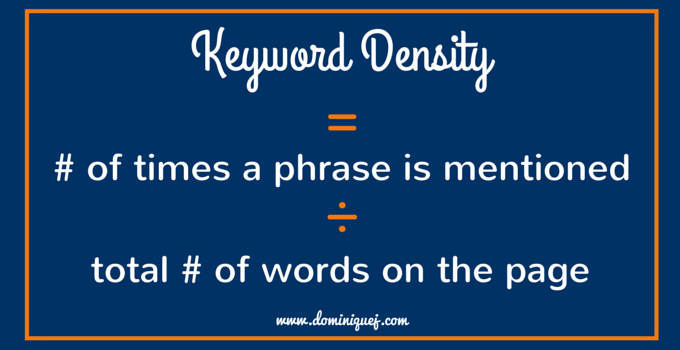
Keyword research forms the foundation of effective real estate SEO copywriting. By understanding the specific terms and phrases your target audience uses when searching for properties or real estate services, you can tailor your content to attract the right visitors.
Here’s a breakdown of different keyword types and their strategic placement:
Primary Keywords: These are the core phrases investors like you are likely typing, such as “motivated seller leads,” “cash for houses [your city],” or “wholesale properties [your state].” We’ll strategically place these in key areas like titles, headings, and throughout your platform content, ensuring high visibility for the right audience.
Secondary Keywords: These are more specific variations that drill down further, like “inherited property cash buyers” or “foreclosure deals [your area].” These help you attract sellers with unique situations and specific property types, increasing your chances of finding the perfect investment opportunity.
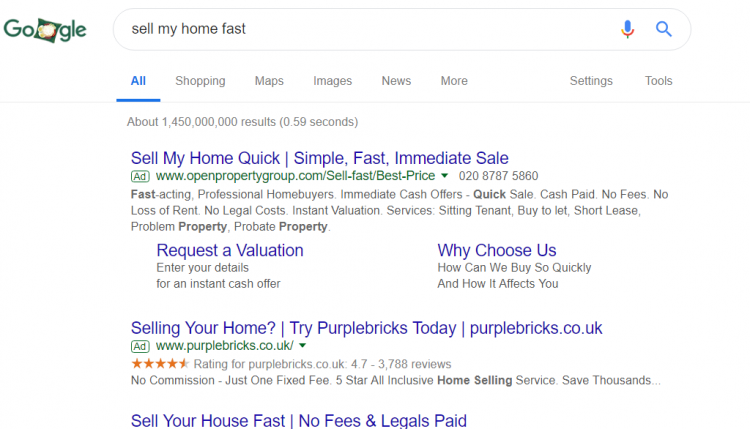
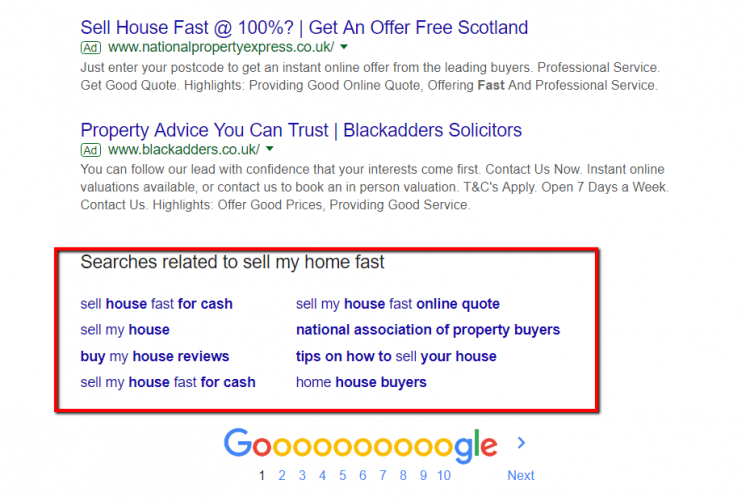
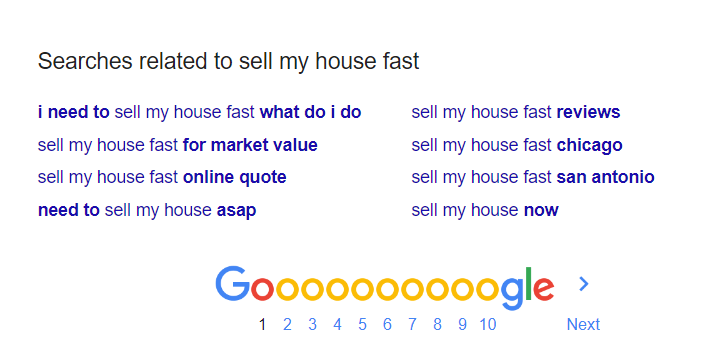
LSI Keywords: These are semantically related keywords that search engines associate with your primary topic. Think “sell my house fast for market value,” “sell my house fast reviews,” or “need to sell my house asap.” Including these helps search engines understand the broader context of your content and improves your ranking potential.
Remember, the key is to integrate these keywords naturally. We want your platform to speak directly to motivated sellers, providing clear and concise information while ensuring search engines recognize the relevant context. This way, you can attract the best deals and maximize your success as a real estate investor.
Tip #2: Headlines that Hook: Captivating Attention and Driving Clicks
Headlines are the first impression your real estate content makes. A powerful headline can make the difference between a potential lead clicking through to your website or scrolling right past it. Here’s how to craft headlines that not only grab attention but also drive motivated sellers and buyers to your content:

Clarity and Concision:
- Speak directly to your target audience: Understand the specific needs and pain points of motivated sellers and buyers. Tailor your headlines to address those concerns directly.
- Keep it short and sweet: Aim for headlines that are easy to read and understand. Avoid long, convoluted sentences that may lose the reader’s interest.
Keyword Integration:
- Weave relevant keywords naturally: Include the keywords you’re targeting within your headlines, but make sure they flow seamlessly with the overall message. Don’t force keywords for the sake of it.
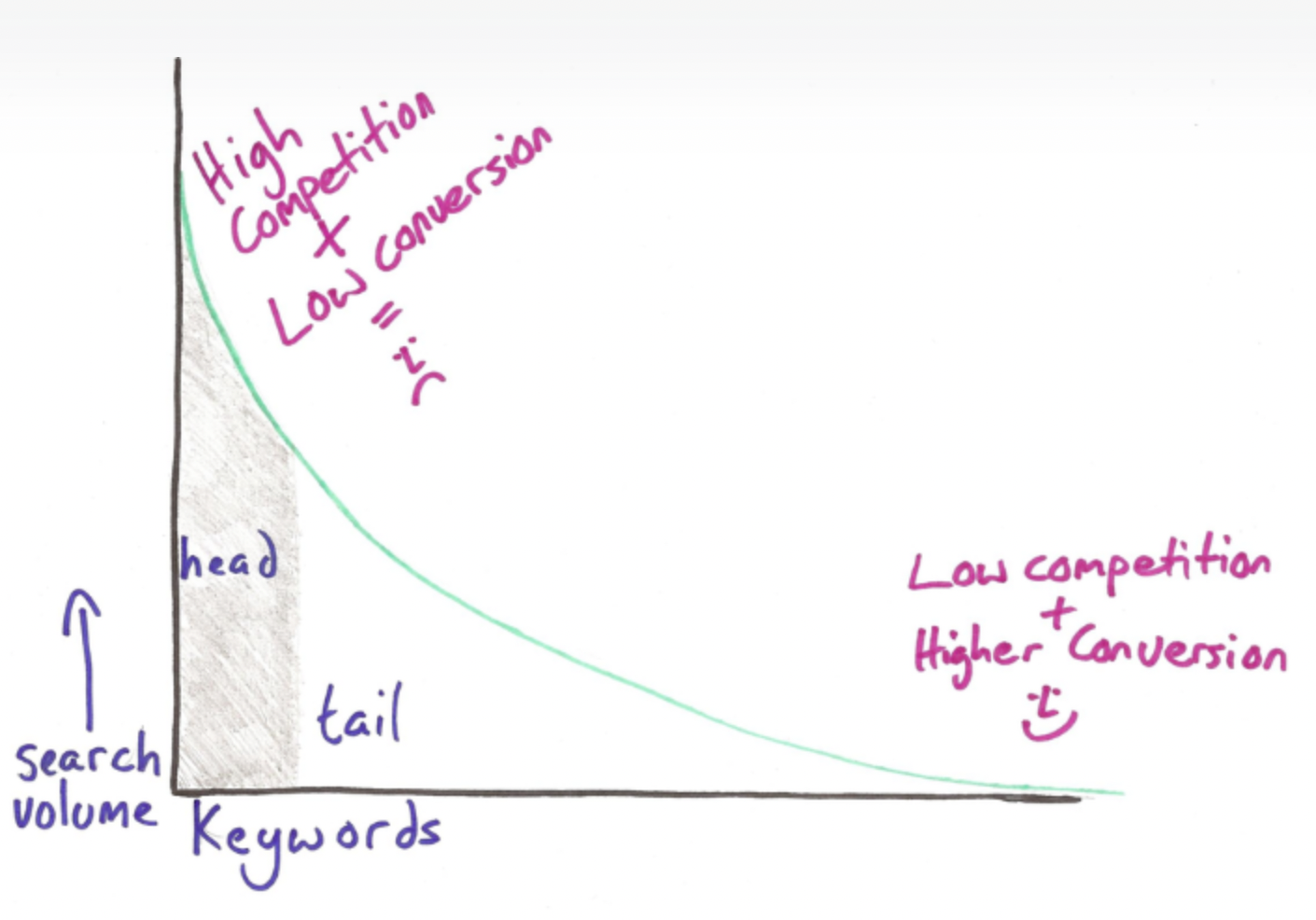
- Focus on long-tail keywords: While high-volume keywords can be attractive, long-tail keywords often hold more power for attracting motivated leads. These specific keywords target users further along the buying/selling journey, increasing the chances of attracting qualified traffic.
Enticement and Urgency:
- Spark curiosity: A touch of mystery can go a long way. Headlines that pique the reader’s interest and leave them wanting more are more likely to trigger clicks.
- Create a sense of urgency: Highlight limited-time offers, exclusive deals, or the potential to miss out on valuable opportunities. This can encourage immediate action from motivated sellers and buyers.
- Showcase specific benefits: Clearly communicate the value your content offers. Whether it’s uncovering hidden gems for investors, securing top dollar for sellers, or finding dream homes for buyers, let your headlines showcase the benefits that resonate with your target audience.
Examples:
Instead of: “Sell Your House Fast” (generic and uninspiring)
Try: “Cash Offer in 24 Hours: Sell Your House As-Is and Skip the Hassle” (targeted, urgent, and benefit-driven)
Instead of: “Top Neighborhoods for Families” (broad and unspecific)
Try: “5 Hidden Gems: Unwind in These Family-Friendly Neighborhoods with Top-Rated Schools” (specific, curiosity-driven, and benefit-oriented)
By following these tips and tailoring your headlines to the specific needs of motivated sellers and buyers, you can transform your real estate content into a magnet for qualified leads, propelling your business toward greater success.
Tip #3: Content that Converts: Building Trust and Generating Leads
In the competitive world of real estate, simply offering generic information isn’t enough. To truly attract motivated sellers and buyers, you need content that goes beyond the surface and provides real value. Here’s how to craft content that not only informs but also builds trust and generates leads:
Beyond the Basics:
- Ditch the fluff: Avoid generic content that simply rehashes readily available information. Offer unique insights, data-driven analysis, and expert opinions that set your content apart.
- Tailor to your audience: Understand the specific needs and concerns of motivated sellers and buyers. Address their pain points directly and offer solutions that resonate with their unique situations.
- Actionable advice: Don’t just present information; provide actionable steps, tips, and strategies that potential leads can implement in their own real estate journey.
Storytelling Power:
- Connect on an emotional level: People are drawn to stories. Utilize storytelling techniques to showcase real-life experiences, success stories, and case studies. This builds trust and allows potential leads to see themselves achieving their real estate goals with your help.
- Highlight the human element: Don’t be afraid to inject your personality and expertise into your content. This creates a sense of authenticity and builds a stronger connection with your audience.
Readability and User Experience:
- Structure for clarity: Break down your content into easily digestible sections using bullet points, subheadings, and short paragraphs. This makes it easier for readers to scan and find the information they need.
- Visual appeal: Incorporate high-quality images, infographics, and videos to enhance your content. Visuals not only break up text but also provide additional information and make your content more engaging.
- Mobile-friendliness: Ensure your website and content are optimized for mobile devices. A significant portion of online searches happen on smartphones, so cater to this growing audience.
By crafting content that is informative, actionable, and emotionally engaging, you can build trust with potential leads and convert them into valuable connections. Remember, your content is a powerful tool for attracting motivated sellers and buyers, so make it count!
Tip #4: Optimize for On-Page SEO: Signaling Your Value to Search Engines
On-page SEO refers to the optimization of individual web pages to improve their ranking in search engine results pages (SERPs). By strategically optimizing key elements within your website, you can signal to search engines that your content is relevant and valuable to potential leads, ultimately attracting more qualified traffic.
Here are some crucial on-page SEO elements to consider for real estate websites:
Meta Descriptions and Title Tags:
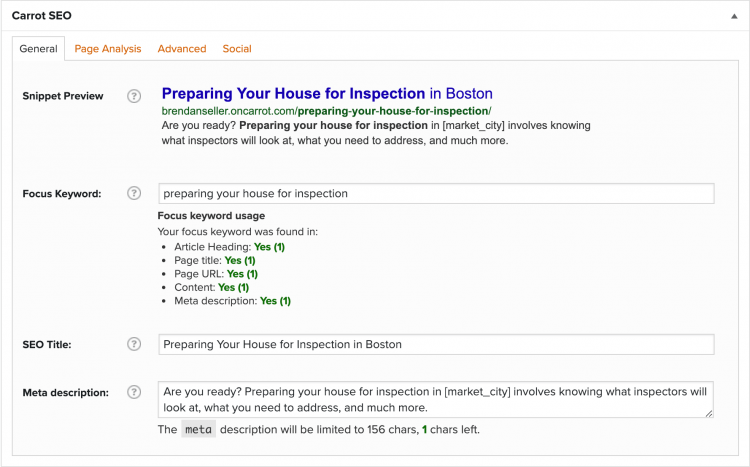
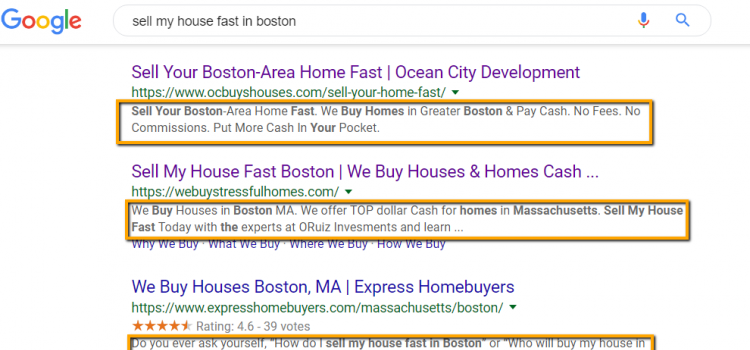
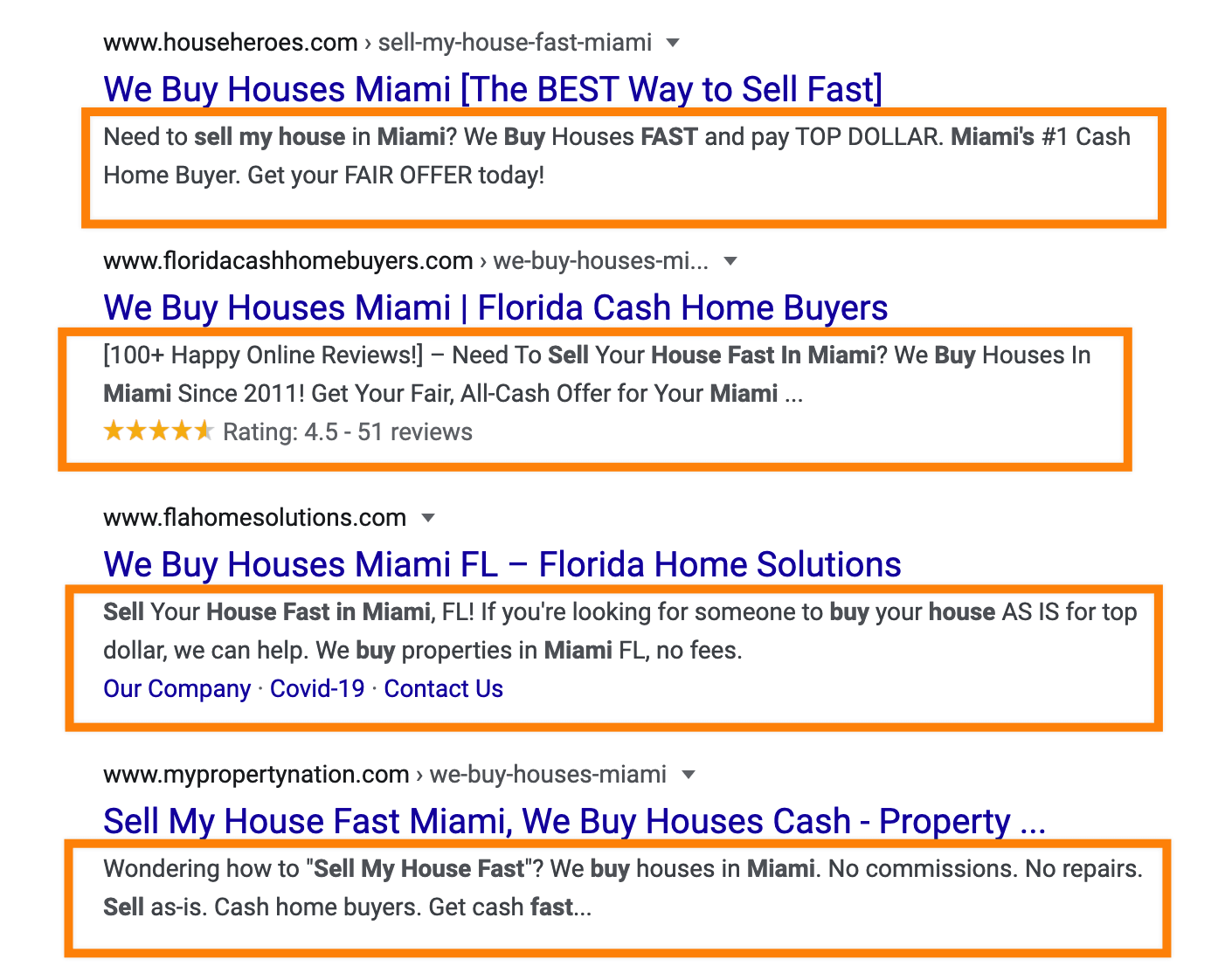
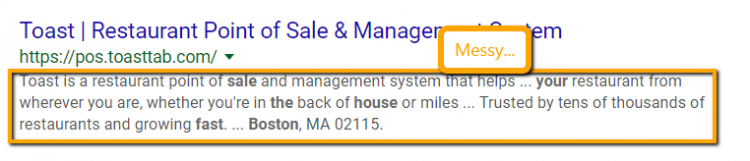
- Meta Descriptions: These concise summaries appear below your website title in search results. Craft compelling meta descriptions that accurately reflect the content of each page and entice users to click. Include relevant keywords naturally within the description.
- Title Tags: These act as headlines for your web pages in search results. Ensure title tags are clear, concise, and accurately represent the content of the page. Include relevant keywords near the beginning of the title tag for optimal impact.
Internal Linking:
- Internal linking involves creating hyperlinks between different pages on your website. This helps search engines understand the structure and hierarchy of your website, improving its overall SEO performance.
- Strategically link to relevant content within your website, using descriptive anchor text that incorporates relevant keywords. This not only improves user navigation but also helps distribute SEO value throughout your website.
Actionable On-Page Optimization Tips:
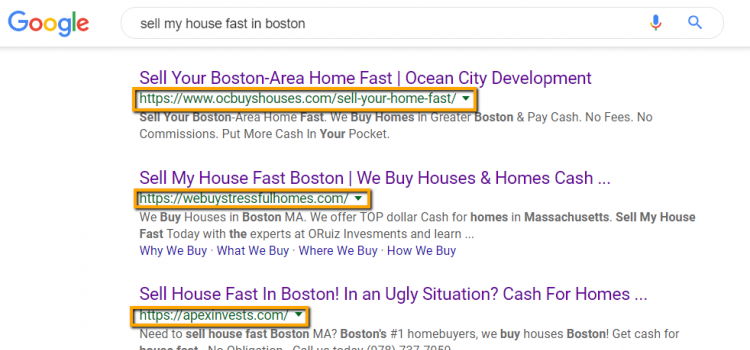
- Optimize URLs: Use descriptive URLs that incorporate relevant keywords and are easy to understand (e.g., “sell-my-inherited-house-in-[your-city]”).
- Image Optimization: Include alt text descriptions for all images, using relevant keywords to improve image search visibility.
- Headings and Subheadings: Utilize clear and concise headings (H1, H2, etc.) throughout your content to structure the information and improve readability. Include relevant keywords within the headings naturally.
- Website Speed: Ensure your website loads quickly on both desktop and mobile devices. Page speed is a crucial ranking factor for search engines.
By implementing these on-page SEO strategies and consistently optimizing your website content, you can effectively communicate your value to search engines and attract more qualified leads to your real estate business. Remember, a well-optimized website is a powerful tool for driving organic traffic and converting visitors into potential clients.
Tip #5: Call to Action (CTA): Guiding Leads Through the Sales Funnel
A compelling Call to Action (CTA) is the bridge between your informative content and lead generation. It’s the final nudge that prompts website visitors to take the next step in their real estate journey, ultimately moving them closer to becoming your clients.
Tailored CTAs for Every Stage:
Not every visitor is ready to close a deal right away. Therefore, it’s crucial to offer different CTA options depending on the content and the stage of the buyer/seller journey:
- Top-of-Funnel: For visitors at the initial research stage, offer CTAs like “Download Our Free Guide,” “Subscribe to Our Newsletter,” or “Schedule a Free Consultation.”
- Middle-of-Funnel: As leads become more engaged, provide CTAs like “Get a Personalized Home Offer,” “Browse Our Featured Listings,” or “Attend Our Open House.”
- Bottom-of-Funnel: When leads are ready to take action, present clear CTAs like “Contact Us Today,” “Request a Cash Offer,” or “Schedule a Showing.”
Strategic CTA Placement:
Where you place your CTAs matters just as much as the message itself. Here’s how to maximize their impact:
- Above the Fold: Include a prominent CTA within the first few seconds of page load, capturing attention immediately.
- Throughout the Content: Strategically place CTAs within your content, reinforcing the desired action at key points.
- Multiple Options: Offer multiple CTAs throughout your website to cater to different preferences and stages of the buyer/seller journey.
By incorporating clear, compelling CTAs tailored to your target audience and strategically placing them throughout your content, you can effectively guide website visitors through the sales funnel and convert them into valuable leads for your real estate business. Remember, a well-placed CTA can be the difference between a casual visitor and a potential client.
Tip #6: Local SEO Strategies: Dominating Your Neighborhood Search Results
In the competitive world of real estate, attracting motivated buyers and sellers within your specific area is crucial. Local SEO strategies play a vital role in achieving this by optimizing your online presence for local search queries. This ensures that potential clients searching for real estate agents, properties, or related services in your area discover your business first.
The Power of Local SEO:
- Targeted Visibility: Local SEO helps your website rank higher in search results specific to your city, neighborhood, or zip code. This increases the chances of motivated buyers and sellers in your local market finding your services.
- Increased Lead Generation: By appearing in local searches, you attract qualified leads who are actively seeking real estate solutions within your area, leading to higher conversion rates.
- Building Trust and Credibility: A strong local SEO presence demonstrates your commitment to serving your community, fostering trust and credibility with potential clients.
Key Local SEO Strategies:
- Google My Business Optimization: Claim and optimize your Google Business Profile. Ensure your NAP (Name, Address, Phone Number) is consistent across all platforms, add high-quality photos and videos, and encourage customer reviews to boost your local ranking.
- Local Citations: Build a strong presence across relevant local directories, business listings, and industry-specific platforms. Ensure your NAP consistency across all listings to maximize the impact.
- Local Keyword Integration: Incorporate local keywords throughout your location pages, including city names, neighborhood names, and specific landmarks. This helps search engines understand your local focus and improve your ranking in local search results.
- Content Strategy with Local Focus: Create content specifically targeting local audiences. This could include blog posts highlighting local market trends, neighborhood guides, or showcasing successful deals you’ve closed in the area.
By implementing these local SEO strategies and consistently refining your online presence, you can effectively attract motivated buyers and sellers within your local market, propelling your real estate business toward greater success. Remember, local SEO is about establishing yourself as the go-to real estate expert in your community.
Tip #7: Track and Analyze: Data-Driven Decisions for Continuous Improvement
In the dynamic world of SEO, the work doesn’t stop after publishing content. Tracking website traffic and analyzing performance data is crucial for understanding how your content resonates with your target audience and identifying areas for improvement. This data-driven approach allows you to continuously refine your SEO for real estate copywriting strategy for maximum effectiveness.
Harnessing the Power of Analytics:
Google Analytics is a powerful tool that provides invaluable insights into website traffic and user behavior. By leveraging its features, you can:
- Track Website Traffic: Monitor key metrics like page views, unique visitors, and bounce rate to understand how many people are visiting your website and how they interact with your content.
- Identify Top-Performing Content: Analyze which content pieces attract the most traffic and engagement, helping you identify what resonates with your audience.
- Uncover User Behavior: See how users navigate your website, what pages they visit, and where they drop off. This helps you optimize the user experience and improve content flow.
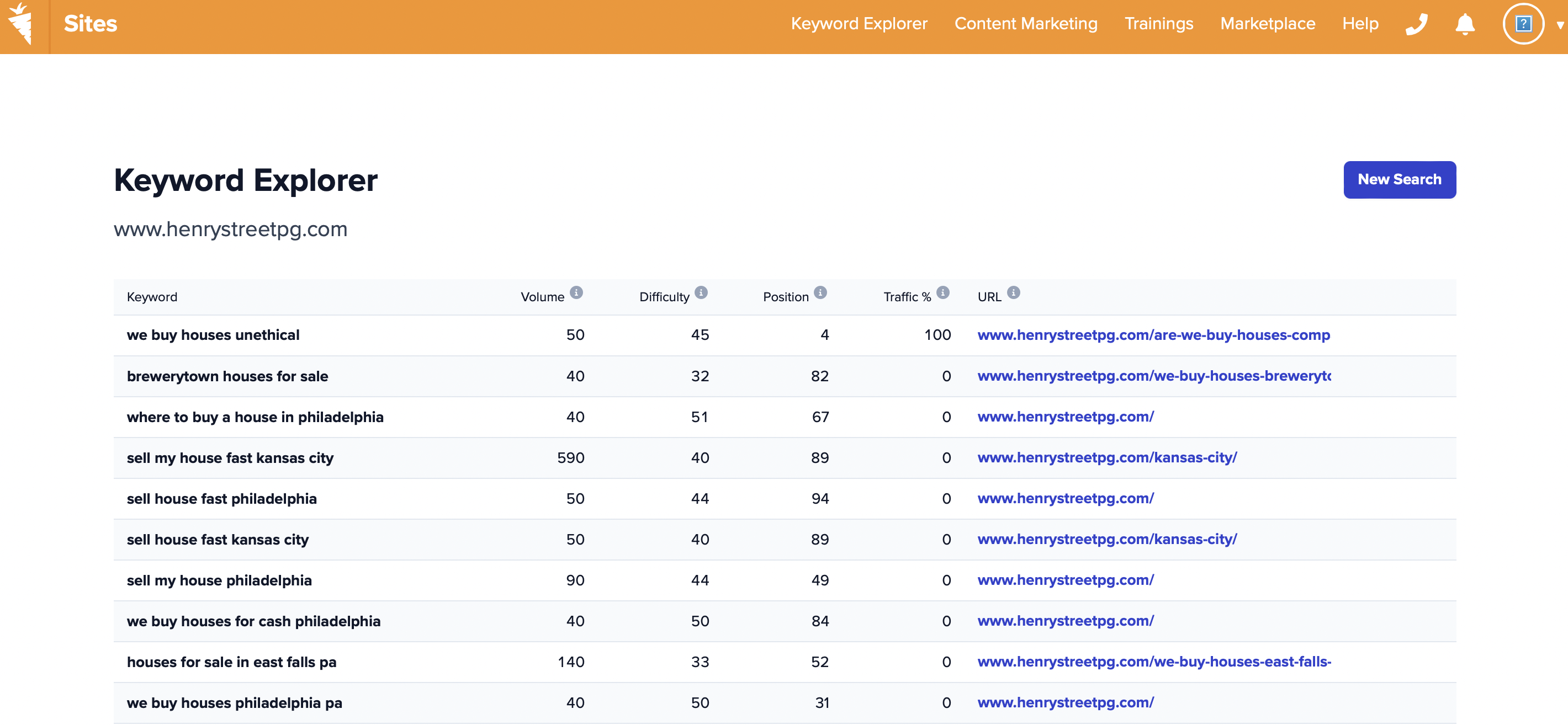
- Track Keyword Performance: Analyze which keywords are driving traffic to your website and how your content ranks for those keywords. This helps you refine your keyword strategy and target relevant search queries.
Using Data to Refine Your SEO Copywriting:
By analyzing data from Google Analytics, you can make informed decisions to improve your SEO copywriting:
- Identify Underperforming Content: If certain content pieces are not attracting traffic or generating leads, analyze the reasons behind it. Consider revising headlines, optimizing for different keywords, or even creating entirely new content.
- Double Down on Success: Analyze the characteristics of your top-performing content and replicate those elements in future content creation. This ensures you continue providing valuable information that resonates with your audience.
- Track Conversion Rates: Monitor how many website visitors convert into leads or clients. This helps you understand the effectiveness of your CTAs and overall sales funnel.
Remember, SEO is an ongoing process. By consistently tracking and analyzing data, you can continuously adapt your SEO copywriting strategy to attract more qualified leads, convert them into clients, and ultimately achieve your real estate business goals.
Bonus Tip: Leverage Internal Linking for Enhanced SEO and User Experience
Internal linking, the practice of linking from one page on your website to another, offers a powerful double benefit: improved SEO and enhanced user experience. Here’s how:
- SEO Boost: Search engines crawl websites by following links. Strategic internal linking helps search engines discover and index all your website pages efficiently, potentially improving your overall website ranking.
- Enhanced User Journey: Internal links guide visitors through your website, allowing them to explore related content, delve deeper into specific topics, and ultimately find the information they need. This keeps them engaged and increases the chances of them converting into leads.
Here are some tips for effective internal linking:
- Contextual Relevance: Only link to content that is genuinely relevant to the current page. Avoid random or forced links that disrupt the user flow.
- Descriptive Anchor Text: Use clear and descriptive anchor text for your internal links. This helps both users and search engines understand the linked content.
- Link to High-Value Pages: Strategically link to important pages like your contact form, property listings, or blog posts with valuable insights. This helps distribute SEO value throughout your website.
By incorporating internal linking effectively, you can create a well-structured website that is not only SEO-friendly but also provides a seamless and engaging experience for your visitors, ultimately driving them further down the sales funnel. sharemore_vert
Conclusion
Conclusion: Attract, Engage, Convert: The Power of SEO Copywriting
Attracting motivated sellers and buyers is paramount to your success. By implementing the tips outlined in this blog post, you can leverage the power of SEO copywriting to transform your website into a magnet for qualified leads.
Remember, effective SEO copywriting for real estate goes beyond simply providing information. It’s about crafting compelling content that speaks directly to your target audience’s needs, utilizes storytelling techniques to build trust, and incorporates strategic SEO elements for optimal search engine visibility. By focusing on keyword research, crafting captivating headlines, optimizing on-page elements, and strategically placing clear CTAs, you can guide potential leads through the sales funnel and convert them into valuable clients.
Don’t forget the importance of local SEO strategies, ensuring your online presence dominates search results within your specific area. And finally, remember that SEO is an ongoing process. By consistently tracking website traffic, analyzing data, and refining your strategy based on insights, you can continuously improve your content’s effectiveness and attract more motivated sellers and buyers to your real estate business.
Implementing these SEO copywriting strategies, combined with the comprehensive tools and resources offered by Carrot’s Lead Generation Hub, can empower you to achieve your real estate goals and build a thriving business. Start putting these tips into action today and watch your website transform into a powerful lead generation machine.

 You’re interested in investing in real estate…
![What is Real Estate Wholesaling? [For Real Estate Investors]](https://i.ytimg.com/vi/OEpI5xhih9g/maxresdefault.jpg)