When receiving a negative comment on your ad, if you can skew it into a positive thing, you can use it as an opportunity to clear a misconception or highlight your customer service.
– Kiley Newbold
How to Maximize Facebook Ad ROI + iOS 14 Update
In part 3 of our Facebook ads series, we are sitting down with Kiley Newbold and JT Rose of Silverstreet Marketing. They are going to show you how to maximize your Facebook Ad ROI by setting the right budget and tweaking your creative. We will also discuss the best ways to respond to negative comments on your ad and what exactly you need to watch out for with the iOS 14 update.
As an agent or investor, you can use Facebook Ads to find motivated, high-quality leads. In the first two parts of our series we talked about launching your ad and the creative aspects. Now we want to help you maximize your Facebook Ad ROI by helping you set a budget, tweak your ad as necessary, and how to properly engage with comments to your ad. We will also let you know what you need to be aware of with the iOS 14 update so you can adapt accordingly.
How Do I Set My Facebook Ads Budget?
Your budget will vary depending on your market and your desired result. Different goals will require different budgets. As a very basic rule of thumb, JT and Kiley recommend..
$500/month or about $17/day for those who are targeting a broad audience to build brand recognition
$1000/month or $34/day for those who are ready to really dive into Facebook Ads, using their page for lead gen and to increase website traffic
How Should I Tweak My Creative for the Best Optimization?
If you are not happy with how your campaign is performing or if you want to find ways to increase your ROI, there are several things you can look at.
Reach – If your ad isn’t getting in front of enough people, even if your conversion rate is high, your volume will still be low
Clicks – If people are seeing your ad – are they clicking on it? If not, you may want to change up your creative to garner more interest.
Conversion – If they are clicking, but not converting, there are a few things to look at. You can see if your page is slow to load, if your landing page is structured properly, and what your lead form looks like.
If your campaign isn’t working, don’t just quit. If it were direct mail, you wouldn’t just throw it all away. You would tweak it, refine it, and try again. That is exactly what you should be doing with your Facebook Ads to maximize your ROI.
What Should I Know About Engaging With Comments?
A lot of people will avoid engaging with negative comments by either ignoring them or deleting them entirely. For many reasons, this isn’t the right way to handle negative feedback to your ad. Instead you should…
Flip it – changing it into a positive. Use the opportunity to clarify a misconception or show how well your customer service team performs
Always reply – good or bad, Facebook sees any engagement as a metric of health
Only delete comments that are spam or profane
Good or bad, it is very powerful to see a business who is actively responding to comments left online. For every comment made, there are lots of people thinking the same thing. When you are able to reply with intelligence and tact, you aren’t just addressing one person, but several who may have had misconceptions about you or your service.
What Do I Need to Know About the iOS 14 Update?
The iOS update includes new privacy protocols that will change how ads can track people. While Kiley and JT aren’t concerned about the update, there are a few things to watch out for.
You will see a difference in what you are able to track – this changing what some of your audiences look like
Make sure you verify your domain so that you can prioritize your Facebook Pixel events
Set your pixel prioritization – the new update will allow you to track up to 8 events
While your tracking may become a little skewed as this update rolls out, all will be well after the initial adjustment period. Some advertisers may see this update as a burden, thus pulling their ads. This only makes more room for those who stay the course.
Look out for Episode 4 in our series which we will dedicate more to agents and hybrid investor.agents!
Don’t be scared. Give it time. You can’t run an ad for a week and then stop. Don’t just spend money and leave. Stay the course.
– Chad Keller
Facebook Ads Mastery #2/4: What Makes Effective Facebook Ad Copy? Create Creative That Convert! w/ Chad Keller
In part 2 of our Facebook Ads series, we are once again sitting down with Chad Keller to dive into what makes an effective Facebook ad. We will discuss which ads you should launch first. How to nail your Facebook Ad copy and creative. And how to hack the competition to get a better idea of what works and what doesn’t in your market.
Chad Keller isn’t only a professional marketer, but he is an investor as well. His unique insights are helping many Carrot clients find success in the Facebook ads world. Here are 5 things to keep in mind when creating your ad so that you can maximize the reach and effectiveness.
Which Ads Should You Launch First?
Without a doubt, you should start with ads to retarget leads who have already shown an interest in your services. Your goal now is to build trust in order to achieve a conversion. Your retargeting ads should:
Include a video or picture of your face – if not you, then include a photo of your team
Highlight a testimonial from a past client
Retargeting ads can have longer copy than ads appearing to cold audiences
Serve up content that eliminates objections
After you have built up trust – hit them again with your main marketing message: “I will buy your house.”
Don’t exclude leads who have already filled out your form, but haven’t yet converted
Which Type of Headlines and Hooks Work Best?
Having the right headline and hook is critical in reaching your audience and getting those clicks. Think of your sellers and what they are going through. What will motivate them to sell to you? Good copy should:
Be hyper local, focusing on the area you wish to buy
Copy should address obstacles homeowners may be facing
Reinforce that you buy in as-is condition, etc.
How Do I Know Which Pictures and Videos to Use?
The visual appeal of your ad should be strong and geared to the audience you want to reach. If you are buying houses to fix up, use a photo of an old and run down house. If you are looking to buy land, use a photo of land. The photos and videos in your Facebook ad should:
Experiment with gifs and movement vs. still photos to see which garners the most attention
Your gif should be about 8-13 seconds so that the ad will appear across other platforms
If your gif or video is over 15 seconds, it will not post to all platforms, (Instagram, etc.) significantly lowering your reach
Keep photos relevant to the market you are targeting – avoid overused stock photos that you see on every real estate site
A digital bandit sign that is direct and to the point has been a successful Facebook ad for Chris in the past
What Are Some Mistakes People Make With Their Facebook Ad Copy?
There are many common mistakes Chris sees when working on ad campaigns. A few of these include:
Slapping their logo on or typing over a stock photo – Facebook likes when there is an element of design. Canva is an easy way to create ads that look professionally done.
Using the wrong sizing, thus allowing other ads to be seen in the same space when a potential lead is browsing Facebook on their phone
What Can I Learn From the Competition?
Whenever I see an offline advertisement that grabs my attention, I save it into a swipe file. I use this for inspiration when creating ads of my own. I do the same thing with ads I see on social media. What did I like about it? What made me stop? A few ways to learn from the competition include:
Whenever you see a great ad, click to save the video to a file you can reference later
If you see an ad for a competitor – click it. You will then be privy to how they are running their retargeting campaigns
Check out the Facebook ads library to look up competitors to see what ads they are currently running and what is working for them
Keep AIDA in mind when setting up your ad. Attention, interest, desire, and action. Do your best to work this all in, study the results, then tweak as necessary. In the next episode of this series, we will dive in even further, offering you ways to maximize your ROI with Facebook ads.
With bandit signs, you can’t measure your reach. With Facebook ads, you can see exactly how many people saw your ad, tracking it down to the cent.
– Chad Keller
The 5 Biggest Facebook Ad Mistakes in Real Estate + How To Get Started
What better way to kick off a series a new series on Facebook ads than with a guy who spends MILLIONS of dollars on ads? Seriously.
Through working with big companies like Dish, Macy’s, Chewy, TheChive, Sprint, and more – not to mention successfully running ads for his own investing business, Chad Keller has been testing, optimizing, and teaching others how to turn cold traffic from crappy ads into sellers that are more motivated than Tony Robbins on Red Bull.
Today, we’re looking at the most costly mistakes investors & agents make. Then, in the next 3 episodes, we’ll dive into the copy, creative, budget, targeting, and how to scale campaigns.
Stop blowing your marketing budget on under-performing ads & Listen to the podcast.
At Carrot, we often talk about the power of evergreen content. Providing valuable information to your readers builds credibility and trust, making you the go-to source for your target audience.
Your content needs to be created just one time but has the potential to reach buyers for years to come. But what do you do while you are building that momentum? Many savvy investors and agents will turn to Google and Facebook ads.
These ads can help you not only get leads in the door right away, but they can also help you add to your organic content as you build up your SEO. They are measurable vs. bandit signs and other forms of traditional advertising, allowing you to get down to a granular level.
Today, we are diving into the world of Facebook ads and how to use them to target your ideal client.
The Power of the Pixel
The most important part of advertising on Facebook is putting the Facebook pixel onto your website. A pixel is “an analytics tool that allows you to measure the effectiveness of your advertising by understanding the actions people take on your website.
You can use the pixel to make sure your ads are shown to the right people.” Before spending a dime on Facebook ads, be sure to set up this tool to see who is visiting your site, enabling you to define audiences for your ads.
Targeting Your Audience
When setting up your ad campaign, there are several objectives you can choose from. Awareness, reach, traffic, engagement, lead generation, messages, and conversions to name a few.
When boosting posts, for example, these are typically just to build awareness, and may not give you the conversions you are looking for. After a potential client visits your site, you may want to refine the advertising you are showing to them. Don’t reserve the same ad, instead, show them new content that will blast their objections!
In the past, many people utilized lead form ads to collect the interested party’s contact information then and there. And while these sorts of ads may be cheaper, getting the lead off of Facebook and onto your website, has proven to increase your conversion rates.
The 5 Biggest Facebook Ad Mistakes People Make
#1 – Not having the pixel installed on the website at all/properly
#2 – Not understanding the goals of each campaign objective and how they are used
#3 – Using leads form ad units instead of the conversion objective for leads
#4 – How important good creatives really are
#5 – How to properly segment and set up audiences
I really enjoyed diving into this episode to discuss Facebook ad mistakes with Chad. Look out for episode 2 in this series where we will dive into what makes for great copy, creative, and how to create ad campaigns. And later, we will get into setting a budget, scaling, and optimizing for better results.
“I spent $800 last month on the wrong keyword. What the he** did I do wrong?!”
Those are the exact words from a Carrot member who chose to allow Google Ads to find motivated seller keywords for him. Google added “real estate” industry keywords that led to a month of worth of wasted spend.
The goal of this post is to help you stop wasting time and money on the wrong keyword research for your real estate PPC campaigns.
Just the term itself, “keyword research”, sounds complicated, confusing, and exhausting.
Who wants to scour the internet looking for keywords to target? And why is it so important, anyway? Even if you are going to target specific keywords in Google or Bing with your paid ads, can’t you just trust your instincts to know which keywords are the best?
After all, you know your market better than anyone.
Well, take it from someone who’s done loads of keyword research over the past years for terms related to the real estate industry: your instincts aren’t always right.
Fortunately, keyword research doesn’t have to a painful and grueling process — it can be simple, quick, informative, and even fun. I’m going to show you how to do keyword research for your paid advertising campaigns in this post.
You’ll be able to move quicker and save money by only using the keywords that matter. Let’s dive in, here are the steps to find the right keywords for your real estate PPC campaigns.
What Is Keyword Research For Real Estate PPC?
First, PPC, or “pay-per-click” is when you pay when someone clicks on your ads. Typically, you want to be on the top or first page of Google or Bing results for your target keyword phrases.
When your prospects search for a phrase such as “sell my house fast” in Google, you want your ads to be shown at the top of the first page. Otherwise, searchers probably aren’t going to see your ads. People rarely click ads on the bottom of the search results page.
Keyword research for PPC, then, is researching, finding, and targeting the most profitable keywords for your business.
Why Is Keyword Research For Real Estate Important?
It’s not unusual to waste loads of time and money on the wrong PPC campaign. With the Carrot member in the opening paragraph. They allowed Google to create their motivated seller keywords. They didn’t realize it until burning through $800 without a lead.
Anyone who’s used Bing or Google Ads for more than a month knows all too well how quickly budgets can be spent.
The truth is, your PPC campaign is only going to be as good as the research you do beforehand.
Which keywords are people searching for?
What’s the competition like for those keywords you’re going to target?
Which keywords do you not want to target? Turn those into negative keywords!
What’s the intent of the people typing the chosen keyword into Google — are they just browsing or are they ready to commit?
All of those questions, and more, need to be answered before you pull out your wallet and launch a campaign.
Don’t be a perfectionist. But also don’t jump on your horse before you’ve prepared the saddle. Of course, doing keyword research is easier said than done. Which is why I put together this article to walk you through the process step by step.
Here we go… Five steps to conducting PPC keyword research.
Step #1: Brainstorm Keyword Ideas
The first step is to sit down with pen or pencil, paper, and brainstorm ideas. You probably already have some sense for what your target market types into Google.
Here are a few ideas for investors:
Sell my house fast in [market city]
Buy land in [market city]
Evict tenants in [market city]
Deal with foreclosure in [market city]
And here are a few ideas for agents:
Best real estate agent in [market city]
Real estate agents in [market city]
Sell my house for top dollar in [market city]
Sell my house real estate agent [market city]
Those terms are all related to what you do and where you’re located — those will likely be really valuable for your PPC campaign targeting. But what about the name of your business? When people search for your brand name, it might be a good idea to put some budget toward ranking for that in Google Ads, especially if you’re not yet ranking for your brand name organically.
You might also consider targeting competitor branded terms, although that will usually cost you a lot more per click than targeting less competitive phrases (only do this if you have the budget for it).
Bidding on longtail keyword phrases (such as “I want to sell my house quickly in [market city]”) can be a worthwhile strategy for leveraging low competition phrases with the right intent. Similarly, targeting commonly misspelled words relevant to your market and service can sometimes be profitable.
Right now, the goal is simply to make a list of all the ideas that you have. Write them down or put them on a spreadsheet. You can even use this tool to come up with more ideas by merging different market-specific words together.
I’ll use a land buyer website as an example. Here’s what a list of potential keywords might look like:
Buy land in Douglas County
Buy cheap land in Douglas County
Buy discounted land in Douglas County
Buy buildable land in Douglas County
Best land in Douglas County
How to buy land in Douglas County
How to build a house on land in Douglas County
Can I build a house on my own land in Douglas County
How to drill a well in Douglas County
How to do a perc test in Douglas County
Step #2: Refine Your Ideas With a Keyword Research Tool
More than likely, not all of the keywords that you wrote down will be a good idea for your PPC campaign. Some keywords are better suited to an SEO campaign than to a PPC campaign.
Here are the criteria you should use to determine whether or not a keyword phrase is ideal for PPC:
Is the keyword phrase high conversion intent? — When people search for that phrase, what do they want? Are they ready to take action? Or are they just doing preliminary research?
Your PPC budget is best spent on keyword phrases where people are ready to take action. “Sell my house fast for cash” is high conversion intent. But “How to fix up my distressed property” isn’t; that’s probably better suited to SEO targeting.
Does the keyword phrase have decent search volume and low competition? — The sweet spot for a keyword phrase is to have a decently high search volume (at least over 100 searches per month, say, depending on the size of your market) and to not be remarkably competitive.
Ideally, you want to find a few keyword phrases with low competition and decent search volume, but in most major markets competition can be strong.
Does the keyword phrase have a cost-per-click price that’s within your budget? — The bigger your budget, the more competitive keyword phrases you can target. So you’ll have to adjust your campaign based upon how much money you can spend. Make sure that the phrases you choose do fit within your budget by looking at the average cost-per-click of the phrase.
If you say “no” to any of those questions, then remove the keyword phrase from your list for now.
You can use the Google Ads Keyword Planner tool to do your keyword research and answer these questions for yourself. If you want to take it one step further and do competitive research, you can use a tool like Spyfu.
Here’s what a list looks like after it’s refined.
Buy land in Douglas County
Buy cheap land in Douglas County
Buy discounted land in Douglas County (Search volume too low)
Buy buildable land in Douglas County (Search volume too low)
Best land in Douglas County (Targeting the wrong market — I sell cheap land)
How to buy land in Douglas County
How to build a house on land in DouglasCounty (This would be better for SEO since it’s low conversion intent)
Can I build a house on my own land in Douglas County (Better for an SEO campaign)
How to drill a well in Douglas County (Better for an SEO campaign)
How to do a perc test in Douglas County (Better for an SEO campaign)
Step #3: Organize Your Keywords
The next step in your PPC keyword research journey is to organize your chosen keywords on a spreadsheet or somewhere that you can group them, track their results, and easily reference that data.
Here’s what a spreadsheet might look like:
You can group your keywords by branded, market-specific, competitor phrases, and general. Then, at the very least, you’ll want to track cost-per-click, search volume, and intent for all of those keywords.
The tighter and more focused your ad groups are, the easier it will be to:
Measure the performance of each keyword
Prune or expand your lists if necessary
Create highly specific and relevant ads
This last point is especially crucial. Small, tightly organized ad groups have multiplying beneficial effects on your account. Well-organized campaigns have more relevance, and higher relevance leads to higher Quality Scores, which (as we’ve told you many times) simultaneously increase your ad rankings and reduce what you pay for each click and each conversion. Healthy PPC accounts always have healthy Quality Scores, and strong keyword organization can go a long way toward improving your scores.
Step #4: Choose Your Negative Keywords
When you choose which phrases to target with your PPC campaign, let’s say “sell my house fast in [market city]”, Google Ads aren’t going to only show your ad to people who type exactly that into Google, it’ll show your ad when there’s a similar search as well, something like “sell my house fast with an agent in [market city]” for instance.
If you’re searching for motivated sellers, the problem becomes, you don’t care about people (probably) who want to sell with a real estate agent, you’re looking for people with distressed properties who need to sell fast.
That’s where negative keywords for real estate come in.
When you choose which keywords to target, you should also make a list of similar but irrelevant keywords not to target (these are called “negative keywords” in Google Ads).
Here are some examples.
The intent on those negative keywords is a little off and it’s a better use of my time and PPC budget to target keywords with the right intent (the ones that might actually convert when they click on my website).
Same goes for you.
Check out our free negative keyword list and more tips on doing negative keyword research and excluding money-wasting keyword phrases from your PPC campaigns.
Step #5: Test, Test, And Test Again
Even after you hit “launch,” the research doesn’t stop.
In fact, that’s where the real testing beings. All of this keyword research work, this was just the pre-research to give your PPC campaign the best chance of success. It’s not until you run a campaign and watch the results roll in (or not roll in) that you can measure how profitable certain keywords are for your business.
If you’re a Carrot member, you can even use our UTM tracking links to determine the effectiveness of your PPC campaigns.
Conclusion
Keyword research for real estate is one of the most important pieces of your PPC strategy for search ads. Take your time and get it right.
Don’t stop testing. Don’t stop iterating. And don’t stop learning. The people who win — the ones who make the biggest ROI from their paid ad spend — are the ones who learn from every campaign they launch and refine the next campaign before it launches.
What do you think? How do you conduct your keyword research? Which keyword research tools and strategies do you use? Share your thoughts, knowledge, and questions with us in the comments below!
As we enter a year since the COVID-19 pandemic started, we’re still in a position where we’re not always sure what to do next.
For most of us, both our personal and business lives were impacted on a level that we’ve never experienced before.
This impact probably included your real estate marketing and advertising as businesses shifted from growth mode to survival mode.
As we’re moving out of the peak of the pandemic (let’s hope) many homeowners are still proceeding with caution.
The good news is, whether you’re starting a new account, reactivating an old one, or scaling up a current Google Ads motivated seller account, we’ve outlined exactly what you need to do to audit your account and move forward without hesitation.
What State is Your Google Ads Motivated Seller Account In Now?
Right now, you’re probably within one of these groups…
You paused everything in 2020. Now, you’re back in your account looking to start generating leads again. If this is you, then most of your work has already been done. The campaigns have been created. You just need to enable them.
Or, you may have scaled back your motivated seller campaigns and now you’re looking to rebuild into a larger account structure. This provides an advantage because you have recent data still going for you to base your moves off of.
Lastly, you might be starting out with a totally new account. This way you get to create the account with a new strategy.
COVID Google Ads Motivated Seller Account Audit
If you have or have had motivated seller campaigns, you know that it’s important to take it slow and do the right thing to your account or you’ll end up wasting budget.
Let’s take a trip through the items of your account that you should revisit so you can get back up and running properly.
1. Adjust Your Budgets
What you’re looking to spend may be different from what your budget was pre-COVID.
Take a little time to review what you spent pre-COVID, during the past year, and what your spend goals are going to be post-COVID.
How do you know what you should set your budgets to now?
First, you know your market better than anyone. If you’re coming into a hot market, then you might want to increase your budget. If you feel your market is still a little timid, then back it off a bit.
Next, you can use Google’s Budget Recommendations, or use a recommended formula based on what your monthly spend expectations are for the year and projected ROI.
Then you can break down how much you’ll have to play with for daily budgets by using Google’s calculation:
Monthly Budget divided by 30.4 which is the average number of days in the month = Overall Daily Budget
If you’re running multiple city-specific campaigns, you might need to create a shared daily budget or stick with one area as you get a back into the swing.
2. Evaluate and Set Realistic Goals
Your performance metrics might look a little different from previous years, therefore it’s valuable to evaluate where your account performance was and set realistic goals for 2021.
Focus your review on what means the most to you. For most investors, lead volume and cost per lead are the two most valuable metrics.
You can use that data to set some benchmarks to get an idea of where you should be landing in terms of future performance. Factor in market conditions and market confidence.
You could come to the conclusion that you’ll need to expect less leads at a higher cost per lead for the near future.
3. Make Sure Your Bid Strategy Aligns with Your Goals
You’ll need to ensure that your campaigns have a bidding strategy that aligns with your goals and metrics.
We’re still big on using manual bidding, but if you’re using one of Google’s automated strategies, here are some things to keep in mind.
For example, it’s not wise to use one of the conversion-based strategies such as Target CPA if you don’t have recent conversion data for Google to optimize off of.
Keep in mind that certain bidding strategies, like Target CPA, have a minimum historical data requirement in order to use them with some effectiveness.
If you’re starting out with a new account, with limited data, you should default to manual bidding or if you really want to use an automated strategy, stick with Maximize Clicks.
4. Double Check Target Locations
Where you choose to target will impact your reach as well as your spend. For example, if you were targeting all of a specific county before COVID when you had a higher budget, you might want to now scale it back to just a specific city within the county to align with a smaller monthly budget.
Overall, you can restrict your location targeting based on your 2021 goals and budgets.
5. Keyword Deep Dive – Pause or Add Keywords
Don’t be afraid to pause keywords! We’re in times where some motivated seller keywords aren’t as hot as they once were or might be in the future. If your historical data shows keywords that drove leads in the past, but have become slow now, you can always revisit them at another time.
In any market, every penny counts. No one likes to waste money but during uncertain markets, understanding your goals and how many leads are really possible, right now, will help you manage your keywords.
So, pause any underperforming keywords and keep the keywords most relevant to your updated goals. This will help keep your accounts organized as well as ensuring that you are spending your money on the keywords that have the highest confidence levels.
There could also be an opportunity to add keywords. You can use tools such as the Google Keyword Planner or as simple as Google Suggest. These two tools can be great places to check as you refresh your account so that you can keep your expectations as well as your bids working with your budget while using the top converting keywords.
6. Edit Your Ad Copy and Messaging on Your Landing Pages
Don’t forget your ad copy. In this current time, your market might present opportunities to test new ad copy. Align with your audience.
For example, if your market currently has a “virtual” feeling, test something like “100% Virtual Sale” or “We Do Not Need to See Your House in Person”.
In other words, take advantage of your market conditions and how people are thinking right now.
If you have a new site or are using a past site, use that same language on your landing page as you do in your ads.
Refreshing your ad copy and landing pages will not only bring things back up to date, but also give your audience a new look and messages that connect with them more than ever.
7. Pause Underperforming Ads, Ad Groups, or Even Campaigns
Similar to the keywords, you may want to look for opportunities to trim your account upon reactivating it. Pause any underperforming ads, ad groups, or even go as far as campaigns.
Again, markets during COVID have looked different than before.
You may experience heavy lead months followed by slow months. That’s why it’s important to use data and stay calm.
If you have a good lead month followed by a bad month, it’s not necessarily a Google Ads issue. We have found that some markets have fluctuated heavily even month-to-month.
Prioritize what aspects of your business are the absolute most important to advertise and pausing out anything that isn’t necessary.
Find what is driving up your cost-per-lead and weed through those to ultimately get to the highest performers.
8. Keep Adding Negative Keywords
Between Google’s new match type changes and the always changing searcher intent, it’s important to stay on top of your negative keywords.
Review the Google Search Terms report to see what queries you’ve shown up for and ensure you have your negative keywords added and up to date.
We’ve seen some markets shift to more “sell my house fast online” and “sell house by owner fast” queries. Even though these seem to be motivated queries, some markets are noticing clicks going up but leads are not following.
During COVID, when you see trends such as these, don’t be afraid to add a negative keyword to a good term. You can always remove it in more normal market conditions.
If you haven’t been dedicating time to your Google Ads account, then it might be a good idea to double check your conversion tracking as well.
Possibly over the course of a year, you’ve made some changes to your website that could have impacted your tracking. Or, maybe you’ve changed your phone number so you’ll need to adjust that within your Google Ads account.
Whether your account has been paused for a while or it’s currently active, you can also leverage the Auction Insights report of Google Ads to further investigate the climate of your market.
Auction Insights breaks down who else is on the search results page most often along with you.
So, if you’re wondering if new investors have emerged into your area since COVID-19 or if you’re curious to see who is outbidding you, this is the place to start.
Auction Insights not only tells you who else’s ads are alongside yours but also where on the page they rank, above “Position Above Rate” or below you “Outranking Share.”
Audit a current Google Ads motivated seller account or reactivate your account with confidence
Whether you paused, scaled back, or are starting fresh, there are items to be evaluated with current or reactivated Google Ads motivated seller accounts during the pandemic.
Let’s review the steps covered in this post:
Adjust Your Budgets
Evaluate and Set Realistic Goals
Make Sure Your Bid Strategy Aligns with Your Goals
Double Check Target Locations
Keyword Deep Dive – Pause or Add Keywords
Edit Your Ad Copy and Messaging on Your Landing Pages
Pause Underperforming Ads, Ad groups, or Even Campaigns
The hero section… that all-important sliver of real estate at the very top of your website.
It’s a visitor’s first impression of your site and your company, but it plays a different – more important – role as well: it’s your first opportunity to convert those visitors into leads. As more and more web traffic is taking place on mobile devices, that sliver of website real estate in the hero section is shrinking, and you have to approach it with those (often) competing needs in mind.
How much content is too much? Is it more important to highlight the form that’s actually generating leads? How does this change based on whether a visitor is on desktop or mobile?
At Carrot, our Innovation Lab is constantly pondering questions like these – AND launching tests to answer them.
In this post, we’ll outline a series of tests we ran on hero sections that increased conversion rates by anywhere from 25 to 55%, plus we’ll point you in the right direction when it comes to how you should approach the prime real estate (the hero section) on your own site.
Example: Hero Section Test Results
What Did We Test?
Our CTA Hero tests spawned from a very simple realization… the vast majority of conversions across our network of member sites occur exactly where we would expect them to: in the forms found in the hero section.
So we dug in to find out how our members are approaching those hero sections. It turns out that the answer to that was quite varied. Some members are stuffing as much content as possible. Some are reducing the amount of content. Others include videos, pictures, etc.
So we designed a very simple test… one that pitted what we considered a “traditional” hero section against one that had significantly reduced amounts of content both surrounding the form and in the form itself.
(Traditional Hero Section with several lines of contextual content + a form description)
(Slimmed version of the hero with some contextual content + the form description removed)
A few things immediately stand out with the “slimmed down” version.
The form itself appears more prominent when you remove the form description. It guides the eye more specifically to the input fields and the final CTA button rather than the text above it.
By matching the content reduction on the contextual blocks (in this case, the information to the left), it decreases the overall footprint of the hero section and begins to “raise” the content immediately below it.
Point #2 is especially important when considering mobile traffic. At Carrot, we generally see that mobile visitors account for 57% of all traffic and 61% of all conversions across our network. Our own design principles have been morphed to take a mobile-first approach accordingly, and that is where our primary hypothesis for this test originated from: that by reducing the content in the hero section, it would make the form itself more prominent and appear “above the fold” on mobile, thereby increasing user engagement and ultimately conversions.
And The Results….
We launched this test across a myriad of site types, categories, layouts and environments – and the results were quite amazing.
On every individual site where there was enough traffic and conversions over the lifespan of the test to register a statistically significant outcome, the slimmed down version of the hero won (and by large margins!).
Test Site #1 – Land Seller Site
Conversion uplift of 45.87% – 398 conversions in the slimmed down version versus 259 in the traditional version
Test Site #2 – Motivated Seller Site
Conversion uplift of 22.35% – 163 conversions versus 137
Test Site #3 – Motivated Seller Site
Conversion uplift of 46.86% – 102 conversions versus 71
Furthermore, our measurements of user engagement (which include scroll depth, time on page, bounce rate, etc) were significantly improved (by anywhere from 15-25%) on sites with the slimmed down version of the hero.
A few other findings/caveats in our testing design…
We wanted to ensure that these changes in the hero section did not improve conversion for mobile versions while harming desktop versions/visitors, so we split up tests accordingly to isolate these visitors. There were zero cases in which conversion rates increased on mobile and decreased on desktop.
Similarly, we wanted to ensure that these changes in the hero section did not negatively impact conversion on forms that may appear lower on the page. There were zero cases in which lower-ordered forms experienced a drop in conversions that outweighed improvement to the hero section form, and in many cases, those lower forms improved as well (indicative of our increase in user engagement metrics).
In total, this test was a resounding success – the slimmed down version of the hero section performed significantly better on all site types, categories, and versions.
So what does this mean for your site?
It means, generally speaking, that when it comes to your hero section, you should take a “less is more” approach! Instead of packing that incredibly important part of your website with a wall of text, graphics, videos, etc, minimize it.
Some best practices we recommend from our testing results:
Focus on highlighting the form you ultimately want visitors to engage with by removing form descriptions and content surrounding it (as shown in the pictures above).
Load your site on your mobile device and see where that form appears. Does it entirely fit within that initial “above the fold” view? If not, can you reduce the amount of text that appears above it so that even 50% of the entire form appears in that view? Our testing indicates that the more a form can appear in that initial view, the better.
Avoid placing graphics, images, videos or long-form content in the hero section. There are so many better places to include that information and content lower on the page!
As we’ve said, that hero section is your website’s prime real estate. It’s your opportunity to make an impression, sure, but it’s also your first opportunity to convert a visitor into a lead. We hope that by bringing you these results from our Innovation Lab, it helps you take a closer look at this section on your site and how it could be helping (or harming) your conversion rates.
When you spend money on Google Ads, you want those ads to consistently drive motivated sellers to your website. But what are the best PPC keywords for motivated seller leads?
Pay Per Click Report: Are you curious what the most profitable Motivated Seller keywords are for a PPC campaign?
Well, that’s what we’re going to show you. We just compiled five years’ worth of Google Ads keyword data — 29,000 keywords and 217,416 clicks from over 50 Google Ads accounts.
Of course, there are a lot of different PPC keywords for motivated seller leads, so as a part of our criteria for this report, we are only sharing keywords that:
Before we proceed, a few important points to consider provide a better understanding of these keywords.
All campaigns utilized the Google Ads Search Network with manual bidding.
Although these keywords have shown performance across more than 50 different markets in the United States and Canada, it’s essential to note that results may vary. It’s advisable to include various other keywords and match types in your Google Ads account, as they can also generate motivated seller leads.
Additionally, it’s crucial to account for market fluctuations. What may have been a successful keyword last year might yield different results this year.
For accurate measurement, we relied on conversion tracking implemented on all sites. To our knowledge, all Carrot sites had reliable conversion tracking. If you’re uncertain about the accuracy of your conversion tracking, we recommend reading our conversion tracking blog post to learn how to ensure its correctness.
Let’s dive into the 20 best PPC keywords for motivated seller leads based on their conversion rates and cost per lead.
Top 20 PPC Keywords for Motivated Seller Leads
What Are the Best PPC Keywords for Motivated Seller Leads?
If mastering keyword bidding were easy, many of us here at Carrot would be out of a job.
There are three challenging aspects to consider regarding keywords: volume, cost, and quality. Naturally, you want your keywords to generate high search volume, which means more ad exposure and opportunities to capture leads.
However, with high search volume also comes many people who have no interest in your service. Attracting clicks from individuals who will never convert is far from ideal, especially when you’re paying for each click. Search advertisers must be cautious with broad keywords and make the most of long-tail keywords.
While it’s true that broad match keywords often have a lower cost-per-click, most Google Ads members want to invest their money in what works.
That’s where long-tail keywords come into play. These keywords target a smaller but highly relevant audience along the intent scale. Bidding on these keywords is crucial for advertisers who want to minimize wasted ad spend.
Don’t underestimate the power of negative keywords. They are truly fantastic! Negative keywords allow you to exclude searchers who have demonstrated no interest in your company, preventing their clicks from draining your budget.
For example, if you’re seeking motivated sellers and have no interest in retail properties, showing your ads doesn’t make sense when someone searches for “what’s my house worth.” By adding this term as a negative keyword, you’ll immediately notice the difference it makes.
In summary, finding the best PPC keywords for motivated seller leads requires a strategic approach that balances volume, cost, and quality. Utilizing long-tail keywords and leveraging negative keywords will help you attract a more relevant audience and maximize the return on your advertising investment.
Top 20 PPC Keywords for Motivated Seller Leads
“sell my house” – phrase match
[we buy ugly houses] – exact match
“sell my house” – phrase match
“we buy houses” – phrase match
how to sell the house fast – broad match
need to sell house quickly – broad match
[we buy houses] – exact match
[sell my house] – exact match
sell house for cash – broad match
“sell my home” – phrase match
“sell your house for cash” – phrase match
“sell your house” – phrase match
“home investors” – phrase match
“sell house online” – phrase match
“ugly houses” – phrase match
“we buy homes: – phrase match
“sell my home for cash” – phrase match
“sell my house ” – phrase match
“we buy ugly houses” – phrase match
“companies that buy houses” – phrase match
How To Find More PPC Keywords for Motivated Seller Leads
Google Ads can still be very worthwhile for real estate investors. It offers numerous benefits, such as targeting and reaching motivated leads, a pricing model based on performance, and easy tracking of return on investment (ROI). However, some disadvantages can be overcome with specific strategies.
If budget concerns you, you can avoid direct competition with larger competitors by focusing on more specific, long-tail, or localized keywords. This approach can help lower the cost of bidding on highly competitive keywords related to motivated sellers.
While these keywords may not have the same level of demand as others in your market, they can still effectively drive higher-converting traffic to your website.
Robert manages his campaign. He’s successful because he uses the right keywords within his account. He doesn’t need 1000s of keywords but sticks with a small batch of the most effective.
Google Ads Testimonial
“In 2017 we wanted to shift our real estate business from a standard brokerage model to an investments model that flips homes. We didn’t know quite where to start. After some research, we found Carrot and got our websites up and running.
We needed to start bringing in leads and had Brendan set up our Google PPC. Our business skyrocketed inside of just a few months.
Google PPC has provided us with consistently high-quality leads. Inside of just 2 years, we doubled our business revenue. We couldn’t have done it without the Carrot team and especially Brendan setting up our Google ads. Thank You!”
– Robert Grand
How to Increase Google Ads Conversion Rate
First, let’s clarify what a conversion rate is. The conversion rate for specific PPC Keywords for motivated seller leads refers to the number of people who click on an ad using that keyword and successfully convert, divided by the total number of people who clicked through.
Calculating the conversion rate is relatively simple. You need to divide the number of conversions within a given time frame by the total number of visitors to your site and then multiply that by 100%.
Conversion rate = (conversions / total visitors) * 100%
For example, if your motivated seller site had 292 visitors and 21 conversions last month, your conversion rate would be 7.19%.
To increase Google Ads conversion rates for real estate investors targeting motivated sellers, here are five key strategies:
Refine your keyword selection: Choose relevant and specific keywords that align with the intent of motivated sellers. Utilize long-tail keywords to target a more qualified audience and minimize wasted ad spend. Additionally, consider negative keywords to exclude irrelevant searches and improve targeting.
Optimize landing pages: Create high-converting landing pages that align with the messaging and expectations set by your ads. Ensure your landing pages provide value, address the needs of motivated sellers, and make it easy for them to take action. Use compelling copy, engaging visuals, and clear call-to-action buttons to encourage conversions.
Test ad copy variations: Experiment with different ad copy variations to identify what resonates best with your target audience: test headlines, descriptions, and calls-to-action to find the most effective combination. A/B testing can help determine the optimal ad copy that generates higher conversion rates.
Implement ad extensions: Take advantage of ad extensions to provide additional information and enhance the visibility of your ads. Sitelink extensions, call extensions, and structured snippets can improve the user experience, increase ad relevance, and drive more qualified clicks. Utilize these extensions strategically to highlight unique selling points and encourage conversions.
Leverage retargeting: Implement retargeting campaigns to reach users who have previously interacted with your ads or website. By staying top-of-mind and re-engaging potential sellers, you can increase conversion rates. Tailor your retargeting messages to address specific pain points or offer incentives to encourage motivated sellers to take the desired action.
Remember continuously monitor and analyze your campaign’s performance, make data-driven adjustments, and optimize your Google Ads strategy to maximize conversion rates over time. Data transformation is a critical step in this process, as it allows you to import insights from your campaign’s performance metrics, helping you refine your Google Ads strategy and ultimately achieve higher conversion rates over time.
Once you get Google Ads and your website dialed in, you can achieve a steady flow of quality leads…
Note About Conversion Rate
It’s important to remember that while Google Ads will drive traffic to your website, that doesn’t guarantee conversion or a consistent lead flow. You’ll also need to ensure that your website or landing page (wherever you send people after they click on your ad) is set up to convert. Carrot websites are built with the highest conversion rates in the industry, and you can try us risk-free for 30 days.
Cracking the Google Ads Auction: Unveiling the Process
It helps to understand how Google Ads determines which ads should show during an auction, which takes place every time someone searches on Google or visits a site that shows ads.
The Google Ads auction process can be summarized in the following steps:
Advertiser Bids: Advertisers participating in the auction set bids for specific keywords or placements. They indicate the maximum amount they are willing to pay for a click on their ad.
Quality Score Evaluation: Google evaluates the quality of the ads and landing pages associated with the keywords. Factors considered include ad relevance, expected click-through rate, landing page experience, and ad formats.
Ad Rank Calculation: Ad Rank is determined by multiplying the maximum bid by the Quality Score. Ad Rank determines the position of an ad on the search results page or other ad placements.
Ad Placement: When a user enters a search query or visits a webpage that triggers an ad, Google looks at the Ad Rank of all eligible ads. The ad with the highest Ad Rank typically gets the top position, and subsequent ads are placed in descending order.
Ad Display and Cost: If an ad is clicked, the advertiser is charged based on the cost-per-click (CPC) bid. The actual CPC paid by the advertiser may be lower than the maximum bid and is influenced by factors such as competition and the ad’s Quality Score.
It’s important to note that the auction process occurs in real-time for each search query or ad placement, ensuring that the most relevant and valuable ads are displayed to users while maximizing the advertiser’s ROI.
You can learn more about how bidding on keywords can help you create a cost-effective campaign.
Google Ads Testimonial
“Hey Trevor, Just wanted to let you know what a great program you have set up for me. My web page went live the first week of July this Year. I received 5 leads after the 2nd week with a Little PPC campaign on Google.
I spoke and met with 3 Motivated Homeowners that week. I put 2 Homes under contract that week. I sold both homes to a local investor at $30k profit on each home. I also will resell the renovated home at 3% of the sell price of about $700k each.
Thank You for a great program In just over a Month I put under contract 2 Homes with over $100k profit. Can’t wait to see what the next few months brings.
Thank You Again”
– Roy Franklin
Conclusion
Many real estate investors are skeptical about using Google Ads due to concerns about cost. There are indeed risks involved, and the monetary investment can be substantial. Some markets may require monthly budgets ranging from $5,000 to $10,000, and the average cost per click on Google Ads is around $10 to $20.
Now, I’m not suggesting that you need to have such a high budget. However, I recommend investing a minimum of $1,000 per month (for smaller markets) to $3,000 per month and giving it at least 2-3 months to see tangible results.
It’s important to acknowledge that a certain level of risk is involved, as with any advertising campaign. But if your campaign is successful, the potential rewards are significant.
If you’re worried about not having the expertise to use Google Ads effectively, don’t be. You don’t have to be an expert yourself. Let us assist you with our Google Ads QuickStart service.
With this service, you’ll receive:
Assistance from Google Ads Certified Professionals who will set up your account
Lead tracking to keep you informed about the number of leads generated for your business
Keyword research with match types
Conversion tracking
Installation of retargeting tags
Mobile-optimized ads
Geo-targeting
Ad extensions such as Sitelinks, Callouts, Calls, and Structured Snippets
Lists of negative keywords to refine your targeting
Initial optimization of keyword bids
Discover more about this service and how it can benefit your business today!
The great thing about Carrot is that I don’t have to think about the content. I rewrite it a little bit to fit our locations, personality, and brand.
– Bryan Driscoll
SEO 2/4 | The 5 Most important & Most-Overlooked SEO Secrets for Real Estate You’ve Never Heard of w/ Bryan Driscoll
SEO is a topic that can seem overwhelming for some of our members who simply want to close deals and not work on the details of their website. However, as you’ll discover in our latest episode of the CarrotCast, with these simple, effective, and often overlooked strategies, you’ll be able to achieve higher rankings faster than you may think.
Higher rankings lead to more clicks, more clicks generate more leads, and more leads mean more conversions.
Last week we spoke with Adrian Nez to go over SEO basics and to offer a few high-level strategy tips. Today, in part 2 of our SEO series, we’re diving into the meat and tactics of SEO with Carrot customer, Bryan Driscoll.
Not only is Bryan an investor, but he also boasts a 15-year background in digital marketing. His sites are bringing in hundreds of organic leads, using simple tactics anyone can implement into their site.
So without further ado, here are 5 SEO secrets for real estate you can use to quickly ramp up on your Carrot site.
#1 – Reviews and Testimonials
Having rock-solid reviews and testimonials is a huge part of building credibility. It will keep people on your site longer because they will see you are a real person who has helped people in situations similar to their own.
But you’re not just posting your positive reviews to show your credibility to potential clients. Google is looking for credibility too. Time spent on your site, the bounce rate, and many other factors helps Google determine how valuable your site will be for someone searching for a business like yours.
You’ll want to get these reviews up on Google My Business, Yelp, and Facebook. Then, make sure to get them up on your website. You can grab links and send them directly to satisfied customers, asking them to write up a review about how you were able to help.
#2 – Google Console
Google Console is an incredible, free tool that many people don’t use or even know exists. It will help you see impressions, clicks, and how you are ranking for particular search terms.
What’s so great is that if you are ranking low, you can go to the ranking URL, improve it to be better optimized, and easily see how your efforts pay off. You can see if a particular page is ranking higher than others, and focus more of your efforts there to drive conversions.
Google Consul is also a great tool to discover what people are searching for. You can then use this information to properly target your potential clients. You don’t need a ton of traffic. When you target properly, you will generate more leads and conversions.
#3 – On-Page SEO
Straight out of the box, Carrot aims to build sites with great content. According to Bryan, the best part is that when changing up the content, he doesn’t have to think about it. He simply has to put it into his own words, injecting his personality and some references to his unique market.
As far as length, Bryan recommends around 600-800 words on the homepage, with at least 400-500 words on the city pages.
However, more than anything else, your goal should be to provide content that is useful to your user. Don’t just write content to try to trick the search engines. Algorithms are smart. When you write great content, you’ll attract more visitors and keep people on your site longer – two things Google loves to see.
#4 – How Many Keywords Per Page?
Bryan advises he will focus on one main keyword, with two or three secondary keywords all of the same theme. If you want to focus on multiple keywords, create a separate page for each.
If someone is searching for a specific answer, you’ll want to lead them to a page that directly answers their question. Not a page that is focused on several different things. So for example, if you are in multiple markets, you’ll want to create separate pages focused on each.
#5 – Lead Tracking
When you have leads coming in the door, you’ll want to know exactly where they are coming from. While the Carrot built-in CRM is great, Google Analytics will help you take it to the next level.
It’s easy to add to your website to see exactly what sources are driving people to your website. It will help you get a better idea of where your quality leads are coming from, so you can focus your efforts accordingly.
Putting it All Together
Credibility plays a huge role in your positive SEO. In the past, when we have studied sites that have gone up vs. sites that dropped in the rankings, there were a few commonalities we came across.
The sites that dropped lacked reviews and testimonials, and the content wasn’t being updated on a regular basis. Having great SEO incorporates something we are very fond of here, and that is Evergreen content.
This is the content you put out once, that will benefit you for years to come. So now is the time to get off of that hamster wheel of cold calling and direct mail, which only benefits you for a few weeks, and instead, spend some time improving your SEO using Evergreen Content that will benefit you for years to come.
My story and how I realized all leads and marketing aren’t created equal. The mainstream real estate world teaches us all marketing that is accidentally structured to keep us trapped in a never-ending marketing “hamster wheel”. Yes, it works to get leads and deals, but at what cost to our lifestyles and stress levels?
Show you how a shift in the way you market
It was 2011, and I was worn out.
I was running my previous company before Carrot and was second-guessing whether this “entrepreneurial dream” of true freedom & impact was real… or whether it was just something the late-night infomercial pitch masters sold to make a buck.
Financially, my company was doing great when you looked at the profit and loss statement at the end of the year, but I was tired of the “boom and bust” cycle my income and leads were on.
One month, our outbound marketing would hit and bring in many leads and sales…
… the next month, my business partner and I would take our “minimum draw” of $1,500 each.
So, we’d hop back on the “marketing hamster wheel” and crank out some more outbound marketing, get customers coming in, and the cycle would repeat every 3-4 months.
My business was successful in all of the normal metrics people would use to grade it, but it felt like the way I was doing it wasn’t sustainable and certainly wasn’t giving me the consistency, predictability, and momentum I craved.
In 2012, I finally sat down and asked… “How can I get more consistency and predictability so this business can support me rather than me support it?”
Are you tired of needing to get a gazillion unqualified leads to close a deal?
More leads = more time and expense to sift through the tire kickers.
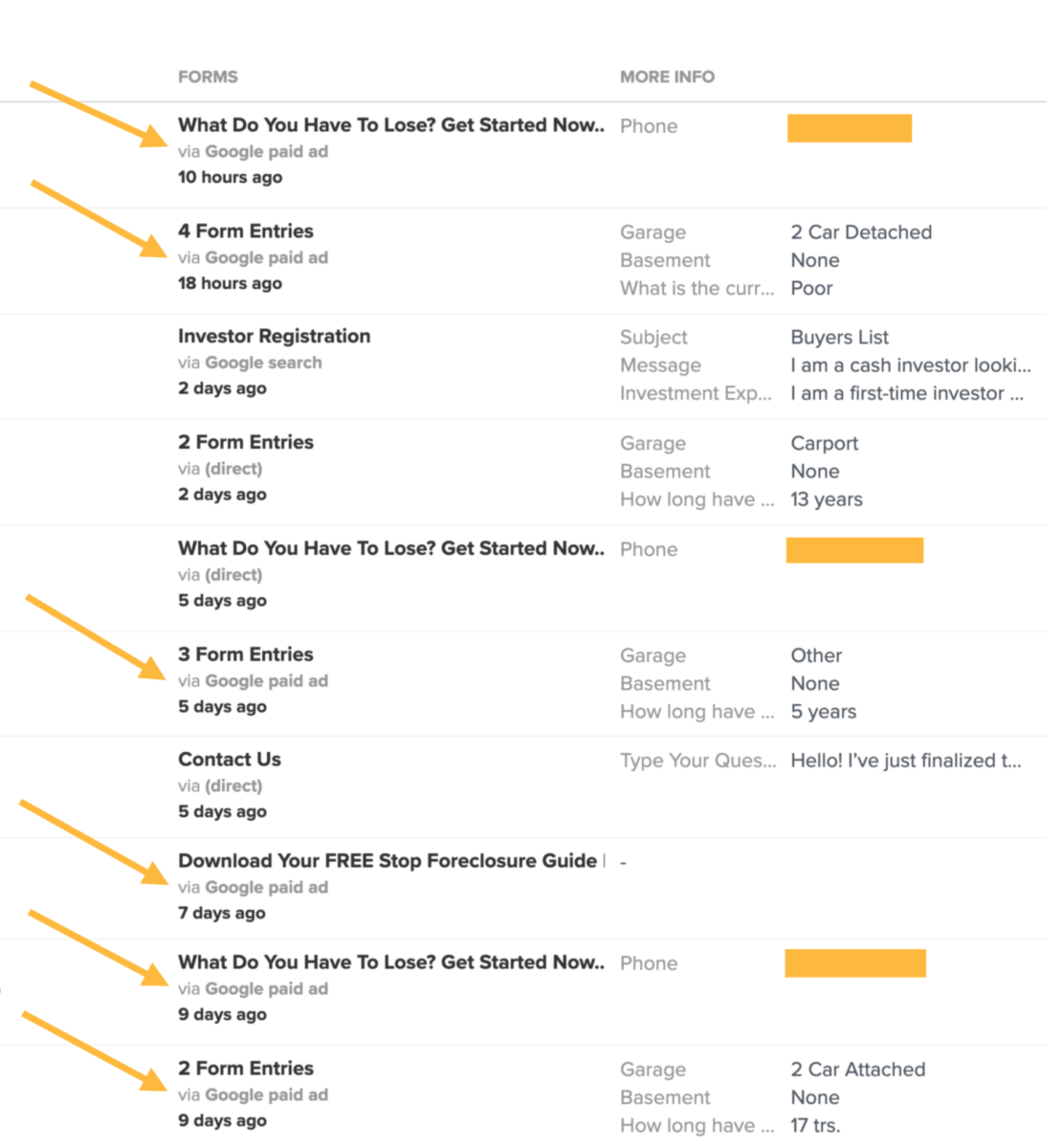
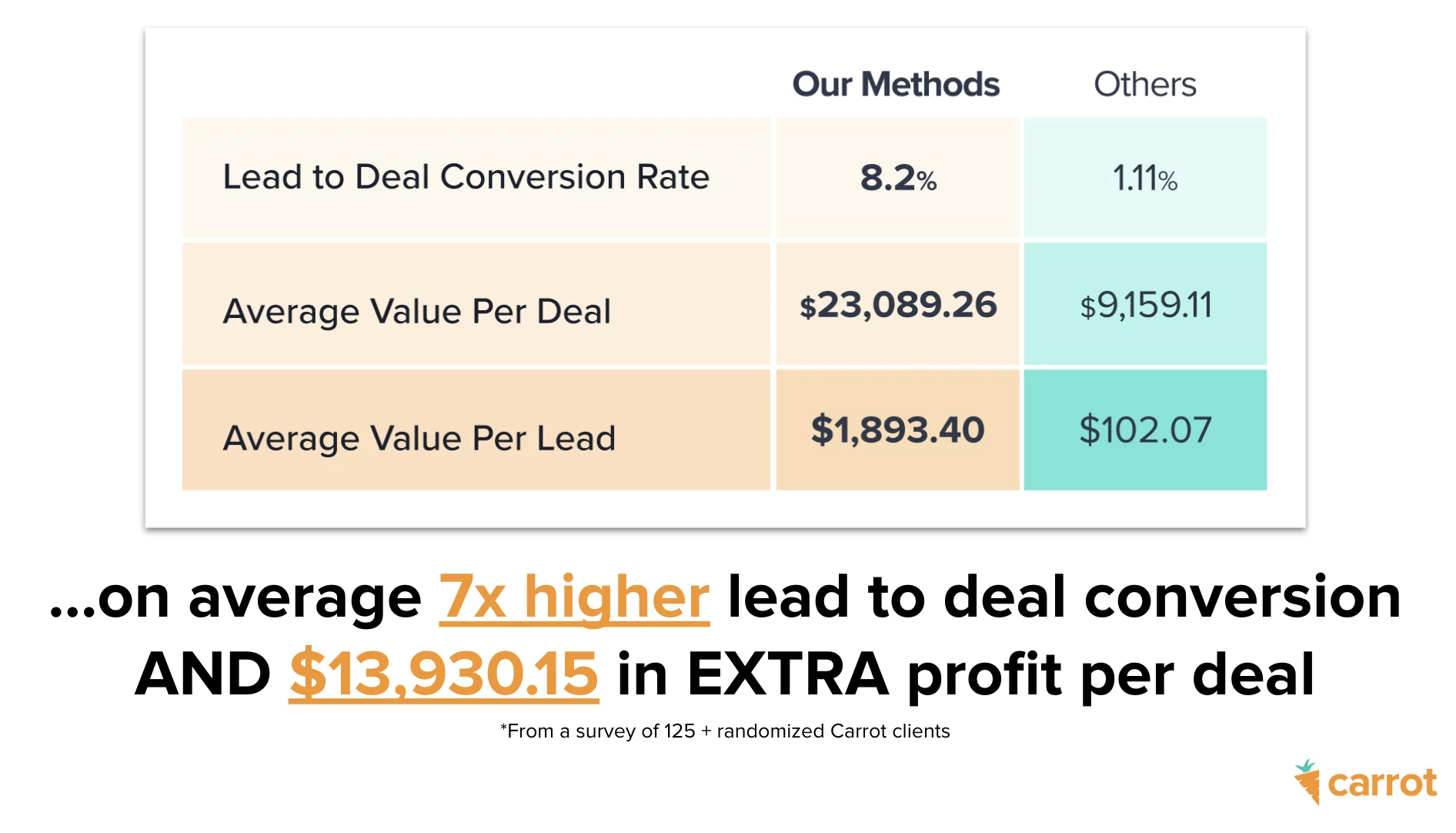
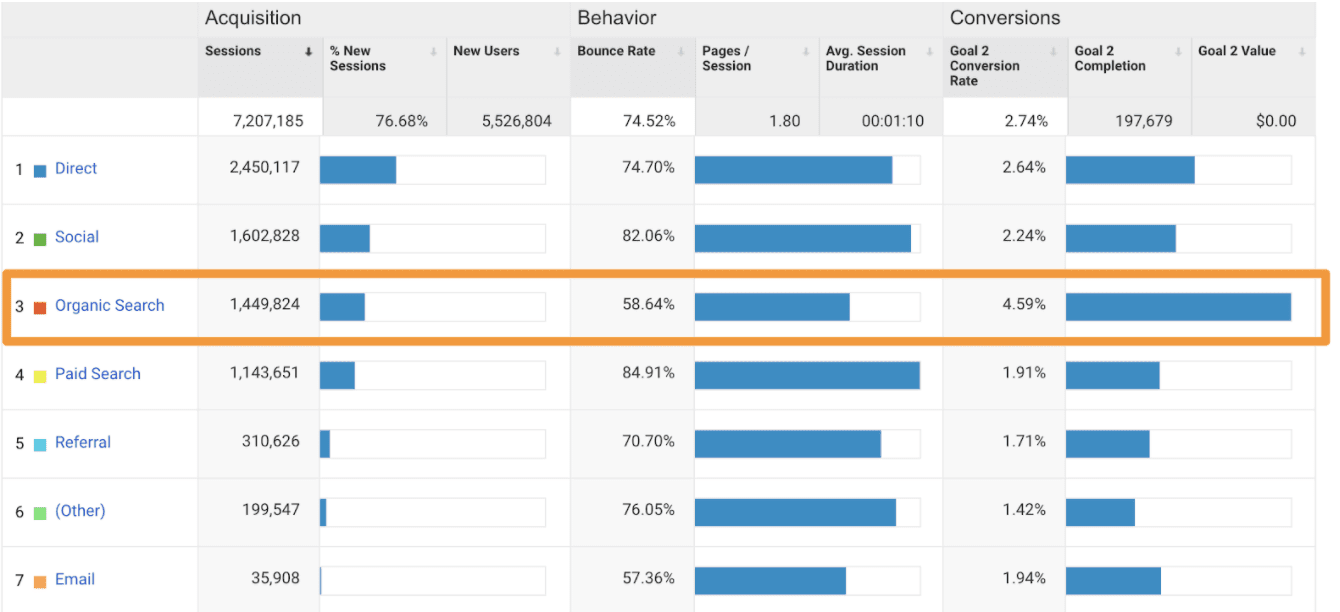
Inbound online marketing with Evergreen content is the answer. It attracts your most qualified prospects who are motivated to solve their problem. It builds trust and credibility with them 24/7, 365 through your Carrot Lead Generation Hub.
They convert from visitor to lead between 2-4 times higher… and lead to deal closed from 2-3 times higher. Resulting in lower lead volume but more profits and less hassle.
Timeframe: 90-day period | Source: Carrot Member Site Google Analytics
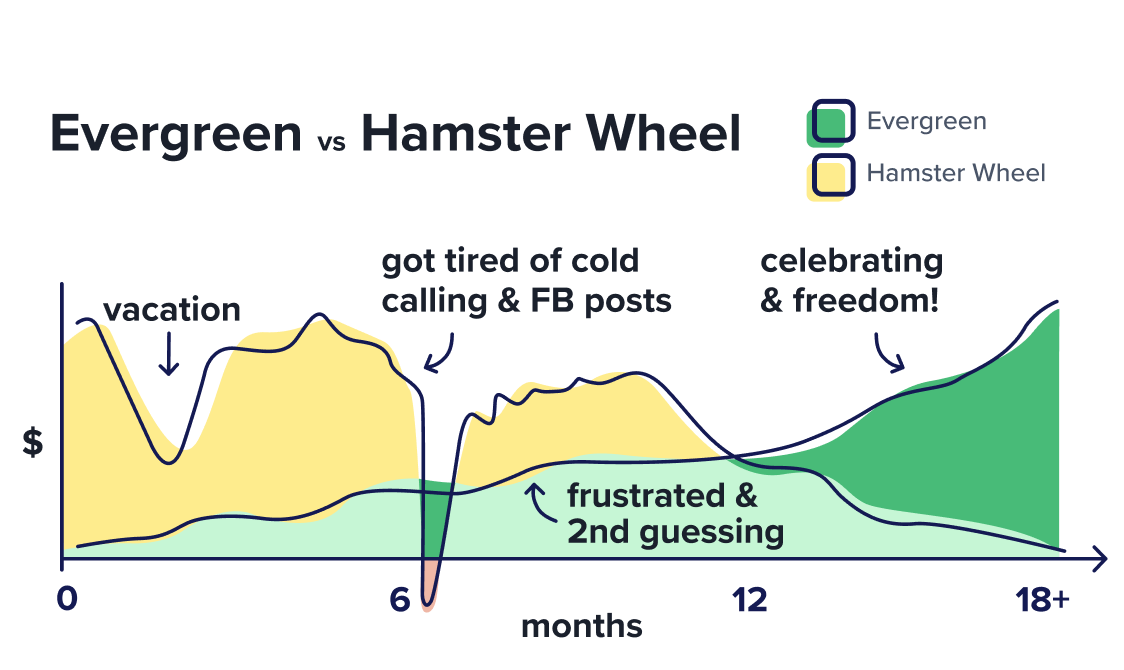
Evergreen marketing is what we focus on the most here at Carrot. We then amplify it with paid marketing and even hamster wheel marketing.
We’ll also discuss hamster wheel marketing in this post and the difference between it and Evergreen. To us, it’s not one or the other. It’s both. But you want to grow more and more into the Evergreen side of things because that’s where you create your consistency, freedom, and flexibility.
You can make a greater impact with your business, but that’s where your most valuable and highest converting leads come from is from, and then we amplify it with the hamster wheel approach.
What is Evergreen Marketing?
Evergreen marketing is essentially creating content and getting online in a spot where it will be there forever, your website or your “lead generation hub” here with Carrot, and then amplifying that on social media.
Where a lot of agents and investors go wrong is they take the content and they just put it on Facebook or Instagram.
That, to us, is what’s called “hamster wheel” marketing.
If you’re creating a piece of content and you just put it up on Facebook or Instagram, it’s going to be there for 24 to 48, maybe 72 hours before it gets pushed down, forcing you to get back on the hamster wheel and post again, and post again and post again, because the life span of that content is so short.
The lifespan of that content is so short that you must be on the hamster wheel continually.
If you get off the hamster wheel, stop doing those postings, stop doing direct mail, stop cold calling or doing RBMs, then your leads will eventually dwindle to a stop, and you’ve got to restart and get back on the hamster wheel.
Now, Evergreen is another way we like to focus outside of the hamster wheel. But it does take work. Evergreen is more like picturing a stack of bricks.
Here, you see the hamster wheel, which looks amazing because it’s easy. You can hop on it. You can take a step, and it immediately gives you feedback.
It immediately gives you a result. But the problem mentioned earlier is you have to stay on the hamster wheel forever or plug somebody into the hamster wheel for you to keep giving you the result.
That’s where agents or investors get burnt. Everyone tells them, “Do this method, do this method.” But two, three, four, five years later, they get burnt out because they’re still doing that hamster wheel marketing with no end or systems to make it Evergreen.
This is where we want to help make a change.
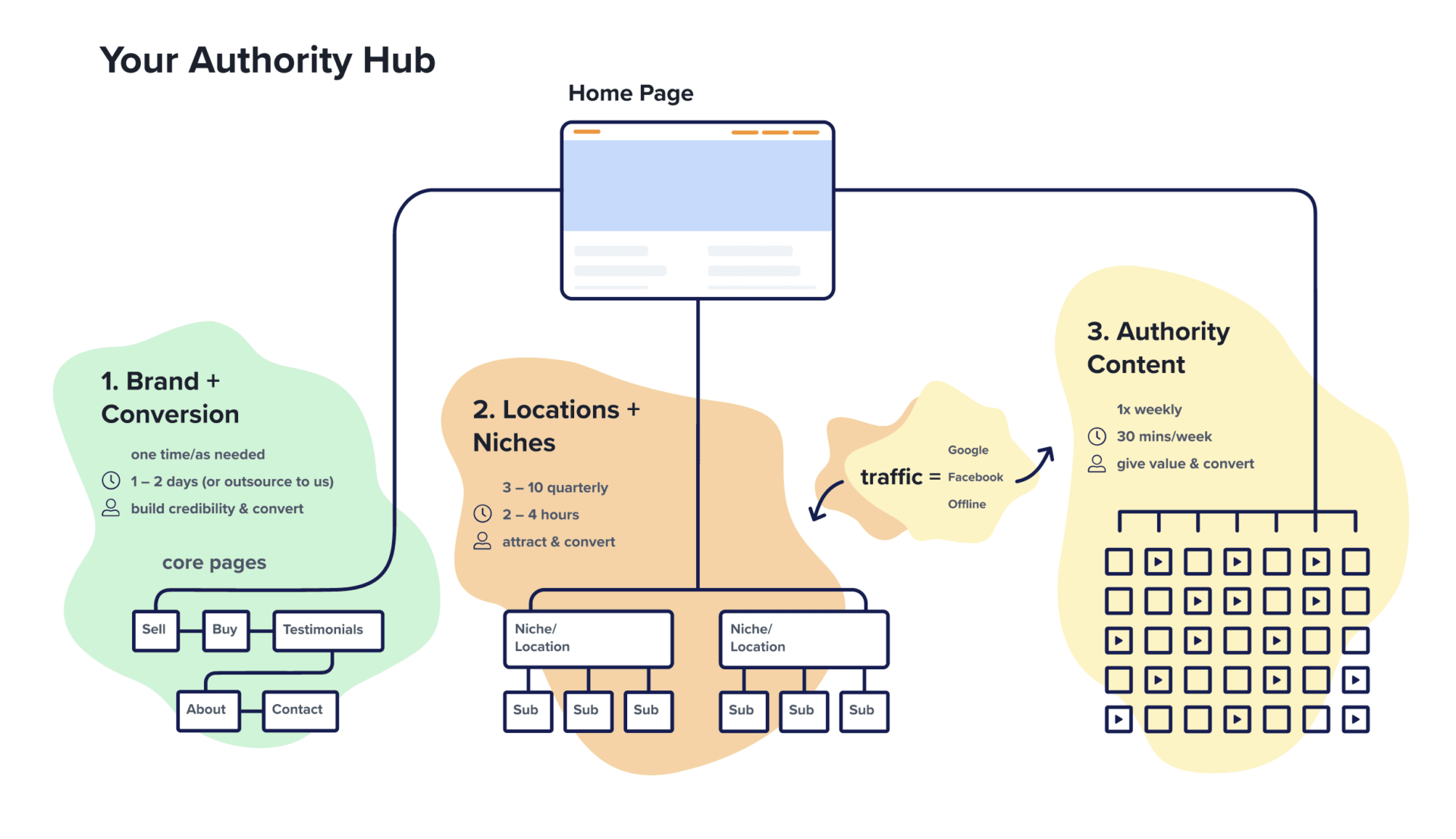
So, each brick in the stack represents a piece of content, a page on your website, something that will be there forever. It could be a video. It could be a location page of a neighborhood you do business in.
Or, a video post on our system where you can take a short video from your cell phone, upload it to our video post feature, and automatically turn it from a video into a written article that you can then publish.
So, get into the weekly routine. Pick up a brick and stack it, pick up a brick and stack it.
Eventually, you’re going to have a whole row of bricks. It was dirty. It was hard work. You might even pull back and say, “I’ve done a lot of work here, and I’m not getting the result yet.”
That one row is not a wall.
What would happen if housebuilders stopped building a brick house in the first row? They were like, “Man, that was a lot of work. My hands are hurting. It’s not a wall yet; I’m just going to quit.”
Well, there wouldn’t be a house.
That’s where most people quit Evergreen marketing. They do a few actions and want instant gratification, as hamster wheel marketing gives them. But they didn’t shift their mindset to the long-term momentum-building mindset.
So instead, get on the hamster wheel, get some leads and deals coming in, but then go back and stack bricks.
Get into a routine of creating content. Another piece of content this week, another piece of content next week, a blog post next week, a video post, a video post, a location page, and eventually, you’ll have a brick wall that does all the work for you.
Remember, it will be slow going in the first three, four, five, six months potentially.
But as long as you’re consistently stacking bricks of quality content that answers real questions from your market, you’re entertaining in your way; you’re going to start to pick up that momentum.
Hamster wheel marketing, you get a quick result, but then you get off of it, and it goes down. Then you got to go, “Shoot. I got to get more business.” You get on it, get off, get on it, get off. This creates stress.
Evergreen marketing creates freedom.
Freedom or stress. You pick which one you want.
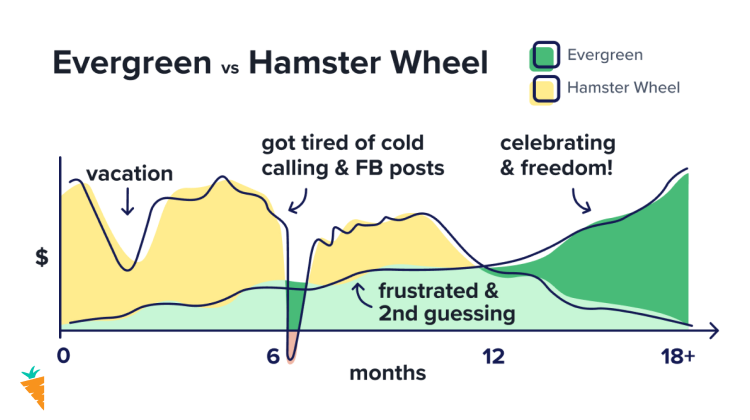
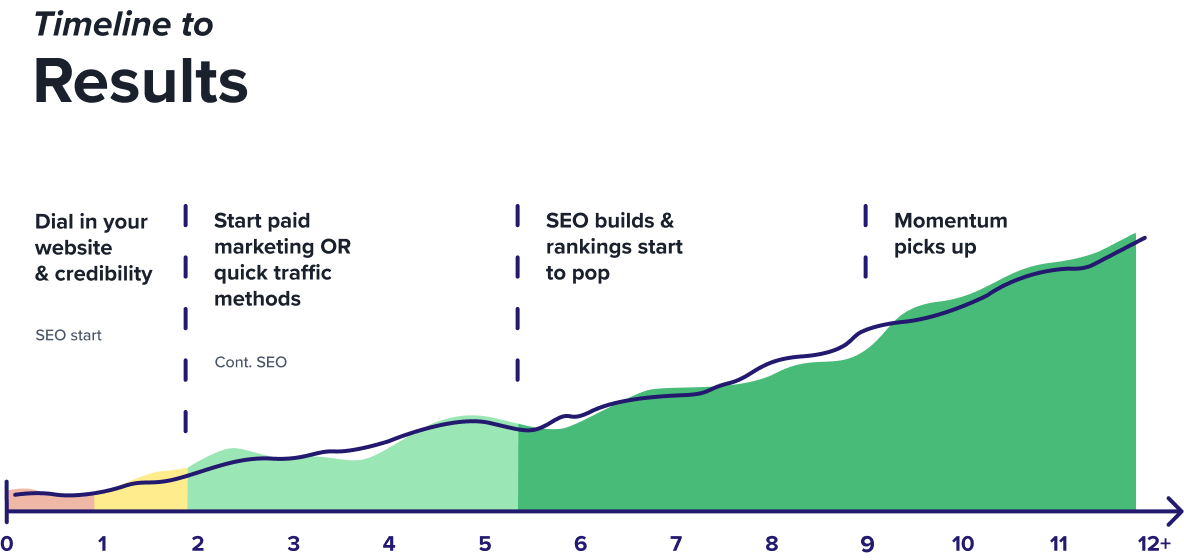
So, how long does this take to work? This little graph will show you—essentially the time and the results that we want to have you expect.
Evergreen Marketing Time to Results
The first one to two months is when you’re really going to be dialing things in. By now, you should have already had your website or lead generation hub created.
Dialed means you have your logo on your site, changed some of the content, and got some of the location pages created. Once you’ve got that dial, then this is where you’re ready to start to bring traffic to your website. Dial it in those first couple of months, add credibility, and get your content started.
In months two to five, two to six or so, that’s when you want to start some of that short-term marketing. Paid marketing, quick traffic methods, and things like that. And months five to 12 is when you really start to see this Evergreen content marketing pickup and get momentum.
So, in the early months, that’s when you will be doing a lot of work on the Evergreen marketing but may not see the highest level of result that you see over on a hamster wheel.
So, in the short term, once again, this Evergreen marketing works in tandem with short-term or quick-result marketing. In those first three months, execute things from that short-term marketing to get traffic and leads immediately.
Hamster Wheel
Short-term
Foundation
Quick traffic
Mindset
Amplify
Evergreen
Long-term
Traffic stacking
Content + SEO
Building + Adding Authority
While you’re executing short-term marketing, you’re going to want to be building the foundation, executing the long-term momentum-building Evergreen marketing, which is simply creating content on your website consistently that Google likes to answer questions for people’s problems.
Free Live Workshop
Unlock Growth & Eliminate Burnout. Independent of Cold Calling, Direct Mail, SMS, and other ‘Draining’ Marketing Tactics
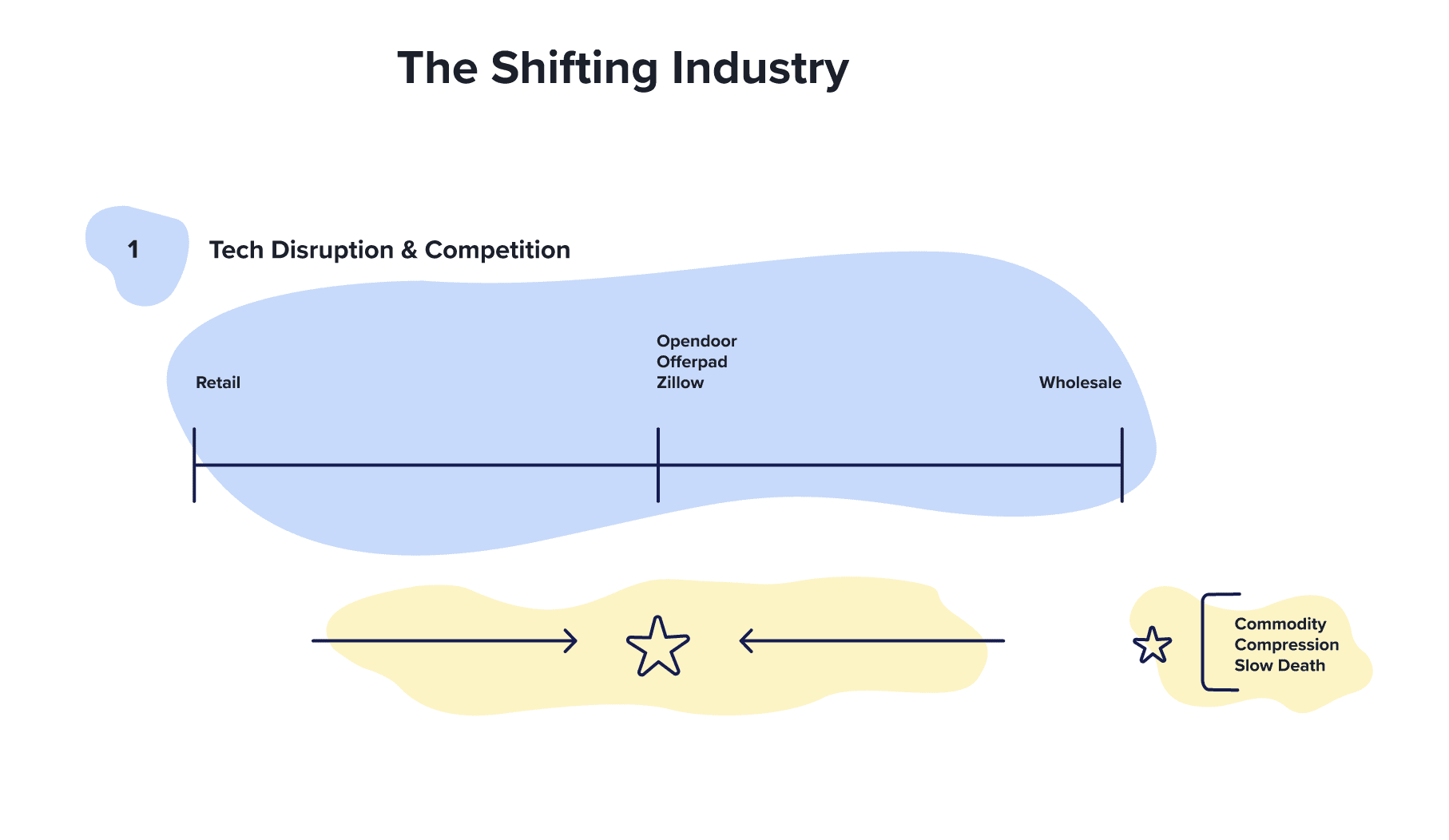
With the shifting real estate industry, there must be a marketing shift that has to happen in the tech disruption in general.
We will talk about this shift, what Evergreen marketing is and what it is not, and how you can really start to like it.
If you implement, stay consistent, and have patience, you’ll be able to get more consistent, more predictable, and high-quality leads.
People will be reaching out to you rather than you having to contact them. No longer will you need to rely on posting on Facebook 18 times a day. Instead, let’s get you to where you publish a piece of marketing today, and it works for you in six months, in a year, in three years, in five years.
You might say, “Yes, I want that, but what is it?”
We’re going to walk through what that is and show a couple of examples and case studies to really connect you to how it works for buyers and how it works for sellers.
We aim to get you to shift your marketing mindset into what will work amazingly well in the market ahead.
The industry is shifting, and you can see with the industry shift, there are two parts to the industry. There’s the retail side of the industry, and then there’s the wholesale side.
The Shifting Industry
The retail side is working through the MLS, working with real estate agents. On the wholesale side, of course, just like any industry, the auto industry and the grocery industry all have retail and wholesale sides.
Both of them serve a great purpose. Some people want to buy properties at a discount for investment, and they don’t want to pay retail. In contrast, some people want to sell properties at a discount in exchange for speed and convenience in solving their problems. And many real estate agents don’t tread into the other side very often. Many wonder, “Why would that seller sell at a discount when they can sell it over here for a higher price?”
Well, oftentimes, the seller wants to sell because of many reasons. They need to move fast, or they had a bad experience selling it traditionally before, or they want cash quickly, and they need it within 30 or 60 days, and they don’t want to have to put up with showings and people going through and making offers and backing out or a variety of other reasons.
It’s a big market over there, and it will keep growing with the iBuyers. iBuyers like Opendoor, Offerpad, and Zillow fall between retail and wholesale.
The big tech giants are starting to say, “Hey, I think we can do a little bit of what agents do a little bit better, and I think we can do a little bit of what house buyers and professional house buyers do a little bit better. And we will bring in better branding, better marketing, huge budgets, and try to shift the overall industry towards direct selling.”
Now, I feel that there will be more and more sellers selling directly to an end buyer through an investor or an iBuyer service like this.
I still feel that real estate agents will be the backbone of house sales over the next several decades. But, there will be a change, and we want to ensure that agents are not becoming a commodity.
We want to make sure that your commissions and your profits as an investor or agent are not being compressed. We want to make sure that you don’t die a slow death in your career because of this shift and get left behind in this shift.
So the next question is this: how do you stand out in this market? How do you stand out when there are a lot of agents, when there are a lot of investors, and these iBuyers and tech giants are coming in to try to disrupt the industry?
You stand out, not by creating fancier CRMs and fancier automation with text and email. That stuff is fantastic. That stuff amplifies what you’ve already got.
The way that we actually stand out is by becoming an authority.
It’s an authority on a topic, on a neighborhood, on a specific type of a seller situation, in the area-owned real estate, whatever it is, becoming an authority that people look to, to say,
“Wow, that person knows a lot about the subject. I trust that person, and I feel less risk in taking care of better if I work with that person with this type of transaction.”
With the authority scale, it goes from the very bottom of the tactician.
Tacticians know:
How to take the steps.
How to do the basics of a transaction as a real estate investor or agent.
How to close deals, but their earning potential will be very, very low.
The tacticians’ influence will also be very, very low on those clients in that industry.
So to raise your income and become more stable as an agent or an investor, you need to start taking steps to become an expert.
Experts are:
Well beyond just knowing how to do the tactics, shuffling the paper, knowing how to do the transaction.
They are experts in niches such as experts in a neighborhood or neighborhoods, in a type of a buyer, a type of a seller, certain types of transactions as an investor, or if you’re an agent, you’re an expert in commercial property, investment properties and you’ve put in the time to invest into learning the expertise in that.
These things are going to increase your pay, and it’s also going to increase your ability to influence your market to work with you so you can serve them better.
But, you need to move to be an authority to really win
There are going to be a lot of tacticians in this next phase of the real estate industry that are going to get pushed out of the market. Technology is going to gobble up those people.
Experts are great, but the difference between an expert and an authority is an expert that many people know is an expert. An expert is just someone who knows a lot of information, but no one may know who you are.
How do you get to have people know who you are?
The more people who know who you are and are an expert on this topic, the more people will know you. The more people will be attracted to you, the more sustained and consistent that business will be.
The way to bridge that gap between expert and authority and increase your pay, decrease your risk in the market, and increase your ability to stay and thrive in this market change while these two segments, tacticians and experts, have a tougher time and they start to go downhill is you need become an authority.
How to Become an Online Authority
What is the only way to become an authority?
The answer is CONTENT.
What is content?
One way to do it is with your cell phone. You can record a video and upload it on Facebook. You can also take that video and upload it to your Carrot site (if you’re a Carrot member) and turn that video into a written blog post using our Video Post feature. That’s content.
When people see your content, and they see your expertise and personality, they see your authority on that subject, especially if they see it over and over again.
It could be a written piece of content. It could be you in front of a chamber of commerce meeting. That is content, even though it’s in person.
If you’re attending those networking meetings or meeting one-to-one at a coffee shop, that’s amazing, but you can only scale that so far. What happens during situations that pandemics, like America and the world, have been through in 2020?
You can no longer show up to those big networking meetings. You can no longer go to the coffee shop and shake someone’s hand.
But what you can do is create content so people can find you online. Online is only going to get bigger and bigger. More and more people are going to the internet to make Google searches, and that’s where we want you to be.
We want you to be rooted in this authority or eventually branch up to the “celebrity” authority in your market.
How do you do that?
This is where Evergreen marketing steps in.
Evergreen marketing is so amazing; that’s why we’ve gone all-in on Evergreen marketing; it’s what we’ve done since day one of Carrot.
We’re not a company that started out doing X, and then we realized this opportunity, and we’re shifting our strategy. We’ve been doing Evergreen marketing since day one. It’s what the entire business has been built on since the inception of Carrot at the end of 2013.
Millions of leads have been brought in through our system, mainly motivated sellers, but also a ton of buyers, a ton of tenants, land sellers, land buyers, mobile homes, retail listing houses, you name it.
How Evergreen Marketing Works And Examples Of Carrot Members Who Have Been Highly Successful Using It
Buyers and sellers are searching online every day to solve their problems.
You create valuable content and put it on your website (lead generation hub).
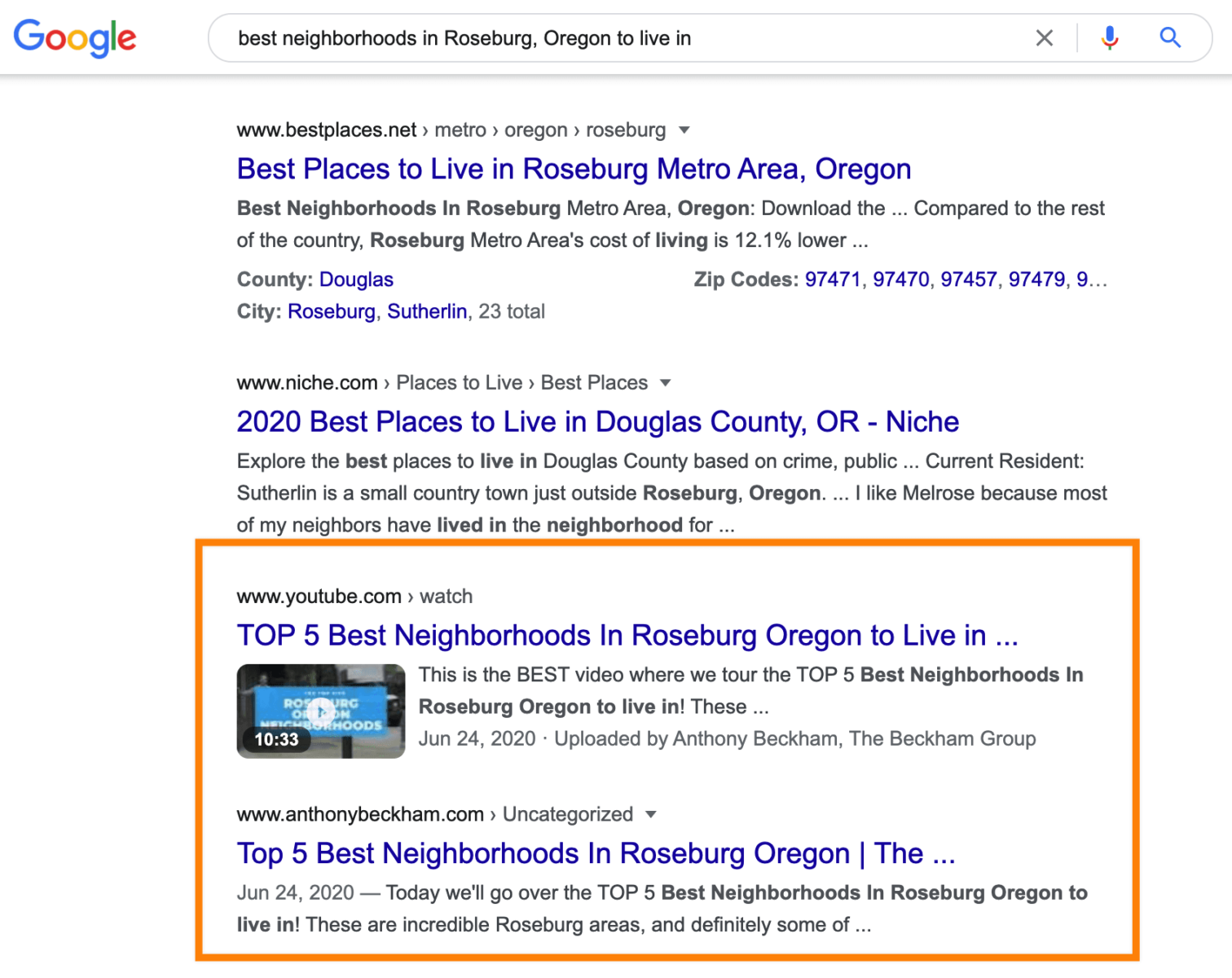
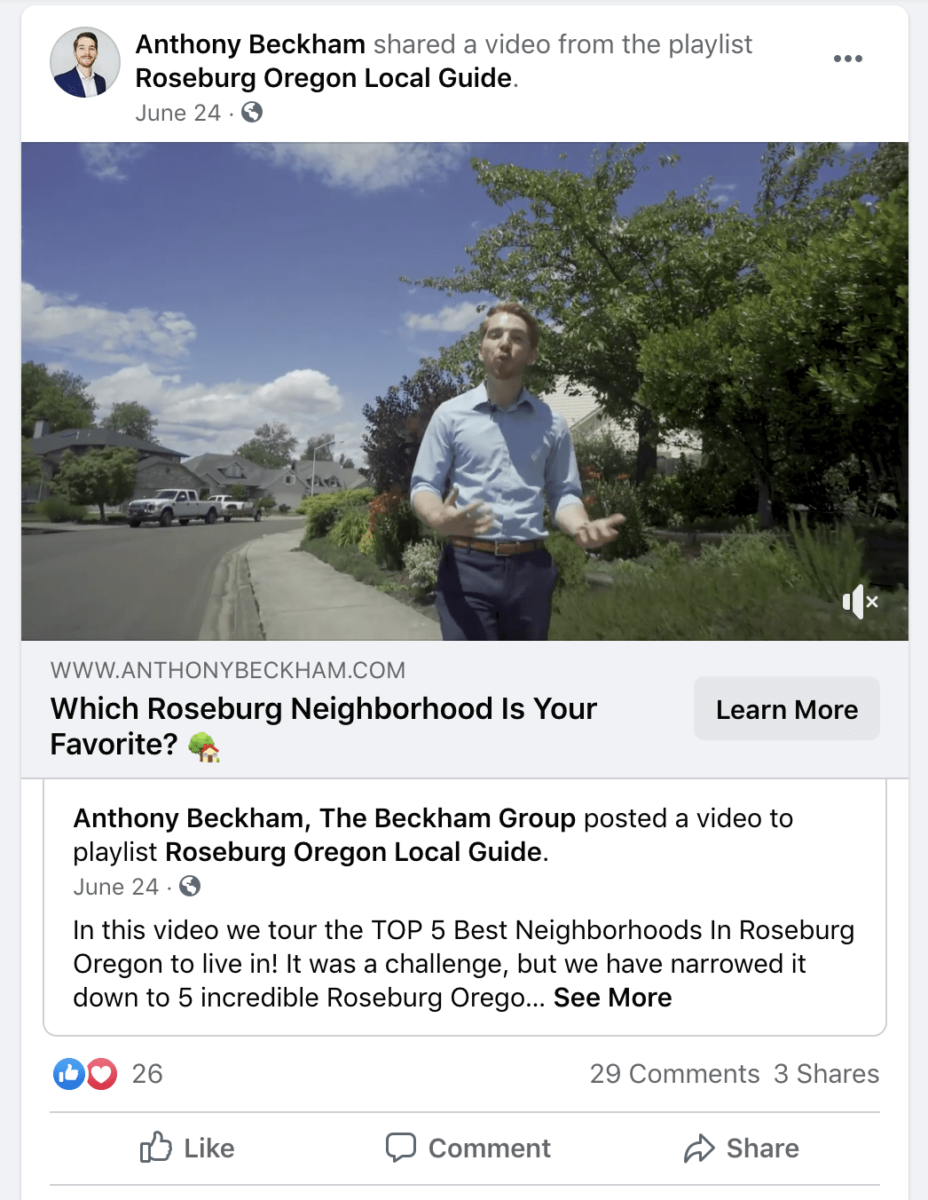
It could be a video like we’re seeing here from Anthony Beckham. It could be a blog post. It could be a location page where you’re talking about areas and neighborhoods in which you buy or sell houses. You can see this one from Anthony; he talks about the top five neighborhoods in Roseburg, Oregon.
He put it on YouTube and also created a video post. His video already has over 1000 views.
If optimized well, your site ranks high. Searchers land on it and engage.
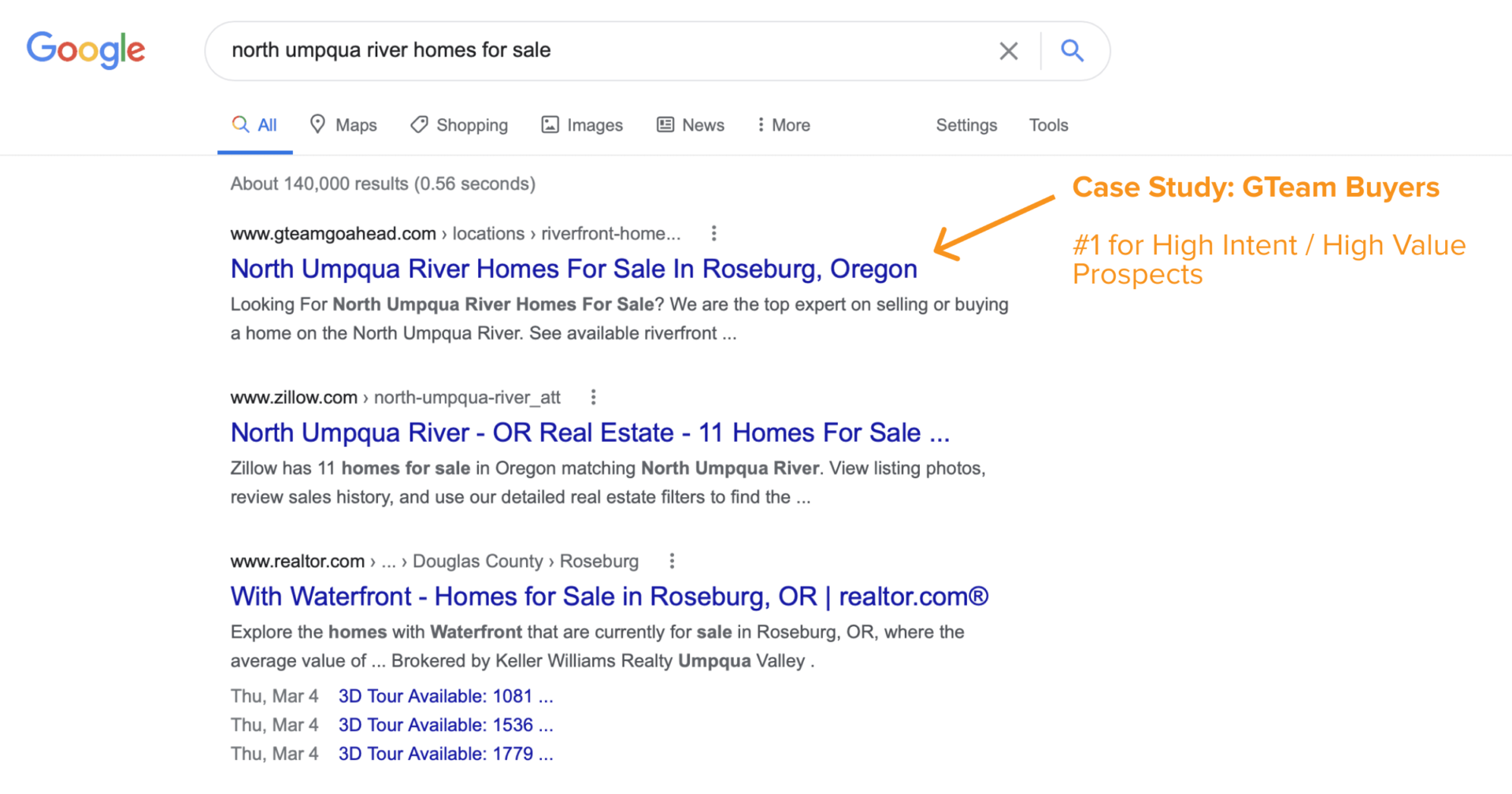
Search “North Umpqua River homes for sale”.
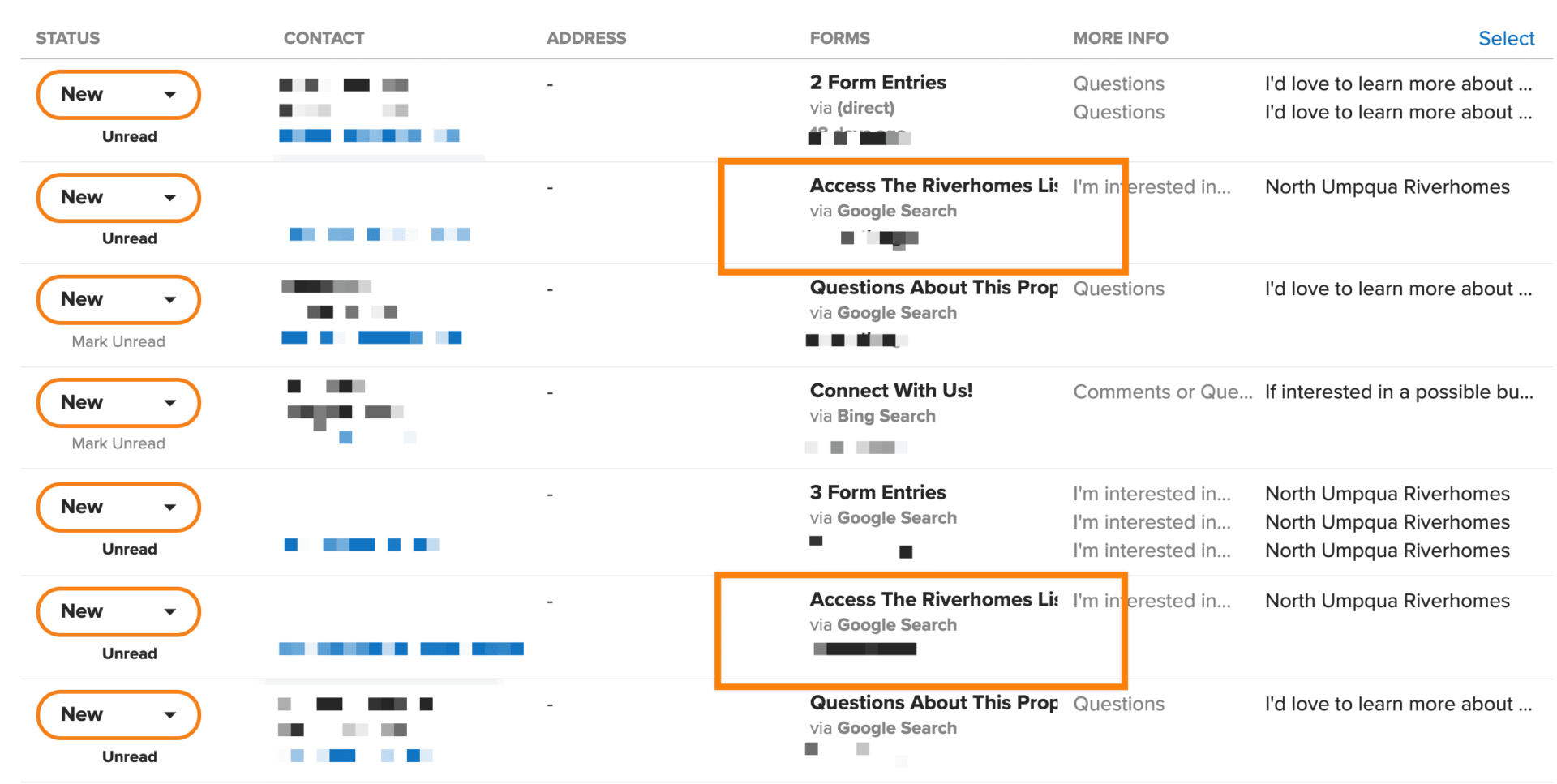
The number one result in Google is a Carrot site. One of their location pages they stacked a brick and created a bunch of location pages, and it’s outranking Zillow, and that produces leads every single month for them of people who are looking to buy in that luxury home area.
Your content lives and works. It builds trust, credibility, and authority 24/7 for months and years.
Rinse and repeat over the long term so your content is everywhere online.
Amplify your content with social media, ads, and email.
You’ve got to start shifting some of your patterns, start shifting some of your thoughts on what marketing is for you. Shift some of your hamster wheel efforts into Evergreen efforts, and then you start to stack more and more content pieces onto your website.
Then, to really make it hum, those content pieces you get on your website, share them on social media, share them on Facebook.
Just like you see here, Anthony is linking up his Carrot page with his video, and he has over 16,000 views.
Once again, the strategy in your first two to three months will be the most work. That’s probably where you’re going to be putting three to five hours a weekend into creating the content getting your marketing plan created in that first month or so.
After that first six months, it will probably be more like an hour a week, and that’s your weekly marketing commitment regarding your content.
Here’s a case study of how Brian Rockwell, an investor down in Dallas, Texas, is getting sellers through Evergreen marketing. There’s a full case study. We will link it up below on how Brian Rockwell has done that.
Brian went from school teacher to a multi-million dollar wholesaling and house flipping business and multifamily investment company just from Evergreen marketing and amplifying it with paid marketing.
This is a text message he sent us. Six wholesale deals this month. If all goes through, $124,000. Four came from pay-per-click.
And then one came from organic and one came from retargeting.
So, there is an amazing, amazing result for seller-motivated households.
Let’s look at a real estate agent G Team, for buyers—North Umpqua River homes for sale. Anyone who types up that phrase in Google now takes about four to five months of doing the process, putting their heads down, and doing the work, or you can hire our services team to do some of this work for you.
They’re ranking above Zillow and Realtor.
What does that equal? It equals leads. The G Team gets leads every single day from that one page.
Now, imagine if you started to stack on more of those pages, you get three leads from this one every month, two leads from this one and 10 leads from this one every month, and three leads from this one, none from this one, but six from this and three from this, you get the idea.
Here’s another example. So, the niche seller leads. Let’s say you’re going after sellers who are in tight niches. They have a problem. They’re searching online. I want to sell my inherited house in Detroit, or sell my house in a divorce, or sell my luxury home, or how to sell my house without a real estate agent, or how to sell my house with a real estate agent, phrases like that.
What if you were ranked really high in Google for that phrase, just like these Carrot members are, and they’re ranked in front of those clients, what does it turn into? Well, it turns into leads.
This one came through Steve’s Carrot website. He put Evergreen content up there. That was a blog post that he used for an automated blog system, and he used one of our plays in the playbook to modify those to give it a better chance to rank well in Google.
And you can see this one came from Google search, and this one came in at 7:33 PM. Carrot is working while you are eating dinner, while you’re hanging out with your family, or while you’re sleeping, Carrot’s working. That is what Evergreen marketing is. We want it to give you freedom.
Lastly, the whole thing with the strategy of Evergreen marketing is that it is a fundamental shift in the way that you do things.
If you want to be on the hamster wheel for the next five or 10 years and grinding away in five or 10 years and having to continue to post and continue to do things and continue to work five, six, seven days a week, then keep on doing hamster wheel marketing as your only marketing method.
We want to start to have you shift things over to Evergreen marketing, but it’s going to take work.
It’s going to take focus. It will take effort, but in 12-24 months, you will say, “Oh my gosh, I’m so glad I made this shift in my business because now I have freedom. I have flexibility. I’ve got this machine and lead generation hub that is continually attracting the right prospects that convert the best that want to work with us.”
And this is what your site is going to look like essentially.
You have got your core homepage or Lead Generation Hub. Then there are “core conversion” pages, niche/location pages, and the authority content.
Let’s dive into those a little deeper:
Core Conversion Pages:
Purpose: To convert visitors into leads and deals at a high rate
What: Your home page, primary nav pages, reviews, About, FAQ, How it works, etc.
All geared to guide people through a specific set of content to answer questions, squash objections, and convert a visitor into a lead and deal.
Frequency: You create these one-time but then update them as needed.
Niche / Location Pages:
Purpose: To attract new prospects who are searching for localized phrases.
What: Pages specific to a location and/or niche that are created to rank well in Google for those localized searchers.
Seller: It’s best to duplicate a motivated seller lead gen page and localize it for each market. This may be a home page on our motivated seller sites or a seller page on an agent site.
Buyers: Use the Locations page tool so we can populate properties. And each location is unique, so it’s harder to duplicate a page. These pages take more heavy lifting.
Frequency: Ideally, 5-10 per quarter.
Priority “Authority” Content:
Purpose: To build ongoing trust, credibility, and authority through small but hyper-focused pieces of content.
What: Automated content pack blog posts, video posts, etc. These may be market updates, video posts answering common questions, etc.
Frequency: Weekly. Ideally, 1 automated post per week and 1 VideoPost.
Conclusion
That’s it. That’s publishing one authority content piece in under an hour a week, every single week. Then, take your “Lead Generation Hub” and amplify it by sharing it on social media and or paid marketing.
Over time, you’ll see these stack up in Google and start to bring you traffic.
Eventually, you can start to get off of that hamster wheel, and you can start to stack those bricks and get that freedom you’re looking for.
Hopefully, your mindset shifted around what to do. You understand what Evergreen marketing is now to crush it, gain that freedom, gain that flexibility, and grow momentum.






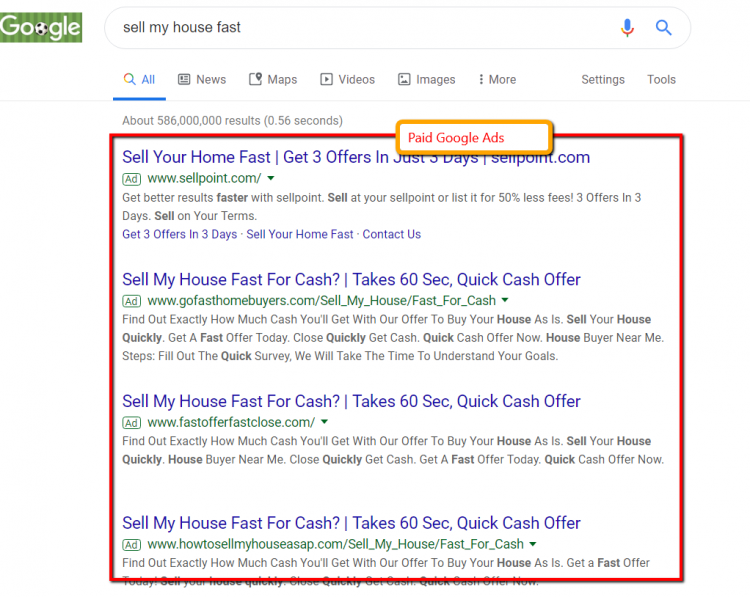
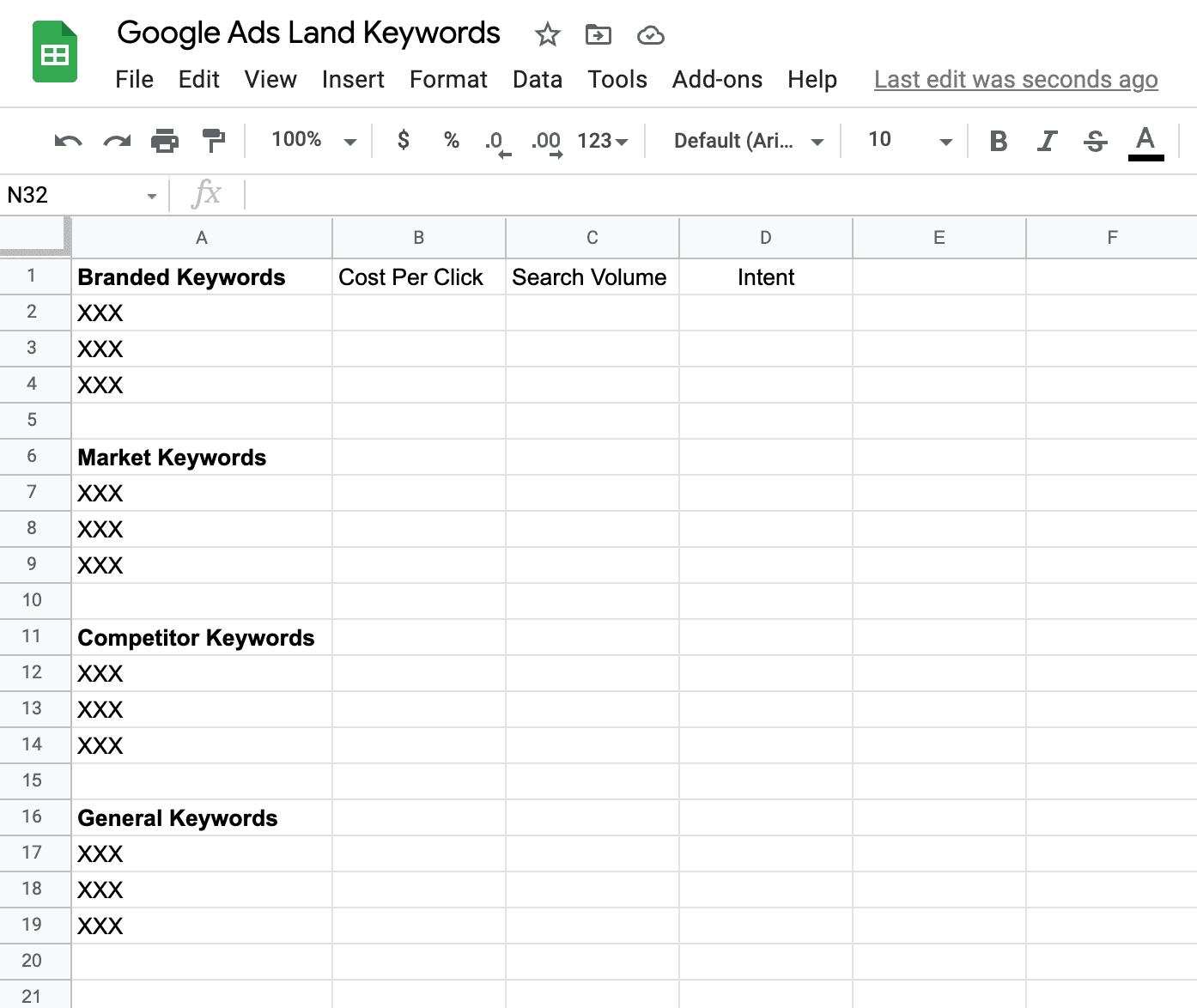
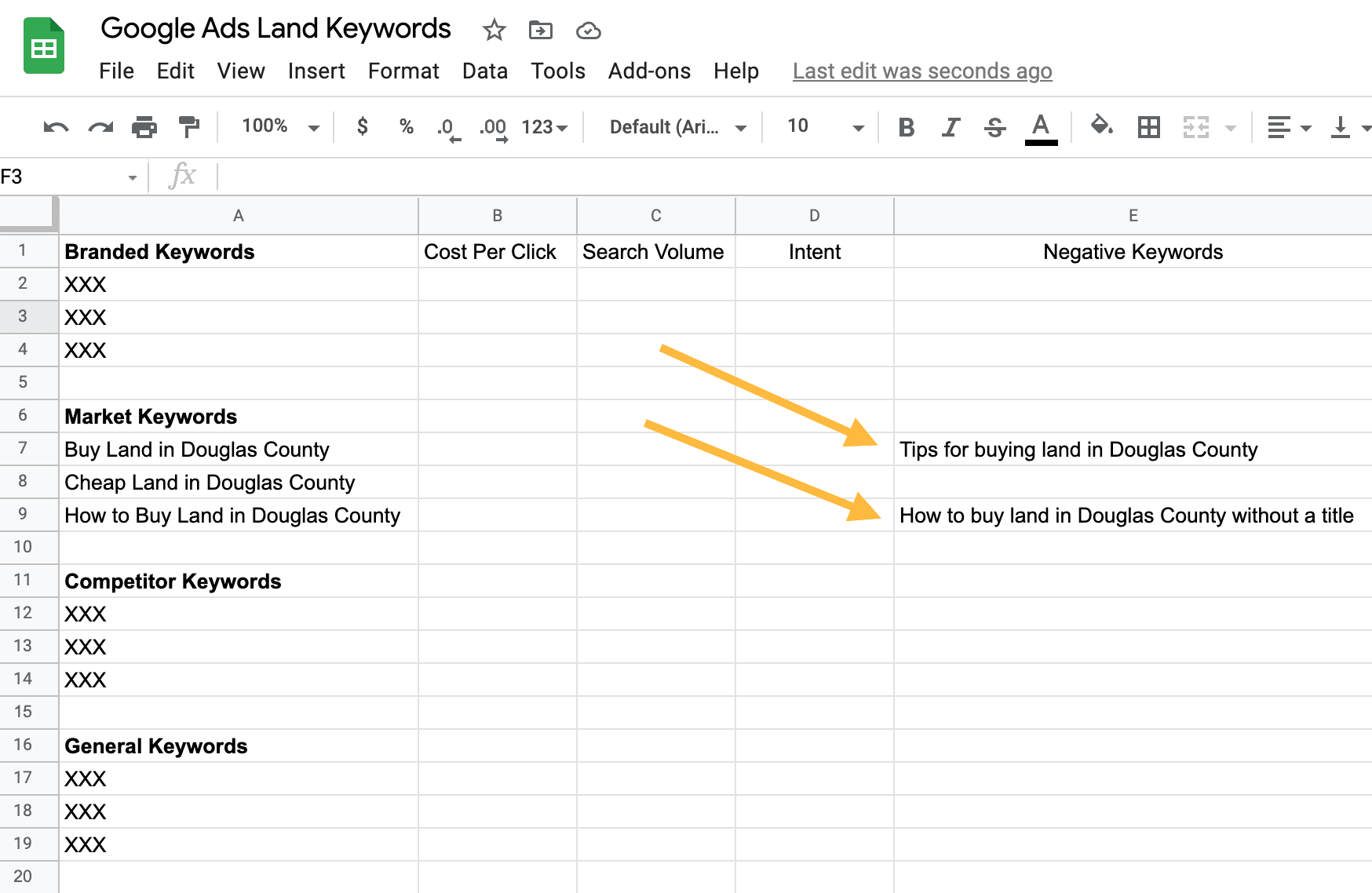
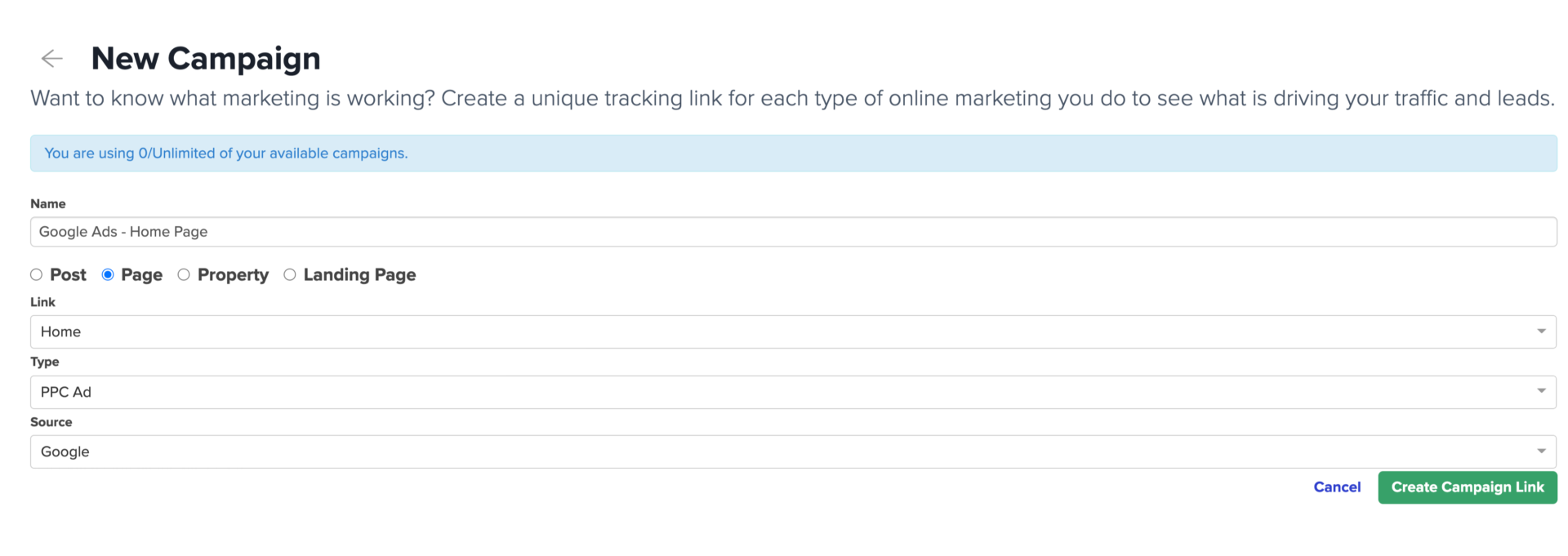



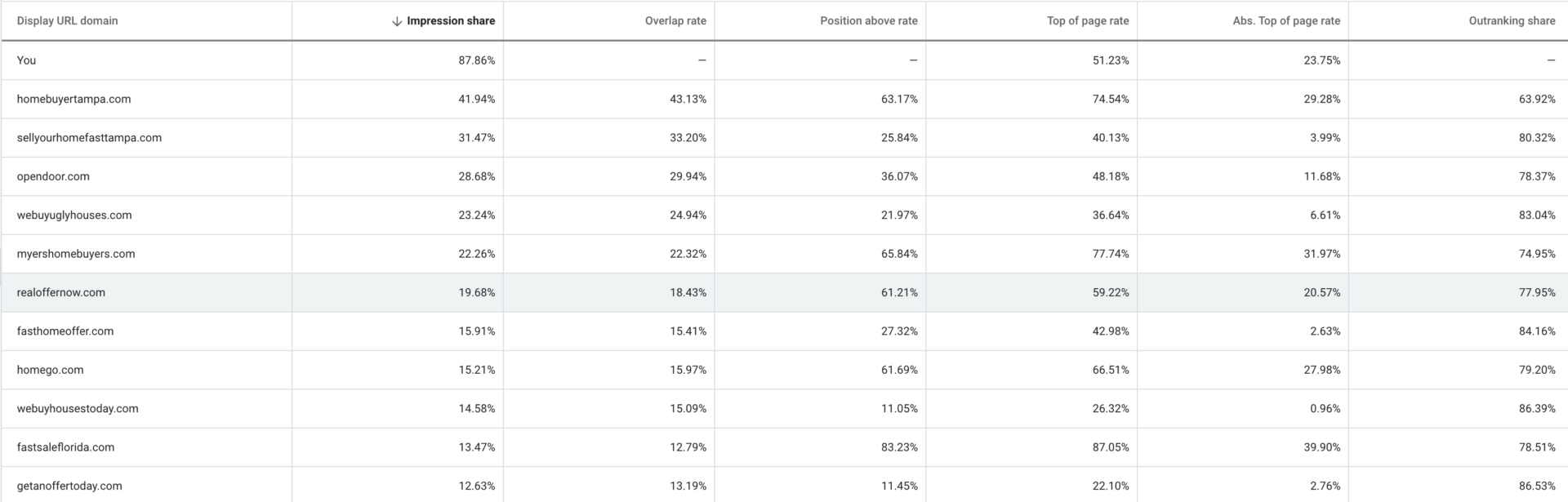
![[Behind the Data] 50% Increase in Motivated Seller Leads from One Simple Test](https://image-cdn.carrot.com/uploads/One-Simple-Test-That-Led-to-a-50-Increase-in-Conversions-1.jpg)
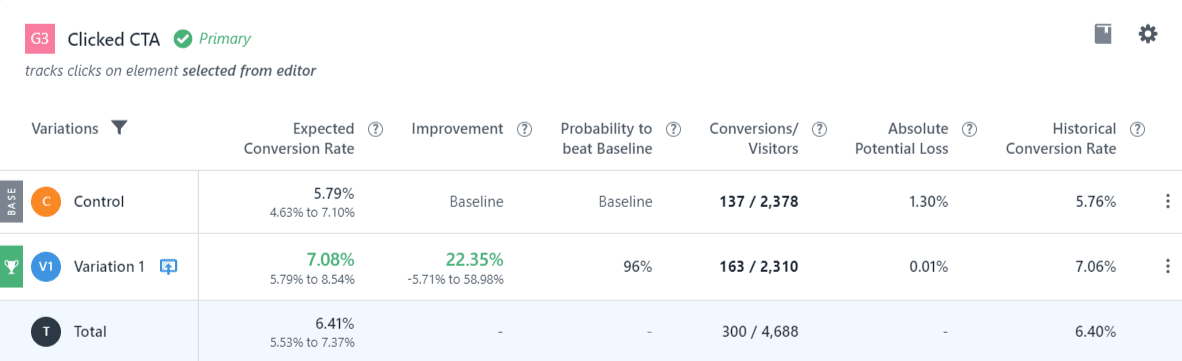
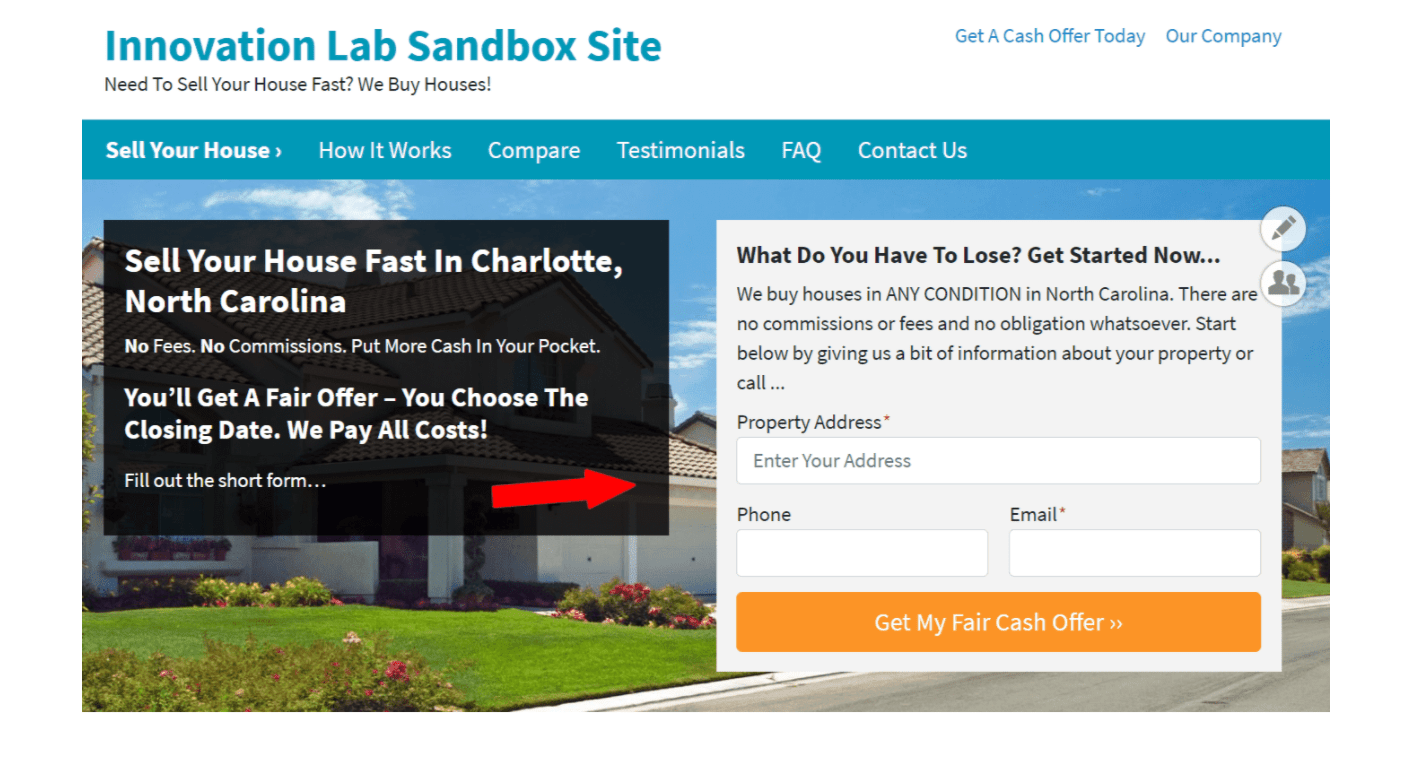
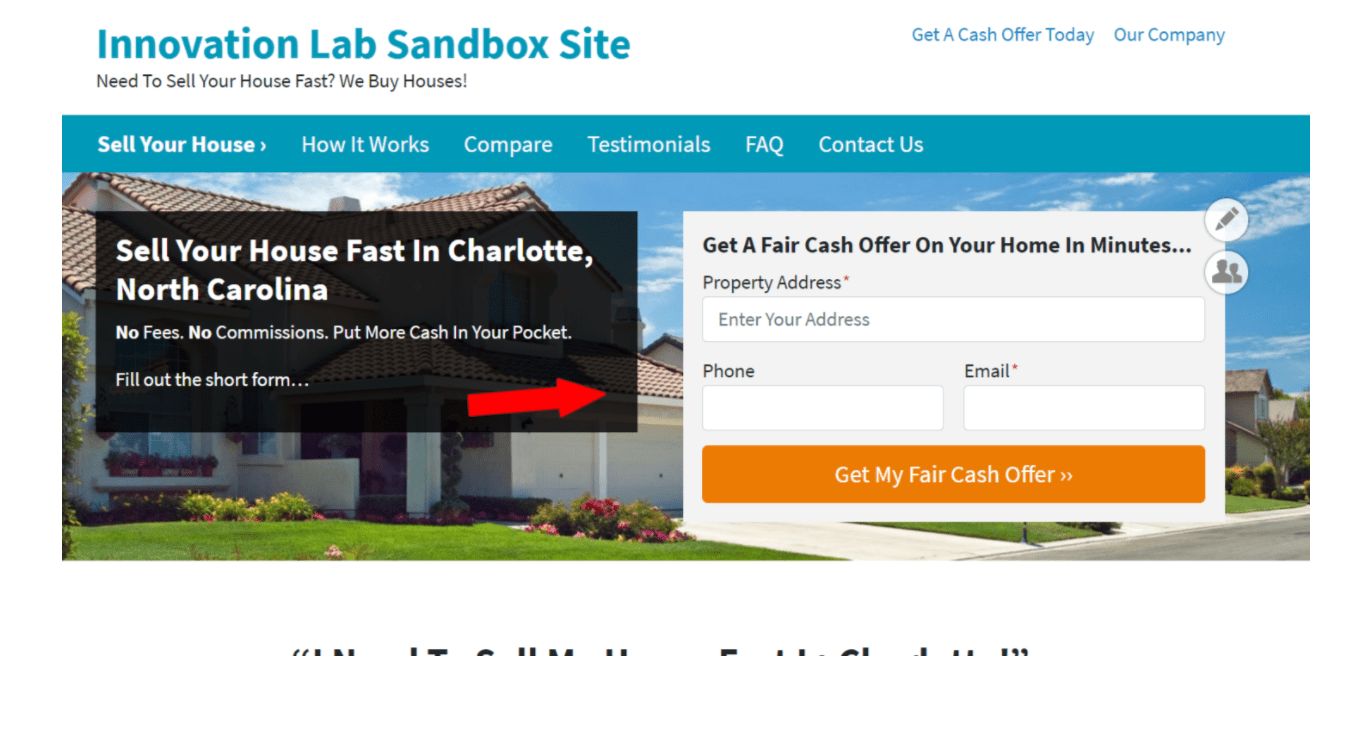
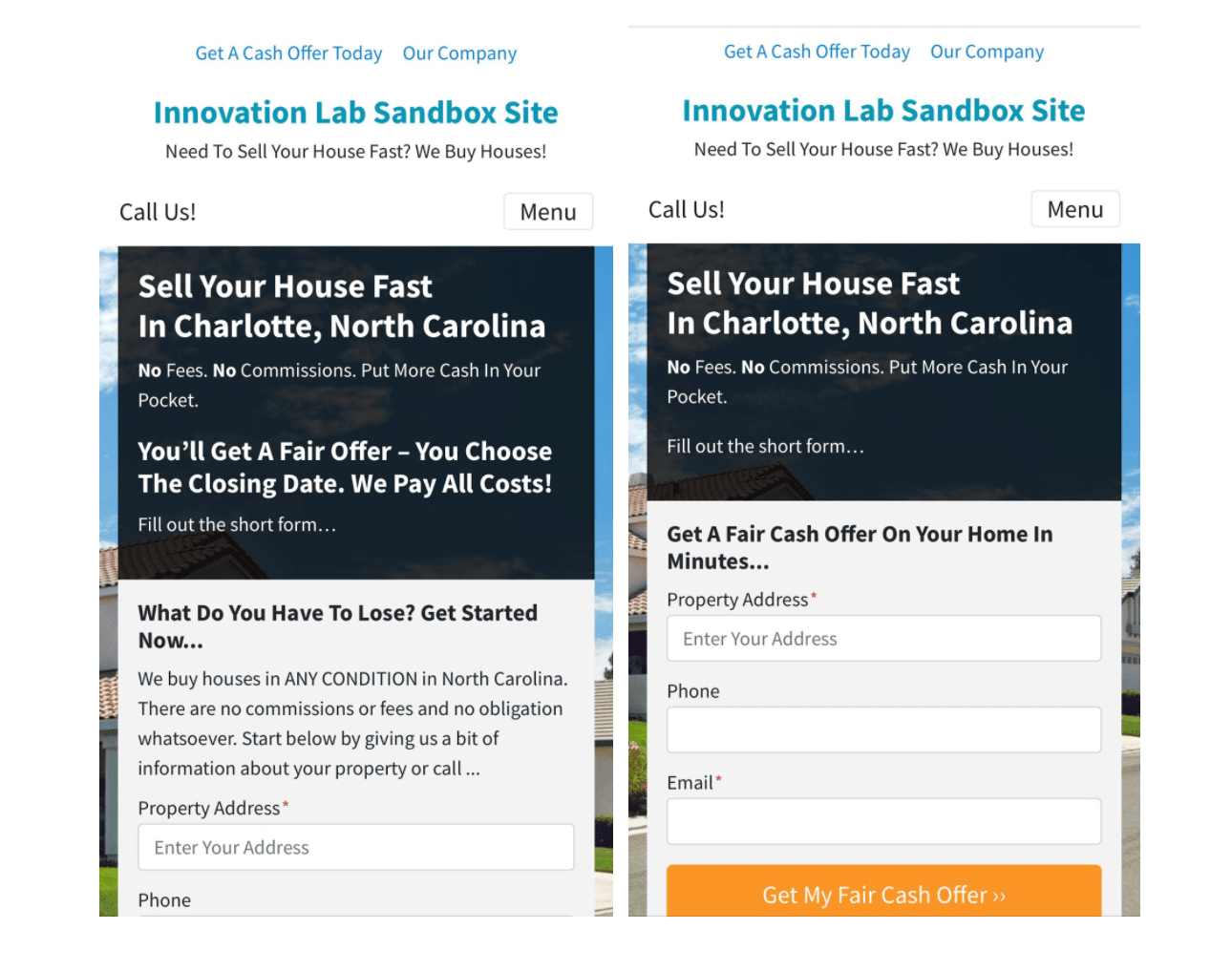
![We Analyzed 50+ Google Ads Accounts: Here Are The Best PPC Keywords for Motivated Seller Leads [DATA]](https://image-cdn.carrot.com/uploads/Top-20-motivated-seller-keywords-in-google-ads-featured.png)