Do you find, finding sellers hard? You’re not alone. With most real estate investing business models, finding motivated sellers can be difficult.
You have to send direct mail that stands out, run attractive PPC campaigns, and rank in Google for terms like “sell my house fast for cash in [market].”
In fact, here’s an article we wrote which is dedicated to helping you find motivated sellers.
But with land investing, the entire thing gets flipped on its head. Finding land sellers is usually pretty easy. For about every 250 mailers, you can expect to find a motivated seller. Finding land buyer leads can be the hardest part.
And of the land buyer leads you do get, a lot of them are tire-kickers who think owning a piece of property would be cool, but just end up wasting your time.
In the end, you might find about one motivated buyer per 25 or 30 leads (give or take some depending on your market).
If you could increase the number of leads you get, you would also increase the number of motivated buyers you find and deals you close.
And in the land business, that’s one of the biggest factors which determines your business growth. Are you finding motivated buyers consistently?
We’re starting off with the most important tip in this article.
Because look — if you generate more traffic to your land buyer website, but none of that traffic opts-in and gives you their info, then they might not have visited your website at all.
(If a tree falls in the forest and no one is there to hear it, did it make a noise?)
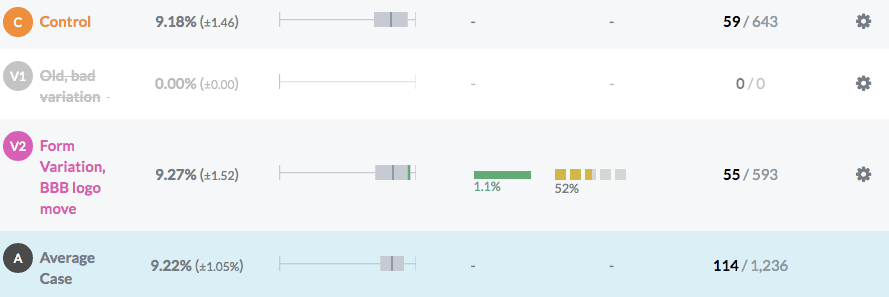
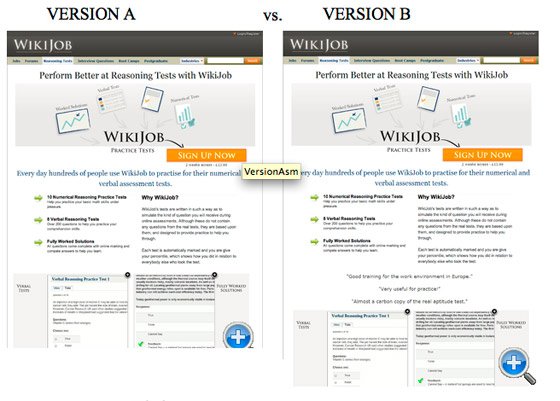
And make no mistake, optimizing your website’s conversion rate can make a massive difference. Consider this math.
Imagine it takes you 25 leads to close one deal.
Further, imagine that you’re currently getting 500 website visits per month with a conversion rate of 5% (which means that you’re generating 25 leads and thus closing one deal per month).
If you increase that conversion rate from just 5% to 10%, you’d generate 50 leads and close 2 deals per month with the same amount of website traffic.
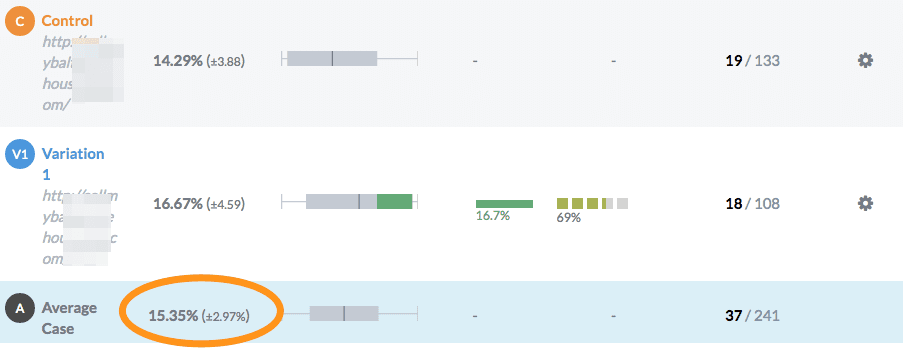
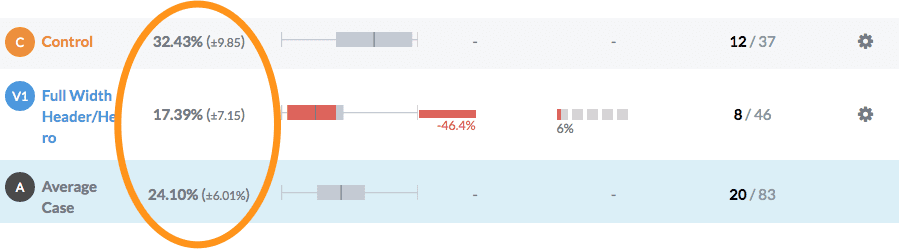
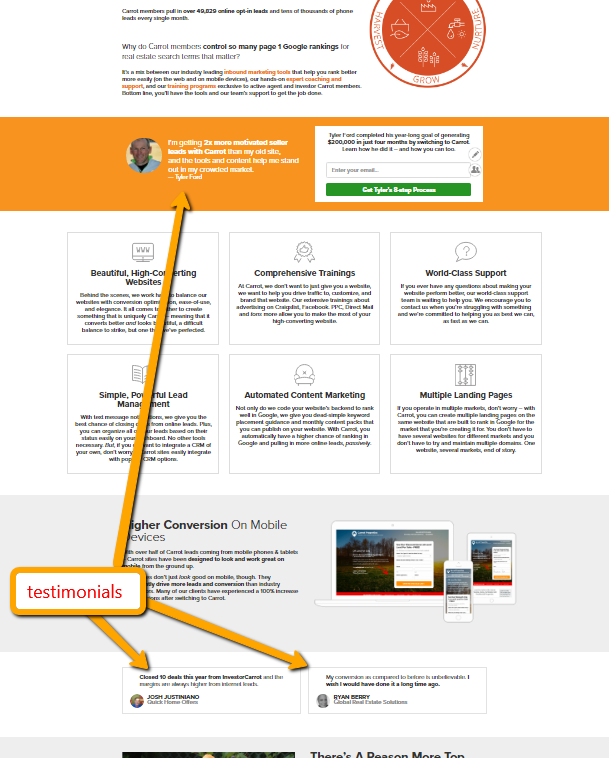
We’ve run tons of conversion rate tests on our member’s websites to determine what converts the best and we’re absolutely relentless about ensuring that our member’s sites continue to convert like their businesses need them to.
2. Create Consistent Content to Find Land Buyer Leads
Consistent content marketing is probably one of the most powerful things you can do for your land investing business. With it, you can:
Create more social media visibility
Drive more traffic to your website
Build rapport with that traffic
It’s also probably one of the most under-valued lead-generation strategies.
Which is good!
It means if you do create consistent content on your website, you’ll quickly and easily stand head-and-shoulders above your competitors that aren’t creating any content.
But… what kind of content should you create? What should you talk about? When should you create it?
Great questions!
Carrot members can create awesome long-form blog content in under 10-minutes using our VideoPost feature. This allows you to record a video from your smartphone, upload it to your Carrot site, and we’ll create a transcript of the video and make it into a blog post for you!
Yep — super easy and crazy effective.
In fact, one of the VideoPosts we created for our own website (yes — we drink our own poison ;-)) is ranking #1 in Google!
As for when you should create it… I’d recommend publishing at least one new piece of content on your website every week (but the more, the merrier!).
Also, Carrot members who are subscribe to the Content Tools add-on receive blog posts every month that they can upload to their website with just a few clicks. And we come up with all the relevant topics so you don’t have to.
Carrot’s land buyer blog post examples
If you don’t want to worry about creating your own content (it can be a bit time-consumer, to be sure), then try Carrot risk-free for one month!
3. Rank in Google For Relevant Land Buying Search Terms
Perhaps the best, cheapest, most effective way to generate more leads for your land investing website is to get your website ranking for relevant search terms in Google.
That way, when someone searches for “Buy land now in [market city]” or “Buy cheap land in [market city]”, they’ll click to your website and become a lead!
Now I know what you’re thinking: how are you going to beat big websites like Zillow, Redfin, and Realtor.com in the search rankings?
Well, it’s not an easy task. But you do have a unique advantage — namely, that you’re running a local business and those websites aren’t. This means that you can use Google My Business to get different rankings!
Use title with the keyword prominently featured, within the 70-character count. You can use a tool such as Moz’s title tag preview tool if you have questions.
Use keyword-rich H2 tags and include your keyword in the body copy.
Add the keyword to the meta description. Meta descriptions are capped at 155 characters so try to add the keyword to the beginning.
Include keyword sentences (3-5 words) in the alt image text.
Offer a mix of internal and external links throughout the blog post.
4. Advertise On Land Listing Sites
Remember when we were looking at SEO (Search Engine Optimization) earlier, how the top websites were big names like LandWatch, Zillow, Redfin, and LandAndFarm?
Landandfarm.com listings
Well, you can also advertise your properties and/or company on these websites — although many of them charge a pretty penny and they lock you into a contract for a year.
I’d recommend checking with someone else who uses these sites to advertise their land and asking about what kind of results they’re getting.
Again, before you pay for these types of ads, you’ll want to ensure that you have a high-converting website and compelling sales copy for each of your properties — our Concierge service at Carrot can help you write effective, custom sales copy for your website. Learn more about it here.
5. Optimize Your Land Property Pages
Once you have a high-converting homepage, a lot of the hard work is done. More people will give you their contact information and then it’s simply a matter of reaching out to them, following consistently, and using your salesmanship skills to turn them into a deal.
But in addition to optimizing your homepage for conversion, you should also take a close look at your property pages — that is, the pages on your website that advertise specific land you have for sale.
Location pages to widen your reach and increase SEO rankings
From our research at Carrot, we put together an article that discusses the 6 critical elements of any effective real estate landing page. Check it out over here.
Then make sure that each of your property pages has those elements.
6. Run PPC Campaigns
Running PPC campaigns to your website can be a great way to generate more leads to your website with just a little extra cash.
However, make sure that your website is converting like you want it to convert before you spend too much money on paid advertising — otherwise, you’ll end up throwing money down the drain.
We have an in-depth article over here that discusses how to create effective PPC campaigns (and it’s written by our own in-house PPC expert!)
Check it out and let us know if you have any questions — we’re here to help!
7. Create a Free Lead Magnet for Land Buyer Leads
On most land investing websites, having gated property pages (that is, people have to enter their contact information in order to look at your properties) is enough to generate leads consistently.
But to differentiate yourself from the competition, some of you might consider using a lead magnet instead. A lead magnet is a free digital resource you give to people in exchange for their email address and phone number. In addition, implementing an SPF record checker in your email marketing strategy can help maintain the deliverability and security of the messages you send, ensuring they reach the intended recipients’ inboxes.
You could create a checklist about how to find the perfect piece of land or how to do due diligence on properties, for example, or you could write a small ebook about how to find the perfect land for building on.
For example, WGLands created a “Land Investing Coaching” lead magnet
Sometimes, giving away a free resource to new website traffic can pull in leads you wouldn’t have captured otherwise.
If you’re at a loss for what to do, then this idea might at least be worth a try!
Test it and see what happens (consider putting the free lead magnet on your sidebar and leaving your main opt-in form at the top so you can generate both types of leads).
Conclusion – Get More Land Buyer Leads Now
You want to generate more leads to your land investing website.
For good reason!
The more traffic you drive to your land buyer website, the more lead you generate, the more deals you’ll do every single month.
And with more monthly deals comes more entrepreneurial freedom and more time for the things that matter most in life. You can use the above 7 ideas to generate more leads for your land investing business. Hit us with questions in the comments if you have any! :-)
Join the Nation’s Top Real Estate Professionals & Launch Your Land Website Today!
Quick & effective real estate websites to help you generate leads online.
But it’s also one of the strategies that top investors like Max Maxwell and Tom Cafarella swear by.
Establishing fruitful connections and securing promising deals often hinges upon effective communication. Among the diverse array of strategies utilized, cold calling is a stalwart method for initiating meaningful dialogue and fostering mutually beneficial relationships within the industry.
Explanation of Cold Calling in Wholesale Real Estate
Cold calling within wholesale real estate involves contacting potential buyers, sellers, or other industry professionals without prior contact or established rapport. It is a proactive approach to engaging with prospects, presenting opportunities, and navigating the intricacies of the market landscape. Unlike warm leads or referrals, cold calling requires a deliberate effort to capture attention, convey value, and, ultimately, pave the way for productive transactions.
Importance of a Well-Crafted Script
Central to the success of any cold calling endeavor is the utilization of a meticulously crafted script. A well-structured script serves as a guiding framework, ensuring that each interaction is purposeful, persuasive, and poised for success. From the initial introduction to overcoming objections and securing commitments, a thoughtfully devised script empowers real estate professionals to navigate conversations with confidence, clarity, and compelling persuasion.
Overview of What the Blog Post Will Cover
This comprehensive guide will delve deep into the intricacies of cold calling within the wholesale real estate sector. From understanding the fundamental principles to crafting compelling scripts and mastering the art of effective communication, this blog post aims to equip you with the knowledge, strategies, and tools needed to excel in your cold calling endeavors. Whether you’re a seasoned veteran seeking to refine your approach or a newcomer eager to make an impactful entrance, join us as we unravel the secrets to unlocking success through cold calling in wholesale real estate.
Understanding the Wholesale Industry
In the intricate tapestry of real estate, the wholesale sector serves as a vital conduit for transactions, facilitating the movement of properties between various stakeholders. To navigate this dynamic landscape effectively, it’s essential to grasp the fundamental aspects of the wholesale industry, from its definition and scope to the key players shaping its trajectory.
Definition and Scope of Wholesale
At its core, wholesale real estate involves acquiring and subsequently assigning or selling properties to end buyers, often without extensive renovations or holding periods. Unlike traditional transactions, where properties are purchased for personal use or long-term investment, wholesale deals operate on a distinct model focused on swift turnover and profit generation.
Wholesale transactions typically involve three primary parties: the wholesaler, the seller, and the end buyer. The wholesaler acts as an intermediary, sourcing properties at below-market rates, negotiating favorable terms, and subsequently assigning or selling the contracts to interested buyers for a profit. This process enables wholesalers to capitalize on opportunities swiftly while providing sellers with a hassle-free exit strategy and connecting end buyers with lucrative investment prospects.
Key Players and Their Roles
Several key players drive transactions and shape market dynamics within the wholesale real estate ecosystem. These include:
Wholesalers: Individuals or companies specializing in sourcing and negotiating wholesale deals, often leveraging marketing strategies, networking, and market expertise to identify lucrative opportunities.
Motivated Sellers: Property owners seeking to offload their assets quickly and efficiently, often motivated by financial distress, inheritance, or a desire to liquidate investments.
End Buyers: Investors, rehabbers, or individuals looking to purchase properties for rental income, fix-and-flip projects, or long-term appreciation.
Real Estate Agents: While not always directly involved in wholesale transactions, real estate agents may serve as valuable resources for wholesalers, providing market insights, networking opportunities, and access to potential deals.
Service Providers: Professionals such as attorneys, title companies, and inspectors play crucial roles in facilitating wholesale transactions, ensuring legal compliance, and mitigating risks for all parties involved.
Trends and Challenges in the Wholesale Market
Like any segment of the real estate industry, the wholesale market is subject to evolving trends and inherent challenges. Some notable trends shaping the wholesale landscape include:
Increasing competition: As the allure of wholesale real estate grows, new entrants have increased competition for deals, requiring wholesalers to differentiate themselves through innovative strategies and value-added services.
Technological advancements: Technology integration, including online platforms, virtual tours, and digital marketing tools, has revolutionized how wholesalers source, market, and transact properties, streamlining processes and expanding reach.
Market volatility: Economic fluctuations, regulatory changes, and unforeseen events such as the COVID-19 pandemic can impact market dynamics, presenting opportunities and challenges for wholesalers navigating uncertain terrain.
In addition to these trends, wholesalers must navigate many challenges, including legal complexities, market saturation, and continuous adaptation to changing market conditions. By staying informed, remaining agile, and leveraging strategic insights, wholesalers can overcome these obstacles and thrive in the ever-evolving landscape of wholesale real estate.
Preparing for Cold Calling
Before embarking on a cold calling campaign within the wholesale real estate sector, thorough preparation is paramount to maximize effectiveness and efficiency. From researching your target market to fine-tuning your workspace, each step plays a crucial role in setting the stage for success.
Researching Your Target Market
Effective cold calling begins with deeply understanding your target market’s demographics, preferences, and pain points. By conducting comprehensive research, you can identify potential leads more strategically and tailor your approach to resonate with their specific needs and motivations.
Key aspects of research include:
Geographic area: Determine the regions or neighborhoods with high investment potential and align your efforts accordingly.
Property types: Identify the properties (e.g., single-family homes, multi-unit buildings) in demand within your target market.
Market trends: Stay abreast of market trends, such as property appreciation rates, rental demand, and economic indicators, to anticipate opportunities and challenges.
Segmenting Your Leads
Segmentation is a critical component of effective lead management, allowing you to categorize prospects based on criteria such as readiness to sell, investment goals, and budget constraints. By segmenting your leads, you can tailor your messaging and approach to address each group’s unique needs and preferences, increasing the likelihood of success.
Common segmentation criteria include:
Motivation level: Determine the urgency and motivation of each lead to prioritize follow-up efforts accordingly.
Investment criteria: Segment leads based on their preferences, such as fix-and-flip opportunities, rental properties, or commercial investments.
Communication preferences: Identify whether leads prefer phone calls, emails, or other forms of communication to engage with them effectively.
Setting Specific Goals for Your Calls
Clear, actionable goals are essential for guiding your cold calling efforts and measuring success. Before initiating calls, take the time to define specific objectives that align with your overarching business objectives and desired outcomes.
Examples of goals for cold calling in wholesale real estate include:
Securing a certain number of appointments with potential sellers or buyers.
Qualifying leads based on predetermined criteria, such as property condition, price range, or timeline.
Gathering market insights and feedback to refine your approach and strategy.
By setting specific, measurable goals, you can focus your efforts and track progress over time, enabling continuous improvement and optimization of your cold calling strategy.
Preparing Your Workspace and Materials
Creating a conducive environment for cold calling is essential for maintaining focus, professionalism, and productivity. Ensure your workspace is organized, free from distractions, and equipped with the necessary tools and materials to support your calls.
Key considerations include:
Comfortable seating: Invest in ergonomic furniture to support good posture and reduce fatigue during extended calling sessions.
Reliable technology: Ensure your phone, computer, and internet connection are reliable and functioning optimally to minimize interruptions and technical issues.
Script and talking points: Have a well-crafted script and talking points prepared to guide your conversations and maintain consistency in messaging.
Call tracking system: Implement a call tracking system or CRM software to record call outcomes, track follow-up tasks, and capture important lead information for future reference.
By proactively preparing your workspace and materials, you can streamline your cold calling process and maximize your effectiveness in engaging with prospects within the wholesale real estate market.
Crafting Your Cold Calling Script
Cold calling in real estate wholesaling demands a strategic and persuasive approach to engaging with prospects and navigating toward positive outcomes effectively. Crafting a compelling script is the cornerstone of this endeavor, guiding each interaction with purpose and finesse. Let’s delve into the essential components of constructing a powerful cold calling script.
Introduction: Making a Strong First Impression
The opening moments of a cold call are crucial in capturing the attention and interest of the prospect. Begin with a confident and friendly greeting, followed by a concise introduction that communicates who you are, your affiliation, and the purpose of your call. Keep it brief yet engaging, setting the stage for a fruitful conversation.
Establishing Credibility and Rapport
Building trust and rapport early in the call is essential to foster a productive dialogue. Share relevant credentials, experiences, or success stories that showcase your expertise and credibility in the real estate wholesale market. Additionally, demonstrate genuine interest in the prospect’s needs and objectives, listening attentively and empathizing with their situation.
Identifying Needs and Pain Points
Effective communication hinges on understanding the prospect’s unique challenges, goals, and motivations. Ask probing questions to uncover their specific needs, pain points, and aspirations related to real estate investment. By empathetically acknowledging their concerns and objectives, you position yourself as a valuable resource capable of addressing their needs.
Presenting Solutions and Benefits
Once you’ve identified the prospect’s needs and pain points, articulate how your wholesale services or investment opportunities can address their concerns and fulfill their objectives. Highlight the unique benefits and advantages of working with you, emphasizing favorable terms, swift turnaround times, and lucrative returns on investment.
Handling Objections Effectively
Objections are a natural part of the cold calling process and present opportunities to address concerns and objections proactively. Anticipate common objections such as pricing, timing, or skepticism, and prepare persuasive responses that alleviate doubts and reinforce the value proposition. Approach objections with empathy, understanding, and confidence, reframing them as opportunities to provide clarity and reassurance.
Closing the Call with a Clear Call to Action
As the conversation nears its conclusion, transition seamlessly into the closing phase by summarizing key points discussed and reaffirming the benefits of proceeding with your proposed solution. Clearly outline the next steps and guide the prospect towards a specific call to action, whether scheduling a follow-up meeting, exploring available properties, or committing to a purchase agreement. End the call positively, expressing gratitude for their time and reiterating your commitment to their success.
By meticulously crafting each element of your cold calling script, you empower yourself with the tools and strategies needed to engage prospects effectively, build trust, and ultimately, drive successful outcomes in the wholesale real estate market.
Tips for Effective Cold Calling
Practice Active Listening
Effective cold calling relies on more than just delivering a scripted pitch; it requires active listening to understand the prospect’s needs and respond appropriately. Focus on the prospect’s words, ask clarifying questions, and demonstrate empathy and understanding. By actively listening, you can tailor your approach to better resonate with the prospect and build a stronger connection.
Tailor Your Script to Each Prospect
While having a structured script is essential, it’s equally important to tailor your message to each prospect’s unique situation. Research your leads beforehand to understand their preferences, pain points, and objectives. Personalize your approach by incorporating relevant details into your script, demonstrating that you’ve done your homework and are genuinely interested in addressing their needs.
Keep the Conversation Natural and Engaging
Avoid sounding overly scripted or robotic during your cold calls. Aim for a conversational tone that fosters engagement and encourages open dialogue. Be genuine, enthusiastic, and personable, allowing the conversation to flow naturally. Remember to smile as you speak – it can be heard in your voice and help convey warmth and sincerity to the prospect.
Stay Persistent but Respectful
Cold calling can be a numbers game, but balancing persistence and respect for the prospect’s time and preferences is essential. If a prospect expresses disinterest or requests to be contacted later, respect their wishes and follow up accordingly. Persistence can pay off, but it should never come at the expense of alienating potential leads.
Continuously Refine and Improve Your Script Based on Feedback
Regularly solicit colleague, mentor, or prospect feedback to refine and enhance your cold calling script. Pay attention to what resonates with prospects and what doesn’t, and be willing to adapt your approach accordingly. Continuously refining and improving your script based on feedback ensures that you stay relevant, effective, and responsive to the evolving needs of your target audience.
Cold Calling Wholesale Scripts – Free Templates
Here are a couple of short and straightforward cold calling scripts for you. You can use these for your cold calling process and tweak them to fit your personality.
Remember, different strategies work for different salespeople, so change them as you use them and learn more about your tone of voice and how prospects respond to you.
We hope they help!
Cold Calling Motivated SellerWholesaleScript 1:
Hello, my name is [NAME] and I’m with .
[PAUSE]
How is your day going?
[PROSPECT RESPONDS]
Sorry to bother, but I came across your contact information when I was looking for people who might want to receive a cash offer for their home.
How does that sound?
[PROSPECT RESPONDS]
I’ll tell you what; let’s schedule a time to chat and I can do some research on your property. I’d be more than happy to make you a fair cash offer as soon as possible.
What’ya say?
Cold Calling Motivated Seller Script 2 CashHomes:
You: Hi, (Seller) this is Anthony, I’m wondering if you could help me for a moment?
Seller: Sure
You: I represent a cash buyer who’s looking to purchase just one house in your area. Would you happen to have any interest in selling?
Seller: NO!
You: Okay, well since were looking in your specific area would you happen to know anyone that might have any interest in selling?
Seller: Yes, how much will you pay me?
You: Well my finance director will give you a call shortly, I’m here today to gauge your motivation and to gather accurate information on your property so he can give you our highest and best offer.
Seller: Okay
You: Tell me a little bit about your situation? What would you like to get for the property?
(Trial Close) are you living in the property or is it rented out? What would be your timeline on moving out? • Month to month lease or loan lease? • How can I fulfill your obligations to sign on this deal today? (Try and figure out a situation and HELP THEM OUT) • Have you changed anything within the house? Any upgrades to the property? (Gather all info on the property)
If the shell isn’t cracked yet ask these questions: A. Why are you selling? B. What’s the most important thing to you about selling? C. What’s the most important thing you wanted to get out of this call today?
Tools and Resources
List Building
Before you can call anyone, you’ll need to get the motivated seller’s phone number.
It’s one thing to pull a mailing list with addresses and names; it’s another to find the phone numbers for those same people.
(If you do need help pulling a list, check out ListSource — that’s a common tool that real estate investors like to use for creating lists and finding potential leads)
Maybe you have a list of absentee owners, or maybe you have a list of people going through probate. Whatever the case, you have a list Now you need phone numbers.
(You can also consider driving for dollars to add more unique addresses to your list that other market competitors might be overlooking)
To get the phone numbers of people on your list, you’ll probably want to pay for an online tool to help you out (or a cost-free way is to go scrounging through an old-school phone book and match up names with numbers).
You can use a tool like Zabasearch. Just type in the name of the person you want a phone number for, specify which state they live in, and then use their middle initial and other unique identifiers to determine which profile is the right one.
Then click “View full profile” and sign up to get all the info for that person. Zabasearch charges $0.95 per profile that you access.
But that’s just one of many tools that help you find phone numbers for your motivated seller leads. There are many others, and it’s worth your time to research and figure out which service will provide you with the best bang for your buck.
Software and CRM Tools for Managing Cold Calling Campaigns
Dialing systems for increased efficiency and productivity
Analytics tools for tracking and analyzing cold calling performance
Training Resources for Improving Cold Calling Skills
Online courses and webinars on cold calling best practices
Sales training programs focused on effective communication and persuasion techniques
Workshops and seminars led by industry experts and seasoned professionals
Books, Podcasts, and Courses on Effective Sales Techniques Explore a wealth of resources, including books, podcasts, and online courses, that delve into the art and science of salesmanship, offering valuable insights, strategies, and tips for mastering the craft of cold calling in wholesale real estate.
Conclusion
Throughout this guide, we’ve explored the essential elements of cold calling in wholesale real estate, from crafting compelling scripts to implementing effective strategies and leveraging valuable resources.
As you embark on your cold calling journey, remember that success comes from knowledge and consistent practice, adaptation, and refinement. Implement the strategies discussed in this guide and adapt them to suit your unique style, market, and objectives.
Even If You’re Only Cold Calling – You Still NEED a Website! All marketing drives online demand.
You waste time and money if you don’t have a website. Even if you do, it must be appropriately optimized for success.
The more real estate marketing opportunities you use, the more you need to build your credibility and trust.
When you’re cold calling, people have no idea who you are. They’ll need somewhere to go to validate and verify you.
If you want to stand a chance, you need a website where you can not provide the necessary information to build credibility and trust. You’ll need a perfect about page, testimonials, core values, and a mission statement.
If you don’t, leads will bounce to your competitors, leaving you with lost time and money.
Leave us a comment below with your thoughts on cold calling. What you like, don’t like, might do differently, whatever. We’d love to hear from you.
The more productive real estate professional you are throughout your workday, the more money you’re going to make, the more time you’re going to save for the things that really matter in life, and the more satisfied you’re going to feel.
But you already know that. You know that if you were more productive, then your business and your personal life would benefit.
Still, social media, email, and endlessly ringing phone — it’s all wildly effective at distracting you from the important tasks, the lever-movers that can grow your business and fulfill your entrepreneurial dream.
Based on statistics, we compiled this list of strategies you can use to be a more productive real estate professional and business owner.
We hope it helps!
9 Ways To Be a More Productive Real Estate Professional & Business Owner
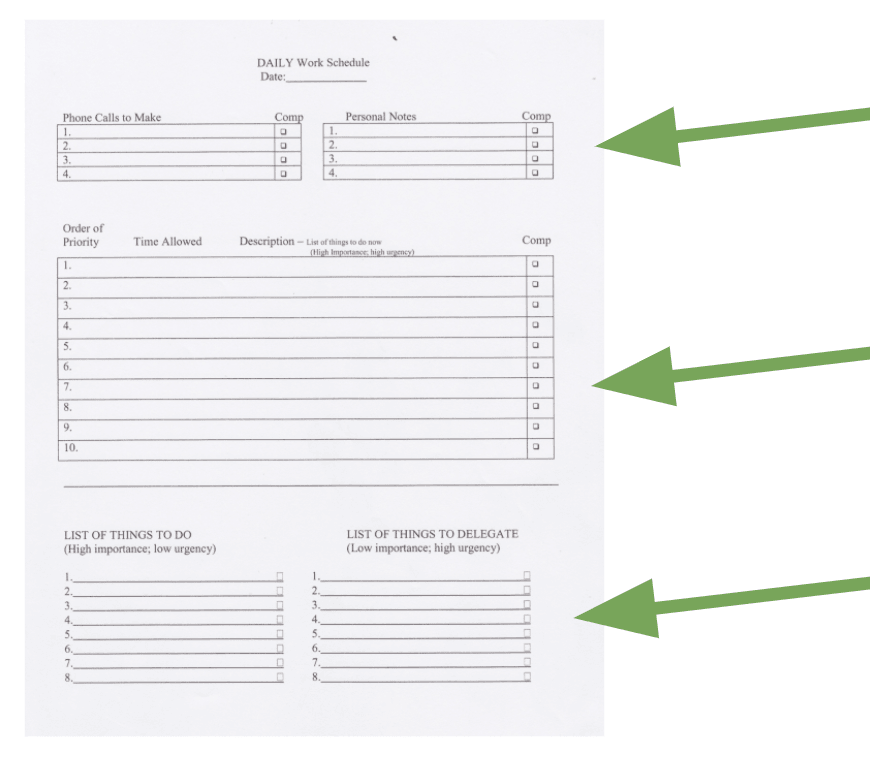
1. Make a Plan Before You Execute It
When you wake up in the morning, you have a million different things to do.
It’d be easy to take a 5-minute shower, throw on some clothes, and rush to the office to dive right into your lengthy to-do list. Heck, that’s almost logical — the faster you start working, the better for your productivity… right?
Not always.
In fact, planning ahead, course correcting and making sure that your to-do list is full of the right tasks is an important step toward increasing productivity. If you don’t plan beforehand, then the things you work on might end up being a total waste of time.
Here’s how real estate agent, Casey TeVault, explains it:
“To stay productive in the moment, it is necessary that planing is done ahead of time.
Every Sunday, I spend an hour reviewing the previous week, course correcting if needed, and planning out the following week; ‘War’s are won in the general’s tent, not out on the battle-field.”
2. Use this Energy Audit
When you’re building a business, you have to do a lot of things that you might not enjoy. You have to file overly-complicated taxes, you have to create new processes, hire people and manage systems, and you have to put out unexpected fires.
But one great way to make yourself and your business more productive is to focus your own work time on doing things that you actually love doing. Hire, delegate, and automate everything else.
Here’s a talk that Trevor Mauch gave about this topic…
When you do the things you love, you’re naturally more productive. And you’ll have a lot more fun building your business — who wouldn’t want that?
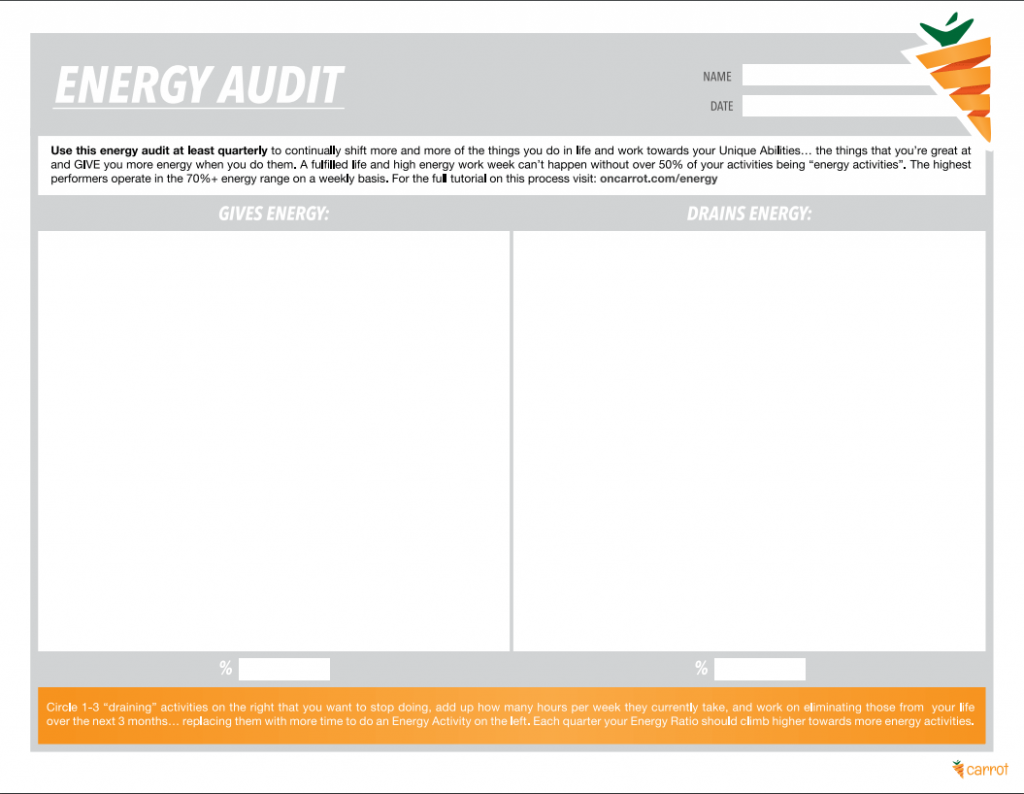
We even have a free energy audit resource that will help you determine what you love doing, what you hate doing, and how you should be spending each day.
3. Lock Yourself Out of Distractions for the First 4 Hours of Each Day
Distractions are a big problem.
When we’re talking about increasing productivity, growing your business faster, and doing more deals every month, distractions are the last thing you need. They’ll derail your momentum faster than almost anything else.
We’re talking about mindlessly scrolling through social media, doddling with unimportant tasks, and chit-chatting when you should be working.
Think about it. Instead of spending 30 minutes on social media, you could be crafting an interesting piece of content for your customers. According to SquareFoot Homes, focusing on the client and taking care of all their real estate needs is a powerful success driver.
There’s nothing wrong with having fun, of course.
But it’s far easier to stay productive when you’re not interrupting your workflow with random and unimportant distractions.
“My biggest productivity hack is a three-part system. I start my day by journaling to get all the random thoughts out of my head.
I also write down 5 quadrant-two activities that will move my business forward. Next, I use an app called ‘Off Time’ to lock me out of social media and email for the first 4 hours of each day.
Lastly, I don’t check my email until those 5 things are checked off. This makes it almost impossible to get sidetracked.”
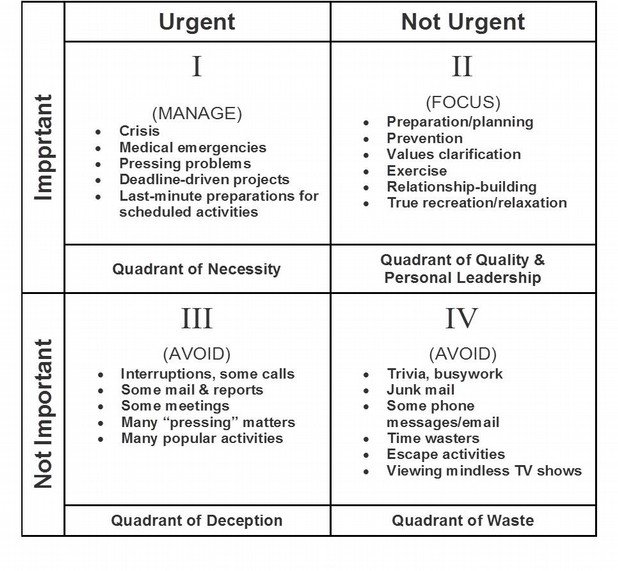
In case you don’t know what Ryan means by “quadrant-two activities,” he’s referring to this famous graphical prioritization graph from The 7 Habits Of Highly Effective People.
Quadrant 2 — not urgent but important tasks — is where the real magic of business growth happens. Unfortunately, since those mission-critical tasks (polishing processes, optimizing marketing, hiring A players, etc) are almost never urgent, it’s easy to shove them to the side.
But you can use Ryan’s strategy of writing down 5 quadrant-2 activities every morning and then tackling those without any distractions to make sure you start every day focused on the tasks that actually make a difference.
4. Have Intermittent Movement Snacks
I recently came across this productivity hack in my LinkedIn feed.
That’s a great idea!
We are human beings, after all, and we’re designed to move, use our muscles, and exercise every once in a while.
But you don’t have to go run a marathon or do 100 push-ups. Even a quick walk or a few jumping jacks can put the pep in your step and get you ready for your next round of to-dos.
Have “movement snacks” intermittently throughout your day and you might be surprised at how much you accomplish.
5. Create Deadlines
Without a deadline in place, you just have an idea — an idea that may or may not come to fruition.
Top real estate investors and business owners don’t just prioritize their tasks throughout the day, they also create deadlines for tasks and unerringly hit those due dates.
“I stay productive by writing a to-do list every night for the next day and I have deadlines for everything. I work well under pressure.
If something doesn’t have a deadline I will never do it. So I give myself deadlines for even the smallest tasks.”
Partly, this is just a matter of how well you work under pressure. If pressure stresses you out and paralyzes you, then you might find a less intense way to get stuff done.
BUT… for the vast majority of us, deadlines are a good thing — they push us to be efficient and finish tasks in a timely manner.
Here are some ideas to help you stick to your deadlines:
Make Them Urgent
Make Them Personal
Make Them Actionable
Make Them Meaningful
6. Create a Routine
We are creatures of habit.
The more of a routine that you get into with your everyday work habits, the more efficient you’re going to be and the more seamlessly you’re going to transition from task to task.
“Habits help us through our day. When we are doing something that is habitual, we are not engaged in the task in the same way as when we are doing something that is not habitual.
Just as an example, consider making breakfast in your own kitchen on any given weekday. Next time you do it, watch how effortlessly it happens.
It’s not exactly like an out-of-body experience, but it’s close. Your movements through the kitchen are stereotyped. You grab the milk out of the fridge, turn toward the counter and give the door that little nudge you with your foot that you know it needs.
If something is on your mind, you might not notice that you’re sitting at the table and munching on your second piece of toast until you’re halfway through it. Now, compare that to getting breakfast at a friend’s house.
Maybe you’re dog sitting (you’re so nice!) Where’s the milk? The bread? Oh my goodness, so complicated!”
That’s the power of habit.
Of course, entrepreneurship is filled with unexpected surprises — deals fall through, due diligence goes wrong, seller and/or buyers get angry.
But still, it will benefit you to designate different hours of the day to different kinds of tasks. The longer you stick to the routine you create, the more productive you’re going to be.
7. Focus on Organizing Your Day and Just One Thing at a Time
Some people think they’re great multi-taskers.
Other people think they’re terrible at it.
But the truth is, we’re all terrible at it — according to research, multi-tasking is scientifically impossible. Human beings simply can’t focus attention on two different things at once.
That’s why you can fleet from task to task throughout the day and finish feeling like you didn’t accomplish anything.
We’re much more effective when we just focus on one task at a time and do the best we can with it.
“The best way for me to stay productive is to block out 3 to 4 hours focusing on a single task, or the most important task of the day. If I don’t turn off all distractions during that time it’s almost impossible to get done what you need to.
You gotta focus on that one thing, whether it’s building a new system, dialing vacant property owners, creating a new marketing funnel.
There’s a lot to be said for having an assistant who can help you with menial tasks throughout the day — tasks that kill your energy.
And virtual assistants, in particular, can have a major impact when trying to become a more productive real estate professional.
VA’s are inexpensive and easy to find. You can go to a site like UpWork to find a great virtual assistant who can help you clean up emails, reply to emails, schedule appointments, and maybe even answer the phone (if you hire an experienced VA).
It’s easy to work on stuff that doesn’t really matter a whole lot — that’s probably why we sometimes work hard without making much progress.
The truth is, you don’t have to work 15-hour days to build the business of your dreams, you just have to work smart. You have to work on the right things.
Of course, knowing what the right things to work on are is easier said than done; which is why you might consider taking some time before every day to write down the tasks that are real lever-movers for your business. Paul doCampo, an investor who also works a full-time W2 job and the founder of Real Estate Audios, says this about his smarter-not-harder working habits…
“With little time to work with and because getting wrapped into ‘busy work’ is very easy to do… I have to ask myself EVERY DAY,
‘what are the most important tasks that are going to move me forward today; has the needle moved ahead at the end of the day?’”
Conclusion
If you’re going to build a productive real estate business, then you’re going to need to be productive — day-in and day-out.
That doesn’t mean working 12-hour days and it doesn’t mean constantly thinking about work. But it doesn’t mean working smart and hiring people who can help you achieve your goals.
In the end, building a profitable business is a matter of managing money and time, because those resources are one and the same.
But enough from us.
What do you do to stay productive throughout the day? Hit us up in the comments! :-)
Serious investors need to know how to find cash buyers. Why? Let’s say you hustled and got a house under contract. You ran the numbers and figured you could profit $10,000 or more on this one property! You’re excited, nervous, and ready to finish the deal.
But what now?
After all, having a house under contract isn’t enough. You also need someone on the other side willing to pay you cash for that property. And you can’t just have one buyer — you need a whole list of people willing to buy the properties you put under contract if you’re to turn your side hustle into a successful, growing business.
(One buyer probably won’t want to buy all of your properties)
And while finding cash buyers is typically easier than finding motivated sellers, it still takes some work.
To help, here are some tips you can use to find buyers, build a trusting, long-term relationship with them, and get them to purchase your deals in no time.
What is a Cash Buyer?
A cash buyer is an individual or entity (such as an LLC formed by a group of real estate investors) with the money to purchase a home outright without financing.
An actual cash home buyer will check these boxes:
Have proof of funds
A track record of successfully purchasing and flipping properties
Authentic positive reviews and testimonials
Willingness and ability to provide seller and professional references
A cash buyer offer will most likely land between low and high offers in the multiple offer situation. Experienced investors typically have similar pricing calculations.
Offers may not be the highest because investors know how vital an agreement is and don’t want to make false promises or fail to deliver.
Many sellers are looking to sell to a cash home buyer because they need to sell quickly and easily.
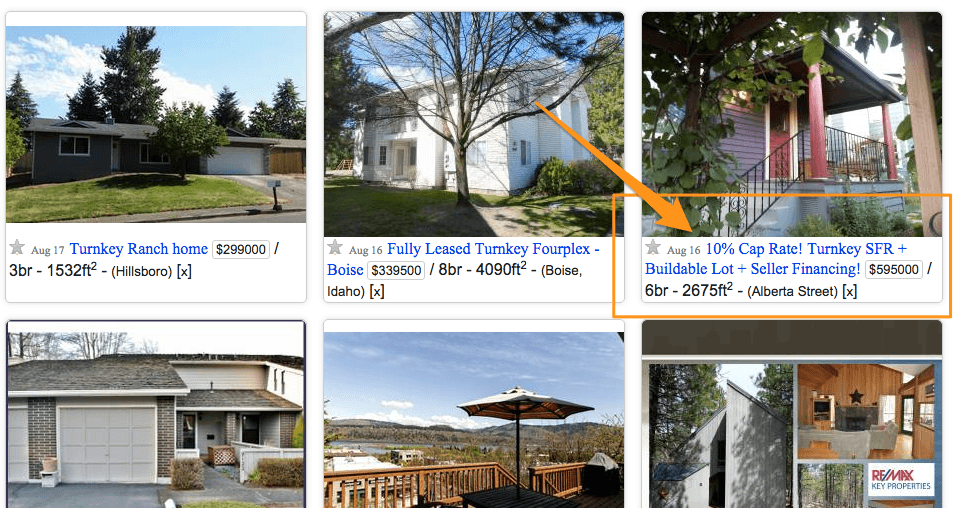
Because remember, the cash buyers you’re looking for are probably already looking for properties to buy, and Craigslist is one place that they’re going to look. If they see your ad, they’ll likely reach out to you and you can add them to your buyer’s list.
It’s a free and easy way to grow your buyer’s list. What’s not to like?
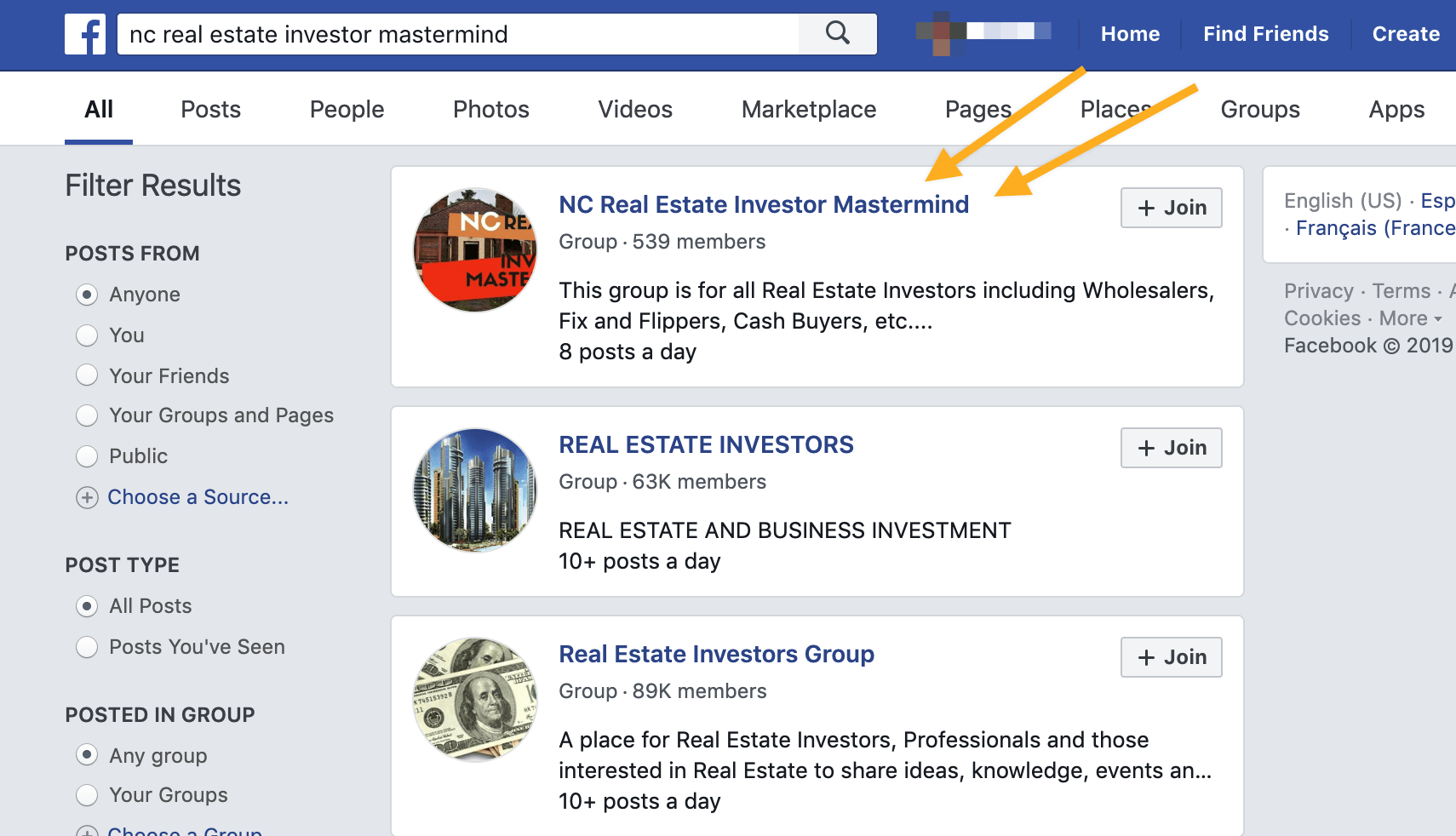
2. Utilizing Facebook Groups
Facebook can a great place for finding local cash buyers. There are many local real estate Facebook groups that you can tap into.
Here’s an example of a local group.
Active groups are always posting their deals. Simply post within the group… “who’s dealing in [market city] area?”
Then wait to see who you can start building relationships with.
3. Call Real Estate Agents
Real estate agents usually have their fingers on the pulse of their market. They know how the housing market is doing, they are typically friendly, and they know tons of different people with different real estate interests — from first-time homebuyers to million-dollar cash buyers.
And that’s exactly why they’re such a great resource for you when you’re learning how to find cash buyers.
Make a list of 10 real estate agents in your area, call them, introduce yourself and what you’re doing, and ask them if they know anyone who might be interested in purchasing your properties.
You might be surprised at just how many names you get (heck! Some real estate agents are also investors looking for good deals, so you might even get some buyers that way).
4. Go To Property Auctions
Property auctions give real estate investors an opportunity to buy properties cheaply. But that might not be the only reason you want to attend these events — you can also use property auctions to meet cash buyers in your area.
After all, the only people who will go to the auction in the first place are people with enough cash to actually purchase a discounted property (i.e. the exact people who are perfect for your buyer’s list).
You can find the place and time of property auctions on your local government website and in the newspaper. When you attend, bring some business cards, mingle with the crowd, and allow relationships to form naturally.
When someone inevitably asks, “What do you do?” that’s the perfect segue into explaining your business and offering to add them to your buyer’s list.
5. Find The Rental Companies
One great way to find cash buyers with deep pockets in your market is to look for the big buy-and-hold companies, the companies with lots of rentals in your area.
Most of these companies are constantly looking to expand their rental portfolio and continue growing. More than likely, they would be open to you sending them deals.
The best way to find these companies is to search online for rentals, see who owns them, and look for the common denominator companies.
You can also take a drive and look for signs advertising rentals and then call those companies to see if they’d be interested in being added to your list.
6. Use SEO to Optimize Your Cash Buyers Website
At Carrot, we talk a lot about using SEO to find motivated sellers. By targeting phrases like “Sell my house fast for cash”, you can passively drive traffic to your website and convert those leads into deals.
Well, you can do the exact same thing with your buyer’s list.
You can build a landing page, optimize it for the keyword phrase you’re targeting — in this case, something like “buy investment properties in [market city]” would do the trick — and start collecting buyer leads.
You can get a Carrot site if you want to get your page ranking even faster — we optimize the tech stack for you :-)
7. Get a List Of Absentee Owners With Multiple Properties
Absentee owners are owners of properties who aren’t living in the property that they own. Sometimes this is because they aren’t doing anything with the property, waiting to sell, or because it’s a piece of junk.
But sometimes, people are absentee owners because they are landlords. And landlords are often looking to expand their rental portfolio as well. They just need access to cheap properties… which you can give them.
Usually, you can get a list of absentee owners from your local title company. Focus your attention on the absentee owners with multiple properties — those are the ambitious cash-buying real estate investors you’re looking for. The ones that, if you contact them, won’t have any problem with you adding them to your email list. If you’re just now learning how to find cash buyers, this is a great place to start!
8. Search On Google
It might seem like an obvious course of action to search on Google “How to find cash buyers.” So do it! Most cash buyers want to be found by motivated sellers, which you can use to your advantage.
By searching in Google for “Sell my house now for cash in [market city]”, you can find the cash buyers with the biggest online presence in your market — some of those results will be wholesalers like yourself, but some of them won’t.
Contact the companies and investors you find online and tell them what you’re doing. Then ask if they’d like to be added to your email list. If they’re trying to expand their investment portfolio, they have no reason to say “no.”
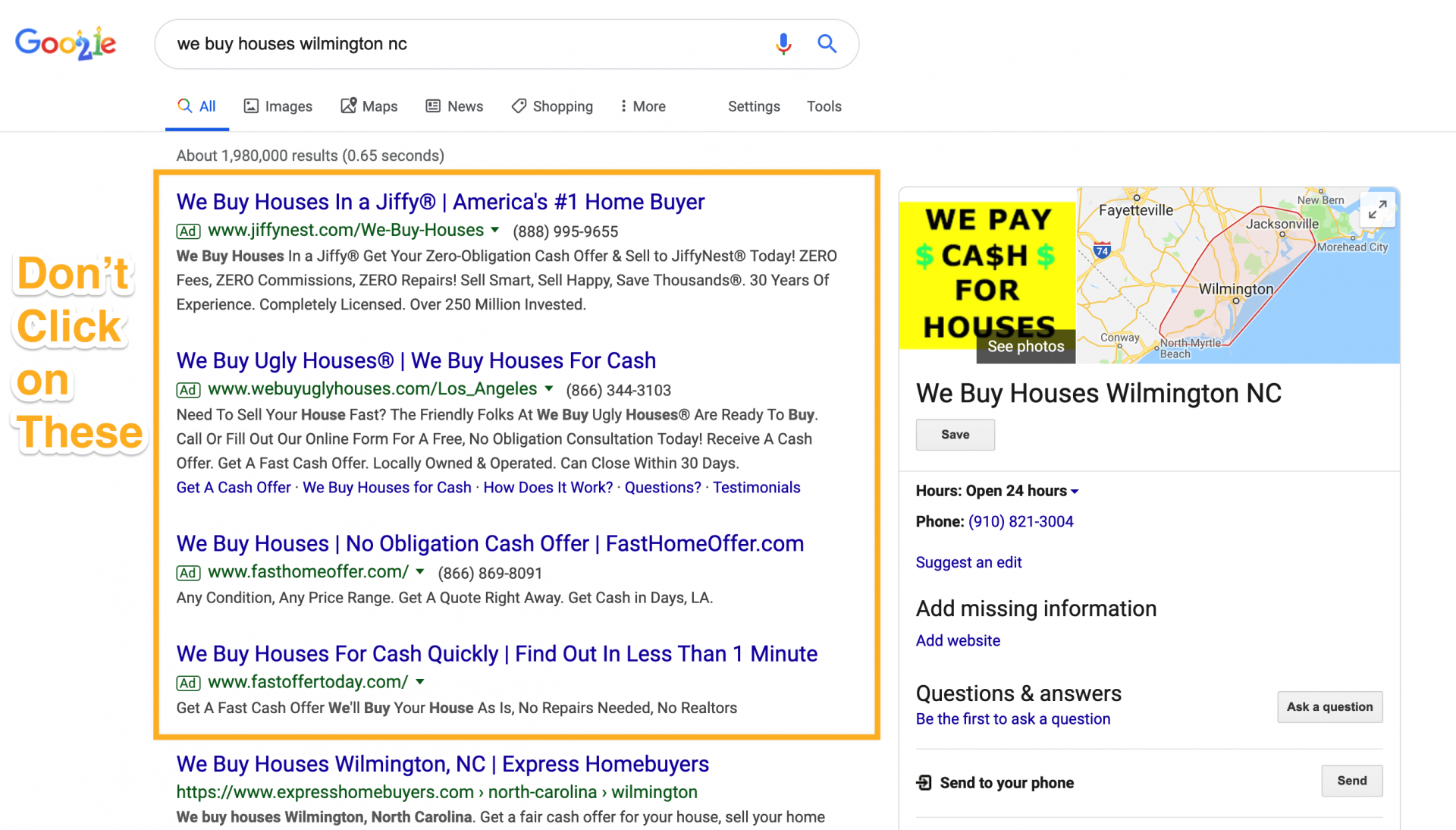
Note: It can be enticing to click on a Google Ad. BUT… costing the investor money per click. Don’t reach out to investors through ads. Not a good way to build a relationship.
Conclusion
If your business succeeds, you must have a list of high-quality cash buyers. You need access to people who trust you and are willing to buy your properties.
And you can use the above 8 ways to learn how to find cash buyers and create your list. We hope this helps you build a successful wholesaling business.
Real estate lead nurturing is one of the most important things you can focus on. No matter the size of your real estate business, this proven strategy will help increase your sales.
Any sales 101 course will tell you to follow up often, consistently, and without hesitation. But still…
…you hesitate.
After all, you don’t have time to send hundreds of emails or make hundreds of phone calls every day. Sure, it would be good for your business, your conversion rate, and your revenue generation… but it’s just not realistic.
You’re plenty busy doing house showings, managing open houses, meeting with buyers and sellers, and clarifying contractual agreements.
The last thing you need is another tedious task to add to your high-piled plate.
Fortunately, you can reap the benefits of following up without actually following up.
Let me explain.
Real Estate Lead Nurturing: What is an Automated Sequence?
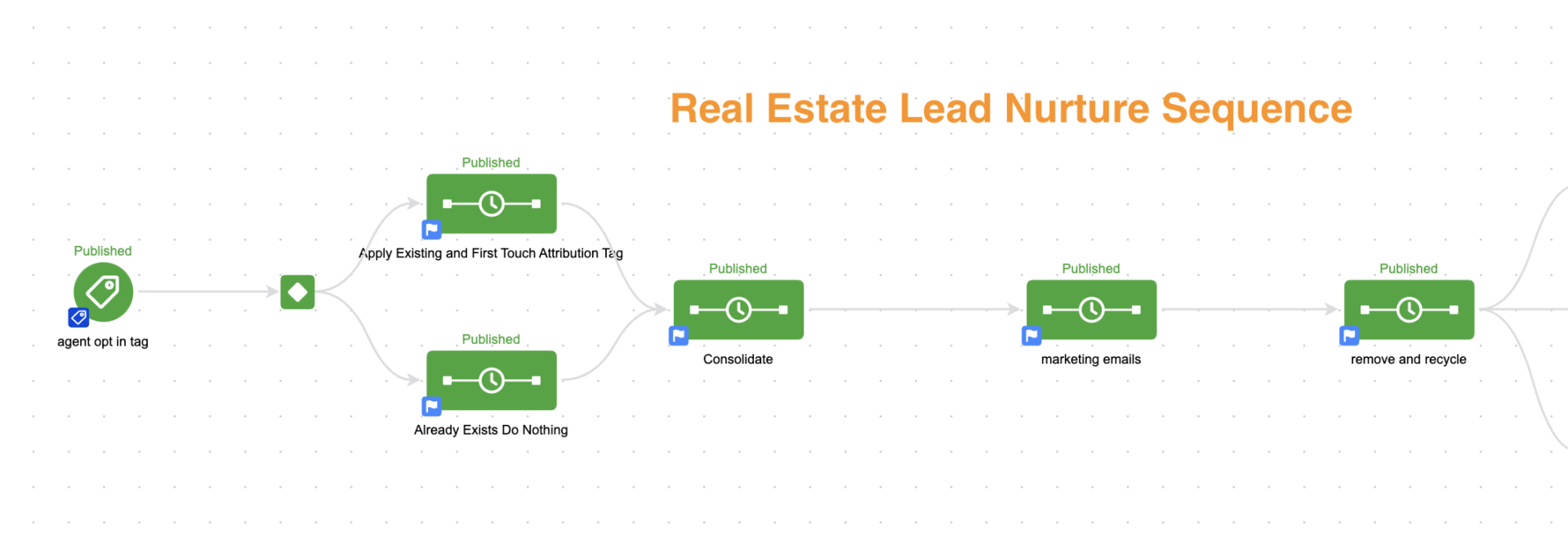
A real estate lead nurturing sequence sometimes called a “drip sequence”, is a series of emails which send over a period of time to new subscribers on your email list. The goal is to stay in touch with your new leads and build an ongoing relationship with them where they learn to trust your expertise and advice.
Typically, the longer that you stay in touch with your leads, the more free value you provide, and the more that they trust you, the better chance that they’re going to work with you sometime down the road (maybe not today, but one year from now? Two years from now?
Lead nurturing emails get at least 4 times the response rate of mass email broadcasts.
The open rate for drip sequences is 80% higher than for single campaigns.
The click-through rate for drip sequences is 3 times higher than for single broadcasts.
You will, of course, need an ESP, Email Service Provider, like Mailchimp, for example, to collect email subscribers and schedule your nurture sequence. But many ESPs have a free version or are relatively inexpensive depending on the number of subscribers you have.
In our opinion, with the potential conversion power of a nurture sequence, paying for an ESP is definitely worth your money.
Note: You can also create a text message nurture sequence instead of or in addition to your email sequence. Consider a tool like SimpleTexting to create an automated text-message nurture sequence.
How To Create a High-Converting Nurture Sequence
You now know why a nurture sequence is so great for your business — it follows up with your leads automatically — but how do you build a high-converting sequence… even if you’re not all that great of a sales copywriter?
Here are the 5 steps.
Step #1: Consider Segmenting Your List
Having one nurture sequence is far better than having no nurture sequence. But having multiple nurture sequences that deliver situation-specific or interest-based content to each of your leads is even more effective.
For that reason, you might consider segmenting your email list based on different situations…
First-time homebuyers
Home sellers
Big-budget buyers
Those are just a few examples. The segmentations you choose should be dependent on the answer to two simple questions.
First, what kind of buyers or sellers need to be nurtured differently? For example, buyers with a $10mm budget will probably need to be nurtured very differently than low-budget first-time home buyers.
And second, can you easily collect that information with a secondary sign-up form? You can’t, for example, segment your email list based on whether people are dog-lovers or not because that data would be difficult to collect on your website.
But you could probably ask questions about budget, whether this is the person’s first home or not, and even what kind of home specifically, the lead is looking for (river-side, suburbs, apartment, etc).
So long as the groupings you’ve decided on, need to be treated differently and the corresponding data is easy to collect, you can create segmentations.
If you’re a Carrot member, you can easily connect your website’s opt-in form and data collection to your ESP. Then, you just need to specify which website form answers will be placed in which segmentation.
Step #2: Decide On Your Sending Cadence
How long are you going to send emails? And how often are you going to send emails?
The answer to those questions depends, to start, on your preference and what you think is the best for your business and, in the long run, what you find works best. The more emails you send and the longer you use a drip sequence, the more you’re going to learn what works well and what falls flat.
But! We do have some recommendations to get you off the ground. ;-)
We recommend sending one email every day for the first three days, then one email every week for the remainder of the first and second month, then one email every other week for the third month to the end of the sixth month. Once the sequence ends, you’ll stay in touch via your monthly newsletter (see Step #5).
All in all, that’s 15 emails for each sequence you create (assuming that you have multiple segmentations). If that’s too much work, then just start with 7 or 8 emails and slowly build up.
Remember, having some sort of nurture sequence is better than having no nurture sequence at all.
Note: If you’re creating multiple nurture sequences for different segmentations, remember that there will probably be some overlap between the sequences. That is, you probably don’t have to write a brand new sequence for each segmentation — keep what still fits for the specific segmentation and adjust the rest.
Step #3: Set Expectations
The first email in each of your drip sequences should do two things. It should welcome the lead to your email list and set realistic expectations for what they can expect you to send them.
Something simple like this will do the trick…
“Hey again! Since you’re looking to buy your first house, I wanted to add you to my email list for first time home buyers! I’ll be sending you updates every so often on the market for first time home buyers. Get in touch with me if you have any questions!”
Just let them know that you’re going to be sending them some emails and providing them with some free value. This will ensure they’re not caught off guard when you start emailing them and it will build some anticipation, encouraging them to actually look at your future emails.
Step #4: Decide What To Say In Your Emails
You’re probably thinking… But what am I going to say in all of these emails?
That’s a great question.
There are 3 types of emails that you should add to your nurture sequence.
The Value-Add — The free value email should make up the bulk of your nurture sequence. Teach buyers how to negotiate a better price, teach sellers how to sell faster and for more money, and teach buyers and sellers about what they should look for in a real estate agent. The more value you provide, the more people will perceive you as an expert, and the higher the chance they’ll work with you down the road.
The Story-Teller — People love a good story. If you can’t think of any practical advice to offer, then tell a funny, inspiring, or meaningful story about your experience as a real estate agent. This is a great way to build long-lasting relationships with your leads and make yourself seem more approachable.
The 9-Word Email — Every 90 days, we recommend sending a 9-word email that says something to the effect of “Are you still looking to buy your first home?”, adapted, of course, for whichever segmentation you’re sending to. Here’s an article describing the amazing impact of the 9-word email.
At the end of each email in your sequence, put a “P.S.” that says something like, “Are you still interested in buying your dream home? Give me a call!”
Oh, and one more thing. If you hate writing and prefer making videos, great! Send videos to your list instead of written content — it might even perform better.
Step #5: Maintain a Monthly Newsletter
And lastly, maintain a monthly newsletter where you send out market updates and general advice to your entire list — the people who are currently in a nurture sequence and the ones who aren’t.
This will allow you to stay in monthly contact with people who have finished your nurture sequence.
Which is good — you never know where your next referral is going to come from.
Conclusion
You need to follow up with your leads to fulfill your business’ potential…
…but you’re busy enough as it is.
Fortunately, you can build a nurture sequence using the steps outlined above to close more transactions, forge stronger community relationships, and establish your market expertise… all without lifting a finger (once your nurture sequence is finished).
So get to it. And hit us in the comments if you have any questions.
Looking for more tools and tips on nurturing your leads? Here are some additional resources:
No matter how much of a perfectionist you are, no matter how nervous you are about hiring other people, the fact remains… you’re going to have to delegate if your business is going to grow and thrive.
The good news is… you’re not the first agent or investor to hire for your real estate business.
All of our most successful members have at least a few people working for them so that they can focus on growing their business rather than getting locked inside of daily minutia.
And if they can do it, you can do it, too (regardless of your past hiring flops).
I talked with 5 of our members who’ve been around the ringer — they’ve hired A-players and they’ve hired F-players. Along the way, they’ve learned from their mistakes.
Tip #1: “You can’t teach someone how to be hungry for success.”
When you hire someone for your business, you’re going to have to train them on a lot of different things.
You’ll have to teach them about your internal processes, how to use different kinds of software, and even how the real estate world works.
But there are some things you can’t teach. Matt Bristow, the CEO of MCB Homes Inc., points out…
“You can’t teach someone how to be hungry for success. Find someone who can communicate effectively and has the desire to do a good job or succeed in what they are doing. That’s something you can’t necessarily teach someone. You can teach them the rest.”
And he’s right.
You can teach someone all the technical aspects of your business, but if the applicant doesn’t have a hunger to learn, if they aren’t already effective at communicating, and if they aren’t self-driven, you should probably wait to hire someone who’s more disciplined — ’cause you can’t teach someone how to be a hard worker.
Tip #2: “Establish your company culture before bringing VAs onto your team.”
Generally speaking, people work harder when they’re part of a business they believe in and when they naturally fit in with the company culture.
As a leader, one of the fastest ways to kill employee efficiency is to kill employee satisfaction. And the fastest way to kill employee satisfaction is to hire someone who isn’t a fit for your company culture.
For that reason, Matt Bigach, the Co-Founder of Nexus Homebuyers, offers two pieces of advice:
“Establish a company culture before bringing VAs on to your team. Put your core values along with what your vision and purpose for your company looks like down where everyone can see them. Once those are established, only hire VAs that fit into your culture.”
And…
“Establish what personality type you want in each position you plan on hiring for. Then you can fill that position with the right personality. Putting the wrong personality in a role can send you backwards.”
In other words, only hire people who believe in your company’s mission, who match the ideal personality type for the role you’re trying to fill, and who exemplify the culture you’re trying to create.
A personality test and a few long-and-honest conversations will go a long way toward helping you select the right person for the job.
Tip #3: “I hire for likeability and character — I train the whole real estate investing piece.”
How important is likeability when you hire someone?
In the real estate industry (as with most sales positions), it couldn’t be more important, especially if you’re hiring someone who will be on the front lines, taking phone calls for your business or meeting with sellers.
When Ryan Dossey, founder of Christopher Ellyn Homes, hires Acquisition’s team members, he looks exclusively for people with character who are likeable… and he trains the rest.
“When I’m looking for acquisition’s people, I’m looking for the guy who’s like the life of the party. Typically, I’m hiring for likeability and character traits — are they a good person? Are they ethical? — and I’m training the whole real estate investing piece.”
He also explains his reasoning for having such an exclusive focus on those two simple traits…
“If you’re looking to start hiring staff… the number one thing I’ve found that determines whether or not a new investor is going to make it or not is likeability. They have to like you and they have to connect with you.”
He continues…
“I can’t tell you how many deals we’ve gotten where we’re paying less than somebody else, we’re not closing as fast… but we’re able to use rapport and relationships to get the deal done.”
The fact is, people, work with real estate investors and agents that they like — even if their offer is a little bit lower and their closing time a little bit slower.
“The number one reason that somebody is going to buy from you is if they like you.”
Tip #4: “Never hire a VA without a plan and a training system in place.”
Many new real estate investors or agents get in a hurry to hire a VA during a time when business is booming.
They’re not entirely sure what that VA is going to do once they’re hired, or even what processes they’ll need, but they know that they need help right now.
So they quickly hire someone, scramble to give them work to do, and just as quickly find out the error of their ways: you must have correct processes and systems in place before you hire someone.
You must know what that person is going to do on a daily basis, you must have instructional videos to train them, and you must know how much you can afford to pay them… all before you hire them.
Zachary Tetley, Partner at Nexus Homebuyers, which has 13 VAs running the majority of the business, explains…
“If you don’t track them with specific KPIs and give them clear cut video instructions so they can review and execute, you’re doing yourself a massive disservice.”
Additionally…
“Never hire a VA without a plan and a training system in place to replicate what you want them to do for you task-wise, otherwise you’ll end up drowning in the tasks with them and both of you will end up frustrated.”
Tip #5: “I give them a basic scorecard so they understand their accountability and job tasks before they accept the job.”
Using a rigorous hiring process to ensure you hire A-players every single time is a far better use of your time (and money) than hiring C or D employees without much thought and figuring out how to fire them down the road.
Which is exactly why Tim Oppelt, owner of Opp Real Estate, has such an intense hiring process for even the simplest of positions — he only wants to hire A-players.
In his own words,
“After I post a job description and get interest, I send them this long employment application.”
Here’s that application… (feel free to download, tweak for your business, and use it)
He goes on to explain that this long application serves two functions.
The first goal is to weed out people who are lazy and not willing to put in the work. And the second goal is to build a picture of the person by analyzing the pattern of their history. Resumes are easy to cheat. Patterns are not so easy.
Once I get them back, for the ones that are a good fit, I have a quick phone call to make sure they have availability, resources (computer/car). basic make-or-break stuff. Then, on the interview, I will use a variation of this doc below (depending on position).”
“Again, I’m asking the same questions about each of their positions to build a pattern. And the process isn’t just about determining who is “good” or “bad”. Its about understanding them. Once you hire them, you will have a deeper understanding of their strengths and weaknesses which will help you train them better.
Also, you need to give them a basic scorecard so that they understand their accountability and job tasks before they accept the job and a clear benchmark for them to know they are doing a good/bad job. Basically I include anything that will cause me to fire them — Lying, integrity, communication, all of that stuff is important, because if they don’t have it, you will end up firing them down the road.
Here’s the scorecard he uses for his Acquisition’s Manager.
But Oppelt swears that the results of this intense hiring process are well worth the wait.
“I weeded through dozens and dozens of people before hiring my admin in 2017. She is the best person for my business and a really loyal and hardworking assistant.”
He does offer one caveat, though:
“The only issue with my method is it definitely caters more toward Type A people who like to write things out. Sales people (even ones that are rock-stars) may not be inclined to fill everything out. But for an admin position, this is perfect.”
Conclusion
Hiring your next employee doesn’t have to be a massive headache.
The above 5 real estate pros have created clear-cut systems for ensuring that they hire A-players every single time — people who are going to make their business a joy to run rather than a nightmare.
Remember, it’s far better to wait for the right person than it is to hire the wrong person right now.
And with a little intentionality, using the above advice, you can significantly increase your chances of hiring the right person for the job on your first try.
What I didn’t expect after switching to Carrot, is my lead to close ratio increased 50% on my offline leads!
– Carter Steph
Carter Steph is a real estate investor since 1992 and is also a licensed real estate broker in Oklahoma City.
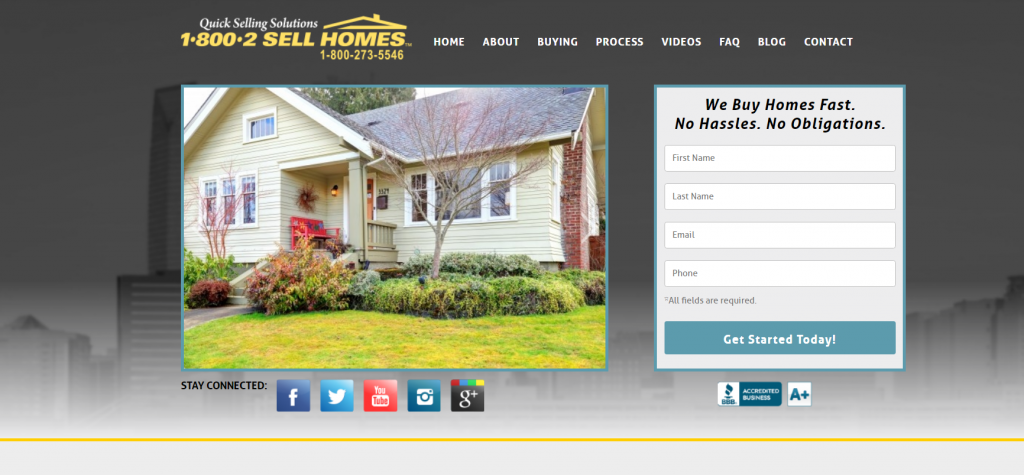
He’s also a practicing attorney for almost 20 years and has been the General Counsel at 1-800-2SellHomes since 2014 and co-owner since 2016. He’s no newbie to real estate. He and his team consistently generate seven figures per year in net profits, while closing on about 20% of their leads.
The growth is steady and predictable.
“You ask anybody in town and they know us,” he said in a CarrotCast interview.
Read the tips below, taken straight from Carter Steph’s 7-figure growth strategy.
The tools: Carrot features
For Carter, Carrot is the central hub that brings all of his marketing efforts together. He’s running PPC ads to drive traffic to his site while leveraging Carrot’s easy content marketing tools and strategy to build his SEO for long-term lead generation.
Since he’s driving traffic from all of his marketing efforts to his Carrot site, he can track performance across all campaigns and channels, giving him the clarity needed with his marketing strategy.
Here’s how Carter is using Carrot as the central hub to tie together the marketing efforts they were once doing on their own to become the authority in their area:
Switching from a custom website to a Get a high-converting website Before Carter Steph went on his journey to $2 million in revenue in 2018, he was doing some things with his website very differently than he is now.
In fact, with the powers of technology, I was able to dig up his several-year-old website for all of us to look at.
Believe it or not, that custom website cost Carter and his business $5,000 upfront and $700 per month for hosting fees.
That’s quite expensive.
And it’s even more expensive when you find out that it had a terrible conversion rate and almost never generated any leads for Carter’s business — the leads it did generate weren’t very good quality and Carter’s close rate was only 7%.
For that reason, they were spending $1,500 on PPC every month but $30,000 to $40,000 on TV ads.
Then they switched to Carrot.
The difference was immediate, Carter said. After just 2 days, their new Carrot site had generated its first high-quality lead. And within a few months, their close rate skyrocketed from the previous 7% to 20% because lead-quality increased.
After Trevor and Carter ran some estimations on the CarrotCast interview, they determined that Carter is saving between $20,000 and $50,000 every single month in lost lead-gen closing potential after switching from their expensive custom-made site to one of our Carrot sites.
Wow!
Now they close 20% of leads, their PPC budget is $8,000 per month (because their website is converting as it should be), and they’re growing like crazy. Sometimes, the small changes make a big difference. And at Carrot, small, iterative, conversion-optimization changes is exactly what we’re focused on. ;-)
Evergreen Marketing In marketing terms, Evergreen is marketing you do once, and it works for years… not hours, days or weeks. Content relevant for a long time, that serves your best prospects, and gets in front of them where they’re searching online.
Carter has organic leads grow over time using this exact marketing strategy.
Automated blogs Content marketing is huge for businesses trying to establish themselves as an authority in their market. In order to do this, you have to create a lot of content, and Carrot makes it easy by providing pre-written automated blog posts that require very little time on your part!
SEO Keyword Tracking By using our keyword tracking tool, Carter can readily track the search engine rankings of his web pages. We make it easy for you to quickly gain insight into which keywords are rising and falling in Google’s results pages so that you know where your web page stands relative to other sites on similar topics.
The results:
Quick Highlights
2000+
Leads
20%
Closing Rate
8
Top 3 Keyword Ranking
Carter added $20k/mo in new profits by shifting from a fancy custom website into an “Authority Hub”
“We couldn’t be happier with the site so far…What we have seen is a DRAMATIC increase in web leads. Since switching to Carrot, the leads we are getting are converting to purchases at a MUCH higher level.
Things have been moving so fast that we haven’t had the opportunity to accurately determine the lead to purchase ratio, but I would estimate it is in the 25 to 35% range, which means the leads we are getting are significantly better than our historical average.
Thanks for everything and we are now looking at expansion because of the success we have had in such a short time.”
And every day, you wake up and check results. How many clicks are you getting? How many of those clicks turn into leads on your website? How many of those leads turn into deals? And do the results you’re getting justify the money you’re spending?
Those questions are enough to give any marketer a migraine…
But they are important questions to ask.
You’re spending hard-earned money on paid advertising; you need to know if that’s money well-spent or not. If it is, great! If it isn’t, you’d best make some adjustments (advertise somewhere else, tweak the ad you’re running, or change where you’re sending traffic — Carrot converts out-of-the-box).
To help you, we helped one of our members with their Google Ads campaign. We monitored their conversion rate and we even ran a nifty heatmap on their homepage which only tracked Google Ads traffic.
Here’s what we found.
The Case Study: Google Ads Traffic To Carrot Website Reveals The Most-Clicked Page On Your Site
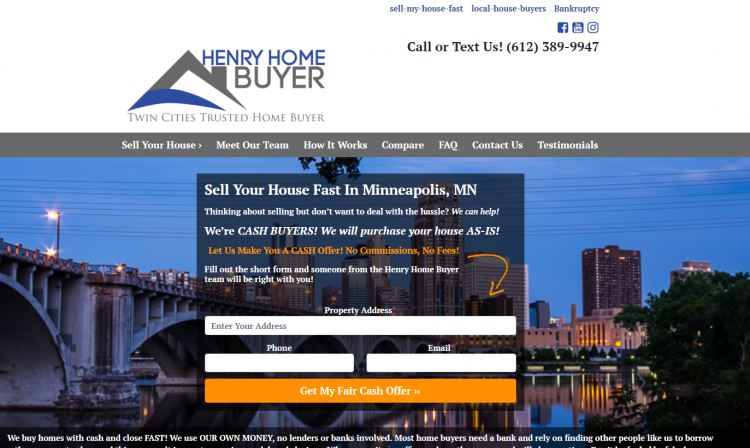
The website/company that we ran Google Ads campaigns for is called Henry Home Buyers, a real estate investing company which operates out of Minneapolis, Minnesota.
Here’s what their website looks like.
From April 15th to May 15th, we drove traffic to their website via the below Google Ad campaigns. During that time, we tracked their PPC metrics, their website conversion rate, and even put a heatmap on their homepage.
Here is an example of an which ran from April 15th to May 15th.
For the month, that Google Ad campaign received 127 clicks, which took visitors to there homepage.
The conversion rate was an above-average, super healthy 16.54%, meaning that 21 of the 127 people who clicked also opted-in on Henry Home Buyers website to become a lead.
Considering that most real estate investors need 20 or 25 leads to generate one deal, this one Google Ads campaign could have theoretically amounted to $10,000 or $20,000 (depending on the width of their wholesale fee) — we weren’t able to actually track how many of those leads turned into deals, so this is conjecture. But you get the point.
A good Google Ads campaign can pay you back ten-fold.
Perhaps most revealing, though, is the heatmap we ran on their homepage during the test. Take a look.
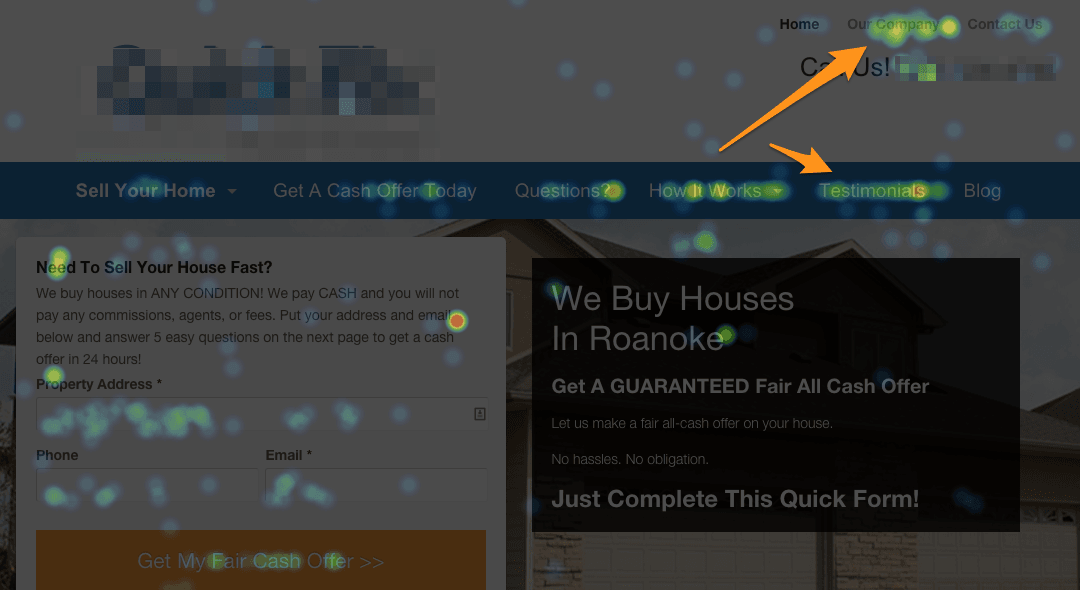
Heatmap showing the most clicked on page… the “Our Company” or in this case “Meet Our Team” page.
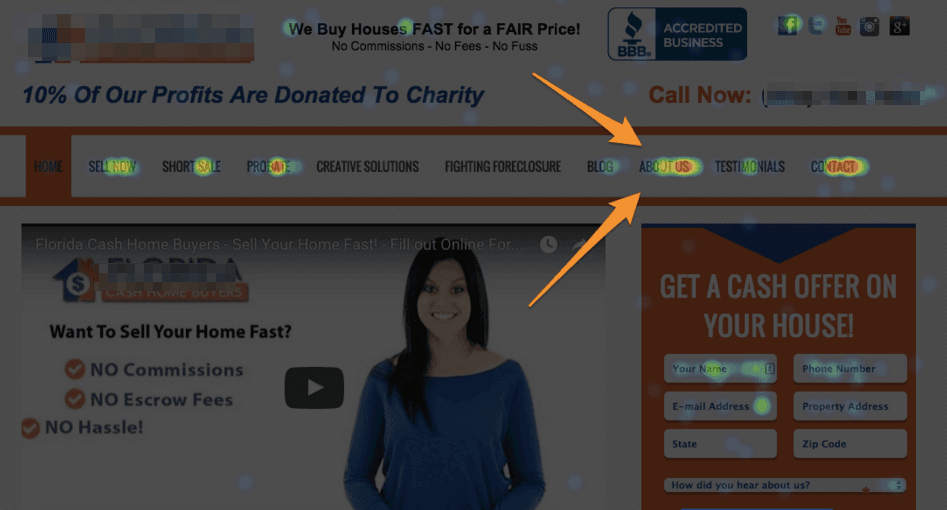
It doesn’t take an eagle-eyed human to spot that there’s two places lit up like a Christmas tree on the above heatmap — two places that people clicked more than anywhere else.
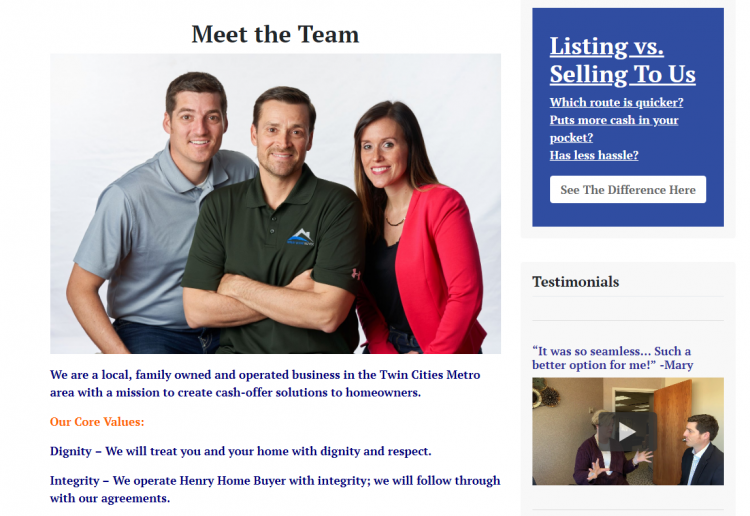
And their “Meet Our Team” page (AKA, the “About” page)
Well, it’s a darn good thing they have such an awesome “About” page with a high-quality team photo, their company’s core values, and even a CTA at the bottom encouraging visitors to give em’ a call.
Which leads us into the main takeaway from this test. And it really can’t be overstated…
The Most-Clicked Page On Your Website… Do NOT Neglect Your “About” Page…
We’ve said it a million times and we’ll say it again…
Real estate transactions aren’t just expensive financially, they’re expensive emotionally and mentally. Because real estate transactions are so taxing, the average consumer must completely trust the person that they choose to work with. They must believe you can solve their problem or help fulfill their dream, and that you can do so expertly.
They also want to know that you have their best interest in mind — you might just be building your business to make money and achieve entrepreneurial freedom, but they don’t want to know that.
They want to hear about how you can help them, why they should trust you, and how easy the process is going to be.
They want to know that you understand their situation completely.
They want to know that you’ve helped other people just like them.
And they want to know that you can help them, too.
This isn’t just true on Henry Home Buyer’s website…
It’s true on this real estate website…
And this one…
And even our OWN website!
In fact, our Carrot research found that the “About” page is almost always the 2nd most-visited page on real estate websites (right after the homepage). This means that most people who visit your website browse your homepage for a few moments and then go directly to your “About” page.
The best thing you can do, then, is treating your “About” page as a natural part of your visitor’s experience. You know they’re going to click there quite fast; what can you do to make sure your “About” page serves them well? How are you going to convince them to work with you even though they’ve never met you before?
Here are a few ideas.
Include your core values & mission statement — Remember how I mentioned that your prospect only cares about themselves and how you can help them? This is where you get to list the values of the company and the mission that drives your company. That’s immensely powerful for building trust with your website visitors. For inspiration, check out Carrot’s mission statement and core values.
Use smile-y photos — If you’re looking for motivated sellers, then your prospect probably isn’t in a very good place; more than likely, they’re going through a stressful and difficult life situation. For that reason (and to increase your likeability) give a big authentic smile in your “About” page photos.
Add a few testimonials — Nothing helps build trust with website visitors quite like a testimonial. People don’t want to be the first one to work with you, they want to know that you’ve already helped other people just like them. Assure them that you have by adding one or two testimonials (video testimonials are the best, but written will do the trick) to your “About” page.
Include a CTA — Since many people will click right to your “About” page after visiting your homepage, you should craft your “About” page like it’s the most important sales page on your entire website. Put your phone number on it and include a CTA with an opt-in form at the bottom.
Where are you sending your paid traffic?
That’s an important question.
Where are you sending paid traffic?
Because where you send paid traffic determines (at least partly) how valuable that traffic is going to be for your business. If you send traffic to a low-converting WordPress website (not all WordPress websites are low-converting, but many of them are), then you’re going to lose money fast. If, on the other hand, you send paid traffic to a high-converting site (like Carrot), you’ll make a hefty profit, you’ll gain new confidence in your paid ad campaigns, and you’ll probably even dump more money into running those ads.
(If you can make $2 for every $1 you spend, why not do that all day long?)
But how do you make sure that you’re sending your audience to a high-converting website?
What even qualifies as a high-conversion rate?
Well, cross-industry, a high conversion rate is around 2% or 3%…
And while we know that’s the average for many websites in the world today, at Carrot, we say bubkus…
We are committed to higher conversion rates, to more opt-ins, to more closed deals for our members.
Which is why, for Carrot members, an average conversion rate is around 10%…
An excellent conversion rate is around 15%…
And an incredible conversion rate is 20% or higher.
To be honest, if you’re not getting at least a 5% conversion rate with your website, then it might be time to rethink where you’re sending your paid traffic. Maybe you could try to re-work and optimize your landing page… maybe you need better targeting with your paid ads… or maybe you need a Carrot website ( ;-) shameless pitch).
Whatever the case, do not settle for a low conversion rate. Work until you’re pulling as many leads as you need to run a healthy business that provides you with the predictable income and financial stability that you need.
Conclusion
The pressure is on.
When you’re running paid ads, you’re watching the ROI of your campaigns like a hawk…
You’re wondering if the amount of money you’re spending is going to pay you back like you hope it will (try using our calculator over here to set a realistic paid advertising budget).
Unfortunately, I can’t give you the answer :(
But I can (and did!) show you what other real estate investors are doing, what kind of results they’re getting, and what you should expect for your website conversion rate.
I hope it helps you build a business that you’re proud of.
Testimonials: an element of any website which can build immediate trust and increase conversion rate. But we don’t just talk about it — we drink our own poison willingly…
Carrot homepage:
The truth is, those testimonials help convert more of our website visitors into leads (we’ve tested it). Remove them and our website’s conversion rate drops by several painful percentage points.
The same goes for your website.
But you don’t have to take my word for it.
Let’s talk about the data, but first watch our “Guide to Building Trust and Landing New Clients” to get some additional testimonial context.
Why are high-quality testimonials such a big deal?
If used correctly, testimonials do a few important things for website visitors (and for your conversion rate).
They can…
1. Completely eradicate concerns that prospects had about working with your business.
2. Build immediate trust for who you are and what you do.
And last but not least…
3. Convince prospects to convert (i.e. give you their information via an opt-in form or call you on the phone directly).
Consider that 85% of consumers claim that they read at least 10 reviews before deciding whether they can trust a company or not (and they have to trust you if they’re going to work with you) or that 88% of people trust online testimonials just as much as personal recommendations from a friend.
To prove just how powerful testimonials can be (at least the conversion rate side of things), Unbounce reports on an A/B test run on WikiJob’s website. Ideal for testing, Version A and Version B are identical save for one difference: Version B includes a testimonial above the opt-in form of the website.
In the end, Version B increased the conversion rate by 34%.
Let’s put that in perspective for a wholesalers website.
Imagine that you drive 1,000 website visits every month, generating 100 leads per month on your website (a 10% conversion rate — typical for Carrot websites) and that you close 1 in 25 leads. That means you’re doing about 4 deals per month, at, let’s assume, $10,000 profit per deal.
Boom — you add a glowing testimonial to your website and increase your conversion rate by 34%, from 10% to 13.4%.
Now, you’re going to get a little more than 130 leads per month with the same amount of traffic (1,000 website visits). And since you close 1 in 25 leads, you’ll now be doing a little more than 5 deals every month with the exact same amount of website traffic.
You just added $10,000 in monthly wholesale fees (from $40,000 per month to $50,000 per month) by putting a testimonial on your website.
And the same goes for real estate agents: you can increase your conversion rate and monthly income by adding awesome testimonials to your website.
Of course, I’m not promising that you’ll get exactly those results. I’m just trying to illustrate how powerful a small boost in your website’s conversion rate can be on your business revenue (at Carrot, we provide high converting websites out-of-the-box for our members)… and that testimonials can help you achieve that small, powerful boost.
But… all of this depends on using high-quality testimonials…
So what makes a testimonial great?
5 Qualities of a Great Testimonial
Here are five things that every testimonial should include:
1. It’s specific — Do not use painfully vague testimonials (i.e. “It was great!”). When a testimonial is ambiguous, it can work against building trust for your business and actually create unease in the prospect’s mind (If this testimonial is real, why isn’t it more specific?). Ask the testimonial-giver questions which will prompt answers specific to their situation and why they loved working with you. Just consider… what do you think is more powerful:
“Colby was a tremendous help!”
or
“Best Decision I’ve Ever Made!!! I was in a situation where I needed to get out of my house ASAP and Colby Hager came through for Me!!! Nobody else will ever beat his services and I’m relieved I don’t have the financial stress any longer!!! I will forever be grateful for what he did for me!!!”
2. It’s less than 100 words — If your testimonial is too long, there’s a good chance that website visitors won’t read it (especially if they’re on a mobile device). So try to aim for under 100 words and use ellipses to focus on the important parts if necessary.
3. It addresses one common objection — Going back to the importance of specificity, each testimonial should address one common objection of your target prospect. Ideally, each testimonial will address a different objection that is probably going through the prospect’s mind. A few common objections include:
Can I trust you?
How do I know you’re actually going to make me a fair offer?
How much work will I have to do to make this happen?
Can I sell even if my property is in terrible condition?
4. It’s authentic — I know. It’s tempting to just write your own testimonial under an alias name and throw it on your website to increase conversion rate. It sure would take a lot less time, and if you’re a great writer, it might even boost your conversion rate.
But chances are, the testimonial you’ll receive from someone who authentically loves your service will be far more powerful (and conversion-boosting) than something you throw together yourself. Plus, people can usually tell when a testimonial is fake.
5. It mentions your Unique Selling Proposition (USP) — Not every testimonial on your website needs to do this, but at least one should mention your Unique Selling Proposition; that is, whatever makes your business unique or better than the competition.
You can put your USP all over your website, but when it’s in a testimonial, it’s just a bit more powerful. Here’s an example:
“Not only did XYZ Real estate company help get my home sold, but they were kind and easy to work with. They answered the phone when I called and were attentive to my needs.”
5 Questions to Ask for Getting POWERFUL Testimonials
To get a high-quality testimonial, you must ask the right questions.
So here are a few questions that will pull gold from your client’s mouths. You can use these whether you’re doing a written testimonial or a video testimonial (both are powerful for increasing conversion rate). And remember, it’s better to get a ton of detailed information from your client now (and edit it down later) than to get such vague information that it’s practically worthless.
What was your situation before you worked with me? — You want to pull out the pain they were experiencing before working with you. What were they going through? Could they even sleep at night? What was the emotional pain like? How stressful was the situation?
Why did you choose to do work with us? — You want to now get a better understanding for what made them decide to solve their stressful situation by working with you. What was going through their head? What was the final straw that made them give you a call?
Why did you choose us instead of some other company? — Why not somebody else? Asking this question will help illustrate your USP and what sets you apart from other competitors within your market.
What did you enjoy the most about working with us? — Being on the other side of that stressful situation, what was the thing that the client most enjoyed during the process? How fast you closed? How helpful you were? How easy it was?
What surprised you about working with us? — Asking this question can get the client talking about the thing they loved about working with you that was the most unexpected (i.e. how you went above and beyond for them).
You can send these questions to happy clients over email, you can ask over the phone and record the call, or you can sit down and record their responses on video.
Whatever you decide, make sure you edit out unnecessary banter before putting the testimonial on your website. The trick is to take the most valuable pieces of information from their answers (the things that will convince other prospects to work with you) and put them into an easy-to-digest testimonial.
And… one final piece of advice…
Ultimately… work with what you have…
Let me tell you the truth about testimonials: they don’t have to be video, they don’t have to be written, they don’t even have to be 100% related to your business (when you’re starting out, you can just use general testimonial from people who know you and trust your character).
Ultimately, there are no rules.
Testimonials can increase conversion rate if you use them correctly and there are very few instances where a testimonial would actually hurt your conversion rate. So work with what you have.
If you’re not comfortable on video, then just email past clients the questions above and ask for their answers. If you can’t think of any clients who’d give you a testimonial, then call a friend and ask them to vouch for your character.
In time, and as your business grows, you’ll get better and better testimonials which will improve your conversion rate even further. But it’s a process.
So embrace it; go get some testimonials and add em’ to your website. Remember, a slight conversion rate increase could mean thousands of dollars more per month for your business. And I know you don’t hate money. ;-)




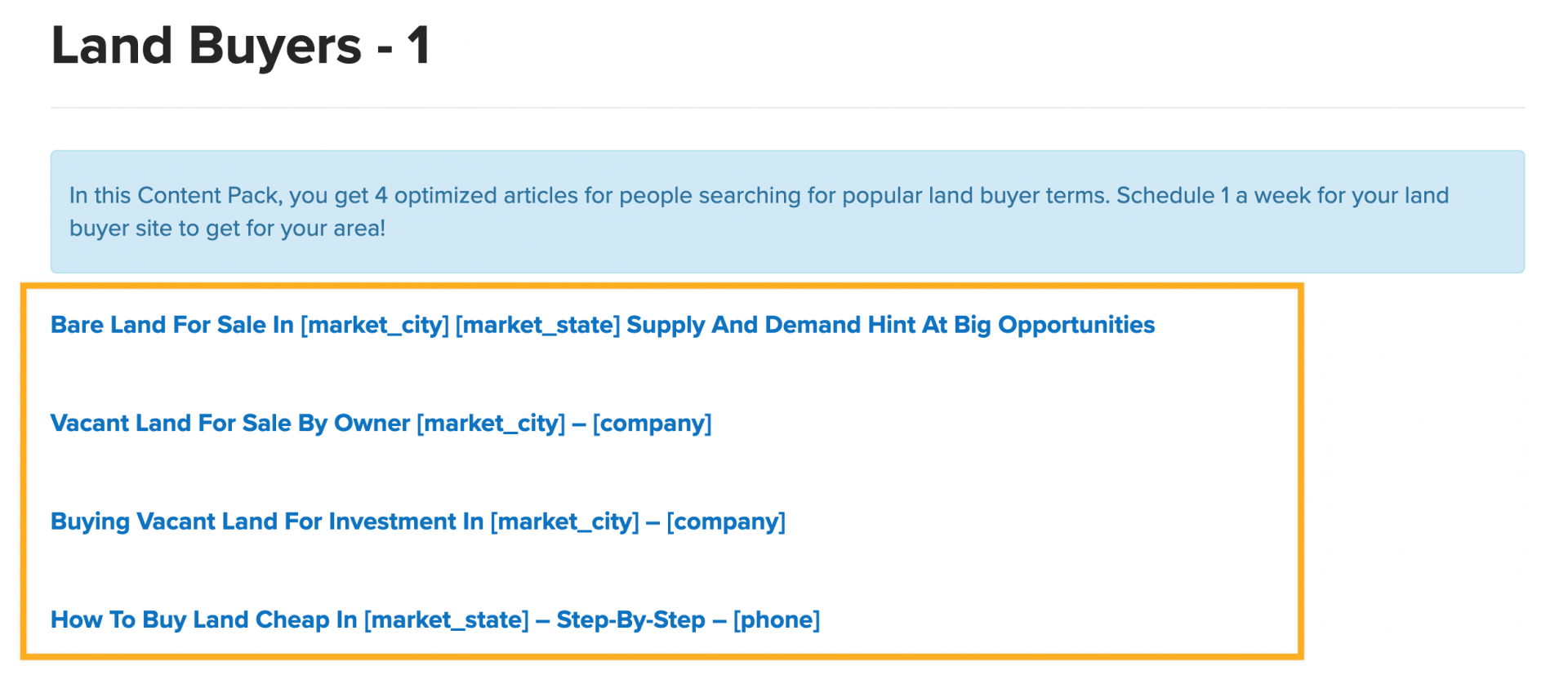
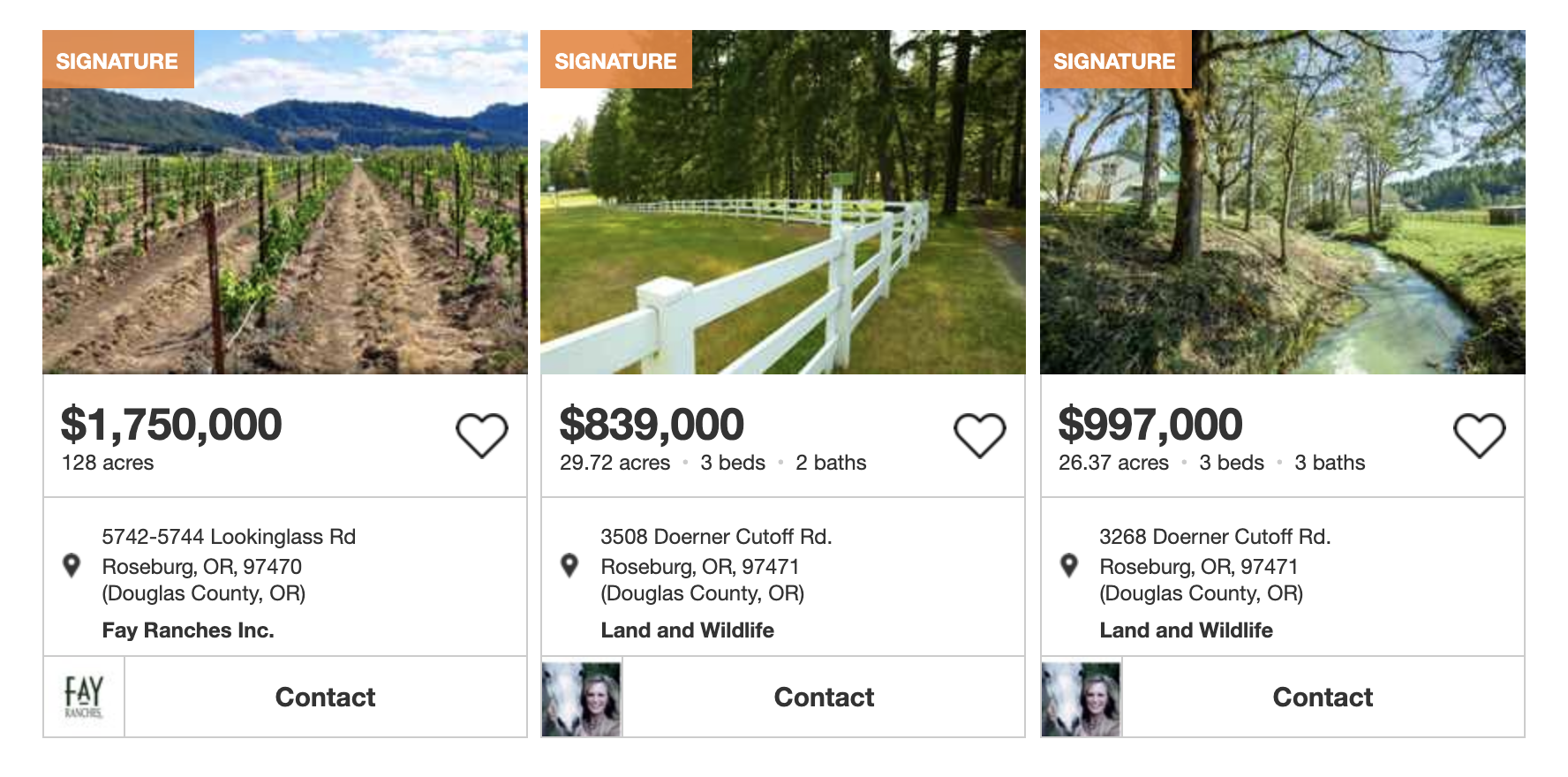
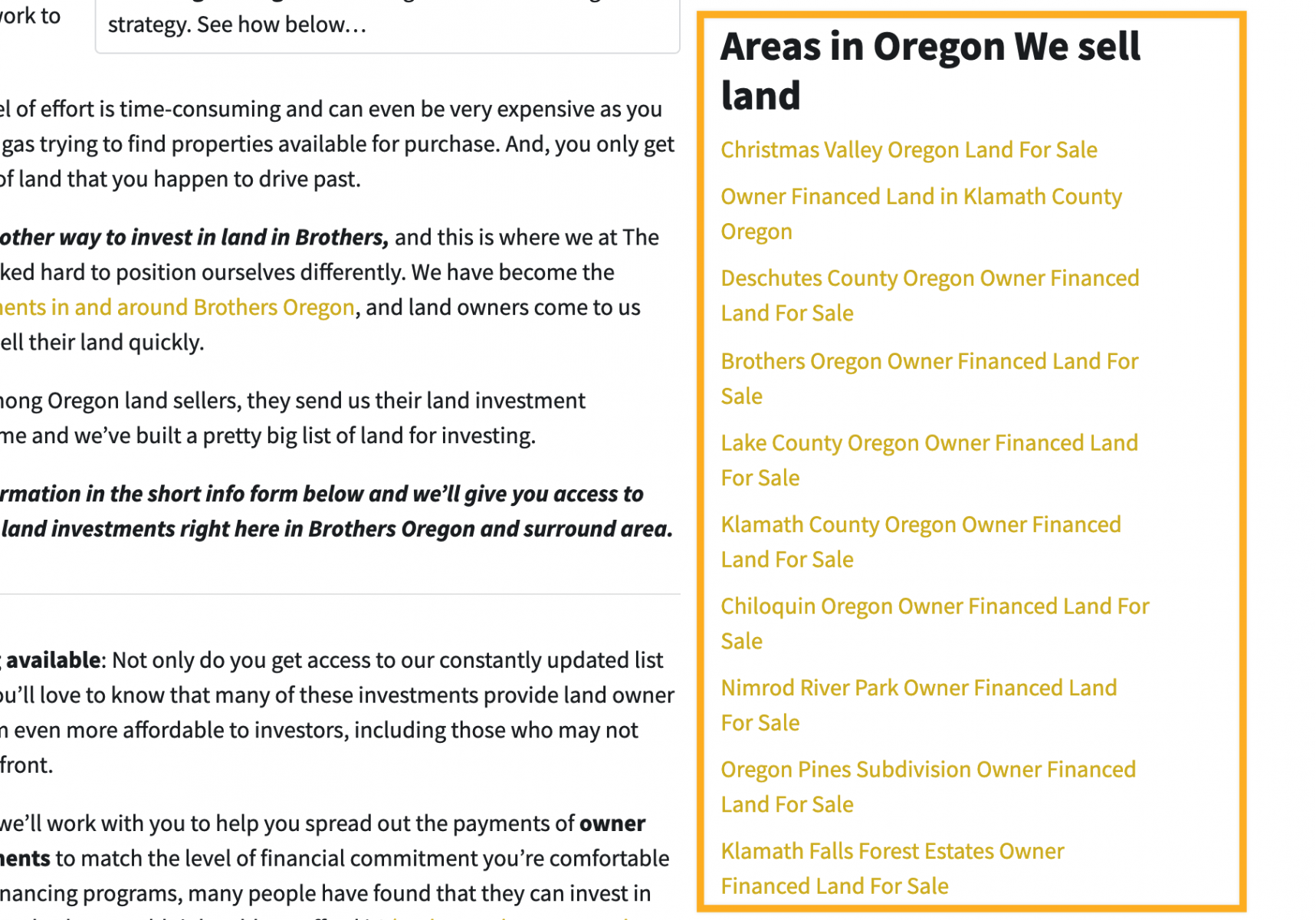
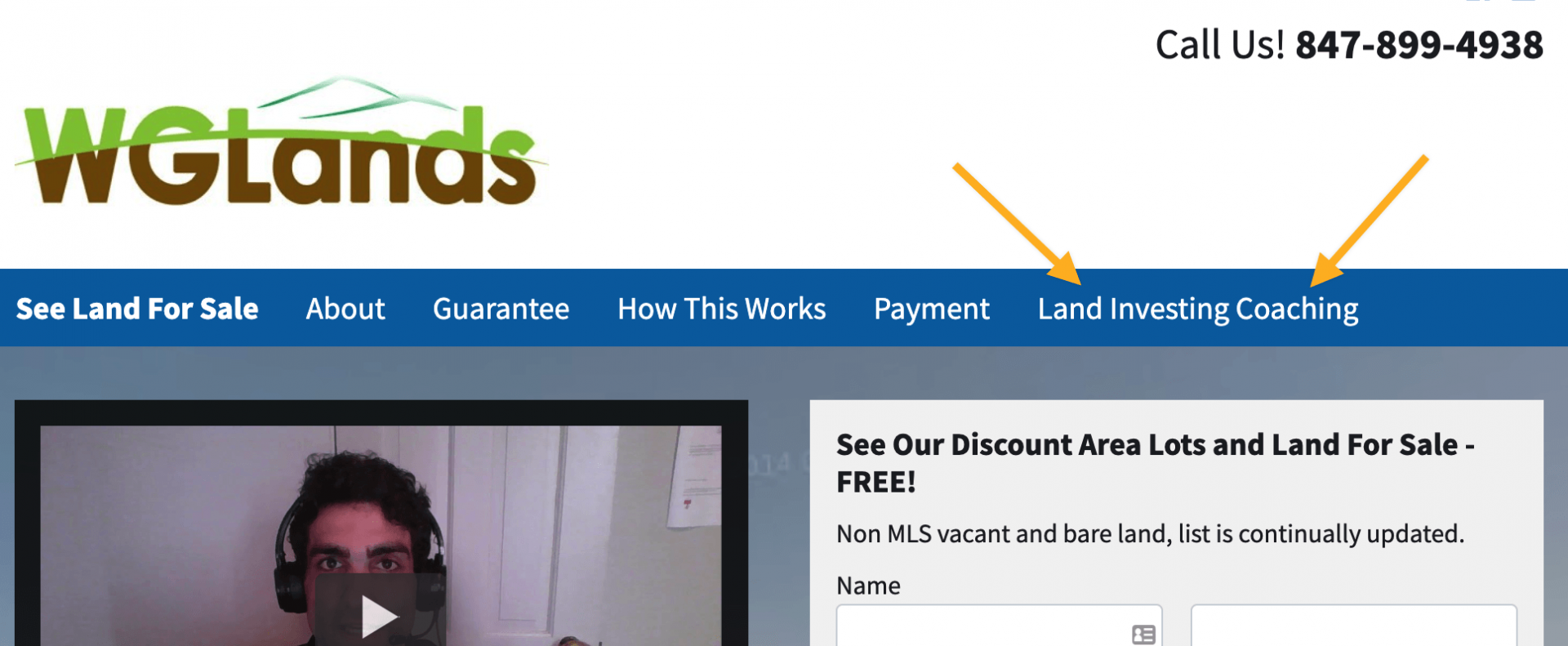
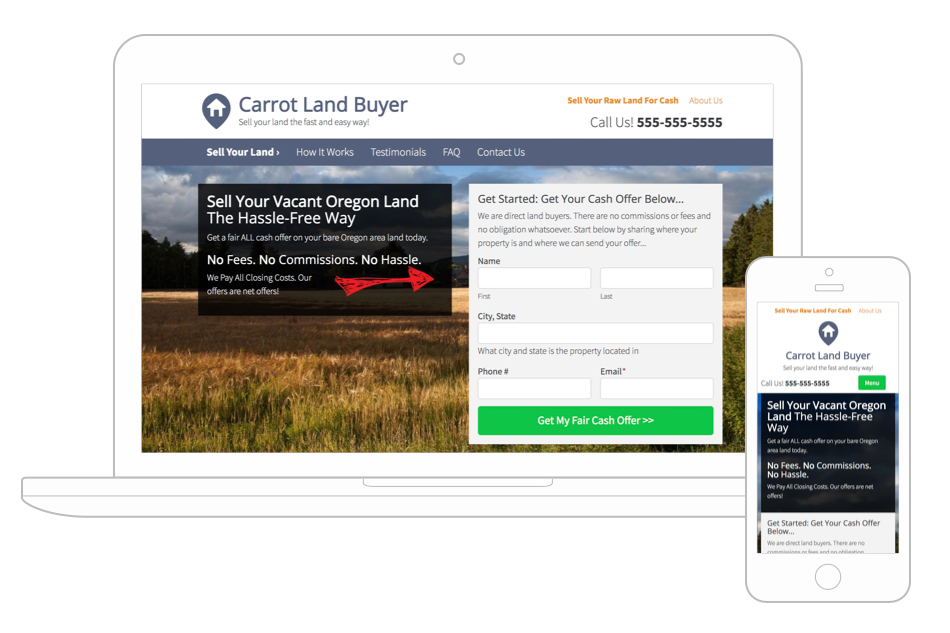

![Wholesaling Cold Calling Script [Complete Guide]](https://image-cdn.carrot.com/uploads/Post-Header-171.png)