Author: Brendan Holmes

  • Spreadsheets vs. Success: Why High-level Investors Choose Real Estate CRM Software

    Spreadsheets vs. Success: Why High-level Investors Choose Real Estate CRM Software

    Don’t get us wrong—we love spreadsheets, but not as a CRM. While they serve their purpose, spreadsheets can quickly become overwhelming and inefficient as your portfolio grows. Upgrading to real estate CRM software isn’t just about organization—it’s about reducing the risk of losing leads and deals.
    Studies show that responding to leads within 5 minutes increases your likelihood of conversion by 21 times compared to a 30-minute response time, making speed to lead critical. Manual data entry and scattered information in spreadsheets also lead to costly errors and inefficiencies.

    Tracking crucial CRM metrics like total lead touches and last touch dates is nearly impossible with spreadsheets. Experts recommend a minimum of eight touches per lead to maximize conversions—a task difficult to manage manually. As your business scales, spreadsheets simply cannot meet the organizational demands of a growing pipeline, resulting in missed opportunities and stalled growth.

    Real estate CRM software solves these challenges by automating follow-up sequences, tracking lead interactions, and organizing your pipeline. With the right tools, you can focus on efficiently closing deals and expanding your real estate investments.

    The Pain Points of Spreadsheet Investing

    What is Real Estate CRM Software

    Real estate CRM software is a powerful tool designed to streamline and automate various aspects of your investment business. By centralizing your data and automating tasks, it can significantly improve your efficiency and productivity.

    How a CRM Can Streamline the Investing Process

    A real estate CRM can help you:

    • Organize Your Data: Store all your important information, such as property details, contact information, and financial records, in one centralized location.
    • Automate Tasks: Set up automated workflows to streamline repetitive tasks like sending follow-up emails, scheduling property visits, and generating reports.
    • Track Your Pipeline: Visualize your deal pipeline and identify opportunities to close more deals faster.
    • Improve Communication: Efficiently communicate with your team, partners, and clients through built-in messaging and email features.
    • Make Data-Driven Decisions: Leverage analytics and reporting tools to track key performance indicators and make informed decisions.

    By embracing a real estate CRM, you can save time, reduce errors, and scale your investment business to new heights. In the following sections, we’ll delve deeper into the specific benefits of a CRM and explore key features to look for when selecting the right tool for your needs.

    Compare CRM Features to Spreadsheet Limitations

    Spreadsheets have long been a default tool for real estate investors, but their limitations become evident as portfolios grow. CRMs, on the other hand, are purpose-built to streamline operations and scale with your business. Below is a comparison highlighting the key differences:

    FeatureSpreadsheetsReal Estate CRMs
    ScalabilityBecomes cumbersome and error-prone as your portfolio grows.Designed to handle portfolios of any size, with advanced organization tools.
    AutomationNo built-in automation; requires manual data entry and updates.Automates tasks like lead follow-ups, reminders, and reporting.
    Data IntegrationStatic files are often stored locally or on basic cloud platforms.Seamlessly integrates with email platforms, accounting tools, and marketing software.
    CollaborationLimited or no integration with email, accounting, or marketing tools.Enables team collaboration with real-time updates and role-specific access.
    Reporting & AnalyticsRequires manual setup and formulas to analyze data.Offers built-in analytics and customizable dashboards for instant insights.
    AccessibilityStatic files often stored locally or on basic cloud platforms.Cloud-based access from anywhere, on any device, with secure storage.
    Lead ManagementNo specialized tools to track or prioritize leads.Centralized lead management with tracking, scoring, and pipeline visualization.
    Error ReductionHigh risk of manual errors in data entry and formulas.Automated processes minimize human error and inconsistencies.

    Spreadsheets might work for beginners or small-scale investors managing just a handful of deals, but they can quickly become a liability as your business grows. They lack the features to handle complex workflows, manage a team, or scale efficiently.

    Real estate CRM software solves these problems by offering tools specifically designed for real estate professionals. It provides structure, automation, and insights that spreadsheets can’t deliver.

    Here’s why upgrading to a real estate CRM is a game-changer:

    Benefits of Real Estate CRM Software

    Centralized Data Storage: Eliminate Fragmentation

    • Quick Access to Everything You Need: Unlike spreadsheets scattered across devices or shared via email, a CRM consolidates all essential data—property details, client interactions, and financial records—into one easily accessible platform.
    • Data Visibility for Smarter Decisions: With your entire portfolio at your fingertips, you can easily track performance metrics, spot trends, and make informed decisions about acquisitions, sales, or refinancing.

    Example: Instead of juggling multiple spreadsheets to track property ROI, a CRM dashboard lets you instantly view detailed metrics for every property in your portfolio.


    Automated Workflows: Streamline Your Day-to-Day

    • Simplified Lead Management: Automatically assign leads to the right team members, track follow-ups, and monitor progress through the sales funnel.
    • Reclaim Lost Time: Set up workflows that handle repetitive tasks like scheduling property tours, sending updates, or generating reports.
    • Minimize Costly Errors: Automation reduces manual data entry mistakes, saving you from financial oversights or missed opportunities.

    Example: Real estate CRM software can send automated follow-up emails to prospective buyers who viewed a property, allowing you to stay top-of-mind without additional effort.


    Enhanced Collaboration: Build a Cohesive Team

    • Real-Time Updates Across the Team: A CRM ensures everyone can access the latest updates, notes, and files, enabling seamless collaboration whether your team is in the office or working remotely.
    • Better Client Communication: CRMs help you maintain a professional relationship with clients by making it easy to provide updates and share important documents.

    Example: Use the CRM’s shared calendar to manage your team’s property showing schedules, avoid double bookings, and improve coordination.


    Scalability: Grow Without Growing Pains

    • Handle Larger Portfolios Effortlessly: As your business expands, a CRM scales with you, offering tools to manage hundreds of deals and properties without chaos.
    • Adapt to New Business Needs: Many CRMs allow you to add advanced features—like tenant management or rental income tracking—as your business diversifies.

    Example: When transitioning from single-family flips to managing a portfolio of multifamily rentals, a CRM can handle new layers of complexity without requiring an overhaul of your systems.


    The Bottom Line: Invest in Growth

    Switching from spreadsheets to real estate CRM software isn’t just about upgrading your tools; it’s about future-proofing your business. CRMs streamline operations, reduce inefficiencies, and give you the insights needed to scale. By automating mundane tasks, centralizing critical data, and improving collaboration, you can focus on what really matters: closing more deals and increasing your returns.

    Whether you’re just starting or looking to take your investment business to the next level, a real estate CRM provides the efficiency and scalability to support your long-term success. Don’t let outdated processes hold you back—invest in a tool designed to help you thrive.

    CRM Integration Capabilities: Creating a Seamless Workflow

    One of the biggest advantages of a real estate CRM is its ability to integrate with other essential tools, creating a unified system for managing your business. For real estate investors, this is a game-changer, as it eliminates the need to juggle multiple disconnected platforms.

    Let’s explore how CRMs integrate with key tools to streamline your workflow:

    1. Accounting Software Integration

    Integrations with platforms like QuickBooks or Xero allow you to manage your financials with ease:

    • Expense Tracking: Automatically sync property expenses and income with your accounting software.
    • Invoice Management: Generate and track invoices for tenant payments or contractor fees.
    • Tax Preparation: Consolidate financial data for easier reporting and tax filing.

    Example: You can link property income tracked in your CRM directly to QuickBooks, ensuring every rental payment is accurately logged without manual input.


    2. Marketing Tools Integration

    Connecting your CRM with marketing platforms such as Mailchimp, HubSpot, or ActiveCampaign helps you stay engaged with leads and nurture relationships:

    • Email Campaigns: Create targeted email campaigns directly from your CRM using segmented contact lists.
    • Lead Tracking: Automatically capture lead activity, such as clicks and replies, and update their status in your CRM.
    • Automation: Set up drip campaigns to nurture leads over time, sending timely messages based on their position in your pipeline.

    Example: When a potential seller fills out a form on your website, the CRM can automatically add them to a pre-defined email sequence and notify your team to follow up.


    3. Communication Platforms Integration

    Real estate is all about relationships, and CRMs integrate with tools like Zoom, Slack, or RingCentral to improve communication:

    • Team Collaboration: Keep your team on the same page by linking messaging apps like Slack to your CRM for updates on deals or tasks.
    • Call Logging: Integrate phone systems directly with your CRM to track all calls and messages with leads or tenants.
    • Scheduling: Sync with calendar apps to schedule property tours, client meetings, or team check-ins.

    Example: After a call with a prospective sell or buyer, the conversation is logged in your CRM, ensuring you have a complete record of all communication.


    4. Data Visualization Tools Integration

    Platforms like Google Data Studio or Tableau can provide enhanced reporting and analytics:

    • Custom Dashboards: Create detailed visualizations of your portfolio’s performance.
    • Real-Time Updates: Sync your CRM data with visualization tools for real-time insights.
    • Decision Support: Use these dashboards to identify trends and make data-driven decisions.

    Example: Pull data from your CRM into Tableau to create a heatmap showing which neighborhoods deliver the highest ROI.


    A CRM’s ability to integrate with tools you already use transforms it into a central hub for your real estate business. Whether you’re managing finances, marketing campaigns, tenant relationships, or communication, integrations save time and reduce errors, allowing you to focus on growth.

    Start by evaluating your current tools and choose a CRM that offers seamless integrations with them. The result? A streamlined workflow that simplifies your operations and maximizes efficiency.

    Showcase ROI for Investors: Quantifying the Value of a CRM

    Investors are constantly looking for tools that deliver tangible returns on investment. A real estate CRM isn’t just a convenience—it’s a strategic asset that can significantly boost your efficiency, close more deals, and save money. Here’s how a CRM translates into measurable ROI for real estate investors:


    1. Time Savings

    Investors who implement CRMs report significant reductions in time spent on manual tasks:

    • Save 8–10 hours per week by automating repetitive activities like follow-ups, data entry, and report generation.
    • Streamlined workflows free up time to focus on high-value tasks like analyzing new deals and networking.

    Example: By automating follow-up emails and reminders, one investor reduced administrative workload by 40%, allowing them to evaluate twice as many deals in the same timeframe.


    2. Increased Deal Closures

    A CRM’s ability to enhance lead management and pipeline tracking translates directly into more closed deals:

    • 20–30% increase in deal closures due to faster, more effective follow-ups and lead nurturing.
    • Improved organization helps prevent missed opportunities, ensuring every qualified lead is pursued.

    Example: A study found that CRM users responded to new inquiries 50% faster than non-users, leading to higher conversion rates and increased revenue.


    3. Error Reduction

    Manual processes in spreadsheets are prone to mistakes, which can lead to costly errors:

    • Reduce financial errors by up to 25%, preventing miscalculations in budgets, payments, or rental income tracking.
    • Avoid missed deadlines for payments or lease renewals that could result in penalties or lost income.

    Example: One property investor saved over $5,000 annually by using CRM alerts to track payment due dates and avoid late fees.


    4. Enhanced Team Productivity

    For investors managing teams, a CRM centralizes operations and improves collaboration:

    • Teams report a 15–20% productivity boost by eliminating redundant tasks and improving communication.
    • Role-specific dashboards and task assignments ensure everyone knows what to prioritize.

    Example: A small real estate team using a CRM to assign leads saw a 25% improvement in lead conversion rates within six months.


    5. Improved Portfolio Performance

    With robust reporting and analytics, investors make data-driven decisions to optimize their portfolios:

    • 10–15% higher ROI on investments by identifying underperforming properties and reallocating resources effectively.
    • Real-time performance tracking helps investors adjust strategies proactively.

    Example: One landlord used CRM analytics to identify properties with high vacancy rates and adjusted marketing efforts, increasing occupancy by 12% in one year.


    Measurable Returns – A real estate CRM isn’t just an expense—it’s an investment with proven ROI:

    • Save Time: Reclaim up to 10 hours a week.
    • Close More Deals: Increase closings by up to 30%.
    • Reduce Costly Errors: Save thousands annually by avoiding mistakes.
    • Boost Team Efficiency: Enhance productivity by 20%.
    • Maximize Portfolio ROI: Achieve better returns with smarter decisions.

    Investing in a CRM improves your business’s day-to-day operations and positions you for long-term growth and profitability. If you’re serious about scaling your investment portfolio, the numbers make it clear—a CRM is a must-have tool.

    Factors to Consider When Choosing Real Estate CRM Software

    Selecting the right real estate CRM software is crucial for maximizing its benefits. Here are some factors to consider when making your decision:

    Factors to Consider

    • Cost: Evaluate the CRM’s upfront and ongoing costs, including any additional premium features or support fees.
    • Features: Ensure the CRM offers the features you need, such as lead management, deal pipeline tracking, document storage, and communication tools.
    • Ease of Use: A user-friendly interface can save you time and frustration. Look for a CRM that is intuitive and easy to navigate.
    • Integration Capabilities: Consider how well the CRM integrates with other tools you use, such as email marketing, accounting, or property management software.
    • Customer Support: Reliable customer support is essential, especially when encountering issues or having questions.

    Top 5 CRM Tools for Real Estate Investors

    Selecting the right CRM is a pivotal decision for any real estate investor. A great CRM should align with your business needs, streamline your processes, and help you achieve your investment goals. Below, we highlight five of the most popular CRM options for real estate investors, each with its standout features, pricing details, and target audience.


    1. Carrot CRM
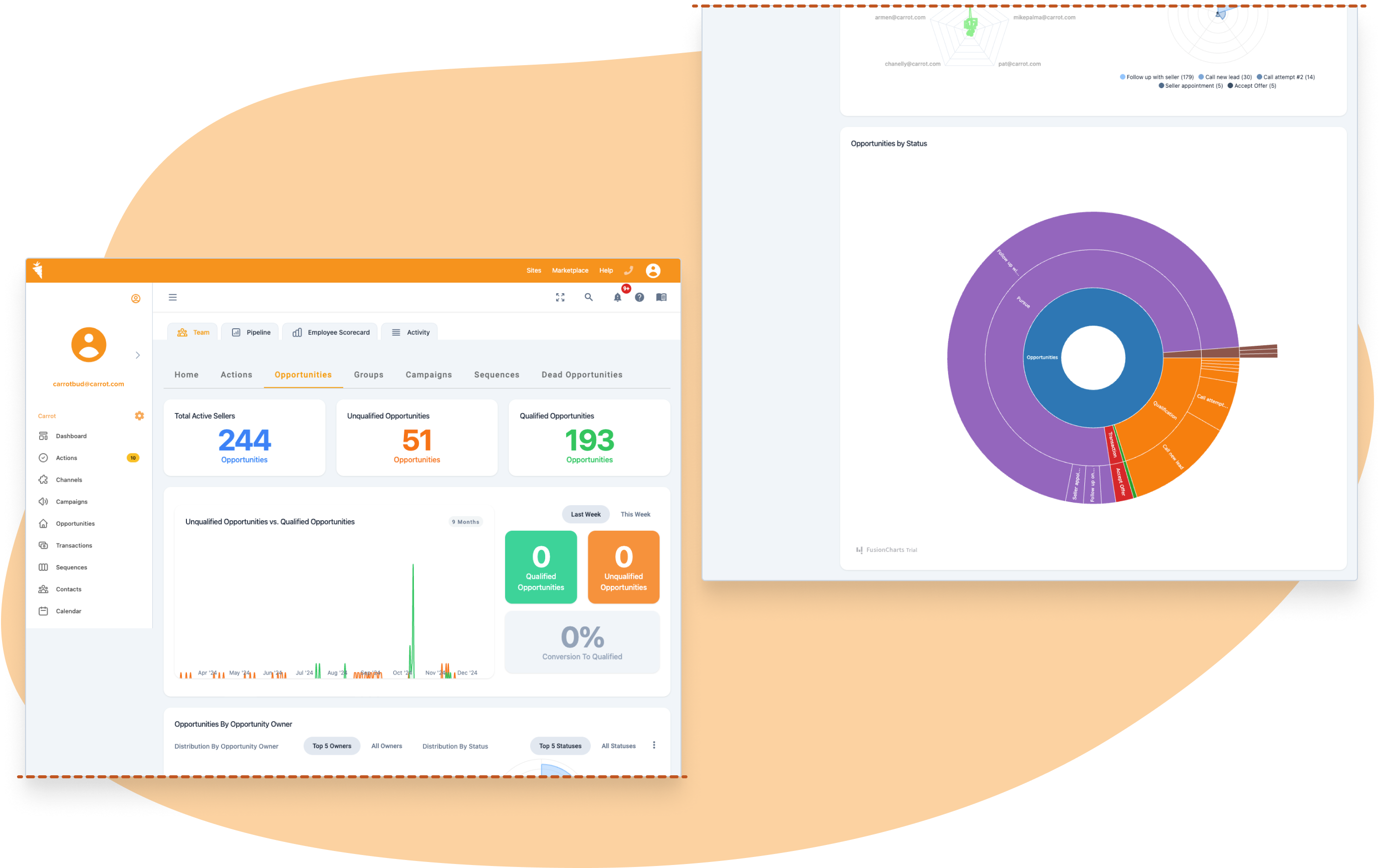
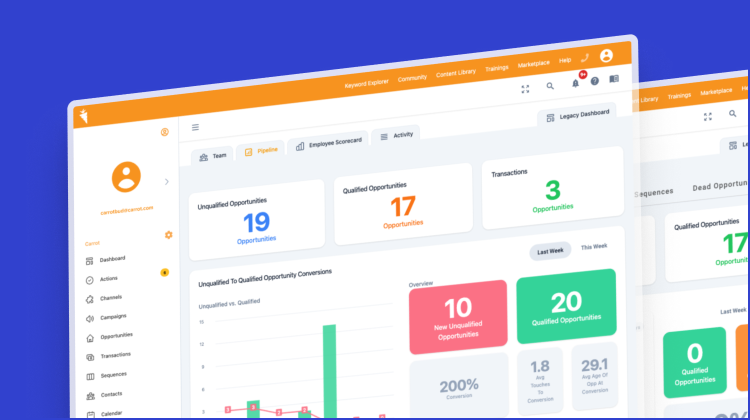
    Carrot CRM opportunities dashboard

    Carrot CRM is an affordable real estate CRM designed to grow with your business—from starting out to managing millions in deal pipeline.

    Standout Features:

    • Seamless integration with Carrot’s high-converting websites for organic lead capture.
    • Customizable workflows designed for follow-ups, deal tracking, and task automation.
    • Analytics dashboards to measure lead performance and marketing ROI.

    Pricing: Plans start at… FREE! Just getting started? You still deserve a proper CRM for lead tracking. Ditch the spreadsheets. Our next tier plans start at $69/month, with higher tiers offering advanced automation and reporting features.
    Key Differentiator: Perfect for investors who prioritize inbound marketing and want a CRM fully integrated with their website.


    2. InvestorFuse
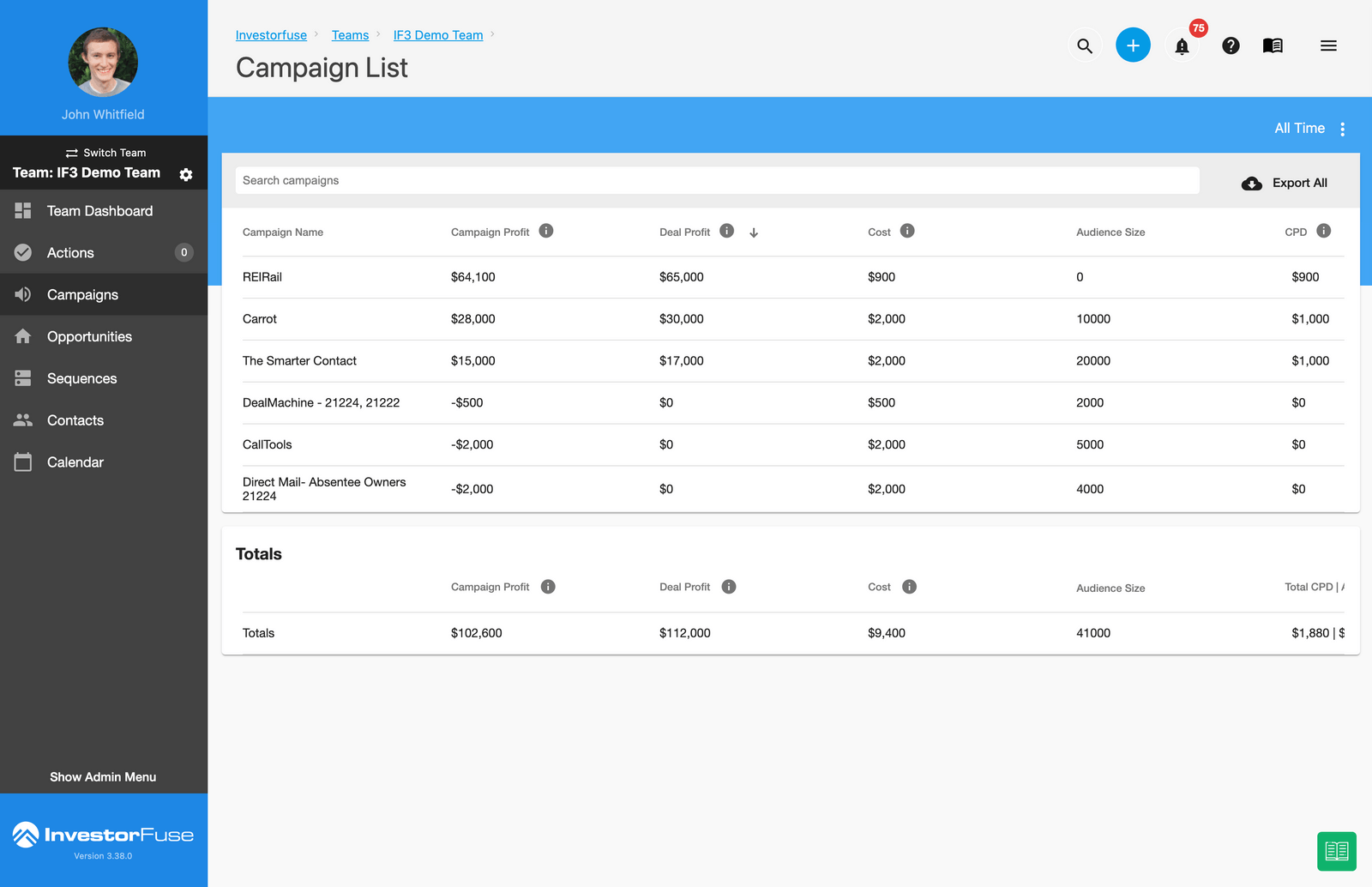
    InvestorFuse CRM

    InvestorFuse is for investors seeking robust lead management and team collaboration tools.

    Standout Features:

    • Advanced task automation to ensure no lead falls through the cracks.
    • Easy-to-use interface for tracking deals from initial contact to close.
    • Integration with popular marketing tools like REI Reply and Podio.

    Pricing: Plans start at $109/month, with additional features available in higher tiers.
    Key Differentiator: Tailored for investors who need efficient follow-up systems and task management for high-volume lead pipelines.


    3. REI BlackBook

    Full-service investors managing marketing, deals, and follow-ups in one system.

    Standout Features:

    • Built-in marketing tools like landing pages, SMS campaigns, and email automation.
    • Deal flow dashboards to monitor leads, offers, and closing timelines.
    • A comprehensive contact management system with robust tagging and segmentation.

    Pricing: Plans start at $97/month, with premium options for advanced marketing features.
    Key Differentiator: All-in-one solution ideal for investors looking for a CRM with integrated marketing capabilities.


    4. Pipedrive

    Investors seeking a highly visual pipeline for deal tracking.

    Standout Features:

    • Drag-and-drop interface to manage leads and deals intuitively.
    • Customizable fields for tracking property-specific data.
    • Integrates with over 300 apps, including marketing and accounting tools.

    Pricing: Starting at $14/month, it is affordable for new investors.
    Key Differentiator: Budget-friendly and easy to use, ideal for solo investors or small teams.


    5. Zoho CRM

    Tech-savvy investors needing a highly customizable and scalable platform.

    Standout Features:

    • AI-powered analytics for predicting lead behavior and deal success.
    • Extensive integration options with property management and accounting tools.
    • Advanced workflow automation for lead nurturing and task management.

    Pricing: Plans start at $14/month, with enterprise options available for larger operations.
    Key Differentiator: Best for investors who want deep customization and integration capabilities at an affordable price.

    Bonus: See the Top 11 Real Estate CRMs for 2025


    Which Real Estate CRM Software Is Right for You?

    Each of these CRMs offers unique features tailored to different needs:

    • Choose Carrot CRM if lead generation is your top priority.
    • Opt for InvestorFuse for superior follow-up and task automation.
    • Select REI BlackBook if you need a full-service marketing and deal management tool.
    • Go with Pipedrive for its user-friendly interface and affordability.
    • Pick Zoho CRM if customization and scalability are key to your operations.

    Evaluate your workflow, budget, and growth goals to find the CRM that fits your business. Investing in the right CRM today can set you up for long-term success in the competitive real estate market.

    Conclusion

    Investing in a real estate CRM can significantly improve your investment business’s efficiency and profitability. A CRM can help you:

    • Increase Efficiency: Automate tasks, streamline workflows, and save time.
    • Improve Organization: Centralize your data and keep track of important information.
    • Better Decision-Making: Leverage data-driven insights to make informed decisions.
    • Scalability: Future-proof your business and accommodate growth.

    Don’t let spreadsheets hold you back. Explore the power of a real estate CRM and take your investment business to the next level.


  • How to Conduct Keyword Research for Google Ads for Real Estate Investors

    How to Conduct Keyword Research for Google Ads for Real Estate Investors

    Keyword Research for google ads for real estate investors

    Keyword research is the foundation of successful Google Ads campaigns. It helps you discover the search terms your ideal clients are using, allowing you to align your ads with their needs and intent. For real estate investors, targeting the right keywords is crucial for reaching motivated buyer and seller leads—those actively searching to sell quickly or find investment deals.

    In a competitive market, effective keyword research ensures you attract high-intent traffic, not just clicks. This guide is designed for real estate investors, particularly those using platforms like Carrot and will help you find and use the best keywords to optimize your Google Ads and maximize your ad spend.

    Why Keyword Research is Crucial for Real Estate Investors: Boost Leads and Slash Costs

    Real estate is one of the most competitive industries in online advertising, with countless agents and investors fighting for attention. Without a solid keyword strategy, your Google Ads can easily get lost. Keyword research is the key to standing out by targeting the exact search terms your audience is using.

    For real estate investors, reaching motivated sellers and buyers is essential. These leads are ready to take action, whether it’s selling their house fast for cash or finding investment properties. Keywords like “sell my house fast” or “cash home buyers” attract high-intent leads who need quick solutions.

    Precise keyword targeting ensures you spend your budget wisely, bringing in qualified leads rather than unqualified clicks. By focusing on phrases like “off-market properties” or “investment homes for sale,” you’ll connect with serious buyers and sellers in need of fast results.

    In a competitive niche like real estate, you need a focused strategy—and that begins with smart keyword research.

    Setting the Foundation: Understanding Search Intent

    Before diving into keyword research, it’s essential to understand the concept of search intent. Search intent refers to the purpose behind a user’s query on Google. There are three main types of search intent: transactional, navigational, and informational.

    • Transactional Intent: This type of intent indicates that the user is ready to take action, such as making a purchase or completing a form. In the context of real estate investing, keywords with transactional intent are often associated with users who are motivated to sell their property quickly or find investment opportunities, such as “sell my house fast” or “buy investment properties in .”
    • Navigational Intent: The user is looking for a specific website or platform. For example, a real estate investor may use keywords like “Carrot real estate website” or “best real estate investor tools” to directly find a product or service they’ve heard about.
    • Informational Intent: These users are seeking knowledge or research on a topic. In real estate, this could include searches like “how to sell a house by owner” or “real estate market trends 2024.” While important for brand visibility, these keywords typically lead to people who are still in the research phase and not yet ready to convert.

    For real estate investors focused on generating leads, the most valuable search intents to target are transactional and navigational. These users are further along in their decision-making process and are more likely to convert into leads. Transactional keywords are key because they signal immediate action. Navigational keywords, while often brand-specific, are also valuable because they indicate the user knows what they want and are actively seeking your service.

    Search intent directly impacts the type of ads you create and the keywords you prioritize. For instance, a person searching “sell my house fast” has clear transactional intent—they are looking for a quick solution, and your ad should reflect urgency and a direct call to action, like “Get a Cash Offer Today.” In contrast, someone searching for “real estate market trends 2024” is still in the research phase, so while they may not convert right away, nurturing these leads with content and retargeting ads can eventually pay off.

    Let’s take two examples to illustrate how search intent affects keyword strategy:

    • A person searching for “sell my home fast in ” likely has transactional intent. They want a fast, direct solution, making this keyword ideal for investors targeting motivated sellers.
    • Someone searching for “how much is my home worth” may be researching the market and not yet ready to act. While they may be worth capturing for long-term nurturing, this type of keyword would fall under informational intent.

    Understanding search intent allows you to align your keywords with your goals, ensuring that your ads are displayed to users who are most likely to convert. Focusing on transactional and navigational keywords can result in higher-quality leads and a more effective ad strategy for real estate investors.

    Step-by-Step Guide to Conducting Keyword Research for Real Estate Google Ads

    Option 1: Use Google’s Keyword Planner

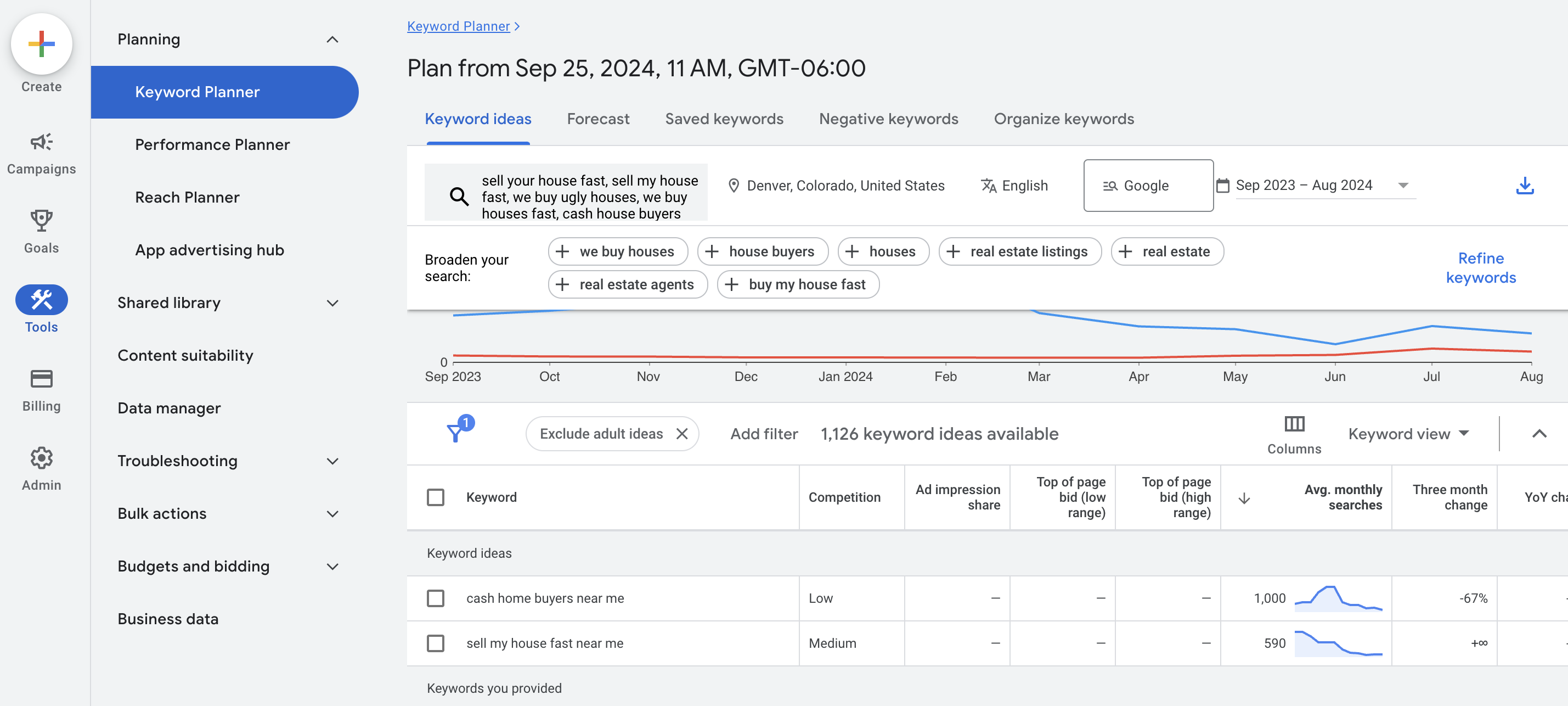
    Google’s Keyword Planner is a powerful tool that helps advertisers discover relevant keywords for their campaigns. It provides valuable insights into keyword search volume, competition, and cost-per-click (CPC), making it an essential resource for real estate investors looking to optimize their Google Ads.

    By using this tool, you can find keywords that target motivated sellers and buyers, ensuring that your ads reach the right audience.

    How to Access and Navigate the Tool

    1. Create a Google Ads Account: If you haven’t already, sign up for a Google Ads account at ads.google.com. You’ll need to provide some basic information about your business.
    2. Access Keyword Planner: Once your account is set up, click on the “Tools & Settings” icon (wrench) in the upper right corner of the Google Ads dashboard. Under the “Planning” section, select “Keyword Planner.”
    3. Choose Your Option: You will see two options:
      • Discover new keywords: This option helps you find keywords related to your business or website.
      • Get search volume and forecasts: This option allows you to enter keywords and see their historical performance metrics.
    4. For the purpose of this guide, select “Discover new keywords.”

    Step-by-Step Process to Find Relevant Real Estate Keywords

    1. Enter Your Ideas: In the “Discover new keywords” section, start by entering terms related to your business. Think about phrases that motivated sellers or buyers might use. For example, you could enter “sell my house fast,” “cash home buyers,” or “investment properties.”
    2. Select Location and Language: Adjust the targeting options to focus on your specific market. You can set the location to your city or region to find local keywords. Ensure the language is set to your target audience’s language (typically English).
    3. Click on “Get Results”: After entering your keywords and adjusting the settings, click the “Get Results” button to see the keyword suggestions.
    4. Analyze the Results: You’ll be presented with a list of keyword ideas along with important data, including:
      • Average monthly searches: Indicates how many searches are performed on average each month.
      • Competition: Shows how competitive a keyword is, rated as low, medium, or high.
      • Top of page bid: Provides an estimated cost-per-click for that keyword.
    5. Filter and Sort: Use the filter options to narrow down your results. For example, you can filter by competition level or search volume to find the most relevant keywords for your ads.
    6. Select Relevant Keywords: Identify keywords that align with your goals. For example, look for terms like “we buy houses,” “quick cash offers,” and “sell my property fast.” These keywords indicate strong transactional intent and can help you reach motivated sellers.
    7. Add Keywords to Your Plan: Once you’ve identified a list of potential keywords, you can add them to your plan by clicking the checkbox next to each keyword and then selecting “Add to plan.”

    Example Keywords for Real Estate Investors

    Here are some example search phrases you might find using Google’s Keyword Planner:

    • Motivated Sellers:
      • “Sell my house fast”
      • “Cash offer for my home”
      • “Quick home sale”
    • Cash Buyers:
      • “Cash home buyers ”
      • “Sell house for cash”
      • “Buy my house cash offer”
    • Property Listings:
      • “Investment properties for sale”
      • “Foreclosed homes for sale”
      • “Off-market properties in ”

    You can efficiently identify and select the best keywords for your real estate Google Ads campaigns using Google’s Keyword Planner. This targeted approach will enhance your ability to connect with motivated buyers and sellers, ultimately driving more qualified leads to your business.

    Option 2: Leverage Carrot’s Keyword Explorer Tool

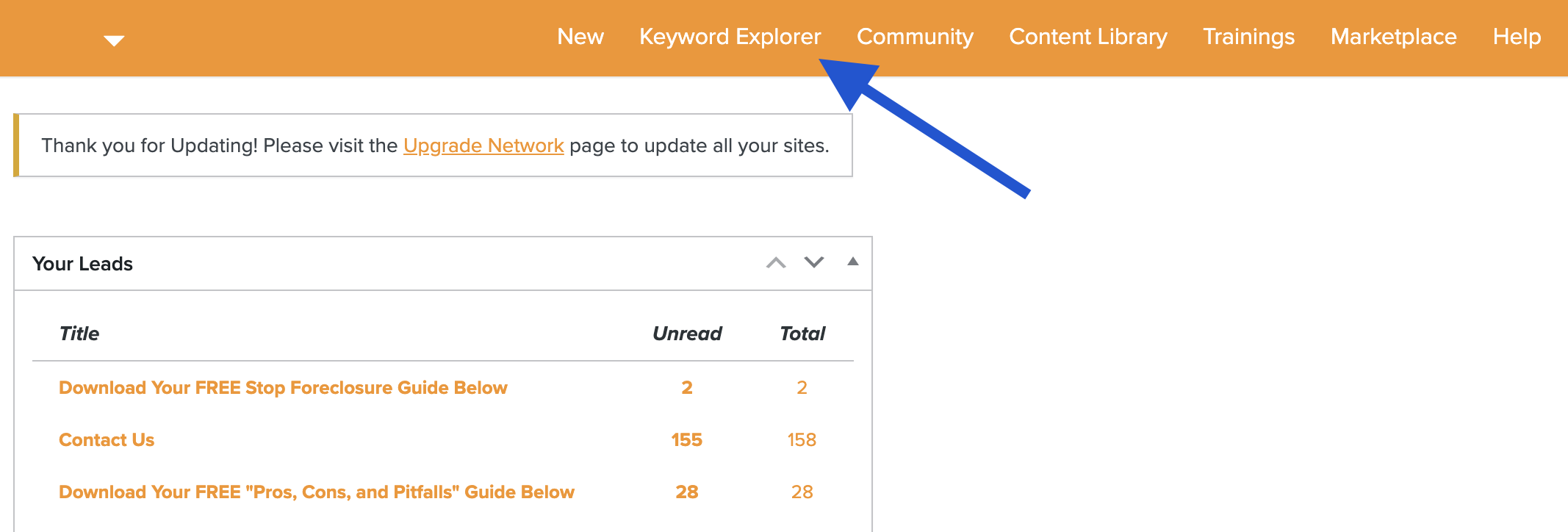
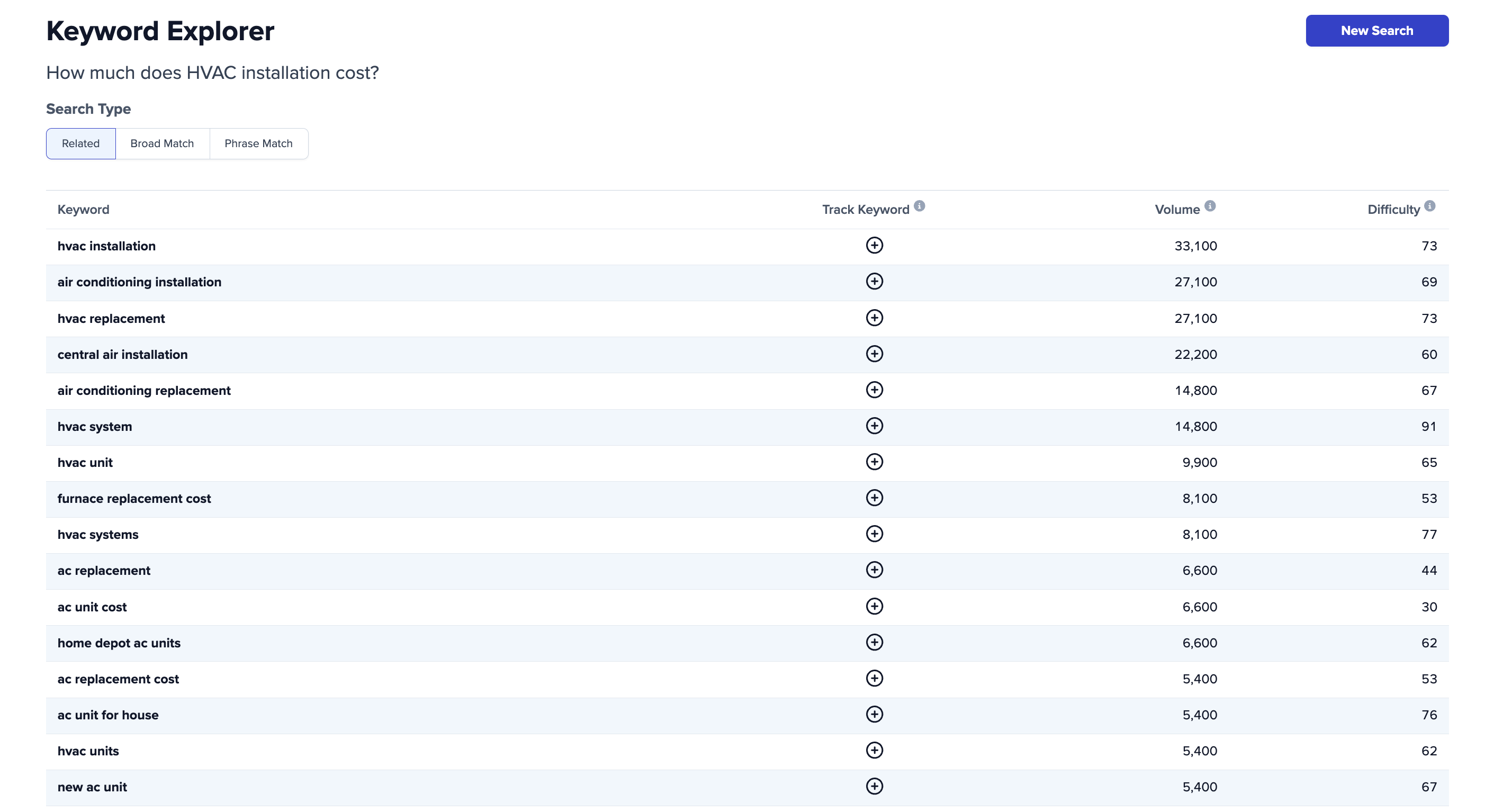
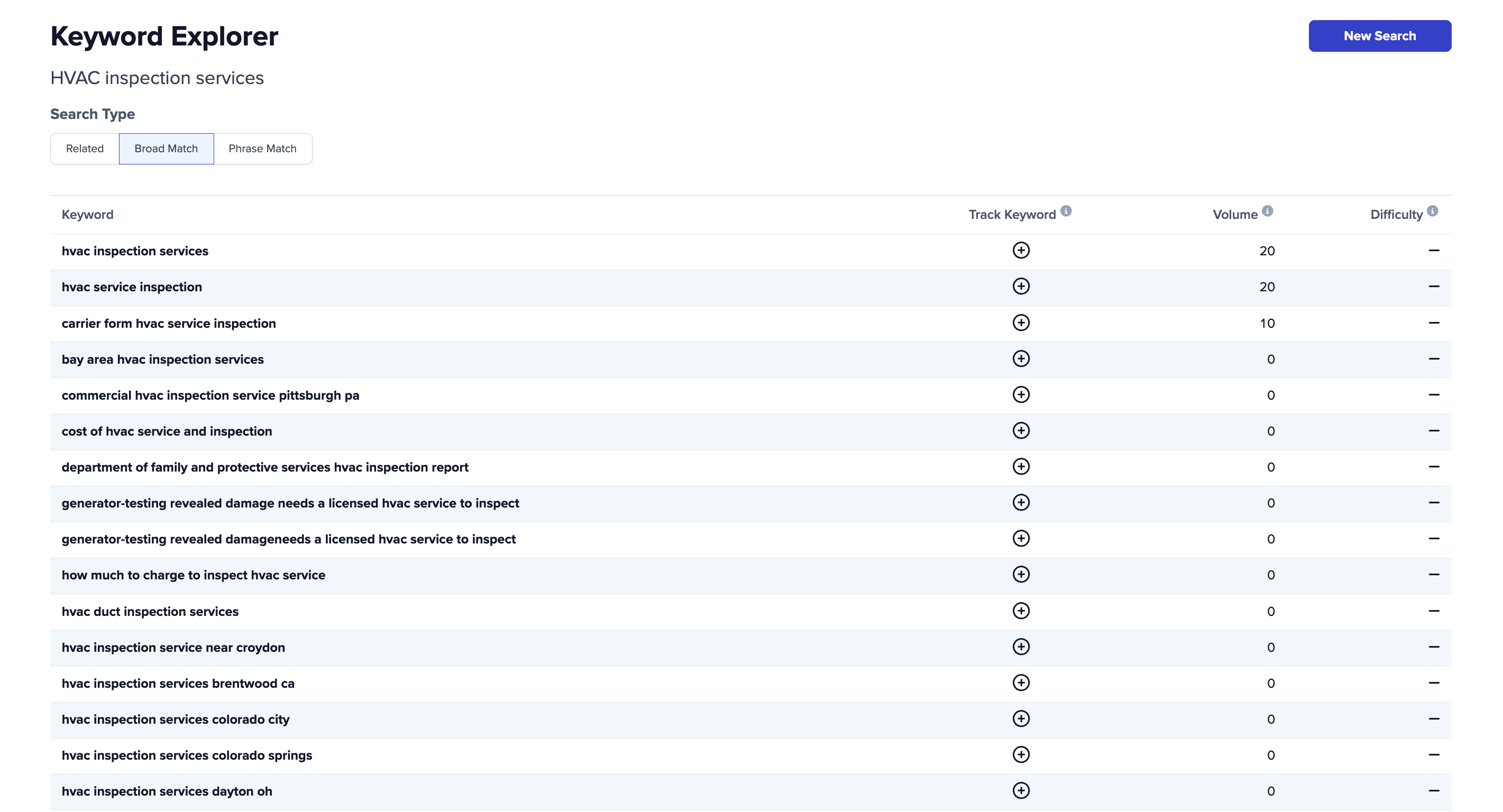
    Carrot’s Keyword Explorer tool is an invaluable resource specifically designed to help real estate investors discover relevant keywords and optimize their online presence. This tool is integrated directly into the Carrot platform, making it easy for you to find and utilize keywords that attract motivated buyers and sellers without needing to switch between multiple applications.

    How Carrot’s Keyword Explorer Can Help Real Estate Investors

    How to Do Keyword Research for Local SEO
    1. Targeted Keyword Suggestions: Carrot’s Keyword Explorer provides keyword suggestions tailored to the real estate market. This feature helps you identify the most effective keywords to reach motivated leads who are searching for solutions like yours.
    2. SEO and PPC Integration: The tool not only helps with Google Ads keyword research but also assists in optimizing your website’s content for search engines. This dual functionality ensures that your advertising and organic efforts are aligned for maximum impact.
    3. User-Friendly Interface: Carrot’s interface is intuitive and user-friendly, making it easy to navigate even if you’re not a tech expert. This accessibility means you can spend more time focusing on strategy and less time figuring out how to use the tool.

    Learn more about using Carrot’s Keyword Explorer tool in the in-depth tutorial.

    Benefits of Using a Tool Integrated into a Website Platform

    • Streamlined Process: Having the keyword tool integrated within your website platform means you can quickly move from keyword discovery to content creation and ad setup without leaving the Carrot ecosystem. This streamlining saves time and improves efficiency.
    • Real-Time Data: Carrot’s Keyword Explorer provides real-time data and insights, enabling you to make informed decisions quickly. You can adjust your strategy on the fly based on the latest trends and performance metrics.
    • Tailored to Your Niche: Unlike generic keyword tools, Carrot’s Keyword Explorer is specifically designed for real estate investors, ensuring that the suggestions you receive are relevant and actionable.

    Example of Uncovering Long-Tail Keywords Using the Carrot Platform

    To illustrate how to use Carrot’s Keyword Explorer to uncover valuable long-tail keywords, follow these steps:

    1. Access the Keyword Explorer: Log in to your Carrot account and navigate to the Keyword Explorer tool within your dashboard.
    2. Enter Seed Keywords: Start by entering a few seed keywords related to your business. For example, you might enter “sell my house fast,” “cash home buyers,” or “real estate investment.”
    3. Review Suggested Keywords: After clicking “Search,” the tool will generate a list of related keywords. Look for long-tail keywords—phrases that are typically three or more words long, as these often indicate stronger intent. For example, you might see suggestions like “sell my house fast for cash in ” or “best cash home buyers near me.”
    4. Analyze Metrics: Examine the suggested keywords for their search volume, competition level, and relevance to your business goals. Long-tail keywords often have lower competition but can lead to highly qualified leads.
    5. Select and Save Keywords: Choose the keywords that resonate most with your target audience and align with your campaign objectives. You can save these keywords for use in your Google Ads campaigns and website content.

    By leveraging Carrot’s Keyword Explorer tool, real estate investors can uncover valuable long-tail keywords that attract motivated buyers and sellers. This integrated approach not only enhances your advertising strategy but also strengthens your overall online presence, driving more qualified leads to your business.

    How to Analyze Competitor Keywords

    Analyzing competitor keywords is a crucial step in refining your keyword strategy for Google Ads. By understanding what keywords your competitors are targeting, you can identify gaps in your own strategy and uncover valuable opportunities to attract motivated buyers and sellers.

    How to Identify Competitor Keywords Using Tools Like Carrot Keyword Explorer, SEMrush, or Ahrefs

    1. Choose a Competitor: Start by identifying one or more of your key competitors in the real estate market. Look for businesses that operate in the same geographic area and target similar buyer and seller demographics.
    2. Access Your Chosen Tool:
      • Carrot’s Keyword Explorer: Log in to your Carrot account. Use the same instructions as above.
      • Ahrefs: Log in to your Ahrefs account and go to the “Site Explorer” feature.
      • SEMrush: Log in to your SEMrush account (or sign up for a free trial if you don’t have one). Navigate to the “Domain Analytics” section.
    3. Enter the Competitor’s Domain: In the search bar, input the URL of your competitor’s website and click “Search.” This will provide you with an overview of their website’s performance and keyword targeting.
    4. Navigate to the Keywords Section:
      • Carrot Keyword Explorer: Pull a report on your top 2-3 competitors’ sites and see their most popular keywords bringing them traffic.
      • Ahrefs: Click on “Organic Keywords” to see the keywords driving traffic to their site.
      • SEMrush: Click on “Organic Research” to view the keywords your competitor ranks for organically.
    5. Filter Keywords by Metrics: Use filters to narrow down the results based on criteria like:
      • Search Volume: Focus on keywords with substantial search volume.
      • Keyword Difficulty: Look for keywords with lower competition scores to identify more attainable targets.
      • Traffic: Check for keywords that generate significant traffic for your competitor.

    How to Evaluate Which of Your Competitors’ Keywords Are Worth Targeting

    1. Relevance: Ensure that the keywords are relevant to your business. Target keywords that align with the services you offer and the needs of your target audience, such as “sell my house fast” or “cash buyers for investment properties.”
    2. Search Intent: Consider the search intent behind the keywords. Focus on transactional keywords that indicate potential leads are ready to act rather than purely informational terms.
    3. Competition Analysis: Analyze the competition for each keyword. Use the tools to see how many advertisers are bidding on the keyword and how much they are spending. This can give you an idea of the keyword’s value and potential ROI.
    4. Gaps and Opportunities: Look for keywords that your competitors rank for but you do not. These gaps can represent lucrative opportunities for you to target in your campaigns.

    Example of Dissecting a Competitor’s Google Ads Campaign for Valuable Keyword Ideas

    To find the keywords your competitors are using and leverage Carrot’s Keyword Explorer, follow these steps:

    1. Access Carrot’s Keyword Explorer Tool

    • Log in to your Carrot.com account.
    • Navigate to the Keyword Explorer tool from your dashboard.

    2. Research Competitor Domains

    • In the Keyword Explorer, input the URL of a competitor’s website or landing page. This will allow the tool to analyze their content and provide keyword insights.
    • Click Search to see what keywords your competitor is ranking for organically.

    3. Analyze Competitor Keywords

    • Review the keyword suggestions that appear based on your competitor’s domain.
    • Focus on high-intent keywords related to real estate investing or home selling, such as “sell my house fast,” “cash home buyers,” or “investment properties.”
    • Pay attention to the search volume, difficulty, and click-through-rate (CTR) estimates to prioritize valuable keywords.

    4. Look for Long-Tail Keyword Opportunities

    • Scroll through the results for long-tail keywords—these are often less competitive and can provide opportunities for local targeting. For example, “sell my house fast in ” or “cash buyers [Location].”

    5. Refine Your List

    • Filter the results by relevance, competition, or search volume to create a refined list of keywords.
    • Export this list to compare it with your own keyword strategy or to test it in your Google Ads campaign.

    6. Incorporate Competitor Keywords Into Your Campaign

    • Take the top-performing keywords and incorporate them into your Google Ads campaign. Based on these high-performing terms, create new ad groups or update existing ones.

    7. Monitor and Iterate

    • Once you’ve implemented competitor keywords in your campaign, regularly monitor their performance. Use Carrot’s platform to track how well these keywords drive traffic and conversions, making adjustments as needed.

    By using Carrot’s Keyword Explorer, you can easily dissect a competitor’s campaign, find valuable keyword opportunities, and use this data to outperform them in your own Google Ads efforts.

    Long-Tail Keywords for Local Targeting

    Long-tail keywords are search phrases that typically contain three or more words and are highly specific to the user’s intent. In niche markets like real estate, long-tail keywords hold significant value. They not only help you target a more specific audience but also reduce competition, making it easier to rank in search engines and attract qualified leads. For real estate investors, long-tail keywords can connect you directly with motivated sellers and buyers in your local market.

    The Value of Long-Tail Keywords in Niche Markets

    1. Higher Conversion Rates: Because long-tail keywords are more specific, they often attract users who are further along in the buying or selling process. For example, someone searching for “sell my house fast in ” is likely ready to take action, increasing the likelihood of conversion.
    2. Reduced Competition: Long-tail keywords typically have lower search volumes, but they also face less competition compared to broader terms. This makes it easier to rank higher in search engine results and have your ads displayed to the right audience.
    3. Targeted Traffic: By focusing on long-tail keywords, you can draw in highly targeted traffic that aligns closely with your business objectives. This means your ads are more likely to be seen by individuals who are genuinely interested in your services.

    How Real Estate Investors Can Use Geo-Specific Long-Tail Keywords to Target Local Leads

    1. Identify Your Target Market: Start by determining the geographic areas where you want to focus your marketing efforts. This could be specific neighborhoods, cities, or regions.
    2. Incorporate Location into Keyword Phrases: Use your identified locations to create geo-specific long-tail keywords. This involves adding the city or neighborhood name to your main keyword phrase. For instance, instead of simply using “cash home buyers,” you would use “cash home buyers in .”
    3. Utilize Keyword Research Tools: Use tools like Google’s Keyword Planner or Carrot’s Keyword Explorer to identify local long-tail keywords relevant to your area. Search for phrases that potential sellers might use when looking for quick solutions.
    4. Test Variations: Consider different variations of long-tail keywords that may resonate with your target audience. For instance, you might try phrases like “we buy houses in ,” “sell my house quickly in [Neighborhood],” or “investors buying homes in [Location].”

    Examples of Long-Tail Keywords for Local Targeting

    Here are some examples of effective long-tail keywords for real estate investors targeting local leads:

    • “Sell my house fast in ”: This phrase directly targets homeowners who need to sell their property quickly and indicates a sense of urgency.
    • “Cash home buyers [Location]”: This keyword targets individuals searching for cash buyers in a specific area, showcasing your capability to provide quick and hassle-free transactions.
    • “Sell my property in [Neighborhood]”: This variation narrows the focus even further, appealing to homeowners in a specific neighborhood looking to sell.
    • “We buy houses in ”: This keyword signals that you are a buyer actively looking for properties, which can attract motivated sellers.
    • “Best real estate investors in [Location]”: This keyword helps position you as a reputable investor in your area, attracting potential sellers who are seeking trustworthy buyers.

    By leveraging geo-specific long-tail keywords, real estate investors can effectively target local leads, increase their visibility in search results, and ultimately drive higher-quality traffic to their ads and websites. This focused approach not only enhances your marketing efforts but also increases the likelihood of converting leads into sales.

    Negative Keyword Research

    Negative keyword research is a crucial aspect of optimizing your Google Ads campaigns. By identifying and utilizing negative keywords, you can prevent your ads from appearing for irrelevant search queries to your business. This helps to avoid unqualified clicks, which can waste your budget and skew your campaign performance metrics.

    Importance of Using Negative Keywords to Avoid Unqualified Clicks

    1. Cost Efficiency: Negative keywords help ensure that your ads are only shown to users who are genuinely interested in your services. By filtering out irrelevant traffic, you can maximize your advertising budget and improve your return on investment (ROI).
    2. Improved Click-Through Rate (CTR): When your ads appear for more relevant searches, you’re likely to receive a higher click-through rate. This not only boosts your ad performance but also enhances your Quality Score in Google Ads, which can lower your CPC over time.
    3. Better Lead Quality: By eliminating unqualified clicks, you increase the chances of attracting leads who are more likely to convert. This means you can focus on potential sellers and buyers who are genuinely interested in your services.

    How to Identify and Add Negative Keywords to Save Budget

    1. Review Search Terms Report: Start by reviewing your Google Ads account’s Search Terms report. This report shows the actual search queries that triggered your ads. Look for terms that are irrelevant to your business or that led to clicks without conversions.
    2. Identify Irrelevant Terms: Make a list of search queries that don’t align with your target audience or business goals. For example, if you notice terms like “real estate agent jobs” or “rental properties” leading to clicks, these should be added as negative keywords.
    3. Use Keyword Research Tools: You can also use tools like Google’s Keyword Planner or other keyword research tools to identify common terms that may not be relevant to your campaigns. Look for keywords that fall outside of your services or target audience.
    4. Create a Negative Keyword List: Once you have identified the irrelevant terms, create a list of negative keywords. This list can be organized into categories, such as job-related terms, rental property terms, or unrelated services.
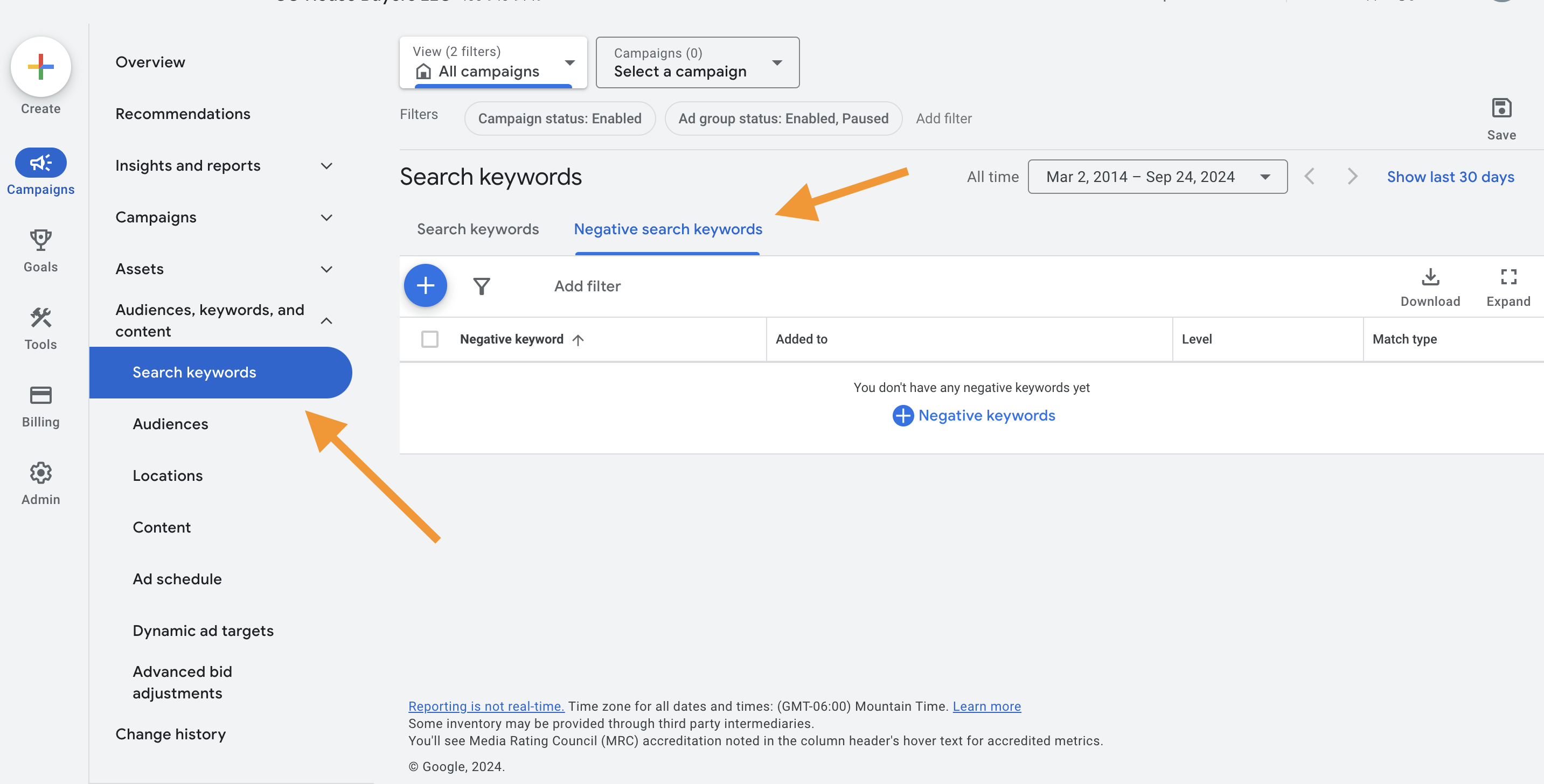
    5. Add Negative Keywords to Your Campaigns:
    • In Google Ads, go to the “Keywords” tab for your campaign.
    • Click on “Negative Keywords” and then select “Add Negative Keywords.”
    • Enter your identified negative keywords or upload them in bulk if you have a long list.
    • Save your changes to ensure that your ads are no longer triggered by these terms.

    Examples of Negative Keywords to Avoid

    Here are some common examples of negative keywords that real estate investors might consider adding to their campaigns:

    • “Real estate agent jobs”: This term attracts individuals looking for employment opportunities rather than those interested in buying or selling properties.
    • “Rental properties”: If your focus is on buying homes or properties, you may want to exclude this term to avoid attracting renters.
    • “Free home appraisal”: This term might attract users looking for free services rather than those interested in selling their homes.
    • “How to become a real estate investor”: This term indicates a search for information on entering the industry rather than someone ready to buy or sell.
    • “Real estate courses”: Users searching for educational materials may not be looking to engage in a transaction.

    By conducting thorough negative keyword research and regularly updating your negative keyword list, you can enhance the efficiency of your Google Ads campaigns. This will help you avoid unqualified clicks, save your budget, and ultimately drive more qualified leads to your real estate business.

    Refining Your Keyword List Based on Search Volume, Competition, and Cost

    Once you’ve gathered a list of potential keywords for your Google Ads campaigns, it’s essential to refine it based on key metrics: search volume, competition, and cost. This process will ensure that you focus your efforts on the most effective keywords that align with your budget and marketing goals.

    How to Evaluate Keyword Search Volume and Competition in the Real Estate Niche

    1. Understand Search Volume: Search volume indicates how often a particular keyword is searched for in a given period, typically monthly. Higher search volume generally means more potential traffic, but it can also indicate higher competition.
      • Use Tools: Access tools like Google Ads Keyword Planner to get insights into the average monthly searches for your keywords. This tool will clearly show which keywords are frequently searched in your niche.
    2. Assess Competition: Competition reflects how many advertisers bid on a particular keyword. Keywords with high competition can be challenging to rank for, especially if you have a limited budget.
      • Competitive Analysis: In Google Ads Keyword Planner, you can see a competition rating (low, medium, or high) for each keyword. A high-competition keyword might require a larger budget to achieve visibility, while low-competition keywords could be more cost-effective.
    3. Consider the Niche: In the real estate niche, some keywords may have inherently high search volume and competition (e.g., “buy a house”) while others may be more niche-specific (e.g., “sell my house fast in ”). Focus on keywords that balance between relevance to your business and the likelihood of conversion.

    Balancing High-Intent Keywords with Affordability

    1. Identify High-Intent Keywords: High-intent keywords indicate the user is ready to act. For example, keywords like “sell my house quickly” or “cash home buyers near me” show strong intent and should be prioritized.
    2. Evaluate Cost Per Click (CPC): Along with search volume and competition, consider the estimated cost per click (CPC) for each keyword. This will give you an idea of how much you’ll need to budget for each click.
      • Finding Affordability: Compare the CPC with the potential return on investment (ROI) from leads generated through those keywords. If a high-intent keyword is too expensive, it might not be worth the investment compared to a more affordable option that also drives qualified traffic.
    3. Create a Balanced List: Aim for a balanced keyword list that includes a mix of high-intent, medium-competition keywords that fit within your budget. Prioritize those that align with your business goals and have the potential for higher conversions.

    Using Tools Like Google Ads Planner, Carrot’s Keyword Explorer or Third-Party Platforms for Detailed Data

    1. Google Ads Keyword Planner or Carrot’s Keyword Explorer:
      • Enter your seed keywords and view suggestions for related keywords, along with their search volumes, competition levels, and CPC estimates.
      • Use this data to filter and sort keywords based on your criteria, allowing you to create a focused and effective keyword list.
    2. Third-Party Platforms:
      • Consider using tools like Carrot’s Keyword Explorer, SEMrush, Ahrefs, or Moz for additional keyword insights. These platforms often provide more detailed data on keyword performance, including historical trends, organic traffic estimates, and competitor analysis.
      • These insights can help you identify emerging trends and keywords that may be gaining traction, allowing you to stay ahead of the competition.
    3. Regularly Update Your Keyword List: The real estate market can change rapidly, so it’s essential to regularly revisit and refine your keyword list based on performance data and changes in search behavior. Use your chosen tools to track which keywords drive the best results and adjust your strategy accordingly.

    By evaluating keyword search volume, competition, and cost, you can refine your keyword list to focus on the most effective terms for your Google Ads campaigns. This strategic approach will help you maximize your budget, attract high-intent leads, and improve your overall campaign performance in the competitive real estate niche.

    Testing and Iterating on Keywords

    Once you have refined your keyword list, the next step is to test and iterate on your keywords through small-budget campaigns. This process allows you to gauge the effectiveness of your selected keywords and make necessary adjustments to improve your overall ad performance.

    How to Test Your Initial Keyword List with Small-Budget Campaigns

    1. Set Up a New Campaign:
      • Create a new Google Ads campaign focused specifically on your refined keyword list. Set a modest budget that allows you to gather data without risking too much of your advertising budget.
      • Choose relevant ad formats, such as search ads, and create compelling ad copy that aligns with the intent of your chosen keywords.
    2. Implement Keyword Grouping:
      • Organize your keywords into tightly themed ad groups. For example, group keywords related to selling homes together and those related to cash buyers in another group.
      • This organization helps ensure that your ad copy is relevant to the keywords being targeted, which can improve your click-through rate (CTR).
    3. Launch the Campaign:
      • Once your campaign is set up, launch it and allow it to run for a sufficient period, usually a few weeks. This timeframe will give you enough data to analyze performance while avoiding premature conclusions.

    Monitoring Performance Metrics (CTR, CPC, Conversion Rate) to Refine Your Keyword Strategy

    1. Track Key Performance Indicators (KPIs):
      • Monitor essential metrics such as:
        • Click-Through Rate (CTR): Indicates how often people click on your ad after seeing it. A low CTR may suggest your keywords or ad copy need adjustments.
        • Cost Per Click (CPC): Understand how much you are spending for each click. This metric helps you assess the cost-effectiveness of your keywords.
        • Conversion Rate: This measures the percentage of users who take the desired action (e.g., filling out a contact form). A high conversion rate indicates that your keywords are effectively attracting the right audience.
        • Cost Per Lead (CPL): Understand how much you are spending to acquire each lead. This metric helps you evaluate the cost-effectiveness of your campaigns in generating qualified prospects.
    2. Analyze Performance Data:
      • After your campaign has run for a few weeks, review the performance data. Look for patterns in CTR, CPC, CPL, and conversion rates to identify which keywords are performing well.
    3. Identify Trends and Insights:
      • Determine if specific keywords consistently yield high CTRs and conversion rates. Then, prioritize these keywords in future campaigns.
      • Conversely, look for keywords with low-performance metrics. These may need to be paused or adjusted.

    Examples of Optimizing Keywords Based on Performance Data

    1. Adjusting Bids on High-Performing Keywords:
      • If you find that a keyword like “sell my house fast in ” has a high conversion rate and CTR, consider increasing your bid for that keyword to gain more visibility and traffic.
    2. Pausing Underperforming Keywords:
      • If a keyword such as “cash home buyers” has a low CTR and conversion rate, it may indicate that the keyword is attracting the wrong audience. In this case, pause this keyword to focus your budget on more effective terms.
    3. Refining Ad Copy:
      • If certain keywords are attracting clicks but not converting, analyze your ad copy. For example, if “cash home buyers near me” has a high CTR but low conversions, it might be worth refining the ad copy to better highlight your unique selling points or call to action.
    4. Adding New Keywords:
      • Based on performance insights, consider adding new long-tail keywords that align with high-performing terms. If “we buy houses in ” is successful, look for variations like “quick cash home buyers in [Neighborhood].”
    5. Implementing Negative Keywords:
      • As you analyze performance, you may discover terms that attract clicks but do not convert. For instance, if “real estate courses” is receiving clicks but leading to no conversions, add it as a negative keyword to avoid future unqualified traffic.

    By testing your initial keyword list with small-budget campaigns and closely monitoring performance metrics, you can refine your keyword strategy effectively. This iterative process allows you to make data-driven decisions, optimizing your campaigns to attract motivated buyers and sellers more effectively in the competitive real estate market.

    Pro Tips for Real Estate Keyword Research

    Effective keyword research for real estate requires a nuanced approach that goes beyond basic search terms. By employing specific strategies, you can better target motivated sellers and buyers, ultimately leading to improved ad performance and higher conversion rates. Here are some pro tips to enhance your keyword research process.

    How to Target Motivated Sellers with Emotional Keywords

    1. Understand Seller Pain Points: Motivated sellers often face emotional challenges related to their selling situation, such as stress, uncertainty, or urgency. Identifying these pain points can guide you in selecting emotional keywords that resonate with their needs.
      • Keyword Examples: Consider using keywords that evoke emotions or reflect urgency, such as:
        • “Sell my house quickly due to divorce”
        • “Need to sell my home fast for cash”
        • “Help selling my inherited property”
        • “Urgent home sale due to job loss”
    2. Create Compelling Ad Copy: Use these emotional keywords in your ad copy to connect with sellers on a personal level. Phrases like “stress-free home selling” or “quick cash offers” can attract those in distress.

    3. Test Variations: Experiment with different emotional phrases to see which resonates best with your target audience. A/B testing can be an effective way to measure engagement and conversion rates for various emotional keywords.

    Using Seasonal or Situational Keywords

    1. Identify Relevant Seasons and Situations: Different times of the year or situational contexts can influence sellers’ motivations. For instance, tax season often prompts individuals to consider selling their homes to access cash.
      • Keyword Examples:
        • “Sell my house before tax season”
        • “Home selling tips during foreclosure”
        • “Best time to sell a house in spring”
        • “Sell house fast before the holidays”
    2. Adjust Your Campaigns Seasonally: Tailor your ad campaigns to reflect seasonal trends. For example, if you notice that more sellers are looking to sell during the spring months, create targeted campaigns focusing on that timeframe.
    3. Utilize Current Events: Keep an eye on local and national events that may impact the real estate market. Keywords related to foreclosures, economic changes, or housing market shifts can attract motivated sellers during those periods.

    Keeping an Eye on Trending Search Terms in Real Estate

    1. Monitor Industry Trends: Stay updated with the latest trends in the real estate industry. Tools like Google Trends can help you track what keywords are gaining traction over time, allowing you to adapt your keyword strategy accordingly.
    2. Leverage Social Media and Forums: Platforms like Reddit, Facebook groups, or real estate forums can provide insights into what potential sellers are discussing. Look for common questions or concerns that may reveal trending keywords.
    3. Incorporate Long-Tail Variations: As new trends emerge, create long-tail keyword variations based on popular discussions or search terms. For example, if “cash home buyers” is trending, consider phrases like “best cash home buyers for fast sales” or “cash offers for houses in .”
    4. Review Competitor Keywords: Regularly analyze your competitors’ ad campaigns to see what keywords they are focusing on. This can give you insights into current trends and help you identify gaps in your own keyword strategy.

    By employing these pro tips for keyword research, real estate investors can effectively target motivated sellers and buyers, enhance their ad performance, and ultimately drive more qualified leads to their business. Adapting your keyword strategy to incorporate emotional, seasonal, and trending keywords will ensure you remain competitive in the dynamic real estate market.

    Conclusion

    In the competitive landscape of real estate, conducting thorough keyword research is essential for the success of your Google Ads campaigns. By understanding your target audience, evaluating search intent, and leveraging the right tools, you can identify keywords that attract motivated buyers and sellers. Effective keyword research helps you reach the right audience, optimizes your advertising budget, enhances lead quality, and improves your overall campaign performance.

    As you embark on your keyword research journey, use the tools and strategies outlined in this guide. From Google’s Keyword Planner to Carrot’s integrated Keyword Explorer, these resources will provide you with valuable insights and data to refine your keyword list and drive better results.

    Now is the time to take action! Use Carrot’s platform and keyword tools to enhance your keyword research process and launch winning campaigns that resonate with your audience. By focusing on the right keywords, you can position yourself effectively in the market, attract high-quality leads, and achieve your real estate investment goals. Start optimizing your campaigns today!

  • SEO for HVAC Companies | Guide for 2025

    SEO for HVAC Companies | Guide for 2025

    SEO for HVAC

    Why Organic Search Rankings Matter for HVAC Companies

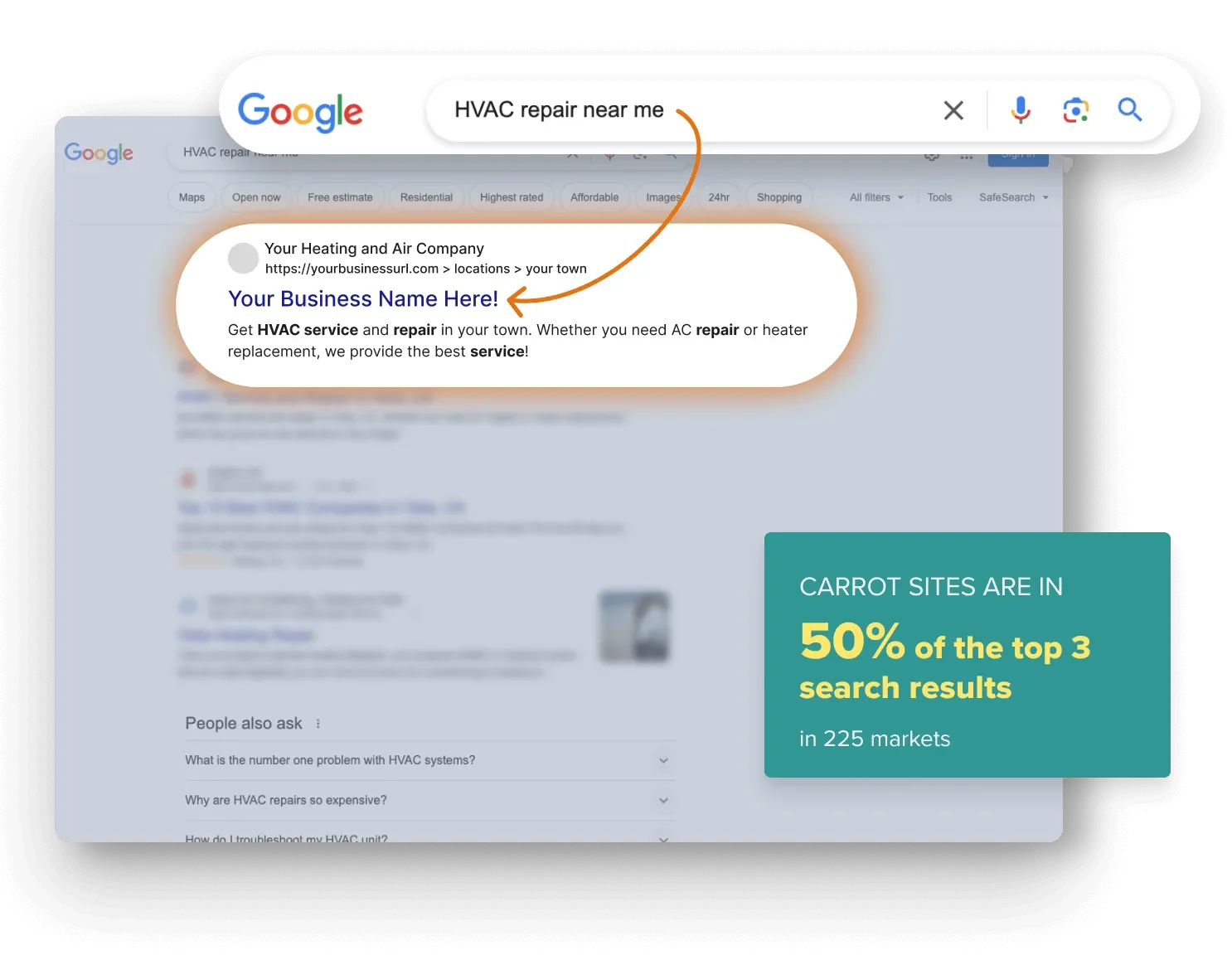
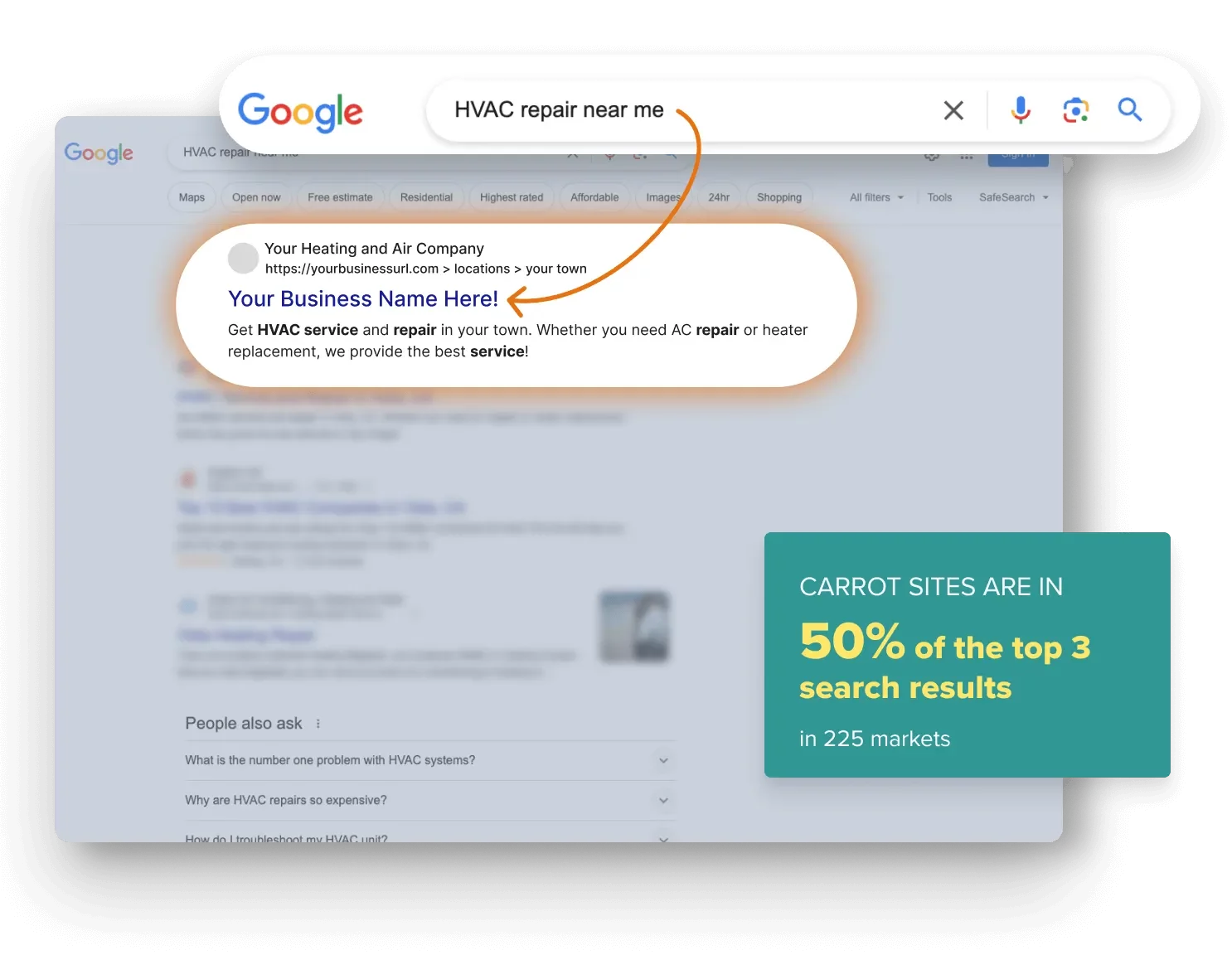
    Imagine a homeowner in the middle of a sweltering summer whose air conditioning suddenly fails. What’s their first move? They likely pull out their smartphone and search for “HVAC repair near me.”

    The companies at the top of the search results will most likely get the call. This underscores the critical importance of high organic search rankings for HVAC contractors. If your HVAC business isn’t showing up on the first page of search results, you’re missing out on potential leads and revenue. Organic search rankings are not just about visibility; they are a powerful driver of business growth.

    SEO is no longer optional for HVAC companies; it’s a necessity. With thousands of potential customers searching for HVAC services online daily, standing out in the crowded market is crucial. SEO for HVAC ensures your services are prominently displayed when customers search, leading to increased website traffic, leads, and conversion rates. This guide provides actionable strategies for HVAC contractors to enhance their SEO, helping you tap into the vast online marketplace.

    In this guide, you’ll learn the ins and outs of SEO tailored specifically for HVAC companies. We will cover everything from keyword research and on-page optimization to technical SEO and link-building strategies. By the end of this post, you’ll have a clear roadmap to improve your website’s organic search rankings.

    Whether new to SEO or looking to refine your strategies, this guide will equip you with the tools and knowledge to increase your online visibility and grow your HVAC business.

    Does your website check these 9 critical boxes?
    Use our free HVAC Website Checklist to find out!

    Table of Contents

    Improve Your HVAC Website Results

    3.3 million leads and counting: now for HVAC companies! Our track record speaks for itself. Get ahead with exclusive early access!

    hvac website

    Understanding the Basics of SEO for HVAC

    What is SEO?

    SEO, or Search Engine Optimization, is the process of enhancing your website’s visibility on search engines like Google. For HVAC businesses, SEO is essential because it directly impacts how easily potential customers can find you online. By optimizing your HVAC website for search engines, you increase the chances of appearing at the top of search results when users look for HVAC services.

    This visibility translates into more traffic, leads, and, ultimately, more business. Effective SEO for HVAC companies means leveraging your digital presence to attract customers who need your services.

    Key Components of SEO

    To maximize your HVAC company’s online visibility, it’s crucial to understand the three main components of SEO: on-page, off-page, and technical SEO.

    1. On-Page SEO:
      • Content Quality: High-quality, relevant content is king. Ensure your content addresses common customer queries and incorporates HVAC keywords naturally, such as “HVAC repair” or “AC installation.”

        To help you get started, use our Carrot Keyword Research + On-Page Optimization Worksheet.
      • Keyword Optimization: Use tools like Google Keyword Planner to find and integrate keywords your potential customers are searching for.
      • Meta Tags: Optimize your title tags and meta descriptions to be concise and keyword-rich. For instance, your homepage might have a title tag like “Professional HVAC Services – [Your City] | Expert Repair & Installation.”
      • Headers and Subheaders: Utilize H1, H2, and H3 tags to organize your content. This not only improves readability but also helps search engines understand the structure of your content.
    2. Off-Page SEO:
      • Backlinks: Build a network of quality backlinks from reputable websites. This could include local business directories, industry associations, or satisfied customers.
      • Social Media Presence: Engage with your audience on platforms like Facebook and LinkedIn. While social signals aren’t direct ranking factors, they contribute to your online visibility and brand authority.
      • Customer Reviews: Encourage satisfied clients to leave positive reviews on platforms like Google My Business and Yelp. Reviews enhance your credibility and influence your rankings in local search results.
    3. Technical SEO:
      • Page Speed: Ensure your website loads quickly. A slow site can deter visitors and negatively impact your search engine rankings.
      • Mobile-Friendliness: With more searches conducted on mobile devices, a responsive design is essential. Google prioritizes mobile-friendly websites in its search results.
      • Secure and Accessible Website: Make sure your site is secure (HTTPS) and easy for search engines to crawl and index. Tools like Google Search Console can help you monitor and resolve any issues.

    By focusing on these key SEO components, HVAC contractors can increase their online visibility, attract more qualified leads, and grow their business.

    Keyword Research for HVAC Services

    Identifying Keywords

    Effective keyword research is the backbone of a successful SEO strategy, especially for HVAC services. The right keywords ensure your content reaches the audience most likely to need your services. Here are some tips on identifying the best keywords for your HVAC business:

    • Start Broad: Begin with general terms related to your services, such as “HVAC repair,” “air conditioning installation,” or “furnace maintenance.”
    • Consider User Intent: Consider what potential customers are searching for at each journey stage. Are they looking for information or ready to schedule a service?
    • Incorporate Location: Since HVAC services are localized, include region-specific terms like “HVAC repair in ” or “air conditioning installation in .” This helps target users searching for services in their area.

    Tools for Keyword Research

    Several powerful tools can help HVAC contractors uncover the most effective keywords to target:

    • Google Keyword Planner: This free tool is a great starting point for discovering new keywords and seeing their search volume and competition level.

    • SEMrush: A comprehensive tool that helps with keyword research and provides insights into your competitors’ keywords and strategies.
    • Ahrefs: Offers a robust keyword explorer that can show you keyword difficulty, related keywords, and potential traffic estimations.

    By utilizing these tools, you can refine your list of keywords to focus on those most relevant to your services and likely to drive traffic to your site.

    Long-Tail Keywords

    Long-tail keywords are longer, more specific keyword phrases that visitors are more likely to use when they’re closer to purchasing or booking a service. Here’s why they’re important for HVAC contractors:

    • Higher Conversion Rates: Because they are more specific, long-tail keywords often increase conversion rates. For example, “emergency furnace repair in ” targets a specific need, likely leading to a quicker conversion.
    • Less Competition: Long-tail keywords tend to have less competition, making ranking higher in search results easier.
    • Better Targeting: These keywords help attract users looking for exactly what you offer, increasing the likelihood of turning visitors into customers.

    Incorporating long-tail keywords into your SEO strategy can significantly boost your visibility for specific searches, drawing in more qualified leads ready to engage with your services.

    On-Page SEO Strategies for HVAC Websites

    Effective on-page SEO is crucial for HVAC websites looking to improve their search engine rankings and attract more organic traffic. Here are some key strategies for optimizing your HVAC website and enhancing its online visibility.

    Title Tags and Meta Descriptions

    Title tags and meta descriptions are the first elements potential customers see in search engine results, making them vital for driving clicks and engagement.

    • Crafting Title Tags: Your title tags should be concise and descriptive and include your primary keyword, such as “SEO for HVAC.” Keep them under 60 characters to ensure they are fully displayed in search results. For example, “Expert HVAC Services—Reliable Repair & Installation in .”
    • Writing Meta Descriptions: Meta descriptions should briefly summarize the page’s content and encourage users to click through. Aim for 150-160 characters, incorporating relevant keywords and a compelling call to action. For instance, “Need reliable HVAC services in ? Our experts offer fast and efficient repairs. Contact us today!”

    Content Optimization

    High-quality, relevant content is the cornerstone of successful SEO. It helps search engines understand your site’s relevance and engages your audience.

    • Keyword Integration: Naturally incorporate your primary and secondary keywords throughout the content. For example, if discussing HVAC maintenance, phrases like “cooling services” or “air conditioning repair in ” should be seamlessly included.
    • Readability: Break up the text with short paragraphs, bullet points, and subheadings. This makes the content easier for visitors to read and digest.
    • Value-Driven Content: Address common questions and concerns of your audience, providing clear, actionable advice or solutions.

    Image Optimization

    Images enhance your website’s visual appeal and help convey your work’s quality. Optimizing them for SEO ensures they contribute to your site’s performance.

    • Alt Tags: Use descriptive alt tags for all images, incorporating relevant keywords. For instance, “HVAC technician installing a new furnace in .”
    • File Names: Rename image files to be descriptive and keyword-rich, like “hvac-installation-.jpg” instead of “IMG1234.jpg.”
    • Compression: Compress images to reduce file size and ensure faster load times, which improves user experience and boosts SEO.

    Internal Linking

    Internal linking helps distribute page authority and assists search engines in understanding your site’s structure. It also enhances user navigation, encouraging visitors to explore more of your site.

    • Link to Relevant Pages: Within your content, link to other relevant service pages or blog posts. For example, when mentioning AC repair, link to your dedicated air conditioning repair service page.
    • Use Descriptive Anchor Text: The clickable text of your link should accurately describe the linked page’s content, making it clear to users and search engines what they can expect.

    By implementing these on-page SEO strategies, HVAC contractors can improve their website’s search engine rankings, increase their visibility, and attract more potential customers.

    Improve Your HVAC Website Results

    3.3 million leads and counting: now for HVAC companies! Our track record speaks for itself. Get ahead with exclusive early access!

    hvac website

    Local SEO for HVAC and Google Business Profile

    Local SEO is a critical component of any HVAC contractor’s digital strategy. It ensures your business is visible to potential customers in your geographic area. Leveraging tools like Google Business Profile and maintaining consistent local citations can significantly boost your online presence. Here’s how to optimize your local SEO for HVAC services.

    Claiming and Optimizing Google Business Profile

    Google Business Profile is a free tool to manage your business’s appearance on Google Search and Maps. Here’s a step-by-step guide to setting up and optimizing your GBP listing:

    1. Claim Your Listing: Visit the Google Business Profile website and sign in with your Google account. Search for your business and claim it if it already exists. If not, create a new listing.
    2. Provide Accurate Information: Fill out all relevant business details, including your business name, address, phone number, and website URL.
    3. Choose Relevant Categories: Select the most appropriate categories for your business. For HVAC contractors, options might include “HVAC contractor,” “Air conditioning repair service,” or “Furnace repair service.”
    4. Add High-Quality Photos: Upload images of your team, equipment, and completed projects. High-quality photos make your listing more appealing and trustworthy.
    5. Encourage Customer Reviews: Ask satisfied customers to leave reviews on your GMB listing. Positive reviews improve your local search ranking and build trust with potential customers.
    6. Regularly Update Your Listing: Update your business hours, services, and contact information. Post updates about new services, promotions, or company news.

    Local Citations and Reviews

    Local citations mention your business’s name, address, and phone number on other websites and directories. They play a crucial role in local SEO.

    • Ensure Accurate Listings: Consistent and accurate listings on local directories (like Yelp, Yellow Pages, and local chamber of commerce websites) help improve your local search rankings.
    • Monitor and Respond to Reviews: Monitor reviews on platforms like Google, Yelp, and Facebook. Responding to positive and negative reviews shows you value customer feedback and are committed to excellent service.
    • Encourage Positive Reviews: Implement strategies to encourage customer reviews, such as follow-up emails after service or incentives for leaving feedback.

    NAP Consistency

    NAP stands for Name, Address, and Phone number. Consistency in your NAP information across all platforms is vital for local SEO.

    • Audit Your Listings: Regularly check your business listings on various online directories to ensure your NAP information is consistent.
    • Update Incorrect Information: Correct any discrepancies in your business name, address, or phone number immediately to maintain consistency.
    • Use a Standard Format: Adopt a standard format for your NAP information and use it across all listings and citations.

    By focusing on local SEO and effectively utilizing Google My Business, HVAC contractors can enhance their visibility in local searches, attract more qualified leads, and build a strong reputation in their community.

    Technical SEO for HVAC Websites

    Technical SEO is the foundation that supports all other aspects of search engine optimization. Ensuring your HVAC website is technically sound will enhance user experience and improve search engine rankings. Here’s how to optimize your HVAC website from a technical standpoint.

    Website Speed and Mobile-Friendliness

    In today’s fast-paced digital world, users expect websites to load quickly and display correctly on all devices. Here’s why website speed and mobile-friendliness are crucial:

    • Importance of Page Speed: A slow-loading website can frustrate users and increase bounce rates, negatively affecting your SEO. Use tools like Google PageSpeed Insights to assess and improve your website’s load time.
      • Optimization Tips: Compress images, minimize CSS and JavaScript files, and leverage browser caching to enhance your site’s speed.
    • Mobile Responsiveness: With most searches now conducted on mobile devices, having a mobile-responsive website is essential. Google favors mobile-friendly sites in search rankings.
      • Responsive Design: Ensure your website adapts seamlessly to different screen sizes and devices. Test your site’s mobile responsiveness using Google’s Mobile-Friendly Test tool.

    Structured Data and Schema Markup

    Structured data helps search engines understand your website’s content better, which can enhance how your listings appear in search results.

    • Schema Markup for HVAC Services: Implementing schema markup specific to HVAC services can provide search engines with detailed information about your services, location, and customer reviews.
      • How to Implement: Use schema markup for local businesses, service offerings, and customer reviews to enhance search result snippets. Tools like Google’s Structured Data Markup Helper can assist in this process.
      • Benefits: Proper schema markup can lead to rich snippets, which provide more information to users at a glance and can improve click-through rates.

    Site Architecture

    A well-structured site architecture is crucial for both user experience and SEO. It helps search engines crawl and index your site more efficiently.

    • Intuitive Navigation: Design your site with a clear and intuitive navigation structure. Users should be able to find what they’re looking for within a few clicks.
      • Navigation Tips: Organize your pages into logical categories and use descriptive labels for menu items. Implement a breadcrumb trail to help users understand their location within your site.
    • Crawlable Structure: Ensure your site is easily crawlable by search engine bots. A clean and straightforward URL structure and an updated XML sitemap can aid in this process.
      • XML Sitemaps: Create and submit an XML sitemap to search engines to help them discover your pages. Regularly update the sitemap to reflect any changes in your site’s structure.

    By focusing on these technical SEO aspects, HVAC contractors can provide a seamless user experience and ensure their websites are well-positioned in search engine rankings.

    Link building is a crucial aspect of SEO, significantly influencing your website’s authority and search engine rankings. By securing quality backlinks, HVAC companies can improve their visibility and credibility online. Here’s how to build a robust link profile for your HVAC business.

    Importance of Backlinks

    Backlinks, or inbound links, are links from other websites that direct users to your site. They are a key factor in how search engines determine the authority and relevance of your site.

    • Impact on SEO: High-quality backlinks from reputable sites signal to search engines that your content is valuable and trustworthy, which can boost your rankings. Conversely, low-quality or spammy backlinks can harm your SEO efforts.
    • Quality Over Quantity: Focus on earning backlinks from high-authority domains within your industry. A few high-quality links are more beneficial than numerous low-quality ones.

    Local Partnerships and Directories

    Leveraging local business partnerships and online directories can provide valuable backlinks and enhance your local SEO.

    • Local Business Partnerships: Collaborate with local businesses and industry partners to exchange backlinks. For example, you could write a guest post for a local hardware store’s blog, including a link back to your site.
    • Online Directories: Ensure your HVAC business is listed on reputable online directories such as Yelp, Angie’s List, and the Better Business Bureau. These listings often include a link back to your site and can improve your local search visibility.
    • Community Involvement: Participate in local events and sponsorships, and ensure these activities are mentioned on their respective websites with a link back to your business.

    Guest Blogging

    Guest blogging is an effective way to build backlinks while positioning yourself as an industry expert.

    • Identify Opportunities: Look for industry-related websites, blogs, or online publications that accept guest contributions. Sites focused on home improvement, energy efficiency, or local business news are great places to start.
    • Create Valuable Content: Write informative and engaging articles that provide real value to the readers. Incorporate your expertise and include a relevant link back to your HVAC website.
    • Maintain Relationships: Build relationships with the site owners or editors. A good rapport can lead to more guest blogging opportunities and additional backlinks in the future.

    By implementing these link-building strategies, HVAC contractors can enhance their online authority, improve their search engine rankings, and attract more customers.

    Conclusion

    Optimizing your HVAC business for search engines is essential to running a successful HVAC SEO campaign, increasing your online visibility, and attracting more qualified leads. Throughout this guide, we’ve covered the key aspects of SEO for HVAC businesses.

    • Understanding SEO Basics: Recognizing the key components of on-page, off-page, and technical SEO and their importance in improving your HVAC website’s performance.
    • Keyword Research: Using tools and strategies to identify relevant and high-converting keywords that resonate with your target audience, including long-tail and localized terms.
    • On-Page SEO Strategies: Crafting compelling title tags, optimizing content and images, and creating a robust internal linking structure.
    • Local SEO for HVAC and Google My Business: Enhancing your local search presence by optimizing your GMB listing, maintaining NAP consistency, and leveraging local citations and reviews.
    • Technical SEO: Ensuring a fast, mobile-responsive website with a clear site structure and proper schema markup.
    • Link Building Strategies: Building a strong backlink profile through local partnerships, directory listings, and guest blogging opportunities.

    Implementing these strategies can significantly improve your HVAC business’s online presence, driving more organic traffic and potential customers to your site. Start applying these techniques today, or seek professional SEO assistance to maximize your results.

    Further Resources

    For more information on SEO strategies and services tailored to HVAC contractors, visit Carrot.com. Our team specializes in helping HVAC businesses thrive online through proven SEO practices and cutting-edge digital marketing solutions.

  • The 100 Best SEO Keywords for HVAC Companies

    The 100 Best SEO Keywords for HVAC Companies

    In the highly competitive HVAC industry, having a solid online presence is crucial for attracting and converting potential customers. SEO Keywords for HVAC are the cornerstone of an effective digital marketing strategy, allowing HVAC companies to reach the right audience at the right time.

    With the right keywords, you can significantly improve your search engine rankings, drive more traffic to your website, and ultimately increase your conversion rates.

    This blog post is designed to help HVAC companies understand the importance of using specific keywords tailored to various customer journey stages. By strategically incorporating these keywords, you can ensure that your content resonates with potential customers, providing the information they need and guiding them toward choosing your services.

    We will give you the best 100 HVAC keywords and categorize them based on the stages of the customer journey:

    • Awareness
    • Consideration
    • Decision

    You’ll learn which keywords to use when customers first identify their needs, compare options, and finally make a decision. Additionally, we’ll cover the significance of long-tail keywords and offer tips for effective keyword implementation to optimize your HVAC business’s online presence.

    Table of Contents

    Understanding the Customer Journey

    Define the Customer Journey: The customer journey is the process that potential customers go through from the moment they realize they need the point where they make a purchase. This journey is typically divided into three key stages: Awareness, Consideration, and Decision.

    1. Awareness Stage: At this initial stage, potential customers recognize a need or problem but are unaware of specific solutions. For HVAC services, this could mean a homeowner noticing their air conditioner isn’t cooling as effectively as it used to or an office manager realizing the heating system isn’t keeping the space warm enough.
    2. Consideration Stage: Here, the customer has clearly defined their problem or need and is actively researching and evaluating different options. In the context of HVAC services, this might involve looking into various types of HVAC systems, reading reviews, comparing service providers, and seeking information on costs and benefits.
    3. Decision Stage: At the final stage, the customer is ready to make a purchase or hire a service. They have narrowed down their options and are deciding which HVAC company to choose or which specific system or service to invest in.

    Importance of Tailored Keywords:

    Different keywords are essential at each customer journey stage to effectively guide potential customers toward your services. Here’s why:

    1. Awareness Stage Keywords: Customers seek general information and solutions to their problems during this stage. Keywords should focus on educating and informing, addressing common issues and questions. For example, keywords like “why is my AC not working” or “benefits of HVAC systems” help capture the attention of those just beginning their search.
    2. Consideration Stage Keywords: At this point, customers are comparing different solutions and providers. Keywords should be more specific and include detailed information about services, features, and comparisons. Keywords such as “best HVAC systems 2024,” “AC repair services,” and “HVAC installation cost” are crucial for attracting customers who are evaluating their options.
    3. Decision Stage Keywords: Customers are ready to take action, so keywords should be transactional and geared toward conversion. Keywords like “book HVAC service online,” “emergency HVAC repair near me,” and “same-day HVAC installation” are designed to capture customers who are ready to make a purchase or schedule a service.

    By tailoring your keywords to each stage of the customer journey, you can ensure that your content meets the needs of potential customers at every point in their decision-making process. This strategic approach enhances your SEO efforts and increases the likelihood of converting visitors into loyal customers.

    Awareness Stage Keywords

    In the Awareness Stage, potential customers are just beginning to identify their needs and are seeking general information to understand and define their problems. They might not yet know the specifics of what they need, but they are starting to look for answers to basic questions and general advice. This is where your content can significantly impact by providing valuable information and establishing your HVAC company as a trusted resource.

    Keyword Categories:

    1. Informational Keywords: These keywords target users looking for general knowledge and educational content about HVAC systems. They aim to answer broad questions and provide foundational information.
      • “HVAC basics”: Content focusing on the fundamental aspects of HVAC systems, explaining what they are, how they work, and their components.
      • “What is HVAC?”: Articles and resources that define HVAC, breaking down the acronym and explaining the purpose and function of these systems.
      • “Benefits of HVAC systems”: Posts that highlight the advantages of having a well-functioning HVAC system, such as improved indoor air quality, energy efficiency, and comfort.
    2. Problem Identification Keywords: These keywords help users diagnose issues they are experiencing with their HVAC systems. By addressing common problems and symptoms, your content can help them understand their needs.
      • “Why is my AC not working?”: Guides and troubleshooting tips that help users identify potential reasons for their air conditioning issues.
      • “Signs your furnace needs repair”: Articles outlining the common signs that indicate a furnace might require professional attention, such as unusual noises, inconsistent heating, or increased energy bills.
      • “Common HVAC problems”: Comprehensive lists and explanations of typical HVAC issues that homeowners and businesses might encounter, helping them to recognize when it’s time to seek professional help.
    3. Local Informational Keywords: These keywords are geared toward users looking for information about HVAC services in their specific area. They help you attract local customers who are searching for nearby solutions.
      • “HVAC services near me”: Content that highlights your company’s proximity and availability, making it easy for local customers to find and contact you.
      • “Best HVAC company in ”: Posts that position your business as a top choice in the local market, including customer reviews, awards, and testimonials to build credibility.
      • “Local HVAC experts”: Articles and pages that emphasize your expertise and experience in providing HVAC services to the local community, showcasing your knowledge of regional climate and common issues.

    By strategically incorporating these awareness stage HVAC keywords into your content, you can attract potential customers who are just starting their search. Providing them with the information they need at this early stage builds trust and positions your HVAC company as the go-to source for reliable and helpful advice. This approach sets the foundation for guiding them through the subsequent stages of their customer journey.

    Awareness Stage HVAC Keywords

    1. HVAC basics
    2. What is HVAC?
    3. Benefits of HVAC systems
    4. Why is my AC not working?
    5. Signs your furnace needs repair
    6. Common HVAC problems
    7. HVAC services near me
    8. Best HVAC company in
    9. Local HVAC experts
    10. How HVAC systems work
    11. Types of HVAC systems
    12. HVAC maintenance tips
    13. Importance of regular HVAC servicing
    14. Energy-efficient HVAC systems
    15. HVAC system installation guide
    16. HVAC troubleshooting tips
    17. How to choose an HVAC system
    18. HVAC system lifespan
    19. HVAC safety tips
    20. Benefits of HVAC zoning

    Improve Your HVAC Website Results

    3.3 million leads and counting: now for HVAC companies! Our track record speaks for itself. Get ahead with exclusive early access!

    hvac website

    Consideration Stage Keywords

    In the Consideration Stage, potential customers have clearly identified their needs or problems and are now actively researching and comparing various HVAC solutions. They seek more detailed information about specific services, products, and providers. This is the stage where your content can help them make informed decisions by offering comprehensive insights and comparisons.

    Keyword Categories:

    1. Service-Specific Keywords: These keywords are focused on the specific HVAC services that customers might be considering. They help potential clients find detailed information about your company’s services.
      • “AC repair services”: Content that explains the process, benefits, and typical issues addressed by professional AC repair services, highlighting your expertise and customer satisfaction.
      • “Furnace installation cost”: Articles that break down the costs associated with furnace installation, including factors that affect pricing and the benefits of professional installation.
      • “Duct cleaning services”: Informative posts detailing the importance of duct cleaning, the process involved, and how it contributes to improved indoor air quality and system efficiency.
    2. Comparative Keywords: These keywords cater to customers who are comparing different HVAC systems, brands, or types of services. They provide side-by-side evaluations to help customers choose the best option for their needs.
      • “Best HVAC systems 2024”: Guides and reviews of the top HVAC systems available in the current year, comparing features, efficiency, and customer feedback to help customers make an informed decision.
      • “Top-rated HVAC companies”: Articles that list and compare the highest-rated HVAC companies based on customer reviews, industry awards, and service quality.
      • “HVAC vs. central air”: Comparative posts that outline the differences, pros, and cons of HVAC systems versus central air conditioning, helping customers decide which is better suited for their needs.
    3. Cost and Pricing Keywords: At this stage, customers are also keenly interested in understanding the financial aspects of their potential investment. Keywords focused on cost and pricing help them budget and plan accordingly.
      • “HVAC service cost”: Comprehensive guides that provide average costs for various HVAC services, explaining what factors influence pricing and offering tips on getting the best value for money.
      • “How much does HVAC installation cost?”: Detailed breakdowns of installation costs for different types of HVAC systems, including labor, equipment, and any additional fees.
      • “Affordable HVAC services”: Posts that highlight budget-friendly HVAC service options, including promotions, financing plans, and tips for saving money without compromising on quality.

    By integrating these consideration stage HVAC keywords into your content, you can effectively capture the interest of potential customers who are comparing their options and seeking detailed information. This approach enhances your visibility in search results and positions your HVAC company as a trusted source of valuable and comprehensive information, ultimately guiding customers closer to making a decision in your favor.

    Consideration Stage HVAC Keywords

    1. AC repair services
    2. Furnace installation cost
    3. Duct cleaning services
    4. Best HVAC systems 2024
    5. Top-rated HVAC companies
    6. HVAC vs. central air
    7. HVAC service cost
    8. How much does HVAC installation cost?
    9. Affordable HVAC services
    10. Air conditioner maintenance
    11. Furnace replacement options
    12. Central air conditioning systems
    13. HVAC financing options
    14. HVAC brands comparison
    15. HVAC reviews and ratings
    16. HVAC system efficiency
    17. Benefits of professional HVAC installation
    18. HVAC system warranties
    19. Smart thermostats for HVAC systems
    20. HVAC filter replacement
    21. Commercial HVAC services
    22. Residential HVAC systems
    23. Geothermal HVAC systems
    24. Heat pump installation
    25. AC unit replacement
    26. Energy-efficient air conditioners
    27. HVAC system upgrades
    28. HVAC maintenance contracts
    29. Best HVAC contractors
    30. HVAC rebates and incentives

    Decision Stage Keywords

    In the Decision Stage, potential customers are ready to make a purchase or schedule a service. They have done their research, compared options, and now need specific information to finalize their choice. This stage is crucial for converting leads into actual clients, and using the right keywords can make all the difference. Transactional and brand-specific keywords play a significant role in ensuring your business is easily found and chosen by these ready-to-act customers.

    Keyword Categories:

    1. Transactional Keywords: These keywords target users who are ready to take action. They focus on facilitating quick and easy access to services, driving immediate engagement and conversions.
      • “Book HVAC service online”: Content that provides a simple and streamlined process for booking services directly through your website, highlighting the convenience and efficiency of online scheduling.
      • “HVAC repair near me”: Pages optimized for local searches, ensuring that your business appears prominently when customers search for nearby HVAC repair services, emphasizing your proximity and quick response times.
      • “Schedule AC installation”: Clear calls to action and detailed information on how to schedule AC installation services, showcasing the benefits of professional installation and the ease of booking with your company.
    2. Brand-Specific Keywords: These keywords target customers who prefer certain HVAC brands or are looking for services related to specific brands. Highlighting your expertise with these brands can be a significant selling point.
      • “Trane HVAC systems”: Articles and landing pages that emphasize your experience and qualifications in installing, repairing, and maintaining Trane HVAC systems, along with customer testimonials and case studies.
      • “Carrier AC installation”: Content that showcases your proficiency with Carrier air conditioning systems, including the advantages of choosing Carrier and the benefits of your professional installation services.
      • “Lennox furnace repair”: Pages that detail your expertise in repairing Lennox furnaces, including common issues, repair processes, and customer satisfaction stories to build trust and confidence.
    3. Local Transactional Keywords: These keywords focus on immediate, local services, targeting customers who need urgent or same-day assistance. They highlight your availability and readiness to meet customer needs quickly.
      • “24/7 HVAC repair ”: Content that promotes your round-the-clock availability for HVAC repairs, emphasizing your ability to respond to emergencies at any time, day or night.
      • “Emergency HVAC services ”: Pages dedicated to emergency services, detailing your rapid response times, the urgency of your services, and how to contact you in an emergency situation.
      • “Same-day HVAC installation”: Posts and landing pages that highlight your ability to provide same-day installation services, focusing on the convenience and efficiency of getting a new HVAC system installed quickly.

    By strategically incorporating these decision stage HVAC keywords into your content, you can effectively capture the attention of customers who are ready to commit. This approach enhances your visibility in search results and ensures that potential clients find exactly what they need at the critical moment of decision-making. This, in turn, boosts your conversion rates and helps establish your HVAC company as the go-to choice for reliable and prompt services.

    Decision Stage HVAC Keywords

    1. Book HVAC service online
    2. HVAC repair near me
    3. Schedule AC installation
    4. Trane HVAC systems
    5. Carrier AC installation
    6. Lennox furnace repair
    7. 24/7 HVAC repair
    8. Emergency HVAC services
    9. Same-day HVAC installation
    10. HVAC tune-up
    11. HVAC inspection services
    12. Install HVAC system
    13. Replace HVAC unit
    14. HVAC duct repair
    15. HVAC installation near me
    16. AC tune-up services
    17. Furnace repair services
    18. HVAC cleaning service
    19. HVAC repair cost
    20. Emergency AC repair
    21. Air conditioning installation cost
    22. Furnace installation near me
    23. HVAC maintenance near me
    24. HVAC contractors near me
    25. Best HVAC repair

    Long-Tail HVAC Keywords for SEO

    Long-tail keywords are highly specific, multi-word phrases that cater to niche audiences and detailed queries. While they typically have lower search volumes compared to broader keywords, they offer significant value in capturing precise user intent and improving conversion rates.

    Long-tail keywords often reflect the detailed, specific questions or needs of potential customers, making them more likely to convert when they find exactly what they are looking for. By targeting these keywords, HVAC companies can attract highly motivated prospects and provide tailored content that addresses their specific needs.

    Examples of Long-Tail Keywords:

    1. “How to choose the best HVAC system for a small apartment”
      • Content Focus: Create detailed guides and articles that help apartment dwellers choose the most suitable HVAC system for their limited space. Discuss factors such as space efficiency, noise levels, energy consumption, and ease of installation. Include comparisons of different types of HVAC systems (e.g., ductless mini-splits, portable AC units) and provide recommendations based on apartment size and layout.
      • Why It Works: This keyword targets a specific audience with a particular need, leading to higher engagement and conversion rates. By addressing the unique concerns of apartment residents, you can position your company as a knowledgeable and reliable source for HVAC solutions in small living spaces.
    2. “DIY HVAC maintenance tips”
      • Content Focus: Offer step-by-step guides, checklists, and video tutorials on performing basic HVAC maintenance tasks. Topics can include cleaning filters, checking thermostat settings, inspecting ductwork for leaks, and ensuring proper ventilation. Highlight the importance of regular maintenance in extending the lifespan of HVAC systems and improving energy efficiency.
      • Why It Works: This keyword appeals to cost-conscious customers and DIY enthusiasts who prefer to handle minor maintenance tasks themselves. Providing useful, actionable advice builds trust and positions your company as a helpful resource, increasing the likelihood that these customers will turn to you for more complex repairs or services.
    3. “Energy-efficient HVAC systems for commercial buildings”
      • Content Focus: Develop comprehensive articles and case studies on the latest energy-efficient HVAC technologies for commercial properties. Discuss the benefits of energy-efficient systems, such as reduced operating costs, improved environmental impact, and potential tax incentives. Include comparisons of different energy-efficient models, as well as tips for retrofitting existing systems to enhance efficiency.
      • Why It Works: This keyword targets a professional audience concerned with operational costs and sustainability. By providing in-depth information on energy-efficient solutions, you can attract business owners and property managers who are looking to upgrade their HVAC systems. Demonstrating expertise in commercial HVAC solutions helps establish your company as a trusted partner for large-scale projects.

    By incorporating these long-tail keywords into your content strategy, you can attract highly specific and motivated audiences. This approach improves your search engine rankings for niche queries and enhances your conversion rates by addressing potential customers’ precise needs and concerns. Providing detailed, valuable content tailored to these specific queries helps establish your HVAC company as a knowledgeable and reliable authority in the industry.

    Additional HVAC Keywords

    1. How to size an HVAC system
    2. Best HVAC system for new construction
    3. HVAC maintenance frequency
    4. Benefits of programmable thermostats
    5. HVAC system performance
    6. How to clean HVAC coils
    7. HVAC installation process
    8. HVAC system replacement timeline
    9. How to prevent HVAC breakdowns
    10. Best HVAC system for large homes
    11. HVAC system energy ratings
    12. HVAC safety inspections
    13. Benefits of regular HVAC inspections
    14. How to choose an HVAC contractor
    15. HVAC installation best practices
    16. HVAC system repair tips
    17. HVAC energy audit
    18. HVAC system upgrade benefits
    19. How to choose the right HVAC filter
    20. HVAC system troubleshooting tips
    21. How to improve indoor air quality with HVAC
    22. HVAC system efficiency tips
    23. Common HVAC installation mistakes
    24. HVAC installation cost factors
    25. HVAC repair service reviews

    Improve Your HVAC Website Results

    3.3 million leads and counting: now for HVAC companies! Our track record speaks for itself. Get ahead with exclusive early access!

    hvac website

    Tips for Effective Keyword Implementation

    Implementing SEO keywords effectively can significantly enhance your HVAC company’s online presence and search engine rankings. Here are some key strategies for content optimization, local SEO best practices, and useful keyword research tools.

    Content Optimization:

    To naturally incorporate keywords into your content, follow these best practices:

    1. Write for Humans First, Search Engines Second: While it’s essential to include keywords, your primary goal should be creating high-quality, engaging content that provides value to your readers. Natural, readable content will also perform better in search engine rankings.
    2. Use Keywords in Key Places: Ensure your primary keywords are included in strategic locations:
      • Title Tags: Incorporate the main keyword naturally into the title.
      • Meta Descriptions: Write a compelling meta description that includes the keyword and encourages clicks.
      • Headings and Subheadings: Use keywords in H1, H2, and H3 tags to structure your content.
      • Introduction and Conclusion: Mention the keyword early in your content and in the concluding section.
      • Body Content: Spread keywords naturally throughout the text, aiming for a keyword density of around 1-2%.
    3. Use Synonyms and Related Phrases: To avoid keyword stuffing and enhance readability, use synonyms and related terms. This approach also helps your content rank for a broader range of related searches.
    4. Create Comprehensive Content: Long-form content that covers a topic in-depth tends to rank better. Aim to provide thorough, valuable information that answers common questions and addresses the needs of your audience.

    Local SEO Best Practices:

    Local SEO is crucial for HVAC companies, as most customers search for nearby services. Here are some tips to optimize for local search:

    1. Claim and Optimize Your Google My Business (GMB) Listing: Ensure your GMB listing contains accurate business information, including address, phone number, and operating hours. Add high-quality photos and encourage satisfied customers to leave reviews.
    2. Use Local Keywords: Incorporate local keywords into your content, such as “HVAC repair in ” or “Best HVAC service in [Neighborhood].” This helps your business appear in local search results and Google’s local pack.
    3. Create Location-Specific Pages: If your business serves multiple locations, create separate landing pages for each area. Customize the content to highlight services relevant to each location and include local keywords.
    4. Get Listed in Local Directories: Ensure your business is listed in local online directories such as Yelp, Angie’s List, and the Better Business Bureau. Consistent listings across various platforms can boost your local SEO efforts.

    Keyword Tools:

    Effective keyword research is the foundation of a successful SEO strategy. Here are some recommended tools to help you find the best keywords for your HVAC business:

    1. Carrot’s Keyword Explorer: This powerful tools helps you analyze your website & the competition’s website to find the right next keyword to target in your SEO strategy.
    2. Google Keyword Planner: A free tool that provides keyword ideas and search volume data. It’s particularly useful for discovering new keywords and understanding their potential reach.
    3. SEMrush: A comprehensive SEO tool that offers keyword research, competitive analysis, and rank tracking. SEMrush can help you identify high-performing keywords used by competitors and discover new opportunities.
    4. Ahrefs: Another powerful SEO tool that provides in-depth keyword analysis, backlink tracking, and content research. Ahrefs can help you find keywords with high search volume and low competition.
    5. Ubersuggest: A free tool by Neil Patel that generates keyword ideas and provides data on search volume, CPC, and competition. Ubersuggest is great for quick keyword brainstorming sessions.

    Implementing these tips for effective keyword usage, optimizing for local search, and utilizing top-notch keyword research tools can significantly enhance your HVAC company’s online visibility. This approach will help you attract more targeted traffic, improve your search engine rankings, and ultimately drive more conversions for your business.

    Unlock More SEO Potential with Carrot’s Keyword Explorer

    While this list of the 100 best SEO keywords for HVAC companies is a great starting point, imagine having the power to uncover even more high-intent keywords tailored specifically to your business. That’s where Carrot’s Keyword Explorer comes in.

    Additional HVAC Keyword explorer
    HVAC Keyword explorer

    With the Carrot Keyword Explorer, you can dive deep into what people are searching for both nationally and in your specific market. This tool empowers you to discover additional keywords that can help you dominate your local SEO, outrank competitors, and attract more qualified leads.

    By integrating this powerful feature directly into your Carrot website interface, you can continuously refine your evergreen SEO strategy and stay ahead in the competitive HVAC industry. Join Carrot.com today and give your business the edge it needs to stand out online.

    Conclusion

    In this blog post, we explored the importance of targeted SEO keywords for HVAC companies and how they can effectively attract and convert potential customers. We delved into:

    • Understanding the Customer Journey: We explained the stages of the customer journey—Awareness, Consideration, and Decision—and their relevance to HVAC services.
    • Awareness Stage Keywords: We discussed keywords that help customers identify their needs and seek general information about HVAC systems and services.
    • Consideration Stage Keywords: We highlighted keywords that customers use when comparing options and seeking detailed information about HVAC solutions.
    • Decision Stage Keywords: We covered transactional and brand-specific keywords that customers use when they are ready to make a purchase or schedule a service.
    • Long-Tail Keywords: We explained the value of long-tail keywords for capturing highly specific queries and improving conversion rates.
    • Tips for Effective Keyword Implementation: We provided strategies for content optimization, local SEO best practices, and recommended keyword research tools.

    Ready to boost your HVAC company’s online presence and attract more customers? Start implementing these SEO keywords today!

    To help you get started, we’re offering a free consultation to discuss your specific business website needs.

    We’d love to hear from you! Share your experiences with using SEO keywords for your HVAC business, or ask any questions you may have in the comments section below. Your insights and inquiries are valuable, and we’re here to help you succeed. Let’s start a conversation and build a community of HVAC professionals dedicated to optimizing their online presence.

  • Facebook Ads for Real Estate Investors: Guide to Generate Motivated Leads in 2025

    Facebook Ads for Real Estate Investors: Guide to Generate Motivated Leads in 2025

    Finding motivated sellers is crucial for investors to build successful portfolios. While traditional marketing methods still have their place, Facebook Ads have emerged as a powerful and cost-effective channel for reaching this unique audience.

    With billions of active users worldwide, Facebook offers unparalleled reach and targeting capabilities, allowing real estate investors to pinpoint potential sellers facing unique situations like precisely:

    • Facing foreclosure: Individuals struggling to make mortgage payments.
    • Inheriting property: Heirs looking to liquidate inherited assets quickly.
    • Relocating for work: Those needing to sell quickly due to job relocations.
    • Going through divorce: Individuals needing to liquidate assets as part of a divorce settlement.

    This guide will equip you with the knowledge and strategies to leverage the power of Facebook Ads to generate high-quality leads from motivated sellers in 2025. We’ll delve into crafting compelling ad creatives, implementing effective targeting strategies, and optimizing your campaigns for maximum ROI. Whether you’re a seasoned investor or just starting, this guide will provide valuable insights to help you grow your real estate business.

    For Carrot members, Facebook Ads for real estate investors is the third-highest source of new leads, outperforming Google Ads and organic search from both Bing and Yahoo.

    All told, Facebook generated 53,203 new leads. And that’s leads. Not traffic, visitors, followers, fans … actual leads.

    Understanding Your Audience: Motivated Sellers in 2025

    Motivated sellers are individuals who are eager to sell their property quickly, often due to pressing financial, personal, or situational circumstances. These sellers are highly valuable to real estate investors as they are likelier to accept offers below market value, making deals more profitable.

    The Evolving Landscape of Motivated Sellers in 2025

    The landscape of motivated sellers is constantly evolving. In 2025, we can expect to see several key factors influencing their motivations:

    • Economic Uncertainty: Economic downturns or periods of high inflation can create financial distress for homeowners, making them more likely to seek quick solutions like selling to investors.
    • Rising Interest Rates: Increasing interest rates can significantly impact homeowners’ ability to afford their mortgages, potentially leading to a surge in motivated sellers facing foreclosure.
    • The Impact of Remote Work: The rise of remote work has led to a shift in housing preferences. Some homeowners may be motivated to sell their current properties to relocate to more affordable areas or pursue lifestyle changes.
    • Aging Population: As the population ages, an increasing number of seniors may be motivated to sell their homes to downsize or relocate to assisted living facilities.

    Pain Points and Motivations of Today’s Motivated Sellers

    Understanding today’s motivated sellers’ pain points and motivations is crucial for crafting effective marketing messages. Common motivations include:

    • Financial Distress: Job loss, medical emergencies, mounting debt, and difficulty making mortgage payments are significant motivators for many sellers.
    • Life Transitions: Divorce, relocation for work, inheritance, and downsizing are common life events that can lead to the need to sell quickly.
    • Property Issues: Issues like property damage, code violations, or burdensome maintenance can make a property a burden and motivate owners to sell as-is.
    • Avoiding Foreclosure: Homeowners facing foreclosure are highly motivated to sell quickly to avoid further financial damage to their credit.

    Real estate investors can tailor their marketing messages and offers to address their specific needs and concerns by understanding the unique circumstances and motivations of motivated sellers.

    Note: These are general predictions, and the actual landscape of motivated sellers in 2025 may vary depending on economic conditions and other unforeseen factors.

    Crafting Compelling Facebook Ads for Real Estate Investors

    A/B Testing: The Importance of Experimentation

    A/B testing is a crucial element of any successful Facebook Ads campaign. It involves creating two or more versions of your ad with slight variations and running them simultaneously to see which version performs better.

    • Benefits of A/B Testing:
      • Improved Performance: Identify the most effective elements of your ads (headlines, images, targeting) to maximize click-through rates (CTR) and conversions.
      • Data-Driven Decisions: Make informed decisions about your ad campaigns based on real data, rather than relying on assumptions.
      • Continuous Optimization: Continuously refine your ad campaigns for better results over time.
    • Elements to A/B Test:
      • Headlines: Experiment with different headlines to see which ones grab the most attention.
        • Examples:
          • “Sell Your House Fast: We Buy Houses in Any Condition” vs. “Overwhelmed by Your Property? Get a Cash Offer Today”
      • Ad Copy: Test different ad copy variations to see which resonates best with your target audience.
        • Examples:
          • Focus on urgency: “Sell Your House in as Little as 7 Days!” vs. “Avoid Foreclosure: Get a Cash Offer Now”
          • Highlight benefits: “No Fees, No Commissions, We Cover Closing Costs” vs. “Get a Fair Cash Offer and Walk Away Without Hassle”
      • Visuals: Experiment with different images and videos to see the most engaging ones.
        • Examples:
          • Use professional-looking photos vs. amateur photos
          • Test different color schemes and visual styles
          • Use short, attention-grabbing videos vs. static images

    Attention-Grabbing Headlines & Ad Copy

    Compelling headlines and ad copy are essential for capturing the attention of your target audience and driving clicks.

    • Formulas and Templates:
      • Problem-Solution: “Tired of Dealing with [Problem]? We Have the Solution!” (e.g., “Tired of Dealing with Property Repairs? We Buy Houses As-Is.”)
      • Benefit-Driven: “Get [Benefit] When You Sell Your House to Us” (e.g., “Get Cash in Hand and Walk Away Today.”)
      • Urgency/Scarcity: “Limited Time Offer: Sell Your House Fast and Get a Top Dollar Offer”
      • Direct Question: “Facing Foreclosure? We Can Help!”
    • Real Estate Investor-Specific Ad Copy Examples:
      • “Facing Foreclosure? Get a Fair Cash Offer Before It’s Too Late. We Buy Houses in Any Condition.” (Focuses on urgency and addresses a specific pain point)
      • “Tired of Dealing with Property Repairs? Sell Your House Fast for Cash and Avoid the Hassle.” (Highlights a key benefit and addresses a common problem)
      • “Inherited a Property? We Can Help You Sell Quickly and Easily. Get a Free, No-Obligation Cash Offer Today.” (Addresses a specific life event)
    • Strong Calls to Action (CTAs):
      • “Get Your Free Cash Offer Now”
      • “Sell My House Fast”
      • “Contact Us Today for a Free Consultation”
      • “Learn More”

    Eye-Catching Visuals That Convert

    Visuals play a crucial role in capturing attention and conveying your message effectively.

    • Effective Image and Video Content Types:
      • High-Quality Photos: Professional photos of properties showcase their best features and create a positive impression.
      • Short, Engaging Videos: Short videos can showcase the property and its surroundings, or tell a brief story about how you can help motivated sellers.
      • Before-and-After Photos: (If applicable) Showcase the potential of a property by showing before-and-after photos of renovations.
    • Facebook Ad Image Specifications and Best Practices:
      • Use high-resolution images with a minimum width of 1200 pixels.
      • Ensure images are visually appealing and relevant to your target audience.
      • Avoid excessive text overlays on images.
      • Follow Facebook’s ad policies to avoid ad disapprovals.

    By carefully crafting your headlines, ad copy, and visuals, you can create compelling Facebook Ads that resonate with motivated sellers and drive significant leads for your real estate investing business.

    Note: These are just a few examples and strategies. Continuous experimentation and analysis of your ad performance are essential for maximizing your results.

    Targeting Strategies for Reaching Motivated Sellers

    The Importance of Audience Targeting

    Effective audience targeting is the cornerstone of successful Facebook Ads campaigns. By defining your ideal customer precisely, you can ensure your ads are shown to the right people, increasing the likelihood of clicks, conversions, and, ultimately, high-quality leads.

    Facebook Ads Targeting Options

    Facebook offers a wide array of targeting options to help you reach your desired audience:

    • Demographics: Target users based on age, gender, location, education, job title, and more.
    • Interests: Target users based on their interests, hobbies, pages they like, and groups they belong to.
    • Behaviors: Target users based on their online and offline behaviors, such as purchase history, device usage, and life events.

    Real Estate Investor-Specific Targeting Strategies

    • Lookalike Audiences:
      • Leverage Existing Data: Create lookalike audiences based on your existing customer lists (if you have them).
      • Find Similar Prospects: Facebook will identify users who share similar characteristics with your existing customers, expanding your reach to a wider pool of potential motivated sellers.
    • Location Targeting:
      • Target Specific Neighborhoods: Focus on neighborhoods with high property turnover rates, known for distressed properties, or experiencing economic challenges.
      • Hyperlocal Targeting: Utilize zip codes or even street addresses to target specific areas.
    • Interest Targeting:
      • Real Estate Investing: Target users interested in real estate investing, real estate forums, and related pages.
      • Financial Difficulties: Target users interested in debt relief, credit repair, or financial planning.
      • Life Transitions: Target users interested in topics like moving, downsizing, or retirement.
    • Life Event Targeting:
      • Target users experiencing life events that may trigger the need to sell their home:
        • Divorce: Target users who have recently changed their relationship status on Facebook.
        • Job Loss: Target users who have recently updated their job status.
        • Moving: Target users who have recently changed their location on Facebook.
    • Combining Targeting Options:
      • Create highly specific and effective audience segments by combining multiple targeting criteria.
        • Example: Target homeowners aged 55-75 living in a specific neighborhood who have shown interest in retirement communities and have recently changed their relationship status.

    By strategically combining these targeting options, you can create highly refined audience segments that are more likely to engage with your ads and convert them into valuable leads.

    Note: Regularly analyze your campaign performance and adjust your targeting strategies accordingly to optimize your results.

    Campaign Optimization and Beyond

    The Importance of Monitoring and Optimization

    Running a successful Facebook Ads campaign requires ongoing monitoring and optimization.

    • Data-Driven Decisions: Regularly analyzing your campaign performance data allows you to identify areas for improvement and make data-driven decisions to maximize your ROI.
    • Staying Ahead of the Curve: The Facebook Ads platform constantly evolves, so continuous optimization is crucial to stay ahead of the curve and ensure your campaigns remain effective.

    Key Metrics to Track

    • Cost Per Lead (CPL): A crucial metric for real estate investors, CPL helps you understand how much you’re spending to acquire each lead.
    • Conversion Rate: Track the percentage of website visitors who take a desired action, such as filling out a contact form or scheduling a call.
    • Click-Through Rate (CTR): Measures the percentage of people who click on your ad after seeing it.
    • Return on Ad Spend (ROAS): Calculates the revenue generated for every dollar spent on advertising.

    Optimizing Campaigns Based on Performance Data

    • Adjusting Budgets:
      • Increase budgets for high-performing ad sets and decrease budgets for underperforming ones.
      • Consider reallocating budget to campaigns with higher conversion rates.
    • Refining Targeting:
      • Expand or narrow your targeting criteria based on audience performance.
      • Exclude underperforming audience segments to improve overall campaign efficiency.
    • Improving Ad Creatives:
      • Replace underperforming ads with new creatives that have shown better results in A/B testing.
      • Continuously test new ad copy and visuals to find the most effective combinations.

    Advanced Strategies

    • Retargeting Website Visitors:
      • Show ads to users who have previously visited your website but did not take the desired action (e.g., fill out a contact form).
      • This helps to re-engage warm leads and increase the likelihood of conversions.
    • Facebook Messenger Ads:
      • Use Messenger to engage with potential leads more directly and personally.
      • Answer questions, provide instant quotes, and build stronger relationships with potential clients.

    Call to Action

    This guide provides a solid foundation for running effective Facebook Ads campaigns for your real estate investing business. To further enhance your knowledge and maximize your results:

    • Download our free guide: “10 Essential Tips for Generating Leads with Facebook Ads” (insert link here)
    • Consult with a Facebook Ads specialist: Experienced professionals can help you develop and execute highly effective campaigns tailored to your specific needs and goals.

    By implementing these strategies and continuously optimizing your campaigns, you can leverage Facebook Ads’ power to generate a steady stream of high-quality leads and grow your real estate investing business.

    Note: This section incorporates a call to action and suggests including a link to a relevant resource (a free guide in this case) to encourage further engagement with your content.

    Conclusion

    This guide has outlined key strategies for leveraging Facebook Ads to effectively connect with motivated sellers and generate high-quality leads for your real estate investing business. By understanding the evolving landscape of motivated sellers, crafting compelling ad creatives, implementing precise targeting strategies, and continuously optimizing your campaigns, you can unlock the significant potential of Facebook Ads.

    The Effectiveness of Facebook Ads for Real Estate Investing

    When executed correctly, Facebook Ads can be a highly effective lead generation channel for real estate investors. With its vast user base and advanced targeting capabilities, Facebook allows you to reach the right audience with your message, maximizing your chances of connecting with motivated sellers eager to sell their properties.

    Additional Resources

    For those who want to delve deeper into the world of Facebook Ads, here are some valuable resources:

    If you’re looking for expert guidance and support in running successful Facebook Ads campaigns for your real estate investing business, consider consulting with a qualified Facebook Ads specialist.

    By implementing the strategies outlined in this guide and utilizing the available resources, you can effectively use Facebook Ads to build a thriving real estate investment business.

  • Real Estate Investor Websites | Our Top 10 Picks for 2025

    Real Estate Investor Websites | Our Top 10 Picks for 2025

    Real Estate Investor Websites | Our Top 10 Picks for 2023

    We recently surveyed over 7,000 of our members to pinpoint the primary real estate investor websites that investors depend on in their day-to-day operations.

    In this article, we will conduct an in-depth analysis of the top 10 real estate investor websites. We will shed light on why these real estate investor websites are indispensable resources for individuals currently engaged in real estate investing and those who are contemplating entering this field.

    Real Estate Investor Websites

    Top 10 Real Estate Investor Websites

    1. Carrot

    Carrot real estate investor websites

    At Carrot, we aim to enable real estate professionals with a high-performing website that acts as a Lead Generation Hub.

    Carrot websites are optimized for Google Core Web Vitals, page speed, and SEO best practices.

    But you don’t have to take our word for it. 

    Check out these Carrot reviews

    We also have data to back it up.

    On average, 7x higher lead to deal conversion AND $13,930.15 in EXTRA profit per deal.

    Carrot member lead to deal conversion rate

    Leads generated through Carrot real estate investor websites experience a remarkable 7x higher conversion rate and yield 2.5x greater profitability than leads from non-Carrot sources (discover more about this here).

    We wholeheartedly embrace our core values, and when it comes to our members’ success, we take “Adapt, Evolve, & Always Improve” and “Add Humanity To Business” very seriously.

    Our commitment extends to staying ahead of factors that impact lead generation. This includes activities like developing new lead generation templates, staying abreast of Google’s algorithm updates, and relentless testing. Our goal is to continually uncover fresh and inventive methods to enhance the performance of our members’ websites.

    Carrot continues to be an excellent option for real estate investors in 2025 for several compelling reasons:

    High-Quality Real Estate Investor Websites: Carrot provides investors the tools to create professional and high-converting real estate websites. These websites are designed to attract motivated sellers, cash buyers, and other potential leads. The platform offers a range of customizable templates to suit various investment strategies.

    SEO Optimization: Search engine optimization (SEO) is crucial for online visibility. Carrot websites are SEO-optimized, helping investors rank higher on search engine results pages (SERPs) and attract organic traffic. This can significantly reduce marketing costs and increase quality lead generation.

    Content Marketing: Carrot offers content marketing features that enable investors to publish valuable, relevant, and engaging content on their websites. This content helps establish credibility, build trust with potential leads, and position investors as industry experts.

    Lead Generation Tools: The platform provides lead generation tools and lead capture forms that prompt visitors to take action. Investors can capture contact information and other relevant details from potential sellers and buyers, allowing for personalized follow-up.

    Conversion Optimization: Carrot is known for its focus on conversion rate optimization (CRO). The platform employs best practices and A/B testing to improve the conversion rates of websites continually. This means more leads and potential deals for investors.

    Mobile Responsiveness: With an increasing number of users accessing websites via mobile devices, Carrot ensures that its websites are mobile-responsive. This enhances the user experience and ensures investors don’t miss out on mobile traffic.

    Educational Resources: Carrot provides investors with a wealth of educational resources, including blog posts, webinars, and guides. These resources help investors stay informed about industry trends, marketing strategies, and best practices.

    Community and Support: Carrot has an active community of real estate investors who share insights, tips, and success stories. Additionally, the platform offers customer support to assist users with any technical or platform-related issues.

    Integrated CRM: Carrot integrates with various customer relationship management (CRM) systems, making it easier for investors to manage and nurture their leads effectively.

    Performance Tracking: Carrot provides analytics and tracking tools that allow investors to monitor website performance, lead generation, and conversion metrics. This data-driven approach helps investors make informed decisions and refine their marketing strategies.

    Customization Options: Carrot allows for extensive customization of websites, ensuring that they align with an investor’s unique brand and message. Investors can tailor their websites to specific niches and markets.

    Competitive Pricing: Carrot offers pricing plans suitable for investors with various budgets, from beginners to seasoned professionals. Investors can choose plans that match their needs and scale as their business grows.

    Carrot is a top choice for real estate investors due to its user-friendly website builder, SEO capabilities, content marketing tools, and commitment to conversion optimization.

    The platform’s emphasis on education, community support, and mobile responsiveness makes it a valuable asset for investors looking to establish a strong online presence and generate motivated seller leads in a competitive real estate market.

    Visit carrot.com

    2. Roofstock

    roofshock.com

    Roofstock is a compelling option for investors that already have a real estate investor websites, especially those interested in single-family rental properties, due to its unique features and investor-focused approach. Here are some reasons why Roofstock is a good option:

    Exclusive Marketplace for Single-Family Rental Properties: Roofstock offers single-family rental properties in various markets across the United States. Investors can browse through a wide selection of properties in different locations and find opportunities that align with their investment goals.

    Certified Pre-Owned Homes: Roofstock’s properties are “certified pre-owned,” meaning they have undergone a thorough inspection and evaluation process to ensure they are in good condition and rent-ready. This gives investors peace of mind, knowing they are investing in well-maintained properties.

    Tenant-Occupied Properties: One of the significant advantages of Roofstock is that many of its properties are already tenant-occupied. This allows investors to start earning rental income from day one without the need to find and screen tenants themselves.

    Transparent Property Information: Roofstock provides detailed property information, including financial projections, rental history, property reports, and inspection details. Investors can access all the essential data they need to make informed investment decisions.

    Property Management Services: For investors who prefer a hands-off approach, Roofstock offers property management services through its network of vetted property managers. This service helps investors efficiently manage their rental properties and optimize rental income.

    In-Depth Neighborhood Data: Roofstock provides extensive neighborhood data, including crime rates, school ratings, and other essential statistics. This information helps investors assess the desirability and potential for rental demand in specific locations.

    Visit roofstock.com

    3. Mashvisor

    Mashvisor

    Mashvisor is a fantastic option for real estate investors for several reasons:

    Comprehensive Property Analytics: Mashvisor provides in-depth property analytics and data for traditional and Airbnb investment properties. Investors can access key metrics such as rental income, occupancy rates, cash flow, cap rate, and more, helping them make informed decisions about potential investments.

    AI-Powered Investment Tools: The platform utilizes artificial intelligence to offer predictive analytics and investment insights. Mashvisor’s algorithms analyze vast amounts of real estate data to identify lucrative investment opportunities and forecast property performance.

    Property Search and Analysis: Investors can easily search for properties that match their investment criteria using Mashvisor’s intuitive interface. The platform streamlines property analysis, saving investors time and effort in finding the best investment deals.

    Neighborhood Analysis: Mashvisor provides comprehensive neighborhood analysis, including data on property prices, rental demand, and investment potential. This information helps investors identify high-growth areas and pinpoint locations that align with their investment goals.

    Heatmap Feature: The platform’s heatmap feature allows investors to visualize the potential rental income and Airbnb occupancy rates across different neighborhoods. This visual representation aids in comparing and selecting the most lucrative locations for investment.

    Investment Property Financing: Mashvisor offers tools to estimate mortgage payments and financing options for investment properties. This feature helps investors assess the financial feasibility of their investments accurately.

    Property Management Insights: Investors can access data on property management fees, enabling them to factor in these costs while calculating potential returns. This information is particularly useful for investors who are considering hiring property management services.

    Historical and Forecasted Data: Mashvisor provides historical and forecasted data on property performance, giving investors a long-term perspective on their investments’ potential appreciation and cash flow.

    Property Comparisons: The platform allows investors to compare multiple investment properties side by side, facilitating quick and effective decision-making based on data-driven insights.

    Investment Strategies: The platform caters to different investment strategies, including traditional rentals, Airbnb rentals, and short-term rentals. Investors can tailor their searches and analyses based on their preferred investment approach.

    Visit mashvisor.com

    4. Stessa

    Stessa

    Stessa is an excellent option for real estate investors due to its comprehensive suite of tools and features designed specifically for property management and real estate portfolio tracking. Here are some reasons why Stessa is a valuable platform for investors:

    Portfolio Management Made Easy: Stessa simplifies the management of real estate portfolios by providing a centralized platform to track and monitor all properties in one place. Investors can easily view the performance of their entire portfolio at a glance, making it convenient to assess overall financial health.

    Automated Income and Expense Tracking: Stessa automates the process of tracking income and expenses for each property. The platform integrates with bank accounts and property management software, automatically categorizing transactions and generating detailed financial reports. This feature saves investors significant time and effort on manual bookkeeping.

    Property Performance Analytics: Stessa offers in-depth analytics and performance insights for each property. Investors can access metrics such as cash flow, net operating income (NOI), cap rate, and return on investment (ROI), enabling them to make data-driven decisions to optimize their portfolio’s profitability.

    Document Management: Stessa provides secure cloud storage for all property-related documents, including leases, vendor contracts, and property photos. This organized document management system ensures essential paperwork is readily accessible when needed.

    Tax Reporting Made Simple: With Stessa’s accurate income and expense tracking, tax reporting becomes seamless for real estate investors. The platform generates detailed tax-ready reports, simplifying the tax preparation process and potentially reducing accounting costs.

    Property Insights and Alerts: Stessa’s platform includes AI-powered insights and alerts that notify investors about potential issues or opportunities within their portfolios. These proactive alerts help investors stay on top of maintenance needs, rent collection, lease expirations, and more.

    Integration with Other Tools: Stessa seamlessly integrates with various popular property management and accounting software, allowing users to connect their existing tools and consolidate data for a more holistic portfolio view.

    Visit stessa.com

    5. BatchLeads

    BatchLeads

    BatchLeads remains a strong option for real estate investors in 2025 due to its robust lead generation capabilities, customization options, and integrated tools for marketing and lead management. Its focus on data accuracy and off-market opportunities makes it a valuable asset for investors seeking to identify and capitalize on motivated seller leads in a competitive real estate market.

    High-Quality Leads: BatchLeads provides access to a vast database of high-quality real estate leads. Investors can target motivated sellers, distressed properties, vacant homes, and more. The platform’s extensive data coverage ensures that investors have a wide range of lead options to explore.

    Customized List Building: Investors can create customized marketing lists tailored to their specific investment criteria. This customization allows for precise targeting, enabling investors to focus on properties that align with their strategies.

    Off-Market Opportunities: BatchLeads offers access to off-market leads, which are properties not actively listed on the MLS. This gives investors a competitive advantage, as they can identify opportunities before they become widely available to other buyers.

    Skip Tracing: The platform includes skip tracing services, helping investors locate and contact property owners efficiently. Skip tracing can be a valuable tool for contacting motivated sellers and negotiating deals.

    Integrated CRM: BatchLeads has a built-in Customer Relationship Management (CRM) system. Investors can manage their leads, track interactions, and streamline communication, improving efficiency in lead management.

    Direct Mail and Marketing Tools: The platform offers integrated direct mail and marketing features, allowing investors to create and send targeted marketing campaigns. This feature simplifies the process of reaching out to potential sellers and engaging with leads.

    Property Details and Analytics: BatchLeads provides comprehensive property details, ownership history, transaction history, and more. Investors can access valuable property insights to make informed investment decisions.

    Data Accuracy: Data accuracy is crucial in real estate investing. BatchLeads places a strong emphasis on data quality, helping investors avoid wasting time and resources on inaccurate or outdated information.

    Integration Capabilities: The platform may offer integrations with other real estate software and tools, enhancing its functionality and compatibility with an investor’s existing toolkit.

    Visit batchleads.io

    6. DealMachine

    DealMachine

    DealMachine is a valuable tool and platform that can greatly benefit real estate investors for several reasons:

    Driving for Dollars Technology: DealMachine’s unique “Driving for Dollars” technology enables investors to find distressed or off-market properties by simply driving around neighborhoods. The app uses the phone’s GPS to identify properties and provides immediate access to property owner information for follow-up.

    Direct Mail Marketing: DealMachine specializes in direct mail marketing for real estate investors. The platform allows investors to easily create and send personalized postcards to property owners in targeted areas. This direct mail approach can be highly effective in generating leads and identifying potential investment opportunities.

    Lead Generation and Acquisition: With DealMachine, investors can use the platform’s built-in property research tools to find properties with investment potential. The app’s features, such as property information, owner contact details, and property history, help investors assess the viability of each lead and make informed decisions.

    CRM Integration: DealMachine seamlessly integrates with popular customer relationship management (CRM) systems, allowing investors to manage leads, track progress, and streamline their workflow efficiently.

    In-App Communication: The platform offers a built-in messaging system that enables investors to connect directly with property owners through text messaging or direct mail. This direct communication feature can help establish a rapport with potential sellers and increase the chances of successful negotiations.

    Lead Scoring and Tracking: DealMachine provides lead-scoring tools to prioritize potential deals based on specified criteria. This feature helps investors focus on the most promising opportunities and manage their time effectively.

    Property Analysis: DealMachine offers property analysis tools to help investors evaluate potential deals. By accessing property details and historical data, investors can make informed decisions and assess a property’s potential return on investment.

    Mobile Accessibility: As a mobile app, DealMachine provides the flexibility and convenience for investors to manage their real estate activities on the go. Whether driving for dollars, analyzing properties, or communicating with owners, investors can access the platform from their smartphones or tablets.

    Visit dealmachine.com

    7. BiggerPockets

    BiggerPockets

    BiggerPockets is a highly regarded and valuable resource for real estate investors for the following reasons:

    Knowledge Hub: BiggerPockets serves as a vast knowledge hub for real estate investors at all experience levels. The platform offers a wide range of educational content, including articles, blog posts, podcasts, videos, and forums, covering various aspects of real estate investing.

    Community and Networking: BiggerPockets boasts one of the largest and most active real estate investing communities. Investors can connect with like-minded individuals, network with experienced professionals, and participate in discussions to gain insights and valuable advice.

    Forums and Q&A: The platform’s forums and Q&A sections allow investors to ask questions and seek guidance on specific real estate investment topics. Users can receive input from experienced investors, mentors, and industry experts.

    Real Estate Calculators: BiggerPockets offers a suite of real estate investment calculators, enabling investors to perform in-depth financial analysis on potential properties. These calculators help users evaluate cash flow, return on investment, and other crucial metrics.

    Marketplace: The BiggerPockets Marketplace provides a platform for buying, selling, and finding investment properties. Investors can access a wide range of real estate deals, including off-market properties and opportunities from other community members.

    Supportive Community Culture: The platform fosters a positive and supportive community culture, encouraging investors to share their successes, failures, and lessons learned, creating a space for continuous learning and growth.

    Visit biggerpockets.com

    8. SparkRental

    SparkRental

    SparkRental is a good option for real estate investors for several reasons:

    Tenant Screening Services: SparkRental provides comprehensive tenant screening services, allowing investors to make informed decisions when selecting tenants for their rental properties. This feature helps minimize the risk of rental income loss and potential property damage.

    Rent Collection and Payment Services: The platform offers rent collection and payment services, streamlining the rental management process for landlords. This feature ensures timely and hassle-free rent payments for both landlords and tenants.

    Rental Property Analysis Tools: SparkRental provides advanced rental property analysis tools that help investors assess the potential profitability of prospective investments. These tools include cash flow calculators, cap rate calculators, and investment property analysis reports.

    Landlord Forms and Documents: The website offers a collection of landlord forms and documents, such as lease agreements and rental applications, saving investors valuable time and effort in creating these documents from scratch.

    Focus on Passive Income: The platform emphasizes passive income strategies, guiding investors on how to build a portfolio that generates reliable and consistent rental income over time.

    Personal Finance Tools: In addition to real estate-specific tools, SparkRental also offers personal finance resources and budgeting tools, allowing investors to manage their finances more effectively and make informed investment decisions.

    Visit sparkrental.com

    9. PropStream

    PropStream

    PropStream empowers investors to rapidly create precise leads and marketing lists by leveraging over 120 property search filters and statuses. Whether you prefer customizing your filters or opting for pre-defined quick lists, our platform is your gateway to identifying motivated sellers, whether their properties are currently on the market or off-market.

    PropStream remains a great choice for real estate investors in 2025 due to several key reasons:

    Motivated Seller Leads: PropStream provides access to both on-market and off-market property listings. This is particularly valuable for investors seeking motivated sellers who might not actively advertise their properties. Access to off-market listings can give investors a competitive edge in finding lucrative deals.

    Comprehensive Property Details: PropStream provides comprehensive property details, including ownership history, transaction history, tax information, and more. This wealth of information equips investors with the knowledge needed to negotiate favorable deals.

    Integration Capabilities: It offers integration options with various real estate tools and software, enhancing its versatility and compatibility with an investor’s existing toolkit.

    Extensive Data: PropStream offers access to an extensive database of real estate information. With over 120 property search filters, investors can narrow down their leads to target specific properties that match their investment criteria. This wealth of data enables investors to make well-informed decisions.

    Customization: The platform allows users to set their own filters and criteria, tailoring their searches to their unique investment strategies. Whether you’re looking for distressed properties, foreclosures, or specific property types, PropStream can be customized to meet your needs.

    Market Insights: PropStream offers valuable market insights and analytics. Investors can analyze property trends, neighborhood data, and market statistics to identify emerging opportunities and make informed decisions.

    Time and Cost Efficiency: By streamlining the lead generation process, PropStream helps investors save time and resources. It eliminates the need for manual research and allows investors to focus on deal analysis and negotiation.

    Visit propstream.com

    10. RealtyMogul

    RealtyMogul

    RealtyMogul is an excellent real estate investor websites option due to its innovative approach to crowdfunding and investment opportunities. Here are several reasons why RealtyMogul.com is a standout choice for investors:

    Diverse Investment Opportunities: RealtyMogul offers a broad range of real estate investment opportunities, including commercial properties, residential assets, and specialized real estate projects. Investors can choose from various deals, allowing them to tailor their portfolio to their specific investment preferences.

    Access to Institutional-Quality Deals: The platform curates investment opportunities from reputable real estate sponsors and partners. These projects undergo rigorous due diligence, providing investors access to high-quality deals that are typically associated with institutional-grade investments.

    Passive Real Estate Investing: RealtyMogul enables investors to participate in real estate deals passively. Investors can co-invest with experienced real estate professionals, leaving the day-to-day management and operational responsibilities to the experts.

    Investor Protection: RealtyMogul places a strong emphasis on investor protection. The platform conducts thorough underwriting and risk assessment for each deal, aiming to align investor interests with the success of the projects.

    Low Minimum Investments: RealtyMogul offers relatively low minimum investment amounts, making it accessible to a broader range of investors. This feature allows individuals to diversify their investments across multiple projects, even with a modest initial capital.

    Streamlined Investment Process: RealtyMogul simplifies the investment process, making it convenient for investors to participate in projects that align with their investment goals. The platform handles administrative tasks, allowing investors to focus on building their portfolios.

    Real Estate Investment Trusts (REITs): In addition to individual property investments, RealtyMogul offers access to Real Estate Investment Trusts (REITs). REITs allow investors to pool their funds with others to invest in a diverse portfolio of real estate assets, providing further diversification and liquidity.

    Visit realtymogul.com

    Closing Thoughts

    Exploring the extensive landscape of real estate investor websites can be overwhelming. Some websites focus on educating investors about the real estate industry and fostering peer connections.

    With these cutting-edge technology-driven platforms, you take charge of your investment choices, determining where your funds are allocated and the depth of your financial involvement. Some platforms prioritize lead generation, while others excel in market analysis, property selection, and simplifying the investment journey.

    We’re interested in hearing about the tools you rely on, too. Feel free to share your thoughts in the comments below; we’re eager to learn about your preferences and experiences.

  • Real Estate Testimonial Tips & Examples for 2025

    Real Estate Testimonial Tips & Examples for 2025

    “The only way to build authority is through content.”

    If you’re serious about generating leads, real estate testimonials can be a key content element because they are unbiased comments that prompt visitors to give you their contact information.

    A QUICK STUDY ON THE POWER OF PERSONALIZATION

    Key takeaway: 123% increase in leads for sites with personalization.

    We compared a batch of our CSU member’s motivated seller sites over 6 months to see the difference in the lead count.

    Now, there are, of course, other factors that play into site conversion. It’s also a great reminder that great-looking sites still need the personalization element to round out.

    We compared member sites WITHOUT personalization on the homepage (no testimonials, photos of the member, etc.) and homepages CONTAINING testimonials (1-3) and a personal photo in the about section.

    The result? 

    PROOF: 123% increase in leads for sites with personalization!

    Our most engaged members create the most content and get the most leads.

    Using real estate testimonials on your site in text or video, you introduce content that will authoritatively promote your business.

    Real Estate Testimonials: A Guide to Building Trust and Landing New Clients

    You should be using real estate testimonials to help establish credibility and authority. Quality testimonials increase conversions because they aren’t looked upon as sales pitches. If they come across in an unbiased voice, they will build trust. You’re using real people to show success in your service.

    In the end, your testimonials will convert more visitors into buyers and sellers if you use them correctly.

    According to a study… “Testimonials and case studies are considered the most effective content marketing tactics.” In short, in a crowded market like today, great testimonials for real estate agents and investors formatted correctly can boost your leads and deals. They help add credibility to an untrusting world.

    Additionally, as those values go vertical, many aspiring wholesalers start flipping houses, making for increasingly saturated online spaces.

    But before panic sets in, breathe. It’s not as bad as it sounds… well, but it’s also an opportunity. It’s a chance to flex your real estate muscles, to stand head and shoulders above that semi-debilitating clutter, to be the solution rather than contribute to the problem.

    What I will teach you will apply whether you’re an investor, buyer, seller, or agent.

    I will teach you how to build credibility by leveraging testimonials that shine.

    Before we dive into our list of top tips, here’s what you need to know about testimonials and why they’re essential.

    What is a Real Estate Testimonial?

    A real estate testimonial relays a story from a current to a potential client. The shorter, the better (unless you sacrifice quality). You don’t want an hour-long testimonial.

    When a client has a great experience, let them share it. Get real testimonials. Potential clients experience shopping anxiety — you know, that feeling before buying something that says, “It costs too much. It’s not good enough. How do you know it’s what you want?” — and testimonials are one way of shooting down this discouraging devil.

    The testimonial says, “Other people have worked with this company and had a good experience. I probably will too.”

    Here are some examples from one of our member sites:

    real estate testimonial examples
    Example Real Estate Testimonials

    Why are high-quality testimonials such a big deal?

    If used correctly, testimonials for real estate agents and investors are important for website visitors (and your conversion rate).

    They can…

    1. Completely eradicate concerns that prospects had about working with your business.
    2. Build immediate trust for who you are and what you do.
    3. Convince prospects to give you their information via an opt-in form or call you on the phone directly).

    Consider that 88% of consumers claim that they read at least 10 reviews before deciding whether they can trust a company or not (and they have to trust you if they’re going to work with you) or that 88% of people trust online testimonials just as much as personal recommendations from a friend.

    To prove just how powerful testimonials can be (at least the conversion rate side of things), Unbounce reported on an A/B test. Ideal for testing, Version A and Version B are identical save for one difference: Version B includes a testimonial above the website’s opt-in form.

    testimonials increased conversions by 34%

    In the end, Version B increased the conversion rate by 34%.

    Let’s put that in perspective for a wholesaler’s website.

    Imagine you drive 1,000 website visits every month, generating 100 leads per month on your website (a 10% conversion rate — typical for Carrot websites), and you close 1 in 25 leads. That means you’re doing about 4 deals per month at, let’s assume, $10,000 profit per deal.

    Boom — you add a glowing testimonial to your website and increase your conversion rate by 34%, from 10% to 13.4%.

    Now, you will get more than 130 monthly leads with the same amount of traffic (1,000 website visits). And since you close 1 in 15 to 25 leads, you’ll now do more than 5 deals monthly with the same amount of website traffic.

    You added $10,000 in monthly wholesale fees (from $40,000 to $50,000 per month) by putting a testimonial on your website.

    And the same goes for real estate agents. You can increase your conversion rate and monthly income by adding excellent real estate testimonials to your website.

    example testimonial for real estate agents

    Of course, I’m not promising that you’ll get exactly those results. I’m just trying to illustrate how powerful a slight boost in your website’s conversion rate can be on your business revenue (at Carrot, we provide high-converting websites out-of-the-box for our members)… and that testimonials can help you achieve that slight, powerful boost.

    But… all of this depends on using high-quality testimonials.

    You Might Be Doing It Wrong

    Most people have testimonials helpful in taking up website canvas, but little else.

    To avoid spitting lousy devil killers, I will walk you through the four levels of a quality real estate testimonial. Unfortunately, most people are stuck in levels one and two.

    P.S. – If you learn better through video – check out this podcast episode we did with two of the top investors in the Carrot community, where we walk through how to get testimonials, what questions to ask, and how to leverage them on your site!

    Getting Better Testimonials: Increasing Trust & Conversion for Real Estate Investor Leads

    Level 1: The Basic Real Estate Testimonial

    creating effective real estate testimonials

    The first level is your most basic testimonial:

    “Hey, Mark was great to work with. – J.K.”

    If a level one testimonial is on your website, it’s best to take it down. It’s not helping. There are no specifics. It doesn’t say what Mark did for you that was so great. It doesn’t say how Mark did it.

    It doesn’t end there if this lack of context isn’t enough. The signature says, “J.K.,” the client’s initials. Although the testimonial is made a joke by the initials J.K. (if someone has these initials, don’t even get their testimonial…), initials, even without such inconvenient letters, are impersonal and potentially create distrust in the viewer.

    A testimonial doesn’t always help your reputation. Level one testimonials, particularly, can damage it.

    Level 2: Be Specific

    convincing real estate testimonials

    Level two is better, but still in the sad zone 😢

    Do not use painfully vague real estate testimonials.

    “Mark did what he said he’d do, closed on time, and I refer him to friends. – John Kennedy”

    It says Mark is reliable, timely, and good enough to get a referral. Level two is getting more specific.

    When a testimonial is ambiguous, it can work against building trust for your business and create unease in the prospect’s mind. If this testimonial is real, why isn’t it more specific?

    Notice, also, that the testimonial used the person’s name, John Kennedy, not his initials. However, skeptics abound even with a real name and an honest, mildly-specific testimonial. The more specific, the better… and fewer critics.

    Here’s a sample of a good review for a real estate investor:

    “Best Decision I’ve Ever Made!!! I was in a situation where I needed to get out of my house ASAP and Colby came through for Me!!! Nobody else will ever beat his services and I’m relieved I don’t have the financial stress any longer!!! I will forever be grateful for what he did for me!!!”

    But specificity isn’t all that counts toward your level. Even if your testimonial is true, you must convince people it’s true. It’s all thanks to that crowded real estate space with no shortage of lies and deceit.
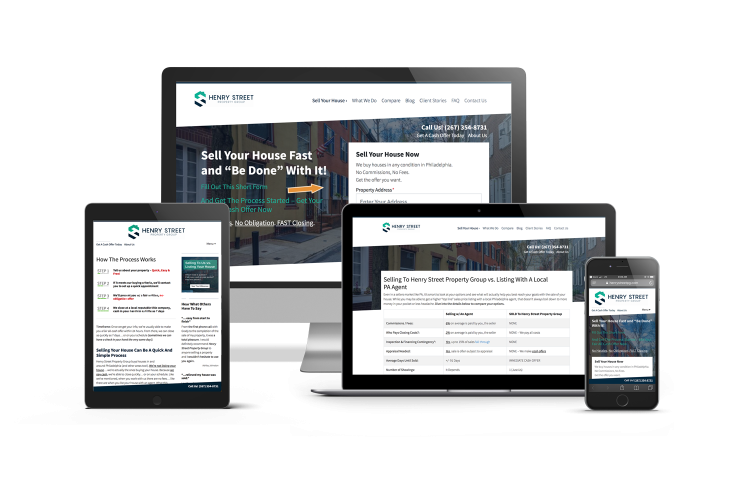
    Level 3: Be Real

    using visual content for real estate testimonials

    Unfortunately, being authentic isn’t enough in our world of “alternative facts” and reality television.

    It’s tempting just to write your real estate testimonial under an alias name and throw it on your website to increase the conversion rate. It sure would take a lot less time, and it might even boost your conversion rate if you’re a great writer.

    But chances are, the testimonial you’ll receive from someone who authentically loves your service will be far more powerful (and conversion-boosting) than something you throw together yourself. Plus, people can usually tell when a testimonial is fake.

    You have to convince people you’re authentic.

    How?

    Well, levels three and level four testimonials seem more believable simply because they include a visual and they’re a bit more specific:

    “I inherited a house and couldn’t sell it, but found Mark online. I was skeptical, but their offer was fair, we closed on time, and I’d work with him again. – John Kennedy – Tampa Seller”

    Viewers will look at an image or video, and immediately, the dud of a testimonial becomes impactful.

    The image could be a picture of you and the prospect at the closing table or their face. It could be you shaking their hand or a short video of them discussing the process.

    Your only goal is to make it real, to make it believable. Don’t forget to include a short bio for the testimonial giver; tell the viewer who’s recommending you. Even something as short as “John Kennedy, Tampa seller.”

    Here is an example of a good testimonial with an image of the client and the investor:

    “Thank you for all your help and walking me through the mess I got stuck with. You explained everything and went over the contract step by step; never once did your answers change. You gave us all the information we needed and we could see you were serious about what you do. If someone asks if I know who could help them, I would not hesitate to name you as a reference as you are an honest person. Once again, thank you so much.”  – Louise R. Friel

    Level 4: Record Video Real Estate Testimonials

    using videos for real estate testimonials

    If you want to climb to the testimonial pinnacle, make a video. Record a video of the whole process of your client, recommending you, emotions, and all.

    Video captures something text cannot: the human ability to communicate nonverbally. And that’s a powerful prospect.

    Written Real Estate Testimonial Examples

    Here are a few examples of good “real” written testimonials:

    2nd Chance Investment Group

    “Like many others in this unstable economy, and after looking into other organizations, such as Keep Your Home California, I exercised my options by contacting Second Chance Investment Group in Chino Hills, CA. It was the best phone call I could have made. Now I am doing better than ever – free of debt. And moving forward with a clear mind. Thanks, Ray Foster and Second Chance. Keep up the good work.” – Sheryl Brown-Pearce

    Townsend Realty Group

    “Townsend Realty Group has been the finest company to work with as we sell our home in Canton. We have sold several homes and have never had such a professional and compassionate company guide us through the process. Their realtors are always a phone call away and are readily available to help in any way. Their team made some great recommendations for selling our home, and they also helped us avoid pouring lots of money into getting the home ready for the market!” – Ray and Patricia Massengale

    Florida Cash Home Buyers

    “Thanks to all the fine people I have dealt with in the past 2 to 3 weeks. I especially like to thank Annette with the law firm. She was very helpful in processing the closing paperwork. Alejandro kept me aware of my need to show the property to various people. Thanks again to all that helped with the sale and closing.” – Glenda Skaggs

    Video Real Estate Testimonial Examples

    Here are a few examples of good “real” video testimonials:

    We Buy Houses Jacksonville FL | Sell House Fast Testimonial
    Happy seller
    Sell My House Fast Compton, CA | Feliciane's Inherited Property Sale - John Medina Buys Houses

    Let me end with one final tip…

    You Need to Ask Good Questions

    Don’t forget to set yourself up for success at the gate. You must ask the right questions to get a high-quality real estate testimonial.

    Here are some questions to ask to get POWERFUL testimonials:

    • What problem did you need to solve, and did we solve it as you expected? — You want to pull out the pain they were experiencing before working with you. What were they going through? Could they even sleep at night? What was the emotional pain like? How stressful was the situation?
    • Why did you choose to work with us? — You want to understand better what made them decide to solve their stressful situation by working with you. What was going through their head? What was the final straw that made them give you a call?
    • Why did you choose us instead of some other company? — Why not somebody else? This question will help illustrate your USP and what sets you apart from competitors in your market.
    • What was your favorite part about working with us? — Being on the other side of that stressful situation, what was the client most enjoyed most during the time they worked with you? It could be how fast you closed or how easy it was.
    • What surprised you about working with us? — Asking this question can get the client talking about the thing they loved about working with you that was the most unexpected (i.e., how you went above and beyond for them).

    Elements of an Effective Real Estate Testimonial

    Creating impactful testimonials for your business is essential. To ensure your testimonials stand out and resonate with your audience, here are some updated guidelines for 2025:

    • Precision Is Key: Dive into the specifics of your client’s experience to provide a clear and detailed testimonial.
    • Authenticity Matters More Than Ever: Share their genuine thoughts, emotions, and real-life experiences to establish trust and credibility.
    • Thorough Insights: Offer a comprehensive and well-rounded review, covering various aspects of their interaction or transaction.
    • Showcase the Benefits: Highlight the positive outcomes, advantages, or solutions that resulted from their journey.
    • Go Visual: Enhance your testimonial’s impact by including a photograph of yourself with the seller. For an even more engaging approach, consider recording a short video testimonial.
    • Personal Touch: Add a brief bio to your testimonial to help your audience connect with your background.
    • Thought-Provoking Questions: Guide your testimonial with thoughtful inquiries that provide valuable insights into their experience.

    With these updated tips and examples, you can create compelling real estate testimonials that resonate with your audience.

    Where to Place Testimonials on Your Website

    When placing testimonials on your website, a few options exist. Some investors dedicate an entire page to reviews or testimonials, while others prefer to sprinkle one or two on their homepage and other landing pages. However, it’s important to remember that buyers and sellers researching and wanting to know you better are more likely to visit your reviews page, “How it works” page, or “Our company” page.

    Placing testimonials on your reviews page can be especially powerful, as this is where potential customers will go to read about the experiences of others who have used your products or services. You may also want to consider creating YouTube videos showcasing your business on your homepage and city landing pages, as this has been shown to increase search engine rankings correctly.

    While you may not see many people watching these videos on your landing pages, once they are shared on your reviews page and other platforms, they can be highly effective in building trust and credibility with potential customers.

    Here are a couple of examples how Carrot members use testimonials:

    Kind House Buyers – Reviews Page (scroll on the image to see the full page)

    kind house buyers reviews page

    Simply Sold Testimonials Page (scroll on the image to see the full page)

    kind house buyers reviews page

    Discover the power of testimonials in boosting your credibility and conversions as two leading investors share their insights in this must-listen CarrotCast episode: “Unlocking the Practical Guide to Building Trust and Driving Conversions.”

    Ultimately, Work With What You Have

    Remember that threatening clutter?

    Not so threatening.

    Suppose you’re uncomfortable on video, email past clients the questions above and ask for their answers. Call a friend and ask them to vouch for your character if you can’t think of any clients who’d give you a testimonial.

    As your business grows, you’ll get better real estate testimonials, improving your conversion rate even further. But it’s a process.

    Testimonials can increase conversion rates if you use them correctly, and there are very few instances where a testimonial would hurt your conversion rate.

    So work with what you have.

    So embrace it; get some testimonials and add them to your website. Remember, a slight increase in conversion could mean thousands of dollars per month for your business.

    Speaking of which, don’t forget to optimize your Real Estate Bio using one of our templates! For more resources and real estate marketing materials, click on the link!

  • 16 Best Real Estate Agent Websites With IDX

    16 Best Real Estate Agent Websites With IDX

    Do real estate agent websites with IDX perform better?

    There isn’t a quick answer. But, listing feeds like IDX appeal to agents because they’re quick and easy ways to get the most out of your listings on your website.

    IDX has become a standard piece, and in many cases, listing feeds have gone from a nice feature to a necessity to stay with your competition.

    We all know home buyers and sellers are searching the Internet as their number one source of education. They know how to browse from website to website, and they know what they want to see from each website they visit.

    They’re quick to leave if a website doesn’t offer exactly what they expect.


    What, though, when they visit your real estate agent website, are they (and everyone else, for that matter) expecting?

    Well, they’re probably expecting to find some information about your real estate business and you personally, testimonials promoting your service, and, perhaps most importantly, house listings.

    If you neglect any of these elements, your website will likely have a higher bounce rate and lower lead volumes.

    The digital world is that simple.

    While some online naysaying articles — like Why It’s Time to Look at Real Estate Websites Differently — claim that you don’t need IDX integration on your website, we here at Carrot think they’re wrong.

    Before we dive into the 16 real estate agent websites with IDX options, let’s talk about IDX quickly.

    What Is IDX?

    IDX stands for Internet Data Exchange. That sounds complicated. Though, it isn’t.

    With IDX integration, real estate agent websites can pull house listings up natively on the real estate agent’s website.

    Here’s what this looks like on one of our Carrot real estate agent websites, for example.

    real estate agent websites with idx

    That’s what IDX looks like on the surface, at least. On the back-end, IDX works by automatically pulling from the MLS and collecting location-qualified listings to publish on your website.

    What is IDX?

    16 of the Best Real Estate Agent Websites With IDX (With Examples)

    You understand what IDX is and why it’s essential for real estate marketing.

    But where can you find the best IDX tool for your website? 

    Here are 16 great options for adding IDX to your real estate agent website — with a summary, features, pricing, and examples. 

    1. Ballen Real Estate Websites

    Website Description

    Ballen Real Estate Websites were built by agents, for agents real-time in the field, and without any contracts! These websites are optimized for lead generation and lead capture. With new design options, integrated tools for calls to action, and built-in optimization. Based on years of testing and measuring of what works in the real estate industry with hundreds of agents using the platform, our BREW is always evolving so you can get more leads online and best of all, you own it.”

    Features

    Here are some of the main features.

    • Complete WordPress Website
    • IDX Integration
    • Property Search
    • Real Estate Lead Capture
    • Community Showcase Pages
    • Buyer, Seller & Hyperlocal Blogs
    • Home Valuation Form
    • Built For SEO
    • CRM Available

    Pricing

    Starts at a one-time payment of $1,495. Plus ongoing monthly costs of at least $149 per month. 

    Example

    Below is an example of the type of IDX website you can create with this tool.

    Ballen Real Estate Websites

    2. IDX Broker HOME™

    Website Description

    Each IDX Broker HOME website begins with an exclusive, premium WordPress theme. From there, our team will work with you to personalize any of our mobile-responsive, visually stunning designs, ensuring your REALTOR® website looks unique and up-to-date.

    We will include your logo and favorite photos, adjust the color scheme to mirror your branding, and add featured listings to create a personalized and professional website.

    Features

    Here are some of the main features.

    • Simply & Effective Search
    • Fully Customizable
    • Lead Metrics
    • Protect Your Site With SSL
    • IDX Plugin

    Pricing

    Their plans start at $50 per month and go up to $150 per month. 

    Example

    Below is an example of the type of IDX website you can create with this tool.

    IDX Broker HOME™

    3. Carrot

    Description

    We serve over 7,000 real estate investors and agents at Carrot. As a part of that, we offer high-converting websites with IDX for real estate agents.

    Features

    Our features include… 

    Pricing

    Here are the website builder’s pricing options… 

    • Standard Website Subscription: $89/mo
    • Add-ons range from $29 to $69 per month

    Example

    Below is an example of the type of IDX website you can create with this tool. Scroll down through the page to see it fully.

    4. iHomeFinder

    Website Description

    The IDX search you’ve been looking for. Fast, sleek property search with advanced lead capture technology. Keep visitors coming back with a search experience they’ll love. Display listings anywhere on your site with the search criteria you select.

    Features

    Here are some of the main features that this tool offers.

    • Property Search & Lead Capture
    • Market Stats & Reports
    • Email Marketing
    • Blog Content
    • Real Estate CRM
    • Real Estate Agent App
    • Integrations
    • Custom IDX Data API

    Pricing

    Pricing starts at $59.95 per month and goes up to $199.95 per month. 

    Example

    Below is an example of the type of IDX website you can create with this tool.

    iHomeFinder

    5. IDX Central

    Website Description

    “Regardless of which IDX Solution you select, there will always be something that doesn’t quite work/look the way you expect it. These issues will require some code modifications. We can save you time by knowing just how to fix those issues and offer creative ways to make them even better.

    We can also provide you with code we have used in the past to help speed up your development/integration time. Even if you are an experienced programmer or have one that manages your site, our knowledge and experience can save you time from experimentation/trial and error.

    Features

    Here are some of the main features that this tool offers. 

    • Advanced IDX Property Search
    • Map and Polygon Search
    • Lead Generation Forms
    • Lead Nurturing App
    • Automated Market Reports
    • Real Estate CRM
    • SMS Autoresponder
    • Email Marketing Automation
    • SEO Friendly with Indexible Listings

    Pricing

    Pricing for IDX solutions starts at $44.95 per month. 

    Example

    Below is an example of the type of IDX website you can create with this tool.

    IDX Central

    6. BoomTown

    Website Description

    Expert lead generation, IDX websites, intelligent CRM, lead management services, and more, come in flexible packages that scale with your success. See why BoomTown is the #1 user-rated real estate CRM year after year.”

    Features

    Here are some of the main features this tool offers. 

    • Success Assurance
    • Consumer Website
    • Lead Generation
    • Predictive CRM
    • Success Management
    • HomeSearch Now
    • Coaching

    Pricing

    Can’t find pricing on their website. Looks like you have to book a demo to learn more.

    Example

    We couldn’t find any examples of websites they’ve built. But they have a lot of success stories over here.

    7. Real Geeks

    Website Description

    IDX websites that convert. Real Geeks offers highly optimized, easy-to-use websites, designed to generate the highest conversion rate in the industry. Our Property IDX is updated every 15 minutes, so your Real Geeks website has the most up-to-date property data available.

    Features

    Here are some of the main features that this tool offers.

    • Mobile Optimized
    • Fully Responsive
    • Easy-to-Use
    • High Return Rates
    • A/B Testing
    • Fast Load Times
    • High Conversion Rates
    • Search Engine Friendly
    • Custom Landing Pages
    • Fully Editable Pages
    • Built-in blog

    Pricing

    Can’t find pricing on their website. You need to request more information. 

    Example

    Can’t find an example of their website. But they have a lot of success stories over here

    8. Placester

    Website Description

    Get the website you’ve always wanted! Placester is the best option for agents & brokers who want a unique website but also need speed and the flexibility to adapt as the market changes.

    Features

    Here are some of the main features this tool offers. 

    • Responsive Website
    • Site Editor
    • IDX Listing Display Tools
    • Simple CRM
    • Unlimited Posts & Pages
    • Online Support

    Pricing

    Pricing starts at $64 per month and goes up to $1,250 per month. 

    Example

    Below is an example of the type of IDX website you can create with this tool. 

    Placester

    9. Agent Image

    Website Description

    Agent Image creates the best real estate websites for REALTORS®, agents, and brokers. We have launched over 20,000 sites for top producing companies in the country and we’re proud of our long list of loyal clients. Whether you’re looking for an affordable agent website built on WordPress or looking for a custom design for your brokerage office, we’ve got you covered. Put our 20 years of experience to the test.”

    Features

    Here are some of the main features that this tool offers. 

    • Hosted WordPress Site
    • Mobile Optimized
    • Fully Response Design
    • IDX Search Features
    • Listing Display Features
    • Property Details
    • Lead Generation
    • SEO Friendly

    Pricing

    They don’t have pricing on their website. You need to contact them if you want to find out more. 

    Example

    Below is an example of the type of IDX website you can create with this tool. 

    Agent Image

    10. Showcase IDX

    Website Description

    Make your site sticky with a portal-quality search for agent and brokerage websites. Modern search options that buyers and sellers love. Showcase IDX’s proprietary indexes to let you search seamlessly across multiple MLS feeds. The Fastest, easiest way to search.

    Features

    Here are some of the main features that this tool offers. 

    • IDX Search & Results
    • Real Estate Listing Pages
    • State-Of-The-Art Mapping IDX
    • CRM Tools
    • Premium CRM Integrations

    Pricing

    Pricing starts at $59.95 per month and goes up to $99.95 per month. 

    Example

    Below is an example of the type of IDX website you can create with this tool. 

    Showcase IDX

    11. AgentWebsite

    Website Description

    First impressions matter. Showcase your services. Promote your listings on your own real estate website. One that’s easy to update and optimized for search engines.

    Generate qualified leads. Impress sellers, and catch buyers early in the process.

    We make it easy. Agents are always telling us how easy AgentWebsite is to use. Expect fast activation and competitive features. Toll-free help is available every day, right here in the USA.

    Features

    Here are some of the main features that this tool offers. 

    • Free 15 Day Free Trial
    • Website & Hosting
    • Free Domain Name
    • Free Property Search (IDX)
    • Toll Free Support
    • Control Panel
    • Search Engine Optimized (SEO)
    • Buyer & Seller Articles
    • 1 Email Mailbox
    • CMA Lead Page
    • Relocation Lead Page

    Pricing

    Pricing starts at $29 per month, not including the set-up fee. 

    Example

    Below is an example of the type of IDX website you can create with this tool.

    AgentWebsite

    12. Ylopo

    Website Description

    Our mobile-optimized IDX home search website is the hub of your buyer’s home search activity.  Delight your consumers with a clean and beautiful site design, as you gather 24/7 intelligence on their search behavior to hone in on exactly what each buyer wants to see.”

    Features

    Here are some of the main features that this tool offers. 

    • Mission Control
    • IDX
    • Branded Website
    • Lead Generation
    • Listing Rocket
    • Lead Nurture
    • CRM

    Pricing

    Pricing isn’t mentioned on their website. You have to request a demo if you want to learn more. 

    Example

    They don’t have any examples on their website. But they do have some case studies on their homepage. 

    13. Union Street Media 

    Website Description

    We build award-winning websites for real estate professionals. Our sites are IDX-integrated and responsive, meaning they will always be up-to-date with the latest MLS listings and will look great and perform well on any device or screen size.

    Features

    Here are some of the main features this tool offers. 

    • Search Tools
    • Lead Dashboard
    • Neighborhood Reports
    • Automated Home Valuation Tool

    Pricing

    Pricing isn’t mentioned on their website. You’ll need to request a demo if you want to learn more. 

    Example

    Below is an example of the type of IDX website you can create with this tool.

    Union Street Media

    14. Luxury Presence

    Website Description

    A brand-new home search experience for your clients. Our IDX tool provides award-winning design, cutting-edge search features, and compelling use of data and lead capture functionalities.

    Our IDX home search experience provides two things: an exceptional search experience for your visitors and a high-converting lead generation platform for your business.

    With multi-feed support, fully-responsive designed, spiderable and organic IDX, and lightning-fast multi-field search capabilities, our home search tools give your visitors an experience they’ll love.

    Pulling from your MLS feed, our control center allows you to layer high-resolution photos, videos, and virtual tours on top of your MLS listing date to create stunning featured listing pages for your website.

    Features

    Here are some of the main features that this tool offers.

    • Split-Screen Map
    • Lead Capture
    • Saved Searches
    • Multiple-MLS Feeds
    • Saved Listings
    • User Accounts
    • Multi-Field Searches

    Pricing

    Pricing isn’t mentioned on their website. You’ll have to request more information if you want to learn more. 

    Example

    Below is an example of the type of IDX website you can create with this tool.

    Luxury Presence

    15. Sierra Interactive

    Website Description

    We only build real estate websites. Our platform has evolved over the past decade to become the most powerful content management system for real estate websites in the market.

    The Sierra search tools separate us from our competitors and you from yours. We are always improving these features and keeping ahead of the curve.

    Features

    Here are some of the main features that this tool offers. 

    • Real Estate Websites With IDX
    • Real Estate CRM
    • Real Estate Ad Management

    Pricing

    Pricing starts at $299.95 per month and goes up to $499.95 per month. 

    Example

    Below is an example of the type of IDX website you can create with this tool.

    Sierra Interactive

    16. Pro Agent Websites

    Website Description

    Our designs are responsive for a pleasant user experience from desktop to tablets to mobile. Each design is created with the agent in mind. Your photos, logos, and artwork will be incorporated into the design. Designs can be built with any requested modifications.

    Features

    Here are some of the main features that this tool offers. 

    • Extremely Fast Search Results
    • Interactive Map Search
    • Industry Best Lead Capture
    • New Listing Email Alerts
    • Price Change Email Alerts
    • All Listings Available on Search Engines
    • Save Searches, Save Properties
    • No Framing or Wraps, Totally Integrated
    • All Lead Activity Tracked

    Pricing

    Pricing starts at $79.95 per month and goes up to $149.95 per month. 

    Example

    Below is an example of the type of IDX website you can create with this tool.

    Pro Agent Websites

    Why Do Real Estate Agents Need IDX?

    ON THE OTHER HAND, without IDX website integration, visitors have to go somewhere other than your website to view house listings.

    And when prospects leave your website to browse through homes, there’s naturally a lower chance of them choosing to work with you.

    Ideally, you want them to stay on your website as long as possible — searching for potential homes and learning about your business.

    Then, those visitors are more likely to work with you instead of the competition- thus improving your credibility!

    Of course, there are no stopping prospects from regularly visiting Zillow and Realtor.com, and other massive MLS websites.

    This is exactly why some online thought-leaders believe IDX is outdated — there’s no way, after all, that you can compete with the giants of MLS.

    Still, at Carrot, we believe IDX is a must for serious real estate agents. And that isn’t just an opinion built on smoke and mirrors.

    Here are four specific reasons why the best real estate websites for agents have IDX integration and tend to perform better than the competition.

    1. Prospects Stay Where You Want Them — On Your Website

    Property listings are the foundation of your real estate business and ultimately, you want people who visit your website to work with you. With the most accurate property data and photos, your IDX can cover 99% of MLS listings.

    But, of course, the story doesn’t start there. Most people, for instance, start by educating themselves on the house-buying process. Then, they might look at some listings to get an idea of what price-point they can afford.

    Eventually, they’ll start seeking out an agent to work with.

    There’s no better place for them to be during that entire process than on your website.

    Unfortunately, you have very little time to grab and keep their attention. One study by the Nielsen Norman Group found that most internet users stay on a website for less than 59 seconds.

    That’s not very long.

    Why do people leave so quickly, though? Well, in the words of Cody Ray Miller over at The Daily Egg, one of the main reasons is that “Users leave your site when they don’t get what they expect.”

    Imagine if you were looking to buy a house and stumbled upon a website that didn’t have listings.

    What would you do? Would you stick around and see what this website has to offer?

    No. You wouldn’t. You’d leave within the first few seconds of arriving.

    The point is, when people visit your website, they naturally expect certain things. If you don’t give them what they expect, they’ll bounce.

    What, though, do visitors to your real estate agent website expect to see?

    A few things.

    Visitors expect to see…

    1. An agent bio of who you are and why you’re fantastic.
    2. A clear CTA for how they can get in contact with you.
    3. Social proof (testimonials, case studies, and reviews) of why they should work with you.
    4. House listings.

    Think about it. What’s the first thing you would do on this website?

    real estate websites with idx roseburg oregon example

    First, you’d view the featured listings a bit down the page.

    idx featured listings

    If you saw something you liked, then you’d probably look into it more. If you didn’t, then you’d likely go to the search bar, enter the information, and click “Search.”

    real estate agent website builder with idx

    Which would then bring up something like this.

    realtor websites with idx

    Or maybe you’d first spend a bit of time learning about the realtor, only after that diving into the listings on their website.

    Either way, house listings tug on the visitor’s attention and encourage them to spend more time on your website.

    And that’s a good thing.

    After analyzing 948,286 visitors to our Carrot member websites over a three-month period, a compelling fact revealed itself: the longer someone spends on your website, the higher chance that they’re going to convert.

    The average session duration of converters was 6:39 and the average session duration of non-converters was only 1:25 — a whopping 471% difference.

    Still, most people leave a website in just under a minute. Unfortunately, that doesn’t give them much time to convert.

    So how does IDX integration help solve this dilemma?

    With real estate listings on your website, people spend more time browsing and less time bouncing, increasing the chance that they’ll become a paying customers.

    It’s not a complete solution. But it’s a simple strategy for keeping visitors right where you want them — on your website.

    Plus, visitors expect to see house listings on your real estate agent website. You don’t want to disappoint them.

    2. You Can Quickly Promote Remarkable Listings

    Maybe you’ve already noticed, but not all IDX plugin solutions are equal.

    Some real estate IDX providers allow you to “list” — if you can call it that — houses on your website… except that the listings aren’t really on your website.

    Instead, with these low-level tools, the IDX integration sends people to another MLS site to view the listing — which, of course, kind of defeats the purpose of IDX in the first place.

    Ideally, you want to use an IDX integration tool for your website that has the following four features.

    1. Visitors should be able to search natively on your website for house listings in your area of operation.
    2. Visitors should be able to view each house listing on your own domain as an individual page, rather than traveling to a 3rd party listing website.
    3. The entire experience should be seamless. You don’t want visitors to feel like their viewing someone else’s listings, photos, and house descriptions on your website. You want them to feel as though each listing is unique to your business.
    4. You should be able to easily choose properties to feature on your website using the IDX integration.

    Carrot’s real estate agent websites with IDX include all of the above features. That way, you never fall behind the competition.

    And on the fourth point, no house sells like a featured house.

    Here’s an example of what this can look like when you’re able to easily choose featured properties from your IDX integration for the front page of your website.

    real estate agent website idx feed

    More than likely, you’re busy enough contacting prospects, answering questions, and meeting with customers to show them houses. Frankly, you don’t always have the time to create a listing on your own.

    With IDX integration, you can simply choose a website to feature and, in just a few clicks, that property is on your front page.

    If nothing else, IDX saves you time.

    But, of course, time is money.

    Pro-tip: When choosing featured properties for the front page of your website, try featuring some of your most expensive properties. That way, people see those first and then perceive other high-priced listings as less expensive (because they see the price relative to the featured houses they saw). In sales, this is called the contrast principle.

    3. Each Listing Gives You Another Opportunity To Rank Your Real Estate Website In Google

    With high-quality IDX integration on your website, each house listing becomes a new page.

    And each page, as you probably know, becomes another chance to rank in Google.

    However, I know what you’re thinking: “There’s no way I can compete with Zillow and Realtor.com in search engines!”

    Related Content: How To Beat Zillow in Google With Your Real Estate Agent Website – Case Study + Guide

    You’re right. There’s no way you can.

    But, there’s another benefit to having those SEO-ready houses on your website beyond just trying to beat Zillow and Realtor.com.

    Namely, when people search Google for your real estate name and an address, you’ll show up.

    Like this, for example.

    google search for real estate websites

    Why would they ever do that, though?

    Let’s imagine that there’s a certain prospect named Joe. From his friends, Joe has heard some really great things about you and he’d like to work with you in the future. But you don’t know this yet because Joe hasn’t contacted you.

    One day, Joe drives by a house for sale that he really likes and he wants to see the inside of — or, at least, some pictures.

    Since he knows about you and he knows about the house listing, he types in “4000 Awesome Avenue [your real estate business].”

    Whose website comes up?

    That’s right. Yours!

    Joe clicks the result, views the house, decides he wants a tour and gives you a call.

    If Joe had viewed the house on Zillow or Realtor.com — if he hadn’t arrived at your website first — then he might have seen an ad for another realtor and chosen to contact them out of convenience.

    And the realtor who gets the first contact usually wins the prospect.

    In other words, IDX integration allows you to attract prospects that you might not even know you had. Sure, this type of prospect might be few and far between — but each client can generate tens or hundreds of thousands of dollars for your business.

    You don’t want to lose that much money because your website didn’t show up when someone typed in your name and an address into Google.

    4. You Can Send More Personalized Follow-up Emails with IDX

    What if you knew that person’s desired price point, number of bedrooms, and square footage for each person to visit your website?

    How would that kind of immediate information change your marketing strategy?

    For one, you’d probably send increasingly personal listing updates and recommendation emails to your prospects.

    Which is a good idea. The click-through rate on personalized emails is 14% higher — and conversions, 10% higher — than their impersonal counterparts.

    And, generally speaking, personalized emails also have six times higher transaction rates.

    But that dream of knowing your website visitors by house preferences is just… well, it’s just a dream, right?

    Wrong. At least, not if you use IDX.

    With some IDX services on your website and Google Analytics, you can track visitors’ listings and even exactly what they search for.

    In fact, one real estate website tried to capture my email like this when I searched for a property on it.

    real estate website listing tracker

    Then, you can either set up an automatic and personalized email update system to contact prospects with relevant house listings. Or you can do so manually.

    Either way, you’re now contacting prospects with things they care about rather than trying to shotgun blast one (or several) listings to loads of people who may or may not be interested.

    Of course, this isn’t a new strategy. Many real estate agents do this. Here’s one real estate email script, for instance.

    Hi Cindy,

    I noticed you recently registered for e-Alerts on my website. I’m glad you signed up as this is the quickest way to receive up-to-date information on listings in your area. Since our website is refreshed every hour on the hour you will be the first to know when a home that fits your preferences hits the market.

    Over the past 7 years, I have worked in the area selling homes and helping buyers find the perfect property. Buying a home is an exciting time and I am here to help you navigate through the process. Below I have linked to one of my blog posts about preparing to buy a home and how it is different this year over the others.

    Have a lovely day,

    Annie Agent

    IDX just makes doing this a whole lot easier and more streamlined than it would be otherwise.

    Conclusion

    If there’s one thing that visitors to your website are expecting to find, it’s house listings.

    You’re a real estate agent, after all. People go to your website to learn about your business and view houses. That’s pretty much it.

    You need to let them do both of those things as quickly as possible.

    Now, you understand how IDX can help and you understand why you need a real estate agent website builder that includes IDX integration.

    Namely, because, with IDX integration, prospects stay on your website longer, you can easily promote featured properties on your front page, each listing helps you rank in Google, and you can send more personalized email updates to prospects.

    However, some online critics believe differently — that real estate agent websites with IDX have an unnecessary crutch.

    What do you think? Let us know in the comments!

  • The Importance of Excellent Real Estate Agent Bios + 9 Examples

    The Importance of Excellent Real Estate Agent Bios + 9 Examples

    The Importance of Excellent Real Estate Agent Bios + 9 Examples

    Ready to learn how to write a killer real estate agent bio?

    You’re lucky because we are going over the steps from start to finish.

    A well-crafted and compelling agent profile can be an invaluable asset when it comes time for clients or potential buyers to research their next property investment.

    Write with energy and creativity!

    Why Should You Perfect Your Real Estate Agent Bio?

    Anyone looking to buy or sell their house wants to know they will work with a real estate agent they can trust.

    They want to know that the agent they choose has their best interest in mind, will negotiate the best price possible, understands their market, and has a healthy track record of buying and selling homes.

    Without that – without trust – the prospect will never work with you.

    And since 70% of buyers and 75% of sellers find their real estate agent by searching the web, it makes sense that your real estate agent bio is vital to growing your business and converting website leads into clients.

    Your real estate agent bio is where website visitors go to decide if they will work with you.

    Seem like a tall order?

    Well, it is.

    But crafting a real estate agent bio that builds trust and credibility and resonates with your target market isn’t as tricky. It’s just six steps.

    Here are those steps – each with pertinent examples to illustrate my point.


    5 Free Agent Bio Templates

    Grab 5 free real estate agent bio templates + examples for your agent website.

    • This field is for validation purposes and should be left unchanged.


    How to Write a Winning Real Estate Agent Bio with Examples

    Step #1: Understand your market

    This might upset you…

    But one of the worst things you can do with your real estate agent bio is to copy and paste one of those short personal bio samples online with your name and data plugged into the blanks.

    The problem is that every market is different. Your market is different from the market that that free template you found online was created for. You need to create a bio (pic and copy) that resonates with your market, not someone else’s.

    And who knows your market better than, well, you?

    To get a better understanding of what I mean, read through this bio from Irene Dazzan-Palmer:

    “For nearly 30 years, Irene Dazzan-Palmer has been hailed as ‘the queen of coastal real estate.’ A consistent top producer in Coldwell Banker’s Malibu Colony office and an Estates Director for Coldwell Banker Previews International, she has amassed nearly $2 billion in career sales and a history of selling some of the nation’s most significant coastal homes alongside her partner and son, Sandro Dazzan.

    These achievements have helped Irene earn a prestigious membership in the Society of Excellence, Coldwell Banker’s highest honor for the top 1% real estate agents nationwide. Irene’s record listings and sales have been the subject of international attention over the last three decades and span from Forbes and the Wall Street Journal to the Los Angeles Times.

    She has also been widely recognized in the media as a luxury real estate authority, appearing in national television broadcasts such as NBC’s ‘Today Show’ and prestigious publications like Los Angeles magazine.”

    Irene has a niché, and she knows what it is. She isn’t afraid to exclude people uninterested in her niché. By doing so, she speaks directly to her market and resonates with those interested in high-ticket coastal homes.

    So how do you write an amazing bio?

    Don’t be a generalist.

    Find your niché and represent it with confidence in your real estate bio. Here is another example of an agent who understands her market: Leslie Woods.

    real estate agent bio example

    (Image Source)

    “Representing Mid-Peninsula homeowners and future homeowners, Leslie is committed to listening to her clients’ needs and utilizing her keen negotiating skills to ensure a successful transaction.

    Raised on the Peninsula, Leslie understands the numerous intangible benefits of living in Silicon Valley, with its unmatched weather, culture, and diversity. Leslie graduated from Cal Poly San Luis Obispo with a Bachelor of Science degree in Food Science and Nutrition and subsequently returned to the Bay Area to excel in pharmaceutical sales with Wyeth Laboratories for over ten years. She joined the Real Estate profession as her three children approached their middle school and high school years.

    In the past eight years, Leslie has become an esteemed realtor, highly regarded by her clients and professionals in the field. A current Menlo Park resident, she is well-connected and actively involved in the community. Her contacts and life-long residency leverage her enthusiasm and expertise, enhancing her client dedication.

    Leslie showcases her homes on her website and utilizes a team of professional service providers to assist with her clients’ buying and selling needs, including stagers, painters, designers, handymen, and inspectors. She is communicative, thorough, and detail-oriented — and she’ll be alongside you every step of the way.”

    Speaking to the middle- to high-class homebuyers, Leslie puts herself in the marketing pit of “representing Mid-Peninsula.” Not a wrong move since that is the exact market she operates in.

    The point is, that you want to speak directly to your market. Here’s a list of questions to get you thinking about who your market is (Hint: it’s not necessarily the same as other real estate agents in your area):

    • Do you serve first-time homebuyers or people who’ve bought several homes before?
    • Do you prefer working with buyers or sellers?
    • What price point do you want to target?
    • What market area do you want to focus on selling homes in?
    • Is your market primarily liberal or conservative?
    • How old are the people in your market, generally speaking?
    • Do you serve males or females or both?

    You don’t necessarily have to answer all these questions about your market, but the better you understand the people you’re serving, the more your new real estate agent bio will resonate with them.

    This leads us to step 2…

    Step #2: Make a list of your market’s primary objections

    One of the best ways to get your new real estate agent bio converting website visitors (or at least getting them to call you on the phone) is to make sure your bio addresses all the big objections they have swimming around in their heads.

    What are they worried about with buying or selling a home? What concerns do they have about choosing a real estate agent? What might they be worried about when considering working with you?

    The answer to those questions should be addressed in your bio.

    Ease their fears and explain why you’re the perfect person to help them through their specific challenges.

    (Again, you can only answer the above questions if you understand your market well)

    For instance, many buyers and sellers have one objection: how well you – the real estate agent – know the area. How familiar are you with the market, and are you the best expert for their needs?

    Here’s how Elizabeth Putnam addresses that objection in her bio

    “As an Asheville native, I witnessed its great transformation – from a boarded up and desolate downtown into a bustling metropolitan city that retains its small-town feel.
    My intimate knowledge of this region, and my experiences of having lived here all of my life, give me enthusiasm and a desire to make my home, your home. Truly, I love Western North Carolina and I love my job!”

    Another common objection from home buyers and sellers is regarding how much experience the real estate agent has or doesn’t have.

    Consider how Cyndie Gawain addresses this objection in her bio:

    “Cyndie Gawain is a dream catcher. She helps new friends catch their dreams of buying and selling a wonderful home. A resident of Dallas for more than 30 years, she has lived and worked in many areas in Dallas-Fort Worth.

    Her business is based on more than 80 percent of referrals from satisfied clients. Most important to Gawain is providing the most excellent service to buyers and sellers in order to earn their trust, referrals, and repeat business.

    Gawain has sold homes in all price ranges from starter homes and high-dollar estate properties to uptown condominiums, ranch properties, and investment properties.

    Clients appreciate her flexibility, low-pressure sales, patience, ability to listen and hear what a client wants, negotiation and analytic skills, and her ability to accurately price and market a home.”

    While many of the objections from different real estate markets overlap, your market’s buyers and sellers might have concerns unique to your area.

    Whatever the case, list all the significant objections your market will have. Use the 80% rule. If 80% of your market has the objection, then diffuse it in your bio.

    Step #3: Make a list of your market’s primary desires

    So how do new real estate agents get leads?

    They paint the picture that their audience is picturing.

    Every home buyer and seller has an image of what they want their agent experience to be like.

    They likely want it to be a smooth experience, one where the agent negotiates vigorously on their behalf and one where they walk away with more money in their pocket (or the keys to their dream home without breaking the bank).

    It’s not enough to understand your market’s fears. You also need to understand your market’s deepest desires.

    Answer this question: What does your market hope to get from working with a real estate agent? 

    What are the most important things to them?

    Once you answer that question, you can make your bio resonate with your market by stroking their desires within the copy.

    Consider, for instance, how Greg Noonan paints a picture for his market of what it’s like to work for him:

    painting a picture with your real estate agent bio

    (Image Source)

    #1 Top-Selling Agent of La Jolla Homes Overall -and #1 La Jolla Listing Agent* Greg Noonan gives you the best chance to succeed in this complicated market with sub-communities varying widely in value.

    As Coastal San Diego’s “Go-To” agent and the consistent leader with a reputation for tenaciously protecting his clients’ interests, Greg is dedicated to serving you with savvy client-focused negotiations and state-of-the-art marketing strategies joining uncompromising integrity as the hallmarks of his service.

    Greg is exceptionally well-respected in La Jolla, not only for his unparalleled professional track record and high ethical standards but for being an honest, hard-working family man who does absolutely everything in his power to ensure his clients’ success and satisfaction.

    Thanks to his loyal clientele, personal referrals, and repeat business form the foundation of Greg’s career. To ensure efficient, complete service for you including cutting edge technology and genuinely caring performance, Greg’s associates have been carefully selected from the very finest agents in the business to form a close-knit “family” offering seamless assistance to you for every aspect of your home purchase or sale.

    Please call Greg anytime without obligation. He is ready to go to work for you today!”

    Write down everything your market wants from experience with their chosen real estate agent. Again, use the 80% rule. If 80% of your market desires it, then mention it in your bio as something you provide.

    Get 5 Free Agent Bio Templates Now

    Grab 5 free real estate agent bio templates + examples for your agent website.

    • This field is for validation purposes and should be left unchanged.

    Step #4: Use a bio photo that resonates with your market

    Your bio photo says a lot about who you are and what service you provide.

    Let me show you an example.

    Look at this bio photo from Shane Inman…

    real estate agent bio photo

    And now look at these bio photos(s) from Landon Clements (yes, she’s a real estate agent, and this is from her “About” page, right above her bio).

    real estate agent bio photos

    (Image Source)

    The first picture communicates professionalism, expertise, and seriousness. The second is fun, inspiring, and at least a little dreamy.

    Here’s the thing, though: both of these are perfectly fine.

    There’s no cookie-cutter way to take a perfect real estate agent photo.

    It’s all about what your market wants and expects.

    For instance, if you’re serving first-time homebuyers, you probably want to use a friendly and approachable bio picture. But a more professional vibe might be better if you’re serving multi-millionaires.

    Once you know your market and who you’re serving, you can take the perfect bio photo for your market. Should it be friendly? Should it be serious? Should it be professional? Should it be flippant?

    That’s a question only your market can answer.

    What does your market want?

    Step #5: Write a bio description that resonates with your market

    Now that you understand your market – from steps 1-3 – you can write a bio that resonates with that market’s desires and addresses that market’s objections.

    We’ve already touched on this a few times within the article, so rather than beat a dead horse, I’ll show you a few more examples of real estate agent bios that do a wonderful job of keeping their market in mind:

    Aaron Kirman Real Estate

    (Image Source)

    “Aaron Kirman, President of the International Estates Division of Pacific Union International is one of the leading real estate agents in the USA and has repeatedly been named Top Agent in Los Angeles. With over $4.5 Billion in sales, Kirman represents the finest estates across the globe and was ranked #5 in the U.S by the Wall Street Journal. He has an extensive client base featuring those who seek the luxury lifestyle including heads of industry, celebrities, royalty, major lending institutions, and foreign investors.
    As a prominent figure in the luxury real estate market, Aaron has received International acclaim for record-setting sales across Los Angeles. Aaron has crafted his career from representing the most prominent Architectural and Luxury Estate communities across the globe as well as representing the most exclusive residences owned by some of the world’s most rich and famous…”

    Here is a fantastic bio addressing her market (albeit a very different market than Aaron’s); here’s part of Shemeika Fox’s bio…

    Shemeika Fox

    “Shemeika Fox: Realtor/Owner Exceptional Service… All of the Time!

    With a fresh and unique approach to real estate, Shemeika is incorporating 21st-century digital marketing strategies, used by fortune 500 companies, to enhance the real estate experience for her buyers and sellers alike. She’s a social media marketing guru, constantly showing up where buyers and sellers are, educating them with her amazing video content. “The market is forever changing and I want to make sure that I am ahead of the change, always evolving, using cutting edge techniques, and constantly being a student of my craft.”

    Shemeika works with sellers, buyers, and investors and is known for her quality service and stellar reputation, ensuring great experiences for every client she represents. For sellers, Shemeika spends thousands of marketing dollars to showcase her clients’ homes properly. “I don’t just put your home on the MLS and hope that it sells…I can create the sale through my own digital marketing!” With professional photographers, stagers, videographers, virtual tours, single property websites, and intricate advertising techniques, Shemeika prides herself at getting her sellers multiple offers at top dollar, usually resulting in less time on the market than her competition. Her social media presence reaches tens of thousands of Santa Cruz County locals and beyond every single week.

    As for buyers, being a CMNE (Certified Master Negotiating Expert) plays a huge role in how Shemeika Fox goes to bat for her buyers. She writes her contracts with the expectation of getting the absolute best price with the best terms. She educates her buyers, helping them through every phase of the transaction, making sure that they have the proper budget, adequate financing, understanding each aspect of the payment and loan, and how to look for the best property to suit their needs. With earning her clients’ trust and respect, Shemeika continuously builds her real estate career on referrals and repeat business. “It’s about finding a REALTOR you trust to manage and/or secure your largest asset.”

    Step #6: Get feedback from people within your market

    Wondering if your bio is as good as it could be?

    Well, the only people who’ll have the answer to that question are your market. So get out there and ask some of them (ideally, people you trust will be honest with you) what they think.

    Does it resonate with them? What objections might they still have after reading it? What would keep them from calling you after reading it? Was it inspiring enough? Did it speak to their desires and the things they would want to get from working with a real estate agent?

    Don’t spend forever on this step, though. Get your bio as well as possible, set a deadline, and hit the publish button.

    One thing is for sure: your bio won’t do any good sitting in a Windows Doc somewhere.

    FREE Real Estate Bio Template

    Hi, I’m [name], and I work with [your target audience] in [markets you serve] who [what your target audience typically wants or needs].

    I’ve been a Real Estate Agent for [number] years and have helped over [number] families to date.

    One of the best compliments I’ve ever received from a client was: [“amazing testimonial goes here”].

    I love helping members of my community to [describe the results that you’ve helped clients get]. It’s what makes me jump out of bed each morning!

    If you’re looking for a Real Estate Agent who [describes what your target audience typically seeks], then I’d love to work with you!

    I’ve [list 2-3 of your most impressive credentials].

    When I’m not helping people, I can be found [list 2-3 hobbies or passions such as volunteer work].

    If you’d like to learn more about how we can work together, please call or text me anytime! .

    It would be an honor to work with you!

    Conclusion

    What your real estate agent bio says, how it says it, and who it’s crafted to speak to are all very important.

    This is why getting it right the first time is so important.

    How do you do it?

    By knowing your market and by speaking directly to them.

    You can use the above steps to write a real estate agent bio that resonates with your specific market – addresses their specific objections, and speaks to their specific desires.

    Once you do, your ideal market won’t have any choice but to work with you… because you’re the perfect fit. For more resources and real estate marketing materials, click on the link!