

Category: Search Engine Optimization

  • A Look Back At The March Google Algorithm Update – A Win For Carrot Sites!

    A Look Back At The March Google Algorithm Update – A Win For Carrot Sites!

    A Look Back At The March Google Algorithm Update - A Win For Carrot Sites!

    Have you noticed any changes in your site’s search rankings since the March Google Algorithm Update? SEO experts detected significant tremors in mid-March, indicating another large-scale algorithm update by Google. The search giant confirmed the update’s completion on March 28, leaving website owners and SEO professionals to assess its impact on their online visibility.
    As with any significant core algorithm update, the details – and the effects – haven’t been immediately evident.  Generally, experts have indicated that this was a broad update, targeting all types of content rather than focusing on one particular area.  Additionally, it’s believed that this update wasn’t necessarily a penalty but instead a promotion or reward for great web pages.

    So, we dove into data from our Keyword Tracking Tool to answer the question: how did Carrot sites fare?

    First, a little about the data…

    Carrot’s Keyword Tracking tool has enabled thousands of our customers to track tens of thousands of keywords, resulting in a vast reservoir of SEO data that is one of the most comprehensive in the real estate industry.  We can aggregate this data and paint a picture of what happened on our network before, during, and after these large-scale Google algorithm updates.  This data lets us keep our finger on the pulse regarding what it takes to win with SEO in the real estate industry

    That said, this data represents precisely that – aggregate changes.  It’s important to monitor your own sites to see how algorithm updates impact the pages and search phrases you care about most.  

    Carrot’s SEO Keyword Tracking tool – the ultimate solution to skyrocket your website’s visibility on search engines and bring more motivated leads to your doorstep!

    Say goodbye to the hassle of manually tracking your website’s keyword performance and hello to effortless optimization with our user-friendly platform. Our advanced keyword tracking tool monitors your website’s ranking on major search engines and provides valuable insights on how to improve your SEO strategy.

    With Carrot’s SEO Keyword Tracking tool, you’ll have access to real-time data and metrics that will help you:

    • Identify high-performing keywords and optimize your content to rank higher
    • Track your competitors’ ranking and stay ahead of the game
    • Monitor the progress of your SEO campaigns and adjust your strategy accordingly
    • Analyze and improve your website’s on-page SEO factors, such as title tags and meta descriptions
    • Save time and energy by automating your keyword tracking process

    Don’t let your website get lost in the sea of competitors, start using the keyword tracking tool now! Not a Carrot member yet? Join today and start dominating search engine rankings!

    Overall, a positive update for Carrot sites.  Less volatility.  More upside.

    We wanted to look specifically at how Top 10 Rankings fared during and after this update finished rolling out.  Of all URL/keyword combinations tracked through our Keyword Tracking Tool, a little over 40% sit in the Top 10 of Google Search Results. That’s a lot of first-page real estate being claimed by Carrot members!

    And overall, there were more Top 10 Rankings following this update than there were prior to it. In other words, following Google’s algorithm update, even more of that first-page real estate is being claimed by Carrot sites.

    % of Tracked Keywords in the Top 10

    Unique URLs w/ Top 10 Rankings

    Pre-Update

    40.27%

    41.33%

    Post-Update

    3944

    4200

    After finding that there was a net positive in terms of sites and keywords now sitting in the Top 10, we want to paint a picture of how much volatility occurred.  Were there many rankings turnovers, or are the same sites and keywords ranking in the Top 10 now as before?

    Overall, this core algorithm update brought much less volatility and more upside than August’s Helpful Content Update.

    To determine this, we put each URL/keyword combination into one of three groups:

    • The “Maintained” Group – was in the Top 10 before the update and is still in the Top 10 following the update.
    • The “Lost” group – these were in the Top 10 before the update but are no longer sitting in the Top 10 following the update.
    • The “Gained” group – these moved into the Top 10 following the update.
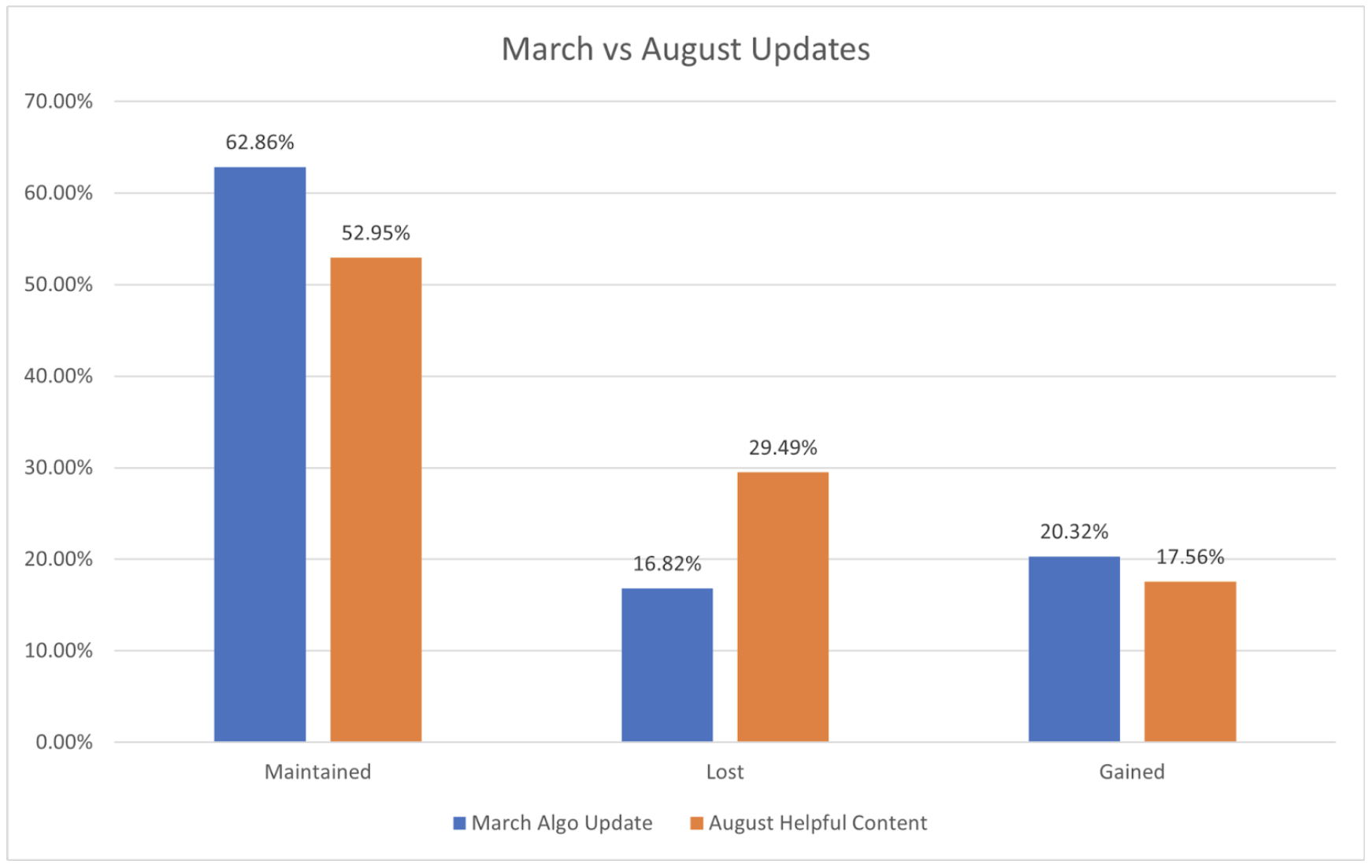
    March vs August Google Updates

    A few things immediately stand out.  First, there was much less turnover and volatility during this update.  Nearly 63% of the keywords we looked at fell in the “maintained” group, compared with only 53% during the August Helpful Content Update.

    When only looking at those in the Top 10 Rankings before the update, 78% of those keywords were still in the Top 10 following the update!

    Next, significantly fewer keywords dropped out of the Top 10 following this update compared to August.  And more keywords jumped into the Top 10 following this update as well.  All that to say, there was a lot more good than bad – which is always a win following a large-scale update.

    The overall impact is a net positive for Carrot sites – with more sites, URLs, and keywords in the Top 10 following the March Core Algorithm Update.

    What ranking positions were most impacted?

    Generally, we saw consolidation at the top of the search results page – meaning that more URLs and keywords improved their rankings within the Top 10 than those whose Top 10 rankings got knocked.
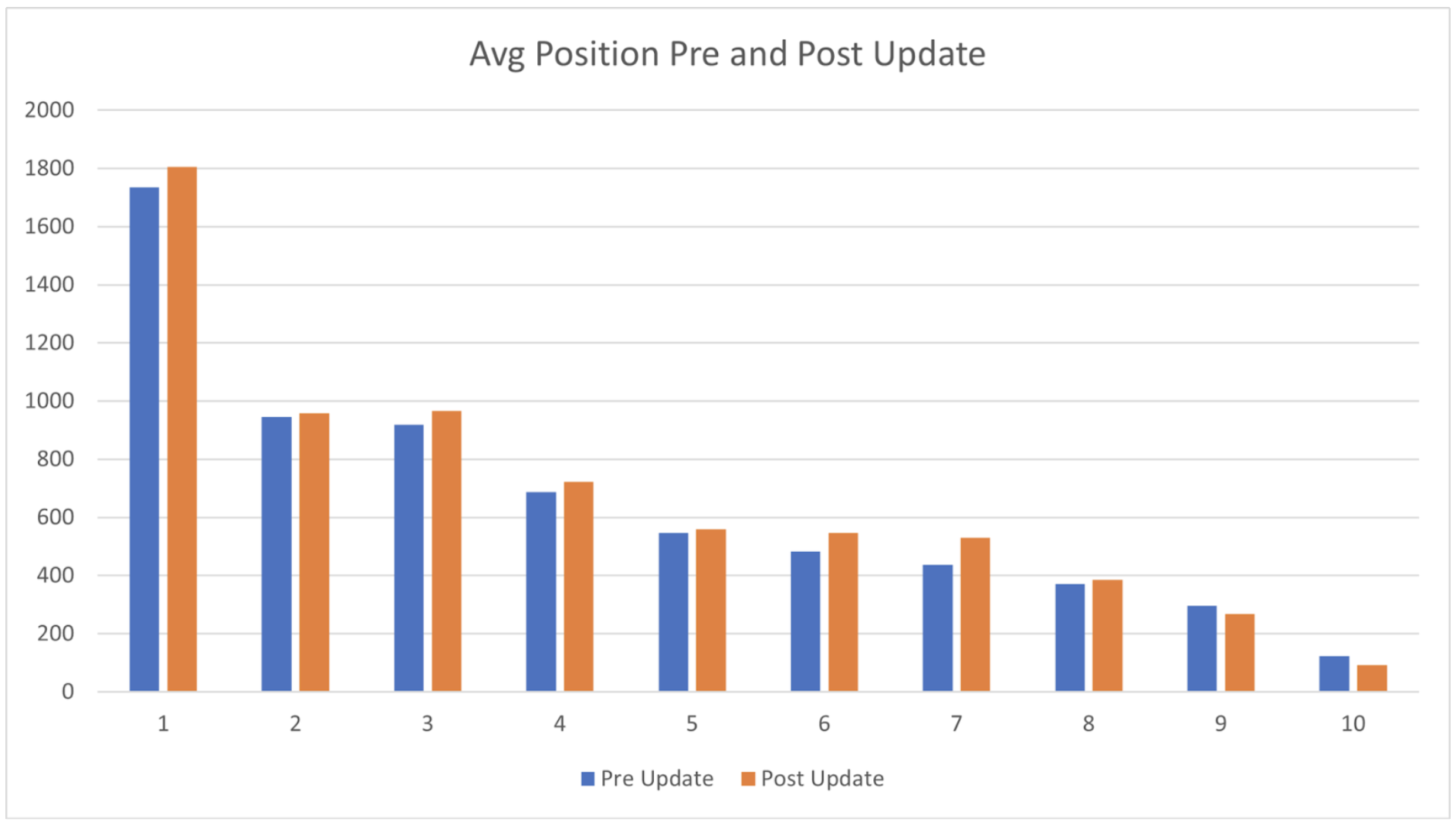
    Average position pre and post March 2023 update

    For positions 1 through 8, more keywords were ranking in that position following the update than before it.  We see this especially play out in the Top 3 rankings results.  The number of first-position keywords tracked through our Rank Tracker Tool grew to 1800+!

    This wasn’t only true because more keywords jumped into the Top 10, either!  The group of keywords already in the Top 10 before the update showed fairly significant positive growth toward the top of the search results page as well.
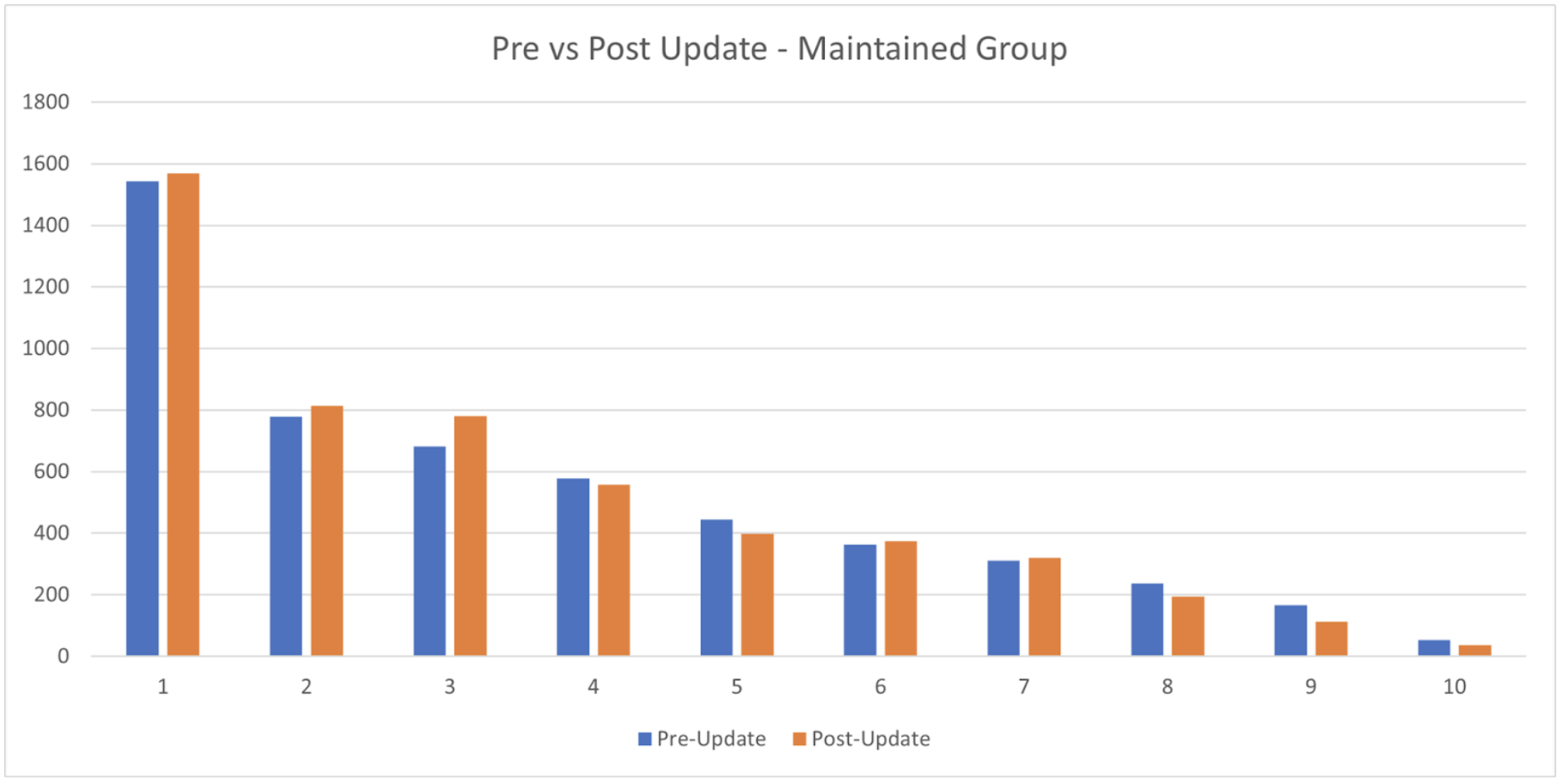
    Pre vs post Google Algorithm update - maintained group

    Overall, there was no rhyme or reason to which rankings positions were impacted.  The spread of keywords that dropped out of the Top 10 was pretty evenly spread in terms of the position they sat prior to the update.
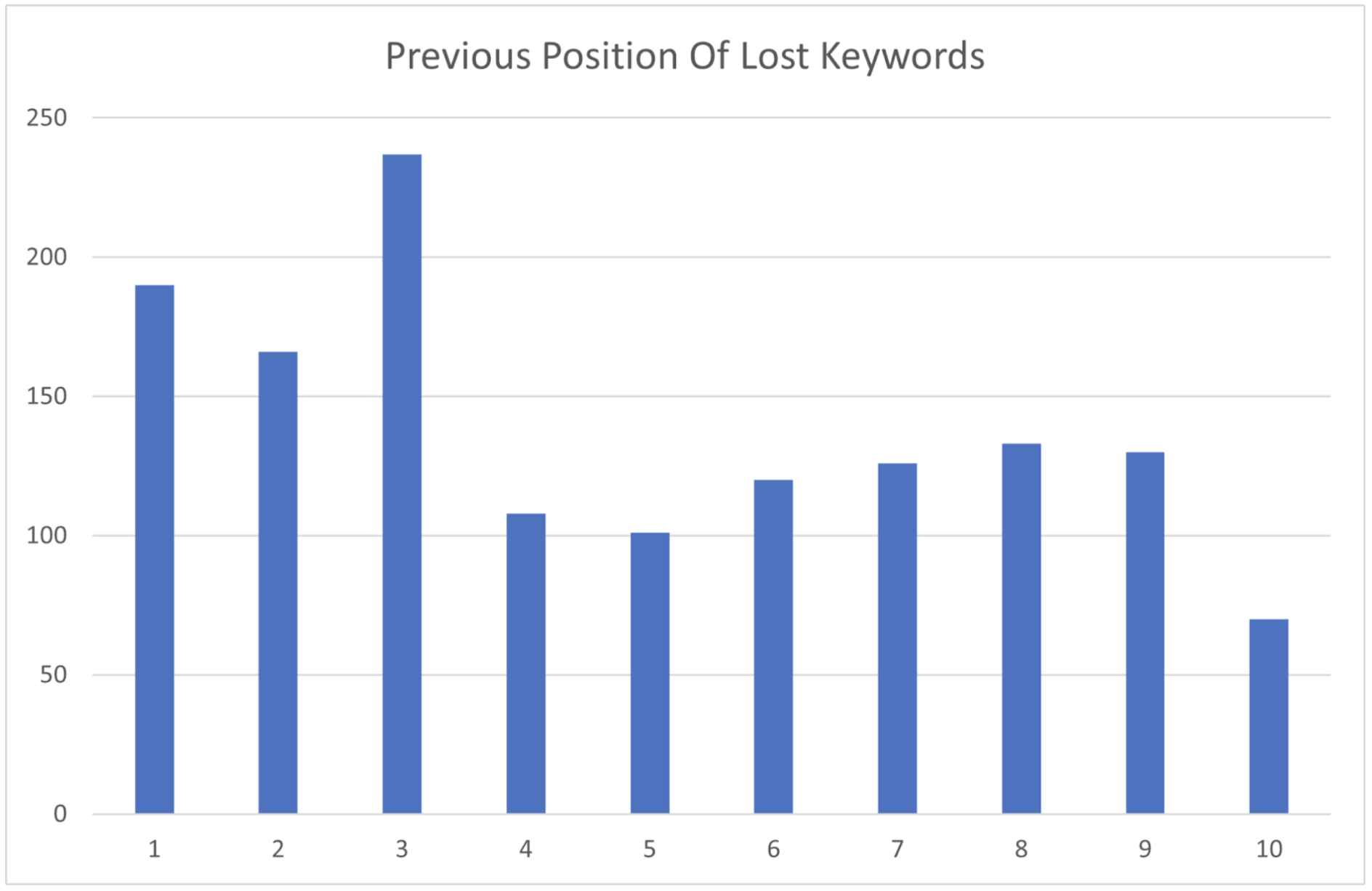
    March Google Algorithm Update previous position of lost keywords

    Similarly, the keywords that “jumped” into the Top 10 following the update were spread across the board.  Instead of only barely cracking the Top 10, some skyrocketed to the top one to three slots.
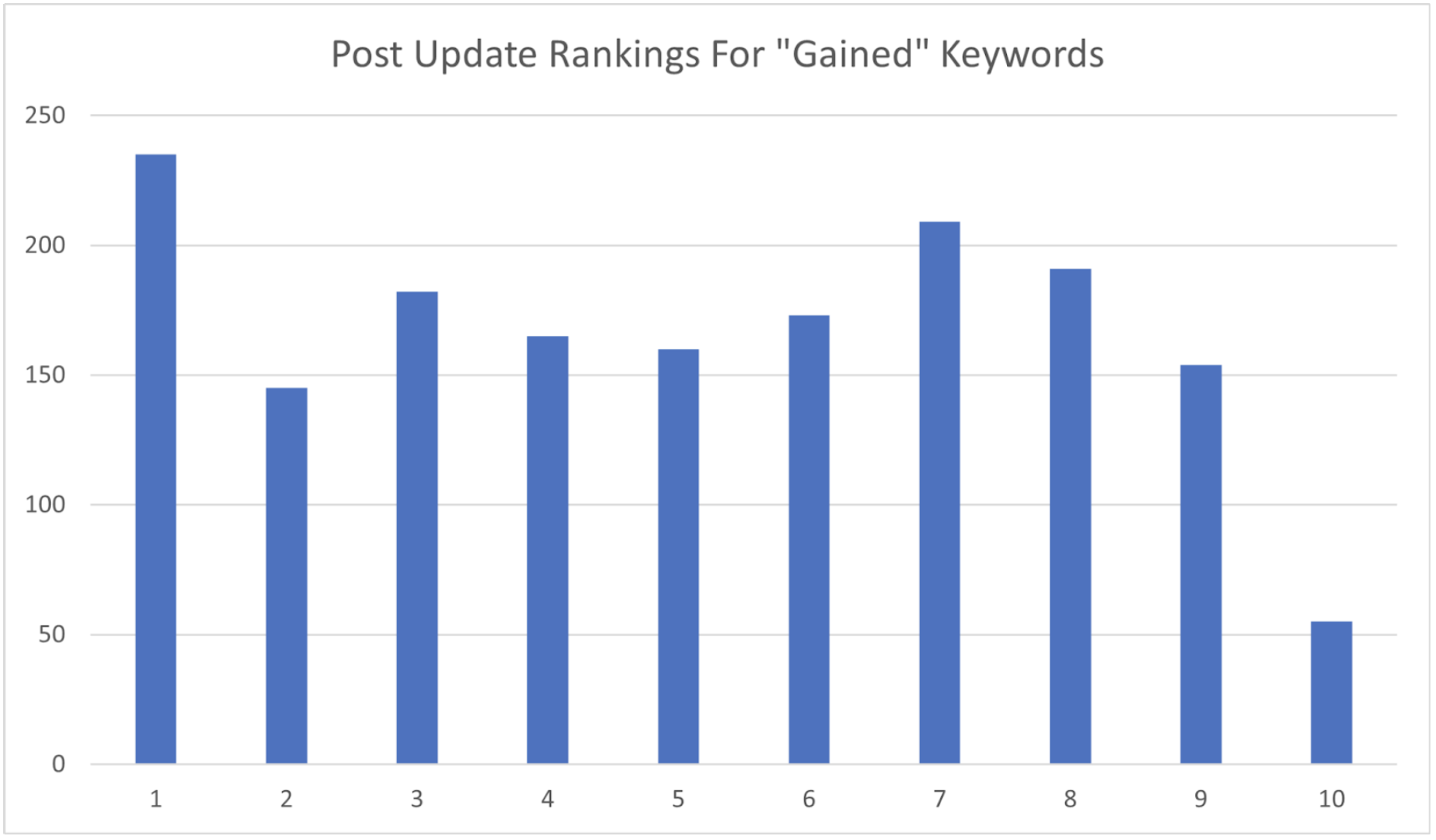
    Post Google 2023 update rankings for gained keywords

    Were any specific phrases impacted more than others?

    The short answer is … not really.  

    We took all of the search phrases and keywords that we analyzed, stripped out location-specific information, and performed some topic modeling to get an idea of what general “types” of search phrases were either lost or gained during this update.  There wasn’t a huge difference, but that may tell us even more about the details of this update!

    Note: the phrases in the “theme” column in each of the following graphics aren’t the search phrases themselves.  They’re just general topics representing many of the tracked keywords themselves.

    Theme

    Sell house fast

    Buy and sell houses quickly

    Cash buyers and reviews

    Avoiding foreclosures and wholesale properties

    Homes and properties in specific locations

    Real estate solutions and investment group

    Homes for rent and mobile homes

    Real estate buyers and cash offers

    Worth, homes, and properties in specific locations

    Inherited properties

    Count

    376

    301

    85

    76

    76

    42

    34

    23

    0

    0

    Topic models for lost keywords – as to be expected, we see a lot relating to primary Motivated Seller phrases.

    Theme

    Sell house fast

    Buy and sell houses quickly

    Cash buyers and homes for sale

    Houses for sale in specific locations

    Real estate solutions and investment group

    Inherited properties and selling homes

    Houses for sale in Florida

    Real estate buyers and foreclosures

    Real estate buyers and home buying process

    Real estate buyers and homes for sale in New Jersey

    Count

    560

    406

    346

    198

    127

    125

    88

    72

    43

    0

    And similarly, the topic models for “gained” keywords.  Overall, we see much of the same.

    In theory, we shouldn’t expect a ton of difference in “lost” and “gained” keywords or search phrases during a Core Algorithm Update.  That’s because these core updates aren’t focused on keywords themselves. Instead, they’re more broad-based and focus on website-based factors like E-E-A-T scores, high-quality backlinks using methods like HARO, and good, relevant content all-around.

    How should you respond to this update on your own site?

    There are a lot of unknowns when it comes to a Google Core Algorithm update.  Google certainly doesn’t reveal their “secret sauce.”  But because we know that they are generally focused on website-based factors like E-E-A-T scores, it is always a good idea to take a look at these things if the March Update negatively impacted your site.

    1. Content Quality – Ensure your content is unique, valuable, and informative to users.  Make sure it is up-to-date and in-depth.  Also, make sure it’s still relevant to what the end user may be searching for.  When it comes to SEO, you can never lose by taking another look at the quality of your content.
    2. Write with E-E-A-T in mind – E-E-A-T stands for Experience, Expertise, Authoritativeness and Trustworthiness.  Especially in the real estate space, showcasing credibility and expertise is increasingly important to capture top-ranking spots.  Build out your “About Us” page.  Highlight some testimonials from past clients.  Tell readers about how you are uniquely – and authoritatively – positioned to help them.  This matters just like relevant content!
    1. Check your backlink health – Any spammy or low-quality links in your backlink profile?  These could harm your site’s reputation and knock you down the search results page.  Disavow any spammy or low-quality links and make a plan to acquire some high-quality ones.

    We’ll call this round a win for Carrot.

    In the never-ending battle to secure the top spots on the Google search results page, we call the March Algorithm Update an overall win for Carrot websites and customers.

    More customers, more domains, and more keywords are ranking in the Top 10 after the update than prior to it.  And even better, more keywords are in the #1 spot at the top of the page!

    Be on the lookout for more reports like this as we put our first-class Ranking Tool – and the reservoir of data it creates – to use to keep you informed about what’s happening across the SEO landscape.

    Ready to take your real estate business to the next level?

    Join Carrot today and experience the power of a proven platform that generates leads and boosts your online presence.

    With Carrot, you get access to top-notch features like SEO keyword tracking, customizable websites, and lead management tools designed to help you close more deals and grow your business. Our world-class support team can always answer your questions and help you succeed.

    Join Carrot now and start winning in the competitive world of real estate.

  • How To Identify & Eliminate Keyword Cannibalization To Boost Your SEO

    How To Identify & Eliminate Keyword Cannibalization To Boost Your SEO

    Welcome to Carrot’s very first Tactical Guide! This new form of content will take you deep into the tactical SEO work supporting our overall real estate website’s SEO strategy

    In this guide, you’ll learn how to ensure your blog posts aren’t hurting your rankings by “cannibalizing” your core conversion pages – making your website compete against itself while competing against your competitors.

    What is Keyword Cannibalization?

    Keyword cannibalization is a common problem that can significantly impact any website’s search engine optimization (SEO) efforts. It occurs when multiple pages on a website compete for the same keyword or set of keywords, which can confuse search engines and users alike.

    As a result, a website’s search engine rankings may suffer, leading to decreased traffic and lower conversion rates. In this post, we’ll take an in-depth look at what keyword cannibalization is, the different types of it, and, most importantly, how to identify and fix it on your website to improve your SEO efforts.

    Before you read this post, I highly recommend watching this video on keyword cannibalization. The video will provide valuable insights into identifying, resolving, and preventing keyword cannibalization issues. By watching the video, you will better understand this topic and be better equipped to avoid such problems.

    How to Defend your SEO Rankings from Keyword Cannibalization | Carrot SEO Case Study

    Why is Keyword Cannibalization Bad?

    Keyword cannibalization can negatively impact your website in many ways, including:

    • Diluting your website’s authority: When multiple pages target the same keyword, search engines must decide which page to rank for that keyword. This can lead to a dilution of your website’s authority and a decrease in rankings.
    • Creating confusion for users: When multiple pages on a website target the same keyword, users can become confused as to which page to visit for the information they’re seeking.
    • Wasting resources: When a website has multiple pages targeting the same keyword, it wastes the opportunity for your posts to rank for additional keywords.

    How Do You Know If You’re Affected by Keyword Cannibalization?

    One important note: Keyword Cannibalization is not something you need to worry about if your website is newly published. These signs are common and even expected for newer sites! This is only an issue if your site is over 1 year old and you’ve been following along with our SEO best practices but not yet seeing results.

    There are a few signs that your website may be affected by keyword cannibalization, including:

    1. Fluctuating or Declining Rankings: If multiple URLs on your website target the same keywords, search engines may have difficulty determining which page is most relevant, resulting in fluctuating or declining rankings.
    2. Lower Click-Through Rates: If multiple URLs on your website compete for the same keywords, users may be confused about which page to click on, resulting in lower click-through rates.
    3. Duplicate Content: If your website has multiple URLs with similar or identical content, search engines may flag this as duplicate content, resulting in your post not being indexed.

    If you notice any of these signs, it’s a good idea to keep reading and quickly implement the steps in this guide.

    How to Detect Keyword Cannibalization (KWC) on Your Website

    Before we jump into the tactical steps of fixing keyword cannibalization, let’s do a quick check to see if this is a problem for you in the first place: 

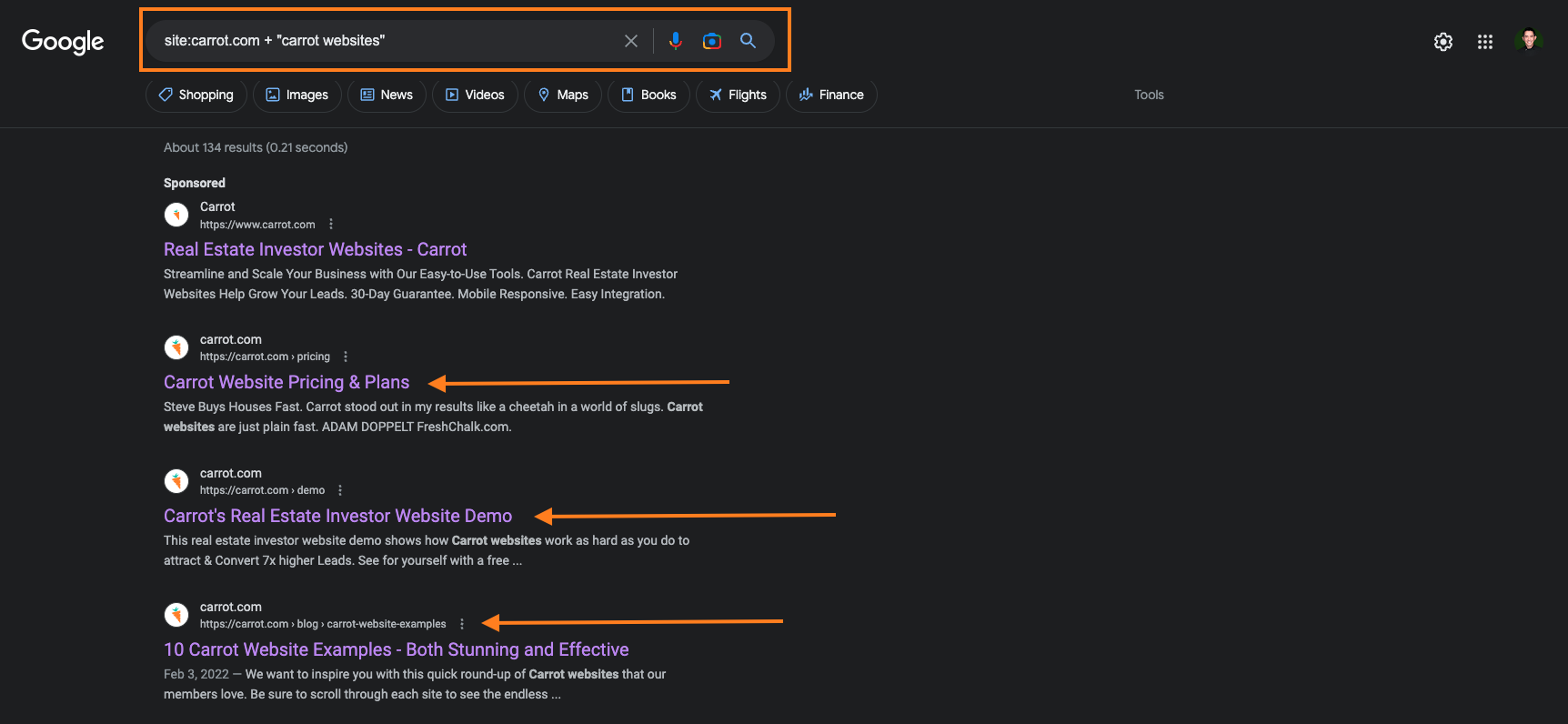
    Open up a browser window and type in site:yourdomain.com + “target keyword”

    This will bring up only pages on your website that are related to the target keyword. Be careful here, as Google will serve up any page or post vaguely related to the keyword you typed in. Just because you see many pages/posts here doesn’t necessarily mean it’s a real keyword cannibalization issue. 

    If you see ANY pages or posts on the search engine results page that aren’t what you intended, you can move on to the next steps.

    Using Google Search to identify keyword cannibalization.

    Now that you know that you’re being affected by keyword cannibalization, how do you detect which pages and relevant keywords are to blame? 

    There are a few premium tools that you can use to quickly identify if you’re being affected by keyword cannibalization – namely SEMrush & Ahrefs. While these tools make the discovery process quick & easy, they don’t make fixing keyword cannibalization problems any easier. So for the sake of this guide, we will use a free tool: Google Search Console

    If you don’t have Google Search Console installed on your website, you can follow our guide or reach one of our Support Heroes at support@carrot.com for guidance.

    How to Find Multiple Pages Ranking for the Same Keyword

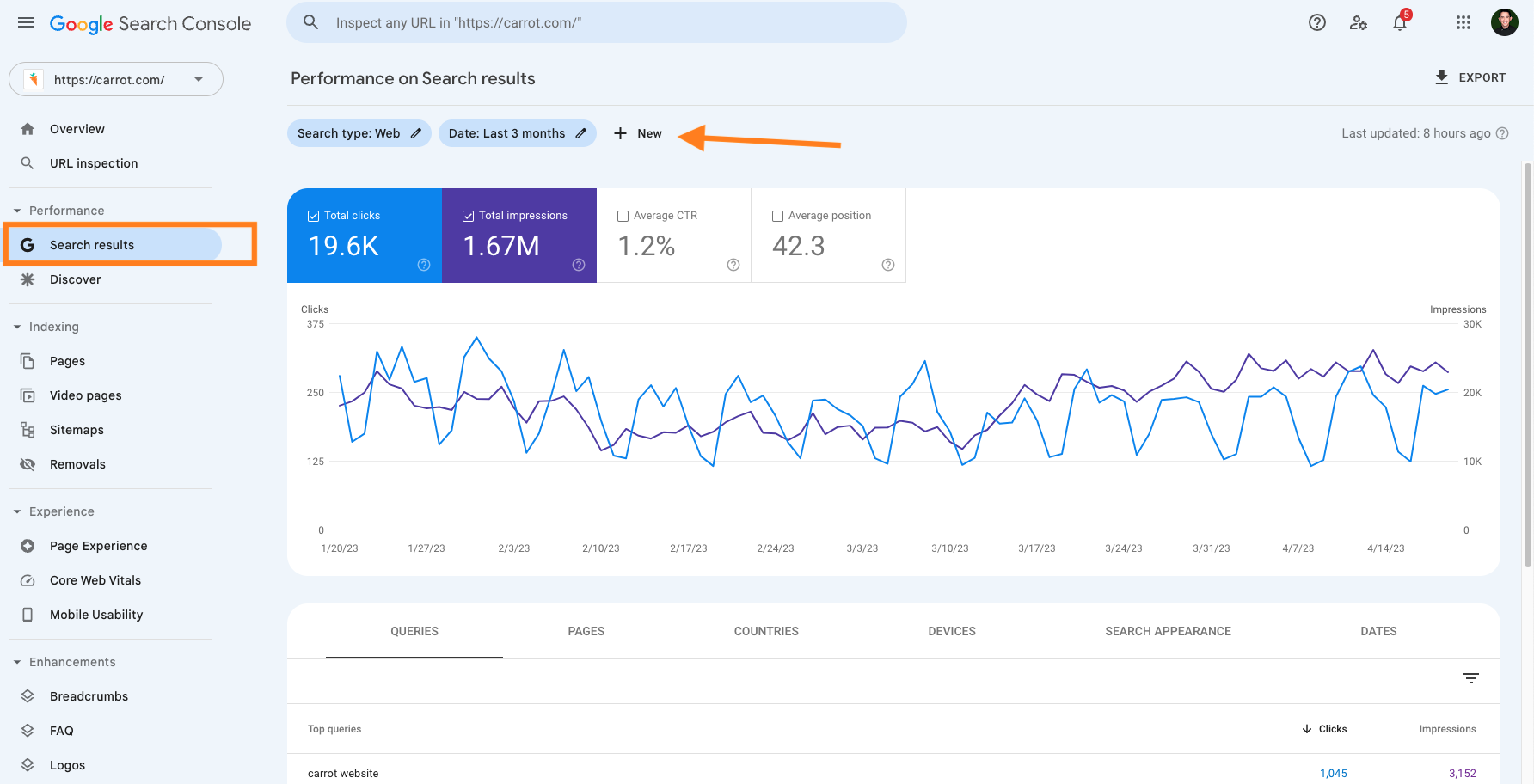
    Once logged in, navigate to the “Search Results” tab on the left-hand side. Then click “New” at the top of the screen and select “Query…”:

    Google Search Console dashboard being used to identify keyword cannibalization.

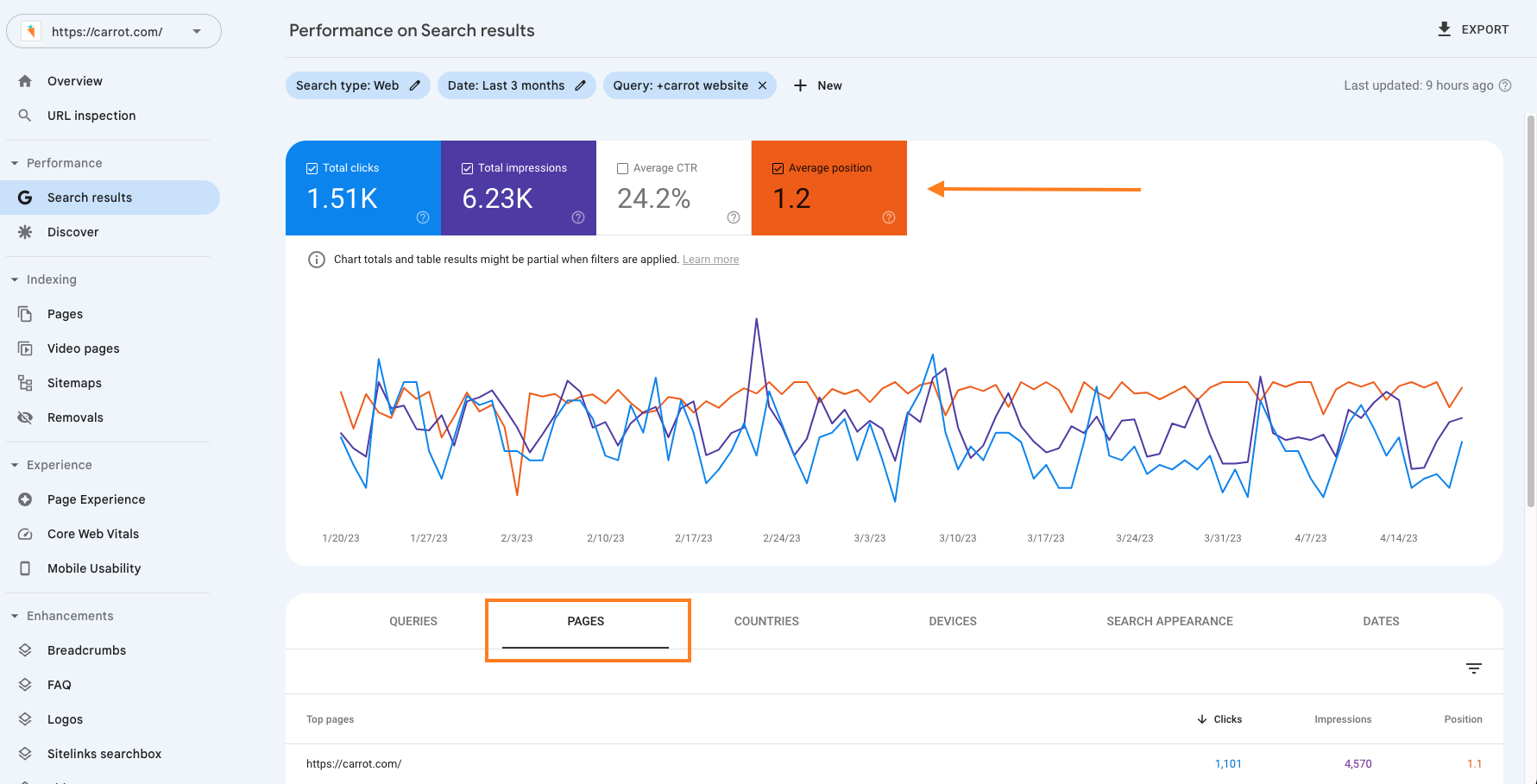
    Type in one of your focus keywords that fluctuates rankings and click “Apply.” Make sure to check the box that says “Average Position.” Then, select the tab that says “Pages.”

    Google Search Console dashboard being used to identify pages affected by keyword cannibalization.

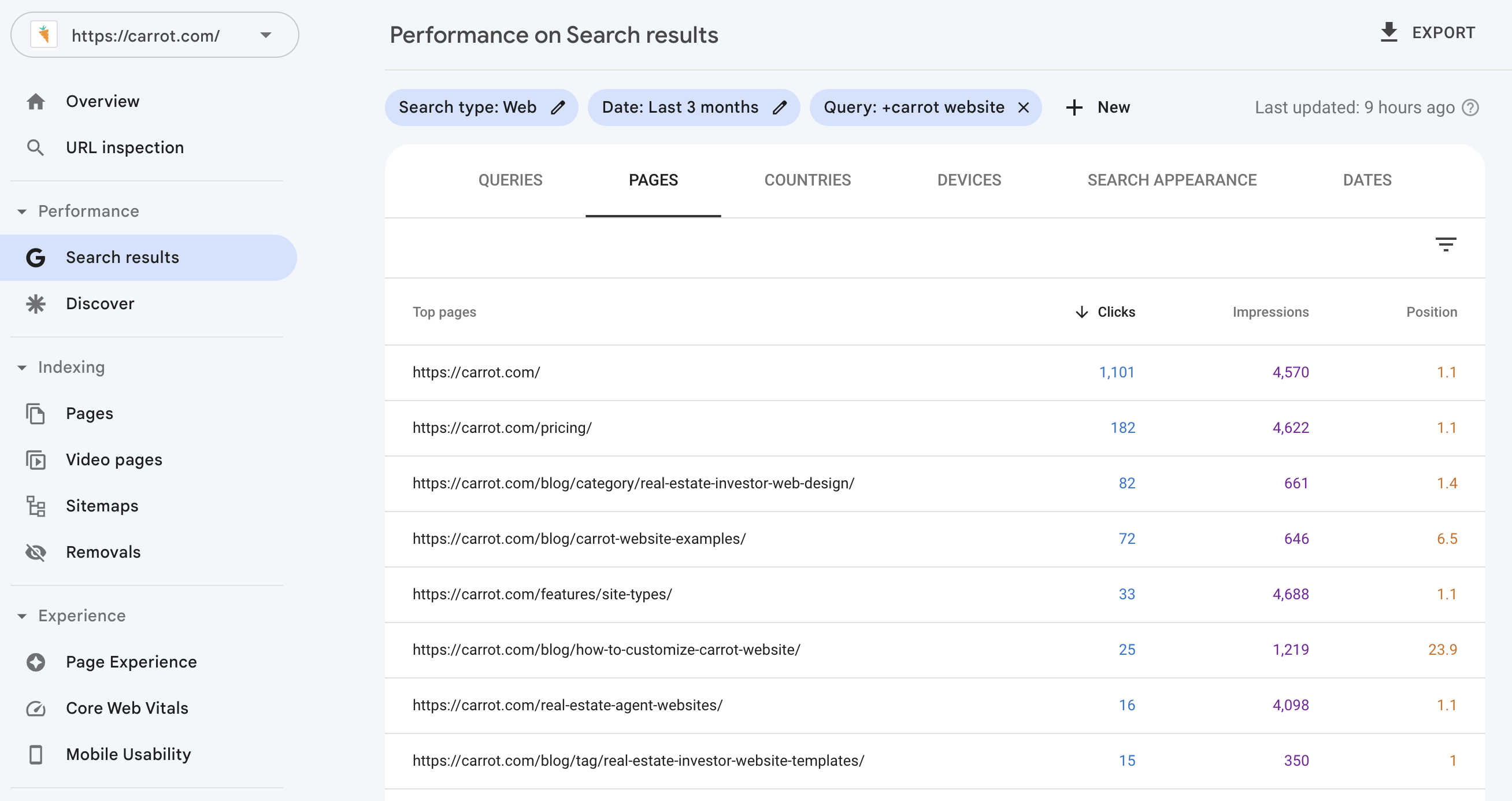
    Once you scroll down, you should see all of the pages on your website competing for the keyword you entered.

    Google Search Console list of pages being affected by keyword cannibalization.

    The next step is to determine which page should get the focus keyword, based on a few factors, in priority order:

    • Search Intent
    • Page Type – Core Conversion Pages, Location Pages, Situation Pages, and Blog Posts
    • Average Position
    • Clicks

    There is a lot to consider here, but we will make this process as simple as we can! These keywords typically rank on these pages because they match the search intent, but sometimes Google gets it wrong. 

    If you have a blog post competing for the same keyword as your Situation Page, then the post needs to change or be deleted.

    In case you’re unfamiliar with our Situation Pages, they are:

    1. Selling a House in Probate
    2. Selling a House With Code Violations
    3. Selling a Fire Damaged House
    4. Selling Inherited Property
    5. How to Sell a House by Without a Realtor
    6. How to Sell Rental Property
    7. Can I Sell My House If It’s in Foreclosure
    8. Selling a House During Divorce
    9. How to Sell a Hoarder House
    10. Can You Sell a Condemned House
    11. How to Sell Rental Property with Tenants
    12. Taxes On Selling A House

    Generally speaking, you should prioritize Search Intent and Page Type above all else.

    After looking at your Google Search Console report, you might be confused about how these pages cannibalize each other. So let’s talk about the different types of keyword cannibalization. 

    Understanding the Types of Keyword Cannibalization

    SEO strategies and SEO tips are technically different topics. Well, it depends. Sometimes keyword variations like “strategies” vs. “tips” will serve different search intents, but other times they will do the same search intent. This is where understanding the different types of keyword cannibalization is crucial.

     Several different types of KWC can occur, including:

    Exact Match Keywords

    Exact match keyword cannibalization happens when multiple pages on a website are targeting the same exact keyword. For example, if a website has two pages targeting the keyword “best SEO practices,” this can lead to confusion for search engines and users alike.

    Partial Match Keywords

    Partial match keyword cannibalization happens when multiple website pages target a partial match of the same keyword or similar keywords. For example, if a website has two pages targeting “SEO tips” and “SEO strategies,” both pages target the same topic and can cannibalize each other.

    Synonym Keywords

    Synonym keyword cannibalization happens when multiple pages on a website target different synonyms of the same keyword. For example, if a website has two pages targeting “search engine optimization” and “SEO,” both pages target the same topic but use different synonyms, which can cannibalize each other.

    Long-Tail Keywords

    Long-tail keyword cannibalization happens when multiple pages on a website target long-tail variations of the same keyword. For example, if a website has two pages targeting “best SEO practices for small businesses” and “SEO tips for small businesses,” both pages are targeting the same topic but using different long-tail keyword variations, which can cannibalize each other.

    Intent-Based Keywords

    Intent-based keyword cannibalization happens when multiple pages on a website target the same intent or purpose, even if the keyword itself is different. For example, if a website has two pages targeting “SEO for beginners” and “SEO 101,” both pages target the same intent, which can cannibalize each other.

    Sometimes these types of SEO keyword cannibalization can overlap, but it is important to eliminate the issue. 

    How to Fix Keyword Cannibalization

    Depending on the situation, there are several ways to fix keyword cannibalization issues. So let’s cover those situations and their solutions.

    Situation #1: You have 2 or more pages ranking for the keyword, but you need to keep both pages. 

    This is probably the most challenging situation to fix, but likely also the most important. The best solution for this situation is to create a link from the incorrect page to the correct page, using the exact keyword as the anchor text. 

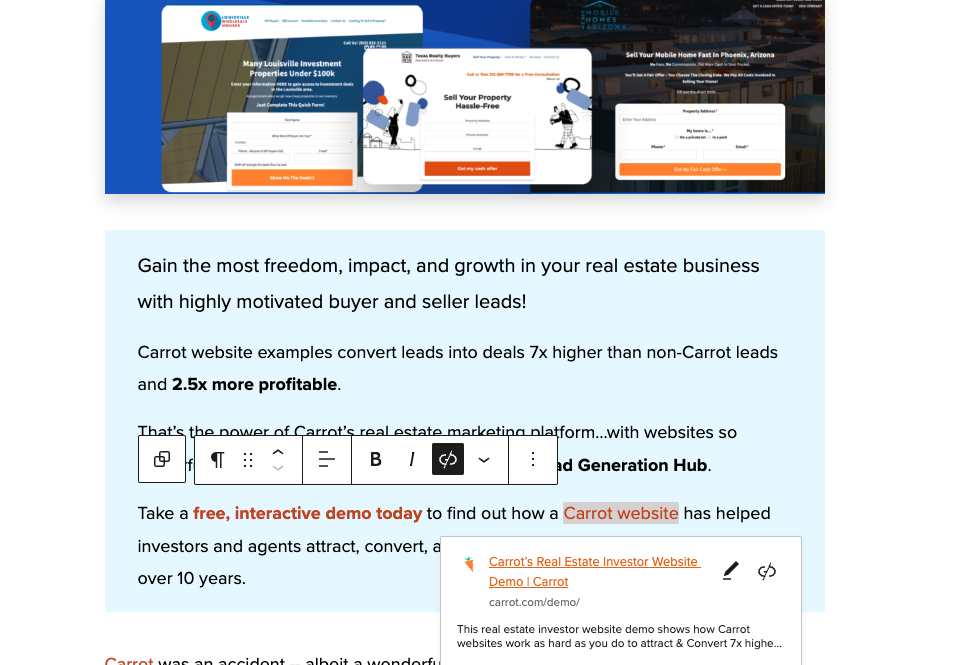
    Carrot website demonstrating how to add an internal link to fix keyword cannibalization.

    For this example, we have carrot.com/blog/carrot-website-examples/, and we need to create a link to carrot.com/demo. 

    1. Find or add text that matches your keyword in your post’s body copy. In this example, it’s “Carrot website.”
    2. Highlight that text and click the “Link” button. It looks like a chain link. 
    3. Paste the page URL that is supposed to rank for your target keyword. In this example, it’s carrot.com/demo.
    4. Press ‘Enter’ and then press the ‘Update’ button in the top right corner of the screen. 

    Creating a link that uses the exact match keyword as the anchor text sends Google a signal that you want it to rank the other page instead of this one. 

    The difficulty is that this doesn’t always work, especially if only one page cannibalizes the keyword. This tactic is the most effective when multiple pages send the link signal to Google. 

    Situation #2: You have 2 or more pages ranking for the keyword and don’t need to keep both pages. 

    This situation has two possible solutions:

    • Change the target keyword & content on one page to target a different search intent.
    • Combine the content of both pages & redirect the wrong page’s URL to the right page.

    Change the Keyword & Content

    If you want to change the keyword & content, you first need to find a new keyword related to the original target but serving a different search intent. The best way to do that is to use ChatGPT. 

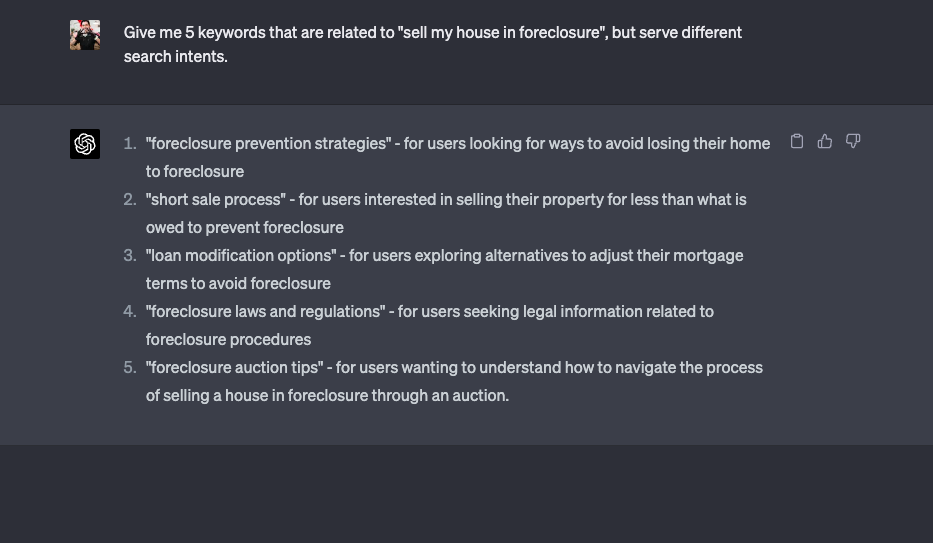
    Let’s say, for example, that you have two blog posts targeting the keyword “sell my house in foreclosure.” One of those posts needs to change, but it should still be about the general topic of avoiding foreclosure. 

    1. Go to ChatGPT
    2. Type in “Give me 5 keywords that are related to __________, but serve different search intents.”
    3. Pick one that you can quickly write about and use it to modify your existing blog post. 
    Using ChatGPT to fix keyword cannibalization by changing the blog topic to something relative, but satisfying a different search intent.

    For this example, “foreclosure prevention strategies” or “short sale process” would be perfect for changing the keyword and content!

    Once the changes are made, publish the post and monitor both URLs in Google Search Console.

    Combine the Content & Redirect

    If you want to combine the content of both pages and create a redirect, you need to decide which URL you will keep first. 

    Generally speaking, you should keep the URL with the most impressions and clicks. However, for this solution, you also need to check for backlinks.

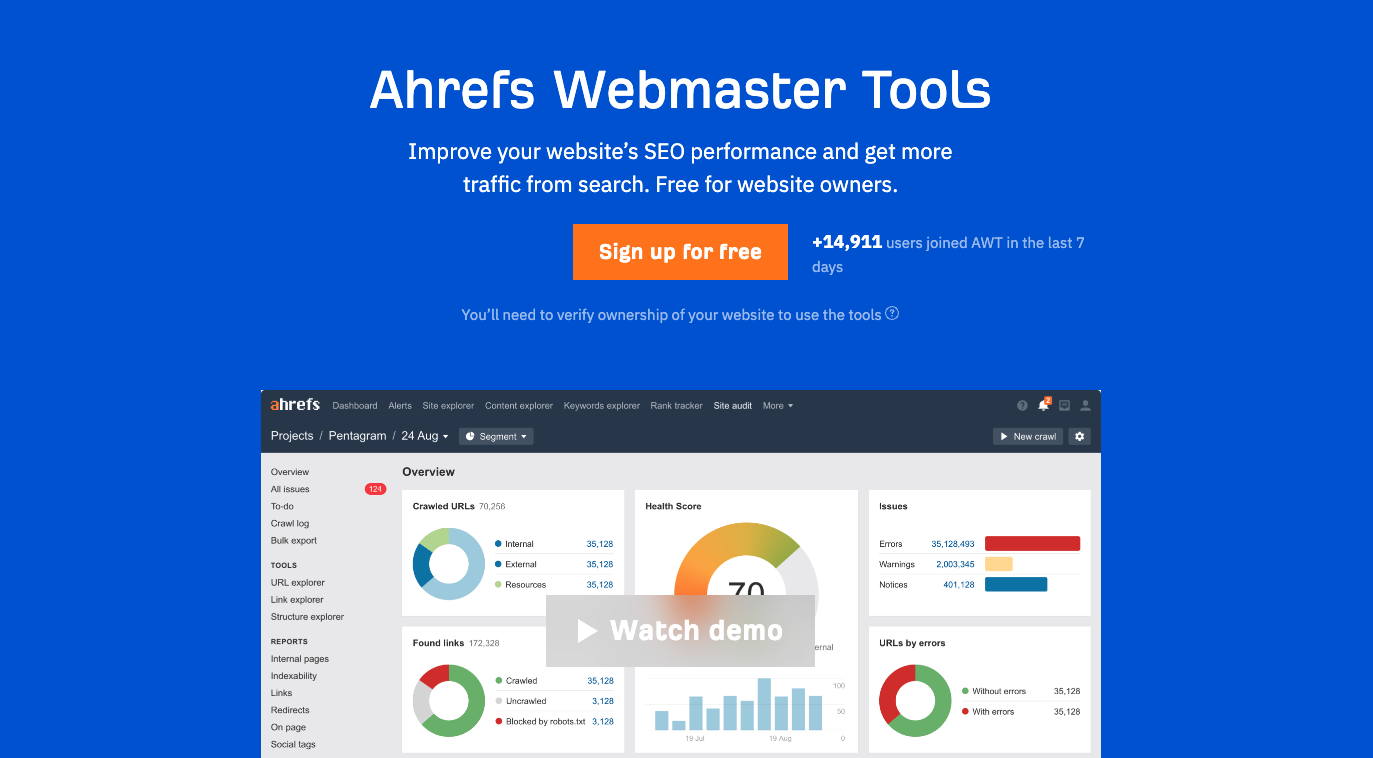
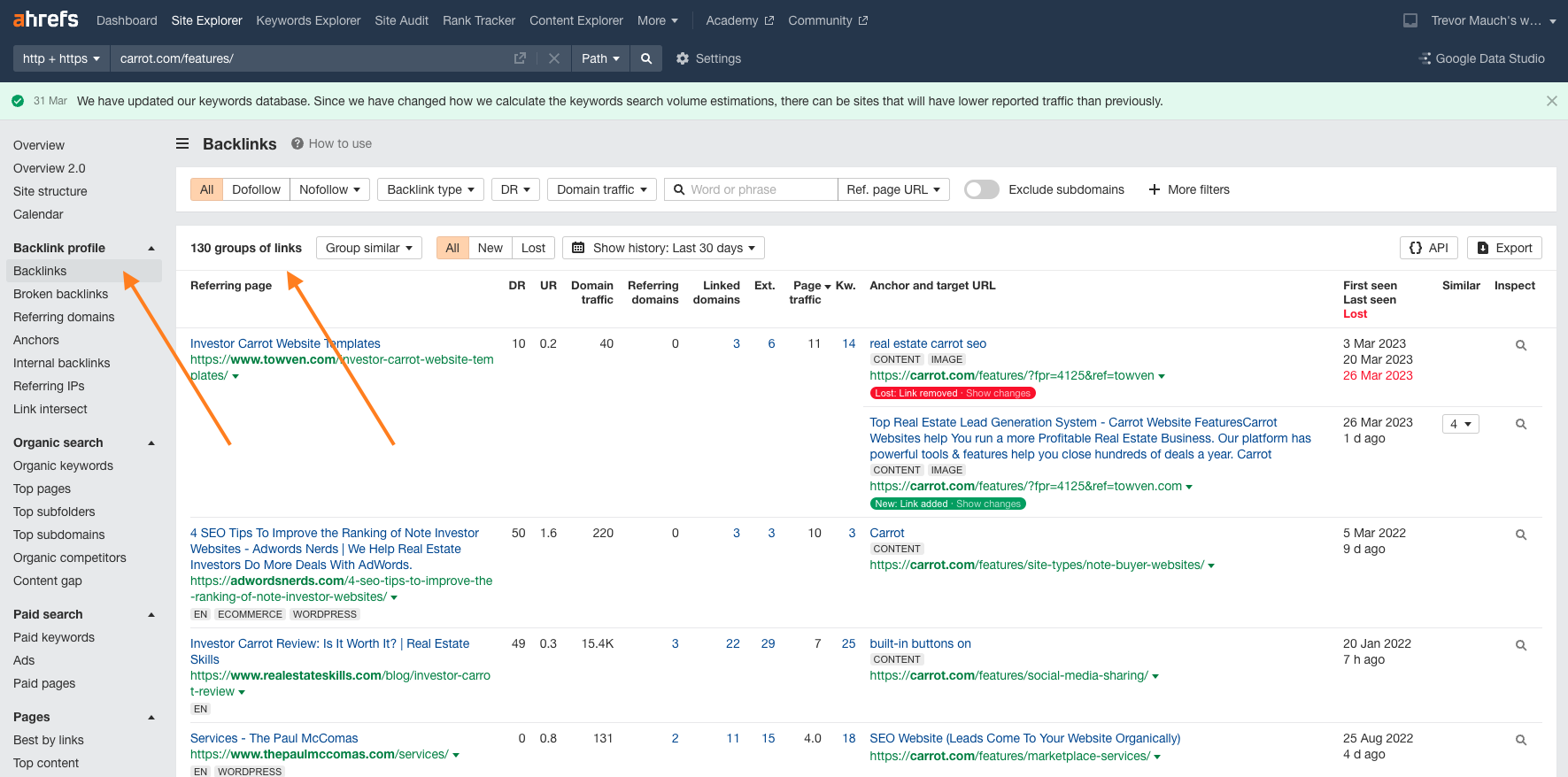
    Fortunately, the Ahrefs Webmaster Tools is free to sign up for and use! You can see all of the backlinks pointing to your site and whether or not a specific page has backlinks.  

    Ahrefs Webmaster Tools dashboard

    To see if your URL has any backlinks, follow these steps:

    1. Navigate to the Site Explorer Tab.
    2. Type in your URL and press the orange button.
    3. Navigate to the tab on the left-hand side that says “Backlinks.”
    Ahrefs dashboard showing how to identify backlinks for a Carrot investor website.

    Repeat those steps for both URLs and decide which URL you want to move forward with vs. which URL will be redirected. 

    Copy and paste the content from the URL you want to redirect to the URL you want to keep until you have salvaged as much info as you want. 

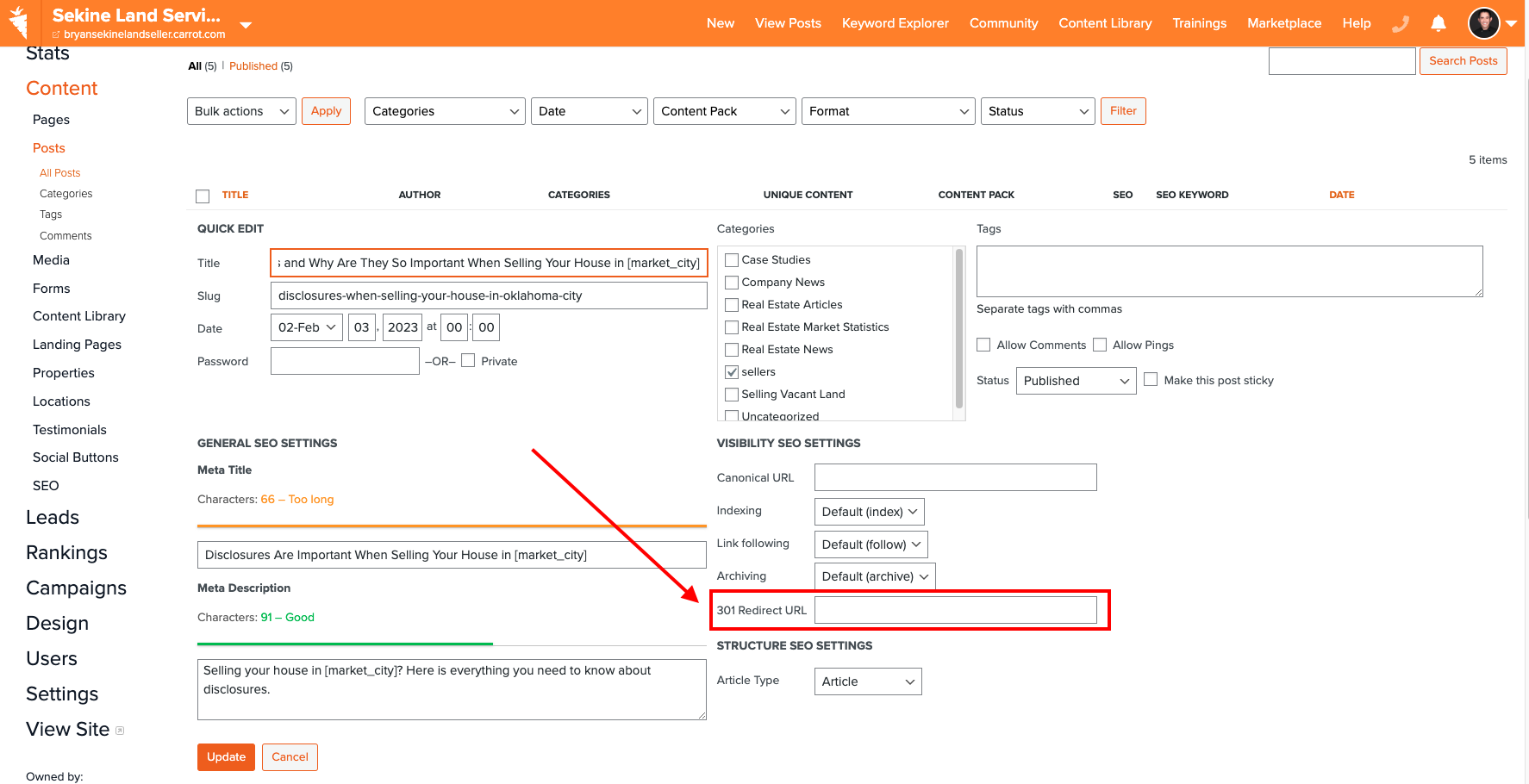
    Next, we need to create a 301 redirect. 

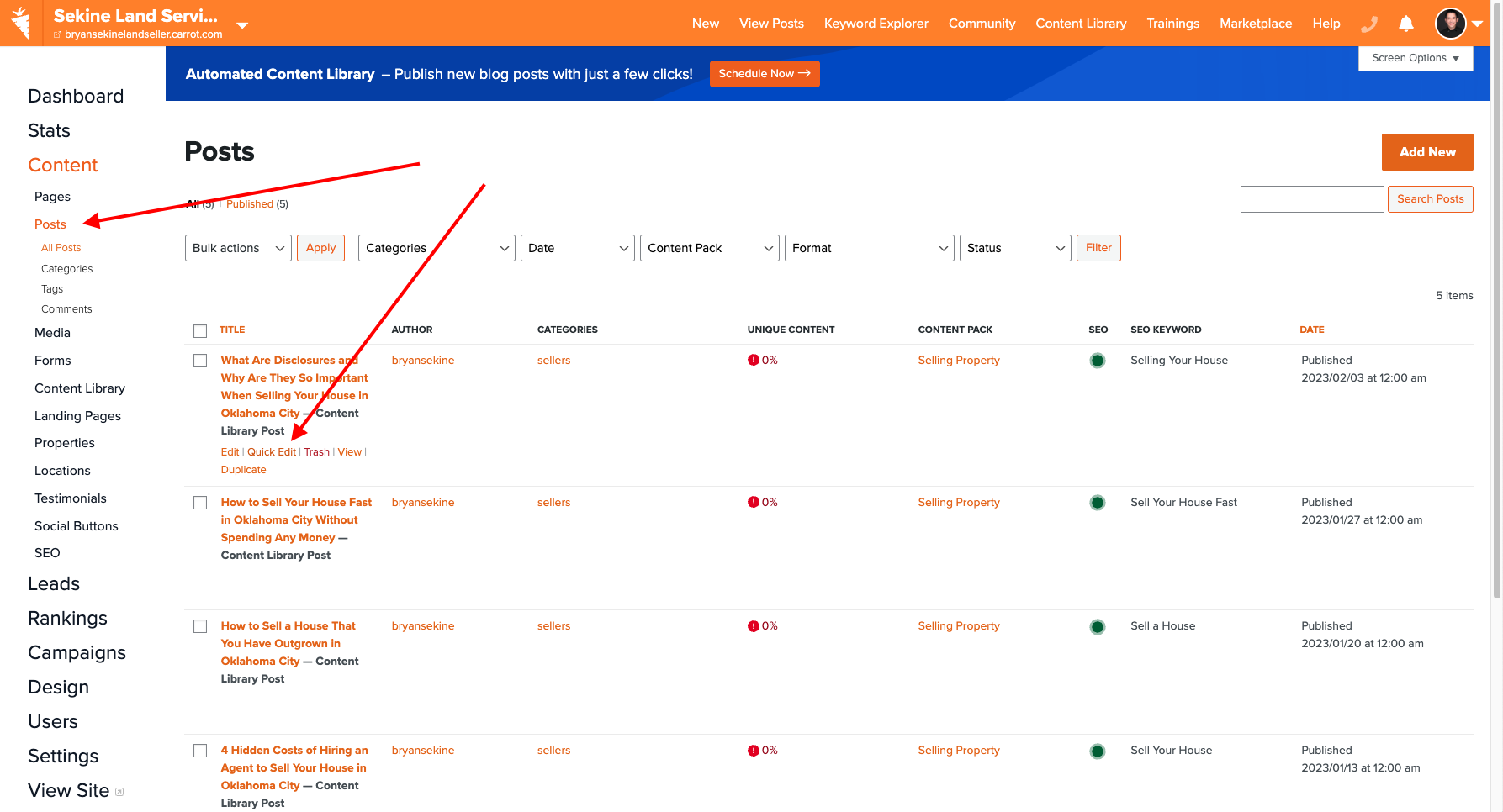
    1. Copy the URL of the blog post that you want to keep.
    2. Navigate to the blog post section of the Content tab inside your Carrot App.
    3. Find the blog post that you want to redirect. 
    4. Hover over the post title and select “Quick Edit”
    5. Paste the URL of the post you want to keep in the “301 Redirect URL” field. 
    Carrot website dashboard showing how to edit a blog post to fix keyword cannibalization issues.
    Carrot website dashboard showing how to add a 301 redirect to solve the issues of keyword cannibalization.

    That’s it! The URL of the post you want to get rid of will redirect to the URL you want to keep. 

    Situation #3: You have 2 or more pages ranking for the keyword, but one of those pages doesn’t need to rank at all. 

    This situation might initially sound confusing, but let’s say you have an old blog post competing with one of your situation pages. The blog post doesn’t necessarily have to rank, but your situation does. 

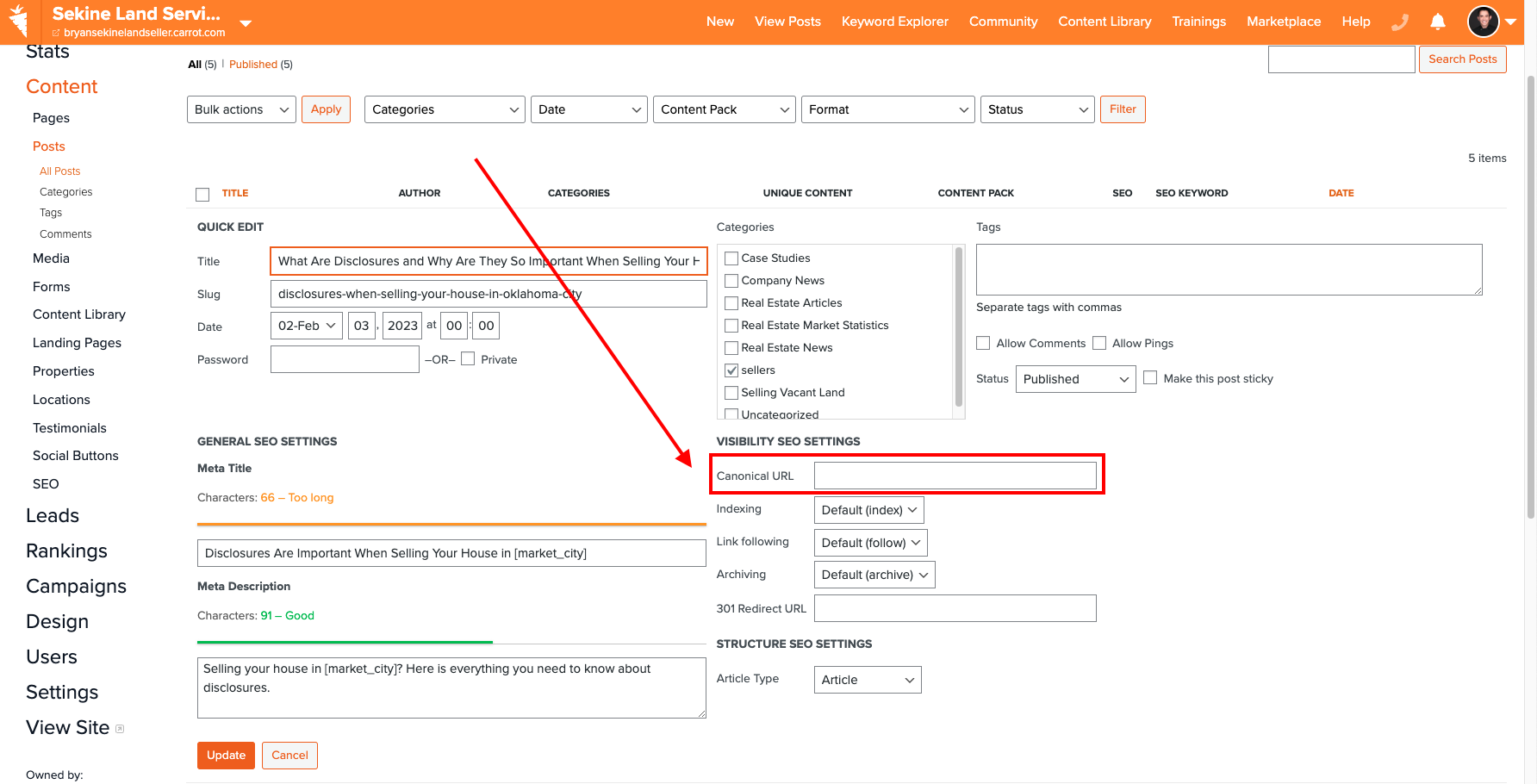
    The solution is to create something called a canonical tag. A canonical tag is an HTML element that tells search engines which version of a web page is preferred – in case of duplicate or similar content.

    To create a canonical tag, you follow very similar steps to creating a 301 redirect:

    1. Copy the URL of the blog post that you want to rank
    2. Navigate to the blog post section of the Content tab, inside your Carrot App
    3. Find the blog post that you DON’T want to rank
    4. Hover over the post title and select “Quick Edit.”
    5. Paste the URL of the blog post that you want to rank in the “Canonical URL” field
    Carrot's real estate investor website showing how to add a canonical tag to a post that is causing keyword cannibalization with another post.

    These are the 3 most common keyword cannibalization situations and their solutions. Next, we need to be able to confirm that the changes are working!

    Confirm the Keyword Cannibalization Problems are Fixed

    The time it takes for keyword cannibalization fixes to take effect can vary depending on several factors, including the issue’s complexity, the number of affected pages, the size of your website, and how quickly search engines crawl and index your site. Generally, you can expect to see some initial impact within a few weeks to a few months after implementing the changes.

    To confirm that your keyword cannibalization fixes have taken effect, follow these steps:

    1. Document the changes: Keep a spreadsheet of your changes to fix keyword cannibalization issues. This will help you track the improvements and compare the results with the previous metrics.
    2. Monitor keyword rankings: Login to your Carrot App at least once a week and note any changes in your spreadsheet. Observe the changes in the rankings for the affected pages after implementing your fixes. Improved rankings will indicate that your changes have taken effect!
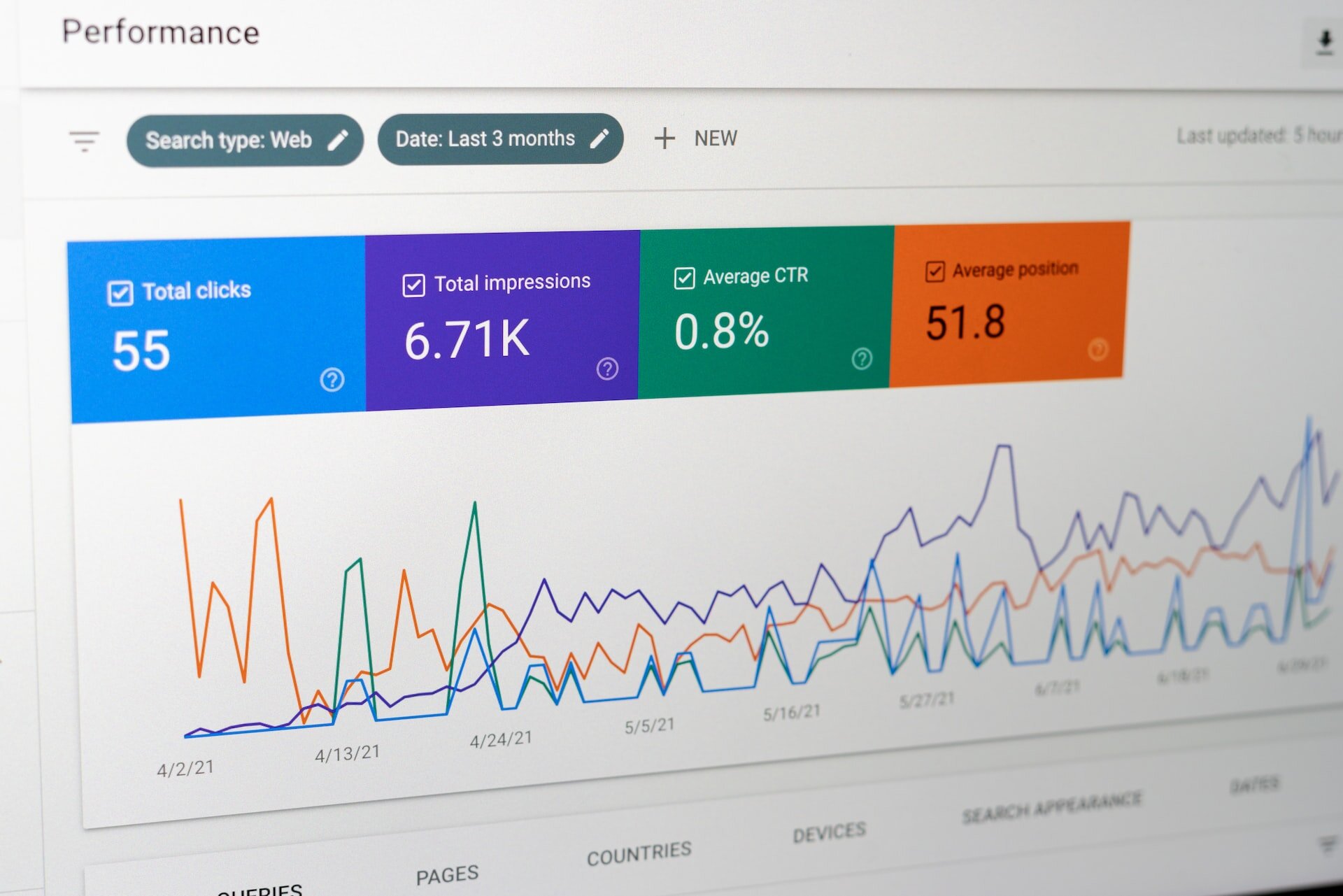
    3. Check Google Search Console: Review the ‘Performance’ report in Google Search Console to track your targeted keywords’ clicks, impressions, and average position. Look for positive changes in these metrics as a sign that your fixes are working.
    4. Analyze organic traffic: Use Google Analytics or another web analytics tool to evaluate organic traffic changes. Check if there is an increase in organic traffic to the affected pages after implementing your fixes.
    5. Re-crawl and re-index: Request Google to re-crawl and re-index your affected pages using the ‘URL Inspection’ tool in Google Search Console. This helps speed up the process of seeing the impact of your changes.
    6. Monitor user engagement metrics: Keep an eye on user engagement metrics such as bounce rate, time on page, and pages per session. Improved user engagement can indicate that your fixes have been successful.

    Remember that SEO improvements might not yield immediate results. It can take a few weeks or even months for search engines to recognize and react to your changes fully. Be patient and continue monitoring the data to confirm the effectiveness of your fixes.

    Preventing Keyword Cannibalization in the Future

    As the saying goes: an ounce of prevention is worth a pound of cure. The same thing applies to KWC! To prevent keyword cannibalization from happening in the future, follow these best practices:

    Keyword Mapping 

    Create a spreadsheet as a keyword map and assign specific keywords to each page, ensuring each page targets a unique primary keyword.

    Content Planning and Organization

    Plan your content around the keyword map, focusing on creating comprehensive, high-quality content that answers user queries. Organize your content in a hierarchical structure, with categories and subcategories that make logical sense.

    Avoid Over-Optimization

    Focus on creating content for users, not just for search engines. Avoid overusing keywords or creating content solely to target keywords. Instead, concentrate on providing helpful information that addresses the needs of your audience.

    Regular Content Audits

    Regularly check the performance metrics of your content (landing pages & blog posts) for any potential keyword cannibalization issues. Look for pages that target the same or similar keywords, and make necessary adjustments to avoid cannibalization.

    Consolidate or Repurpose Content

    If you find pages with overlapping or similar content, consider consolidating them into a single comprehensive piece or repurposing the content to target different keywords or user intents.

    Monitor Internal Linking

    Ensure your internal linking structure is logical and consistent, directing users and search engines to your site’s most important and relevant pages. Avoid excessive or irrelevant internal linking that could dilute the focus of your pages.

    Monitor Performance

    Regularly review your site’s performance using tools like Google Analytics and Google Search Console. Track keyword rankings, organic traffic, and user engagement metrics to identify potential issues or improvement areas.

    Stay up-to-date with SEO best practices: Continuously educate yourself about SEO best practices and algorithm updates. This will help you avoid potential issues and maintain a well-optimized website.

    By following these best practices, you can minimize the risk of keyword cannibalization and ensure that your website maintains a strong search engine presence.

    Conclusion

    As a real estate investor, staying up-to-date with everything you need to succeed in your business is daunting, especially SEO best practices.

    Fortunately, Carrot members get hand-curated strategies from the experts on our team! This will help you avoid potential issues and maintain a high-performing website.

    We’re at your service. No need to feel overwhelmed and struggle with SEO. This post has you covered with all the groundwork, so you can be on your way to doing what you do best — closing deals.

    If you have any questions…

    And as always, if you feel Carrot may be a fit for your real estate website and want better results online, we’d love to have you in the Carrot community, and be sure to learn more about SEO

    Check out our plans and hit us up with questions anytime!

  • Study Shows Carrot Websites Dominate Rankings For “Sell My House Fast”…

    Study Shows Carrot Websites Dominate Rankings For “Sell My House Fast”…

    Do you know… SEO has 2x-3x higher conversion over other online marketing channels?

    If you’re in the market for the most motivated leads, look no further than SEO. Search engine optimization is a powerful tool that helps real estate agents and investors improve their online visibility and ranking in search engine results.

    The question is, who’s ranking/winning?

    We recently surveyed the top 225 markets in the United States to see which companies rank on the first page of Google for one of the most competitive search terms… “sell my house fast [insert city].”

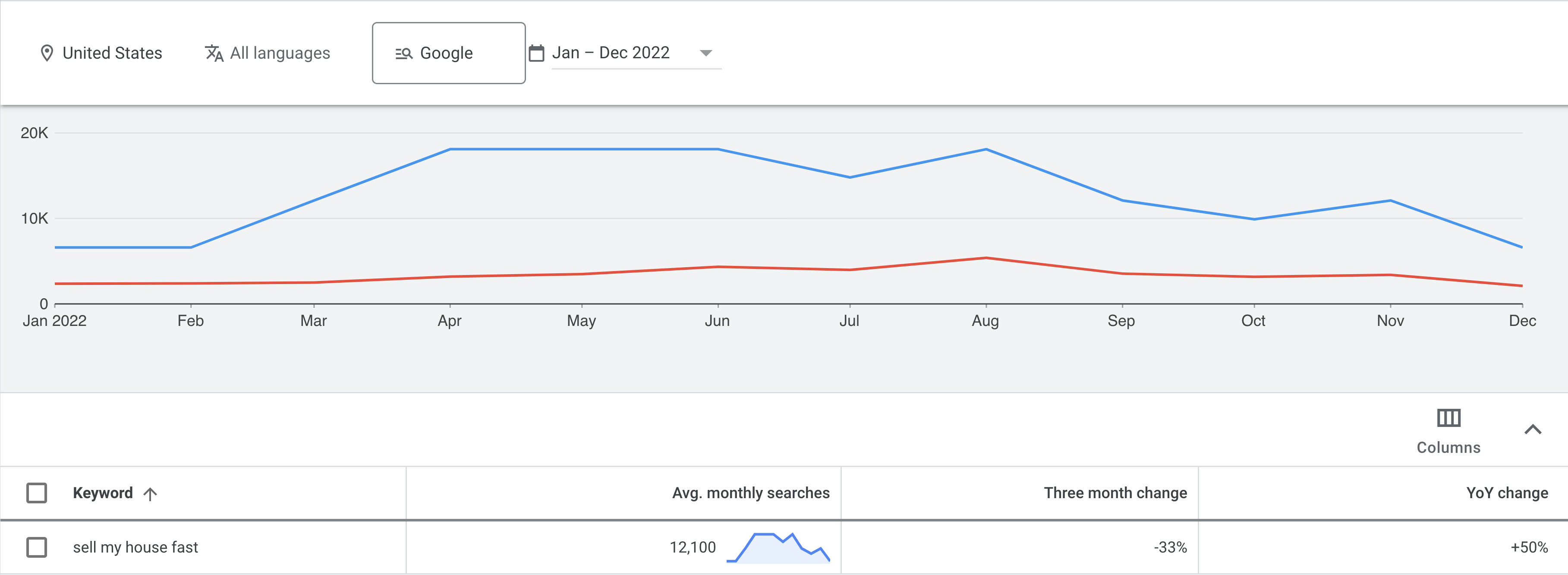
    In fact, according to Google’s keyword planner, “sell my house fast [insert city]” was searched 12,100 times per month in the United States in 2022. That’s also a 50% increase over 2021.

    It’s no secret that ranking on the first page of Google is crucial for businesses that want to attract qualified leads and drive conversions. With so many companies vying for a top spot, we wanted to see which successfully achieved page-one rankings for this highly competitive search term.

    The results of our study were fascinating, and we’re excited to share them with you. Keep reading to discover which companies, including Carrot, came out on top and how they achieved such impressive results.

    The Results

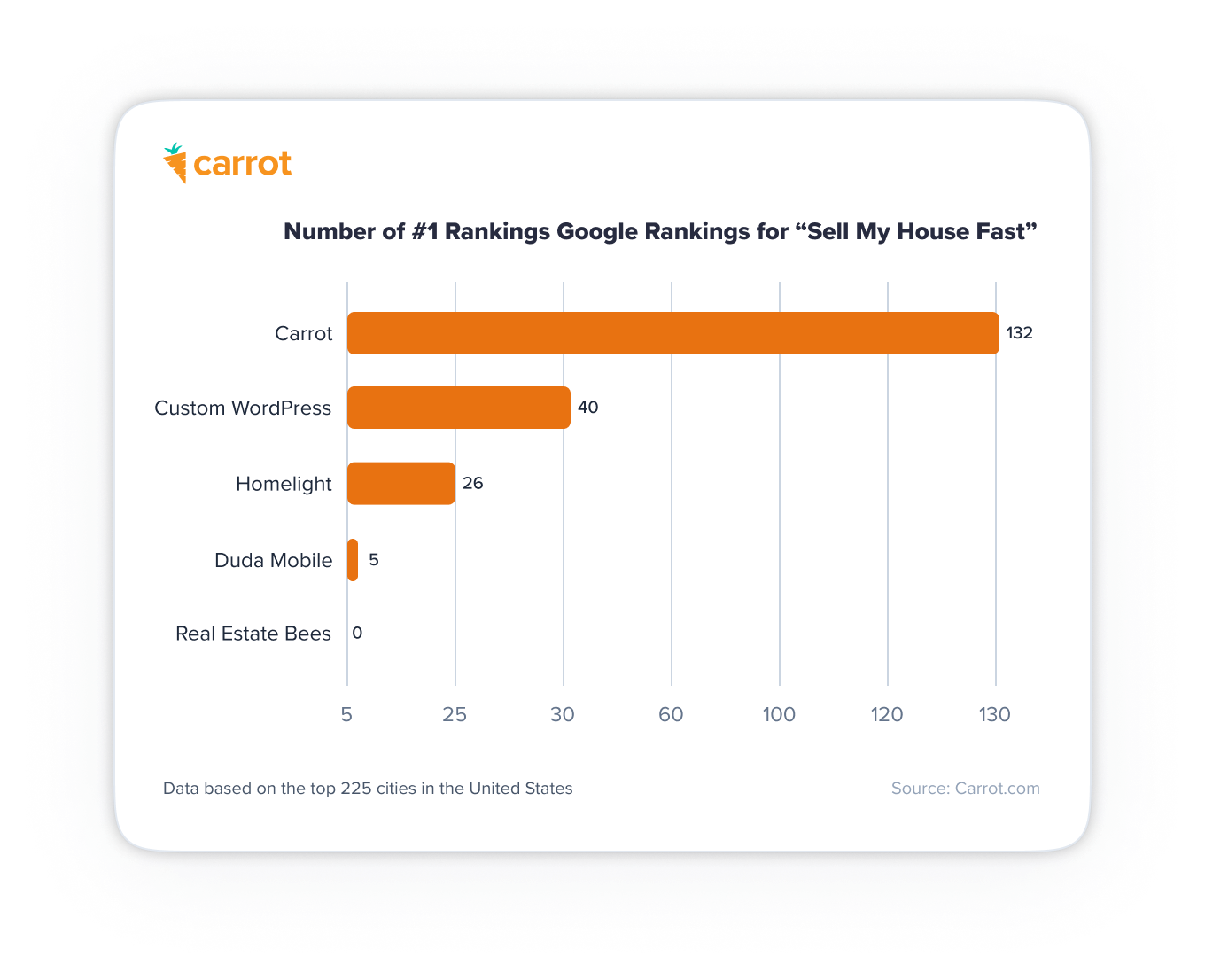
    Carrot websites rank #1 for “sell my house fast” in 132 out of 225 cities

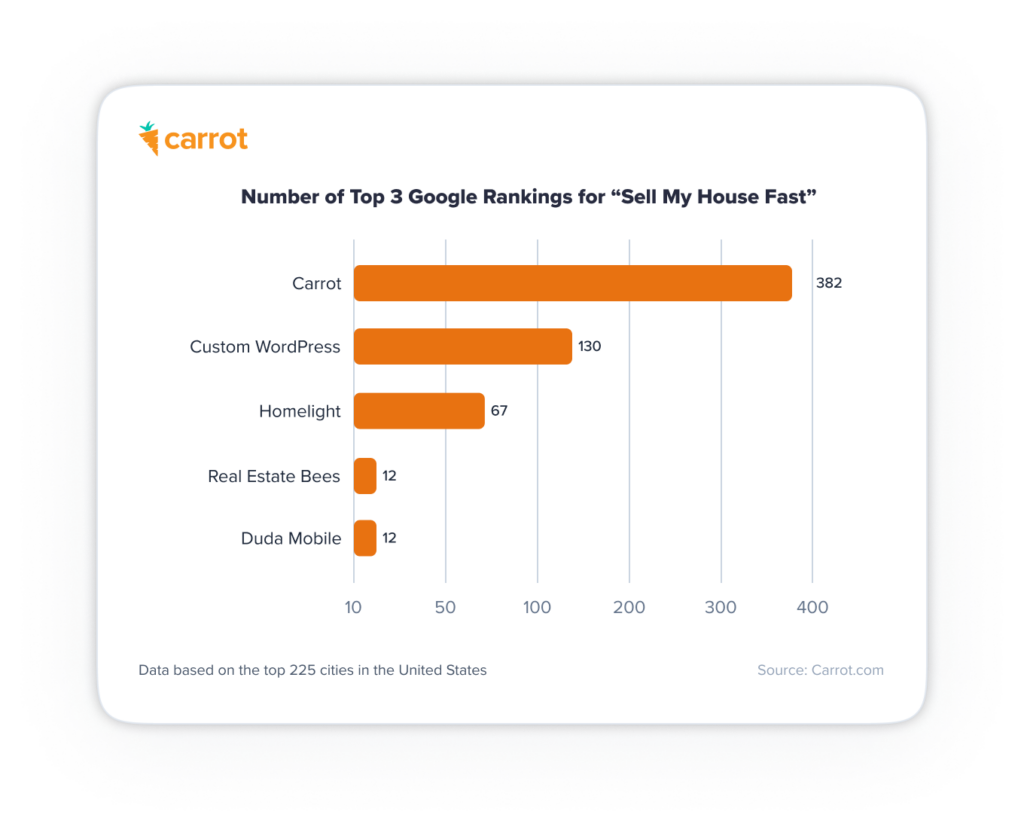
    Carrot websites ranked in the top 3 positions 382 times within the 225 markets

    That’s 98% more times than the nearest competitor

    See the full results of the study here.

    Top Two Performers… Carrot vs. Custom WordPress

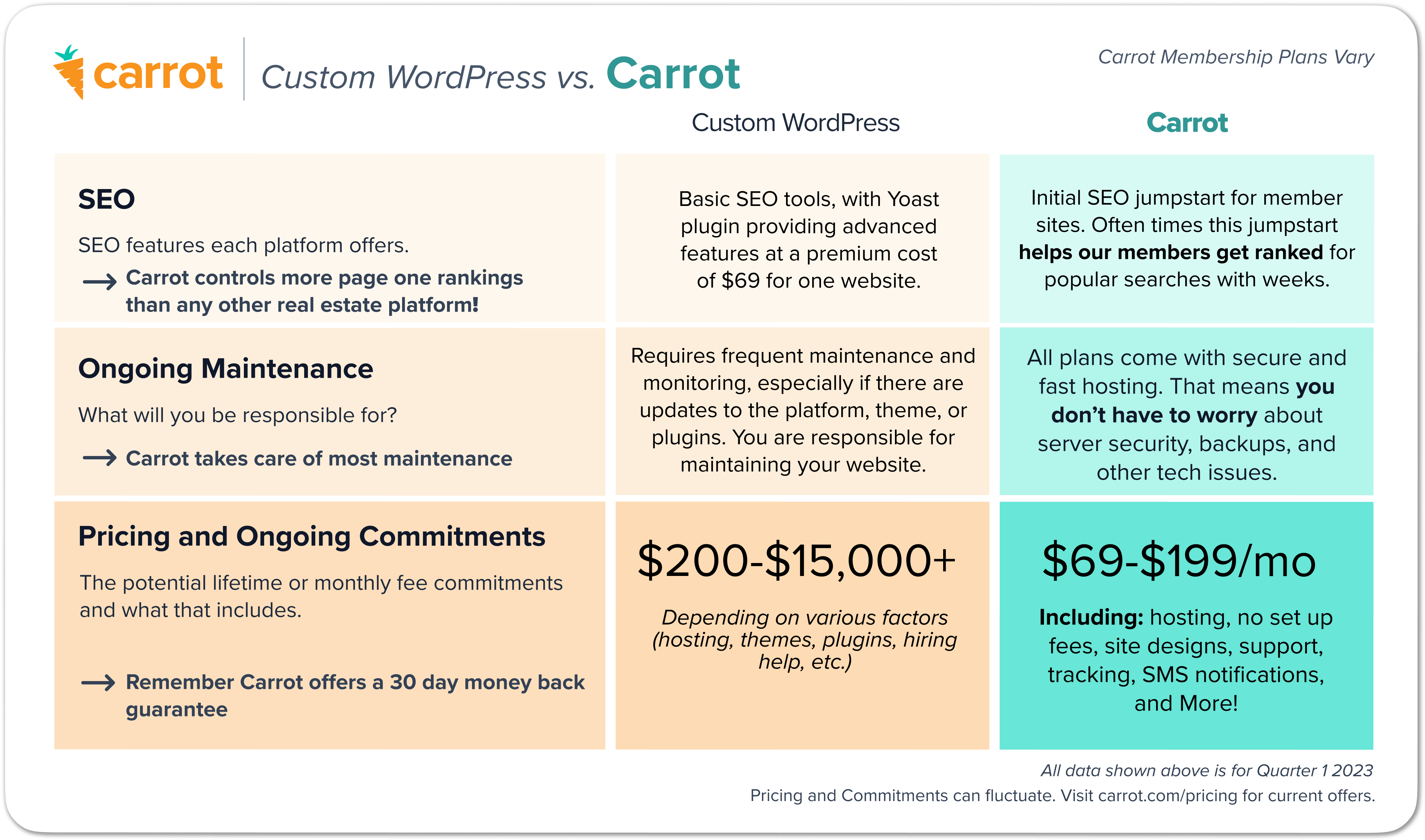
    Carrot and custom WordPress sites are popular for building and hosting a website, but they offer different features, advanced tools, and pricing plans. Carrot is known for its user-friendly interface, performance, and affordable pricing, while WordPress offers a broader range of theme options for building a website.

    Both providers offer options to choose from and include basic SEO tools. Carrot is an excellent choice for a more hands-off and cost-effective solution. At the same time, custom WordPress sites are more suited for businesses with more time and budget to learn how to create and manage a website.

    Quick Comparison Chart…

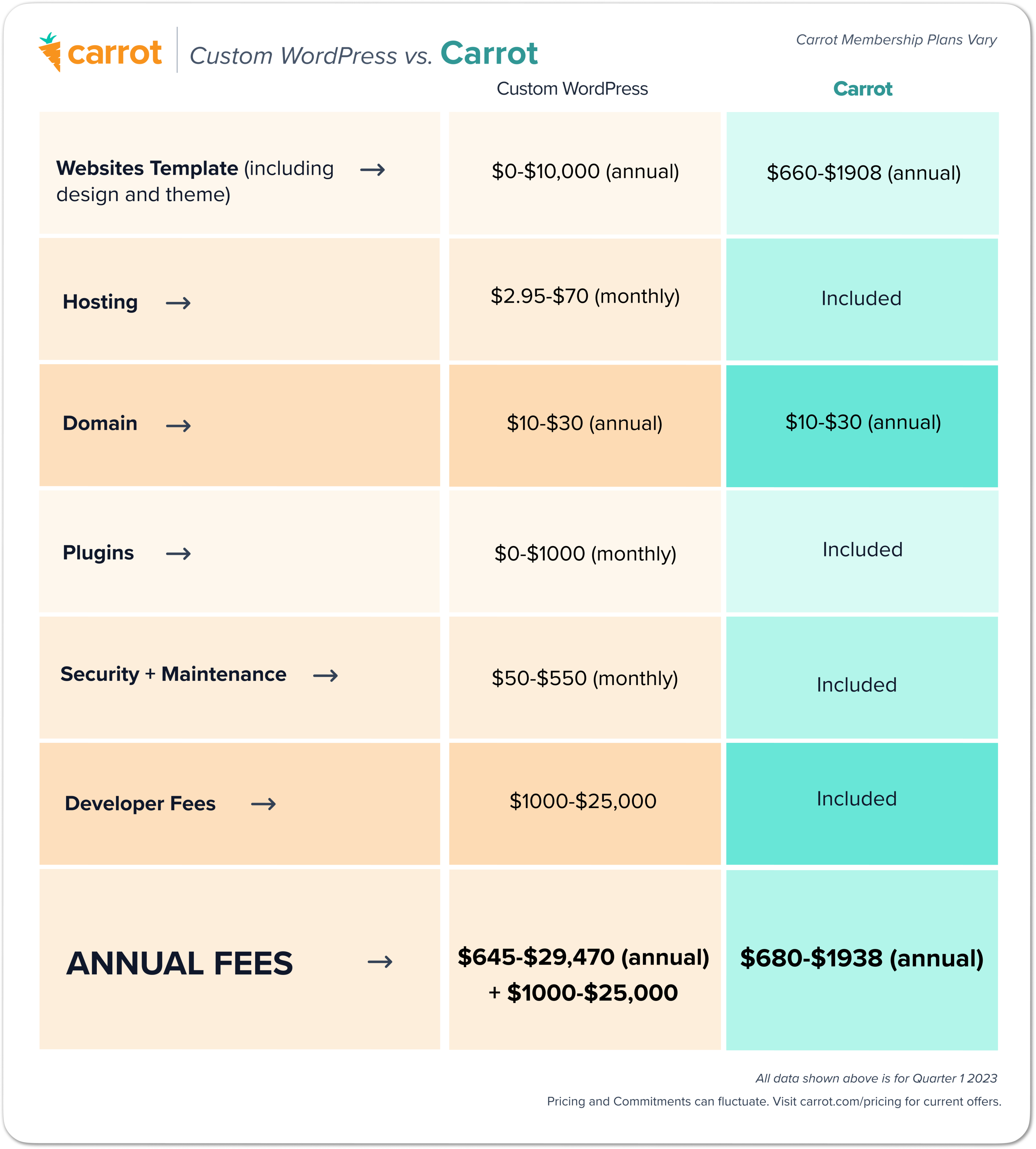
    And Pricing Comparison Chart…

    Also… Carrot template’s mobile performance scores are 60.01% higher than custom WordPress sites we tested.

    Learn more about Carrot’s performance and how our members report a 7x higher lead-to-deal conversion and an increase of $13,932 profit per deal while gaining consistency and predictability in their online leads.

    Keith Sant… how he got to the top ranking in Seattle

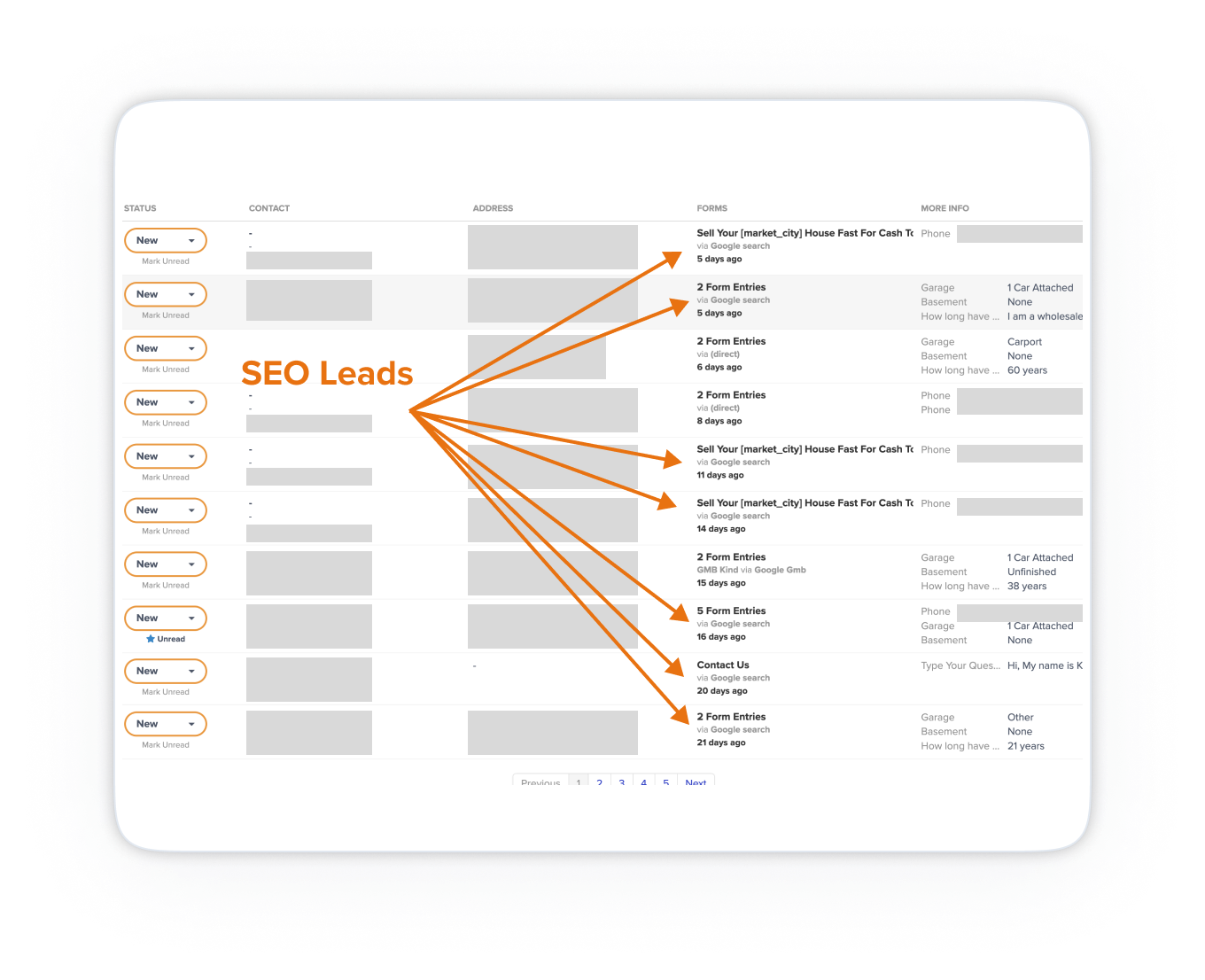
    “That 3 leads per day training paid off! Yesterday was my first 5 organic lead day! 2 SEO leads 1 Google My business lead, and 1 buyer lead. I’m so pumped and not slowing down.”

    Keith Sant, Seattle, Kind House Buyers

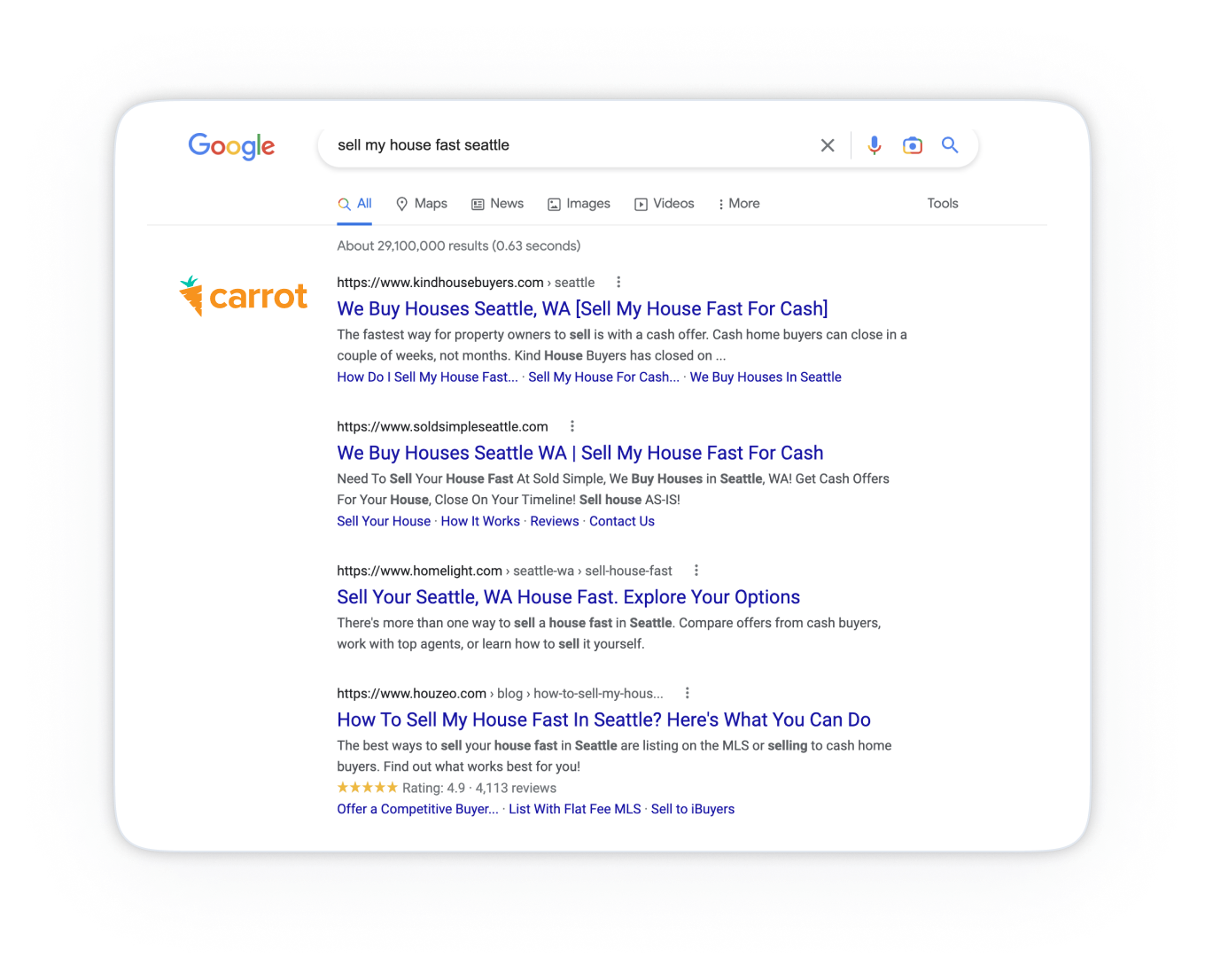
    Here’s how it looks… Google search “sell my house fast Seattle”… Carrot website ranking #1…

    Motivated seller lands on Kind House Buyers Carrot website…

    Organic SEO Leads grow…

    The importance of ranking first in search engine results and how it can benefit your business

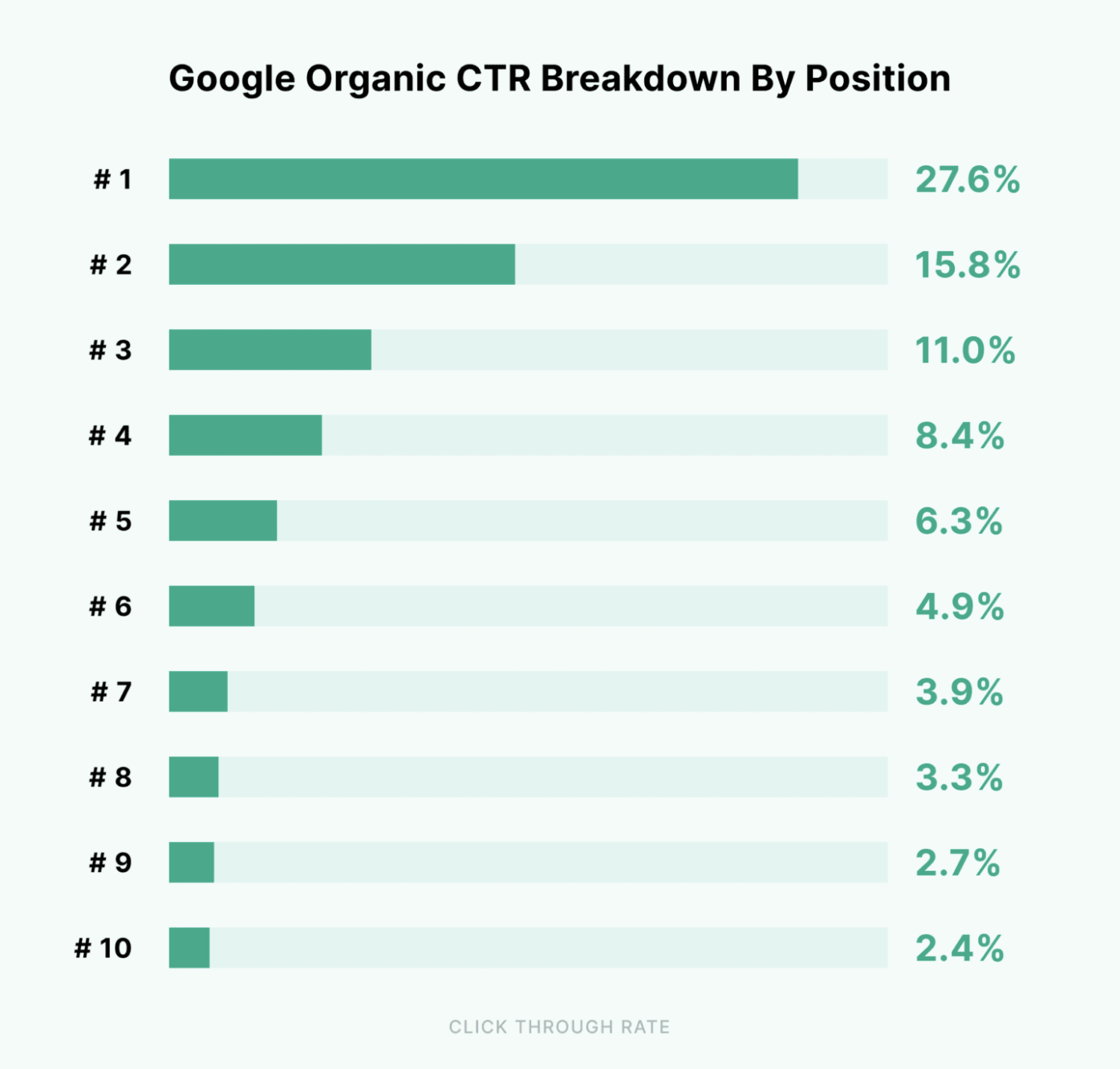
    For several reasons, ranking first in search engine results can greatly benefit your real estate business. In a recent study, Backlinko reported the #1 result in Google has a CTR (click-through-rate) of 27.6%.

    CTR per Google Ranking 1-10

    Ranking first in search results can lead to an increase in traffic to a website. When users search for a particular keyword or phrase, the top-ranked results are typically the ones they click on first. As a result, a top-ranking can significantly increase the number of visitors to your website.

    Ranking #1 is significantly more valuable than any other position. The #1 result in Google has a 10x higher CTR than the #10 result.

    A #1 ranking can improve your website’s credibility and perceived authority. When a website ranks highly in search results, it can give the impression to users that your website is a reliable and trustworthy source of information. This can lead to an increase in the credibility of your website and the services you offer.

    Finally, ranking in the top 3 in search results can increase your business’s revenue. If your website can attract more qualified visitors as a result of its top ranking, it may be able to convert more of those visitors into deals. This can lead to a significant increase in revenue.

    Overall, ranking 1-3 in search results can significantly benefit your business, leading to increased traffic, improved credibility, and higher revenue.

    Ready to Learn More About SEO for Real Estate?

    Download our comprehensive keyword bible now and optimize your online presence for maximum visibility and success!

    SEO keyword Bible Cover

    The current state of competition

    The level of competition for top rankings in search engines can vary significantly depending on the market and the targeted keywords. In general, however, there is often high competition for top rankings in search results as investors and agents strive to attract as much traffic as possible from search engines, especially Google.

    There are a few factors that can influence the level of competition for top rankings in search engines:

    Market: Some markets are naturally more competitive in search engine rankings due to the higher demand for buyers or sellers. The real estate industry tends to be highly competitive regarding search engine rankings.

    Keyword difficulty: The difficulty of ranking for a particular keyword can also affect the level of competition. Keywords that are highly specific and have low search volume are usually less competitive, while more general and high-volume keywords are often more competitive.

    The number of competitors: The number of competitors targeting the same keywords can also impact the level of competition. If there are a large number of websites competing for the same keywords, it can be more challenging to achieve top rankings.

    Overall, the level of competition for top rankings in search engines can vary greatly depending on the market and keywords being targeted. It is important for businesses to carefully research their competition to determine the best strategies for achieving top rankings.

    Strategies for increasing number one rankings

    Several strategies can be used to increase the chances of ranking first in search results:

    On-page optimization: On-page optimization refers to optimizing individual pages to rank higher and earn more relevant traffic in search engines. This includes optimizing the content and HTML source code of a page. On-page optimization can include techniques such as using header tags, optimizing title tags and meta descriptions, and using internal linking.

    Off-page optimization: Off-page optimization refers to activities performed outside of a website to improve its search engine rankings. This can include building high-quality backlinks from other websites and promoting the website on social media and other online platforms.

    Content marketing: Creating and promoting high-quality, relevant content on a website can help to improve its search engine rankings. This can include blog posts, articles, videos, and other content relevant to the target audience.

    Link building: Building high-quality backlinks from other websites is another important factor in search engine rankings. These links act as “votes” of confidence in a website’s quality and can help improve its rankings.

    Technical SEO: Ensuring a website is technically optimized can also help to improve its search engine rankings. This can include optimizing the website’s loading speed, mobile responsiveness, and security.

    Overall, a combination of these strategies can help to improve the chances of ranking first in search results. To stay ahead of your competition, continually monitor and optimize a website’s search engine rankings.

    Ready to Learn More About SEO for Real Estate?

    Download our comprehensive keyword bible now and optimize your online presence for maximum visibility and success!

    SEO keyword Bible Cover

    The role of keyword research

    Keyword research is essential to ranking first in search results, as it helps determine which keywords and phrases are most likely to drive traffic to a website.

    There are a few key factors to consider when conducting keyword research:

    Relevance: Choosing keywords relevant to a website’s content is important. This will help ensure that the website attracts qualified, motivated visitors interested in your services.

    Search volume: Choosing keywords with a high search volume can help to increase the chances of ranking first in search results. Keywords with a high search volume are typically more competitive, but they can also drive more traffic to your website.

    Competition: The level of competition for a particular keyword can also be an important factor to consider. If a keyword has a high level of competition, it may be more difficult to achieve top rankings for that keyword.

    Several tools available can help with keyword research, such as Google’s Keyword Planner. These tools can provide data on the search volume and level of competition for different keywords, which can help determine which keywords to target.

    Overall, keyword research is an important step in ranking first in search results, as it helps identify the keywords most likely to drive traffic to your website.

    How Do You Get These Results?

    SEO takes work but is essential for real estate professionals looking to generate more qualified leads. By optimizing website content, real estate businesses can ensure they appear in the top search engine results. This is especially important when targeting hyper-competitive terms such as “sell my house fast [insert city],” where it’s even more critical for a business to be visible on the first page of search results.

    Doing so can increase lead generation by up to 2-3x or more compared to businesses without SEO optimization. With the right approach and strategy, you can use SEO to increase lead generation and build brand loyalty among your target markets.

    If you’re already a member, here are some resources to help you learn more about SEO:

    Other free SEO resources:

    If you’re not a Carrot member, join today!

  • ChatGPT for Real Estate and What it Means for SEO

    ChatGPT for Real Estate and What it Means for SEO

    We’re all familiar with search engines and how they help us find information quickly and easily. But, with the emergence of artificial intelligence (AI), could search engines be replaced altogether? Let’s take a look at how ChatGPT for real estate is changing the way people find information online.

    What is ChatGPT for Real Estate and How Does it Work?

    ChatGPT stands for Conversation Graph Technology, an open-source natural language processing (NLP) model that enables users to create conversations with computers. It uses deep learning and predictive text to generate responses to a user’s questions or statements.

    By leveraging the latest advances in AI, ChatGPT is capable of understanding and responding to complex conversations in real-time. Unlike other NLP models, ChatGPT does not require pre-trained data sets and can be trained on any domain-specific data set. This makes it ideal for applications such as customer service, virtual assistant development, and conversational marketing campaigns.

    Additionally, its accuracy, scalability, and low latency make it suitable for enterprise applications. With its cutting-edge technology, ChatGPT has the potential to revolutionize how people interact with computers by making conversations more natural and engaging than ever before.

    Those 3 paragraphs were written entirely by asking an AI “What is ChatGPT?” – Pretty neat, right?

    Friendly face of a robot that uses chatbot AI. Is this the future of ChatGPT?

    AI is Changing the Way We Find Information Online

    Artificial Intelligence is transforming how we interact with technology, and it’s having a major impact on search engines. In fact, AI-powered chatbots are already beginning to replace traditional search engine queries.

    As technology advances, the role of the AI chatbot in providing personalized and instantaneous responses to user inquiries continues to grow, revolutionizing the way people seek and obtain information online.

    For example, when you ask Siri or Alexa for something specific—like “What’s the weather like for today?”—they will provide you with an answer without having to type in any keywords or phrases. This is because AI-powered chatbots can understand natural language processing (NLP). This means that they can interpret human speech and respond accordingly. Moreover, with the emerging rise of Large language models (LLMs) it’s becoming easier to deal with content and leverage data for further advancements.

    Can ChatGPT or Other AI Change How We Make Content?

    Yes, it absolutely can. There are already hundreds of websites out there that are written entirely by AI language models! Theoretically, you could use AI to create 100% of your content – but is that a good idea? Are there any SEO implications for doing something like that?

    Deciding whether or not to use AI to create content for your business is a tricky question that requires careful consideration.

    On the one hand, using AI-generated content could save time and money. On the other hand, Google may flag such content as spammy, which could hurt your business’s SEO rankings and brand impression (more context on this later in the article).

    When considering whether or not to use AI-generated content for your business, it’s important to remember that Google’s algorithms are constantly changing and improving. As such, certain tactics used to generate content with AI may become less effective over time or even completely outdated.

    While AI can automate many tasks associated with content development—such as finding relevant topics and keywords—it cannot replace human feedback, creativity, and insight when it comes to crafting unique pieces of content that are engaging and helpful to readers.

    Furthermore, any automated content created by AI should always be checked for accuracy and clarity by a human editor before publishing. Although AI may generate accurate results based on complex data, understanding how those results apply to real-world applications requires expertise and human feedback to interpret the results properly.

    Although, in case of bulk content, you can even use a specialized online proofreading tool (Wordvice AI is a good one to use).

    This ensures that any automated content published on behalf of your business is free from errors, complies with regulations (if applicable), and meets all standards for quality control in terms of grammar, style, formatting, etc.

    In short – yes, you may consider using ChatGPT for Real Estate to create content for your business IF you’re confident that you understand its limitations and capabilities. When appropriately used—combining human creativity with machine automation—AI-generated content can provide great benefits in terms of efficiency and cost saving without sacrificing quality or accuracy.

    Just make sure to monitor how Google flags such material, so you don’t fall behind with its algorithm changes!

    Online dashboard showing stats that are regularly used in SEO.

    How will ChatGPT impact SEO in the future?

    While it might seem like ChatGPT and other AI learning models are poised to kill search engines like Google and Bing, it will be a long time before search engines are replaced. Chatbots aren’t new, but they aren’t out of beta either. Most AI models are several iterations away from being able to compete with search engine powerhouses.

    There are several reasons for this:

    1. AI and Chatbots are inherently biased. The answers are based on human-made data currently available online. That means racism, bias and misinformation can bleed into a chatbot’s learning model, giving unsavory answers and unsafe content.
      It’s why Microsoft had to hastily take its AI chatbot offline in 2016, shortly after it was introduced. Facebook also introduced a chatbot, but after reviewing user feedback they quickly took it down after giving racist answers.
    2. ChatGPT can confidently present the wrong answers. These answers are generated using language models found online, but that creates problematic model outputs – mainly in the form of incorrect answers. ChatGPT must collect user feedback at a large scale before it can reliably provide the correct answer.
    3. It’s cost prohibitive. The processing required to deliver an acceptable tuned answer by scrubbing immensely large pools of data is expensive. One estimate has OpenAI spending $3 million per month, with ChatGPT still in beta, requiring people to make an account.
    4. High traffic means frequent server downtime. While writing this article, we tested ChatGPT once an hour for 3 hours. Unfortunately, the servers were at capacity each time we checked. Could you imagine a world where Google servers were at capacity?

    Is Google Moving Against AI & ChatGPT?

    Absolutely. We have already seen some action from Google to combat the inevitable flood of AI content on the internet. The Helpful Content Update, the Spam Link Update, and the Product Reviews update all had a heavy impact on AI-generated content (among other things).

    However, Google has also invested heavily into its own AI, LaMDA, which went viral last year for being “sentient.” Their controversial handling of testing LaMDA shows us how cautious and powerful Google considers AI to be.

    For the moment, Google continues to rely heavily on Google Search, which makes money through ads and e-commerce sales and accounted for nearly 80% of its revenue last quarter.

    Google CEO Sundar Pichai has been in meetings to “define Google’s AI strategy” and has “upended the work of numerous groups inside the company to respond to the threat that ChatGPT poses.”

    Will AI be Integrated into Search Engines or Replace them?

    Microsoft recently announced this week that they are incorporating ChatGPT into the Bing search engine in hopes of winning users from Google.

    Microsoft has already invested over $1 billion into OpenAI. It has hopes that becoming a bigger player in online search could help offset its problems elsewhere (like its slowing growth in cloud computing).

    Bing’s ChatGPT integration could launch as soon as late March, according to a report by The Information.

    The Benefits of AI-Powered Search Engines

    Using an AI-powered search engine has numerous benefits over traditional search engines. For one thing, since AI-powered chatbots can interpret natural language, users don’t have to worry about typing in exact keywords or phrases in order to get relevant results. Instead, they can ask their question in plain English and get an answer immediately.

    Traditional search engines rely on algorithms to understand the content of websites, while AI-enabled search engines can better comprehend and interpret human language. As a result, they can provide more accurate results than traditional methods that tend to be limited by keyword matching.

    AI-enabled search engines can also understand various types of queries, from single words to complex sentences, making them more versatile and reliable when interpreting what users are looking for.

    AI can learn from user behavior and preferences. This means that AI-enabled search engines can improve their relevance rankings based on past searches and personalization options.

    Additionally, machine learning allows them to identify patterns in data and make predictions accordingly, which makes them suitable for more complicated tasks such as providing detailed answers to queries or suggesting new topics or related content. This is something that can’t be done with conventional search engine algorithms very easily. This is one of Google’s primary concerns.

    Since machine learning algorithms power chatbots, they can provide faster answers than traditional search engines- especially for simple queries. Sometimes people want the answer to a question without needing to scrub through 10 results and a slew of ads.

    Google Search Console dashboard showing the results of content created with ChatGPT
    Photo by Justin Morgan on Unsplash

    Are there any risks associated with using ChatGPT for Real Estate SEO purposes?

    Yes, there are some potential risks associated with using ChatGPT for real estate SEO purposes. Although the technology is AI-based and can generate content easily, it may not always provide the level of accuracy or relevancy required for SEO purposes. This can lead to a decrease in quality when creating content that is both optimized and engaging.

    Due to its automated nature, ChatGPT will also struggle to keep up with changes in search engine algorithms or topics related to SEO that require special attention.

    Moreover, it is important to note that since the generated content will likely be similar across multiple websites, it can lead to duplicate content issues which could negatively impact the rankings of all involved sites.

    This could result in penalties from search engines or even blacklisting if not appropriately addressed. Additionally, ChatGPT has no capability of understanding how humans use language differently based on cultural context and, as such, might not be suitable for certain markets where this kind of sensitivity is required.

    Finally, many experts have warned about over-relying on automated solutions, like ChatGPT for real estate, as they might create content that looks good but lacks meaningful relevance or fails to engage readers in a meaningful way effectively.

    Should I Use AI Content Generation for My Real Estate Investor Website?


    You should be very cautious with this. Google has already shown off its ability to detect AI-generated content, and the consequence is having your blog post removed from the Google Index.

    However, there are a lot of powerful applications where using AI can benefit your company. Generally speaking, you want to use AI to outline our content or give us a starting point from which we can edit.

    AI can do 80% of the work, but to fly under the radar and avoid Google penalties, you still need to edit/refine the last 20%. Some examples of tasks that AI can do safely:

    • Blog post outlines
    • Title variations
    • Meta descriptions
    • Conclusion paragraphs
    • Ad copy
    • Intro paragraphs
    • Product descriptions

    Please keep in mind that the more unique, helpful, and original content that you can create – the better off you will be.

    The Human Touch: Why AI-Generated Content Needs Human Editing to Shine

    At this point, it seems unlikely that traditional search engines will be completely replaced by AI anytime soon; however, it’s clear that AI will continue to have an increasingly important role in finding information online.

    ChatGPT for real estate can save time and improve efficiency by quickly generating ideas and keywords for your blog, but it lacks the creativity, nuance, and personal touch that only humans can provide.

    As real estate investors continue to leverage technology for success in their businesses, understanding how AI works and how it impacts search engine usage will be key to staying competitive in today’s market!

    If you want to stay ahead of the curve in all things SEO, be sure to bookmark our Real Estate SEO page to get access to all of our in-depth SEO articles and guides!

  • Google’s Helpful Content Update: Everything You Need to Know

    Google’s Helpful Content Update: Everything You Need to Know

    Google's Helpful Content Update: How to Rank Your Carrot Site, What You Need to Know for Real Estate

    Google started to roll out the new helpful content update this week.

    With this recent update, you might wonder how this might impact you as a Carrot member & if your site’s rankings will be affected. Since the update was just released, it’s still too early to know entirely.

    How Googe Defines “Helpful Content”

    According to Google, helpful content “aims to better reward content where visitors feel they’ve had a satisfying experience, while content that doesn’t meet a visitor’s expectations won’t perform as well.

    In short, the update…

    • Is created for a specific audience.
    • Features expertise.
    • Is trustworthy and credible.
    • Meets the want(s) or need(s) of the searcher.

    This update will push down sites full of AI-generated content focused on SEO results and NOT providing helpful, valuable content for humans.

    This could mean several things; bad, generic sites with repetitive content and unhelpful answers will be penalized. Conversely, websites with expert, people-first content may be showcased higher in the search results.

    How to Protect Your Website from the Impact of Helpful Content Update?

    Have no fear. In this video, Carrot CEO Trevor Mauch, takes you through the exact strategy you can execute to maintain rankings or climb higher in Google rankings with unique content that’s easier to execute, what the helpful content update is, and how to continue bringing in high-quality leads.

    There may be no impact, negative or positive, on your website. We want to make sure that you’re aware of that.

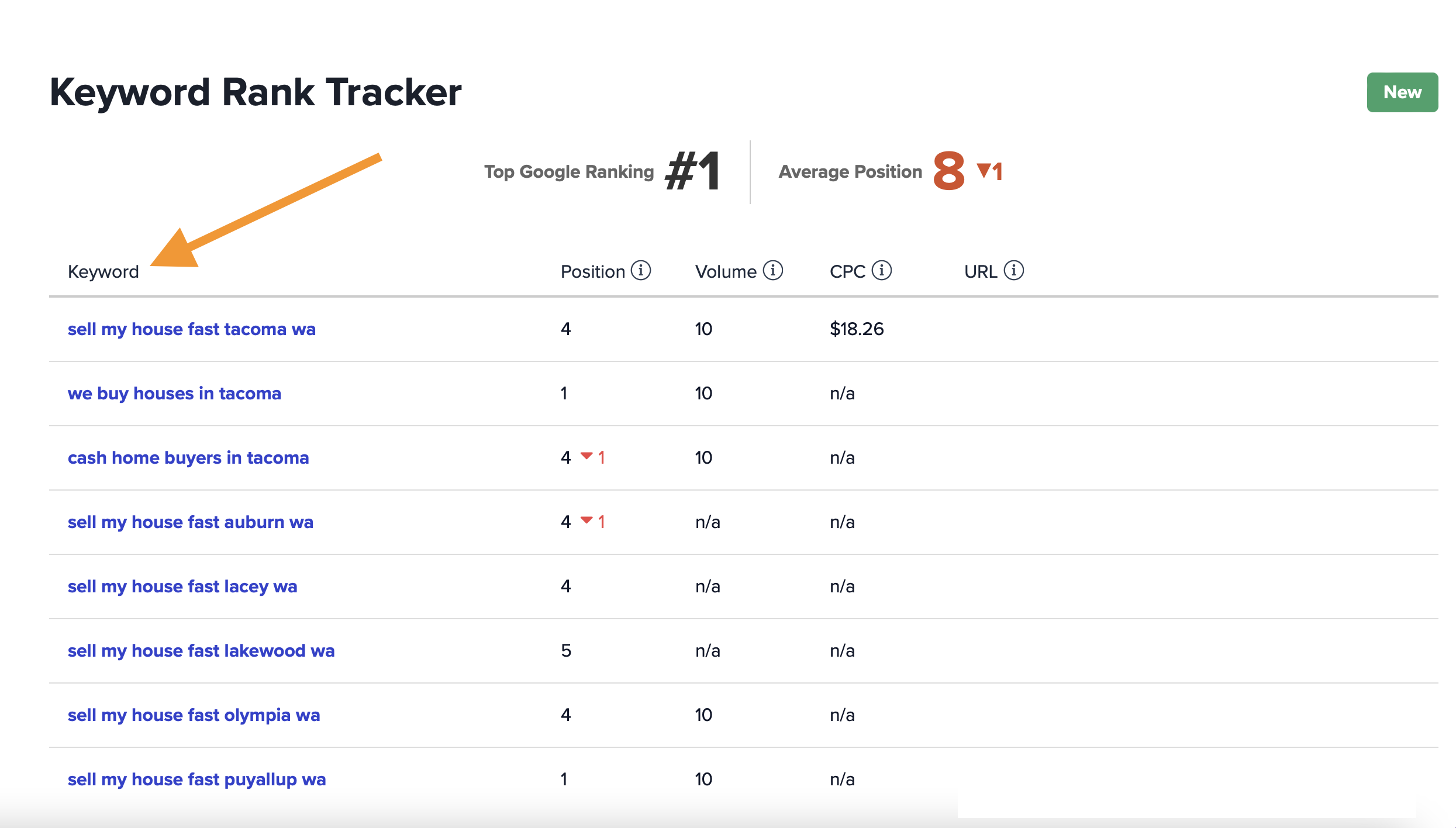
    If you’re either a Content Pro or Advanced Marketer member, one of the biggest things you can do is to go inside your Carrot system and add your main keywords to your Keyword Rank Tracker if you don’t already have them in there.

    Carrot keyword rank tracker
    Carrot Keyword Rank Tracker Tool

    Add the keywords you want to rank for to see up or down ranking trends. You need to make sure that you know where your current rankings are and understand what’s happening, so you can make moves if your Google rankings start to dip from this algorithm update.

    Learn how to add keywords to your website using the Keyword Rank Tracker.

    We’re also closely monitoring how this impacts Carrot members’ rankings. Carrot has provided industry-leading tools and strategies for years. We have helped thousands of real estate investors, agents, and hybrids dominate Google search results and generate motivated leads and listings.

    With the constantly changing landscape of online marketing, we’re committed to iterating, improving, and continuing to provide the data-driven, expert-tested vision, strategy, and tactics to help you build a business of freedom and impact.

    Tell us if you found this video helpful, and drop us a comment with your thoughts or concerns.

    We’re here for you!

  • EP 368: 3 SEO “Must-Do’s” to Generate Motivated Seller Leads | 1000+ Leads a Month w/ Andy Kolodgie

    EP 368: 3 SEO “Must-Do’s” to Generate Motivated Seller Leads | 1000+ Leads a Month w/ Andy Kolodgie


    About this episode:

    We know the best, motivated seller leads come from Google, AKA SEO. But, the myth most real estate investors & agents fall into is that SEO is too saturated — you can’t rank on page 1. Today we bust that myth. In a very tactical and approachable way, SEO fanatic & investor Andy Kolodgie share the 3 things you need if you want to generate SEO leads online. Whether you have money, time, or both, listen in and start climbing the ranks of Google.

    Crazy story? Have a question? Email me at Brady@Carrot.com

    Mentioned in this Episode: 

    Andy’s SEO lead marketplace: Property Leads

    Andy’s SEO meets REI Facebook group

    Matt “MoHo’s” Mobile Home Facebook Group

    SEO podcast series on YouTube

    Want Andy to build your backlinks? Go to Carrot.com/marketplace

    ahrefs

    SEMRush

    Ethics of Wholesaling Part 2

    Carrotcamp — The Ultimate real estate mastermind for real estate investors


  • Technical SEO Guide: Tools & Checklist for Your Analysis

    Technical SEO Guide: Tools & Checklist for Your Analysis

    Did you know that over 70% of search engine users click on organic results within the first page? That means if your website isn’t ranking well, you’re missing out on a massive chunk of potential customers.

    Unveiling the Power Beneath the Surface: Your Guide to Technical SEO

    Technical SEO is the foundation upon which organic search success is built. It refers to the optimization of your website’s behind-the-scenes elements that search engines use to understand and rank your content. Think of it as the invisible architecture that allows search engine crawlers to navigate your website efficiently and effectively.

    Here’s why conducting a technical SEO analysis is crucial for your website:

    • Increased Visibility: A technically sound website is more easily crawled and indexed by search engines, leading to higher visibility in search results.
    • Improved User Experience: Technical SEO factors like mobile-friendliness and fast loading speeds directly impact user experience, which is a key ranking factor for search engines. A happy user is more likely to stay engaged and explore your offerings.
    • Enhanced Organic Traffic: By addressing technical SEO issues, you remove barriers that prevent search engines from fully understanding your website. This translates to attracting more organic traffic, the lifeblood of any successful online presence.

    Investing time in a technical SEO analysis is an investment in your website’s long-term success. It’s the first step to ensuring your website is search engine friendly and primed to attract the qualified traffic you deserve.

    Buy First, Why SEO?

    As we’ve written about elsewhere on our blog, SEO is a form of evergreen marketing in many other places. That is when an SEO strategy is executed correctly, it has the potential to become a lead-generation powerhouse.

    Once you make the initial investment into an SEO campaign, as long as some routine maintenance is performed, you’ll likely have an asset that keeps sending leads your way for many years.

    This costs a fraction of the price compared to leads from PPC or social media advertising campaigns.

    How Does Technical SEO Fit In?

    Most people familiar with SEO seem to understand that content and backlinks are required to earn free traffic from Google. There are endless guides that focus on publishing more and more content or getting more and more backlinks.

    Few, however, delve into the foundation of SEO — how well the underlying website functions for users and search engine crawlers alike. In the industry, this is known as technical SEO.

    Technical SEO is a simple term, but it covers many topics. Ultimately, it comes down to a well-built website — how fast it loads, how clean the coding is, the internal linking structure, if any internal or external links are broken or run through complex redirect chains if images are broken, whether or not the design is responsive and loads in a user-friendly way when on a slow connection… really, the list could go on for days.

    We haven’t discussed this much because Carrot members don’t have to worry about it. All Carrot sites have a search-engine-optimized tech stack baked in.

    However, many people reading this article won’t be using this system, so I aim to help you by providing a technical SEO checklist and some pointers on the best tools to use in your analysis.

    The Pillars of Technical SEO: Building a Strong Foundation

    Technical SEO encompasses a variety of factors that work together to ensure search engines can easily access, understand, and present your website to users. Here are the four core pillars of technical SEO:

    • Crawlability: Imagine search engines like giant spiders crawling through the web, discovering and indexing websites. Crawlability refers to how easily these search engine spiders can navigate your website. This includes having a well-structured sitemap, optimized robots.txt file, and internal linking that allows the spiders to find all your important pages. Good crawlability ensures your website’s content gets seen by search engines.
    • Indexability: Once search engines crawl your website, they must understand your content to determine its relevance for search queries. Indexability refers to whether search engines can include your pages in their search results. Factors like proper use of meta tags, structured data markup, and fresh, high-quality content all contribute to good indexability. If a page isn’t properly indexed, it won’t appear in search results.
    • Mobile-friendliness: In today’s mobile-first world, a website that isn’t optimized for smartphones and tablets is a major disadvantage. Mobile-friendliness ensures your website displays correctly and provides a seamless user experience on all devices. Search engines prioritize mobile-friendly websites in search results, giving you an edge over non-optimized competitors.
    • Site Speed: Nobody likes a slow website! Site speed refers to how quickly your website loads for users. Search engines consider page load speed as a ranking factor, as slow loading times can lead to frustrated users and high bounce rates. Optimizing images, minimizing code, and using a reliable web host all contribute to a faster website, which benefits both search engine rankings and user experience.

    By focusing on these core pillars, you create a solid technical foundation for your website. Search engines will be able to efficiently crawl and index your content, and users will have a positive experience when they visit your site. This combination is a recipe for organic search success.

    Charting Your Course: The Technical SEO Analysis Checklist

    A technical SEO analysis checklist is your roadmap to a healthy and search-engine friendly website. Just like any journey, it’s important to have a plan to ensure you’re covering all the important bases. Here are the key areas to evaluate during your technical SEO analysis, each playing a crucial role in search engine visibility:

    • Crawlability:
      • Robots.txt: Is your robots.txt file configured correctly to allow search engine crawlers to access your important content?
      • Sitemap: Does your website have a well-structured sitemap that clearly communicates all your pages to search engines?
      • Internal Linking: Is your website’s internal linking structure optimized to allow search engine crawlers to navigate efficiently and discover all your content?
    • Indexability:
      • Meta Tags: Are your title tags and meta descriptions optimized with relevant keywords and clear descriptions to help search engines understand your content?
      • Structured Data Markup: Have you implemented structured data markup to provide search engines with additional context about your content, potentially leading to richer search results?
      • Noindex Directives: Are there any pages on your website that you intentionally don’t want search engines to index? Are these pages properly marked with a noindex directive?
    • Mobile-Friendliness:
      • Responsive Design: Does your website display correctly and provide a user-friendly experience on all devices, especially smartphones and tablets?
      • Mobile Speed: Does your website load quickly on mobile devices? Slow loading times can significantly hurt your mobile search ranking.
    • Site Speed:
      • Page Load Time: Are your website’s pages loading fast enough for users? Tools like Google PageSpeed Insights can help you identify areas for improvement.
      • Image Optimization: Are your website’s images optimized for size and quality to ensure fast loading times without sacrificing visual appeal?
      • Caching: Is your website leveraging browser caching to improve repeat visitor experience and overall page load speed?

    By systematically working through this checklist, you’ll gain valuable insights into your website’s technical SEO health. The next step is to leverage SEO tools to delve deeper into each area and identify any specific issues that need to be addressed.

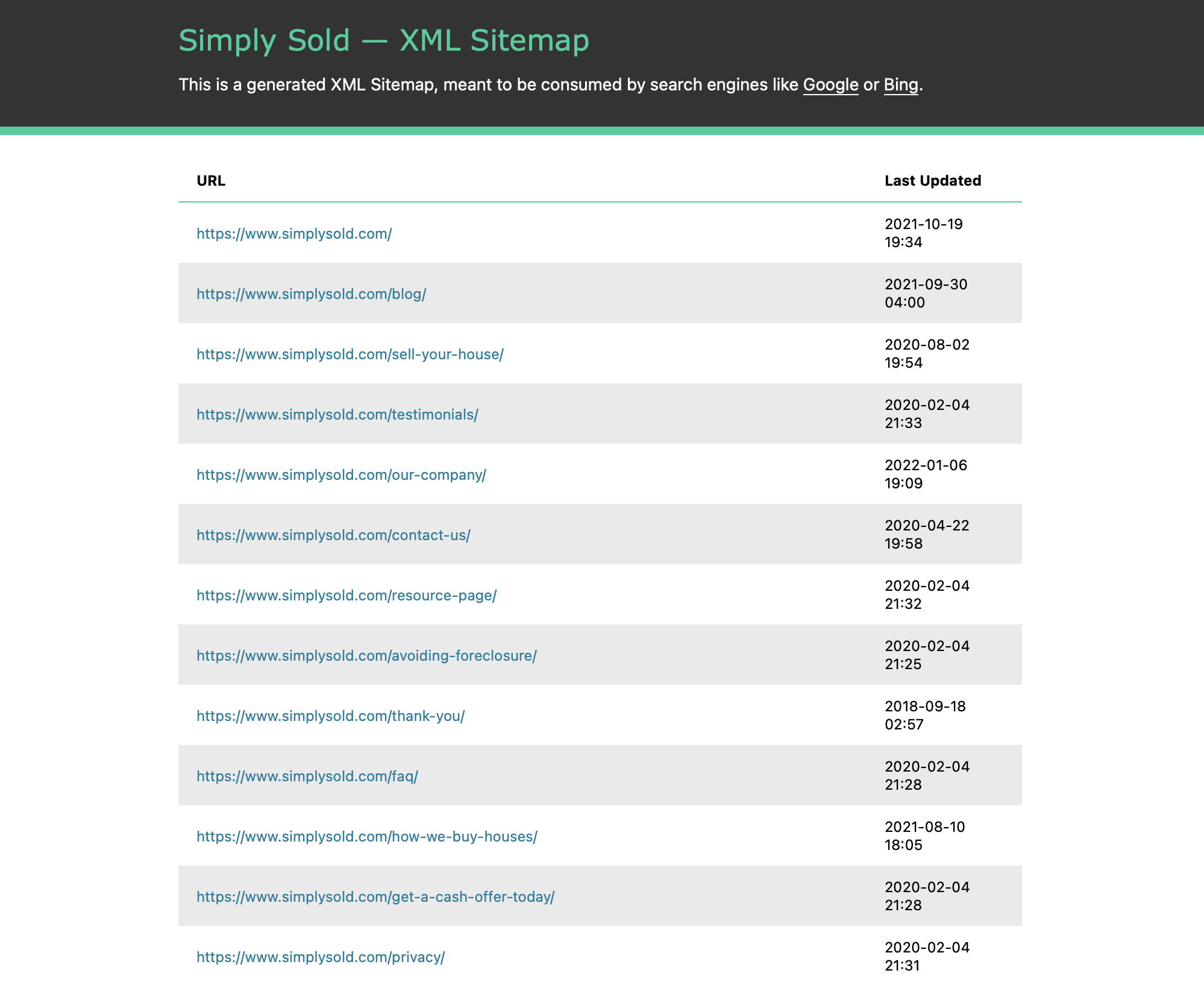
    Here’s an example of what your XML sitemap should look like:

    Example XML Sitemap

    If you’re a Carrot member, then this is handled for you. Carrot ensures your site is configured correctly and that Google can find and index all the pages on your site.

    Unveiling the Landscape: Essential Tools for Technical SEO Analysis

    While a technical SEO checklist provides a solid framework, SEO tools act like powerful magnifying glasses, allowing you to zoom in and identify specific technical issues impacting your website. A combination of free and paid tools can equip you to conduct a comprehensive technical SEO analysis.

    Here are some essential tools to consider for your technical SEO toolbox:

    Free Tools:

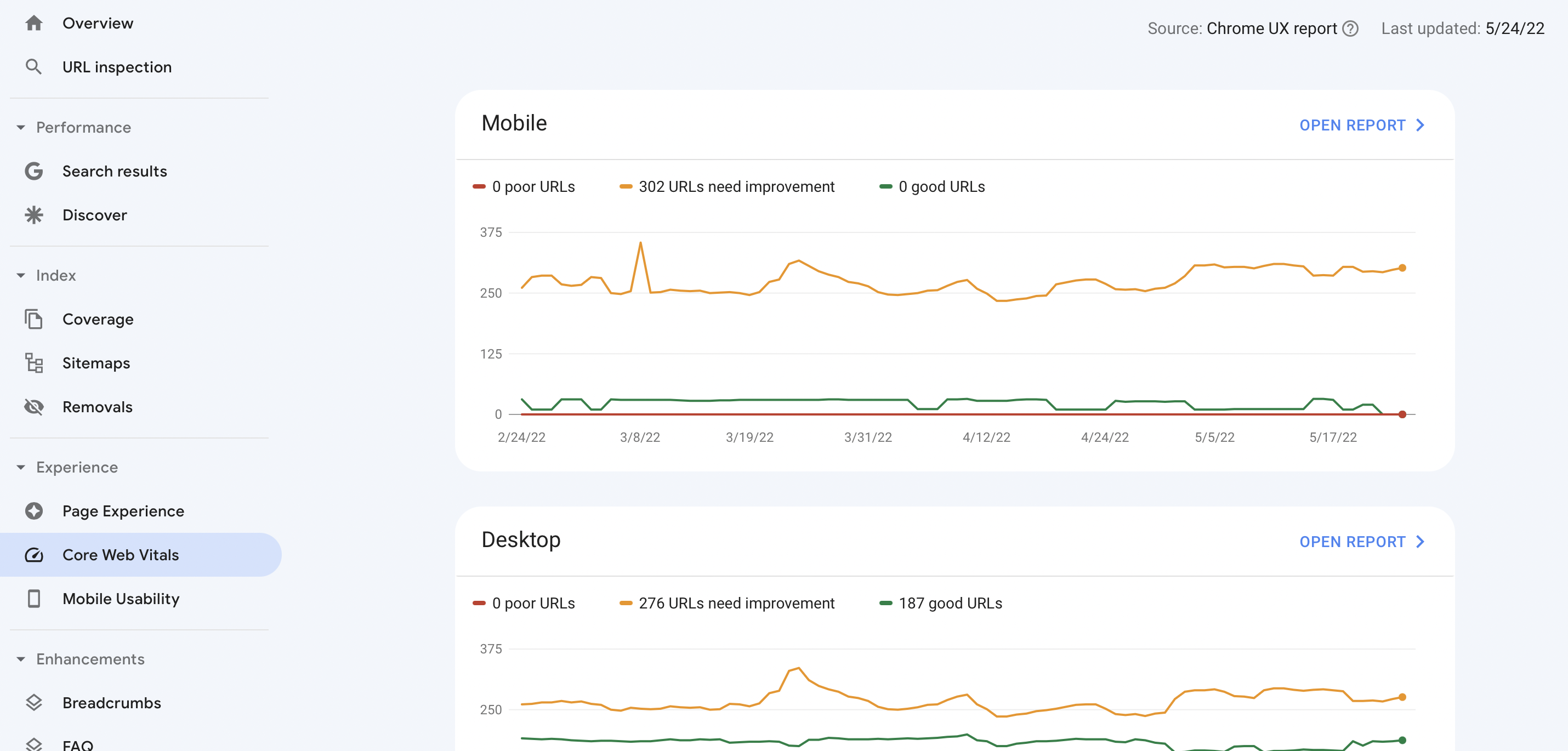
    • Google Search Console (GSC): This free powerhouse from Google offers a wealth of insights into your website’s search engine performance, including crawl errors, mobile usability issues, and sitemap status. It’s a must-have for any technical SEO analysis.
    • Google PageSpeed Insights: Focused specifically on website speed, this free tool analyzes your website and provides actionable recommendations for improvement. It’s a great way to identify areas where you can optimize page load times.
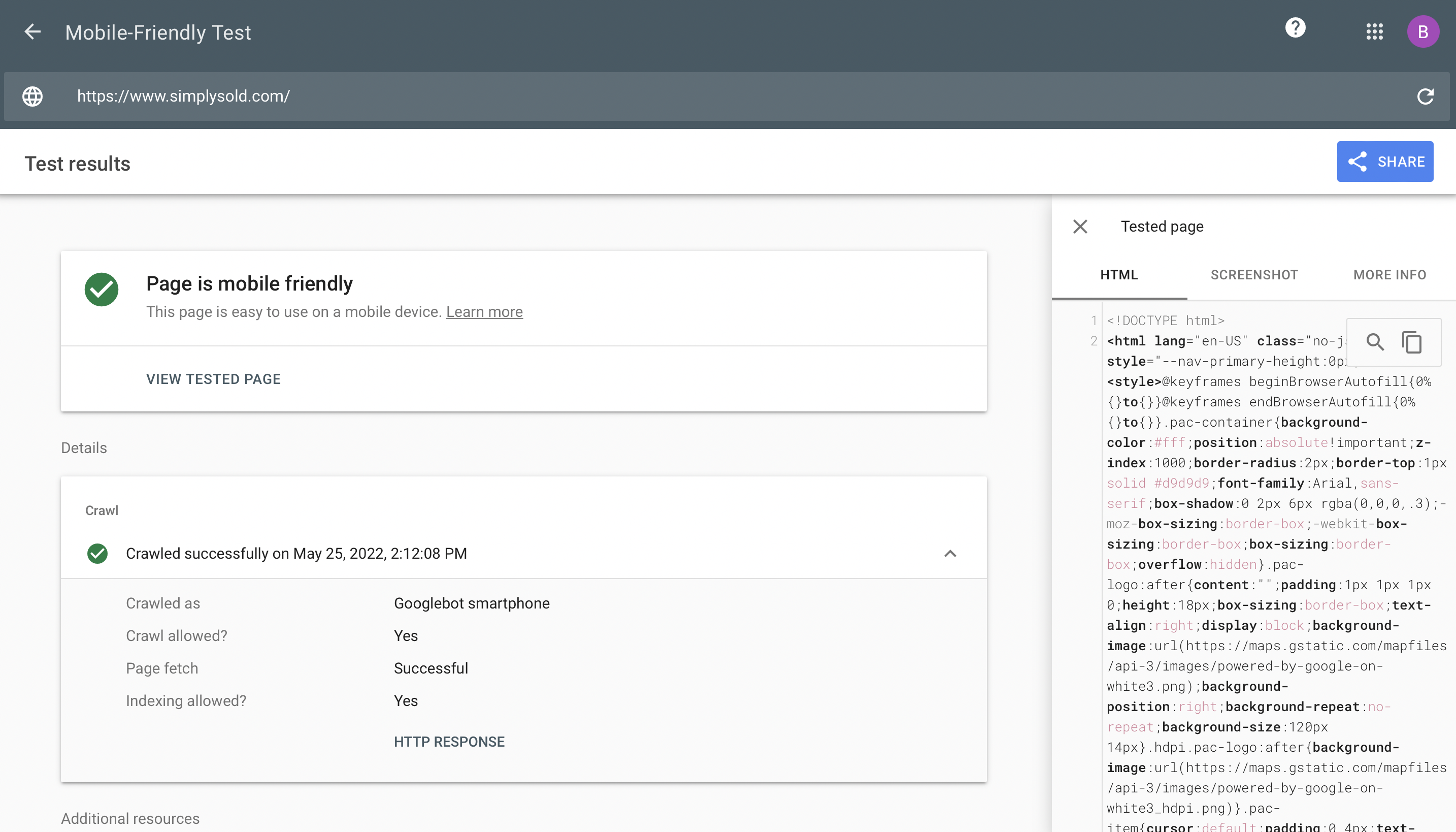
    • Mobile-Friendly Test: Another free offering from Google, this tool allows you to quickly test how your website displays on mobile devices. It’s a simple yet effective way to ensure your website provides a seamless mobile experience.

    Paid Tools:

    • Screaming Frog SEO Spider: This desktop application acts like a virtual SEO spider, crawling your website and identifying technical issues like broken links, missing meta tags, and crawl errors. It’s a powerful tool for uncovering a wide range of technical SEO problems.
    • SEMrush Site Audit: Part of the comprehensive SEMrush SEO suite, the Site Audit tool offers a deep dive into your website’s technical health. It provides detailed reports on crawl errors, mobile usability, and on-page SEO optimization, making it a valuable tool for identifying and prioritizing technical SEO issues.
    • Ahrefs Site Audit: Similar to SEMrush, Ahrefs offers a Site Audit tool that crawls your website and generates reports on technical SEO issues. It provides insights into broken links, internal linking structure, and mobile responsiveness, helping you identify areas for improvement.

    Remember, the best approach often involves a combination of free and paid tools. Free tools like Google Search Console and PageSpeed Insights offer a fantastic starting point, while paid tools can provide more in-depth analysis and reporting capabilities. Choose the tools that best suit your needs and budget to empower your technical SEO analysis.

    Putting it into Action: Analyzing Your Website with the Checklist & Tools

    Now that you’re armed with the technical SEO checklist and a toolbox of powerful tools, it’s time to delve into analyzing your website. Here’s a step-by-step walkthrough to guide you:

    Step 1: Gather Your Tools

    Start by having your chosen technical SEO checklist and tools readily available. This might include the free Google tools (Search Console, PageSpeed Insights, Mobile-Friendly Test), and potentially a paid SEO tool like Screaming Frog or SEMrush Site Audit.

    Step 2: Work Through the Checklist

    Use the technical SEO checklist as your roadmap. Go through each section (crawlability, indexability, mobile-friendliness, site speed) and assess your website’s health in those areas.

    Step 3: Leverage the Tools

    For each section of the checklist, utilize the relevant SEO tools to gain deeper insights. Here’s how some tools can be applied:

    • Crawlability:
      • Google Search Console: Check the “Crawl Errors” report to identify any issues preventing search engines from accessing your pages.
      • Screaming Frog: Crawl your website using Screaming Frog to identify broken links and crawl errors.
    • Indexability:
      • Google Search Console: Use the “Coverage” report to see if any important pages are blocked from indexing or have indexing issues.
    • Mobile-Friendliness:
      • Google Mobile-Friendly Test: Enter your website URL and see how it renders on mobile devices.
      • Screaming Frog: Screaming Frog can also identify mobile-friendliness issues during its crawl.
    • Site Speed:
      • Google PageSpeed Insights: Analyze your website with PageSpeed Insights to identify areas for improvement regarding loading speed.

    Step 4: Interpreting the Results

    Each tool will provide reports and data that pinpoint specific technical SEO issues. Here’s a general approach to interpreting the results:

    • Free Tools:
      • Google Search Console: The reports will highlight issues with clear explanations and often suggest solutions.
      • Google PageSpeed Insights: The tool will provide a score and specific recommendations for improvement, like optimizing images or reducing page size.
    • Paid Tools:
      • Screaming Frog: The software generates a comprehensive report detailing various technical SEO issues. You’ll need some familiarity with SEO best practices to interpret the findings.
      • SEMrush/Ahrefs Site Audit: These tools offer detailed reports with explanations and prioritization of technical SEO issues, making them easier to understand and address.

    Step 5: Take Action!

    Once you’ve identified technical SEO issues through the checklist and tools, it’s time to take action! Prioritize the most critical issues that are likely to have the biggest impact on your search engine ranking and user experience. Many SEO tools offer suggestions for fixing the identified problems.

    Remember, a technical SEO analysis is an ongoing process. As you make changes and optimize your website, it’s important to revisit the checklist and tools periodically to monitor progress and identify any new issues that may arise.

    Conquering the Challenges: Fixing Technical SEO Issues & Prioritization

    The technical SEO analysis has unearthed valuable insights, but the real magic happens when you address the identified issues. Here’s where prioritization becomes crucial.

    Not all technical SEO issues are created equal. Some can significantly hinder your search engine ranking and user experience, while others might have a lesser impact. Focusing on the most critical issues first will yield the biggest return on your investment.

    Here’s how to approach fixing technical SEO issues with prioritization in mind:

    • Severity: Start by addressing the most severe issues first. These might include crawl errors that prevent search engines from accessing your pages, missing or duplicate meta tags that confuse search engines, or critical mobile usability problems that frustrate users.
    • Impact: Consider the potential impact of each issue. For example, a large number of broken links can significantly hurt your website’s ranking, while a single missing image alt tag might have a lesser effect.

    Common Technical SEO Issues & Solutions:

    Here are some frequent technical SEO culprits and how to tackle them:

    Broken Links:

    Identify broken links using SEO tools and replace them with working links or remove them entirely.

    How to Find & Fix Broken Links

    Fixing broken links on your site is important for some key reasons:

    1. It creates a better experience for your visitors: nobody likes clicking on a link and getting an error message.
    2. It helps Google crawl your site more efficiently: you don’t make it hard for people to contact you, so why would you treat Google that way?
    3. It helps to pass link juice or link equity throughout your website: this helps your content rank better due to its extra authority.
    4. it shows Google that your site is well-maintained and of high quality: Google considers broken links an indication that your site is outdated and poorly maintained.

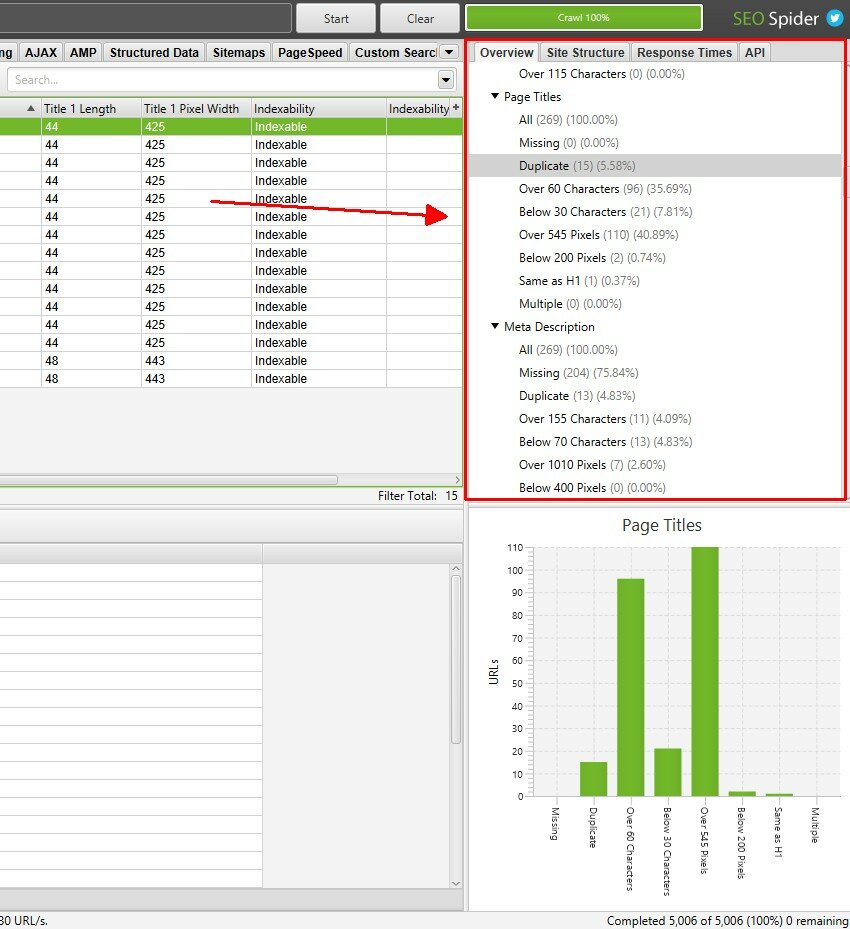
    Suppose you want to find and fix broken links on your site. Use any crawler to scan your site and identify all the broken links. Screaming Frog is an option here—it’s free for sites with up to 500 pages!

    Screaming Frog SEO Spider
    Screaming Frog Discovering Errors

    When scanning for these errors, replace all 4xx and 5xx error pages, and either remove or replace those links with updated, correct links, avoiding the use of redirects where possible. For more info, read this guide on how to fix broken internal links.

    Slow Loading Pages:

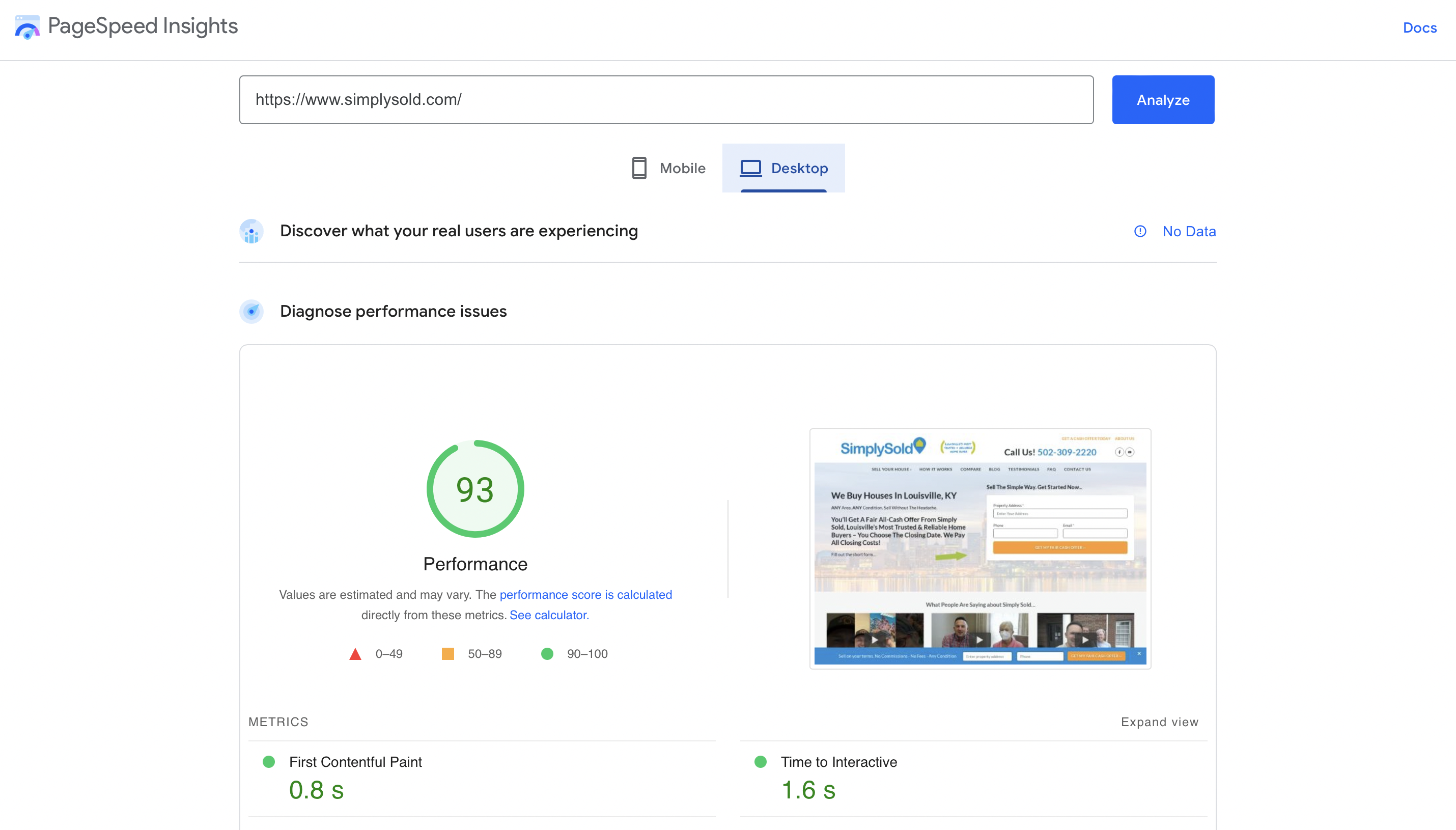
    Analyze your website with Google PageSpeed Insights and implement recommendations to improve page load speed. This could involve optimizing images, reducing page size, and enabling browser caching.

    How to Improve Your Site’s Load Speed

    Engagement 101 teaches if your site doesn’t load quickly, people won’t stay on it. 

    40% of visitors will leave a site that takes longer than 3 seconds to load.

    So if you want people to stick around (AND if you want to improve your SEO), you need a fast website. Test your website using Google’s PageSpeed Insights.

    PageSpeed Insights performance test

    There’s a clear correlation between sites that load fast and rank well…

    Good news for Carrot members—out of the box, their websites are 69.8% faster than custom websites.

    How do you make your site load fast if you’re not a Carrot member? Here are some tips…

    • Use a content delivery network (CDN): a globally distributed system of servers that delivers content to visitors based on their geographic location allows visitors from all over the world to load your content quickly, no matter where they are.
    • Compress your images: images are often the heaviest elements on a page, slowing down your site’s loading speed. To avoid this, compress your images before you upload them to your site. You can use a free tool like TinyPNG to do this.
    • Optimize your code: if your website’s code is bloated or inefficient, it can slow down your site’s loading speed. To avoid this, minify your HTML, CSS, and JavaScript files. You can use a free tool like Minifier to do this.

    Crawl Errors: 

    Use Google Search Console to identify crawl errors and fix any underlying issues preventing search engines from accessing your pages. This might involve fixing robots.txt configuration or resolving server-side errors.

    How to Fix Crawl Errors

    Redirects can significantly impact user experience and crawl efficiency, particularly if they are broken, form chains, or create loops.

    Similar to broken links, they deteriorate the user experience and can confuse bots. Even functioning redirects add complexity, and my guiding principle for dealing with search engine crawlers is to maintain simplicity whenever possible.

    There’s inconsistency in statements from Google’s representatives regarding how much link equity is transferred through redirects. Commonly, this involves redirecting from old to new domains, but it’s equally applicable to page-to-page redirections. Why take the chance?

    Addressing and fixing these issues, or ideally, replacing them with straightforward, final URLs, enhances both user and crawler navigation, ensuring total PageRank value is directed to your ultimate URL.

    Review Your Content:

    Ensure all important pages have unique and relevant title tags and meta descriptions to help search engines understand your content.

    How to Review Your Content

    While this isn’t a content audit discussion, content quality is still vital in technical SEO upkeep. A site audit should evaluate content quality, pinpointing issues such as:

    • Duplicate content,
    • Broken images,
    • a high number of low word count pages, and
    • Incorrect tag usage, including duplicates or absences of:
      • H1,
      • title, and
      • meta descriptions.

    Naturally, high-quality and well-organized content tends to rank better and engage users. This isn’t a straightforward “pass/fail” situation, but during a tech audit, if the content lacks quality, it’s crucial to note that a content audit should be the next step.

    It’s also worth being aware that some themes can cause issues with your content. Incorrect tag usage can often be tied to theme configuration instead of the way in which the content itself has been formatted.

    Insecure Website (Missing SSL): Ensure your website uses HTTPS encryption by installing an SSL certificate. This improves your website’s security and gives you a slight ranking boost in search results.

    How to Ensure Your Site is Secure

    Google has stated that it prefers sites that use HTTPS, the secure version of HTTP. They’ve even started giving a slight ranking boost to sites that use HTTPS.

    Website showing it is HTTPS secure

    If you’re unfamiliar with HTTPS, it’s a more secure way of transmitting data over the internet. When you visit an HTTPS site, all the data exchanged between you and the site is encrypted. That means it’s much harder for hackers to intercept and steal that data.

    This is especially important for real estate investors and agents because you often deal with sensitive information like addresses, phone numbers, and email addresses.

    To use HTTPS, you need to get your SSL certificate — a digital certificate that authenticates your website’s identity and enables encryption. You can request your SSL certificate through your website host or hire someone else to help you. 

    If you’re a Carrot member, then your site is automatically HTTPS encrypted. This will result in a safer experience for your website visitors and better rankings in Google. 

    Missing Localization Configuration:

    If you target international audiences, verify your website’s hreflang tags are correctly configured. This helps search engines understand your website’s language variations and deliver the most relevant version to users in different regions.

    How to Check Your Localization Config

    Incorrect or absent hreflang or HTML lang attributes can hinder organic search performance, particularly for websites targeting diverse regions or languages.

    In my experience, multilingual sites often start as problematic whenever I begin a technical SEO audit.

    Properly implementing these attributes ensures that search engines present the correct content to the intended audience.

    If you only run your site in English and think you can forget about this type of thing, I’d caution you to think again.

    It’s still beneficial to implement this, as it aids search engines and other tools in recognizing the primary language of your page.

    This boosts accessibility, enabling screen readers to apply the correct language pronunciation rules, and it also enhances search engines’ comprehension of your site’s content.

    With content translation becoming more routine, these straightforward steps significantly enhance content accessibility to a broader audience, and Google likes it when you consider this.

    Subpar Mobile Experience:

    Even if your website uses a responsive design, conduct a mobile-specific SEO audit. This might reveal issues like slow mobile load times or usability problems on smaller screens. Prioritize fixing these issues to ensure a smooth mobile experience.

    How to Make Your Site Mobile-Friendly

    It’s no secret that more and more people are using their phones to surf the web. Over 60% of all internet traffic now comes from mobile devices!

    If your site isn’t set up for mobile SEO, you’re missing out on a ton of traffic (and potential leads).

    It also means that Google is starting to penalize sites that aren’t mobile-friendly. In other words, if your site isn’t optimized for mobile devices, you could be pushed down in the search results…

    To avoid this, you must ensure your site is “responsive.” That means it should adjust to fit any screen size, whether a phone, tablet, or desktop computer. 

    Test your site using Google’s mobile-friendly test.

    Google's Mobile-Friendly testing tool
    Carrot member website mobile-friendly test results

    If you’re a Carrot member, then your site is automatically responsive. We build all Carrot sites using responsive design, so you don’t have to worry about this!

    Poor Page Experience:

    Page experience encompasses various factors that impact user experience, including mobile-friendliness, loading speed, and visual stability. Use Google Search Console’s “Core Web Vitals” report to identify areas for improvement in page experience. Optimizing these factors can significantly enhance user experience and potentially improve your search ranking.

    How to Improve Your Page Experience

    Google is continually updating its page experience signals. Core Web Vitals combined with existing search signals, including mobile-friendliness, safe browsing, HTTPS security, and intrusive interstitial guidelines, are all factors here.

    If you need a refresher, read this guide to Core Web Vitals.

    CWVs are comprised of four factors:

    Core Web Vitals

    Largest Contentful Paint (LCP) – the loading performance of the largest contentful element on the screen. This should happen within 2.5 seconds to provide a good user experience.

    First Input Delay (FID) – measuring when someone can first interact with the page. To ensure a good user experience, the page should have an FID of less than 100 ms.

    Interaction to Next Paint (INP) is an observation of the time it takes for the page to respond to all click, tap, and keyboard interactions that occur during a user’s visit to a page.

    Cumulative Layout Shift (CLS) – measuring the visual stability of elements on the screen. Sites should strive for their pages to maintain a CLS of less than .1 seconds.

    These ranking factors can be measured in a report found in Google Search Console, which shows you which URLs have potential issues:

    Core Web Vitals in Google Search Console

    Finding In-Depth Solutions:

    These are just a few examples, and the solutions can vary depending on the specific issue. For more in-depth solutions and troubleshooting steps, leverage the resources available online. Many SEO tools offer detailed guides and explanations for fixing technical SEO problems. Additionally, reputable SEO websites and blogs often publish articles and tutorials on common technical SEO issues and solutions.

    Remember, tackling technical SEO is a journey, not a destination. By prioritizing issues, implementing solutions, and monitoring progress, you can create a technically sound website that thrives in search engine results and provides a seamless user experience.

    Technical SEO Best Practices

    Performing a technical SEO audit may initially appear complex, but with a methodical approach and the correct toolkit, it transforms into a critical element of your online marketing plan.

    Here are what I consider to be the best steps for conducting this in-house:

    1. Select Your Tools: Not everyone has a big budget for software. High priced tools like Ahrefs and Semrush can make the process faster, but they aren’t mandatory. Please make use of whatever you can and simply get on with it. Action matters more than software.
    2. Develop a Routine: Acknowledge that this isn’t a one-time fix, so frequency is key. Depending on your website’s size and intricacy, a schedule will help—be it monthly, quarterly, or semi-annually—to proactively manage potential issues. At Dialed Labs, we use weekly audits to maintain and monitor our client sites.
    3. Prioritize Findings: Address issues based on their potential impact on your site’s effectiveness and user experience, and remember that not all discoveries demand immediate action. Implement the highest impact fixes first.
    4. Detail Changes and Monitor: By keeping detailed logs of your fixes, you can evaluate what techniques are fruitful and discover any fixes that may not have gone to plan. We keep a detailed “Activity Log” for client projects to transparently showcase daily updates.
    5. Stay on the Cutting Edge of SEO: Winners more or less take all in SEO, so being second best is hardly the right strategy. If you want to be at the top of the SERP, staying in the loop with the most recent official and community-driven guidelines and trends is essential.
    6. Engage with External Experts: Sometimes, external insights can make a significant difference. Consider consulting with professionals for a more in-depth and comprehensive review.

    Technical SEO Checklist

    It’s easy to get lost in the weeds as you go through a process like this. Download and print out the following checklist. It will help you stay on track and not miss anything important.

    Printable Technical SEO checklist

    The Road Ahead: Maintaining Your Technical SEO Advantage

    Congratulations! By conducting a technical SEO analysis, you’ve taken a significant step toward improving your website’s search engine visibility and user experience. However, technical SEO is an ongoing process, not a one-time fix.

    Search engine algorithms and user expectations constantly evolve, so it’s crucial to revisit your technical SEO health regularly. Scheduling periodic technical SEO audits (every 3-6 months) allows you to identify and address any new issues that may arise.

    Remember, the technical SEO checklist and tools you explored earlier are valuable companions on this journey. Use them to monitor progress, stay up-to-date with technical SEO best practices, and ensure your website remains search engine-friendly over time.

    Ready to Take Your Technical SEO to the Next Level?

    If you’d like to delve deeper into technical SEO or need assistance implementing solutions, we’re here to help! We offer a variety of resources, including:

    • In-depth guides on specific technical SEO topics
    • SEO consultations tailored to your website’s needs
    • Ongoing technical SEO monitoring and maintenance services

    By investing in your website’s technical SEO health, you’re investing in its long-term success. Contact us today to explore how we can help you achieve your SEO goals!

  • 101 Real Estate Blog Post Topic Ideas to Spark Your Creativity

    101 Real Estate Blog Post Topic Ideas to Spark Your Creativity

    Are you having difficulty coming up with great real estate blog post ideas? Generating new blog post topics can be a discouraging task. We have compiled a list of 101 real estate blog ideas you can write about today.

    Key Takeaways

    • “Evergreen” content is a blog topic that stays relevant and fresh for a long time. This is ideal for a website so that your content continuously attracts leads.
    • There are 10+ types of blogs. Understanding them makes it easier to come up with new blog ideas and write content that readers find helpful.
    • QUALITY content is more important than quantity. Make sure your blog posts show your experience, expertise, authority, and trustworthiness (E.E.A.T.).

    Read on to understand why publishing blog posts on your website is important, how to do it correctly, and get real estate blog topic ideas to get you started!

    Table of Contents

    1. Why Blogging Matters (& How to Do it Right!)
    2. Types of Blogs
    3. Real Estate Blog Post Ideas for House Buyers
    4. Real Estate Blog Post Ideas for Rehabbers & Flippers
    5. Real Estate Blog Post Ideas for House Sellers
    6. Real Estate Blog Post Ideas for Tenant & Property Management
    7. Real Estate Blog Post Ideas for Rent-To-Own Property
    8. Real Estate Blog Post Ideas for Foreclosures
    9. Real Estate Blog Post Ideas for Real Estate Agents
    10. Real Estate Blog Post Ideas for Real Estate Investors
    11. Real Estate Blog Post Ideas for Local Market Trends & Analysis
    12. Real Estate Blog Post Ideas for Land Buying & Selling
    13. Evergreen Marketing For Real Estate Investors Is Misunderstood…
    14. Here’s How To Provide Great Value To Your Ideal Prospects
    15. Here’s How To Read People’s Minds
    16. Writers Block? Get Started With These Real Estate Blog Ideas
    17. How Consistently Should I Post Real Estate Blogs?
    18. More Tips To Create Great Real Estate Content
    19. How To Get Content Written For You
    20. The Carrot Content Marketing System
    21. Get Your First (or next) Blog Posts Up!
    Carrot icon
    Lead generation, at its best
    Attract, convert & close more motivated leads
    Try Carrot Today

    Why Blogging Matters (& How to Do it Right!)

    As a real estate investor, your job is to gather more motivated sellers and cash buyers so you can do more deals. The more often you do that, the more deals you can do; the more you can automate that process, the easier it becomes for you (and the more you can scale without working yourself to the bone).

    Marketing your real estate investing business online means competing with other investors for just a few positions on the search engine results pages!

    And, the higher you appear in search results, the more likely people are to click on YOUR search result and end up on YOUR site. But once they’re on your site, your job isn’t over! You need to convince them to do business with you.

    That’s where content marketing comes in.

    Evergreen content is search-optimized content that is continually relevant and stays “fresh” for your target audience over a long period.

    Evergreen content marketing (done the right way) helps you get in front of more of your prospects online and capture the attention of the people you want to do deals with. Once those people are on your site, marketing builds credibility and authority for you and your business.

    Done right, evergreen content is perhaps the most significant edge you can get as an investor regarding the web.

    Blogging remains one of the most potent ways to connect with your audience and drive them to action. The blog ideas you choose to spend your time & resources on are important.

    Research shows that companies who blog with quality content get 67% more leads than those who don’t publish content.

    We’ve found that SEO inbound marketing close rates are 2 to 4 times higher on average than outbound selling efforts—making the right real estate blog ideas an investment that pays off big time.

    We’ve seen our members creating quality content from blogging and other page resources for 10+ years. We’ve learned a thing or two about how to develop content ideas that already have proven demand online for our members.

    To make it even easier, we broke this list down into topics and investment focus areas so you can find blog ideas that perfectly fit your needs.

    Types of Blogs

    Before diving in, let’s explore some of the most commonly used templates for blog posts:

    • Listicle: A numbered list, like “Top 5 Things NOT to Do When Selling a House for Cash.”
    • Case Study: Telling a story about a real experience. This is a great way to highlight your customer’s experiences with you and the results they got.
    • How-To Guide: Just like it sounds, an expert guide that helps people answer a question and learn how to do something.
    • Solutions Overview: Offer a service or product? Use a blog to explain what it is and (more importantly) how it helps!
    • Checklist: People working through a process — like selling a house they inherited, dealing with a home foreclosure, looking to sell for cash, buy land, etc. — need to know what steps to take. You’re the expert, so make them an easy-to-follow checklist.
    • Comprehensive Guides: Google loves expert content that explores a topic in depth, and your potential customers are looking for information. Prove your expertise, put customers at ease, and make Google happy with long-form comprehensive guides that dive deep into a topic. (Bonus: You can link to relevant checklists from your guide!)
    • Definitions Explained: If you’re in a particular niche area or there’s a term or concept that our customers always seem confused by, use that as an opportunity to educate others by explaining it on your website.
    • Statistical Analysis: People hear phrases like buyers or sellers market or other stats in your area, but they may not understand what that means for them. Dive into the statistics to explain the impact it could have for your customers.
    • Frequently Asked Questions (FAQs): Short, sweet, clear copy that quickly answers common questions. Pro Tip: Be sure to use the same words your leads might use.
    • Comparison Breakdown: Shoppers are always comparing products and services, so break down how your company is different from your competition or how selling/buying options differ.

    Real Estate Blog Post Ideas for House Buyers

    • Top problems buyers face when looking to buy for cash flow.
    • Where buyers can find money to do more deals (savings, mortgage loans, lines of credit, private money, etc.).
    • A comparison of the various ways to buy a home (mortgage, rent-to-own).
    • A checklist of qualifications that someone needs if they want to get a mortgage.
    • How a buyer’s agent can help you.
    • What are the pros and cons of different mortgage types? Ie…fixed, 15 year to 30 year?
    • What questions do I need to ask a seller before buying a home?
    • How to pencil in your home buying costs.
    • How to make an offer on a house.
    • # common mistakes homebuyers make.
    • # of things first-time homebuyers need to consider.

    Real Estate Blog Post Ideas for Rehabbers & Flippers

    • Top problems buyers face when looking for rehab properties.
    • Strategies to control costs on rehab properties.
    • How to negotiate with contractors and sub-contractors.
    • How to work with contractors and sub-contractors and get them to finish the work on time.
    • How to do due diligence when you can’t tear down every wall.
    • Top # tips for rehabbing a house.
    • What will rehabbing a house cost you?
    • What first-time flippers can expect.
    • How to rehab and flip an ugly house.
    • Should you use a contractor to rehab a flip?

    Real Estate Blog Post Ideas for House Sellers

    • Top problems sellers face when selling their property through traditional methods (and why selling their home for cash to you is much better).
    • Top ways that sellers can improve their home’s curb appeal before selling it.
    • How much should a seller ask for their home?
    • How long does it take to sell a home in the various ways (i.e., compare traditional, FSBO, or selling to an investor).
    • A step-by-step checklist that a seller can use to prep their home for sale.
    • Sell your home faster with these crafty tips.
    • What is a deed when selling your home?
    • Should you sign a trust deed when selling your house?
    • Who is responsible for title insurance?
    • Is Craigslist worth listing my house on?
    • Seasonal advantages or disadvantages of selling your house.
    • Why start preparing your home for sale years before selling it.
    • What is keeping your home from selling?
    • This is why your house isn’t selling.

    Real Estate Blog Post Ideas for Tenant & Property Management

    • Strategies to deal with tenant problems.
    • How to interview tenants and know when you’ve found the right one.
    • How to deal with tenants that cause property damage?
    • How to keep a good tenant?
    • How to protect yourself from bad tenants?
    • Top # property management mistakes.
    • How to solve the biggest property management issues.
    • Property management issues when renting out a condo.

    Real Estate Blog Post Ideas for Rent-To-Own Property

    • Top problems rent-to-own tenants face, and how working with you can solve those problems.
    • Step-by-step through the rent-to-own process.
    • What does someone need to qualify for rent-to-own?
    • What is renting-to-own?
    • Is there a growing demand for rent-to-own homes?
    • When rent to own – who is responsible for paying homeowners insurance?
    • Can someone be eligible for a lease-to-own contract if they have filed bankruptcy?

    Real Estate Blog Post Ideas for Foreclosures

    • Top problems faced by people in foreclosure.
    • How does the foreclosure process work?
    • What are the ways to avoid foreclosure?
    • If homeowners file for bankruptcy, can they stay in their property and avoid foreclosure?
    • What should I know about buying a foreclosed home?
    • Insider tips to buy a foreclosed home.
    • Potential downfalls for purchasing a foreclosed property.
    • # tips for buying a foreclosure.
    • Top # of mistakes made when buying a foreclosure.

    Real Estate Blog Post Ideas for Real Estate Agents

    • How to find the best real estate agent in your area.
    • How the commission structure works.
    • # of advantages/disadvantages of hiring a real estate agent.
    • Share an interesting story about a real estate deal.
    • Share an interesting story about a house listing (distressed, high priced…)
    • What are the pros and cons of holding an open house?
    • Why low commissions are bad for home sellers.
    • # tips to mitigate capital gains on real estate sales.
    • # Important things to know about appraisals and comps.
    • Find comps in your area to determine the potential appraised value.

    Real Estate Blog Post Ideas for Real Estate Investors

    • How to work with an investor – what to expect, how quickly they can help, who should be involved.
    • How investors can network with people to find private capital.
    • How to find a great property management company to work with.
    • How many cash-flowing properties do you need to retire early?
    • Ways to increase cash flow from your properties.
    • A step-by-step plan to build a portfolio of cash-flowing deals.
    • Share an interesting story about a real estate investing deal.
    • What to look for in potential homes to use as flips.
    • What to look for when buying an apartment complex?
    • What to look for when buying a condo?
    • What types of homes should I look for as a beginner investor?
    • What is the top # of things an investor should look for in an investment home?
    • # of real estate investment niches.
    • Different types of commercial real estate investments.
    • # Worst types of real estate investments.
    • How to attract investor-friendly real estate agents.
    • Overview of the Local Real Estate Market
    • Neighborhood Spotlight: Highlighting Local Communities
    • Market Predictions and Forecasting
    • Impact of Economic Factors on the Real Estate Market
    • Investing in Emerging Neighborhoods
    • Demographic Shifts: Understanding Population Trends and Their Influence
    • Infrastructure Development: Assessing the Impact on Property Values
    • Tourism and Hospitality: Analyzing the Effects on Vacation Home Markets

    Real Estate Blog Post Ideas for Land Buying & Selling

    • # Land buying problems to avoid.
    • # Reasons why you should be investing in land.
    • Things to consider before buying land.
    • How to sell lots and land.
    • How selling land is different than selling a home.
    • What do you need to do to get your land ready to sell?
    • Is the lending market for vacant lots and land difficult?
    • How to take good photographs of your land before selling it.

    Evergreen Marketing For Real Estate Investors Is Misunderstood…

    Content marketing is powerful … when done right. Many inexperienced investors turned on a relentless content marketing “machine” that churned out blog posts hour after hour or were thin pieces of content that lacked any real value or substance for the reader.

    They had heard the maxim that “content is king,” so they thought that creating more content would help them elevate to a higher level in search results.

    Unfortunately, many people chose to put content quantity over content quality.

    Google got wise to those quantity-over-quality efforts and made algorithm changes, adjusting the search results to show sites that only provided high-quality content. Suddenly, investors who had sunk thousands of dollars into creating low-quality blog posts (often through cheap services like Fiverr.com) found themselves in the Mariana Trench of search results…

    … and that’s NOT a good thing.

    These investors were short-sighted in another way:

    Aside from being punished by Google for poor quality, they also failed to realize that humans were reading their content!

    Earlier, I explained the TWO tasks that content marketing accomplished:

    1. To help them appear higher in search engines

    AND…

    2.  To help build credibility and authority to guide prospective buyers and sellers to do deals with you

    By choosing quantity over quality, investors might get a bump in search engine results (until Google changes its algorithm). Still, they weren’t doing a great job of convincing buyers of anything.

    Evergreen marketing needs to add VALUE to its readers.

    Here’s How To Provide Great Value To Your Ideal Prospects

    You need to provide great content for the people you’re trying to reach that attracts them and converts them into a lead… but how do you provide that content?

    How do you know what “good” content is? How do you package it for them so search engines see its value and attract the right audience?

    The good news is that you need to know one secret to provide great content for any audience… it works for EVERY audience you’re trying to reach.

    It doesn’t matter what kind of investing you do (wholesaler, rehabber, landlord, etc.). It doesn’t matter what audience you’re trying to reach (motivated sellers, cash buyers, probate deals, foreclosures, rent-to-own folks, tenants, contractors, or anyone else); this content marketing strategy will be true for you.

    Here’s the secret…

    Every search engine search is a question that your audience wants to ask or a problem they have (even if they don’t frame it as a question)

    Like…

    How do I sell my Detroit home?” – it’s easy to see how that’s a question.

    “I want to sell my house in New Jersey” – that’s a sentence, but there’s a question in there; they’re wondering something: “How?” or “Who?” or “What’s the process?”

    Real estate investments in Memphis” – there’s a hidden question there, too. “What are they?” or “Where in Memphis are they?” or “How much do they cost?” or “What’s the potential return?”

    What to do with a house I inherited in Michigan?” – This is where we get more narrow and focused on specific scenarios.

    Every Google search is a question and/or a problem.

    And, when you know that, you can create content on your website and in your YouTube videos that answer those questions.

    Answering questions (even the questions that searchers don’t realize they’re asking) will help you get in front of the right audience, and it will help you build credibility and trust through the valuable answers you provide.

    Then,… game over. You become a valued expert in your area… versus being seen as a fly-by-night operator like most competitors.

    Here’s How To Read People’s Minds

    This leads investors to a big question: “How do I know what people are searching for so I can answer their questions and get them to my website?

    There are many online tools, but the easiest way is to open up Google.com, start typing, and let Google do the rest!

    Google sees what you’re typing and makes some assumptions based on similar, popular searches, and it presents those assumptions to you as auto-complete options.

    Here are three examples.

    I started typing, and Google offered different ways to complete my search.

    See These Suggested Searches That Google Gave Me…

    columbusohiohomesforsale REI Post Ideas
    Blog Post Ideas For Real Estate Investors ATL
    memphisrealetateinvesting REI Blog Ideas

    While not all of these are relevant to my audience, I know that some of them are – they are questions that my audience wants to know!

    Write those down into an extensive list and build one or more blog posts around them.

    Writers Block? Get Started With These Real Estate Blog Ideas

    To help you further, here’s a list of 101 blog post ideas for real estate you can use to get you going. These blog post ideas are based on research that we quickly performed… and many of these are already built into our Content Marketing System that helps you do content marketing more efficiently (in our Content Tools).

    (Be sure to personalize these with your city and state to increase your chances of ranking well in your local area).

    As an example… “How does the foreclosure process work?”

    Localize yours for your area like… “How does the foreclosure process work in Florida?”.

    I found all of these just by doing what I showed you above… finding what my prospects are already typing into Google… and seeing what Google suggests.

    How Consistently Should I Post Real Estate Blogs?

    How often you blog ultimately depends on what you aim to accomplish with your blog.

    Many bloggers say more content is better, while others say less often. But remember, before you begin blogging, don’t forget it’s quality over quantity.

    You shouldn’t publish content just for the sake of having more posts. You should align your frequency to your content goals and resources.

    If you’re starting, aim for one blog post per week. You may increase it to twice a week as you get into a cadence.

    If writing becomes a challenge, you can use a video post tool like the one we offer at Carrot. Record a video blog and transcribe it into written content optimized for keywords.

    More Tips To Create Great Real Estate Content

    • Write valuable copy. That’s the most important step. Spend the time to create value for your audience.
    • Remember to answer the question that searchers consider when searching for your page.
    • Even if a topic doesn’t seem like it is relevant to you (such as a blog post like “Top ways to improve the curb appeal of your house before you sell it”), you can always pivot to talk about the benefits of selling the house to you rather than listing it instead.
    • Optimize your content for SEO by including search term keywords throughout the copy, including the title and any headers you use.
    • Real estate investing is a local business! Make sure your copy is fine-tuned for your town/city and state.
    • Include a clear and compelling call to action in every post.
    • Keep your posts “evergreen” whenever possible to always be relevant to your audience, even years from now.

    How To Get Content Written For You

    You’ve got many great ideas to get you started, but chances are, you probably want to focus on the deals and NOT on the actual writing. Of course, you can write some if you wish to, but there aren’t many investors I’ve met who want to do that.

    Outsourcing can be a powerful way to get your content written for you… if you find good writers who understand your prospect well and know how to optimize a blog post SEO.

    We’ve used these sites in the past to find decent writers:

    • UpWork.com (formerly Elance.com and Odesk.com)
    • Guru.com
    • TextBroker.com

    You can hire content writers on these sites to create content for you. Remember that you get what you pay for. Not all these writers can write well in English, nor will they be familiar with real estate investing. You need to do your due diligence.

    Working with topic experts (people who know our business and industry well) can be expensive, but the quality and results are 10x better. You get what you pay for.

    Or, Here’s An Even Easier Way – The Carrot Content Marketing System

    Of course, you can hire someone, but did you know that the Carrot platform already has powerful content built into it?

    For Content Tools members, with our Automated Content Library, you get regular “content packs” of blog posts that are high quality (excellent for search engines!) and informative (great for humans!), plus they’ve been optimized with some of the most powerful search engine optimization strategies on the planet… then localized for your market.

    What’s the catch? We’ve done 80-90% of the work for you, but it’s up to you to update the content with your voice. We are saving you dozens of hours per month and hundreds of dollars vs. hiring out the writing and optimization… plus you can always edit these posts to put your spin on them before they publish.

    Best of all worlds.

    So, if you’re looking for some very powerful content marketing without much effort to write it (or manage writers), then be sure to check out our Content Pro level.

    So, Let’s Get Your First (or next) Blog Posts Up!

    If you’re not going to dive in and corner your market as an expert leveraging great content… your top competition will.

    So the choice is yours.

    Evergreen content marketing is how real estate investors (wholesalers, house flippers, etc.) can now get an edge online.

    The ones who understand how to do it well are setting themselves up for long-term success as Google shifts more and more toward preferring rich and fresh content on your website.

    In this blog post, you read about the strategies you need to implement to create great content, you got 100+ compelling real estate blog post ideas to get you started, and you even read some fast-track ideas to help you get going even sooner so you can focus on doing more deals now.

    So dive in and get your first blog post up today!

    Don’t over-complicate it. Just get something up to start, then improve from there.

    I suggest scheduling one post weekly and publishing it live Tuesday, Wednesday, or Thursday. Why? Our data shows overwhelmingly that most of the leads coming through our platform come in midweek… with Sunday being the worst day. So post that content when your best prospects are likely to see it.

    Enjoy!

  • EP 310: 60 Leads Per Month. All from SEO & Carrot w/ Andy Kolodgie

    EP 310: 60 Leads Per Month. All from SEO & Carrot w/ Andy Kolodgie

    SEO is the type of marketing that gets cheaper over time.

    – Andy Kolodgie

    60 Leads Per Month. All from SEO & Carrot w/ Andy Kolodgie

    From a full-time software engineer for the Navy to a full-time real estate investor, Andy Kolodgie has found his place as a “real estate marketer.” In just over a year, he’s figured out how to use SEO to generate 60 motivated seller leads per month, while providing a simple and hassle-free selling experience. Today, you’re going to get a glimpse into how he does it, so you can do it too.

    Read the Full Show Notes Below…


    Hitting the Ground Running

    Andy started his business right around the beginning of COVID. He was looking for time and location freedom and knew that one of the best ways to do this is with real estate. Cold calling and direct mail just wasn’t Andy’s style. With his background in engineering for the US Navy, he wanted to utilize his skill set, honing in on the data and how we could make it work for his business. Since starting his business, Andy has been able to generate 60+ leads per month, all from honing in on his SEO.
    Landing Pages

    Andy has taken a slightly different approach to his landing pages than many of our other clients. As he is searching for motivated seller leads, he has chosen not to niche down, and instead focus on landing pages that target his state. This helps to capture all of the leads who are just on the outskirts of town or who may not be searching with the city name. A great strategy is to create a robust landing page for your state, that includes information on the cities in which you are buying.

    Content Quality vs Quantity

    Many people believe that they have to be writing blogs every day to improve SEO, but this simply isn’t the case. Andy has found that an abundance of informational content wasn’t attracting the sellers he was looking for. By reducing his posting frequency and focusing on the content that was of the most value to people, Andy was able to trim the fat and score more leads.

    Avoiding Bad Backlinks

    Backlinks can have a positive effect on your SEO, but should always be done in the right way. Many people will try to take the easy way out, buying links that may not be valid or beneficial. Google sees this and will in turn lower your credibility and ranking. You could be flagged and all of the work you put in could be lost. Instead, utilize methods like HARO backlinks to generate legitimate, trustworthy domain authority that will build your credibility. If you’re a Carrot member, you can also check out our backlink-building service in the marketplace.

    Creating a “Content Pillar”

    Let’s say many of your leads come from probate situations. We recommend creating a piece of pillar content around this that is several thousand words. Under this article, you can have shorter posts that a related to your topic. We recommend having 4-5 content pillars for your business. 

    Andy is helping other investors take advantage of the data in their markets! Reach out to him at thehouseguys@thehouseguysdc.com or at 202-570-4651 to find out what he can do for your business!

    Follow Our Guest: 

    Partner with Andy:  https://seomeetsrealestateinvestors.com/ 

    Andy’s Carrot Site – https://www.thehouseguysdc.com/

    We want to hear your thoughts on the podcast! Drop them in the comments section below or hit us up on Facebook or Instagram!