Serious investors need to know how to find cash buyers. Why? Let’s say you hustled and got a house under contract. You ran the numbers and figured you could profit $10,000 or more on this one property! You’re excited, nervous, and ready to finish the deal.
But what now?
After all, having a house under contract isn’t enough. You also need someone on the other side willing to pay you cash for that property. And you can’t just have one buyer — you need a whole list of people willing to buy the properties you put under contract if you’re to turn your side hustle into a successful, growing business.
(One buyer probably won’t want to buy all of your properties)
And while finding cash buyers is typically easier than finding motivated sellers, it still takes some work.
To help, here are some tips you can use to find buyers, build a trusting, long-term relationship with them, and get them to purchase your deals in no time.
What is a Cash Buyer?
A cash buyer is an individual or entity (such as an LLC formed by a group of real estate investors) with the money to purchase a home outright without financing.
An actual cash home buyer will check these boxes:
Have proof of funds
A track record of successfully purchasing and flipping properties
Authentic positive reviews and testimonials
Willingness and ability to provide seller and professional references
A cash buyer offer will most likely land between low and high offers in the multiple offer situation. Experienced investors typically have similar pricing calculations.
Offers may not be the highest because investors know how vital an agreement is and don’t want to make false promises or fail to deliver.
Many sellers are looking to sell to a cash home buyer because they need to sell quickly and easily.
Because remember, the cash buyers you’re looking for are probably already looking for properties to buy, and Craigslist is one place that they’re going to look. If they see your ad, they’ll likely reach out to you and you can add them to your buyer’s list.
It’s a free and easy way to grow your buyer’s list. What’s not to like?
2. Utilizing Facebook Groups
Facebook can a great place for finding local cash buyers. There are many local real estate Facebook groups that you can tap into.
Here’s an example of a local group.
Active groups are always posting their deals. Simply post within the group… “who’s dealing in [market city] area?”
Then wait to see who you can start building relationships with.
3. Call Real Estate Agents
Real estate agents usually have their fingers on the pulse of their market. They know how the housing market is doing, they are typically friendly, and they know tons of different people with different real estate interests — from first-time homebuyers to million-dollar cash buyers.
And that’s exactly why they’re such a great resource for you when you’re learning how to find cash buyers.
Make a list of 10 real estate agents in your area, call them, introduce yourself and what you’re doing, and ask them if they know anyone who might be interested in purchasing your properties.
You might be surprised at just how many names you get (heck! Some real estate agents are also investors looking for good deals, so you might even get some buyers that way).
4. Go To Property Auctions
Property auctions give real estate investors an opportunity to buy properties cheaply. But that might not be the only reason you want to attend these events — you can also use property auctions to meet cash buyers in your area.
After all, the only people who will go to the auction in the first place are people with enough cash to actually purchase a discounted property (i.e. the exact people who are perfect for your buyer’s list).
You can find the place and time of property auctions on your local government website and in the newspaper. When you attend, bring some business cards, mingle with the crowd, and allow relationships to form naturally.
When someone inevitably asks, “What do you do?” that’s the perfect segue into explaining your business and offering to add them to your buyer’s list.
5. Find The Rental Companies
One great way to find cash buyers with deep pockets in your market is to look for the big buy-and-hold companies, the companies with lots of rentals in your area.
Most of these companies are constantly looking to expand their rental portfolio and continue growing. More than likely, they would be open to you sending them deals.
The best way to find these companies is to search online for rentals, see who owns them, and look for the common denominator companies.
You can also take a drive and look for signs advertising rentals and then call those companies to see if they’d be interested in being added to your list.
6. Use SEO to Optimize Your Cash Buyers Website
At Carrot, we talk a lot about using SEO to find motivated sellers. By targeting phrases like “Sell my house fast for cash”, you can passively drive traffic to your website and convert those leads into deals.
Well, you can do the exact same thing with your buyer’s list.
You can build a landing page, optimize it for the keyword phrase you’re targeting — in this case, something like “buy investment properties in [market city]” would do the trick — and start collecting buyer leads.
You can get a Carrot site if you want to get your page ranking even faster — we optimize the tech stack for you :-)
7. Get a List Of Absentee Owners With Multiple Properties
Absentee owners are owners of properties who aren’t living in the property that they own. Sometimes this is because they aren’t doing anything with the property, waiting to sell, or because it’s a piece of junk.
But sometimes, people are absentee owners because they are landlords. And landlords are often looking to expand their rental portfolio as well. They just need access to cheap properties… which you can give them.
Usually, you can get a list of absentee owners from your local title company. Focus your attention on the absentee owners with multiple properties — those are the ambitious cash-buying real estate investors you’re looking for. The ones that, if you contact them, won’t have any problem with you adding them to your email list. If you’re just now learning how to find cash buyers, this is a great place to start!
8. Search On Google
It might seem like an obvious course of action to search on Google “How to find cash buyers.” So do it! Most cash buyers want to be found by motivated sellers, which you can use to your advantage.
By searching in Google for “Sell my house now for cash in [market city]”, you can find the cash buyers with the biggest online presence in your market — some of those results will be wholesalers like yourself, but some of them won’t.
Contact the companies and investors you find online and tell them what you’re doing. Then ask if they’d like to be added to your email list. If they’re trying to expand their investment portfolio, they have no reason to say “no.”
Note: It can be enticing to click on a Google Ad. BUT… costing the investor money per click. Don’t reach out to investors through ads. Not a good way to build a relationship.
Conclusion
If your business succeeds, you must have a list of high-quality cash buyers. You need access to people who trust you and are willing to buy your properties.
And you can use the above 8 ways to learn how to find cash buyers and create your list. We hope this helps you build a successful wholesaling business.
And every day, you wake up and check results. How many clicks are you getting? How many of those clicks turn into leads on your website? How many of those leads turn into deals? And do the results you’re getting justify the money you’re spending?
Those questions are enough to give any marketer a migraine…
But they are important questions to ask.
You’re spending hard-earned money on paid advertising; you need to know if that’s money well-spent or not. If it is, great! If it isn’t, you’d best make some adjustments (advertise somewhere else, tweak the ad you’re running, or change where you’re sending traffic — Carrot converts out-of-the-box).
To help you, we helped one of our members with their Google Ads campaign. We monitored their conversion rate and we even ran a nifty heatmap on their homepage which only tracked Google Ads traffic.
Here’s what we found.
The Case Study: Google Ads Traffic To Carrot Website Reveals The Most-Clicked Page On Your Site
The website/company that we ran Google Ads campaigns for is called Henry Home Buyers, a real estate investing company which operates out of Minneapolis, Minnesota.
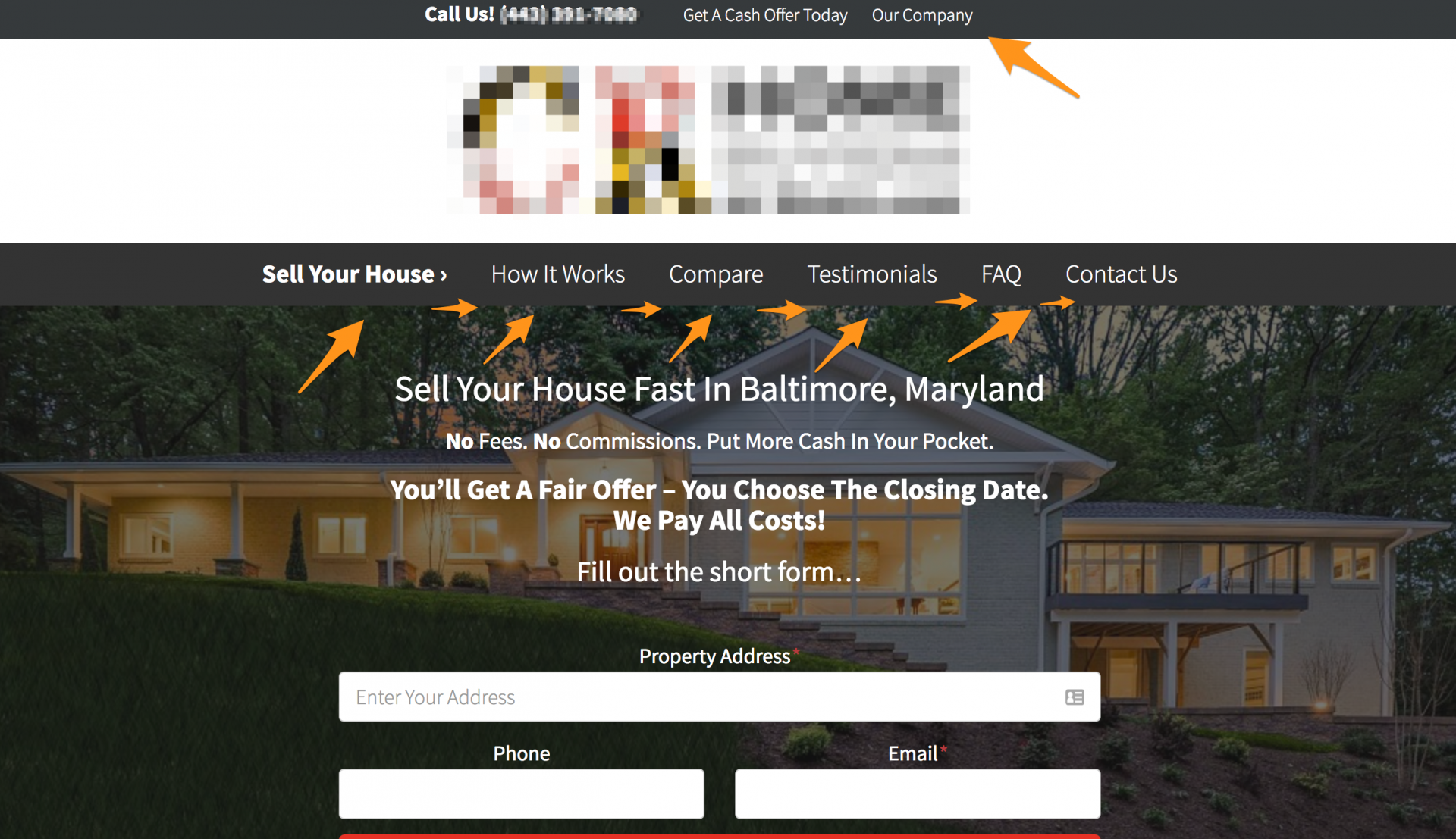
Here’s what their website looks like.
From April 15th to May 15th, we drove traffic to their website via the below Google Ad campaigns. During that time, we tracked their PPC metrics, their website conversion rate, and even put a heatmap on their homepage.
Here is an example of an which ran from April 15th to May 15th.
For the month, that Google Ad campaign received 127 clicks, which took visitors to there homepage.
The conversion rate was an above-average, super healthy 16.54%, meaning that 21 of the 127 people who clicked also opted-in on Henry Home Buyers website to become a lead.
Considering that most real estate investors need 20 or 25 leads to generate one deal, this one Google Ads campaign could have theoretically amounted to $10,000 or $20,000 (depending on the width of their wholesale fee) — we weren’t able to actually track how many of those leads turned into deals, so this is conjecture. But you get the point.
A good Google Ads campaign can pay you back ten-fold.
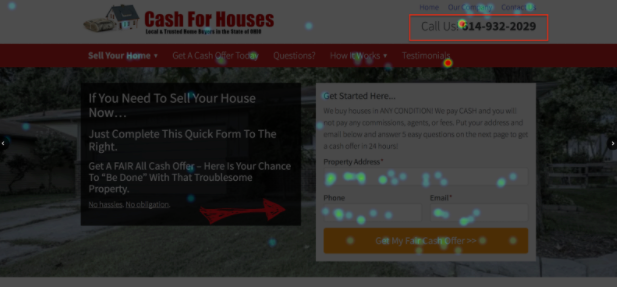
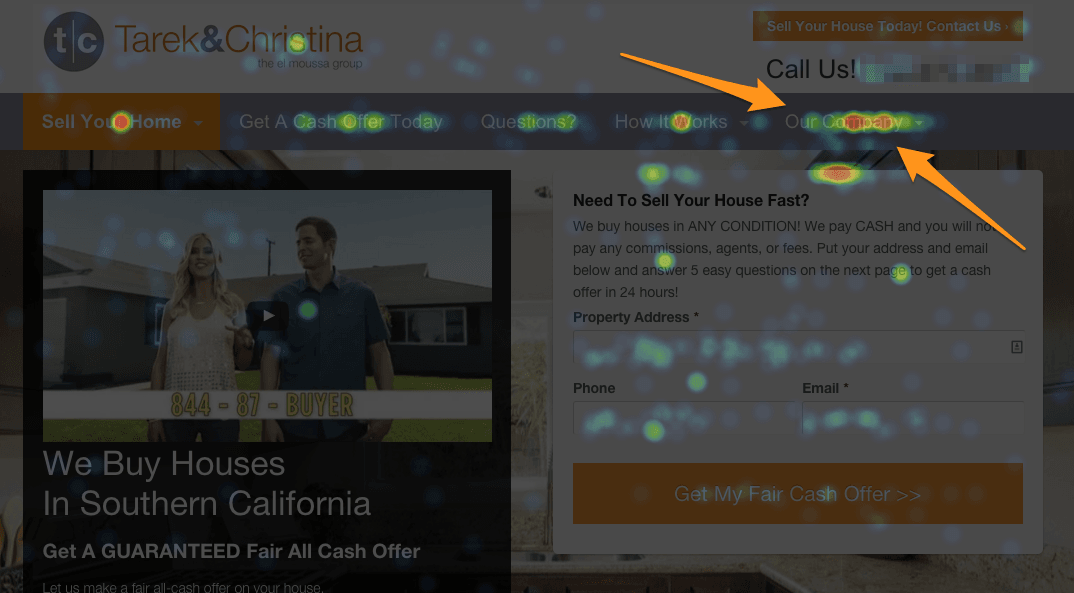
Perhaps most revealing, though, is the heatmap we ran on their homepage during the test. Take a look.
Heatmap showing the most clicked on page… the “Our Company” or in this case “Meet Our Team” page.
It doesn’t take an eagle-eyed human to spot that there’s two places lit up like a Christmas tree on the above heatmap — two places that people clicked more than anywhere else.
And their “Meet Our Team” page (AKA, the “About” page)
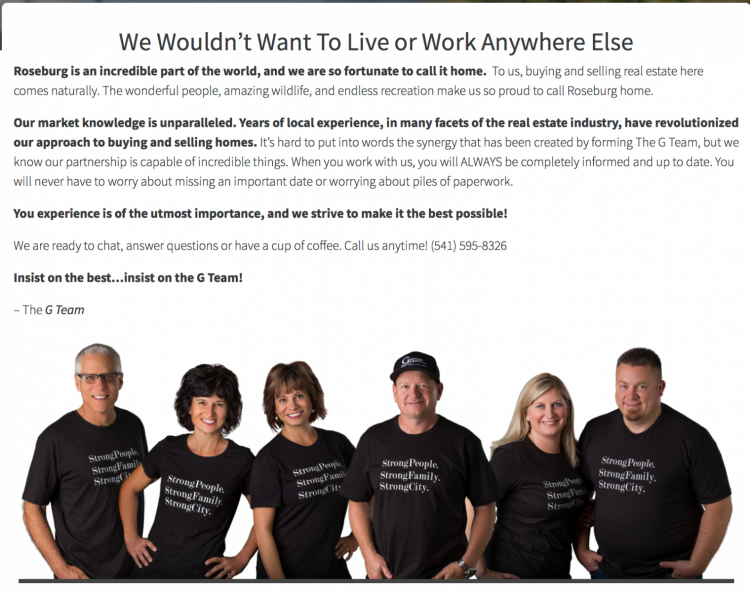
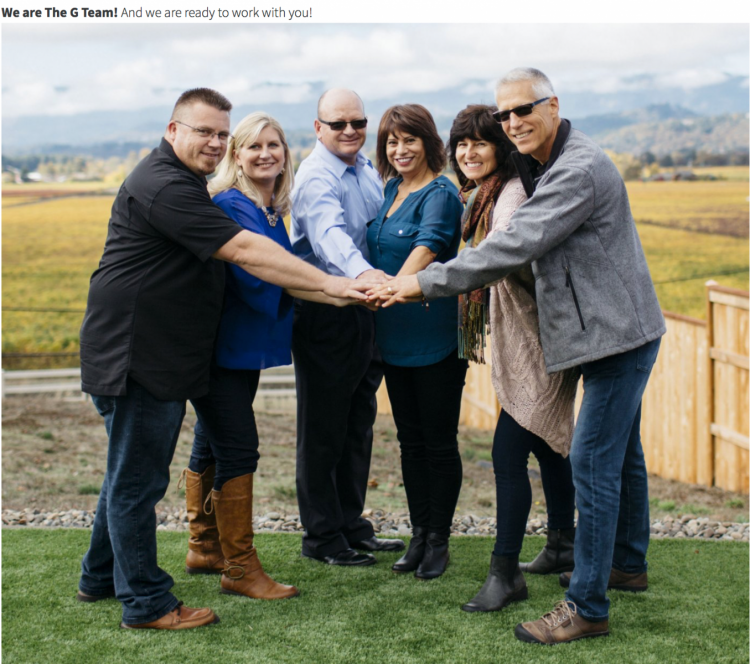
Well, it’s a darn good thing they have such an awesome “About” page with a high-quality team photo, their company’s core values, and even a CTA at the bottom encouraging visitors to give em’ a call.
Which leads us into the main takeaway from this test. And it really can’t be overstated…
The Most-Clicked Page On Your Website… Do NOT Neglect Your “About” Page…
We’ve said it a million times and we’ll say it again…
Real estate transactions aren’t just expensive financially, they’re expensive emotionally and mentally. Because real estate transactions are so taxing, the average consumer must completely trust the person that they choose to work with. They must believe you can solve their problem or help fulfill their dream, and that you can do so expertly.
They also want to know that you have their best interest in mind — you might just be building your business to make money and achieve entrepreneurial freedom, but they don’t want to know that.
They want to hear about how you can help them, why they should trust you, and how easy the process is going to be.
They want to know that you understand their situation completely.
They want to know that you’ve helped other people just like them.
And they want to know that you can help them, too.
This isn’t just true on Henry Home Buyer’s website…
It’s true on this real estate website…
And this one…
And even our OWN website!
In fact, our Carrot research found that the “About” page is almost always the 2nd most-visited page on real estate websites (right after the homepage). This means that most people who visit your website browse your homepage for a few moments and then go directly to your “About” page.
The best thing you can do, then, is treating your “About” page as a natural part of your visitor’s experience. You know they’re going to click there quite fast; what can you do to make sure your “About” page serves them well? How are you going to convince them to work with you even though they’ve never met you before?
Here are a few ideas.
Include your core values & mission statement — Remember how I mentioned that your prospect only cares about themselves and how you can help them? This is where you get to list the values of the company and the mission that drives your company. That’s immensely powerful for building trust with your website visitors. For inspiration, check out Carrot’s mission statement and core values.
Use smile-y photos — If you’re looking for motivated sellers, then your prospect probably isn’t in a very good place; more than likely, they’re going through a stressful and difficult life situation. For that reason (and to increase your likeability) give a big authentic smile in your “About” page photos.
Add a few testimonials — Nothing helps build trust with website visitors quite like a testimonial. People don’t want to be the first one to work with you, they want to know that you’ve already helped other people just like them. Assure them that you have by adding one or two testimonials (video testimonials are the best, but written will do the trick) to your “About” page.
Include a CTA — Since many people will click right to your “About” page after visiting your homepage, you should craft your “About” page like it’s the most important sales page on your entire website. Put your phone number on it and include a CTA with an opt-in form at the bottom.
Where are you sending your paid traffic?
That’s an important question.
Where are you sending paid traffic?
Because where you send paid traffic determines (at least partly) how valuable that traffic is going to be for your business. If you send traffic to a low-converting WordPress website (not all WordPress websites are low-converting, but many of them are), then you’re going to lose money fast. If, on the other hand, you send paid traffic to a high-converting site (like Carrot), you’ll make a hefty profit, you’ll gain new confidence in your paid ad campaigns, and you’ll probably even dump more money into running those ads.
(If you can make $2 for every $1 you spend, why not do that all day long?)
But how do you make sure that you’re sending your audience to a high-converting website?
What even qualifies as a high-conversion rate?
Well, cross-industry, a high conversion rate is around 2% or 3%…
And while we know that’s the average for many websites in the world today, at Carrot, we say bubkus…
We are committed to higher conversion rates, to more opt-ins, to more closed deals for our members.
Which is why, for Carrot members, an average conversion rate is around 10%…
An excellent conversion rate is around 15%…
And an incredible conversion rate is 20% or higher.
To be honest, if you’re not getting at least a 5% conversion rate with your website, then it might be time to rethink where you’re sending your paid traffic. Maybe you could try to re-work and optimize your landing page… maybe you need better targeting with your paid ads… or maybe you need a Carrot website ( ;-) shameless pitch).
Whatever the case, do not settle for a low conversion rate. Work until you’re pulling as many leads as you need to run a healthy business that provides you with the predictable income and financial stability that you need.
Conclusion
The pressure is on.
When you’re running paid ads, you’re watching the ROI of your campaigns like a hawk…
You’re wondering if the amount of money you’re spending is going to pay you back like you hope it will (try using our calculator over here to set a realistic paid advertising budget).
Unfortunately, I can’t give you the answer :(
But I can (and did!) show you what other real estate investors are doing, what kind of results they’re getting, and what you should expect for your website conversion rate.
I hope it helps you build a business that you’re proud of.
Testimonials: an element of any website which can build immediate trust and increase conversion rate. But we don’t just talk about it — we drink our own poison willingly…
Carrot homepage:
The truth is, those testimonials help convert more of our website visitors into leads (we’ve tested it). Remove them and our website’s conversion rate drops by several painful percentage points.
The same goes for your website.
But you don’t have to take my word for it.
Let’s talk about the data, but first watch our “Guide to Building Trust and Landing New Clients” to get some additional testimonial context.
Why are high-quality testimonials such a big deal?
If used correctly, testimonials do a few important things for website visitors (and for your conversion rate).
They can…
1. Completely eradicate concerns that prospects had about working with your business.
2. Build immediate trust for who you are and what you do.
And last but not least…
3. Convince prospects to convert (i.e. give you their information via an opt-in form or call you on the phone directly).
Consider that 85% of consumers claim that they read at least 10 reviews before deciding whether they can trust a company or not (and they have to trust you if they’re going to work with you) or that 88% of people trust online testimonials just as much as personal recommendations from a friend.
To prove just how powerful testimonials can be (at least the conversion rate side of things), Unbounce reports on an A/B test run on WikiJob’s website. Ideal for testing, Version A and Version B are identical save for one difference: Version B includes a testimonial above the opt-in form of the website.
In the end, Version B increased the conversion rate by 34%.
Let’s put that in perspective for a wholesalers website.
Imagine that you drive 1,000 website visits every month, generating 100 leads per month on your website (a 10% conversion rate — typical for Carrot websites) and that you close 1 in 25 leads. That means you’re doing about 4 deals per month, at, let’s assume, $10,000 profit per deal.
Boom — you add a glowing testimonial to your website and increase your conversion rate by 34%, from 10% to 13.4%.
Now, you’re going to get a little more than 130 leads per month with the same amount of traffic (1,000 website visits). And since you close 1 in 25 leads, you’ll now be doing a little more than 5 deals every month with the exact same amount of website traffic.
You just added $10,000 in monthly wholesale fees (from $40,000 per month to $50,000 per month) by putting a testimonial on your website.
And the same goes for real estate agents: you can increase your conversion rate and monthly income by adding awesome testimonials to your website.
Of course, I’m not promising that you’ll get exactly those results. I’m just trying to illustrate how powerful a small boost in your website’s conversion rate can be on your business revenue (at Carrot, we provide high converting websites out-of-the-box for our members)… and that testimonials can help you achieve that small, powerful boost.
But… all of this depends on using high-quality testimonials…
So what makes a testimonial great?
5 Qualities of a Great Testimonial
Here are five things that every testimonial should include:
1. It’s specific — Do not use painfully vague testimonials (i.e. “It was great!”). When a testimonial is ambiguous, it can work against building trust for your business and actually create unease in the prospect’s mind (If this testimonial is real, why isn’t it more specific?). Ask the testimonial-giver questions which will prompt answers specific to their situation and why they loved working with you. Just consider… what do you think is more powerful:
“Colby was a tremendous help!”
or
“Best Decision I’ve Ever Made!!! I was in a situation where I needed to get out of my house ASAP and Colby Hager came through for Me!!! Nobody else will ever beat his services and I’m relieved I don’t have the financial stress any longer!!! I will forever be grateful for what he did for me!!!”
2. It’s less than 100 words — If your testimonial is too long, there’s a good chance that website visitors won’t read it (especially if they’re on a mobile device). So try to aim for under 100 words and use ellipses to focus on the important parts if necessary.
3. It addresses one common objection — Going back to the importance of specificity, each testimonial should address one common objection of your target prospect. Ideally, each testimonial will address a different objection that is probably going through the prospect’s mind. A few common objections include:
Can I trust you?
How do I know you’re actually going to make me a fair offer?
How much work will I have to do to make this happen?
Can I sell even if my property is in terrible condition?
4. It’s authentic — I know. It’s tempting to just write your own testimonial under an alias name and throw it on your website to increase conversion rate. It sure would take a lot less time, and if you’re a great writer, it might even boost your conversion rate.
But chances are, the testimonial you’ll receive from someone who authentically loves your service will be far more powerful (and conversion-boosting) than something you throw together yourself. Plus, people can usually tell when a testimonial is fake.
5. It mentions your Unique Selling Proposition (USP) — Not every testimonial on your website needs to do this, but at least one should mention your Unique Selling Proposition; that is, whatever makes your business unique or better than the competition.
You can put your USP all over your website, but when it’s in a testimonial, it’s just a bit more powerful. Here’s an example:
“Not only did XYZ Real estate company help get my home sold, but they were kind and easy to work with. They answered the phone when I called and were attentive to my needs.”
5 Questions to Ask for Getting POWERFUL Testimonials
To get a high-quality testimonial, you must ask the right questions.
So here are a few questions that will pull gold from your client’s mouths. You can use these whether you’re doing a written testimonial or a video testimonial (both are powerful for increasing conversion rate). And remember, it’s better to get a ton of detailed information from your client now (and edit it down later) than to get such vague information that it’s practically worthless.
What was your situation before you worked with me? — You want to pull out the pain they were experiencing before working with you. What were they going through? Could they even sleep at night? What was the emotional pain like? How stressful was the situation?
Why did you choose to do work with us? — You want to now get a better understanding for what made them decide to solve their stressful situation by working with you. What was going through their head? What was the final straw that made them give you a call?
Why did you choose us instead of some other company? — Why not somebody else? Asking this question will help illustrate your USP and what sets you apart from other competitors within your market.
What did you enjoy the most about working with us? — Being on the other side of that stressful situation, what was the thing that the client most enjoyed during the process? How fast you closed? How helpful you were? How easy it was?
What surprised you about working with us? — Asking this question can get the client talking about the thing they loved about working with you that was the most unexpected (i.e. how you went above and beyond for them).
You can send these questions to happy clients over email, you can ask over the phone and record the call, or you can sit down and record their responses on video.
Whatever you decide, make sure you edit out unnecessary banter before putting the testimonial on your website. The trick is to take the most valuable pieces of information from their answers (the things that will convince other prospects to work with you) and put them into an easy-to-digest testimonial.
And… one final piece of advice…
Ultimately… work with what you have…
Let me tell you the truth about testimonials: they don’t have to be video, they don’t have to be written, they don’t even have to be 100% related to your business (when you’re starting out, you can just use general testimonial from people who know you and trust your character).
Ultimately, there are no rules.
Testimonials can increase conversion rate if you use them correctly and there are very few instances where a testimonial would actually hurt your conversion rate. So work with what you have.
If you’re not comfortable on video, then just email past clients the questions above and ask for their answers. If you can’t think of any clients who’d give you a testimonial, then call a friend and ask them to vouch for your character.
In time, and as your business grows, you’ll get better and better testimonials which will improve your conversion rate even further. But it’s a process.
So embrace it; go get some testimonials and add em’ to your website. Remember, a slight conversion rate increase could mean thousands of dollars more per month for your business. And I know you don’t hate money. ;-)
“I’m not getting any leads through my Carrot website. I’m just going to cancel it.”
That’s what Troy told himself one day as he drove to work. He almost did it, too. Thankfully, he gave it another shot.
And he couldn’t be happier…
Watch Troy’s Case Study
Meet Troy
Troy is a real estate investor out of Milwaukee. He’s no rookie – with over ten years of experience and plenty of closed deals, it’s clear that he knows his stuff.
Troy had a good thing going. He was spending his time buying and selling income properties to other investors and making a healthy profit.
One day, Troy decided to take things to the next level. He found out about Carrot and got his hands on one of our high-converting websites — powerful, lightweight sites that are made to dominate Google rankings and convert visitors into leads.
They’re made just for real estate investors like Troy, so once he set up his own site, he was hoping to get a lot of new leads…
But leads started drying up…
Some time passed, and he didn’t do much with the site beyond a bit of customization. He wasn’t actively trying to drive traffic to it with PPC or SEO, so it really just sat there.
That wasn’t a big deal until the market started shifting and Troy found that leads were getting harder and harder to come by. The other lead sources he used had all but dried up, and his Carrot website didn’t seem to be doing much for him.
“Sources that were giving me enough leads and deals these last years just weren’t enough to keep me busy. A lot of those have dried up… I had to find something else.”
That’s when he decided he could save some money every month If he got rid of his Carrot site. After all, what good is a high-converting website if no one ever sees it? It doesn’t matter how optimized it is if it’s just sitting there collecting dust. So he started researching how to cancel his Carrot subscription.
But then he thought, Quitting is the easy way out… maybe one more shot.
And he decided that he wasn’t ready to quit just yet. He realized that he hadn’t been doing as much as he could to drive traffic to the website, so he wanted to give it another go.
“I knew if I took the DIY route it wouldn’t have gotten done the way it needs to get done… so, I hired out and the leads that came in were more than enough to pay for it. So, it’s totally worth it — and it happened faster than I expected.”
How Troy made it work…
The second time around, Troy took it a lot more seriously. He found some great AdWords marketers and hired them to help him with PPC. It was a hard cost to stomach, especially while his leads were buckling, but once the PPC started bringing in traffic, he realized how powerful his website was.
“It was a bigger upfront cost, but it only takes one deal to pay for it, so it would be crazy not to give it a try.”
Steady leads have been flowing in ever since.
For Troy, the high cost of marketing and PPC quickly paid for itself. All it takes is closing one solid lead in a month. Troy closed four. He brought in $50,000.
Better yet, he started working on SEO, and now that more organic traffic is flowing in, his PPC is cheaper than it used to be, and he’s pulling in even more leads.
“Early on, the cost per lead was hitting $3,000…but now that I’m starting to get SEO leads that’s helping quite a bit.”
This gave him the freedom to focus on improving other aspects of how he does deals.
He experimented with different follow-up methods to see which worked best, and now that he adopted a more aggressive follow-up method, his leads per deal ratio is up from 10:1 to 5:1. He’s always experimenting with direct mail.
Troy realized that paying for his Carrot website and the AdWords marketers that he hired wasn’t a necessary evil – it was a sound investment. If he left his website without trying to make it work, he wouldn’t have saved money. He would have lost it…
“I knew the cost would be significantly higher in the first few months, but it didn’t take all that long. Now more deals are coming in, I’ve had some bigger deals come through, and that cost per lead is dropping down.”
Troy paid for services that ramped up his business. If he left Carrot and decided that the AdWords marketers were too expensive, he would have lost $50,000 in opportunity costs. That’s a type of cost that people don’t usually factor in, but it’s essential if you want to be a successful real estate investor.
Troy says it best:
“Commit to finding a way to drive traffic to your website. Whether it’s you or you hire out, you have to do it. The site converts, it’s proven…but you have to get traffic to your website before you experience any kind of return.”
An underperforming website or a lack of marketing can cost you. On the other hand, putting down money for services that can boost your income in the long term is a solid investment.
If you’re using Carrot and PPC marketers like Troy did then you can rest assured that you’ll get a lot more eyes on your website while maintaining a high ROI.
These services can pay for themselves many times over. Here at Carrot, giving our clients a good return on their investment is one of our biggest goals.
Your real estate landing pages could be costing you $10,000, $20,000, $50,000. That’s only one lost deal.
Relative to other popular 21st century industries (e-commerce, info product selling, affiliate marketing, etc) real estate is unforgiving. In many of those other industries, one lost deal might amount to $10 or $1,000 lost. But in real estate, players tackle each other on the pavement…
Without knee pads…
Or helmets…
Or teeth guards…
You get the point – one lost deal hurts. And it hurts bad.
But, that also means that one gained deal has an equally massive impact. And the fewer deals you lose to savvy market competitors, the more deals you gain.
In other words, you can turn that lost-deal dilemma into massive cash flow by transforming your real estate landing pages from an underperforming duds into a visitor-converting machine.
This is exactly why I’m going to show you how to optimize your real estate landing pages for conversion.
Follow these rules in your own market.
But first, a quick note about why your website isn’t converting as you want it to (the answer is simpler than you think).
What are Real Estate Landing Pages?
A real estate landing page is a standalone page, created specifically for a marketing campaign. It’s where a buyer, seller, or partner “lands” after they click on a link in ads, emails, or possibly organic SEO rankings.
The anatomy of a real estate landing page is pretty simple. You might be thinking:
Is there a specific design that always works the best?
How can we tell if a landing page is really working well?
What do I use to build my own real estate lead pages?
First, no, there isn’t a specific design that always works the best. What works really well for your real estate business and your market may not work as well as another design (or message) on another real estate website. But, there are elements that usually work well.
A clear and concise headline at the top of the page
A short description of what they’re about to get in exchange for their email address
A few bullet points listing out benefits of what they’ll get when they “opt-in”
An opt-in (a box where people can put their information in and submit it to you)
Really, those are the only elements that are extremely important and pretty much are needed on any landing page. Yes, you can use pictures and videos. Definitely test the video versus just the text with no video because you might find the one with just the text converts works better.
Are Your Real Estate Landing Pages Missing the Mark?
Someone arrives on your website…
Let’s imagine that they’re your ideal client.
They need the service you offer, they’re motivated, and they’re just looking for the right person to work with. After all, selling or buying a home is a big decision and they don’t want to make a mistake.
So they’re browsing around your website.
One of two things will happen in the end.
They’ll leave your website and find someone else to work with.
They’ll work with you.
Those are the only two options.
Assuming that this person needs your service, they’re going to work with someone.
Only one question remains to be answered, then…
Will that someone be you?
Or will it be your competitor?
How will that person make a decision?
Well, someone who needs your service – a motivated buyer or seller – is going to ask only a single question:
“45% [of consumers] said they have found something in an online search that made them decide not to do business with the person.”
If your business never gains trust, it’ll never get off the ground. If your business gains trust and then loses it, it’ll die a swift death.
But if your business gains trust and keeps it, the competition won’t stand a chance.
Not only will word-of-mouth springboard your business into next-level revenue, but online case studies and testimonials will create the same buzzing effect online – where growth potential is multiplied many times over.
More than likely, though, you’re having a different problem.
Namely, website visitors don’t trust you. They spend time browsing around your website and decide internally, “I’m not convinced.”
The good news, though, is you’re not doomed to repeat that trust-killing mistake over and over again.
There are tried-and-proven ways to build more trust, faster on any landing page.
6 ways, to be exact…
The 6 Rules of High-converting Real Estate Landing Pages
Rule Number 1 – Write an “I Have to Read More” Headline
Copyblogger reports,
“On average, 8 out of 10 people will read headline copy, but only 2 out of 10 will read the rest.”
If you’re going to convince someone to work with you, then you have got to start with a compelling headline. It’s the first thing website visitors read and it might be the last thing they read (especially if it sucks).
But, what constitutes a “good” headline?
Well, of course, a headline that makes people read more – that makes them feel like they have to read more.
To do that, your headline needs two elements.
Ambitious problem-solving offer.
Believable enough that your offer doesn’t sound too good to be true.
Strike those qualifying chords and visitors will keep reading.
Phrases like “You choose the closing date” and “Get a guaranteed ‘AS IS’ fair cash offer today” keep the headline ambitious and problem-solving enough to maintain the visitor’s interest, while phrases like “We buy houses in New York and throughout the Tri-state area” and “Hundreds of New York Tri-state area homeowners have sold the easy way with Sell Now Homebuyers” keeps it believable enough that the person will continue reading (or opt-in immediately).
It keeps interest and avoids the too-good-to-be-true curse of many other landing pages.
We do the same thing on our website.
Ambitious problem-solving: “Stop losing leads” and “Our real estate investor websites drive more qualified leads than any other platform.”
Believability: “Our members generated 60,088 real estate leads last month”
Don’t breeze by your headline without thinking much about it.
This is the most important part of your entire landing page. So make sure you include these two critical elements: ambitious problem-solving and believability.
Rule Number 2 – An Iconic Local Video or Image
Put yourself in the shoes of your target market for a moment.
Imagine that you type into Google, “Sell my house fast in Western Oregon.”
You click the first result and browse through the landing page. But something odd catches your eye…
There are pictures of palm trees…
And you know – being from Oregon – that there aren’t many palm trees here.
Is this person even from Oregon? you think to yourself.
Trust. Dead.
Well, the same thing can happen on your website, even if it’s not as big a mistake as putting palm tree pictures on an Oregon-based real estate website.
Something as simple as pictures that are irrelevant or unfamiliar to your target market can kill trust. This is why, for every city, you operate in, set up a new landing page with market-specific sales copy, images, and videos.
This is exactly what Dave Brown does on his website…
Or, here’s and real estate listing example. They use an image of the actual property as the background…
Even if you don’t live in the area, you operate in it.
And when people arrive on your website, they want to know that you’re familiar with the local market and capable of helping them in their specific situation.
City-specific images, videos, and landing page copy build far more trust than their vague or outright irrelevant counterparts.
Rule Number 3 – Sales Copy that Won’t Let the Reader Stop Reading
Your headline isn’t the only line that should make your visitor keep reading.
All of your sales copy should be like a slippery slope that people feel they have to keep sliding down. Each line leads to the next like meal cuisine at an Italian restaurant.
You just keep wanting more.
Here’s what this looks like on Home Downsizing Solution’s (another Carrot member) website:
Each phrase leaves the reader with a question… which naturally guides them into the following sentence… which then does the same thing. So on and so forth.
Before the reader knows it, they’ve read all of your sales copy and they’re convinced to work with you.
If you’re writing the words on your landing page and you start to get bored, so will your reader.
Change it up – use a surprising word or phrase, use a funny metaphor, or ask a compelling question.
Whatever you do, don’t let the website visitor lose interest.
Rule Number 4 – Big-promise Bullet Points
Everyone loves bullet points. In fact, a website’s visitors’ eyes tend to spring right to these helpful nuggets the moment they’re on screen.
Because, traditionally, bullet points tell us exactly what we’re going to get and that’s really what we all want to know when we’re going to open our wallets for something…
Okay okay… but what am I going to get?
Well, your target market is wondering the same thing.
This is why bullet points like this are so darn effective…
And this…
These easy-to-add (but crazy effective) black dots and blue checkmarks build massive credibility and make ambitious promises.
Remember, people, visit your website because they need a problem solved. And a bulleted list is one of the best ways to tell them how you’re going to solve their problem and why they should work with you.
Rule Number 5 – Proof of Concept
With a bulleted list, a compelling headline, and some unstoppable sales copy, you’ve made some big promises. Promises that – so thinks your target market – won’t be easy to keep.
Which is where proof of concept comes in.
You need to prove to your website visitors that the way you work, the promises you make, and the business you’ve created are all worthy of trust.
How do you do that?
Well, the best way is by using a past customer testimonial (video is best, but writing will do).
Consider, as an example, Dave Brown’s case study video… (WATCH)
Skip this step at your own risk.
The truth is… you can make all the ambitious promises in the world, but if you don’t back up those claims with cold, hard facts, people won’t believe you.
People are bombarded by more than 4,000 ads per day, which puts your target market’s trust for marketers at an all-time low. Everyone is making big promises and few people are keeping those promises.
Put another way, proof of concept is likely the most vital part of every single landing page you’ll ever create (in conjunction with a great headline).
Don’t skip this step.
Rule Number 6 – Include a Clear and Low-risk CTA
According to Protocol 80, Inc, 90% of people who read your headline also read your CTA (call-to-action)…
Because here’s the thing: after people know what you’re offering, they want to know what to do.
How do they take action? If they want what you have, how do they dive right in?
And a low, or no, risk CTA is exactly what they’re looking for. They don’t want to spend hundreds of dollars. They want to get started without pulling out their wallets and probably without even giving you a call…
Baby steps…
That’s why, at Carrot, we recommend a CTA that is something like this…
When someone fills this out, our system will send a lead notification via SMS text message straight to your phone. Then you can call the person and close the deal.
But you won’t be able to close much of anything if people land on your website, learn to trust you, and don’t opt-in because there isn’t a clear and risk-free CTA.
You can gain people’s trust all day long…
But that trust isn’t gonna make you any money until you ask those committed prospects to take action in your favor.
Conclusion
One, two, three lost deals…
It all hurts in the same way that gambling away $50,000 hurts…
Except you’re not gambling – you’re running a business.
And fortunately, running a business is far more predictable than visiting the casino. At least, it should be.
Remember, selling is science. And all you have to do to give your website a selling boost is add these 6 trust-building elements to each landing page, whether you’re a Carrot member or not…
But if you’re not…
We can get you moving in the right direction by giving you a high-converting website right now…
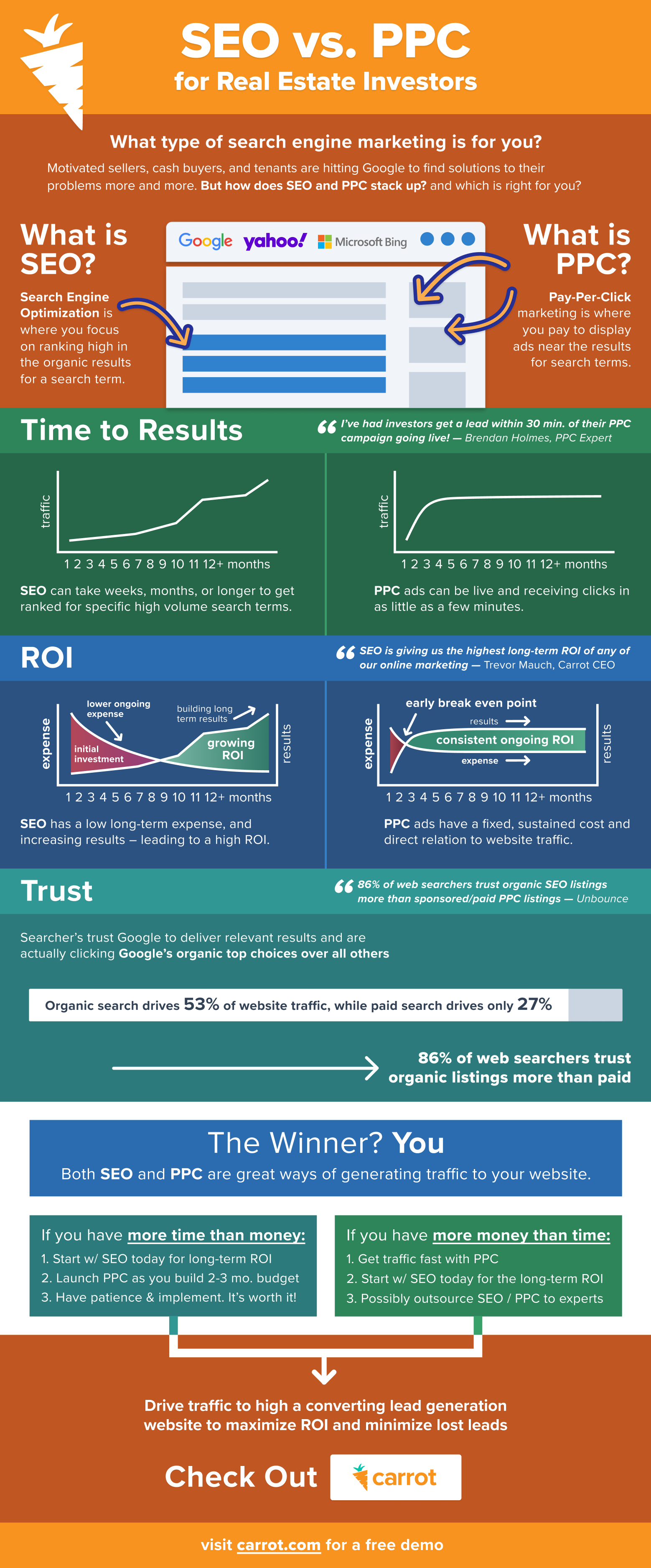
The age-old question for real estate investors and agents… SEO or PPC for real estate investing leads?
Which one do I start first, and which is right for me? Well, we whipped up a handy infographic to walk you through some of the most important things to consider when looking at SEO or PPC to help attract leads online for motivated house sellers, rent-to-own tenants, buyers, and any other type of lead.
At first glance, you may be thinking…
“But both SEO and PPC are basically going after the same people searching the same phrases… shouldn’t I just do both?”
Choosing how to drive traffic to your real estate investing website and how to ramp things up is a pretty darn important decision. Yes, both are ways to get you in front of the motivated house sellers, cash buyers, tenants, rent-to-own tenants, note sellers… yadda yadda yadda… but both are fundamentally different, and they each have massive pros and cons that you should consider.
For instance, as you’ll see below, the amount of time and money you have to invest in your online marketing will dictate whether SEO or PPC is best for you right now.
One gets leads more quickly but requires a money budget to launch. In contrast, the other one takes longer to get results but can yield the highest ROI (return on investment) of any online marketing strategy we use.
Learn more about the differences between SEO and PPC marketing as a real estate investor in the infographic below, and if you enjoy it, share it online!
SEO vs PPC For Real Estate Investors
Featured Resource: The Ultimate SEO Keywords Guide
When looking at SEO and PPC to attract real estate investing leads like motivated sellers, cash buyers, tenant-buyers, etc., here are a few things to consider.
How SEO Can Help You As A Real Estate Investor Or Agent
Any solid SEO strategy aims to get your real estate investor site to show up at the top of search engine results pages. And, even more importantly, in the top spots of Google, specifically. If you aren’t one of the sites that are on top, you won’t be getting the sort of traffic you need.
SEO can also build trust in the eyes of the potential lead. Search trends have shown that 85% of clicks go to organic SEO.
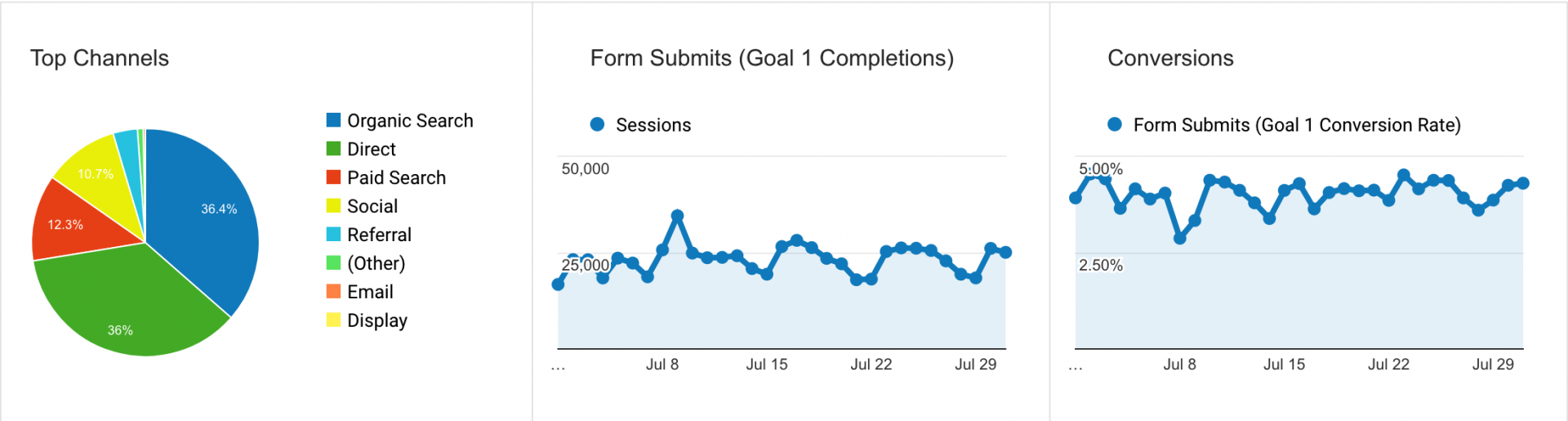
The #1 lead generation source was “Organic Search,” a month-over-month occurrence. In a snapshot, Organic leads accounted for 36.4% of all leads. For reference, PPC accounted for 12.3%.
Organic Search Leads Accounted for 10,547 leads from the 28,947 Carrot Members obtained in July 2018Organic Search Leads Accounted for 36.4% of All Carrot Member Leads in July 2018
SEO is about building authority, demonstrating relevance, and matching your site to the right search keywords. It can be a long-term process, but one that is essential to your website’s performance. Once you have the building blocks to achieve high rankings in search engines, the sky’s the limit!
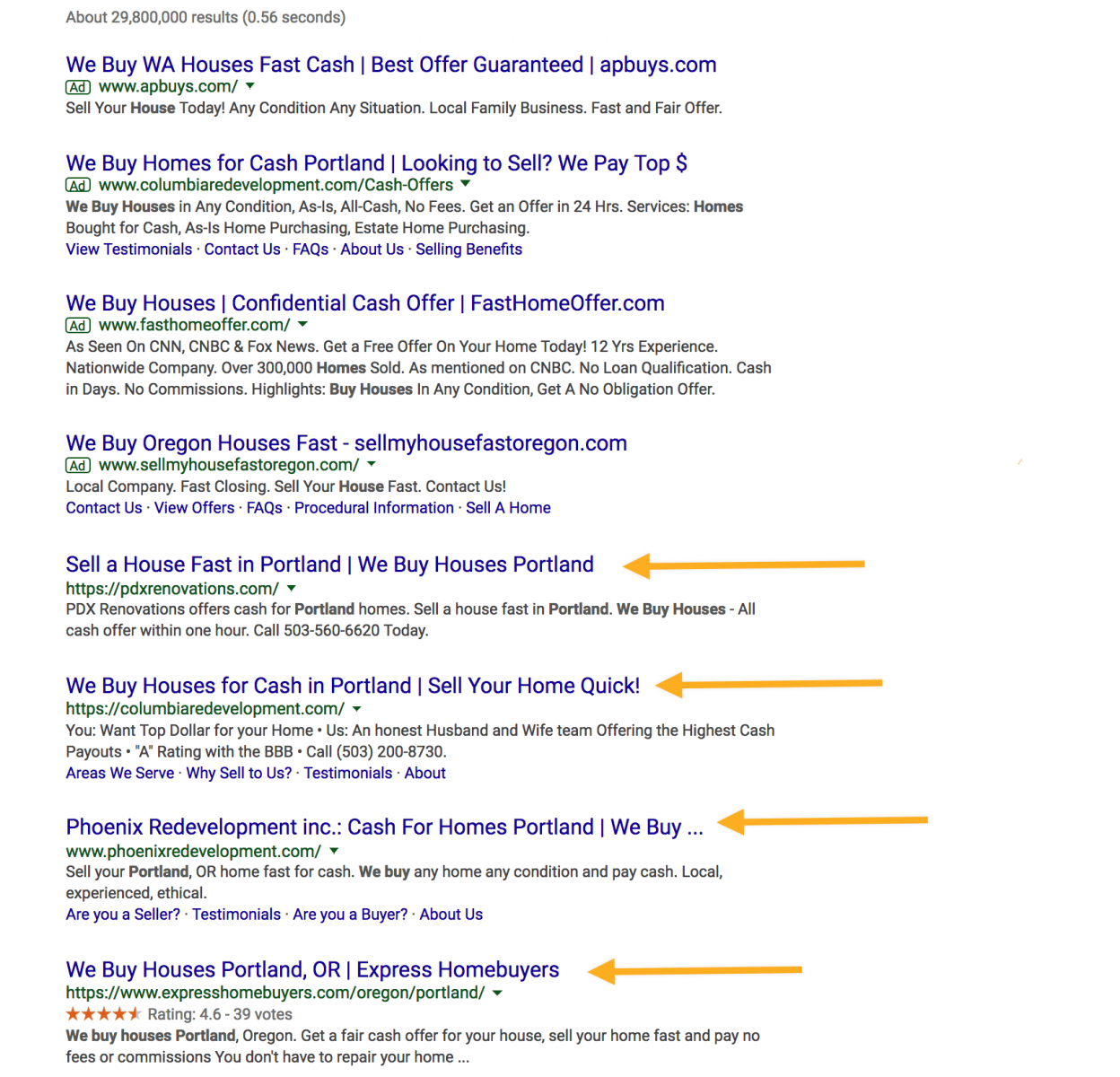
SEO (Organic) Search Engine Results
Benefits of SEO and Evergreen Marketing
1. It’s free if you do it yourself
A clear SEO benefit is that it’s free to do. Unlike PPC, you don’t have to pay for it. You just need to invest time in implementing the best practices across your site.
But with that comes a whole checklist of ‘best practices, including making sure its search engine spider is accessible, responsive, has unique content, targeted keywords, and optimized metadata – just to name a few.
2. It’s more likely to drive more consistent traffic in the long run (if you implement a solid SEO plan)
That’s because people tend to be more attracted to SEO (organic) results because they trust them much more than a paid sponsored link.
3. It will drive better ROI long-term
The great thing about SEO is that once you’ve implemented the best practices onto your site, the only way is up. Make your way to the top, your brand is automatically perceived as reputable, and your ROI will continue to rise. In the long run, your investment and work into building those rankings go down as your traffic climbs… meaning a lower cost per lead.
4. Not just for blog posts… try it on your YouTube videos for faster results
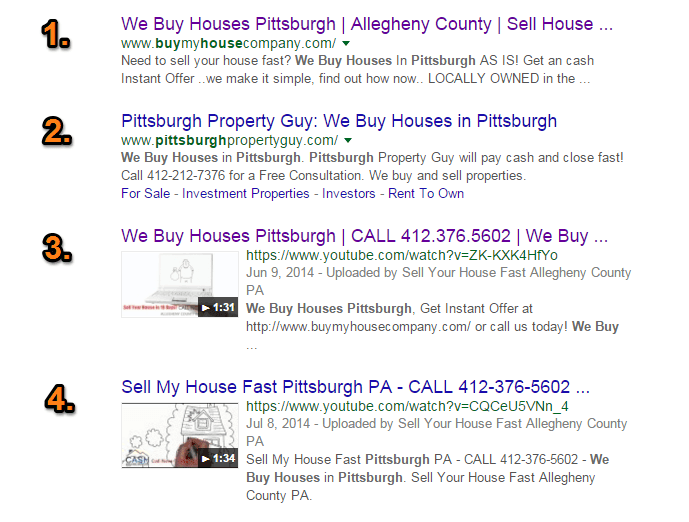
First Page of Search Engine Results for We Buy Houses Pittsburgh
How PPC Marketing Can Help You As A Real Estate Investor Or Agent
If you want the potential for immediate results or your website is in the process of ranking high but just isn’t there yet. PPC might be the way to go. If you have the budget, it’s possible to get an ad in the top four spots on the search results page reasonably quickly, but it might cost you.
But…utilizing effective PPC techniques such as long-tail keywords and location targeting, you can build highly targeted campaigns. So, you can place ads in front of the right searcher at the right time.
Overall, you must make sure you take the time to develop a strong PPC marketing strategy.
PPC Benefits
1. It offers instant results
The most significant benefit to PPC is that you don’t have to wait around for that traffic to come. Set up an Adwords campaign, and you’ll start to see the results instantly – which is particularly helpful for investors just starting up.
PPC offers the edge on conversions, with paid results more likely to convert. The great thing about PPC is that it is highly targeted to the customer, whereas organic traffic can be slightly unpredictable.
Although you need to bid on keywords, Google also uses a quality score metric to decide how relevant your ad is to that user. So, you can be sure that when a person clicks on your ad, they will genuinely be interested in what you’re selling.
3. It’s protected from the “intimidating” algorithm updates
There’s nothing more frustrating for an SEO marketer than an algorithm update. The good news is that PPC is protected from algorithm updates, so you’ll still continue to see traffic heading to your site no matter what changes are made.
Actual Stats On A Motivated Seller PPC Campaign
You Don’t Have To Decide On One Or The Other. Leverage Both SEO and PPC Together For Even Greater Results
We usually start SEO and PPC in conjunction with each other. We start a PPC campaign to get leads in the short term and SEO to build up over the long term. You can amplify your overall results by using SEO and PPC together.
Generate more exposure – An obvious benefit of combining SEO and PPC efforts is added visibility on the search engine results pages (SERPs). Dominating the SEO search results will significantly increase traffic and give the impression that you’re an established presence in the real estate investor market.
Increase intent keywords – Simultaneously running SEO and PPC campaigns allows you to double the keyword data to analyze. Determine which SEO and PPC keywords have the highest conversion rates and use that information to optimize your strategy.
Use high-performing ad copy and SEO content – If it works for PPC, it also often works for SEO. By determining which PPC ads result in the most lead conversions, you’ll know how to create title tags, meta descriptions, and page content for the real estate investor blog posts you write. The benefit is allowing you to potentially rank higher in organic search results. Using PPC, you’ll also quickly know what works and doesn’t. While completely testing titles and meta tags, strictly organic, can take a long time.
Test keywords utilizing PPC before committing to SEO content – PPC ads are a great way to improve your SEO keyword strategy. As your long-term SEO keyword strategy develops, test the conversion rate of the keywords you want to rank for with PPC ads. You’ll get immediate feedback on the effectiveness of the SEO keywords you’re after and can tailor your investment strategy.
Share This Infographic With Others And Get To Work!
Most real estate investors have a “love-hate” relationship with Craigslist.
We hear it all the time:
“Craigslist doesn’t work for the real estate industry anymore.” “Ever since they killed the ability to post HTML-enhanced ads… my leads have dried up.” “Sure it’s great for ‘for sale by owner,’ but it’s impossible to scale.” “All I ever get is spam.”
And I get it – when something isn’t working, it’s discouraging. It’s frustrating. Above all, it makes you want to quit and find a better place to invest your money.
Before you give up, though, consider the kinds of results Cyndy Dumire – a real estate investor and Craigslist ad-writing pro – gets on a regular basis. Every week, Cyndy generates around 80 buyer leads, 30 seller leads, and 10 foreclosure leads. Even more impressive, in the last six months, she’s closed no less than 30 deals from leads that all originated from Craigslist ads alone.
Effective Craigslist Ads With Cyndy Dumire
The reasons most investors give up on Craigslist is twofold.
Their ads don’t attract attention because they’re not offering their target audience a solution to a real and pressing problem (i.e., a market-driven need or desire).
Their ads don’t inspire trust.
We’ve ran hundreds of tests on our real estate websites and if there’s one thing we’ve learned, it’s that building trust with the people who arrive on your website impacts ROI and lead generation more than any other element.
And that’s not just true on your website – it’s true on Craigslist.
Of course, if you’re going to use Craigslist and actually get results like Cyndy, then you’re going to need to know more than, “Build credibility!”
And that’s exactly where this post comes in.
Today, I’m going to pull back the curtain and walk through 8 tips to find all the motivated sellers and buyers on Craigslist you want.
Craigslist Motivated Seller Tip #1: Know your ideal customer
To paraphrase the great Warren Buffett: never sell heavy-metal music lovers tickets to a jazz show.
If you’re trying to market to buyers or sellers, you’ve gotta start thinking like them.
Why do they want to sell their house? How stressful is their situation? How can you help them?
When determining your ideal customer as a real estate investor, there’re two questions you must answer:
What kind of buyer or seller they are?
What influences them in a personal capacity?
Answering the first question is pretty easy. But don’t be misled by its simplicity. One of the first mistakes most Craigslist ad marketers make is casting their net too wide. Unfortunately, targeting too broad of an audience – like “local home buyers” or “local home sellers” – won’t work.
Craigslist is too crowded for bland targets. Instead, you have to get specific about the kind of buyer or seller you’re focusing on and the needs that drive them.
For instance, your perfect customer might be…
An out-of-state investor who needs to know cash flow numbers.
A house flipper who needs a clear assessment of how much work is required to turn the property around.
A rent-to-own tenant buyer who needs to know that you’ll work with them on their unique financing situation.
In other words, be as detailed as possible when it comes to defining the kind of customer you’re aiming at.
Answering the second question – your customer’s influences – takes a bit more work.
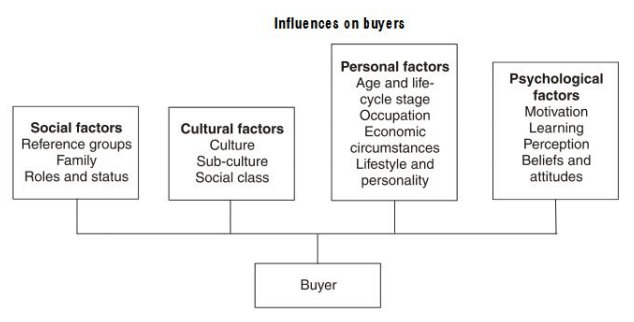
To help, here’s a quick breakdown of the four major factors that influence home buyers specifically:
Understanding your perfect customer’s influences does not demand addressing each and every element noted above. But you also can’t create the best real estate listing without knowing what is going to sway your customer.
Again, this is all the more true on Craigslist. There are so many ads already vying for their attention, and that is why you need to make yours stand out.
How do you make your listing stand out?
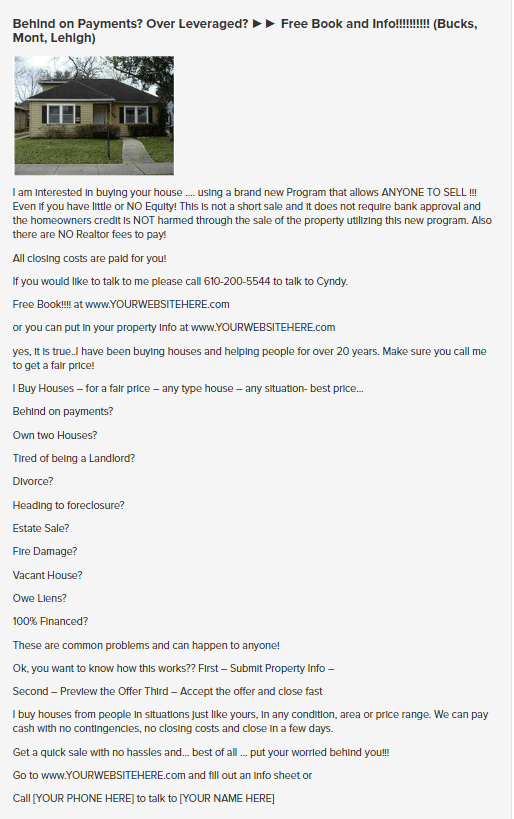
Consider the following template as a starting point from our Posts 2 Profits Craigslist Marketing Course.
[cta offer=”craigslist”]
Notice how this ad communicates directly to the agent’s ideal customer and – especially through the power of questions – draws them in toward a preliminary solution. The “Free Book” offer – rather than an overt invitation to call them – is based directly on their ideal customer’s legitimate need.
Of course, in a sense, all businesses are about people. But real estate is especially personal because the commodity it deals in is emotionally charged.
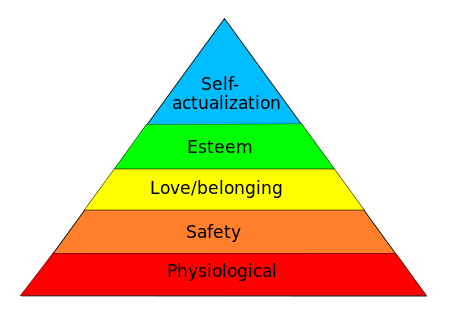
After all, according to Maslow’s Hierarchy of Needs, safety is one of the most primal human needs and comes in second only to our need for food and water (i.e., “Physiological” needs).
Our homes give us safety. And – just like Maslow’s very next need identifies – they make us feel like we have a place to be “loved” and “belong.”
Even more powerful is the realization that our homes are where our memories are created. Not to be cliche, but home really is where the heart is.
So, listing a home or a property is a big deal. And trust is at a premium.
People need to trust you with what is quite honestly their biggest asset.
Keep your target audience – their needs, not yours; their dreams, not yours – at the forefront of your mind when you compile listings.
Craft personal, trustworthy ads with these tips:
Use your name in the ad, not just your company’s.
Write the way you talk and read your ad out loud to make sure it’s conversational.
Press on the pain of the person whose problem you’re trying to solve, then offer your holistic solution.
Don’t be afraid to let your personality and passion shine through.
Above all, tell a story. Paint a picture of how living in the home would feel using sensory language.
A well-written home description paints a vivid story.
Craigslist Motivated Seller Tip #3: Include a Call to Action
The entire point of any online marketing campaign – including listings on Craigslist – is to get the people who see it, to do something.
Normally, this means getting them to contact you via text, email, or phone. It could also mean getting them to visit your agency’s website.
Simply put: your Call to Action needs to get your reader to actually take action.
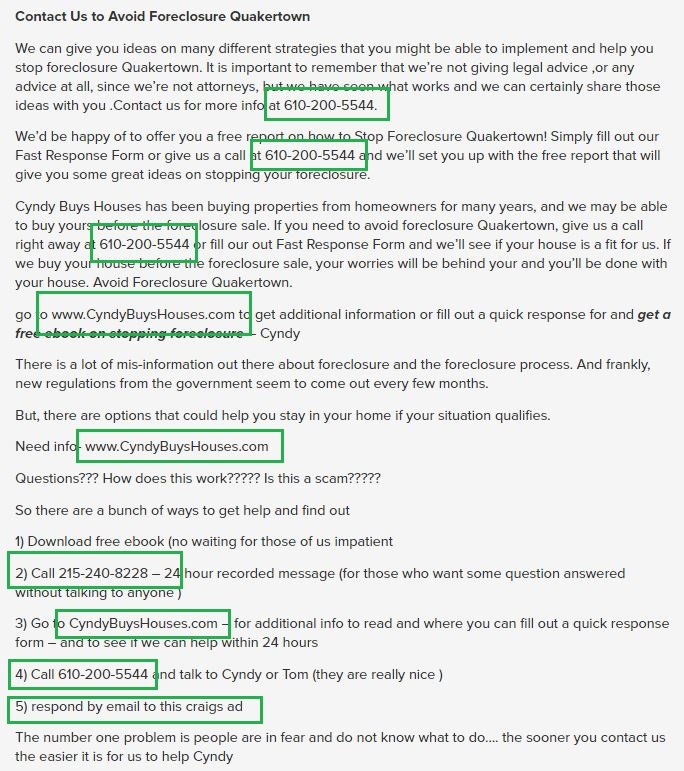
That’s why, in your listing, it’s essential to add a clear and enticing CTA, and to give your reader options. For example, the following CTA invites the reader to choose the next step that’s most comfortable for them and repeats the CTA no less than five times.
Action also means you need to always include a direct email link so they can respond immediately to the ad if they’re interested. Oh, and don’t be afraid to call attention to that by inviting them to email you.
Craigslist Motivated Seller Tip #4: Watch your words
We all know how essential good imagery is to real estate. In fact, we’re going to cover imagery and graphics in the very next point.
However, many investors fail because they underestimate the power of words. As Hamza Yusuf put it, “Don’t ever diminish the power of words. Words move hearts and hearts move limbs.”
On Craigslist, watching your words comes down to two elements:
Your keywords
Your headlines
The right keywords matter because it’s your keywords that will determine whether or not the right people find your ad. This is true both through Craigslist’s own search engine as well as outside search engines like Google.
“Profitable keywords imply an action. San Diego real estate implies nothing. It is just a thing. San Diego real estate for sale implies an action. People want something that is for sale, presumably so they can buy it.”
In addition, Geek Estate also adds a second keyword characteristic: laser focus.
In contrast to something like “Rancho Santa Fe homes for sale,” use “individual neighborhoods within Rancho Santa Fe”: e.g., “Fairbanks Ranch homes for sale, The Bridges homes for sale, or Rancho Santa Fe Covenant homes for sale.”
Why? Because “people that type keywords like these into the search engines know exactly what they are looking for.”
Lastly, as vital as keywords are, do not “stuff” your real estate listing with keywords for the sake of keywords. This creates an inhuman feel to your ads and violates our previous tip: “Get Personal.”
The second element to watch is your ad’s headline.
The title of your Craigslist ad is where the real attention-grabbing oomph resides, and you need to spend some time developing and testing titles that captivate. Whatever you do, don’t follow the crowd… unless of course, the ad has been proven to work, like the ones we provide in our Posts 2 Profits Craigslist Marketing Course.
The ad I already called attention to in tip one is an excellent example of a headline that stands out:
Craigslist Motivated Seller Tip #5: Be relevant with your graphics
There’s no doubt about it: not adding images to your ads is a Craigslist killer. However, the mere presence of images doesn’t automatically translate into success.
The right graphics dramatically increase the number of people who will take action and get in touch with you. So too … the wrong graphics dramatically reduce that number.
As a golden rule, be sure to use images that are eye-catching, relevant … and high quality. That’s true across the board. But how do you decide what images and graphics to include?
Go back to your ideal customer. The image you choose should be based on the type of buyer or seller you’re looking for:
Turnkey investors want to see images that show off how nice the house is, that it’s been well kept and that it’s in a neighborhood that’ll attract the type of tenant they want. That last characteristic means you should always include both pictures of the property itself as well as its surrounding area.
Cash buyers or flippers want to see a house that needs TLC in comparison to other houses in the neighborhood. With these types, you’d be smart to show the flaws of the property, exactly what kind of work will be required, but end by displaying its underlying high-points and long-term value.
If your ideal customer is a homeowner or retail buyer — if they will be living in the property themselves — then staged images that show off the house as a home are essential. Just be careful what you include in those staged photos:
If your ideal customer is an investor, then glamorous, well-staged pictures of the property itself won’t be nearly as compelling as adding numbers to those pictures. In this case, you could try using a multi-property image for investors interested in purchasing multiple properties.
Craigslist Motivated Seller Tip #6: Post often and from different “angles”
Alongside the previous pitfalls we’ve covered, I’d be willing to argue that the number one real-estate-ad-killer on Craigslist isn’t the words, the images, or even the calls to action.
It’s recency.
The way that Craigslist works is the most recent postings land at the top of the page and the past ones get pushed down. Some people search Craigslist based on the search box (so make sure to include keywords that your best clients are likely to search in your listings), but most people just scroll down the listings a few scrolls to see “what’s new”.
So with that said, to get in front of your prospects the most… make sure you have ads online and active at the times of the day that your prospects are likely looking at Craigslist.
We’ve even seen with today’s Craigslist algorithm some of the most successful accounts post between 3-15 times per day.
Here’s how…
Day 1-3: Launch a Craigslist account and start posting just 3 times per day. Once in the morning, around lunch, and evening – around 7 or 8 pm. These tend to be the times of the day people will look at Craigslist. Think about when you look at your email, Facebook, or Craigslist… it tends to be during that “slack time” during your day. Posting your ads just before these “slack times” helps put your ads near the top of the feed when your best prospects hop on to browse.
On those ads, don’t post the same ad every time. You’ll want to tackle it from different angles. If you’re looking for motivated house sellers or cash buyers, what are different reasons a house seller could want to sell? Create an ad for each. What motivations could cash buyers have? Create an ad for each.
This way you’re keeping things interesting and hitting on multiple hooks. One might grab someone better than another.
Day 4-8: Add in another ad to your mix. Now posting 2 ads 3 times per day (for a total of 6 ads that day). Again, don’t post the same ad every time and mix up your hooks. Also, mix up where you’re posting your ads – don’t put them all in the same spot.
What we’re doing here is “seasoning” the account in a natural way so you’re not launching a new account and posting 20 ads the first day. That’s a great way to get your account banned and you’ll have to start over.
Day 9-20: Keep renewing your ads every 48 hours as Craigslist lets you and bump up your ad posting frequency so you’re posting 3 ads 3 times per day (for 9 ads total per day).
Same thing, keep your ads interesting, high value, and hitting on different hooks – things that your top prospects are thinking about, worrying about, or need help with.
Day 21-20: I’d cap it at about 12 ads per day on that one account. I’ve seen some accounts get ghosted or banned at even that amount if the ads aren’t high value and really helping people. So in this phase, add on a 4th ad 3 times per day… capping it at that 12 ads per day for that Craigslist account.
Just a note: if you post more than 15 ads a day, you’ll get “Craigslist slapped” and your ads will stop showing up.
The lifespan of Craigslist ads can vary depending on the number of competing posts in different geographic locations. In large metropolitan cities, ads may only be visible for 5 days, while in smaller towns they may show up for 50 days.
Why all this focus on recency and renewing? Because generating real estate leads on Craigslist is an attention game, so the more you’re at the top of the Craigslist listing when your best prospects are searching… the more likely your ads will get seen and the prospects will come your way.
If you want to cross that gray line on the Craigslist Terms of Service to ramp it up… we’ve seen it be crazy effective having a few Craigslist accounts. Yes, this is against the Craigslist TOS so it’s your choice and you risk getting your accounts banned. However, if you’re marketing different websites with different phone numbers (i.e. – a cash buyer site and a motivated house seller site) the chances of it being seen as a duplicate account are very small.
It all boils down to value. If you’re adding value to the Craigslist ecosystem vs. just spamming it… then you’re good.
Craigslist Motivated Seller Tip #7: Create a system
By now, you might feel a bit overwhelmed. Keeping track of all those ads can be hard work.
Unfortunately, Craigslist doesn’t provide any analytics or tracking data, so it’s up to you to track each of your ads and monitor your calls as a part of your overall real estate marketing plan so you can see what’s working.
At a minimum, keep a spreadsheet of your Craigslist ads and a method to monitor them.
Not only does creating a system of tracking give you concrete proof of what’s working and what’s not, but getting organized with a system gives you more time to do other more important things.
We recommend you send traffic to a specific URL on your site.
This has a couple advantages.
You can track them using Google Analytics
You can retarget users that you know have come from Craigslist
Here are a few tips to consider when creating a special page for Craigslist traffic.
Name the URL something short and descriptive. An example http://yourdomainname.com/sell-fast-cl
Realize that this site might rank in search so you will need to look at that traffic in your Analytics account
You should have content on that page that specifically address the type of lead and ad copy that they are coming from.
If they clicked on the ad and are coming to your site, you know what questions they have, make sure the answer is easily found.
Track which pages are converting the most traffic and make changes as necessary.
At the end of the day, any data is better than no data.
So, create a page, or have your developer help you. Then just send traffic to that specific page.
I mentioned in the introduction to this post that trust is at a premium on Craigslist. In fact, trust is absolutely crucial to all your real estate marketing efforts.
I’ve touched on this theme a number of times already. But in case you missed it, trust is so vital that it deserves its very own tip.
It’s like the old joke: “It’s all about sincerity. Once you can fake that … you’ve got it made.”
In all seriousness, however, the last question you should ask yourself before you hit “Post” is, “Does this ad build trust?”
A lot of factors go into trust, so let’s just look at the two most prominent.
(1) Be Attractive
It may sound shallow, but persuasion expert Robert Cialdini’s very first step in the famous know “trust chain” is to be “attractive.”
This doesn’t mean you should feature glamor shots of yourself in your Craigslist ads.
But it does mean the images you use must be high quality. It also means providing plenty of attractive “white space” in yours ads. Short sentences and short paragraphs don’t just look good, they’re easy to scan.
Being attractive also means covering your bases when it comes to grammar and proofreading. Nothing kills trust more than an agent who can’t spell correctly.
“Make your address and phone number visible at all times. Include it in the footer (a must), but depending on your site also in the header (especially if your business depends on incoming calls) and on the sidebar, in the microcopy.”
“Make it very easy to contact you.”
How does this apply to Craigslist? Easy. Simply including your contact information once isn’t enough. Take a look at another of our proven templates and see if you can count how many contact opportunities there are:
All told, I counted nine. Even if it feels redundant … your ads should do the same.
Real estate works on Craigslist… you just have to know how to work it.
We’ve covered a lot of ground.
Eight tips on how to find all the motivated sellers and buyers on Craigslist you want:
Know your ideal customer
Get personal
Include a Call to Action
Watch your words
Be relevant with your graphics
Re-post real estate listings … often
Create a system
Build trust
Good luck out there, and let us know if we missed your own favorite tip in the comments.
If you’re not getting many motivated seller leads to your real estate investing website, it’s for one of two reasons. Here, we’ll help you diagnose your “no leads” issue…
This post is going to help YOU break down the patterns that lead to success in real estate investment — with a special focus on online lead generation.
We’ve focused on what investors are doing right, so it only seemed fair to focus on what’s going wrong.
A few times a week the same thing happens, we get emails from non-Carrot members that look something like this:
“Help! I’m not getting many motivated house seller leads from my website and I don’t know why!”
It always stinks to hear that, but the good news is that most real estate investing websites struggle to generate leads for a few basic reasons.
So let’s dive in to get to the crux of the problem.
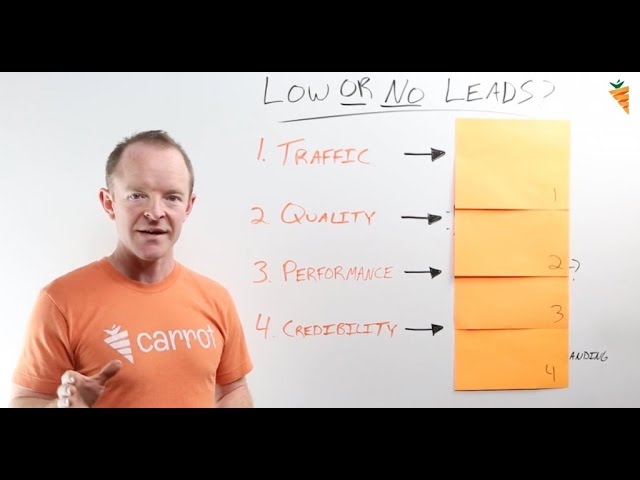
Getting leads online really equates to only two simple things. Traffic and Conversion. But before you get started, take a few minutes and watch…
It All Comes Down To Traffic and Conversion
Traffic – Are you getting traffic to your website? (ranking well for keywords that actually get enough searches to matter?)
Conversion – Does your website convert enough of those visitors to leads?
So, when someone emails in and asks for advice to get leads… it always comes down to those two things.
Traffic and conversion.
This post is mainly about the Traffic part since we already know the Carrot system converts (Conversion Examples:Here , Here , and Here ).
So first we look at the traffic… because if there isn’t any traffic going to your website… conversion doesn’t matter.
If your website is converting motivated seller leads at 15% (15 of every 100 visitors sends you their info, which is solid)… and you’re only getting 25 people to your website each month… that’s only about 4 leads per month.
Not much to build a business off of right?
So… here’s what we do.
We start problem-solving by asking the same questions. If you’re banking on SEO is a part of your traffic generation strategy… we’ll ask you this question first:
How much search volume is happening in your market?
In simple terms… are there enough people in the areas you’re targeting searching for the keywords in Google that your pages are ranking for?
Unfortunately, most of the time we get a “huh?” in response.
Then we explain:
Even if you’re ranking at the top of a search, no one is going to click your link if no one is searching.
Then a lot of times we’ll dive in and do a little bit of research, only to discover what we already know… that there’s little to no search volume in their market for the keywords they’re ranking for.
It’s like putting a great billboard on a dark back alley street that no one sees.
But put that same awesome billboard on a busy street… then it produces GREAT results.
[cta offer=”seobible color=”blue”]
Here are Some Examples For You
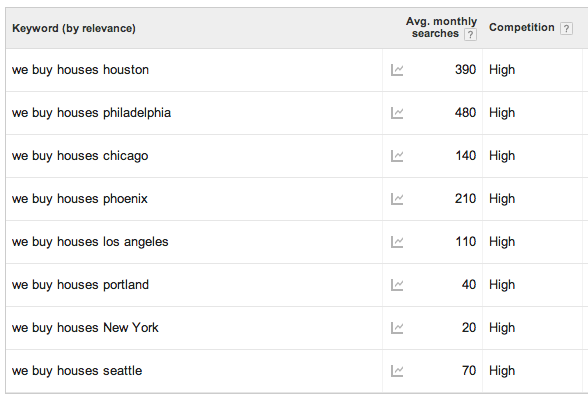
For a quick illustration of what I’m talking about, let’s look at some US cities and check out the search volume (using the keyword planner tool in Google’s Adwords) for a common search term in each market, “we buy houses [insert your city]”.
This term tends to be a popular search phrase across most cities in the US so it’s usually a great barometer in any market for the volume of “highly motivated sellers” in that market:
The Good – Below are numbers for average monthly searches for those terms in Google. You can note that some cities get MANY more searches than others… showing the potential SEO demand for that keyword.
Our barometer is anything over 30 per month is worth making a page for on your website with our SEO Grader tool to help you rank for that term.
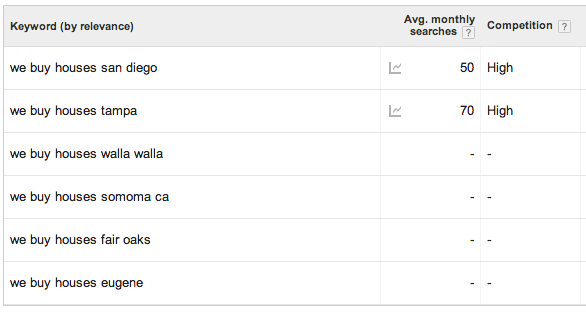
The Bad – Below are numbers in a few cities we grabbed out of thin air. One of the cities below is a city that a client of ours is ranked well for but emailed us saying he hadn’t been getting leads to his website.
Why? “we buy houses fair oaks” isn’t getting much search action. The Fair Oaks market may not be a great city to focus on for all of your online lead generation efforts.
Now, it’s important to realize a couple of things about that data:
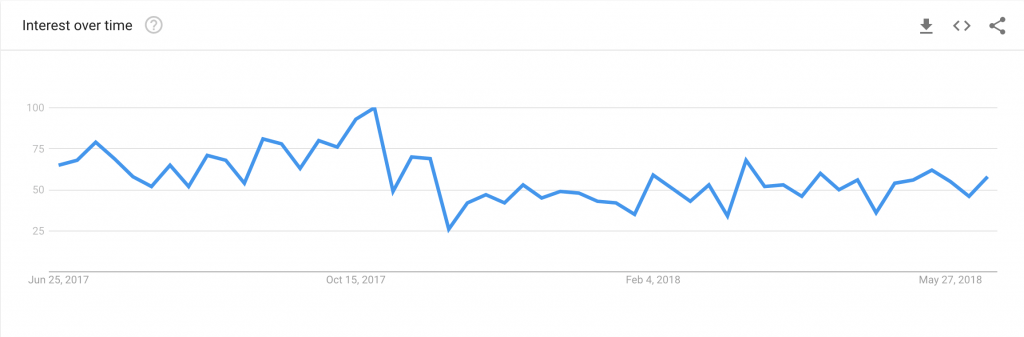
Each of those is the average number of monthly searches over the last 12 months. It’s really common to see big spikes in search volume one month, followed by a major drop in traffic in the next if an economic event happened in that city causing more motivated sellers (a huge job layoff in the city, etc.).
Notice that the most populated city has the least amount of searches: In this example, Philly was searched 24x more often than NYC, although it has only 18% of the population.
Searches like these are often motivated by external factors
We originally wrote this post in 2014 when we did a Google search for “Philadelphia layoffs,” and at that time there were almost 4,000 teachers were laid off in June of 2013. The point is, when lots of people lose their jobs at once, it’s easy to imagine panicked sales taking place if folks can’t pay their bills.
These searches for the “we buy houses [insert your city]” and “sell my house fast [insert your city]” terms happen when people need fast answers (and you want to be in front of them when they search for those fast answers, like our client David Brown has been able to do).
They’ll often do a quick search, and if they find what they’re looking for, they’ll put in their information into a form and become a “lead”. If they don’t see what they want, they’ll keep moving until they find it.
But if SEO is your main marketing strategy, you won’t get any leads if there aren’t many searches for the specific phrases you’re ranking for.
Search Engine Optimization for Real Estate Investors Only Works When Enough People Are Searching The Phrases You’re Ranking For
Too many SEO services out there just focus on getting you rankings… because rankings are sexy right?
But those rankings don’t matter much if they’re for terms that only a handful of people are searching each month.
So what happens if you’re in one of those markets that aren’t getting many searches for the popular terms like “we buy houses [your city]” or “sell house fast [your city]”?
Does This Mean That You Should Abandon SEO When Searches Are Low?
Not at all!
In fact, it’s a really good time to build your business and get creative.
Remember, SEO is a long-term strategy. It’s not a short-term one.
And if you’re really wanting to generate consistent leads and dominate your local market online… you can still do that!
I just closed a deal from you guys, it was all because of your site and the credibility built in and all that. Going to be a really profitable deal, and I’m going to reinvest that going forward. You guys rock and I love the sites and everything you all do! – Joseph Sauter, Quick Cash Sale For You
While yes, there are some markets where there just aren’t a lot of motivated sellers searching online… but it doesn’t mean the sellers aren’t out there searching.
You just need to broaden out your keywords that you focus on your website so rather than banking all of your traffic on just the “we buy houses ” or “sell house fast ” keywords… add in others.
Not Getting SEO Leads? Here’s Your Plan Of Action…
Create some pages on your motivated seller website for “Focus Keywords” (use our SEO Grader tool to help you optimize these pages for those phrases very easily) like…
sell your house fast [insert city]
how to sell house fast in [insert city]
how can I sell my house fast [insert city]
sell my house for cash [insert city]
how to rent your house in [insert city] (many people who need to sell, just quit and settle for renting. Write an article on your blog!)
tips on selling your [insert city] house
… you get the idea.
If rather than trying to bank your lead generation on 1 term that only gets 30 searches a month… why not create some more pages on your website (InvestorCarrot makes that crazy easy) that are focused on other keywords ALSO in your market… so you have 15 pages ranking for search phrases that get 30 searches a month each.
Make sense?
If NOT, hit us with questions below and we’ll dive in and clarify for you… we’ll even get specific and help you figure it out for your own market through the comments section below.
Even if you’re in an area that doesn’t currently get a lot of search data… it’s worth it to rank well there.
When something happens in your market (like layoffs) that create a lot of demand for fast, cash buyers, you want to be first in line to capture those leads. Working on SEO now is critical to rank high when searches do pick up.
If you’re like most investors you’re deeply focused on your local market and what’s happening today. You’re only working to make deals happen soon, not years or months down the road.
That might be a mistake.
Too many investors are only thinking about short-term results… even though the best investment advice is always focused on long-term wealth-building, not scattered attempts to get rich fast.
If you’ve got the bigger picture in mind, there are a few ways you can grow your business:
Get inventory in other ways. Go old-school and start knocking on doors. Network. Partner up with companies who provide services to homeowners under financial distress. Put up signs. Advertise – good pay-per-click can be really helpful to capture the few searches that do exist. Since the leads are fewer, you’ll have to pay more to get them. That’s supply and demand.
Focus on growing a different list. If you’ve been trying to capture seller leads, shift your focus to building a list of cash buyers. Ditto on rent-to-own tenants. When inventory is tight there are lots of people looking for deals, so set up another site to grab those leads. If you hustle, you can find ways to profit from those lists, even when inventory is low.
Branch out to surrounding markets too. Too often people get stuck thinking that they need to work where they are, instead of going to find the place where they can add the most value. Start with other cities around you and see if there is more search volume in those cities. I know investors who have switched their focus away from the major metro areas and are focusing on smaller, blue-collar areas where there’s less competition from other investors. Once you’re really good at building lists, generating leads and doing deals, you don’t have to be geographically limited at all. With the right local partners, you can work anywhere.
Adjust your strategy. Too many investors and entrepreneurs get stuck on a particular path, and they lose their perspective on the big picture. They forget that they are subject to the whims of the market and that the market is entirely outside of their control. When there’s not a high rate of foreclosures, wholesaling and flipping get tougher. More competition + fewer deals = Lower profit margins.
Does that mean that wholesaling and flipping are bad strategies?
No, not at all – just that you’ve gotta pay attention to the conditions in your local market without forgetting the bigger picture.
Know Your Market And The Trends (Or we’ll help keep you up to date :-)
To illustrate, let’s do a quick Google Trends search in the US for “we buy houses” just to see how the graph moves around:
As you can see, there were a lot more folks searching for “we buy houses” back in the fall.
Overall in the US economy, we seem to be exiting a period of high fluctuation and returning to a slow, stable growth pattern.
And while trends in our market change… so do the things that sellers and cash buyers type into Google.
Just do your research (or follow us here on this blog and we’ll do it for you) and adapt on your website to focus on the keywords your market is typing into Google.
For now…
“we buy houses” and “sell house fast” (and related terms) are still some of the most popular for the ultra-motivated sellers
“investment properties in ” is a search term growing in popularity right now big time (GROW THAT BUYERS LIST!)
If your market doesn’t have many searches for those terms… consider going after other keyword terms like the ones I mentioned in this article… OR, branch out into other surrounding cities to capture search rankings in those ones too so you can do deals there too to increase your lead flow.
Sound like a plan?
Hit us with your questions about your market below… or questions about how to take this knowledge and use it on your own websites to get more traffic and leads this year.
Don’t Have Time To Focus On SEO But See The Value?
Think about this. If you’re investing in markets that get at least 30 searches a month for “we buy houses [insert your city]”… and don’t have the time or energy to focus on worrying about the SEO yourself… we can help.
If you’re interested in a long-term SEO strategy for your business, you should check out our SEO services… we’ll let you know if your local market has the search volume to make SEO worth the investment based on what we uncover.
Don’t have a website or want a system that works great to generate traffic and convert the leads?
Right now, more than ever, you must have custom real estate website design. In fact, 99% of millennials (21 – 37 years old) search online when looking for a home.
I know, I know. Whoop-dee-do, no surprise.
But here’s a few stats that are surprising. 89% of older baby boomers (54 – 72 years old) also use the internet during a house search and 77% of the silent generation (76 – 93 years old) do the same.
In fact, 44% of homebuyers across all ages purchase a home that they find on the internet.
This means that despite the age of your prospect, people are looking online at some point during their house hunt — more than likely.
And since they’re looking online, you need to be online.
If you’re not, you’re losing business.
End of story… “Here, you can have my clients, savvy internet real estate competition,” type of bye, bye.
And as you already know, those clients that work with the competition will do so again in the future — you don’t just lose them right now, you lose them forever.
Of course, that’s not always the case, but it often is.
Unfortunately, just being online isn’t enough, either. You need a website that drives traffic and converts visitors. In most cases, having your face on a corporate real estate website isn’t adequate, and neither is a cruddy website that your tech-buddy designed.
I don’t have anything against your tech buddy or your real estate corporation, but I do want to help.
For that reason, here at Carrot, we asked ourselves, “What are the three most important elements for any custom real estate website design to have?”
This is what we came up with.
Custom Real Estate Website Design Must #1: Easy Navigation
When someone lands on your website, they want to do something.
But what, exactly, do they want to do?
Fortunately, in the real estate niche, that’s a relatively easy question to answer.
People either want to learn about who you are (i.e. Can they trust you? Do you have a reliable track record? Do you seem legit?) or what you do (i.e. They want to pursue your services).
Put more simply, visitors want to…
1. Learn whether they can trust you.
Or…
2. Work with you.
Pretty simple, huh?
Yeah. At least on the surface.
But here’s the thing: even guiding those two simple intentions requires some savvy website navigation. After all, the last thing you want is for visitors to land on a website that looks like this.
If you arrived on this website, you’d leave within the first few seconds — your visitors will do the same thing.
In fact, 38% of people will leave a website with an unattractive layout.
What, really, though, is the problem with the above website?
Because if we look beyond the hideous colors and hard-to-read text, there’s something even worse: poor navigation.
Since people don’t know where to go, they leave.
And you don’t have to take my word for it. One study found that 50% of referral-based website traffic immediately uses a website’s navigation menu to orient themselves.
This is why, at Carrot, we include dead-simple navigation menus on our customer’s websites. For Investors…
And agents…
The moment that prospects land on those websites is the same moment that prospects know exactly what to do and where to go.
Immediately, then, those websites build trust.
A website without simple navigation, on the other hand, hurts trust and increases your bounce rate — which, in turn, hurts your business and the financial independence that you so ambitiously crave.
The point is, a cluttered and hard-to-navigate website hurts everyone and helps no one.
What, though, makes the difference between an easy-to-navigate website and a navigational disaster?
Here are 4 things to keep in mind.
Does your navigation bar have seven or less options? — You don’t want too many options on your website. You need to have the necessary ones (About Us, Contact Us, Testimonials, etc), but nothing more. Ironically, the more options that people have to choose from, the less likely that they’ll make a choice at all for fear of making the wrong choice. Remove that fear with fewer options.
Is the button copy for each navigation button honest and clear? — In other words, title your blog, “Blog” and your about page, “About Us.” Don’t try to remake the wheel. You’ll only make things unclear for visitors to your website and hurt your reputation in the long run. Use terms that people are familiar with and immediately recognize.
Is the design clean and the text easy to read? — This one is getting a bit more into the opinionated territory. For that reason, I recommend showing your website to a few trusted friends and asking them for their honest opinions. What do they think of the copy, the colors, and the overall flow? Do they like it or hate it? Ask them to be honest.
Is the website easy to navigate on mobile devices? — Today, more than half of our member leads come from mobile devices. If your website isn’t just as easy to navigate on mobile devices as it is on a desktop device, you need a new website. Consider how terrible this website looks on mobile.
In contrast, all of Carrot’s websites are mobile-friendly automatically… no extra work and no extra thinking. Boom. Donezo. Check to see if your website is mobile-friendly.
If you want us to help build you an awesome website, investors can go here and agents can go here to check out our plans. We’d love to work with you :-)
Plus, we’ll make sure you have all of the above elements dialed in.
Otherwise, take the above information and hand it to your designer. Or make sure that the real estate website builder you choose integrates this advice.
If your website isn’t easy to navigate, then it’s got no chance of competing with other online real estate websites. If it is easy to navigate, though, then people will immediately trust you — something that’s crazy valuable in the real estate world.
Custom Real Estate Website Design Must #2: Clear and Relevant CTAs
Your website might have a persuasive sales copy and a clean design, but if people don’t know where to click once they’re ready to take action, none of that matters.
After all, the whole point of your website is to generate leads for your business. Without a CTA, that’s impossible.
What, though, should your CTA be? Should you ask people to call you or sign up for your email list or enter their personal information?
Since you’re a real estate agent or investor, generally speaking, the best CTA is a phone number. Think about it. If you were looking for a real estate agent or investor, would you want to email them and wait for a response or call them and talk to them right now?
More than likely, the latter.
In fact, contact information on a website is vital to all industries. 51% of people think that “thorough contact information” is the single most important element missing from business websites. And 44% of internet users will outright leave a company website if it doesn’t have contact information or a phone number.
In the real estate industry, that truth is even more detrimental.
Through a heat map study at Carrot that we ran on one of our customer’s websites, we found that the “Call Us” CTA in the upper right corner was getting massive attention.
Of course, so too did straightforward CTAs like this…
And this…
Which illustrates exactly why your CTA needs to have two characteristics.
It needs to be clear (visually and linguistically)
It needs to be relevant (to the page it’s on and the business you run)
First of all, it stands out from the rest of the page. The CTA’s positioning, color, and shape make it easy to notice the moment that you land on the website.
Second, the button copy is clear and represents exactly what people expect to find when they visit a real estate agent website. You can either sell your property or buy your next home.
Additionally, Orbit Media Studios offers this “Pro Tip” regarding mobile website navigation:
“ProTip! For mobile visitors, make sure that the phone number turns into a button that dials the number when tapped. It’s a simple matter of adding tel: to the href code for the phone number for the mobile version of your site. The code should look something like this:
<a href=”tel:773-348-4581″>(773)348.4581</a>”
At Carrot, we design the best real estate websites for lead generation in the industry with clear and relevant CTAs. If you want to do it yourself, though, then use this as your CTA checklist.
Is the button copy clear? Do people know exactly what’s going to happen when they click it?
Is the CTA relevant to the website or page it’s on? What are you asking people to do and is that what they expect?
Does your CTA stand out visually? Is the color unique from the rest of the elements on the page and is your eye naturally drawn to it?
Custom Real Estate Website Design Must #3: A Compelling “About” Page
Out of the three elements that we chose to mention in this blog post, this is going to be the most surprising.
Easy navigation and clear, relevant CTAs — sure. That makes sense.
But an “About” page?
Really?
Is that one of the three most important custom real estate website design elements if you boil it down to its foundation?
But you don’t have to take our word for it. Another source found that 86% of visitors want to see information about a company’s products and services on the homepage.
But how do you create an “About Us” page that builds trust and creates a relationship?
Well, let’s walk through one of my favorite real estate “About Us” pages.
A team of real estate agents based out of Roseburg, Oregon — The G Team — starts their “Meet The G Team” Page with their core values.
Then, they build authority in their local market by describing their passion for the area and their expertise.
Next, they have bios for people on the team.
A friendly picture of the team…
And they end with a video and CTA.
The best part about this page is that they treat it like a sales page. Because believe it or not, your “About Us” page is a sales page.
Think about it this way. Why would someone visit your “About Us” page in the first place? Probably because they want to figure out if they can trust you, if you have a reliable track record if you offer the service that they’re looking for.
In other words, they visit your “About Us” page because they’re trying to determine if they want to work with you or not.
Your “About Us” page needs to help them make that decision.
Tell your story — Be brief, but include the juicy details that help people understand why you do what you do.
Include an authentic and professional picture of yourself — Don’t take a picture when you have a fake smile on. Take a picture when you’re laughing or smiling genuinely. Believe it or not, people can tell the difference. And studies show that visitors will think you are more intelligent, attractive, and friendly if you’re actually smiling. Do the same for the rest of your team if you have one.
Write the page’s content in the first person, like you’re actually… well, you — Don’t try to write in the third person like a robot describing someone else. Nobody wants to work with a robot. They want to work with a human. You’re a human, so be a human.
Include a CTA — Anyone who visits the “About” page wants to learn about you because they’re thinking about working with you. Convince them, then pitch them.
Conclusion
You need a custom real estate website design but, most importantly, you need a website that drives traffic and converts visitors.
In fact, if you have a website that doesn’t do those two things, then it’s practically the same as not having a website at all.
For that reason, at the very least, your website needs easy navigation, clear and relevant CTAs, and a compelling “About Us” page. Without those, your website will sit in cyberspace, doing nothing for your business and nothing for your dream of financial and personal independence.
At Carrot, though, we’ve generated over one million leads for our customer’s real estate websites in just three years. We’d love to help you, as well. Agents can find out more about working with us here and investors, here.
If not, that’s okay too. :-)
Either way, follow the above advice and you’ll be well on your way to having the website — and business — of your dreams.


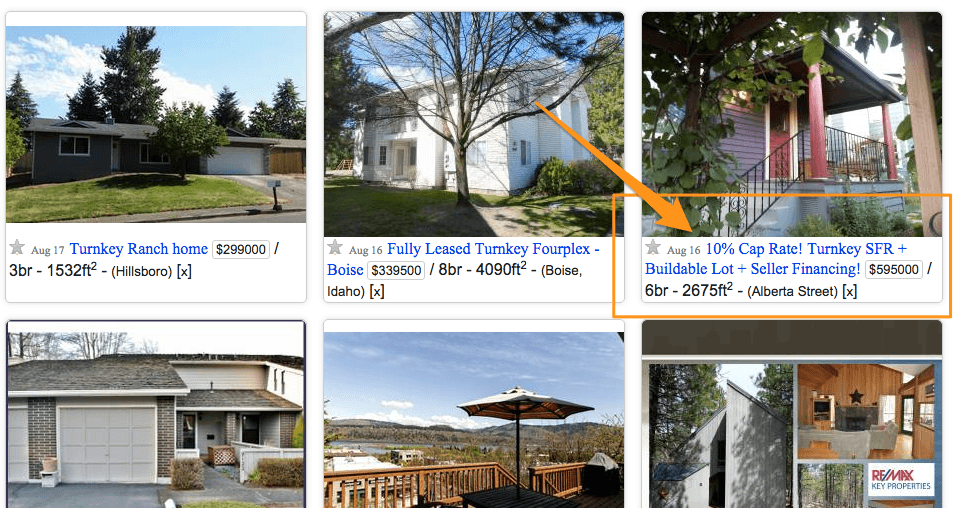
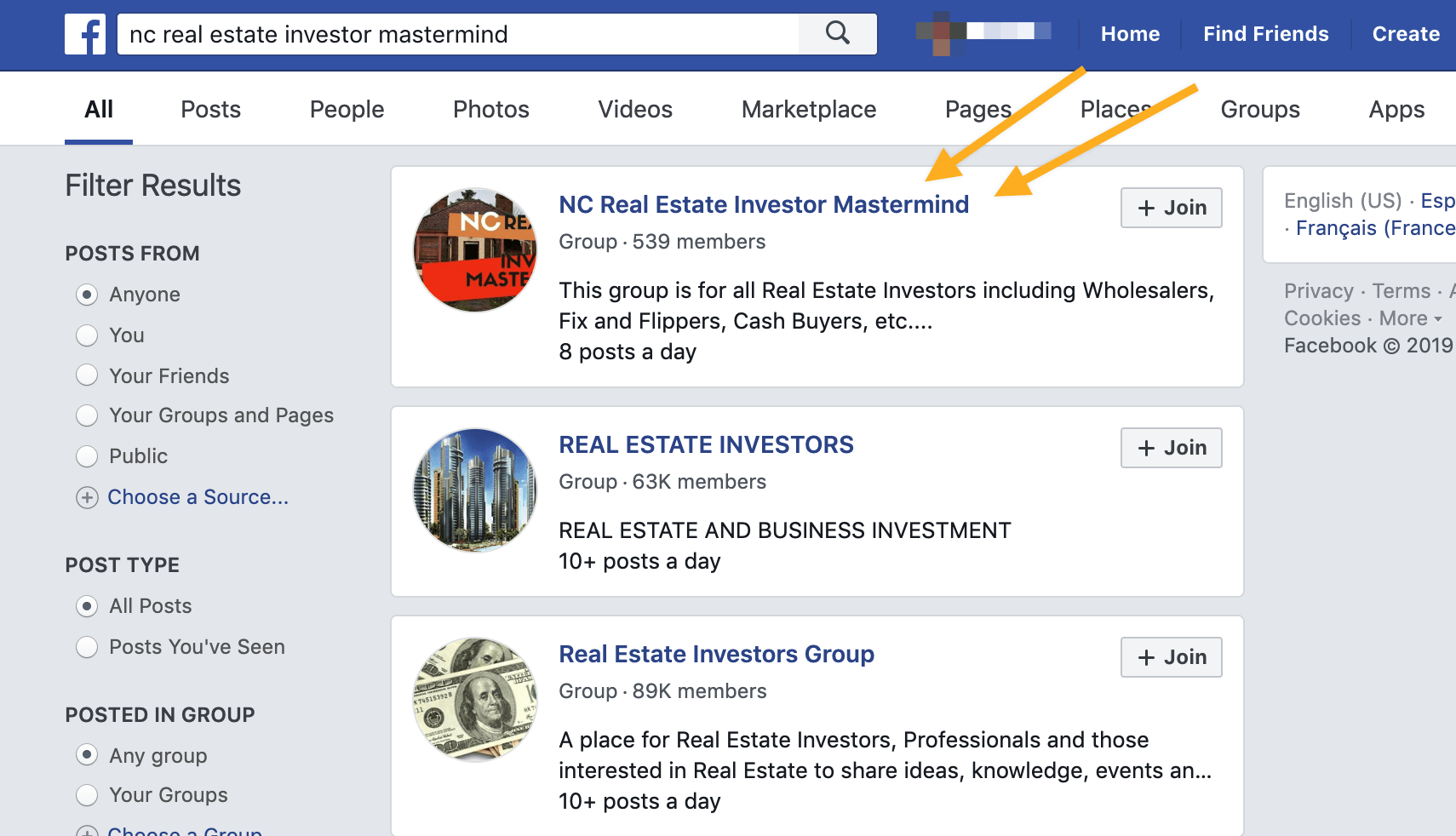
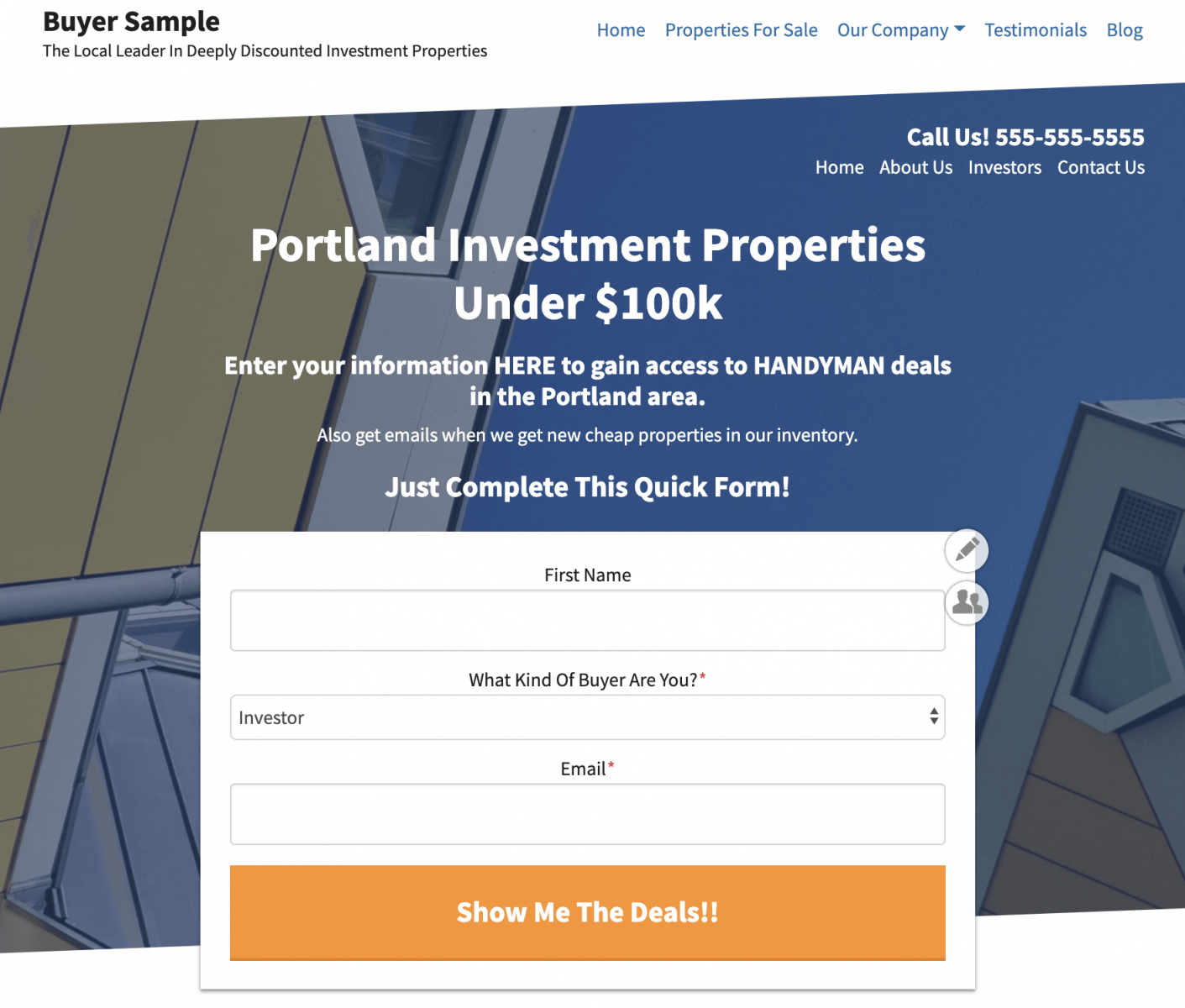
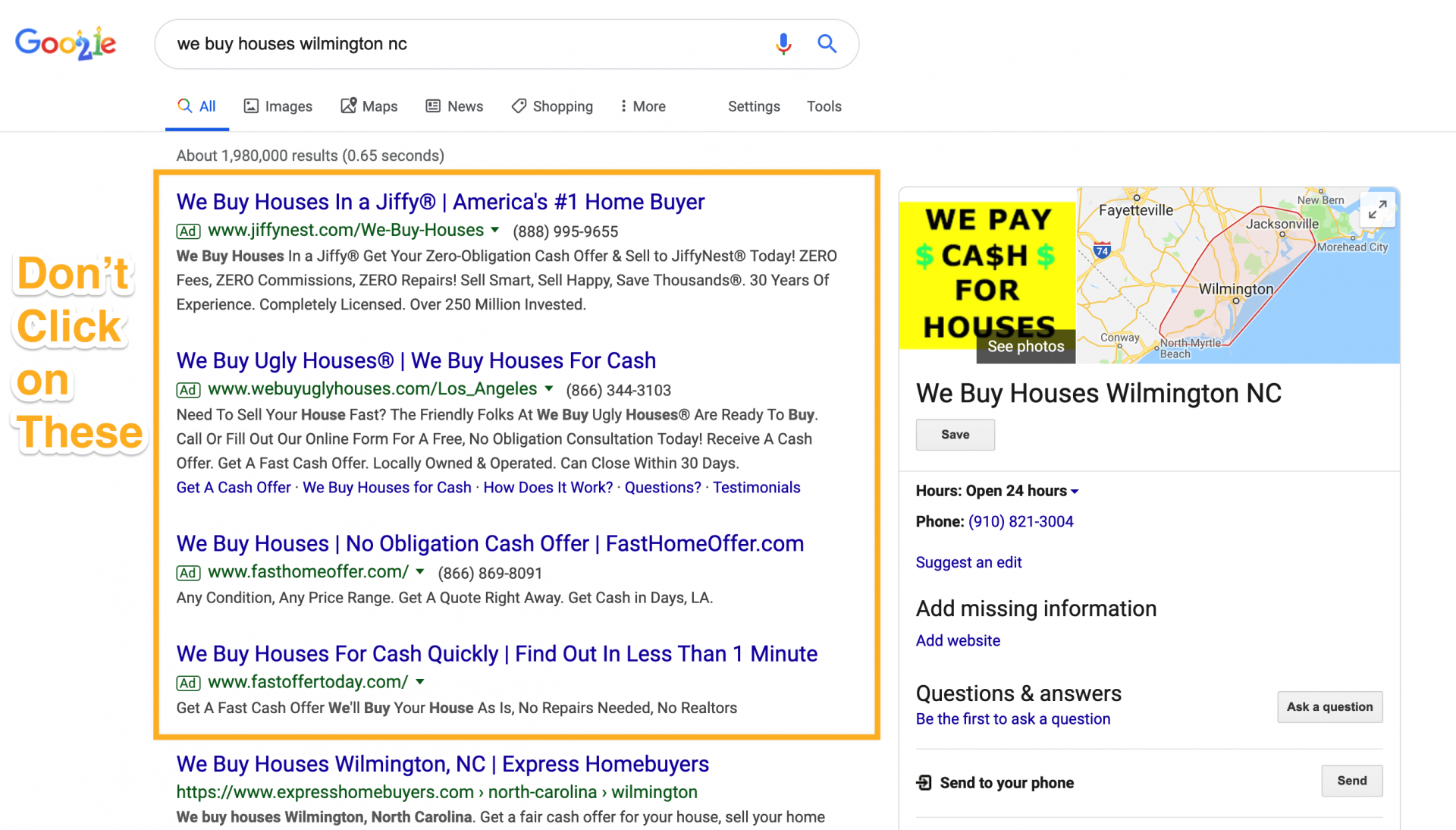


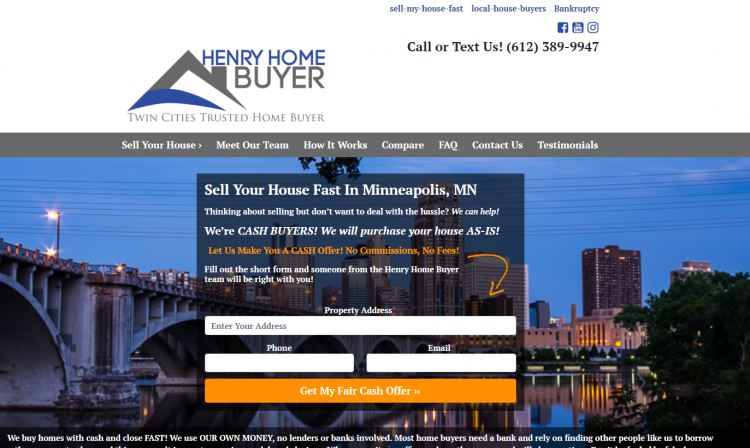
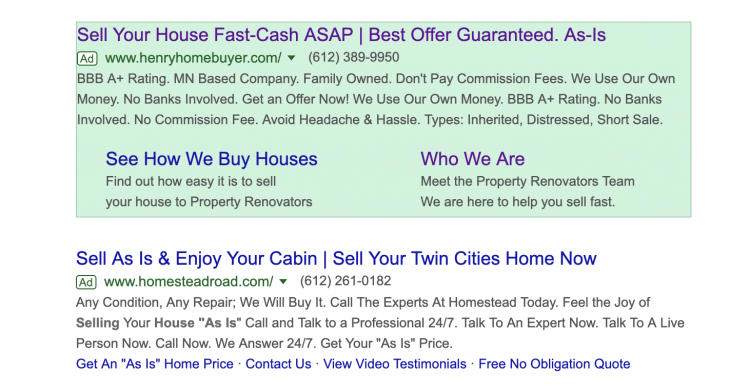

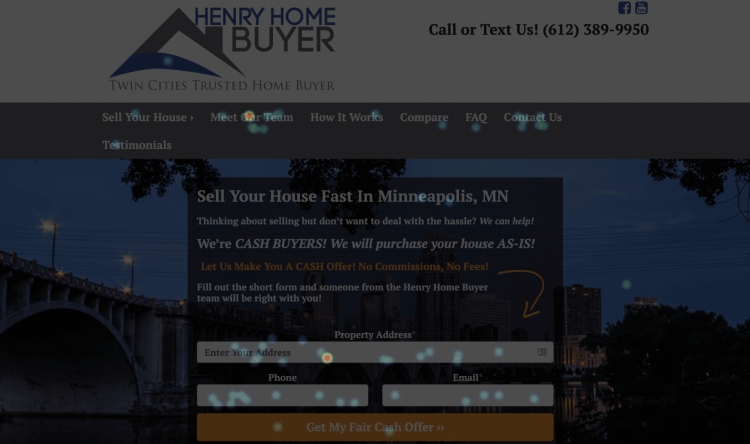
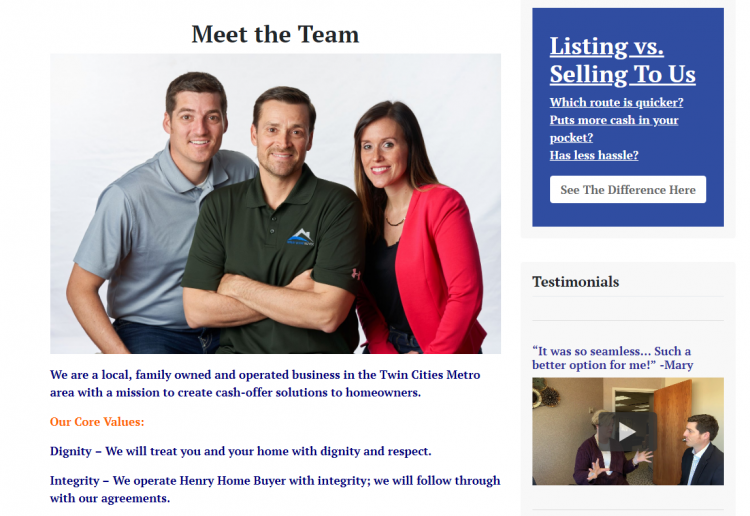
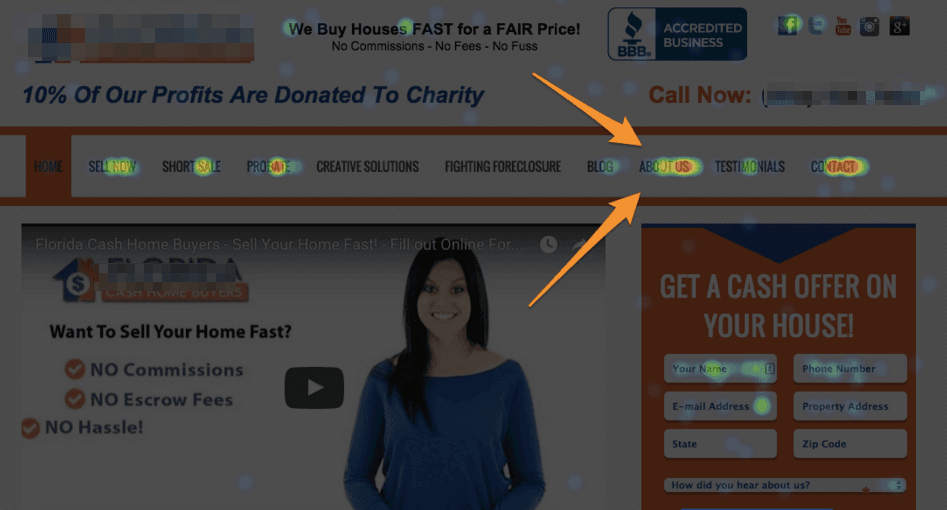
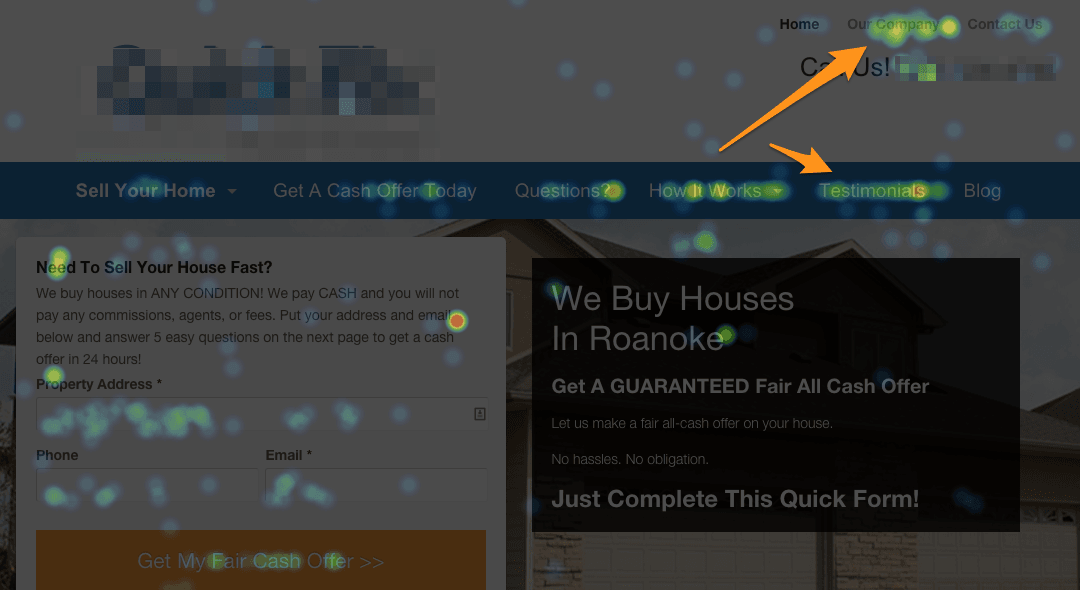
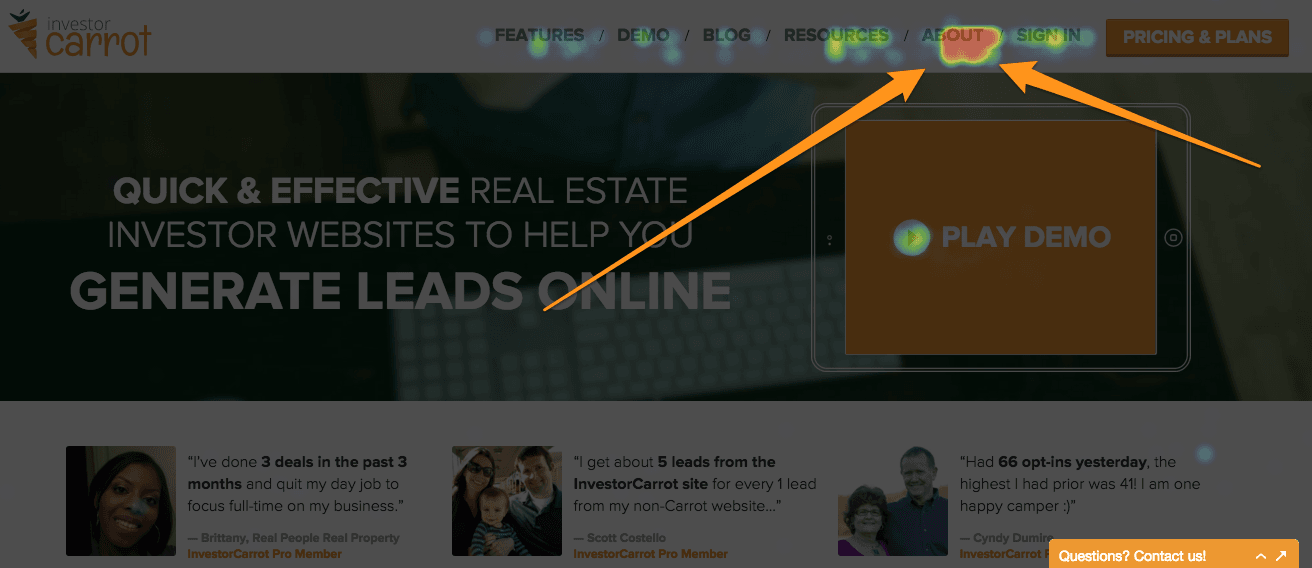
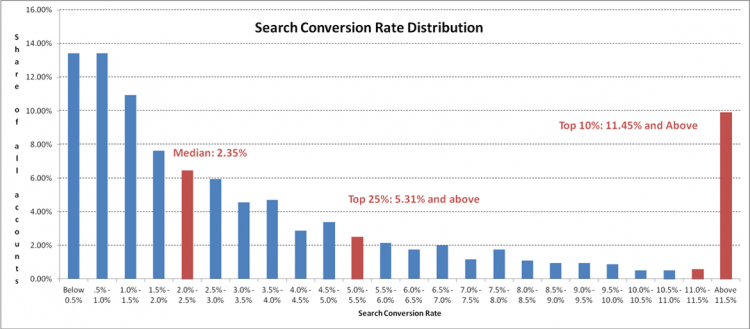
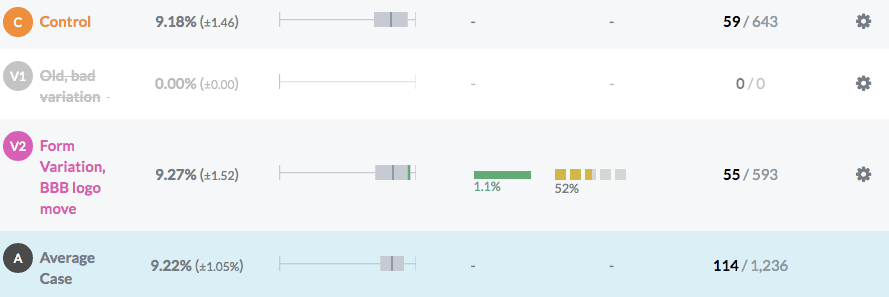
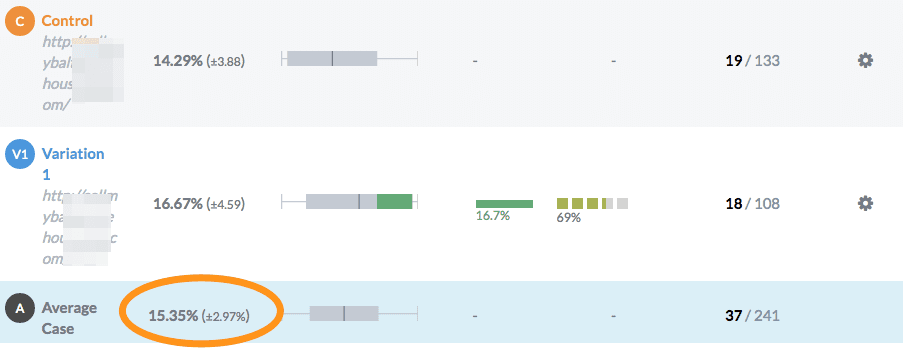
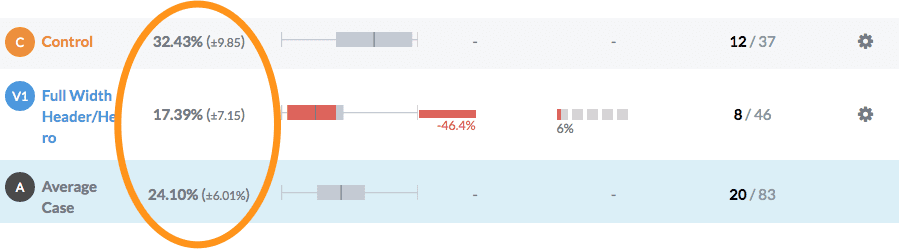


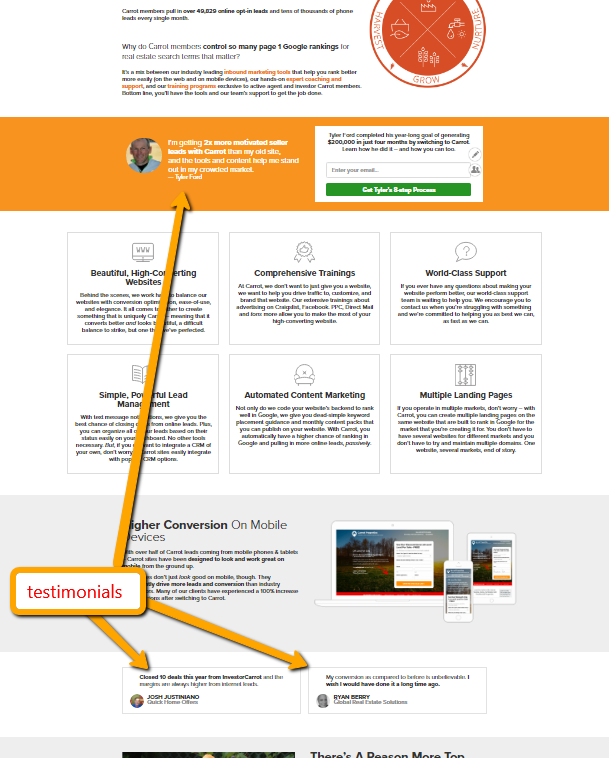

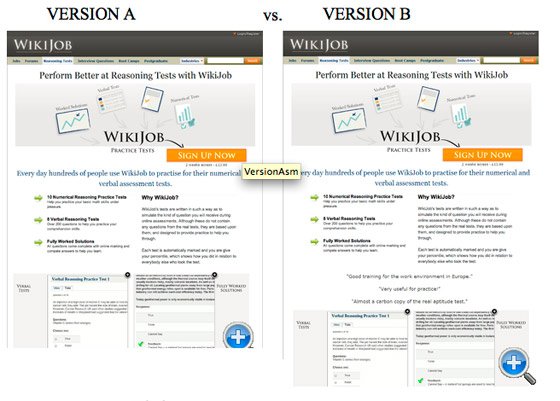




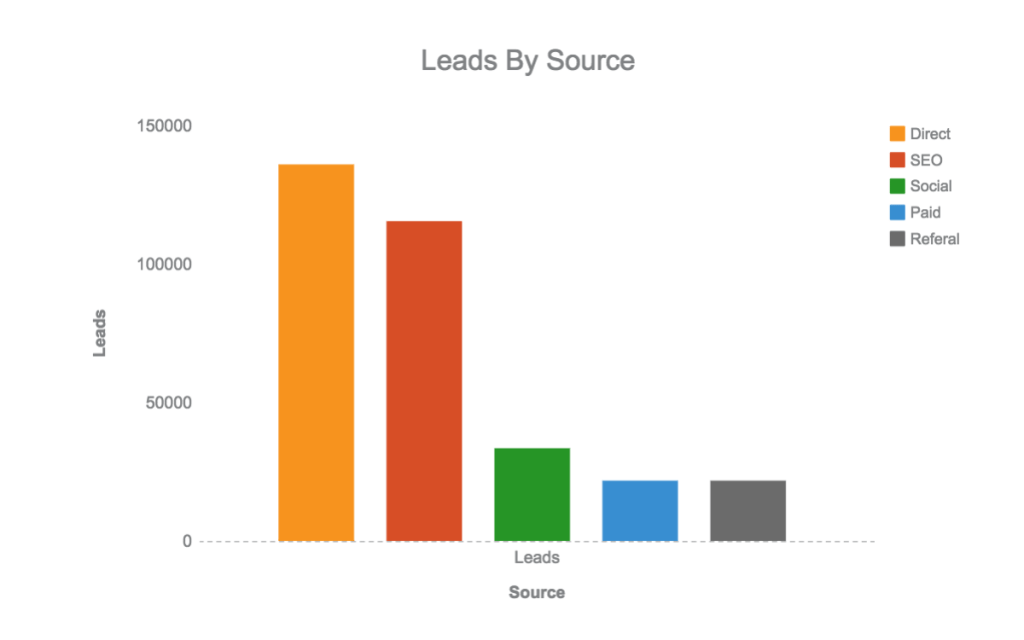
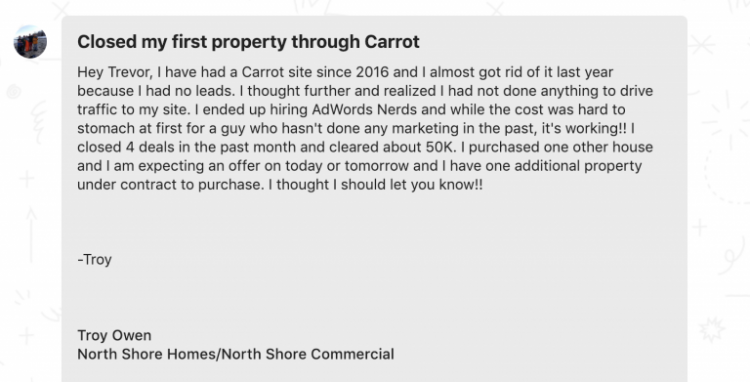
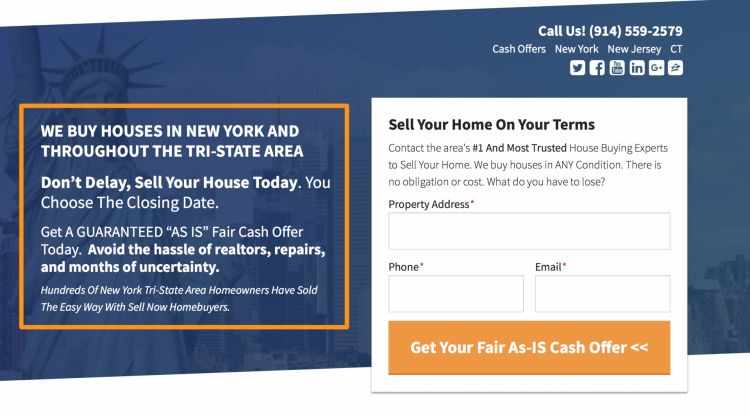
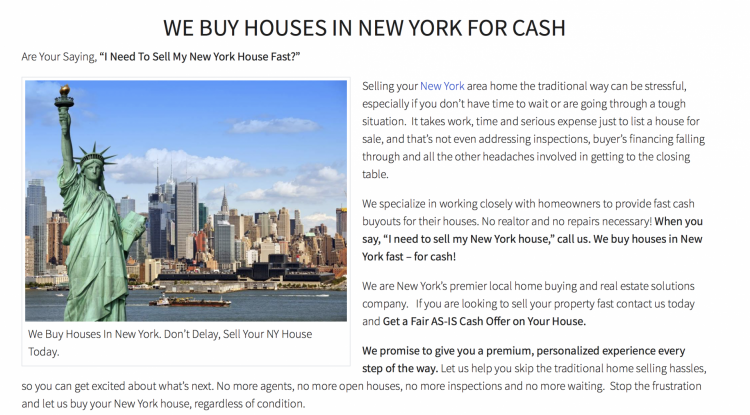
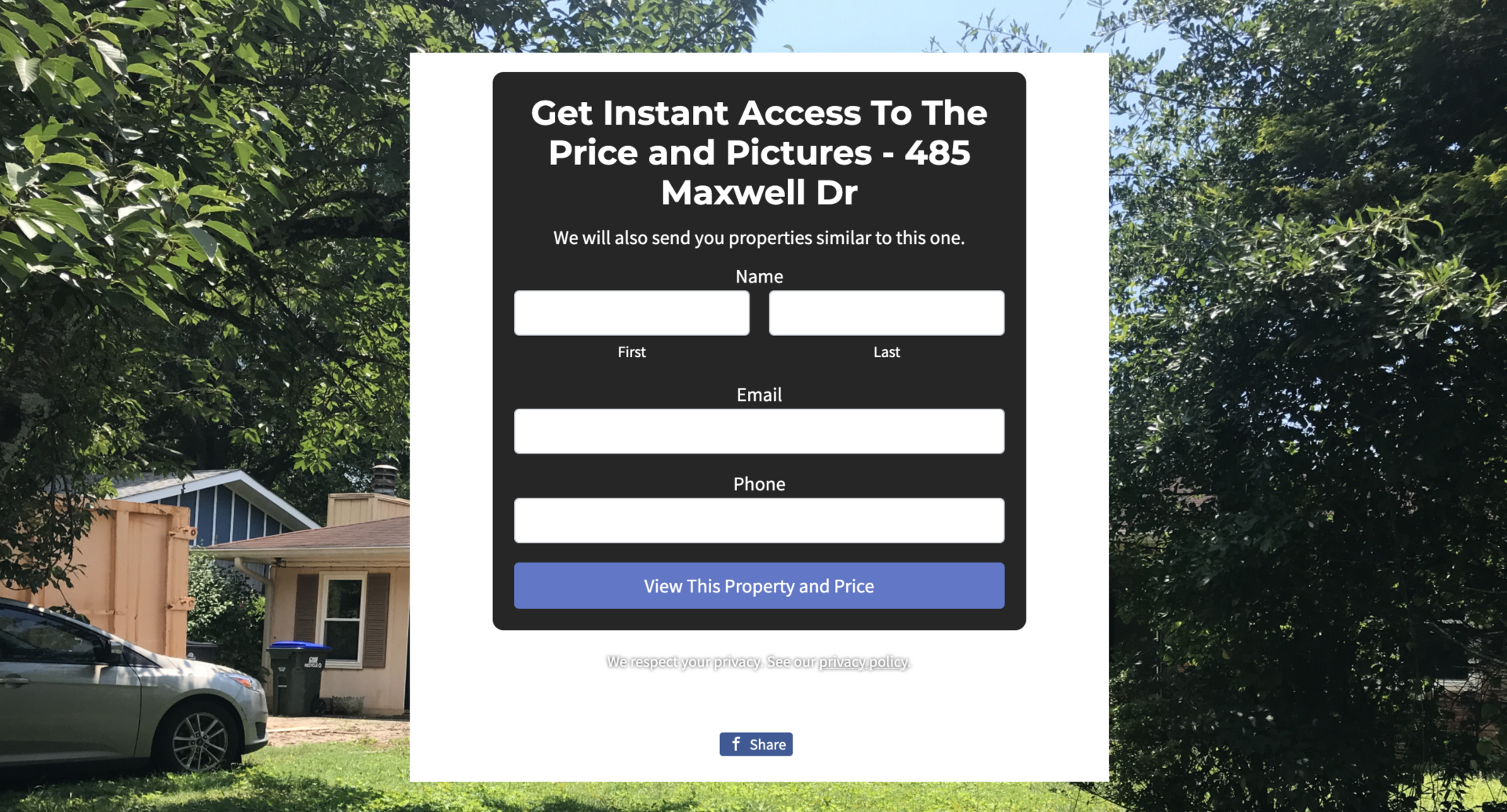
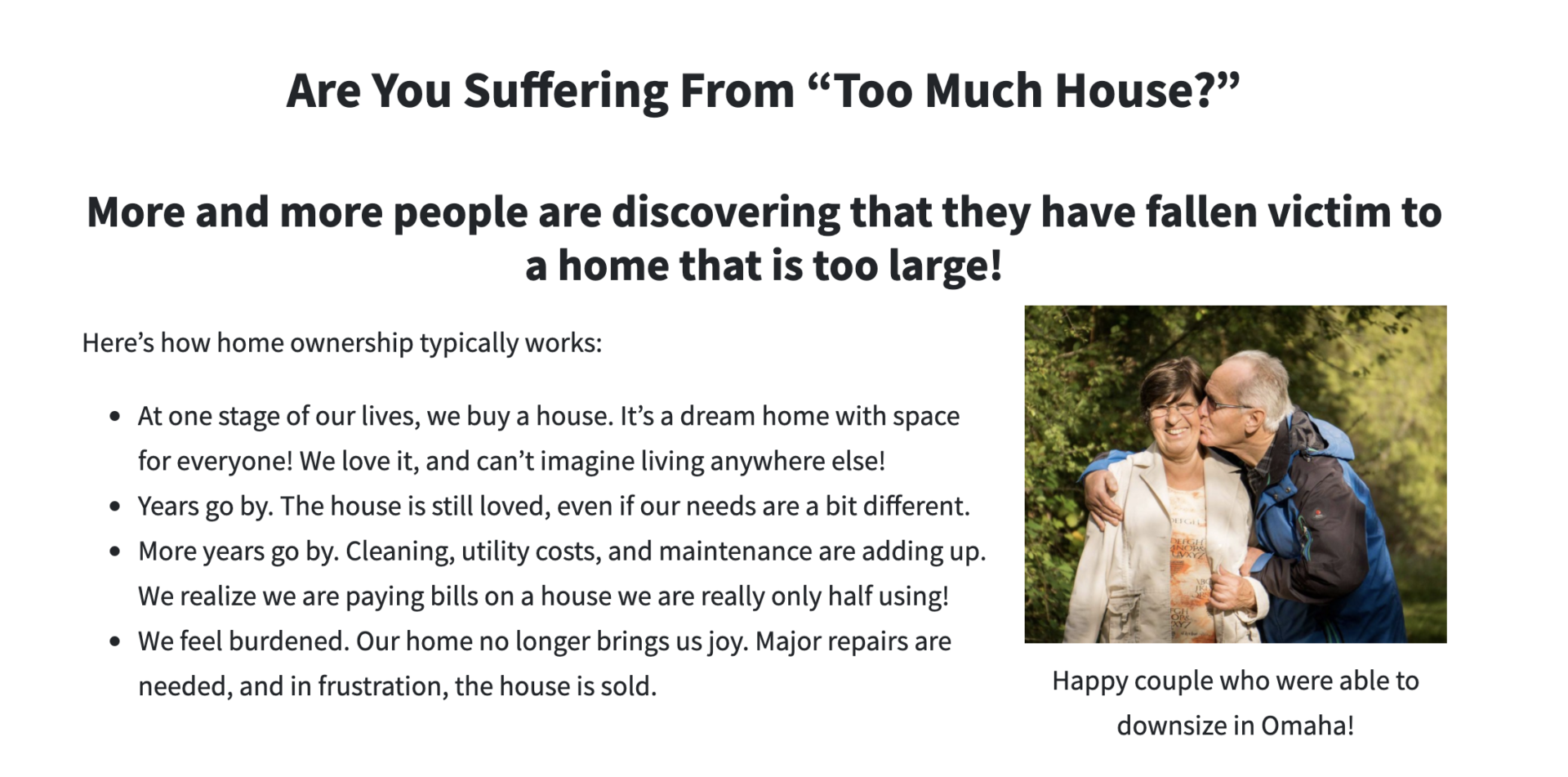
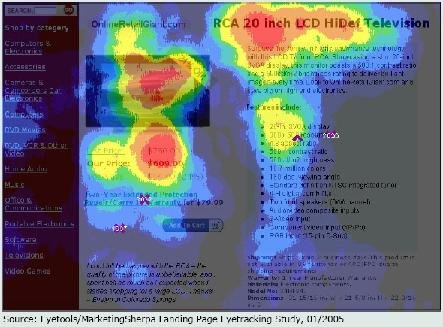
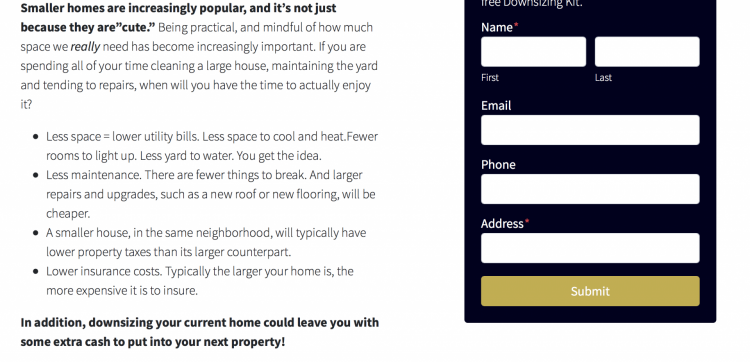
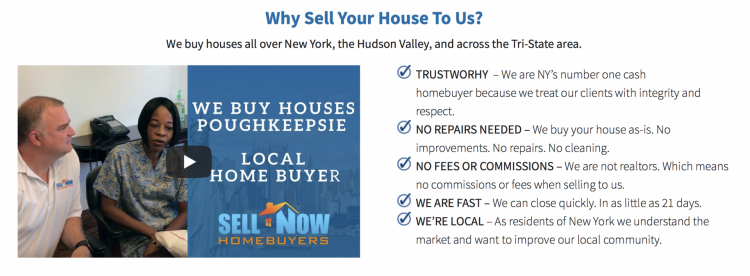

![SEO vs PPC For Real Estate Investors – Which Is Best? [Infographic]](https://image-cdn.carrot.com/uploads/2015.01.4-seo-vs-ppc-featured.png)