We get this question from our members quite a lot: “My website is converting phenomenally, but how can I make it look different from other Carrot websites?”
Sure. We have several different high-converting website templates. Still, though, many of you want to be able to differentiate your website even further from other Carrot members.
So, in an effort to give you more customization freedom on your Carrot website without sacrificing ease of use and the highest conversion rates in the industry, we’ve officially launched our new Hero customizer…
Your New Hero Customizer
Let’s take a quick look at the new feature. You now have three options when customizing your website’s hero section…
Columns (the traditional Carrot style)…
Stacked…
And Inline…
Not bad, huh?
So why did we decide to give you these optional customizations on your website? Why not just give you a single option that converts better than the rest? Three reasons.
Choosing one of these options will help you differentiate your website from other Carrot members – something many of our clients have asked for.
These changes allow us, here at Carrot, to continue testing your websites and iterating based on what we find. With different people using different fields, we can continue to test and increase your website’s conversion rate through iteration.
We also want you to be able to test different form fields on your website. We’ve run lots of tests on these forms (more on that in a minute) and one overarching thing has revealed itself: different forms perform better in different markets.
Depending on the demographics, sophistication, population, and other market factors, one of these three forms will likely win the day. To help further, though, let’s chat about some of the data we collected before launching this feature.
Our Hero Customizer Experiment
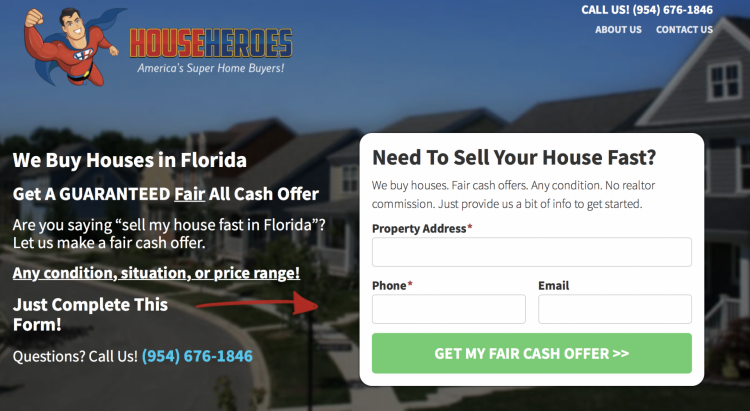
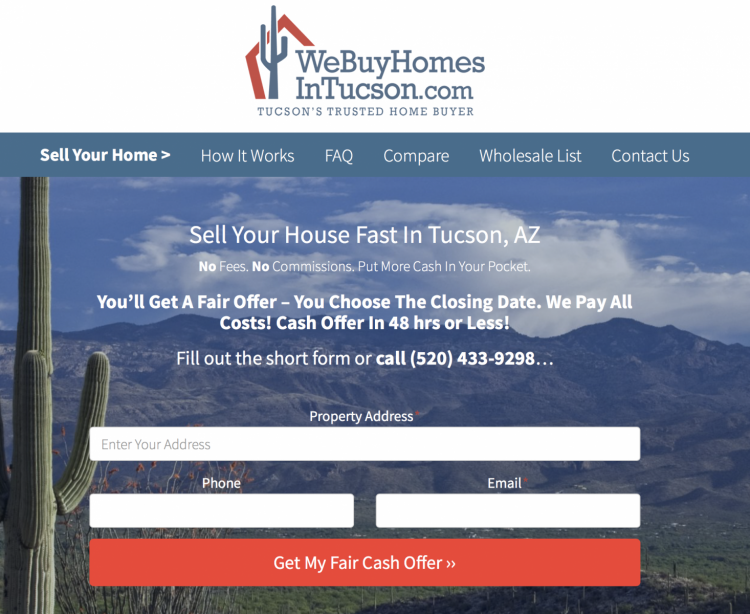
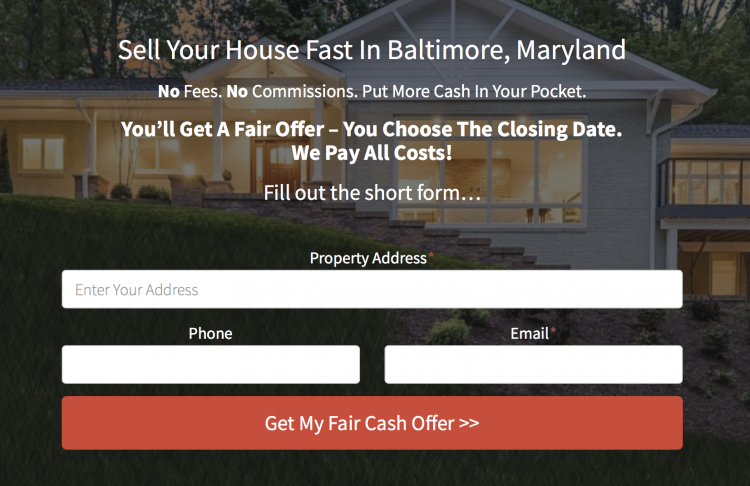
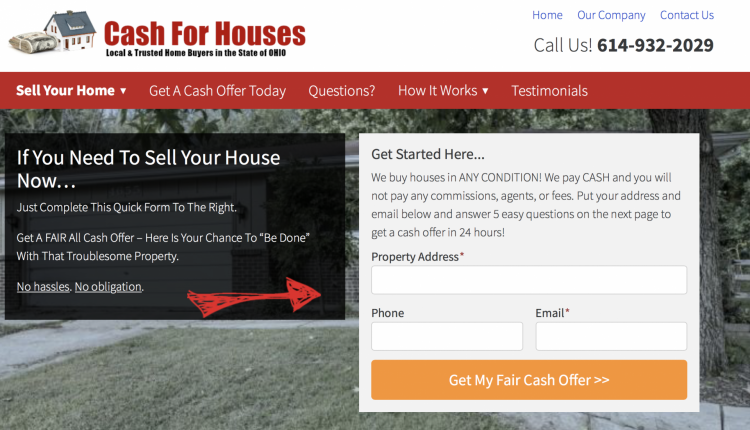
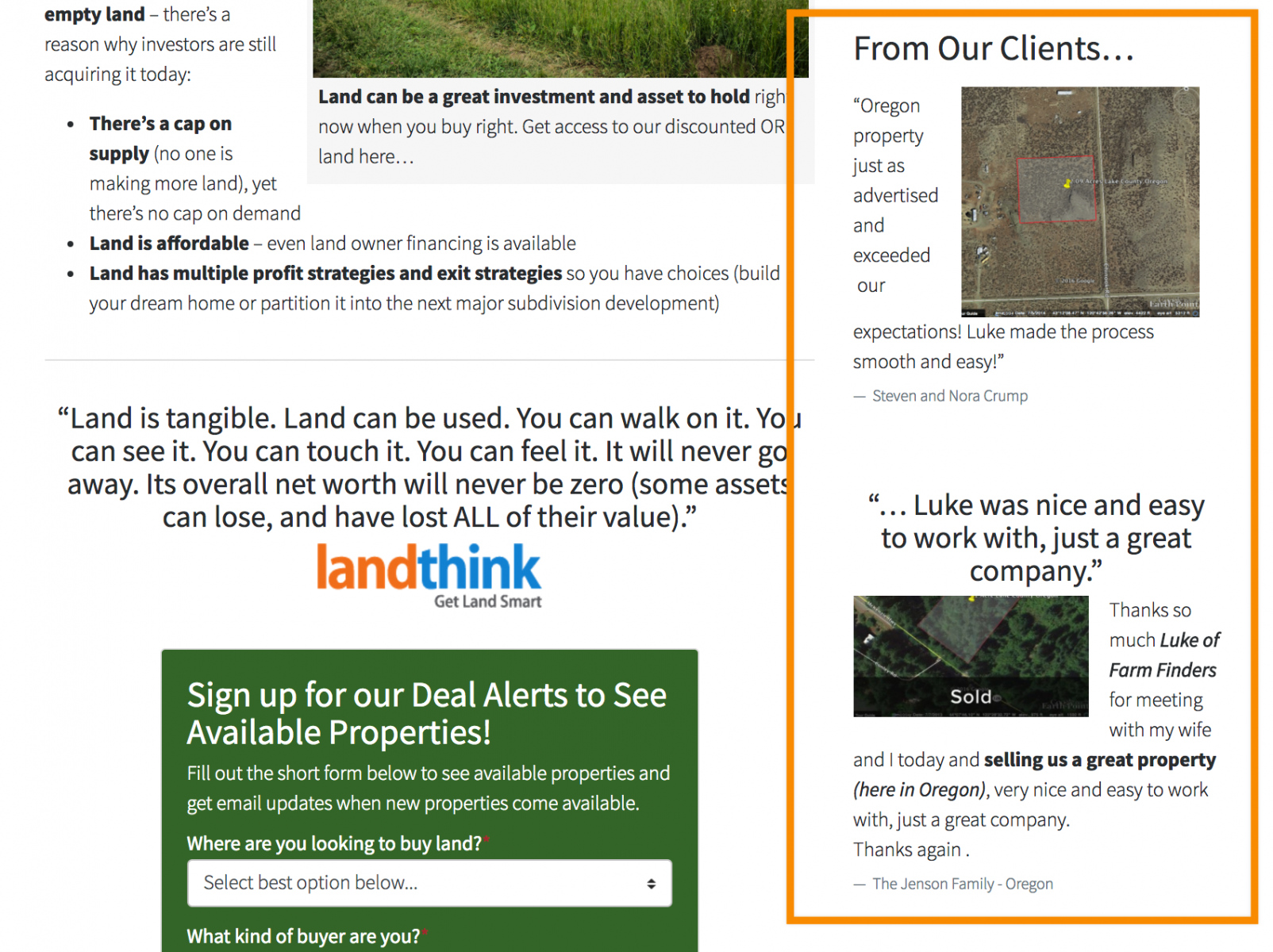
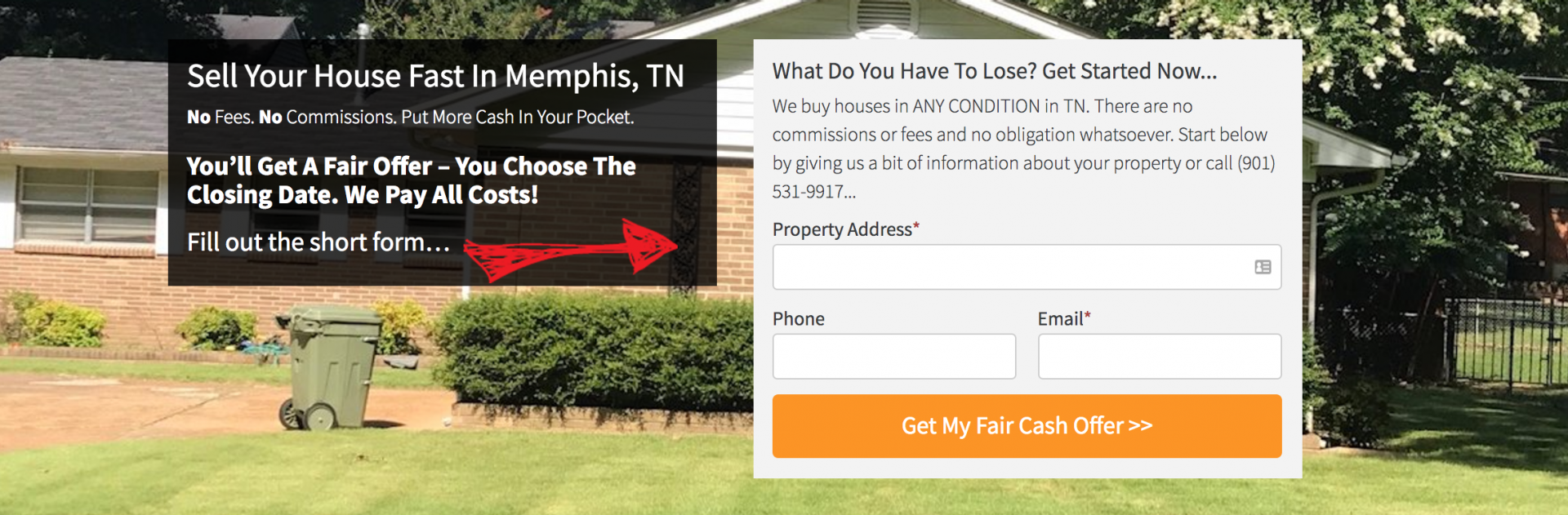
Our test analyzed seven different Carrot websites. On each control version, the hero form was either stacked…
Or columned…
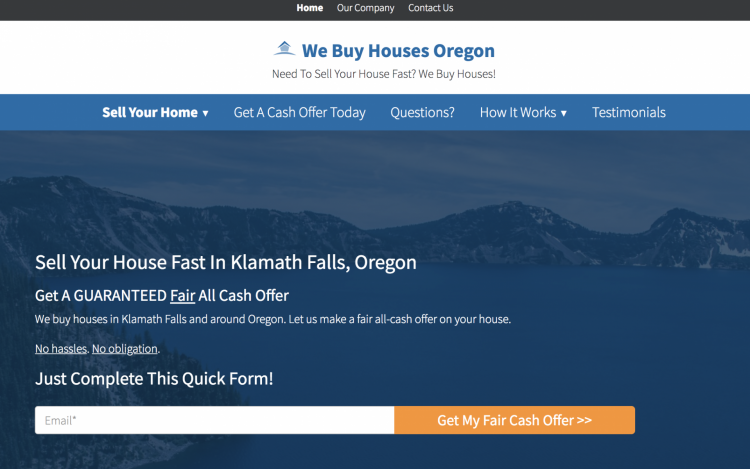
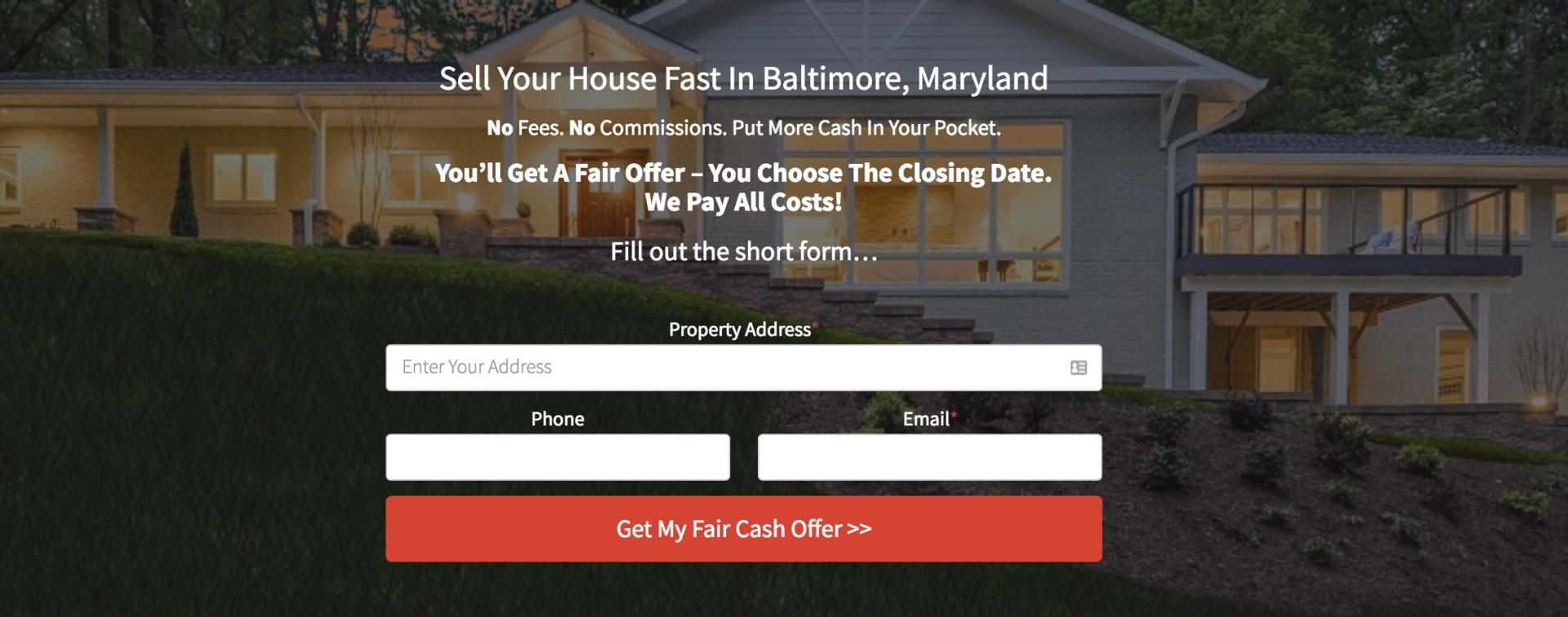
The variation for each website, on the other hand, was an inline form…
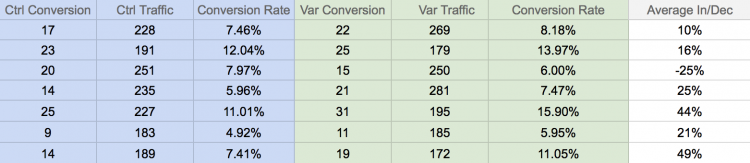
As you might have already guessed, we wanted to see what kind of impact an inline, single-field form would have on conversions. The results?
Ultimately, what we found was inconclusive. Some of the websites experienced as much as a 49% lift in conversion rate. Others saw a slight lift, between 10% and 20%. And one of the websites actually experienced a 25% decrease in conversions.
Regardless of which form you choose, you’re in good hands. Here at Carrot, we don’t publish a form-type unless it’ll drive a conversion rate that’s higher than the industry standard.
Ideally, you’ll do some testing of your own. Like I mentioned earlier, different forms work better in different markets. Play around, A/B test each different hero field, and see which one has the highest conversion rate for your market.
Maybe the best part about this new feature, though, is how easy the dev team has made it to adjust your hero field. I swear, we have the best nerds in the industry.
Literally, just a few clicks to make the change…
And if you want more details on how to adjust your hero field with just a few clicks, you can go here.
Happy customizing! And let us know what you think of this new feature in the comments!
We believe that people who take initiative can make the world a better place.
And in an effort to make the world just a little bit brighter, we recently kicked off an official Carrot Giving program where we’re committing at least 1% of our gross revenue to causes that embody our Core Values and are that beacon of positivity and possibility.
Each quarter our Carrot Culture Team (a rotating team each quarter) has a chance to deliver a check to their local food bank for 1/2 of that quarter’s donation pool… and our leadership team chooses a worthy cause for the other half.
This quarter we had a chance to donate over $13,000 to local causes that matter.
In this post we want to inspire you by sharing how our team served at our local food banks in several different cities and states, impacting hundreds of lives.
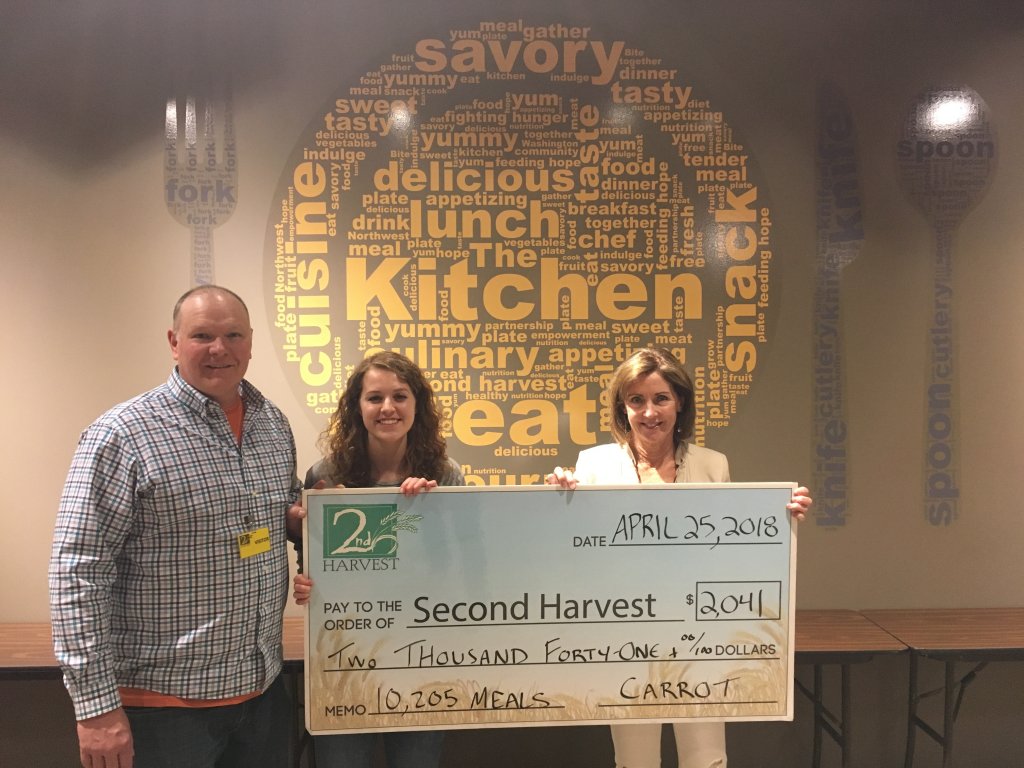
Dan Morris, one of our Customer Success Heroes, gave a $2,041 check to his local food bank on behalf of Carrot (which is equal to 10,205 meals or 68,000 pounds of Carrots).
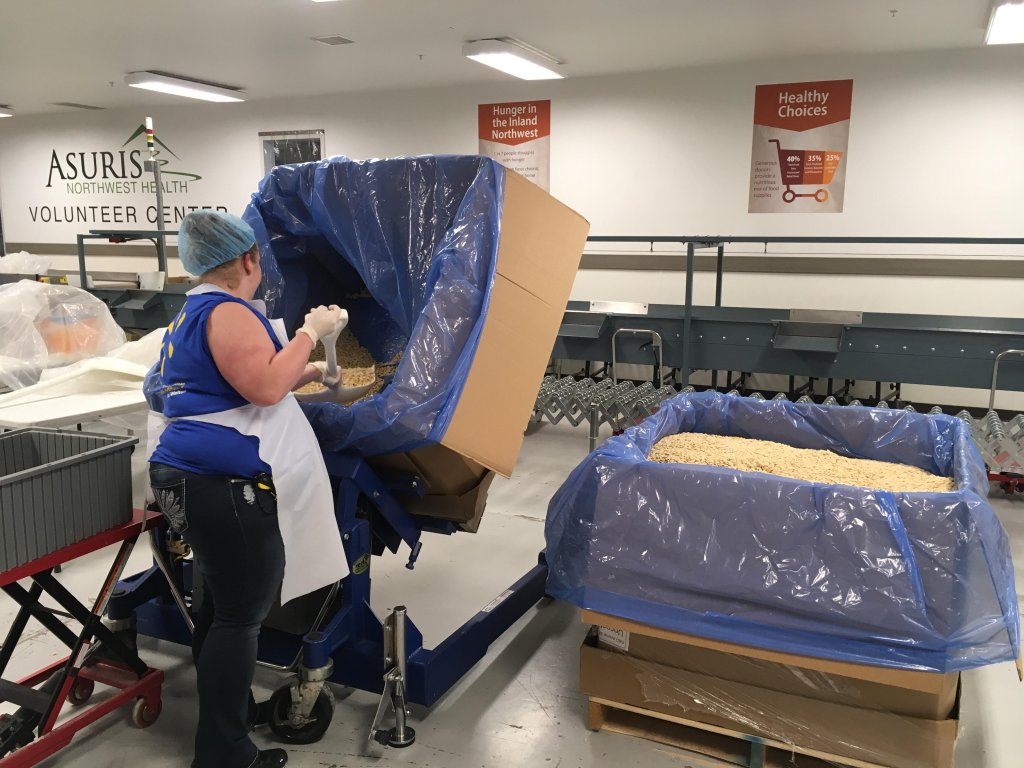
Then, Dan toured their facility and helped sort cereal from a bulk delivery.
But it wasn’t just Dan that went on a servant-hearted adventure to his local food bank — Danni, Shaun, and Chris did as well.
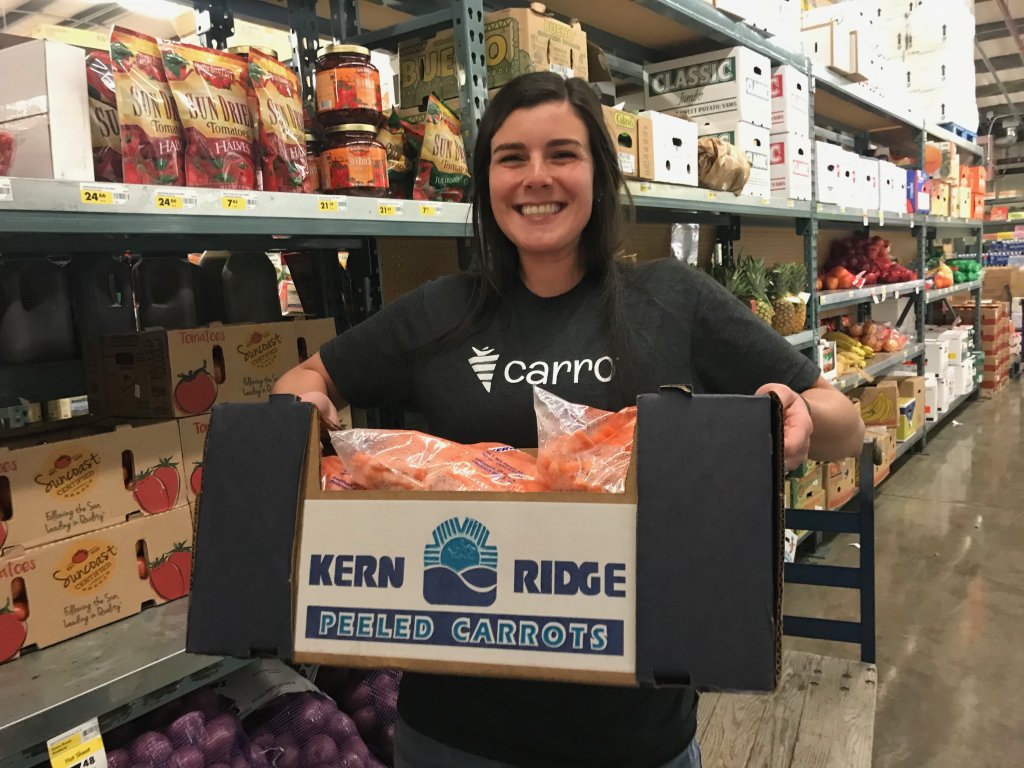
Here’s Danni carrying the heaviest box of Carrots that the team bought (according to Chris).
Here’s Shaun carrying the second-heaviest bag of Carrots.
And here’s Chris carrying the third-heaviest bag of carrots (but with one hand, sooooooo….)
Then, Jen — our Minister of Magic for Random Tasks — took her kids to their local food bank to learn, donate, and serve.
All of this donating turned into more than 150,000 pounds of carrots to help feed people in unfortunate situations.
After their experiences, Dan said,
“That was a really cool experience. I got a full tour of the facilities, got to help sort cereal from a bulk delivery, talked to the Marketing Director and Donations Director. Filled out a giant check (how cool is that) !!! We just bought 10,000 meals for Spokane residents.”
And Jen said,
“Just wrapped up at the food pantry. It was a really cool experience and I think my kids got a lot out of it and learned a bunch. Especially Oliver. Really excited Carrot has given us this opportunity to do this in our communities it’s going to be so amazing long term. With all the different places we are gonna be able to touch, you guys. They were so thankful for the donation and it was just so cool to see how they are using the resources they have already and to hear that our donation will be put to such awesome uses.”
At Carrot, you — we — are part of something bigger. Yes, we design great websites. Yes, we help real estate entrepreneurs create the businesses of their dreams. Yes, we have a world-class support team that helps our customers.
What really matters, in the end, though, is that each of us is making the world just a little bit brighter with our donation — whether it be food, service, kindness, or Carrots. :-)
Carrot now automatically includes SSL with every site!
Supporting SSL https:// for our Carrot member’s sites has been on our radar for a while… it’s definitely one of those items on the todo list when building your own website.
Typically this means heading back to your domain registrar, paying for a certificate, doing some complicated verification steps on your hosting account, some more complicated server stuff, fixing things when they go wrong… then heading back to your registrar each year to pay them some more money and do the process over again for a renewal.
All in all… usually a 1 hour + time commitment and $50+ a year for a solid SSL cert.
At Carrot, Your SSL Cert Is Now FREE!
What is SSL? It stands for “Secure Socket Layer”, and that’s a fancy way to say a website is accessed with https:// instead of http:// and the connection is encrypted between your browser and company serving the website. Read on for more info!
For the thousands of Carrot member sites (and the thousands more we knew would be launched this next year) sending all of our members out there to purchase an SSL certificate to maintain and renew ($$) each year was not the “Carrot way” to do it.
Why We’re Rolling SSL Out Now
Payments, sensitive personal info, and passwords have always been important things that should be encrypted with SSL, but recently there have been another set of benefits for SSL as well.
The first and most important reason is…
Security
SSL exists to make the connection between you and a website private. Without this, the data you send over the network could potentially be spied on by someone else on your network. This is something web visitors, your web browser, and even Google are looking for more and more and we wanted to get you ahead of the curve.
SEO
Google is now using SSL as a minor potential ranking factor. There have been reports over the last 6 months of their “fear” that having SSL was required to rank well today and convert a visitor into a lead at a high rate. Our focus has always been on data and performance so we’ve been tracking the trends and just haven’t seen Google rewarding SSL sites over a well optimized Carrot site in the search rankings… YET.
In fact, we’ve seen an uptick in Carrot member websites rankings (often times over an SSL encrypted site). So over the past 4 months we’ve focused our efforts on rolling out other big updates to our platform that speed up your websites even more which Google has been weighting more heavily than SSL for quite some time. At the end of the day, we follow the data vs. the hype and ensure we’re putting you ahead of the curve when it comes to SEO and performance.
SSL will increasingly become a factor Google looks at and we want to continue to see Carrot members at the top of the search results for their terms that matter, we want to give you every edge possible with rankings!
How Adding SSL Can Impact Current SEO Rankings
We make changing your URL from a non-SSL url to an SSL url extremely simple and quick; however, don’t discount the complexity of things going on behind the scenes with this change. There’s a lot that goes on and this is a decently big change in Googles eyes, because you’re changing the URL structure of your website that Google looks at for it’s rankings.
There are many things one would need to do to ensure an SSL is added correctly (we automate all of that for you) but there are still negative impacts that could be had in the short-term with your Google rankings after adding on SSL.
It’s not uncommon to see a website ranking drop after changing the URL structure from “http:” to “https:” and in some cases you may lose a small percentage of “link juice” from your existing backlinks if they link to the non-SSL version of your URL.
But over the long-term we see Google placing more and more importance on SSL in their search rankings and the Chrome Browser security alerts to it’s users that it’s worth the potential short-term hit for the long-term gain.
If your website drops rankings after making the SSL switch try to get your existing backlinks updated to the “https:” version of your URL (if you can’t, no sweat), build new backlinks with the full “https:” URL, and make sure all pages that link to other pages on your site (internal links) use the full “https:” version not your old “http:” version. And last, have patience and just know that you are ahead of the curve and won’t have to deal with it later when Google is really forcing the issue with SSL on websites.
Speed
SSL creates a different type of connection on the web that allows for some new technology that can speed up page loading. Future proofing Carrot websites and allowing for more performance in the browser is always a win for us on the tech team. This equals less work, less expense, less hassle, and increased performance for you. Oh, and all of that means peace of mind.
Making It Happen for Carrot Members
So, we’ve been biding our time and working toward a solution that fits our criteria for supporting SSL:
Minimize cost for our members
Reduce complexity for setup and renewal
Automation so we can support SSL for all Carrot sites
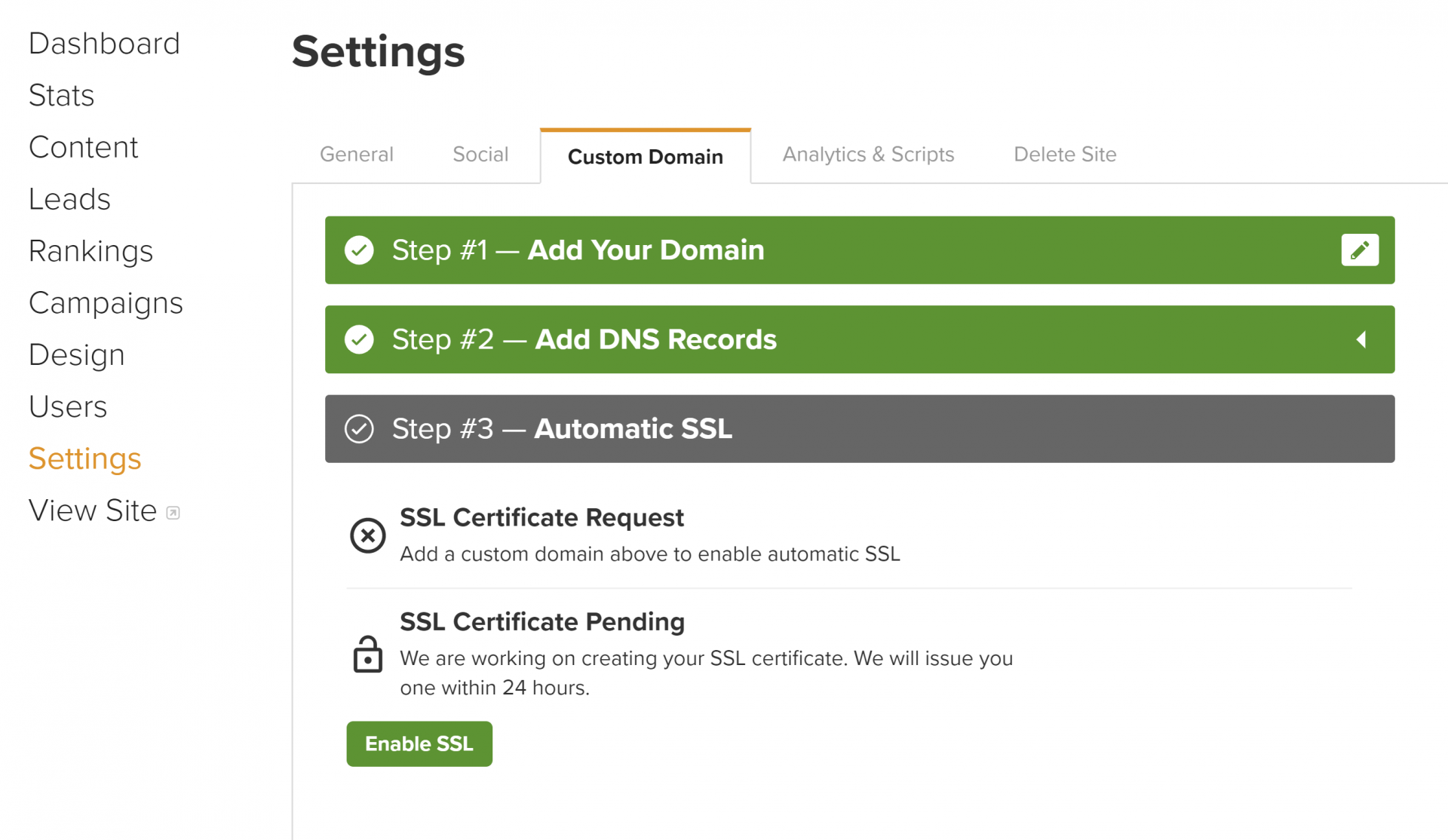
And we have done that! SSL is now automatic for all new sites Carrot members launch starting Monday this week, and existing member websites can toggle SSL on with just a click from your domain settings.
Have An Existing Carrot Site? Add SSL In Less Than 60 Seconds
Behind the scenes we are working with new technology from the open certificate authority letsencrypt.org, as well as new Carrot systems for automation and background tasks.
Our new systems watch for a new domain on your site, request and validate a new SSL certificate, and then automate the renewal process to make sure your site stays secure and accessible via https.
Great stuff and a technology we have been looking forward to supporting for a long time, with the help of Jason on our development team.
Get SSL On Your Carrot Site Today
As of this week, new sites launched will automatically have SSL configured and enabled by default. We will handle all the renewals and the process is totally seamless on your end!
Already have a Carrot site to transition to SSL? We’ve made it just a click away. Simply head to your site’s domain settings, toggle SSL “on” and hit save. Typically within a few minutes, your site will automatically redirect from http to https URLs.
In competitive real estate markets, your online credibility score—the subconscious evaluation prospects make when visiting your website—can dramatically impact your deal flow and determine whether potential clients choose to work with you.
Key Takeaways
Visual elements like clean logos, authentic local images, and properly formatted testimonials with real photos and names significantly impact your website’s credibility.
Your “About” page is typically the third most visited page on real estate websites because prospects are evaluating whether you’re the right company to solve their problem.
Every element on your website either adds to or detracts from your credibility score, including social media links that should only be included if they enhance rather than harm your professional image.
Audit your website and marketing materials to eliminate negative credibility points and strengthen positive ones—from logo clarity to content authenticity—to stand out in a crowded marketplace and earn the trust of potential clients.
But, it amplifies when you have a competitive market. When you’re in a market with a lot of competition but lack online credibility, you have lower deal flow.
When a buyer or seller has multiple choices, they often look at the agent’s or investor’s credibility.
To help you learn how to build online credibility for real estate, we’ve devised the “credibility score.”
Whenever you go to a store, whether online or in person, you go to the grocery store. You’re walking in the grocery store, and subconsciously, there are all kinds of things that you’re doing to size up that grocery store.
Is the floor clean? Are the vegetables arranged in a way that makes sense? Are they rotten, or are they good? Are the people who work there wearing good clothes, clean clothes, or something that’s a uniform that looks like they’re put together? Are they friendly? Is the signage in the grocery store in a make sense way?
All these little things stack up to create this score subconsciously in your mind. You’re probably not going to work with that grocery store because one of those things is wrong.
You’ll probably not choose not to work with the grocery just because the signage isn’t exactly clear and clean. But, when you stack up all those together, and there are these negative credibility marks, what happens is, you leave the store and you go somewhere else, and you’re not sure why sometimes.
You can’t place your finger on why you chose not to work with that company but another one, but this credibility score is subconsciously stacking up in your mind.
We’re going to walk through as an agent or an investor. How do you size your business and find your credibility score?
The first thing you need to look at is to realize people are subconsciously sizing you up, whether you think about it or not. If you’re doing what everyone else is doing, you’re probably not giving yourself many positive credibility marks.
What we’re going to be doing is looking at the website. There are a lot of different things that people are doing when they’re trying to size up your website and size up your credibility score subconsciously.
How to Build Online Credibility for Real Estate
Having Clean Logos Is Important
The first thing they will be looking at is your logo area, your logo area. Is your logo clean, or is it fuzzy? Is it pixelated? Does your logo match the colors and the branding on your website?
I know that’s a little thing, but it’s one of those things that people can go, “Well, there’s something off. I can’t place what it is, but there’s something off,” so make sure you have a very clear, clean, simple logo design that delivers the benefit or delivers the good, warm, fuzzy feeling.
Make sure that the colors on your website match up. That’s a positive credibility mark. Here are a couple of good examples.
Credibility Badges
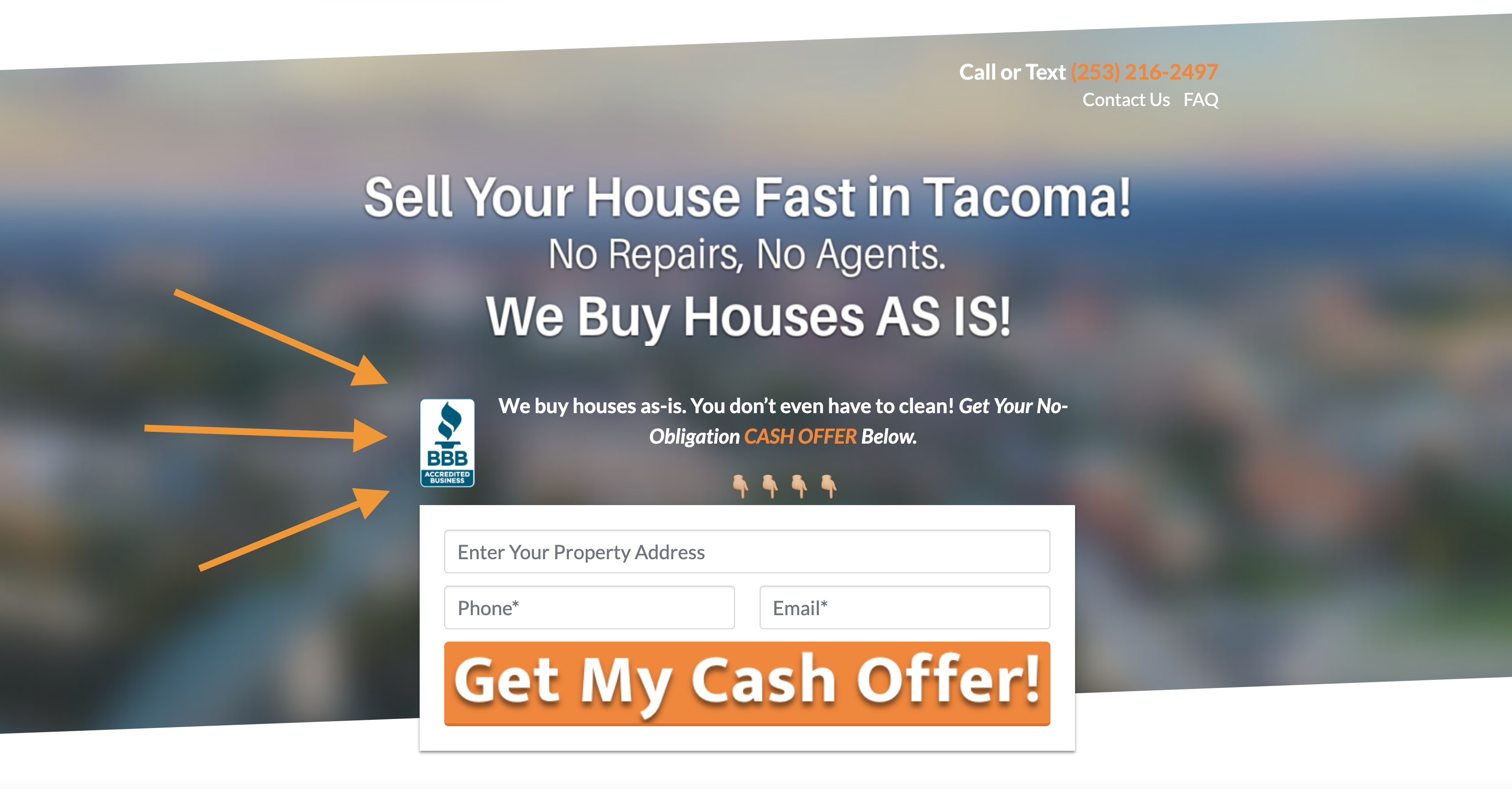
Are you using specific badges to show that third-party processes and third-party entities vet you? For example, the Better Business Bureau.
Credibility Badges on a Carrot website
Maybe you’re a member of the local Chamber of Commerce. Or, a designation with some entity such as a CCIM in your profession is a respected designation. Those badges help in a big way. Those are all positive credibility marks.
Demo Carrot: How many deals are you losing to your competitor’s website?
Let’s say you have social proof on your site, so you have testimonials formatted correctly. Just because you have testimonials doesn’t mean that’s a positive credibility mark.
We have other content on how to format a testimonial correctly. If you format a testimonial incorrectly, it could be a negative credibility mark because if you just put a testimonial up there that has the person’s words.
Let’s say you just used their initials, TK, with no picture or other context around that testimonial. People think it’s not real, so it could detract from the credibility.
When you’re building out your testimonials, have pictures of the person or photographs of the property. Put as much of the person’s information on there. Tom, whatever, and then their location. Trevor Mauch, location Roseburg, something like that. It adds more credibility to it.
Use Real “Local” Images
Other things, the content, the pictures, all of these things stack up. Are your photographs localized?
Do you have authentic images on your website? Or are the photos stock images? In the studies, we’ve done and other studies we’ve corroborated with, stock photos don’t lend toward credibility, especially if they’re too stocky.
There are stock photos that look amazing and stock photos that look clearly like stock photos.
People look at a website and go, “I can’t connect with this website. It looks like a stock photo. Maybe I’ve seen the same photo on another website.” If you’re a Carrot member, swap all the images with local, real ones for your market.
Get rid of any stock photos of people you’ve not worked with and put pictures of people you’ve worked with. Make sure that the images look like houses that are in the area. If you’re in Phoenix, your photographs should look way different than someone up in the Northeast part of the US.
What are you doing to build a storyline and connection with your prospects?
They’re going to your about page because they’ve already probably discovered that you have a solution. You have a solution that can solve their problem. They’re already past that. They don’t need to know whether you can solve their problem.
They need to know whether you are the company they want to choose to solve their problem, so they’re going to your about page.
If you’re using social media, such as adding your Facebook link, make sure they give you positive credibility, not adverse.
If your Facebook page isn’t built out, has minimal engagement, and stock photos, that’s negative credibility. So get it off.
Don’t put that link on your website. Don’t put the link in your marketing. If you’re going to use social, use it to build your credibility. Never use it as negative or neutral credibility. It’s going to hurt you.
Optimizing Your Website For A High Credibility Score
Audit your on and offline marketing. What’s your credibility score look like?
Go through each thing subconsciously and then start to put a plus or a minus on it and add those up.
One by one, eliminate every single one of those negative credibility points.
Is it easy to read on mobile, or is it not?
Is your logo pixelated?
Does your branding match up?
Does your content make sense?
Does it look localized?
Do you have real images?
Do you have real badges?
Does your social media actually help you?
Make sure you pay attention to this. Go check out your website right now. Let us know what you found in the comment section and what you’ve found to be your biggest credibility driver.
Know you know how to build online credibility for real estate. Implement this, and let us know how it works!
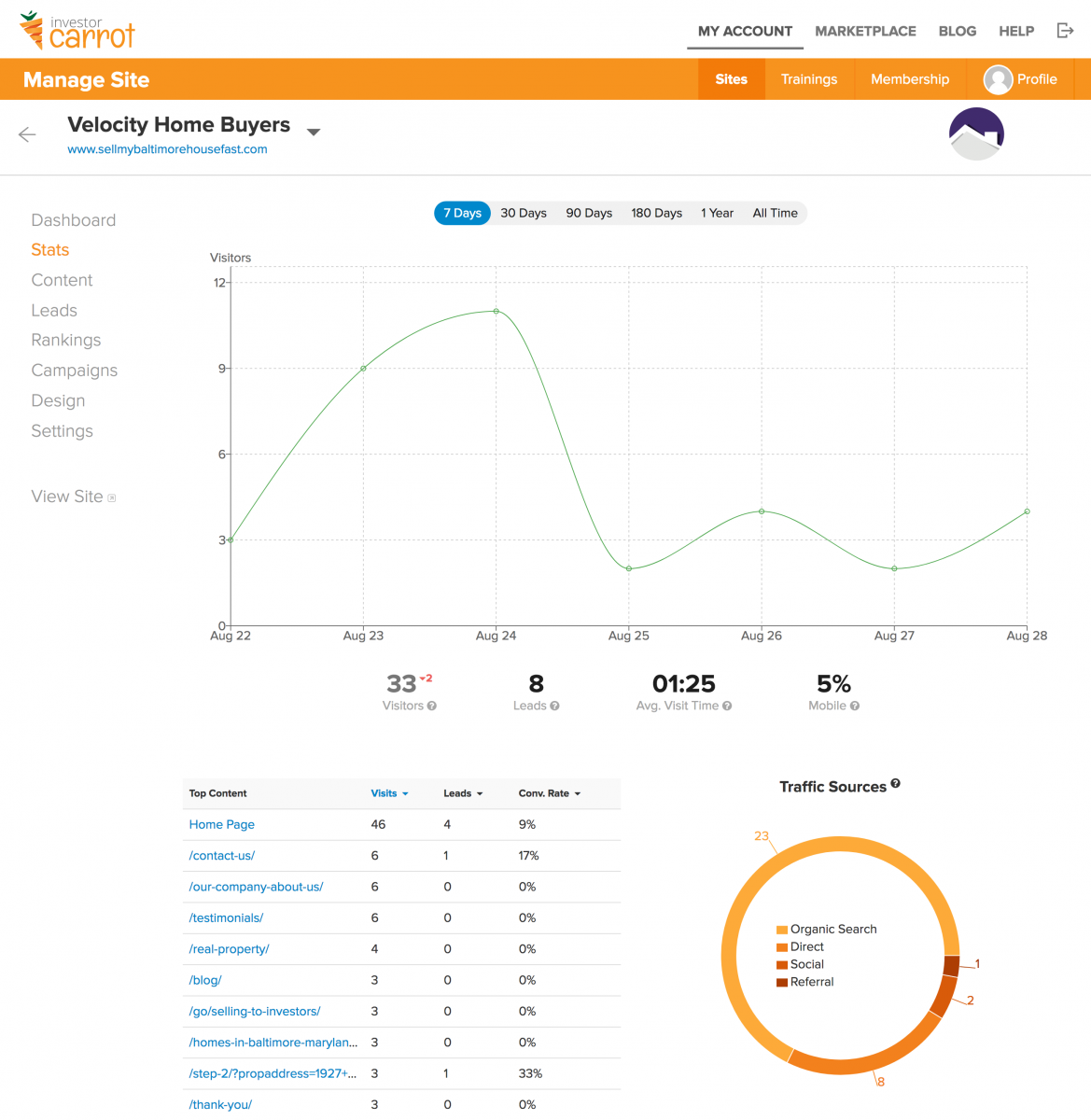
We’re constantly improving things around here to provide more value and an easier experience for Carrot members. Today, it’s your website’s “Stats” view.
Here’s what you need to know about our new Carrot Member stats dashboard.
1. We redesigned the layout of the main stats page, simplifying it and making recent changes and noteworthy stats stand out more.
2. Improved loading speed.
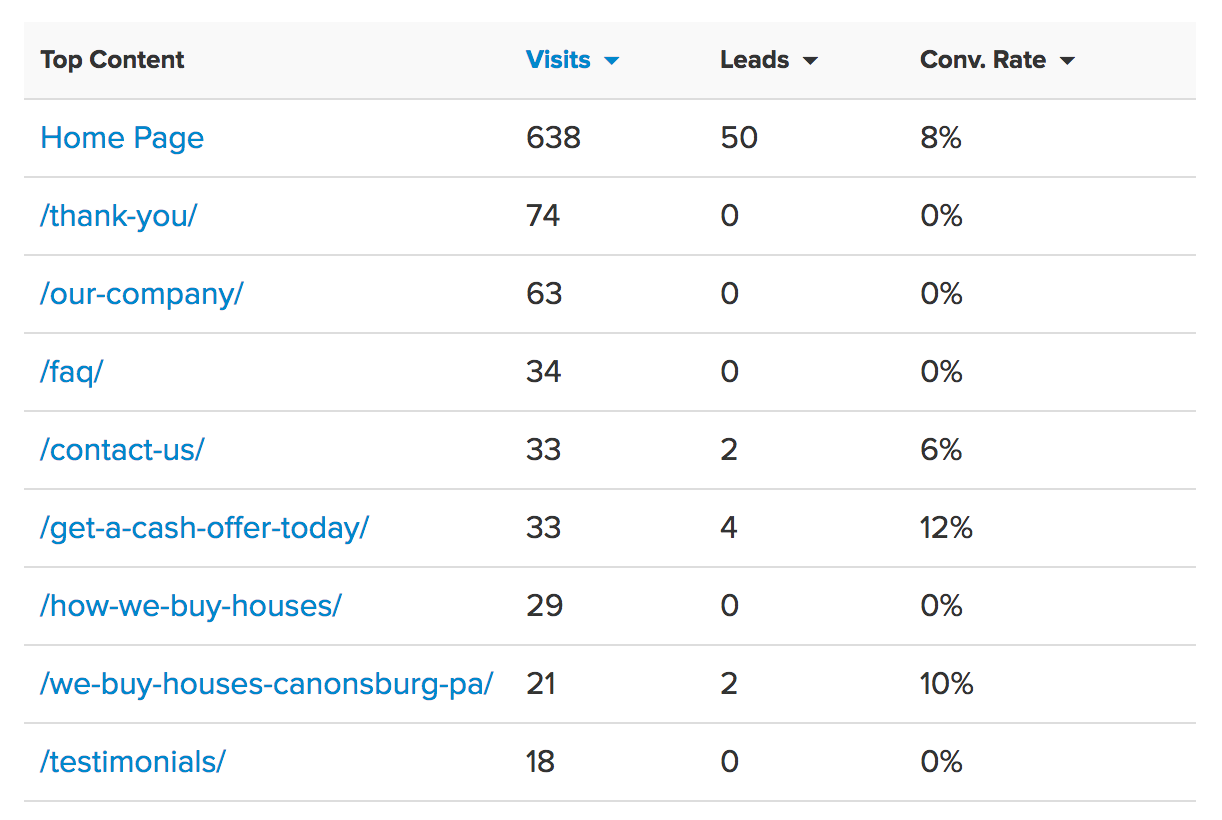
3. We reorganized the page data. You can now see which page gets you the most leads, visits, and conversions.
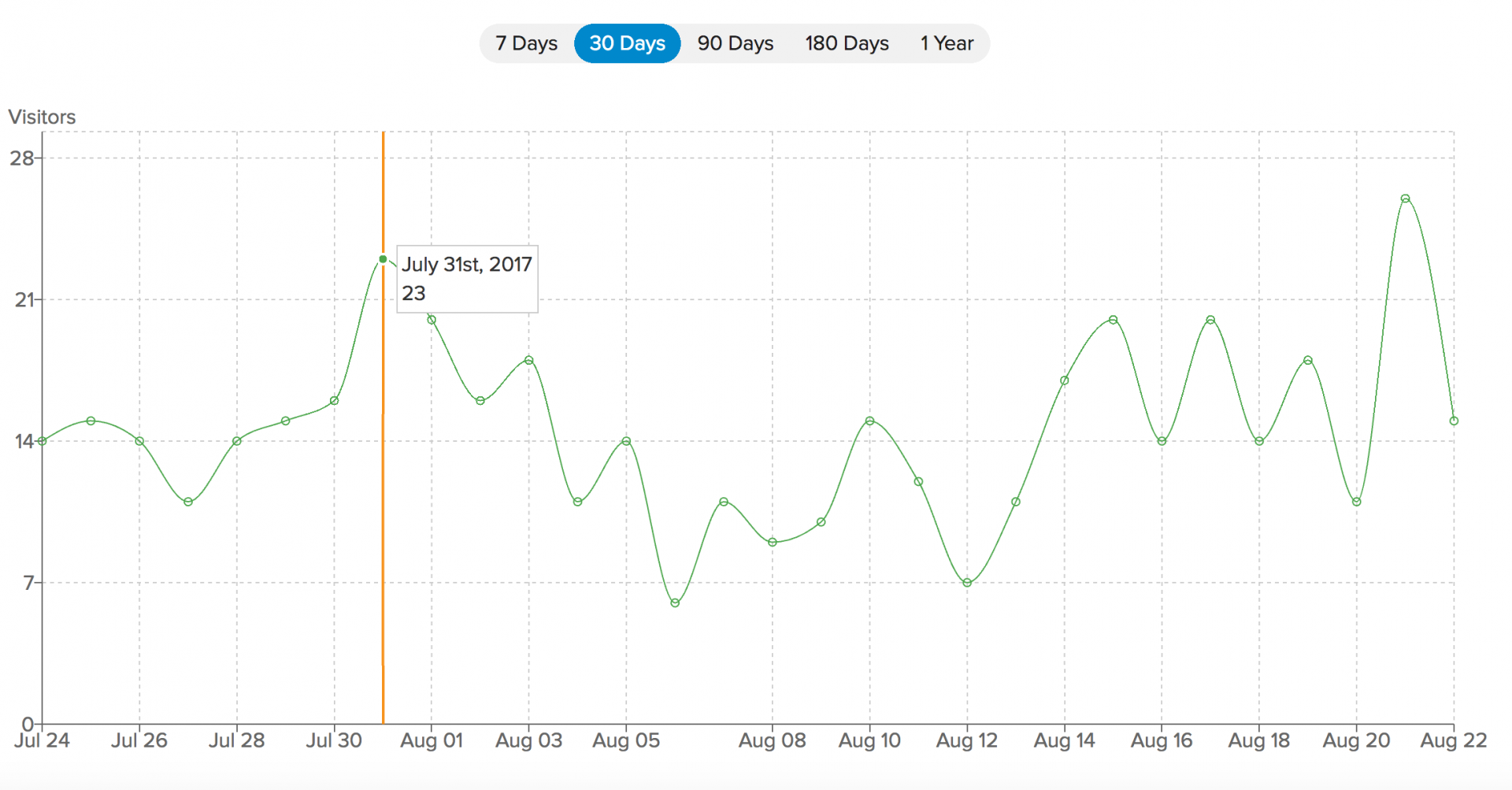
4. We incorporated interactive graphs. You can now scroll over each data point to easily see specific daily numbers.
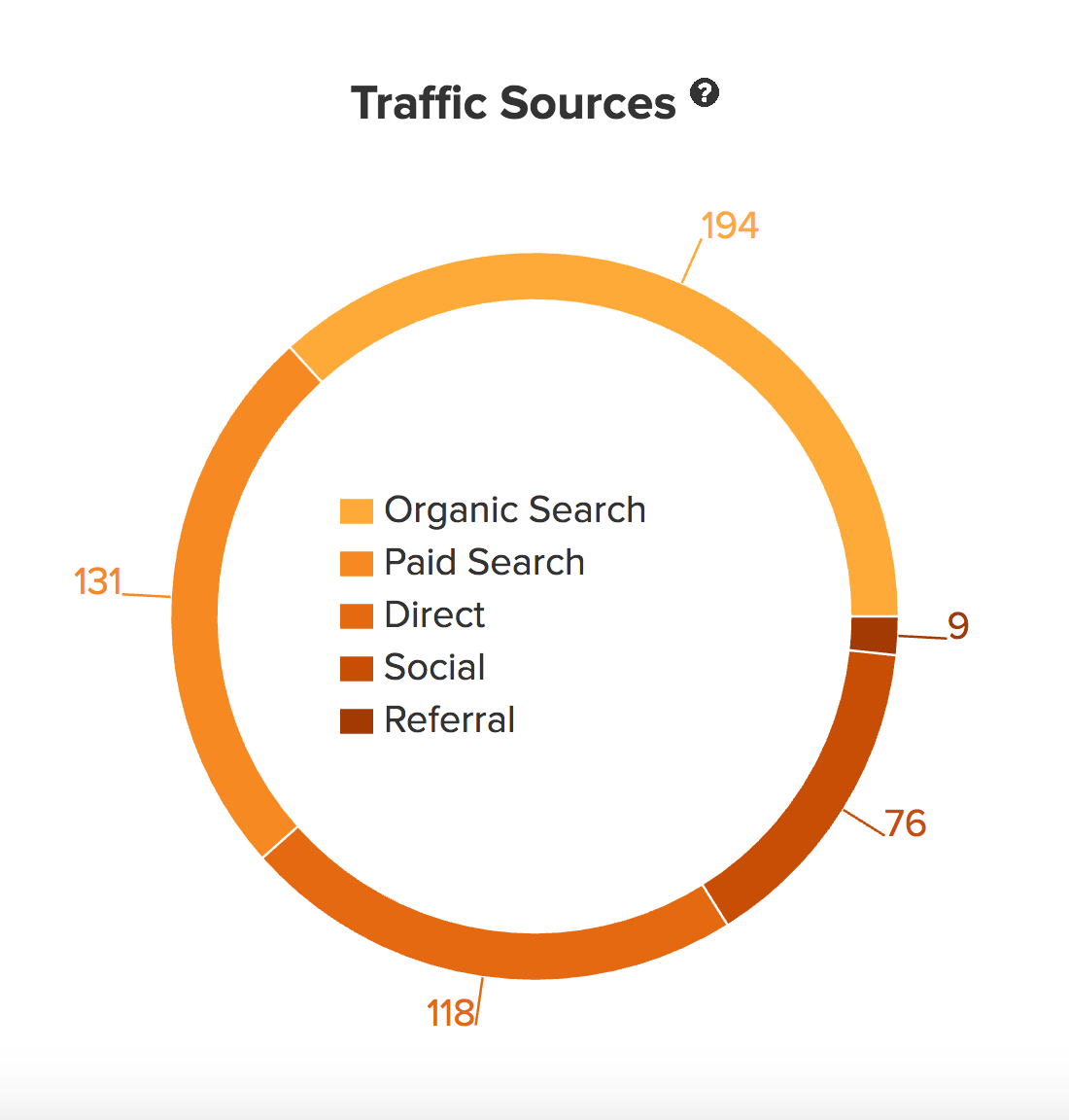
5. We included a donut graph for acquisition sources (partly because everyone loves donuts and partly because it’s easy to read).
Take advantage of the new data.
As usual, we would love any feedback you have on these changes. Go check them out in your dashboard and come back here and comment and let us know what you think.
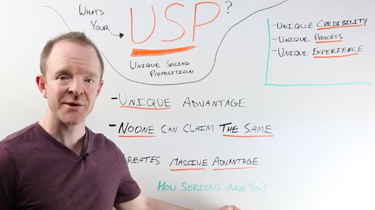
Think of the companies that you admire. Think of the companies that you work with all the time. Oftentimes, the ones that you really admire and you keep on buying from over and over again — think Amazon or Apple or name the local one that you really appreciate — each and every time, they all have something called a unique selling proposition (USP).
USP: Their unique advantage that they serve in the market. It’s something that no one else can claim but them.
One thing that a lot of real estate investors and agents don’t do is they don’t come up with their own version of their USP real estate pitch.
They put out the exact same message that every single person in their market is putting out. If you’re a real estate agent, “Hey, we can sell your house. We can show you homes.”
Everyone Is Saying The Same Thing
What are you doing to separate yourself from the 400 other agents in your market?
If you’re a house buyer or house flipper, what are you doing to show the sellers or buyers or tenants that you guys are different?
The thing is you go to nine out of 10 real estate investor websites are going to be showing the exact same message.
They’re going to be saying, “Hey, we can buy houses. We can buy them fast.” You know, “Fast cash closing.” Those types of things.
If you’re saying the same thing, how is it that someone is going to choose to work with you versus working with someone else?
That’s what we’re going to be talking about today on this Whiteboard Strategy Sketch is a unique selling proposition.
Especially in the cluttered market right now. The market’s going up, which means a lot of investors want to pile in and start flipping houses or wholesaling. A lot of real estate agent prospects are piling in there, wanting to sell houses, because it’s easy today. How do you stand apart?
The Solution: Having A Unique Selling Proposition For Your Real Estate Business
The people who are doing that are the ones winning the market. The people who are not doing that are going to close some deals probably, just by the sheer mathematics of getting leads, but the ones who are actually coming with a unique selling proposition are going to be here through the market cycle.
They’re going to be here in the next cycle. They’re going to be here in a year, in two years, in five years. All right, so a unique selling proposition is the key.
What’s Your Unique Advantage?
The first thing is, what’s your unique advantage? What is it that you have that no one else can claim? This goes directly into the next one. No one can claim the same thing. Okay, so this is something where it could be your experience.
It could be a unique process that you have in your business. It could be the credibility that you have based on the experience that you have. What is it that no one in your market can claim the same?
As an example, we’re working with a local real estate brokerage here. They are the number one, the largest, privately-held brokerage in Douglas County which is sweet. No one can claim the same thing.
That’s one of their unique selling propositions. They probably have several others. One of the other unique selling propositions, they’re amazing at commercial real estate.
No one can claim the same, that they have two CCIM-accredited brokers that are specialized in commercial. That’s something that’s an advantage to them.
If you don’t pull that out and put it in your marketing, put it on your website, then you’re not using your unique process, your unique selling advantage, as an advantage.
A Few Examples
Another one, your unique selling proposition creates a massive advantage in the market. With Carrot, let’s kind of bring it home to us.
We don’t just put out websites or software, okay? If we did that, we would be one of the many others who do that, but we have a unique selling proposition. Our unique selling proposition is you get better results when you work with us.
You get a higher ROI with your ad spend. You get a higher ROI with your marketing. Okay, we’re going to help you with our software and our training and our support to get a better result, so you have less of what we call phantom expenses: fewer things where you get a lower ROI because of underperformance.
That’s one of our unique selling propositions out of many.
What is the one advantage that you have? One company that you guys have probably heard of, it’s a national company. It’s actually a Silicon Valley-funded company called Opendoor.
Many of you guys have heard of Opendoor. They’re in Phoenix. They’re in LA now, in Las Vegas I think too. If you go to their website, and people are wondering, “Why is Opendoor doing so well?” They’re doing a lot of direct mail. They’re doing a lot of online marketing. What is it about them that’s doing so well? If you go to their website, number one, they’re insanely, insanely transparent about their offer process.
There are no questions on exactly how they come about a price to offer the seller. That’s a unique advantage because all of their competitors are hiding the way that they come up with their offer.
If you’re one of the people who is just saying, “Oh, I’ll offer you money. I’ll offer to buy your house,” but you’re not uncovering the process in how you do that so they know that it’s a fair process, then you’re at a unique disadvantage to a company like Opendoor. They’ve got that unique advantage.
Another thing on their website if you check it out, they’ve been a part of over 4,000 transactions.
No one can claim the exact same number because that’s unique to them.
Put that on your website. If you’re an experienced investor and you’ve done 20 transactions or hundreds or whatever it is, use that unique advantage to your own benefit. Put on there, “Hey, helped hundreds of local home buyers, helped hundreds of local home sellers,” that’s unique to you specifically, or use the exact number, even better.
Maybe you have an insanely high rating on Zillow. You’re the number one agent on Zillow. No one else can claim that but you.
Maybe you are the number one commercial or you’re the number one North Umpqua River, that’s a river that we have here, one of the rivers here in Roseburg, you’re the number one river real estate agent in the entire area. Claim that if you can claim it.
Then challenge your other competitors to come over the top of you and claim that space.
It’s Hard To Win Without A USP
What is your unique selling proposition? If you don’t have one, the likelihood of you crushing it in this market and being here through the market cycle is probably pretty low.
If you’re a new investor, you might be going,
“Oh my gosh, I don’t have a unique selling proposition. Does that mean I should quit my business right now?”
The answer is no. There is something unique about you that you need to put out there. If you don’t have something, you really do need to work on it. You should also look at your business model. Don’t just copy the business model from your coach.
Find a way that you can make it better. What in your process can you do that’s different? What in your process can you do, in your offering process that you can do that’s different or better?
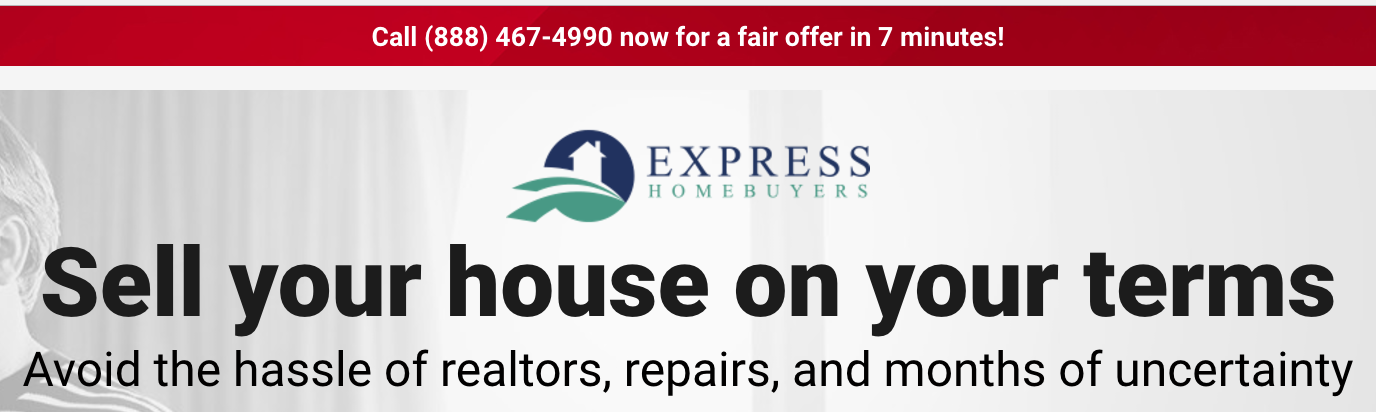
Express Homebuyers out of Baltimore, okay, they have done over 2,500 real estate transactions buying and selling homes themselves. One of their unique selling propositions is they’re going to get you an offer within like seven minutes, I think it’s something like. Don’t quote me on that, but it’s something like that. All their advertising hones in on this one USP: get an offer within seven minutes. That’s their claim to fame.
What is yours? Find your unique selling proposition.
Put it into all of your marketing so you have something that’s clearly, clearly different than your competition.
How serious are you to build your business? You have to have a unique selling proposition.
Otherwise, no one’s going to think you’re unique, and you’re a commodity, so go out there and do it today!
Did you know that websites ranking in the top 3 positions for relevant keywords receive an average of 53% of all organic traffic? This highlights the critical role of keyword ranking in driving organic traffic to your website and achieving your business goals. You can significantly increase your online visibility and attract more potential customers by effectively tracking and optimizing your keyword rankings.
That’s why we created our Keyword Rank Tracking tool.
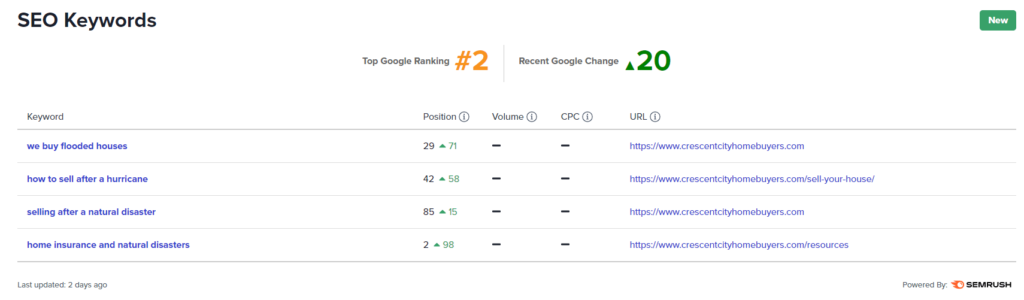
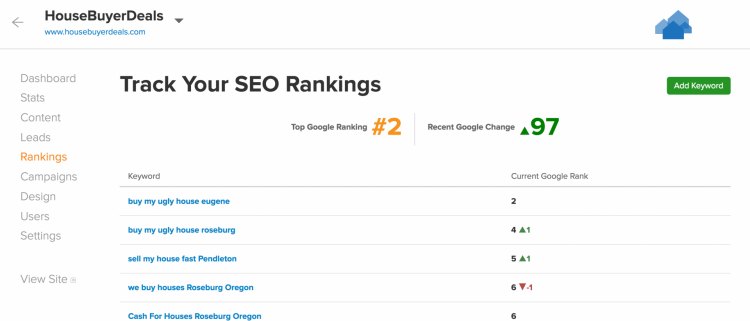
A keyword ranking tracker can help you improve your website’s SEO by showing you where your website ranks for a particular keyword. This allows you to see how your site is doing and make changes to improve your rankings. It also helps you to identify which keywords you should be targeting.
Carrot’s Keyword Ranking Tracker
Stay ahead of the curve with our intuitive Keyword Rank Tracker. Easily monitor the performance of your most valuable keywords over time. Simply input your target keywords, and we’ll diligently track their progress.
Our tool provides invaluable insights into your site’s online visibility and performance, empowering you to make data-driven decisions that drive results.
Key Features:
Effortless Keyword Tracking: Add your target keywords, and we’ll handle the rest.
Comprehensive Data: Access crucial metrics like average cost per click and total search volume for each keyword.
Actionable Insights: Gain a deeper understanding of your site’s performance and identify areas for improvement.
Our software will automatically start tracking the keyword phrases that you enter, updating weekly (rankings don’t change much from day to day).
You can even click on a keyword to find out how you’ve ranked over the last year or month.
Why Is It So Important To Know How You Rank In Google?
Where you rank in Google determines if motivated house sellers find you when they search.
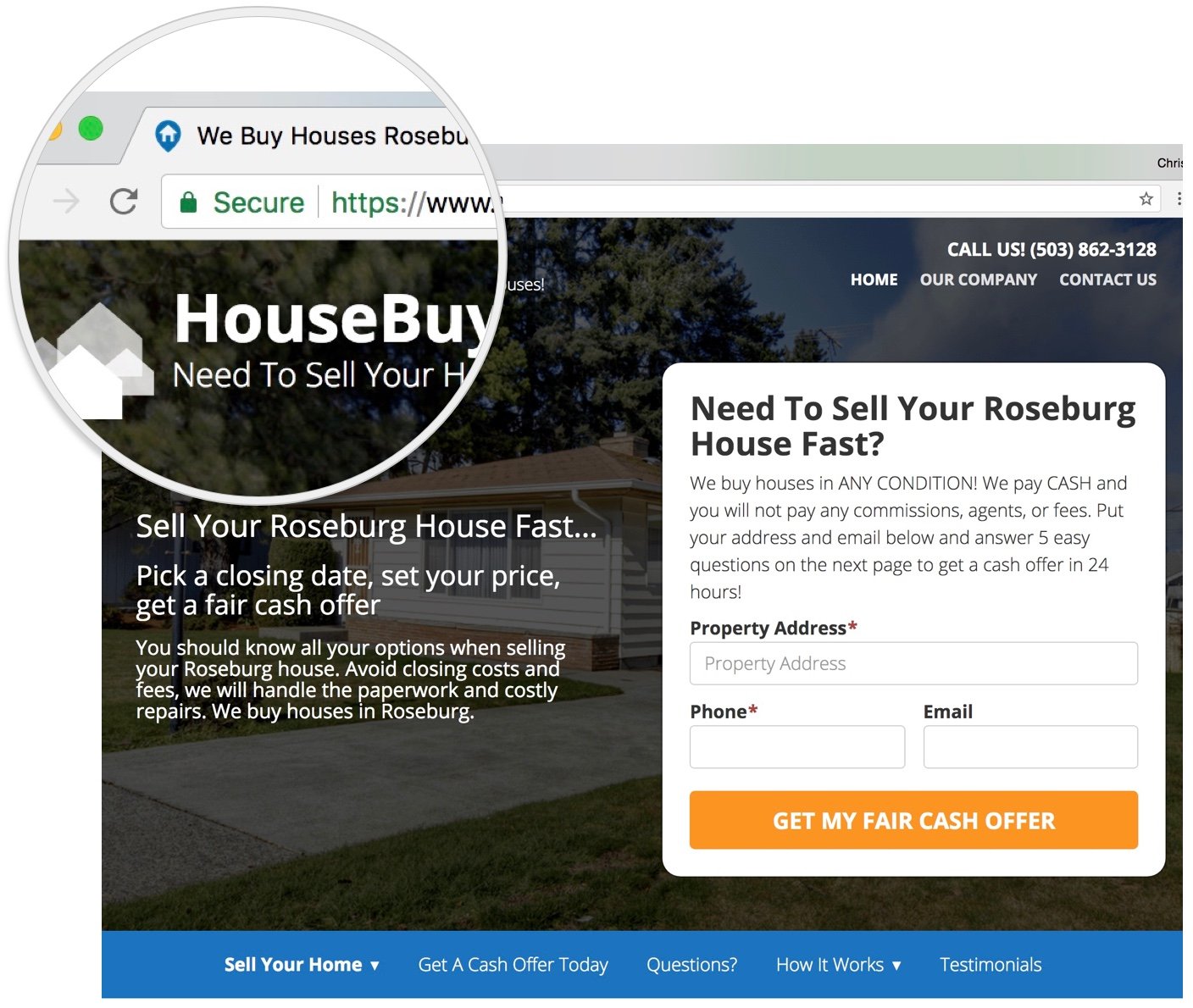
For example, if your real estate business is based in Roseburg, Oregon, and someone searches, “Sell my house fast in Roseburg, Oregon,” your only chance of being seen is if you show up on the first page of results.
“The first page of Google captures at least 71% of web traffic (some sources say up to 92%), and the second page is far from a close second: It drops to 6% of website clicks.”
That stat illustrates precisely why we’re releasing this feature. It’s like the old adage goes,
“if you don’t where you are, you won’t know how to get where you’re going.”
We want to help you to know where you are.
In other words, we’re so confident of our service and your genius, that we’re giving you a measuring stick for your website.
Do I Have Access To The Keyword Ranking Tracker?
We are giving this to you for free.
To become the SEO masters that you and all of us here at Carrot want you to become, you need to know how you’re ranking. And that’s exactly what this new tool provides you.
For those of you who need to track more keywords than the provided amount, there is a good chance that — in my completely uninformed, uneducated, and ignorant opinion — that problem will work itself out in a couple of weeks. But what do I know? ;-)
How Do I Use The New Keyword Tracking Feature?
It’s simple: insert a keyword like “we buy houses in Cincinnati, Ohio,” and we will tell you where you rank for that keyword.
But… a word of caution.
Don’t go too broad. You might be disappointed with the data that is returned. Getting on the first page for broad terms like “sell my house fast” takes much time and SEO expertise. Add in your location, like the Roseburg example above, to shrink your competition.
Above all, though, play with it. Try different keywords, see how your site is performing, and then ask yourself how to improve your rankings.
Oh… and let us know what you think of this new feature in the comments! We’ve been playing with it like crazy.
Okay, okay, now… you may stand.
Sound Off Below About The Keyword Tracking Tool!
Please comment and ask questions below… If you’re not a Carrot member yet but are considering it, send me your questions!
We’re here for you and would love for you to contribute to our members’ success (70k+ leads per month and growing!).
If You LOVE Tools that Can Help Our Members Succeed
Our team is always working behind the scenes to roll out amazing features that save you time and help you generate more leads.
Learn more about some of the latest SEO and Content features available to our members:
Keep an eye out in your Carrot accounts for more product updates and on this blog for the official release.
Start Using These New Carrot Features Now…
Or, be the next new member to crush it with Carrot’s real estate investor inboard marketing system—the next step to the world’s strongest and simplest real estate platform.
Not a Carrot member but I love what you’re seeing.
According to the U.S. Small Business Association, only 56% of small businesses with 50 or fewer employees have a marketing plan. Almost half of smaller businesses are missing out on leads and sales.
Here are four other reasons why a marketing plan is essential for your real estate agent or investor business.
It forces you to think about where you’re going with your real estate business. Creating a common goal to drive towards.
It ensures that you’re aligned with your company values.
It serves as a foundation for your marketing activities. If you build a house, you start with a solid foundation. Same thing with your marketing plan.
Possibly the most important – it gives you a process. Without a process, you won’t have the direction you need and will likely either be going off course or starting to feel confused about your marketing efforts. The process can also act as a measure of your failures and successes.
Sample Real Estate Marketing Plan
At its basic level, a real estate marketing plan answers a series of questions that helps you define your ideal targets and craft your business’s most compelling offers into a cohesive story. It uses good distribution channels to reach your ideal targets.
Here are the questions you need to ask when making a good real estate marketing plan:
What are your goals?
What impact do you want to have on your communities?
Is your market saturated with similar offers, or is it ripe with opportunity?
How tough is your competition?
Who is your ideal target?
What are your Strengths, Weaknesses, Opportunities, and Threats?
What are your compelling offers?
How will you reach your target audience?
What is your marketing budget?
What keywords are the best opportunities in your market?
First things first: you need to set your goals and objectives.
Clearly, state what you want to accomplish for yourself in your real estate business. If you’re an investor, it could be buying 50 properties this year. As a real estate agent, you might consider closing 100 listings.
Or, in both situations, you could want to get your brand or name out more for recognition. It could be that 50 percent of your target market knows who you are. Set goals that you can quantify to record and track your accomplishments.
Develop a 10,000-foot vision for your business, such as…
Become the top producer in your area
Retire in 10 years
Control particular niches of buyers and sellers
Then quantify that vision with measurable goals. Measurable goals might include:
Obtaining 50 listings in the next year
Close 10 deals in your target market area in 12 months
Earn referrals from 50 percent of your past customers
Purchase 10 single-family rental properties in the next 48 months
What Impact Do You Want to Have in Your Communities?
You want your real estate business to be sustainable and build a good relationship with your community. How you approach and treat your clients has a tremendous impact on how your business is viewed within your market.
Your clients directly affect your business reputation, lead, and deal volume. But it’s not just your direct clients. Anyone that you interact with can be considered an indirect client. Residents, Facebook friends, your website host, employees, contractors, partners, and suppliers.
You must constantly assess your behaviors and their impact on your local community and the broader audience.
Then you can assess and find your niche within. What events to attend and who to build relationships with. Your community approach will also help you create your immediate and long-term business needs.
Is Your Market Saturated with Similar Offers?
You want to build strong relationships with your customer base. As you’re maintaining a high value and positive service for your customers, they’re more likely to spread the word among their peers.
If you’re in a competitive market and find it hard to make your marketing stand about your competition, then be sure to make your service and client experience stand out.
Marketing Strategies for Real Estate: How Tough is Your Competition?
First, you need to identify your competitors. Take into account your potential or future competitors too.
There are a couple of methods you can use to do this.
1. Look at them from a customer’s point of view
If you can look at your competitors from a customer’s point of view, you’ll be able to spot some of their larger strengths and weaknesses.
It’s a fun yet challenging activity to think like a customer. Why would a customer want to use them as a real estate service? Is it because they can offer more and faster payment turnaround time, or do they have top-tier customer service? These could all be strengths for your competition.
Become your ideal client and put yourself in their shoes. Wonder why you would be more likely to deal with them instead of using your company to accomplish their real estate needs.
2. Look at them from their point of view
Next, take a look at their point of view. This can help you understand their strategy, culture, and attitude toward the market. Take a look at what assets they bring to the field and how you would use them if they were yours. Take a look at what you interpret as their weaknesses.
How could you commit to making those weaknesses into your strengths?
Ask and answer these questions before your analysis:
Before you dive into your real estate marketing competitor analysis, be sure you’re asking the right questions. Here are some common questions to get you started:
Who are your competitors?
What types of services are they using?
How much market share do they have?
What have been some of their past strategies?
Are they using the same strategy?
Are they aggressive with their real estate marketing?
How competitive are they in the market?
What are their strengths and weaknesses?
Are they a threat to you? If so, how big of an impact can they have?
Does their marketing strategy affect yours or how you do business?
Who is Your Ideal Target Audience?
Create a simple paragraph profiling your ideal real estate target audience. Create a customer avatar regarding these demographics: sex, age, family, earnings, lifestyle, and geographic location.
Ask yourself questions about your customers, such as:
Are they followers or leaders?
Are they timid or aggressive?
Are they introverts or extroverts?
How often are they likely to move?
Are they traditional and bear more of a connection to the community?
No matter your real estate market, you’ll need to define them in this section narrowly. It is an important step that will guide you as you plan your media and public relations campaigns.
What are your Strengths, Weaknesses, Opportunities, and Threats?
Performing a SWOT Analysis is a crucial step when creating your real estate marketing strategy.
The term “SWOT Analysis” sounds like a daunting task. But, it can be simple.
It’s broken down into two categories:
Your internal issues: Strengths and weaknesses
Your external issues: Opportunities and threats
This analysis will allow you to see what factors will help you achieve your objectives due to your strengths and opportunities.
It will also highlight what obstacles you must hurdle before achieving your real estate goals due to your weaknesses and/or threats.
Overall, the SWOT analysis assesses your real estate company’s strengths, weaknesses, market opportunities, and potential threats to give you insight into the possible issues that can impact your success.
The number 1 goal of a SWOT analysis aims to determine and assign all important factors that could positively or negatively impact the success of one of the categories, giving you an in-depth view of your real estate business.
Four Categories Of SWOT:
Strengths:
What are the advantages of your real estate business?
What can you do better than your competition?
What exclusive resources can you use that others can’t?
How does your market see your strengths?
What factors into you closing the deal?
What is your company’s Unique Selling Proposition?
When considering your strengths, look at your internal employees and external customers/market.
Weaknesses:
What might you be able to improve on?
What locations and markets should you avoid?
What potential clients within your market might see as your weaknesses?
What factors cause you to lose the deal?
Again, account for your internal and external clients. Do your clients see weaknesses that you haven’t seen? What are your competitors doing better than you right now?
Weaknesses can be a gut check. But stick with it and be as realistic as you can.
Opportunities:
What positive opportunities are available to you?
Are there trends that you need to know?
Some of the positive opportunities you can take advantage of are:
Changes in real estate technology. For example, recording a video testimonial and uploading it to Facebook as soon as you record it.
Changes within the real estate field. Are more real estate agents becoming investors or vice versa?
Changes in the economic status and population profile within your market.
Are there any local events you can help organize or lead within the real estate niche?
Take a look at your strengths and weaknesses as you approach your opportunities. They can provide invaluable information on what you can work harder to improve upon.
Threats:
What obstacles do you need to hurdle in your market?
What are your competitors doing?
Are there any technical issues that are threatening your market position?
Do you have cash-flow problems that you need to address?
Do you have any weaknesses that are threatening your business?
Once you have chosen your real estate business values within the four SWOT categories, you can develop a more strategic plan.
For example, once you’ve identified your weaknesses and potential threats, you can create a plan to eliminate or at the least minimize them while continuing to improve upon strategies that will make you a more robust business.
To create your compelling offers, ask yourself the following questions:
Who do you sell or buy real estate to or from? Be highly specific.
What are the problems that you help them solve?
How do you solve their problems?
Why are you better at solving their problems?
Now create your compelling pitch like this:
How [insert who your ideal client is] can [insert verb] [insert the problem] through [insert solution].
How Will You Reach Your Target Audience?
Getting your audience to engage with your content is essential for connecting with your target market online. The online real estate market is increasingly growing and vying for client attention.
But, even the investor or agent with a small budget can succeed with the right strategies.
Start by narrowing it to a highly targeted audience.
If you offer buyer and seller services, your target currently includes more people in your local market.
For example, focus on only one section of zip codes within your market city. Then expand your area as your finances and business grow.
So, choose a specific area of your market and focus efforts there. Then expand.
A second option will be to focus on the seller or buyer market if you’re a real estate investor. There are specific factors to consider, but marketing towards the seller’s market is most likely the one to go after.
Your marketing costs within major cities will likely be expensive, so media such as Google Ads might be too high unless you can target slightly out of the city.
If you don’t have the budget, take advantage of pricing within the suburban markets.
The other thing you need to do is get your website organized to target your audience. If that requires creating city-specific pages, then you need to do that.
Also, get one of the most overlooked pages, your “About” or company page optimized. Be sure it includes your city or area, how you conduct your business, and your process. Spell out your strengths and why they should choose you over the competition.
What is Your Marketing Budget?
Having a solid marketing budget is integral to being realistic and will help you improve your revenue over time.
You can overspend on marketing costs if you don’t know your budget. Therefore causing an unwanted and bad experience.
Here are a few steps to help you organize your budget and determine where to spend your marketing dollars strategically.
Your first step needs to be organizing your current financial positions. You MUST be specific. If you’re too loose and choose to estimate, it creates an unrealistic budget.
This starts with getting in order your revenue information. You’ll need to know how much revenue your real estate business makes every month. Even though your income varies throughout the year, you must have a number based on reliable revenue (the minimum amount of money you make each month.)
You’ll also need to minus business expenses. Rent, materials, the cost of VA’s, etc.
Any business expense must be subtracted from your revenue before nailing down your marketing budget. Setting a realistic budget is one that focuses on income that exceeds expenses.
After you find your available disposable income, you’ll need to determine what that money will be. Although marketing is a major area to focus on, don’t forget to set aside a budget for unexpected circumstances and growth.
Separate your money based on your goals. You will invest more money in online marketing if your primary goal is attracting leads.
But, if your goal is to hire more VA’s or full-time assistants, you’ll want to put more income into your company’s growth and set aside less for marketing until you’ve been able to close more deals.
2. Determine where you want to allocate your funds
Once you have calculated what is available to spend on marketing, your next step is organizing and prioritizing your money.
There are three main elements to how you spend your marketing dollars:
Budget size
Your past experiences
Reaching the optimum target audience
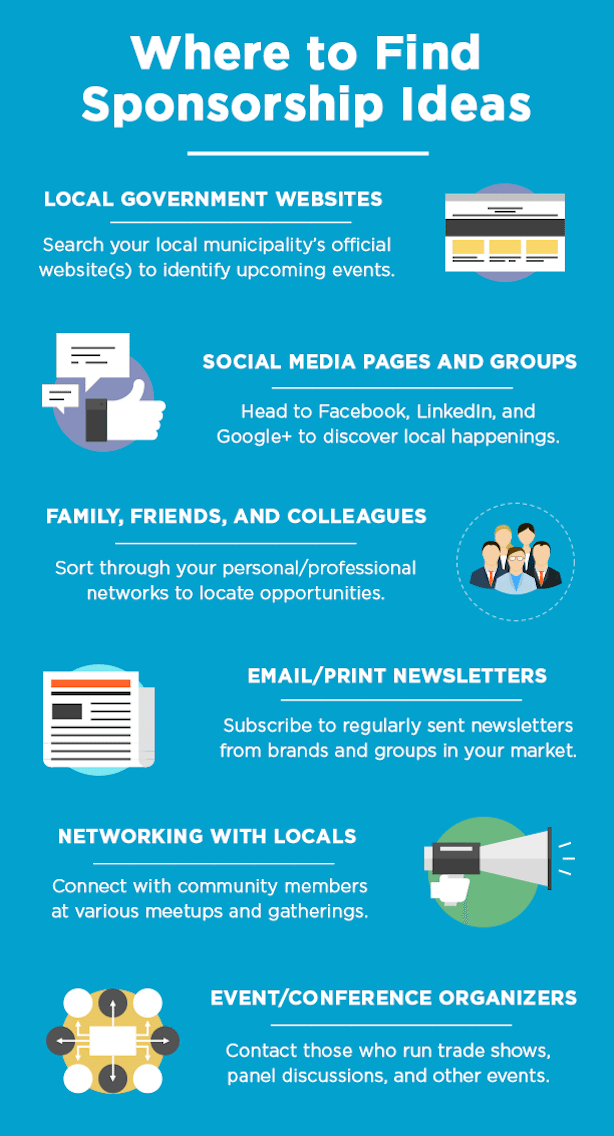
Start by organizing how to spend the budget based on the amount. If you have a small, more limited marketing budget, you should probably consider Craigslist ads, Facebook ads, local citations, social media posting, and email advertising to attract new clients.
A heavier marketing budget would provide the opportunity to include direct mail, bandit signs, and Google Ads to attract an expanded range of clients.
Apart from any budget limits, don’t forget to consider and implement what strategies have worked for you in the past. You might have noticed postcards helped bring in more clients during a specific time.
Then do that same strategy again, even if you still have more budget for more expensive marketing methods.
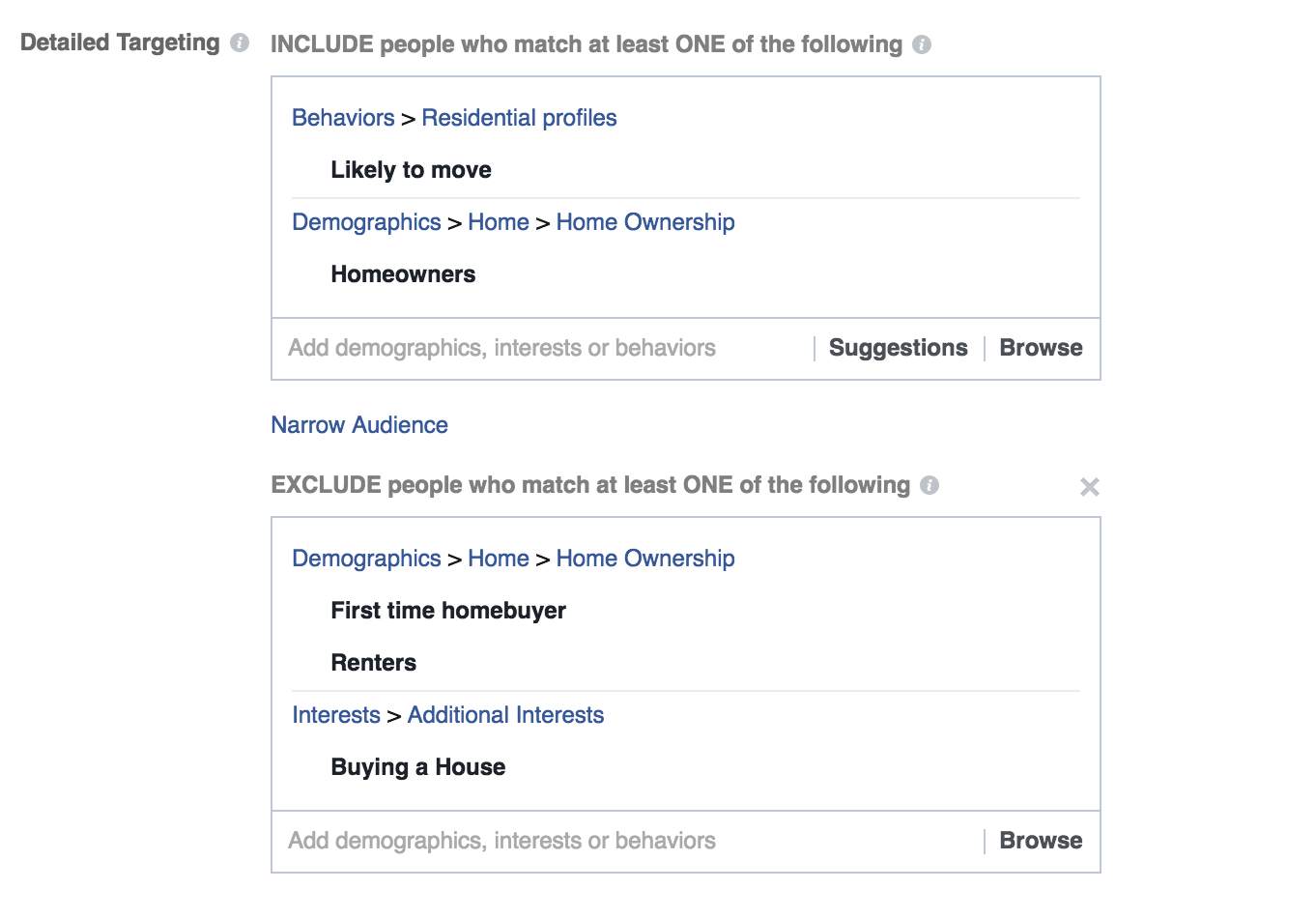
Also, don’t overlook the marketing channels that will help you target and reach your optimum audience. For example, Facebook advertising is an effective channel for targeting motivated sellers, but you still need to create the right audiences to filter out potential buyer leads.
Facebook Ads Audience for Real Estate
Create and document very detailed customer avatars. Then, think about which media they’re more likely to consume. That is the spot where you need to be advertising.
If you’re considering testing a new marketing channel, allocate some funds for that test. Start with a small budget since you don’t know how effective the new channel will be.
For example, if you enter the Google Ads marketing channel, start with a small campaign with highly targeted keywords and a budget.
Only allocate more budget after you gain enough data to determine if it’s working for you. If it works, pull more funds into the new marketing channel.
What Real Estate Keywords Are the Best in Your Market?
How do you use real estate keywords? If you are only using them to optimize your website for search rankings, you could be missing out on other ways to gain visibility within your target market.
Get into the mindset to use your keywords in your online and offline marketing.
Here are some platforms where you can utilize your real estate keywords more:
Real estate website optimization (homepage, landing pages)
Real estate social media profile optimization (Twitter, Instagram, Facebook)
Offline marketing (postcards, bandits signs, direct mail)
Using real estate keywords should not be limited to your digital marketing efforts.
Find different ways to plug them into your offline practices as well.
For example, are you sending out flyers or postcards that take advantage of some keywords?
Are you placing bandit signs around your target market with specific messages and a phone number in case they’re sitting in a parking lot and want to write your number down to contact you later?
If you’re using this kind of marketing and not some keywords, it’s time to readjust your strategy.
Keywords hold a lot of power in online marketing but can be effective offline too. Just be careful that you’re not infringing on trademarks. If you question a keyword phrase, check it out first.
This plan assumes that you’ve got a website that has been proven to convert leads.
If you’re trying to scrape together a bunch of tips to save a few bucks on building your website, you’re doing it wrong. It will cost you much more than the monthly membership price to build what we’ve built.
There are a few things you should do first to get that website up and running, and these only take a few minutes:
Get your testimonials on the site because social proof and credibility are essential to conversions.
Make sure the copy on the site reflects your business and is in line with local laws (for example, if you or your team have a real estate license, you’ll need to change the copy to make sure you’re correctly disclosing your license… but you should make that into a benefit since a license gives you more options for sellers than someone operating without one).
Okay, so that last one might be complicated if you’re new to the business… but you need to be making sure you’re aware of the laws around you since being ignorant isn’t an excuse if you’re trying to get out of a five-figure fine for operating without a license (in some states)…
This reminds me that I need to mention we’re not attorneys or financial advisors; all of this stuff is just general advice. You need specific, professional advice on your real estate investment business…
Having a competent lawyer ensures you’re not offering something illegal without knowing it is a good idea.
There are a couple of ways to use these questions…just cut and paste them into a document and start answering them if you’re ready.
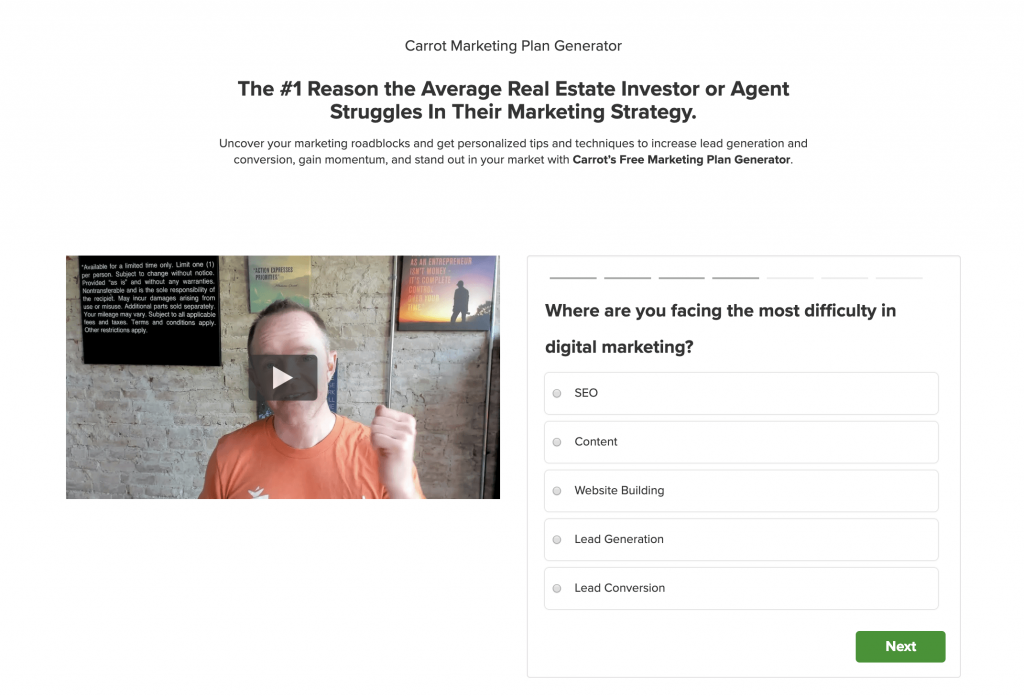
Want our help in making your real estate marketing plan?
Local real estate citations are an important local SEO ranking factor and an integral piece for your real estate marketing framework.
Along with other factors such as backlinks, local citations are one of the leading ranking factors for search engines to decide on the relevance of your website for local search results.
Basically, a real estate business that is consistently mentioned on other trusted and relevant websites achieve higher rankings in search results than a business that is never mentioned.
Obviously, ranking high for search results means that more potential leads will find your real estate website, which will have a positive impact on both on and offline traffic, branding, and conversions.
Doing this ONE SIMPLE THING may help push you over the edge and could very well be one of the most effective SEO things you do this spring.
Get an advantage with your Carrot site and learn how to drive quality traffic to your site.
What Are Local Real Estate Citations?
First, don’t confuse citations with links.
Remember,citations are just mentions of your name, address, and phone number. Google will increase your business’s relevance and strength within your specific city or region.
Yes, some of your business listings within the citation sites include a link to your website, but very few contribute to any Page Rank or “link juice”. Basically, you are claiming your digital footprint with Citations.
Moz explains local citations as:
Citations are defined as mentions of your business name and address on other webpages—even if there is no link to your website. An example of a citation might be an online yellow pages directory where your business is listed, but not linked to. Citations can also be found on local chamber of commerce pages, or on a local business association page that includes your business information, even if they are not linking at all to your website.
Citations are a key component of the ranking algorithms in Google and Bing. Other factors being equal, businesses with a greater number of citations will probably rank higher than businesses with fewer citations.
Citations from well-established and well-indexed portals (i.e., Superpages.com) help increase the degree of certainty the search engines have about your business’s contact information and categorization. To paraphrase former Arizona Cardinals’ coach Dennis Green, citations help search engines confirm that businesses “are who we thought they were!”
Google is always looking for websites that are real. Citations are one way to show Google that you’re a legit and real company.
Why Are Local Real Estate Citations So Important For SEO?
So, why are building citations for local SEO so important?
One reason is the vastly growing mobile search factor. According to a study done by Search Engine Land, 78% of local searches on mobile and 61% of local searches on laptops resulted in offline transactions.
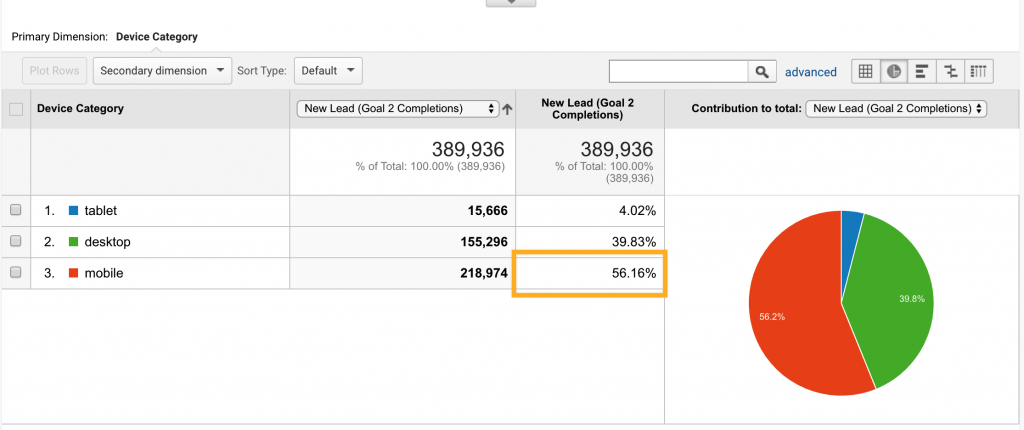
Mobile devices (not counting tablets) account for over 56% of our member leads. There will continue to be a steady rise in consumer and company adoption of mobile devices.
It’s not a question anymore if mobile is important for real estate. It’s here and you MUST pay attention to it.
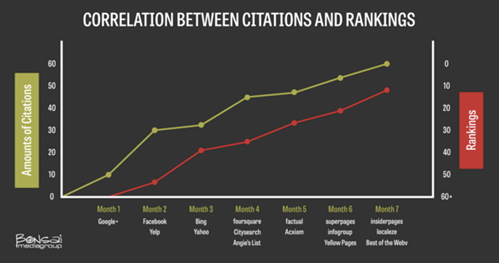
Another reason: Citations Correlate with Search Rankings
Local citations improve your search rankings through ongoing creation of relevant and consistent NAP information (name, address, phone number) across hundreds of websites, also known as citation sources.
The more consistent, relevant and localized your citations are, the more likely your business will be at ranking for people searching for your services and products in your area. Citations are basically another source of credibility that both Google & Bing consider when your business NAP is consistent across the web.
The number one most important thing: Make sure your NAP is 100% correct every time.
DON’T GET IT WRONG
Overall, the biggest contributor is the citation. There is link value within your listings that help strengthen the association of your website with your NAP information.
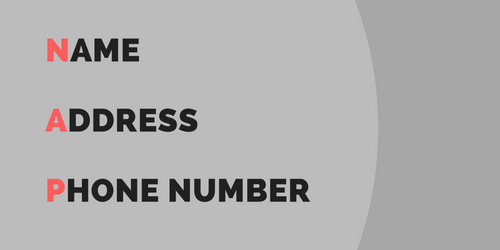
So, what is NAP?
NAP stands for Name, Address, and Phone Number. It is a crucial piece for any business who is striving to rank well in the local organic search results.
Search engines like Google take your information into account when determining which companies to show for local, geo-targeted, searches.
Again, it’s extremely important that you make sure your NAP is 100% correct. That takes into account, both your NAP on your website as well as any other sites that you have your information on throughout the internet.
It’s a consensus that local SEO experts believe Google, Bing, and all of the other search engines link your NAP information across websites that contain this information as a validation that you are a real and legit business.
The more localized citations you can build up with consistent NAP information, the better your chances are of ranking higher.
You should enter your NAP information into a directory with a strong reputation. This is especially true with real estate specific directories and/or your local directories.
Before You Dive Into Building Your Local Real Estate Citations
Prepare yourself by using this little cheat sheet of the most commonly asked for pieces of information.
Your Name
Company Name – The company’s exact name
Email Address – Your email that will be connected to your business
Address – The company’s exact address
City – The company’s exact city name
State- The state the company resides
Zip – The zip code of the company
Phone Number – The local phone number of the exact business location
Company Website Landing Page – The landing page for the business
Set up a dedicated email address
Don’t use your main email address or your personal one. These business directory websites usually make money by trying to sell advertising services. So you may start to get a lot of “junk” email and some solicitation phone calls. The calls will tail off within a month or two, but the emails can really fill up an inbox. Use the email address to confirm submissions, then let it capture the sales emails so it doesn’t clog your normal inbox.
Top Real Estate Citation Sites
Here are some of the top real estate citation sources. Please note that some of these services require a paid membership.
If you decide to take on citations yourself, it takes about 3-6 hours for the building process.
To get started, go to each citation website and submit your listing.
It varies on how long it’ll take per submission, but plan on 10-15 minutes each. You’ll be required to confirm each submission in the dedicated email account you setup.
Some listing go live fast, others may take weeks, others months. But the majority of them should be live within 2-5 weeks.
In general, SEO Rankings take:
Zero Competition Market: 2-3 Months (if there’s zero competition there’s usually not much opportunity)
Small Competition Market: 6-9 Months
Medium Competition Market: 1 Year
High Competition Market: 2+ years
Typically if you’ve done them right and you’ve completed 40+ on quality sites… you can see a ranking improvement within 2-3 months. That is assuming all other elements on your site are optimized for real estate SEO.
Make Your Own Website Your Best Citation
Make it really easy for Google to identify your website with your citation profile. Most likely the best citation you can start with is your own contact page.
Be sure to have your company name, address, and phone number on there.
Bonus Tip: Add the embed of your Google Places map to help Google further tie your website to that company name and location.
Grab the Google Map “Embed Map” code and paste in into the HTML section of your website. And, this will take about 60 seconds to do it!
Real Estate Citations Frequently Asked Questions
Question #1: How fast will SEO be impacted?
Two to three months is about the time SEO could start showing an impact. Although it might not be dramatic at first. As stated above, there is a chance that highly competitive markets will take longer. Many, many months, if not years.
Question #2: Should I trickle citations out slowly or do them all at once?
Nope – you can do them all at once if you want. There is no evidence that speed of citation claiming will harm your SEO. It is not like backlink building where you can do it wrong.
Question #3: What if I use a tracking phone number for online marketing?
Overall… be sure to use the same phone number for citations that is soon your Contact Page of your website.
You can still have a tracking number in your calls to action and at the top of the site, but it’s suggested that your main company phone number is on the Contact page – therefore matching citations.
Question #4: Should I use a keyword as my business name?
Ideally… NO.
You’ll see some people ranking well with their Yelp or Facebook pages because they used a keyword as their company name.
Unless that is your company name or domain name, don’t do that.
Go with your actual company name or “Doing Business As” (DBA) name.
Question #5: What if I haven’t filed a business name yet?
If you’re serious about this business…
…you need to make that mental commitment of making it real and filing your business with your state.
If you can’t commit to that, it will be difficult to commit to the hard work it will take to succeed as a real estate entrepreneur.
So go out there and file your company name and get that done!
Verifying Your Citations For Real Estate And NAP
Not sure if you correctly submitted your citations? There are online tools that can help you find your listing all of your NAP citations.
Usually, you’ll need to enter some location data into the citation finder tool and you will get back a list of citations pertaining to the entered business and location.
Once you get the data back check the consistency of your NAP.
If there are citation websites that don’t have your correct business name, address and/or phone number then you should start reaching out to these sites or getting site access to update your citation.
Your goal is consistency.
Spelling mistakes or minor inconsistencies in your business name can have an impact on your local search rankings.
If your location is listed as Blvd on one website and as Road on another website, correcting this can have a huge impact.
Local Real Estate Citations Building Can Be a Pain, So Here’s How We Make It Easy…
In simple words, citations are important for your website’s rankings, especially in local SEO. If you want to boost your website’s rankings, focus on citations and don’t worry about the backlinks.
You will have plenty of other places to get backlinks from. Focus on citations from reputable websites with good page rank and domain authority.
Citation building is one of the simplest SEO practices for real estate agents ad investors.
How to do it if you don’t want to do the work: Checkout the Carrot marketplace. We have a real estate citations service that can do it for you.
If you’re a Carrot member (very soon we’ll be offering non-member 3LPD services), we have a whole section on citation building in our 3 Lead Per Day Training (you can buy it here) so we thought we’d share it with you as a great SEO resource to jumpstart your year. You can access the entire 3 Lead Per Day Training and all 50+ detailed videos and checklists for only $99.