Search results for: “conversion”

  • How to Attract a Motivated House Seller Like a Mind Reader [Original Data]

    How to Attract a Motivated House Seller Like a Mind Reader [Original Data]

    What if you could read the mind of the motivated seller? Meaning, what if you could send the right message to the right person at the right time?

    Unfortunately, the internet provides a threat to match its opportunity. While powerful, the internet’s power can easily be strangled by its formidable size. Quickly, it becomes a source of crowded destruction instead of open possibility.

    The real estate market is increasingly competitive because it’s increasingly cluttered, making the dream of reading the house seller’s mind, at the least, difficult, and at the worst, debilitating.

    But here at Carrot, we hate letting dreams die.

    Every year, our clients pull in over 400,000 online leads, giving us a very special position to speak to what’s happening in the real estate market.

    Even though the market is more crowded than ever before, by accepting this density and optimizing your customer experience for the motivated seller, that crowded room becomes a pleasant dinner party. And you’re the host.

    So, how do you cater and attract a motivated house seller?

    Well, you need to know what the motivated seller thinks, wants, and does. Lucky for you, we crunched some numbers, ran some tests, and stepped into their mind… using a significant and varying sample size, specific to all seller websites we host.

    Carrot member across united states

    And we want to share what we learned.

    So, before we finish wiping off brain matter, here’s how the motivated seller makes the decision on who they’re going to work with when selling their house… based on our years of research and understanding the “decision lifecyle” of the average motivated house seller.


    Let’s Get Inside The Mind Of A Motivated House Seller On Their Path To Choosing A Company That Can Solve Their House Problem
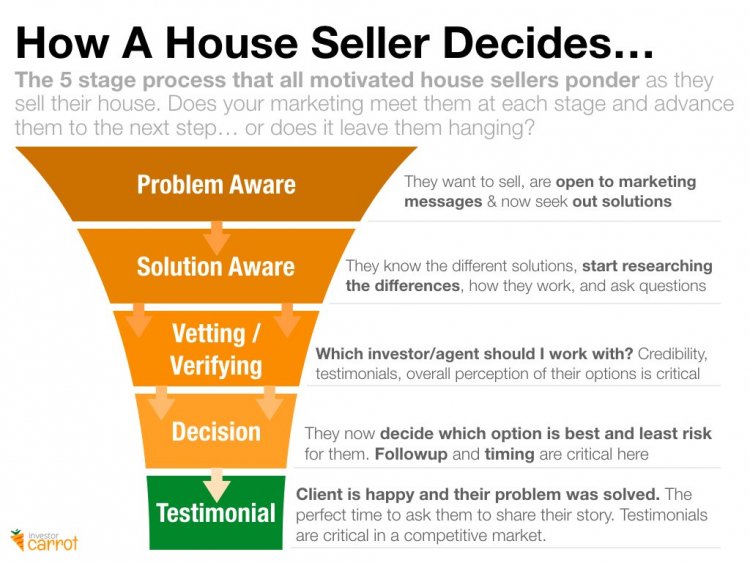
    motivated house seller leads marketing infographic


    Step 1: Problem Aware

    The house seller knows they have a problem… but aren’t sure how to best solve it. This is where you come in…

    Attract a motivated seller - problem aware

    At this stage the motivated house seller is thinking…

    “I need to get this house sold, like soon.”

    This is the birth of the motivated seller.

    Maybe they received a job in a new state, a family has fallen sick, foreclosure, inherited a house, going through a divorce, or just simply have a house that needs lots of repairs that they don’t want to deal with. Regardless of the reason, life circumstances spiked their curiosity in the selling process and they start exploring the possibility.

    First and foremost, the seller wants to know how much they can likely sell their house for. They’ll likely visit Zillow, update their house information, and then check out their Zestimate.
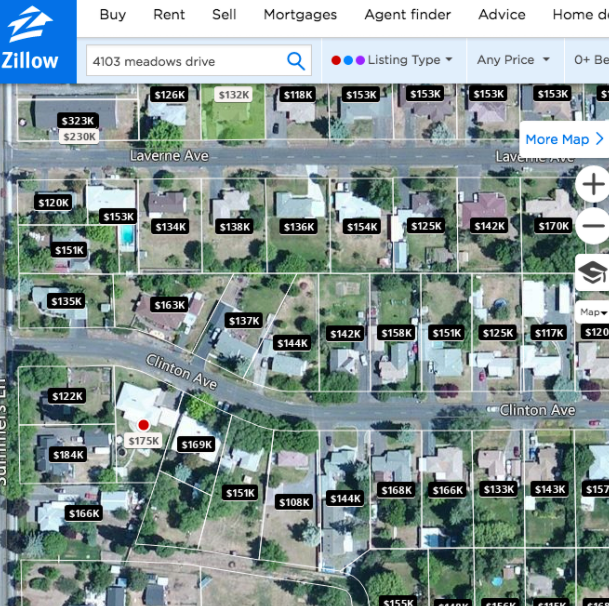
    motivated seller path - zillow

    Image via Zillow

    But, while Zillow offers convenience, John Wake’s guess work, on Real Estate Decoded, estimates that Zestimate’s typical error is plus or minus 14,000 dollars.

    And whether the motivated seller has run their own tests or not, their trust for this system is limited. It offers a curiosity-sating foundation, but not a real-time solution.

    Which is good. Because you are the real-time solution they are looking for.

    That takes us to the seller’s second dig: they contact someone who can answer their questions in greater depth.

    Likely, this is someone the motivated seller’s acquainted with, whether it be a friend, a Facebook ad, or a Twitter feed. Whatever the case, they are looking to make phone calls and get answers.

    It’s your job to (1) get them to call you, and (2) provide those answers.

    Here’s how.

    1. Get In Front Of Them Where They Search… Google

    House sellers will hit Google to search things like “how to sell my house fast” or “selling a house in divorce in dallas” to find basic info about their options.
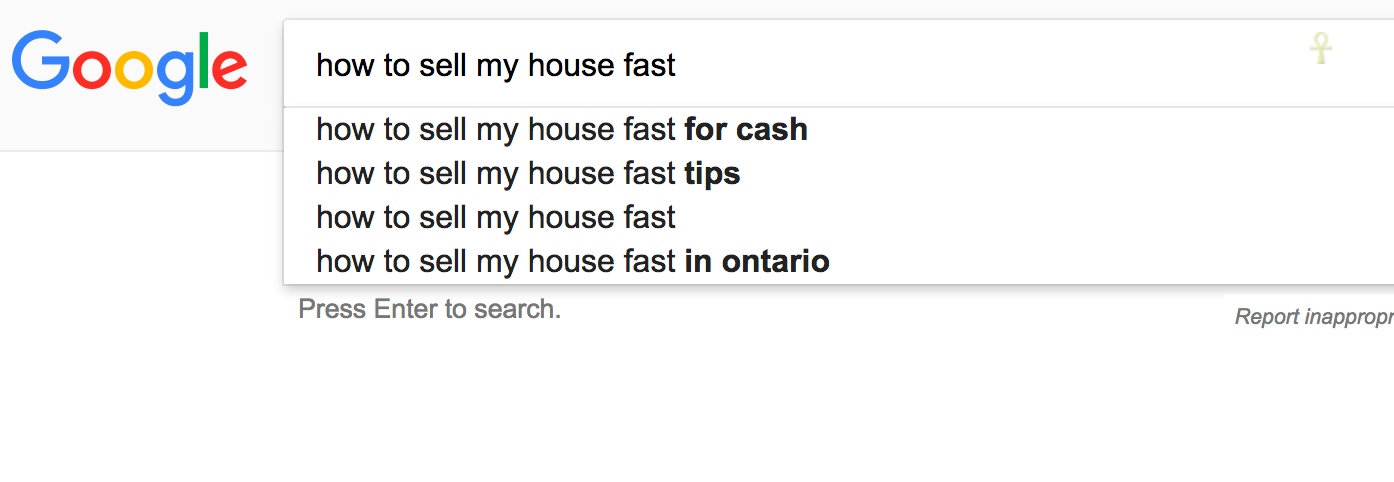
    attracting motivated house seller leads

    If you’re ranked high in Google with SEO or PPC and you deliver great content on your site that clearly shows them that you have a service that can solve their problem… you’ve just met them exactly where they are in the decision cycle.

    2. Direct Mail

    At this point, your prospect is also now receptive to marketing messages that look like they’ll solve their problem.

    You dig through the mail. After tossing the credit card offers and ripping up the bills you’ll just pay online later, you come across a handwritten letter. Whoa! That’s unusual, you think. You quickly check your mental calendar to see if today is your birthday. Maybe your aunt has sent a card with $5 inside. Nope. What’s going on?

    Maybe the letter is from the local movie theater, maybe it’s from a church, or maybe it’s from a local real estate investor.

    Maybe it’s from you.

    The point is that everyone gets a lot of mail, but if you make your letter stand out from the rest, people will feel that much more a part of your tribe.

    Direct mail isn’t dead. In fact, since it is slower than nearly every other medium of communication, that snail-like pace has romanticized its effect. Like candlelight and bathtubs, the receiver feels like they’ve been transported back to better, more personal, times, and because of that, it has an intimate feel… if it’s done right.

    12-point Direct Mail Checklist for Real Estate Investors and Agents

    A checklist to ensure consistently remarkable mailers that generate leads, grow your business revenue and make your campaigns more sustainable.

    • We’re committed to your privacy. Carrot uses the information you provide to us to contact you about our relevant content, products, and services. You may unsubscribe from these communications at any time. For more information, check out our Privacy Policy.
    • This field is for validation purposes and should be left unchanged.


    3. Social Media Presence

    Don’t break the bank for Facebook advertisements. But do maintain a social media presence — post on your account regularly — as a preemptive strike to the motivated seller’s subconscious.

    When trying to decide who to contact with all of their questions, the seller thinks, “Hey, I remember seeing real estate investor, Joe the Pro’s [this is you], posts on Facebook. He seems like he knows what he’s doing. I’ll contact him!”

    In fact, second, only to Direct traffic, Social Media wins when it comes to acquiring new sessions on your website.

    Some ads that just let them know your service exists will be perfect for this phase. Like…

    facebook ads examples for real estate investing

    or…

    Facebook ad for real estate

    Play with the endgame in mind. The more people who notice you on Social Media, the more people who’ll contact you when they decide to sell their house — which we all will at some point.

    Marketing Tips For This Phase:

    • Do more broad marketing as targeted as possible
    • Focus on just letting them know you have a service that can solve their biggest needs (speed, convenience, no fees, no agents, etc.)
    • Bonus: Have your ads drag them to the next phase (Solution Aware and Vetting / Verifying) w/ testimonials in your ads

    Step 2: Solution Aware

    They know their basic options, agents vs. investors… they just need to research more to see what’s best for them.
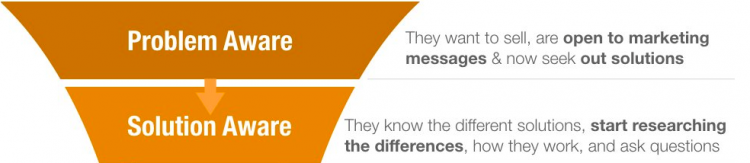
    attract motivated sellers - solution aware infographic

    At this phase the house seller is likely thinking…

    Ok, cool… it looks like there’s options… but how are agents different vs. investors and which is best for me?

    At this point, the motivated seller Google’s phrases such as, “Sell my house fast [insert their location],” “Agent vs. Investor,” or “Professional home buyers.” They’ve decided to sell their house, now they’re deciding the best way to go about it.

    It’s critical that you get noticed.

    Why?

    Because our data shows that motivated sellers aren’t wasting any time. They make a decision on who to work with faster than you can paint a bedroom: 0-days fast.
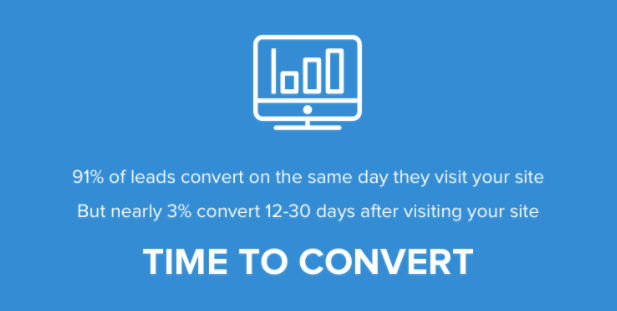
    attract motivated sellers - time to convert

    You need to be prepared for this. When the motivated seller decides who to work with, if you’re not able to answer their questions, someone else is, and they’ll choose that someone else.

    Here’s how to raise your hand first.


    The One Mindset Difference Between Top-performing Real Estate Investors and Everyone Else

    Learn the dead-simple difference between those who build thriving businesses and those who never fulfill their dreams or goals.

    • We’re committed to your privacy. Carrot uses the information you provide to us to contact you about our relevant content, products, and services. You may unsubscribe from these communications at any time. For more information, check out our Privacy Policy.
    • This field is for validation purposes and should be left unchanged.


    4. Content Structure That Pulls The Prospect To The Next Phase Effortlessly

    Most websites and marketing don’t think through the order that their prospect thinks when making a decision. They don’t take into account what info the house seller needs to have before the next piece of info will be useful to them.

    Take a look at this Carrot site as an example… from a client who has been a part of over 3,000 transactions.

    This Content Flows The Way Sellers Make Decisions: Does Yours?
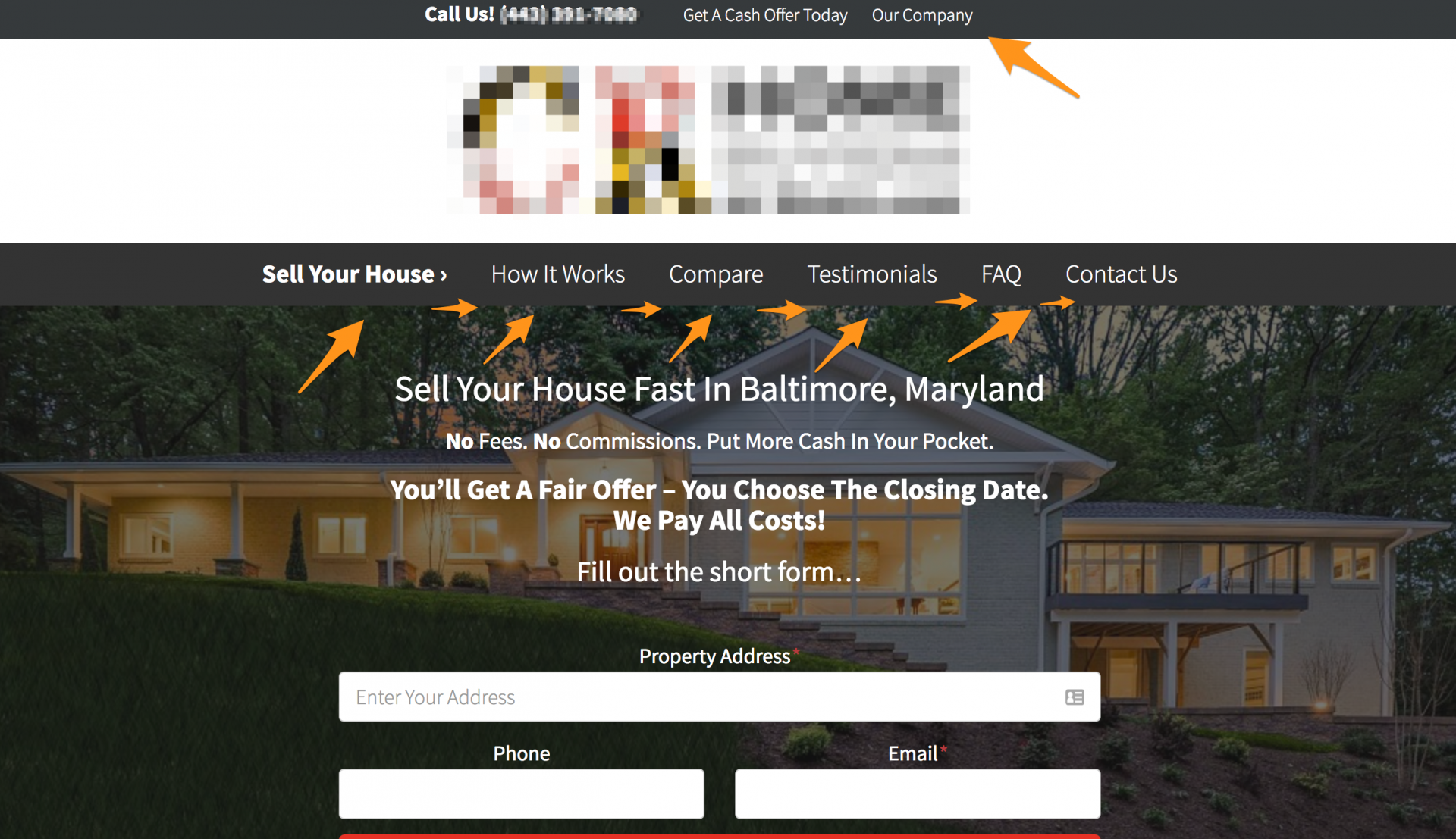
    how a house seller makes decisions
    Notice the order of the navigation on the site. First we meet the seller at “problem aware” (hey, we can buy your house!), then educates them on the solution, then builds credibility and guides to the call to action. Bam.

    Does your marketing skip phases and leave your prospect hanging with questions?

    Or does your site only focus on making sure they know you can buy a house but not on pulling them through the next phases proactively?

    5. Blogging

    The sheer amount of blogs on the internet is debilitating. It seems like everyone and their pet blogs.

    But, as you know, since everyone else is doing it, it’s hard to get noticed if you’re not.

    The good news, though, is that even with the massive amount of online content, the motivated seller isn’t threatened. They still view blogs and spend an average duration of 1:05 looking.

    attract motivated sellers - write a blog

    Due to the increased visibility it creates, your blog is a great way to answer the motivated seller’s questions as they type them into Google, increasing traffic, forcing you to learn your stuff, and building relationships with the people who want to help you make money.

    If you want to take up blogging — which you should — check out our post on how to do that, with actionable examples.

    6. Local Content

    No need to work in a massive school of fish. Your real estate business is local to a few spots. Optimize your website content and rankings by using locally appropriate titles and blogging subjects that will cater directly to people in the area.

    When the motivated seller searches, “Sell my house quick in Roseburg, Oregon,” you’ll be at the top. Because other real estate investors aren’t including “Roseburg, Oregon” in their content.

    Unless, of course, they also work in Roseburg…

    But it’s a whole lot easier to compete with a few local real estate investors than it is the whole nation. Since you’re not selling or buying properties in every state, don’t create content that competes nationwide. Create content that competes locally and you’ll be more visible to the people who matter.

    7. Ads That Compare + Educate On The Options + Process

    In this phase, you can’t keep on sending people ads and direct mail that just tells them that you can buy their house. They already know. So here’s where you need to retarget your prospects w/ ads that educate and compare… while at the same time adding credibility to pull them to the next phase.

    Like…

    facebook ads for real estate investing video ad example

    and one of our own (one of the highest performing ads we have, it drives to a blog post of ours)

    real estate investor site vs generic websites

    Marketing Tips For This Phase:

    • Start to retarget your prospects on Facebook with a mix of ads that educate and compare. Comparing your USP to theirs is critical
    • Build your website and your marketing so it flows the way your prospects decide
    • Bonus: Again, if you can have a testimonial do the heavy work for you, educating your prospect for you… it automatically pulls the prospect past the next phase… building credibility for you in the process

    Step 3: Vetting and Verifying

    The seller recognizes their problem, they know the basics of the options… but who should they work with?
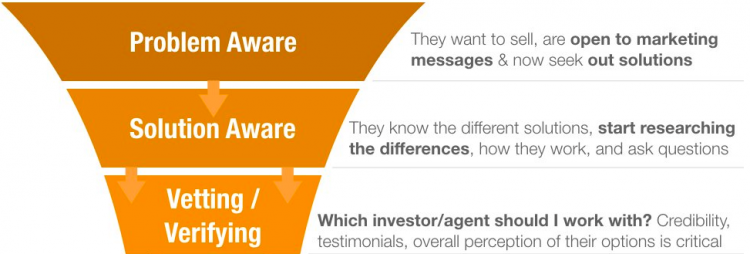
    attract motivated sellers - vetting-verifying

    In this phase the seller knows they have a problem that they want to be solved fast, they basically know the options and how they work… but now their main question is…

    Which company should I work with? Which is the most credible?

    They’re asking if they want to work with you. Your job is to convince them that they do.

    How?

    The homepage is where the motivated seller often lands, and not just lands, but commits… or at least turns into a lead.

    If they’re not ready to become a lead… they then explore the website to find answers to their questions or verify suspicions.

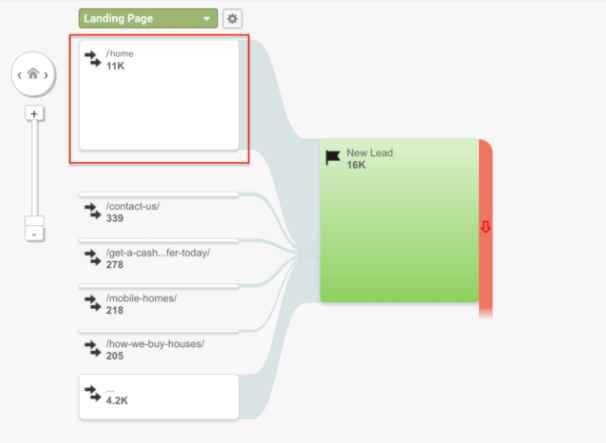
    What Pages Do Most Most Leads Come From? [our data]
    path of a new motivated seller lead
    Notice that of the 16,000 seller leads in this data set over a period of time for Carrot clients, 5,000 of those leads weren’t ready to opt in on the home page. They searched for more info instead…

    Since the homepage is playing such a significant role in determining your leads and, thus, your conversions, here’s a few things to think about when trying to attract motivated sellers.

    But how can you best build credibility and get an edge on your competition since your prospect already knows that you both can provide essentially the same service?

    Let’s start here…

    8. Easy Contact Options + Great About Page

    The ease with which you create this page is not equal to the breadth of its importance.

    Overall of the seller websites we host, the “contact us” page sports compelling numbers.

    attract motivated sellers - contact us page

    For an even faster transition from homepage to lead, provide the option to bypass the “Contact Us” page with a “Call Us: XXX-XXX-XXXX” CTA.

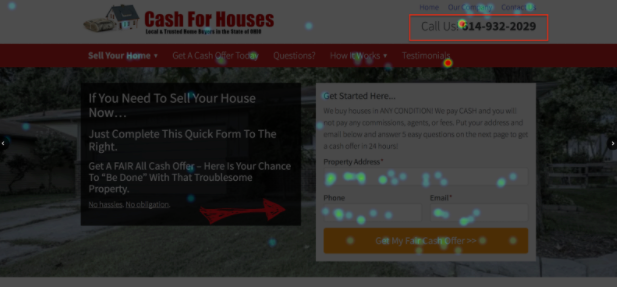
    Notice The Interaction With The Easy Opt-In Form And Phone Number
    Carrot seller website heatmap

    As you can tell, a Christmas tree would have trouble competing with that red-hot dot. Consider putting your phone number on the homepage to reduce the number of clicks needed to go from viewer to lead. Fewer clicks mean more conversions.

    During this beginning phase, the seller has a lot of questions. Your “Contact Us” page, or “Call Us” corner, gives them the opportunity to get in touch with you and inquire. You’ll be positioned like a pro and, more importantly, make a valuable connection.

    Also, as the seller does their research… they’ll hit your about page.

    Our research shows that often times the About Page is always one of the top 3 most visited pages on a real estate website no matter the type of site.

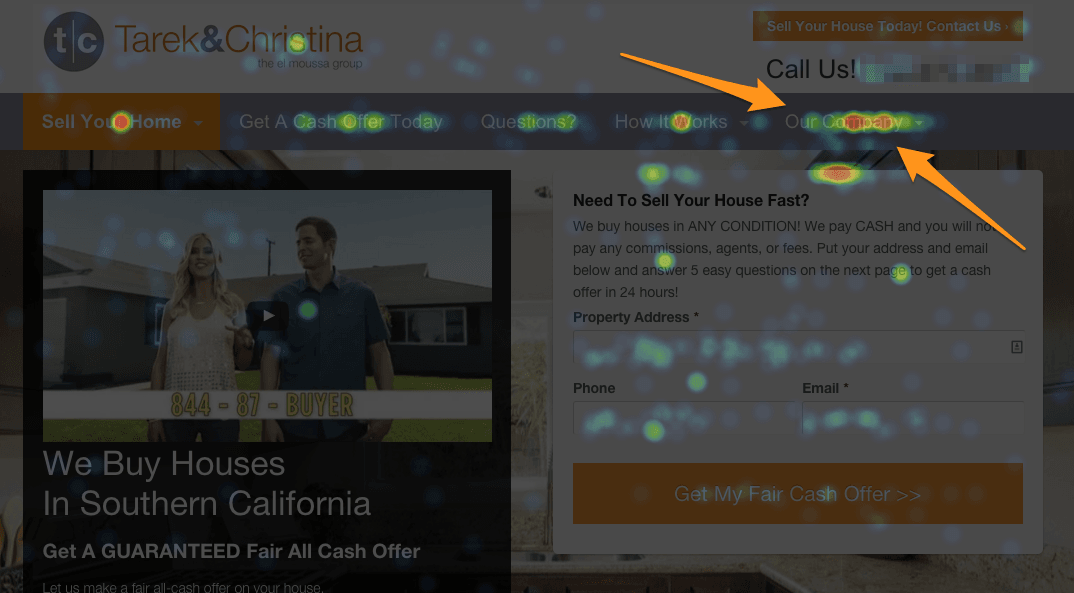
    A Heat Map Of A Carrot Clients Site: Our Company Is Hot
    investor website heatmap - our company page
    This is very common… actually we see this on almost every test we’ve ran over the past 4 years… and that’s a lot of tests. The Our Company page is where your prospects go to see who you are.

    A Heat Map Of Our Site (previous version) Shows The Same

    importance of having a good about page
    Yep, we use data for our own business just like we do to help you get better results in your business as a Carrot client :-)

    Get faces on your About Page like Carrot clients CR Homes of Maryland.

    attract motivated sellers by adding a bio

    9. Build Your Credibility

    In this phase, credibility is key.

    We’ve seen time and time again where a house buyer with a lower offer has won the deal simply because they did a better job building credibility with the seller. In fact, in a CarrotCast interview I did with top investor Martin B. out of Phoenix, he talks about examples of how they overcome and win even when there are multiple offers higher than theirs.

    Show them ads that build your credibility… seller testimonials are great for this.

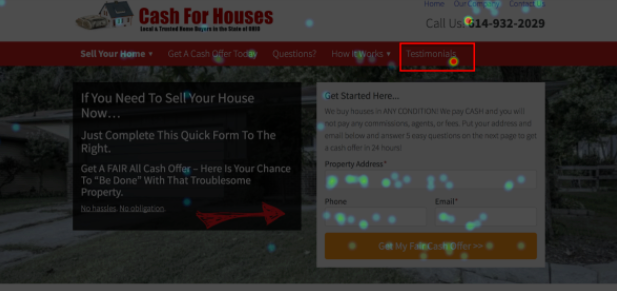
    On this website, our heatmap shows that testimonials are playing a critical role.
    investorcarrot heatmap of testimonials page
    Notice the red spot over the “testimonials” link. Time and time again we see heavy engagement on testimonials on sites across our system.

    Like…

    real estate investor website testimonial
    Notice how this investor filmed a video of their client and put up a well formatted testimonial on their site. Turn this into a Facebook ad and you’re golden.

    The best testimonials are short and shining.
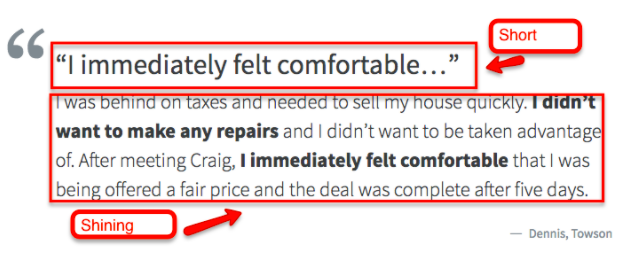
    Real estate investor testimonial

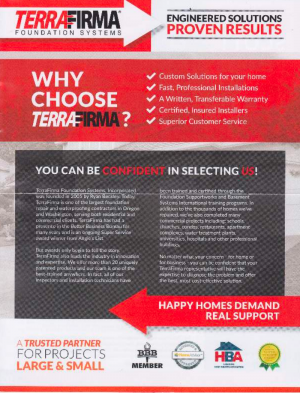
    Or use direct mail to build your credibility like the example we used in this CarrotCast episode on Credibility

    terrafirma

    And make sure to use credibility badges where you can to add that 3rd party validation to your credibility profile.

    And last, make sure to control your brand conversation online when people are verifying and vetting your brand through Google searches. Like…

    Your Sellers Are Actively Searching For Reviews + Your Reputation… What Do They See?
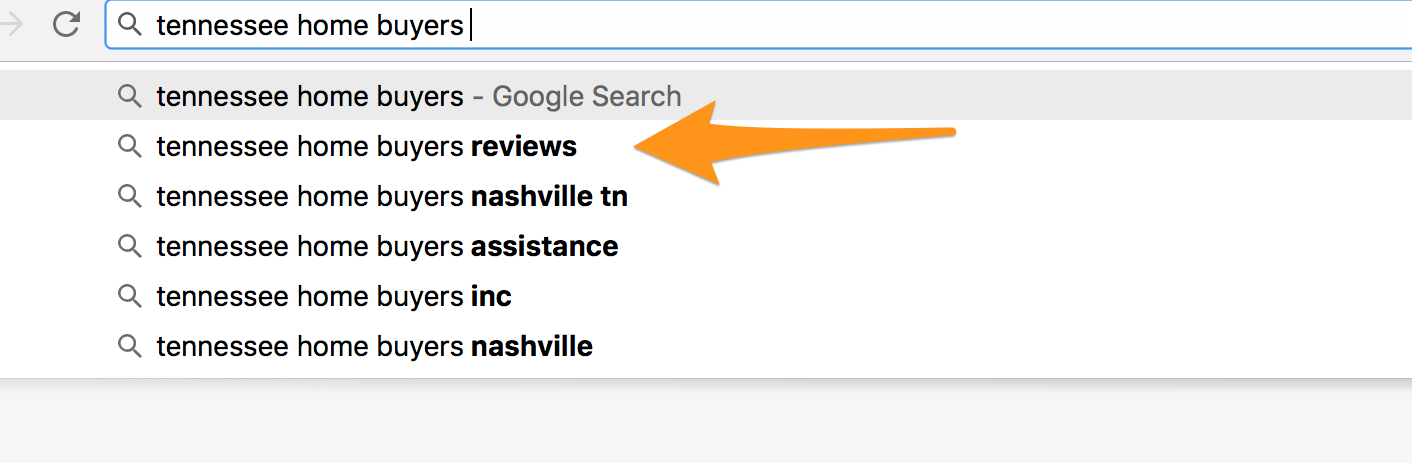
    google suggest real estate search term

    Hopefully you’re controlling the conversation around your brand so your sellers don’t bail at the last moment in this phase. Control it like this…

    Notice How Their BBB Profile, Facebook, And Carrot Site Control The Brand Convo
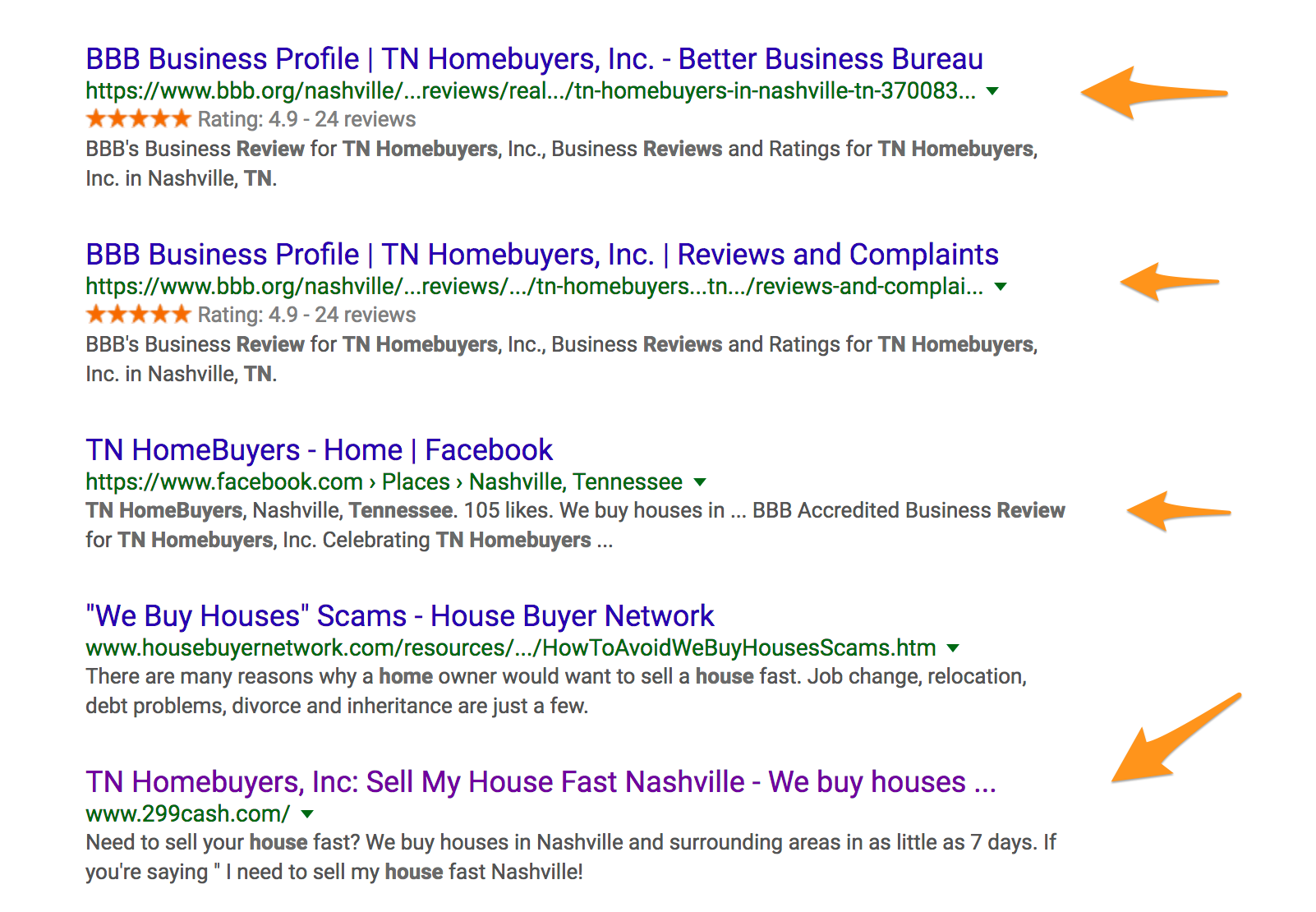
    real estate investor search rankings

    The biggest missing factor in your ads, your direct mail, and your online marketing strategy is credibility. Credibility trumps any marketing tactic out there.

    If you’re offering the same service as the next guy, it’s going to come down to credibility and your offer. That’s it.

    10. Clarity

    Stumbling upon a cluttered website is an immediate no-go for the motivated seller. Where clarity communicates professionalism and ease of use, clutter communicates a lack thereof.

    But what is clutter?

    Clutter might translate into the too-much-stuff-on-one-page category, but not necessarily. Consider the apparent “clutter” of a top online store, Amazon.

    What Is Clutter? It’s Not Clutter If It Get’s You What You Need…

    cluttered amazon sales page
    Amazon is the world’s most optimized ecommerce website. It’s also one of the most “cluttered” according to people. Clutter is only cluttered if it doesn’t help the prospect find what they want.

    Image via Amazon

    As you can tell, there’s a lot going on. And this goings-on could easily be classified as clutter.

    And yet, they’re winning.

    Don’t think of clutter as having too much on a single web page, think of clutter as having too much that distracts from your CTA. Amazon wants you to get lost in the shopping experience, and thus it shows you a plethora of items you may or may not be interested in, much like browsing at the mall.

    But you’re not trying to sell products ranging from laundry detergent to Harry Potter collectibles.

    Your product is an easy and fast process for the house seller.

    To sell that, you don’t want a lot of action items.

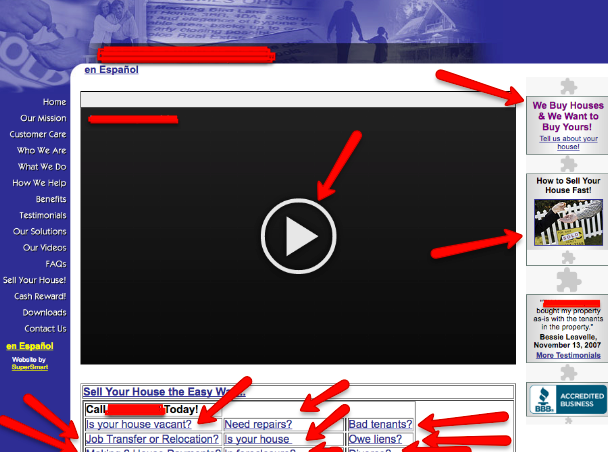
    As a bad example, consider this website… for whom the brand name has been blocked out.
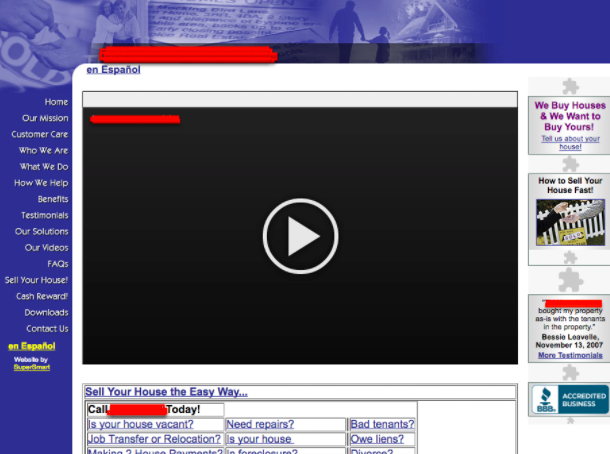
    example of a cluttered real estate website

    This website is a disaster. Most importantly, It has painfully positioned CTA’s…
    cluttered real estate website

    With this many Call’s To Action, you can be sure that none deliver. This is clutter. Clutter means that when someone visits your website, they’re not sure what you offer, or where you want them to click.

    In contrast, clean and clear as a windexed window, check out this example.

    Full Of The RIGHT Information But Not Devoid Of The Info
    Your Prospect Needs To Advance To The Next Phase

    InvestorCarrot Hero Section

    Image via SpeedyHomeBuyersMD

    This homepage immediately communicates what it offers, whether or not I — the motivated seller — am in the right place, and what I should do if I am (fill out the information).

    A website this clean will perform better simply because it communicates better. Get harsh on your own website and, if needed, ask for an opinion from a friend — a friend who’ll be honest.

    11. Focus On Mobile

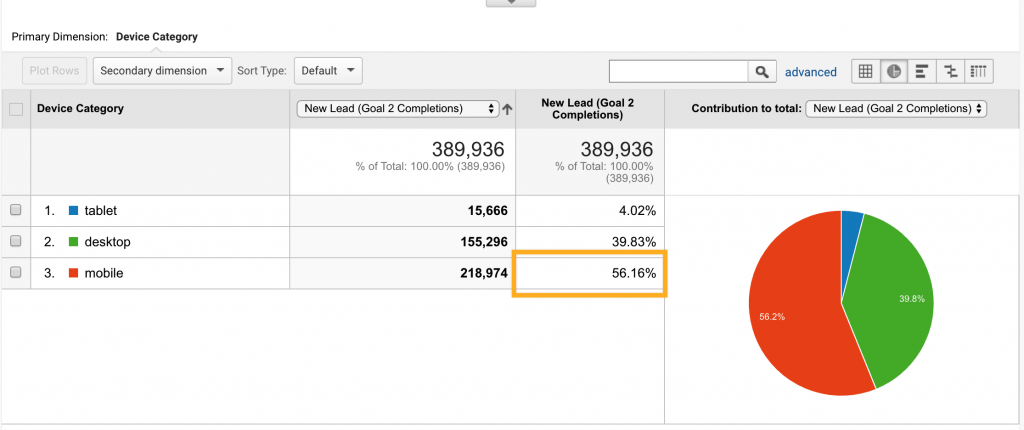
    The reality is that over half of your traffic is coming from mobile devices.

    We Always Display The % Of Mobile Leads On The Bottom Of Our Site

    Mobile isn’t the future… it’s here today.

    But that’s okay… so long as your website is flexible and optimized to look great on any device.

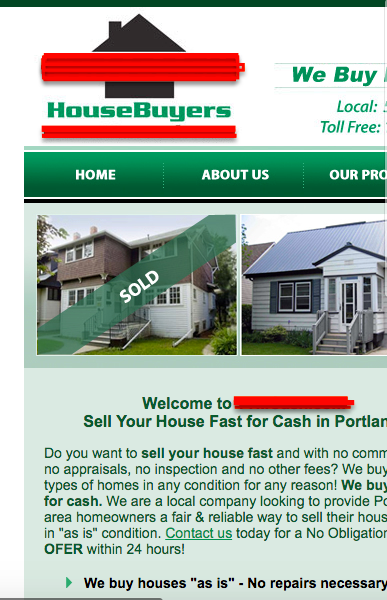
    If it isn’t, though, it might end up looking something like this.

    Not User-Friendly On Mobile, Is Yours? (non-Carrot site)
    cluttered real estate website on mobile

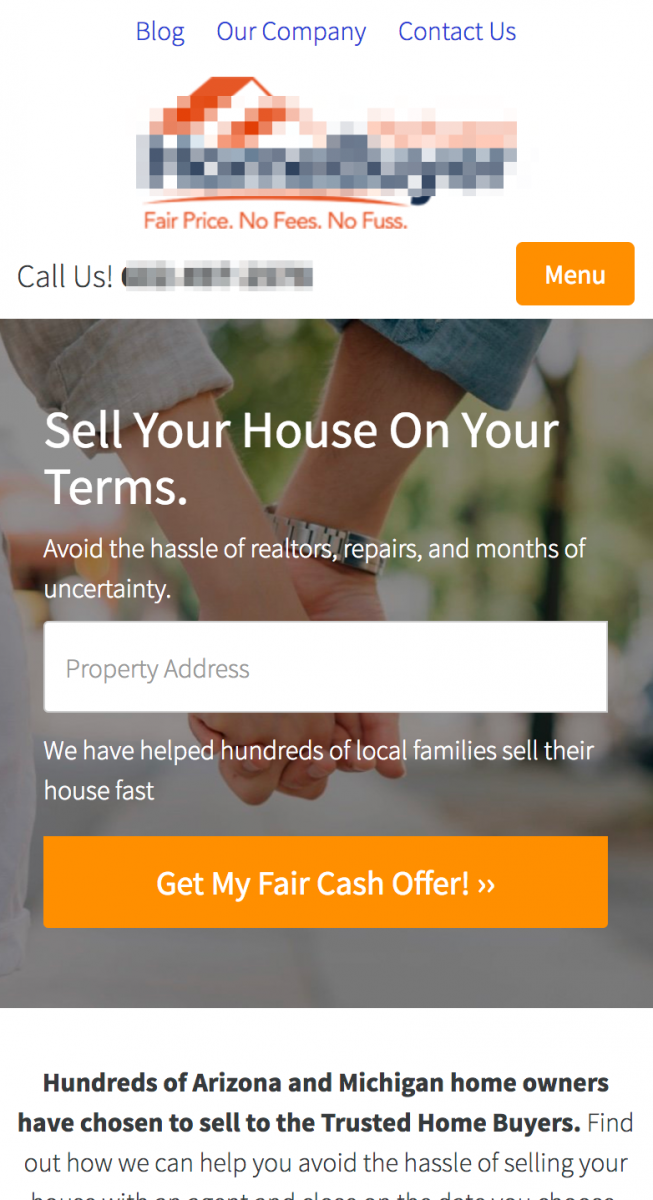
    Half the text is covered and navigating becomes a challenge rather than a pleasure. On the other hand, check out this flexible Carrot website.

    Clear, Clean, And Great On Mobile (A Carrot Site)
    mobile real estate investor website

    All Carrot websites are mobile-friendly because we understand the importance of it.

    Grab your phone and test your own website.

    Because having a mobile-friendly website is as important for visitors as having toilet paper for house-guests. It’s just expected.

    Marketing Tips For This Phase:

    • After someone opts into your site, retarget them on Facebook with testimonial ads
    • Build a physical credibility packet and mail that to your prospects overnight, email it to them, and take it to your in-person meetings
    • Add at least 5-10 great testimonials formatted correctly to your site
    • Build reviews on 3rd party sites like the BBB, your Facebook page, and Google local.


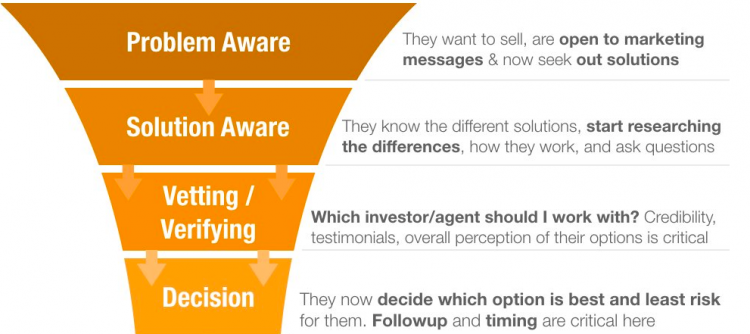
    Step 4: Making The Decision

    Here, they’re ready to decide. Are you making it easy?
    attract motivated sellers - decision

    At this phase the motivated house seller is likely thinking…

    Ok, lets get them to give me an offer… then I’ll pick the best fit.

    Are you making it easy and are you reinforcing their decision to work with you EVEN AFTER THEY CALL YOU OR OPT IN?

    The motivated seller has taken the first step, but still, they could abandon.

    However, it is too early for you to give up.

    There are two primary tools in your arsenal to make them comfortable, and they both focus on transparency: honesty about what you offer, what the seller should expect, how a price is decided, and who you are.

    The two tools are (1) the How It Works page and (2) the About Us page.

    12. A “How It Works” Page

    The “how it works” page is clicked wildly, so don’t hesitate to make this a priority.

    See This Part Of A Recent Heat Map On A Carrot Site

    investorcarrot menu heatmap
    The “How It Works” page is very active… your sellers in the “Solution Aware” and “Verifying” phases are really looking for clarity on your process. How you make your offers, what the process looks like, etc.

    But, be careful that you don’t over explain. The seller has questions, but they aren’t in regard to the nitty gritty of your job. Their questions are in regard to how you will benefit them and what they need to do to make it happen.

    It can be hard to anticipate all of these questions, so here’s a list of the ones you must answer.

    • How long until you contact me?
    • What happens when you contact me?
    • How is a price decided?
    • After we agree on a price, when do I get my money?

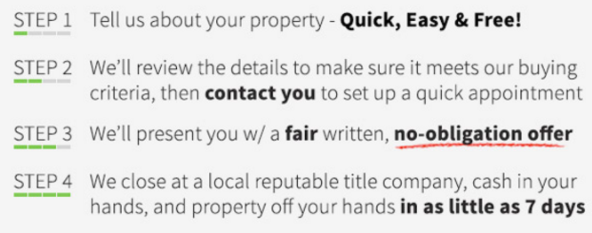
    In fact, this is beautifully done on FLA Home Solutions.
    attract motivated sellers - steps to sell your home

    They make it easy to understand, quick to read, and, most importantly, only answer the questions that the motivated seller is asking.

    13. A Strong Hero Section

    Like every great story, someone needs to save the day… or rather, something. And that something should be your product.

    Your hero should sit at the top of the homepage and quickly tell the visitor that (1) they’re in the right place and (2) you’re here to solve their problems.

    As you can tell on the below heatmap, the hero is viewed as often as the bat-signal is flicked.
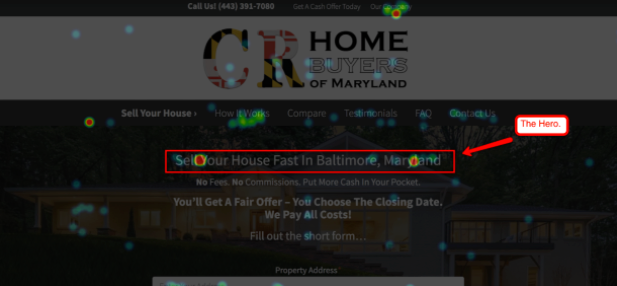
    investorcarrot hero section heat map

    Don’t get creative at the cost of clarity. Your hero should be similar to the above. Something regarding selling fast, since you’re marketing to the motivated seller, and location, because the motivated seller is searching for someone in their area.

    Once the seller is convinced that you’re the hero they’re looking for, it’s time to swoop in and actually save the day.

    14. A Clear CTA (Call To Action)

    Everyone loves this part of the story. This is where the motivated seller takes the first leap, which is usually providing you with contact information.

    This is your first CTA, and arguably, the most important.

    If the motivated seller doesn’t give you permission to contact them, they aren’t serious about working with you.

    Since your business goes nowhere without this first step, it’s important to make it simple, directly after the hero, and, ultimately, the focus of your homepage.
    Consider how your eyes flow first to the hero of this snapshot, and then seamlessly to the CTA.
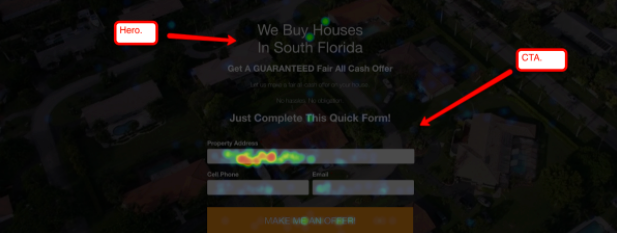
    investorcarrot lead form heatmap

    Also, consider this example, differing in setup, but equally effective in conversion.
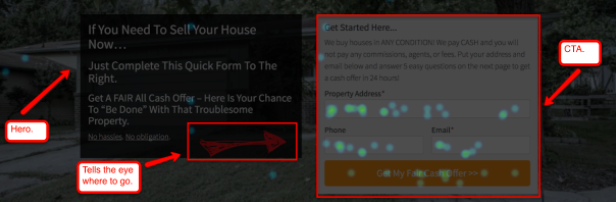
    investorcarrot call to action heatmap

    Whatever the hero to CTA transition on your website, make sure it’s obvious and smooth. Since the motivated seller is in a hurry, your homepage should be too.

    Heck, even put clear calls to action in your Facebooks ads at this phase, like…

    15. Follow Up, Follow Up, Follow Up

    Often times they’re just not ready to make a decision yet.

    So make sure you’re putting your leads into an email, text, and possibly direct mail followup system.

    We see clients pulling deals out 6+ months later after the lead initially came in.


    The One Mindset Difference Between Top-performing Real Estate Investors and Everyone Else

    Learn the dead-simple difference between those who build thriving businesses and those who never fulfill their dreams or goals.

    • We’re committed to your privacy. Carrot uses the information you provide to us to contact you about our relevant content, products, and services. You may unsubscribe from these communications at any time. For more information, check out our Privacy Policy.
    • This field is for validation purposes and should be left unchanged.


    Schedule The “8 Word Email” To Go Out In 6 Months
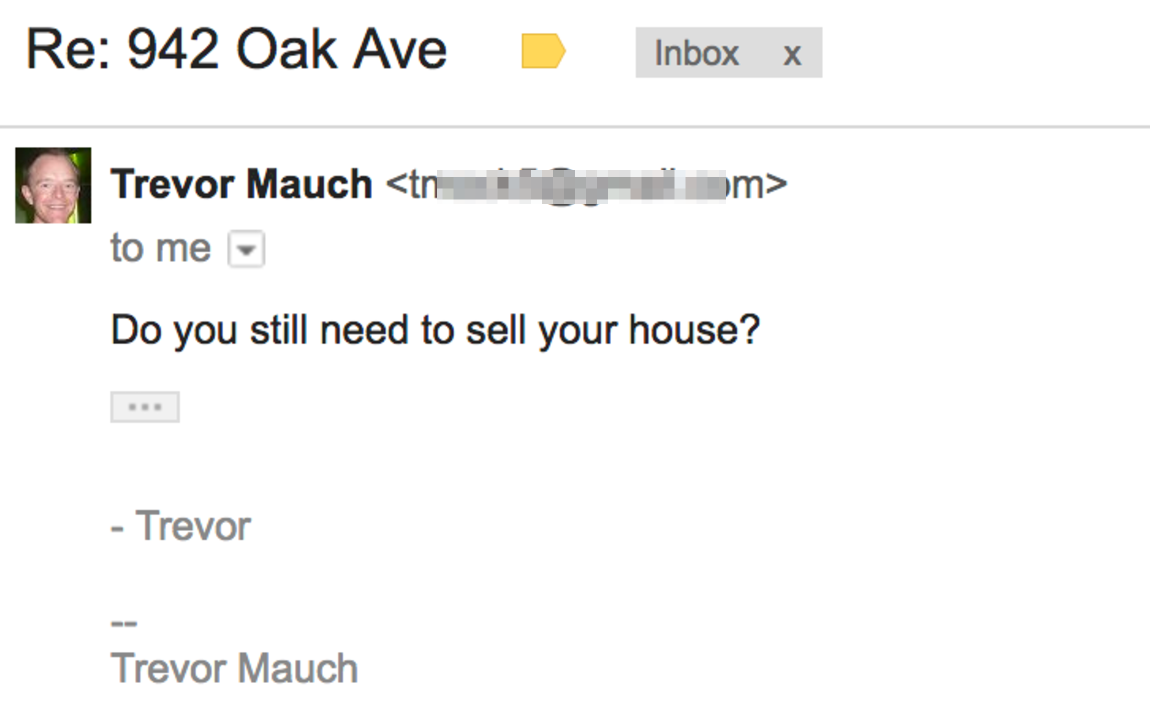
    Don’t over complicate your follow up with a big pitch. Just ask them if they still need to sell. Your only goal is to engage them in a conversation.

    Marketing Tips For This Phase:

    • Create a simple email sequence that goes out 6+ months. At month 4-6 hit them w/ the “8-word email”
    • Have Facebook ads that ask… “Still need to sell your house?”… then drive them to a testimonial on your site
    • Make it easy for people to get in touch with you… phone, text, opt-in online

    Step 5: Turn Clients Into Testimonials Then Repeat The Above

    At this point, you’ve got a client and closed deal! But the work doesn’t stop…
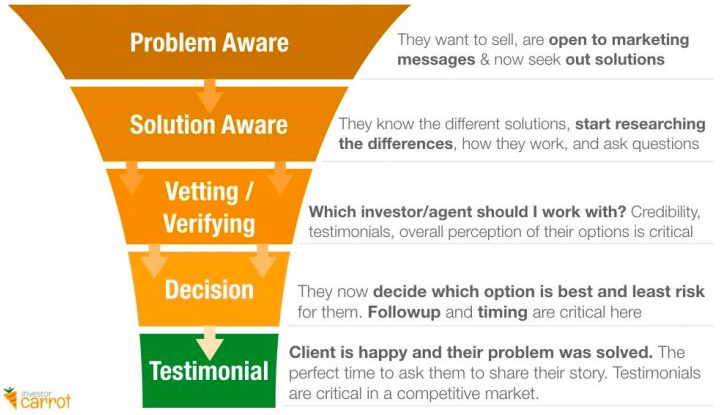
    attract motivated sellers - testimonial

    Right here your client is happy with the service, and this is the best time for you to ask for a testimonial or referral.

    Adjust Your Marketing + Messaging To Pull Clients Through The Decision Lifecycle

    Whew! That was a lot.

    But this is the difference between the A Players in real estate marketing and the B or C players.

    Most investors make all of their marketing focus on just one or two of the phases… and leave it open for their competitors to better connect with the prospect when the prospect needs it most.

    This is just the tip of the iceberg.

    So… go out and find where you can better cater your marketing toward the phase of the decision lifecyle your motivated house sellers are in.

    Here’s a recap…

    motivated house seller leads marketing

    And what to do about it…

    1. SEO and PPC for problem aware people looking for solutions
    2. Canvas direct mail to those likely to be problem aware
    3. Engage on social (broad ads)
    4. Structure content to pull people to the next phase
    5. Blog (show your expertise)
    6. Local content
    7. Ads that compare + educate
    8. Great about page and clear contact info
    9. Build your credibility
    10. Clearly, relay the message of how you can help them
    11. Focus on mobile
    12. Great How It Works page
    13. Strong hero section on your website
    14. Clear call to action
    15. Follow Up, Follow Up, Follow Up

    Don’t hesitate. Don’t procrastinate.

    Go crush it like the mind-reading real estate guru you are.

  • NEW: Owner Finance Websites Now Live! 

    NEW: Owner Finance Websites Now Live! 

    The owner financing option is becoming more common. Which is why you need a strong online presence and a high performing website. The first thing your potential clients do is search for financing options online. And no matter how good of a broker you are, your hands are tied without clients to cater to.

    You need to grab the browser’s attention by giving them a reason to work with you beyond the traditional bank loan. In line with one of our core values, “Consistent Improvement and Innovation”, we created our Owner Finance sites with your clients, your business, and above all else, the relationship between the two, in mind.

    So, how can you soar a mile ahead of your competitors? Offer an optimized and mobile responsive website that encourages your clients to work with you.

    All of the InvestorCarrot sites are mobile responsive so that your clients can reach you and your services on whatever they’re using: mobile or desktop.

    In terms of usability, setting up and maintaining a website is simple. Even if you’re a beginner, you’ll quickly get the hang of it. But if you do struggle, it’s okay. Carrot support has your six.

    Introducing Our New Owner Finance Website System

    Over a two-month period, we researched and tested owner finance websites to create our first version of a high performing seller financing website that you, as our InvestorCarrot member, can access and setup in your account.


    owner financing websites homepage


    We’ve kept these owner financing websites simple… but effective. And we’re still actively testing the sites, so there’s more to come. As we continue learning, we’ll add elements to your website, each and every month, that increase engagement, conversion, and revenue.

    The Design

    We’ve taken our proven “lead hero” and built that into the owner finance websites, as well. We found that when we utilized the “lead hero” on our home pages, the homepage conversion rate increased across the board.

    Of course, we’ve built in our hidden Conversion Boosters that are infused into all of our InvestorCarrot real estate investor websites. The Conversion Boosters improve opt-ins, engagement, and one of the most important aspects of your business, brand credibility.

    Let’s take a look at some of the pages on our owner finance websites…

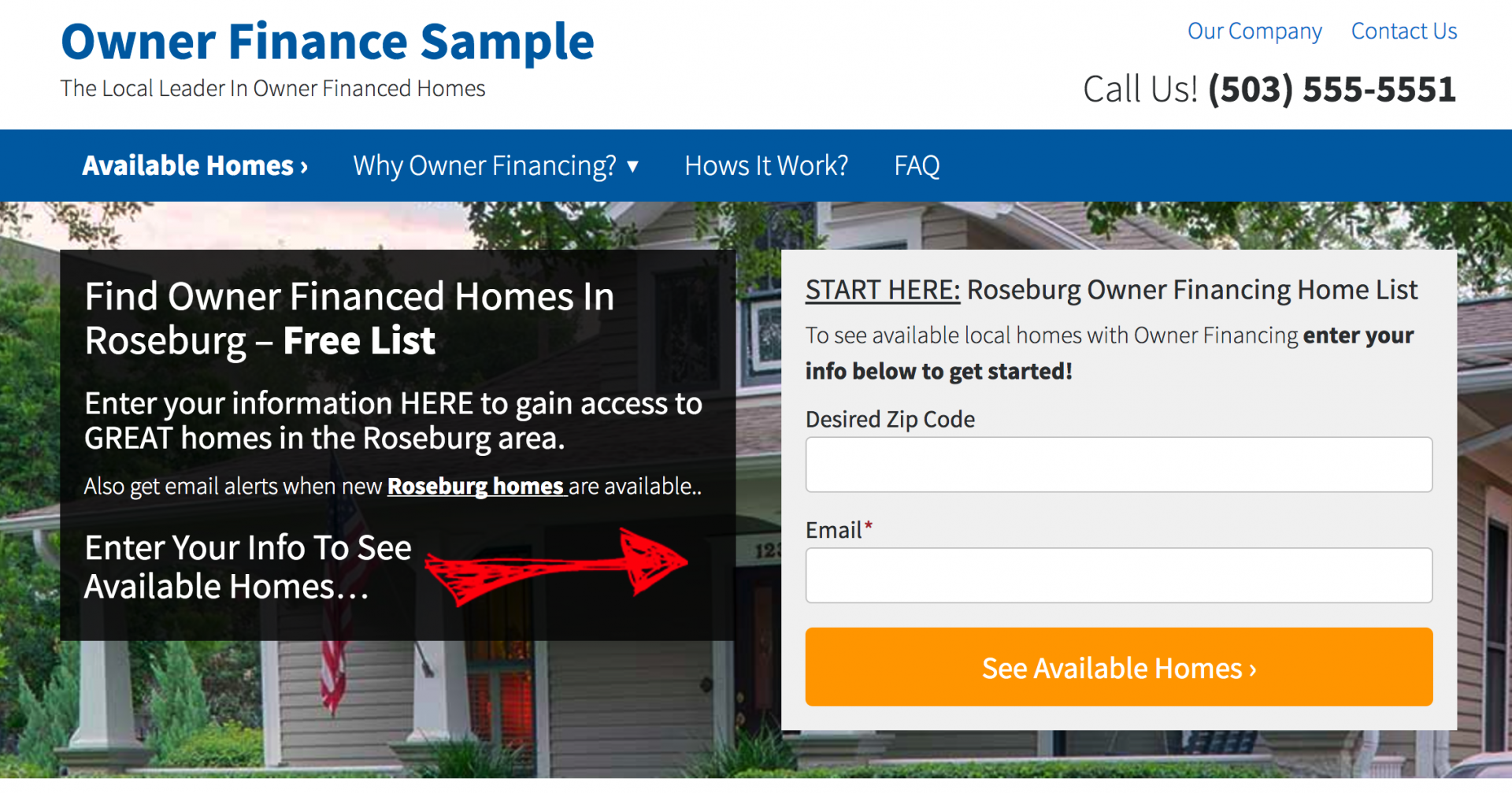
    Available Homes Page:

    owner financing websites lead capture


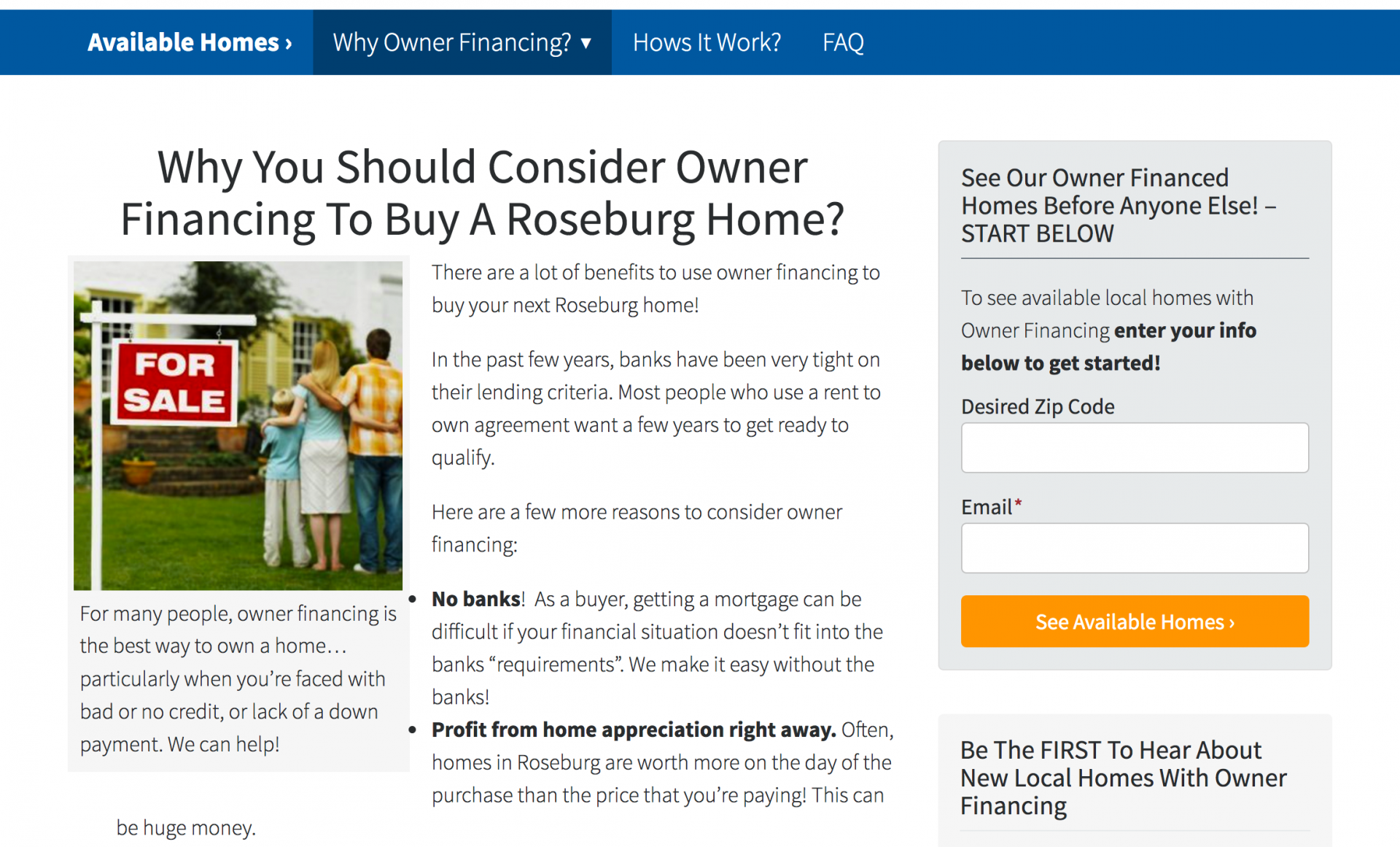
    Why Use Owner Financing Page:

    owner financing websites why use


    How It Works Page:

    Owner Financing How It Works page


    The Results Method

    Our proven philosophy has been “Design For Results, NOT For Prettiness.” When Carrot first started, we were all about a pretty site. But it didn’t take us long to learn that results are what matter most…

    InvestorCarrot websites are built from the ground up, backed by research and test data, to leverage SEO, produce loyal clients, and make your business into a brand client’s can’t help but connect with.

    Plus, we’re always testing and adding new features to our websites and to our Carrot client dashboards.

    Once we find what works best… our team goes to work to create a nice, clean look, all while retaining the current conversions (or, ideally, increasing website conversions even more!).

    The Owner Finance Website Content

    The content has been professionally written by people who know SEO, website conversion, and the real estate investor industry inside and out.

    The words on a page can make or break your search engine results and directly influence how well your website performs once a visitor arrives.

    Every page on our new owner finance website is written with four factors in mind…

    1. Search Engine Optimization
    2. Lead Conversions
    3. Customized and Customizable
    4. Credibility Boosters 

    There are many reasons why our members love us, but one of the main reasons is the quality and actionable content we produce. You can save time by leveraging writers to produce content rather than spending countless hours producing your own.

    NOTE: All of our website content is Copyright Protected for use ONLY by active InvestorCarrot members, and may not be copied in all or part on another website. Any copyright infringements will be taken seriously. We appreciate you playing by the rules.

    The SEO

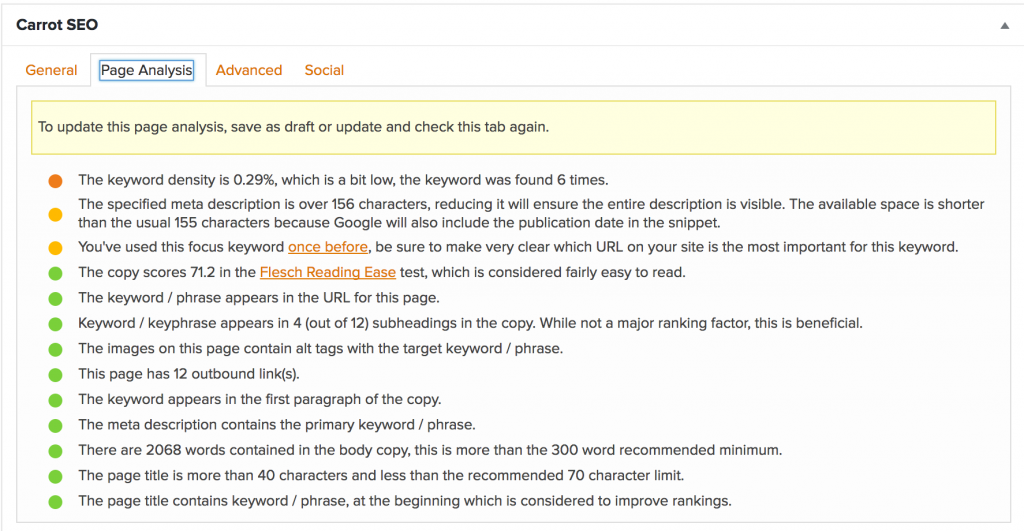
    Carrot SEO grader toolJust like our other websites, we’ve done the SEO keyword research to find out what seller financing phrases are being searched for in Google. Then, we’ve built content and pages around those phrases that people are already looking for.

    Plus, we even make it easy for SEO novices to help your content rank higher with our Carrot “SEO Assistant”. If you can read a traffic signal… you can optimize your pages for the search engines with our SEO tools.

    The Lead Capture Process

    One thing we’ve discovered over the years of lead generation experience (over 400,000 real estate industry leads and counting) is that the majority of your website visitors won’t opt-in immediately… they need a bit more information that compels them to trust you and then, give you their information.

    carrot new leads history

    Because of this, we’ve built in multiple places for your website visitors to engage in the content and convert into a lead when they feel comfortable.

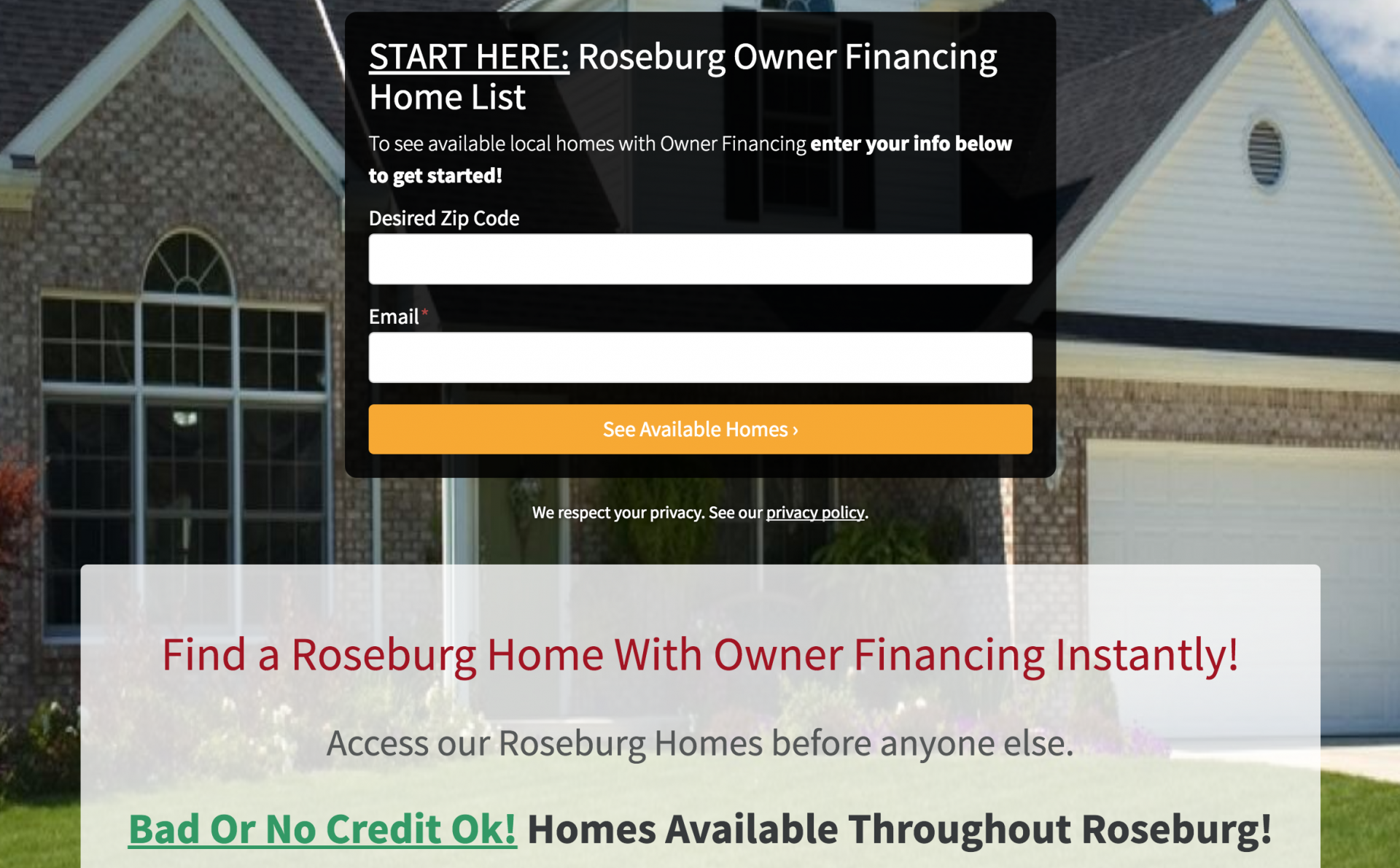
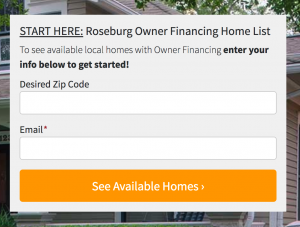
    owner finance lead form

    Part of this is the custom lead pages we’ve designed specifically for those interested in seller financing.

    And like all of the pages we create… they’re all based on the continual testing we’re doing to increase the effectiveness of our pages in converting website visitors into leads.


    How To Launch Your Owner Financing Website With InvestorCarrot

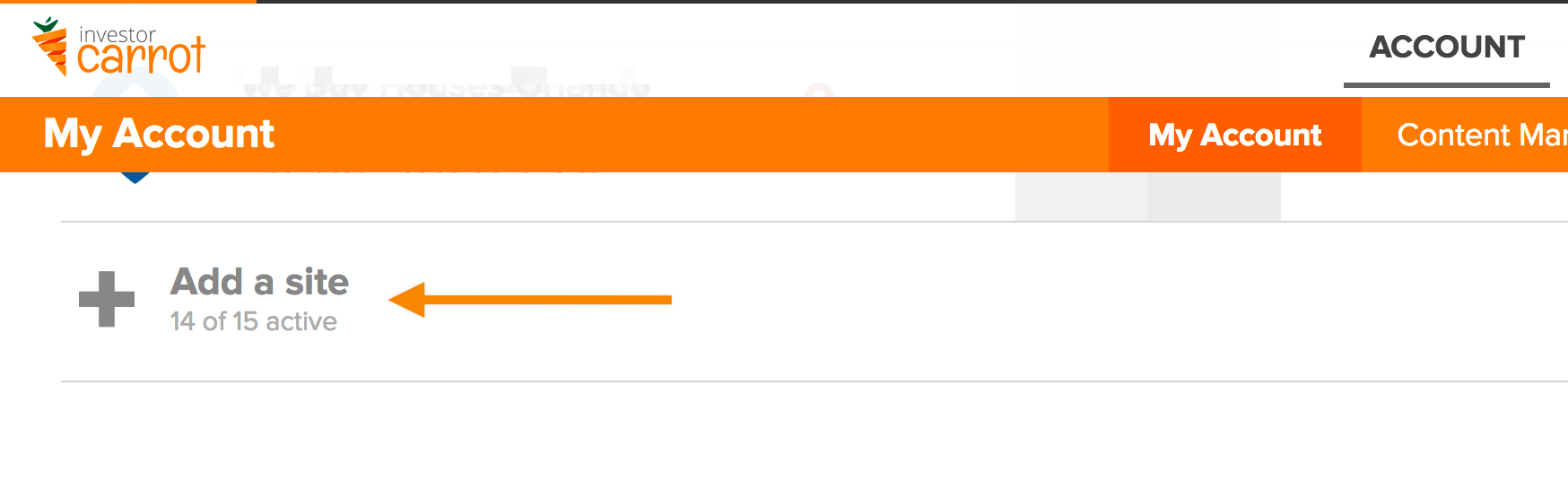
    If you’re an InvestorCarrot member, you can get your own Land Buyer website up and live in a few seconds.

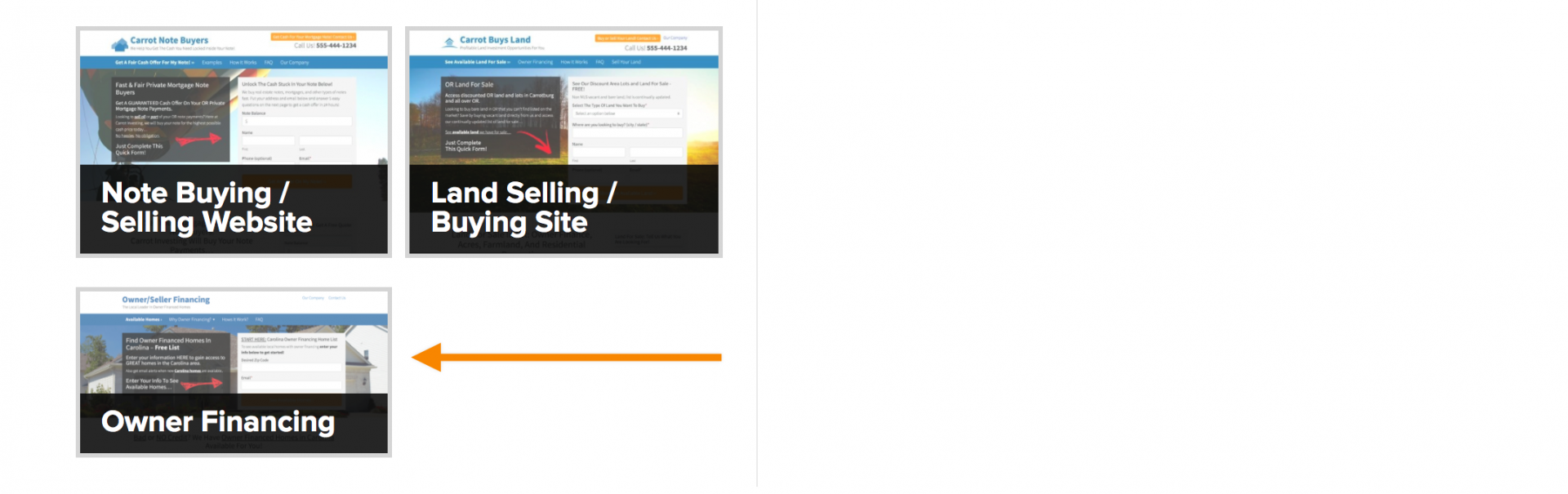
    • Select “Owner Financing” website in the “Create A Website” list:

    • Name your site and click “Create Your Site”

    That’s it!

    Now you can log in and customize your owner finance website, attach a domain to it if you want, and get to work!

    Not An InvestorCarrot Member Yet? Join Below!

    If you’re not an InvestorCarrot website but want to leverage our tools, our system, our marketing knowledge, and our support to help you generate more leads to your real estate business… awesome! Simply take a demo or click the link below to get started!

    See Plans & Join Carrot →

  • Real Estate Marketing Plan: Strategic Marketing Template for Real Estate Agents + Investors

    Real Estate Marketing Plan: Strategic Marketing Template for Real Estate Agents + Investors

    Looking for a sample real estate marketing plan to create your strategy?

    We’ve got you covered.

    Why You Need A Real Estate Marketing Plan

    According to the U.S. Small Business Association, only 56% of small businesses with 50 or fewer employees have a marketing plan. Almost half of smaller businesses are missing out on leads and sales.

    Here are four other reasons why a marketing plan is essential for your real estate agent or investor business.

    1. It forces you to think about where you’re going with your real estate business. Creating a common goal to drive towards.
    2. It ensures that you’re aligned with your company values.
    3. It serves as a foundation for your marketing activities. If you build a house, you start with a solid foundation. Same thing with your marketing plan.
    4. Possibly the most important – it gives you a process. Without a process, you won’t have the direction you need and will likely either be going off course or starting to feel confused about your marketing efforts. The process can also act as a measure of your failures and successes.

    Sample Real Estate Marketing Plan

    At its basic level, a real estate marketing plan answers a series of questions that helps you define your ideal targets and craft your business’s most compelling offers into a cohesive story. It uses good distribution channels to reach your ideal targets.

    Here are the questions you need to ask when making a good real estate marketing plan:

    • What are your goals?
    • What impact do you want to have on your communities?
    • Is your market saturated with similar offers, or is it ripe with opportunity?
    • How tough is your competition?
    • Who is your ideal target?
    • What are your Strengths, Weaknesses, Opportunities, and Threats?
    • What are your compelling offers?
    • How will you reach your target audience?
    • What is your marketing budget?
    • What keywords are the best opportunities in your market?

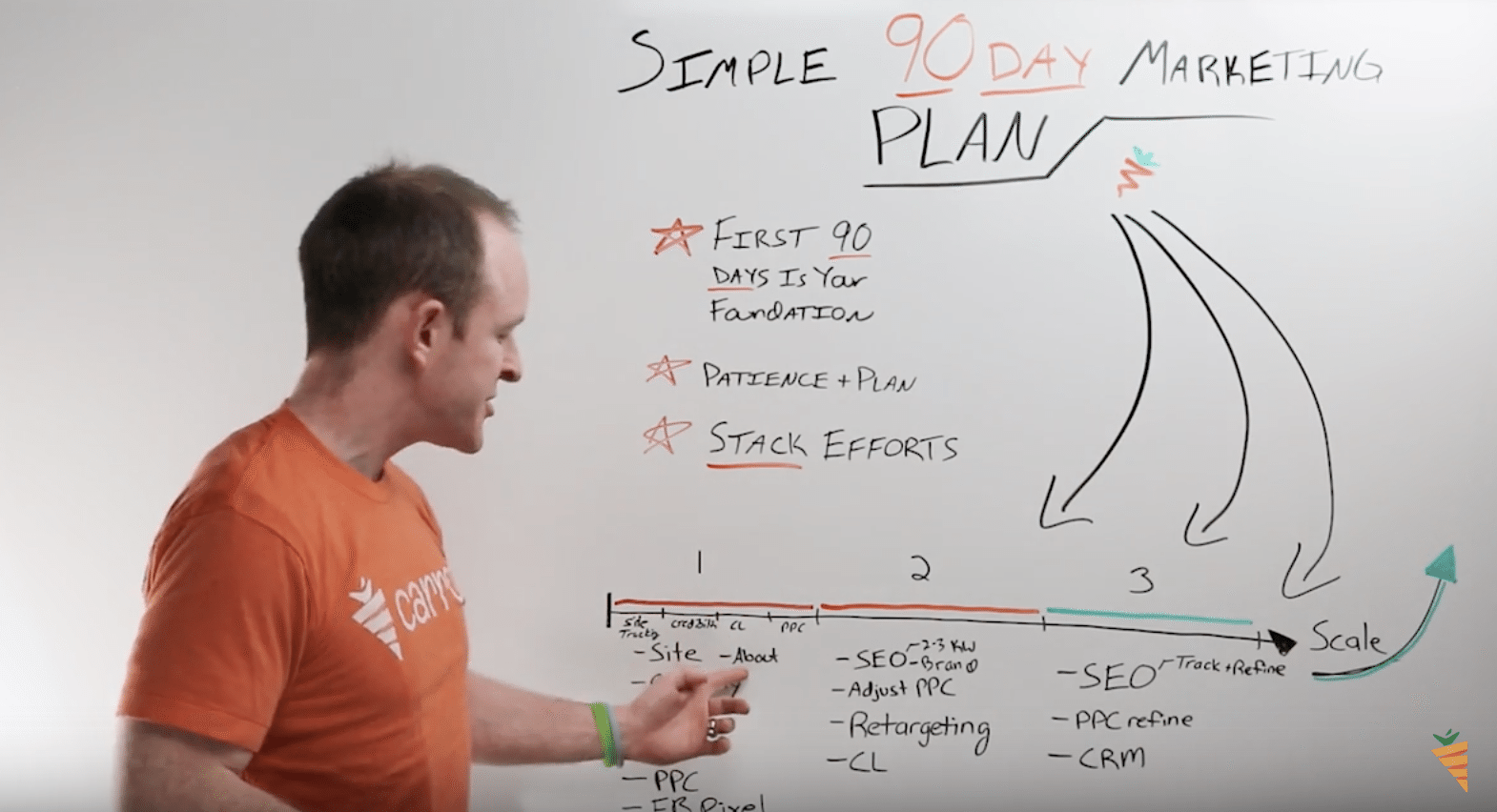
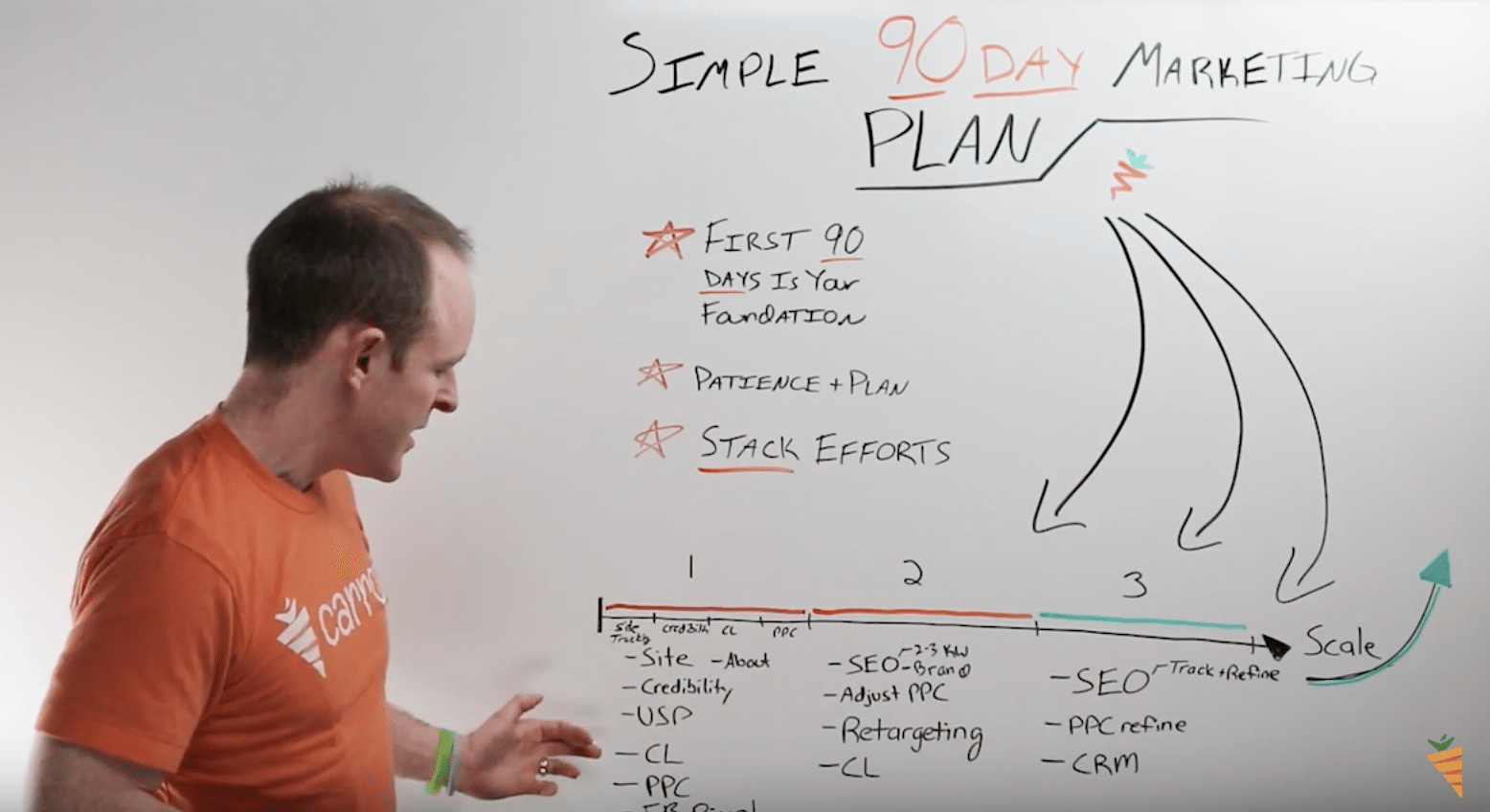
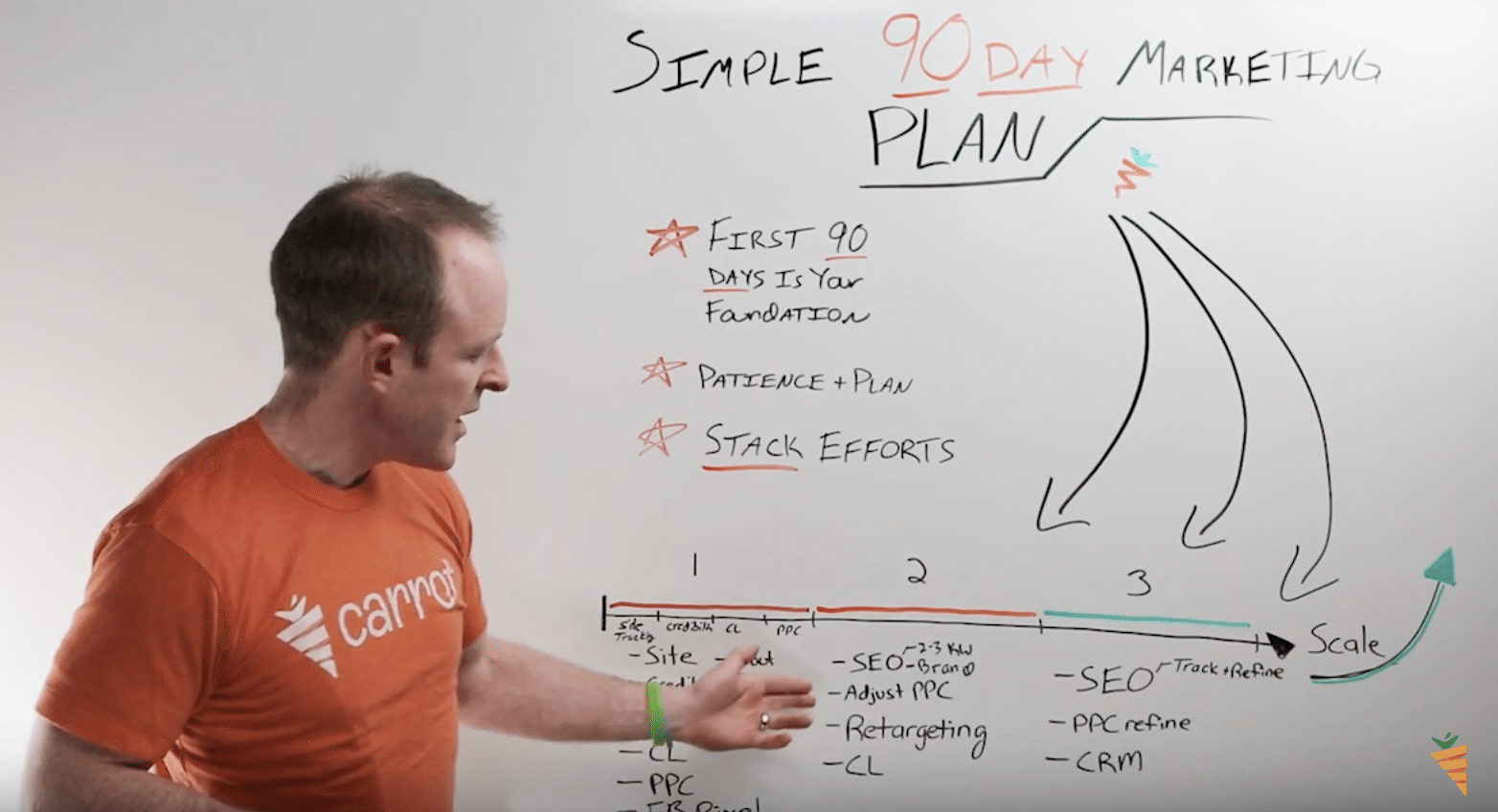
    Here is a quick video that can help get you started… Real Estate Marketing Plan: Simple 90 Day Strategy

    Real Estate Marketing Plan: Simple 90 Day Strategy

    What is Your Marketing Goal?

    First things first: you need to set your goals and objectives.

    Clearly, state what you want to accomplish for yourself in your real estate business. If you’re an investor, it could be buying 50 properties this year. As a real estate agent, you might consider closing 100 listings.

    Or, in both situations, you could want to get your brand or name out more for recognition. It could be that 50 percent of your target market knows who you are. Set goals that you can quantify to record and track your accomplishments.

    Develop a 10,000-foot vision for your business, such as…

    • Become the top producer in your area
    • Retire in 10 years
    • Control particular niches of buyers and sellers

    Then quantify that vision with measurable goals. Measurable goals might include:

    • Obtaining 50 listings in the next year
    • Close 10 deals in your target market area in 12 months
    • Earn referrals from 50 percent of your past customers
    • Purchase 10 single-family rental properties in the next 48 months

    What Impact Do You Want to Have in Your Communities?

    You want your real estate business to be sustainable and build a good relationship with your community. How you approach and treat your clients has a tremendous impact on how your business is viewed within your market.

    Your clients directly affect your business reputation, lead, and deal volume. But it’s not just your direct clients. Anyone that you interact with can be considered an indirect client. Residents, Facebook friends, your website host, employees, contractors, partners, and suppliers.

    You must constantly assess your behaviors and their impact on your local community and the broader audience.

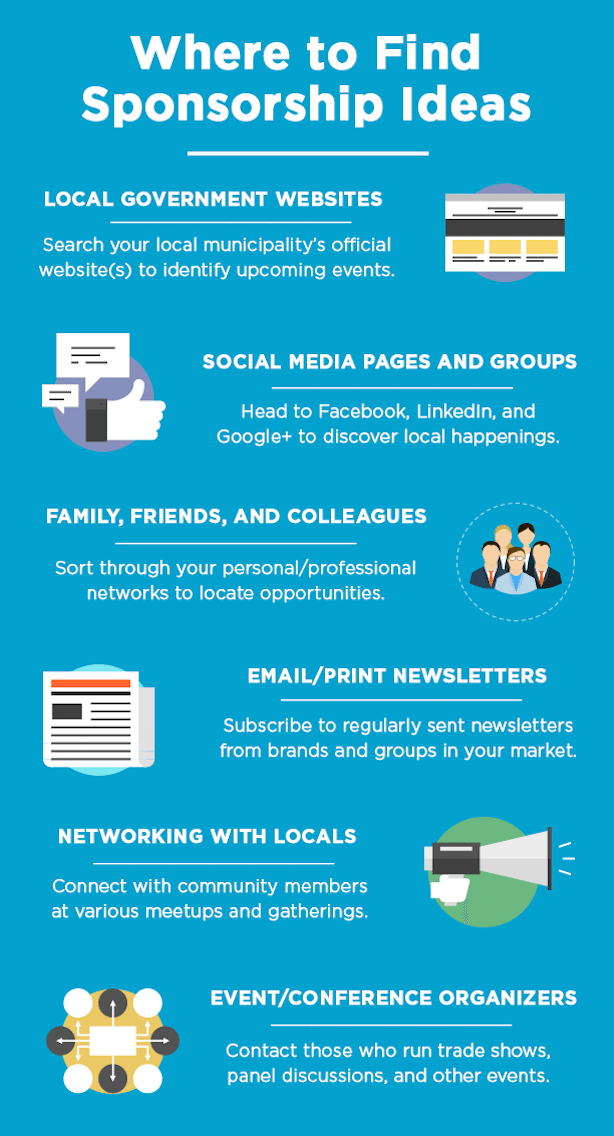
    real estate marketing plan sponsorship ideas

    Image: Placester

    Then you can assess and find your niche within. What events to attend and who to build relationships with. Your community approach will also help you create your immediate and long-term business needs.


    Is Your Market Saturated with Similar Offers?

    You want to build strong relationships with your customer base. As you’re maintaining a high value and positive service for your customers, they’re more likely to spread the word among their peers.

    If you’re in a competitive market and find it hard to make your marketing stand about your competition, then be sure to make your service and client experience stand out.

    Build your real estate brand identity, and your customers will become ambassadors if they see and feel that “above and beyond” connection.

    Marketing Strategies for Real Estate: How Tough is Your Competition?

    First, you need to identify your competitors. Take into account your potential or future competitors too.

    There are a couple of methods you can use to do this.

    1. Look at them from a customer’s point of view

    If you can look at your competitors from a customer’s point of view, you’ll be able to spot some of their larger strengths and weaknesses.

    It’s a fun yet challenging activity to think like a customer. Why would a customer want to use them as a real estate service? Is it because they can offer more and faster payment turnaround time, or do they have top-tier customer service? These could all be strengths for your competition.

    Become your ideal client and put yourself in their shoes. Wonder why you would be more likely to deal with them instead of using your company to accomplish their real estate needs.

    2. Look at them from their point of view

    Next, take a look at their point of view. This can help you understand their strategy, culture, and attitude toward the market. Take a look at what assets they bring to the field and how you would use them if they were yours. Take a look at what you interpret as their weaknesses.

    How could you commit to making those weaknesses into your strengths?

    Ask and answer these questions before your analysis:

    Before you dive into your real estate marketing competitor analysis, be sure you’re asking the right questions. Here are some common questions to get you started:

    • Who are your competitors?
    • What types of services are they using?
    • How much market share do they have?
    • What have been some of their past strategies?
    • Are they using the same strategy?
    • Are they aggressive with their real estate marketing?
    • How competitive are they in the market?
    • What are their strengths and weaknesses?
    • Are they a threat to you? If so, how big of an impact can they have?
    • Does their marketing strategy affect yours or how you do business?

    Who is Your Ideal Target Audience?

    Create a simple paragraph profiling your ideal real estate target audience. Create a customer avatar regarding these demographics: sex, age, family, earnings, lifestyle, and geographic location.

    Ask yourself questions about your customers, such as:

    • Are they followers or leaders?
    • Are they timid or aggressive?
    • Are they introverts or extroverts?
    • How often are they likely to move?
    • Are they traditional and bear more of a connection to the community?

    No matter your real estate market, you’ll need to define them in this section narrowly. It is an important step that will guide you as you plan your media and public relations campaigns.

    What are your Strengths, Weaknesses, Opportunities, and Threats?

    Performing a SWOT Analysis is a crucial step when creating your real estate marketing strategy.

    The term “SWOT Analysis” sounds like a daunting task. But, it can be simple.

    It’s broken down into two categories:

    • Your internal issues: Strengths and weaknesses
    • Your external issues: Opportunities and threats

    This analysis will allow you to see what factors will help you achieve your objectives due to your strengths and opportunities.

    It will also highlight what obstacles you must hurdle before achieving your real estate goals due to your weaknesses and/or threats.

    Overall, the SWOT analysis assesses your real estate company’s strengths, weaknesses, market opportunities, and potential threats to give you insight into the possible issues that can impact your success.

    The number 1 goal of a SWOT analysis aims to determine and assign all important factors that could positively or negatively impact the success of one of the categories, giving you an in-depth view of your real estate business.

    Four Categories Of SWOT:

    Strengths:

    • What are the advantages of your real estate business?
    • What can you do better than your competition?
    • What exclusive resources can you use that others can’t?
    • How does your market see your strengths?
    • What factors into you closing the deal?
    • What is your company’s Unique Selling Proposition?
    • When considering your strengths, look at your internal employees and external customers/market.

    Weaknesses:

    • What might you be able to improve on?
    • What locations and markets should you avoid?
    • What potential clients within your market might see as your weaknesses?
    • What factors cause you to lose the deal?

    Again, account for your internal and external clients. Do your clients see weaknesses that you haven’t seen? What are your competitors doing better than you right now?

    Weaknesses can be a gut check. But stick with it and be as realistic as you can.

    Opportunities:

    • What positive opportunities are available to you?
    • Are there trends that you need to know?

    Some of the positive opportunities you can take advantage of are:

    • Changes in real estate technology. For example, recording a video testimonial and uploading it to Facebook as soon as you record it.
    • Changes within the real estate field. Are more real estate agents becoming investors or vice versa?
    • Changes in the economic status and population profile within your market.
    • Are there any local events you can help organize or lead within the real estate niche?

    Take a look at your strengths and weaknesses as you approach your opportunities. They can provide invaluable information on what you can work harder to improve upon.

    Threats:

    • What obstacles do you need to hurdle in your market?
    • What are your competitors doing?
    • Are there any technical issues that are threatening your market position?
    • Do you have cash-flow problems that you need to address?
    • Do you have any weaknesses that are threatening your business?

    Once you have chosen your real estate business values within the four SWOT categories, you can develop a more strategic plan.

    For example, once you’ve identified your weaknesses and potential threats, you can create a plan to eliminate or at the least minimize them while continuing to improve upon strategies that will make you a more robust business.

    Examples of a SWOT Analysis from Bplans

    What Are Your Compelling Offers?

    What exactly is your compelling offer?

    To create your compelling offers, ask yourself the following questions:

    • Who do you sell or buy real estate to or from? Be highly specific.
    • What are the problems that you help them solve?
    • How do you solve their problems?
    • Why are you better at solving their problems?

    Now create your compelling pitch like this:

    How [insert who your ideal client is] can [insert verb] [insert the problem] through [insert solution].

    How Will You Reach Your Target Audience?

    Getting your audience to engage with your content is essential for connecting with your target market online. The online real estate market is increasingly growing and vying for client attention.

    But, even the investor or agent with a small budget can succeed with the right strategies.

    Start by narrowing it to a highly targeted audience.

    If you offer buyer and seller services, your target currently includes more people in your local market.

    For example, focus on only one section of zip codes within your market city. Then expand your area as your finances and business grow.

    So, choose a specific area of your market and focus efforts there. Then expand.

    A second option will be to focus on the seller or buyer market if you’re a real estate investor. There are specific factors to consider, but marketing towards the seller’s market is most likely the one to go after.

    Your marketing costs within major cities will likely be expensive, so media such as Google Ads might be too high unless you can target slightly out of the city.

    If you don’t have the budget, take advantage of pricing within the suburban markets.

    The other thing you need to do is get your website organized to target your audience. If that requires creating city-specific pages, then you need to do that.

    Also, get one of the most overlooked pages, your “About” or company page optimized. Be sure it includes your city or area, how you conduct your business, and your process. Spell out your strengths and why they should choose you over the competition.

    What is Your Marketing Budget?

    Having a solid marketing budget is integral to being realistic and will help you improve your revenue over time.

    You can overspend on marketing costs if you don’t know your budget. Therefore causing an unwanted and bad experience.

    Here are a few steps to help you organize your budget and determine where to spend your marketing dollars strategically.

    Watch our 4-Step Marketing Budget Formula whiteboard strategy sketch if you need help determining your ROI and kick-start your planning.

    1. Financial organization

    Your first step needs to be organizing your current financial positions. You MUST be specific. If you’re too loose and choose to estimate, it creates an unrealistic budget.

    This starts with getting in order your revenue information. You’ll need to know how much revenue your real estate business makes every month. Even though your income varies throughout the year, you must have a number based on reliable revenue (the minimum amount of money you make each month.)

    You’ll also need to minus business expenses. Rent, materials, the cost of VA’s, etc.

    Any business expense must be subtracted from your revenue before nailing down your marketing budget. Setting a realistic budget is one that focuses on income that exceeds expenses.

    After you find your available disposable income, you’ll need to determine what that money will be. Although marketing is a major area to focus on, don’t forget to set aside a budget for unexpected circumstances and growth.

    Separate your money based on your goals. You will invest more money in online marketing if your primary goal is attracting leads.

    But, if your goal is to hire more VA’s or full-time assistants, you’ll want to put more income into your company’s growth and set aside less for marketing until you’ve been able to close more deals.

    2. Determine where you want to allocate your funds

    Once you have calculated what is available to spend on marketing, your next step is organizing and prioritizing your money.

    There are three main elements to how you spend your marketing dollars:

    • Budget size
    • Your past experiences
    • Reaching the optimum target audience

    Start by organizing how to spend the budget based on the amount. If you have a small, more limited marketing budget, you should probably consider Craigslist ads, Facebook ads, local citations, social media posting, and email advertising to attract new clients.

    A heavier marketing budget would provide the opportunity to include direct mail, bandit signs, and Google Ads to attract an expanded range of clients.

    Apart from any budget limits, don’t forget to consider and implement what strategies have worked for you in the past. You might have noticed postcards helped bring in more clients during a specific time.

    Then do that same strategy again, even if you still have more budget for more expensive marketing methods.

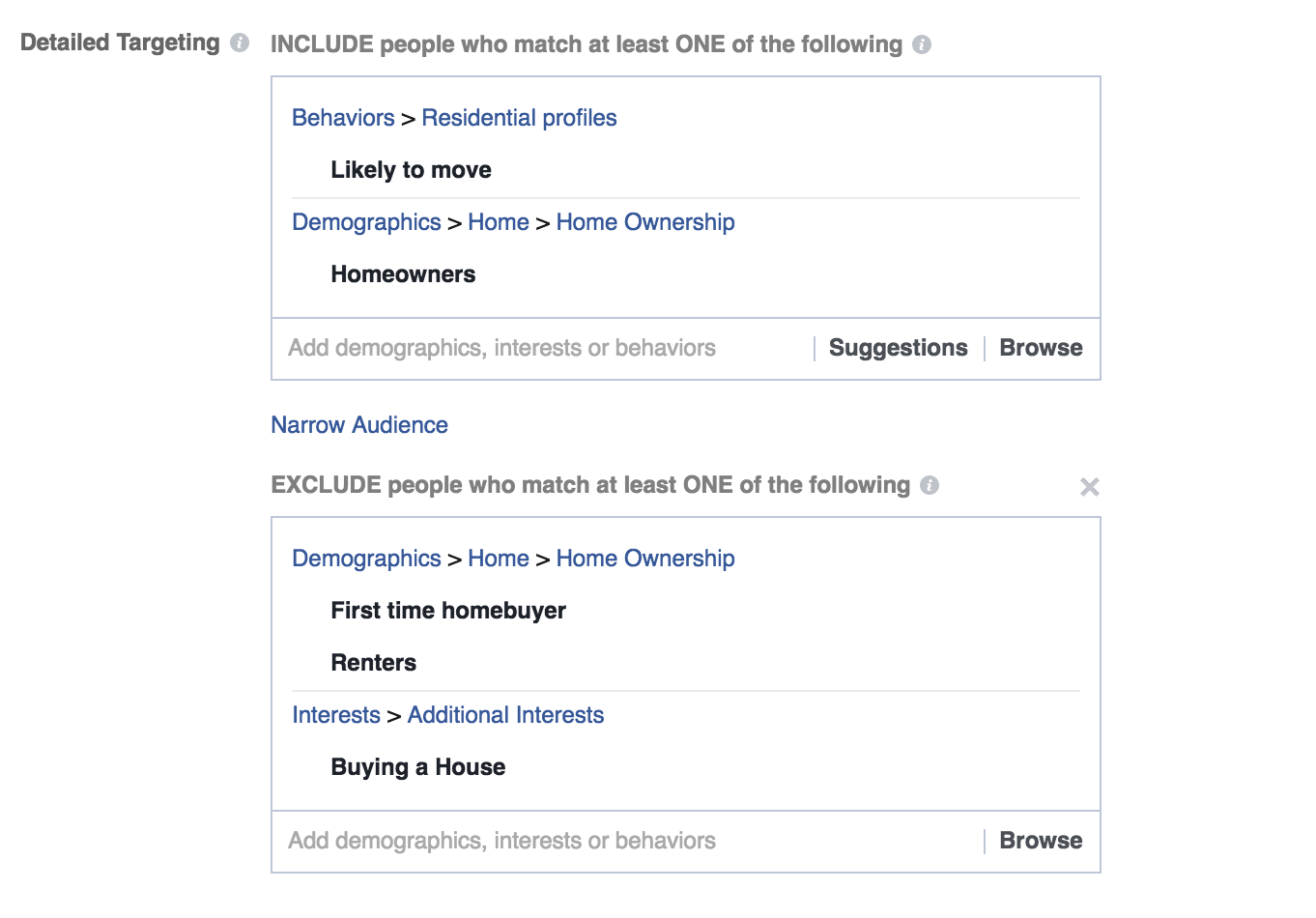
    Also, don’t overlook the marketing channels that will help you target and reach your optimum audience. For example, Facebook advertising is an effective channel for targeting motivated sellers, but you still need to create the right audiences to filter out potential buyer leads.

    real estate marketing plan facebook ads
    Facebook Ads Audience for Real Estate

    Create and document very detailed customer avatars. Then, think about which media they’re more likely to consume. That is the spot where you need to be advertising.

    If you’re considering testing a new marketing channel, allocate some funds for that test. Start with a small budget since you don’t know how effective the new channel will be.

    For example, if you enter the Google Ads marketing channel, start with a small campaign with highly targeted keywords and a budget.

    Only allocate more budget after you gain enough data to determine if it’s working for you. If it works, pull more funds into the new marketing channel.

    What Real Estate Keywords Are the Best in Your Market?

    How do you use real estate keywords? If you are only using them to optimize your website for search rankings, you could be missing out on other ways to gain visibility within your target market.

    Get into the mindset to use your keywords in your online and offline marketing.

    Here are some platforms where you can utilize your real estate keywords more:

    • Real estate website optimization (homepage, landing pages)
    • Real estate content (blog posts, articles)
    • Email subject line optimization (prospects, blog posts, articles)
    • On and offline branding
    • Real estate social media profile optimization (Twitter, Instagram, Facebook)
    • Offline marketing (postcards, bandits signs, direct mail)

    Using real estate keywords should not be limited to your digital marketing efforts.

    Find different ways to plug them into your offline practices as well.

    For example, are you sending out flyers or postcards that take advantage of some keywords?

    Are you placing bandit signs around your target market with specific messages and a phone number in case they’re sitting in a parking lot and want to write your number down to contact you later?

    If you’re using this kind of marketing and not some keywords, it’s time to readjust your strategy.

    Keywords hold a lot of power in online marketing but can be effective offline too. Just be careful that you’re not infringing on trademarks. If you question a keyword phrase, check it out first.

    If you need help finding the right keywords to optimize your real estate investor website, check out our SEO Keyword Bible with 70+ SEO keywords.


    Summing Up Your Real Estate Marketing Plan

    This plan assumes that you’ve got a website that has been proven to convert leads.

    If you’re trying to scrape together a bunch of tips to save a few bucks on building your website, you’re doing it wrong. It will cost you much more than the monthly membership price to build what we’ve built.

    There are a few things you should do first to get that website up and running, and these only take a few minutes:

    1. Get your testimonials on the site because social proof and credibility are essential to conversions.
    2. Get your bio up to also build social proof and credibility. The “Our Company” page is one of the most important on your real estate website.
    3. Make sure the copy on the site reflects your business and is in line with local laws (for example, if you or your team have a real estate license, you’ll need to change the copy to make sure you’re correctly disclosing your license… but you should make that into a benefit since a license gives you more options for sellers than someone operating without one).

    Okay, so that last one might be complicated if you’re new to the business… but you need to be making sure you’re aware of the laws around you since being ignorant isn’t an excuse if you’re trying to get out of a five-figure fine for operating without a license (in some states)…

    This reminds me that I need to mention we’re not attorneys or financial advisors; all of this stuff is just general advice. You need specific, professional advice on your real estate investment business…

    Having a competent lawyer ensures you’re not offering something illegal without knowing it is a good idea.

    There are a couple of ways to use these questions…just cut and paste them into a document and start answering them if you’re ready.

    Want our help in making your real estate marketing plan?

    Again, If you’re already a Carrot Member, you can download the real estate marketing plan template OR, better yet, try out the Carrot Marketing Plan Generator!

    For other real estate marketing tips, check out our Live Carrot Coaching Calls for members (Mastermind Calls) each week. Or, if you’re not a member, take a tour or our Coaching Calls.

    Also, visit the Carrot Strategy Sketch Whiteboard Q&A on our YouTube Channel, and don’t miss our CarrotCast podcast.

  • [Google Search Update] – Google Is Looking At Mobile Popups More Closely

    [Google Search Update] – Google Is Looking At Mobile Popups More Closely

    Did you see the latest Google search announcement?

    If you missed it, the official announcement can be seen here.

    But the main point is summarized below.

    January 10, 2017 update: Starting today, pages where content is not easily accessible to a user on the transition from the mobile search results may not rank as high. As we said, this new signal is just one of hundreds of signals that are used in ranking and the intent of the search query is still a very strong signal, so a page may still rank highly if it has great, relevant content. Please head to the webmaster forums if you have any questions.

    So what does this mean?

    As you may already know, Google is big on user experience. The update is saying that if you have high-quality content your site will still rank but it might be hurt if you have mobile pop-ups blocking user’s ability to navigate your site.

    Let’s be clear here, we are only talking mobile.

    And we think Google has the right idea about pop-ups on mobile devices because when they are not done correctly, closing them or navigating away from them can be difficult.

    The last thing you want to do is frustrate the end user.

    Not every pop up is viewed the same in Google’s eyes

    Here are a few examples of mobile popups type ads that Google would say harm a user’s ability to navigate a website.

    Image Source: Google Webmaster Blog

    Some common ways that real estate websites have used pop-ups in the past are

    • Signing up for a newsletter
    • Access to a report
    • Creating a free account for their service
    • Signing up for a webinar or training
    • Getting a free ebook

    In Google’s eyes, these may be distracting to the user experience and therefore would be counted as a negative in their search algorithm.

    However, pop-ups that are for important notices like your website’s cookie policy or a small banner that doesn’t take up the entire screen are viewed as okay and not as harmful to the user’s experience.

    Some examples can be seen below.

    Examples of interstitials that would not be affected

    Image Source: Google Webmaster Blog

    What does this mean for your website?

    If you are an InvestorCarrot member, not a whole lot. We don’t have any pop-up ads built into websites because we have tested it in the past and concluded that it wouldn’t significantly help increase conversion rates (in some cases it hurt conversion rates).

    The test looked like this.

    Exit Pop Test Ran On InvestorCarrot websites

    Here are a few snapshots of data to show you how infrequently the pop-up style offers work on InvestorCarrot websites.

    You will notice that in each of these tests the conversion rate is somewhere around 1% or less. Most of these sites convert above 6% on average.

    But this isn’t a 1 to 1 ratio. This isn’t saying that the 1% hurt conversion rates because these are likely leads that would not have opted in before leaving and being met with the form.

    However, from a user experience stand-point, showing the pop up to every user hardly justifies us putting them on every website.

    The biggest takeaway is that Google is now looking for these types of website elements.

    Anytime Google makes an announcement about their algorithm it is wise to take notice.

    We can conclude from this type of change that Google is still really big on user experience in the search results and how they look at websites for Mobile viewers and Desktop viewers is different in their eyes.

  • Real Estate Website Design: Credibility Sites Vs. Targeted Sites

    Real Estate Website Design: Credibility Sites Vs. Targeted Sites

    So you’re getting ready to launch your online marketing campaign, but you’re probably thinking “Man, what type of website am I going to build?”

    Real Estate Website Design: Credibility Sites Vs. Targeted Sites

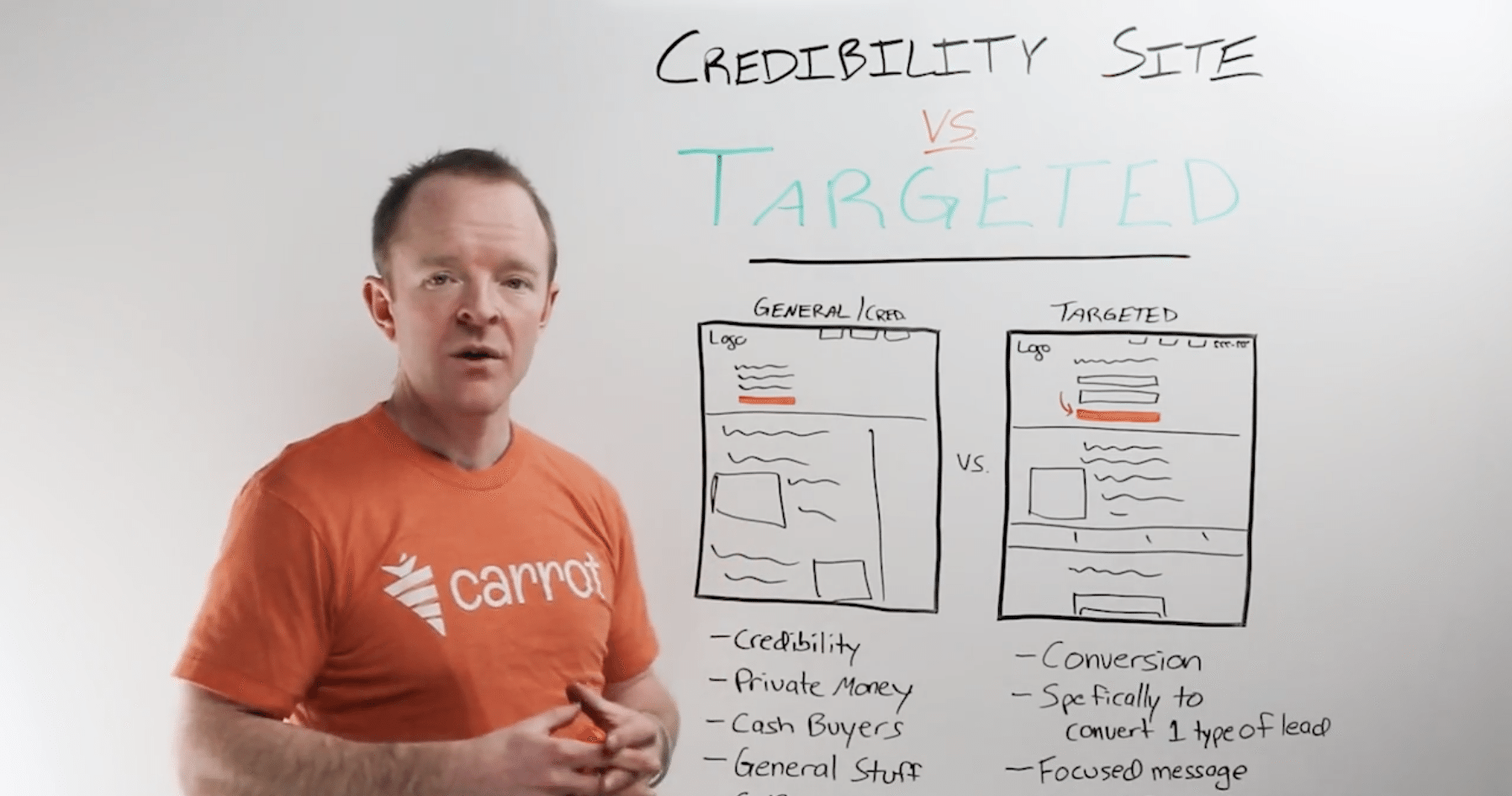
    At Carrot, we have general credibility websites and we have targeted websites. Where the targeted websites are specific to a certain type of lead. It could be a motivated house seller. It could be a cash buyer. It could be a retail buyer. There could be a note seller or buyer. You get the idea. Those are very, very targeted towards a certain type of lead.

    We get a lot of our clients asking us, “Why can’t I focus it all into one general credibility site?”

    Or, “Is a general credibility site going to work well or perform as well as a targeted site specific for, as an example, motivated house sellers?”

    Well, this video and post are going to walk you through the data and what the actual results are and what you should do depending on the type of lead you’re looking for.

    real estate websites- credibility vs targeted sites

    Real Estate Website Design: General Credibility Sites

    So, first of all, we’ve got the general credibility site. A general credibility website is mainly focused on, just that, building general credibility for your company.

    So, it could be trying to get people there to show them who you are. What types of things you’re doing. What types of things you’re doing in real estate. And it could be multiple things.

    Saym, we’ve got this real estate fund and we’re flipping houses, so we buy houses. But we also sell houses and oh, by the way, did you also know that we do rent a home?” So it’s kind of “here’s who we are as a company”, and build that credibility.

    You could be looking for private lenders on that website. You could be building a cash buyer list on there and selling properties. That works really well on a main company credibility website.

    But it’s a lot of general stuff. It’s not really focused in on any one particular message. And it’s a split message.

    Your home page might say, “Hey, we are a real estate investment solutions firm. We buy, sell and rent houses.” But you’re going to be talking about all of that stuff if you’re on the homepage.

    So there’s no one focused message if you’re doing direct marketing toward that.

    If you’re driving a house seller there, they’re then going to get distracted by other messages. They’re going to get distracted by the message about investments. They’re going to get distracted by the message about looking for cash buyers and private lenders.

    If you’re doing direct marketing and paying money to drive people there, you don’t want to distract the message.

    But the general credibility website serves a very specific purpose.

    If you’re networking at your local chamber of commerce or rotary, you’re probably going to hand them the business card that drives them here. This website is then going to drive people toward your other specific target websites if you’re doing multiple things in your business.

    So you might have a link that says, “Sell your house.” And it’s gonna drive to your house seller specific website, ideally. That’s what the data shows works the best.

    real estate credibility website
    General Credibility Website

    Real Estate Website Design: Targeted Credibility Sites

    On the other side, you have the targeted website. So, when we suggest that you focus on using a targeted website, it’s any time you’re actually going to be actively driving people to that website to convert as a lead.

    These websites are set up for conversion.

    The general credibility websites are not particularly set up for conversion. They’re going to be great on mobile and there will be landing pages on there that are set up for conversions.

    But the overall path is not set up to convert at a high, high rate. It’s set up to build credibility for you.

    These targeted websites are set up to convert at a high rate for one particular type of lead.

    You can see the eye directors on our Carrot websites, the big buttons. The very, very focused message. If you land on a motivated house seller website with Carrot, or if you’re building one, it should be very focused on that motivated house seller. Not on cash buyers, and then rent-to-own tenants and private lenders.

    Your entire website should be focusing on how you can help that seller. And that’s what will perform the best for you. It doesn’t distract them away from your messaging.

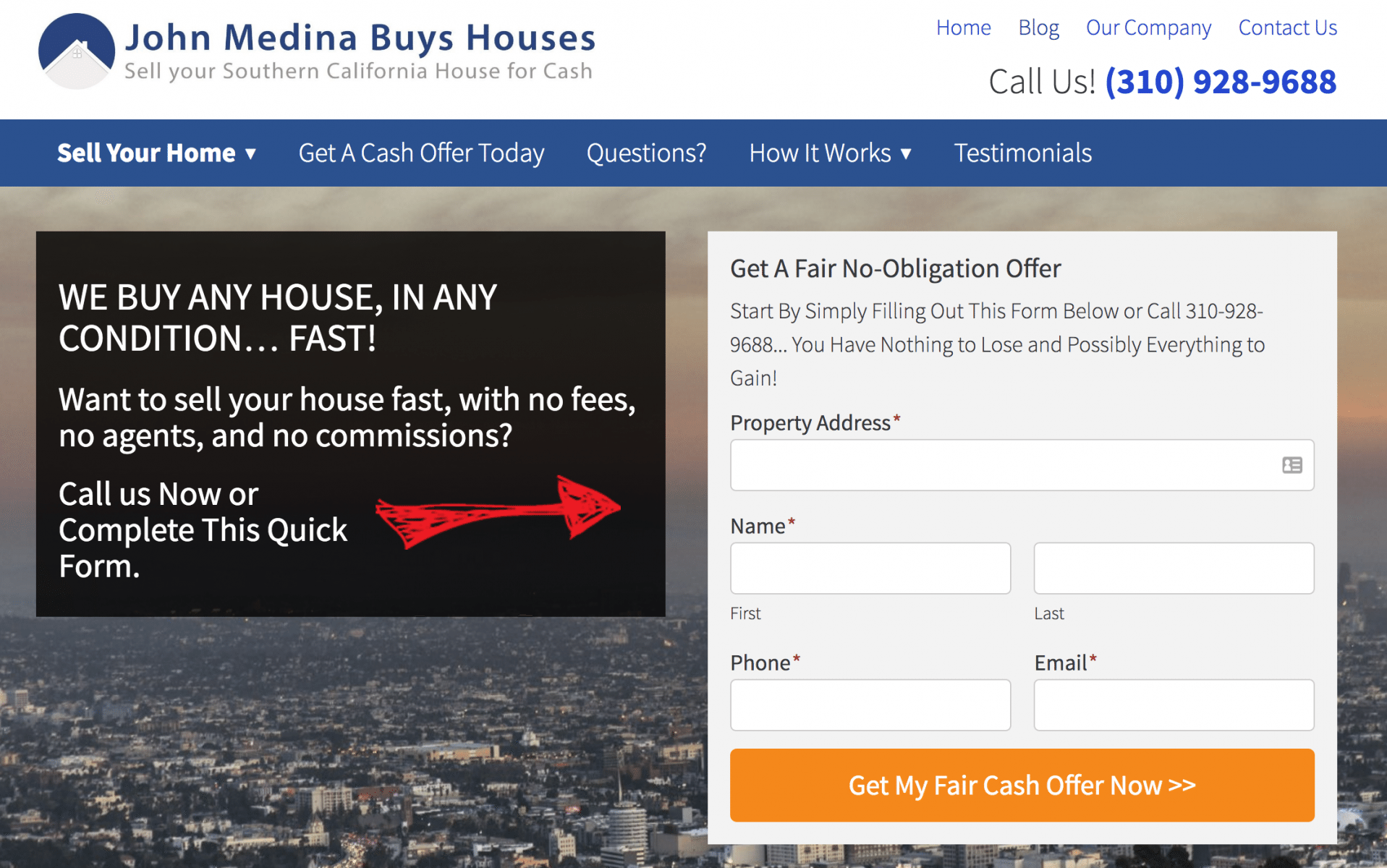
    Motivated Seller Targeted Website

    The website is specifically set up to convert one type of lead ideally.

    So, if a motivated house seller website speaks to the seller, it’s going to convert them.

    If you want to list properties for sale, then you set up another website for that to speak toward that. “Hey, we have discount properties. Join our list or see our properties here.”

    Or, you can fit that into the main company site too. You can kind of pull double duty with the main company and cash buyer if you want to.

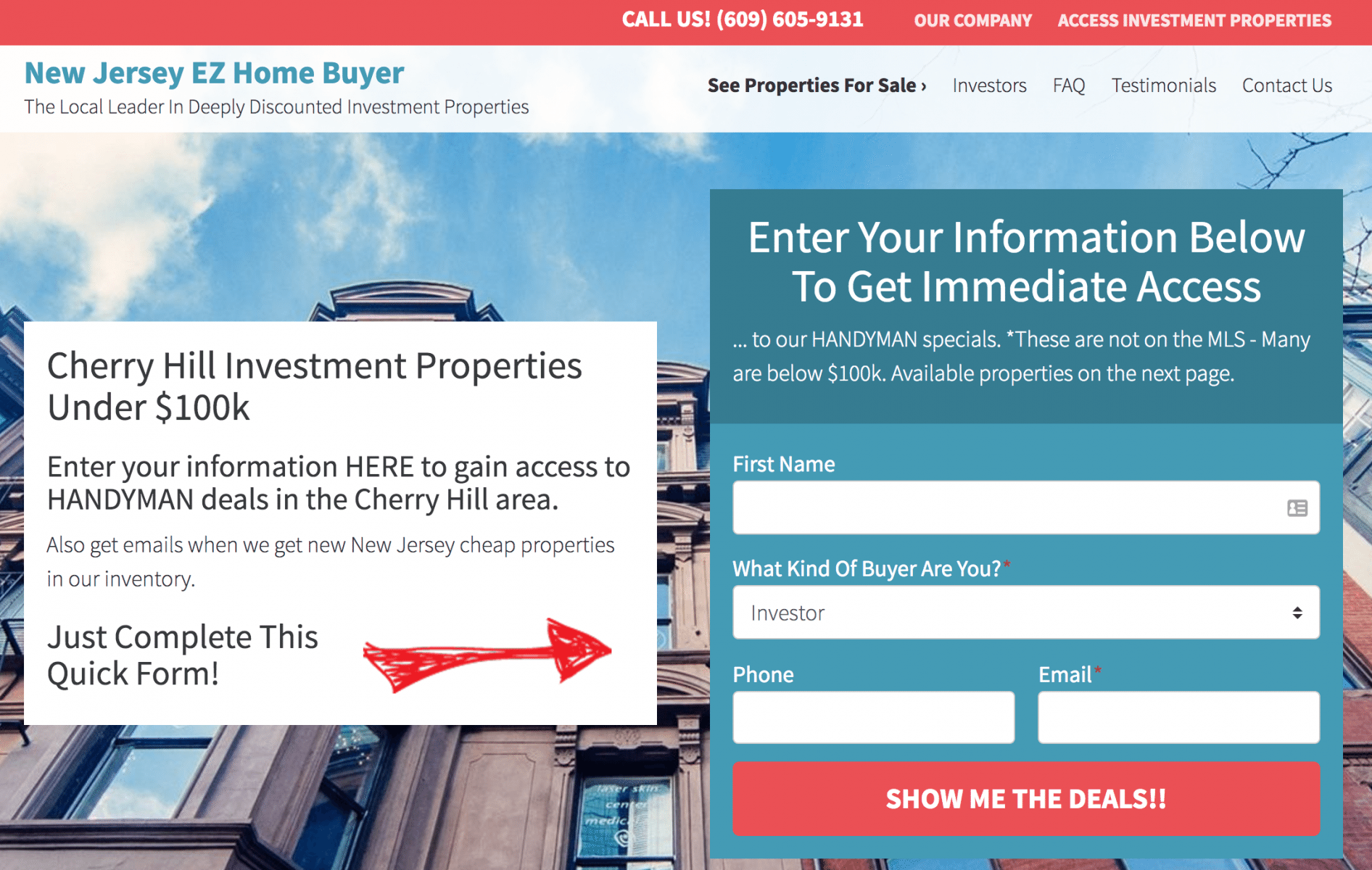
    Buyers Lead Website

    Pay-Per-Click Traffic

    Lastly, your targeted websites are where you’re going to send all of your paid traffic.

    Please do not send paid traffic to the main company website. It’s unfocused. It’s untargeted. It’s building good credibility. But then it has all these rabbit holes that your prospects can dive around and they might go down the wrong rabbit hole and not become a lead of yours.

    So, they’re focused on conversion, specifically set up to focus on one type of lead. A very focused message on one type of prospect and how you can help them.

    They’re sites that are optimal for paid marketing. If you’re driving paid marketing to a main company credibility website, unless you vastly adjusted it, you’re probably wasting some money.

    Ending The Debate Of Credibility Sites Vs. Targeted Sites

    So that’s what we would do. That kind of hopefully ends the debate, credibility site versus a targeted website and what you use in certain circumstances. Ideally, if you’ve got your main credibility website and you’re looking to generate any leads online, you’ve also got at least one targeted website for your actual marketing activities.

    Join us on our other episodes of the Carrot strategy sketch because we have a lot of other topics to dive into and most are under 10 minutes. They’re going to help you get light years ahead of your competition and shave off months, if not years, on your learning curve.

    Also, be sure to check out the CarrotCast, which is our weekly podcast. Subscribe to our YouTube channel so you can see all of our videos before anyone else can. So, check us out and be sure to hit us up with comments and questions.

  • Real Estate Marketing Plan: Simple 90 Day Strategy To Your First Leads Online

    Real Estate Marketing Plan: Simple 90 Day Strategy To Your First Leads Online

    Frustrated by the slow drip of leads? As a real estate investor, you know time is money. Waiting months for a trickle of potential deals can seriously hinder your growth.

    This blog post is key to unlocking leads in just 90 days. We’ll unveil a data-driven real estate marketing plan designed for 2024, helping you attract motivated sellers and generate more deals faster.

    Well, that’s a pretty common problem to have.

    We all had it at one point, and you’ll probably have it if you don’t have it right now. I will walk through this Carrot whiteboard strategy, a suggested path in your first 90 days with your online marketing strategy in the real estate industry.

    Real Estate Marketing Plan: Our Simple 90-Day Lead Generation Strategy For Sellers and Buyers

    If you haven’t set up your website yet, the first thing you’ll do is, of course, get one. If you need a website, check us out at carrot.com. If you’re not a Carrot member, you can also check out biggerpockets.com or Facebook forums to see how our clients perform. That’s great! We’ll roll with whatever you have going on now.

    The first 90 days are the foundation. So, many people have unreal expectations in their first 90 days of any marketing, but primarily online.

    Online marketing takes some time to develop, so if you’re looking at SEO, PPC, or something similar, your first 30 days, especially, are spent getting things going and refining things.

    Even if you’re doing PPC, your campaign won’t be optimized in that first month. So, have realistic expectations about your first 90 days. This is your foundation setup, and you will scale up after that.

    One of the biggest things is you need to have patience in these first 90 days because if we expect the world to change in 90 days, you expect a flood of leads to start coming in, but you’re not putting a flood of marketing out there; then you’re probably not going to get the results that you expect.

    I’m not saying that you can’t get a flood of leads in the first 90 days; you totally can, but you have to put a flood of marketing out there to capture that, and we’ll show you how to do that.

    So, one thing I want to ensure that we all do in our marketing and our businesses is to keep your marketing simple initially. You see many different marketing methods and must explore them all at once.

    But that isn’t the path you need to follow. We’ll often look at companies and go, “Man, that company is exactly where I want to be,” but they didn’t start there. They slowly stacked things onto their business, and over time, as they found out something worked, they made it good; they made a process. They systemized it and said, “Let’s stack something else on there.”

    That’s how a real estate investor goes from doing their first deal to 2,000 deals. It doesn’t happen overnight. It happens by stacking marketing methods and systems, one by one, as they perfect each of them. So have patience and stack your efforts.

    Conquer Online Marketing in 90 Days: Start with a High-Converting Website on Carrot.com

    Forget chasing trends or endless social media strategies. Here’s a fact: Your website is the foundation of your online marketing success.

    That’s why experts recommend launching a high-converting website as the first step in your online marketing journey. But building a website can feel overwhelming. Don’t worry, Carrot is here to help!

    Here’s how Carrot makes creating a powerful website fast and easy:

    1. Choose Your Winning Template:

    Carrot offers a variety of website templates designed specifically for real estate investors, each optimized for mobile responsiveness and high conversion rates. No hosting or coding necessary!

    2. Customize Your Brand:

    Make your website your own with a user-friendly editor. Add your logo, colors, and images to create a professional and cohesive brand experience.

    3. Leverage Built-In Marketing Tools:

    Carrot equips you with powerful tools like lead capture forms, call-to-action buttons, content tools, and SEO optimization to attract and convert leads from day one.

    4. Focus on What Matters Most:

    Carrot websites are designed to prioritize clarity and user experience. This means your visitors can easily find the information they need and take action, maximizing lead generation.

    Stop wasting time on online marketing that doesn’t deliver results. Get started with Carrot today and launch a website that converts visitors into leads and fuels your online success.

    Ready to dominate your online presence? Head over to Carrot.com and get started on building your high-converting website in minutes!

    Personalizing Your Website To Cut Through The Clutter

    Within the first 48 hours, you will want to do some basic stuff. Launch your site, tweak your content, personalize your content a little bit, post your story, and fill out your “about” page so people can connect with you.

    You want visitors to see a real face or person behind the brand, not a nameless, baseless entity. As we’ve discussed in content, in our CarrotCast podcasts, and in our coaching calls for our customers, it’s a cluttered market. Hence, you stand out by telling your stories and connecting personally.

    So, ensure you personalize your content within the first few days of launching your website. You have to reinvent the wheel. If you’re a Carrot customer, take our content and look at one paragraph, read it, see what’s in it, write it in your own words, and then delete ours. So adjust 20, 30, and 40% of that content.

    If you’re creating a website from scratch, write excellent, engaging content and incorporate real credibility and testimonials.

    Add Lead Tracking So You Know What’s Working And What’s Not

    The next thing you must do is put tracking in place as soon as possible. If you’re a Carrot customer, you already have tracking in place, but if you want to get more advanced, and you want to use your own Google Analytics account, or you want to put your Facebook pixel, I would do that the first couple weeks of getting your website. Or, we can do it for you if you’re a Carrot member.

    You’re going to need to start tracking that traffic right away. That way, you can begin to retarget people.

    Hone Your Unique Selling Proposition

    Next, you must ensure your unique selling proposition is nailed within those first few weeks of your online marketing.

    What about you and your company standing out, giving people a reason to work with you?

    Find Leads With Facebook Ads – First 30 Days

    So we launched the website, got our tracking in place, personalized some content, had our “about” page up there, put a picture of you on there, and swapped out pictures. Hence, they’re local to your area, swapped out some content, so it’s unique to you and your area, and built-in that credibility, testimonials, things like that, and then we start some Facebook Ads.

    Start Facebook Ads a week two or three after launching your website.

    Facebook is fast, quick, and free. If you do it correctly, you can have leads and traffic coming in that day. Our blog has some great resources and a Facebook Masterclass.

    90 day marketing plan craigslist marketing

    Start by running a couple of ads targeting a motivated seller audience, then scale it up over four to six weeks to where you have a couple of campaigns with 3-5 ads within each.

    Launch And Build Up Your Pay-Per-Click – First 30-60 Days

    Next, once some Facebook Ads are going, your website is optimized with great content, you’ve personalized it, you’ve built credibility, and you’ve built a great “about” page, then you start to do some Google Ads if you have a budget.

    If you have $500 to $3000 monthly and are in specific markets, you can start some small-scale PPC marketing and ramp it up.

    Sprinkle Credibility Into Your Real Estate Marketing Plan

    In month two, you have some momentum going. You’ve got your website; you can always tweak it later, add more credibility, or add your Better Business Bureau logo later. We always look for progress, not perfection, so get that site out the door in the first two weeks, build some basic credibility there, and then continually refine it from there.

    If you’re unsure what to do on your website to build credibility, contact us or check out our content on credibility building.

    better business bureau cred

    Time To Work In SEO – 30-90 Days

    Shift your focus to SEO and Evergreen Marketing. Pick two to three high-leverage keywords to focus on for your market. We discuss it in some of our resources and start setting that foundation.

    Then, if you have a tool to track your rankings, maybe start putting those keywords in there to see how your rankings are going. We have that built into Carrot, but other tools can track your rankings if you’re not a Carrot user.

    One of the biggest contributors to SEO is content. Ensure you have a good blog post strategy and plenty of real estate blog post ideas to work from!

    Begin To Adjust Your Pay-Per-Clicks

    Now, it’s time to adjust your PPC because you can’t set it up, forget it, and not adjust it. So, in month two, you will adjust and refine your PPC campaign. If you have enough traffic, you will also turn on retargeting.

    You’ve put your Facebook retargeting pixel on, which we teach you how to do in a blog post on our website. Then, in month two or three, we will start turning on retargeting ads on Facebook, and the same thing happens: we teach you how to do those in those other resources, so check them out. Also, keep your Facebook Ads going.

    90 day real estate marketing plan ppc marketing

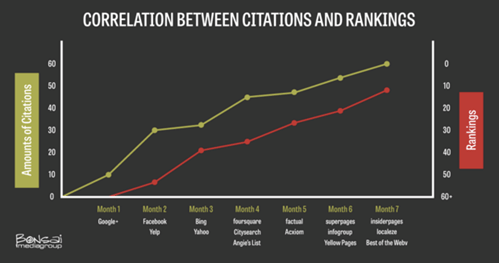
    Finally, to wrap out your foundational first 90 days, you’re going to be tracking and refining your SEO. You’re going to a coach or someone you can go to to ask them for advice on improving your SEO, building some backlinks, and social media signals, and this time, you’re probably going to get some citations.

    So, get your website listed on Yelp, Yellow Pages, and all those citations. We suggest starting between 20 and 40 in the first 90 days. We can do it if you’re a Carrot member; check out our marketplace. If you’re not a member, check out our how-to build citations for real estate blog post.

    After you refine your PPC, and only at this time, start thinking about a CRM. Way too many people started thinking about a CRM for tracking their leads in month one. If you don’t have any leads coming in, you have no leads to manage in a CRM. It’s like having gas without a car to put it into.

    So make sure you’re focusing on getting leads first, and then you get your CRM to manage your leads once you start getting enough lead flow that you can’t manage. If you do it correctly, you scale up.

    Wrapping Up Your Real Estate Marketing Plan: First 90 Days

    Once again, contact us for those resources if you are a Carrot member. It’s just a quick run-through. We have many other resources, coaching, and guidance to help you crush it, just like we do with thousands of customers. If you’re not a Carrot member, keep returning to our CarrotCasts or free resources to help you grow or join the fold. Join the Carrot community.

    We will be learning new, amazing things every week with great experts, great marketers, and our Carrot team to teach you how we do what we do and how you can make a bigger difference!

    Free Download: Real Estate Marketing Plan: 90-Day Action Plan

    Get a step-by-step breakdown of leveraging Carrot’s online inbound real estate marketing plan to attract sellers, buyers, and tenants.  

  • How To Build Local Real Estate Citations For Agents & Investors

    How To Build Local Real Estate Citations For Agents & Investors

    Local real estate citations are an important local SEO ranking factor and an integral piece for your real estate marketing framework.

    Along with other factors such as backlinks, local citations are one of the leading ranking factors for search engines to decide on the relevance of your website for local search results.

    Basically, a real estate business that is consistently mentioned on other trusted and relevant websites achieve higher rankings in search results than a business that is never mentioned.

    Obviously, ranking high for search results means that more potential leads will find your real estate website, which will have a positive impact on both on and offline traffic, branding, and conversions.

    Use the following local real estate citations tips and add them to your Local SEO Tips for Your Real Estate Marketing playbook.

    Doing this ONE SIMPLE THING may help push you over the edge and could very well be one of the most effective SEO things you do this spring.

    Get an advantage with your Carrot site and learn how to drive quality traffic to your site.

    What Are Local Real Estate Citations?

    First, don’t confuse citations with links.

    Remember, citations are just mentions of your name, address, and phone number. Google will increase your business’s relevance and strength within your specific city or region.

    Yes, some of your business listings within the citation sites include a link to your website, but very few contribute to any Page Rank or “link juice”. Basically, you are claiming your digital footprint with Citations.

    Moz explains local citations as:

    Citations are defined as mentions of your business name and address on other webpages—even if there is no link to your website. An example of a citation might be an online yellow pages directory where your business is listed, but not linked to. Citations can also be found on local chamber of commerce pages, or on a local business association page that includes your business information, even if they are not linking at all to your website.

    Citations are a key component of the ranking algorithms in Google and Bing. Other factors being equal, businesses with a greater number of citations will probably rank higher than businesses with fewer citations.

    Citations from well-established and well-indexed portals (i.e., Superpages.com) help increase the degree of certainty the search engines have about your business’s contact information and categorization. To paraphrase former Arizona Cardinals’ coach Dennis Green, citations help search engines confirm that businesses “are who we thought they were!”

    Google is always looking for websites that are real. Citations are one way to show Google that you’re a legit and real company.

    Why Are Local Real Estate Citations So Important For SEO?

    So, why are building citations for local SEO so important?

    One reason is the vastly growing mobile search factor. According to a study done by Search Engine Land, 78% of local searches on mobile and 61% of local searches on laptops resulted in offline transactions.

    Mobile devices (not counting tablets) account for over 56% of our member leads. There will continue to be a steady rise in consumer and company adoption of mobile devices.

    It’s not a question anymore if mobile is important for real estate. It’s here and you MUST pay attention to it.

    56% of member leads came from mobile devices in 2019

    Another reason: Citations Correlate with Search Rankings

    Local citations improve your search rankings through ongoing creation of relevant and consistent NAP information (name, address, phone number) across hundreds of websites, also known as citation sources.

    The more consistent, relevant and localized your citations are, the more likely your business will be at ranking for people searching for your services and products in your area. Citations are basically another source of credibility that both Google & Bing consider when your business NAP is consistent across the web.

    relationship between local citations and rankings

    Image Source: BonsaiMedia

    What Is NAP And Why It Is Important

    The number one most important thing: Make sure your NAP is 100% correct every time.

    DON’T GET IT WRONG

    Overall, the biggest contributor is the citation. There is link value within your listings that help strengthen the association of your website with your NAP information.

    So, what is NAP?

    NAP - for real estate

    NAP stands for Name, Address, and Phone Number. It is a crucial piece for any business who is striving to rank well in the local organic search results.

    Search engines like Google take your information into account when determining which companies to show for local, geo-targeted, searches.

    Again, it’s extremely important that you make sure your NAP is 100% correct. That takes into account, both your NAP on your website as well as any other sites that you have your information on throughout the internet.

    It’s a consensus that local SEO experts believe Google, Bing, and all of the other search engines link your NAP information across websites that contain this information as a validation that you are a real and legit business.

    The more localized citations you can build up with consistent NAP information, the better your chances are of ranking higher.

    You should enter your NAP information into a directory with a strong reputation. This is especially true with real estate specific directories and/or your local directories.

    What Happens If Your NAP Isn’t Consistent?

    Infographic Source: Digital Information World


    Before You Dive Into Building Your Local Real Estate Citations

    Prepare yourself by using this little cheat sheet of the most commonly asked for pieces of information.

    • Your Name
    • Company Name – The company’s exact name
    • Email Address – Your email that will be connected to your business
    • Address – The company’s exact address
    • City – The company’s exact city name
    • State- The state the company resides
    • Zip – The zip code of the company
    • Phone Number – The local phone number of the exact business location
    • Company Website Landing Page – The landing page for the business

    Set up a dedicated email address

    Don’t use your main email address or your personal one.
    These business directory websites usually make money by trying to sell advertising services.
    So you may start to get a lot of “junk” email and some solicitation phone calls. The calls will tail off within a month or two, but the emails can really fill up an inbox.
    Use the email address to confirm submissions, then let it capture the sales emails so it doesn’t clog your normal inbox.

    Top Real Estate Citation Sites

    Here are some of the top real estate citation sources. Please note that some of these services require a paid membership.

    Yellowpages.com
    BBB.org
    Yelp
    YouTube
    SuperPages
    City-Data
    Citysearch
    Yellowbook.com
    Yahoo Local
    Angie’s List
    Facebook
    MerchantCircle
    Dex Knows
    HomeAdvisor (formally ServiceMagic)
    Manta
    Bing Places
    FourSquare
    LinkedIn
    Hotfrog
    InsiderPages
    Your Local Chamber of Commerce

    Local Citation Sites For Real Estate Agents

    Zillow.com
    Commercialsearch.realtor.com
    Trulia.com
    Loopnet.com
    Luxuryrealestate.com
    Connect.homes.com
    Rentals.com
    Reals.com

    How Long Does It Take To See Results?

    If you decide to take on citations yourself, it takes about 3-6 hours for the building process.

    To get started, go to each citation website and submit your listing.

    It varies on how long it’ll take per submission, but plan on 10-15 minutes each. You’ll be required to confirm each submission in the dedicated email account you setup.

    Some listing go live fast, others may take weeks, others months. But the majority of them should be live within 2-5 weeks.

    In general, SEO Rankings take:

    Zero Competition Market: 2-3 Months (if there’s zero competition there’s usually not much opportunity)

    Small Competition Market: 6-9 Months

    Medium Competition Market: 1 Year

    High Competition Market: 2+ years

    Typically if you’ve done them right and you’ve completed 40+ on quality sites… you can see a ranking improvement within 2-3 months. That is assuming all other elements on your site are optimized for real estate SEO.

    Make Your Own Website Your Best Citation

    Make it really easy for Google to identify your website with your citation profile. Most likely the best citation you can start with is your own contact page.

    Be sure to have your company name, address, and phone number on there.

    Bonus Tip: Add the embed of your Google Places map to help Google further tie your website to that company name and location.

    Grab the Google Map “Embed Map” code and paste in into the HTML section of your website. And, this will take about 60 seconds to do it!

    Real Estate Citations Frequently Asked Questions

    Question #1: How fast will SEO be impacted?

    Two to three months is about the time SEO could start showing an impact. Although it might not be dramatic at first. As stated above, there is a chance that highly competitive markets will take longer. Many, many months, if not years.


    Question #2: Should I trickle citations out slowly or do them all at once?

    Nope – you can do them all at once if you want. There is no evidence that speed of citation claiming will harm your SEO. It is not like backlink building where you can do it wrong.


    Question #3: What if I use a tracking phone number for online marketing?

    Overall… be sure to use the same phone number for citations that is soon your Contact Page of your website.

    You can still have a tracking number in your calls to action and at the top of the site, but it’s suggested that your main company phone number is on the Contact page – therefore matching citations.


    Question #4: Should I use a keyword as my business name?

    Ideally… NO.

    You’ll see some people ranking well with their Yelp or Facebook pages because they used a keyword as their company name.

    Unless that is your company name or domain name, don’t do that.

    Go with your actual company name or “Doing Business As” (DBA) name.


    Question #5: What if I haven’t filed a business name yet?

     If you’re serious about this business…

    …you need to make that mental commitment of making it real and filing your business with your state.

    If you can’t commit to that, it will be difficult to commit to the hard work it will take to succeed as a real estate entrepreneur.

    So go out there and file your company name and get that done!

    Verifying Your Citations For Real Estate And NAP

    Not sure if you correctly submitted your citations? There are online tools that can help you find your listing all of your NAP citations.

    Companies such as Whitespark feature easy to use citation finder tools.

    Usually, you’ll need to enter some location data into the citation finder tool and you will get back a list of citations pertaining to the entered business and location.

    Once you get the data back check the consistency of your NAP.

    If there are citation websites that don’t have your correct business name, address and/or phone number then you should start reaching out to these sites or getting site access to update your citation.

    Your goal is consistency.

    Spelling mistakes or minor inconsistencies in your business name can have an impact on your local search rankings.

    If your location is listed as Blvd on one website and as Road on another website, correcting this can have a huge impact.

    Local Real Estate Citations Building Can Be a Pain, So Here’s How We Make It Easy…

    In simple words, citations are important for your website’s rankings, especially in local SEO. If you want to boost your website’s rankings, focus on citations and don’t worry about the backlinks.

    You will have plenty of other places to get backlinks from. Focus on citations from reputable websites with good page rank and domain authority.

    Citation building is one of the simplest SEO practices for real estate agents ad investors.

    How to do it if you don’t want to do the work: Checkout the Carrot marketplace. We have a real estate citations service that can do it for you.

    If you’re a Carrot member (very soon we’ll be offering non-member 3LPD services), we have a whole section on citation building in our 3 Lead Per Day Training (you can buy it here) so we thought we’d share it with you as a great SEO resource to jumpstart your year. You can access the entire 3 Lead Per Day Training and all 50+ detailed videos and checklists for only $99.

  • EP 28: Content Marketing Ideas For Real Estate w/ Content Master Aaron Orendorff

    EP 28: Content Marketing Ideas For Real Estate w/ Content Master Aaron Orendorff

    Content Marketing For Real Estate Content Master Aaron Orendorff

    Listen to the Podcast and Subscribe Below!

    Content is not a single player sport. If you’re doing it alone… You’re doing it wrong.Aaron Orendorff

    On this CarrotCast, Aaron Orendorff of iconiContent, doses out actionable advice and tools for investors and agents looking to improve their real estate content marketing campaigns in the year ahead.

    How do you achieve quick business growth? One of the main ways is giving your audience high-value content.

    But, how do you use content marketing correctly? How do you do it to where it actually builds value into your business to bring you the clients you need?

    As a real estate investor, how do you create content that cuts through the clutter in your market, so you stand out as the expert?

    At Carrot, we write and craft the content that builds credibility and achieves higher rankings in Google. We create evergreen content that will rank well for months or even years.

    How would you love to create content today or this week or this month that brings you the leads for months or years to come?

    On this episode of the CarrotCast, we’re joined by one of the top SEO, conversion, and content marketers in the U.S., if not the world.

    Aaron Orendorff is going to make your life easier by giving you some content marketing ideas for real estate that you can use in your business to create content that breaks you free from the market and places you steps ahead of your competition.


    Listen to the Podcast

    [podcast-subscribe]


    Listen to this CarrotCast with world-renowned content marketer Aaron Orendorff…

    4:30 – Aaron’s unconventional journey into content marketing.
    7:30 – Why content marketing is so powerful and the importance of getting outside the “bubble” when creating your real estate content strategy.
    10:20 – Trevor’s content background, path, and strategy.
    12:25 – Aaron’s 3 part process for managing content.
    15:05 – How to generate content marketing ideas for real estate.
    17:00 – What online resources Aaron, and you can too, uses to write real estate content.
    19:25 – Using Buzzsumo to come up with really strong real estate content ideas.
    22:15 – Online tools that Carrot uses for topic and keyword research.
    23:45 – Where to find quality writers so you can delegate your workload.
    26:00 – Aaron’s 4 step process for laying out the structure for a piece of content.
    31:25 – Why you need to come up with your own content marketing pillars; such as, video content or skyscraper posts.
    34:00 – How to repurpose your content and why it’s such a valuable option.
    41:10 – Carrot’s simple repurposing structure.
    44:25 – Why it’s important to choose one type of content to produce when you’re first starting out with your real estate content.
    46:45 – Aaron dishes out some advice for processes and systems for beginning content creators.


    Aaron Orendorff is the Head of Marketing at Recart — an SMS platform helping ecommerce businesses grow through text-message marketing. Previously the Editor in Chief of Shopify Plus, his content has appeared on Forbes, Mashable, Entrepreneur, Business Insider, The New York Times, and more.

  • From Clicks to Closings: Mastering SEO Keywords for Real Estate Investors

    From Clicks to Closings: Mastering SEO Keywords for Real Estate Investors

    Every month, our Carrot members generate tens of thousands of leads. Digging into our data, we find one really cool stat: well over a million of all those leads come from one source: search engine optimization.

    SEO For Real Estate Investors | How to Boost Ranking with Local SEO

    Are you a real estate investor who feels like you’re hitting a wall with your online visibility? Despite your best efforts, do your search engine rankings not reflect the quality of your investments?

    You’re not alone.

    Many real estate investors face the challenge of optimizing their online presence effectively to attract potential buyers, sellers, and partners.

    Importance of SEO

    In today’s digital age, where nearly 90% of homebuyers start their search online, mastering Search Engine Optimization (SEO) is not just advantageous—it’s imperative. SEO empowers real estate investors to enhance their online visibility, attract targeted traffic, and ultimately, convert more leads into profitable transactions. By strategically optimizing your website and content for search engines, you can ensure that your investment opportunities reach the right audience at the right time.

    In this blog post, we’ll delve into the critical topic of SEO keywords for real estate investors. We’ll explore common pitfalls that may be sabotaging your search rankings and provide actionable strategies to help you choose the most effective keywords for your niche. Here’s what you can expect to learn:

    1. Understanding SEO and Its Impact on Real Estate Investment: We’ll start by defining SEO and explaining why it’s particularly crucial for real estate investors looking to stand out in a competitive market.
    2. Common SEO Mistakes Real Estate Investors Make: Discover the common pitfalls that could be hindering your SEO efforts, such as keyword stuffing and neglecting local SEO.
    3. Choosing the Right Keywords for Real Estate: Learn how to conduct effective keyword research using powerful tools and techniques to identify the best keywords for your investment properties.
    4. Optimizing Content with Keywords: Explore best practices for integrating keywords naturally into your content to improve search engine rankings and user engagement.
    5. Monitoring and Adjusting Your Keyword Strategy: Understand the importance of ongoing SEO monitoring and how to adapt your keyword strategy based on performance data and market trends.

    By the end of this post, you’ll have the knowledge and tools to elevate your SEO strategy and ensure that your real estate investments get the online visibility they deserve. Let’s dive in and transform your search engine rankings for the better.

    Understanding SEO and Its Impact on Real Estate Investment

    In today’s digital age, SEO is vital for real estate investors seeking to establish a robust online presence. Let’s explore what SEO involves, its critical role in the competitive real estate market, and the primary goals it helps achieve.

    Definition of SEO

    SEO refers to the practice of optimizing your website and online content to improve its visibility in search engine results pages (SERPs). This optimization involves various strategies and tactics aimed at enhancing organic (non-paid) traffic to your site. By aligning your content with the algorithms that search engines use to rank websites, SEO helps ensure that your real estate investments are discoverable by potential buyers, sellers, and partners searching online.

    Relevance to Real Estate

    In the fiercely competitive real estate market, where buyers and sellers increasingly rely on the internet to research properties and find agents, SEO is more crucial than ever. Effective SEO strategies can differentiate your real estate listings from competitors’, elevate your brand’s visibility, and attract a steady stream of qualified leads. Whether you’re promoting residential properties, commercial spaces, or investment opportunities, a strong SEO presence can significantly enhance your chances of connecting with the right audience at the right time.

    SEO Goals

    The primary objectives of SEO for real estate investors encompass several key outcomes:

    • Visibility: Enhancing your website’s visibility in search results ensures that potential clients and investors can find your listings and services easily when conducting relevant searches.
    • Lead Generation: By attracting organic traffic through optimized content, SEO helps generate qualified leads interested in buying, selling, or investing in real estate. This targeted traffic increases the likelihood of conversions and transactions.
    • Brand Authority: Consistent SEO efforts not only improve your search rankings but also establish your brand as a trusted authority in the real estate market. Higher rankings convey credibility and reliability to potential clients, fostering trust and loyalty over time.

    In essence, mastering SEO empowers real estate investors to capitalize on market opportunities and achieve sustainable growth in an increasingly competitive industry. As we delve deeper into this topic, we’ll uncover actionable strategies to optimize your SEO efforts and maximize your investment potential online.

    Common SEO Mistakes Real Estate Investors Make

    Effective SEO for real estate investors requires more than just keywords—it demands strategic planning and adherence to best practices. Here are some common pitfalls to avoid:

    1. Keyword Stuffing

    Definition: Keyword stuffing refers to the practice of excessively using keywords, often unnaturally, within content in an attempt to manipulate search engine rankings.

    Why it Harms Rankings: Search engines like Google prioritize user experience and penalize websites that engage in keyword stuffing. Overusing keywords can make your content appear spammy and detract from its readability and value. This can result in lower rankings or even being flagged as spam, ultimately diminishing your site’s credibility and authority.

    2. Irrelevant Keywords

    Issue: Targeting irrelevant or overly broad keywords that do not align with your real estate niche or target audience.

    Impact: While broad keywords may attract high traffic volumes, they often attract visitors who are not interested in real estate investment specifically. This can lead to high bounce rates and low engagement metrics, signaling to search engines that your content may not be relevant to users’ queries. Focusing on niche-specific keywords ensures that you attract qualified traffic more likely to convert into leads or clients.

    3. Ignoring Local SEO

    Importance: Local SEO is crucial for real estate investors because property transactions are inherently local. Optimizing for local search terms (e.g., “real estate investments in “) helps you connect with potential buyers or sellers in your target geographic area.

    Common Oversights: Neglecting to optimize Google My Business profiles, not including location-specific keywords in content, or failing to obtain local backlinks are common mistakes. These oversights can hinder your visibility in local search results, impacting your ability to attract local clients and investors.

    4. Poor Content Quality

    Issue: Publishing low-quality or thin content that lacks substance or fails to provide value to readers.

    Impact: Search engines prioritize high-quality content that meets users’ needs and expectations. Thin content, stuffed with keywords lacking in depth or relevance, is unlikely to rank well. Investing in comprehensive, informative content that addresses common questions, provides valuable insights, or showcases your expertise can significantly boost your SEO efforts and user engagement.

    5. Neglecting Mobile Optimization

    Impact: With a growing number of users accessing the internet via mobile devices, mobile optimization is no longer optional—it’s essential for SEO success.

    Why it Matters: Websites that are not mobile-friendly experience higher bounce rates and lower engagement metrics from mobile users. This negatively impacts your site’s overall performance in search rankings, as search engines prioritize sites that offer a seamless mobile experience. Implementing responsive design, optimizing page speed, and ensuring mobile-friendly navigation are critical steps to improve your site’s mobile usability and SEO performance.

    By understanding and avoiding these common SEO mistakes, real estate investors can enhance their online visibility, attract targeted traffic, and ultimately achieve greater success in their digital marketing endeavors.

    Choosing the Right Keywords for Real Estate

    Selecting the right keywords is fundamental to successful SEO for real estate investors. Here’s a comprehensive guide on how to choose and utilize keywords effectively to enhance your online presence:

    1. Keyword Research Tools

    Keyword research forms the foundation of any successful SEO strategy. Tools like Google Keyword Planner, Ahrefs, and SEMrush provide invaluable insights into search volume, competition level, and related keywords. These tools allow real estate investors to identify high-potential keywords that align with their investment offerings and target audience. By leveraging data-driven insights, you can optimize your content to attract qualified traffic interested in real estate opportunities.

    Download our Free SEO Keywords for Real Estate Investors.

    2. Long-Tail Keywords

    Importance: Long-tail keywords consist of longer, more specific phrases that often have lower search volumes but higher conversion rates. For example, instead of targeting “real estate investment,” consider phrases like “affordable real estate investments in [Your City]” or “best commercial properties for sale in [Your Area].” These keywords cater to potential investors who are closer to making a decision, enhancing your chances of conversion.

    Benefits: Using long-tail keywords helps you compete more effectively in search engine results, as they are less competitive than broad keywords. They also attract highly targeted traffic that is more likely to convert, thereby maximizing the return on your SEO efforts.

    3. Local Keywords

    Focus: Real estate transactions are inherently local. Incorporating location-specific keywords (e.g., “luxury homes in [Your City],” “investment properties in [Your Neighborhood]”) is essential for attracting local buyers, sellers, and investors.

    Targeted Traffic: Local keywords help you reach a geographically targeted audience interested in real estate opportunities in specific locations. This enhances your relevance in local search results and improves your chances of connecting with qualified leads who are actively seeking properties in your area.

    4. Competitor Analysis

    Strategy: Analyzing competitors’ keyword strategies provides valuable insights into what works in your niche and identifies opportunities for improvement.

    Tools and Methods: Use tools like SEMrush or Ahrefs to analyze competitors’ top-performing keywords, organic search traffic, and backlink profiles. Pay attention to the keywords they are ranking for and their content strategies. Identify gaps where you can differentiate yourself or opportunities to capitalize on similar keywords with better content or targeting.

    5. User Intent

    Understanding: User intent refers to the reason behind a user’s search query. To effectively optimize for user intent, consider the intent behind keywords you target. Are users looking for property listings, investment advice, market trends, or real estate services?

    Incorporation: Tailor your keyword selection and content strategy to align with user intent. For instance, if users are searching for “real estate investment tips,” create content that provides valuable insights and practical advice on investment strategies. By meeting user intent, you increase the likelihood of satisfying user queries and improving engagement metrics, which are crucial for SEO success.

    By integrating these strategies into your keyword research process, you can enhance your SEO efforts, increase your online visibility, and attract targeted traffic interested in real estate investments. Remember, optimizing for the right keywords is not a one-time task but an ongoing effort to stay relevant and competitive.

    Optimizing Content with Keywords

    Optimizing your content with strategic use of keywords is crucial for improving search engine rankings and attracting relevant traffic. Here’s how real estate investors can effectively integrate keywords into their content:

    Content Creation Tips

    Creating valuable content that resonates with your target audience is the cornerstone of successful SEO. Consider the following tips:

    • Address Audience Needs: Understand what information potential investors are seeking. Tailor your content to provide insights, market trends, investment strategies, or property listings that align with their interests.
    • Quality Over Quantity: Focus on creating high-quality, informative content that adds value. Avoid thin content that lacks substance or fails to address user queries comprehensively.
    • Engage with Visuals: Incorporate engaging visuals such as property photos, infographics, or videos to enhance user experience and encourage longer on-page dwell times.

    Keyword Placement Best Practices

    Effective keyword placement helps search engines understand the relevance of your content to user queries. Here are some best practices:

    • Titles and Headers: Include primary keywords naturally in your page titles (H1 tags) and headers (H2, H3 tags) to indicate the main topic of your content.
    • Meta Descriptions: Write compelling meta descriptions that include relevant keywords. Meta descriptions serve as summaries in search engine results, influencing click-through rates.
    • Body Text: Integrate keywords naturally throughout your content, ensuring they flow smoothly and enhance readability. Avoid overusing keywords, as this can negatively impact user experience and SEO.

    Internal Linking Strategies

    Internal linking is a powerful SEO technique that helps distribute link equity across your website and guide users through relevant content. Consider these strategies:

    • Anchor Text: Use descriptive anchor text that includes relevant keywords when linking to other pages within your site. This helps search engines understand the context of the linked page.
    • Hierarchy: Establish a hierarchical structure with your internal links to prioritize important pages and guide users through a logical navigation path.
    • Relevance: Link to related content that provides additional value or context to the topic at hand. This not only enhances user experience but also encourages deeper engagement with your site.

    Importance of Regular Updates

    Regularly updating your content is vital for maintaining relevance and improving search engine rankings. Here’s why:

    • Freshness: Search engines prioritize fresh and up-to-date content. Regular updates signal to search engines that your site is active and relevant, potentially boosting your rankings.
    • Accuracy: Update outdated information, property listings, or market trends to ensure accuracy and reliability for your audience.
    • SEO Impact: Updating content gives you an opportunity to incorporate new keywords, optimize for current search trends, and improve overall SEO performance over time.

    By implementing these strategies, real estate investors can optimize their content effectively with targeted keywords, enhance user experience, and strengthen their SEO efforts. Remember, ongoing monitoring and refinement of your keyword strategy and content are essential to stay competitive.

    Monitoring and Adjusting Your Keyword Strategy

    Effectively monitoring and adjusting your keyword strategy is essential for maintaining and improving your SEO performance as a real estate investor. Here’s how you can stay ahead:

    SEO Analytics Tools

    Utilizing reliable SEO analytics tools is critical for tracking the performance of your keyword strategy. Here are key tools to consider:

    • Google Analytics: Provides detailed insights into website traffic, user behavior, and conversion metrics. Monitor organic search traffic, bounce rates, and keyword performance to gauge the effectiveness of your SEO efforts.
    • Google Search Console: Offers valuable data on how your site appears in Google search results. Monitor keyword rankings, click-through rates (CTRs), and identify opportunities to improve your search presence.
    • Carrot’s SEO Tools, SEMrush, or Ahrefs: These tools offer comprehensive keyword analysis, backlink profiles, and competitor insights. Monitor keyword rankings, analyze traffic trends, and identify new keyword opportunities for optimization.

    Regular Audits

    Conducting regular SEO audits helps identify and rectify issues that may impact your search engine rankings. Key aspects to focus on include:

    • Technical SEO: Audit for issues such as broken links, site speed, mobile-friendliness, and crawl errors that can affect user experience and search engine indexing.
    • Content Quality: Assess the quality and relevance of your content. Update outdated information, improve readability, and ensure it aligns with current SEO best practices.
    • Keyword Performance: Review keyword rankings, CTRs, and traffic trends. Identify underperforming keywords and opportunities to optimize existing content or target new keywords.

    Staying Updated

    SEO evolves constantly, with search engines updating algorithms and trends shifting in user behavior. Stay informed by:

    • Following Industry Experts: Keep up with leading SEO blogs, webinars, and industry publications to stay informed about the latest trends and algorithm updates.
    • Google Updates: Monitor announcements from Google regarding algorithm changes and updates that may impact your SEO strategy.
    • Continuous Learning: Invest time in ongoing learning and skills development to adapt to new SEO techniques and best practices.

    Adapting Strategies

    Based on performance data and insights gathered from audits and analytics tools, adapt your keyword strategy by:

    • Optimizing Underperforming Keywords: Revise content or metadata for keywords that are not ranking well. Experiment with variations or long-tail keywords to improve visibility.
    • Expanding Keyword Portfolio: Identify new keyword opportunities through competitor analysis or keyword research tools. Develop content targeting emerging trends or specific niche topics.
    • Refining Content Strategy: Adjust your content strategy based on audience feedback and performance metrics. Focus on creating content that resonates with your target audience and addresses their needs effectively.

    Real estate investors can continuously monitor, audit, and adapt your keyword strategy to maintain a competitive edge in search engine rankings, attract qualified traffic, and achieve sustainable growth in the digital marketplace. Remember, SEO is a dynamic process that requires ongoing attention and refinement to maximize results and ROI.

    Conclusion

    In navigating the complex world of SEO for real estate investors, mastering the art of keyword selection and optimization is paramount. Let’s recap the key insights we’ve explored in this blog post:

    • Understanding SEO: We began by defining SEO and highlighting its critical role in enhancing online visibility and attracting targeted traffic for real estate investments.
    • Common SEO Mistakes: We discussed pitfalls such as keyword stuffing, targeting irrelevant keywords, neglecting local SEO, poor content quality, and ignoring mobile optimization—factors that can hinder your SEO success.
    • Choosing the Right Keywords: We explored strategies for effective keyword research, including using tools like Google Keyword Planner, Ahrefs, and SEMrush, emphasizing the importance of long-tail and local keywords, competitor analysis, and understanding user intent.
    • Optimizing Content: We provided tips on creating valuable content that integrates keywords naturally, best practices for keyword placement, leveraging internal linking, and the importance of regular content updates.
    • Monitoring and Adjusting Strategy: Finally, we discussed the importance of using SEO analytics tools, conducting regular audits, staying updated with SEO trends, and adapting your keyword strategy based on performance data.

    Actionable Tips

    Here are some actionable tips you can implement immediately to enhance your SEO strategy as a real estate investor:

    1. Conduct a Comprehensive SEO Audit: Use tools like Google Search Console and SEMrush/Ahrefs to identify technical issues, keyword performance, and content opportunities.
    2. Optimize for Local SEO: Include location-specific keywords in your content, meta descriptions, and Google My Business profile to attract local clients and investors.
    3. Create High-Quality Content: Focus on producing informative, engaging content that addresses common questions and provides valuable insights into real estate investment opportunities.
    4. Monitor Keyword Performance: Regularly monitor keyword rankings and adjust your content strategy based on performance metrics to improve visibility and engagement.

    Call to Action

    Ready to elevate your real estate investments through effective SEO strategies? Whether you’re looking to optimize your website, refine your keyword strategy, or enhance your online presence, professional SEO services can make a significant difference.

    Join our Carrot Community for more guidance and further resources on maximizing your SEO efforts, and post your own questions.

    Remember, mastering SEO requires dedication, continuous learning, and adaptation to stay ahead in the real estate market. Start implementing these strategies today to position yourself for long-term success. Happy optimizing!