Search results for: “conversion”

  • Strategies to Rank Your Google Business Profile for Real Estate Investors | PRO TIPS & Optimizations

    Strategies to Rank Your Google Business Profile for Real Estate Investors | PRO TIPS & Optimizations

    Google Business Profile PRO TIPS & Optimization for Real Estate Investors 2023

    Want to rank higher on Google EASILY and attract more motivated house seller leads? Today, we delve into the secrets of optimizing your Google Business Profile for real estate investors (FKA Google My Business!)

    In this video post, we’re diving into the treasure trove of knowledge shared during an exclusive, previously live-recorded session at Carrot Summit. Join Keith Sant of SEO Meets REI and Brady Winder of Carrot.com as they unveil the secrets to optimizing your Google My Business profile.

    Google Business Profile for Real Estate Investors

    Unlocking the Power of Google My Business (0:00)

    Picture this: You could swiftly ascend the Google rankings and easily attract motivated house sellers. Keith’s insightful session began with the crucial significance of optimizing your Google Business Profile. This optimization, Keith emphasized, is a direct route to achieving top rankings.

    Use Tracking Links (0:30)

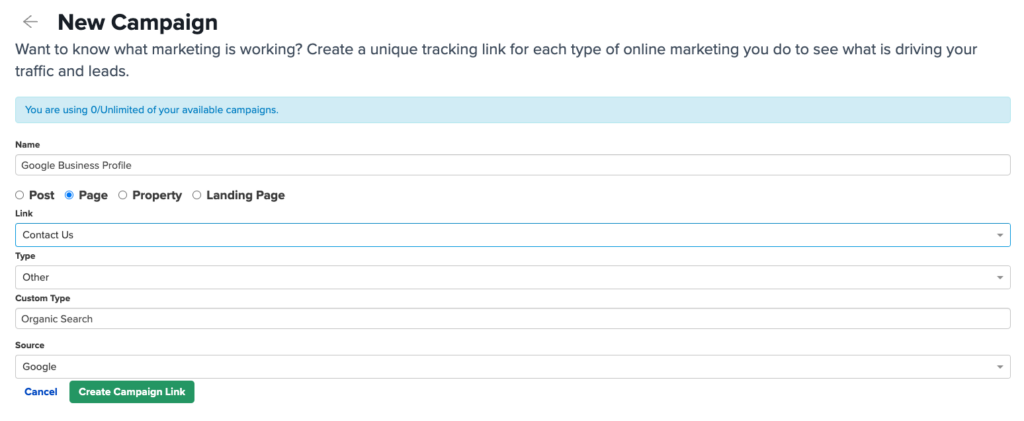
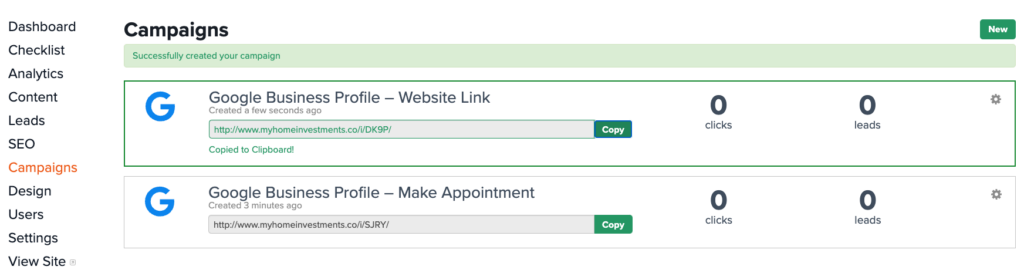
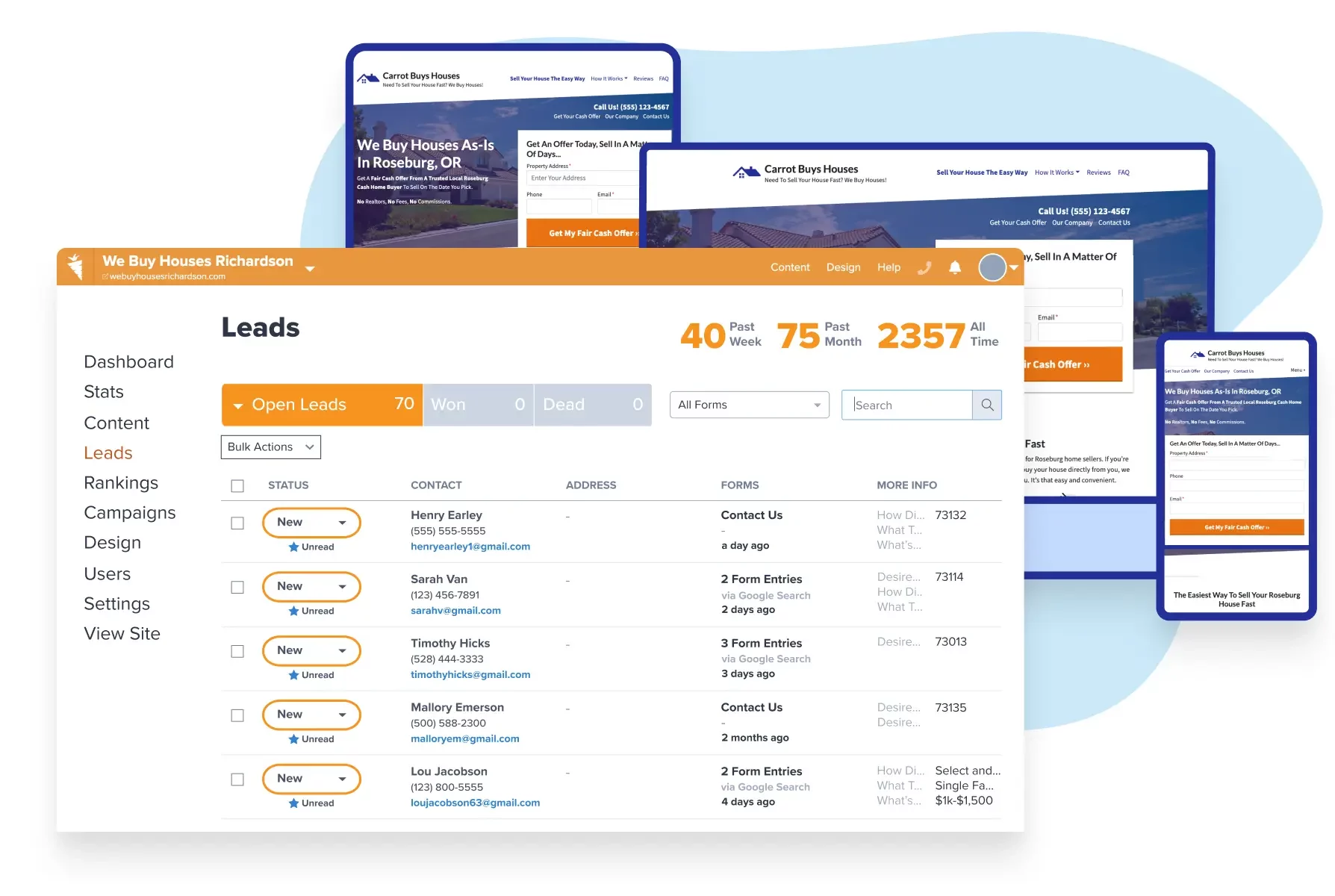
    One of the first optimizations you should do is add a UTM link. With UTMs, you can see how effectively your GBP brings traffic to your website! If you are a Carrot Member, you can use your Campaign Tracking Links to track your conversions by getting the number of clicks and leads from your Google Business Profile.

    An image showing Carrot's Campaign Tracking Links as a way. to track conversions from a Google Business Profile.

    As Keith mentions in the video, “… this Make Appointment button was getting a lot of leads vs. the website button because I was tracking both of them. Tracking using Carrot’s campaign links is super important and very valuable.”

    Carrot members get unlimited Campaign Tracking Links, so don’t be shy about using them to your advantage!

    Consistent N.A.P. (1:39)

    Consistency is the cornerstone of credibility. Keith advocates maintaining a consistent Name, Address, and Phone number (NAP.) across all online platforms. Why? Because trust begins with uniformity in your brand. Your potential customers and search engines are likelier to perceive you as a reliable and legitimate entity.

    Many real estate investors make the mistake of adding keywords to their Google Business Profile name like “XYZ Company – Cash Home Buyers,” but this is a significant mistake. Don’t do that! Your business name is the first and most crucial part of your NAP. So, it needs to be the same everywhere online.

    Physical Locations – A Real Address, A Real Advantage (2:20)

    The allure of a physical address is undeniable. Keith revealed the magic behind having an authentic address rather than relying on a P.O. box or UPS box. A physical address enhances your visibility on Google Maps and elevates your position in local searches.

    TIP: Having an address in a more densely populated area tends to perform better than a town with a lower population, according to Keith Sant.

    What should you do if you are new to real estate investing or working at home? You could use Service Areas instead of a physical address, or you could rent an office in a co-working space – just be sure that your office or suite number is added to your address.

    While Service Areas prevent using NAP, they can still be successful without a physical address.

    County Vs. City – Mastering Your Service Areas (4:47)

    Expanding your service areas? Keith’s got you covered. His expert recommendation is to opt for counties over individual cities. This tactical decision broadens your reach, making you a relevant choice for a broader spectrum of potential searches.

    How does this work? It’s all about incorporated vs. unincorporated addresses. An unincorporated address falls just outside of city limits. So, one way of telling Google that you buy those unincorporated houses is to use counties as your service areas.

    “24/7 Open Hours – Your Gateway to Round-the-Clock Success (7:00)

    Want to supercharge your leads and interactions? Keith introduced an unconventional yet powerful strategy: set your business hours 24/7. Doing so signals your unwavering commitment to serving your clients, resulting in increased engagement and leads.

    Even if you don’t answer the phone after 5 pm, you can still accept form submissions for leads! If you put yourself in your prospect’s shoes, who would you pick to contact if you were reading about selling your house in probate at 7:45 pm on a Sunday? The company that’s closed until tomorrow or the guy that’s open 24/7?

    Posts = Views – Igniting Engagement Through Updates (10:06)

    Do you know the secret to higher impressions and views? After getting a steady supply of reviews, it’s consistent updates. Regularly fuel your Google Business Profile by posting once a week. Each update isn’t just an announcement; it’s a spark that ignites engagement and propels your search ranking upwards.

    You can use very low-cost tools, like Publer, to schedule these posts weeks in advance. You could also outsource the task to your team!

    Optimize “About Us” – Crafting a Compelling Narrative (11:22)

    Your “About Us” section is more than a placeholder. Keith’s advice: seize the opportunity. Fill the full 750 characters with impactful content and relevant keywords. This optimization transforms your narrative into a search engine-friendly beacon.

    But be careful here; changes to your Google Business Profile need to be approved before they are public, and we have seen several examples of investors who try to stuff too many keywords into their “About Us” section, only to get the edit denied by Google.

    Geotag Images – Pioneering Visual Localization (13:49)

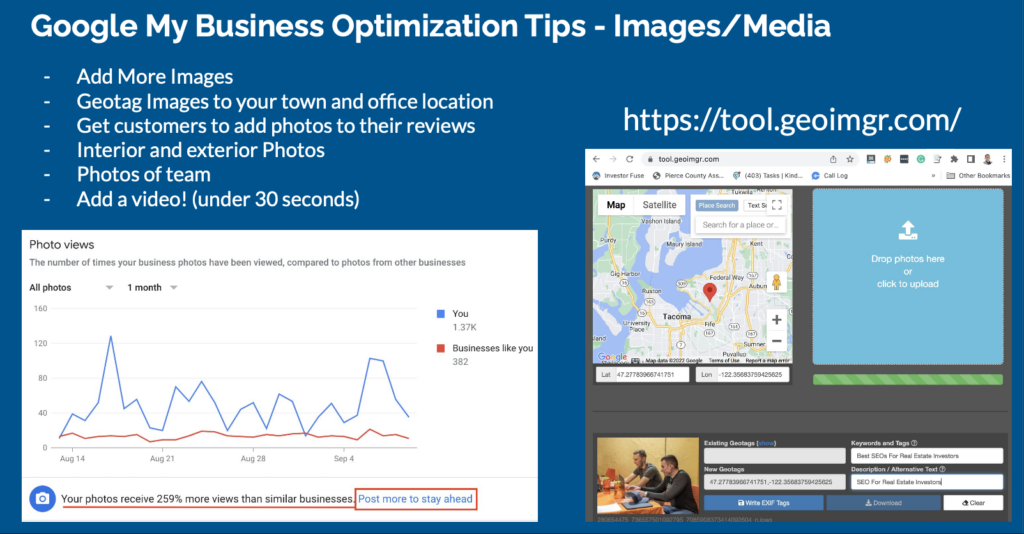
    Visuals can speak louder than words, especially in local searches. Keith introduced a simple yet potent strategy: geotag your images using this free tool. This geo-infusion aligns your visuals with local relevance, capturing the attention of potential customers near you.

    TIP: This tactic doesn’t work for your website images because WordPress strips away geo data from the images, but it does work for GBP posts!

    Reviews! – The Pillars of Trust and Credibility (15:00)

    Rave reviews aren’t just testimonials; they’re your stairway to success. Keith accentuated the immense value of garnering reviews and striving for a minimum of 10. With reviews in your arsenal, you elevate your search ranking and construct pillars of trust and credibility.

    If you’re having difficulty generating reviews, try incentivizing people to leave you honest, detailed reviews by mailing them a pre-paid gift card. Trevor suggested that Keith email his clients requesting a review of his Google Business Profile and a mailing address to send the gift card. To Keith’s surprise, most people who left reviews never sent him a mailing address!

    A recent case study by Joy Hawkins and her team suggests that hitting ten reviews on your local listing will result in a ranking boost in Google local results. However, getting more than ten reviews does not help you rank better in Google Maps or the Google Local pack. 

    Joy said, “There does appear to be a ranking boost once a listing has ten reviews. So, it is important for a listing to get a minimum of ten reviews. However, continuing to get more reviews does not yield the same ranking boost.” But reviews are still critical as they build trust and help with conversions, Joy explained.

    The fact that there is a specific number of any kind, such as 10, is very un-Google-like.

    TIP: Be sure to respond to EVERY review your GBP receives promptly – especially negative reviews.

    Enable Messaging – Conversations and Google’s Grace (17:59)

    A final gem was unveiled as the session ended: enable messaging and chat features on your Google Business Profile for real estate. Keith’s wisdom was clear – embracing this engagement channel opens the door to more interactions and even some love from Google.

    While these strategies are helpful, their effectiveness can vary based on individual circumstances and market dynamics.

    Get Started with Google Business Profile for Real Estate Investors Today

    The secrets are out! Carrot Summit unveils the path to Google prominence with exclusive insights from Keith Sant and Carrot’s Brady Winder. Their combined expertise offers you theories and a concrete roadmap to success.

    By implementing these strategies today, you’ll be well-positioned to seize new opportunities, connect with motivated sellers, and dominate the Google Business Profile landscape for Real Estate Investors.

  • How to Build a Wholesale Real Estate Business in 30 Days vs 6 Months [Survey Results]

    How to Build a Wholesale Real Estate Business in 30 Days vs 6 Months [Survey Results]

    How to Build a Wholesale Real Estate Business in 30 Days VS 6 Months [Survey results]

    Do you want to know what it takes to build a wholesale real estate business that generates consistent profits?

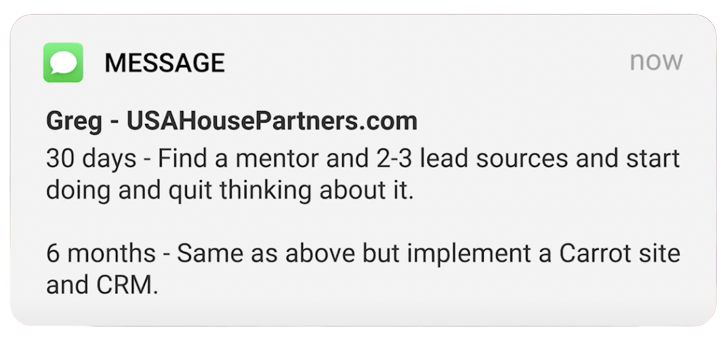
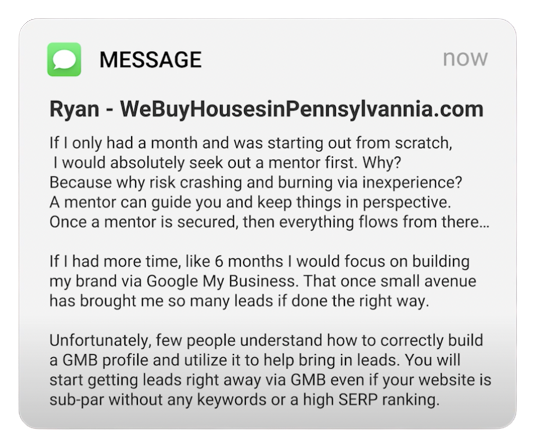
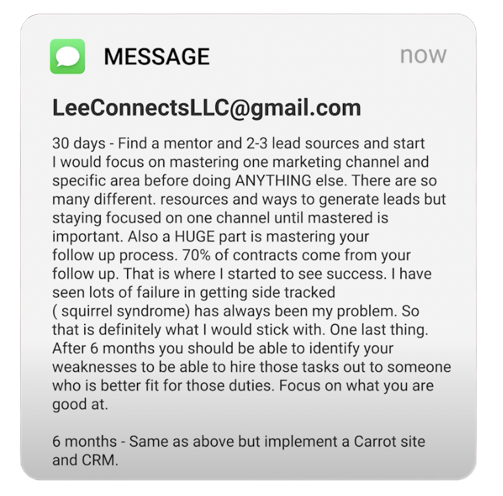
    We recently asked a select group of seasoned, successful wholesalers (out of 7,000 investors we work with) what steps they would take to build their business in 30 days versus 6 months.

    Here’s what they had to say.

    The questions we asked:

    1. What are the 5 most important software/apps you use for wholesaling?
    2. What was the biggest mindset shift that helped you find success?
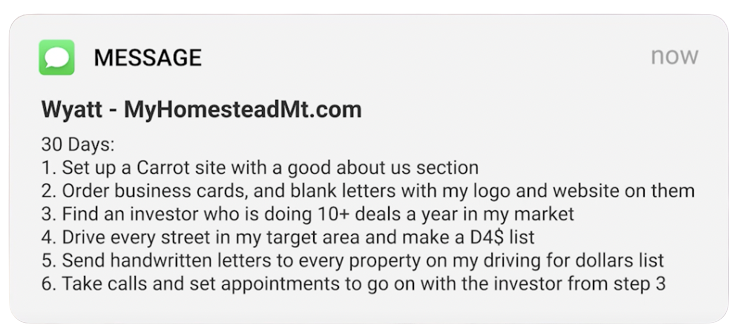
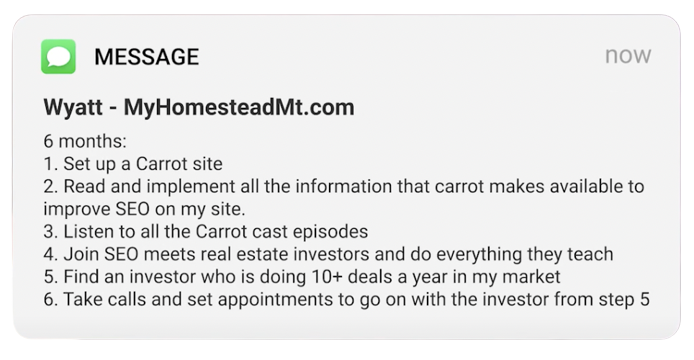
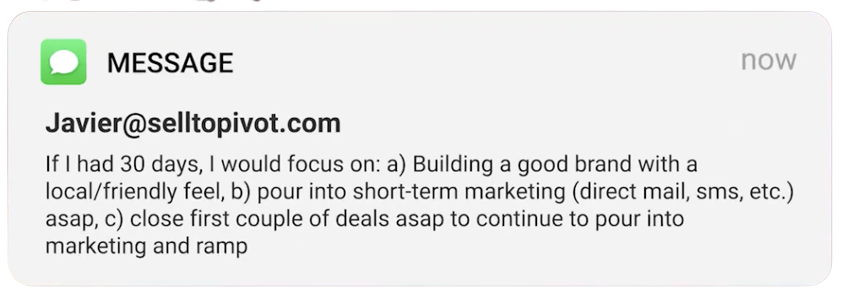
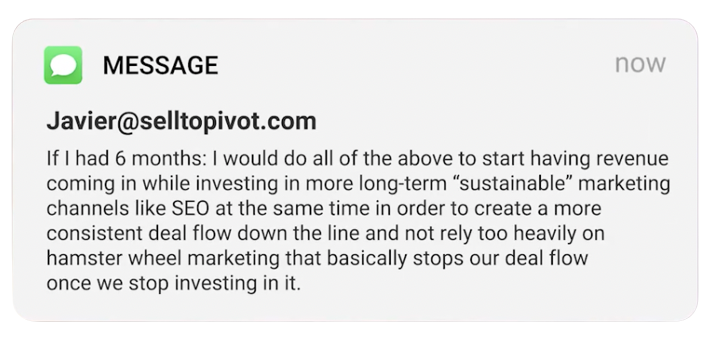
    3. What steps would you take if you had just 30 days to build a wholesaling business And… What steps would you take if you had 6 months to build a wholesaling business?

    1. Favorite Apps and Tools for Wholesalers – What are the 5 most important software/apps you use for wholesaling?

    In the fast-paced world of real estate wholesaling, having the right tools can make all the difference.

    Our survey revealed a list of favorite apps and tools highly endorsed by successful wholesalers.

    From Carrot and Mojo Dialer to Google, and Excel, these tools streamline lead generation and boost productivity.

    Additionally, Canva, Propstream, ClickFunnels, Airtable, CRM Podio, Constant Contact, Facebook, and DealMachine were among the top picks to optimize efficiency and maximize results.

    2. The Biggest Mindset Shifts for Wholesalers – What was the biggest mindset shift that helped you find success?

    The answer I resonated with the most was, “My biggest mindset shift that helped me find success was when I stopped trying to get a deal and started trying to help people.”

    Next… “I’m not stealing people’s houses; I am really helping them.”

    Regarding the concern some members have expressed about our business model, it’s crucial to carefully assess how we approach closing deals and ensure that we genuinely serve homeowners’ best interests. We must ask ourselves if we are truly providing value and assistance.

    If we can confidently say that we are sincerely helping homeowners and addressing their needs, we should find peace in knowing that our actions are not about taking advantage of people. Instead, we are solving their problems in a way that no one else can.

    3. Responses: Building a Wholesale Business – 30 Days vs. 6 Months

    Here are some of the survey responses to these two questions:

    1. What steps would you take if you could do it all over again and had 30 days to build a wholesaling business (not 60 days to close a deal)?
    2. What if you had six months? What things would you focus on each month from a lead generation perspective?

    Big Takeaways – Mentorship and Long-Term Strategies

    Several responders emphasized the importance of mastering a single marketing channel and area before expanding to others. A strong emphasis was also placed on mastering the follow-up process, which accounts for many successful contracts. Delegation and building a team should be considered after six months, as weaknesses become apparent, freeing up time to focus on core strengths.

    Moreover, some respondents highlighted the value of seeking a mentor right from the start, as mentors can offer guidance and resources and help avoid pitfalls. In a longer timeframe, building a strong online presence was seen as a powerful lead generation avenue when done correctly.

    The consensus among these responses is to take focused, strategic steps, seek mentorship, and progressively expand and improve marketing efforts for a successful wholesaling business.

    How to Generate SEO Leads in 6 Months with Carrot

    Here are some basic steps you can take to get started generating SEO leads with Carrot:

    • Customize all conversion pages with unique content and make them locally relevant.
    • Set the location of my homepage to the State that you are operating in.
    • Create five city landing pages.
    • Create pillar content for each of the situations that you want to serve.
    • Write, outsource, or use our Automated Content Library posts to create topic clusters. Already a Carrot member? Learn more about topic clusters here.
    • Build 20-30 local citations either by hand or using a service.
    • Create or optimize your Google Business Profile.
    • Sponsor local charity events in exchange for local backlinks to your city landing pages. Try to create at least one link per month.
    • Pitch journalists through a platform like HARO to win backlinks for your site.

    Conclusion

    Building a successful wholesaling business is within your reach, especially with the guidance of seasoned investors.

    By leveraging their favorite apps and tools, embracing the right mindset, and following their time-tested strategies, you can achieve consistent leads, close deals confidently, and create a thriving real estate wholesaling venture. If you have any questions or thoughts, feel free to drop them below – we’re here to support your journey to success!

  • ChatGPT For Real Estate Investors | 10 AI Prompts To Try

    ChatGPT For Real Estate Investors | 10 AI Prompts To Try

    Discover the ultimate advantage: ChatGPT for real estate investors that can revolutionize your content creation!

    In the highly competitive real estate market, leveraging cutting-edge tools and strategies is essential for success. Artificial intelligence (AI) has emerged as a transformative force, providing real estate investors with powerful capabilities to attract and engage motivated house buyers and sellers. Among these AI innovations, ChatGPT stands out, offering remarkable advantages for savvy investors looking to gain an edge.

    Leverage The Power Of AI In Your Content Marketing

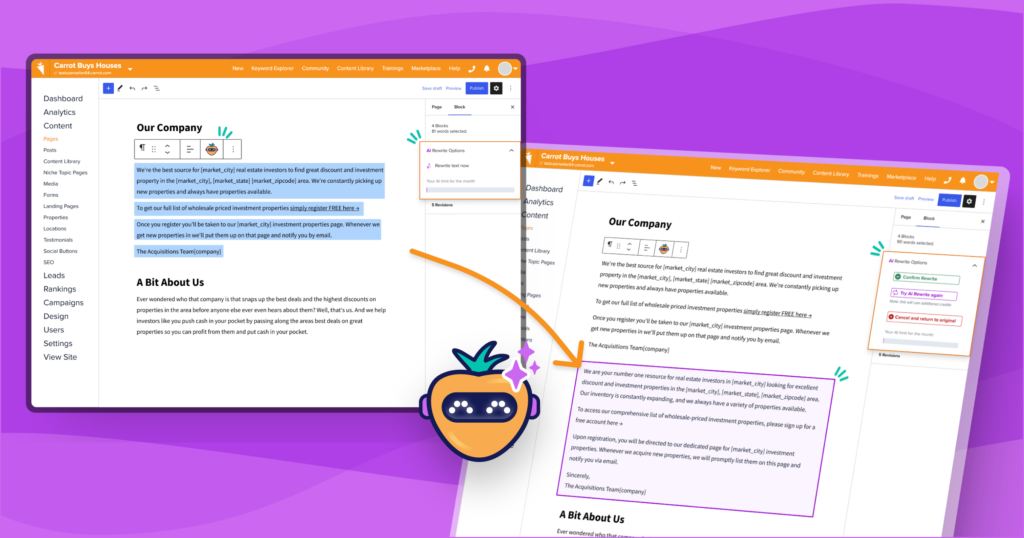
    Save time rewriting your website’s content with Carrot’s AI rewrite tool

    Ai Rewrite Illustration

    Why is AI important for real estate investors? AI, particularly ChatGPT, can revolutionize how you interact with potential clients, streamline your operations, and provide valuable market insights. By leveraging AI, you can save time, enhance customer interactions, and generate more high-quality leads.

    What are the benefits of using ChatGPT for real estate investors?

    • Time-saving: Automate responses to common inquiries, freeing up your time for more critical tasks.
    • Enhanced customer interaction: Provide personalized, instant responses to potential buyers and sellers.
    • Improved lead generation: Use tailored prompts to attract and convert leads more effectively.
    • Better market insights: Stay updated with the latest trends and data to make informed decisions.

    In this blog post, we’ll explore the power of ChatGPT in the real estate industry. We’ll cover the top 10 ChatGPT prompts every real estate investor should try in 2025. These prompts will help you identify motivated sellers, craft engaging property listings, respond to buyer inquiries, analyze market trends, nurture leads, and much more. By the end of this post, you’ll have practical tools and insights to integrate ChatGPT into your real estate business and boost your lead generation efforts.

    Table of Contents

    The Power of ChatGPT in Real Estate

    Understanding ChatGPT

    ChatGPT, developed by OpenAI, is a state-of-the-art language model that uses artificial intelligence to understand and generate human-like text. By processing and analyzing vast amounts of data, ChatGPT can engage in conversations, answer questions, and provide information in a natural, conversational manner. For real estate investors, this means having an intelligent virtual assistant that can handle a variety of tasks, from responding to inquiries to generating market insights.

    Benefits for Real Estate Investors

    1. Time-saving: Time is one of the most valuable resources for real estate investors. ChatGPT can automate routine tasks, such as answering frequently asked questions, scheduling appointments, and providing property details. This automation frees up your time, allowing you to focus on more strategic aspects of your business, such as closing deals and expanding your portfolio.

    2. Enhanced customer interaction: Engaging with potential buyers and sellers promptly and effectively is crucial for converting leads. ChatGPT can provide instant, personalized responses to inquiries, ensuring that prospects receive the information they need when they need it. This level of responsiveness not only improves customer satisfaction but also increases the likelihood of converting leads into clients.

    3. Improved lead generation: Effective lead generation is the cornerstone of a successful real estate business. ChatGPT can help you craft compelling content, such as property listings and marketing materials, tailored to attract motivated buyers and sellers. By using specific prompts, ChatGPT can generate engaging and SEO-optimized content that draws more traffic to your website and boosts your lead generation efforts.

    4. Better market insights: Staying informed about market trends and changes is essential for making sound investment decisions. ChatGPT can analyze market data and provide insights into current trends, property values, and buyer behavior. This information can help you make informed decisions, identify new opportunities, and stay ahead of the competition.

    By integrating ChatGPT into your real estate operations, you can streamline your processes, enhance customer interactions, and gain valuable market insights, ultimately leading to increased efficiency and profitability.

    How ChatGPT Can Help Attract Motivated Buyers and Sellers

    Generating Leads

    One of the most significant challenges for real estate investors is consistently generating high-quality leads. ChatGPT can streamline this process by leveraging its advanced language capabilities to create compelling and SEO-optimized content. This includes writing engaging property listings, crafting persuasive marketing emails, and generating attention-grabbing social media posts. By producing content that resonates with potential buyers and sellers, ChatGPT can drive more traffic to your website, increase engagement, and ultimately generate more leads. Additionally, ChatGPT can assist in creating lead magnets, such as informative eBooks or market reports, that entice prospects to share their contact information.

    Personalized Responses

    In the real estate industry, timely and personalized communication is key to converting leads into clients. ChatGPT excels in this area by providing instant, customized responses to inquiries from potential buyers and sellers. Whether a prospect is asking about the details of a specific property, seeking advice on the home-buying process, or inquiring about market conditions, ChatGPT can deliver accurate and relevant information tailored to their needs. This level of personalized interaction not only enhances the user experience but also builds trust and rapport, making prospects more likely to choose you as their real estate advisor.

    Market Trends Analysis

    Staying ahead of market trends is crucial for real estate investors looking to make informed decisions and capitalize on opportunities. ChatGPT can help you stay updated with the latest market trends by analyzing data from various sources and providing insightful summaries. Whether you need information on emerging neighborhoods, changes in property values, or shifts in buyer behavior, ChatGPT can deliver timely and accurate market analyses. By integrating these insights into your investment strategy, you can make data-driven decisions that enhance your competitive edge and position you as a knowledgeable and trustworthy expert in the eyes of potential clients.

    By utilizing ChatGPT for lead generation, personalized communication, and market trend analysis, you can attract more motivated buyers and sellers, streamline your operations, and ultimately grow your real estate business.

    Top 10 ChatGPT Prompts for Real Estate Investors

    Leveraging ChatGPT can greatly enhance your ability to attract and engage motivated house buyers and sellers. Here are the top 10 ChatGPT prompts specifically tailored to help you identify and connect with motivated sellers:

    1. Prompt for Identifying Motivated Sellers:

    “What are some effective strategies for identifying motivated sellers in ?” Using this prompt, ChatGPT can provide you with tailored strategies to spot motivated sellers in your specific market. This might include tips on recognizing distress signals in property listings, understanding life events that lead to selling, and leveraging local market data.

    2. Prompt for Crafting Engaging Property Listings:

    “How can I create a compelling property listing for a 3-bedroom house in ?” ChatGPT can help you craft engaging and persuasive property listings that highlight key features and appeal to potential buyers, making your listings stand out in a competitive market.

    3. Prompt for Responding to Seller Inquiries:

    “What’s the best way to respond to a motivated seller who wants to know how quickly their property can sell?” ChatGPT can generate reassuring and informative responses to sellers who are eager to know about the timeline of selling their property, helping to set realistic expectations and build trust.

    4. Prompt for Market Analysis:

    “Can you provide a market analysis for residential properties in for 2025?” Stay ahead of the competition with up-to-date market analyses. ChatGPT can summarize recent trends, price changes, and demand indicators in your local market, giving you the insights needed to make informed investment decisions.

    5. Prompt for Lead Nurturing:

    “What are some tips for nurturing leads through email marketing in real estate?” Effective lead nurturing is crucial for maintaining interest and converting prospects. ChatGPT can offer advice on crafting engaging email campaigns, timing your communications, and personalizing content to keep leads warm and moving through your sales funnel.

    6. Prompt for Understanding Seller Behavior:

    “What are current trends in seller behavior in the real estate market?” Understanding seller behavior can help you tailor your marketing strategies. ChatGPT can provide insights into what sellers in your market are looking for, including preferred sale timelines, common concerns, and effective negotiation tactics.

    7. Prompt for Social Media Marketing:

    “How can I use social media to attract more motivated sellers in ?” Social media is a powerful tool for reaching motivated sellers. ChatGPT can suggest effective social media strategies, including content ideas, posting schedules, and engagement tactics to help you connect with potential sellers in your area.

    8. Prompt for SEO Optimization:

    “What are the best SEO strategies for a real estate website in 2025?” Enhance your online presence with strong SEO practices. ChatGPT can recommend the latest SEO strategies, such as keyword optimization, content creation, and technical SEO improvements, to boost your website’s visibility and attract more organic traffic.

    9. Prompt for Client Follow-Up:

    “What’s an effective follow-up message for a seller who attended a property appraisal?” Timely and thoughtful follow-up is key to converting interested sellers into clients. ChatGPT can help you draft personalized follow-up messages that reinforce interest, address any remaining questions, and prompt the next steps.

    10. Prompt for Investment Opportunities:

    “What are the most promising investment opportunities in real estate for 2025?” Identifying the best investment opportunities requires current and comprehensive market knowledge. ChatGPT can provide you with insights into emerging areas, high-demand property types, and potential return on investment in your target market.

    By using these ChatGPT prompts, real estate investors can streamline their processes, enhance their marketing efforts, and stay informed about market trends, ultimately leading to greater success in attracting and converting motivated sellers.

    Bonus prompts from the original “virtual wholesaling” pioneer, Cris Chico

    Wholesaling Is Now on Easy Mode Using AI | Cris Chico's Prompts for Comps, Dispos and Ads!

    Implementing ChatGPT in Your Real Estate Business

    Integrating ChatGPT into Daily Operations

    Practical steps to start using ChatGPT:

    1. Identify Key Areas: Determine which areas of your business can benefit most from ChatGPT. Common applications include customer support, lead generation, market analysis, and content creation.
    2. Choose the Right Platform: Select a ChatGPT platform or API that fits your needs. Options like OpenAI’s GPT-4 API can be integrated into your website, CRM, or other business tools.
    3. Set Up Automated Responses: Create automated responses for frequently asked questions from buyers and sellers. This can include property details, financing options, and market trends.
    4. Develop Customized Prompts: Tailor ChatGPT prompts to your specific business needs. For example, create prompts for generating property listings, analyzing market trends, and crafting follow-up messages.
    5. Monitor and Optimize: Regularly review the interactions ChatGPT has with clients to ensure accuracy and effectiveness. Make adjustments to prompts and responses as needed to improve performance.

    Training Your Team

    Ensuring your team understands how to use ChatGPT effectively:

    1. Provide Comprehensive Training: Conduct training sessions to educate your team on how ChatGPT works and its capabilities. This should include how to input prompts, interpret responses, and integrate AI insights into their daily tasks.
    2. Create User Guides: Develop detailed user guides and FAQs to help team members navigate ChatGPT’s features. Include best practices for using the tool in various scenarios.
    3. Assign Roles: Designate specific team members to oversee ChatGPT implementation and usage. These individuals can provide support and ensure consistency in how the tool is used across the business.
    4. Encourage Experimentation: Allow team members to experiment with different prompts and applications of ChatGPT. Encourage them to share successful strategies and insights with the rest of the team.
    5. Gather Feedback: Regularly solicit feedback from your team on their experience with ChatGPT. Use this feedback to make improvements and ensure the tool is meeting their needs.

    Measuring Success

    Metrics to track the effectiveness of ChatGPT prompts:

    1. Lead Generation Metrics: Track the number of leads generated through ChatGPT interactions. This includes inquiries, sign-ups, and contact form submissions.
    2. Conversion Rates: Measure the conversion rates of leads generated by ChatGPT compared to other sources. This can include metrics such as appointment bookings, property viewings, and closed deals.
    3. Response Time: Monitor the average response time for ChatGPT to handle client inquiries. Faster response times typically lead to higher client satisfaction.
    4. Client Satisfaction: Gather client feedback on their experience interacting with ChatGPT. Use surveys or follow-up emails to assess satisfaction levels and identify areas for improvement.
    5. Content Engagement: Analyze the performance of content created with the help of ChatGPT, such as blog posts, property listings, and social media posts. Track metrics like page views, click-through rates, and social media engagement.
    6. ROI Analysis: Calculate the return on investment (ROI) for implementing ChatGPT by comparing the costs of the tool to the revenue generated from leads and conversions.

    By integrating ChatGPT into your daily operations, training your team effectively, and measuring the success of your efforts, you can fully leverage the power of AI to enhance your real estate business. This will lead to improved efficiency, better client interactions, and increased profitability.

    Conclusion

    In this post, we’ve explored the transformative potential of ChatGPT for real estate investors, particularly in attracting motivated house buyers and sellers. We began by understanding the power of ChatGPT and its numerous benefits, such as saving time, enhancing customer interactions, improving lead generation, and providing better market insights. We then delved into how ChatGPT can streamline the lead generation process, offer personalized responses, and keep you updated with the latest market trends.

    We provided ten specific ChatGPT prompts tailored to real estate investors, designed to help identify and connect with motivated sellers. Practical steps to integrate ChatGPT into your daily operations, train your team, and measure success were also covered, alongside real-life success stories that demonstrated the tangible benefits of using ChatGPT.

    Integrating ChatGPT into your real estate business can seem daunting, but the benefits far outweigh the initial learning curve. By trying out the provided prompts and implementing AI into your operations, you can streamline your processes, enhance your marketing efforts, and improve client satisfaction. Embrace the power of AI to stay ahead of the competition and make data-driven decisions that will take your business to the next level.

    We invite you to share your experiences with ChatGPT and any questions you may have in the comments section below. Your insights and queries will help build a community of forward-thinking real estate investors. Additionally, to support you on this journey, we are offering a free consultation to help you get started with ChatGPT. Take advantage of this opportunity to explore how AI can revolutionize your real estate business and position you for greater success in 2025 and beyond.

    Additional Resources:

    If you’re already a member, here are some resources to help you learn more about SEO:

    Other free SEO resources:

    Not a Carrot Member Yet?

    Experience the Exclusive Benefits for Real Estate Investors and Agents by Joining Today!

    The Carrot Community is where you can connect and collaborate with thousands of other Carrot members, share your knowledgeand learn best practices from top Carrot members and the Carrot team.

    Join the Community today!

  • How to Wholesale Real Estate for Beginners: Ultimate 2025 Guide

    How to Wholesale Real Estate for Beginners: Ultimate 2025 Guide

    Are you ready to step into the ring and take on the world of real estate with NO money down, NO experience, and NO traditional financing?! That’s right, folks—if you’ve been sitting on the sidelines, dreaming of making it big in real estate, NOW is your moment! And I’m here to show you how to dominate the game with one of the most powerful strategies in real estate: wholesaling!

    Wholesaling is like body-slamming your way into the real estate market. You find deeply discounted properties, lock them down with a contract, and then tag in your cash buyer to close the deal—without ever owning the property yourself! You’re the ultimate middleman, connecting motivated sellers with hungry cash buyers and raking in the profits. No heavy lifting, just smart moves and fast wins.

    This is the best entry point for beginners who are ready to crush it. You don’t need a mountain of cash, years of experience, or a bank begging you to borrow. What you need is hustle, heart, and a great strategy. And the best part? Wholesaling sharpens your skills in negotiating, deal analysis, marketing, and building a buyer’s list—all while keeping your risk low and your potential high.

    In this step-by-step guide, I’ll break it all down for you. From finding motivated sellers to analyzing deals, securing contracts, and building a cash buyer’s list, this is your ultimate playbook to score your first wholesale deal in 2025.

    Are you ready to step into the spotlight and make your real estate debut? Let’s get to work and get you on the path to your first wholesale victory! The time is now!

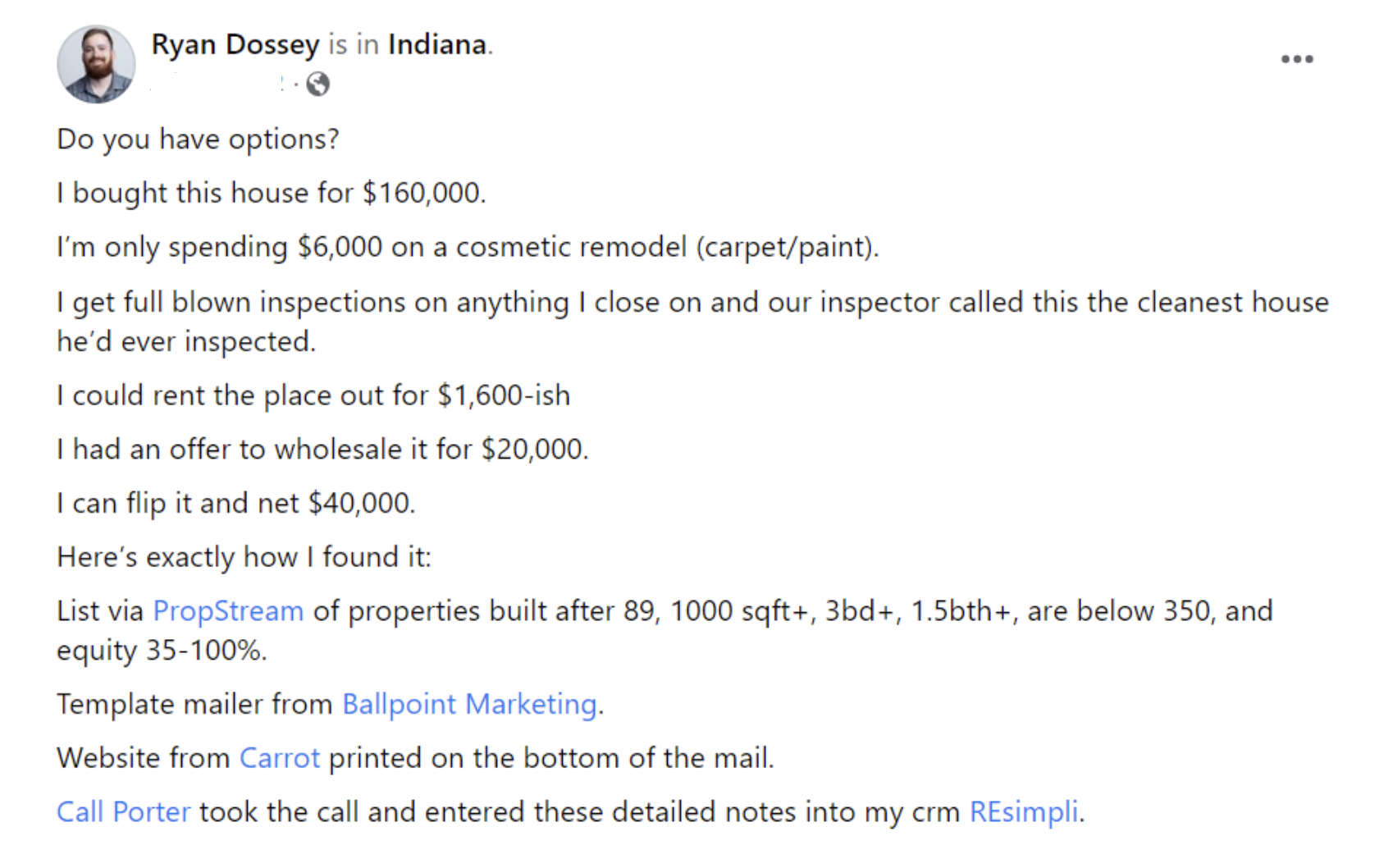
    Here’s an example of how Ryan Dossey — a real estate investor in Indiana — found just one of his great deals…

    List of Topics

    What is Wholesaling Real Estate?

    Wholesaling real estate is one of the simplest and most accessible strategies for getting started in real estate investing. At its core, wholesaling is about finding distressed or discounted properties, putting them under contract, and then assigning that contract to a buyer for a profit. Unlike traditional real estate investing, where you actually purchase and hold the property, in wholesaling, you’re simply acting as a middleman between motivated sellers and cash buyers. The goal is to profit from the spread between the price you negotiate with the seller and the price your buyer is willing to pay.

    The key to wholesaling lies in assigning contracts for profit. When you find a property that’s deeply discounted, you sign a contract with the seller agreeing to purchase the property. Instead of closing on the property yourself, you assign that contract to a buyer—usually an investor—who pays you an assignment fee. This way, you can make money without ever taking ownership of the property or needing large amounts of cash to close the deal.

    How Wholesaling Differs from Traditional Real Estate Investing

    In traditional real estate investing, you typically buy a property, make improvements (if necessary), and either rent it out or sell it for a profit. This requires capital, the ability to get financing, and often a longer time commitment. With wholesaling, however, you’re not buying the property—you’re securing it with a contract and selling that contract to someone else. It’s a much faster process and typically requires far less money upfront.

    Benefits of Wholesaling Real Estate

    1. Low Capital Requirements: Since you’re not buying the property outright, you don’t need large sums of money or traditional bank loans. In many cases, all you need is an earnest money deposit, which can be as little as a few hundred dollars.
    2. Quick Deals: Wholesale transactions typically happen in a matter of weeks, not months. Once you have the property under contract, it’s all about finding a buyer and assigning the contract, which can lead to fast payouts.
    3. No Need for Property Ownership: You never actually own the property in a wholesale deal, which means you avoid the headaches that can come with owning real estate—like repairs, maintenance, and tenant issues.

    Wholesaling is the ultimate strategy for beginners because it offers quick, low-risk entry into real estate investing. By focusing on finding motivated sellers and building a solid buyers list, you can generate profits without the complexity and capital demands of other investment strategies. Let’s move forward and dive deeper into how to execute your first wholesale deal.

    Understanding the Wholesaling Process

    Wholesaling real estate is all about following a repeatable process. Once you understand the flow, you can rinse and repeat, building a profitable business from scratch. Here’s a simple breakdown of the wholesaling process:

    1. Finding Motivated Sellers

    The first step in wholesaling is finding motivated sellers—people who need to sell quickly and are willing to accept a discounted price in exchange for speed and convenience. These sellers are often in distress, facing situations like foreclosure, divorce, inherited properties, or simply owning a property in poor condition they don’t want to fix.

    To find these sellers, you can use a variety of strategies:

    • Driving for Dollars: Physically driving through neighborhoods to spot distressed properties.
    • Direct Mail Campaigns: Sending postcards or letters to absentee owners or homeowners in foreclosure.
    • Online Marketing: Building a Carrot website to capture inbound leads.
    • Cold Calling & Texting: Reaching out to potential sellers directly with targeted lists.

    Finding motivated sellers is the foundation of wholesaling success. Without motivated sellers, you won’t find deals worth wholesaling.

    2. Getting the Property Under Contract

    Once you’ve identified a motivated seller, the next step is to negotiate a purchase price and get the property under contract. The contract is the tool that gives you control over the property, allowing you to assign that contract to another buyer.

    In this step:

    • Negotiate the deal: Focus on solving the seller’s problem. Many motivated sellers are more concerned with speed and convenience than getting top dollar.
    • Use a solid contract: Make sure the contract includes key terms like the purchase price, closing date, and assignment clause, which allows you to assign the contract to another buyer.

    The goal is to get the property under contract at a price low enough to leave room for your end buyer (an investor) to make a profit while still allowing you to make your fee.

    3. Assigning the Contract to an End Buyer

    Once you have the property under contract, the next step is finding an end buyer—usually a cash investor—who’s willing to buy the contract. This is where your cash buyer list comes in. By building strong relationships with investors, you’ll have a network of buyers ready to close quickly on properties you bring them.

    To assign the contract:

    • Present the deal to your buyers: Share details about the property, including price, potential ARV (After Repair Value), and any necessary repairs.
    • Negotiate your assignment fee: The assignment fee is the amount you’ll make from the transaction. This could range from $5,000 to $20,000 or more, depending on the deal.

    The buyer steps into your place on the contract, and they’ll close on the property directly with the seller.

    4. Collecting Your Assignment Fee

    The final step is collecting your assignment fee. Once the end buyer closes on the property, you’ll receive your fee at closing. This fee is the difference between the price you contracted with the seller and the price your buyer is willing to pay.

    For example:

    • You get the property under contract for $100,000.
    • You assign the contract to a cash buyer for $110,000.
    • You collect a $10,000 assignment fee at closing.

    That’s it—you’ve successfully wholesaled a property without needing to buy, fix, or finance anything.

    Building Your Wholesaling Business Foundation

    To succeed in real estate wholesaling, you need to treat it like a business from day one. Many beginners make the mistake of seeing wholesaling as a side hustle, but if you want long-term success and consistent income, you must approach it with the right mindset and structure. Let’s break down how to build a strong foundation for your wholesaling business.

    Developing a Business Mindset: Treat It Like a Business from Day One

    Wholesaling isn’t just a way to make quick cash—it’s a real business. From the moment you decide to wholesale, you need to think like a business owner. This means:

    • Setting clear goals: How many deals do you want to close in your first year? What kind of revenue do you want to generate? Having clear goals helps you stay focused and measure your success.
    • Being consistent: Consistent action is key in wholesaling. Whether it’s marketing, following up with leads, or networking with buyers, daily efforts compound over time.
    • Tracking your results: Start tracking everything from day one—leads, calls, offers made, and deals closed. This data helps you see what’s working and where you need to improve.

    A solid business mindset also means understanding that you’ll face challenges but being prepared to push through them and stay committed to the process.

    Setting Up an LLC for Legal Protection and Credibility

    One of the first steps in building your foundation is setting up a Limited Liability Company (LLC). Wholesaling is a business; just like any other business, you want to protect yourself from legal risks. An LLC separates your personal assets from your business liabilities, which is crucial if something goes wrong in a deal.

    Here’s why setting up an LLC is important:

    • Legal protection: If a deal goes south or you face a lawsuit, your personal assets (home, savings, etc.) are protected because the LLC is the legal entity, not you personally.
    • Credibility: Operating as an LLC also makes you look more professional to motivated sellers and cash buyers. It shows that you’re serious about your business, which builds trust and increases your chances of closing deals.
    • Tax benefits: An LLC can also offer tax advantages, such as write-offs for business expenses like marketing, travel, and software tools.

    Setting up an LLC is easy and affordable, and it gives you the peace of mind and credibility you need to operate your wholesaling business confidently.

    Tools and Software You Need (CRM, Marketing Platforms, etc.)

    Running a successful wholesaling business requires more than just hustle—you need the right tools to stay organized, automate tasks, and scale your efforts. Here are the essential tools and software you should consider:

    1. CRM (Customer Relationship Management): A CRM helps you manage your leads, track communication, and follow up with sellers and buyers. In wholesaling, follow-up is key, and a CRM ensures that no lead falls through the cracks. Popular CRMs for wholesalers include InvestorFuse and Podio.
    2. Marketing Platforms: You’ll need marketing tools to generate leads and find motivated sellers. Here are a few essential platforms:
      • Direct Mail Services: Use platforms like Ballpoint Marketing or Yellow Letters HQ to send direct mail to targeted sellers.
      • Carrot Website: A Carrot site can be one of your most powerful tools for generating inbound leads online. By optimizing your website for SEO and running paid ads, you can attract motivated sellers who are ready to take action.
      • SMS and Cold Calling Tools: Services like Batch Leads or Launch Control make it easy to reach out to potential sellers via text or phone calls.
    3. Deal Analysis Tools: To evaluate deals, you’ll need tools to run comps and calculate the ARV (After Repair Value). Platforms like PropStream or Batch Leads allow you to pull property data, analyze deals, and determine the right price to offer.
    4. Transaction Management: Once you have a property under contract, you’ll need a system to track the closing process. Platforms like Dotloop or DocuSign allow you to manage documents, contracts, and signatures online.

    By investing in the right tools and setting up systems from the start, you’ll be able to operate more efficiently, scale your business, and focus on the highest-value tasks—finding deals and closing them.

    In short, building your wholesaling business foundation means treating it like a real business, protecting yourself with an LLC, and using the right tools to streamline your process. This solid foundation will set you up for long-term success. Let’s move on to finding motivated sellers and getting deals under contract!

    Finding Motivated Sellers

    In wholesaling, finding motivated sellers is the foundation of your success. A motivated seller is someone who needs to sell quickly, usually because of financial distress, personal reasons, or because they simply don’t want to deal with the property anymore. These sellers are willing to accept a lower offer for the convenience and speed that a cash sale provides. As a wholesaler, it’s your job to find these people, offer a solution, and turn their property into a profit.

    Motivated sellers are key because they create opportunity. The deeper the discount you can negotiate with a motivated seller, the larger your potential profit when you assign that contract to a buyer. Without motivated sellers, your deals won’t have enough margin for you or your investors to make money.

    Here’s how you can find motivated sellers using tried-and-true strategies.

    Strategies for Finding Motivated Sellers

    1. Online Marketing: Using Carrot Websites to Attract Leads

    Your Carrot website is a powerful tool for attracting inbound leads—people who are actively searching online to sell their homes fast. Sellers who visit your site and fill out a form are often highly motivated and ready to take action. By creating content optimized for SEO (Search Engine Optimization), you can rank your website on Google for key terms like “sell my house fast ” or “cash home buyers in .”

    Here’s how to make the most of your Carrot website for lead generation:

    • Create hyper-local content: Write blog posts or pages targeting specific cities and neighborhoods where you’re looking for deals.
    • Run paid ads: Google Ads and Facebook Ads can drive immediate traffic to your site, generating leads even faster.
    • Optimize for conversions: Make sure your website is easy to navigate, with clear calls-to-action (CTAs) that encourage visitors to contact you for an offer.

    A well-optimized Carrot website can automatically produce motivated seller leads, helping you scale your business while you sleep.

    2. Direct Mail Campaigns: Targeting Absentee Owners, Pre-Foreclosures, and More

    Direct mail remains one of the most reliable ways to generate leads from motivated sellers, especially when you target specific groups like:

    • Absentee owners: People who own properties but don’t live in them, often landlords or investors who may be tired of managing rentals.
    • Pre-foreclosures: Homeowners facing foreclosure are often highly motivated to sell before they lose their home.
    • Probate properties: People who inherit properties may want to sell quickly to avoid dealing with maintenance or taxes.

    To run a successful direct mail campaign, you’ll need a targeted list of homeowners. You can get these lists through services like PropStream, ListSource, or Batch Leads. Craft a compelling postcard or letter offering a fast, hassle-free cash sale, and send it out consistently. Many wholesalers close their first deals through this strategy.

    3. Driving for Dollars: Spotting Distressed Properties

    Driving for Dollars is one of the most direct ways to find properties that may belong to motivated sellers. This involves physically driving through neighborhoods and looking for distressed properties that are showing signs of neglect, such as:

    • Overgrown lawns
    • Boarded-up windows
    • Peeling paint or damaged roofs
    • Notices on the door

    Once you spot a potential distressed property, write down the address and do some research to find the owner. You can then reach out to them directly to see if they’re intereste

    4. Cold Calling & SMS Marketing: Scripts and Tools for Outreach

    Cold calling and SMS marketing are direct, proactive approaches to reaching potential sellers. With the right list and tools, you can contact homeowners and start the conversation about buying their property. This method can be especially effective when targeting lists like absentee owners or pre-foreclosures.

    Here’s how to get started:

    • Cold Calling: Use a dialer like Batch Dialer or Mojo Dialer to quickly make calls to your targeted list. When cold calling, it’s important to have a script that introduces you, explains your interest in buying their home, and offers a solution. Keep it short and to the point:
      • “Hi, I’m [Your Name], a local investor, and I’m looking to buy a few more houses in your area. Would you be interested in a cash offer for your property?”
    • SMS Marketing: Texting is less invasive and often gets higher response rates than cold calls. Tools like Batch Leads or Lead Sherpa allow you to send bulk messages to your target list. Keep your message short and clear, like:
      • “Hi, this is [Your Name], I’m a local buyer interested in purchasing properties in . Would you consider selling your home for cash?”

    These outreach methods are all about volume—the more people you reach out to, the more opportunities you’ll have to find motivated sellers.


    By using these strategies—online marketing through Carrot, driving for dollars, direct mail, and cold calling/SMS marketing—you can consistently find motivated sellers and build a steady pipeline of deals. The key is staying consistent and persistent, even when you don’t get immediate results. Now, let’s talk about how to get the property under contract once you’ve found a motivated seller.

    Analyzing and Making Offers

    Once you’ve found a motivated seller, the next step is to analyze the deal and make an offer. Knowing how to correctly evaluate a property and make a competitive offer is essential for your success in wholesaling. Here, we’ll break down the key components of analyzing deals: running comps, estimating repair costs, and using the 70% Rule to determine your Maximum Allowable Offer (MAO).

    How to Run Comps: Determining the Property’s After Repair Value (ARV)

    The After Repair Value (ARV) is the estimated value of a property after all necessary repairs and updates are made. This is crucial because it helps you determine how much the property can sell for once it’s fixed up. The ARV guides your entire offer-making process, so getting it right is key.

    Here’s how to run comps:

    1. Use MLS data or online tools: If you don’t have access to the MLS (Multiple Listing Service), you can use tools like PropStream or Zillow to pull comps—comparable sales of similar properties in the same area.
    2. Select recent sales: Focus on properties that have sold within the last 3-6 months to get an accurate picture of the current market.
    3. Look for similar properties: The best comps are properties that are similar in square footage, bedroom/bathroom count, and property type. Stay within a 1-mile radius of the property you’re evaluating.
    4. Adjust for condition: Compare the condition of your target property to the comps. If the comp is fully renovated and your property needs a lot of work, you’ll need to adjust the value downward.

    Once you have your comps, average the sale prices to determine the ARV. For example, if similar properties in the area have sold for $250,000, then that’s likely your property’s ARV.

    Estimating Repair Costs: Knowing What to Offer Based on Repairs

    Understanding repair costs is another critical component of making the right offer. You don’t need to be a contractor, but having a rough idea of how much repairs will cost allows you to calculate your offer and leave enough margin for profit accurately.

    Here’s how to estimate repair costs:

    1. Conduct a walk-through: If possible, visit the property or ask the seller for recent photos. Look for major repairs like roof issues, HVAC systems, electrical problems, plumbing, or structural damage.
    2. Use a repair cost guide: You can use general repair cost guidelines to estimate expenses. For example, cosmetic repairs (paint, flooring, minor kitchen updates) may cost around $10,000-$15,000, while major renovations (roof replacement, foundation repairs) could range from $20,000-$40,000 or more.
    3. Get contractor quotes: If you’re unsure, consider having a contractor give you a rough estimate. Over time, you’ll get better at estimating repairs yourself based on experience.

    The key is to avoid underestimating repair costs—this is where many wholesalers lose deals. Once you’ve determined the repair costs, subtract this from the ARV to get a clearer picture of the property’s value in its current condition.

    The 70% Rule: How to Use It to Formulate a Maximum Allowable Offer (MAO)

    The 70% Rule is a simple formula that helps you determine how much you should offer on a property to ensure there’s enough profit for both you and the end buyer (typically a flipper or cash investor). It’s one of the most widely used rules in wholesaling because it balances risk with profitability.

    Here’s how the 70% Rule works:

    • Take the ARV of the property and multiply it by 70%. This accounts for the buyer’s profit margin (typically 30% of the ARV).
    • Subtract the estimated repair costs from this number to determine your Maximum Allowable Offer (MAO).

    Here’s an example:

    • ARV: $250,000
    • 70% of ARV: $250,000 × 0.7 = $175,000
    • Estimated repair costs: $30,000
    • MAO: $175,000 – $30,000 = $145,000

    In this case, your MAO is $145,000. This is the maximum you should offer the seller to ensure there’s enough profit for both you and your end buyer.

    Remember, your goal is to get the property under contract at a price lower than your MAO. This gives you room to assign the contract to an investor and collect an assignment fee, which is your profit.


    By running comps, accurately estimating repair costs, and applying the 70% Rule, you can confidently make offers that leave enough margin for you, your buyer, and the seller to walk away happy. Let’s move on to the next step—getting that property under contract and finding a buyer!

    Negotiating and Securing the Contract

    Now that you’ve analyzed the deal and determined your offer, it’s time to negotiate with the seller and secure the property under contract. This is one of the most critical steps in wholesaling—if you don’t get the contract right, you risk losing the deal or even facing legal issues down the road.

    Let’s walk through how to negotiate with sellers, the key clauses your contract should include, and how to explain the contract in a way that makes the seller feel confident in moving forward.

    Tips for Negotiating with Sellers

    Negotiation is where many new wholesalers struggle, but remember—your goal is to solve the seller’s problem, not just get the lowest price. If you approach the conversation with empathy and a solution-oriented mindset, you’re more likely to win the deal. Here are some tips to help you negotiate effectively:

    1. Build Rapport: Sellers need to trust you before they agree to sell their property at a discounted price. Spend time understanding their situation and genuinely listen to their needs. People are more likely to do business with someone they like and trust.
    2. Solve Their Problem: Focus on the seller’s pain points and offer a solution. For example, if they need to move quickly, emphasize how you can close fast with a cash offer. If they’re facing foreclosure, explain how you can help them avoid the damage to their credit.
    3. Be Transparent: Let the seller know that you’re an investor and that you’ll likely be working with other buyers. Be upfront about your intentions so they feel comfortable. Transparency builds trust and can prevent misunderstandings later on.
    4. Use the Seller’s Number First: Always ask the seller what they’re hoping to get for the property before you make an offer. This gives you a starting point and allows you to see how motivated they are. You might be surprised—they may name a price lower than you expected!
    5. Know Your Numbers: Confidence in negotiation comes from knowing your numbers. You’ve already run comps and estimated repair costs, so stick to your Maximum Allowable Offer (MAO). If the seller’s price is too high, politely explain why and offer them a fair price based on the property’s condition and the local market.

    The Importance of a Solid Contract: Key Clauses for Wholesaling

    Once the seller agrees to your offer, it’s time to lock the deal in with a purchase and sale agreement. This contract is what legally gives you the right to assign the property to an end buyer and collect your assignment fee. A solid contract is essential to protecting yourself, the seller, and the buyer throughout the transaction.

    Here are some key clauses your wholesaling contract should include:

    1. Assignment Clause: This is the most important part of a wholesaling contract. It gives you the right to assign the contract to another buyer. Without this clause, you won’t be able to wholesale the deal. The clause should clearly state that you (the buyer) have the right to assign the contract to a third party.
    2. Contingency Clause: Include a contingency clause that allows you to back out of the deal if you can’t find a buyer or if unforeseen issues arise during the inspection period. Common contingencies include financing, inspection, or approval by a business partner. This protects you from losing your earnest money if the deal doesn’t go through.
    3. Earnest Money Deposit (EMD): The earnest money deposit shows the seller that you’re serious about buying the property. It’s typically a small percentage of the purchase price. You can often negotiate a lower EMD for wholesale deals, especially if the seller is motivated.
    4. Closing Date: Make sure your contract specifies a reasonable closing date. If you’re wholesaling the property, the closing date should give you enough time to find a buyer. A typical closing timeline is 30-45 days, but you can negotiate this based on the seller’s needs.
    5. Access to the Property: You’ll need access to the property for inspections and to show it to potential buyers. Make sure the contract gives you (or your buyers) the right to access the property during the closing period.

    How to Get a Property Under Contract (Explaining the Contract to the Seller)

    Getting a property under contract can be intimidating for beginners, but it’s simply a matter of walking the seller through the agreement and addressing any concerns. Here’s how to handle the conversation smoothly:

    1. Explain the Agreement: Go through the contract with the seller line by line, explaining each section in plain language. Let them know that this contract protects both parties and outlines the terms of the sale. Highlight key points like the purchase price, closing date, and any contingencies.
    2. Address Concerns: Sellers may have questions about the assignment clause or contingencies. Be ready to explain that you work with partners or investors and that the assignment clause allows you to find the right buyer quickly. Reassure them that you’re committed to closing the deal, and that contingencies are standard in real estate contracts.
    3. Be Patient and Professional: Some sellers may need time to think or consult with someone before signing. That’s okay. Give them the time they need, and don’t pressure them into making a decision. Maintaining professionalism and patience goes a long way in building trust.
    4. Sign and Seal the Deal: Once the seller is comfortable with the terms, have them sign the contract. Make sure you have all the necessary signatures, including both the seller’s and yours as the buyer. Provide a copy of the signed agreement to the seller and keep one for your records.

    By following these steps and ensuring you have a solid contract in place, you can confidently move forward with the deal. With the property under contract, the next phase is finding your end buyer and getting ready to collect your assignment fee! Let’s talk about how to do that next.

    Building a Cash Buyers List

    One of the most critical aspects of wholesaling real estate is having a solid list of cash buyers ready to take the deals you secure under contract. Without cash buyers, even the best wholesale deals can fall apart. A strong buyer’s list ensures you have people ready to close quickly, so you can make your profit and move on to the next deal.

    What is a Cash Buyer and Why They’re Crucial to Your Success?

    A cash buyer is an investor or individual who can purchase a property outright, without needing traditional financing. This means no waiting around for mortgage approvals or bank inspections. Cash buyers are typically investors looking to fix and flip properties or add them to their rental portfolios.

    Having a reliable list of cash buyers is crucial because:

    • Fast Closings: Cash buyers can close deals quickly, sometimes within a week, which is important when working with motivated sellers who need a fast solution.
    • Minimize Risk: By having buyers lined up, you reduce the risk of a deal falling through at the last minute, which can cost you both time and money.
    • Repeat Business: Once you build relationships with active cash buyers, you’ll find that they often buy multiple properties from you, creating a steady income stream.

    Now, let’s break down how to build and maintain a cash buyers list.

    How to Build a List of Cash Buyers

    A solid cash buyers list doesn’t appear overnight, but with consistent effort, you can build one that supports your wholesaling business for years to come. Here are some proven methods for finding cash buyers:

    1. Networking: Attending Local REIAs and Using Social Media Groups

    Networking is key in the real estate world, and one of the best places to meet cash buyers is at your local Real Estate Investor Association (REIA) meetings. These groups are full of experienced investors looking for deals, and as a wholesaler, that’s exactly what you can offer them.

    Here’s how to maximize networking:

    • Attend REIA meetings regularly: Get to know the local investors, share your deals, and exchange contact information. Focus on building relationships—buyers are more likely to work with wholesalers they know and trust.
    • Use social media: Join real estate investment groups on platforms like Facebook and LinkedIn. Many local investor groups exist where people post deals and connect with cash buyers. When you have a property under contract, share it in these groups to gauge interest.
    • Go to local meetups: Even outside of REIAs, real estate investment meetups, seminars, and conferences are great places to find buyers who are actively seeking deals.
    2. Public Records: Finding Buyers from Recent Transactions

    Another method for finding cash buyers is digging into public records. Whenever someone buys a property, it’s recorded in public county records, including whether it was a cash transaction.

    Here’s how to find them:

    • Search recent transactions: Check the local county records for recent property purchases. Look for cash transactions and record the buyer’s information. These buyers are often investors who are likely looking for more properties.
    • Work with a title company: Many title companies have access to property transaction data and may be willing to share lists of cash buyers who have closed deals in your area recently.
    3. Online Platforms: Using Carrot’s Cash Buyer Leads Feature

    If you want to streamline the process of finding cash buyers, platforms like Carrot make it easy. Carrot’s websites have a built-in Cash Buyer leads feature designed specifically for real estate investors like you.

    Here’s how it works:

    • Create a landing page: Set up a simple landing page using your Carrot website that offers potential cash buyers an opportunity to join your list. Make the page easy to navigate and include a form where buyers can submit their information.
    • Drive traffic to the page: Share your landing page in your local REIA groups, social media, or even in your email marketing campaigns. Once buyers sign up, you’ll start collecting valuable leads you can nurture for future deals.

    This automated approach can quickly grow your buyers list, allowing you to focus more on finding deals and less on manually building your list.

    Communicating Effectively with Cash Buyers

    Once you’ve built your buyers list, effective communication is crucial to maintain strong relationships and ensure quick closings. Cash buyers need to trust that you’ll bring them high-quality deals, and you need to ensure they can close fast.

    Here’s how to communicate with your cash buyers:

    • Provide detailed information: When presenting a deal to your buyers, include all relevant details—ARV, repair estimates, and your asking price. Cash buyers want to know the numbers right away so they can make an informed decision.
    • Be honest and transparent: If there’s something wrong with the property (e.g., major repairs needed), let your buyers know upfront. They’ll appreciate your transparency and are more likely to work with you long term.
    • Stay in touch: Even when you don’t have deals, stay in contact with your buyers. Send out periodic updates, check in on their investment goals, and ask if they’re looking for anything specific. Building a relationship keeps you top-of-mind when they’re ready for their next purchase.

    By following these strategies, you’ll build a strong, reliable cash buyers list that will allow you to confidently secure contracts, knowing you have the buyers ready to close. With a solid buyers list in place, your wholesaling business will run much smoother, and you’ll be well-positioned for consistent success. Next, let’s dive into closing the deal and collecting your assignment fee!

    Assigning the Contract

    Once you’ve secured a property under contract and built a strong list of cash buyers, the next step in the wholesaling process is assigning the contract. This is the moment where you make your profit, so understanding how the assignment process works is crucial for a smooth deal.

    How the Assignment Process Works: From Contract to Closing

    The assignment process is what makes wholesaling unique. Instead of purchasing the property yourself, you’re essentially selling the rights to your contract to a cash buyer. Here’s a breakdown of how it works:

    1. Get the Property Under Contract: After negotiating with the seller, you’ll sign a purchase and sale agreement that gives you the right to buy the property at an agreed price. This contract is the key to wholesaling.
    2. Assign the Contract: Instead of closing on the property yourself, you’ll assign the contract to one of your cash buyers for a higher price. This is known as the assignment fee—your profit for finding the deal.
    3. Use an Assignment of Contract Form: To complete the process, you’ll need an Assignment of Contract document. This form officially transfers your rights in the original purchase agreement to the cash buyer. The buyer takes over the contract and closes on the property directly with the seller.
    4. Close the Deal: The cash buyer will close the deal with the seller, and you’ll collect your assignment fee at closing, typically through the title company handling the transaction.

    The beauty of this process is that you never need to own the property or come up with the funds to close. Your role is simply to connect motivated sellers with eager cash buyers.

    Assignment vs. Double Closing

    In wholesaling, there are two primary methods for closing deals: assignment of contract and double closing. It’s important to understand the difference so you can choose the best approach for each deal.

    • Assignment of Contract: This is the most common method. You assign the original contract to a buyer, and they complete the transaction. It’s fast, simple, and involves lower costs because you don’t have to purchase the property yourself.
    • Double Closing: In a double closing, you actually buy the property from the seller and immediately sell it to your buyer in two back-to-back closings. This method is useful when you want to keep your assignment fee private or if the profit margin is particularly large. However, it can be more expensive since you’ll need to cover closing costs twice.

    In most cases, assignment is the preferred method for beginners because it’s straightforward, and you don’t need any of your own money to complete the deal.

    How to Present Deals to Buyers and Collect Your Fee

    Now that you’ve secured a contract, you need to present it to your cash buyers in a way that excites them and makes them eager to close quickly. Here’s how to do it:

    1. Package the Deal: Present the deal in a clear, professional manner. Include all the necessary details like the property address, the purchase price, ARV (After Repair Value), estimated repair costs, and your asking price (which includes your assignment fee).
    2. Create Urgency: Good deals won’t last long, and you want your buyers to act fast. Let them know that you’re offering the deal to multiple buyers and it’s first-come, first-served. The more urgency you create, the faster you’ll get offers.
    3. Be Transparent About Your Fee: When assigning the contract, be upfront about your assignment fee. Most experienced cash buyers expect wholesalers to make a profit, so there’s no need to hide it. Transparency builds trust and long-term relationships with your buyers.
    4. Use a Title Company or Real Estate Attorney: A reliable title company or real estate attorney will handle the closing process and ensure everything is legal and above board. They’ll facilitate the transfer of the contract from you to your buyer, and they’ll also handle the payment of your assignment fee.
    5. Get Paid at Closing: Once the deal is ready to close, your assignment fee will be paid out through the title company or attorney. You’ll receive your profit without ever having to come up with the funds to purchase the property.

    Mastering the assignment process is the key to consistent, profitable wholesaling. It allows you to leverage opportunities, connect buyers and sellers, and make money without taking on the financial risk of buying the property yourself. Once you’ve successfully assigned your first contract, you’ll see just how scalable and repeatable this business model can be!

    Common Mistakes to Avoid

    When you’re just starting out in real estate wholesaling, it’s easy to make mistakes that can cost you time, money, and even deals. However, by being aware of the common pitfalls and learning how to avoid them, you can fast-track your success. Here are three of the most frequent mistakes that new wholesalers make—and how to steer clear of them.

    Overpaying for Properties: How to Avoid Paying Too Much

    One of the biggest mistakes beginners make is overpaying for properties. The profitability of your wholesale deal relies heavily on securing properties at a price low enough that there’s room for both you and the end buyer to profit. Here’s how to avoid overpaying:

    • Stick to the 70% Rule: This rule helps you determine your Maximum Allowable Offer (MAO) by calculating 70% of the After Repair Value (ARV) minus estimated repair costs. This ensures that you’re leaving enough margin for both your buyer and yourself.
    • Run Accurate Comps: Make sure you’re using recent, comparable sales (comps) in the area to accurately estimate the ARV. Failing to run accurate comps could cause you to misprice your offer, leading to an unprofitable deal.
    • Don’t Get Emotionally Attached: It’s easy to get caught up in the excitement of finding a deal, but always remember—real estate wholesaling is about the numbers. If the deal doesn’t make financial sense, walk away. It’s better to lose out on a deal than to overpay and end up stuck with a contract you can’t move.

    Not Vetting Buyers: Ensuring Your Buyer Can Close

    Securing a contract is only half the battle. The other half is ensuring that your buyer is actually able to close the deal. Too many new wholesalers skip the crucial step of vetting their buyers, which can result in deals falling apart at the last minute. Here’s how to ensure your buyers are solid:

    • Build Relationships with Proven Buyers: Rather than scrambling to find a buyer after you have a property under contract, start building relationships with reliable cash buyers before you even begin wholesaling. Attend local real estate meetups, network through social media, and tap into online platforms to grow your list.
    • Verify Proof of Funds: Always ask potential buyers for proof of funds before assigning them a contract. This ensures that they have the cash available to close the deal on time.
    • Ask for References: If you’re working with a new buyer, don’t hesitate to ask for references from title companies or other wholesalers they’ve worked with. A few quick phone calls can give you peace of mind that they’re legitimate and capable of closing.

    Skipping Legal Advice: Why Having a Real Estate Attorney Matters

    Skipping legal advice can be a costly mistake. While wholesaling may seem straightforward, each deal involves legal contracts, and it’s critical to have someone with the right expertise on your side.

    • Protect Yourself with Proper Contracts: A real estate attorney will help ensure that your contracts are legally sound and that you’re protected in case anything goes wrong. For instance, you need to ensure you have an assignability clause in your contract, which allows you to assign the contract to another buyer.
    • Stay Compliant with Local Laws: Real estate laws vary by state, and wholesaling laws can be complex. Some states have specific restrictions on wholesaling, and an experienced attorney can help you navigate these regulations. Failing to comply with local laws could land you in hot water, so it’s best to have an expert in your corner.
    • Avoid Legal Disputes: Having a real estate attorney involved in your deals ensures that everything is handled properly and that both parties understand their obligations. This reduces the risk of legal disputes that could arise from misunderstandings or poorly drafted contracts.

    By avoiding these common mistakes—overpaying for properties, failing to vet buyers, and skipping legal advice—you’ll set a strong foundation for a successful and sustainable wholesaling business. The more cautious and prepared you are, the more smoothly your deals will run and the faster you’ll see results.Next, let’s discuss closing your first deal and scaling your business for long-term success!

    Scaling Your Wholesaling Business

    Once you’ve successfully closed a few deals, the next step is scaling your wholesaling business. To grow, you need to transition from hustling to setting up systems that generate leads and close deals on autopilot. Here’s how to take your business to the next level.

    Systematizing Lead Generation: Automating Marketing and Follow-Up

    At the heart of any successful wholesaling operation is a consistent stream of leads. However, manually handling every part of lead generation can quickly become overwhelming. To scale, you need to automate and streamline your marketing efforts:

    • Leverage Online Marketing Tools: Use platforms like Carrot to build a high-converting website that attracts leads through SEO. Optimize your site for keywords like “sell my house fast” or “cash home buyers,” so motivated sellers can find you online.
    • Automate Follow-Up Campaigns: Many of your leads won’t convert immediately. That’s why having a follow-up system is essential. Use CRM software to set up automated email and SMS sequences to nurture your leads. The more touchpoints you have, the better your chances of closing deals down the road.
    • Use Paid Advertising: As you scale, consider using paid traffic sources like Google Ads or Facebook Ads to generate more motivated seller leads. Set a budget and let your ads run continuously to keep the pipeline full while you focus on closing deals.

    By automating these processes, you can spend less time prospecting and more time negotiating and closing contracts.

    Building a Team: When to Hire a Virtual Assistant or Acquisitions Manager

    As you scale, you’ll reach a point where it’s impossible to handle everything on your own. This is when building a team becomes critical. Two key hires you’ll want to consider early on are:

    • Virtual Assistant (VA): A VA can help with repetitive tasks like cold calling, list pulling, lead follow-up, and organizing your CRM. This frees you up to focus on high-value activities like negotiating contracts and closing deals. Virtual assistants are typically cost-effective and can be hired part-time as your business grows.
    • Acquisitions Manager: An acquisitions manager can help scale your wholesaling business by handling property negotiations and contracts. They’ll focus on getting properties under contract while you focus on running the business and expanding operations. As your deal flow increases, an acquisitions manager will be essential to handling multiple deals simultaneously.

    Building a team allows you to delegate tasks, maximize productivity, and scale your operations without getting bogged down in day-to-day details.

    Reinvesting Profits to Scale

    If you want to grow your wholesaling business, you need to reinvest your profits strategically. Here are three key areas where reinvesting can have the biggest impact:

    1. Marketing: Scale up your lead generation efforts by reinvesting in marketing channels that are already working. Whether it’s paid ads, direct mail campaigns, or online marketing, doubling down on what works will ensure you keep the deal flow consistent.
    2. Technology & Tools: Invest in tools that streamline your processes, such as CRM systems, marketing automation platforms, and real estate software for finding comps and running analyses. The right tech can save you time and make your business more efficient.
    3. Hiring & Training: Use your profits to bring on new team members and train them to run different aspects of your business. This includes virtual assistants, acquisitions managers, and even dispositions managers to help sell the deals. The more you reinvest in your team, the more your business will be able to handle a higher volume of deals.

    Scaling your business takes time, but by investing your profits wisely, automating lead generation, and building a strong team, you’ll be well on your way to growing a successful and sustainable wholesaling operation.


    By systematizing your lead generation, building a reliable team, and reinvesting your profits, you’ll set the foundation to scale your wholesaling business and take it to new heights. With consistent effort and smart decision-making, you can turn your initial deals into a thriving business that operates efficiently at scale! Ready to scale? Let’s talk about closing more deals consistently and making 2025 your most successful year yet!

    Conclusion

    Wholesaling real estate may seem overwhelming at first, but by following these key steps, you’ll be on the path to success:

    • Understand the process: From finding motivated sellers to securing contracts and building a cash buyer list, knowing the steps is critical.
    • Treat it like a business: Set up a strong foundation, use the right tools, and build a reliable team as you grow.
    • Stay disciplined with your numbers: Analyze deals carefully, stick to the 70% rule, and avoid overpaying for properties.
    • Be persistent: Wholesaling isn’t a “get rich quick” scheme—it’s a business that requires patience, persistence, and a willingness to learn from mistakes.

    For beginners, remember that every successful wholesaler started right where you are now. The key is to stay persistent, keep learning, and continue taking action. Even when deals fall through or things don’t go as planned, each challenge is an opportunity to grow and get better.

    To help you stay organized, streamline your lead generation, and automate your follow-up, I highly recommend using Carrot’s platform. With the right tools, you can focus on scaling your wholesaling business and closing more deals.

    Ready to take your first step? Use Carrot to help you automate, attract motivated sellers, and build your buyer list. Get started today and make this the year you break into wholesaling!

  • How To Identify & Eliminate Keyword Cannibalization To Boost Your SEO

    How To Identify & Eliminate Keyword Cannibalization To Boost Your SEO

    Welcome to Carrot’s very first Tactical Guide! This new form of content will take you deep into the tactical SEO work supporting our overall real estate website’s SEO strategy

    In this guide, you’ll learn how to ensure your blog posts aren’t hurting your rankings by “cannibalizing” your core conversion pages – making your website compete against itself while competing against your competitors.

    What is Keyword Cannibalization?

    Keyword cannibalization is a common problem that can significantly impact any website’s search engine optimization (SEO) efforts. It occurs when multiple pages on a website compete for the same keyword or set of keywords, which can confuse search engines and users alike.

    As a result, a website’s search engine rankings may suffer, leading to decreased traffic and lower conversion rates. In this post, we’ll take an in-depth look at what keyword cannibalization is, the different types of it, and, most importantly, how to identify and fix it on your website to improve your SEO efforts.

    Before you read this post, I highly recommend watching this video on keyword cannibalization. The video will provide valuable insights into identifying, resolving, and preventing keyword cannibalization issues. By watching the video, you will better understand this topic and be better equipped to avoid such problems.

    How to Defend your SEO Rankings from Keyword Cannibalization | Carrot SEO Case Study

    Why is Keyword Cannibalization Bad?

    Keyword cannibalization can negatively impact your website in many ways, including:

    • Diluting your website’s authority: When multiple pages target the same keyword, search engines must decide which page to rank for that keyword. This can lead to a dilution of your website’s authority and a decrease in rankings.
    • Creating confusion for users: When multiple pages on a website target the same keyword, users can become confused as to which page to visit for the information they’re seeking.
    • Wasting resources: When a website has multiple pages targeting the same keyword, it wastes the opportunity for your posts to rank for additional keywords.

    How Do You Know If You’re Affected by Keyword Cannibalization?

    One important note: Keyword Cannibalization is not something you need to worry about if your website is newly published. These signs are common and even expected for newer sites! This is only an issue if your site is over 1 year old and you’ve been following along with our SEO best practices but not yet seeing results.

    There are a few signs that your website may be affected by keyword cannibalization, including:

    1. Fluctuating or Declining Rankings: If multiple URLs on your website target the same keywords, search engines may have difficulty determining which page is most relevant, resulting in fluctuating or declining rankings.
    2. Lower Click-Through Rates: If multiple URLs on your website compete for the same keywords, users may be confused about which page to click on, resulting in lower click-through rates.
    3. Duplicate Content: If your website has multiple URLs with similar or identical content, search engines may flag this as duplicate content, resulting in your post not being indexed.

    If you notice any of these signs, it’s a good idea to keep reading and quickly implement the steps in this guide.

    How to Detect Keyword Cannibalization (KWC) on Your Website

    Before we jump into the tactical steps of fixing keyword cannibalization, let’s do a quick check to see if this is a problem for you in the first place: 

    Open up a browser window and type in site:yourdomain.com + “target keyword”

    This will bring up only pages on your website that are related to the target keyword. Be careful here, as Google will serve up any page or post vaguely related to the keyword you typed in. Just because you see many pages/posts here doesn’t necessarily mean it’s a real keyword cannibalization issue. 

    If you see ANY pages or posts on the search engine results page that aren’t what you intended, you can move on to the next steps.

    Using Google Search to identify keyword cannibalization.

    Now that you know that you’re being affected by keyword cannibalization, how do you detect which pages and relevant keywords are to blame? 

    There are a few premium tools that you can use to quickly identify if you’re being affected by keyword cannibalization – namely SEMrush & Ahrefs. While these tools make the discovery process quick & easy, they don’t make fixing keyword cannibalization problems any easier. So for the sake of this guide, we will use a free tool: Google Search Console

    If you don’t have Google Search Console installed on your website, you can follow our guide or reach one of our Support Heroes at support@carrot.com for guidance.

    How to Find Multiple Pages Ranking for the Same Keyword

    Once logged in, navigate to the “Search Results” tab on the left-hand side. Then click “New” at the top of the screen and select “Query…”:

    Google Search Console dashboard being used to identify keyword cannibalization.

    Type in one of your focus keywords that fluctuates rankings and click “Apply.” Make sure to check the box that says “Average Position.” Then, select the tab that says “Pages.”

    Google Search Console dashboard being used to identify pages affected by keyword cannibalization.

    Once you scroll down, you should see all of the pages on your website competing for the keyword you entered.

    Google Search Console list of pages being affected by keyword cannibalization.

    The next step is to determine which page should get the focus keyword, based on a few factors, in priority order:

    • Search Intent
    • Page Type – Core Conversion Pages, Location Pages, Situation Pages, and Blog Posts
    • Average Position
    • Clicks

    There is a lot to consider here, but we will make this process as simple as we can! These keywords typically rank on these pages because they match the search intent, but sometimes Google gets it wrong. 

    If you have a blog post competing for the same keyword as your Situation Page, then the post needs to change or be deleted.

    In case you’re unfamiliar with our Situation Pages, they are:

    1. Selling a House in Probate
    2. Selling a House With Code Violations
    3. Selling a Fire Damaged House
    4. Selling Inherited Property
    5. How to Sell a House by Without a Realtor
    6. How to Sell Rental Property
    7. Can I Sell My House If It’s in Foreclosure
    8. Selling a House During Divorce
    9. How to Sell a Hoarder House
    10. Can You Sell a Condemned House
    11. How to Sell Rental Property with Tenants
    12. Taxes On Selling A House

    Generally speaking, you should prioritize Search Intent and Page Type above all else.

    After looking at your Google Search Console report, you might be confused about how these pages cannibalize each other. So let’s talk about the different types of keyword cannibalization. 

    Understanding the Types of Keyword Cannibalization

    SEO strategies and SEO tips are technically different topics. Well, it depends. Sometimes keyword variations like “strategies” vs. “tips” will serve different search intents, but other times they will do the same search intent. This is where understanding the different types of keyword cannibalization is crucial.

     Several different types of KWC can occur, including:

    Exact Match Keywords

    Exact match keyword cannibalization happens when multiple pages on a website are targeting the same exact keyword. For example, if a website has two pages targeting the keyword “best SEO practices,” this can lead to confusion for search engines and users alike.

    Partial Match Keywords

    Partial match keyword cannibalization happens when multiple website pages target a partial match of the same keyword or similar keywords. For example, if a website has two pages targeting “SEO tips” and “SEO strategies,” both pages target the same topic and can cannibalize each other.

    Synonym Keywords

    Synonym keyword cannibalization happens when multiple pages on a website target different synonyms of the same keyword. For example, if a website has two pages targeting “search engine optimization” and “SEO,” both pages target the same topic but use different synonyms, which can cannibalize each other.

    Long-Tail Keywords

    Long-tail keyword cannibalization happens when multiple pages on a website target long-tail variations of the same keyword. For example, if a website has two pages targeting “best SEO practices for small businesses” and “SEO tips for small businesses,” both pages are targeting the same topic but using different long-tail keyword variations, which can cannibalize each other.

    Intent-Based Keywords

    Intent-based keyword cannibalization happens when multiple pages on a website target the same intent or purpose, even if the keyword itself is different. For example, if a website has two pages targeting “SEO for beginners” and “SEO 101,” both pages target the same intent, which can cannibalize each other.

    Sometimes these types of SEO keyword cannibalization can overlap, but it is important to eliminate the issue. 

    How to Fix Keyword Cannibalization

    Depending on the situation, there are several ways to fix keyword cannibalization issues. So let’s cover those situations and their solutions.

    Situation #1: You have 2 or more pages ranking for the keyword, but you need to keep both pages. 

    This is probably the most challenging situation to fix, but likely also the most important. The best solution for this situation is to create a link from the incorrect page to the correct page, using the exact keyword as the anchor text. 

    Carrot website demonstrating how to add an internal link to fix keyword cannibalization.

    For this example, we have carrot.com/blog/carrot-website-examples/, and we need to create a link to carrot.com/demo. 

    1. Find or add text that matches your keyword in your post’s body copy. In this example, it’s “Carrot website.”
    2. Highlight that text and click the “Link” button. It looks like a chain link. 
    3. Paste the page URL that is supposed to rank for your target keyword. In this example, it’s carrot.com/demo.
    4. Press ‘Enter’ and then press the ‘Update’ button in the top right corner of the screen. 

    Creating a link that uses the exact match keyword as the anchor text sends Google a signal that you want it to rank the other page instead of this one. 

    The difficulty is that this doesn’t always work, especially if only one page cannibalizes the keyword. This tactic is the most effective when multiple pages send the link signal to Google. 

    Situation #2: You have 2 or more pages ranking for the keyword and don’t need to keep both pages. 

    This situation has two possible solutions:

    • Change the target keyword & content on one page to target a different search intent.
    • Combine the content of both pages & redirect the wrong page’s URL to the right page.

    Change the Keyword & Content

    If you want to change the keyword & content, you first need to find a new keyword related to the original target but serving a different search intent. The best way to do that is to use ChatGPT. 

    Let’s say, for example, that you have two blog posts targeting the keyword “sell my house in foreclosure.” One of those posts needs to change, but it should still be about the general topic of avoiding foreclosure. 

    1. Go to ChatGPT
    2. Type in “Give me 5 keywords that are related to __________, but serve different search intents.”
    3. Pick one that you can quickly write about and use it to modify your existing blog post. 
    Using ChatGPT to fix keyword cannibalization by changing the blog topic to something relative, but satisfying a different search intent.

    For this example, “foreclosure prevention strategies” or “short sale process” would be perfect for changing the keyword and content!

    Once the changes are made, publish the post and monitor both URLs in Google Search Console.

    Combine the Content & Redirect

    If you want to combine the content of both pages and create a redirect, you need to decide which URL you will keep first. 

    Generally speaking, you should keep the URL with the most impressions and clicks. However, for this solution, you also need to check for backlinks.

    Fortunately, the Ahrefs Webmaster Tools is free to sign up for and use! You can see all of the backlinks pointing to your site and whether or not a specific page has backlinks.  

    Ahrefs Webmaster Tools dashboard

    To see if your URL has any backlinks, follow these steps:

    1. Navigate to the Site Explorer Tab.
    2. Type in your URL and press the orange button.
    3. Navigate to the tab on the left-hand side that says “Backlinks.”
    Ahrefs dashboard showing how to identify backlinks for a Carrot investor website.

    Repeat those steps for both URLs and decide which URL you want to move forward with vs. which URL will be redirected. 

    Copy and paste the content from the URL you want to redirect to the URL you want to keep until you have salvaged as much info as you want. 

    Next, we need to create a 301 redirect. 

    1. Copy the URL of the blog post that you want to keep.
    2. Navigate to the blog post section of the Content tab inside your Carrot App.
    3. Find the blog post that you want to redirect. 
    4. Hover over the post title and select “Quick Edit”
    5. Paste the URL of the post you want to keep in the “301 Redirect URL” field. 
    Carrot website dashboard showing how to edit a blog post to fix keyword cannibalization issues.
    Carrot website dashboard showing how to add a 301 redirect to solve the issues of keyword cannibalization.

    That’s it! The URL of the post you want to get rid of will redirect to the URL you want to keep. 

    Situation #3: You have 2 or more pages ranking for the keyword, but one of those pages doesn’t need to rank at all. 

    This situation might initially sound confusing, but let’s say you have an old blog post competing with one of your situation pages. The blog post doesn’t necessarily have to rank, but your situation does. 

    The solution is to create something called a canonical tag. A canonical tag is an HTML element that tells search engines which version of a web page is preferred – in case of duplicate or similar content.

    To create a canonical tag, you follow very similar steps to creating a 301 redirect:

    1. Copy the URL of the blog post that you want to rank
    2. Navigate to the blog post section of the Content tab, inside your Carrot App
    3. Find the blog post that you DON’T want to rank
    4. Hover over the post title and select “Quick Edit.”
    5. Paste the URL of the blog post that you want to rank in the “Canonical URL” field
    Carrot's real estate investor website showing how to add a canonical tag to a post that is causing keyword cannibalization with another post.

    These are the 3 most common keyword cannibalization situations and their solutions. Next, we need to be able to confirm that the changes are working!

    Confirm the Keyword Cannibalization Problems are Fixed

    The time it takes for keyword cannibalization fixes to take effect can vary depending on several factors, including the issue’s complexity, the number of affected pages, the size of your website, and how quickly search engines crawl and index your site. Generally, you can expect to see some initial impact within a few weeks to a few months after implementing the changes.

    To confirm that your keyword cannibalization fixes have taken effect, follow these steps:

    1. Document the changes: Keep a spreadsheet of your changes to fix keyword cannibalization issues. This will help you track the improvements and compare the results with the previous metrics.
    2. Monitor keyword rankings: Login to your Carrot App at least once a week and note any changes in your spreadsheet. Observe the changes in the rankings for the affected pages after implementing your fixes. Improved rankings will indicate that your changes have taken effect!
    3. Check Google Search Console: Review the ‘Performance’ report in Google Search Console to track your targeted keywords’ clicks, impressions, and average position. Look for positive changes in these metrics as a sign that your fixes are working.
    4. Analyze organic traffic: Use Google Analytics or another web analytics tool to evaluate organic traffic changes. Check if there is an increase in organic traffic to the affected pages after implementing your fixes.
    5. Re-crawl and re-index: Request Google to re-crawl and re-index your affected pages using the ‘URL Inspection’ tool in Google Search Console. This helps speed up the process of seeing the impact of your changes.
    6. Monitor user engagement metrics: Keep an eye on user engagement metrics such as bounce rate, time on page, and pages per session. Improved user engagement can indicate that your fixes have been successful.

    Remember that SEO improvements might not yield immediate results. It can take a few weeks or even months for search engines to recognize and react to your changes fully. Be patient and continue monitoring the data to confirm the effectiveness of your fixes.

    Preventing Keyword Cannibalization in the Future

    As the saying goes: an ounce of prevention is worth a pound of cure. The same thing applies to KWC! To prevent keyword cannibalization from happening in the future, follow these best practices:

    Keyword Mapping 

    Create a spreadsheet as a keyword map and assign specific keywords to each page, ensuring each page targets a unique primary keyword.

    Content Planning and Organization

    Plan your content around the keyword map, focusing on creating comprehensive, high-quality content that answers user queries. Organize your content in a hierarchical structure, with categories and subcategories that make logical sense.

    Avoid Over-Optimization

    Focus on creating content for users, not just for search engines. Avoid overusing keywords or creating content solely to target keywords. Instead, concentrate on providing helpful information that addresses the needs of your audience.

    Regular Content Audits

    Regularly check the performance metrics of your content (landing pages & blog posts) for any potential keyword cannibalization issues. Look for pages that target the same or similar keywords, and make necessary adjustments to avoid cannibalization.

    Consolidate or Repurpose Content

    If you find pages with overlapping or similar content, consider consolidating them into a single comprehensive piece or repurposing the content to target different keywords or user intents.

    Monitor Internal Linking

    Ensure your internal linking structure is logical and consistent, directing users and search engines to your site’s most important and relevant pages. Avoid excessive or irrelevant internal linking that could dilute the focus of your pages.

    Monitor Performance

    Regularly review your site’s performance using tools like Google Analytics and Google Search Console. Track keyword rankings, organic traffic, and user engagement metrics to identify potential issues or improvement areas.

    Stay up-to-date with SEO best practices: Continuously educate yourself about SEO best practices and algorithm updates. This will help you avoid potential issues and maintain a well-optimized website.

    By following these best practices, you can minimize the risk of keyword cannibalization and ensure that your website maintains a strong search engine presence.

    Conclusion

    As a real estate investor, staying up-to-date with everything you need to succeed in your business is daunting, especially SEO best practices.

    Fortunately, Carrot members get hand-curated strategies from the experts on our team! This will help you avoid potential issues and maintain a high-performing website.

    We’re at your service. No need to feel overwhelmed and struggle with SEO. This post has you covered with all the groundwork, so you can be on your way to doing what you do best — closing deals.

    If you have any questions…

    And as always, if you feel Carrot may be a fit for your real estate website and want better results online, we’d love to have you in the Carrot community, and be sure to learn more about SEO

    Check out our plans and hit us up with questions anytime!

  • EP 438: Google Ads/PPC for Real Estate Investors – What You Need to Know w/ Brendan Holmes

    EP 438: Google Ads/PPC for Real Estate Investors – What You Need to Know w/ Brendan Holmes


    Want to generate highly motivated seller leads without breaking the bank? When done right, Google Ads (pay-per-click) can be the perfect supplement to a solid marketing strategy, helping you generate leads fast while building long-term lead gen efforts like SEO.

    Brendan, our in-house Google Ads expert, is here to share:

    • The most common mistakes investors make with PPC
    • ROI, budget & lead expectations
    • How to keep your ads relevant & effective

    and more! Enjoy!

    Let us know what you think of the episode – brady@carrot.com

    Get more content about paid ads at Carrot.com/ads


    Episode Transcript (This is an automated transcript by robot carrots – please mind the typos 😉)

    00:00:00:00 – 00:00:23:06

    Brendan Holmes

    Google ads is how I always related it to two baseball playing baseball through my youth. And our coach always said it’s it’s the little things that can win the game. Yeah. And in Google ads, it’s kind of the same thing. You make these little adjustments and then you can get leads from and those little adjustments for someone just self-managing their campaigns, that that can go a long ways.

    00:00:23:06 – 00:00:33:04

    Brendan Holmes

    It’s not necessarily the home runs and Google ads rarely. It’s something major that you did to a campaign that’s going to drive more leads.

    00:00:37:27 – 00:00:55:13

    Brady Winder

    Hey, friends, you’re listening to the CarrotCast podcast, where we help investors and agents build businesses of freedom and impact by dialing in your marketing, your online marketing. I’m your host, Brady Winder. And today I have with me my friend, my coworker, PC expert, Mr. Brendan. Holmes What’s up? Brendan? How you doing, man?

    00:00:55:13 – 00:00:57:05

    Brendan Holmes

    Hey. Hey. Guess how you doing?

    00:00:57:16 – 00:01:16:15

    Brady Winder

    Brendan has year. Let me. Brendan has been accurate since the beginning, you know, with Trevor when this thing started and he he knows carrot customers. He knows carrot members in and out. He knows real estate marketing in and out. And he’s been running PPC campaigns for. And how many members do you think over the years? Ran campaigns for?

    00:01:17:29 – 00:01:36:29

    Brendan Holmes

    Hundreds. Yeah, hundreds. It’s kind of funny that I mean, before I recall, you mentioned Kylie as on a call with Kylie talking about Cam paid marketing last week and I got out my binder and this is, this is how I learned that that’s that that was Google ads in 2013.

    00:01:37:21 – 00:01:38:11

    Brady Winder

    Yes.

    00:01:38:11 – 00:01:49:19

    Brendan Holmes

    And I read almost every every one of those pages to learn about. And now now probably 90% of the ads probably obsolete. And then the other 10% we we kind of still use.

    00:01:50:08 – 00:02:01:08

    Brady Winder

    Yeah, that’s awesome. So yeah, you’ve been running PPC, Google, PPC, Google Ads for members for years, since before it was called Google Ads when it was just pay per click goods.

    00:02:01:13 – 00:02:04:07

    Brendan Holmes

    Yeah. Yeah. Is that was that’s average. Yeah.

    00:02:05:00 – 00:02:26:22

    Brady Winder

    Yeah. Google AdWords it wasn’t even that long ago. So everybody listening and watching, it’s paid ads month at carat. So before you do anything else or I guess after the podcast, go to Care.com slash ads ads and we’ve got a bunch of resources on Facebook ads, on Google ads, YouTube ads, any sort of paid marketing that you want to run to supplement.

    00:02:26:22 – 00:02:48:06

    Brady Winder

    You’re also, you know, if you’ve listened this podcast for any length of time, you know, the SEO, we practice what we preach. It’s the best way to generate leads consistently, predictably, and, and the most motivated seller leads. And so we always teach people, you know, build up your SEO over the long term. If you’re just getting started, it can take 3 to 6 months to start to see some SEO efforts pay off.

    00:02:48:15 – 00:03:13:01

    Brady Winder

    And so pay per click is a paper click. Facebook ads are a great way to, you know, work into your overall marketing strategy. We’ll talk about where that fits in. But this episode is going to be all about like you know, best tips for PPC, getting started, some of the most common mistakes people make, what it looks like to run campaigns yourself versus, you know, hiring out to someone, which will give you options for that as well.

    00:03:14:02 – 00:03:29:20

    Brady Winder

    Budget expectations like what to expect is it varies so much by market and people have no idea, you know, times if they’re getting ripped off or if they’re getting, you know, leads at a good price. And so we’re going to do our best to cover all those things and not, you know, give you too much of a firehose.

    00:03:29:20 – 00:03:49:16

    Brady Winder

    But yeah, we’re going to dive into Google ads and anything else you always want to learn on, on paid marketing character, on slash ads, and also to get our free PPC resource we’ll talk about later in the call that’s going to be on that page as well. So yeah. Brendan Let’s kick it off, man. You’ve been doing PPC campaigns for years.

    00:03:49:16 – 00:04:04:13

    Brady Winder

    Let’s first talk about like, you know, if someone wants to a real estate investor wants to get started in PPC, what’s the best time? Do they need to be in business for a few years? What are the things that they need before they even consider doing this?

    00:04:04:29 – 00:04:40:18

    Brendan Holmes

    Yeah, consideration number one is a website, so not necessarily do they have to be in business for years. They need to optimize their websites for for conversion. So the optimization side of that is a little bit different than optimization can be a word or term that’s used for more of the SEO side. But for a conversion ad that needs to be dialed in before you’re thinking about any paid traffic, you know, you want to send it to a site that has some credibility now, making sure that looks good on mobile, that’s optimized for the mobile side.

    00:04:41:03 – 00:05:08:21

    Brendan Holmes

    Probably 75% of your leads could come from mobile. So that is one one piece that I think is people get ahead of themselves is that I want to start paid traffic. But when I either audit accounts through our carrot support or, you know, someone’s reaching out to me, potentially looking at Google ads, newer investor, older investor, it doesn’t that piece doesn’t really matter.

    00:05:08:21 – 00:05:31:12

    Brendan Holmes

    It’s they they get ahead themselves and they don’t think about the website first and how it converts and how that and yeah besides the on page making sure their their lead notifications are integrated. So kind of taking a step back and making sure all that is in place before now starting that a Google ads campaign or Facebook or paying or whatever, any kind of paid source.

    00:05:31:12 – 00:05:31:21

    Brendan Holmes

    Yeah.

    00:05:32:03 – 00:05:41:20

    Brady Winder

    And just to just to be clear and reiterate, this is a must have right now. I should have like you’re not going to like you’re just going to be wasting money if your website’s not converting.

    00:05:42:09 – 00:06:10:23

    Brendan Holmes

    Yes, it’s a must have I if I’m going to manage a member or if there’s like we audit through the year, we’ll probably audit 20 accounts through our carrier support. So my just reaching out and looking to for me to review, I’ll see a lot of websites they just purchased, Maybe they’ve been a care member for a month or two months and they, they still have the canned website.

    00:06:10:27 – 00:06:37:24

    Brendan Holmes

    Everything is still the same. They have an ad, A and testimonials. They’re about pages came the can content. They still have the stucco house with you in the background. So there’s no personality to it. There’s no nothing to connect, there’s no testimonials. And you know, over the years that testimonials spot is sometimes a little tricky because there is a new investor that maybe they don’t have testimonials to add to their website yet.

    00:06:38:05 – 00:06:52:06

    Brendan Holmes

    So it’s it could be looking outside their industry. If they are just starting out, they probably are in a different industry, have a different career. Maybe they can bring some of that personality onto their website if they don’t have that true, you know, seller testimonial.

    00:06:52:27 – 00:07:16:11

    Brady Winder

    Hmm. Okay. Yeah, that makes sense. And if if, if anyone listening, watching this doesn’t have any testimonials, go to care.com slash convert. We just did a whole episode all about how to get testimonials. You know what they should look like, what you should say, or go to YouTube type and carrot testimonials. One question I had, I might be jumping the gun here, but I feel like it’s relevant for what you’re talking about.

    00:07:16:11 – 00:07:33:06

    Brady Winder

    Like making sure your website is set up. You have to have these things in place before you even start running Google ads and putting money into it. But I want to ask how many, depending on the market or the search phrase, about how many other pay per click ads are you competing with? I feel like it’s more and more now.

    00:07:33:06 – 00:07:48:01

    Brady Winder

    I used to be like, Oh, there’s an ad on Google years ago now. It’s like, Holy crap, is it? Five ads are going to scroll past, meaning like, are there five other investors you’re competing with? And if they all have their site dialed in and you don’t And yes, clicking down everyone.

    00:07:49:00 – 00:08:33:00

    Brendan Holmes

    Depends on market. But I think in a smaller market you might only be competing against one or two other investors for the top four ad spots in a metro market, if you’re statewide or national, you’re you’re competing. Yeah, probably all four of those are other investors. And that could be yeah, somebody who is. Yeah, just an investor I can remember or it can be the national investor that I buy or it they, they drive traffic they’ve kind of pulled out a little bit now like offer pad opendoor those types they were running paid traffic to kind of pull back some over.

    00:08:33:00 – 00:08:35:00

    Brady Winder

    They probably drove up costs temporarily.

    00:08:36:03 – 00:08:36:20

    Brayden Reber

    Yeah.

    00:08:37:19 – 00:09:11:17

    Brendan Holmes

    And it could for sure. It definitely could. I’ve seen if you’re in a specific market and it’s a metro type of market, that could impact that for sure. There’s there’s many other reasons costs could fluctuate. But yeah, I saw definitely in some metro markets that had national buyers definitely turning control in the cost in that back cost could have been more like the top number one and number two ad position where that they were really worried about number three and fourth, they wanted to be at the top.

    00:09:11:17 – 00:09:14:04

    Brendan Holmes

    So they were they were willing to pay for those spots.

    00:09:14:23 – 00:09:36:14

    Brady Winder

    Yeah. Okay. That makes sense. So let’s talk about that. Let’s talk about expectations. ROI, how much are you going to be paying per lead when you’re going into a market? What’s this look like? Let’s say let’s compare. Roseburg is pretty small. Roseburg is like 30,000 people. How big is Klamath Falls? Smaller than Roseburg.

    00:09:36:14 – 00:09:38:23

    Brendan Holmes

    Yeah, it’s. It’s right about the same size.

    00:09:38:29 – 00:09:52:27

    Brady Winder

    Not the same size. I don’t know. Okay, let’s compare, like, Eugene, Oregon. I don’t know, 500,000 people. I don’t even know. Smaller market to say like Dallas. You know what our expectations as people go to.

    00:09:54:09 – 00:10:23:03

    Brendan Holmes

    Number one is like that smaller market the expectation of let me back up real quick is you talked about the expectations are away and what what the most important metric is, is that your your cost per deal metric and that’s then aligning with you have to know where your leads are coming from. If you don’t have conversion tracking or you don’t have good CRM that really had better could harm a member.

    00:10:23:14 – 00:10:50:07

    Brendan Holmes

    Yeah, I’ve had members in the past had no idea where their leads were coming from and then I would have to look into their care dashboard and say, okay, this one was a Google ads, this one was organic, this one came direct. And so knowing number one, knowing where your leads are coming from and then to being able to track those that specific lead to, if that turned out to a deal, the the motivated seller terms have pretty much stayed consistent.

    00:10:50:07 – 00:11:14:20

    Brendan Holmes

    It’s the searcher that has changed so that retail searches are are shifting into more of the the motivated seller type of search, somebody that is not necessarily in a hurry, but maybe their house has been listed for two years. And like I use Klamath Falls as an example, we have a very nice golf course with, you know, some million dollar homes out there.

    00:11:15:07 – 00:11:36:27

    Brendan Holmes

    Californians, that they’re they’re not necessarily in a hurry to sell their house. They’re not you know, that they have plenty of means to keep kids in their pay or they’re no hurry, but they’re starting a certain search for that term to sell their house fast. They’re there. They just want to know how to sell their house fast. But that’s not the true motivated seller.

    00:11:36:27 – 00:12:07:24

    Brendan Holmes

    So those are easy to weed out in your leads. It’s more paying attention and focused on those one leads that you know, if it’s a batch of five leads that come in in the past month, pay attention to those and track those through the deal. And yeah, that deal could take three or four months. But keeping track of that specific Yeah lead that is a whatever source page traffic lead and making sure that your ROI over six months a year not in paid whatever paid source you’re using but in Google ads in this case.

    00:12:07:24 – 00:12:46:19

    Brendan Holmes

    Yeah. Making sure that your ROI is is you know outpacing how much you’re spending on it. So that’s number one. And number two, kind of using the example of these these types of markets like Eugene compared to Dallas, the expectation, how many leads are possible in those areas? And so I’ve had members in the past who have come into like a Eugene market and they they’ve heard from the grapevine that 20 leads is possible in my area and sometimes I wonder, or I’ve known that competitors have kind of said that like they they think that yeah my competitors getting 20 leads.

    00:12:46:19 – 00:12:56:24

    Brendan Holmes

    Well yeah they might be telling you they’re getting 20 leads. So then you kind of feel like me and maybe you don’t even need to go into it. Or maybe your expectations are a little bit too high.

    00:12:56:24 – 00:13:14:16

    Brady Winder

    And do they know? Because based on what you’re tired about and you know, a lot of members we’ve talked with over the years, not everybody has, I would almost argue, enjoyed a lot of people don’t really know their lead sources and have their KPIs dialed. And to be able to say, I’m getting exactly this money from PPC, this money from Facebook, they just know they’re getting leads in their closing deals.

    00:13:14:25 – 00:13:15:07

    Brady Winder

    You know.

    00:13:15:09 – 00:13:25:18

    Brendan Holmes

    We’re not exactly yeah, in that competitor might be the same case. Like they just we’re getting 20 leads. We don’t know where they’re coming from, but we’re getting 20 leads. And so.

    00:13:25:24 – 00:13:26:10

    Brayden Reber

    In those.

    00:13:26:11 – 00:13:52:27

    Brendan Holmes

    The smaller markets that are probably under like a in Google calls it reach, So it’s not necessarily population. It’s based off of how many devices they can actually, you know, potentially show ads to. So usually that reach is much higher than your population and but a reach under 500,000, I’d say you’re potentially going to either really need great leads because you’re only going to be able to drive this many leads per month.

    00:13:53:00 – 00:14:19:27

    Brendan Holmes

    And hopefully those are quality and you could do something with them. And then I always kind of try to build in. Well, the Google ads gave me a great source for you, but you might need other channels, you might need other paid channels, you might need offline channel, so you might need something else to build, build in. And I think that’s sometimes where they in a market like that, they, they fail because their expectations aren’t set correctly.

    00:14:20:05 – 00:14:43:05

    Brendan Holmes

    Yeah. Yeah. Or they, they don’t, they don’t have the marketing budget to be in Google ads and maybe some direct mail and maybe some cold calling or whatever. They’re, they’re putting all of their chips into one thing in that specific lower traffic, you know, area and it doesn’t call them. Yeah, yeah. Okay.

    00:14:43:14 – 00:15:09:23

    Brady Winder

    So we know. Okay so we know we’ve established at this point, you know, if you’re let’s say if you get your website up and running, it’s converting, it’s dialed in and you started working on your SEO, you know, PPC, Google ads is the first thing you want to do to supplement those to get leads. Now, while you work on the long term, one question I have is, you know that we we see all the time people do their marketing.

    00:15:09:23 – 00:15:27:16

    Brady Winder

    You know, Trevor coined the phrase mouth over emotion in your marketing. And so people get emotional and they start you. You’re probably in this day in and day out with, you know, your clients is people see the dollar signs and they see the money going out the door and they’re like, Oh crap, not getting leads. And they get scared and then they pull back.

    00:15:27:16 – 00:15:41:14

    Brady Winder

    And so my question is, how long does somebody need to commit commit? This is a keyword to doing Google ads before you know that they hit pause or reevaluate. Is this three months, six months, a year? You know?

    00:15:42:18 – 00:15:42:29

    Brayden Reber

    Yeah.

    00:15:42:29 – 00:16:18:24

    Brendan Holmes

    I think I if if someone’s asking me to manage their account, I usually say at least three months and that in if not more like if you are getting leads within that three months which you should be anyways, then it’s evaluating those types of leads and it could market and season will also factor into that. So if I start a campaign at the end of November, that’s not the same as starting a campaign at the beginning of May, the market could be totally different.

    00:16:19:14 – 00:16:40:01

    Brendan Holmes

    So that seasonality side of it, yeah, it will factor in. So that’s why I usually say three months. Yeah. And give them the had it, you might need longer if you’re getting leads and we know some of these leads have quality or have been quality but you just haven’t been able to close one. We need to reevaluate after three months for sure.

    00:16:40:10 – 00:16:58:23

    Brendan Holmes

    But then you know cash there is promise here in some markets. So after three months, you just know either that budget isn’t matching, maybe they don’t have enough budget to potentially be in that area and then it could be looking at their locations and what we could potentially do with that. But that, yeah, there’s some other factors in there for sure.

    00:16:58:23 – 00:17:30:27

    Brendan Holmes

    But overall, three months, six months depending kind of what markets they are in Now, timing. Timing is big. It’s I think that’s another expectation that isn’t on a lot of their minds when they’re starting is when am I starting this and what’s my market looking like right now? And it’s hard to I know it’s hard. That’s that’s terribly hard night for investor who is spending thousands of dollars a month on unpaid traffic.

    00:17:30:27 – 00:17:53:08

    Brendan Holmes

    Yeah that’s it’s hard right But like you said it’s their emotion side that you try to hire and eliminate as much as possible and have that clear picture. But again there are times that it is just cut and dry after three months if we don’t make these changes to the account yet, honestly, go, go. Try something else. Go, go.

    00:17:53:08 – 00:17:55:02

    Brendan Holmes

    Put your money in a different channel.

    00:17:55:24 – 00:18:09:12

    Brady Winder

    Interesting. Oh, well, I’m glad you brought up seasonality. Does it do you see the same seasonality as or leads overall like as organic leads, awards, you know, slump in the winter and that comes back up the springtime?

    00:18:09:12 – 00:18:35:13

    Brendan Holmes

    Yeah, I, I do. And but it’s really it’s kind of it’s not across the board it’s very dependent on market too. I have it I mean typically it’s it starts in November kind of like Thanksgiving time this last year in 2020 to kind of a slow down in the paid traffic. We’d started around more around Halloween and then it had kind continued.

    00:18:35:13 – 00:18:46:20

    Brendan Holmes

    But then there were some markets that in December that were like Midwest, snowy, very cold markets that thrived in December. They they crushed their lead volumes.

    00:18:46:20 – 00:18:48:06

    Brady Winder

    They’re not phase two. I went there.

    00:18:48:15 – 00:18:50:08

    Brayden Reber

    Yeah yes yeah where.

    00:18:50:17 – 00:19:10:07

    Brendan Holmes

    The I it and I would anticipate a slowdown is that’s pretty much what always happens and those every year I’ve you know since I’ve been managing campaigns that I’ll get questions what happened what happened to our Google ads campaign. What what do we do wrong. What’s going on? And if we can go back and see the Google ads campaigns.

    00:19:10:15 – 00:19:38:13

    Brendan Holmes

    Yeah. Besides the moves that we always make that like the daily, the weekly, the monthly, if if there were no major shifts in the Google ads campaign, what what other kind of factors or there could be a market, it could be competitors, maybe it could be if you made a website changes. I found that too that members didn’t communicate that they had changed the website and I, I, I checked the websites, but I’m not in there.

    00:19:38:27 – 00:20:00:02

    Brendan Holmes

    They had, you know, every other week looking at their websites and especially if they’ve made changes on their within their previous section that now we have the lead gen banner which I think is amazing, especially in Mobile. Oh yeah. But before that we’d have members putting videos in their their hero section and without checking it on their phone.

    00:20:00:15 – 00:20:18:06

    Brendan Holmes

    Yeah, the video would be pushing their form down and potentially they’re losing out on leads on mobile. So those are those kind of outside the Google ads realm. We can tell Google ads is we didn’t make any changes to really mess up the account. Right. What else could be happening?

    00:20:18:24 – 00:20:39:02

    Brady Winder

    Yeah, it matters a whole lot. We were talking about that a second about that with Brian Driscoll and Chad Keller. And on one of the previous podcasts about conversion and and just the importance of that form placement like having it, we call it above the fold, but near the top of your website so that you know especially if someone’s clicking on a Google ad, they’re usually not going to make it even halfway down the page.

    00:20:39:02 – 00:20:52:10

    Brady Winder

    They’re going to see whatever is at the top, fill out the form, read the information and bounce, and maybe even go to the next ad like they’re finding, you know, they’re looking for exactly what they need. They’re not going to spend the time to usually to browse the whole page. Am I often saying that there’s that.

    00:20:52:17 – 00:21:03:27

    Brendan Holmes

    That’s absolutely right. Yep. Yep. Maybe. Maybe not so much on desktop. Desktop is still important. I still love that. The image and banner on desktop. On mobile. Yeah. So very important.

    00:21:04:16 – 00:21:24:25

    Brady Winder

    Yeah. And it’s funny because we you know it’s it’s crazy because everybody like you mean normal people would look well we visit everything or most sites on mobile everybody’s on their phones but then you build websites on the computer people are you build websites on a desktop and we forget like the main thing. Oh my gosh, Mobile. It has to look good.

    00:21:24:25 – 00:21:45:22

    Brady Winder

    Yeah. Which that’s one of the things it makes easy is making it look good and perform on mobile. So you don’t have to worry about that as much. But let’s talk about I want to talk about the difference between managing ads. If I were to start a PPC campaign, Google ads campaign, and manage it myself versus outsourcing to someone like yourself, what what’s the biggest difference?

    00:21:45:22 – 00:22:07:10

    Brady Winder

    And I guess what I’m asking is like, what is what is the thing you see people mess up or do wrong? Or like, Oh, I should just pass it off to someone else soon or should outsource sooner. And I’m not like, we don’t care. It doesn’t people listening, we’re not greatly benefiting from like we’re not making our bread and butter from getting a few more PPC clients or to have people work with our vendors.

    00:22:07:10 – 00:22:23:11

    Brady Winder

    That’s not our agenda. Our agenda is to help you save your time and money so you can close more deals and have more freedom. I mean that like in full sincerity. And so I have no genuine access. But like when people come to you and they’re like, Oh my gosh, Brendan I did the PPC campaign waste of money, like, Help me, What are they?

    00:22:23:12 – 00:22:25:12

    Brady Winder

    What are they doing wrong now?

    00:22:25:23 – 00:22:50:08

    Brendan Holmes

    And it’s kind of to add to that real quick is that, you know, Google ads isn’t it’s kind of excite, but it’s not what I love. I don’t really love Google ads. I love when people are successful with it. And I trust in in educating the members who who are either managing themselves or using myself or anyone else when they’re successful, that that piece is still, you know, the way I do this.

    00:22:50:08 – 00:23:17:15

    Brendan Holmes

    And yeah, so I love auditing the accounts that come through our carrier support. And most of those accounts are they they’ve had Google. So number one mistake is having Google create your your motivated seller campaign. So I’ll speak to motivated seller campaign specifically. So you when you start up a Google ads campaign, Google pretty much forces you now to create what they call a smart campaign.

    00:23:17:25 – 00:23:45:12

    Brendan Holmes

    And the smart campaign is it’s industry based. So it’s real estate industry based, not real estate investor, not looking for motivated sellers. Now, some of the keywords that are within there are motivated seller keywords, but the other batch of them are just real estate keywords. Yeah. So that’s number one. Number two, you lose control of some of the management within those smart campaigns.

    00:23:46:15 – 00:24:13:01

    Brendan Holmes

    So it’s it’s trusting that when you signed up with Google and they might have had a call with one of the Google ad strategists before and they’re walking them through the stages, they’re building trust with Google then or Goofy and the sales Google salesman, he’s building trust with the member. So they kind of have this misconception in their mind that this is how I should be creating a campaign.

    00:24:13:18 – 00:24:19:02

    Brendan Holmes

    And so that’s number one. Not don’t don’t put that trust in Google to build your campaign for you.

    00:24:19:15 – 00:24:20:13

    Brady Winder

    It’s interesting.

    00:24:20:21 – 00:24:21:07

    Brendan Holmes

    Yeah.

    00:24:21:07 – 00:24:41:24

    Brady Winder

    And I think but I want to interrupt you just real quick. The thing that pops out to me about that is that, you know, whether it’s Google or not, trusting somebody that’s not industry specific, that doesn’t have industry experience is seems like the key. Google doesn’t know real estate investors, wholesalers in and out.

    00:24:42:21 – 00:25:27:08

    Brendan Holmes

    Yeah, yeah, yeah. And there are you know I’ve come across over the years some good PPC management companies that aren’t real estate investor specific and yeah, there’s that learning curve though and yeah we’ve anyone that has managed our industry specific ads, we all went through that learning curve and it took that learning curve for Trevor and I was probably 2014 when we had a member in Orlando willing to pay for his ads and we tossed thousands of keywords at Google and this is pretty much what we still use today for our or Quickstart or in the Evergreen webinar we give our Google Ads campaign.

    00:25:27:22 – 00:25:57:24

    Brendan Holmes

    That’s those that’s still pretty much that campaign that we learned from. Yeah, there’s been iterations from it, but that’s kind of where it came from. So no. Yeah. Number one, don’t trust so much in Google. Number two probably would be that again, going back to that expectation of what’s possible and not not learning what or how to self-manage that campaign.

    00:25:57:24 – 00:26:19:14

    Brendan Holmes

    So if you’re managing your campaign, there’s Google ads, there’s you know, night through cares support. If you add that type of means to reach out to somebody who has been managing ads and give you some tips or look over, you know, audit campaigns. So not educating yourself on what the keyword structures are, what that really means, what do broad match keywords mean?

    00:26:19:21 – 00:26:50:21

    Brendan Holmes

    What does that mean? But what kind of traffic am I going to be sending or phrase are exact or targeting options? Yeah, there’s limitations on our industry, on the housing industry that Google kind of sets, kind of limits. Our are what we what we can target. We can we can no longer target zip codes. And a lot of members used to like to target by zip code that was about two years ago that they they removed that.

    00:26:50:21 – 00:27:06:05

    Brendan Holmes

    So that’s probably number two is this educating yourself and if you’re using a specific campaign and maybe number three would be starting to with too too much too much going on two, too big of a campaign.

    00:27:06:18 – 00:27:09:07

    Brady Winder

    So meaning like how many keywords.

    00:27:09:19 – 00:27:33:29

    Brendan Holmes

    Gourmet keywords. Yes, that’s probably a bigger factor to many keywords, maybe using the wrong targeting. You know, there’s a couple different ways you could target your locations. Maybe have a too wide and you’re getting leads from other states or other countries or clicks from those. But the keywords probably is the number one that you’re looking at, the match types and then how many.

    00:27:33:29 – 00:28:03:29

    Brendan Holmes

    So I usually say if you’re doing a manager on a campaign and you haven’t received one like ours. Viviana has been given a campaign start with like 2025 keywords and just get your can get your bearings on what, what that means. And then there’s reports to go look at and in the time to kind of spend, once you have a campaign running and then suspending a little time, maybe getting it going, you’re spending a little time every day and then maybe that goes into every other day.

    00:28:03:29 – 00:28:26:26

    Brendan Holmes

    But that’s it’s definitely being involved in the campaign. Yet. Bailey In the first few weeks, maybe a month and then when you get you see, okay, this is how I need to manage my my campaign. This is these are the key words that are working and aren’t working. And that’s probably number one, don’t use Google to build that number to educate yourself.

    00:28:26:26 – 00:28:31:01

    Brendan Holmes

    And then number three, don’t don’t start so broad. Don’t start with hundreds of keywords.

    00:28:32:05 – 00:28:32:18

    Brady Winder

    Yeah.

    00:28:33:05 – 00:28:54:28

    Brendan Holmes

    One that we’d had in the past that our members used to get a spreadsheet from Sean Terry. So this is good dating back to probably six years ago. And this campaign that you’d get was an amazing campaign for someone who knew how to manage Google ads, but the members who didn’t. So there were thousands of keywords in this in this campaign.

    00:28:54:28 – 00:29:11:20

    Brendan Holmes

    Gosh, yeah. And if you didn’t know what you’re doing, I remember auditing you. It’s through to support a campaign that I think they had wasted about $8,000 and just not knowing what they were doing and using this campaign structure. Yeah.

    00:29:11:28 – 00:29:13:00

    Brady Winder

    So it’s so much it’s a matter.

    00:29:13:00 – 00:29:13:09

    Brendan Holmes

    Of just.

    00:29:13:28 – 00:29:15:29

    Brayden Reber

    Like, yeah, yeah, yeah.

    00:29:16:00 – 00:29:18:22

    Brendan Holmes

    If then that then it gets crazy. Yeah.

    00:29:18:22 – 00:29:38:12

    Brady Winder

    I remember trying Facebook ads myself for the first time and I think this was after working at Care for a couple of years as a go. I’ve got my head wrapped around it and you know, back then, little did I know it was like having your head wrapped around even the the copy and the hooks and the messaging and even the creative and the imagery is, in a lot of cases, not enough.

    00:29:38:12 – 00:29:52:20

    Brady Winder

    If you are going to, you know, target poorly and budget poorly and go after too many keywords or too many areas and it’s like it was not a it was not a fruitful experience. So I’ll just say that. So what you’re saying cannot be any more important.

    00:29:53:04 – 00:29:58:03

    Brendan Holmes

    And those are the ones I usually come in and just say, Google ads isn’t working for me.

    00:29:58:03 – 00:30:02:18

    Brady Winder

    Yeah. And it’s like, well, Google, it’s not. The Google ads is working and you need someone to manage it. Well.

    00:30:03:04 – 00:30:05:13

    Brayden Reber

    Yeah, and that’s anyone.

    00:30:05:24 – 00:30:32:02

    Brendan Holmes

    Managing a campaign that that’s what we do. And we know the ins and outs and some will have different strategies like I have a different strategy when I’m managing a campaign, then I would if, if someone used our our Quickstart campaign and our Quickstart campaign, just because I have many members that I can link into and use all their data if.

    00:30:32:12 – 00:30:57:16

    Brendan Holmes

    Yeah. So I use a different strategy, not necessarily. That’s I guess to me it’s yes, it is better, but you can still have success just having your own campaign and managing it correctly. So that could be advantage of someone managing campaign or accounts that they just might have some different data sources. And but the drawback to is then you’re paying a management fee.

    00:30:57:23 – 00:31:19:29

    Brendan Holmes

    But what I think some look at is if if someone is managing a campaign and they can be saving you money by kind of doing it the right way or, or speeding up the process to do it the right way, then might make the member who lost $8,000 if he would have had somebody managing their campaign for however much, he would have saved money.

    00:31:20:08 – 00:31:46:21

    Brendan Holmes

    And so, yeah, there is a cost for the management too, but yeah, it’s I still love seeing members manage their own campaigns if they if they’re willing to to take the time to learn. And and it’s simply like we have a call tomorrow with a Google ads Quickstart just go over like I’m going to train him how to use his his you know, the dashboard.

    00:31:47:20 – 00:32:20:12

    Brendan Holmes

    I always tell them, just get that app on your phone. And for these guys managing their their campaigns, it’s just tick tick 20 minutes through your day and just look on your phone and you could make these simple changes and that’s all the quickstart or a member, you know, that’s all they really need to do. You know, it’s they’re not managing beyond, you know, into the kind of more advanced strategies they’re managing and a strategy that is still effective and can be simple.

    00:32:20:17 – 00:32:44:17

    Brendan Holmes

    And that’s kind of Google ads is how I always related to to to baseball, you know, playing baseball through my youth. And and our coach always said it’s it’s the little things that can win the game. Yeah. And in Google ads, it’s kind of the same thing. You you make these little adjustments and then you can get leads from and those little adjustments for someone just self-managing their campaigns, that that can go a long ways.

    00:32:44:17 – 00:32:55:01

    Brendan Holmes

    It’s not necessarily the home runs and Google ads that you know you rarely it’s something major that you did to a campaign that’s going to drive more leads.

    00:32:55:02 – 00:32:58:07

    Brady Winder

    Yeah, it’s not one keyword. It’s not one line of copy or something.

    00:32:58:09 – 00:33:22:19

    Brendan Holmes

    Yeah, yeah, yeah. It could be adding in like the trend of the last year and a half or so or members instead of targeting, you’re targeting a specific area, maybe a metro area or just a Eugene area or something. They go statewide where they go multistate. Yeah. So that that could have a big impact. Obviously, you’re getting more leads and your password leads a lot different.

    00:33:22:19 – 00:33:43:27

    Brendan Holmes

    Yeah. You’re not looking at 20 leads in a metro area now you’re looking at 100 leads statewide. So that that’s a game changer. But they also have to have the the infrastructure, the business infrastructure to manage those leads and understand the different markets. And so that’s presents its own challenges.

    00:33:43:27 – 00:34:03:01

    Brady Winder

    But okay, I’ve got a couple other things I want to cover here. One technical one real quick. What what KPIs are you looking at for a PPC campaign? I feel like this is important for member too, even if they’re not running them themselves so that they can ask the person they’re outsourcing to say, Hey, what are you looking at?

    00:34:03:01 – 00:34:06:02

    Brady Winder

    What does success look like so that they know they’re working with somebody legit?

    00:34:07:04 – 00:34:30:19

    Brendan Holmes

    Yeah, within the Google ads dashboard and what we can see cost per lead, number one. And that’s the most important KPI because we can’t see cost per deal in the Google ads dashboard, but that’s the number one cost for lead. And then then it trickles down. And these are still very important metrics, but depending on what kind of bid strategies they’re using the ad, it doesn’t it doesn’t hold as much weight.

    00:34:31:04 – 00:35:06:28

    Brendan Holmes

    But let’s say if a member’s just starting out, I still recommend starting out with manual cost per click instead of using one of the. And that is also to prove out some keywords, get them familiar with what the keyword cost should be, and then maybe changing over to advanced bit bidding, but looking at our cost per click pin and then your click through rates and making sure your click through rate will determine then how you know, potentially ad position, potentially ad copy, those two are going to probably factor into your click through rates, your bids are going to factor in, you collect your rate.

    00:35:06:29 – 00:35:29:05

    Brendan Holmes

    So those after your cost per lead, look at your cost per click, look at your click through rate. And then yeah, just by those, you can have a pretty good idea. You could be looking at impression share and that’s getting pretty deep and you’re getting pretty advanced when you’re looking at your impression share and you’re potentially you’re you’re in pressure lost it.

    00:35:29:07 – 00:35:48:00

    Brendan Holmes

    You can lose impressions here about your budget but those those get more advanced So just keeping it high level, if I’m just managing my own campaign, I just started out I want to know customer lead, I don’t know, cost per click, I know my click through rate and then I am adjusting my bids from the the manual know manual bidding process.

    00:35:48:21 – 00:36:03:09

    Brady Winder

    Okay, that’s helpful. Simple enough. What are you what are you doing to stay relevant and keep the ads fresh or is there a need, I guess like how often do you end up, you know, hey, let’s go change up some of the ad copy? Yeah. What are you doing?

    00:36:03:18 – 00:36:26:17

    Brendan Holmes

    Yeah, I’ll always a need because Google is what they’ve shifted into what they call responsive ads. So response of ads you have, you could put in 12 headlines if you want and Google is going to now change those headlines. Yeah, maybe not everywhere but they they’re going to frequently change those headlines. So then they look different. And then you have four descriptions so you can.

    00:36:26:17 – 00:36:35:14

    Brady Winder

    Similar to Facebook where it’s where it’s you know, you put in 12 and it’s going to decide the best one and stick with it or is it constantly continue testing.

    00:36:35:24 – 00:37:06:09

    Brendan Holmes

    Yeah yeah. It will stick with winners. Yeah. And depending on sorry that’s the drawback to too is that like on our current Google ads we had a yeah, we’re using responsive ads. And what Google doesn’t show you is potentially what combinations were the winners. There isn’t a dashboard yet to show you what was working. So for our ads, for our current ads, we have now just to do ads and we’re always just testing against those two.

    00:37:06:23 – 00:37:26:01

    Brendan Holmes

    And we only had three headlines because you have to have three headlines. So our ad Mad one will have three headlines and two descriptions. AD two has three headlines and two descriptions and you can pin headlines. So we want that headline number one. We always want to show that first headline. Number two, we always want to show that second.

    00:37:26:02 – 00:37:47:00

    Brendan Holmes

    And then so you you have to kind of get a little bit innovative to look at the data a little bit better at or efficiently to make those changes. So response of ads that maybe you don’t have to change them as often as what you had to in the past because of the big limitations with the extended ad copy.

    00:37:47:28 – 00:38:06:16

    Brendan Holmes

    But still important to change your ads and continue to look at ads and the click through rate within ads. Conversions are always yeah, leads are always the most important metric, but you’re also looking at that click through rate and then potentially looking at how much at that cost that the ad cost is too, but yet always, always looking at your ads.

    00:38:06:28 – 00:38:20:27

    Brady Winder

    Making sure would it be like if your click rate drops and you know, like your ads are doing well for a few months and then your click rate sort of taper off, maybe it’s looking at what are other investors doing? Are we all seeing the same thing? And maybe that’s why it dropped off.

    00:38:21:08 – 00:38:51:16

    Brendan Holmes

    Yeah, that could be absolutely other factors. Budget is a factor, competition factor. I mean, there’s other factors besides just what your ad copy says, but yes. Yeah, it could be. I took a screenshot years ago of another investor page traffic management company and they had well, maybe they didn’t, but there’s three ads. So it was when Google shifted to four ads at the top.

    00:38:51:25 – 00:39:14:21

    Brendan Holmes

    So number one and two and number four were all the same ad copy and I knew this this company. So I could have I could see who was running ads. But yeah, yeah. You don’t really want that, you know. But the other side of this is this response of ads is making sure your ads look and flow correctly.

    00:39:14:21 – 00:39:43:03

    Brendan Holmes

    If you have sell my house fast in a headline and then somewhere else down that line of headlines you have some house fast in Chicago. Well, Google could show those two headlines within the same ad so it starts kind of you can it kind of looks funky if you now off or. Yeah. So trying to make those headlines sound different look different than just having kind of the canned, you know, Copy that.

    00:39:43:03 – 00:39:45:24

    Brendan Holmes

    You just were accustomed to it before. Yeah.

    00:39:46:04 – 00:40:05:26

    Brady Winder

    Right. Okay. Yeah, that makes sense. Yeah, it’s good. I’m glad you mentioned that. You know, sometimes it’s not the ad copy because, like, as marketers, we think like, oh, it’s not performing. Let’s, you know, it’s got to be the copy. It’s going to be the creative, you know, it could be budget, could be competition, could be market factors, could be other things, you know, besides just what’s in the ad itself.

    00:40:06:28 – 00:40:27:23

    Brendan Holmes

    Yeah. AD and trying to make ads unique. I, I still struggle with members giving me unique ad copy, something that makes you stand out. Yeah. We used to be able to use how fast you could make it an offer that was kind of like the kind of battle of ads, how fast people can make an offer. I know.

    00:40:28:26 – 00:40:37:04

    Brendan Holmes

    Express homebuyers who say we can make an offer in 7 minutes. America members reaching out and saying, Can I put that in my ad cut? Yeah, Yeah, you can.

    00:40:37:04 – 00:40:39:23

    Brayden Reber

    And if that if you can really.

    00:40:39:23 – 00:40:40:13

    Brendan Holmes

    Legitimately.

    00:40:40:13 – 00:40:41:03

    Brady Winder

    Make a 60.

    00:40:41:12 – 00:40:41:24

    Brayden Reber

    Minutes.

    00:40:41:24 – 00:41:04:02

    Brendan Holmes

    Yeah yeah that’s a good was like this play on how fast we can make an offer I remember some ad said 30 minutes we can make 30 minutes 7 minutes to an hour. 24 hours, 48 hours. Yeah, it was. But if that’s unique to you. Yeah. Okay, test it. Test it in your ad cup and see if it goes but something interesting rather than the canned content.

    00:41:04:26 – 00:41:12:16

    Brady Winder

    Yeah. 7 minutes. I’m almost skeptical on, like 7 minutes. I think that’s the 31 below it. I’m like, these guys sound little midget. Maybe they’re thinking.

    00:41:13:05 – 00:41:20:03

    Brendan Holmes

    They just might. Yeah, that 30 minute one actually worked. It did Well I click through rates went Yeah spiked. Yeah.

    00:41:21:07 – 00:41:44:21

    Brady Winder

    Interesting. Yeah. So that’s a good point You know for the ad copy, think about what you know, what makes your business unique and set apart maybe your hybrid, maybe an investor. And that’s something you can, you know market maybe you can close fast. What’s your unique selling proposition, as we call it? That’s a good point. Any other protests, anything to keep ads interesting?

    00:41:44:21 – 00:41:50:06

    Brady Winder

    Anything you want to mention as far as targeting do’s and don’ts that we feel like people should know what they’re doing.

    00:41:50:06 – 00:41:55:17

    Brendan Holmes

    PPC landing page testing has come up in conversation that fast that I’m.

    00:41:55:17 – 00:42:00:22

    Brady Winder

    Still glad you said that because I was going to ask and I forgot. So yes, let’s dive into it. Yeah.

    00:42:01:00 – 00:42:32:00

    Brendan Holmes

    So that’s more like that advanced move they can go calls and experiments, but you can a test and Google ads putting together ad hoc, abusing your home homepage and then you create another landing page at simplified and you can test that you have a 5050 split and see what performs better for myself I yeah I have yet I know there’s there’s chatter or conversations that you know landing pages or squeeze pages as we used to call them.

    00:42:32:29 – 00:43:03:18

    Brendan Holmes

    Where are more effective than driving traffic to a home page that has a nav bar and some copy to it. And I think the reasoning behind that might be that it’s distracting if you have too much information on your site. But I there are times that maybe I’ve found that to be true. But overall, like if I look at it, yeah, home pages, as long as they have credibility, they’re set for per conversion rate optimization.

    00:43:03:18 – 00:43:11:28

    Brendan Holmes

    I, I still, the home page has always been one of my favorites as long as it has the checks. Those boxes looks good on mobile.

    00:43:12:11 – 00:43:15:20

    Brady Winder

    The quality in ones are still converting. Yes.

    00:43:16:11 – 00:43:33:23

    Brendan Holmes

    Yeah, yeah, yeah. And so I know that’s been a hot topic but that’s like it advanced piece is that creating a squeeze page and routing traffic against your home page and see which one now wins out. So that’s one. Anything to add, Did you want to add anything to that?

    00:43:33:23 – 00:43:53:26

    Brady Winder

    I don’t think so. You know, it’s it’s hard to make a generalization and say, you know, this one works better because there’s so many there are so many factors in general. You do want to give more focus when you already paid traffic because they’re there for a specific reason. But at the same time, you know, if it’s if it’s the right content on the page, then it’s not necessarily a distraction.

    00:43:54:06 – 00:44:15:09

    Brady Winder

    I think that that thought, that methodology, that concept comes from, you know, if you send them to a really cluttered page where you have like sidebar ads that are advertising a lot of the things, or if you have like a blog feed where it’s like, Hey, check out these seven articles. Yeah, that’s super distracting. And I think when people think of the website, they think of all all this stuff going on and check out these products.

    00:44:15:22 – 00:44:41:14

    Brady Winder

    But if we’re talking about a homepage to attract motivated seller leads, that’s different than your average website page. They’re not necessarily distractions. They’re things that are going to help a convert. And so that’s just my my thought as to why the Carrot home page is still converting over all these years. Well, for running page traffic to my only other thought is where, you know, you and I, we’re working on content right now.

    00:44:41:21 – 00:45:08:00

    Brady Winder

    We’re some tasks behind the scenes. So keep it really general because I’m not sure what the content will come out like, but we are working on some tests to look at really slimmed down landing pages versus home pages. And yeah, we’ll see what comes of that. And, you know, follow along guys, go to character on such ads and, you know, check out our blog to see maybe we’ll put up some examples of like what a a really well converting page looks like for sending PPC ads to versus one that’s not dialed in.

    00:45:08:00 – 00:45:29:29

    Brady Winder

    Whether that’s landing page versus home page or whether that’s, you know, good home page versus bad homepage, because like we’re talking all in theory now, you can have a really crappy landing page, squeeze page. It’s not going to convert. Same thing with a home page. And so, you know, there’s not a need to overcomplicate it and go go out and get another piece of software and start building landing pages.

    00:45:29:29 – 00:45:35:28

    Brady Winder

    You could do that with a carrot and have a converter. You know, we’re doing it right now. So that’s what I thought on that.

    00:45:36:28 – 00:46:12:27

    Brendan Holmes

    Yeah, Yeah, exactly. I I’ve, we’ve tested hundreds of other landing pages over the years and still I, I default to home page as long as it looks good and there have been times that I’ve I’ve created another by another home page basically because they kind of had that messed with their copy or their format more specific and made it just kind of I, I know Trevor Trevor likes to say like ugly websites, but these are really like bad, ugly websites.

    00:46:12:27 – 00:46:15:12

    Brayden Reber

    They’re just they were.

    00:46:15:26 – 00:46:27:28

    Brendan Holmes

    They were good. So you had created a different like home page for them. But yeah, and then that’s just it’s not impacting SEO. They’re there no index, no followed and we just use them for Google ads but.

    00:46:28:27 – 00:46:29:05

    Brayden Reber

    Yeah.

    00:46:30:10 – 00:46:34:09

    Brendan Holmes

    Other Yeah I guess it not necessarily advanced it but.

    00:46:34:18 – 00:46:35:10

    Brayden Reber

    Google.

    00:46:35:25 – 00:47:08:14

    Brendan Holmes

    If you’re managing your own campaign, Google is going to give you recommendations daily though, and it’s also educating yourself on what those recommendations mean. You click yes or to accept them or reply them is some of them can really harm campaigns without understanding the danger. And on occasions one of them specifically pops up lately that I am and becoming a believer in more than I ever have been and are broad match keywords.

    00:47:08:14 – 00:47:42:00

    Brendan Holmes

    And I was always totally against broad match keywords. I had seen too many, you know, bad campaigns with broad match and because of Google’s API algorithm that the algorithm, the pieces that they’re learning from this has gotten him in more advanced or more efficient, more optimized for for motivated seller. And the the combination of these broad match plus good negative keywords can really get lower cost per click and then expand the keyword bubble.

    00:47:42:10 – 00:48:07:08

    Brendan Holmes

    You might be missing some keywords. They just know people are searching for. So using broad match. But Google lately though, you know, in the past probably six months in campaigns, they’ll say shift to all broad match. So you click a button and it will make all of your keywords, your same keyword base, but all keywords are turned into to broad match.

    00:48:07:27 – 00:48:36:13

    Brendan Holmes

    And that’s where you really have to be careful of, especially if you’re in a metro mercury or statewide campaign. Your campaign could go crazy. You’re just getting clicks that really don’t make sense and right. But yeah, testing your way into maybe some of those broad match keywords like take a pick five of them, add the man, see what kind of search terms are coming off of them if they’re good or bad, and then adjusting, not just making all 50 or 100 keywords, they have broad match just automatically.

    00:48:37:01 – 00:48:53:18

    Brendan Holmes

    Yeah. So it’s those recommendations, understanding what they mean and how they could impact your, your, your account. And that’s, that’s not necessarily advanced. It’s just like kind of anyone managing their campaigns needs to understand that.

    00:48:54:11 – 00:49:01:12

    Brady Winder

    Yeah it goes back to what you were talking about earlier like don’t don’t always put the trust in Google just because they’re you know just because that’s the platform, you know.

    00:49:01:13 – 00:49:01:22

    Brendan Holmes

    Yeah.

    00:49:01:28 – 00:49:03:14

    Brady Winder

    They don’t know what’s best.

    00:49:03:14 – 00:49:35:26

    Brendan Holmes

    Yeah they are getting better though I think some of these recommendations are getting that they make more of a positive impact than a negative impact on their accounts. So yeah, but still understanding what they mean and especially like I said, I’ve seen it happen in metro markets where some of you just make all 100 keywords, broad match and all of a sudden they’re getting crazy search terms and in their budgets, you know, wiped out and they just they doubt they’re doing good might their means were good they they just didn’t.

    00:49:36:18 – 00:50:13:24

    Brendan Holmes

    Yeah. Make the right choice Yeah yeah yeah. And then there I mean there’s there’s advanced bid strategies you can use, there’s advanced targeting, you know location targeting you could use there’s a lot of advanced to it. But yeah, for someone who is just starting out kind of just don’t, don’t get caught up in what are saying or promising and that is one really common issue that I hear is that I I’ve heard this competitor I just went to this mastermind and this guy’s getting 20 leads from Google ads.

    00:50:13:24 – 00:50:35:22

    Brendan Holmes

    How do I get that? And well, there’s there’s a lot that goes into that. It could be. How long has this campaign been on? Did he say I mean, like his campaign could have been on for a year or two and it’s really dialed in and he might have the best website that it converts where if you’re just starting out, yeah, maybe they strive for that.

    00:50:35:22 – 00:50:57:27

    Brendan Holmes

    But you had Google ads is still it’s still a it’s still a process and it’s still a you have to optimize it. You have to continuously optimize it to get to two points that and yeah, so I have that kind of, that idea of people that once I turn on my campaign, I should be getting leads, right?

    00:50:58:23 – 00:51:01:17

    Brayden Reber

    Yeah, you might. I mean there’s, there’s campaigns.

    00:51:01:17 – 00:51:20:21

    Brendan Holmes

    I definitely could get leads in the first few days and I had a member one down who who got a lead within 10 minutes that turned out to be a deal. But for the next three months, he did not get a deal. He had nothing. And he decided to pause. And that was years ago. But it was that that was one that stuck out.

    00:51:20:21 – 00:51:44:24

    Brendan Holmes

    Yeah, you can turn it on. You can get leads right away or you might not. I mean, the likelihood that you’re your first months kind of that ramp up stage month to year, diving more into the data. And then month three, you have this great data set that you can work from. And if if you’re seeing good search terms and you know, caches, this these people look like they should be converting, then it’s okay, go look at your website.

    00:51:45:09 – 00:52:28:13

    Brendan Holmes

    Go see what other kind of changes you can make. Make a my change maker, make a form change, you know, test something within maybe it’s going from, you know, three form fields to two two. We’re adding in the lead gen banner. Yeah. So it’s once you have good data knowing then if that if that data is really looking promising in something that should be turning into deals, you know, then it’s that next stage of testing and landing you’re not by any pieces is, isn’t like squeeze pages, but other pages other or other other headlines within that the the websites I do have more testimonials to use I mean right.

    00:52:28:29 – 00:52:32:03

    Brady Winder

    Trying to get those leads to convert at a higher rate. Yeah.

    00:52:32:09 – 00:52:32:21

    Brendan Holmes

    Yeah.

    00:52:33:10 – 00:52:54:06

    Brady Winder

    Well I like that man. I appreciate you sharing that. That’s a good wrap to it. In summary, So educate yourselves whether you’re doing PPC yourself or you’re outsourcing, educate yourself on it so you know what you’re looking at. And yeah, I think that’s one of the one of the best things we covered during the podcast. Man, it’s been fun having you on the podcast.

    00:52:54:06 – 00:53:14:19

    Brady Winder

    One thing I forgot to mention, the beginning is kind of funny. You were running this the podcast before. You know, I’ve, you know, I’ve only been here four or five years and you were running there and I had to, you know, how are we doing shown us how do we hurry this whole production thing? And yeah, you’ve been running this show since before I was even around.

    00:53:14:19 – 00:53:15:28

    Brendan Holmes

    Yeah. It’s been a.

    00:53:16:01 – 00:53:17:01

    Brady Winder

    And a team and.

    00:53:17:03 – 00:53:33:08

    Brendan Holmes

    How amazing it’s been one, especially since you taken over. I just, I, I did some show notes. Yeah, I put on the blog, but now you’ve taken over and really made it into a nice production. A great production? Yeah.

    00:53:33:08 – 00:53:36:20

    Brady Winder

    I’m grateful to be interviewed now. Yeah. Yeah, it’s legit.

    00:53:37:02 – 00:53:38:12

    Brayden Reber

    It’s legit. Yeah.

    00:53:38:24 – 00:53:59:19

    Brady Winder

    Or any of our longtime listeners, you’ll appreciate that. You know, Brendan, the OG producer, is coming on the show, so, yeah, it’s been fun, man. Anyone, if you have any questions on pay per click, if it went over your head, if you have any questions at all, email me, birdie at Care.com, We’ll get you over to Brendan or the right person to get your questions answered.

    00:53:59:19 – 00:54:13:01

    Brady Winder

    Go to character com slash ads, Get our resources. We do our best to give you all of the education you would possibly ever need even to the point of overwhelm so that you just are equipped and we’re here to help. So we want you to know that please reach out if you need help, because it can get overwhelming fast.

    00:54:14:04 – 00:54:48:13

    Brady Winder

    That’s it. If you like this episode, share with a friend. Please give us a review on Apple Podcasts. I don’t ask for them often, but good Apple Podcasts give us a five star review if we earned it and tell a friend about the podcast, help us share the work. But until then, we will see you next week.

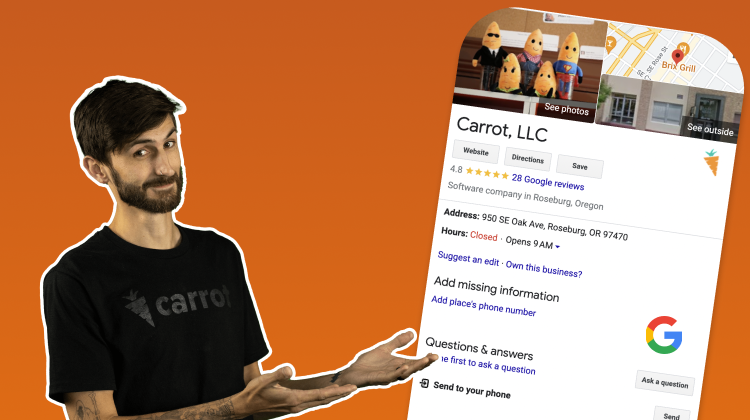
  • ChatGPT for Google Ads – 5 AI-powered Strategies for Real Estate Investors to Find Motivated Sellers

    ChatGPT for Google Ads – 5 AI-powered Strategies for Real Estate Investors to Find Motivated Sellers

    As a real estate investor, you know that finding motivated sellers is crucial to your success. With the emergence of powerful AI tools like ChatGPT and Bard, there are now even more ways to automate your lead generation efforts and optimize your Google Ads campaigns.

    In the past, automation tools were primarily focused on bid management and targeting.

    However, with the latest wave of generative AI technology, you can now leverage the power of text generation to create more effective ad copy that resonates with your target audience.

    Using ChatGPT for Google Ads lets you set up and optimize your accounts and save time and resources while improving your campaigns’ effectiveness. With ChatGPT, you can automate tasks such as ad creation, keyword research, and even ad testing and optimization.

    Using the right keywords in your ad copy is important to attract motivated sellers. Some examples of keywords to target might include “sell my house fast,” “cash home buyer,” or “we buy houses.” Incorporating these keywords into your ad copy and using ChatGPT to generate compelling headlines and descriptions can increase your chances of connecting with motivated sellers and closing more deals.

    Overall, the emergence of AI-powered tools represents a significant opportunity for real estate investors to streamline their lead generation efforts and improve the effectiveness of their Google Ads campaigns.

    ChatGPT for Google Ads for Real Estate Investors

    Discovering Motivated Seller Keywords with ChatGPT

    As a real investor, you know the importance of finding motivated seller leads. While Google’s Keyword Planner is a helpful tool, there’s an alternative that can help you discover new keywords. ChatGPT can provide suggestions when prompted with the landing page you want to target. It can be a valuable resource to help you find the right keywords for your motivated seller lead generation strategy.

    Here is an example:

    To make the keyword suggestions a bit more relevant, you can ask ChatGPT to include a particular term in each one:

    Using GPT for Motivated Seller Keyword Classification

    When using a keyword tool like ChatGPT for your Google Ads campaigns, you may end up with a long list of suggested keywords. However, having too many keywords can make creating targeted campaigns difficult, resulting in higher Quality Scores on Google.

    Splitting the list of keywords into smaller groups related to each other is important to solve this problem. This way, you can create more relevant campaigns that are more likely to convert.

    Fortunately, ChatGPT is great at grouping words by relevance. It’s so accurate that you may not even need to provide category names or examples in your prompts. I initially tried to help ChatGPT understand my desired categorization by adding a category name after the first few keywords, but this was unnecessary.

    Using ChatGPT to group your keywords by relevance, you can create more effective campaigns and improve your search engine rankings.

    The response to this prompt was of good quality despite not providing any examples for classification.

    How to Utilize GPT for Ad Creation

    To set up ad groups, I already have grouped keywords and a landing page on my site. The only thing I need now are headlines and descriptions for the responsive ads. I asked ChatGPT for assistance in writing these ads.

    Beware that sometimes, ChatGPT suggests ad headlines that are too long, exceeding the allowed character limits. This happens because ChatGPT doesn’t have strong mathematical abilities. Instead, it predicts the most probable text that should follow a given sequence. For instance, it recognizes that “1+1=” is typically followed by “2,” but it doesn’t perform the calculation. Instead, it looks for common patterns.

    If this happens, you must adjust the characters to fit or try again.

    GPT has a talent for completing the text, which means that when examples are provided in the prompt, the suggestions it generates are more accurate. This is because the suggestions follow the same pattern as the examples, which helps GPT predict what should come next in the sequence.

    Utilize GPT for Optimizing Search Terms

    After launching the ad groups, they will gather information about the search terms for which the ads were displayed.

    This data can then be utilized for optimization purposes. However, analyzing search terms can be daunting, as there may be a vast amount of them to sift through.

    To simplify this process, I requested ChatGPT to rank my ad group’s search terms according to their relevance. As ChatGPT already comprehends the concept of relevance, no further explanation was necessary. The outcome was as follows:

    Here are some search terms that ChatGPT deems more relevant to real estate investors advertising to motivated sellers:

    Here are some search terms that ChatGPT deems more less to real estate investors advertising to motivated sellers:

    As a real estate investor, you might find it helpful to use negative keyword ideas when conducting research. One effective strategy is to focus on the terms near the bottom of the relevance list, as they are usually less relevant to the landing page you’re promoting. This can save you time and help you prioritize your efforts when busy with other marketing tasks. While it’s not a perfect solution, it can be a helpful tool in your arsenal.

    How to Use ChatGPT to Optimize Your PPC Landing Pages

    If you’re someone who doesn’t create landing pages, you might feel unsure about them. To help you feel more confident, use these prompts to identify intelligent landing page recommendations.

    ChatGPT Prompt: “What can a person do from this page, and why would they want to do it? [Landing Page URL]”

    This is a fast and basic method to assess whether the content of the page and the call to action are suitable for your potential leads.

    ChatGPT Prompt: “I’m currently driving paid search traffic to this landing page [Landing Page URL]. How would you suggest improving it so that we get a better conversion rate?”

    This prompt may provide you with general advice for your landing page rather than reviewing your specific URL, but it’s still valuable advice to consider.

    ChatGPT Prompt: “Rewrite a headline for [Landing Page URL] that explains [unique value proposition] and includes the phrase [keyword phrase].”

    This prompt can help you address an issue with landing pages where the headlines focus on attention-grabbing rather than clearly conveying the page’s purpose. By using this prompt, you can improve your landing page’s message-match sequence and create stronger content above the fold to engage your audience better.

    If you don’t like what you see the first time, you can ask ChatGPT to “try again.”

    Conclusion

    As a real estate investor, staying informed about the latest automation opportunities in PPC advertising is important.

    Generative AI technologies like GPT and Bard can revolutionize how you approach PPC, and incorporating them into your campaigns can help you achieve better results.

    However, it’s crucial to remain vigilant and monitor the performance of your AI-powered strategies to ensure they align with your business goals. Consider implementing the techniques covered in this post in your PPC campaigns.

    With AI technology rapidly changing the PPC landscape, staying ahead of the curve is essential to remain competitive as a real estate investor.

    We’re here to help. You don’t have to get overwhelmed and fumble through paid ads. Here is a guide that can help you get started using Google Ads so you can be on your way to doing what you do best — closing deals.

    As always, if you feel Carrot may be a fit for your real estate websites and want better results online, we’d love to have you in the Carrot community, and be sure to learn more about paid ads

    Check out our plans and hit us up with questions anytime!

  • EP 434: Facebook Ads for Real Estate w/ SilverStreet Marketing

    EP 434: Facebook Ads for Real Estate w/ SilverStreet Marketing


    Do Facebook ads give good ROI for quality, motivated seller leads?

    Yes — when managed well. Kiley & JT with SilverStreet Marketing have spent millions on Facebook ads over the last decade, gaining a massive amount of insight into what makes an ad flip or flop.

    We talk about what to look for when outsourcing, lead costs & ROI, how to get quality targeting & lower ad costs despite recent changes to Meta’s platform, how they’re using ChatGPT to make ad creation more effortless, and a cool new tool they have in Beta that serves the investor who wants to go the DIY route.

    Let us know what you think of the episode – brady@carrot.com

    Get more content about paid ads at Carrot.com/ads

    Work with Kiley & JT: Marketplace.carrot.com or go.silverstreetmarketing.com/beta.


    Episode Transcript (This is an automated transcript by robot carrots – please mind the typos 😉)
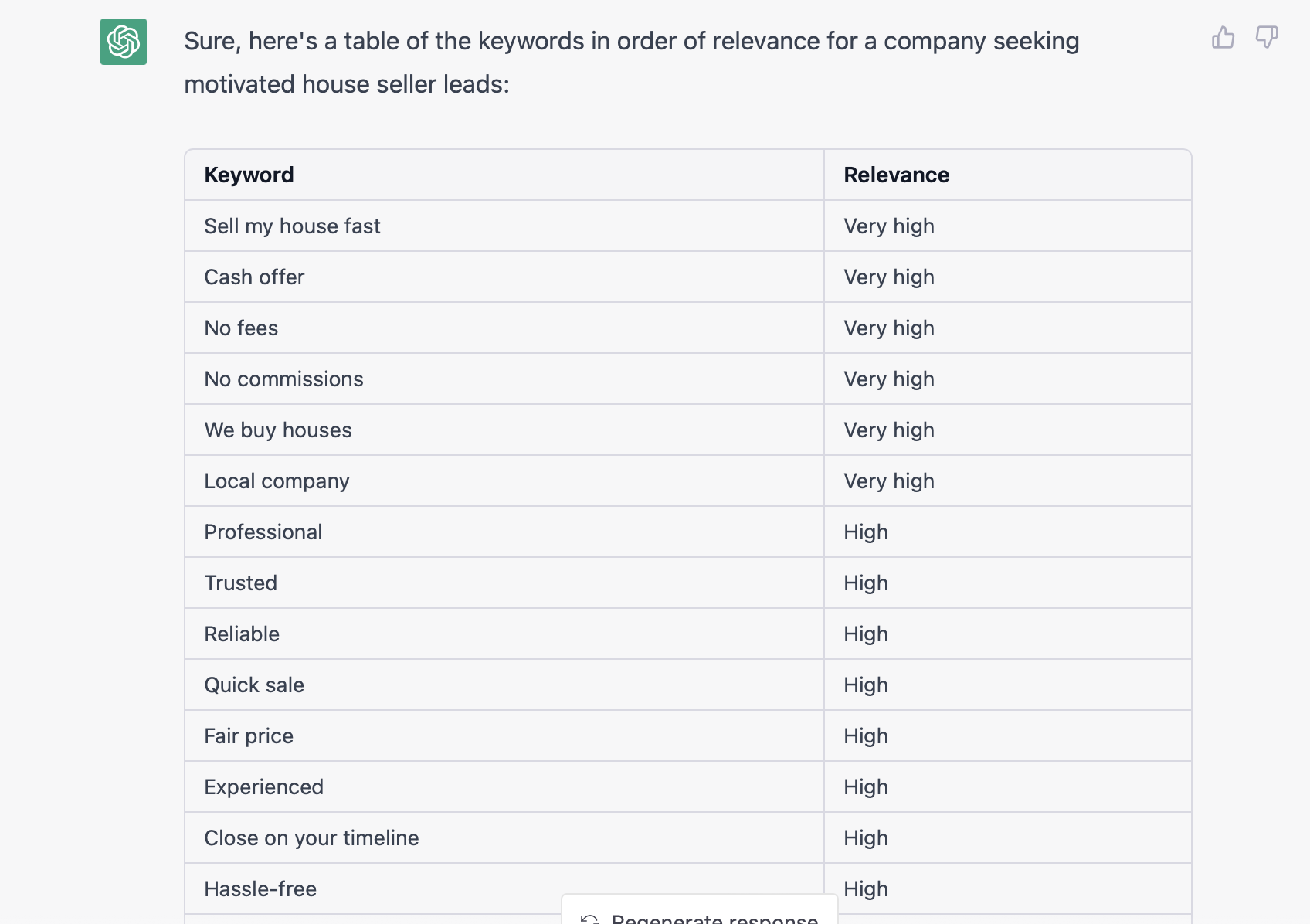
    00:00:00:00 – 00:01:11:25

    Kiley

    I don’t want to pay an agency. I think I can figure this out. And like J.T. said, you can totally can. But I think some people underestimate the consistency of effort that it’s going to take because, you know, creating an ad on Facebook is not super hard. You have to learn a little bit inside of ads. Manager But but creating a really good ad and then getting those things to consistently perform over time is really where the magic comes.

    00:01:11:29 – 00:02:40:28

    Kiley

    Thank you. Super stoked to be here. We love paid ads.

    00:02:45:06 – 00:02:46:04

    Kiley

    JT Go ahead, man.

    00:02:47:00 – 00:03:18:20

    JT

    Yeah. So when you’re looking at the the ROI that’s coming from it, typically what we’re seeing on Facebook is we’re seeing a cost per acquisition in between about a 3000 to 3500 on average is overall cost per acquisition. Depending on areas, you can kind of lower that down to about around a $2,000 mark. It just kind of depends on a couple moving parts that could be things like are you paying for management, How aggressive are you in your area?

    00:03:19:06 – 00:03:45:17

    JT

    Are you employing different types of tactics, not just lead generation like branding and and trying to become more of a powerhouse in your area? So there’s a couple of things that will affect that. And can kind of change that cost per acquisition price. But most investors that are coming on for management are sitting around that, you know, you could probably say about 2000 to $3000 cost per acquisition marker per deal.

    00:03:46:03 – 00:04:09:18

    Kiley

    Yeah. And to to, to break that down maybe just a little bit more basically to get that cost of acquisition, you’re looking at your cost per lead, right? And then the number of leads it takes to close a deal. So on Facebook, we see probably right around an average of 20 leads per deal. Would is that wouldn’t you agree?

    00:04:09:19 – 00:04:11:20

    JT

    JT Yeah, yeah.

    00:04:12:29 – 00:04:41:05

    Kiley

    Yeah. About 2020 leads per deal. So depending on what your cost per lead is and then depending on your on your close ratio. So one of the things we find that’s, that’s most important when doing Facebook ads is having a really strong follow up system. So if you think about lead generation in terms of each channel you’re using, you’re going to be finding potentially different people.

    00:04:41:05 – 00:05:03:09

    Kiley

    A lot of the same people. We can talk about that a little bit more, but you’re you’ll find people at different levels of readiness in their decision making process. And with a PPC ad, for example, you have someone that is actively searching for I need to sell my house fast so that person is in this mode of problem solving.

    00:05:03:14 – 00:05:43:00

    Kiley

    On Facebook, we one of the one of the powers of Facebook is that you can find people who are potentially not quite that far in the in their decision making process. Yet the benefit of that is you’re getting in touch with them before they start shopping investors. The challenge with that is you have to be ready and able to nurture that lead so that that follow up system really matters in the frequency of the follow up and the quality of the follow up because your lead time from lead capture to lead close maybe a little bit longer.

    00:05:43:00 – 00:06:21:02

    Kiley

    Now that varies. We have people who start running ads in within 2 to 3 weeks close the deal. So it’s kind of, you know, there’s that full spectrum, but you. Yeah. So I’m yes, I mean, yes, on the Facebook stuff, but I’m talking more specifically about your non Facebook follow up. So text messages, emails, phone calls, you know, you’ve got to be you’ve got to be contacting those leads right away.

    00:06:21:02 – 00:07:05:10

    Kiley

    You need to be following up with them frequently and often and and putting them in an in a nurture sequence to get them towards the the close. Well, I mean, Facebook ads have been effective for many, many years. There’s like a kajillion people on Facebook still even though even though it’s now kind of an older social media which is wild to think about the demographic of users on Facebook skews older.

    00:07:05:10 – 00:07:35:11

    Kiley

    So that fits well with the the typical, like high equity homeowner or someone that would would own a home and be potentially interested in selling. But specifically I think the opportunity right now. Brady you touched on this a little bit earlier. There have been a lot of changes on Facebook. So the iOS 14 change was huge. That dramatically impacted audience sizes and the ability to track conversions and things like that.

    00:07:36:02 – 00:08:01:19

    Kiley

    But then not too long ago there was another update with a a settlement with the HUD where they they changed targeting options a lot. I mean, and we did it we did a video on this as well with you that talking about how talking about how you can’t use lookalike audiences or special ad audiences in real estate anymore.

    00:08:01:20 – 00:08:41:21

    Kiley

    Now that was like that was one of the I’ve been I’ve been marketing on Facebook since 2007 and that was one of the biggest changes I’ve ever seen Facebook make. And the result of that is a lot of people have said, I don’t know how to do this anymore or I’m going to give up on Facebook and I’m talking like individual investors, but also some of the other like agencies that we we know of have really stepped back because they didn’t want to try to figure out how to how to work through it.

    00:08:41:21 – 00:09:18:03

    Kiley

    So the benefit there is the eyeballs are still on Facebook. So if there’s less people competing for those eyeballs, you have an opportunity as well.

    00:09:18:03 – 00:09:32:01

    JT

    And that’s that’s a lot of what we’ve seen. It’s just that that feedback there is that people are using Facebook is exactly that. You want to stay away from those demographics because that’s going to limit that’s going to help you get your targeting more and more direct. So you’re 100% right on.

    00:09:32:24 – 00:09:59:03

    Kiley

    Yeah. And the other thing the other thing to remember is that Facebook now called Meta, you know, they changed their name to Meta. They they own Instagram as well. And then they have their their own ad network, which is similar to like the Google ad network. So when you’re running ads through the Facebook or the meta ads manager, you’re you have a ability to run ads across many other places, too.

    00:09:59:03 – 00:10:29:00

    Kiley

    So your ads will show up on Instagram. Your ads can show up in mobile apps as people are using, you know, if someone’s scrolling and playing a game or whatever, like your app, your ad could show up in that as well. All through that Facebook ads manager Yeah, And also I just think some people kind of think about, you know, I’m going to run Facebook ads.

    00:10:29:00 – 00:11:00:09

    Kiley

    They’re thinking of just the one like in feed ad, which you know, that is a big part of it. But just I think it’s helpful to remember that you’re actually putting your ad in a lot of different places.

    00:11:00:09 – 00:11:00:18

    Brady

    Yeah.

    00:11:02:16 – 00:11:24:24

    Kiley

    I’m totally fine with that. We I don’t ever call it meta because I feel like most people don’t know or like you. Brady Like we haven’t, like, collectively accepted that that’s what it is. So if we you know, if we if we hop on the phone with someone and we’re like we’re experts at meta ads, they’re not going to know what we’re talking about.

    00:11:24:24 – 00:11:38:00

    Kiley

    So, yeah, we’ll call up we’ll call up Mark Zuckerberg. We’ll see what we can do.

    00:11:38:00 – 00:12:13:11

    Brady

    Yeah, you bet.

    00:12:13:11 – 00:12:34:00

    JT

    Yeah. You know, when someone’s, you know, running ads on their own or debating about running ads on their own, there’s a couple of things that we kind of, you know, you have to think about and consider. One is, you know, time. I mean, this is a conversation I have a lot and most investors I talk with, you know, when we have this, we’re talking about ads and learning how to do it.

    00:12:34:00 – 00:13:11:22

    JT

    I really say, you know, anyone can learn, but do you have the time or do you really have the desire to do it? Because if where your desires lag, you are like out in the field, you know, talking to the leads, like getting the contract signed and closing the deals, then that’s a job in itself. And to add on the marketing side of it, there’s there’s a lot that goes into that, you know, in terms of, you know, being on there weekly, watching all the data, thinking from a different type of mindset of a data data mind set of, okay, how is this affecting the algorithm versus how is this affecting my business?

    00:13:11:22 – 00:13:30:01

    JT

    And you kind of have to walk through those different steps at different times while you’re making these changes. So the first thing that we always kind of talk about, if someone is interested in doing it themselves, you are totally capable. You can you’re smart enough, you can figure it out with the right direction, but do you really want to long term?

    00:13:30:01 – 00:13:51:22

    JT

    Is that really going to be what’s best for your business? And everyone’s at different places, so for some people it will be for others. An agency might be a better spot to lead. And when it comes to agencies, there’s a couple of things we have to we have to think about. One is going to be your strategy. What type of strategy they’re using?

    00:13:51:22 – 00:14:14:15

    JT

    Are they focusing purely on your top of funnel? And, you know, that’s pretty typical for most like average Facebook agencies, especially in the last couple of years, a lot of people have geared towards spending 90% of your budget on a broad, no targeting because you’re in real estate and it’s really hard to target people. And then 10% of your budget on your retargeting.

    00:14:14:15 – 00:14:37:17

    JT

    And that’s kind of what they do. I would say that’s not a really thought out process because there are still ways that we could target. There’s still ways that we can filter out our top of funnel, middle of an Obama funnel. It just takes a lot more time and effort and management. So when you have the right strategy in place, that’s going to obviously affect your your leads.

    00:14:37:26 – 00:14:56:00

    JT

    And then second, when it comes to an agency, the next thing you want to consider is how well do they integrate with your team? Because one of the biggest things I hear people talk about when they had a bad experience is, you know, I kept getting bad leads. I wasn’t able to like, communicate with anyone to tell them that, and it just wasn’t working in my business.

    00:14:56:00 – 00:15:22:00

    JT

    And I’m sure if you went over to the agency and talked to them, they’re like, Well, all the leads we were driving were like $10 per lead. It was like a crazy. They were our best account, you know? And so you really need a good team work when you’re working with an agency, a really good team connection and one of the one of the best ways to do it, I tell everybody, even if you manage your own ads or you’re managing with an agency, one of the ways that you can fix this is use UTM parameters on all your ads.

    00:15:22:14 – 00:15:40:04

    JT

    And then that way you can see exactly what AD drove, what lead, and then you get the feedback from in our case, from our client. And and we say, okay, tell us the leads that were the best leads. Okay, There are these people, these names. All right, awesome. So these these names have these UTM parameters attached to them.

    00:15:40:04 – 00:16:03:11

    JT

    So whether you know that the iOS 14 came in place and we tracked it or we didn’t track it, we could manually track that and say, okay, this is where it came from. So now we know that these are our best ads in terms of motivation, and this is how we’re going to scale your results, even if it means we’re spending a little bit more per lead or we’re spending a little bit less, it’s more trackable and it’s going to give more tangible results.

    00:16:03:11 – 00:16:12:00

    JT

    So those are a couple of things. You know, we have a discussion with clients. We’re talking about agencies doing it yourself or, you know, browsing the market.

    00:16:12:20 – 00:16:40:25

    Kiley

    Yeah, that that feedback loop is critical. Whether you are working with an agency or you’re doing it yourself. Obviously the feedback loop with yourself, not really a loop, but but tracking that information and knowing that is important. And like JT said, that’s something a lot of people miss, which is paying attention to patterns in your leads and which which campaigns, which ads are generating the best leads.

    00:16:41:24 – 00:17:10:13

    Kiley

    And if you’re working with an agency, you want to be feeding that information to them. I have two analogies I think of when it comes to doing it yourself versus working with an agency. And one of those is like hiring a personal chef. So if you hire a personal chef to make your meals for you, the reason you’re doing that is because you don’t want to you don’t want to take the time to shop and cook and think about what you’re going to eat.

    00:17:11:21 – 00:17:29:10

    Kiley

    Maybe you don’t think that you can cook very good. Doesn’t taste very good, right? So you hire a professional chef. You’re you’re still going to be very engaged with that chef. If you if you hire a personal chef, like if he makes a meal that you don’t like, then you’re going to tell him or her about that. Right?

    00:17:29:10 – 00:17:51:15

    Kiley

    Or if they make when you love, you going to say, well, I do that one more often, or you may even have requests, you know, like I, I’m craving this or whatever. So that, that even though you’ve outsourced that work, you’re still involved in, in guiding that, you know. And then let me let me give you one other analogy as well.

    00:17:52:00 – 00:18:16:11

    Kiley

    The like fitness analogy. So because I think we see this a lot with people in who think who want to do DIY. So you go to a personal trainer and you say, Hey, I want to get ripped off. And the personal trainer starts with starts listing out all the things you’re going to need to do to get ripped.

    00:18:16:26 – 00:18:38:20

    Kiley

    And it’s like, you know, you’ve got to like follow a you got to count your macros, you’ve got to do these certain kind of workouts, you’ve got to work out this many days a week, etc., etc.. And you’re going, I, I just kind of wanted to get ripped like, yeah, can I just get ripped? And I think that happens with the DIY side.

    00:18:39:15 – 00:19:02:15

    Kiley

    The idea of like, Hey, I don’t want to pay an agency, I think I can figure this out. And like JT said, you can, you totally can. But I think some people underestimate the effort that it’s going to take, the consistency of effort that it’s going to take because, you know, creating an ad on Facebook is not super hard.

    00:19:02:17 – 00:20:03:08

    Kiley

    You have to learn a little bit inside of ads. Manager But but creating a really good ad and then getting those things to consistently perform over time is is really where the magic comes in.

    00:20:03:08 – 00:20:31:11

    JT

    And so what is diving into your seller interests? Obviously, you know using seller interests can help be kind of a bridge between your broad just going to anybody and then going to a more interest based audience that could be interested in things that you’re offering based off of what they’re looking at and browsing online. So that’s still capable of being used and that as well, the custom targeting of using custom lists.

    00:20:32:00 – 00:20:56:10

    JT

    So we can still use lists that we’ve uploaded for like retargeting purposes. And so using those to our advantage. And basically I mean we talked about this in last video, but the combination of what type of media we’re using to help filter out what type of motivation that we’re getting on these and then also the targeting in place.

    00:20:56:10 – 00:21:25:15

    JT

    And then lastly, you know what we just kind of touched on using manual like feedback, like UTM parameters to be able to give us really good feedback on what’s actually working. Those are kind of been our go to options to be able to continue to get consistent results for investors, even though the landscape of the ads are changing, you know, and and that’s just kind of the nature of any platform is over time.

    00:21:25:24 – 00:21:50:05

    JT

    It’s always the landscape is going to change a little bit. But as long as our type of seller that we want is located there, we’re going to be able to find a way to get in front of them. We just have to change up the strategy a little bit to do it. So that’s that’s some of the things have consisted of of changing that strategy.

    00:21:50:05 – 00:22:24:20

    JT

    Yes. So there are like equity interests, so people who are doing like reverse mortgages, people are interested in their their own equity types. There’s like Facebook interest. So like for sale by owner interests, they’re going in through like Zillow and doing for sale by owner stuff. There’s a couple of different things when it comes to like, like debt consolidation or real repairs on your house as well as like overall lending purposes.

    00:22:25:15 – 00:22:53:12

    Brady

    So you’re pickleball anymore.

    00:22:53:12 – 00:23:20:18

    JT

    Yeah. And a lot of that is due to, you know, with all this changing that’s been going on in the real estate industry, specifically, there’s a lot more of like how we have to think that these people are showing motivation inside those interest categories and then combining that with the type of media and the type of copy that we’re using to really be like a hard trigger to filter people who are not going to be interested and filter those, that will be because Facebook is still an algorithm.

    00:23:20:18 – 00:23:39:20

    JT

    I think a lot of people forget that. That’s really what we’re working with, is not, you know, we’re not in an auction like PPC where we can say these are the type of words we bought. This is how much we’re willing to pay for it. We’re with an algorithm. And that algorithm primarily focuses on one, how many impressions they’re able to get out of the audience that we’re running.

    00:23:40:15 – 00:24:00:27

    JT

    So impressions being the ability to have your ad loaded to a cue, that’s when Facebook charges you. So it charges you per impression. It’s not per view, it’s not per click. And then second is it’s going to prioritize engagement. So we understand that we have a really good buy hard filter ad that when somebody is going to be interested, they’ll click it.

    00:24:00:27 – 00:24:17:08

    JT

    They’re not at all going to be interested. They’d make sure that they go past it. Facebook recognizes that, and they’re going to start to understand who’s actually clicking. But the other thing they’re going to see is the more engagement we’re getting, they’re going to start to raise us up in the ranks on the feeds. So it’s costing us less money overall.

    00:24:17:17 – 00:24:42:03

    JT

    That’s why a lot of people who only run ads for like 60 days, they don’t make any changes to it. They just publish an ad, they launch it, they don’t see any results versus somebody who runs it for, you know, 3 to 6 months and they’re in there making biweekly changes are going to see consistent deal flow. So that’s one of the reasons, just because the way that the platform has been made, you know, what we’re working with is very different than other ad platforms that you may be buying.

    00:24:42:04 – 00:24:45:05

    JT

    Media.

    00:24:45:05 – 00:25:40:15

    Kiley

    So one other quick thought there. So over the years, Facebook has made updates to what advertisers and marketers, what information we’re able to use to in our targeting. You know, there have been like you could use to target around lots of different things like income and and yeah well there’s lots of examples in there but as yeah some of that some of that you can still do but the the as Facebook has grown they’ve made updates to some of that and you know some of that is a win for consumer privacy and and those types of things because unfortunately there are bad actors out there that use information for discriminatory practices or whatever.

    00:25:41:15 – 00:26:17:21

    Kiley

    But so part of what’s been so important, I, I started marketing specifically for real estate investors in 2016 and I had previous to that spent a lot of time marketing in other industries, spending several million dollars a year in Facebook ads. And what what I found is any time Facebook makes a change, we we just have to be willing and ready to go in and make a couple of adjustments and continue to test and optimize, kind of like JT was saying.

    00:26:17:21 – 00:26:40:11

    Kiley

    So if one of our targeting, one of our interest based targeting got cut, then we’d go in and like JT said, we’d, we’d have to get creative and say, okay, what else could we think about that might connect to that person? But in a, in a different way. And yeah, and so that’s what we, that’s what we can continue to do.

    00:26:40:20 – 00:27:27:01

    Kiley

    And I think that’s what is difficult for people who aren’t investing the time or energy to know that or if they if they just have a really simplistic strategy, if something in that changes, it’s difficult for them to adapt right? Yeah, it’s.

    00:27:33:14 – 00:27:52:17

    JT

    Yeah, yeah. We definitely talk a little bit about that. So when it comes to copy, typically, you know, what we’re doing here is we’re doing a lot of testing over and over again just because we really want to see what is getting the most valuable clicks. So there’s a couple different things that we do when we look at creating copy.

    00:27:52:17 – 00:28:22:29

    JT

    So one is we’re looking at short form copy and we’re looking at long form copy. So we’re seeing what are going to be the differences between having just a short, you know, 1 to 2 sentence copy piece versus having something that’s, you know, 5 to 6 sentences. And then we’re also testing different things like adding in bit.ly links inside that copy, adding in emojis inside that copy, and then kind of switching out some of our our main triggers, which would be, you know, like get a cash offer or sell without paying for any fees or repairs.

    00:28:24:02 – 00:28:52:04

    JT

    Right now, typically what we’re seeing and this kind of change is per market. So, you know, obviously you have to test and figure out what’s working for your audience. But a lot of what we’re seeing is kind of that that. Sure. And we’ve gone back to that shorter copy has been working really well with direct triggers, right, like hooks right at the beginning of sell your house without pay for a yell, fees, repairs on your home and things like that have been working really well.

    00:28:52:04 – 00:29:07:29

    JT

    I think part of that is because of market shifts. So you do have to understand, you know, because that market people are starting to now realize the traditional real estate market right there, they’re usually about six months behind. They think they could get one thing for their home and that was six months ago, is what they could have sold it for.

    00:29:07:29 – 00:29:28:00

    JT

    So they’re kind of in that point where they’re starting to realize it’s hard to sell a house. And so those things are starting to stand out a lot more and then add in some personal customized like situations or different things. So we always suggest to two people who are running their own ads or to our clients to give us stories that we can also include in those types of copy.

    00:29:28:08 – 00:29:52:11

    JT

    That could be it’s like, you know, so and so, yeah, we help so-and-so move out of their house when they were, you know, facing foreclosure or, you know, whatever that situation might be to kind of give some more context to the person. So we’re testing all these different things inside these accounts to try to figure out what works for every single client, because really, that’s that’s what we’ve seen.

    00:29:52:11 – 00:30:12:07

    JT

    The best way to do it is we look at those metrics and then we make decisions based off of that because it it’s going to change per person per area because everything’s based off of engagement. And in an area they could get different engagement than another using the same message. So and that would then hurt those ads in the area that’s not getting the engagement.

    00:30:12:07 – 00:30:13:12

    JT

    So a lot of.

    00:30:51:20 – 00:31:21:16

    Kiley

    Yeah, engagement matters. It’s part of the quality score that Facebook uses to determine an ads relevance. So Facebook keeps a pretty tight lid on exactly what that recipe looks like of how important eat. At one point I had I got access to this internal spreadsheet from Facebook that had like a weighting system of, you know, abuse complaints, comments, etc., But it’s old enough now.

    00:31:21:16 – 00:31:54:00

    Kiley

    I don’t I think it’s probably no longer relevant, but so the quick answer is engagement matters because if Facebook feels like the ad is engaging, they’re going to show it to more people. I you know, I think it’s important to take a step back and think about what is Facebook’s overall goal, their overall goal is to keep us users on the platform as long as possible so that they can show more ads to us, so that they can they can charge advertisers for showing those ads.

    00:31:54:00 – 00:32:16:19

    Kiley

    Right. So if Facebook thinks an ad is going to help with that, then they’re going to they’re going to continue to show that that that is in combination with Facebook’s algorithm looking at who’s most likely to take the action that you want. So we strongly, strongly recommend that anyone running Facebook ads is paying attention to the engagement on their ad.

    00:32:17:05 – 00:32:38:19

    Kiley

    And that’s important for a couple of reasons. One is if if someone comments and then you engage with them, it continues to feed that also just from a from a like social psychology perspective, if the ad has engagement on it and they can see you engaging, that’s going to encourage more engagement and it’s going to create some social proof as well.

    00:32:39:15 – 00:33:00:00

    Kiley

    And then the last you know, the other one would be there’s a good chance you’ll get someone that comments something on there that is like you could see it skews negative. So it’s something like, Oh, yeah, yeah, right, I’ll sell you my house and you’ll give me pennies on the dollar. Or I bet this is a scam or something like that.

    00:33:00:13 – 00:33:21:23

    Kiley

    And the opportunity there is twofold. One is to feed that engagement out that that that side of the algorithm on engagement by responding to that person. But the second part of that is you get an opportunity to answer that person’s question and explain and other people are going to see that. So we will get comments like that is an opportunity.

    00:33:21:23 – 00:33:48:28

    Kiley

    It’s an opportunity for you to jump in there and say, hey, you know, totally understand what you’re saying. What we offer is isn’t best for everyone, but for some people it’s a great. So whatever you’re going to say, you know, whatever your your pitch is there. And and the only time I’d ever hide a comment is if it was just like, totally spam or like really belligerent or something, you know, other than that, take that opportunity to engage, have that conversation.

    00:33:49:04 – 00:34:00:27

    Kiley

    Facebook has become much different than it was originally, but it’s still a social platform, right? It’s it’s intended to connect people again because they want us to stay on there as long as possible.

    00:34:01:16 – 00:35:28:25

    Brady

    At Yeah.

    00:35:28:25 – 00:35:47:18

    JT

    Yeah. There’s a you know, I think Gary came out with this. I want to say like six months ago he released this where he was like his entire ad strategy was changing to you. First start organic and see what gets the best. Like proof that it would work and then take that style of ad and run it as a paid out.

    00:35:48:24 – 00:36:13:15

    JT

    And you know, something that we can sell our clients with is is similar in the sense that we’re trying to get very transparent and honest content. So things like face to face videos, talking about situations in which they’re helping sellers, you don’t have to have the seller with you. You can I think that’s great what you do. But instead of just getting like a review from the seller that says, Yeah, it was great, you know, they bought my house for cash, that’s good.

    00:36:13:15 – 00:36:43:08

    JT

    But you can go even better and you could talk about situation and give give those details. They’re a little bit more intimate, transparent and honest. And oftentimes that’s going to attract an even more motivated person because they connect with those things. Yeah. When you talk about someone struggling through foreclosure and that you able to stop it, you know, two weeks before they lost their house had all this damage done to their credit, all of these, you know, negatives and you’re like, but they put cash in their pocket.

    00:36:43:08 – 00:37:09:19

    JT

    They’re able we were able to to arrange it so that they could leave on their timeline. And, you know, now they’re off in a better place all of a sudden, like that’s going to appeal way more to somebody. So I you know, that’s a big thing where video is really starting to come back is content. You had a switched couple of years, like probably about a year or two back switch to images again because they changed that some of the rules around how much headlines you can have on images.

    00:37:09:19 – 00:37:22:29

    JT

    So everyone went back to advertising images, but now we’re back to videos. And those type of stories are just mixing really well with videos. So that would definitely be something that we would suggest to all of our clients and anyone who’s doing their.

    00:37:22:29 – 00:38:11:02

    Brady

    Own Facebook ads.

    00:38:11:02 – 00:38:30:03

    JT

    Yeah. And it changing your the way that you run your ads to you. I mean, one thing that we do is we use dynamic, creative, and that helps a lot in how we’re actually running and operating these ads and figure out what’s working best because we’re not having to do so much split test, which can test great because it gives you a definitive answer.

    00:38:30:03 – 00:38:54:04

    JT

    But oftentimes you could spend more money in trying to find the answer than it is worth it, because then you have to test again and again and again. Whereas when you’re running dynamic creative tests that automatically that basically the your budget is shifting towards what’s actually getting the engagement. And so we can keep adding to that test over and over and over again, proving the results and getting the best options that can be in that ad.

    00:38:54:14 – 00:39:13:00

    JT

    So that’s another thing I think a lot of people kind of forget about is is using dynamic, creative.

    00:39:13:00 – 00:39:41:27

    Kiley

    I guess this whole everything I’ve said on this podcast was written by chatty people. I I’m just typing it in as you guys see it. And I’m like, okay, you know, it’s interesting than like a chat. GPT it I mean, air is powerful and it’s going to, it’s going to change things for sure. I, I don’t know to what level or how good it will get.

    00:39:41:27 – 00:40:11:18

    Kiley

    I mean, as of right now, I think the best way that someone listening to this podcast could leverage chat would be to grab some ad copy that you that you’ve seen that that you thought was good and go in and you have to work with chat, you have to prompt it a little bit but basically have it write some variations of that and, and then I would and I’ve used this to do that, right?

    00:40:11:20 – 00:40:30:23

    Kiley

    I for me, one of the best values of Chatty Betty right now is like my first draft of a lot of things because then I can take it and I can kind of iterate it and make sure that my personality is still in there or the personality of the brand and the customer that we’re working with. But if you’re just like, Man, I need I need some help coming up.

    00:40:30:23 – 00:40:54:26

    Kiley

    Like, I don’t even know where to start. Just you could go to chat GPT and say, write an ad for a real estate investor on Facebook that wants to buy a house that is in foreclosure. Whatever. Yeah. And just let chat, chat, start, start going to work for you. I think that’s probably the best way that someone could use it right now.

    00:40:54:26 – 00:42:10:07

    Kiley

    I think in the future we’ll see tools that are built that allow us to and some of this already exists a little bit, but where we can feed it content that we’ve written in the past so that it will get better at writing things in in our style, which, you know, that that then makes the output even more powerful.

    00:42:10:07 – 00:42:11:10

    JT

    Actually, a couple of them.

    00:42:11:26 – 00:42:13:09

    Kiley

    I’m not sure which one.

    00:42:14:12 – 00:42:15:04

    Brady

    I.

    00:42:15:04 – 00:42:15:29

    Kiley

    I, I don’t think I.

    00:42:15:29 – 00:42:16:27

    JT

    Have that one.

    00:42:17:13 – 00:43:03:21

    Brady

    Right. Yeah. Yeah, yeah, yeah.

    00:43:03:21 – 00:43:51:09

    Kiley

    It’s interesting and it’s important to remember that this, these things are language models. So what they’re designed to do is to mirror language that they’ve been taught to provide a response or an answer. So what that, what they’re not necessarily designed to do is to follow a logical decision making process to reach the conclusions that they reach. So if you’re going to use it to discover information or to write information, there’s there’s definitely a chance that some of that information is not accurate because its goal and it’s going to it’s going to take what what you’ve it with into consideration as well.

    00:43:51:09 – 00:44:33:00

    Kiley

    So this is a whole nother like a whole nother interesting conversation. But there’s there are people now called prompt Engineers and their their role is to learn how to ask the AI the right questions in the right way to get the right kind of response. Pretty fascinating. I yeah, it is right now it’s yeah, for sure. I think I just want to say one of the things so why is that?

    00:44:33:00 – 00:45:04:26

    Kiley

    I don’t know what the future looks like. I think I will get I think we will see all over in the marketing world. So there will be aspects of, of mining jobs that that get taken over by AI. But I think what will always remain is the need for the human empathy of understanding who you’re talking to, what their problem is, and how you can connect with them and and present your solution to them.

    00:45:04:26 – 00:45:33:23

    Kiley

    And and that is, I mean, at the core, the the specifics of marketing change dramatically. You know, I mean, I can imagine the way we feel about AI right now is probably how people felt when TV was invented or the radio is going like, whoa, this changes everything. And but the principles of good marketing remain, which is you got to understand who you’re talking to.

    00:45:33:23 – 00:46:30:28

    Kiley

    You got to you got to understand their need and you got to speak to it. And if you provide value to them, then they’ll be interested in engaging with you or talking to you.

    00:46:30:28 – 00:47:14:19

    Brady

    Yeah, yeah. Hmm. Yeah.

    00:47:16:05 – 00:48:02:03

    Kiley

    Interesting. Yeah, yeah, yeah. That’s yeah. I mean, that the reality is we crave connection as human beings where, you know, call us pack animals. We crave that connection. And, and so I certainly think as we get more and more digitized, I mean, there are studies now that show that even though we have tools that connect us better than ever before, like on average, we’re lonelier and feel more isolated than, you know, generations before us.

    00:48:02:03 – 00:48:20:27

    Kiley

    So I think I think there’s there’s got there’s some truth in there for sure that people crave that connection. And and and there’s there’s always that opportunity to be a real person that’s interested in really connecting with people and really solving problems.

    00:48:20:27 – 00:48:55:21

    Brady

    Yeah. Hmm.

    00:48:55:21 – 00:49:26:06

    Kiley

    Yeah. I mean, I got a couple and then I’m sure JT might too, but this might sound really, really basic, but it’s so critical and we see people miss it, which is just make sure that you are investing the time to set things up correctly. So if you don’t put your pixel on the website and set up your conversion event correctly, then your waste, your waste a lot of money on Facebook, you might still get some leads, but it won’t be feeding that.

    00:49:26:06 – 00:50:03:07

    Kiley

    It won’t be feeding your pixel data. You won’t necessarily know where they’re coming from. So you got to you got to make sure you have that that setup done well. And then the other thing I would say is, well, yes, but that’s only part of it. So when you set up a Facebook ad, you’re going to put your pixel on your website, but then you’re going to have something on your website.

    00:50:03:08 – 00:50:42:12

    Kiley

    Tell that Pixel that the conversion event that you’re looking for happened. So like on a carrot Web site, when someone clicks, submit on, you know, enter my property address or whatever, they click submit and then it takes them to that next page. Your pixel data should be telling Facebook that that person took action. And the reason that matters is the pixel is looking to see if your ad is getting the action that you want it to have one so they know whether it’s relevant to people and to so they know how to continually optimize that, to show that to the right people.

    00:50:42:12 – 00:51:17:09

    Kiley

    So if your pixel is not configured correctly, you’ll see like a little you’ll see little errors in Facebook. That’s like, Hey, the pixel is not getting any data for this conversion event and that that impacts that impacts the algorithms ability to like build and gain like flywheel momentum so that. Oh that’s right. That’s right. Yep, that’s right. And then and then like you said, yes, you can retarget that traffic which is, which is super awesome and you should be doing that.

    00:51:17:15 – 00:51:24:17

    Kiley

    But yeah, you’ve got to have that conversion piece set up correctly.

    00:51:24:17 – 00:51:48:26

    JT

    Well I was gonna say that to test I think, I think a lot of people, you know, we kind of mentioned you have to give it the time and part of that is just consistently testing. Don’t ever think that just because you know you find something that works that you can just stop because we’re talking about a platform that changes all the time and change it, you know, changes as your results are coming in.

    00:51:48:27 – 00:52:08:15

    JT

    So you start having something you never want to just like all a sudden enter into something slow because you haven’t been staying up all on your changes. So just consistently testing, keeping a beat, the alchemy, keeping a feel on the beat of the of the market as well, like not just in real estate but on the Facebook ads side of things.

    00:52:08:15 – 00:52:16:05

    JT

    Just understanding what you need to do to stay on top of it. What the algorithms feeding and now help you be more successful.

    00:52:17:08 – 00:52:26:13

    Brady

    Yeah, yeah.

    00:52:30:28 – 00:52:32:03

    JT

    Yeah. Just just I.

    00:52:32:03 – 00:53:14:16

    Kiley

    Mean, the answer is yes. Yeah. We test. I mean, from a visual, creative perspective, we test so many different variations. You know, we have text on the images. What color is the text, What size is it, where is it located? Does the text have a shadow on it? So you can. Yeah, the answer is yes. Test. And, and we kind of talked about this a little bit earlier, but I think the other piece I’d add, maybe just as a little bit of a repeat is really consider what you want to invest time and money wise and that will help you decide the best way to approach it.

    00:53:16:12 – 00:53:43:09

    Kiley

    If you are going to put the time in to learning how to do it yourself. That’s why JT said it’s totally doable. There’s lots of education out there. In fact, we we have a course that’s available in the current marketplace that basically teaches everything that we know and do on a Facebook account. It’s several hours long. So it takes it takes commitment to to want to do that.

    00:53:43:09 – 00:54:10:26

    Kiley

    And then part of what we’ve realized over time, you know, I’ve been doing I’ve been doing Facebook ads forever, but specifically for real estate investors since 2016 and what I realized is a lot of people who want to do DIY, they fit really well into the analogy I gave earlier, which is they want to be ripped, but they’re not quite ready to really do everything that they need to do to get ripped.

    00:54:10:26 – 00:54:50:20

    Kiley

    And so we see people jump into that and then they hit some hurdles, they hit some difficulties and they kind of bail and they go our Facebook ads don’t work. Or I you know, I’m going to I’m going to move on. And we’re actually really excited about about this. BRADY We because of that feedback, we we’ve been really thinking about how do we make something that people who are not ready for management either because their budget is a little bit smaller or maybe their personality is such that they’re like, I don’t want to hire someone, What?

    00:54:50:22 – 00:55:24:06

    Kiley

    How can we help them get into Facebook ads in a way that they can be more successful long term? So we’ve created a dashboard software tool where we’ve taken all of our best performing ads and prebuilt campaigns with all of our and everything that we would normally use. And basically people can run Facebook ads with three or four clicks and run everything through through this dashboard.

    00:55:24:18 – 00:55:54:11

    Kiley

    And it’s because part of what part of what’s hard about Facebook marketing is learning how to use ads manager. It’s Facebook ads, managers. I mean, you get in there, it’s a little bit overwhelming. It’s a little bit intimidating. Yeah. So we’ve we’ve we’ve got a tool now that that takes all of that and puts it into like a super simple dashboard where you’re just like, you’re, you’re cooking and you’re toggling things on and off and this is the way I think about it.

    00:55:54:11 – 00:56:26:11

    Kiley

    So to come back to my other analogy about about food hiring an agency is like hiring a personal chef. DIY is like doing it all yourself. So you’re coming up with the meal plan, you’re going to the grocery store, you’re buying all the groceries, you’re chopping it all up, you’re cooking it, you’re and this, this, this, this new tool is like hellofresh or Blue Apron, where someone who knows the the professionals are preparing everything for you there.

    00:56:26:11 – 00:56:51:22

    Kiley

    Do a minute to your doorstep and all you have to do is a couple of steps and then you’re eating. Oh, yeah, yeah. It’s, it’s it’s not a perfect analogy. I mean, because really it’s like. I mean, it would be like if all you had to do with the hellofresh was put it in the microwave, you know. Yeah.

    00:56:51:25 – 00:57:49:00

    Kiley

    That’s, that’s how easy it is. So as of, as of today when we’re recording this we are in beta and we have a handful of people in already and are accepting just a limited, a limited few more. If you’re interested in that, you can go to go dot Silver street marketing dot com slash beta. And by the time when this podcast airs, if we’ve come out of beta, we will redirect that link to get you where you need to go.

    00:57:49:00 – 00:57:49:18

    Kiley

    Thanks, Brady.

    00:57:50:03 – 00:58:16:19

    JT

    Thanks. Out of this.

  • EP 432: T.V. Ads for 5x ROI & Less Competition. Everything Real Estate Investors Need To Know

    EP 432: T.V. Ads for 5x ROI & Less Competition. Everything Real Estate Investors Need To Know


    Tony Javier $3k into $30k with his first month of TV Ads, and since then he’s been “off to the races!” After realizing there were no masterminds out there teaching the things he had learned from his experience with television advertising for real estate, he started taking on clients and typically gets his investor’s returns in as little as 3-6 months!

    Today we’re talking about real estate investors, television advertising, and lead generation methods, the top 10 benefits of running ads on TV, and how you can dial the channel into a turn-key traffic solution!

    Check out Carrot.com/video for 52 free ideas & a guide on how to get started in video marketing.


    Episode Transcript (This is an automated transcript by robot carrots – please mind the typos 😉)

    00:00:00:03 – 00:00:22:15

    Tony Javier

    And so first month I spent three grand and made 35 my first month and was off to the races from there. And over the years I’ve told people that I do TV, you know, high level masterminds I’ve been a part of. And every mastermind that joined there was either zero people doing TV or there might have been one out of like 100 plus high level real estate investors.

    00:00:23:03 – 00:00:35:22

    Tony Javier

    And I wish I had won back then that I had a gold mine for other real estate investors. I would have started, you know, helping people dinner.

    00:00:35:22 – 00:00:56:13

    Brady Winder

    Hey, friends, welcome back to the Kirkus Podcast. I’m your host breadwinner and this is the podcast where we help you dial in your marketing and help you build businesses of freedom and impact. I’ve got our guests with us today, Mr. Tony Javier, a.k.a. the TV guy who happens to be a very good, close longtime friend of Trevor Mark, our co-host and CEO.

    00:00:56:21 – 00:01:07:06

    Brady Winder

    And so I’m really excited for you guys to get to meet him and talk all about TV today. Why it’s an awesome marketing channel and get into the nitty gritty. And so, Tony, I hear the podcast, man, How are you?

    00:01:07:18 – 00:01:15:00

    Tony Javier

    Really good, man. Thanks for having me. I appreciate it. Driver And I’ve been talking a while about putting this together of being on the podcast, so I’m glad to be here.

    00:01:15:00 – 00:01:36:27

    Brady Winder

    Absolutely. Absolutely. And so we don’t do a lot with offline marketing, you know, most podcasts, online marketing and but I think out of the past 400 episodes, we’ve done maybe one or two on radio. I don’t think we’ve done a single one on TV. So this is going to be really valuable. I think it’s it’s one of those topics where the investors just don’t know enough about it.

    00:01:36:27 – 00:01:54:11

    Brady Winder

    And so our goal with this conversation is I want to learn, you know, is this right for me? Is TV something that I should try? And if so, then when? And how do I go about it with without losing a bunch of money? Because I’m sure that’s probably what people are thinking is like, Oh, is this going to be a massive investment?

    00:01:54:11 – 00:02:02:24

    Brady Winder

    Is it a big risk? And so that’s what we’re going to answer. But Tony, how did you how did you get started in TV? What that look like?

    00:02:03:08 – 00:02:21:15

    Tony Javier

    Yeah, before I tell that, that’s actually a good point. Most people, when they think about real estate investing, don’t think about TV, which makes it perfect, which, you know, so. So there’s a lot less competition. So people, when they think about TV, first of all, they don’t think about TV with real estate investing. If they do think about TV, they think it’s too expensive.

    00:02:21:15 – 00:02:40:10

    Tony Javier

    They think their business is not big enough and they don’t know where to start. There’s a lot of intricacies of TV that if you don’t do it right, you can waste a lot of money. So that makes the competition almost I don’t want to say nothing, but when I started ten years ago was pretty much nothing. So. So we’ll start there.

    00:02:40:10 – 00:02:56:19

    Tony Javier

    So ten years ago, I was actually at a poker game. It was a friend of a friend. I went down to his basement and I noticed this guy and he was on TV. He was a he had a TV commercial. And so I kind of got like a little star struck. It was kind of weird, you know? It’s like, Oh, this guy’s on TV.

    00:02:56:19 – 00:03:16:07

    Tony Javier

    Like, you know, he’s you know, you think they’re unapproachable or they’re kind of like this celebrity status kind of thing. But I just started talking to him and I say, Hey, you know, I’ve seen you on TV, just small talk. I’m like, How’s that commercial doing for you? He’s like, his eyes just lit up and he’s like, We do $2 million a year in business off of that TV commercial.

    00:03:16:07 – 00:03:34:03

    Tony Javier

    And that’s all the marketing we do. And I was fascinated. I’m like, Wow, that’s crazy. And so I started dream about it. I wasn’t even thinking about me being on TV, really. And he goes, You know what? I’m going to connect you with my media guy. Maybe drive your business. And I was like, Oh, okay. And so maybe me.

    00:03:34:03 – 00:03:51:28

    Tony Javier

    I called him first thing Monday morning and his name is Drew. And I said, Hey, I heard you got Channel on TV and you’re doing pretty well for him. He’s like, Yeah, Chad’s a great account. And so he learned about my business and he comes back to me and he’s like, I can get you hundreds of commercials for X amount of dollars.

    00:03:51:28 – 00:04:13:21

    Tony Javier

    Pretty low ad spend. It’s about 3000 bucks. And so ran my first month where I was on within 30 days. I did the scripts. I did all the back end buying the negotiations with the stations. He made it super easy for me. And so first month I spent three grand and made 35 my first month and was off to the races from there.

    00:04:14:03 – 00:04:33:28

    Tony Javier

    And over the years I’ve told people that I do TV, you know, high level masterminds. I’ve been a part of. And every mastermind that joined there was either zero people doing TV or there might have been one out of like 100 plus high level real estate investors. And I wish I did one back then that I had a gold mine for other real estate investors.

    00:04:33:28 – 00:04:56:01

    Tony Javier

    I would have started, you know, helping people sooner. So a couple of years ago, I about two and a half years ago, a good friend of mine who is in the real estate space was like, Why don’t you show people what you’re doing? And I’m like, you know, I don’t know if it’s going to work in every market, and I don’t know if people will get results as fast as I can.

    00:04:56:01 – 00:05:15:04

    Tony Javier

    And that’s the other thing about TV is people think it’s just branding and that it takes 6 to 12 months to get results. Right? Right. So for me, it was month one. And so when I watch this, I reached out to about ten people I knew that were in the real estate space. Eight ever raised their hand and said, Yes, I’ll do it.

    00:05:15:18 – 00:05:32:23

    Tony Javier

    So I told them, Hey, I’ll do the production, but I have eight scripts that I know that worked well for me. I’ll put together the scripts. My media guy will go to the stations, negotiate the rates for you within 30 days. We can get you on air. So out of the eight, I think six are still running with me or about two years later.

    00:05:33:04 – 00:05:57:25

    Tony Javier

    And results were quick, were almost every single one of them. And it was just it just blew my mind. So then that was a soft launch and I’m like, okay, I’ve got something here. So we launched it officially next month, I think will be officially two years that we have been helping real estate investors and we have over 100 real estate investors running with us right now and they’re just crushing it.

    00:05:57:25 – 00:06:14:10

    Tony Javier

    I mean, we when we get someone on air, there’s not much competition out there. It builds a ton of credibility for them. It helps other forms of marketing. I’ll get into the benefits here in a little bit, but it’s it’s one of those things that right off the bat, for almost every single one of our clients, is producing a really good return.

    00:06:14:10 – 00:06:24:00

    Tony Javier

    So I’m super stoked about TV and I’ve got plans for all kinds of other ideas with, with TV commercials. But that’s kind of what we’re doing now. And that’s how I got started with TV.

    00:06:24:18 – 00:06:39:11

    Brady Winder

    Well, thanks for Sherman. Yeah, that’s wild that it? Our work in the first month for you. So I got a few questions before we jump into the benefits here. I got a few questions that are really burning I’m just really curious about. And one of them I was going to ask you is like, what’s the biggest misconception about TV?

    00:06:39:27 – 00:06:55:03

    Brady Winder

    I’m guessing that might be the one is that people think it’s a long term thing is that in my head I’m thinking, okay, this is like billboards. This is your your airplane coverage. We call on marketing or it’s just brand awareness over months. Would you say that’s one of the bigger misconceptions or misunderstandings?

    00:06:55:13 – 00:07:21:03

    Tony Javier

    Yeah, yeah, absolutely. 100%. You know, when again, when I started TV commercials, I was hoping I would produce right away and I was like, you know what? I’ll give it a few months. And, you know, if I even break even that, you know, it’ll be okay. But I Tenix my money in the first month and it was like, holy crap, like, and, and then again when we launched it, I was like, man, I really hope if, if it takes 3 to 6 months for our clients, about some of them will wait out for that.

    00:07:21:18 – 00:07:41:21

    Tony Javier

    But I would say, I mean we don’t have an exact statistic on this, but I would say about 75% of our clients are doing at least three deals their first month that we get them on TV right now. And that’s and that’s just the first month. So imagine I’ve been on TV for ten years now. They’re my vitamins, someone that saw me ten years ago.

    00:07:42:07 – 00:08:02:23

    Tony Javier

    But and it was it’s been I’ve been in in their head like for ten years and finally the ready to sell today right so it’s it’s one of those things that again it’s it’s a blue ocean when I ask someone like how many people are in your market doing TV, usually they’re like, oh, there’s one guy doing it or Oh, I know a couple of guys doing it.

    00:08:03:04 – 00:08:29:20

    Tony Javier

    But if you say, you know, do you know who else is doing direct mail? That’s like, yeah, I’ve got, you know, ten other people that send to the same list that I do. Right? So that’s, I think that’s, you know, there’s so many different reasons. TV work but works. But I, I think just, you know, people thinking that it’s too expensive, it’s going to take a long time to get results and even if I even if you say, hey, TV works, it’s like, where do you start?

    00:08:29:20 – 00:08:45:18

    Tony Javier

    What stations do you call? Which shows are you on? What’s the scripting like? There’s so many different pieces to the puzzle that if you get, you know, you get one or two wrong, you might, you know, you might still do. Okay. But if you have no idea what you’re doing and you’re wrong, the wrong shows that right there is going to wipe out.

    00:08:45:18 – 00:08:59:03

    Tony Javier

    If your message isn’t clear, concise, that’s going to wipe you out. If your call to action isn’t clear enough and people don’t understand what you do, you’re going to waste your money, right? So there’s just a lot of different things that you have to put together in order in order to make it work.

    00:08:59:25 – 00:09:12:09

    Brady Winder

    Yeah, and that’s probably what makes people so skeptical or nervous to jump into it. It’s like, you know, if if I mess up, you know, one, two, three, these things, it’s, you know, you can easily lose a lot of money.

    00:09:12:26 – 00:09:31:19

    Tony Javier

    Yeah. Yeah, yeah. Because like with direct mail and, you know, PPC and Facebook, like, you can find so many people that can do that for you, right? I mean, you can go online right now with TV, there’s no one really that, that, that talks about TV for real estate investing and and where they go to to to make it happen.

    00:09:32:21 – 00:09:57:27

    Brady Winder

    Yeah absolutely I’m remembering a we had a carry camp a few months back and kid shows up he awesome kid a lot of drive a lot of ambition and he was pretty new to investing It was primarily wholesaling and he says, Yeah, I just did my first deal a few months ago and like every dollar he made, you know, passed his basic living expenses was just dump it right back into marketing.

    00:09:58:11 – 00:10:14:15

    Brady Winder

    And he’s like, Yeah, I’m doing this. This names like five marketing methods. He’s like, Yeah, I dumped about 20 grand into TV last month. We’ll see how it goes. So like I was working for, he’s like, I don’t know. Yeah, we’ll find out. Oh, man, it’s like, like unsupervised. I’m pretty sure he went direct to the station. That’s like, Hey, I want to buy some.

    00:10:14:15 – 00:10:19:20

    Brady Winder

    Is some air coverage. Like, just go. So, yeah, we want to avoid that So and that’s it.

    00:10:19:20 – 00:10:41:01

    Tony Javier

    And it’s interesting you say 20 grand because there’s very few markets that you need to spend even near 20 grand a month. Right. So if you even if you call the stations directly, they’re going to do probably what they did to him and say, yeah, we’ve got a package here. It’s 20 grand, we’re going to get you 100 commercials a month and here’s what you’re going to be on.

    00:10:41:02 – 00:11:00:00

    Tony Javier

    Right? And so we we’ve had clients come to us that have either done that or got their proposal, didn’t quite pull the trigger yet and said, what do you think about this? And we’re like, okay, so we can actually do it for ten grand a month or less. And instead of 100 commercials, we can get you 500 to 600 commercials.

    00:11:00:13 – 00:11:18:03

    Tony Javier

    And the shows that they’re putting you on are not your demographic, because we know what our demographic is, because we have dialed it in over the last ten years. Right? So ID say we save our clients just tons of money and tons of time trying to figure it out themselves just because we’ve done it so many times.

    00:11:19:03 – 00:11:35:10

    Brady Winder

    Yeah, you’re taking out the trial and error, the costly trial and error. So tell us, Tony, what are some of the what are some of the benefits of TV? A sort a boring way to phrase the question, what makes TV different than, you know, cold calling, direct mail, the other lead sources.

    00:11:35:11 – 00:11:37:02

    Tony Javier

    What makes TV sexy? Basically.

    00:11:37:23 – 00:11:39:10

    Brady Winder

    What makes TV’s sexy.

    00:11:40:03 – 00:11:59:19

    Tony Javier

    So he be a sexy because there’s many live events for TV, but I’ll just narrow it down to to a few. So first of all, the credibility factor, I mean, think about it. If I say Lucky Charms manager magically delicious, right? You know what that is? If you go to the aisles in the stores, you see Lucky Charms, you know what it is, right?

    00:12:00:01 – 00:12:14:29

    Tony Javier

    And it’s because of TV, because they brand TV. So and I don’t even know if that if that commercial runs anymore, but it’s still in my head and I still if I go to the grocery store, I’m still going to know that that brand to go to. If I want something with marshmallow and you know flavor, right? Yeah.

    00:12:15:01 – 00:12:44:03

    Tony Javier

    The credibility factor. Like, you know, people in Wichita, like so many people have reached out to me wanting, you know, wanting to do business with me or lend money to me or, you know, when I when I used to do acquisitions. I live in San Diego now. My business, I mean, the markets, Wichita run, run TV and I haven’t been there in seven years, but when I ran the leads and I go out to the house, they’d be like, Oh, wow, you’re actually in my house, you know?

    00:12:44:12 – 00:12:52:24

    Tony Javier

    And it’s like they have this perception of you like like you’re a star. Kind of like I did with that. You know, they got Chad back when I was at that poker game right?

    00:12:52:24 – 00:12:54:06

    Brady Winder

    Yeah, Celebrity factor.

    00:12:54:06 – 00:13:23:12

    Tony Javier

    Celebrity factor. So the credibility by itself is worth it. Even if you didn’t get a return of a dollar return on your direct money, just the credibility factor, one is probably worth it. Right? So that’s that’s prime number one. Actually, these are no particular order, to be honest. But yeah, this kind of kind of thrown him out there and I you know the second I’ve already mentioned little to no competition you know you you go and you do direct mail, you do PPC, you do you know these are the marketing method.

    00:13:23:12 – 00:13:43:09

    Tony Javier

    You’re competing with dozens and dozens of other real estate investors, whereas with TV there might be one or two other guys on TV maybe, and most of the markets you’re in there are you’re hitting hundreds of thousands, if not millions of people. So if you have even if you had 5 to 10 people on TV, it probably still there’s still be enough deals to go around.

    00:13:43:25 – 00:14:05:22

    Tony Javier

    So the fact that there’s not as much competition. Right. And then the obvious is the r y, you know, most of our clients that we get on TV are getting a 5 to 10 x return, and that’s just do from there directly from their ad spend. That’s not including all the other benefits that TV has access trackable or ROI directly to them right from the TV ads.

    00:14:05:22 – 00:14:28:17

    Tony Javier

    So if they’re spending, you know, seven grand a month, they’re getting 35 to potentially 70 grand back in return. And then we have some clients that are in some smaller markets that are getting a ton of commercials where TV is just like crazy and they’re getting like a 20 times plus return. So the ROI is is is definitely there, the automation to it.

    00:14:28:24 – 00:14:54:00

    Tony Javier

    So you get a set of get it set up right, which hopefully we help you do. You don’t have to worry about it. It’s like a set it and forget it. You know, you know we’ve over the years, let’s see, we’ve been on for ten years now. I think we’ve done probably 12, maybe 15 commercial variations and the longest time we ran TV without changing it is 18 months.

    00:14:54:01 – 00:15:10:06

    Tony Javier

    So we literally had the same ad running for 18 months, producing the same. The only range that the reason I change it was because of the pandemic. And I tried a different script. They would actually work a little bit better and that’s the only reason I change it. Otherwise, I wouldn’t have I would I would have just kept it running.

    00:15:10:06 – 00:15:37:08

    Tony Javier

    So I just wanted a fresh stand up and and in that kind of thing and ended up working well. So and then the fact that this is probably the biggest thing, if someone comes to me and they’re like, okay, I’m doing direct mail, I’m doing PPC, I’m doing what’s another one, Facebook, right? If they’re even doing one of those methods, I know that TV is going to help those efforts.

    00:15:37:08 – 00:16:02:03

    Tony Javier

    So if they’re like, I’m getting a5x return on my direct mail, I, I can guarantee it, but I, I pretty certain that that r y is going to go up. In fact, I stopped direct mail, let’s see, probably three or four years ago just because it got so saturated. But I kept telling my clients, okay, when you’re on TV, make sure you but as seen on TV, on your website and anything else you can think of.

    00:16:02:26 – 00:16:28:18

    Tony Javier

    So clients start coming back to me are like, Man, my direct mail has gotten way better response as I started putting that and people would be like, I called you from your direct mail piece because you’re on TV. So I went, Wow, okay. So I started back, but back up direct mail. Last year we put seen on TV with a with a screenshot of our commercial and our direct mail was just exponentially better than than it was five years ago.

    00:16:28:18 – 00:16:52:15

    Tony Javier

    And there’s probably even more competition now. So the fact that it helps other forms of marketing, if you’re doing other marketing, is is a huge benefit in itself. Like I said, you know, like I said, if, if you know you get direct to are better results from your other forms of marketing, even if you don’t make a dollar on your TV directly, it’s still going to be worth it.

    00:16:52:15 – 00:17:09:02

    Tony Javier

    But luckily the results are typically there on the ROIC. So and I could go on and on and on about benefits. You know, it’s helped me raise private money. I’ve had, you know, people reach out to me for certain things where we’ve created relationships. People treat you differently when you’re on TV. There’s just so many different benefits of TV.

    00:17:09:02 – 00:17:10:09

    Tony Javier

    I could I could keep you on.

    00:17:11:02 – 00:17:34:03

    Brady Winder

    Yeah, Well, and that’s, you know, it’s huge, that credibility factor. You’re talking about how, you know, your direct mail response rate is going up just by having that as seen on TV thing on there, because it just your credibility goes through the roof. And I think that’s the beauty of it. Plus, you know, care coupled with offline marketing methods, is that it just amplifies everything else that you’re already doing.

    00:17:34:06 – 00:17:52:15

    Brady Winder

    And so, you know, when people get your direct mail and people see your TV ad, they’re going to your website. When you have them all tied together, it works really well. It’s not it’s not just I mean, yeah, you’re you’re getting 5 to 10 ROI on the TV, but it’s more than that because it’s boosting everything else with it.

    00:17:52:15 – 00:18:04:04

    Brady Winder

    I got I got a few questions. I got a lot of questions for you. You mentioned 10 to 20 ROI in some of the smaller markets. Why? Why would TV be working better in the smaller markets?

    00:18:04:20 – 00:18:34:07

    Tony Javier

    Well, you have to look at the multiple, right? So we you know, let’s say you’re spending seven grand a month in a market and you make a hundred grand, Right. That’s about a 15 times return on investment if you spend the same amount of money or let’s see, let’s I’m trying to do some math here. So let’s say you you spend 15 grand in a bigger market and you make 100 grand.

    00:18:34:07 – 00:18:44:11

    Tony Javier

    That’s a six times return. You’re you’re not making that much more money, but your return is that much higher in that smaller market because of your lower ad spend, if that makes sense.

    00:18:44:25 – 00:18:47:07

    Brady Winder

    So it’s because less competition?

    00:18:47:29 – 00:19:07:16

    Tony Javier

    No, just because the way the numbers work, you know, if you spend an extra thousand dollars a month and you make an extra 20 from that, then that’s just the way the numbers work. Just because you earn more money doesn’t mean you’re going to multiply your your money as much. So you just have to make a lot more money When you start spending more money, that makes sense.

    00:19:07:16 – 00:19:44:21

    Tony Javier

    So we’ve got clients that are spending you know, I throw out that seven grand because that’s typically what smaller markets are, and we’re getting hundreds of hundreds of commercials for that. And we have clients doing 100 to 200 grand a month, pretty consistent. Those clients, some of those clients are doing that number consistently in the returns. Right. And so if they were doing 100 to 200 grand with a $20,000 a month ad spend, they’re still making a lot of money, but they’re multiple is only like a five to I know what that is 5 to 725 and ten times return.

    00:19:44:21 – 00:19:47:19

    Tony Javier

    Right. It’s still a lot of money, but it’s just the way the.

    00:19:47:19 – 00:20:11:16

    Brady Winder

    Multiplex that makes sense. So you’ve thrown out some figures? Zero. You know, seven grand. Ten grand. We have some ideas. Baselines for what it might take to get started, depending on the size of your market. My question would be, is there an ideal time to get started? So like, when would you want to get started with marketing? It doesn’t sound like it’d be for the guy who’s brand new to investing.

    00:20:12:22 – 00:20:31:06

    Brady Winder

    Are there any things you need to have dialed in? And then I’ll kind of piggyback that with like if there’s a good time to get started, Is there anything people are doing to is there anything you’re your best clients are doing to help it work? Really well, if that makes sense.

    00:20:31:14 – 00:20:50:25

    Tony Javier

    I think the biggest thing is having a sales process because we can get the phone to ring. So we’ve had people come to us after like, you know, 90 days and they’re like, Man, we got 90 leads. We went on so many appointments and willing converted one or two. And I’m like, Those numbers just don’t work like that.

    00:20:50:25 – 00:21:09:27

    Tony Javier

    That’s definitely not a lead problem. That’s a conversion problem. So we’ve kind of we’ve kind of dug into people’s sales process and and now now we help them with tracking their calls and recording them and, and things of that nature. And we realize those that are dialed in on their sales process, they’re making it work and they’re making it work really well.

    00:21:10:18 – 00:21:37:06

    Tony Javier

    Those that less a few months later are like, we’re not getting the results we need. Most likely as their sales process. So you have I don’t know, we’ve probably helped 5 to 10 new investors with TV commercials and we’re pretty selective. So we did that for a reason. It’s either they already had successful business, they had already within a short amount of time done quite a few deals.

    00:21:37:06 – 00:22:01:03

    Tony Javier

    We had a Division one college quarterback come to us and like, Dude, let me do this. I will make it work. And he ended up making like 50,000 boxes first month, you know, on TV. So there’s there’s people that we will allow in that are kind of newer investors. But what it comes down to is I don’t want to waste your money if you don’t have your sales brass dial dialed in, which, yeah, you’re answering the phone, you’re calling people back if you can.

    00:22:01:12 – 00:22:12:09

    Tony Javier

    You’re getting out of the appointment as quick as possible. You’re getting a deal under contract as quickly as possible. Those that have that dialed in are doing really well, those that don’t and still do. Okay, but it’s not as likely.

    00:22:13:15 – 00:22:29:04

    Brady Winder

    Hmm. Okay. That makes sense. Is there a is there a speed to lead factor with TV? You know, I mean, obviously like Google Pay per click, you got to be on it because they might have just filled out the past three floor forms and they’re hopping from website to website. Do you find that with TV or no?

    00:22:29:11 – 00:22:59:18

    Tony Javier

    Well, I find that TV is a more forgiving lead now, mainly because when someone calls, it’s typically they’re on their couch, they’re maybe thinking about selling the next month or they have a piece of land they’re paying taxes on or whatever, and they see the commercial and they’re like, okay, I’m probably going to sell next month. Or, you know, whenever I’m thinking about selling or my mom is getting ready to go in a nursing home, whatever the case may be, they pick up the phone, what are they going to do?

    00:22:59:19 – 00:23:23:06

    Tony Javier

    They’re going to call you, you answer the phone. You’re as long as the numbers work and you guys can make something work, you’re more likely to get the right. If someone calls you from the TV commercial, you don’t answer time goes by, they’re going to go, you know, maybe I’ll just go look up someone online. Right? But if you’re on the phone with them, like, yeah, I can get out by PM.

    00:23:23:06 – 00:23:45:00

    Tony Javier

    I can get out tomorrow at 10 a.m.. Chance of them calling someone else is pretty slim, right? Because if they went online, who knows who they’re going to find. But if they called you from TV, they think you’re the they think you are the answer, right? You are the authority, You’re credible, you’re spending money on TV, you’re willing to put your face out there and you’re more likely to get that deal.

    00:23:45:13 – 00:24:07:15

    Tony Javier

    The caveat is treat it like a PPC. Lee Right. I still tell my clients like, treat it like a PPC lead, Act like 20 other people are going out to that appointment. But luckily a decent portion of the time when someone calls from TV, you’re the only one they call, which is another benefit that I didn’t mention, because if you’re the only one that goes on that appointment, two things happen.

    00:24:07:15 – 00:24:25:13

    Tony Javier

    One is more likely to get that deal too, is because you’re not competing with a bunch of different people. You’re more likely to get a better deal, right? Because if you’re good, if you have three people behind you or. Right, you right, they’re going to go everybody give me the you know, give me the highest and best offer.

    00:24:25:22 – 00:24:47:18

    Tony Javier

    If you can get in front of them, convince them to sell. At that point, you’re more likely to get the deal. So I’ve had I’ve asked this question to many clients and asked them to compare and those that track it, of course. What is your problem for debt per deal from other marketing method compared to TV? And almost every one of them that tracks it says they make more money from TV deals per deal.

    00:24:48:27 – 00:24:49:14

    Tony Javier

    Wow.

    00:24:49:16 – 00:25:00:22

    Brady Winder

    Interesting. Do you know about what the give us a baseline of like maybe for your average size market of like cost per lead proffer per deal? I know that’s a loaded question, but.

    00:25:01:24 – 00:25:25:01

    Tony Javier

    I hate talking about cost per lead because with TV you’re probably going to pay more per lead. But in another benefit we’re getting to, then I’m kind of leading to is you’re not getting as many tire kickers, right? So yeah, yeah. So like texting, cold calling, you’re going get a ton of tire kickers with Facebook. People just fill out the form because they have a house and they don’t they’re not necessarily serious about selling.

    00:25:25:01 – 00:25:46:24

    Tony Javier

    Right. And so at TV, they’re taking the time. They’re sitting on the couch, they’re watching TV, They take the time to pick up the phone and dial you. They’re probably not a tire kicker. Right. So cost per lead, we try and get our clients statistics. We really try and get them to get those to us. But not everybody is good at getting them.

    00:25:46:24 – 00:26:23:12

    Tony Javier

    But the ones that get it to us, we’ve seen it as low as 50 to $100 a lead where they’re spending a little bit in the market and they’re getting that big return. But there’s going to be some bigger markets where you’re spending more money, you’re getting less calls because maybe there’s more competition. But what’s interesting is the cost per lead doesn’t always correlate with the return on investment because we have some clients, their cost per liter really high, but the returns are really high because they’re not getting as many leads, but they’re higher quality and they’re converting them at the high level where they, you know, their average profit per deal may be 40

    00:26:23:12 – 00:26:48:12

    Tony Javier

    grand, whereas someone that’s getting more leads their their average is 15, right? It’s also. Yeah. Yeah. And the r y is also going to be based it’s, you know, based on sales, but it’s also based on your exit strategy, right. If you’re wholesaling only making 10 to 15 grand compared to someone who might wholesale the same deal to make 20 to 30 compared to someone who may rehab that to make 60, that could skew the numbers quite a bit.

    00:26:48:12 – 00:27:10:02

    Tony Javier

    So cost per lead could be anywhere from to answer your question, $50 to 1000 or maybe more. But it comes down to as I care about the ROI, I say if you can get it 2 to 3 times, ROI TV is still worth it because of all the other benefits you’re getting. But luckily most of our clients have seen a55 times return.

    00:27:10:02 – 00:27:33:17

    Brady Winder

    Absolutely. And I feel the pain when I ask that question, like, tell me about cost relief, because without the context, everybody was like, Oh, now why would I want to pay that much for a lead if you don’t know? But I mean, I hear you because we see the same thing with CEO and we’ve you know, we’ve ran surveys with our members and we know that currently ads are about over seven and a half times more profitable than the non care leads.

    00:27:33:27 – 00:27:47:25

    Brady Winder

    And it’s because it’s inbound like TV where they’re seeking you out or credibility or authority anyways, it’s just a whole different ballgame. And you’re you’re not sifting through all those tire kickers, like you said. So there’s definitely a lot of synergy there.

    00:27:47:26 – 00:27:51:00

    Tony Javier

    Yeah, exactly right.

    00:27:51:00 – 00:28:14:00

    Brady Winder

    So let’s talk about we’re about out of time here pretty soon, but I want to talk about some best practices real quick. So one of them you had mentioned was like when you’re doing direct mail, if you’re doing direct mail than on your website, but as seen on TV, you know, one other thing you do if you’re a carrier, remember, you use a campaign tracking links and you have people drive driven to your website.

    00:28:14:00 – 00:28:28:13

    Brady Winder

    And that way you can know, okay, they came here through the TV ad, you could use a specific URL so you can track that more accurately or having you have any other best practices, whether it’s from scripting to, you know, getting started. The people might want to do.

    00:28:30:11 – 00:28:57:27

    Tony Javier

    Best practices in general. I would say number one is the sales process as already mentioned. So I’m not going to go down that too much again, but just have your sales sales together, you know, answer the calls, tracking your leads properly, making sure you know, when you have a marketing channel. What what’s working. I think also having a just a bigger presence overall.

    00:28:57:27 – 00:29:34:06

    Tony Javier

    So TV, if you did TV and that’s it, you can you can crush it and you can do really well, but some people are going to Google you. So having a, you know, a good SEO with with carrot or and or Google reviews, I think that’s the biggest thing that people will really take advantage of is getting a listing with your name so that when someone Googles your name, hopefully you come up, even if your SEO is not great and then getting as many reviews as you possibly can and try to make your Google Google listing as active as possible.

    00:29:34:06 – 00:29:51:29

    Tony Javier

    So for us, when we have a listing and we, you know, we do pretty much all flips, we pause on everything we do. And so when we have something come up either for rent or for sale, we put it under our Google under Google profile, which helps with SEO. We get as many Google reviews as we possibly can.

    00:29:51:29 – 00:30:10:24

    Tony Javier

    I think we have 110 120 at this point. We’re not as good right now as we thought we were when we tried to ramp when we ramp that up originally. But we’ve gotten so many comments on that, that one, when you go to our site, you see a ton of testimonial videos and then people also will mention, hey, we saw your Google reviews, you have a lot of reviews.

    00:30:11:12 – 00:30:18:15

    Tony Javier

    So that’s another reason that we we decided to trust you when selling our house to you. So. Oh, wow.

    00:30:18:19 – 00:30:24:29

    Brady Winder

    I think this is for your investing business, right? Not the not the TV business. Bridgerton reviews.

    00:30:25:25 – 00:30:51:18

    Tony Javier

    Yeah, well, yeah, the the. So I had a digital marketing guy look at my home buying business, and he was managing my PPC, and he looked at my Google list and he’s like, You have these like 15 or 20 of your reviews at the time. He’s like, That’s okay. And you’re at a 3.8. So he’s like, There is a study that showed that every point one you have on your Google Review as far as stars are concerned.

    00:30:51:18 – 00:31:16:00

    Tony Javier

    So for your 3.8, if you can get it to from 3.8 to 3.9, there’s a percentage too. And it was substantial. I can’t remember the number, but he’s like, if you can get it up from a three and even 3.8 to a four, it was like I don’t know, it was like a 50 to 100% increase in trust factor based on just that point one or point two and stars.

    00:31:16:00 – 00:31:38:08

    Tony Javier

    And so and so I went in, I messaged everybody I could think of for about a week or two, and I said, Hey, we’ve done business together. You know, Did you want him to be credible? Right. They don’t necessarily have to be people. You bought their house, Hey, we’ve done business together. I’d love for you to give a character review about me and my business and and then we started going to sellers and sellers that were happy.

    00:31:38:23 – 00:31:59:21

    Tony Javier

    And yeah, we got it up to 120 reviews, 4.6 stars, I think. So. Imagine. Imagine comparing those two businesses, someone who has a 3.8 star with 20 reviews compared to 120 reviews. It’s 4.5 stars. Who are you going to trust right? I mean, absolutely. Yeah. I mean, and for me, I don’t like to do business with anybody that’s under four stars.

    00:32:00:25 – 00:32:17:09

    Brady Winder

    Yeah. Yeah. And, you know, that’s a good point, because it’d be, you know, like we were talking about earlier in the podcast, you know, it’d be easy to go into TV without the right guy guidance and miss some of those critical things to where you could easily blow through a lot of money. If you have no online presence, you’re not showing up on Google.

    00:32:17:09 – 00:32:42:18

    Brady Winder

    My business, just simple Google my business profile. I could see that being recipe for disaster. So we came across actually got our team. Brian If you guys saw the podcast back in January about SEO, kind of SEO one on one, I think we talked about the study we found with Google, My business where it was something like 30 is the magic number for Google.

    00:32:42:18 – 00:33:20:08

    Brady Winder

    My business reviews, or there’s a substantial uplift for businesses with 30 or more reviews. And then past that, it’s diminishing returns. You know, this obviously it’s market dependent and we’re talking averages here. But yeah, if you can get to that threshold, there’s the SEO juice. Those the SEO benefits. But to your point as well, especially if you’re in a larger market, why not just keep getting as many reviews as possible because of the trust factor and the credibility factor when you have just a massive amount of reviews compared to the next guy with, you know, five, ten, 50 or whatever, it’s huge.

    00:33:20:08 – 00:33:41:08

    Brady Winder

    You know, Do you guys ever put so like on a website, in fact, you have this on your website, we call it a credibility bar, you know, as seen on boom, boom, boom, these these pages, these news outlets, whatever featured and on a website we call it the credibility bar. You guys do that in commercials at all for TV.

    00:33:41:08 – 00:33:49:29

    Brady Winder

    Like would you ever in a commercial bank? We have like flash up five stars on Google now.

    00:33:50:00 – 00:34:12:24

    Tony Javier

    That’s a good point. I do have that on my on my home buying page as well as we have 90 plus five star reviews and we have a bunch of, you know, for four and a half or whatever. So 90 plus five star reviews is what we put on our page. We do have some of our clients who like to do Better Business Bureau on their you only have so much room to put information on the TV commercial.

    00:34:12:25 – 00:34:31:03

    Tony Javier

    And that’s that’s I think one of the reasons that people come to us as well is that we want it to be very clean, clear and concise. You don’t want it’s like some people are like, I’ve seen I’ve seen other people do TV commercials in real estate and outside of real estate where they have multiple domains, multiple phone numbers.

    00:34:31:03 – 00:34:53:21

    Tony Javier

    And it’s like you want like you want people like the lead lease path, the resistance. So if you’re like Omaha County is this number in Wichita counties, this number, it’s like people just are going to get confused. And so, I mean, stand your question. If someone came to us and said, put that in there, we might test it or we’d have to figure out, like, is there enough room to put that in there?

    00:34:54:18 – 00:35:03:06

    Tony Javier

    But I’m not sure. I’m not sure if that would matter too much, because you already have credibility from TV that I don’t know that you need to put it on there.

    00:35:03:26 – 00:35:21:29

    Brady Winder

    Right, Exactly. Yeah. Good point. You’re on TV. You’re famous at that point. Awesome, man. Well, know, we’re about out of time. I want to ask if there’s if there’s any anything else you want to touch on? Anything you feel like people really wish they would know if they were getting started in TV now.

    00:35:21:29 – 00:35:48:01

    Tony Javier

    I mean, just I think I think as long as you can afford TV, as you know, I think TV’s a no brainer. If you’re doing real estate, you have a budget for it and you’re willing to do it, you know, long term. And and I mentioned, you know, most people are getting results in the first month. We do have some clients that it’s taken 3 to 6 months for them to really start, you know, popping some good deals and getting traction.

    00:35:48:17 – 00:36:12:27

    Tony Javier

    But I don’t know, I just think it’s a no brainer. I mean, obviously I’m a little biased, but I’m doing TV myself. I’m doing it. I’ve seen clients results and I’m putting my money where my mouth is, too. And I’m actually JV partnering with people in other markets as well and doing TV with with other people. Because I, you know, when I started seeing our clients results and I’m like they’re getting 10 to 20 times return on their investment.

    00:36:13:09 – 00:36:35:10

    Tony Javier

    Whereas, you know, for me it’s been anywhere from 5 to 11, so it’s still been good. But I’m like, I bet there’s some other markets that we can tap into where we can we can get that 10 to 20 times return. And I’m like, How can I take advantage of that? So I started JV partnering with other people where we do the TV commercials, they do the deals, we may fund them for them and we partnered on it.

    00:36:36:05 – 00:36:45:18

    Tony Javier

    And so, yeah, I mean, I mean, I’m all in on TV. It’s, it’s, it’s been a game changer for me and now it’s been a game changer for a lot of people that we’ve implemented it for.

    00:36:46:22 – 00:37:07:24

    Brady Winder

    Well, absolutely. You know, I was planning on part of this conversation being about, you know, talking about like why is TV relevant or how is it still relevant? Has it gone downhill, you know, with the you know, the advent of Hulu and all the all the streaming services. But it’s not even it’s not even worth talking about because the results speak for themselves.

    00:37:07:24 – 00:37:24:13

    Brady Winder

    I mean, if you get in 5 to 10 or more return, but then it’s it’s obviously irrelevant and it’s still it seems like with more streaming services, it’s even lower hanging fruit and there’s even less competition. So anyways, I think that’s awesome. Yeah. And I do. I do.

    00:37:24:24 – 00:37:44:17

    Tony Javier

    Yeah. My last last thing I’ll say on that is think about our demographic. If you’re buying a house from somebody, they’re typically lower income, maybe medium income, and they’re older, who’s sitting around watching TV? It’s someone who is typically older, they’re typically lower and middle income. That’s our demographic.

    00:37:45:17 – 00:38:03:09

    Brady Winder

    Mm hmm. Okay, so I’ve got a heart stop at a few minutes, so I truly do have to wrap it up, even though I have a million questions. But one here’s here’s one for you that that might be popping into some of our listeners heads or our viewers heads. So you have got your process dialed in. You’ve done on TV.

    00:38:03:09 – 00:38:18:08

    Brady Winder

    It’s easy for you to speak to this because you’ve been doing it for years and you’ve got a little bit of swagger. You know, it seems like you you talk naturally. What if you you’re like, Oh, man, But I’m awkward on camera. I’m the goofy. We’re looking dude. Like, does it does it really have to be me on the commercial?

    00:38:18:08 – 00:38:21:00

    Brady Winder

    Like, what? What do you say to the people that might be thinking that?

    00:38:21:12 – 00:38:37:11

    Tony Javier

    That’s a great question. Like we’ve had some people that have said, Oh, I just know TV’s not for me. I got a Facebook radio, you know, kind of thing and we’ve done some magic. So, so a few things about that. One is you don’t have to be in the commercial we would like you to be because you’re building your personal brand.

    00:38:37:21 – 00:38:57:23

    Tony Javier

    People see you out and about. They start conversations. It’s it’s building you as as the authority and the brand. Right, too. Is we can do some magic. So even if someone goes in because we set people up in the market, that’s part of the service we do. We set people up in the market to shoot the commercial so they’ll figure out where to go and all that kind of stuff.

    00:38:58:13 – 00:39:25:28

    Tony Javier

    And we get the footage back and sometimes the footage isn’t great. There’s a lot of mess ups, but our video guys does magic with it. Like we can edit the back end. And the other thing is, is that I had say at least have the commercial. You’re not on the commercial anyway, so as long as you can read a script and, you know, just sound natural, we can edit it with the good stuff where you’re in there and you’re confident and actually I’ve had people come to.

    00:39:26:08 – 00:39:44:10

    Tony Javier

    So I have a lot of people that are virtual do virtual deals in other markets. I live in California, so if they’re close enough to me in San Diego, they’ll drive down and I’ve done a few shoots where I’m like, Oh man, this is rough. Like, I’ve had to really pull some good stuff out of them. Then we’ll send it to the editing and it comes out good, right?

    00:39:44:10 – 00:39:46:22

    Tony Javier

    So yeah, I wouldn’t worry about that too much.

    00:39:47:06 – 00:39:57:21

    Brady Winder

    Okay, so there you have it. If anyone’s wondering if you think you only have face for radio, which you don’t, you’re beautiful, but you can still do TV profitably. Where can people find you if they want to get started with you?

    00:39:58:01 – 00:40:18:28

    Tony Javier

    Yeah, go to R.E.M.. TVGuide.com, R.E.M. TV So used to be called Real Estate Master’s TV. That’s why it’s our MTV dot com. And I just if you if you’re on video here, you can see we rebranded to ten TV because we talk TV. Yeah, because we feel like we can get you in front of ten times more people, ten times easier with ten times more credibility.

    00:40:19:06 – 00:40:26:22

    Tony Javier

    And then hopefully if we get you guys to crush the sales process, get a ten x return on.

    00:40:26:22 – 00:40:43:10

    Brady Winder

    That’s awesome. That’s awesome, man. Well, thank you for sharing of the Yes was super tactical super helpful. Appreciate you sharing it with our audience. Everybody listen to this. If you have any questions, feel free to email me Brady at Care.com and I’ll try to get an answer for you or pass along to Tony. But thanks again, man, for hopping on the show.

    00:40:43:10 – 00:40:45:25

    Tony Javier

    MAN Absolutely. Thanks for having me.

    00:40:45:25 – 00:41:07:01

    Brady Winder

    Yep. We’ll see you next week, guys.