Listen to the CarrotCast Podcast and Subscribe Below!
My money story is that the more money I can create — the more I have left over beyond my 100% lifestyle — the more I can choose to allocate it toward causes, experiences, and individuals that I believe will have a ripple effect. Matt Aitchison
What lessons can we learn from Apple when it comes to building a business?
Tons, but one lesson, in particular, is how important it is to build an “integrated product suite;” a set of products that work together to seamlessly guide clients from one purchase to the next.
How can real estate investors and agents create an “integrated product suite?”
Our guest, Matt Aitchison, has done just that and is here to show you how. Matt has been able to cut through the clutter by turning clients into multiple revenue streams and — one by one — creating partnerships that offer exactly what his clients need… when they need it.
After listening, you may never look at the “house flipping” or “wholesaling” business the same again.
1:05 – Quick “Who is Matt Aitchison?” synopsis. 6:50 – What does Matt’s real estate business currently look like and why? 10:20 – Mastering what you need to right now to achieve your goals. 11:50 – How big of a market does Matt target and why he sets such boundaries in a competitive market? 12:30 – How many deals Matt is currently closing per month and the path to his increase in real estate revenue. 13:10 – Matt has his hat in a variety of real estate industry ventures. Why is that and how he gains a passive income with such a business model? 17:30 – When the why is clear… Building financial freedom via passive income and creating a positive impact on the people around you. 24:10 – How to stay ahead of the curve in a competitive market in order to keep deal flow consistent. 26:50 – How to obtain a direct mail list and what type of marketing materials Matt uses. 29:35 – One of the largest failures investors have is their follow-up process. Learn some of the best follow-up techniques Matt uses to build his reputation and brand. 33:20 – Rising above the clutter: Why having processes for follow-up and intake are so important. 37:45 – Decluttering from your market via content marketing. 44:00 – Matt’s advantages of presenting many “cross-pollenation” options for sellers to work with him and his companies. 49:30 – The psychology behind a near perfect sales offer. 51:25 – Summing it up: What will make Matt’s year a success.
Listen to the CarrotCast Podcast and Subscribe Below!
Anything that’s worth doing is worth sucking at, first. I think that’s a Gary Halbert think that he said. And, you don’t start writing and immediately build an audience. It takes time. I tell everybody, if you won’t write for one then you won’t write for a 1000. Ryan Fletcher
*Warning: This podcast contains explicit language*
Brand storytelling pretty much works for everyone. If done right, it can be one of the most effective pieces of your content marketing strategy. We’re living in a time of competition clutter and brand storytelling is one way to keep your brand from conforming to the herd.
How can you grow your business to make you the only viable option for leads without having to go door to door or make cold calls?
How can you tell a more influential story to cut through the clutter and become a driving force behind that story?
How do you create a credible brand where before leads even reach out, they’re likely to go with you because of what you’ve done in your community?
So many investors and agents fall into the short term marketing “tactics” trap and lose focus on building the foundation for an amazing long-term business.
On this episode of the CarrotCast, Ryan Fletcher, host of the Agent Marketing Syndicate Podcast and author of Defeat Mega Agents, joins us to discuss gaining control of your business and avoiding some of the “tactics” that may lead you down the wrong path.
If you’re looking to rely on Facebook ads, AdWords, Craiglist… then great!
But, thispodcast is for the serious, long-term agent and investor.
Build credibility and community!
Enjoy and be sure to listen to our other CarrotCast episodes at carrotcast.com.
Listen to the Podcast
[podcast-subscribe]
It’s easy to get caught up in all of the training and coachings, but you need to take control of your brand by telling a story.
But… how do you accomplish that? How do you create a brand that is so good that leads can’t ignore you? Find out on this episode of the CarrotCast.
Enjoy!
3:00 – What pushed Ryan into real estate and from $8k to $180k within one year. 7:15 – Breaking through the mindset that extended content doesn’t work. 12-page sales letters – people read them because they’re not boring. 10:00 – How Agent Marketing Syndicate helps agents break away from the clutter. HINT: Build relationships 3-5 years before someone is even in the market to sell their house. 13:30 – Creating content that builds relationships through a message and having patience. 15:00 – Why building relationships in the community and outside of real estate are so important for long-term success. 20:10 – How Ryan gets his real estate message out. The HEART is hardcopy mailers then repurposing via social media. 22:15 – Changing the failure mindset and pulling away from the canned real estate agent thinking. Building confidence to put your story on paper. 27:30 – Having a passion for great service: What is the Impact Club and how it brings together communities for the greater good. 34:30 – Creating a process for being in it for the long game. 38:15 – Want to become a better marketer? 41:10 – Making business shifts. The difference it can make in life, with friends, and with family. 47:30 –3 Things you can do to set yourself up so others have a hard time competing against you. 52:20 – Brand Storytelling: 3 Main levels you need to commit to in order to stand out from the crowd.
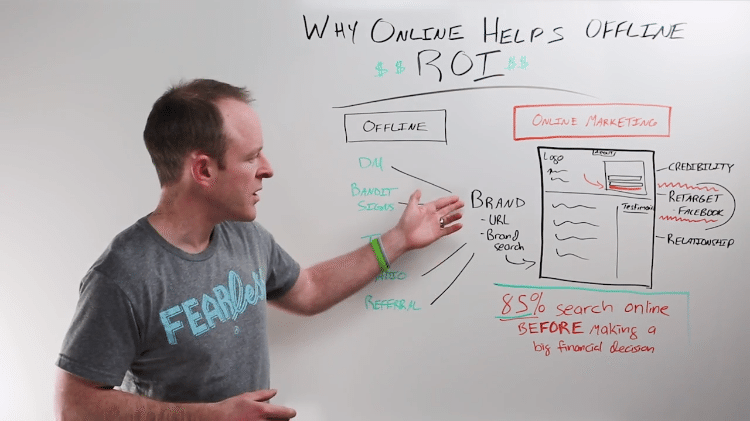
Are you doing some offline real estate marketing as well as online real estate marketing? We’re talking direct mail, bandit signs, radio, TV, etc. If you are, you need to watch this video because this video’s going to walk you through how to increase the return on investment that you get with your offline marketing, leveraging online marketing.
Why Online Real Estate Marketing Can Boost Your Offline ROI
Now with this topic, one of the biggest things that we always look for to help our high-achieving investors is how do you squeeze more return on investment out of your marketing?
A lot of people come to us just for online real estate marketing help. The problem is they kind of think of that in a capsule or silo. They’re not thinking about, “How does my offline marketing work with my real estate marketing online?
If you do them correctly, they actually work together really well to help you make more money.
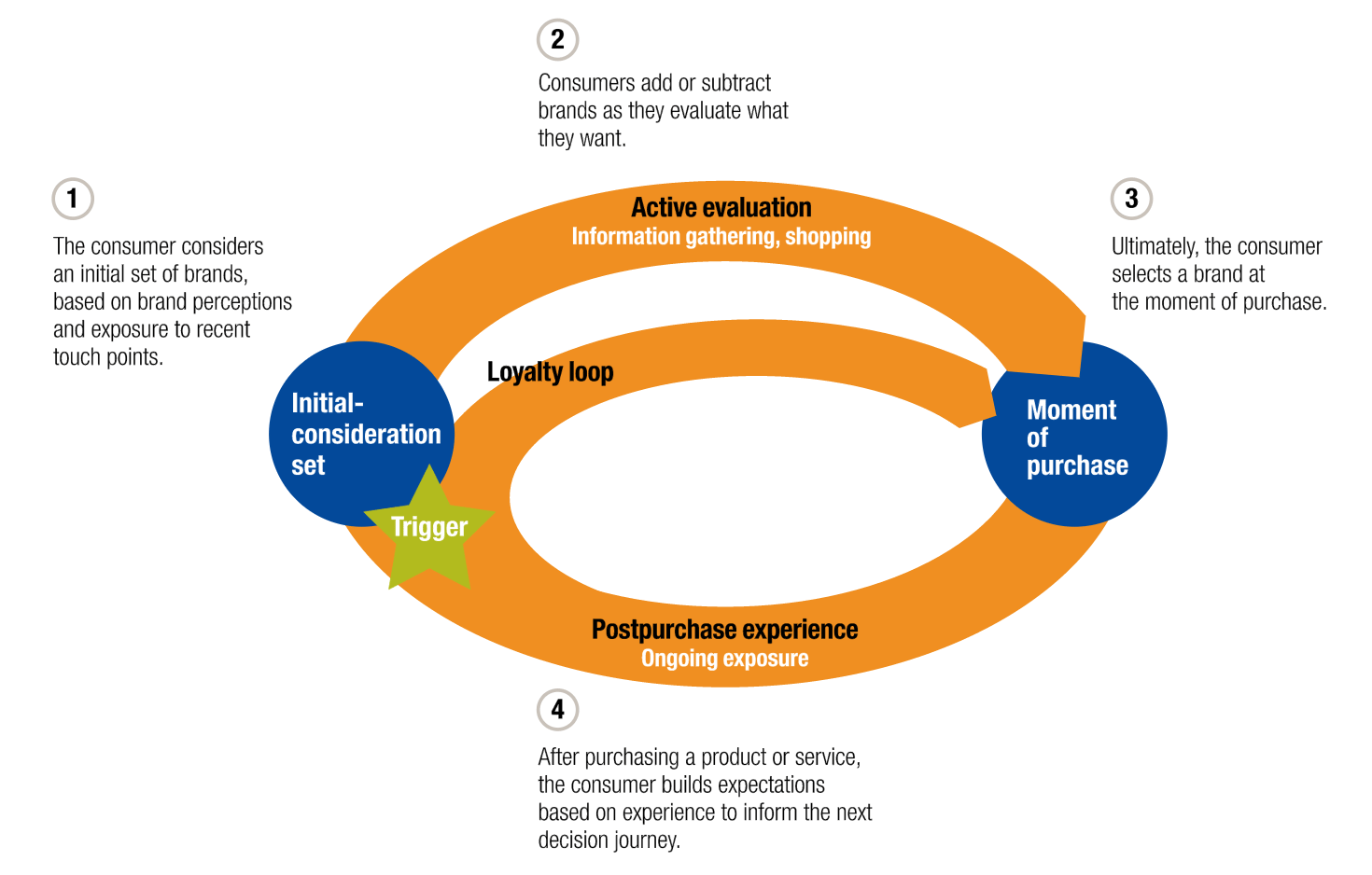
New Consumer Path to Opt-in or Purchase
On one side of the equation, you’ve got your offline marketing. Direct mail, bandit signs, TV, radio, referrals, etc. Maybe you’re only doing one of these. Maybe you’re doing none of them.
If you’re investing money there, then you’re putting marketing messages in front of your prospects. Now in today’s day and age what happens is, according to lots of studies and this one, in particular, 85% of people when they have to make a big financial decision, they search online before they actually make that decision.
Picture yourself at Home Depot, or you’re going to buy a car. Almost none of us make decisions like that without whipping out our phone or our computer and searching online to find reviews or ratings, or finding other options and alternatives.
House sellers, house buyers, investment property buyers, everyone does the same thing.
What do we do to make sure that when we introduce those people to our brand through our offline marketing, that we’re then capturing them when they go online?
You can’t do it with a website that doesn’t perform well. If someone’s going to go online, they’re going to research your company after they received your postcard, as an example. They’re going to go online and they’re going to look at your website.
Also, are you building a recognizable brand? Can searchers say, “This is a company name that I can lock into my mind.” Or, “I can lock that person’s face that’s on that website into my mind.”
It’s memorable.
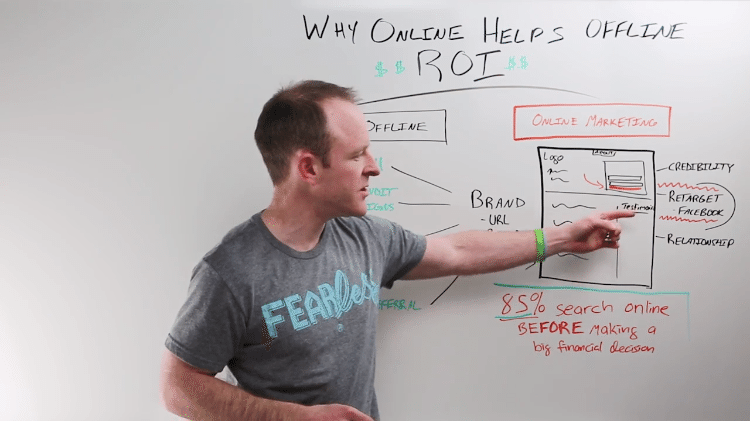
Or, is there a testimonial on your website that really resonated with them. We need to make sure the story we’re telling them online is helping to support and further the sale of your offline marketing.
Optimize Your Real Estate SEO for Certain Keyword Phrases
One other really important thing that you guys should be doing with your online marketing to help your offline marketing better, is even if you’re not using your website on your direct mail pieces or your TV advertisements, people are Googling your company name.
They’re Googling the phone number that’s on there. They’re Googling anything that they can find that’s identifiable on that direct mail piece or offline marketing to then go research your company.
Often times they’ll put the word ‘reviews’ at the end of it, such as ABC Properties reviews.
Make sure your website’s ranked really, really well for that search phrase, and there are some tools inside of InvestorCarrot that can help you do that.
Once someone gets there, are they actually going to convert into a lead? You need to make sure you have a high performing website.
Once someone gets there, you need to make sure you’re then retargeting them. Go to Facebook and go to Google, wherever you want to do your retargeting and get the Facebook pixel. It’s one little piece of code and it’s free to get in the Facebook ads manager.
Put that on your website. With Carrot, it takes about 10 seconds. Just go in our Help section or hit up our support and they’ll help you.
Then, from then on, anyone who visits your website is going to be basically tracked by Facebook. These are people who have visited your website. A list will begin to be built within Facebook and now you can re-market to those people to get them to come back.
What we find is often times a person is not ready to actually engage with you in that first visit. Over half of all of your visitors won’t be ready to engage with you in the first visit, so that means we need to get them back and that’s where your retargeting comes in big time.
Online Real Estate Marketing Plus Offline ROI Conclusion
We have blog posts, we have videos, we have a Facebook course (if you’re a Carrot member) to teach you how to do this in detail.
Hopefully, this whiteboard lays out the strategy that if you have a well-optimized website, it ranks well for your phone number and your company name, and your company name with the word ‘reviews’ after it, you’re building relationship and credibility. And, you’re using retargeting, that’s going to help you get a better return on investment with your offline real estate marketing.
I’m going to leave you with this one question:
How many deals are you leaving on the table because you have a self-optimized online presence with all the money you’re investing in your offline marketing?
If it’s even one deal a year that you’re possibly losing that revenue and leaving it on the table, you need to get a better optimized online presence, you need to get your Facebook retargeting going.
Just check out our services and our plans and check out other content on our Carrot blog.
According to the U.S. Small Business Association, only 56% of small businesses with 50 or fewer employees have a marketing plan. Almost half of smaller businesses are missing out on leads and sales.
Here are four other reasons why a marketing plan is essential for your real estate agent or investor business.
It forces you to think about where you’re going with your real estate business. Creating a common goal to drive towards.
It ensures that you’re aligned with your company values.
It serves as a foundation for your marketing activities. If you build a house, you start with a solid foundation. Same thing with your marketing plan.
Possibly the most important – it gives you a process. Without a process, you won’t have the direction you need and will likely either be going off course or starting to feel confused about your marketing efforts. The process can also act as a measure of your failures and successes.
Sample Real Estate Marketing Plan
At its basic level, a real estate marketing plan answers a series of questions that helps you define your ideal targets and craft your business’s most compelling offers into a cohesive story. It uses good distribution channels to reach your ideal targets.
Here are the questions you need to ask when making a good real estate marketing plan:
What are your goals?
What impact do you want to have on your communities?
Is your market saturated with similar offers, or is it ripe with opportunity?
How tough is your competition?
Who is your ideal target?
What are your Strengths, Weaknesses, Opportunities, and Threats?
What are your compelling offers?
How will you reach your target audience?
What is your marketing budget?
What keywords are the best opportunities in your market?
First things first: you need to set your goals and objectives.
Clearly, state what you want to accomplish for yourself in your real estate business. If you’re an investor, it could be buying 50 properties this year. As a real estate agent, you might consider closing 100 listings.
Or, in both situations, you could want to get your brand or name out more for recognition. It could be that 50 percent of your target market knows who you are. Set goals that you can quantify to record and track your accomplishments.
Develop a 10,000-foot vision for your business, such as…
Become the top producer in your area
Retire in 10 years
Control particular niches of buyers and sellers
Then quantify that vision with measurable goals. Measurable goals might include:
Obtaining 50 listings in the next year
Close 10 deals in your target market area in 12 months
Earn referrals from 50 percent of your past customers
Purchase 10 single-family rental properties in the next 48 months
What Impact Do You Want to Have in Your Communities?
You want your real estate business to be sustainable and build a good relationship with your community. How you approach and treat your clients has a tremendous impact on how your business is viewed within your market.
Your clients directly affect your business reputation, lead, and deal volume. But it’s not just your direct clients. Anyone that you interact with can be considered an indirect client. Residents, Facebook friends, your website host, employees, contractors, partners, and suppliers.
You must constantly assess your behaviors and their impact on your local community and the broader audience.
Then you can assess and find your niche within. What events to attend and who to build relationships with. Your community approach will also help you create your immediate and long-term business needs.
Is Your Market Saturated with Similar Offers?
You want to build strong relationships with your customer base. As you’re maintaining a high value and positive service for your customers, they’re more likely to spread the word among their peers.
If you’re in a competitive market and find it hard to make your marketing stand about your competition, then be sure to make your service and client experience stand out.
Marketing Strategies for Real Estate: How Tough is Your Competition?
First, you need to identify your competitors. Take into account your potential or future competitors too.
There are a couple of methods you can use to do this.
1. Look at them from a customer’s point of view
If you can look at your competitors from a customer’s point of view, you’ll be able to spot some of their larger strengths and weaknesses.
It’s a fun yet challenging activity to think like a customer. Why would a customer want to use them as a real estate service? Is it because they can offer more and faster payment turnaround time, or do they have top-tier customer service? These could all be strengths for your competition.
Become your ideal client and put yourself in their shoes. Wonder why you would be more likely to deal with them instead of using your company to accomplish their real estate needs.
2. Look at them from their point of view
Next, take a look at their point of view. This can help you understand their strategy, culture, and attitude toward the market. Take a look at what assets they bring to the field and how you would use them if they were yours. Take a look at what you interpret as their weaknesses.
How could you commit to making those weaknesses into your strengths?
Ask and answer these questions before your analysis:
Before you dive into your real estate marketing competitor analysis, be sure you’re asking the right questions. Here are some common questions to get you started:
Who are your competitors?
What types of services are they using?
How much market share do they have?
What have been some of their past strategies?
Are they using the same strategy?
Are they aggressive with their real estate marketing?
How competitive are they in the market?
What are their strengths and weaknesses?
Are they a threat to you? If so, how big of an impact can they have?
Does their marketing strategy affect yours or how you do business?
Who is Your Ideal Target Audience?
Create a simple paragraph profiling your ideal real estate target audience. Create a customer avatar regarding these demographics: sex, age, family, earnings, lifestyle, and geographic location.
Ask yourself questions about your customers, such as:
Are they followers or leaders?
Are they timid or aggressive?
Are they introverts or extroverts?
How often are they likely to move?
Are they traditional and bear more of a connection to the community?
No matter your real estate market, you’ll need to define them in this section narrowly. It is an important step that will guide you as you plan your media and public relations campaigns.
What are your Strengths, Weaknesses, Opportunities, and Threats?
Performing a SWOT Analysis is a crucial step when creating your real estate marketing strategy.
The term “SWOT Analysis” sounds like a daunting task. But, it can be simple.
It’s broken down into two categories:
Your internal issues: Strengths and weaknesses
Your external issues: Opportunities and threats
This analysis will allow you to see what factors will help you achieve your objectives due to your strengths and opportunities.
It will also highlight what obstacles you must hurdle before achieving your real estate goals due to your weaknesses and/or threats.
Overall, the SWOT analysis assesses your real estate company’s strengths, weaknesses, market opportunities, and potential threats to give you insight into the possible issues that can impact your success.
The number 1 goal of a SWOT analysis aims to determine and assign all important factors that could positively or negatively impact the success of one of the categories, giving you an in-depth view of your real estate business.
Four Categories Of SWOT:
Strengths:
What are the advantages of your real estate business?
What can you do better than your competition?
What exclusive resources can you use that others can’t?
How does your market see your strengths?
What factors into you closing the deal?
What is your company’s Unique Selling Proposition?
When considering your strengths, look at your internal employees and external customers/market.
Weaknesses:
What might you be able to improve on?
What locations and markets should you avoid?
What potential clients within your market might see as your weaknesses?
What factors cause you to lose the deal?
Again, account for your internal and external clients. Do your clients see weaknesses that you haven’t seen? What are your competitors doing better than you right now?
Weaknesses can be a gut check. But stick with it and be as realistic as you can.
Opportunities:
What positive opportunities are available to you?
Are there trends that you need to know?
Some of the positive opportunities you can take advantage of are:
Changes in real estate technology. For example, recording a video testimonial and uploading it to Facebook as soon as you record it.
Changes within the real estate field. Are more real estate agents becoming investors or vice versa?
Changes in the economic status and population profile within your market.
Are there any local events you can help organize or lead within the real estate niche?
Take a look at your strengths and weaknesses as you approach your opportunities. They can provide invaluable information on what you can work harder to improve upon.
Threats:
What obstacles do you need to hurdle in your market?
What are your competitors doing?
Are there any technical issues that are threatening your market position?
Do you have cash-flow problems that you need to address?
Do you have any weaknesses that are threatening your business?
Once you have chosen your real estate business values within the four SWOT categories, you can develop a more strategic plan.
For example, once you’ve identified your weaknesses and potential threats, you can create a plan to eliminate or at the least minimize them while continuing to improve upon strategies that will make you a more robust business.
To create your compelling offers, ask yourself the following questions:
Who do you sell or buy real estate to or from? Be highly specific.
What are the problems that you help them solve?
How do you solve their problems?
Why are you better at solving their problems?
Now create your compelling pitch like this:
How [insert who your ideal client is] can [insert verb] [insert the problem] through [insert solution].
How Will You Reach Your Target Audience?
Getting your audience to engage with your content is essential for connecting with your target market online. The online real estate market is increasingly growing and vying for client attention.
But, even the investor or agent with a small budget can succeed with the right strategies.
Start by narrowing it to a highly targeted audience.
If you offer buyer and seller services, your target currently includes more people in your local market.
For example, focus on only one section of zip codes within your market city. Then expand your area as your finances and business grow.
So, choose a specific area of your market and focus efforts there. Then expand.
A second option will be to focus on the seller or buyer market if you’re a real estate investor. There are specific factors to consider, but marketing towards the seller’s market is most likely the one to go after.
Your marketing costs within major cities will likely be expensive, so media such as Google Ads might be too high unless you can target slightly out of the city.
If you don’t have the budget, take advantage of pricing within the suburban markets.
The other thing you need to do is get your website organized to target your audience. If that requires creating city-specific pages, then you need to do that.
Also, get one of the most overlooked pages, your “About” or company page optimized. Be sure it includes your city or area, how you conduct your business, and your process. Spell out your strengths and why they should choose you over the competition.
What is Your Marketing Budget?
Having a solid marketing budget is integral to being realistic and will help you improve your revenue over time.
You can overspend on marketing costs if you don’t know your budget. Therefore causing an unwanted and bad experience.
Here are a few steps to help you organize your budget and determine where to spend your marketing dollars strategically.
Your first step needs to be organizing your current financial positions. You MUST be specific. If you’re too loose and choose to estimate, it creates an unrealistic budget.
This starts with getting in order your revenue information. You’ll need to know how much revenue your real estate business makes every month. Even though your income varies throughout the year, you must have a number based on reliable revenue (the minimum amount of money you make each month.)
You’ll also need to minus business expenses. Rent, materials, the cost of VA’s, etc.
Any business expense must be subtracted from your revenue before nailing down your marketing budget. Setting a realistic budget is one that focuses on income that exceeds expenses.
After you find your available disposable income, you’ll need to determine what that money will be. Although marketing is a major area to focus on, don’t forget to set aside a budget for unexpected circumstances and growth.
Separate your money based on your goals. You will invest more money in online marketing if your primary goal is attracting leads.
But, if your goal is to hire more VA’s or full-time assistants, you’ll want to put more income into your company’s growth and set aside less for marketing until you’ve been able to close more deals.
2. Determine where you want to allocate your funds
Once you have calculated what is available to spend on marketing, your next step is organizing and prioritizing your money.
There are three main elements to how you spend your marketing dollars:
Budget size
Your past experiences
Reaching the optimum target audience
Start by organizing how to spend the budget based on the amount. If you have a small, more limited marketing budget, you should probably consider Craigslist ads, Facebook ads, local citations, social media posting, and email advertising to attract new clients.
A heavier marketing budget would provide the opportunity to include direct mail, bandit signs, and Google Ads to attract an expanded range of clients.
Apart from any budget limits, don’t forget to consider and implement what strategies have worked for you in the past. You might have noticed postcards helped bring in more clients during a specific time.
Then do that same strategy again, even if you still have more budget for more expensive marketing methods.
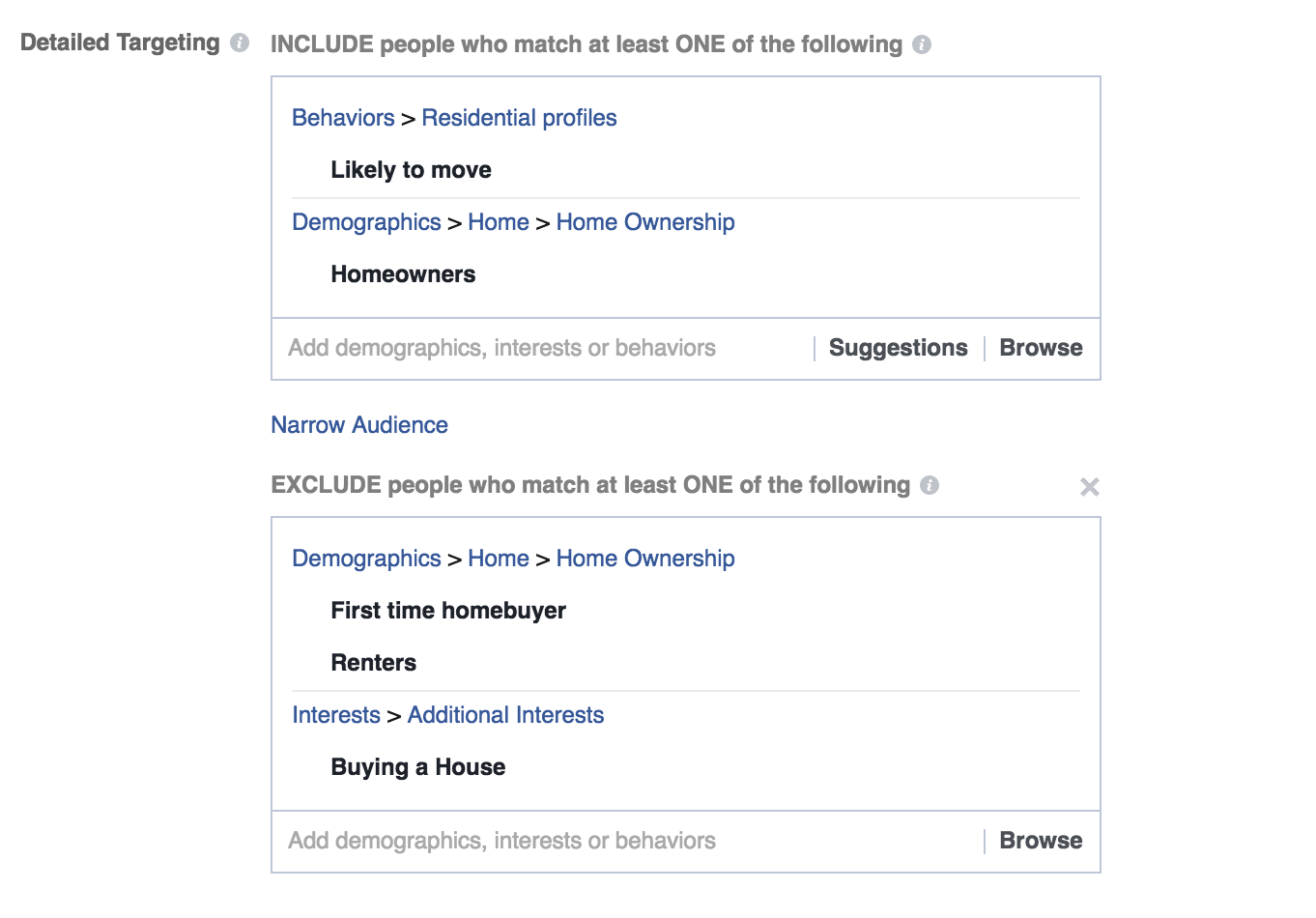
Also, don’t overlook the marketing channels that will help you target and reach your optimum audience. For example, Facebook advertising is an effective channel for targeting motivated sellers, but you still need to create the right audiences to filter out potential buyer leads.
Facebook Ads Audience for Real Estate
Create and document very detailed customer avatars. Then, think about which media they’re more likely to consume. That is the spot where you need to be advertising.
If you’re considering testing a new marketing channel, allocate some funds for that test. Start with a small budget since you don’t know how effective the new channel will be.
For example, if you enter the Google Ads marketing channel, start with a small campaign with highly targeted keywords and a budget.
Only allocate more budget after you gain enough data to determine if it’s working for you. If it works, pull more funds into the new marketing channel.
What Real Estate Keywords Are the Best in Your Market?
How do you use real estate keywords? If you are only using them to optimize your website for search rankings, you could be missing out on other ways to gain visibility within your target market.
Get into the mindset to use your keywords in your online and offline marketing.
Here are some platforms where you can utilize your real estate keywords more:
Real estate website optimization (homepage, landing pages)
Real estate social media profile optimization (Twitter, Instagram, Facebook)
Offline marketing (postcards, bandits signs, direct mail)
Using real estate keywords should not be limited to your digital marketing efforts.
Find different ways to plug them into your offline practices as well.
For example, are you sending out flyers or postcards that take advantage of some keywords?
Are you placing bandit signs around your target market with specific messages and a phone number in case they’re sitting in a parking lot and want to write your number down to contact you later?
If you’re using this kind of marketing and not some keywords, it’s time to readjust your strategy.
Keywords hold a lot of power in online marketing but can be effective offline too. Just be careful that you’re not infringing on trademarks. If you question a keyword phrase, check it out first.
This plan assumes that you’ve got a website that has been proven to convert leads.
If you’re trying to scrape together a bunch of tips to save a few bucks on building your website, you’re doing it wrong. It will cost you much more than the monthly membership price to build what we’ve built.
There are a few things you should do first to get that website up and running, and these only take a few minutes:
Get your testimonials on the site because social proof and credibility are essential to conversions.
Make sure the copy on the site reflects your business and is in line with local laws (for example, if you or your team have a real estate license, you’ll need to change the copy to make sure you’re correctly disclosing your license… but you should make that into a benefit since a license gives you more options for sellers than someone operating without one).
Okay, so that last one might be complicated if you’re new to the business… but you need to be making sure you’re aware of the laws around you since being ignorant isn’t an excuse if you’re trying to get out of a five-figure fine for operating without a license (in some states)…
This reminds me that I need to mention we’re not attorneys or financial advisors; all of this stuff is just general advice. You need specific, professional advice on your real estate investment business…
Having a competent lawyer ensures you’re not offering something illegal without knowing it is a good idea.
There are a couple of ways to use these questions…just cut and paste them into a document and start answering them if you’re ready.
Want our help in making your real estate marketing plan?
So you’re getting ready to launch your online marketing campaign, but you’re probably thinking “Man, what type of website am I going to build?”
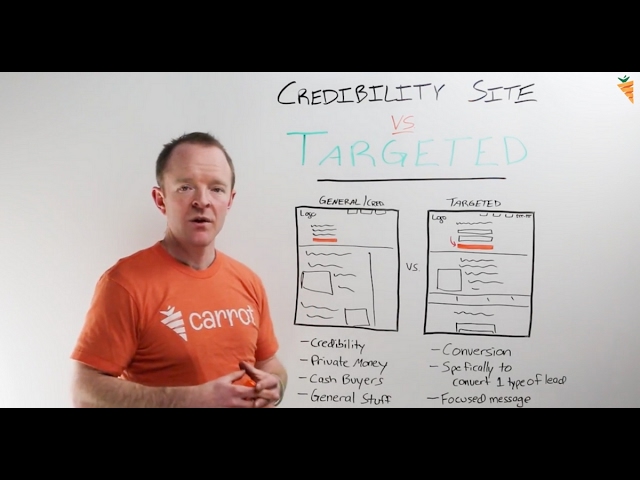
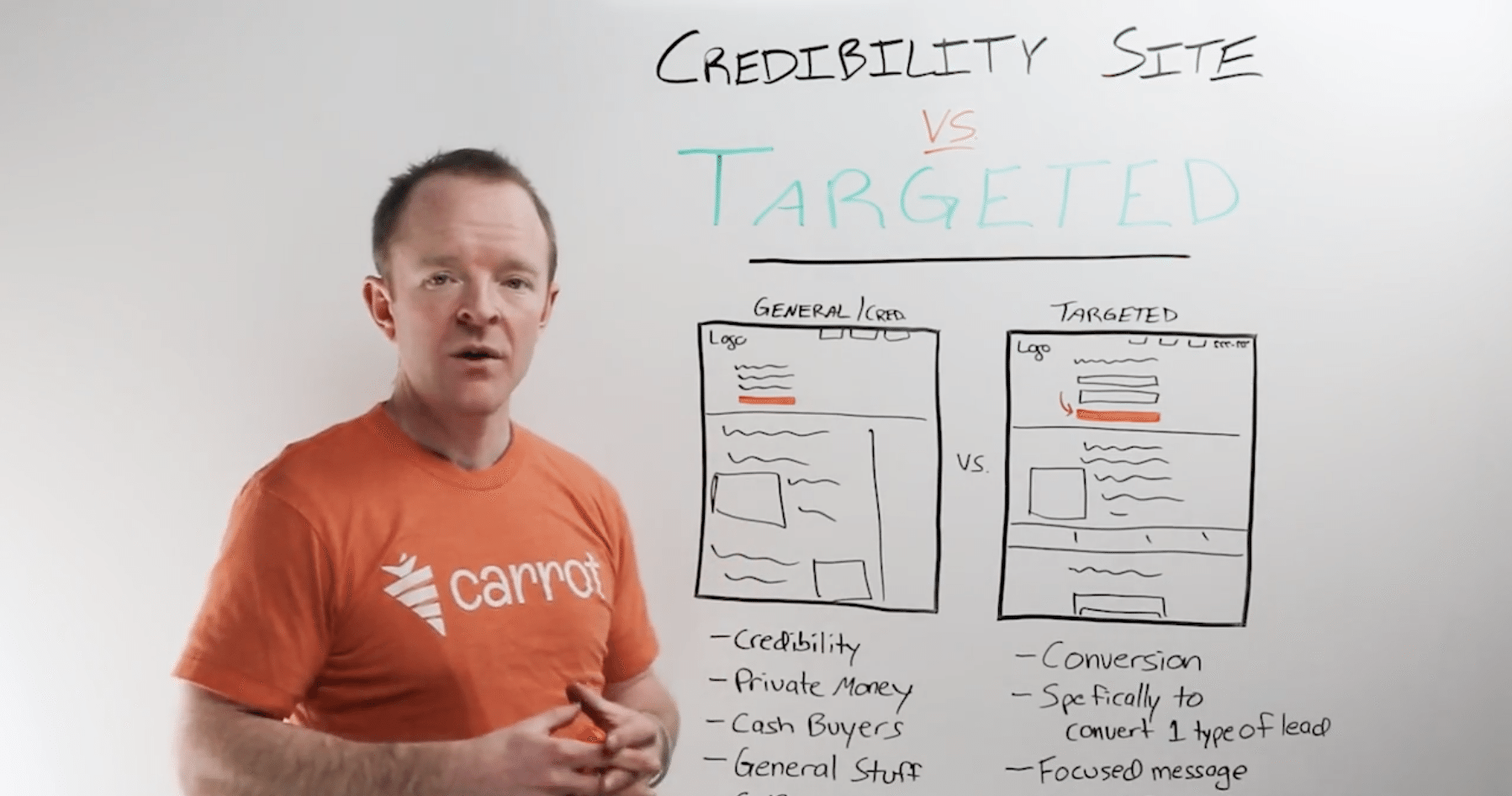
At Carrot, we have general credibility websites and we have targeted websites. Where the targeted websites are specific to a certain type of lead. It could be a motivated house seller. It could be a cash buyer. It could be a retail buyer. There could be a note seller or buyer. You get the idea. Those are very, very targeted towards a certain type of lead.
We get a lot of our clients asking us, “Why can’t I focus it all into one general credibility site?”
Or, “Is a general credibility site going to work well or perform as well as a targeted site specific for, as an example, motivated house sellers?”
Well, this video and post are going to walk you through the data and what the actual results are and what you should do depending on the type of lead you’re looking for.
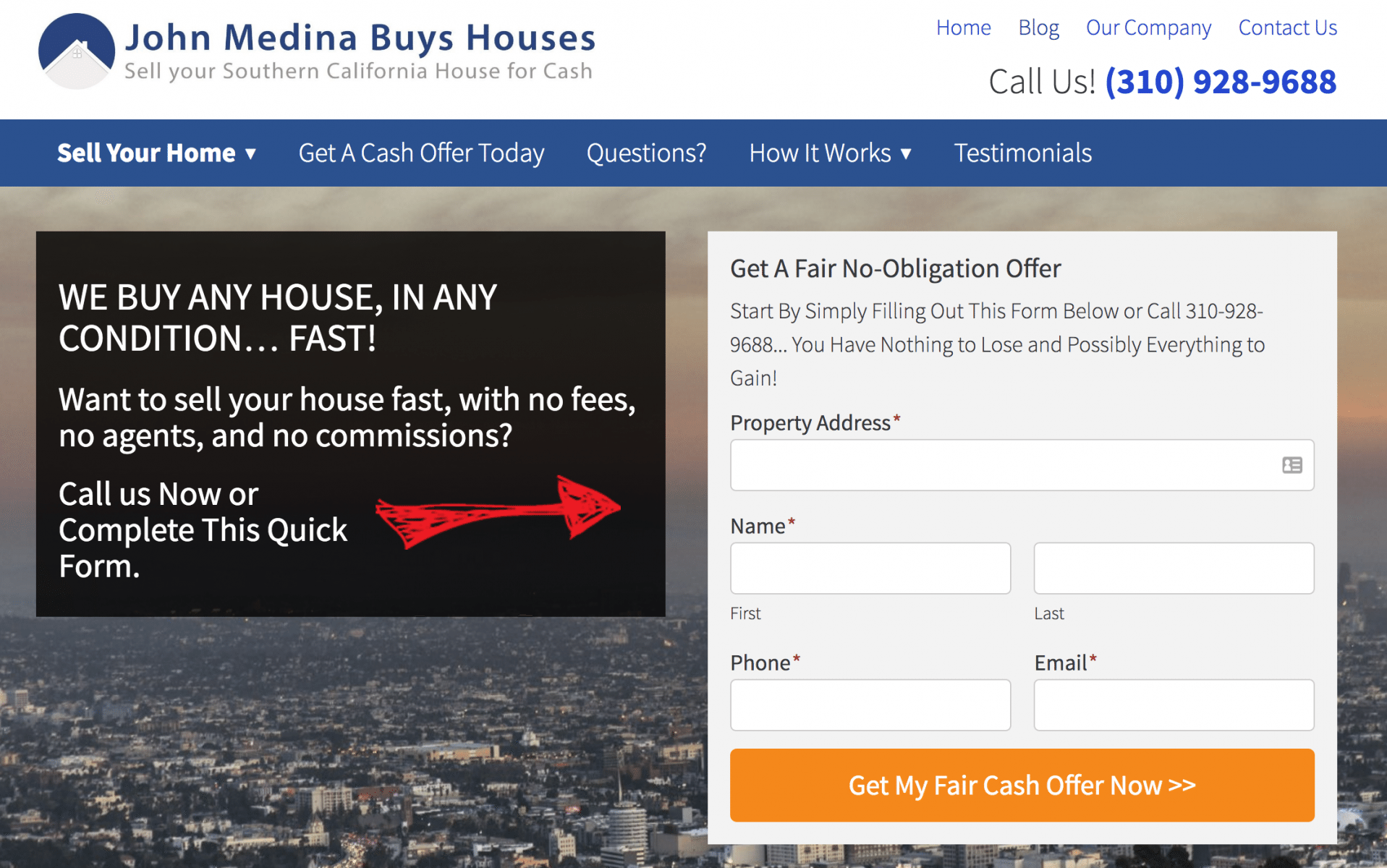
So, first of all, we’ve got the general credibility site. A general credibility website is mainly focused on, just that, building general credibility for your company.
So, it could be trying to get people there to show them who you are. What types of things you’re doing. What types of things you’re doing in real estate. And it could be multiple things.
Saym, we’ve got this real estate fund and we’re flipping houses, so we buy houses. But we also sell houses and oh, by the way, did you also know that we do rent a home?” So it’s kind of “here’s who we are as a company”, and build that credibility.
You could be looking for private lenders on that website. You could be building a cash buyer list on there and selling properties. That works really well on a main company credibility website.
But it’s a lot of general stuff. It’s not really focused in on any one particular message. And it’s a split message.
Your home page might say, “Hey, we are a real estate investment solutions firm. We buy, sell and rent houses.” But you’re going to be talking about all of that stuff if you’re on the homepage.
So there’s no one focused message if you’re doing direct marketing toward that.
If you’re driving a house seller there, they’re then going to get distracted by other messages. They’re going to get distracted by the message about investments. They’re going to get distracted by the message about looking for cash buyers and private lenders.
If you’re doing direct marketing and paying money to drive people there, you don’t want to distract the message.
But the general credibility website serves a very specific purpose.
If you’re networking at your local chamber of commerce or rotary, you’re probably going to hand them the business card that drives them here. This website is then going to drive people toward your other specific target websites if you’re doing multiple things in your business.
So you might have a link that says, “Sell your house.” And it’s gonna drive to your house seller specific website, ideally. That’s what the data shows works the best.
General Credibility Website
Real Estate Website Design: Targeted Credibility Sites
On the other side, you have the targeted website. So, when we suggest that you focus on using a targeted website, it’s any time you’re actually going to be actively driving people to that website to convert as a lead.
These websites are set up for conversion.
The general credibility websites are not particularly set up for conversion. They’re going to be great on mobile and there will be landing pages on there that are set up for conversions.
But the overall path is not set up to convert at a high, high rate. It’s set up to build credibility for you.
These targeted websites are set up to convert at a high rate for one particular type of lead.
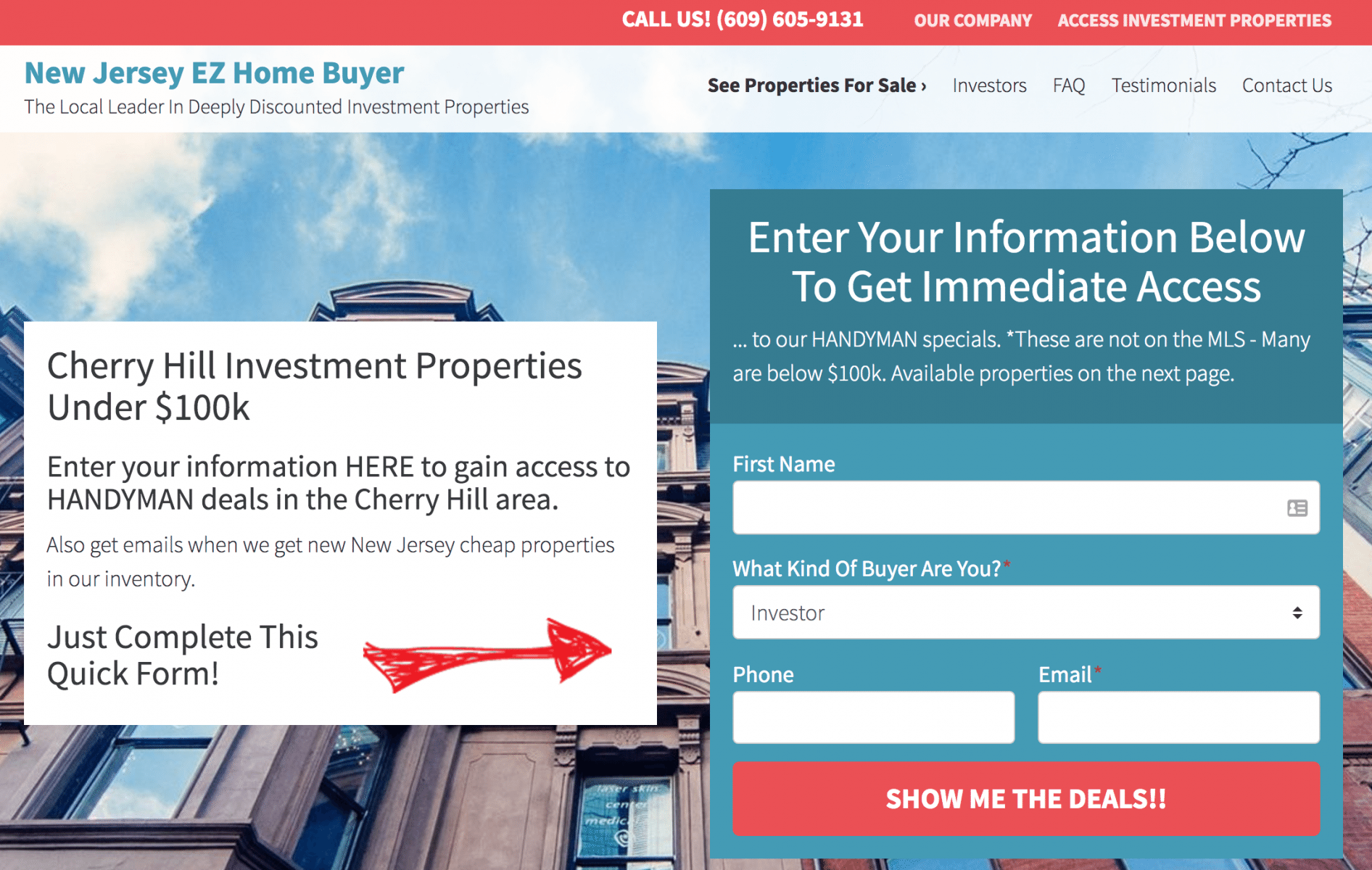
You can see the eye directors on our Carrot websites, the big buttons. The very, very focused message. If you land on a motivated house seller website with Carrot, or if you’re building one, it should be very focused on that motivated house seller. Not on cash buyers, and then rent-to-own tenants and private lenders.
Your entire website should be focusing on how you can help that seller. And that’s what will perform the best for you. It doesn’t distract them away from your messaging.
Motivated Seller Targeted Website
The website is specifically set up to convert one type of lead ideally.
So, if a motivated house seller website speaks to the seller, it’s going to convert them.
If you want to list properties for sale, then you set up another website for that to speak toward that. “Hey, we have discount properties. Join our list or see our properties here.”
Or, you can fit that into the main company site too. You can kind of pull double duty with the main company and cash buyer if you want to.
Buyers Lead Website
Pay-Per-Click Traffic
Lastly, your targeted websites are where you’re going to send all of your paid traffic.
Please do not send paid traffic to the main company website. It’s unfocused. It’s untargeted. It’s building good credibility. But then it has all these rabbit holes that your prospects can dive around and they might go down the wrong rabbit hole and not become a lead of yours.
So, they’re focused on conversion, specifically set up to focus on one type of lead. A very focused message on one type of prospect and how you can help them.
They’re sites that are optimal for paid marketing. If you’re driving paid marketing to a main company credibility website, unless you vastly adjusted it, you’re probably wasting some money.
Ending The Debate Of Credibility Sites Vs. Targeted Sites
So that’s what we would do. That kind of hopefully ends the debate, credibility site versus a targeted website and what you use in certain circumstances. Ideally, if you’ve got your main credibility website and you’re looking to generate any leads online, you’ve also got at least one targeted website for your actual marketing activities.
Join us on our other episodes of the Carrot strategy sketch because we have a lot of other topics to dive into and most are under 10 minutes. They’re going to help you get light years ahead of your competition and shave off months, if not years, on your learning curve.
Also, be sure to check out the CarrotCast, which is our weekly podcast. Subscribe to our YouTube channel so you can see all of our videos before anyone else can. So, check us out and be sure to hit us up with comments and questions.
Local real estate citations are an important local SEO ranking factor and an integral piece for your real estate marketing framework.
Along with other factors such as backlinks, local citations are one of the leading ranking factors for search engines to decide on the relevance of your website for local search results.
Basically, a real estate business that is consistently mentioned on other trusted and relevant websites achieve higher rankings in search results than a business that is never mentioned.
Obviously, ranking high for search results means that more potential leads will find your real estate website, which will have a positive impact on both on and offline traffic, branding, and conversions.
Doing this ONE SIMPLE THING may help push you over the edge and could very well be one of the most effective SEO things you do this spring.
Get an advantage with your Carrot site and learn how to drive quality traffic to your site.
What Are Local Real Estate Citations?
First, don’t confuse citations with links.
Remember,citations are just mentions of your name, address, and phone number. Google will increase your business’s relevance and strength within your specific city or region.
Yes, some of your business listings within the citation sites include a link to your website, but very few contribute to any Page Rank or “link juice”. Basically, you are claiming your digital footprint with Citations.
Moz explains local citations as:
Citations are defined as mentions of your business name and address on other webpages—even if there is no link to your website. An example of a citation might be an online yellow pages directory where your business is listed, but not linked to. Citations can also be found on local chamber of commerce pages, or on a local business association page that includes your business information, even if they are not linking at all to your website.
Citations are a key component of the ranking algorithms in Google and Bing. Other factors being equal, businesses with a greater number of citations will probably rank higher than businesses with fewer citations.
Citations from well-established and well-indexed portals (i.e., Superpages.com) help increase the degree of certainty the search engines have about your business’s contact information and categorization. To paraphrase former Arizona Cardinals’ coach Dennis Green, citations help search engines confirm that businesses “are who we thought they were!”
Google is always looking for websites that are real. Citations are one way to show Google that you’re a legit and real company.
Why Are Local Real Estate Citations So Important For SEO?
So, why are building citations for local SEO so important?
One reason is the vastly growing mobile search factor. According to a study done by Search Engine Land, 78% of local searches on mobile and 61% of local searches on laptops resulted in offline transactions.
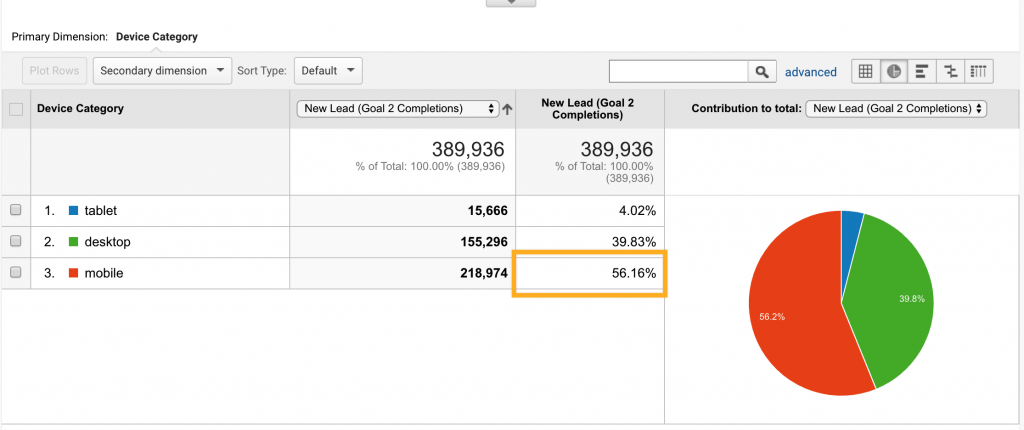
Mobile devices (not counting tablets) account for over 56% of our member leads. There will continue to be a steady rise in consumer and company adoption of mobile devices.
It’s not a question anymore if mobile is important for real estate. It’s here and you MUST pay attention to it.
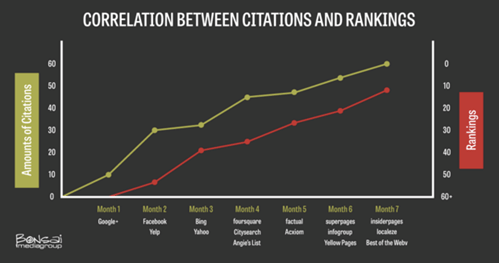
Another reason: Citations Correlate with Search Rankings
Local citations improve your search rankings through ongoing creation of relevant and consistent NAP information (name, address, phone number) across hundreds of websites, also known as citation sources.
The more consistent, relevant and localized your citations are, the more likely your business will be at ranking for people searching for your services and products in your area. Citations are basically another source of credibility that both Google & Bing consider when your business NAP is consistent across the web.
The number one most important thing: Make sure your NAP is 100% correct every time.
DON’T GET IT WRONG
Overall, the biggest contributor is the citation. There is link value within your listings that help strengthen the association of your website with your NAP information.
So, what is NAP?
NAP stands for Name, Address, and Phone Number. It is a crucial piece for any business who is striving to rank well in the local organic search results.
Search engines like Google take your information into account when determining which companies to show for local, geo-targeted, searches.
Again, it’s extremely important that you make sure your NAP is 100% correct. That takes into account, both your NAP on your website as well as any other sites that you have your information on throughout the internet.
It’s a consensus that local SEO experts believe Google, Bing, and all of the other search engines link your NAP information across websites that contain this information as a validation that you are a real and legit business.
The more localized citations you can build up with consistent NAP information, the better your chances are of ranking higher.
You should enter your NAP information into a directory with a strong reputation. This is especially true with real estate specific directories and/or your local directories.
Before You Dive Into Building Your Local Real Estate Citations
Prepare yourself by using this little cheat sheet of the most commonly asked for pieces of information.
Your Name
Company Name – The company’s exact name
Email Address – Your email that will be connected to your business
Address – The company’s exact address
City – The company’s exact city name
State- The state the company resides
Zip – The zip code of the company
Phone Number – The local phone number of the exact business location
Company Website Landing Page – The landing page for the business
Set up a dedicated email address
Don’t use your main email address or your personal one. These business directory websites usually make money by trying to sell advertising services. So you may start to get a lot of “junk” email and some solicitation phone calls. The calls will tail off within a month or two, but the emails can really fill up an inbox. Use the email address to confirm submissions, then let it capture the sales emails so it doesn’t clog your normal inbox.
Top Real Estate Citation Sites
Here are some of the top real estate citation sources. Please note that some of these services require a paid membership.
If you decide to take on citations yourself, it takes about 3-6 hours for the building process.
To get started, go to each citation website and submit your listing.
It varies on how long it’ll take per submission, but plan on 10-15 minutes each. You’ll be required to confirm each submission in the dedicated email account you setup.
Some listing go live fast, others may take weeks, others months. But the majority of them should be live within 2-5 weeks.
In general, SEO Rankings take:
Zero Competition Market: 2-3 Months (if there’s zero competition there’s usually not much opportunity)
Small Competition Market: 6-9 Months
Medium Competition Market: 1 Year
High Competition Market: 2+ years
Typically if you’ve done them right and you’ve completed 40+ on quality sites… you can see a ranking improvement within 2-3 months. That is assuming all other elements on your site are optimized for real estate SEO.
Make Your Own Website Your Best Citation
Make it really easy for Google to identify your website with your citation profile. Most likely the best citation you can start with is your own contact page.
Be sure to have your company name, address, and phone number on there.
Bonus Tip: Add the embed of your Google Places map to help Google further tie your website to that company name and location.
Grab the Google Map “Embed Map” code and paste in into the HTML section of your website. And, this will take about 60 seconds to do it!
Real Estate Citations Frequently Asked Questions
Question #1: How fast will SEO be impacted?
Two to three months is about the time SEO could start showing an impact. Although it might not be dramatic at first. As stated above, there is a chance that highly competitive markets will take longer. Many, many months, if not years.
Question #2: Should I trickle citations out slowly or do them all at once?
Nope – you can do them all at once if you want. There is no evidence that speed of citation claiming will harm your SEO. It is not like backlink building where you can do it wrong.
Question #3: What if I use a tracking phone number for online marketing?
Overall… be sure to use the same phone number for citations that is soon your Contact Page of your website.
You can still have a tracking number in your calls to action and at the top of the site, but it’s suggested that your main company phone number is on the Contact page – therefore matching citations.
Question #4: Should I use a keyword as my business name?
Ideally… NO.
You’ll see some people ranking well with their Yelp or Facebook pages because they used a keyword as their company name.
Unless that is your company name or domain name, don’t do that.
Go with your actual company name or “Doing Business As” (DBA) name.
Question #5: What if I haven’t filed a business name yet?
If you’re serious about this business…
…you need to make that mental commitment of making it real and filing your business with your state.
If you can’t commit to that, it will be difficult to commit to the hard work it will take to succeed as a real estate entrepreneur.
So go out there and file your company name and get that done!
Verifying Your Citations For Real Estate And NAP
Not sure if you correctly submitted your citations? There are online tools that can help you find your listing all of your NAP citations.
Usually, you’ll need to enter some location data into the citation finder tool and you will get back a list of citations pertaining to the entered business and location.
Once you get the data back check the consistency of your NAP.
If there are citation websites that don’t have your correct business name, address and/or phone number then you should start reaching out to these sites or getting site access to update your citation.
Your goal is consistency.
Spelling mistakes or minor inconsistencies in your business name can have an impact on your local search rankings.
If your location is listed as Blvd on one website and as Road on another website, correcting this can have a huge impact.
Local Real Estate Citations Building Can Be a Pain, So Here’s How We Make It Easy…
In simple words, citations are important for your website’s rankings, especially in local SEO. If you want to boost your website’s rankings, focus on citations and don’t worry about the backlinks.
You will have plenty of other places to get backlinks from. Focus on citations from reputable websites with good page rank and domain authority.
Citation building is one of the simplest SEO practices for real estate agents ad investors.
How to do it if you don’t want to do the work: Checkout the Carrot marketplace. We have a real estate citations service that can do it for you.
If you’re a Carrot member (very soon we’ll be offering non-member 3LPD services), we have a whole section on citation building in our 3 Lead Per Day Training (you can buy it here) so we thought we’d share it with you as a great SEO resource to jumpstart your year. You can access the entire 3 Lead Per Day Training and all 50+ detailed videos and checklists for only $99.
Your first month of online marketing typically is going to be one of your hardest and least productive because you’re really cutting new trail everywhere you go. Kiley Newbold
If you haven’t been running Facebook ads for real estate lead generation, then you’re most likely missing out and stepping behind your competition.
Getting motivated house seller leads on Facebook hasn’t been easy over the years. Cash buyers, tenants… yes. But sellers have been a harder nut to crack. Until the last 12 months, that is.
Our guest, Kiley Newbold, a Facebook marketing ninja who was the Vice President of Marketing & Technology at a $75MM company before going full-time into Facebook marketing for real estate professionals recently, dives into his strategies that are consistently attracting high value motivated house seller leads through Facebook ads.
Listen to this episode of the CarrotCast with Kiley as he lays out some Facebook marketing tips for real estate investors and agents. Grab something to take notes and take full advantage of these tips. Enjoy!
3:30 – How Kiley helped build the ColorRun from 0-50 countries and helped millions of people via Facebook. 7:25 – Why working and the time spent with the ColorRun was so enjoyable. 10:15 – How Kiley is bringing his passion from the ColorRun to his new business venture and entrepreneurship. 12:35 – Why Facebook hasn’t worked for motivated seller leads in the past and Facebook marketing pitfall #1. 18:16 – Taking the emotion out of your advertising decisions and instead trusting your data. Carrot ROI Tool. 20:40 – How to set your advertising budget. 21:45 – Facebook marketing pitfall #2: Don’t look at your numbers on a daily basis. 23:25 – Facebook marketing pitfall #3:Testing too many variables at once. 26:18 – Facebook marketing pitfall #4: Don’t make massive changes on a regular basis. 29:50 – How much does the actual website play into the success of Facebook campaigns and why having a personalized website makes a positive effect. 36:30 – Why it is so important to have not just a mobile friendly website, but also one that is optimized to convert while you’re using Facebook marketing. 37:10 – What first step you need to take when structuring your Facebook campaign. 39:05 – What types of ads (image, carousel, video) are working best right now. 43:50 – Quick Facebook marketing tips for real estate recap. 47:00 – The importance of retargeting and how to get it setup. 49:15 – What Kiley has seen as the biggest difference in markets. Are there markets where Facebook hasn’t worked? 50:05 – What statistics and numbers you should be concentrating on and the importance of understanding attribution. 57:00 – Take these Facebook marketing tips for real estate and apply them to the places where people hang out the most. 58:20 – Kiley’s current journey into entrepreneurship.
During times when the real estate marketing is going good, don’t lose your focus on the business fundamentals. Feasting and blindly following a business path can lead to destruction. Trevor Mauch
From cluttered markets to video advertising, here are some real estate lead generation challenges we think you should know in 2017.
2016 flew by and lots of changes happened in the online marketing landscape for real estate investors. Google made some big SEO updates, AdWords updates, mobile continues to climb in importance… and the real estate market is shifting.
What are our CEO, Trevor Mauch’s, predictions for 2017 and how real estate investors and agents will HAVE TO SHIFT in order to crack through the clutter of competition in your area?
Listen in for Trevor’s 4 real estate lead generation predictions that could help you gain an advantage in your marketplace online.
3:50 – Prediction 1: Shifting in the market. Follow business fundamentals. 9:20 – The shift from investors to agents. 10:22 – Prediction 2: The market will get cluttered in 2017. How do you stand out from your competition? 11:25 – Riding the mobile wave. In 2016, 56% of all online leads on the Carrot platform came in via mobile/tablet. Two years ago, that number was in the mid-40% and 2015 teetering right around 50%. Where will it be in 2017? 15:30 – Prediction 3: Mobile. Why having a mobile-friendly site just isn’t good enough anymore. Your website must be optimized for lead generation. 16:45 – The 2016 AdWords updates and the indication of where Google is going in 2017. 17:50 – Focusing 100% on setting up a mobile website advantage. Especially on Facebook. 22:00 – Prediction 4: Marketplace competition bottleneck.How to cut through your market clutter. Especially utilizing video marketing. Using video to sell your listings, generate more leads, and attract new clients. 34:35 – What you should be doing with video, Facebook, and YouTube. 36:30 – Nailing your niche real estate content. 38:14 – How to put yourself in the “Content Always” mindset. 39:25 – What is going to happen with motivated house sellers? 40:15 – Adjusting your marketing message to suit the current market state.
Need a little help planning out your year? Listen to our annual planning call and get Trevor’s exact process to plan and crush the year ahead. Visit:oncarrot.com/epic/replay
Content is not a single player sport. If you’re doing it alone… You’re doing it wrong.Aaron Orendorff
On this CarrotCast, Aaron Orendorff of iconiContent, doses out actionable advice and tools for investors and agents looking to improve their real estate content marketing campaigns in the year ahead.
How do you achieve quick business growth? One of the main ways is giving your audience high-value content.
But, how do you use content marketing correctly? How do you do it to where it actually builds value into your business to bring you the clients you need?
As a real estate investor, how do you create content that cuts through the clutter in your market, so you stand out as the expert?
At Carrot, we write and craft the content that builds credibility and achieves higher rankings in Google. We create evergreen content that will rank well for months or even years.
How would you love to create content today or this week or this month that brings you the leads for months or years to come?
On this episode of the CarrotCast, we’re joined by one of the top SEO, conversion, and content marketers in the U.S., if not the world.
Aaron Orendorff is going to make your life easier by giving you some content marketing ideas for real estate that you can use in your business to create content that breaks you free from the market and places you steps ahead of your competition.
Listen to the Podcast
[podcast-subscribe]
Listen to this CarrotCast with world-renowned content marketer Aaron Orendorff…
4:30 – Aaron’s unconventional journey into content marketing. 7:30 – Why content marketing is so powerful and the importance of getting outside the “bubble” when creating your real estate content strategy. 10:20 – Trevor’s content background, path, and strategy. 12:25 – Aaron’s 3 part process for managing content. 15:05 –How to generate content marketing ideas for real estate. 17:00 – What online resources Aaron, and you can too, uses to write real estate content. 19:25 – Using Buzzsumo to come up with really strong real estate content ideas. 22:15 – Online tools that Carrot uses for topic and keyword research. 23:45 – Where to find quality writers so you can delegate your workload. 26:00 – Aaron’s 4 step process for laying out the structure for a piece of content. 31:25 – Why you need to come up with your own content marketing pillars; such as, video content or skyscraper posts. 34:00 – How to repurpose your content and why it’s such a valuable option. 41:10 – Carrot’s simple repurposing structure. 44:25 – Why it’s important to choose one type of content to produce when you’re first starting out with your real estate content. 46:45 – Aaron dishes out some advice for processes and systems for beginning content creators.
Aaron Orendorff is the Head of Marketing at Recart — an SMS platform helping ecommerce businesses grow through text-message marketing. Previously the Editor in Chief of Shopify Plus, his content has appeared on Forbes, Mashable, Entrepreneur, Business Insider, The New York Times, and more.