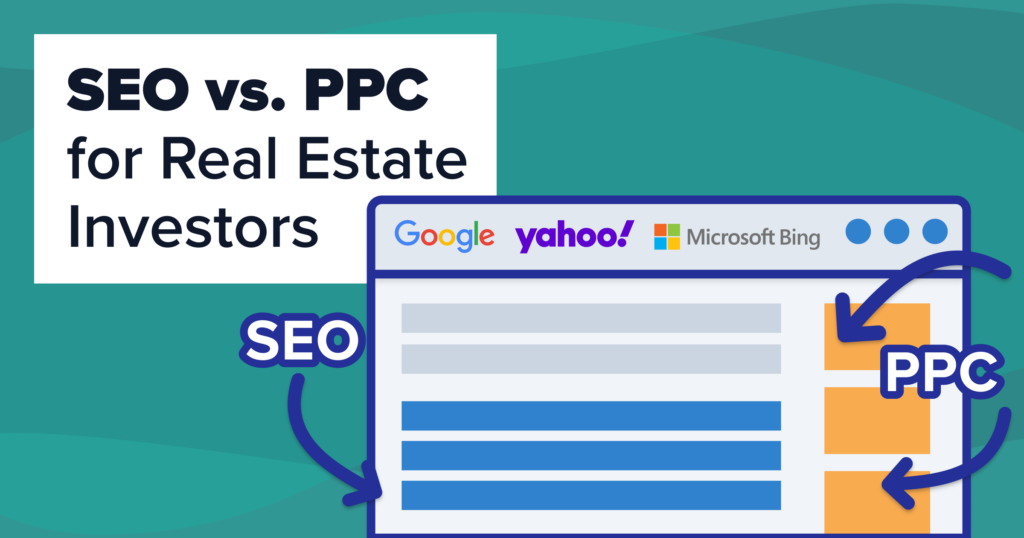
The links below contain comprehensive guides for each of the core SEO categories. If you are interested in a deeper dive on a specific SEO topic, you’ll find it within one the guides below!
On June 21, 2022, Meta (Facebook) announced a significant Facebook Ads Housing Policy update. The settlement with the US Department of Housing and Urban Development (HUD) will change how housing ads are delivered.
Demo Carrot: How many deals are you losing to your competitor’s website?
The goal of the change is to make sure the audience that sees housing ads is closer to the eligible audience for the ads.
Meta will be sunsetting Special Ad Audiences as part of this new agreement.
This tool allowed advertisers to expand their audiences for ad sets related to housing.
What’s happening: Meta is removing the ability to create Special Ad Audiences via Ads Manager. This move began on August 25, and beginning October 12, they will pause the remaining ads containing Special Ad Audiences.
Ad sets can be reactivated once the Special Ad Audiences are removed from the ad sets.
How to Protect Your Account from the Impact of Facebook Ads Housing Policy Update?
Have no fear. In this video, Kiley and JT from SilverStreet Marketing take you through the strategy you can execute to keep your Facebook Ads accounts active and how to continue to generate high-quality motivated seller leads via this marketing channel.
They cover three important steps:
Start removing special ad audiences now.
You’ll need to understand that testing will be even more important than ever. Tests include finding how much to allocate to top-of-funnel and middle-of-funnel campaigns.
Make frequent changes. Frequency levels (how often people see the same ad) can be critical. Test to find out what media types work and expand on those ads.
Summary
FB will remain a viable marketing channel, especially in a broader marketing strategy.
Stick with sound marketing principles. Invest a little time to make the necessary changes.
We’ll monitor how this update impacts Carrot members’ Facebook accounts and leads.
Real estate online marketing is a constantly changing landscape. We’re committed to continuing our data-driven, expert-tested vision, strategy, and tactics to help you build a business of freedom and impact.
Tell us if you found this video helpful, and drop us a comment with your thoughts.
Follow the tips SilverStreet covered in this video and continue to generate motivated leads from your Facebook account.
Daniel started his real estate investing journey with not much of a budget and ZERO sales or marketing experience.
But he was willing to dive in head first, take on a whole lot of risk, and approach lead generation from an analytical perspective. From virtual investing using BRRR to fix & flips & wholesaling, we’re going to break down his journey — specifically with online marketing to generate motivated seller leads with Carrot, SEO & PPC.
We also cover his unique strategy of partnering with other investors, having multiple websites, how he structured his team, and how he builds rapport within different sub-cultures in his home state of Hawaii. Listen in to see how he does it.
By targeting potential customers who are already interested in buying or selling a home, agents can save time and money while reaching more clients.
However, creating and managing a successful Google Ads campaign takes careful planning and execution.
The good news is that we’ve been in the real estate marketing space for a long time at Carrot, and we know what it takes to run great Google Ads, even if you’ve never used PPC advertising before in your life.
In this guide, you will learn everything you need about Google Ads that can potentially change your life as it has for 1000s of Carrot members…
There are 1.4 million real estate agents in the U.S.
Does your website stand out from the rest?
Break through the clutter online with Carrot — the real estate website platform built to attract and convert qualified leads. Take a free Real Estate Agent website demo today to see how Carrot can help you grow your business with consistent and predictable lead flow.
Take a Free Demo of Carrot Today
Google Ads for Real Estate Agents: Steps for Successful Campaigns
PPC advertising is a form of online marketing in which businesses can pay to display their ads on search engines and other websites. Advertisers only pay when someone clicks on their ad, making it a very effective way to drive traffic to your website.
Google Ads is a popular form of PPC advertising, and it’s an excellent way for real estate agents to get their properties in front of potential buyers and attract home sellers to use their services.
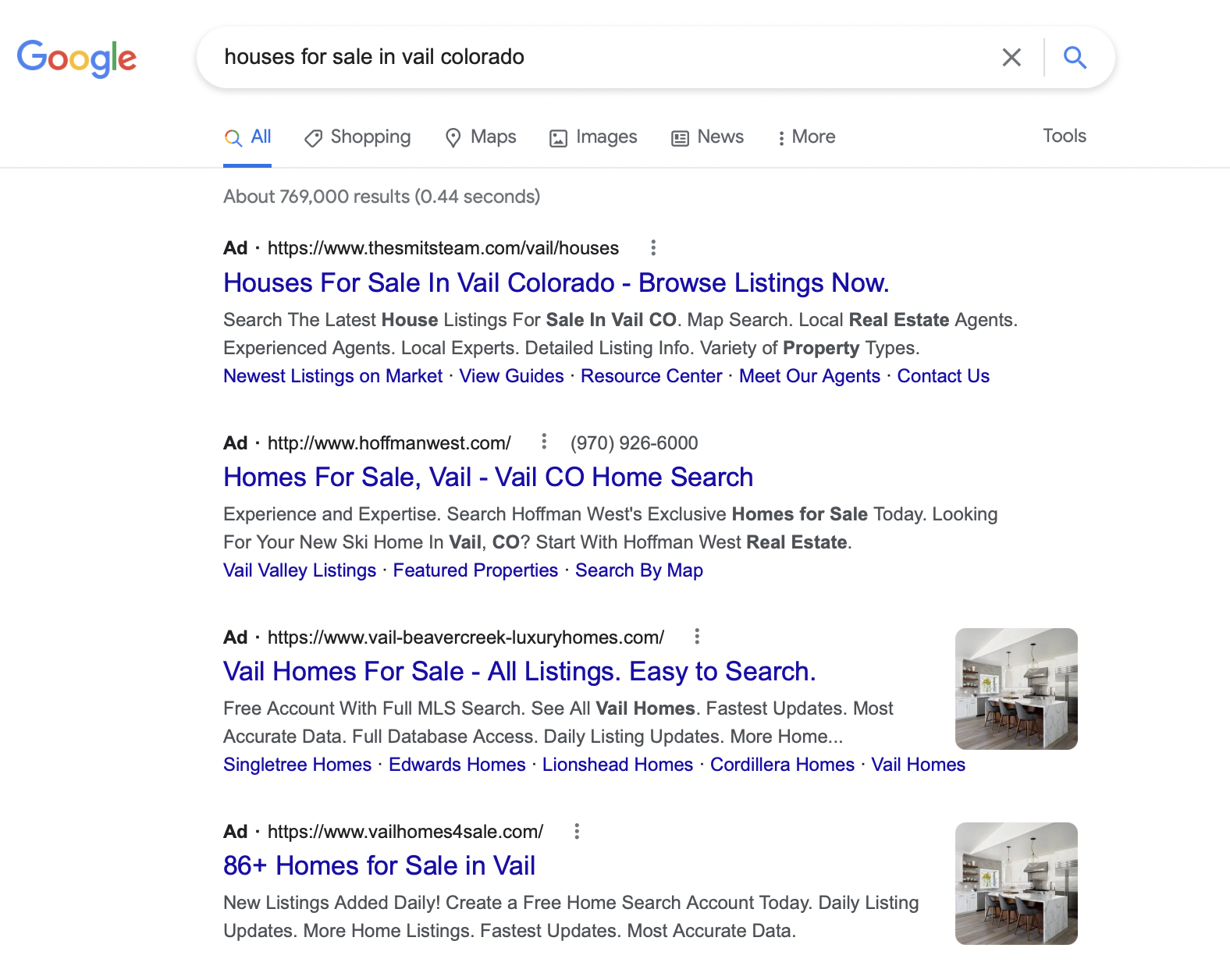
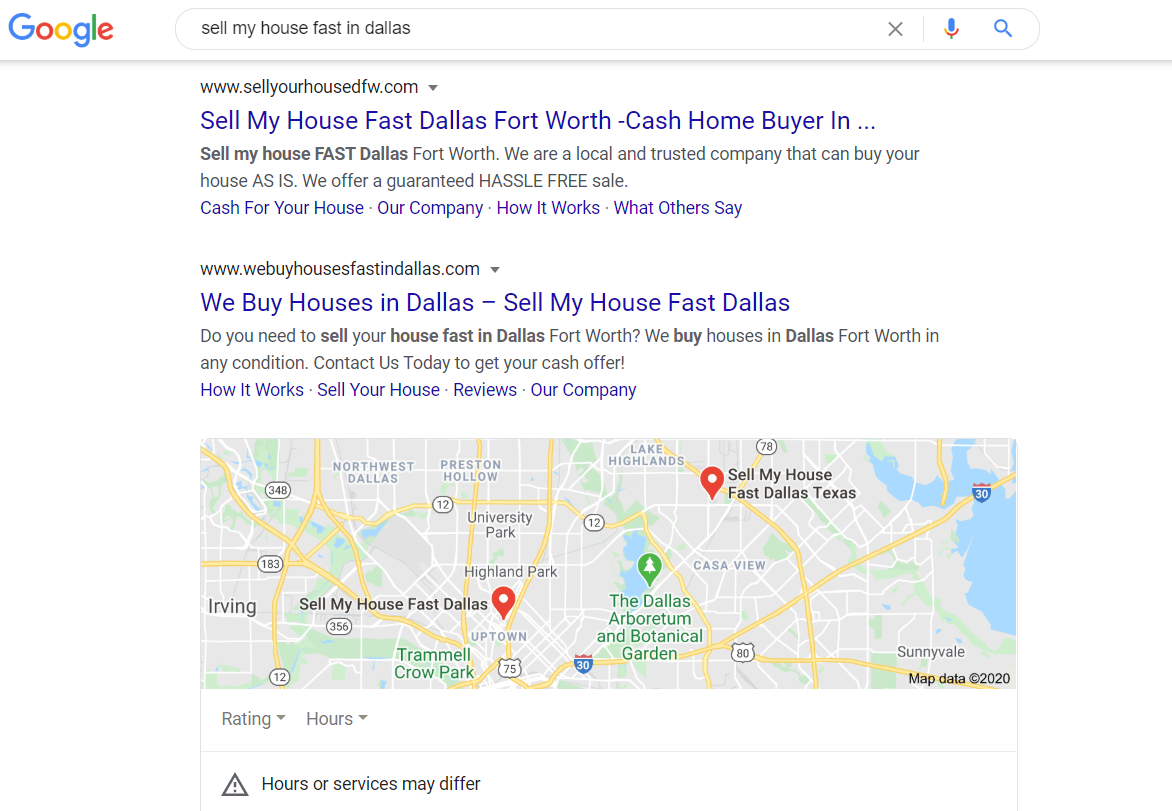
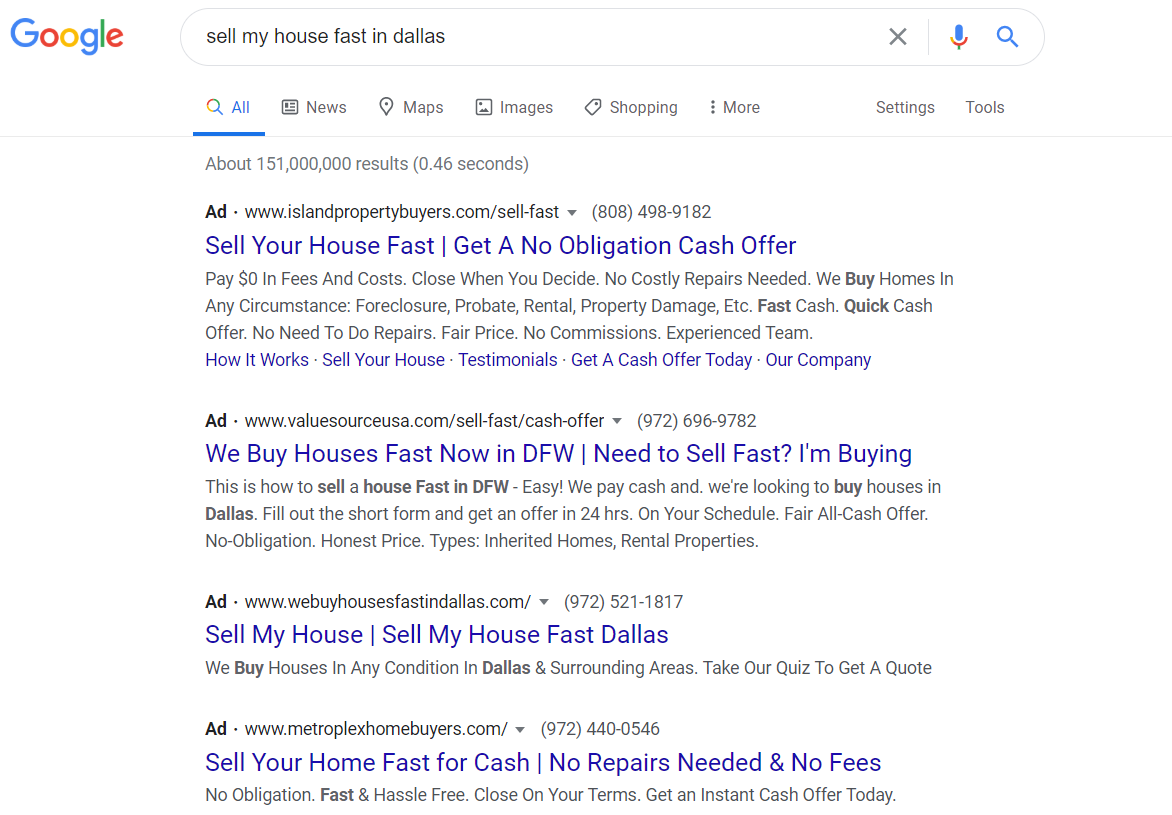
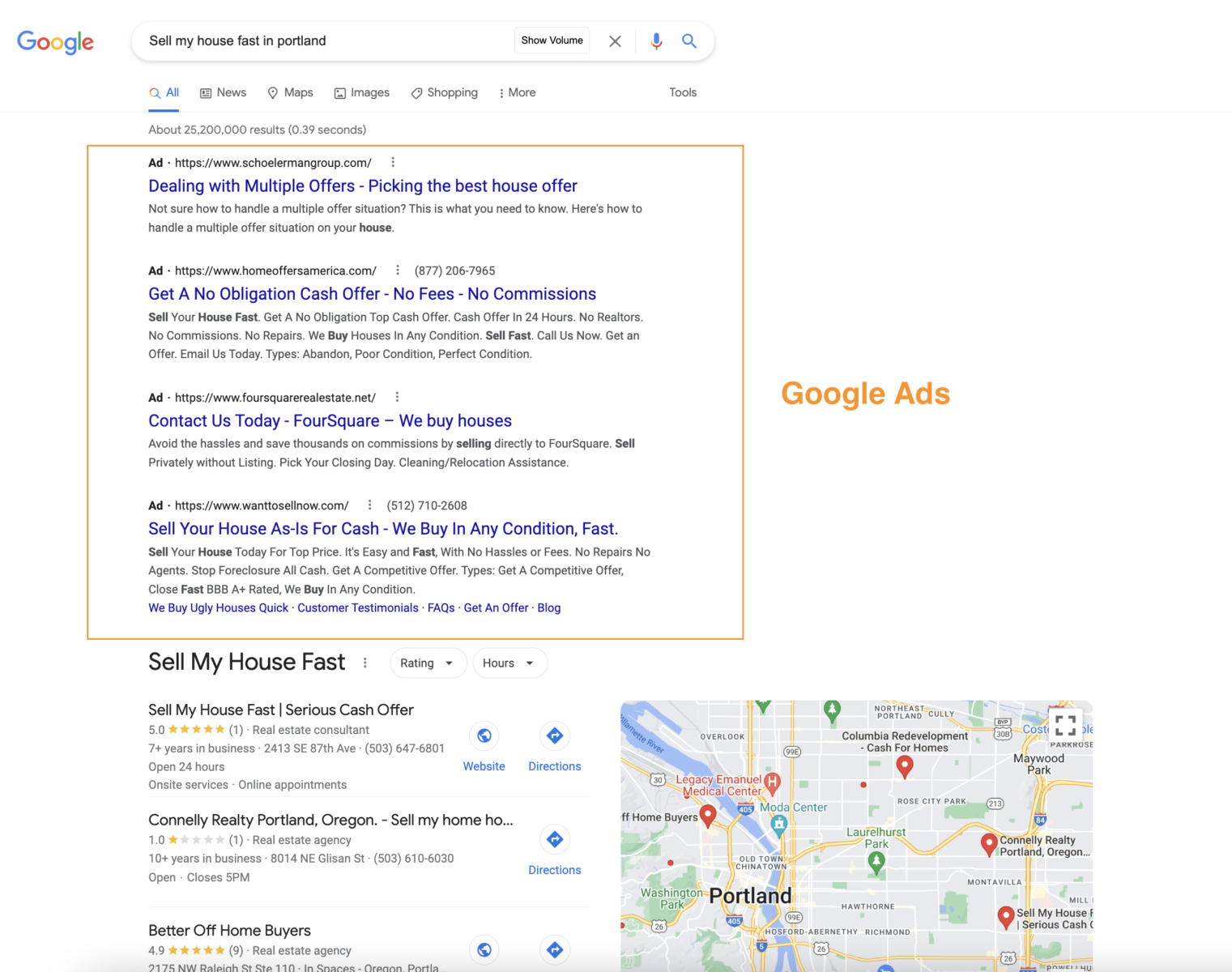
Here’s an example of how Google Ads appear in search results…
Understanding the Basics of Google Ads
Google Ads, a cornerstone of online advertising, operates on a pay-per-click (PPC) model, allowing advertisers to reach their target audience effectively. To embark on a successful journey with Google Ads for real estate, it’s crucial to grasp the fundamentals that govern its functionality.
1. Explanation of Google Ads and its Pay-Per-Click (PPC) Model:
Google Ads is a robust advertising platform where advertisers bid on specific keywords to have their clickable ads appear in Google’s search results. Unlike traditional advertising, where you pay for ad space regardless of performance, PPC means you only pay when a user clicks on your ad. This model offers a cost-effective way to drive traffic to your real estate listings.
2. Key Terms: Keywords, Ad Groups, Campaigns, and Quality Score:
Keywords: These are the words or phrases you choose to trigger your ads. In the real estate context, keywords could be terms like “homes for sale,” “real estate agents,” or specific location-based searches.
Ad Groups: Ad groups are clusters of related keywords within your campaign. You might have ad groups for real estate that focus on property types, locations, or buyer demographics.
Campaigns: Campaigns are the overarching structures that house ad groups. You might create campaigns for different property types (e.g., residential, commercial) or target audiences in real estate.
Quality Score: Google assigns a Quality Score to your ads based on their relevance, click-through rate (CTR), and the quality of your landing page. A higher Quality Score can positively impact your ad’s visibility and cost-per-click.
3. How Google Ads Auction Works:
Google Ads employs a dynamic auction system to determine the placement of ads in search results. Here’s a simplified breakdown:
Bid: Advertisers set a maximum bid they’re willing to pay for a click on their ad.
Quality Score: In addition to the bid, Google considers the Quality Score of the ad. A higher Quality Score can enhance ad placement even with a lower bid.
Ad Rank: The Ad Rank is calculated by multiplying the bid with the Quality Score. Ads with higher Ad Ranks are more likely to appear prominently.
Actual CPC (Cost-Per-Click): The actual amount an advertiser pays is influenced by the competitor’s Ad Rank below them and their Quality Score.
Understanding these foundational elements equips real estate professionals with the knowledge to navigate and optimize their Google Ads campaigns effectively. As we delve deeper into the intricacies of real estate advertising on Google Ads, this knowledge will be a valuable guide for creating impactful and cost-efficient campaigns.
Why Google Ads for Real Estate?
In the dynamic landscape of real estate marketing, leveraging the right platforms can make all the difference. Google Ads emerges as a powerhouse for real estate professionals, offering many advantages that can significantly impact visibility, lead generation, and overall success in the industry.
1. Precision Targeting for a Targeted Audience:
Google Ads allows real estate professionals to hone in on a highly specific, targeted audience actively seeking properties. Through the strategic use of keywords, advertisers can align their ads with the precise queries potential buyers are entering into Google’s search bar. This precision targeting ensures that your real estate listings are presented to individuals actively interested in the type of properties you offer.
2. Immediate Visibility in Search Results:
Real estate is competitive, and standing out in a crowded market is paramount. Google Ads provides a shortcut to immediate visibility in search results. Instead of relying solely on organic search rankings, your ads can appear prominently at the top of relevant search pages. This prime real estate in search results increases the likelihood of attracting the attention of potential buyers in the crucial decision-making phase.
3. Cost-Effective Lead Generation:
Google Ads operates on a pay-per-click (PPC) model, ensuring that you only pay when someone actively engages with your ad by clicking on it. This cost-effective approach means that your advertising budget is allocated to genuine leads—individuals who have shown interest in real estate properties by clicking on your ad. This targeted expenditure maximizes the return on investment and minimizes wasteful spending on audiences uninterested in your offerings.
4. Instant Brand Exposure:
For real estate professionals aiming to establish or enhance their brand presence, Google Ads provides an avenue for instant exposure. Beyond just listings, you can use ads to showcase your expertise, unique selling propositions, and the value you bring to potential buyers. The more frequently your brand appears in relevant search results, the more trust and recognition you can build among your target audience.
In essence, Google Ads offers a powerful toolkit for real estate professionals to survive and thrive in a competitive market. By strategically harnessing the advantages of this platform, you can position your listings in front of the right audience, elevate your brand visibility, and generate high-quality leads that are more likely to convert into successful transactions. As we explore the intricacies of Google Ads for real estate, these advantages will be the foundation for creating impactful and results-driven advertising campaigns.
Before You Start: Get Your Website Dialed In
Before launching any Google Ads campaigns or spending a single dollar on paid traffic, there’s one thing you need: a high-converting website. Without a site that’s optimized for capturing leads and driving action, all the traffic in the world won’t help your business.
Your website is the foundation of your digital marketing strategy. It’s where motivated sellers will land after clicking your ad, and it’s your best chance to turn that interest into a real lead. But simply having a website isn’t enough—you need to ensure it’s set up to convert. That means clear messaging, an easy-to-navigate design, fast load times, and a seamless experience on mobile devices.
Set Up a High-Converting Real Estate Website
Your website is the backbone of your Google Ads campaign. Once you’ve paid to get motivated buyers and sellers to click on your ad, ensuring they convert into leads is essential. Here’s how to optimize your website for maximum conversions:
1. Clear, Compelling Messaging
Your website should immediately communicate what you offer and why it’s valuable. For real estate agents, this often means highlighting a fast, hassle-free selling experience. Use strong headlines that address seller pain points and key benefits, such as “Get a Cash Offer in 24 Hours” or “Sell Your House Fast Without a Realtor.” Clarity and directness build trust quickly.
2. Trust Signals
Motivated sellers often find themselves in tough situations and want reassurance that they’re working with a credible agent. To build trust, include testimonials from happy clients, positive reviews, and certifications. Visual trust badges, such as “BBB Accredited” or logos from well-known media outlets, add authority and increase confidence in your services.
3. Simple Lead Capture Forms
Make it as easy as possible for visitors to give you their information. Keep your forms simple—only ask for the essentials like name, phone number, and property address. The shorter and more straightforward the form, the more likely visitors will fill it out. Consider offering a small incentive, like a “Free Home Valuation,” to encourage them to take action.
4. Mobile-Friendly Design
More than half of real estate searches come from mobile devices. If your website isn’t mobile-optimized, you’re losing leads. Ensure your site looks great and functions smoothly on smartphones and tablets. Use responsive design and large buttons for easy navigation, and ensure forms are easy to fill out on smaller screens.
5. Fast-Loading Pages
Speed is a critical factor in keeping visitors on your site. If your website takes too long to load, people will leave before they can engage. Aim for a load time under 3 seconds. Tools like Google PageSpeed Insights can help you monitor your site’s performance and find areas for improvement.
By implementing these best practices, you’ll maximize your website’s potential and turn more visitors into qualified leads for your real estate business. A well-optimized site works hand in hand with your ads, helping you get the most out of your marketing budget.
Need a website that checks all these boxes? We’ve got you covered! Join Carrot today and get a high-converting site built to generate leads, rank on Google, and help grow your real estate business.
Setting Up Your Google Ads Account
Embarking on a successful real estate marketing journey with Google Ads begins with the meticulous setup of your account. Let’s walk through the essential steps, emphasizing the importance of each element in ensuring your campaigns are tailored for success.
1. Step-by-Step Guide to Creating a Google Ads Account:
Visit the Google Ads Website: Start by navigating the Google Ads website (ads.google.com) and click “Start Now” to begin the account creation process.
Select Your Goals: Google Ads allows you to choose from various campaign goals, such as website visits, phone calls, or app downloads. For real estate, common goals include lead generation and website visits.
Campaign Type: Choose the campaign type that aligns with your objectives. Options may include Search, Display, or Video campaigns. For real estate, a Search campaign might be ideal to capture users actively searching for properties.
Define Your Location and Language Targeting: Specify the geographical areas you want your ads to appear in and the preferred language of your target audience.
Create Your First Ad: Craft a compelling ad that aligns with your real estate offerings. Highlight key selling points, unique features, or special promotions to entice potential buyers.
Set Your Budget: Determine your daily or monthly budget to control your advertising expenses. Google Ads provides flexibility, allowing you to adjust your budget based on performance.
2. Importance of Defining Campaign Goals and Target Audience:
Clarity in Objectives: Clearly define your campaign goals—driving traffic to your website, generating leads, or promoting specific listings. This clarity ensures that every aspect of your campaign aligns with your overarching objectives.
Understanding Your Audience: Identify your target audience based on demographics, interests, and behaviors. Consider factors such as location, home preferences, and buyer demographics in the real estate context. Tailoring your campaigns to a specific audience enhances their relevance and effectiveness.
3. Choosing the Right Keywords for Real Estate Campaigns:
Research Relevant Keywords: Conduct thorough keyword research to identify terms potential buyers will likely use when searching for properties. Include location-specific keywords and terms related to property types, features, and amenities.
The different match types give you room when selecting your keywords. Match types tell Google whether you want to match a search query exactly or if your ad should be shown to anyone with a search query that’s somewhat related. There are three match types to choose from:
Broad Phrase Exact
Broad match“may show on searches related to your keyword, including searches without keyword terms. This helps you attract more visitors to your website, spend less time building keyword lists, and focus your spending on keywords that work. Broad match is the default match type assigned to all your keywords so that you don’t have to specify another match type (exact match, phrase match, or a negative match type).”
The syntax for the broad match is to input the keyword. Below is an example of how a broad match keyword would work:
Phrase match“may show on searches that include the meaning of your keyword. The meaning of the keyword can be implied, and user searches can be a more specific form of the meaning. With phrase match, you can reach more searches than with exact match and fewer searches than with broad match, only showing your ads on the searches that include your product or service.”
The syntax for phrase match is to put quotes around your keyword. Below is an example of how a phrase match keyword would work:
Exact match“may appear on searches with the same meaning or intent as the keyword. Of the three keyword match options, exact match gives you the most control over who sees your ad but reaches fewer searches than both phrase and broad match.”
The syntax for an exact match is to use square brackets. Below is an example of how an exact match keyword would work:
If you’re starting and don’t know exactly how your market will be searching, move away from a broad match to a narrowed approach to see which searches yield the best results. You should monitor and modify your keywords closely as you gain new data.
Long-Tail Keywords: Incorporate long-tail keywords to capture more specific search queries. For example, “3-bedroom homes for sale in [location]” provides a more targeted approach than a generic term like “homes for sale.”
Negative Keywords: Exclude irrelevant terms through negative keywords to ensure your ads aren’t triggered by searches that don’t align with your offerings.
Negative keywords are one of the most underutilized tools PPC advertisers have at their fingertips. They can help you save a budget for the best quality searches when used correctly.
Let’s say you’re an agent creating your first Google Ads campaign. You’d like to appear on searches to sell your luxury properties targeting out-of-state buyers.
You may want to add terms such as “apartments” or “new house plans” as negative keywords.
As you’ll discover, from video games to furniture to spiritual statues, many search terms represent nothing to do with buying or selling a house.
Setting up your Google Ads account is not just a preliminary step; it’s the foundation for successful real estate campaigns.
By following these steps diligently and aligning your goals with the unique attributes of the real estate market, you set the stage for targeted, impactful, and cost-effective advertising.
As we delve deeper into the intricacies of Google Ads for real estate, the foundations established during setup will prove instrumental in creating campaigns that resonate with your audience and drive tangible results.
Keyword Examples
Example keywords for a “seller” campaign:
best realtors in my area
selling my home
list my house
home selling tips
staging your home to sell
how much is my house worth
local real estate agents
tips for selling my home
finding a realtor
find a real estate agent
Example keywords for a “buyer” campaign:
house listings
local homes for sale
new homes for sale in
find homes for sale in
2 story houses for sale in
riverfront houses for sale in
new listings in
buy a house in
homes for sale websites
new real estate listings
Crafting Compelling Real Estate Ads
In the realm of real estate advertising, the art of crafting compelling ads is paramount. It’s not just about showcasing properties; it’s about captivating your audience, driving engagement, and enticing potential buyers to take the next step. Let’s delve into the key components of creating ads that leave a lasting impression.
1. Writing Effective Ad Copy for Real Estate Listings:
Clarity and Conciseness: Craft ad copy that is clear, concise, and directly addresses the unique selling points of your real estate listings. Clearly communicate the value proposition and why potential buyers should explore further.
Highlight Key Features: Identify and emphasize the key features of the property. Whether it’s a spacious backyard, state-of-the-art kitchen, or proximity to amenities, these details should be prominently featured in your ad copy.
Create a Compelling Call-to-Action (CTA): Encourage immediate action with a compelling CTA. Whether it’s “Explore Now,” “Schedule a Viewing,” or “Learn More,” guide potential buyers on the next steps you want them to take.
Incorporate Keywords: Infuse relevant keywords seamlessly into your ad copy. This improves ad relevance and enhances the chances of your ad appearing in searches for specific real estate terms.
2. Utilizing Ad Extensions to Provide Additional Information:
Location Extensions: Enhance the local appeal of your real estate listings by incorporating location extensions. This feature displays your business address, making it convenient for users to find your properties.
Callout Extensions: Use callout extensions to highlight additional benefits or features that make your listings stand out. Whether it’s “Waterfront Views” or “Family-Friendly Neighborhood,” these snippets provide valuable information.
Sitelink Extensions: Direct users to specific pages on your website with sitelink extensions. This could include links to virtual tours, property galleries, or more detailed information about your real estate services.
Structured Snippet Extensions: Showcase specific aspects of your real estate offerings with structured snippet extensions. This could include categories like property types, amenities, or neighborhood highlights.
3. Creating Visually Appealing Display Ads:
High-Quality Imagery: Invest in high-quality images that showcase the best features of your properties. Clear, vibrant visuals capture attention and convey the appeal of the real estate listings.
Consistent Branding: Maintain consistency in branding across your display ads. This includes using the same color schemes, fonts, and logos to reinforce your brand identity.
Eye-Catching Design: Design visually appealing ads with attention-grabbing elements. Use contrasting colors, compelling headlines, and strategic placement of images to create an aesthetically pleasing composition.
Responsive Design: Ensure your display ads are responsive and compatible across various devices. With many users browsing on mobile devices, a responsive design ensures a seamless viewing experience.
Crafting compelling real estate ads is an art that combines persuasive storytelling with strategic elements.
By focusing on impactful ad copy, utilizing extensions for additional information, and creating visually stunning displays, you elevate your real estate listings to new heights.
These principles will serve as your guide to creating ads that capture attention and drive engagement and conversions.
Targeting Strategies for Real Estate
In the expansive world of real estate, precision is key. Targeting the right audience with the right message at the right time can significantly elevate the success of your campaigns. Let’s explore targeted strategies designed specifically for real estate professionals to ensure your message reaches those most likely to become your clients.
1. Geo-Targeting: Reaching Potential Clients in Specific Locations:
Localized Precision: Geo-targeting allows you to narrow your audience based on geographical location. For real estate professionals, this means reaching potential clients precisely where they want to buy or sell properties.
Neighborhood-Specific Campaigns: Tailor your campaigns to specific neighborhoods or regions. If you specialize in certain areas, use geo-targeting to direct your ads to individuals actively interested in real estate in those locations.
Adaptable Marketing: Adjust your messaging based on the unique characteristics of each location. Highlight nearby amenities, schools, or attractions to make your real estate offerings more appealing to the local audience.
2. Demographic Targeting Based on Buyer Profiles:
Understanding Buyer Profiles: Identify and define your target buyer personas. Consider demographics such as age, income, occupation, and family status. For example, a family home may be marketed differently than a luxury condo.
Tailored Content: Craft ad content that resonates with your target demographics. Speak directly to the needs and preferences of your audience to create a more personalized and impactful message.
Customized Offers: Adjust your offers based on the demographics of your audience. For instance, first-time homebuyers might be interested in special financing options, while retirees may prioritize downsizing or retirement communities.
3. Using Remarketing to Engage with Previous Website Visitors:
Staying Top-of-Mind: Implement remarketing strategies to reconnect with individuals who have previously visited your website. This keeps your real estate brand top-of-mind as they continue their property search.
Showcasing New Listings: Showcase new listings or updates to capture the attention of those who have shown interest in the past. Utilize dynamic remarketing to display specific properties based on the user’s previous interactions.
Encouraging Further Exploration: Include compelling calls-to-action in your remarketing ads, encouraging users to revisit your website, explore more listings, or contact you for personalized assistance.
Targeting strategies in real estate advertising go beyond casting a wide net; they involve a nuanced understanding of your audience and a strategic approach to reaching them where it matters most.
These targeting strategies will be the cornerstone of your campaigns, ensuring that your message reaches the right individuals at the right time, ultimately driving engagement and conversions.
Budgeting and Bidding Strategies for Real Estate Ads
Navigating the financial aspects of real estate advertising on Google Ads requires a careful balance between setting realistic budgets and implementing effective bidding strategies.
Let’s explore how to establish a budget, weigh the pros and cons of manual vs. automated bidding, and optimize bids to ensure a maximum return on investment (ROI) for your real estate campaigns.
1. Establishing a Realistic Budget for Real Estate Campaigns:
Assessing Your Resources: Evaluate your financial resources and determine how much you can allocate to your Google Ads campaigns. Consider your marketing budget and allocate a portion specifically for real estate advertising.
Cost-Per-Click (CPC) Considerations: Understand the average cost-per-click in the real estate industry, as it can vary based on factors such as location, property type, and competition. This knowledge helps you set a budget that aligns with the expected costs of reaching your target audience.
Campaign Goals and Duration: Tailor your budget to the specific goals of each campaign and its intended duration. Short-term promotional campaigns may require a different budget allocation than ongoing lead generation efforts.
2. Understanding Bidding Strategies: Manual vs. Automated:
Manual Bidding: With manual bidding, you have direct control over how much you’re willing to pay for clicks. This strategy provides a hands-on approach, allowing you to adjust bids based on performance, keywords, or specific ad groups.
Automated Bidding: Automated bidding relies on machine learning algorithms to set bids based on your campaign goals. Google’s automated strategies include Target CPA (Cost-Per-Acquisition), Target ROAS (Return on Ad Spend), and Maximize Conversions. Automated bidding can be advantageous for those seeking efficiency and time savings.
Hybrid Approaches: Consider a hybrid approach, combining manual bidding for high-priority keywords or ad groups with automated bidding for broader campaigns. This allows for greater flexibility and optimization based on performance data.
3. Tips for Optimizing Bids to Maximize ROI:
Monitor and Analyze Performance: Regularly review the performance metrics of your real estate campaigns, including click-through rate (CTR), conversion rate, and cost per conversion. Identify high-performing keywords and allocate the budget accordingly.
Adjust Bids Based on Performance: Leverage performance data to adjust bids for keywords or ad groups in manual bidding. Increase bids for top-performing elements to maximize visibility and decrease bids for underperforming areas to optimize budget allocation.
Utilize Bid Adjustments: Take advantage of bid adjustments based on location, device type, or time of day. Adjusting bids for specific criteria allows you to tailor your real estate ads to the most receptive audiences.
Test and Iterate: Implement A/B testing to assess the impact of different bidding strategies. Test variations in bid amounts, ad copy, or targeting parameters to identify the most effective combination for your real estate campaigns.
Establishing a budget and implementing bidding strategies in real estate advertising is a dynamic process that requires continuous monitoring and adjustment.
These budgeting and bidding strategies will be essential for optimizing your campaigns and achieving a maximum return on investment.
Monitoring and Analyzing Performance in Real Estate Advertising
The success of your real estate campaigns on Google Ads hinges on your ability to launch compelling ads and monitor and analyze performance continuously. Let’s delve into the significance of tracking key metrics, the role of Google Analytics in gaining insights, and the art of making data-driven adjustments to enhance your campaign’s overall performance.
1. Importance of Tracking Key Metrics: Click-Through Rate (CTR), Conversion Rate, and Cost Per Click (CPC):
Click-Through Rate (CTR): CTR is a vital metric that reflects the percentage of users who click on your ad after seeing it. A high CTR indicates that your ad resonates with the audience, while a low CTR may signify a need for adjustments to the ad copy, targeting, or relevance.
Conversion Rate: The conversion rate measures the percentage of users who completed a desired action, such as submitting a contact form or requesting more information. Monitoring conversion rates helps gauge the effectiveness of your real estate ads in driving valuable interactions.
Cost Per Click (CPC): Understanding the cost per click is crucial for managing your budget effectively. It reflects the amount you pay each time a user clicks on your ad. Keeping a close eye on CPC helps ensure your advertising expenses align with your budgetary constraints.
2. Utilizing Google Analytics to Gain Insights into User Behavior:
Integrated Data Sources: Integrate Google Analytics with your Google Ads account to comprehensively view user behavior. This integration enables you to connect advertising data with user interactions on your website.
User Journey Tracking: Track the entire user journey, from clicking on the ad to navigating your website. Analyze which pages users visit, how much time they spend, and whether they take desired actions. This information informs your understanding of user intent and engagement.
Segmentation and Audience Insights: Leverage Google Analytics to segment your audience based on demographics, interests, and behaviors. This segmentation provides valuable insights into the characteristics of users who engage most positively with your real estate offerings.
3. Making Data-Driven Adjustments to Improve Campaign Performance:
Keyword Optimization: Analyze the performance of keywords and adjust bids or add negative keywords based on their impact. Focus budget allocation on high-performing keywords to maximize visibility.
Ad Copy Refinement: Use performance data to refine your ad copy. Identify elements that resonate with your audience and incorporate these insights into future iterations. A/B testing different ad variations allows you to pinpoint the most effective messaging.
Targeting Enhancements: Evaluate the performance of demographic and geographic targeting. Adjust parameters based on the data, refining your targeting strategy to reach the most receptive audience for your real estate ads.
Budget Allocation: Allocate your budget strategically based on the performance of different campaigns, ad groups, or keywords. Shift resources to areas delivering the best results to optimize your return on investment.
Monitoring and analyzing performance in real estate advertising isn’t a one-time task; it’s an ongoing process that informs iterative improvements.
Mastering these performance analysis techniques will empower you to refine your campaigns, enhance user engagement, and achieve sustained success in the competitive real estate market.
Best Practices and Tips for Success in Real Estate Google Ads Campaigns
Running successful Google Ads campaigns in the dynamic realm of real estate requires a strategic approach, continuous refinement, and a keen understanding of industry best practices. Let’s explore a compilation of key strategies and tips to elevate your real estate advertising game and stay ahead of the competition.
1. Understand Your Target Audience:
Buyer Personas: Develop detailed buyer personas to understand your target audience’s demographics, interests, and behaviors. Tailor your ad content to resonate with potential buyers’ needs and preferences.
Leverage Audience Insights: Use analytics tools to gain insights into user behavior and demographics. This information helps you refine your targeting strategies and create more personalized and effective real estate ads.
2. Optimize Landing Pages for Conversions:
Seamless User Experience: Ensure the landing pages linked to your ads provide a seamless and user-friendly experience. Optimize for mobile responsiveness, quick loading times, and clear calls-to-action to encourage conversions.
Relevance to Ad Content: Align the content on your landing pages with the messaging in your ads. Consistency in information and visuals reinforces trust and increases the likelihood of users taking the desired actions.
3. Utilize Ad Extensions Strategically:
Location Extensions: Enhance the local appeal of your real estate listings by incorporating location extensions. This provides users with additional information about your business’s physical location.
Callout Extensions: Highlight unique selling points and benefits using callout extensions. These snippets offer an opportunity to showcase special features of your properties or services.
4. Leverage Negative Keywords:
Refine Targeting: Regularly review and update your list of negative keywords to refine targeting. This ensures irrelevant searches do not trigger your ads, optimizing your budget for more qualified leads.
5. A/B Test Ad Variations:
Continuous Improvement: Implement A/B testing to experiment with different ad variations. Test elements such as headlines, ad copy, and visuals to identify what resonates most with your audience. Use performance data to refine and optimize.
6. Stay Informed About Market Trends:
Adapt to Market Changes: Real estate is a dynamic industry, and trends can shift rapidly. Stay informed about current trends, changes in buyer behavior, and emerging technologies. Adapt your strategies to align with the evolving landscape.
7. Regularly Review and Adjust Bids:
Bid Optimization: Monitor the performance of your campaigns and adjust bids accordingly. Allocate more budget to high-performing keywords and make data-driven adjustments to maximize your return on investment.
8. Stay Ahead of Competition:
Competitor Analysis: Regularly analyze the strategies of your competitors. Identify what works well for them and explore opportunities to differentiate your real estate offerings. Stay ahead by offering unique value propositions.
9. Embrace Seasonal Campaigns:
Tailor Campaigns to Seasons: Real estate demand often fluctuates with seasons. Tailor your campaigns to align with seasonal trends, such as emphasizing cozy winter homes or summer outdoor spaces. This ensures relevance to current market interests.
10. Monitor and Respond to User Feedback:
Online Reputation Management: Monitor user reviews and feedback online. Respond promptly and professionally to address concerns or inquiries. A positive online reputation can significantly impact your credibility in the real estate market.
Embracing these best practices and tips positions you for success in the competitive real estate advertising landscape on Google Ads.
These strategies will guide you to create impactful campaigns, engage your target audience, and achieve lasting success in the ever-evolving real estate market.
Future Trends and Innovations in Google Ads for Real Estate
As real estate advertising landscape evolves, staying ahead of emerging trends and innovations becomes pivotal for success. Let’s briefly explore the future of real estate advertising on Google Ads, highlighting technologies and features likely to reshape the industry.
1. Video Content Dominance: Video content is gaining prominence across digital platforms, and real estate is no exception. Expect a surge in video ads showcasing property walkthroughs, neighborhood highlights, and immersive virtual tours. Video content engages users effectively and provides a more comprehensive view of listed properties.
2. Augmented and Virtual Reality Integration: Augmented reality (AR) and virtual reality (VR) technologies are set to revolutionize the real estate advertising experience. Imagine users being able to virtually tour a property, customize interiors, or visualize potential renovations. AR and VR enhance user engagement and bring listings to life in unimaginable ways.
3. Enhanced Data Analytics and AI-driven Insights: The future of real estate advertising lies in advanced data analytics and artificial intelligence (AI). Expect AI algorithms to analyze user behavior, predict preferences, and optimize ad targeting. Enhanced data insights will empower real estate professionals to make more informed decisions, ensuring campaigns are tailored to the specific needs of their audience.
4. Voice Search Optimization: With the rise of voice-activated devices and smart assistants, optimizing real estate ads for voice search is becoming crucial. Future trends indicate a shift towards conversational and long-tail keyword strategies, ensuring that ads are effectively surfaced in voice-activated searches related to real estate.
5. Sustainable and Green Living Emphasis: As environmental consciousness grows, real estate advertising is likely to highlight sustainable and eco-friendly features of properties. Ads promoting energy-efficient homes, green spaces, and environmentally conscious designs will cater to a market increasingly prioritizing sustainable living.
Conclusion
In conclusion, the benefits of leveraging Google Ads for real estate are abundant and multifaceted. This powerful platform gives real estate professionals a dynamic tool to reach a targeted audience, showcase properties effectively, and drive meaningful engagement. As we’ve explored the intricacies of real estate advertising on Google Ads, we are encouraged to embrace this platform fully.
Recap of Benefits:
Precision Targeting: Google Ads allows you to reach a highly targeted audience based on demographics, interests, and online behavior, ensuring your real estate ads are seen by those most likely to engage.
Visual Engagement: Utilize the visual appeal of Google Ads to showcase property images, videos, and immersive content, providing potential buyers a captivating experience.
Measurable ROI: The platform provides robust analytics, allowing you to track key performance metrics and make data-driven adjustments for optimal return on investment.
Adaptability to Market Changes: With Google Ads, real estate professionals can adapt quickly to market changes, capitalize on emerging trends, and stay ahead of the competition.
Click here to get yourself a Carrot website risk-free for 30 days!
Encouragement:
Leveraging Google Ads for real estate is not just an option; it’s a strategic necessity. The platform offers a dynamic canvas for creativity, innovation, and effective online marketing. As you navigate the future of real estate advertising, embrace the power of Google Ads to elevate your campaigns, engage your audience, and achieve lasting success in this ever-evolving industry.
Technical SEO is the foundation upon which organic search success is built. It refers to the optimization of your website’s behind-the-scenes elements that search engines use to understand and rank your content. Think of it as the invisible architecture that allows search engine crawlers to navigate your website efficiently and effectively. Technical SEO has four core pillars:
Unveiling the Power Beneath the Surface: Your Guide to Technical SEO
Technical SEO is the foundation upon which organic search success is built. It refers to the optimization of your website’s behind-the-scenes elements that search engines use to understand and rank your content. Think of it as the invisible architecture that allows search engine crawlers to navigate your website efficiently and effectively.
Here’s why conducting a technical SEO analysis is crucial for your website:
Increased Visibility: A technically sound website is more easily crawled and indexed by search engines, leading to higher visibility in search results.
Improved User Experience: Technical SEO factors like mobile-friendliness and fast loading speeds directly impact user experience, which is a key ranking factor for search engines. A happy user is more likely to stay engaged and explore your offerings.
Enhanced Organic Traffic: By addressing technical SEO issues, you remove barriers that prevent search engines from fully understanding your website. This translates to attracting more organic traffic, the lifeblood of any successful online presence.
Investing time in a technical SEO analysis is an investment in your website’s long-term success. It’s the first step to ensuring your website is search engine friendly and primed to attract the qualified traffic you deserve.
Why SEO?
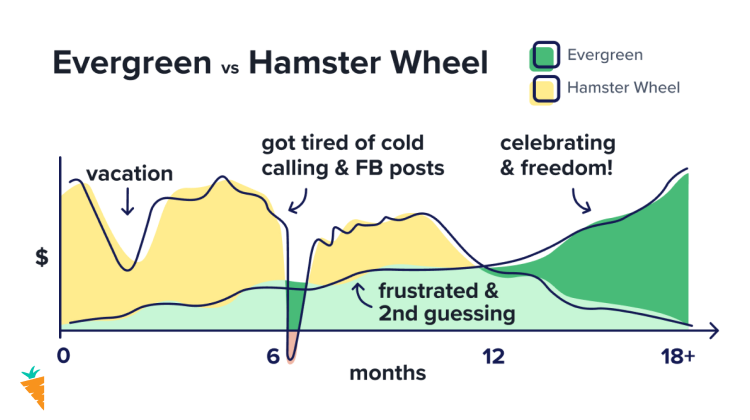
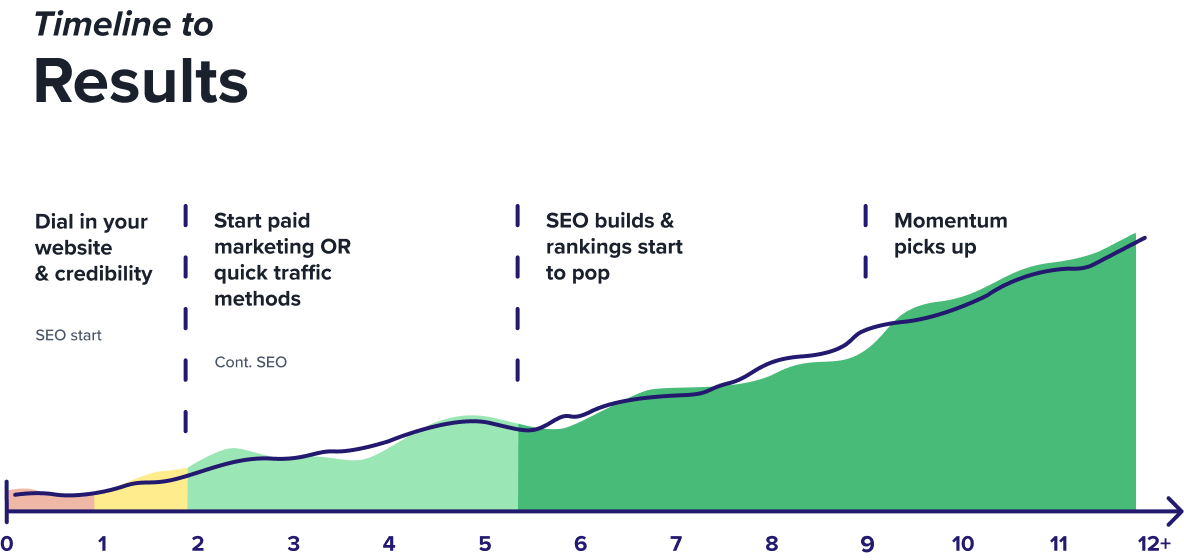
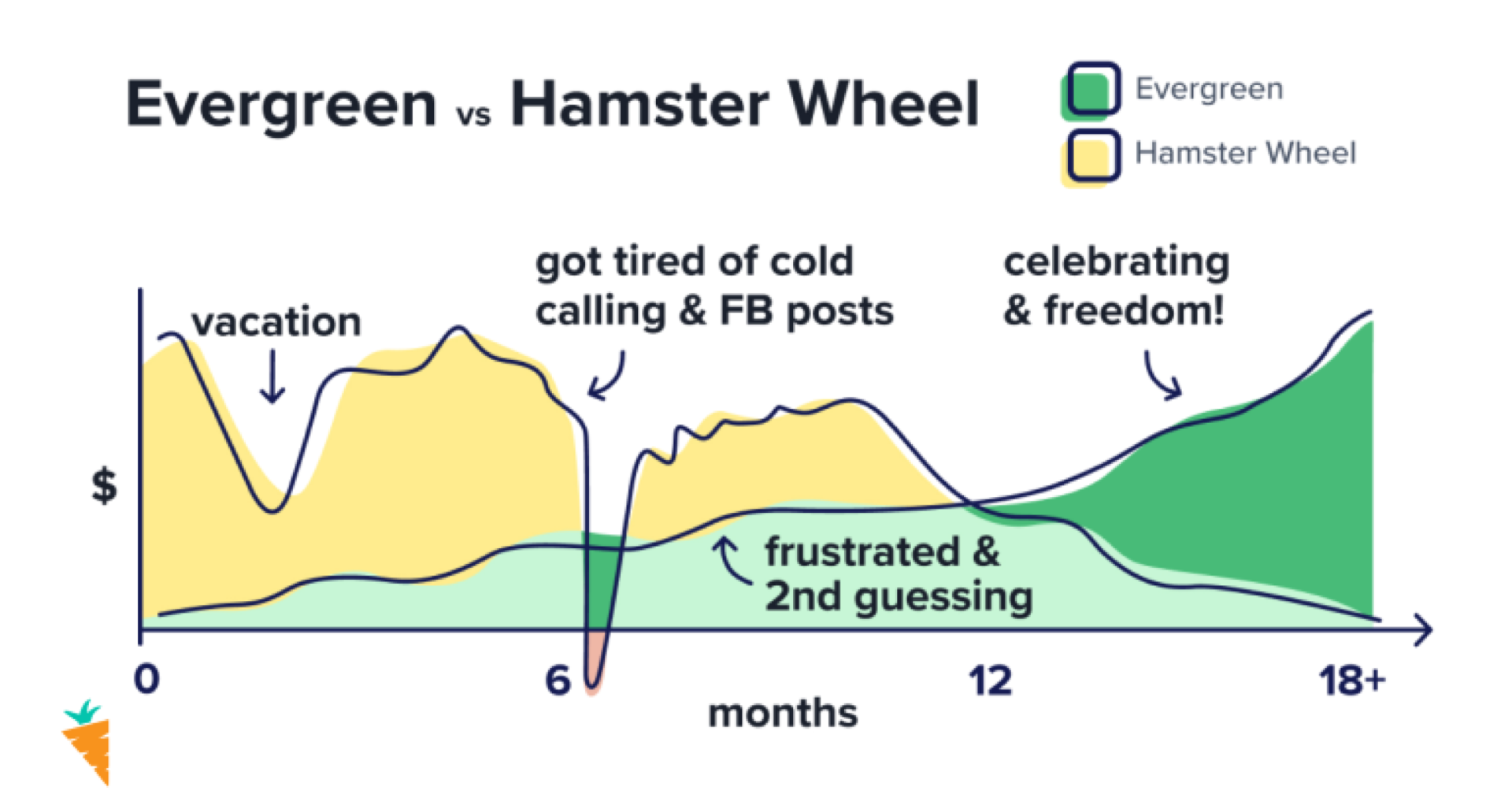
As we’ve written about elsewhere on our blog, SEO is a form of evergreen marketing in many other places. That is when an SEO strategy is executed correctly, it has the potential to become a lead-generation powerhouse.
Once you make the initial investment into an SEO campaign, as long as some routine maintenance is performed, you’ll likely have an asset that keeps sending leads your way for many years.
This costs a fraction of the price compared to leads from PPC or social media advertising campaigns.
How Does Technical SEO Fit In?
Most people familiar with SEO seem to understand that content and backlinks are required to earn free traffic from Google. There are endless guides that focus on publishing more and more content or getting more and more backlinks.
Few, however, delve into the foundation of SEO — how well the underlying website functions for users and search engine crawlers alike. In the industry, this is known as technical SEO.
Technical SEO is a simple term, but it covers many topics. Ultimately, it comes down to a well-built website — how fast it loads, how clean the coding is, the internal linking structure, if any internal or external links are broken or run through complex redirect chains if images are broken, whether or not the design is responsive and loads in a user-friendly way when on a slow connection… really, the list could go on for days.
We haven’t discussed this much because Carrot members don’t have to worry about it. All Carrot sites have a search-engine-optimized tech stack baked in.
However, many people reading this article won’t be using this system, so I aim to help you by providing a technical SEO checklist and some pointers on the best tools to use in your analysis.
The Pillars of Technical SEO: Building a Strong Foundation
Technical SEO encompasses a variety of factors that work together to ensure search engines can easily access, understand, and present your website to users. Here are the four core pillars of technical SEO:
Crawlability: Imagine search engines like giant spiders crawling through the web, discovering and indexing websites. Crawlability refers to how easily these search engine spiders can navigate your website. This includes having a well-structured sitemap, optimized robots.txt file, and internal linking that allows the spiders to find all your important pages. Good crawlability ensures your website’s content gets seen by search engines.
Indexability: Once search engines crawl your website, they must understand your content to determine its relevance for search queries. Indexability refers to whether search engines can include your pages in their search results. Factors like proper use of meta tags, structured data markup, and fresh, high-quality content all contribute to good indexability. If a page isn’t properly indexed, it won’t appear in search results.
Mobile-friendliness: In today’s mobile-first world, a website that isn’t optimized for smartphones and tablets is a major disadvantage. Mobile-friendliness ensures your website displays correctly and provides a seamless user experience on all devices. Search engines prioritize mobile-friendly websites in search results, giving you an edge over non-optimized competitors.
Site Speed: Nobody likes a slow website! Site speed refers to how quickly your website loads for users. Search engines consider page load speed as a ranking factor, as slow loading times can lead to frustrated users and high bounce rates. Optimizing images, minimizing code, and using a reliable web host all contribute to a faster website, which benefits both search engine rankings and user experience.
By focusing on these core pillars, you create a solid technical foundation for your website. Search engines will be able to efficiently crawl and index your content, and users will have a positive experience when they visit your site. This combination is a recipe for organic search success.
Charting Your Course: The Technical SEO Analysis Checklist
A technical SEO analysis checklist is your roadmap to a healthy and search engine friendly website. Just like any journey, it’s important to have a plan to ensure you’re covering all the important bases. Here are the key areas to evaluate during your technical SEO analysis, each playing a crucial role in search engine visibility:
Crawlability:
Robots.txt: Is your robots.txt file configured correctly to allow search engine crawlers to access your important content?
Sitemap: Does your website have a well-structured sitemap that clearly communicates all your pages to search engines?
Internal Linking: Is your website’s internal linking structure optimized to allow search engine crawlers to navigate efficiently and discover all your content?
Indexability:
Meta Tags: Are your title tags and meta descriptions optimized with relevant keywords and clear descriptions to help search engines understand your content?
Structured Data Markup: Have you implemented structured data markup to provide search engines with additional context about your content, potentially leading to richer search results?
Noindex Directives: Are there any pages on your website that you intentionally don’t want search engines to index? Are these pages properly marked with a noindex directive?
Mobile-Friendliness:
Responsive Design: Does your website display correctly and provide a user-friendly experience on all devices, especially smartphones and tablets?
Mobile Speed: Does your website load quickly on mobile devices? Slow loading times can significantly hurt your mobile search ranking.
Site Speed:
Page Load Time: Are your website’s pages loading fast enough for users? Tools like Google PageSpeed Insights can help you identify areas for improvement.
Image Optimization: Are your website’s images optimized for size and quality to ensure fast loading times without sacrificing visual appeal?
Caching: Is your website leveraging browser caching to improve repeat visitor experience and overall page load speed?
By systematically working through this checklist, you’ll gain valuable insights into your website’s technical SEO health. The next step is to leverage SEO tools to delve deeper into each area and identify any specific issues that need to be addressed.
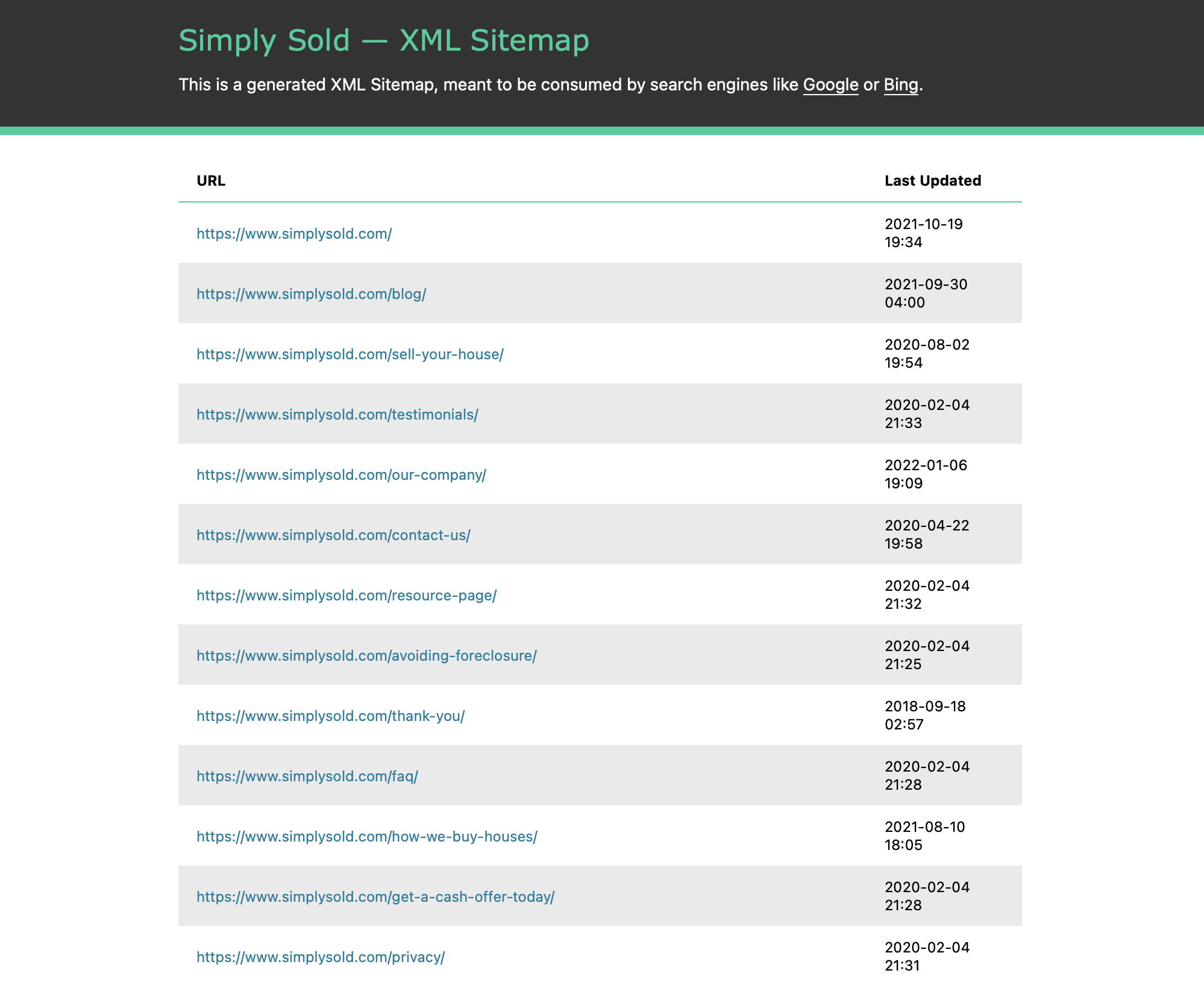
Here’s an example of what your XML sitemap should look like:
If you’re a Carrot member, then this is handled for you. Carrot ensures your site is configured correctly and that Google can find and index all the pages on your site.
Unveiling the Landscape: Essential Tools for Technical SEO Analysis
While a technical SEO checklist provides a solid framework, SEO tools act like powerful magnifying glasses, allowing you to zoom in and identify specific technical issues impacting your website. A combination of free and paid tools can equip you to conduct a comprehensive technical SEO analysis.
Here are some essential tools to consider for your technical SEO toolbox:
Free Tools:
Google Search Console (GSC): This free powerhouse from Google offers a wealth of insights into your website’s search engine performance, including crawl errors, mobile usability issues, and sitemap status. It’s a must-have for any technical SEO analysis.
Google PageSpeed Insights: Focused specifically on website speed, this free tool analyzes your website and provides actionable recommendations for improvement. It’s a great way to identify areas where you can optimize page load times.
Mobile-Friendly Test: Another free offering from Google, this tool allows you to quickly test how your website displays on mobile devices. It’s a simple yet effective way to ensure your website provides a seamless mobile experience.
Paid Tools:
Screaming Frog SEO Spider: This desktop application acts like a virtual SEO spider, crawling your website and identifying technical issues like broken links, missing meta tags, and crawl errors. It’s a powerful tool for uncovering a wide range of technical SEO problems.
SEMrush Site Audit: Part of the comprehensive SEMrush SEO suite, the Site Audit tool offers a deep dive into your website’s technical health. It provides detailed reports on crawl errors, mobile usability, and on-page SEO optimization, making it a valuable tool for identifying and prioritizing technical SEO issues.
Ahrefs Site Audit: Similar to SEMrush, Ahrefs offers a Site Audit tool that crawls your website and generates reports on technical SEO issues. It provides insights into broken links, internal linking structure, and mobile responsiveness, helping you identify areas for improvement.
Remember, the best approach often involves a combination of free and paid tools. Free tools like Google Search Console and PageSpeed Insights offer a fantastic starting point, while paid tools can provide more in-depth analysis and reporting capabilities. Choose the tools that best suit your needs and budget to empower your technical SEO analysis.
Putting it into Action: Analyzing Your Website with the Checklist & Tools
Now that you’re armed with the technical SEO checklist and a toolbox of powerful tools, it’s time to delve into analyzing your website. Here’s a step-by-step walkthrough to guide you:
Step 1: Gather Your Tools
Start by having your chosen technical SEO checklist and tools readily available. This might include the free Google tools (Search Console, PageSpeed Insights, Mobile-Friendly Test), and potentially a paid SEO tool like Screaming Frog or SEMrush Site Audit.
Step 2: Work Through the Checklist
Use the technical SEO checklist as your roadmap. Go through each section (crawlability, indexability, mobile-friendliness, site speed) and assess your website’s health in those areas.
Step 3: Leverage the Tools
For each section of the checklist, utilize the relevant SEO tools to gain deeper insights. Here’s how some tools can be applied:
Crawlability:
Google Search Console: Check the “Crawl Errors” report to identify any issues preventing search engines from accessing your pages.
Screaming Frog: Crawl your website using Screaming Frog to identify broken links and crawl errors.
Indexability:
Google Search Console: Use the “Coverage” report to see if any important pages are blocked from indexing or have indexing issues.
Mobile-Friendliness:
Google Mobile-Friendly Test: Enter your website URL and see how it renders on mobile devices.
Screaming Frog: Screaming Frog can also identify mobile-friendliness issues during its crawl.
Site Speed:
Google PageSpeed Insights: Analyze your website with PageSpeed Insights to identify areas for improvement regarding loading speed.
Step 4: Interpreting the Results
Each tool will provide reports and data that pinpoint specific technical SEO issues. Here’s a general approach to interpreting the results:
Free Tools:
Google Search Console: The reports will highlight issues with clear explanations and often suggest solutions.
Google PageSpeed Insights: The tool will provide a score and specific recommendations for improvement, like optimizing images or reducing page size.
Paid Tools:
Screaming Frog: The software generates a comprehensive report detailing various technical SEO issues. You’ll need some familiarity with SEO best practices to interpret the findings.
SEMrush/Ahrefs Site Audit: These tools offer detailed reports with explanations and prioritization of technical SEO issues, making them easier to understand and address.
Step 5: Take Action!
Once you’ve identified technical SEO issues through the checklist and tools, it’s time to take action! Prioritize the most critical issues that are likely to have the biggest impact on your search engine ranking and user experience. Many SEO tools offer suggestions for fixing the identified problems.
Remember, a technical SEO analysis is an ongoing process. As you make changes and optimize your website, it’s important to revisit the checklist and tools periodically to monitor progress and identify any new issues that may arise.
Conquering the Challenges: Fixing Technical SEO Issues & Prioritization
The technical SEO analysis has unearthed valuable insights, but the real magic happens when you address the identified issues. Here’s where prioritization becomes crucial.
Not all technical SEO issues are created equal. Some can significantly hinder your search engine ranking and user experience, while others might have a lesser impact. Focusing on the most critical issues first will yield the biggest return on your investment.
Here’s how to approach fixing technical SEO issues with prioritization in mind:
Severity: Start by addressing the most severe issues first. These might include crawl errors that prevent search engines from accessing your pages, missing or duplicate meta tags that confuse search engines, or critical mobile usability problems that frustrate users.
Impact: Consider the potential impact of each issue. For example, a large number of broken links can significantly hurt your website’s ranking, while a single missing image alt tag might have a lesser effect.
Common Technical SEO Issues & Solutions
Here are some frequent technical SEO culprits and how to tackle them:
Broken Links:
Identify broken links using SEO tools and replace them with working links or remove them entirely.
How to Find & Fix Broken Links
Fixing broken links on your site is important for some key reasons:
It creates a better experience for your visitors: nobody likes clicking on a link and getting an error message.
It helps Google crawl your site more efficiently: you don’t make it hard for people to contact you, so why would you treat Google that way?
It helps to pass link juice or link equity throughout your website: this helps your content rank better due to its extra authority.
it shows Google that your site is well-maintained and of high quality: Google considers broken links an indication that your site is outdated and poorly maintained.
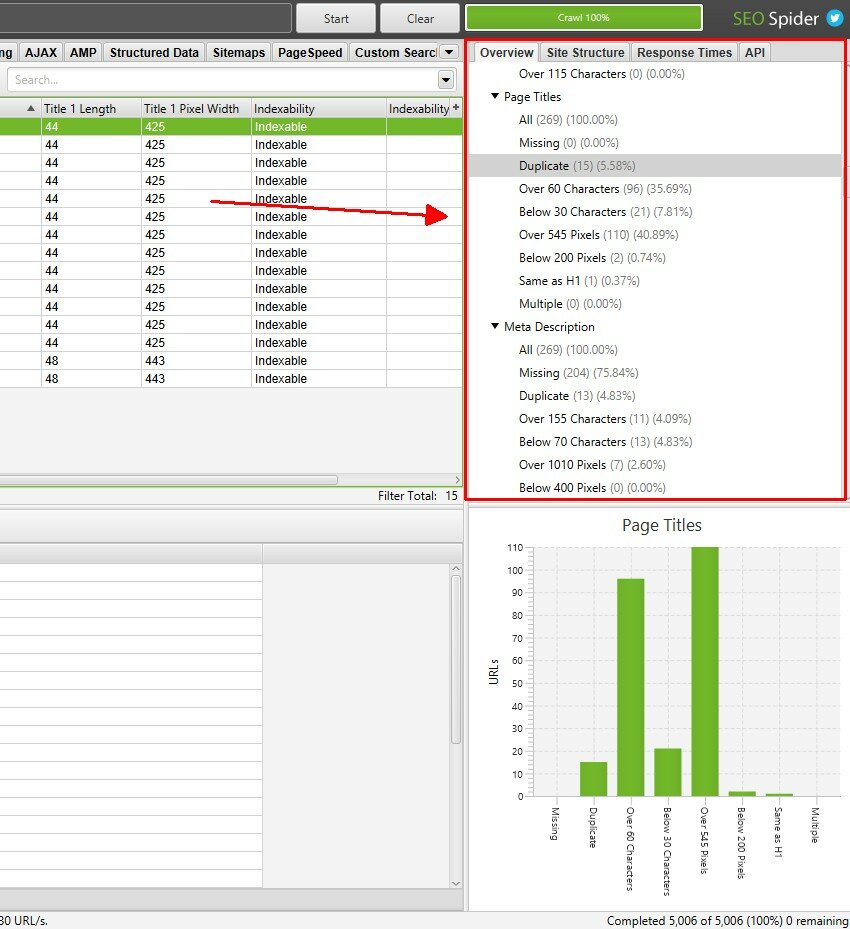
Suppose you want to find and fix broken links on your site. Use any crawler to scan your site and identify all the broken links. Screaming Frog is an option here—it’s free for sites with up to 500 pages!
Screaming Frog Discovering Errors
When scanning for these errors, replace all 4xx and 5xx error pages, and either remove or replace those links with updated, correct links, avoiding the use of redirects where possible. For more info, read this guide on how to fix broken internal links.
Slow Loading Pages:
Analyze your website with Google PageSpeed Insights and implement recommendations to improve page load speed. This could involve optimizing images, reducing page size, and enabling browser caching.
How to Improve Your Site’s Load Speed
Engagement 101 teaches if your site doesn’t load quickly, people won’t stay on it.
40% of visitors will leave a site that takes longer than 3 seconds to load.
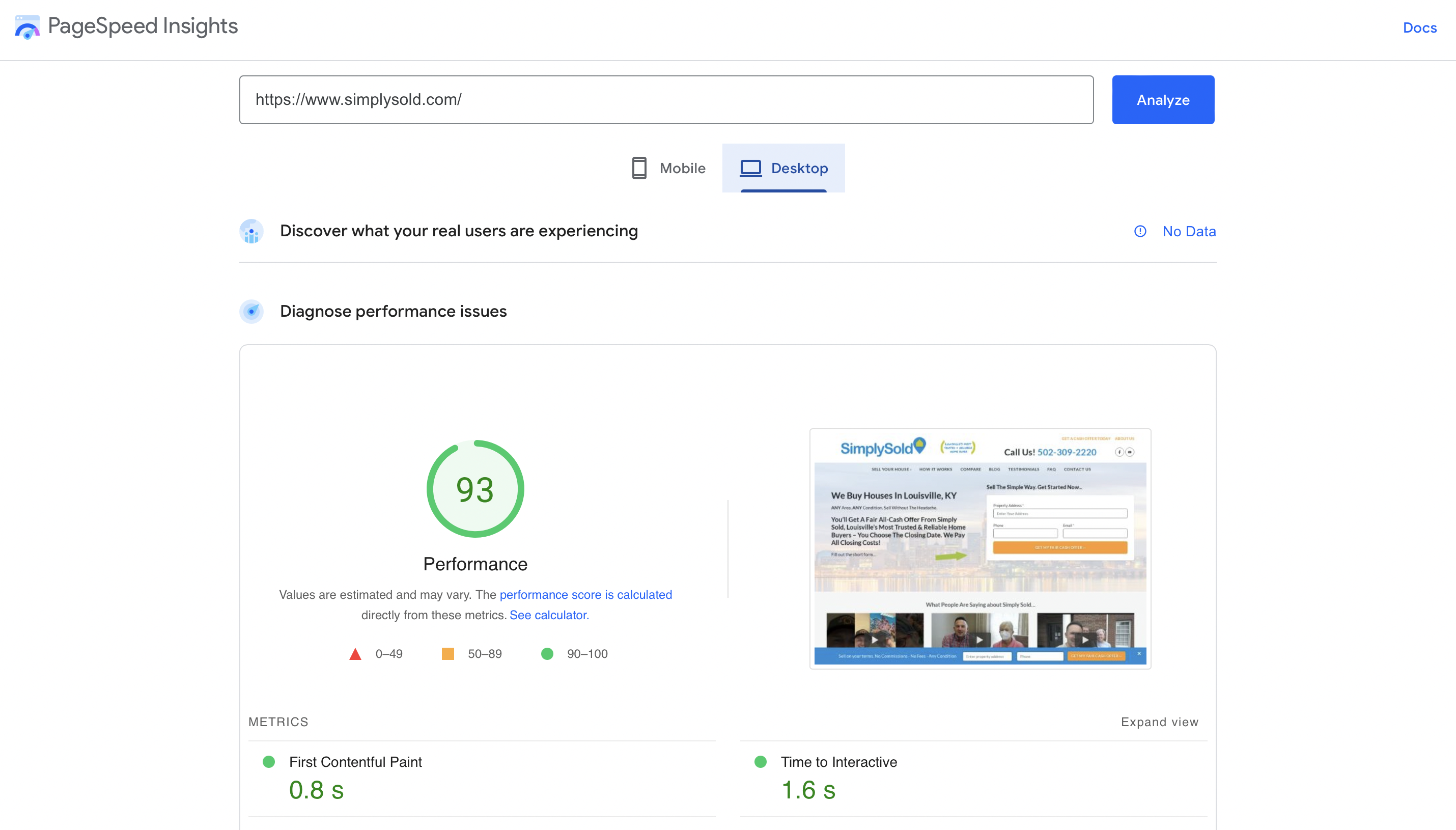
So if you want people to stick around (AND if you want to improve your SEO), you need a fast website. Test your website using Google’s PageSpeed Insights.
There’s a clear correlation between sites that load fast and rank well…
How do you make your site load fast if you’re not a Carrot member? Here are some tips…
Use a content delivery network (CDN): a globally distributed system of servers that delivers content to visitors based on their geographic location allows visitors from all over the world to load your content quickly, no matter where they are.
Compress your images: images are often the heaviest elements on a page, slowing down your site’s loading speed. To avoid this, compress your images before you upload them to your site. You can use a free tool like TinyPNG to do this.
Optimize your code: if your website’s code is bloated or inefficient, it can slow down your site’s loading speed. To avoid this, minify your HTML, CSS, and JavaScript files. You can use a free tool like Minifier to do this.
Crawl Errors:
Use Google Search Console to identify crawl errors and fix any underlying issues preventing search engines from accessing your pages. This might involve fixing robots.txt configuration or resolving server-side errors.
How to Fix Crawl Errors
Redirects can significantly impact user experience and crawl efficiency, particularly if they are broken, form chains, or create loops.
Similar to broken links, they deteriorate the user experience and can confuse bots. Even functioning redirects add complexity, and my guiding principle for dealing with search engine crawlers is to maintain simplicity whenever possible.
There’s inconsistency in statements from Google’s representatives regarding how much link equity is transferred through redirects. Commonly, this involves redirecting from old to new domains, but it’s equally applicable to page-to-page redirections. Why take the chance?
Addressing and fixing these issues, or ideally, replacing them with straightforward, final URLs, enhances both user and crawler navigation, ensuring total PageRank value is directed to your ultimate URL.
Review Your Content:
Ensure all important pages have unique and relevant title tags and meta descriptions to help search engines understand your content.
How to Review Your Content
While this isn’t a content audit discussion, content quality is still vital in technical SEO upkeep. A site audit should evaluate content quality, pinpointing issues such as:
Duplicate content,
Broken images,
a high number of low word count pages, and
Incorrect tag usage, including duplicates or absences of:
H1,
title, and
meta descriptions.
Naturally, high-quality and well-organized content tends to rank better and engage users. This isn’t a straightforward “pass/fail” situation, but during a tech audit, if the content lacks quality, it’s crucial to note that a content audit should be the next step.
It’s also worth being aware that some themes can cause issues with your content. Incorrect tag usage can often be tied to theme configuration instead of the way in which the content itself has been formatted.
Insecure Website (Missing SSL): Ensure your website uses HTTPS encryption by installing an SSL certificate. This improves your website’s security and gives you a slight ranking boost in search results.
How to Ensure Your Site is Secure
Google has stated that it prefers sites that use HTTPS, the secure version of HTTP. They’ve even started giving a slight ranking boost to sites that use HTTPS.
If you’re unfamiliar with HTTPS, it’s a more secure way of transmitting data over the internet. When you visit an HTTPS site, all the data exchanged between you and the site is encrypted. That means it’s much harder for hackers to intercept and steal that data.
This is especially important for real estate investors and agents because you often deal with sensitive information like addresses, phone numbers, and email addresses.
To use HTTPS, you need to get your SSL certificate — a digital certificate that authenticates your website’s identity and enables encryption. You can request your SSL certificate through your website host or hire someone else to help you.
If you’re a Carrot member, then your site is automatically HTTPS encrypted. This will result in a safer experience for your website visitors and better rankings in Google.
Missing Localization Configuration:
If you target international audiences, verify your website’s hreflang tags are correctly configured. This helps search engines understand your website’s language variations and deliver the most relevant version to users in different regions.
How to Check Your Localization Config
Incorrect or absent hreflang or HTML lang attributes can hinder organic search performance, particularly for websites targeting diverse regions or languages.
In my experience, multilingual sites often start as problematic whenever I begin a technical SEO audit.
Properly implementing these attributes ensures that search engines present the correct content to the intended audience.
If you only run your site in English and think you can forget about this type of thing, I’d caution you to think again.
It’s still beneficial to implement this, as it aids search engines and other tools in recognizing the primary language of your page.
This boosts accessibility, enabling screen readers to apply the correct language pronunciation rules, and it also enhances search engines’ comprehension of your site’s content.
With content translation becoming more routine, these straightforward steps significantly enhance content accessibility to a broader audience, and Google likes it when you consider this.
Subpar Mobile Experience:
Even if your website uses a responsive design, conduct a mobile-specific SEO audit. This might reveal issues like slow mobile load times or usability problems on smaller screens. Prioritize fixing these issues to ensure a smooth mobile experience.
How to Make Your Site Mobile-Friendly
It’s no secret that more and more people are using their phones to surf the web. Over 60% of all internet traffic now comes from mobile devices!
If your site isn’t set up for mobile SEO, you’re missing out on a ton of traffic (and potential leads).
It also means that Google is starting to penalize sites that aren’t mobile-friendly. In other words, if your site isn’t optimized for mobile devices, you could be pushed down in the search results…
To avoid this, you must ensure your site is “responsive.” That means it should adjust to fit any screen size, whether a phone, tablet, or desktop computer.
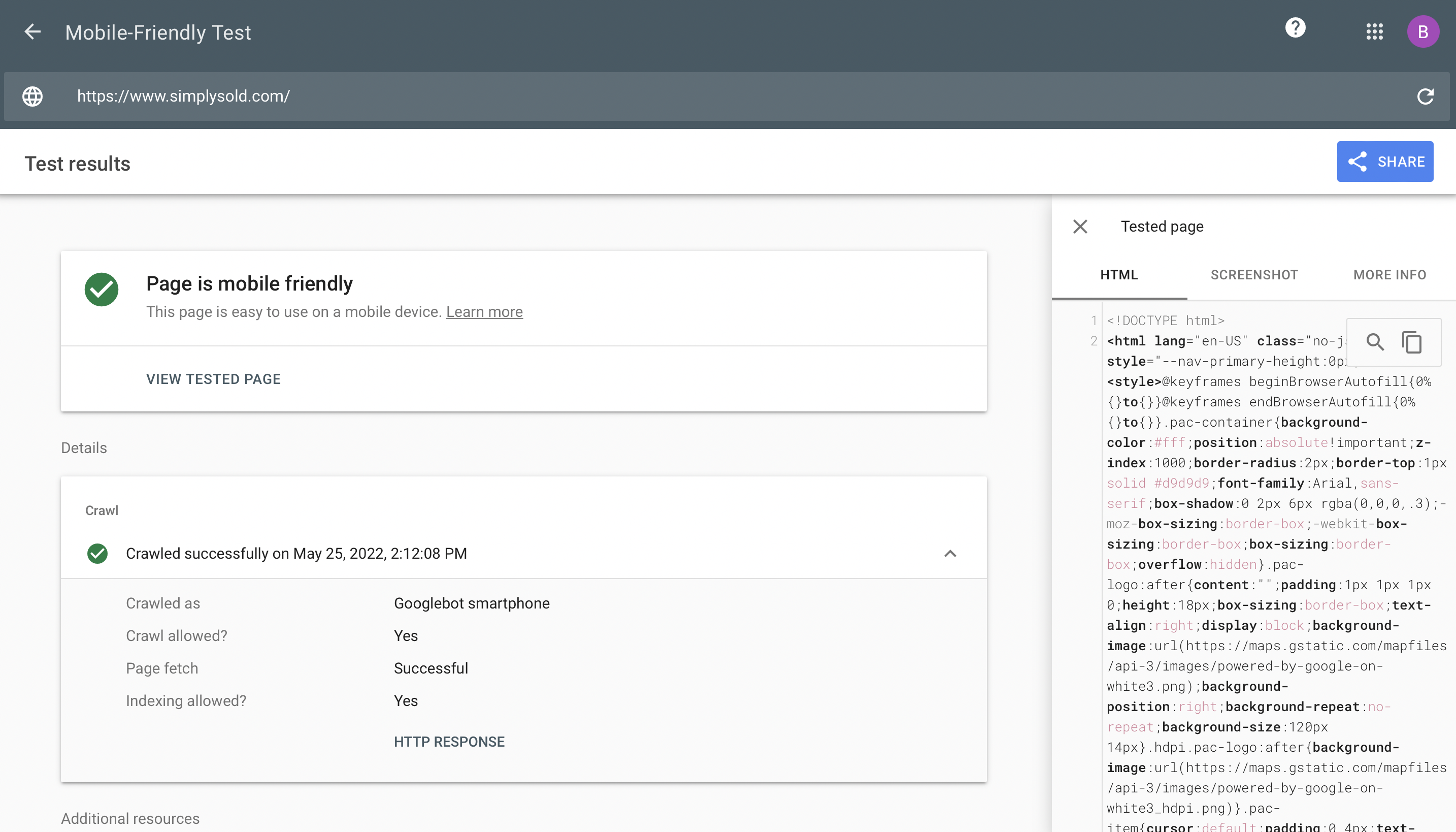
Carrot member website mobile-friendly test results
If you’re a Carrot member, then your site is automatically responsive. We build all Carrot sites using responsive design, so you don’t have to worry about this!
Poor Page Experience:
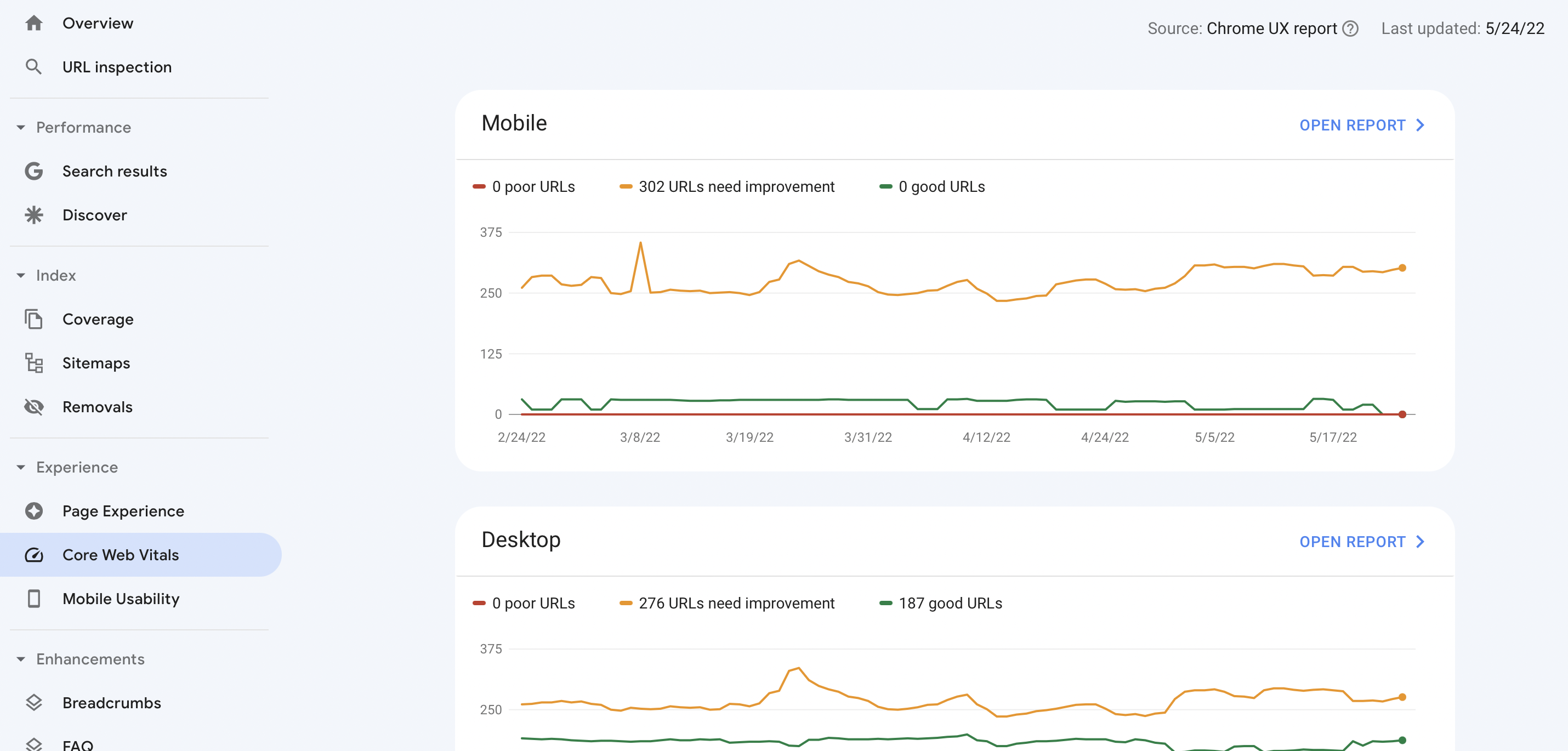
Page experience encompasses various factors that impact user experience, including mobile-friendliness, loading speed, and visual stability. Use Google Search Console’s “Core Web Vitals” report to identify areas for improvement in page experience. Optimizing these factors can significantly enhance user experience and potentially improve your search ranking.
How to Improve Your Page Experience
Google is continually updating its page experience signals. Core Web Vitals combined with existing search signals, including mobile-friendliness, safe browsing, HTTPS security, and intrusive interstitial guidelines, are all factors here.
How long it takes for the largest content element on the screen to become visible. A good LCP score is 2.5 seconds or less to provide a good user experience.
Interaction to Next Paint (INP)
Measures a website’s overall responsiveness, grading the time a site takes to respond after a user interacts with the page. A good INP score is under 200 ms (milliseconds).
Cumulative Layout Shift (CLS)
monitors unexpected content jumps as a page loads to measure its visual stability. A good CLS is 0.1 or less.
First Content Paint (FCP)
Tracks how long it takes from the instant a page starts loading until any content is visible. A good FCP is less than 1.8 seconds.
Time to First Byte (TTFB)
How long it takes a browser to receive the first byte of page data from a web server. A good TTFB is under 0.8 seconds.
These ranking factors can be measured in a report found in Google Search Console, which shows you which URLs have potential issues:
Finding In-Depth Solutions:
These are just a few examples, and the solutions can vary depending on the specific issue. For more in-depth solutions and troubleshooting steps, leverage the resources available online. Many SEO tools offer detailed guides and explanations for fixing technical SEO problems. Additionally, reputable SEO websites and blogs often publish articles and tutorials on common technical SEO issues and solutions.
Remember, tackling technical SEO is a journey, not a destination. By prioritizing issues, implementing solutions, and monitoring progress, you can create a technically sound website that thrives in search engine results and provides a seamless user experience.
Technical SEO Best Practices
Performing a technical SEO audit may initially appear complex, but with a methodical approach and the correct toolkit, it transforms into a critical element of your online marketing plan.
Here are what I consider to be the best steps for conducting this in-house:
Select Your Tools: Not everyone has a big budget for software. High priced tools like Ahrefs and Semrush can make the process faster, but they aren’t mandatory. Please make use of whatever you can and simply get on with it. Action matters more than software.
Develop a Routine: Acknowledge that this isn’t a one-time fix, so frequency is key. Depending on your website’s size and intricacy, a schedule will help—be it monthly, quarterly, or semi-annually—to proactively manage potential issues. At Dialed Labs, we use weekly audits to maintain and monitor our client sites.
Prioritize Findings: Address issues based on their potential impact on your site’s effectiveness and user experience, and remember that not all discoveries demand immediate action. Implement the highest impact fixes first.
Detail Changes and Monitor: By keeping detailed logs of your fixes, you can evaluate what techniques are fruitful and discover any fixes that may not have gone to plan. We keep a detailed “Activity Log” for client projects to transparently showcase daily updates.
Stay on the Cutting Edge of SEO: Winners more or less take all in SEO, so being second best is hardly the right strategy. If you want to be at the top of the SERP, staying in the loop with the most recent official and community-driven guidelines and trends is essential.
Engage with External Experts: Sometimes, external insights can make a significant difference. Consider consulting with professionals for a more in-depth and comprehensive review.
Technical SEO Checklist
It’s easy to get lost in the weeds as you go through a process like this. Download and print out the following checklist. It will help you stay on track and not miss anything important.
Verify Indexability
Check robots.txt to ensure it’s correctly configured to allow Google to crawl your website
Check for noindex pages. Use tools like Google Search Console (free), Screaming Frog, or Ahrefs to identify pages with a noindex attribute
Verify your XML sitemap is accurate and updated
Check Google Search Console to make sure your site is being crawled
Identify and Fix Broken Links
Use a tool like Google Search Console or Screaming Frog to find 4xx and 5xx errors
Fix and replace broken links to ensure all links lead to valid, relevant pages
Optimize Redirects
Look for broken, chained, or looping redirects that need fixing
Replace complex, multi-step redirects with direct, final URLs
Enhance Site Security
Ensure your site is using HTTPS (instead of HTTP) for secure data transmission
Verify your site’s SSL certification is valid and current
Improve Page Experience & Core Web Vitals
Optimize load performance by looking for elements that commonly slow down a page (like large images)
Run a page or site audit to find technical SEO issues impacting your CWVs
Review & Upgrade Content Quality
Check for broken images
Check for missing image alt text
Evaluate page word count
Verify proper use of H1, title tags, and meta descriptions
Check Localization Settings
Implement correct hreflang and HTML lang attributes
Ensure property language and regional targeting
Enhance Site Load Speed
Use CDN (Content Delivery Network)
Compress images
Minify HTML, CSS, and JavaScript
Ensure Mobile-Friendliness
Test your site’s responsive design for different screen sizes
Optimize for mobile user experience
The Road Ahead: Maintaining Your Technical SEO Advantage
Congratulations! By conducting a technical SEO analysis, you’ve taken a significant step toward improving your website’s search engine visibility and user experience. However, technical SEO is an ongoing process, not a one-time fix.
Search engine algorithms and user expectations constantly evolve, so it’s crucial to revisit your technical SEO health regularly. Scheduling periodic technical SEO audits (every 3-6 months) allows you to identify and address any new issues that may arise.
Remember, the technical SEO checklist and tools you explored earlier are valuable companions on this journey. Use them to monitor progress, stay up-to-date with technical SEO best practices, and ensure your website remains search engine-friendly over time.
Ready to Take Your Technical SEO to the Next Level?
If you’d like to delve deeper into technical SEO or need assistance implementing solutions, we’re here to help! We offer a variety of resources, including:
In-depth guides on specific technical SEO topics
SEO consultations tailored to your website’s needs
Ongoing technical SEO monitoring and maintenance services
By investing in your website’s technical SEO health, you’re investing in its long-term success. Contact us today to explore how we can help you achieve your SEO goals!
Although there is no single most important trait, learning to find motivated sellerleads can be one of the most critical skills in real estate investing. Finding motivated seller leads all comes down to having the right process for continuous lead generation.
Key Takeaways
There are five signs that a seller is motivated:
They’re in a life-changing situation (divorce, bankruptcy, job transfer, etc.)
They want to downsize
The property has been sitting on the MLS for a while
The owner is straightforward about the condition of the property
The owner is absente and/or the property is sitting vacant
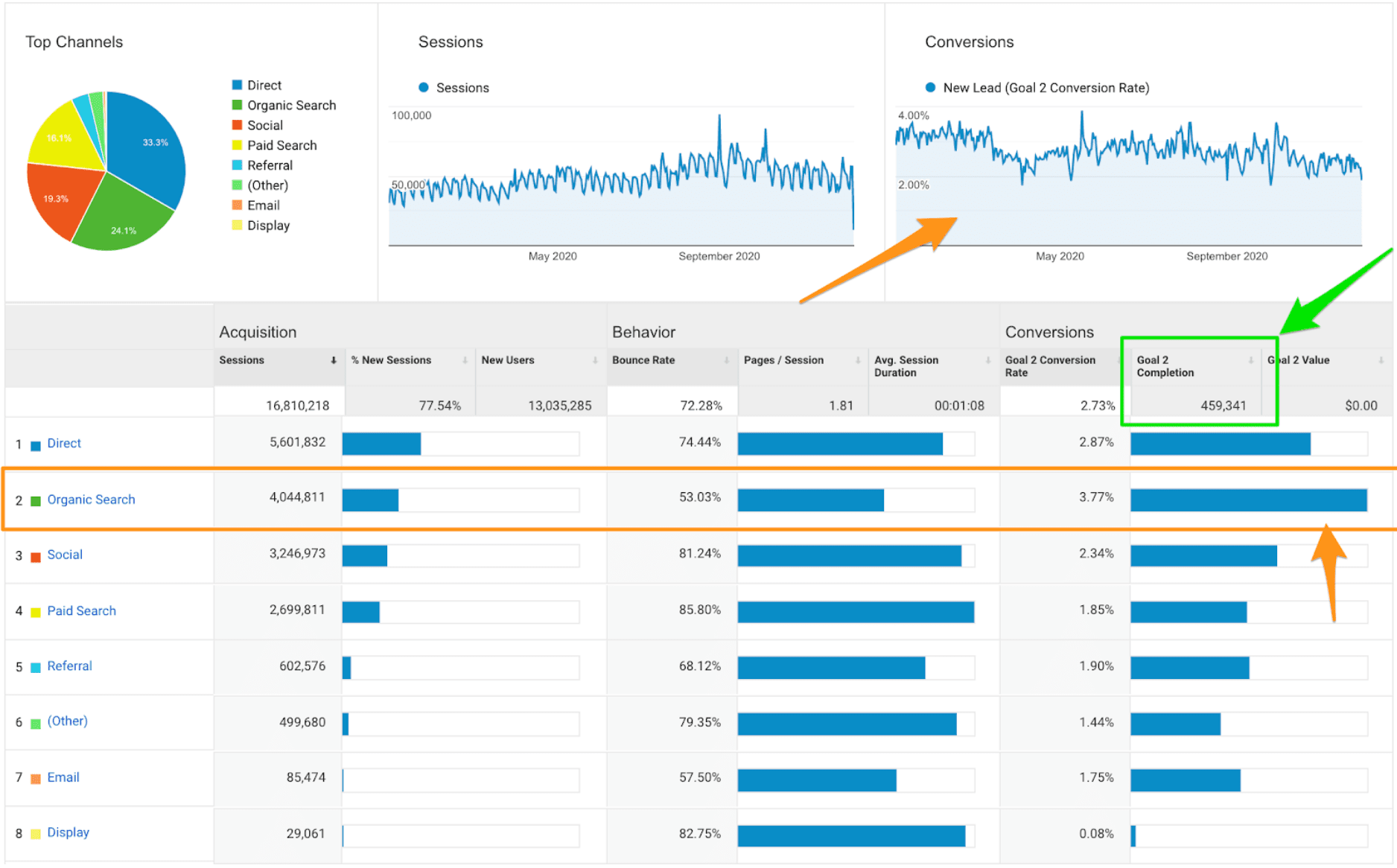
Cold calling and direct mail generate motivated seller leads, but a good website can be a consistent source of leads without the manual outreach effort.
Once you determine your maximum offer, it’s often wise to start negotiations with a lower figure. This leaves room for compromise and creates the potential for additional profit if the seller accepts your initial offer. A common approach is to subtract $20,000 from your pre-determined maximum cash offer.
Read on to understand what a motivated seller lead is, how to find motivated sellers (we share 11 different tactics), and learn how to negotiate these deals!
What Separates Struggling Real Estate Investors from Successful Ones?
If there’s one thing that separates a struggling investor from most successful real estate investors, it’s their systems for generating leads. They have processes that work like clockwork day in and day out.
Demo Carrot: How many deals are you losing to your competitor’s website?
Top investors generate 20 or more high-quality, motivated seller leads per month.
Does that sound too good to be true? It’s not.
In 2003, we built our first website to generate motivated seller leadsfor wholesalers. Since then, we’ve refined our marketing systems, website platforms, and overall strategy for driving leads online.
We’ve generated over 1,253,267 real estate-related leads in the past 5 years alone.
The lead generation strategies and options we will teach you in this article have been proven. Although they can take some upfront work, once the ball is rolling, you can generate monthly leads.
Ready to learn how to find motivated sellers?
Let’s do this.
What Are Motivated Sellers?
A motivated seller is an owner who needs to get rid of their property quickly and meets at least one of the following conditions:
They are willing to sell below market value at a 10-30% price.
They are ready to sell under specific terms. Including no money down and no interest.
In an ideal situation, you’d want both conditions, but one advantage of working with them is that they have reasons to sell fast. You’re there to help them solve the problem.
Some common types of motivated sellers include:
Distressed sellers
Landlords
Facing foreclosure
Relocating
Bank in possession of REOs
Divorce
Inherited houses
Recent job loss
5 Signs That a Seller is Motivated
You know what a motivated seller lead is.
But how can you spot them?
Here are five signs that a seller is motivated — you can gather this information through public records, online research, and, most importantly, talking directly to the seller.
Life-Changing Situation: If the owner is going through a life-changing situation like divorce, probate, bankruptcy, or moving across the country, they are far more likely to be in a hurry to sell… and to care less about how much they get.
Wants to Downsize: People who want to downsize often want to live more simply. They want a smaller house with less upkeep. They’re likely overwhelmed by the state of things in their current homes. These people often want to sell their property as-is for cash.
Property Has Sat On MLS: If the property has sat on the MLS for a long time (say, 6 months or more) without selling, there’s probably something wrong with the house. And the owner might have come to terms with that and be interested in selling fast for cash.
Owner is Straightforward: If the owner neglects to discuss the problems with the property, they might still be trying to get top-dollar. But if they are open and honest about the quality of the house, then they might be more willing to make a deal.
Absentee & Vacant: An absentee owner is one who doesn’t live in the same city or state as the property they own. If the property is also vacant, the owner is not making money on it but is still, at the very least, paying property taxes. These types of owners commonly want to offload their property quickly.
Online Strategies: Casting Your Net in the Digital World
The Internet has become invaluable for real estate investors seeking motivated sellers. Here are some powerful online strategies to consider:
1. Real Estate Listing Platforms: These platforms are a great starting point. While many listings showcase readily available properties, utilizing the platform’s filters can help you target motivated sellers:
Expired Listings: Properties that haven’t sold within a typical timeframe might indicate seller frustration or a need for a quick sale.
FSBO (For Sale By Owner) Listings: These sellers are already actively trying to sell their property themselves, potentially indicating motivation for a faster deal.
Pre-Foreclosure Listings: Target properties in pre-foreclosure to potentially help homeowners avoid foreclosure and offer them a win-win solution.
2. Real Estate Investment Websites: We’re going to go a little deeper in this section because it’s our bread and butter.
SEO, PPC, and social media.
Let’s start with SEO. SEO for real estate is what we consider the secret sauce of a successful real estate investor and investing marketing strategy.
Organic leads are where the majority of leads come from for our members.
It’s not theory; here’s a real peek behind the scenes…
We focus not only on SEO but also on how it builds into Evergreen marketing.
The definition of Evergreen marketing is: “a: retaining freshness or interest: perennial. b: universally and continually relevant: not limited in applicability to a particular event or date.”
In marketing terms, it’s marketing you do once, and it works for years… not hours, days, or weeks. Content relevant for a long time serves your best prospects and gets in front of them where they’re searching online.
Results grow momentum over time = Freedom
We then amplify Evergreen with paid marketing and even hamster wheel marketing.
Hamster wheel marketing is defined as: “any situation that seems endless without goal or achievement.”
In marketing terms, any marketing campaign that works for a short time after you do has a limited life span. Then, you have to do it repeatedly to keep results coming in.
Cold calling, direct mail, posting on social, open houses, etc.
Results stop when you stop = Stress
Growing increasingly into the Evergreen is where you create consistency, freedom, and flexibility.
You can significantly impact your business, but that’s where your most valuable and highest converting leads come from.
Building a solid lead generation engine for your real estate business will give you quality leads for life.
It’s a big goal, but don’t be intimidated.
Here’s some proof…
Tyler Ford has been getting 2x more motivated seller leads with Carrot than with his old site. The Carrot tools and Evergreen marketing content has helped him stand out in my crowded local market.
While paid advertising can immediately bring in motivated seller leads and help your business in the short term… SEO can build momentum and help grow your business over the long term.
But what is SEO?
It’s pretty simple.
When a motivated seller wants to sell their house fast for cash, many go to Google and type in “Sell my house fast in [MARKET CITY].”
For example, if I search for “Sell my house fast in Dallas,” Google thinks these real estate websites can help me.
Those websites get clicks and traffic from motivated sellers whenever someone types that phrase into Google… which is more often than you’d think.
That traffic then turns into leads (so long as the investor’s website is optimized for conversion), and the investor generates deals monthly through SEO.
You can also pay to get in those search results…
And that is a good idea when you’re starting. But it shouldn’t replace your SEO strategy.
More than 90% of people click on organic results before PPC results.
So here’s the question: how do you get Google to rank your website for a high-value keyword phrase?
Well, it can take time and some patience.
To start, you’ll need to put the correct title on your page, have a website that loads quickly, and do a few other things. Reference this SEO guide for help.
And at Carrot, we have TONS of tools to help you.
We give you monthly SEO-optimized blog post content. Our websites have an SEO-friendly tech stack. We also allow you to track your progress on target keyword phrases and alert you to missing optimizations on any page.
SEO for real estate investors couldn’t be any easier than with a Carrot site. :)
PPC is another valuable asset for generating motivated leads.
Google Ads can work so long as you have a solid strategy. Year after year, it’s one of our Carrot members’ top lead generation methods (behind organic leads).
Our real estate investor members consistently get feedback that their Google Ads leads are closing between 1 in 10 and 1 in 15 leads per deal.
Learn more about Google Ads for real estate investors in this ultimate guide.
3. Social Media Advertising: The power of social media targeting can’t be ignored. Platforms like Facebook and Instagram allow you to create laser-focused advertising campaigns. Target potential sellers based on demographics like age, location, and even interests related to downsizing or relocation.
4. Data Analytics & Lead Generation Tools: For a more sophisticated approach, consider investing in paid tools. These tools aggregate and analyze vast amounts of data on potential sellers. You can target outreach based on factors like absentee ownership, distressed properties, or recent life events that might trigger a homeowner to sell (e.g., job loss, probate, divorce). While these tools come at a cost, they can significantly enhance the quality and efficiency of your lead generation efforts.
One option worth exploring is USLeadList, a platform specializing in high-quality pre-probate inheritance leads for investors, wholesalers, and agents. Their data gives you a competitive edge in finding motivated sellers before your competition. With reliable leads at your fingertips, you can spend less time searching and more time closing deals.
Traditional Strategies: Building Relationships and Hitting the Pavement
While the digital world offers a wealth of opportunities, tried-and-true traditional methods still hold value:
1. Direct Mail Campaigns:Direct mailers can be a powerful tool for reaching motivated sellers. Here’s the key: customization. Craft compelling mailers that address specific needs. For example:
Absentee Owners: Highlight the challenges of managing a property from afar and offer a cash solution for a quick, hassle-free sale.
Probate Leads: Express your condolences and offer a streamlined process to sell a property inherited through a probate sale.
Distressed Homeowners: Present yourself as a solution to financial burdens associated with unwanted property.
2. Networking with Local Professionals: Building relationships with individuals “in the know” can be a game-changer. Here are some key connections to cultivate:
Real Estate Agents: Agents often encounter sellers facing various situations. Develop relationships with agents who understand your investment criteria and can connect you with motivated sellers.
Property Managers: Property managers deal with absentee owners and may come across situations where a quick sale benefits all parties.
Title Companies: Title companies handle property transactions and might have insights into potential sellers facing challenges.
3. Cold Calling: Don’t underestimate the power of a well-executed cold call. Here are some tips for success:
Do your research: Identify the owner’s name and any relevant details about the property beforehand.
Be clear and concise: Introduce yourself, explain your purpose quickly, and highlight the benefits you offer as a buyer.
Prepare for objections: Anticipate common objections, such as “I’m not interested in selling,” and prepare responses emphasizing a win-win solution.
4. Driving for Dollars: This strategy involves driving through neighborhoods looking for potential leads. Target areas with neglected properties, overgrown lawns, or “for sale” signs that have been up for extended periods. These signs might indicate absentee ownership or seller motivation for a quick sale. Once you’ve identified a potential lead, research ownership information and send a targeted mail flyer or make a cold call to initiate contact.
One option is to use Google Maps Street View and apps such DealMachine. You can drive for dollars without leaving your house.
Creative Strategies: Thinking Outside the Box
Beyond the traditional methods, consider these creative approaches to expand your pool of motivated sellers:
1. Attend Local Events:
Foreclosure Auctions: While attending foreclosure auctions can be competitive, they offer opportunities to connect with distressed homeowners directly. You might be able to strike a deal before the auction or offer a solution outside the formal auction process.
REO (Real Estate Owned) Sales: Banks often hold sales for properties they’ve repossessed (REO). While competition can exist, attending these sales allows you to potentially negotiate directly with the bank for a good deal.
Community Events: Local fairs, neighborhood gatherings, or even investment seminars can be a chance to connect with potential sellers. Introduce yourself as a real estate investor and explain your interest in buying properties in the area.
2. Offer Value Propositions:
Don’t just wait for sellers to come to you. Instead, consider offering valuable services to attract motivated sellers:
Free Consultations: Provide free consultations to homeowners considering selling. Analyze their situation, explain your buying process, and highlight the benefits of a quick cash sale.
Market Analyses: Offer free market analyses to homeowners. This establishes you as a knowledgeable resource and opens a conversation about their selling options.
By providing value upfront, you build trust and position yourself as a solution-oriented buyer, increasing the chances of converting a consultation into a successful deal.
3. Build Partnerships:
Collaboration is key in real estate investing. Partner with other investors who share your goals:
Cash Buyers: Partner with cash buyers who can offer quick closings, attractive to motivated sellers needing to sell fast.
Other Investors: Collaborate with other investors to combine resources and expertise. You can expand your reach and target a wider range of motivated sellers by working together.
Thinking creatively and building strong partnerships can unlock new opportunities to connect with motivated sellers and achieve your real estate investment goals.
Quick tip: Reaching out via email is a great way to build partnerships. Using a LinkedIn email finder can also help expand your network and reach potential leads, further improving your ability to identify cash buyers and motivated sellers.
The Difference Between Inbound & Outbound Lead Generation
We’ve shared many different strategies on this blog for real estate lead generation: Traffic plus Conversions, and we’ve shown you a bunch of great strategies for building traffic. If you haven’t read those posts, click those links to check them out… I’ll try not to duplicate much here.
Real estate investors can generate motivated leads using both outbound and inbound (paid and organic) sources.
Confused?
Let me make it more simple.
“Outbound” marketing is direct mail, cold calling, and driving for dollars.
“Inbound” marketing is Google Ads, Microsoft ads, and Facebook strategies, with good content through organic search rankings or SEO.
The Simple Motivated Seller Lead Generation Formula
To generate more motivated seller leads for your business, you first have to understand the simple formula for lead generation.
That is, how is a lead generated in the first place?
Different investors will answer that question differently. Some will say that cold calling is how you generate leads, others will say direct mail, and others will say by personally connecting with people in the community.
And none of those answers are wrong.
Successful investors also use direct mail and/or cold calling to generate consistent business leads.
But they also do something that very few investors don’t do.
They systematically generate leads by using the formula below…
TRAFFIC + CONVERSION = LEADS
Let’s break that down.
Traffic is when people visit your website. They might come through paid advertisements you’re running (like Facebook Ads or Google Ads) or organically through a search engine (Google) or a social media site (Facebook).
Wherever they come from, one thing is for sure… you can’t generate leads on autopilot through your website if you’re not generating traffic.
Paid ads effectively drive immediate traffic to your website. Building your organic traffic takes a little more time (but the payoff is massive) — more on organic traffic or “SEO” shortly.
What about conversions?
A conversion is when a person takes the action you want them to take after visiting your website. Usually, that’s filling out a form that provides you with their contact information or calling your business directly.
And voila! You have a lead.
Those are the two vital elements to generating motivated seller leads.
You have to drive traffic to your website consistently and consistently convert that traffic into leads for your business.
And Carrot websites have the highest conversion rate in the industry (usually between 10% and 20%).
A conversion rate on one Carrot member’s website.
That’s why we believe in our product so much.
We know that if someone takes their organic traffic seriously and uses Carrot to create their website, they’ll have everything they need to build a winning business.
How to Negotiate with Motivated Sellers
When it comes to negotiating with motivated sellers, there are some commonalities.
We all know that price is not something that’s set in stone. And neither is a seller’s immediate inclination to work with or not with you.
They could call you ready to sell but a few days later lose interest. Or they could call skeptically and leave the call prepared to sign.
Part of what determines these outcomes is how you negotiate. What you say, what questions you ask, and how you talk could impact.
So, we asked some experienced real estate investors how they negotiate with sellers to close more deals.
Negotiating with Motivated Sellers: Securing Profitable Deals
Unearthing motivated sellers is a crucial skill in real estate investing. However, negotiation is equally important to convert those leads into successful transactions. Here’s a breakdown of the key steps involved:
1. Market Research and ARV Determination:
The foundation of any negotiation lies in accurate information. Start by conducting thorough market research to determine the property’s After Repair Value (ARV). This represents the estimated market value of the property once repairs are complete. Consider seeking assistance from a qualified real estate agent who can provide valuable insights and access to comparable property data (comps).
2. Repair Cost Estimation:
Accurately estimating the cost of necessary repairs is critical. For complex repairs, consider engaging a professional contractor to provide a detailed estimate. This ensures your calculations reflect the true cost of bringing the property up to market standards.
3. Max Cash Offer Calculation:
Once you have a solid understanding of the ARV and repair costs, it’s time to calculate your maximum cash offer. A common strategy employed by real estate investors is the 70% rule. Here’s how it works:
Example: Assume the property’s ARV is $200,000 and estimated repairs come to $30,000.
Following the 70% rule, your maximum cash offer would be:
($200,000 ARV – $30,000 Repairs) x 70% = $119,000 Max Cash Offer
This calculation ensures you leave sufficient room for profit, even if unforeseen repair needs arise during renovations.
4. Strategic Offer Presentation:
While you’ve determined your maximum offer, it’s often wise to start negotiations with a lower figure. This leaves room for compromise and creates the potential for additional profit if the seller accepts your initial offer. A common approach is to subtract $20,000 or more from your calculated maximum cash offer. This becomes your opening bid, allowing for negotiation flexibility while still securing a profitable outcome.
By following these steps and employing effective negotiation tactics, you can increase your chances of securing motivated sellers and achieving successful real estate transactions.
Now, it’s essential to mention one more thing.
Before you bring your offer, you should’ve had a few conversations with the seller.
You should know why they’re selling, how much they hope to get, and how motivated they are.
If you don’t, get that information before you enter into negotiations. That’s cannon fodder for the discussion you’re about to have — if you know why they’re selling, then you can explain why your offer is what it is and how it will help them.
Conclusion: A Multi-Faceted Approach to Finding Motivated Sellers
The landscape of motivated seller lead generation is constantly evolving. In 2025, a diversified approach is crucial for success. Don’t be afraid to experiment with the abovementioned strategies – both online and traditional methods have their merits.
Here are some key takeaways:
Cast a Wide Net: Utilize a variety of online platforms, explore creative strategies, and build relationships with local professionals.
Target Strategically: Tailor your approach to specific seller types, whether it’s absentee owners, distressed homeowners, or those navigating probate.
Track & Analyze: Monitor the success of each approach. Analyze which methods generate the most leads and the highest conversion rates in your market.
Remember, the key to finding motivated sellers is consistent effort and a willingness to adapt your strategies.
Empower Your Journey:
Becoming a successful real estate investor is an ongoing journey. Here are some resources to fuel your knowledge:
Industry Publications: Stay up-to-date on market trends and best practices by subscribing to industry publications or blogs.
Online Courses: Invest in online courses or workshops from reputable sources to refine your skills and learn advanced lead generation techniques.
By combining these resources with the strategies outlined above, you’ll be well-equipped to identify and connect with motivated sellers, paving the way for successful real estate transactions.
After spending over a million dollars on ads over 12 months and reviewing dozens and dozens of accounts, we’d like to share our findings on which platforms are giving investors the best bang for their buck.
Demo Carrot: How many deals are you losing to your competitor’s website?
At Carrot, we’ve helped tens of thousands of real estate investors generate millions of motivated seller leads — through evergreen marketing and our holistic lead generation hub.
Brandon Bateman has done a scaled version of this but in the paid advertising realm. Specifically, he spent millions of dollars in Google and Facebook ad spend for his real estate investor clients over 2021 to generate leads and land deals.
For this guide, our team collaborated with Brandon to comprehensively compare SEO vs. Google Ads vs. Facebook Ads for real estate investors trying to find motivated sellers.
We’re going to look at the pros and cons of each channel. Then we will compare the average cost per lead, deal size, and conversion rate of each channel. And finally, we’ll give you the ultimate real estate investor marketing roadmap for creating synergy between all three marketing methods to scale your business systematically.
Let’s dive in.
Facebook Ads Pros & Cons
Facebook Ads are probably the most popular type of advertisement that real estate investors leverage. You can use Facebook Ads to either target a brand new audience or retarget people who’ve already visited your website.
The most significant upside to Facebook Ads is that they’re pretty easy to set up, allowing you to access a broad audience. The biggest downside is that Facebook advertising is a form of interruption marketing, meaning that people are on the platform for something else when your ad interrupts them. That doesn’t mean it’s ineffective… but it’s something every advertiser needs to keep in mind.
Pros:
Advertise Across Multiple Platforms
Facebook Ads allow you to target your ads to specific people on Facebook, Instagram, and Audience Network. and Messenger. So you have a very expansive reach and can show your ads wherever people prefer to hang out.
Detailed Targeting & Retargeting
Facebook Ads also offer detailed targeting options. You can target people based on their interests, demographics, behaviors, and purchasing history. And you can also retarget people who have visited your website or engaged with your Facebook page.
Resources like FB Ads Library, allow advertisers to view and analyze other ads running on the platform. This feature enables them to gain insights into successful ad campaigns within their niche, helping them refine their own strategies for even greater effectiveness. So you can laser-focus your advertising to reach only the most relevant people.
User Friendly
Facebook Ads are very user-friendly. The creation process is simple, and you can get your ads up and running quickly.
Cons:
Lack of Knowledge Means Wasted Money
The biggest downside of Facebook Ads is that many real estate investors don’t know how to use them effectively, so they end up wasting a lot of money on ads that don’t reach their target audience.
Strict Facebook Advertising Policies
Facebook also has very strict advertising policies. If you violate their policies, your account can be shut down, and you end up in “Facebook jail” for quite some time before you can rerun ads.
Some of Facebook’s advertising policies include…
No Misrepresentation
Ads must not contain false, deceptive, or misleading content, including deceptive claims, offers, or business practices.
No Discrimination
Ads must not discriminate against people based on race, ethnicity, national origin, religion, gender, age, disability, or sexual orientation.
No Controversial Content
Ads must not contain content that is inappropriate, offensive, or controversial. This includes ads for adult products or services, firearms, tobacco products, and political or religious content.
Of course, Facebook ultimately determines whether your ads are appropriate, which can be a bit problematic in its ambiguity.
Facebook Ads Are Interruption Marketing
Facebook Ads is interruption marketing. People are in the middle of doing something else when your ad pops up and interrupts them. So there’s a high chance that they will ignore it. That’s just the nature of interruption marketing.
Google Ads Pros & Cons
Google Ads is another powerful advertising platform for real estate investors. One of the best parts about Google advertising is that it’s not the same type of interruption marketing as Facebook Ads — because of the nature of the platform, people are searching for whatever your ad is promoting… so long as your keyword targeting is laser-focused.
The most difficult part about Google Ads is getting the keyword targeting where you want it — this can take hours of research and testing.
Pros
Google Ads Results Can Be Instant
When you create a Google ad, it goes live almost immediately. So you can start seeing results (or leads) very quickly. SEO takes much longer to see results.
Easy to Create Campaigns
Google Ads are also straightforward to create campaigns. The creation process is simple, and you can get your ads up and running quickly. Do keyword research, set your budget, and create a campaign.
Great Exposure in Search Results
Google Ads are also very effective at getting your business exposure on search engine results pages (SERPs). Your ad will appear as a sponsored link above the organic search results for your targeted keywords.
Google Ads Have Increased in Size
Google Ads have also been increasing in size over the past few years. So they’re taking up more real estate on the SERP… which means your ads can be more persuasive!
Testing & Optimization Options
Google Ads also offers a lot of testing and optimization options. You can test different ad copy, landing pages, bids, and other settings to see which combinations work best.
Budget Flexibility
Google Ads also offers a lot of budget flexibility. You can set your budget (big or small) to be per day, month, or click. So you can find a budget that works for you.
Cons
You Pay Per Click
One downside of Google Ads is that you pay per click. So even if someone doesn’t convert into a lead or sale, you still have to pay for that click.
Competitive Markets Have High Cost Per Click
If your market is competitive, the cost per click for your targeted keywords will be high. So you’ll need to have a larger budget to compete.
No Budget = No Leads
Another downside of Google Ads is that you need to have a budget to get leads. If you don’t have any money set aside for your marketing efforts, then you can’t use Google Ads. The same is true for Facebook Ads. When you stop the ads, traffic, and leads stop coming in.
Need To Have Laser-Focused Keyword Targeting
Google Ads also require laser-focused keyword targeting. Your ads won’t be effective if you’re not targeting the right keywords.
Steep Learning Curve
Google Ads has a bit of a steep learning curve. It takes some time to learn how to use them effectively — it can be a big investment to learn enough to run effective Google Ads.
Requires Excellent Landing Pages
Google Ads also require excellent landing pages. If your landing pages are not up to par, you will not see good results from your ads.
SEO Pros & Cons
For longevity, SEO is the most powerful marketing method available to real estate investors. Rather than depending on interruption marketing, you meet motivated sellers where they are — when they are looking for something in Google, you provide the answers. And as opposed to Google Ads, you do so organically without depending on a big marketing budget to put coal in the fire.
And once you’ve achieved high rankings for high-value keyword phrases in your market, you’ll likely stay in that position for years to come, creating a sustainable and predictable lead flow for your business.
The downside to SEO is that it takes an upfront commitment to produce content and typically requires three months to 6 months to start seeing results.
Pros
Sustainable Lead Flow
One of the biggest benefits of SEO is that it creates sustainable lead flow. Unlike methods like Google Ads, where you have to keep paying to get leads, with SEO, your leads will continue to come in as long as you rank in the search engines.
Longevity
SEO is also the most long-term marketing method available. Once you’ve achieved high rankings for your targeted keywords, you’ll likely stay in that position for years to come, creating a consistent and predictable lead flow for your business.
High-Quality Leads
SEO also generates high-quality leads. People who find you through organic search are already interested in what you have to offer — they’re farther down the sales funnel than people who come from other marketing methods.
Cons
Takes Time to Rank
One downside of SEO is that ranking in search engines takes time. It typically takes three to six months to start seeing results.
Requires Consistent Content Production
To rank in the search engines, you must consistently produce high-quality content. If you slack off on your content production, your rankings will drop.
Requires Good Website Tech Stack
To SEO effectively, you need a good website tech stack. This means your website needs to be well-coded, have a fast loading time, and be mobile-friendly.
Average Cost Per Lead By Channel
Here’s the average cost per lead for real estate investors on each channel — these stats are taken straight from Bateman’s research.
Facebook
Median Cost Per Lead: $132
Average Cost Per Lead: $103
Google
Median Cost Per Lead: $279
Average Cost Per Lead: $206
(We also pulled data from 30 different Google Ads accounts amounting to over $1.2 million in spending. Our accounts averaged a $196.25 cost per lead in 2021)
SEO
This is a bit different because you’re not directly paying to get SEO rankings. You could reasonably not pay a penny and get leads and deals through SEO. Or you might pay a little bit — like through Carrot — to help with your website tech stack, consistent content production, and search engine optimization and pay around $100 per month to end up generating 30-100 leads per month entirely through SEO, for which the average close rate is about 1 in 10 or 1 in 15.
Average Deal Size by Channel
One metric that real estate investors forget to consider is the size of the deals they’re doing through each channel. Because believe it or not, different channels generate different quality of leads and, therefore, different quality of deals.
Brandon says his clients typically do 10% to 40% bigger deals through digital marketing than physical marketing.
Facebook: Facebook leads are less motivated but more likely to be exclusive, which often means they are the biggest deal size for our clients.
Google: Google leads are more motivated, but also more competitive. In heavy competition markets, deal sizes can be lower due to the various levels of negotiations.
SEO: SEO deal sizes generally follow the same trend as PPC in terms of deal size.
This number will differ for every real estate investor. Still, SEO almost always has a higher lead conversion rate than Google Ads or Facebook Ads because it’s entirely organic — that is, people, coming looking for you… so they’re more motivated.
Google Ads typically have a higher conversion rate than Facebook Ads for the same reason — because you’re simply advertising to people who are typing specific keywords into Google.
Here are some benchmarks…
Facebook: 20-30 leads per deal.
Google: 10-15 leads per deal.
SEO: 10 leads per deal.
But remember: 99% of your leads are NOT going to turn into deals after just a single point of contact — that’s why it’s so important to have an excellent follow-up process. You can learn more about how to follow up with leads effectively here.
The Ultimate Real Estate Investors Marketing Roadmap
Here’s a quick overview of what your real estate marketing mix should look like.
First, understand that if you invest in it starting now, SEO can make growing your business 1000x easier and more sustainable. So work on your website’s SEO and optimization rate from the get-go. After six months to a year of optimization, you’ll see consistent results from your efforts. If you don’t know where to start, go here.
Second, while you’re building the SEO arm of your business, it’s important to use other advertising and marketing tactics to keep the lead-flow momentum going. This includes direct mail, Facebook advertising, Google advertising, door knocking, cold calling, and many other tactics.
Do what you must to find leads while waiting to claim your SERP rankings.
At some point, the evergreen marketing arm of your business will take over the advertising arm, and you’ll be well on your way to lead-flow freedom.
We’ve seen many real estate investors achieve true freedom in their businesses by transitioning from what we call “Hamster Wheel Marketing” — the moment you get off the wheel leads stop flowing — to “Evergreen Marketing” — it keeps growing even when you’re not actively working on it.
So there you have it: A detailed comparison of SEO vs. Google Ads vs. Facebook Ads for real estate investors. As you can see, each has its benefits and drawbacks. And each should be used at different stages in the lead generation process.
But if we had to pick the best method for real estate investors, it would be SEO. Why? Because once you rank for your target keywords, the leads will keep coming in month after month with little to no effort on your part. That’s the power of evergreen marketing.
If you’re just getting started, though, focus on generating leads through all channels — Facebook Ads, Google Ads, direct mail, door knocking, cold calling, etc. — while working on your SEO.
And if you need help getting started, we have a free guide that will teach you everything you need about real estate marketing.
Although there is no single most important trait, finding motivated seller leads can be one of the most critical skills in real estate investing.
If there’s one thing that separates a struggling investor from most successful real estate investors, they have systems for generating leads. They have processes that work like clockwork day-in and day-out.
These investors usually generate 20 or more high-quality motivated seller leads per month.
Does that sound too good to be true? It’s not.
In 2003, we built our first website to generate motivated seller leads. Since then, we’ve refined our marketing systems, website platforms, and overall strategy on what it takes to drive leads online.
We’ve brought in over 1,253,267 real estate-related leads alone in the past 5 years.
The lead generation options that we will teach you in this article have been proven. Although they can take a bit of upfront work, you can generate leads every month once the ball is rolling.
When You Get Motivated Leads You Need to Close Them!
Get the fool-proof strategies & step-by-step scripts used by real estate investing’s top closers.
What Are Motivated Sellers?
A motivated seller is a property owner who needs to get rid of their property quickly and meets at least one of the following conditions:
They are willing to sell at a 10-30% price below market value.
They are ready to sell under specific terms. Including no money down and no interest.
In an ideal situation, you’d want both conditions, but one advantage of working with motivated sellers is that they have reasons they need to sell fast. You’re there to help them solve it.
Many investors choose to buy lists of motivated seller leads. For example, you might have the option to purchase a probate list that is pulled from courthouse records. Or a list of pre-foreclosures who are likely to sell in the coming two to three months.
Although finding this information can be time-consuming, if you don’t have the time, you can use services such as DataTree and ListSource.
You must confirm the accuracy of the data. Some services may have data that is no longer relevant.
Drive for Dollars
Driving for dollars can be a great way to generate leads. You simply drive into your targeted neighborhoods looking for distressed or vacant properties.
While driving, you can create a list of properties to contact.
Another option is to use Google Maps Street View and apps such DealMachine. You can drive for dollars without leaving your house.
Find Motivated Seller Leads Online
SEO, PPC, and social media.
Let’s start with SEO. SEO for real estate is what we consider the secret sauce of a real estate investing marketing strategy.
Organic leads are where the majority of leads come from for our members.
It’s not theory, here’s a real peek behind the scenes…
We focus not only on SEO but also on how it builds into Evergreen marketing.
How Would You Like More Motivated Seller Leads (with no paid ads) Using 1 Proven, Simple Marketing Strategy?
Watch thisFree On-Demand Workshop. We Breakdown Exactly How Our Members Generated Over 450,000 House/Land Sellers & Buyers Last Year
The definition of Evergreen marketing is: “a: retaining freshness or interest: perennial. b: universally and continually relevant: not limited in applicability to a particular event or date.”
In marketing terms, it’s marketing you do once, and it works for years… not hours, days, or weeks. Content relevant for a long time serves your best prospects and gets in front of them where they’re searching online.
Results grow momentum over time = Freedom
We then amplify Evergreen with paid marketing and even hamster wheel marketing.
Hamster wheel marketing is defined as: “any situation that seems to be endless without goal or achievement.”
In marketing terms, any marketing that works for a short time after you do has a limited life span. Then you have to do it all over again to keep results coming in.
Cold calling, direct mail, posting on social, open houses, etc.
Results stop when you stop = Stress
Growing more and more into the Evergreen is where you create your consistency, freedom, and flexibility.
You can make a more significant impact with your business, but also, that’s where your most valuable and highest converting leads come from.
If you build a solid lead generation engine for your real estate business, you’ll have leads for life.
It’s a big goal, but don’t be intimated.
Here’s some proof…
Tyler Ford has been getting 2x more motivated seller leads with Carrot than he did with his old site. The Carrot tools and Evergreen marketing content has helped him stand out in my crowded market.
While paid advertising can bring in motivated seller leads immediately and can help your business in the short-term… SEO can build momentum and help grow your business over the long term.
But what is SEO?
It’s pretty simple.
When a motivated seller wants to sell their house fast for cash, many of them go to Google and type in the phrase “Sell my house fast in [MARKET CITY]”.
And when they do, Google shows them different websites that it thinks can help the searcher.
If I search for “Sell my house fast in Dallas”, for example, Google thinks that these websites can help me out.
Now here’s the thing: those websites are getting clicks and traffic from motivated sellers every time someone types that phrase into Google… which is more often than you’d think.
That traffic then turns into leads (so long as the investor’s website is optimized for conversion) and the investor generates deals every month through SEO.
You can also pay to get in those search results…
And that is a good idea when you’re starting. But it shouldn’t replace your SEO strategy.
More than 90% of people click on organic results before clicking on PPC results.
So here’s the question: how do you get Google to rank your website for a high-value keyword phrase.
Well, it can take time and some patience.
To start, you’ll need to put the correct title on your page, have a website that loads quickly, and do a few other things. Reference this SEO guide for help.
And at Carrot, we have TONS of tools to help you.
We give you monthly SEO-optimized blog post content. Our websites have an SEO-friendly tech-stack. We also allow you to track your progress on target keyword phrases and alert you to optimizations that are missing on any given page.
SEO for real estate investors couldn’t be any easier than with a Carrot site. :)
PPC is another valuable asset to generate motivated leads.
Google Ads can work so long as you have a solid strategy. Year after year, it’s one of our Carrot members’ top lead generation methods (behind organic leads).
Our real estate investor members consistently get feedback that their Google Ads leads are closing between 1 in 10 to 1 in 15 leads per deal.
Learn more about Google Ads for real estate investors in this ultimate guide.
Direct Mail
Real estate direct mail is one of the most tried and true methods for real estate investors to generate leads.
Although, a portion of mail ends up in the trash without a second look.
The average mailbox is packed with junk mail, bills, and other correspondence from various sources telling you about deals or offering their services. It can be easy for an envelope containing information on real estate opportunities to land within the other noise.
Direct mail still works and offers different opportunities if done correctly.
It’s interactive.
It’s memorable.
It can have an extensive reach.
It offers a lot of ways to get creative.
You can pair social media and content marketing (websites) with direct mail for an enhanced customer journey.
FSBO sites can be a great place to find motivated sellers for free. Sites such as Loopnet and Trulia are good sites to use and you can also find motivated sellers on Craigslist.
On Craigslist look for deals that have been listed for a long time. This might be a sign of a motivated seller.
Narrow your search by property type, price, location, and whether a broker or the owner is selling the home. You can also search for apartments, condos, and multi-family homes if it fits your niche.
Bandit Signs
Bandit signs are “old school” and not many new investors use them.
They can still be a great way to find motivated sellers and cash buyers.
One of the most significant issues with bandit signs is legality. Cities can have strict ordinances about putting them out. As a general rule, it’s a good idea to check with your city before.
Here are some tips if you find it’s legal:
Don’t put your personal number on the bandit sign – rather use a Call Rail Tracking Number, A Google Voice Number, or any number that will not lead back to you if someone were to Google the number.
Take your sign down immediately if someone has issues with it.
Don’t post signs on private property.
The Difference Between Inbound & Outbound Lead Generation
We’ve shared a lot of different strategies on this blog for real estate lead generation: Traffic plus Conversions, and we’ve shown you a bunch of great strategies for building traffic. If you haven’t read those posts, click those links to check ’em out… I’ll try not to duplicate much here.
Real estate investors can generate motivated leads using outbound and inbound (paid and organic) sources. Both are good ways to generate leads.
Confused?
Let me make it more simple.
“Outbound” marketing are strategies such as direct mail, cold calling, and driving for dollars.
“Inbound” marketingare Google Ads, Microsoft ads, and Facebook strategies. Also, with good content through organic search rankings or SEO.
The Simple Motivated Seller Lead Generation Formula
To generate more motivated seller leads for your business, you first have to understand the simple formula for lead generation.
That is, how is a lead generated in the first place?
Different investors will answer that question differently. Some will say that cold calling is how you generate leads, others will say direct mail, and still, others will say by personally connecting with people in the community.
And none of those answers are wrong.
We know most successful investors also use direct mail and/or cold calling to generate consistent leads for their businesses.
But they also do something that very few investors don’t do.
They systematically generate leads by using the below formula…
TRAFFIC + CONVERSION = LEADS
Let’s break that down.
Traffic is when people visit your website. They might come through paid advertisements you’re running (like Facebook Ads or Google Ads) or they might come organically through a search engine (Google) or a social media site (Facebook).
Wherever they come from, one thing is for sure… you can’t generate leads on autopilot through your website if you’re not generating traffic.
Paid ads effectively drive immediate traffic to your website while building your organic traffic takes a little more time (but the payoff is massive) — more on organic traffic or “SEO” here shortly.
What about conversions?
A conversion is when, after visiting your website, the person takes the action you want them to take. Usually, that’s filling out a form that provides you with their contact information or calling your business directly.
And voila! You have a lead.
Those are the two vital elements to generating motivated seller leads.
You have to drive traffic to your website consistently and consistently convert that traffic into leads for your business.
And Carrot websites have the highest conversion rate in the industry (usually between 10% and 20%).
A conversion rate on one Carrot member’s website.
That’s why we believe in our product so much.
We know that if someone takes their organic traffic seriously and uses Carrot to create their website, they’ll have everything they need to build a winning business.
The Magic of Conversion Optimization
Remember the formula we talked about?
Traffic + Conversion = Leads
Well… you need both traffic and conversions.
It’s not uncommon for us to see a real estate investor succeed at driving traffic to their website through paid ads or SEO… but to convert almost none of that traffic into leads.
Why?
Because their site isn’t set up to convert.
Actually, there’s a big difference between a website that’s built to convert visitors and one that… isn’t.
Let me show you what I mean.
Imagine that you search in Google for the phrase “Sell my house fast in Dallas”.
You’re probably pretty motivated — you want to sell fast for cash and you’re wondering how that’s possible.
So you click on some results in Google.
The first website you go to looks like this…
That’s not too bad, but there’s a lot of text to read on the first page… and you’re looking for a quick solution, so you leave the tab open but go to a different Google result.
The next website you visit looks like this…
Now we’re talking!
This site seems to be able to give you exactly what you want… and by just entering a few details, you can get your fair cash offer today — that’s perfect!
See the difference?
The first site doesn’t solve your problem immediately, but the second site does.
Well… that’s because the second site is a Carrot site… and we’ve run hundreds of tests to determine what converts website visitors the best in the real estate industry. We’ve then taken what we’ve learned and baked conversion optimization into every one of our member’s sites.
That way, as a Carrot member, you start out with a high-converting site.
Most people who switch to Carrot are seeing a measly 2% or 3% conversion rate on their old site… and then get up to a 20% conversion rate on their Carrot site!
Here’s a Carrot member with a 9% conversion rate (693 leads divided by the 7,661 visitors).
Ultimately, you need traffic and conversions to generate consistently motivated seller leads.
How to Negotiate with Motivated Sellers
When it comes to negotiating with motivated sellers, there are some commonalities.
We all know that price is not something that’s set in stone. And neither is a seller’s immediate inclination to work with or to not work with you.
They could call you ready to sell but a few days later lose interest. Or they could call skeptical and leave the call ready to sign.
Part of what determines these outcomes is how you negotiate. What you say, what questions you ask, and even how you talk could impact.
So we spoke with some experienced real estate investors and asked them how they negotiate with sellers to close more deals.
You now know what motivated sellers are and some common methods to find them.
The process of finding motivated seller leads and negotiating with them looks doesn’t need to be complicated. Pick one or two quicker lead generation methods and start working on your Evergreen SEO.
Be persistent with follow-up as you never know what will happen after the third, fourth, or sixtieth time around.
Succeeding in the real estate investing industry is a matter of patience and persistence. Finding motivated seller leads and knowing how to contact them can take plenty of practice.
Be consistent and you’ll be on your way to fulfilling your real estate investment career.
Google Ads, when implemented strategically, is one of the most effective lead generation engines for real estate investors, consistently delivering high-quality motivated seller leads that convert to deals at impressive rates of 1 in 10 to 1 in 15.
Key Takeaways
Target motivated sellers through precise keyword research, focusing on intent-based phrases like “sell my house fast” and using appropriate match types (broad, phrase, or exact) to reach the right audience.
Create compelling ad copy with strong headlines, descriptive text, and clear calls to action, while leveraging ad extensions for maximum visibility and improved click-through rates.
Implement conversion tracking to measure key metrics like cost-per-lead, conversion rate, and ultimately deal conversion rate, allowing for data-driven optimization of campaigns.
By setting realistic expectations, allocating a proper testing budget, and continuously refining your strategy based on performance data, you can transform Google Ads into a predictable source of high-quality motivated seller leads that generate substantial ROI for your real estate investing business.
Google Ads for Real Estate Investors: Steps for Successful Campaigns
Uncertain aboutPPC advertising? Fear of wasted spend or limited time are common concerns. But here’s the truth: Google Ads, when implemented strategically, is a proven lead generation engine. In fact, it’s consistently ranked among the top methods for our Carrot members, translating into high closing rates (1 in 10 to 1 in 15 leads).
This guide empowers you to take control and build a Google Ads campaign that can significantly impact your business, just like it did for Carrot member Brian Rockwell…
and countless others…
Real Estate Investor PPC Keywords
Are you curious what the most profitable Motivated Seller keywords?
We’re committed to your privacy. Carrot uses the information you provide to us to contact you about our relevant content, products, and services. You may unsubscribe from these communications at any time. For more information, check out our Privacy Policy.
What is Google Ads?
Google Ads is an online advertising platform developed by Google, where advertisers bid to display brief advertisements, service offerings, product listings, or videos to web users. It can place ads both in the results of search engines like Google Search and on non-search websites, mobile apps, and videos.
Google Ads for real estate investors can be a powerful way to reach your target audience, but it takes some knowledge and preparation. Check out this list for everything you need before getting started!
Google Ads Basic Terms
Keywords: These are the words or phrases that people type into Google Search, which trigger your ad to appear. When setting up an ad campaign, you’ll pick a list of keywords that you think people might search for when they want what you offer (and don’t worry: we can help).
Bid: This is the maximum amount you’re willing to pay when someone clicks on your ad. (Since, with Google Ads, you don’t pay to show up — only when someone clicks on your ad to visit your site or call you.)
Quality Score: This metric tells you how relevant your keywords are to your ad and your landing page (i.e., the webpage where people will be taken when they click your ad). A good Quality Score can lower your bid costs and improve your ad rank in the search results.
Ad Rank:Ad Rank is a metric that helps determine where your ad will show up, relative to other ads, when it’s triggered to appear on Google. Your rank is determined using your bid, quality score, and other factors.
CPC (cost-per-click): The actual amount you pay when someone clicks on your ad. (You don’t necessarily pay your entire bid price for every click — that sets up a range of possible costs-per-click you might pay.)
Conversion: A conversion occurs when someone who has clicked your ad takes another action you’ve designated as important — like making a purchase, signing up for a newsletter, or calling you. Here are20 steps to optimize your real estate investor PPC account.
Part 1: Google Ads Fundamentals for Real Estate Investors
In this section, we’ll dive into the foundational elements of Google Ads specifically for real estate investors. We’ll explore the benefits of using this platform to attract motivated sellers and high-quality leads, guide you through setting up your account, and explain how to structure your campaigns for optimal results.
Why Should Real Estate Investors Use Google Ads?
Traditionally, real estate investors have relied on networking, cold calling, and yard signs to find motivated sellers. However, Google Ads offers a powerful and targeted approach to reach a highly engaged audience actively searching for solutions. Here’s why Google Ads should be in your real estate investor toolkit:
Reach Highly Motivated Sellers: Target potential sellers actively searching for terms like “sell my house fast” or “we buy houses in [your city].” These individuals are more likely to be open to your offers compared to cold leads.
Laser-Focused Targeting: Go beyond demographics. Refine your targeting by location, property type (single-family, multi-unit), timeframe (foreclosure, inheritance), or even budget to reach the most relevant sellers.
Measurable Results: Track every click, lead, and conversion generated through your ads. Analyze data and optimize your campaigns for maximum ROI and lead generation. Tip: To streamline your project management and efficiently track tasks, it’s beneficial to create Jira filters that help you monitor your Google Ads campaigns’ performance.
Faster Lead Generation: Compared to traditional methods, Google Ads can deliver qualified leads quickly, allowing you to act fast and secure deals before competitors.
Scalability & Flexibility: Start small and scale your campaigns as your budget and goals grow. Adjust targeting and messaging based on performance data for continuous improvement.
Setting Up Your Google Ads Account (Step-by-Step with Real Estate Investor Considerations)
Creating your Google Ads account is a straightforward process. Here’s a step-by-step approach with considerations for real estate investors:
Set Your Campaign Goal: Choose “Leads” as you’re primarily interested in generating seller leads.
Target Location: Enter your target market area (city, zip code, or radius) where you’re actively looking for properties. Your location settings will play a role in placement. For example, if you choose the location target option of “Presence: People in or regularly in your targeted locations,” and you only buy houses in Oakland, when someone in New York searches for “sell my house fast,” they will not see your ad. That’s because Google’s main objective is to display ads to searchers within the target location.
Budget: Set a daily or monthly budget that aligns with your comfort level and investment goals. Start small and increase as you gain confidence and refine your campaigns.
Bidding Strategy: Consider “Manual CPC” or “Maximize Conversions” initially to prioritize generating leads within your budget.
Real Estate Investor Considerations:
Business Name & Website: Use a clear and professional business name that reflects your brand. Ensure your website is mobile-friendly and optimized to capture leads (e.g., contact forms).
Payment Method: Select your preferred payment method (credit card, debit card) for your advertising costs.
Understanding Campaign Structure & Targeting (Campaign Goals, Ad Groups, Keywords for Real Estate)
Now that your account is set up, let’s explore how to structure your campaigns for success.
Campaigns: These represent your overall advertising objectives. As a real estate investor, your primary campaign goal will likely be “Leads.”
Ad Groups: Organize your ads within your campaign based on a specific theme or target audience. For example, you might create separate ad groups for “Cash for Houses Fast” or “Sell Your Inherited Property.”
Keywords: These are the words and phrases potential sellers will use to search for solutions. Real estate investor keyword research should focus on terms related to motivated sellers, such as “we buy houses,” “sell my house fast,” or location-specific variations like “[your city] house buyers.”
Keywords Match Types and Research
The different match types give you room when selecting your keywords. Match types tell Google whether you want to match a search query exactly or if your ad should be shown to anyone with a search query that’s somewhat related. There are three match types to choose from:
Broad match“may show on searches related to your keyword, which can include searches that don’t contain the keyword terms. This helps you attract more visitors to your website, spend less time building keyword lists, and focus your spending on keywords that work. Broad match is the default match type that all your keywords are assigned so that you don’t have to specify another match type (exact match, phrase match, or a negative match type).”
The syntax for broad match is to simply input the keyword. Below is an example of how a broad match keyword would work:
Broad Match Keyword:
Quick Sell Home
Ads May Show on Searches For:
quick sale
private home sale
1 bedroom houses near me
Phrase match“may show on searches that include the meaning of your keyword. The meaning of the keyword can be implied, and user searches can be a more specific form of the meaning. With phrase match, you can reach more searches than with exact match and fewer searches than with broad match, only showing your ads on the searches that include your product or service.”
The syntax for phrase match is to put quotes around your keyword. Below is an example of how a phrase match keyword would work:
Phrase Match Keyword:
“We Buy Houses”
Ads May Show on Searches For:
best we buy houses company
we buy houses for cash companies
we buy houses in colorado
Exact match“may show on searches that have the same meaning or same intent as the keyword. Of the three keyword match options, exact match gives you the most control over who sees your ad, but reaches fewer searches than both phrase and broad match.”
The syntax for exact match is to use square brackets. Below is an example of how an exact match keyword would work:
Exact Match Keyword:
[Sell My House Fast]
Ads May Show on Searches For:
sell my house fast
quick fixes to sell your home
sell my houses fast
If you’re starting out and don’t know exactly how your market will be searching, move away from a broad match to a narrowed approach so you can see which searches yield the best results. You should always keep a close eye on your keywords and modify them as you can gain new data.
Keyword Research
Once you have your direction plan, it’s time to perform keyword research for your market, intent keywords, and competition.
Define your target customer —Most investors likely have an idea, but newer investors might need to take the time to create a customer avatar.
Define your target locations — You can target locations down to the city. You can even exclude cities, counties, or states.
Identify keywords to block —Called negative keywords, adding these in will help block your ads from showing for the wrong searcher.
Sort keywords and identify customer intent keywords vs. research keywords — Research keywords might be on the edge, so be careful when choosing them. You must monitor those to make sure they’re not eating up your budget.
Organize your keywords into categories — For example:
Category: Sell My House Fast Category: We Buy Houses Category: Sell Your House Quick
This will help you build your ad groups around your keywords while staying organized.
Pro Tip: Do some spying on your competitor’s keywords — SEMRush or SpyFu are two great tools that provide helpful information.
Next Steps:
In the following sections, we’ll delve deeper into crafting compelling ad copy, optimizing your landing pages, and using advanced strategies to maximize your return on investment with Google Ads.
Part 2: Creating High-Converting Ads for Real Estate Investors
Now that you understand the fundamentals of Google Ads for real estate investors, let’s focus on crafting the elements that will grab attention and convert clicks into leads.
Writing Compelling Ad Headlines & Descriptions (Examples & Best Practices)
Headlines and descriptions are your prime real estate on the search results page.
Here’s the amount of characters allotted in a Google Ads ad:
Display URL Examples
www.domain.com/We-Buy-/Houses-Cash
www.domain.com/Sell-Your-Home/For-Cash
Dimensions for Responsive Search Ads
Enter your headlines. You’ll need to enter a minimum of 3 headlines, but you can enter up to 15.
Enter your descriptions. You’ll need to enter a minimum of 2 descriptions, but you can enter up to 4.
You can also control where individual headlines and descriptions appear in your ad by pinning headlines and descriptions to specific positions.
Here is an example of a responsive ad converting at 32.52% with 40 leads:
Focus on benefits for sellers (e.g., “Sell Your House Fast for Cash!”).
Highlight urgency (e.g., “Get a Cash Offer in 24 Hours”).
Use strong verbs and action words (e.g., “Sell Now,” “Get Your Free Offer”).
Incorporate location if relevant (e.g., “[Your City] Cash Home Buyers”).
Descriptions:
Expand on the headline’s benefits (e.g., “Skip the hassle of listing & showings. We buy houses in any condition.”).
Address seller pain points (e.g., “Facing foreclosure? We can help.”).
Showcase your unique selling proposition (USP) as a real estate investor (e.g., “Fast closings, no fees”).
Include a clear call to action (CTA) (e.g., “Get a Free Cash Offer Today!”).
Examples:
Headline: Tired Landlord? Sell Your Rental Property Fast for Cash!
Description: Get a fair offer in 24 hours and close in 14 days. We handle everything – no repairs, no hassle! Learn More Now!
Crafting Powerful Calls to Action (CTAs) that Drive Leads
Your CTA is the final nudge that encourages potential sellers to take the next step. Here are some effective CTAs for real estate investor ads:
Get a Free Cash Offer
Sell Your House Now
Learn More About Our Fast Closing Process
Schedule a Free Consultation
Download Your Free Guide to Selling Your Property
Ad Extensions
If you’re running Google Ads, you should be using Ad Extensions for two reasons:
They’re free
They give users additional information and another reason to interact with your ad.
These extensions fall within one of these six categories for real estate investor campaigns.
Call (Phone number)
Location (Link to your Google+ profile)
Sitelinks (Clickable links that can drive traffic to different pages on your site, such as your “About” page, “Testimonials” page, and “How We Buy Houses” page)
Call-Outs (Non-Clickable points. Great for Calls-to-Action)
Structured Snippets (Real estate investors don’t get many options with this one, but can use the “Types” option and list out what types of houses you buy)
Image extensions allow advertisers to upload relevant visuals to complement their existing text ads. Image extensions can help drive performance, with compelling visuals of past deals or cash offers that enhance the message of their text ads.
Landing Pages
Designing Effective Landing Pages for Conversions (Landing Page Optimization for Real Estate Investors)
Once someone clicks your ad, they land on your landing page. Here’s how to optimize your landing page for conversions:
Focus on a single offer: Don’t overwhelm visitors with multiple options.
Match the message of your ad: Ensure the landing page reinforces the benefits and call to action from your ad.
Keep it clear and concise: Use bullet points, visuals, and easy-to-understand language.
Make it mobile-friendly: You will probably already know that your website needs mobile-friendly. 61% of our motivated house sellers, cash buyers, and rent-to-own tenant leads were from mobile devices last year. If your website is not mobile optimized, you’re likely losing tens of thousands of dollars per year in leads and deals without knowing it.
Include a prominent lead capture form: Capture seller information with a clear value proposition for submitting their details (e.g., “Get Your Free Cash Offer Now!”).
By following these best practices and tailoring your messaging to the needs of motivated sellers, you can create high-converting Google Ads campaigns that generate a steady stream of leads for your real estate investment business.
Part 3: Optimizing Your Google Ads Campaigns for Success
Having a well-structured campaign is just the first step. Now it’s time to fine-tune your efforts to maximize leads and ROI.
Bidding Strategies for Real Estate Investors (Maximizing ROI with Cost-per-Lead (CPA) Bidding)
Bidding is the process of determining how much you’re willing to pay for each click on your ad. As a real estate investor, your primary goal is to generate leads. Here’s a bidding strategy optimized for your needs:
Cost-per-Lead (CPA) Bidding: This strategy allows you to set a maximum amount you’re willing to pay for each lead generated through your ads. Google Ads will then automatically adjust your bids to acquire leads within your budget.
In Google Ads, Cost-per-Lead (CPA) Bidding is an automated bid strategy that prioritizes acquiring conversions (leads) at your specified maximum cost per lead. It utilizes machine learning to set bids for each auction, aiming to generate leads within your target cost range.
Here’s a breakdown of Cost-per-Lead (CPA) Bidding in Google Ads:
Focus on Lead Acquisition: This strategy optimizes for acquiring leads (e.g., form submissions, phone calls) at a cost you’re comfortable with.
Automated Bidding: Google Ads leverages complex algorithms to analyze various factors, such as user behavior, landing page relevance, and historical data, to determine the optimal bid for each auction. The goal is to acquire leads within your set CPA target.
Cost Control & Efficiency: This strategy strives to spend your budget efficiently, acquiring leads at or below your target cost.
Benefits of Cost-per-Lead (CPA) Bidding:
Conversion Focus: Directly optimizes for your campaign’s primary goal: generating leads.
Cost Control: Set a maximum cost you’re willing to pay for each lead, providing greater control over your budget.
Efficiency & Optimization: Google Ads prioritizes bids on auctions most likely to convert within your target CPA.
Drawbacks of Cost-per-Lead (CPA) Bidding:
Data Dependence: Google’s algorithms require a sufficient amount of conversion data to learn and optimize effectively. This may not be ideal for brand-new campaigns.
Performance Fluctuations: Actual cost per lead may vary depending on competition and campaign performance.
Limited Traffic Potential: Setting a very low CPA target might limit the number of leads you acquire.
Who Should Use Cost-per-Lead (CPA) Bidding?
Established Advertisers: This strategy works well for those with a history of lead generation through Google Ads and a good understanding of their ideal customer acquisition cost (CAC).
Lead Generation Campaigns: Ideal for campaigns where generating qualified leads is the primary objective.
Optimizing Existing Campaigns: Effective for established campaigns with sufficient conversion data to optimize lead acquisition costs.
Overall, Cost-per-Lead (CPA) Bidding is a powerful strategy for advertisers focused on acquiring leads within a specific budget. However, it requires a foundation of conversion data and an understanding of your target cost per lead.
Here are four additional bid strategies you can test:
Maximize clicks:
In Google Ads, Maximize clicks is an automated bid strategy that prioritizes getting you the most clicks possible for your set daily budget. It utilizes machine learning to determine the optimal bid for each auction, aiming to stretch your budget to reach a broad audience.
Here’s a breakdown of Maximize clicks bidding in Google Ads:
Focus on Clicks: This strategy prioritizes maximizing the total number of clicks on your ad within your campaign budget.
Automated Bidding: Google Ads uses algorithms to analyze various factors like keyword relevance, user search intent, and historical data to set bids for each auction.
Budget Efficiency: This strategy aims to spend your entire daily budget on clicks that are most likely to be relevant to your campaign.
Benefits of Maximize clicks bidding:
Simple Setup: No need to manage individual keyword bids, saving you time and effort.
Driving Traffic: Well-suited for campaigns where increasing website traffic and brand awareness is the primary objective.
Testing & Awareness: Effective for gathering initial data and building brand awareness through a high volume of ad impressions.
Drawbacks of Maximize clicks bidding:
Conversion Focus Limited: Doesn’t directly optimize for conversions (e.g., leads, sales), potentially attracting clicks that don’t convert.
Cost Fluctuations: The cost per click (CPC) can vary depending on competition and auction dynamics.
Quality Control Risk: You may attract irrelevant clicks that don’t align with your target audience.
Who Should Use Maximize clicks bidding?
New Advertisers: Easy to set up and manage, ideal for those starting with Google Ads and aiming to build initial traffic.
Website Traffic Campaigns: Well-suited for campaigns where driving visitors to your website is the primary goal.
Testing & Refining: Useful during the initial phase of a campaign to gather data and refine targeting for better conversions later.
Overall, Maximize clicks bidding is a user-friendly option for driving website traffic and gaining initial campaign insights. However, it may not be the most effective strategy for campaigns focused on generating high-quality leads or sales.
Target impression share:
In Google Ads, target impression share bidding is an automated bidding strategy that focuses on showing your ad a specific percentage of the time someone searches for your chosen keywords. Here’s a breakdown of target impression share bidding in Google Ads:
Impression Share Focus: Set a target percentage (e.g., 70%) of how often you want your ad to appear on the search results page for relevant keywords.
Automated Adjustments: Google Ads automatically adjusts your bids throughout the day to try and achieve your desired impression share goal.
Visibility Control: This strategy helps ensure your ad reaches a specific level of visibility within your target audience.
Benefits of Target impression share bidding:
Visibility Control: Gain more control over how often your ad appears in search results.
Branding & Awareness: Effective for building brand awareness by ensuring your ad is consistently visible to potential customers.
Flexibility: Based on your goals (top-of-page placement, absolute top-of-page), you can choose different target impression share percentages for various ad groups or campaigns.
Drawbacks of Target impression share bidding:
Cost Focus Shift: Doesn’t directly optimize for clicks or conversions, potentially leading to higher costs per click (CPC).
Limited Control Over Budget: Maintaining a specific budget with this strategy can be challenging, as maximizing impressions might require higher bids.
Less Data Dependence: May function adequately without a large amount of conversion data compared to some automated bid strategies.
Who Should Use Target impression share bidding?
Brand Awareness Campaigns: Ideal for prioritizing ad visibility and reaching a broad audience.
Competitive Markets: Can help ensure your ad stays visible in highly competitive search queries.
Complementing Other Strategies: Can be used alongside conversion-focused strategies to maintain brand awareness while optimizing for actions.
Overall, target impression share bidding is a good option for advertisers prioritizing ad visibility and brand awareness. However, it may not be the most cost-effective strategy for campaigns solely focused on conversions.
Maximize conversions:
In Google Ads, Maximize conversions is an automated bid strategy that prioritizes generating conversions within your set daily budget. It uses machine learning to automatically set bids for each auction, aiming to get you the most conversions possible.
Here’s a breakdown of Maximize conversions bidding in Google Ads:
Focus on Conversions: This strategy prioritizes getting you the most conversions (e.g., leads, sales) for your campaign, not necessarily clicks.
Automated Bidding: Google Ads uses complex algorithms to analyze various factors like user search queries, browsing context, and past performance to determine the optimal bid for each auction.
Budget Efficiency: This strategy aims to spend your entire daily budget efficiently, acquiring conversions at the best possible price.
Benefits of Maximize conversions bidding:
Simple Setup: No need to manage individual keyword bids, saving you time and effort.
Focus on Results: Prioritizes conversions, aligning with your campaign goals.
Budget Optimization: Google Ads strives to spend your entire budget on clicks most likely to convert.
Drawbacks of Maximize conversions bidding:
Less Control: You don’t have direct control over the cost per click (CPC) for each ad.
Data Dependence: Requires a sufficient amount of conversion data for Google’s algorithms to learn and optimize effectively.
Limited Transparency: You can’t see the exact bids Google places on your behalf.
Who Should Use Maximize conversions bidding?
New Advertisers: Easy to set up and manage, ideal for those starting with Google Ads.
Conversion-focused Campaigns: Well-suited for campaigns where generating leads or sales is the primary objective.
Limited Time or Resources: Saves time compared to manual bidding, allowing you to focus on other aspects of your campaign.
Overall, Maximize conversions bidding is a user-friendly option for advertisers prioritizing conversions and wanting to automate the bidding process. However, it sacrifices some control over cost per click.
Manual bidding:
In Google Ads, manual bidding gives you direct control over the maximum amount you’re willing to pay for each click on your ad. It’s a hands-on approach compared to automated bid strategies that Google Ads sets for you.
Here’s a breakdown of manual bidding in Google Ads:
Setting Your Max Bid: You determine the highest cost per click (CPC) you’re comfortable paying for each time someone clicks your ad.
Management: You manually adjust bids for individual keywords, ad groups, or your entire campaign based on performance and budget.
Targeting: Manual bidding allows for granular control over where your ads appear. You can adjust bids based on factors like location, device (phone, computer, etc.), and time of day.
Benefits of Manual Bidding:
Precise Control: You have the final say on how much you spend per click.
Flexibility: Tailor your bids to specific keywords or audiences you find most valuable.
Optimization Potential: Analyze data and refine bids to maximize return on investment (ROI).
Drawbacks of Manual Bidding:
Time Commitment: Requires ongoing monitoring and adjustments to maintain optimal performance.
Expertise Needed: Understanding keyword research, competitor analysis, and conversion tracking is crucial for success.
Potential for Wasteful Spending: Setting bids too high can lead to unnecessary costs, while bidding too low might limit your ad’s visibility.
Who Should Use Manual Bidding?
Experienced Advertisers: Those comfortable with Google Ads and have the time to manage bids strategically.
Small Budgets: May be beneficial for keeping a tight control on spending.
Specific Campaign Goals: When focusing on maximizing conversions or clicks within a set budget.
Overall, manual bidding offers a high level of control for experienced advertisers. However, it requires ongoing effort and expertise to be successful.
Pro Tip: Start with a conservative CPA bid and gradually increase it as you gain confidence in your campaign’s effectiveness and refine your targeting.
Conversion Tracking & Measuring Results (Key Metrics for Success)
Tracking conversions is crucial for understanding your Google Ads campaigns’ performance. Here are some key metrics for real estate investors:
Leads: The total number of potential sellers who submitted their information through your landing page form.
Cost-per-Lead (CPA): The average amount you pay for each lead generated.
Conversion Rate: The percentage of people who click your ad and convert into a lead.
Click-Through Rate (CTR): The percentage of people who see your ad and click on it.
Website Traffic: The total number of visitors your landing page receives from your Google Ads campaigns.
By monitoring these metrics, you can identify areas for improvement. Analyze which keywords are generating the most leads and adjust your bids accordingly.
Advanced Strategies: Remarketing & Automation (Reaching Past Website Visitors and Using Google Ads Automation)
Once you’ve mastered the basics, Google Ads offers advanced features to further optimize your campaigns:
Remarketing: This allows you to show targeted ads to people who have already visited your website but haven’t taken action yet. Consider crafting specific messages reminding them of your offer or highlighting testimonials from satisfied sellers.
Automation: Leverage Google Ads automation tools to streamline campaign management. Utilize automated bidding strategies to optimize bids for conversions and save time on manual adjustments.
Remember: Google Ads is a continuous learning process. Experiment with different strategies, track your results and refine your campaigns to maximize your return on investment and generate a steady flow of motivated sellers for your real estate business.
Part 4: Taking Your Real Estate Investor Google Ads to the Next Level
By now, you’ve built a solid foundation for using Google Ads to attract motivated sellers. Let’s explore some advanced tactics to elevate your campaigns and maximize your lead generation potential.
Analyzing Competitor Ads (Learning from Successful Campaigns)
Keeping an eye on your competitors can be a valuable learning tool. Here’s how to analyze their Google Ads:
Search for relevant keywords in your target area. See what ads appear at the top of the search results page.
Analyze their headlines and descriptions. What benefits are they highlighting? How are they addressing seller pain points?
Identify their calls to action (CTAs). What action are they encouraging potential sellers to take?
Don’t copy blindly. Use this information to inspire your own creative messaging and identify potential gaps in your strategy. Perhaps a competitor is focusing on a specific seller pain point you haven’t addressed yet.
Integrating Google Ads Data with Your CRM (Streamlining Workflow for Lead Nurturing)
Once you start generating leads through Google Ads, you’ll need a system to manage and nurture them. Integrating your Google Ads data with a Customer Relationship Management (CRM) tool can streamline your workflow:
Automatically capture lead information: Eliminate manual data entry by automatically transferring lead details (name, contact information, source) from your landing page form into your CRM.
Track lead activity: Monitor how sellers interact with your emails, phone calls, and website visits within your CRM.
Tailor communication: Segment your leads based on their needs and interests, allowing you to send personalized messages that nurture them toward a sale.
By integrating data, you gain a holistic view of your leads and improve your chances of converting them into successful deals.
Common Mistakes to Avoid & Troubleshooting Tips
Even seasoned Google Ads users can make mistakes. Here are some common pitfalls to avoid for real estate investors:
Targeting too broadly: Ensure your keywords and ad groups are laser-focused on your ideal seller profile. Avoid generic terms that might attract unqualified leads.
Neglecting landing page optimization: Your landing page is the final step in converting clicks into leads. Ensure it’s clear, concise, and optimized for mobile devices.
Ignoring negative keywords: Identify keywords triggering irrelevant searches and add them as negative keywords to prevent wasted ad spend.
Not tracking conversions: You can’t optimize what you don’t measure. Set up conversion tracking to understand campaign performance and identify areas for improvement.
Troubleshooting Tips:
Low Click-Through Rate (CTR): Analyze your headlines and descriptions. Are they compelling enough to grab attention? Try A/B testing different variations.
High Cost-per-Lead (CPA): Refine your keyword targeting and consider adjusting your bids to focus on higher-quality leads.
Low Conversion Rate: Optimize your landing page. Ensure it’s clear, mobile-friendly, and offers a compelling value proposition in exchange for seller information.
Remember: Consistency is key. Regularly monitor your campaigns, experiment with different strategies, and adapt based on your data. By staying persistent and data-driven, you can continuously refine your Google Ads efforts and generate a steady stream of motivated sellers for your real estate investment business.
Part 5: Expanding Your Reach: Exploring Other Campaign Types
While Search Ads are a foundational element of any real estate investor’s Google Ads strategy, other campaign types can further enhance your reach and connect with potential sellers at different stages of their journey. Here’s a closer look at two powerful options:
Video Ads:
Target Audience: Video ads allow you to showcase your expertise and the appeal of investing in real estate through captivating visuals. You can target these ads to a broad audience searching for real estate-related topics or create retargeting campaigns for website visitors who haven’t yet converted.
Campaign Goals: Video ads are well-suited for brand awareness, showcasing your company’s approach and success stories. They can also be used to generate leads by directing viewers to a landing page with a clear call to action.
Benefits:
High Engagement: Video ads can grab attention and effectively communicate your message in a compelling format.
Emotional Connection: Videos can build trust and establish your brand as a reliable and knowledgeable partner for real estate investors.
Versatility: You can create various video ad formats, from short explainer videos to testimonials from satisfied clients.
Things to Consider:
Production Quality: Invest in high-quality video production for a professional and trustworthy presentation.
Targeting: Refine your targeting to ensure your video ads reach the right audience at the right time.
Tracking & Measurement: Track key metrics like video views, engagement, and website traffic to measure campaign effectiveness.
Display Ads & Retargeting:
Campaign Goal: Display ads are banner ads placed on websites across the web. They can be used for brand awareness, retargeting website visitors who haven’t converted, or driving traffic to specific landing pages.
Retargeting: This powerful strategy allows you to show targeted ads to people who have already interacted with your website or mobile app. Remind them about your offerings and encourage them to take action, like filling out a lead form.
Benefits:
Brand Awareness: Increase brand visibility by placing display ads on relevant websites frequented by your target audience.
Retargeting Power: Reconnect with website visitors who have shown initial interest but haven’t converted yet.
Targeted Reach: Display ad networks allow for specific targeting based on demographics, interests, and online behavior.
Things to Consider:
Banner Design: Create visually appealing and clear banner ads that resonate with your target audience.
Landing Page Alignment: Ensure your landing page aligns with the message and offer presented in the display ad.
Retargeting Strategy: Develop a strategic retargeting campaign with a clear timeframe and compelling message to re-engage website visitors.
By incorporating video ads and display campaigns with retargeting into your marketing mix, you can create a well-rounded Google Ads strategy that reaches potential sellers throughout their decision-making journey, ultimately generating a steady stream of qualified leads for your real estate investment business.
Conclusion and Extra Resources
Congratulations! You’ve reached the end of this comprehensive guide on leveraging Google Ads to attract motivated sellers and propel your real estate investment business forward.
Key Takeaways & Recap:
Google Ads offers a powerful platform for real estate investors to target motivated sellers who are actively searching for solutions.
By crafting compelling ad copy, optimizing landing pages, and utilizing effective bidding strategies, you can generate a steady stream of qualified leads.
Continuously monitor and analyze your campaigns to maximize return on investment (ROI) and refine your approach based on data insights.
Set Realistic Expectations for Your Google Ads Campaign:
Before diving into Google Ads, it’s crucial to set realistic goals and understand market limitations.
Market Research: Research your target market’s potential for seller leads. A high budget allows for more leads and targeting broader markets, while a lower budget might be better suited for smaller areas.
Data & Optimization: Google Ads needs time to collect data and optimize performance. Give your campaigns a few months to reach their full potential.
Return on Investment (ROI): Factor in ROI when planning your campaign. Track key metrics and adjust your strategy to maximize profitability.
To minimize wasted spending and maximize lead generation, plan your campaign beforehand:
Target Audience: Are you targeting sellers or buyers?
Customer Acquisition Cost (CAC): Determine your acceptable cost per lead.
Maximum Cost-per-Click (CPC): Estimate your maximum cost per click based on your profit margin and sales conversion rate. 4. Budget: Set a realistic budget for your campaign, allocating a portion for initial testing.
Test Budget: Allocate a specific amount to test different keywords and identify the most effective ones. Use the formula: Test Budget = (100 clicks) x (Estimated CPC)
By setting realistic expectations and planning your campaign meticulously, you can create a Google Ads strategy that maximizes your return on investment and generates a steady stream of qualified leads.
Remember:
Focus on the benefits for sellers and address their pain points in your ad copy.
Leverage your unique selling proposition (USP) as a real estate investor to stand out from competitors.
Track conversions and key metrics to measure success and identify areas for improvement.
Resources for Further Learning:
The world of digital marketing is constantly evolving. Here are some valuable resources to stay ahead of the curve and enhance your Google Ads expertise:
What to Learn More? Here Are Some Extra Resources for Our Members:
By implementing the strategies outlined in this guide and utilizing the resources provided, you can become a Google Ads pro and unlock the full potential of this powerful platform to grow your real estate investment business.