If you’re a wholesaler or flipper wanting to get into multifamily developments, this episode is for you. Daniil Kleyman talks about the important steps he took to GC & raise capital for duplexes and, later on larger commercial properties. We talk about the ROI of building spec homes vs commercial properties and what opportunities Daniil sees in his market. Enjoy!
00:00:00:01 – 00:00:27:12
Daniil Kleyman
The rental side. What I focus on is really class-A product these days in order to build ground up. Given what things cost you almost have no choice but to focus on class-A product because that’s the only kind of product that will give you the rents that can support the cost of construction. But even before construction costs got out of hand, I very quickly realized that a lot of the suffers is a management headache.
00:00:27:12 – 00:00:44:14
Daniil Kleyman
And my focus for a long time has been on the classic product. We build really nice stuff that attracts really nice tenants that commence really high rents and in turn it allows me to build a scalable portfolio.
00:00:48:27 – 00:01:11:23
Brady Winder
Friends, welcome back to the Kurt Cass podcast. I’m your host, Brady Winder, and this is a podcast where we help you dial in your online marketing so you could build a business of freedom and impact. The second Tuesday of every month is our market harvest, where we’re bringing you data from behind the scenes at Carat, the real estate industry data, and we bring in an expert to talk about something that we don’t traditionally talk about during the podcast.
00:01:11:23 – 00:01:26:03
Brady Winder
So a little bit of a step away from online marketing to talk about what’s going on, different relevant real estate industry topics. So I’ll spend a couple minutes going over our data, but first I want to kick it off and introduce you to our guest, Dana CLAMAN. Welcome on, man.
00:01:26:05 – 00:01:28:01
Daniil Kleyman
How are you? Thank you. Happy to be here.
00:01:28:14 – 00:01:49:22
Brady Winder
Yeah, absolutely. Well, I’m going to go through our data real quick here and then I’ll toss it over to you to give an intro. And then we’re going to be talking about multifamily today. So multifamily trends and opportunities for 2023 and what I’ll see in his market, it’s going to be a fun conversation. So real quick, behind the scenes at Carat, it’s been a couple months since we did this.
00:01:49:22 – 00:02:12:10
Brady Winder
We skipped last month and as a side know, I’m probably not going to be on the next one or two of these. I’m having a kid at any time now in the next two weeks. Thank you. And so Trevor is going to be coming back on, so you’ll get to hear from Trevor. He’s been away from the podcast for a little bit and he’s going to dive really deep, much deeper into the data with you guys and hopefully Tyler for my co-host will be joining us soon as well.
00:02:13:20 – 00:02:53:07
Brady Winder
Anyway, so visitors, what we’re seeing behind the scenes at CARAS in terms of visitors, motivated sellers coming to care sites has been has declined steadily, not a huge drop off but a little bit taper down over the last nine months or so, 9 to 12 months, four two reasons one being the Google may update in 2022 and you know, some rankings being impacted by that and that’s not a I want to make it very clear this is not a care issue we’re seeing, but this is Internet wide and, you know, multiple industries and this is primarily businesses, websites that didn’t have their profile set up well.
00:02:53:07 – 00:03:16:28
Brady Winder
So that’s their expertise, authority and trust. They were the most effective. Basically, this is just a long the way of saying that people who weren’t putting out quality, unique, relevant content, their rankings were impacted with some of the Google updates from last year. It’s kind of a double whammy, though. Those contacted by the interest rates, you know, coming up, obviously through last year, sellers are more sitting on the sidelines.
00:03:16:28 – 00:03:36:18
Brady Winder
So visitors have gone down. The good news is the leads we’re seeing have gone up, you know, 5.9% this month over last month. So it’s good because it shows what we were anticipating that we’re coming out of the winter slump and heading up into that sort of boost we typically see in the spring. So that’s what we’re seeing with leads.
00:03:37:06 – 00:04:18:12
Brady Winder
It’s encouraging and we’re predicting to see, you know, usually it takes people a few months to kind of the freeze when big shifts happen in the market. But we’re seeing more seller interest. And so we do purchases predict to see more seller interest as the year goes by and should be seeing more leads. But as far as visitors and leads where they come in from, you know, social media or are they searching organic, organic and direct, direct meaning people go in right to someone’s account members, a website, direct an organic search, continue to be the bread and butter for current members far and above paid search, social media things like that.
00:04:18:18 – 00:04:48:16
Brady Winder
And so people are still bringing in leads. And then as far as what’s converting what’s converting leads at the higher rate, same thing. Organic search is continuing to convert at the highest rate above things like paid social, direct mail, email, that sort of thing. And yeah, that’s about it. The only other thing I’ll touch on, see if it’s in here, only other thing I’ll touch on and if you have any thoughts on this, is inventory.
00:04:48:28 – 00:05:04:19
Brady Winder
You know, we’re for January 20, 23 of this year. We get 625,000 active homes on the market. It’s not exactly double, but close double what it was January last year. Any thoughts on that man and how much has dramatically changed?
00:05:04:29 – 00:05:41:04
Daniil Kleyman
You know, it’s it’s changed dramatically, but it’s off of a very low baseline. Very low baseline. I mean, we had no inventory a year ago. Yeah. And I you know, honestly, I don’t watch this national data carefully. I barely watch it for my own market. And we sell houses. But I know locally we do not still not have enough inventory and everything that’s that’s being put in the market unless it’s unreasonable or in terrible shape, it’s selling.
00:05:41:24 – 00:05:50:27
Daniil Kleyman
So, you know, we still have a housing shortage in this country and it’s not getting any better because of interest rates, because homebuilders went back. So, yeah.
00:05:51:18 – 00:06:09:23
Brady Winder
Yeah, it’s interesting. We did an episode, I think our last market harvest was two months ago. We did an episode just about that. Like what is it going to take for, you know, for this gap to go away, the housing shortage. And yeah, there’s quite a big gap to fill there. But anyways, yeah, tell us a little bit about what you do.
00:06:09:23 – 00:06:16:29
Brady Winder
You’ve been in carrot’s ecosystem for a long time and a friend of Trevor’s for a long time. What’s your deal, man?
00:06:16:29 – 00:06:21:09
Daniil Kleyman
Yeah, well, first of all, congrats on the kid. That’s fantastic. So your first.
00:06:21:18 – 00:06:27:08
Brady Winder
Second, we have an eight year old son, and so it’s a big gap. Intentional gap. But yeah, brother.
00:06:27:08 – 00:06:35:13
Daniil Kleyman
No, that’s awesome. My brother and I are nine years apart and we hated each other for the first probably 20 years of his life. And then we became really good friends.
00:06:35:21 – 00:06:36:22
Brady Winder
Sounds about right. Yeah.
00:06:36:27 – 00:07:06:07
Daniil Kleyman
So that’s awesome. Congrats. I’ve got, I’ve got three myself and they’re all very close in age, which creates its own craziness on a on a daily basis. But so I live in Richmond, Virginia. That’s where my real estate business is located. I my business right now primarily is focused on ground of development. So we have a homebuilding division where we build and sell spec houses.
00:07:06:07 – 00:07:27:18
Daniil Kleyman
But that’s a small part of my business. We probably do anywhere between 12 and 20 houses a year. Most of my focus is on building long term assets for my rental portfolio. So I develop multifamily and they develop mixed use projects. They develop projects where it’s it’s mostly apartments and then we will have a retail component either on the ground floor or on the corner of the building.
00:07:28:13 – 00:07:56:03
Daniil Kleyman
So my tenants include restaurants, juice bars, yoga studios, cocktail lounges, co-working spaces. We have a restaurant that’s actually having a soft opening tomorrow, another restaurant. So I’m very passionate about those kinds of projects because the mixed use development in general allows us to create walkable neighborhoods. It allows us to create amenities inside our buildings and then serve our tenants.
00:07:56:12 – 00:08:11:03
Daniil Kleyman
So that’s that that part of my business I’m very passionate about. But my my focus is on building long term assets. And, you know, I do everything from building duplexes to right now we’re working on a 130 unit apartment complex and everything in between.
00:08:12:00 – 00:08:18:01
Brady Winder
Is I’m curious for context, here is Richmond a pretty trending? Is it growing pretty fast?
00:08:19:11 – 00:08:57:23
Daniil Kleyman
We’ve been we’ve been growing even before COVID and during COVID, we were a big sort of beneficiary of people moving south. Right. People moving. Everybody’s moving to Florida. But some people get tired of driving all the way down to Florida and then they just stop and move into Virginia. No, all jokes aside, we’ve had we’ve had a solid influx of people from Northern Virginia, from D.C., from Baltimore, people that are able to work remotely now or people that are tired of the high cost of living up.
00:08:57:23 – 00:09:19:06
Daniil Kleyman
There are people that are tired of the traffic and where I where I do business. We have a great quality of life, everything. Housing is still relatively affordable. So people moving from the south, people moving south from up there are hitting much cheaper price points than what they’re used to while actually driving our market up.
00:09:19:26 – 00:09:40:06
Brady Winder
So, Dana, with you doing being on the residential and commercial side of mixed use and new in spec homes, how are you determining where to put your investments in, like whether you want to go more into residential versus commercial? And then I don’t know if the supplies you at all, but are you considering like different, you know, ABCD classes or markets?
00:09:41:26 – 00:10:05:20
Daniil Kleyman
It’s a great question. So on on the rental side, what I focus on is really Class A product. Now it’s funny because these days in order to build ground up, given what things cost, you almost have no choice but to focus on class product because that’s the only kind of product that will give you the rent that can support the cost of construction.
00:10:06:12 – 00:10:30:27
Daniil Kleyman
But even before construction costs got out of hand, my preference and we have an in-house property management company that manages all of our assets so we’re vertically integrated. But my, my, you know, when I started 15 years ago, I had some student housing, I had some Section eight rentals, and I very quickly realized that a lot of the suffers is a management headache and can be a nightmare.
00:10:30:27 – 00:10:55:12
Daniil Kleyman
So my focus for a long time has been on the classic product. We built really nice stuff that attracts really nice tenants who commence really high rents and in turn it allows me to build a scalable portfolio because we release these properties quickly. Our rent comes in on the first of the month, they stay rented, they have very low turnover.
00:10:55:26 – 00:11:22:18
Daniil Kleyman
We have tenants that treat their properties really well and you know, I haven’t had to evict somebody in over ten years. I haven’t had to even threaten eviction to a tenant in probably the same amount of time. We’re 100% leased were 100% rent collected usually within the first week of the month. Inevitably, there is always some somebody that’s having a little bit of difficulty and needs a few days to catch up.
00:11:22:18 – 00:11:44:17
Daniil Kleyman
But I mean, I’m, you know, it’s it’s a the kind of portfolio that I actually want to scale and then we don’t mind managing and my property management staff that sits in my office, they’re proud of the product that we put out in the market. They’re proud to walk potential tenants through those units. They’re proud of the kind of buildings that we put out.
00:11:44:17 – 00:12:07:20
Daniil Kleyman
So so my focus is on class-A. And again, ironically, I mean, these days you really have no choice if you’re going to build ground up. There is a reason why everything nationally that’s that’s coming up, that’s multifamily ground up. It’s old class-A stuff. Unless you’re getting low income housing tax credits and you’re getting subsidies from the government, in which case you can afford to build on quite affordable.
00:12:07:20 – 00:12:34:10
Daniil Kleyman
But otherwise, if you’re doing you know, if you’re not getting subsidies, you’re building clay, you have no choice. You’re putting out class-A product that must command class-A rents. And that’s that’s that’s almost the entire construction pipeline right now in the country. So so that answers your question about the rental product. How how much spec product we’re putting out, how many houses we’re building to sell the.
00:12:34:29 – 00:13:04:06
Daniil Kleyman
Yeah, we pay attention to the market. We pay attention to interest rates, we pay attention to buyer demands. I was spooked for a while because probably the biggest pipeline we’ve ever had has been over the last four months of what we have under construction and given what interest rates were doing and people yelling gloom and doom, I you know, there was a period of a few months where I, I was a little bit freaked out because we were building more houses than ever.
00:13:04:06 – 00:13:42:00
Daniil Kleyman
Last November, December, buyer demand plummeted, right? It was just dead. But things rebounded in January. Everything that we’ve put out on the market so far and they’ve had three closings in the last 30 days has sold. It’s sold quickly. I can’t speak for every part of the country. I can’t speak for other markets. But what we’re seeing locally is that if you build a good product in a relatively good location because there are less buyers now and buyers are more picky about what they’re buying, if you put out a good product in a relatively good location and if you don’t try to push the market right.
00:13:42:00 – 00:14:02:16
Daniil Kleyman
What we did the year ago was we put product out in the market and we said, Hey, I think it’s worth for 50. Let’s see if we can get for 85 and a half the time you’d have multiple bids and you’d get for 85, right? You can’t do that anymore. You can’t price things unrealistically because they will set you.
00:14:02:16 – 00:14:23:14
Daniil Kleyman
Yeah. So if you’re putting out good product, if you’re putting out good product in a relatively good location that doesn’t have any major red flags. And if you’re listing things at reasonable prices, what we’re seeing is that everything is still selling. Now, again, there are there are overheated markets around the country and that’s and that’s no longer the case.
00:14:23:19 – 00:14:51:16
Daniil Kleyman
But, you know, the beauty of the market phenomenon is it’s always been fairly even even keel, Right. It didn’t go crazy during the housing boom. It didn’t go crazy on the way down during the recession of oh eight. It’s been it’s been a fairly stable market compared to places like Phenix. That goes nuts or Austin, right? Yup. That just goes through and then goes, you know, and cools off really rapidly.
00:14:51:16 – 00:15:01:12
Daniil Kleyman
And I like that about the market because it, it, it makes sense on a regular basis. Whereas there are some other markets around the country that are very temperamental.
00:15:01:19 – 00:15:11:03
Brady Winder
Yeah. Tyler Ford, our co-host, he was on the last one I did is in Tucson and he’s experienced that the crazy highs and lows. It’s wild the swings.
00:15:11:03 – 00:15:12:20
Daniil Kleyman
There it is. Yeah.
00:15:13:08 – 00:15:30:25
Brady Winder
So, you know, I’m curious about the multifamily, but more so the mix used to. I love walking through towns like you’re talking about where it’s really walkable. There’s just so much going on. What kind of opportunities are you guys seen in Richmond for multifamily mixed use coming up this next year?
00:15:30:25 – 00:15:52:10
Daniil Kleyman
So I’ve got, you know, I’ve got a bunch of projects in the pipeline with, with the other mixed use and what I what I am realizing is that again, if you just listen to the news, if you pay attention to all the, you know, talking heads over last five, seven years, you know, retailers that retail that it’s it’s not true.
00:15:52:16 – 00:16:14:24
Daniil Kleyman
Right. People will always want to go to restaurants people will always want to go to, you know, local neighborhood amenity spots. Now, location makes a great difference. So there are places where I’m building apartments where I won’t do mixed use because it just doesn’t make sense to put a business there. There’s not enough foot traffic, there’s not enough car traffic.
00:16:15:10 – 00:16:45:09
Daniil Kleyman
It’s a great place for multifamily, terrible place for mixed use. So when we build an excuse, we’re a lot more selective about locations than even we would be with the regular multifamily product. But there are still ample opportunities, I believe, throughout the country to build mixed use projects in the right locations because people more than ever probably want that walkability.
00:16:45:20 – 00:17:08:12
Daniil Kleyman
Mm hmm. Everything. Everything is moving towards density, right? Like, we’re we’re not I truly believe we’re not going to come back from the age of suburbs and cul de sacs where everybody wants that, right? There’s a huge part of this country that wants to live in the magnetized, walkable neighborhoods. And there are lots of cities around the country that lack that have you.
00:17:09:09 – 00:17:09:18
Daniil Kleyman
Yeah.
00:17:10:00 – 00:17:25:06
Brady Winder
Oh, sorry. I was going to ask if you’ve seen that trend come up since the pandemic, has that been pretty dramatic going from everybody being completely isolated, stay inside quarantine to now, hey, we want to be out and about in a walk or neighborhood is a benefit to do.
00:17:25:22 – 00:17:49:18
Daniil Kleyman
You know, I was in the middle of a 20,000 square foot mixed use project right when the pandemic was actually 25,000 square foot mixed use project, right when the pandemic happened. And we we never saw that fall off. So we opened up a little of phase one of that project in May of 2020, like when lockdowns were hardcore.
00:17:50:06 – 00:18:20:05
Daniil Kleyman
Yeah. And and one of the businesses in my building that opened up was a juice bar. And it was a perfect business for the pandemic because it was mostly was a small space. It was mostly carryout right. And he opened they opened up during during a perfect time for that and we never saw. So I personally guess what I’m trying to tell you is I never in our in the neighborhoods we were active.
00:18:20:05 – 00:18:38:24
Daniil Kleyman
We never really saw that demand go down. Even during the pandemic, people wanted to people want to walk places. It’s just what they were doing changed because maybe they weren’t sitting down in big restaurants around a lot of people, but they still wanted to go and grab a cup of coffee. They still wanted to go grab a juice or a smoothie.
00:18:38:24 – 00:19:01:28
Daniil Kleyman
They wanted to go and pick up a meal. So most most of the retail development that we do, they’re small spaces, right? I don’t do these. If you go into a suburban shopping mall, they have these restaurants that are five, six, 7000 square feet. Right? But we don’t do that stuff. What I love doing is taking making small bets.
00:19:02:15 – 00:19:31:21
Daniil Kleyman
So our average retail space is 1000 to 1200 square feet. And so right now we just we just finished phase two of that project that has another 5000 square feet of commercial space and there’s six tenants in there. Wow. Yeah. Which, which means that these tenants have smaller overhead. They’re making more revenue per square foot than they would in a really big building.
00:19:31:21 – 00:19:59:17
Daniil Kleyman
Right. Big space. And also, if one of them doesn’t work out, we’re not sitting with 5000 square feet empty. So the project that we just finished that’s got an ice cream parlor with a full production kitchen, it’s got an office, it’s got a 1000 square foot coworking space that fits 22 desks and the don’t ask me how, but, you know, it’s got a they’re getting ready to open up a rama noodle shop that’s going to be mostly takeout.
00:20:00:17 – 00:20:23:23
Daniil Kleyman
And then there’s like a 1200 square foot cocktail lounge in there. And that’s and that’s one of the things that I really love about this business is because we get to curate tenants. I have an apartment building and it’s got a bunch of commercial tenants downstairs and I get to really curate who goes in there and make sure that those businesses are not just somebody that can breathe and pay a rent check.
00:20:23:23 – 00:20:53:22
Daniil Kleyman
I want to make sure that those businesses are and the many to my tenants are in the memory to my neighborhood and they become a draw and help me lease sub the apartments in that building because we have 21 apartments in that building as well. So that’s that’s one of my favorite parts about this business is being able to put together a tenant makes this very complementary, but just massively enhances that block in the neighborhood.
00:20:53:22 – 00:21:09:00
Daniil Kleyman
And you drive past that building now, and especially when it gets warmer in the summer and you just see activity on the street, people on the sidewalk, people, people at tables in the sidewalk benches, eating ice cream. And it’s it’s cool because it’s you. You can see the difference.
00:21:10:15 – 00:21:23:05
Brady Winder
Yeah, I love that. I love the way you describe that. I love how you talk about making, you know, making small bets versus, you know, one tenant at 5000 square feet that tenants out like, you know, you’re kind of screwed.
00:21:23:05 – 00:21:43:26
Daniil Kleyman
Yeah, you’re just yeah, you’re, you’re and the downside is that the downside to retail and when I say retail, you know most people when they think of retail, they think like stores. When we say retail, we I can mean restaurants and cafes that can mean office to me, all of that I kind of throw into that retail bucket let’s call it commercial.
00:21:44:12 – 00:22:08:06
Daniil Kleyman
Yeah. The downside to commercial is, you know, when things are good, things are good. When when those tenants are there, they’re there for many years. Right? I’ve had the restaurant, my first ever commercial tenant, they’re probably coming up on ten, 11 years now and they’re doing great. Nice. So when that’s good, that’s good. Those tenants are in there for a very long time.
00:22:08:06 – 00:22:31:00
Daniil Kleyman
They pay their rent. It’s usually triple net leases, which means that those tenants are responsible for their own maintenance. They pay their share of real estate taxes and insurance has very little management on their part. So when things are good, they’re great. The problem is when these tenants leave and inevitably all of them at some point, well, I hope it’s not for a very long time.
00:22:31:00 – 00:22:48:16
Daniil Kleyman
It’s not as easy for me to fill as an apartment. If somebody if you move out of one of my apartments, I can advertise it. I may have to do some painting, but I can have somebody in there potentially tomorrow moving in. Commercial spaces are much harder to fill because, you know, you have to find the right tenant.
00:22:49:03 – 00:23:10:20
Daniil Kleyman
You have to qualify the tenant. Then you have to make sure that that space is right for the tenant. And if that space is not right for the tenant, then you’re renovating that space again and you’re contributing what’s called tie allowance for that tenant, which is standing room and allowance. So replacing these tenants is much more complicated and it will inevitably cost money.
00:23:11:12 – 00:23:32:01
Daniil Kleyman
So it’s a double edged sword, right? When things are good, things are wonderful and inevitably there is going to be a time when things are going to be not so wonderful. But you put money away for that, you put reserves away for that, so that when that happens you’re not, you’re prepared. Mm.
00:23:32:12 – 00:23:44:03
Brady Winder
Yeah. And you’re also not making, you’re not building and designing super niched properties that are very specific, you’re keeping them open to retail so that you know.
00:23:44:25 – 00:24:07:15
Daniil Kleyman
For the most part, I mean we just finished again, we’re finishing this, this, this building where one of our tenants is putting into 2000 square feet. They’re putting a really, really high end cocktail lounge and the ramen noodles shop with the shared kitchen. Yeah. They build that space out from the ground up, meaning it was just gravel floor, gravel, gravel on the floor and four walls.
00:24:07:15 – 00:24:27:26
Daniil Kleyman
So that entire build out is very specific to their exact needs and designs. It would be challenging to get somebody to come in and simply take over their space. Yeah, but at the same time, they have so much skin in the game of their own that, you know, and, and they’re, they’re very good operators. They’re going to be successful for a long time.
00:24:27:26 – 00:24:45:12
Daniil Kleyman
And when the time comes for them to go, we will have depreciated the building so much and we will have made so much money from it that will, we’ll cut the check and bite whatever cost, you know, requires to, to replace them with somebody else. That’s going to be awesome.
00:24:46:10 – 00:24:46:17
Brady Winder
Yeah.
00:24:46:17 – 00:24:47:26
Daniil Kleyman
Just that’s just the nature of the game.
00:24:48:17 – 00:24:55:11
Brady Winder
I want to be there and I would love to be at a ramen ramen shop and cocktail lounge right now. That’s like, that’s my city.
00:24:55:11 – 00:25:08:03
Daniil Kleyman
It’s a great it’s a great combo. You know, you go in, there you are. You have to wait to get to get ramen. You go next door, grab a drink, and vice versa. It’s they’re going to do really well.
00:25:08:21 – 00:25:40:28
Brady Winder
That’s awesome. So one other thing I wanted to ask you about before we wrap up, just for the we like to give the show short for the sake of time. And I want to ask you more about your transition into multi-family. I mean, we could go for hours about that, but let me boil it down into two areas and I want to ask you about is there you know, you’re transitioning into, you know, getting into more commercial properties, Mars mix, use, specialty, higher level investing versus your, you know, people who are doing fix flips and wholesales.
00:25:41:10 – 00:25:56:23
Brady Winder
When you started taking on some of these larger transactions, what were the two most helpful things you did or most helpful thing you did in the area of relationships? So what did networking look like? And then in the areas of finance, like was it reserves or what were the two things you did to kind of make that transition?
00:25:57:18 – 00:26:27:00
Daniil Kleyman
So I, I would say the most helpful thing to me was going out it slowly, meaning I, I was renovating single family houses and I didn’t all of a sudden wake up one day and said, I want to build 131 apartment building. Can you. I suppose you can. You can go and raise a bunch of outside capital and find some good contractors and engineers and, and, but you’re kind of learning with other people’s money.
00:26:27:09 – 00:26:44:11
Daniil Kleyman
So one of the most helpful things to me was I evolved very slowly. I was renovating single family houses and then they decided to to build a single family house. And they built a duplex, They built a bunch of duplexes and they and they and they see them myself so that they truly knew what I was doing. Then.
00:26:44:11 – 00:27:04:29
Daniil Kleyman
Then they built a four unit building and a six unit building. Then we built a 14 unit building. So I, I made the point I wanted to do it slowly and grow organically. And that allowed me to build my knowledge base and my confidence and to to address your, your actual question. That also gave me plenty of time to build up credibility with my local lenders.
00:27:04:29 – 00:27:27:01
Daniil Kleyman
We do a lot of business with local community banks. They didn’t just come out of nowhere and help one of these banks. It was like, I need $20 million, you know, I established long term track records with these bankers by borrowing small amounts of money, paying it back, or, you know, that’s properties I’m keeping that making my my loan payments every month.
00:27:28:12 – 00:27:53:23
Daniil Kleyman
And it’s allowed me to build good long term relationships with subcontractors as well. You know, they’re there guys that have been working in their projects for for many years and we know and trust each other. So so as far as relationships, capital is incredibly important. It’s easy to do residential deals with private money lenders or just with your own a little bit of cash.
00:27:54:07 – 00:28:23:19
Daniil Kleyman
When you get into larger scale development, you will need institutional money, you’re going to need banks, you’re going to need you’re going to need bank or bank like lenders. So the relationships I’ve built over time have been by performing on a number of deals and gradually ramping them up. So. So you asked me about finances and you asked me about about relationships.
00:28:23:19 – 00:28:50:26
Daniil Kleyman
So, so so those are interrelated, right? You’re due to do larger scale development. You you need two things. It’s very simple people over complicated to do any kind of large real estate deals. So you need equity and you need that right? There is no such thing as 100% financing. When you’re doing a large scale development, right, you’re going to need skin in the game and that can be skin in the game that you bring from your own money.
00:28:50:26 – 00:29:15:20
Daniil Kleyman
Or you can bring in limited partners that contribute equity to your deal, right? So for me, I don’t like to raise a lot of outside capital. So for me, it’s also been helpful to kind of slowly ramp up my own finances so that I’m able to execute larger deals without going out there and raising money from 50,000 people.
00:29:15:20 – 00:29:16:00
Brady Winder
Yeah.
00:29:16:26 – 00:29:39:28
Daniil Kleyman
But again, that’s a personal preference, right? There are other investors that very successfully syndicate deals and they go out and they raise all of their money from outside investors and then they bring a bank lender to contribute the remaining portion of it, you know, whatever, it’s 70% of the deal and they can execute deals that way. Um, they just, it just depends on what your preferences.
00:29:40:13 – 00:29:45:09
Brady Winder
Yeah. And what, you know, how much bandwidth you have, how much stress you want to take on, you know.
00:29:45:27 – 00:30:09:26
Daniil Kleyman
Yeah. And you know what I always tell people because we meant there, we meant there are a lot of people and we meant there people trying to get into, into development. There are larger scale deals. Having an operating business that’s separate from your long term investment or development business is helpful. So there is a reason why we, for example, build spec houses to sell.
00:30:10:07 – 00:30:34:20
Daniil Kleyman
It’s not my primary focus. It’s not where my passion lies, right? I’m very passionate about building the long term portfolio, but being able to build 12, 15, 20 houses a year and sell them and generate a healthy amount of profit, then creates a piggybank for me and generates my own equity internally that can roll over into long term projects.
00:30:35:13 – 00:31:01:28
Daniil Kleyman
So the more of those deals I do, the less money I have to raise from partners or from outside investors. So if you can have an operating business of some sort that generates operating cash and profits and use that to fund your long term investments, that’s always helpful. And banks like to see that as well, Right? So many investors and so many developers, they don’t have two pennies to scrape together.
00:31:01:28 – 00:31:26:26
Daniil Kleyman
It’s all coming from outside sources. Yeah. If you can show your lender that, look, I’ve got a separate business that has a history of generating profits, you’re going to be much more likely. It’s going to be a lot easier for you to secure financing because banks, when they finance deals, whether they be small or large, they don’t just look at what you have.
00:31:27:21 – 00:31:48:18
Daniil Kleyman
They look at what are you able to get if things don’t go according to plan, if things if, if brought out, if your project goes over budget, if if unforeseen things happen, you know. A Yes. What do you have now? Do you have reserves, you have liquidity, but it also helps them to show that I’m able to generate more cash.
00:31:49:04 – 00:31:56:19
Daniil Kleyman
I’m able I’m able to create more money to tackle situations that may arise, that may sink the deal. Does that make sense?
00:31:56:29 – 00:32:15:15
Brady Winder
Yeah, absolutely. I mean, and I appreciate the the context in your journey there and really the patience, because I think a lot of, you know, I see a lot of investors look like, oh, I love to get into multifamily or I love to get into commercial. And to them it’s it’s what you describe. The other scenario of like you go from flipping a house to building 130 unit complex.
00:32:15:15 – 00:32:35:00
Brady Winder
And so, you know, like how you kind of break that down and start to build trust with people. And you can answer my two questions with one response of like go slowly, you know, you build those relationships, you’re not taking big bets, you’re making smaller ones and building those relationships with the banks and the the subcontractors as well.
00:32:35:00 – 00:32:55:19
Daniil Kleyman
You’re also just you know, you’re I mean, if you’re going to play with other people’s money, you need to fake it till you make a thing is fine if you’re playing with your own dough, right? Yeah. But there’s so many people out there that are faking till they make it with other people’s money. And that’s the responsible. Yeah, right.
00:32:55:19 – 00:33:14:18
Daniil Kleyman
I mean, there is. And there is a lot of people that are jumping into, you know, syndications and they’re buying apartment buildings and they don’t know what they’re doing. But it’s it’s not hard to raise money these days. I just had this conversation with a friend of mine the other day. It’s very easy to raise capital from people who don’t know what they’re doing.
00:33:14:18 – 00:33:26:25
Daniil Kleyman
There’s so much gullible money out there that if you are unethical and unscrupulous, you can go out there and raise a ton of cash. But you need to be a steward, a responsible steward of that money.
00:33:27:08 – 00:33:52:22
Brady Winder
Yeah. So my last question and we’ll wrap it up here, man, you mentioned subcontractors. You you go to your first few developments and so you truly have a good understanding of what goes in. You know, you know, I’m assuming, you know, a good skilled labor looks like in how to get the best bang for your buck. Contractors. You know, from my own experience, building from talking to everyone else’s building is like contractors.
00:33:52:22 – 00:34:16:24
Brady Winder
It’s there’s a shortage. We know that. And it’s different. It’s become more and more difficult to find quality skilled labor. Meanwhile, material is going up like everything’s just gotten more difficult for construction sites. Besides those long term relationships and you having the experience of seeing, are you doing anything specific to like, you know, find and retain quality subs?
00:34:16:24 – 00:34:55:09
Daniil Kleyman
Yeah, So absolutely. I am always having conversations. I’m always having conversations with what subs and and suppliers to you know that’s, that’s other thing that I some of the people that we mentor, you know they’re doing projects and they’re still buying everything from Lowe’s and Home Depot, right. I mean there’s a lot of suppliers locally that we get to compete with each other on lumber siding doors, just the amount of money that you can save there for any given project by simply shopping around there’s three or four people is incredible.
00:34:55:09 – 00:35:21:21
Daniil Kleyman
But we’re there’s two parts to that game, right? I mean A maintaining existing relationships with your subs. And what I mean by that is I guess it helps to give them consistent work so they know where their bread is buttered, right? Yeah. Paying them quickly, that goes a long way. And like our subs never have the chases for money and we don’t nickel and dime them and don’t show them.
00:35:21:21 – 00:35:38:00
Daniil Kleyman
Like if we agree to a certain number, there is no situation in which I call them when they get that bill and say, but you didn’t, you didn’t do this or you took an extra three days to do it and I’m going to chip away some money from you. So taking care of your people goes a long way, right?
00:35:38:00 – 00:36:03:20
Daniil Kleyman
If they know that you’re going to give them consistent work and if they know that they’re going to get paid quickly without any kind of bullshit, that goes a long way. So we take care of our existing subs. But that being said, we are very careful about keeping our existing subs honest. And what they mean by that is, you know, when, when he know like when you’re illustration knows he’s your only guy, he’s your go to guy, those prices are going to start creeping up.
00:36:03:20 – 00:36:25:17
Daniil Kleyman
Right. So we’re constantly checking them like like you’re my guy, but I’m going to make sure that you’re staying competitive from project to project. And in order to do that, we’re constantly having conversations with you subcontractors and a lot of this coming from from our network. You know, I talk to other builders, they talk to other developers, and they say, Hey, who are you using for electrical these days?
00:36:25:17 – 00:36:57:16
Daniil Kleyman
Like, who is there anybody that you’re happy with that you don’t mind referring? It’s not hard to to form new relationships, but it’s it’s a constant game. You’re constantly updating your list of contractors because even your go to guys eventually fade out. Right? They just maybe they self-sabotage or get burned out or so I mean, you need to constantly keep your old decks of of of backups of contractors.
00:36:57:26 – 00:37:25:24
Daniil Kleyman
Yeah. And, you know, being disciplined is really important. What what with I have become more disciplined about over the last couple years is again when I even when they have go to subcontractors we get two or three bids for everything always you know there’s never a situation where or I’m sure there’s been situations, but the goal is to never have a situation where I’m just getting a price from one guy and blindly signing off on that.
00:37:25:24 – 00:37:49:05
Daniil Kleyman
So I mean, we’re getting multiple bids on on everything and and keeping people honest and keeping people competitive without just beating the living shit out of somebody rightly, there is a difference. And I see people taking that too far, right? I’m not advocating like beating the crap out of your subcontractors so they’re not making any money. Yeah, but keeping people competitive and getting them to, you know, even now, right.
00:37:49:12 – 00:38:10:15
Daniil Kleyman
Subcontractor shortage, we’re still able to to do that to a degree with our relationships because they want to work for us. So, hey, listen, like I want, I want to give you this job. But you know, you got to improve a little bit. What can you do here for me? And you do that enough and you’re saving a lot of money on your projects.
00:38:11:06 – 00:38:29:21
Brady Winder
Yeah, I like that. I appreciate that. It is. Checks and balances. You know, it’s like what you said about Keeping Them Honest, You know, minimum 2 to 3 bids, aim for 2 to 3 bids, every project. Yeah. So you always have context. You understand what rates because I mean, you know, I feel like rates for contractors are changing just as fast as interest rates.
00:38:29:21 – 00:38:30:15
Brady Winder
It’s crazy.
00:38:32:07 – 00:39:00:03
Daniil Kleyman
Materials have gotten crazier than labor over the last couple of years. You know, materials have just been completely out of control. What I found is that most of our subcontractors have been reasonable. They’ve not they’ve not taken advantage and jacked up their prices. Yeah, excessively, right? For us, the biggest struggle has been has been materials.
00:39:00:20 – 00:39:00:29
Brady Winder
Yeah.
00:39:01:12 – 00:39:26:21
Daniil Kleyman
Yeah. Over the last probably three years that’s been, that’s been and not just pricing but but lead times. And you know, right before I started this podcast, I got off the phone with my electrical contractor and you know, we’re starting the 16 unit apartment building in gear is taking six months like the the meter stack for the for the electrical meters is taking six months to arrive.
00:39:28:21 – 00:39:38:28
Daniil Kleyman
So yeah. So you have to order it. I mean you have to order it just weighing the advance. Otherwise you get to a certain point in your project and then you’re you’re just standing still.
00:39:38:28 – 00:39:55:06
Brady Winder
You know, hearing you say that and going through my own build myself. I think maybe, maybe if anyone finds this interesting, let me know or email me. But. Brady at Care.com. But maybe we’ll do an episode on supply chain issues because I think we all thought but at least a lot of people thought it was going to go in a couple of years, that it would sort itself out.
00:39:55:06 – 00:40:01:15
Brady Winder
Clearly, that has not happened. So I want to know more about when is going to start to normalize. Will it normalize? You know.
00:40:02:02 – 00:40:21:27
Daniil Kleyman
It’s it’s it’s improved in a lot of areas, but there’s still areas like electrical gear that and there’s a few others. You know, our lead times in appliances has improved. We we have major trouble with appliances for a while. So some things have improved and some things are still very difficult.
00:40:22:17 – 00:40:28:20
Brady Winder
Yeah, it’s pretty wild. Drywall went up recently. I was like, Wow, this is crazy. I didn’t see that one coming.
00:40:28:29 – 00:40:50:03
Daniil Kleyman
It’s, you know, there is there was a period where we saw price increases every three days. Yeah. I mean, we we just got an email from, from our suppliers every days about the price increase and it was insane. I mean, just for context, you know, I built a lot of duplexes. I ran the math. I have kind of a typical duplex that I’d like to build.
00:40:50:03 – 00:41:21:12
Daniil Kleyman
It’s about 2500 square feet of apartment on top, apartment in the bottom in 2016, I could build the duplex $475,000 at at the peak of lumber. Right. It it costs me double that cost me 300, 350 grand to build the same exact duplex. So that was probably a year ago. Now, lumber has come down since then, so I’m probably now oh, for that same duplex that cost me 175 grand to build in 2016.
00:41:22:09 – 00:41:26:01
Daniil Kleyman
I can probably get that done for about 325 to 330 right now.
00:41:26:01 – 00:41:27:09
Brady Winder
Is that materials are all in.
00:41:28:12 – 00:41:47:12
Daniil Kleyman
All in not including land. Well right so just just hard costs. Yeah so I mean almost double you know and people are wondering why housing is so expensive. Yeah. It costs twice as much to build as it did seven, seven years ago.
00:41:47:23 – 00:42:07:07
Brady Winder
Hmm. Okay. Well, we might have our next episode. We might. We might dive into that. That’s a that’s an interesting one. It’s affecting all of us. Well, we’re out of time, man. I appreciate you hopping on. Thanks for sharing your journey. Sure. Yeah. Super insightful. Happy to have you on again Someday, man. And yeah, where can people find you?
00:42:07:07 – 00:42:15:03
Brady Winder
You mentioned you have students you’re mentoring, you know, Adam and Amanda. Neil Yeah, they’re campers. Yeah. Yeah.
00:42:15:03 – 00:42:41:25
Daniil Kleyman
Well, so we so, I mean, I, I met Trevor ages ago and we got into sort of the mentoring business through our software business. So I have a real estate analysis, marketing, fundraising and project management software called the rehab validator that we’ve, we came out with ten plus years ago. And we have, you know, a very large number of clients.
00:42:41:25 – 00:43:04:19
Daniil Kleyman
And there is a free version of the software that people can sign up for, and we use it in our own business. I use it for my ground up developments, for everything from deal analysis to creating funding presentations for all of our banks to actually running it. There’s a construction management suite inside the software, so if people go the rehab valued adcom, there’s a free version there that they can sign up for.
00:43:04:19 – 00:43:07:16
Brady Winder
And all of that made by investors. For investors.
00:43:08:17 – 00:43:29:02
Daniil Kleyman
Yeah. I mean, I built this firm really for myself originally for for my own business. And it’s kind of evolved since then in in line with the needs of, of my business. And it just so happens that it works for a lot of other people. But that’s, that’s usually a great way to get a hold of me because then you’ll start getting emails from me and you can just reply to them.
00:43:29:02 – 00:43:33:21
Daniil Kleyman
And I typically respond to everybody unless it’s total nonsense, in which case it gets ignored.
00:43:33:21 – 00:43:51:12
Brady Winder
So yeah, absolutely. All right. Rehab valuated. Com Put a link in the show notes. All right. Well, thanks again, Daniel, for joining me and everybody watch and listen and thanks for tuning in. If you have any questions, hit me up. BRADY At Care.com, if you have any feedback on the episode, there’s something I want to hear about. Let us know.
00:43:51:24 – 00:44:16:19
Brady Winder
But Trevor will be on for the next market harvest. And until then, we will see you next time.
Josh Culler
There’s been a lot of interesting changes over the last few years, and even I would say like some changes since the last time I was on the Caracas. Like some really big changes in terms of like video traffic. And I feel like when I was on that first episode with Trevor, we were talking about like why you should take advantage of it.
00:00:18:03 – 00:00:35:00
Josh Culler
The time has passed if you’re not doing video now, this is not going to be a very comfortable episode for you. Like it’s it is definitely something where it is the standard, it is the thing that you have to be doing and 2023 and it’s not a case of like, should I or should I not? It’s a yes, automatically.
00:00:35:07 – 00:00:38:07
Josh Culler
It was a yes two years ago.
00:00:43:21 – 00:01:06:16
Brady Winder
Hey, friends, welcome back to the current cast podcast. I’m your host Brady Winder, and this is the podcast where we help investors build businesses of freedom and impact by dialing in your online marketing. So this month is video month at Video Marketing Month. And so this is probably one of my favorite topics and it’s very relevant right now.
00:01:06:16 – 00:01:29:09
Brady Winder
I know any time you’ve heard us talk about video marketing in the past two years, we’re always saying, Oh, it’s more relevant, but that’s because it actually is. It’s increasingly becoming more and more relevant to things that happened this last year that matters As far as video marketing. One of them, it has become a lot more almost necessary in order to rank high in Google.
00:01:29:09 – 00:01:47:20
Brady Winder
So pages that are putting videos on their blog posts and on their pages are much more likely to rank. We don’t have an exact percentage, but anywhere between ten and 100% more likely to rank, depending on the topic, the types of posts. Anyways, the SEO benefits just within the last year with the updates of Google made have come up a lot.
00:01:47:20 – 00:02:15:06
Brady Winder
And the other thing is I ran a survey every few months, every six months to a year within our audience on how they like to consume content, what topics they’re interested in. Far and away. 80% of our audience this time around wants to consume content through video. And so we’re seeing the same thing for our members customers. For sellers, video content is just more of a standard right now and less and less.
00:02:15:06 – 00:02:32:00
Brady Winder
Hey, this thing you need to take advantage of. So it’s becoming more and more important. I can’t drive that any further. So we’re going to have a conversation today on video marketing one on one. So getting started what some of the tactical things, what do I need to do? What do I need to be thinking about? How do I strategize?
00:02:32:00 – 00:02:52:27
Brady Winder
How do I outline what kind of topics, what do I talk about? How do I actually get this video done? And then a whole lot of really good technical tips on little things you can do or software you can use to make the best of this video to really attract more leads and convert those leads into deals. We’re going to cover a lot of stuff.
00:02:53:04 – 00:03:16:23
Brady Winder
I’m not worried about how long this podcast goes. Fair warning. Anyways, that’s what we’re talking about today. And so that brings me to a writer. My guess on Josh Cutler. His is his second second time on the podcast and Josh Color is a friend of care. He’s been at care camp. He’s been on our care summit which if you’re wondering if CARE Awesome is happening this year it is don’t worry is the summer.
00:03:16:23 – 00:03:25:13
Brady Winder
We’ll be announcing it very, very shortly if we haven’t already. Anyways. Josh color of Aria video. Did I say that right? Sorry.
00:03:25:17 – 00:03:26:15
Josh Culler
Yep. Yep.
00:03:27:00 – 00:03:39:09
Brady Winder
Mario video. Josh Color. I was going to introduce you. Tell us a little bit about yourself and what you do, because I feel like you’ll do a better job of it. I people you. Yeah. Why you wish we listened to you on this podcast.
00:03:39:13 – 00:04:01:13
Josh Culler
Yeah. No, that’s good. Thanks for having me back, man. I was the last dash, actually. The first time that I was on the Carrie cast was in the studio. So that was a lot of fun with Trevor. Yeah, over there hanging out with you guys. So I appreciate you having me back. Yeah. So just in a nutshell, I’ll keep it very short and sweet because I hate when I’m hosting a podcast and people spend 20 minutes on introducing themselves and I’m like, Oh, well, we’re almost done now.
00:04:02:07 – 00:04:22:07
Josh Culler
So yeah, I’ve been in the real estate investing space for over 11 years now. So I was a marketing director for a large wholesaling organization out here in the Midwest, doing anywhere from 4 to 500 deals a year. And I was the marketing director for that organization, and that got me grounded into the real estate investing space. And now I’m speeding up the time.
00:04:22:07 – 00:04:48:21
Josh Culler
I now focus all of my services and business on real estate investors and influencers as well educators, people that are really taking what they have done in real estate and then teaching it out to other people as well. Maybe they have masterminds, coaching programs, courses, stuff like that. And so what we primarily focus on now is social media for for social media management, YouTube management, podcast management.
00:04:49:06 – 00:05:06:26
Josh Culler
But you know, specifically working in the real estate investing space. So there’s been a lot of interesting changes over the last few years. And even I would say like some changes since the last time I was on the Caracas, like some really big changes in terms of like video traffic and how much I think you said it right.
00:05:06:26 – 00:05:32:02
Josh Culler
I was actually going to like kind of capitalize on your statement, that video is not like I feel like when I was on that first episode with Trevor, we were talking about like why you should take advantage of it, why, you know, now is the time, the time has passed. Like if you’re not doing video now, I don’t like this is this is not going to be a very, very comfortable comfortable episode for you.
00:05:32:03 – 00:05:47:28
Josh Culler
Like it’s it is definitely something where it is the standard. It is the thing that you have to be doing. And 2023 and it’s not a case of like, should I or should I not? It’s a yes, automatically. It was a yes two years ago. So that we’re going to have some good questions. I’m excited about this.
00:05:48:11 – 00:06:03:08
Brady Winder
Yeah, I like that the people who are doing it are the ones who are winning. Yeah, well, thanks for summarize in that. Yeah, I’ll have people reach out to me from time to time like, Hey, Brady, you need time to, you know, help me out with this podcast on the site. I do from time to time. But when people get serious about it, Mike, I don’t have the time.
00:06:03:08 – 00:06:21:05
Brady Winder
I’m all on accurate. I’ll send them to Josh So if you’re really are serious about a YouTube channel podcast social and you want to go all in and content, consider go with Josh and his team. They’re really good at what they do in their their industry specific to not just real estate but to investors, wholesalers flippers they know you guys inside and out.
00:06:21:21 – 00:06:43:06
Brady Winder
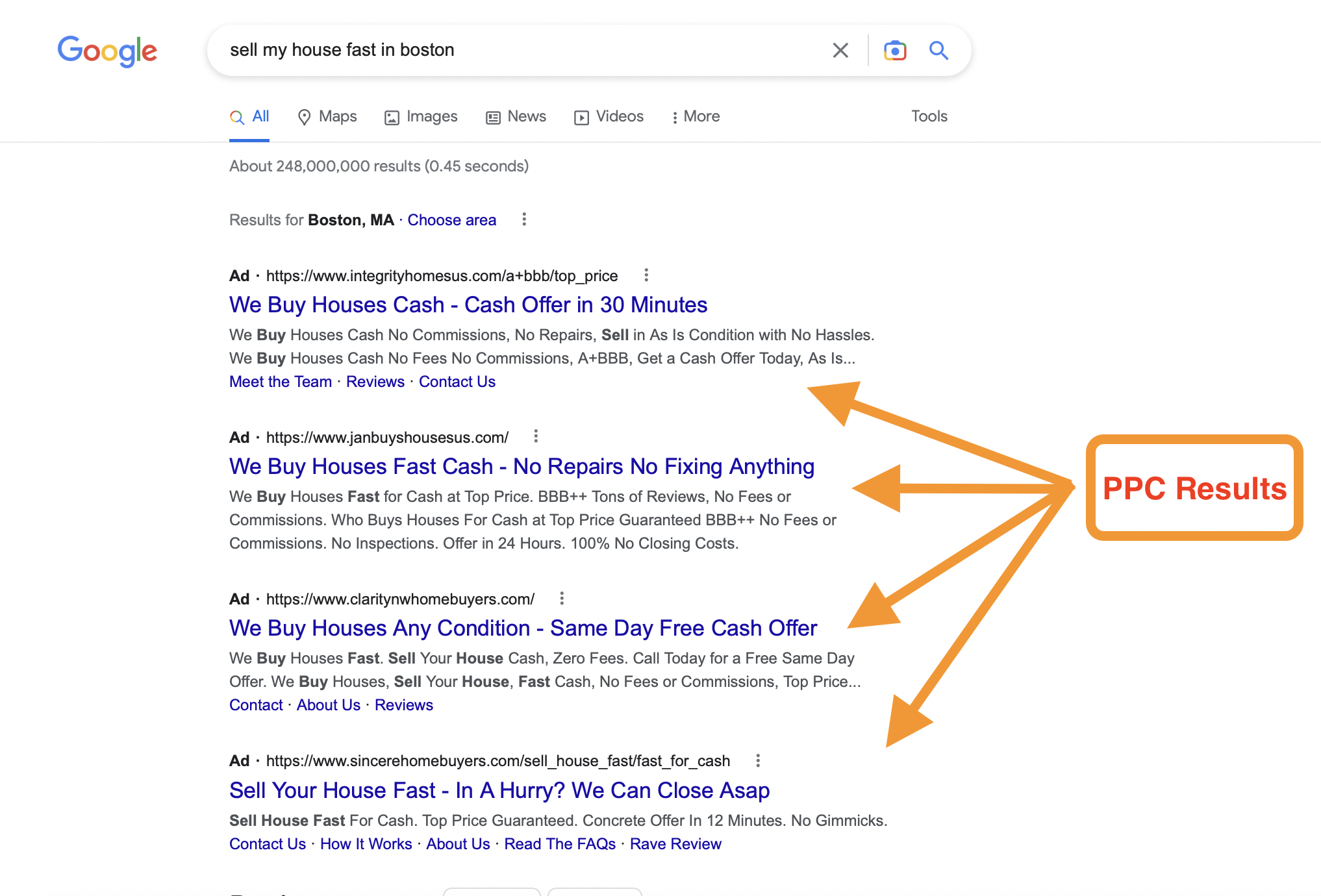
And so two more quick things before we dive in this conversation. Just just to further impress them. The importance of video. I was doing some research before we started the podcast today. Around 25% of searches feature a video snippet at the top of the page. Whenever you’re Googling how to, you know, how to make chicken pot pie, how to sell my house fast.
00:06:43:06 – 00:07:08:19
Brady Winder
Louisville, Kentucky. A lot of times there’ll be a video up there and then sometimes even a video with the snippets pulled out or little chapters of the video that is becoming more and more common. I’m sure you guys see this every day and stuff you search. Another interesting tidbit we’ve seen in our own data from over 8000 members is a YouTube leads from YouTube convert from visitors into leads at 8.43%.
00:07:08:19 – 00:07:31:18
Brady Winder
So that’s actually double the conversion of any other lead source. And so it’s the highest converting lead source we have accurate, which is just it’s crazy. You know, people who are watching YouTube videos, they are they are motivated. Yeah. So anyways, let’s dive in. I want to talk about first how to how to get started in video marketing.
00:07:31:18 – 00:07:51:00
Brady Winder
So we’re going to talk about the mindset and the gear. I think one thing we just need to get out of the way just real quick. You probably experience this all the time as everybody. Everybody has to start somewhere. People like like the biggest objections, like, I don’t I don’t want to be on camera. I don’t know. I don’t know what to do.
00:07:52:03 – 00:08:04:24
Brady Winder
To me, it’s simple. It’s like you got to be willing to be bad at something and care more about the person on the other end of the screen or care more about getting the lead. You got to think about something else besides how you’re looking on camera. What do you think about that?
00:08:05:06 – 00:08:26:21
Josh Culler
Yeah, at this point in time, I when somebody asked me that question, the only response that I have is if you’re not going to do it, your competition is going to do it. So suck it up. Like there’s a lot of things in business and you know, like as a business, there’s there’s so many things that I have not wanted to do or I knew was going to suck.
00:08:26:21 – 00:08:44:00
Josh Culler
I knew it was going to be a grind and it was going to be something I was uncomfortable with, But as a responsibility, I had to do it because it’s just part of business. Well, video content is part of marketing. You have to do it. And of course, I think and even, you know, and it comes to my personality.
00:08:44:00 – 00:09:02:25
Josh Culler
Brady I mean, there are some people out there that have never been on video, but they’re super confident in themselves and they can just hop on a camera and just talk away. And there are some people that it’s the complete opposite where if even if there’s nobody on the other side of the camera, like there’s literally nobody in my room right now and they’re looking at a camera, it scares them to death.
00:09:04:05 – 00:09:20:29
Josh Culler
You it’s just like anything else. Practice will make perfect. You keep getting it out there and you will get better over time. If you look at anybody, anybody’s videos, I mean, like the biggest YouTuber on the planet right now is Mr. B and or maybe it’s PewDiePie, but like if you look at it, he’s probably the most well known YouTuber.
00:09:20:29 – 00:09:42:09
Josh Culler
If you go back and actually look at his first video he ever posted, it was ridiculous. He look, he looked so he looks so dumb like it is video and it was all pixelated low. I like, but he started somewhere. Everybody that has that you follow that has been an influencer in any way shape or form started at ground zero.
00:09:42:09 – 00:10:02:24
Josh Culler
Everybody started at zero. So you if you’re going to do anything with video, you’ve just got to turn the camera on, start practicing. I think a really good thing to do that actually is kind of funny is coincidentally, I just had an onboarding call with a new client that we’re bringing on, and he’s one of those guys that he’s a little bit, you know, he doesn’t like speaking on stage.
00:10:02:24 – 00:10:22:01
Josh Culler
He’s kind of shy on camera, stuff like that. He even said he’s his own biggest critic, so if he records a video he doesn’t like, he’ll just delete it, he will edit it or anything like that. And, you know, basically what I told him was like, dude, one of the best things that you could do for yourself if you’re that type of person is just to don’t script out your video.
00:10:22:01 – 00:10:47:21
Josh Culler
It’s create the topic, create some bullet points, and then just get it out. If you mess up, if you screw up, you say something you don’t want to say or you need to repeat yourself. Just pause for a second and carry back on. That’s what post-production video editing is for. You can clip all that out. So there’s just some mechanisms, I think, Brady, that people can, if they really pull back the curtain, they look at like what video has become nowadays, it’s not live TV.
00:10:47:21 – 00:11:06:27
Josh Culler
You’re not a news anchor that you have to be perfect on every single word that comes out of your mouth. You’re articulate, clearly, can’t stutter, can’t trip over your words. That’s not the case. Like, there’s there’s ways to get to happiness and yeah, again, the number one thing I would say is just suck it up, because if you’re not going to do it, your competition’s going to be right.
00:11:06:28 – 00:11:21:15
Brady Winder
Absolutely. I’m so glad you said that thing about scripts, too. That was one of the things this is going to talk about as far as aligning videos is for me. I mean, there’s a time and a place for scripts, but more often than not, bullet points can be what’s most helpful? Tell me, what does this look like for you?
00:11:21:15 – 00:11:38:02
Brady Winder
So if I’d say, Josh, we’re going to record it, say I’m going to record a video of you, and the video’s about like teaching people how to sell their house fast and Louisville, Kentucky, or working with like working with a real estate investor in Louisville, Kentucky. How many bullet points are you doing? What does that look like to keep you?
00:11:38:02 – 00:11:39:09
Brady Winder
What do you need to stay on track?
00:11:39:17 – 00:12:13:11
Josh Culler
Yeah, that’s a great question. And there’s two answers I’m going to give actually, and a couple of variables to this. If you’re doing like an ad video, say, for instance, you’re actually using the video to be a Facebook ad, I would recommend scripting it. And the only reason why is because you want to get out what, like you’re paying for X amount of time to be to have your ad out or, you know, just script it, make sure is very well articulated and I would practice it and record it several times because the problem that I’ve always had Brady with people that script videos and put them on a teleprompter or maybe they just try
00:12:13:11 – 00:12:43:25
Josh Culler
to memorize it, it’s very unnatural for us to read something off and remain human while doing it. We like to turn our robotic voices on and not move, not show any animation or any emotions at all. And that’s what ultimately connects. That’s that’s one of the biggest reasons why video is so powerful is because it connects emotionally, intellectually, and it’s just it’s far more connective than putting a copy out there for somebody to read or any other form of content.
00:12:44:17 – 00:13:17:29
Josh Culler
And it’s very hard to read off a script. I can’t even do it. I have out of the couple hundred people over the years that I’ve recorded videos with, there’s only one person that I have allowed to use a teleprompter because they were really good at it and they’ve had it passed with reading teleprompter scripted videos. So just what I would say is if you’re going to do a short form piece of content, if you really feel like you need to script it out and it’s got to get to the point, you know, like I said, if it’s for an ad or something like that, then or a TV commercial, of course, scripted out, just
00:13:17:29 – 00:13:44:19
Josh Culler
practice it a handful of times and stay focused on trying to keep the human element. The alternative, of course, is my recommendation is not scripting videos into a bullet points. I would say for every every minute that you’re going to go and talk about something, maybe create two basic bullet points. The thing that I don’t want to do, it’s almost like going back into the school days where you don’t want to literally write and Terry paragraph for your bullet point.
00:13:44:19 – 00:14:03:18
Josh Culler
You want to just treat it like a headline. So here’s the headline of my bullet point number one headline of bullet point number two. And then you talk about those things. And the key the key to is rate is something that’s a little off topic with us that I always like to mention is you shouldn’t be talking about things that you don’t know inside it out anyway.
00:14:04:03 – 00:14:05:26
Josh Culler
So. Yeah, yeah.
00:14:05:26 – 00:14:06:14
Brady Winder
Good point.
00:14:06:22 – 00:14:26:20
Josh Culler
If you can’t talk about it on a podcast like this comfortably and get all the information out, regardless of if you’re comfortable on camera or not, you shouldn’t be doing it anyway. So if you can’t riff for 20 to 30 seconds on a bullet point, then you know, go away from that topic. So I think that with bullet points, just treat them like headlines.
00:14:26:25 – 00:14:44:22
Josh Culler
Do one or two bullet points for every minute that you plan on talk, It’s a five minute video, maybe not ten bullet points, but somewhere in the neighborhood of like six two 6 to 9 bullet points would be a good idea, but make them as informational to you as possible. And the important thing is just you getting the content out.
00:14:44:22 – 00:14:53:27
Brady Winder
I like that one. You know, one or two for every minute or so, because that’s about it’s like about how long your brain can go remembering what you’re talking about. You know.
00:14:54:01 – 00:15:11:21
Josh Culler
In regards to mush, I do one per minute, but that’s what works for me, right? So that person could also riff for 5 minutes. If you just give me one thing to talk about. But I didn’t start off that way either, by the way. And I’m sure Brady, like you’re you’re pretty fluent on camera as well. And I’m sure you didn’t start off that way.
00:15:11:21 – 00:15:20:07
Josh Culler
I’m sure Trevor didn’t start out that way, right? It takes practice and time to evolve that over time, to be comfortable on camera and allow yourself to get information out.
00:15:21:02 – 00:15:44:19
Brady Winder
Oh, it’s it’s crunchy. In the beginning. It’s crunchy. I’m not going to link up some of our old content so you’re can click it in the show notes. I’m going to find it hard to. Yeah. Good chat this yeah is crunchy. Don’t judge the light lighting or audio either everybody starts. So another thing to keep in mind is knowing your goals.
00:15:44:19 – 00:16:11:03
Brady Winder
So I feel like, you know, you talk about video, it can be really vague like, oh, video marketing and people might think of ticktalk. I mean, I think of Instagram social and they might think of TV. I don’t know. But for the sake of this conversation, we’re talking about generating leads. And so I think one of those I’m sure you see this is one of the mistakes I see people do is they haven’t really thought or they haven’t decided exactly what they want their video to be for.
00:16:11:03 – 00:16:42:28
Brady Winder
So they say, well, I want to generate leads with it, but I also want to be an influencer and I also want to share with other people how to do X, Y, or Z. And so videos that maybe sometimes are good, but they don’t have a clear purpose. And so they kind of just they don’t really hit when you’re watching them, you know, video someone walking through, hey, we’re flipping a house is what we’re doing is I’m not saying don’t shoot that contact because it can be helpful, but know why you’re doing it as this is this for like a social media outlet or your website where you’re educating people on what it’s like, work
00:16:42:29 – 00:16:51:28
Brady Winder
with a wholesaler or an investor, or are you trying to get coaching students so you can teach people how to flip houses? It’s usually two different things.
00:16:51:28 – 00:17:16:08
Josh Culler
Do I? So when I travel to speak, I’m going to be traveling to a large area in Pennsylvania next week, and I got asked to to speak on a similar topic. But I’m like, you know what? Let me frame it a little bit differently and the type of presentation, I call it a North Star. So the North Star is obviously, you know, the story of, you know, Jesus being born and the three wise men.
00:17:16:08 – 00:17:49:16
Josh Culler
We’re finally following the North Star to, you know, get to their destination. Basically, it’s just a waypoint. Is really what it is. And if you look at what you are, you can also call it your goal, your objective, whatever you want to call it, the North Star, though, it’s basically you’re on a path somewhere. And in your marketing, if you don’t have a very specific point in which you’re trying to reach, whether it’s the end of a funnel that you have built now or it’s step one would be like click the link in my bio, fill out this landing page, fill X, Y and Z, go do this, go do that.
00:17:50:00 – 00:18:10:09
Josh Culler
You have a sentence for that. But at the end of the day, if they’re not reaching your North Star, then your marketing could be pointing to multiple different things that can really confuse the fact of what you do. So if you create what your North Star is for some people, you know, if you’re if you’re, say, a realtor listening and your North Star is it, it could be more than one thing.
00:18:10:09 – 00:18:35:07
Josh Culler
But I unless you have multiple businesses, it should not be more than 3 to 5 things, period. Like unless you own multiple businesses and you have different products that you’re working with, with within. But say, for instance, you’re a realtor, maybe you’re a North star is to get more listings and to sell more deals. Right? So it could be, you know, one of those two things or whatever it is, it could be one of those you know, it could be one or two more, whatever it looks like.
00:18:35:07 – 00:19:00:24
Josh Culler
But you have to be very specific on what that is. And in every bit of content that you work within is literally just pointed out that that’s the objective. Because again, like you said, the you know, there’s some people out there I run into this all the time where, you know, somebody will contact me and they’ll say, you know, I attended this mastermind and, you know, like I got up to speak and like five people in the room were like, you’re a really good speaker.
00:19:00:24 – 00:19:17:08
Josh Culler
You should do social media stuff. And then I responded like, I don’t really like social media. I just want to buy real estate, sell it, You know, maybe I’m a wholesaler or whatever it is, and then they get pressured into doing it. Now they’re shooting videos on random topics that they have no idea why they’re shooting up. That’s a waste of time.
00:19:17:23 – 00:19:19:15
Josh Culler
We call that garbage.
00:19:19:15 – 00:19:22:14
Brady Winder
So if you have a specific.
00:19:23:08 – 00:19:45:19
Josh Culler
You know, goal North Star that you’re trying to achieve everything that you do, content wise, not just video content, but primarily video content should be centered around that. And I boil that also down to demographics, and that goes down into platforms. Brady So like when I’m hopping on a onboarding call with a new client, we go through the process of who your demographic is.
00:19:45:19 – 00:20:04:11
Josh Culler
It’s marketing 1 to 1. You’re your target demographic, your avatar, whatever it is, the ideal person you want to work with. And if they’re not, believe it or not, not everybody consumes tick tock. Believe it or not, not everybody’s on podcast and listen to podcasts. So if your demographic is not there, then why would you put content there?
00:20:04:11 – 00:20:21:28
Josh Culler
Why would you be building something that’s not there? But the other the other kind of rebuttal to that I get radio is you build it and it will come. Or like, you know, there are there are scenarios. There are rare, very rare scenario. Yeah. Where you could start putting something out and then your demographic will flock to it.
00:20:22:06 – 00:20:45:14
Josh Culler
But you got to remember, the more sophisticated your demographic is, the less likely they are to budge off of what they’re currently using. So there’s so many variables that that comes to this. And you know this too, if you’re saying that everybody is your target demographic, that nobody is right, You got to get very specific with it, figure out where they hang out, what they consume, what type of content they consume, what they’re looking for.
00:20:45:14 – 00:20:48:15
Josh Culler
And that’s what you got to put videos out about.
00:20:48:15 – 00:20:58:24
Brady Winder
Yeah, I really appreciate how you didn’t gloss over and just call it for what it is you say. That’s garbage. I call it noise, but it’s it’s anything outside of the focus people consume.
00:20:58:24 – 00:21:00:19
Josh Culler
It just makes noise. Just remember.
00:21:00:19 – 00:21:15:00
Brady Winder
Yeah. Yeah. You know, it reminds you of essentialism. I’m going to be cautious. But in Essentialism, Greg McKeown talks about how you need to have know what the finish line is, know what the end goal is. Otherwise you’re just going to be creating indefinitely, forever.
00:21:15:06 – 00:21:42:12
Josh Culler
You’re never going to know when you reach that finish line. You’re never going to know when you get to the destination. And obviously the destination repeats itself, you know, based on conversions, you know, you want more conversions, but you know, my proper rule of thumb, Duda is like whatever you have to offer. A simple quote that I like to say is content slash social media slash video marketing is literally just explaining to your target demographic about what you do, who you are and your industry.
00:21:42:22 – 00:21:58:13
Josh Culler
If you answer those questions, that’s literally how you can frame your topics around and the type of content you put out. That’s that’s going to solve all your problems and asking questions of like, I don’t know what topics to write or do to do videos about or I don’t know what platforms to post on. That’s what you do.
00:21:58:20 – 00:22:20:16
Josh Culler
Because also, you know, this to me is that like if you’re say for instance, if you have if you’re a real estate investor, you’re a wholesaler, or as much as we like to say referrals are a really good source of getting more deals, it’s not realistic. You might get one or two, you know, on a periodic basis, but for the most part you’re doing you’re doing repetitive actions to get deals.
00:22:21:00 – 00:22:47:18
Josh Culler
So putting out daily social media videos or let’s just say, for instance, you started a podcast to bring you more deals. You’re not going to have a thousand motivated sellers lined up to listen to your podcast every week. And the transactional service is really what it is. That being said, maybe the alternative is I know I have a couple of friends of mine that do Brian Snyder down in Indianapolis.
00:22:47:18 – 00:23:12:25
Josh Culler
He does a podcast that’s specifically built to educate other Indianapolis wholesalers and real estate busters to bring him deals. So he teaches how to bring them because they don’t wanna do their own marketing. So they have all their wholesalers bring it deals and it brings them deals all the time. So that’s the alternative. But if your objective is depending on going directly to the motivated seller, that could dictate the platform that you’re on and the frequency, because once again, you’re not going to have 100,000.
00:23:12:25 – 00:23:20:19
Josh Culler
So, you know, Instagram followers that are all motivated sellers watching your your daily videos, it’s just not works. So there’s yeah, variables.
00:23:21:03 – 00:23:41:04
Brady Winder
Or maybe you could even go, you know talk on like a community podcast about, you know, how you are the local investor in your community, why you’re different from an agent and what you offer, or maybe sponsor a podcast episode. There’s yeah. One thing I want to hit on a real quick gear. We’re not going to we’re not going to spend time talking about gear.
00:23:41:04 – 00:23:45:05
Brady Winder
Y’all can Google this. Y’all can look at blog posts for getting started with video marketing.
00:23:45:09 – 00:24:18:24
Josh Culler
I was going to say, I’ll just give one high level expert tip here. You have an iPhone that is, I would say, newer. So I even have that. I’m a content creator, but I just have the iPhone 12 pro max, whatever the top one is. And if you have this or newer, you’re good to go record content out there on Amazon, you can buy Nikes that plug into your lightning port and then it’s wirelessly propelled to you to get good audio, get good video feed record content.
00:24:18:24 – 00:24:36:25
Josh Culler
That way it works. As long as you got good lighting, as long as you frame yourself correctly, it’ll work. You know, you don’t have to have like Brady set up looks insanely incredible. Mine looks pretty solid, but they’re stages to it. Everybody thinks that they can buy $10,000 worth of camera gear, jump right into it, but that’s not where it starts again.
00:24:37:06 – 00:24:44:29
Josh Culler
Everybody starts from ground zero. And what better to create content with something that you already have? So that’s my expert on gear. That’s my expert opinion.
00:24:45:19 – 00:25:06:15
Brady Winder
I’m glad you said that. I was going to say iPhone 3G s that works. In all seriousness, though, it’s like it depends a lot on the audience do so like for motivated seller specifically there you know if this is an ad or thing on social media, it needs to kind of blend in with the fee to blend in and I think stand out at the same time.
00:25:06:27 – 00:25:17:28
Brady Winder
But by blending, I mean like if it looks overly polished, overly commercialized and professional, they might gloss over depending on what they’re looking for. So just food for thought.
00:25:18:15 – 00:25:44:28
Josh Culler
I think a really good way to go about recording content in the context of what you just said too, is environment is very important too. So if you are shooting a video specifically to motivated seller leads, be at a property maybe that you have under contract or if you don’t have anything. We were just getting started. Go to your parents house or go to your house and go in the front yard and, you know, shoot a video in front of a house that you would be that would be in your buy box.
00:25:45:25 – 00:26:03:13
Josh Culler
You know, if you don’t buy D class in D class neighborhoods, don’t go to a D class neighborhood and, you know, in a war zone and record videos, but be in the same environment. I think that’s really important and underrated as well when recording. So don’t be afraid. Don’t don’t shy away from just getting out of your office and, you know, recording video still.
00:26:03:27 – 00:26:23:24
Brady Winder
Yeah, that’s good. That’s good. Yeah. Well said. Keep a simple start with an iPhone. Let’s talk about topics. This is this is a big one. Nobody knows what to talk about. I think, you know, we already covered you covered one of the most important things, which is if you don’t know what to talk about, the best tip we can give you is ask.
00:26:23:24 – 00:26:51:05
Brady Winder
Find out what questions people are asking. So find out what questions sellers are asking and just answer their questions. That’s like the definition. That’s like content marketing. One on one is answer the questions that people are asking and give them the best value you can. Something something that’s disrupting the Internet as we know it right now. I JPT It’s like everyday conversation.
00:26:51:05 – 00:27:11:14
Brady Winder
Like what is it doing? What is it doing? It’s it’s maybe it’s a bunch of buzz right now and it’s actually not as powerful as we think it is. Maybe not Maybe things maybe the landscape of Google in being really does completely change in a couple of years. We’re staying on top of that anyways. The reason I bring it up is because there’s a there’s a place for it.
00:27:11:14 – 00:27:35:16
Brady Winder
So my job as a podcast host and content strategist, I’m constantly coming up with ideas and what to talk about, what we should be talking about, and we can talk about anything, how to format that. I found a really helpful I don’t know if you’ve said all Josh, but I found it helpful as not not to do the bulk of my thinking, but as a helper, as an assistant for when I get stuff.
00:27:35:21 – 00:28:00:26
Brady Winder
Yeah, and so, I mean, you could do it to us so you could use chat to get you to like, you know, 50% of a blog posts like give me the outline, give me some to talk about. I like to use it for outlines like help me summarize this idea. Or let’s say I have an idea and I’m thinking of another way to say, Hey, reword this phrase or conclusions.
00:28:00:26 – 00:28:14:28
Brady Winder
So concluding a video or blog post can be difficult because a lot of people get stuck at the very end. It’s like, okay, write me a conclusion to this. It could be helpful for that. Any thoughts on GP JPT and are we all going to be replaced tomorrow? Josh And now?
00:28:15:05 – 00:28:33:09
Josh Culler
So I think it’s one of those things and I’m not I will say this first, I’m not an expert in it, but you know, like I mentioned earlier, I’m one of my full time jobs as a CEO of my organization is research and development. So I spend a lot of time digging into stuff like this. I think, you know, anytime something new comes to the forefront like this, it does get hyped.
00:28:33:09 – 00:28:52:12
Josh Culler
You know, for instance, I have my my VR headset over here that we play games on and stuff like that. And I remember when VR first came to the forefront, when Samsung was kind of the biggest one to launch it, you would have to take your phone and set it inside of the headset and then you would do that and your phone would burn up after like 10 minutes and stuff like that.
00:28:52:21 – 00:29:15:18
Josh Culler
And it became hype and then it kind of like dialed back a little bit and then met out, really brought it back up. And, you know, Oculus has been around since since that time period. And it was really under Samsung’s watch and it moved over to Facebook slash matter. I think it has the feeling of that. So I think it’s something that is a I think people are looking at it like it could be like this huge thing.
00:29:16:06 – 00:29:32:15
Josh Culler
But I think right now it’s just a tool that can help with a lot of things that you talk about. You presented it in a really good way. I think it’s just a tool to kind of either spark it, get you started, help you finish up, give you ideas, create sparks, whatever it is. But I think that, you know, for instance, I tested a handful of things I love.
00:29:32:15 – 00:30:09:18
Josh Culler
Asking questions is how I learned I was terrible in school. And so asking questions is like how I learned everything. And it got me really excited. You know, I even went as far as to we were looking for a new copywriter for our team and I had Chad GPT write me a job posting for a social media copywriter and it did a pretty bang up job like it did a really good it got it got about 85% accurate on what I would type out and I just had to go through an editor a couple of things and something that would have taken me close to an hour to type out it literally.
00:30:09:25 – 00:30:39:09
Josh Culler
I finished it like 8 minutes after I edited what it already presented. But I think a really good leverage point. You know, I tested this the other day as well. You know, people in order for to use stuff like this and technology like this, you have to be good at asking the right question. But understanding what the other side of it is, For example, what I asked Chad GTP to do for me was I I’m going to try to like were to exactly how I word it.
00:30:39:09 – 00:31:01:29
Josh Culler
I said create me 50 topics for video content that business owners are asking about, and it literally lists it out 50 topics of the most asked questions on the Internet of what people are asking about video content. And I was like, okay, those are my topics that I’m going to be shooting videos on for the next couple of months.
00:31:02:13 – 00:31:30:18
Josh Culler
And it did a really good job on that. So if you got specific, I can’t imagine I didn’t test this. Yeah, but I can’t imagine that if you look at Chat GTP and you say, create me 25 topics that are for sale by owner, you know, motivated sellers are asking about you know, it might be able to spit out a handful of really good topics but you know I do I do like the idea you know I have been reading up that Google is planning on coming out with a competitor within the next few days to that.
00:31:30:18 – 00:31:53:21
Josh Culler
That is no shock. And surprise to me because normally Google is not the first one to do things. It is like the second or third, but because of it being Google, they do it the best and then they squash whatever the first one was. And Apple and Google have that reputation to do it. Apple’s ever the first to anything either, but they will crush at that, you know even after their second or third to it.
00:31:54:03 – 00:32:13:03
Josh Culler
Then I’m excited about this type of technology. I think people need to just be leveraging it as a tool right now and just be focused on asking the right question to the to the program. But yeah, I don’t I don’t see it being a everyday useful tool for somebody for another, like probably two or three years as some development to go under.
00:32:13:03 – 00:32:17:28
Josh Culler
But it’s, it’s pretty it’s pretty impressive at the given moment.
00:32:18:19 – 00:32:31:14
Brady Winder
Yeah, it’s interesting It’s a it’s a good help right now for sure And you still, you know, kind of like you’re alluding to, you still need a a human element to at a minimum QC it to make sure it is the right.
00:32:31:14 – 00:32:53:25
Josh Culler
I even gave it to my as soon as I heard about it I signed it over to my lead, my my department lead for my quality control and writing department. And I’m like, Hey, take a look at this and see if this is something that you could use in your department, because they I mean, they quality control. I mean, we, we at it and publish close to about 5000 pieces of content on a weekly basis.
00:32:53:25 – 00:33:11:17
Josh Culler
So my quality control team has to have eyeballs on every single one of those every single week. So I’m like, go through and see if this is something that will help you guys, you know, in efficiency. And she was able to discover like one or two things that it might help with, mostly with like descriptions and show notes creation.
00:33:11:17 – 00:33:20:08
Josh Culler
But I think like it’s just underdeveloped right now because it just started. But it’s it’s been I’ll keep an eye on it. It’s going to it’s going to be pretty cool.
00:33:20:21 – 00:33:39:06
Brady Winder
Yeah. We’ll check back in on a year from now. Maybe we’ll have another conversation, right? Yes, change of course. So topics I’ve got a I’ve got a list of topics here for generating seller leads. We pulled this from our video marketing playbook. I don’t know if I said this at the beginning. The podcast is video Marketing Month Guru Care.com Search Video.
00:33:39:12 – 00:33:57:03
Brady Winder
We’ve got this playbook. Josh actually helped us come up with a view on this a while back and we revamped it in the last year, but basically How to get Started Video a list of 52 ideas as one idea per week and just all the essential information, you know, to get going on the video marketing in one nice little PDF.
00:33:57:03 – 00:34:12:18
Brady Winder
So anyways, I pulled this most of it from that list of 52. I’m going to run through them and just and talk about in real quick. Josh, feel free to interrupt me or if you have any you want to add, just go for it. But I’m just going to give you guys these so you know what to talk about.
00:34:13:15 – 00:34:27:18
Brady Winder
Seller testimonials probably hands on the most important thing you can do if you haven’t done a deal yet. Get character testimonials from other people you know about you, you as a person, your character. But seller testimonials get them on Vimeo plus to them more.
00:34:27:18 – 00:34:38:13
Josh Culler
Chime in here real quick. Yeah, something super cool. So like I don’t know if I’m hoping you haven’t discovered this yet because it would be really cool if you did it that I found something that that you didn’t find out.
00:34:38:17 – 00:34:39:17
Brady Winder
I’m excited now.
00:34:39:17 – 00:35:01:15
Josh Culler
About value too. So one of the number one is seller testimonials and the reason why I wanted to bring this up in the first place, because that is normally what people revert to for video content is getting very you know, you’re at closing table, you want to get your cell phone out, record a quick video. What I see happen, though, and it’s been acceptable up until this point because now you have the tool to be able to help.
00:35:01:15 – 00:35:21:15
Josh Culler
This is, you know, let’s say, for instance, your closing table is like three feet across. Well, you’re sitting on the other side with your phone recording it. Where’s the microphone? It’s next to you. So it’s across the table. And so maybe you’re in a bigger room. So it sounds hollow. The person that’s on the other side of camera more than likely is not good at speaking on camera because that’s not what they do.
00:35:21:23 – 00:35:46:15
Josh Culler
So they’re just going to give it their best bang up shot. You’re going to have fuzz. You might have some like office sounds in the background, the fax machines going, the the copiers, printers, phones ring and stuff like that. So my lead video editor discovered a tool called It’s an Adobe Tool and it’s called Adobe Podcast. But what it does is it has a a speech enhancer tool to it.
00:35:46:21 – 00:35:55:25
Josh Culler
It’s in beta mode right now. I think you have to have an Adobe account to use this. Basically what you do and Brady after we’re done, maybe I’ll show you an example because you won’t believe me if you haven’t tried this yet.
00:35:56:06 – 00:36:02:13
Brady Winder
Sorry. Are you doing it? You all Honestly, I’m getting distracted. Like I have to know about this right now. The podcast guy is.
00:36:03:04 – 00:36:23:25
Josh Culler
Normally normally when I discover stuff like this, I’m kind of like, Oh, that’s kind of cool in my help. But this is this right here is something I require all of my videos to go through at this point. So it will literally take any audio like I’ve I’ve done it with testimonial videos where it was that there was fires in the background.
00:36:23:25 – 00:36:45:16
Josh Culler
They were they were just super hollow. They were quiet because they were like four or five feet away from the camera type thing. And it was with a cell phone. You got to just strip the audio, put it into this software. It takes like maybe 2 minutes tops. It’ll spit it back out. I’m telling you, it will sound like they have a podcast microphone right next to their mouth.
00:36:45:27 – 00:37:11:29
Josh Culler
Really? And it will make it sound immaculate. You got to test it. Brady is mind blowing, but that alone, we’re going into a phase where content is becoming unacceptable. To have high quality standards, you have to have high quality standards to get what you’re trying to get to because people are just sick and tired of watching cruddy Zoom videos and cell phone recordings.
00:37:11:29 – 00:37:23:21
Josh Culler
You have to make it as high as possible. Audio is one of those ways to do it. This right here testing solid testimonials. It will ultimately ten x the quality of video by just doing that.
00:37:24:06 – 00:37:41:27
Brady Winder
I, I thank you for mentioning that. I’m so glad you did because we were just I was recording a podcast last week at the you know if you listen to this in March it just came out a couple weeks ago but it’s all about testimonials. Keith and Bo and I, we dive really deep into this, and Keith had mentioned how he had thrown out a testimonial.
00:37:41:27 – 00:37:55:00
Brady Winder
It was like one of his best testimonials, you know, throw it out because the phone was so far away, didn’t think about it. And it’s like, I can just hear that that conference room sound in my head where it’s 15 feet away and you didn’t get what you needed to get.
00:37:55:09 – 00:38:12:22
Josh Culler
Dude, and takes all of that out. It cleans it up. It is the most mindblowing software for editing like media at all that I’ve seen. And it’s all it’s all automatic, so you don’t have to make any adjustments or anything. It’ll do it for you. It just knows what to to take out to add and stuff like that.
00:38:12:22 – 00:38:38:02
Josh Culler
And, and a lot of times, you know, for me, like I speak at a higher tone so I don’t have much of a low voice so it’ll equalize my, my my tone as well and it just sounds when you put headphones on after you run it through it, it just sounds so good. So, I mean, to interrupt you with that, but I know testimonials is a number one thing with topics and that’s the biggest barrier is, you know, you don’t you don’t normally have a DSLR camera with a lapel mike at your closing table.
00:38:38:28 – 00:38:43:14
Josh Culler
So I still want you to capture video if your concern is audio, run it through that. You’ll be good to go.
00:38:44:03 – 00:38:51:17
Brady Winder
Okay. Yeah, I love that. I had not heard of it. You got me all excited. I’m glad I hadn’t heard of it. I’m going to be. I know what I’m doing for the rest of today will be tested.
00:38:51:17 – 00:38:52:15
Josh Culler
I know you’ll be stuck.
00:38:53:10 – 00:39:20:14
Brady Winder
Yeah. Get the mic close to the person. You’re recording it. The phone call. It’s the closer you are, the less room noise and all y’all are close in your deals in a big empty conference room that’s echoey as all get out So the mike close second about me video this is huge. This is the thing that converts your visitors into leads and leads into deals as people getting to know you like you trust you and they can see that you’re a real human in your market.
00:39:20:14 – 00:39:46:15
Brady Winder
Doing about me video doing by yourself to get started. And then I would even recommend once you’ve got a better feel for you know, how you position your service and your your overall messaging, maybe even bring in a videographer to do a legitimate like professional about me. A video that is a time and a place to do professional video so you can show that you’re not above the competition because most people are not going to do that.
00:39:47:02 – 00:40:10:21
Brady Winder
Yeah, yeah. About me video and then some of the more general topics how to sell your these are more obvious and a lot of them are aligned with Google keywords. What sellers are searching for, they’re not always the same as YouTube. So if you go to YouTube, do keyword research there, there’s a lot of times some variance. But how to sell your house fast for cash in Pensacola, Florida, whatever, city state.
00:40:10:27 – 00:40:36:15
Brady Winder
So maybe talk about the steps you would need to do or did you know that you can sell your house this fast? Did you know you can close this fast? So talk about some of the things people might not know, the questions they have. We buy houses in the city state. So talk about where you buy houses, what types of houses you buy home buyers in city state, Roseburg, Oregon, where home buyers in Roseburg, Oregon.
00:40:36:15 – 00:40:50:13
Brady Winder
How are we different from agent investor or how are we different from agents? How to Stop Foreclosure in Roseburg, Oregon, If you’re about to be foreclosed on, here’s the five steps you can take to not get foreclosed or here’s what you might want to prepare for how to deal with that.
00:40:50:13 – 00:41:07:17
Josh Culler
I like I like that one because not that the other ones are bad, but I like that one because the context of it is you’re delivering some value to the person watching the video. You’re giving them tips on what to do if they’re going through something. And then giving yourself as a solution is a really good way to frame it up.
00:41:07:17 – 00:41:20:15
Josh Culler
So the other ones are great as well, but I like that one, the concept of that one because yeah, it’s value leading and then you give call to action at the backside of it saying if you need help with this, I have solution for you. Here’s what that is.
00:41:20:15 – 00:41:51:27
Brady Winder
So yeah, while I actually like the you said that because you know the reason that one stands out versus the others is one of the most important things I learned about copywriting awhile back from Trevor actually is is opening a loop in the person’s mind. You could do this like almost borderline unethical. Like with click bait, you know, you open up the Google app and here’s like 100 articles that are just pure clickbait and but they’re all opening a loop like, you won’t believe what these people did to their child when they’re going through the airport security line.
00:41:51:27 – 00:42:18:12
Brady Winder
That was literally one I saw yesterday. Come on anyways. But it’s how to stop foreclosure. So they know that they’re going to get the value out of it, like five steps to stop foreclosure in 60 or three ways. Working with an investor is different from an agent would be a better way to spice up the topic. Real Estate Investor versus Agent Pros and Cons Top five Mistakes When Selling Your Roseburg, Oregon Home.
00:42:19:01 – 00:42:19:25
Brady Winder
That’s a good one.
00:42:20:06 – 00:42:21:09
Josh Culler
MM Yeah.
00:42:22:10 – 00:42:40:15
Brady Winder
Top five neighborhoods. This one is a little bit more geared towards buyer leads, but I put it in here because I think it’s still I don’t see investors do it enough and it can still really position you as an authority. This is a concern that agents are making all day, every day, you know, top five neighborhoods in Portland, Oregon.
00:42:40:25 – 00:42:53:03
Brady Winder
But if you know someone if a motivated seller goes to your website and they’re looking to sell their house fast and they see, oh, this guy actually knows all my neighbors and know he’s a local guy, I think that adds a great deal of credibility to you.
00:42:53:14 – 00:42:55:23
Josh Culler
Yeah, I think so.
00:42:55:23 – 00:43:10:04
Brady Winder
And then tip, we already cover this, but what questions are you getting from your prospect’s ask them or either one, whatever. Any any thoughts on topics? Josh That’s my short list from the video marketing playbook.
00:43:10:15 – 00:43:41:23
Josh Culler
Yeah, that’s, that’s, those are really good places to start and don’t be afraid to overlap any of those topics because generally speaking, a lot of those topics will overlay with each other. I think another good kind of contextual topic silo would be processes. So like the process of working with you, keep it in general, the process of working a wholesaler, or if you’re a realtor, the process of selling your house with a realtor because there’s a lot of questions that people have.
00:43:41:23 – 00:43:58:23
Josh Culler
I, I had never even, even though I’ve been in this real estate investing space for a long time, I’ve actually never listed a house with a real estate agent before. And last March. It’s been a year since we moved into the house that we’re currently in, and last year in February was the first time I’d ever dealt with a realtor and did.
00:43:58:23 – 00:44:16:18
Josh Culler
I had so many questions. There were so many things. I had no idea what to expect with it. And I think just realtors. Not that my realtor didn’t do a good job of this because he is answering all my question. He’s a close personal friend of mine, but I think a lot of people, when they’re going to list their house or they’re going to buy a house like they have so many questions.
00:44:16:22 – 00:44:39:20
Josh Culler
So any of those questions that you can answer by opening up processes is a good idea. Also, like if you’re a real estate investor, like what’s the closing process? If you’re a realtor, what’s the closing process? If I’m buying a house and selling mine and or whatever it is, if you can list out those processes, people want to know step one through whatever in order to get to the destination that they’re trying to achieve.
00:44:39:20 – 00:45:07:26
Josh Culler
And if you can answer those questions, then you’re creating clarity in their mind. You automatically have built credibility with yourself with that person. So process is another thing that I really like to do. I mean, honestly, it’s common practice in the education world. If you go to open your phone right now to any real estate influencer and click on their first video on Instagram reels, it’s it’s guaranteed to be some sort of a process, whether it’s like, here’s the five things that you’ve got to do to close more deals.
00:45:08:01 – 00:45:30:05
Josh Culler
And then they’re walking you through those five things. The process of what it looks like to close more deals or here’s how you can sleep better, like they’re going to walk you through step one, through four of how to sleep. There’s just the process of working through things with, you know, your demographic is very, very important and I think it’s very underrated.
00:45:30:05 – 00:45:43:02
Josh Culler
And I think it’s something that a lot of people don’t do. They want to go straight to the About Me videos, which of course you should do, but that’s not where the buck stops. You’ve got to keep going and providing value is very key when it comes to especially video content.
00:45:43:18 – 00:46:10:07
Brady Winder
Oh yeah. And I mean, the things that you and I are both talking about can be useful for, you know, are useful for Legion and, and awareness and, and warming up those leads for sort of the middle of the funnel. But I would be so excited as a investor or an agent right now because the tools that are available to us to create content like you’re talking about are so powerful.
00:46:10:07 – 00:46:29:21
Brady Winder
But also so underutilized. And so I’m not a real estate agent, but I can’t imagine how many techs a real estate agent gets because I know what I text my real estate agent, you know, as 8 p.m. on a Sunday night. Hey, I got a question for you, dude. I can’t imagine how much they get on. And then it’s like the opportunity to answer.
00:46:29:21 – 00:46:37:25
Brady Winder
So many of those things with really sweet, short form video content. It’s like, Oh my gosh, there’s so many this many ways to do this.
00:46:38:03 – 00:46:50:02
Josh Culler
I was like, I was just about to look it up. Like, I go back into my text thread with my realtor from last year and probably pull out like 45 to 50 topics just from the questions I asked.
00:46:50:02 – 00:46:50:23
Brady Winder
Oh my gosh.
00:46:51:01 – 00:47:19:15
Josh Culler
I like it. Yeah, there’s so many questions out there. So I think that people don’t have an excuse to create topics. It’s literally just answering the questions that your target demographic about what you do, your industry, you know, and the process of working with you and you know what it is that you do like literally what I would do is if you’re struggling with this this document for one day document every single task that you do and then create spinoff topics about those tasks that you do and then deliver that on video.
00:47:20:19 – 00:47:42:03
Brady Winder
Absolutely. I love that. And if you know and if if you find yourself like saying the same things or if you’re an agent, like texting people back or you’re investing in your training, your team telling them the same things all the time, like, Yeah, I empathize with you. It sounds exhausting. It’s a lot. I know and I know it’s work to create the process or to create the video, but at the same time, like you can be proactive about it.
00:47:42:10 – 00:48:03:19
Brady Winder
You can educate people with videos on your website. You can say, Hey, you know, we’ve started working together. Here’s three short little videos on what you can expect from working with me. Here’s how the process is going to go. I mean, I like to say like nothing beats a personal touch, but in so like offer a personal touch, share when you can but is it scalable and yeah, I don’t know.
00:48:03:25 – 00:48:25:18
Josh Culler
I couldn’t write it but I could method that I think is a good idea for that is like for instance on my team, if somebody asks a question about something specific, what I do is I have like a 1 to 2 minute short video that I have like a massive unlisted playlists on my YouTube channel for all this stuff, for video training, for internal team.
00:48:25:29 – 00:48:53:07
Josh Culler
But I recommend this for external marketing as well is that you shoot a one or two minute video that explains it at a high level and then maybe you shot another video that’s like a 5 to 10 minute video that goes deeper. And at the end of your two minute video, you could say if this didn’t explain it and you need more details, I have a link down below to the next video that explains everything in the detail, because now you’re given the option for them to get the short quick answer or everything into every nitty gritty detail you can have to offer.
00:48:53:13 – 00:48:59:15
Josh Culler
It’s a lot of work, but if you go above and beyond that way, you will see results with that. Like it’s a nine day difference.
00:48:59:15 – 00:49:05:06
Brady Winder
Yeah, I like that. It’s like the reddit. TLDR Too lazy to complain. Is that too lazy? Didn’t want to watch.
00:49:05:06 – 00:49:06:27
Josh Culler
That’s exactly what it is. Yes.
00:49:06:27 – 00:49:28:07
Brady Winder
Okay, quick side. No. Anybody listen to podcasts, right? You know, we’re true audience people who are tuning in every week. If you’d be interested in it. It was a deal to lazy didn’t listen. If anyone out there is interested in like condensed podcast episodes like Hey, you don’t feel like listening to the hour and ten minute long podcast with Brady and Josh, Where’s the five minute version?
00:49:28:07 – 00:49:31:15
Brady Winder
Let me know. Brady at Care.com. Email me. I’m genuinely curious.
00:49:31:15 – 00:49:32:09
Josh Culler
Cliff Notes.
00:49:33:00 – 00:49:53:11
Brady Winder
Yes, the Cliff notes. I’m curious. Maybe we put at the beginning I don’t know if nobody emails me. Don’t expect it. You have to listen all hour in 10 minutes. Okay. So we talked about topics. We covered a lot there. I think the last thing I want to talk about and maybe one of the most valuable is a few tools and really creative use cases for video for real estate.
00:49:53:11 – 00:50:14:09
Brady Winder
And so I want to go through this list and and then we will wrap it up because we could talk all day on this stuff. But anyways, as we go through this list at this point in the podcast, you might be feeling overwhelmed. You might have a million ideas. If you’re anything like me, I give you full permission and just hit pause.
00:50:14:21 – 00:50:29:13
Brady Winder
Don’t even finish the episode. Go shoot the video. If you’re feeling motivated, just go to the About Me video. Go start getting testimonials and then come back and hit play. When you have started making this videos and, find some tools to help speed things up some differently.
00:50:29:17 – 00:50:51:18
Josh Culler
I could give I could give a helpful solution to what typically what I may step one through whatever type person like I don’t like to, I’ll think ahead. But if I if I haven’t gotten past up to that, I can’t go to step five. So I think a really good like step one is create your topics of what you do before you’ve done that.
00:50:51:18 – 00:51:13:14
Josh Culler
If you have not yet, which if you’re in business, you should have already done this, is create your target demographic, your avatar. A really good, easy way to do this is just to go to either the one page marketing book, just Google that and that’ll help you nail down all of those details. So it’s like demographics, age, you know, occupations and geographical locations, stuff like that.
00:51:13:27 – 00:51:34:15
Josh Culler
And that. Or you could do the Donna miller Story brand kind of exercise there. So either one of those will work that will establish demographics. Step one. Step two, start creating your topics. I would create you know, you have 52 topics here at your disposal. So that’s not an excuse there to create another like 25 or 30 topics for yourself.
00:51:34:15 – 00:51:56:15
Josh Culler
Sounds like a lot. Once you get past five, you will be riffing through those. I promise you it will be much easier going through writing those topics down. Then as you do that schedule something you know your own capacity. So block out whether it’s once a week, once every other week or once a month and just what we call batch your video recordings.
00:51:56:21 – 00:52:12:08
Josh Culler
So if you’re going to choose once a month and you’re doing, say, three videos a week that you’re publishing, that’s 12 videos a month that you record. So the first Monday of the month, that’s when you recorded 12 videos and then you don’t have to worry about it over for the rest of the month until the next month.
00:52:12:19 – 00:52:29:28
Josh Culler
Likewise, for if you’re going to do once a week or once every other week or whatever that is, batch your videos, record them and then you can move on to getting them out into the public. So you start with those three stops. You have no excuses at this point. You got to just go execute that. Don’t don’t get overwhelmed with everything else.
00:52:31:04 – 00:52:31:18
Josh Culler
Brady.
00:52:32:05 – 00:52:46:09
Brady Winder
Please. Thanks for doing that. Yeah. No, that’s perfect. Yeah, I see. I’m a I’m a step one through ten guy. I love following them. Terrible at creating them. I’m not naturally geared towards processes and.
00:52:46:09 – 00:52:51:13
Josh Culler
Place train all my team and I have to train clients too. So it’s repetitive.
00:52:52:10 – 00:53:15:13
Brady Winder
No, that’s good stuff. That’s good, man. Okay, so top seven. Well, it’s going to be nine by the time we’re done with this podcast. It’s up creative uses for video for Real Estate. One Shameless plug Video post curates video post tool within our own software. So if you’re recording videos and you have a care site and you’re not already using this, I don’t know what to tell you.
00:53:15:13 – 00:53:43:19
Brady Winder
You’re missing out. You probably could be ranking higher if you do this, right. So what is this is you record a video How to Sell My House Fast. Roseburg, Oregon. You put it into our video post tool automatically transcribes it, puts it in your blog post, spend 1520 minutes adding your h one edge to tags as your titles, your headings, and rework the wording so that it sounds a little bit more natural or you could say This is a transcript from the video.
00:53:43:19 – 00:54:02:00
Brady Winder
We do the same thing with our podcast since we put the transcript and the blog post helps tremendously for SEO. SEO alone. But also if you forget about SEO, if somebody wants an alternative to watching the video, then there you go, they can read through it if that’s their preferred way to learn because of videos. Not for everybody.
00:54:02:04 – 00:54:29:12
Brady Winder
It is for most, but not for everybody. And they can scan through to see what it’s about. Just like Google can. So use video post and a quick use case for this. So, you know, I’m not just talking theory. We shot a video, a link it up the show notes, but Trevor and I a few years back shot a video about how to use video posts and in I’m getting really meta here but in that video we shot a video on a cell phone of like co-working spaces in Roseburg, Oregon.
00:54:29:12 – 00:54:46:15
Brady Winder
Hey, if you’re looking for a cool workspace, check out the loft Jurors for Oregon. We did that upload. It’s ranked number, I believe, at the time of recording. This is still ranked number one for co workspace for Roseburg, Oregon. It’s not a competitive term. That’s not the point. The point is how easy it was and how effective it is at getting things to rank.
00:54:46:15 – 00:55:06:09
Brady Winder
So did the video transcribe get up there? I also did this with if you go Google now, someone’s going to try to outrank me. If I say this video, husky, video, husky reviews, go look it up. And there’s a video that I shot. I scripted and recorded, put it in the Kurt’s video post. I’ve been ranked number one above video Huskies own website for like two years now.
00:55:06:09 – 00:55:28:15
Brady Winder
I’m out ranking there on website, which is just crazy, super powerful. So video post second one, I just threw this in there because I just remember that video ask we had a have you ever heard of that Josh video ask this is really interesting it’s we had a Kerry camper share this tool with us and they’re using it to basically screen and qualify tenants for their rentals.
00:55:28:15 – 00:55:51:16
Brady Winder
But there’s a million use cases. You could use it for getting testimonials too. Like we’re we’re probably going to experiment with it. I care if for getting testimonials from our members, but basically it’s just a simple little piece of software and mobile app. You send them a link and it will the the app will prompt the person. So it’ll say, you know, tell me about your experience with this, and then it’ll give them 30 seconds to record.
00:55:51:16 – 00:56:15:05
Brady Winder
They record a video response. So that’s the basics of it. But you can do like a if this than that. So if they answer this then ask this prompt instead. So really intuitive, powerful tool for getting video from other people. So you don’t even necessarily have to be there. Yeah, a lot of creative ways to use that, like getting screening tenants for your rentals.
00:56:15:18 – 00:56:36:08
Brady Winder
Anyways, Adobe podcast, I just threw that in the list so I wouldn’t forget about it. We already talked about that. That was a nice surprise. Another one is a number for YouTube keywords. I know you’re thinking on YouTube. That’s not a creative use case, like everybody knows to put their videos on YouTube, but a lot of people don’t think about doing cured research.
00:56:36:08 – 00:56:54:00
Brady Winder
And so it like for YouTube, they just think, Oh, I’m just going to put a video and put a video up on this topic and hope that it works out. You spend like 5 minutes doing keyword research. I do before every podcast when I’m coming up on my titles. What is ranking in YouTube? Where’s the low hanging fruit?
00:56:54:01 – 00:57:17:12
Brady Winder
So if you go get Tube buddy, just Google tube buddy or video IQ, Video IQ, they both do about the same thing. You can do your keyword research with them, find the low hanging fruit so it’ll tell you like the competition for that keyword and what people are searching for, what the intent is, or if it’s actually the video you to be shooting.
00:57:17:12 – 00:57:39:27
Brady Winder
So anyways, not overcomplicate it, but if you have been doing videos for some time, then take some time to do some basic keyword research and optimize the videos that you’re shooting. Because why not? Number three? No, that was a number for my ordering is we’ve added so many in here, my ordering is all off Bom bom, bom, bom.
00:57:39:27 – 00:57:58:16
Brady Winder
This is specifically for agents. I don’t know. I’m a user myself, so I’d imagine investor could use it. I don’t see why not. But for follow up, so little videos that go into emails for follow up agents are using this for like, Hey, here’s what to expect next. Or as a thank you video, thanks for working with me.
00:57:59:00 – 00:58:02:09
Brady Winder
Josh, you have any plans to do like follow up videos or anything like that?
00:58:02:10 – 00:58:18:18
Josh Culler
Yeah, of course. Yeah. And campaigns like if they especially like text or email campaigns, they will leverage that stuff like Bambam videos in there. Bambam is kind of like phased out just a little bit. I think there’s a couple other tools that people use, but it is still useful.
00:58:19:06 – 00:58:29:13
Brady Winder
That’s funny because Chad Beatty Like set of words. Shaggy Beatty I want to Chad repeated before we hit record just to see if there was any was missing in the first one. I was like, Oh, bom bom.
00:58:29:16 – 00:58:29:26
Josh Culler
Yeah.
00:58:30:21 – 00:58:59:21
Brady Winder
Yeah. Another one real quick. Liam videos. Josh and I were talking about process. I love Liam videos. I will die by them because you can just hit record. I intentionally so what is Liam is just a quick little Google Chrome plug in goes on your browser you click it and it screen. Of course you use your camera and your screen and you can just send somebody a URL to that video so you don’t have to do any editing download upload to YouTube.
00:58:59:28 – 00:59:16:25
Brady Winder
Send them the YouTube link. You don’t have to do any of that for it. So for internal videos like super Quick and Dirty Liam videos is a great way to explain things. And a lot of software is like billing this and now like Slack in your table, it’s already built in. But Protip don’t upgrade your account. Stick with the free version.
00:59:16:25 – 00:59:26:10
Brady Winder
It’s a five minute limit because it will make you be concise. I never record over five minute videos on Liam. It’d be dangerous for me to upgrade.
00:59:26:20 – 00:59:34:14
Josh Culler
Dude, it’s a habit. I do the same thing I like. I have not upgraded it. I use I use Liam four or five times a day. I still haven’t upgraded because I’m like, I got to keep it short.
00:59:35:01 – 00:59:35:27
Brady Winder
That’s then you’re like.
00:59:35:27 – 00:59:39:07
Josh Culler
If it requires more than 5 minutes, I’m getting on a Zoom call with you. So.
00:59:39:08 – 01:00:07:28
Brady Winder
Right, exactly, exactly. For else, another one 360 virtual tours. This is not news to any of you, but we’re on a podcast. A while back, one of our members mentioned how they were using Matterport like an agent word. This was an investor and they’re doing 360 virtual tours for their buyers list. So as soon as they would get the house under contract, say, Hey, we’re coming to take photos, put the Matterport up and send that out to those buyers lists.
01:00:07:28 – 01:00:29:10
Brady Winder
It says they the buyers have so much more confidence when they’re able to you virtually tour the home and they can get it get the contract sign so much quicker. So if you’re an investor, consider Matterport before after flip videos on your site. So a lot of people do this on Instagram. Little IG stories. Hey, here’s this house we’re working on.
01:00:30:04 – 01:00:54:25
Brady Winder
I think that also could lend a lot of credibility if you are flipping houses and you’re doing it well. I think of home buying guys in Dallas. They’re members of ours. They really take pride in how they flip their homes. They care about them and they are doing the community a service. So if you’re doing that type of flip where you’re really improving the property, put on your website and people love to see that as incentive to work with you versus someone else.
01:00:56:02 – 01:01:22:22
Brady Winder
And then the last one, social media repurposing, I figured that would be a good note for Josh to end on. I mean, we could talk about this all day. We won’t, but social media repurposing. So just like, you know, if if I’m if I’m an investor, I’m making these videos that we’re talking about what’s what’s like the easiest low hanging fruit like ways I can repurpose these videos because it’d be it’d be bad not to do any repurposing.
01:01:22:25 – 01:01:25:28
Brady Winder
But you also don’t want to go ham and try to be the next TikTok influencer.
01:01:26:05 – 01:01:50:17
Josh Culler
Yeah, I’m going to give an answer that probably most people will not like, but you have to do this or you’re not going to stay consistent because consistency is the number one factor to any success within content. It’s hire it out and you can leverage tools like or platforms like Fiverr or Upwork. A lot of people have like especially marketers, they have a bad taste in your mouth with fiber.
01:01:50:21 – 01:02:15:29
Josh Culler
I use fiber pretty often on some smaller projects that need done. You can also go to Upwork and find video editors that will help you chop up the content, repurpose it and possibly even post it for you. The reality is, is that if you’re a business owner, you don’t necessarily most of the time and this is why this is where like we come in and people hire us because they don’t have the time or the ability or the want to to keep up with this kind of stuff.
01:02:16:11 – 01:02:35:22
Josh Culler
So I have my clients focus on recording content. I want them doing nothing else. I don’t allow them to check the content. I don’t allow them to post it. Obviously that’s a little bit of a higher level. Service is going to cost you more, but you if you’re just getting started, allocate a couple hundred bucks a month to just getting videos edited.
01:02:35:22 – 01:02:57:00
Josh Culler
You can send them off to a good editor on Fiverr or hire somebody, a freelancer on Upwork to edit videos for you, have them edit it, maybe you can post it or have an assistant post it for you and just get them out that way. Because the reality is, is what happens is that people shoot videos and then they get stuck at the editing portion because they spend so much time on it and they just don’t do it later on, like they they’ll they’ll be fired up about it for a month.
01:02:57:00 – 01:03:19:11
Josh Culler
And then if a phase is out now, you literally wasted a month of doing literally nothing. That’s my short answer. If you are the type of person that you want to do it yourself, there’s very simple tools that you can use to edit videos. Of course, like from a professional standpoint, from your pro is great and it actually has gotten to a point where it’s pretty easy to use like it’s very user friendly.
01:03:19:11 – 01:03:41:09
Josh Culler
It’s not. It still has all the technical aspects of it, but it’s not as complex as it used to be. Of course, if you have a mac device, I movies are really easy to use platform to edit your videos on, but outside of that headliner, dot app is really good as well. And there’s there’s tons of other platforms.
01:03:41:09 – 01:03:54:00
Brady Winder
We’ve news using. I forgot about that we’ve been using headliner for. I mean I’ve been using it for years for podcasts because they were the first ones to say, okay, drag in your audio or video, add captions automatically adjust snippets. Yeah, yeah. Audio Grahams.
01:03:54:00 – 01:04:08:26
Josh Culler
Yeah, yeah. So that’s what I would use by I’m just going to lean back into hire it out likes stop being a cheap H-E-B, be willing to spend some money on some of your marketing and hire somebody for 200 bucks a month to edit your videos and get them back to you. That’s what I would say.
01:04:09:12 – 01:04:28:02
Brady Winder
I think that’s a great answer and I want to I want to dive deeper real quick and then I swear we’ll wrap it up. But so I think it’s a good answer that you say hired out, not because you’re the guy with an agency who does this really well, but because there are there’s diminishing returns, too, with anything.
01:04:28:15 – 01:04:53:03
Brady Winder
And the diminishing returns correct me if I’m wrong, but here’s you know, Brett and I were just having a conversation in the office about this the other day. The returns of social media are high, meaning people might ask us, like, why don’t you post to social media more often? My take on it is we post enough to stay relevant to make sure that when someone comes across our Instagram feed that there’s things on there.
01:04:53:03 – 01:05:17:03
Brady Winder
It’s somewhat current, it’s interesting, there’s there’s stuff there consume, but we’re not posting a thousand times a day. That’s why when I hear you say, hire it out, I’m like, it’s it’s more scalable that way. If you’re if social media is a strategy, I feel it. Maybe I’m being long one of this with this, but I feel like there’s this big gap between like you post, you know, once a week and it’s effective.
01:05:17:17 – 01:05:22:24
Brady Winder
You post, you know, ten times a week and it’s marginally more effective. Is that the case?
01:05:23:06 – 01:05:44:11
Josh Culler
No. Well, it depends. There’s platforms. There’s platforms specific. Like what I what I tend to do is take what the platform wants and, and go all in on that. Like, for instance, if you’re not posting at least a video a day on Instagram, you’re obsolete just period. Especially if you especially if you’re just starting to content, you will be obsolete if you’re posting less than one video a day.
01:05:44:19 – 01:06:15:00
Josh Culler
It’s just the reality of it. It’s how the platforms work on YouTube. If you’re not posting at least 2 to 3 videos weekly are for videos, you’re going to be obsolete or or it’s going to be really hard for you to get traction at all. But with these platforms, you really have to like volume is a key. You have to put into what they want and generally speaking with reels, Tik Tok videos, YouTube shorts, velocity is the name of the game because these are shorter videos, you’ve got to feed more into it.
01:06:15:06 – 01:06:43:23
Josh Culler
But even if you look at it one video a day on Instagram, let’s just say it’s seven videos that are minute long, the 7 minutes worth of recording, right? I mean, that’s that’s really not as much as you might think it is. So that’s a week’s worth of content. So volume does matter what my formula today is, Volume plus quality is really what and it’s the right volume, the right volume, the right time quality, the right efforts combined is what’s going to get you the success out there that you you need.
01:06:44:15 – 01:06:57:13
Josh Culler
So in a way it does matter. But do you need to be posting ten times a day? Probably not. And that being said, I don’t know if it would hurt you. We have a client that we post five times a day for and they kill it.
01:06:57:13 – 01:07:14:21
Brady Winder
So no bigger. Yeah, yeah, yeah. And content. Thank you for that context man. That’s that’s I appreciate the insight there that’s specifically more geared towards influencers if looking to get motivated seller leads like these answered Posner Instagram TikTok In terms of do.
01:07:14:22 – 01:07:27:18
Josh Culler
Yeah you got to consider your demographic. If they’re not following you on Instagram, then you only need be creating the content that they’re going to consume, which for the most part, if it’s transactional, it’s just going to be informational content about what it is you do and that kind of thing.
01:07:27:18 – 01:07:49:20
Brady Winder
So yeah, awesome. In well, this has been value packed. This is the longest podcasts I’ve recorded in a while. I have no shame about it, but hopefully everybody listening you have found this if we missed anything, if there’s a tool that you’re using or a tip that somebody gave you, let us know. Send me an email. Brady At Care.com, or if you’re on YouTube, drop in the comments below.
01:07:50:03 – 01:07:53:12
Brady Winder
And thanks for listening. And Josh, thanks so much for joining me. Man.
01:07:53:15 – 01:07:55:16
Josh Culler
Yeah, man, this is a lot of fun and hope to be back soon.
01:07:56:00 – 01:08:16:10
Brady Winder
Yeah. All right. We’ll catch up later.