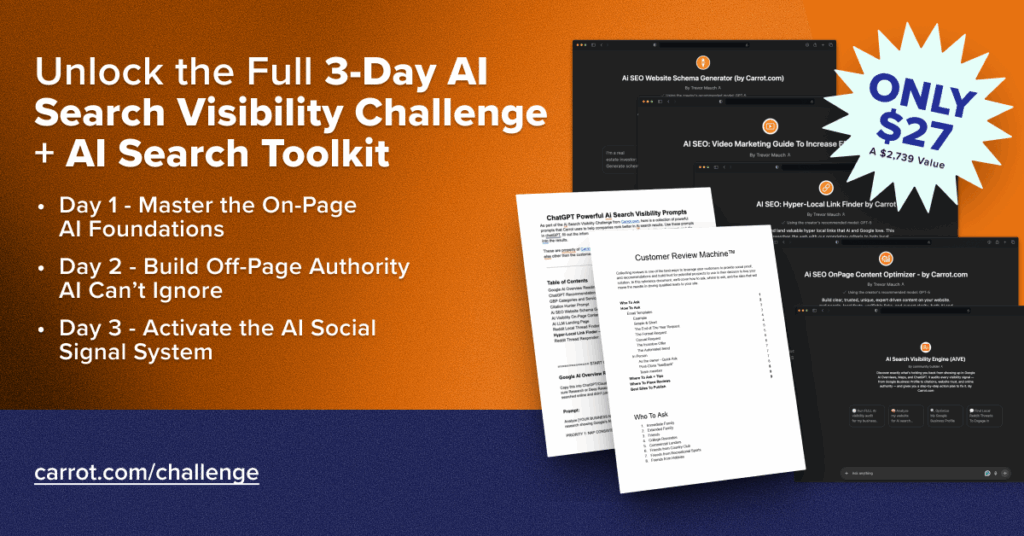
Unlock the Full 3-Day AI Search Visibility Challenge + AI Tools for Just $27
Get the full 3-Day AI Search Visibility Challenge and the AI SEO tools top Investors use to attract motivated leads through ChatGPT, Google AI, and more.
In this 3-day tactical execution challenge, we’ll help you do (not just learn) the 20% of changes that influence 80% of how AI-driven search engines decide which sites to show.
SEO has changed. Traditional SEO hacks and backlink methods are dying. But here’s the kicker: if you start doing SEO the new way — with AI in mind — you’ll be 18 months ahead of most investors.
Get everything you need to show up in Google AI Overviews and ChatGPT search. Get the full 3-Day AI Search Visibility Challenge and the complete suite of AI SEO tools for just $27. You’ll generate AI-ready content, fix visibility gaps, and uncover ranking opportunities most investors don’t even know exist yet.
Want deeper transformation? Upgrade to VIP to unlock the full recording library + an exclusive workshop with Trevor where he breaks down your actual website and shows you exactly what to fix.
✅ AI Search Visibility Engine GPT(Value: $297) Discover hidden ranking opportunities with AI
✅ AI SEO Website Schema Generator Tool(Value: $197) Automatically create structured schema to boost visibility.
✅ AI SEO On Page Content Optimizer(Value: $247) Fine-tune your site for better engagement and SEO scores.
✅ AI SEO Video Marketing Engine(Value: $197) Turn your videos into powerful SEO assets.
✅ Hyper Local Link Finder Tool(Value: $347) Find and build high-trust local backlinks to improve authority.
✅ Customer Review Machine(Value: $147) Collect and manage reviews to strengthen local credibility.
❌ 1 Month of Carroton the Starter Plan* • 1 High converting website • Integrations • Carrot CRM • 3 automated location pages • On-page SEO recommendation • Unique content scoring • Rank tracking for 3 keywords • 3 campaign tracking links • Call tracking
❌Day 4: Exclusive VIP Live Workshop Live working session to dive deeper into your website ❌ Challenge Video Replays Access the full challenge content anytime you want. ❌RevOS: Custom Marketing Copy GPT Generate conversion-ready marketing copy for your website
Proof From Investors Who Took Action (Not Just Notes)
In Just 3 Days, You’ll Transform How Sellers Find You Online
Each session will help you implement the new SEO fundamentals that AI-driven search rewards — so motivated sellers discover you first on Google, ChatGPT, and beyond.
Most investor sites miss the basics that matter most in AI-driven search. We’ll walk you through some surprisingly simple tweaks that instantly boost visibility in AI overviews and chats.
Google’s AI-driven algorithms are getting smarter—but they’re also getting simpler in what they reward. We’ll show you exactly what Google is looking for in 2025 (hint: it’s not just backlinks or keywords anymore).
AI search isn’t just happening on Google. We’ll reveal eye-opening data about where sellers are really asking questions online—including platforms most investors are completely ignoring.
We’ll help you save hours of time with our done-for-you ChatGPT prompt pack — the same workflows we use to create content, build links, and boost rankings fast.
Because right now, your future deals depend not just on hustling or paying for ads — they depend on whether your website shows up when sellers use AI or “search conversationally”. If your competition is still doing SEO 2015 style, they'll be left in the dust.
This Challenge Was Built for Real Estate Pros Who Are Ready to Finally Stand Out — Everywhere Sellers Search
If you’re tired of chasing leads, fighting algorithms, or wondering why your site isn’t showing up like it used to… this 3-Day Challenge is your chance to flip the script and start getting found — automatically.
You’re a Real Estate Investor or Agent who’s serious about showing up where motivated sellers are actually searching — not just where gurus say they are.
You’re Done Relying on Ads Alone. You want predictable, inbound traffic that compounds month after month instead of burning budget week after week.
You’ve Got a Website (or You’re About to) and you’re ready to make sure it’s built the right way for AI-driven search — not the outdated SEO strategies that are fading fast.
You’re Willing to Execute. You don’t need fluff — you want a tactical, 3-day roadmap that gives you real results you can measure.
You Want to Future-Proof Your Marketing. You see where search is headed (ChatGPT, Google AI, Perplexity, etc.) and you’re not waiting for your competitors to figure it out first.
You Believe in Playing the Long Game. You want a system that builds trust, authority, and visibility — even while you sleep.
If That Sounds Like You — Don’t Sit This One Out.
Join the 3-Day AI Search Challenge and learn how to position yourself as the trusted local expert AI recommends — before everyone else catches on.
You’re a real estate investor or agent who wants sellers finding you first—on Google, ChatGPT, and everywhere they ask for help.
You’re tired of paying for every click and want a compounding, inbound lead channel you actually own.
You’ve got a website (or plan to) and suspect it’s not built for AI-driven search—you want the new playbook, not 2015 SEO.
You want a step-by-step, do-it-with-you plan—concise training + prompts + checklists you can implement in minutes, not months.
You value no-fluff, results-first guidance and you’re willing to execute 30 minutes a week to build momentum.
You want to future-proof your marketing as AI overviews roll out—so you’re 12–18 months ahead of competitors.
You prefer systems over guesswork: clear actions, measurable outcomes, and templates you can reuse.
If you’re nodding along, we built this challenge specifically for you. It’s practical, tactical, and designed to get you found fast!
This Challenge isnt for everyone though...
Who This Challenge is Not For
Anyone looking for instant, no work push a few buttons and do nothing strategy. This is a real, repeatable system that requires implementation.
Marketers who want to keep using outdated backlink tricks and expect long-term results.
Folks who won’t take action—information without execution won’t change your pipeline.
Those seeking advanced/edge-case SEO theory. This challenge focuses on the foundational AI-era moves that drive 80% of results.
Ready to Be the Business AI Recommends and Not the One It Skips?
Join the 3-Day AI Search Challenge and install the simple system that helps motivated sellers find you first—on Google, ChatGPT, and what’s coming next.
From a Handful of Investor Websites to 8,000+ Members: How What We're Doing Is Leading the Charge Into AI Search
From the Desk of Trevor Mauch, CEO of Carrot.com
Dear Real Estate Investor,
If you’ve been feeling the shift — traffic changing, leads slowing down, marketing getting more expensive — you’re not imagining it.
Search is evolving faster than any of us have ever seen. And the truth is… the way motivated sellers find investors online is changing forever.
For over a decade, Carrot has helped thousands of real estate investors and agents generate millions of leads through SEO and inbound marketing. Our members have dominated Google and built businesses that consistently attract motivated sellers month after month.
But now, something bigger is happening.
AI search is here. Tools like ChatGPT, Perplexity, and Google’s AI Overviews are starting to decide for users who they recommend — who they trust — who they display first.
And here’s what we’ve learned after studying it closely for the past year:
The investors who adapt to AI search now will be 12–18 months ahead of everyone else still doing SEO the old way.
That’s why we built this 3-Day AI Search Challenge.
It’s not theory. It’s not hype. It’s the same tactical steps our top Carrot members are using right now to win visibility inside AI-powered search results.
In three days, we’ll walk you through the small but powerful shifts you can make to:
Get your site seen and trusted by AI search engines
Show up when sellers use Google AI, ChatGPT, or voice assistants
Build authority that compounds — even while you sleep
My goal is simple: to help you get ahead of the curve before this next era of SEO becomes crowded and expensive.
If you’ve trusted Carrot to power your online presence, you already know our track record — we don’t chase shiny objects. We teach what works, we measure what matters, and we care deeply about your success.
So whether you’re a seasoned investor or just starting out, I’d love for you to join me in this challenge. You’ll come away with a clear roadmap — not just for more leads, but for lasting authority in the AI era.
Carrot has always been about helping investors show up, stand out, and grow sustainably. Join the 3-Day AI Search Challenge and be part of the next evolution in how real estate investors attract motivated sellers.
The Problem: Most investors build their websites for old SEO rules and wonder why ChatGPT or Google AI never recommend them.
What You’ll Learn: The six key on-page signals AI search engines look for, why structure and trust cues now outweigh backlinks, and how to make your site “AI-friendly” in under an hour.
The Solution: By the end of Day 1, your homepage and core pages will be optimized so AI tools recognize your brand as a trusted local authority.
“I implemented two of these tweaks and my visibility jumped within weeks.” – Sarah W.
The Problem: Backlinks built the old way are dead — most investors waste hours chasing low-quality links that do nothing for visibility.
What You’ll Learn: The three off-page signals AI cares about, how to find “AI-approved” backlink opportunities with simple prompts, and how to use Google Business, Reddit, and niche forums to strengthen authority.
The Solution: By the end of Day 2, you’ll know how to build links and engagement that actually move the needle in AI results — even with zero SEO experience.
“After following this, my site started appearing in AI overviews.” – Jared M.
The Problem: AI search tools don’t just look at your site — they watch how your brand interacts online. Most investors are invisible where AI is listening.
What You’ll Learn: The 30-minute-per-week “social engagement plan” that feeds AI the right brand signals, plus prompt packs to automate 80% of your posting and outreach.
The Solution: By the end of Day 3, you’ll have a repeatable plan for maintaining consistent visibility with simple, scalable actions that compound authority month after month.
“This plan gave me a way to stay visible without spending hours on social.” – Nicole L.
The Problem: Learning the tactics is one thing — putting them into motion is another. Most investors leave with ideas, but not an optimized site or execution plan.
What You’ll Learn: In this private VIP session, you’ll work side-by-side with Carrot’s marketing pros to apply everything from Days 1-3. You’ll see live examples, site teardowns, and get direct feedback on your own content, pages, and AI optimization plan.
The Solution: By the end of Day 4, you’ll have a fully optimized “AI-ready” website framework — plus a repeatable growth system you can use every month to stay visible, rank faster, and convert more motivated seller leads.
“Getting live feedback from the Carrot team made everything click — my SEO and content plan were dialed in within an hour.” – Alex R.
Trevor is the CEO of Carrot.com (5x Inc Magazine fastest-growing company), where they help over 6,000 real estate investors and agents stand out and generate highly-motivated seller leads through their websites, tools & training. Trevor lives in Roseburg, Oregon, with his wife and 3 kids and is passionate about using business to fuel your passion and to amplify the impact you want to make in the world. The impact he’s passionate about making is helping entrepreneurs unleash that entrepreneurial dream of finally unlocking the FREEDOM & IMPACT most dream of but haven’t yet been able to achieve.
The Future of SEO Belongs to Those Who Act Now.
AI search is changing everything about how sellers find investors online. In this 3-Day Challenge, you’ll learn the exact steps Carrot members are using to stay visible, trusted, and ahead of the competition.
Here’s What People Are Saying about Carrot and Trevor!
Carrot literally changed my life. Trevor and his crew are the best people on the planet. Get plugged into their system and culture and you will start generating leads!
Brian Bockwell
Carrot Reviews don't lie...
Go VIP and Accelerate Your Growth:
Why Most Investors Upgrade to VIP Before the Challenge Starts
You’ve already committed to showing up — now set yourself up to win. VIP gives you hands-on access, deeper strategy sessions, and exclusive tools to help you take action faster (and keep the momentum going).
✅ AI Search Visibility Engine GPT Discover hidden ranking opportunities with AI
✅ AI SEO Website Schema Generator Tool Automatically create structured schema to boost visibility.
✅ AI SEO On Page Content Optimizer Fine-tune your site for better engagement and SEO scores.
✅ AI SEO Video Marketing Engine Turn your videos into powerful SEO assets.
✅ Hyper Local Link Finder Tool Find and build high-trust local backlinks to improve authority.
✅ Customer Review Machine Collect and manage reviews to strengthen local credibility.
❌ 1 Month of Carroton the Starter Plan* • 1 High converting website • Integrations • Carrot CRM • 3 automated location pages • On-page SEO recommendation • Unique content scoring • Rank tracking for 3 keywords • 3 campaign tracking links • Call tracking
❌Day 4: Exclusive VIP Live Workshop Live working session to dive deeper into your website ❌ Challenge Video Replays Access the full challenge content anytime you want. ❌RevOS: Custom Marketing Copy GPT Generate conversion-ready marketing copy for your website
No problem! We’ll give you limited-time access to the replays for a few days after each session. Of course, showing up live is where you’ll get the most value — you’ll be able to ask Trevor and the Carrot team your questions in real time.
❓Do I need to know SEO or AI tools already?
Not at all. This challenge is beginner-friendly and built for Carrot members (and non-members) who want a clear roadmap. We’ll walk you through everything — from optimizing your site to using ChatGPT prompts — step by step.
❓What if I don’t have a website yet?
No worries! You’ll still get massive value. We’ll show you how to structure your future site correctly before you ever hit publish — so you can launch 18 months ahead of your competition.
❓Do I need to be technical to do this?
Nope. This challenge is for busy investors and agents, not coders. We’ll show you how to use simple tools, copy-and-paste prompts, and repeatable systems you or your team can run in minutes.
❓I’m already doing SEO. Why should I join?
Traditional SEO is changing fast. AI-driven search is rewriting the rules, and what worked a year ago won’t keep you ranking next year. This challenge shows you how to adapt — so you stay visible in Google’s AI Overviews, ChatGPT recommendations, and beyond.
❓How much time does this take?
Each day’s session runs about 60–90 minutes, and the daily action steps take roughly 30 minutes to implement. We designed this so you can easily fit it into your week — even with deals, calls, and family time on your plate.
❓Will this work if I’m in a small market or a competitive metro?
Yes. We’ll show you how AI search levels the playing field so you can compete anywhere — even against big-budget competitors. Local authority, brand engagement, and trust signals matter more than sheer ad spend.
❓What happens after the 3-Day Challenge ends?
You’ll walk away with:
An AI-optimized website framework
A clear off-page plan to earn trust and visibility
ChatGPT workflows that save hours every week
You’ll also have the option to continue working with Carrot through our advanced SEO or AI content systems — but only if it’s the right fit for your goals.
You’re One Shift Away From Becoming the Trusted Name Sellers See First.
AI search isn’t coming, it’s here. The question is whether it’ll work for you or against you. Spend 3 days with us and learn how to turn this change into your competitive advantage before it’s too late!
Because right now, your future deals depend not just on hustling or paying for ads — they depend on whether your website shows up when sellers use AI or “search conversationally”. If your competition is still doing SEO 2015 style, they'll be left in the dust.
We’re officially in the last quarter of 2025 (how did that happen?). And while Q3 included a good chunk of the summer, we didn’t spend the whole time on vacation! Instead, we were busy releasing new features and improving existing ones. Here’s a recap of some of the highlights from Q3 2025.
Key Takeaways
New Carrot website subscriptions now include a mix of website, SEO, and content tools, plus integrations, with every price point.
Carrot offers CarrotCRM AI features and built-in Call Tracking.
Several small features and improvements were released to improve page load speed and overall performance for all Carrot websites.
If you’ve looked at the Carrot pricing page lately, you might have noticed some changes. We’ve simplified our subscriptions so you get more baked-in features with fewer add-ons.
(If you’re a current Carrot member, don’t worry, your subscription is staying exactly the same. But if you want to change to one of the new plans, connect with our Support team using the live chat.)
Our new subscription model follows a traditional “good, better, best” approach, giving you more features as you move up. But we made some critical changes to ensure that you’re successful no matter which Carrot subscription you choose!
A few notable changes include:
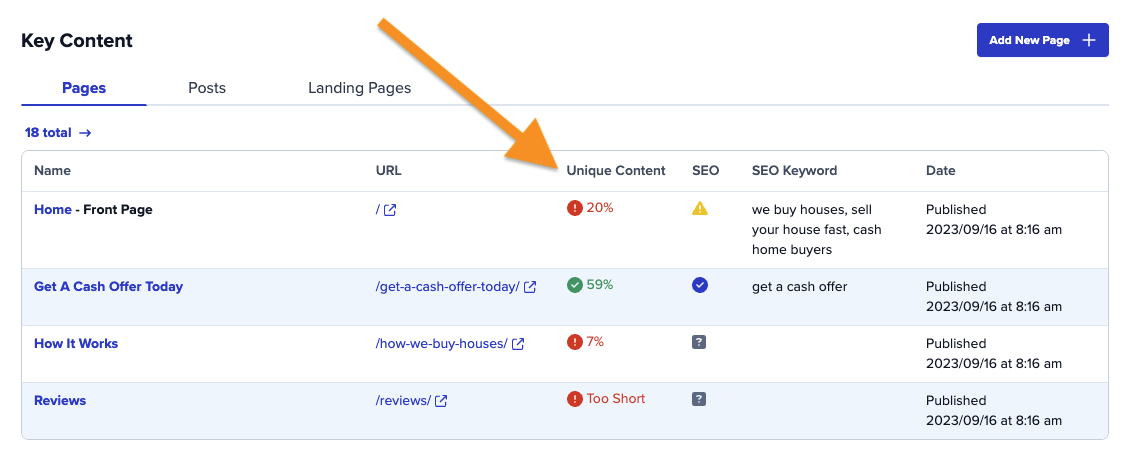
Every Carrot subscription now comes with a mix of website, SEO, and content tools — no add-ons required. Key features like on-page SEO recommendations and the unique content scoring tool are included with the Starter subscription, ensuring you’re set up for SEO success from day one.
Integrations are now included! This change was the direct result of feedback from existing members. Carrot isn’t an all-in-one solution and we pride ourselves on letting you integrate your favorite tools. So we’re living by our ethos and including integrations with your subscriptions so you can build your ideal online lead generation hub.
We’re always looking for ways to improve Carrot, and last quarter saw a couple of very exciting feature releases!
CarrotCRM AI
The first set of CarrotCRM AI features technically came out in late June. But in case you missed the announcement in the haze of summer, it’s worth repeating here.
CarrotCRM — a best-in-class CRM for real estate investors, formerly known as InvestorFuse 3.0 — offers a range of AI tools that highlight the most motivated leads, instantly surface critical information, and save investors hours of manual work.
Want to see for yourself? All CarrotCRM users can try AI Lead Scoring and AI Summaries for free on five opportunities!
Call Tracking
Understanding where your leads come from and which source generates the most deals is critical to smart marketing and budgeting. Why spend a lot of money and time on a lead source that never converts?
Dedicated landing pages and forms are good for tracking online leads, but what if a lead calls you, either because they got your phone number from a piece of offline marketing (like direct mail) or because they found your phone number on your website but simply prefer to call than fill out a form? You can ask where they heard about you, but that information isn’t always reliable.
With call tracking, you know without a doubt what piece of marketing drove that call. And now, Carrot members can access call tracking right within their website platform! With just a few clicks, you can get dedicated phone numbers for each of your marketing campaigns, and an insightful dashboard to pinpoint which campaigns are most successful.
Performance Improvements
Carrot’s top priority is making sure you have the best performance possible. But what exactly does performance mean? It means that Carrot websites are intentionally designed to load fast, be secure, show up when and where people are searching, and convert website visitors into leads. Here are some recent updates that ensure top-notch website performance.
LLMs.txt for AI Discoverability
We all know that AI search tools are becoming more popular. And built-in AI search results in Google are impacting the SEO landscape. To help Carrot members adjust to these shifts, we’ve now implemented LLMs.txt files on all Carrot websites.
These files follow best practices for LLMs (large language models, the power behind AI tools) and include information such as site info, pages, and posts in a format that is easy for AI tools like ChatGPT and Gemini (Google’s AI search feature) to understand. The goal is to give the content on your website a better chance of showing up in AI answers when someone asks a related question.
While the professional jury is still on on whether LLMs.txt files directly impact AI results, the way language models ingest information is changing everyday. Having an LLMs.txt file in place on your website ensures it’s formatted in a way that’s easily readable for AI.
Google Maps Load Time
Embedding a Google map is a popular feature on real estate websites, but it can slow down your site load speed… which is bad for conversions. If your page takes too long to load, visitors are likely to hit the back button and look at a different site. The more visitors who bounce from your site, the more Google thinks there’s an issue, meaning you’ll start dropping in search result rankings. Overall, slow page speed is bad for business. We implemented a change in September to address this issue.
We built a new drag-and-drop website element that replaces embedded Google Maps with a look alike option that doesn’t slow down page load speeds. In the past, when you embedded a Google map onto a webpage, it was live and interactive right away. This requires javascript to load with the page, slowing down overall page speed. The new Google Maps block pattern shows a preview of the map using your specific address. The map looks the same to a visitor, but doesn’t become interactive until the visitor engages with it.
This one change improved site speed from 72 (a yellow warning score) to 90 (green)!
Hide or Show Website Elements Based on Screen Size
According to our data, 50% of visitors come to Carrot sites from desktops and 50% use mobile devices. That means your site needs to look good and perform well on all types of screen sizes. But you’re not a web designer, so how do you make sure that happens? Stop stressing over your design and let our built-in features handle it for you.
One of our Q3 updates is the ability to show or hide certain parts of your website based on the user’s screensize. For instance, you can have an eye-catching arrow pointing to a form on the desktop view, but hide that element on mobile to make sure the form isn’t pushed too far down the page. This feature makes it fast and easy to ensure your site looks great and performs well on both desktop and mobile!
Speed Improvement for Google Analytics Users
Carrot websites have a certain amount of metrics built in, but the power of data and insights really shines when you have Google Analytics (GA) connected to your site. This allows us to pull even more data into your in-Carrot reporting dashboards. (Trust me, as a professional marketer, you 100% should have Google Analytics connected to your site!)
But, just like embedding Google Maps, connecting GA is notorious for potentially slowing down your page load speed. To address this and improve your page speed, we now delay Google Analytics script loading by two seconds. This gives your pages a head start before analytics loads, allowing visitors to see critical information quickly.
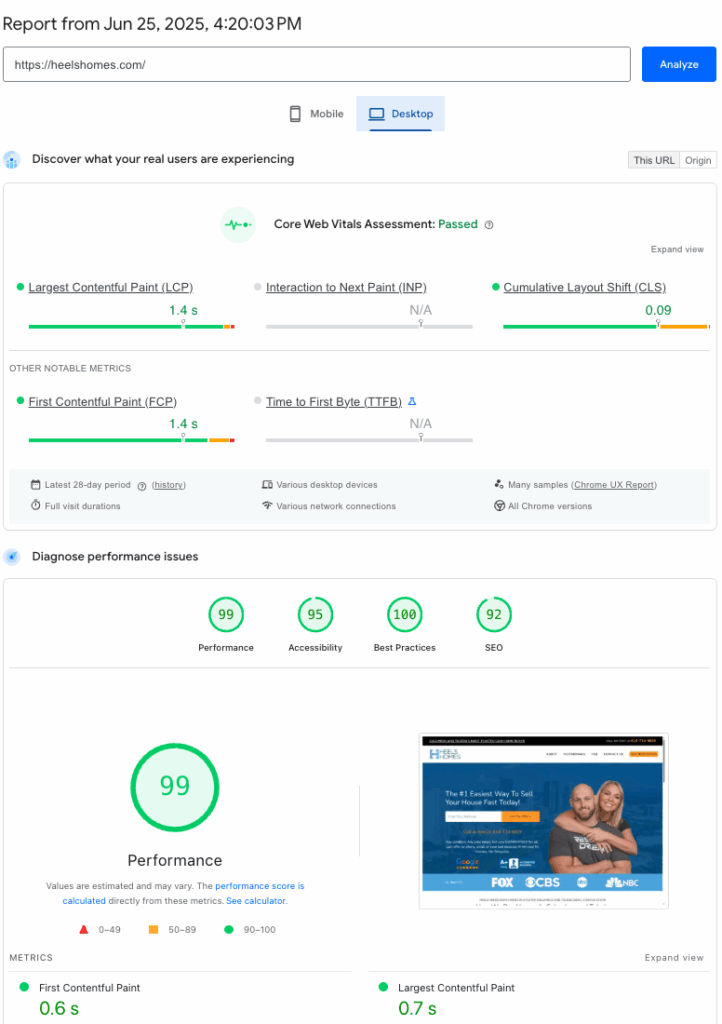
On average, sites see a 5–10 point improvement on PageSpeed Insights scores from this optimization. This means stronger Core Web Vitals and better signals to Google — all of which helps your SEO and general visitor experience.
We have even more great updates coming in the next few weeks and months!
More Design Customization
Carrot website templates are designed very specifically for optimal lead conversion. We’ve literally spent years testing into our templates (there’s a reason we recommend the pages we do and have the navigation in a certain order … it’s because it improves conversion!).
But you’ve been asking for ways to make your site look more unique and stand out from other Carrot-hosted sites. And we heard you.
In May, we released new drag and drop block patterns — pre-built sections that you can use to add content, images, FAQs, testimonials, and more to your site in just seconds. Pick your favorites, put them wherever you want on the page, set your custom colors, and choose from hundreds of pre-loaded icons. Using these block patterns is a great way to customize the look of your site while maintaining its performance and hitting all your credibility factors.
In Q4, we’re giving you even more template options, design elements, and customization options to make your site really stand out while maintaining its performance. Stay tuned, I expect the new templates to be released in early Q4!
Property Analysis & Offer Recommendation AI
We aren’t done with CarrotCRM AI features! The next iteration will take Carrot’s Market Scout, property reports, and AI Summaries to the next level with an AI feature that analyzes an opportunity and suggests a good offer price based on your business parameters.
Make sure you start the video at 54:30!
See you in Q4!
That’s just a little preview of what we’re working on to close out the year. If you want to stay in the know and get some additional resources (like AI prompts to accelerate your business), make sure you’re part of Carrot’s Evergreen Marketing for Real Estate Facebook Group!
You can set up your new website yourself in just a few minutes. But if you want some additional assistance, we have you covered! You can purchase a Quickstart or Quickstart+ setup package during checkout. Or contact customer support via the live chat to add a setup package at any time! If you’re interested in a CSU, connect with our sales team.
Quickstart Services
Need help personalizing your site and getting everything connected? Our Quickstart services give you a jump start.
Quickstart services can help you:
Replace stock images with your photos
Further optimize location pages (up to 5)
Implement Schema for advanced SEO
CRM integration
Call Tracking setup
Domain connection support
You can purchase a Quickstart setup service at checkout, or add one to your account at any time.
CarrotPro
Want the ultimate setup experience? CarrotPro (formerly Concierge Set Up or CSU) is perfect for customers with defined brands and focuses on making your site truly unique.
With CarrotPro, you get:
Even more targeted location landing pages to really localize your site for your market
Custom design elements that give your website a unique look
Unique, SEO-optimized website copy to meet Google’s content requirements
Layouts that amplify your credibility by highlighting videos, customer quotes, and rating badges
And more…
You can’t purchase this service during the checkout process. If you’re interested in CarrotPro, schedule a sales call.
For more advanced investors moving from an existing website, our migration services makes the process painless. Our experts work with you to preserve the most important elements of your existing website while rebuiding it within Carrot’s proven high conversion website framework.
Overwhelmed by SEO? Not sure where to start or what to optimize first? We can handle it for you!
Carrot’s Managed SEO Services is an agency-style offering that handles your initial SEO setup and ongoing monthly optimization to help you show up in the right places and expand your brand reach.
Every Carrot member has access to live chat and email support, but if you’d like a little extra help, we also offer a Premium Support option. You can add Premium Support during checkout, or contact our customer support team via the live chat to add it to your membership at any time.
Strategy Review
Get 1:1 time with our SEO and marketing experts to dive into your lead generation strategies and uncover opportunities to get more leads.
Phone Support
Struggling with a technical issue or have a general question? Schedule a time to talk to a support specialist!
After signing up for Premium Support, my only comment is, “Why did I wait so long?” Although I have had only three phone calls, I have learned so much in such a short time. I try not to think how much time I wasted building my website without Premium Support (let alone the possible leads I lost).
Don Rousseau
CarrotCRM Support
Every paid subscription of CarrotCRM comes with onboarding and support included!
Onboarding
Quickly and easily set up your CRM exactly how you need it with our onboarding assistance.
Integration Help
We help you integrate all your preferred tools to make your CRM your dream power hub for lead management.
On-Going Support
Have a question or need some help? Our Support team is always here to assist you!
CarrotCRM Boost
Give your CRM a jumpstart with professional setup services. All CarrotCRM accounts come with onboarding and integration support, but CarrotCRM Boost gives you another option if you want more of the setup handled for you.
Feature
Included Setup
CarrotCRM Boost
Discovery & Strategy Call
Lead Migration
Integrations Setup
Campaign Setup & Labeling
Training Call
Channel Setup Only available with the Team plan
Campaign Autoresponders Setup Only available with Scale & Team plans
Contract Setup
A2P 10DLC Assistance
Autonomous Lead Manager (ALM) Setup
AI Lead Scoring Configuration
TV Dashboard Configuraiton Only available with the Team Plan
“I absolutely love Carrot. It’s very user friendly. I love the amount of information Carrot provides. They’re always up-to-date and ahead in sharing information in relation to wholesaling real estate, what’s going on in the marketplace, trying to be ahead of the game. I appreciate all of those things that you don’t necessarily get with other providers, like Wix or other sites that are not tailored specifically for investors. I appreciate the niche, I think it’s really valuable.“
“What Carrot does best is really teaches you how to do it. I don’t come from a software background. I’d rather have a hammer in my hand and build something. But when it comes to Carrot, the training is just there.“
We’re committed to helping you succeed with every form of lead generation. While an awesome website is a critical part of converting leads, there are many ways to drive leads to your site. To help with this, we’ve gathered a marketplace of trusted vendors to give you the support you need.
Every day, motivated sellers in your area search online for someone to buy their house. They visit websites, compare options, and choose who to call. But they’re not always calling you.
It comes down to three critical factors:
Sellers don’t know your website exists
If they find your website, you haven’t convinced them you’re trustworthy
They want to contact you, but technical issues make it too clunky
These three factors break down into 4 specific, fixable problems that most real estate investors face. Let’s see what they are and exactly how to fix each issue.
KEY TAKEAWAYS
Most sellers start with a Google search—your site needs to rank locally for “sell my house fast [your city]” to be in the running.
Visitors won’t convert if your site is confusing or overwhelming. Simplify your forms and make your CTAs pop.
Trust is built through third-party validation—use testimonials, real photos, Google reviews, and recognizable affiliations.
A clunky user experience or poor mobile usability and site reliability can quietly wreck your lead flow. Test your site often and prioritize page speed.
1. Your Website isn’t Set Up to be Found on Top in Search Results
When someone in your area needs to sell their house fast, what do they do? They don’t flip through the Yellow Pages or look on social media platforms for a buyer.
They grab their phone and Google something like “sell my house fast Chicago” or “sell my house for cash.” If your website doesn’t show up in those search results, you won’t get this lead.
You can test this yourself — search for the terms you’d want to rank for in your area and see where your website appears. The further down you are, the fewer leads you’re getting.
Some of the common reasons why you’re not ranking on top in Google searches (aka not SEO-friendly) are:
Your website doesn’t use the words people actually search for – you say “real estate solutions” but sellers search “sell my house fast”
You’re not creating helpful content that answers seller questions like “how to sell a house quickly” or “what do cash buyers look for”
Your site doesn’t clearly mention your city or the specific neighborhoods you serve
For example, this website says they’ll buy your house in America without mentioning any specific city or region.
No one likely searches “sell my house America” unless they’re living overseas and want to sell a U.S. property.
Even then, they’d probably search for their specific state or city, like “sell my house fast in New York” or “sell house quickly in Miami.”
How to Fix Your Website’s SEO Issues
Update your website content to include these keywords naturally. Your homepage should clearly state “We buy houses for cash in [your city]” instead of vague phrases like “comprehensive real estate solutions.”
For example, let’s look at the top result we get when we search for ‘sell my house fast san antonio’
It’s this one…
Their website’s homepage clearly states “We Buy Houses In San Antonio, TX” right in the main headline and “SELL YOUR HOUSE FAST SAN ANTONIO” and similar terms throughout the page. They’re using the exact words & questions people search for, not fancy business language.
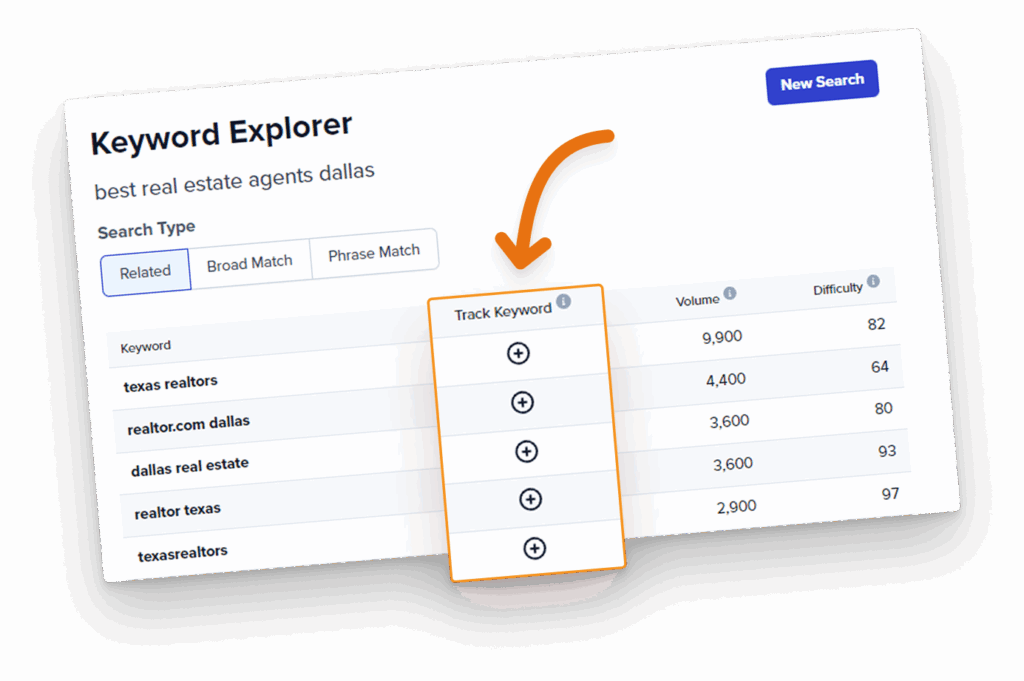
To find the right keywords you can use Carrot’s Keyword Explorer. It shows you the exact phrases people type into Google when they need to sell fast, plus how competitive each keyword is in your market.
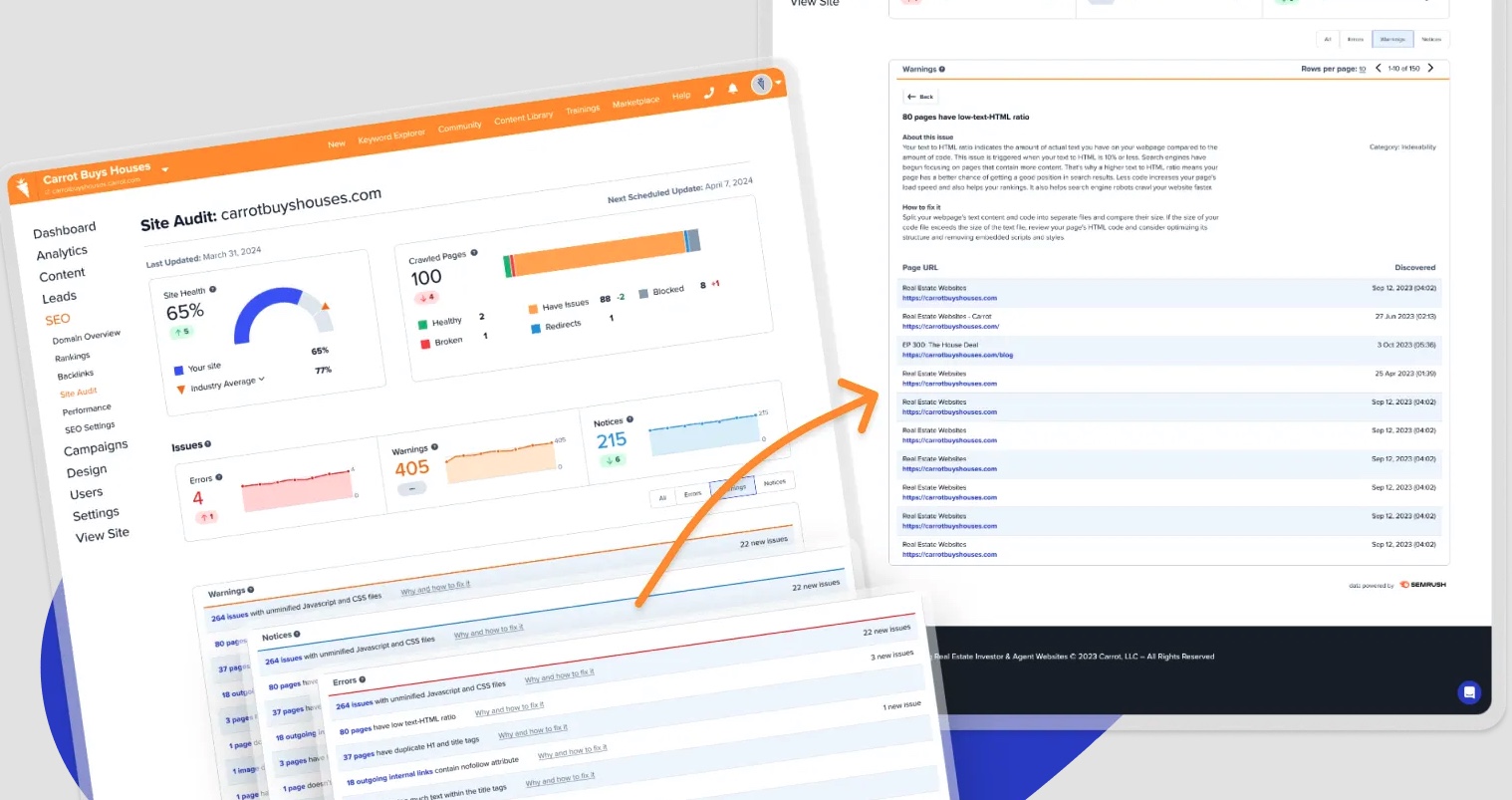
Even if you use the right keywords, technical issues on your website can still impact your SEO. Things like slow page loading, broken links, or pages that don’t work properly on mobile phones will signal to Google not to prioritize your website.
You might have hundreds of people visiting your website each month, but if they’re leaving without contacting you, you have a conversion problem.
Conversion is getting visitors to take the action you want – whether that’s filling out a contact form, calling your phone number, or requesting a cash offer.
Here are some of the biggest conversion killers sabotaging your website:
(Keep reading, but if you want to dive deep into site conversion, check out this podcast.)
Your forms are asking for too much information
When visitors see a long form, they get overwhelmed and abandon it. Research by Hubspotanalyzing over 40,000 landing pages reveals that 3-field forms convert at 25%, while 10-field forms drop to just 13%.
Here is an example of how not to create a form — too many steps make people overthink and abandon the form:
Ask only the essentials: name, phone number/email, and property address (optional). You can gather additional details like timeline, property condition, and motivation during your phone call (or using the Autonomous Lead Manager).
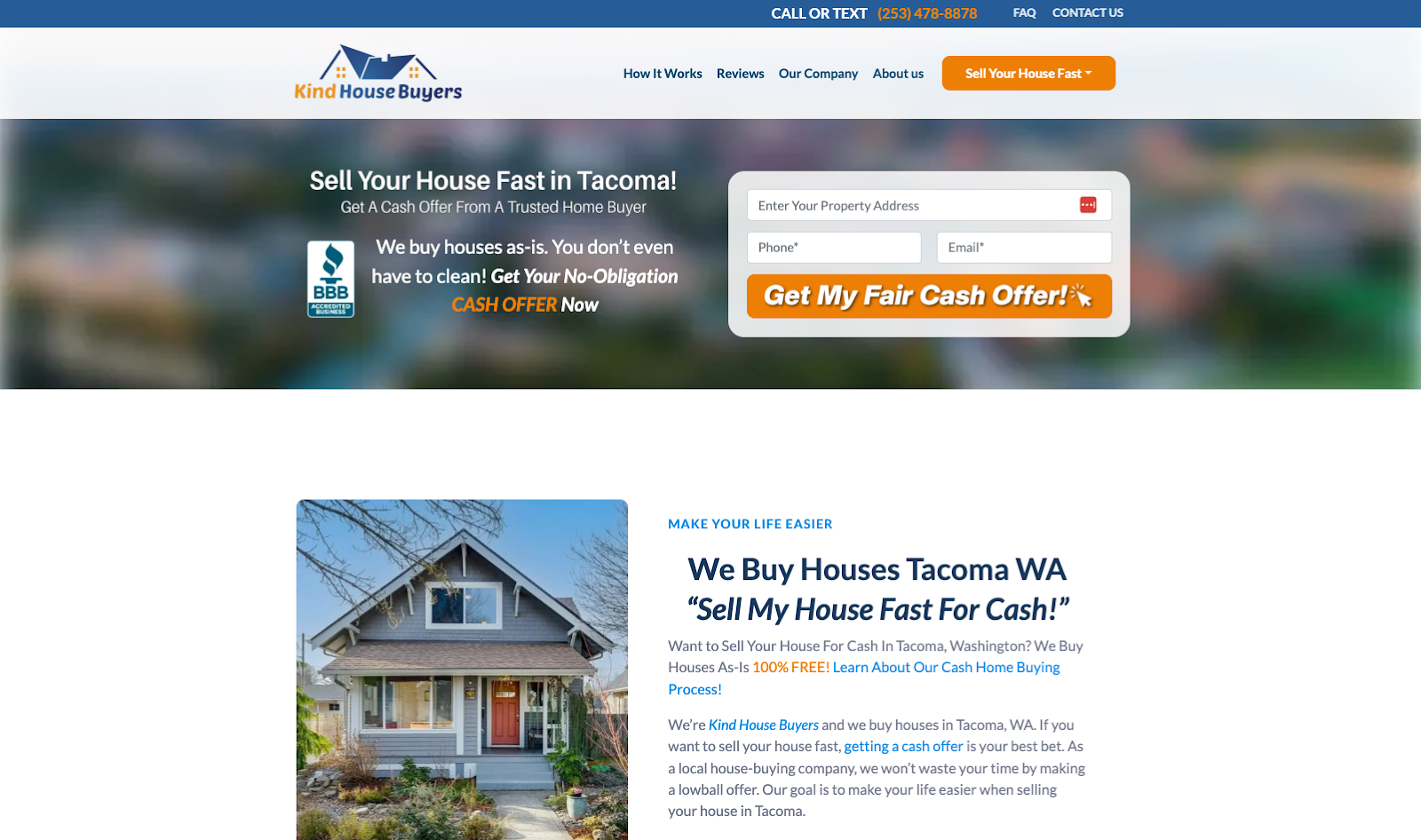
Here’s a form on a Carrot site that converts visitors to leads at a high rate:
Your call-to-action buttons are invisible or confusing
Your button should be the most prominent element on the page – use contrasting colors and specific language that tells visitors exactly what they’ll get.
Notice the call-to-action (CTA) in the form image above.
The bright orange “Get My Fair Cash Offer” button jumps off the page compared to the other colors, making it impossible to miss.
The copy is benefit-driven and specific – instead of generic text like “Submit,” it tells visitors exactly what they’ll get: their cash offer.
At Carrot, we tested changing button text from “Click to Continue” to “Get My Fair Cash Offer” and saw conversions jump 49.5%.
Important elements are buried on your page
Don’t fall into the trap of making your website look beautiful at the cost of conversions. Your goal isn’t to get a “wow” when someone visits your site – it’s to get their contact information.
This Forster Jones page looks sleek and sophisticated, but the tiny “Contact Us” link is buried in the top corner and easy to miss.
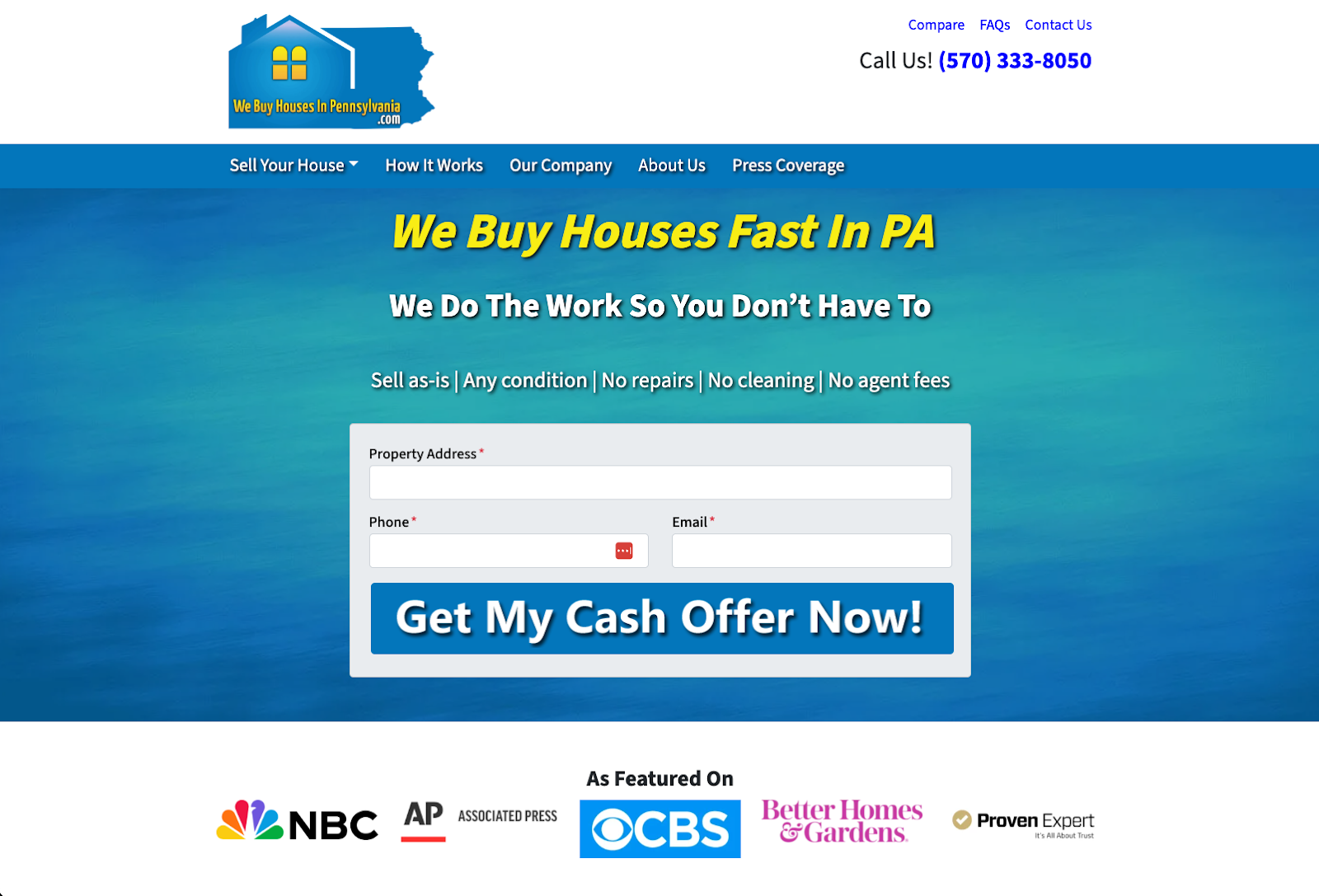
Compare that to this investor’s homepage that prioritizes conversion over aesthetics (one of the highest converting sites in all of Carrot):
This page has:
A prominent headline that immediately tells visitors what they’ll get.
The contact form is clearly visible. It’s a simple 3-field form that people won’t hesitate to fill out.
The blue “Get My Cash Offer Now” button dominates the page and can’t be missed.
Multiple contact options. The phone number is visible with “Call Us.”
Trust signals likerecognizable publications they’ve been featured in are visible under the form.
Clear benefit statements — “Sell as-is | Any condition | No repairs | No cleaning | No agent fees” — address the main seller concerns upfront.
We might suggest they test a different button color so it pops out even more. They could push their conversion rates even higher!
3. Your Website Lacks Trust Signals That Convince Visitors You’re Legitimate
People don’t trust businesses saying good things about themselves.
Instead, they look for validation from others who’ve been in their exact same shoes – past customers who needed to sell their house. When they see logos from authority websites, professional organizations, or credible third-party platforms on your site, trust builds naturally because these entities have nothing to gain by vouching for you.
You need trust elements on your website to show people that you can be trusted to do business with.
Some of the key trust signals are:
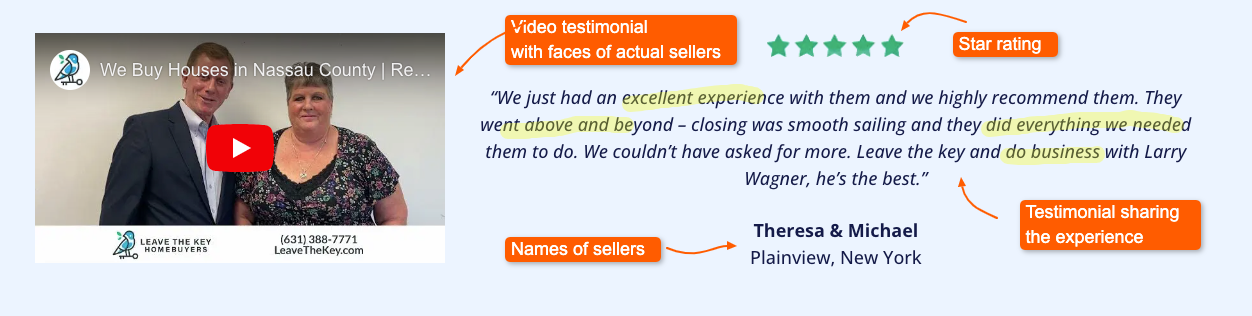
Real testimonials with photos: Not just “Great service! – J.K.,” but detailed stories with full names and pictures. Carrot found that sites with testimonials saw a 123% increase in leads compared to sites without them.
Check out this video to learn how to ask specific questions that’ll get a house seller to give you a raving review that busts objections.
Your photo and company information: People want to see who they’re dealing with. A photo of you or your team and a personalized “About Us” page shows you’re real folks.
Google reviews and ratings: Display your Google star rating prominently.
Authority website logos and credentials: BBB accreditation, professional association memberships, industry certifications, or “As Seen On” logos from reputable news outlets all build instant credibility.
4. Your Website has Technical Problems
There’s nothing more frustrating than a motivated seller trying to contact you but giving up because your site doesn’t work properly.
Does your website work properly on mobile?
With over 93% of mobile searches happening on Google and most people searching for house buyers on their phones, a website that doesn’t work on mobile is essentially invisible.
Check if your site has these mobile killers:
You can scroll side-to-side, and the screen doesn’t adjust to phone size
Text becomes so small it’s unreadable on mobile
Buttons are too small to tap with a normal-sized thumb
Contact forms don’t work properly on phones or are hard to fill out
A broken form doesn’t just mean it shows an error or won’t accept information. Sometimes forms appear to work perfectly but are actually failing in hidden ways:
The form submits, but visitors never see a “thank you” or confirmation message, so they assume it didn’t work and either try submitting again or give up entirely
You’re receiving the leads, but they’re going to your spam folder, so you never follow up
The form works on computers but crashes on mobile phones
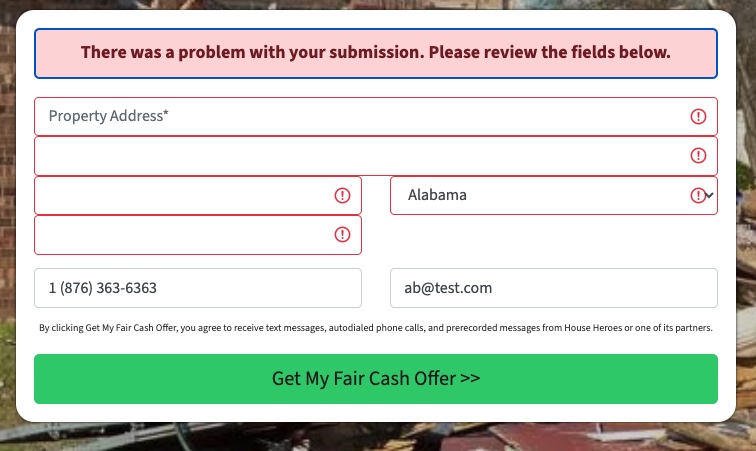
Forms that don’t submit properly, error messages that don’t explain what went wrong, or confirmation pages that don’t load will frustrate sellers into calling your competitors instead.
Here’s an example of a form that shows a clear error:
Test your contact form monthly by submitting it yourself. Make sure you see a clear confirmation message after submitting. Connect your forms to a CRM and add SMS alerts so you know immediately when someone contacts you.
Is your website loading as fast as possible?
If everything else is working correctly, check how fast your page loads. A 10-second load time might not seem like much, but when people are online searching for someone to buy their house and they have dozens of options, they won’t wait around.
Google has found that bounce rates increase by 32% when page load time goes from 1 second to 3 seconds. For real estate investors, this means every extra second your website takes to load is literally sending motivated sellers to your competitors.
Our websites are built specifically to load fast, rank high in search results, and convert visitors into leads.. That’s why you’ll consistently find Carrot sites loading noticeably faster than the industry standard.
If your site takes longer than 3 seconds to load, make sure your website is built with clean code from the ground up, your server is fast, and your images are in the proper size and format. We have all of that baked into our Carrot real estate websites.
What Should You Do Next?
These four issues are costing real estate investors thousands of dollars in lost deals every month. The good news is they’re all fixable.
You can tackle them one by one, or you can use a platform like Carrot that’s designed specifically for real estate investors.
Every Carrot website comes with the conversion elements we’ve discussed already built in: mobile-optimized design, fast loading speeds, strategic contact forms, easy-to-add trust signals, and SEO optimization.
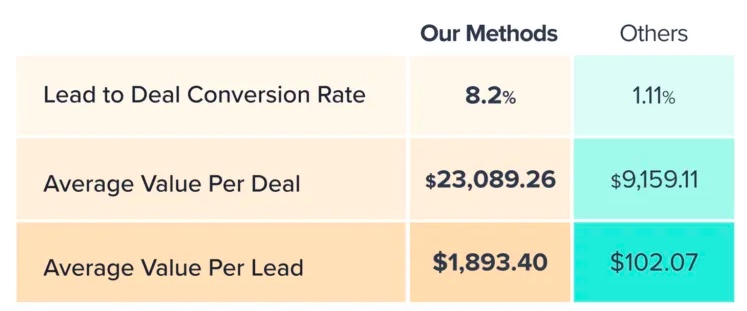
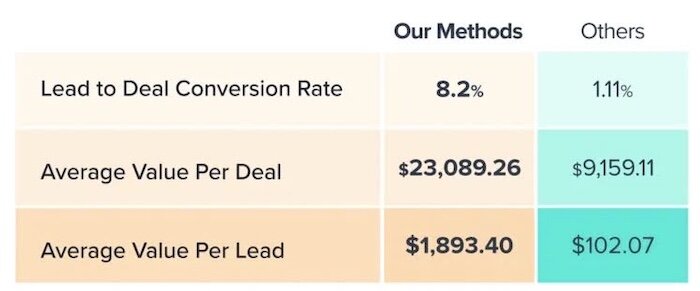
Carrot websites generate 2.5 times higher profits per lead compared to other platforms. Members have generated over 1 million motivated seller leads, and Carrot sites hold 45% of the top search rankings in most U.S. markets.
$75K+ in Deals on a $118/Month Budget: How Mark St. Peter Outranked Competitors in a Tough Market
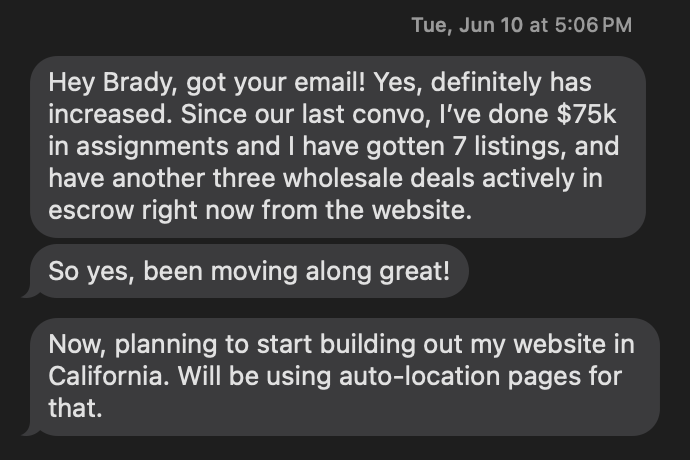
Mark St. Peter turned a side hustle into consistent deal flow, closing $75K in assignments, 7 listings, and 3 wholesale deals in escrow — all with zero ad spend, just sweat equity and a Carrot site.
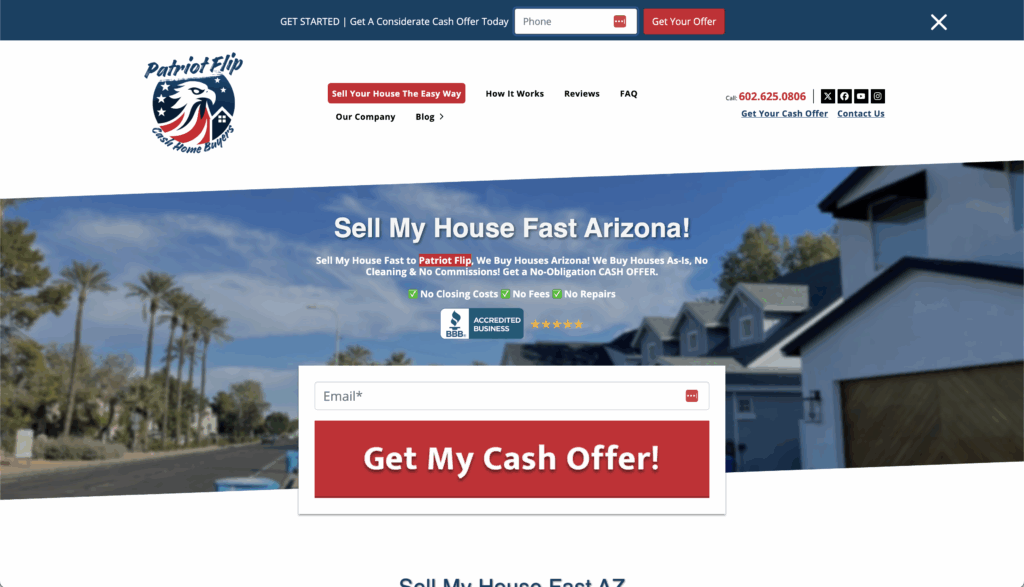
His site — Patriot Flip — ranks in the top 3 for many Arizona markets and now generates nearly a lead a day on average. Here’s how he did it.
Take our free demo to get a full walkthrough of what Carrot can do for you.
The Challenge: Getting Consistent Seller Leads for Cheap
Mark was already a licensed agent in both California and Arizona, but he was tired of the grind of traditional real estate sales.
“I’ve always worked with wholesalers and investors from the sales side. I decided to start generating those leads myself since I already had the network.”
He wasn’t ready to spend thousands per month on paid ads. What he needed was a low-cost, high-leverage way to get inbound leads reliably.
He realized it was time to rebuild his investing business on proven, consistent marketing sources.That’s when he found Carrot:
The Solution: Launching a Carrot Site and Following the Playbook
Mark came across Carrot while researching websites for motivated seller leads.
“I was already running a WordPress site with BoomTown for my real estate business, but it wasn’t designed for investors. When I found Carrot, I knew it was built specifically for what I needed.”
He signed up at the end of May 2024 and spent the summer of 2024 following the Carrot roadmap: setting up his foundation, following our SEO training, and watching Evergreen Marketing Live.
“The tutorials, the Carrot YouTube channel, the Three Leads Per Day course—they walked me through everything.”
Steps for Success: Ranking in a Competitive Market with No Marketing Spend
1. Nail the Basics to Build Trust
Before diving into SEO, Mark made sure the fundamentals of his Carrot site were dialed in. He uploaded a professional photo, added a personal bio, included testimonials from past clients, and placed his logo across the site. These trust elements helped boost credibility with sellers and improve conversions.
2. Build Local Authority One City Page at a Time
In the Summer of 2024, Mark manually built out location pages for every major city in Arizona. He geotagged photos, used real local images, and optimized each page for SEO. “I manually created every page. It took a ton of time, but it worked.” *Now Carrot has auto-location pages to do this in far less time!
3. Stack Up SEO Wins with Long-Form Blogs
After the location foundation was complete, he turned to blogs. He pulled ideas from top Carrot member sites, found high-traffic keywords, and wrote 2,000–3,000 word posts. Each post linked strategically to his “how it works” page or relevant location page. He also used Carrot’s AI Rewrite Tool to improve clarity, structure, and keyword usage in his blog content.
4. Dial In Rankings with Daily SEO Tracking
Mark created and refined his blog content using Carrot’s built-in visual editor. He followed on-page SEO prompts and formatting best practices. To track results, he used the SEO Performance tab and Keyword Rankings Tool daily, keeping a close eye on movement and opportunity. Mark published and refined his blog posts using the Content Engine. He tracked performance daily using Carrot’s SEO Performance tab and Keyword Rankings Tool, keeping a close eye on shifts and opportunities.
5. Leverage Pre-built SEO Content That Converts
For long-tail topics like foreclosure and divorce, Mark used Carrot’s content tools to produce optimized content and downloadable lead magnets. His foreclosure guide quickly became one of his most clicked pages.
6. Trust the Climb — SEO Compounds Over Time
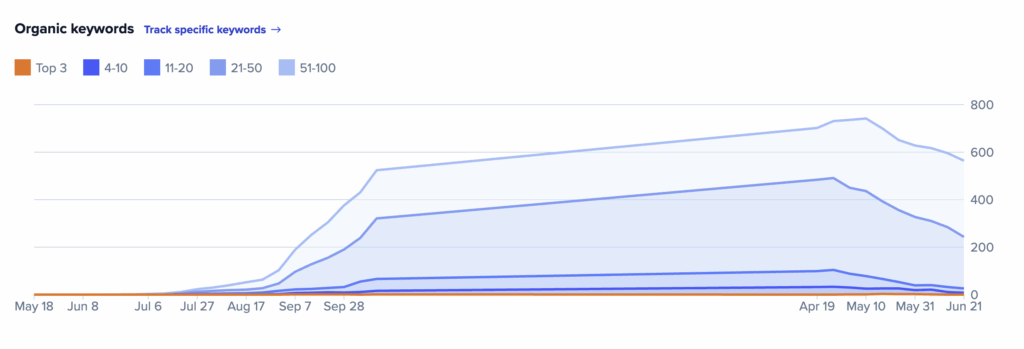
Even with a low domain authority (~6), Mark broke into the top 100 within weeks and was able to have confidence in his efforts thanks to Carrot’s SEO Tools & Tracking.
“At first, I felt like I was doing all this work for nothing. But when I saw myself break into the top 100, then top 40, then top 10—I knew the system worked.”
7. Expand Faster Using Auto-Location Pages
Now that his Arizona pages are performing well, he’s expanding into California using a new Carrot site for just $29/mo extra, and using Carrot’s Auto-Location Pages to streamline setup without compromising quality.
8. Lean on Training and Community to Move Faster
Mark credits the Carrot’s training courses, Evergreen Marketing Live, and Carrot’s Help Center for accelerating his learning curve.
“There’s so much depth to the knowledge base. Almost any question I had, I could find the answer or a video on it.”
9. Partner Up to Monetize More Leads
Rather than servicing every lead himself, Mark partnered with an experienced local cash buyer.
“That helped me convert more leads I wouldn’t have known how to work.”
The Result: Proof that SEO can be DIY (when done with Carrot)
In just a few short months, Mark went from generating one lead a month to averaging a lead per day—all without any ad spend. Every single deal came from organic SEO, proving the system works even in competitive markets.
Before Carrot (May 2024)
Only had a retail-focused site
No Google rankings
ZERO motivated seller leads
After Carrot (June 2025)
$75,000+ in assignment fees
7 listings closed
+ 3 wholesale deals in escrow as of publishing
Ranks across numerous Arizona markets
Cost per deal: Effectively $0 beyond sweat equity and a $118/month Carrot plan
Want Results Like Mark?
Launch a website in just minutes and use our marketing tools to drive truly motivated leads, so you can close more deals.
The search landscape has seen huge changes in recent years. If you’re a real estate investor or home services provider who’s been watching your website traffic fluctuate or noticing fewer clicks from Google searches, you’re not imagining things.
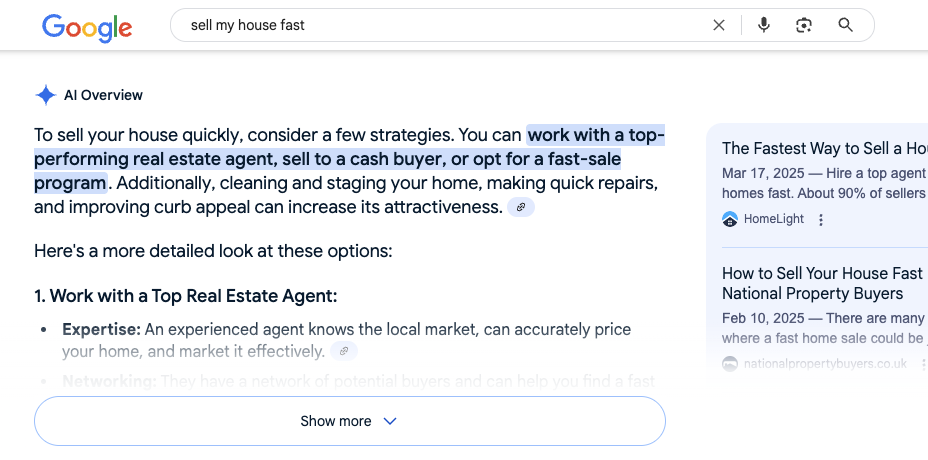
Google’s AI Overviews now appear in nearly half of all search results, and in May 2025, Google launched AI Mode for all US-based searchers. The era of traditional SEO strategies is rapidly evolving.
For local businesses that depend on their websites to generate motivated seller leads, these changes are business-critical developments that require immediate attention. When prospects search “best roofer in my area” or “sell my house fast,” Google increasingly provides answers directly in search results, pushing the #1 ranked website further down the page than we’re used to. So how should you adjust your SEO to make sure you still show up on top in 2026? Let’s cover some key strategies!
KEY TAKEAWAYS (TL;DR)
AI Overviews are Dominating Search: Google’s AI-generated summaries now appear in nearly half of all search results, often providing “zero-click” answers, which means many searchers never leave the Google search results page.
Brand Authority is Key: Google’s algorithms now heavily emphasize brand recognition and mentions across the web, not just on your site. Backlinks are still important, but you’ll also want your company mentioned by name on trusted, relevant sites.
Unique Content is More Important Than Ever: Generic content is being de-ranked, and often even ignored by Google. Focus on providing your own unique and helpful expertise, local market insights, and real-world case studies that AI tools like ChatGPT can’t replicate.
Local SEO is Evolving: Optimize your Google Business Profile and target hyper-local keywords, as AI Mode prioritizes local intent.
Diversify Your Marketing: Reduce reliance on single marketing tactics by investing in omnichannel marketing, including social media, video content, and offline networking.
Let’s get you up to speed on the most significant AI-driven changes impacting search today. In this guide, we’ll cover what these changes mean for your real estate investing or local service business, and give you actionable SEO strategies to help you maintain and grow your online presence.
Most recently at Google’s I/O annual developer conference in May 2025, they announced the rollout of AI mode to all users in the U.S.
Here’s what’s especially challenging for real estate investors: AI Overviews show up heavily for broad, top-of-funnel queries—exactly the type of searches your potential sellers make when they first consider selling their property. When someone searches “how to sell my house fast” or “cash home buyers near me,” they’re increasingly getting AI-generated answers without ever clicking through to your website. For home service providers, this will be most apparent for educational searches like “how much does a bathroom remodel cost” or “when should I replace my roof?” You want to capture this traffic so that when a person is ready to move from information gathering to shopping for services, your name is already on their list.
The numbers are staggering:
Research shows that nearly 60% of searches in 2024 resulted in “zero-click” outcomes, meaning users get their answers directly from Google without visiting any websites.
A study by Datos and SparkToro found that for every 1,000 searches on Google in the United States, only 360 clicks make it to non-Google-owned properties that aren’t paying for ads.
The Rise of Forum Content and Video Results
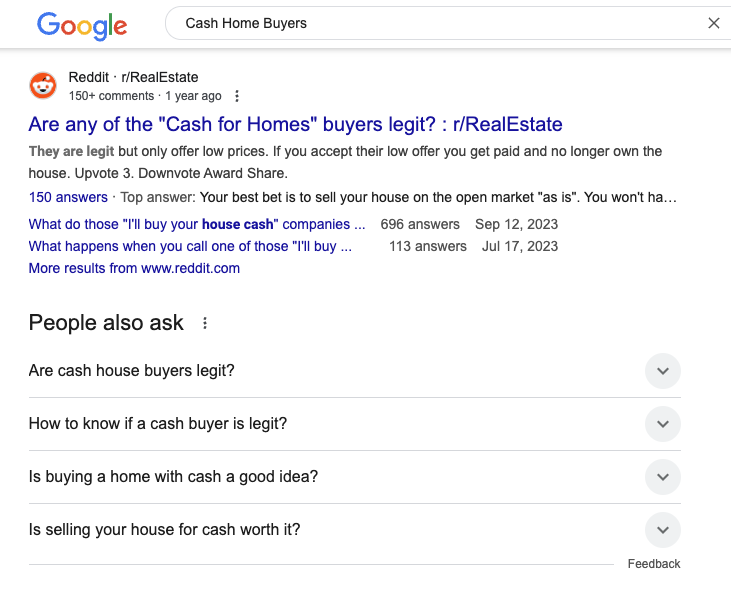
Another significant shift impacting SEO strategies for small businesses is the increased prominence of forum content like Reddit and Quora in search results. This trend is particularly relevant for real estate investors because many forum discussions reveal the distrust and skepticism people have toward “cash home buyers” and the real estate investment industry in general.
When potential sellers search for information about working with real estate investors, they’re increasingly finding forum discussions where people share both positive and negative experiences. This shift emphasizes the critical importance of reputation management and building authentic trust signals across multiple platforms.
Video content is also showing up more often in search results, with both YouTube videos and short-form video content appearing more frequently. This presents opportunities to diversify your content strategy. Plus, research shows that websites with video content see 50% more engagement than those without.
You can stay ahead of things by monitoring relevant forums and conversations in your local market area. Then develop content in both written and video formats that speaks directly to the concerns people have. Showcase the trustworthy, local people behind your company to combat the skepticism that some motivated sellers may have about cash home buyers.
Building Brand Authority in an AI-Dominated Landscape
The Growing Importance of Brand Mentions and Recognition
One of the most significant revelations from the May 2024 Google algorithm leak was the emphasis on brand authority.
In Rand Fishkin’s original analysis of the leaked Google Search API documents, his primary takeaway was that “brand matters more than anything else.” He commented:
If there was one universal piece of advice I had for marketers seeking to broadly improve their organic search rankings and traffic, it would be: “Build a notable, popular, well-recognized brand in your space, outside of Google search.”
For business owners, this means your reputation and brand recognition across multiple platforms now directly impacts your search rankings. Google measures brand mentions on YouTube transcripts, social media platforms, and across the web.
The stronger your brand presence beyond your website, the better your chances of ranking well in traditional search results and being cited in AI Overviews. More than ever, off-page SEO isn’t just about building backlinks. It’s also about social media visibility and digital PR & publicity for your business.
You can monitor referring domains, backlinks to your website, and your Authority Score with Carrot’s Domain Overview Tool. We also recommend adding your company’s business name to the Keyword Rank Tracker to monitor that your website ranks at the top of the search results when people search for your company by name.
The Role of Engagement Signals in Rankings
Google had insisted for years that they don’t use anything from Chrome for ranking, but the Google API documents leaked in May 2024 suggested that they actually do use Chrome and Android device data to understand how users interact with websites.
Engagement signals are crucial ranking factors. Google looks at what happens after users click through from the search results to your website.
Your website’s user experience directly impacts your search rankings. If visitors quickly return to Google after visiting your site (known as “pogo-sticking”), it signals to Google that your content didn’t satisfy their intent. However, if they spend time on your site reading content, watching a helpful video, or filling out a form, those engagement signals can play a role in how Google will rank your website in the future.
Adapting Your Content Strategy for AI-First Search
The Challenge of AI-Generated Content Saturation
Google’s March 2024 core update, described as their “largest in history,” resulted in 45% less low-quality, unoriginal content in search results. The search engine giant is actively working to combat the flood of AI-generated commodity content that lacks originality and value.
“The Lowest rating applies if all or almost all of the [Main Content] on the page (including text, images, audio, videos, etc) is copied, paraphrased, embedded, auto or AI generated, or reposted from other sources with little to no effort, little to no originality, and little to no added value for visitors to the website. Such pages should be rated Lowest, even if the page assigns credit for the content to another source.”
Google’s quality raters are human consultants hired by Google to manually spot check the quality of Google search results and provide feedback to help Google improve their algorithms. The Search Quality Rater guidelines tell these consultants what they should look out for when evaluating the search results.
Understanding Information Gain and Content Uniqueness
Google’s “information gain score” patent, granted in June 2022, represents a fundamental shift in how search engines evaluate content quality. Rather than focusing solely on word count or how recently a page was updated, Google now measures how much new useful information your content provides that doesn’t exist elsewhere online.
This means that simply publishing generic content is not only unlikely to improve your rankings, it could actually hurt your search visibility. Instead, you need to consistently add your specific expertise, local market knowledge, case studies, and unique data that differentiates you from competitors.
Our updated AI Rewrite Tool makes personalizing your content easier than ever! You’ll still need to add your own insights, but our built-in tools can expedite your content creation process by making sure the AI-generated copy matches your unique brand — an excellent starting point.
Creating Content That Stands Out
The key to a successful content strategy in 2025 and beyond lies in combining AI efficiency with human knowledge and authenticity.
Real estate investors have a unique advantage here—your direct experience with local markets, specific property challenges, and successful deal structures provides the exact type of unique information that both Google’s algorithms and your potential clients value most. You can still use AI tools to help you write, just be sure to add your own insights and flair. (Carrot’s Automated Content Library is a perfect example of this. It offers well-researched, pre-written blog posts that you can use as a starting point, then customize to your market and with additional insights and expertise you’ve honed over your career.)
When you combine well-optimized website content with video marketing, you can build trust and credibility with local homeowners and increase your potential visibility in Google search results.
Measuring Success in the New SEO Landscape
Traffic Attribution and Traditional SEO KPIs are Changing
The traditional SEO metrics that business owners and their marketing teams have relied on for years—keyword rankings, organic traffic, and click-through rates—are becoming less reliable indicators of holistic marketing success. As Google’s search results pages continuously evolve with AI Overviews, video content, and forum results, these metrics don’t tell the complete story of your marketing performance.
A critical issue affecting lead generation websites is attribution of traffic sources. Research in 2024 showed that significant percentages of web traffic from social networks, messaging apps, and even AI chatbots are often lumped in under “Direct” traffic by Google Analytics.
This “dark traffic” phenomenon means you might be receiving more referral traffic from social media, AI chatbots like ChatGPT, and other sources than your analytics show.
The Rise of Brand Awareness Metrics
In this new landscape, brand awareness metrics are becoming increasingly important. Brand mentions across the web, branded search volume, and your visibility in AI-generated responses are now crucial indicators of your market authority and future search performance.
This shift means monitoring how often your company is mentioned on social media, in local forums, and in AI chatbot responses when people ask about local home buyers. These mentions often lead to branded searches and direct traffic that may not be properly attributed in traditional analytics.
We alway recommend tracking branded terms(like your company name) in our Keyword Rank Tracker so you can make sure you are controlling the conversation around your brand.
Aligning with Business-Critical Metrics
More than ever, SEO success and marketing efforts need to align directly with business metrics that matter to your business. A decrease in organic traffic might be offset by higher-quality leads or better conversion rates from other sources.
For local service providers, this makes it even more important to focus on business metrics like revenue, lead quality, cost per lead and lead-to-close ratios rather than website traffic or rankings alone. (Make sure you have a CRM to help you monitor these key metrics.)
How to Stay Ahead: Marketing in the AI Era
The changes we’ve seen in 2024 and early 2025 are just the beginning of AI’s impact on search and digital marketing. Google’s introduction of AI Mode with Gemini 2.0 in March 2025 shows even more sophisticated AI capabilities are coming, with particular emphasis on local intent and complex query handling.
This means the strategies that work today need to be flexible enough to adapt as AI becomes even more prominent in search results.
The most successful businesses in this new landscape will be those who maintain competitive advantages that can’t be easily replicated by AI or competitors. This includes deep local market knowledge, strong personal relationships, proven track records, and authentic brand authority and content built over time.
Your Action Plan: 15 Essential Steps to Future-Proof Your Marketing Strategy for AI
Based on the major shifts happening in search and AI, here’s your comprehensive action plan to adapt and thrive:
Optimize Content for AI Overview Inclusion – Structure your website content with clear, concise answers to common seller questions. Utilize dedicated FAQ block patterns, bullet points, and numbered lists to make information easily digestible for both human readers and AI algorithms. Ensure your content directly addresses user intent, making it a prime candidate for Google’s AI Overviews and featured snippets by providing direct, authoritative responses.
Target Hyper-Local and Intent-Driven Keywords – Shift your keyword strategy from broad, competitive terms like “we buy houses” to highly specific, long-tail, and geographically focused phrases. Think “sell my house fast in [your specific neighborhood]” or “cash home buyer for inherited property in [your city].” Rather than old-school keyword stuffing, use entity-based SEO to provide context and meaning through synonyms and related words. This approach helps you capture niche local demand and signals to Google’s AI that your content is highly relevant to specific local queries.
Prioritize Unique, Expert-Driven Content (Information Gain) – Move beyond generic advice and focus on creating unique content that provides genuine “information gain.” This means consistently adding your original expertise, local market knowledge, real-world examples, and proprietary data that can’t be easily found elsewhere or replicated by AI. Your direct experience with specific property challenges and successful deal structures is what will differentiate you from your competitors.
Create Transparent Process Guides – Develop detailed, process-driven educational content that clearly outlines your actual methods for evaluating properties or quoting projects, calculating costs, and negotiating deals. Sharing your transparent approach builds significant trust with potential sellers, demystifies the process, and positions you as an honest, knowledgeable authority in your local market.
Cultivate a Consistent Multi-Platform Brand – Establish and maintain a strong, consistent brand presence across all relevant digital platforms. This includes not only your website but also YouTube, LinkedIn, Facebook, Instagram, and specialized forums and directories. Ensure your messaging, visual identity, and value proposition are consistent, building credibility for your brand and recognition across the web, which Google increasingly values.
Engage Actively on Community Platforms – Proactively participate in online communities where homeowners discuss selling properties, such as Reddit, Quora, Nextdoor and local Facebook groups. Provide genuine value by answering questions, offering insights, and sharing helpful resources without being overly spammy or self-promotion. Focus on bringing your humanity into conversations, building trust, establishing yourself as a helpful expert, and driving referral traffic and brand mentions.
Develop High-Value Video Content – Create diverse video content, including property walkthroughs, authentic seller testimonials, and educational videos explaining various aspects of selling to an investor. Optimize these videos with relevant titles, descriptions, and tags for YouTube and embed them strategically on your website. Simply upload your video and Carrot’s VideoPost will transcribe it into a blog post that’s optimized for search engines.
Showcase Authentic Customer Success Stories – Document your successful deals and share them as case studies on your website, video testimonials, and social media success stories. These real-world examples provide powerful social proof, demonstrate your ability to solve problems for sellers, and build trust and credibility that generic AI-generated content simply cannot replicate.
Optimize Your Google Business Profile for Local Dominance – Your Google Business Profile (GBP) is more critical than ever. It’s often the first touchpoint for local sellers and a primary data source for Google’s AI Overviews, especially for “near me” searches. Ensure your GBP is fully claimed, verified, and meticulously optimized with accurate business hours, services offered (e.g., “cash home buyer,” “fast house sale”), high-quality photos of properties and your team, and consistent updates. Actively encourage and respond to reviews, as these build trust and signal local authority to both potential sellers and Google’s algorithms. A robust GBP is foundational for appearing in local search results and being cited by AI.
Proactively Monitor Brand Reputation – Set up comprehensive monitoring systems like Google Alerts and specialized social listening tools to track all online mentions of your company, key personnel, and brand. Actively manage your online reputation by responding to reviews, addressing feedback, and correcting misinformation. A strong, positive brand reputation is a crucial signal for Google’s algorithms and AI Overviews, influencing your visibility and trustworthiness.
Align Marketing KPIs with Business Outcomes – Shift your focus beyond traditional SEO metrics like keyword rankings and organic traffic, which are becoming less reliable. Instead, analyze performance through the lens of core business metrics: lead quality, cost per lead, lead-to-close ratios, and revenue generated. Pay close attention to how AI Overviews impact branded versus non-branded searches, and track referral traffic from social media, forums, and AI chatbots, even if it’s initially misattributed. Make sure your marketing efforts are directly tied to tangible results and outcomes, even if traditional traffic numbers fluctuate.
Focus on Brand Visibility & Public Relations – Actively seek out credible brand mentions for both your company and personal brand across various platforms. Engage in relevant forums like Reddit and Quora, and leverage PR platforms like HARO and Qwoted to secure publicity. Remember that mentions by brand name on third-party sites, including YouTube and LinkedIn, are just as crucial as backlinks for signaling authority and can significantly enhance your visibility within LLMs and AI Overviews, directly building trust and recognition in your target market.
Establish Deep Local Authority (Offline & Online) – Build authentic local market authority by actively engaging with your community both online and in the real world. Sponsor community events, and develop strong relationships with other professionals, contractors, and local businesses. These real-world connections increase your credibility, generate valuable word-of-mouth referrals, help you find off-market properties, and reinforce your local presence to Google’s algorithms.
Embrace a Diversified Omnichannel Approach – Reduce your dependence on any single lead source by investing in a truly omnichannel marketing strategy. Diversify your efforts across search engine optimization, social media marketing, targeted direct mail campaigns (make sure your mailers include your URL or a scannable QR code!), email nurturing sequences, and in-person networking. This creates a resilient lead generation ecosystem that can withstand future shifts in search algorithms and consumer behavior.
Leverage an AI-Powered CRM for Sales Efficiency – Integrate and fully utilize CRM platforms like Carrot CRM with embedded AI features to streamline your sales process and manage high-volume pipelines effectively. Carrot CRM’s newest features — Autonomous Lead Manager (ALM), AI Opportunity Summaries, and AI Lead Scoring — can automate follow-ups, prioritize leads, and provide real-time property analysis, giving your acquisition team improved clarity and speed without replacing the essential human touch.
Conclusion
The AI revolution in search represents both significant challenges and unprecedented opportunities for savvy local businesses that want to generate online leads. While traditional SEO strategies are evolving, the fundamental principles of providing value, building trust, and solving real problems for homeowners remain as important as ever.
Remember, AI is changing how people find information, but not why they need to sell their houses quickly or work with reliable investors.
To be successful, you should adapt to changing technologies while focusing on what makes your company unique.
The same time-tested strategies are true both online and off:
Build lasting relationships and genuine brand authority with people in your local market.
Provide valuable solutions for motivated sellers, then share that know-how online (while providing “information gain” that sets you apart from competitors).
Diversify your offline and digital marketing channels, but remember that other human beings will make or break your success.
By combining these timeless principles with modern strategies adapted for an AI-first world, you’ll be well-positioned for continued success.
Frequently Asked Questions
How do I know if AI Overviews are affecting my website traffic?
Look for decreases in organic click-through rates for broad, informational keywords like “how to sell my house fast,” “cash home buyers,” “best local plumbers,” etc. Monitor your fGoogle Search Console Search Performance data for impressions versus clicks, and check if you’re seeing more branded searches relative to non-branded terms. AI Overviews typically impact top-of-funnel, question-based queries most significantly.
Q: What’s the best way to optimize my website content for AI citations and overviews?
Structure your content to directly answer common homeowner questions using clear, concise language. Use FAQ sections, numbered lists, and headings that match how people naturally ask questions. Focus on adding unique local market insights and specific processes that demonstrate your own experience and knowledge rather than serving up only generic advice that AI can easily replicate.
Q: Should lcoal businesses still focus on traditional SEO strategies for local markets?
Yes, but with modifications. Local SEO remains crucial since Google’s AI shows heavy local intent, but you need to emphasize unique geographic content and make it clear that you are a trusted local expert. Combine traditional on-page SEO and local SEO tactics with broader brand building and off-page SEO across multiple platforms to maximize your visibility in both traditional search results and AI-generated responses. Leverage video marketing to further boost SEO, brand visibility, and build trust with your local community.
Q: How can I track if my online marketing is working when analytics are becoming less reliable?
Q: What types of content should local businesses prioritize to compete with AI-generated information?
Focus on content that showcases your unique experience and local market knowledge—detailed neighborhood investment guides, case studies of actual deals, process explanations with real examples, and market insights that only an active local investor would know. Combine this expertise-driven content with video testimonials and success stories that build trust and authenticity. Learn more about creating unique content.
You don’t have to be lucky to get off-market properties as a real estate investor. You just need to know how to find them and how to get them to you before they go on auction sites, Zillow, or to a competitor.
These five proven methods show you exactly how to build that pipeline ethically, legally, and in a way that’s scalable.
KEY TAKEAWAYS
There are a variety of ways to attract off-market properties, and strategies that will fit any real estate investor’s budget. Some are more manual, some produce quick results, and some set you up for long-term success.
Real estate investors benefit from using multiple methods of attracting off-market properties to balance quick lead generation with long-term lead flow.
You can attract off-market properties with both online and offline methods.
Attracting off-market investment properties is a good option for both new and seasoned real estate investors as there are multiple strategies and some budget-friendly options. Keep reading to see the top five ways to attract off-market properties, the pros and cons, and how to set up each one.
When someone types “sell my house fast” into Google, you know they aren’t casual sellers — they need to sell now and are willing to accept a lower price for speed and convenience. That’s exactly who you want to attract.
How do you make sure they come to your website?
It happens through SEO (Search Engine Optimization) — the process of getting your website to show up in top search results when sellers type phrases like “sell my house fast” or “cash offer for home” into Google.
To tell Google what phrase you want a specific page to rank for, put the phrase or some variation of it in:
Your page title (what shows in the browser tab)
Your website address (the page URL)
The page’s meta description (the short description that appears under your link in search results)
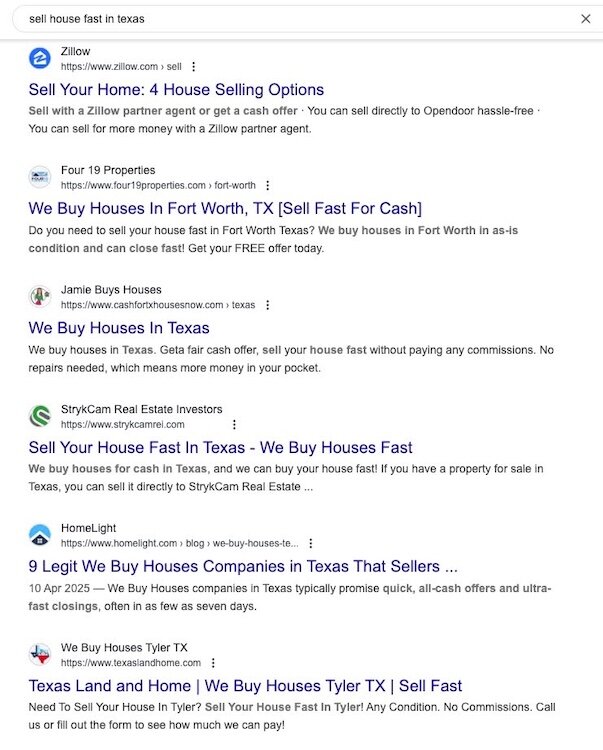
For example, if you search for ‘sell my house for cash in Texas,’ the top-ranking websites have exactly what I described:
If you look at “Jamie Buys Houses” in the screenshot above, it includes “We Buy Houses In Texas” in their title, “Texas” in their URL, and “sell your house fast without paying commissions” in their description.
It’s also good to include the phrase you’re targeting at least a couple of times in the content of your page as well.
Look at Four19 Properties’ page for the keyword “sell my house for cash in Dallas.” They’ve included phrases like “sell house fast in Dallas” and “cash offer” on their page.
To find the right phrases to include on your page, you need to do keyword research. It is simply figuring out what words people actually type into Google when they’re looking to sell their house fast.
Instead of guessing which search terms to target, keyword research shows you exactly what motivated sellers are searching for (the keyword) and how many people search for those terms each month (search volume).
For example, you might discover that 720 people search for “sell my house fast Dallas” every month, but only 50 search for “Dallas home buyers.”
This tells you which phrase to focus on for better results.
You can do basic keyword research using free tools like Google’s Keyword Planner or Ubersuggest. Just type in phrases you think sellers might use, and these tools will show you search volume data and suggest related terms you might not have considered. If you’re a Carrot member, Carrot also has a built in Keyword Explorer tool so you can easily find and implement the best keywords for your site.
For a deep dive into real estate SEO best practices, check out the free guide Real Estate SEO: Top Strategies, Tips & Examples. It covers everything from keyword research to website optimization.
Pros of SEO for real estate investors:
SEO leads convert at much higher rates because they found you, not the other way around. According to Carrot’s data, SEO leads generate approximately 2.5 times higher profit compared to leads from other sources.
Unlike paid ads that stop working the moment you stop paying, SEO continues working for you 24/7 once you’re ranking well. You won’t have to spend time chasing leads.
Cons of SEO for real estate investors:
SEO typically takes 3-6 months before you start seeing motivated sellers coming in. You need patience and can’t rely on it for quick deals when you’re just starting out.
Because it’s so effective, SEO is competitive. So it can be hard to rank for the high-intent keywords like ‘sell house in {city}, ‘sell fast for cash,’ etc. (To see how competitive top keywords are in your market, search your city with Market Scout.)
Getting your website to rank isn’t rocket science, but you’ll need to spend time learning the basics of keyword research, backlinks, etc.
If you don’t want to learn SEO yourself, there are real estate SEO experts you can work with.
2. Driving for Dollars (Most Budget-Friendly)
Driving for dollars is when you actively search neighborhoods for distressed properties that aren’t listed for sale. Though the name suggests driving, you can also walk, bike, or jog through neighborhoods — driving just covers more ground faster.
Let’s look at five steps to make driving for dollars a success.
Step 1: Pick your target neighborhoods
Start with areas you already know or where you’ve done deals before. Check your county records for zip codes with higher foreclosure rates or tax delinquencies — these often have more motivated sellers.
It helps to schedule regular 30-minute driving sessions each week rather than trying to do it randomly.
Step 2: Look for signs of distress
Look for homes with:
Overgrown yards
Peeling paint
Broken windows
Piled-up mail
Or posted notices
Record the address and move on. Being too obvious — like taking photos or lingering — can make neighbors uncomfortable. You can do more research later on.
Step 3: Leave a note (Optional)
Leave a simple handwritten style note on the door letting the owner know you’re interested in buying.
You can write — “I noticed your house while driving by and wondered if you’d consider selling? Call me at [number].”
Or you can use pre-printed door hangers that look like they’re handwritten, like these from Ballpoint Marketing.
Just respect “No Soliciting” signs and be considerate.
Step 4: Research the property
Before adding to your marketing list, quickly check if the property is already listed for sale (check Zillow or the MLS if you have access) to avoid wasting time on properties already on the market.
Then, look up the property on your county assessor’s website (just google “[your county] property records” or “[your county] assessor”). This gives you the legal owner and usually their mailing address, which often isn’t the property address itself.
If you can’t find the owner’s current contact information, use a skip tracing service like TLO, Batch Skip Tracing, or PropStream (costs typically range from $0.25-$1 per lookup). This will get you phone numbers or the email address of the owner.
For the highest response rates, use multiple contact methods — send a yellow letter or postcard first, then follow up with a phone call 3-5 days later.
Tracking which properties respond helps refine your targeting for future driving sessions.
Pros of Driving for Dollars for real estate investors:
Extremely low startup cost (just gas money to get started)
Lets you personally evaluate neighborhoods and property conditions
Can be done part-time during evenings or weekends
Cons of Driving for Dollars for real estate investors:
Time-intensive process requiring personal effort
Limited by how much ground you can physically cover
Not scalable without additional help or technology
Can you do this virtually?
DealMachine is an app that lets you browse neighborhoods through Google Street View, without actually driving there. You can identify potentially distressed properties and mark them just like you would if you were driving. It’s great if you’re short on time or want to scout neighborhoods that are far from where you live.
To improve response rates, add a QR code pointing to your website to your postcards. When sellers scan the QR code, they’ll land directly on your site, where they can learn more about your services and see that you’re a legitamate business.
3. PPC Ads (Fastest)
If you have some marketing budget, PPC (Pay-Per-Click) ads and pay-per-lead services are the fastest way to generate deals.
You set up your Google Ads account, create campaigns targeting keywords like “sell my house fast [your city],” and within hours people will be clicking and filling out forms.
But competition is fierce, and hence expensive.
For example, when I searched for “sell my house for cash in Chicago” I saw 4-5 different ads. Meaning everyone is bidding on the same keyword.
When you have this many competitors, the cost per click skyrockets.
You might pay $15 – $50 just for someone to click your ad. If only one out of 20 people who click actually fill out your form, you’re looking at $300 – $1,000 per lead before you even talk to them.
Here are three tips to make sure you’re not burning money on ads:
1. Track every single keyword and ad.
Set up conversion tracking to see which exact keywords brought you actual seller calls. If you’re spending $500 on the keyword “sell house fast” but getting zero calls, turn that keyword off.
If “we buy ugly houses” is bringing quality leads for $50 per lead, increase the budget for that keyword. The goal is to not spend on keywords that won’t bring you quality leads.
2. Set up instant callback systems.
When someone submits your form, the system should immediately call both you and the seller, then connect you both on the same call within 30 seconds.
Most investors wait 10-20 minutes to call leads back. By then, the seller has moved on or filled out three other investor forms.
3. Your ad better stand out.
In the example above, notice how each competitor tries to differentiate themselves:
“Cash Offer in 24 Hours”
“We Buy Any Condition”
“No Agent Commissions”
“Offer in 30 Minutes”
You can’t just say “we buy houses.” You need a specific hook that makes people choose your ad over the others.
Facebook ads work completely differently than Google ads.
With Google, people are actively searching for you. With Facebook, you’re interrupting their scroll through family photos and memes.
This means your creative needs to grab attention in under two seconds, and every single element of your ad needs to work together perfectly.
Here’s how to structure a Facebook ad that actually converts:
A compelling description that builds credibility and captures attention
A clean, engaging video (or image) related to houses
A clear value proposition
A direct, specific call-to-action button
Pros of PPC for real estate investors:
Generates leads immediately after campaign launch
Highly targeted based on specific keywords and search intent
Scalable by increasing budget as needed
Provides measurable ROI and performance data
Cons of PPC for real estate investors:
Requires upfront budget
Google Ads has a learning curve
Lead costs vary widely depending on market competition (see the average cost-per-click for popular keywords with Market Scout)
Success depends on quick follow-up and conversion systems
4. Networking
You can’t buy houses from people who don’t know you buy houses. So you need to get the word out about what you do.
But that doesn’t mean you waste time at generic business events making small talk. You need to connect with people who either have deals or know people with deals.
Here are some ideas:
Build professional networks.
Connect with estate sale companies, bankruptcy attorneys, and eviction lawyers. These people deal with motivated sellers every day.
Insurance adjusters deal with the “3 Ds” — Death, Divorce, and Disaster. These are exactly the situations that create motivated sellers. Make connections with them.
Go to garage sales.
What do people do before they sell their house? They get rid of junk first. Walk up to someone running a garage sale and say “Hey, I’m not here to buy anything, but are you open to selling the house too?”
Talk to everyone.
Tell every single person you meet that you buy houses. Your barber, server, Uber driver. Everyone either has a property problem or knows someone who does.
Here’s proof this works:
Post on Facebook: “I need to buy a house this month. If you bring me a deal that closes, I’ll pay you $500-$1000.” Your network might connect you with someone.
Get to know a few real estate agents.
Most agents can’t handle problem properties. Tell them: “If you get a hoarder house, something boarded up, or a place needing serious repairs, send it my way. You still get your commission.”
Now when that agent gets a problem property listing, instead of dreading it, they immediately think of you. You become their go-to solution for deals that don’t work in the regular market.
Pros of networking for real estate investors:
Gives you access to deals that never hit the market or listing sites
Professionals like agents and attorneys can pre-screen deals based on your criteria
Relationships tend to strengthen and improve over time
Cons of networking for real estate investors:
Requires consistent follow-up to stay top-of-mind
Results often come in unpredictable waves rather than a steady flow
Hard to scale beyond your personal capacity to maintain relationships
5. Radio Ads
Radio can be an underrated way to generate motivated leads. There’s a misconception that they don’t work. But that’s because most investors pay way too much.
Check out this interview with Chris Arnold to learn more about how he relied on radio advertising to build and grow multiple companies.
Here are the steps you can follow to get started with radio advertising:
Step 1: Choose the right stations
There are three main radio genres to target:
Urban stations – for deals in cities with younger demographics
Rural stations – for small town and countryside properties
Over 50 stations – for older homeowners who are more likely to sell
Ask stations for their demographic breakdowns — listener data showing age, income, and location of their audience — and advertise on stations that match your seller persona.
Step 2: Negotiate pricing and secure good time slots
Start with relationship building: Find a media buyer who already has relationships with radio stations. Solo investors rarely get the pricing they need to make radio profitable.
Negotiate hard: Posted rates are just starting points. Most stations have flexible pricing, especially for longer-term commitments.
Target prime listening times: Book morning and evening rush hours when people are actually in their cars listening.
Write your own ads (avoid the station’s help)
Radio stations will offer to help write your ad. Avoid them completely. They don’t understand how to position you to motivated sellers.
This framework works great:
Call out the problem your listener has
Present your solution
State who you are clearly
Give a clear call to action
Keep it empathetic, not aggressive.
People are nervous and possibly heartbroken during the selling process. Don’t use harsh language like “We’ll stop your foreclosure now!” or “Get quick cash and leave your home!”
Step 3: Set up your phone system before you launch
Use easily memorable phone numbers for radio. Something with repeating numbers or similar sounds works best. People hear your ad while driving and need to remember your number instantly.
You can also set up unique phone numbers for each station so you can track which ones generate the most calls.
Pros of radio ads for real estate investors:
Radio makes you sound like the established expert in your market compared to other investors
Most investors don’t use radio, so you’re not fighting five other “we buy houses” ads
Cons of radio ads for real estate investors:
Without good negotiation skills or connections, you might pay $280 for what others get for $20
You need to answer live calls throughout the day, not just when your ad plays
What’s next?
Most investors spend all their time and money trying to get leads. They send out mailers, put up bandit signs, and make cold calls. But then what happens when someone actually calls?
They write the person’s info on a sticky note, and forget to call them back for three days.
Getting leads is only half the battle. The real money comes from actually turning those leads into closed deals.
That’s where Carrot comes in.
It’s not just a website builder. It’s a complete system with CRM and digital marketing tools designed specifically for real estate investors to capture leads and turn them into deals.
The data proves it works: Carrot leads convert 7 times better and are 2.5 times more profitable than non-Carrot leads. The average Carrot lead is worth nearly $1,900 compared to just $102 for non-Carrot leads.
Even in competitive markets, investors with a Carrot website hold 45% of top search positions in most U.S. metros. With over 1 million motivated seller leads generated, the platform works whether you’re tech-savvy or not.
Check out Carrot today and see why thousands of investors trust their websites, lead capture, and follow-up systems to this powerful platform.
Video content is the best way to boost motivated leads without requiring any extra website traffic. This article explains why video is a game-changer for website conversion, and shares practical tips to get the right video content on your website!
Key Takeaways
Website visitors who start watching a video are 24% more likely to convert to a lead and visitors who watch an entire video are 56% more likely to convert!
You should have five types of videos on your website to share key information that visitors are looking for.
You can quickly and easily create videos with free tools like VN and Canva.
If you want to increase your website conversion rate and number of motivated leads, read on to discover how to quickly add videos to your site.
Online video consumption is estimated to hit four hours per day in 2025, according toOberlo. When sellers do their research on who to work with, they don’t just like to gather information via video, they expect it! That’s why it only makes sense that your website should include videos.
It’s not just a matter of giving web visitors information in a format they prefer. Having videos on your website can dramatically improve your lead conversation rate (how many website visitors turn into leads). Based on recent data analyzed by Carrot, when a web visitor starts watching a video, their chances of converting to a lead increase 24% (over visitors who don’t watch videos). Visitors who watch an entire video have a 56% better chance of converting!
Adding videos to your website also helps with SEO. Google places a lot of weight on “high quality” content that it believes will help users answer their questions and find valuable information. Since today’s users like to watch videos, Google likes when videos are available to answer their search queries. Answering common questions or covering popular topics lets you capture that search traffic more easily.
As people watch videos on your site, they’re also inherently spending more time on the page. Google also views this as a positive indicator that your content (and by extension, your website as a whole) is valuable, which can positively impact your domain authority and search rankings.
The 5 types of videos your website needs
Videos are a great way to answer common questions, highlight your experience, and put visitors at ease about working with you. Think of video as your chance to be “face to face” before you ever meet a lead. You likely get some of your best deals by networking, so bring that same personality and energy online with video! Here are the most important videos to make for your website.
Who are you? What’s your experience? Why should people work with you? Make a short video introducing yourself and let people get to know you so they feel comfortable reaching out.
Here’s a video that walks you through creating an “About us” video as a real estate investor or agent:
2. Working with [Your Company Name] Video
A “How it Works” video can put potential leads at ease by detailing what it’s like working with you. How does the process work? What steps can they expect? What objections might they have?
3. Customer Testimonials
Video testimonials from happy clients talking about what it’s like working with you and how pleased they are with the results are great on websites. Website visitors may be skeptical of a written quote, but watching people talk about their experience generates a lot of trust.
Here’s an in-depth video on exactly what to say to get perfecttestimonials every time you close a deal.
4. FAQ Videos: Explain Complex Topics
Odds are your leads aren’t real estate professionals. They may even be dealing with a new-to-them situation, like selling an inherited home, renting-to-own, or selling a house fast for cash. Put them at ease by answering questions they’re likely to have. Leads want to work with an expert, so show off your knowledge!
Investor Brad Woodall is a prime example of someone who went all-in on creating videos that answer prospects questions. He doubled down on probate-related video content which he posts on YouTube and an entire video library on his Carrot website & now consistently generates high-quality probate leads because of it!
5. Share Local Trends
Talking about local trends are great videos to publish on social media channels, and they can add an engaging element to blog posts covering the same topic. If you’re discussing a particularly important trend that leads should know about, you can even add this type of video to your homepage while it’s a hot topic.
Overall, videos build your credibility and put leads at ease, making them pre-disposed to want to work with you!
How to produce videos, easily
Videos don’t have to be complicated or daunting, and you don’t need to start a YouTube channel or become a TikTok star (though you certainly can if you like making videos!). Today’s consumers are used to seeing natural, self-shot videos, so simple videos recorded on your phone or computer work just fine. There are even services that make it easy to produce animated videos if you’re uncomfortable being on camera (though showing your face will build stronger trust with potential clients).
Don’t worry too much about the length of the video, both long and short videos have their place. Let the topic dictate the length of the video. And while you don’t have to worry about Hollywood standards, your videos should look nice and reflect your brand. Make sure the lighting is good and you have a non-distracting background. If you have shirts with your logo, consider wearing it in the video to reinforce brand recognition.
Videos don’t need to be overly produced, but if you want to do a little editing or add your logo or contact information, we recommend finding a video editor on a website like Fiverr.com. If you’re more DIY, VN is a simple (free!) video editing software available for both Mac and PC. If you want to add music to your video, make sure you get royalty-free audio clips. You’ll also want an eye-catching “video thumbnail” (the image people see before clicking on the video). These are easy to create for free with tools like Canva, which has thousands of pre-built templates to match any style. If you’re creating several videos, choose one thumbnail style or one style per video type. This keeps your brand look consistent and professional.
Where to put videos on your website
You don’t want to cram all your videos onto one page, that would be overwhelming. Instead, think about where each type of vidoe makes most sense. If you were visiting a website, what type of information would you expect to encounter on each page? With that in mind, you want to make sure key videos are posted to your most high traffic pages — the home page, about us, and contact us pages for most real estate investor websites.
Introduction videos and video testimonials in particular should be published on your homepage, about us page, and contact us pages — preferably toward the top of the page. In addition to generating the most traffic, these are also the highest converting pages, so putting videos here gets them in front of visitors at critical points in their journey. It also makes it easy for them to contact you immediately after watching the video — remember, visitors are significantly more likely to convert to a lead after watching a video!
If you’re answering common questions, breaking down a topic, or discussing a local trend, add these videos to topical landing pages, blog posts, or niche credibility pages targeting the same topic and keywords. Publishing topical content on your website (especially around commonly searched questions or terms) will help you rank better in search results. The more valuable content you add to these pages — both written and video — the better chance they have of ranking.
Carrot has a video post feature that makes adding this new content to your website even easier. Designed to help you get more leverage from videos explaining topics, trends, or answering questions, the VideoPost feature automatically transcribes your original videos into an SEO-optimized blog post. This is a great way to publish videos quickly.
Here’s how easy it is to put video content on your website. This example ranked #1 for the keyword we were aiming for!
Bonus video publishing tip: Post the same videos on YouTube. It’s easy to create a YouTube channel for your company on posting video to this popular platform give them an even better chance of showing up in search results. Make sure the video has a clear, accurate title with your target keywords and a good description with a link to your website. As a bonus, publishing videos on YouTube make them even easier to embed into your webpages, simply choose the Youtube block when editing the page and drop in the video URL.
Conclusion: Make 2025 the year of video
Video has been a popular way for Americans to consume information for years, and it’s only getting more popular. At the same time, competition in the real estate investing industry is getting stiffer, so any little tactic to give you an edge is a welcome advantage. Video could be the ticket to making you stand out, attract leads, and close more deals in 2025.
In short, businesses that adopt video win far more often than those that don’t.
Join Trevor Mauch, CEO of Carrot.com, as he shares his journey from solo entrepreneur to intentional leader. Get unfiltered insights on leadership, mindset, and the lessons learned while building a $9M/year SAAS company. Tune in for actionable tips to help you grow your business and create a life of freedom and impact.
Listen to the Entrepreneur Freedom Formula on your favorite platform
Craving Even More Carrot?
Join our Free Community
or
Find us on Other Platforms
Is Your Website Showing Up In AI Search? (5+ AI tools for $27 to analyze and optimize for AI Search)
The podcast will help you grow your business, but it can’t give you all the personal guidance and tools you need to get your site showing up in Google AI search overviews or get recommended by ChatGPT.
That’s why we built the 3-Day AI Search Visibility Challenge.
It’s the step-by-step system we use internally at Carrot to get investor sites pulled into AI Overviews, outrank “all-in-ones,” and turn these new AI search engines into motivated-seller lead machines.
The Challenge helps with EVERYTHING that AI Search now scores you on.
If you skip the rest, your site will stay invisible. If you do the Challenge, you’ll fix the problem at the root.

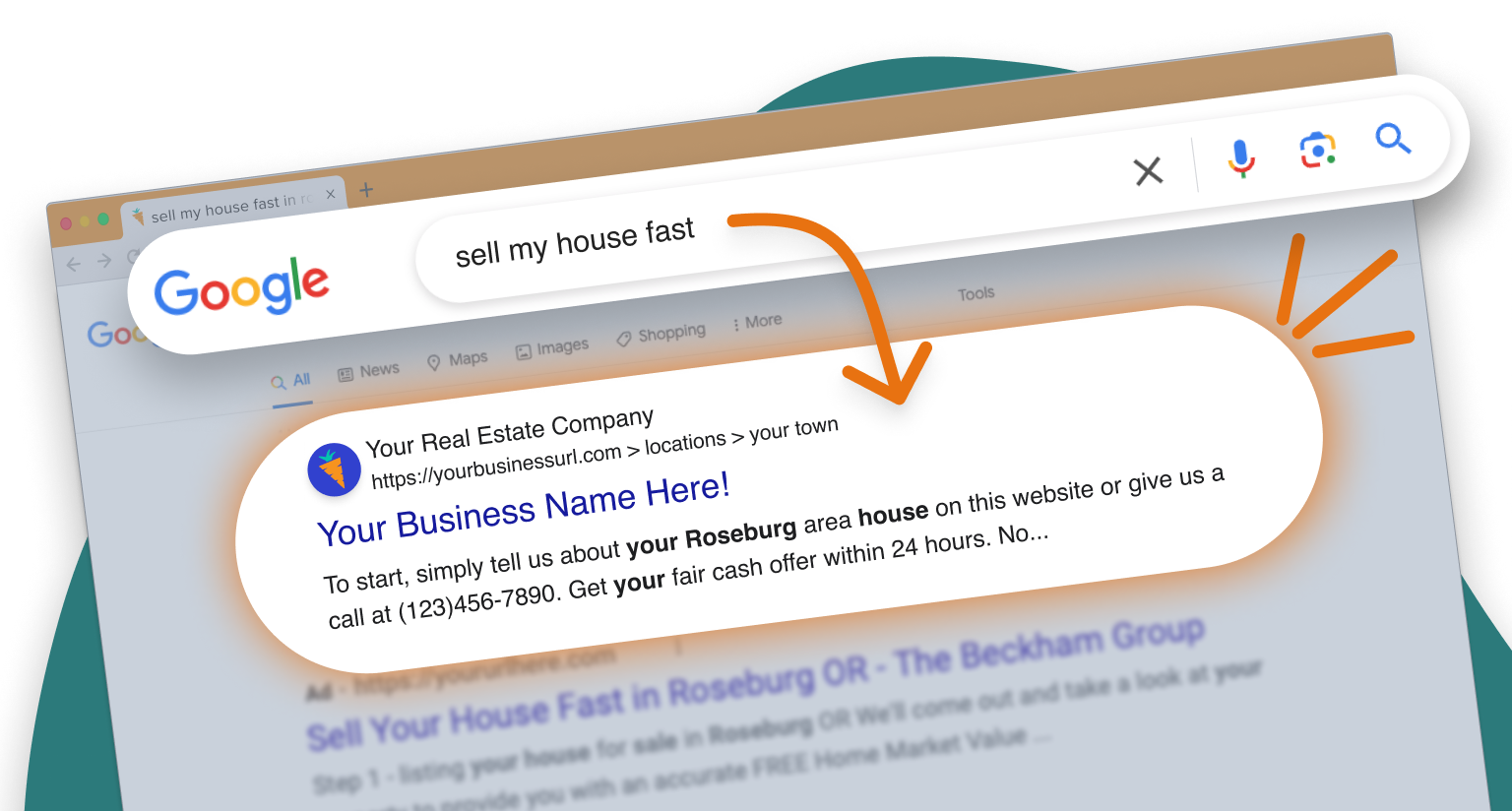


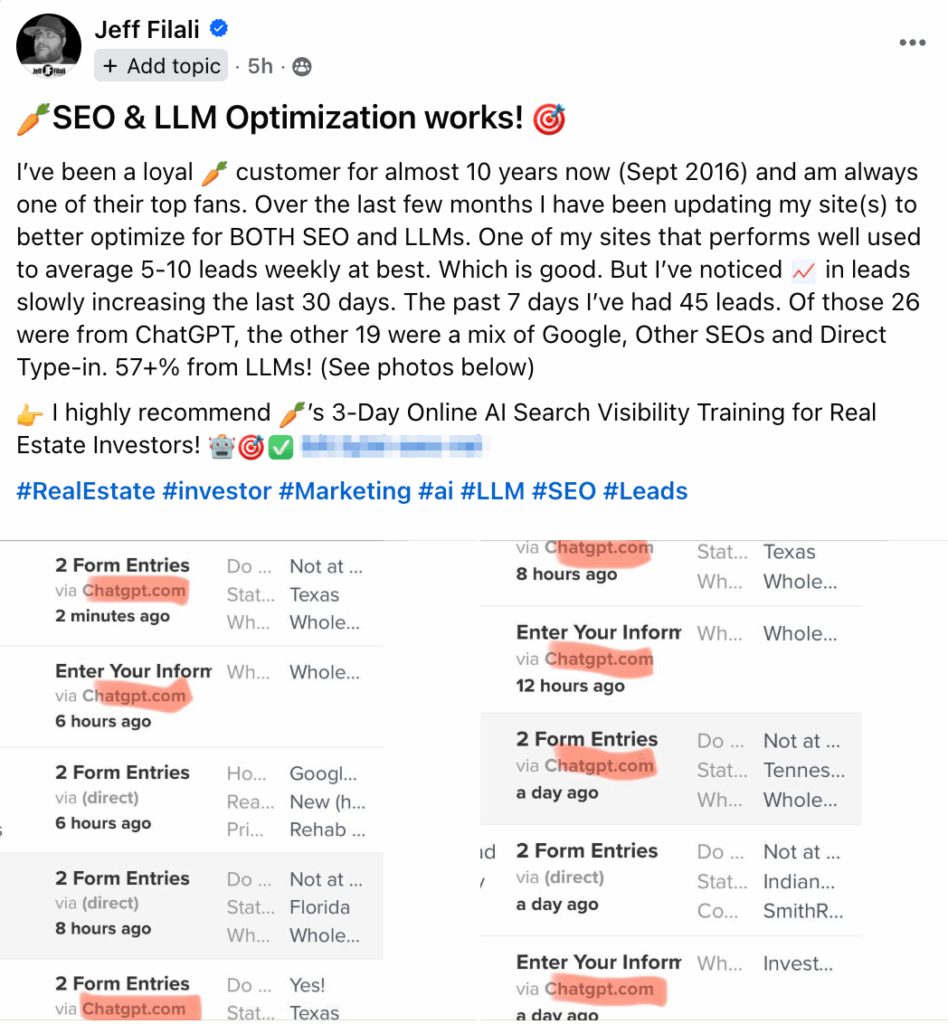
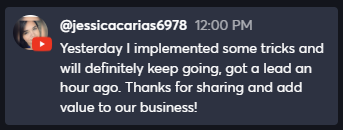
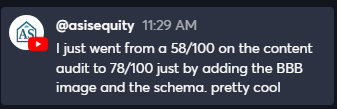

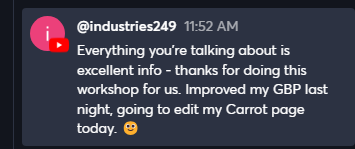
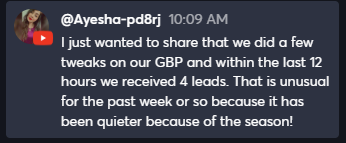

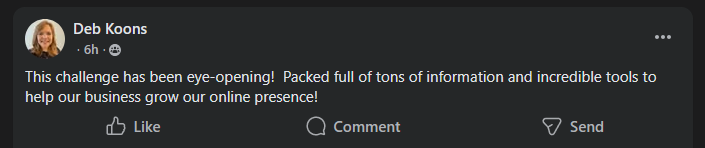

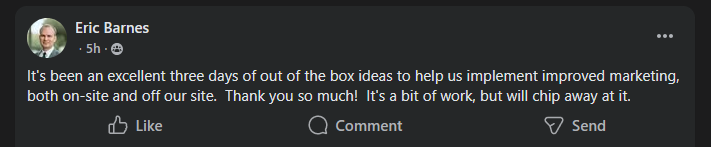





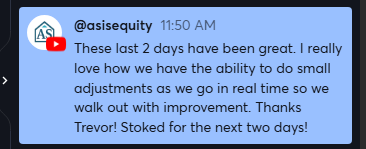

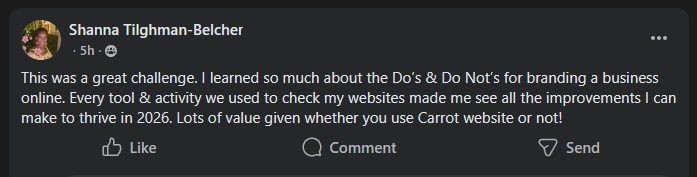

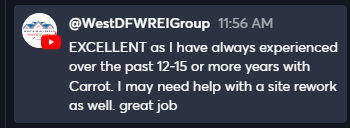





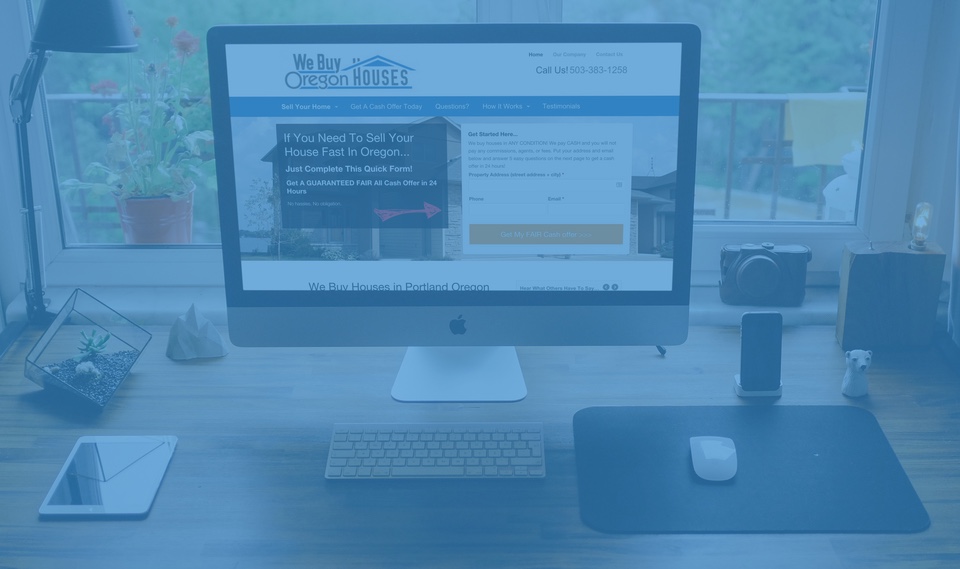

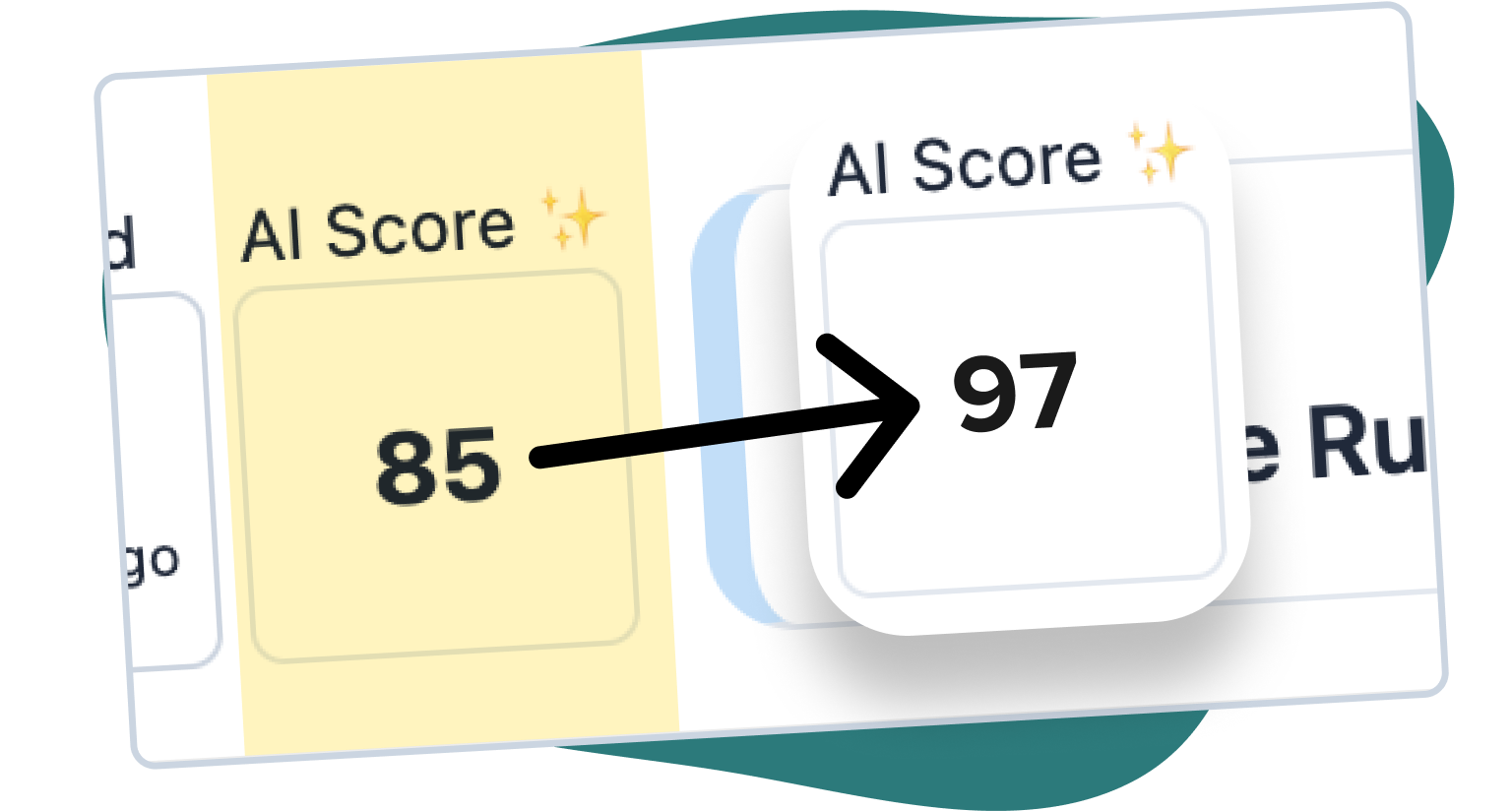
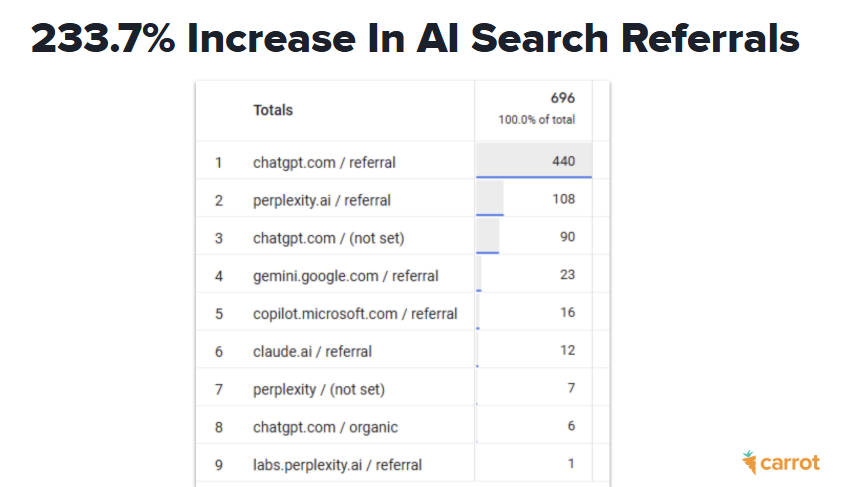
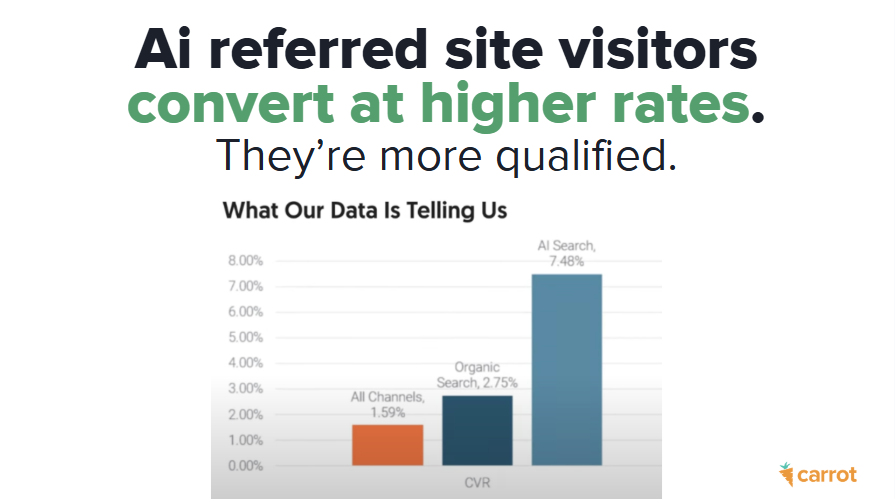
















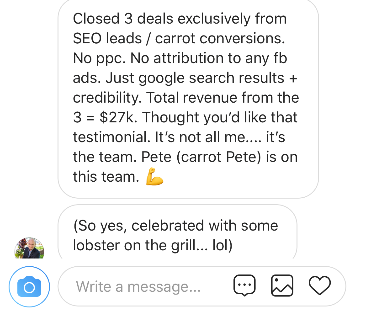
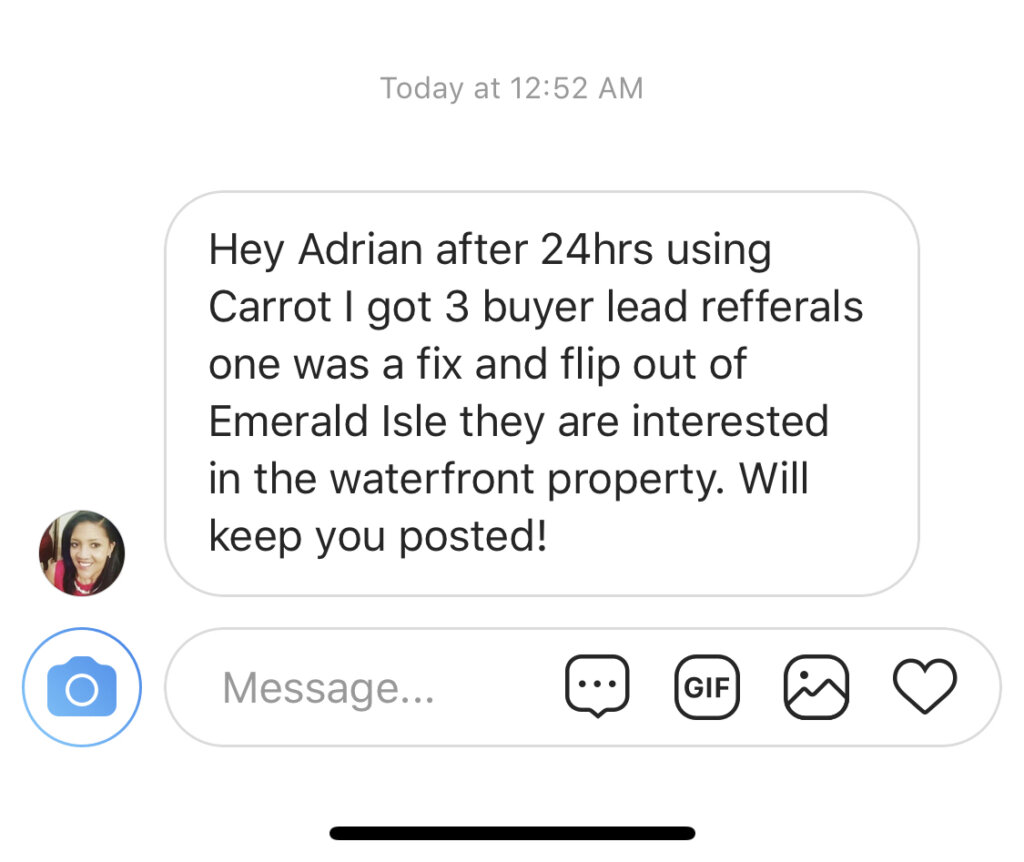


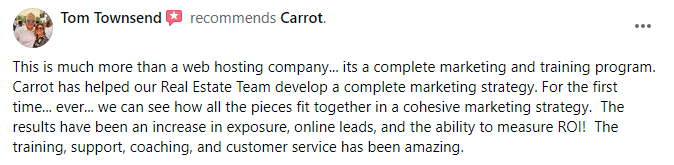
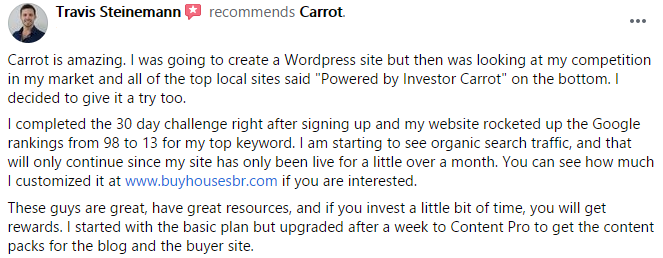



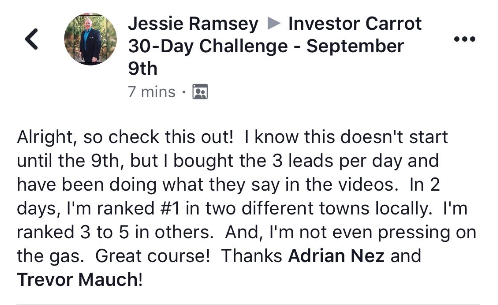
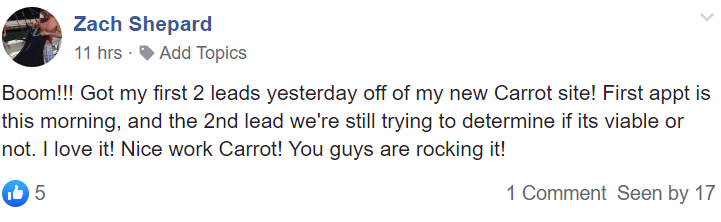
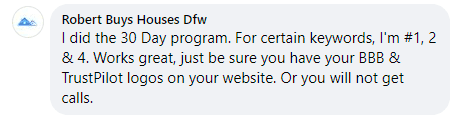
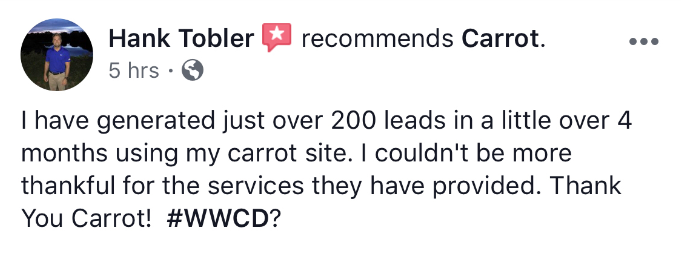
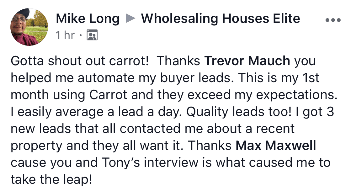
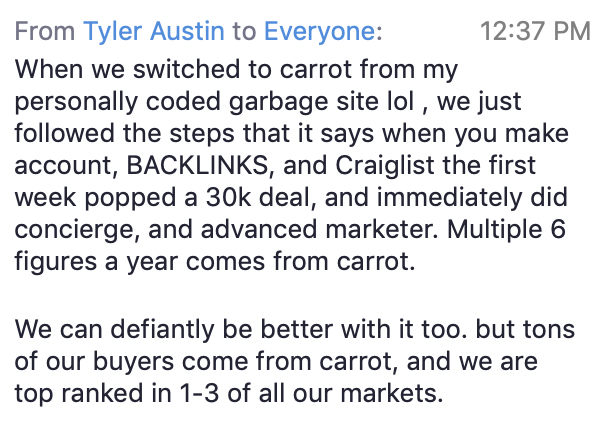
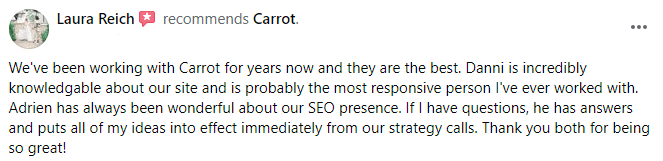
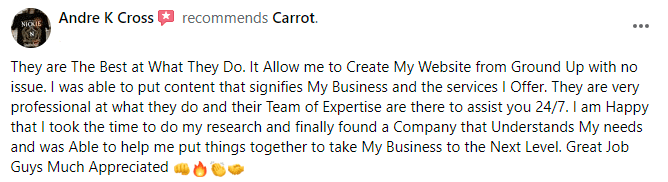





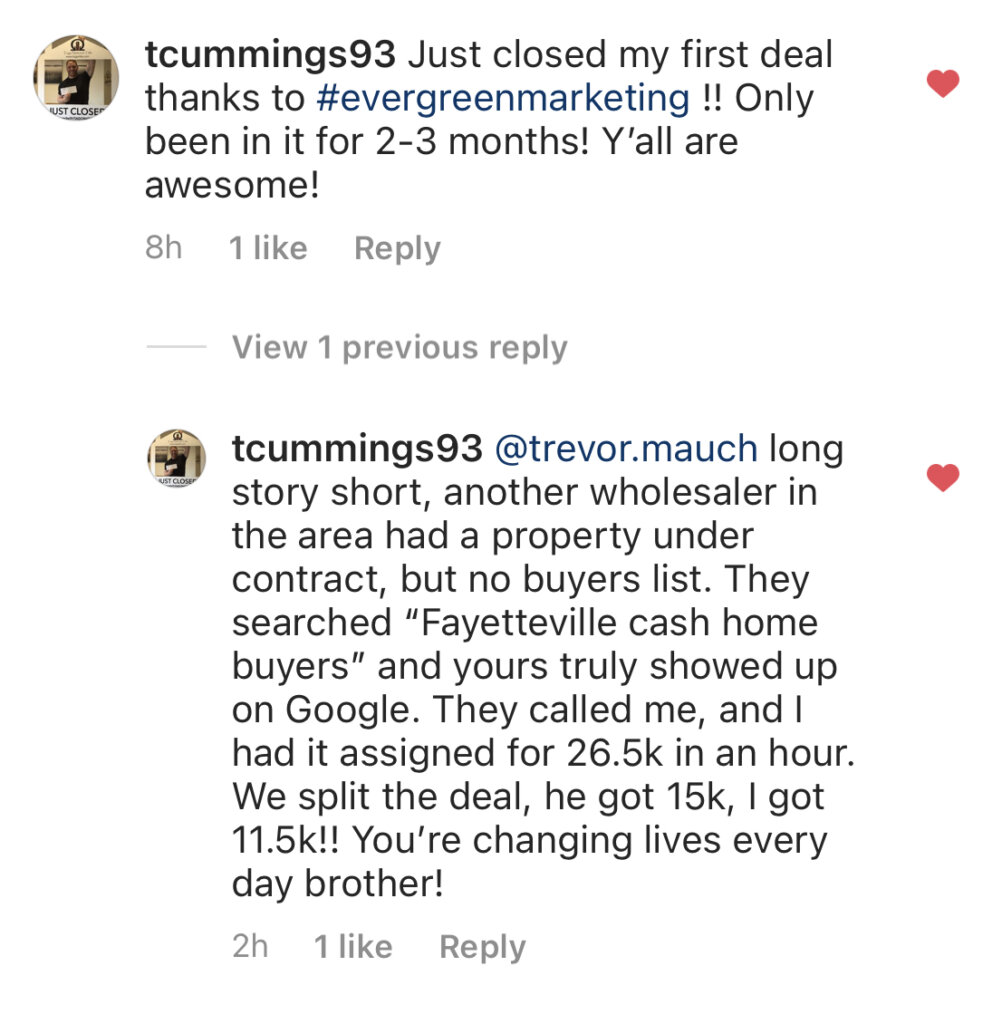
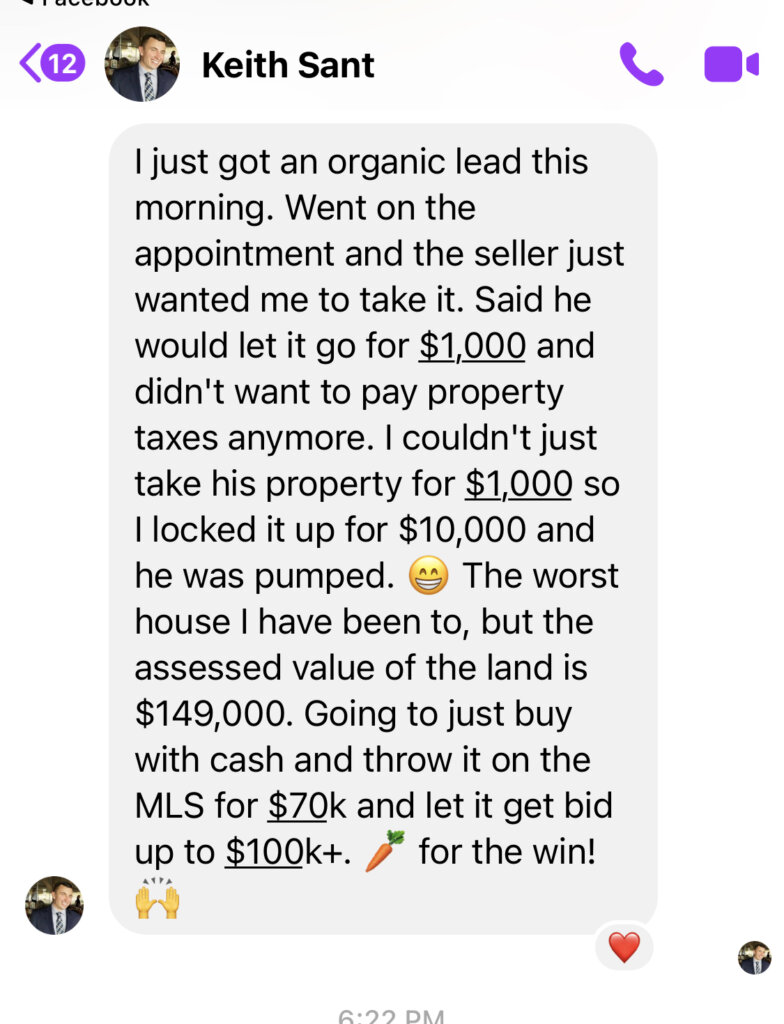
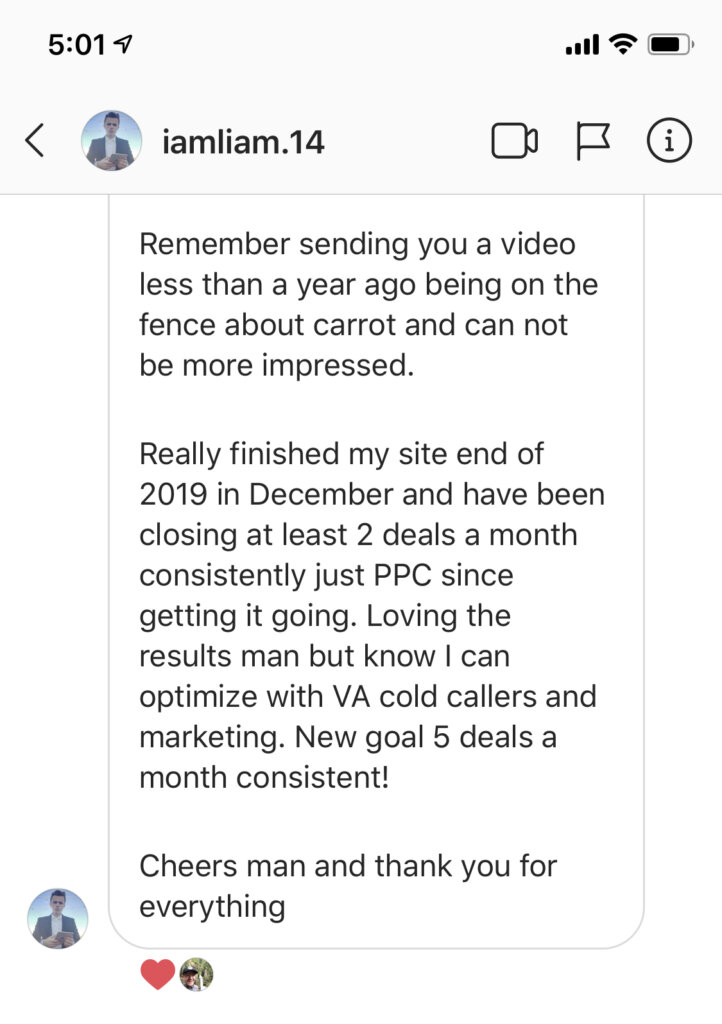
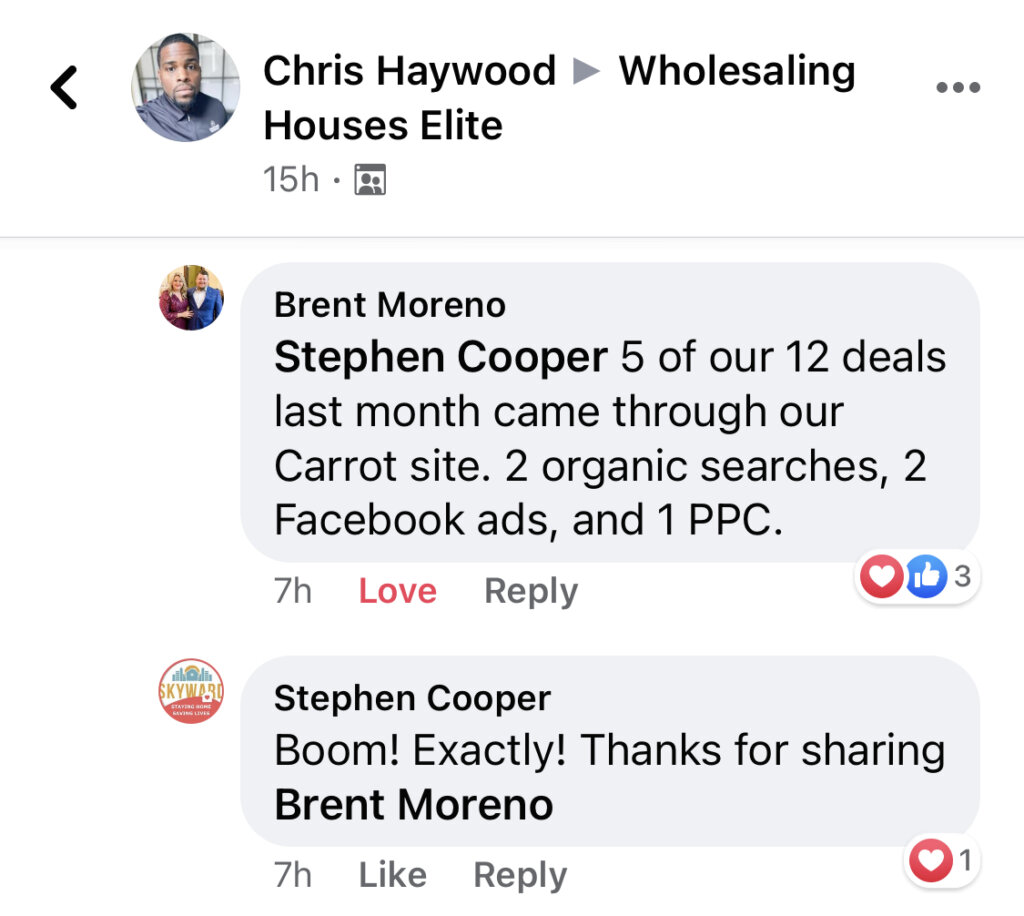
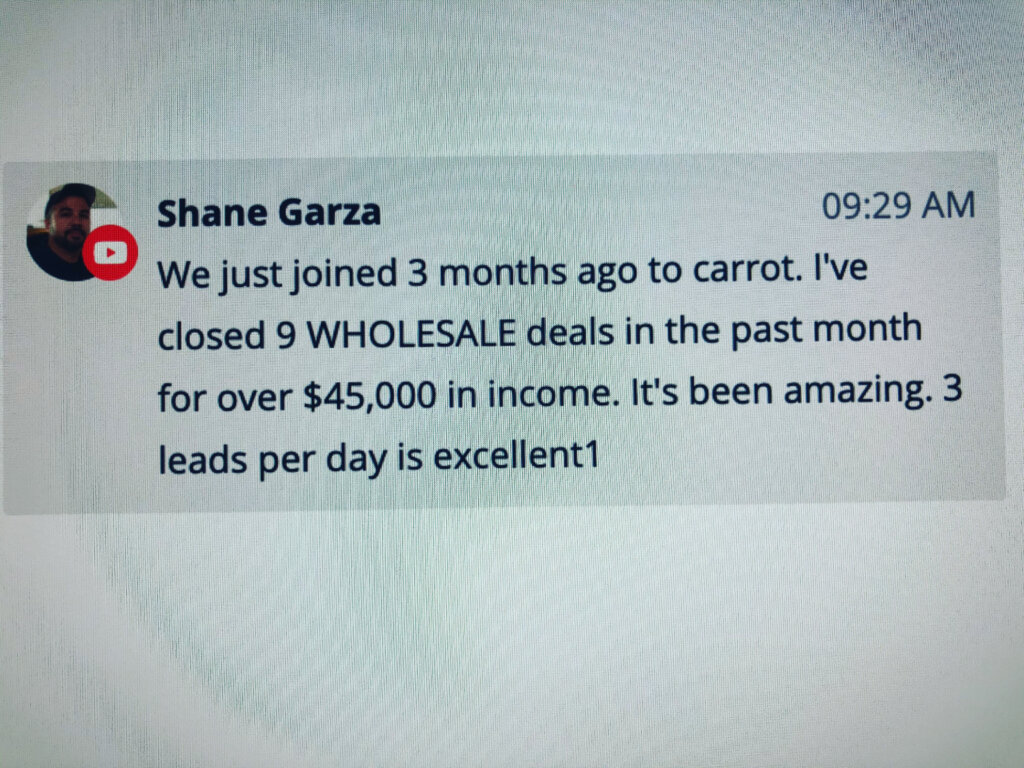
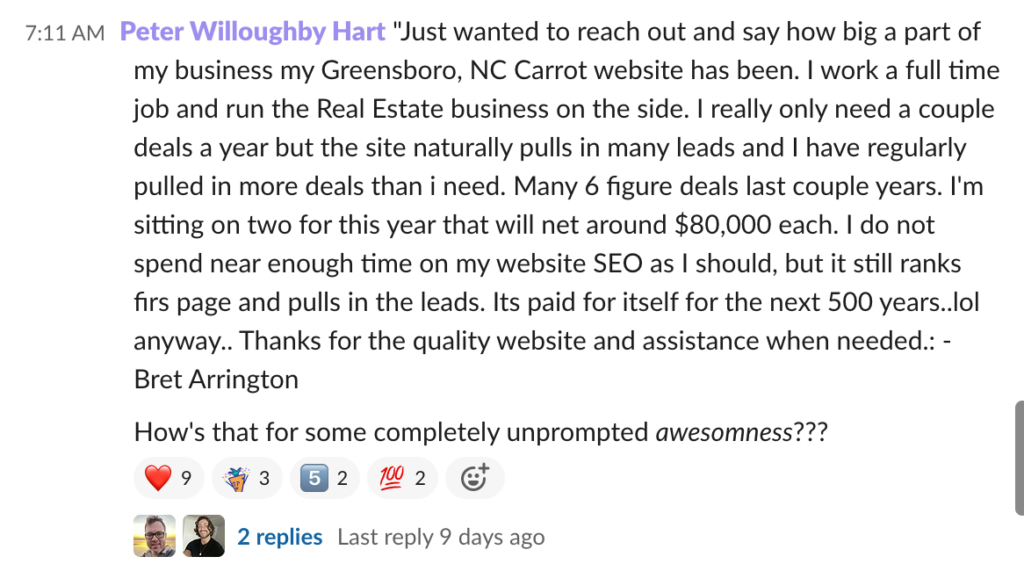
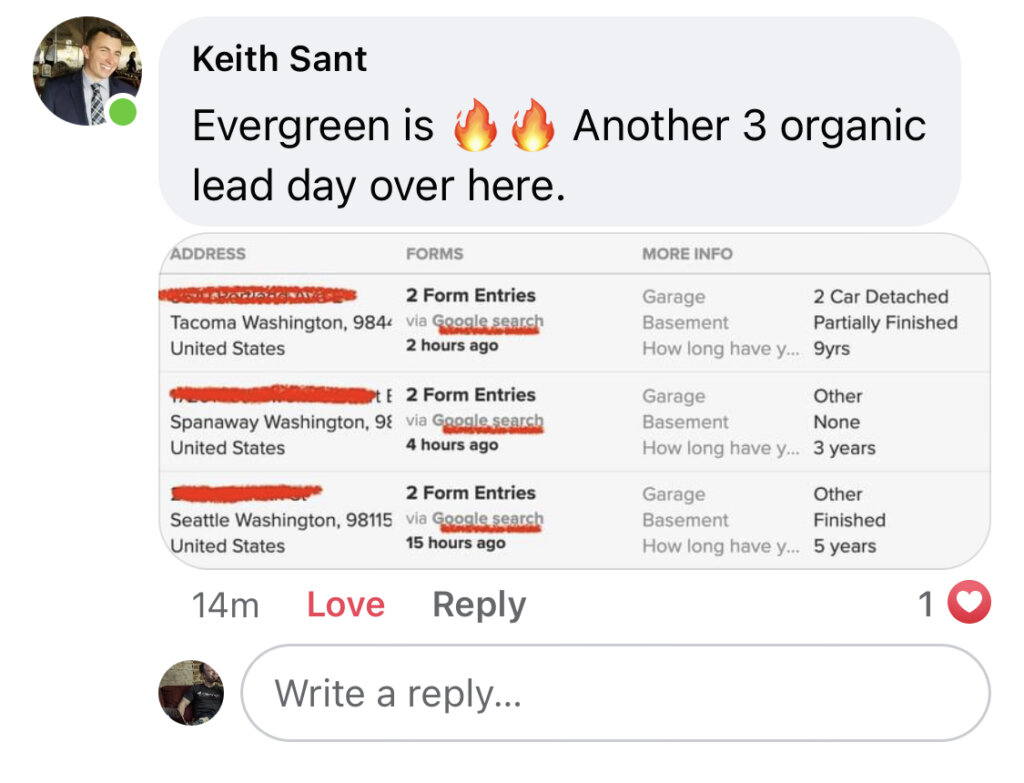
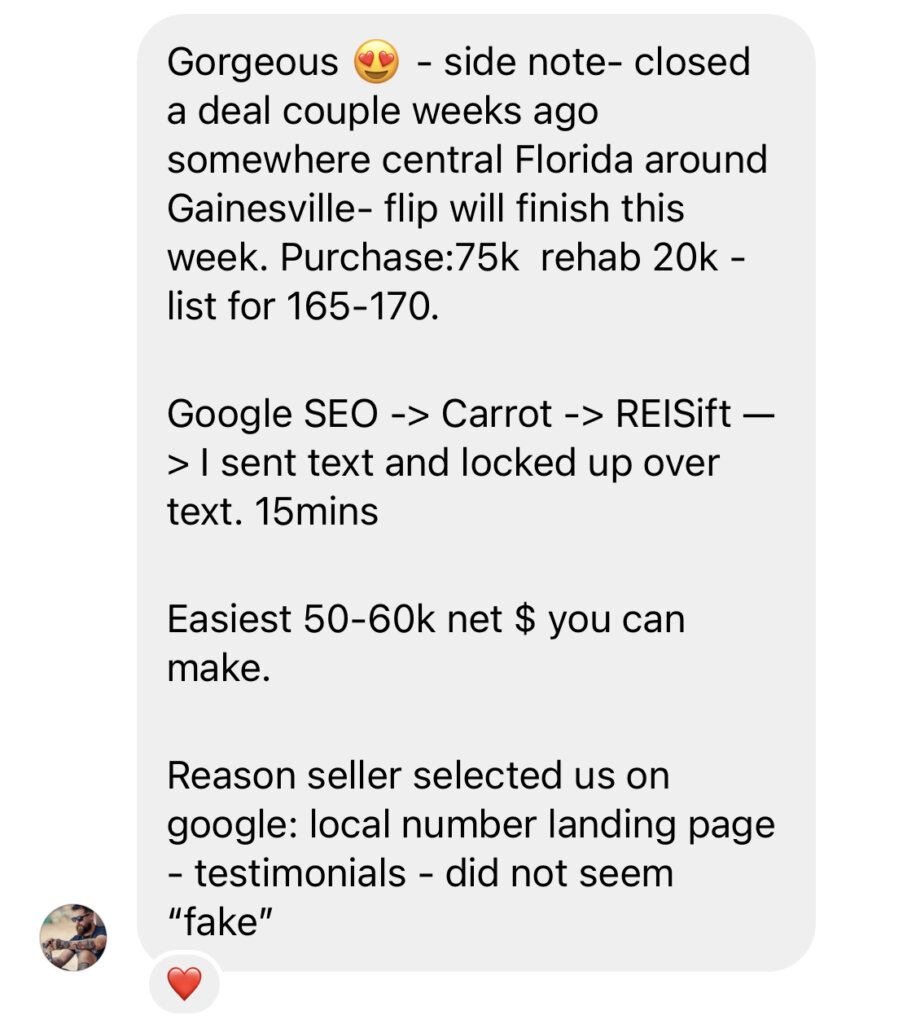









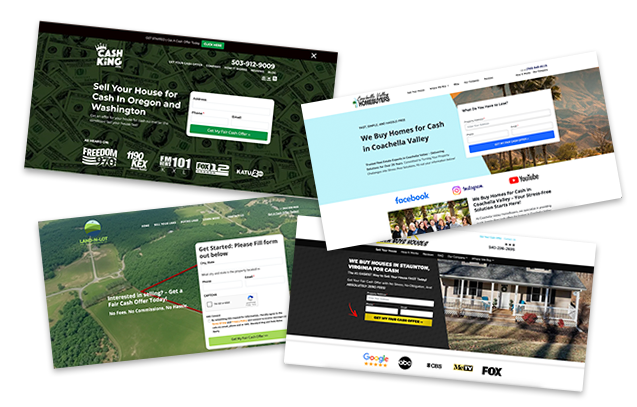
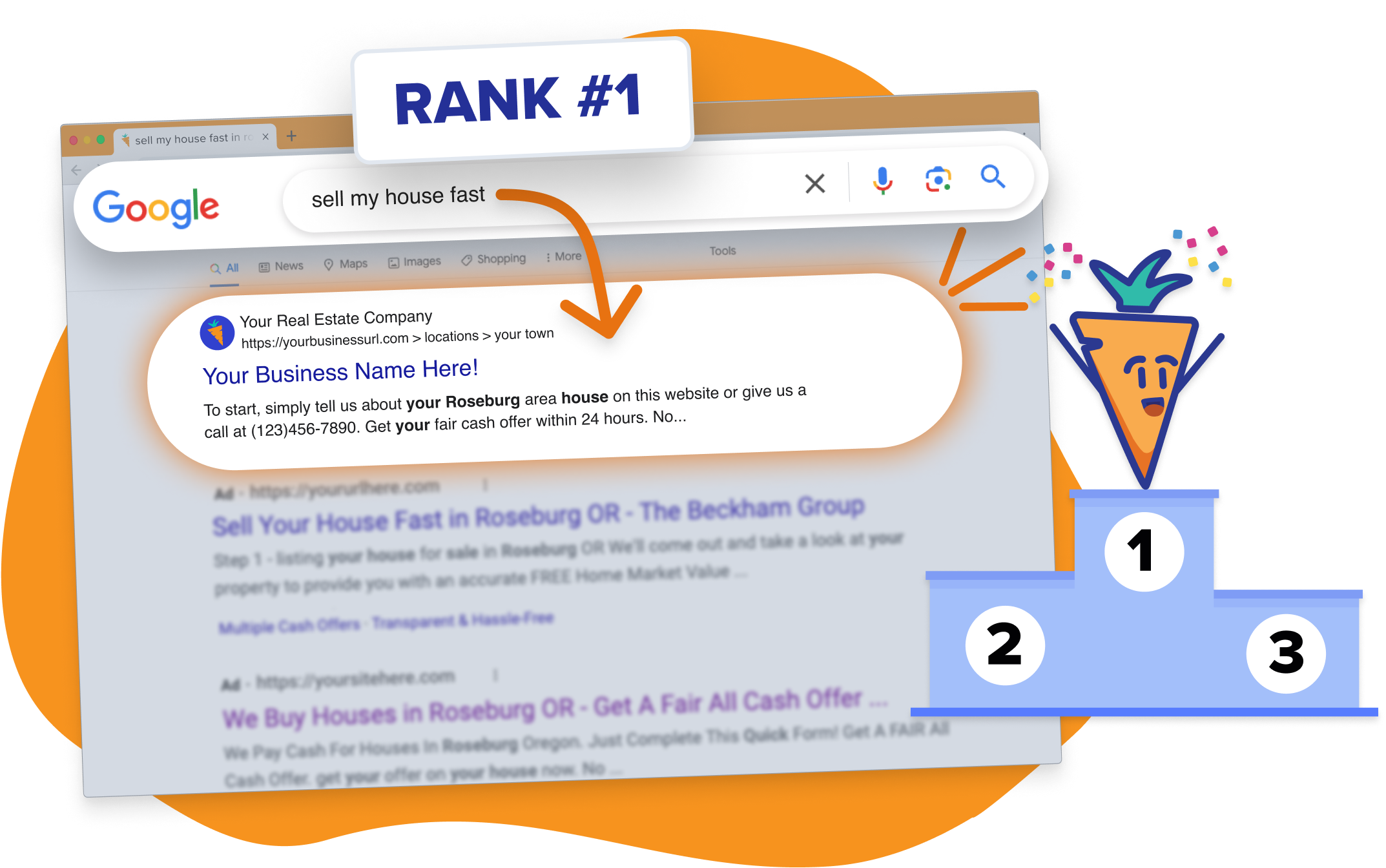






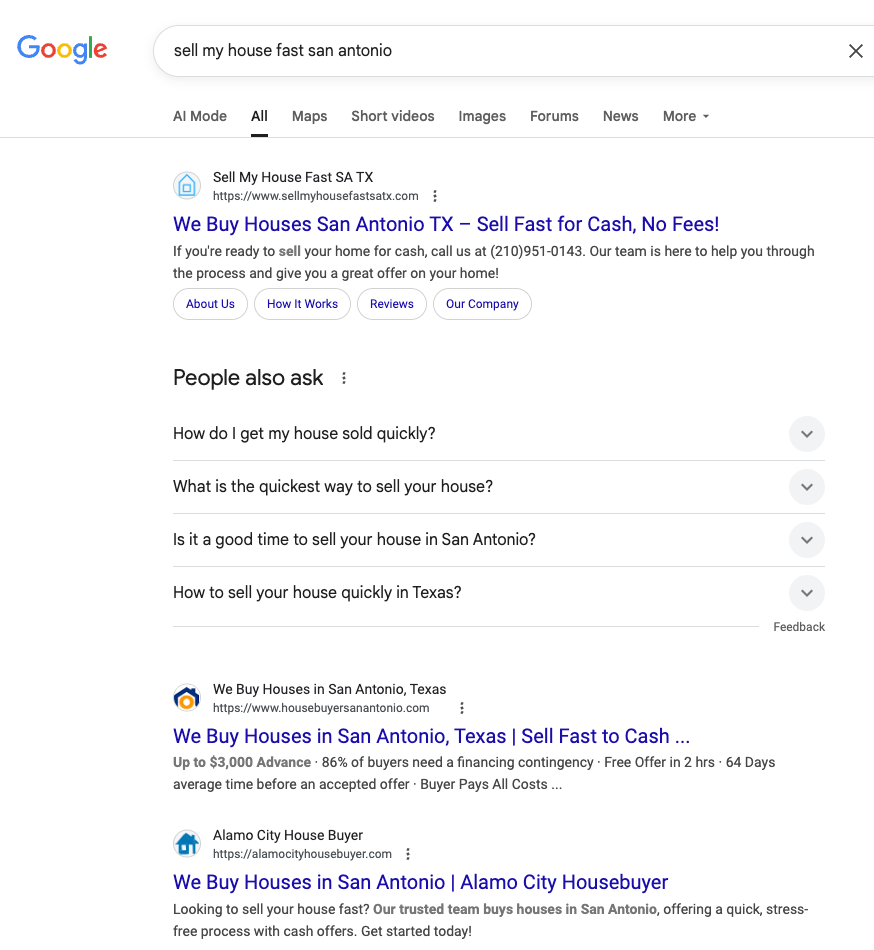
 Their website’s homepage clearly states “We Buy Houses In San Antonio, TX” right in the main headline and “SELL YOUR HOUSE FAST SAN ANTONIO” and similar terms throughout the page. They’re using the exact words & questions people search for, not fancy business language.