Imagine you build a marketing site to pull in buyers, sellers, or investors. Is your website really amazing? Or is it coming up short when the time comes for closing deals and moving people from browsing to clicking to filling out a contact form?
Ever heard of a heat map? We’ll show you how motivated sellers and buyers interact with your website and how to make sure that more visitors are converted into leads while they’re browsing around.
There are two main problems that we often see on real estate websites:
1) The website is a ghost town…getting no visitors, and
2) The website’s visitors aren’t submitting their information.
The first problem is usually solved with SEO content when:
1) The website doesn’t have good, user-friendly content,
2) The content is not optimized to reach the search terms that people in the local market are actually using, or
3) The site’s competitors are ranking higher in a search.
We have many articles and resources that focus on increasing your site traffic by using SEO, social media, and paid ads. But today is all about the second main problem we see.
What are people doing on your real estate website?
You only get one shot to make a first impression, and your website is that opportunity. In fact, it takes about 50 milliseconds (that’s 0.05 seconds) for searchers to form an opinion about your website that determines whether they’ll stay or leave.
Conversions are often overlooked when average people create their websites. Too often they hire designers who focus more on aesthetics than results… those folks need to quit calling themselves marketing experts because they’re artists (most art doesn’t sell).
The following key points can help optimize conversions by positioning your services in clear view so buyers and sellers know what’s available… including credibility that builds trust with potential buyers and sellers… and the rest of the content that can help eliminate fears or uncertainty.
Are you trying to create art or are you trying to get leads?
When you’re setting up your real estate site, it’s not how it looks… but how productive and successful the design is.
Listen, I get in this argument with designers a lot – so please don’t send me a bunch of angry emails about how design matters…I know it’s really important. But honestly? It doesn’t matter if something is “pretty” it doesn’t convert visitors into leads.
One of the many tools that Carrot uses to test out its theories about web design is heat maps. Heatmaps are useful because they allow us at Carrot, and more importantly you as a business owner who has entrusted your hard-earned cash with our system, to measure how successful something on the page will be before we commit any resources towards it. We want to know for sure whether or not what works in theory also translates into reality!
So what’s a heat map anyway, and how can agents and investors use it to generate more leads online?
Back to the point, thanks… in this context, a heat map is a generated picture of where visitors to the website move their mouse and where they click on the page.
Below I’m gonna put a few examples of a heat map that we generated for a user’s site, and give you a few key points on what works so well on this design.
Brittany (the owner of http://sellmybaltimorehousefast.com) sent us a quick email after watching one of our webinars, asking for help getting more leads… we were able to increase the conversion rate by 80+% with just a couple of simple changes.
Check out these heat maps (the site is greyed out, with little points of light showing where people have lingered with their mouse or clicked – the “hotter” the click spot, the more often it’s clicked).
What did you notice on that heatmap?
See all of the bright spots? The green and blue spots are where a lot of people click… indicating things that the motivated sellers felt were really important.
First off, 94% of clicks happen on the top of the page. The vast majority of web visitors to any given site don’t bother to scroll down.
Side note: That statistic is valid across websites in general – on our investment sites, we tend to get about 8 seconds per page on average – 4 times more engagement than average, but still a lightning-fast choice to stay or go. You only have microseconds to reach your target audience – just another reason that your content and design matter so much.
There are a few great lessons to learn right away from this click map….
1) People are clicking in many spots across the homepage. The clicks aren’t just happening in one spot, and visitors to this real estate investing website are finding what they need when they click through for more information. This site is designed specifically with sellers of properties as its audience, so it’s a relief that different types of people – those looking for answers about how they can sell their home, found exactly what they’re looking for on the site!
2) Titles matter. The title of a menu is designed to appeal directly to people who need to sell their house, and this top one has some great ones: “We Buy Houses in Louisville, KY”, “How It Works” and a contact form right on the front page that asks people to put in their address, phone, and email first thing.
3) Visitors want to know about your home buying process before they submit their info. Having a solid “how it works” page can be an integral part of your lead generation strategy.
Have a truly excellent “how it works” page that includes:
A breakdown of your service in a series of simple bullet point steps
Include an informative, personal video
Include testimonials to build credibility and trust
Communicate the benefits they gain by working with you
Here’s an example of a well-thought-out “how it works” page
Where is your credibility on your own real estate websites?
It’s a really common problem that hurts a ton of great real estate agents and investors… when people get to the site they need to have a compelling reason to give over their personal information. Think about it… real estate is the largest investment most people ever make in their lives. There’s no piece of real estate more intimate than someone’s home.
And yet…
So many real estate sites don’t build trust or credibility.
In fact, there are 3 key factors that I wanna mention that are critical to successfully designing a site that converts – and I’ll tell you how we’ve used them to design the Carrot sites like this example that are generating great leads.
Credibility, Content, and Contact
Check out this graphic – I’ve broken down the links on the page into numbers so you can see the percentage of page visitors that clicked on each link type.
Even more great lessons for real estate here…
As you can see, 12% of the clicks are for Credibility, 42% is on the Content (which is written to develop trust and credibility while reducing the fear and anxiety that most people buying or selling a home are feeling), and 46% of the clicks on the home page are actually converting – they’re contacting members using the forms.
Keep in mind that the percentages are recording just clicks on the home page – a lot of other conversions happen on the lead pages that we’ve optimized for the local market. That means that people are most often giving their information over to get a free report, such as a home valuation report, or another valuable tool. 46% of the clicks on the home page aren’t always the main source of leads. It just depends on how the site is being promoted, and where the majority of traffic is directed.
The mix of these 3 factors is critical to a successful lead generation site.
Content is a powerful tool to get your message out, but it needs credibility once people arrive or they won’t contact you.
Content has long been seen as the lifeblood of search engine traffic and so much more for businesses looking to stand out online. However, even though content is king, you must know what happens when someone arrives at their site. What can be done after visitors land on your site in order to make them want to work with you?
BONUS: One Tweak That Could Double Your Conversion Rate
One more thing… this one simple tweak that we did on hero sections doubled conversions… it’s so crazy simple that we were totally surprised that it worked so well.
We actually removed content from the hero sections to move the form up on mobile devices.
Yup, that’s it.
Even after doing this stuff for many years, it’s crazy to see what a big difference such a small change can make.
That’s why we’re constantly testing different sites.
We create websites that give your business the edge with a no-nonsense approach.
We’re all about giving clients an advantage, so we design effective and user-friendly sites to stand out from the competition. We want our work to be as engaging for visitors on desktop or mobile devices alike; you never know what device they may use in order to find your site! In fact, over 60% of Carrot member leads come from mobile.
This Is All Built Into Your Carrot Websites Already!
The best thing about using Carrot is that you don’t have to worry about managing any of the technical aspects. We’re constantly running tests with our members and making tweaks in order to make sure your experience on this platform goes smoothly.
We believe in results over anything else and are continually improving our system to help you get better results.
We’re constantly posting tips, tricks, and techniques we use to improve SEO, conversions and get great results for Carrot members. So if you’re not already getting our weekly blog emails, make sure you sign up now! And if you want a website that truly generates leads for your business, go check out our plans to join Carrot and leverage our marketing knowledge and testing to generate more leads for your own real estate company.
There are a lot of real estate blogs out there on the internet. It’s easy to get lost. To help, we compiled this list of 75 of the best real estate blogs you should pay attention to.
Of course, you don’t have to pay attention to all of them. Pick and choose ones that catch your eye, subscribe, and pay attention to the advice they’re sharing.
We’ve broken this list down into 3 different categories…
We know it’s a little tacky to recommend our blog in this list, but we do try our best to provide investors and agents with valuable and practical advice. Primarily, we focus on topics around real estate marketing — how to find deals through SEO and advertising. But one of our most shared articles was a simple list of high-volume real estate investors who regularly share their secrets on social media. Check it out below!
When it comes to real estate investing, BiggerPockets is the place to learn what you need to know — it’s for beginners and experts. Many of our most successful members — people who own 7-figure real estate investing businesses — started their education on the BiggerPockets blog. They cover pretty much everything… if it’s an investing-related question, it’s probably on their blog.
Fundrise is one of the most popular REITs around right now. And their blog offers tons of helpful information, primarily for new investors. They talk about the basics of real estate investing, the differences between REITs and rental properties, how to understand cap rates, and tons more.
This is a relatively new blog, but it’s great. They provide deep-dive reviews on tools and software in the real estate investing space (even Carrot!). Before you sign up for your next CRM, data manager, or driving-for-dollar software, we highly recommend you check out what they have to say about it.
FortuneBuilders is a website dedicated entirely to teaching people how to become successful real estate investors. Some of their most popular content discusses the importance of curb appeal, how to start and grow a real estate portfolio correctly, and profitable home-improvement projects. Both are just a few examples.
REALTY MOGUL is a popular REIT that focuses on commercial real estate investing. Their blog teaches new investors how to build passive income, manage rentals, and lots more. They also share much practical advice about reviewing quarterly reports and “The Definition of Like-Kind Property in a 1031 Exchange”.
Rather than just being a blog about real estate investing, Landlordology takes us one niche deeper. They teach landlords how to make the most of their property investments. Some of their most popular blog articles talk about the top 10 amenities that renters can’t resist, how to maximize rental income, and how to create a fair and reasonable lease agreement.
Mark Ferguson is a big author in the real estate world. He’s written books about how to build a rental property empire, fix and flip your way to financial freedom, and even negotiate real estate deals (plus lots more). His blog over at InvestfourMore offers great advice for free. He has sections of his blog dedicated to BRRR, wholesaling, finding deals, house hacking, financing, tax advantages, and even advice for agents.
Real Estate Skills offers educational blog articles for aspiring & active real estate investors. Their blog covers various topics, such as driving for dollars, how to fix and flip, contracts, hard money lending, and much more!
Retipster is a website that offers, according to its homepage, “real-world guidance for real estate investors. Their blog will show you how to write killer ads for your investing business, where to post your real estate listings and lots more. This is a site worth paying attention to.
Danny Johnson fix-and-flipped his way to financial freedom. And on his blog, Flipping Junkie, he documents his journey and shows readers how to do the same. Some of his most popular articles discuss how to dominate a wholesaling market, 27 tips for a successful house flip, why many wholesalers aren’t appreciated, and more.
The College Investor is a large blog that offers advice to college students and millennials on how to get out of debt and build passive income. Their most popular content focuses on
CleverInvestor is a content-heavy website that helps people “crush real estate investing.” Some of their content focuses on practical investing advice. Still, a good chunk of it discusses how to muster a successful mindset — from getting rid of perfectionism to learning to be creative and becoming a better leader.
Robert Helms and Russell Gray have shared real estate investing advice since 1997. Their podcast, The Real Estate Guys Radio Show, is one of the most downloaded podcasts on iTunes under the investing category. Their blog is great, too. They talk about how investors can keep afloat during disasters, the differences between Bitcoin and real estate, and lots more. Their advice is practical, real-world, and seasoned with experience.
RealWealth is a large website with tons of helpful content. Their blog covers topics ranging from how to grow a real estate investing business during COVID-19 to financing options, bookkeeping, and property management. They also host webinars, live events, tours, and strategy sessions. If you’re a real estate investor — or an aspiring one — RealWealth can help.
Ryan Dossey is a young and successful real estate investor. He owns more than 145 properties at a valuation of $8.8 million. He’s teaching people how he did it through his blog and YouTube channel. He even has a free e-book showing how he added 150 units and $9 million worth of assets to his portfolio using the BRRRR method. Go check it out!
Ben Leybovich found massive success as a real estate investor after he and his family moved to the U.S. from Russia. He’s been featured on Grant Cardone’s podcast, BiggerPockets, and Huffington Post. His advice is honest, practical, and easy to implement.
Joe Crump has been an active real estate investor since 1986. His blog teaches people how to flip properties, build portfolios, and systematize their business. That last point is one of his strongest, and we enjoy his content, which discusses the processes and tools for automating an investing business.
Call Porter is a service dedicated entirely to answering the phone for real estate investors — primarily to speak with motivated sellers. Their blog provides lots of free advice about how to grow your investing business to support your lifestyle, not just financially but also time-wise. Some of their most popular posts talk about how to build a long-distance investing business and what successful investors do differently than everyone else.
1-2-3 Flip is a site that provides real estate investors with tons of free value. More specifically, they focus on helping aspiring house flippers to start living the fix-and-flip financial dream. Their blog primarily provides real-time updates on their investing journey, with no shortage of practical lessons for the newbie investor. But they have tons of other resources on their site besides the blog. Go explore!
The Broker List is a website geared toward commercial real estate investors. Their blog explains how net operating income (NOI works, different reasons for hiring a commercial real estate professional, and even content creation tips. If you operate in commercial real estate investing, this blog is where you’ll want to spend a little time.
REItips is a site that offers exactly what it sounds like: real estate investing tips! Their content has a unique, slightly playful tone, but once you get into it, there’s a lot of meat on the bones. Some of REItips most popular articles talk about how to quickly find cash buyers and how to find money lenders to fund your next deal.
Brandon Turner became a successful real estate investor in his twenties, which totally changed his life. His blog aims to educate young people about how to start investing in real estate, build financial freedom, and craft an empowering mindset. He tells many stories from his own experiences, which makes his blog all the more engaging.
Mobile Home Investing is exactly what it sounds like. This site helps people who want to build a business around investing in mobile homes. The advantage of this method is that it’s usually a lot cheaper than investing in full-sized homes (although you sometimes have to sell them to a cash buyer). Some of this site’s most popular articles talk about how to buy mobile homes when the land is included, how to navigate COVID-19, and even how to deal with the effect of freezing weather on your properties.
BawldGuy Investing is a great site for learning about creating retirement income, notes, and cash flow. The website says: “At BawldGuy Investing, we’re not about hoarding knowledge for ourselves. We want you to be as well-informed as you want to be about the real estate investing world. Plus, we love sharing our favorite tips and best practices that we’ve gathered from decades of experience in the financial industry.” Some of their most popular articles discuss note income, debt elimination, and creating income streams for retirement.
This site was founded and is managed by Sensei Gilliland, a title he intentionally selected to illustrate that discipline of the mind is critical for successful real estate investing. The site’s most popular articles discuss how to profit from real estate, thrive in the new economy, and turn every lead into a deal. Those are big promises, but Sensei Gilliland’s advice is undeniably helpful.
We know it’s a little tacky to recommend our blog in this list, but we do try our best to provide investors and agents with valuable and practical advice. Primarily, we focus on topics around real estate marketing — how to find deals through SEO and advertising. But one of our most shared articles was a simple list of high-volume real estate investors who regularly share their secrets on social media. Check it out below!
Forbes covers just about every business and entrepreneurship topic under the sun. Real estate is no exception. Forbes has an entire section of its blog dedicated to reporting on critical industry news, nationwide real estate market shifts, and pertinent advice from real experts about building a business in different types of markets.
McKissock is a website dedicated entirely to real estate learning. They teach people how to get their real estate license, inspect homes professionally, survey land, engineer properties, and even manage banking loans and licenses. Their blog has a lot of content that offers free value for real estate agents. See some examples below!
Housing Wire is a massive online publication that provides real estate agents and investors with updates and advice on the current real estate market. They are particularly adept at providing their readers with real-time relevant news, such as how Coronavirus will affect FHA lending, why specific housing markets favor buyers, and how Bank of America now allows borrowers to pause their mortgage payments.
Inman is one of the leading voices regarding real estate market updates, advice, and education. And for a good reason. They consistently provide valuable content for natural estate agents and investors alike. Their most popular content tends to revolve around recent shifts in the real estate market.
Redfin is a massive online website that offers advice to homebuyers, home sellers, and agents. They provide real-time market updates and tips on buying or selling a home for the best deal. Agents, investors, homebuyers, and sellers will find value in the Redfin blog. Check out some of their most popular articles below!
The New York Times has an entire website section dedicated to real estate news, advice, and stories. Much of their content updates thriving or struggling markets in and out of the U.S. They also tell the stories of agents and investors who’ve found massive success in a particular area or with a particular type of transaction. It’s worth subscribing so you get notified when they publish new content.
We love the Realest Blog because it offers practical advice to real estate agents and investors about how to run their businesses, make profitable investments, negotiate, optimize home value, and more. Their advice is helpful, to the point, and clearly provided by people who know what they’re talking about.
The Close is another gem that every real estate agent should check out. Some of their most popular articles will help you generate more leads with your open houses, give you ideas for what content to share on social media, what hashtags to use on Instagram and Twitter, and tons more. The Close’s content is wicked practical, and every article goes above and beyond to give the reader real value. You don’t want to miss this one.
Jason Fox has been serving in the real estate industry for 15 years. He’s even helped hundreds of real estate agents and investors personally with their online marketing. And he shares his expertise on his blog for free. Mostly, his blog talks about how to market your business as a real estate agent — how to name your business, how to use SEO for lead-gen, and how to create a logo, for example). If you want some help with your online marketing, this blog is a great place to browse.
Cornerstone Home Lending’s blog is an excellent resource for real estate agents. They talk about the benefits of buying rather than renting, how to win bidding wars in a hot market, and how to make the most of today’s market. Their content is always practical and concise. Check out some of their most popular articles below.
Sotheby’s International Realty blog can undoubtedly offer some inspiration and roundabout advice for real estate agents who focus on helping clients sell and buy luxury homes. Primarily, this blog offers stories and examples of luxury homes that are currently on the market or have recently sold. It’s a great place to stay updated about what’s happening in the luxury real estate market and get ideas about how to grow your business.
The Geek Estate Blog is a simple low-key website that offers a fresh perspective on the current real estate market, new and upcoming tools, and and how popular culture is impacting real estate agents and investors. They answer common questions that agents and investors face: “Should landlords include internet service as an amenity?” — and they offer advice about how to navigate different types of markets.
Realty Biz News is a real estate news-focused website that offers consistent value to agents and investors who want to keep pace with the times. For example, they’ve recently written about how Amazon wants to work with property managers, how to pick the best lighting control system for a smart home, and why renters prefer virtual tours. Check out their most popular articles below!
Keeping Current Matters is a real estate blog that discusses precisely what its title suggests: current events and how they impact the real estate market. Some of their most recent articles discuss how low inventory may impact the housing market this coming fall, for instance, and why the surging real estate market continues to climb. Check out some of their most popular articles below!
Experienced real estate agents and veterans will find particular value in Notorious Rob’s blog. On it, Rob Hahn, the Managing Partner of 7DS Associates, shares his unique perspective on current events and how he expects they’ll impact the real estate market. He also shares advice about growing in all types of markets. And the best part is, you know, the advice comes from someone who’s done that. Check out his most popular posts below!
Commercial Property Executive is a significant online media source for real estate investors and agents. They cover current events impacting the worldwide and nationwide economy, tell the stories of real estate professionals doing remarkable things, and provide advice on how agents and investors can navigate growing a business in uncertain times. Check out their most popular articles below!
The Spark is the name of AgentFire’s blog, where they discuss everything related to real estate marketing. That includes Instagram marketing, resources for running Facebook ads, top online real estate schools, brand positioning, and lots more. Each of their blog posts offers honest advice about a very specific topic. Check out some of their top content below!
The Real Deal is a significant and often-updated publication that discusses the current events surrounding real estate in New York. Much of their content revolves around different celebrity investments (Trump and Kushner, for instance) or drama, but — especially if you live in New York — it can be a helpful resource for keeping your fingers on the pulse of the real estate market.
The real estate section on Market Watch is flooded with updates on the economy, big-business transactions, and wise investments. They’re discussing how buyers and sellers deal with record-low mortgage rates and how other global events impact the real estate market. This is an excellent resource for staying updated on what’s going on in the nationwide economy.
Homelight is a massive online website that helps buyers, sellers, agents, and investors. You can check out some of their most popular articles below. As for resources that help real estate agents, recent Homelight content lists tools for top agents offers advice on pre-qualifying sellers, and shows agents how to deal with buyer and seller objections. We believe Homelight has one of the best real estate blogs on the internet.
The World Property Journal is a large media outlet that publishes world, residential, commercial, and vacation news. In other words, they discuss everything from how to do good real estate deals and grow a business to the current state of the U.S. economy. This is an excellent resource for staying updated on real estate in the U.S., your state, and even overseas.
RISMedia is an online publication that offers a fresh perspective on tips and tricks for real estate agents, buyers, sellers, and investors. Their most recent article, for example, discusses acting advice that can help sell homes. Their content is fresh, practical, and entertaining all at the same time. Check out some of the best articles below!
There’s a big difference between a real estate blog written by a novice and one written by a true expert and veteran. The Miller Samuel Inc. blog falls into the latter category. With content that dives into more detail about real estate than any other blog on the internet, this is a true gem and one we highly recommend subscribing to. Miller Samuel Inc. talks about the current state of the nation’s biggest markets, the agent and investor mindset, and how to build a successful real estate business. Check out some of their most popular articles below!
Eye On Housing is arguably one of the best places for real estate agents to get nationwide real estate data. They primarily publish original data and reports about topics like the average amount of time it takes to build a single-family home, refinancing gains, the percentage of homes that are concrete framed, and tons more. While it might not be the most exciting content in the world, it can be helpful when trying to get an idea of the bigger picture. Check out some of their most popular articles below!
Interested in learning more about the lifestyle of building a successful real estate business? Want to change your mindset? Want to build better habits? Want to be more grateful? These blogs can help!
On Afford Anything, Paula Plant shares her real estate investing journey, offering her opinion and expertise on the investor mindset, the math behind the madness, and specific controversial topics (such as “Renting is Throwing Money Away… Right?). She specifically focuses on teaching people how to use real estate investing to escape the 9-5 grind that all entrepreneurs fear.
The Lighter Side of Real Estate is exactly what it sounds like; it’s a media outlet that’s focused chiefly on producing entertaining content for real estate professionals as well as homeowners, buyers, and sellers. But their content is pretty entertaining. If nothing else, it’s a great place to get ideas for what to post on your blog or social media profiles. Check out some of their most popular articles below!
The Penny Hoarder site is dedicated to helping people make more and save more. Not only do they discuss easy and simple ways for people to improve their financial situation, but they also have quite a few articles that discuss real estate investing (since it’s one of the best ways to make money!). And the best part is that their content is super practical. We recommend subscribing to this site so you get updated when they publish new content. Check out some of their most popular articles below!
Stefan Aarnio is regarded as one of the nation’s best, most successful real estate investors. And his website is dedicated to helping other investors build successful businesses. Stefan’s blog offers practical real estate investing advice and mindset-shifting content. Check out some of his most popular articles below!
Fox Realty is an agency that helps people buy and sell homes in Santa Cruz, California. Their blog offers real estate advice to buyers, sellers, agents, and investors. Their blog is unique in how they interview other business owners in the Santa Cruz area. Check out some of their most popular articles below!
Tom Ferry is one of the leading voices in the real estate industry. He consistently posts blog content on topics such as… how to prepare for an economic downturn, habits of successful agents, and even lessons he learned after turning 50. His blog offers a wealth of knowledge that agents and investors should consider. Check out some of his most popular articles below!
Katie Lance is a speaker, writer, and coach who’s been in the marketing industry for over 20 years. But to narrow down, she now primarily offers her expertise to real estate agents and investors trying to improve their social media marketing game. And that’s exactly what she talks about on her blog. Check out some of her most popular articles below!
Kevin Ward is the founder of YesMasters, a self-proclaimed “NO B.S. REAL ESTATE SUCCESS COACH.” His blog lives up to that promise. He offers advice on how long people should practice scripts before prospecting, what you need to succeed in real estate, how to make money in a market crash, and lots more. Check out some of his most popular articles below!
Grant Cardone is a famous real estate investor, speaker, and coach. He teaches people how to “10x” their income and their life. He’s trying to help people live more exciting and remarkable lives. His blog is dedicated to discussing topics such as… how to stay positive in negative times, the real value of money, how to create a healthy company culture and lots more. We recommend following his blog!
Dottie Herman is a well-respected real estate professional, leader, and coach. On her blog, she’s notorious for discussing lifestyle topics such as how kindness is contagious, why gratitude is powerful, and how to create lasting momentum. If you need some positive vibes mixed with practical real estate advice, then look at Dottie Herman’s blog. You can check out some of her most popular articles below!
Fancy Pants Homes is a large real estate blog that primarily focuses on displaying and discussing celebrity homes, providing real estate news, and offering tips for homeowners, buyers, and sellers. It has the vibe of a real estate lifestyle blog… as its most popular content revolves around frivolous topics (like the state of Edward Cullen’s house). Still, Fancy Pants Homes is undoubtedly a place where investors and agents can get inspiration, learn new things about the real estate market, and maybe even have a good laugh.
Funky Junk Interiors is a unique blog with a clear mission: teaching people how to furnish, landscape, and fix their homes using nothing but salvaged junk. And believe me… it’s incredible the things that Donna (the owner of the blog) is building with other people’s trash. If you want creative ideas for decorating or furnishing your home… or even if you just want to learn how to edge a flowerbed or build a walkway from scratch, you’ve got to check out this blog!
RentCafe is a blog that helps tenants with all sorts of problems — from keeping your dog from barking to finding an apartment during the pandemic. Some of their most popular articles talk about apartment building trends, top financial centers, and how world events impact the housing market. Check out those articles below!
Curbed is a massive media site covering business, news, finances, food, and much more. But they also have a real estate section. They discuss astounding home renovations, investment news, international real estate updates, and more. You can see some of their most popular articles below.
Unlike most blogs we’ve discussed, AppFolio creates content for property managers. They talk about insightful topics such as apartment living in 2080, what investors should expect from Gen Z, and educational content such as how AI and Covid-19 impact property management. If you’re a property manager (or you have property managers), this blog is worth keeping tabs on! Check out some of their most popular content below.
Lab Coat Agents is a site “exploring the science of real estate.” But the best part is that they share that science with their readers. Primarily, they create content geared toward real estate agents. Their blog posts teach agents things such as creating a sense of urgency in the listing appointment, creating dynamic content on Instagram (for lead-gen), and getting 5-10 listings on a limited budget. Check out some of those posts for yourself below!
Inhabit is a website that covers real estate news from the most lucrative markets in the country. They report news from South Florida, New York City, Scottsdale, San Diego, and more. This is a great blog if you’re operating in one of those markets. Check out some of their most popular articles below!
BombBomb offers software that allows businesses (especially real estate businesses) to communicate with their leads and clients. In their own words, they are “building relationships through video to create more opportunities in email, text, and social media.” Some of the most popular articles on their blog talk about choosing video equipment for your real estate business, Facebook and Instagram real estate social media influencers, and open house ideas for growing your business. Check them out below!
The C4D Crew is a site passionate about helping people purchase homes in non-traditional ways. They specifically help people in Minessota, but much of the advice on their blog applies to real estate investors and agents in other markets. Some of their most popular articles discuss home maintenance tips, curb appeal upgrades, and how a landlord can take care of pipes and plumbing. Check them out below!
The Lighter Side of Real Estate blog discusses deceptively helpful topics conversationally and excitingly. Sprinkled between listicles with funny memes are practical articles about how to stage a home and install a shower. That’s what makes this blog great. All at once, it’s entertaining, fun, engaging, and genuinely helpful. check out some of their most popular articles below!
Ideal REI is a site for real estate investors that offers how-to content on the management of out-of-state rentals, raising cash for property investments, improving the value of a rental property, and more. They also offer a free 5-step system for investing in real estate. Supposedly, it’s the same system that the owner of Ideal REI used to acquire 480 units. Check out some of their most popular articles below!
BoomTown! is a site with tons of resources for real estate agents. They’ll teach you how to promote open houses on Facebook and Instagram, use Google to drive traffic to your website, and much more. Check out their blog if you’re a real estate agent trying to generate leads through social media!
Here’s how REAL Trends describes itself: “We are a privately-held publishing, consulting, and communications company based in Castle Rock, Colorado. Residential real estate leaders look to us for timely and trusted information and analysis through our monthly newsletter, news updates, conferences, and publications.”
More specifically, the REAL Trends blog talks about how to negotiate property prices, find fixer-uppers, and create a nature-friendly home design. Their best content reports new data and interesting research about buyer and seller tendencies. Check out some of their most popular content below!
There is a ton of advice about how to grow your real estate business, whether you’re an investor or a wholesaler.
But all of that information can quickly get overwhelming.
We recommend choosing a couple of different experts to pay attention to and follow them religiously.
Subscribe to their email list, put their advice into action, and even consider buying their educational products.
That way, you’re not getting mixed signals from different places.
Well, whatever blogs you follow, one thing’s for sure: you’ll never regret learning.
And we hope this guide has given you plenty of real estate blogs to learn from. For more resources and real estate marketing materials, click on the link!
As announced in August 2020, a new Google Ads Housing Policy, affecting accounts for real estate investors and agents, will change service policies on October 19th, 2020.
Demo Carrot: How many deals are you losing to your competitor’s website?
Carrot members have started to receive emails and notifications within their accounts with this “Update to Personalized advertising policies: Housing, employment, and credit” title.
We wanted to get the jump on the potential changes you’ll be facing and the mindset leading into October.
This is a pretty significant change for Google Ads. Following Facebook’s move to special ad categories in 2019, Google presents its housing policies.
The New Rules
Potentially impacted members will receive notifications in their Google Ads account, prompting them to acknowledge the housing policy changes and to agree to comply with relevant local laws. If you had not acknowledged these changes when the policy was enacted on October 19, accounts cannot create any new campaigns until they click to accept the changes.
Additionally, when the policy goes into effect, real estate advertisers will no longer be able to target audiences based on gender, age, parental status, marital status, or ZIP code. Any existing campaigns targeting newly restricted audiences will no longer be eligible to serve.
For more information about the policy and how to acknowledge the changes in your account, you can refer to the upcoming policy for housing on the Personalized ads page or on the Google FAQ page.
What This Means for Real Estate Agents and Investors
Advertisers will need to update their campaigns before this policy goes into effect to ensure they aren’t negatively impacted.
It will be determined how this policy affects accounts, but early indications are:
Zip Code targeting will no longer be available
Zip Code exclusions will no longer be available
Demographic exclusions will no longer be available
Some of the restrictions advertisers can use for excluding certain audiences based on age or income might also be affected. If you’re currently excluding specific income levels or ages, be aware that you might need to remove those restrictions in October.
Some of those accounts are already seeing warnings.
What Should I Do Now?
For now, there isn’t anything to change unless you want to get ahead of the game. You can accept the policy and make the necessary changes to your targeting and/or demographics.
You’ll see a message in your account like this:
Changes to Consider Making Now
Zip Code Targeting/Excluding
If you’re currently using a zip code based targeting strategy, now might be the time to get a headstart. Removing your zip codes and moving into a town, city, or county strategy.
Here’s What We Recommend: As you make this move, think about taking advantage of the county or city-specific landing pages, as well as adjusting ad copy to match the new locations.
Age Exclusions
Accounts using age exclusions will also be affected. From what we know, this won’t be an option if you’re currently excluding such age groups as 18 to 24 or 25 to 34.
Here’s What We Recommend: We might find something different come October, but for now, there might be an opportunity to add more negative keywords, update ad copy, and utilize ad extensions to make it clear who your audience is.
Income Exclusions
There’s also a potential that Google won’t allow for income exclusions. Some accounts have excluded such income levels as “Top 10%” due to the level of houses.
Here’s What We Recommend: Again, you can focus more on the ad copy and utilizing your ad extensions to communicate the type of homes better you’re either willing to buy or sell. If you’re an investor with motivated seller campaigns, you can also take advantage of better images and niched copy on your real estate landing pages.
Moving Forward
We’ll continue to monitor these new policies and send updates as they become available.
For now, it’s essential to be aware of these changes. This at least gives you an idea of what changes will be coming and how your mindset might have to shift come October.
We won’t see the full impact until the new policy is implemented, but we can start adjusting both the ads and the website to further speak to the audience.
The COVID-19 crisis is impacting all of us in some way, shape, or form. So what I wanted to dive into is what data we have in our system with over 10,000 real estate investor and agent websites.
What data are we seeing right now and how the lead flow has been impacted by COVID-19 for real estate buyers and sellers?
[Updated August 6] New Data Pointing to Conversion Rate Increases
New Research
There has been a clear shift towards new lead generation, and how our members are acquiring those in the past two months during the COVID-19 pandemic.
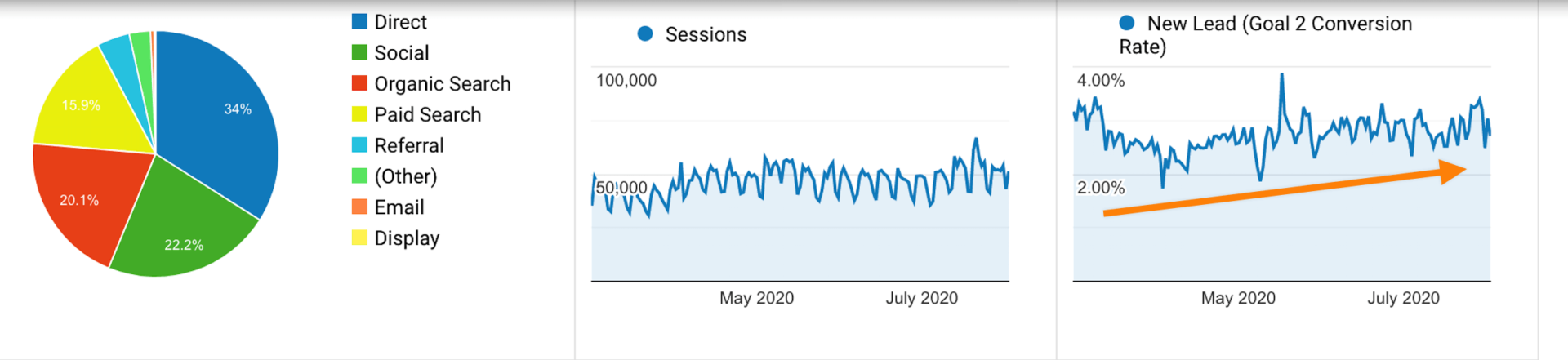
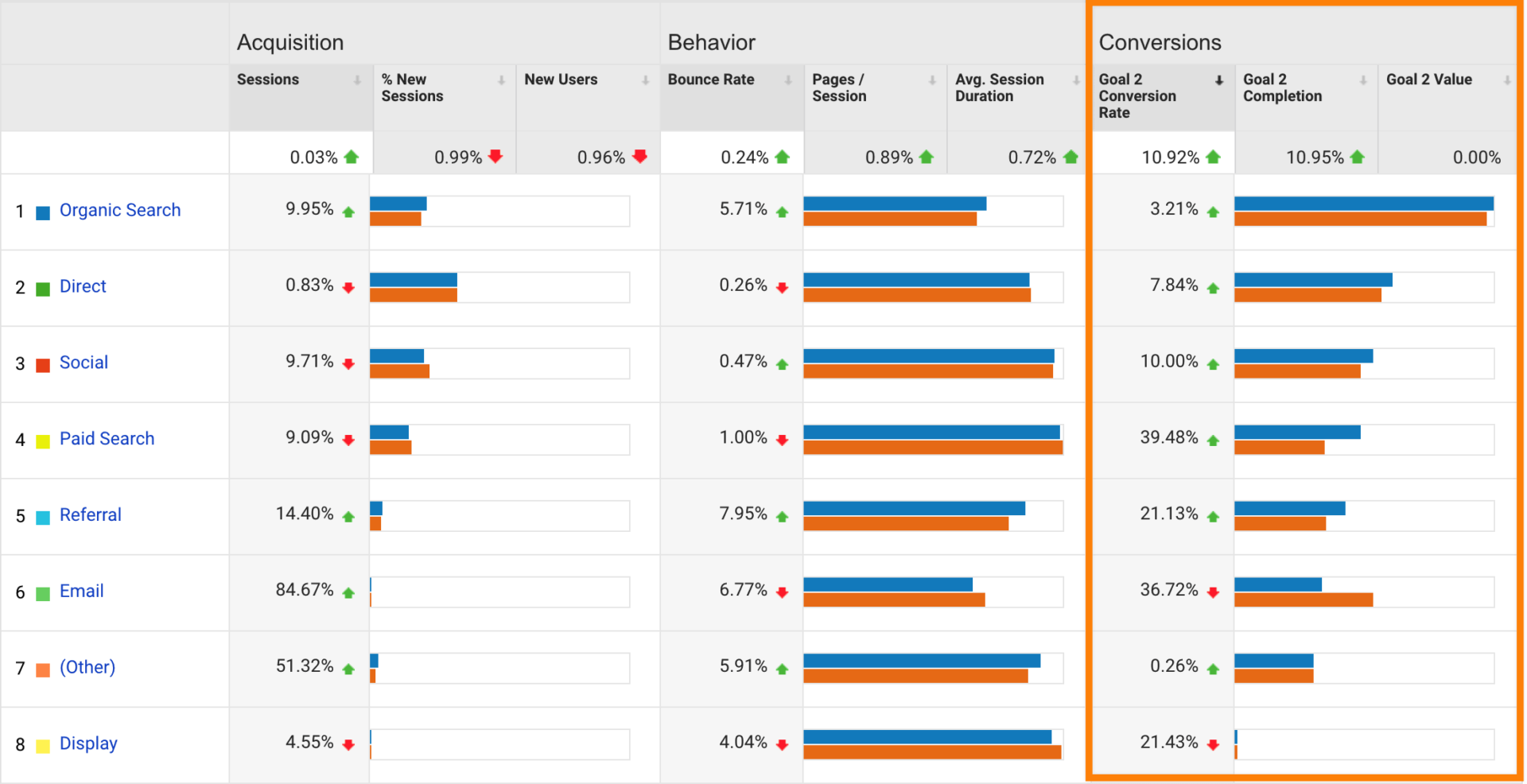
According to our Google Analytics data, when comparing April and May to June and July, there has been a conversion rate increase of 10.92%.
Paid Search has seen the largest shift, jumping 39.48% over the past two months. Compared to what we reported in April, it seems paid traffic has begun to normalize.
Sessions are coming down as more people are feeling confident in the house selling process.
Here are the numbers for the eight common channels:
Organic search: 3.21% increase
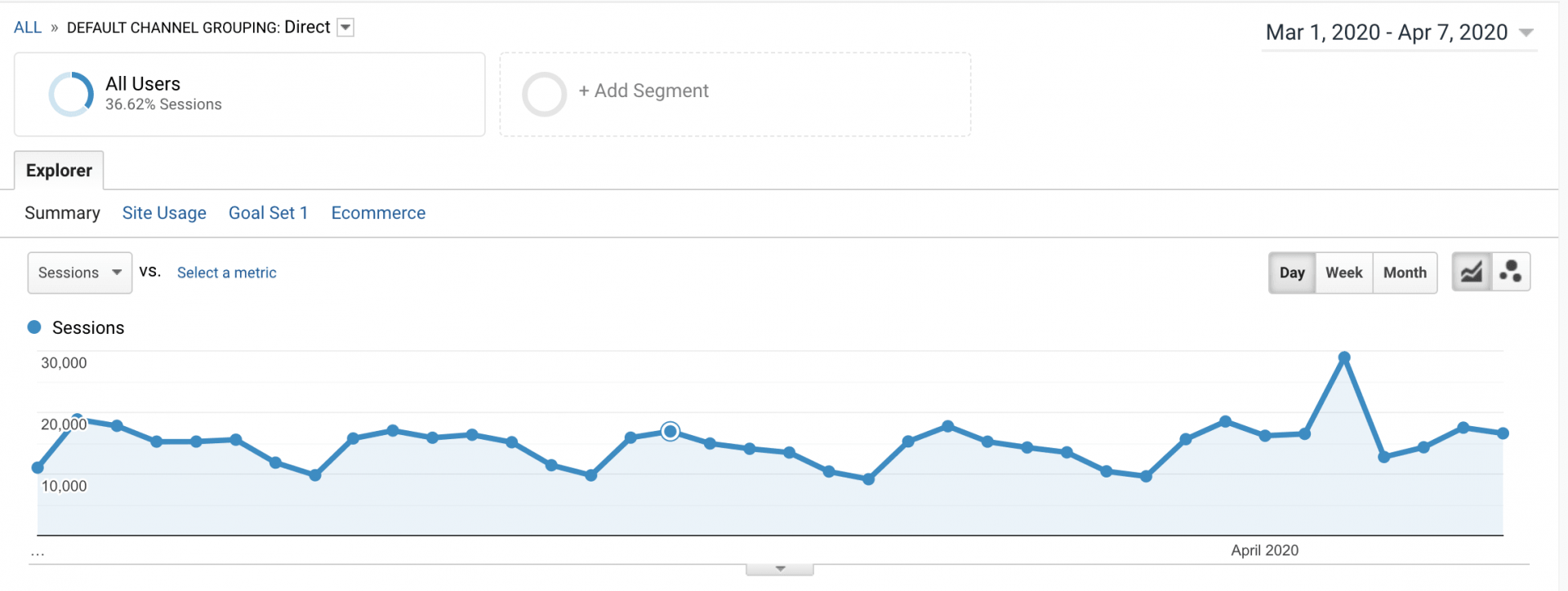
Direct: 7.84% increase
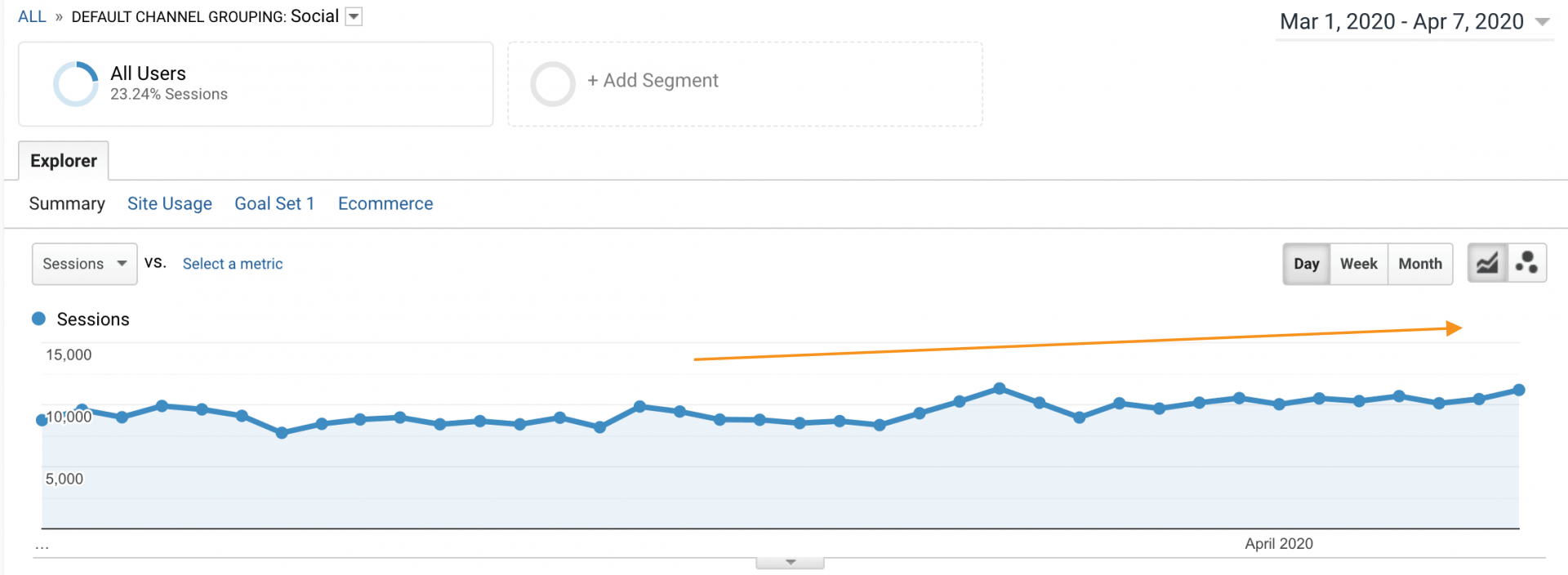
Social: 10% increase
Paid Search: 39.48% increase
Referral: 21.23% increase
Email: 36.72% decrease
Other: 0.26% increase
Display: 21.43% decrease
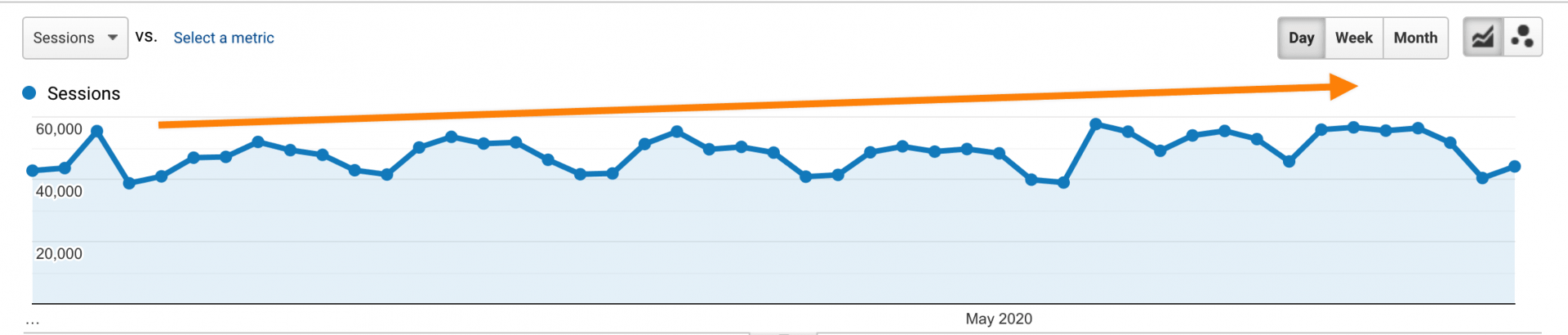
In May, our data was showing sessions steadily increasing:
We also saw conversion rates have begin to increase since a dip in mid-April:
Here’s what one Carrot member said recently…
Some of the main changes we’re seeing are:
Overall traffic from all sources has continued to increase week over week… meaning there is more demand right now for buyers and sellers needing solutions to their problems than before.
Conversion rates stayed low for a few weeks but are now on the uptick as the overall sentiment in the US is improving and people are starting to get out more.
Predictions: I predict once the stay at home orders lift we’ll see conversions go up above where they were for a short period then settle into normal zones.
Double down on why it’s important to NOT stop your marketing even if lead costs are higher from lower conversion rates… because the people are still searching… so you need to be getting content in front of them NOW while they’re researching and followup w/ them through retargeting so you’re in front of them when they’re ready. This should create a surge in demand once stay at home orders lift… but only those who stayed in front of the market will capture that demand.
I pulled up our own Google Analytics account, which is a master account for all of our member websites that are generating the top rankings in Google for motivated house sellers.
So we have crazy, crazy cool data from every major market in the country.
The first thing to notice is a report from March 1st through the time that I’m diving into this data, which is April 7th.
Number one, we’ve reported this data in the past, Monday’s tend to be the hottest time when your sellers and buyers are hitting the internet to search.
Now this includes Google searches. It does include some direct search, where people are typing your URL directly, but mostly Google search and Google pay per click. When people have that pain point the most, is your Monday or Tuesday.
Monday and Tuesday have the highest demand for searches.
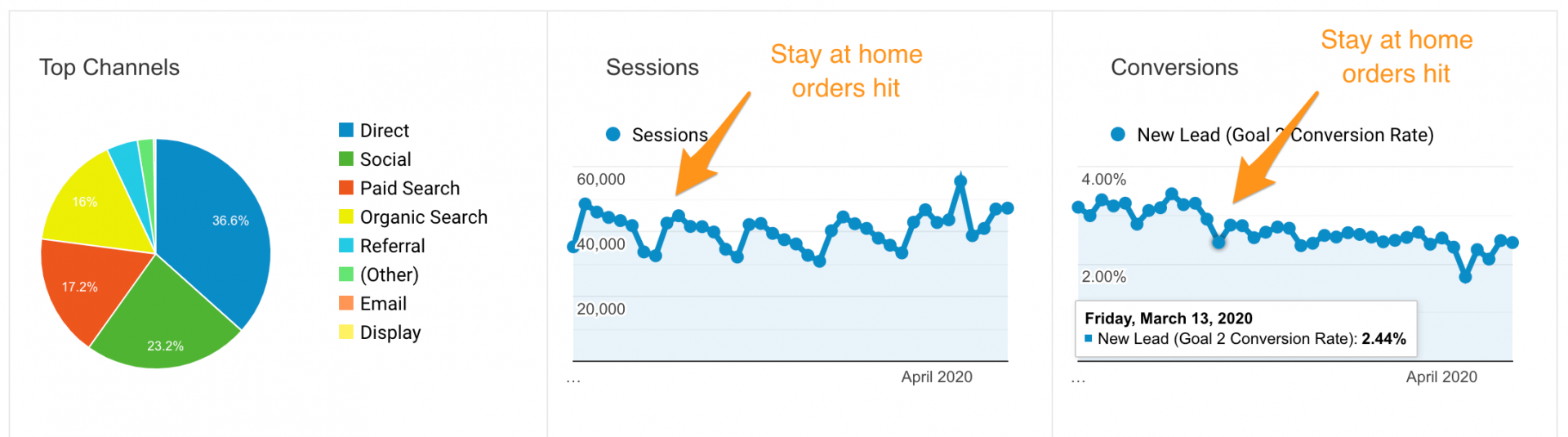
Now here’s one thing that we saw as soon as the stay-at-home order took place in most of the cities around the country in early to mid-March.
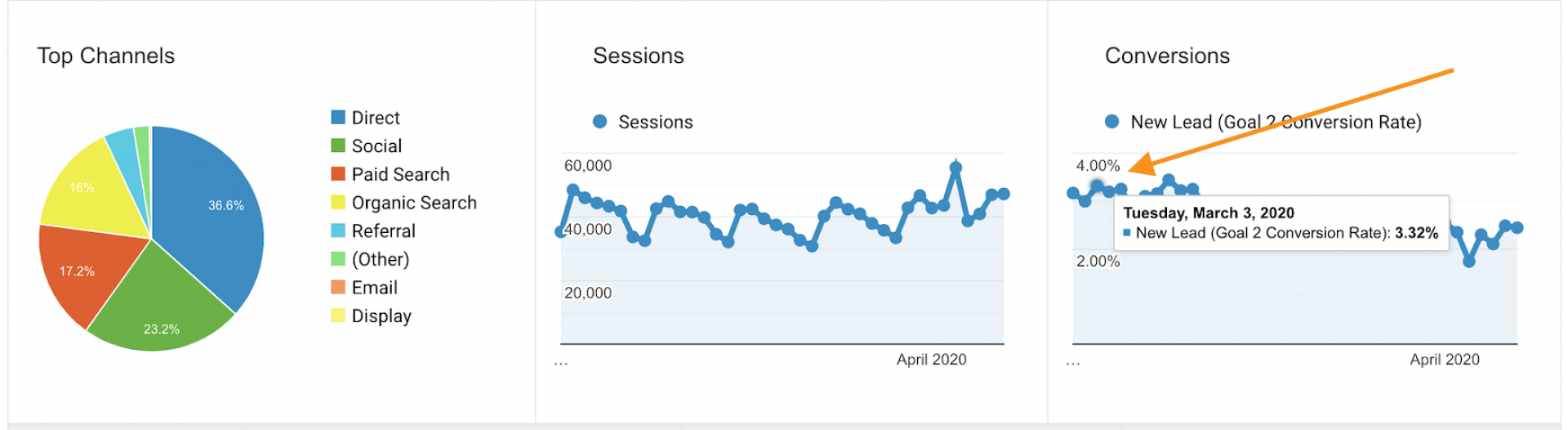
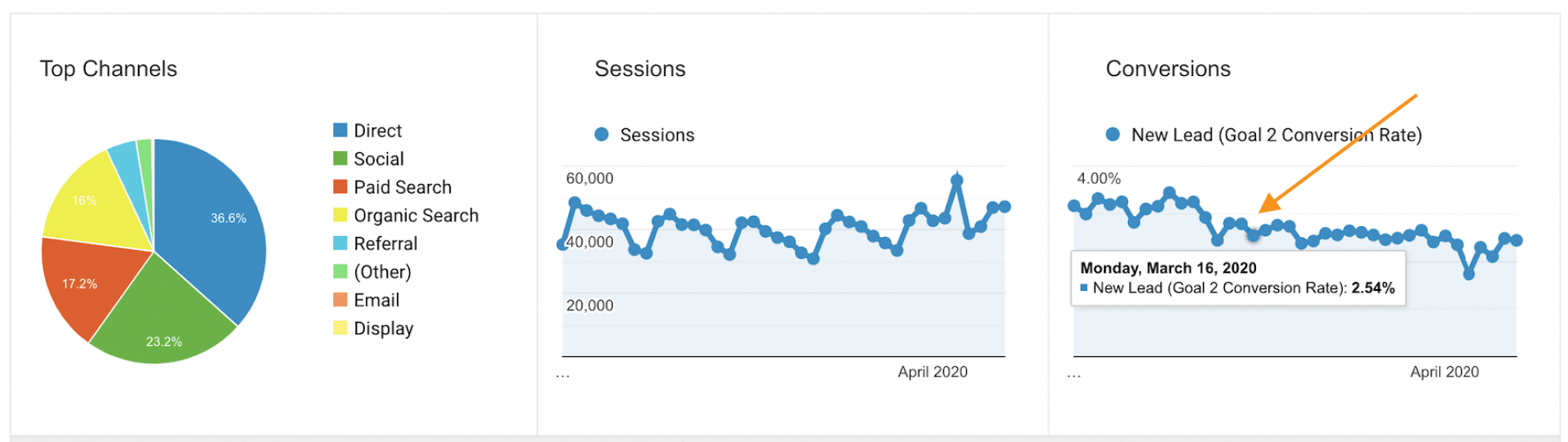
Image Explained:
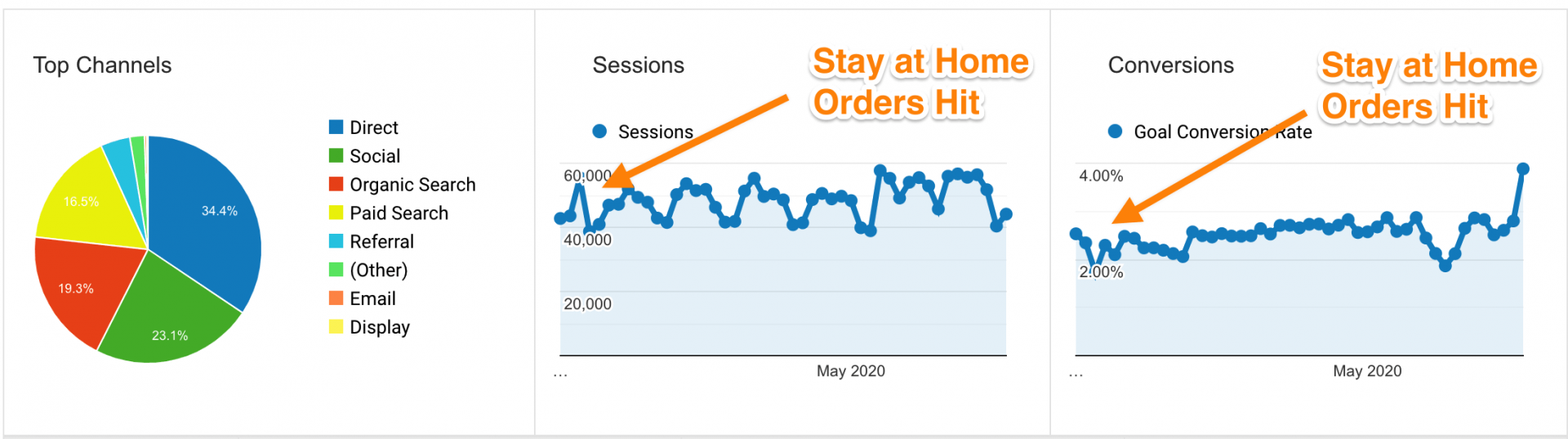
From March 1st – April 7th. On the right, sessions are “visits to our member’s sites” from sellers and buyers. Notice only about a 10% dip for a couple of weeks then it’s climbed back to normal numbers by April 1st.
On the left, is the conversion rate on that traffic. While the traffic remained essentially the same… buyers and sellers are STILL searching for solutions. Some of them aren’t submitting their contact info because they’re unsure how to buy or sell during the Coronavirus stay at home orders.
This EQUALS a huge opportunity.
While you may be seeing your conversion rate dip on your marketing, the SEARCH volume is still there. You need to create content (VideoPost, our automated content, retargeting ads, around how you can help them during COVID still, etc.) and get it in front of them on your site, update your hero section to link to one of our COVID-19 automated articles (Content Pro and Advanced Marketer) and place retargeting content on FB specific to how you can still help them during COVID.
You can see traffic to our client’s websites, agents and investors, has not really gone down much. There was a slight blip by about 5 to 10% in traffic volume with house sellers and house buyers.
Now you can see it started to climb back up. So right here at the start of March before the shutdown started to happen, on a normal Monday it’d be just sub-50,000, between 45,000 and 50,000 people hitting our client’s website each day. And then you can see right there, somewhere between that week, week and a half, we started to see that drop-off.
Image Explained:
This is organic traffic (traffic from google searches) from March 1st – April 7th. You’ll notice that initial “shock” of COVID dipped organic by 10% or so the 2 weeks after it hit.
But, the past 2 weeks of organic traffic is increasing week over week again for motivated sellers and buyers (including land). We see this getting stronger as more sellers have more motivation the longer it goes on.
Now towards the end of the month and even into the first part of April, we started to see traffic go back up a little bit. We think that that’s probably because that initial fear, that initial, “Hey, let’s wait and see what’s going on,” started to fade off and we came into that new normal.
Here’s the thing that’s really, really important. That data shows that the traffic really has not gone down in a measurable way from your sellers and buyers.
Now, if I map back to the start of March, the conversion rate of one of our homepages which are geared for lead generation, those range usually between 5 and 25%.
So when we’re looking at gross conversion rate, that’s all traffic, all sources, any page that they landed on, even non-conversion pages, what percentage of them became a lead?
And this is a really respectable percentage, between 2 and 4% of all traffic comes to a lead on the Carrot system.
If you’re driving to a landing page, there might be a 20 to 30% conversion. If you’re driving to a rent-to-own page, it might be between a 30 and 40% conversion rate.
But here’s what’s interesting.
Right when the stay-at-home order started to hit around the middle of March, in California and Oregon and Washington and a bunch of other states, conversion dropped off by about 20 to 30%.
So what does that mean? If the conversion rate of a website for buyers, sellers, for agents and investors, dropped off by about 20 to 30%, while the traffic of the demand from buyers and sellers didn’t really change much, what does that mean?
Well, one thing that we’re hearing a lot of, or a good number of even experienced agents and investors say, is you might see your lead cost go up a little bit, possibly.
Some people are seeing their lead costs down right now because competitors have pulled out of the marketing spaces. You might see your conversion rate of PPC, of SEO, of direct mail, of cold calling, of any of those, you might see that actually go down right now even though the demand is still there.
What Should You Do Right Now?
Here’s what I want to give you guidance on. The demand is still here, but many sellers and buyers aren’t sure what to do right now in the midst of the Coronavirus. Do they reach out to you and try to elicit your services?
Many of them might be nervous about…
“Well shoot, I don’t want to have someone come to my house right now. Maybe I’ll wait until this is all over.”
Or, “How can I still sell my house if this person can’t come in?”
Or, “Where am I going to move if we’re in a stay-at-home order in my state of California?” as examples.
Direct Action Items
Here are some direct action items for you right now.
#1. The demand is still there y’all for buyers and sellers, that’s not going away.
Actually, even more so you’re starting to see it pick up here and get back to pre-Coronavirus numbers because people are in that new normal. They’re at home on these cell phones and they still have the problem or they have the desire that they’re searching out.
Image Explained:
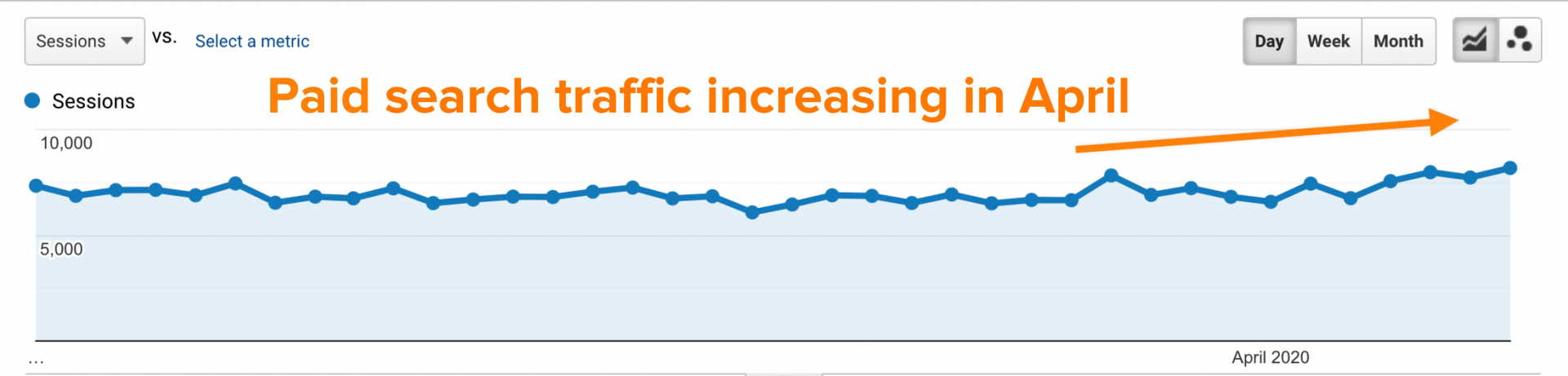
Paid search-demand through Google Ads hasn’t changed much at all. It dipped less than 3% after the stay at home order… but now is growing to more google ads clicks than before Coronavirus.
The opportunity here… in many markets we’re seeing paid ad costs dip as less savvy investors or agents pull back their marketing budgets (the worst thing you can do).
Now, many motivated house sellers actually have even more of a desire and even more of an acute problem because their financial situation might be worse now.
As an investor or as an agent, you can really step up and help them right now and show them that they can still be helped during this pandemic.
#2. What can you do if you are seeing a softening conversion rate right now?
Having a lower conversion is natural right now because of the “wait and see” attitude from some buyers and sellers.
So what can you do?
Right now you should be creating more content!
We talk about that a lot, but you need to be creating content and local authority right now as people are still doing their searches. As soon as the Coronavirus is over and we’re back to life as semi-normal, demand is going to pop back and they’re going to be reaching out to the person or the people that they want to have help them.
So right now, they’re doing the research. They’re digging in and saying, “Who do I want to work with?” As soon as it’s all over they’re going to be moving fast as a buyer or a seller to solve that problem.
The way that you become the one that they’re working with is by putting out content, put out VideoPosts on your Carrot website to where it’s a short YouTube video.
You can do it with your cell phone, talking about how they can still sell their home during the Coronavirus. Do a walkthrough in the house through Facebook, or through FaceTime or Zoom or whatever it is.
You can still protect their safety and their health. Or if they’re a buyer, how can you start to work with them now to ensure that when they’re ready to buy or maybe they are ready to buy right now, that you can pull the trigger on it?
If they’re a seller, they might be thinking…
“Well, you know what, I kind of want to wait to sell.”
What happens if they wait until everything is back to normal and then reach out to you?
Then they’re going to be behind the eight-ball by two, four, six weeks, and there’s going to be buyers that are hungry and ready to go at that point and they might miss some of that high demand window to get the most out of their property.
Talk with them with your content and videos. Put the content on your Carrot site using our VideoPosts feature. Put them on Facebook as retargeting sequences so they can shift they’re thinking into…
“I’m going to start preparing right now and I can still get this taken care of during the Coronavirus pandemic, and I can work with these investors or these agents even right now and we don’t have to meet in person.”
🔥 Diving Into More Data 🔥
Let’s dive into a couple of other cool pieces of information.
Social Media TrafficData
Let’s hop over to social media. Social media is actually even picked up a little bit. There are a lot more people on your Facebook as well as other social platforms.
That’s where you need to be putting those videos about how you can help them during this crisis, or how you can still help them buy or sell. That content needs to be going on social media right now. We’re seeing traffic picking up on social media over the past month.
Direct TrafficData
Let’s take a look at direct traffic. Now a hunk of this is actually organic search that Google lumps in, and a hunk of it is somebody actually typing in your URL. You can see the same thing. The demand for that has not really gone down at all.
Paid TrafficData
Looking at paid search, that demand hasn’t really changed, either. It’s actually gone up. On Monday, April 6th, there were 7,730 sessions to our websites through Google paid traffic. A month later we’re actually seeing more traffic.
So while there’s a lot of agents and investors pulling back their marketing right now, what’s happening is we’re in this interesting window where oftentimes your paid traffic through Google and through Facebook is a little bit cheaper because there’s less competition.
Some are even stopping their marketing. You should not. You should be leaning into your marketing because we’re starting to see that data come back.
Time Lag Data
There is a situation called “time lag”.
Image Explained:
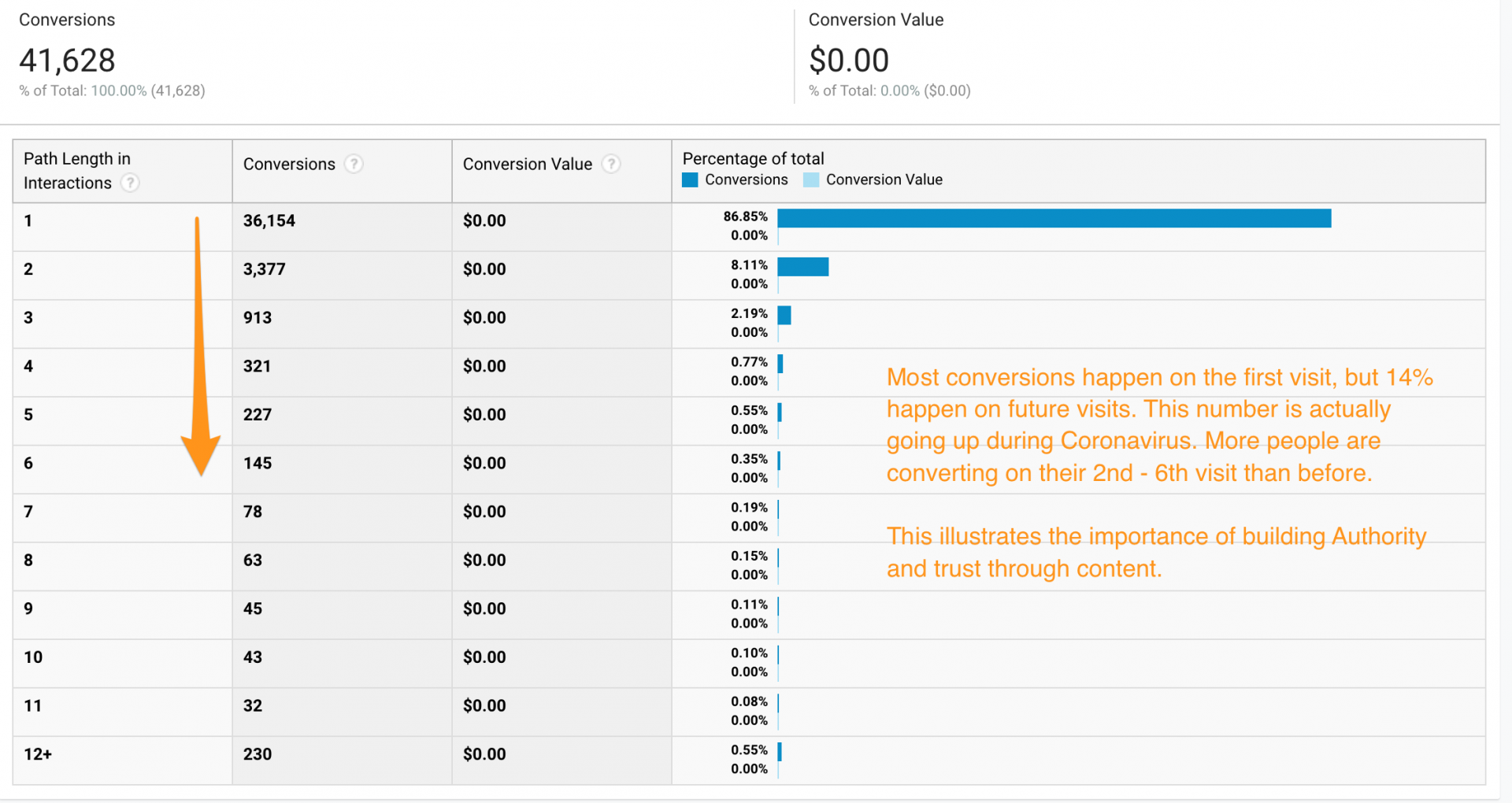
How many visits it takes someone to turn into a lead. Why is this important, those people who are not sure about how to sell/buy during Coronavirus who are searching but not acting, they need content and YOU to be the trusted Authority.
Create a COVID-19 update on your home page that links to our new COVID-19 articles (content pro and adv marketer upsell. Link direct to those packs in the article) and also create video posts right now, one per week on how people can sell or buy right now.
41,628 opt-in conversion leads, not including the 40,000-plus phone call leads that came in through the same time period.
Look how long it took some of those people to become a lead. The vast majority, become a lead on the first day.
But then, some of them, it takes weeks if not months to become a lead for you. So this is where putting in really good retargeting campaigns is very, very important, especially right now while some people are waiting it out.
Length of the path for visitors to actually interact and engage with you
How many times does it take them visiting your website, especially right now during this time period, to become a lead?
Right now that time period is lengthening versus our normal because some of those sellers and buyers are unsure how they can best be served during this Coronavirus time.
How they can get people into their house right now
How they can still stay safe and healthy during this process
From the last image above, 86% of people on the very first interaction become a lead on your website, agents and investors.
But then it takes some people over 12.
So one half of 1%, it takes over 12 interactions. But the sweet spot is six or under.
The vast majority of people take between one to six interactions on your website to become a lead, and that’s actually lengthening right now.
Organic Conversion Data
The one single most consistent, predictable, and highest converting lead source, is organic. It’s putting content online and getting high rankings in Google, which we specialize in. It converts the highest.
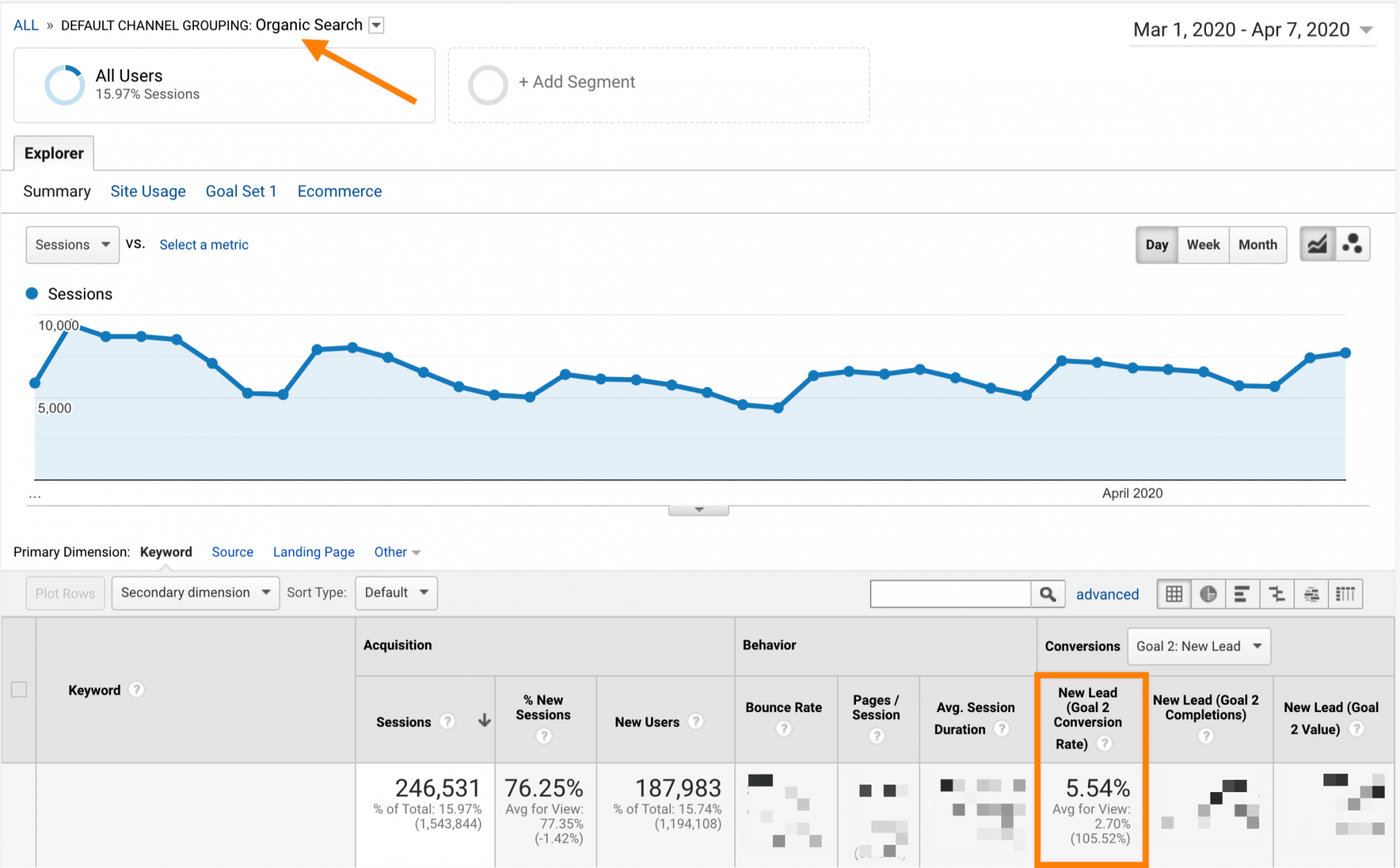
On average, no matter what page they land on, there’s a 5.54% conversion rate percentage and very, very low bounce rate on Google organic search.
Whereas, social has the lowest conversion rate. It’s lower by almost two thirds. But it still converts well. That’s because people are seeking a solution to their problem in Google organic. Social, you’re kind of interrupting them with content but it still works. Keep that in front of them.
Paid Conversion Data
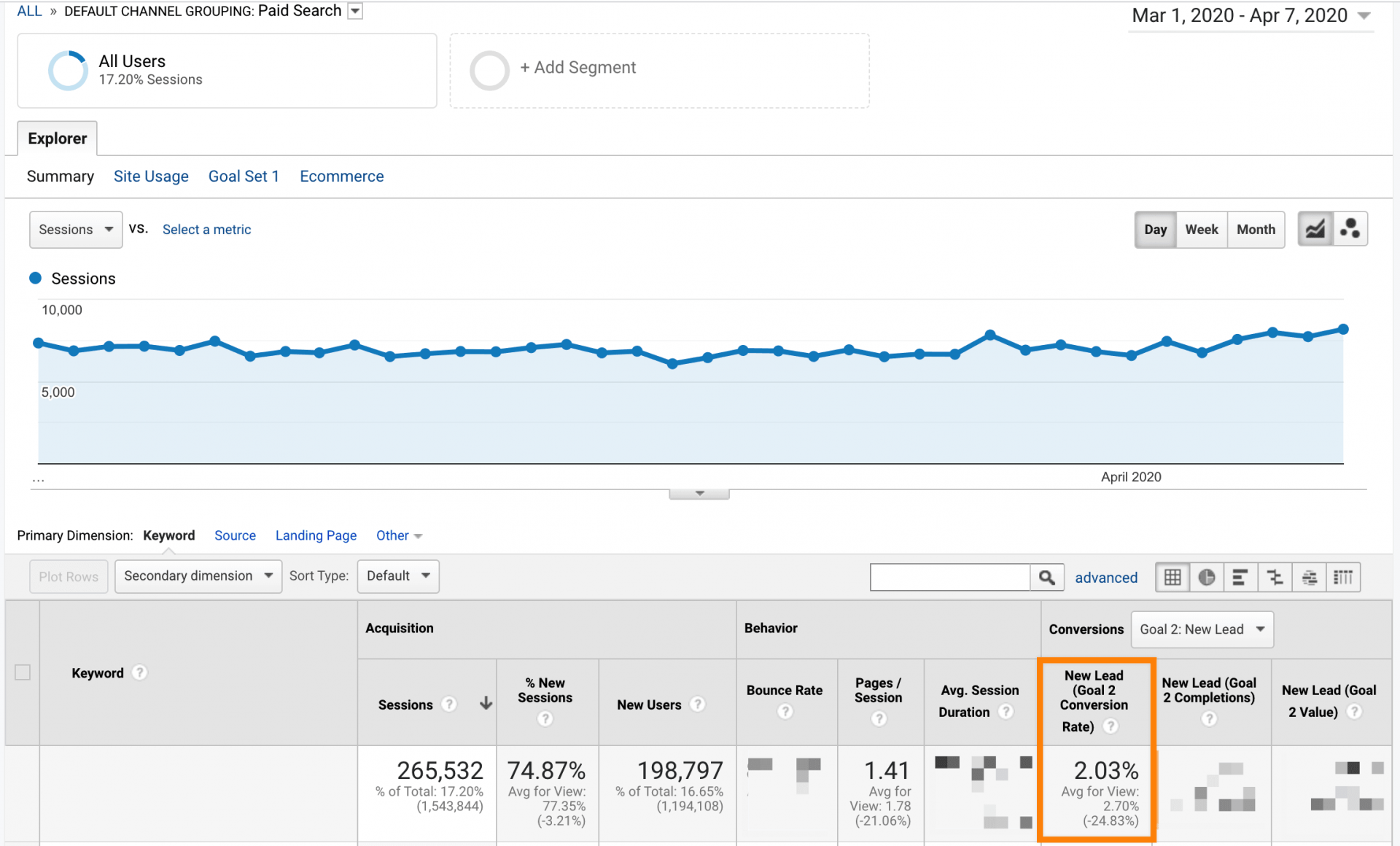
Let’s look at paid traffic. Paid traffic on average is about a 2% conversion rate. That’s still great. You can still make an amazing, amazing ROI with that.
Create evergreen content
I want to come back to evergreen marketing because that’s what is going to be around in a year, two, three, four years from now.
How do you do less marketing that performs better?
How do you do marketing that is consistent, predictable, and momentum-building?
That’s with evergreen marketing.
Publishing content online that builds authority, that attracts people when they’re seeking out solutions to their problems, and then once they land on your website, it’s not just the normal broker-provided website or a custom website that looks pretty but doesn’t convert well, or a Wix site that performs terribly.
It might look pretty but it doesn’t convert well. You need to be delivering amazing authority-building content, which we do with our content marketing tools where we have COVID-19 automated articles now.
If you’re on the Content Pro plan or Advanced Marketer, we have COVID-19 articles written for you to publish on your website. You can go right now into your system and schedule to tell people how you can help them. Share those on social media.
Use VideoPosts right now. Create a video every single week. I’m creating a podcast every week about COVID-19 and how you can wade your way through that. Do the same thing with your buyers and sellers.
We’re here with you. We want to see you start to thrive and crush it in this market. We’re starting to see the traffic grow. We’re starting to see conversions start to go back up.
The way you wade through this market is creating more and more content, becoming the authority. So when things get back to normal, you’re going to see a pop in demand when all your other competition’s waiting it out.
Lastly, check out our Authority Building Webinar to learn more ways to stand out in this market, build authority, and build momentum.
How do you build a thriving real estate investing business? That’s the question we consistently try to answer here at Carrot.
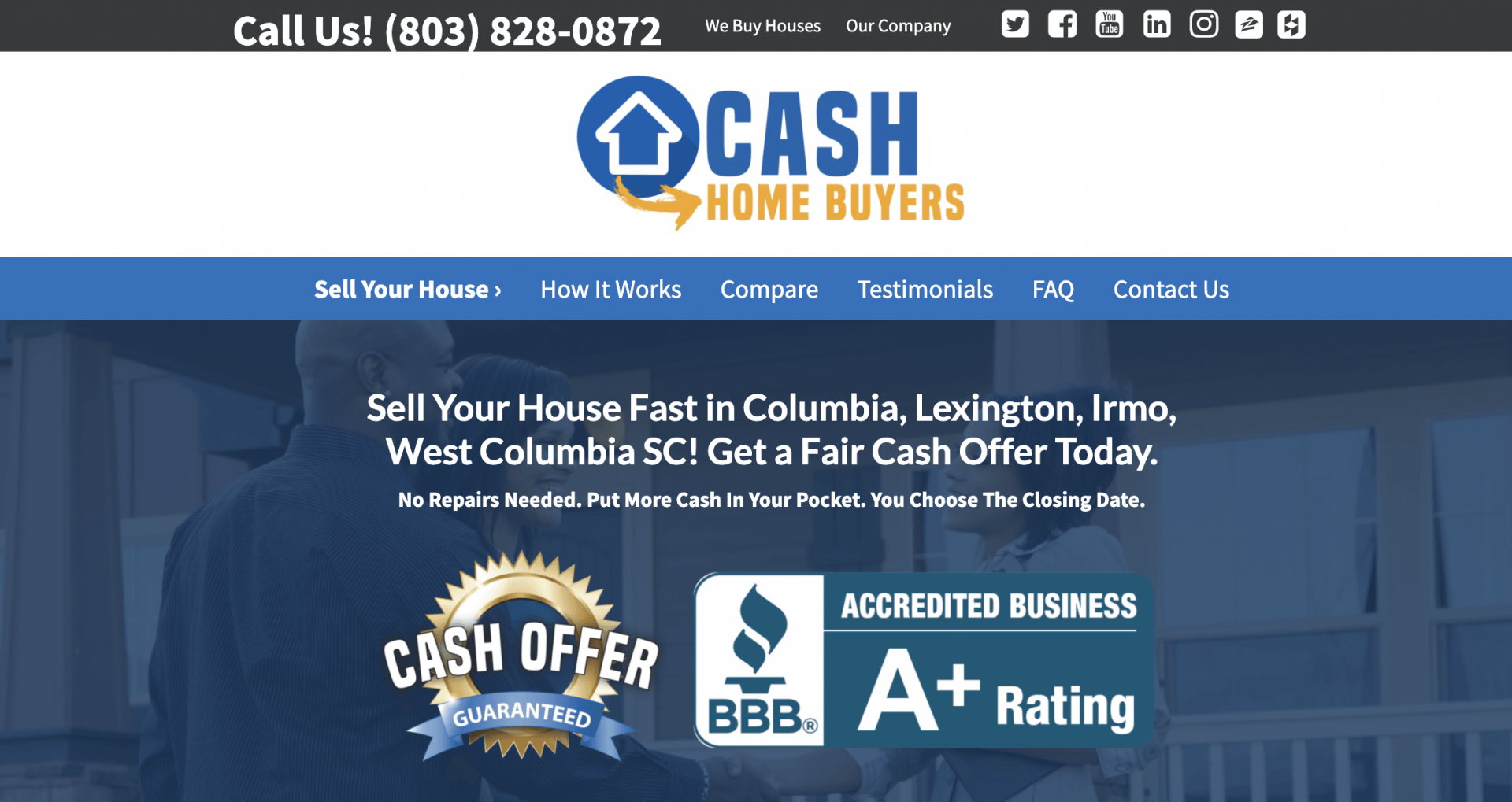
Ben Lovro, Founder of EN-VISION HOME SOLUTIONS, and Carrot member from South Carolina hopped on and walked us through how he consistently does 4-6 deals per month.
Ben has been a Carrot customer for a few years now, and he is someone we’ve have wanted to have on our podcast for a long time.
His story and transformation are nothing short of incredible. It’s not just a story of becoming a real estate investor or building a business. Ben’s story is about perseverance and overcoming the obstacles that life throw can throw our way.
We’re excited to share with you his story (from five years in prison to five deals per month), his processes, and his tricks for maintaining a positive mindset.
Here are the main ways he’s been able to build his success.
Watch the full success story…
11 Simple High-Impact Lessons to Become a Successful Real Estate Investor
1. “You Can’t Microwave Success”
During the interview, Trevor asks Ben…
“Do you ever just want to quit?”
Ben sort of laughs to himself and says…
“More times than I can even tell you about.”
And he goes on to say something really powerful…
“You can’t microwave success.”
That is, there’s no shortcut for building a successful real estate wholesaling business.
You’ve got to show up, do the work, and show up again tomorrow.
This stuff often takes longer than you want. But if you’re faithful to proven strategies and processes, then you will succeed… it’s only a matter of time.
But remember, there’s no way to cut corners.
If you’re in the midst of a grind, just know that you are making progress and that that progress will pay off sometime in the future. It might just feel like cold, hard work right now… but this season won’t last forever.
Stay the course… and you’ll reap rewards down the road.
2. Begin With The End In Mind
Why do you want to build a real estate business?
Many new real estate investors or agents are in it for the money… or the sense of freedom that they can acquire.
And that’s great but it’s probably not clear enough.
If you’re going to succeed in the long-term, then you’ve got to know why you’re doing what you’re doing.
Because here’s the thing: it’s going to be tough sometimes. And if you don’t have a really compelling reason for building your business, then you’re probably going to quit.
So why are you doing it?
Do you want to make a positive impact on the people around you?
Do you want to lead others?
Do you want to provide for your family?
Do you want to have more freedom for the things that really matter in life?
This is a lesson that Ben originally learned from reading The 7 Habits Of Highly Effective People and it’s stuck with him.
Whatever your ultimate goal is, write it down and remind yourself why you’re doing what you’re doing every single day.
3. Read Like Crazy
It’s no secret that consistently reading non-fiction books can make a big impact on your mindset and by association, on your business.
(Because YOU are leading your business…)
So here’s a question for you: are you reading consistently?
Ideally, you should read at least a little bit every day.
You should read books that challenge your mindset, books that make you think about business differently, and books that teach you practical strategies for being successful.
The more you read, the more successful you will probably be — in fact, it’s kind of hard to not become successful if you read like crazy.
So in some ways, this is a shortcut to becoming the person that you want to be and building the business of your entrepreneurial dreams.
It might seem a little silly… but the website you’re using can have a big impact on whether or not your business is successful.
Or at least, how successful your business is.
Ben started with a basic website provider but received sub-par results.
It wasn’t until he switched to Carrot, that he started seeing massive results.
He started generating more leads.
He started closing more deals.
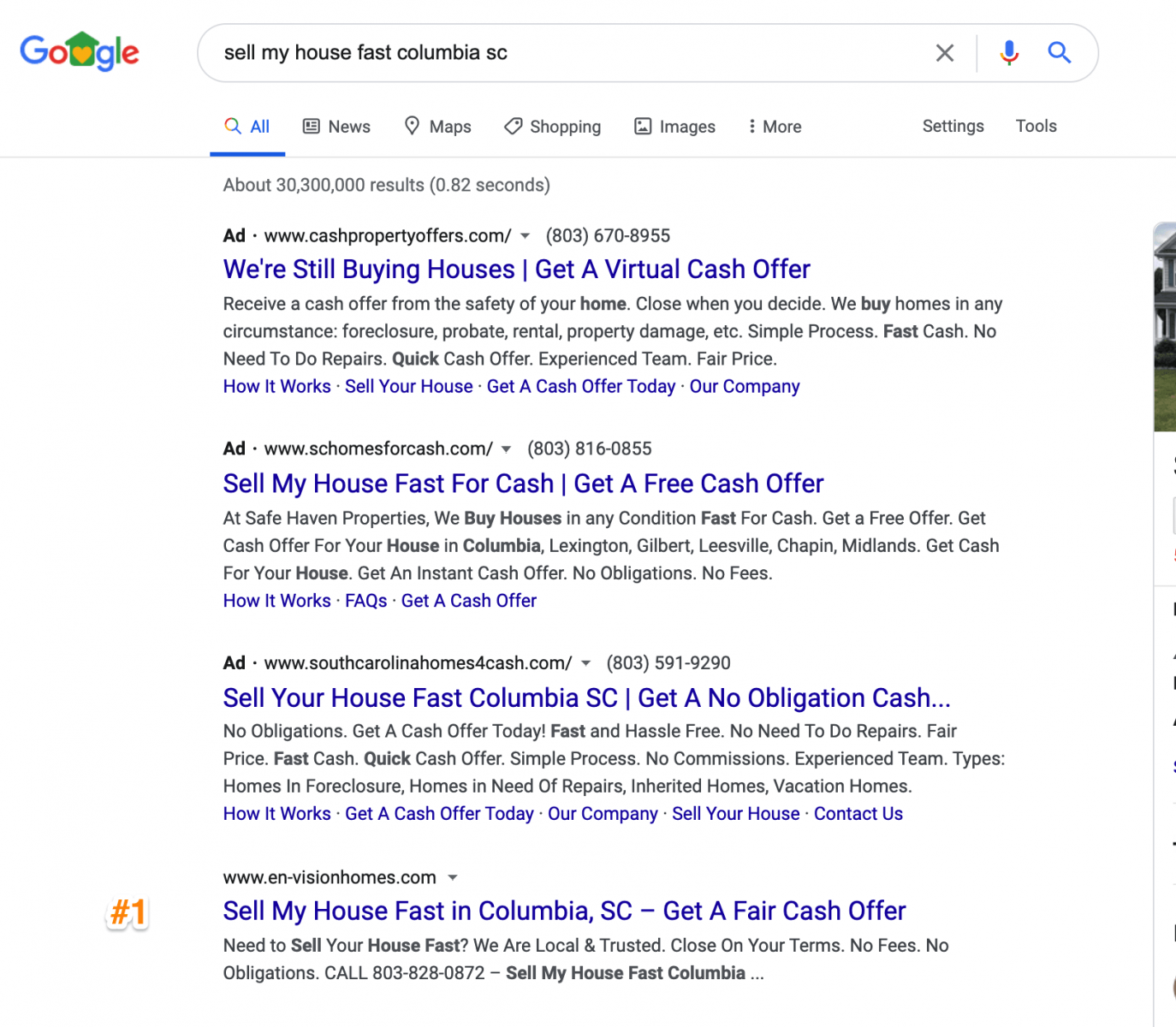
And after 6 months of consistently working on his SEO, he ranked position number 1 for his target keyword phrase in Google.
Now, he attributes a ton of his success to his Carrot website and to his SEO efforts.
If your website is built to win… your business will win as well.
You can sign up to get a winning website risk-free for 30 days over here.
Who knows? Maybe that’ll be a game-changer for your business as well!
5. Delegate As Early As You Can
Many entrepreneurs are nervous to start delegating, to start hiring, and to start trusting other people to manage parts of their business.
That’s understandable, of course.
Your business is your livelihood… and the last thing you want is for someone else to mess up what you’ve got going.
But here’s the thing: not delegating is always one of the best ways to hamper or slow your own success.
By trying to continue as a one-man show, you limit how large your business can grow and you put yourself at a much higher risk for burnout.
You know all of those things that have to be done but that you hate doing?
They’re different for everyone — maybe you hate cold calling, maybe you hate acquisitions, or maybe you hate sending direct mail. Whatever the case, those things that you hate doing are going to burn you out if you don’t delegate them soon.
You should focus on your strengths, not your weaknesses.
And the good news is that you can actually start delegating pretty early in the life of your business.
Ben started by hiring someone to help him with cold calling so he could focus on growing his business. He went to UpWork and hired someone who’s now been with him for several years.
When it comes to hiring people on UpWork (which is an awesome platform), Ben offers some advice…
Try to weed out 90% of people — Most of the people who apply for your job aren’t going to be very committed. Try to weed out people by asking them to do very specific tasks during the interview process and then watch to see who does what you asked. Eventually, you’ll have just a few promising applicants to choose from.
Ask people why they’d be a good fit for your business — Ben encourages you to ask applicants why they think they’d be a good fit for your business. Do they have past experience? Are they consistent? Are they loyal? These are the kinds of things you’re trying to find out.
As time goes on, you’ll be able to hire more and more people by reinvesting your profits into your business.
Ben has two cold-calling people and an Acquisitions Manager, now.
The sooner you start delegating, the faster your business is going to grow.
Starting to build a real estate investing business can be tough… especially when you’re trying to land your first deal.
It’s not uncommon for a person’s first deal to go a bit askew.
Maybe they don’t make as much money as they thought they would, maybe they can’t find a buyer, or maybe the deal falls through.
It’s important to mentally prepare for those possibilities because if they happen (and they very well might), you need to keep going.
Remember: one failure does not equal future failures.
In fact, those failures are usually an important part of the learning process.
So embrace them, prepare for them, and do not sink everything you have into your first deal.
7. Use Our 3-Lead-Per-Day Training
What if you were getting 3 leads through your website every single day… without running paid traffic?
That would be pretty awesome, yeah?
Well we created our 3 Lead Per Day Training to help you do just that — and it uses a little thing we call SEO.
Basically, SEO stands for Search Engine Optimization and it is tactics and strategies for getting your website to rank in Google so that when someone types in “Sell my house fast in [YOUR CITY]” or something similar, they go to your website and give you a call.
From what we’ve seen, this is the most game-changing marketing strategy for real estate investors and agents.
This training is so simple that you can just hand it to a Virtual Assistant that you hired on UpWork, ask them to go through it and follow it step-by-step… and they’ll know how to optimize your website to rank.
In fact, that’s exactly what Ben did with his VA.
He went through this training himself. Then he handed it to his VA and he never had to worry about SEO again… but he’s getting inbound leads like crazy.
Which brings me to the next lesson.
Here’s why you should try to lean toward inbound marketing.
And while some of those leads might be tire-kickers, they are still leads. Ben’s close rate, for example, on leads from paid advertisements hovered around 1 in 60, which isn’t unheard of depending on the strategy.
Most real estate investors, though, explain that inbound marketing leads are much higher quality. Some report getting a 1-in-10 or 1-in-15 close rate.
But what is inbound marketing?
Well, let’s first talk about outbound marketing.
Outbound marketing is paid ads. You go pay to interrupt people’s online experiences… and some of those people are, by happenstance, interested in what you’re offering and they click on your ad.
But because those people aren’t looking for you when they find you, the quality of those leads is relatively low.
Inbound marketing, on the other hand, what we specialize in here at Carrot.
Inbound marketing for real estate is a strategy that focuses on attracting leads from your content. Basically it’s when a lead comes looking for you rather than vying for their attention.
The most common way this happens is that someone types into Google something like “Sell my house fast in [MARKET CITY]” and they stumble across your website… then they give you a call.
Because those people came looking for you, they are more motivated and they are far more likely to turn into a closed deal.
However, SEO takes a long time to get going.
It took Ben 6 months until he got to position number one in Google for many search terms and two for many other — but once he did, it was well worth the wait.
That’s why we recommend investing in paid ads to keep your business moving, but investing in SEO over the long-term so your lead-flow will be more predictable and sustainable.
Outbound marketing can support your business now but inbound marketing can support your business for years to come.
9. Understand The Difference Between Different Temperature Leads
Not all leads are created equal.
Some leads… you don’t even have to negotiate. They tell you how much you want, you pay them that amount, and you’ve got a closed deal.
Some leads want to negotiate with you for a while. They want a price that you can’t afford, but you follow-up with them hoping that they’ll change their mind.
And some leads just aren’t super motivated. Sure they are sort of interested in your service… but they aren’t even close to ready to make a commitment.
It’s very important to understand the difference (and value) of each of these kind of leads.
Hot leads, warm leads, and cold leads.
Because once you understand that your business is generating different kinds of leads, you can serve each lead appropriately and make the most of each.
Hot leads… answer their call, close quick, and make the process as painless as possible.
Warm leads… negotiate with them, listen to their concerns, help them however you can, and DEFINITELY follow-up consistently.
Cold leads… stay in touch with them but don’t invest too much time chatting with them. You should keep them on your emailing or calling list and follow up every other month or so.
The point is… treat every lead how they want to be treated and your business will grow faster.
10. Create a Morning Routine to Control Your Day
Ben also understands the importance of having a morning routine.
As entrepreneurs, it’s easy to get lost in the busy-ness of the day the moment you wake up. Maybe you try to rush out the door to get to important tasks as soon as possible.
That makes sense… you’re busy.
But you can’t neglect your morning routine.
According to Ben, you’ve got to take immediate control of your day by meditating, reading, and even watching an inspiring YouTube video every morning.
This will set you up to conquer the day and do your best work.
And what’s the point of putting a ton of work into your business if it’s not going to be your best work?
So start your day off right and take even just 15 minutes to take care of yourself and get inspired.
You probably want to create more freedom for you and your family.
You probably want to make lots of money.
But do you also want to impact others?
Trevor and Ben talk about how money becomes boring after a while and will only drive you so far in your business, but making an impact will always drive you. That is, wanting to help others and leave your legacy on the world.
It might seem silly, but one of the best ways to grow your business is by caring for others and doing your best to leave a positive impact on your clients.
“Sometimes our biggest nightmare turns out to be our biggest gift. And it all comes down to our attitude. Life will throw us curve balls and disappointments, even heartbreak. But ultimately we can choose if we’re going to be bitter or better for the experience.”
Ben not only has chosen a better experience, but he has also crushed it! Now it’s time for you to lace up your boots and get to work. Get organized. Get a strategy. Get healthy.
We’ll leave you with some questions…
Why are you proud of the business that you’re building or have built?
What have you learned along the way?
Let us know in the comments and let us know how this interview benefited you! :)
We talk a lot about content marketing for real estate agents and investors.
Writing blog content for your website doesn’t just help you generate more passive traffic through SEO (Search Engine Optimization); it also allows you to engage with your ideal market and provide them with free value.
But for all the buzz around writing blog content, recording videos, and posting on social media, it can still be a challenge to create that high-quality content that ranks in Google (generating passive traffic to your website), engages your ideal market, and gets “shares” on social media.
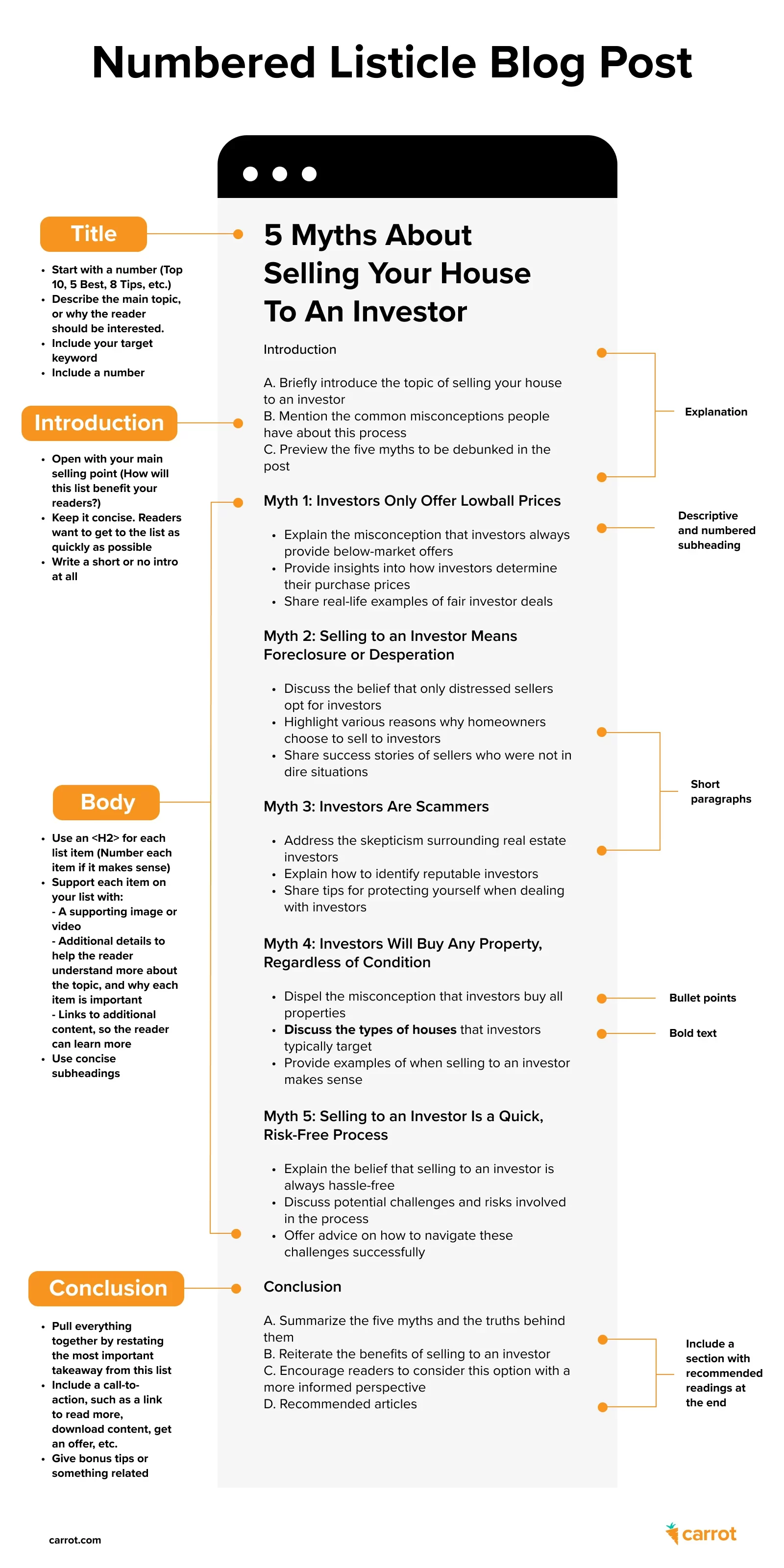
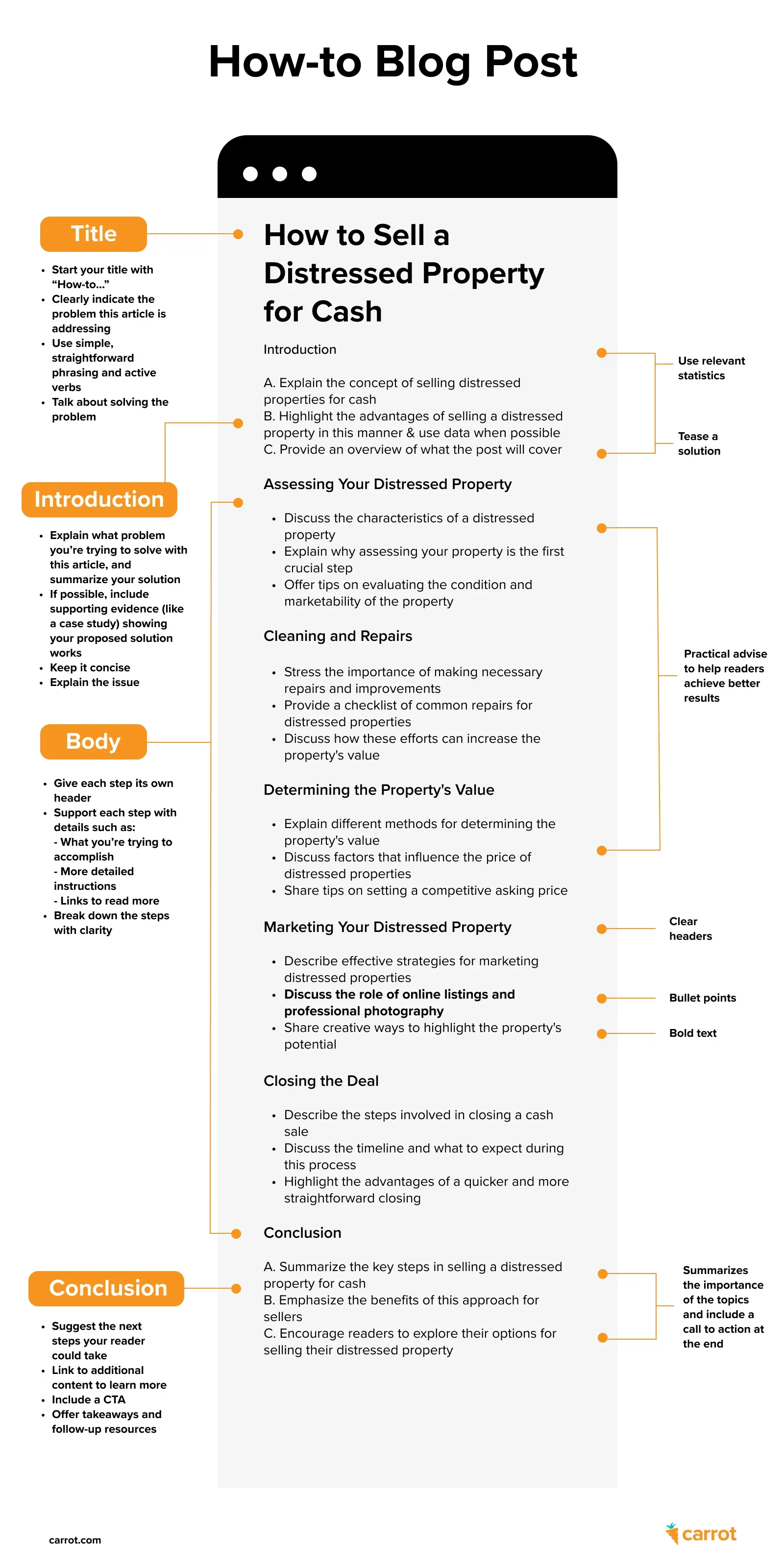
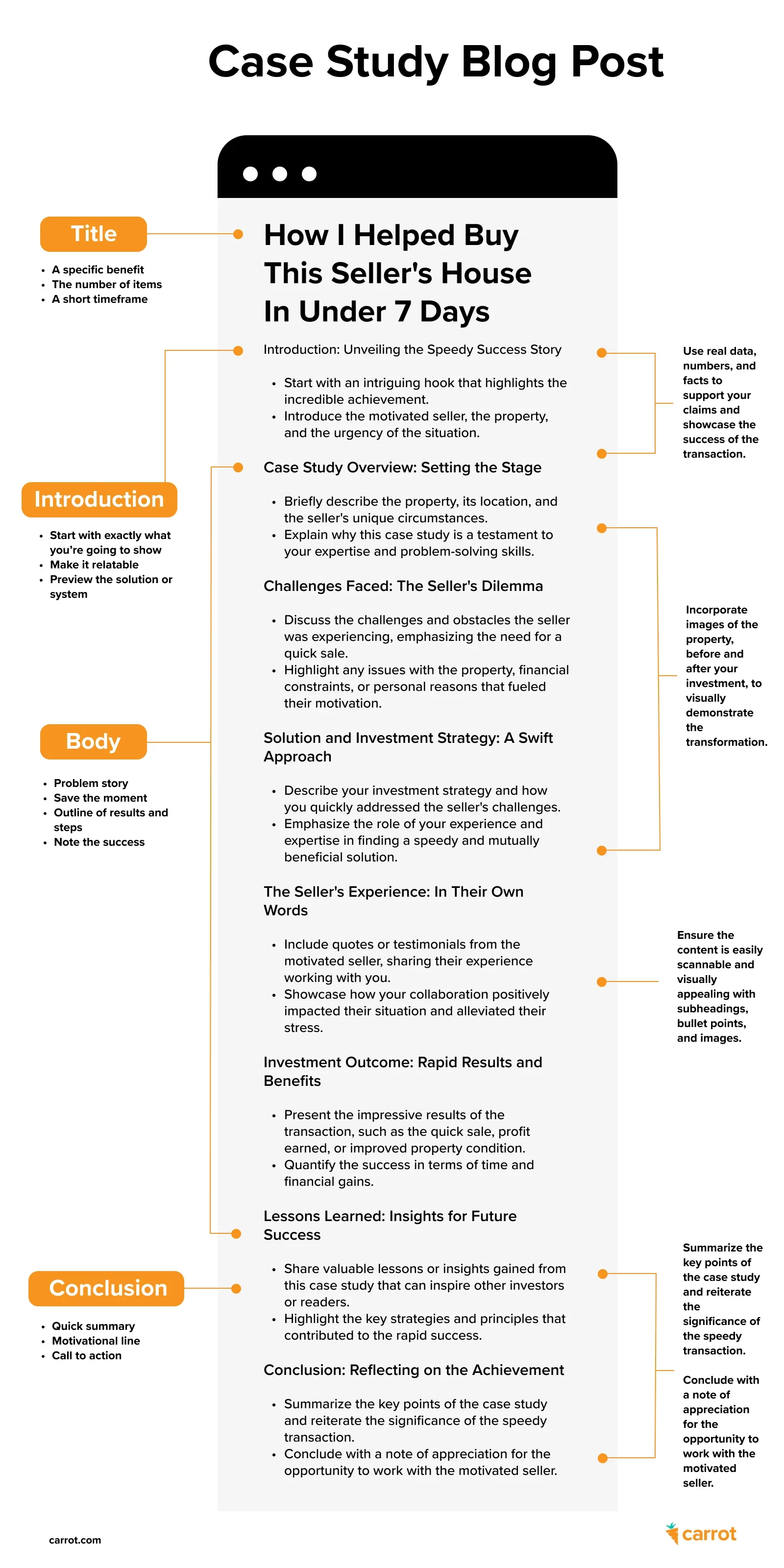
So, we put together this resource for you with five easy-to-follow real estate blog post templates for real estate agents and investors.
How Powerful is Content Marketing For Real Estate?
Content marketing is, quite simply, publishing content (blog articles, social media posts, YouTube videos, etc.) to brand and grow your business.
And it’s effective for pretty much every industry, real estate included.
In some ways, content marketing is more effective in the real estate industry than in other industries.
If I want to create content consistently and I’m in the travel niche, for example, I’m going to have a ton of competition—there are just a lot of content creators in the travel niche.
Not so much for real estate. Especially if you consider that you’re only competing with content-creating real estate professionals in your area of operation, there’s even less competition.
That’s good! It means you’ll have less trouble standing out.
But if you’re still not convinced that consistent content marketing can be crazy powerful for your business’ growth, consider these stats…
90% of buyers look online to find their next home.
70% of people prefer to get a sense of your business through online content.
61% of inbound leads cost less than outbound leads.
Websites with blogs have 434% more indexed pages than websites without blogs.
Companies that blog receive 97% more links than those that don’t.
Yeah…
Content marketing can certainly give your real estate business the boost it needs. We also have a few other resources on this topic that you might find helpful.
Either way, here are five blog post templates for your real estate website content.
Keep in Mind Before You Write
Here are some things to remember before you start writing your blog posts.
Get to know your audience
Do keyword research before writing
Write a good headline for every blog post
Hook your readers from the start
Answer their questions with your blog posts
Tell a captivating story
Make your content easily scannable
Be authentic in your writing
Prioritize quality content over the number of words
Use data
Need help finding keywords for your blog posts? We did it for you!
5 Real Estate Blog Post Templates You Can Steal
Blog Post Template 1: The Listicle
The listicle blog post template is exactly what it sounds like. It’s a “list” of reasons, tips, tricks, or hacks that provide easy-to-scan value for your audience.
This blog post is a listicle.
Listicles are easy to write and easy for readers to digest, and they tend to do well in Google and social media.
A few examples of listicle posts are…
5 Reasons Why People Sell Their Home With Real Estate Agents
5 Myths About Selling Your House To An Investor
10 Ways To Sell Your House For More Money
The template for a listicle is pretty basic. Here it is.
TitleOptions
[X] Reasons That…
[X] Ways To…
[X] Tips For…
[X] Hacks That Will…
Introduction
Write a short introduction, between 50 and 150 words, that empathizes with your ideal market’s current situation and briefly explains the problem your article willd solve.
Middle – Points
List your article’s points as H2 headings and write between 50 and 150 words for each point, expanding upon the core concept.
Conclusion
Write 50 to 150-word conclusion which overviews the article’s content and calls the reader to take action. Your CTA should often encourage the reader to work with you.
The average person doesn’t understand much about the real estate world—how to increase the value of their home, how to sell quickly, or even how to find a trustworthy agent, for instance.
And who better to teach those practical skills than you, a local real estate professional?
Because most people have many real estate-related questions, the “How To” article format is particularly pertinent.
It’s a great format for establishing yourself as the go-to expert in your market, the person people think of first when making a real estate-related decision (which, of course, is a good thing!).
Here’s the template.
TitleOptions
How To… [do something that your target audience wants to learn how to do]
…Sell Your House For More Money
…Find a Trustworthy Real Estate Agent
…Sell a Distressed Property For Cash
Introduction
Write a short introduction, between 50 and 150 words, that empathizes with your ideal market’s current situation and briefly explains the problem your article will solve.
Middle – Steps
List your article’s “Steps” as H2 headings and write between 50 and 150 words for each step, providing more detail on accomplishing the task.
For example…
Step 1: Determine the value of your house.
Step 2: Check the reviews for the investor’s website.
Step 3: Call and talk to the investor.
Conclusion
Write 50 to 150-word conclusion which overviews the article’s content and calls the reader to take action. In many cases, your CTA should encourage the reader to work with you.
Did you provide clear, actionable steps to accomplishing the task your reader needed help with?
Did you provide relevant and accurate facts and stats to prove your understanding of the concept?
Did you emphasize the importance of understanding this concept if it is not already well-known?
Did you properly cite and backlink your sources?
Did you spell-check and proofread?
Are there at least 1-2 images?
Is the post 800-1,000 words at a minimum?
Blog Post Template 3: The Case Study
Case studies are perhaps the most powerful kind of blog content for building trust with your audience and rapport for your business.
A case study is an article that explains the benefits of working with you by telling the story of a past client who was extremely pleased with their experience.
You can use case study articles to illustrate that you pay more than other investors, work faster than other agents, or are simply more trustworthy and honest than the competition.
For this type of blog article, you’ll need to interview your past clients and ensure they’re okay with you publishing the story of them working with you.
Here’s the template.
TitleOptions
Case Study: How…[something awesome]
…I Helped Sell This Person’s House In Under 7 Days
…I Paid $100,000 In Cash For This Person’s Property
…I Saved This Person From Bankruptcy
Introduction
Write a short introduction, between 50 and 150 words that builds suspense for the story your article is going to tell.
Middle – Before, During, After
Your article should have Before, During, and After sections as H2 headings. Under the Before section, describe what the person was going through before working with you.
Under the “during” section, describe their experience working with you (use direct quotes and testimonials if possible), and in the After section, discuss how much better off they are now because they worked with you.
Conclusion
Write 50 to 150-word conclusion which overviews the article’s content and calls the reader to take action. In many cases, your CTA should encourage the reader to work with you.
Blog Post Template 4: The VideoPost
Don’t want to write your blog post?
Well, at Carrot, we’ve created the solution: VideoPost.
We offer our members this tool, which allows them to quickly and easily transcribe a video into a fully written article with the click of a button.
And your blog content is no exception. Sharing your controversial opinions with your audience might seem like a bad idea, but it’s actually a great way to attract people who agree with you and generate attention for your business (no publicity is bad publicity, eh?).
Here’s the template for writing a controversial post.
TitleOptions
This Is Why… [controversial opinion]
…Selling Your House To An Investor Is More Profitable
…Real Estate Agents Are The Best Option
…You Shouldn’t Use a Real Estate Agent
Introduction
Write a short introduction, between 50 and 150 words, that describes what the article is going to be discussing.
Middle
The middle structure here is a little more complicated than some of the other blog post templates. The first section should focus on describing the popular wisdom that people receive and why that seems to make sense.
The second section should dismantle that concept with logic and evidence. The final section should introduce your new idea and provide evidence for that opinion. All section headers should be H2 headings.
Conclusion
Write 50 to 150-word conclusion which overviews the article’s content and calls the reader to take action. In many cases, your CTA should encourage the reader to work with you.
Put These Real Estate Blog Templates to Work!
Although this doesn’t give you templates for every kind of blog post, it gives you a solid foundation for writing killer content. Now, all you have to do is use these real estate blog post templates!
Now, when you sit down to write a blog post, you don’t have to think about how to put the content together. You’ve got the exact recipe you need to make it happen. For more resources and real estate marketing materials, click on the link!
Having good real estate backlinks can provide a huge boost in your organic rankings. However, if you do them wrong, the effect can devastate your rankings, sending them into the Google abyss. That is why educating yourself before starting a link-building strategy is critical.
Demo Carrot: How many deals are you losing to your competitor’s website?
In the world of real estate websites, backlinks are like gold. They’re essentially links from other websites that point back to yours. Search engines see these backlinks as a vote of confidence in your content and expertise.
The more high-quality backlinks you have from relevant real estate websites, news outlets, or local directories, the higher your website will rank in search results for local homebuyers and sellers. This translates to increased online visibility, attracting more qualified leads and ultimately growing your real estate business.
Why Are Real Estate Backlinks Important?
Backlinks are a major piece of the SEO (search engine optimization) puzzle.
They go together like peanut butter and jelly. You need one to make the other better.
High-level, here are four quick reasons why it’s important to have a good backlink strategy:
Backlinks are how Google (and other search engines) find your pages.
Backlinks are a way to show Google that you have a solid reputation. Search engines will push searchers to websites they can trust.
Here’s an example. When someone types “sell my house in [market city]” or “real estate agent in [market city]” into Google, you want your website to come up on the first page.
If it doesn’t, you’re missing out on a lot of website traffic, leads, and, more importantly, deals.
Some 93% of internet experiences start with a search engine, including the real estate industry. When people — your target market — are looking for help, they go to Google.
And if you show up on the first page, that’s good for business.
Two of the most powerful factors for ranking in Google are website traffic and backlink portfolio.
In other words, the more traffic and backlinks a page on your website receives, the better that page will rank for your target keyword phrases.
Unfortunately, getting traffic and backlinks is one of the most difficult things. This article will give you practical tips for promoting your content and building links to your website.
Here are nine real estate backlinks strategies to help improve a website’s authority and credibility in the eyes of search engines.
1. Consistent Content Creation
This is your first step on the way to building your SEO rankings. Without consistently creating blog content for your website, you might rank for a few keyword phrases on your homepage. Still, you won’t rank for any longtail keyword phrases (like “how to deal with foreclosure” or “how to sell my how during a divorce”).
Think of every piece of content like a door to your website. The more doors you have, the more people can visit your website, and the more opportunities you have to rank in Google. A good rule of thumb, though, is to create only one piece of content for each keyword phrase you’re targeting.
While consistently creating content can be time-consuming, our Grow plans at Carrot include done-for-you blog content. You just need to customize about 25% of each post and publish it!
Many of our members, like Ryan Dossey, consistently get SEO leads from those done-for-you blog posts!
But maybe you want to create your own unique content—no problem! We’ve created VideoPost, which you can use to transcribe video content into a blog post with the click of a button—learn more here.
2. Building Backlinks with Local Citations
Getting listed in relevant directories isn’t just about backlinks, it’s about building your online presence and local SEO. Here’s why citations are crucial and how to find the best ones for your real estate website:
What are Citations?
Citations are online mentions of your real estate business, including your name, address, and phone number (NAP). These mentions can appear on various online platforms like:
Local Business Directories: Yelp, Google My Business, Bing Places for Business, Angie’s List, HomeAdvisor, etc.
Industry-Specific Directories: Realtor.com, Zillow, Trulia, LoopNet (commercial real estate), etc.
Local Government Websites: City or county government websites often list licensed real estate agents.
Chamber of Commerce Listings: Joining your local chamber can provide valuable directory listings.
Benefits of Citations:
Improved Local Search Ranking: Search engines like Google rely on consistent NAP citations across the web to verify your business legitimacy and location. The more accurate and consistent your citations are, the higher your website will rank in local search results for relevant real estate keywords.
Increased Online Visibility: Citations help potential clients discover your business when searching for real estate agents online. These listings often display basic contact information, reviews, and sometimes even links to your website, directing more traffic your way.
Backlink Potential: Many high-quality directories provide backlinks to your website, further boosting your SEO.
Finding the Right Directories:
Focus on Relevance: Don’t just submit your website to every directory you find. Prioritize directories relevant to your location, the real estate niche you serve, and those trusted by potential clients.
Local Directories First: Start with local business directories and industry-specific real estate platforms.
Use Online Tools: Several online tools like Moz Local or Yext can help you find high-quality directories and manage your citations across different platforms.
Maintaining Accuracy:
Once you’ve claimed your listings on relevant directories, ensure your NAP information is consistent across all platforms. Any inconsistencies can negatively impact your local SEO. Regularly monitor and update your listings as needed.
By building a strong citation profile through local directories, you establish your real estate business online, improve your local search rankings, and potentially earn valuable backlinks to your website. This comprehensive approach strengthens your online presence and attracts more qualified leads.
3. HARO
HARO (for Help A Reporter Out) is a great way to build backlinks and market authority simultaneously. Journalists sign up for HARO to get quotes and contributions from market experts. You can sign up for HARO (for free) to become a source of expertise for journalists.
Oftentimes, if they choose to quote you, they’ll also give you a backlink.
Heck, you could even outsource this to a VA if you want. You can learn more about using HARO to build backlinks.
4. #Journorequest
The hashtag #JournoRequest is another direct line to journalists writing online articles and seeking expert contributions.
By searching the hashtag on Twitter, your page will populate with many different online writers looking for specific types of contributions. They’ll have no problem providing a backlink in return most of the time.
Again, this is so simple that you could pay a VA to scour Twitter for you and look for backlink-building contribution opportunities. You’ll have to provide them with expert quotes when they find one.
5. Establishing Yourself as the Local Real Estate Expert: Building Trust and Backlinks
Becoming a local resource in the real estate market isn’t just about generating leads; it’s about building trust, establishing expertise, and attracting backlinks through valuable community engagement. Here are some strategic ways to position yourself as the go-to expert:
1. Offer Free Consultations and Resources:
Free Consultations: Provide potential clients with free consultations to discuss their buying or selling needs. This allows you to showcase your knowledge, build rapport, and demonstrate your commitment to their success.
Host Educational Seminars: Organize workshops or seminars on topics relevant to your target audience, such as “First-Time Homebuyer Tips” or “The Benefits of Selling Your Home in Today’s Market.” This establishes you as a thought leader and positions your website as a resource for valuable information.
Create Free Downloadable Resources: Develop downloadable guides, checklists, or market reports that provide valuable insights for buyers and sellers. Make these resources freely available on your website with clear calls to action encouraging visitors to explore your services.
2. Participate in Local Events:
Industry Events: Network with other professionals at real estate conferences, workshops, or association meetings. These events provide opportunities to build relationships, exchange knowledge, and potentially collaborate on future projects.
Community Events: Actively participate in local community events like charity fundraisers, neighborhood clean-up initiatives, or local festivals. This demonstrates your commitment to the community and fosters positive brand recognition. Sponsor local events to gain further visibility and establish your brand as a trusted local partner.
3. Partner with Local Businesses:
Strategic Collaborations: Partner with businesses that complement your real estate services, such as mortgage lenders, title companies, or home inspectors. Cross-promote each other’s services and leverage each other’s audience reach.
Local Publications: Connect with local newspapers, online publications, or radio stations. Offer your expertise as a guest speaker or interviewee on topics related to the real estate market. This provides valuable exposure and potential backlinks when your website is mentioned as a resource.
Offer Free Content to Local Websites: Contribute informative articles or blog posts to local publications or neighborhood websites. These guest posts establish you as an expert and can include backlinks to your website for further information.
By actively engaging with your local community, offering valuable resources, and demonstrating your expertise, you build trust and brand recognition. This can lead to local publications featuring you as a resource, potentially including backlinks to your website, further boosting your local SEO and attracting organic traffic. Remember, becoming a local resource is a long-term strategy that pays off with increased brand loyalty, trust, and ultimately, more qualified leads.
6. QuuuPromote
QuuuPromote is a service where you can pay to get Twitter shares for your content. Here’s how it works…
There are two sides to Quuu’s business model. The first side comprises “influencers” who want to post quality content on their Twitter feed automatically — they pay Quuu to do just that.
The second side of Quuu’s business model is made of people (like you!) who have good content and want to get that content shared on Twitter — Quuu then posts that content on the “influencer’s” Twitter feeds.
So yeah… from a business model perspective, Quuu is having their cake and eating it, too. But it’s relatively inexpensive and worth trying if you want more shares and clicks (inside your Quuu dashboard, you can see how many clicks your promotions get).
7. Leveraging Social Media Promotion for Backlinks:
Social media platforms offer a powerful tool to promote your real estate content and attract backlinks. Here’s how to maximize your efforts:
1. Identify Your Target Audience:
Platforms: Not all social media platforms are created equal. Focus on platforms where your target audience spends their time (e.g., Facebook groups for local residents, LinkedIn for industry professionals).
Communities: Join relevant Facebook groups, online forums, and subreddits focused on real estate in your area or niche.
2. Content Strategy for Backlinks:
Post Consistently: Regularly share valuable content like blog posts, local market updates, home buying tips, or visually appealing property listings.
Optimize for Sharing: Include clear calls to action, encouraging viewers to share your content. Use relevant hashtags and engaging visuals to increase shareability.
3. Engage and Build Relationships:
Be a Valuable Contributor: Don’t just post your content and disappear. Participate in discussions, answer questions, and offer helpful advice. Establish yourself as a trusted resource within the community.
Collaborate with Others: Look for opportunities to collaborate with other real estate agents, lenders, or local businesses on social media campaigns. Cross-promotion can expand your reach and attract backlinks from their audience.
8. Turn Dead Ends into Backlink Opportunities
Broken link building is an effective strategy for acquiring backlinks by identifying and replacing outdated or non-functional links on relevant real estate websites. Here’s how to refine this tactic and maximize your chances of success:
1. Finding Broken Links:
Free and Paid Tools: Utilize free tools like Check My Links or Broken Link Check. Consider premium tools like Ahrefs or SEMrush for more advanced features and website crawling capabilities.
Focus on Local Relevance: Prioritize websites related to real estate in your local market. Look for local news outlets, neighborhood association websites, or even competitor websites (avoid anything malicious).
Target Relevant Pages: Focus on pages that discuss topics relevant to your content. For example, if you have a blog post on “The Best Schools in [Your Neighborhood],” target websites with broken links on pages about local schools or family-friendly neighborhoods.
2. Crafting Your Outreach Message:
Personalize Your Approach: Avoid generic templates. Research the website owner or editor and personalize your email with their name and a brief mention of their website.
Highlight the Issue: Concisely explain that you discovered a broken link on one of their pages (mention the specific page and URL).
Offer a Valuable Solution: Present your website and a relevant blog post or resource that offers valuable content as a perfect replacement for the broken link. Briefly explain why your content aligns with their website’s theme and audience needs.
Focus on Mutual Benefit: Frame your message as a win-win situation. You’re helping them improve their website while potentially earning a valuable backlink for your own.
Include Call to Action (CTA): End your email with a clear call to action, politely requesting them to consider your suggestion and replace the broken link with your content.
3. Increase Your Success Rate:
Quality Over Quantity: Focus on reaching out to high-quality websites with relevant traffic and domain authority. A few backlinks from high-authority sites are more valuable than many from low-quality sources.
Track Your Efforts: Use a spreadsheet or CRM (Customer Relationship Management) tool to track the websites you contacted, the broken links you reported, and the responses you receive. This helps monitor your progress and identify areas for improvement.
Follow Up, But Don’t Be Pushy: Send a polite follow-up email a few days after your initial contact if you haven’t heard back. However, avoid being overly persistent.
By implementing these steps, broken link building can become a valuable strategy for acquiring backlinks from relevant websites. Remember, focus on providing a genuine solution and building relationships with website owners. This approach leads to higher success rates and strengthens your online presence in the real estate market.
9. Mastering Guest Blogging for Real Estate Backlinks: Attract New Clients and Boost SEO
Guest blogging on relevant websites is a powerful strategy for building backlinks, establishing yourself as an expert, and attracting potential clients in a new market segment. Here’s how to maximize your guest blogging efforts for real estate:
1. Identify High-Impact Websites:
Go Beyond the Obvious: While local news outlets and mortgage lenders are good starting points, delve deeper. Consider websites like:
Local Business Associations: Chambers of Commerce, neighborhood associations, or niche-specific business groups often have publications or blogs.
Community Websites: Look for websites catering to your target audience, like local parenting blogs, neighborhood guides, or relocation resources.
Industry Blogs: Target real estate blogs with a national reach that allow guest contributions, focusing on topics relevant to your niche (e.g., luxury properties, first-time homebuyers, investment real estate).
2. Craft Compelling Guest Post Ideas:
Focus on Value, Not Sales: Your primary goal is to provide valuable information to the target audience of the host website. Research their readership and tailor your content to their needs.
Address Local and Regional Trends: Offer insights specific to your market. This can be anything from “The Benefits of Owning in [Your Neighborhood]” to “Local Market Update: Rising Interest Rates in [Your City].”
Target Buyer Personas: Craft content geared towards specific buyer personas, such as “First-Time Homebuyer Mistakes to Avoid” or “[Your City]’s Best Neighborhoods for Growing Families.”
Showcase Your Expertise: While offering valuable information, subtly weave in your expertise. Briefly mention relevant past experiences or successful transactions to establish your credibility.
3. The Art of the Pitch:
Research the Editor: Don’t send generic emails. Identify the editor responsible for the blog section and personalize your outreach.
Highlight Your Value Proposition: In a concise email, explain who you are, your area of expertise, and how your guest post aligns with the website’s audience and content strategy.
Provide Content Samples: Include links to your best blog posts or published articles showcasing your writing style and expertise.
Negotiate Backlinks: While not always possible, politely negotiate the inclusion of a backlink to your website within the guest post or author bio section.
4. Building Relationships:
Go Beyond the Single Post: Don’t treat guest blogging as a one-time transaction. Engage with the website after your post is published. Respond to comments, participate in discussions, and build rapport with the editor and audience.
Reciprocal Opportunities: If the website allows it, explore collaborative opportunities. You could offer to host a guest post from their editor on your website, further expanding your reach and promoting valuable content exchange.
Here are a couple of cold outreach templates to get you started.
For podcasts…
Subject: Quick idea…
Hey [name of person or business]!
My name is [name] and I’m a real estate [investor/agent] in [location]. My business has [build credibility with revenue numbers, media mentions, or a testimonial from a past customer]. And I’d LOVE to be a guest on your podcast to discuss [pitch a relevant topic you’d be comfortable discussing].
What do you think? Is that something we could set up?
Let me know! I’d be happy to get it on the calendar. :-)
Cheers,
[Name]
For blog posts…
Subject: Quick idea…
Hey [name of person or business]!
My name is [name] and I’m a real estate [investor/agent] in [location]. My business has [build credibility with revenue numbers, media mentions, or a testimonial from a past customer]. And I’d LOVE to write an article for your website. Here’s my idea: [pitch a relevant topic you’d be comfortable writing about].
What do you think?
Let me know! I’d be happy to get started on it right away. :-)
Cheers,
[Name]
By implementing these strategies, guest blogging becomes a powerful tool for building backlinks, attracting new clients, and establishing yourself as a trusted real estate expert within your local and potentially broader online communities. Remember, guest blogging is a long-term strategy focused on building relationships and providing value, ultimately leading to increased brand awareness and website traffic that converts to qualified leads.
WARNING: Avoid These 2 Link-Building & SEO Tactics
Regarding SEO, it’s not just important to use the right strategies. It’s also important that you don’t use the wrong strategies.
Shady link-building tactics- often called “black-hat SEO”- can penalize your website by Google and completely destroy your rankings.
For that reason, we recommend avoiding the following link-building tactics…
1. PBNs
Look, building backlinks is difficult. It’s time-consuming, expensive, and soul-crushing.
We all know it.
Which is exactly why PBNs are so darn tempting…
These services promise to build backlinks to your website at a remarkably low cost and get your website ranking quickly. They won’t say much about how they will build those backlinks, but the promise of seeing your website on the first page of Google’s results is enough to persuade most of us to enter our credit card information.
Since they won’t tell you how they build your website backlinks, I will…
In a nutshell, they purchase hundreds or thousands of expired/unused domains with a bit of SEO juice built from the previous owners. Then, they go to all these domains and plug a backlink to your website.
After a bit, your website starts to rank, and you’re thinking, “Wow! These guys are awesome!”
Here’s the problem: PBNs cheat the system. Google explicitly says that using a PBN won’t only get the PBN company in trouble but also penalize your website.
It’ll all be good and fine until Google finds out. And they almost always find out.
Once they do, your website will take a massive dive in the rankings (or get banned from indexing altogether) – and recovering from that loss will be harder than trying to get a new website ranking (because you’ve lost Google’s trust).
2. Paying for Backlinks
Paying for backlinks can be a bad idea for a few reasons:
It can hurt your SEO: Search engines like Google frown upon unnatural link building practices. If they catch you buying backlinks, they might penalize your website, causing it to rank lower in search results instead of higher.
Low-quality links can be worse than no links: Not all backlinks are created equal. Buying backlinks often means getting links from irrelevant or low-quality websites. These links won’t help your SEO and might even hurt your reputation.
Wasted money: There’s no guarantee that the backlinks you buy will improve your rankings. You might be throwing money away on ineffective strategies.
Unsustainable: Building backlinks naturally takes time and effort, but it’s a more sustainable strategy. Paid backlinks are often temporary, requiring constant reinvestment to maintain any SEO benefit.
Risk of getting flagged: Google has sophisticated algorithms to detect unnatural link building practices. Getting caught can lead to serious penalties, harming your website’s visibility for a long time.
Google explicitly says it doesn’t want people paying for backlinks, but this no-no has a caveat.
If you’re going to pay for backlinks, pay for good white-hat backlinks — ones that come from real sites with real domain authority in Google’s eyes. And be very careful about buying cheap links from sites that promise quick and fast results.
Ideally, your real estate backlinks should come from sites with low spam scores. Ask any SE firm you’re considering hiring how they build backlinks and where those links come from. That will tell you a lot about whether those links are high-quality.
Top Backlink Tools
1. Backlink Analysis Tools:
Help you discover backlinks pointing to your website and competitor websites.
Analyze the quality and source of backlinks (authority, relevance).
Track the number of backlinks over time and identify any lost backlinks.
Examples: Ahrefs, Moz Link Explorer, SEMrush Backlink Tool, Majestic
2. Link Building Tools:
Help you identify link building opportunities.
Suggest relevant websites where you can potentially acquire backlinks.
May offer features like outreach management or content creation suggestions.
Examples: Ahrefs, SEMrush Link Building Tool, BuzzSumo, BuzzStream
3. Broken Link Building Tools:
Help you find broken links on relevant websites.
Allow you to suggest your own content as a valuable replacement for the broken link.
This can be a great way to acquire backlinks while helping the website owner improve their content.
Examples: Check My Links, Broken Link Checker, Ahrefs Broken Backlinks report (part of their Backlink Analysis Tool)
4. SEO Suite Tools:
Offer a comprehensive suite of SEO tools, including backlink analysis, keyword research, on-page optimization tools, and website crawling capabilities.
Examples: SEMrush, Ahrefs, Moz Pro
Important Note:
Some of these tools are free, with limited features, while others require a paid subscription.
The best tool for you will depend on your specific needs and budget.
Additional Tips:
Focus on building high-quality, natural backlinks from relevant websites.
Avoid buying backlinks or participating in link schemes, as this can hurt your SEO in the long run.
Combine backlink building with other SEO strategies like creating high-quality content and optimizing your website for relevant keywords.
How to Track Your Rankings (Pay Attention to These 3 KPIs!)
You can build real estate backlinks and drive traffic to your website until you’re blue in the face, but if you don’t track your progress and the results of those actions… then, well, it’s hard to know if all that hard work has been worth it.
So here are the primary KPIs you’ll want to pay attention to and exactly how you can track those KPIs…
Target Keyword Rankings — When discussing SEO, this is the first thing you should pay attention to. Is the page you created ranking for the phrase you want it to rank for? Is it fluctuating up or down the rankings? As a Carrot member, you get access to our easy-to-use keyword ranking tracker that will alert you to any recent fluctuations in position.
Page Traffic Volume — Page traffic is an important element of SEO progress because 1) more traffic typically means better rankings, and 2) well… more traffic is an excellent thing for lead generation. The easiest way to watch website traffic as a Carrot member is right inside your dashboard’s “Stats” tab…
Scroll down to see how much traffic each page of your website gets and even where all that traffic is coming from.
Page Conversion Rate — This is the end goal, right? If you build backlinks and promote content, even if you drive traffic to your website, but those visitors don’t convert into leads, what’s the point? You should expect at least a 2% conversion rate from your blog posts and 10% from your homepage. If your conversion rate is lower than that, check out this article. To check your conversion rate as a Carrot member, go to your “Stats” dashboard, scroll down, and look at the “Conv. Rate” column.
Now that you understand what KPIs to monitor for your SEO efforts let’s discuss how to promote your content and get backlinks!
Conclusion
There you have it!
You should now understand how to build your SEO rankings with real estate backlinks and content promotion.
If you have any more questions, feel free to ask them in the comments, and we’ll help you out however we can! Good luck!
You’ve heard the term “Cornerstone Content” or “Pillar Post” and now you’re wondering what that is.
Rightfully so!
More than likely, you already know that the term is connected to your website’s SEO one way or another — that somehow, a pillar post can boost your rankings.
But why? How? And what exactly is cornerstone content?
Let’s talk.
How to Write Cornerstone Content
Here’s what cornerstone content is…
Cornerstone Content is a piece of long-form content that acts as the keyword foundation and starting point for the rest of your SEO strategy.
Sound a little complicated?
Well, it’s really not.
Think of a pillar post as the foundation (or pillars) upon which you build your SEO strategy.
Basically, you write one really long blog post that surrounds a topic which is quite broad. “Sell my home fast”, “first-time homebuyer”, or “cheap property for sale” would all be viable keyword phrases to target.
This is your cornerstone content. Make sure you target a keyword phrase which is valuable to your business, has plenty of search volume (check search volume for any keyword phrase over here), and is broad enough to expand upon with other blog posts.
Once you’ve chosen a keyword phrase to target with your cornerstone content piece, type that phrase into Google.
To correctly build out your SEO content strategy, you’ll want to write an extra long piece of content (pillar post) targeting the keyword phrase that you typed into Google.
Then, over the next few weeks or months, you’ll want to write an article for each blog post-viable LSI keyword phrase under that targeted phrase. Finally, you’ll want to link internally between all of the content you put together.
This works incredibly well in search engines for increasing your rankings.
Why?
Because Google loves content that is organized and easy for it to understand. Google loves when it can easily determine what your blog content is about and then deliver it as search results for the most appropriate keyword phrase(s).
And this pillar-content strategy works for any niche, no matter how big or small. You could do this for your own real estate market to increase local rankings, or you could do it at a nation-wide scale (of course, the first will produce better results since there’s less competition).
Try to aim for about a 3% exact keyword phrase density (meaning that 3% of the word count for each blog post should be the exact keyword phrase that you’re targeting).
Cornerstone Content Strategy
Here’s a quick list to simplify your pillar content strategy.
Step #1:Write a pillar post that targets a broad keyword phrase — Try to make it longer (bigger word count) than all the other posts in Google. Aim for 3% keyword density (not too much higher or lower).
Also, include every LSI keyword phrase that relates to your primary keyword phrase once within the article.
Step #2: Over the next few months, write one blog post for every LSI keyword phrase relating to your pillar post target keyword phrase — These articles can be a bit shorter than your pillar post article and go into more detail on their given topic. Aim for 3% keyword density for the post’s target keyword phrase.
Include each LSI keyword phrase (the LSI keywords of the original pillar post, I mean) once within the article as well as the exact keyword phrase of the pillar post once within the article.
Step #3: Link internally between each post upon the appropriate anchor text — Now that you have a large grouping of content which is topically related and has the keyword phrase of each other piece of content within each post, you’ll want to link to each post, from each post upon each article’s corresponding keyword phrase.
Here’s an example of this:
Cornerstone Content Target Keyword Phrase: “Sell my house fast in Klamath Falls, Oregon”
LSI Article Target Keyword Phrase #1: “Sell my house fast in Klamath Falls, Oregon online quote”
LSI Article Target Keyword Phrase #2: “Sell my house fast for cash in Klamath Falls, Oregon”
LSI Article Target Keyword Phrase #3: “Sell house for cash Klamath Falls, Oregon”
LSI Article Target Keyword Phrase #4: “Buy my house Klamath Falls, Oregon”
Etc…
Then, you’d write one article for each of those, and link internally between all of them.
This organizes your content for Google and gives you a far higher chance of ranking in search engines then if you just put out random content every week (still better than nothing, of course, but not as savvy as having a pillar content strategy).
Once you’re done doing this with one keyword family, you can move on to another keyword family and do the same thing. The more you do this, the better chance you have of ranking in Google and pulling consistent passive traffic to your website.
Here is an example of a piece of cornerstone content Carrot wrote…
We then broke our “SEO for Real Estate Guide” into multiple smaller posts based on each section headline.
Here are some other great examples of cornerstone articles, check out…
There you go. Now you can start creating cornerstone content that Google loves. And if you have any follow-up questions about building out your own content strategy, leave em’ in the comments and we’ll answer as best we can!
The real estate marketing world changed in 2024 with increased enforcement of the Telephone Consumer Protection Act or the Application-to-Person 10-Digit Long Code (A2P 10DLC) regulations introduced to enhance transparency and reduce spam.
In 2025, Facebook Ads for real estate will remain a powerful tool for grabbing attention and leaving a lasting impact on potential clients.
This blog post dives into 14 examples of inspiring real estate Facebook Ads examples for 2024, spotlighting the latest trends and creative approaches that confidently set the industry standard.
Demo Carrot: How many deals are you losing to your competitor’s website?
Real Estate Facebook Ads – Personalized Dynamic Ads:
The concept of Personalized Dynamic Ads goes beyond traditional static advertisements, offering a dynamic and tailored experience for potential buyers by showcasing content uniquely relevant to each individual.
Personalized Dynamic Ads leverage user data and behavior to deliver content that resonates with each viewer personally. This is achieved through real-time customization of ad elements, ensuring that the right properties are showcased to the right audience at the right time.
Dynamic Ad Components:
Property Recommendations: Tailoring the ad content to showcase properties that align with the viewer’s preferences, previous interactions, and search history.
Pricing and Offers: Displaying real-time pricing updates, special offers, or personalized discounts based on user behavior and engagement.
Location-Based Information: Incorporating local amenities, schools, and attractions specific to the viewer’s location or the location of their previous property searches.
Call-to-Action Variations: Customizing the call-to-action (CTA) based on the user’s stage in the buyer’s journey, whether scheduling a tour, requesting more information, or making an offer.
Benefits for Real Estate Agents and Investors:
Unlike static ads, personalized dynamic ads can feature a variety of dynamic components, including:
Increased Relevance and Engagement: Personalized dynamic ads significantly increase relevance by tailoring ad content to individual preferences. This, in turn, boosts user engagement as viewers are more likely to interact with content that aligns with their specific interests.
Higher Conversion Rates: The dynamic nature of these ads allows real estate professionals to showcase a variety of properties or highlight specific features based on what is most likely to resonate with each viewer. This targeted approach contributes to higher conversion rates.
Enhanced User Experience: Personalized dynamic ads create a more seamless and enjoyable user experience. Potential buyers feel that the content is curated specifically for them, enhancing their perception of the brand and increasing the likelihood of positive interactions.
Collaborate with digital marketing experts to implement dynamic ad strategies across various platforms.
A/B tests different dynamic components to fine-tune ad performance and maximize results.
Real Estate Facebook Ads – Emotive Storytelling Through Cinemagraphs:
In the world of digital storytelling, real estate marketers are turning to an enchanting visual medium: cinemagraphs. Combining the dynamism of video with the subtlety of photography, cinemagraphs are captivating and emotive, making them an increasingly popular choice for conveying the unique stories behind real estate properties.
Why Cinemagraphs Matter:
Extended Engagement: Unlike static images, cinemagraphs encourage prolonged engagement as viewers are captivated by the subtle, mesmerizing movements. This extended interaction provides more time for the property’s unique features to leave a lasting impression.
Differentiation in a Crowded Market: Standing out is essential in a saturated real estate market. Cinemagraphs offer a visually distinct and innovative way to showcase properties, differentiating your brand and listings from the competition.
Strategic Implementation:
Highlight Unique Features: Use cinemagraphs to draw attention to the distinctive features of a property. Whether it’s a cozy fireplace, panoramic views, or a tranquil backyard, cinemagraphs can emphasize these elements in a visually compelling manner.
Create Atmosphere: Cinemagraphs excel at creating a specific atmosphere or mood. Whether you want to convey a sense of luxury, relaxation, or excitement, the subtle movements in cinemagraphs can evoke the desired emotional response.
Storytelling Narratives: Craft visual narratives for your properties. Cinemagraphs allow you to tell a story, guiding viewers through different spaces and creating a cohesive narrative showcasing a home’s flow and character.
Benefits for Real Estate Agents and Investors:
Memorable Impressions: Cinemagraphs leave a lasting impression on viewers. The combination of motion and stillness creates a memorable visual experience that can influence perceptions and decisions.
Increased Social Media Engagement: On social media platforms where visual content reigns supreme, cinemagraphs stand out in crowded feeds. The engaging nature of cinemagraphs can boost social media engagement and encourage users to share your content.
Versatility Across Platforms: Cinemagraphs can be incorporated into various marketing channels, including websites, social media, email campaigns, and digital advertisements. Their versatility makes them a valuable asset in a comprehensive marketing strategy.
Implementation Tips:
Collaborate with professional photographers and videographers experienced in cinemagraph creation. Focus on subtle, natural movements that enhance the property’s ambiance without distracting from its key features. A/B test different cinemagraphs to gauge audience preferences and optimize engagement.
Real Estate Facebook Ads – AI-Powered Chatbots for Instant Engagement:
In an era where instant communication is the norm, real estate marketers increasingly turn to AI-powered chatbots to facilitate immediate engagement and enhance customer interactions. These intelligent bots are reshaping how real estate professionals connect with potential clients by providing instant responses, valuable information, and a personalized experience.
AI-powered chatbots leverage natural language processing (NLP) and machine learning algorithms to understand and respond to user queries in real time. This technology revolutionizes customer interactions in the real estate industry by offering instantaneous engagement, 24/7 availability, and valuable insights.
Key Features and Benefits:
Instant Response: One of the primary advantages of AI-powered chatbots is their ability to respond immediately to user inquiries. This ensures that potential clients receive timely information, fostering a positive user experience and reducing the risk of losing leads due to delayed responses.
24/7 Availability: Unlike human agents, chatbots don’t need breaks or sleep. They offer round-the-clock availability, catering to users’ needs in different time zones or those browsing properties outside regular business hours.
Personalized Interactions: Advanced AI algorithms enable chatbots to personalize interactions based on user data. Chatbots can offer tailored recommendations, property suggestions, and relevant information by analyzing previous interactions, browsing history, and preferences, creating a more engaging and personalized experience.
Lead Qualification: Chatbots can efficiently qualify leads by asking relevant questions and gathering essential information. This streamlines the lead qualification process and helps human agents focus on high-priority leads, ultimately improving conversion rates.
Appointment Scheduling: Some AI-powered chatbots are equipped with the capability to schedule property viewings, consultations, or virtual tours. This seamless integration simplifies the process for potential buyers, enhancing convenience and efficiency.
Strategic Implementation:
Integration with Platforms: Integrate chatbots into your website, social media platforms, and messaging apps to meet potential clients where they are most active. This omnichannel approach ensures a consistent and accessible user experience.
Natural Language Understanding: Enhance chatbot capabilities by investing in natural language understanding technology. This allows chatbots to comprehend user inquiries, even if they are phrased in various ways, improving the overall user experience.
Data Security Measures: Implement robust data security measures to protect sensitive information shared through the chatbot. Building trust with users is crucial for the success of AI-powered chatbots in real estate.
Implementation Tips:
Regularly update the chatbot’s knowledge base to keep information current and relevant.
Monitor user interactions to identify areas for improvement and refine the chatbot’s responses over time.
When more complex queries arise, provide a seamless transition from the chatbot to human agents.
Real Estate Facebook Ads – Virtual Property Tours:
As technology advances, virtual tours have become a powerful tool in the real estate industry, revolutionizing how potential buyers explore and experience properties. Virtual property tours provide an immersive and interactive experience, allowing users to enter a property virtually, examine its features, and envision their future living space.
Key Features and Benefits:
Immersive Exploration: Virtual property tours provide an immersive experience beyond traditional images or videos. Potential buyers can virtually explore every nook and cranny of a property, gaining a realistic sense of its layout, design, and overall ambiance.
Remote Property Viewing: Virtual property tours revolutionize remote property viewing, which is especially beneficial for out-of-town buyers or those unable to attend physical showings. This innovation in a globalized market empowers individuals to explore and evaluate properties from the comfort of their current location.
Enhanced Engagement: Virtual tours provide a higher engagement level than traditional media. Users actively participate in the exploration, deciding where to go and what features to focus on, leading to a more memorable and impactful experience.
Time and Cost Savings: Virtual property tours can save time and resources for real estate professionals and potential buyers. Instead of traveling to multiple properties, users can narrow their choices through virtual tours, making the property selection process more efficient.
Strategic Implementation:
Professional Virtual Content Creation: Engage virtual content creators or agencies specializing in real estate virtual tours to ensure high-quality, immersive experiences. Professional content can significantly enhance the visual appeal and effectiveness of virtual tours.
Cross-Platform Accessibility: Ensure that your virtual tours are accessible across various platforms, including using VR headsets, smartphones, and desktops. This ensures a broader reach and accommodates users with different devices.
Integration with Online Platforms: Embed virtual tours into your website, property listings, and social media platforms to maximize exposure. Seamless integration allows potential buyers to access virtual tours effortlessly and enhances the overall online presence of your listings.
Implementation Tips:
Provide clear instructions for users on how to access and navigate virtual tours.
Regularly update virtual content to reflect any changes in the property, ensuring accuracy for potential buyers.
Real Estate Facebook Ads – Neighborhood Guide Ads:
Adapt to the evolving needs of your audience, ensuring that the information provided remains relevant and valuable.
Strategic Implementation:
Highlight Key Features: Strategically showcase the key features of each neighborhood, emphasizing factors like schools, parks, safety, and local culture.
Targeted Audience: Use real estate Facebook ads targeting features to reach potential buyers specifically interested in certain neighborhoods, ensuring your guides reach the most relevant audience.
Implementation Tips:
Interactive Elements: Incorporate interactive elements such as maps, videos, and quizzes to make your guides more engaging and memorable.
Community Involvement: Collaborate with local businesses and residents to enhance the authenticity and credibility of your neighborhood guides.
GIF-based Teasers for Property Launches:
GIF-based teasers have emerged as a creative and attention-grabbing strategy, particularly for generating excitement around property launches. This innovative approach leverages the engaging nature of GIFs to provide a sneak peek into a new property, creating anticipation and sparking interest among potential buyers.
Key Features and Benefits:
Visual Appeal and Engagement: GIFs are inherently attention-grabbing due to their dynamic nature. GIF-based teasers capitalize on this visual appeal to quickly capture the audience’s attention and keep them engaged during the brief animation.
Storytelling in Motion: GIFs enable real estate marketers to tell a concise visual story. Whether highlighting the exterior aesthetics, interior design elements, or the property’s surroundings, these short animations provide a narrative in a format that is easy to consume and share.
Creating Buzz for Property Launches: GIF-based teasers are particularly effective in building anticipation for upcoming property launches. By offering tantalizing glimpses of what’s to come, these teasers create a sense of excitement and encourage potential buyers to stay tuned for the full property reveal.
Social Media Shareability: GIFs are highly shareable on social media platforms. Their short and captivating format makes them ideal for sharing across various channels, amplifying the reach of property teasers and increasing the likelihood of virality within online communities.
Strategic Implementation:
Highlight Unique Features: Use GIF-based teasers to showcase the distinctive features of a property. This could include panoramic views, state-of-the-art amenities, or architectural details that set the property apart from others in the market.
Countdown to Launch: Incorporate GIF teasers into a countdown campaign before the property launch. Each teaser can reveal a different aspect of the property, creating a sense of anticipation and encouraging potential buyers to mark their calendars for the official unveiling.
Cross-Platform Promotion: Share GIF-based teasers across various platforms, including social media, email newsletters, and property listing websites. Consistent cross-platform promotion ensures maximum visibility and engagement.
Implementation Tips:
Keep GIFs short and snappy, focusing on key selling points.
Ensure that GIFs align with the overall branding and messaging for the property.
Monitor engagement metrics to gauge the effectiveness of GIF-based teasers.
Real Estate Facebook Ads – Time-Limited Offers:
The incorporation of Time-Limited Offers has proven to be a potent strategy for driving urgency and motivating potential buyers to take swift action. This real estate Facebook Ads approach involves presenting limited-time opportunities, incentives, or exclusive deals to create a sense of scarcity and prompt quicker decision-making among prospective property investors or homebuyers.
Key Features and Benefits:
Urgency and Scarcity: The primary benefit of time-limited offers is their ability to instill a sense of urgency and scarcity. By setting a deadline, real estate marketers create a compelling reason for potential buyers to act promptly to secure exclusive benefits or savings.
Faster Decision-Making: The time constraint associated with exclusive offers accelerates decision-making. Prospective buyers are more likely to expedite their evaluations, negotiations, and ultimately, their purchasing decisions to take advantage of the limited-time benefits.
Enhanced Perceived Value: Limited-time offers contribute to the perceived value of a property. Buyers recognize that these exclusive deals are time-sensitive and may not be available in the future, adding a layer of exclusivity and attractiveness to the investment opportunity.
Lead Generation and Conversion: The sense of urgency generated by time-limited offers can stimulate increased lead generation and higher conversion rates. Potential buyers who might have been on the fence may be more inclined to act decisively to secure the exclusive benefits.
Strategic Implementation:
Clear Communication: Communicate the terms and benefits of the time-limited offer. Transparency is key to building trust and ensuring that potential buyers fully understand the value they stand to gain within the specified timeframe.
Multi-Channel Promotion: Promote time-limited offers across various marketing channels. This includes leveraging social media, email marketing, website banners, and property listings to reach a broader audience and maximize visibility.
Align with Property Features: Ensure the exclusive offer aligns with the property’s unique features and selling points. This creates a cohesive marketing message and reinforces the value proposition for potential buyers.
Implementation Tips:
Use compelling and visually appealing graphics to highlight the exclusivity and limited duration of the offer.
Provide a clear and easily accessible call-to-action, guiding potential buyers on how to take advantage of the exclusive offer.
Monitor and analyze the performance of the time-limited offer to inform future marketing strategies.
Real Estate Facebook Ads – Testimonials:
Testimonials have acted as a compelling and authentic strategy to build trust, showcase client satisfaction, and humanize the buying or selling experience. This approach captures satisfied clients’ heartfelt stories and positive experiences through written or video testimonials, providing potential buyers with genuine insights into the real estate journey.
Key Features and Benefits:
Authenticity and Trust-Building: Testimonials convey authenticity and sincerity that written testimonials may not fully capture. Seeing and hearing real clients share their positive experiences builds trust and credibility, as potential buyers can connect emotionally with the stories.
Humanizing the Experience: Testimonials humanize the real estate experience by putting a face and voice to the client’s stories. This personal touch helps potential buyers relate to the experiences of others, making the prospect of working with the showcased real estate professional more relatable and appealing.
Showcasing Diverse Experiences: A testimonial can showcase diverse client experiences. From first-time homebuyers to property investors, each testimonial can highlight different aspects of the real estate journey, resonating with a broader audience and addressing various concerns or considerations.
Differentiating Your Brand: In a competitive market, a testimonial can differentiate your brand by allowing satisfied clients to become advocates for your services. Positive client stories serve as powerful endorsements, setting your real estate agency apart and attracting potential clients who value the experiences of their peers.
Strategic Implementation:
Varied Client Profiles: Include diverse clients in your testimonial to appeal to a broad audience. This could encompass different demographics, property types, and real estate needs to demonstrate the versatility and expertise of your services.
Compelling Storytelling: Encourage clients to share their satisfaction and journey with your real estate agency. Compelling storytelling enhances the emotional impact of the videos, making them more memorable and relatable.
Professional Production: When using video, invest in professional video production to ensure high-quality visuals, clear audio, and a polished presentation. Well-produced testimonial videos reflect positively on your brand and contribute to a more impactful viewing experience.
Implementation Tips:
Obtain consent from clients before featuring their stories in testimonials.
Use snippets or highlights from the testimonial across various marketing channels for increased visibility.
Regularly update your testimonials with new client stories to keep the content fresh and relevant.
Real Estate Facebook Ads – Offering a Free Home Valuation:
Real estate Facebook Ads are a potent tool for investors and agents. Among the myriad strategies available, one that consistently proves impactful is the “Offer a Free Home Valuation” Ads. In this segment, we explore the significance of leveraging this approach to enhance your real estate advertising efforts.
Key Features and Benefits:
Client Engagement: Initiate meaningful conversations with homeowners by offering them a valuable service – a complimentary assessment of their home’s market value.
Lead Generation: Capture leads effortlessly as interested homeowners willingly provide their details in exchange for the free home valuation.
Strategic Implementation:
Clear Call-to-Action: Ensure your Ads have a clear and compelling call-to-action, guiding homeowners on how to avail of the free home valuation and encouraging immediate interaction.
Targeted Audience: Use Facebook’s targeting features to focus on homeowners within specific demographics or geographic locations, optimizing your reach and relevance.
Implementation Tips:
Provide Transparency: Communicate the process of the free home valuation to build trust and encourage more homeowners to take advantage of the offer.
Follow-Up: Develop a follow-up strategy to nurture leads generated through these Ads, converting them into potential clients over time.
Real Estate Facebook Ads – Localized Hyper-Targeting:
Adopting Localized Hyper-Targeting allows professionals to refine their outreach efforts and connect with potential clients at a hyper-local level. This approach leverages advanced data analytics and geotargeting technologies to tailor marketing campaigns precisely, ensuring that messages resonate with specific audiences in localized areas.
Key Features and Benefits:
Precision in Audience Segmentation: Localized Hyper-Targeting allows real estate professionals to segment their target audience precisely. By considering factors such as neighborhood demographics, income levels, and property preferences, marketers can tailor messages to specific subsets of potential clients.
Personalized Content: Tailoring content to the unique characteristics of a local area ensures that marketing messages resonate with the intended audience. From highlighting nearby amenities to addressing community-specific interests, personalized content enhances engagement and establishes a more meaningful connection with potential buyers.
Enhanced Relevance and Engagement: Hyper-targeting ensures that marketing messages are relevant and timely. By addressing individuals’ specific needs and interests in a localized context, real estate professionals can significantly boost engagement and capture the attention of potential clients more effectively.
Optimized Ad Spend: Localized Hyper-Targeting optimizes advertising budgets by focusing resources on specific geographic areas with higher conversion potential. This ensures that marketing efforts are directed towards audiences more likely to be interested in the featured properties, maximizing the return on investment.
Strategic Implementation:
Utilize Geotargeting Technologies: Leverage tools to pinpoint specific locations and tailor marketing messages accordingly. This includes utilizing GPS data, IP addresses, and other location-based technologies to identify and target potential clients in real time.
Data Integration: Integrate local market data, demographics, and property information to understand the target area comprehensively. The more data available, the more precise the hyper-targeting strategy can be in addressing the unique needs of a particular locality.
Adapt Campaigns to Local Nuances: Consider the unique characteristics of each neighborhood or community when crafting marketing campaigns. Whether emphasizing school quality, nearby parks, or cultural attractions, adapting campaigns to local nuances enhances their effectiveness.
Implementation Tips:
Regularly update and refine localized targeting parameters based on changing market dynamics.
Utilize analytics tools to measure the performance of localized hyper-targeted campaigns and adjust strategies accordingly.
Stay informed about local events, developments, and trends to continuously align marketing efforts with the evolving needs of specific neighborhoods.
Real Estate Facebook Ads – Behind-the-Scenes Sneak Peeks:
Incorporating behind-the-scenes sneak peeks in your real estate Facebook Ads allows professionals to provide an insider’s view into the intricacies of property listings and the real estate process. This innovative approach goes beyond traditional marketing by offering potential buyers a glimpse behind the curtain, fostering transparency, and creating a more engaging and personal connection.
Key Features and Benefits:
Transparency and Authenticity: Behind-the-scenes sneak peeks foster transparency by allowing potential buyers to see the effort and care invested in presenting a property. This authenticity builds trust and credibility, which is vital to establishing positive client relationships.
Engagement Through Storytelling: Sharing behind-the-scenes content allows real estate professionals to tell compelling stories. From the initial stages of property preparation to the final touches before a listing goes live, each step becomes a narrative that engages potential buyers and piques their curiosity.
Showcasing Expertise: Behind-the-scenes sneak peeks allow real estate professionals to showcase their expertise. From discussing design choices to explaining market trends, these peeks can highlight the knowledge and skills that set a real estate professional apart.
Building Anticipation: Offering a behind-the-scenes look builds anticipation among potential buyers. It creates a sense of exclusivity and involvement, encouraging individuals to stay engaged with the property listing and follow its journey from preparation to market debut.
Strategic Implementation:
Capture Key Moments: Document critical moments in the property preparation process, from staging and photography sessions to discussions with clients or property owners. These moments humanize the experience and provide valuable insights into the investment in presenting a property.
Utilize Video Content: Video is a powerful medium for behind-the-scenes content. Visual storytelling enhances the impact of behind-the-scenes peeks, whether through short clips on social media or more extended videos on property listings.
Engage with Your Audience: Encourage interaction and engagement by inviting potential buyers to ask questions or share their thoughts during behind-the-scenes content releases. This two-way communication builds a sense of community and involvement.
Implementation Tips:
Be consistent in sharing behind-the-scenes content to maintain audience interest.
Use behind-the-scenes peeks to highlight the unique features of a property and its distinct selling points.
Monitor audience feedback and adjust behind-the-scenes content based on what resonates most with your target demographic.
Real Estate Facebook Ads – Market Insights:
Market Insights have emerged as a strategic and engaging approach, enabling professionals to gather valuable market insights while fostering interaction with their audience.
Key Features and Benefits:
Audience Engagement: Market insights involve the audience in the real estate conversation. Real estate professionals can build community by encouraging participation and interaction, keeping potential buyers and sellers engaged with their brand.
Real-Time Feedback: Unlike traditional market research methods, interactive polls provide real-time feedback. This immediacy allows real estate professionals to stay agile and responsive to changing market dynamics, adapting their strategies based on the most up-to-date insights.
Enhanced Personalization: Market insights enable real estate professionals to personalize their approach. By knowing the preferences of their audience, professionals can offer more relevant content, property suggestions, and services, enhancing the overall customer experience.
Strategic Implementation:
Define Clear Objectives: Whether gauging interest in specific property features or understanding market sentiment, having a clear goal ensures that the market insights are meaningful and actionable.
Promote Across Channels: Promote market insights across various channels, including social media, email newsletters, and your website. Utilize the reach of different platforms to maximize participation and gather insights from a diverse audience.
Implementation Tips:
Keep market insights and easy participation to encourage higher engagement.
Share insights from polls with your audience, demonstrating transparency and creating a feedback loop.
Review and update topics to align with market dynamics and audience interests.
Real Estate Facebook Ads – Ephemeral Stories for Property Highlights:
Ephemeral stories involve sharing multimedia content—such as images and videos—accessible for a limited time, typically 24 hours. When applied to real estate marketing, Ephemeral Stories provides a platform for professionals to showcase key features, behind-the-scenes footage, and other property highlights in a visually appealing and temporary format.
Key Features and Benefits:
Foster a Sense of Urgency: The temporary nature of Ephemeral Stories creates a sense of urgency among viewers. Potential buyers are motivated to engage with the content promptly, ensuring they don’t miss out on exclusive property highlights or time-sensitive information.
Visual Appeal: Ephemeral Stories capitalize on the visual appeal of images and videos to convey property highlights in a captivating way. The dynamic nature of stories allows for a more immersive and interactive experience, enhancing the overall impact of the showcased content.
Highlight Unique Features: Ephemeral Stories are ideal for spotlighting specific features of a property, whether it’s a breathtaking view, a luxurious amenity, or a unique architectural detail. The temporary nature of the content makes these features stand out, encouraging potential buyers to take notice.
Encourage Engagement: Viewers can actively engage with Ephemeral Stories through reactions, comments, and direct messages. This interactive element fosters engagement and allows real estate professionals to directly communicate with potential buyers, answering questions or providing additional information in real time.
Strategic Implementation:
Curate Compelling Visuals: Invest time in curating visually appealing images and videos that showcase a property’s most attractive and unique aspects. High-quality visuals contribute to the overall allure of Ephemeral Stories.
Create a Story Narrative: Develop a narrative for each Ephemeral Story to guide viewers through the property highlights. This could include a virtual tour, highlighting specific rooms, or providing insights into the lifestyle associated with the property.
Utilize Story Features: Leverage the features available within ephemeral story platforms, such as polls, quizzes, or swipe-up links for additional information. These features enhance interactivity and allow potential buyers to engage with the content actively.
Implementation Tips:
Promote Ephemeral Stories across multiple platforms, including social media and messaging apps, to maximize visibility.
Use captions and overlays to provide context and additional information about the property highlights.
Monitor engagement metrics to assess the effectiveness of Ephemeral Stories and refine future content accordingly.
Real Estate Facebook Ads – Highlight Recently Sold Listings
One particularly impactful approach is the “Highlight recently sold listings” real estate Facebook Ads, a powerful narrative that encapsulates success and fosters trust among potential clients.
Recently sold listings Ads go beyond showcasing properties—they tell a story of triumph, illustrating the dedication and proficiency of real estate professionals. These Ads serve as a visual testament to success, showcasing recently closed deals that exemplify expertise in the industry.
Key Features and Benefits:
Visual Storytelling: Leverage the storytelling power of visuals to engage your audience emotionally and convey the diversity of your successful transactions.
Trust and Credibility: Establish trust by presenting a transparent track record of recently sold properties, reinforcing your credibility as a reliable and successful real estate professional.
Strategic Implementation:
Diversity in Showcase: Strategically showcase various properties to cater to different preferences and demographics, expanding your reach and relevance.
Targeted Placement: Place your Ads strategically on Facebook to reach the right audience. Utilize the platform’s targeting features to maximize visibility and engagement.
Implementation Tips:
Stay Current: Regularly update the recently sold listings showcased in your ads to reflect the dynamic nature of the market.
Encourage Engagement: Foster community by encouraging audience interaction through comments and inquiries, building trust and credibility.
Conclusion:
As we venture further into 2025, the real estate landscape continues to evolve, and these 14 inspiring Facebook Ad examples showcase the innovative and creative approaches defining the industry.
By incorporating the latest technologies, embracing inclusivity, and staying attuned to market trends, real estate professionals can leverage Facebook ads to engage their audience, drive conversions, and stand out in a competitive market.
Stay inspired, stay adaptive, and watch as your real estate Facebook ads significantly impact the year ahead.

![[Heat Map Results] Where Are Buyers and Sellers Clicking On Your Real Estate Website](https://image-cdn.carrot.com/uploads/heat-map-test-featured-image.png)
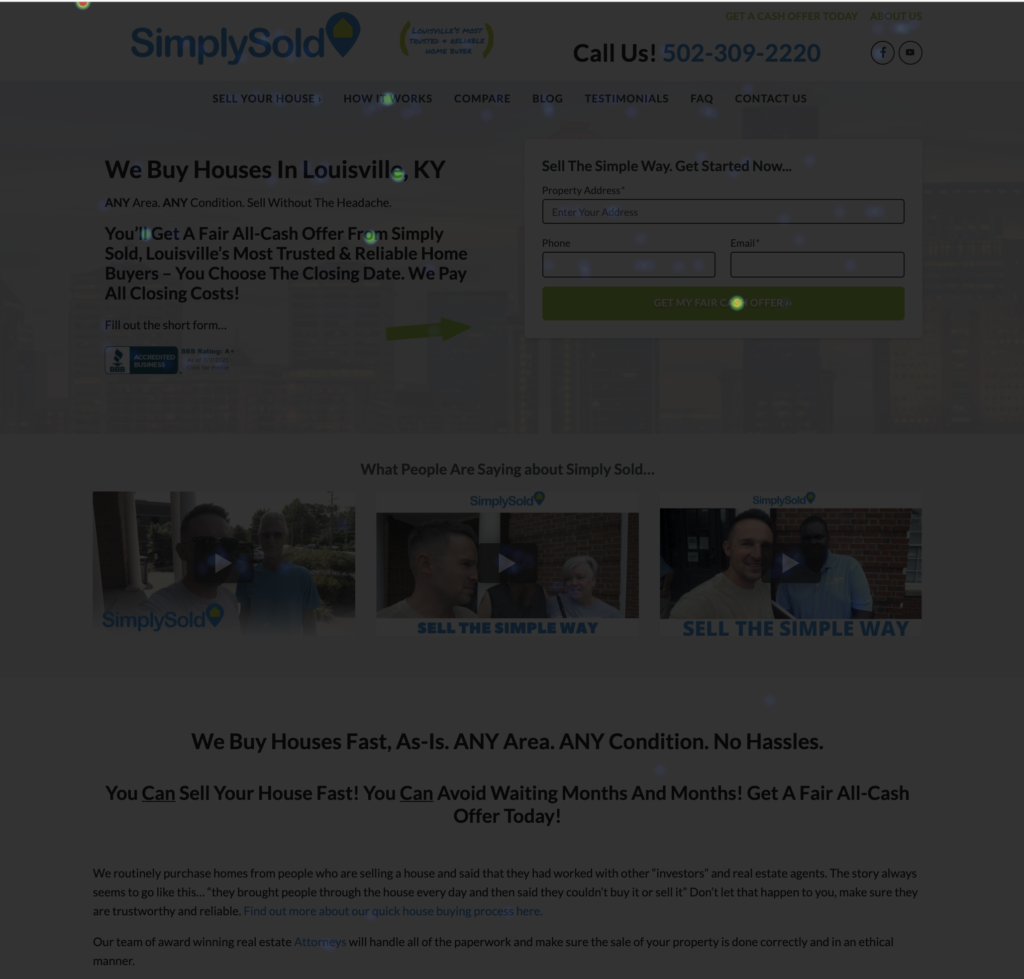
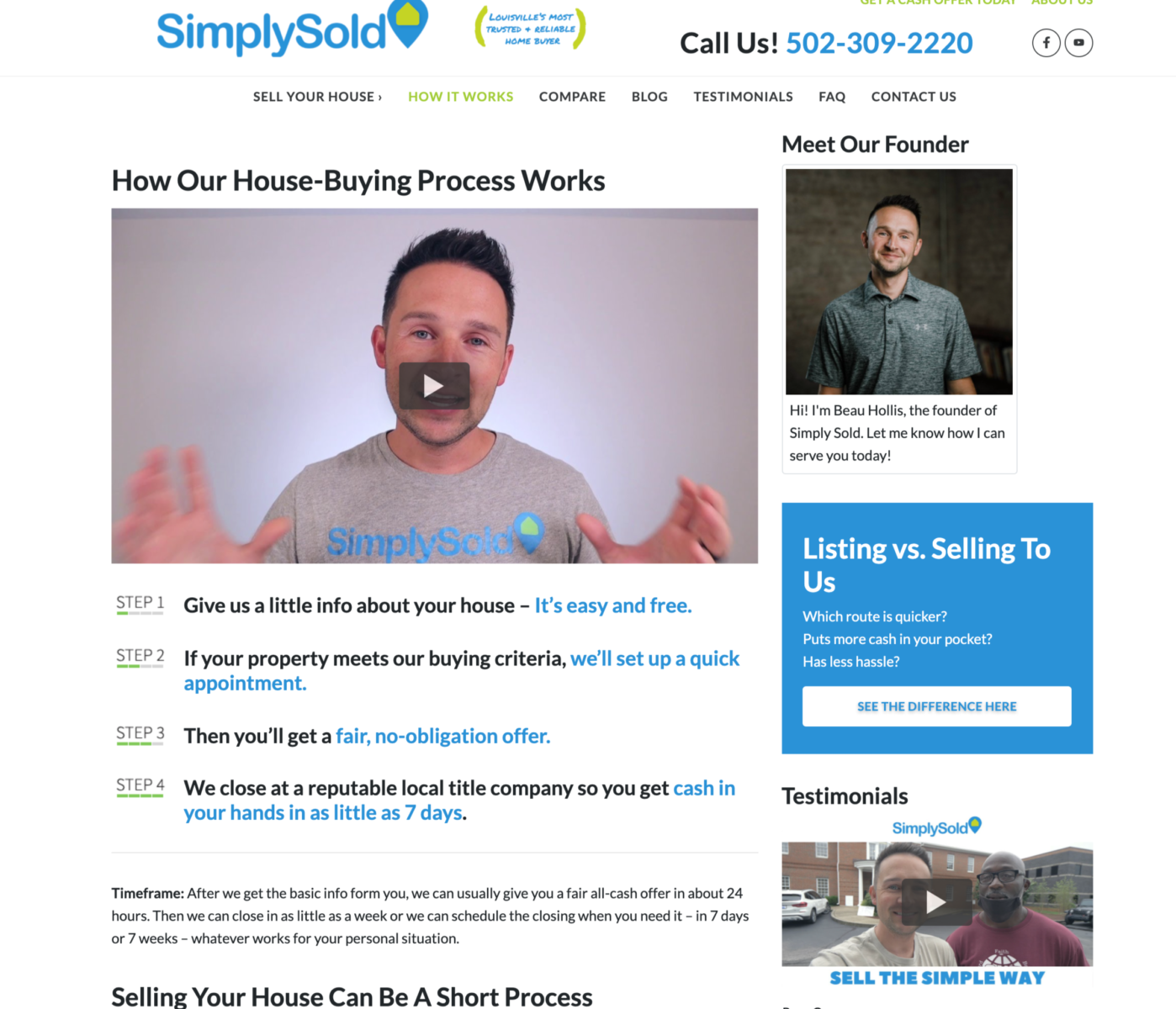
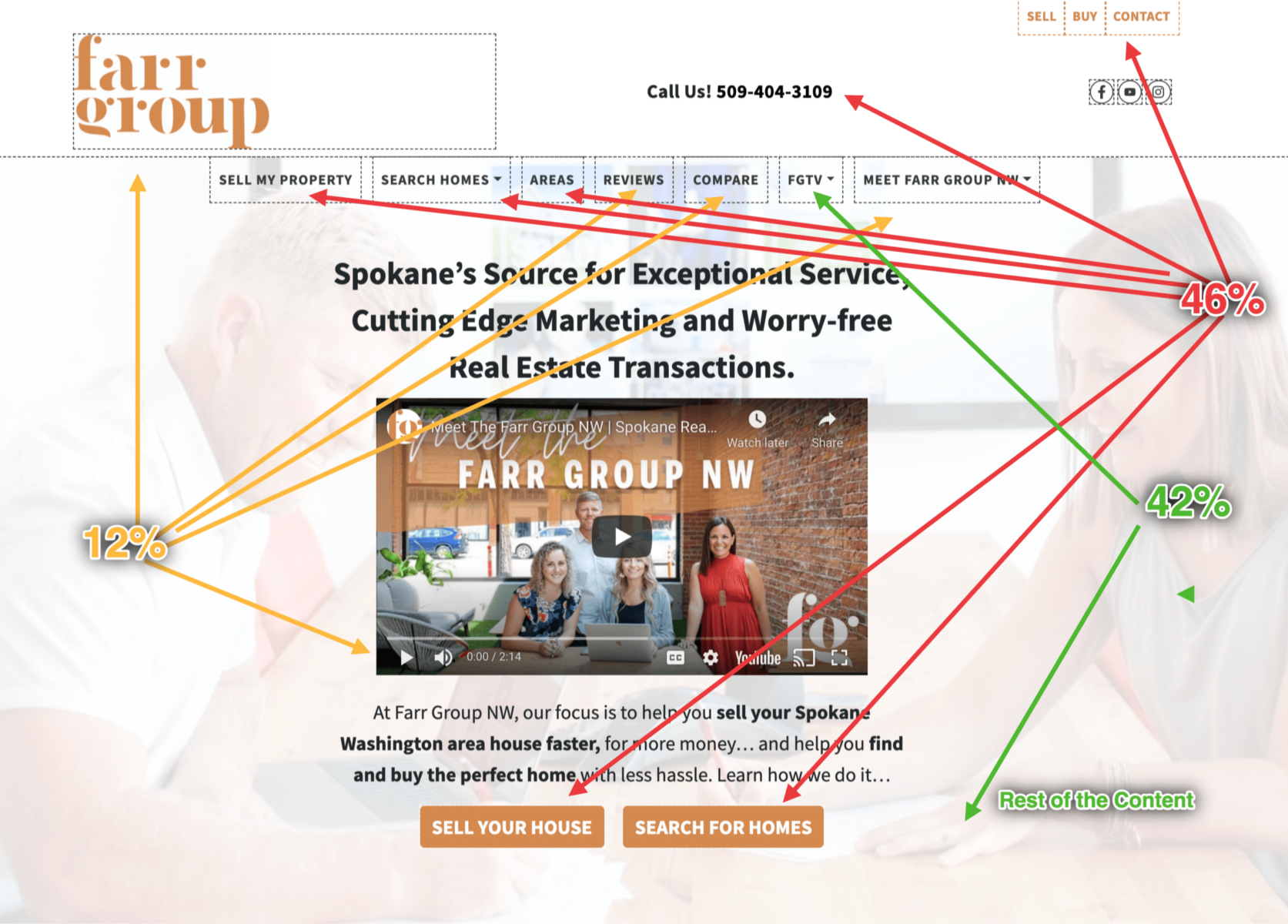



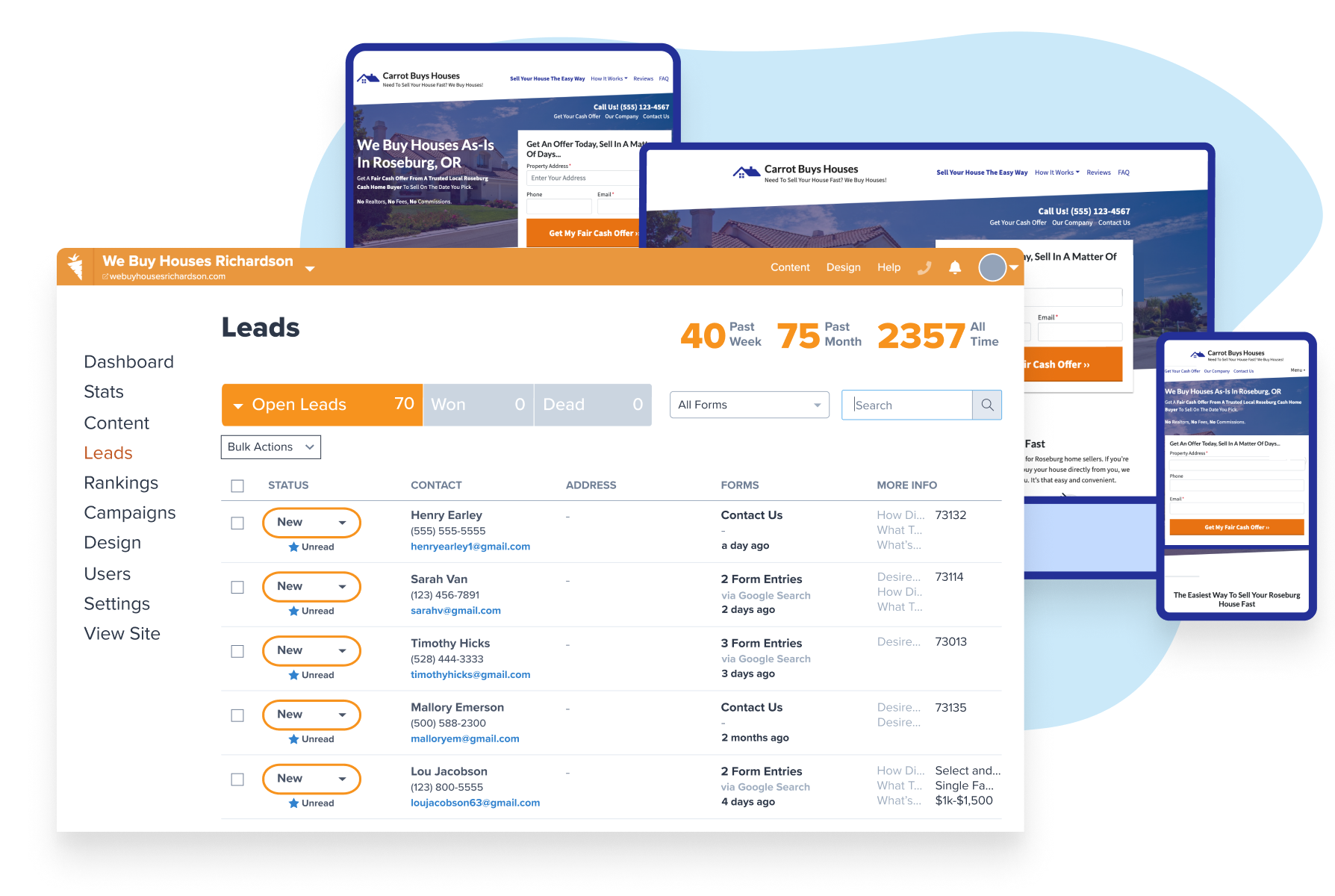
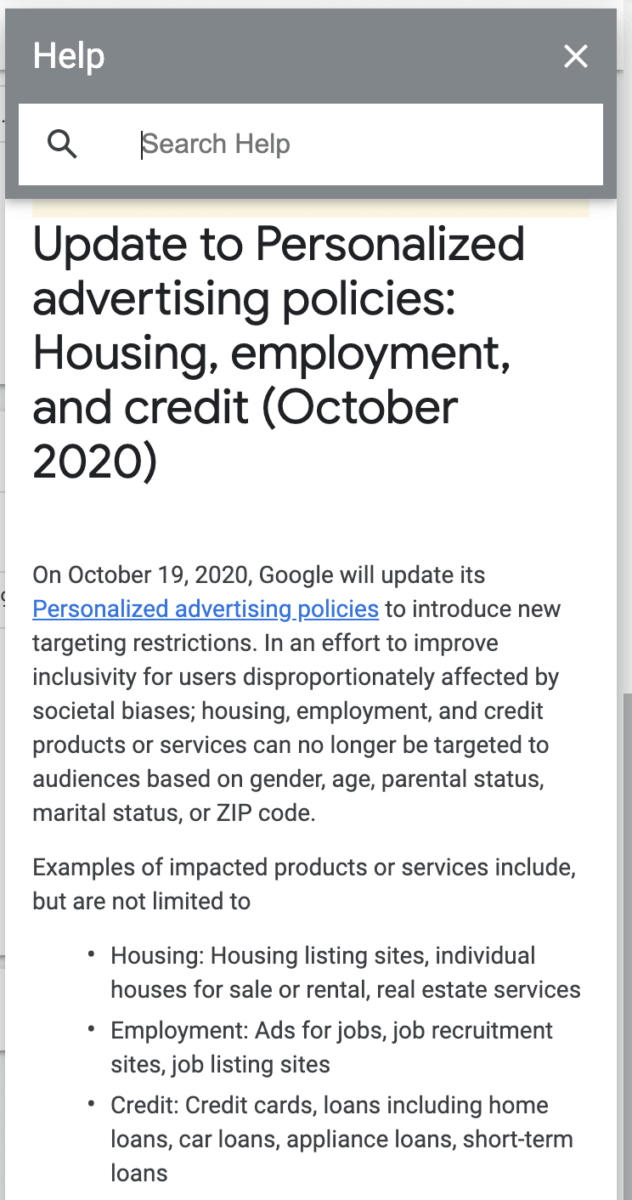
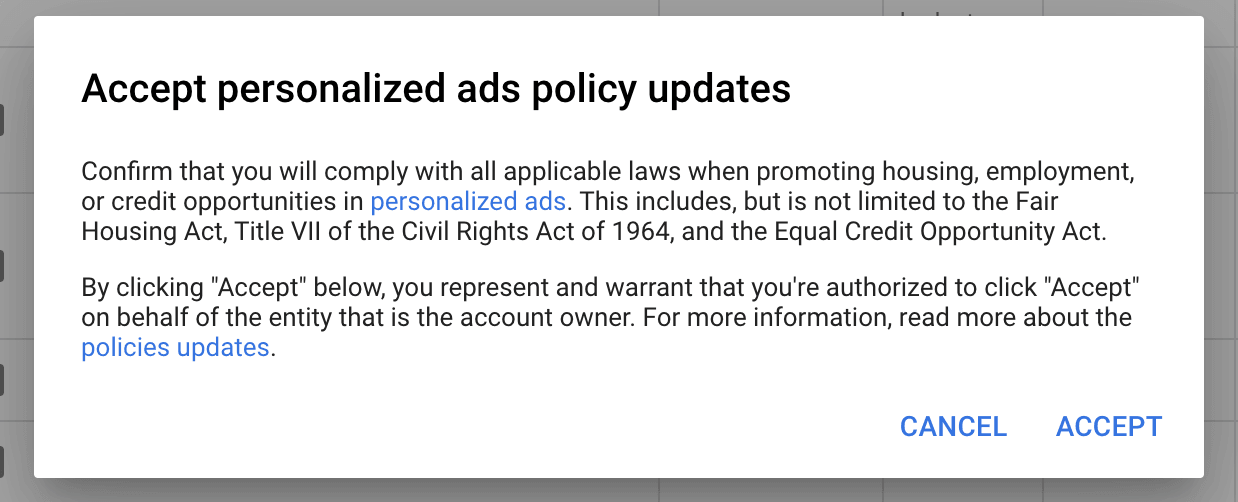
![[Updated Data – August 2020] How Has Lead Generation Changed During COVID-19 for Real Estate? – Exclusive Data and Action Plan](https://image-cdn.carrot.com/uploads/Featured-Image-COVID-19-Real-Estate-DATA.png)