
Search results for: “credibility”

  • 101 Real Estate Blog Post Topic Ideas to Spark Your Creativity

    101 Real Estate Blog Post Topic Ideas to Spark Your Creativity

    Are you having difficulty coming up with great real estate blog post ideas? Generating new blog post topics can be a discouraging task. We have compiled a list of 101 real estate blog ideas you can write about today.

    Key Takeaways

    • “Evergreen” content is a blog topic that stays relevant and fresh for a long time. This is ideal for a website so that your content continuously attracts leads.
    • There are 10+ types of blogs. Understanding them makes it easier to come up with new blog ideas and write content that readers find helpful.
    • QUALITY content is more important than quantity. Make sure your blog posts show your experience, expertise, authority, and trustworthiness (E.E.A.T.).

    Read on to understand why publishing blog posts on your website is important, how to do it correctly, and get real estate blog topic ideas to get you started!

    Table of Contents

    1. Why Blogging Matters (& How to Do it Right!)
    2. Types of Blogs
    3. Real Estate Blog Post Ideas for House Buyers
    4. Real Estate Blog Post Ideas for Rehabbers & Flippers
    5. Real Estate Blog Post Ideas for House Sellers
    6. Real Estate Blog Post Ideas for Tenant & Property Management
    7. Real Estate Blog Post Ideas for Rent-To-Own Property
    8. Real Estate Blog Post Ideas for Foreclosures
    9. Real Estate Blog Post Ideas for Real Estate Agents
    10. Real Estate Blog Post Ideas for Real Estate Investors
    11. Real Estate Blog Post Ideas for Local Market Trends & Analysis
    12. Real Estate Blog Post Ideas for Land Buying & Selling
    13. Evergreen Marketing For Real Estate Investors Is Misunderstood…
    14. Here’s How To Provide Great Value To Your Ideal Prospects
    15. Here’s How To Read People’s Minds
    16. Writers Block? Get Started With These Real Estate Blog Ideas
    17. How Consistently Should I Post Real Estate Blogs?
    18. More Tips To Create Great Real Estate Content
    19. How To Get Content Written For You
    20. The Carrot Content Marketing System
    21. Get Your First (or next) Blog Posts Up!
    Carrot icon
    Lead generation, at its best
    Attract, convert & close more motivated leads
    Try Carrot Today

    Why Blogging Matters (& How to Do it Right!)

    As a real estate investor, your job is to gather more motivated sellers and cash buyers so you can do more deals. The more often you do that, the more deals you can do; the more you can automate that process, the easier it becomes for you (and the more you can scale without working yourself to the bone).

    Marketing your real estate investing business online means competing with other investors for just a few positions on the search engine results pages!

    And, the higher you appear in search results, the more likely people are to click on YOUR search result and end up on YOUR site. But once they’re on your site, your job isn’t over! You need to convince them to do business with you.

    That’s where content marketing comes in.

    Evergreen content is search-optimized content that is continually relevant and stays “fresh” for your target audience over a long period.

    Evergreen content marketing (done the right way) helps you get in front of more of your prospects online and capture the attention of the people you want to do deals with. Once those people are on your site, marketing builds credibility and authority for you and your business.

    Done right, evergreen content is perhaps the most significant edge you can get as an investor regarding the web.

    Blogging remains one of the most potent ways to connect with your audience and drive them to action. The blog ideas you choose to spend your time & resources on are important.

    Research shows that companies who blog with quality content get 67% more leads than those who don’t publish content.

    We’ve found that SEO inbound marketing close rates are 2 to 4 times higher on average than outbound selling efforts—making the right real estate blog ideas an investment that pays off big time.

    We’ve seen our members creating quality content from blogging and other page resources for 10+ years. We’ve learned a thing or two about how to develop content ideas that already have proven demand online for our members.

    To make it even easier, we broke this list down into topics and investment focus areas so you can find blog ideas that perfectly fit your needs.

    Types of Blogs

    Before diving in, let’s explore some of the most commonly used templates for blog posts:

    • Listicle: A numbered list, like “Top 5 Things NOT to Do When Selling a House for Cash.”
    • Case Study: Telling a story about a real experience. This is a great way to highlight your customer’s experiences with you and the results they got.
    • How-To Guide: Just like it sounds, an expert guide that helps people answer a question and learn how to do something.
    • Solutions Overview: Offer a service or product? Use a blog to explain what it is and (more importantly) how it helps!
    • Checklist: People working through a process — like selling a house they inherited, dealing with a home foreclosure, looking to sell for cash, buy land, etc. — need to know what steps to take. You’re the expert, so make them an easy-to-follow checklist.
    • Comprehensive Guides: Google loves expert content that explores a topic in depth, and your potential customers are looking for information. Prove your expertise, put customers at ease, and make Google happy with long-form comprehensive guides that dive deep into a topic. (Bonus: You can link to relevant checklists from your guide!)
    • Definitions Explained: If you’re in a particular niche area or there’s a term or concept that our customers always seem confused by, use that as an opportunity to educate others by explaining it on your website.
    • Statistical Analysis: People hear phrases like buyers or sellers market or other stats in your area, but they may not understand what that means for them. Dive into the statistics to explain the impact it could have for your customers.
    • Frequently Asked Questions (FAQs): Short, sweet, clear copy that quickly answers common questions. Pro Tip: Be sure to use the same words your leads might use.
    • Comparison Breakdown: Shoppers are always comparing products and services, so break down how your company is different from your competition or how selling/buying options differ.

    Real Estate Blog Post Ideas for House Buyers

    • Top problems buyers face when looking to buy for cash flow.
    • Where buyers can find money to do more deals (savings, mortgage loans, lines of credit, private money, etc.).
    • A comparison of the various ways to buy a home (mortgage, rent-to-own).
    • A checklist of qualifications that someone needs if they want to get a mortgage.
    • How a buyer’s agent can help you.
    • What are the pros and cons of different mortgage types? Ie…fixed, 15 year to 30 year?
    • What questions do I need to ask a seller before buying a home?
    • How to pencil in your home buying costs.
    • How to make an offer on a house.
    • # common mistakes homebuyers make.
    • # of things first-time homebuyers need to consider.

    Real Estate Blog Post Ideas for Rehabbers & Flippers

    • Top problems buyers face when looking for rehab properties.
    • Strategies to control costs on rehab properties.
    • How to negotiate with contractors and sub-contractors.
    • How to work with contractors and sub-contractors and get them to finish the work on time.
    • How to do due diligence when you can’t tear down every wall.
    • Top # tips for rehabbing a house.
    • What will rehabbing a house cost you?
    • What first-time flippers can expect.
    • How to rehab and flip an ugly house.
    • Should you use a contractor to rehab a flip?

    Real Estate Blog Post Ideas for House Sellers

    • Top problems sellers face when selling their property through traditional methods (and why selling their home for cash to you is much better).
    • Top ways that sellers can improve their home’s curb appeal before selling it.
    • How much should a seller ask for their home?
    • How long does it take to sell a home in the various ways (i.e., compare traditional, FSBO, or selling to an investor).
    • A step-by-step checklist that a seller can use to prep their home for sale.
    • Sell your home faster with these crafty tips.
    • What is a deed when selling your home?
    • Should you sign a trust deed when selling your house?
    • Who is responsible for title insurance?
    • Is Craigslist worth listing my house on?
    • Seasonal advantages or disadvantages of selling your house.
    • Why start preparing your home for sale years before selling it.
    • What is keeping your home from selling?
    • This is why your house isn’t selling.

    Real Estate Blog Post Ideas for Tenant & Property Management

    • Strategies to deal with tenant problems.
    • How to interview tenants and know when you’ve found the right one.
    • How to deal with tenants that cause property damage?
    • How to keep a good tenant?
    • How to protect yourself from bad tenants?
    • Top # property management mistakes.
    • How to solve the biggest property management issues.
    • Property management issues when renting out a condo.

    Real Estate Blog Post Ideas for Rent-To-Own Property

    • Top problems rent-to-own tenants face, and how working with you can solve those problems.
    • Step-by-step through the rent-to-own process.
    • What does someone need to qualify for rent-to-own?
    • What is renting-to-own?
    • Is there a growing demand for rent-to-own homes?
    • When rent to own – who is responsible for paying homeowners insurance?
    • Can someone be eligible for a lease-to-own contract if they have filed bankruptcy?

    Real Estate Blog Post Ideas for Foreclosures

    • Top problems faced by people in foreclosure.
    • How does the foreclosure process work?
    • What are the ways to avoid foreclosure?
    • If homeowners file for bankruptcy, can they stay in their property and avoid foreclosure?
    • What should I know about buying a foreclosed home?
    • Insider tips to buy a foreclosed home.
    • Potential downfalls for purchasing a foreclosed property.
    • # tips for buying a foreclosure.
    • Top # of mistakes made when buying a foreclosure.

    Real Estate Blog Post Ideas for Real Estate Agents

    • How to find the best real estate agent in your area.
    • How the commission structure works.
    • # of advantages/disadvantages of hiring a real estate agent.
    • Share an interesting story about a real estate deal.
    • Share an interesting story about a house listing (distressed, high priced…)
    • What are the pros and cons of holding an open house?
    • Why low commissions are bad for home sellers.
    • # tips to mitigate capital gains on real estate sales.
    • # Important things to know about appraisals and comps.
    • Find comps in your area to determine the potential appraised value.

    Real Estate Blog Post Ideas for Real Estate Investors

    • How to work with an investor – what to expect, how quickly they can help, who should be involved.
    • How investors can network with people to find private capital.
    • How to find a great property management company to work with.
    • How many cash-flowing properties do you need to retire early?
    • Ways to increase cash flow from your properties.
    • A step-by-step plan to build a portfolio of cash-flowing deals.
    • Share an interesting story about a real estate investing deal.
    • What to look for in potential homes to use as flips.
    • What to look for when buying an apartment complex?
    • What to look for when buying a condo?
    • What types of homes should I look for as a beginner investor?
    • What is the top # of things an investor should look for in an investment home?
    • # of real estate investment niches.
    • Different types of commercial real estate investments.
    • # Worst types of real estate investments.
    • How to attract investor-friendly real estate agents.
    • Overview of the Local Real Estate Market
    • Neighborhood Spotlight: Highlighting Local Communities
    • Market Predictions and Forecasting
    • Impact of Economic Factors on the Real Estate Market
    • Investing in Emerging Neighborhoods
    • Demographic Shifts: Understanding Population Trends and Their Influence
    • Infrastructure Development: Assessing the Impact on Property Values
    • Tourism and Hospitality: Analyzing the Effects on Vacation Home Markets

    Real Estate Blog Post Ideas for Land Buying & Selling

    • # Land buying problems to avoid.
    • # Reasons why you should be investing in land.
    • Things to consider before buying land.
    • How to sell lots and land.
    • How selling land is different than selling a home.
    • What do you need to do to get your land ready to sell?
    • Is the lending market for vacant lots and land difficult?
    • How to take good photographs of your land before selling it.

    Evergreen Marketing For Real Estate Investors Is Misunderstood…

    Content marketing is powerful … when done right. Many inexperienced investors turned on a relentless content marketing “machine” that churned out blog posts hour after hour or were thin pieces of content that lacked any real value or substance for the reader.

    They had heard the maxim that “content is king,” so they thought that creating more content would help them elevate to a higher level in search results.

    Unfortunately, many people chose to put content quantity over content quality.

    Google got wise to those quantity-over-quality efforts and made algorithm changes, adjusting the search results to show sites that only provided high-quality content. Suddenly, investors who had sunk thousands of dollars into creating low-quality blog posts (often through cheap services like Fiverr.com) found themselves in the Mariana Trench of search results…

    … and that’s NOT a good thing.

    These investors were short-sighted in another way:

    Aside from being punished by Google for poor quality, they also failed to realize that humans were reading their content!

    Earlier, I explained the TWO tasks that content marketing accomplished:

    1. To help them appear higher in search engines

    AND…

    2.  To help build credibility and authority to guide prospective buyers and sellers to do deals with you

    By choosing quantity over quality, investors might get a bump in search engine results (until Google changes its algorithm). Still, they weren’t doing a great job of convincing buyers of anything.

    Evergreen marketing needs to add VALUE to its readers.

    Here’s How To Provide Great Value To Your Ideal Prospects

    You need to provide great content for the people you’re trying to reach that attracts them and converts them into a lead… but how do you provide that content?

    How do you know what “good” content is? How do you package it for them so search engines see its value and attract the right audience?

    The good news is that you need to know one secret to provide great content for any audience… it works for EVERY audience you’re trying to reach.

    It doesn’t matter what kind of investing you do (wholesaler, rehabber, landlord, etc.). It doesn’t matter what audience you’re trying to reach (motivated sellers, cash buyers, probate deals, foreclosures, rent-to-own folks, tenants, contractors, or anyone else); this content marketing strategy will be true for you.

    Here’s the secret…

    Every search engine search is a question that your audience wants to ask or a problem they have (even if they don’t frame it as a question)

    Like…

    How do I sell my Detroit home?” – it’s easy to see how that’s a question.

    “I want to sell my house in New Jersey” – that’s a sentence, but there’s a question in there; they’re wondering something: “How?” or “Who?” or “What’s the process?”

    Real estate investments in Memphis” – there’s a hidden question there, too. “What are they?” or “Where in Memphis are they?” or “How much do they cost?” or “What’s the potential return?”

    What to do with a house I inherited in Michigan?” – This is where we get more narrow and focused on specific scenarios.

    Every Google search is a question and/or a problem.

    And, when you know that, you can create content on your website and in your YouTube videos that answer those questions.

    Answering questions (even the questions that searchers don’t realize they’re asking) will help you get in front of the right audience, and it will help you build credibility and trust through the valuable answers you provide.

    Then,… game over. You become a valued expert in your area… versus being seen as a fly-by-night operator like most competitors.

    Here’s How To Read People’s Minds

    This leads investors to a big question: “How do I know what people are searching for so I can answer their questions and get them to my website?

    There are many online tools, but the easiest way is to open up Google.com, start typing, and let Google do the rest!

    Google sees what you’re typing and makes some assumptions based on similar, popular searches, and it presents those assumptions to you as auto-complete options.

    Here are three examples.

    I started typing, and Google offered different ways to complete my search.

    See These Suggested Searches That Google Gave Me…

    columbusohiohomesforsale REI Post Ideas
    Blog Post Ideas For Real Estate Investors ATL
    memphisrealetateinvesting REI Blog Ideas

    While not all of these are relevant to my audience, I know that some of them are – they are questions that my audience wants to know!

    Write those down into an extensive list and build one or more blog posts around them.

    Writers Block? Get Started With These Real Estate Blog Ideas

    To help you further, here’s a list of 101 blog post ideas for real estate you can use to get you going. These blog post ideas are based on research that we quickly performed… and many of these are already built into our Content Marketing System that helps you do content marketing more efficiently (in our Content Tools).

    (Be sure to personalize these with your city and state to increase your chances of ranking well in your local area).

    As an example… “How does the foreclosure process work?”

    Localize yours for your area like… “How does the foreclosure process work in Florida?”.

    I found all of these just by doing what I showed you above… finding what my prospects are already typing into Google… and seeing what Google suggests.

    How Consistently Should I Post Real Estate Blogs?

    How often you blog ultimately depends on what you aim to accomplish with your blog.

    Many bloggers say more content is better, while others say less often. But remember, before you begin blogging, don’t forget it’s quality over quantity.

    You shouldn’t publish content just for the sake of having more posts. You should align your frequency to your content goals and resources.

    If you’re starting, aim for one blog post per week. You may increase it to twice a week as you get into a cadence.

    If writing becomes a challenge, you can use a video post tool like the one we offer at Carrot. Record a video blog and transcribe it into written content optimized for keywords.

    More Tips To Create Great Real Estate Content

    • Write valuable copy. That’s the most important step. Spend the time to create value for your audience.
    • Remember to answer the question that searchers consider when searching for your page.
    • Even if a topic doesn’t seem like it is relevant to you (such as a blog post like “Top ways to improve the curb appeal of your house before you sell it”), you can always pivot to talk about the benefits of selling the house to you rather than listing it instead.
    • Optimize your content for SEO by including search term keywords throughout the copy, including the title and any headers you use.
    • Real estate investing is a local business! Make sure your copy is fine-tuned for your town/city and state.
    • Include a clear and compelling call to action in every post.
    • Keep your posts “evergreen” whenever possible to always be relevant to your audience, even years from now.

    How To Get Content Written For You

    You’ve got many great ideas to get you started, but chances are, you probably want to focus on the deals and NOT on the actual writing. Of course, you can write some if you wish to, but there aren’t many investors I’ve met who want to do that.

    Outsourcing can be a powerful way to get your content written for you… if you find good writers who understand your prospect well and know how to optimize a blog post SEO.

    We’ve used these sites in the past to find decent writers:

    • UpWork.com (formerly Elance.com and Odesk.com)
    • Guru.com
    • TextBroker.com

    You can hire content writers on these sites to create content for you. Remember that you get what you pay for. Not all these writers can write well in English, nor will they be familiar with real estate investing. You need to do your due diligence.

    Working with topic experts (people who know our business and industry well) can be expensive, but the quality and results are 10x better. You get what you pay for.

    Or, Here’s An Even Easier Way – The Carrot Content Marketing System

    Of course, you can hire someone, but did you know that the Carrot platform already has powerful content built into it?

    For Content Tools members, with our Automated Content Library, you get regular “content packs” of blog posts that are high quality (excellent for search engines!) and informative (great for humans!), plus they’ve been optimized with some of the most powerful search engine optimization strategies on the planet… then localized for your market.

    What’s the catch? We’ve done 80-90% of the work for you, but it’s up to you to update the content with your voice. We are saving you dozens of hours per month and hundreds of dollars vs. hiring out the writing and optimization… plus you can always edit these posts to put your spin on them before they publish.

    Best of all worlds.

    So, if you’re looking for some very powerful content marketing without much effort to write it (or manage writers), then be sure to check out our Content Pro level.

    So, Let’s Get Your First (or next) Blog Posts Up!

    If you’re not going to dive in and corner your market as an expert leveraging great content… your top competition will.

    So the choice is yours.

    Evergreen content marketing is how real estate investors (wholesalers, house flippers, etc.) can now get an edge online.

    The ones who understand how to do it well are setting themselves up for long-term success as Google shifts more and more toward preferring rich and fresh content on your website.

    In this blog post, you read about the strategies you need to implement to create great content, you got 100+ compelling real estate blog post ideas to get you started, and you even read some fast-track ideas to help you get going even sooner so you can focus on doing more deals now.

    So dive in and get your first blog post up today!

    Don’t over-complicate it. Just get something up to start, then improve from there.

    I suggest scheduling one post weekly and publishing it live Tuesday, Wednesday, or Thursday. Why? Our data shows overwhelmingly that most of the leads coming through our platform come in midweek… with Sunday being the worst day. So post that content when your best prospects are likely to see it.

    Enjoy!

  • The Importance of Excellent Real Estate Agent Bios + 9 Examples

    The Importance of Excellent Real Estate Agent Bios + 9 Examples

    The Importance of Excellent Real Estate Agent Bios + 9 Examples

    Ready to learn how to write a killer real estate agent bio?

    You’re lucky because we are going over the steps from start to finish.

    A well-crafted and compelling agent profile can be an invaluable asset when it comes time for clients or potential buyers to research their next property investment.

    Write with energy and creativity!

    Why Should You Perfect Your Real Estate Agent Bio?

    Anyone looking to buy or sell their house wants to know they will work with a real estate agent they can trust.

    They want to know that the agent they choose has their best interest in mind, will negotiate the best price possible, understands their market, and has a healthy track record of buying and selling homes.

    Without that – without trust – the prospect will never work with you.

    And since 70% of buyers and 75% of sellers find their real estate agent by searching the web, it makes sense that your real estate agent bio is vital to growing your business and converting website leads into clients.

    Your real estate agent bio is where website visitors go to decide if they will work with you.

    Seem like a tall order?

    Well, it is.

    But crafting a real estate agent bio that builds trust and credibility and resonates with your target market isn’t as tricky. It’s just six steps.

    Here are those steps – each with pertinent examples to illustrate my point.


    5 Free Agent Bio Templates

    Grab 5 free real estate agent bio templates + examples for your agent website.

    • This field is for validation purposes and should be left unchanged.


    How to Write a Winning Real Estate Agent Bio with Examples

    Step #1: Understand your market

    This might upset you…

    But one of the worst things you can do with your real estate agent bio is to copy and paste one of those short personal bio samples online with your name and data plugged into the blanks.

    The problem is that every market is different. Your market is different from the market that that free template you found online was created for. You need to create a bio (pic and copy) that resonates with your market, not someone else’s.

    And who knows your market better than, well, you?

    To get a better understanding of what I mean, read through this bio from Irene Dazzan-Palmer:

    “For nearly 30 years, Irene Dazzan-Palmer has been hailed as ‘the queen of coastal real estate.’ A consistent top producer in Coldwell Banker’s Malibu Colony office and an Estates Director for Coldwell Banker Previews International, she has amassed nearly $2 billion in career sales and a history of selling some of the nation’s most significant coastal homes alongside her partner and son, Sandro Dazzan.

    These achievements have helped Irene earn a prestigious membership in the Society of Excellence, Coldwell Banker’s highest honor for the top 1% real estate agents nationwide. Irene’s record listings and sales have been the subject of international attention over the last three decades and span from Forbes and the Wall Street Journal to the Los Angeles Times.

    She has also been widely recognized in the media as a luxury real estate authority, appearing in national television broadcasts such as NBC’s ‘Today Show’ and prestigious publications like Los Angeles magazine.”

    Irene has a niché, and she knows what it is. She isn’t afraid to exclude people uninterested in her niché. By doing so, she speaks directly to her market and resonates with those interested in high-ticket coastal homes.

    So how do you write an amazing bio?

    Don’t be a generalist.

    Find your niché and represent it with confidence in your real estate bio. Here is another example of an agent who understands her market: Leslie Woods.

    real estate agent bio example

    (Image Source)

    “Representing Mid-Peninsula homeowners and future homeowners, Leslie is committed to listening to her clients’ needs and utilizing her keen negotiating skills to ensure a successful transaction.

    Raised on the Peninsula, Leslie understands the numerous intangible benefits of living in Silicon Valley, with its unmatched weather, culture, and diversity. Leslie graduated from Cal Poly San Luis Obispo with a Bachelor of Science degree in Food Science and Nutrition and subsequently returned to the Bay Area to excel in pharmaceutical sales with Wyeth Laboratories for over ten years. She joined the Real Estate profession as her three children approached their middle school and high school years.

    In the past eight years, Leslie has become an esteemed realtor, highly regarded by her clients and professionals in the field. A current Menlo Park resident, she is well-connected and actively involved in the community. Her contacts and life-long residency leverage her enthusiasm and expertise, enhancing her client dedication.

    Leslie showcases her homes on her website and utilizes a team of professional service providers to assist with her clients’ buying and selling needs, including stagers, painters, designers, handymen, and inspectors. She is communicative, thorough, and detail-oriented — and she’ll be alongside you every step of the way.”

    Speaking to the middle- to high-class homebuyers, Leslie puts herself in the marketing pit of “representing Mid-Peninsula.” Not a wrong move since that is the exact market she operates in.

    The point is, that you want to speak directly to your market. Here’s a list of questions to get you thinking about who your market is (Hint: it’s not necessarily the same as other real estate agents in your area):

    • Do you serve first-time homebuyers or people who’ve bought several homes before?
    • Do you prefer working with buyers or sellers?
    • What price point do you want to target?
    • What market area do you want to focus on selling homes in?
    • Is your market primarily liberal or conservative?
    • How old are the people in your market, generally speaking?
    • Do you serve males or females or both?

    You don’t necessarily have to answer all these questions about your market, but the better you understand the people you’re serving, the more your new real estate agent bio will resonate with them.

    This leads us to step 2…

    Step #2: Make a list of your market’s primary objections

    One of the best ways to get your new real estate agent bio converting website visitors (or at least getting them to call you on the phone) is to make sure your bio addresses all the big objections they have swimming around in their heads.

    What are they worried about with buying or selling a home? What concerns do they have about choosing a real estate agent? What might they be worried about when considering working with you?

    The answer to those questions should be addressed in your bio.

    Ease their fears and explain why you’re the perfect person to help them through their specific challenges.

    (Again, you can only answer the above questions if you understand your market well)

    For instance, many buyers and sellers have one objection: how well you – the real estate agent – know the area. How familiar are you with the market, and are you the best expert for their needs?

    Here’s how Elizabeth Putnam addresses that objection in her bio

    “As an Asheville native, I witnessed its great transformation – from a boarded up and desolate downtown into a bustling metropolitan city that retains its small-town feel.
    My intimate knowledge of this region, and my experiences of having lived here all of my life, give me enthusiasm and a desire to make my home, your home. Truly, I love Western North Carolina and I love my job!”

    Another common objection from home buyers and sellers is regarding how much experience the real estate agent has or doesn’t have.

    Consider how Cyndie Gawain addresses this objection in her bio:

    “Cyndie Gawain is a dream catcher. She helps new friends catch their dreams of buying and selling a wonderful home. A resident of Dallas for more than 30 years, she has lived and worked in many areas in Dallas-Fort Worth.

    Her business is based on more than 80 percent of referrals from satisfied clients. Most important to Gawain is providing the most excellent service to buyers and sellers in order to earn their trust, referrals, and repeat business.

    Gawain has sold homes in all price ranges from starter homes and high-dollar estate properties to uptown condominiums, ranch properties, and investment properties.

    Clients appreciate her flexibility, low-pressure sales, patience, ability to listen and hear what a client wants, negotiation and analytic skills, and her ability to accurately price and market a home.”

    While many of the objections from different real estate markets overlap, your market’s buyers and sellers might have concerns unique to your area.

    Whatever the case, list all the significant objections your market will have. Use the 80% rule. If 80% of your market has the objection, then diffuse it in your bio.

    Step #3: Make a list of your market’s primary desires

    So how do new real estate agents get leads?

    They paint the picture that their audience is picturing.

    Every home buyer and seller has an image of what they want their agent experience to be like.

    They likely want it to be a smooth experience, one where the agent negotiates vigorously on their behalf and one where they walk away with more money in their pocket (or the keys to their dream home without breaking the bank).

    It’s not enough to understand your market’s fears. You also need to understand your market’s deepest desires.

    Answer this question: What does your market hope to get from working with a real estate agent? 

    What are the most important things to them?

    Once you answer that question, you can make your bio resonate with your market by stroking their desires within the copy.

    Consider, for instance, how Greg Noonan paints a picture for his market of what it’s like to work for him:

    painting a picture with your real estate agent bio

    (Image Source)

    #1 Top-Selling Agent of La Jolla Homes Overall -and #1 La Jolla Listing Agent* Greg Noonan gives you the best chance to succeed in this complicated market with sub-communities varying widely in value.

    As Coastal San Diego’s “Go-To” agent and the consistent leader with a reputation for tenaciously protecting his clients’ interests, Greg is dedicated to serving you with savvy client-focused negotiations and state-of-the-art marketing strategies joining uncompromising integrity as the hallmarks of his service.

    Greg is exceptionally well-respected in La Jolla, not only for his unparalleled professional track record and high ethical standards but for being an honest, hard-working family man who does absolutely everything in his power to ensure his clients’ success and satisfaction.

    Thanks to his loyal clientele, personal referrals, and repeat business form the foundation of Greg’s career. To ensure efficient, complete service for you including cutting edge technology and genuinely caring performance, Greg’s associates have been carefully selected from the very finest agents in the business to form a close-knit “family” offering seamless assistance to you for every aspect of your home purchase or sale.

    Please call Greg anytime without obligation. He is ready to go to work for you today!”

    Write down everything your market wants from experience with their chosen real estate agent. Again, use the 80% rule. If 80% of your market desires it, then mention it in your bio as something you provide.

    Get 5 Free Agent Bio Templates Now

    Grab 5 free real estate agent bio templates + examples for your agent website.

    • This field is for validation purposes and should be left unchanged.

    Step #4: Use a bio photo that resonates with your market

    Your bio photo says a lot about who you are and what service you provide.

    Let me show you an example.

    Look at this bio photo from Shane Inman…

    real estate agent bio photo

    And now look at these bio photos(s) from Landon Clements (yes, she’s a real estate agent, and this is from her “About” page, right above her bio).

    real estate agent bio photos

    (Image Source)

    The first picture communicates professionalism, expertise, and seriousness. The second is fun, inspiring, and at least a little dreamy.

    Here’s the thing, though: both of these are perfectly fine.

    There’s no cookie-cutter way to take a perfect real estate agent photo.

    It’s all about what your market wants and expects.

    For instance, if you’re serving first-time homebuyers, you probably want to use a friendly and approachable bio picture. But a more professional vibe might be better if you’re serving multi-millionaires.

    Once you know your market and who you’re serving, you can take the perfect bio photo for your market. Should it be friendly? Should it be serious? Should it be professional? Should it be flippant?

    That’s a question only your market can answer.

    What does your market want?

    Step #5: Write a bio description that resonates with your market

    Now that you understand your market – from steps 1-3 – you can write a bio that resonates with that market’s desires and addresses that market’s objections.

    We’ve already touched on this a few times within the article, so rather than beat a dead horse, I’ll show you a few more examples of real estate agent bios that do a wonderful job of keeping their market in mind:

    Aaron Kirman Real Estate

    (Image Source)

    “Aaron Kirman, President of the International Estates Division of Pacific Union International is one of the leading real estate agents in the USA and has repeatedly been named Top Agent in Los Angeles. With over $4.5 Billion in sales, Kirman represents the finest estates across the globe and was ranked #5 in the U.S by the Wall Street Journal. He has an extensive client base featuring those who seek the luxury lifestyle including heads of industry, celebrities, royalty, major lending institutions, and foreign investors.

    As a prominent figure in the luxury real estate market, Aaron has received International acclaim for record-setting sales across Los Angeles. Aaron has crafted his career from representing the most prominent Architectural and Luxury Estate communities across the globe as well as representing the most exclusive residences owned by some of the world’s most rich and famous…”

    Here is a fantastic bio addressing her market (albeit a very different market than Aaron’s); here’s part of Shemeika Fox’s bio…

    Shemeika Fox

    “Shemeika Fox: Realtor/Owner Exceptional Service… All of the Time!

    With a fresh and unique approach to real estate, Shemeika is incorporating 21st-century digital marketing strategies, used by fortune 500 companies, to enhance the real estate experience for her buyers and sellers alike. She’s a social media marketing guru, constantly showing up where buyers and sellers are, educating them with her amazing video content. “The market is forever changing and I want to make sure that I am ahead of the change, always evolving, using cutting edge techniques, and constantly being a student of my craft.”

    Shemeika works with sellers, buyers, and investors and is known for her quality service and stellar reputation, ensuring great experiences for every client she represents. For sellers, Shemeika spends thousands of marketing dollars to showcase her clients’ homes properly. “I don’t just put your home on the MLS and hope that it sells…I can create the sale through my own digital marketing!” With professional photographers, stagers, videographers, virtual tours, single property websites, and intricate advertising techniques, Shemeika prides herself at getting her sellers multiple offers at top dollar, usually resulting in less time on the market than her competition. Her social media presence reaches tens of thousands of Santa Cruz County locals and beyond every single week.
    As for buyers, being a CMNE (Certified Master Negotiating Expert) plays a huge role in how Shemeika Fox goes to bat for her buyers. She writes her contracts with the expectation of getting the absolute best price with the best terms. She educates her buyers, helping them through every phase of the transaction, making sure that they have the proper budget, adequate financing, understanding each aspect of the payment and loan, and how to look for the best property to suit their needs. With earning her clients’ trust and respect, Shemeika continuously builds her real estate career on referrals and repeat business. “It’s about finding a REALTOR you trust to manage and/or secure your largest asset.”

    Step #6: Get feedback from people within your market

    Wondering if your bio is as good as it could be?

    Well, the only people who’ll have the answer to that question are your market. So get out there and ask some of them (ideally, people you trust will be honest with you) what they think.

    Does it resonate with them? What objections might they still have after reading it? What would keep them from calling you after reading it? Was it inspiring enough? Did it speak to their desires and the things they would want to get from working with a real estate agent?

    Don’t spend forever on this step, though. Get your bio as well as possible, set a deadline, and hit the publish button.
    One thing is for sure: your bio won’t do any good sitting in a Windows Doc somewhere.

    FREE Real Estate Bio Template

    Hi, I’m [name], and I work with [your target audience] in [markets you serve] who [what your target audience typically wants or needs].

    I’ve been a Real Estate Agent for [number] years and have helped over [number] families to date.

    One of the best compliments I’ve ever received from a client was: [“amazing testimonial goes here”].

    I love helping members of my community to [describe the results that you’ve helped clients get]. It’s what makes me jump out of bed each morning!

    If you’re looking for a Real Estate Agent who [describes what your target audience typically seeks], then I’d love to work with you!

    I’ve [list 2-3 of your most impressive credentials].

    When I’m not helping people, I can be found [list 2-3 hobbies or passions such as volunteer work].

    If you’d like to learn more about how we can work together, please call or text me anytime! .

    It would be an honor to work with you!

    Conclusion

    What your real estate agent bio says, how it says it, and who it’s crafted to speak to are all very important.

    This is why getting it right the first time is so important.

    How do you do it?

    By knowing your market and by speaking directly to them.

    You can use the above steps to write a real estate agent bio that resonates with your specific market – addresses their specific objections, and speaks to their specific desires.

    Once you do, your ideal market won’t have any choice but to work with you… because you’re the perfect fit. For more resources and real estate marketing materials, click on the link!

  • The Ultimate Guide to Google Ads for Real Estate Investors

    The Ultimate Guide to Google Ads for Real Estate Investors

    Google Ads, when implemented strategically, is one of the most effective lead generation engines for real estate investors, consistently delivering high-quality motivated seller leads that convert to deals at impressive rates of 1 in 10 to 1 in 15.

    Key Takeaways

    • Target motivated sellers through precise keyword research, focusing on intent-based phrases like “sell my house fast” and using appropriate match types (broad, phrase, or exact) to reach the right audience.
    • Create compelling ad copy with strong headlines, descriptive text, and clear calls to action, while leveraging ad extensions for maximum visibility and improved click-through rates.
    • Implement conversion tracking to measure key metrics like cost-per-lead, conversion rate, and ultimately deal conversion rate, allowing for data-driven optimization of campaigns.

    By setting realistic expectations, allocating a proper testing budget, and continuously refining your strategy based on performance data, you can transform Google Ads into a predictable source of high-quality motivated seller leads that generate substantial ROI for your real estate investing business.

    Google Ads for Real Estate Investors: Steps for Successful Campaigns

    Carrot icon
    Lead generation, at its best
    Attract, convert & close more motivated leads
    Try Carrot Today

    Uncertain about PPC advertising? Fear of wasted spend or limited time are common concerns. But here’s the truth: Google Ads, when implemented strategically, is a proven lead generation engine. In fact, it’s consistently ranked among the top methods for our Carrot members, translating into high closing rates (1 in 10 to 1 in 15 leads).

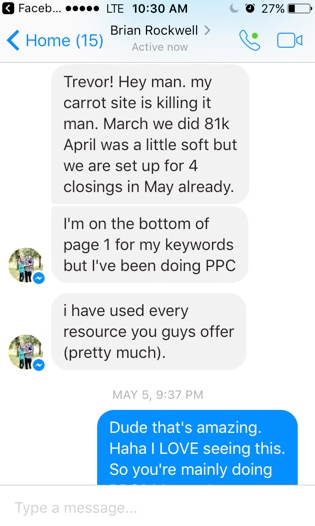
    This guide empowers you to take control and build a Google Ads campaign that can significantly impact your business, just like it did for Carrot member Brian Rockwell…

    adwords for real estate investors success story

    and countless others…


    Real Estate Investor PPC Keywords

    Are you curious what the most profitable Motivated Seller keywords?

    • This field is for validation purposes and should be left unchanged.

    We’re committed to your privacy. Carrot uses the information you provide to us to contact you about our relevant content, products, and services. You may unsubscribe from these communications at any time. For more information, check out our Privacy Policy.


    What is Google Ads?

    Google Ads is an online advertising platform developed by Google, where advertisers bid to display brief advertisements, service offerings, product listings, or videos to web users. It can place ads both in the results of search engines like Google Search and on non-search websites, mobile apps, and videos.

    Google Ads for real estate investors can be a powerful way to reach your target audience, but it takes some knowledge and preparation. Check out this list for everything you need before getting started!

    • Keywords: These are the words or phrases that people type into Google Search, which trigger your ad to appear. When setting up an ad campaign, you’ll pick a list of keywords that you think people might search for when they want what you offer (and don’t worry: we can help).
    • Bid: This is the maximum amount you’re willing to pay when someone clicks on your ad. (Since, with Google Ads, you don’t pay to show up — only when someone clicks on your ad to visit your site or call you.)
    • Quality Score: This metric tells you how relevant your keywords are to your ad and your landing page (i.e., the webpage where people will be taken when they click your ad). A good Quality Score can lower your bid costs and improve your ad rank in the search results.
    • Ad Rank: Ad Rank is a metric that helps determine where your ad will show up, relative to other ads, when it’s triggered to appear on Google. Your rank is determined using your bid, quality score, and other factors.
    • CPC (cost-per-click): The actual amount you pay when someone clicks on your ad. (You don’t necessarily pay your entire bid price for every click — that sets up a range of possible costs-per-click you might pay.)

    In this section, we’ll dive into the foundational elements of Google Ads specifically for real estate investors. We’ll explore the benefits of using this platform to attract motivated sellers and high-quality leads, guide you through setting up your account, and explain how to structure your campaigns for optimal results.

    Why Should Real Estate Investors Use Google Ads?

    Traditionally, real estate investors have relied on networking, cold calling, and yard signs to find motivated sellers. However, Google Ads offers a powerful and targeted approach to reach a highly engaged audience actively searching for solutions. Here’s why Google Ads should be in your real estate investor toolkit:

    • Reach Highly Motivated Sellers: Target potential sellers actively searching for terms like “sell my house fast” or “we buy houses in [your city].” These individuals are more likely to be open to your offers compared to cold leads.
    • Laser-Focused Targeting: Go beyond demographics. Refine your targeting by location, property type (single-family, multi-unit), timeframe (foreclosure, inheritance), or even budget to reach the most relevant sellers.
    • Measurable Results: Track every click, lead, and conversion generated through your ads. Analyze data and optimize your campaigns for maximum ROI and lead generation. Tip: To streamline your project management and efficiently track tasks, it’s beneficial to create Jira filters that help you monitor your Google Ads campaigns’ performance.
    • Faster Lead Generation: Compared to traditional methods, Google Ads can deliver qualified leads quickly, allowing you to act fast and secure deals before competitors.
    • Scalability & Flexibility: Start small and scale your campaigns as your budget and goals grow. Adjust targeting and messaging based on performance data for continuous improvement.

    Setting Up Your Google Ads Account (Step-by-Step with Real Estate Investor Considerations)

    Creating your Google Ads account is a straightforward process. Here’s a step-by-step approach with considerations for real estate investors:

    1. Navigate to Google Ads: https://ads.google.com/ and sign in with your Google account.
    2. Set Your Campaign Goal: Choose “Leads” as you’re primarily interested in generating seller leads.
    3. Target Location: Enter your target market area (city, zip code, or radius) where you’re actively looking for properties. Your location settings will play a role in placement. For example, if you choose the location target option of “Presence: People in or regularly in your targeted locations,” and you only buy houses in Oakland, when someone in New York searches for “sell my house fast,” they will not see your ad. That’s because Google’s main objective is to display ads to searchers within the target location.
    4. Budget: Set a daily or monthly budget that aligns with your comfort level and investment goals. Start small and increase as you gain confidence and refine your campaigns.
    5. Bidding Strategy: Consider “Manual CPC” or “Maximize Conversions” initially to prioritize generating leads within your budget.

    Real Estate Investor Considerations:

    • Business Name & Website: Use a clear and professional business name that reflects your brand. Ensure your website is mobile-friendly and optimized to capture leads (e.g., contact forms).
    • Payment Method: Select your preferred payment method (credit card, debit card) for your advertising costs.

    Understanding Campaign Structure & Targeting (Campaign Goals, Ad Groups, Keywords for Real Estate)

    Now that your account is set up, let’s explore how to structure your campaigns for success.

    • Campaigns: These represent your overall advertising objectives. As a real estate investor, your primary campaign goal will likely be “Leads.”
    • Ad Groups: Organize your ads within your campaign based on a specific theme or target audience. For example, you might create separate ad groups for “Cash for Houses Fast” or “Sell Your Inherited Property.”
    • Keywords: These are the words and phrases potential sellers will use to search for solutions. Real estate investor keyword research should focus on terms related to motivated sellers, such as “we buy houses,” “sell my house fast,” or location-specific variations like “[your city] house buyers.”

    Keywords Match Types and Research

    The different match types give you room when selecting your keywords. Match types tell Google whether you want to match a search query exactly or if your ad should be shown to anyone with a search query that’s somewhat related. There are three match types to choose from:

    Broad match “may show on searches related to your keyword, which can include searches that don’t contain the keyword terms. This helps you attract more visitors to your website, spend less time building keyword lists, and focus your spending on keywords that work. Broad match is the default match type that all your keywords are assigned so that you don’t have to specify another match type (exact match, phrase match, or a negative match type).”
    The syntax for broad match is to simply input the keyword. Below is an example of how a broad match keyword would work:

    Broad Match Keyword:

    Quick Sell Home

    Ads May Show on Searches For:

    quick sale

    private home sale

    1 bedroom houses near me

    Phrase match “may show on searches that include the meaning of your keyword. The meaning of the keyword can be implied, and user searches can be a more specific form of the meaning. With phrase match, you can reach more searches than with exact match and fewer searches than with broad match, only showing your ads on the searches that include your product or service.”

    The syntax for phrase match is to put quotes around your keyword. Below is an example of how a phrase match keyword would work:

    Phrase Match Keyword:

    “We Buy Houses”

    Ads May Show on Searches For:

    best we buy houses company

    we buy houses for cash companies

    we buy houses in colorado

    Exact match “may show on searches that have the same meaning or same intent as the keyword. Of the three keyword match options, exact match gives you the most control over who sees your ad, but reaches fewer searches than both phrase and broad match.”

    The syntax for exact match is to use square brackets. Below is an example of how an exact match keyword would work:

    Exact Match Keyword:

    [Sell My House Fast]

    Ads May Show on Searches For:

    sell my house fast

    quick fixes to sell your home

    sell my houses fast

    If you’re starting out and don’t know exactly how your market will be searching, move away from a broad match to a narrowed approach so you can see which searches yield the best results. You should always keep a close eye on your keywords and modify them as you can gain new data.

    Keyword Research

    Once you have your direction plan, it’s time to perform keyword research for your market, intent keywords, and competition.

    • Define your target customer  Most investors likely have an idea, but newer investors might need to take the time to create a customer avatar.
    • Define your target locations — You can target locations down to the city. You can even exclude cities, counties, or states.
    • Build your initial keyword list — Use resources such as Google Ads Keyword PlannerSEOBook, and Ubersuggest.
    • Identify keywords to block  Called negative keywords, adding these in will help block your ads from showing for the wrong searcher.
    • Sort keywords and identify customer intent keywords vs. research keywords — Research keywords might be on the edge, so be careful when choosing them. You must monitor those to make sure they’re not eating up your budget.
    • Organize your keywords into categories — For example:

    Category: Sell My House Fast
    Category: We Buy Houses
    Category: Sell Your House Quick

    This will help you build your ad groups around your keywords while staying organized.

    Pro Tip: Do some spying on your competitor’s keywords — SEMRush or SpyFu are two great tools that provide helpful information.

    Next Steps:

    In the following sections, we’ll delve deeper into crafting compelling ad copy, optimizing your landing pages, and using advanced strategies to maximize your return on investment with Google Ads.

    Part 2: Creating High-Converting Ads for Real Estate Investors

    Now that you understand the fundamentals of Google Ads for real estate investors, let’s focus on crafting the elements that will grab attention and convert clicks into leads.

    Writing Compelling Ad Headlines & Descriptions (Examples & Best Practices)

    Headlines and descriptions are your prime real estate on the search results page.

    Here’s the amount of characters allotted in a Google Ads ad:

    Display URL Examples

    • www.domain.com/We-Buy-/Houses-Cash
    • www.domain.com/Sell-Your-Home/For-Cash

    Dimensions for Responsive Search Ads

    • Enter your headlines. You’ll need to enter a minimum of 3 headlines, but you can enter up to 15.
    • Enter your descriptions. You’ll need to enter a minimum of 2 descriptions, but you can enter up to 4.

    You can also control where individual headlines and descriptions appear in your ad by pinning headlines and descriptions to specific positions.

    Here is an example of a responsive ad converting at 32.52% with 40 leads:

    Here’s how to write ads for maximum impact:

    Headlines:

    • Keep it short and sweet (under 30 characters).
    • Focus on benefits for sellers (e.g., “Sell Your House Fast for Cash!”).
    • Highlight urgency (e.g., “Get a Cash Offer in 24 Hours”).
    • Use strong verbs and action words (e.g., “Sell Now,” “Get Your Free Offer”).
    • Incorporate location if relevant (e.g., “[Your City] Cash Home Buyers”).

    Descriptions:

    • Expand on the headline’s benefits (e.g., “Skip the hassle of listing & showings. We buy houses in any condition.”).
    • Address seller pain points (e.g., “Facing foreclosure? We can help.”).
    • Showcase your unique selling proposition (USP) as a real estate investor (e.g., “Fast closings, no fees”).
    • Include a clear call to action (CTA) (e.g., “Get a Free Cash Offer Today!”).

    Examples:

    • Headline: Tired Landlord? Sell Your Rental Property Fast for Cash!
    • Description: Get a fair offer in 24 hours and close in 14 days. We handle everything – no repairs, no hassle! Learn More Now!

    Crafting Powerful Calls to Action (CTAs) that Drive Leads

    Your CTA is the final nudge that encourages potential sellers to take the next step. Here are some effective CTAs for real estate investor ads:

    • Get a Free Cash Offer
    • Sell Your House Now
    • Learn More About Our Fast Closing Process
    • Schedule a Free Consultation
    • Download Your Free Guide to Selling Your Property

    Ad Extensions

    If you’re running Google Ads, you should be using Ad Extensions for two reasons:

    1. They’re free
    2. They give users additional information and another reason to interact with your ad.

    These extensions fall within one of these six categories for real estate investor campaigns.

    • Call (Phone number)
    • Location (Link to your Google+ profile)
    • Sitelinks (Clickable links that can drive traffic to different pages on your site, such as your “About” page, “Testimonials” page, and “How We Buy Houses” page)
    • Call-Outs (Non-Clickable points. Great for Calls-to-Action)
    • Structured Snippets (Real estate investors don’t get many options with this one, but can use the “Types” option and list out what types of houses you buy)
    • Image extensions allow advertisers to upload relevant visuals to complement their existing text ads. Image extensions can help drive performance, with compelling visuals of past deals or cash offers that enhance the message of their text ads.

    Landing Pages

    Designing Effective Landing Pages for Conversions (Landing Page Optimization for Real Estate Investors)

    Once someone clicks your ad, they land on your landing page. Here’s how to optimize your landing page for conversions:

    • Focus on a single offer: Don’t overwhelm visitors with multiple options.
    • Match the message of your ad: Ensure the landing page reinforces the benefits and call to action from your ad.
    • Keep it clear and concise: Use bullet points, visuals, and easy-to-understand language.
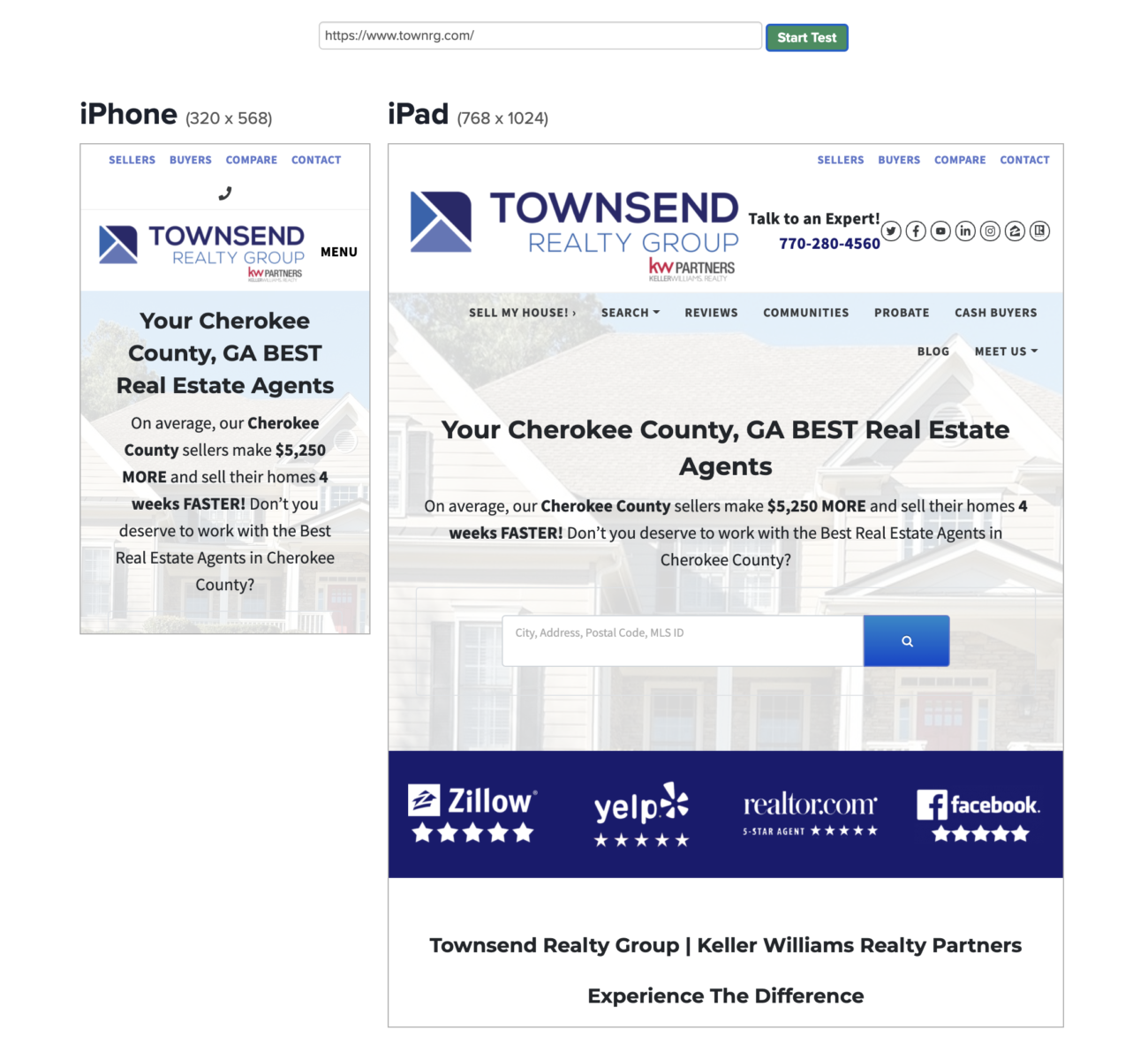
    • Make it mobile-friendly: You will probably already know that your website needs mobile-friendly. 61% of our motivated house sellers, cash buyers, and rent-to-own tenant leads were from mobile devices last year. If your website is not mobile optimized, you’re likely losing tens of thousands of dollars per year in leads and deals without knowing it.
    • Include a prominent lead capture form: Capture seller information with a clear value proposition for submitting their details (e.g., “Get Your Free Cash Offer Now!”).
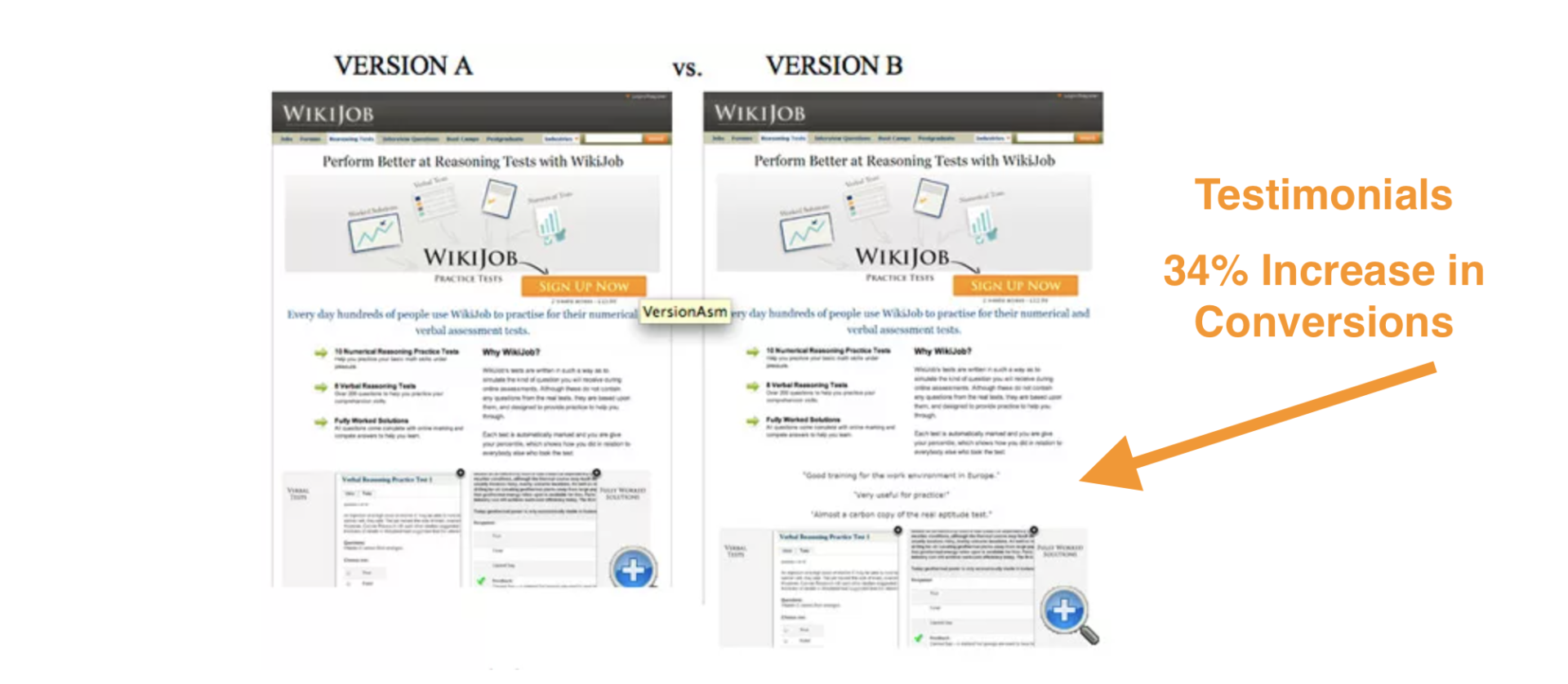
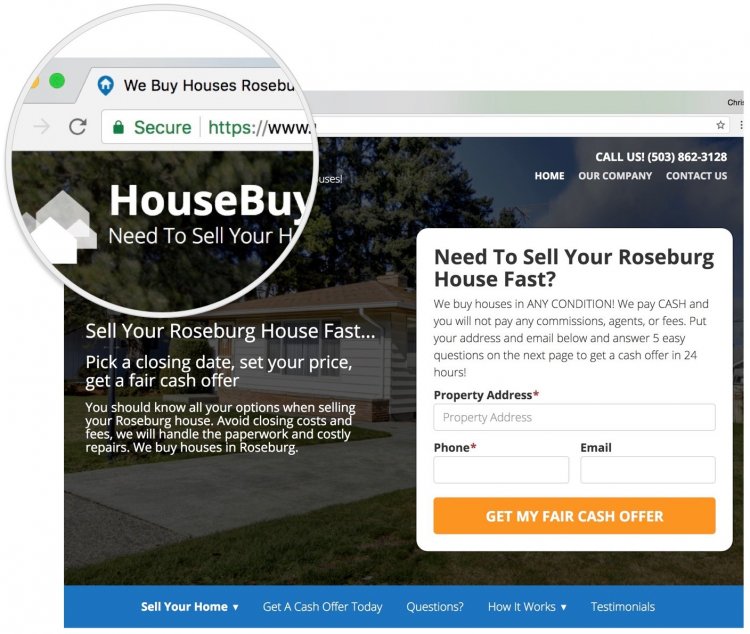
    • Build your real estate credibility and/or social proof: Add testimonials from your clients. If you have any media mentions. Some investors are very active in their communities. Let searchers know who you are. Make that connection. List your phone number. Add an “About” or “Our Company” page. Find out which page is… The Most Overlooked But Important Page On Your Website (Backed By Science). Add credibility badges (BBB, real estate associations, Veteran, etc). Ensure you have a “Contact” page and a Privacy Page (required for retargeting).

    Pro Tips: A/B test different headlines, descriptions, and landing page elements to see what resonates best with your target audience.

    Here are some tools to ensure your website is mobile-friendly:

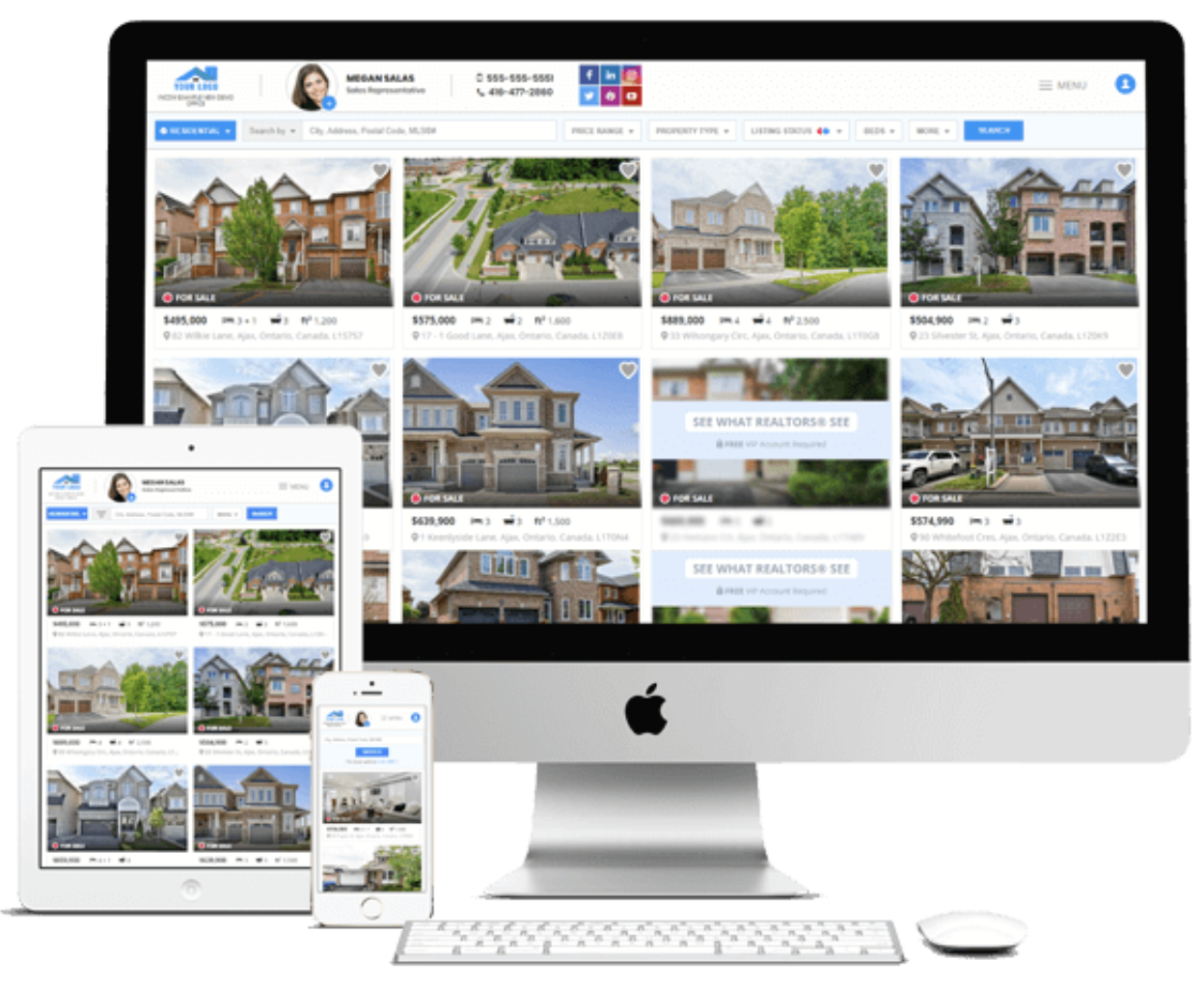
    Leverage mobile — Take a tour of Carrot’s mobile responsive websites

    By following these best practices and tailoring your messaging to the needs of motivated sellers, you can create high-converting Google Ads campaigns that generate a steady stream of leads for your real estate investment business.

    Part 3: Optimizing Your Google Ads Campaigns for Success

    Having a well-structured campaign is just the first step. Now it’s time to fine-tune your efforts to maximize leads and ROI.

    Bidding Strategies for Real Estate Investors (Maximizing ROI with Cost-per-Lead (CPA) Bidding)

    Bidding is the process of determining how much you’re willing to pay for each click on your ad. As a real estate investor, your primary goal is to generate leads. Here’s a bidding strategy optimized for your needs:

    • Cost-per-Lead (CPA) Bidding: This strategy allows you to set a maximum amount you’re willing to pay for each lead generated through your ads. Google Ads will then automatically adjust your bids to acquire leads within your budget.

    In Google Ads, Cost-per-Lead (CPA) Bidding is an automated bid strategy that prioritizes acquiring conversions (leads) at your specified maximum cost per lead. It utilizes machine learning to set bids for each auction, aiming to generate leads within your target cost range.

    Here’s a breakdown of Cost-per-Lead (CPA) Bidding in Google Ads:

    • Focus on Lead Acquisition: This strategy optimizes for acquiring leads (e.g., form submissions, phone calls) at a cost you’re comfortable with.
    • Automated Bidding: Google Ads leverages complex algorithms to analyze various factors, such as user behavior, landing page relevance, and historical data, to determine the optimal bid for each auction. The goal is to acquire leads within your set CPA target.
    • Cost Control & Efficiency: This strategy strives to spend your budget efficiently, acquiring leads at or below your target cost.

    Benefits of Cost-per-Lead (CPA) Bidding:

    • Conversion Focus: Directly optimizes for your campaign’s primary goal: generating leads.
    • Cost Control: Set a maximum cost you’re willing to pay for each lead, providing greater control over your budget.
    • Efficiency & Optimization: Google Ads prioritizes bids on auctions most likely to convert within your target CPA.

    Drawbacks of Cost-per-Lead (CPA) Bidding:

    • Data Dependence: Google’s algorithms require a sufficient amount of conversion data to learn and optimize effectively. This may not be ideal for brand-new campaigns.
    • Performance Fluctuations: Actual cost per lead may vary depending on competition and campaign performance.
    • Limited Traffic Potential: Setting a very low CPA target might limit the number of leads you acquire.

    Who Should Use Cost-per-Lead (CPA) Bidding?

    • Established Advertisers: This strategy works well for those with a history of lead generation through Google Ads and a good understanding of their ideal customer acquisition cost (CAC).
    • Lead Generation Campaigns: Ideal for campaigns where generating qualified leads is the primary objective.
    • Optimizing Existing Campaigns: Effective for established campaigns with sufficient conversion data to optimize lead acquisition costs.

    Overall, Cost-per-Lead (CPA) Bidding is a powerful strategy for advertisers focused on acquiring leads within a specific budget. However, it requires a foundation of conversion data and an understanding of your target cost per lead.

    Here are four additional bid strategies you can test:

    Maximize clicks:

    In Google Ads, Maximize clicks is an automated bid strategy that prioritizes getting you the most clicks possible for your set daily budget. It utilizes machine learning to determine the optimal bid for each auction, aiming to stretch your budget to reach a broad audience.

    Here’s a breakdown of Maximize clicks bidding in Google Ads:

    • Focus on Clicks: This strategy prioritizes maximizing the total number of clicks on your ad within your campaign budget.
    • Automated Bidding: Google Ads uses algorithms to analyze various factors like keyword relevance, user search intent, and historical data to set bids for each auction.
    • Budget Efficiency: This strategy aims to spend your entire daily budget on clicks that are most likely to be relevant to your campaign.

    Benefits of Maximize clicks bidding:

    • Simple Setup: No need to manage individual keyword bids, saving you time and effort.
    • Driving Traffic: Well-suited for campaigns where increasing website traffic and brand awareness is the primary objective.
    • Testing & Awareness: Effective for gathering initial data and building brand awareness through a high volume of ad impressions.

    Drawbacks of Maximize clicks bidding:

    • Conversion Focus Limited: Doesn’t directly optimize for conversions (e.g., leads, sales), potentially attracting clicks that don’t convert.
    • Cost Fluctuations: The cost per click (CPC) can vary depending on competition and auction dynamics.
    • Quality Control Risk: You may attract irrelevant clicks that don’t align with your target audience.

    Who Should Use Maximize clicks bidding?

    • New Advertisers: Easy to set up and manage, ideal for those starting with Google Ads and aiming to build initial traffic.
    • Website Traffic Campaigns: Well-suited for campaigns where driving visitors to your website is the primary goal.
    • Testing & Refining: Useful during the initial phase of a campaign to gather data and refine targeting for better conversions later.

    Overall, Maximize clicks bidding is a user-friendly option for driving website traffic and gaining initial campaign insights. However, it may not be the most effective strategy for campaigns focused on generating high-quality leads or sales.

    Target impression share:

    In Google Ads, target impression share bidding is an automated bidding strategy that focuses on showing your ad a specific percentage of the time someone searches for your chosen keywords. Here’s a breakdown of target impression share bidding in Google Ads:

    • Impression Share Focus: Set a target percentage (e.g., 70%) of how often you want your ad to appear on the search results page for relevant keywords.
    • Automated Adjustments: Google Ads automatically adjusts your bids throughout the day to try and achieve your desired impression share goal.
    • Visibility Control: This strategy helps ensure your ad reaches a specific level of visibility within your target audience.

    Benefits of Target impression share bidding:

    • Visibility Control: Gain more control over how often your ad appears in search results.
    • Branding & Awareness: Effective for building brand awareness by ensuring your ad is consistently visible to potential customers.
    • Flexibility: Based on your goals (top-of-page placement, absolute top-of-page), you can choose different target impression share percentages for various ad groups or campaigns.

    Drawbacks of Target impression share bidding:

    • Cost Focus Shift: Doesn’t directly optimize for clicks or conversions, potentially leading to higher costs per click (CPC).
    • Limited Control Over Budget: Maintaining a specific budget with this strategy can be challenging, as maximizing impressions might require higher bids.
    • Less Data Dependence: May function adequately without a large amount of conversion data compared to some automated bid strategies.

    Who Should Use Target impression share bidding?

    • Brand Awareness Campaigns: Ideal for prioritizing ad visibility and reaching a broad audience.
    • Competitive Markets: Can help ensure your ad stays visible in highly competitive search queries.
    • Complementing Other Strategies: Can be used alongside conversion-focused strategies to maintain brand awareness while optimizing for actions.

    Overall, target impression share bidding is a good option for advertisers prioritizing ad visibility and brand awareness. However, it may not be the most cost-effective strategy for campaigns solely focused on conversions.

    Maximize conversions:

    In Google Ads, Maximize conversions is an automated bid strategy that prioritizes generating conversions within your set daily budget. It uses machine learning to automatically set bids for each auction, aiming to get you the most conversions possible.

    Here’s a breakdown of Maximize conversions bidding in Google Ads:

    • Focus on Conversions: This strategy prioritizes getting you the most conversions (e.g., leads, sales) for your campaign, not necessarily clicks.
    • Automated Bidding: Google Ads uses complex algorithms to analyze various factors like user search queries, browsing context, and past performance to determine the optimal bid for each auction.
    • Budget Efficiency: This strategy aims to spend your entire daily budget efficiently, acquiring conversions at the best possible price.

    Benefits of Maximize conversions bidding:

    • Simple Setup: No need to manage individual keyword bids, saving you time and effort.
    • Focus on Results: Prioritizes conversions, aligning with your campaign goals.
    • Budget Optimization: Google Ads strives to spend your entire budget on clicks most likely to convert.

    Drawbacks of Maximize conversions bidding:

    • Less Control: You don’t have direct control over the cost per click (CPC) for each ad.
    • Data Dependence: Requires a sufficient amount of conversion data for Google’s algorithms to learn and optimize effectively.
    • Limited Transparency: You can’t see the exact bids Google places on your behalf.

    Who Should Use Maximize conversions bidding?

    • New Advertisers: Easy to set up and manage, ideal for those starting with Google Ads.
    • Conversion-focused Campaigns: Well-suited for campaigns where generating leads or sales is the primary objective.
    • Limited Time or Resources: Saves time compared to manual bidding, allowing you to focus on other aspects of your campaign.

    Overall, Maximize conversions bidding is a user-friendly option for advertisers prioritizing conversions and wanting to automate the bidding process. However, it sacrifices some control over cost per click.

    Manual bidding:

    In Google Ads, manual bidding gives you direct control over the maximum amount you’re willing to pay for each click on your ad. It’s a hands-on approach compared to automated bid strategies that Google Ads sets for you.

    Here’s a breakdown of manual bidding in Google Ads:

    • Setting Your Max Bid: You determine the highest cost per click (CPC) you’re comfortable paying for each time someone clicks your ad.
    • Management: You manually adjust bids for individual keywords, ad groups, or your entire campaign based on performance and budget.
    • Targeting: Manual bidding allows for granular control over where your ads appear. You can adjust bids based on factors like location, device (phone, computer, etc.), and time of day.

    Benefits of Manual Bidding:

    • Precise Control: You have the final say on how much you spend per click.
    • Flexibility: Tailor your bids to specific keywords or audiences you find most valuable.
    • Optimization Potential: Analyze data and refine bids to maximize return on investment (ROI).

    Drawbacks of Manual Bidding:

    • Time Commitment: Requires ongoing monitoring and adjustments to maintain optimal performance.
    • Expertise Needed: Understanding keyword research, competitor analysis, and conversion tracking is crucial for success.
    • Potential for Wasteful Spending: Setting bids too high can lead to unnecessary costs, while bidding too low might limit your ad’s visibility.

    Who Should Use Manual Bidding?

    • Experienced Advertisers: Those comfortable with Google Ads and have the time to manage bids strategically.
    • Small Budgets: May be beneficial for keeping a tight control on spending.
    • Specific Campaign Goals: When focusing on maximizing conversions or clicks within a set budget.

    Overall, manual bidding offers a high level of control for experienced advertisers. However, it requires ongoing effort and expertise to be successful.

    Pro Tip: Start with a conservative CPA bid and gradually increase it as you gain confidence in your campaign’s effectiveness and refine your targeting.

    Conversion Tracking & Measuring Results (Key Metrics for Success)

    Tracking conversions is crucial for understanding your Google Ads campaigns’ performance. Here are some key metrics for real estate investors:

    • Leads: The total number of potential sellers who submitted their information through your landing page form.
    • Cost-per-Lead (CPA): The average amount you pay for each lead generated.
    • Conversion Rate: The percentage of people who click your ad and convert into a lead.
    • Click-Through Rate (CTR): The percentage of people who see your ad and click on it.
    • Website Traffic: The total number of visitors your landing page receives from your Google Ads campaigns.

    By monitoring these metrics, you can identify areas for improvement. Analyze which keywords are generating the most leads and adjust your bids accordingly.

    Advanced Strategies: Remarketing & Automation (Reaching Past Website Visitors and Using Google Ads Automation)

    Once you’ve mastered the basics, Google Ads offers advanced features to further optimize your campaigns:

    • Remarketing: This allows you to show targeted ads to people who have already visited your website but haven’t taken action yet. Consider crafting specific messages reminding them of your offer or highlighting testimonials from satisfied sellers.
    • Automation: Leverage Google Ads automation tools to streamline campaign management. Utilize automated bidding strategies to optimize bids for conversions and save time on manual adjustments.

    Remember: Google Ads is a continuous learning process. Experiment with different strategies, track your results and refine your campaigns to maximize your return on investment and generate a steady flow of motivated sellers for your real estate business.

    Part 4: Taking Your Real Estate Investor Google Ads to the Next Level

    By now, you’ve built a solid foundation for using Google Ads to attract motivated sellers. Let’s explore some advanced tactics to elevate your campaigns and maximize your lead generation potential.

    Analyzing Competitor Ads (Learning from Successful Campaigns)

    Keeping an eye on your competitors can be a valuable learning tool. Here’s how to analyze their Google Ads:

    • Search for relevant keywords in your target area. See what ads appear at the top of the search results page.
    • Analyze their headlines and descriptions. What benefits are they highlighting? How are they addressing seller pain points?
    • Identify their calls to action (CTAs). What action are they encouraging potential sellers to take?

    Don’t copy blindly. Use this information to inspire your own creative messaging and identify potential gaps in your strategy. Perhaps a competitor is focusing on a specific seller pain point you haven’t addressed yet.

    Integrating Google Ads Data with Your CRM (Streamlining Workflow for Lead Nurturing)

    Once you start generating leads through Google Ads, you’ll need a system to manage and nurture them. Integrating your Google Ads data with a Customer Relationship Management (CRM) tool can streamline your workflow:

    • Automatically capture lead information: Eliminate manual data entry by automatically transferring lead details (name, contact information, source) from your landing page form into your CRM.
    • Track lead activity: Monitor how sellers interact with your emails, phone calls, and website visits within your CRM.
    • Tailor communication: Segment your leads based on their needs and interests, allowing you to send personalized messages that nurture them toward a sale.

    Bonus: Common CRM’s for Real Estate

    Other KPI’s to Track:

    • How many leads per campaign
    • How many deals per campaign
    • Deal conversion rate
    • Gross revenue per Google Ads click
    • Net profit per Google Ads click

    By integrating data, you gain a holistic view of your leads and improve your chances of converting them into successful deals.

    Common Mistakes to Avoid & Troubleshooting Tips

    Even seasoned Google Ads users can make mistakes. Here are some common pitfalls to avoid for real estate investors:

    • Targeting too broadly: Ensure your keywords and ad groups are laser-focused on your ideal seller profile. Avoid generic terms that might attract unqualified leads.
    • Neglecting landing page optimization: Your landing page is the final step in converting clicks into leads. Ensure it’s clear, concise, and optimized for mobile devices.
    • Ignoring negative keywords: Identify keywords triggering irrelevant searches and add them as negative keywords to prevent wasted ad spend.
    • Not tracking conversions: You can’t optimize what you don’t measure. Set up conversion tracking to understand campaign performance and identify areas for improvement.

    Troubleshooting Tips:

    • Low Click-Through Rate (CTR): Analyze your headlines and descriptions. Are they compelling enough to grab attention? Try A/B testing different variations.
    • High Cost-per-Lead (CPA): Refine your keyword targeting and consider adjusting your bids to focus on higher-quality leads.
    • Low Conversion Rate: Optimize your landing page. Ensure it’s clear, mobile-friendly, and offers a compelling value proposition in exchange for seller information.

    Remember: Consistency is key. Regularly monitor your campaigns, experiment with different strategies, and adapt based on your data. By staying persistent and data-driven, you can continuously refine your Google Ads efforts and generate a steady stream of motivated sellers for your real estate investment business.

    Part 5: Expanding Your Reach: Exploring Other Campaign Types

    While Search Ads are a foundational element of any real estate investor’s Google Ads strategy, other campaign types can further enhance your reach and connect with potential sellers at different stages of their journey. Here’s a closer look at two powerful options:

    Video Ads:

    • Target Audience: Video ads allow you to showcase your expertise and the appeal of investing in real estate through captivating visuals. You can target these ads to a broad audience searching for real estate-related topics or create retargeting campaigns for website visitors who haven’t yet converted.
    • Campaign Goals: Video ads are well-suited for brand awareness, showcasing your company’s approach and success stories. They can also be used to generate leads by directing viewers to a landing page with a clear call to action.
    • Benefits:
      • High Engagement: Video ads can grab attention and effectively communicate your message in a compelling format.
      • Emotional Connection: Videos can build trust and establish your brand as a reliable and knowledgeable partner for real estate investors.
      • Versatility: You can create various video ad formats, from short explainer videos to testimonials from satisfied clients.
    • Things to Consider:
      • Production Quality: Invest in high-quality video production for a professional and trustworthy presentation.
      • Targeting: Refine your targeting to ensure your video ads reach the right audience at the right time.
      • Tracking & Measurement: Track key metrics like video views, engagement, and website traffic to measure campaign effectiveness.

    Display Ads & Retargeting:

    • Campaign Goal: Display ads are banner ads placed on websites across the web. They can be used for brand awareness, retargeting website visitors who haven’t converted, or driving traffic to specific landing pages.
    • Retargeting: This powerful strategy allows you to show targeted ads to people who have already interacted with your website or mobile app. Remind them about your offerings and encourage them to take action, like filling out a lead form.
    • Benefits:
      • Brand Awareness: Increase brand visibility by placing display ads on relevant websites frequented by your target audience.
      • Retargeting Power: Reconnect with website visitors who have shown initial interest but haven’t converted yet.
      • Targeted Reach: Display ad networks allow for specific targeting based on demographics, interests, and online behavior.
    • Things to Consider:
      • Banner Design: Create visually appealing and clear banner ads that resonate with your target audience.
      • Landing Page Alignment: Ensure your landing page aligns with the message and offer presented in the display ad.
      • Retargeting Strategy: Develop a strategic retargeting campaign with a clear timeframe and compelling message to re-engage website visitors.

    By incorporating video ads and display campaigns with retargeting into your marketing mix, you can create a well-rounded Google Ads strategy that reaches potential sellers throughout their decision-making journey, ultimately generating a steady stream of qualified leads for your real estate investment business.

    Conclusion and Extra Resources

    Congratulations! You’ve reached the end of this comprehensive guide on leveraging Google Ads to attract motivated sellers and propel your real estate investment business forward.

    Key Takeaways & Recap:

    • Google Ads offers a powerful platform for real estate investors to target motivated sellers who are actively searching for solutions.
    • By crafting compelling ad copy, optimizing landing pages, and utilizing effective bidding strategies, you can generate a steady stream of qualified leads.
    • Continuously monitor and analyze your campaigns to maximize return on investment (ROI) and refine your approach based on data insights.

    Set Realistic Expectations for Your Google Ads Campaign:

    Before diving into Google Ads, it’s crucial to set realistic goals and understand market limitations.

    • Market Research: Research your target market’s potential for seller leads. A high budget allows for more leads and targeting broader markets, while a lower budget might be better suited for smaller areas.
    • Data & Optimization: Google Ads needs time to collect data and optimize performance. Give your campaigns a few months to reach their full potential.
    • Return on Investment (ROI): Factor in ROI when planning your campaign. Track key metrics and adjust your strategy to maximize profitability.

    To minimize wasted spending and maximize lead generation, plan your campaign beforehand:

    1. Target Audience: Are you targeting sellers or buyers?
    2. Customer Acquisition Cost (CAC): Determine your acceptable cost per lead.
    3. Maximum Cost-per-Click (CPC): Estimate your maximum cost per click based on your profit margin and sales conversion rate. 4. Budget: Set a realistic budget for your campaign, allocating a portion for initial testing.
    4. Test Budget: Allocate a specific amount to test different keywords and identify the most effective ones. Use the formula: Test Budget = (100 clicks) x (Estimated CPC)

    By setting realistic expectations and planning your campaign meticulously, you can create a Google Ads strategy that maximizes your return on investment and generates a steady stream of qualified leads.

    Remember:

    • Focus on the benefits for sellers and address their pain points in your ad copy.
    • Leverage your unique selling proposition (USP) as a real estate investor to stand out from competitors.
    • Track conversions and key metrics to measure success and identify areas for improvement.

    Resources for Further Learning:

    The world of digital marketing is constantly evolving. Here are some valuable resources to stay ahead of the curve and enhance your Google Ads expertise:

    By implementing the strategies outlined in this guide and utilizing the resources provided, you can become a Google Ads pro and unlock the full potential of this powerful platform to grow your real estate investment business.

  • 15 Best Real Estate Agent Website Builders

    15 Best Real Estate Agent Website Builders

    You’re here because you fall into one of two categories.

    1. You need to use a real estate agent website builder but you either don’t want to botch it or you think you don’t have the time.

    Or…

    2. You are unsatisfied with your current real estate agent website design and want to fix it or create a new one.

    In both cases, you’re not alone: 72% of real estate agents are unsatisfied with the number of leads that their current website generates. That’s not because their real estate agent websites can’t generate leads (at Carrot, we’ve generated over one million leads for investors and agents — all online), but, more often than not, because their website isn’t optimized for it.

    There’s a HUGE difference between having a website and having a website that works. 

    This is exactly why you’re here — to find out what works.


    Real Estate Agent Websites – What’s Important?

    Real Estate Agent Websites | What's Important?

    15 Best Real Estate Agent Website Builders

    You’re a real estate agent, not a web developer. 

    So where are you going to find great user-friendly software to build a high-converting website? Fortunately, you’ve got a lot of options. 

    And we’ve laid them all out for you below… starting with our very own software designed specifically to help real estate agents like yourself grow their businesses!

    Let’s dive in!

    1. Carrot

    Description

    We’ve built literally tens of thousands of websites for real estate professionals at Carrot — not just any websites… websites that convert like clockwork and help grow our member’s businesses. 

    We’ve also got data to back it up. We recently conducted a survey that showed that leads that come through a Carrot site convert 7x better and are 2.5x more profitable than non-Carrot leads (learn why over here). 

    Our tech stack even outperformed WordPress, GoDaddy, Wix, Weebly, and Squarespace in a third-party test

    Cool, right? 

    Take a demo over here to learn more!

    Features

    Here are some of the main features that a Standard Carrot Subscription comes with:

    • High-Converting Website
    • Carrot Lead Manager
    • 3 Campaign Tracking Links // to help you track how well your marketing channels are doing
    • 3 Keywords to track // to help you track how well your target search terms are performing
    • Basic website analytics
    • Visual Editor and Landing Page Builder
    • Chat and Email Support

    The SEO Tools add-on will help you research, plan, and executive effective SEO and SEM:

    • Keyword Rank Tracker // track 25 keywords in your Carrot dashboard
    • SEO Dashboard // the most important SEO data at your fingertips to help you might the right adjustments to your strategy
    • On-page SEO recommendations // to help you make faster, better decisions in SEO

    The Content Tools add-on will unleash AI and Automation to save you time when scaling your content marketing.

    • Automated Content Library // to help you Build Authority in your market through content
    • VideoPost // transcribe your videos into Authority-Building content
    • AI Rewrite Tool // rewrite your content to help you create content faster and stand out in your market
    • Niche Authority Builder // launch multiple Authority-Building blogs on a single niche per month
    • 25 Auto-Location pages // scale your SEO lead gen by creating location pages for your surrounding markets

    Pricing

    Here are the website builder’s pricing options… 

    • Standard Website Subscription: $89/mo
    • Add-ons range from $29 to $69 per month

    Example

    Here’s an example of the website builder’s templates…

    When you’re choosing between different real estate website platforms, there are seven things you need to take into consideration. The best real estate agent website builders have:

    1. Does it offer website hosting?
    2. Is there a Content Management System (CMS)?
    3. Does it offer IDX integration?
    4. Is it designed to maximize lead generation?
    5. Is it optimized for Search Engines?
    6. Will it notify you when you get leads?
    7. Will it integrate with your CRM?
    Carrot real estate agent website example

    2. Placester

    Description

    Placester is a website builder that’s specifically designed for real estate agents. It comes with built-in lead capture and CRM tools, as well as custom templates and design options to help you create a professional website quickly and easily.

    The Pros: 

    • Excellent lead capture and CRM tools 
    • Lots of design customization options 
    • No need to hire a separate web developer

    The Cons: 

    • Limited template selection 
    • Some users find the design customization options overwhelming

    Features

    Here are some of the main features that this website builder offers…

    • Lead capture forms 
    • CRM integration 
    • Customizable templates 
    • Easy to use drag and drop interface 
    • No need to hire a separate web developer

    Pricing

    Here are the website builder’s pricing options… 

    • Monthly plan – $49/month 
    • Yearly plan – $468/year (save $132) 

    Example

    Here’s an example of the website builder’s templates…

    Placester website example

    3. Propertybase

    Description

    Propertybase is a comprehensive CRM and website builder for real estate professionals. It offers everything from lead capture and management to IDX search integration and automatic website updates.

    The Pros: 

    • Comprehensive functionality 
    • Strong customer support 
    • Automatic website updates 

    The Cons: 

    • Steep learning curve 

    Features

    Here are some of the main features that this website builder offers…

    • Lead capture and management 
    • IDX search integration 
    • Automatic website updates 

    Pricing

    Here are the website builder’s pricing options… 

    • Basic: $49/month 
    • Professional: $99/month 
    • Enterprise: Contact for pricing 

    Example

    Here’s an example of the website builder’s templates…

    PropertyBase website example

    4. IDX Broker

    Description

    IDX Broker is a website builder specifically for real estate agents. It integrates with your MLS to give you access to property listings from all over the country (or even the world).

    Pros: 

    • Integrates with your MLS 
    • Great customer support 

    Cons: 

    • Not as many templates as some of the other builders

    Features

    Here are some of the main features that this website builder offers…

    • Agency Management: easily manage all of your listings and agents from one central location. 
    • Lead Capture and CRM Integration: capture leads directly on your website and automatically sync them with your CRM software. 
    • Responsive Design: make sure that your website looks great no matter what device it’s being

    Pricing

    Here are the website builder’s pricing options… 

    • Free: get a basic website with limited features. 
    • Paid Plans: start at $39/month and include more features and support.

    Example

    Here’s an example of the website builder’s templates… 

    IDX Broker website example

    5. InCom

    Description

    InCom is a website builder that’s specifically designed for real estate agents. It offers an easy-to-use platform with all the features you need to create a professional website, including lead capture forms, property listings, and more. Plus, it integrates seamlessly with InListings so you can manage your online presence and marketing efforts all in one place.

    Pros:

    • Easy to use
    • Integrates with InListings

    Cons:

    • No customer support phone line
    • Pricing model is subscription-based

    Features

    Here are some of the main features that this website builder offers…

    • Lead capture forms
    • Property listings
    • IDX integration
    • One-click listing posting
    • Customizable templates

    Pricing

    Here are the website builder’s pricing options… 

    • Starter: $49/month
    • Professional: $99/month
    • Elite: $199/month

    Example

    Here’s an example of the website builder’s templates…

    InCom real estate website example

    6. BoomTown

    Description

    Boomtown provides lead generation tools and a customer relationship management (CRM) system for real estate agents. It gives you the ability to generate leads through its many online marketing tools, including search engine optimization (SEO), pay-per-click (PPC) advertising, and social media.

    Pros:

    • Lead Generation
    • Customer Relationship Management (CRM) system

    Cons: 

    • May be too expensive for some agents
    • Can be difficult to use

    Features

    Here are some of the main features that this website builder offers…

    • A customizable website builder
    • Lead capture forms
    • Listing syndication
    • Drip marketing campaigns
    • Property search tools

    Pricing

    Here are the website builder’s pricing options… 

    • Starts at $59/month for the basic plan. 

    Example

    Here’s an example of the website builder’s templates… 

    BoomTown real estate website example

    7. Squarespace

    Description

    Squarespace is a website builder that offers users a simple drag-and-drop interface. It’s an easy way to create a beautiful website without any prior experience or design knowledge.

    Pros: 

    • Squarespace offers a wide range of templates that are all optimized for mobile devices.
    • You can try out Squarespace for free before committing to a paid plan.
    • Squarespace provides 24/seven customer support.

    Cons: 

    • Some users find the interface to be confusing and difficult to use.

    Features

    Here are some of the main features that this website builder offers…

    • Websites
    • Ecommerce Features
    • Marketing Features
    • Analytics
    • Templates

    Pricing

    Here are the website builder’s pricing options… 

    • Personal – $14 Per Month
    • Business – $23 Per Month
    • Commerce – $27 Per Month
    • Advanced – $49 Per Month

    Example

    Here’s an example of the website builder’s templates…

    SquareSpace real estate website example

    8. Duda

    Description

    Duda is an easy-to-use drag-and-drop website builder for real estate professionals.  You don’t need any coding skills to create a beautiful website with Duda. 

    Just choose from one of their many templates, customize it to match your brand, and add your listings.

    Duda also offers some great features specifically for real estate websites, such as IDX integration and mortgage calculators.

    Pros:

    • Very easy to use – no coding required
    • Lots of templates and design options are available
    • IDX integration and mortgage calculator built-in

    Cons:

    • Not as customizable as some other builders
    • Some users have complained about the customer service

    Features

    Here are some of the main features that this website builder offers…

    • User-friendly drag and drop editor
    • Mobile responsive design
    • Over 280 templates specifically designed for real estate websites
    • IDX integration
    • Lead capture forms
    • SEO tools

    Pricing

    Here are the website builder’s pricing options… 

    • Free plan with limited features
    • $14/month billed annually for the Standard plan, which includes all the features listed above.
    • $24/month billed annually for the Pro plan, which includes everything in the Standard plan plus additional features like unlimited pages and bandwidth, Google Analytics integration, and more.

    Example

    Here’s an example of the website builder’s templates…

    Duda real estate website example

    9. Wix

    Description

    Wix is one of the most popular website builders on the market. It’s easy to use and offers a wide variety of templates to choose from. Plus, it’s free to get started!

    Pros: 

    • Wide range of templates available 
    • Very user-friendly 
    • Free to get started

    Cons: 

    • Some templates are a bit dated 
    • Limited customization options available

    Features

    Here are some of the main features that this website builder offers…

    • Templates
    • Design Freedom
    • SEO Tools
    • Mobile Optimized
    • App Market
    • Unlimited Fonts

    Pricing

    Here are the website builder’s pricing options… 

    • Combo – $14 Per Month
    • Unlimited – $18 Per Month
    • Pro – $23 Per Month
    • VIP – $39 Per Month

    Example

    Here’s an example of the website builder’s templates…

    wix website template for real estate agents

    10. WordPress

    Description

    WordPress is a popular content management system that helps you easily create and manage your website’s content. It’s user-friendly and relatively inexpensive, making it a great option for small businesses.

    Pros:  

    • User-friendly
    • Inexpensive
    • Great for small businesses

    Cons: 

    • It may require some web development knowledge to use effectively

    Features

    Here are some of the main features that this website builder offers…

    • Themes
    • Mobile-Friendly
    • Plugins
    • Everything You Need to Build a Website

    Pricing

    Here are the website builder’s pricing options… 

    • Personal – $4 Per Month
    • Premium – $8 Per Month
    • Business – $25 Per Month
    • eCommerce – $45 Per Month

    Example

    Here’s an example of the website builder’s templates… 

    Wordpress websites for real estate agents

    11. GoDaddy

    Description

    GoDaddy offers a website builder that is simple to use and helps you create a website quickly. It includes templates for real estate agents, as well as SEO tools to help your site rank higher in search results.

    Pros:  

    • Simple to use
    • Includes templates specifically for real estate agents
    • SEO tools included

    Cons: 

    • Not as many features as some other website builders

    Features

    Here are some of the main features that this website builder offers…

    • Email and social media marketing
    • One-time appointments
    • PayPal payments
    • SSL certificate to keep your site secure
    • 24/7 customer support
    • Branded content creation with GoDaddy Studio

    Pricing

    Here are the website builder’s pricing options… 

    • Basic – $6.99 Per Month
    • Standard – $10.49 Per Month
    • Premium – $13.99 Per Month
    • Commerce – $14.99 Per Month

    Example

    Here’s an example of the website builder’s templates… 

    GoDaddy websites

    12. Ylopo

    Description

    Ylopo is a website builder that’s specifically designed for real estate agents. It comes with all the features you need to create a beautiful and high-converting website.

    Pros:  

    • You don’t need any coding or design skills.
    • A library of beautiful real estate templates to choose from.
    • 24/seven support from a team of experts

    Cons: 

    • Ylopo is relatively new software, so there are still some features that are in development. 

    Features

    Here are some of the main features that this website builder offers…

    • Customizable templates
    • Lead capture and CRM integration
    • SEO optimization
    • One-click IDX integration

    Pricing

    Here are the website builder’s pricing options… 

    • $75/month for the Pro plan
    • $150/month for the Agency plan

    Example

    Here’s an example of the website builder’s templates…

    Ylopo websites

    13. AgentFire

    Description

    AgentFire is a website builder specifically designed for real estate agents. It comes with built-in lead capture and CRM tools, as well as custom templates and design options to help you create a professional website quickly and easily.

    Pros: 

    • Easy to use
    • No design or coding skills needed
    • Custom templates and designs specifically for real estate agents

    Cons:

    • Limited customization options outside of the pre-made templates

    Features

    Here are some of the main features that this website builder offers…

    • Custom templates and design options
    • Built-in lead capture and CRM tools
    • Mobile responsive
    • SEO optimized

    Pricing

    Here are the website builder’s pricing options… 

    • The most basic plan starts at $29/month.
    • The top-tier plan is $49/month.

    Example

    Here’s an example of the website builder’s templates…

    Agentfire websites

    14. Union Street Media

    Description

    Union Street Media is a website builder created specifically for real estate agents. With this platform, you can easily create a beautiful and professional website in just a few minutes – no technical skills are required.

    Pros: 

    • User-friendly platform 
    • Beautiful and professional templates 
    • Integrated lead capture forms and CRM software 
    • SEO optimized for maximum visibility 

    Cons: 

    • Limited customization options

    Features

    Here are some of the main features that this website builder offers…

    • User-friendly platform
    • Beautiful and professional templates
    • Integrated lead capture forms and CRM software
    • SEO optimized for maximum visibility

    Pricing

    Here are the website builder’s pricing options… 

    • $39/month or $348/year for the Basic plan 
    • $59/month or $588/year for the Professional plan
    • Custom Enterprise pricing available

    Example

    Here’s an example of the website builder’s templates… 

    Union Street Media Websites

    15. Luxury Presence

    Description

    Luxury Presence is a website builder that’s perfect for luxury real estate agents. It offers an easy-to-use drag and drop editor, as well as professionally designed templates to help you create a stunning website in minutes. Plus, it comes loaded with features like lead capture forms, photo galleries, and property search tools.

    Pros: 

    • Beautiful and professional templates 
    • Advanced customization options 
    • Integrated lead capture forms and CRM 
    • Built-in photo galleries and property search tools 

    Cons: 

    • Limited integrations with other software platforms 

    Features

    Here are some of the main features that this website builder offers…

    • Drag and drop editor
    • Professionally designed templates
    • Lead capture forms
    • Photo galleries
    • Property search tools

    Pricing

    Here are the website builder’s pricing options… 

    • $49/month for the Basic plan
    • $99/month for the Professional plan
    • $199/month for the Enterprise plan

    Example

    Here’s an example of the website builder’s templates…

    Luxury Presence Websites

    Take a Free Demo of Carrot Today

    • We’re committed to your privacy. Carrot uses the information you provide to us to contact you through email, phone, and/or sms, about our relevant content, products, and services. You may unsubscribe from these communications at any time. For more information, check out our Privacy Policy.
    • This field is for validation purposes and should be left unchanged.


    Your Real Estate Agent Website Builder Must-Have’s:

    Think of real estate website hosting like the building that people walk into to visit a store. If the building is clean, crisp, and fast, people will stick around longer. If it’s dirty, cluttered, and unattractive, then people will leave.

    Particularly, I like this parallel that Salman Mehdi makes:

    “Consider a situation: you are called as a guest to someone’s house. The host serves you with a cheap, rotten, and unhygienic food. What will be your reaction? You would simply not like the experience you have with your host.

    You feel uneasy and there is a sense of you being insulted with the kind of food served to you. You will have a bad opinion about your host. Same is the case with website hosting.

    When you start facing problems with your cheap host, you feel that your money is lost. Your efforts went in vain. You know that you have a bad experience with your so called cheap host.”

    Said another way, website hosting impacts the way that people perceive your website, business, and credibility.

    But it impacts more than that. In fact, choosing the right website host is critical for four reasons.

    1. Support

    There’s no such thing as a perfect website. You’re going to need help at one point or another. Maybe it’s because your website crashed or your DNS records are out of whack or your load speed took a sudden hit.

    Whatever the case, you need people who are on your team, ready to help.

    In the words of Darren Dahl over at Inc,

    “Nobody can prevent glitches 100%, so if and when you find yourself in the middle of one, its best to have someone you can call on to get immediate resolution.”

    This is why, at Carrot, we aim to have a world-class support team.

    With most cheap website hosting options, you’re not going to receive that kind of attention.

    Here’s just a couple of what our 6000+ members say about our support team:

    “James has been extremely patient with helping me fine-tune my website – He responds to all my emails same day and answers all of my questions” – Linda

    “Great support team and awesome features. We had a custom site for years and recently migrated it over to Carrot. We’re very happy with our results so far! thank you” – Omer

    You need to find a company that’s going to help you when you need it, is familiar with industry patterns, and can knowledgeably discuss website changes you can make to drive more traffic and convert more visitors.

    2. Speed

    You need a fast website.

    This is important for several reasons. First of all, most people will outright leave your website if it takes more than two to three seconds to load. End of story. Bye, bye forever, potential lead.

    Second, and equally important, is where you rank in search engines.

    With Google — which accounts for 67% of search engine queries — even milliseconds matter.

    average page load speed vs google position

    (Image Source)

    And a large determiner of how fast your website runs is where and how the website is hosted.

    The easiest way to see if a hosting option produces fast-moving websites is to run one of their websites through this speed tester.

    Here’s how one of our AgentCarrot websites performed, for instance.

    carrot real estate website page speed

    Ideally, you want to be in the green.

    And at Carrot, that green color is completely intentional.

    Here’s what our CTO, Chris, has to say about how we made that happen:

    “The first step for us was moving all of your site assets to a distributed CDN (content delivery network). This means once your website is loaded by a visitor, all the images you have uploaded to your site are served from an additional server located close to your visitor.

    This is faster because we are using a system built for speedy image delivery, and we are spreading the load of serving the whole site onto multiple systems.”

    But tech-speak aside, the best real estate websites for agents have hosting that keeps the website fast so people (and search engines) give the website the chance that it deserves.

    Don’t just take our word. Check out this page speed study done by Fresh Chalk.

    3. Scalability

    I’m willing to bet that you have some ambitious dreams for your business. This year, you probably want to do more deals than last year. You probably want those deals to be bigger, and you probably want to drive more revenue, overall.

    But, all of those dreams mean something to your website. Namely, if you do it right, more people will visit your website and more people will take action on your website.

    As you grow, though, all of those demands can cripple unprepared hosting options.

    This is why it’s important that you choose website hosting that’s going to scale with you.

    Cheap options usually won’t.

    When website hosting is remarkably cheap, it’s often because the company uses traditional shared-hosting. This means your website is hosted on the same server as hundreds or thousands of other websites. That, in and of itself, isn’t a bad thing. But it becomes bad when cheap hosting companies don’t carry the necessary integrations to organize and streamline the demands on your website.

    Here’s how TechTarget puts it:

    “Although shared hosting is a less expensive way for businesses to create a Web presence, it is usually not sufficient for Web sites with high traffic.”

    At Carrot, we use app clusters to split up and clean up the demand on our customer’s websites.

    Once more, here’s Carrot’s CTO, Chris:

    “The first step for us was moving all of your site assets to a distributed CDN (content delivery network). This means once your website is loaded by a visitor, all the images you have uploaded to your site are served from an additional server located close to your visitor.

    This is faster because we are using a system built for speedy image delivery, and we are spreading the load of serving the whole site onto multiple systems.

    Next, we took that same idea and applied it to the initial load of your website – spread that job of serving carrot sites out to a cluster of servers.

    Finally, we implemented a system to control the size of our application cluster, so no matter how many visitors (or bots) are hitting your site at any time, we can keep up with the demand and scale up/down our number of servers accordingly.”

    But, not all website hosts are so scalable. Before committing, make sure that the host is ready to grow just as fast as you are.

    4. Security

    There are a lot of reasons that your website needs to be secure. First off, you don’t want visitor information to get stolen because you didn’t take the necessary security precautions.

    After all, nothing will kill trust faster than a visitor getting their information stolen while on your website.

    Second, you don’t want your own information to get stolen.

    And third, SSL certification (also known as the HTTPS in front of a URL) has some correlation with search engine rankings.

    https google rank positions

    (Image Source)

    So yeah, having a secure website is crazy important — for you and your visitors. However, you probably don’t know the first thing about hacking or website security.

    You’re not alone.

    One report found that the primary reason a WordPress website gets hacked is because of something remarkably simple: outdated plugins.

    That’s why, at Carrot, all websites automatically have SSL certification and our in-house development team is constantly fighting ferocious hackers for you.

    You don’t have to do it yourself and you definitely don’t have to go to college to become a cyber attack specialist.

    Whatever website hosting you choose, make sure it’s equally prepared to protect you from cybercriminals.

    Your Real Estate Agent Website Builder Must-Have: A Content Management System 

    The last thing you want to do is get locked out of your own website.

    I can’t tell you how many people I’ve talked to that had a designer create a website for them and then said, “Yeah, the website looks great… but I can’t change anything because I don’t know how to code.”

    Ideally, you should build your website on a CMS (Content Management System) that is easy to use and allows you to make changes to content whenever you want.

    WordPress is easily the most popular CMS — accounting for about 25% of all websites — and that’s for good reason. WordPress is one of the most user-friendly CMSs around.

    It allows you to easily add content to your website, includes video and images within that content, and organize all of that content within a dashboard.

    This is exactly why we chose to use WordPress as the CMS foundation for our customers. Of course, we also added some of our own flairs to make things even simpler and more efficient.

    We allow you to view all your website stats…

    carrot real estate leads

    A dashboard with information on recent leads…

    real estate agent website stats

    And we even have a system for automatically transcribing your videos and turning them into written blog posts to gain SEO ranking.

    Carrot videopost feature

    That’s not to mention how easy we make it is to add listings to your website, feature some of those listings, and optimize every single page for search engines with our built-in SEO tool.

    Note: We don’t allow our members to install WordPress Plugins on their websites as a traditional WordPress website would. This is for several reasons. Most importantly, it ensures that your website will remain fast, secure, and consistent. If you do want to make additional changes to your website, then don’t hesitate to contact us — we’d love to help you however we can :-)

    Here’s Shawn Moore from CMS Critic:

    “Third-party plugins are required in many CMS platforms. While seemingly convenient, they can be both a pro and con at the same time. Plugins may save hours of development time and even money in the short term.

    But they can also be developed by a third party who may or may not continue to support the tool consistently or at all, which could leave you in a vulnerable position.

    Plugins can also be a major security problem — even well-established plugins like Yoast, a widely used Google Analytics plugin, can be exploited by hackers.

    In fact, the more widely a plugin is deployed, the more attractive it may be for hackers to go after it.”

    When I asked Danni — one of Carrot’s Customer Success Heroes — to comment on Carrot’s CMS, she said,

    “I feel like our system is crazy simple to use. It’s also a huge perk that the content is fully customizable and fully optimized, and that customers can do their own thing with it if they want to.

    Tyler Ford [a Carrot member] was telling us that he has gotten in a habit of doing a few additional tweaks to his content each week and the dude is crushing the rankings with the help of our blog content.”

    Before choosing a real estate agent website builder, explore the CMS a bit. What does it look like? How does it feel to use? Is it easy to navigate or difficult? If you wanted to make some changes to a blog post, how easy would it be?

    In the end, you want a CMS that allows you to make changes quickly and easily. If the CMS doesn’t allow for that, then find a different CMS.

    Your Real Estate Agent Website Builder Must-Have: Allowance for IDX Integration

    When people land on your website, there are only a few things that they could possibly want to do. Often, browsing through house listings is one of those things.

    Of course, you don’t have time to manually add house listings to your website.

    This is exactly why you’ll probably end up wanting a real estate agent website builder with IDX at some point.

    IDX automatically updates your website with house listings pulled from 3rd partly listing websites. The best part is that you don’t have to do anything to update this system once it’s set up on your website.

    IDX will update automatically and it will even host the listings natively on your website.

    Here’s what IDX allows you to do on a website: view and search for house listings.

    Real-estate-agent-website-idx

    You’re a real estate agent, so you probably should have house listings on your website — IDX is the easiest way to do that.

    This is why we recommend choosing a website builder that at least has the option to use IDX.

    At Carrot, we offer IDX integration to all of our real estate agent customers. You don’t have to use it, but many of you will want to.

    In the words of our most famous Tech Support team member, Jake,

    “Adding IDX to any site is a giant pain in the ass… Having someone you trust to help you submit all the paperwork and get the IDX added to the site itself is a huge burden taken off of a business owner.”

    In other words, don’t just choose a website builder that allows you to use IDX, choose a website builder that helps you along the way. That’s what we do at Carrot and we think everyone else should be doing the same thing.

    Your Real Estate Agent Website Builder Must-Have: A Design Proven to Convert Visitors Into Leads

    Many website builders aren’t niched specific.

    WordPress and Squarespace and Wix are all great website builders, but the theme you choose isn’t necessarily designed to convert visitors. Sure, it might look pretty and navigate easily, but that doesn’t mean that traffic is going to convert once they arrive.

    Here at Carrot, we are niche specific to real estate. This means that we’ve run lots of tests to determine what makes people convert on a website in the real estate industry.

    You’re not going to find that kind of expertise anywhere else.

    And unless you know how to manually design a website that converts, with most website builders, there’s no guarantee that your visitors are going to take the action you want them to take.

    In fact, 40% of salespeople said that prospecting is the most difficult part of the sales process, 36% said closing and 22% said qualifying.

    What if you had a website that helped you sell rather than hindered you?

    Regardless of if you choose to work with Carrot, let me walk you through some of the ways our websites are built to turn visitors into leads. That way, if you do go off on your own, you’ll be better prepared.

    When designing a website that’s built to convert, you really only need two things:

    1. Simple usability.
    2. Compelling credibility.

    In terms of the first, consider that 38% of people will outright leave a website if the content or layout is unattractive.

    And in terms of the second, consider that people said honesty and credibility are the most important factors when choosing a real estate agent.

    This is exactly why we’ve baked these two elements into all of our member websites.

    real estate website credibility

    As you can see, our goal is to build immediate trust with people who land on our customer’s websites. We don’t want them to visit the website and think, “Hmm… is this legit?” We want them to know beyond a shadow of a doubt that they’re in the right place, on a trustworthy page.

    The contact information in the upper right corner is particularly important — 44% of website visitors will leave a website if there’s no contact information or phone number.

    Then, as I scroll down the page, you can see that we include easy navigation elements and an un-intrusive “Write a review” CTA that will help build credibility down the road.

    real estate website navigation menu

    Then, the customer has included a video to help make all of it seem more real, and some credibility-building facts to show industry expertise.

    real estate website credibility building

    Then, they share their story, mission, and vision, which further personalizes their business.

    Real estate website mission

    And finally, they end with a testimonial, a friendly note from the realtor, and a CTA.

    real estate website page layout

    Those, of course, are just the homepage elements. There’s a lot more to see on G.Stiles blog and other pages, but those will have to wait for another time.

    The point is this, though: Make sure your website (1) builds credibility and (2) is easy to use.

    Without those two elements, your lead-generation strategy will suffer.

    Try visiting your website as though you’ve just seen it for the first time and ask yourself these questions.

    • What draws your eye first and is that where you want the visitor’s attention?
    • Is your CTA noticeable?
    • How easy is your website to navigate?
    • When you land on the website, does it feel trustworthy? If not, what can you do to change that?

    Your Real Estate Agent Website Builder Must-Have: Search Engine Optimization

    If you want to be one of the best real estate agents in your area — which you do — then there’s no question; you must rank high in search engines.

    Today, Google receives 63,000 searches every single second.

    And the first result in Google receives 33% of that traffic. On the other hand, clicks drastically decrease the further your result falls.

    This means that the higher your website ranks in Google for certain keywords, the more traffic and leads you’re going to generate. Period. End of story. The winner takes all.

    But how the heck do you rank on the first page instead of the 10th, 100th, or 1,000th?

    Well, SEO has a lot of moving pieces; keywords, backlinks, domain authority, internal linking, second-tier links, and anchor text are just a few players. What you need is a website builder that can help you optimize each page to rank in Google.

    Because when someone types in, “Real estate agent in [your city],” you want to be at the top of the page.

    How can a website builder help you, though?

    The sad truth is that most won’t. But, at Carrot, this is how we help our members rank.

    First, we have an SEO tool for all of our members that tell them if their keyword strategy is likely to perform well in Google.

    Carrot SEO Tool

    We even offer a more detailed breakdown telling you what you need to do in order to increase the likelihood of pulling a first-page result.

    We also automatically integrate SSL (or HTTPS) on our customer’s websites, which increases how much Google trusts your domain.

    HTTPs on real estate website

    Then, we keep our customer’s websites crazy fast and mobile-responsive to decrease bounce rates and increase time on page (thus increasing your Google ranking).

    Most website builders wouldn’t even go this far, but we go one step further. We even write monthly blog posts for your website (depending on the plan you choose) that are already optimized for search engines (websites with 51 to 100 pages generate 48% more traffic than websites with 1 to 50 pages).

    In other words, more blog posts equal better rankings which equals more traffic and leads.

    real-estate-agent-websites-blog-posts

    Now I know what you’re thinking. That’s all fine and dandy, but what’s the ultimate result? Does all of that search engine optimization actually work?

    Yes. Yes, it does.

    As you can see below, G.Stiles Realty is the first result after Zillow and Century21.

    real estate agent website Google Rankings

    If your real estate agent website builder doesn’t help you rank in Google, then consider going somewhere that will. Because all of that passive traffic from SEO can quickly turn into passive lead generation — which makes running a business a whole lot easier.

    Your Real Estate Agent Website Builder Must-Have: Lead Notification

    When I asked the team at Carrot why lead notifications is so important for real estate agents, Grady — a Customer Success Hero — said,

    “With all the other agents vying to get prospects as leads, being able to instantly respond to a new lead is key for real estate agents. If the leads bounce to another site where they opt-in and get a response quicker, most likely they’ll go with that company.”

    And he’s right.

    American companies that contact a lead within the hour are seven times more likely to have a meaningful conversation with a decision-maker than companies that wait the full hour. In fact, lead qualification drops ten times when salespeople wait just five minutes to respond, and an additional 400% when they wait ten minutes.

    Plus, 35% to 50% of sales go to the vendor that responds first.

    Sadly, over 50% of companies don’t respond to queries within even five business days.

    Naturally, that’s no recipe for success.

    And it illustrates exactly why you need a website builder that offers a function for notifying you of leads when they happen.

    At Carrot, we offer our customers exactly that. And it’s dead simple to set up.

    real estate lead notifications

    This will then send you a text message when you receive a new lead. This means that within seconds (rather than minutes, hours, or even days) you can contact the lead and increase your chance of turning them into a deal.

    And if our customers are really ambitious, they can even add Olark to their websites and chat with visitors live.

    Chat live with leads

    You need a website builder that offers similar features or integrations. You need to follow up on leads immediately, which means you need to know about leads immediately.

    Your website should help you do that.

    Your Real Estate Agent Website Builder Must-Have: CRM Integration

    Two years ago, I bought a car from a salesperson. I still remember the experience with fondness. Not just because he did a good job during the sale, but because he calls me about every six months to chat.

    Normally, I’d be annoyed and ignore the phone call altogether. But with him, I’m not.

    When he calls, he only ever talks for about five minutes, he asks me relevant questions about things going on in my life and he never pitches me on anything.

    At the end of the phone call, he’ll sometimes say, “And if you know of anyone looking for a car, let em’ know I’d love to help.” I tell him I will and we go our separate ways to chat again in about six months.

    To be honest, he doesn’t feel like a salesperson so much as he feels like a faraway friend.

    How does he pull that off?

    Well, he always uses my name, he always knows what’s going on in my life (if I just had a baby or bought a new house, for example, he’s always sure to ask me about it) and he always keeps it short and friendly.

    And it’s no secret that he’s more than likely using a CRM to keep track of my information.

    Perhaps there’s no better illustration of how powerful and applicable CRM software can be for your business. It allows you to track prospect information (from a phone number and email to interest level and talking points) and then leverage those when communicating with your prospect.

    That’s why you need a website builder that integrates with CRMs and doesn’t block you from all of that follow-up potential.

    In fact, the average ROI for a CRM is nearly $9 for every $1 spent and effective organizations are 81% more likely to consistently use a CRM or some other sales-record system than their ineffective counterparts.

    At Carrot, we have a simple CRM-type tool for all of our customers.

    real estate leads dashboard

    You can use it to tag certain leads as being in different parts of your funnel and track lead-specific information (email, phone number, and address, for instance).

    following up on real estate leads

    For more serious real estate agents that need a dedicated CRM, Carrot easily integrates with Podio, Soho, and more!

    Make sure the website builder you choose offers similar integrations so that you can follow up and convert leads like the friendly car salesperson that calls me every six months.

    Conclusion

    The vast majority of real estate agents are unsatisfied with their website’s lead generation. Either it’s not generating traffic as they want it to or it’s not converting that traffic as they want it to.

    In the end, though, it’s all the same: they don’t generate leads with their website and their business potential suffers.

    We don’t want that to happen to you.

    At Carrot, we’re passionate about helping entrepreneurs build the businesses of their dreams. This is why — regardless of if you choose to work with us — you should consider these seven things before choosing a real estate agent website builder:

    1. Where will the website be hosted?
    2. What is the content management system like?
    3. Does it allow for IDX integration?
    4. Is the design proven to convert visitors?
    5. How easy will search engine optimization be?
    6. Will it notify you of incoming leads?
    7. Does it have or integrate easily with a CRM?
  • Do You Want a Website That’s Both Stunning and Effective? Here are 10 Beautiful Carrot Website Examples for Inspiration!

    Do You Want a Website That’s Both Stunning and Effective? Here are 10 Beautiful Carrot Website Examples for Inspiration!

    Carrot’s real estate marketing platform has evolved beyond a simple website builder into a comprehensive Lead Generation Hub that helps investors and agents create unique, high-performing websites that convert visitors into leads at a rate 44% higher than industry benchmarks.

    Key Takeaways

    • Carrot websites dominate search results, capturing over 50% of top-3 Google rankings across 225 U.S. markets, giving members a competitive advantage in visibility.
    • Leads generated through Carrot websites are 7x more likely to convert into deals compared to non-Carrot leads and yield an average profit of nearly $14,000 per deal.
    • Despite using the same software platform, Carrot members can create vastly different website designs that reflect their unique brand identity using the Visual Editor and customization options.

    With Carrot, real estate professionals can build websites that cut through online clutter, capture qualified leads, and become valuable assets rather than liabilities in growing their business.

    Table of Contents

    1. Carrot Website Examples
    2. Kauai Cash Home Buyers
    3. MN Nice Home Buyers
    4. KM Homes
    5. 412Houses
    6. KCMOHomeBuyer
    7. Jessica Wilkinson
    8. DHS Realty Group
    9. Unique Property Solutions
    10. TK Properties
    11. Grand Real Estate Investments
    Carrot icon
    Lead generation, at its best
    Attract, convert & close more motivated leads
    Try Carrot Today

    Carrot was an accident — albeit a wonderful one.

    Tapping into his experience as a real estate investor and online marketer, Trevor Mauch, CEO of Carrot, built his first motivated seller website in 2003.

    Almost immediately, the site began generating organic motivated seller leads – it was then Trevor knew he’d found the gap that all entrepreneurs are looking for… where your expertise overlaps the market’s needs. 

    So he built another site. And another. He finally had the grand idea to create a software company called Carrot. He wanted our websites to be so irresistible that motivated sellers couldn’t help but convert… and the investors using them couldn’t help but grow!

    Now we’ve transformed Carrot from being like any other website builder into a Lead Generation Hub, built on a real estate marketing platform with multiple tools and resources to help investors, agents, and hybrids grow their businesses with real impact and freedom. Take a look at some of our member’s performance stats below.

    By attracting the right traffic through SEO, Carrot websites capture over 50% of top 3 Google search results across 225 U.S. markets, meaning Carrot members have a competitive advantage in being seen first by high-quality clients.

    Carrot sites are stunning and effectively converting traffic into leads at a 44% higher rate than industry benchmarks, making Carrot the industry leader in producing high-quality leads.

    Speaking of high-quality leads, Carrot leads are 7x more likely to convert into deals than non-Carrot leads and on average, yield almost $14,000 in profit per deal!

    To celebrate Carrot’s accomplishments over the past decade and hopefully convince you to try Carrot (wink wink), we will share 10 of our favorite Carrot member websites.

    As you read through, notice the versatility of these sites and the significant differences in style and tone… all easily created by the same software backed by the same crazy people with the same crazy dream: to help entrepreneurs reclaim time for the things that matter most in life.

    Gain the most freedom, impact, and growth in your real estate business with highly motivated buyer and seller leads!

    Carrot website examples convert leads into deals 7x higher than non-Carrot leads and 2.5x more profitable.

    That’s the power of Carrot’s real estate marketing platform…with websites so powerful that we had to call it something else: the Lead Generation Hub.

    Take a free, interactive demo today to find out how a Carrot website has helped investors and agents attract, convert, and close more deals than ever before for over 10 years.

    Carrot Website Examples

    As mentioned, we’ve compiled this list of 10 sites representing how Carrot members are actively adjusting their websites. But before that, let’s take a minute to show you how one builds a real estate website.

    To paint a picture, once you become a member at Carrot and are ready to create your unique site, we’ll first have you select Site Type to determine what types of leads you are looking for (ex., Motivated Sellers, Cash Buyers). Next, we’ll have you choose a website template to help you get started on constructing your own design.

    Even if you aren’t a web designer, our websites are easily customizable using Carrot’s Visual Editor. This user-friendly design tool eases the process of making your site stand out without the need for any fancy coding. You’ll be able to drag and drop text boxes, images, videos, and more in real-time without ever needing to leave the page (saving you time and stress).

    If you’ve seen Carrot sites in the past and are asking yourself, “don’t all Carrot sites look the same?” then these examples prove that you can stand out from the crowd with a little effort. 😉

    We want to inspire you with this quick round-up of Carrot websites that our members love. Be sure to scroll through each site to see the endless possibilities!

    Additional website design services with amazing results!

    Some Carrot website examples below have been optimized using our Concierge Set Up services.

    If you don’t have the time to create your website, check out our done-for-you, high-performance Concierge Set Up!

    On average, our CSU sites…

    • Attract more than 3X the traffic of an average Carrot site.
    • Get more than 5X the leads with 3+ additional leads every month compared to the previous.
    • Have a 35% higher conversion rate from lead to deal.

    Kauai Cash Home Buyers

    A fantastic site design that blends local images, colors, and branding. Kauai Cash Home Buyers packs credibility into three testimonials blocks, including six testimonial videos. Their “Watch Our TV Commercial Below” and accompanying video adds “local” as an important call-out for their market.

    MN Nice Home Buyers

    MN Nice is a change of pace from other sites—simple, easy to follow, and practical design. The addition of a “You May Have Heard Us On…” section offers a unique way to call out credibility.

    KM Homes

    KM Homes is an example of a “hybrid” website. The realtor.com and Zillow badges communicate the option to list a house. Further down the page, they also offer an alternative to selling quickly. The website is easy to navigate and uses large images to enhance the clean structure.

    412Houses

    412houses.com presents a professional design, relevant content, and features that contribute to its credibility as a platform for real estate activities in the Pittsburgh area.

    The website showcases a well-designed, visually appealing and user-friendly layout, which can contribute to a positive browsing experience.

    Their “customer reviews” section highlights their past clients suggests a track record of successful transactions and satisfied customers.

     KCMOHomeBuyer

    Overall, the website’s design, content, and features contribute to its credibility as a platform for buying homes in the Kansas City area.

    1. Professional Design: The website features a well-organized and visually appealing design, which can contribute to a positive user experience.
    2. Clear Purpose: The website explicitly focuses on buying homes in Kansas City, indicating a specific and transparent business model.
    3. Contact Information: The site provides clear contact details, including a phone number and an address. This transparency can enhance trust and credibility.
    4. Accreditations: The website showcases accreditation logos, such as the Better Business Bureau (BBB) and Senior Transition Specialist, which can further enhance its credibility.

    Jessica Wilkinson

    The real estate website design for San Diego-based Jessica Wilkinson, a Big Block Realty brokerage, is simple yet effective. Whether you want to investigate properties in and around San Diego, get info on housing buying and selling values, or check out some of her informative real estate blog posts and newsletters.

    How Jessica Stands Out with Carrot

    DHS Realty Group

    All aspects of your business are key. That includes your real estate website design. DHS Realty Group utilizes the block editor in a variety of colors to guide guests down the page. The choice of words and color scheme welcomes visitors to their site. The photos are eye-catching, and the icons match the topics.

    Unique Property Solutions

    Unique Property Solutions goes big with videos and authentic local images. Take one look at it, and it’s evident they are a highly engaged “local” business that cares about how visitors learn more about their company and is determined to turn those visitors into leads.

    We tried to create the website on our own and had some initial success however our success paled in comparison to what our Concierge team of Taylor, Lisa, Nate and many others behind the scenes helped us achieve! The team was professional, responsive and super easy to work with and we enjoyed creating a great website with their expertise.

    – Shannon Kolbe – Unique Property Solutions

    TK Properties

    TK Properties’ design is clean and practical by showing off local houses with their motivated seller website. The custom logo and branding show off well. The testimonials and the design’s responsive capabilities across the homepage. Overall, a perfect example of website design.

    Grand Real Estate Investments

    Besides using credibility badges below the hero, Grand Real Estate Investments drives credibility by adding a “Mission” section on their homepage and additional testimonials. They also add local flair with custom location-based images.

    It’s like utilizing that website as your core for everything is the key. That’s definitely the key. But it’s so simple to use. It’s not like a regular WordPress site. I love the simplicity. I know how to do everything. – Robert Grand, Grand Real Estate Investments

    Conclusion

    With Carrot, you can build a unique website that stands out amongst all the clutter online, draws buyers and sellers in, snags their contact information, and becomes an asset (rather than a liability) for helping you grow your business.

    Use these Carrot website examples as inspiration.

    We know that because thousands of Carrot members have done it.

    Will you be next?

  • EP 312: The “Win-Win-Win” Deal w/ Adam Mitchell & Lance Doty | Behind the Deal

    EP 312: The “Win-Win-Win” Deal w/ Adam Mitchell & Lance Doty | Behind the Deal

    If you’re not good at putting certain pieces together, find someone who is. A partner or a vendor like Carrot. Nobody is good at everything. 

    – Adam Mitchell

    The “Hidden Door” Deal w/ Adam Mitchell & Lance Doty

    Read the Full Show Notes Below…


    In this episode of Behind the Deal, we are back with Adam Mitchell and Lance Doty to go behind the scene of one of their most recent transactions. You’ll learn how to find cash buyers, how to host the perfect real estate meetup,  and how to make cash offers with complete transparency while turning a healthy profit.

    The Deal

    This particular deal involved a mobile home on a piece of land in a popular area. The lead came in via SEO and was a young woman who was helping out her grandparents. They had been living in a run-down mobile home that the neighbors were eager to see gone. Lance and Adam were able to…  

    • Help the seller pay off what was owed
    • Help the buyer find an ideal piece of land
    • Help a contractor who needed the mobile home
    • And still turn a great profit on a deal where everyone came out ahead

    Finding Cash Buyers

    One thing a lot of our listeners ask is how to find cash buyers. So much of our marketing is dedicated to finding sellers –  it’s important to have a way to sell properties once you have them under contract. Adam and Lance find buyers by… 

    • Searching the top real estate Facebook forums in their market
    • Getting deals in the door – this will always help to generate new leads
    • Utilizing SEO and a dedicated Carrot site to find cash buyers
    • Hosting Meet-Ups

    Through networking, both online and in-person, Lance and Adam have been able to grow their buyer list to over 600 people. 

    The Perfect  Real Estate Meet-Up

    Most people attend a Meet-Up expecting a pitch. These gatherings usually have a catch, with something being sold at the end. Adam and Lance look at things a bit differently. They are there to share what they know, to network with the community, and to learn. While it has been a great way to find cash buyers, it has also been a great way for them to build credibility in their community. Another great thing they do is to host the Meet-Ups at properties they have under contract. Instead of a bar or restaurant, people can come and see a house mid-construction and when it’s finished!

    Making Transparent Offers

    So many investors walk into a house, acting as if they will be using their own funds to close when it simply isn’t the case. If you are unable to find a buyer, you will have to cancel the contract, waste the seller’s time, and worry about tarnishing your reputation. When Adam and Lance are wholesaling deals, they are very transparent with their sellers. They let them know that they will use the option period to get a buyer in the door, and once that’s done, they will close. We’ll have more on the ethics of wholesaling coming up in the not-so-distant future – so watch your inbox! 

    Tips That Actually Work: SEO Grader

    Our SEO Grader tool will give you a high-level view to ensure you are doing the right things for SEO. It isn’t overly complicated – it will help you improve your social previews, title tags, and meta description. Be sure to take a look at this great tool when creating any content for your Carrot site!

    Follow Our Guest: 

    Mentioned in this Episode: 

    We want to hear your thoughts on the podcast! Drop them in the comments section below or hit us up on Facebook or Instagram!

  • EP 310: 60 Leads Per Month. All from SEO & Carrot w/ Andy Kolodgie

    EP 310: 60 Leads Per Month. All from SEO & Carrot w/ Andy Kolodgie

    SEO is the type of marketing that gets cheaper over time.

    – Andy Kolodgie

    60 Leads Per Month. All from SEO & Carrot w/ Andy Kolodgie

    From a full-time software engineer for the Navy to a full-time real estate investor, Andy Kolodgie has found his place as a “real estate marketer.” In just over a year, he’s figured out how to use SEO to generate 60 motivated seller leads per month, while providing a simple and hassle-free selling experience. Today, you’re going to get a glimpse into how he does it, so you can do it too.

    Read the Full Show Notes Below…


    Hitting the Ground Running

    Andy started his business right around the beginning of COVID. He was looking for time and location freedom and knew that one of the best ways to do this is with real estate. Cold calling and direct mail just wasn’t Andy’s style. With his background in engineering for the US Navy, he wanted to utilize his skill set, honing in on the data and how we could make it work for his business. Since starting his business, Andy has been able to generate 60+ leads per month, all from honing in on his SEO.

    Landing Pages

    Andy has taken a slightly different approach to his landing pages than many of our other clients. As he is searching for motivated seller leads, he has chosen not to niche down, and instead focus on landing pages that target his state. This helps to capture all of the leads who are just on the outskirts of town or who may not be searching with the city name. A great strategy is to create a robust landing page for your state, that includes information on the cities in which you are buying.

    Content Quality vs Quantity

    Many people believe that they have to be writing blogs every day to improve SEO, but this simply isn’t the case. Andy has found that an abundance of informational content wasn’t attracting the sellers he was looking for. By reducing his posting frequency and focusing on the content that was of the most value to people, Andy was able to trim the fat and score more leads.

    Avoiding Bad Backlinks

    Backlinks can have a positive effect on your SEO, but should always be done in the right way. Many people will try to take the easy way out, buying links that may not be valid or beneficial. Google sees this and will in turn lower your credibility and ranking. You could be flagged and all of the work you put in could be lost. Instead, utilize methods like HARO backlinks to generate legitimate, trustworthy domain authority that will build your credibility. If you’re a Carrot member, you can also check out our backlink-building service in the marketplace.

    Creating a “Content Pillar”

    Let’s say many of your leads come from probate situations. We recommend creating a piece of pillar content around this that is several thousand words. Under this article, you can have shorter posts that a related to your topic. We recommend having 4-5 content pillars for your business. 

    Andy is helping other investors take advantage of the data in their markets! Reach out to him at thehouseguys@thehouseguysdc.com or at 202-570-4651 to find out what he can do for your business!

    Follow Our Guest: 

    Partner with Andy:  https://seomeetsrealestateinvestors.com/ 

    Andy’s Carrot Site – https://www.thehouseguysdc.com/

    We want to hear your thoughts on the podcast! Drop them in the comments section below or hit us up on Facebook or Instagram!

  • EP 304: The “Hidden Door” Deal w/ Adam Mitchell & Lance Doty | Behind the Deal

    EP 304: The “Hidden Door” Deal w/ Adam Mitchell & Lance Doty | Behind the Deal

    People ask, “How do you convince people to take a low offer on a property?” We don’t. It’s either a cash deal opportunity or a listing.

    – Lance Doty

    The “Hidden Door” Deal w/ Adam Mitchell & Lance Doty

    Adam and Lance are two of the best in the business. Their dedication to transparency, service, and providing sellers with options has allowed them to create a profitable and scalable business.

    Today we are going Behind the Deal to learn how Lance and Adam were able to increase a home’s square footage, help a homeowner through a difficult time, and walk away with $80k. 

    Read the Full Show Notes Below…


    Adam and Lance are operating a lead generation business. They have found great success in real estate because they always offer transparent service and refuse to box sellers into one type of solution.

    Their focus on inbound leads and hybrid solutions has allowed them to maintain a 1 in 10 close-ratio, with their numbers getting better each year.

    Here’s a look at one of their latest deals which resulted in a great profit, a happy seller, and a mysterious room behind a hidden door.

    The Deal

    Adam and Lance rely on inbound leads to run their business. Facebook ads and SEO are 80% of their business. Their form is set up to provide them with all of the information they need when going into a call.

    They know going into this deal exactly what the homeowner was dealing with and what they wanted to get for the home.

    Their initial offer was low and after running the numbers they were able to get closer to what the seller wanted. After purchasing the property for $185k, they were able to sell the property for $370.

    After their renovation costs, holding costs, and selling costs, they were still able to walk away with a profit of $80k.

    The “Hidden Door” & Lessons in Square Footage

    After buying the property, they discovered a 12×14 bonus room that was located off of the garage. Because there was no direct access to the house, it was not included in the square footage of the property.

    Adam and Lance were able to add a door through the existing laundry room and into this bonus room, thus adding more square footage to the property. While they contemplated turning it into a full-blown mother-in-law suite, the returns just weren’t there.

    Being Approachable

    One of the most innovative things Adam and Lance incorporate into their marketing is the use of video texts. After Lance meets with a seller or talks with them on the phone, he will send a short video text telling them more about the business and thanking them for their time.

    This quick video helps people get to know him while making the business stand out from the rest. It personalizes the experience, which is an effective marketing tactic in any industry.

    Winning with the Hybrid model

    Listing homes is not what Adam wants to do. However, The Home Buying Guys are dedicated to finding the selling solution that will best benefit the client. By bringing an agent onto their team, they are able to funnel the retail leads and split the commission 50/50.

    Fewer leads are wasted and more homeowners are being served. By offering multiple options, Lance and Adam are able to have a greater impact on more people.

    Tips That Actually Work: Adding a Bio Block

    We are all about transparency and credibility and a great way to convey that is on your About Us page.

    The seller needs to know who they are working with. A great feature of your Carrot site is the bio block where prospective buyers and sellers can learn more about you. Add some photos of who you are and what you’re all about.

    For Adam and Lance, this means having their faces all over their site, letting people know that they are just two good dudes, doing good work.

    Learn more about how to use a bio block here.

    Follow Our Guest: 

    We want to hear your thoughts on the podcast! Drop them in the comments section below or hit us up on Facebook or Instagram!

  • $40k Profit per Deal | The Power of Inbound Marketing w/ Beau Hollis

    $40k Profit per Deal | The Power of Inbound Marketing w/ Beau Hollis

    How SimplySold has achieved a $40,000 per deal business using Carrot.

    The company is a local, Louisville-based business that uses Carrot’s inbound marketing guidance and resources to gain new clients online.

    Snapshot:

    • Industry: Investor
    • Location: Louisville, Kentucky
    • Carrot Member Since 2016


    Beau Hollis is the founder of SimplySold in Louisville, Kentucky.

    He’s been investing in houses for the past 7 years.

    Currently, the majority of his business involves acquisitions that he does himself. He also has an acquisitions person and a full-time videographer.

    It’s a low-key, small operation, but it has a high intention, and they go aggressively after deals.

    “You know, I spend my time and effort and energy to do this business to provide for my family, not only money but years of my life, getting this up and going to have it, work is worth, the journey is not in vain.”

    From Beau’s Carrot leads, his average profit per deal is nearly $40,000.

    He’s done $400,000 in assignments in his Carrot site alone in the last six months.

    Before using Carrot, he had no online presence and no experience in building websites.

    “I had no world tech experience, and I just didn’t have an online presence. I didn’t want to have to build a website. So Carrot made that really easy for me.

    Obviously, people cannot find you, people have no clue who you are, they can’t find your business, they don’t know if you’re in business at all, and so if they can’t find you, they can’t do business with you.

    So you have no lead flow inbound from a website.”

    At first, his vision was to dominate the outbound marketing space, whether it was cold calling, texting, or other things.

    However, the lifespan of somebody doing outbound marketing all the time is limited.

    “I have come from a background of sales, and I understand that you’re gonna do this one thing all the time, whether it’s cold calling or texting or putting out bandit signs, and there’s a lifespan to that.”

    Outbound versus inbound leads are two things that are drastically different. Outbound leads are when you’re seeking out someone. A lot of work, effort, and energy is going into it before you even think about reaching out to the person.

    Inbound marketing, or evergreen marketing, is a completely different mindset. You optimize your website with content: videos, blog posts, and testimonials.

    Inbound offers a whole other world. People are seeking you out.


    The challenge: Creating the path to the world of inbound marketing

    This is a business to close deals. Serious real estate agents and investors want to make Evergreen inbound marketing a real avenue, not just a little street but a highway.

    Evergreen inbound marketing takes a plan and plenty of patience. It takes a lot of video work on YouTube and on-page SEO with keywords and good content for high rankings.

    “My expectation was that I’m just going to turn it on, get it up and live and then it would just bring in the people just saying, please take my house, that’s why I thought it was at the beginning when I first got, I just got it up and I just had, I just had it out there, I didn’t do any kind of optimization. I did zero, absolutely zero customization to the website.”

    His website had been just sitting there for a long time. Years.

    Then Beau had a conversation with Trevor to get the ball rolling.

    He started implementing on his website and using the tools Carrot provides our members. Keyword tracking, campaign tracking, video postings… and over time and hard work, Beau’s inbound marketing started to click.

    Once he started optimizing his site, he could see a bit of movement in his rankings.

    That movement proceeded forward for a year or two then it was time to dive into the PPC world of inbound marketing. The one-two punch of paid and organic traffic really exploded his business.

    In 2021, Beau’s Carrot leads have had an average profit per deal of roughly $40,000.

    In comparison, Beau’s outbound leads have had an average profit per deal of roughly half that.


    The tools: Carrot features

    Although the real estate niche can sometimes be inconsistent, Carrot brings consistency to Beau’s business. He can count on deal flow.

    It’s good because when you can count consistent leads, it means that you’re not stressed all of the time.

    For Beau, Carrot has become a hub that brings all his inbound marketing efforts together. Since he’s driving traffic from all inbound marketing efforts to his Carrot site, he can track performance across all campaigns and channels, giving him the clarity needed with his marketing.

    Here are some of the tools Beau is using to tie together his marketing efforts:


    Evergreen Training
    Beau needed to get many unqualified outbound leads to close deals. More leads meant more time and expense to sift through the tire kickers.

    He learned inbound online marketing with Evergreen content to attract the most qualified prospects. He’s built trust and credibility with them 24/7, 365 through his Carrot “Authority Hub.”


    Automated blogs
    Carrot’s pre-written automated blog posts have allowed him to stand out in his market as an authority. This saves time and money and puts SimplySold at the forefront of its industry with expert quality content that he can customize for his needs.


    Keyword Tracking
    How do you know if your SEO rankings are climbing? Tracking is easy with Carrot. Simply input the keyword, and we’ll track where that particular term ranks each week, making optimizing accordingly easier!


    Campaign Tracking Links
    Learn how many leads you generate with your ads by following the conversions from them. Easily see which campaigns produce results and create a link to track click-throughs and leads better.


    CarrotCamp
    CarrotCamp is a place where people come to get inspired by other entrepreneurs, hear first-hand stories about how they built their successful businesses and strategies for success. The knowledge Beau has gained from meeting these individuals has been essential in helping him grow his own real estate investing business.


    The results:

    Beau has been successful in implementing an Evergreen inbound marketing plan. He went all-in and began building his SEO content, which he followed up with PPC. Now he has a team and consistently closes inbound deals to grow his business.

    He also knows how to scale his business using Carrot and inbound leads.

    What about you? Are you ready for consistent and predictable growth in your business?