With bandit signs, you can’t measure your reach. With Facebook ads, you can see exactly how many people saw your ad, tracking it down to the cent.
– Chad Keller
The 5 Biggest Facebook Ad Mistakes in Real Estate + How To Get Started
What better way to kick off a series a new series on Facebook ads than with a guy who spends MILLIONS of dollars on ads? Seriously.
Through working with big companies like Dish, Macy’s, Chewy, TheChive, Sprint, and more – not to mention successfully running ads for his own investing business, Chad Keller has been testing, optimizing, and teaching others how to turn cold traffic from crappy ads into sellers that are more motivated than Tony Robbins on Red Bull.
Today, we’re looking at the most costly mistakes investors & agents make. Then, in the next 3 episodes, we’ll dive into the copy, creative, budget, targeting, and how to scale campaigns.
Stop blowing your marketing budget on under-performing ads & Listen to the podcast.
At Carrot, we often talk about the power of evergreen content. Providing valuable information to your readers builds credibility and trust, making you the go-to source for your target audience.
Your content needs to be created just one time but has the potential to reach buyers for years to come. But what do you do while you are building that momentum? Many savvy investors and agents will turn to Google and Facebook ads.
These ads can help you not only get leads in the door right away, but they can also help you add to your organic content as you build up your SEO. They are measurable vs. bandit signs and other forms of traditional advertising, allowing you to get down to a granular level.
Today, we are diving into the world of Facebook ads and how to use them to target your ideal client.
The Power of the Pixel
The most important part of advertising on Facebook is putting the Facebook pixel onto your website. A pixel is “an analytics tool that allows you to measure the effectiveness of your advertising by understanding the actions people take on your website.
You can use the pixel to make sure your ads are shown to the right people.” Before spending a dime on Facebook ads, be sure to set up this tool to see who is visiting your site, enabling you to define audiences for your ads.
Targeting Your Audience
When setting up your ad campaign, there are several objectives you can choose from. Awareness, reach, traffic, engagement, lead generation, messages, and conversions to name a few.
When boosting posts, for example, these are typically just to build awareness, and may not give you the conversions you are looking for. After a potential client visits your site, you may want to refine the advertising you are showing to them. Don’t reserve the same ad, instead, show them new content that will blast their objections!
In the past, many people utilized lead form ads to collect the interested party’s contact information then and there. And while these sorts of ads may be cheaper, getting the lead off of Facebook and onto your website, has proven to increase your conversion rates.
The 5 Biggest Facebook Ad Mistakes People Make
#1 – Not having the pixel installed on the website at all/properly
#2 – Not understanding the goals of each campaign objective and how they are used
#3 – Using leads form ad units instead of the conversion objective for leads
#4 – How important good creatives really are
#5 – How to properly segment and set up audiences
I really enjoyed diving into this episode to discuss Facebook ad mistakes with Chad. Look out for episode 2 in this series where we will dive into what makes for great copy, creative, and how to create ad campaigns. And later, we will get into setting a budget, scaling, and optimizing for better results.
If you happened to check out carrot.com lately, you’ll notice a lot has changed!
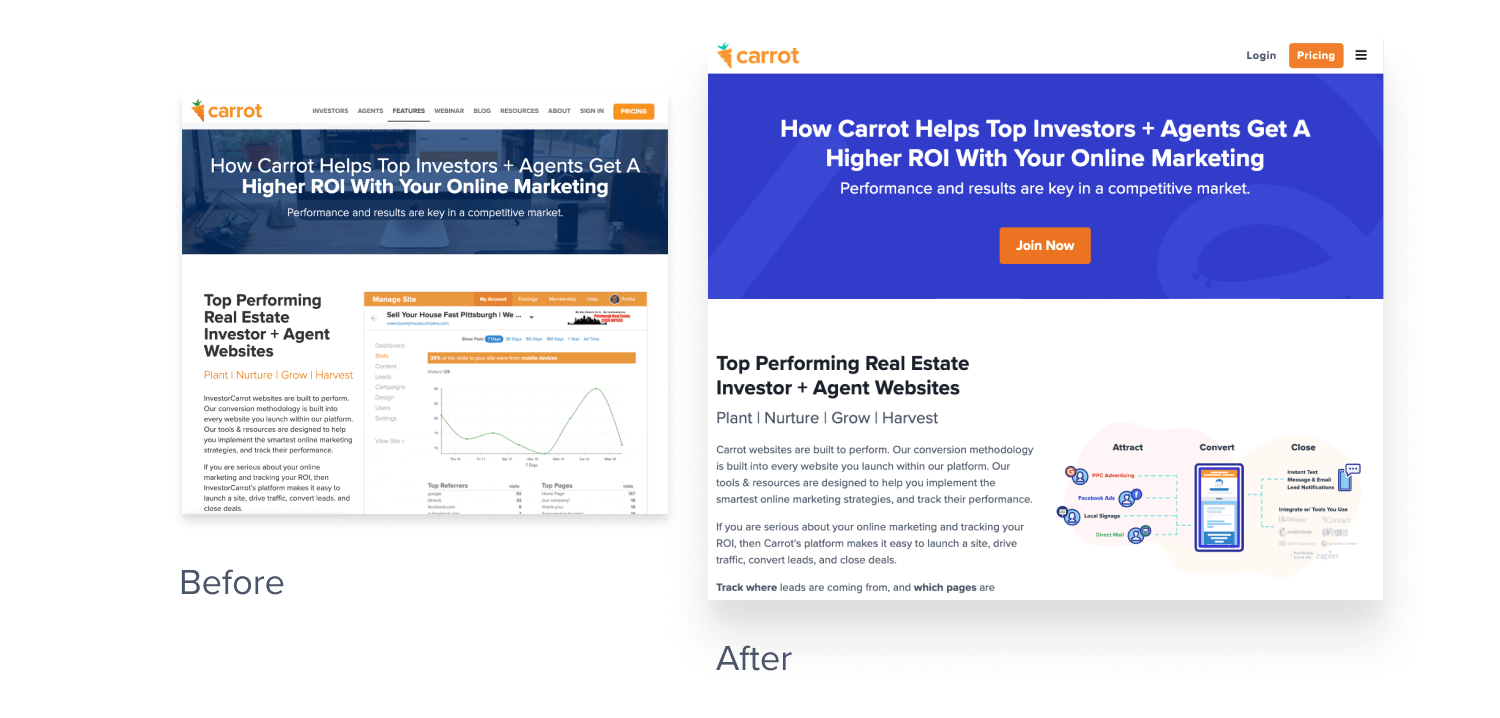
Here at Carrot, we’ve been working intently for the past year refreshing things behind the scenes. We’ve been going through our site, organizing, rebuilding pages using our new Visual Editor, and on top of all of that, updating the Carrot look and feel to better reflect the Core Values that we live and breathe by!
Bright colors and fun illustrations embody the Carrot spirit and our mission to add humanity to business and help you regain time for the things that matter most in life.
But don’t worry; we are still the same great product and nothing will change how you use Carrot in your day-to-day workflow. You’re going to continue to receive the same great service you’ve always gotten from us and a promise that we will always do our best for you!
Being design-led is a smart investment
But why a design refresh? The reality is that design-led companies do better in business. Many people have calculated the ROI on design and there is a lot of data to back it up. According to the McKinsey Quarterly, who created their own design index to measure the success of design-led companies, companies that invested in their design had 32% higher revenue growth and 56% higher shareholder returns than their counterparts.
According to the Design Management Institute who also measures the ROI of “design-centric” companies, there was a 211% return over the S&P 500. According to a report by IBM, design-thinking resulted in a 301% ROI.
What does it mean to be design-led? There are a lot of definitions out there, but for Carrot, it means we prioritize the people we serve. We value constant iteration and improvement in our product, always focusing on the customer needs first. We wanted to make sure that our look and feel reflects our Core Values and our design-led company philosophy.
The Carrot Core Values are: Be a Beacon of Positivity & Possibility, Have Fun & Be Different, Take Initiative & Show You Care, Craft Amazing Experiences, Adapt, Evolve, & Always Improve and Add Humanity To Business. These phrases bring to mind design that has energy, dynamic colors and lots of fun and creativity!
What does this mean for you? We want to continue to grow as a company and bring our product to as many real estate professionals as we can because we believe in our message about regaining time back for the people we serve. This design refresh means that we are committed to always growing, innovating, and bringing the best product we can to our members.
Oh! And since our story has evolved over the past few years, we thought it was about time for a new video to help tell it!
The updates to the Carrot Visual Language
There are a lot of things we did to the Carrot look and feel in order to embody our Core Values visually.
We started with the color palette; we added more complementary tones and more fun and energizing options.
Our previous color palette was a bit limited and used a lot of dark gray and black tones. Dark gray and black is great in a lot of contexts, but it didn’t complement our signature orange as well as we wanted anymore.
The new palette is more robust with more bright options that all work together utilizing complementary colors. We also added tints and shades to round it out and give the design a look with more depth and a brighter tone.
We refreshed the logo.
The carrot logo is still the mark that you know and love; we just removed the gradient and updated the carrot top color with our new Carrot teal! This new teal directly complements our signature orange on the color wheel.
Personal touches matter in our business, and we wanted to show that in our designs too.
We replaced generic stock photos of software and dark overlays that had started to look drab with bespoke illustrations, colors, and textures utilizing our new color palette to convey the energy and positivity that we already exude.
We gave our illustrations and icons a facelift to better represent the concepts behind our software.
We value clarity and creativity and wanted it to shine, so we made some custom Carrot Buds to show our team spirit and the trend just grew from there. Our new digital Carrot Bud is our Carrot team mascot! He leads the way through our software with a little flair, adding some fun moments throughout the site.
From a practical perspective, utilizing illustrations to demonstrate our product offerings has a more contemporary vibe, doesn’t require we update imagery every time there is a new device released, and can help us more easily emphasize the parts of the software that we are trying to highlight.
A little bit of effort goes a long way
How is this relevant to you? Many small companies don’t think their brand matters or that they can focus on other areas of the business and be successful. This is true, but putting even a little bit of effort into your brand has a lot of benefits.
A thoughtful brand builds credibility. We’ve all been to those websites that are poorly designed, and we don’t trust them. By not putting effort into what your brand looks like, it paints the picture that you don’t care about other aspects of your business either.
A clear message makes everyone’s job easier. If your vision and core values are clearly laid out, then your whole team can get behind it and your unified message means marketing and advertising is in alignment with the rest of the company.
A unified vision builds brand advocates. Think of the brands that you love. Have they put energy and effort into their messaging, look and feel? We all have brands that we support and those companies have put a lot of thought and time into how they are presented to the world in order to keep people loyal. Your company should be no different.
A well-designed brand drives a higher price point. The service you provide is obviously important, but if you can nail your brand from a messaging and design perspective, more people will value what you offer and will pay a higher price for it.
How to get started with refreshing your own brand
A design refresh can certainly seem overwhelming, but it doesn’t have to be. Even putting a little effort into a few things can bring great results.
Think about your business’s mission and vision. Write it down, share it, edit it and hone it in. This is the foundation of your brand. Until you think about this, you won’t be able to nail the visuals. There are a lot of great resources out there about writing this statement. Hubspot has some great examples.
Once you have your mission and vision completed, take a look at your logo and color palette. Do they align with your company statements? Do they represent how you want your company to be viewed? A really great logo is usually simple, easy to read, and works in multiple sizes. You can have versions that can be used to post to social media or print on letterhead. Many successful logos are just typography and don’t even have any imagery associated with them.
Once you have your updated mission and vision, logo, and color palette, you can take it a step further and think about the types of photography you might want to use to represent your brand. Don’t be afraid to source stock photography on your website and have some fun!
All of this can certainly be overwhelming, so don’t be afraid to hire a professional to help you. We have a Design Refresh Service or a full Concierge Setup to help you get your site updated and in alignment with your company brand!
Plus much more!! Check out the other services Carrot has to offer to help our members generate more leads in our new marketplace.
Don’t bother with a bunch of spam backlinks. You’ll only end up penalized. The algorithm is smart.
– Bryan Driscoll
5 Backlink Building Pro Tips for Faster SEO Results w/ Keith Sant & Bryan Driscoll
Part four in our SEO series came from feedback we received from Carrot users who wanted to know exactly what to do if they were only putting in an hour a week on their sites.
We brought in two of our favorite guests, Keith Sant and Bryan Driscoll, to dive into using valuable backlinks and creating consistent content for your website. (Pssstttt… it’s easy with our SEO Tools add-on.)
So listen in or read on to find out how to get the most out of your website in just a couple hours a week!
I am super excited to share this installment of our SEO series. After customizing your website, creating content, and getting everything dialed in, the next step is to send out some signals to let Google know you’re there. You can do this by utilizing backlinks, which will help to drive your rankings forward.
What Are Backlinks and How Many Should You Have?
Backlinks are when your website is mentioned on another person’s website, with a link directling them to your URL. This is crazy important to Google as it enhances your credibility. If other people are talking about you, then you must be good.
The number of backlinks you will need will vary depending on the size of your market. Some small towns may not need any backlinks to do well, whereas larger, more competitive markets, will need quite a few.
You don’t want to go from zero to 1,000 backlinks. Keep it natural because the algorithm is smart. A few places to get backlinks are…
Local places to list your business – your local chamber, business directories, etc.
Yelp, YellowPages, and other, larger, directory sites
Vendors and other businesses you’ve worked with in the past
You can create strong, useful content and distribute it to relevant sites
Guest post on other relevant blogs and websites
Check out what your competition is doing – there are many tools out there that can help
Doing outreach may seem like a lot of work, but it will be worth it. A little effort now can offer rewards for years to come.
How Much Time and Money Will You Spend?
Again, this will depend on the size of your market and how many links you will need to see results. If it is a competitive market, you may want to spend an hour a day for a couple of months on outreach, creating content, and building relationships.
For those who simply want to understand it, but not actually do it, you can hire an SEO firm to help. You can also pay to have your content listed as a guest post on a relevant website, typically paying somewhere around $150 for the post.
The Basics of a Good Backlink
You want your links to be real, to offer value, and to be on relevant websites. It is better to look for something local and highly targeted, as opposed to larger sites that may be more generalized. You want the links to be high quality.
Buying 5,000 links from Fiver can have an adverse effect, which could get you blacklisted completely. Avoid spam, and make sure your links offer value to your potential clients.
The Importance of Internal Links
Internal linking is linking to other pages that are in your domain. While Carrot sites come with many of these in place, it is a good rule of thumb to go in there and mix them up a bit. If you are using our automated content, be sure to add some internal links within your website where appropriate.
In addition, it can be a good idea to add some external links to your different pages. This shows Google that you aren’t trying to get all of the focus on you, rather you are trying to help your reader get the best information possible.
Keith likes to add a hyperlink to Google Maps when he is showing off properties he has purchased in the past. He has seen great results from this small trick.
What to Avoid With Backlinks
There are a lot of mistakes people make when it comes to backlinks. The biggest is buying fake links that will make your site appear spammy. Adding these links can drop your rankings, which is the opposite of what you want.
Avoid anything spammy, where you are just coping and pasting. Just like your business, your links should be there to add value for the reader.
All of this may seem like work, and it is. However, stacking these evergreen bricks now will offer you rewards for years to come. You can either spend your time running on the hamster wheel or refocus some of your time on creating great content and building those links!
We’re excited to announce our updated Carrot IDX, featuring more Advanced Search options, mapped results, and an improved interactive map view — and now it’s included in the price of our Advanced Marketer plan! Basically… FREE IDX.
Whether you’re a buyer’s agent, seller’s agent, or both, we know how important it is to create an easy and enjoyable home search experience on your website. There’s a lot of competition out there, from other agents, to ibuyers, to the big names in online home search that are quickly becoming the go-to destinations for people starting their search.
Having the latest in MLS property search and listings on your website is a surefire way to keep retail buyers and sellers on your site for longer, giving you a better chance to convert them to leads. It also adds credibility to your personal brand as a trusted Agent and to your website, helping you further build authority in your market.
That’s why our Product team here at Carrot set out to bring a better IDX integration to our Agent members’ sites. This Carrot IDX update brings the search experience retail buyers and sellers expect from the big names in online home search to your Carrot site.
Here’s what you and your site visitors can look forward to with this update:
Streamlined property search that combines Advanced Search options with mapped results
Interactive, searchable map view
More Advanced Search options allowing visitors to filter their search by more parameters
And a major pricing update to our Carrot plans…
That’s right… With this update, Carrot IDX is now included in the monthly price of our Advanced Marketer plan at $199/mo — all you pay are your local MLS pass-through fees!
“You guys have changed my life. The leads are fueling my family’s vision. And the values/mission behind it all makes me a huge advocate for Carrot… My business has doubled each of the last 2 years… I grossed around $350k last year, and a huge part of that is due to Carrot.”
– ERIC SZTANYO Fort Thomas, KY
Why Do I Need IDX?
Websites like Zillow, Realtor.com, and Redfin have quickly become household names over the past several years for anyone looking to casually browse for properties or begin a serious home search.
Creating an easy-to-use, comprehensive home search experience directly on your website keeps visitors on your Carrot site for longer — and that helps increase your chances of converting those visitors into leads.
Carrot IDX Improvements
This update to Carrot IDX is an all-around improvement that will help our Agent sites rival the big names in online home search:
1. Streamlined property search
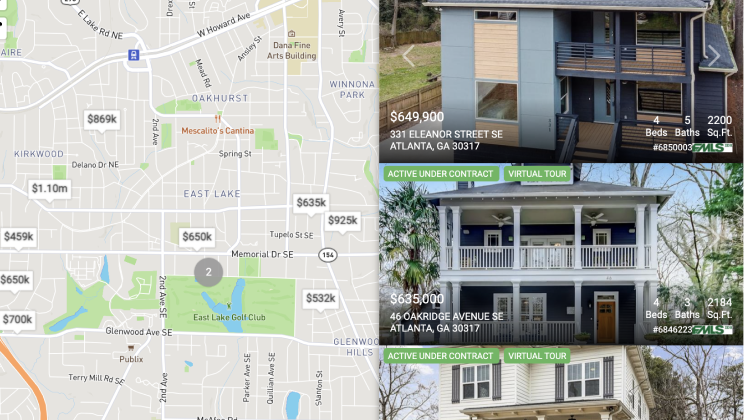
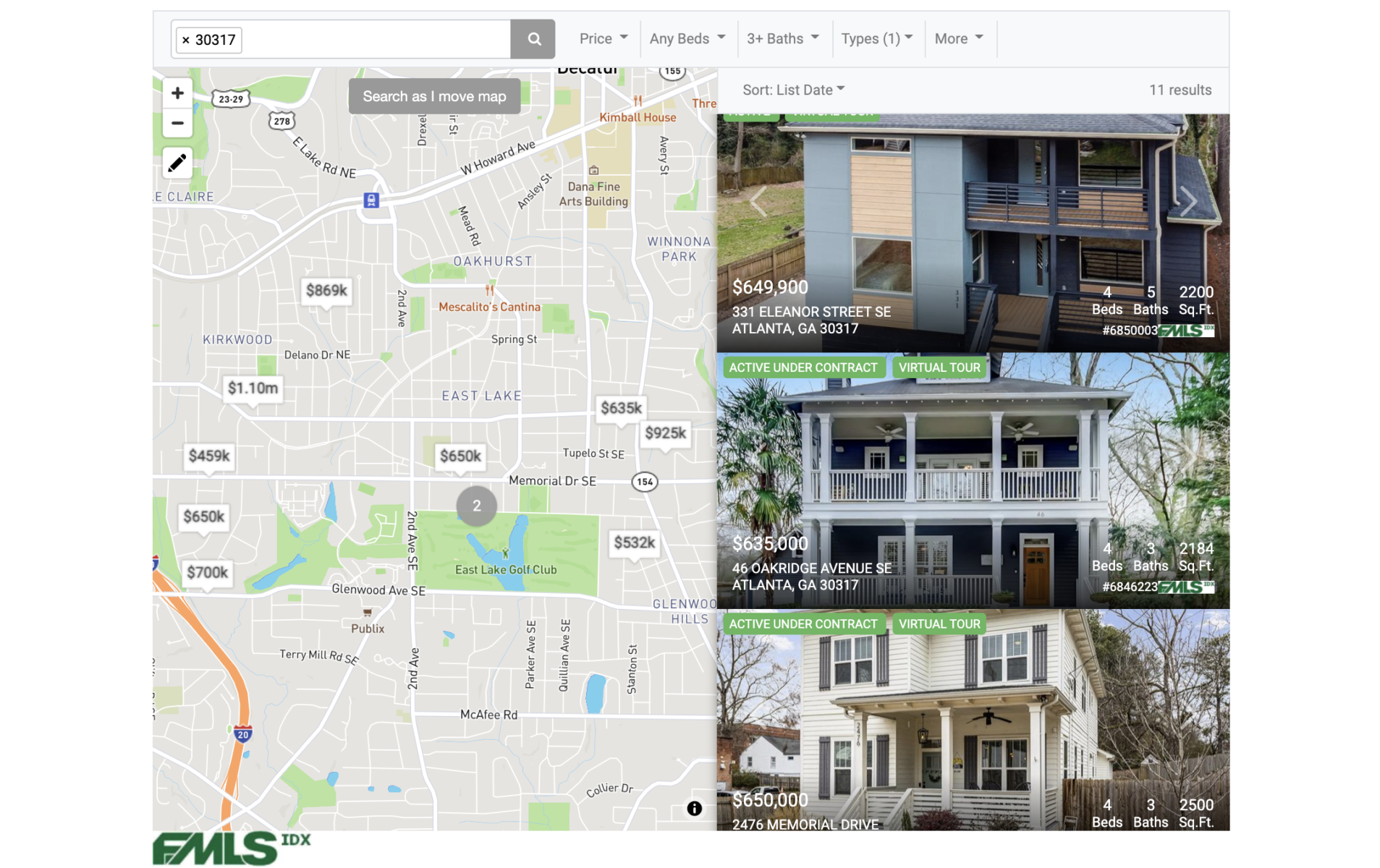
This update streamlines the property search experience by combining Advanced Search with mapped results. Now, when visitors are narrowing their search for properties, the map populates in real-time with listings that meet their parameters. Visitors can also pan and zoom across the map while in their filtered search.
2. Improved map view
Visitors can click, drag, and zoom to browse properties by location, or draw a polygon to filter down their search. The list of available properties updates as visitors navigate through the map, and the sweeten the deal — visitors can click on and flip through photos without leaving the map!
3. More Advanced Search options
Site visitors can refine their search directly from the map view from a variety of Advanced Search options. From schools and specific property features — pools only, please! — to house style and property condition, visitors have a multitude of MLS-search filters that will help them find the perfect home for them.
… And We Aren’t Stopping There.
We are always looking to evolve, innovate, and improve Carrot to provide the best product for our members and the best experience for their site visitors. What better way to figure out how to do that than to listen to what our members have to say?
So over the past several months, the Carrot Product team has been connecting with our Agent members to learn how the Carrot platform can better solve the problems facing today’s real estate agents.
We heard from our members how important it is to have an easy-to-use, comprehensive property search and beautiful MLS listings on their sites to rival the big names in online home search that their sites are competing with today. That’s why we updated Carrot IDX to provide members with the latest in IDX property listings and search directly on their Carrot sites.
And this Carrot IDX update is just the beginning of an exciting year of new and improved features for real estate Agents! We have big plans this year to make Carrot even more powerful for Agents, so stay tuned for more updates and announcements in the coming months.
Ready To Learn More About Carrot?
Have you been thinking about joining Carrot, but still aren’t sure if it’s right for you? Now is the time to join!
With our all-new Carrot IDX, you get the latest in MLS listings and property search on your site right out of the box — no monthly fee, no setup fee, and it’s totally risk free! What are you waiting for?
Now when you join our Advanced Marketer plan, Carrot IDX is included in the monthly membership price and there are ZERO setup fees — all you have to pay are your monthly pass-through fees!
And with our 30-day money-back guarantee, there’s no reason not to give it a try. Take a demo of Carrot today!
The great thing about Carrot is that I don’t have to think about the content. I rewrite it a little bit to fit our locations, personality, and brand.
– Bryan Driscoll
SEO 2/4 | The 5 Most important & Most-Overlooked SEO Secrets for Real Estate You’ve Never Heard of w/ Bryan Driscoll
SEO is a topic that can seem overwhelming for some of our members who simply want to close deals and not work on the details of their website. However, as you’ll discover in our latest episode of the CarrotCast, with these simple, effective, and often overlooked strategies, you’ll be able to achieve higher rankings faster than you may think.
Higher rankings lead to more clicks, more clicks generate more leads, and more leads mean more conversions.
Last week we spoke with Adrian Nez to go over SEO basics and to offer a few high-level strategy tips. Today, in part 2 of our SEO series, we’re diving into the meat and tactics of SEO with Carrot customer, Bryan Driscoll.
Not only is Bryan an investor, but he also boasts a 15-year background in digital marketing. His sites are bringing in hundreds of organic leads, using simple tactics anyone can implement into their site.
So without further ado, here are 5 SEO secrets for real estate you can use to quickly ramp up on your Carrot site.
#1 – Reviews and Testimonials
Having rock-solid reviews and testimonials is a huge part of building credibility. It will keep people on your site longer because they will see you are a real person who has helped people in situations similar to their own.
But you’re not just posting your positive reviews to show your credibility to potential clients. Google is looking for credibility too. Time spent on your site, the bounce rate, and many other factors helps Google determine how valuable your site will be for someone searching for a business like yours.
You’ll want to get these reviews up on Google My Business, Yelp, and Facebook. Then, make sure to get them up on your website. You can grab links and send them directly to satisfied customers, asking them to write up a review about how you were able to help.
#2 – Google Console
Google Console is an incredible, free tool that many people don’t use or even know exists. It will help you see impressions, clicks, and how you are ranking for particular search terms.
What’s so great is that if you are ranking low, you can go to the ranking URL, improve it to be better optimized, and easily see how your efforts pay off. You can see if a particular page is ranking higher than others, and focus more of your efforts there to drive conversions.
Google Consul is also a great tool to discover what people are searching for. You can then use this information to properly target your potential clients. You don’t need a ton of traffic. When you target properly, you will generate more leads and conversions.
#3 – On-Page SEO
Straight out of the box, Carrot aims to build sites with great content. According to Bryan, the best part is that when changing up the content, he doesn’t have to think about it. He simply has to put it into his own words, injecting his personality and some references to his unique market.
As far as length, Bryan recommends around 600-800 words on the homepage, with at least 400-500 words on the city pages.
However, more than anything else, your goal should be to provide content that is useful to your user. Don’t just write content to try to trick the search engines. Algorithms are smart. When you write great content, you’ll attract more visitors and keep people on your site longer – two things Google loves to see.
#4 – How Many Keywords Per Page?
Bryan advises he will focus on one main keyword, with two or three secondary keywords all of the same theme. If you want to focus on multiple keywords, create a separate page for each.
If someone is searching for a specific answer, you’ll want to lead them to a page that directly answers their question. Not a page that is focused on several different things. So for example, if you are in multiple markets, you’ll want to create separate pages focused on each.
#5 – Lead Tracking
When you have leads coming in the door, you’ll want to know exactly where they are coming from. While the Carrot built-in CRM is great, Google Analytics will help you take it to the next level.
It’s easy to add to your website to see exactly what sources are driving people to your website. It will help you get a better idea of where your quality leads are coming from, so you can focus your efforts accordingly.
Putting it All Together
Credibility plays a huge role in your positive SEO. In the past, when we have studied sites that have gone up vs. sites that dropped in the rankings, there were a few commonalities we came across.
The sites that dropped lacked reviews and testimonials, and the content wasn’t being updated on a regular basis. Having great SEO incorporates something we are very fond of here, and that is Evergreen content.
This is the content you put out once, that will benefit you for years to come. So now is the time to get off of that hamster wheel of cold calling and direct mail, which only benefits you for a few weeks, and instead, spend some time improving your SEO using Evergreen Content that will benefit you for years to come.
My story and how I realized all leads and marketing aren’t created equal. The mainstream real estate world teaches us all marketing that is accidentally structured to keep us trapped in a never-ending marketing “hamster wheel”. Yes, it works to get leads and deals, but at what cost to our lifestyles and stress levels?
Show you how a shift in the way you market
It was 2011, and I was worn out.
I was running my previous company before Carrot and was second-guessing whether this “entrepreneurial dream” of true freedom & impact was real… or whether it was just something the late-night infomercial pitch masters sold to make a buck.
Financially, my company was doing great when you looked at the profit and loss statement at the end of the year, but I was tired of the “boom and bust” cycle my income and leads were on.
One month, our outbound marketing would hit and bring in many leads and sales…
… the next month, my business partner and I would take our “minimum draw” of $1,500 each.
So, we’d hop back on the “marketing hamster wheel” and crank out some more outbound marketing, get customers coming in, and the cycle would repeat every 3-4 months.
My business was successful in all of the normal metrics people would use to grade it, but it felt like the way I was doing it wasn’t sustainable and certainly wasn’t giving me the consistency, predictability, and momentum I craved.
In 2012, I finally sat down and asked… “How can I get more consistency and predictability so this business can support me rather than me support it?”
Are you tired of needing to get a gazillion unqualified leads to close a deal?
More leads = more time and expense to sift through the tire kickers.
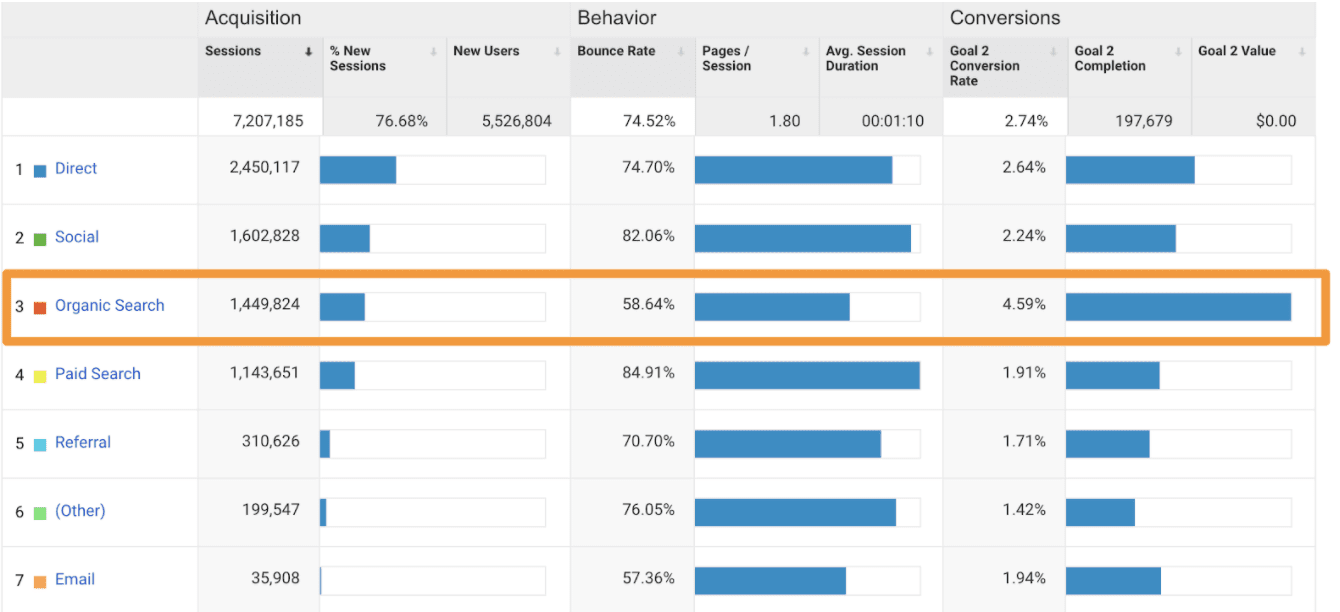
Inbound online marketing with Evergreen content is the answer. It attracts your most qualified prospects who are motivated to solve their problem. It builds trust and credibility with them 24/7, 365 through your Carrot Lead Generation Hub.
They convert from visitor to lead between 2-4 times higher… and lead to deal closed from 2-3 times higher. Resulting in lower lead volume but more profits and less hassle.
Timeframe: 90-day period | Source: Carrot Member Site Google Analytics
Evergreen marketing is what we focus on the most here at Carrot. We then amplify it with paid marketing and even hamster wheel marketing.
We’ll also discuss hamster wheel marketing in this post and the difference between it and Evergreen. To us, it’s not one or the other. It’s both. But you want to grow more and more into the Evergreen side of things because that’s where you create your consistency, freedom, and flexibility.
You can make a greater impact with your business, but that’s where your most valuable and highest converting leads come from is from, and then we amplify it with the hamster wheel approach.
What is Evergreen Marketing?
Evergreen marketing is essentially creating content and getting online in a spot where it will be there forever, your website or your “lead generation hub” here with Carrot, and then amplifying that on social media.
Where a lot of agents and investors go wrong is they take the content and they just put it on Facebook or Instagram.
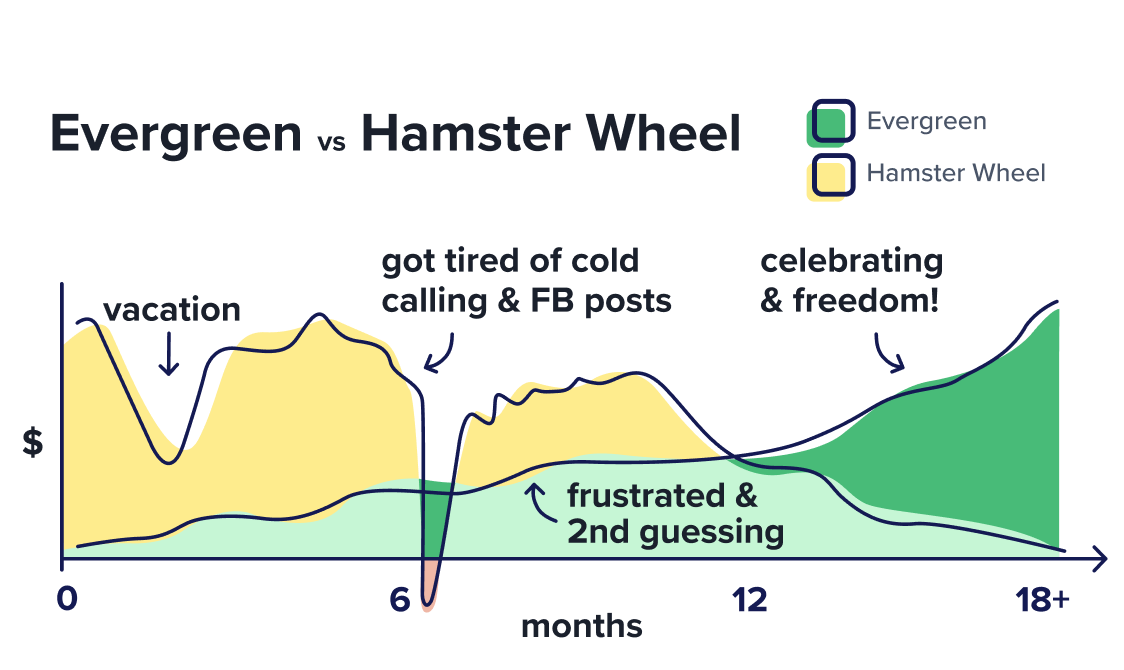
That, to us, is what’s called “hamster wheel” marketing.
If you’re creating a piece of content and you just put it up on Facebook or Instagram, it’s going to be there for 24 to 48, maybe 72 hours before it gets pushed down, forcing you to get back on the hamster wheel and post again, and post again and post again, because the life span of that content is so short.
The lifespan of that content is so short that you must be on the hamster wheel continually.
If you get off the hamster wheel, stop doing those postings, stop doing direct mail, stop cold calling or doing RBMs, then your leads will eventually dwindle to a stop, and you’ve got to restart and get back on the hamster wheel.
Now, Evergreen is another way we like to focus outside of the hamster wheel. But it does take work. Evergreen is more like picturing a stack of bricks.
Here, you see the hamster wheel, which looks amazing because it’s easy. You can hop on it. You can take a step, and it immediately gives you feedback.
It immediately gives you a result. But the problem mentioned earlier is you have to stay on the hamster wheel forever or plug somebody into the hamster wheel for you to keep giving you the result.
That’s where agents or investors get burnt. Everyone tells them, “Do this method, do this method.” But two, three, four, five years later, they get burnt out because they’re still doing that hamster wheel marketing with no end or systems to make it Evergreen.
This is where we want to help make a change.
So, each brick in the stack represents a piece of content, a page on your website, something that will be there forever. It could be a video. It could be a location page of a neighborhood you do business in.
Or, a video post on our system where you can take a short video from your cell phone, upload it to our video post feature, and automatically turn it from a video into a written article that you can then publish.
So, get into the weekly routine. Pick up a brick and stack it, pick up a brick and stack it.
Eventually, you’re going to have a whole row of bricks. It was dirty. It was hard work. You might even pull back and say, “I’ve done a lot of work here, and I’m not getting the result yet.”
That one row is not a wall.
What would happen if housebuilders stopped building a brick house in the first row? They were like, “Man, that was a lot of work. My hands are hurting. It’s not a wall yet; I’m just going to quit.”
Well, there wouldn’t be a house.
That’s where most people quit Evergreen marketing. They do a few actions and want instant gratification, as hamster wheel marketing gives them. But they didn’t shift their mindset to the long-term momentum-building mindset.
So instead, get on the hamster wheel, get some leads and deals coming in, but then go back and stack bricks.
Get into a routine of creating content. Another piece of content this week, another piece of content next week, a blog post next week, a video post, a video post, a location page, and eventually, you’ll have a brick wall that does all the work for you.
Remember, it will be slow going in the first three, four, five, six months potentially.
But as long as you’re consistently stacking bricks of quality content that answers real questions from your market, you’re entertaining in your way; you’re going to start to pick up that momentum.
Hamster wheel marketing, you get a quick result, but then you get off of it, and it goes down. Then you got to go, “Shoot. I got to get more business.” You get on it, get off, get on it, get off. This creates stress.
Evergreen marketing creates freedom.
Freedom or stress. You pick which one you want.
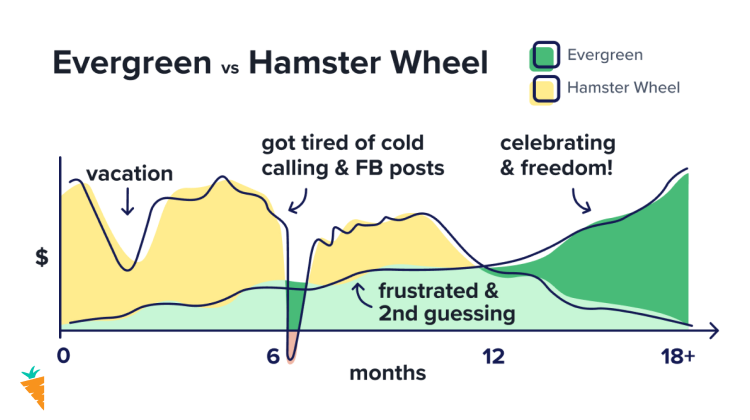
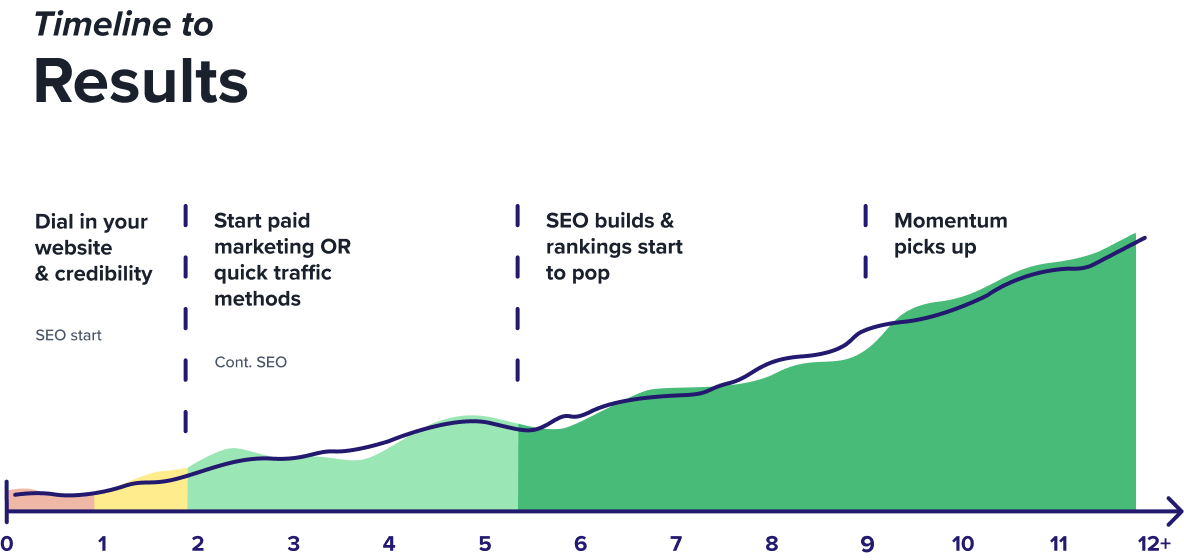
So, how long does this take to work? This little graph will show you—essentially the time and the results that we want to have you expect.
Evergreen Marketing Time to Results
The first one to two months is when you’re really going to be dialing things in. By now, you should have already had your website or lead generation hub created.
Dialed means you have your logo on your site, changed some of the content, and got some of the location pages created. Once you’ve got that dial, then this is where you’re ready to start to bring traffic to your website. Dial it in those first couple of months, add credibility, and get your content started.
In months two to five, two to six or so, that’s when you want to start some of that short-term marketing. Paid marketing, quick traffic methods, and things like that. And months five to 12 is when you really start to see this Evergreen content marketing pickup and get momentum.
So, in the early months, that’s when you will be doing a lot of work on the Evergreen marketing but may not see the highest level of result that you see over on a hamster wheel.
So, in the short term, once again, this Evergreen marketing works in tandem with short-term or quick-result marketing. In those first three months, execute things from that short-term marketing to get traffic and leads immediately.
Hamster Wheel
Short-term
Foundation
Quick traffic
Mindset
Amplify
Evergreen
Long-term
Traffic stacking
Content + SEO
Building + Adding Authority
While you’re executing short-term marketing, you’re going to want to be building the foundation, executing the long-term momentum-building Evergreen marketing, which is simply creating content on your website consistently that Google likes to answer questions for people’s problems.
Free Live Workshop
Unlock Growth & Eliminate Burnout. Independent of Cold Calling, Direct Mail, SMS, and other ‘Draining’ Marketing Tactics
With the shifting real estate industry, there must be a marketing shift that has to happen in the tech disruption in general.
We will talk about this shift, what Evergreen marketing is and what it is not, and how you can really start to like it.
If you implement, stay consistent, and have patience, you’ll be able to get more consistent, more predictable, and high-quality leads.
People will be reaching out to you rather than you having to contact them. No longer will you need to rely on posting on Facebook 18 times a day. Instead, let’s get you to where you publish a piece of marketing today, and it works for you in six months, in a year, in three years, in five years.
You might say, “Yes, I want that, but what is it?”
We’re going to walk through what that is and show a couple of examples and case studies to really connect you to how it works for buyers and how it works for sellers.
We aim to get you to shift your marketing mindset into what will work amazingly well in the market ahead.
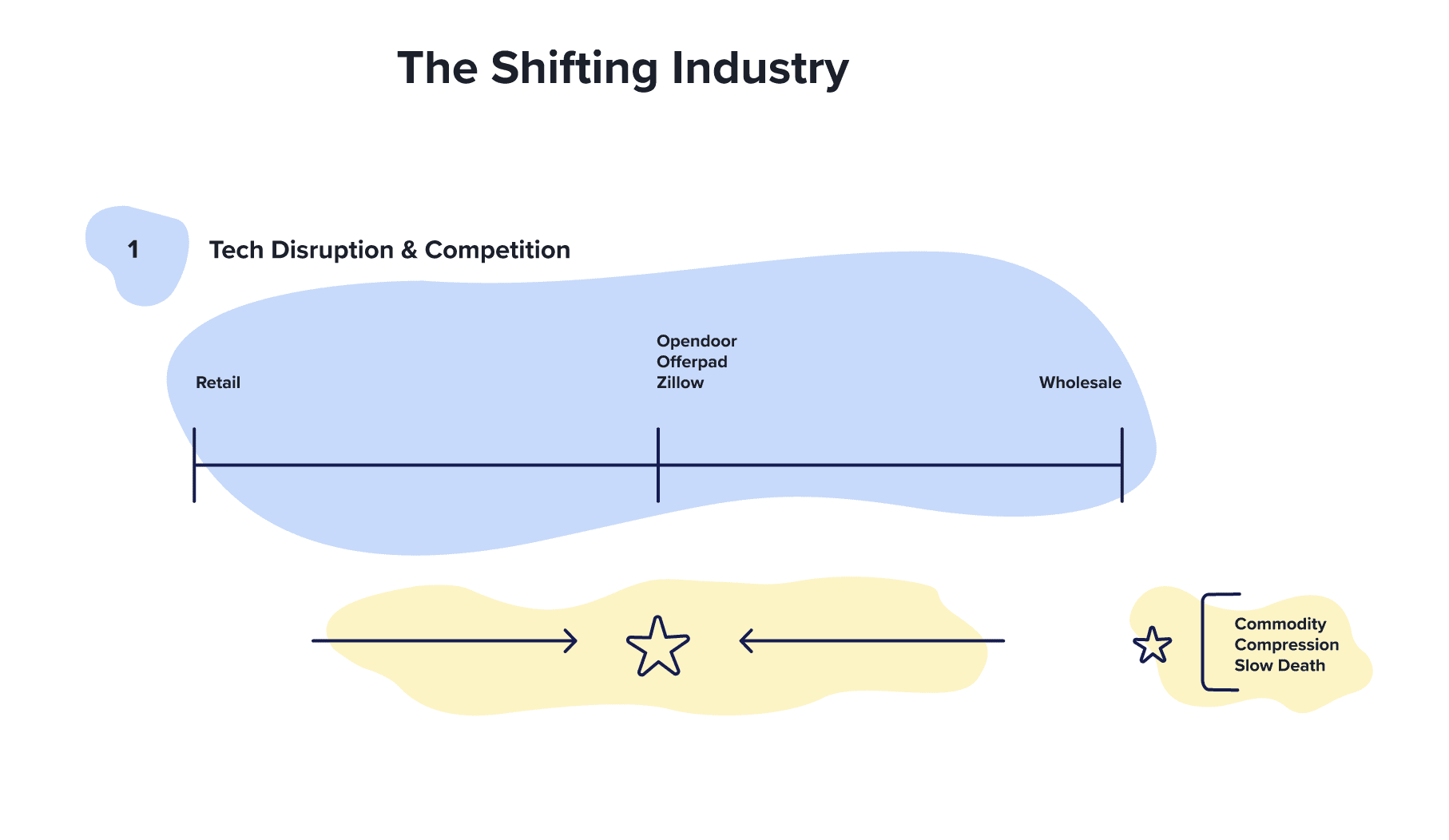
The industry is shifting, and you can see with the industry shift, there are two parts to the industry. There’s the retail side of the industry, and then there’s the wholesale side.
The Shifting Industry
The retail side is working through the MLS, working with real estate agents. On the wholesale side, of course, just like any industry, the auto industry and the grocery industry all have retail and wholesale sides.
Both of them serve a great purpose. Some people want to buy properties at a discount for investment, and they don’t want to pay retail. In contrast, some people want to sell properties at a discount in exchange for speed and convenience in solving their problems. And many real estate agents don’t tread into the other side very often. Many wonder, “Why would that seller sell at a discount when they can sell it over here for a higher price?”
Well, oftentimes, the seller wants to sell because of many reasons. They need to move fast, or they had a bad experience selling it traditionally before, or they want cash quickly, and they need it within 30 or 60 days, and they don’t want to have to put up with showings and people going through and making offers and backing out or a variety of other reasons.
It’s a big market over there, and it will keep growing with the iBuyers. iBuyers like Opendoor, Offerpad, and Zillow fall between retail and wholesale.
The big tech giants are starting to say, “Hey, I think we can do a little bit of what agents do a little bit better, and I think we can do a little bit of what house buyers and professional house buyers do a little bit better. And we will bring in better branding, better marketing, huge budgets, and try to shift the overall industry towards direct selling.”
Now, I feel that there will be more and more sellers selling directly to an end buyer through an investor or an iBuyer service like this.
I still feel that real estate agents will be the backbone of house sales over the next several decades. But, there will be a change, and we want to ensure that agents are not becoming a commodity.
We want to make sure that your commissions and your profits as an investor or agent are not being compressed. We want to make sure that you don’t die a slow death in your career because of this shift and get left behind in this shift.
So the next question is this: how do you stand out in this market? How do you stand out when there are a lot of agents, when there are a lot of investors, and these iBuyers and tech giants are coming in to try to disrupt the industry?
You stand out, not by creating fancier CRMs and fancier automation with text and email. That stuff is fantastic. That stuff amplifies what you’ve already got.
The way that we actually stand out is by becoming an authority.
It’s an authority on a topic, on a neighborhood, on a specific type of a seller situation, in the area-owned real estate, whatever it is, becoming an authority that people look to, to say,
“Wow, that person knows a lot about the subject. I trust that person, and I feel less risk in taking care of better if I work with that person with this type of transaction.”
With the authority scale, it goes from the very bottom of the tactician.
Tacticians know:
How to take the steps.
How to do the basics of a transaction as a real estate investor or agent.
How to close deals, but their earning potential will be very, very low.
The tacticians’ influence will also be very, very low on those clients in that industry.
So to raise your income and become more stable as an agent or an investor, you need to start taking steps to become an expert.
Experts are:
Well beyond just knowing how to do the tactics, shuffling the paper, knowing how to do the transaction.
They are experts in niches such as experts in a neighborhood or neighborhoods, in a type of a buyer, a type of a seller, certain types of transactions as an investor, or if you’re an agent, you’re an expert in commercial property, investment properties and you’ve put in the time to invest into learning the expertise in that.
These things are going to increase your pay, and it’s also going to increase your ability to influence your market to work with you so you can serve them better.
But, you need to move to be an authority to really win
There are going to be a lot of tacticians in this next phase of the real estate industry that are going to get pushed out of the market. Technology is going to gobble up those people.
Experts are great, but the difference between an expert and an authority is an expert that many people know is an expert. An expert is just someone who knows a lot of information, but no one may know who you are.
How do you get to have people know who you are?
The more people who know who you are and are an expert on this topic, the more people will know you. The more people will be attracted to you, the more sustained and consistent that business will be.
The way to bridge that gap between expert and authority and increase your pay, decrease your risk in the market, and increase your ability to stay and thrive in this market change while these two segments, tacticians and experts, have a tougher time and they start to go downhill is you need become an authority.
How to Become an Online Authority
What is the only way to become an authority?
The answer is CONTENT.
What is content?
One way to do it is with your cell phone. You can record a video and upload it on Facebook. You can also take that video and upload it to your Carrot site (if you’re a Carrot member) and turn that video into a written blog post using our Video Post feature. That’s content.
When people see your content, and they see your expertise and personality, they see your authority on that subject, especially if they see it over and over again.
It could be a written piece of content. It could be you in front of a chamber of commerce meeting. That is content, even though it’s in person.
If you’re attending those networking meetings or meeting one-to-one at a coffee shop, that’s amazing, but you can only scale that so far. What happens during situations that pandemics, like America and the world, have been through in 2020?
You can no longer show up to those big networking meetings. You can no longer go to the coffee shop and shake someone’s hand.
But what you can do is create content so people can find you online. Online is only going to get bigger and bigger. More and more people are going to the internet to make Google searches, and that’s where we want you to be.
We want you to be rooted in this authority or eventually branch up to the “celebrity” authority in your market.
How do you do that?
This is where Evergreen marketing steps in.
Evergreen marketing is so amazing; that’s why we’ve gone all-in on Evergreen marketing; it’s what we’ve done since day one of Carrot.
We’re not a company that started out doing X, and then we realized this opportunity, and we’re shifting our strategy. We’ve been doing Evergreen marketing since day one. It’s what the entire business has been built on since the inception of Carrot at the end of 2013.
Millions of leads have been brought in through our system, mainly motivated sellers, but also a ton of buyers, a ton of tenants, land sellers, land buyers, mobile homes, retail listing houses, you name it.
How Evergreen Marketing Works And Examples Of Carrot Members Who Have Been Highly Successful Using It
Buyers and sellers are searching online every day to solve their problems.
You create valuable content and put it on your website (lead generation hub).
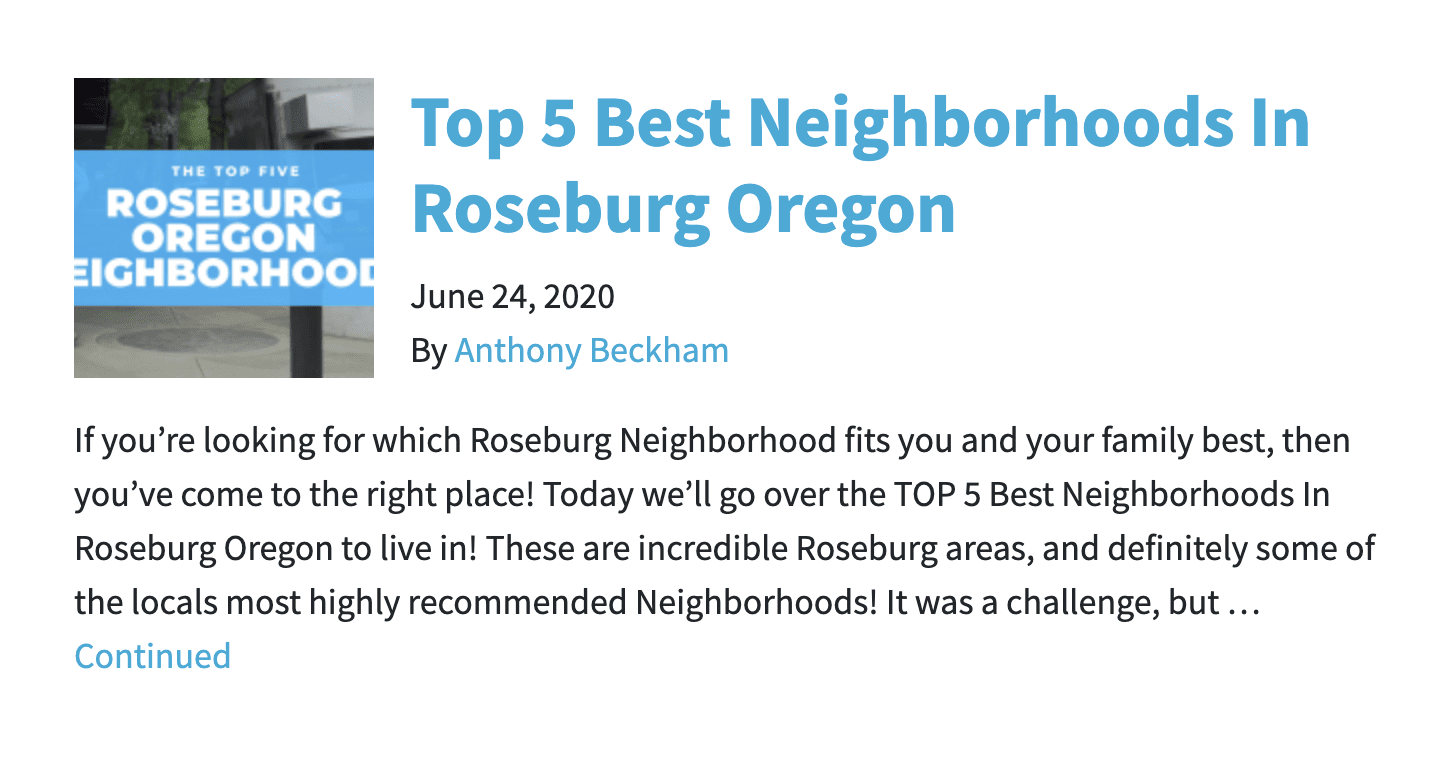
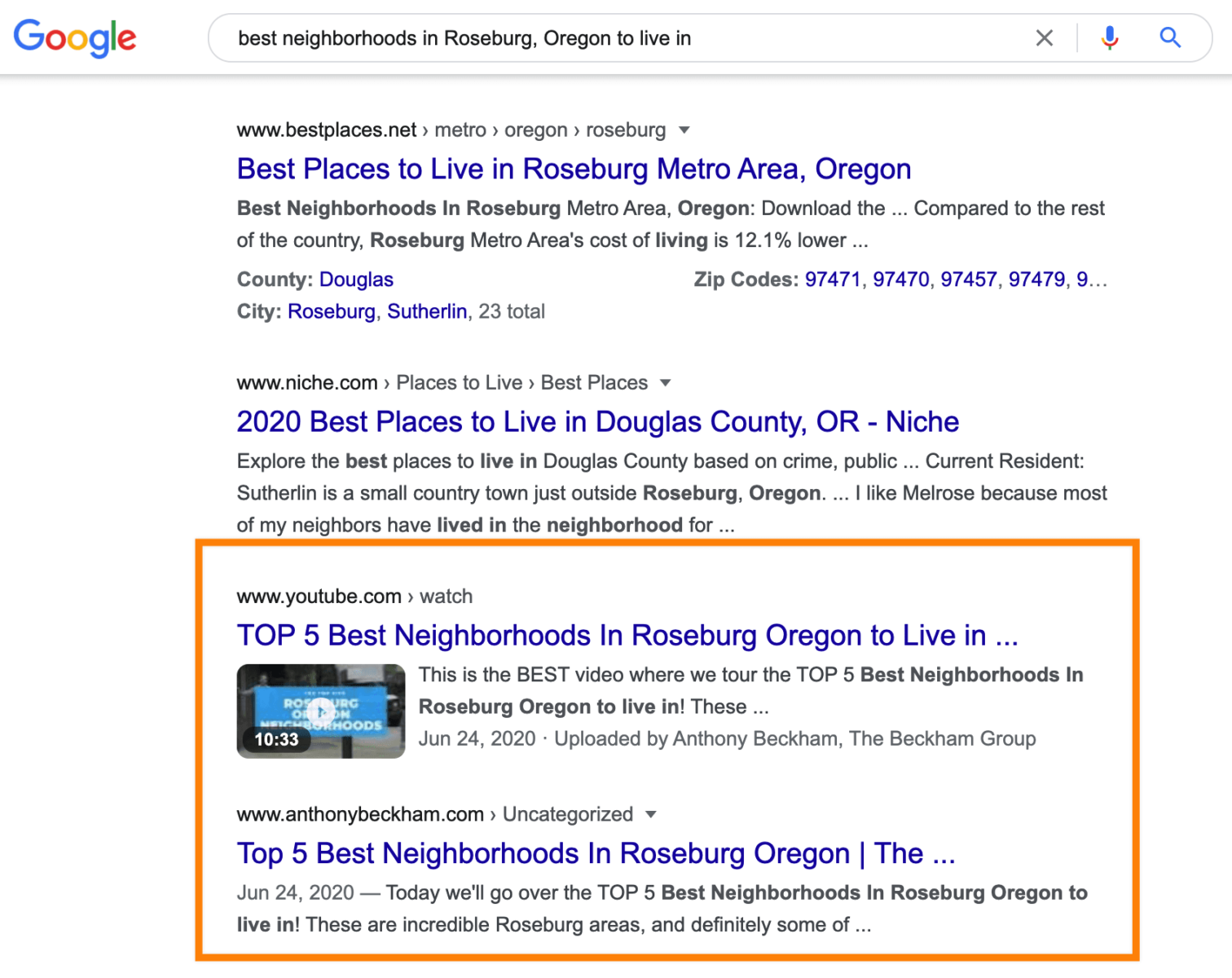
It could be a video like we’re seeing here from Anthony Beckham. It could be a blog post. It could be a location page where you’re talking about areas and neighborhoods in which you buy or sell houses. You can see this one from Anthony; he talks about the top five neighborhoods in Roseburg, Oregon.
He put it on YouTube and also created a video post. His video already has over 1000 views.
If optimized well, your site ranks high. Searchers land on it and engage.
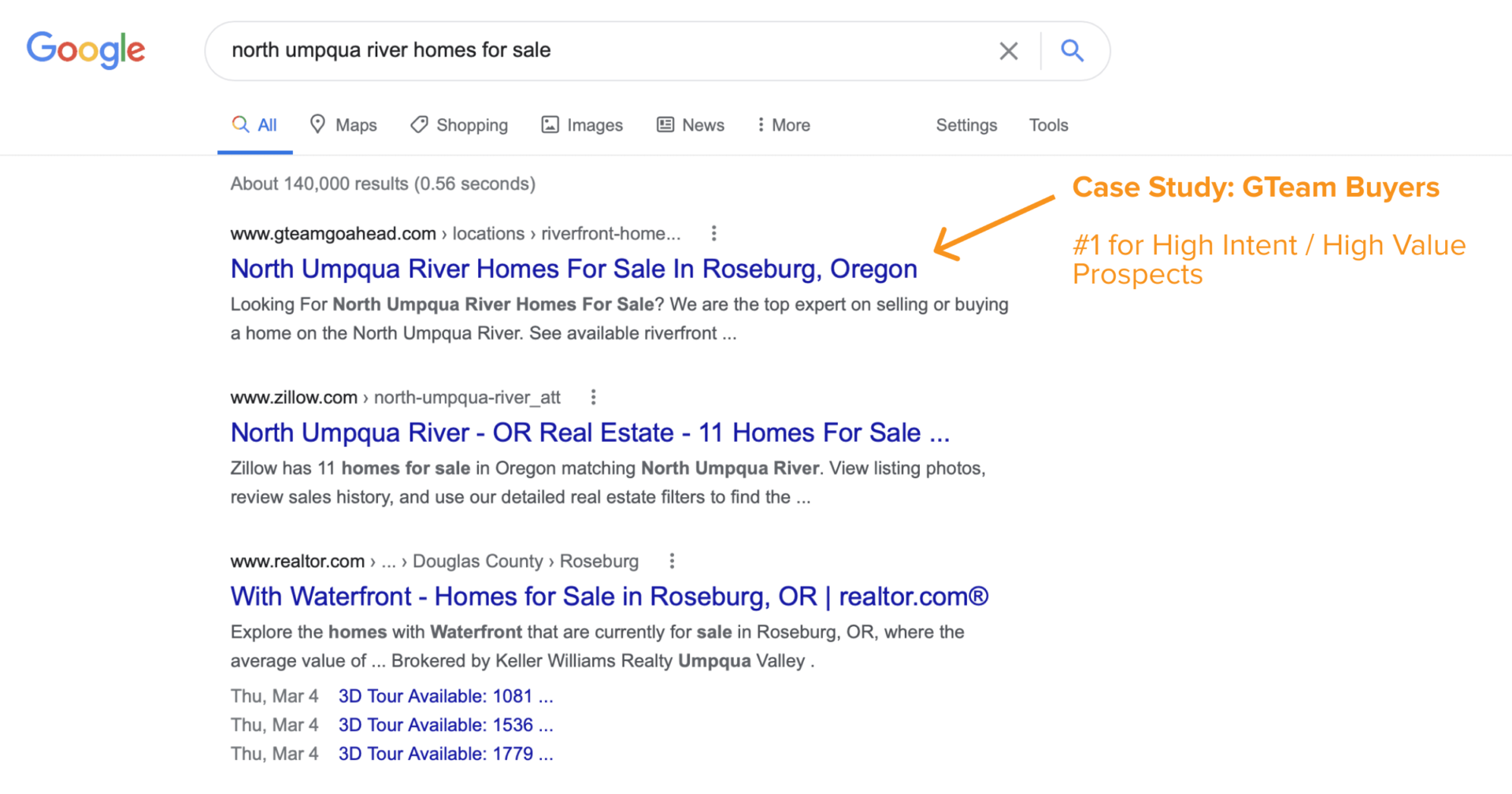
Search “North Umpqua River homes for sale”.
The number one result in Google is a Carrot site. One of their location pages they stacked a brick and created a bunch of location pages, and it’s outranking Zillow, and that produces leads every single month for them of people who are looking to buy in that luxury home area.
Your content lives and works. It builds trust, credibility, and authority 24/7 for months and years.
Rinse and repeat over the long term so your content is everywhere online.
Amplify your content with social media, ads, and email.
You’ve got to start shifting some of your patterns, start shifting some of your thoughts on what marketing is for you. Shift some of your hamster wheel efforts into Evergreen efforts, and then you start to stack more and more content pieces onto your website.
Then, to really make it hum, those content pieces you get on your website, share them on social media, share them on Facebook.
Just like you see here, Anthony is linking up his Carrot page with his video, and he has over 16,000 views.
Once again, the strategy in your first two to three months will be the most work. That’s probably where you’re going to be putting three to five hours a weekend into creating the content getting your marketing plan created in that first month or so.
After that first six months, it will probably be more like an hour a week, and that’s your weekly marketing commitment regarding your content.
Here’s a case study of how Brian Rockwell, an investor down in Dallas, Texas, is getting sellers through Evergreen marketing. There’s a full case study. We will link it up below on how Brian Rockwell has done that.
Brian went from school teacher to a multi-million dollar wholesaling and house flipping business and multifamily investment company just from Evergreen marketing and amplifying it with paid marketing.
This is a text message he sent us. Six wholesale deals this month. If all goes through, $124,000. Four came from pay-per-click.
And then one came from organic and one came from retargeting.
So, there is an amazing, amazing result for seller-motivated households.
Let’s look at a real estate agent G Team, for buyers—North Umpqua River homes for sale. Anyone who types up that phrase in Google now takes about four to five months of doing the process, putting their heads down, and doing the work, or you can hire our services team to do some of this work for you.
They’re ranking above Zillow and Realtor.
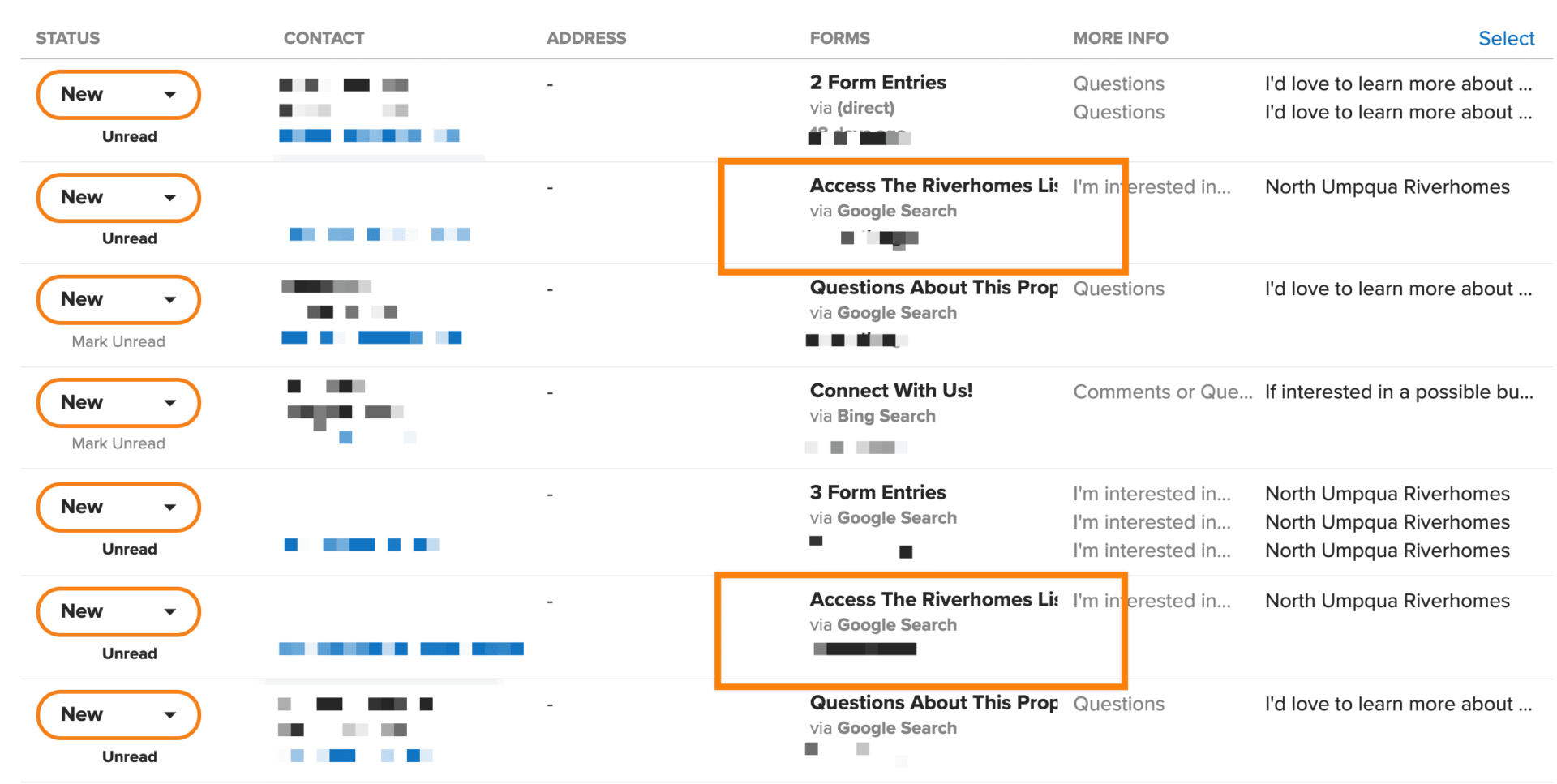
What does that equal? It equals leads. The G Team gets leads every single day from that one page.
Now, imagine if you started to stack on more of those pages, you get three leads from this one every month, two leads from this one and 10 leads from this one every month, and three leads from this one, none from this one, but six from this and three from this, you get the idea.
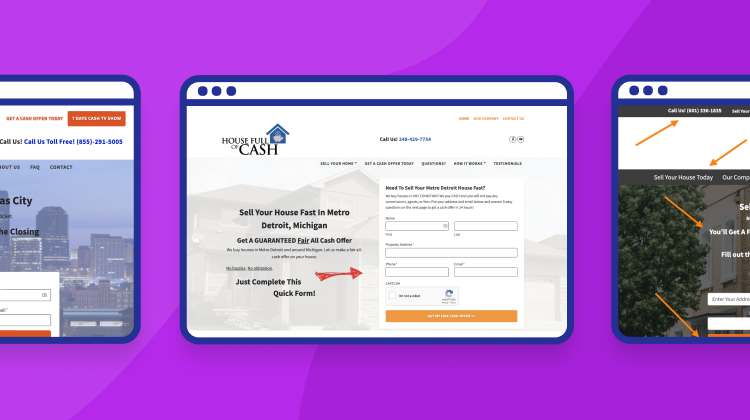
Here’s another example. So, the niche seller leads. Let’s say you’re going after sellers who are in tight niches. They have a problem. They’re searching online. I want to sell my inherited house in Detroit, or sell my house in a divorce, or sell my luxury home, or how to sell my house without a real estate agent, or how to sell my house with a real estate agent, phrases like that.
What if you were ranked really high in Google for that phrase, just like these Carrot members are, and they’re ranked in front of those clients, what does it turn into? Well, it turns into leads.
This one came through Steve’s Carrot website. He put Evergreen content up there. That was a blog post that he used for an automated blog system, and he used one of our plays in the playbook to modify those to give it a better chance to rank well in Google.
And you can see this one came from Google search, and this one came in at 7:33 PM. Carrot is working while you are eating dinner, while you’re hanging out with your family, or while you’re sleeping, Carrot’s working. That is what Evergreen marketing is. We want it to give you freedom.
Lastly, the whole thing with the strategy of Evergreen marketing is that it is a fundamental shift in the way that you do things.
If you want to be on the hamster wheel for the next five or 10 years and grinding away in five or 10 years and having to continue to post and continue to do things and continue to work five, six, seven days a week, then keep on doing hamster wheel marketing as your only marketing method.
We want to start to have you shift things over to Evergreen marketing, but it’s going to take work.
It’s going to take focus. It will take effort, but in 12-24 months, you will say, “Oh my gosh, I’m so glad I made this shift in my business because now I have freedom. I have flexibility. I’ve got this machine and lead generation hub that is continually attracting the right prospects that convert the best that want to work with us.”
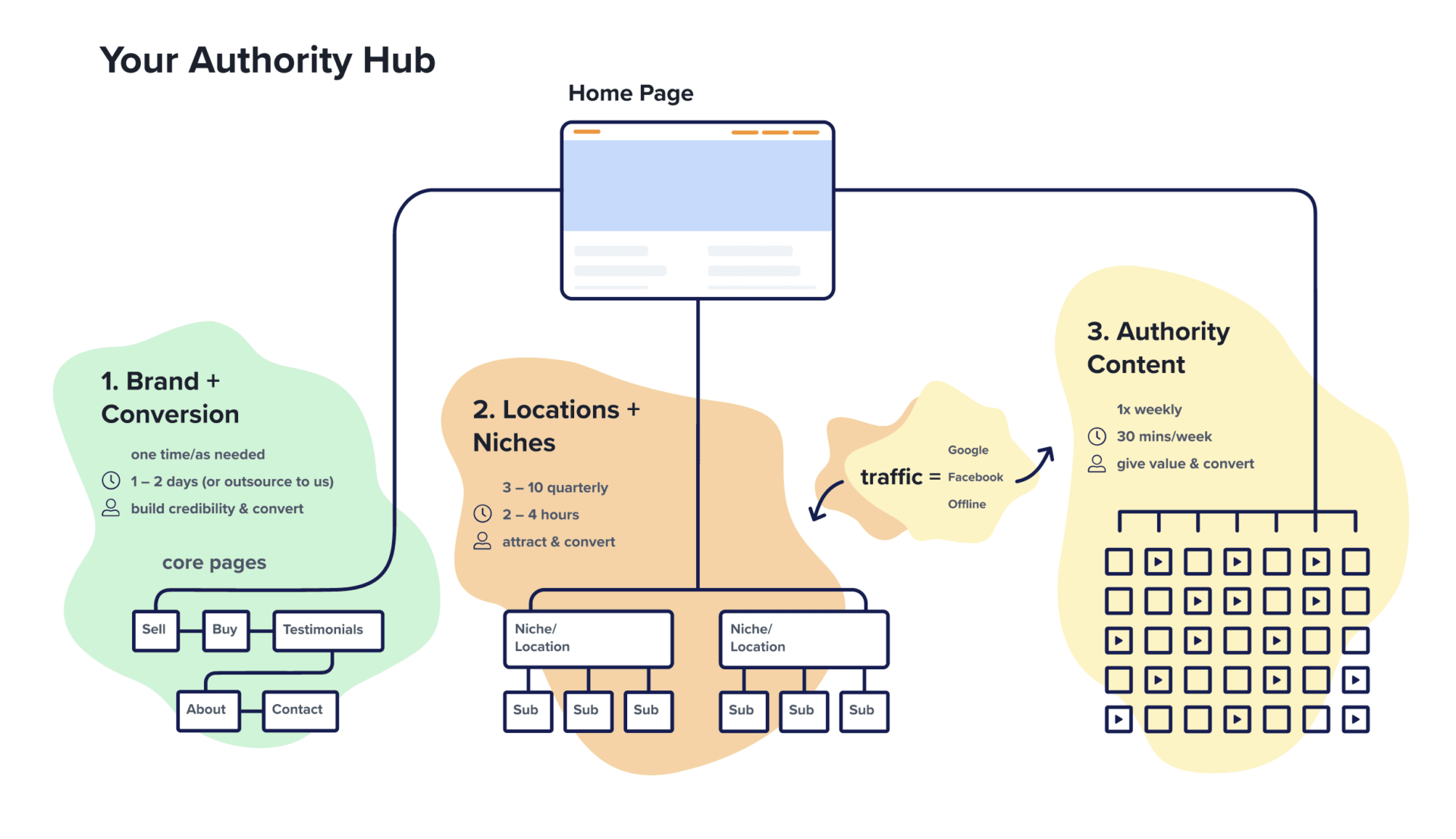
And this is what your site is going to look like essentially.
You have got your core homepage or Lead Generation Hub. Then there are “core conversion” pages, niche/location pages, and the authority content.
Let’s dive into those a little deeper:
Core Conversion Pages:
Purpose: To convert visitors into leads and deals at a high rate
What: Your home page, primary nav pages, reviews, About, FAQ, How it works, etc.
All geared to guide people through a specific set of content to answer questions, squash objections, and convert a visitor into a lead and deal.
Frequency: You create these one-time but then update them as needed.
Niche / Location Pages:
Purpose: To attract new prospects who are searching for localized phrases.
What: Pages specific to a location and/or niche that are created to rank well in Google for those localized searchers.
Seller: It’s best to duplicate a motivated seller lead gen page and localize it for each market. This may be a home page on our motivated seller sites or a seller page on an agent site.
Buyers: Use the Locations page tool so we can populate properties. And each location is unique, so it’s harder to duplicate a page. These pages take more heavy lifting.
Frequency: Ideally, 5-10 per quarter.
Priority “Authority” Content:
Purpose: To build ongoing trust, credibility, and authority through small but hyper-focused pieces of content.
What: Automated content pack blog posts, video posts, etc. These may be market updates, video posts answering common questions, etc.
Frequency: Weekly. Ideally, 1 automated post per week and 1 VideoPost.
Conclusion
That’s it. That’s publishing one authority content piece in under an hour a week, every single week. Then, take your “Lead Generation Hub” and amplify it by sharing it on social media and or paid marketing.
Over time, you’ll see these stack up in Google and start to bring you traffic.
Eventually, you can start to get off of that hamster wheel, and you can start to stack those bricks and get that freedom you’re looking for.
Hopefully, your mindset shifted around what to do. You understand what Evergreen marketing is now to crush it, gain that freedom, gain that flexibility, and grow momentum.
One of the things I have seen investors and agents struggle with the most is finding ways to stand out and differentiate themselves from the competition. Many people are under the impression that they just need to go out there and get leads when in reality, it takes much more than that.
If you want to stand out in your market, you’ll need to tap into the psyche of your customers, find out how you can help them, and build value from that foundation. You have to learn how to truly understand your customer’s pain and lead them to the solution.
When you are able to convey the message that you are the one who is uniquely qualified to help them, marketing becomes easy!
Learn how Nate utilizes 3 content marketing pillars to help businesses stand out and how you can implement these same concepts into your own business!
Read the Full Show Notes Below…
Use These Simple Content Marketing Hacks To Stand Out From Your Competition w/ Nate Kennedy
Nate calls himself the builder of Funnels, Master of Ads, King of Conversions, and The Doctor of Marketing, all with good reason. Since starting his business, he’s helped people to generate hundreds of thousands of leads, maybe even millions!
I’ve known Nate for over 10 years now and have seen first-hand the results he has been able to deliver his clients. Nate’s involvement industry encompasses more than just marketing.
He has owned a mortgage company, wholesaled properties, worked on rehabs, and even built houses himself. When he discovered online marketing in 2007, he went all in and hasn’t looked back since. Today he works with many top leaders and trainers in the real estate space, as well as local agents and buyers.
Over the last few years, Nate and his team have focused heavily on real estate investors. With so many people saying the same things and offering the same services, how do you stand out from the rest?
You can say you pay cash and close quickly, but that doesn’t make your business any different from all the other homebuyers in the area. The investors who are really seeing success are the ones building authority and credibility. When someone has a problem an authoritative business is the first one thought of.
To achieve this, Nate utilizes three pillars when working with his clients. He helps them to understand their client’s pain, deliver a message that stands out, and capitalize on the valuable content they are creating.
Pillar 1 – Creating An Online Presence
Many people think they can just put up a page and the leads will begin to roll in, however, it takes much more than that to be successful with your online marketing. As the leader of your business, it’s important that you understand the psychology of your marketing so you can move people from their pain to a solution.
Our online presence will need to be different from your competition, letting your customers and clients know exactly how you are uniquely able to help them solve their problems.
Getting Great Testimonials
One of the first things Nate asks his clients to do is to provide testimonials from happy clients. It is one thing when you go out and try to sell your services, it is quite another when you have a 3rd party doing it for you.
If possible, get video testimonials that you can utilize in all sorts of ways on your site. When setting up online ads, you can have them point right to your testimonials page so potential clients can immediately see how others feel about you and your business.
Pillar 2 – Developing A Content Plan
Together with his clients, Nate will develop a strategic marketing plan, making a list of the content they would like to create. The content plan should always focus on caring, helping potential clients understand that your goal is to help them with their problems and needs. With so many people in the real estate space, it’s important to show that you are really solving problems and not just another company.
Video Content
As I’ve said repeatedly, content and credibility are key to help investors and agents stand out from the pack. One of the best ways to do this is through video content.
Video helps to quickly get your message out and will help people to feel like they actually know you. Your video content can then be transcribed and used on a blog and social media. A few examples of great video content include:
Interview with prominent real estate figures, community leaders, or related professionals in your area
Video testimonials that shed light on exactly what the problem was and how you were able to solve it
If you go to a property, take your phone out and take a quick 3-minute video showing people what you are looking for in a house
The beauty of video content is that you can get your message out there quickly and easily. All you need is a phone.
Pillar 3 – Amplifying The Valuable Content You Create
The great thing about testimonials and video content is that it gets all eyes onto your website. A video shot for Facebook can be added to a Youtube playlist. If can go up on your website and be turned into a blog using our quick and easy transcription service.
Segmenting Your Audience
A prominent tool for Nate and his team is Facebook Marketing. With Facebook ads, you are able to strategically target, and retarget potential customers to convey the message you want to get across.
For example, you can run a video ad for one week, then run a second ad only to the people who watched 25% of ad #1 in the past seven days. You can tweak this in all sorts of ways, segmenting by interest, major life events, and previous interest in your product.
Becoming A Celebrity
Using Facebook ads and other marketing channels, you can effectively become a celebrity in your industry and market. When you are able to get the right content to the right people on Facebook, then hitting them again on Youtube, and again with Google Ads, your face and business will pop up where ever they go online.
When you are consistently adding fresh content, you will keep people interested and prove to any skeptics that you are in fact real.
Finding The Who To Do The How
Marketing isn’t for everyone. People don’t always get excited by data and analytics. The good news is that you don’t have to do it all yourself. As Nate puts it… find the who to do the how.
If you don’t want to do the work yourself, find someone who does and is good at it. As an entrepreneur, you must understand how it all works and what needs to be done, but that doesn’t mean you have to do it all on your own.
We surveyed over 7,000 of our members to pinpoint the primary real estate investor websites and services that investors depend on in their day-to-day operations.
Key Takeaways
Investors use a variety of websites, tools, and services to gather information and generate leads.
In this article, we will analyze the top 10 real estate investor service websites in-depth. We show why these real estate investor websites are indispensable resources for individuals currently engaged in real estate investing and those contemplating entering this field.
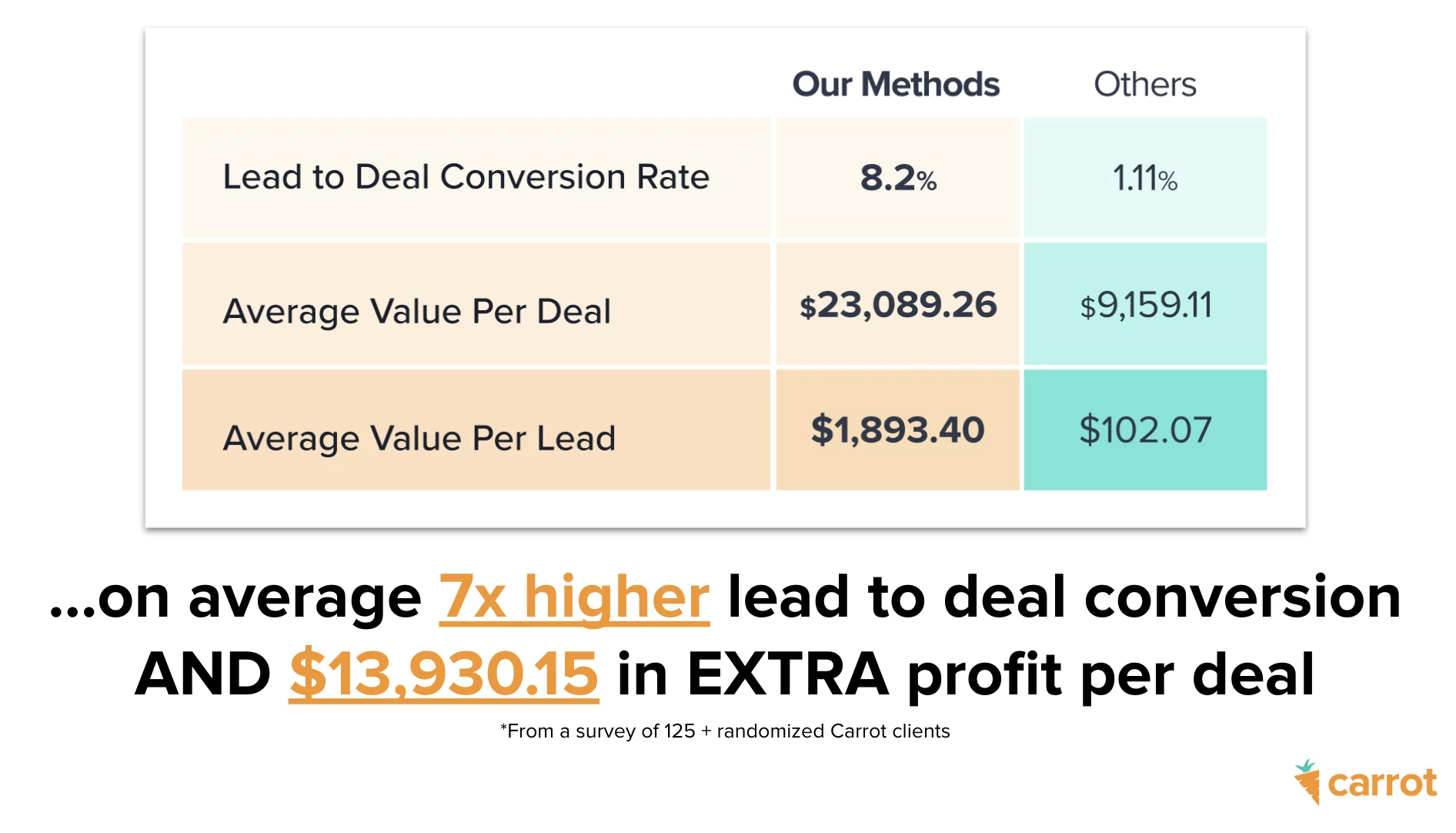
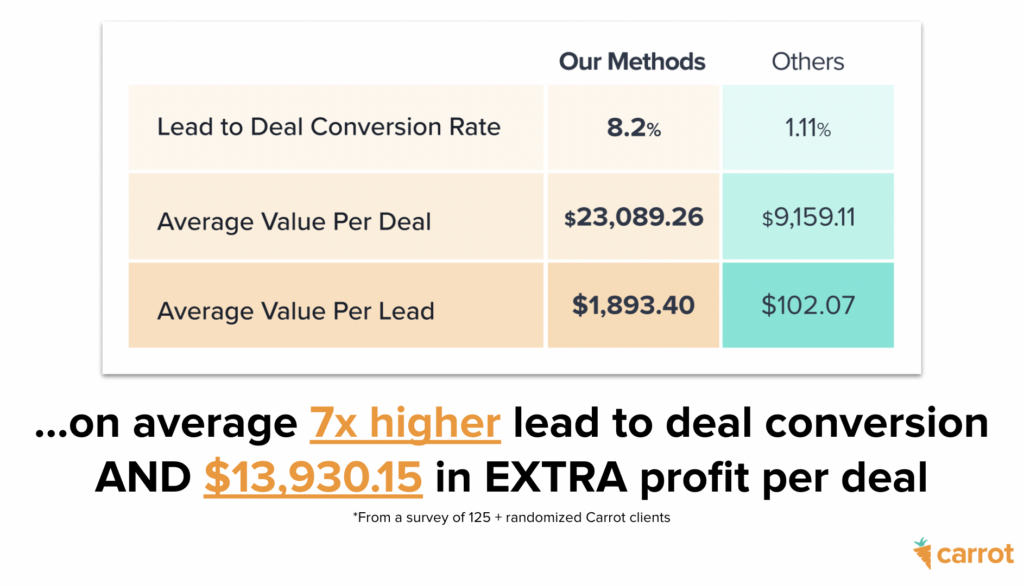
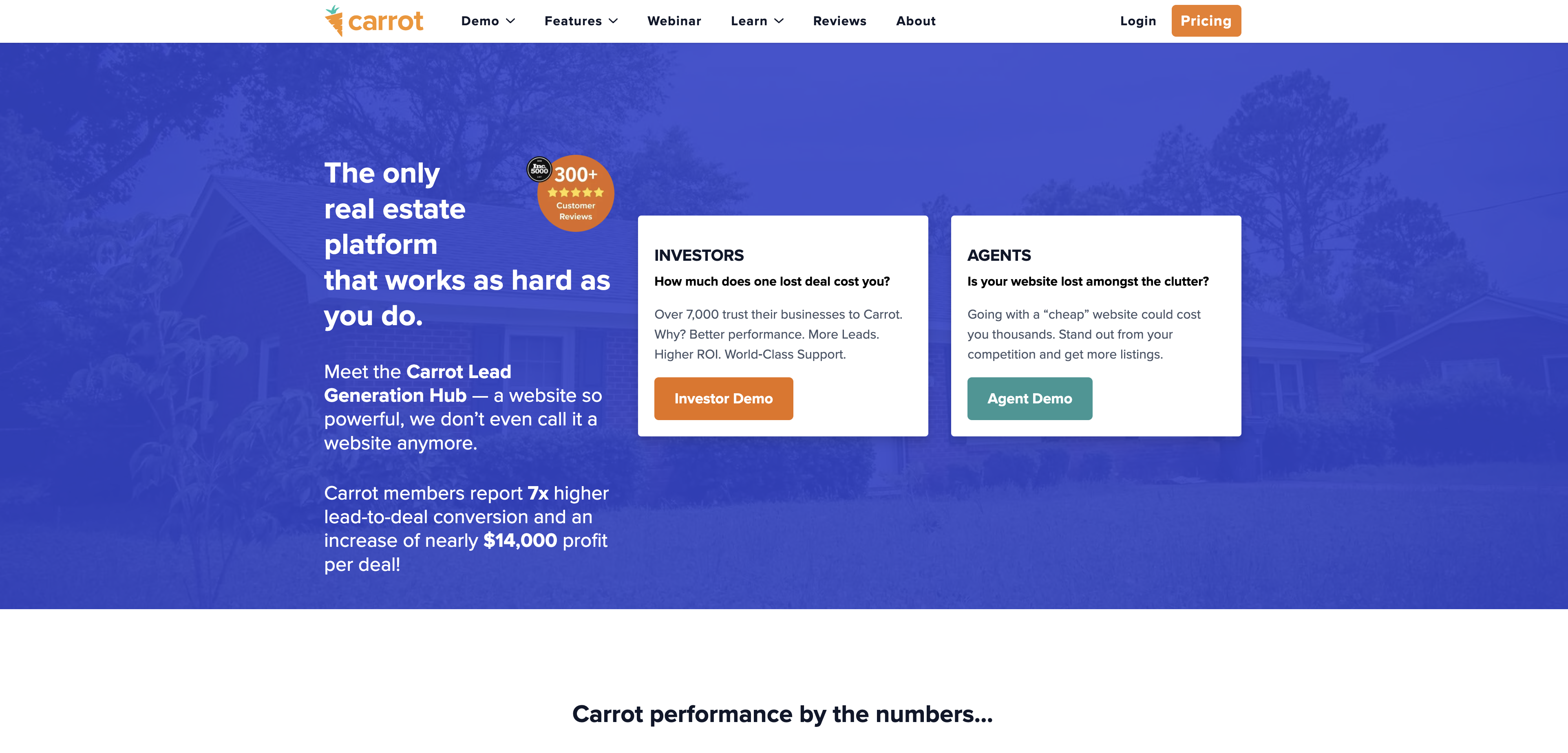
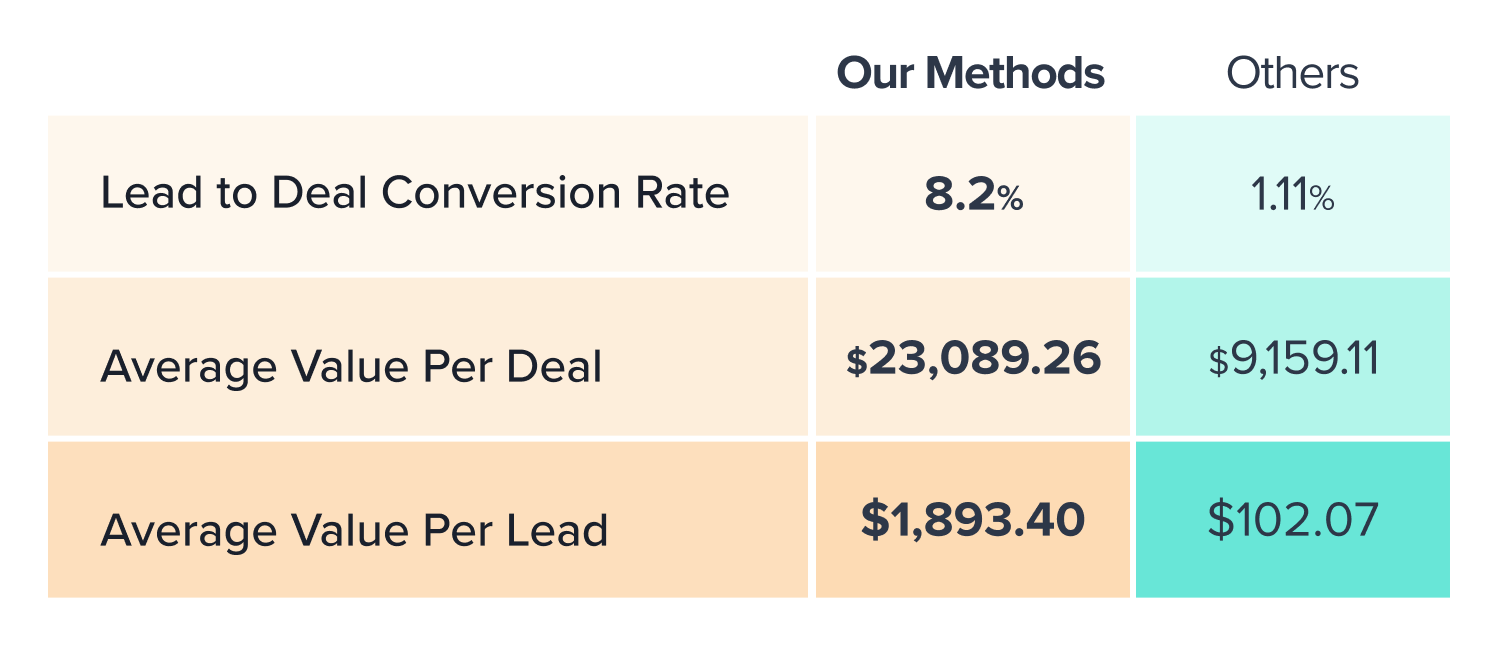
On average, 7x higher lead to deal conversion AND $13,930.15 in EXTRA profit per deal.
Leads generated through Carrot real estate investor websites experience a remarkable 7x higher conversion rate and yield 2.5x greater profitability than leads from non-Carrot sources (discover more about this here).
We wholeheartedly embrace our core values, and when it comes to our members’ success, we take “Adapt, Evolve, & Always Improve” and “Add Humanity To Business” very seriously.
Our commitment extends to staying ahead of factors that impact lead generation. This includes developing new lead generation templates, staying abreast of Google’s algorithm updates, and relentless testing. Our goal is to continually uncover fresh and inventive methods to enhance the performance of our members’ websites.
Carrot continues to be an excellent option for real estate investors in 2024 for several compelling reasons:
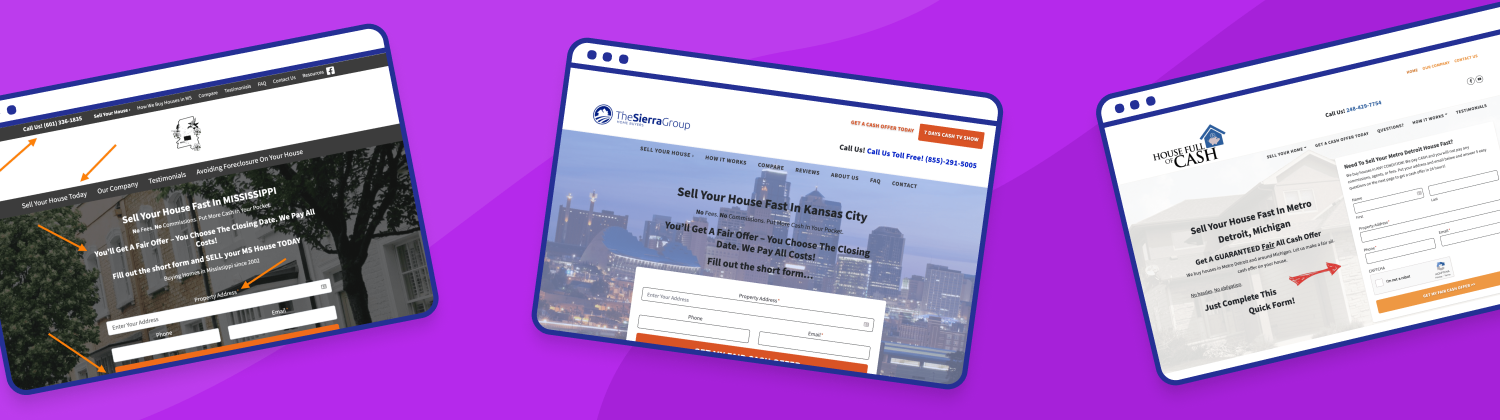
High-Quality Real Estate Investor Websites: Carrot provides investors with the tools to create professional and high-converting real estate websites. These websites are designed to attract motivated sellers, cash buyers, and other potential leads. The platform offers a range of customizable templates to suit various investment strategies.
SEO Optimization:Search engine optimization (SEO) is crucial for online visibility. Carrot websites are SEO-optimized, helping investors rank higher on search engine results pages (SERPs) and attract organic traffic. This can significantly reduce marketing costs and increase quality lead generation.
Content Marketing: Carrot offers content marketing features that enable investors to publish valuable, relevant, and engaging content on their websites. This content helps establish credibility, build trust with potential leads, and position investors as industry experts.
Lead Generation Tools: The platform provides lead generation tools and lead capture forms that prompt visitors to take action. Investors can capture contact information and other relevant details from potential sellers and buyers, allowing for personalized follow-up.
Conversion Optimization: Carrot is known for its focus on conversion rate optimization (CRO). The platform employs best practices and A/B testing to improve website conversion rates continually. This means more leads and potential deals for investors.
Mobile Responsiveness: With an increasing number of users accessing websites via mobile devices, Carrot ensures that its websites are mobile-responsive. This enhances the user experience and ensures investors don’t miss out on mobile traffic.
Educational Resources: Carrot provides investors with a wealth of educational resources, including blog posts, webinars, and guides. These resources help investors stay informed about industry trends, marketing strategies, and best practices.
Community and Support: Carrot has an active community of real estate investors who share insights, tips, and success stories. The platform offers customer support to assist users with technical or platform-related issues.
Integrated CRM: Carrot offers an in-house CRM for real estate, making it easy for investors to manage and follow up with their leads effectively. Carrot also integrates with other CRMs.
Performance Tracking: Carrot provides analytics and tracking tools that allow investors to monitor website performance, lead generation, and conversion metrics. This data-driven approach helps investors make informed decisions and refine their marketing strategies.
Customization Options: Carrot allows for extensive customization of websites, ensuring that they align with an investor’s unique brand and message. Investors can tailor their websites to specific niches and markets.
Carrot is a top choice for real estate investors due to its user-friendly website builder, SEO capabilities, content marketing tools, and commitment to conversion optimization.
The platform’s emphasis on education, community support, and mobile responsiveness makes it valuable for investors looking to establish a strong online presence and generate motivated seller leads in a competitive real estate market.
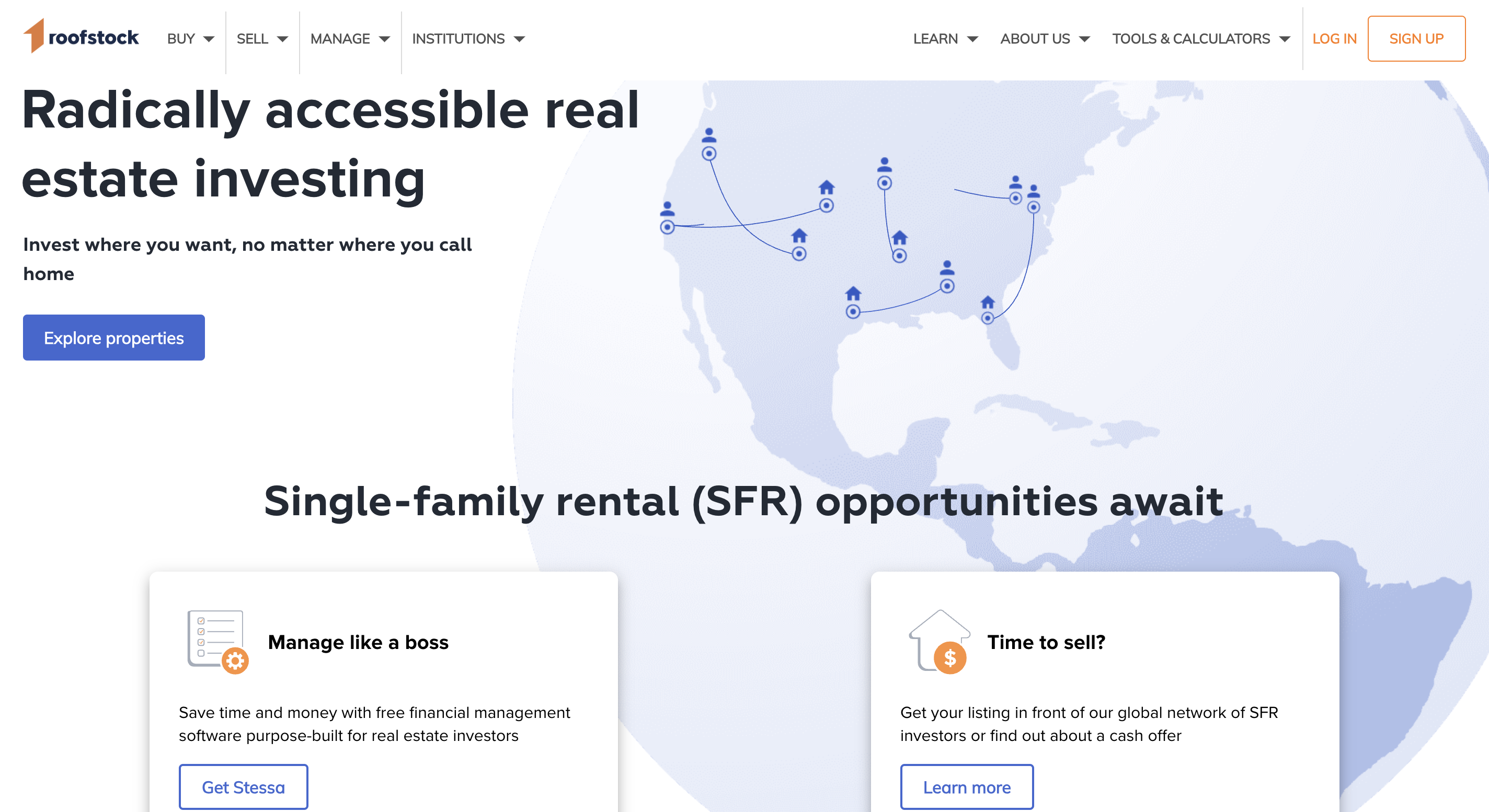
Roofstock is a compelling option for investors with real estate investor websites, especially those interested in single-family rental properties, due to its unique features and investor-focused approach. Here are some reasons why Roofstock is a good option:
Exclusive Marketplace for Single-Family Rental Properties: Roofstock offers single-family rental properties in various markets across the United States. Investors can browse various properties in different locations and find opportunities aligning with their investment goals.
Certified Pre-Owned Homes: Roofstock’s properties are “certified pre-owned,” meaning they have undergone a thorough inspection and evaluation process to ensure they are in good condition and rent-ready. Knowing they are investing in well-maintained properties gives investors peace of mind.
Tenant-Occupied Properties: One of the significant advantages of Roofstock is that many of its properties are already tenant-occupied. This allows investors to start earning rental income from residential properties from day one without the need to find and screen tenants themselves.
Transparent Property Information: Roofstock provides detailed property information, including financial projections, rental history, property reports, and inspection details. Investors can access all the essential data they need to make informed investment decisions.
Property Management Services: For investors who prefer a hands-off approach, Roofstock offers property management services through its network of vetted property managers. This service helps investors efficiently manage their rental properties and optimize rental income.
In-Depth Neighborhood Data: Roofstock provides extensive neighborhood data, including crime rates, school ratings, and other essential statistics. This information helps investors assess the desirability and potential for rental demand in specific locations.
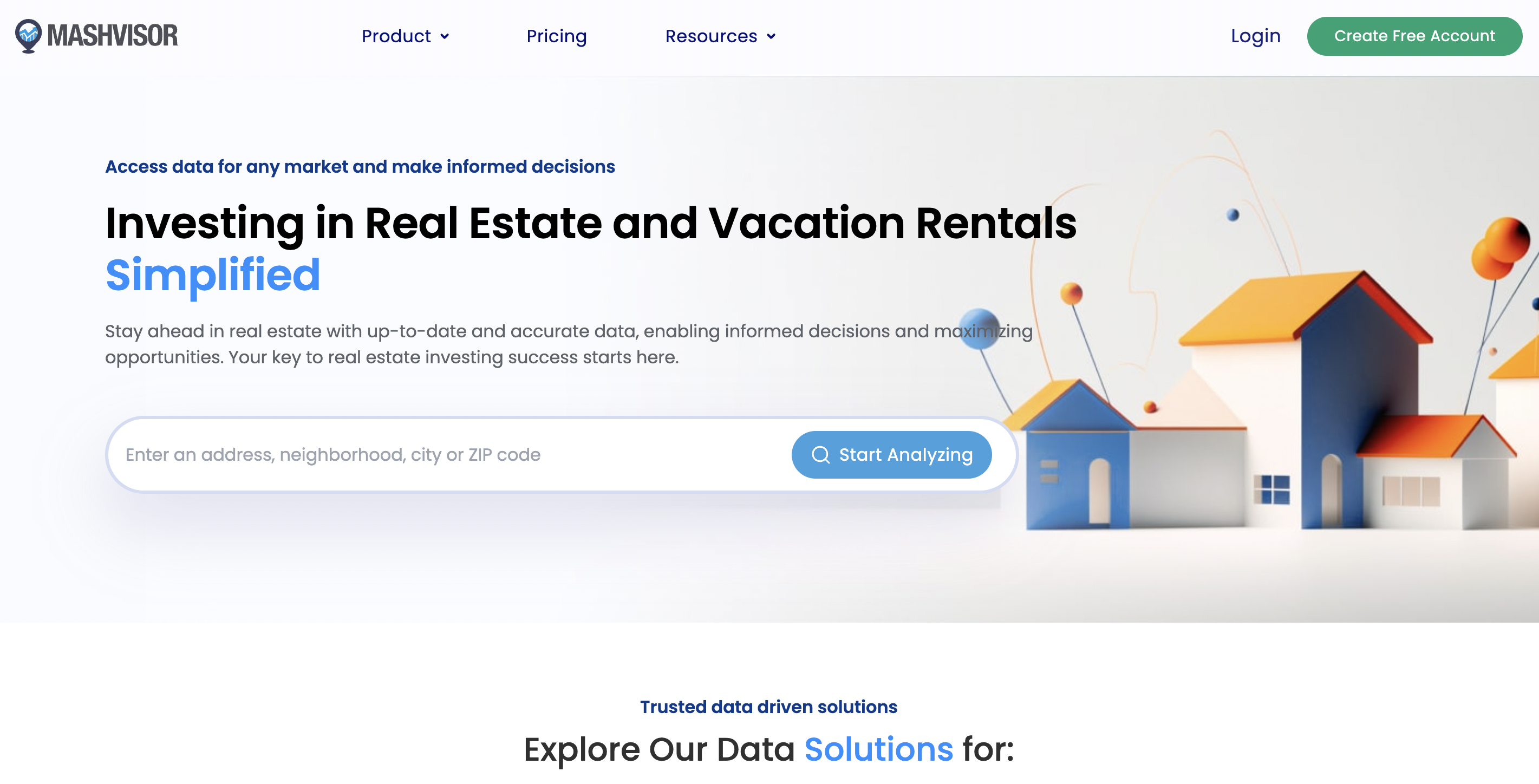
Mashvisor is a fantastic option for real estate investors for several reasons:
Comprehensive Property Analytics: Mashvisor provides in-depth property analytics and data for traditional and Airbnb investment properties. Investors can access key metrics such as rental income, occupancy rates, cash flow, cap rate, and more, helping them make informed decisions about potential investments.
AI-Powered Investment Tools: The platform utilizes artificial intelligence to offer predictive analytics and investment insights. Mashvisor’s algorithms analyze vast amounts of real estate data to identify lucrative investment opportunities and forecast property performance.
Property Search and Analysis: Investors can easily search for properties that match their investment criteria using Mashvisor’s intuitive interface. The platform streamlines property analysis, saving investors time and effort in finding the best investment deals.
Neighborhood Analysis: Mashvisor provides comprehensive neighborhood analysis, including data on property prices, rental demand, and investment potential. This information helps investors identify high-growth areas and pinpoint locations that align with their investment goals.
Heatmap Feature: The platform’s feature allows investors to visualize the potential rental income and Airbnb occupancy rates across different neighborhoods. This visual representation aids in comparing and selecting the most lucrative locations for investment.
Investment Property Financing: Mashvisor offers tools to estimate mortgage payments and financing options for investment properties. This feature helps investors assess the financial feasibility of their investments accurately.
Property Management Insights: Investors can access data on property management fees, enabling them to factor in these costs while calculating potential returns. This information is particularly useful for investors considering hiring property management services.
Historical and Forecasted Data: Mashvisor provides historical and forecasted data on property performance, giving investors a long-term perspective on their investments’ potential appreciation and cash flow.
Property Comparisons: The platform allows investors to compare multiple investment properties side by side, facilitating quick and effective decision-making based on data-driven insights.
Investment Strategies: The platform caters to different investment strategies, including traditional rentals, Airbnb rentals, and short-term rentals. Investors can tailor their searches and analyses based on their preferred investment approach.
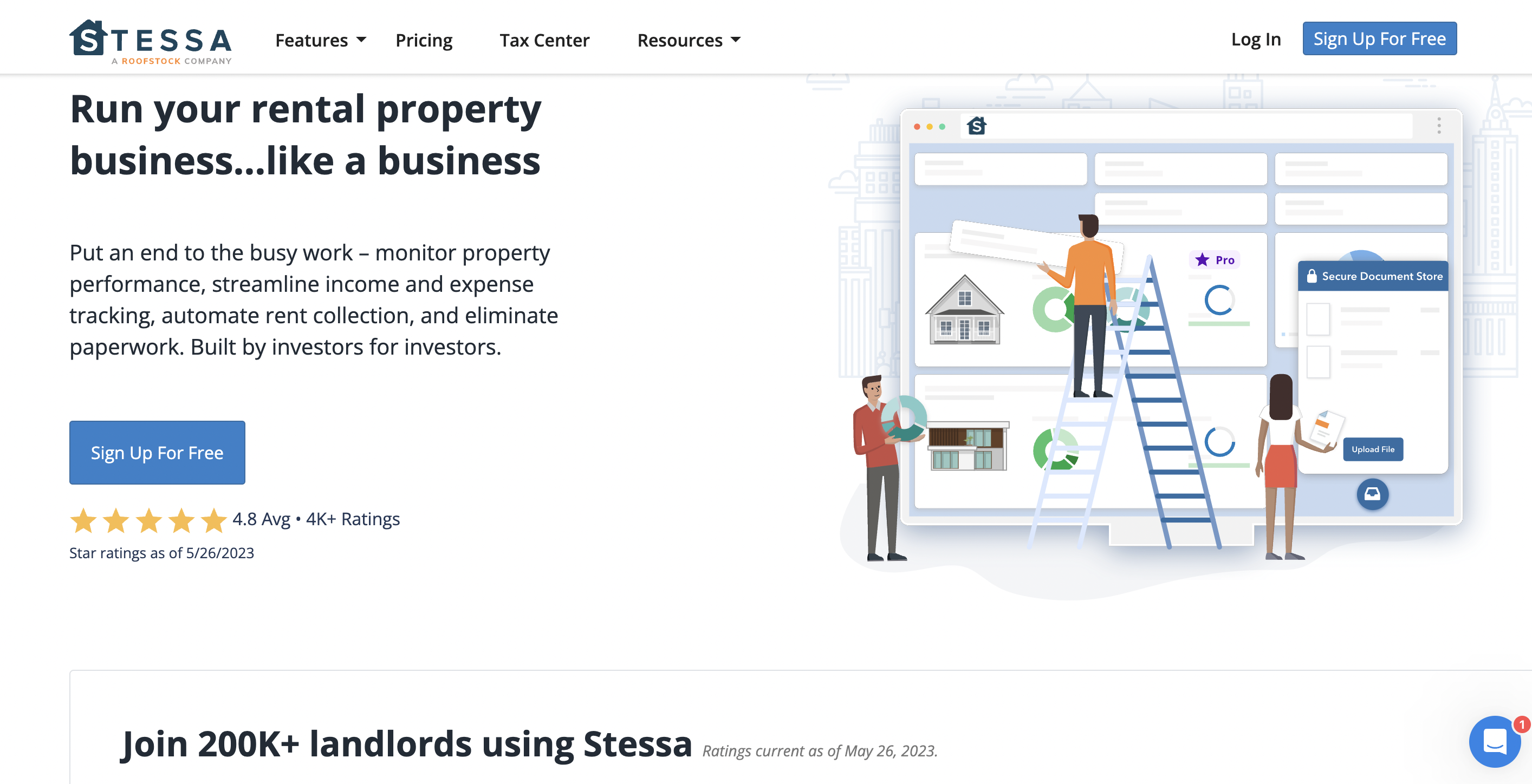
Stessa is an excellent option for real estate investors due to its comprehensive tools and features designed specifically for property management and real estate portfolio tracking. Here are some reasons why Stessa is a valuable platform for investors:
Portfolio Management Made Easy: Stessa simplifies the management of real estate portfolios by providing a centralized platform to track and monitor all properties in one place. Investors can easily view the performance of their entire portfolio at a glance, making it convenient to assess overall financial health.
Automated Income and Expense Tracking: Stessa automates the process of tracking income and expenses for each property. The platform integrates with bank accounts and property management software, automatically categorizing transactions and generating detailed financial reports. This feature saves investors significant time and effort on manual bookkeeping.
Property Performance Analytics: Stessa offers each property’s in-depth analytics and performance insights. Investors can access metrics such as cash flow, net operating income (NOI), cap rate, and return on investment (ROI), enabling them to make data-driven decisions to optimize their portfolio’s profitability.
Document Management: Stessa provides secure cloud storage for all property-related documents, including leases, vendor contracts, and property photos. This organized document management system ensures essential paperwork is readily accessible when needed.
Tax Reporting Made Simple: With Stessa’s accurate income and expense tracking, tax reporting becomes seamless for real estate investors. The platform generates detailed tax-ready reports, simplifying tax preparation and potentially reducing accounting costs.
Property Insights and Alerts: Stessa’s platform includes AI-powered insights and alerts that notify investors about potential issues or opportunities within their portfolios. These proactive alerts help investors stay on top of maintenance needs, rent collection, lease expirations, and more.
Integration with Other Tools: Stessa seamlessly integrates with various popular property management and accounting software, allowing users to connect their existing tools and consolidate data for a more holistic portfolio view.
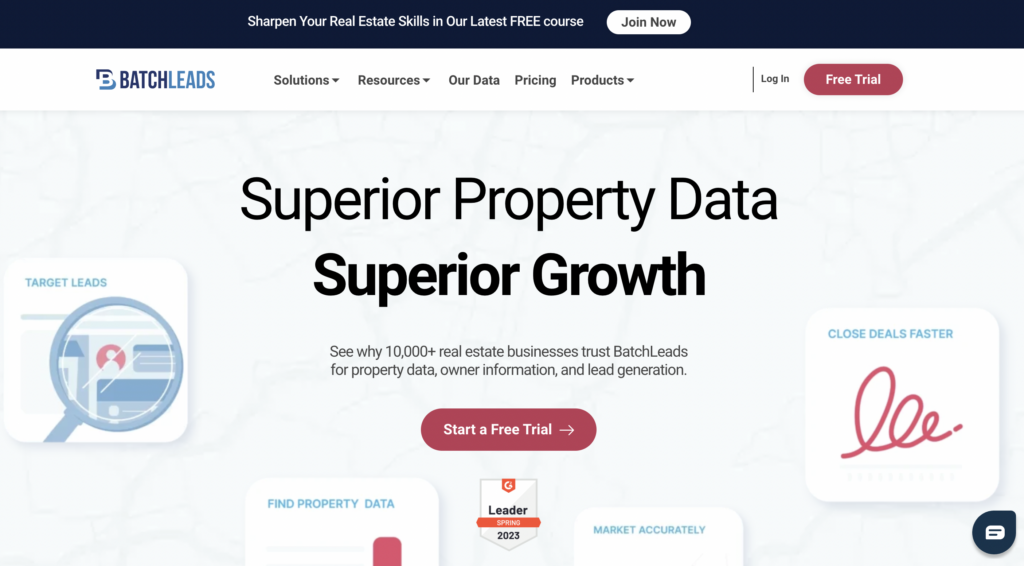
BatchLeads remains a strong option for real estate investors in 2024 due to its robust lead generation capabilities, customization options, and integrated marketing and lead management tools. Its focus on data accuracy and off-market opportunities makes it a valuable asset for investors seeking to identify and capitalize on motivated seller leads in a competitive real estate market.
High-Quality Leads: BatchLeads provides access to a vast database of high-quality real estate leads. Investors can target motivated sellers, distressed properties, vacant homes, and more. The platform’s extensive data coverage ensures investors have a wide range of lead options.
Customized List Building: Investors can create customized marketing lists tailored to their investment criteria. This customization allows for precise targeting, enabling investors to focus on properties that align with their strategies.
Off-Market Opportunities: BatchLeads offers access to off-market leads, properties not actively listed on the MLS. This gives investors a competitive advantage, as they can identify opportunities before they become widely available to other buyers.
Skip Tracing: The platform includes skip tracing services, helping investors locate and contact property owners efficiently. Skip tracing can be valuable for contacting motivated sellers and negotiating deals.
Integrated CRM: BatchLeads has a built-in Customer Relationship Management (CRM) system. Investors can manage their leads, track interactions, and streamline communication, improving efficiency in lead management.
Direct Mail and Marketing Tools: The platform offers integrated direct mail and marketing features, allowing investors to create and send targeted marketing campaigns. This feature simplifies reaching out to potential sellers and engaging with leads.
Property Details and Analytics: BatchLeads provides comprehensive property details, ownership history, transaction history, and more. Investors can access valuable property insights to make informed investment decisions.
Data Accuracy: Data accuracy is crucial in real estate investing. BatchLeads strongly emphasizes data quality, helping investors avoid wasting time and resources on inaccurate or outdated information.
Integration Capabilities: The platform may offer integrations with other real estate software and tools, enhancing its functionality and compatibility with an investor’s existing toolkit.
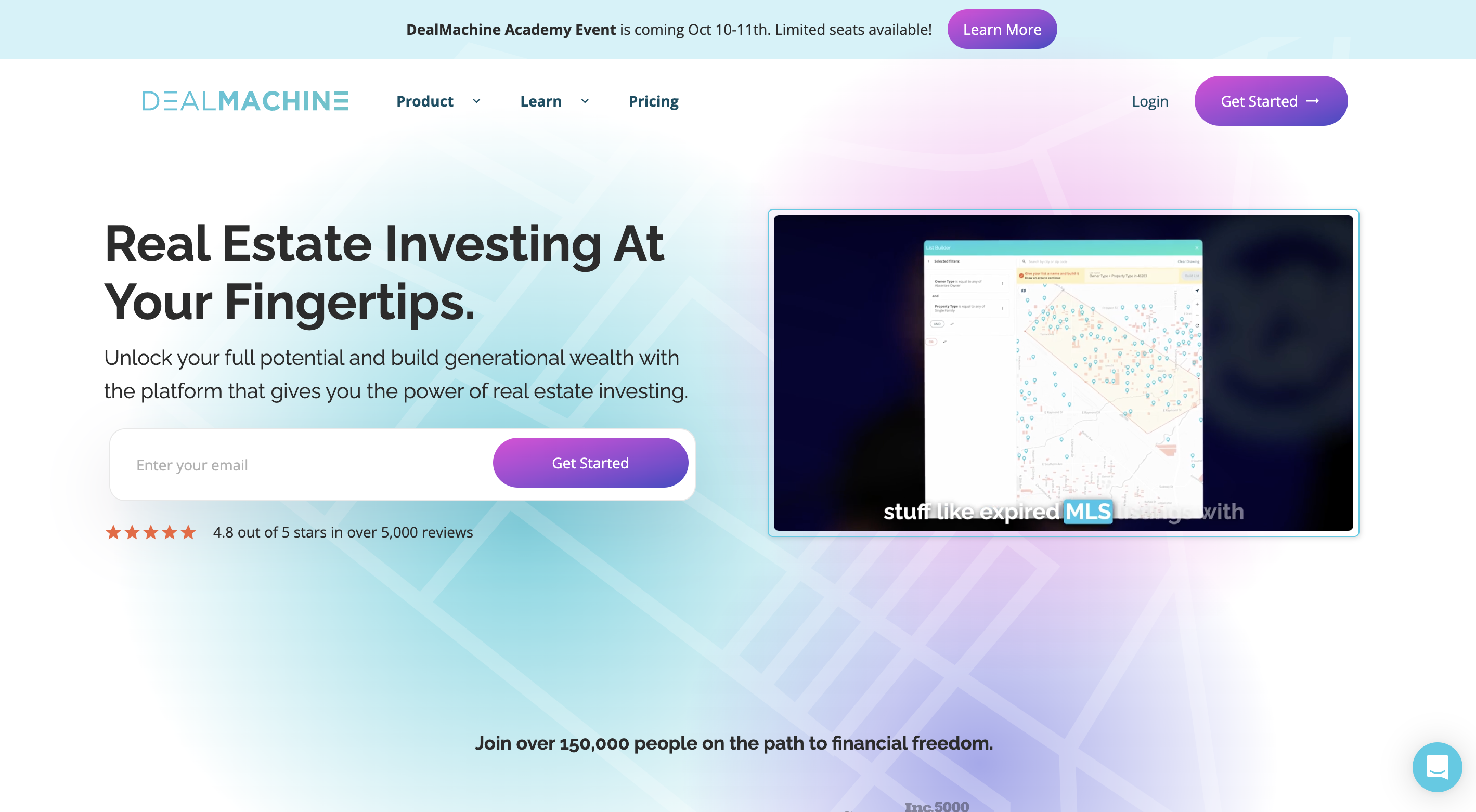
DealMachine is a valuable tool and platform that can greatly benefit real estate investors for several reasons:
Driving for Dollars Technology: DealMachine’s unique “Driving for Dollars” technology enables investors to find distressed or off-market properties by driving around neighborhoods. The app uses the phone’s GPS to identify properties and provides immediate access to property owner information for follow-up.
Direct Mail Marketing: DealMachine specializes in direct mail marketing for real estate investors. The platform allows investors to easily create and send personalized postcards to property owners in targeted areas. This direct mail approach can effectively generate leads and identify potential investment opportunities.
Lead Generation and Acquisition: With DealMachine, investors can use the platform’s built-in property research tools to find properties with investment potential. The app’s features, such as property information, owner contact details, and property history, help investors assess the viability of each lead and make informed decisions.
CRM Integration: DealMachine seamlessly integrates with popular customer relationship management (CRM) systems, allowing investors to manage leads, track progress, and streamline their workflow efficiently.
In-App Communication: The platform offers a built-in messaging system that enables investors to connect directly with property owners through text messaging or direct mail. This direct communication feature can help establish a rapport with potential sellers and increase the chances of successful negotiations.
Lead Scoring and Tracking: DealMachine provides lead-scoring tools to prioritize potential deals based on specified criteria. This feature helps investors focus on the most promising opportunities and manage their time effectively.
Property Analysis: DealMachine offers property analysis tools to help investors evaluate potential deals. By accessing property details and historical data, investors can make informed decisions and assess a property’s potential return on investment.
Mobile Accessibility: As a mobile app, DealMachine provides the flexibility and convenience for investors to manage their real estate activities on the go. Whether driving for dollars, analyzing properties, or communicating with owners, investors can access the platform from their smartphones or tablets.
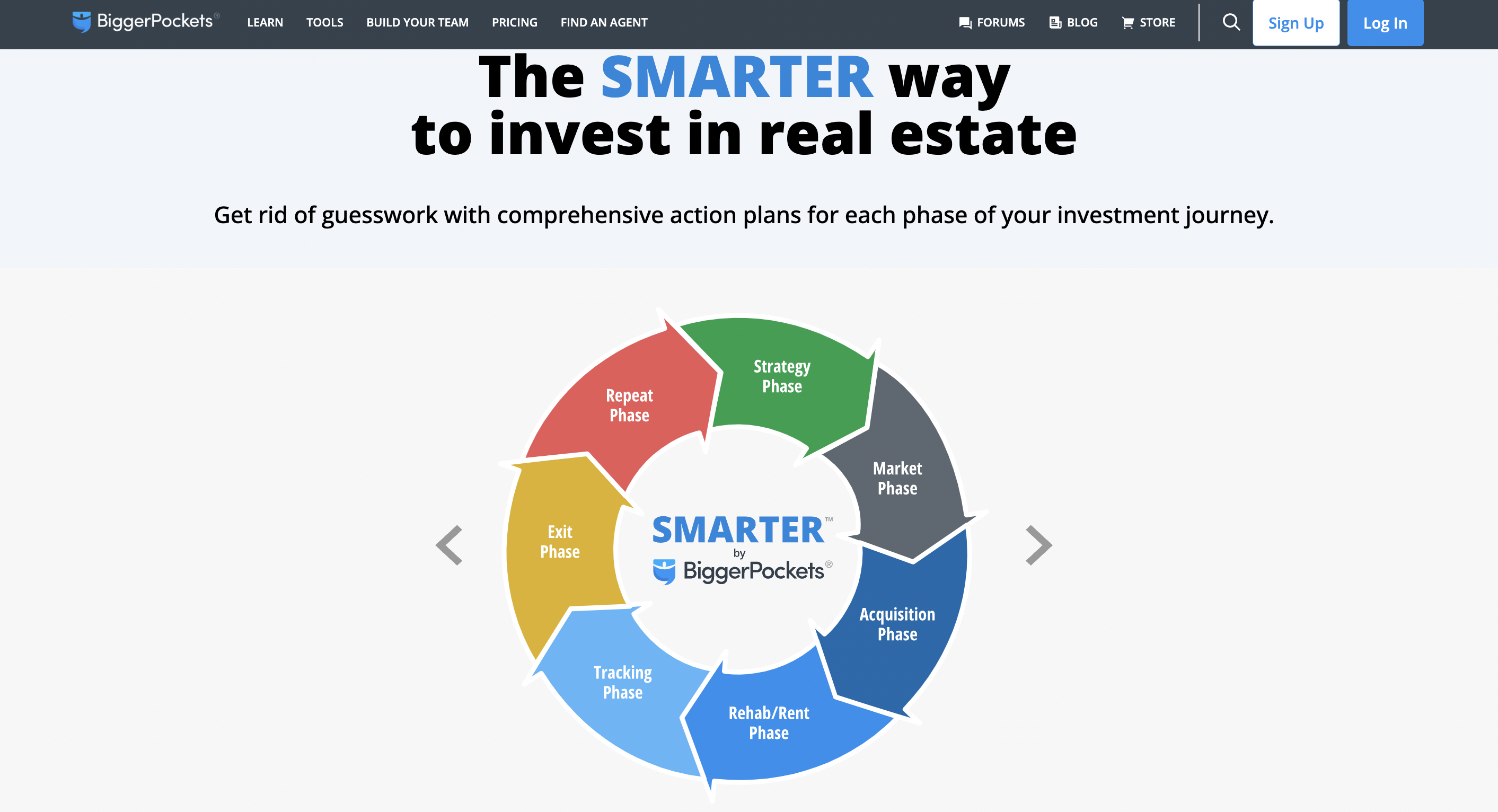
BiggerPockets is a highly regarded and valuable resource for real estate investors for the following reasons:
Knowledge Hub: BiggerPockets is a vast knowledge hub for real estate investors at all levels of experience. The platform offers a wide range of educational content, including articles, blog posts, podcasts, videos, and forums, covering various aspects of the real estate investing journey.
Community and Networking: BiggerPockets boasts one of the largest and most active real estate investing communities. Investors can connect with like-minded individuals, network with experienced professionals, and participate in discussions to gain insights and valuable advice.
Forums and Q&A: The platform’s forums and Q&A sections allow investors to ask questions and seek guidance on specific real estate investment topics. Users can receive input from experienced investors, mentors, and industry experts.
Real Estate Calculators: BiggerPockets offers a suite of real estate investment calculators, enabling investors to perform in-depth financial analysis on potential properties. These calculators help users evaluate market data, cash flow, return on investment, and other crucial metrics.
Marketplace: The BiggerPockets Marketplace provides a platform for buying, selling, and finding investment properties. Investors can access a wide range of real estate deals, including off-market properties and opportunities from other community members.
Supportive Community Culture: The platform fosters a positive and supportive community culture, encouraging investors to share their successes, failures, and lessons learned, creating a space for continuous learning and growth.
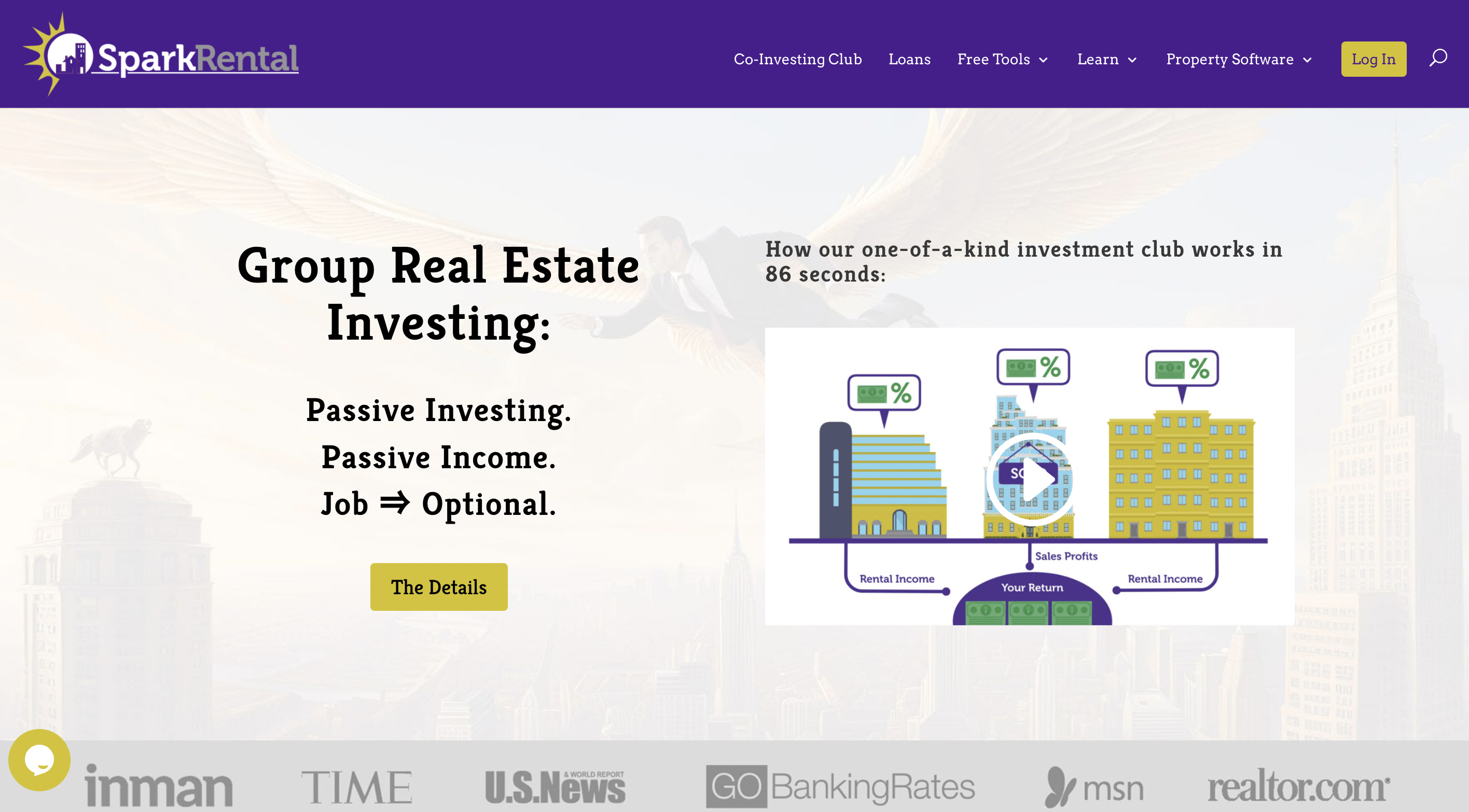
SparkRental is a good option for real estate investors for several reasons:
Tenant Screening Services: SparkRental provides comprehensive tenant screening services, allowing investors to make informed decisions when selecting tenants for their rental properties. This feature helps minimize the risk of rental income loss and potential property damage.
Rent Collection and Payment Services: The platform offers rent collection and payment services, streamlining the rental management process for landlords. This feature ensures timely and hassle-free rent payments for both landlords and tenants.
Rental Property Analysis Tools: SparkRental provides advanced rental property analysis tools that help investors assess the potential profitability of prospective investments. These tools include cash flow calculators, cap rate calculators, and investment property analysis reports.
Landlord Forms and Documents: The website offers a collection of landlord forms and documents, such as lease agreements and rental applications, saving investors valuable time and effort in creating these documents from scratch.
Focus on Passive Income: The platform emphasizes passive income strategies, guiding investors on how to build a portfolio that generates reliable and consistent rental income over time.
Personal Finance Tools: Besides real estate-specific tools, SparkRental offers personal finance resources and budgeting tools, allowing investors to manage their finances more effectively and make informed investment decisions.
PropStream empowers investors to rapidly create precise leads and marketing lists by leveraging over 120 property search filters and statuses. Whether you prefer customizing your filters or opting for pre-defined quick lists, our platform is your gateway to identifying motivated sellers, whether their properties are currently on the market or off-market.
PropStream remains a great choice for real estate investors in 2024 due to several key reasons:
Motivated Seller Leads: PropStream provides access to both on-market and off-market property listings. This is particularly valuable for investors seeking motivated sellers who might not actively advertise their properties. Access to off-market listings can give investors a competitive edge in finding lucrative deals.
Comprehensive Property Details: PropStream provides comprehensive property details, including ownership history, transaction history, tax information, and more. This wealth of information equips investors with the knowledge to negotiate favorable deals.
Integration Capabilities: It offers integration options with various real estate tools and software, enhancing its versatility and compatibility with an investor’s existing toolkit.
Extensive Data: PropStream offers access to an extensive database of real estate information. With over 120 property search filters, investors can narrow their leads to target specific properties matching their investment criteria. This wealth of data enables investors to make well-informed decisions.
Customization: The platform allows users to set their filters and criteria, tailoring their searches to their unique investment strategies. Whether you’re looking for distressed properties, foreclosures, or specific property types, PropStream can be customized to meet your needs.
Market Insights: PropStream offers valuable market insights and analytics. Investors can analyze property trends, neighborhood data, and market statistics to identify emerging opportunities and make informed decisions.
Time and Cost Efficiency: By streamlining the lead generation process, PropStream helps investors save time and resources. It eliminates manual research and allows investors to focus on deal analysis and negotiation.
RealtyMogul is an excellent real estate investor website option due to its innovative approach to crowdfunding and investment opportunities. Here are several reasons why RealtyMogul.com is a standout choice for investors:
Diverse Investment Opportunities: RealtyMogul offers many investment opportunities, including commercial properties, residential assets, and specialized real estate projects. Investors can choose from various deals, allowing them to tailor their portfolio to their specific investment preferences.
Access to Institutional-Quality Deals: The platform curates investment opportunities from reputable real estate sponsors and partners. These projects undergo rigorous due diligence, providing investors with high-quality deals typically with institutional-grade investments.
Passive Real Estate Investing: RealtyMogul enables investors to participate in real estate deals passively. Investors can co-invest with experienced real estate professionals, leaving the day-to-day management and operational responsibilities to the experts.
Investor Protection: RealtyMogul places a strong emphasis on investor protection. The platform conducts thorough underwriting and risk assessment for each deal, aiming to align investor interests with the success of the projects.
Low Minimum Investments: RealtyMogul offers relatively low minimum investment amounts, making it accessible to a broader range of investors. This feature allows individuals to diversify their investments across multiple projects, even with a modest initial capital.
Streamlined Investment Process: RealtyMogul simplifies the investment process, making it convenient for investors to participate in projects that align with their investment goals. The platform handles administrative tasks, allowing investors to focus on building their portfolios.
Real Estate Investment Trusts (REITs): In addition to individual property investments, RealtyMogul offers access to Real Estate Investment Trusts (REITs). REITs allow investors to pool their funds with others to invest in a diverse portfolio of real estate assets, providing further diversification and liquidity.
Exploring the extensive landscape of real estate investor websites can be overwhelming. Some websites focus on educating investors about the real estate industry and fostering peer connections.
With these cutting-edge technology-driven platforms, you take charge of your investment choices, determining where your funds are allocated and the depth of your financial involvement. Some platforms prioritize lead generation, while others excel in market analysis, property selection, and simplifying the investment journey.
We’re interested in hearing about the tools you rely on, too. Feel free to share your thoughts in the comments below; we’re eager to learn about your preferences and experiences.
What if you lost one lead this year because your website wasn’t optimized for conversion?
No biggie, right?
Well, no biggie so long as that lead wasn’t going to turn into a deal… if it was, then that’s $10,000, $20,000, or even $30,000 straight down the drain.
And, as my real estate agent says, “It only takes one – the right one.”
Sadly, for most unoptimized websites, the truth is much more depressing than a single lost lead per year. A website that loses one lead from your target market, after all, is going to lose all similar leads.
This is why preparing your real estate website to convert its visitors is absolutely vital… before you drive traffic to it (paid and organic). How, though, do you know if your website is or isn’t optimized for conversion?
Well, at Carrot, we’ve generated millions of real estate leads for our thousands of members, and these are four tell-tale signs that your website is losing you money.
4 Signs that your website isn’t generating the online real estate leads as it should
1. Your Website Isn’t Mobile-friendly
For our thousands of Carrot members, 64% of all leads come through a mobile device. Not through a desktop or laptop, but through a thumb-clicking phone.
And that’s happening all over the online world, not just at Carrot. 52% of all global online traffic is generated from smartphones, according to Shane Barker.
This means, if you’re going to convert over half of your website visitors, you can’t create a bad mobile experience. Google is taking this so seriously that they recently rolled out mobile-first indexing – which basically means that they prioritize the performance of the mobile version of your website over the desktop version. And they’re not the only ones who take mobile website performance seriously…
So do your website visitors.
In fact, 61% of buyers form more positive opinions about brands that offer a remarkable mobile experience, according to Crazyegg.
That’s why, at Carrot, every single one of our website designs is crafted to convert visitors regardless of the device they’re using to browse.
Here are some signs that your website isn’t mobile friendly…
You can scroll side-to-side and the screen doesn’t adjust to the size of the device.
The words become so small they’re unreadable on a mobile device.
The buttons are difficult to click with a normal-sized thumb on mobile.
If any of those are true of your website, then you’re definitely losing mobile phone leads – and switching to a mobile-friendly real estate website design like Carrot could outright double your lead generation.
2. You’re Not Making It Easy For Visitors To Give You Their Information
At the top, there’s a title, then there’s a menu and heading. And there’s maybe some sort of vague CTA – in this case, the “Learn More” button.
As you scroll down, you’ll see pictures of the real estate agent (or investor), maybe some testimonials, some notes about their services, and then finally a decent CTA.
This is at the very bottom of their website.
Now, that probably doesn’t seem like a big deal…
Do people really care all that much if they have to scroll to find your CTA?
To answer that question, let’s look at a quick study done by Bryan Harris – an email list building guru. He took his “right-side up” homepage and flipped it so that the CTA was front-and-center when someone arrived on his website.
Immediately, he saw a 35% increase in his number of subscribers.
Remember, people who’re looking to buy or sell their home are looking for a solution to their problem. The faster you solve that with a relevant CTA, the more likely they are to opt-in.
But you might be wondering what an upside-down homepage actually looks like.
At Carrot, we exclusively use the high-converting upside-down homepage model – putting the contact form and phone number right at the top of your website (on mobile and desktop) to guarantee that visitors to your website aren’t lost because they have to scroll more than they’d like.
Here’s a quick testimonial from a Carrot member, Adam Mitchell, who spent $1000s on the wrong marketing and an under-performing website. He now does multiple deals per month in a competitive market.
3. The Sales Copy Isn’t Scientific
What do I mean when I say that your homepage copy should be scientific?
I mean that there should be a clear and obvious reason that each phrase and word is in its place. And if you’re wondering whether you wrote your homepage scientifically or not – with the psychology of your visitor’s in mind – then you definitely didn’t.
Because scientific sales copy has to be intentional from the very beginning.
Here’s a typical example of sales copy that misses the scientific mark.
A lot of people try to make their sales copy creative and cute…
But that isn’t what you need. What you need is sales copy that appeals to people’s problems and then promises a remarkable solution.
And the headline is the most important element, with 80% of people only reading the headline and 20% reading the rest. In other words, you need to strike the right chords in the right order, quickly.
You need to be scientific.
Here are a few examples of psychological rules in sales copy.
The word “because” with a reason after increases conversion by 60% to 94% – it doesn’t even matter what the reason is, it just matters that you have a reason for what you’re selling, how much it costs, and why you’re the one selling it.
Similarly, social proof – such as testimonials and credibility bars – can significantly increase the conversion rate of your website. For one website, social proof increased the conversion rate by 20%.
But, those are just a few examples.
For your formulaic sales copy pattern, follow these three steps, in this order:
Empathetic description of pain – First and foremost, your prospect needs to know that you know exactly what they’re going through. After all, how could you possibly help them if you don’t understand their current position?
Agitate that pain – Then, the prospects needs to be reminded of how terrible of a situation they are really in. Your goal is to empathetically remind them of how difficult their predicament is so that they’re ready to get out of it.
Promise a solution that’ll take that pain away – Finally, in swoops Super Man. Your solution. Guarantee them with all the tools you have in your arsenal that your service (whether agent or investor) is going to remove their pain, then tell them how it’s going to do that.
Consider our very own sales copy as an example of this. It’s only a few sentences, but it hits every note.
4. Your Website Has Slow Load Times
The slower your website loads, the more people who won’t stick around to see what you have to offer.
Higher bounce rate. Fewer conversions.
Period.
As Neil Patel explains on his blog, for instance, 53% of people will leave a mobile site if it takes more than three seconds to load. And 47% of online users expect a website to load in just two seconds or less.
As the nail strikes the coffin, a one-second delay in page response time often results in a 7% reduction in conversions.
If you have a slow website, how many thousands of dollars might you be losing for each second? Here’s some quick math.
Imagine that you get 2,000 visits to your website every month at a 10% conversion rate. That’s 200 conversions. Then imagine that you close 1 in 20 of those. That’s 10 deals per month.
Now let’s assume that you make $10,000 per deal.
At a 7% reduction in conversion rate for every one-second loss of load speed, just a two-second delay would lose you upwards of $10,000 or more every single month.
This is why, at Carrot, we don’t mess around with slow load speeds. In this tech-stack study of 150,000 websites, Carrot outperformed Wix, Squarespace, and WordPress. In fact, Carrot was second to Google’s own website.
Conclusion
Maybe in the 90’s, just having a website was enough. Just having a place where people could go online and learn about your business would do the lead-generation trick. But now we’re down the road…
And we know what converts visitors… and what doesn’t.
Still, many websites haven’t caught up with the times and optimized their websites for conversion. This is unfortunate, considering the significant impact that conversion optimization can have on business success.
So, a quick recap.
Avoid these four real estate website pitfalls that can kill your lead generation…
It’s not mobile-friendly.
The homepage isn’t easy asking for their information.