
Category: Search Engine Optimization

  • On-Page SEO for Real Estate: 16 Steps for Optimized Websites

    On-Page SEO for Real Estate: 16 Steps for Optimized Websites

    The real estate market thrives on movement, and in today’s digital age, that movement starts with a click. Gone are the days of relying solely on yard signs and classified ads. For real estate professionals in 2024, a strong online presence is no longer a luxury; it’s a necessity.
    Here’s the reality: over 93% of homebuyers utilize online resources while searching for a perfect property. But the online world isn’t just for buyers. Motivated sellers, eager to sell fast and streamline the process, are also turning to the web in ever-increasing numbers.

    This digital landscape presents a golden opportunity for real estate investors and agents: a platform to connect with motivated sellers looking for a trustworthy investor and eager homebuyers ready to move with the right agent. However, with countless real estate investors and agents for online attention, simply having a website isn’t enough. To truly stand out and capture valuable leads, you need a strategic approach to search engine optimization (SEO).

    This blog post dives into the 16 best practices for on-page SEO specifically tailored for the real estate market in 2024. By implementing these actionable strategies, you can ensure your website surfaces at the top of search results, attracting potential buyers and motivated sellers, ultimately propelling your real estate business forward in the ever-evolving digital landscape.

    You know how powerful SEO can be for your real estate business. With over 15 million users on our Carrot member’s websites and over 45,000 leads per month right now (as of the update of this post), there is a huge hunk from SEO.

    Table of Contents

    On-page SEO for Real Estate: 16 Steps for Optimized Websites

    Understanding the Importance of On-Page SEO for Real Estate

    Imagine a beautifully staged property with a “For Sale” sign hidden behind a giant, opaque billboard. That’s essentially what a real estate website without strong on-page SEO is like. Potential buyers and sellers can’t see it, can’t find it, and can’t connect with the valuable resource you offer.

    On-page SEO is the art and science of optimizing the elements within your website to improve its ranking in search engine results. In the competitive world of real estate, ranking higher means more visibility. More visibility translates into more qualified leads, client conversions, and a thriving real estate business.

    Here’s a breakdown of the magic on-page SEO works for real estate professionals:

    • Attract Housebuyers: When potential buyers search for homes in your area, optimized keywords and content ensure your website appears at the top of search results. This positions you as a trusted resource, attracting buyers actively looking for properties.
    • Engage Motivated Sellers: Sellers seeking to list their property also search online. By targeting relevant keywords related to selling a home, your website becomes a beacon, attracting motivated sellers seeking top-notch agents to guide them through the process.
    • Boost Credibility and Expertise: High-quality, informative content showcases your knowledge of the local market and establishes you as a valuable resource for both buyers and sellers. This builds trust and positions you as the go-to agent in your area.
    • Drive Organic Traffic: Effective on-page SEO helps your website rank organically, meaning you don’t have to rely solely on paid advertising. This translates into cost-effective lead generation, attracting potential clients who are actively searching for real estate solutions.

    By investing in on-page SEO, you’re essentially investing in the foundation of your online presence. It’s the key to unlocking the full potential of your website, transforming it from a hidden gem to a lead-generating powerhouse in the ever-competitive world of real estate.

    Keyword Research: Unlocking the Language of Your Audience in Real Estate

    In the dynamic world of SEO, understanding user intent is the Rosetta Stone to crafting a website that resonates with your target audience. This is especially true in the real estate market, where homebuyers and motivated sellers navigate the online landscape with distinct goals.

    Moving Beyond Search Volume: Traditionally, SEO focused on keyword volume – finding the most commonly searched terms. However, modern SEO delves deeper, prioritizing keywords that reflect user intent. This means understanding the “why” behind user searches and what potential buyers and sellers are truly looking for when they type their queries into search engines.

    Homebuyer Focus: A Journey of Discovery

    For homebuyers, the search journey often involves a mix of informational and transactional keywords:

    • Informational Keywords: These keywords reveal buyers in the research phase, gathering information and understanding the market. Examples include:
      • “Best school districts in [your city]”
      • “ cost of living”
      • “Tips for first-time homebuyers”
    • Transactional Keywords: These keywords signal a buyer is nearing a decision and ready to connect with an agent. Examples include:
      • “[Your city] homes for sale under $300,000”
      • “Open houses this weekend near [landmark]”
      • “Find a real estate agent in [your zip code]”

    By targeting both informational and transactional keywords, your website caters to buyers throughout their search journey, establishing you as a valuable resource and trusted guide from start to finish.

    Motivated Seller Focus: Selling Smart, Selling Fast

    Motivated sellers also have distinct search intent. They might be looking for:

    • “How to sell my house fast in [year]” (e.g., “How to sell my house fast in 2024”)
    • “Free cash offer”
    • “Top cash house buyers in [your area]”

    These keywords reveal sellers seeking guidance and expertise to navigate the selling process effectively and get their property sold as quickly as possible.

    Keyword Research Tools: Your Partners in Discovery

    There are numerous tools available to help you conduct real estate-specific keyword research. These tools can be your partners in uncovering valuable insights:

    • High-volume, Relevant Keywords: Tools like Google Keyword Planner and SEMrush can provide data on search volume and competition for various keywords.
    • Long-tail Keywords: Targeting long-tail keywords with lower competition can be a goldmine for attracting qualified leads, especially for local markets. Tools like Ahrefs and Moz can help you discover these long-tail gems.
    • Local Keyword Targeting: By incorporating local keywords like your city or neighborhood, your website becomes more visible to potential buyers and sellers in your specific area. Tools like Google Trends can be helpful for identifying local search trends and capitalizing on them.

    By leveraging keyword research and understanding user intent, you can craft a website that speaks directly to homebuyers’ and motivated sellers’ needs and desires. This strategic approach will attract valuable leads, propel your real estate business forward, and position you as a trusted advisor in the online space.

    Optimizing Meta Titles and Descriptions for Listings: Crafting Click-Worthy Snippets

    First impressions are everything in the competitive world of real estate online searches. This is where meta titles and descriptions for your listings come into play. These crucial elements are essentially the billboards for your properties on search engine result pages (SERPs). Compelling meta titles and descriptions can distinguish between a potential buyer clicking through to your website or scrolling right past.

    Here’s why optimizing these elements is essential for real estate websites:

    • Increased Click-Through Rates (CTR): Well-crafted meta titles and descriptions entice users to click on your listing, driving valuable traffic to your website.
    • Improved Search Ranking: Search engines consider metadata when ranking websites. You can improve your listing’s visibility in search results by strategically incorporating relevant keywords.
    • Targeted Audience Attraction: Effective meta descriptions allow you to highlight the unique selling points of your listings, attracting the right kind of buyers searching for specific features or locations.

    Crafting Click-Worthy Snippets:

    • Keep it Concise: There’s a limited character count for titles and descriptions (typically around 60 characters for titles and 160 characters for descriptions). Focus on including the most crucial information within these limits.
    • Keyword Integration: Strategically incorporate relevant keywords that potential buyers are searching for. However, avoid keyword stuffing as it can appear unnatural.
    • Actionable Language: Use strong verbs and calls to action (CTAs) to encourage users to visit your website and learn more about the property.
    • Highlight Unique Selling Points: What makes your listing stand out? Is it a stunning view, a spacious backyard, or a modern renovation? Briefly mention these features in your meta descriptions to grab attention.
    • Location, Location, Location: For local SEO, include the city, neighborhood, or zip code in both titles and descriptions to target local searches.

    Pro Tip: Leverage Structured Data Markup: To optimize your optimization further, consider implementing structured data markup for your listings. This schema markup provides search engines with even richer information about your properties, potentially enhancing your listing’s appearance in SERPs with features like star ratings or virtual tours.

    By following these best practices and crafting compelling meta titles and descriptions, you can transform your real estate listings from overlooked entries to click magnets, attracting qualified buyers and generating leads for your business.

    Creating High-Quality, Engaging Content for Housebuyers and Sellers: Content is King (and Queen) in Real Estate

    In today’s digital age, content is no longer just an afterthought – it’s the cornerstone of a successful real estate website. High-quality, informative content catering to housebuyers and sellers is essential for attracting leads, building trust, and establishing yourself as a local market expert.

    Think Beyond Listings: While showcasing properties is crucial, your website should offer more than just listings. Creating a diverse content library positions yourself as a valuable resource, attracting visitors at various stages of their real estate journey.

    Content for Housebuyers:

    • Local Area Guides: Craft informative guides that showcase your area’s best neighborhoods, schools, and amenities. This positions you as a knowledgeable local expert and attracts buyers interested in specific communities.
    • Hyperlocal Virtual Tours: Go beyond static photos with engaging virtual tours that allow potential buyers to experience properties virtually. Highlight unique features and layouts to create a truly immersive experience.
    • First-Time Homebuyer Resources: Provide informative content specifically tailored to first-time homebuyers. This could include guides on navigating the mortgage process, understanding down payments, determining how much house you can afford based on your financial situation, and homeownership basics.
    • Cost-of-Living Comparisons: Help potential buyers understand the financial landscape by creating content that compares the cost of living in your area to other cities or regions.

    Content for Motivated Sellers:

    • Free Foreclosure Guides: Empower sellers with the knowledge and options to navigate foreclosure more confidently.
    • Guides for Selling Fast in [Year]: Create timely content that addresses current market trends and seller concerns. For example, “Top Tips for Selling Your House Fast in 2024” can attract motivated sellers seeking a quick and efficient sale.
    • A Smooth Path to Selling a Probate Property: Inheriting a house presents both sentimental value and the opportunity to generate financial gain. This guide equips sellers with the knowledge to navigate the probate process and prepare the property for a successful sale.

    Focus on Expertise, Authoritativeness, and Trustworthiness (E-A-T):

    When crafting content, prioritize E-A-T. Showcase your real estate expertise by incorporating data-driven insights on local market trends. Leverage your experience and knowledge to provide valuable advice and resources for buyers and sellers. Building trust is key, so ensure your content is accurate, well-researched, and up-to-date.

    By creating a comprehensive content library that caters to housebuyers and sellers, you’re not just attracting visitors but nurturing leads and establishing yourself as a trusted advisor in the real estate market. Remember, informative content is an investment that reaps long-term rewards for your business.

    Optimizing Image Alt Text for Visual SEO: Descriptive Text Meets Search Engine Power

    Images are a powerful tool in real estate websites, showcasing properties and capturing the imagination of potential buyers. But in the world of SEO, images alone aren’t enough. Optimizing image alt text is a crucial on-page SEO strategy that unlocks the full potential of your visuals and enhances accessibility for all users.

    What is Alt Text?

    Alt text, short for alternative text, is a hidden description attached to an image. It acts as a substitute for the image itself, displayed when the image fails to load or when using a screen reader for visually impaired users.

    Why is Alt Text Important for SEO?

    • Search Engines See the World Differently: Search engine crawlers can’t “see” images as humans do. Alt text provides a crucial description, helping search engines understand the content of your images and their relevance to your web pages.
    • Boosts Image Ranking: Optimized alt text with relevant keywords can contribute to your images ranking higher in image search results. This increases the visibility of your properties and potentially drives organic traffic to your website.
    • Accessibility Matters: For users who rely on screen readers, alt text provides an audio description of the image, ensuring everyone has access to the full content on your website.

    Crafting Effective Alt Text for Real Estate Images:

    • Be Descriptive, Not Decorative: Avoid generic alt text like “Image of a house.” Instead, describe the key elements of the image: “ living room with fireplace and modern furniture.”
    • Target Relevant Keywords: While keyword stuffing is a no-no, strategically incorporating relevant keywords can improve image searchability.
    • Keep it Concise: Aim for clear and concise descriptions while providing enough detail, ideally under 125 characters.
    • Focus on User Intent: Consider what a potential buyer might look for when viewing the image. Is it a spacious backyard perfect for entertaining? Mention that in the alt text!

    Optimizing alt text is a simple yet powerful on-page SEO strategy. By providing informative descriptions for your images, you cater to search engines and users with visual impairments. This translates to a more accessible website, improved image searchability, and a stronger online presence for your real estate business.

    Incorporating Location-Based Keywords Strategically: Supercharge Your Local SEO

    In today’s digital age, where people increasingly search for real estate online, location is everything. Potential buyers and sellers are specifically looking for properties in their desired areas. This is where location-based keywords come into play, acting as powerful tools to attract qualified leads to your real estate website.

    Understanding Location-Based Keywords:

    Location-based keywords are search terms that incorporate geographic locations, like cities, neighborhoods, zip codes, or landmarks. Here are some examples of location-based keywords for real estate:

    • “ homes for sale”
    • “Best school districts in [neighborhood name]”
    • “Open houses this weekend near [landmark]”
    • “How to sell my house fast in “

    Why are Location-Based Keywords Important?

    • Target Local Audience: By strategically using location-based keywords, you ensure your website appears in search results by people specifically interested in your area. This translates to attracting highly qualified leads – potential buyers and sellers actively searching for properties in your local market.
    • Boost Local SEO Ranking: Search engines prioritize local results for users with location-based queries. By incorporating these keywords throughout your website content, from meta descriptions to blog posts, you signal to search engines the local focus of your business, potentially improving your local SEO ranking.
    • Stand Out from the Crowd: In the competitive world of real estate, location-based keywords can help you cut through the noise. Targeting local searches allows you to compete with other agents in your specific area rather than facing nationwide competition.

    Strategic Use of Location-Based Keywords:

    • Don’t Just Focus on City Name: While “ house” is a good starting point, delve deeper. Consider incorporating specific neighborhoods or zip codes to attract even more targeted leads.
    • Content is Key: Weave location-based keywords naturally throughout your website content. Create blog posts about local market trends, highlight properties in specific neighborhoods, or offer guides for navigating your area’s buying or selling process.
    • Local Landing Pages: Create dedicated landing pages for specific neighborhoods or property types. This lets you showcase your expertise in various local markets and target even more granular searches.
    • Go Beyond the Website: Incorporate location-based keywords in your online marketing efforts beyond your website. Utilize them in social media posts, online directories, and even paid advertising campaigns to maximize your local online presence.

    By strategically incorporating location-based keywords, you transform your real estate website from a generic online presence to a powerful local lead generation machine. This targeted approach ensures you connect with the right audience, potential buyers, and sellers actively searching for properties in your specific market. Remember, location is key, and using location-based keywords strategically puts you on the map for real estate success.

    Mobile Optimization: Ensuring Your Website Works Seamlessly on the Go

    In today’s mobile-driven world, how your website appears on smartphones and tablets is no longer an afterthought; it’s a necessity. The majority of real estate searches now happen on mobile devices. Imagine a potential buyer scrolling through listings on their phone, only to be met with a clunky website, slow-loading or requiring zooming and pinching to navigate. Frustration sets in, and they move on to a competitor with a mobile-friendly website. Don’t let this be you!

    Here’s why mobile optimization is crucial for real estate websites:

    • The Mobile-First Mindset: Statistics show that many real estate searches happen on mobile devices. A website that isn’t optimized for mobile is invisible to many potential buyers and sellers.
    • Enhanced User Experience: Mobile users expect a seamless experience. A website that’s easy to navigate, loads quickly, and displays beautifully on smaller screens keeps visitors engaged and fosters trust in your brand.
    • Improved Conversion Rates: A user-friendly mobile website makes it easier for potential clients to contact you or request a showing. This translates to higher conversion rates, ultimately leading to more business for you.
    • Search Engine Optimization Boost: Mobile-friendliness is now a significant ranking factor for search engines. A website that performs well on mobile devices is more likely to rank higher in search results, both on mobile and desktop searches.

    Making Your Website Mobile-Friendly:

    • Responsive Design is Key: A responsive design ensures your website automatically adjusts its layout and content to fit any screen size, be it a desktop computer, a tablet, or a smartphone.
    • Prioritize Fast Loading Speeds: Mobile users are impatient. A website that takes too long to load will be abandoned. Optimize your images, minimize redirects, and consider using a content delivery network (CDN) for faster loading times.
    • Make Sure Everything is Tappable: Buttons, links, and CTAs (calls to action) should be large enough for easy tapping on a mobile screen. Ensure forms are also mobile-friendly and avoid requiring excessive typing.
    • Test, Test, Test: Don’t just assume your website is mobile-friendly. Use Google’s Mobile-Friendly Test tool and test your website on various mobile devices to identify and fix any potential issues.

    By prioritizing mobile optimization, you ensure your real estate website caters to the modern, on-the-go user. A seamless mobile experience translates to happy visitors, more leads, and ultimately, a thriving real estate business in the age of mobile dominance.

    Improving Page Load Speed: Keeping Your Website Speedy for Satisfied Users (and Search Engines)

    In the fast-paced world of online real estate, first impressions are made in milliseconds. Website loading speed plays a crucial role in user experience – a slow website frustrates potential buyers and sellers, causing them to bounce before they see your listings. But it’s not just about user happiness; page load speed is also a significant ranking factor for search engines.

    Here’s why optimizing page load speed is essential for your real estate website:

    • Enhanced User Experience: Nobody enjoys waiting for a website to load. A speedy website keeps visitors engaged, allowing them to browse listings, explore your services, and contact you for real estate needs.
    • Reduced Bounce Rate: Bounce rate refers to the percentage of visitors who leave your website after viewing only one page. A slow website leads to high bounce rates, essentially losing potential leads before they even get a chance to explore your offerings.
    • Improved Conversion Rates: Faster loading times translate into a smoother user experience, which can lead to higher conversion rates. When visitors can easily navigate your website and find the information they need quickly, they’re more likely to contact you or request a showing.
    • SEO Benefits: Search engines prioritize websites that deliver a positive user experience. Faster loading speeds signal a well-optimized website, potentially boosting your ranking in search results and increasing organic traffic.

    Strategies for a Speedy Website:

    • Image Optimization: Images are often the biggest culprits behind slow loading times. Resize images to fit your website layout and compress them for the web without sacrificing quality. Consider using tools like TinyPNG or ShortPixel for efficient image optimization.
    • Minimize Code: Clean and efficient code ensures your website loads quickly. Remove unnecessary code, minify existing code (reducing its file size), and leverage browser caching to store frequently accessed elements for faster loading on future visits.
    • Leverage a Content Delivery Network (CDN): A CDN stores copies of your website’s static content (like images and scripts) on servers around the world. This allows content to be delivered to users from the closest server, significantly improving website loading speed, especially for visitors from different locations.
    • Prioritize High-Quality Hosting: The server where your website resides plays a big role in performance. Choose a reliable hosting provider with a good reputation for speed and uptime to ensure your website is always accessible and delivers content quickly.

    By implementing these strategies, you can transform your real estate website from a sluggish snail to a website that loads in a blink. This translates to a positive user experience, happy visitors, and ultimately, a website that works hard to generate leads and grow your real estate business.

    Creating Informative Neighborhood Pages: Becoming the Local Real Estate Authority

    In today’s digital age, potential homebuyers often embark on their search journey online. This presents a golden opportunity for real estate agents: the chance to establish themselves as local market experts by creating informative neighborhood pages on their websites.

    Beyond Listings: Building Trust with Local Expertise

    Simply showcasing listings isn’t enough. High-quality neighborhood pages provide valuable information to potential buyers, positioning you as a trusted resource and advisor. This content goes beyond basic demographics and delves into each neighborhood’s unique character and lifestyle.

    Content that Captures Local Flavor:

    • Area Overview: Provide a comprehensive overview of the neighborhood, including its history, architectural styles, and overall vibe (family-friendly, trendy, artistic, etc.)
    • Local Amenities: Highlight the neighborhood’s key attractions: parks, restaurants, cafes, schools, shopping centers, entertainment options, etc.
    • Transportation Options: Is the neighborhood walkable? Does it have easy access to public transportation? Outline commute times to major employment hubs.
    • Community Life: Showcase the neighborhood’s community spirit. Are there farmers’ markets, local festivals, or community events?
    • School Information: For families, school quality is a top priority. Provide information on the public and private schools within the neighborhood, including ratings and academic performance.
    • Cost of Living: Offer insights into the average cost of living in the neighborhood, including housing costs, groceries, utilities, etc.
    • Visual Appeal: Complement your informative content with high-quality photos and videos that capture the essence of the neighborhood.

    Optimizing Neighborhood Pages for Local SEO:

    • Target Local Keywords: Integrate relevant local keywords throughout your content, including neighborhood names, nearby landmarks, and specific amenities.
    • Internal Linking: Link your neighborhood pages to relevant listings within that area and vice versa. This creates a user-friendly experience and helps search engines understand the connection between your neighborhoods and properties.
    • Promote Your Local Expertise: Showcase your knowledge of the area by offering insights and highlighting unique aspects of each neighborhood. This positions you as the go-to agent for buyers seeking expertise in specific locations.

    By creating informative neighborhood pages, you achieve several key goals:

    • Attract Local Buyers: Targeted content attracts potential buyers actively searching for homes in specific areas.
    • Establish Local Expertise: High-quality content positions you as a trusted advisor with deep local market knowledge.
    • Drive Organic Traffic: Optimized neighborhood pages improve your website’s local SEO ranking, leading to more organic traffic from potential buyers searching for information online.

    Investing time and effort in crafting informative neighborhood pages is an investment in your local online presence. It’s a strategic approach that allows you to connect with the right audience, build trust, and ultimately generate leads from qualified buyers seeking their perfect home in your local market.

    Utilizing Internal Linking: Weaving a User-Friendly Web for SEO Success

    Imagine a well-organized library. Books on similar topics are shelved together, and clear pathways guide you from section to section. This organization makes finding information effortless. Your website should function the same way. Internal linking, the strategic practice of linking website pages to each other, is the architect behind this user-friendly structure, and it also plays a crucial role in SEO.

    Weaving User-Friendly Pathways:

    • Enhanced Navigation: Strategic internal linking creates a clear hierarchy and connects relevant content, making it easier for users to navigate your website and find the information they seek.
    • Improved User Experience: A user who can seamlessly flow through relevant content is likelier to stay engaged and explore your website further. This translates to a more positive user experience, a key ranking factor for search engines.

    SEO Benefits of Internal Linking:

    • Distributing Link Equity: Search engines consider the quality and quantity of links pointing to a webpage when determining its ranking. By strategically linking high-authority pages (pages that already rank well) to other relevant pages on your website, you distribute “link equity” throughout your site. This can potentially boost the overall SEO of all your pages.
    • Signaling Relevance to Search Engines: Internal links act like breadcrumbs for search engine crawlers, helping them discover and index your website’s valuable content. How you link your pages tells search engines which content on your site is most relevant to each other, providing valuable insights for ranking purposes.
    • Improved Organic Traffic: When users can easily find relevant content through internal links, they will likely stay on your website and explore more pages. This leads to increased organic traffic, a key metric for website success.

    Strategies for Effective Internal Linking:

    • Link Relevant Content: Don’t just link for the sake of linking. Focus on connecting content that is thematically relevant and provides a natural flow of information for users. For example, link a blog post about “First-Time Homebuyer Tips” to relevant neighborhood pages on your website.
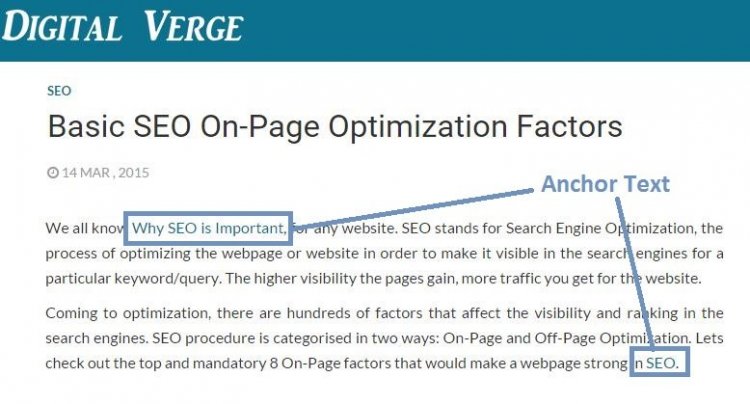
    • Anchor Text Matters: The text you use to link to another page (anchor text) should be descriptive and relevant to the content it leads to. Avoid generic text like “click here.” Instead, use an anchor text that entices users to click, like “ Real Estate Market Trends.”
    • Utilize Breadcrumb Navigation: Breadcrumb navigation allows users to see their location within your website’s hierarchy, making it easier to navigate back to previous pages.
    • Link From High-Authority Pages: Pages that already rank well on search engines hold more “link equity.” Linking to other pages from these high-authority pages can spread that value and potentially improve their ranking as well.

    By implementing a well-thought-out internal linking strategy, you create a user-friendly website that keeps visitors engaged and helps search engines understand the structure and value of your content. This translates to a more positive user experience and potentially improved search engine ranking for your real estate website. Remember, internal linking is all about creating a web of relevant connections that benefits both users and search engines.

    Optimizing URL Structures for Clarity and SEO Advantage

    In the competitive world of real estate online searches, first impressions matter – and that includes your website’s URLs. Beyond simply directing users to the right page, well-structured URLs offer a glimpse into the content’s purpose and can even provide a slight SEO boost.

    Balancing User-Friendliness with SEO:

    • Clarity for Users: Strive for clear and informative URLs for human visitors. Imagine someone scanning a list of search results – a descriptive URL can entice them to click through, knowing exactly what content awaits.
    • SEO Considerations: While user-friendliness is key, don’t neglect SEO best practices. Incorporate relevant keywords strategically throughout the URL structure, but avoid keyword stuffing which can appear unnatural.

    Crafting Effective Real Estate URLs:

    • Keep it Descriptive: Instead of generic URLs like “page1.html” or “propertyID=123,” opt for descriptive structures that reflect the content. For example, “[city-name]/[neighborhood-name]/[property-type]/[unique-identifier]” provides valuable information for both users and search engines.
    • Incorporate Keywords: Strategically include relevant keywords within the URL structure. This can be the city name, property type (house, condo, etc.), or even a specific neighborhood.
    • Use Hyphens for Separation: Separate words within the URL using hyphens (-) for better readability. This makes the URL structure easier to understand for both users and search engines.
    • Keep it Concise: While informative, aim for relatively concise URLs. Ideally, keep them under 60 characters to ensure they display fully in search engine results pages (SERPs).

    Optimizing Existing URLs:

    If you already have a website, don’t despair! Consider implementing 301 redirects to update your existing URL structures. A 301 redirect signals to search engines that a page has permanently moved, ensuring your SEO value isn’t lost.

    The Benefits of Clear and SEO-Friendly URLs:

    • Improved User Experience: Clear URLs make it easier for users to understand the content they’re about to access, leading to a more positive browsing experience.
    • Enhanced Click-Through Rates (CTR): Descriptive URLs in search results can entice users to click through, knowing exactly what content awaits.
    • Potential SEO Boost: While not a major ranking factor, well-structured URLs with relevant keywords can contribute to a positive SEO impact.

    By prioritizing clear and SEO-friendly URLs, you create a website that’s not only user-friendly but also optimized for search engine visibility. This translates to a more positive user experience, potentially increased click-through rates, and a website that works hard to attract qualified leads and grow your real estate business.

    Craft Compelling CTAs: Turning Website Visitors into Motivated Sellers

    In today’s real estate market, a strong call to action (CTA) can be the difference between a website visitor browsing listings and a motivated seller contacting you. Effective CTAs for house sellers go beyond a simple “Contact Us.” They should be clear, concise, and speak directly to the seller’s needs and desires. Here’s how to craft CTAs that convert:

    Understanding Seller Motivations:

    • Highlight the Benefits: People sell houses for various reasons. Focus on the benefits that resonate most with your target audience. Do they want a fast sale? Top dollar for their property? A stress-free experience? Tailor your CTAs to address these specific desires.

    Examples of Compelling CTAs for House Sellers:

    • “Get a Free Home Valuation Now!” This CTA is clear, actionable, and speaks directly to a seller’s desire to understand their home’s market value.
    • “Sell Your House Fast & Hassle-Free. Get a Free Consultation Today!” This CTA focuses on two key benefits – speed and convenience – that are often priorities for sellers.
    • “Thinking About Selling? Learn How to Maximize Your Home’s Value!” This CTA targets sellers who may be in the early stages of considering a sale. It offers valuable information while positioning you as a knowledgeable resource.
    • “Ready to Cash In on Your Investment? Request a Personalized Selling Strategy!” This CTA speaks to sellers who view their home as an investment and want to maximize their profit.

    Crafting Effective CTAs:

    • Keep it Short and Sweet: Your CTA should be clear, concise, and easy to understand. Aim for a few words that pack a punch.
    • Action-Oriented Language: Use strong verbs that encourage immediate action. Words like “Get,” “Request,” or “Start” motivate visitors to take the next step.
    • Highlight Urgency (Optional): In some cases, creating a sense of urgency can incentivize action. Consider CTAs like “Limited Spots Available: Schedule Your Free Consultation Today!”
    • Visually Appealing Design: Make sure your website’s CTA buttons are visually distinct and easy to find. Use contrasting colors and clear calls to action.

    By crafting CTAs that are clear, benefit-driven, and action-oriented, you can transform website visitors into motivated sellers ready to connect with you and discuss their real estate needs. Remember, a strong CTA is a powerful tool for generating leads and growing your real estate business.

    Addressing Concerns Upfront: The Power of FAQ Sections for Real Estate Websites

    Imagine a potential buyer or seller visiting your real estate website. They’re likely brimming with questions: What’s the selling process like? What are closing costs? How do I find the right agent for me? A well-crafted FAQ section can be a goldmine, addressing these common queries and providing valuable information upfront.

    Benefits of a Comprehensive FAQ Section:

    • Improved User Experience: An FAQ section empowers visitors to find answers to their questions quickly and easily, without needing to search through other website content or contact you directly for basic information. This translates to a more positive user experience and keeps visitors engaged on your website.
    • Reduced Support Inquiries: By addressing common questions upfront, you can reduce the repetitive inquiries you receive via email or phone. This frees up your valuable time to focus on consultations and client needs.
    • Positioning Yourself as a Resource: A comprehensive FAQ section showcases your expertise and positions you as a knowledgeable resource in the real estate industry. This builds trust with potential clients and establishes you as a go-to agent for their real estate needs.
    • Improved SEO Potential: While not a direct ranking factor, well-written FAQs that incorporate relevant keywords can contribute to a positive SEO impact. Search engines may favor websites that provide valuable and informative content to users.

    Crafting an Effective FAQ Section:

    • Identify Common Questions: Consider the questions you ask most frequently by clients. Use these as a starting point for your FAQ section.
    • Categorize Content: Organize your FAQ content into clear categories for easy navigation. This could be by buyer vs seller queries, financing issues, or the selling process itself.
    • Conciseness is Key: While providing informative answers, aim for clear and concise explanations. Avoid overly technical jargon and keep your responses easy to understand for a general audience.
    • Link to Additional Resources: If an FAQ answer requires more in-depth explanation, consider linking to relevant blog posts or website pages on your site for further information.
    • Keep it Updated: As market conditions or regulations change, update your FAQ section regularly to ensure it provides the most accurate and current information.

    Implementing a well-structured and informative FAQ section creates a valuable resource for website visitors. This translates to a more user-friendly website, positions you as a knowledgeable agent, and potentially reduces support inquiries, freeing up your time to focus on client needs and growing your real estate business. Remember, a well-crafted FAQ section is an investment that pays off in the long run.

    Keeping Your Finger on the Pulse: Monitoring and Analyzing On-Page Metrics for Continuous Improvement

    In the ever-evolving world of SEO, there’s no such thing as “set it and forget it.” Just like a well-oiled machine, your real estate website needs regular monitoring and analysis to ensure it’s performing at its peak. By tracking and analyzing on-page metrics, you gain valuable insights into user behavior, identify areas for improvement, and ultimately optimize your website for better search engine ranking and lead generation.

    Essential On-Page Metrics to Monitor:

    • Organic Traffic: Track the organic traffic your website receives over time. This indicates how well your website ranks in search results and attracts visitors through organic search.
    • Bounce Rate: The bounce rate refers to the percentage of visitors who leave your website after viewing only one page. A high bounce rate might indicate issues with page content, loading speed, or user experience.
    • Time on Page: The average time users spend on a webpage provides insight into how engaging your content is. Low time on page might suggest visitors aren’t finding the information they need or the content isn’t compelling enough.
    • Conversion Rate: Track how many website visitors convert into leads, whether by contacting you, requesting a valuation, or signing up for your newsletter. Conversion rate indicates how effective your website is in generating leads and achieving your business goals.
    • Keyword Rankings: Monitor your website’s ranking for relevant keywords in search results. This will help you understand how well your SEO efforts are performing and identify areas for improvement.

    Tools for Monitoring and Analysis:

    • Google Analytics: A free and powerful tool from Google, Analytics provides a wealth of data on website traffic, user behavior, and conversions.
    • Search Console: Another free Google tool, Search Console, offers insights into your website’s search engine visibility and helps identify potential issues hindering your ranking.
    • Website Heatmap Tools: Heatmap tools visually represent where users click on your website pages. This can reveal areas that might be confusing or require optimization for better user engagement.

    Taking Action for Improvement:

    • Analyze the Data: Don’t just collect data – dig into the insights and identify trends or patterns. Are certain pages experiencing high bounce rates? Is organic traffic declining? Understanding these trends reveals areas that need your attention.
    • Test and Refine: Based on your analysis, implement changes to your website and track their impact on key metrics. This could involve optimizing page content, improving website speed, or refining your keyword strategy.
    • Continuous Monitoring: SEO is an ongoing process. Make website monitoring and analysis a regular habit. By consistently tracking key metrics and adapting your strategy, you ensure your website remains optimized for search engines and continues to attract qualified leads for your real estate business.

    By dedicating time to monitor and analyze on-page metrics, you better understand how users interact with your website. This valuable data empowers you to make data-driven decisions, continuously improve your website’s performance, and ultimately achieve your real estate SEO goals. Remember, website optimization is a journey, not a destination. Embrace the process of monitoring, analyzing, and refining to keep your website at the forefront of search results and generate a steady stream of qualified leads for your real estate business.

    Harnessing the Power of Structure: Utilizing Schema Markup for Real Estate Listings

    Increasing your real estate website’s visibility is crucial in today’s digital age, where people rely heavily on search engines to find information. Schema markup is a powerful tool that goes beyond basic SEO and helps search engines understand the specific details of your property listings. This translates into richer search results for potential buyers and ultimately drives more qualified leads to your website.

    What is Schema Markup?

    Schema markup is a type of code that you add to your website’s HTML to provide search engines with richer information about your content. Think of it as adding labels to your listings, explaining what kind of property it is, its features, and other relevant details.

    Benefits of Schema Markup for Real Estate:

    • Enhanced Search Results: By implementing schema markup for your real estate listings, search engines display richer snippets in search results. This can include details like property type (house, condo, etc.), number of bedrooms and bathrooms, square footage, and even pricing information. These richer snippets stand out from the crowd, grabbing the attention of potential buyers searching for properties online.
    • Improved Click-Through Rates: Schema markup can significantly increase click-through rates (CTR) from search results. The informative snippets provide users with a clear understanding of whether a listing is relevant to their needs, encouraging them to click through to your website for more details.
    • Targeted Audience: Schema markup lets you specify property type, price range, and location. This attracts a more targeted audience – potential buyers actively searching for properties that match their specific criteria.

    Types of Schema Markup for Real Estate:

    • RealEstateListing: This schema type is specifically designed for real estate listings and allows you to specify details like property type, number of bedrooms and bathrooms, price range, location, and availability.
    • Location: Schema markup for location allows you to specify the property’s address, including city, state, and zip code. This enhances local SEO and helps potential buyers search for properties in specific neighborhoods.
    • ImageObject: Schema markup for images allows you to provide captions and descriptions for your property photos, improving the overall user experience and potentially boosting image search ranking.

    Implementing Schema Markup:

    While schema markup may seem complex, several user-friendly tools and resources are available to help you get started. Many website building platforms offer built-in schema markup options, or you can utilize Google’s Search Console to generate the code for your listings.

    By incorporating schema markup for your real estate listings, you unlock a powerful SEO tool that enhances search engine understanding, creates richer search results, and ultimately attracts more qualified leads to your website. Remember, in the competitive world of online real estate, even a slight edge in search results can make a significant difference.

    The world of SEO is constantly evolving, and 2024 is no exception. Search engines like Google are becoming increasingly sophisticated, placing a higher emphasis on user experience, content quality, and relevancy. To stay ahead of the curve and ensure your real estate website thrives in search results, here are some key trends and potential algorithm updates to keep on your radar:

    Focus on User Intent:

    • Understanding User Needs: In 2024, SEO goes beyond simply keyword stuffing. The focus shifts towards understanding the user’s intent behind a search query. Are they looking for information, browsing options, or ready to contact an agent? Tailoring your content and website structure to address these needs is crucial for ranking well.
    • Long-Tail Keywords: As user intent becomes a priority, long-tail keywords (more specific search phrases) will be more important. Focus on incorporating long-tail keywords that reflect the specific needs of potential buyers in your local market.

    Content Reigns Supreme:

    • High-Quality, Informative Content: Search engines prioritize websites that offer valuable and informative content that keeps users engaged. Invest in creating high-quality content that addresses your target audience’s needs, answers their questions, and establishes you as a thought leader in the local real estate market.
    • Freshness Matters: Regularly update your website with fresh content. This could include blog posts on local market trends, neighborhood guides, or informative articles about the buying or selling process.

    Technical SEO Remains Crucial:

    • Mobile-First Indexing: Google’s mobile-first indexing prioritizes websites that display and function flawlessly on mobile devices. Ensure your website is mobile-friendly, loads quickly, and offers a seamless user experience for mobile users.
    • Core Web Vitals: Core Web Vitals are a set of metrics that measure website speed, responsiveness, and visual stability. Optimizing your website for Core Web Vitals ensures a smooth user experience and can potentially boost your ranking.

    Staying Informed:

    • Industry Blogs and Publications: Subscribe to reputable SEO blogs and publications to stay updated on the latest trends and algorithm changes.
    • Google’s Search Central: Google frequently updates its Search Central resource with information on best practices and potential algorithm updates. Monitor this resource to stay informed directly from the source.

    You can proactively adapt your real estate website strategy by staying informed about these SEO trends and potential algorithm updates.

    Remember, SEO is a marathon, not a sprint. By consistently creating high-quality content, optimizing your website for user experience, and keeping pace with industry changes, you ensure your real estate website remains visible in search results and continues to attract qualified leads for your business.

    Conclusion: Dominate Your Market by Using the Power of On-page SEO for Real Estate

    The real estate market thrives on a strong online presence. By implementing the 16 best practices explored throughout this post, you can transform your real estate website from a simple brochure into a lead generation machine. Here’s a quick recap to empower your online success:

    • Prioritize Page Load Speed: A speedy website keeps visitors engaged and improves SEO ranking.
    • Craft Informative Neighborhood Pages: Establish yourself as a local expert by creating valuable neighborhood content.
    • Utilize Internal Linking: Weave a user-friendly web that connects relevant content and boosts SEO.
    • Optimize URL Structures: Clear and SEO-friendly URLs enhance user experience and search visibility.
    • Write Compelling CTAs for House Sellers: Craft CTAs that resonate with seller motivations and drive conversions.
    • Implement FAQ Sections: Empower visitors with answers to common questions and showcase your expertise.
    • Monitor and Analyze On-Page Metrics: Gain valuable insights to continuously improve your website’s performance.
    • Harness Schema Markup: Unlock the power of structured data to create richer search results and attract targeted leads.
    • Embrace Mobile-First Indexing: Ensure your website offers a flawless mobile experience.
    • Focus on User Intent: Craft content that addresses potential buyers’ specific needs and questions.
    • Prioritize High-Quality Content: Informative and valuable content positions you as a thought leader and keeps users engaged.
    • Target Long-Tail Keywords: Attract qualified leads by incorporating long-tail keywords that reflect local searches.
    • Stay Updated with SEO Trends: Learn about the latest SEO best practices and algorithm updates.
    • Leverage Google Search Central: Stay informed directly from Google’s resource on SEO best practices.
    • Invest in High-Quality Images: Optimize images for faster loading times and enhance user experience.
    • Integrate Social Media: Expand your reach and connect with potential clients on social media platforms.

    The real estate landscape is dynamic, and so should your online presence. By embracing these strategies and consistently refining your website, you can establish a dominant online presence, generate high-quality leads, and ultimately achieve your real estate business goals. So, take action today and watch your website flourish into a powerful tool that fuels your success in the exciting world of real estate!


  • How This Real Estate Investor Went From Almost Canceling His Carrot Site to Clearing $50k Per Month

    How This Real Estate Investor Went From Almost Canceling His Carrot Site to Clearing $50k Per Month

    Almost Cancelling His Carrot Site to Clearing $50k Per Month

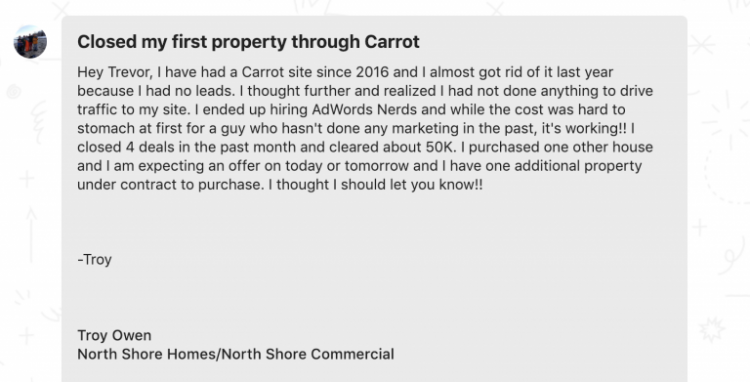
    “I’m not getting any leads through my Carrot website. I’m just going to cancel it.”

    That’s what Troy told himself one day as he drove to work. He almost did it, too. Thankfully, he gave it another shot.

    And he couldn’t be happier…

    Watch Troy’s Case Study

    From No Leads to $50k in Deals  - What I Almost Missed Out On by Leaving Carrot

    Meet Troy

    Troy is a real estate investor out of Milwaukee. He’s no rookie – with over ten years of experience and plenty of closed deals, it’s clear that he knows his stuff.

    Troy had a good thing going. He was spending his time buying and selling income properties to other investors and making a healthy profit.

    One day, Troy decided to take things to the next level. He found out about Carrot and got his hands on one of our high-converting websites — powerful, lightweight sites that are made to dominate Google rankings and convert visitors into leads.

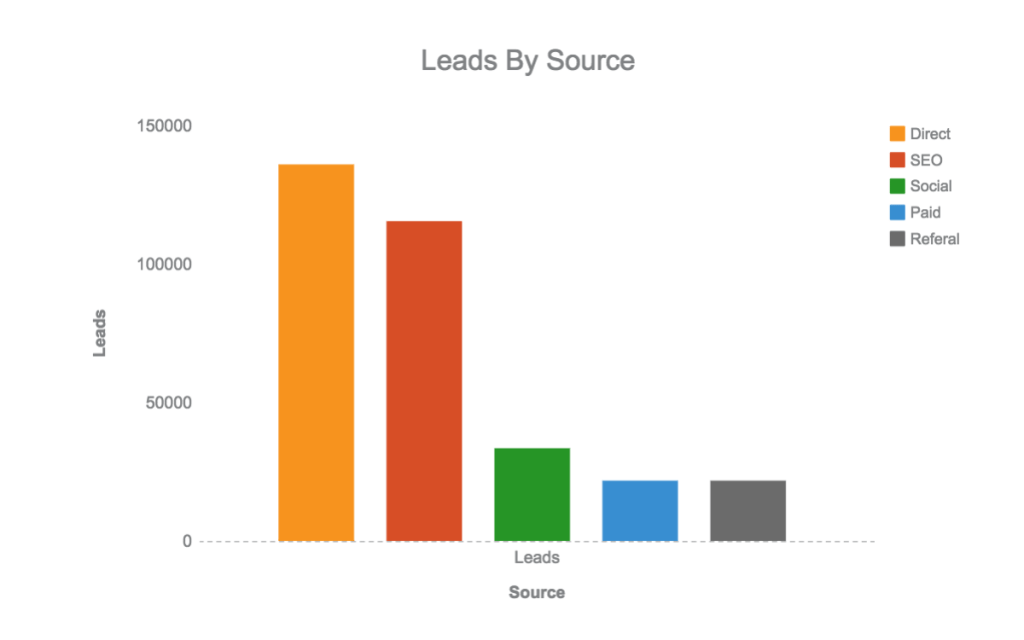
    leads by source

    (Image Source)

    They’re made just for real estate investors like Troy, so once he set up his own site, he was hoping to get a lot of new leads…

    But leads started drying up…

    Some time passed, and he didn’t do much with the site beyond a bit of customization. He wasn’t actively trying to drive traffic to it with PPC or SEO, so it really just sat there.

    That wasn’t a big deal until the market started shifting and Troy found that leads were getting harder and harder to come by. The other lead sources he used had all but dried up, and his Carrot website didn’t seem to be doing much for him.

    “Sources that were giving me enough leads and deals these last years just weren’t enough to keep me busy. A lot of those have dried up… I had to find something else.”

    That’s when he decided he could save some money every month If he got rid of his Carrot site. After all, what good is a high-converting website if no one ever sees it? It doesn’t matter how optimized it is if it’s just sitting there collecting dust. So he started researching how to cancel his Carrot subscription.

    But then he thought, Quitting is the easy way out… maybe one more shot.

    And he decided that he wasn’t ready to quit just yet. He realized that he hadn’t been doing as much as he could to drive traffic to the website, so he wanted to give it another go.

    “I knew if I took the DIY route it wouldn’t have gotten done the way it needs to get done… so, I hired out and the leads that came in were more than enough to pay for it. So, it’s totally worth it — and it happened faster than I expected.”

    How Troy made it work…

    The second time around, Troy took it a lot more seriously. He found some great AdWords marketers and hired them to help him with PPC. It was a hard cost to stomach, especially while his leads were buckling, but once the PPC started bringing in traffic, he realized how powerful his website was.

    “It was a bigger upfront cost, but it only takes one deal to pay for it, so it would be crazy not to give it a try.”

    Steady leads have been flowing in ever since.

    For Troy, the high cost of marketing and PPC quickly paid for itself. All it takes is closing one solid lead in a month. Troy closed four. He brought in $50,000.

    Better yet, he started working on SEO, and now that more organic traffic is flowing in, his PPC is cheaper than it used to be, and he’s pulling in even more leads.

    “Early on, the cost per lead was hitting $3,000…but now that I’m starting to get SEO leads that’s helping quite a bit.”

    This gave him the freedom to focus on improving other aspects of how he does deals.

    He experimented with different follow-up methods to see which worked best, and now that he adopted a more aggressive follow-up method, his leads per deal ratio is up from 10:1 to 5:1. He’s always experimenting with direct mail.

    Troy realized that paying for his Carrot website and the AdWords marketers that he hired wasn’t a necessary evil – it was a sound investment. If he left his website without trying to make it work, he wouldn’t have saved money. He would have lost it…

    What Troy learned…

    (Image Source)

    “I knew the cost would be significantly higher in the first few months, but it didn’t take all that long. Now more deals are coming in, I’ve had some bigger deals come through, and that cost per lead is dropping down.”

    Troy paid for services that ramped up his business. If he left Carrot and decided that the AdWords marketers were too expensive, he would have lost $50,000 in opportunity costs. That’s a type of cost that people don’t usually factor in, but it’s essential if you want to be a successful real estate investor.

    Troy says it best:

    “Commit to finding a way to drive traffic to your website. Whether it’s you or you hire out, you have to do it. The site converts, it’s proven…but you have to get traffic to your website before you experience any kind of return.”

    An underperforming website or a lack of marketing can cost you. On the other hand, putting down money for services that can boost your income in the long term is a solid investment.

    If you’re using Carrot and PPC marketers like Troy did then you can rest assured that you’ll get a lot more eyes on your website while maintaining a high ROI.

    These services can pay for themselves many times over. Here at Carrot, giving our clients a good return on their investment is one of our biggest goals.

    That’s why we equip them with the best tools out there, crafted with real estate investors in mind. From our high-converting websites to our Content Pro and Advanced Marketer Plans, you’ll have everything you need to generate leads and close deals.

  • What Is Real Estate SEO? Learn the Basics of Search Engine Optimization (SEO)

    What Is Real Estate SEO? Learn the Basics of Search Engine Optimization (SEO)

    What is real estate SEO? By definition, it is “creating relevant content with keyword focus to improve website visibility in the organic search results for real estate professionals. The process includes building landing pages, updating metadata, content modifications, and analyzing keywords.”

    Whether you’re doing apartments, looking for motivated sellers, cash buyers, private lenders, or note sellers — even if you’re a real estate agent — the whole thing is you need to understand search engine optimization and how it can change your business for the better.

    What is Real Estate SEO?

    So, what is real estate SEO? To break it down simply, by giving Google and other search engines what they want, Google will reward you with higher rankings.

    You see, each search engine — Google, Yahoo, Bing, etc. — has an algorithm that crawls online web pages to determine which results to show people when they search for any given keyword phrase (i.e., the words they type into the search engine).

    By “optimizing” your real estate web page(s) for a search engine’s algorithm (usually Google since it’s the biggest), you can rank for high-value phrases and drive passive traffic to your website.

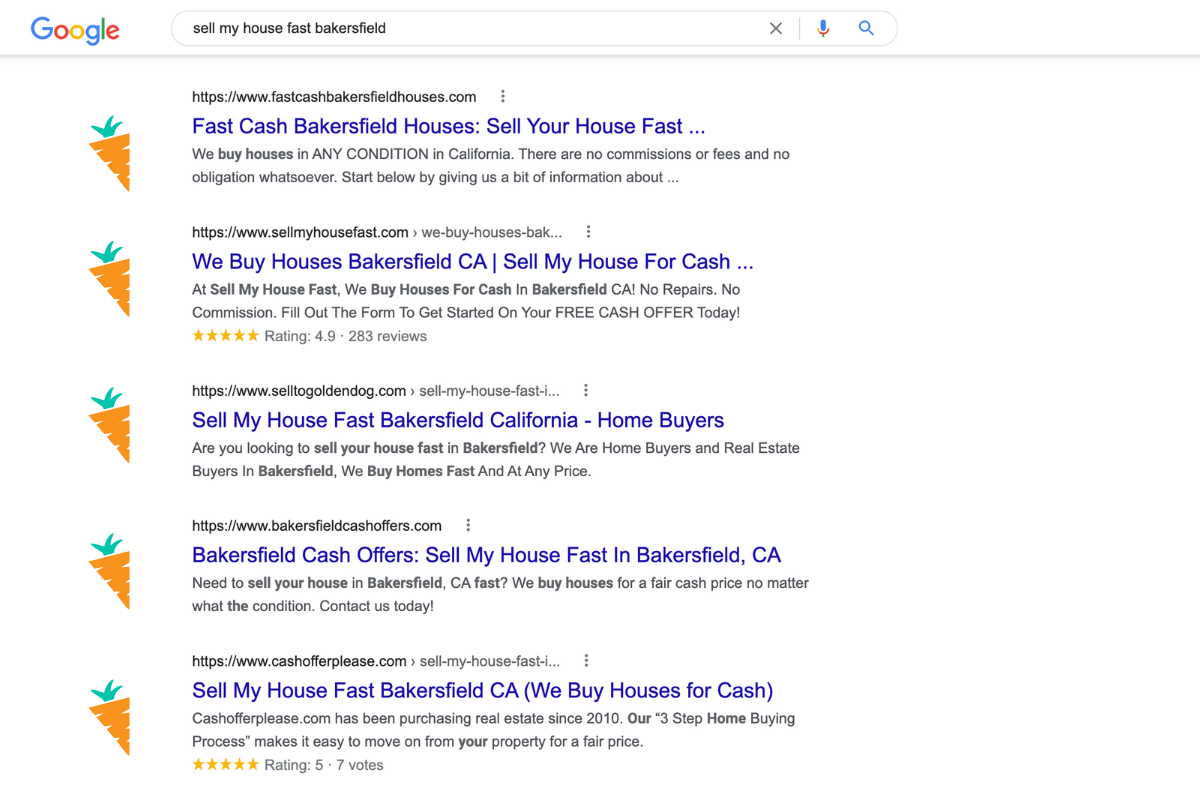
    Carrot members, for instance, often rank for market-specific phrases.

    Carrot website rankings for "sell my house fast bakersfield"

    Here’s the best part: that algorithm determines where you and every other website ranks in Google — experts already know what factors that algorithm considers.

    Partly, they know because of testing and experimentation. And partly, they know because Google consistently releases updates about how their algorithm interacts with websites and online content.

    NoteI’ve transitioned from talking about search engines in general to talking about Google specifically. This is because Google accounts for about 93% of the search engine traffic online. It’s the heaviest-hitting player in the search engine world and the one whose algorithm you should most seriously consider when crafting your SEO strategy.

    Which means you can too.

    But it’s important to note the difference between working to please the search engines… and trying to trick them.

    One will get you rankings. The other will get you banned.

    Black Hat SEO VS. White Hat SEO

    Black hat SEO and white hat SEO, are basically just search engine marketing jargon for a bad way to build rankings and a good way to build rankings.

    Black hat is gaming the system. It’s trying to trick Google’s algorithm into giving you higher rankings. While this will sometimes work over the short run, it is likely to get your website into trouble when Google finds out what you’re doing.

    You can learn more about black hat SEO no-nos over here.

    White Hat SEO Strategy – Maintaining Your Integrity.

    White hat SEO strategies, on the other hand, build rankings the way that Google wants you to.

    That’s the way that we work at Carrot. That’s how we’re going to train you, is on white hat strategies.

    With white hat SEO, there’s less risk and more opportunity.

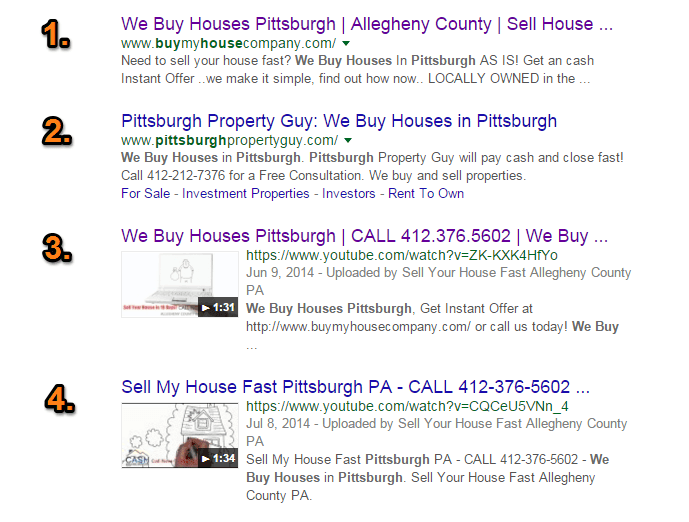
    As an example, if you go to Google and type up phrases like “Sell my house fast Pittsburgh,” “Sell my house fast Baltimore,” or “Sell my house fast Birmingham,” or “We buy houses Bakersfield,” or hundreds of other phrases.

    Or, on the cash buyer side, “Investment properties in Baltimore, Baltimore wholesale properties.” Or maybe “real estate agent in Boston.”

    You’ll see Carrot members popping up very high on the search rankings, leveraging their training and our search engine optimization tools, and getting more leads.

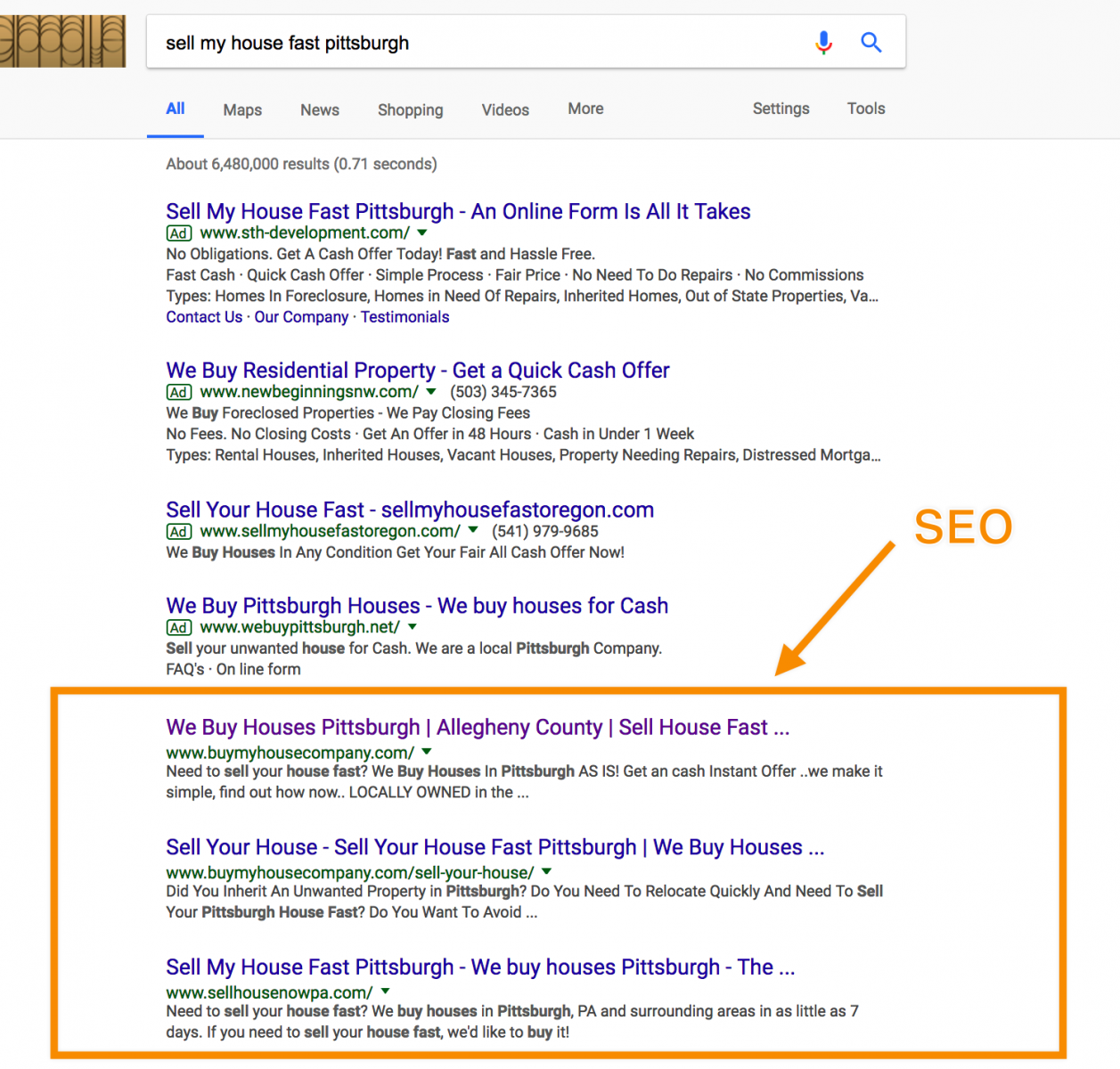
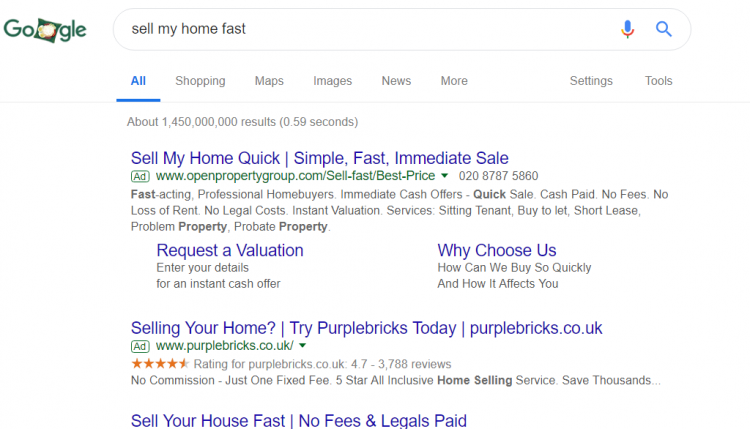
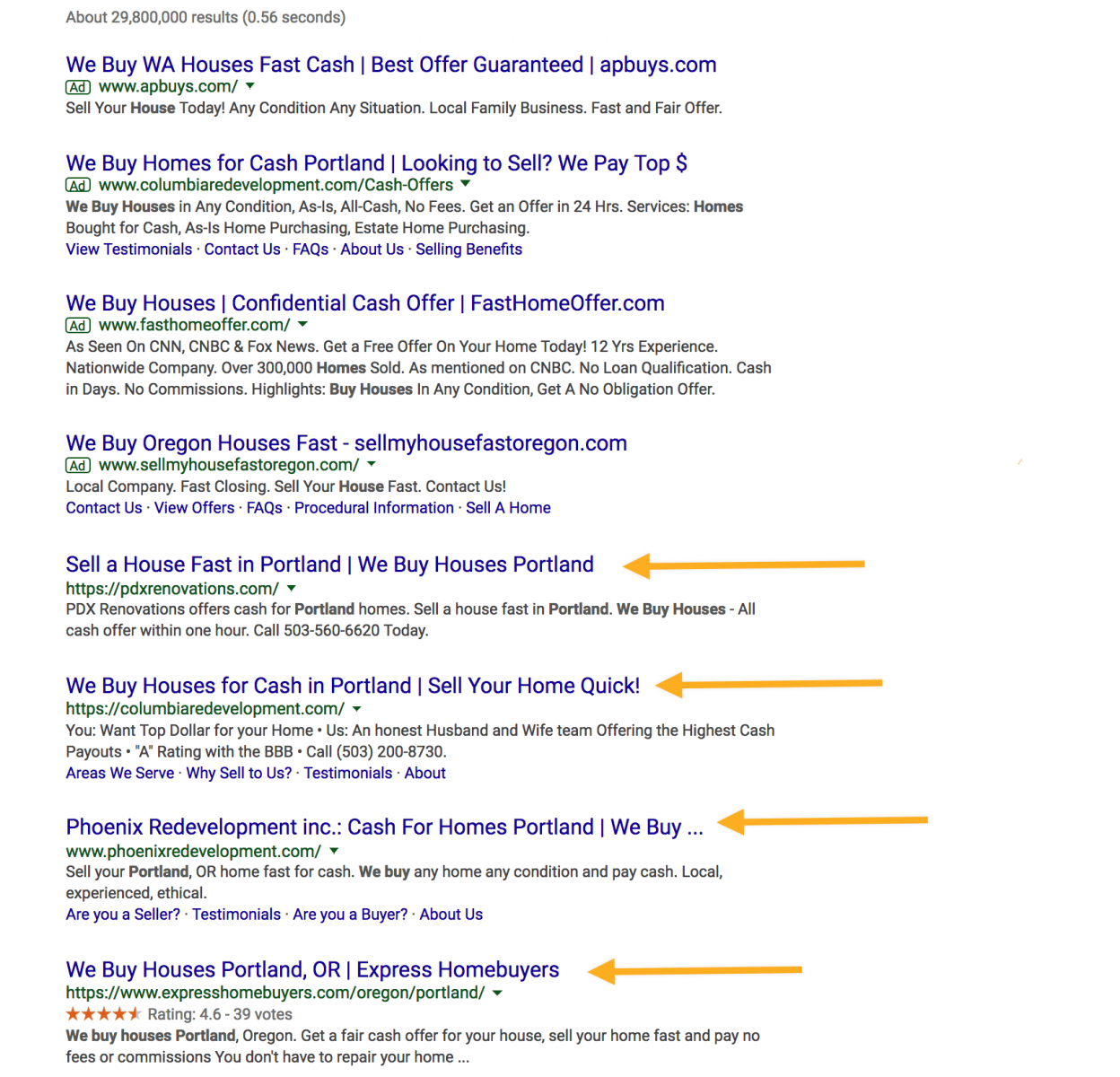
    For SEO search engine optimization, we’re focusing on the section in the Google search results and Bing search results, and Yahoo search results. But mainly Google. We’re focusing on the area that’s above the orange box, you can see the parts where it says, “Ad.” Those are ads that people paid to be there.

    seo ranking factors for real estate page one rankings

    The part in the orange box is called the organic search listings. That’s where, with search engine optimization, tweaking some things, and following Carrot training, you’re going to be able to get there in your market when you follow our training and our system.

    Inbound Marketing for Real Estate – Draw Clients to You.

    One of the reasons that we love search engine optimization is inbound real estate marketing. Inbound marketing is essentially when people go online, go to Google, type up questions, or they type up problems. They’re typing up something that they want to be solved, and then they land on your website.

    They land on a website that is ranked high on Google. There was a study done by HubSpot that found that 28% of searches for something nearby (local SEO) resulted in a purchase. Also, 78% of local mobile searches result in offline purchases. So, local SEO is very powerful.

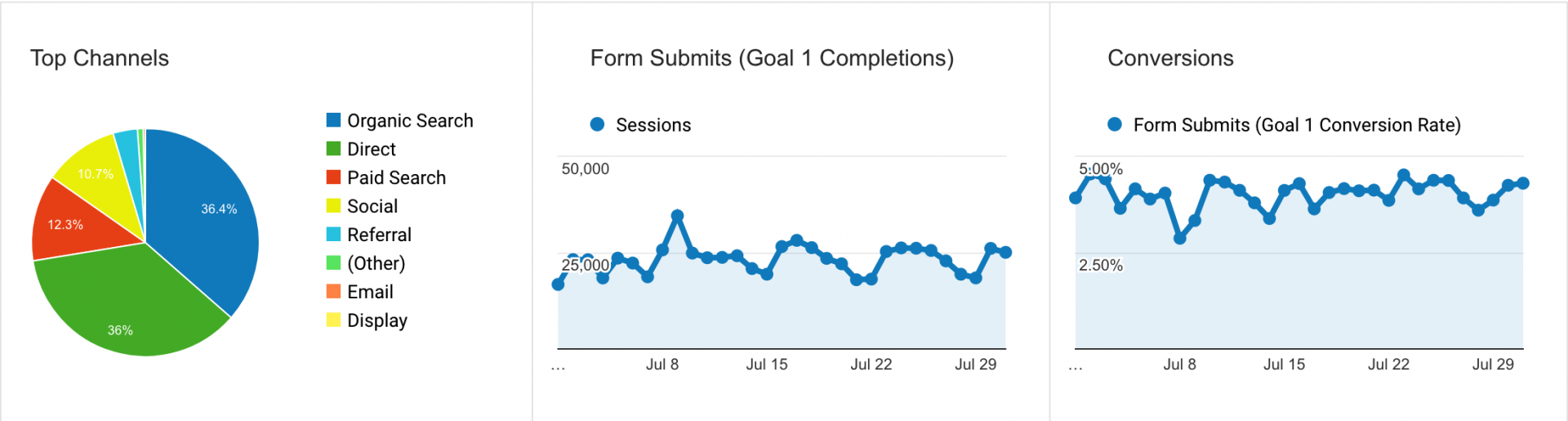
    Direct traffic is people who already know about your website. They already knew your website name. Maybe they got it through your business card; maybe they got it off of a billboard, direct mail, or something like that. Direct traffic also performs very well because they’re already familiar with you. They already know about you. Then down the line you’ve got paid search, Google Ads, they go through PPC, and it’s all still insanely effective.

    The reason we love search engine optimization so much is that with this higher lead to customer close-ratio, you have a higher quality lead. You tend to close more leads per the leads you’re getting than outbound marketing or things like that.

    For example, here are the lead volume numbers accumulated by Carrot members (not counting phone calls.) 31.71% of the leads that came into our Carrot member websites were from Google organic search traffic. This drives home the importance of good SEO.

    Why SEO for Real Estate is So Important for Lead Generation

    organic real estate leads
    101,000 Leads Coming From Organic in 2018!

    Why Real Estate SEO Matters

    If you’re closing one out of every 40 leads into a deal or a listing, from your radio ads, with SEO, you might close one out of every 10, one out of every 15. You don’t have to get as many leads to close the same amount of deals, which is why we love SEO.

    Every day people are raising their hands for help by going to Google and other search engines, and they’re searching for solutions to their problems.

    What search engine optimization and inbound online marketing do is the equivalent of a seller or a buyer or a private lender or a note seller going and knocking on your door and they’re asking you for help. Rather than the other way around, rather than you going to their door and knocking on it and saying, “Hey, do you need to sell your house,” or, “Hey, are you looking for properties?” interrupting their thought process.

    Inbound marketing joins them in their thought process. They’re coming to you.

    They’re reaching out and asking you for help, putting you in a position of power. Inbound marketing, specifically with search engine optimization, is the most remarkable form of marketing ever created because the people are coming to you, and it puts the prospect in a whole different mindset when they are the ones who reached out to you rather than the other way around.

    Does Real Estate SEO Work?

    A common question is, “Does SEO work, can it close deals, what’s the ROI of search engine optimization?”

    Of course, it does! We have so many Carrot members generating SEO leads and closing SEO deals.

    Here’s one of those stories…

    60 Leads Per Month. All from SEO & Carrot w/ Andy Kolodgie.

    Currently, Carrot members are pulling in a little over 60,000 leads per month. That doesn’t include phone call leads, people, landing on your websites, and calling on their phones.

    The system’s effective and exciting, seeing you jumping into SEO and learning what you can do to increase your rankings in any city you’re in.

    Baltimore, DC, Birmingham, Bakersfield, Houston, Oahu, Salt Lake, and even smaller cities. In smaller cities, it’s easier to rank well with SEO. But in bigger cities, we have members all across the country ranking very well, very high for SEO, with their Carrot websites, using our SEO training you’re going through right now.

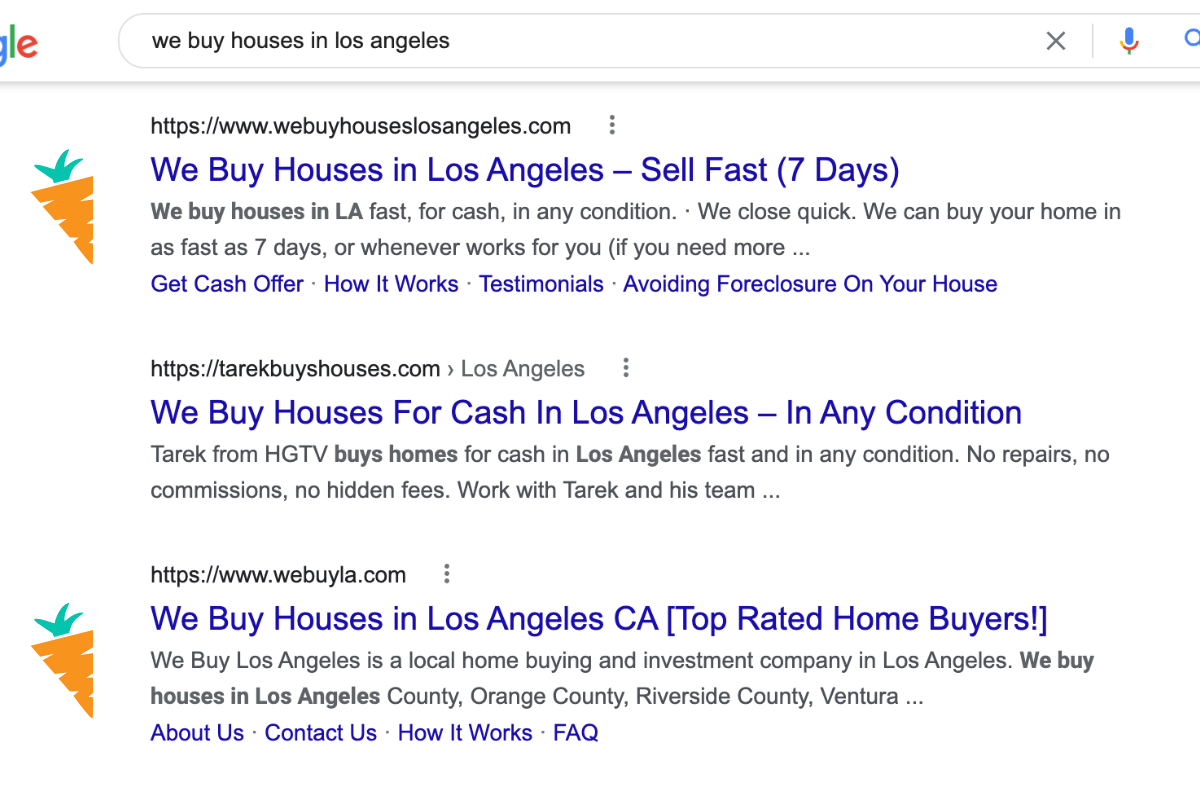
    For example, for the search phrase “we buy houses in Los Angeles” Carrot members rank #1 and #3 in organic results.

    we buy houses in Los Angeles

    If you find another member in your market who is already ranking on page one, don’t panic. We have markets where there are four or five Carrot members on page one, all getting better results than they would be without Carrot, and they’re sitting there battling it out, but they would never have even gotten those results without SEO training and our system.

    This works in any market, no matter how large or small.

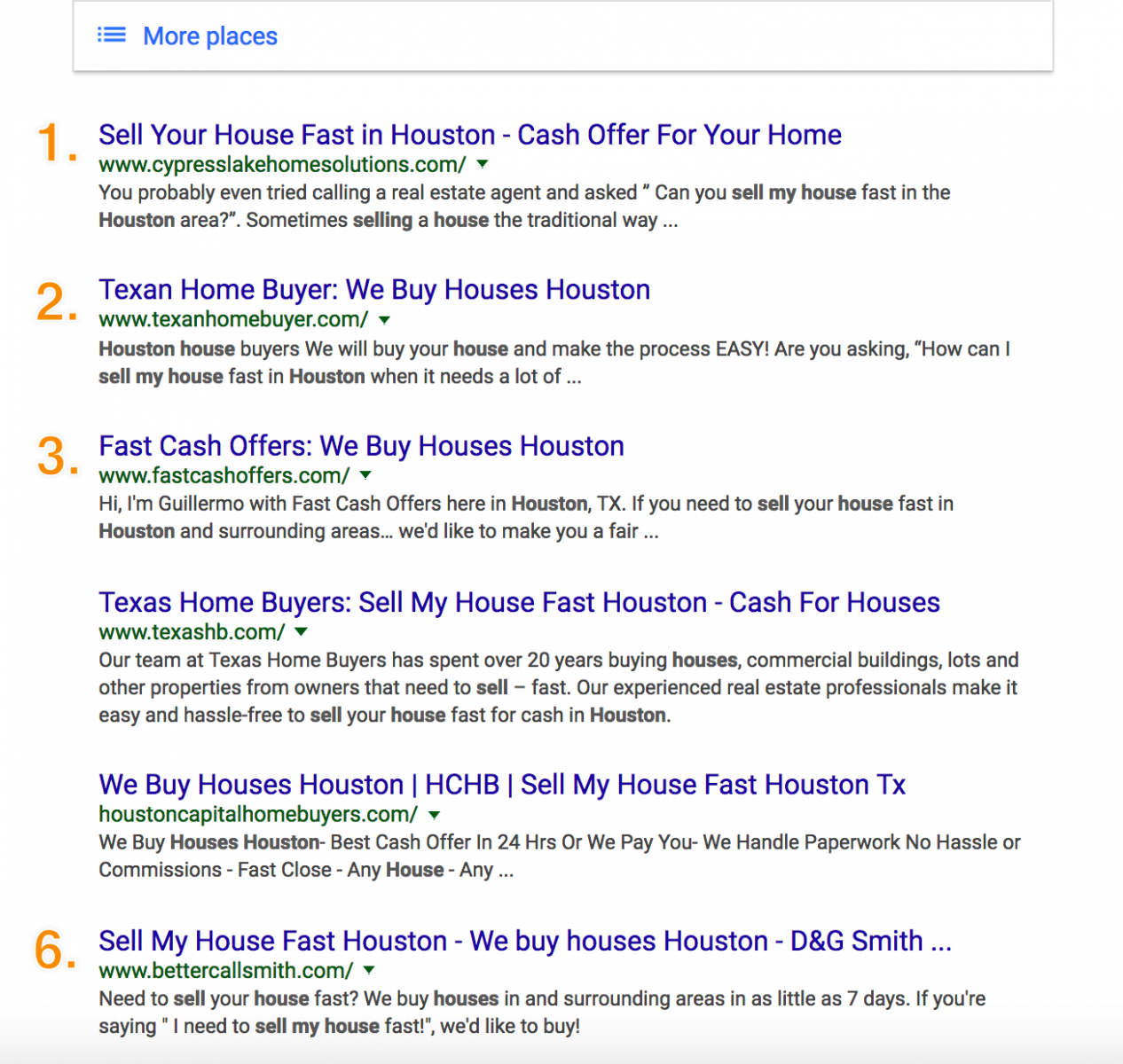
    sell my house in houston search results

    As we mentioned, Carrot members currently hold more page one rankings and top five rankings on search phrases that matter more than any other website platform for real estate.

    That’s an empowering thing for you reading the post or watching the SEO training video because it shows you that you have a powerful tool at your fingertips, and we’re here to help you get there and get the same results as other people in those markets if you implement the system and work it. Let’s get you there, too.

    We break it down and make it simple and achievable in the rest of the beginner SEO training series, the 3 Lead Per Day training for our members, and our SEO 101 course

    Whether you’re someone who’s diving into SEO for the first time or even whether you’re advanced, we have you covered.

    We’ll also give you the strategies that are making it work well for us.

    We’ll give you specific action steps, so you don’t need to be an SEO expert or a techie to get great results with search engine optimization.

    You just need to follow the steps, stick with the plan, leverage our process and reach out to us when you need help.


  • What is Cornerstone Content (And How to Write It)

    What is Cornerstone Content (And How to Write It)

    What is Cornerstone content

    You’ve heard the term “Cornerstone Content” or “Pillar Post” and now you’re wondering what that is.

    Rightfully so!

    More than likely, you already know that the term is connected to your website’s SEO one way or another — that somehow, a pillar post can boost your rankings.

    But why? How? And what exactly is cornerstone content?

    Let’s talk.

    How to Write Cornerstone Content

    Here’s what cornerstone content is…

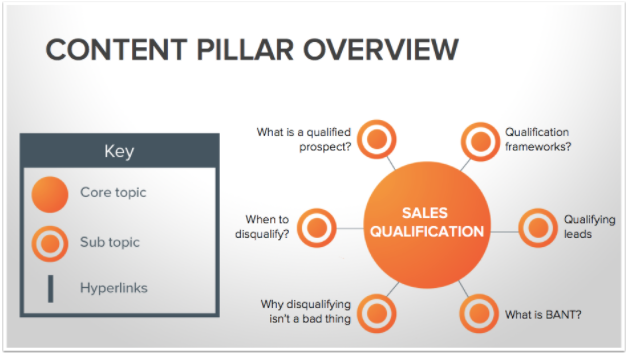
    Cornerstone Content is a piece of long-form content that acts as the keyword foundation and starting point for the rest of your SEO strategy. 

    Sound a little complicated?

    Well, it’s really not.

    Think of a pillar post as the foundation (or pillars) upon which you build your SEO strategy.

    content pillar graphic

    (Image Source)

    Basically, you write one really long blog post that surrounds a topic which is quite broad. “Sell my home fast”, “first-time homebuyer”, or “cheap property for sale” would all be viable keyword phrases to target.

    This is your cornerstone content. Make sure you target a keyword phrase which is valuable to your business, has plenty of search volume (check search volume for any keyword phrase over here), and is broad enough to expand upon with other blog posts.

    Once you’ve chosen a keyword phrase to target with your cornerstone content piece, type that phrase into Google.

    how to start writing better blog posts

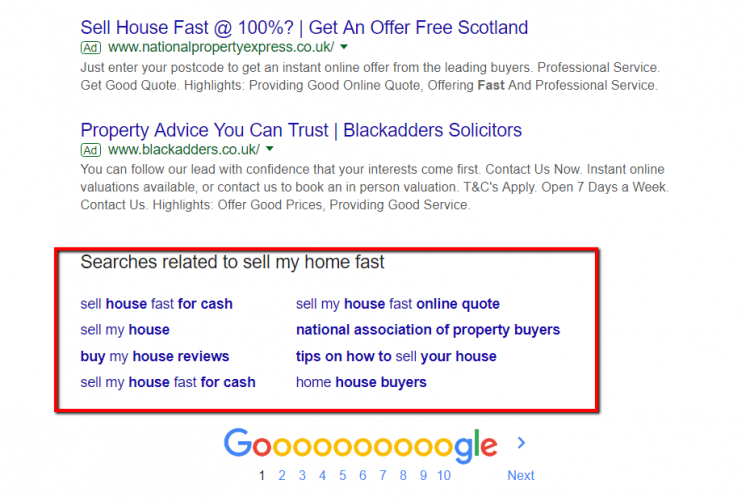
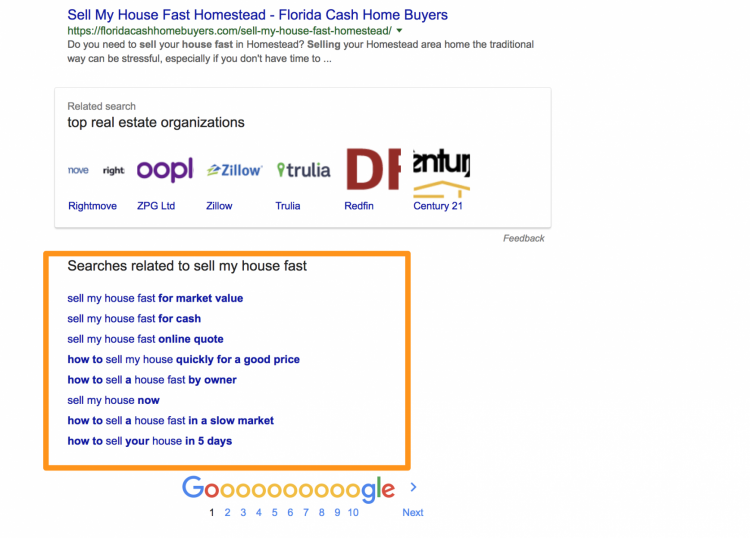
    Then scroll to the bottom of the page and find the LSI (Latent Semantic Indexing) keywords.

    how to find lsi keywords

    To correctly build out your SEO content strategy, you’ll want to write an extra long piece of content (pillar post) targeting the keyword phrase that you typed into Google.

    Then, over the next few weeks or months, you’ll want to write an article for each blog post-viable LSI keyword phrase under that targeted phrase. Finally, you’ll want to link internally between all of the content you put together.

    cornerstone content overview

    (Image Source)

    This works incredibly well in search engines for increasing your rankings.

    Why?

    Because Google loves content that is organized and easy for it to understand. Google loves when it can easily determine what your blog content is about and then deliver it as search results for the most appropriate keyword phrase(s).

    Learn more about how Google Search organizes information.

    And this pillar-content strategy works for any niche, no matter how big or small. You could do this for your own real estate market to increase local rankings, or you could do it at a nation-wide scale (of course, the first will produce better results since there’s less competition).

    Try to aim for about a 3% exact keyword phrase density (meaning that 3% of the word count for each blog post should be the exact keyword phrase that you’re targeting).

    Cornerstone Content Strategy

    Here’s a quick list to simplify your pillar content strategy.

    Step #1: Write a pillar post that targets a broad keyword phrase — Try to make it longer (bigger word count) than all the other posts in Google. Aim for 3% keyword density (not too much higher or lower).

    Also, include every LSI keyword phrase that relates to your primary keyword phrase once within the article.

    Step #2: Over the next few months, write one blog post for every LSI keyword phrase relating to your pillar post target keyword phrase — These articles can be a bit shorter than your pillar post article and go into more detail on their given topic. Aim for 3% keyword density for the post’s target keyword phrase.

    Include each LSI keyword phrase (the LSI keywords of the original pillar post, I mean) once within the article as well as the exact keyword phrase of the pillar post once within the article.

    Step #3: Link internally between each post upon the appropriate anchor text — Now that you have a large grouping of content which is topically related and has the keyword phrase of each other piece of content within each post, you’ll want to link to each post, from each post upon each article’s corresponding keyword phrase.

    Here’s an example of this:

    Cornerstone Content Target Keyword Phrase: “Sell my house fast in Klamath Falls, Oregon”

    LSI Article Target Keyword Phrase #1: “Sell my house fast in Klamath Falls, Oregon online quote”

    LSI Article Target Keyword Phrase #2: “Sell my house fast for cash in Klamath Falls, Oregon”

    LSI Article Target Keyword Phrase #3: “Sell house for cash Klamath Falls, Oregon”

    LSI Article Target Keyword Phrase #4: “Buy my house Klamath Falls, Oregon”

    Etc…

    Then, you’d write one article for each of those, and link internally between all of them.

    This organizes your content for Google and gives you a far higher chance of ranking in search engines then if you just put out random content every week (still better than nothing, of course, but not as savvy as having a pillar content strategy).

    Once you’re done doing this with one keyword family, you can move on to another keyword family and do the same thing. The more you do this, the better chance you have of ranking in Google and pulling consistent passive traffic to your website.

    Here is an example of a piece of cornerstone content Carrot wrote…

    Real Estate Cornerstone Article Example

    We then broke our “SEO for Real Estate Guide” into multiple smaller posts based on each section headline.

    Here are some other great examples of cornerstone articles, check out…

    There you go. Now you can start creating cornerstone content that Google loves. And if you have any follow-up questions about building out your own content strategy, leave em’ in the comments and we’ll answer as best we can!

  • Are you Sabotaging your Real Estate Website’s Rankings With These 3 Black Hat SEO No-no’s?

    Are you Sabotaging your Real Estate Website’s Rankings With These 3 Black Hat SEO No-no’s?

    You’re trying to climb through the rankings…

    You’re up against market competition and you’re up against the amount of time on your calendar. Still, you’re doing what you can. In the evenings and on the weekends, you’re building backlinks, publishing new content, and creating consistent social signals.

    Thing is, you might be sabotaging your rankings…

    Without even knowing it.

    So, let’s change that.

    If you’re hurting your own rankings unintentionally, you should at least know about it. Plus, I’ll teach you how to strengthen your rankings the un-risky way.

    But first, the dark side…

    What is Black Hat SEO?

    Award-winning HubSpot blog defines black hat SEO as…

    “A practice against search engine guidelines, used to get a site ranking higher in search results. These unethical tactics don’t solve for the searcher and often end in a penalty from search engines. Black hat techniques include keyword stuffing, cloaking, and using private link networks.”

    In other words, black hat SEO is trying to climb through the rankings using tactics that Google has explicitly banned.

    Unfortunately, these black hat SEO tactics are as tempting as they are popular.

    Because they work… until, of course, Papa Google finds out.

    Thennnnn the picture gets a bit more discouraging. More on that later. First, let’s take a minute to chat about some of the most common black hat SEO practices that you might not even know are black hat.

    A Few Examples of Black Hat SEO…

    1. PBNs (Private Blog Networks)

    Look – building backlinks are difficult. It’s time-consuming, expensive, and soul-crushing.

    We all know it.

    Which is exactly why PBNs are so darn tempting…

    These services promise to build backlinks to your website at a remarkably low cost and get your website ranking in no time. They won’t say much about how they’re going to build those backlinks, but the promise of seeing your website on the first page of Google’s results is enough to persuade most of us to enter our credit card information.

    Since they won’t tell you how they build backlinks to your website, though, I will…

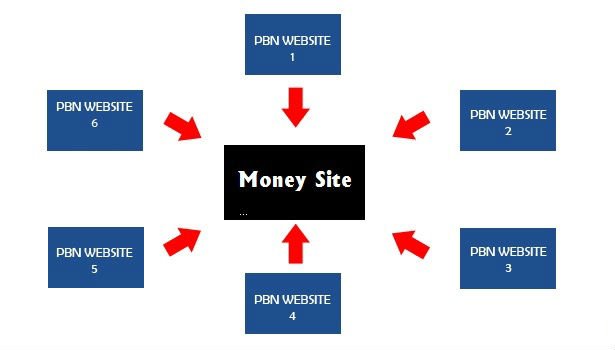
    In a nutshell, they purchase hundreds or thousands of expired/unused domains with a bit of SEO juice build from the previous owners. Then, they go to all of these domains and plug a backlink to your website on each.

    After a bit of time, your website starts to rank and you’re thinking to yourself, “Wow! These guys are awesome!”

    (Image Source)

    Here’s the problem: PBNs cheat the system. Google explicitly says that using a PBN won’t only get the PBN company in trouble, it’ll get your website penalized as well.

    It’ll all be good and fine until Google finds out. And they almost always find out.

    Once they do, your website will take a massive dive in the rankings (or get banned from indexing altogether) – and recovering from that loss will be harder than trying to get a new website ranking (because you’ve lost Google’s trust).

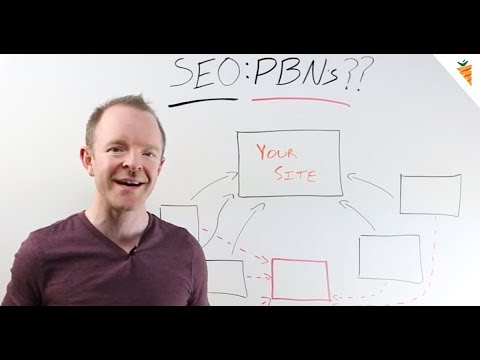
    SEO Private Blog Networks (PBN's): The Pros and Cons

    2. Content Scraping

    Content scraping might not be what you think…

    Here’s a definition from Varvy:

    “Scraping content is taking content from other places on the web and publishing it on your own site. There are many websites that only contain pieces of other websites or stolen content. Many sites will take articles from other websites and publish them as if they were their own, or will copy entire websites.”

    In high school and college, this was called plagiarism.

    Copying and pasting content to your own website as if it’s your own is a big no-no in Google’s eyes. When your website has the same exact content on a page as another website, Google will only rank one of those pages, not both. This is called duplicate content.

    Here’s Moz’s graphical representation of this…

    (Image Source)

    Plus, if you consistently copy and publish content from other websites, up goes your spam score and down go your rankings. This is why, for Carrot members, we recommend you localize and change 25% of the blog post content that we provide you with. That way, you can avoid any duplicate content penalties that Google dishes out.

    Now, though, you probably have another question…

    What if someone does this to your website?

    Will that hurt your own rankings?

    Well, depending on how aggressive they are, it could hurt your rankings. Which is exactly why Google allows you to report spam websites over here.

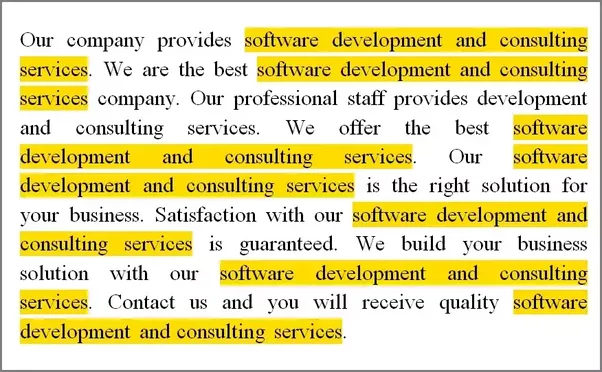
    3. Keyword Stuffing

    You probably know that targeting the right keywords on your website is critical to ranking in Google. And that’s 100% right – you shouldn’t stop doing that.

    But you should aim for about 2% to 5% exact keyword-phrase density (a 1,000-word article would have 20 to 50 exact matches). Not much lower and not much higher.

    You can also include some LSI keywords in your content to fill in the gaps…

    The reason you want to avoid going much higher than 5% with your exact keyword-phrase density is because doing so flags Google that you’re… well, basically trying too hard.

    And Google equates stuffing lots of exact-match keywords in your content to providing less value for your audience and trying to get some cheap rankings.

    Naturally, Google doesn’t like that and will do the opposite of ranking you well.

    Here’s the canonical truth from Papa Google

    “‘Keyword stuffing’ refers to the practice of loading a webpage with keywords or numbers in an attempt to manipulate a site’s ranking in Google search results. Often these keywords appear in a list or group, or out of context (not as natural prose). Filling pages with keywords or numbers results in a negative user experience, and can harm your site’s ranking. Focus on creating useful, information-rich content that uses keywords appropriately and in context.”

    And here’s an exaggerated example of keyword stuffing in action.

    (Image Source)


    Those are just a few of the common examples of black hat SEO practices – there are more. But you get the point. Anytimeyour try to manipulate your rankings in a way that Google explicitly forbids, you put your website in danger of getting penalized…

    What, though, are the penalties?

    That’s what we’re talking about next…

    What are the risks?

    1. Your SEO Authority Could Spontaneously Plummet

    The penalty to your website for using black hat SEO strategies varies depending on how many times you’ve been penalized and what you’re being penalized for.

    Naturally, the more serious the offense, the more serious the punishment.

    The best case scenario, though, is that your rankings spontaneously plummet.

    This usually means that you got found out and Google is taking actions to encourage you to stop.

    2. Google Could Ban your Website from Indexing Altogether

    This is the worst case scenario, but it happens – especially for repeat offenders.

    The more that you use black hat SEO practices, the more that you get caught, the worst punishment you’re going to receive. Eventually, your website and domain could get banned from Google’s indexing altogether.

    It won’t happen immediately, of course… but why take the risk?

    Especially since there’s a better way…

    Why you Should Focus on White Hat SEO Instead…

    Jokes aside, increasing your rankings with a legit SEO strategy (the opposite of black hat SEO) has absolutely no risk. Sure – it might take longer (6 to 12 months often) but you’re in this business for the long-haul, right? You’re not just here for a month or two, you’re here to stay.

    So take the time to invest in your website and your rankings the right way.

    To help, I discuss 4 time-saving, white-hat ways to build consistent backlinks to your website and increase your rankings the right way in this article

    And while you’re working to increase organic traffic and leads to your website the white-hat way, consider implementing a paid advertising strategy like we discuss in this article to fill your short-term pipeline.

    Finally, if you’re not a Carrot member, then consider signing up to start increasing your rankings today – we’ll provide you with a keyword-optimized website, SEO blog content (if you’re a Carrot Member and subscribe to the Content Tools add-on), and a whole slew of search engine optimization tools you won’t find anywhere else.

    And hit us with questions in the comments if you have any! I know this can be kind of confusing if it’s the first you’re hearing of it, so don’t be shy. :-)

  • How Many Backlinks Does it Take to Start Ranking Your Real Estate Website in Google?

    How Many Backlinks Does it Take to Start Ranking Your Real Estate Website in Google?

    You’re working to build backlinks to your real estate website…

    But after a few successes, you’re still not seeing an impact. You’re starting to wonder, “How many backlinks does it take to rank my real estate website in Google?”

    After all, you’re busy building a business and you don’t have loads of time to guest blog for backlinks. You have better, more important things to do.

    Still, it would be nice to outrank your competition on page 1 with some well-placed backlinks.

    That’d mean passive traffic, high-quality leads, and less work/money to generate results.

    Problem is, the way you’re building backlinks isn’t all that efficient and you’re not seeing the light at the end of the tunnel – which makes you wonder, “Will this ever work?”

    That’s why I’m going to give you a general idea for how many backlinks you’ll need to start outranking your competition and then I’ll show you some quick, easy ways to build backlinks.

    Let’s get started.

    How Many Backlinks do you Need to Outrank your Competition?

    While I’d love to answer that question with a specific number of backlinks… I can’t.

    The answer depends on how many backlinks your competitors are building, your existing domain authority, your competitor’s domain authority, your overall SEO strategy, the quality of the backlinks you build, and a whole slew of other factors.

    Having said that, though, there are a few things you should know about SEO in general when trying to increase your rankings with backlinks.

    First off, the higher your current domain authority, the more difficult it is to increase your SEO power.

    (Image Source)

    The same goes for where you’re currently ranking for your target keyword phrase.

    (Image Source)

    This just means that the more SEO authority you have, the harder it is to increase that authority with backlinks.

    In the beginning, one or two high-quality backlinks might increase your domain authority and rankings significantly. As your website becomes more established, though, the competition gets increasingly fierce.

    Of course, that also depends on how competitive your market is.

    A friend and I put up a Carrot real estate investor website in Klamath Falls, Oregon – a low-competition market – and in just a week, the website was ranking 6th on the first page without us doing anything.

    Since you’re reading this, I’m going to assume that didn’t happen in your market.

    Which means you’ll need to put some energy into building quality backlinks. But here’s the thing…

    Not All Backlinks are Created Equal

    Some backlinks are more powerful than others. And these are the factors that determine how impactful any given backlink is on your rankings.

    Anchor Text

    Anchor text is the hyperlinked words that a backlink sits upon.

    (Image Source)

    Why is that important?

    Because Google factors in anchor text when determining what the linked-to page is about and in determining how relevant your page is to the phrase you’re trying to rank for.

    For instance, a backlink with anchor text that says, “Sell your home fast” would have a more positive impact on your rankings than anchor text that says “the market is healthy right now” or something else vague and irrelevant to your target keyword phrase.

    When building backlinks, try to get anchor text that is relevant to the keyword phrase you’re trying to rank for.

    Domain Authority

    The domain authority and page authority of the page where you receive a backlink from helps determine how impactful that backlink is on your own domain authority.

    The higher the domain authority of the website you received a backlink from, the bigger impact it’ll have your website.

    What is domain authority?

    It’s the general score (1-100) of how much authority a domain or page has in Google’s search engine. You can check the domain or page authority of any website here: https://www.seoreviewtools.com/website-authority-checker/

    This is Carrot’s domain authority, for instance.

    This is a good way to gauge how much impact each backlink is having. After you receive a new backlink, check to see how much impact that backlink had on your domain authority. Just make sure that Google has re-indexed your website, otherwise, the impact won’t show up when you check.

    To request priority indexing from Google, go here.

    Relevance

    It’s not just anchor text and domain authority that determine the quality of a backlink, it’s also the relevance.

    If you get a backlink from a website that talks about how to conquer the emotional struggle of divorce, that backlink wouldn’t have as much positive effect on your target keyword rankings as one from a real estate website.

    Ideally, the backlinks you build will be from websites relevant to real estate.

    I’m not saying you should reject a backlink opportunity from an irrelevant website – those could still drive traffic and help diversify your backlink portfolio.

    But I am saying that you should actively work for relevant backlinks instead of irrelevant ones. That will provide a higher impact on the links you build.

    How to Build More High-quality Backlinks in Less Time…

    You do need to build backlinks. But the number that you need to build greatly depends on how competitive your market is online.

    So don’t ask, “How many backlinks do I need until I outrank the competition?”

    You need backlinks to help your SEO and the more high-quality links you build, the better.

    Ask, “How can I build good backlinks quickly and with less effort?”

    Here’s how.

    1. HARO

    HARO (which stands for Help A Reporter Out) is a great way to build backlinks and market authority all at the same time. Journalists sign up for HARO to get quotes and expert contributions from market experts. And you can sign up for HARO (for free) to become a source of expertise for those journalists.

    Often times, if they choose to quote you, they’ll also give you a backlink.

    Heck, you could even outsource this to a VA if you want.


    How to Use HARO to Get Backlinks


    2. #JournoRequest

    The hashtag #JournoRequest is another direct line to journalists who’re writing online articles, seeking expert contributions.

    By searching the hashtag on Twitter, your page will populate with lots of different online writers who’re looking for specific types of contributions. Most of the time, they’ll have no problem providing a backlink in return.

    Again, this is so simple that you could pay a VA to scour Twitter for you and look for backlink building contribution opportunities. You’ll just have to provide them with expert quotes when they find one.

    3. Podcast Pitching

    An oft-forgotten and easy way to build relevant backlinks is by being a guest on real estate podcasts. Many podcast hosts today record their episodes digitally over a video call, so you don’t need to worry about traveling.

    And the easiest way to find these podcasts is by Googling something like “real estate investing podcasts” or “small-business entrepreneurship podcast.”

    Remember, the smaller the podcast, the easier it will be get accepted as a guest. The more prestigious the podcast, the more difficult it’ll be.

    Then, find an email on their website or a “Contact Us” form and use this template to pitch your idea (or have a VA do it for you).


    Subject: Quick idea…

    Hey [name of person or business]!

    My name is [name] and I’m a real estate [investor/agent] in [location]. My business has [build credibility with revenue numbers, media mentions, or a testimonial from a past customer]. And I’d LOVE to be a guest on your podcast to discuss [pitch a relevant topic you’d be comfortable discussing].

    What do you think? Is that something we could set up?

    Let me know! I’d be happy to get it on the calendar. :-)

    Cheers,

    [Name]


    4. Testimonial Offers

    One final way to build your backlink portfolio in very little time (but with a big impact) is to offer testimonials for online businesses where you’re a customer.

    All online businesses are looking for testimonials from their customers. And most of them won’t bat an eyelid at your request for a backlink in return.

    Just make a list of all the online tools you use and love. Then send those businesses an email with your testimonial, asking for a backlink in return. Here’s your swipe-able template for that.


    Subject: I LOVE your company…

    Hey [name of business or person you’re pitching]!

    My name is [name] and I’m a real estate [investor/agent] in [location]. I’ve been using your service for [length of time] and it’s completely changed the way that I do business. I love it so much that I wanted to send over a testimonial that you can use if you feel so inclined. :-)

    “[Testimonial].”

    I hope you can use that testimonial to encourage others to use your [service/tool/product]. It’s been absolutely amazing.

    Thanks for building something so genuinely helpful.

    And if you do decide to use the testimonial, it would be awesome if you’d include a link to [your website] when quoting me.

    Either way, keep up the good work. :-)

    Cheers,

    [name]


    Conclusion

    So, how many backlinks does it take to start ranking your real estate website on Google?

    The honest but terrible answer is…

    It depends.

    Fortunately, building backlinks do help your rankings. The trick is to build as many high-quality backlinks as you can and watch how those links improve your rankings. And with the time-saving (even outsource-able) strategies above, you can increase your domain authority without guest blogging.

    So go get started. And don’t stop until you’ve beaten the competition.


    Not a Carrot member? Climb through the rankings faster with less work by signing up today!


  • SEO vs PPC For Real Estate Investors – Which Is Best? [Infographic]

    SEO vs PPC For Real Estate Investors – Which Is Best? [Infographic]

    The age-old question for real estate investors and agents… SEO or PPC for real estate investing leads?

    Which one do I start first, and which is right for me? Well, we whipped up a handy infographic to walk you through some of the most important things to consider when looking at SEO or PPC to help attract leads online for motivated house sellers, rent-to-own tenants, buyers, and any other type of lead.

    At first glance, you may be thinking…

    “But both SEO and PPC are basically going after the same people searching the same phrases… shouldn’t I just do both?”

    Choosing how to drive traffic to your real estate investing website and how to ramp things up is a pretty darn important decision. Yes, both are ways to get you in front of the motivated house sellers, cash buyers, tenants, rent-to-own tenants, note sellers… yadda yadda yadda… but both are fundamentally different, and they each have massive pros and cons that you should consider.

    For instance, as you’ll see below, the amount of time and money you have to invest in your online marketing will dictate whether SEO or PPC is best for you right now.

    One gets leads more quickly but requires a money budget to launch. In contrast, the other one takes longer to get results but can yield the highest ROI (return on investment) of any online marketing strategy we use.

    Learn more about the differences between SEO and PPC marketing as a real estate investor in the infographic below, and if you enjoy it, share it online!
    SEO vs PPC For Real Estate Investors

    seo vs ppc for real estate investing leads carrot

    Share This “SEO vs. PPC” Infographic


    Let’s Sum It Up For You…

    When looking at SEO and PPC to attract real estate investing leads like motivated sellers, cash buyers, tenant-buyers, etc., here are a few things to consider.

    How SEO Can Help You As A Real Estate Investor Or Agent

    Any solid SEO strategy aims to get your real estate investor site to show up at the top of search engine results pages. And, even more importantly, in the top spots of Google, specifically. If you aren’t one of the sites that are on top, you won’t be getting the sort of traffic you need.

    SEO can also build trust in the eyes of the potential lead. Search trends have shown that 85% of clicks go to organic SEO.

    The #1 lead generation source was “Organic Search,” a month-over-month occurrence. In a snapshot, Organic leads accounted for 36.4% of all leads. For reference, PPC accounted for 12.3%.

    Organic Search Leads Accounted for 10,547 leads from the 28,947 Carrot Members obtained in July 2018
    Organic Search Leads Accounted for 36.4% of All Carrot Member Leads in July 2018

    SEO is about building authority, demonstrating relevance, and matching your site to the right search keywords. It can be a long-term process, but one that is essential to your website’s performance. Once you have the building blocks to achieve high rankings in search engines, the sky’s the limit!

    SEO (Organic) Search Engine Results

    organic search results

    Benefits of SEO and Evergreen Marketing

    1. It’s free if you do it yourself

    A clear SEO benefit is that it’s free to do. Unlike PPC, you don’t have to pay for it. You just need to invest time in implementing the best practices across your site.

    But with that comes a whole checklist of ‘best practices, including making sure its search engine spider is accessible, responsive, has unique content, targeted keywords, and optimized metadata – just to name a few.

    Need a little guidance? Check Out: A beginners guide to SEO for real estate investors.

    2. It’s more likely to drive more consistent traffic in the long run (if you implement a solid SEO plan)

    That’s because people tend to be more attracted to SEO (organic) results because they trust them much more than a paid sponsored link.

    3. It will drive better ROI long-term

    The great thing about SEO is that once you’ve implemented the best practices onto your site, the only way is up. Make your way to the top, your brand is automatically perceived as reputable, and your ROI will continue to rise. In the long run, your investment and work into building those rankings go down as your traffic climbs… meaning a lower cost per lead.

    4. Not just for blog posts… try it on your YouTube videos for faster results

    YouTube is the second largest search engine in the world. Grab a little bit more of the search engine results page via video. Video is big now, and YouTube is hugely important to search results. Optimize your YouTube videos and descriptions with keywords that search engines like.

    First Page of Search Engine Results for We Buy Houses Pittsburgh

    first-page-search-engine-results-for-we-buy-houses-pittsburgh

    How PPC Marketing Can Help You As A Real Estate Investor Or Agent

    If you want the potential for immediate results or your website is in the process of ranking high but just isn’t there yet. PPC might be the way to go. If you have the budget, it’s possible to get an ad in the top four spots on the search results page reasonably quickly, but it might cost you.

    But…utilizing effective PPC techniques such as long-tail keywords and location targeting, you can build highly targeted campaigns. So, you can place ads in front of the right searcher at the right time.

    Overall, you must make sure you take the time to develop a strong PPC marketing strategy.

    PPC Benefits

    1. It offers instant results

    The most significant benefit to PPC is that you don’t have to wait around for that traffic to come. Set up an Adwords campaign, and you’ll start to see the results instantly – which is particularly helpful for investors just starting up.

    Here are 20 tips to get your Google Ads PPC marketing up and running.

    2. It’s highly targeted

    PPC offers the edge on conversions, with paid results more likely to convert. The great thing about PPC is that it is highly targeted to the customer, whereas organic traffic can be slightly unpredictable.

    Although you need to bid on keywords, Google also uses a quality score metric to decide how relevant your ad is to that user. So, you can be sure that when a person clicks on your ad, they will genuinely be interested in what you’re selling.

    3. It’s protected from the “intimidating” algorithm updates

    There’s nothing more frustrating for an SEO marketer than an algorithm update. The good news is that PPC is protected from algorithm updates, so you’ll still continue to see traffic heading to your site no matter what changes are made.

    Actual Stats On A Motivated Seller PPC Campaign
    motivated seller adwords account


    You Don’t Have To Decide On One Or The Other. Leverage Both SEO and PPC Together For Even Greater Results

    We usually start SEO and PPC in conjunction with each other. We start a PPC campaign to get leads in the short term and SEO to build up over the long term. You can amplify your overall results by using SEO and PPC together.

    Generate more exposure – An obvious benefit of combining SEO and PPC efforts is added visibility on the search engine results pages (SERPs). Dominating the SEO search results will significantly increase traffic and give the impression that you’re an established presence in the real estate investor market.

    Increase intent keywords – Simultaneously running SEO and PPC campaigns allows you to double the keyword data to analyze. Determine which SEO and PPC keywords have the highest conversion rates and use that information to optimize your strategy.

    Use high-performing ad copy and SEO content – If it works for PPC, it also often works for SEO. By determining which PPC ads result in the most lead conversions, you’ll know how to create title tags, meta descriptions, and page content for the real estate investor blog posts you write. The benefit is allowing you to potentially rank higher in organic search results. Using PPC, you’ll also quickly know what works and doesn’t. While completely testing titles and meta tags, strictly organic, can take a long time.

    Test keywords utilizing PPC before committing to SEO content – PPC ads are a great way to improve your SEO keyword strategy. As your long-term SEO keyword strategy develops, test the conversion rate of the keywords you want to rank for with PPC ads. You’ll get immediate feedback on the effectiveness of the SEO keywords you’re after and can tailor your investment strategy.

    Share This Infographic With Others And Get To Work!

    Driving traffic to a high-converting lead generation website is important. You can achieve high ROI using SEO, PPC, or in combination. This is why you might need to work with a search marketing team. If you need help, get in touch with us today. We can take on SEO and/or PPC marketing for you.

    If you’re already a Carrot Member, join us on the weekly Coaching Calls when we cover a wide range of strategy topics, including SEO and PPC.

    Not a Carrot Member yet? Take a demo of our online marketing software for real estate professionals. Be sure to hit us up with questions!

  • Why You’re Not Getting Motivated Seller Leads Through Your Real Estate Investing Website and What To Do About It

    Why You’re Not Getting Motivated Seller Leads Through Your Real Estate Investing Website and What To Do About It

    If you’re not getting many motivated seller leads to your real estate investing website, it’s for one of two reasons. Here, we’ll help you diagnose your “no leads” issue…

    This post is going to help YOU break down the patterns that lead to success in real estate investment — with a special focus on online lead generation.
     

    We’ve focused on what investors are doing right, so it only seemed fair to focus on what’s going wrong.

    A few times a week the same thing happens, we get emails from non-Carrot members that look something like this:

    “Help! I’m not getting many motivated house seller leads from my website and I don’t know why!”

    It always stinks to hear that, but the good news is that most real estate investing websites struggle to generate leads for a few basic reasons.

    So let’s dive in to get to the crux of the problem.

    Getting leads online really equates to only two simple things. Traffic and Conversion. But before you get started, take a few minutes and watch…

    4 Reasons Why You're Not Getting Real Estate Leads Online and How To Fix It

    It All Comes Down To Traffic and Conversion

    1. Traffic – Are you getting traffic to your website? (ranking well for keywords that actually get enough searches to matter?)
    2. Conversion – Does your website convert enough of those visitors to leads?

    So, when someone emails in and asks for advice to get leads… it always comes down to those two things.

    Traffic and conversion.

    This post is mainly about the Traffic part since we already know the Carrot system converts (Conversion Examples: Here , Here , and Here ). 

    So first we look at the traffic… because if there isn’t any traffic going to your website… conversion doesn’t matter.

    If your website is converting motivated seller leads at 15% (15 of every 100 visitors sends you their info, which is solid)… and you’re only getting 25 people to your website each month… that’s only about 4 leads per month.

    Not much to build a business off of right?

    So… here’s what we do.

    We start problem-solving by asking the same questions. If you’re banking on SEO is a part of your traffic generation strategy… we’ll ask you this question first:

    How much search volume is happening in your market?

    In simple terms… are there enough people in the areas you’re targeting searching for the keywords in Google that your pages are ranking for?

    Unfortunately, most of the time we get a “huh?” in response.

    Then we explain:

    Even if you’re ranking at the top of a search, no one is going to click your link if no one is searching.

    Then a lot of times we’ll dive in and do a little bit of research, only to discover what we already know… that there’s little to no search volume in their market for the keywords they’re ranking for.

    It’s like putting a great billboard on a dark back alley street that no one sees.

    But put that same awesome billboard on a busy street… then it produces GREAT results.

    [cta offer=”seobible color=”blue”]

    Here are Some Examples For You

    For a quick illustration of what I’m talking about, let’s look at some US cities and check out the search volume (using the keyword planner tool in Google’s Adwords) for a common search term in each market, “we buy houses [insert your city]”.

    This term tends to be a popular search phrase across most cities in the US so it’s usually a great barometer in any market for the volume of “highly motivated sellers” in that market:


    The Good – Below are numbers for average monthly searches for those terms in Google.  You can note that some cities get MANY more searches than others… showing the potential SEO demand for that keyword.

    Our barometer is anything over 30 per month is worth making a page for on your website with our SEO Grader tool to help you rank for that term.

    we buy houses search term monthly searches

     The Bad – Below are numbers in a few cities we grabbed out of thin air. One of the cities below is a city that a client of ours is ranked well for but emailed us saying he hadn’t been getting leads to his website.

    Why? “we buy houses fair oaks” isn’t getting much search action. The Fair Oaks market may not be a great
    city to focus on for all of your online lead generation efforts.

    we buy houses search terms

    Now, it’s important to realize a couple of things about that data:

    1. Each of those is the average number of monthly searches over the last 12 months. It’s really common to see big spikes in search volume one month, followed by a major drop in traffic in the next if an economic event happened in that city causing more motivated sellers (a huge job layoff in the city, etc.).
    2. Notice that the most populated city has the least amount of searches: In this example, Philly was searched 24x more often than NYC, although it has only 18% of the population.

    Searches like these are often motivated by external factors

    We originally wrote this post in 2014 when we did a Google search for “Philadelphia layoffs,” and at that time there were almost 4,000 teachers were laid off in June of 2013. The point is, when lots of people lose their jobs at once, it’s easy to imagine panicked sales taking place if folks can’t pay their bills.

    These searches for the “we buy houses [insert your city]” and “sell my house fast [insert your city]” terms happen when people need fast answers (and you want to be in front of them when they search for those fast answers, like our client David Brown has been able to do). 

    Check out David’s “Getting More Motivated Seller Leads Online” Case Study.

    Getting Real Estate Investing Leads Online - InvestorCarrot Case Study David Brown

    They’ll often do a quick search, and if they find what they’re looking for, they’ll put in their information into a form and become a “lead”. If they don’t see what they want, they’ll keep moving until they find it.

    But if SEO is your main marketing strategy, you won’t get any leads if there aren’t many searches for the specific phrases you’re ranking for.

    Search Engine Optimization for Real Estate Investors Only Works When Enough People Are Searching The Phrases You’re Ranking For

    Too many SEO services out there just focus on getting you rankings… because rankings are sexy right?

    But those rankings don’t matter much if they’re for terms that only a handful of people are searching each month.

    So what happens if you’re in one of those markets that aren’t getting many searches for the popular terms like “we buy houses [your city]” or “sell house fast [your city]”?

    Does This Mean That You Should Abandon SEO When Searches Are Low?

    Not at all!

    In fact, it’s a really good time to build your business and get creative.

    Remember, SEO is a long-term strategy. It’s not a short-term one.

    And if you’re really wanting to generate consistent leads and dominate your local market online… you can still do that!


    I just closed a deal from you guys, it was all because of your site and the credibility built in and all that. Going to be a really profitable deal, and I’m going to reinvest that going forward. You guys rock and I love the sites and everything you all do! – Joseph Sauter, Quick Cash Sale For You


    While yes, there are some markets where there just aren’t a lot of motivated sellers searching online… but it doesn’t mean the sellers aren’t out there searching.

    You just need to broaden out your keywords that you focus on your website so rather than banking all of your traffic on just the “we buy houses ” or “sell house fast ” keywords… add in others.

    Not Getting SEO Leads? Here’s Your Plan Of Action…

    Create some pages on your motivated seller website for “Focus Keywords” (use our SEO Grader tool to help you optimize these pages for those phrases very easily) like… 

    • sell your house fast [insert city]
    • how to sell house fast in [insert city]
    • how can I sell my house fast [insert city]
    • sell my house for cash [insert city]
    • how to rent your house in [insert city]     (many people who need to sell, just quit and settle for renting. Write an article on your blog!)
    • tips on selling your [insert city] house

    … you get the idea.

    If rather than trying to bank your lead generation on 1 term that only gets 30 searches a month… why not create some more pages on your website (InvestorCarrot makes that crazy easy) that are focused on other keywords ALSO in your market… so you have 15 pages ranking for search phrases that get 30 searches a month each.

    Make sense?

    If NOT, hit us with questions below and we’ll dive in and clarify for you… we’ll even get specific and help you figure it out for your own market through the comments section below.

    Even if you’re in an area that doesn’t currently get a lot of search data… it’s worth it to rank well there.

    When something happens in your market (like layoffs) that create a lot of demand for fast, cash buyers, you want to be first in line to capture those leads. Working on SEO now is critical to rank high when searches do pick up.

    If you’re like most investors you’re deeply focused on your local market and what’s happening today. You’re only working to make deals happen soon, not years or months down the road.

    That might be a mistake.

    Too many investors are only thinking about short-term results… even though the best investment advice is always focused on long-term wealth-building, not scattered attempts to get rich fast.

    If you’ve got the bigger picture in mind, there are a few ways you can grow your business:

    1. Get inventory in other ways. Go old-school and start knocking on doors. Network. Partner up with companies who provide services to homeowners under financial distress. Put up signs. Advertise – good pay-per-click can be really helpful to capture the few searches that do exist. Since the leads are fewer, you’ll have to pay more to get them. That’s supply and demand.
    2. Focus on growing a different list. If you’ve been trying to capture seller leads, shift your focus to building a list of cash buyers. Ditto on rent-to-own tenants. When inventory is tight there are lots of people looking for deals, so set up another site to grab those leads. If you hustle, you can find ways to profit from those lists, even when inventory is low.
    3. Branch out to surrounding markets too. Too often people get stuck thinking that they need to work where they are, instead of going to find the place where they can add the most value. Start with other cities around you and see if there is more search volume in those cities.  I know investors who have switched their focus away from the major metro areas and are focusing on smaller, blue-collar areas where there’s less competition from other investors. Once you’re really good at building lists, generating leads and doing deals, you don’t have to be geographically limited at all. With the right local partners, you can work anywhere.
    4. Adjust your strategy. Too many investors and entrepreneurs get stuck on a particular path, and they lose their perspective on the big picture. They forget that they are subject to the whims of the market and that the market is entirely outside of their control. When there’s not a high rate of foreclosures, wholesaling and flipping get tougher. More competition + fewer deals = Lower profit margins.

    Does that mean that wholesaling and flipping are bad strategies?

    No, not at all – just that you’ve gotta pay attention to the conditions in your local market without forgetting the bigger picture.

    Know Your Market And The Trends (Or we’ll help keep you up to date :-)

    To illustrate, let’s do a quick Google Trends search in the US for “we buy houses” just to see how the graph moves around:

    we buy houses google trends

    As you can see, there were a lot more folks searching for “we buy houses” back in the fall.

    Overall in the US economy, we seem to be exiting a period of high fluctuation and returning to a slow, stable growth pattern.

    And while trends in our market change… so do the things that sellers and cash buyers type into Google.

    Just do your research (or follow us here on this blog and we’ll do it for you) and adapt on your website to focus on the keywords your market is typing into Google.

    For now… 

    • “we buy houses” and “sell house fast” (and related terms) are still some of the most popular for the ultra-motivated sellers
    • “investment properties in ” is a search term growing in popularity right now big time (GROW THAT BUYERS LIST!)

    If your market doesn’t have many searches for those terms… consider going after other keyword terms like the ones I mentioned in this article… OR, branch out into other surrounding cities to capture search rankings in those ones too so you can do deals there too to increase your lead flow.

    Sound like a plan?

    Hit us with your questions about your market below… or questions about how to take this knowledge and use it on your own websites to get more traffic and leads this year.

    Don’t Have Time To Focus On SEO But See The Value?

    Think about this. If you’re investing in markets that get at least 30 searches a month for “we buy houses [insert your city]”… and don’t have the time or energy to focus on worrying about the SEO yourself… we can help.

    If you’re interested in a long-term SEO strategy for your business, you should check out our SEO services… we’ll let you know if your local market has the search volume to make SEO worth the investment based on what we uncover.

    Don’t have a website or want a system that works great to generate traffic and convert the leads?

    Additional SEO for Real Estate Resources

  • How to Use HARO to Get Backlinks

    How to Use HARO to Get Backlinks

    How to Use HARO to Build Consistent Backlinks

    If you’ve ever run a successful SEO campaign before, you’ll know that building high-quality backlinks to your site is critical. If you want to win organic search traffic via SEO, you need to be sure that all 3 pillars of your campaign—technical SEO, content marketing, and backlinks—are executed on correctly.

    It’s easy to use an off the shelf platform like Carrot to ensure your site is technically sound, and it’s relatively simple to write and publish high value content to your site. The biggest challenge most people have involves link building.

    While many methods are highly complex, and others feel uncomfortable or unethical, one stands out as a clear winner.

    You can earn backlinks from some of the highest authority websites without having to write long articles, building an extensive network of industry influencers, or speaking on endless numbers of podcasts.

    In my experience, this single strategy wins out against the rest, bringing the highest ROI of all link building methods, landing links in key media outlets and major publications such as Forbes, New York Times, Wall Street Journal and Yahoo Finance.

    In this article, I’ll explain the HARO link building process, and how you can use HARO for your real estate SEO campaign.


    Introduction to Help a Reporter Out

    Help A Reporter Out, or HARO for short, is a simple platform that connects journalists and content producers that with expert sources, to give their content more credibility, and deeper insights.

    Every day, hundreds of HARO queries are sent out from journalists, asking experts to provide input into their content. Most of this input is in the form of a quote, but it can also involve TV or radio interviews as well.

    Help a Reporter Out (HARO) was founded by Peter Shankman as a service for journalists to connect with people who could be relevant sources for their reporting. HARO was later acquired and is currently part of Connectively. In 2024, Peter Shankman launched Source of Sources, based on the original HARO model. Qwoted is another popular tool for connecting journalists with subject matter experts. You can follow the guidance below to connect with journalists via the platform of your choice.

    Why You Should Use HARO for Link Building

    Building links with HARO outreach involves finding journalists looking for relevant sources for their articles. Unlike other forms of outreach (like guest posting), these journalists need a source, and they want to hear from you.

    In exchange for your valuable quote, they will credit you, typically with a dofollow or nofollow backlink to your site.

    Yes, that’s right. SEOs like yourself can use HARO pitches to secure backlinks from websites with tons of link equity, for free!

    Your quotes are often syndicated in other publications across the internet, shared on social media, and included in other related press mentions, all of which can boost the power of your links further.

    It also helps with improved brand visibility as both your personal and business name become cited sources. This adds trust when potential clients or sellers look to find an agent, agency or investor to work with.

    The end result is, you get hard-to-get links from credible news sources, bringing traffic from the journalist’s article, a high-quality backlink to your website, better search engine rankings to your content, and most importantly, more leads for your business.

    Other Benefits of Using Help a Reporter Out

    As I mentioned above, backlinks are just one of the many benefits. Many people think of this practise as “HARO SEO”, but the benefits really don’t end there.

    While I’ve had my fair share of success through SEO, I’ll be the first to admit that the industry can have a limited view of things at times.

    Many of the articles you’ll be mentioned in includes multiple experts from your industry, meaning you get to “rub elbows” with respected experts from the property, or finance industry.

    This gives the added benefits of:

    • boosting your personal credibility,
    • improving your brand’s reputation,
    • getting exposure your LinkedIn or X profile,
    • giving you an icebreaker to introduce yourself to experts in your field…
      • “Hey Brian, I noticed we were both quoted in this article. I like what you had to say about the impact of rising interest rates. Want to hop on a call to talk this over at some point?”
    • developing another traffic source for your website—referrals—clicks from people that read the article you’re mentioned in, who later click through to your site

    How To Register With HARO

    Getting your first backlink starts by dropping what you’re doing right now and jumping over to HARO. Select “I’m a Source.”

    Registering as a source with HARO

    Scroll down and click the “Subscribe Now” button.

    Subscribe now to your HARO link building campaign

    Once you fill out the form with your company’s information, you’ll be registered to receive three emails a day with a list of authors looking for contributions to their articles. It’s that easy!

    How To Get Your First Backlink With HARO

    Great! You’re getting the daily HARO emails, but what now?

    To begin with, you need to start filtering. You’re going to get a lot of queries that simply aren’t a good fit for your business, or your own personal experiences.

    Focus on Relevancy

    The trick is to focus on topics that directly relate to your area of expertise, like real estate, mortgages, investing, personal finance, or possibly something relating to your personal business experience.

    By focusing on opportunities that request real estate agents, you have an unfair advantage against those who do not have this experience.

    This narrowed focus will give you the highest chance of being published and receiving a backlink.

    Below is an example of the kind of pitch requests you should look for. After checking out the website, you’d see that it is a credible site for homeowners and potential home buyers that is run by a mortgage brokerage.

    This means that the site has content that would be relevant to your brand and website. The requirements for the person making a pitch is that they are a real estate professional–a perfect match for your situation.

    Example Help a Reporter Out Query Request

    Sample HARO Query

    Researching the Query

    You may well have the knowledge to write a response immediately, but in many cases you might need to get some supporting info first.

    Even if you can answer the query based on your past knowledge, there’s still some other info that you need.

    Consider:

    • who is the target audience of this content?
    • what sort of article does the journalist typically write?
    • what sort of style and tone does this publication like to publish?
    • what length of response do these types of queries typically require?

    Just because you’re a subject matter expert, doesn’t mean you’ll automatically be included. If you want to earn HARO links, the best way to succeed is by giving the journalist exactly what they want–a “copy/paste” response.

    Write a Valuable, but Readable Pitch

    Once you have your shortlist of queries and your research completed, it’s time to write your pitch for each query.

    Reporters receive hundreds of responses to each query that they send out, and often they have multiple articles on the go. That’s a lot of emails, and every response will be judged swiftly.

    Make sure your response stands out!

    A quick, catchy title is a great way to make your pitch stand out in the author’s inbox.

    Delete key on keyboard

    Take the time to write concisely, using easy to read language and proper grammar—this will show respect for their time (and avoid confusion).

    When putting together your pitch, make sure that it is short and to the point. These authors receive a ton of pitches and don’t have the time to read through every one. They’re typically looking for short, bite-sized pieces of information that they can quote in the form of a paragraph.

    Get Personal

    Remember, you’re a human, and the journalist is as well. Don’t just copy and paste in the same response to similar queries, be sure to tailor your pitch to their needs.

    Where possible, speak from a past experience that you had, and if relevant, speak to one of your qualifications, or achievements. The more of an expert you are, the more like you are to be mentioned.

    If they ask for responses under 100 words, give it to them! Similarly, don’t make it hard for them to credit you! Usually that means making sure your personal name, title/role within your company, company name, URL and any social media profiles are listed in your email.

    In your pitch, make it as easy for the author to give you a backlink. In your signature, include a bio, a link to your website, a link to your logo, and a link to your headshot.

    Be aware that HARO removes any email attachments like logos or headshot must be included as a downloadable link.

    How To Get the Best Results From HARO

    In order to truly contribute to the growth of your business, your efforts on media platforms like HARO can’t be a one-time thing. And if you’re going to sustain this effort month in month out, you’ll want to see results.

    In addition to everything I’ve listed above, you’ll also want to:

    • Respond quickly: many reporters have tight deadlines. If you can give them the answer they need quickly, you’ll get featured. But even if they do have a few extra days, remember that they’ll receive hundreds, or even thousands of responses. You don’t want to be on the bottom of the list.
    • Provide evidence: if you’re referencing a specific statistic or trend, try to reference the data, survey or report in your response via a link. This shows that you’re not making it up but you’ve actually done the research to back up your claims, which is hugely beneficial to the journalist’s work.
    • Use a spell checker: it goes without saying that your response should be error free. Simple tools like Grammarly can help with both grammar and spelling issues. While most queries will come from USA, from time to time journalists will be seeking comments for Australian, British, or Canadian publications as well, so you’ll want to check your responses against their local spelling as well.

    How Will I Know When My Pitch is Used?

    Some authors are kind enough to notify you when the article has been published, but most publish and then quickly move on to the next article.

    It’s worth seting up Google Alerts to track whenever your name or your brand name has been mentioned.

    If you have the budget, then there are additional paid services like Ahrefs Alerts and Brand Mentions that also monitor publications for mentions of your brand.

    A Real World Case Study

    There’s a lot of smoke and mirrors among marketers, so I encourage you to take guidance from people that actually walk the walk.

    Organic search traffic from Google, or “SEO” has been a key traffic source for each of my businesses to date, as well as my personal website. Below you can see different HARO backlinks highlighted in red.

    jaserodley.com's HARO backlinks

    These are some seriously high-authority links that are difficult to get using any other method.

    Through “domain authority” and “domain rating” aren’t perfect metrics, they do give a good idea of the power that these links bring.

    When I, or my team work to earn these links we typically exclude any sites below DR40, unless it’s highly relevant to the business we’re representing. You can imagine the type of impact using HARO can have on your Google rankings, and organic traffic.

    Not only do you get high-quality links, but these are in-content, editorial links from real websites that get a heap of Google search traffic themselves—just what Google wants to see in your site’s backlink portfolio.

    Example HARO backlink

    How much work does this take?

    Like any link building strategy worth pursuing, building quality backlinks through HARO requires effort and consistency. This used to be an unspoken secret, where wins were easy, but it’s not the case anymore.

    It’s no surprise that I run an SEO agency, Dialed Labs, which runs HARO SEO campaigns for multiple clients month in, month out. Yes, we offer a link building service, but given the nature of this strategy, it’s more of an online PR campaign.

    It’s amazing where some of these responses end up sometimes (even in printed newspapers or magazines)!

    The sheer volume that we deal with allows us to collect a large amount of data on this strategy.

    In a typical year we’ll help send around 20,000 responses on behalf of our clients through media platforms such as:

    • Featured
    • HaB2BW
    • HARO
    • Profnet
    • SourceBottle

    Based on our latest data, we expect to convert 14.27% of these responses into published links. That is, 2,854 links.

    14.27% might sound like a low success rate, but it’s actually typical among even the best HARO link building service providers.

    If you’ve been using SEO for some time, you’ve probably discovered the value (or cost) of a high authority backlink that also brings referral traffic.

    I genuinely believe this is one of the best value methods of link building for one of the highest ROI forms of digital marketing (SEO).

    Let’s Recap!

    If you want the greatest success through this method:

    • Respond quickly: Those that respond within the first hour have the best chance at being used as a source.
    • Build your credibility: If you have a special certification, degree, or license that makes you stand out among your peers make sure you put it in your bio. This additional credibility could be the deciding factor of whether or not a reporter decides to use your pitch.
    • Be creative: Think outside the box. Reporters are looking for pitches that make their content stand out.
    • Use a catchy title: Don’t just use a generic subject line like “HARO Response” when sending in your pitch. Make yourself stand out in their inbox with a subject line they can’t help but click on.
    • Be patient: It can take weeks or even months for an article to be published.
    • Don’t give up: Just because you haven’t heard a response doesn’t mean that your pitches are being ignored. Most authors don’t reach out until the article has been published, which can take weeks or even months.

    Now get out there and give it a go—and good luck on the backlink battlefield.