Category: Entrepreneurship

  • EP 97: How to Gain Influence Through Generosity w/ The Go-Giver, Bob Burg

    EP 97: How to Gain Influence Through Generosity w/ The Go-Giver, Bob Burg

    How to Gain Influence Through Generosity w/ The Go-Giver, Bob Burg

    Listen to the CarrotCast Podcast and Subscribe Below!

    Nobody’s going to buy from you because you have a quota to meet. They’re not going to buy from you because you need money. And, they’re not going to buy from you because you’re a really nice person… They’re going to buy from you only because they believe they will be better off by doing so than not doing so and that’s the only reason why anyone should do business with you. Bob Burg

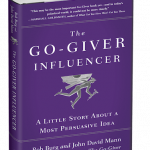
    If you go back to CarrotCast Episode 66, it was called My Struggles and Eight Success Lessons Learned, I talk about a book that I read that really changed my life during the early years, it’s called The Go-Giver. And The Go-Giver was a parable. It’s a book that really got my mind wrapped around how to actually go out there and live life the opposite way that most people do.

    And if you guys have not got the book The Go-Giver, go get it. Go to Amazon, and go get it. Or, you can wait for this call and actually listen to the author of The Go-Giver, Bob Burg. I had such an amazing chance to interview him, one of my favorite books of all time, it’s one of the simplest books ever but I’ve given away hundreds of copies of this book over the years to people because it’s such a simple concept but it’s so life-changing when you actually adopt it in your day-to-day.

    We’ve adopted it fully here at Carrot as a business. We’ve always lead with giving, we’ve always lead with value. We’ve always really lead with, how do we make sure our clients and our market and your audience are the ones winning?

    And when that happens, we’ll build trust, we’ll build so much value that will, in the end, win, also. So I’m really excited for you guys to listen to this episode of the CarrotCast with Go-Giver author Bob Burg.

    He’s going to be talking about their latest book, which is the Go-Giver Influencer. It’s another parable, but talks about how in this cluttered market, how in this cluttered world, with all of these messages, with all of these opinions, with all of these people who disagree on this and disagree on that, how can you be an influencer in a good way?

    He also gives away so many other amazing tips in this call.

    Also, I’m going to be giving you a chance to win one of 10 free copies of this book. Listen to this episode to learn how you can do it. But basically, spoiler alert, be one of the first ten when this podcast episode publishes in iTunes to go to the CarrotCast on iTunes and give a rating and review about this episode.

    We’re going to look at the date that it is and give a rating and review about this episode, or about the CarrotCast. Be honest. If it’s a one, let us know. If it’s a five, let us know.

    And then when we do, send an email to me at trevoroncarrot.com, and my assistant Jen will see, you’ve got to take a screenshot of your review, the day that you put it on there. It’s got to be after I publish this. The first 10 we’re going to mail out Bob Burg’s latest book, The Go-Giver Influencer.

    Without further ado, welcome on, Bob Burg.

    Listen to the CarrotCast Podcast


    [podcast-subscribe]


    [cta offer=”recontent” color=”red”]

    Listen to this episode of the CarrotCast with Bob Burg from the Go-Giver and start to lead with giving and value. Build your business and live a life of positive influence. Enjoy!

    1:50 – Why Bob thinks The Go-Giver has been so successful and why he thinks it’s not “Magic.” It’s actually building trust and adding value to people.
    4:50 – What was it in Bob’s and John’s lives that spurred The Go-Giver.
    9:25 – Learn about The 5th Law of Receptivity: Provide exceptional value and money will be the result.
    10:15 – What is the latest addition to The Go-Giver books, Go-Giver Influencer, all about.
    13:45 – What it takes to be an influential business.
    17:00 – What are some things that entrepreneurs can do to be better influencers.
    22:20 – Why President, Bill Clinton, is a great example of an influencer. What we can all do to make ourselves better people.

    LINKS & TOOLS FROM THIS EPISODE

    • Learn more about The Go-Giver: Website
    • The Go-Giver: Book

    FREE RESOURCES FOR YOU!

    Have you implemented The Go-Giver or something similar into your life? We want to hear your stories. Drop them in the comments section or hit us up on Facebook.


    [podcast-subscribe]

  • EP 95: How to Stay Ahead of Current Real Estate Market Cycles to Build Financial Freedom w/ Ramon Gonzalez

    EP 95: How to Stay Ahead of Current Real Estate Market Cycles to Build Financial Freedom w/ Ramon Gonzalez

    How to Stay Ahead of Current Real Estate Market Cycles to Build Financial Freedom w/ Ramon Gonzalez

    Listen to the CarrotCast Podcast and Subscribe Below!

    You know guys, that’s a two-edged sword. Everyone talks about debt with things go right, but I’ve been there with that when it doesn’t go right. It’s like right now people say oh you know what I just start off the loan and take a little piece. What for? 12% sounds pretty nice and I still get to go hang out with my daughter. I want more life. I don’t want more drama or more headaches. Ramon Gonzalez

    I talk to a lot of real estate investors and agents as you can imagine and one thing that pops up from time to time is people ask the question of, “Am I an investor?” A lot of people call themselves real estate investors when, in fact, they’re not putting any money into an asset to invest in, they’re usually on the arbitrage side of things, being the middleman, which there’s nothing wrong with. Being the middle person where you’ve got one person on one side that needs something, you’ve got one person on the other side that needs something, you’re in the middle to connect the two to make a profit from it. That’s an amazing business model. But are you an investor?

    One thing I want to toss out is the best real estate investors that I know, the best real estate entrepreneurs that I know, are the people who know market cycles really, really well. Can you read the market, engage what you should be doing at what point in the market to really maximize what you get out of your business, really maximize your income, your wealth, your revenue? Well, we’ve got a special guest on today, Ramon Gonzalez, one of our Carrot clients, and I’m insanely pumped to have him on this episode. We had a few audio issues at the start, the audio is a little bit muffled. You can hear amazingly well through it, so it clears up towards the end so don’t let that distract you.

    Ramon is an amazing, successful investor. He’s going to walk through his journey, he’s going to walk through how he’s gone through and really modeled the market cycles. You’re going to see the clear path from the time that he started in real estate back in 2004 or five, on what he did during that phase. Then, what he did in seven and eight. He took two years off and then what he did the next cycle and then what he’s doing right now and what you guys should start to look at too.

    There are way too many real estate entrepreneurs that are in this current market cycle that are doing the wrong thing. They’re either going to make you broke or you’re missing the massive opportunity that there is right now to build wealth. A lot of people are active and doing bunches of things but they’re doing the things that are not going to position them to build wealth. They’re about six, 10, 12, 14 months behind the real estate market cycles. Are you one of those people?

    Also, you’re going to hear his inspiring journey. We’re going to start to talk about mission, purpose, all those kinds of things, unique ability, really, really fun conversation with Ramon.

    If you’ve ever gotten any value out of the CarrotCast or out of this one specifically, take the two minutes, head over to the CarrotCast on iTunes and give us a quick rating. Let me know what you get out of this episode or what you’ve ever got out of any. I read every single one of them, it pumps me up. It’s why I continue to do this podcast, almost 100 episodes in. It’s a blast, I love reading those.

    Listen to the CarrotCast Podcast


    [podcast-subscribe]


    [cta offer=”recontent” color=”red”]

    Ramon is a highly successful investor. He’s going to walk through his journey, and how he’s gone through and really modeled the real estate market cycles. Enjoy!

    1:15 – Who is Ramon Gonzalez? His real estate investing strategy for massive success.
    8:20 – Knowing your real estate market cycles. Why it’s so important to not get locked into a strategy. What to look for when gauging what strategy you should be implementing during certain times.
    18:40 – Breaking down numbers. How many houses would Ramon need to have to create a passive $20k per month cash flow and how to calculate your own numbers?
    23:50 – Where and why Ramon feels like his next market shift will be. Find what will bring in your max upside while keeping a minimal downside.
    29:45 – Planting seeds with people who you want to build relationships with. Changing mindsets to drive positivity.
    35:35 – How to discover your unique abilities and to implement them into your daily life.
    43:05 – What gets Ramon fired up and why the thought of positively changing family trees is so exciting at the point in his career.
    54:15 – Surrounding yourself with a peer group. Ramon’s final words of advice to build a sustainable business and become the person that you want to become.


    [podcast-subscribe]

  • EP 94: How to Establish Power Habits in Your Life w/ Geoff Woods, Vice President of The ONE Thing

    EP 94: How to Establish Power Habits in Your Life w/ Geoff Woods, Vice President of The ONE Thing

    How to Establish Power Habits in Your Life w/ Geoff Woods, Vice President of The ONE Thing

    Listen to the CarrotCast Podcast and Subscribe Below!

    The most successful people I was able to meet, showed up looking to give rather than looking to get. They weren’t asking people what they can do to help them. They would sit down with being way more successful than you and look at you in the eyes and ask what’s going on in your world and how can they help you. Geoff Woods

    I don’t know about you, but I really believe things happen for a reason. I’ve had so many instances in my life where something happened after I set an insanely clear intention. For like, nothing happened and then weirdly enough it did. And I explained one of those situations when I introduced today’s guest, Geoff Woods, from The ONE Thing Company, and this book was one of those things that made a massive impact on my life.

    I read The ONE Thing from Gary Keller and Jay Papasan, probably five, six years ago. Literally, since then, I have had my focusing question written down and taped to my computer.

    So, I wanted to get Geoff Woods on to this call because I’ve been following their podcasts on The ONE Thing. I mean, following what they’ve been saying and I’m subscribed to it on iTunes. Where I am in my life right now, is I’m struggling day to day to really be focusing on what is the most important thing that I should be doing right now.

    Because, as you’re an entrepreneur and just living life, too, you don’t have to be an entrepreneur, the biggest struggle we can all have is the one resource we have that we never get back is time.

    What are you focusing on in the time that you have to make the biggest impact that you wanna make towards the things you feel are the most important?

    Because a lot of us are doing lots of different things that aren’t very important. A lot of us are spending lots of time doing things that are urgent but not very important.

    So, on this episode of this CarrotCast, I asked Geoff Woods from The ONE Thing Podcast and The ONE Thing Company to come on here.

    We have some awesome breakthroughs on this call. Geoff goes into a section towards the end of this call where he starts asking me some questions that gets pretty personal.

    Honestly, if you’re watching the video version of this, my eyes started tearing up a little bit, and it hit me pretty good because I know those are things that I need to work on better.

    From this call, I’m going to be going home, doing something Geoff asked me to do on this call and taking the picture and sending it to him to show that I followed through on what we had talked about.

    You’re going to be picking up lots of amazing nuggets on this podcast, some great resources, how to create power habits in your life, how to go out there and focus on the things that are important.

    Also, you’re gonna be hearing some amazingly powerful stories with Geoff and myself on how you can just live and be a better person, a better entrepreneur.

    How you can actually spend the time that you have right now today on the things that actually matter. Because odds are, you’re not.

    So, without further ado, I’m gonna welcome on Geoff Woods from The ONE Thing Podcast, and when I talk about serendipity when I talk about things happening for a reason, we explain a short story in there, but I set the intention after listening to his podcast back in October.

    I said, “Man if I could ever meet that guy and have him ask me these questions that would be amazing.” Three weeks later we had no clue, but three weeks later I walk into an office in Boise, Idaho. The very first person I see and the very first nametag I see is Geoff Woods. Now, he lives in Austin, Texas. I had no clue he was going to be there and with this happenstance, we have built a relationship.

    They’re doing amazing things so also check out their podcast, The ONE Thing Podcast.

    Also, go to the CarrotCast on iTunes and give us a rating and review. And, be sure to let us know how we’re doing. We appreciated your feedback!

    Listen to the CarrotCast Podcast


    [podcast-subscribe]


    [cta offer=”recontent” color=”red”]

    Welcome, Geoff Woods. We chat priority and we cover how to create power habits in your life to help up-level yourself and others around you.

    1:45 – Did you know, one can be happy but not fulfilled? Learn more about Geoff Woods and his journey to get where he is.
    6:10 – How to make a fundamental mindset shift from the “helping me” attitude to the “helping you” attitude.
    8:45 – Ask yourself the thought-provoking question “where do I want to be in 5 years?”
    10:50 – Why some of the most successful people constantly think bigger and ask bigger questions.
    14:00 – What do you do when you get the feeling you’ve hit up against the ceiling of achievement in life? What are you potentially missing? Find out!
    16:50 – What is a focusing question and why it is so important when creating your “one thing.”
    21:00 – How to create power habits. What they are and how to get them established in your life. Have a vision of your future to base your power habits around.
    23:15 – Trevor is put through a process to take a look at restructuring his relationships as they stand right now. Geoff walks Trevor through the process of change. Sometimes this process of breaking bad habits and creating good ones is emotional and requires some soul-searching.
    31:15 – It takes roughly 66 days to turn something into a power habit. Find out what tools and resources you need to get started. Get started now with a free 66-day calendar.
    36:00 – Trevor uses a very similar calendar thought process. Find out how he uses it and how he’s been able to create a habit for one thing that he’s pushed off for over six years.
    39:00 – What fires Geoff up right now? For a little more context, listen to the sobering episode 100 of The ONE Thing podcast.

    LINKS & TOOLS FROM THIS EPISODE

    • Learn more about The ONE Thing: Website
    • The ONE Thing: Book

    FREE RESOURCES FOR YOU!

    Have you implemented The One Thing or something similar into your life? We want to hear your stories. Drop them in the comments section or hit us up on Facebook.


    [podcast-subscribe]

  • Real Estate Investor Virtual Assistant: 3 Key Mindset Changes You Need to Make Before Hiring

    Real Estate Investor Virtual Assistant: 3 Key Mindset Changes You Need to Make Before Hiring

    Real Estate Virtual Assistant: 3 Key Mindset Changes You Need to Make Before Hiring

    Watch the Full Carrot Coaching Call with Max Maxwell. Learn More About His Real Estate Investor Virtual Assistant Process

    Naturally, you want a VA that’s going to become a vital part of your business — not some email-sending, spreadsheet-creating robot.

    Of course, that doesn’t have to be the case. Brian Miles at Entrepreneur writes that “a virtual assistant is one of the fastest tickets to growth in 2017 and beyond.”

    How, though, do you make sure that you hire the right person?

    Well, you need to take the virtual assistant hiring role seriously — build systems, create solid training, and hire someone who can become a part of your business’ bigger picture. Ultimately, hire someone that fits your business.

    Three Mindset Shifts To Make Before Hiring a Real Estate Investor Virtual Assistant

    Many people have the wrong mindset when hiring a virtual assistant — or anyone, for that matter. Think to themselves, “I need to hire someone to work X amount of hours every week and get this job done. Other than that, it doesn’t really matter.”

    Of course, you’re smart enough to know that’s a lie.

    Every single person you hire will change the culture of your business because those people are the culture. Which means that you need to think long and hard about who you’re going to hire rather than speed-hiring out of blind necessity.

    Recently, we had special guest Max Maxwell on a Carrot Coaching Call to talk about his highs and low and eventually how he built a solid strategy for hiring virtual assistants.

    Finding success with a virtual assistant isn’t easy. As with hiring anyone, you must give them the skills to be successful. Sure, you want to hire talented people — but that doesn’t mean you can ignore the training phase of their onboarding altogether.

    Here are three key takeaways from Max’s strategy.

    Build a car so all you’re in charge of doing is putting gas in. – Max Maxwell

    1. Be Sure You’re Ready to Hire a Virtual Assistant

    One thing that Max realized after taking a shot with a VA (like many other Investors who hire VAs) is that if you’re not prepared, it can be more trouble than it’s worth. And you’re not hiring a VA to make things more complicated. You’re hiring a VA to make things less complicated.

    Still, for many unprepared employers, hiring a VA ends up hurting their business rather than helping it.

    Max learned that lesson through first-hand experience. Instead of asking himself the right questions — What is it that the virtual assistant will really be doing? What do I really need help with? — he hired before he was totally prepared.

    And the last thing you want is for your virtual assistant to start off feeling lost because you didn’t prepare.

    Before hiring your first virtual assistant, document a very clear picture of your needs and what tasks they will be covering for you. Keep a running list for a few months, documenting every time you feel like a VA would have helped in that situation.

    Also, consider how much you can pay. Virtual assistants are typically a bargain, but if you have a little more to pay them, it’s possible that you can retain them for the long-term if they work out. When you do retain them, it makes for an easier transition for your HR and payroll team, especially if they use software like GustoHR.

    2. You Need Systems and Processes

    Max found success when he created a system, mastered the system himself, created a training process for that system, and then handed it off to his VA. But, he didn’t get that right the first time. It was a learning process for him.

    For example, Max has created a specific CalRail number just to use for a mock phone call. When considering a VA, he’ll call them to hear how they interact over the phone. If they speak well and have good people skills, they can move on to the next step of his hiring process.

    He’s trained himself to know exactly what he’s looking for when considering someone to manage outbound calls.

    Too many employers hire their VA because they need something done and they need it done now. They don’t take the time to consider how valuable that VA can be if they actually create systems and processes to empower the VA to do the best work that they can.

    Take time to create a hiring process. Create job descriptions. List the key responsibilities and areas the VA will be working in. Utilize applicant tracking software to streamline the hiring process. If you don’t want to create a written version, simply shoot a quick video that lays out the role you’re looking to hire for.

    3. Treat Your Real Estate Investor Virtual Assistant Like an Actual Employee

    If you take the time to get to know your virtual assistant, the less likely the situation is going to be a bad one. Take the time to treat them as if they were in the office right next to you. Treat them like the human that they are. You wouldn’t hire an office manager and then never get to know what their dreams and goals are. So, why would you treat a virtual assistant any different?

    Exactly.

    Their job is just as important (if not more important) as any and they should be treated that way.

    Treat your virtual assistant’s role as any other within your business. You’ll build loyalty and a stronger worker from that meaningful relationship.

    Get to know their culture, their goals, the dreams.

    Conclusion

    Before looking for a virtual assistant, build your systems, create your training strategy and set the right expectations. You need to set them up for success rather than blame them for failures. Remember, you must be an expert first. Then, and only then, will you be able to successfully hire and train your first virtual assistant.

  • EP 91: The #1 Core Thing to Simplify Your Life, Be Happier, Make a Bigger Impact, and Grow Your Income

    EP 91: The #1 Core Thing to Simplify Your Life, Be Happier, Make a Bigger Impact, and Grow Your Income

    The #1 Core Thing to Simplify Your Life, Be Happier, Make a Bigger Impact, and Grow Your Income

    Listen to the CarrotCast Podcast and Subscribe Below!

    I can tell you, simplifying your life is going to put more money in your pocket, you’re going to be happier, you’re going to be more present, and your business is going to be stronger. Trevor Mauch

    There is one core thing in my life that has lead to more happiness and more business success.

    Something you probably already have heard. I heard it but didn’t pay attention to it. Why?

    • It’s really really easy in life to stay focused.
    • It’s even harder to know what to focus on.

    A little bit of success can lead to more. Bigger distractions.

    When your brain has to think about a large number of little things, it doesn’t allow you to open up to bigger things.

    Sometimes it takes getting a reality and mortality check, to shake things up. Then, your work changes. Your life and family attitude changes. It starts to fire you up. You start to focus.

    You start to declutter your thoughts, remove a large amount of time-wasting items and begin to focus on the big things.

    Find out more about the “One” thing that I do every year to declutter myself and stay my path.

    Happiness is simplicity. Use simplicity to your advantage.

    Enjoy!

    Let’s dive into this episode of the CarrotCast. Also, go to the CarrotCast on iTunes and give us a rating and review. And, be sure to let us know how we’re doing. We appreciated your feedback!

    Listen to the CarrotCast Podcast


    [podcast-subscribe]


    [cta offer=”recontent” color=”red”]

    On this episode of the CarrotCast, I dive into the #1 core thing to simplify your life, create more happiness and amplify your business success.

    1:55 – One of the hardest things I’ve found in life to change and implement.
    4:15 – Often times we’re trying to fill voids. Usually by taking on new opportunities. Find out why this can be a bad move for you and your business.
    7:30 – Why the Military trains their members to concentrate on simple things and why that is incredibly important.
    13:20 – Why joining a coaching program in 2012 that focused on creating a clear vision was a turning point in Trevor’s life. What he learned and still implements in his life to this day.
    17:25 – Why concentrating on one thing at a time to gain momentum can reap major benefits in the future.
    25:30 – The necessity of taking the time to build good relationships and good friendships.
    26:45 – What would Trevor do if he wasn’t overseeing and running Carrot. How he would use simplicity to make a smooth transition.


    [podcast-subscribe]

  • EP 90: How 3 Real Estate Investors Are Crushing It While Using Entirely Different Strategies

    EP 90: How 3 Real Estate Investors Are Crushing It While Using Entirely Different Strategies

    How 3 Real Estate Investors Are Crushing It While Using Entirely Different Strategies

    Listen to the CarrotCast Podcast and Subscribe Below!

    In order to be successful in anything that we do, we have to leave what we were doing and old mental attitude, and go towards something else. Trevor Mauch

    Good morning, good evening, or good afternoon, whatever time you are listening to this episode of The CarrotCast, and I’ve got a special treat for you.

    I was down in Dallas, Texas, had a Mastermind just recently, it was the Investor Fuel Mastermind with Mike Hambright and a bunch of other amazing people. About half the room was Carrot customers, actually.

    But these people were crushing it, and there were people doing 100, 150 deals a year. There were people that own 400, 500, 600, 700 rentals. There were people that own 1,000 doors on apartments. There were people that were doing some big, big stuff in business and life.

    And what we did was we did an impromptu podcast with three of the Carrot customers after the Mastermind. We sat down at a table and literally put this cell phone in the middle of the table and the audio quality ended up way, way, way better than I thought it would. But we had a great conversation.

    We’ll introduce you to those three Carrot members here in a bit.

    The cool thing about it is they all are completely different backgrounds. They all are focusing on different parts of real estate. They all do a lot of different marketing stuff.


    Blake McCreight is actually in Chicago, and he’s a non-techie, totally non-techie, 40 years old, closing a bunch of deals. In his past life, he was a turnkey guy, doing a bunch of turnkey stuff and he’s pretty much strictly just getting down and dirty and learning the real estate lead-gen side of things.

    He did a bunch of wholesale deals. He’ll talk about how he did it.


    Jamie Wooley Texas Real Estate InvestorJamie Wooley. Jamie’s actually from Dallas, Texas, did 102 deals in her first full year as a real estate investor in one of the most competitive markets in the country, and she talks about how she’s doing it. And she’s really hitting things hard, and what her “why” is, because it’s not what a lot of other people think.

    She’s not in this to be in it for 5, 6, 7, 8, 9, 10 years. She said,

    “I want to hit it hard for three or four years, really build a massive stockpile of cash and an asset, then stop and go hang out with family again.”

    But she’s doing massive things, $50,000 a month in marketing. She didn’t start there, though. She walks up through how she did it.


    Rashad Sullivan real estate investor in californiaAnd, then we have Rashad Sullivan out of California, young guy, 25 years old. And he’s crushing it, doing bunches of deals, did almost a half a million dollars in gross revenue in 2017, and he talks through how he did it.


    But we talk about a lot of life stuff, too, so I think you’re gonna really enjoy this. One thing I want to toss at you is this: Every single week, I host a webinar. Just go to Carrot.com/webinar.

    And this webinar actually is gonna dive into exactly how these market leaders are doing what they’re doing. It’s called the Market Leaders Revealed Training.

    This Market Leaders Revealed call is gonna dive through the data, it’s gonna go into exactly what the big people in each market … even people who are just like the ones in this podcast you’re gonna listen to … what they’re doing to get most of their leads and deals in this market.

    Without further adieu, we’re gonna dive into this episode of the CarrotCast.

    Listen to the CarrotCast Podcast


    [podcast-subscribe]

    On this episode of the CarrotCast, learn how 3 real estate investors are crushing it using entirely different strategies.

    1:30 – Quick intros. A little bit about Jamie, Rashad, and Blake.
    7:10 – What type of marketing Blake is doing right now, why he was initially skeptical of online marketing, and how he pushed past that skepticism to close high double-digit deals in 2017.
    9:50 – Snapshot of who Rashard Sullivan is and how he entered real estate.
    13:15 – How Jamie got her start and some of her real estate investing failures and successes to build a 100+ deal per year business.
    22:50 – Blake’s journey into real estate investing and some of his failures and successes.
    27:25 – Examples of getting over your limiting beliefs. How these three real estate investors overcame their negative thoughts.
    35:40 – For real estate investors, is age a limiting belief? Learn how Rashad has been able to overcome this thought.
    40:00 – Within this specific state of the market, what are they doing for marketing?

    • Blake – Diving into SEO and PPC.
    • Rashad – Direct mail and driving for dollars.
    • Jamie – Equity lists and postcards.

    54:30 – How to build a business that truly motivates you while balancing the moments that it is taking away from your life.

    • Rashad – Building a strategy around more passive income.
    • Blake – Having a different mindset:

    Less is more.

    • Adrian Nez – The journey of outward giving and serving your family.
    • Jamie – Building a residual income for her family.

    1:09:15 – Parting words about having a “leaving a legacy” mindset.


    [podcast-subscribe]

  • Planning Versus Doing: Why You Need a Bit of Both [Whiteboard]

    Planning Versus Doing: Why You Need a Bit of Both [Whiteboard]

    Building a Company | Planning Versus Doing, Why You Need a Bit of Both

    Video Transcript

    One thing we’ve all got to figure out as entrepreneurs is how to actually get things done. How do we actually get the right things done in the business?

    So we’re actually moving forward towards the goals, towards that vision because when we get wrapped into a business into the day-to-day, it’s really easy to get caught in the day to day and the things that are mundane and the things that are boring.

    Just the day to day tasks that may or may not be moving the business forward toward your goals.

    Planning Versus Doing

    So I’m going to walk you through actually a process we’ve created here at Carrot because we ran into the same issues where we would get into the year and we would be going “Shoot, are we doing the right things?

    Are the actions we’re doing today actually pushing us towards our goals? Pushing us towards our vision? Do we even know if we’re planning correctly?”
    real estate business planning versus doing

    Planning

    So over the years, we built this framework. I going to walk you through this framework, kind of behind the scenes stuff here at Carrot on what we do to make sure we’re all going towards the same thing, but also how do you do planning versus doing?

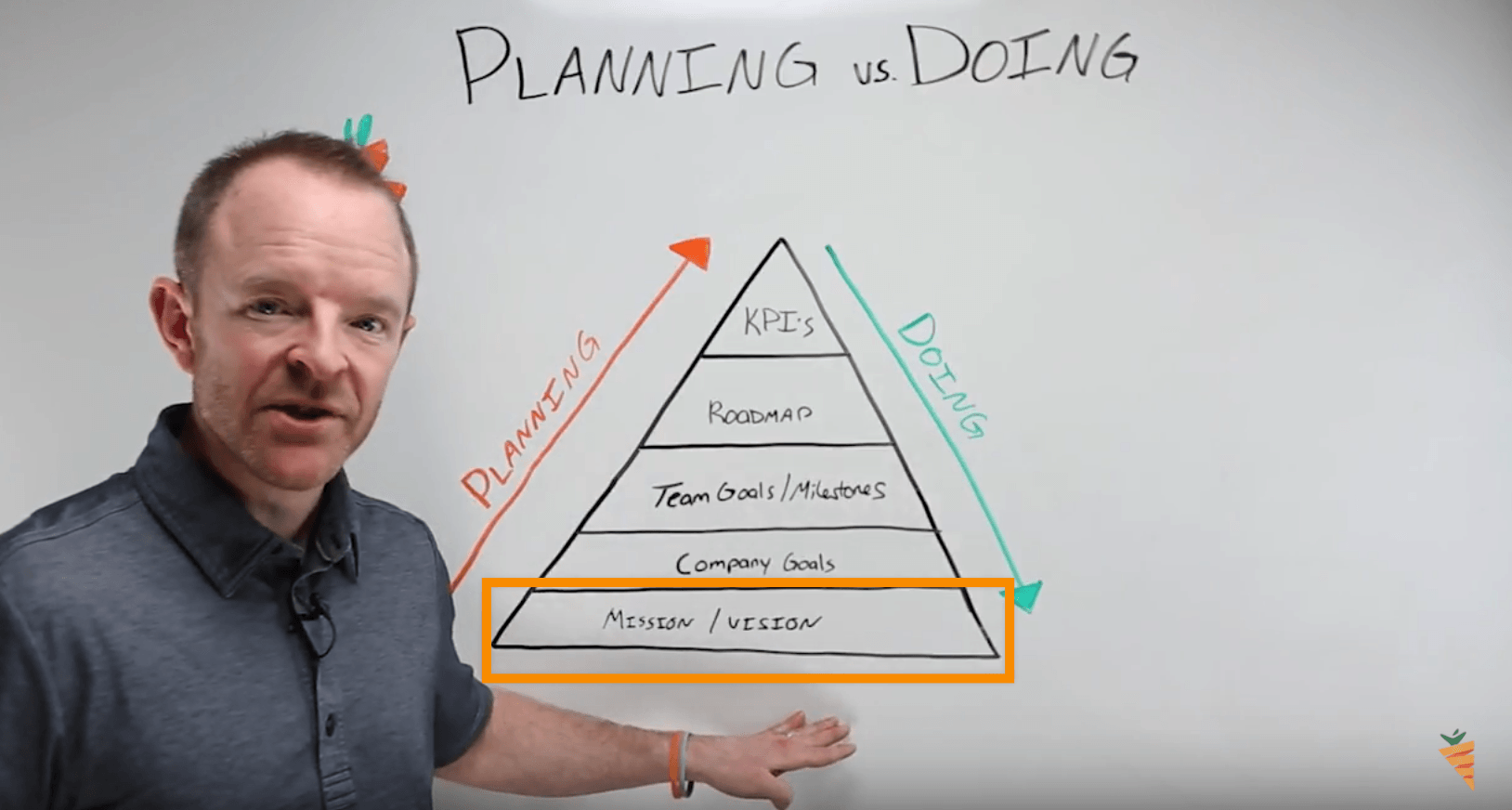
    Okay, so the first thing we want to start with is mission and vision. Now, this isn’t anything new, right?

    You’ve heard the phrase mission and you have the heard the phrase vision. None of that’s new.

    It’s actually often times kind of over said, and sometimes people overlook it because they go “Oh my Gosh, that’s boring. I don’t need that. I just want to get to action doing things.”

    But the reason that this is at the foundation is, that, there’s no way we can be doing the right things if we don’t actually know where we’re going. So we have to sit back and go “Where do I want to go in life? Where do I want to go in the business?” Write those down.

    Vision Story

    The way that we do this is we wrote a vision story, and we just really sat there and actually wrote a story about the business, about our lives.

    For the next five years, what is this business going to look like? What is it going to look like product wise, people wise? What mission are we going after? What impact do we want to make? All those types of things. Just sit down and write a story, and it might be two pages, it might be twenty pages. So write that story.

    Where are you going? That’s something your whole team needs to be a part of making. Maybe you sit down and write it at the start and share it with the team, get their feedback. That’s the way that we did it.

    We shared it with the team and said “Hey, what are you excited about? What do you think needs to be more clear? What did we miss?” And they added stuff to it. They made our vision even stronger.
    planning versus doing your mission

    Mission

    And then the mission part of it, which a lot of people get kind of confused is, this is where we’re going, but this is kind of what are we doing on the way there?

    What are we trying to impact? What do you want your business to actually impact? It can’t be just money in your pocket, it can’t be just something like that. It’s got to be something to excite you over the long term about “Man, what do I want this business to really impact and do?”

    So once you’ve got the foundation set, and make it simple for yourself. Just write the vision story.

    Goals

    The next thing you want to do is write some basic goals. So what do you want the business to do this next year? What do you want that business to do the next five years?

    If we’re talking about just planning for this next year, what are your company goals for this year? Write those top-line goals down. If it’s as a real estate investor or agent, it could be how many deals you want to do.

    It could be how much revenue you want to have. Whatever it is, write those goals down at a company level now.
    planning vs doing team goal setting

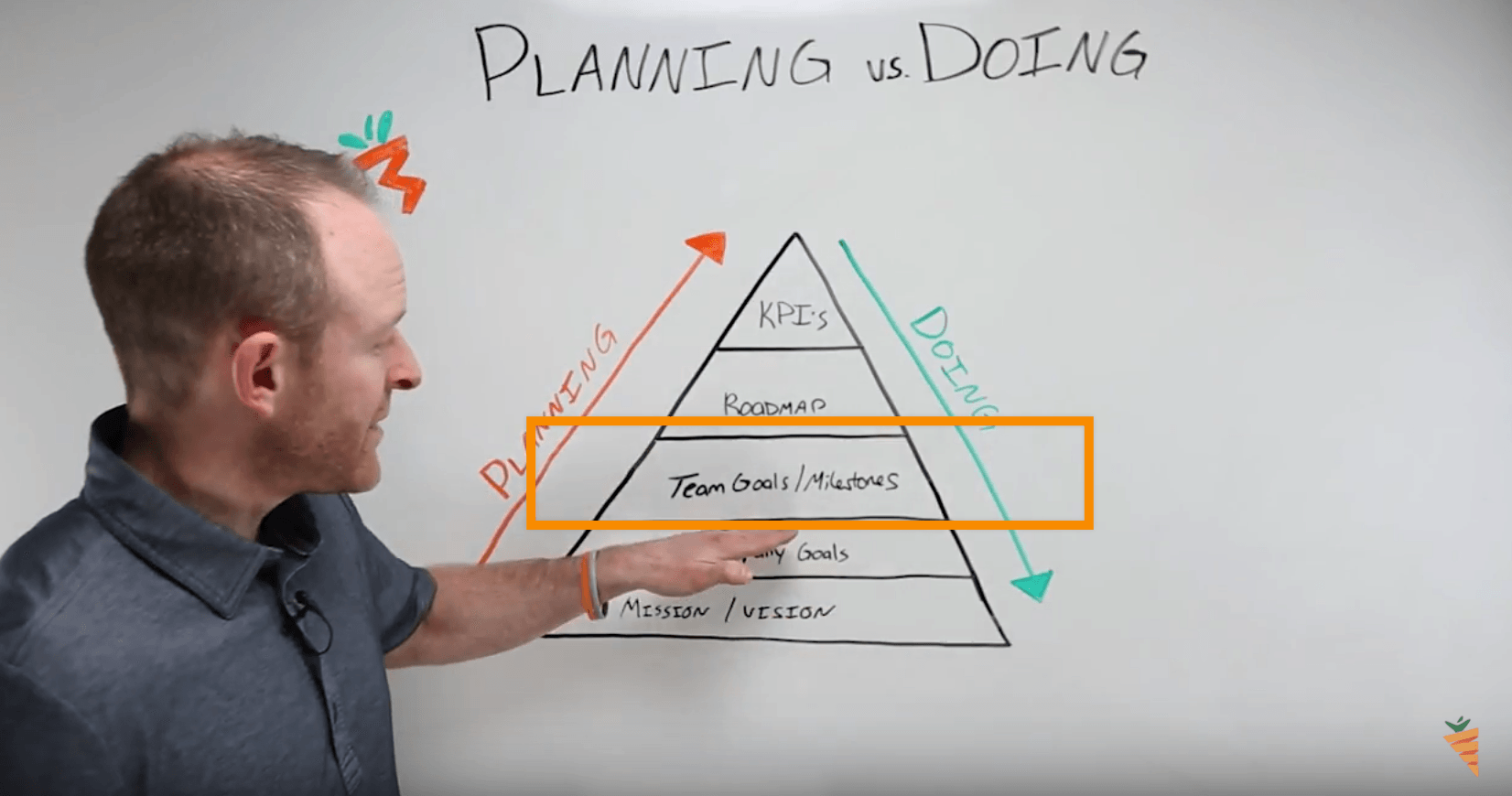
    Next, when you have a company with multiple people you need to kind of start breaking it down into different parts of the company. So here at Carrot, we have a couple of dozen employees almost, and we have different parts of the team where we need to set goals there.

    Like, what are our marketing and growth goals? What are our goals around our product? What are our goals on our customer success side of things? And that way the team goes away then and comes up with their own goals that all feed into the company goals, that all feed into the vision.

    So these all cascade down.

    These goals help you achieve the company goals for helping you achieve the mission and vision.

    And then it goes into again, once you have your goals nailed, how do I actually get those goals done? What do we need to do first? Are there projects we’ve got to do? Are there initiatives where we need to hire people?

    This comes into … this is the rubber meets the road. This is where we actually get the work done this year. So we set our mission and vision. This is where we’re going.

    That’s your story.

    That’s what gets you excited.

    That’s what gets your team members excited to join you because people want to join somewhere … they want to join a company or a movement where it’s going somewhere.

    They want to go somewhere with you. They don’t want to just be going and sitting in place in a business or in a movement.

    Roadmap

    So where are you going? What are our goals on the way there? What things do we have to do to knock off on our way there? What are the actual things that we’ve got to do project wise on our roadmap? Put them on the roadmap.

    These are things we need to break down by quarter and go “Okay, this quarter these are our roadmap items. These are the projects we’ve got to do, these are the people we have to hire.”

    KPI’s

    Things like that. And then from there on the day to day, are your KPIs. That’s your key performance indicators, so how do you actually track to make sure that you’re on task, on pace with those roadmap items? How do you actually know if you’re reaching those goals?

    How do you actually know if you’re actually on pace to hit those things?

    Well, that’s your KPI.

    So what we do is on a weekly basis, what are those things that are the most important that measure whether you’re on pace? For us, let’s say the growth side of things, it might be how many leads did we get this week?

    For you guys, it might be how many leads did we get? How many offers did we make? How many people did we meet? Things like that.

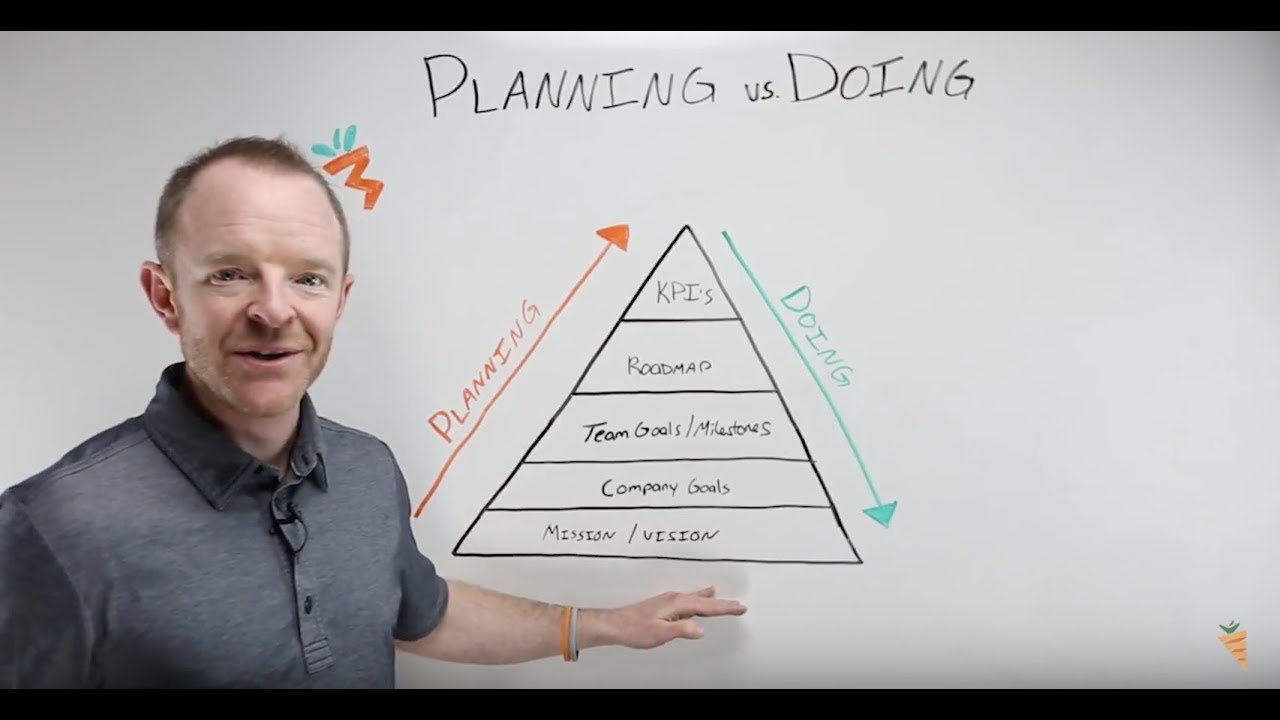
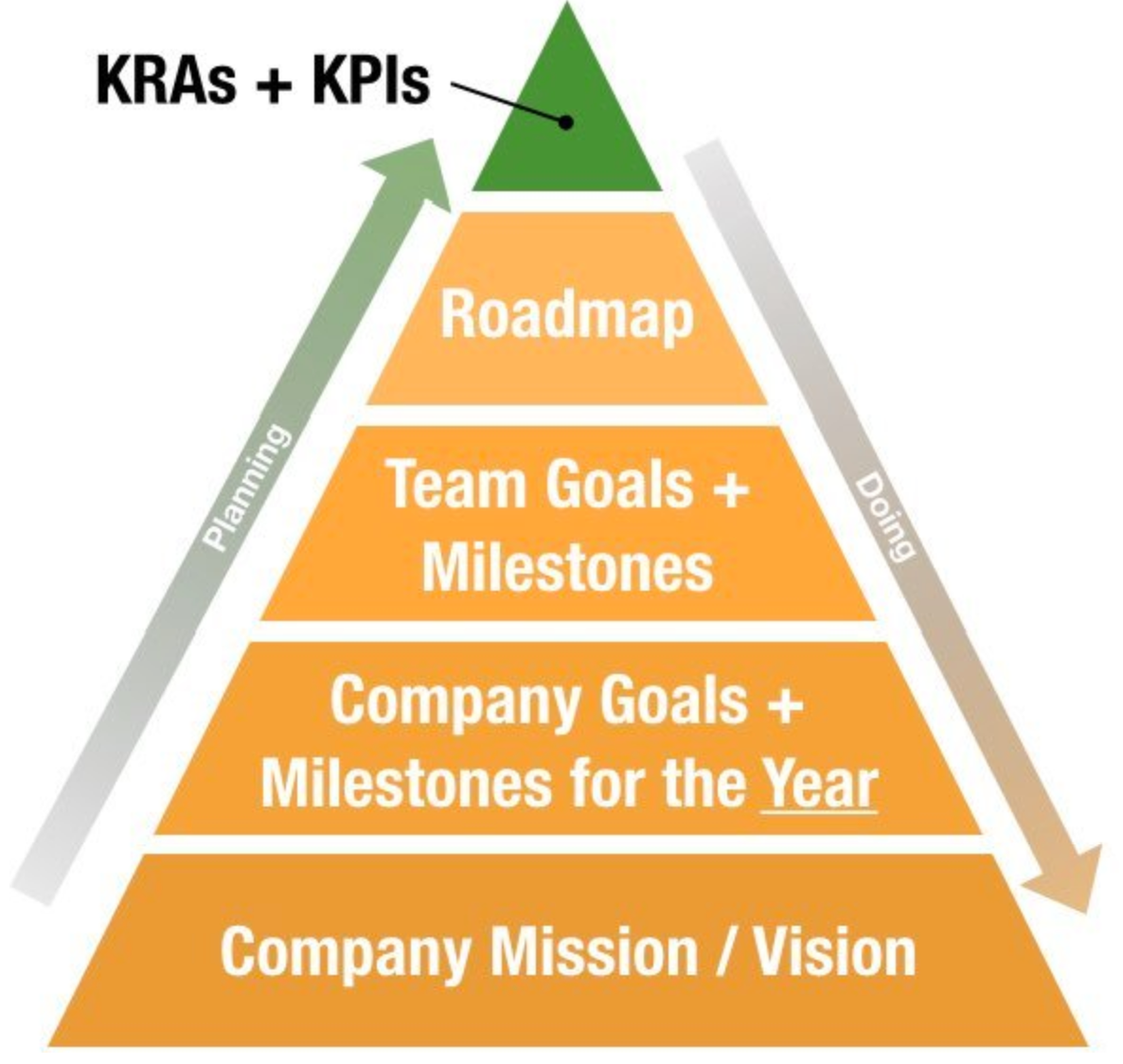
    So what are those KPIs? Now, when we started rolling this out to the team, we got the foundation, then it builds up to this pinnacle of this is what you’re doing on the day-to-day. This is planning stuff, this is day to day how you track it.

    But for the team, it made a lot of sense when we kind of put these lines into it. It said “Planning goes this way.” Planning always goes this way. When you’re sitting ready to plan for the year, your planning always needs to start here.

    You need to review that vision. You need to get excited about it. You need to adjust it, work with your team on it.

    You need to set goals. Then you need to come up with milestones on the way to those goals or split it up between team goals if you have a big team.

    And then you need to go “Okay, to reach those goals, what projects do we have to do?”

    That becomes your roadmap. And then we go “Okay, how do we track to make sure we’re on pace with that?” So your planning always goes this way.

    Doing

    The funny thing is, doing, once you get into the year, it goes the other way. Doing starts here at KPIs and it goes “Okay, are we doing the right things? Let’s look at the KPIs and see if we’re actually doing the right things. Okay, what are the projects we ought to do? Are they leading into these goals? Are they feeding into our vision?”

    And those are the things you’ve always got to look at there. So as you’re going in to plan this next year, look at these in this order when you’re planning.

    1. Vision
    2. Company goals,
    3. Team goals and milestones,
    4. Roadmap
    5. KPIs.

    When you’re actually doing, flip it around. KPIs should cascade all the way down into the vision that you’re going for.

    So take this … we actually have a page up. We’re going to link below this video the actual page with this document. Take the document, print it out, go use it with your team and report back.


    Dreams Now Worksheet

    Download Your Dreams Now Worksheet

    On the call, I walk you through how to fill out this worksheet.

    Dreams Now Worksheet


    We want to hear the success stories. If this helped you kind of clarify your planning process, we have a lot more resources that go with this. Just click the link below this video or this blog post. It takes you to that resource, and share it up. Share it up if this helped you.

    And also, go to our Carrot YouTube Channel if you’re not on YouTube right now. Go to YouTube, find our channel and subscribe. Just click subscribe wherever it is. It’s going to be on this page over here.

    Subscribe to our channel and you get first access to any content we put out. And also we put out some contests every now and then that is only published on our podcast channel and our YouTube channel.

    You can check out our CarrotCast podcast on iTunes. It’s the CarrotCast. Go to carrotcast.com to find that. Have an amazing rest of the week.

    Get your planning on for the year and make sure you’re doing the right activities to reach your vision.

  • EP 89: How To Start Finding Ways To Open Up Closed Doors With A Purpose w/ Trevor Mauch

    EP 89: How To Start Finding Ways To Open Up Closed Doors With A Purpose w/ Trevor Mauch

    How To Start Finding Ways To Open Up Closed Doors With A Purpose w/ Trevor Mauch

    Listen to the CarrotCast Podcast and Subscribe Below!

    Money doesn’t necessarily give you freedom and flexibility. But it can help drive you towards your main purpose in life. Trevor Mauch

    This week was a pretty darn important week at Carrot. We launched a new feature, had some deep conversations with the team, and it really made me dive deeper into our business and we can help real estate entrepreneurs really take their businesses to the next level.

    I’ve talked about my 3 F’s in business. Carrot has been build to create freedom, provided financial stability, and allowed flexibility. As we’ve grown, some questions have started to pop up …

    What happens when the 3 F’s have been achieved and are stable? What is the next step? How do we stay hungry?

    The Answer: You need Purpose.

    I mentioned a new resource that we rolled out this week. Our clients now have the option of free SSL on their websites. This new resource makes a HUGE impact on how our members can do business. It was created with a purpose.

    This purpose ties into our mission, “Add humanity to business and help people regain time for the things that matter.” Members can now spend more time on the things that give them passion rather than having to work on something that doesn’t.

    Listen to this episode and get into the mindset of opening up some of the closed doors that are holding you back from being the best real estate entrepreneur you can be. Enjoy!

    Also, go to the CarrotCast on iTunes and give us a rating and review.  Or, find more episodes of the CarrotCast and be sure to let us know how we’re doing. We appreciate your feedback!

    Listen to the CarrotCast Podcast


    [podcast-subscribe]

    Why have you chosen a career in real estate? How do you stay driven? What’s your purpose? Those are great questions to be asking yourself. In this episode of the CarrotCast, Trevor talks about how to open up closed doors to amplify your purpose.

    :25 – Why it is so important to have transparency in life.
    2:25 – A glimpse into the Investor Fuel Mastermind 2018 in Dallas TX.
    3:30 – The 3 F’s: Freedom, Finance, and Flexible. But, money doesn’t necessarily give you freedom and flexibility. How to create your non-negotiables.
    5:40 – How do you stay driven once you accomplish the 3 F’s? Answer: You need to find a purpose.
    7:20 – What to do when building your business on a true mission and purpose.
    8:40 –  Carrot’s new resource: Free SSL. What it took for the Carrot Development Team to make this big update happen and why it’s saving people money and valuable time. This feature fits Carrot’s mission and purpose … “Add humanity to business and help people regain time for the things that matter.”
    12:50 – Think about it … Is your mission something you and your team truly believe in? If not, you need to fix it.
    13:25 – Entrepreneurs will always have some hard times and talks within teams. This week there has been some hard talks at Carrot, and how we’ve used a book titled “Radical Candor” to help us learn how to approach these hard talks.
    15:40 – Trevor’s mental trick to staying healthy. But, it’s not just a mental trick for sickness, it can be applied to any situation. Staying positive to accomplish or overcome a task.


    [podcast-subscribe]

  • EP 88: Why Those Who Use Positivity Succeed and Those Who Don’t Fail w/ Trevor Mauch

    EP 88: Why Those Who Use Positivity Succeed and Those Who Don’t Fail w/ Trevor Mauch

    Why Those Who Use Positivity Succeed and Those Who Don’t Fail w/ Trevor Mauch

    Listen to the CarrotCast Podcast and Subscribe Below!

    It’s your duty to not be working a job that drains more energy than it’s giving you. Trevor Mauch

    One of the best ways to start amplifying your business and your life is to start adding positivity to your day… Everyday. Start looking at the world differently and staying away from negativity.

    Here’s my take on how positivity can make such a major difference on how successful you are. Start taking ownership of your day.

    Treat your problems head-on and with a positive attitude and you’re practically guaranteed to come out on top.

    Also, go to the CarrotCast on iTunes and give us a rating and review.  Or, find more episodes of the CarrotCast and be sure to let us know how we’re doing. We appreciated your feedback!


    Listen to the CarrotCast Podcast


    [podcast-subscribe]


    Positivity Mindset

    [share]

    Is it really that important to have a positive attitude? This episode of the CarrotCast will answer that question … enjoy!

    1:10 – How to view and value opportunities.
    3:10 – The opposite side of positivity. Why a negative attitude hurts your business.
    4:05 – Having success is about having a positive mindset. How to distance yourself from the “I don’t want to work hard” mentality.
    5:40 – Mornings are such a critical time for positivity. Start getting pumped every day!
    6:45 – Why it’s so important to limit the negative influences. Enough negativity will overpower your positivity if you let it. Stop this trend.
    8:10 – Taking ownership of your day and positivity.


    [podcast-subscribe]